WO2016048105A1 - 간세포 성장인자 및 기질세포 유발인자1알파를 이용한 말초동맥질환의 예방 또는 치료용 조성물 - Google Patents
간세포 성장인자 및 기질세포 유발인자1알파를 이용한 말초동맥질환의 예방 또는 치료용 조성물 Download PDFInfo
- Publication number
- WO2016048105A1 WO2016048105A1 PCT/KR2015/010240 KR2015010240W WO2016048105A1 WO 2016048105 A1 WO2016048105 A1 WO 2016048105A1 KR 2015010240 W KR2015010240 W KR 2015010240W WO 2016048105 A1 WO2016048105 A1 WO 2016048105A1
- Authority
- WO
- WIPO (PCT)
- Prior art keywords
- hgf
- composition
- sdf
- present
- sequence
- Prior art date
- Legal status (The legal status is an assumption and is not a legal conclusion. Google has not performed a legal analysis and makes no representation as to the accuracy of the status listed.)
- Ceased
Links
Images


Classifications
-
- A—HUMAN NECESSITIES
- A61—MEDICAL OR VETERINARY SCIENCE; HYGIENE
- A61K—PREPARATIONS FOR MEDICAL, DENTAL OR TOILETRY PURPOSES
- A61K38/00—Medicinal preparations containing peptides
- A61K38/16—Peptides having more than 20 amino acids; Gastrins; Somatostatins; Melanotropins; Derivatives thereof
- A61K38/17—Peptides having more than 20 amino acids; Gastrins; Somatostatins; Melanotropins; Derivatives thereof from animals; from humans
- A61K38/18—Growth factors; Growth regulators
-
- A—HUMAN NECESSITIES
- A61—MEDICAL OR VETERINARY SCIENCE; HYGIENE
- A61K—PREPARATIONS FOR MEDICAL, DENTAL OR TOILETRY PURPOSES
- A61K38/00—Medicinal preparations containing peptides
- A61K38/16—Peptides having more than 20 amino acids; Gastrins; Somatostatins; Melanotropins; Derivatives thereof
- A61K38/17—Peptides having more than 20 amino acids; Gastrins; Somatostatins; Melanotropins; Derivatives thereof from animals; from humans
- A61K38/19—Cytokines; Lymphokines; Interferons
- A61K38/195—Chemokines, e.g. RANTES
-
- A—HUMAN NECESSITIES
- A61—MEDICAL OR VETERINARY SCIENCE; HYGIENE
- A61K—PREPARATIONS FOR MEDICAL, DENTAL OR TOILETRY PURPOSES
- A61K38/00—Medicinal preparations containing peptides
- A61K38/16—Peptides having more than 20 amino acids; Gastrins; Somatostatins; Melanotropins; Derivatives thereof
- A61K38/17—Peptides having more than 20 amino acids; Gastrins; Somatostatins; Melanotropins; Derivatives thereof from animals; from humans
- A61K38/18—Growth factors; Growth regulators
- A61K38/1833—Hepatocyte growth factor; Scatter factor; Tumor cytotoxic factor II
-
- A—HUMAN NECESSITIES
- A61—MEDICAL OR VETERINARY SCIENCE; HYGIENE
- A61K—PREPARATIONS FOR MEDICAL, DENTAL OR TOILETRY PURPOSES
- A61K48/00—Medicinal preparations containing genetic material which is inserted into cells of the living body to treat genetic diseases; Gene therapy
-
- A—HUMAN NECESSITIES
- A61—MEDICAL OR VETERINARY SCIENCE; HYGIENE
- A61K—PREPARATIONS FOR MEDICAL, DENTAL OR TOILETRY PURPOSES
- A61K48/00—Medicinal preparations containing genetic material which is inserted into cells of the living body to treat genetic diseases; Gene therapy
- A61K48/0008—Medicinal preparations containing genetic material which is inserted into cells of the living body to treat genetic diseases; Gene therapy characterised by an aspect of the 'non-active' part of the composition delivered, e.g. wherein such 'non-active' part is not delivered simultaneously with the 'active' part of the composition
- A61K48/0016—Medicinal preparations containing genetic material which is inserted into cells of the living body to treat genetic diseases; Gene therapy characterised by an aspect of the 'non-active' part of the composition delivered, e.g. wherein such 'non-active' part is not delivered simultaneously with the 'active' part of the composition wherein the nucleic acid is delivered as a 'naked' nucleic acid, i.e. not combined with an entity such as a cationic lipid
-
- A—HUMAN NECESSITIES
- A61—MEDICAL OR VETERINARY SCIENCE; HYGIENE
- A61P—SPECIFIC THERAPEUTIC ACTIVITY OF CHEMICAL COMPOUNDS OR MEDICINAL PREPARATIONS
- A61P9/00—Drugs for disorders of the cardiovascular system
-
- A—HUMAN NECESSITIES
- A61—MEDICAL OR VETERINARY SCIENCE; HYGIENE
- A61P—SPECIFIC THERAPEUTIC ACTIVITY OF CHEMICAL COMPOUNDS OR MEDICINAL PREPARATIONS
- A61P9/00—Drugs for disorders of the cardiovascular system
- A61P9/10—Drugs for disorders of the cardiovascular system for treating ischaemic or atherosclerotic diseases, e.g. antianginal drugs, coronary vasodilators, drugs for myocardial infarction, retinopathy, cerebrovascula insufficiency, renal arteriosclerosis
Definitions
- the present invention provides a hepatocyte growth factor (HGF) or a variant thereof, and stromal cell derived factor 1 alpha (SDF-1 ⁇ ); Or it relates to a composition for the prevention or treatment of peripheral arterial disease comprising a polynucleotide encoding the proteins as an active ingredient.
- HGF hepatocyte growth factor
- SDF-1 ⁇ stromal cell derived factor 1 alpha
- Cardiovascular disease is a disease caused by narrowing or occlusion of blood vessels due to atherosclerosis, and can be largely divided into coronary artery disease (CAD) and peripheral artery disease (PAD). have. Among these, a representative type of peripheral artery disease is ischemic limb disease.
- cardiovascular diseases are mainly made up of the use of drugs to expand blood vessels and surgical operations.
- the rotting pain is so severe that some patients take anti-systemic painkillers and severely cut their legs or even die, requiring fundamental treatment.
- WO 2000/040737 expression vectors as gene carriers for gene therapy are described in WO 2000/040737.
- WO 2003/078568 describes the effect of treating ischemic lower limb disease using the HGF gene.
- HGF Hepatocyte Growth Factor
- SDF-1 ⁇ Stromal Cell derived Factor 1 alpha
- an object of the present invention is to provide a pharmaceutical composition for the prevention or treatment of peripheral artery diseases.
- Another object of the present invention to provide a method of preventing or treating peripheral artery disease (Peripheral Artery Disease).
- the present invention provides a method for preparing an antibody comprising (a) Hepatocyte Growth Factor (HGF) or a variant thereof, and Stromal Cell derived Factor 1 ⁇ (SDF-1 ⁇ ); Or (b) provides a pharmaceutical composition for the prevention or treatment of peripheral arterial disease comprising a polynucleotide encoding HGF and a polynucleotide encoding SDF-1 ⁇ as an active ingredient.
- HGF Hepatocyte Growth Factor
- SDF-1 ⁇ Stromal Cell derived Factor 1 ⁇
- HGF Hepatocyte Growth Factor
- SDF-1 ⁇ Stromal Cell derived Factor 1 alpha
- the therapeutic strategies of the present invention can be broadly classified into two groups: protein therapy and gene therapy.
- HGF or a variant thereof, and SDF-1 ⁇ protein are used in combination.
- SDF-1 ⁇ protein are used in combination.
- one or more nucleotide sequences encoding HGF and one or more nucleotide sequences encoding SDF-1 ⁇ are administered.
- One or more nucleotide sequences encoding HGF and one or more nucleotide sequences encoding SDF-1 ⁇ may be provided as one polynucleotide or may be provided as separate polynucleotides.
- one or more nucleotide sequences encoding HGF of the invention and one or more nucleotide sequences encoding SDF-1 ⁇ are provided as separate polynucleotides.
- isoform of HGF has an amino acid sequence that is at least 80% identical to a naturally occurring HGF amino acid sequence in an animal, including all allelic variants.
- HGF polypeptide For example, HGF variants have the meaning encompassing both the normal form or wild type of HGF, and various variants of HGF (eg, splicing variants and deletion variants).
- prevention refers to any action that inhibits or delays the progression of peripheral arterial disease by administration of a composition of the present invention.
- treatment refers to (a) inhibition of the development of peripheral arterial disease; (b) alleviation of peripheral arterial disease; Or (c) elimination of peripheral arterial disease.
- the HGF of the invention comprises recombinant human HGF protein. According to another embodiment of the present invention, the HGF of the present invention comprises the amino acid sequence of SEQ ID NO: 1 sequence.
- the HGF isoforms of the present invention include full length HGF (flHGF) and deleted variant HGF (dHGF).
- flHGF refers to amino acid 1-728 sequence of animal HGF, in one embodiment amino acid 1-728 sequence of mammalian HGF, and in another embodiment to amino acid 1-728 sequence of human HGF. .
- the term “dHGF” refers to a deleted variant of an HGF protein produced by selective splicing of an animal HGF gene, according to one embodiment a mammalian HGF gene.
- the dHGF of the present invention is a human consisting of 723 amino acids lacking 5 amino acids (F, L, P, S and S) in the first Kringle domain of the alpha chain from the full length HGF sequence. HGF.
- the full length HGF of the present invention comprises the amino acid sequence of SEQ ID NO: 2
- the deleted variant HGF of the present invention comprises the amino acid sequence of SEQ ID NO: 3.
- SDF-1 ⁇ of the present invention comprises the amino acid sequence of SEQ ID NO: 4 or SEQ ID NO: 8 sequence.
- HGF and SDF-1 ⁇ proteins of the present invention were combined with HUVEC, the degree of vascular endothelial cell migration and angiogenesis was more effectively promoted than when each protein was treated alone.
- the combination of HGF and SDF-1 ⁇ protein was confirmed to be effectively used for the prevention or treatment of peripheral arterial disease.
- the variants of HGF of the invention are encoded by separate nucleotide sequences or by a single polynucleotide.
- the pharmaceutical composition of the present invention comprises two or more polynucleotides when the variant of HGF is encoded by a separate polynucleotide, and the single polynucleotide when the variant of HGF is encoded by a single polynucleotide. At least one polynucleotide.
- the polynucleotides of the present invention may be operably linked to one or more regulatory sequences (eg, promoters or enhancers) that regulate the expression of HGF isoforms.
- expression cassettes can be constructed in two ways.
- an expression cassette is constructed by connecting an expression control sequence to a CDS (coding sequence) for each of the variants.
- an expression cassette was constructed using an internal ribosomal entry site (IRES) or 2A peptide in the same manner as "expression control sequence-first heterologous CDS-IRES-second heterologous CDS-transcription sequence". do.
- IRES allows the translation of a gene to begin in the IRES sequence so that two or more genes of interest are expressed in the same construct.
- an isoform of HGF is encoded by a single polynucleotide
- the polynucleotide encoding all of these isoforms is operably linked to a single expression control sequence.
- a variant of HGF may be encoded by a hybrid HGF gene which simultaneously expresses two or more different types of variants, such as flHGF and dHGF.
- the hybrid HGF gene corresponds to a sequence corresponding to exons 1 to 4 of the human HGF gene, an intron 4 or a fragment sequence thereof, and an exon 5 to 18 of the human HGF gene. Sequence.
- the hybrid HGF gene including the intron 4 is 7113 bp in length and includes the nucleotide sequence of SEQ ID NO: 7.
- the hybrid HGF gene may optionally comprise a fragment of intron 4 between exons 4 and 5 of HGF cDNA.
- the hybrid HGF gene comprises the nucleotide sequence of SEQ ID NO: 5.
- HGF isoform of the present invention, a hybrid HGF gene (eg HGF-X7), has been reported in WO 2003/078568, the disclosure of which is incorporated herein by reference in its entirety.
- the amino acid or nucleotide sequence of the HGF isoforms usable in the present invention is to be interpreted to include amino acid or nucleotide sequences that show substantial identity with the sequence of wild type human HGF isoforms.
- the substantial identity is minimal when the amino acid or nucleotide sequence of the wild-type human HGF isoform is aligned with the maximal correspondence of any other sequence, and the aligned sequence is analyzed using algorithms commonly used in the art.
- the polynucleotides encoding SDF-1 ⁇ of the present invention comprises the sixth sequence.
- the peripheral arterial disease of the present invention is ischemic limb disease (Ischemic Limb Disease).
- ischemic limb disease Ischemic Limb Disease
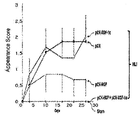
- the composition of the present invention continued in steady state, unlike the leg condition of the pCK-administered group, the pCK-SDF-1a-administered group and the pCK-HGF-administered group worsened in a mouse model inducing lower limb ischemia. It is effective to keep it.
- the polynucleotide of the present invention is a nucleotide contained in naked DNA or a gene carrier.
- the compositions of the present invention can be applied in vivo through various delivery methods commonly known in the art of gene therapy, and such gene carriers include, but are not limited to, for example, vectors, plasmids and viral vectors.
- Plasmids can be used as carriers to carry the polynucleotides of the invention.
- the polynucleotides included in the vector are preferably present in a suitable expression cassette.
- the polynucleotide in the expression cassette is preferably operably linked to a promoter.
- operably linked refers to a functional binding between a nucleic acid expression control sequence (eg, an array of promoters, signal sequences or transcriptional regulator binding sites) and other nucleic acid sequences, whereby the regulation The sequence will control the transcription and / or translation of said other nucleic acid sequence.
- a nucleic acid expression control sequence eg, an array of promoters, signal sequences or transcriptional regulator binding sites
- a promoter bound to a polynucleotide sequence can operate in an animal cell according to one embodiment, a mammalian cell according to another embodiment, and a human cell according to a specific embodiment, thereby controlling transcription of the nucleotide sequence
- Promoters derived from mammalian viruses and promoters derived from genomes of mammalian cells such as, for example, cytomegalo virus (CMV) promoter, adenovirus late promoter, vaccinia virus 7.5K promoter, SV40 promoter, tk promoter of HSV, RSV promoter, EF1 alpha promoter, metallothionine promoter, beta-actin promoter, promoter of human IL-2 gene, promoter of human IFN gene, promoter of human IL-4 gene, promoter of human lymphotoxin gene and human GM- Include, but are not limited to, promoters of the CSF gene is.
- CMV cytomegalo virus
- adenovirus late promoter vac
- the promoter used in the present invention is a promoter or EF1 alpha promoter derived from an IE (immediately early) gene of human CMV (hCMV), according to another embodiment a promoter / enhancer of CMV IE gene And 5′-UTR (untranslated region) comprising the entire exon 1 sequence up to just before the ATG start codon of exon 2.
- IE immediate early gene of human CMV
- 5′-UTR untranslated region
- Expression cassettes used in the present invention may comprise a polyaninated sequence, for example, from the ectopic growth hormone terminator (Gimmi, ER, et al., Nucleic Acids Res. 17: 6983-6998 (1989)), SV40 Poly adenylation sequence (Schek, N, et al., Mol. Cell Biol. 12: 5386-5393 (1992)), HIV-1 polyA (Klasens, BIF, et al., Nucleic Acids Res. 26: 1870-1876 (1998)), ⁇ -globin polyA (Gil, A., et al, Cell 49: 399-406 (1987)), HSV TK polyA (Cole, CN and TP Stacy, Mol. Cell. Biol. 5: 2104- 2113 (1985)) or polyomavirus polyA (Batt, D. B and GG Carmichael, Mol. Cell. Biol. 15: 4783-4790 (1995)).
- the gene carrier of the present invention may use a pCK, pCP, pVAX1 or pCY vector, and in accordance with certain embodiments of the present invention, a pCK vector may be used.
- the pCK vector is disclosed in detail in WO 2000/040737, the disclosure of which is incorporated herein by reference in its entirety.
- Retroviruses are widely used as gene transfer vectors because they insert their genes into the host genome, carry large amounts of foreign genetic material, and have a broad spectrum of cells that can infect them.
- the polynucleotide sequence of the present invention is inserted into the retroviral genome instead of the sequence of the retrovirus to produce a nonreplicating virus.
- a packaging cell line comprising the gag, pol and env genes but no LTR (long terminal repeat) and ⁇ sequences is constructed (Mann et al., Cell, 33: 153-159 (1983)).
- a recombinant plasmid comprising the polynucleotide sequence, LTR and ⁇ sequence of the present invention
- the ⁇ sequence enables the production of RNA transcripts of the recombinant plasmid, which transcript is packaged into a virus, and the virus is Discharged into the medium (Nicolas and Rubinstein "Retroviral vectors," In: Vectors: A survey of molecular cloning vectors and their uses, Rodriguez and Denhardt (eds.), Stoneham: Butterworth, 494-513 (1988)).
- the medium containing the recombinant retrovirus is collected, concentrated and used as a gene delivery system.
- Adenoviruses are widely used as gene transfer vectors because of their medium genome size, ease of manipulation, high titers, wide range of target cells and excellent infectivity. Both ends of the genome contain 100-200 bp inverted terminal repeats (ITRs), which are cis-elements essential for DNA replication and packaging.
- ITRs inverted terminal repeats
- the genome El region (E1A and E1B) encodes proteins that regulate transcription and transcription of host cell genes.
- the E2 regions (E2A and E2B) encode proteins that are involved in viral DNA replication.
- the polynucleotide sequence of the present invention is preferably inserted into the deleted E1 region (E1A region and / or E1B region) or E3 region.
- the nucleotide sequence can be inserted into the deleted E4 region.
- the term "deletion" as used in connection with a viral genome sequence has the meaning including not only that sequence in its entirety, but also partially deleted.
- adenovirus can pack up to about 105% of the wild-type genome, about 2 kb can be additionally packaged (Ghosh-Choudhury et al., EMBO J., 6: 1733-1739 (1987)).
- the above-described foreign sequence inserted into the adenovirus may additionally bind to the genome of the adenovirus.
- Adenoviruses have 42 different serotypes and subgroups of A-F. Of these, adenovirus type 5 belonging to subgroup C is the most preferred starting material for obtaining the adenovirus vector of the present invention. Biochemical and genetic information for adenovirus type 5 is well known. Foreign genes carried by adenoviruses replicate in the same way as episomes, with very low genetic toxicity to host cells. Therefore, gene therapy using an adenovirus gene delivery system is considered to be safe.
- Adeno-associated virus is suitable as the gene delivery system of the present invention because it can infect non-dividing cells and has the ability to infect various kinds of cells. Details of the preparation and use of AAV vectors are disclosed in detail in US Pat. Nos. 5,139,941 and 4,797,368.
- AAV vectors have undergone clinical I as a therapeutic agent for cystic fibrosis.
- AAV viruses are plasmids containing the gene sequence of interest, with two AAV terminal repeats flanked (McLaughlin et al., J. Virol., 62: 1963-1973 (1988); and Samulski et al. , J. Virol., 63: 3822-3828 (1989)) and expression plasmids comprising wild type AAV coding sequences without terminal repeats (McCarty et al., J. Virol., 65: 2936-2945 (1991)). Prepared by co-transfection.
- viral vectors can also be used to carry the polynucleotide sequence of the present invention in vivo. Basinian virus (Puhlmann M. et al., Human Gene Therapy 10: 649-657 (1999); Ridgeway, "Mammalian expression vectors," In: Vectors: A survey of molecular cloning vectors and their uses.Rodrigue and Denhardt, eds Stoneham: Butterworth, 467-492 (1988); Baichwal and Sugden, "Vectors for gene transfer derived from animal DNA viruses: Transient and stable expression of transferred genes," In: Kucherlapati R, ed.
- Liposomes are automatically formed by phospholipids dispersed in the aqueous phase. Examples of successfully delivering foreign DNA molecules into liposomes into cells include Nicolau and Sene, Biochim. Biophys. Acta, 721: 185-190 (1982) and Nicolau et al., Methods Enzymol., 149: 157-176 (1987). Liposomes containing the polynucleotide sequence of the present invention interact with cells through mechanisms such as endocytosis, adsorption to the cell surface, or fusion with plasma cell membranes to transport the polynucleotide sequences into cells.
- the polynucleotide sequence of the present invention when mounted on naked recombinant DNA molecules or plasmids (vectors), the microinjection method (Capecchi, MR, Cell, 22: 479 (1980); and Harland and Weintraub, J. Cell Biol. 101: 1094-1099 (1985)), calcium phosphate precipitation (Graham, FL et al., Virology, 52: 456 (1973); and Chen and Okayama, Mol. Cell. Biol. 7: 2745 -2752 (1987)), electroporation (Neumann, E. et al., EMBO J., 1: 841 (1982); and Tur-Kaspa et al., Mol.
- the polynucleotide sequence of the present invention When the polynucleotide sequence of the present invention is constructed based on a viral vector, the polynucleotide sequence may be transported into cells according to various viral infection methods known in the art. Infection of host cells with viral vectors is described in the references cited above.
- the gene carrier of the invention is a vector.
- the vector of the invention is a plasmid, and according to certain embodiments of the invention, the plasmid of the invention is pCK.
- Recombinant vectors comprising a single polynucleotide expressing two or more isoforms of HGF using pCK are described in detail in WO 2000/040737 and WO 2003/078568.
- composition of the present invention may comprise a pharmaceutically acceptable carrier.
- Pharmaceutically acceptable carriers included in the compositions of the present invention are those commonly used in the formulation, lactose, dextrose, sucrose, sorbitol, mannitol, starch, acacia rubber, calcium phosphate, alginate, gelatin, calcium silicate , Microcrystalline cellulose, polyvinylpyrrolidone, cellulose, water, syrup, methyl cellulose, methylhydroxybenzoate, propylhydroxybenzoate, talc, magnesium stearate, mineral oil, and the like, but are not limited thereto. no.
- the pharmaceutical composition of the present invention may further include a lubricant, a humectant, a sweetener, a flavoring agent, an emulsifier, a suspending agent, a preservative, and the like.
- a lubricant e.g., talc, kaolin, kaolin, kaolin, kaolin, kaolin, kaolin, kaolin, kaolin, kaolin, a kaolin, sorbitol, sorbitol, sorbitol, sorbitol, sorbitol, sorbitol, sorbitol, sorbitol, sorbitol, sorbitol, sorbitol, sorbitol, sorbitol, mannitol, mannitol, mannitol, mannitol, mannitol, mannitol, mannitol, mannitol, mannitol, mann
- the pharmaceutical composition of the invention is administered parenterally.
- intravenous administration, intraperitoneal administration, subcutaneous administration, intradermal administration, spinal cord administration, intrathecal administration, intraventricular administration, intraparenchymal administration, intracranial administration, intramuscular administration or topical administration may be used.
- the pharmaceutical composition of the present invention can be administered intramuscularly, intrathecal, intrathecal, intraventricular, intraventricular, intracranial.
- compositions of the invention can be formulated and administered by injection. Suitable dosages of the pharmaceutical compositions of the present invention vary depending on factors such as the formulation method, mode of administration, age, weight, sex of the patient, degree of disease symptom, time of administration, route of administration, rate of excretion and response to reaction, Usually an experienced physician can easily determine and prescribe a dosage effective for the desired treatment.
- the HGF, isoforms, and SDF-1 ⁇ of the present invention are administered at a dosage of 10 ng to 100 mg, respectively, wherein the polynucleotides encoding the protein are each 1 ⁇ g to 100 mg It is administered at a dose of.
- the dosage may be the same or different each time when the administration of the HGF, isoforms thereof, SDF-1 ⁇ or polynucleotides encoding it is repeated more than once.
- compositions of the present invention are prepared in unit dosage form by being formulated with pharmaceutically acceptable carriers and / or excipients, according to methods which may be readily practiced by those skilled in the art. Or may be prepared by incorporation into a multi-dose container.
- the formulation may be in the form of a solution, suspension or emulsion in an oil or an aqueous medium, or may be in the form of extracts, powders, granules, tablets or capsules, and may further include a dispersant or stabilizer.
- the present invention provides (a) Hepatocyte Growth Factor (HGF) or a variant thereof, and Stromal Cell derived Factor 1 alpha (SDF-1 ⁇ ); Or (b) administering to a subject in need thereof a composition comprising a polynucleotide encoding HGF and a polynucleotide encoding SDF-1 ⁇ as an active ingredient to a subject in need thereof.
- HGF Hepatocyte Growth Factor
- SDF-1 ⁇ Stromal Cell derived Factor 1 alpha
- administering refers to the formation of the same amount in a subject's body by directly administering a therapeutically effective amount of a composition of the invention to an individual in need thereof (ie, a subject). Say what you can.
- administration includes the injection of a composition of the present invention into a lesion site, so the term “administer” is used in the same sense as "inject”.
- a “therapeutically effective amount” of a composition means a content of the composition that is sufficient to provide a therapeutic or prophylactic effect to the individual to whom the composition is to be administered, and includes a “prophylactically effective amount” as used herein.
- the term “individual” includes, without limitation, human, mouse, rat, guinea pig, dog, cat, horse, cow, pig, monkey, chimpanzee, baboon, or rhesus monkey, specifically, an individual of the present invention is a human to be.
- a method for preventing or treating peripheral arterial disease is a method comprising administering a pharmaceutical composition for preventing or treating peripheral arterial disease, which is an aspect of the present invention, and thus, overlapping descriptions thereof are excessive. It is omitted to avoid complexity.
- the present invention provides a pharmaceutical composition for preventing or treating peripheral artery disease (PAD).
- PAD peripheral artery disease
- 2A and 2B show the effect of the combination of HGF and SDF-1 ⁇ on blood vessel production.
- FIG. 3 shows the effect of combination of pCK-HGF and pCK-SDF-1 ⁇ on the leg status of the ischemic mouse model over time.
- HUVECs obtained by culturing single cells from cultured human umbilical cords and culturing single cells were purchased from Lonza.
- HGF (SEQ ID NO: 1, R & D systems Cat No. 294-HG-025 / CF, USA) and SDF-1 ⁇ (SEQ ID NO: 4, R & D systems Cat No. 350-NS-010 /) in the cell strain of HUVEC CF, USA) was coated with 1% gelatin transwell (Corning, cat # 3422) and then seeded 2 ⁇ 10 4 cells per well. After culturing for one hour to allow the cells to adhere, the experimental groups were organized as follows (50 ng / ml HGF; 50 ng / ml SDF-1 ⁇ ; 25 ng / ml HGF + 25 ng / ml SDF-1 ⁇ ). Each experimental group was treated with the protein for two hours, and the cells were stained with crystal violet in order to measure the degree of cell migration, and then the number of cells moved through the transwell was measured using a microscope.
- Example 2 Matrigel Plug Analysis ( Matrigel in a plug assay With HGF SDF - 1 ⁇ Identify the efficacy of combinations on angiogenesis
- Matrigel plug analysis was used to determine the effect of HGF and SDF-1 ⁇ on blood vessel formation.
- mice Five-week-old C57BL / 6 mice were divided into the following groups (PBS; 300 ng HGF; 150 ng HGF + 150 ng SDF-1 ⁇ ). One unit of heparin was added to a 400 ⁇ l Matrigel matrix (Corning, cat # 356231), and proteins corresponding to the experimental groups were added. The resulting Matrigel mixture was injected subcutaneously into the mouse abdomen. After 7 days, the mice were sacrificed and the transplanted Matrigel matrix was isolated, and the hemoglobin level contained in each Matrigel was measured by Drabkin's assay to quantify the degree of blood vessel formation.
- the hemoglobin level of the group containing 300 ng HGF was about 1.8 times higher than that of the group containing PBS.
- the hemoglobin level of the group containing 150 ng of HGF and SDF-1 ⁇ was higher than that of the PBS group.
- About 2.3-fold increase it was confirmed that the degree of angiogenesis was improved compared to the administration of HGF alone (FIGS. 2A and 2B).
- the pCK vector is a vector constructed so that the subject to be expressed is under the control of an enhancer / promoter of human cytomegalovirus (hCMV), and Lee et al., Biochem. Biophys. Res. Commun. 272: 230 (2000); It is disclosed in detail in WO 2000/040737.
- the pCK-HGF plasmid used in the present invention is a hybrid gene (i.e., HGF-X7) having a fragment sequence of intron 4 of the human HGF gene inserted between exons 4 and 5 of the human HGF gene according to the method described in WO 2003/078568. Gene; SEQ ID NO: 5) was inserted into the pCK vector.
- Example 3-2 lower limb ischemia ( HLI ) Mouse Model Preparation and Plasmid DNA Administration
- the HLI mouse model is the most representative mouse model that mimics human critical Limb Ischemia (CLI) [1, 2].
- the manufacturing method of the mouse model is as follows. Seven-week-old male Balb / c mice were anesthetized with a mixture of zoletil and rumpun, and the thigh-sided skin was incised approximately 1 cm. Then, the location of the femoral artery in the inner thigh (final artery) was found and tied the length of about 1 cm of the artery well with 6-0 thick thread, the tissue between them was cut out to remove the blood vessels. In this way, ischemic conditions can be induced by removing blood vessels that fall down the thighs. Simultaneously with HLI induction, the plasmid DNA to be evaluated was administered to muscles near the removed blood vessel. Thereafter, the incision was well closed and watched to see if the mouse recovered well from anesthesia.
- CLI human critical Limb Ischemia
- the HLI mouse model was organized into 6 rats per group, each administered the following plasmids: 200 ⁇ g pCK; 200 ⁇ g pCK-HGF; 200 ⁇ g pCK-SDF-1 ⁇ ; 200 ⁇ g pCK-HGF + 200 ⁇ g pCK-SDF-1 ⁇ ) was administered.
- the condition of the legs was observed at 3, 10, 17, 22 and 27 days after dosing respectively and scored according to certain criteria and quantified.
Landscapes
- Health & Medical Sciences (AREA)
- Life Sciences & Earth Sciences (AREA)
- Engineering & Computer Science (AREA)
- Chemical & Material Sciences (AREA)
- General Health & Medical Sciences (AREA)
- Medicinal Chemistry (AREA)
- Pharmacology & Pharmacy (AREA)
- Animal Behavior & Ethology (AREA)
- Public Health (AREA)
- Veterinary Medicine (AREA)
- Epidemiology (AREA)
- Bioinformatics & Cheminformatics (AREA)
- Gastroenterology & Hepatology (AREA)
- Zoology (AREA)
- Immunology (AREA)
- Proteomics, Peptides & Aminoacids (AREA)
- Genetics & Genomics (AREA)
- Biotechnology (AREA)
- Molecular Biology (AREA)
- Organic Chemistry (AREA)
- Cardiology (AREA)
- Heart & Thoracic Surgery (AREA)
- Chemical Kinetics & Catalysis (AREA)
- General Chemical & Material Sciences (AREA)
- Nuclear Medicine, Radiotherapy & Molecular Imaging (AREA)
- Biochemistry (AREA)
- Vascular Medicine (AREA)
- Urology & Nephrology (AREA)
- Medicines That Contain Protein Lipid Enzymes And Other Medicines (AREA)
- Biomedical Technology (AREA)
- General Engineering & Computer Science (AREA)
- Wood Science & Technology (AREA)
- Medicines Containing Material From Animals Or Micro-Organisms (AREA)
- Physics & Mathematics (AREA)
- Biophysics (AREA)
- Plant Pathology (AREA)
- Microbiology (AREA)
- Peptides Or Proteins (AREA)
Abstract
Description
Claims (14)
- (a) 간세포 성장인자(Hepatocyte Growth Factor: HGF) 또는 이의 이형체, 및 기질세포 유발인자1알파(Stromal Cell derived Factor 1α: SDF-1α); 또는 (b) HGF를 암호화하는 폴리뉴클레오타이드 및 SDF-1α를 암호화하는 폴리뉴클레오타이드를 유효성분으로 포함하는 말초동맥질환(Peripheral Artery Disease; PAD)의 예방 또는 치료용 약제학적 조성물.
- 제 1 항에 있어서, 상기 HGF는 서열목록 제1서열의 아미노산 서열을 포함하는 것을 특징으로 하는 조성물.
- 제 1 항에 있어서, 상기 HGF의 이형체는 전장 HGF(full length HGF; flHGF) 및 결손된 변이형 HGF(deleted variant HGF; dHGF)를 포함하는 것을 특징으로 하는 조성물.
- 제 3 항에 있어서, 상기 전장 HGF는 서열목록 제2서열의 아미노산 서열을 포함하고, 상기 결손된 변이형 HGF는 서열목록 제3서열의 아미노산 서열을 포함하는 것을 특징으로 하는 조성물.
- 제 1 항에 있어서, 상기 SDF-1α는 서열목록 제4서열 또는 서열목록 제8서열의 아미노산 서열을 포함하는 것을 특징으로 하는 조성물.
- 제 1 항에 있어서, 상기 HGF를 암호화하는 폴리뉴클레오타이드는 인간 HGF 유전자의 엑손 1 내지 4에 해당하는 서열, 인간 HGF 유전자의 인트론 4 또는 그의 단편 서열, 및 인간 HGF 유전자의 엑손 5 내지 18에 해당하는 서열을 포함하는 것을 특징으로 하는 조성물.
- 제 6 항에 있어서, 상기 HGF를 암호화하는 폴리뉴클레오타이드는 서열목록 제5서열인 것을 특징으로 하는 조성물.
- 제 1 항에 있어서, 상기 SDF-1α를 암호화하는 폴리뉴클레오타이드는 서열목록 제6서열의 뉴클레오타이드 서열을 포함하는 것을 특징으로 하는 조성물.
- 제 1 항에 있어서, 상기 말초동맥질환은 허혈성 지체질환(Ischemic Limb Disease)인 것을 특징으로 하는 조성물.
- 제 1 항에 있어서, 상기 폴리뉴클레오타이드는 네이키드 DNA(naked DNA) 또는 유전자 운반체에 포함되어 있는 뉴클레오타이드인 것을 특징으로 하는 조성물.
- 제 10 항에 있어서, 상기 유전자 운반체는 벡터인 것을 특징으로 하는 조성물.
- 제 11 항에 있어서, 상기 벡터는 플라스미드인 것을 특징으로 하는 조성물.
- 제 12 항에 있어서, 상기 플라스미드는 pCK인 것을 특징으로 하는 조성물.
- (a) 간세포 성장인자(Hepatocyte Growth Factor: HGF) 또는 이의 이형체, 및 기질세포 유발인자1알파(Stromal Cell derived Factor 1α: SDF-1α); 또는 (b) HGF를 암호화하는 폴리뉴클레오타이드 및 SDF-1α를 암호화하는 폴리뉴클레오타이드를 유효성분으로 포함하는 조성물을 이를 필요로 하는 개체에게 투여하는 단계를 포함하는 말초동맥질환의 예방 또는 치료방법.
Priority Applications (5)
| Application Number | Priority Date | Filing Date | Title |
|---|---|---|---|
| ES15843739T ES2822924T3 (es) | 2014-09-26 | 2015-09-25 | Composición para prevenir o tratar una enfermedad arterial periférica utilizando el factor de crecimiento de hepatocitos y el factor 1a derivado de células del estroma |
| US15/514,244 US11219667B2 (en) | 2014-09-26 | 2015-09-25 | Method for treating peripheral vascular disease using hepatocyte growth factor and stromal cell derived factor 1A |
| CN201580051957.1A CN107073078B (zh) | 2014-09-26 | 2015-09-25 | 利用肝细胞生长因子和基质细胞衍生因子1α的用于预防或治疗外周动脉疾病的组合物 |
| EP15843739.2A EP3199182B1 (en) | 2014-09-26 | 2015-09-25 | Composition for preventing or treating peripheral artery disease using hepatocyte growth factor and stromal cell derived factor 1a |
| JP2017516357A JP6532141B2 (ja) | 2014-09-26 | 2015-09-25 | 肝細胞増殖因子及びストローマ細胞由来因子1αを用いた末梢動脈疾患の予防または治療用組成物 |
Applications Claiming Priority (2)
| Application Number | Priority Date | Filing Date | Title |
|---|---|---|---|
| KR10-2014-0129361 | 2014-09-26 | ||
| KR20140129361 | 2014-09-26 |
Publications (1)
| Publication Number | Publication Date |
|---|---|
| WO2016048105A1 true WO2016048105A1 (ko) | 2016-03-31 |
Family
ID=55581520
Family Applications (1)
| Application Number | Title | Priority Date | Filing Date |
|---|---|---|---|
| PCT/KR2015/010240 Ceased WO2016048105A1 (ko) | 2014-09-26 | 2015-09-25 | 간세포 성장인자 및 기질세포 유발인자1알파를 이용한 말초동맥질환의 예방 또는 치료용 조성물 |
Country Status (7)
| Country | Link |
|---|---|
| US (1) | US11219667B2 (ko) |
| EP (1) | EP3199182B1 (ko) |
| JP (2) | JP6532141B2 (ko) |
| KR (1) | KR101756131B1 (ko) |
| CN (1) | CN107073078B (ko) |
| ES (1) | ES2822924T3 (ko) |
| WO (1) | WO2016048105A1 (ko) |
Cited By (1)
| Publication number | Priority date | Publication date | Assignee | Title |
|---|---|---|---|---|
| WO2023182614A1 (ko) | 2022-03-24 | 2023-09-28 | 주식회사 헬릭스미스 | 플라스미드 dna를 포함하는 액체제형 약제학적 조성물 |
Families Citing this family (2)
| Publication number | Priority date | Publication date | Assignee | Title |
|---|---|---|---|---|
| CA3086046C (en) | 2017-12-29 | 2023-02-21 | Helixmith Co., Ltd. | Adeno-associated virus (aav) vector having hybrid hgf gene introduced thereto |
| KR20210027493A (ko) * | 2018-07-19 | 2021-03-10 | 주식회사 헬릭스미스 | 네이키드 dna 유전자 요법을 위한 동결 건조된 약제학적 조성물 |
Citations (5)
| Publication number | Priority date | Publication date | Assignee | Title |
|---|---|---|---|---|
| WO2003078568A2 (en) * | 2002-03-20 | 2003-09-25 | Viromed Co., Ltd. | Hybrid hepatocyte growth factor gene having high expression efficiency of two heterotypes of hepatocyte growth factor |
| WO2008121719A1 (en) * | 2007-03-30 | 2008-10-09 | The Cleveland Clinic Foundation | Method of treating ischemic disorders |
| US7473425B2 (en) * | 2000-09-13 | 2009-01-06 | Keiichi Fukuda | Remedies for ischemic disease |
| WO2012025925A1 (en) * | 2010-08-24 | 2012-03-01 | Rappaport Family Institute For Research In The Medical Sciences | Methods of improving transplantation using sdf-1alpha |
| US8435953B2 (en) * | 2007-11-07 | 2013-05-07 | Yasuhiko Tabata | Sustained release composition containing SDF-1 |
Family Cites Families (15)
| Publication number | Priority date | Publication date | Assignee | Title |
|---|---|---|---|---|
| CA2131620A1 (en) | 1992-03-20 | 1993-09-30 | Louis C. Smith | A dna transporter system and method of use |
| US20020107195A1 (en) * | 1998-07-21 | 2002-08-08 | Smithkline Beecham Corporation | Method for inducing chemotaxis in endothelial cells by administering stromal cell derived factor-1alpha |
| KR20000046969A (ko) | 1998-12-31 | 2000-07-25 | 이선경 | 이종 유전자 유래의 유전자 발현 조절요소를 포함하는 강력한전사 활성을 가진 진핵세포 발현벡더 |
| JP3749950B2 (ja) * | 2003-08-14 | 2006-03-01 | 国立大学法人名古屋大学 | マイクロパターンの形成方法、マイクロパターン、マイクロパターン転写形成用モールドの作製方法、及びマイクロパターン転写形成用モールド |
| CN1894280A (zh) * | 2003-12-16 | 2007-01-10 | 中村敏一 | 糖基化缺损型肝细胞生长因子 |
| US7909787B2 (en) * | 2005-10-27 | 2011-03-22 | Sundaram Ravikumar | Reconfigurable heel elevator |
| WO2007076522A2 (en) * | 2005-12-28 | 2007-07-05 | Ethicon, Incorporated | Treatment of peripheral vascular disease using postpartum-derived cells |
| JP2009526861A (ja) * | 2006-02-14 | 2009-07-23 | ゲイシンガー クリニック | 血管新生標的としてのgpcr |
| JP4352079B2 (ja) * | 2007-03-28 | 2009-10-28 | 株式会社東芝 | 分散データベースから情報を検索するシステム、装置、および方法 |
| US8772257B2 (en) * | 2007-08-06 | 2014-07-08 | Noxxon Pharma Ag | SDF-1 binding nucleic acids and the use thereof |
| US20090202606A1 (en) * | 2008-01-25 | 2009-08-13 | Viromed Co., Ltd. | Treatment and Prevention of Cardiac Conditions Using Two or More Isoforms of Hepatocyte Growth Factor |
| WO2010138180A2 (en) * | 2009-05-26 | 2010-12-02 | The University Of Vermont And State Agriculture College | Compositions and methods for cardiac tissue repair |
| WO2012027170A1 (en) | 2010-08-23 | 2012-03-01 | Provasculon, Inc. | Methods for repairing tissue damage using protease-resistant mutants of stromal cell derived factor-1 |
| JP6145089B2 (ja) | 2011-06-07 | 2017-06-07 | メソブラスト インターナショナル エスエイアールエル | ストロマ細胞由来因子−1のプロテアーゼ耐性変異体を用いた、組織損傷を修復するための方法 |
| TW201315479A (zh) | 2011-10-12 | 2013-04-16 | Univ Nat Cheng Kung | 可促進動脈新生之醫藥組成物、及其製備方法與應用 |
-
2015
- 2015-09-25 JP JP2017516357A patent/JP6532141B2/ja not_active Expired - Fee Related
- 2015-09-25 EP EP15843739.2A patent/EP3199182B1/en active Active
- 2015-09-25 WO PCT/KR2015/010240 patent/WO2016048105A1/ko not_active Ceased
- 2015-09-25 US US15/514,244 patent/US11219667B2/en not_active Expired - Fee Related
- 2015-09-25 ES ES15843739T patent/ES2822924T3/es active Active
- 2015-09-25 KR KR1020150136514A patent/KR101756131B1/ko not_active Expired - Fee Related
- 2015-09-25 CN CN201580051957.1A patent/CN107073078B/zh not_active Expired - Fee Related
-
2018
- 2018-12-28 JP JP2018247008A patent/JP2019070001A/ja active Pending
Patent Citations (5)
| Publication number | Priority date | Publication date | Assignee | Title |
|---|---|---|---|---|
| US7473425B2 (en) * | 2000-09-13 | 2009-01-06 | Keiichi Fukuda | Remedies for ischemic disease |
| WO2003078568A2 (en) * | 2002-03-20 | 2003-09-25 | Viromed Co., Ltd. | Hybrid hepatocyte growth factor gene having high expression efficiency of two heterotypes of hepatocyte growth factor |
| WO2008121719A1 (en) * | 2007-03-30 | 2008-10-09 | The Cleveland Clinic Foundation | Method of treating ischemic disorders |
| US8435953B2 (en) * | 2007-11-07 | 2013-05-07 | Yasuhiko Tabata | Sustained release composition containing SDF-1 |
| WO2012025925A1 (en) * | 2010-08-24 | 2012-03-01 | Rappaport Family Institute For Research In The Medical Sciences | Methods of improving transplantation using sdf-1alpha |
Cited By (1)
| Publication number | Priority date | Publication date | Assignee | Title |
|---|---|---|---|---|
| WO2023182614A1 (ko) | 2022-03-24 | 2023-09-28 | 주식회사 헬릭스미스 | 플라스미드 dna를 포함하는 액체제형 약제학적 조성물 |
Also Published As
| Publication number | Publication date |
|---|---|
| CN107073078B (zh) | 2021-07-06 |
| JP2019070001A (ja) | 2019-05-09 |
| JP6532141B2 (ja) | 2019-06-19 |
| ES2822924T3 (es) | 2021-05-05 |
| EP3199182A4 (en) | 2018-05-02 |
| EP3199182A1 (en) | 2017-08-02 |
| JP2017530128A (ja) | 2017-10-12 |
| US20170281729A1 (en) | 2017-10-05 |
| CN107073078A (zh) | 2017-08-18 |
| EP3199182B1 (en) | 2020-08-05 |
| US11219667B2 (en) | 2022-01-11 |
| KR20160037802A (ko) | 2016-04-06 |
| KR101756131B1 (ko) | 2017-07-12 |
Similar Documents
| Publication | Publication Date | Title |
|---|---|---|
| JP2022505877A5 (ko) | ||
| WO2006102072A2 (en) | Use of a pa131 polypeptide in treatment of atherosclerosis | |
| WO2016048105A1 (ko) | 간세포 성장인자 및 기질세포 유발인자1알파를 이용한 말초동맥질환의 예방 또는 치료용 조성물 | |
| WO2019221528A1 (en) | Treatment of neuropathic pain associated with chemotherapy-induced peripheral neuropathy | |
| US20200024323A1 (en) | Treatment of neuropathy with igf-1-encoding dna constructs and hgf-encoding dna constructs | |
| KR101860452B1 (ko) | 간세포 성장인자의 둘 이상의 이형체를 이용한 근위축성 측삭 경화증 예방 또는 치료용 조성물 | |
| JP7413629B2 (ja) | Igf-1異型体を発現させるdnaコンストラクトを用いた神経病症の治療 | |
| CA3249426A1 (en) | CONSTRUCTION OF NUCLEIC ACID FOR THE TREATMENT OF AN INHERITED COAGULATION FACTOR DEFICIENCY AND ITS USE | |
| WO2019132624A1 (ko) | 하이브리드 hgf 유전자가 도입된 aav(아데노-연관 바이러스) 벡터 | |
| US20230101788A1 (en) | Gene therapy | |
| US12121593B2 (en) | Therapy | |
| KR20240147898A (ko) | Hgf를 인코딩하는 폴리뉴클레오타이드를 유효성분으로 포함하는 성문 폐쇄 부전증 또는 성대 손상 치료용 약제학적 조성물 | |
| HK40096161A (zh) | 一种用於遗传性凝血因子缺乏病治疗的核酸构建体及其用途 | |
| HK40096161B (zh) | 一种用於遗传性凝血因子缺乏病治疗的核酸构建体及其用途 | |
| CN116685340A (zh) | 针对糖尿病的低剂量的肝细胞生长因子基因治疗 | |
| Edelstein et al. | 981. Gene Therapy Clinical Trials Worldwide 1989-2003: An Overview | |
| WO2015060650A2 (ko) | 간세포 성장인자의 둘 이상의 이형체를 이용한 근위축성 측삭 경화증 예방 또는 치료용 조성물 | |
| HK1219873B (zh) | 利用肝细胞生长因子的两种以上的异构体的肌萎缩性侧索硬化症预防或治疗用组合物 |
Legal Events
| Date | Code | Title | Description |
|---|---|---|---|
| 121 | Ep: the epo has been informed by wipo that ep was designated in this application |
Ref document number: 15843739 Country of ref document: EP Kind code of ref document: A1 |
|
| ENP | Entry into the national phase |
Ref document number: 2017516357 Country of ref document: JP Kind code of ref document: A |
|
| WWE | Wipo information: entry into national phase |
Ref document number: 15514244 Country of ref document: US |
|
| NENP | Non-entry into the national phase |
Ref country code: DE |
|
| REEP | Request for entry into the european phase |
Ref document number: 2015843739 Country of ref document: EP |
|
| WWE | Wipo information: entry into national phase |
Ref document number: 2015843739 Country of ref document: EP |