WO2016057828A1 - Silylated pyrimidine prodrugs and methods of their use - Google Patents

Silylated pyrimidine prodrugs and methods of their use Download PDF

Info

Publication number
WO2016057828A1
WO2016057828A1 PCT/US2015/054755 US2015054755W WO2016057828A1 WO 2016057828 A1 WO2016057828 A1 WO 2016057828A1 US 2015054755 W US2015054755 W US 2015054755W WO 2016057828 A1 WO2016057828 A1 WO 2016057828A1
Authority
WO
WIPO (PCT)
Prior art keywords
compound
hydrogen
independently selected
silylated
pyrimidine
Prior art date
Legal status (The legal status is an assumption and is not a legal conclusion. Google has not performed a legal analysis and makes no representation as to the accuracy of the status listed.)
Ceased
Application number
PCT/US2015/054755
Other languages
French (fr)
Inventor
Richard Daifuku
Dmitri S. Sergueev
Current Assignee (The listed assignees may be inaccurate. Google has not performed a legal analysis and makes no representation or warranty as to the accuracy of the list.)
Epigenetics Pharma LLC
Original Assignee
Epigenetics Pharma LLC
Priority date (The priority date is an assumption and is not a legal conclusion. Google has not performed a legal analysis and makes no representation as to the accuracy of the date listed.)
Filing date
Publication date
Application filed by Epigenetics Pharma LLC filed Critical Epigenetics Pharma LLC
Priority to JP2017517661A priority Critical patent/JP6724909B2/en
Priority to CA2963686A priority patent/CA2963686A1/en
Priority to ES15849800T priority patent/ES2746105T3/en
Priority to EP15849800.6A priority patent/EP3204121B1/en
Priority to US15/516,653 priority patent/US10479807B2/en
Publication of WO2016057828A1 publication Critical patent/WO2016057828A1/en
Anticipated expiration legal-status Critical
Ceased legal-status Critical Current

Links

Classifications

    • CCHEMISTRY; METALLURGY
    • C07ORGANIC CHEMISTRY
    • C07FACYCLIC, CARBOCYCLIC OR HETEROCYCLIC COMPOUNDS CONTAINING ELEMENTS OTHER THAN CARBON, HYDROGEN, HALOGEN, OXYGEN, NITROGEN, SULFUR, SELENIUM OR TELLURIUM
    • C07F7/00Compounds containing elements of Groups 4 or 14 of the Periodic Table
    • C07F7/02Silicon compounds
    • C07F7/08Compounds having one or more C—Si linkages
    • C07F7/18Compounds having one or more C—Si linkages as well as one or more C—O—Si linkages
    • C07F7/1804Compounds having Si-O-C linkages
    • AHUMAN NECESSITIES
    • A61MEDICAL OR VETERINARY SCIENCE; HYGIENE
    • A61KPREPARATIONS FOR MEDICAL, DENTAL OR TOILETRY PURPOSES
    • A61K31/00Medicinal preparations containing organic active ingredients
    • A61K31/695Silicon compounds
    • AHUMAN NECESSITIES
    • A61MEDICAL OR VETERINARY SCIENCE; HYGIENE
    • A61PSPECIFIC THERAPEUTIC ACTIVITY OF CHEMICAL COMPOUNDS OR MEDICINAL PREPARATIONS
    • A61P35/00Antineoplastic agents
    • A61P35/02Antineoplastic agents specific for leukemia
    • CCHEMISTRY; METALLURGY
    • C07ORGANIC CHEMISTRY
    • C07FACYCLIC, CARBOCYCLIC OR HETEROCYCLIC COMPOUNDS CONTAINING ELEMENTS OTHER THAN CARBON, HYDROGEN, HALOGEN, OXYGEN, NITROGEN, SULFUR, SELENIUM OR TELLURIUM
    • C07F7/00Compounds containing elements of Groups 4 or 14 of the Periodic Table
    • C07F7/02Silicon compounds
    • C07F7/08Compounds having one or more C—Si linkages
    • C07F7/18Compounds having one or more C—Si linkages as well as one or more C—O—Si linkages
    • C07F7/1804Compounds having Si-O-C linkages
    • C07F7/1872Preparation; Treatments not provided for in C07F7/20
    • CCHEMISTRY; METALLURGY
    • C07ORGANIC CHEMISTRY
    • C07HSUGARS; DERIVATIVES THEREOF; NUCLEOSIDES; NUCLEOTIDES; NUCLEIC ACIDS
    • C07H19/00Compounds containing a hetero ring sharing one ring hetero atom with a saccharide radical; Nucleosides; Mononucleotides; Anhydro-derivatives thereof
    • C07H19/02Compounds containing a hetero ring sharing one ring hetero atom with a saccharide radical; Nucleosides; Mononucleotides; Anhydro-derivatives thereof sharing nitrogen
    • C07H19/04Heterocyclic radicals containing only nitrogen atoms as ring hetero atom
    • C07H19/06Pyrimidine radicals
    • CCHEMISTRY; METALLURGY
    • C07ORGANIC CHEMISTRY
    • C07HSUGARS; DERIVATIVES THEREOF; NUCLEOSIDES; NUCLEOTIDES; NUCLEIC ACIDS
    • C07H19/00Compounds containing a hetero ring sharing one ring hetero atom with a saccharide radical; Nucleosides; Mononucleotides; Anhydro-derivatives thereof
    • C07H19/02Compounds containing a hetero ring sharing one ring hetero atom with a saccharide radical; Nucleosides; Mononucleotides; Anhydro-derivatives thereof sharing nitrogen
    • C07H19/04Heterocyclic radicals containing only nitrogen atoms as ring hetero atom
    • C07H19/12Triazine radicals

Definitions

  • the present invention provides silylated-pyrimidine prodrugs, compositions that include the silylated-pyrimidine prodrugs, methods for making the silylated-pyrimidine prodrugs and compositions, and methods for treating cancer using the silylated-pyrimidine prodrugs and compositions.
  • Pyrimidine analogs are known to be effective chemotherapeutic agents.
  • Gemcitabine an analog of cytidine with a modified sugar, a 2',2'-difluorodeoxyribose, is a chemotherapeutic drug currently approved as single therapy for the treatment of pancreatic cancer, and as part of combination chemotherapy regimens for the treatment of non-small cell lung cancer, breast cancer and ovarian cancer (Gemzar (gemcitabine HC1) for injection. 2007.
  • gemcitabine an effective anticancer agent: (1) it is an inhibitor of ribonucleoside diphosphate reductase (RR), the enzyme that catalyses the conversion of diphosphorylated ribonucleosides to diphosphorylated deoxyribonucleosides; (2) it acts as a DNA chain terminator; and (3) it is not a substrate for pyrimidine nucleoside phosphorylase, hence precluding the breakdown of a nucleoside into a separate base and a sugar moiety (Plunkett, W., et al, "Gemcitabine: Metabolism, Mechanism of Action and Self-Potentiation," Semin. Oncol. 22(4; Suppl 11):3-10, 1995; Mini, E., et al, "Cellular Pharmacology of Gemcitabine," Ann. Oncol. 17 (Suppl 5) v7-vl2. 2006).
  • RR ribonucleoside diphosphate reductase
  • DNMT DNA methyl transferase
  • the 5-azacytidine analogs are known to be unstable in water and cleaved at the 6-position of the base (Christman, J.K., "5-azacytidine and 5 -aza-2'-deoxy cytidine as Inhibitors of DNA Methylation: Mechanistic Studies and Their Implications for Cancer Therapy, Oncogene 27:5483- 5495, 2002.)
  • Trifluridine, 5-trifluorothymidine has also demonstrated antineoplastic activity and is thought to act by inhibiting thymidilate synthase. However, its development as an antineoplastic agent has been hampered by its short half- life (12 minutes).
  • One approach that has been proposed to prolong the circulatory half-life of pyrimidine analogs is to generate a prodrug that would result in a more hydrophobic molecule that could be formulated in a lipid based nanoformulation and rapidly release the active drug upon exposure to an aqueous environment at the tumor site.
  • Conjugating a drug that has a short half-life with a lipophilic moiety such as, for example, trimethylsilyl (TMS) or other silyl moieties, and formulating the lipophilic prodrug in a hydrophobic milieu may result in a prolonged circulating half-life.
  • the invention provides novel silylated-pyrimidine prodrugs and compositions for the treatment of cancer.
  • the present invention provides therapeutic drug compounds that are silylated-pyrimidine prodrugs, compositions that include the silylated-pyrimidine prodrugs, methods for making the silylated-pyrimidine prodrugs, and methods for treating cancer using the silylated-pyrimidine prodrugs and compositions.
  • silylated-pyrimidine prodrugs are provided.
  • the silylated-pyrimidine prodrugs of the invention are pyrimidine analogs having a silyl group attached at one or more hydroxyl positions of the ribose sugar.
  • the silylated-pyrimidine prodrugs are analogs of cytidine.
  • a silylated-pyrimidine prodrug is a trimethylsilyl analog of cytidine.
  • the silylated-pyrimidine prodrugs are analogs of thymidine.
  • a silylated-pyrimidine prodrug is a trimethylsilyl analog of thymidine.
  • the invention provides a silylated pyrimidine compound having the formula:
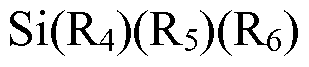
  • R ls R 2 , R 3 , R 7 , and Rg are independently selected from hydrogen or Si(R4)(R 5 )(R 6 ), wherein R4, R 5 , and 5 are independently selected from hydrogen or alkyl, provided that at least one of Ri, R 2 , R 3 , R 7 , or R 8 is Si(R4)(R5)(R6).
  • the invention provides a compound having the formula:
  • R ls R 2 , R 3 , and R 7 are independently selected from hydrogen or Si(R4)(R 5 )(R 6 ), wherein R4, R 5 , and 5 are independently selected from hydrogen or alkyl, provided that at least one of R ls R 2 , R 3 , or R 7 is Si(R 4 )(R 5 )(R 6 ).
  • the invention provides a compound having the formula:
  • R ls R 2 , and R 3 are independently selected from hydrogen or Si(R 4 )(R 5 )(R 6 ), wherein R 4 , R 5 , and Re are independently selected from hydrogen or alkyl, provided that at least one of Ri, R 2 , or R 3 is Si(R 4 )(Rs)(R6).
  • the invention provides a compound wherein R ls R 2 , and R 3 are Si(R 4 )(R5)(R6) and R 4 , R 5 , and R 6 are methyl.
  • the invention provides a silylated pyrimidine compound I the formula:
  • R l s R 2 , R 7 , and Rg are independently selected from hydrogen or Si(R4)(R 5 )(R 6 ), wherein R4, R 5 , and Re are independently selected from hydrogen or alkyl, provided that at least one of Ri, R 2 , R 7 , or R 8 is
  • the invention provides a compound having the formula:
  • R ls R 2 , and R 7 are independently selected from hydrogen or Si(R4)(R5)(R6), wherein R4, R 5 , and 5 are independently selected from hydrogen or alkyl, provided that at least one of Ri, R 2 , or R 7 is
  • the invention provides a compound having the formula:
  • Ri and R 2 are independently selected from hydrogen or
  • R 4 , R 5 , and 5 are independently selected from hydrogen or alkyl, provided that at least one of Ri or R 2 is Si(R4)(Rs)(R6).
  • the invention provides a wherein Ri and R 2 are and R 4 , R 5 , and 3 ⁇ 4 are methyl.
  • the invention provides a silylated pyrimidine compound having the formula:
  • R ls R 2 , R 7 , and R 8 are independently selected from hydrogen or Si(R4)(R5)(R6), wherein R4, R 5 , and 5 are independently selected from hydrogen or alkyl, provided that at least one of R ls R 2 , R 7 , or R 8 is Si(R4)(R 5 )(R 6 ).
  • the invention provides a compound having the formula:
  • R ls R 2 , and R 7 are independently selected from hydrogen or Si(R4)(R5)(R6), wherein R4, R 5 , and 5 are independently selected from hydrogen or alkyl, provided that at least one of Ri, R 2 , or R 7 is
  • the invention provides a compound having the formula:
  • Ri and R 2 are independently selected from hydrogen or Si(R 4 )(R5)(R6), wherein R 4 , R 5 , and 3 ⁇ 4 are independently selected from hydrogen or alkyl, provided that at least one of Ri or R 2 is Si(R 4 )(Rs)(R6).
  • the invention provides a compound wherein Ri and R 2 are Si(R4)(Rs)(R6) and R4, R5, and 5 are methyl.
  • the invention provides a silylated pyrimidine compound having the formula:
  • Ri and R 2 are independently selected from hydrogen or Si(R 4 )(R 5 )(R 6 ), wherein R 4 , R 5 , and 5 are independently selected from hydrogen or alkyl, provided that at least one of Ri or R 2 is Si(R 4 )(R 5 )(R 6 ).
  • the invention provides a compound wherein Ri and R 2 are Si(R 4 )(R5)(R6) and R4, R5, and R 6 are methyl.
  • the invention provides a silylated pyrimidine compound having the formula:
  • Ri and R 2 are independently selected from hydrogen or
  • R 4 , R 5 , and 3 ⁇ 4 are independently selected from hydrogen or alkyl, provided that at least one of Ri or R 2 is Si(R 4 )(Rs)(R 6 ).
  • the invention provides a compound wherein Ri and R 2 are Si(R4)(Rs)(R6) and R4, R5, and 5 are methyl.
  • the invention provides compositions that include the silylated-pyrimidine prodrugs of the invention.
  • the compositions include one or more of the silylated-pyrimidine prodrugs, a pharmaceutically acceptable carrier or diluent, and optionally, one or more additional therapeutic agents.
  • the compositions are useful for the administration of silylated-pyrimidine prodrugs to treat cancer. Methods for making the silylated-pyrimidine prodrug compositions are also provided.
  • the invention provides a method for delivery of a therapeutic pyrimidine to a tumor site by enhanced permeability and retention, comprising administering an effective amount of a pharmaceutical composition of the invention to subject in need thereof.
  • the invention provides a method for treating a cancer, comprising administering an effective amount of a pharmaceutical composition of the invention to subject in need thereof.
  • the invention provides a method of treating a solid tumor carcinoma, comprising administering a therapeutically effective amount of a pharmaceutical composition of the invention to a subject in need thereof.
  • Representative solid tumor carcinomas include breast, non-small cell lung, and colon carcinomas.
  • the invention provides a method of treating a hematological malignancy, comprising administering a therapeutically effective amount of a pharmaceutical composition of the invention to a subject in need thereof.
  • Representative hematologic malignancies include leukemias.
  • the subject is a human.
  • FIGURE 1 illustrates the release of 5-azacytidine from a representative silyl-pyrimidine compound of the invention (NUC025) in phosphate buffered saline (PBS) at 20°C.
  • the present invention provides therapeutic drug compounds that are silylated-pyrimidine prodrugs, compositions that include the silylated-pyrimidine prodrugs, methods for making the silylated-pyrimidine prodrugs and compositions, and methods for treating cancer using the silylated-pyrimidine prodrugs and compositions.
  • 5-azacytidine and derivatives are unstable in water with hydrolytic cleavage of the cytosine ring. This presents challenges with drug reconstitution, and is one factor adversely affecting circulatory half-life, and perhaps clinical effectiveness. Developing prodrugs of 5-azacytidines is complicated by this instability because certain motifs may increase instability. For example, adding a fatty acid carrier moiety at the
  • N4-amino such as was done for DHADC (5,6-dihydro-5-azadeoxycytidine) to increase oral bioavailability and prevent deamination, has been assumed to be a risk for increasing the instability of the cytosine. Indeed, it is possible to envision a scenario where a prodrug results in the predominant delivery of the inactive species to the site of the tumor (see, for example, reaction pathways for ring opening and hydrolysis of 5-azacytosine residue in DNA in solution and after covalent linkage to the active site of a DNMT described in Christman JK, Oncogene 21 :5483-5495, 2002).
  • One possible remedy is to deliver 5-aza prodrugs that can be formulated in a hydrophobic matrix to the tumor site. Such a properly formulated matrix will not only prevent hydrolysis but may provide other benefits, such as enhanced permeability and retention (EPR).
  • EPR enhanced permeability and retention
  • EPR is the property by which certain sizes of molecules or formulations (such as lipid nanodroplets) tend to accumulate in tumor tissue at a higher concentration than in normal tissues.
  • Tumors are dependent on blood supply from a neovasculature for their nutritional and oxygen supply. These newly formed tumor vessels are usually abnormal in form and architecture. They have poorly-aligned defective endothelial cells with wide fenestrations allowing entry of nanodroplets.
  • tumor tissues usually lack effective lymphatic drainage.
  • nanodroplets can penetrate tumor sites preferentially and are more slowly cleared, leading to accumulation of the active drug at the tumor site.
  • the size of the nanodroplet is a critical design parameter governing their tumor penetration abilities. Because tumor transport is a diffusion-limited process, nanoparticles of a smaller size ( ⁇ 20 nm) are found almost universally to diffuse more efficiently through tumor tissue than particles of a larger size (>100 nm).
  • Formulating a 5-aza nucleoside in a hydrophobic nanodroplet requires that the 5- aza nucleoside prodrug be hydrophobic and that the carrier moieties be rapidly released at the tumor site, prior to hydro lytic cleavage of the cytosine ring.
  • Such a role can be fulfilled by modifying the OH groups of the sugar or the NH 2 group of the base with silyl groups, such as trimethylsilyl (TMS).
  • TMS trimethylsilyl
  • Intraperitoneal or intravenous administration of 100-200 mg/kg of TMS resulted in rapid absorption of TMS and blood levels of 1 mg/mL necessary for light anesthesia in rodents. Given the molecular weights of pyrimidines and TMS, it is unlikely that levels producing toxicity would be reached following administration of a therapeutic dose of a medicinal pyrimidine.
  • 5-azacytidine was modified with TMS to provide 2',3',5'-tri(trimethylsilyl)- 5-azacytidine (NUC025) as described in Example 6.
  • silylated-pyrimidine prodrugs are provided.
  • the silylated-pyrimidine prodrugs are analogs of cytidine.
  • a silylated-pyrimidine prodrug is a trimethylsilyl analog of cytidine.
  • the silylated-pyrimidine prodrugs are analogs of thymidine.
  • a silylated-pyrimidine prodrug is a trimethylsilyl analog of thymidine.
  • the present invention provides a silylated prodrug of 2',2'-difluoro-5-azadeoxycytidine having the structure: wherein Ri and R 2 are independently selected from hydrogen or Si(R 3 )(R 4 )(Rs), wherein R 3 , R 4 , and R 5 are independently selected from hydrogen or alkyl, provided that at least one of Ri or R 2 is Si(R 3 )(R4)(R5).
  • Ri is Si(R 3 )(R4)(R 5 ) and R 2 is hydrogen.
  • Ri is hydrogen and R 2 is Si(R 3 )(R 4 )(R 5 ).
  • Ri and R 2 are Si(R 3 )(R 4 )(Rs).
  • R 3 , R 4 , and R 5 are methyl.
  • the present invention provides a silylated prodrug of 2',2'-difluoro-5-azadeoxycytidine, trimethylsilyl-2',2'-difiuoro-5-azadeoxycytidine having the structure:
  • the present invention provides a silylated prodrug of
  • Ri and R 2 are independently selected from hydrogen or Si(R 3 )(R 4 )(Rs), wherein R 3 , R 4 , and R 5 are independently selected from hydrogen or alkyl, provided that at least one of Ri or R 2 is Si(R 3 )(R4)(R5).
  • Ri is Si(R 3 )(R4)(R 5 ) and R 2 is hydrogen.
  • Ri is hydrogen and R 2 is Si(R 3 )(R 4 )(R 5 ).
  • Ri and R 2 are Si(R 3 )(R 4 )(Rs).
  • R 3 , R 4 , and R 5 are methyl.
  • the present invention provides a silylated prodrug of 2',2'-difluorozebularine having the structure:
  • Ri and R 2 are independently selected from hydrogen or Si(R 3 )(R 4 )(R 5 ), wherein R 3 , R 4 , and R 5 are independently selected from hydrogen or alkyl, provided that at least one of Ri or R 2 is Si(R 3 )(R4)(Rs).
  • Ri is Si(R 3 )(R4)(R 5 ) and R 2 is hydrogen.
  • Ri is hydrogen and R 2 is Si(R 3 )(R 4 )(R 5 ).
  • Ri and R 2 are Si(R 3 )(R 4 )(Rs).
  • R 3 , R 4 , and R 5 are methyl.
  • the present invention provides a silylated prodrug of 2',2'-difluoro-5,6-dihydro-5-azazebularine having the structure:
  • Ri and R 2 are independently selected from hydrogen or Si(R 3 )(R 4 )(R 5 ), wherein R 3 , R 4 , and R 5 are independently selected from hydrogen or alkyl, provided that at least one of Ri or R 2 is Si(R 3 )(R 4 )(R 5 ).
  • Ri is Si(R 3 )(R 4 )(R 5 ) and R 2 is hydrogen.
  • Ri is hydrogen and R 2 is Si(R 3 )(R 4 )(Rs).
  • Ri and R 2 are Si(R 3 )(R 4 )(Rs).
  • R 3 , R 4 , and R 5 are methyl.
  • the present invention provides a silylated prodrug of 2',2'-difluorodeoxyribose-trifluorothymidine having the structure:
  • Ri and R 2 are independently selected from hydrogen or Si(R 3 )(R 4 )(R 5 ), wherein R 3 , R 4 , and R 5 are independently selected from hydrogen or alkyl, provided that at least one of Ri or R 2 is Si(R 3 )(R4)(Rs).
  • Ri is Si(R 3 )(R 4 )(R5) and R 2 is hydrogen.
  • Ri is hydrogen and R 2 is Si(R 3 )(R 4 )(Rs).
  • Ri and R 2 are Si(R 3 )(R 4 )(R 5 ).
  • R 3 , R4, and R 5 are methyl.
  • the present invention provides a silylated prodrug of azacytidine having the structure:
  • R ls R 2 , and R 3 are independently selected from hydrogen or Si(R4)(R 5 )(R 6 ), wherein R4, R4, and Re are independently selected from hydrogen or alkyl, provided that at least one of Ri, R 2 , or R 3 , is Si(R4)(Rs)(R6).
  • Ri is Si(R 3 )(R 4 )(R 5 ) and R 2 and R3 are hydrogen.
  • Ri is hydrogen, R 2 is Si(R 3 )(R 4 )(R 5 ), and R3 is hydrogen.
  • Ri and R 2 are hydrogen and R 3 is Si(R 3 )(R 4 )(R 5 ).
  • R ⁇ , R2, or R3 are Si(R 3 )(R 4 )(R 5 ).
  • each of R 1 ? R 2 , and R 3 is Si(R 3 )(R 4 )(R 5 ).
  • R 4 , R 5 , and R 6 are methyl.
  • the invention provides the cytidine prodrugs noted above having one or two R groups (e.g., TMS groups) coupled to the N4 amino group.
  • R groups e.g., TMS groups
  • the N-silylated pyrimidine prodrug has the structure:
  • R ls R 2 , R3, R 7 , and Rg are independently selected from hydrogen or Si(R 4 )(R5)(R6), wherein R 4 , R 5 , and 5 are independently selected from hydrogen or alkyl, provided that at least one of R ls R 2 , R 3 , R 7 , or R 8 is Si(R 4 )(R 5 )(R 6 ).
  • R 4 , R5, and R 6 are methyl.
  • alkyl refers to the alkyl group of the trialkylsilyl group and is a CI -CIO alkyl group (e.g., methyl, ethyl, n-propyl, i-propyl, n-butyl, s-butyl, i-butyl, t-butyl) that may be a straight chain, branched, or cyclic alkyl group.
  • the alkyl group is a C1-C4 alkyl group.
  • the alkyl group is a methyl group.
  • each alkyl group of the trialkylsilyl group is the same (e.g., trimethylsilyl).
  • the trialklysilyl group includes two or three different alkyl groups (e.g., t-butyldimethylsilyl).
  • the present disclosure provides representative silylated therapeutic pyrimidine compounds.
  • the present invention includes silylated versions of therapeutic pyrimidine compounds (i.e., silylated therapeutic pyrimidine compounds).
  • Many therapeutic pyrimidine compounds are known in the art, as well as their usefulness and limitations.
  • the present invention addresses those limitations by providing a novel class of therapeutic pyrimidine compounds: silylated therapeutic pyrimidine compounds.
  • the silylated therapeutic pyrimidine compounds of the invention provide advantageous and previously unachievable and advantageous properties to therapeutic pyrimidine compounds.
  • the advantages of the representative silylated pyrimidine compounds enumerated and demonstrated herein accrue to silylated therapeutic pyrimidine compounds.
  • the silylated pyrimidine compounds of the invention are prodrugs: releasing the de-silylated compound (i.e., therapeutic pyrimidine compound) in vivo (e.g., by hydrolysis of the Si-0 bond).
  • the silylated therapeutic compounds of the invention are readily administered, have increased bioavailability, and can be advantageously delivered to the site of action for improved effectiveness.
  • silylated-pyrimidine compounds of the invention can be made by treating a pyrimidine compound with a silylating agent, such as those known in the art (e.g., trimethylsilyl chloride).
  • a silylating agent such as those known in the art (e.g., trimethylsilyl chloride).
  • the silylated-pyrimidine compounds of the invention have both amine groups and hydroxy groups silylated.
  • the silylated-pyrimidine compounds of the invention have only hydroxy groups silylated.
  • Example 1 The preparation of 2',2'-difluoro-5-azadeoxycytidine is provided in Example 1.
  • Example 2',2'-difluoro-5,6-dihydro-5-azadeoxycytidine is provided in Example 2.
  • Example 3 The preparation of 2',2'-difluorozebularine is provided in Example 3.
  • the preparation of 2',2'-difluorozebularine is provided in Example 3.
  • silylated- pyrimidine prodrugs of the invention can be made by treating a pyrimidine analog with an excess of trimethylsilyl chloride and triethylamine in tetrahydrofuran.
  • silylated-pyrimidine prodrugs of the invention can be made by treating a pyrimidine analog with an excess of 1,1,1,3,3,3-hexamethyldisilazane and catalytic amounts of ammonium sulfate at 125°C.
  • the preparation of a representative silylated-pyrimidine prodrug, 2',2'-difluoro-5-azadeoxycytidine -trimethylsilyl, is provided in Example 5.
  • the present invention provides pharmaceutical compositions comprising at least one silylated-pyrimidine prodrug of the invention together with a pharmaceutically acceptable carrier suitable for administration to a human or animal subject, either alone or together with other therapeutics and/or anticancer agents.
  • a pharmaceutically acceptable carrier suitable for administration to a human or animal subject, either alone or together with other therapeutics and/or anticancer agents.
  • the silylated-pyrimidine prodrugs of the invention may be formulated into a composition that additionally comprises suitable pharmaceutically acceptable carriers, including excipients and other compounds that facilitate administration of the silylated-pyrimidine prodrugs to a mammalian subject.
  • the pharmaceutically acceptable carrier is a lipophilic medium.
  • the lipophilic medium can be any one of a variety of lipophilic mediums including, for example, oils.
  • the lipophilic medium includes a tocopherol (e.g., a-tocopherol).
  • the lipophilic medium includes corn oil.
  • Representative oils useful as the lipophilic medium include the following:
  • Fatty acids and esters thereof including carboxylic acids of various chain lengths, mostly straight chain, but which could be branched, examples of which include capric, caprylic, caproic, lauric, myristic, stearic, oleic, linoleic, behenic, and as well as saturated or unsaturated fatty acids and esters;
  • Fatty acids esterified with glycerin to form mono-, di-, or triglycerides which can be synthetic or derived from natural sources, including, but not limited to, for example, glycerides such as soybean oil, cottonseed oil, rapeseed oil, fish oil, castor oil, Capmul MCM, Captex 300, Miglyol 812, glyceryl monooleate, triacetin, acetylated monoglyceride, tristearin, glyceryl behenate, and diacetyl tartaric acid esters of monoglycerides;
  • glycerides such as soybean oil, cottonseed oil, rapeseed oil, fish oil, castor oil, Capmul MCM, Captex 300, Miglyol 812, glyceryl monooleate, triacetin, acetylated monoglyceride, tristearin, glyceryl behenate, and diacetyl tartaric acid esters of
  • Glycerides conjugated to other moieties such as polyethylene glycol (for example, Labrasol, Labrafac, Cremophor EL);
  • Phospholipids either natural or synthetic, such as dimyristyl phosphatidylcholine, egg lecithin, and pegylated phospholipids;
  • fatty esters including fatty alcohols (myristyl myristate, isopropyl palmitate), or sugars (sorbitan monooleate, SPAN 80, Tween 80, sucrose laurate);
  • Fatty alcohols such as stearyl alcohol, lauryl alcohol, benzyl alcohol, or esters or ethers thereof, such as benzyl benzoate;
  • Fat-soluble vitamins and derivatives for example, vitamin E (including all of the tocopherols and tocotrienols, and tocopherol and tocotrienol derivatives, such as vitamin E succinate, vitamin E acetate, and vitamin E succinate polyethylene glycol (TPGS)).
  • vitamin E including all of the tocopherols and tocotrienols, and tocopherol and tocotrienol derivatives, such as vitamin E succinate, vitamin E acetate, and vitamin E succinate polyethylene glycol (TPGS)
  • the silylated-pyrimidine compounds of the invention can be formulated in an emulsion, such as a nanoemulsion.
  • concentration of the silylated-pyrimidine compound can vary depending on the compound, the emulsion components, and the desired concentration to be administered (e.g., 0.5 to about 10 mg/mL).
  • Oil droplet size in the emulsion can also be varied as necessary (e.g., 10 to 200 nm or less than 100 nm).
  • a nanoemulsion comprising a representative silylated- pyrimidine compound of the invention (NUC041) is described in Example 5.
  • the present invention provides methods of treating human or animal subjects suffering from a cellular proliferative disease such as cancer.
  • a cellular proliferative disease such as cancer.
  • Representative cell proliferative diseases treatable by the compounds of the invention include hematologic cancers, such as leukemia, lymphoma, and myeloma, and nonhemato logic cancers, such as solid tumor carcinomas (e.g., breast, ovarian, pancreatic, colon, colorectal, non-small lung and bladder), sarcomas, and gliomas.
  • the present invention provides methods of treating a human or animal subject in need of such treatment, comprising administering to the subject a therapeutically effective amount of one or more silylated-pyrimidine prodrugs of the invention, either alone or in combination with one or more other therapeutic and/or anticancer agents.
  • compositions that include one or more silylated-pyrimidine prodrugs of the invention are administered to deliver therapeutically effective amounts of the silylated- pyrimidine prodrug.
  • Therapeutically effective amounts of the silylated-pyrimidine prodrug(s) will generally range up to the maximally tolerated dosage, but the concentrations are not critical and may vary widely. The precise amounts employed by the attending physician will vary, of course, depending on the compound, route of administration, physical condition of the patient and other factors.
  • the daily dosage may be administered as a single dosage or may be divided into multiple doses for administration.
  • Administration of the silylated-pyrimidine prodrugs of the invention is accomplished by any effective route, for example, parenterally or orally.
  • the amount of the silylated-pyrimidine prodrugs of the invention actually administered will be a therapeutically effective amount, which term is used herein to denote the amount needed to produce a substantial beneficial effect.
  • Effective doses may be extrapolated from dose-response curves derived from in vitro or animal model test systems. The animal model is also typically used to determine a desirable dosage range and route of administration. Such information can then be used to determine useful doses and routes for administration in humans or other mammals. The determination of an effective dose is well within the capability of those skilled in the art.
  • the amount actually administered will be dependent upon the individual to which treatment is to be applied, and will preferably be an optimized amount such that the desired effect is achieved without significant side-effects.
  • reaction was quenched by addition of 1 M HC1 (10.2 ml), the toluene layer was separated and aqueous layer was extracted back with 10 ml ether. The organic layers were combined, extracted consequently with water, saturated NaHC0 3 , and saturated NaCl (each 20 ml) and dried over MgSC ⁇ . The solvents were removed and the product was isolated by flash chromatography on silica gel in hexane-ethyl acetate gradient. Yield 4.6 g, 73%.
  • Silylated 5-azacytosine (2.3 g, 9 mmol) prepared as described in Step A(3), was dissolved in 2 ml of anisole at 130 °C.
  • l-Methylsulfonyl-2-deoxy-2,2-difluoro-D- ribofuranosyl-3,5-dibenzoate (Compound II) (0.4 g, 0.87 mmol), prepared as described by Chou et. al, Synthesis 1992, pp. 565-570, was dissolved in 1 ml of anisole and was added to the hot solution of the silylated 5-azacytosine.
  • reaction mixture was incubated at 150 °C for 7 hours, cooled to room temperature, quenched by addition of 15 ml methylene chloride, 15 g silica gel and 5 ml methanol and the suspension was dried on vacuum. The resulting powder was applied on the top of the packed silica gel column and products were isolated by flash chromatography in chloroform-methanol gradient. Appropriate fractions were pooled and evaporated to yield 3',5'-dibenzoyl-2',2'-difluoro- 5-azadeoxycytidine (Compound III) as 2: 1 mixture of a- and ⁇ -isomers (100 mg, 25% yield).
  • Compound X 2',2'-Difluorodeoxyribose-trifluorothymidine
  • Compound X is prepared by glycosylation of silylated 5-(trifluoromethyl)uracil with l-bromo-2-deoxy- 2,2-difluoro-D-ribofuranosyl-3,5-dibenzoate (Compound I), prepared as in Example 1, in anisole using SnCl 4 as catalyst followed by deprotection with catalytic amounts of sodium methoxide in methanol.
  • Compound XI was successfully formulated in a nanoemulsion at a concentration of 3 mg/ml.
  • the nanoemulsion has an oil phase consisting of an injectable oil and lecithin and an aqueous phase comprising a tonicity adjuster, a stabilizer and water.
  • the emulsions are of oil-in- water type with the mean oil droplets less than 100 nm.
  • Each vehicle is at neutral pH (5-7) and about isotonic.
  • the toxicity of formulated Compound XI was tested in mice. Mice were injected intravenously on three consecutive days with Compound XI at doses of up to 60 mg/kg and observed at the end of one week. No evidence of toxicity was noted as measured by weight loss.
  • NUC025 2',3',5'-tri(trimethylsilyl)-5-azacytidine
  • 2',3',5'-Tri(trimethylsilyl)-5-azacytidine (NUC025) is prepared by a method analogous to the preparation of 2',2'-difluoro-5-azadeoxycytidine-trimethylsilyl described above in Example 5.
  • NUC025 The in vitro cytotoxicity of NUC025 is compared to 5-azacytidine for breast, colon, and leukemia in Table 1.
  • NUC025 preserves the activity of 5-azacytidine in vitro.
  • Such prodrugs of 5-aza nucleosides may demonstrate superiority in vivo, where a longer circulating half-life in important.
  • Figure 1 illustrates the release of 5-azacytidine from the 5-azacytidine-TMS prodrug (NUC025) by hydrolysis, suggesting that, at least in PBS at room temperature, approximately 80% of the active drug can be recovered.

Landscapes

  • Chemical & Material Sciences (AREA)
  • Organic Chemistry (AREA)
  • Health & Medical Sciences (AREA)
  • Life Sciences & Earth Sciences (AREA)
  • General Health & Medical Sciences (AREA)
  • Molecular Biology (AREA)
  • Engineering & Computer Science (AREA)
  • Biochemistry (AREA)
  • Biotechnology (AREA)
  • Genetics & Genomics (AREA)
  • Medicinal Chemistry (AREA)
  • Veterinary Medicine (AREA)
  • Public Health (AREA)
  • Animal Behavior & Ethology (AREA)
  • Pharmacology & Pharmacy (AREA)
  • Epidemiology (AREA)
  • Nuclear Medicine, Radiotherapy & Molecular Imaging (AREA)
  • General Chemical & Material Sciences (AREA)
  • Chemical Kinetics & Catalysis (AREA)
  • Oncology (AREA)
  • Hematology (AREA)
  • Pharmaceuticals Containing Other Organic And Inorganic Compounds (AREA)
  • Medicinal Preparation (AREA)

Abstract

Silylated-pyrimidine prodrugs, compositions that include the silylated-pyrimidine prodrugs, methods for making the silylated-pyrimidine prodrugs and compositions, and methods for treating cancer using the silylated-pyrimidine prodrugs and compositions.

Description

SILYLATED PYRIMIDINE PRODRUGS AND METHODS OF THEIR USE
CROSS-REFERENCE TO RELATED APPLICATION The present application claims the benefit of U.S. Patent Application No. 62/061,526, filed October 8, 2014, expressly incorporated herein by reference in its entirety.
FIELD OF THE INVENTION
The present invention provides silylated-pyrimidine prodrugs, compositions that include the silylated-pyrimidine prodrugs, methods for making the silylated-pyrimidine prodrugs and compositions, and methods for treating cancer using the silylated-pyrimidine prodrugs and compositions.
BACKGROUND OF THE INVENTION
Pyrimidine analogs are known to be effective chemotherapeutic agents. Gemcitabine, an analog of cytidine with a modified sugar, a 2',2'-difluorodeoxyribose, is a chemotherapeutic drug currently approved as single therapy for the treatment of pancreatic cancer, and as part of combination chemotherapy regimens for the treatment of non-small cell lung cancer, breast cancer and ovarian cancer (Gemzar (gemcitabine HC1) for injection. 2007. Eli Lilly and Company.) The following properties make gemcitabine an effective anticancer agent: (1) it is an inhibitor of ribonucleoside diphosphate reductase (RR), the enzyme that catalyses the conversion of diphosphorylated ribonucleosides to diphosphorylated deoxyribonucleosides; (2) it acts as a DNA chain terminator; and (3) it is not a substrate for pyrimidine nucleoside phosphorylase, hence precluding the breakdown of a nucleoside into a separate base and a sugar moiety (Plunkett, W., et al, "Gemcitabine: Metabolism, Mechanism of Action and Self-Potentiation," Semin. Oncol. 22(4; Suppl 11):3-10, 1995; Mini, E., et al, "Cellular Pharmacology of Gemcitabine," Ann. Oncol. 17 (Suppl 5) v7-vl2. 2006).
Two other cytidine analogs, 5-azacytidine and 5-azadeoxycytidine, are approved for the treatment of hematologic tumors, and act by inhibiting DNA methyl transferase (DNMT), the enzyme required for DNA methylation. The 5-azacytidine analogs are known to be unstable in water and cleaved at the 6-position of the base (Christman, J.K., "5-azacytidine and 5 -aza-2'-deoxy cytidine as Inhibitors of DNA Methylation: Mechanistic Studies and Their Implications for Cancer Therapy, Oncogene 27:5483- 5495, 2002.) Trifluridine, 5-trifluorothymidine, has also demonstrated antineoplastic activity and is thought to act by inhibiting thymidilate synthase. However, its development as an antineoplastic agent has been hampered by its short half- life (12 minutes). Co-administration of trifluridine with a thymidine phosphorylase inhibitor has resulted in more acceptable pharmacokinetics with mean half-lives between 1.37 and 1.57 hours (Hong DS, Abbruzzese JL, Bogaard K et al. Phase I study to determine the safety and pharmacokinetics of oral administration of TAS-102 in patients with solid tumors. Cancer. 2006; 15(107): 1383-1390.)
One approach that has been proposed to prolong the circulatory half-life of pyrimidine analogs is to generate a prodrug that would result in a more hydrophobic molecule that could be formulated in a lipid based nanoformulation and rapidly release the active drug upon exposure to an aqueous environment at the tumor site. Conjugating a drug that has a short half-life with a lipophilic moiety such as, for example, trimethylsilyl (TMS) or other silyl moieties, and formulating the lipophilic prodrug in a hydrophobic milieu may result in a prolonged circulating half-life.
There continues to exist a need for novel cancer therapeutics with improved efficacy, safety, and/or pharmacokinetic profiles. The invention provides novel silylated-pyrimidine prodrugs and compositions for the treatment of cancer.
SUMMARY OF THE INVENTION
The present invention provides therapeutic drug compounds that are silylated-pyrimidine prodrugs, compositions that include the silylated-pyrimidine prodrugs, methods for making the silylated-pyrimidine prodrugs, and methods for treating cancer using the silylated-pyrimidine prodrugs and compositions.
In one aspect of the invention, silylated-pyrimidine prodrugs are provided. The silylated-pyrimidine prodrugs of the invention are pyrimidine analogs having a silyl group attached at one or more hydroxyl positions of the ribose sugar. In one embodiment, the silylated-pyrimidine prodrugs are analogs of cytidine. In one embodiment, a silylated-pyrimidine prodrug is a trimethylsilyl analog of cytidine. In one embodiment, the silylated-pyrimidine prodrugs are analogs of thymidine. In one embodiment a silylated-pyrimidine prodrug is a trimethylsilyl analog of thymidine. Methods for making the silylated-pyrimidine prodrugs are also provided.
In one embodiment, the invention provides a silylated pyrimidine compound having the formula:
Figure imgf000004_0001
wherein Rls R2, R3, R7, and Rg are independently selected from hydrogen or Si(R4)(R5)(R6), wherein R4, R5, and 5 are independently selected from hydrogen or alkyl, provided that at least one of Ri, R2, R3, R7, or R8 is Si(R4)(R5)(R6). In another embodiment, the invention provides a compound having the formula:
Figure imgf000004_0002
wherein Rls R2, R3, and R7 are independently selected from hydrogen or Si(R4)(R5)(R6), wherein R4, R5, and 5 are independently selected from hydrogen or alkyl, provided that at least one of Rls R2, R3, or R7 is Si(R4)(R5)(R6). In a further embodiment, the invention provides a compound having the formula:
Figure imgf000004_0003
wherein Rls R2, and R3 are independently selected from hydrogen or Si(R4)(R5)(R6), wherein R4, R5, and Re are independently selected from hydrogen or alkyl, provided that at least one of Ri, R2, or R3 is Si(R4)(Rs)(R6). In a particular embodiment, the invention provides a compound wherein Rls R2, and R3 are Si(R4)(R5)(R6) and R4, R5, and R6 are methyl. In a second embodiment, the invention provides a silylated pyrimidine compound I the formula:
Figure imgf000005_0001
wherein Rl s R2, R7, and Rg are independently selected from hydrogen or Si(R4)(R5)(R6), wherein R4, R5, and Re are independently selected from hydrogen or alkyl, provided that at least one of Ri, R2, R7, or R8 is
Figure imgf000005_0002
In another embodiment, the invention provides a compound having the formula:
Figure imgf000005_0003
wherein Rls R2, and R7 are independently selected from hydrogen or Si(R4)(R5)(R6), wherein R4, R5, and 5 are independently selected from hydrogen or alkyl, provided that at least one of Ri, R2, or R7 is
Figure imgf000005_0004
In a further embodiment, the invention provides a compound having the formula:
Figure imgf000005_0005
wherein Ri and R2 are independently selected from hydrogen or
Figure imgf000005_0006
wherein R4, R5, and 5 are independently selected from hydrogen or alkyl, provided that at least one of Ri or R2 is Si(R4)(Rs)(R6). In a particular embodiment, the invention provides a wherein Ri and R2 are
Figure imgf000006_0001
and R4, R5, and ¾ are methyl.
In a third embodiment, the invention provides a silylated pyrimidine compound having the formula:
Figure imgf000006_0002
wherein Rls R2, R7, and R8 are independently selected from hydrogen or Si(R4)(R5)(R6), wherein R4, R5, and 5 are independently selected from hydrogen or alkyl, provided that at least one of Rls R2, R7, or R8 is Si(R4)(R5)(R6). In another embodiment, the invention provides a compound having the formula:
Figure imgf000006_0003
wherein Rls R2, and R7 are independently selected from hydrogen or Si(R4)(R5)(R6), wherein R4, R5, and 5 are independently selected from hydrogen or alkyl, provided that at least one of Ri, R2, or R7 is
Figure imgf000006_0004
In a further embodiment, the invention provides a compound having the formula:
Figure imgf000007_0001
wherein Ri and R2 are independently selected from hydrogen or Si(R4)(R5)(R6), wherein R4, R5, and ¾ are independently selected from hydrogen or alkyl, provided that at least one of Ri or R2 is Si(R4)(Rs)(R6). In a particular embodiment, the invention provides a compound wherein Ri and R2 are Si(R4)(Rs)(R6) and R4, R5, and 5 are methyl.
In a fourth embodiment, the invention provides a silylated pyrimidine compound having the formula:
Figure imgf000007_0002
wherein Ri and R2 are independently selected from hydrogen or Si(R4)(R5)(R6), wherein R4, R5, and 5 are independently selected from hydrogen or alkyl, provided that at least one of Ri or R2 is Si(R4)(R5)(R6). In another embodiment, the invention provides a compound wherein Ri and R2 are Si(R4)(R5)(R6) and R4, R5, and R6 are methyl.
In a fifth embodiment, the invention provides a silylated pyrimidine compound having the formula:
Figure imgf000008_0001
wherein Ri and R2 are independently selected from hydrogen or
Figure imgf000008_0002
wherein R4, R5, and ¾ are independently selected from hydrogen or alkyl, provided that at least one of Ri or R2 is Si(R4)(Rs)(R6). In a particular embodiment, the invention provides a compound wherein Ri and R2 are Si(R4)(Rs)(R6) and R4, R5, and 5 are methyl.
In another aspect, the invention provides compositions that include the silylated-pyrimidine prodrugs of the invention. The compositions include one or more of the silylated-pyrimidine prodrugs, a pharmaceutically acceptable carrier or diluent, and optionally, one or more additional therapeutic agents. The compositions are useful for the administration of silylated-pyrimidine prodrugs to treat cancer. Methods for making the silylated-pyrimidine prodrug compositions are also provided.
In another aspect of the invention, methods for treating cancer using the silylated-pyrimidine prodrugs and compositions are provided.
In one embodiment, the invention provides a method for delivery of a therapeutic pyrimidine to a tumor site by enhanced permeability and retention, comprising administering an effective amount of a pharmaceutical composition of the invention to subject in need thereof.
In another embodiment, the invention provides a method for treating a cancer, comprising administering an effective amount of a pharmaceutical composition of the invention to subject in need thereof.
In further embodiment, the invention provides a method of treating a solid tumor carcinoma, comprising administering a therapeutically effective amount of a pharmaceutical composition of the invention to a subject in need thereof. Representative solid tumor carcinomas include breast, non-small cell lung, and colon carcinomas.
In yet another embodiment, the invention provides a method of treating a hematological malignancy, comprising administering a therapeutically effective amount of a pharmaceutical composition of the invention to a subject in need thereof. Representative hematologic malignancies include leukemias.
In the methods noted above, in certain embodiments, the subject is a human.
BRIEF DESCRIPTION OF THE DRAWING
FIGURE 1 illustrates the release of 5-azacytidine from a representative silyl-pyrimidine compound of the invention (NUC025) in phosphate buffered saline (PBS) at 20°C.
DETAILED DESCRIPTION OF THE INVENTION
The present invention provides therapeutic drug compounds that are silylated-pyrimidine prodrugs, compositions that include the silylated-pyrimidine prodrugs, methods for making the silylated-pyrimidine prodrugs and compositions, and methods for treating cancer using the silylated-pyrimidine prodrugs and compositions.
As noted above, 5-azacytidine and derivatives are unstable in water with hydrolytic cleavage of the cytosine ring. This presents challenges with drug reconstitution, and is one factor adversely affecting circulatory half-life, and perhaps clinical effectiveness. Developing prodrugs of 5-azacytidines is complicated by this instability because certain motifs may increase instability. For example, adding a fatty acid carrier moiety at the
N4-amino, such as was done for DHADC (5,6-dihydro-5-azadeoxycytidine) to increase oral bioavailability and prevent deamination, has been assumed to be a risk for increasing the instability of the cytosine. Indeed, it is possible to envision a scenario where a prodrug results in the predominant delivery of the inactive species to the site of the tumor (see, for example, reaction pathways for ring opening and hydrolysis of 5-azacytosine residue in DNA in solution and after covalent linkage to the active site of a DNMT described in Christman JK, Oncogene 21 :5483-5495, 2002). One possible remedy is to deliver 5-aza prodrugs that can be formulated in a hydrophobic matrix to the tumor site. Such a properly formulated matrix will not only prevent hydrolysis but may provide other benefits, such as enhanced permeability and retention (EPR).
EPR is the property by which certain sizes of molecules or formulations (such as lipid nanodroplets) tend to accumulate in tumor tissue at a higher concentration than in normal tissues. Tumors are dependent on blood supply from a neovasculature for their nutritional and oxygen supply. These newly formed tumor vessels are usually abnormal in form and architecture. They have poorly-aligned defective endothelial cells with wide fenestrations allowing entry of nanodroplets. Furthermore, tumor tissues usually lack effective lymphatic drainage. Thus nanodroplets can penetrate tumor sites preferentially and are more slowly cleared, leading to accumulation of the active drug at the tumor site. The size of the nanodroplet is a critical design parameter governing their tumor penetration abilities. Because tumor transport is a diffusion-limited process, nanoparticles of a smaller size (< 20 nm) are found almost universally to diffuse more efficiently through tumor tissue than particles of a larger size (>100 nm).
Formulating a 5-aza nucleoside in a hydrophobic nanodroplet requires that the 5- aza nucleoside prodrug be hydrophobic and that the carrier moieties be rapidly released at the tumor site, prior to hydro lytic cleavage of the cytosine ring. Such a role can be fulfilled by modifying the OH groups of the sugar or the NH2 group of the base with silyl groups, such as trimethylsilyl (TMS). TMS has been shown to be relatively non-toxic, other than sedation, in studies conducted in a number of animal species for NASA by Corning. Intraperitoneal or intravenous administration of 100-200 mg/kg of TMS resulted in rapid absorption of TMS and blood levels of 1 mg/mL necessary for light anesthesia in rodents. Given the molecular weights of pyrimidines and TMS, it is unlikely that levels producing toxicity would be reached following administration of a therapeutic dose of a medicinal pyrimidine.
Modifying a nucleoside with a silyl group is described herein. In a representative embodiment, 5-azacytidine was modified with TMS to provide 2',3',5'-tri(trimethylsilyl)- 5-azacytidine (NUC025) as described in Example 6.
In one aspect of the invention, silylated-pyrimidine prodrugs are provided. In one embodiment, the silylated-pyrimidine prodrugs are analogs of cytidine. In one embodiment, a silylated-pyrimidine prodrug is a trimethylsilyl analog of cytidine. In one embodiment the silylated-pyrimidine prodrugs are analogs of thymidine. In one embodiment a silylated-pyrimidine prodrug is a trimethylsilyl analog of thymidine.
In one embodiment, the present invention provides a silylated prodrug of 2',2'-difluoro-5-azadeoxycytidine having the structure:
Figure imgf000011_0001
wherein Ri and R2 are independently selected from hydrogen or Si(R3)(R4)(Rs), wherein R3, R4, and R5 are independently selected from hydrogen or alkyl, provided that at least one of Ri or R2 is Si(R3)(R4)(R5). In one embodiment, Ri is Si(R3)(R4)(R5) and R2 is hydrogen. In another embodiment, Ri is hydrogen and R2 is Si(R3)(R4)(R5). In a further embodiment, Ri and R2 are Si(R3)(R4)(Rs). In one embodiment, R3, R4, and R5 are methyl.
In one embodiment, the present invention provides a silylated prodrug of 2',2'-difluoro-5-azadeoxycytidine, trimethylsilyl-2',2'-difiuoro-5-azadeoxycytidine having the structure:
Figure imgf000011_0002
In one embodiment, the present invention provides a silylated prodrug of
2',2'-difluoro-5,6-dihydro-5-azadeoxycytidine having the structure:
Figure imgf000012_0001
wherein Ri and R2 are independently selected from hydrogen or Si(R3)(R4)(Rs), wherein R3, R4, and R5 are independently selected from hydrogen or alkyl, provided that at least one of Ri or R2 is Si(R3)(R4)(R5). In one embodiment, Ri is Si(R3)(R4)(R5) and R2 is hydrogen. In another embodiment, Ri is hydrogen and R2 is Si(R3)(R4)(R5). In a further embodiment, Ri and R2 are Si(R3)(R4)(Rs). In one embodiment, R3, R4, and R5 are methyl.
In one embodiment, the present invention provides a silylated prodrug of 2',2'-difluorozebularine having the structure:
Figure imgf000012_0002
wherein Ri and R2 are independently selected from hydrogen or Si(R3)(R4)(R5), wherein R3, R4, and R5 are independently selected from hydrogen or alkyl, provided that at least one of Ri or R2 is Si(R3)(R4)(Rs). In one embodiment, Ri is Si(R3)(R4)(R5) and R2 is hydrogen. In another embodiment, Ri is hydrogen and R2 is Si(R3)(R4)(R5). In a further embodiment, Ri and R2 are Si(R3)(R4)(Rs). In one embodiment, R3, R4, and R5 are methyl. In one embodiment, the present invention provides a silylated prodrug of 2',2'-difluoro-5,6-dihydro-5-azazebularine having the structure:
Figure imgf000013_0001
wherein Ri and R2 are independently selected from hydrogen or Si(R3)(R4)(R5), wherein R3, R4, and R5 are independently selected from hydrogen or alkyl, provided that at least one of Ri or R2 is Si(R3)(R4)(R5). In one embodiment, Ri is Si(R3)(R4)(R5) and R2 is hydrogen. In another embodiment, Ri is hydrogen and R2 is Si(R3)(R4)(Rs). In a further embodiment, Ri and R2 are Si(R3)(R4)(Rs). In one embodiment, R3, R4, and R5 are methyl.
In one embodiment, the present invention provides a silylated prodrug of 2',2'-difluorodeoxyribose-trifluorothymidine having the structure:
Figure imgf000013_0002
wherein Ri and R2 are independently selected from hydrogen or Si(R3)(R4)(R5), wherein R3, R4, and R5 are independently selected from hydrogen or alkyl, provided that at least one of Ri or R2 is Si(R3)(R4)(Rs). In one embodiment, Ri is Si(R3)(R4)(R5) and R2 is hydrogen. In another embodiment, Ri is hydrogen and R2 is Si(R3)(R4)(Rs). In a further embodiment, Ri and R2 are Si(R3)(R4)(R5). In one embodiment, R3, R4, and R5 are methyl.
In one embodiment, the present invention provides a silylated prodrug of azacytidine having the structure:
Figure imgf000014_0001
wherein Rls R2, and R3, are independently selected from hydrogen or Si(R4)(R5)(R6), wherein R4, R4, and Re are independently selected from hydrogen or alkyl, provided that at least one of Ri, R2, or R3, is Si(R4)(Rs)(R6). In one embodiment, Ri is Si(R3)(R4)(R5) and R2 and R3 are hydrogen. In another embodiment, Ri is hydrogen, R2 is Si(R3)(R4)(R5), and R3 is hydrogen. In a further embodiment, Ri and R2 are hydrogen and R3 is Si(R3)(R4)(R5). Similarly, the invention provides all possible combinations in which two of R^, R2, or R3 are Si(R3)(R4)(R5). In one embodiment, each of R1 ? R2, and R3 is Si(R3)(R4)(R5). In one embodiment, R4, R5, and R6 are methyl.
In other embodiments, the invention provides the cytidine prodrugs noted above having one or two R groups (e.g., TMS groups) coupled to the N4 amino group.
In one representative embodiment, the N-silylated pyrimidine prodrug has the structure:
Figure imgf000014_0002
wherein Rls R2, R3, R7, and Rg are independently selected from hydrogen or Si(R4)(R5)(R6), wherein R4, R5, and 5 are independently selected from hydrogen or alkyl, provided that at least one of Rls R2, R3, R7, or R8 is Si(R4)(R5)(R6). In one embodiment, R4, R5, and R6 are methyl.
In the silylated-pyrimidine compounds of the invention described above, the term
"alkyl" refers to the alkyl group of the trialkylsilyl group and is a CI -CIO alkyl group (e.g., methyl, ethyl, n-propyl, i-propyl, n-butyl, s-butyl, i-butyl, t-butyl) that may be a straight chain, branched, or cyclic alkyl group. In certain embodiments, the alkyl group is a C1-C4 alkyl group. In certain specific embodiments, the alkyl group is a methyl group. In certain embodiments, each alkyl group of the trialkylsilyl group is the same (e.g., trimethylsilyl). In other embodiments, the trialklysilyl group includes two or three different alkyl groups (e.g., t-butyldimethylsilyl).
The present disclosure provides representative silylated therapeutic pyrimidine compounds. In view of the teaching of the present invention set forth herein, it will be appreciated that the present invention includes silylated versions of therapeutic pyrimidine compounds (i.e., silylated therapeutic pyrimidine compounds). Many therapeutic pyrimidine compounds are known in the art, as well as their usefulness and limitations. The present invention addresses those limitations by providing a novel class of therapeutic pyrimidine compounds: silylated therapeutic pyrimidine compounds. The silylated therapeutic pyrimidine compounds of the invention provide advantageous and previously unachievable and advantageous properties to therapeutic pyrimidine compounds. The advantages of the representative silylated pyrimidine compounds enumerated and demonstrated herein accrue to silylated therapeutic pyrimidine compounds. The effect of silylation is to render the therapeutic pyrimidine compounds hydrophilic and readily administered using the compositions of the invention. In certain aspects, the silylated pyrimidine compounds of the invention are prodrugs: releasing the de-silylated compound (i.e., therapeutic pyrimidine compound) in vivo (e.g., by hydrolysis of the Si-0 bond). As such the silylated therapeutic compounds of the invention are readily administered, have increased bioavailability, and can be advantageously delivered to the site of action for improved effectiveness.
In another aspect of the invention, methods for making the silylated-pyrimidine prodrugs are provided. The silylated-pyrimidine compounds of the invention can be made by treating a pyrimidine compound with a silylating agent, such as those known in the art (e.g., trimethylsilyl chloride). In certain embodiments, for pyrimidine compounds having silyl-reactive amine and hydroxyl groups, the silylated-pyrimidine compounds of the invention have both amine groups and hydroxy groups silylated. In other embodiments, for pyrimidine compounds having silyl-reactive amine and hydroxyl groups, the silylated-pyrimidine compounds of the invention have only hydroxy groups silylated.
The preparation of 2',2'-difluoro-5-azadeoxycytidine is provided in Example 1. The preparation of 2',2'-difluoro-5,6-dihydro-5-azadeoxycytidine is provided in Example 2. The preparation of 2',2'-difluorozebularine is provided in Example 3. The preparation of
2',2'-difluorodeoxyribose-trifluorothymidine is provided in Example 4. Silylated- pyrimidine prodrugs of the invention can be made by treating a pyrimidine analog with an excess of trimethylsilyl chloride and triethylamine in tetrahydrofuran. Alternatively, silylated-pyrimidine prodrugs of the invention can be made by treating a pyrimidine analog with an excess of 1,1,1,3,3,3-hexamethyldisilazane and catalytic amounts of ammonium sulfate at 125°C. The preparation of a representative silylated-pyrimidine prodrug, 2',2'-difluoro-5-azadeoxycytidine -trimethylsilyl, is provided in Example 5.
In other aspects, the present invention provides pharmaceutical compositions comprising at least one silylated-pyrimidine prodrug of the invention together with a pharmaceutically acceptable carrier suitable for administration to a human or animal subject, either alone or together with other therapeutics and/or anticancer agents. The silylated-pyrimidine prodrugs of the invention may be formulated into a composition that additionally comprises suitable pharmaceutically acceptable carriers, including excipients and other compounds that facilitate administration of the silylated-pyrimidine prodrugs to a mammalian subject.
In one embodiment of the invention, the pharmaceutically acceptable carrier is a lipophilic medium. The lipophilic medium can be any one of a variety of lipophilic mediums including, for example, oils. In one embodiment, the lipophilic medium includes a tocopherol (e.g., a-tocopherol). In one embodiment, the lipophilic medium includes corn oil. Representative oils useful as the lipophilic medium include the following:
Fatty acids and esters thereof, including carboxylic acids of various chain lengths, mostly straight chain, but which could be branched, examples of which include capric, caprylic, caproic, lauric, myristic, stearic, oleic, linoleic, behenic, and as well as saturated or unsaturated fatty acids and esters;
Fatty acids esterified with glycerin to form mono-, di-, or triglycerides, which can be synthetic or derived from natural sources, including, but not limited to, for example, glycerides such as soybean oil, cottonseed oil, rapeseed oil, fish oil, castor oil, Capmul MCM, Captex 300, Miglyol 812, glyceryl monooleate, triacetin, acetylated monoglyceride, tristearin, glyceryl behenate, and diacetyl tartaric acid esters of monoglycerides;
Glycerides conjugated to other moieties, such as polyethylene glycol (for example, Labrasol, Labrafac, Cremophor EL);
Phospholipids, either natural or synthetic, such as dimyristyl phosphatidylcholine, egg lecithin, and pegylated phospholipids;
Other fatty esters including fatty alcohols (myristyl myristate, isopropyl palmitate), or sugars (sorbitan monooleate, SPAN 80, Tween 80, sucrose laurate);
Fatty alcohols such as stearyl alcohol, lauryl alcohol, benzyl alcohol, or esters or ethers thereof, such as benzyl benzoate;
Fat-soluble vitamins and derivatives, for example, vitamin E (including all of the tocopherols and tocotrienols, and tocopherol and tocotrienol derivatives, such as vitamin E succinate, vitamin E acetate, and vitamin E succinate polyethylene glycol (TPGS)).
In certain embodiments, the silylated-pyrimidine compounds of the invention can be formulated in an emulsion, such as a nanoemulsion. The concentration of the silylated-pyrimidine compound can vary depending on the compound, the emulsion components, and the desired concentration to be administered (e.g., 0.5 to about 10 mg/mL). Oil droplet size in the emulsion can also be varied as necessary (e.g., 10 to 200 nm or less than 100 nm). A nanoemulsion comprising a representative silylated- pyrimidine compound of the invention (NUC041) is described in Example 5.
In another aspect, the present invention provides methods of treating human or animal subjects suffering from a cellular proliferative disease such as cancer. Representative cell proliferative diseases treatable by the compounds of the invention include hematologic cancers, such as leukemia, lymphoma, and myeloma, and nonhemato logic cancers, such as solid tumor carcinomas (e.g., breast, ovarian, pancreatic, colon, colorectal, non-small lung and bladder), sarcomas, and gliomas. The present invention provides methods of treating a human or animal subject in need of such treatment, comprising administering to the subject a therapeutically effective amount of one or more silylated-pyrimidine prodrugs of the invention, either alone or in combination with one or more other therapeutic and/or anticancer agents.
Compositions that include one or more silylated-pyrimidine prodrugs of the invention are administered to deliver therapeutically effective amounts of the silylated- pyrimidine prodrug. Therapeutically effective amounts of the silylated-pyrimidine prodrug(s) will generally range up to the maximally tolerated dosage, but the concentrations are not critical and may vary widely. The precise amounts employed by the attending physician will vary, of course, depending on the compound, route of administration, physical condition of the patient and other factors. The daily dosage may be administered as a single dosage or may be divided into multiple doses for administration. Administration of the silylated-pyrimidine prodrugs of the invention is accomplished by any effective route, for example, parenterally or orally.
The amount of the silylated-pyrimidine prodrugs of the invention actually administered will be a therapeutically effective amount, which term is used herein to denote the amount needed to produce a substantial beneficial effect. Effective doses may be extrapolated from dose-response curves derived from in vitro or animal model test systems. The animal model is also typically used to determine a desirable dosage range and route of administration. Such information can then be used to determine useful doses and routes for administration in humans or other mammals. The determination of an effective dose is well within the capability of those skilled in the art. Thus, the amount actually administered will be dependent upon the individual to which treatment is to be applied, and will preferably be an optimized amount such that the desired effect is achieved without significant side-effects.
The following examples are provided for the purpose of illustrating, not limiting, the invention.
EXAMPLES
Example 1
The Preparation of 2',2'-Difluoro-5-azadeoxycytidine
Two alternative pathways, shown in Scheme I, were used to prepare 2',2'-difluoro- 5-azadeoxycytidine (Compound IV). A. Preparation of 3\5,-dibenzoyl-2\2,-difluoro-5-azadeoxycytidine
(Compound III) via l-bromo-2-deoxy-2,2-difluoro-D-ribofuranosyl-3,5-dibenzoate (Compound I).
(1) . The starting material, 2-deoxy-2,2-difluoro-D-ribofuranosyl-3,5- dibenzoate known in the art (Chou et. al, Synthesis 1992, pp. 565-570) was converted to
1-bromo analog by a method similar to the one described in WO 2006/070985. The starting ribose (3.9 g, 10.3 mmol) was dissolved in 31 ml of toluene and dry triethylamine (1.43 ml, 10.3 mmol) was added. The solution was cooled to 0 °C and diphenyl phosphoryl chloride (2.64 ml, 12.3 mmol) in 8 ml of toluene was added during 15 min. The reaction mixture was warmed up to room temperature and incubated for 3.5 hours. The reaction was quenched by addition of 1 M HC1 (10.2 ml), the toluene layer was separated and aqueous layer was extracted back with 10 ml ether. The organic layers were combined, extracted consequently with water, saturated NaHC03, and saturated NaCl (each 20 ml) and dried over MgSC^. The solvents were removed and the product was isolated by flash chromatography on silica gel in hexane-ethyl acetate gradient. Yield 4.6 g, 73%.
(2) . To the intermediate diphenylphosphate analog (4.6 g, 7.5 mmol) prepared as described in Step (1), was added HBr in acetic acid (30%>, 16.2 ml, 81.3 mmol) and the reaction mixture was incubated for 6.5 h at room temperature. The reaction mixture was diluted with 80 ml of methylene chloride and extracted twice with ice water, saturated NaHC03, and saturated NaCl (each 100 ml). The organic layer was dried with MgSC^, filtered and evaporated to yield l-bromo-2-deoxy-2,2-difluoro-D-ribofuranosyl-3,5- dibenzoate (Compound I, 3.1 g, 93%>), which is a 9: 1 mixture of a and β isomers.
(3) . 5-Azacytosine (98%>, Aldrich, 5.0 g, 44.8 mmol) and ammonium sulfate (25 mg) were suspended in hexamethyldisilazane (25 ml) and chlorotrimethylsilane
(0.2 ml) was added. The reaction mixture was heated at the reflux for 17 h. The clear solution was cooled, evaporated, co-evaporated twice with dry xylene and vacuum dried to yield whitish solids of the silylated 5-azacytosine (~7 g), which is used in whole for the next glycosylation step.
(4). For glycosylation step l-bromo-2-deoxy-2,2-difluoro-D-ribofuranosyl-3,5- dibenzoate (Compound I) (0.78 g, 1.77 mmol), prepared as described in Step (2), was dissolved in 4 ml anisole and transferred to the silylated 5-azacytosine solids prepared as in Step (3). The suspension was heated to 150 °C and 2 ml of anisole was added to complete dissolution of all solids. After 4 hours the reaction mixture was cooled and SnCLi (0.2 ml, 2 mmol) was added. The reaction mixture was reheated to 150 °C for 6 hours, cooled to room temperature, quenched by addition of methylene chloride (30 ml), methanol (10 ml) and silica gel (20 g) and dried to yield 3',5'-dibenzoyl-2',2'- difluoro-5-azadeoxycytidine (Compound III). The resulting powder was applied on the top of the packed silica gel column and products were isolated by flash chromatography in chloroform-methanol gradient. β-Isomer was eluted first followed by a-isomer (only partial separation was achieved, yield for β-isomer 12%, a-isomer 5%). Complete isomer separation was achieved by RP HPLC on Gemini CI 8 5u (21.2x250 mm column) in 50 mM triethylammonium acetate (pH 7.5)-acetonitrile gradient.
1H NMR in CDCls for compound III β-isomer: 8.12 ppm (s, 1H, H6), 7.8-8.1 (m, 4H, benzoyl), 7.4-7.6 (m, 2H, benzoyl), 7.2-7.4 (m, 4H, benzoyl), 6.38 (br.t, J=8.0 Hz, 1H, ΗΓ), 5.65 (m, 1H, H3*), 4.70 (m, 2H, H5*), 4.58 (m, 1H, H4'). ESI MS: 473.3 [M+H]+, 471.1 [M-H]~.
B. Preparation of 2,,2'-difluoro-5-azadeoxycytidine (Compound IV). 3',5'- dibenzoyl-2',2'-difluoro-5-azadeoxycytidine (Compound III) (15 mg, 3: 1 mixture of a and β isomers), prepared as in Step A, was dissolved in 2 ml of anhydrous MeOH and 1 M NaOMe in MeOH (0.1 ml) was added. After 1 h at room temperature, the reaction mixture was evaporated and the deprotected isomers were isolated by RP HPLC on Gemini CI 8 5u (21.2x250 mm column) in 50 mM triethylammonium acetate (pH 7.5)-acetonitrile gradient. Immediately after separation fractions corresponding to β isomer were pooled and evaporated at below 10 °C to yield 0.4 mg (19%) of 2',2'- difluoro-5-azadeoxycytidine (Compound IV).
1H NMR in DMSO-de for compound IV β-isomer: 8.48 ppm (s, 1H, H6), 7.79 (br, 2H, NH2), 6.35 (br, 1H, 3*-OH), 6.07 t, J=8.0 Hz, 1H, ΗΓ), 5.30 (br, 1H, 5*-OH), 4.90 (br, 1H, 5*-OH), 4.23 (br. m, 1H, H3*), 3.85 (m, 1H, H4'), 3.78 (m, 1H, H5*), 3.63 (m, 1H, H5'), UV 240 nm (sh) in 50 mM triethylammonium acetate (pH 7.5)
C. Preparation of 3,,5,-dibenzoyl-2,,2,-difluoro-5-azadeoxycytidine
(Compound III) via l-methylsulfonyl-2-deoxy-2,2-difluoro-D-ribofuranosyl-3,5- dibenzoate (Compound II).
Silylated 5-azacytosine (2.3 g, 9 mmol) prepared as described in Step A(3), was dissolved in 2 ml of anisole at 130 °C. l-Methylsulfonyl-2-deoxy-2,2-difluoro-D- ribofuranosyl-3,5-dibenzoate (Compound II) (0.4 g, 0.87 mmol), prepared as described by Chou et. al, Synthesis 1992, pp. 565-570, was dissolved in 1 ml of anisole and was added to the hot solution of the silylated 5-azacytosine. The reaction mixture was incubated at 150 °C for 7 hours, cooled to room temperature, quenched by addition of 15 ml methylene chloride, 15 g silica gel and 5 ml methanol and the suspension was dried on vacuum. The resulting powder was applied on the top of the packed silica gel column and products were isolated by flash chromatography in chloroform-methanol gradient. Appropriate fractions were pooled and evaporated to yield 3',5'-dibenzoyl-2',2'-difluoro- 5-azadeoxycytidine (Compound III) as 2: 1 mixture of a- and β-isomers (100 mg, 25% yield).
D. Preparation of 2',2'-difluoro-5-azadeoxycytidine (Compound IV). 3',5'- dibenzoyl-2',2'-difluoro-5-azadeoxycytidine (Compound III) (80 mg, 2: 1 mixture of a and β isomers), prepared as in Step C, was dissolved in 2 ml of anhydrous MeOH and 1 M NaOMe in MeOH (0.1 ml) was added. After 1 h at room temperature, the reaction mixture was evaporated and the deprotected isomers were isolated by RP HPLC on Gemini CI 8 5u (21.2x250 mm column) in 50 mM triethylammonium acetate (pH 7.5)- acetonitrile gradient. Immediately after separation fractions corresponding to β isomer were pooled, evaporated at below 10 °C to yield 2.1 mg (13%) of 2',2'-difluoro-5- azadeoxycytidine (Compound IV).
RP HPLC retention time and spectral characteristics (i.e., 1H NMR and UV) for Compound IV were the same as in Step B. ESI MS: 265.2 [M+H]+.
Figure imgf000022_0001
7:3 α:β 25% yield, α:β ratio (3:2)
Π ΠΙ
Ms = methylsulfonyl; TMS = trimethylsilyl; Bz = benzoyl; Ph = phenyl; Me = methyl
Scheme 1. Synthesis of 3',5'-dibenzoyl-2',2'-difluoro-5-azadeoxycytidine (Compound III) and 2',2'-difluoro-5-azadeoxycytidine (Compound IV).
Example 2
The Preparation of 2,,2'-Difluoro-5,6-dihydro-5-azadeoxycytidine The preparation of 2',2'-difluoro-5,6-dihydro-5-azadeoxycytidine (Compound VI) is shown in Scheme 2.
A. Preparation of 3,,5'-dibenzoyl-2,,2,-difluoro-5-azadeoxycytidine
(Compound V). Pure β-Isomer of 3',5'-dibenzoyl-2',2'-difluoro-5-azadeoxycytidine (Compound III) (144 mg, 0.30 mmol), prepared as in Example 1, was dissolved in 3 ml of methylene chloride and triethylamine (0.12 ml) and chlorotrimethysilane (0.1 ml) were added. After 0.5 hour the reaction mixture was diluted with 5 ml acetic acid and sodium borohydride (100 mg, 2.6 mmol) was added as powder. After 1 h at room temperature the reaction mixture was evaporated and separated by RP HPLC on Gemini C18 5u (21.2x250 mm column) in 50 mM triethylammonium acetate (pH 7.5)-acetonitrile gradient. Fractions corresponding to the product were pooled and evaporated to yield 83 mg (57%) of 3',5'-dibenzoyl-2',2'-difluoro-5-azadeoxycytidine (Compound V). 1H NMR in DMSO-de for compound V β-isomer: 7.93-8.07 (m, 4H, benzoyl), 7.64-7.77 (m, 2H, benzoyl), 7.47-7.62 (m, 4H, benzoyl), 6.08 (t, J=7.2 Hz, IH, ΗΓ), 5.63 (m, IH, H3*), 4.55-4.70 (m, 3H, H4' and H5*), 4.48 (s, 2H, CH2). ESI MS: 475.4 [M+H]+.
B. Preparation of 2,,2,-difluoro-5,6-dihydro-5-azadeoxycytidine (Compound VI). 3',5'-dibenzoyl-2',2'-difluoro-5-azadeoxycytidine (Compound V) (80 mg, 0.168 mmol), prepared as in Step A, was dissolved in 6 ml of anhydrous MeOH and 1 M NaOMe in MeOH (0.3 ml) was added. After 1 h at room temperature, the reaction mixture was quenched by addition of acetic acid (0.02 ml), evaporated and the deprotected product was isolated by RP HPLC on Gemini CI 8 5u (21.2x250 mm column) in 50 mM triethylammonium acetate (pH 7.5)-acetonitrile gradient. Appropriate fractions were pooled and evaporated to yield 49 mg (95% yield) of 2',2'-difluoro-5,6-dihydro-5- azadeoxycytidine (Compound VI).
1H NMR in DMSO-de for compound VI: 5.87 (dd, Ji=9.6 Hz, J2=10.8 Hz, IH, ΗΓ), 4.51 and 4.29 (AB, 2H, CH2), 3.98 (ddd, Ji=8.4 Hz, J2=12.8 Hz, J3=12.8 Hz, IH, H3*), 3.67 (m, IH, H5*), 3.58 (m, IH, H4'), 3.52 (m, IH, H5*). ESI MS: 267.0 [M+H]+.
Figure imgf000023_0001
Scheme 2. Synthesis of 2',2'-difluoro-5,6-dihydro-5-azadeoxycytidine (Compound VI).
Example 3
The Preparation of 2,,2'-Difluorozebularine
The preparation of 2',2'-difluorozebularine (Compound VIII) is shown in Scheme 3.
(1) . The starting material l-bromo-2-deoxy-2,2-difluoro-D-ribofuranosyl-3,5- dibenzoate (Compound I) was prepared as described in the Example 1.
(2) . 2-Hydroxypyrimidine hydrochloride (0.57 g, 4.3 mmol) was suspended in hexamethyldisilazane (10 ml). The reaction mixture was heated at reflux for 1.5 h. The clear solution was decanted under argon, evaporated, co-evaporated twice with dry xylene and vacuum dried.
(3) . For glycosylation step, l-bromo-2-deoxy-2,2-difluoro-D-ribofuranosyl- 3,5-dibenzoate (Compound I) (1.20 g, 2.7 mmol), prepared as in Step (1), was dissolved in 20 ml of dichloroethane and transferred to the flask containing the silylated 2-hydroxypyrimidine. The reaction mixture was refluxed under argon for 16 hr, then dichloroethane was replaced with 10 mL of anisole, and the temperature was raised to 150 °C. The reaction mixture was stirred at 150 °C for 18 hr, cooled to room temperature, and the product, l-P-(2'-deoxy-2',2'-difluoro-D-ribofuranosyl)-pyrimidine-2-one (Compound VII), was isolated as a mixture of β- and a-isomers (1 :6) by flash chromatography on silica gel in methanol/chloroform (3:97). Yield: 0.09 g or 7%.
(4) . l-P-(2'-deoxy-2',2'-difluoro-D-ribofuranosyl)pyrimidine-2-one
(Compound VII), prepared as in Steps (1) to (3), (85 mg, 6: 1 mixture of a and β isomers) was dissolved in 2 ml of anhydrous MeOH and 1 M NaOMe in MeOH (0.1 ml) was added. After 1 h at 4 °C, the reaction mixture was evaporated and the deprotected isomers were isolated by RP HPLC on Gemini CI 8 5u (21.2x250 mm column) in 50 mM triethylammonium acetate (pH 7.5)-acetonitrile gradient. Immediately after separation fractions corresponding to β isomer were pooled and evaporated to yield 3.4 mg (7.4%) of 2',2'-difluorozebularine (Compound VIII).
1H NMR in DMSO-d6 for compound VIII β-isomer: 8.66 ppm (dd, Ji=4 Hz,
J2=2.4 Hz, 1H), 8.57 (dd, Ji=6.8 Hz, J2=2.4 Hz, 1H), 6.62 (dd, Ji=6.8 Hz, J2=4 Hz, 1H), 6.07 (t, J=7.2 Hz, 1H), 4.42-4.29 (m, 1H), 4.05-3.97 (m, 2H), 3.88-3.82 (m, 1H). ESI MS: 249 [M+H]+.
Figure imgf000025_0001
Scheme 3. Synthesis of 2',2'-difluorozebularine (Compound VIII).
Example 4
Preparation of 2,,2,-Difluorodeoxyribose-trifluorothymidine The preparation of 2',2'-difluorodeoxyribose-trifluorothymidine (Compound X) is shown in Scheme 4. 2',2'-Difluorodeoxyribose-trifluorothymidine (Compound X) is prepared by glycosylation of silylated 5-(trifluoromethyl)uracil with l-bromo-2-deoxy- 2,2-difluoro-D-ribofuranosyl-3,5-dibenzoate (Compound I), prepared as in Example 1, in anisole using SnCl4 as catalyst followed by deprotection with catalytic amounts of sodium methoxide in methanol.
Figure imgf000025_0002
Scheme 4. Synthesis of 2',2'-difluorodeoxyribose-trifluorothymidine (Compound X).
Example 5
The Preparation of a Representative Silylated-Pyrimidine Prodrug:
2,,2,-Difluoro-5-azadeoxycvtidine-trimethylsilyl (NUC041) Method I. The preparation of 2',2'-difluoro-5-azadeoxycytidine-trimethylsilyl (Compound XI) is shown in Scheme 5. 2',2'-Difluoro-5-azadeoxycytidine-trimethylsilyl (Compound XI) is prepared by treating 2',2'-difluoro-5-azadeoxycytidine (Compound IV), prepared as in Example 1, with excess of trimethylsilyl chloride and triethylamine in tetrahydrofuran.
Figure imgf000026_0001
Scheme 5. Synthesis of 2',2'-difluoro-5-azadeoxycytidine-trimethylsilyl (Compound XI)
Method II. An alternative method to prepare 2',2'-difluoro-5-azadeoxycytidine- trimethylsilyl (Compound XI) is as follows. 2',2'-difluoro-5-azadeoxycytidine- trimethylsilyl (Compound XI) is prepared by treating 2',2'-difluoro-5-azadeoxycytidine (Compound IV), prepared as in Example 1, with excess of 1,1,1,3,3,3- hexamethyldisilazane and catalytic amounts of ammonium sulfate at 125°C. The product is isolated by flash chromatography.
Compound XI was successfully formulated in a nanoemulsion at a concentration of 3 mg/ml. The nanoemulsion has an oil phase consisting of an injectable oil and lecithin and an aqueous phase comprising a tonicity adjuster, a stabilizer and water. The emulsions are of oil-in- water type with the mean oil droplets less than 100 nm. Each vehicle is at neutral pH (5-7) and about isotonic. The toxicity of formulated Compound XI was tested in mice. Mice were injected intravenously on three consecutive days with Compound XI at doses of up to 60 mg/kg and observed at the end of one week. No evidence of toxicity was noted as measured by weight loss.
Example 6
Representative Silylated-Pyrimidine Prodrug:
2,,3,,5,-Tri(trimethylsilyl -5-azacvtidine (NUC025
In this example the characteristics of a representative silylated-pyrimidine prodrug of the invention, 2',3',5'-tri(trimethylsilyl)-5-azacytidine (NUC025), is described. The structure of NUC025 is shown below. Me3SiO OSiMe3
2',3',5'-Tri(trimethylsilyl)-5-azacytidine (NUC025) is prepared by a method analogous to the preparation of 2',2'-difluoro-5-azadeoxycytidine-trimethylsilyl described above in Example 5.
The in vitro cytotoxicity of NUC025 is compared to 5-azacytidine for breast, colon, and leukemia in Table 1.
Table 1. In vitro cytotoxicity of NUC025 and 5-azacytidine (IC50 in μΜ).
Figure imgf000027_0001
The data in Table 1 show that NUC025 preserves the activity of 5-azacytidine in vitro. Such prodrugs of 5-aza nucleosides may demonstrate superiority in vivo, where a longer circulating half-life in important.
Figure 1 illustrates the release of 5-azacytidine from the 5-azacytidine-TMS prodrug (NUC025) by hydrolysis, suggesting that, at least in PBS at room temperature, approximately 80% of the active drug can be recovered.
While illustrative embodiments have been illustrated and described, it will be appreciated that various changes can be made therein without departing from the spirit and scope of the invention.

Claims

CLAIMS The embodiments of the invention in which an exclusive property or privilege is claimed are defined as follows:
1. A silylated pyrimidine compound having the formula:
Figure imgf000028_0001
wherein Rls R2, R7, and R8 are independently selected from hydrogen Si(R4)(R5)(R6), wherein R4, R5, and 5 are independently selected from hydrogen alkyl, provided that at least one of Rls R2, R7, or R8 is Si(R4)(R5)(R6).
2. The compound of Claim 1 having the formula:
Figure imgf000028_0002
wherein Rls R2, and R7 are independently selected from hydrogen Si(R4)(R5)(R6), wherein R4, R5, and Re are independently selected from hydrogen alkyl, provided that at least one of Ri, R2, or R7 is Si(R4)(Rs)(R6).
3. The compound of Claim 1 having the formula:
Figure imgf000029_0001
wherein Ri and R2 are independently selected from hydrogen or
Figure imgf000029_0002
wherein R4, R5, and ¾ are independently selected from hydrogen or alkyl, provided that at least one of Ri or R2 is Si(R4)(R5)(R6).
4. The compound of any one of Claims 1-3, wherein Ri and R2 are Si(R4)(R5)(R6) and R4, R5, and R6 are methyl.
5. The compound of Claim 4 having the formula:
Figure imgf000029_0003
wherein Rls R2, and R3 are Si(CH3)3.
6. A silylated pyrimidine compound having the formula:
Figure imgf000029_0004
wherein Rls R2, R3, R7, and Rg are independently selected from hydrogen Si(R4)(R5)(R6), wherein R4, R5, and 5 are independently selected from hydrogen alkyl, provided that at least one of Rls R2, R3, R7, or R8 is Si(R4)(R5)(R6).
7. The compound of Claim 6 having the formula:
Figure imgf000030_0001
wherein Rls R2, R3, and R7 are independently selected from hydrogen Si(R4)(R5)(R6), wherein R4, R5, and Re are independently selected from hydrogen alkyl, provided that at least one of Ri, R2, R3, or R7 is Si(R4)(Rs)(R6).
8. The compound of Claim 6 having the formula:
Figure imgf000030_0002
wherein Rls R2, and R3 are independently selected from hydrogen or Si(R4)(R5)(R6), wherein R4, R5, and 5 are independently selected from hydrogen or alkyl, provided that at least one of Rls R2, or R3 is Si(R4)(R5)(R6).
9. The compound of any one of Claims 6-8, wherein Rls R2, and R3 are Si(R4)(R5)(R6) and R4, R5, and R6 are methyl.
10. The compound of Claim 6 having the formula:
Figure imgf000031_0001
wherein Rls R2, and R3 are Si(CH3)3.
11. A silylated pyrimidine compound having the formula:
Figure imgf000031_0002
wherein Rls R2, R7, and Rg are independently selected from hydrogen Si(R4)(R5)(R6), wherein R4, R5, and 5 are independently selected from hydrogen alkyl, provided that at least one of Ri, R2, R7, or Rg is
Figure imgf000031_0003
The compound of Claim 11 having the formula:
Figure imgf000031_0004
wherein Rls R2, and R7 are independently selected from hydrogen or Si(R4)(R5)(R6), wherein R4, R5, and 5 are independently selected from hydrogen or alkyl, provided that at least one of Rls R2, or R7 is Si(R4)(R5)(R6).
13. The compound of Claim 11 having the formula:
Figure imgf000032_0001
wherein Ri and R2 are independently selected from hydrogen or
Figure imgf000032_0002
wherein R4, R5, and Re are independently selected from hydrogen or alkyl, provided that at least one of Ri or R2 is Si(R4)(R5)(R6).
14. The compound of any one of Claims 11-13, wherein Ri and R2 are Si(R4)(R5)(R6) and R4, R5, and R6 are methyl.
The compound of Claim 11 having the formula:
Figure imgf000032_0003
wherein Rls R2, and R3 are Si(CH3)3.
16. A silylated pyrimidine compound having the formula:
Figure imgf000033_0001
wherein Ri and R2 are independently selected from hydrogen or
Figure imgf000033_0002
wherein R4, R5, and ¾ are independently selected from hydrogen or alkyl, provided that at least one of Ri or R2 is Si(R4)(R5)(R6).
17. The compound of Claim 16, wherein Ri and R2 are Si(R4)(Rs)(R6) and R4, R5, and are methyl.
18. A silylated pyrimidine compound having the formula:
Figure imgf000033_0003
wherein Ri and R2 are independently selected from hydrogen or
Figure imgf000033_0004
wherein R4, R5, and Re are independently selected from hydrogen or alkyl, provided that at least one of Ri or R2 is Si(R4)(R5)(R6).
19. The compound of Claim 16, wherein Ri and R2 are Si(R4)(R5)(R6) and R4, R5, and R6 are methyl.
20. A pharmaceutical composition, comprising a silylated pyrimidine compound of any one of Claims 1-19 and a pharmaceutically acceptable carrier.
21. A method for delivery of a therapeutic pyrimidine compound to a tumor site by enhanced permeability and retention, comprising administering an effective amount of the pharmaceutical composition of Claim 20 to subject in need thereof.
22. A method for treating a cancer, comprising administering an effective amount of the pharmaceutical composition of Claim 20 to subject in need thereof.
23. A method of treating a solid tumor carcinoma, comprising administering a therapeutically effective amount of the pharmaceutical composition of Claim 20 to a subject in need thereof.
24. A silylated therapeutic pyrimidine compound.
25. A pharmaceutical composition, comprising a silylated therapeutic pyrimidine compound of Claim 24 and a pharmaceutically acceptable carrier.
26. A method for delivery of a therapeutic pyrimidine compound to a tumor site by enhanced permeability and retention, comprising administering an effective amount of the pharmaceutical composition of Claim 25 to subject in need thereof.
27. A method for treating a cancer, comprising administering an effective amount of the pharmaceutical composition of Claim 25 to subject in need thereof.
28. A method of treating a solid tumor carcinoma, comprising administering a therapeutically effective amount of the pharmaceutical composition of Claim 25 to a subject in need thereof.
29. The method of Claim 28, wherein the solid tumor carcinoma is selected from the group consisting of breast, non-small cell lung, and colon carcinomas.
30. A method of treating a hematological malignancy, comprising administering a therapeutically effective amount of the pharmaceutical composition of Claim 25 to a subject in need thereof.
31. The method of Claim 30, wherein the hematologic malignancy is a leukemia. The method of any one of Claims 26-31, wherein the subject is a human.
PCT/US2015/054755 2014-10-08 2015-10-08 Silylated pyrimidine prodrugs and methods of their use Ceased WO2016057828A1 (en)

Priority Applications (5)

Application Number Priority Date Filing Date Title
JP2017517661A JP6724909B2 (en) 2014-10-08 2015-10-08 Silylated pyrimidine prodrugs and methods of use thereof
CA2963686A CA2963686A1 (en) 2014-10-08 2015-10-08 Silylated pyrimidine prodrugs and methods of their use
ES15849800T ES2746105T3 (en) 2014-10-08 2015-10-08 Silylated 5-aza-pyrimidine prodrugs useful for treating cancer
EP15849800.6A EP3204121B1 (en) 2014-10-08 2015-10-08 Silylated 5-aza-pyrimidine prodrugs useful for treating cancer
US15/516,653 US10479807B2 (en) 2014-10-08 2015-10-08 Silylated pyrimidine prodrugs and methods of their use

Applications Claiming Priority (2)

Application Number Priority Date Filing Date Title
US201462061526P 2014-10-08 2014-10-08
US62/061,526 2014-10-08

Publications (1)

Publication Number Publication Date
WO2016057828A1 true WO2016057828A1 (en) 2016-04-14

Family

ID=55653798

Family Applications (1)

Application Number Title Priority Date Filing Date
PCT/US2015/054755 Ceased WO2016057828A1 (en) 2014-10-08 2015-10-08 Silylated pyrimidine prodrugs and methods of their use

Country Status (6)

Country Link
US (1) US10479807B2 (en)
EP (1) EP3204121B1 (en)
JP (1) JP6724909B2 (en)
CA (1) CA2963686A1 (en)
ES (1) ES2746105T3 (en)
WO (1) WO2016057828A1 (en)

Cited By (4)

* Cited by examiner, † Cited by third party
Publication number Priority date Publication date Assignee Title
JP6162349B1 (en) * 2016-04-21 2017-07-12 大原薬品工業株式会社 Sacyl moiety silyl ether derivatives of 5-azacytidines
WO2017143453A1 (en) * 2016-02-26 2017-08-31 Epigenetics Pharma, Llc Method of treatment of tp53 wild-type tumors with 2',2'-difluoro-5-aza-2'-deoxycytidine or prodrugs thereof
US10227374B2 (en) 2016-04-21 2019-03-12 Ohara Pharmaceutical Co., Ltd. Silyl etherified derivatives of 5-azacytidines in carbohydrate moiety
WO2024196735A3 (en) * 2023-03-17 2025-01-16 Epigenetics Pharma Llc Pyrimidine prodrugs formulations and methods of uses thereof

Families Citing this family (2)

* Cited by examiner, † Cited by third party
Publication number Priority date Publication date Assignee Title
JP6956937B2 (en) * 2018-02-19 2021-11-02 大原薬品工業株式会社 Uses of DNMT inhibitors
US12472196B2 (en) 2019-09-26 2025-11-18 Ohara Pharmaceutical Co., Ltd. Use of DNMT inhibitor

Citations (5)

* Cited by examiner, † Cited by third party
Publication number Priority date Publication date Assignee Title
EP0378706B1 (en) * 1988-07-11 1994-12-28 Taiho Pharmaceutical Company Limited 5-substituted uridine derivatives and intermediates for their preparation
US20080261918A1 (en) * 2004-12-17 2008-10-23 Graham Andrew Showell Silicon Compounds and Their Use
US20110201800A1 (en) * 2008-08-01 2011-08-18 Dr. Reddy's Laboratories Ltd. Azacitidine process and polymorphs
US20130165400A1 (en) * 2011-12-22 2013-06-27 Alios Biopharma, Inc. Substituted nucleosides, nucleotides and analogs thereof
US20130244927A1 (en) * 1998-06-26 2013-09-19 Incyte Corporation Polynucleotides encoding signal peptide-containing molecules

Family Cites Families (6)

* Cited by examiner, † Cited by third party
Publication number Priority date Publication date Assignee Title
US5120842A (en) 1991-04-01 1992-06-09 American Home Products Corporation Silyl ethers of rapamycin
US6413945B1 (en) 1997-04-04 2002-07-02 Pharmacia Corporation Gastro-specific prodrugs
AU2003302624A1 (en) * 2002-11-29 2004-06-23 Amedis Pharmaceuticals Ltd. Silicon compounds
GB0227906D0 (en) 2002-11-29 2003-01-08 Amedis Pharm Ltd Compounds and their use
WO2006070985A1 (en) 2004-12-30 2006-07-06 Hanmi Pharm. Co., Ltd. METHOD FOR THE PREPARATION OF 2&num;-DEOXY-2&num;,2&num;-DIFLUOROCYTIDINE
US7250416B2 (en) * 2005-03-11 2007-07-31 Supergen, Inc. Azacytosine analogs and derivatives

Patent Citations (5)

* Cited by examiner, † Cited by third party
Publication number Priority date Publication date Assignee Title
EP0378706B1 (en) * 1988-07-11 1994-12-28 Taiho Pharmaceutical Company Limited 5-substituted uridine derivatives and intermediates for their preparation
US20130244927A1 (en) * 1998-06-26 2013-09-19 Incyte Corporation Polynucleotides encoding signal peptide-containing molecules
US20080261918A1 (en) * 2004-12-17 2008-10-23 Graham Andrew Showell Silicon Compounds and Their Use
US20110201800A1 (en) * 2008-08-01 2011-08-18 Dr. Reddy's Laboratories Ltd. Azacitidine process and polymorphs
US20130165400A1 (en) * 2011-12-22 2013-06-27 Alios Biopharma, Inc. Substituted nucleosides, nucleotides and analogs thereof

Non-Patent Citations (4)

* Cited by examiner, † Cited by third party
Title
DATABASE PUBCHEM [o] 12 February 2007 (2007-02-12), XP055429362, Database accession no. 15780809 *
DATABASE PUBCHEM [o] 27 March 2005 (2005-03-27), XP055429363, Database accession no. 524952 *
IYER, AK ET AL.: "Exploiting the enhanced permeability and retention effect for tumor targeting.", DRUG DISCOVERY TODAY, vol. 11, no. 17/ 18, September 2006 (2006-09-01), pages 812 - 818, XP027889247, Retrieved from the Internet <URL:http://www.researchgate.net/profile/Arun_lyer/publication/6852327_Exploiting_the_enhanced_permeability_and_retendon_effect_for_tumor_targeting/links/0deec51eea5ed60c17000000.pdf> [retrieved on 20151125], doi:10.1016/j.drudis.2006.07.005 *
VADLAMUDI, S ET AL.: "Effect of Combination Treatment with 5-Azacytidineand Cytidine on the Life-Span and Spleen and Bone Marrow Cells of Leukemic (L1210) and Nonleukemic Mice.", CANCER RESEARCH, vol. 30, February 1970 (1970-02-01), pages 362 - 369, XP055429376, Retrieved from the Internet <URL:http://cancerres.aacrjournals.org/content/30/2/362.full.pdf> [retrieved on 20151125] *

Cited By (12)

* Cited by examiner, † Cited by third party
Publication number Priority date Publication date Assignee Title
WO2017143453A1 (en) * 2016-02-26 2017-08-31 Epigenetics Pharma, Llc Method of treatment of tp53 wild-type tumors with 2',2'-difluoro-5-aza-2'-deoxycytidine or prodrugs thereof
JP6162349B1 (en) * 2016-04-21 2017-07-12 大原薬品工業株式会社 Sacyl moiety silyl ether derivatives of 5-azacytidines
WO2017183215A1 (en) * 2016-04-21 2017-10-26 大原薬品工業株式会社 Sugar moiety silyl ether derivative of 5-azacytidine
WO2017183217A1 (en) * 2016-04-21 2017-10-26 大原薬品工業株式会社 Sugar moiety silyl ether derivative of 5-azacytidine
JP2017197539A (en) * 2016-04-21 2017-11-02 大原薬品工業株式会社 Sacyl moiety silyl ether derivatives of 5-azacytidines
EP3252067A4 (en) * 2016-04-21 2017-12-06 Ohara Pharmaceutical Co., Ltd. Sugar moiety silyl ether derivative of 5-azacytidine
US9901641B2 (en) 2016-04-21 2018-02-27 Ohara Pharmaceutical Co., Ltd. Silyl etherified derivatives of 5-azacytidines in carbohydrate moiety
CN108368148A (en) * 2016-04-21 2018-08-03 大原药品工业株式会社 The sugar moiety silyl ether derivatives of 5-azacytidine
US10227374B2 (en) 2016-04-21 2019-03-12 Ohara Pharmaceutical Co., Ltd. Silyl etherified derivatives of 5-azacytidines in carbohydrate moiety
EP3543249A1 (en) * 2016-04-21 2019-09-25 Ohara Pharmaceutical Co., Ltd. Sugar moiety silyl ether derivative of 5-azacytidine
CN108368148B (en) * 2016-04-21 2021-11-05 大原药品工业株式会社 Sugar moiety silyl ether derivatives of 5-azacytidine
WO2024196735A3 (en) * 2023-03-17 2025-01-16 Epigenetics Pharma Llc Pyrimidine prodrugs formulations and methods of uses thereof

Also Published As

Publication number Publication date
EP3204121B1 (en) 2019-06-19
CA2963686A1 (en) 2016-04-14
EP3204121A1 (en) 2017-08-16
US20170305941A1 (en) 2017-10-26
US10479807B2 (en) 2019-11-19
JP6724909B2 (en) 2020-07-15
EP3204121A4 (en) 2018-05-09
ES2746105T3 (en) 2020-03-04
JP2017531639A (en) 2017-10-26

Similar Documents

Publication Publication Date Title
EP3204121B1 (en) Silylated 5-aza-pyrimidine prodrugs useful for treating cancer
JP6769000B2 (en) A novel compound of 4&#39;-thionucleoside, its preparation method, its pharmaceutical composition and its use
JP2010540555A (en) Azacitidine analogues and uses thereof
Chhikara et al. Synthesis and evaluation of fatty acyl ester derivatives of cytarabine as anti-leukemia agents
US10500224B2 (en) Mutual prodrug comprising short chain fatty acids and zebularine or 1&#39;-cyano-cytarabine for cancer treatment
EP3204004A1 (en) Vitamin e-nucleoside prodrugs
ES2877103T3 (en) Fluorinated Pyrimidine Analogs and Methods of Using The Same
ES2958817T3 (en) Cytarabine prodrug cyclic nucleoside phosphate compound based on liver-specific delivery and use
JP2019506434A (en) Methods of treating TP53 wild type tumors with 2 &#39;, 2&#39;-difluoro-5-aza-2&#39;-deoxycytidine or their prodrugs
US9493500B2 (en) Fluorinated pyrimidine analogs and methods of use thereof
WO2018230479A1 (en) 5&#39;-position silyl ether derivative for nucleoside anti-cancer agent or anti-virus agent
RU2471486C2 (en) Antitumour agent containing cytidine derivative for continuous intravenous introduction
RU2487883C2 (en) Azacytidine analogues and use thereof
Jordheim et al. Developments of new compounds and new strategies in the field of cytotoxic nucleoside analogues
US8586561B2 (en) Anti-tumor agent comprising cytidine derivative and carboplatin

Legal Events

Date Code Title Description
121 Ep: the epo has been informed by wipo that ep was designated in this application

Ref document number: 15849800

Country of ref document: EP

Kind code of ref document: A1

ENP Entry into the national phase

Ref document number: 2017517661

Country of ref document: JP

Kind code of ref document: A

ENP Entry into the national phase

Ref document number: 2963686

Country of ref document: CA

REEP Request for entry into the european phase

Ref document number: 2015849800

Country of ref document: EP

WWE Wipo information: entry into national phase

Ref document number: 2015849800

Country of ref document: EP

NENP Non-entry into the national phase

Ref country code: DE