WO2016078392A1 - 一种计费方法、计费设备和计费系统 - Google Patents
一种计费方法、计费设备和计费系统 Download PDFInfo
- Publication number
- WO2016078392A1 WO2016078392A1 PCT/CN2015/080679 CN2015080679W WO2016078392A1 WO 2016078392 A1 WO2016078392 A1 WO 2016078392A1 CN 2015080679 W CN2015080679 W CN 2015080679W WO 2016078392 A1 WO2016078392 A1 WO 2016078392A1
- Authority
- WO
- WIPO (PCT)
- Prior art keywords
- traffic
- charging
- linear
- request
- linear flow
- Prior art date
- Legal status (The legal status is an assumption and is not a legal conclusion. Google has not performed a legal analysis and makes no representation as to the accuracy of the status listed.)
- Ceased
Links
Images




Classifications
-
- H—ELECTRICITY
- H04—ELECTRIC COMMUNICATION TECHNIQUE
- H04L—TRANSMISSION OF DIGITAL INFORMATION, e.g. TELEGRAPHIC COMMUNICATION
- H04L12/00—Data switching networks
- H04L12/02—Details
- H04L12/14—Charging, metering or billing arrangements specially adapted for data communications, e.g. authentication, authorisation and accounting [AAA] framework
- H04L12/1403—Architecture for metering, charging or billing
- H04L12/1407—Policy-and-charging control [PCC] architecture
-
- H—ELECTRICITY
- H04—ELECTRIC COMMUNICATION TECHNIQUE
- H04L—TRANSMISSION OF DIGITAL INFORMATION, e.g. TELEGRAPHIC COMMUNICATION
- H04L12/00—Data switching networks
- H04L12/02—Details
- H04L12/14—Charging, metering or billing arrangements specially adapted for data communications, e.g. authentication, authorisation and accounting [AAA] framework
- H04L12/141—Indication of costs
- H04L12/1414—Indication of costs in real-time
-
- H—ELECTRICITY
- H04—ELECTRIC COMMUNICATION TECHNIQUE
- H04L—TRANSMISSION OF DIGITAL INFORMATION, e.g. TELEGRAPHIC COMMUNICATION
- H04L12/00—Data switching networks
- H04L12/02—Details
- H04L12/14—Charging, metering or billing arrangements specially adapted for data communications, e.g. authentication, authorisation and accounting [AAA] framework
- H04L12/1485—Tariff-related aspects
-
- H—ELECTRICITY
- H04—ELECTRIC COMMUNICATION TECHNIQUE
- H04M—TELEPHONIC COMMUNICATION
- H04M15/00—Arrangements for metering, time-control or time indication ; Metering, charging or billing arrangements for voice wireline or wireless communications, e.g. VoIP
- H04M15/64—On-line charging system [OCS]
-
- H—ELECTRICITY
- H04—ELECTRIC COMMUNICATION TECHNIQUE
- H04M—TELEPHONIC COMMUNICATION
- H04M15/00—Arrangements for metering, time-control or time indication ; Metering, charging or billing arrangements for voice wireline or wireless communications, e.g. VoIP
- H04M15/66—Policy and charging system
-
- H—ELECTRICITY
- H04—ELECTRIC COMMUNICATION TECHNIQUE
- H04M—TELEPHONIC COMMUNICATION
- H04M15/00—Arrangements for metering, time-control or time indication ; Metering, charging or billing arrangements for voice wireline or wireless communications, e.g. VoIP
- H04M15/81—Dynamic pricing, e.g. change of tariff during call
-
- H—ELECTRICITY
- H04—ELECTRIC COMMUNICATION TECHNIQUE
- H04W—WIRELESS COMMUNICATION NETWORKS
- H04W4/00—Services specially adapted for wireless communication networks; Facilities therefor
- H04W4/24—Accounting or billing
Definitions
- the present invention relates to a charging technology, and in particular, to a charging method, a charging device, and a charging system.
- the 3rd Generation Partnership Project (3GPP) defines online charging.
- the service monitoring and request is usually performed by a Gateway General Packet Radio Service Support Node (GGSN).
- GGSN Gateway General Packet Radio Service Support Node
- OCS Online Charging System
- DCC Diameter Credit-Control
- 3GPP began to define online charging for OCS, it emphasized the participation of billing for real-time services.
- the rate control point (Tariff Time) was issued by credit control answer (CCA) message. Change, TTC), accurate accounting for traffic.
- CCA credit control answer
- FIG. 1 is an exemplary signaling diagram of an existing real-time charging method 100.
- 8:00 is the rate switching point, ie rate switching will occur at 8:00.
- step 102 the terminal user sends a login request to the GGSN.
- Step 104 the GGSN sends an initial credit control request (CCR) to request to establish a bearer service and request OCS authorized traffic, with the size of the traffic requesting authorization.
- CCR initial credit control request
- step 106 the OCS performs authentication and reservation.
- the OCS authenticates the rights of the terminal user and determines whether the terminal user has the right to use the bearer service established by the above request. If the end user has the right, the bearer service is established for it, and the authorized traffic reservation is made according to the account balance situation.
- step 108 the OCS sends an initial credit control answer (CCA ⁇ Initial ⁇ ) to the GGSN with authorized traffic.
- CCA ⁇ Initial ⁇ initial credit control answer
- Step 110 After receiving the authorized traffic of the OCS, the GGSN provides services for the terminal user for use.
- Step 112 When the user completes or is about to use the authorized traffic, the GGSN sends an update control request CCR ⁇ Update ⁇ to the OCS, and requests the next authorized traffic to the OCS, and simultaneously carries the CCR ⁇ Update ⁇ There is traffic that the user has used.
- step 114 the OCS deducts the fee according to the traffic used by the user, and reserves a reservation for the next authorized traffic.
- step 116 the OCS detects that the rate switching point is about to be encountered.
- the CGS ⁇ Update ⁇ is sent to the GGSN with a rate switching point.
- Step 118 When the user completes the use of the authorized traffic or is about to use, the GGSN sends a CCR ⁇ Update ⁇ to the OCS, requests the next authorized traffic to the OCS, and since the rate switching point is encountered, the GGSN will be in the CCR ⁇ Update ⁇
- the usage traffic is divided into two parts by the rate switching point, and the usage traffic before and after the rate switching point is reported.
- step 120 the OCS deducts the usage traffic before and after the rate switching point, and reserves the next authorized traffic, so that the user can continue to use the service. The subsequent steps are not described here.
- the OCS deducts the fee according to the used traffic reported in the CCR during the charging.
- the OCS can accurately calculate the usage traffic before and after the rate switching point. Fees will not cause billing errors due to changes in rates.
- re-pricing is an essential billing system requirement. Since the 3GPP itself does not define the re-authentication service, it only supports the real-time charging of the Gy interface. Therefore, the re-pricing can only be based on the real-time traffic reported in the service process, that is, for example, the usage traffic in FIG. When the re-pricing design time node changes, there will be inaccuracies in re-rating.
- the rate switching point in Figure 1 is at 8:00, then in normal real-time charging, OCS can realize the accuracy of charging because the GGSN reports traffic before 8:00 and traffic after 8:00.
- the customer requests a re-pricing due to a package configuration error then there will be problems.
- the customer reconfigured package rate switching point is at 9:00, but the OCS system cannot be obtained from the history. The traffic before 9:00 and the traffic after 9:00, the re-validation can not be completed.
- the embodiment of the invention provides a charging method, which can enable the charging device to perform accurate charging according to the linear traffic information by reporting each piece of linear traffic information generated during the use of the authorized traffic.
- the first aspect provides a charging method, where the terminal user initiates content access to generate traffic, the method includes: the access device sends a traffic request to the charging device; and the access device receives the charging device And the access device sends an accounting request to the charging device according to the usage of the authorized traffic by the terminal user, where the charging request carries the indication linearity a parameter of the traffic information, so that the charging device performs charging according to the linear traffic information; the linear traffic information is a related parameter of each linear traffic generated by the terminal user in using the authorized traffic.
- the linear flow information includes a linear flow value per segment, a time at which each linear flow begins to be generated, and a duration of each linear flow.
- the linear traffic information includes a rate of each linear traffic, a time when each linear traffic starts to be generated, and each time The duration of the segment linear flow.
- the manner of obtaining the linear flow value includes: setting a timer, configuring a timing time, and when When the duration of the traffic is used to reach the timing, the access device acquires the used traffic size.
- the manner of obtaining the linear traffic rate includes: setting a timer, configuring a timing time, when When the duration of the traffic reaches the timing, the access device acquires the used traffic size, and determines the linear traffic rate according to the used traffic size and the timing.
- the traffic request and the charging request are a credit control request CCR message
- the authorized traffic information is carried in a credit control response CCA message
- the parameter indicating the linear traffic information is carried by an extended field or a reserved field in the CCR message.
- the linear traffic value includes an uplink traffic value and a downlink traffic value, where the linear traffic rate is Includes upstream traffic rate and downstream traffic rate.
- a second aspect provides a charging method for a terminal user to initiate content access to generate traffic.
- the method includes the following steps: the charging device receives a traffic request sent by the access device; The traffic request returns the authorized traffic information to the access device; the charging device receives the charging request sent by the access device, where the charging request carries a parameter indicating linear traffic information, and the linear traffic information Used by the end user for the authorized traffic In the process, the relevant parameters of each piece of linear flow generated are generated; the charging device performs charging according to the linear flow information.
- the linear flow information includes a linear flow value per segment, a time at which each linear flow begins to be generated, and a duration of each linear flow.
- the linear traffic information includes a rate of each linear traffic, a time when each linear traffic starts to be generated, and each time The duration of the segment linear flow.
- the performing charging according to the linear traffic information includes re-rating the traffic.
- the charging request is a credit control request CCR, and the parameter indicating linear traffic information Carryed by an extension field or a reserved field in the credit control request.
- the linear traffic value includes an uplink traffic value and a downlink traffic value, where the linear traffic rate is Includes upstream traffic rate and downstream traffic rate.
- the third aspect provides an access device, where the terminal user initiates content access to generate traffic, including a sending module and a receiving module: the sending module is configured to send a traffic request to the charging device; the receiving module And receiving, by the charging device, the authorized traffic information returned according to the traffic request; the sending module is further configured to send the charging to the charging device according to the usage situation of the authorized traffic by the terminal user.
- Requesting, the charging request carries a parameter indicating linear traffic information, so that the charging device performs charging according to the linear traffic information; and the linear traffic information is a process in which the terminal user is using the authorized traffic In the relevant parameters of each piece of linear flow generated.
- the linear flow information includes a linear flow value per segment, a time at which each linear flow starts to be generated, and each segment The duration of the linear flow.
- the linear traffic information includes a rate of each linear traffic, a time when each linear traffic starts to be generated, and each time The duration of the segment linear flow.
- the manner of obtaining the linear flow value includes: setting a timer, configuring a timing time, and when When the duration of the traffic is used to reach the timing, the access device acquires the used traffic size.
- the manner of obtaining the linear traffic rate includes: setting a timer, configuring a timing time, when When the duration of the traffic reaches the timing, the access device acquires the used traffic size, and determines the linear traffic rate according to the used traffic size and the timing.
- the traffic request and the charging request are a credit control request CCR message
- the authorized traffic information is carried in a credit control response CCA message
- the parameter indicating the linear traffic information is carried by an extended field or a reserved field in the CCR message.
- the linear traffic value includes an uplink traffic value and a downlink traffic value, where the linear traffic rate is Includes upstream traffic rate and downstream traffic rate.
- the fourth aspect provides a charging device, where the terminal user initiates content access to generate traffic, including a receiving module, a sending module, and a charging module: the receiving module is configured to receive a traffic request sent by the access device.
- the sending module is configured to return the authorized traffic information to the access device according to the traffic request;
- the receiving module is further configured to receive a charging request sent by the access device, where the charging request is carried in the charging request a parameter indicating linear flow information, wherein the linear flow information is a related parameter of each linear flow generated in the process of using the authorized traffic by the end user;
- the charging module is configured to use the linear flow according to the linear flow Information is billed.
- the linear flow information includes a linear flow value per segment, a time at which each linear flow starts to be generated, and a duration of each linear flow.
- the linear traffic information includes a rate of each linear traffic, a time when each linear traffic starts to be generated, and each time The duration of the segment linear flow.
- the charging according to the linear traffic information includes re-authentication of traffic.
- the charging request is a credit control request CCR
- the parameter indicating linear traffic information It is carried by an extended field or a reserved field in the CCR message.
- the linear traffic value includes an uplink traffic value and a downlink traffic value, where the linear traffic rate is Includes upstream traffic rate and downstream traffic rate.
- a fifth aspect provides a charging system, including an access device and a charging device: the access device is configured to send a traffic request to the charging device, and receive the charging device according to the traffic request.
- Authorizing the traffic information sending, according to the usage of the authorized traffic by the terminal user, a charging request to the charging device, where the charging request carries a parameter indicating linear traffic information, so that the charging device is based on The linear traffic information is used for charging; the linear traffic information is a related parameter of each linear traffic generated by the terminal user in the process of using the authorized traffic; the charging device is configured to receive the connection Receiving a traffic request sent by the device; returning the authorized traffic information to the access device according to the traffic request; receiving an accounting request sent by the access device, where the charging request carries the parameter indicating the linear traffic information Charging based on the linear traffic information.
- a computing device comprising: a processor, a memory, a bus, and a communication interface; the memory is configured to store a computing device to execute an instruction, and the processor is in communication with the memory Passing through the bus connection, the processor executing the computer-executed instructions stored by the memory to cause the computing device to perform the first aspect to the second aspect and the first aspect to the first
- the memory is configured to store a computing device to execute an instruction
- the processor is in communication with the memory Passing through the bus connection, the processor executing the computer-executed instructions stored by the memory to cause the computing device to perform the first aspect to the second aspect and the first aspect to the first
- the billing device obtains the detailed traffic usage situation by reporting the linear traffic information in the authorized traffic usage time, and can accurately backtrack the user at a certain moment according to the linear traffic information. Traffic usage, enabling accurate billing.
- 1 is an exemplary signaling diagram of an existing real-time charging method
- FIG. 2 is a schematic diagram of a network architecture applied to an embodiment of the present invention
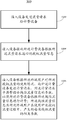
- FIG. 3 is an exemplary flowchart of a charging method according to an embodiment of the present invention.
- FIG. 4 is an exemplary flowchart of a charging method according to an embodiment of the present invention.
- FIG. 5 is an exemplary signaling diagram of a charging method according to an embodiment of the present invention.
- FIG. 6 is a schematic diagram of linear flow information according to an embodiment of the invention.
- FIG. 7 is a schematic structural diagram of an access device according to an embodiment of the present invention.
- FIG. 8 is a schematic structural diagram of a charging device according to an embodiment of the present invention.
- FIG. 9 is a schematic structural diagram of a charging system according to an embodiment of the present invention.
- FIG. 10 is a block diagram showing the hardware structure of a general-purpose computer structure according to an embodiment of the invention.
- Network architecture 200 includes policies And a Policy and Charging Rule Function (PCRF), a Policy and Charging Enforcement Function (PCEF) 2041, an Application Function (AF), and a User Contracting Database 208.
- PCRF Policy and Charging Rule Function
- PCEF Policy and Charging Enforcement Function
- AF Application Function
- AF User Contracting Database 208.
- SPR Policy and Charging Rule Function
- BBERF Bearer Binding and Event Report Function
- TDF Traffic Detection Function
- OCS214 Offline Charging System 216
- OFCS Offline Charging System
- the PCRF 202 includes a policy control decision and a flow-based charging control function.
- the PCRF 202 receives an input from the PCEF 2041 through the Gx interface, and provides the PCEF 2041 with service data flow detection, Gating Control, and Quality of Service (QoS). Control and network charging based on flow accounting.
- the PCRF 202 sends its formulated policies and charging rules to the PCEF 2041 for execution. At the same time, the PCRF 202 also needs to ensure that these rules are consistent with the user's subscription information.
- the PCRF 202 formulates the policy and the charging rule according to the following: the information about the service is obtained from the AF 206; the subscription information of the user policy charging control is obtained from the SPR 208; and the information about the network related to the bearer is obtained from the PCEF 2041.
- PCEF2041 mainly includes detection of service data flows, policy enforcement, and flow-based charging functions.
- the PCEF2041 functional entity is usually located in the gateway 204 (Gateway, GW), such as a GGSN gateway, a packet data network gateway (P-GW) of a 4G core network (EPC), and a wireless local area network (Wireless Local Area). Packet Data Gateway (PDG) in Network, WLAN).
- GW Gateway
- GGSN gateway packet data network gateway
- P-GW packet data network gateway
- EPC 4G core network
- WLAN wireless local area network
- the PCEF2041 can also be deployed independently.
- the BBERF210 features include bearer bonding, authentication of upstream bearer bindings, and event reporting.
- the functional entity is located in the gateway, for example, based on the S5/S8 interface, using Proxy Mobile IP (PMIP), implementing a service gateway (S-GW) for 3GPP access, and high-speed packet data (High Rate Packet Data) HRPD service gateway in HRPD), access gateway (A-GW) in non-3G access occasions.
- PMIP Proxy Mobile IP
- S-GW service gateway
- HRPD High Rate Packet Data
- A-GW access gateway
- the TDF 212 performs application detection and report detection. For example, TDF212 can recognize depth Deep packet inspection (DPI). If the TDF 212 does not detect this information, then the TDF 212 performs gating to redirect the bandwidth limit. If the application information can be detected, it is submitted to the PCRF 202, and the PCRF 202 generation decision is performed by the PCEF 2041.
- DPI depth Deep packet inspection
- the OCS214 provides credit control based on user and business data streams. It is mainly composed of modules such as online collection, billing control, pricing, and balance management. It implements the online charging function and cooperates with other charging network element devices (triggering session-based, event-based online charging event requesting devices, such as SCP, CCG, ISMP, etc.) perform real-time traffic control. Connected to the PCEF2041 through the Gy interface.
- the OFCS216 and the PCEF2041 complete the charging operation in the offline charging mode.
- the PCEF is considered to be located in the gateway GGSN.
- the charging method 300 may be performed by, for example, but not limited to, an access device, which may be, for example, but not limited to, a GGSN.
- the charging device and the access device communicate according to a Diameter protocol.
- the access device sends a traffic request to the charging device.
- the traffic request can be a CCR message.
- the access device receives the authorized traffic information that is returned by the charging device according to the traffic request, where the “authorized traffic information returned by the charging device according to the traffic request” is specifically: the charging device is configured according to The message returned by the traffic request carries a parameter indicating the authorized traffic information.
- the message carrying the authorized traffic information may be a CCA message, where the message carrying the parameter indicating the authorized traffic information may be a CCA message.
- the access device sends a charging request to the charging device according to the usage of the authorized traffic by the terminal user, where the charging request carries a parameter indicating linear traffic information, so that the charging device And charging according to the linear traffic information; the linear traffic information is a related parameter of each piece of linear traffic generated by the terminal user in using the authorized traffic.
- the linear flow information includes a linear flow value for each segment, a time at which each linear flow begins to be generated, and a duration of each linear flow, the linear flow value per segment being a linear flow value for each linear flow.
- the linear flow information includes a rate of each linear flow, a time at which each linear flow starts to be generated, and a duration of each linear flow, and the rate of each linear flow refers to a flow rate of each linear flow.
- the method for obtaining the linear traffic value includes setting a timer and configuring a timing time.
- the access device obtains the used traffic.
- the method for obtaining the linear traffic rate includes setting a timer, and configuring a timing time.
- the access device obtains the used traffic size, according to the used traffic size and The timing time determines the linear flow rate.
- the linear flow rate refers to the flow rate of the above linear flow.
- the charging request is a CCR message, where the parameter indicating the linear traffic information is carried by an extended field or a reserved field in the CCR message, where the parameter indicating the linear traffic information passes the CCR message.
- the extension field is carried or carried by a reserved field in the CCR message.
- the billing device obtains the detailed traffic usage situation by reporting the linear traffic information in the authorized traffic usage time, and can accurately backtrack the user at a certain moment according to the linear traffic information. Traffic usage, enabling accurate billing.
- the charging method 400 can be performed by, for example, but not limited to, a billing device.
- the charging device may be, for example but not limited to, a Pre-Paid Server (PPS).
- PPS Pre-Paid Server
- the prepaid server may be specifically, for example but not limited to, an OCS.
- the charging device receives a traffic request sent by the access device.
- the charging device returns the authorized traffic information to the access device according to the traffic request, where the charging device returns the authorized traffic information to the access device according to the traffic request, specifically: the charging The device returns, according to the traffic request, a message carrying a parameter indicating the authorized traffic information to the access device.
- the charging device receives the charging request sent by the access device, where the charging request carries a parameter indicating linear traffic information, where the linear traffic information is that the terminal user is using the authorization. In the process of flow, the relevant parameters of each piece of linear flow are generated.
- the linear flow information includes a linear flow value per segment, a time at which each linear flow starts to be generated, and a duration of each linear flow, the linear flow value being a linear flow value of each linear flow.
- the linear flow information includes a rate of each linear flow, a time at which each linear flow starts to be generated, and a duration of each linear flow, and the rate of each linear flow refers to a flow rate of each linear flow.
- the charging device performs charging according to the linear traffic information.
- charging according to the linear traffic information includes re-rating the traffic.
- the billing device obtains the detailed traffic usage situation by reporting the linear traffic information in the authorized traffic usage time, and can accurately backtrack the user at a certain moment according to the linear traffic information. Traffic usage, enabling accurate billing.
- FIG. 5 is an exemplary signaling diagram of a charging method in accordance with an embodiment of the present invention.
- the charging method 500 can be performed by, for example, but not limited to, an access device and a charging device.
- the access device may be, for example but not limited to, a GGSN.
- the billing device may be, for example but not limited to, a PPS.
- the prepaid server may be specifically, for example but not limited to, an OCS.
- the access device communicates with the charging device according to a Diameter protocol.
- a Diameter protocol In FIG.
- the GGSN sends a CCR message requesting the OCS to authorize the traffic; the OCS sends the authorized traffic to the GGSN through the CCA message according to the CCR message; the GGSN provides the service to the terminal user after receiving the authorized traffic of the OCS, and the terminal user uses the Authorized traffic.
- the linear traffic information is generated by the end user in the process of using the authorized traffic, and the GGSN reports the linear traffic information to the OCS through the CCR message, and the OCS performs charging according to the linear traffic information.
- the GGSN sends a CCR message to the OCS, where the CCR message is a traffic request for requesting OCS authorized traffic.
- the OCS sends a CCA message to the GGSN, where the authorized traffic information is carried.
- the OCS authorizes the traffic requested by the GGSN in combination with the account balance of the end user. Specifically, when the account balance of the terminal user is sufficient to pay the traffic requested by the GGSN, the following two methods are included.
- Authorize :
- the OCS authorizes the traffic requested by the GGSN
- the second type determines the authorized traffic according to the internal policy, and dynamically adjusts the authorized traffic according to the network, the network speed, and the package purchased by the user.
- the authorized traffic is not necessarily the same as the traffic requested by the GGSN. .
- the traffic that his account balance can be authorized is authorized.
- the terminal user generates linear traffic information in the process of using the authorized traffic, and the GGSN sends the linear traffic information to the OCS through a CCR message.
- the OCS performs charging according to the linear traffic information.
- the OCS can accurately reclaim the traffic usage based on the linear traffic information and re-price the traffic.
- the traffic rate is not necessarily constant during the process of using the service, for example, accessing the Internet. Therefore, when the authorized traffic is used, different traffic rates may occur in different time periods. .
- the traffic rate is 1M in the period from 6:00 to 6:05. /S
- the flow rate is 0.5M/S in the 6:05 to 6:10 period
- the flow rate is 0M/S in the 6:10 to 6:15 period, from 6:15 to 6:20
- the flow rate is 0.5 M/S.
- the continuous time with the same flow rate is a linear flow segment.
- the time range from 6:00 to 6:05 in the flow rate of 1 M/S in Fig. 6 is a linear flow segment.
- the total amount of flow in the linear flow segment is called the linear flow value.
- This continuous time is referred to as the duration of the linear flow of the segment, Phase-Duration.
- 5 minutes is the duration of the linear flow of the segment.
- the starting time of the duration is called the time Start-Time at which the linear flow of the segment starts to be generated.
- the linear flow segment in FIG. 6 is 6:00 to 6:05, and 6:00 is the time at which the linear flow starts to be generated. .
- the GGSN sends the linear traffic information of each linear traffic segment to the OCS.
- the linear traffic information of each linear traffic segment includes but is not limited to any of the following two situations:
- the first type includes a linear flow value, a time Start-Time at which the linear flow starts to be generated, and a duration Phase-Duration of the linear flow, wherein the linear flow includes an upstream flow Output-Quota and a downstream flow Input-Quota.
- the GGSN can upload the total amount of the upstream traffic Output-Quota and the downstream traffic Input-Quota, and can also upload the upstream traffic Output-Quota and the downstream traffic Input-Quota as two data, wherein "the GGSN can upload the upstream traffic Output-Quota and The total amount of the downstream traffic Input-Quota can also be used to upload the upstream traffic Output-Quota and the downstream traffic Input-Quota as two data. Specifically, the GGSN can upload the total traffic value of the upstream traffic value and the downstream traffic value, or The upstream traffic value and the downstream traffic value are uploaded as two data.
- the second type includes a linear flow rate, a time Start-Time at which the linear flow starts to be generated, and a duration Phase-Duration of the linear flow, wherein the linear flow rate includes an upstream flow rate Output-Quota-Ratio and a downstream flow rate.
- Input-Quota-Ratio The GGSN may upload the sum rate of the uplink traffic rate Output-Quota-Ratio and the downlink traffic rate Input-Quota-Ratio, or upload the uplink traffic rate Output-Quota-Ratio and the downlink traffic rate Input-Quota-Ratio as two data.
- the linear flow rate refers to the flow rate of the linear flow segment.
- the timer can be configured to set the timing time.
- the size of the used traffic is obtained to determine the linear traffic or the linear traffic rate.
- the timing can be set to the OCS.
- the time is set to 1 second.
- the GGSN obtains the used traffic size.
- the duration of each linear flow is the same as Phase-Duration, and Phase-Duration is equal to 1 second.
- the GGSN acquires the usage traffic amount within the one second every 1 second, and sends the usage traffic size, the time at which the usage traffic starts to be generated, and the duration of 1 second to the OCS.
- the traffic usage size includes upstream traffic and downstream traffic
- the GGSN can upload upstream traffic and downstream traffic.
- the total amount that is, the usage traffic amount within 1 second, can also upload the upstream traffic and the downstream traffic as two data.
- the timing can be determined by the operator. Due to different timings, there may be an error between the traffic acquired by the GGSN and the traffic actually used by the user during the timing, and the operator can according to the error range that the operator can accept.
- the present invention sets the timing to 1 second only to provide a feasible way, and is not intended to limit the scope of the present invention.
- the Phase-Duration is different due to different timing times, and the timing is long, such as the timing time. For 5 minutes, the flow rate within the Phase-Duration may not be constant, so there may be an error between the timing as the duration of the linear flow segment and the duration of the true linear flow segment.
- the multiple timing times may be combined as the duration of a linear traffic segment Phase-Duration, the combined duration Phase-Duration, and the merged
- the total amount of traffic generated in the Phase-Duration and the time Start-Time at the beginning of the first of the plurality of timing times are reported to the OCS. For example, if the timing is 1 second, the GGSN acquires the usage traffic every 1 second. In 10 consecutive 1 seconds, the usage traffic per 1 second is 1M, and the usage traffic in the 11th 1 second is not For 1M, the 10 1 seconds can be combined into 10 seconds.
- the 10 seconds is the duration of a linear flow segment, Phase-Duration, and the linear flow segment has a total linear flow of 10M. If the start time of the first 1 second of the 10 1 seconds is 6:00, the Start-Time of the linear traffic segment is 6:00. The GGSN will send information indicating 10 seconds, 10M, and 6:00 to the OCS through the CCR message. The Start-Time of the first timing time is equivalent to reporting the combined linear traffic of the first timing time. The Start-Time of the segment.
- the timing time is set to 1 second for the GGSN to send the above-mentioned second type of linear traffic information, that is, to send the linear traffic rate, the time Start-Time at which each linear traffic starts to be generated, and the duration of each linear traffic to the OCS.
- the GGSN obtains the usage traffic every 1 second, and the usage traffic obtained by the GGSN is the linear traffic rate. If the rate is the same for a few seconds, for example, a few seconds in a row
- the rate is 1M/S, and these seconds can be combined as the duration of a linear traffic segment Phase-Duration, the combined duration Phase-Duration, the flow rate during the duration, and the time at which the duration begins.
- the Start-Time is reported to the OCS.
- the GGSN obtains the usage traffic every 1 second to obtain the traffic rate.
- the traffic rate is always 1M/S for 10 consecutive seconds, and the traffic rate for the 11th second is not 1M/S.
- the first 10 seconds can be combined.
- the 10 seconds is the duration of a linear flow segment, Phase-Duration, and the linear flow rate of the linear flow segment is 1 M/S. If the starting time of the 10 seconds is 6:00, the Start-Time of the linear traffic segment is 6:00.
- the GGSN sends information indicating 10 seconds, 1 M/S, 6:00 to the OCS through the CCR message.
- the traffic rate per second can also be reported to the GGSN.
- the Phase-Duration is not reported, and the reported linear traffic information is a linear traffic rate and a Start-Time at which each linear traffic starts to be generated.
- the linear traffic segment that does not generate traffic is not reported.
- the linear traffic segment that generates traffic is reported, for example, 6:00 in Figure 6.
- no flow generated means that the flow is not consumed, and “generated flow” refers to the consumed flow.
- the parameters indicating the linear traffic value, the linear traffic rate, the time at which each linear traffic starts to be generated, and the duration of each linear traffic can be carried by extending the field in the CCR message, or through the CCR.
- the reserved field in the message is carried.
- the following fields are extended in the CCR to report linear flow values, the time at which each linear flow begins to be generated, and the duration of each linear flow:
- the GGSN sends the pieces of linear traffic information together to the OCS in the CCR message requesting the next authorized traffic.
- the rate switching point during normal billing is at 5:00, but because of the package configuration error, the reconfigured package rate switching point is At 6:08, since the GGSN reports linear traffic information with a Start-Time of 6:05, a Phase-Duration of 5 minutes, and a flow rate of 0.5 M/S, the rate switching point can be calculated before 6:08.
- the same method can be used to calculate the flow before 6:05 and after 6:10, 6:
- the traffic before 05 plus the traffic from 6:05 to 6:08 will get the traffic before the rate switching point of 6:08, and the traffic after 6:10 plus the time range of 6:08 to 6:10.
- the traffic gets the traffic after the rate switch point of 6:08, so the backtracking of the traffic usage is realized.
- the cost generated by using the traffic before and after 6:08 can be obtained.
- the traffic can be re-patented.
- the billing device obtains the detailed traffic usage situation by reporting the linear traffic information in the authorized traffic usage time, and can accurately backtrack the user at a certain moment according to the linear traffic information.
- the traffic usage can be accurately charged.
- FIG. 7 is a schematic structural diagram of an access device according to an embodiment of the invention.
- the access device is configured to perform the charging method in the foregoing embodiment of FIG. 3.
- the access device 700 includes a transmitting module 702 and a receiving module 704.
- the sending module 702 is configured to send a traffic request to the charging device.
- the receiving module 704 is configured to receive authorized traffic information returned by the charging device according to the traffic request.
- the sending module 702 is further configured to send a charging request to the charging device according to the usage of the authorized traffic by the terminal user, where the charging request carries a parameter indicating linear traffic information, where The billing device performs charging according to the linear traffic information; the linear traffic information is a related parameter of each piece of linear traffic generated by the terminal user in the process of using the authorized traffic.
- the linear flow information includes a linear flow value for each segment, a time at which each linear flow begins to be generated, and a duration of each linear flow.
- the linear traffic value can be obtained by setting a timer and configuring a timing time.
- the access device acquires the used traffic.
- the linear flow information includes the rate of each linear flow, the time at which each linear flow begins to be generated, and the duration of each linear flow.
- the linear traffic rate can be obtained by setting a timer and configuring a timing.
- the access device obtains the used traffic, according to the used traffic. And the timing time, the linear flow rate is determined.
- the billing device obtains the detailed traffic usage situation by reporting the linear traffic information in the authorized traffic usage time, and can accurately backtrack the user at a certain moment according to the linear traffic information. Traffic usage, enabling accurate billing.
- FIG. 8 is a schematic structural diagram of a charging device according to an embodiment of the present invention.
- the charging device is configured to perform the charging method in the foregoing embodiment of FIG. 4.
- the charging device 800 includes a receiving module 802, a transmitting module 804, and a charging module 806.
- the receiving module 802 is configured to receive a traffic request sent by the access device.
- the sending module 804 is configured to return, according to the traffic request, authorized traffic information to the access device.
- the receiving module 802 is further configured to receive a charging request sent by the access device, where the charging request carries a parameter indicating linear traffic information, where the linear traffic information is used by the terminal user to use the authorized traffic. In the process, the relevant parameters of each piece of linear flow are generated.
- the charging module 806 is configured to perform charging according to the linear traffic information.
- the linear flow information includes a linear flow value for each segment, a time at which each linear flow begins to be generated, and a duration of each linear flow.
- the linear flow information includes the rate of each linear flow, the time at which each linear flow begins to be generated, and the duration of each linear flow.
- the billing device obtains the detailed traffic usage situation by reporting the linear traffic information in the authorized traffic usage time, and can accurately backtrack the user at a certain moment according to the linear traffic information. Traffic usage, enabling accurate billing.
- FIG. 9 is a schematic structural diagram of a charging system according to an embodiment of the present invention.
- the billing system 900 includes an access device 902 and a billing device 904.
- the access device 902 is configured to send a traffic request to the charging device, and receive the authorized traffic information returned by the charging device according to the traffic request; and according to the usage of the authorized traffic by the terminal user, The charging device sends a charging request, where the charging request carries a parameter indicating linear traffic information, so that the charging device performs charging according to the linear traffic information; the linear traffic information is used by the terminal user.
- the charging device 904 is configured to receive the traffic request sent by the access device, return the authorized traffic information to the access device according to the traffic request, and receive the charging request sent by the access device, where the charging is performed.
- the request carries the parameter indicating the linear traffic information; charging is performed according to the linear traffic information.
- the information that the charging device returns the authorized traffic information according to the traffic request is specifically: the message that the charging device returns, according to the traffic request, carrying a parameter indicating the authorized traffic information.
- the billing device obtains the detailed traffic usage situation by reporting the linear traffic information in the authorized traffic usage time, and can accurately backtrack the user at a certain moment according to the linear traffic information. Traffic usage, enabling accurate billing.
- FIG. 10 is a block diagram showing the hardware structure of a general purpose computer architecture 1000 in accordance with an embodiment of the present invention.
- a general purpose computer architecture 1000 includes a processor 1002, a memory 1004, a communication interface 1006, and a bus 1008.
- the processor 1002, the memory 1004, and the communication interface 1006 implement a communication connection with each other through the bus 1008.
- the processor 1002 may be a general-purpose central processing unit (CPU), a microprocessor, an application specific integrated circuit (ASIC), or one or more integrated circuits for executing related programs.
- CPU central processing unit
- ASIC application specific integrated circuit
- the memory 1004 may be a read only memory (ROM), a static storage device, a dynamic storage device, or a random access memory (RAM).
- the memory 1004 can store an operating system and other applications.
- the program code for implementing the technical solution provided by the embodiment of the present invention is saved in the memory 1004 and executed by the processor 1002.
- Communication interface 1006 implements communication with other devices or communication networks using transceivers such as, but not limited to, transceivers.
- Bus 1008 can include a path for communicating information between various components (e.g., processor 1002, memory 1004, input and communication interface 1006).
- the processor 1002 when retrieving the instructions in the memory 1004, includes:
- the processor 1002 controls the communication interface 1006 to send a traffic request to the charging device.
- the processor 1002 controls the communication interface 1006 to receive the authorized traffic information returned by the charging device according to the traffic request.
- the processor 1002 controls the communication interface 1006 to send a charging request to the charging device according to the usage of the authorized traffic by the terminal user, where the charging request carries a parameter indicating linear traffic information, so that the The fee device performs charging according to the linear traffic information; the linear traffic information is a related parameter of each linear traffic generated by the terminal user in using the authorized traffic.
- the processor 1002 when retrieving the instructions in the memory 1004, includes:
- the processor 1002 controls the communication interface 1006 to receive a traffic request sent by the access device.
- the processor 1002 controls the communication interface 1006 to return authorized traffic information to the access device according to the traffic request.
- the processor 1002 controls the communication interface 1006 to receive the charging request sent by the access device, where the charging request carries a parameter indicating linear traffic information, where the linear traffic information is that the terminal user is using the authorized traffic. In the process, the relevant parameters of each piece of linear flow are generated. The processor 1002 performs charging according to the linear traffic information.
- the general purpose computer structure 1000 shown in FIG. 10 only shows the processor 1002, the memory 1004, the communication interface 1006, and the bus 1008, in the specific implementation process, those skilled in the art should understand that the above access device And the billing device also contains other devices necessary to achieve normal operation.
- the above access device and charging device may also include hardware devices that implement other additional functions.
- the access device and the charging device described above may also only include the devices necessary to implement the embodiments of the present invention, and do not necessarily include all of the devices shown in FIG.
Landscapes
- Engineering & Computer Science (AREA)
- Computer Networks & Wireless Communication (AREA)
- Signal Processing (AREA)
- Business, Economics & Management (AREA)
- Accounting & Taxation (AREA)
- Mobile Radio Communication Systems (AREA)
- Data Exchanges In Wide-Area Networks (AREA)
- Meter Arrangements (AREA)
Abstract
Description
Claims (23)
- 一种计费方法,其特征在于,包括以下步骤:接入设备发送流量请求给计费设备;所述接入设备接收所述计费设备根据所述流量请求返回的授权流量信息;所述接入设备根据终端用户对所述授权流量的使用情况,向所述计费设备发送计费请求,所述计费请求中携带指示线性流量信息的参数,以便所述计费设备依据所述线性流量信息进行计费;所述线性流量信息为所述终端用户在使用所述授权流量过程中,产生的每段线性流量的相关参数。
- 如权利要求1所述的计费方法,其特征在于,所述线性流量信息包括每段线性流量值、开始产生每段线性流量的时刻以及每段线性流量的持续时间。
- 如权利要求1所述的计费方法,其特征在于,所述线性流量信息包括每段线性流量的速率、开始产生每段线性流量的时刻以及每段线性流量的持续时间。
- 如权利要求2所述的计费方法,其特征在于,所述线性流量值的获得方式包括:设置定时器,配置定时时间,当使用流量的时长达到定时时间时,所述接入设备获取已使用的流量大小。
- 如权利要求3所述的计费方法,其特征在于,所述线性流量速率的获得方式包括:设置定时器,配置定时时间,当使用流量的时长达到定时时间时,所述接入设备获取已使用的流量大小,根据所述已使用的流量大小和所述定时时间,确定所述线性流量速率。
- 如权利要求1至5中任意一项所述的计费方法,其特征在于,所述流量请求和所述计费请求为信用控制请求CCR消息,所述授权流量信息携带在信用控制应答CCA消息中,所述指示线性流量信息的参数通过CCR消息中的扩展字段或保留字段携带。
- 一种计费方法,其特征在于,包括以下步骤:计费设备接收接入设备发送的流量请求;所述计费设备根据所述流量请求返回授权流量信息给所述接入设备;所述计费设备接收所述接入设备发送的计费请求,所述计费请求中携带指示线性流量信息的参数,所述线性流量信息为终端用户在使用所述授权流量的过程中,产生的每段线性流量的相关参数;所述计费设备依据所述线性流量信息进行计费。
- 如权利要求7所述的计费方法,其特征在于,所述线性流量信息包括每段线性流量值、开始产生每段线性流量的时刻以及每段线性流量的持续时间。
- 如权利要求7所述的计费方法,其特征在于,所述线性流量信息包括每段线性流量的速率、开始产生每段线性流量的时刻以及每段线性流量的持续时间。
- 如权利要求7所述的计费方法,其特征在于,所述依据所述线性流量信息进行计费包括流量重新批价。
- 如权利要求7所述的计费方法,其特征在于,所述计费请求为信用控制请求CCR,所述指示线性流量信息的参数通过所述信用控制请求中的扩展字段或保留字段携带。
- 一种接入设备,其特征在于,包括发送模块和接收模块:所述发送模块,用于发送流量请求给计费设备;所述接收模块,用于接收所述计费设备根据所述流量请求返回的授权流量信息;所述发送模块还用于根据终端用户对所述授权流量的使用情况,向所述计费设备发送计费请求,所述计费请求中携带指示线性流量信息的参数,以便所述计费设备依据所述线性流量信息进行计费;所述线性流量信息为所述终端用户在使用所述授权流量的过程中,产生的每段线性流量的相关参数。
- 如权利要求12所述的接入设备,其特征在于,所述线性流量信息包括每段线性流量值、开始产生每段线性流量的时刻以及每段线性流量的持续时间。
- 如权利要求12所述的接入设备,其特征在于,所述线性流量信息包括每段线性流量的速率、开始产生每段线性流量的时刻以及每段线性流量的持续时间。
- 如权利要求13所述的接入设备,其特征在于,所述线性流量值的获得方式包括:设置定时器,配置定时时间,当使用流量的时长达到定时时间时,所述接入设备获取已使用的流量大小。
- 如权利要求14所述的计费方法,其特征在于,所述线性流量速率的获得方式包括:设置定时器,配置定时时间,当使用流量的时长达到定时时间时,所述接入设备获取已使用的流量大小,根据所述已使用的流量大小和所述定时时间,确定所述线性流量速率。
- 如权利要求12至16中任意一项所述的接入设备,其特征在于,所述流量请求和所述计费请求为信用控制请求CCR消息,所述授权流量信息携带在信用控制应答CCA消息中,所述指示线性流量信息的参数通过CCR消息中的扩展字段或保留字段携带。
- 一种计费设备,其特征在于,包括接收模块,发送模块和计费模块:所述接收模块,用于接收接入设备发送的流量请求;所述发送模块,用于根据所述流量请求返回授权流量信息给所述接入设备;所述接收模块还用于接收所述接入设备发送的计费请求,所述计费请求中携带指示线性流量信息的参数,所述线性流量信息为在终端用户使用所述授权流量的过程中,产生的每段线性流量的相关参数;所述计费模块,用于依据所述线性流量信息进行计费。
- 如权利要求18所述的计费设备,其特征在于,所述线性流量信息包括每段线性流量值、开始产生每段线性流量的时刻以及每段线性流量的持续时间。
- 如权利要求18所述的计费设备,其特征在于,所述线性流量信息包括每段线性流量的速率、开始产生每段线性流量的时刻以及每段线性流量的持续 时间。
- 如权利要求18所述的计费设备,其特征在于,所述依据所述线性流量信息进行计费包括流量重新批价。
- 如权利要求18所述的计费设备,其特征在于,所述计费请求为信用控制请求CCR,所述指示线性流量信息的参数通过所述CCR消息中的扩展字段或保留字段携带。
- 一种计费系统,其特征在于,包括接入设备和计费设备:所述接入设备,用于发送流量请求给计费设备;接收所述计费设备根据所述流量请求返回的授权流量信息;根据所述终端用户对所述授权流量的使用情况,向所述计费设备发送计费请求,所述计费请求中携带指示线性流量信息的参数,以便所述计费设备依据所述线性流量信息进行计费;所述线性流量信息为所述终端用户在使用所述授权流量过程中,产生的每段线性流量的相关参数;所述计费设备,用于接收所述接入设备发送的流量请求;根据所述流量请求返回授权流量信息给所述接入设备;接收所述接入设备发送的计费请求,所述计费请求中携带所述指示线性流量信息的参数;依据所述线性流量信息进行计费。
Priority Applications (3)
| Application Number | Priority Date | Filing Date | Title |
|---|---|---|---|
| BR112017000054A BR112017000054A2 (pt) | 2014-11-17 | 2015-06-03 | método de cobrança, dispositivo de cobrança e sistema de cobrança |
| EP15860086.6A EP3145224A4 (en) | 2014-11-17 | 2015-06-03 | Charging method, charging device and charging system |
| US15/412,737 US20170134178A1 (en) | 2014-11-17 | 2017-01-23 | Charging Method, Charging Device, and Charging System |
Applications Claiming Priority (2)
| Application Number | Priority Date | Filing Date | Title |
|---|---|---|---|
| CN201410654552.4A CN104469728A (zh) | 2014-11-17 | 2014-11-17 | 一种计费方法、计费设备和计费系统 |
| CN201410654552.4 | 2014-11-17 |
Related Child Applications (1)
| Application Number | Title | Priority Date | Filing Date |
|---|---|---|---|
| US15/412,737 Continuation US20170134178A1 (en) | 2014-11-17 | 2017-01-23 | Charging Method, Charging Device, and Charging System |
Publications (1)
| Publication Number | Publication Date |
|---|---|
| WO2016078392A1 true WO2016078392A1 (zh) | 2016-05-26 |
Family
ID=52914943
Family Applications (1)
| Application Number | Title | Priority Date | Filing Date |
|---|---|---|---|
| PCT/CN2015/080679 Ceased WO2016078392A1 (zh) | 2014-11-17 | 2015-06-03 | 一种计费方法、计费设备和计费系统 |
Country Status (5)
| Country | Link |
|---|---|
| US (1) | US20170134178A1 (zh) |
| EP (1) | EP3145224A4 (zh) |
| CN (1) | CN104469728A (zh) |
| BR (1) | BR112017000054A2 (zh) |
| WO (1) | WO2016078392A1 (zh) |
Cited By (1)
| Publication number | Priority date | Publication date | Assignee | Title |
|---|---|---|---|---|
| EP3554004A4 (en) * | 2016-12-28 | 2019-12-11 | Huawei Technologies Co., Ltd. | PROCESS AND DEVICE FOR QUOTA MANAGEMENT |
Families Citing this family (4)
| Publication number | Priority date | Publication date | Assignee | Title |
|---|---|---|---|---|
| CN104469728A (zh) * | 2014-11-17 | 2015-03-25 | 华为技术有限公司 | 一种计费方法、计费设备和计费系统 |
| CN106533705A (zh) * | 2015-09-15 | 2017-03-22 | 中国移动通信集团公司 | 一种数据业务流量配额的分配方法及分配装置 |
| EA202190711A1 (ru) * | 2018-09-07 | 2021-07-30 | Эффортел Текнолоджиз | Система и способ для онлайновой тарификации телекоммуникационных услуг в режиме реального времени |
| US12401973B2 (en) * | 2022-06-16 | 2025-08-26 | T-Mobile Usa, Inc. | Fee re-rating for a wireless carrier network |
Citations (5)
| Publication number | Priority date | Publication date | Assignee | Title |
|---|---|---|---|---|
| CN1437352A (zh) * | 2002-02-04 | 2003-08-20 | 华为技术有限公司 | 统计数据流量的方法 |
| CN101222559A (zh) * | 2008-01-23 | 2008-07-16 | 中兴通讯股份有限公司 | 业务计费方法及系统 |
| CN102083045A (zh) * | 2009-11-30 | 2011-06-01 | 中国移动通信集团安徽有限公司 | 一种业务计费处理方法和装置 |
| CN102761851A (zh) * | 2011-04-25 | 2012-10-31 | 中国移动通信集团设计院有限公司 | 一种利用分割话单进行计费的方法及设备 |
| CN104469728A (zh) * | 2014-11-17 | 2015-03-25 | 华为技术有限公司 | 一种计费方法、计费设备和计费系统 |
Family Cites Families (8)
| Publication number | Priority date | Publication date | Assignee | Title |
|---|---|---|---|---|
| US6947724B2 (en) * | 2002-01-04 | 2005-09-20 | Telefonaktiebolaget Lm Ericsson (Publ) | System and method of billing based on the reported traffic load in a telecommunications network |
| US20110003579A1 (en) * | 2008-02-26 | 2011-01-06 | Yigang Cai | Online charging for supplementary services in ims networks |
| EP2509254A1 (en) * | 2011-04-06 | 2012-10-10 | Telefonaktiebolaget L M Ericsson (publ) | Method and apparatus for controlling service traffic in a communication network |
| EP2563053B1 (en) * | 2011-05-09 | 2017-08-02 | Huawei Technologies Co., Ltd. | Method and related device for controlling service charging |
| GB201207816D0 (en) * | 2012-05-04 | 2012-06-13 | Vodafone Ip Licensing Ltd | Telecommunication networks |
| CN103874043B (zh) * | 2012-12-11 | 2017-12-08 | 阿尔卡特朗讯 | 一种用于为用户设备进行漫游业务计费的方法与装置 |
| EP2965498A1 (en) * | 2013-03-07 | 2016-01-13 | Alcatel Lucent | Multiple tariff switches management |
| CN103957517B (zh) * | 2014-04-25 | 2018-06-15 | 华为技术有限公司 | 一种ocs、前端网元、批价方法与速率监控方法 |
-
2014
- 2014-11-17 CN CN201410654552.4A patent/CN104469728A/zh active Pending
-
2015
- 2015-06-03 BR BR112017000054A patent/BR112017000054A2/pt not_active Application Discontinuation
- 2015-06-03 EP EP15860086.6A patent/EP3145224A4/en not_active Withdrawn
- 2015-06-03 WO PCT/CN2015/080679 patent/WO2016078392A1/zh not_active Ceased
-
2017
- 2017-01-23 US US15/412,737 patent/US20170134178A1/en not_active Abandoned
Patent Citations (5)
| Publication number | Priority date | Publication date | Assignee | Title |
|---|---|---|---|---|
| CN1437352A (zh) * | 2002-02-04 | 2003-08-20 | 华为技术有限公司 | 统计数据流量的方法 |
| CN101222559A (zh) * | 2008-01-23 | 2008-07-16 | 中兴通讯股份有限公司 | 业务计费方法及系统 |
| CN102083045A (zh) * | 2009-11-30 | 2011-06-01 | 中国移动通信集团安徽有限公司 | 一种业务计费处理方法和装置 |
| CN102761851A (zh) * | 2011-04-25 | 2012-10-31 | 中国移动通信集团设计院有限公司 | 一种利用分割话单进行计费的方法及设备 |
| CN104469728A (zh) * | 2014-11-17 | 2015-03-25 | 华为技术有限公司 | 一种计费方法、计费设备和计费系统 |
Non-Patent Citations (1)
| Title |
|---|
| See also references of EP3145224A4 * |
Cited By (2)
| Publication number | Priority date | Publication date | Assignee | Title |
|---|---|---|---|---|
| EP3554004A4 (en) * | 2016-12-28 | 2019-12-11 | Huawei Technologies Co., Ltd. | PROCESS AND DEVICE FOR QUOTA MANAGEMENT |
| US11330114B2 (en) | 2016-12-28 | 2022-05-10 | Huawei Technologies Co., Ltd. | Quota management method and apparatus |
Also Published As
| Publication number | Publication date |
|---|---|
| EP3145224A1 (en) | 2017-03-22 |
| CN104469728A (zh) | 2015-03-25 |
| EP3145224A4 (en) | 2017-10-04 |
| US20170134178A1 (en) | 2017-05-11 |
| BR112017000054A2 (pt) | 2017-11-07 |
Similar Documents
| Publication | Publication Date | Title |
|---|---|---|
| JP6077664B2 (ja) | 無線アクセス・ネットワーク(ran)のための輻輳制御 | |
| US11647085B2 (en) | Service redirection from a policy and charging control architecture | |
| JP5606617B2 (ja) | Lte/epcネットワークにおけるローカル・ローミング課金 | |
| US8989056B2 (en) | Methods, systems, and computer readable media for utilizing quota usage policy control in a diameter-based communication network | |
| US9647848B2 (en) | Application charging method, device, and system | |
| CN104363572A (zh) | 一种重定向方法、计费设备、接入设备和重定向系统 | |
| WO2015143851A1 (zh) | 用量监控方法、装置和系统 | |
| WO2016078392A1 (zh) | 一种计费方法、计费设备和计费系统 | |
| CN111866778A (zh) | 基于漫游场景的鉴权方法、设备及系统 | |
| CN112702180B (zh) | 一种策略控制方法、装置及系统 | |
| WO2016107280A1 (zh) | 数据业务的计费方法、系统和相关设备 | |
| EP3389218B1 (en) | Data service charging method, device and system | |
| WO2016107177A1 (zh) | 一种计费方法、装置及系统 | |
| KR20130001439A (ko) | 서비스 품질 및 과금 제어를 위한 방법, 애플리케이션 기능 장치, 및 정책 및 과금 규칙 기능 장치 | |
| CN101998323B (zh) | 一种基于策略和计费控制的重定向方法及装置 | |
| WO2014110966A1 (zh) | 一种业务数据的处理方法、装置和系统 | |
| CN104105082A (zh) | 计费策略信息生成方法及策略与计费制定功能实体 | |
| WO2012041148A1 (zh) | 一种用量监测方法及系统 |
Legal Events
| Date | Code | Title | Description |
|---|---|---|---|
| 121 | Ep: the epo has been informed by wipo that ep was designated in this application |
Ref document number: 15860086 Country of ref document: EP Kind code of ref document: A1 |
|
| REEP | Request for entry into the european phase |
Ref document number: 2015860086 Country of ref document: EP |
|
| WWE | Wipo information: entry into national phase |
Ref document number: 2015860086 Country of ref document: EP |
|
| REG | Reference to national code |
Ref country code: BR Ref legal event code: B01A Ref document number: 112017000054 Country of ref document: BR |
|
| NENP | Non-entry into the national phase |
Ref country code: DE |
|
| ENP | Entry into the national phase |
Ref document number: 112017000054 Country of ref document: BR Kind code of ref document: A2 Effective date: 20170102 |