WO2016084392A1 - 電力制御装置、電力制御方法及び電力制御システム - Google Patents
電力制御装置、電力制御方法及び電力制御システム Download PDFInfo
- Publication number
- WO2016084392A1 WO2016084392A1 PCT/JP2015/005929 JP2015005929W WO2016084392A1 WO 2016084392 A1 WO2016084392 A1 WO 2016084392A1 JP 2015005929 W JP2015005929 W JP 2015005929W WO 2016084392 A1 WO2016084392 A1 WO 2016084392A1
- Authority
- WO
- WIPO (PCT)
- Prior art keywords
- power
- control
- storage battery
- storage amount
- amount
- Prior art date
- Legal status (The legal status is an assumption and is not a legal conclusion. Google has not performed a legal analysis and makes no representation as to the accuracy of the status listed.)
- Ceased
Links
Images


Classifications
-
- G—PHYSICS
- G06—COMPUTING OR CALCULATING; COUNTING
- G06Q—INFORMATION AND COMMUNICATION TECHNOLOGY [ICT] SPECIALLY ADAPTED FOR ADMINISTRATIVE, COMMERCIAL, FINANCIAL, MANAGERIAL OR SUPERVISORY PURPOSES; SYSTEMS OR METHODS SPECIALLY ADAPTED FOR ADMINISTRATIVE, COMMERCIAL, FINANCIAL, MANAGERIAL OR SUPERVISORY PURPOSES, NOT OTHERWISE PROVIDED FOR
- G06Q50/00—Information and communication technology [ICT] specially adapted for implementation of business processes of specific business sectors, e.g. utilities or tourism
- G06Q50/06—Energy or water supply
-
- H—ELECTRICITY
- H02—GENERATION; CONVERSION OR DISTRIBUTION OF ELECTRIC POWER
- H02J—ELECTRIC POWER NETWORKS; CIRCUIT ARRANGEMENTS OR SYSTEMS FOR SUPPLYING OR DISTRIBUTING ELECTRIC POWER; SYSTEMS FOR STORING ELECTRIC ENERGY
- H02J3/00—Circuit arrangements for AC mains or AC distribution networks
- H02J3/17—Demand-responsive operation of AC power transmission or distribution networks
-
- H—ELECTRICITY
- H02—GENERATION; CONVERSION OR DISTRIBUTION OF ELECTRIC POWER
- H02J—ELECTRIC POWER NETWORKS; CIRCUIT ARRANGEMENTS OR SYSTEMS FOR SUPPLYING OR DISTRIBUTING ELECTRIC POWER; SYSTEMS FOR STORING ELECTRIC ENERGY
- H02J7/00—Circuit arrangements for charging or discharging batteries or for supplying loads from batteries
- H02J7/865—Battery or charger load switching, e.g. concurrent charging and load supply
-
- H—ELECTRICITY
- H02—GENERATION; CONVERSION OR DISTRIBUTION OF ELECTRIC POWER
- H02J—ELECTRIC POWER NETWORKS; CIRCUIT ARRANGEMENTS OR SYSTEMS FOR SUPPLYING OR DISTRIBUTING ELECTRIC POWER; SYSTEMS FOR STORING ELECTRIC ENERGY
- H02J2105/00—Networks for supplying or distributing electric power characterised by their spatial reach or by the load
- H02J2105/50—Networks for supplying or distributing electric power characterised by their spatial reach or by the load for selectively controlling the operation of the loads
- H02J2105/54—Networks for supplying or distributing electric power characterised by their spatial reach or by the load for selectively controlling the operation of the loads according to a non-electrical condition, e.g. temperature
- H02J2105/55—Networks for supplying or distributing electric power characterised by their spatial reach or by the load for selectively controlling the operation of the loads according to a non-electrical condition, e.g. temperature according to an economic condition, e.g. tariff-based load management
-
- Y—GENERAL TAGGING OF NEW TECHNOLOGICAL DEVELOPMENTS; GENERAL TAGGING OF CROSS-SECTIONAL TECHNOLOGIES SPANNING OVER SEVERAL SECTIONS OF THE IPC; TECHNICAL SUBJECTS COVERED BY FORMER USPC CROSS-REFERENCE ART COLLECTIONS [XRACs] AND DIGESTS
- Y02—TECHNOLOGIES OR APPLICATIONS FOR MITIGATION OR ADAPTATION AGAINST CLIMATE CHANGE
- Y02B—CLIMATE CHANGE MITIGATION TECHNOLOGIES RELATED TO BUILDINGS, e.g. HOUSING, HOUSE APPLIANCES OR RELATED END-USER APPLICATIONS
- Y02B70/00—Technologies for an efficient end-user side electric power management and consumption
- Y02B70/30—Systems integrating technologies related to power network operation and communication or information technologies for improving the carbon footprint of the management of residential or tertiary loads, i.e. smart grids as climate change mitigation technology in the buildings sector, including also the last stages of power distribution and the control, monitoring or operating management systems at local level
- Y02B70/3225—Demand response systems, e.g. load shedding, peak shaving
-
- Y—GENERAL TAGGING OF NEW TECHNOLOGICAL DEVELOPMENTS; GENERAL TAGGING OF CROSS-SECTIONAL TECHNOLOGIES SPANNING OVER SEVERAL SECTIONS OF THE IPC; TECHNICAL SUBJECTS COVERED BY FORMER USPC CROSS-REFERENCE ART COLLECTIONS [XRACs] AND DIGESTS
- Y04—INFORMATION OR COMMUNICATION TECHNOLOGIES HAVING AN IMPACT ON OTHER TECHNOLOGY AREAS
- Y04S—SYSTEMS INTEGRATING TECHNOLOGIES RELATED TO POWER NETWORK OPERATION, COMMUNICATION OR INFORMATION TECHNOLOGIES FOR IMPROVING THE ELECTRICAL POWER GENERATION, TRANSMISSION, DISTRIBUTION, MANAGEMENT OR USAGE, i.e. SMART GRIDS
- Y04S20/00—Management or operation of end-user stationary applications or the last stages of power distribution; Controlling, monitoring or operating thereof
- Y04S20/20—End-user application control systems
- Y04S20/222—Demand response systems, e.g. load shedding, peak shaving
-
- Y—GENERAL TAGGING OF NEW TECHNOLOGICAL DEVELOPMENTS; GENERAL TAGGING OF CROSS-SECTIONAL TECHNOLOGIES SPANNING OVER SEVERAL SECTIONS OF THE IPC; TECHNICAL SUBJECTS COVERED BY FORMER USPC CROSS-REFERENCE ART COLLECTIONS [XRACs] AND DIGESTS
- Y04—INFORMATION OR COMMUNICATION TECHNOLOGIES HAVING AN IMPACT ON OTHER TECHNOLOGY AREAS
- Y04S—SYSTEMS INTEGRATING TECHNOLOGIES RELATED TO POWER NETWORK OPERATION, COMMUNICATION OR INFORMATION TECHNOLOGIES FOR IMPROVING THE ELECTRICAL POWER GENERATION, TRANSMISSION, DISTRIBUTION, MANAGEMENT OR USAGE, i.e. SMART GRIDS
- Y04S50/00—Market activities related to the operation of systems integrating technologies related to power network operation or related to communication or information technologies
- Y04S50/10—Energy trading, including energy flowing from end-user application to grid
Definitions
- the present invention relates to a power control device, a power control method, and a power control system.
- Patent Document 1 there is a known system that charges a storage battery (secondary battery) from a power generator when the power used is less than the supplied power and replenishment of power from the power grid is not necessary, and discharges the storage battery immediately when replenishment of power is necessary.
- Patent Document 1 the storage battery cannot be flexibly driven with respect to the power supply state from the commercial system.
- An object of the present invention made in view of such circumstances is to provide a power control device, a power control method, and a power control system that can drive a storage battery more flexibly with respect to a power supply state of a commercial system.
- a power control apparatus includes: A power control device connected to the grid and capable of controlling charge / discharge of a storage battery, Including a control unit that performs leveling control to reduce the difference between the power purchase amount determined in the power purchase plan by controlling charging and discharging of the storage battery, The control unit, when acquiring a demand response request activated from the network side, compares the current storage amount of the storage battery with the storage amount necessary for responding to the demand response request, and based on the result of the comparison Then, control for setting a target power value for power purchase in the leveling control is further performed.
- the power control method includes: In the power control method in the power control device that is connected to the system and can control charging and discharging of the storage battery, When leveling control is performed to reduce the difference with the amount of power purchase determined in the power purchase plan by controlling charging and discharging of the storage battery, When a demand response request issued from the network side is acquired, the current storage amount of the storage battery is compared with the storage amount necessary to respond to the demand response request, and the leveling is performed based on the comparison result. A step of performing control for setting a target power value for power purchase in the control.
- the power control system includes: A power storage device comprising a storage battery; A power control device connected to the grid and capable of controlling charging and discharging of the storage battery; A power control system comprising: The power control device Including a control unit that performs leveling control to reduce the difference between the power purchase amount determined in the power purchase plan by controlling charging and discharging of the storage battery, The control unit When a demand response request issued from the network side is acquired, the current storage amount of the storage battery is compared with a charge rate necessary to respond to the demand response request, and the leveling is performed based on the comparison result. Control for setting a target power value for power purchase in the control is further performed.
- the storage battery can be driven more flexibly with respect to the power supply state of the commercial system.
- FIG. 1 It is a functional block diagram of the power control system concerning one embodiment of the present invention. It is a figure which shows an example of an imbalance charge.
- A is a figure which shows an example of leveling control when increasing the amount of electrical storage
- (b) is a figure which shows an example of leveling control when reducing the amount of electrical storage. It is a figure which shows an example of leveling control when increasing the amount of electrical storage in order to respond to a demand response request
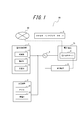
- the power control system 80 includes at least a power control device 1 and a power storage device 2 connected to a system (commercial system) 6.
- the power control system 80 in this embodiment is provided in a customer facility. Each function of the power control system 80 according to the embodiment of the present invention will be described, but it is not intended to exclude other functions of the power control system 80.
- the power control device 1 includes a control unit 11, a communication unit 12, and a storage unit 13.
- the power control device 1 is, for example, a HEMS (Home Energy Management System).
- the control unit 11 is a processor that controls the entire power control device 1 including each functional unit of the power control device 1.
- the control unit 11 acquires and responds to a demand response request issued from the network 90 side.
- the demand response request is a request from a power company, an aggregator, or the like to reduce the amount of power used to a customer facility the day before or when a predetermined time is expected when power is expected to be tight.
- the customer who responds to the demand response request can receive the merit of economic incentive.
- the demand response request is made a predetermined time before the current day.
- the control unit 11 also performs imbalance leveling using the storage battery 22.
- ⁇ ⁇ Imbalance refers to the difference between the power purchase plan and the actual power use (purchase).
- a consumer controls charging / discharging of the storage battery 22 using the power control device 1
- reducing the difference is called imbalance leveling.
- imbalance leveling suppressing the difference to ⁇ 3 to 3% is referred to as imbalance leveling.
- a customer plans a power usage amount at the time of power purchase planning and purchases power at a predetermined unit price for the power usage amount.
- the customer first contacts the power supplier (eg, general electric utility, PPS (Power Producer and Supplier), etc.).
- the generated power can be sold at a unit price (for example, 0 yen).
- the customer can sell the generated power at a second unit price (for example, 7.83 yen / kWh) higher than the first unit price. Therefore, when the excess of the actual usage amount is within a predetermined range with respect to the planned power purchase amount, an economic merit is given to the consumer.
- the customer purchases the generated power from the power supplier at a third unit price (for example, 11.66 yen / kWh) higher than the second unit price.
- a third unit price for example, 11.66 yen / kWh
- the consumer must purchase the generated power at a fourth unit price (for example, 32.42 to 40.69 yen / kWh) higher than the third unit price. Therefore, as the shortage of the actual power purchase amount becomes larger than the planned power purchase amount, an economic penalty is given to the consumer.
- the leveling of the imbalance is performed by causing the storage battery 22 to absorb the difference between the amount of power purchased determined in the power purchase plan and the amount of power consumed actually consumed by the customer facility. For example, the control unit 11 discharges the storage battery 22 when the power usage is large relative to the power purchase amount to compensate for the power shortage, and charges the storage battery 22 when the power usage amount is small relative to the planned power purchase amount. To eliminate the imbalance by consuming excess power.
- the control unit 11 calculates a predicted value of the power consumption after a predetermined time (in the present embodiment, the next day) by an arbitrary method. Details will be described later. Moreover, the control part 11 can calculate the electrical storage amount required in order to implement leveling with the arbitrary methods from the predicted value of the said electric power consumption. For example, in the calculation, the control unit 11 performs leveling with reference to the storage unit 13 that stores the predicted value of the power usage amount and the storage amount necessary for leveling in advance in association with each other. It is also possible to calculate the amount of stored electricity necessary for this. As an alternative example, the control unit 11 may calculate a storage amount necessary for leveling from the predicted value of the power usage, using an arbitrary calculation algorithm. The larger the predicted value of the amount of power used, the higher the amount of electricity necessary for leveling.
- the control unit 11 sets the target power value for leveling to the planned power purchase amount (hereinafter referred to as “target power value for leveling to the planned power purchase amount”).
- target power value for power purchase in leveling control is set to a first target value (+ 3% in this embodiment) that is greater than 0%, so that the storage battery 22 is charged and the shortage of the charged amount is reduced. Can be resolved.
- the control unit 11 sets the target power value for power purchase in the leveling control to a second target value ( ⁇ 3% in the present embodiment) that is less than 0%. Then, the storage battery 22 can be discharged to reduce the amount of stored electricity.
- the control for reducing the amount of stored electricity is performed when, for example, the power fluctuation is small and the charge rate is less than 100% and leveling is possible.
- the charging rate is a value obtained by dividing the charged amount of the storage battery 22 by the rated capacity.
- Control unit 11 can respond to demand response during leveling.
- the control unit 11 acquires information on the current power storage amount of the storage battery 22 from the power storage device 2 and compares the power storage amount with the power storage amount necessary for responding to the demand response. For example, the storage amount necessary for responding to the demand response is stored in the storage unit 13 in advance. Based on the comparison result, the control unit 11 sets a target power value for power purchase in leveling control. Thus, the control unit 11 can control charging / discharging of the storage battery 22. Further, the control unit 11 can acquire the power amount information measured by the meter device (the amount of power supplied from the grid 6 and the amount of power consumed by the load device) and store it in the storage unit 13. Furthermore, the control part 11 can memorize
- the communication unit 12 is a communication interface for communicating with the power storage device 2 and the PPS server / aggregator server 3 in a wired or wireless manner.
- the storage unit 13 is configured using an arbitrary storage resource such as a flash memory.
- the storage unit 13 stores various information and a program for operating the power control apparatus 1 and also functions as a work memory.
- the storage unit 13 stores, for example, power amount information measured by the meter device.
- the power storage device 2 includes a PCS (Power Conditioning System) 21 and a storage battery 22.
- the power storage device 2 charges and discharges the storage battery 22 based on control by the power control device 1.
- PCS21 includes an inverter, an AC / DC converter, a bidirectional DC / DC converter, and the like.
- the PCS 21 converts AC power supplied from the system 6 or the power generation device into DC, and outputs the power to the storage battery 22 to charge the storage battery 22.
- the PCS 21 converts the DC power acquired from the storage battery 22 into AC power and outputs the AC power to the load device.
- the storage battery 22 is charged and discharged under the control of the power control device 1.
- the PPS server / aggregator server 3 can make a demand response request to the power control apparatus 1 on behalf of the power company server 4.
- the power company server 4 is provided inside or outside the power company 70 by the power company 70, and outputs a demand response request via the network 90.
- the measuring device 5 measures information on the power state of the grid 6 (for example, frequency fluctuation) and outputs the information to the power company server 4.
- the power company server 4 determines whether to make a demand response request based on the acquired information.
- the measuring device 5 is provided at a location where power is output from the power plant to the grid 6.
- the control unit 11 acquires the power amount information from the storage unit 13 and the current power storage amount of the storage battery 22 from the power storage device 2 at an arbitrary time interval such as once a day.
- the control unit 11 calculates the predicted value of the power consumption on the next day. As an example, the control unit 11 calculates the power of the next day by calculating (moving average of power consumption in the most recent predetermined number of days) ⁇ ⁇ (predicting the outside air temperature on the next day) / (moving average of the outside temperature in the most recent predetermined number of days) ⁇ . Calculate the predicted value of usage.
- the control unit 11 obtains information necessary for calculating the predicted value as follows, for example.
- the control unit 11 can calculate the moving average of the power usage over the last predetermined number of days based on the power amount information acquired from the storage unit 13.
- the control part 11 can acquire the external temperature predicted value of the next day from the server etc. which provide the said predicted value at predetermined time every day.
- the control part 11 can read the daily outside temperature actual measurement value from the memory
- the control unit 11 calculates a target power storage amount that is necessary for performing the imbalance leveling on the next day based on the calculated power consumption.
- the control unit 11 compares the target power storage amount with the current power storage amount as follows, and based on the result of the comparison, sets the target power value for power purchase in the leveling control as an imbalance charge per unit power amount. Set within the range that fluctuates.
- control unit 11 sets the target power value for power purchase in the leveling control on the next day to the first target value (+ 3%).
- the control unit 11 sets the target power value for power purchase in the leveling control of the next day to a reference value (0% in the present embodiment).
- the reference value is a value smaller than the first target value, and is a value when the power purchase amount determined in the power purchase plan matches the actual power usage amount at the corresponding time in the power purchase plan.
- the control unit 11 sets the target power value for power purchase in the leveling control on the next day to the second target value ( ⁇ 3%).
- the second target value is a value smaller than the reference value.
- control unit 11 performs leveling control using the storage battery 22 so that the target power value for power purchase in the leveling control calculated by the control unit 11 on the previous day is obtained. Specifically, it is as follows.
- FIG. 3A shows the charge / discharge control when the target storage amount is 90% in terms of charge rate (SOC: State Of Charge) and the current storage amount is 60% in terms of charge rate. Show.
- the control unit 11 may gradually lower the target power value for power purchase in the leveling control as the storage amount of the storage battery 22 increases.
- the control unit 11 sets the target power value for power purchase in the leveling control to the reference value (0%). This is set (32a in FIG. 3A).
- FIG. 3B shows charge / discharge control when the target charged amount is 70% in terms of the charging rate and the current charged amount is 100% in terms of the charged rate.
- the control unit 11 may gradually increase the target power value for power purchase in the leveling control as the storage amount of the storage battery 22 decreases.
- the control unit 11 sets the target power value for power purchase in the leveling control to the reference value (0%). It is set (32b in FIG. 3B).
- the control unit 11 When acquiring the demand response request during the leveling control, the control unit 11 acquires the current power storage amount from the storage battery 22 and compares the current power storage amount with the power storage amount necessary for responding to the demand response request. To do.
- the control unit 11 secures the required-response required storage amount. The leveling control is continued until the demand response time is reached.
- the control unit 11 is shown in FIG.
- the target power value for power purchase in the leveling control on that day is set (changed) to the first target value (+ 3%) (41 in FIG. 4), and the storage battery 22 is charged.
- the control unit 11 sets the target power value for power purchase in the leveling control to the reference value (0%) (FIG. 4). 42).
- the customer facility When the demand response time is reached, the customer facility suppresses the amount of electric power supplied via the grid 6. For example, a demand response request is notified to the customer facility, and an action to reduce the power consumption of the load device is prompted. Therefore, the control unit 11 performs demand response control to compensate for the insufficient power with the power charged in the storage battery 22.
- the current power storage amount may be less than the target power storage amount for the day. Therefore, after the end of the demand response, the control unit 11 compares the current charged amount of the storage battery 22 with the target charged amount of the day.
- the control unit 11 uses the power in the leveling control for the current day.
- the target power value for purchase is set to the first target value (+ 3%), and leveling control is performed (52 in FIG. 5).
- the control unit 11 determines that the current power storage amount has reached the target power storage amount of the day (in this embodiment, the charging rate is 70%)
- the target power value for power purchase in the leveling control is set to the reference value ( 0%) (53 in FIG. 5).
- the control unit 11 sets the target power value for power purchase in the leveling control on the current day to the reference value (0%). Further, when it is determined that the current power storage amount is larger than the target power storage amount for the current day, the control unit 11 sets the target power value for power purchase in the leveling control for the current day to the second target value ( ⁇ 3%). Implement leveling control. Thereafter, when it is determined that the current power storage amount has reached the target power storage amount, the control unit 11 sets the target power value for power purchase in the leveling control to a reference value (0%).
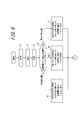
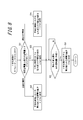
- FIG. 6 is a diagram illustrating an operation flow executed by the power control device 1 illustrated in FIG. 1 at an arbitrary time interval.
- the control unit 11 acquires information on the amount of power used from the storage unit 13, and further acquires the current power storage amount of the storage battery 22 from the power storage device 2 (step S1).
- the control unit 11 calculates the moving average of the power usage over the last predetermined number of days based on the information on the power usage, and further calculates the predicted value of the power usage on the next day using the information on the outside temperature.
- the control unit 11 calculates a target power storage amount that is necessary to perform the imbalance leveling on the next day based on the predicted value of the power usage amount (step S2).
- the control unit 11 compares the target power storage amount with the current power storage amount (step S3).
- step S4 When it is determined that the current power storage amount is smaller than the target power storage amount (step S4), the control unit 11 sets the target power value for power purchase in the leveling control on the next day to the first target value (+ 3%) (step S4). S5).
- step S4 When it is determined that the target power storage amount is the same as the current power storage amount (step S4), the control unit 11 sets the target power value for power purchase in the leveling control on the next day to the reference value (0%) (step S6). .
- the control unit 11 sets the target power value for power purchase in the leveling control on the next day to the second target value ( ⁇ 3%) ( Step S7).
- step S8 the control unit 11 performs leveling control using the storage battery 22 so that the target power value for power purchase in the leveling control calculated by the control unit 11 on the previous day is obtained. Details of step S8 will be described later with reference to FIG.
- step S9 When the control unit 11 acquires a demand response request after the leveling control in step S8 ends (Yes in step S9), the control unit 11 acquires the current storage amount of the storage battery 22 from the storage device 2, and the current storage amount The required power storage amount corresponding to the request is compared (step S10). When No in step S9, the control unit 11 performs step S18 described later.
- step S10 When it is determined that the current power storage amount is greater than or equal to the required required power storage amount (Yes in step S10), the control unit 11 performs leveling until the demand response time is reached in a state where the required corresponding power storage amount is secured. Control is performed (step S11). Subsequently, the control part 11 performs step S15 mentioned later.
- control unit 11 sets the target power value for power purchase in the leveling control to the first target value (+ 3%). It sets and charges the storage battery 22 (step S12).
- control unit 11 sets the target power value for power purchase in the leveling control to the reference value (0%). (Step S14).
- step S14 is not performed.
- control unit 11 determines whether or not the demand response time has been reached (step S15). When it is determined that the demand response time has not been reached (No in step S15), the control unit 11 executes step S10.
- Step S15 when the control unit 11 determines that the demand response time has been reached (Yes in Step S15), the demand response is performed (Step S16), and it is determined whether the execution of the demand response is completed (Step S17). .
- Step S17 When it is determined that the execution of the demand response has been completed (Yes in Step S17), the control unit 11 performs the leveling control (Step S18). Details of step S18 will be described in detail with reference to FIG. When No in step S17, the control unit 11 repeats step S16 and step S17.
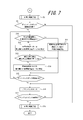
- FIG. 8 is a diagram showing a leveling control subroutine of steps S8 and S18 shown in FIG.
- control unit 11 compares the target power storage amount of the day with the current power storage amount and determines that the current power storage amount is smaller than the target power storage amount of the day (step S21), the control unit 11 equalizes the current day.
- the target power value for power purchase in the control is set to the first target value (+ 3%) (step S22).
- control unit 11 sets the target power value for power purchase in the leveling control on that day to the reference value (0%) (step S23). .
- the control unit 11 sets the target power value for power purchase in the leveling control on that day to the second target value ( ⁇ 3%) ( Step S24).
- step S25 When it is determined that the current power storage amount has reached the target power storage amount (Yes in step S25), the control unit 11 sets the target power value for power purchase in the leveling control on that day to the reference value (0%) (step S26). ). When No in step S25, the control unit 11 repeats step S25.
- control unit 11 compares the current storage amount of the storage battery 22 with the storage amount necessary for responding to the demand response request, and purchases power in leveling control based on the comparison result.
- the control which sets the target electric power value of is performed. For this reason, the storage battery 22 can be driven more flexibly with respect to the power supply state of the grid 6.
- control unit 11 determines that the current power storage amount of the storage battery 22 is less than the power storage amount necessary for responding to the demand response request, the control unit 11 sets the target power value in the power purchase plan. Control is performed to set the first target value higher than the reference value that matches the power purchase amount at the corresponding time. For this reason, even if there is a restriction that it is necessary to perform leveling, it is possible to charge the storage battery 22 to ensure the amount of electricity necessary for demand response, and to easily obtain incentives.
- the control unit 11 determines that the storage amount of the storage battery 22 has reached the required storage amount after setting the first target value, the control unit 11 sets the target power value as a reference value. For this reason, the generation of imbalance charges can be reduced as much as possible not only at the time of demand response but also at other normal times.
- the control unit 11 calculates the target power storage amount of the storage battery 22 based on the predicted power usage value, compares the target power storage amount with the current power storage amount of the storage battery 22, and determines the result of the comparison. Based on this, a target power value for power purchase in leveling control is set. For this reason, the range of selection of the charging rate is widened. For example, when the temperature is relatively low due to the influence of rain or the like and the use of an air conditioner is not necessary and the power fluctuation is small, avoid using the storage battery 22 at a charging rate of 100%. Can do. Therefore, the progress of the deterioration of the storage battery 22 can be delayed, and the battery life is extended.
- control unit 11 sets the target power within a range ( ⁇ 3% or 3%) in which the imbalance fee per unit power varies based on the power purchase determined in the power purchase plan. Set the value. For this reason, it is possible to prevent the generated power from being sold at a low price and being forced to purchase the power at a high price.
- control unit 11 needs to respond to the demand response request when it is determined that the current storage amount of the storage battery is equal to or greater than the necessary storage amount to respond to the demand response request. Secure a sufficient amount of electricity.
- the control unit 11 performs the leveling control until the demand response time is reached in a state where the necessary power storage amount is secured. For this reason, it is possible to reduce the occurrence of a penalty by performing leveling while maintaining a state capable of responding to a demand response request.
- the control of the present disclosure is shown as a series of operations executed by a computer system or other hardware capable of executing program instructions.
- Computer systems and other hardware include, for example, general purpose computers, PCs (personal computers), special purpose computers, workstations, or other programmable data processing devices.
- the various operations are performed by dedicated circuitry implemented with program instructions (software) (eg, individual logic gates interconnected to perform specific functions) or one or more processors.
- program instructions software
- processors eg, individual logic gates interconnected to perform specific functions
- the program is executed by a logical block, a program module, or the like.
- microprocessors include, for example, one or more microprocessors, CPU (Central Processing Unit), ASIC (Application Specific Integrated Circuit), DSP (Digital Signal Processor), PLD ( Programmable Logic (Device), FPGA (Field Programmable Gate Array), controller, microcontroller, electronics, other devices designed to perform the functions described herein, and / or any combination thereof.
- CPU Central Processing Unit
- ASIC Application Specific Integrated Circuit
- DSP Digital Signal Processor
- PLD Programmable Logic
- FPGA Field Programmable Gate Array
- controller microcontroller, electronics, other devices designed to perform the functions described herein, and / or any combination thereof.
- microcontroller electronics, other devices designed to perform the functions described herein, and / or any combination thereof.
- the illustrated embodiments are implemented, for example, by hardware, software, firmware, middleware, microcode, or any combination thereof.
- the network used here includes the Internet, an ad hoc network, a LAN (Local Area Network), a cellular network, another network, or any combination thereof.
Landscapes
- Engineering & Computer Science (AREA)
- Business, Economics & Management (AREA)
- Health & Medical Sciences (AREA)
- Economics (AREA)
- Power Engineering (AREA)
- Primary Health Care (AREA)
- Tourism & Hospitality (AREA)
- General Health & Medical Sciences (AREA)
- Human Resources & Organizations (AREA)
- Marketing (AREA)
- Public Health (AREA)
- Strategic Management (AREA)
- Water Supply & Treatment (AREA)
- Physics & Mathematics (AREA)
- General Business, Economics & Management (AREA)
- General Physics & Mathematics (AREA)
- Theoretical Computer Science (AREA)
- Supply And Distribution Of Alternating Current (AREA)
- Management, Administration, Business Operations System, And Electronic Commerce (AREA)
- Charge And Discharge Circuits For Batteries Or The Like (AREA)
Abstract
Description
系統に接続され、蓄電池の充放電を制御可能な電力制御装置であって、
前記蓄電池の充放電を制御することによって、電力購入計画で定めた電力購入量との差分を低減させる平準化制御を行う制御部を含み、
前記制御部は、ネットワーク側から発動されたデマンドレスポンス要請を取得したとき、前記蓄電池の現在の蓄電量を前記デマンドレスポンス要請に対応するために必要な蓄電量と比較し、当該比較の結果に基づいて、前記平準化制御における電力購入の目標電力値を設定する制御をさらに行う。
系統に接続され、蓄電池の充放電を制御可能な電力制御装置における電力制御方法において、
前記蓄電池の充放電を制御することによって、電力購入計画で定めた電力購入量との差分を低減させる平準化制御が行われている場合には、
ネットワーク側から発動されたデマンドレスポンス要請を取得したとき、前記蓄電池の現在の蓄電量を前記デマンドレスポンス要請に対応するために必要な蓄電量と比較し、当該比較の結果に基づいて、前記平準化制御における電力購入の目標電力値を設定する制御を行うステップを有する。
蓄電池を備える蓄電装置と、
系統に接続され、前記蓄電池の充放電を制御可能な電力制御装置と、
を含む電力制御システムであって、
前記電力制御装置は、
前記蓄電池の充放電を制御することによって、電力購入計画で定めた電力購入量との差分を低減させる平準化制御を行う制御部を含み、
該制御部は、
ネットワーク側から発動されたデマンドレスポンス要請を取得したとき、前記蓄電池の現在の蓄電量を前記デマンドレスポンス要請に対応するために必要な充電率と比較し、当該比較の結果に基づいて、前記平準化制御における電力購入の目標電力値を設定する制御をさらに行う。
図1においてブロック同士を結ぶラインのうち、制御ライン及び情報伝達ラインは破線で示し、電力ラインは実線で示す。電力制御システム80は、少なくとも、系統(商用系統)6に接続された電力制御装置1及び蓄電装置2を備える。本実施形態における電力制御システム80は需要家施設に備えられる。本発明の一実施形態に係る電力制御システム80の各機能を説明するが、電力制御システム80が有する他の機能を排除することを意図したものではない。
図6は、図1に示す電力制御装置1が任意の時間間隔で実行する動作フローを示す図である。
11 制御部
12 通信部
13 記憶部
2 蓄電装置
21 PCS
22 蓄電池
3 PPSサーバ/アグリゲータサーバ
4 電力会社サーバ
5 計測装置
6 系統
70 電力会社
80 電力制御システム
90 ネットワーク
Claims (11)
- 系統に接続され、蓄電池の充放電を制御可能な電力制御装置であって、
前記蓄電池の充放電を制御することによって、電力購入計画で定めた電力購入量との差分を低減させる制御を行う制御部を含み、
前記制御部は、ネットワーク側から発動されたデマンドレスポンス要請を取得したとき、前記蓄電池の現在の蓄電量を前記デマンドレスポンス要請に対応するために必要な蓄電量と比較し、当該比較の結果に基づいて、電力購入の目標電力値を設定する制御をさらに行うことを特徴とする電力制御装置。 - 請求項1に記載の電力制御装置において、
前記制御部は、前記比較の結果、前記蓄電池の現在の蓄電量が、前記デマンドレスポンス要請に対応するために必要な蓄電量に満たないと判定したとき、前記目標電力値を前記電力購入計画における該当時刻の電力購入量と一致する基準値よりも高い第1目標値に設定する制御を行う、電力制御装置。 - 請求項2に記載の電力制御装置において、
前記制御部は、前記第1目標値の設定後に前記蓄電池の蓄電量が前記必要な蓄電量に到達していると判定したとき、前記目標電力値を前記基準値に設定する、電力制御装置。 - 請求項1から3のいずれか一項に記載の電力制御装置において、
前記制御部は、電力使用予測値に基づいて前記蓄電池の目標蓄電量を算出し、当該目標蓄電量と前記蓄電池の現在の蓄電量とを比較し、当該比較の結果に基づいて、前記目標電力値を設定する、電力制御装置。 - 請求項1から4のいずれか1項に記載の電力制御装置において、
前記制御部は、前記電力購入計画で定めた電力購入量に基づいて、単位電力量あたりのインバランス料金が変動する範囲内で前記目標電力値を設定する、電力制御装置。 - 系統に接続され、蓄電池の充放電を制御可能な電力制御装置における電力制御方法において、
前記蓄電池の充放電を制御することによって、電力購入計画で定めた電力購入量との差分を低減させる制御が行われている場合には、
ネットワーク側から発動されたデマンドレスポンス要請を取得したとき、前記蓄電池の現在の蓄電量を前記デマンドレスポンス要請に対応するために必要な蓄電量と比較し、当該比較の結果に基づいて、電力購入の目標電力値を設定する制御を行うステップを有することを特徴とする電力制御方法。 - 請求項6に記載の電力制御方法において、
前記比較の結果、前記蓄電池の現在の蓄電量が、前記デマンドレスポンス要請に対応するために必要な蓄電量に満たないと判定したとき、前記目標電力値を前記電力購入計画における該当時刻の電力購入量と一致する基準値よりも高い第1目標値に設定する制御を行うステップをさらに有する、電力制御方法。 - 請求項6または7に記載の電力制御方法において、
前記蓄電池の現在の蓄電量が、前記デマンドレスポンス要請に対応するための必要な蓄電量以上であると判定したとき、前記デマンドレスポンス要請に対応するための必要な蓄電量を確保した状態で、デマンドレスポンス時間に到達するまで制御を実施するステップをさらに有する、電力制御方法。 - 蓄電池を備える蓄電装置と、
系統に接続され、前記蓄電池の充放電を制御可能な電力制御装置と、
を含む電力制御システムであって、
前記電力制御装置は、
前記蓄電池の充放電を制御することによって、電力購入計画で定めた電力購入量との差分を低減させる平準化制御を行う制御部を含み、
該制御部は、
ネットワーク側から発動されたデマンドレスポンス要請を取得したとき、前記蓄電池の現在の蓄電量を前記デマンドレスポンス要請に対応するために必要な充電率と比較し、当該比較の結果に基づいて、前記平準化制御における電力購入の目標電力値を設定する制御をさらに行うことを特徴とする電力制御システム。 - 請求項9に記載の電力制御システムにおいて、
前記制御部は、前記比較の結果、前記蓄電池の現在の蓄電量が、前記デマンドレスポンス要請に対応するために必要な蓄電量に満たないと判定したとき、前記目標電力値を前記電力購入計画における該当時刻の電力購入量と一致する基準値よりも高い第1目標値に設定する制御を行う、電力制御システム。 - 請求項9または10に記載の電力制御システムにおいて、
前記制御部は、前記蓄電池の現在の蓄電量が、前記デマンドレスポンス要請に対応するための必要な蓄電量以上であると判定したとき、前記デマンドレスポンス要請に対応するための必要な蓄電量を確保した状態で、デマンドレスポンス時間に到達するまで前記平準化制御を実施する、電力制御システム。
Priority Applications (3)
| Application Number | Priority Date | Filing Date | Title |
|---|---|---|---|
| JP2016561262A JP6204614B2 (ja) | 2014-11-27 | 2015-11-27 | 電力制御装置、電力制御方法及び電力制御システム |
| EP15862626.7A EP3226372A4 (en) | 2014-11-27 | 2015-11-27 | Power control device, power control method and power control system |
| US15/528,616 US10340715B2 (en) | 2014-11-27 | 2015-11-27 | Power control apparatus, power control method, and power control system |
Applications Claiming Priority (2)
| Application Number | Priority Date | Filing Date | Title |
|---|---|---|---|
| JP2014-240603 | 2014-11-27 | ||
| JP2014240603 | 2014-11-27 |
Publications (1)
| Publication Number | Publication Date |
|---|---|
| WO2016084392A1 true WO2016084392A1 (ja) | 2016-06-02 |
Family
ID=56073979
Family Applications (1)
| Application Number | Title | Priority Date | Filing Date |
|---|---|---|---|
| PCT/JP2015/005929 Ceased WO2016084392A1 (ja) | 2014-11-27 | 2015-11-27 | 電力制御装置、電力制御方法及び電力制御システム |
Country Status (4)
| Country | Link |
|---|---|
| US (1) | US10340715B2 (ja) |
| EP (1) | EP3226372A4 (ja) |
| JP (1) | JP6204614B2 (ja) |
| WO (1) | WO2016084392A1 (ja) |
Cited By (3)
| Publication number | Priority date | Publication date | Assignee | Title |
|---|---|---|---|---|
| JP2018033273A (ja) * | 2016-08-26 | 2018-03-01 | 三菱電機ビルテクノサービス株式会社 | 電力管理システム、電力管理方法、アグリゲータシステム、需要家電力管理システム、及びプログラム |
| JP2021136759A (ja) * | 2020-02-26 | 2021-09-13 | 京セラ株式会社 | 電力制御装置、電力制御システム、電力制御方法、及びプログラム |
| JP2022054977A (ja) * | 2020-09-28 | 2022-04-07 | 京セラ株式会社 | 電力管理装置、電力管理システム、及び電力管理方法 |
Families Citing this family (2)
| Publication number | Priority date | Publication date | Assignee | Title |
|---|---|---|---|---|
| EP3301773B1 (en) * | 2016-09-30 | 2020-06-03 | ABB Schweiz AG | Controlling an energy storage system |
| EP4439924A1 (en) * | 2021-11-26 | 2024-10-02 | Kyocera Corporation | Power system and control method |
Citations (5)
| Publication number | Priority date | Publication date | Assignee | Title |
|---|---|---|---|---|
| JP2000333369A (ja) * | 1999-05-20 | 2000-11-30 | Hitachi Ltd | 電力系統需給制御装置 |
| JP2011130649A (ja) * | 2009-12-21 | 2011-06-30 | Panasonic Electric Works Co Ltd | 電力供給システム |
| JP2011188559A (ja) * | 2010-03-04 | 2011-09-22 | Tokyo Electric Power Co Inc:The | 蓄電システム並びに蓄電システムの運用方法及び制御プログラム |
| JP2014050198A (ja) * | 2012-08-30 | 2014-03-17 | Panasonic Corp | 電力制御装置、およびそれを用いた電力供給システム |
| JP2014168315A (ja) * | 2013-01-30 | 2014-09-11 | Sekisui Chem Co Ltd | 地域内電力需給制御システム |
Family Cites Families (6)
| Publication number | Priority date | Publication date | Assignee | Title |
|---|---|---|---|---|
| JP3631986B2 (ja) | 2001-07-10 | 2005-03-23 | 株式会社エネット | 電力制御・管理システム |
| US7324876B2 (en) * | 2001-07-10 | 2008-01-29 | Yingco Electronic Inc. | System for remotely controlling energy distribution at local sites |
| JP5507669B2 (ja) * | 2010-03-30 | 2014-05-28 | 三洋電機株式会社 | 電力供給システム、電力供給方法および電力供給システムの制御プログラム |
| JP5438824B2 (ja) * | 2010-05-11 | 2014-03-12 | パナソニック株式会社 | 電力制御装置及びそれを備える系統連系システム |
| KR101917077B1 (ko) * | 2011-12-12 | 2019-01-25 | 삼성전자주식회사 | 전력 소비 제어 장치 및 방법 |
| CN203800621U (zh) | 2013-07-22 | 2014-08-27 | 上海电力实业有限公司 | 充放电管理终端硬件平台 |
-
2015
- 2015-11-27 WO PCT/JP2015/005929 patent/WO2016084392A1/ja not_active Ceased
- 2015-11-27 US US15/528,616 patent/US10340715B2/en active Active
- 2015-11-27 EP EP15862626.7A patent/EP3226372A4/en not_active Ceased
- 2015-11-27 JP JP2016561262A patent/JP6204614B2/ja active Active
Patent Citations (5)
| Publication number | Priority date | Publication date | Assignee | Title |
|---|---|---|---|---|
| JP2000333369A (ja) * | 1999-05-20 | 2000-11-30 | Hitachi Ltd | 電力系統需給制御装置 |
| JP2011130649A (ja) * | 2009-12-21 | 2011-06-30 | Panasonic Electric Works Co Ltd | 電力供給システム |
| JP2011188559A (ja) * | 2010-03-04 | 2011-09-22 | Tokyo Electric Power Co Inc:The | 蓄電システム並びに蓄電システムの運用方法及び制御プログラム |
| JP2014050198A (ja) * | 2012-08-30 | 2014-03-17 | Panasonic Corp | 電力制御装置、およびそれを用いた電力供給システム |
| JP2014168315A (ja) * | 2013-01-30 | 2014-09-11 | Sekisui Chem Co Ltd | 地域内電力需給制御システム |
Non-Patent Citations (1)
| Title |
|---|
| See also references of EP3226372A4 * |
Cited By (5)
| Publication number | Priority date | Publication date | Assignee | Title |
|---|---|---|---|---|
| JP2018033273A (ja) * | 2016-08-26 | 2018-03-01 | 三菱電機ビルテクノサービス株式会社 | 電力管理システム、電力管理方法、アグリゲータシステム、需要家電力管理システム、及びプログラム |
| JP2021136759A (ja) * | 2020-02-26 | 2021-09-13 | 京セラ株式会社 | 電力制御装置、電力制御システム、電力制御方法、及びプログラム |
| JP7254737B2 (ja) | 2020-02-26 | 2023-04-10 | 京セラ株式会社 | 電力制御装置、電力制御システム、電力制御方法、及びプログラム |
| JP2022054977A (ja) * | 2020-09-28 | 2022-04-07 | 京セラ株式会社 | 電力管理装置、電力管理システム、及び電力管理方法 |
| JP7540928B2 (ja) | 2020-09-28 | 2024-08-27 | 京セラ株式会社 | 電力管理装置、電力管理システム、及び電力管理方法 |
Also Published As
| Publication number | Publication date |
|---|---|
| US20170256975A1 (en) | 2017-09-07 |
| US10340715B2 (en) | 2019-07-02 |
| EP3226372A4 (en) | 2018-05-09 |
| EP3226372A1 (en) | 2017-10-04 |
| JP6204614B2 (ja) | 2017-09-27 |
| JPWO2016084392A1 (ja) | 2017-05-25 |
Similar Documents
| Publication | Publication Date | Title |
|---|---|---|
| JP6304367B2 (ja) | 蓄電池共有システム、情報処理装置、蓄電池共有方法、及び、蓄電池共有プログラム | |
| JP6204614B2 (ja) | 電力制御装置、電力制御方法及び電力制御システム | |
| JP6067619B2 (ja) | バッテリーを備えた無停電電源装置のエネルギー貯蔵システム及びその運転方法 | |
| JP6243064B2 (ja) | 電力制御装置、電力制御方法及び電力制御システム | |
| US20170324246A1 (en) | Control apparatus, control system, control method, and program | |
| JP6373476B2 (ja) | 電力管理装置、電力管理システム、および電力管理方法 | |
| US20170329361A1 (en) | Increasing the demand reduction effectiveness of an energy storage system | |
| US10999652B2 (en) | Energy-based curtailment systems and methods | |
| JP6464247B2 (ja) | 電力管理装置、電力管理システム及び電力管理方法 | |
| WO2016143239A1 (ja) | 電力調整装置、電力流通システム、電力調整方法及びプログラムが格納された非一時的なコンピュータ可読媒体 | |
| JP6481942B2 (ja) | 電力管理システム、電力管理方法、およびプログラム | |
| US20160241072A1 (en) | Charge/discharge control device and program | |
| CN105659464B (zh) | 蓄电池控制装置 | |
| JP2017118715A (ja) | 電力管理装置、電力管理システム、および電力管理方法 | |
| JPWO2017026175A1 (ja) | 蓄電システム及びその管理方法 | |
| JP6971158B2 (ja) | 電力管理装置及びプログラム | |
| JP6410940B2 (ja) | 電力制御装置、電力制御方法及びプログラム | |
| JP6261755B2 (ja) | 制御装置、機器制御方法及びプログラム | |
| JP6560359B2 (ja) | 電力管理サーバ及び電力管理方法 | |
| US20190121308A1 (en) | Method for ascertaining an optimum strategy | |
| JP6452071B2 (ja) | 電力制御装置、電力制御システムおよび電力制御方法 | |
| JP7257107B2 (ja) | 二次電池制御装置および二次電池制御方法 | |
| EP4546247A1 (en) | Water heater system and water heater method | |
| JP2022070363A (ja) | 電気自動車充電システム、充放電制御装置、および方法 | |
| JP6485172B2 (ja) | 充放電期間設定装置、充放電期間設定プログラム、および充放電期間設定方法 |
Legal Events
| Date | Code | Title | Description |
|---|---|---|---|
| 121 | Ep: the epo has been informed by wipo that ep was designated in this application |
Ref document number: 15862626 Country of ref document: EP Kind code of ref document: A1 |
|
| ENP | Entry into the national phase |
Ref document number: 2016561262 Country of ref document: JP Kind code of ref document: A |
|
| REEP | Request for entry into the european phase |
Ref document number: 2015862626 Country of ref document: EP |
|
| WWE | Wipo information: entry into national phase |
Ref document number: 15528616 Country of ref document: US |
|
| NENP | Non-entry into the national phase |
Ref country code: DE |