WO2016093345A1 - 組成物 - Google Patents
組成物 Download PDFInfo
- Publication number
- WO2016093345A1 WO2016093345A1 PCT/JP2015/084803 JP2015084803W WO2016093345A1 WO 2016093345 A1 WO2016093345 A1 WO 2016093345A1 JP 2015084803 W JP2015084803 W JP 2015084803W WO 2016093345 A1 WO2016093345 A1 WO 2016093345A1
- Authority
- WO
- WIPO (PCT)
- Prior art keywords
- aqueous composition
- salt
- solvate
- general formula
- compound represented
- Prior art date
- Legal status (The legal status is an assumption and is not a legal conclusion. Google has not performed a legal analysis and makes no representation as to the accuracy of the status listed.)
- Ceased
Links
- 0 CC(CNCCC1)N1S(C1=CC=CC2C=NC=C(*)C12C)(=O)=O Chemical compound CC(CNCCC1)N1S(C1=CC=CC2C=NC=C(*)C12C)(=O)=O 0.000 description 1
Classifications
-
- A—HUMAN NECESSITIES
- A61—MEDICAL OR VETERINARY SCIENCE; HYGIENE
- A61K—PREPARATIONS FOR MEDICAL, DENTAL OR TOILETRY PURPOSES
- A61K31/00—Medicinal preparations containing organic active ingredients
- A61K31/33—Heterocyclic compounds
- A61K31/395—Heterocyclic compounds having nitrogen as a ring hetero atom, e.g. guanethidine or rifamycins
- A61K31/55—Heterocyclic compounds having nitrogen as a ring hetero atom, e.g. guanethidine or rifamycins having seven-membered rings, e.g. azelastine, pentylenetetrazole
- A61K31/551—Heterocyclic compounds having nitrogen as a ring hetero atom, e.g. guanethidine or rifamycins having seven-membered rings, e.g. azelastine, pentylenetetrazole having two nitrogen atoms, e.g. dilazep
-
- A—HUMAN NECESSITIES
- A61—MEDICAL OR VETERINARY SCIENCE; HYGIENE
- A61K—PREPARATIONS FOR MEDICAL, DENTAL OR TOILETRY PURPOSES
- A61K31/00—Medicinal preparations containing organic active ingredients
- A61K31/16—Amides, e.g. hydroxamic acids
- A61K31/18—Sulfonamides
-
- A—HUMAN NECESSITIES
- A61—MEDICAL OR VETERINARY SCIENCE; HYGIENE
- A61K—PREPARATIONS FOR MEDICAL, DENTAL OR TOILETRY PURPOSES
- A61K31/00—Medicinal preparations containing organic active ingredients
- A61K31/33—Heterocyclic compounds
- A61K31/395—Heterocyclic compounds having nitrogen as a ring hetero atom, e.g. guanethidine or rifamycins
- A61K31/495—Heterocyclic compounds having nitrogen as a ring hetero atom, e.g. guanethidine or rifamycins having six-membered rings with two or more nitrogen atoms as the only ring heteroatoms, e.g. piperazine or tetrazines
- A61K31/50—Pyridazines; Hydrogenated pyridazines
- A61K31/502—Pyridazines; Hydrogenated pyridazines ortho- or peri-condensed with carbocyclic ring systems, e.g. cinnoline, phthalazine
-
- A—HUMAN NECESSITIES
- A61—MEDICAL OR VETERINARY SCIENCE; HYGIENE
- A61K—PREPARATIONS FOR MEDICAL, DENTAL OR TOILETRY PURPOSES
- A61K31/00—Medicinal preparations containing organic active ingredients
- A61K31/557—Eicosanoids, e.g. leukotrienes or prostaglandins
- A61K31/5575—Eicosanoids, e.g. leukotrienes or prostaglandins having a cyclopentane, e.g. prostaglandin E2, prostaglandin F2-alpha
-
- A—HUMAN NECESSITIES
- A61—MEDICAL OR VETERINARY SCIENCE; HYGIENE
- A61K—PREPARATIONS FOR MEDICAL, DENTAL OR TOILETRY PURPOSES
- A61K45/00—Medicinal preparations containing active ingredients not provided for in groups A61K31/00 - A61K41/00
- A61K45/06—Mixtures of active ingredients without chemical characterisation, e.g. antiphlogistics and cardiaca
-
- A—HUMAN NECESSITIES
- A61—MEDICAL OR VETERINARY SCIENCE; HYGIENE
- A61K—PREPARATIONS FOR MEDICAL, DENTAL OR TOILETRY PURPOSES
- A61K47/00—Medicinal preparations characterised by the non-active ingredients used, e.g. carriers or inert additives; Targeting or modifying agents chemically bound to the active ingredient
- A61K47/06—Organic compounds, e.g. natural or synthetic hydrocarbons, polyolefins, mineral oil, petrolatum or ozokerite
- A61K47/08—Organic compounds, e.g. natural or synthetic hydrocarbons, polyolefins, mineral oil, petrolatum or ozokerite containing oxygen, e.g. ethers, acetals, ketones, quinones, aldehydes, peroxides
- A61K47/14—Esters of carboxylic acids, e.g. fatty acid monoglycerides, medium-chain triglycerides, parabens or PEG fatty acid esters
-
- A—HUMAN NECESSITIES
- A61—MEDICAL OR VETERINARY SCIENCE; HYGIENE
- A61K—PREPARATIONS FOR MEDICAL, DENTAL OR TOILETRY PURPOSES
- A61K9/00—Medicinal preparations characterised by special physical form
- A61K9/0012—Galenical forms characterised by the site of application
- A61K9/0048—Eye, e.g. artificial tears
-
- A—HUMAN NECESSITIES
- A61—MEDICAL OR VETERINARY SCIENCE; HYGIENE
- A61K—PREPARATIONS FOR MEDICAL, DENTAL OR TOILETRY PURPOSES
- A61K9/00—Medicinal preparations characterised by special physical form
- A61K9/08—Solutions
-
- A—HUMAN NECESSITIES
- A61—MEDICAL OR VETERINARY SCIENCE; HYGIENE
- A61P—SPECIFIC THERAPEUTIC ACTIVITY OF CHEMICAL COMPOUNDS OR MEDICINAL PREPARATIONS
- A61P27/00—Drugs for disorders of the senses
- A61P27/02—Ophthalmic agents
- A61P27/06—Antiglaucoma agents or miotics
-
- C—CHEMISTRY; METALLURGY
- C08—ORGANIC MACROMOLECULAR COMPOUNDS; THEIR PREPARATION OR CHEMICAL WORKING-UP; COMPOSITIONS BASED THEREON
- C08L—COMPOSITIONS OF MACROMOLECULAR COMPOUNDS
- C08L23/00—Compositions of homopolymers or copolymers of unsaturated aliphatic hydrocarbons having only one carbon-to-carbon double bond; Compositions of derivatives of such polymers
- C08L23/02—Compositions of homopolymers or copolymers of unsaturated aliphatic hydrocarbons having only one carbon-to-carbon double bond; Compositions of derivatives of such polymers not modified by chemical after-treatment
- C08L23/10—Homopolymers or copolymers of propene
- C08L23/12—Polypropene
-
- A—HUMAN NECESSITIES
- A61—MEDICAL OR VETERINARY SCIENCE; HYGIENE
- A61K—PREPARATIONS FOR MEDICAL, DENTAL OR TOILETRY PURPOSES
- A61K2300/00—Mixtures or combinations of active ingredients, wherein at least one active ingredient is fully defined in groups A61K31/00 - A61K41/00
Definitions
- the present invention relates to an aqueous composition and the like.
- Ripasudil (chemical name: 4-fluoro-5- ⁇ [(2S) -2-methyl-1,4-diazepan-1-yl] sulfonyl ⁇ isoquinoline) and the following structural formula:
- Halogenated isoquinoline derivatives such as 4-bromo-5- ⁇ [(2S) -2-methyl-1,4-diazepan-1-yl] sulfonyl ⁇ isoquinoline represented by pharmacological action such as Rho kinase inhibitory action (for example, it has patent documents 1 and 2) and is known to be useful for prevention and treatment of eye diseases. Specifically, for example, it is useful for prevention or treatment of ocular hypertension, glaucoma, etc. (for example, Patent Document 3), or prevention or treatment of fundus diseases such as age-related macular degeneration (for example, Patent Document 4). It has been reported.
- Patent Document 5 discloses lipasyl ((S)-( ⁇ )-1- (4-fluoro-5-isoquinolinesulfonyl) -2-methyl-1,4-homopiperazine) or a salt thereof or a solvation thereof. And combinations of prostaglandins such as latanoprost are described. However, Patent Document 5 only discloses that a solution containing 0.4% ripaspil and an ophthalmic solution containing 0.05% latanoprost were sequentially instilled into the same eye of a cynomolgus monkey. There is no disclosure of an aqueous composition containing both components, accommodation of the composition in a container, and storage stability over time.
- the ophthalmic agent is usually a composition containing water (aqueous composition).
- aqueous composition a composition containing water
- the present inventor prepared an aqueous composition containing Ripasudil when formulating Ripasudil which is a halogenated isoquinoline derivative as an ophthalmic preparation and the like, and confirmed its storage stability. In particular, it has been found that there is a problem that the aqueous composition is discolored. Therefore, an object of the present invention is to provide a technique for suppressing discoloration of a halogenated isoquinoline derivative-containing aqueous composition during high-temperature storage.
- the present inventor has intensively studied to solve the above-mentioned problems.
- the aqueous composition containing a halogenated isoquinoline derivative such as ripaspil further contains prostaglandins such as bimatoprost and latanoprost, thereby being stored at high temperature.
- the present inventors have found that the discoloration of time can be suppressed and completed the present invention.
- X represents a halogen atom.
- a salt thereof or a solvate thereof and an aqueous composition containing prostaglandins.
- the present invention provides a discoloration of an aqueous composition comprising a step of adding a prostaglandin to an aqueous composition containing the compound represented by the general formula (1) or a salt thereof or a solvate thereof. The suppression method of this is provided.
- discoloration during high-temperature storage of an aqueous composition containing a halogenated isoquinoline derivative such as ripaspil can be suppressed.
- X represents a halogen atom.
- a salt thereof, or a solvate thereof, and a prostaglandin [2] The aqueous composition according to [1], wherein the compound represented by the general formula (1) is ripaspil.
- the prostaglandins are one or more selected from the group consisting of isopropyl unoprostone, tafluprost, travoprost, bimatoprost, latanoprost and salts thereof, and solvates thereof, [1] or [2 ] The aqueous composition of description.
- [4] The aqueous composition according to [1] or [2], wherein the prostaglandins are one or more selected from the group consisting of tafluprost, travoprost, bimatoprost, latanoprost and salts thereof, and solvates thereof. object.
- [5] The aqueous composition according to any one of [1] to [4], which is an ophthalmic agent.
- [6] The aqueous composition according to [5], which is an eye drop.
- [7] The aqueous composition according to any one of [1] to [6], which is a prophylactic and / or therapeutic agent for a disease selected from the group consisting of ocular hypertension, glaucoma and fundus disease.
- a pharmaceutical preparation comprising the aqueous composition according to any one of [1] to [9] contained in a polyolefin resin container.
- a method for suppressing discoloration of an aqueous composition comprising a step of adding a prostaglandin to an aqueous composition containing the compound represented by the general formula (1) or a salt thereof or a solvate thereof. .
- the prostaglandins are one or more selected from the group consisting of isopropyl unoprostone, tafluprost, travoprost, bimatoprost, latanoprost and their salts, and solvates thereof, [13] or [14 ] The method of description.
- the aqueous composition is an ophthalmic agent.
- the ophthalmic agent is an eye drop.
- the aqueous composition is a preventive and / or therapeutic agent for a disease selected from the group consisting of ocular hypertension, glaucoma and fundus disease.
- the aqueous composition further comprises an ⁇ 1 receptor blocker, an ⁇ 2 receptor agonist, a ⁇ blocker, a carbonic anhydrase inhibitor, a sympathomimetic agent, a parasympathomimetic agent, a calcium antagonist and a cholinesterase inhibitor.
- Method. [26] The method according to [25], wherein the compound represented by the general formula (1) is ripaspil.
- the prostaglandins are one or more selected from the group consisting of isopropyl unoprostone, tafluprost, travoprost, bimatoprost, latanoprost and salts thereof, and solvates thereof, [25] or [26 ] The method of description.
- [28] The method according to [25] or [26], wherein the prostaglandins are one or more selected from the group consisting of tafluprost, travoprost, bimatoprost, latanoprost and salts thereof, and solvates thereof.
- the aqueous composition is an ophthalmic agent.
- the ophthalmic agent is an eye drop.
- the aqueous composition is a preventive and / or therapeutic agent for a disease selected from the group consisting of ocular hypertension, glaucoma and fundus disease.
- the aqueous composition further comprises an ⁇ 1 receptor blocker, an ⁇ 2 receptor agonist, a ⁇ blocker, a carbonic anhydrase inhibitor, a sympathomimetic agent, a parasympathomimetic agent, a calcium antagonist and a cholinesterase inhibitor.
- examples of the halogen atom include a fluorine atom, a chlorine atom, and a bromine atom.
- the halogen atom is preferably a fluorine atom or a bromine atom, particularly preferably a fluorine atom.
- the carbon atom constituting the homopiperazine ring substituted with a methyl group is an asymmetric carbon. Therefore, although stereoisomerism occurs, the compound represented by the general formula (1) includes any stereoisomer, and may be a single stereoisomer or a mixture of various stereoisomers in any ratio. .
- the compound whose absolute configuration is S configuration is preferable.
- the salt of the compound represented by the general formula (1) is not particularly limited as long as it is a pharmaceutically acceptable salt.
- the compound represented by the general formula (1) or a salt thereof may be a solvate such as a hydrate or an alcohol solvate, and is preferably a hydrate.
- Ripasudil chemical name: 4-fluoro-5- ⁇ [(2S) -2-methyl-1,4-diazepan-1-yl] sulfonyl ⁇ isoquinoline
- 4-bromo-5- ⁇ [(2S) -2-methyl-1,4-diazepan-1-yl] sulfonyl ⁇ isoquinoline or a salt thereof or a solvate thereof
- Etc a salt thereof or a solvate thereof
- Examples of the compound represented by the general formula (1) or a salt thereof or a solvate thereof include Ripasudil or a salt thereof or a solvate thereof, 4-bromo-5- ⁇ [(2S) -2-methyl- 1,4-diazepan-1-yl] sulfonyl ⁇ isoquinoline or a salt thereof or a solvate thereof is preferable, ripaspil or a salt thereof or a solvate thereof is more preferable, and ripaspil or a hydrochloride thereof or a hydrate thereof Is more preferred and has the following structural formula:
- Ripasudil hydrochloride hydrate represented by the formula (Ripazil monohydrochloride dihydrate) is particularly preferred.
- the compound represented by the general formula (1) or a salt thereof or a solvate thereof is known and can be produced by a known method.
- Ripasudil or a salt thereof or a solvate thereof can be produced by a method described in International Publication No. 1999/020620 Pamphlet, International Publication No. 2006/057397 Pamphlet or the like.
- 4-bromo-5- ⁇ [(2S) -2-methyl-1,4-diazepan-1-yl] sulfonyl ⁇ isoquinoline or a salt thereof or a solvate thereof is disclosed in International Publication No. 2006/115244 pamphlet. It can be produced by the method described.
- the content of the compound represented by the general formula (1) or a salt thereof or a solvate thereof in the aqueous composition is not particularly limited, and is appropriately determined according to the disease applied, the sex, age, symptoms, etc. of the patient.
- 0.01 to 10 w / v in terms of the free form of the compound represented by the general formula (1) with respect to the total volume of the aqueous composition % More preferably 0.02 to 8 w / v%, and particularly preferably 0.04 to 6 w / v%.
- ripaspil as the compound represented by the general formula (1)
- ripaspil or a salt thereof or a solvate thereof is used with respect to the total volume of the aqueous composition. It is preferably contained in a free form in an amount of 0.05 to 5 w / v%, more preferably 0.1 to 3 w / v%, and particularly preferably 0.15 to 2 w / v%.
- prostaglandins means prostaglandins or derivatives thereof, specifically, for example, isopropyl unoprostone (chemical name: (+)-isopropyl (Z) -7-[(1R , 2R, 3R, 5S) -3,5-dihydroxy-2- (3-oxodecyl) cyclopentyl] hept-5-enoate), tafluprost (chemical name: 1-Methylethyl (5Z) -7-[(1R, 2R, 3R, 5S) -2-[(1E) -3,3-difluoro-4-phenoxy-1-butenyl] -3,5-dihydroxycyclopentyl] -5-heptenoate), travoprost (chemical name: Isopropyl (5Z)- 7-((1R, 2R, 3R, 5S) -3,5-dihydroxy-2-[(1E, 3R) -3-
- the prostaglandins are preferably at least one selected from the group consisting of tafluprost, travoprost, bimatoprost, latanoprost and salts thereof, and solvates thereof.
- these prostaglandins are well-known, may be manufactured by a well-known method, and may use a commercial item.
- prostaglandins have the effect of suppressing discoloration during high temperature storage and also the effect of suppressing crystal precipitation during low temperature storage.
- the aqueous composition containing the compound represented by the general formula (1) typified by Ripasudil or a salt thereof or a solvate thereof can be a problem of crystal precipitation during low-temperature storage.
- the aqueous composition containing the compound represented by the general formula (1) or a salt thereof, or a solvate thereof, and prostaglandins is inhibited from being discolored during high temperature storage, Since crystal precipitation is also suppressed, it has an advantage of excellent storage stability.
- the content of prostaglandins in the aqueous composition is not particularly limited, but is 0.00005 to 1.0 w / v% with respect to the total volume of the aqueous composition from the viewpoint of the discoloration suppressing action and / or the crystal precipitation inhibiting action. It is preferably contained, more preferably 0.00025 to 0.25 w / v%, and particularly preferably 0.00075 to 0.075 w / v%. Further, the content mass ratio of the compound represented by the general formula (1) or a salt thereof or a solvate thereof and the prostaglandins in the aqueous composition is not particularly limited, but the discoloration suppressing action and / or crystal precipitation.
- the content is more preferably ⁇ 1.25 parts by mass, and particularly preferably 0.005 to 0.5 parts by mass.
- the compound represented by the general formula (1) or a salt thereof or a solvate thereof is Ripasudil or a salt thereof or a solvate thereof
- the viewpoint of the discoloration inhibiting action and / or the crystal precipitation inhibiting action therefore, it is preferable to contain 0.0005 to 2 parts by mass of prostaglandins with respect to 1 part by mass of Ripasudil or a salt thereof or a solvate thereof in terms of the free form.
- the content is more preferably 75 parts by mass, and particularly preferably 0.0075 to 0.25 parts by mass.
- the free form of tafluprost with respect to the total volume of the aqueous composition from the viewpoint of discoloration inhibiting action and / or crystal precipitation inhibiting action. It is preferably contained in an amount of 0.0001 to 0.02 w / v%, more preferably 0.0005 to 0.01 w / v%, and more preferably 0.001 to 0.005 w / v%. Is particularly preferred.
- the mass ratio of the compound represented by the general formula (1) or a salt thereof or a solvate thereof and tafluprost or a salt thereof or a solvate thereof in the aqueous composition is not particularly limited, but discoloration suppression.
- the free form of the compound represented by the general formula (1) is converted to 1 part by weight
- the free form of tafluprost or a salt thereof or a solvate thereof is converted to 1 part by weight.
- the content is preferably 0.0001 to 0.025 parts by mass, more preferably 0.0007 to 0.015 parts by mass, and particularly preferably 0.002 to 0.005 parts by mass.
- the compound represented by the general formula (1) or a salt thereof or a solvate thereof is Ripasudil or a salt thereof or a solvate thereof
- the viewpoint of the discoloration inhibiting action and / or the crystal precipitation inhibiting action From 1 part by mass of Ripasudil or a salt thereof or a solvate thereof in terms of its free form, 0.0005 to 0.02 in terms of a tafluprost or a salt thereof or a solvate thereof in terms of a free form. It is preferably contained in an amount of 0.001 to 0.01 parts by mass, particularly preferably 0.003 to 0.004 parts by mass.
- the amount of travoprost is relative to the total volume of the aqueous composition. It is preferable to contain 0.0001 to 0.05 w / v% in terms of free form, more preferably 0.0005 to 0.01 w / v%, and more preferably 0.001 to 0.005 w / v%. It is particularly preferable to do this.
- the content ratio by mass of the compound represented by the general formula (1) in the aqueous composition or a salt thereof or a solvate thereof and travoprost or a salt thereof or a solvate thereof is not particularly limited.
- the free form of travoprost or a salt thereof or a solvate thereof is converted to 1 part by mass in terms of the free form of the compound represented by the general formula (1). It is preferably contained in 0.00025 to 0.03 parts by mass, more preferably 0.00075 to 0.07 parts by mass, and particularly preferably 0.0025 to 0.03 parts by mass. .
- the compound represented by the general formula (1) or a salt thereof or a solvate thereof is Ripasudil or a salt thereof or a solvate thereof
- the viewpoint of the discoloration inhibiting action and / or the crystal precipitation inhibiting action From 1 part by mass of Ripasudil or a salt thereof or a solvate thereof in terms of its free form, and 0.0005 to 0.001 in terms of a amount of travoprost or a salt thereof or a solvate thereof in terms of a free form.
- the content is preferably 1 part by mass, more preferably 0.001 to 0.05 part by mass, and particularly preferably 0.005 to 0.02 part by mass.
- the free form of bimatoprost with respect to the total volume of the aqueous composition from the viewpoint of discoloration inhibiting action and / or crystal precipitation inhibiting action. It is preferably contained in an amount of 0.001 to 0.5 w / v%, more preferably 0.005 to 0.1 w / v%, and more preferably 0.01 to 0.05 w / v%. Is particularly preferred.
- the mass ratio of the compound represented by the general formula (1) or a salt thereof or a solvate thereof and bimatoprost or a salt thereof or a solvate thereof in the aqueous composition is not particularly limited, but discoloration suppression.
- bimatoprost or a salt thereof or a solvate thereof is converted into a free form with respect to 1 part by mass in terms of a free form of the compound represented by the general formula (1).
- the content is preferably 0.001 to 2 parts by mass, more preferably 0.0075 to 0.75 parts by mass, and particularly preferably 0.025 to 0.3 parts by mass.
- the compound represented by the general formula (1) or a salt thereof or a solvate thereof is Ripasudil or a salt thereof or a solvate thereof
- the viewpoint of the discoloration inhibiting action and / or the crystal precipitation inhibiting action From 1 part by mass of Ripasudil or a salt thereof or a solvate thereof in terms of its free form, and 0.005 to 1 part by mass of a bimatoprost or a salt thereof or a solvate thereof in terms of a free form It is preferably contained, more preferably 0.01 to 0.5 parts by mass, and particularly preferably 0.05 to 0.1 parts by mass.
- the free form of latanoprost with respect to the total volume of the aqueous composition It is preferably contained in an amount of 0.0001 to 0.1 w / v%, more preferably 0.0005 to 0.05 w / v%, and more preferably 0.001 to 0.01 w / v%. Is particularly preferred.
- the content mass ratio of the compound represented by the general formula (1) or a salt thereof or a solvate thereof and latanoprost or a salt thereof or a solvate thereof in the aqueous composition is not particularly limited. From the viewpoint of action and / or crystal precipitation inhibition action, latanoprost or a salt thereof or a solvate thereof is converted into a free form with respect to 1 part by mass in terms of a free form of the compound represented by the general formula (1)
- the content is preferably 0.0005 to 0.1 part by mass, more preferably 0.0025 to 0.04 part by mass, and particularly preferably 0.0075 to 0.03 part by mass.
- the compound represented by the general formula (1) or a salt thereof or a solvate thereof is Ripasudil or a salt thereof or a solvate thereof
- the viewpoint of the discoloration inhibiting action and / or the crystal precipitation inhibiting action From 1 part by mass of Ripasudil or a salt thereof or a solvate thereof in terms of its free form, 0.001 to 0.05 in terms of a latanoprost or a salt thereof or a solvate thereof in terms of a free form. It is preferably contained, more preferably 0.005 to 0.02 parts by mass, and particularly preferably 0.01 to 0.015 parts by mass.
- the “aqueous composition” means a composition containing at least water, and its properties include liquid (solution or suspension) and semi-solid (ointment), and liquid is preferred.
- water in a composition purified water, water for injection, sterilized purified water, etc. can be used, for example.
- the content of water contained in the aqueous composition is not particularly limited, but is preferably 5% by mass or more, more preferably 20% by mass or more, further preferably 50% by mass or more, still more preferably 90% by mass or more, and more preferably 90 to 99.8% by mass is particularly preferred.
- the aqueous composition can be made into various dosage forms according to known methods described in, for example, the 16th revised Japanese Pharmacopoeia, General Rules for Preparations.
- the dosage form include injections, inhalation solutions, eye drops, eye ointments, ear drops, nasal solutions, enemas, external liquids, sprays, ointments, gels, oral solutions, syrups, etc. Is mentioned.
- ophthalmic agents specifically eye drops and eye ointments are preferable, and eye drops are particularly preferable.
- the aqueous composition may contain additives that are used in medicines, quasi drugs, etc., depending on the dosage form.
- additives include, for example, inorganic salts, isotonic agents, chelating agents, stabilizers, pH adjusters, preservatives, antioxidants, thickeners, surfactants, solubilizers, suspensions.
- examples include turbidizers, cooling agents, dispersants, preservatives, oily bases, emulsion bases, water-soluble bases, and the like.
- additives include ascorbic acid, potassium aspartate, sodium bisulfite, alginic acid, sodium benzoate, benzyl benzoate, epsilon-aminocaproic acid, fennel oil, ethanol, and ethylene / vinyl acetate copolymer.
- additives include potassium chloride, calcium chloride hydrate, sodium chloride, magnesium chloride, glycerin, acetic acid, potassium acetate, sodium acetate hydrate, tartaric acid, sodium hydroxide, sodium bicarbonate, sodium carbonate hydrate.
- the aqueous composition may further contain other medicinal ingredients depending on the disease to be applied.
- medicinal ingredients include ⁇ 1 receptor blockers including bunazosin such as bunazosin hydrochloride or a salt thereof or a solvate thereof; brimonidine or a salt thereof such as brimonidine tartrate or an solvate thereof; ⁇ 2 receptor agonist containing clonidine or a salt thereof or a solvate thereof; carteolol or a salt thereof such as carteolol hydrochloride or a solvate thereof, nipradilol or a salt thereof or a solvate thereof, timolol maleic acid Timolol such as a salt or a salt thereof, or a solvate thereof, betaxolol or a salt thereof such as betaxolol hydrochloride or a solvate thereof, levobanolol or a salt thereof such as levobanolol hydrochloride or a solvate thereof,
- species or 2 or more types can be mix
- other medicinal ingredients one or more selected from the group consisting of nipradilol, dorzolamide, brinzolamide, timolol and salts thereof, and solvates thereof are preferable.
- the pH of the aqueous composition is not particularly limited, but is preferably 4 to 9, more preferably 4.5 to 8, and particularly preferably 5 to 7. Further, the osmotic pressure ratio with respect to physiological saline is not particularly limited, but is preferably 0.6 to 3, particularly preferably 0.6 to 2.
- the aqueous composition is preferably contained in a container from the viewpoint of storage stability, portability and the like.
- the “container” means a package that directly contains the aqueous composition.
- Container is a concept encompassing any of “sealed container”, “airtight container”, and “sealed container” defined in the 16th revised Japanese Pharmacopoeia.
- the form of the container is not particularly limited as long as it can accommodate the aqueous composition, and may be appropriately selected and set according to the dosage form and the like.
- a container include, for example, an injection container, an inhaler container, a spray container, a bottle container, a tube container, an eye drop container, a nasal drop container, Examples include ear container, bag container and the like.
- these containers may be further packaged by boxes, bags or the like.
- the material (material) of a container is not specifically limited, What is necessary is just to select suitably according to the form of a container. Specific examples include glass, plastic, cellulose, pulp, rubber, metal and the like. From the viewpoint of workability, squeeze property and durability, it is preferably made of plastic.
- the resin of the plastic container is preferably a thermoplastic resin.
- polyolefin resins such as low density polyethylene (including linear low density polyethylene), high density polyethylene, medium density polyethylene, polypropylene, and cyclic polyolefin.
- Polyester resins such as polyethylene terephthalate, polybutylene terephthalate, polyethylene naphthalate, polybutylene naphthalate, poly (1,4-cyclohexylenedimethylene terephthalate); polyphenylene ether resins; polycarbonate resins; polysulfone resins; polyamides Resin, polyvinyl chloride resin, styrene resin and the like, and a mixture thereof (polymer alloy) may be used.
- the material of the container is not particularly limited, but is preferably a polyolefin-based resin and particularly preferably polypropylene from the viewpoint of discoloration suppressing action. As will be described later in the test example, when the container is a polyolefin resin container, discoloration is particularly advantageously suppressed.
- the “polyolefin resin container” means a container in which at least a portion in contact with the aqueous composition is “made of polyolefin resin”. Therefore, for example, a container in which a polyolefin layer is provided on the inner layer in contact with the aqueous composition and a resin or the like of another material is laminated on the outer side also corresponds to the “polyolefin resin container”.
- the polyolefin-based resin is not particularly limited, and may be a polymer (homopolymer) of a single type of monomer or a copolymer (copolymer) of a plurality of types of monomers.
- the polymerization mode is not particularly limited, and may be random polymerization or block polymerization. Furthermore, the stereoregularity (tacticity) is not particularly limited. Specific examples of such polyolefin resins include polyethylene (more specifically, for example, low density polyethylene (including linear low density polyethylene), high density polyethylene, medium density polyethylene, etc.), polypropylene, and cyclic polyolefin.
- Poly (4-methylpentene), polytetrafluoroethylene, ethylene / propylene copolymer, ethylene / ⁇ -olefin copolymer, ethylene / acrylic acid copolymer, ethylene / methacrylic acid copolymer, ethylene / vinyl acetate Copolymers, ethylene / ethyl acrylate copolymers and the like can be mentioned, and one or more of these can be used in combination.
- polyolefin-based resin polyethylene, polypropylene, and cyclic polyolefin are preferable, polyethylene and polypropylene are more preferable, and polypropylene is particularly preferable from the viewpoint of suppressing discoloration.
- made of polyolefin resin means that at least a part of the material contains a polyolefin resin, for example, two or more resins of a polyolefin resin and another resin. (Polyolefin alloy) is also included in the “made of polyolefin resin”.
- the polyolefin resin container is preferably further kneaded with a substance that blocks the transmission of ultraviolet rays, such as an ultraviolet absorber and an ultraviolet scattering agent.
- a substance that blocks the transmission of ultraviolet rays such as an ultraviolet absorber and an ultraviolet scattering agent.
- ultraviolet rays such as an ultraviolet absorber and an ultraviolet scattering agent.
- Specific examples of such substances include titanium oxide and zinc oxide as ultraviolet scattering agents.
- ultraviolet absorbers examples include 2- (2H-benzotriazol-2-yl) -p-cresol (for example, Tinuvin P: BASF), 2- (2H-benzotriazol-2-yl) -4,6 -Bis (1-methyl-1-phenylethyl) phenol (eg Tinuvin 234: BASF), 2- (3,5-di-t-butyl-2-hydroxyphenyl) benzotriazole (eg Tinuvin320: BASF) ), 2- [5-chloro (2H) -benzotriazol-2-yl] -4-methyl-6- (tert-butyl) phenol (for example, Tinuvin 326: BASF), 2- (3,5-di -T-butyl-2-hydroxyphenyl) -5-chlorobenzotriazole (eg, Tinuvin327: BASF), 2- (2H-benzotriazol-2-yl) -4,6-di-tert Pentylphenol (for example, Tinu
- the blending ratio varies depending on the type of the substance, etc., for example, 0.001 to 50% by mass, preferably 0.002 to 25% in the container.
- the mass is preferably about 0.01 to 10 mass%, particularly preferably about 0.01 to 10 mass%.
- the inside of the container is visible (observable) with the naked eye. If the inside is visible, there will be merits such that it is possible to inspect the presence or absence of foreign matter in the manufacturing process of the pharmaceutical preparation, and the user of the pharmaceutical preparation can check the remaining amount of the content (aqueous composition). .
- the visibility can be ensured at least on a part of the surface of the container (for example, even if the side surface of the eye drop container cannot be seen by a shrink film or the like, it can be visually recognized if the bottom surface is visible). It can be said.) If the inside is visible on a part of the surface of the container, this makes it possible to confirm the aqueous composition in the container.
- the means for containing the aqueous composition in the container is not particularly limited, and it may be filled by a conventional method according to the form of the container.
- the disease to which the aqueous composition or pharmaceutical preparation is applied is not particularly limited, and may be appropriately selected depending on the pharmacological action and the like of the compound represented by the general formula (1).
- ocular hypertension and glaucoma are based on the Rho kinase inhibitory action and intraocular pressure lowering action of the compound represented by the general formula (1), and on the basis of the intraocular pressure lowering action of prostaglandins. It can be used as a preventive or therapeutic agent.
- the intraocular pressure lowering action of the compound represented by the general formula (1) and the intraocular pressure lowering action of prostaglandins are excellent, and an excellent ocular hypertension and glaucoma are achieved.
- glaucoma more specifically, for example, primary open-angle glaucoma, normal-tension glaucoma, aqueous humor production hyperglaucoma, acute closed-angle glaucoma, chronic closed-angle glaucoma, plateau iris syndrome, mixed glaucoma Steroid glaucoma, capsular glaucoma, pigment glaucoma, amyloid glaucoma, neovascular glaucoma, malignant glaucoma and the like.
- a fundus disease (a lesion expressed mainly in the retina and / or choroid. Specifically, based on the action of the compound represented by the general formula (1).
- fundus changes due to hypertension and arteriosclerosis, central retinal artery occlusion, retinal vein occlusion such as central retinal vein occlusion or branch retinal vein occlusion, diabetic retinopathy , Diabetic macular edema, diabetic macular disease, Eales disease, retinal vascular congenital abnormalities such as Coats disease, Hippel's disease (von Hippel disease), pulseless disease, macular disease (central) Central chorioretinopathy, cystoid macular edema, age-related macular degeneration, macular hole, near Visual macular atrophy (myopic macular degeneration), retinal vitreous interface macular degeneration, drug toxic macular degeneration, hereditary macular degeneration, etc.), retinal detachment
- ophthalmic diseases preferably, diseases selected from ocular hypertension, glaucoma and fundus diseases: particularly preferably diseases selected from ocular hypertension and glaucoma
- aqueous compositions and pharmaceutical preparations When used as an agent, it may be administered about 1 to 3 times a day.
- Ripasudil monohydrochloride dihydrate can be produced, for example, by the method described in International Publication No. 2006/057397.
- Example 1 Preservation test The aqueous compositions of Example 1 and Comparative Example 1 containing the components and amounts shown in Table 1 per 100 mL were prepared by a conventional method and accommodated in a polypropylene container. Each obtained aqueous composition was stored at 80 ° C. for 1 week. The degree of discoloration (yellowing) before and after storage should be measured using a color difference meter (spectral colorimeter CM-700d: Konica Minolta Sensing Co., Ltd.) for the color difference ( ⁇ YI) of the aqueous composition before and after storage. It was evaluated by. The results are shown in Table 1.
- Example 2 Preservation test 2 An aqueous composition of Example 2 containing the components and amounts shown in Table 2 per 100 mL was prepared by a conventional method and accommodated in a polypropylene container. The obtained aqueous composition was stored at 80 ° C. for 1 week, and the degree of discoloration (yellowing) before and after storage was evaluated by the same method as in Test Example 1. The results are shown in Table 2.
- the aqueous composition containing the compound represented by the general formula (1) represented by Ripasudil or a salt thereof or a solvate thereof is further represented by bimatoprost and latanoprost.
- Example 3 Preservation test 3 Aqueous compositions of Example 3 and Comparative Example 2 containing the components and amounts shown in Table 3 per 100 mL were prepared by a conventional method. Each of the obtained aqueous compositions was periodically examined for the presence or absence of crystal precipitation while being stored at ⁇ 5 ° C., and it was confirmed which crystal composition had crystal precipitation first. The case where crystal precipitation was not observed first was marked with ⁇ , and the one where crystal precipitation was recognized first was marked with x. The results are shown in Table 3.
- a prostaglandin typified by latanoprost was further added to the aqueous composition containing the compound represented by the general formula (1) typified by ripaspil or a salt thereof or a solvate thereof.
- the compound represented by the general formula (1) typified by ripaspil or a salt thereof or a solvate thereof.
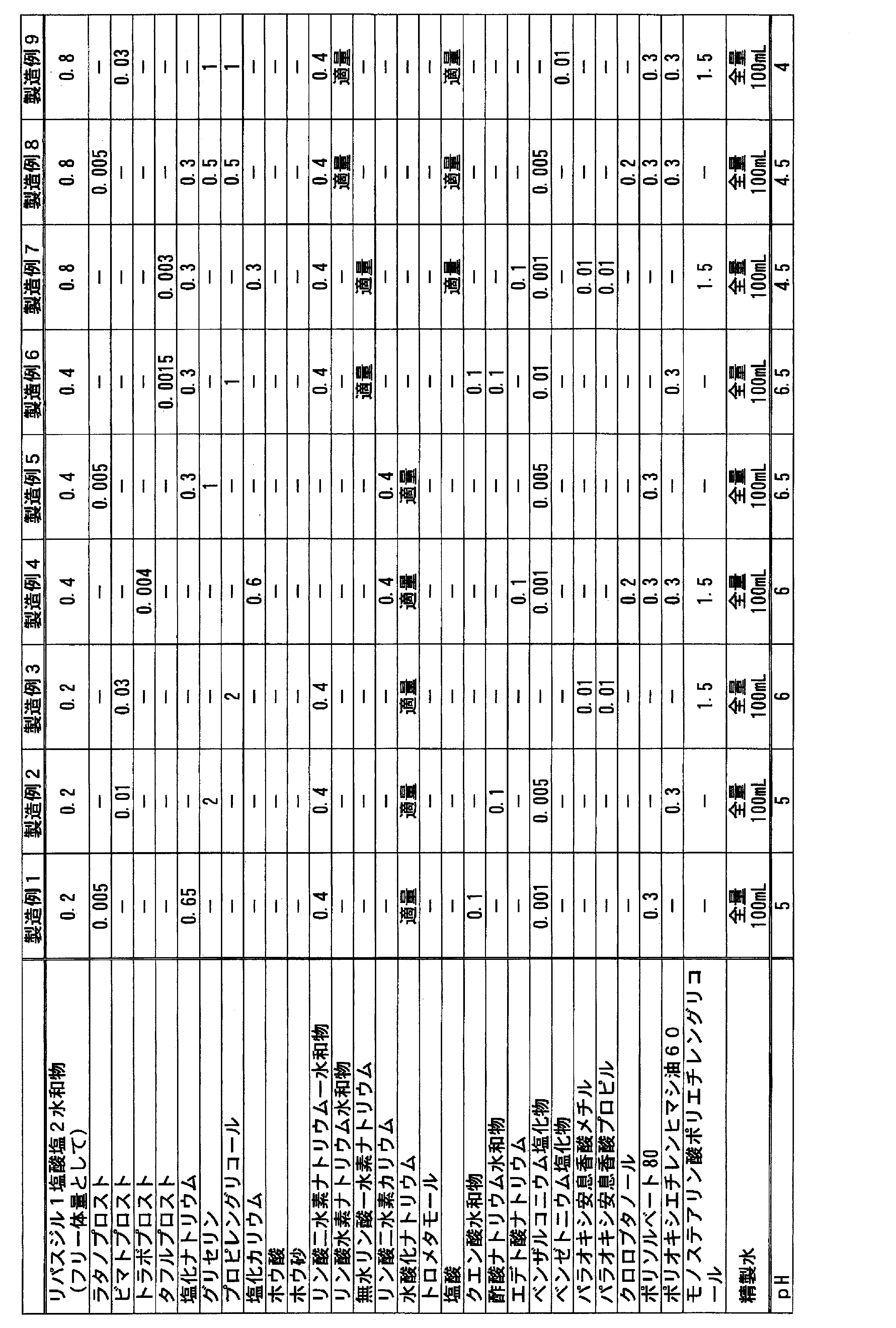
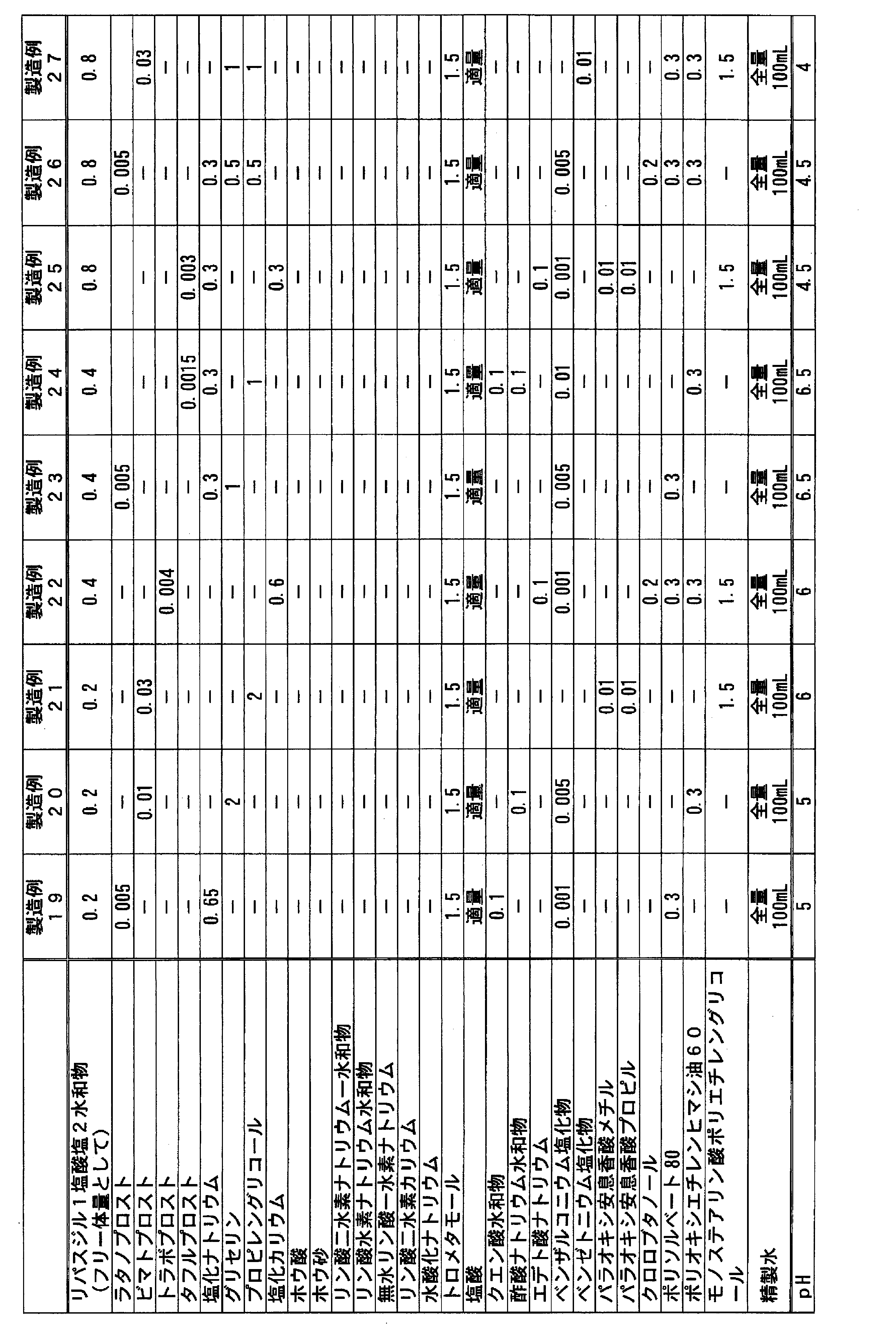
- Aqueous compositions containing the components and amounts shown in Tables 4 to 6 can be produced by conventional methods.
- Production Examples 28 to 54 In Production Examples 1 to 27, the same amount of 4-bromo-5- ⁇ [(2S) -2-methyl-1,4-diazepan-1-yl] sulfonyl ⁇ isoquinoline is used instead of ripaspil monohydrochloride dihydrate Can be produced in the usual manner as the aqueous compositions of Production Examples 28 to 54.
- an aqueous composition and a pharmaceutical preparation excellent in storage stability which can be suitably used in the pharmaceutical industry and the like.
Landscapes
- Health & Medical Sciences (AREA)
- Chemical & Material Sciences (AREA)
- Medicinal Chemistry (AREA)
- Public Health (AREA)
- Veterinary Medicine (AREA)
- Pharmacology & Pharmacy (AREA)
- Life Sciences & Earth Sciences (AREA)
- Animal Behavior & Ethology (AREA)
- General Health & Medical Sciences (AREA)
- Epidemiology (AREA)
- Ophthalmology & Optometry (AREA)
- Chemical Kinetics & Catalysis (AREA)
- Engineering & Computer Science (AREA)
- General Chemical & Material Sciences (AREA)
- Organic Chemistry (AREA)
- Oil, Petroleum & Natural Gas (AREA)
- Bioinformatics & Cheminformatics (AREA)
- Nuclear Medicine, Radiotherapy & Molecular Imaging (AREA)
- Polymers & Plastics (AREA)
- Pharmaceuticals Containing Other Organic And Inorganic Compounds (AREA)
- Medicinal Preparation (AREA)
Abstract
Description


従って、本発明は、ハロゲン化イソキノリン誘導体含有水性組成物の、高温保存時の変色を抑制する技術を提供することを課題とする。

で表される化合物若しくはその塩又はそれらの溶媒和物、及びプロスタグランジン類を含有する、水性組成物を提供するものである。
また、本発明は、前記一般式(1)で表される化合物若しくはその塩又はそれらの溶媒和物を含有する水性組成物に、プロスタグランジン類を含有せしめる工程を含む、水性組成物の変色の抑制方法を提供するものである。
[1] 次の一般式(1)

で表される化合物若しくはその塩又はそれらの溶媒和物、及びプロスタグランジン類を含有する、水性組成物。
[2] 前記一般式(1)で表される化合物が、リパスジルである、[1]記載の水性組成物。
[3] プロスタグランジン類が、イソプロピルウノプロストン、タフルプロスト、トラボプロスト、ビマトプロスト、ラタノプロスト及びそれらの塩並びにそれらの溶媒和物よりなる群から選ばれる1種以上である、[1]又は[2]記載の水性組成物。
[4] プロスタグランジン類が、タフルプロスト、トラボプロスト、ビマトプロスト、ラタノプロスト及びそれらの塩並びにそれらの溶媒和物よりなる群から選ばれる1種以上である、[1]又は[2]記載の水性組成物。
[5] 眼科用剤である、[1]~[4]のいずれか記載の水性組成物。
[6] 点眼剤である、[5]記載の水性組成物。
[7] 高眼圧症、緑内障及び眼底疾患よりなる群から選ばれる疾患の予防及び/又は治療剤である、[1]~[6]のいずれか記載の水性組成物。
[9] さらに、ニプラジロール、ドルゾラミド、ブリンゾラミド、チモロール及びそれらの塩並びにそれらの溶媒和物よりなる群から選ばれる1種以上を含有する、[1]~[7]のいずれか記載の水性組成物。
[11] 前記ポリオレフィン系樹脂が、ポリエチレン又はポリプロピレンである、[10]記載の医薬製剤。
[12] 前記ポリオレフィン系樹脂製容器が、点眼剤用容器である、[10]又は[11]記載の医薬製剤。
[14] 前記一般式(1)で表される化合物が、リパスジルである、[13]記載の方法。
[15] プロスタグランジン類が、イソプロピルウノプロストン、タフルプロスト、トラボプロスト、ビマトプロスト、ラタノプロスト及びそれらの塩並びにそれらの溶媒和物よりなる群から選ばれる1種以上である、[13]又は[14]記載の方法。
[16] プロスタグランジン類が、タフルプロスト、トラボプロスト、ビマトプロスト、ラタノプロスト及びそれらの塩並びにそれらの溶媒和物よりなる群から選ばれる1種以上である、[13]又は[14]記載の方法。
[17] 前記水性組成物が、眼科用剤である、[13]~[16]のいずれか記載の方法。
[18] 前記眼科用剤が、点眼剤である、[17]記載の方法。
[19] 前記水性組成物が、高眼圧症、緑内障及び眼底疾患よりなる群から選ばれる疾患の予防及び/又は治療剤である、[13]~[18]のいずれか記載の方法。
[21] 前記水性組成物が、さらにニプラジロール、ドルゾラミド、ブリンゾラミド、チモロール及びそれらの塩並びにそれらの溶媒和物よりなる群から選ばれる1種以上を含有する、[13]~[19]のいずれか記載の方法。
[23] 前記ポリオレフィン系樹脂が、ポリエチレン又はポリプロピレンである、[22]記載の方法。
[24] 前記ポリオレフィン系樹脂製容器が、点眼剤用容器である、[22]又は[23]記載の方法。
[26] 前記一般式(1)で表される化合物が、リパスジルである、[25]記載の方法。
[27] プロスタグランジン類が、イソプロピルウノプロストン、タフルプロスト、トラボプロスト、ビマトプロスト、ラタノプロスト及びそれらの塩並びにそれらの溶媒和物よりなる群から選ばれる1種以上である、[25]又は[26]記載の方法。
[28] プロスタグランジン類が、タフルプロスト、トラボプロスト、ビマトプロスト、ラタノプロスト及びそれらの塩並びにそれらの溶媒和物よりなる群から選ばれる1種以上である、[25]又は[26]記載の方法。
[29] 前記水性組成物が、眼科用剤である、[25]~[28]のいずれか記載の方法。
[30] 前記眼科用剤が、点眼剤である、[29]記載の方法。
[31] 前記水性組成物が、高眼圧症、緑内障及び眼底疾患よりなる群から選ばれる疾患の予防及び/又は治療剤である、[25]~[30]のいずれか記載の方法。
[33] 前記水性組成物が、さらにニプラジロール、ドルゾラミド、ブリンゾラミド、チモロール及びそれらの塩並びにそれらの溶媒和物よりなる群から選ばれる1種以上を含有する、[25]~[31]のいずれか記載の方法。
また、前記一般式(1)において、メチル基の置換したホモピペラジン環を構成する炭素原子は不斉炭素である。そのため、立体異性が生じるが、一般式(1)で表される化合物にはいずれの立体異性体も包含され、単一の立体異性体でもよく、各種立体異性体の任意の割合の混合物でもよい。前記一般式(1)で表される化合物としては、絶対配置がS配置である化合物が好ましい。
さらに、前記一般式(1)で表される化合物又はその塩は、水和物やアルコール和物等の溶媒和物であってもよく、水和物であるのが好ましい。
リパスジル(化学名:4-フルオロ-5-{[(2S)-2-メチル-1,4-ジアゼパン-1-イル]スルホニル}イソキノリン)若しくはその塩又はそれらの溶媒和物;
4-ブロモ-5-{[(2S)-2-メチル-1,4-ジアゼパン-1-イル]スルホニル}イソキノリン若しくはその塩又はそれらの溶媒和物;
等が挙げられる。

プロスタグランジン類としては、タフルプロスト、トラボプロスト、ビマトプロスト、ラタノプロスト及びそれらの塩並びにそれらの溶媒和物よりなる群から選ばれる1種以上であるのが好ましい。
なお、これらのプロスタグランジン類は公知であり、公知の方法により製造しても良く、市販品を使用しても良い。
また、水性組成物中の前記一般式(1)で表される化合物若しくはその塩又はそれらの溶媒和物とプロスタグランジン類の含有質量比率は特に限定されないが、変色抑制作用及び/又は結晶析出抑制作用の観点から、一般式(1)で表される化合物のフリー体に換算して1質量部に対し、プロスタグランジン類を0.0001~4質量部含有するのが好ましく、0.00125~1.25質量部含有するのがより好ましく、0.005~0.5質量部含有するのが特に好ましい。中でも、一般式(1)で表される化合物若しくはその塩又はそれらの溶媒和物がリパスジル若しくはその塩又はそれらの溶媒和物である場合においては、変色抑制作用及び/又は結晶析出抑制作用の観点から、リパスジル若しくはその塩又はそれらの溶媒和物をそのフリー体に換算して1質量部に対し、プロスタグランジン類を0.0005~2質量部含有するのが好ましく、0.0025~0.75質量部含有するのがより好ましく、0.0075~0.25質量部含有するのが特に好ましい。
また、水性組成物中の前記一般式(1)で表される化合物若しくはその塩又はそれらの溶媒和物とタフルプロスト若しくはその塩又はそれらの溶媒和物の含有質量比率は特に限定されないが、変色抑制作用及び/又は結晶析出抑制作用の観点から、一般式(1)で表される化合物のフリー体に換算して1質量部に対し、タフルプロスト若しくはその塩又はそれらの溶媒和物をフリー体に換算して0.0001~0.025質量部含有するのが好ましく、0.0007~0.015質量部含有するのがより好ましく、0.002~0.005質量部含有するのが特に好ましい。中でも、一般式(1)で表される化合物若しくはその塩又はそれらの溶媒和物がリパスジル若しくはその塩又はそれらの溶媒和物である場合においては、変色抑制作用及び/又は結晶析出抑制作用の観点から、リパスジル若しくはその塩又はそれらの溶媒和物をそのフリー体に換算して1質量部に対し、タフルプロスト若しくはその塩又はそれらの溶媒和物をフリー体に換算して0.0005~0.02質量部含有するのが好ましく、0.001~0.01質量部含有するのがより好ましく、0.003~0.004質量部含有するのが特に好ましい。
また、水性組成物中の前記一般式(1)で表される化合物若しくはその塩又はそれらの溶媒和物とトラボプロスト若しくはその塩又はそれらの溶媒和物の含有質量比率は特に限定されないが、変色抑制作用及び/又は結晶析出抑制作用の観点から、一般式(1)で表される化合物のフリー体に換算して1質量部に対し、トラボプロスト若しくはその塩又はそれらの溶媒和物をフリー体に換算して0.00025~0.03質量部含有するのが好ましく、0.00075~0.07質量部含有するのがより好ましく、0.0025~0.03質量部含有するのが特に好ましい。中でも、一般式(1)で表される化合物若しくはその塩又はそれらの溶媒和物がリパスジル若しくはその塩又はそれらの溶媒和物である場合においては、変色抑制作用及び/又は結晶析出抑制作用の観点から、リパスジル若しくはその塩又はそれらの溶媒和物をそのフリー体に換算して1質量部に対し、トラボプロスト若しくはその塩又はそれらの溶媒和物をフリー体に換算して0.0005~0.1質量部含有するのが好ましく、0.001~0.05質量部含有するのがより好ましく、0.005~0.02質量部含有するのが特に好ましい。
また、水性組成物中の前記一般式(1)で表される化合物若しくはその塩又はそれらの溶媒和物とビマトプロスト若しくはその塩又はそれらの溶媒和物の含有質量比率は特に限定されないが、変色抑制作用及び/又は結晶析出抑制作用の観点から、一般式(1)で表される化合物のフリー体に換算して1質量部に対し、ビマトプロスト若しくはその塩又はそれらの溶媒和物をフリー体に換算して0.001~2質量部含有するのが好ましく、0.0075~0.75質量部含有するのがより好ましく、0.025~0.3質量部含有するのが特に好ましい。中でも、一般式(1)で表される化合物若しくはその塩又はそれらの溶媒和物がリパスジル若しくはその塩又はそれらの溶媒和物である場合においては、変色抑制作用及び/又は結晶析出抑制作用の観点から、リパスジル若しくはその塩又はそれらの溶媒和物をそのフリー体に換算して1質量部に対し、ビマトプロスト若しくはその塩又はそれらの溶媒和物をフリー体に換算して0.005~1質量部含有するのが好ましく、0.01~0.5質量部含有するのがより好ましく、0.05~0.1質量部含有するのが特に好ましい。
また、水性組成物中の前記一般式(1)で表される化合物若しくはその塩又はそれらの溶媒和物とラタノプロスト若しくはその塩又はそれらの溶媒和物の含有質量比率は特に限定されないが、変色抑制作用及び/又は結晶析出抑制作用の観点から、一般式(1)で表される化合物のフリー体に換算して1質量部に対し、ラタノプロスト若しくはその塩又はそれらの溶媒和物をフリー体に換算して0.0005~0.1質量部含有するのが好ましく、0.0025~0.04質量部含有するのがより好ましく、0.0075~0.03質量部含有するのが特に好ましい。中でも、一般式(1)で表される化合物若しくはその塩又はそれらの溶媒和物がリパスジル若しくはその塩又はそれらの溶媒和物である場合においては、変色抑制作用及び/又は結晶析出抑制作用の観点から、リパスジル若しくはその塩又はそれらの溶媒和物をそのフリー体に換算して1質量部に対し、ラタノプロスト若しくはその塩又はそれらの溶媒和物をフリー体に換算して0.001~0.05質量部含有するのが好ましく、0.005~0.02質量部含有するのがより好ましく、0.01~0.015質量部含有するのが特に好ましい。
水性組成物に含まれる水の含有量は特に限定されないが、5質量%以上が好ましく、20質量%以上がより好ましく、50質量%以上がさらに好ましく、90質量%以上がさらにより好ましく、90~99.8質量%が特に好ましい。
こうした添加物としては、具体的には例えば、アスコルビン酸、アスパラギン酸カリウム、亜硫酸水素ナトリウム、アルギン酸、安息香酸ナトリウム、安息香酸ベンジル、イプシロン-アミノカプロン酸、ウイキョウ油、エタノール、エチレン・酢酸ビニル共重合体、エデト酸ナトリウム、エデト酸四ナトリウム、塩化カリウム、塩化カルシウム水和物、塩化ナトリウム、塩化マグネシウム、塩酸、塩酸アルキルジアミノエチルグリシン液、カルボキシビニルポリマー、乾燥亜硫酸ナトリウム、乾燥炭酸ナトリウム、d-カンフル、dl-カンフル、キシリトール、クエン酸水和物、クエン酸ナトリウム水和物、グリセリン、グルコン酸、L-グルタミン酸、L-グルタミン酸ナトリウム、クレアチニン、クロルヘキシジングルコン酸塩液、クロロブタノール、結晶リン酸二水素ナトリウム、ゲラニオール、コンドロイチン硫酸ナトリウム、酢酸、酢酸カリウム、酢酸ナトリウム水和物、酸化チタン、ジェランガム、ジブチルヒドロキシトルエン、臭化カリウム、臭化べンゾドデシニウム、酒石酸、水酸化ナトリウム、ステアリン酸ポリオキシル45、精製ラノリン、D-ソルビトール、ソルビトール液、タウリン、炭酸水素ナトリウム、炭酸ナトリウム水和物、チオ硫酸ナトリウム水和物、チメロサール、チロキサポール、デヒドロ酢酸ナトリウム、トロメタモール、濃グリセリン、濃縮混合トコフェロール、白色ワセリン、ハッカ水、ハッカ油、濃ベンザルコニウム塩化物液50、パラオキシ安息香酸エチル、パラオキシ安息香酸ブチル、パラオキシ安息香酸プロピル、パラオキシ安息香酸メチル、ヒアルロン酸ナトリウム、人血清アルブミン、ヒドロキシエチルセルロース、ヒドロキシプロピルセルロース、ヒプロメロース、氷酢酸、ピロ亜硫酸ナトリウム、フェニルエチルアルコール、ブドウ糖、プロピレングリコール、ベルガモット油、ベンザルコニウム塩化物、ベンザルコニウム塩化物液、ベンジルアルコール、ベンゼトニウム塩化物、ベンゼトニウム塩化物液、ホウ砂、ホウ酸、ポビドン、ポリオキシエチレン(200)ポリオキシプロピレングルコール(70)、ポリスチレンスルホン酸ナトリウム、ポリソルベート80、ポリオキシエチレン硬化ヒマシ油60、ポリビニルアルコール(部分けん化物)、d-ボルネオール、マクロゴール4000、マクロゴール6000、D-マンニトール、無水クエン酸、無水リン酸一水素ナトリウム、無水リン酸二水素ナトリウム、メタンスルホン酸、メチルセルロース、l-メントール、モノエタノールアミン、モノステアリン酸アルミニウム、モノステアリン酸ポリエチレングリコール、ユーカリ油、ヨウ化カリウム、硫酸、硫酸オキシキノリン、流動パラフィン、リュウノウ、リン酸、リン酸水素ナトリウム水和物、リン酸二水素カリウム、リン酸二水素ナトリウム、リン酸二水素ナトリウム一水和物、リンゴ酸、ワセリン等が例示される。
他の薬効成分としては、ニプラジロール、ドルゾラミド、ブリンゾラミド、チモロール及びそれらの塩並びにそれらの溶媒和物よりなる群から選ばれる1種以上が好ましい。
容器の材質としては、特に限定されないが、変色抑制作用の観点からポリオレフィン系樹脂であるのが好ましく、ポリプロピレンであるのが特に好ましい。後記試験例の通り、容器がポリオレフィン系樹脂製容器の場合において、特に優位に変色が抑制される。
このようなポリオレフィン系樹脂としては、具体的には例えば、ポリエチレン(より詳細には例えば低密度ポリエチレン(直鎖状低密度ポリエチレンを含む)、高密度ポリエチレン、中密度ポリエチレンなど)、ポリプロピレン、環状ポリオレフィン、ポリ(4-メチルペンテン)、ポリテトラフルオロエチレン、エチレン・プロピレン共重合体、エチレン・α-オレフィン共重合体、エチレン・アクリル酸共重合体、エチレン・メタクリル酸共重合体、エチレン・酢酸ビニル共重合体、エチレン・アクリル酸エチル共重合体等が挙げられ、これらの1種又は2種以上を組合わせて使用できる。ポリオレフィン系樹脂としては、変色を抑制する観点から、ポリエチレン、ポリプロピレン、環状ポリオレフィンが好ましく、ポリエチレン、ポリプロピレンがより好ましく、ポリプロピレンが特に好ましい。
なお、本明細書において「ポリオレフィン系樹脂製」とは、その材質の少なくとも一部にポリオレフィン系樹脂を含んでいることを意味し、例えば、ポリオレフィン系樹脂と他の樹脂との2種以上の樹脂の混合体(ポリマーアロイ)も「ポリオレフィン系樹脂製」に含まれる。
具体的には例えば、一般式(1)で表される化合物の有するRhoキナーゼ阻害作用や眼圧低下作用に基づき、また、プロスタグランジン類の有する眼圧低下作用に基づき、高眼圧症や緑内障の予防又は治療剤として利用できる。この場合、一般式(1)で表される化合物の有する眼圧低下作用とプロスタグランジン類の有する眼圧低下作用とにより優れた眼圧低下作用が奏され、優れた高眼圧症、緑内障の予防及び/又は治療作用が得られるため、好ましい。ここで、緑内障としては、より詳細には例えば、原発性開放隅角緑内障、正常眼圧緑内障、房水産生過多緑内障、急性閉塞隅角緑内障、慢性閉塞隅角緑内障、plateau iris syndrome、混合型緑内障、ステロイド緑内障、水晶体の嚢性緑内障、色素緑内障、アミロイド緑内障、血管新生緑内障、悪性緑内障などが挙げられる。
なお、以下の試験例において、リパスジル1塩酸塩2水和物は、例えば国際公開第2006/057397号パンフレット記載の方法により製造することが出来る。
表1に示す成分及び分量を100mL当たりに含有する実施例1及び比較例1の水性組成物を常法により調製し、ポリプロピレン製の容器に収容した。
得られた各水性組成物を80℃で1週間保存した。保存前後での変色(黄変)の程度は、保存前後での水性組成物の色差(ΔYI)を色差計(分光測色計CM-700d:コニカミノルタセンシング(株))を用いて測定することにより評価した。
結果を表1に示す。

表2に示す成分及び分量を100mL当たりに含有する実施例2の水性組成物を常法により調製し、ポリプロピレン製の容器に収容した。
得られた水性組成物を80℃で1週間保存し、保存前後での変色(黄変)の程度を試験例1と同様の方法により評価した。
結果を表2に示す。
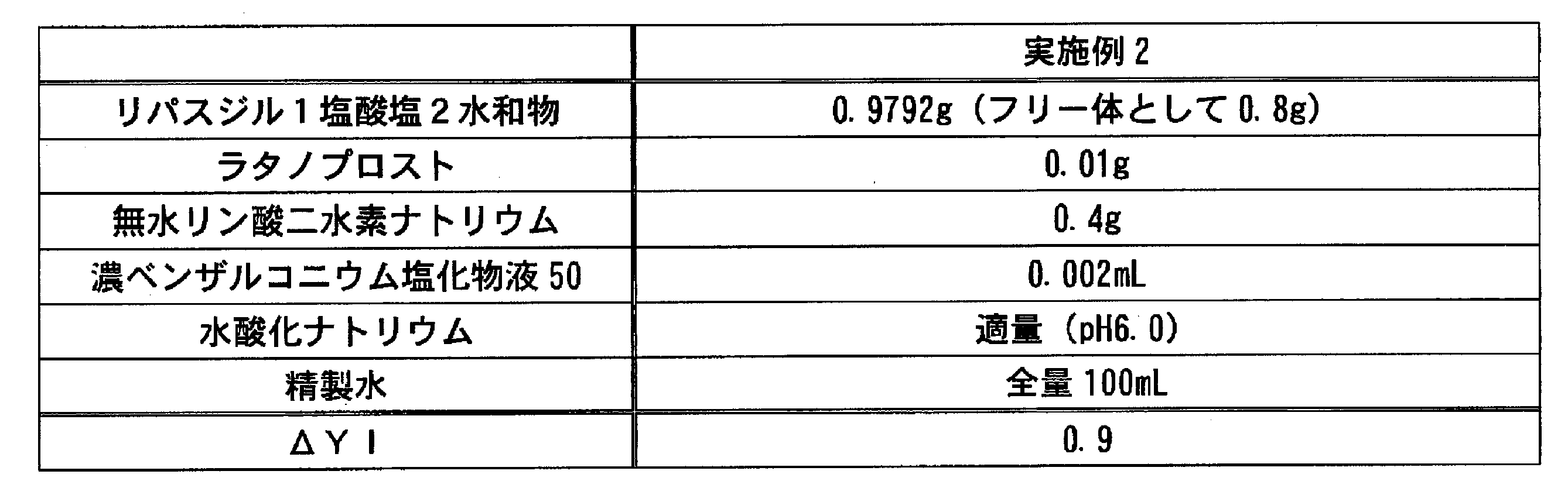
表3に示す成分及び分量を100mL当たりに含有する実施例3及び比較例2の水性組成物を常法により調製した。
得られた各水性組成物を-5℃で保存しつつ定期的に結晶析出の有無を目視により評価し、いずれの水性組成物に先に結晶析出が認められるかを確認した。先に結晶析出が認められなかったものを〇、先に結晶析出が認められたものを×とした。
結果を表3に示す。
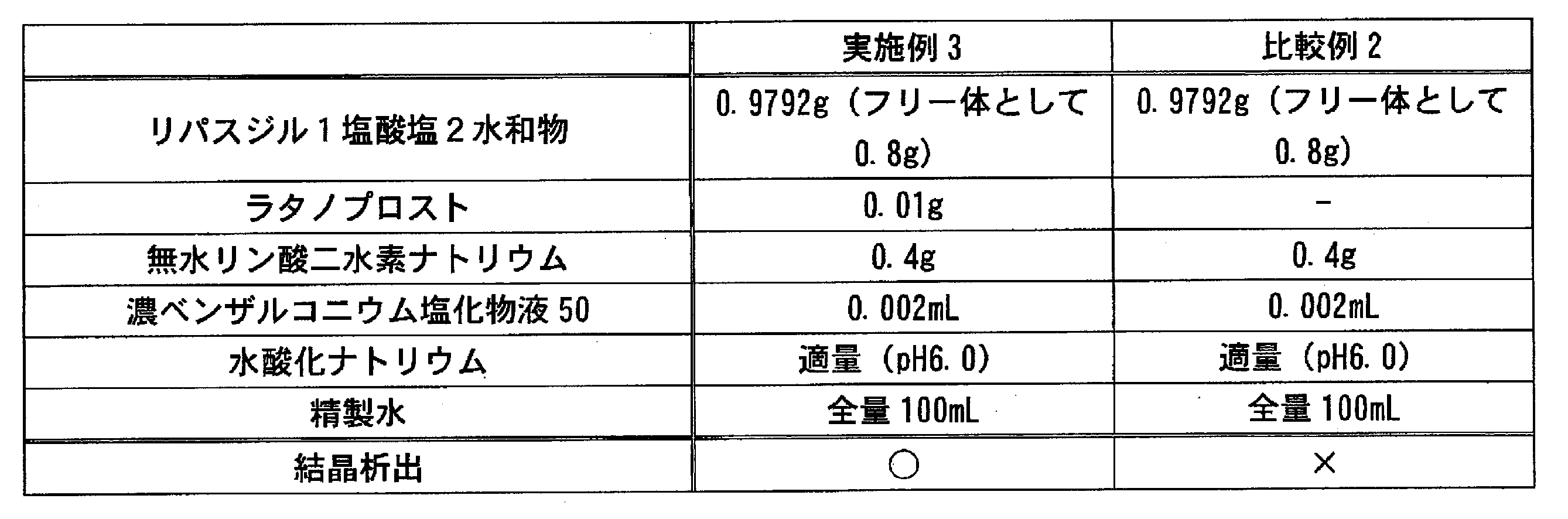
表4~表6に記載の成分及び分量(水性組成物100mL当たりの量(g))を含有する水性組成物を常法により製造できる。

製造例1~27において、リパスジル1塩酸塩2水和物の代わりに同量の4-ブロモ-5-{[(2S)-2-メチル-1,4-ジアゼパン-1-イル]スルホニル}イソキノリンを用いたものを、製造例28~54の水性組成物として、常法により製造できる。
製造例1~54の水性組成物をポリプロピレン製の点眼剤用容器に収容することにより、製造例55~108の医薬製剤として、常法により製造できる。
製造例1~54の水性組成物をポリエチレン製の点眼剤用容器に収容することにより、製造例109~162の医薬製剤として、常法により製造できる。
Claims (8)
- 次の一般式(1)

で表される化合物若しくはその塩又はそれらの溶媒和物、及びプロスタグランジン類を含有する、水性組成物。 - 前記一般式(1)で表される化合物が、リパスジルである、請求項1記載の水性組成物。
- 前記プロスタグランジン類が、タフルプロスト、トラボプロスト、ビマトプロスト、ラタノプロスト及びそれらの塩並びにそれらの溶媒和物よりなる群から選ばれる1種以上である、請求項1又は2記載の水性組成物。
- 請求項1~3のいずれか1項記載の水性組成物が、ポリオレフィン系樹脂製容器に収容されてなる、医薬製剤。
- 前記ポリオレフィン系樹脂が、ポリプロピレンである、請求項4記載の医薬製剤。
- 次の一般式(1)

で表される化合物若しくはその塩又はそれらの溶媒和物を含有する水性組成物に、プロスタグランジン類を含有せしめる工程を含む、水性組成物の変色の抑制方法。 - 前記一般式(1)で表される化合物が、リパスジルである、請求項6記載の方法。
- 前記プロスタグランジン類が、タフルプロスト、トラボプロスト、ビマトプロスト、ラタノプロスト及びそれらの塩並びにそれらの溶媒和物よりなる群から選ばれる1種以上である、請求項6又は7記載の方法。
Priority Applications (10)
| Application Number | Priority Date | Filing Date | Title |
|---|---|---|---|
| BR112017012491A BR112017012491A2 (pt) | 2014-12-12 | 2015-12-11 | composição |
| MX2017007574A MX2017007574A (es) | 2014-12-12 | 2015-12-11 | Composicion. |
| JP2016514775A JP5951921B1 (ja) | 2014-12-12 | 2015-12-11 | 組成物 |
| EP15868416.7A EP3231430A4 (en) | 2014-12-12 | 2015-12-11 | Composition |
| SG11201704735WA SG11201704735WA (en) | 2014-12-12 | 2015-12-11 | Composition |
| CA2970254A CA2970254A1 (en) | 2014-12-12 | 2015-12-11 | Composition |
| KR1020177015645A KR20170093836A (ko) | 2014-12-12 | 2015-12-11 | 조성물 |
| CN201580067616.3A CN107106569B (zh) | 2014-12-12 | 2015-12-11 | 组合物 |
| US15/534,875 US20170368075A1 (en) | 2014-12-12 | 2015-12-11 | Composition |
| US16/005,136 US20180289719A1 (en) | 2014-12-12 | 2018-06-11 | Composition |
Applications Claiming Priority (2)
| Application Number | Priority Date | Filing Date | Title |
|---|---|---|---|
| JP2014-252182 | 2014-12-12 | ||
| JP2014252182 | 2014-12-12 |
Related Child Applications (2)
| Application Number | Title | Priority Date | Filing Date |
|---|---|---|---|
| US15/534,875 A-371-Of-International US20170368075A1 (en) | 2014-12-12 | 2015-12-11 | Composition |
| US16/005,136 Continuation US20180289719A1 (en) | 2014-12-12 | 2018-06-11 | Composition |
Publications (1)
| Publication Number | Publication Date |
|---|---|
| WO2016093345A1 true WO2016093345A1 (ja) | 2016-06-16 |
Family
ID=56107522
Family Applications (1)
| Application Number | Title | Priority Date | Filing Date |
|---|---|---|---|
| PCT/JP2015/084803 Ceased WO2016093345A1 (ja) | 2014-12-12 | 2015-12-11 | 組成物 |
Country Status (11)
| Country | Link |
|---|---|
| US (2) | US20170368075A1 (ja) |
| EP (1) | EP3231430A4 (ja) |
| JP (2) | JP5951921B1 (ja) |
| KR (1) | KR20170093836A (ja) |
| CN (1) | CN107106569B (ja) |
| BR (1) | BR112017012491A2 (ja) |
| CA (1) | CA2970254A1 (ja) |
| MX (1) | MX2017007574A (ja) |
| MY (1) | MY178880A (ja) |
| SG (1) | SG11201704735WA (ja) |
| WO (1) | WO2016093345A1 (ja) |
Cited By (2)
| Publication number | Priority date | Publication date | Assignee | Title |
|---|---|---|---|---|
| WO2021182596A1 (ja) * | 2020-03-13 | 2021-09-16 | 興和株式会社 | 上眼瞼溝深化改善剤 |
| JP2022120120A (ja) * | 2022-06-13 | 2022-08-17 | 東亜薬品株式会社 | 眼科用水性組成物及びプロスタグランジンF2α誘導体の含量の低下を抑制する方法 |
Families Citing this family (5)
| Publication number | Priority date | Publication date | Assignee | Title |
|---|---|---|---|---|
| BR112017006148A2 (pt) * | 2014-09-25 | 2017-12-26 | Kowa Co | produto farmacêutico |
| CA3129826A1 (en) | 2019-02-12 | 2020-08-20 | Mirum Pharmaceuticals, Inc. | Methods for treating cholestasis |
| JP2020200296A (ja) * | 2019-06-13 | 2020-12-17 | 久貴 藤本 | 角膜内皮障害の予防及び/又は治療のための薬剤 |
| US11786538B2 (en) | 2019-12-11 | 2023-10-17 | Somerset Therapeutics, Llc | Low benzalkonium chloride bimatoprost ophthalmic compositions with effective penetration and preservation properties |
| CN111518028B (zh) * | 2020-05-12 | 2024-06-25 | 中国药科大学 | 一种一氧化氮供体型ripasudil衍生物及其制备方法和用途 |
Citations (4)
| Publication number | Priority date | Publication date | Assignee | Title |
|---|---|---|---|---|
| JP2004107335A (ja) * | 2002-08-29 | 2004-04-08 | Santen Pharmaceut Co Ltd | Rhoキナーゼ阻害剤とプロスタグランジン類からなる緑内障治療剤 |
| WO2005087237A1 (ja) * | 2004-03-16 | 2005-09-22 | Asahi Kasei Pharma Corporation | ファスジル含有製剤及びその安定性を改善する方法 |
| JP2007084474A (ja) * | 2005-09-21 | 2007-04-05 | Kowa Co | 点眼用組成物 |
| WO2012105674A1 (ja) * | 2011-02-04 | 2012-08-09 | 興和株式会社 | 緑内障予防又は治療のための薬物療法 |
Family Cites Families (5)
| Publication number | Priority date | Publication date | Assignee | Title |
|---|---|---|---|---|
| DE69922916T2 (de) * | 1998-07-14 | 2005-06-09 | Alcon Manufacturing Ltd., Fort Worth | Polypropylenbasierte behälter für prostaglandin-enthaltende produkte |
| AU2003257588A1 (en) * | 2002-08-29 | 2004-03-19 | Santen Pharmaceutical Co., Ltd. | REMEDY FOR GLAUCOMA COMPRISING Rho KINASE INHIBITOR AND PROSTAGLANDINS |
| US20060142270A1 (en) * | 2004-12-23 | 2006-06-29 | Kowa Co., Ltd. | Preventing or treating agent for glaucoma |
| JP2013035802A (ja) * | 2011-08-10 | 2013-02-21 | D Western Therapeutics Institute Inc | 緑内障又は高眼圧症の予防又は治療剤 |
| TWI699205B (zh) * | 2014-12-12 | 2020-07-21 | 日商興和股份有限公司 | 用於預防或治療青光眼之藥物療法 |
-
2015
- 2015-12-11 MX MX2017007574A patent/MX2017007574A/es unknown
- 2015-12-11 MY MYPI2017702094A patent/MY178880A/en unknown
- 2015-12-11 CA CA2970254A patent/CA2970254A1/en not_active Abandoned
- 2015-12-11 SG SG11201704735WA patent/SG11201704735WA/en unknown
- 2015-12-11 US US15/534,875 patent/US20170368075A1/en not_active Abandoned
- 2015-12-11 KR KR1020177015645A patent/KR20170093836A/ko not_active Ceased
- 2015-12-11 EP EP15868416.7A patent/EP3231430A4/en not_active Withdrawn
- 2015-12-11 BR BR112017012491A patent/BR112017012491A2/pt not_active IP Right Cessation
- 2015-12-11 WO PCT/JP2015/084803 patent/WO2016093345A1/ja not_active Ceased
- 2015-12-11 JP JP2016514775A patent/JP5951921B1/ja active Active
- 2015-12-11 CN CN201580067616.3A patent/CN107106569B/zh not_active Expired - Fee Related
-
2016
- 2016-06-06 JP JP2016112580A patent/JP2016155871A/ja active Pending
-
2018
- 2018-06-11 US US16/005,136 patent/US20180289719A1/en not_active Abandoned
Patent Citations (4)
| Publication number | Priority date | Publication date | Assignee | Title |
|---|---|---|---|---|
| JP2004107335A (ja) * | 2002-08-29 | 2004-04-08 | Santen Pharmaceut Co Ltd | Rhoキナーゼ阻害剤とプロスタグランジン類からなる緑内障治療剤 |
| WO2005087237A1 (ja) * | 2004-03-16 | 2005-09-22 | Asahi Kasei Pharma Corporation | ファスジル含有製剤及びその安定性を改善する方法 |
| JP2007084474A (ja) * | 2005-09-21 | 2007-04-05 | Kowa Co | 点眼用組成物 |
| WO2012105674A1 (ja) * | 2011-02-04 | 2012-08-09 | 興和株式会社 | 緑内障予防又は治療のための薬物療法 |
Non-Patent Citations (2)
| Title |
|---|
| See also references of EP3231430A4 * |
| TADASHIRO SAEKI ET AL.: "Rho-associated coiled- coil-forming kinase(ROCK) Sogaizai to Mouse Gan'atsu Kako", JOURNAL OF JAPANESE OPHTHALMOLOGICAL SOCIETY, vol. 111, 2007, pages 183, XP009503818 * |
Cited By (4)
| Publication number | Priority date | Publication date | Assignee | Title |
|---|---|---|---|---|
| WO2021182596A1 (ja) * | 2020-03-13 | 2021-09-16 | 興和株式会社 | 上眼瞼溝深化改善剤 |
| JPWO2021182596A1 (ja) * | 2020-03-13 | 2021-09-16 | ||
| JP7747618B2 (ja) | 2020-03-13 | 2025-10-01 | 興和株式会社 | 上眼瞼溝深化改善剤 |
| JP2022120120A (ja) * | 2022-06-13 | 2022-08-17 | 東亜薬品株式会社 | 眼科用水性組成物及びプロスタグランジンF2α誘導体の含量の低下を抑制する方法 |
Also Published As
| Publication number | Publication date |
|---|---|
| CA2970254A1 (en) | 2016-06-16 |
| US20170368075A1 (en) | 2017-12-28 |
| JP2016155871A (ja) | 2016-09-01 |
| MY178880A (en) | 2020-10-21 |
| MX2017007574A (es) | 2018-03-01 |
| EP3231430A1 (en) | 2017-10-18 |
| BR112017012491A2 (pt) | 2018-01-09 |
| CN107106569A (zh) | 2017-08-29 |
| CN107106569B (zh) | 2020-07-28 |
| US20180289719A1 (en) | 2018-10-11 |
| JP5951921B1 (ja) | 2016-07-13 |
| KR20170093836A (ko) | 2017-08-16 |
| EP3231430A4 (en) | 2018-08-08 |
| SG11201704735WA (en) | 2017-07-28 |
| JPWO2016093345A1 (ja) | 2017-04-27 |
Similar Documents
| Publication | Publication Date | Title |
|---|---|---|
| JP6236167B2 (ja) | 医薬品 | |
| JP6244038B2 (ja) | 医薬製剤 | |
| JP5951921B1 (ja) | 組成物 | |
| JP5951922B1 (ja) | 水性組成物 | |
| JP6767135B2 (ja) | 水性組成物 | |
| JP6704720B2 (ja) | 水性な組成物 | |
| JP2023036770A (ja) | 水性組成物 | |
| JP6704721B2 (ja) | 水性の組成物 | |
| JP6483632B2 (ja) | 新たな水性組成物 | |
| JP2019043959A (ja) | 医薬(弐) | |
| JP6452367B2 (ja) | 医薬 | |
| JP2024032729A (ja) | 医薬(伍) | |
| WO2026023092A1 (ja) | 医薬 |
Legal Events
| Date | Code | Title | Description |
|---|---|---|---|
| ENP | Entry into the national phase |
Ref document number: 2016514775 Country of ref document: JP Kind code of ref document: A |
|
| 121 | Ep: the epo has been informed by wipo that ep was designated in this application |
Ref document number: 15868416 Country of ref document: EP Kind code of ref document: A1 |
|
| REEP | Request for entry into the european phase |
Ref document number: 2015868416 Country of ref document: EP |
|
| ENP | Entry into the national phase |
Ref document number: 2970254 Country of ref document: CA Ref document number: 20177015645 Country of ref document: KR Kind code of ref document: A |
|
| WWE | Wipo information: entry into national phase |
Ref document number: 11201704735W Country of ref document: SG Ref document number: 15534875 Country of ref document: US Ref document number: MX/A/2017/007574 Country of ref document: MX |
|
| NENP | Non-entry into the national phase |
Ref country code: DE |
|
| REG | Reference to national code |
Ref country code: BR Ref legal event code: B01A Ref document number: 112017012491 Country of ref document: BR |
|
| ENP | Entry into the national phase |
Ref document number: 112017012491 Country of ref document: BR Kind code of ref document: A2 Effective date: 20170612 |