WO2016122885A1 - Oligosaccharide compositions for use in nutritional compositions, and methods of producing thereof - Google Patents
Oligosaccharide compositions for use in nutritional compositions, and methods of producing thereof Download PDFInfo
- Publication number
- WO2016122885A1 WO2016122885A1 PCT/US2016/013271 US2016013271W WO2016122885A1 WO 2016122885 A1 WO2016122885 A1 WO 2016122885A1 US 2016013271 W US2016013271 W US 2016013271W WO 2016122885 A1 WO2016122885 A1 WO 2016122885A1
- Authority
- WO
- WIPO (PCT)
- Prior art keywords
- supported
- oligosaccharide
- acid
- catalyst
- mol
- Prior art date
- Legal status (The legal status is an assumption and is not a legal conclusion. Google has not performed a legal analysis and makes no representation as to the accuracy of the status listed.)
- Ceased
Links
- 0 *C1CC(CNC=CN(CC(O)=O)C=I)CC1 Chemical compound *C1CC(CNC=CN(CC(O)=O)C=I)CC1 0.000 description 11
- UEPWZCHFHHCUBI-UHFFFAOYSA-N NC1CC(C[n+]2c[s]cc2)CC1 Chemical compound NC1CC(C[n+]2c[s]cc2)CC1 UEPWZCHFHHCUBI-UHFFFAOYSA-N 0.000 description 1
- QGZZPHSPVOVASZ-UHFFFAOYSA-O NC1CCC(C[NH+]2SCC=C2)CC1 Chemical compound NC1CCC(C[NH+]2SCC=C2)CC1 QGZZPHSPVOVASZ-UHFFFAOYSA-O 0.000 description 1
- OFGRIRQSPXXQJS-UHFFFAOYSA-N NC1CCC(C[n+]2c[o]cc2)CC1 Chemical compound NC1CCC(C[n+]2c[o]cc2)CC1 OFGRIRQSPXXQJS-UHFFFAOYSA-N 0.000 description 1
- CPKUECXTHFATLH-UHFFFAOYSA-N NC1CCC(C[n+]2c[s]cc2)CC1 Chemical compound NC1CCC(C[n+]2c[s]cc2)CC1 CPKUECXTHFATLH-UHFFFAOYSA-N 0.000 description 1
- JWMQXJBZWYREJZ-UHFFFAOYSA-N NC1CCC(C[n+]2ccccc2)CC1 Chemical compound NC1CCC(C[n+]2ccccc2)CC1 JWMQXJBZWYREJZ-UHFFFAOYSA-N 0.000 description 1
- OBXZWUASAGTJSI-UHFFFAOYSA-O NCC[N+](C=C1)=CC/C1=B\OO Chemical compound NCC[N+](C=C1)=CC/C1=B\OO OBXZWUASAGTJSI-UHFFFAOYSA-O 0.000 description 1
- VIFBALSJZBWOEB-UHFFFAOYSA-O Nc1ccc(C[NH+]2SCC=C2)cc1 Chemical compound Nc1ccc(C[NH+]2SCC=C2)cc1 VIFBALSJZBWOEB-UHFFFAOYSA-O 0.000 description 1
Classifications
-
- A—HUMAN NECESSITIES
- A23—FOODS OR FOODSTUFFS; TREATMENT THEREOF, NOT COVERED BY OTHER CLASSES
- A23L—FOODS, FOODSTUFFS OR NON-ALCOHOLIC BEVERAGES, NOT OTHERWISE PROVIDED FOR; PREPARATION OR TREATMENT THEREOF
- A23L33/00—Modifying nutritive qualities of foods; Dietetic products; Preparation or treatment thereof
- A23L33/20—Reducing nutritive value; Dietetic products with reduced nutritive value
- A23L33/21—Addition of substantially indigestible substances, e.g. dietary fibres
-
- A—HUMAN NECESSITIES
- A23—FOODS OR FOODSTUFFS; TREATMENT THEREOF, NOT COVERED BY OTHER CLASSES
- A23L—FOODS, FOODSTUFFS OR NON-ALCOHOLIC BEVERAGES, NOT OTHERWISE PROVIDED FOR; PREPARATION OR TREATMENT THEREOF
- A23L33/00—Modifying nutritive qualities of foods; Dietetic products; Preparation or treatment thereof
- A23L33/10—Modifying nutritive qualities of foods; Dietetic products; Preparation or treatment thereof using additives
- A23L33/125—Modifying nutritive qualities of foods; Dietetic products; Preparation or treatment thereof using additives containing carbohydrate syrups; containing sugars; containing sugar alcohols; containing starch hydrolysates
-
- A—HUMAN NECESSITIES
- A23—FOODS OR FOODSTUFFS; TREATMENT THEREOF, NOT COVERED BY OTHER CLASSES
- A23L—FOODS, FOODSTUFFS OR NON-ALCOHOLIC BEVERAGES, NOT OTHERWISE PROVIDED FOR; PREPARATION OR TREATMENT THEREOF
- A23L33/00—Modifying nutritive qualities of foods; Dietetic products; Preparation or treatment thereof
- A23L33/10—Modifying nutritive qualities of foods; Dietetic products; Preparation or treatment thereof using additives
-
- A—HUMAN NECESSITIES
- A61—MEDICAL OR VETERINARY SCIENCE; HYGIENE
- A61K—PREPARATIONS FOR MEDICAL, DENTAL OR TOILETRY PURPOSES
- A61K31/00—Medicinal preparations containing organic active ingredients
- A61K31/70—Carbohydrates; Sugars; Derivatives thereof
- A61K31/702—Oligosaccharides, i.e. having three to five saccharide radicals attached to each other by glycosidic linkages
-
- A—HUMAN NECESSITIES
- A61—MEDICAL OR VETERINARY SCIENCE; HYGIENE
- A61P—SPECIFIC THERAPEUTIC ACTIVITY OF CHEMICAL COMPOUNDS OR MEDICINAL PREPARATIONS
- A61P1/00—Drugs for disorders of the alimentary tract or the digestive system
- A61P1/04—Drugs for disorders of the alimentary tract or the digestive system for ulcers, gastritis or reflux esophagitis, e.g. antacids, inhibitors of acid secretion, mucosal protectants
-
- A—HUMAN NECESSITIES
- A61—MEDICAL OR VETERINARY SCIENCE; HYGIENE
- A61P—SPECIFIC THERAPEUTIC ACTIVITY OF CHEMICAL COMPOUNDS OR MEDICINAL PREPARATIONS
- A61P1/00—Drugs for disorders of the alimentary tract or the digestive system
- A61P1/14—Prodigestives, e.g. acids, enzymes, appetite stimulants, antidyspeptics, tonics, antiflatulents
-
- A—HUMAN NECESSITIES
- A61—MEDICAL OR VETERINARY SCIENCE; HYGIENE
- A61P—SPECIFIC THERAPEUTIC ACTIVITY OF CHEMICAL COMPOUNDS OR MEDICINAL PREPARATIONS
- A61P3/00—Drugs for disorders of the metabolism
- A61P3/02—Nutrients, e.g. vitamins, minerals
-
- B—PERFORMING OPERATIONS; TRANSPORTING
- B01—PHYSICAL OR CHEMICAL PROCESSES OR APPARATUS IN GENERAL
- B01J—CHEMICAL OR PHYSICAL PROCESSES, e.g. CATALYSIS OR COLLOID CHEMISTRY; THEIR RELEVANT APPARATUS
- B01J31/00—Catalysts comprising hydrides, coordination complexes or organic compounds
- B01J31/02—Catalysts comprising hydrides, coordination complexes or organic compounds containing organic compounds or metal hydrides
- B01J31/06—Catalysts comprising hydrides, coordination complexes or organic compounds containing organic compounds or metal hydrides containing polymers
-
- B—PERFORMING OPERATIONS; TRANSPORTING
- B01—PHYSICAL OR CHEMICAL PROCESSES OR APPARATUS IN GENERAL
- B01J—CHEMICAL OR PHYSICAL PROCESSES, e.g. CATALYSIS OR COLLOID CHEMISTRY; THEIR RELEVANT APPARATUS
- B01J35/00—Catalysts, in general, characterised by their form or physical properties
- B01J35/19—Catalysts containing parts with different compositions
-
- B—PERFORMING OPERATIONS; TRANSPORTING
- B01—PHYSICAL OR CHEMICAL PROCESSES OR APPARATUS IN GENERAL
- B01J—CHEMICAL OR PHYSICAL PROCESSES, e.g. CATALYSIS OR COLLOID CHEMISTRY; THEIR RELEVANT APPARATUS
- B01J37/00—Processes, in general, for preparing catalysts; Processes, in general, for activation of catalysts
- B01J37/04—Mixing
-
- B—PERFORMING OPERATIONS; TRANSPORTING
- B01—PHYSICAL OR CHEMICAL PROCESSES OR APPARATUS IN GENERAL
- B01J—CHEMICAL OR PHYSICAL PROCESSES, e.g. CATALYSIS OR COLLOID CHEMISTRY; THEIR RELEVANT APPARATUS
- B01J37/00—Processes, in general, for preparing catalysts; Processes, in general, for activation of catalysts
- B01J37/06—Washing
-
- C—CHEMISTRY; METALLURGY
- C07—ORGANIC CHEMISTRY
- C07H—SUGARS; DERIVATIVES THEREOF; NUCLEOSIDES; NUCLEOTIDES; NUCLEIC ACIDS
- C07H3/00—Compounds containing only hydrogen atoms and saccharide radicals having only carbon, hydrogen, and oxygen atoms
- C07H3/06—Oligosaccharides, i.e. having three to five saccharide radicals attached to each other by glycosidic linkages
-
- C—CHEMISTRY; METALLURGY
- C08—ORGANIC MACROMOLECULAR COMPOUNDS; THEIR PREPARATION OR CHEMICAL WORKING-UP; COMPOSITIONS BASED THEREON
- C08B—POLYSACCHARIDES; DERIVATIVES THEREOF
- C08B37/00—Preparation of polysaccharides not provided for in groups C08B1/00 - C08B35/00; Derivatives thereof
- C08B37/0006—Homoglycans, i.e. polysaccharides having a main chain consisting of one single sugar, e.g. colominic acid
-
- C—CHEMISTRY; METALLURGY
- C08—ORGANIC MACROMOLECULAR COMPOUNDS; THEIR PREPARATION OR CHEMICAL WORKING-UP; COMPOSITIONS BASED THEREON
- C08B—POLYSACCHARIDES; DERIVATIVES THEREOF
- C08B37/00—Preparation of polysaccharides not provided for in groups C08B1/00 - C08B35/00; Derivatives thereof
- C08B37/0006—Homoglycans, i.e. polysaccharides having a main chain consisting of one single sugar, e.g. colominic acid
- C08B37/0009—Homoglycans, i.e. polysaccharides having a main chain consisting of one single sugar, e.g. colominic acid alpha-D-Glucans, e.g. polydextrose, alternan, glycogen; (alpha-1,4)(alpha-1,6)-D-Glucans; (alpha-1,3)(alpha-1,4)-D-Glucans, e.g. isolichenan or nigeran; (alpha-1,4)-D-Glucans; (alpha-1,3)-D-Glucans, e.g. pseudonigeran; Derivatives thereof
-
- C—CHEMISTRY; METALLURGY
- C08—ORGANIC MACROMOLECULAR COMPOUNDS; THEIR PREPARATION OR CHEMICAL WORKING-UP; COMPOSITIONS BASED THEREON
- C08B—POLYSACCHARIDES; DERIVATIVES THEREOF
- C08B37/00—Preparation of polysaccharides not provided for in groups C08B1/00 - C08B35/00; Derivatives thereof
- C08B37/006—Heteroglycans, i.e. polysaccharides having more than one sugar residue in the main chain in either alternating or less regular sequence; Gellans; Succinoglycans; Arabinogalactans; Tragacanth or gum tragacanth or traganth from Astragalus; Gum Karaya from Sterculia urens; Gum Ghatti from Anogeissus latifolia; Derivatives thereof
-
- A—HUMAN NECESSITIES
- A23—FOODS OR FOODSTUFFS; TREATMENT THEREOF, NOT COVERED BY OTHER CLASSES
- A23V—INDEXING SCHEME RELATING TO FOODS, FOODSTUFFS OR NON-ALCOHOLIC BEVERAGES AND LACTIC OR PROPIONIC ACID BACTERIA USED IN FOODSTUFFS OR FOOD PREPARATION
- A23V2002/00—Food compositions, function of food ingredients or processes for food or foodstuffs
-
- B—PERFORMING OPERATIONS; TRANSPORTING
- B01—PHYSICAL OR CHEMICAL PROCESSES OR APPARATUS IN GENERAL
- B01J—CHEMICAL OR PHYSICAL PROCESSES, e.g. CATALYSIS OR COLLOID CHEMISTRY; THEIR RELEVANT APPARATUS
- B01J2231/00—Catalytic reactions performed with catalysts classified in B01J31/00
- B01J2231/10—Polymerisation reactions involving at least dual use catalysts, e.g. for both oligomerisation and polymerisation
- B01J2231/14—Other (co) polymerisation, e.g. of lactides or epoxides
-
- B—PERFORMING OPERATIONS; TRANSPORTING
- B01—PHYSICAL OR CHEMICAL PROCESSES OR APPARATUS IN GENERAL
- B01J—CHEMICAL OR PHYSICAL PROCESSES, e.g. CATALYSIS OR COLLOID CHEMISTRY; THEIR RELEVANT APPARATUS
- B01J2531/00—Additional information regarding catalytic systems classified in B01J31/00
- B01J2531/001—General concepts, e.g. reviews, relating to catalyst systems and methods of making them, the concept being defined by a common material or method/theory
- B01J2531/002—Materials
-
- Y—GENERAL TAGGING OF NEW TECHNOLOGICAL DEVELOPMENTS; GENERAL TAGGING OF CROSS-SECTIONAL TECHNOLOGIES SPANNING OVER SEVERAL SECTIONS OF THE IPC; TECHNICAL SUBJECTS COVERED BY FORMER USPC CROSS-REFERENCE ART COLLECTIONS [XRACs] AND DIGESTS
- Y02—TECHNOLOGIES OR APPLICATIONS FOR MITIGATION OR ADAPTATION AGAINST CLIMATE CHANGE
- Y02P—CLIMATE CHANGE MITIGATION TECHNOLOGIES IN THE PRODUCTION OR PROCESSING OF GOODS
- Y02P20/00—Technologies relating to chemical industry
- Y02P20/50—Improvements relating to the production of bulk chemicals
- Y02P20/582—Recycling of unreacted starting or intermediate materials
Definitions
- the present disclosure relates generally to nutritional compositions, and more specifically to nutritional compositions suitable for human use that include oligosaccharide compositions, and methods of producing such oligosaccharide compositions, as well as nutritional compositions.
- Prebiotics are typically compounds that can induce the growth and activity of microorganisms in and on a human, and which have a beneficial effect on human health.
- Prebiotics can alter the composition of organisms in the gut microbiome through, for example, selective fermentation by beneficial bacteria, increasing their presence in the gut relative to other bacteria. There exists a need in the art for nutritional compositions that can selectively alter the gut microbiome in humans.
- oligosaccharide compositions suitable for use in nutritional compositions e.g., foods, food additives, food ingredients, and prebiotics
- methods for producing such oligosaccharide compositions, as well as nutritional compositions e.g., foods, food additives, food ingredients, and prebiotics
- a prebiotic composition by:
- the catalyst is a polymeric catalyst that includes acidic monomers and ionic monomers connected to form a polymeric backbone; or the catalyst is a solid-supported catalyst that includes a solid support, acidic moieties attached to the solid support, and ionic moieties attached to the solid support.
- a method of increasing short chain fatty acid production in a gastrointestinal system of a human comprising: administering to the human a prebiotic composition produced according to any of the methods described herein to increase short chain fatty acid production in the human.
- the short chain fatty acid is butyrate. In other variations, the short chain fatty acid production is increased at least three-fold in the gastrointestinal system of the human after administration of the prebiotic composition. [0007] In yet another aspect, provided is a method of selectively modifying the growth of human gut microflora.
- a method of selectively modifying the growth of acetic acid-producing bacteria, lactic acid-producing bacteria, Bifidobacterium spp, butyrate-producing bacteria, or propionate-producing bacteria, selectively modifying growth of Clostridium spp, Bacteroides spp, or sulfate reducing bacteria, or a combination thereof, in a human comprising: administering a prebiotic composition produced according to any of the methods described herein to the human.
- a method of affecting the community structure (e.g., steady-state populations) of the gut microbiota present in a human comprising: administering a prebiotic composition produced according to any of the methods described herein to the human.
- a prebiotic composition produced according to any of the methods described herein are also a prebiotic composition produced according to any of the methods described herein.
- FIG.1 depicts an exemplary process to produce an oligosaccharide composition from sugars in the presence of a catalyst.
- FIG.2A illustrates a portion of a catalyst with a polymeric backbone and side chains.
- FIG.2B illustrates a portion of an exemplary catalyst, in which a side chain with the acidic group is connected to the polymeric backbone by a linker and in which a side chain with the cationic group is connected directly to the polymeric backbone.
- FIG.3 depicts a reaction scheme to prepare a dual-functionalized catalyst from an activated carbon support, in which the catalyst has both acidic and ionic moieties.
- FIG.4 illustrates a portion of a polymeric catalyst, in which the monomers are arranged in blocks of monomers, and the block of acidic monomers alternates with the block of ionic monomers.
- FIG.5A illustrates a portion of a polymeric catalyst with cross-linking within a given polymeric chain.
- FIG.5B illustrates a portion of a polymeric catalyst with cross-linking within a given polymeric chain.
- FIG.6A illustrates a portion of a polymeric catalyst with cross-linking between two polymeric chains.
- FIG.6B illustrates a portion of a polymeric catalyst with cross-linking between two polymeric chains.
- FIG.6C illustrates a portion of a polymeric catalyst with cross-linking between two polymeric chains.
- FIG.6D illustrates a portion of a polymeric catalyst with cross-linking between two polymeric chains.
- FIG.7 illustrates a portion of a polymeric catalyst with a polyethylene backbone.
- FIG.8 illustrates a portion of a polymeric catalyst with a polyvinylalcohol backbone.
- FIG.9 illustrates a portion of a polymeric catalyst, in which the monomers are randomly arranged in an alternating sequence.
- FIG.10 illustrates two side chains in a polymeric catalyst, in which there are three carbon atoms between the side chain with the Bronsted-Lowry acid and the side chain with the cationic group.
- FIG.11 illustrates two side chains in a polymeric catalyst, in which there are zero carbons between the side chain with the Bronsted-Lowry acid and the side chain with the cationic group.
- FIG.12 illustrates a portion of a polymeric catalyst with an ionomeric backbone.
- FIG.13 is a graph depicting the relative cell counts of different bacterial cultures observed at 24 h of growth of human fecal samples grown on different oligosaccharides.
- FIG.14 is a graph depicting the short chain fatty acid (SFCA) concentrations produced by fermentation of different oligosaccharides by human fecal cultures at 24 h.
- FIG.15 is a graph depicting butyrate production vs. Clostridial growth of human fecal cultures grown on different oligosaccharides at 24 h.
- FIG.16 is a graph depicting the changes in distribution of degree of polymerization over time of corn syrup during refactoring with a catalyst with both acidic and ionic moieties.
- FIG.17 depicts an exemplary process to produce a functionalized oligosaccharide composition, wherein a portion of an oligosaccharide comprising pendant functional groups and bridging functional groups is shown.
- oligosaccharide compositions suitable for use as nutritional compositions are provided herein.
- oligosaccharide compositions suitable for use as nutritional compositions.
- Such nutritional compositions may include, for example, prebiotic compositions, dietary supplements, as well as food compositions.
- Such nutritional compositions when administered to a human, may selectively alter the gut microbiome of the human.
- the oligosaccharide compositions included in the nutritional compositions may favor the growth and activity of beneficial bacteria in the gut, including, for example, lactic acid-producing bacteria (i.e., Lactobacillus), Bifidobacteria, butyrate-producing bacteria, and/or propionate-producing bacteria.
- beneficial bacteria i.e., Lactobacillus
- Bifidobacteria i.e., Lactobacillus
- butyrate-producing bacteria i.e., butyrate-producing bacteria
- propionate-producing bacteria i.e., lactic acid-producing bacteria (i.e., Lactobacillus), Bifidobacteria, butyrate-producing bacteria, and/or propionate-producing bacteria.
- the promotion of beneficial bacteria in a human may have beneficial health effects.
- promoting beneficial bacteria can increase fatty acid concentration in the gastrointestinal system of the human, which can have anti-inflammatory and anti-carcinogenic effects.
- process 100 depicts an exemplary process to produce an oligosaccharide composition from sugars, and such oligosaccharide composition produced can subsequently be polished and further processed to form a nutritional ingredient, such as an oligosaccharide syrup or powder.
- a catalyst in a reactor.
- the sugars may include, for example, monosaccharides, disaccharides, and/or trisaccharides.
- the catalyst has both acidic and ionic groups.
- the catalyst is a polymeric catalyst that includes acidic monomers and ionic monomers.
- the catalyst is a solid-supported catalyst that includes acidic moieties and ionic moieties.
- the oligosaccharide composition in step 102 is polished to remove fine solids, reduce color, and reduce conductivity, and/or modify the molecular weight distribution.
- Any suitable methods known in the art to polish the oligosaccharide composition may be used, including, for example, the use of filtration units, carbon or other absorbents, chromatographic separators, or ion exchange columns.
- the oligosaccharide composition is treated with powdered activated carbon to reduce color, microfiltered to remove fine solids, and passed over a strong-acid cationic exchange resin and a weak-base anionic exchange resin to remove salts.
- the oligosaccharide composition is microfiltered to remove fine solids and passed over a weak-base anionic exchange resin.
- the oligosaccharide composition is passed through a simulated moving bed chromatographic separator to remove low molecular mass species.
- the polished oligosaccharide composition undergoes further processing to produce either an oligosaccharide syrup or powder.
- the polished oligosaccharide is concentrated to form a syrup. Any suitable methods known in the art to concentrate a solution may be used, such as the use of a vacuum evaporator.
- the polished oligosaccharide composition is spray dried to form a powder.
- process 100 may be modified to have additional steps.
- the oligosaccharide composition produced in step 102 may be diluted (e.g., in a dilution tank) and then undergo a carbon treatment to decolorize the oligosaccharide composition prior to polishing in step 104.
- the oligosaccharide composition produced in step 102 may undergo further processing in a simulated moving bed (SMB) separation step to reduce digestible carbohydrate content.
- SMB simulated moving bed
- process 100 may be modified to have fewer steps.
- step 106 to produce the oligosaccharide syrup or powder may be omitted, and the polished oligosaccharide composition of step 104 may be used directly as an ingredient to produce a nutritional composition.
- the oligosaccharide compositions, and nutritional compositions, as well as the methods of making and using such compositions are described in further detail below.
- Feed Sugar [0040]
- the feed sugar used to produce the oligosaccharide compositions may include one or more sugars.
- the one or more sugars are selected from monosaccharides, disaccharides, trisaccharides, and short-chain oligosaccharides, or any mixtures thereof.
- the one or more sugars are monosaccharides, such as one or more C5 or C6 monosaccharides.
- Exemplary monosaccharides include glucose, galactose, mannose, fructose, xylose, xylulose, and arabinose.
- the one or more sugars are C5 monosaccharides.
- the one or more sugars are C6 monosaccharides.
- the one or more sugars are selected from glucose, galactose, mannose, lactose, or their corresponding sugar alcohols.
- the one or more sugars are selected from fructose, xylose, arabinose, or their corresponding sugar alcohols.
- the one or more sugars are disaccharides.
- Exemplary disaccharides include lactose, sucrose and cellobiose.
- the one or more sugars are trisaccharides, such as maltotriose or raffinose.
- the one or more sugars comprise a mixture of short-chain oligosaccharides, such as malto-dextrins.
- the one or more sugars are corn syrup obtained from the partial hydrolysis of corn starch.
- the one or more sugars is corn syrup with a dextrose equivalent (DE) below 50 (e.g., 10 DE corn syrup, 18 DE corn syrup, 25 DE corn syrup, or 30 DE corn syrup).
- DE dextrose equivalent
- the two or more sugars are selected from glucose, galactose, mannose and lactose (e.g., glucose and galactose).
- the method used to produce the oligosaccharide compositions involves combining a mixture of sugars (e.g., monosaccharides, disaccharides, trisaccharides, etc., and/or other short oligosaccharides) with the catalyst to produce one or more
- the method includes combining corn glucose syrup with the catalyst to produce one or more oligosaccharides.
- the method used to produce the oligosaccharide compositions involves combining a polysaccharide with the catalyst to produce one or more oligosaccharides.
- the polysaccharide is selected from starch, guar gum, xanthan gum and acacia gum.
- the method used to produce the oligosaccharide compositions involves combining a mixture of sugars and sugar alcohols with the catalyst to produce one or more oligosaccharides.
- the method includes combining one or more sugars and one or more alcohols selected from the group consisting of glucitol, sorbitol, xylitol and arabinatol, with the catalyst to produce one or more oligosaccharides.
- the feed sugar includes glucose, mannose, galactose, xylose, malto-dextrin, arabinose, or galactose, or any combinations thereof. The choice of feed sugars will impact the resulting oligosaccharide composition produced. For example, in one variation where the feed sugar is all glucose, the resulting oligosaccharide composition is a gluco- oligosaccharide.
- the resulting oligosaccharide composition is a manno-oligosaccharide.
- the resulting oligosaccharide composition is a gluco- galacto-oligosaccharide.
- the feed sugar is all xylose, the resulting oligosaccharide composition is a xylo-oligosaccharide.
- the resulting oligosaccharide composition is a gluco-oligosaccharide.
- the resulting oligosaccharide composition is a gluco-galacto-xylo-oligosaccharide.
- the resulting oligosaccharide composition is an arabino-xylo-oligosaccharide.
- the resulting oligosaccharide composition is a gluco-xylo-oligosaccharide.
- the feed sugar includes glucose, galactose and xylose
- oligosaccharide composition is a xylo-gluco-galacto-oligosaccharide.
- the sugars may be provided as a feed solution, in which the sugars are combined with water and fed into the reactor. In other variations, the sugars may be fed into the reactor as a solid and combined with water in the reactor.
- the feed sugars used to produce the oligosaccharide compositions herein may be obtained from any commercially known sources, or produced according to any methods known in the art.
- Catalysts [0048]
- the catalysts used in the methods described herein include polymeric catalysts and solid-supported catalysts.
- the catalyst is a polymer made up of acidic monomers and ionic monomers (which are also referred to herein as“ionomers”) connected to form a polymeric backbone.
- Each acidic monomer includes at least one Bronsted-Lowry acid
- each ionic monomer includes at least one nitrogen-containing cationic group, at least one phosphorous- containing cationic group, or any combination thereof.
- at least some of the acidic and ionic monomers may independently include a linker connecting the Bronsted-Lowry acid or the cationic group (as applicable) to a portion of the polymeric backbone.
- the Bronsted-Lowry acid and the linker together form a side chain.
- the cationic group and the linker together form a side chain.
- the side chains are pendant from the polymeric backbone.
- the catalyst is solid-supported, having acidic moieties and ionic moieties each attached to a solid support.
- Each acidic moiety independently includes at least one Bronsted-Lowry acid, and each ionic moiety includes at least one nitrogen-containing cationic group, at least one phosphorous-containing cationic group, or any combination thereof.
- the acidic and ionic moieties may independently include a linker connecting the Bronsted-Lowry acid or the cationic group (as applicable) to the solid support.
- the produced catalyst is a solid-supported catalyst with acidic and ionic moieties.
- Acidic Monomers and Moieties [0051]
- the polymeric catalysts include a plurality of acidic monomers, whereas the solid-supported catalysts include a plurality of acidic moieties attached to a solid support.
- a plurality of acidic monomers e.g., of a polymeric catalyst
- a plurality of acidic moieties e.g., of a solid-supported catalyst
- a plurality of acidic monomers e.g., of a polymeric catalyst
- a plurality of acidic moieties e.g., of a solid-supported catalyst
- a plurality of the acidic monomers (e.g., of a polymeric catalyst) or a plurality of the acidic moieties (e.g., of a solid-supported catalyst) has one Bronsted-Lowry acid, while others have two Bronsted-Lowry acids.
- each Bronsted-Lowry acids is independently selected from sulfonic acid, phosphonic acid, acetic acid, isophthalic acid, and boronic acid.
- each Bronsted-Lowry acids is independently sulfonic acid or phosphonic acid.
- each Bronsted-Lowry acid is sulfonic acid.
- Bronsted-Lowry acids in an acidic monomer e.g., of a polymeric catalyst
- an acidic moiety e.g., of a solid-supported catalyst
- one or more of the acidic monomers of a polymeric catalyst are directly connected to the polymeric backbone, or one or more of the acidic moieties of a solid-supported catalyst are directly connected to the solid support.
- one or more of the acidic monomers (e.g., of a polymeric catalyst) or one or more acidic moieties (e.g., of a solid-supported catalyst) each independently further includes a linker connecting the Bronsted-Lowry acid to the polymeric backbone or the solid support (as the case may be).
- some of the Bronsted-Lowry acids are directly connected to the polymeric backbone or the solid support (as the case may be), while other the Bronsted-Lowry acids are connected to the polymeric backbone or the solid support (as the case may be) by a linker.
- each linker is independently selected from unsubstituted or substituted alkyl linker, unsubstituted or substituted cycloalkyl linker, unsubstituted or substituted alkenyl linker, unsubstituted or substituted aryl linker, and unsubstituted or substituted heteroaryl linker.
- the linker is unsubstituted or substituted aryl linker, or unsubstituted or substituted heteroaryl linker.
- the linker is unsubstituted or substituted aryl linker. In one embodiment, the linker is a phenyl linker. In another embodiment, the linker is a hydroxyl-substituted phenyl linker.
- each linker in an acidic monomer (e.g., of a polymeric catalyst) or an acidic moiety (e.g., of a solid-supported catalyst) is independently selected from: unsubstituted alkyl linker; alkyl linker substituted 1 to 5 substituents independently selected from oxo, hydroxy, halo, amino; unsubstituted cycloalkyl linker; cycloalkyl linker substituted 1 to 5 substituents independently selected from oxo, hydroxy, halo, amino; unsubstituted alkenyl linker; alkenyl linker substituted 1 to 5 substituents independently selected from oxo, hydroxy, halo, amino; unsubstituted aryl linker; aryl linker substituted 1 to 5 substituents independently selected from oxo, hydroxy, halo, amino; unsubstituted heteroaryl linker; or heteroaryl linker substituted 1 to 5
- each acidic monomer (e.g., of a polymeric catalyst) and each acidic moiety (e.g., of a solid-supported catalyst) may independently have the structure of Formulas IA-VIA:
- each Z is independently C(R 2 )(R 3 ), N(R 4 ), S, S(R 5 )(R 6 ), S(O)(R 5 )(R 6 ), SO 2 , or O, wherein any two adjacent Z can (to the extent chemically feasible) be joined by a double bond, or taken together to form cycloalkyl, heterocycloalkyl, aryl or heteroaryl; each m is independently selected from 0, 1, 2, and 3; each n is independently selected from 0, 1, 2, and 3; each R 2 , R 3 , and R 4 is independently hydrogen, alkyl, heteroalkyl, cycloalkyl, heterocyclyl, aryl, or heteroaryl; and each R 5 and R 6 is independently alkyl, heteroalkyl, cycloalkyl, heterocyclyl, aryl, or heteroaryl.
- each acidic monomer (e.g., of a polymeric catalyst) and each acidic moiety (e.g., of a solid-supported catalyst) may independently have the structure of Formulas IA, IB, IVA, or IVB.
- each acidic monomer (e.g., of a polymeric catalyst) and each acidic moiety (e.g., of a solid-supported catalyst) may independently have the structure of Formulas IA, IB, IVA, or IVB.
- each acidic monomer (e.g., of a polymeric catalyst) and each acidic moiety (e.g., of a solid-supported catalyst) may independently have the structure of Formulas IA, IB, IVA, or IVB.
- each acidic monomer (e.g., of a polymeric catalyst) and each acidic moiety (e.g., of a solid-supported catalyst) may independently have the structure of Formulas IIIA, IIIB, or IIIC.
- each acidic monomer (e.g., of a polymeric catalyst) and each acidic moiety (e.g., of a solid-supported catalyst) may independently have the structure of Formulas VA, VB, or VC.
- each acidic monomer (e.g., of a polymeric catalyst) and each acidic moiety (e.g., of a solid-supported catalyst) may independently have the structure of Formula IA.
- each acidic monomer (e.g., of a polymeric catalyst) and each acidic moiety (e.g., of a solid-supported catalyst) may independently have the structure of Formula IB.
- Z can be chosen from C(R 2 )(R 3 ), N(R 4 ), SO 2 , and O.
- any two adjacent Z can be taken together to form a group selected from a heterocycloalkyl, aryl, and heteroaryl.
- any two adjacent Z can be joined by a double bond. Any combination of these embodiments is also contemplated (as chemically feasible).
- m is 2 or 3.
- n is 1, 2, or 3.
- R 1 can be hydrogen, alkyl or heteroalkyl.
- R 1 can be hydrogen, methyl, or ethyl.
- each R 2 , R 3 is hydrogen, methyl, or ethyl.
- each R 4 can independently be hydrogen, alkyl, heterocyclyl, aryl, or heteroaryl.
- each R 2 , R 3 and R 4 can independently be heteroalkyl, cycloalkyl, heterocyclyl, or heteroaryl.
- each R 5 and R 6 can independently be alkyl, heterocyclyl, aryl, or heteroaryl.
- any two adjacent Z can be taken together to form cycloalkyl, heterocycloalkyl, aryl or heteroaryl.
- the polymeric catalysts and solid-supported catalysts described herein contain monomers or moieties, respectively, that have at least one Bronsted- Lowry acid and at least one cationic group.
- the Bronsted-Lowry acid and the cationic group can be on different monomers/moieties or on the same monomer/moiety.
- the acidic monomers of the polymeric catalyst may have a side chain with a Bronsted-Lowry acid that is connected to the polymeric backbone by a linker.
- the acidic moieties of the solid-supported catalyst may have a Bronsted- Lowry acid that is attached to the solid support by a linker.
- Side chains (e.g., of a polymeric catalyst) or acidic moieties (e.g., of a solid-supported catalyst) with one or more Bronsted-Lowry acids connected by a linker can include, for example,
- L is an unsubstituted alkyl linker, alkyl linker substituted with oxo, unsubstituted cycloalkyl, unsubstituted aryl, unsubstituted heterocycloalkyl, and unsubstituted heteroaryl; and r is an integer.
- L is an alkyl linker.
- L is methyl, ethyl, propyl, or butyl.
- the linker is ethanoyl, propanoyl, or benzoyl.
- r is 1, 2, 3, 4, or 5 (as applicable or chemically feasible).
- at least some of the acidic side chains (e.g., of a polymeric catalyst) and at least some of the acidic moieties (e.g., of a solid-supported catalyst) may be:
- s is 1 to 10; each r is independently 1, 2, 3, 4, or 5 (as applicable or chemically feasible); and w is 0 to 10.
- s is 1 to 9, or 1 to 8, or 1 to 7, or 1 to 6, or 1 to 5, or 1 to 4, or 1 to 3, or 2, or 1.
- w is 0 to 9, or 0 to 8, or 0 to 7, or 0 to 6, or 0 to 5, or 0 to 4, or 0 to 3, or 0 to 2, 1 or 0).
- at least some of the acidic side chains (e.g., of a polymeric catalyst) and at least some of the acidic moieties (e.g., of a solid-supported catalyst) may be:
- the acidic monomers e.g., of a polymeric catalyst
- the acidic moieties e.g., of a solid-supported catalyst
- Side chains directly connect to the polymeric backbone (e.g., of a polymeric catalyst) or acidic moieties (e.g., of a solid-supported catalyst) directly attached to the solid support may can include, for example, .
- the polymeric catalysts include a plurality of ionic monomers, whereas the solid-supported catalysts includes a plurality of ionic moieties attached to a solid support.
- a plurality of ionic monomers e.g., of a polymeric catalyst
- a plurality of ionic moieties e.g., of a solid-supported catalyst
- a plurality of ionic monomers e.g., of a polymeric catalyst
- a plurality of ionic moieties e.g., of a solid-supported catalyst
- a plurality of ionic monomers e.g., of a polymeric catalyst
- a plurality of ionic moieties e.g., of a solid-supported catalyst
- a plurality of ionic monomers e.g., of a polymeric catalyst
- a plurality of ionic moieties e.g., of a solid-supported catalyst
- a plurality of ionic monomers e.g., of a polymeric catalyst
- a plurality of ionic moieties e.g., of a solid-supported catalyst
- each ionic monomer (e.g., of a polymeric catalyst) or each ionic moiety (e.g., of a solid-supported catalyst) is a nitrogen-containing cationic group.
- each ionic monomer (e.g., of a polymeric catalyst) or each ionic moiety (e.g., of a solid-supported catalyst) is a phosphorous-containing cationic group.
- At least some of ionic monomers (e.g., of a polymeric catalyst) or at least some of the ionic moieties (e.g., of a solid-supported catalyst) are a nitrogen-containing cationic group, whereas the cationic groups in other ionic monomers (e.g., of a polymeric catalyst) or ionic moieties (e.g., of a solid-supported catalyst) are a phosphorous-containing cationic group.
- each cationic group in the polymeric catalyst or solid-supported catalyst is imidazolium.
- the cationic group in some monomers (e.g., of a polymeric catalyst) or moieties (e.g., of a solid-supported catalyst) is imidazolium, while the cationic group in other monomers (e.g., of a polymeric catalyst) or moieties (e.g., of a solid-supported catalyst) is pyridinium.
- each cationic group in the polymeric catalyst or solid-supported catalyst is a substituted phosphonium.
- the cationic group in some monomers (e.g., of a polymeric catalyst) or moieties (e.g., of a solid-supported catalyst) is triphenyl phosphonium, while the cationic group in other monomers (e.g., of a polymeric catalyst) or moieties (e.g., of a solid-supported catalyst) is imidazolium.
- the nitrogen-containing cationic group at each occurrence can be independently selected from pyrrolium, imidazolium, pyrazolium, oxazolium, thiazolium, pyridinium, pyrimidinium, pyrazinium, pyridazinium, thiazinium, morpholinium, piperidinium, piperizinium, and pyrollizinium.
- the nitrogen-containing cationic group at each occurrence can be independently selected from imidazolium, pyridinium, pyrimidinium, morpholinium, piperidinium, and piperizinium.
- the nitrogen-containing cationic group can be imidazolium.
- the phosphorous-containing cationic group at each occurrence can be independently selected from triphenyl phosphonium, trimethyl phosphonium, triethyl phosphonium, tripropyl phosphonium, tributyl phosphonium, trichloro phosphonium, and trifluoro phosphonium.
- the phosphorous-containing cationic group at each occurrence can be independently selected from triphenyl phosphonium, trimethyl phosphonium, and triethyl phosphonium.
- the phosphorous-containing cationic group can be triphenyl phosphonium.
- one or more of the ionic monomers of a polymeric catalyst are directly connected to the polymeric backbone, or one or more of the ionic moieties of a solid- supported catalyst are directly connected to the solid support.
- one or more of the ionic monomers (e.g., of a polymeric catalyst) or one or more ionic moieties (e.g., of a solid-supported catalyst) each independently further includes a linker connecting the cationic group to the polymeric backbone or the solid support (as the case may be).
- some of the cationic groups are directly connected to the polymeric backbone or the solid support (as the case may be), while other the cationic groups are connected to the polymeric backbone or the solid support (as the case may be) by a linker.
- each linker is independently selected from unsubstituted or substituted alkyl linker, unsubstituted or substituted cycloalkyl linker, unsubstituted or substituted alkenyl linker, unsubstituted or substituted aryl linker, and unsubstituted or substituted heteroaryl linker.
- the linker is unsubstituted or substituted aryl linker, or unsubstituted or substituted heteroaryl linker.
- the linker is unsubstituted or substituted aryl linker. In one embodiment, the linker is a phenyl linker. In another embodiment, the linker is a hydroxyl-substituted phenyl linker.
- each linker in an ionic monomer (e.g., of a polymeric catalyst) or an ionic moiety (e.g., of a solid-supported catalyst) is independently selected from: unsubstituted alkyl linker; alkyl linker substituted 1 to 5 substituents independently selected from oxo, hydroxy, halo, amino; unsubstituted cycloalkyl linker; cycloalkyl linker substituted 1 to 5 substituents independently selected from oxo, hydroxy, halo, amino; unsubstituted alkenyl linker; alkenyl linker substituted 1 to 5 substituents independently selected from oxo, hydroxy, halo, amino; unsubstituted aryl linker; aryl linker substituted 1 to 5 substituents independently selected from oxo, hydroxy, halo, amino; unsubstituted heteroaryl linker; or heteroaryl linker substituted 1
- each ionic monomer (e.g., of a polymeric catalyst) or one or more ionic moieties (e.g., of a solid-supported catalyst) connected to the polymeric backbone by a linker may have the same linker, or independently have different linkers.
- each ionic monomer (e.g., of a polymeric catalyst) or each ionic moiety (e.g., of a solid-supported catalyst) is independently has the structure of Formulas VIIA-XIB:
- each Z is independently C(R 2 )(R 3 ), N(R 4 ), S, S(R 5 )(R 6 ), S(O)(R 5 )(R 6 ), SO 2 , or O, wherein any two adjacent Z can (to the extent chemically feasible) be joined by a double bond, or taken together to form cycloalkyl, heterocycloalkyl, aryl or heteroaryl; each X is independently
- Z can be chosen from C(R 2 )(R 3 ), N(R 4 ), SO 2 , and O.
- any two adjacent Z can be taken together to form a group selected from a heterocycloalkyl, aryl and heteroaryl.
- any two adjacent Z can be joined by a double bond.
- each X can be
- R 7 can be hydrogen or C 1-4 alkyl.
- each X can be
- X is acetate. In other embodiments, X is bisulfate. In other embodiments, X is chloride. In other embodiments, X is nitrate. [0081] In some embodiments, m is 2 or 3. In other embodiments, n is 1, 2, or 3. In some embodiments, each R 2 , R 3
- each R 4 can be independently hydrogen, alkyl, heterocyclyl, aryl, or heteroaryl.
- each R 2 , R 3 and R 4 can be independently heteroalkyl, cycloalkyl, heterocyclyl, or heteroaryl.
- each R 5 and R 6 can be independently alkyl, heterocyclyl, aryl, or heteroaryl.
- any two adjacent Z can be taken together to form cycloalkyl, heterocycloalkyl, aryl or heteroaryl.
- the ionic monomers of the polymeric catalyst may have a side chain with a cationic group that is connected to the polymeric backbone by a linker.
- the ionic moieties of the solid-supported catalyst may have a cationic group that is attached to the solid support by a linker.
- Side chains e.g., of a polymeric catalyst
- ionic moieties e.g., of a solid-supported catalyst
- with one or more cationic groups connected by a linker can include, for example, ,
- L is an unsubstituted alkyl linker, alkyl linker substituted with oxo, unsubstituted cycloalkyl, unsubstituted aryl, unsubstituted heterocycloalkyl, and unsubstituted heteroaryl; each R 1a , R 1b and R 1c are independently hydrogen or alkyl; or R 1a and R 1b are taken together with the nitrogen atom to which they are attached to form an unsubstituted
- R 1a and R 1b are taken together with the nitrogen atom to which they are attached to form an unsubstituted heteroaryl or substituted heteroaryl, and R 1c is absent; r is an integer; and X is as described above for Formulas VIIA-XIB.
- L is methyl, ethyl, propyl, or butyl.
- the linker is ethanoyl, propanoyl, or benzoyl.
- r is 1, 2, 3, 4, or 5 (as applicable or chemically feasible).
- each linker is independently selected from: unsubstituted alkyl linker; alkyl linker substituted 1 to 5 substituents independently selected from oxo, hydroxy, halo, amino; unsubstituted cycloalkyl linker; cycloalkyl linker substituted 1 to 5 substituents independently selected from oxo, hydroxy, halo, amino; unsubstituted alkenyl linker; alkenyl linker substituted 1 to 5 substituents independently selected from oxo, hydroxy, halo, amino; unsubstituted aryl linker; aryl linker substituted 1 to 5 substituents independently selected from oxo, hydroxy, halo, amino; unsubstituted heteroaryl linker; or heteroaryl linker substituted 1 to 5 substituents independently selected from oxo, hydroxy, halo, amino.
- each linker is an unsubstituted alkyl linker or an alkyl linker with an oxo substituent.
- r is 1, 2, 3, 4, or 5 (as applicable or chemically feasible).
- at least some of the ionic side chains (e.g., of a polymeric catalyst) and at least some of the ionic moieties may be:
- each R 1a , R 1b and R 1c are independently hydrogen or alkyl; or R 1a and R 1b are taken together with the nitrogen atom to which they are attached to form an unsubstituted
- s is 1 to 9, or 1 to 8, or 1 to 7, or 1 to 6, or 1 to 5, or 1 to 4, or 1 to 3, or 2, or 1.
- v is 0 to 9, or 0 to 8, or 0 to 7, or 0 to 6, or 0 to 5, or 0 to 4, or 0 to 3, or 0 to 2, 1 or 0).
- at least some of the ionic side chains (e.g., of a polymeric catalyst) and at least some of the ionic moieties (e.g., of a solid-supported catalyst) may be:
- the ionic monomers e.g., of a polymeric catalyst
- the ionic moieties can have a cationic group that is directly attached to the solid support.
- Side chains e.g., of a polymeric catalyst directly connect to the polymeric backbone or ionic moieties (e.g., of a solid-supported catalyst) directly attached to the solid support
- the nitrogen-containing cationic group can be an N-oxide, where the negatively charged oxide (O-) is not readily dissociable from the nitrogen cation.
- Non- limiting examples of such groups include, for example,
- the phosphorous-containing side chain e.g., of a polymeric catalyst
- moiety e.g., of a solid-supported catalyst
- the ionic monomers e.g.,of a polymeric catalyst
- the ionic moieties e.g., of a solid-supported catalyst
- Side chains e.g., of a polymeric catalyst
- the ionic monomers (e.g., of a polymeric catalyst) or ionic moieties (e.g., of a solid-supported catalyst) can either all have the same cationic group, or can have different cationic groups.
- each cationic group in the polymeric catalyst or solid-supported catalyst is a nitrogen-containing cationic group.
- each cationic group in the polymeric catalyst or solid-supported catalyst is a phosphorous-containing cationic group.
- the cationic group in some monomers or moieties of the polymeric catalyst or solid-supported catalyst, respectively is a nitrogen-containing cationic group, whereas the cationic group in other monomers or moieties of the polymeric catalyst or solid-supported catalyst, respectively, is a phosphorous-containing cationic group.
- each cationic group in the polymeric catalyst or solid-supported catalyst is imidazolium.
- the cationic group in some monomers or moieties of the polymeric catalyst or solid-supported catalyst is imidazolium, while the cationic group in other monomers or moieties of the polymeric catalyst or solid-supported catalyst is pyridinium.
- each cationic group in the polymeric catalyst or solid-supported catalyst is a substituted phosphonium.
- the cationic group in some monomers or moieties of the polymeric catalyst or solid-supported catalyst is triphenyl phosphonium, while the cationic group in other monomers or moieties of the polymeric catalyst or solid-supported catalyst is imidazolium.
- Acidic-Ionic Monomers and Moieties [0094] Some of the monomers in the polymeric catalyst contain both the Bronsted-Lowry acid and the cationic group in the same monomer. Such monomers are referred to as“acidic- ionic monomers”.
- the moieties in the solid-supported catalyst contain both the Bronsted-Lowry acid and the cationic group in the same moieties.
- Such moieties are referred to as“acidic-ionic moieties”.
- the acidic-ionic monomer (e.g., of a polymeric catalyst) or an acidic-ionic moiety (e.g., of a solid-supported catalyst) can contain imidazolium and acetic acid, or pyridinium and boronic acid.
- the monomers (e.g., of a polymeric catalyst) or moieties (e.g., of a solid-supported catalyst) include both Bronsted-Lowry acid(s) and cationic group(s), where either the Bronsted-Lowry acid is connected to the polymeric backbone (e.g., of a polymeric catalyst) or solid support (e.g., of a solid-supported catalyst) by a linker, and/or the cationic group is connected to the polymeric backbone (e.g., of a polymeric catalyst) or is attached to the solid support (e.g., of a solid-supported catalyst) by a linker.
- the polymeric backbone e.g., of a polymeric catalyst
- solid support e.g., of a solid-supported catalyst
- the Bronsted-Lowry acid at each occurrence in the acidic- ionic monomer (e.g., of a polymeric catalyst) or the acidic-ionic moiety (e.g., of a solid-supported catalyst) is independently selected from sulfonic acid, phosphonic acid, acetic acid, isophthalic acid, and boronic acid.
- the Bronsted-Lowry acid at each occurrence in the acidic-ionic monomer (e.g., of a polymeric catalyst) or the acidic-ionic moiety (e.g., of a solid-supported catalyst) is independently sulfonic acid or phosphonic acid.
- the Bronsted-Lowry acid at each occurrence in the acidic-ionic monomer (e.g., of a polymeric catalyst) or the acidic-ionic moiety (e.g., of a solid-supported catalyst) is sulfonic acid.
- the nitrogen-containing cationic group at each occurrence in the acidic-ionic monomer (e.g., of a polymeric catalyst) or the acidic-ionic moiety (e.g., of a solid-supported catalyst) is independently selected from pyrrolium, imidazolium, pyrazolium, oxazolium, thiazolium, pyridinium, pyrimidinium, pyrazinium, pyridazinium, thiazinium, morpholinium, piperidinium, piperizinium, and pyrollizinium.
- the nitrogen- containing cationic group is imidazolium.
- the phosphorous-containing cationic group at each occurrence in the acidic-ionic monomer (e.g., of a polymeric catalyst) or the acidic-ionic moiety (e.g., of a solid-supported catalyst) is independently selected from triphenyl phosphonium, trimethyl phosphonium, triethyl phosphonium, tripropyl phosphonium, tributyl phosphonium, trichloro phosphonium, and trifluoro phosphonium.
- the phosphorous-containing cationic group is triphenyl phosphonium.
- the polymeric catalyst or solid-supported catalyst can include at least one acidic-ionic monomer or moiety, respectively, connected to the polymeric backbone or solid support, wherein at least one acidic-ionic monomer or moiety includes at least one Bronsted-Lowry acid and at least one cationic group, and wherein at least one of the acidic-ionic monomers or moieties includes a linker connecting the acidic-ionic monomer to the polymeric backbone or solid support.
- the cationic group can be a nitrogen-containing cationic group or a phosphorous-containing cationic group as described herein.
- the linker can also be as described herein for either the acidic or ionic moieties.
- the linker can be selected from unsubstituted or substituted alkyl linker, unsubstituted or substituted cycloalkyl linker, unsubstituted or substituted alkenyl linker, unsubstituted or substituted aryl linker, and unsubstituted or substituted heteroaryl linker.
- the monomers (e.g., of a polymeric catalyst) or moieties (e.g., of a solid-supported catalyst) can have a side chain containing both a Bronsted-Lowry acid and a cationic group, where the Bronsted-Lowry acid is directly connected to the polymeric backbone or solid support, the cationic group is directly connected to the polymeric backbone or solid support, or both the Bronsted-Lowry acid and the cationic group are directly connected to the polymeric backbone or solid support.
- the linker is unsubstituted or substituted aryl linker, or unsubstituted or substituted heteroaryl linker.
- the linker is unsubstituted or substituted aryl linker. In one embodiment, the linker is a phenyl linker. In another embodiment, the linker is a hydroxyl-substituted phenyl linker. [0103] Monomers of a polymeric catalyst that have side chains containing both a Bronsted- Lowry acid and a cationic group can also be called“acidic ionomers”.
- Acidic-ionic side chains e.g., of a polymeric catalyst
- acidic-ionic moieties e.g., of a solid-supported catalyst
- a linker can include, for example, wherein: each X is independently selected from F-, Cl-, Br-, I-, NO- 2,NO- 3, SO 2- 4 , R 7 SO- 4, R 7 CO- 2, PO 2- 4 , R 7 PO- 3, and R 7 PO- 2, where SO 2- 4 and PO 2- 4 are each independently associated with at least two Bronsted-Lowry acids at any X position on any side chain, and each R 7 is independently selected from hydrogen, C 1-4 alkyl, and C 1-4 heteroalkyl.
- R 1 can be selected from hydrogen, alkyl, and heteroalkyl. In some embodiments, R 1 can be selected from hydrogen, methyl, or ethyl. In some embodiments, each X can be selected from Cl-, NO- 3, SO 2- 4 , R 7 SO- 4, and R 7 CO- 2, where R 7 can be selected from hydrogen and C 1-4 alkyl. In another embodiment, each X can be selected from Cl-, Br- , I-, HSO- 4, HCO- 2, CH - 3CO 2 , and NO- 3. In other embodiments, X is acetate. In other embodiments, X is bisulfate. In other embodiments, X is chloride. In other embodiments, X is nitrate. [0105] In some embodiments, the acidic-ionic side chain (e.g., of a polymeric catalyst) or the acidic-ionic moiety (e.g., of a solid-supported catalyst) is independently:
- the acidic-ionic side chain (e.g., of a polymeric catalyst) or the acidic-ionic moiety (e.g., of a solid-supported catalyst) is independently: .
- the monomers (e.g., of a polymeric catalyst) or moieties (e.g., of a solid-supported catalyst) can have both a Bronsted-Lowry acid and a cationic group, where the Bronsted-Lowry acid is directly connected to the polymeric backbone or solid support, the cationic group is directly connected to the polymeric backbone or solid support, or both the Bronsted-Lowry acid and the cationic group are directly connected to the polymeric backbone or solid support.
- Such side chains in acidic-ionic monomers (e.g., of a polymeric catalyst) or moieties (e.g., of a solid-supported catalyst) can include, for example,
- the polymeric catalyst further includes hydrophobic monomers connected to form the polymeric backbone.
- the solid-supported catalyst further includes hydrophobic moieties attached to the solid support.
- each hydrophobic monomer or moiety has at least one hydrophobic group.
- each hydrophobic monomer or moiety, respectively has one hydrophobic group.
- each hydrophobic monomer or moiety has two hydrophobic groups.
- each hydrophobic group is independently selected from an unsubstituted or substituted alkyl, an unsubstituted or substituted cycloalkyl, an unsubstituted or substituted aryl, and an unsubstituted or substituted heteroaryl. In certain embodiments of the polymeric catalyst or solid-supported catalyst, each hydrophobic group is an unsubstituted or substituted aryl, or an unsubstituted or substituted heteroaryl.
- each hydrophobic group is phenyl. Further, it should be understood that the hydrophobic monomers may either all have the same hydrophobic group, or may have different hydrophobic groups.
- the hydrophobic group is directly connected to form the polymeric backbone. In some embodiments of the solid-supported catalyst, the hydrophobic group is directly attached to the solid support.
- the acidic and ionic monomers make up a substantial portion of the polymeric catalyst. In some embodiments, the acidic and ionic moieties make up a substantial portion solid-supported catalyst.
- the acidic and ionic monomers or moieties make up at least about 30%, at least about 40%, at least about 50%, at least about 60%, at least about 70%, at least about 80%, at least about 90%, at least about 95%, or at least about 99% of the monomers or moieties of the catalyst, based on the ratio of the number of acidic and ionic monomers/moieties to the total number of monomers/moieties present in the catalyst.
- the polymeric catalyst or solid-supported catalyst has a total amount of Bronsted-Lowry acid of between about 0.1 and about 20 mmol, between about 0.1 and about 15 mmol, between about 0.01 and about 12 mmol, between about 0.05 and about 10 mmol, between about 1 and about 8 mmol, between about 2 and about 7 mmol, between about 3 and about 6 mmol, between about 1 and about 5, or between about 3 and about 5 mmol per gram of the polymeric catalyst or solid-supported catalyst.
- each ionic monomer further includes a counterion for each nitrogen-containing cationic group or phosphorous-containing cationic group.
- each counterion is independently selected from halide, nitrate, sulfate, formate, acetate, or organosulfonate.
- the counterion is fluoride, chloride, bromide, or iodide.
- the counterion is chloride.
- the counterion is sulfate.
- the counterion is acetate.
- the polymeric catalyst or solid-supported catalyst has a total amount of nitrogen-containing cationic groups and counterions or a total amount of
- the acidic and ionic monomers make up a substantial portion of the polymeric catalyst or solid-supported catalyst.
- the acidic and ionic monomers or moieties make up at least about 30%, at least about 40%, at least about 50%, at least about 60%, at least about 70%, at least about 80%, at least about 90%, at least about 95%, or at least about 99% of the monomers of the polymeric catalyst or solid-supported catalyst, based on the ratio of the number of acidic and ionic monomers or moieties to the total number of monomers or moieties present in the polymeric catalyst or solid-supported catalyst. [0116] The ratio of the total number of acidic monomers or moieties to the total number of ionic monomers or moieties can be varied to tune the strength of the catalyst.
- the total number of acidic monomers or moieties exceeds the total number of ionic monomers or moieties in the polymer or solid support. In other embodiments, the total number of acidic monomers or moieties is at least about 2, at least about 3, at least about 4, at least about 5, at least about 6, at least about 7, at least about 8, at least about 9 or at least about 10 times the total number of ionic monomers or moieties in the polymeric catalyst or solid-supported catalyst. In certain embodiments, the ratio of the total number of acidic monomers or moieties to the total number of ionic monomers or moieties is about 1:1, about 2:1, about 3:1, about 4:1, about 5:1, about 6:1, about 7:1, about 8:1, about 9:1 or about 10:1.
- the total number of ionic monomers or moieties exceeds the total number of acidic monomers or moieties in the catalyst. In other embodiments, the total number of ionic monomers or moieties is at least about 2, at least about 3, at least about 4, at least about 5, at least about 6, at least about 7, at least about 8, at least about 9 or at least about 10 times the total number of acidic monomers or moieties in the polymeric catalyst or solid-supported catalyst. In certain embodiments, the ratio of the total number of ionic monomers or moieties to the total number of acidic monomers or moieties is about 1:1, about 2:1, about 3:1, about 4:1, about 5:1, about 6:1, about 7:1, about 8:1, about 9:1 or about 10:1. Arrangement of Monomers in Polymeric Catalysts
- the acidic monomers, the ionic monomers, the acidic-ionic monomers and the hydrophobic monomers, where present can be arranged in alternating sequence or in a random order as blocks of monomers. In some embodiments, each block has not more than twenty, fifteen, ten, six, or three monomers.
- the monomers of the polymeric catalyst are randomly arranged in an alternating sequence. With reference to the portion of the polymeric catalyst depicted in FIG.9, the monomers are randomly arranged in an alternating sequence.
- the monomers of the polymeric catalyst are randomly arranged as blocks of monomers.
- the monomers are arranged in blocks of monomers.
- each block has no more than 20, 19, 18, 17, 16, 15, 14, 13, 12, 11, 10, 9, 8, 7, 6, 5, 4, or 3 monomers.
- the polymeric catalysts described herein can also be cross-linked. Such cross-linked polymeric catalysts can be prepared by introducing cross-linking groups. In some embodiments, cross-linking can occur within a given polymeric chain, with reference to the portion of the polymeric catalysts depicted in FIGS.5A and 5B.
- cross-linking can occur between two or more polymeric chains, with reference to the portion of the polymeric catalysts in FIGS.6A, 6B, 6C and 6D.
- R 1 , R 2 and R 3 are exemplary cross linking groups.
- cross-linking groups that can be used to form a cross-linked polymeric catalyst with the polymers described herein include, for example, substituted or unsubstituted divinyl alkanes, substituted or unsubstituted divinyl cycloalkanes, substituted or unsubstituted divinyl aryls, substituted or unsubstituted heteroaryls, dihaloalkanes, dihaloalkenes, and dihaloalkynes, where the substituents are those as defined herein.
- cross-linking groups can include divinylbenzene, diallylbenzene, dichlorobenzene, divinylmethane, dichloromethane, divinylethane, dichloroethane,
- the polymer is cross-linked.
- the polymers described herein are not substantially cross-linked, such as less than about 0.9% cross-linked, less than about 0.5% cross-linked, less than about 0.1% cross-linked, less than about 0.01% cross-linked, or less than 0.001% cross-linked.
- the polymeric backbone is formed from one or more substituted or unsubstituted monomers.
- Polymerization processes using a wide variety of monomers are well known in the art (see, e.g., International Union of Pure and Applied
- the polymeric backbone is formed from one or more substituted or unsubstituted monomers selected from ethylene, propylene, hydroxyethylene, acetaldehyde, styrene, divinyl benzene, isocyanates, vinyl chloride, vinyl phenols,
- the polymeric backbone of the polymeric catalysts described herein can include, for example, polyalkylenes, polyalkenyl alcohols, polycarbonates, polyarylenes,
- the polymeric backbone can be selected from polyethylene, polypropylene, polyvinyl alcohol, polystyrene, polyurethane, polyvinyl chloride, polyphenol-aldehyde, polytetrafluoroethylene, polybutylene terephthalate, polycaprolactam, and poly(acrylonitrile butadiene styrene).
- the polymeric backbone is polyethylene or polypropylene.
- the polymeric backbone is polyethylene. In another embodiment of the polymeric catalyst, the polymeric backbone is polyvinyl alcohol. In yet another embodiment of the polymeric catalyst, the polymeric backbone is polystyrene. [0128] With reference to FIG.7, in one embodiment, the polymeric backbone is
- polyethylene with reference to FIG.8, in another embodiment, the polymeric backbone is polyvinyl alcohol.
- polymeric backbone described herein can also include an ionic group integrated as part of the polymeric backbone. Such polymeric backbones can also be called“ionomeric backbones”.
- the polymeric backbone can be selected from:
- polyalkyleneammonium polyalkylenediammonium, polyalkylenepyrrolium,
- polyalkyleneimidazolium polyalkylenepyrazolium, polyalkyleneoxazolium,
- polyalkylenethiazolium polyalkylenepyridinium, polyalkylenepyrimidinium
- polyalkylenepyrazinium polyalkylenepyridazinium, polyalkylenethiazinium,
- polyalkylenemorpholinium polyalkylenepiperidinium, polyalkylenepiperizinium,
- polyalkylenepyrollizinium polyalkylenetriphenylphosphonium
- polyalkylenetrimethylphosphonium polyalkylenetriethylphosphonium
- polyalkylenetripropylphosphonium polyalkylenetributylphosphonium, polyalkylenetrichlorophosphonium, polyalkylenetrifluorophosphonium, and
- polyalkylenediazolium polyarylalkyleneammonium, polyarylalkylenediammonium,
- polyarylalkylenepyrrolium polyarylalkyleneimidazolium, polyarylalkylenepyrazolium, polyarylalkyleneoxazolium, polyarylalkylenethiazolium, polyarylalkylenepyridinium, polyarylalkylenepyrimidinium, polyarylalkylenepyrazinium, polyarylalkylenepyridazinium, polyarylalkylenethiazinium, polyarylalkylenemorpholinium, polyarylalkylenepiperidinium, polyarylalkylenepiperizinium, polyarylalkylenepyrollizinium,
- polyarylalkylenetriphenylphosphonium polyarylalkylenetrimethylphosphonium
- polyarylalkylenetriethylphosphonium polyarylalkylenetripropylphosphonium
- Cationic polymeric backbones can be associated with one or more anions, including for example where R 7 is selected from hydrogen, C 1-4 alkyl, and C 1-4 heteroalkyl.
- each anion can be selected from In other embodiments, each anion is acetate. In other embodiments, each anion is bisulfate. In other embodiments, each anion is chloride. In other embodiments, X is nitrate.
- the polymeric backbone is alkyleneimidazolium, which refers to an alkylene moiety, in which one or more of the methylene units of the alkylene moiety has been replaced with imidazolium.
- the polymeric backbone is selected from polyethyleneimidazolium, polyprolyeneimidazolium, and polybutyleneimidazolium.
- monomers having heteroatoms can be combined with one or more difunctionalized compounds, such as dihaloalkanes, di(alkylsulfonyloxy)alkanes, and di(arylsulfonyloxy)alkanes to form polymers.
- the monomers have at least two heteroatoms to link with the difunctionalized alkane to create the polymeric chain.
- the difunctionalized compound(s) can be selected from 1,2-dichloroethane, 1,2-dichloropropane, 1,3-dichloropropane, 1,2-dichlorobutane, 1,3-dichlorobutane,1,4-dichlorobutane, 1,2- dichloropentane, 1,3-dichloropentane,1,4-dichloropentane, 1,5-dichloropentane, 1,2- dibromoethane, 1,2-dibromopropane, 1,3-dibromopropane, 1,2-dibromobutane, 1,3- dibromobutane,1,4-dibromobutane, 1,2-dibromopentane, 1,3-dibromopentane,1,4- dibromopentane, 1,5-dibromopentane, 1,2-diiodiodiodiodibromopropane, 1,2-
- the number of atoms between side chains in the polymeric backbone can vary. In some embodiments, there are between zero and twenty atoms, zero and ten atoms, zero and six atoms, or zero and three atoms between side chains attached to the polymeric backbone.
- the polymer can be a homopolymer having at least two monomer units, and where all the units contained within the polymer are derived from the same monomer in the same manner. In other embodiments, the polymer can be a heteropolymer having at least two monomer units, and where at least one monomeric unit contained within the polymer that differs from the other monomeric units in the polymer.
- the different monomer units in the polymer can be in a random order, in an alternating sequence of any length of a given monomer, or in blocks of monomers.
- Other exemplary polymers include, for example, polyalkylene backbones that are substituted with one or more groups selected from hydroxyl, carboxylic acid, unsubstituted and substituted phenyl, halides, unsubstituted and substituted amines, unsubstituted and substituted ammonias, unsubstituted and substituted pyrroles, unsubstituted and substituted imidazoles, unsubstituted and substituted pyrazoles, unsubstituted and substituted oxazoles, unsubstituted and substituted thiazoles, unsubstituted and substituted pyridines, unsubstituted and substituted pyrimidines, unsubstituted and substituted pyrazines, unsubstituted and substituted pyradiz
- tributylphosphonates unsubstituted and substituted trichlorophosphonates, unsubstituted and substituted trifluorophosphonates, and unsubstituted and substituted diazoles.
- polystyrene a polyethylene backbone with a direct bond to an unsubstituted phenyl group (-CH 2 -CH(phenyl)-CH 2 -CH(phenyl)-) is also known as polystyrene.
- the polymer can be named a polydivinylbenzene (-CH 2 -CH(4-vinylphenyl)-CH 2 -CH(4-vinylphenyl)-).
- heteropolymers may include those that are functionalized after polymerization.
- One suitable example would be polystyrene-co-divinylbenzene: (-CH 2 -CH(phenyl)- CH 2 -CH(4-ethylenephenyl)-CH 2 -CH(phenyl)-CH 2 -CH(4-ethylenephenyl)-).
- the polymeric backbone is a polyalkyleneimidazolium.
- the number of atoms between side chains in the polymeric backbone can vary. In some embodiments, there are between zero and twenty atoms, zero and ten atoms, or zero and six atoms, or zero and three atoms between side chains attached to the polymeric backbone. With reference to FIG.10, in one embodiment, there are three carbon atoms between the side chain with the Bronsted-Lowry acid and the side chain with the cationic group.
- Solid Particles for Polymeric Catalysts can form solid particles.
- a solid particle can be formed through the procedures of emulsion or dispersion polymerization, which are known to one of skill in the art.
- the solid particles can be formed by grinding or breaking the polymer into particles, which are also techniques and methods that are known to one of skill in the art.
- Solid particles include coating the polymers described herein on the surface of a solid core.
- Suitable materials for the solid core can include an inert material (e.g., aluminum oxide, corn cob, crushed glass, chipped plastic, pumice, silicon carbide, or walnut shell) or a magnetic material.
- Polymeric coated core particles can be made by dispersion polymerization to grow a cross-linked polymer shell around the core material, or by spray coating or melting.
- Other methods known in the art to prepare solid particles include coating the polymers described herein on the surface of a solid core.
- the solid core can be a non-catalytic support.
- Suitable materials for the solid core can include an inert material (e.g., aluminum oxide, corn cob, crushed glass, chipped plastic, pumice, silicon carbide, or walnut shell) or a magnetic material.
- the solid core is made up of iron.
- Polymeric coated core particles can be made by techniques and methods that are known to one of skill in the art, for example, by dispersion polymerization to grow a cross-linked polymer shell around the core material, or by spray coating or melting.
- the solid supported polymer catalyst particle can have a solid core where the polymer is coated on the surface of the solid core. In some embodiments, at least about 5%, at least about 10%, at least about 20%, at least about 30%, at least about 40%, or at least about 50% of the catalytic activity of the solid particle can be present on or near the exterior surface of the solid particle.
- the solid core can have an inert material or a magnetic material. In one embodiment, the solid core is made up of iron.
- the solid particles coated with the polymer described herein have one or more catalytic properties. In some embodiments, at least about 50%, at least about 60%, at least about 70%, at least about 80% or at least about 90% of the catalytic activity of the solid particle is present on or near the exterior surface of the solid particle. [0144] In some embodiments, the solid particle is substantially free of pores, for example, having no more than about 50%, no more than about 40%, no more than about 30%, no more than about 20%, no more than about 15%, no more than about 10%, no more than about 5%, or no more than about 1% of pores.
- Porosity can be measured by methods well known in the art, such as determining the Brunauer-Emmett-Teller (BET) surface area using the absorption of nitrogen gas on the internal and external surfaces of a material (Brunauer, S. et al., J. Am.
- the solid particles include a microporous gel resin. In yet other embodiments, the solid particles include a macroporous gel resin. Support of the Solid-Supported Catalysts
- the support may be selected from biochar, carbon, amorphous carbon, activated carbon, silica, silica gel, alumina, magnesia, titania, zirconia, clays (e.g., kaolinite), magnesium silicate, silicon carbide, zeolites (e.g., mordenite), ceramics, and any combinations thereof.
- the support is carbon.
- the support for carbon support can be biochar, amorphous carbon, or activated carbon.
- the support is activated carbon.
- the carbon support can have a surface area from 0.01 to 50 m 2 /g of dry material.
- the carbon support can have a density from 0.5 to 2.5 kg/L.
- the support can be characterized using any suitable instrumental analysis methods or techniques known in the art, including for example scanning electron microscopy (SEM), powder X-ray diffraction (XRD), Raman spectroscopy, and Fourier Transform infrared spectroscopy (FTIR).
- the carbon support can be prepared from carbonaceous materials, including for example, shrimp shell, chitin, coconut shell, wood pulp, paper pulp, cotton, cellulose, hard wood, soft wood, wheat straw, sugarcane bagasse, cassava stem, corn stover, oil palm residue, bitumen, asphaltum, tar, coal, pitch, and any combinations thereof.
- suitable methods to prepare the carbon supports used herein See e.g., M. Inagaki, L.R.
- the support is silica, silica gel, alumina, or silica-alumina.
- One of skill in the art would recognize suitable methods to prepare these silica- or alumina-based solid supports used herein. See e.g., Catalyst supports and supported catalysts, by A.B. Stiles, Butterworth Publishers, Stoneham MA, 1987.
- the support is a combination of a carbon support, with one or more other supports selected from silica, silica gel, alumina, magnesia, titania, zirconia, clays (e.g., kaolinite), magnesium silicate, silicon carbide, zeolites (e.g., mordenite), and ceramics. Definitions
- “Bronsted-Lowry acid” refers to a molecule, or substituent thereof, in neutral or ionic form that is capable of donating a proton (hydrogen cation, H + ).
- “Homopolymer” refers to a polymer having at least two monomer units, and where all the units contained within the polymer are derived from the same monomer.
- One suitable example is polyethylene, where ethylene monomers are linked to form a uniform repeating chain (-CH 2 -CH 2 -CH 2 -).
- “Heteropolymer” refers to a polymer having at least two monomer units, and where at least one monomeric unit differs from the other monomeric units in the polymer. Heteropolymer also refers to polymers having difunctionalized or trifunctionalized monomer units that can be incorporated in the polymer in different ways. The different monomer units in the polymer can be in a random order, in an alternating sequence of any length of a given monomer, or in blocks of monomers.
- polyethyleneimidazolium where if in an alternating sequence, would be the polymer depicted in FIG.12.
- polystyrene- co-divinylbenzene where if in an alternating sequence, could be (-CH 2 -CH(phenyl)-CH 2 -CH(4- ethylenephenyl)-CH 2 -CH(phenyl)-CH 2 -CH(4-ethylenephenyl)-).
- the ethenyl functionality could be at the 2, 3, or 4 position on the phenyl ring.
- C 1–6 alkyl (which may also be referred to as 1-6C alkyl, C1-C6 alkyl, or C1-6 alkyl) is intended to encompass, C 1 , C 2 , C 3 , C 4 , C 5 , C 6 , C 1–6 , C 1–5 , C 1–4 , C 1– 3 , C 1–2 , C 2–6 , C 2–5 , C 2–4 , C 2–3 , C 3–6 , C 3–5 , C 3–4 , C 4–6 , C 4–5 , and C 5–6 alkyl.
- Alkyl includes saturated straight-chained or branched monovalent hydrocarbon radicals, which contain only C and H when unsubstituted.
- alkyl as used herein may have 1 to 10 carbon atoms (e.g., C 1-10 alkyl), 1 to 6 carbon atoms (e.g., C 1-6 alkyl), or 1 to 3 carbon atoms (e.g., C 1-3 alkyl).
- Representative straight-chained alkyls include, for example, methyl, ethyl, n-propyl, n-butyl, n-pentyl, and n-hexyl.
- Representative branched alkyls include, for example, isopropyl, sec-butyl, isobutyl, tert-butyl, isopentyl, 2-methylbutyl, 3- methylbutyl, 2-methylpentyl, 3-methylpentyl, 4-methylpentyl, 2-methylhexyl, 3-methylhexyl, 4- methylhexyl, 5-methylhexyl, and 2,3-dimethylbutyl.
- alkyl residue having a specific number of carbons When an alkyl residue having a specific number of carbons is named, all geometric isomers having that number of carbons are intended to be encompassed and described; thus, for example,“butyl” is meant to include n-butyl, sec- butyl, iso-butyl, and tert-butyl;“propyl” includes n-propyl, and iso-propyl.
- Alkoxy refers to the group -O-alkyl, which is attached to the parent structure through an oxygen atom. Examples of alkoxy may include methoxy, ethoxy, propoxy, and isopropoxy.
- alkoxy as used herein has 1 to 6 carbon atoms (e.g., O-(C 1-6 alkyl)), or 1 to 4 carbon atoms (e.g., O-(C 1-4 alkyl)).
- Alkenyl refers to straight-chained or branched monovalent hydrocarbon radicals, which contain only C and H when unsubstituted and at least one double bond. In some embodiments, alkenyl has 2 to 10 carbon atoms (e.g., C 2-10 alkenyl), or 2 to 5 carbon atoms (e.g., C 2-5 alkenyl).
- the one or more carbon-carbon double bonds can be internal (such as in 2-butenyl) or terminal (such as in 1-butenyl).
- Examples of C 2-4 alkenyl groups include ethenyl (C2), 1–propenyl (C3), 2– propenyl (C3), 1–butenyl (C4), 2–butenyl (C4), and butadienyl (C4).
- C 2-6 alkenyl groups include the aforementioned C 2-4 alkenyl groups as well as pentenyl (C5), pentadienyl (C5), and hexenyl (C6). Additional examples of alkenyl include heptenyl (C7), octenyl (C8), and octatrienyl (C8).
- Alkynyl refers to straight-chained or branched monovalent hydrocarbon radicals, which contain only C and H when unsubstituted and at least one triple bond.
- alkynyl has 2 to 10 carbon atoms (e.g., C 2-10 alkynyl), or 2 to 5 carbon atoms (e.g., C 2-5 alkynyl).
- alkynyl residue having a specific number of carbons all geometric isomers having that number of carbons are intended to be encompassed and described; thus, for example,“pentynyl” is meant to include n-pentynyl, sec-pentynyl, iso-pentynyl, and tert-pentynyl.
- alkynyl may include–C ⁇ CH or–C ⁇ C-CH 3 .
- alkyl, alkoxy, alkenyl, and alkynyl at each occurrence may independently be unsubstituted or substituted by one or more of substituents.
- substituted alkyl, substituted alkoxy, substituted alkenyl, and substituted alkynyl at each occurrence may independently have 1 to 5 substituents, 1 to 3 substituents, 1 to 2 substituents, or 1 substituent.
- the one or more substituents of substituted alkyl, alkoxy, alkenyl, and alkynyl is independently selected from cycloalkyl, aryl, heteroalkyl (e.g., ether), heteroaryl, heterocycloalkyl, cyano, halo, haloalkoxy, haloalkyl, oxo, -OR a , -N(R a ) 2 , -C(O)N(R a ) 2 , - N(R a )C(O)R a , -C(O)R a , -N(R a )S(O) t R a (where t is 1 or 2), -SR a , and -S(O) t N(R a ) 2 (where t is 1 or 2).
- each R a is independently hydrogen, alkyl, alkenyl, alkynyl, haloalkyl, heteroalkyl, cycloalkyl, aryl, heterocycloalkyl, heteroaryl (e.g., bonded through a ring carbon), -C(O)R’ and -S(O) t R’ (where t is 1 or 2), where each R’ is independently hydrogen, alkyl, alkenyl, alkynyl, haloalkyl, heteroalkyl, cycloalkyl, aryl, heterocycloalkyl, or heteroaryl.
- R a is independently hydrogen, alkyl, haloalkyl, cycloalkyl, aryl, aralkyl (e.g., alkyl substituted with aryl, bonded to parent structure through the alkyl group),
- Heteroalkyl includes alkyl, alkenyl and alkynyl groups, respectively, wherein one or more skeletal chain atoms are selected from an atom other than carbon, e.g., oxygen, nitrogen, sulfur, phosphorus, or any combinations thereof.
- heteroalkyl may be an ether where at least one of the carbon atoms in the alkyl group is replaced with an oxygen atom.
- a numerical range can be given, e.g., C 1-4 heteroalkyl which refers to the chain length in total, which in this example is 4 atoms long.
- a– CH 2 OCH 2 CH 3 group is referred to as a“C 4 ” heteroalkyl, which includes the heteroatom center in the atom chain length description. Connection to the rest of the parent structure can be through, in one embodiment, a heteroatom, or, in another embodiment, a carbon atom in the heteroalkyl chain.
- Heteroalkyl groups may include, for example, ethers such as methoxyethanyl (–
- heteroalkyl, heteroalkenyl, or heteroalkynyl may be unsubstituted or substituted by one or more of substituents.
- heteroalkynyl may have 1 to 5 substituents, 1 to 3 substituents, 1 to 2 substituents, or 1 substituent.
- Examples for heteroalkyl, heteroalkenyl, or heteroalkynyl substituents may include the substituents described above for alkyl.
- Carbocyclyl may include cycloalkyl, cycloalkenyl or cycloalkynyl.
- “Cycloalkyl” refers to a monocyclic or polycyclic alkyl group.
- “Cycloalkenyl” refers to a monocyclic or polycyclic alkenyl group (e.g., containing at least one double bond).
- “Cycloalkynyl” refers to a monocyclic or polycyclic alkynyl group (e.g., containing at least one triple bond).
- the cycloalkyl, cycloalkenyl, or cycloalkynyl can consist of one ring, such as cyclohexyl, or multiple rings, such as adamantyl.
- a cycloalkyl, cycloalkenyl, or cycloalkynyl with more than one ring can be fused, spiro or bridged, or combinations thereof.
- cycloalkyl, cycloalkenyl, and cycloalkynyl has 3 to 10 ring atoms (i.e., C 3 -C 10 cycloalkyl, C 3 -C 10
- cycloalkenyl, and C 3 -C 10 cycloalkynyl include 3 to 8 ring atoms (e.g., C 3 -C 8 cycloalkyl, C 3 -C 8 cycloalkenyl, and C 3 -C 8 cycloalkynyl), or 3 to 5 ring atoms (i.e., C 3 -C 5 cycloalkyl, C 3 -C 5 cycloalkenyl, and C 3 -C 5 cycloalkynyl).
- cycloalkyl, cycloalkenyl, or cycloalkynyl includes bridged and spiro-fused cyclic structures containing no heteroatoms.
- cycloalkyl, cycloalkenyl, or cycloalkynyl includes monocyclic or fused-ring polycyclic (i.e., rings which share adjacent pairs of ring atoms) groups.
- C 3–6 carbocyclyl groups may include, for example, cyclopropyl (C 3 ), cyclobutyl (C 4 ), cyclopentyl (C 5 ), cyclopentenyl (C 5 ), cyclohexyl (C 6 ), cyclohexenyl (C 6 ), and cyclohexadienyl (C 6 ).
- C 3–8 carbocyclyl groups may include, for example, the aforementioned C 3–6 carbocyclyl groups as well as cycloheptyl (C 7 ), cycloheptadienyl (C 7 ), cycloheptatrienyl (C 7 ), cyclooctyl (C 8 ), bicyclo[2.2.1]heptanyl, and bicyclo[2.2.2]octanyl.
- C 3–10 carbocyclyl groups may include, for example, the aforementioned C 3–8 carbocyclyl groups as well as octahydro–1H–indenyl, decahydronaphthalenyl, and spiro[4.5]decanyl.
- “Heterocyclyl” refers to carbocyclyl as described above, with one or more ring heteroatoms independently selected from nitrogen, oxygen, phosphorous, and sulfur.
- Heterocyclyl may include, for example, heterocycloalkyl, heterocycloalkenyl, and
- heterocyclyl is a 3- to 18-membered non-aromatic monocyclic or polycyclic moiety that has at least one heteroatom selected from nitrogen, oxygen, phosphorous and sulfur.
- the heterocyclyl can be a monocyclic or polycyclic (e.g., bicyclic, tricyclic or tetracyclic), wherein polycyclic ring systems can be a fused, bridged or spiro ring system.
- Heterocyclyl polycyclic ring systems can include one or more heteroatoms in one or both rings.
- An N-containing heterocyclyl moiety refers to an non-aromatic group in which at least one of the skeletal atoms of the ring is a nitrogen atom.
- the heteroatom(s) in the heterocyclyl group is optionally oxidized.
- One or more nitrogen atoms, if present, are optionally quaternized.
- heterocyclyl may also include ring systems substituted with one or more oxide (-O-) substituents, such as piperidinyl N-oxides.
- the heterocyclyl is attached to the parent molecular structure through any atom of the ring(s).
- heterocyclyl also includes ring systems with one or more fused carbocyclyl, aryl or heteroaryl groups, wherein the point of attachment is either on the carbocyclyl or heterocyclyl ring.
- heterocyclyl is a 5-10 membered non- aromatic ring system having ring carbon atoms and 1-4 ring heteroatoms, wherein each heteroatom is independently selected from nitrogen, oxygen and sulfur (e.g., 5-10 membered heterocyclyl).
- a heterocyclyl group is a 5-8 membered non–aromatic ring system having ring carbon atoms and 1-4 ring heteroatoms, wherein each heteroatom is independently selected from nitrogen, oxygen and sulfur (e.g., 5-8 membered heterocyclyl).
- a heterocyclyl group is a 5-6 membered non–aromatic ring system having ring carbon atoms and 1-4 ring heteroatoms, wherein each heteroatom is independently selected from nitrogen, oxygen and sulfur (e.g., 5-6 membered heterocyclyl).
- the 5-6 membered heterocyclyl has 1–3 ring heteroatoms selected from nitrogen, oxygen and sulfur.
- the 5-6 membered heterocyclyl has 1-2 ring heteroatoms selected from nitrogen, oxygen and sulfur. In some embodiments, the 5-6 membered heterocyclyl has 1 ring heteroatom selected from nitrogen, oxygen and sulfur.
- Aryl refers to an aromatic group having a single ring (e.g., phenyl), multiple rings (e.g., biphenyl), or multiple fused rings (e.g., naphthyl, fluorenyl, and anthryl).
- aryl as used herein has 6 to 10 ring atoms (e.g., C 6 -C 10 aromatic or C 6 -C 10 aryl) which has at least one ring having a conjugated pi electron system.
- ring atoms e.g., C 6 -C 10 aromatic or C 6 -C 10 aryl
- bivalent radicals formed from substituted benzene derivatives and having the free valences at ring atoms are named as substituted phenylene radicals.
- aryl may have more than one ring where at least one ring is non-aromatic can be connected to the parent structure at either an aromatic ring position or at a non-aromatic ring position.
- aryl includes monocyclic or fused-ring polycyclic (i.e., rings which share adjacent pairs of ring atoms) groups.
- “Heteroaryl” refers to an aromatic group having a single ring, multiple rings, or multiple fused rings, with one or more ring heteroatoms independently selected from nitrogen, oxygen, phosphorous, and sulfur.
- heteroaryl is an aromatic, monocyclic or bicyclic ring containing one or more heteroatoms independently selected from nitrogen, oxygen and sulfur with the remaining ring atoms being carbon.
- heteroaryl is a 5- to 18-membered monocyclic or polycyclic (e.g., bicyclic or tricyclic) aromatic ring system (e.g., having 6, 10 or 14 pi electrons shared in a cyclic array) having ring carbon atoms and 1 to 6 ring heteroatoms provided in the aromatic ring system, wherein each heteroatom is independently selected from nitrogen, oxygen, phosphorous and sulfur (e.g., 5-18 membered heteroaryl).
- monocyclic or polycyclic e.g., bicyclic or tricyclic
- aromatic ring system e.g., having 6, 10 or 14 pi electrons shared in a cyclic array
- each heteroatom is independently selected from nitrogen, oxygen, phosphorous and sulfur (e.g., 5-18 membered heteroaryl).
- heteroaryl may have a single ring (e.g., pyridyl, pyridinyl, imidazolyl) or multiple condensed rings (e.g., indolizinyl, benzothienyl) which condensed rings may or may not be aromatic.
- heteroaryl may have more than one ring where at least one ring is non-aromatic can be connected to the parent structure at either an aromatic ring position or at a non-aromatic ring position.
- heteroaryl may have more than one ring where at least one ring is non-aromatic is connected to the parent structure at an aromatic ring position.
- Heteroaryl polycyclic ring systems can include one or more heteroatoms in one or both rings.
- an N-containing“heteroaryl” refers to an aromatic group in which at least one of the skeletal atoms of the ring is a nitrogen atom.
- One or more heteroatom(s) in the heteroaryl group can be optionally oxidized.
- One or more nitrogen atoms, if present, are optionally quaternized.
- heteroaryl may include ring systems substituted with one or more oxide (-O-) substituents, such as pyridinyl N-oxides. The heteroaryl may be attached to the parent molecular structure through any atom of the ring(s).
- heteroaryl may include ring systems with one or more fused aryl groups, wherein the point of attachment is either on the aryl or on the heteroaryl ring.
- heteroaryl may include ring systems with one or more carbocyclyl or heterocyclyl groups wherein the point of attachment is on the heteroaryl ring.
- a heteroaryl group is a 5-10 membered aromatic ring system having ring carbon atoms and 1-4 ring heteroatoms provided in the aromatic ring system, wherein each heteroatom is independently selected from nitrogen, oxygen, phosphorous, and sulfur (e.g., 5-10 membered heteroaryl).
- a heteroaryl group is a 5-8 membered aromatic ring system having ring carbon atoms and 1-4 ring heteroatoms provided in the aromatic ring system, wherein each heteroatom is independently selected from nitrogen, oxygen, phosphorous, and sulfur (e.g., 5-8 membered heteroaryl).
- a heteroaryl group is a 5-6 membered aromatic ring system having ring carbon atoms and 1-4 ring heteroatoms provided in the aromatic ring system, wherein each heteroatom is independently selected from nitrogen, oxygen, phosphorous, and sulfur (e.g., 5-6 membered heteroaryl).
- the 5-6 membered heteroaryl has 1-3 ring heteroatoms selected from nitrogen, oxygen, phosphorous, and sulfur. In some embodiments, the 5-6 membered heteroaryl has 1-2 ring heteroatoms selected from nitrogen, oxygen, phosphorous, and sulfur. In some embodiments, the 5-6 membered heteroaryl has 1 ring heteroatom selected from nitrogen, oxygen, phosphorous, and sulfur. [0169] In some embodiments, carbocyclyl (including, for example, cycloalkyl, cycloalkenyl or cycloalkynyl), aryl, heteroaryl, and heterocyclyl at each occurrence may independently be unsubstituted or substituted by one or more of substituents.
- a substituted carbocyclyl (including, for example, substituted cycloalkyl, substituted cycloalkenyl or substituted cycloalkynyl), substituted aryl, substituted heteroaryl, substituted heterocyclyl at each occurrence may be independently may independently have 1 to 5 substituents, 1 to 3 substituents, 1 to 2 substituents, or 1 substituent.
- any moiety referred to as a“linker” refers to the moiety has having bivalency.
- “alkyl linker” refers to the same residues as alkyl, but having bivalency. Examples of alkyl linkers
- alkenyl linker refers to the same residues as alkenyl, but having bivalency.
- Alkynyl linker refers to the same residues as alkynyl, but having bivalency.
- alkynyl linkers include–C ⁇ C– or–C ⁇ C-CH 2 –.
- “carbocyclyl linker”,“aryl linker”,“heteroaryl linker”, and“heterocyclyl linker” refer to the same residues as carbocyclyl, aryl, heteroaryl, and heterocyclyl, respectively, but having bivalency.
- “Amino” or“amine” refers to -N(R a )(R b ), where each R a and R b is independently selected from hydrogen, alkyl, alkenyl, alkynyl, haloalkyl, heteroalkyl (e.g., bonded through a chain carbon), cycloalkyl, aryl, heterocycloalkyl (e.g., bonded through a ring carbon), heteroaryl (e.g., bonded through a ring carbon), -C(O)R’ and -S(O) t R’ (where t is 1 or 2), where each R’ is independently hydrogen, alkyl, alkenyl, alkynyl, haloalkyl, heteroalkyl, cycloalkyl, aryl, heterocycloalkyl, or heteroaryl.
- amino includes amido (e.g., -NR a C(O)R b ). It should be further understood that in certain embodiments, the alkyl, alkenyl, alkynyl, haloalkyl, heteroalkyl, cycloalkyl, aryl, heterocycloalkyl, or heteroaryl moiety of R a and R b may be further substituted as described herein. R a and R b may be the same or different. For example, in one embodiment, amino is–NH 2 (where R a and R b are each hydrogen).
- R a and R b can be combined with the nitrogen atom to which they are attached to form a 3-, 4-, 5-, 6-, or 7- membered ring.
- Such examples may include 1-pyrrolidinyl and 4-morpholinyl.
- “Ammonium” refers to -N(R a )(R b )(R c ) + , where each R a , R b and R c is independently selected from hydrogen, alkyl, alkenyl, alkynyl, haloalkyl, heteroalkyl (e.g., bonded through a chain carbon), cycloalkyl, aryl, heterocycloalkyl (e.g., bonded through a ring carbon), heteroaryl (e.g., bonded through a ring carbon), -C(O)R’ and -S(O) t R’ (where t is 1 or 2), where each R’ is independently hydrogen, alkyl, alkenyl, alkynyl, haloalkyl, heteroalkyl, cycloalkyl, aryl, heterocycloalkyl, or heteroaryl; or any two of R a , R b and R c may be taken together with the
- the alkyl, alkenyl, alkynyl, haloalkyl, heteroalkyl, cycloalkyl, aryl, heterocycloalkyl, or heteroaryl moiety of any one or more of R a , R b and R c may be further substituted as described herein.
- R a , R b and R c may be the same or different.
- “amino” also refers to N-oxides of the groups -N + (H)(R a )O-, and -N + (R a )(R b )O-, where R a and R b are as described herein, where the N-oxide is bonded to the parent structure through the N atom.
- N-oxides can be prepared by treatment of the corresponding amino group with, for example, hydrogen peroxide or m-chloroperoxybenzoic acid. The person skilled in the art is familiar with reaction conditions for carrying out the N-oxidation.
- “Amide” or“amido” refers to a chemical moiety with formula–C(O) N(R a )(R b ) or– NR a C(O)R b , where R a and R b at each occurrence are as described herein.
- amido is a C 1-4 amido, which includes the amide carbonyl in the total number of carbons in the group.
- Carbonyl refers to -C(O)R a , where R a is hydrogen, alkyl, alkenyl, alkynyl, haloalkyl, heteroalkyl, cycloalkyl, aryl, heterocycloalkyl, heteroaryl, -N(R’) 2, -S(O) t R’, where each R’ is independently hydrogen, alkyl, alkenyl, alkynyl, haloalkyl, heteroalkyl, cycloalkyl, aryl, heterocycloalkyl, or heteroaryl, and t is 1 or 2.
- each R’ are other than hydrogen
- the two R’ moieties can be combined with the nitrogen atom to which they are attached to form a 3-, 4-, 5-, 6-, or 7-membered ring.
- carbonyl includes amido (e.g.,–C(O) N(R a )(R b )).
- “Cyano” refers to a–CN group.
- “Halo”,“halide”, or, alternatively,“halogen” means fluoro, chloro, bromo or iodo.
- the terms“haloalkyl,”“haloalkenyl,”“haloalkynyl” and“haloalkoxy” include alkyl, alkenyl, alkynyl and alkoxy moieties as described above, wherein one or more hydrogen atoms are replaced by halo. For example, where a residue is substituted with more than one halo groups, it may be referred to by using a prefix corresponding to the number of halo groups attached.
- dihaloaryl, dihaloalkyl, and trihaloaryl refer to aryl and alkyl substituted with two (“di”) or three (“tri”) halo groups, which may be, but are not necessarily, the same halogen; thus, for example, 3,5-difluorophenyl, 3-chloro-5-fluorophenyl, 4-chloro-3-fluorophenyl, and 3,5- difluoro-4-chlorophenyl is within the scope of dihaloaryl.
- a haloalkyl group include difluoromethyl (-CHF 2 ), trifluoromethyl (-CF 3 ), 2,2,2-trifluoroethyl, and
- Perhaloalkyl refers to an alkyl or alkylene group in which all of the hydrogen atoms have been replaced with a halogen (e.g., fluoro, chloro, bromo, or iodo). In some embodiments, all of the hydrogen atoms are each replaced with fluoro. In some embodiments, all of the hydrogen atoms are each replaced with chloro.
- perhaloalkyl groups examples include—CF 3 ,– CF 2 CF 3 ,–CF 2 CF 2 CF 3 ,–CCl 3 ,–CFCl 2 , and–CF 2 Cl.
- Thio refers to -SR a , wherein R a is as described herein.“Thiol” refers to the group– R a SH, wherein R a is as described herein.
- Sulfinyl refers to -S(O)R a . In some embodiments, sulfinyl is -S(O)N(R a )(R b ).
- “Sulfonyl” refers to the -S(O 2 )R a .
- sulfonyl is -S(O 2 ) N(R a )(R b ) or - S(O 2 )OH.
- R a and R b are as described herein.
- “Moiety” refers to a specific segment or functional group of a molecule. Chemical moieties are often recognized chemical entities embedded in or appended to a molecule.
- the term“unsubstituted” means that for carbon atoms, only hydrogen atoms are present besides those valencies linking the atom to the parent molecular group.
- One example is propyl (-CH 2 -CH 2 -CH 3 ).
- valencies not linking the atom to the parent molecular group are either hydrogen or an electron pair.
- sulfur atoms valencies not linking the atom to the parent molecular group are either hydrogen, oxygen or electron pair(s).
- substituted or“substitution” means that at least one hydrogen present on a group (e.g., a carbon or nitrogen atom) is replaced with a permissible substituent, e.g., a substituent which upon substitution for the hydrogen results in a stable compound, e.g., a compound which does not spontaneously undergo transformation such as by rearrangement, cyclization, elimination, or other reaction.
- a “substituted” group can have a substituent at one or more substitutable positions of the group, and when more than one position in any given structure is substituted, the substituent is either the same or different at each position.
- references to“between” two values or parameters herein includes (and describes) embodiments that include those two values or parameters per se.
- description referring to“between x and y” includes description of“x” and“y” per se.
- the polymeric catalysts and the solid-supported catalysts can include any of the Bronsted-Lowry acids, cationic groups, counterions, linkers, hydrophobic groups, cross-linking groups, and polymeric backbones or solid supports (as the case may be) described herein, as if each and every combination were listed separately.
- the catalyst can include benzenesulfonic acid (i.e., a sulfonic acid with a phenyl linker) connected to a polystyrene backbone or attached to the solid support, and an imidazolium chloride connected directly to the polystyrene backbone or attached directly to the solid support.
- the polymeric catalyst can include boronyl-benzyl-pyridinium chloride (i.e., a boronic acid and pyridinium chloride in the same monomer unit with a phenyl linker) connected to a polystyrene backbone or attached to the solid support.
- boronyl-benzyl-pyridinium chloride i.e., a boronic acid and pyridinium chloride in the same monomer unit with a phenyl linker
- the catalyst can include benzenesulfonic acid and imidazolium sulfate each individually connected to a polyvinyl alcohol backbone or individually attached to the solid support.
- the polymeric catalyst is selected from: poly [styrene-co-4-vinylbenzenesulfonic acid-co-3-methyl-1-(4-vinylbenzyl)-3H- imidazol-1-ium chloride-co-divinylbenzene]; poly [styrene-co-4-vinylbenzenesulfonic acid-co-3-methyl-1-(4-vinylbenzyl)-3H- imidazol-1-ium bisulfate-co-divinylbenzene]; poly [styrene-co-4-vinylbenzenesulfonic acid-co-3-methyl-1-(4-vinylbenzyl)-3H- imidazol-1-ium acetate-co-divinylbenzene]
- amorphous carbon-supported triphenyl phosphonium chloride sulfonic acid amorphous carbon-supported trimethyl phosphonium chloride sulfonic acid; amorphous carbon-supported triethyl phosphonium chloride sulfonic acid; amorphous carbon-supported tripropyl phosphonium chloride sulfonic acid; amorphous carbon-supported tributyl phosphonium chloride sulfonic acid; amorphous carbon-supported trifluoro phosphonium chloride sulfonic acid; amorphous carbon-supported pyrrolium bromide sulfonic acid;
- amorphous carbon-supported triphenyl phosphonium bromide sulfonic acid amorphous carbon-supported trimethyl phosphonium bromide sulfonic acid; amorphous carbon-supported triethyl phosphonium bromide sulfonic acid; amorphous carbon-supported tripropyl phosphonium bromide sulfonic acid; amorphous carbon-supported tributyl phosphonium bromide sulfonic acid; amorphous carbon-supported trifluoro phosphonium bromide sulfonic acid; amorphous carbon-supported pyrrolium bisulfate sulfonic acid;
- amorphous carbon-supported triphenyl phosphonium bisulfate sulfonic acid amorphous carbon-supported trimethyl phosphonium bisulfate sulfonic acid; amorphous carbon-supported triethyl phosphonium bisulfate sulfonic acid; amorphous carbon-supported tripropyl phosphonium bisulfate sulfonic acid; amorphous carbon-supported tributyl phosphonium bisulfate sulfonic acid; amorphous carbon-supported trifluoro phosphonium bisulfate sulfonic acid; amorphous carbon-supported pyrrolium formate sulfonic acid;
- amorphous carbon-supported triphenyl phosphonium formate sulfonic acid amorphous carbon-supported trimethyl phosphonium formate sulfonic acid; amorphous carbon-supported triethyl phosphonium formate sulfonic acid; amorphous carbon-supported tripropyl phosphonium formate sulfonic acid; amorphous carbon-supported tributyl phosphonium formate sulfonic acid; amorphous carbon-supported trifluoro phosphonium formate sulfonic acid; amorphous carbon-supported pyrrolium acetate sulfonic acid;
- amorphous carbon-supported triphenyl phosphonium acetate sulfonic acid amorphous carbon-supported trimethyl phosphonium acetate sulfonic acid; amorphous carbon-supported triethyl phosphonium acetate sulfonic acid; amorphous carbon-supported tripropyl phosphonium acetate sulfonic acid; amorphous carbon-supported tributyl phosphonium acetate sulfonic acid; amorphous carbon-supported trifluoro phosphonium acetate sulfonic acid; amorphous carbon-supported pyrrolium chloride phosphonic acid;;
- amorphous carbon-supported morpholinium chloride phosphonic acid amorphous carbon-supported piperidinium chloride phosphonic acid; amorphous carbon-supported piperizinium chloride phosphonic acid;
- amorphous carbon-supported triphenyl phosphonium chloride phosphonic acid amorphous carbon-supported trimethyl phosphonium chloride phosphonic acid; amorphous carbon-supported triethyl phosphonium chloride phosphonic acid; amorphous carbon-supported tripropyl phosphonium chloride phosphonic acid; amorphous carbon-supported tributyl phosphonium chloride phosphonic acid; amorphous carbon-supported trifluoro phosphonium chloride phosphonic acid; amorphous carbon-supported pyrrolium bromide phosphonic acid;
- amorphous carbon-supported triphenyl phosphonium bromide phosphonic acid amorphous carbon-supported trimethyl phosphonium bromide phosphonic acid; amorphous carbon-supported triethyl phosphonium bromide phosphonic acid; amorphous carbon-supported tripropyl phosphonium bromide phosphonic acid; amorphous carbon-supported tributyl phosphonium bromide phosphonic acid; amorphous carbon-supported trifluoro phosphonium bromide phosphonic acid; amorphous carbon-supported pyrrolium bisulfate phosphonic acid;
- amorphous carbon-supported triphenyl phosphonium bisulfate phosphonic acid amorphous carbon-supported trimethyl phosphonium bisulfate phosphonic acid; amorphous carbon-supported triethyl phosphonium bisulfate phosphonic acid; amorphous carbon-supported tripropyl phosphonium bisulfate phosphonic acid; amorphous carbon-supported tributyl phosphonium bisulfate phosphonic acid; amorphous carbon-supported trifluoro phosphonium bisulfate phosphonic acid; amorphous carbon-supported pyrrolium formate phosphonic acid;
- amorphous carbon-supported triphenyl phosphonium formate phosphonic acid amorphous carbon-supported trimethyl phosphonium formate phosphonic acid; amorphous carbon-supported triethyl phosphonium formate phosphonic acid; amorphous carbon-supported tripropyl phosphonium formate phosphonic acid; amorphous carbon-supported tributyl phosphonium formate phosphonic acid; amorphous carbon-supported trifluoro phosphonium formate phosphonic acid; amorphous carbon-supported pyrrolium acetate phosphonic acid;
- amorphous carbon-supported triphenyl phosphonium acetate phosphonic acid amorphous carbon-supported trimethyl phosphonium acetate phosphonic acid; amorphous carbon-supported triethyl phosphonium acetate phosphonic acid; amorphous carbon-supported tripropyl phosphonium acetate phosphonic acid; amorphous carbon-supported tributyl phosphonium acetate phosphonic acid; amorphous carbon-supported trifluoro phosphonium acetate phosphonic acid; amorphous carbon-supported ethanoyl-triphosphonium sulfonic acid;
- the solid-supported catalyst is selected from: activated carbon-supported pyrrolium chloride sulfonic acid;
- activated carbon-supported triphenyl phosphonium chloride sulfonic acid activated carbon-supported trimethyl phosphonium chloride sulfonic acid; activated carbon-supported triethyl phosphonium chloride sulfonic acid;
- activated carbon-supported tripropyl phosphonium chloride sulfonic acid activated carbon-supported tributyl phosphonium chloride sulfonic acid; activated carbon-supported trifluoro phosphonium chloride sulfonic acid; activated carbon-supported pyrrolium bromide sulfonic acid;
- activated carbon-supported triphenyl phosphonium bromide sulfonic acid activated carbon-supported trimethyl phosphonium bromide sulfonic acid; activated carbon-supported triethyl phosphonium bromide sulfonic acid; activated carbon-supported tripropyl phosphonium bromide sulfonic acid; activated carbon-supported tributyl phosphonium bromide sulfonic acid; activated carbon-supported trifluoro phosphonium bromide sulfonic acid; activated carbon-supported pyrrolium bisulfate sulfonic acid;
- activated carbon-supported triphenyl phosphonium bisulfate sulfonic acid activated carbon-supported trimethyl phosphonium bisulfate sulfonic acid; activated carbon-supported triethyl phosphonium bisulfate sulfonic acid; activated carbon-supported tripropyl phosphonium bisulfate sulfonic acid; activated carbon-supported tributyl phosphonium bisulfate sulfonic acid; activated carbon-supported trifluoro phosphonium bisulfate sulfonic acid; activated carbon-supported pyrrolium formate sulfonic acid;
- activated carbon-supported triphenyl phosphonium formate sulfonic acid activated carbon-supported trimethyl phosphonium formate sulfonic acid; activated carbon-supported triethyl phosphonium formate sulfonic acid; activated carbon-supported tripropyl phosphonium formate sulfonic acid; activated carbon-supported tributyl phosphonium formate sulfonic acid; activated carbon-supported trifluoro phosphonium formate sulfonic acid; activated carbon-supported pyrrolium acetate sulfonic acid;
- activated carbon-supported triphenyl phosphonium acetate sulfonic acid activated carbon-supported trimethyl phosphonium acetate sulfonic acid; activated carbon-supported triethyl phosphonium acetate sulfonic acid; activated carbon-supported tripropyl phosphonium acetate sulfonic acid; activated carbon-supported tributyl phosphonium acetate sulfonic acid; activated carbon-supported trifluoro phosphonium acetate sulfonic acid; activated carbon-supported pyrrolium chloride phosphonic acid;;
- activated carbon-supported triphenyl phosphonium chloride phosphonic acid activated carbon-supported trimethyl phosphonium chloride phosphonic acid; activated carbon-supported triethyl phosphonium chloride phosphonic acid; activated carbon-supported tripropyl phosphonium chloride phosphonic acid; activated carbon-supported tributyl phosphonium chloride phosphonic acid; activated carbon-supported trifluoro phosphonium chloride phosphonic acid; activated carbon-supported pyrrolium bromide phosphonic acid;
- activated carbon-supported triphenyl phosphonium bromide phosphonic acid activated carbon-supported trimethyl phosphonium bromide phosphonic acid; activated carbon-supported triethyl phosphonium bromide phosphonic acid; activated carbon-supported tripropyl phosphonium bromide phosphonic acid; activated carbon-supported tributyl phosphonium bromide phosphonic acid; activated carbon-supported trifluoro phosphonium bromide phosphonic acid; activated carbon-supported pyrrolium bisulfate phosphonic acid;
- activated carbon-supported triphenyl phosphonium bisulfate phosphonic acid activated carbon-supported trimethyl phosphonium bisulfate phosphonic acid; activated carbon-supported triethyl phosphonium bisulfate phosphonic acid; activated carbon-supported tripropyl phosphonium bisulfate phosphonic acid; activated carbon-supported tributyl phosphonium bisulfate phosphonic acid; activated carbon-supported trifluoro phosphonium bisulfate phosphonic acid; activated carbon-supported pyrrolium formate phosphonic acid;
- activated carbon-supported triphenyl phosphonium formate phosphonic acid activated carbon-supported trimethyl phosphonium formate phosphonic acid; activated carbon-supported triethyl phosphonium formate phosphonic acid; activated carbon-supported tripropyl phosphonium formate phosphonic acid; activated carbon-supported tributyl phosphonium formate phosphonic acid; activated carbon-supported trifluoro phosphonium formate phosphonic acid; activated carbon-supported pyrrolium acetate phosphonic acid;
- the feed sugar and catalyst are allowed to react for at least 1 hour, at least 2 hours, at least 3 hours, at least 4 hours, at least 6 hours, at least 8 hours, at least 16 hours, at least 24 hours, at least 36 hours, or at least 48 hours; or between 1-24 hours, between 2-12 hours, between 3-6 hours, between 1-96 hours, between 12-72 hours, or between 12-48 hours.
- the degree of polymerization of the one or more is allowed to react for at least 1 hour, at least 2 hours, at least 3 hours, at least 4 hours, at least 6 hours, at least 8 hours, at least 16 hours, at least 24 hours, at least 36 hours, or at least 48 hours; or between 1-24 hours, between 2-12 hours, between 3-6 hours, between 1-96 hours, between 12-72 hours, or between 12-48 hours.
- the degree of polymerization of the one or more are allowed to react for at least 1 hour, at least 2 hours, at least 3 hours, at least 4 hours, at least 6 hours, at least 8 hours, at least 16 hours, at least 24 hours, at least
- oligosaccharides produced according to the methods described herein can be regulated by the reaction time.
- the degree of polymerization of the one or more oligosaccharides is increased by increasing the reaction time, while in other embodiments, the degree of polymerization of the one or more oligosaccharides is decreased by decreasing the reaction time.
- Reaction Temperature [0196] In some embodiments, the reaction temperature is maintained in the range of about 25°C to about 150°C.
- the temperature is from about 30°C to about 125°C, about 60°C to about 120°C, about 80°C to about 115°C, about 90°C to about 110°C, about 95°C to about 105°C, or about 100°C to 110°C.
- Amount of Feed Sugar [0197] The amount of the feed sugar used in the methods described herein relative to the amount solvent used may affect the rate of reaction and yield. The amount of the feed sugar used may be characterized by the dry solids content. In certain embodiments, dry solids content refers to the total solids of a slurry as a percentage on a dry weight basis.
- the dry solids content of the feed sugar is between about 5 wt% to about 95 wt %, between about 10 wt% to about 80 wt %, between about 15 to about 75 wt %, or between about 15 to about 50 wt %.
- Amount of Catalyst [0198] The amount of the catalyst used in the methods described herein may depend on several factors including, for example, the selection of the type of feed sugar, the concentration of the feed sugar, and the reaction conditions (e.g., temperature, time, and pH).
- the weight ratio of the catalyst to the feed sugar is about 0.01 g/g to about 50 g/g, about 0.01 g/g to about 5 g/g, about 0.05 g/g to about 1.0 g/g, about 0.05 g/g to about 0.5 g/g, about 0.05 g/g to about 0.2 g/g, or about 0.1 g/g to about 0.2 g/g.
- Solvent [0199]
- the methods of using the catalyst are carried out in an aqueous environment.
- One suitable aqueous solvent is water, which may be obtained from various sources.
- the aqueous solvent is water
- the water has a resistivity of at least 0.1 megaohm-centimeters, of at least 1 megaohm- centimeters, of at least 2 megaohm-centimeters, of at least 5 megaohm-centimeters, or of at least 10 megaohm-centimeters.
- Water Content [0200] Moreover, as the dehydration reaction of the methods progresses, water is produced with each coupling of the one or more sugars.
- the methods described herein may further include monitoring the amount of water present in the reaction mixture and/or the ratio of water to sugar or catalyst over a period of time.
- the method further includes removing at least a portion of water produced in the reaction mixture (e.g., by removing at least about any of 10%, 20%, 30%, 40%, 50%, 60%, 70%, 80%, 90%, 95%, 97%, 99%, or 100%, such as by vacuum distillation). It should be understood, however, that the amount of water to sugar may be adjusted based on the reaction conditions and specific catalyst used. [0201] Any method known in the art may be used to remove water in the reaction mixture, including, for example, by vacuum filtration, vacuum distillation, heating, and/or evaporation.
- the method comprises including water in the reaction mixture.
- methods of producing an oligosaccharide composition by: combining a feed sugar and a catalyst having acidic and ionic moieties to form a reaction mixture, wherein water is produced in the reaction mixture; and removing at least a portion of the water produced in the reaction mixture.
- at least a portion of water is removed to maintain a water content in the reaction mixture of less than 99%, less than 90%, less than 80%, less than 70%, less than 60%, less than 50%, less than 40%, less than 30%, less than 20%, less than 10%, less than 5%, or less than 1% by weight.
- oligosaccharides produced according to the methods described herein can be regulated by adjusting or controlling the concentration of water present in the reaction mixture.
- the degree of polymerization of the one or more oligosaccharides is increased by decreasing the water concentration, while in other embodiments, the degree of polymerization of the one or more oligosaccharides is decreased by increasing the water concentration.
- the water content of the reaction is adjusted during the reaction to regulate the degree of polymerization of the one or more oligosaccharides produced.
- Batch versus Continuous Processing [0204] Generally, the catalyst and the feed sugar are introduced into an interior chamber of a reactor, either concurrently or sequentially. The reaction can be performed in a batch process or a continuous process.
- method is performed in a batch process, where the contents of the reactor are continuously mixed or blended, and all or a substantial amount of the products of the reaction are removed.
- the method is performed in a batch process, where the contents of the reactor are initially intermingled or mixed but no further physical mixing is performed.
- the method is performed in a batch process, wherein once further mixing of the contents, or periodic mixing of the contents of the reactor, is performed (e.g., at one or more times per hour), all or a substantial amount of the products of the reaction are removed after a certain period of time.
- the method is repeated in a sequential batch process, wherein at least a portion of the catalyst is separated from at least a portion of the oligosaccharide composition produced (e.g., as described in more detail infra) and is recycled by further contacting additional feed sugar.
- a method for producing an oligosaccharide composition by: a) combining feed sugar with a catalyst to form a reaction mixture; wherein the catalyst comprises acidic monomers and ionic monomers connected to form a polymeric backbone, or
- the catalyst comprises a solid support, acidic moieties attached to the solid support, and ionic moieties attached to the solid support; and b) producing an oligosaccharide composition from at least a portion of the reaction mixture; c) separating the oligosaccharide composition from the catalyst; d) combining additional feed sugar with the separated catalyst to form additional reaction mixture; and e) producing additional oligosaccharide composition from at least a portion of the additional reaction mixture.
- the catalyst is recycled (e.g., steps (c)-(e) above are repeated) at least 1, at least 2, at least 3, at least 4, at least 5, at least 6, at least 7, at least 8, at least 9 or at least 10 times.
- the catalyst retains at least 80% activity (e.g., at least 90%, 95%, 96%, 97%, 98%, or 99% activity) after being recycled 1, 2, 3, 4, 5, 6, 7, 8, 9 or 10 times, when compared to the catalytic activity under identical conditions prior to being recycled.
- the method is performed in a continuous process, where the contents flow through the reactor with an average continuous flow rate but with no explicit mixing.
- the contents of the reactor are continuously or periodically mixed or blended, and after a period of time, less than all of the products of the reaction are removed.
- method is performed in a continuous process, where the mixture containing the catalyst and one or more sugars is not actively mixed. Additionally, mixing of catalyst and feed sugar may occur as a result of the redistribution of catalysts settling by gravity, or the non-active mixing that occurs as the material flows through a continuous reactor.
- the steps of combining the feed sugar with a catalyst and isolating the oligosaccharide composition produced are performed concurrently.
- the reactors used for the methods described herein may be open or closed reactors suitable for use in containing the chemical reactions described herein.
- Suitable reactors may include, for example, a fed-batch stirred reactor, a batch stirred reactor, a continuous flow stirred reactor with ultrafiltration, a continuous plug-flow column reactor, an attrition reactor, or a reactor with intensive stirring induced by an electromagnetic field. See e.g., Fernanda de Castilhos Corazza, Flavio Faria de Moraes, Gisella Maria Zanin and Ivo Neitzel, Optimal control in fed-batch reactor for the cellobiose hydrolysis, Acta Scientiarum.
- the reactor may include a continuous mixer, such as a screw mixer.
- the reactors may be generally fabricated from materials that are capable of withstanding the physical and chemical forces exerted during the processes described herein.
- such materials used for the reactor are capable of tolerating high concentrations of strong liquid acids; however, in other embodiments, such materials may not be resistant to strong acids.
- additional feed sugar and/or catalyst may be added to the reactor, either at the same time or one after the other.
- Recyclability of Catalysts [0212]
- the catalysts containing acidic and ionic groups used in the methods of producing oligosaccharide compositions as described herein may be recycled.
- provided herein are methods of producing oligosaccharide compositions using recyclable catalysts.
- any method known in the art may be used to separate the catalyst for reuse, including, for example, centrifugation, filtration (e.g., vacuum filtration), and gravity settling.
- the methods described herein may be performed as batch or continuous processes. Recycling in a batch process may involve, for example, recovering the catalyst from the reaction mixture and reusing the recovered catalyst in one or more subsequent reaction cycles. Recycling in a continuous process may involve, for example, introducing additional feed sugar into the reactor, without additional of fresh catalyst.
- the catalyst is recycled at least 1, at least 2, at least 3, at least 4, at least 5, at least 6, at least 7, at least 8, at least 9 or at least 10 times.
- the catalyst retains at least 80%, at least 90%, at least 95%, at least 96%, at least 97%, at least 98%, or at least 99% activity after being recycled 1, 2, 3, 4, 5, 6, 7, 8, 9 or 10 times, when compared to the catalytic activity under identical conditions prior to being recycled.
- the number of moles of the reactant A is often measured at several points in time, t 1 , t 2 , t 3 ,... , t n during a single reaction cycle and used to calculate the conversions X A (t 1 ), X A (t 2 ),... X A (t n ) at the corresponding times.
- a reaction“cycle” refers to one period of use within a sequence of uses of the catalyst.
- a reaction cycle corresponds to the discrete steps of charging a reactor system with reactants and catalyst, heating the reaction under suitable conditions to convert the reactants, maintaining the reaction conditions for a specified residence time, separating the reaction products from the catalyst, and recovering the catalyst for re-use.
- a cycle refers a single reactor space time during the operation of the continuous process.
- the“loss of activity” or“activity loss” of a catalyst is determined by the average fractional reduction in the catalyst activity between consecutive cycles. For example, if the catalyst activity in reaction cycle 1 is k(1) and the catalyst activity in reaction cycle 2 is k(2), then the loss in catalyst activity between cycle 1 and cycle 2 is calculated as [k(2) – k(1)]/k(1). Over N reaction cycles, the loss of activity is then determined as measured in units of fractional loss per cycle.
- the rate constant for the conversion of additional feed sugar is less than 20% lower than the rate constant for the conversion of the reactant feed sugar in the first reaction. In certain variations, the rate constant for conversion of the additional feed sugar is less than 15%, less than 12%, less than 10%, less than 8%, less than 6%, less than 4%, less than 2%, or less than 1% lower than the rate constant for the conversion of the reactant feed sugar in the first reaction. In some variations, the loss of activity is less than 20% per cycle, less than 15% per cycle, less than 10% per cycle, less than 8% per cycle, less than 4% per cycle, less than 2% per cycle, less than 1% per cycle, less than 0.5% per cycle, or less than 0.2% per cycle.
- catalyst lifetime refers to the average number of cycles that a catalyst particle can be re-used before it no longer effectively catalyzes the conversion of additional reactant feed sugar.
- the catalyst lifetime is calculated as the reciprocal of the loss of activity. For example, if the loss of activity is 1% per cycle, then the catalyst lifetime is 100 cycles. In some variations, the catalyst lifetime is at least 1 cycle, at least 2 cycles, at least 10 cycles, at least 50 cycles, at least 100 cycles, at least 200 cycles, at least 500 cycles. [0221] In certain embodiments, a portion of the total mass of the catalyst in a reaction may be removed and replaced with fresh catalyst between reaction cycles.
- process 100 may be modified to have additional processing steps. Additional processing steps may include, for example, polishing steps.
- Polishing steps may include, for example, separation, dilution, concentration, filtration, demineralization, chromatographic separation, or decolorization, or any combination thereof.
- process 100 is modified to include a dilution step and a decolorization step.
- process 100 is modified to include a filtration step and a drying step.
- Decolorization [0224]
- the methods described herein further include a decolorization step.
- the one or more oligosaccharides produced may undergo a decolorization step using any method known in the art, including, for example, treatment with an absorbent, activated carbon, chromatography (e.g., using ion exchange resin), hydrogenation, and/or filtration (e.g., microfiltration).
- the one or more oligosaccharides produced are contacted with a color-absorbing material at a particular temperature, at a particular concentration, and/or for a particular duration of time.
- the mass of the color absorbing species contacted with the one or more oligosaccharides is less than 50% of the mass of the one or more oligosaccharides, less than 35% of the mass of the one or more oligosaccharides, less than 20% of the mass of the one or more oligosaccharides, less than 10% of the mass of the one or more oligosaccharides, less than 5% of the mass of the one or more oligosaccharides, less than 2% of the mass of the one or more oligosaccharides, or less than 1% of the mass of the one or more oligosaccharides.
- the one or more oligosaccharides are contacted with a color absorbing material. In certain embodiments, the one or more oligosaccharides are contacted with a color absorbing material for less than 10 hours, less than 5 hours, less than 1 hour, or less than 30 minutes. In a particular embodiment, the one or more oligosaccharides are contacted with a color absorbing material for 1 hour. [0227] In certain embodiments, the one or more oligosaccharides are contacted with a color absorbing material at a temperature from 20 to 100 degrees Celsius, 30 to 80 degrees Celsius, 40 to 80 degrees Celsius, or 40 to 65 degrees Celsius.
- the one or more oligosaccharides are contacted with a color absorbing material at a temperature of 50 degrees Celsius.
- the color absorbing material is activated carbon.
- the color absorbing material is powdered activated carbon.
- the color absorbing material is an ion exchange resin.
- the color absorbing material is a strong base cationic exchange resin in a chloride form.
- the color absorbing material is cross-linked polystyrene.
- the color absorbing material is cross-linked polyacrylate.
- the color absorbing material is Amberlite FPA91, Amberlite FPA98, Dowex 22, Dowex Marathon MSA, or Dowex Optipore SD-2.
- Demineralization [0229]
- the one or more oligosaccharides produced are contacted with a material to remove salts, minerals, and/or other ionic species.
- the one or more oligosaccharides are flowed through an anionic/cationic exchange column pair.
- the anionic exchange column contains a weak base exchange resin in a hydroxide form and the cationic exchange column contains a strong acid exchange resin in a protonated form.
- the methods described herein further include isolating the one or more oligosaccharides produced. In certain variations, isolating the one or more
- oligosaccharides comprises separating at least a portion of the one or more oligosaccharides from at least a portion of the catalyst, using any method known in the art, including, for example, centrifugation, filtration (e.g., vacuum filtration, membrane filtration), and gravity settling.
- isolating the one or more oligosaccharides comprises separating at least a portion of the one or more oligosaccharides from at least a portion of any unreacted sugar, using any method known in the art, including, for example, filtration (e.g., membrane filtration), chromatography (e.g., chromatographic fractionation), differential solubility, and centrifugation (e.g., differential centrifugation).
- the methods described herein further include a concentration step.
- the isolated oligosaccharides undergo evaporation (e.g., vacuum evaporation) to produce a concentrated oligosaccharide composition.
- the isolated oligosaccharides undergo a spray drying step to produce an oligosaccharide powder.
- the isolated oligosaccharides undergo both an evaporation step and a spray drying step.
- Precipitation In some embodiments of the methods described herein, the oligosaccharide composition may undergo precipitation to fractionate the composition.
- the produced oligosaccharide fractions may have different characteristics, including, for example, different average degrees of polymerization. Precipitation of the oligosaccharide composition may be performed using any technique known in the art, including, for example, altering the temperature and/or solvent. Bond Refactoring [0233]
- the sugar used in the methods described herein typically have ⁇ -1,4 bonds, and when used as reactants in the methods described herein, at least a portion of the ⁇ -1,4 bonds are converted into ⁇ -1,4 bonds, ⁇ -1,3 bonds, ⁇ -1,3 bonds, ⁇ -1,6 bonds, and ⁇ -1,6 bonds.
- a method of producing an oligosaccharide composition by: combining feed sugar with a catalyst to form a reaction mixture, wherein the feed sugar has ⁇ -1,4 bonds, and wherein the catalyst has acidic monomers and ionic monomers connected to form a polymeric backbone, or wherein the catalyst comprises a solid support, acidic moieties attached to the solid support, and ionic moieties attached to the solid support; and converting at least a portion of the ⁇ -1,4 bonds in the feed sugar to one or more non- ⁇ -1,4 bonds selected from the group consisting of ⁇ -1,4 bonds, ⁇ -1,3 bonds, ⁇ -1,3 bonds, ⁇ -1,6 bonds, and ⁇ -1,6 bonds to produce an oligosaccharide composition from at least a portion of the reaction mixture.
- Such oligosaccharide compositions may be used in prebiotic compositions as described herein.
- ⁇ -1,4 bonds may also be referred to herein as ⁇ (1 ⁇ 4) bonds, and similarly, ⁇ -1,4 bonds, ⁇ -1,3 bonds, ⁇ -1,3 bonds, ⁇ -1,6 bonds, and ⁇ -1,6 bonds may be referred to as bonds,
- oligosaccharide Compositions [0238] The oligosaccharide compositions produced according to the methods described herein and the properties of such compositions may vary, depending on the type of sugars as well as the reaction conditions used.
- the oligosaccharide compositions may be characterized based on the type of oligosaccharides present, degree of polymerization, glass transition temperature, hygroscopicity, fiber content, as well as digestibility by the human digestive system.
- Types of Oligosaccharides [0239]
- the oligosaccharide compositions include an oligosaccharide comprising one type of sugar monomer.
- the oligosaccharide compositions include an oligosaccharide comprising one type of sugar monomer.
- oligosaccharide compositions may include a gluco-oligosaccharide, a galacto-oligosaccharide, a fructo-oligosaccharide, a manno-oligosaccharide, an arabino-oligosaccharide, or a xylo- oligosaccharide, or any combinations thereof.
- the oligosaccharide compositions include an oligosaccharide comprising two different types of sugar monomers.
- the oligosaccharide compositions may include a gluco-galacto- oligosaccharide, a gluco-fructo-oligosaccharide, a gluco-manno-oligosaccharide, a gluco- arabino-oligosaccharide, a gluco-xylo-oligosaccharide, a galacto-fructo-oligosaccharide, a galacto-manno-oligosaccharide, a galacto-arabino-oligosaccharide, a galacto-xylo- oligosaccharide, a fructo-manno-oligosaccharide, a fructo-arabino-oligosaccharide, a fructo- xylo-oligosaccharide, a manno-arabino-oligosaccharide, a manno-xylo-oligosaccharide, a
- the oligosaccharide compositions include an oligosaccharide comprising more than two different types of sugar monomers. In some variations, the oligosaccharide compositions include an oligosaccharide comprising 3, 4, 5, 6, 7, 8, 9, or 10 different types of sugar monomers.
- the oligosaccharide compositions include an oligosaccharide comprising a galacto-arabino- xylo-oligosaccharide, a fructo-galacto-xylo-oligosaccharide, a arabino-fructo-manno-xylo-oligosaccharide, a gluco-fructo-galacto-arabino-oligosaccharide, a fructo-gluco-arabino-manno-xylo oligosaccharide, or a gluco-galacto-fructo-manno-arabino- xylo-oligosaccharide.
- the oligosaccharide compositions include a gluco- oligosaccharide, a manno-oligosaccharide, a gluco-galacto-oligosaccharide, a xylo- oligosaccharide, an arabino-galacto-oligosaccharide, a gluco-galacto-xylo-oligosaccharide, an arabino-xylo-oligosaccharide, a gluco-xylo-oligosaccharide, or a xylo-gluco-galacto- oligosaccharide, or any combinations thereof.
- the oligosaccharide compositions include a gluco-galacto-oligosaccharide. In another variation, the oligosaccharide compositions include a xylo-gluco-galacto-oligosaccharide.
- “oligosaccharide” refers to a compound containing two or more monosaccharide units linked by glycosidic bonds. [0242] In some embodiments, at least one of the two or more monosaccharide units is a sugar in L-form. In other embodiments, at least one of the two or more monosaccharides is a sugar in D-form.
- the two or more monosaccharide units are sugars in L- or D-form according to their naturally-abundant form (e.g., D-glucose, D-xylose, L- arabinose).
- the oligosaccharide composition comprises a mixture of L- and D-forms of monosaccharide units, e.g.
- a ratio such as: 1:1, 1:2, 1:3, 1:4, 1:5, 1:6, 1:7, 1:8, 1:9, 1:10, 1:12, 1:14, 1:16, 1:18, 1:20, 1:25, 1:30, 1:35, 1:40, 1:45, 1:50, 1:55, 1:60, 1:65, 1:70, 1:75, 1:80, 1:85, 1:90, 1:100, 1:150 L- to D-forms or D- to L-forms.
- the oligosaccharide comprises monosaccharide units with substantially all L- or D-forms of glycan units, optionally comprising 1%, 2%, 3%, 4% 5%, 6%, 7%, 8%, 9%, 10%, 11%, 12%, 13%, 14%, 15%, 16%, 17%, 18%, 19%, or 20% of the respective other form.
- “gluco-oligosaccharide” refers to a compound containing two or more glucose monosaccharide units linked by glycosidic bonds.
- “galacto- oligosaccharide” refers to a compound containing two or more galactose monosaccharide units linked by glycosidic bonds.
- “gluco-galacto-oligosaccharide” refers to a compound containing one or more glucose monosaccharide units linked by glycosidic bonds, and one or more galactose monosaccharide units linked by glycosidic bonds.
- the ratio of glucose to galactose on a dry mass basis is between 10:1 glucose to galactose to 0.1:1 glucose to galactose, 5:1 glucose to galactose to 0.2:1 glucose to galactose, 2:1 glucose to galactose to 0.5:1 glucose to galactose. In one embodiment, the ratio of glucose to galactose is 1:1.
- the oligosaccharide composition is a long oligosaccharide composition, while in another variation the oligosaccharide composition is a short
- oligosaccharide composition refers to an oligosaccharide composition with an average degree of polymerization (DP) of about 8, about 9, about 10, about 11, about 12, about 13, about 14, about 15, about 16, about 17, about 18, about 19, or about 20.
- DP degree of polymerization
- short oligosaccharide composition refers to oligosaccharide composition with an average DP of about 2, about 3, about 4, about 5, about 6, or about 7.
- Functionalized Oligosaccharide Compositions [0247] In some variations, the oligosaccharide compositions described herein are
- Functionalized oligosaccharide compositions may be produced by, for example, combining one or more sugars (e.g., feed sugars) with one or more functionalizing compounds in the presence of a catalyst, including, for example, polymeric catalysts and solid-supported catalysts as described in WO 2012/118767 and WO 2014/031956.
- a functionalized oligosaccharide is a compound comprising two or more monosaccharide units linked by glycosidic bonds in which one or more hydroxyl groups in the monosaccharide units are independently replaced by a functionalizing compound, or comprise a linkage to a functionalizing compound.
- the functionalizing compound may be a compound that can attach to the oligosaccharide through an ether, ester, oxygen-sulfur, amine, or oxygen- phosphorous bond, and which does not contain a monosaccharide unit.
- the functionalizing compound comprises one or more functional groups independently selected from amine, hydroxyl, carboxylic acid, sulfur trioxide, sulfate, and phosphate.
- one or more functionalizing compounds are independently selected from the group consisting of amines, alcohols, carboxylic acids, sulfates, phosphates, or sulfur oxides.
- the functionalizing compound has one or more hydroxyl groups.
- the functionalizing compound with one or more hydroxyl groups is an alcohol.
- Such alcohols may include, for example, alkanols and sugar alcohols.
- the functionalizing compound is an alkanol with one hydroxyl group.
- the functionalizing compound is selected from ethanol, propanol, butanol, pentanol, and hexanol.
- the functionalizing compound has two or more hydroxyl groups.
- the functionalizing compound is selected from propanediol, butanediol, and pentanediol.
- one or more sugars may be combined with a sugar alcohol in the presence of a polymeric catalyst to produce a functionalized oligosaccharide composition.
- Suitable sugar alcohols may include, for example, sorbitol (also known as glucitol), xylitol, lacitol, arabinatol (also known as arabitol), glycerol, erythritol, mannitol, galacitol, fucitol, iditol, inositol, or volemitol, or any combinations thereof.
- the functionalizing compound may become attached to the monosaccharide unit through an ether bond.
- the oxygen of the ether bond may be derived from the monosaccharide unit, or from the functionalizing compound.
- the functionalizing compound comprises one or more carboxylic acid functional groups.
- the functionalizing compound is selected from lactic acid, acetic acid, citric acid, pyruvic acid, succinic acid, glutamic acid, itaconic acid, malic acid, maleic acid, propionic acid, butanoic acid, pentanoic acid, hexanoic acid, adipic acid, isobutyric acid, formic acid, levulinic acid, valeric acid, and isovaleric acid.
- the functionalizing compound is a sugar acid.
- the functionalizing compound is gluconic acid.
- the functionalizing compound may become attached to the monosaccharide unit through an ester bond.
- the non- carbonyl oxygen of the ester bond may be derived from the monosaccharide unit, or from the functionalizing compound.
- the functionalizing compound comprises one or more amine groups.
- the functionalizing compound is an amino acid, while in other variations the functionalizing compound is an amino sugar.
- the functionalizing compound is selected from glutamic acid, aspartic acid, glucosamine and galactosamine.
- the functionalizing compound may become attached to the monosaccharide unit through an amine bond.
- the functionalizing compound comprises a sulfur trioxide group or a sulfate group.
- the functionalizing compound is dimethylformamide sulfur trioxide complex.
- the functionalizing compound is sulfate.
- the sulfate is produced in situ, from, for example, sulfur trioxide.
- the functionalizing compound may become attached to the monosaccharide unit through an oxygen-sulfur bond.
- the functionalizing compound comprises a phosphate group.
- the functionalizing compound may become attached to the monosaccharide unit through an oxygen- phosphorous bond.
- the functionalizing compounds described herein may contain a combination of functional groups.
- the functionalizing compound may comprise one or more hydroxyl groups and one or more amine groups (for example, amino sugars).
- the functionalizing compound may comprise one or more hydroxyl groups and one or more carboxylic acid groups (for example, sugar acids).
- the functionalizing compound may comprise one or more amine groups and one or more carboxylic acid groups (for example, amino acids).
- the functionalizing compound comprises one or more additional functional groups, such as esters, amides, and/or ethers.
- the functionalizing compound is a sialic acid (for example, N-acetylneuraminic acid, 2-keto-3-deoxynonic acid, and other N- or O- substituted derivatives of neuraminic acid).
- a functionalizing compound may belong to one or more of the groups described above.
- a glutamic acid is both an amine and a carboxylic acid
- a gluconic acid is both a carboxylic acid and an alcohol.
- the functionalizing compound forms a pendant group on the oligosaccharide.
- the functionalizing compound forms a bridging group between an oligomer backbone and a second oligomer backbone; wherein each oligomer backbone independently comprises two or more monosaccharide units linked by glycosidic bonds; and the functionalizing compound is attached to both backbones.
- the functionalizing compound forms a bridging group between an oligomer backbone and a monosaccharide; wherein the oligomer backbone comprises two or more monosaccharide units linked by glycosidic bonds; and the functionalizing compound is attached to the backbone and the monosaccharide.
- pendant Functional Groups [0260] In certain variations, combining one or more sugars (e.g., feed sugars) and one or more functionalizing compounds in the presence of a catalyst, including polymeric catalysts and solid-supported catalysts as described in WO 2012/118767 and WO 2014/031956, produces a functionalized oligosaccharide composition.
- a functionalizing compound is attached to a monosaccharide subunit as a pendant functional group.
- a pendant functional group may include a functionalization compound attached to one monosaccharide unit, and not attached to any other monosaccharide units. In some variations, the pendant functional group is a single functionalization compound attached to one monosaccharide unit.
- the functionalizing compound is acetic acid, and the pendant functional group is acetate bonded to a monosaccharide through an ester linkage.
- the functionalizing compound in propionic acid, and the pendant functional group is propionate bonded to a monosaccharide through an ester linkage.
- the functionalizing compound is butanoic acid, and the pendant functional group is butanoate bonded to a monosaccharide through an ester linkage.
- a pendant functional group is formed from linking multiple functionalization compounds together.
- the functionalization compound is glutamic acid
- the pendant functional group is a peptide chain of two, three, four, five, six, seven, or eight glutamic acid residues, wherein the chain is attached to a monosaccharide through an ester linkage.
- the peptide chain is attached to the monosaccharide through an amine linkage.
- the pendant functional group may comprise a single linkage to the monosaccharide, or multiple linkages to the monosaccharide.
- process 1700 depicts an exemplary scheme to produce an oligosaccharide containing different pendant functional groups.
- process 1700 depicts an exemplary scheme to produce an oligosaccharide containing different pendant functional groups.
- monosaccharides 1702 (represented symbolically) are combined with the functionalizing compound ethane diol 1704 in the presence of catalyst 1706 to produce an oligosaccharide.
- Portion 1710 of the oligosaccharide is shown in FIG.17, wherein the monosaccharides linked through glycosidic bonds are represented symbolically by circles and lines.
- the oligosaccharide comprises three different pendant functional groups, as indicated by the labeled section.
- pendant functional groups include a single functionalization compound attached to a single monosaccharide unit through one linkage; two functionalization compounds linked together to form a pendant functional group, wherein the pendant functional group is linked to a single monosaccharide unit through one linkage; and a single functionalization compound attached to a single monosaccharide unit through two linkages.
- the functionalization compound used in process 1700 is ethanediol, any of the functionalization compounds or combinations thereof described herein may be used.
- a plurality of pendant functional groups is present in portion 1710 of the oligosaccharide, the number and type of pendant functional groups may vary in other variations of process 1700.
- the functionalized oligosaccharide composition contains one or more pendant groups selected from the group consisting of glucosamine, galactosamine, citric acid, succinic acid, glutamic acid, aspartic acid, glucuronic acid, butyric acid, itaconic acid, malic acid, maleic acid, propionic acid, butanoic acid, pentanoic acid, hexanoic acid, adipic acid, isobutyric acid, formic acid, levulinic acid, valeric acid, isovaleric acid, sorbitol, xylitol, arabitol, glycerol, erythritol, mannitol, galacitol, fucitol, iditol, inositol, volemitol, lacitol, ethanol, propanol, butanol, pentan
- Bridging Functional Groups In certain variations, combining one or more sugars (e.g., feed sugars) and one or more functionalizing compounds in the presence of a catalyst, including polymeric catalysts and solid-supported catalysts as described in WO 2012/118767 and WO 2014/031956, produces a functionalized oligosaccharide comprising a bridging functional group.
- Bridging functional groups may include a functionalization compound attached to one monosaccharide unit and attached to at least one additional monosaccharide unit.
- the monosaccharide units may independently be monosaccharide units of the same oligosaccharide backbone, monosaccharide units of separate oligosaccharide backbones, or monosaccharide sugars that are not bonded to any additional monosaccharides.
- the bridging functional compound is attached to one additional monosaccharide unit.
- the bridging functional compound is attached to two or more additional monosaccharide units.
- the bridging functional compound is attached to two, three, four, five, six, seven, or eight additional monosaccharide units.
- the bridging functional group is formed by linking a single functionalization compound to two
- the functionalization compound is glutamic acid
- the bridging functional group is a glutamate residue attached to one monosaccharide unit through an ester bond, and an additional monosaccharide unit through an amine bond.
- the bridging functionalization group is formed by linking multiple functionalization compound molecules to each other. For example, in one
- the functionalization compound is ethanediol
- the bridging functional group is a linear oligomer of four ethanediol molecules attached to each other through ether bonds, the first ethanediol molecule in the oligomer is attached to one monosaccharide unit through an ether bond, and the fourth ethanediol molecule in the oligomer is attached to an additional
- portion 1710 of the oligosaccharide produced according to process 1700 comprises three different bridging functional groups, as indicated by the labeled section.
- These bridging functional groups include a single functionalization compound attached to a monosaccharide unit of an oligosaccharide through one linkage, and attached to a monosaccharide sugar through an additional linkage; a single functionalization compound attached to two different monosaccharide units of the same oligosaccharide backbone; and two functionalization compounds linked together to form a bridging functional group, wherein the bridging functional group is linked to one monosaccharide unit through one linkage and to an additional monosaccharide unit through a second linkage.
- any of the functionalization compounds or combinations thereof described herein may be used. It should be further understood that while a plurality of bridging functional groups is present in portion 1710 of the oligosaccharide, the number and type of bridging functional groups may vary in other variations of process 1700. [0268] It should be understood that any functionalization compounds with two or more functional groups able to form bonds with a monosaccharide may form a bridging functional group.
- bridging functional groups may be selected from polycarboxylic acids (such as succinic acid, itaconic acid, malic acid, maleic acid, and adipic acid), polyols (such as sorbitol, xylitol, arabitol, glycerol, erythritol, mannitol, galacitol, fucitol, iditol, inositol, volemitol, and lacitol), and amino acids (such as glutamic acid).
- polycarboxylic acids such as succinic acid, itaconic acid, malic acid, maleic acid, and adipic acid
- polyols such as sorbitol, xylitol, arabitol, glycerol, erythritol, mannitol, galacitol, fucitol, iditol, inositol, volemitol, and lacitol
- the functionalized oligosaccharide composition comprises one or more bridging groups selected from the group consisting of glucosamine, galactosamine, lactic acid, acetic acid, citric acid, pyruvic acid, succinic acid, glutamic acid, aspartic acid, glucuronic acid, itaconic acid, malic acid, maleic acid, adipic acid, sorbitol, xylitol, arabitol, glycerol, erythritol, mannitol, galacitol, fucitol, iditol, inositol, volemitol, lacitol, propanediol, butanediol, pentanediol, sulfate and phosphate.
- bridging groups selected from the group consisting of glucosamine, galactosamine, lactic acid, acetic acid, citric acid, pyruvic acid, succinic acid,
- Functionalized oligosaccharide compositions comprising a mixture of pendant functional groups and bridging functional groups may also be produced using the methods described herein.
- one or more sugars are combined with a polyol in the presence of a catalyst, and a functionalized oligosaccharide composition is produced wherein at least a portion of the composition comprises pendant polyol functional groups attached to oligosaccharides through ether linkages, and at least a portion comprises bridging polyol functional groups wherein each group is attached to a first oligosaccharide through a first ether linkage and a second oligosaccharide through a second ether linkage.
- the one or more functionalization compounds combined with the sugars, oligosaccharide composition, or combination thereof may form bonds with other functionalization compounds, such that the functionalized oligosaccharide
- composition comprises monosaccharide units bonded to a first functionalization compound, wherein the first functionalization compound is bonded to a second functionalization compound.
- Degree of Polymerization The oligosaccharide content of reaction products can be determined, e.g., by a combination of high performance liquid chromatography (HPLC) and spectrophotometric methods.
- HPLC high performance liquid chromatography
- DP average degree of polymerization
- the average degree of polymerization (DP) for the oligosaccharides can be determined as the number average of species containing one, two, three, four, five, six, seven, eight, nine, ten to fifteen, and greater than fifteen, anhydrosugar monomer units.
- the oligosaccharide degree of polymerization (DP) distribution for the one or more oligosaccharides after combining the one or more sugars with the catalyst is any one of entries (1)-(192) of Table 1A.
- oligosaccharides in the methods described herein can be determined by any suitable method known in the art, including, for example, high performance liquid chromatography (HPLC).
- HPLC high performance liquid chromatography
- the yield of conversion to one or more oligosaccharides to with DP > 1 after combining the one or more sugars with the catalyst is greater than about 50% (or greater than about 55%, 60%, 65%, 70%, 75%, 80%, 85%, 90%, 95%, or 98%).
- the yield of conversion to one or more oligosaccharides of >DP2 after combining the one or more sugars with the catalyst is greater than 30% (or greater than 35%, 40%, 45%, 50%, 55%.60%, 65%, 70%, 75%, 80%, 85%, 90%, 95%, or 98%).
- the methods described herein produce an oligosaccharide compositions having lower levels of degradation products, resulting in relatively higher selectivity.
- the molar yield to sugar degradation products and selectivity may be determined by any suitable method known in the art, including, for example, HPLC.
- the amount of sugar degradation products after combining the one or more sugars with the catalyst is less than about 10% (or less than about 9%, 8%, 7%, 6%, 5%, 4%, 3%, 2%, 1%, 0.75%, 0.5%, 0.25%, or 0.1%), such as less than about 10% of any one or combination of 1,6-anhydroglucose (levoglucosan), 5-hydroxymethylfurfural, 2-furaldehyde, acetic acid, formic acid, levulinic acid and/or humins.
- the molar selectivity to oligosaccharide product after combining the one or more sugars with the catalyst is greater than about 90% (or greater than about 95%, 97%, 98%, 99%, 99.5%, or 99.9%).
- at least 10 dry wt% of the oligosaccharide composition produced according to the methods described herein has a degree of polymerization of at least 3.
- At least 10 dry wt%, at least 20 dry wt%, at least 30 dry wt%, at least 40 dry wt%, at least 50 dry wt%, at least 60 dry wt%, at least 70 wt%, between 10 to 90 dry wt%, between 20 to 80 dry wt%, between 30 to 80 dry wt%, between 50 to 80 dry wt%, or between 70 to 80 dry wt% of the oligosaccharide composition has a degree of polymerization of at least 3.
- the oligosaccharide composition produced according to methods described herein has a DP3+ of at least 10% on a dry-weight basis.
- the oligosaccharide composition produced according to methods described herein has a DP3+ of at least 10% on a dry-weight basis, at least 20% on a dry-weight basis, at least 30% on a dry-weight basis, at least 40% on a dry-weight basis, at least 50% on a dry-weight basis, at least 60% on a dry-weight basis, at least 70% on a dry-weight basis, between 10 to 90% on a dry-weight basis, between 20 to 80% on a dry-weight basis, between 30 to 80% on a dry-weight basis, between 50 to 80% on a dry-weight basis, or between 70 to 80% on a dry-weight basis.
- the oligosaccharide composition has an average molecular weight of between 100 g/mol and 2000 g/ mol, or between 300 g/mol and 1800 g/mol, or between 300 g/mol and 1700 g/mol, or between 500 g/mol and 1500 g/mol; or about 300 g/mol, 350 g/mol, 400 g/mol, 450 g/mol, 500 g/mol, 550 g/mol, 600 g/mol, 650 g/mol, 700 g/mol, 750 g/mol, 800 g/mol, 850 g/mol, 900 g/mol, 950 g/mol, 1000 g/mol, 1100 g/mol, 1200 g/mol, 1300 g/mol, 1400 g/mol, 1500 g/mol, 1600 g/mol, 1700 g/mol, or about 1800 g/mol.
- the average molecular weight of the oligosaccharide composition is determined as the number average molecular weight. In other variations, the average molecular weight of the oligosaccharide composition is determined as the weight average molecular weight. In yet another variation, the oligosaccharide composition contains only monosaccharide units that have the same molecular weight, in which case the number average molecular weight is identical to the product of the average degree of polymerization and the molecular weight of the
- the“digestibility” of a compound refers to the ability of the human digestive system (e.g., mouth, esophagus, stomach and/or small intestine) to absorb either a compound or the digestion products that result from the action of the digestive system (e.g. hydrolysis by digestive acids and/or enzymes) on the compound.
- the human digestive system e.g., mouth, esophagus, stomach and/or small intestine
- Examples of digestible compounds include monosaccharides, certain disaccharides such as sucrose and maltose, certain oligosaccharides, such as malto-dextrins, and certain polysaccharides such as starch.
- the digestibility of the one or more oligosaccharides produced according to the methods described herein can be determined by standard methods known to one skilled in the art, e.g., by the in vitro method AOAC 2009.01 or the in vitro Englyst Assay.
- the AOAC 2009.01 is an enzyme assays that can determine the amount of a carbohydrate composition that is dietary fiber. See Official Methods of Analysis of AOAC International, AOAC International, Gaithersberg, USA.
- the Englyst Assay is an enzyme assay that can determine the amount of a carbohydrate composition that is rapidly digestible, slowly digestible, or resistant to digestion.
- the digestibility of a carbohydrate can be determined as the mass fraction of the carbohydrate that is hydrolyzed to monosaccharides under the hydrolysis steps of the AOAC 2009.01 method.
- the digestibility of a monosaccharide is 1 g/g.
- the digestibility of a disaccharide (DP2) is the mass fraction of the disaccharide that is hydrolyzed to monosaccharides under the hydrolysis steps of the AOAC 2009.01 method.
- the digestibility of a trisaccharide (DP3) is the mass fraction of the trisaccharide that is hydrolyzed to
- the digestibility of a mixture of carbohydrates is the mass weighted sum of the digestibilities of its components.
- the digestibility of a carbohydrate composition is the mass fraction of the DP1 component of the carbohydrate composition plus the mass fraction of the DP2 component of the carbohydrate composition times the digestibility of the DP2 component of the carbohydrate composition plus the mass fraction of the DP3 component of the carbohydrate composition times the digestibility of the DP3 component of the carbohydrate composition, up to and including the maximum DP component of the carbohydrate composition.
- greater than 50%, greater than 55%, greater than 60%, greater than 70%, greater than 80%, greater than 90%, or greater than 99% of the one or more oligosaccharides produced by the methods described herein is dietary fiber.
- less than 50%, less than 40%, less than 30%, less than 20%, less than 10%, less than 5%, or less than 1% of the oligosaccharide composition with a DP of 3 or greater is hydrolyzed to oligosaccharides with a DP of 2 and/or monosaccharides.
- the oligosaccharide composition has a digestibility of less than 0.60 g/g, less than 0.55 g/g, less than 0.50 g/g, less than 0.45 g/g, less than 0.40 g/g, less than 0.35 g/g, less than 0.30 g/g, less than 0.25 g/g, less than 0.20 g/g, less than 0.15 g/g, less than 0.10 g/g, or less than 0.05 g/g.
- the oligosaccharide composition has a digestibility between 0.05 g/g and 0.60 g/g, between 0.05 g/g and 0.30 g/g, or between 0.05 g/g and 0.20 g/g.
- Glass Transition Temperature refers to the reversible transition of some compounds from a hard and relatively brittle state to a softer, flexible state.
- glass transition temperature refers to the temperature determined by differential scanning calorimetry.
- the glass transition temperature of a material can impart desirable characteristics to that material, and/or can impart desirable characteristics to a composition comprising that material.
- the methods described herein are used to produce one or more oligosaccharides with a specific glass transition temperature, or within a glass transition temperature range.
- the glass transition temperature of one or more oligosaccharides produced according to the methods described herein imparts desirable characteristics to the one or more oligosaccharides (e.g., texture, storage, or processing characteristics).
- the glass transition temperature of the one or more oligosaccharides imparts desirable characteristics to a composition including the one or more oligosaccharides (e.g., texture, storage, or processing characteristics).
- nutritional compositions including the one or more oligosaccharides with a lower glass transition temperature have a softer texture than nutritional compositions including the one or more oligosaccharides with a higher glass transition temperature, or nutritional compositions that do not include the one or more oligosaccharides.
- nutritional compositions including the one or more oligosaccharides with a higher glass transition temperature have reduced caking and can be dried at higher temperatures than nutritional compositions including the one or more oligosaccharides with a lower glass transition temperature, or nutritional compositions that do not include the one or more oligosaccharides.
- oligosaccharides when prepared in a dry powder form with a moisture content below 6% is at least -20 degrees Celsius (°C), at least -10 degrees Celsius, at least 0 degrees Celsius, at least 10 degrees Celsius, at least 20 degrees Celsius, at least 30 degrees Celsius, at least 40 degrees Celsius, at least 50 degrees Celsius, at least 60 degrees Celsius, at least 70 degrees Celsius, at least 80 degrees Celsius, at least 90 degrees Celsius, or at least 100 degrees Celsius.
- the glass transition temperature of the one or more oligosaccharides is between 40 degrees Celsius and 80 degrees Celsius.
- the oligosaccharide composition has a glass transition temperature of at least -20 degrees Celsius (°C), at least -10 degrees Celsius, at least 0 degrees Celsius, at least 10 degrees Celsius, at least 20 degrees Celsius, at least 30 degrees Celsius, at least 40 degrees Celsius, at least 50 degrees Celsius, at least 60 degrees Celsius, at least 70 degrees Celsius, at least 80 degrees Celsius, at least 90 degrees Celsius, or at least 100 degrees Celsius, when measured at less than 10 wt% water.
- the oligosaccharide composition has a glass transition temperature of between 40 degrees Celsius and 80 degrees Celsius, when measured at less than 10 wt% water.
- the oligosaccharide composition has a glass transition temperature between -20 and 115 degrees Celsius, when measured at less than 10 wt% water.
- Hygroscopicity refers to the ability of a compound to attract and hold water molecules from the surrounding environment.
- the hygroscopicity of a material can impart desirable characteristics to that material, and/or can impart desirable characteristics to a composition comprising that material.
- the methods described herein are used to produce one or more oligosaccharides with a specific hygroscopicity value or a range of hygroscopicity values.
- the hygroscopicity of one or more oligosaccharides produced according to the methods described herein imparts desirable characteristics to the one or more oligosaccharides (e.g., texture, storage, or processing characteristics). In certain variations, the hygroscopicity of the one or more oligosaccharides imparts desirable
- characteristics to a composition including the one or more oligosaccharides e.g., texture, storage, or processing characteristics.
- nutritional compositions including the one or more oligosaccharides with a higher hygroscopicity have a softer texture than nutritional compositions including the one or more oligosaccharides with a lower hygroscopicity, or nutritional compositions without the one or more oligosaccharides.
- the one or more oligosaccharides with a higher hygroscopicity are included in nutritional compositions to reduce water activity, increase shelf life, produce a softer composition, produce a moister composition, and/or enhance the surface sheen of the composition.
- oligosaccharides with a lower hygroscopicity have reduced caking and can be dried at a higher temperature than nutritional compositions including the one or more oligosaccharides with a higher hygroscopicity, or nutritional compositions without the one or more oligosaccharides.
- the one or more oligosaccharides with a lower hygroscopicity are included in nutritional compositions to increase crispness, increase shelf life, reduce clumping, reduce caking, improve, and/or enhance the appearance of the compositions.
- the hygroscopicity of a composition can be determined by measuring the mass gain of the composition after equilibration in a fixed water activity atmosphere (e.g., a desiccator held at a fixed relative humidity).
- a fixed water activity atmosphere e.g., a desiccator held at a fixed relative humidity.
- the hygroscopicity of the one or more oligosaccharides is at least 5% moisture content at a water activity of at least 0.6, at least 10% moisture content at a water activity of at least 0.6, at least 15% moisture content at a water activity of at least 0.6, at least 20% moisture content at a water activity of at least 0.6, or at least 30% moisture content at a water activity of at least 0.6.
- the hygroscopicity of the one or more oligosaccharides is between 5% moisture content and 15% moisture content at a water activity of at least 0.6.
- the oligosaccharide composition has a hygroscopicity of at least 5%, at least 10%, at least 15%, at least 20%, or at least 30% moisture content, when measured at a water activity of at least 0.6.
- the oligosaccharide composition has a hygroscopicity of between 5% moisture content and 15% moisture content, when measured at a water activity of at least 0.6.
- the oligosaccharide composition has a hygroscopicity of at least 0.05 g/g, when measured at a water activity of 0.6.
- Fiber Content refers to a carbohydrate (i.e., an oligosaccharide or a polysaccharide) with a degree of polymerization of at least 3 that is not effectively hydrolyzed to its constituent sugars in humans by enzymes in the stomach or small intestine (e.g., ⁇ -amylase, amyloglucosidase, and protease).
- the dietary fiber is insoluble in water. In other embodiments, the dietary fiber is soluble in water.
- the dietary fiber is soluble in water up to a maximum concentration of at least 10 Brix, of at least 20 Brix, of at least 30 Brix, of at least 40 Brix, of at least 50 Brix, of at least 60 Brix, of at least 70 Brix, of at least 80 Brix, or of at least 80 Brix. In one embodiment, the dietary fiber is soluble with a maximum concentration between 75 and 90 Brix.
- the dietary fiber content of a composition including, for example, the dietary fiber content of the one or more oligosaccharides described herein, can be determined by the in vitro method AOAC 2009.01 (Official Methods of Analysis of AOAC International, AOAC
- the dietary fiber content of the one or more oligosaccharides is at least 50% on a dry mass basis, at least 60% on a dry mass basis, at least 70% on a dry mass basis, at least 80% on a dry mass basis, or at least 90% on a dry mass basis.
- the dietary fiber content of the one or more oligosaccharides is between 70% and 80% on a dry mass basis.
- the oligosaccharide composition has a fiber content of at least 80 g/g.
- the mean degree of polymerization (DP), glass transition temperature (Tg), hygroscopicity, and fiber content of the oligosaccharide composition produced by combining the one or more sugars with the catalyst is any one of entries (1)-(180) of Table 1B. Table 1B.
- the oligosaccharide composition produced according to the methods described herein has a distribution of glycosidic bond linkages.
- the distribution of glycosidic bond types may be determined by any suitable methods known in the art, including, for example, proton NMR or two dimensional J-resolved nuclear magnetic resonance spectroscopy (2D-JRES NMR). In some variations, the distribution of glycosidic bond types described herein is determined by 2D-JRES NMR.
- the oligosaccharide composition may comprise hexose sugar monomers (such as glucose) or pentose sugar monomers (such as xylose), or combinations thereof.
- the oligosaccharide composition has a bond distribution with: (i) ⁇ -(1,2) glycosidic linkages;
- the oligosaccharide composition has a bond distribution with a combination of (ii) and (vi) glycosidic linkages.
- the oligosaccharide composition has a bond distribution with a combination of (i), (viii), and (iv) glycosidic linkages.
- the oligosaccharide composition has a bond distribution with a combination of (i), (ii), (v), (vi), (vii), and (viii) glycosidic linkages.
- the oligosaccharide composition has a bond distribution with any combination of (i), (ii), (iii), (v), (vi), and (vii) glycosidic linkages, and comprises oligosaccharides with pentose sugar monomers.
- the oligosaccharide composition has a bond distribution with any combination of (i), (ii), (iii), (iv), (v), (vi), (vii) and (viii) glycosidic linkages, and comprises oligosaccharides with hexose sugar monomers.
- the oligosaccharide composition has a bond distribution with any combination of (i), (ii), (iii), (iv), (v), (vi), (vii) and (viii) glycosidic linkages, and comprises oligosaccharides with hexose sugar monomers, and oligosaccharides with pentose sugar monomers.
- the oligosaccharide composition has a bond distribution with any combination of (i), (ii), (iv), (v), (vi), (vii) and (viii) glycosidic linkages, and comprises oligosaccharides with hexose sugar monomers and pentose sugar monomers.
- the oligosaccharide composition has a bond distribution with any combination of (i), (ii), (iv), (v), (vi), (vii) and (viii) glycosidic linkages, and comprises oligosaccharides with hexose sugar monomers and pentose sugar monomers.
- oligosaccharide composition has a bond distribution with any combination of (i), (ii), (iii), (iv), (v), (vi), (vii) and (viii) glycosidic linkages, and comprises oligosaccharides with hexose sugar monomers, oligosaccharides with pentose sugar monomers, and oligosaccharides with hexose and pentose sugar monomers.
- the oligosaccharide composition has a glycosidic bond type distribution of less than 20 mol% ⁇ -(1,2) glycosidic linkages, less than 10 mol% ⁇ -(1,2) glycosidic linkages, less than 5 mol% ⁇ -(1,2) glycosidic linkages, between 0 to 25 mol% ⁇ -(1,2) glycosidic linkages, between 1 to 25 mol% ⁇ -(1,2) glycosidic linkages, between 0 to 20 mol% ⁇ - (1,2) glycosidic linkages, between 1 to 15 mol% ⁇ -(1,2) glycosidic linkages, between 0 to 10 mol% ⁇ -(1,2) glycosidic linkages, or between 1 to 10 mol% ⁇ -(1,2) glycosidic linkages.
- the oligosaccharide composition has a glycosidic bond type distribution of less than 50 mol% ⁇ -(1,2) glycosidic linkages, less than 40 mol% ⁇ -(1,2) glycosidic linkages, less than 35 mol% ⁇ -(1,2) glycosidic linkages, less than 30 mol% ⁇ -(1,2) glycosidic linkages, less than 25 mol% ⁇ -(1,2) glycosidic linkages, less than 10 mol% ⁇ -(1,2) glycosidic linkages, at least 1 mol% ⁇ -(1,2) glycosidic linkages, at least 5 mol% ⁇ -(1,2) glycosidic linkages, at least 10 mol% ⁇ -(1,2) glycosidic linkages, at least 15 mol% ⁇ -(1,2) glycosidic linkages, at least 20 mol% ⁇ -(1,2) glycosidic linkages, between 0 to 30 mol% ⁇ -(1,2) glycosidic linkages, between 0 to
- the oligosaccharide composition has a glycosidic bond type distribution of less than 40 mol% ⁇ -(1,3) glycosidic linkages, less than 30 mol% ⁇ -(1,3) glycosidic linkages, less than 25 mol% ⁇ -(1,3) glycosidic linkages, less than 20 mol% ⁇ -(1,3) glycosidic linkages, less than 15 mol% ⁇ -(1,3) glycosidic linkages, at least 1 mol% ⁇ -(1,3) glycosidic linkages, at least 5 mol% ⁇ -(1,3) glycosidic linkages, at least 10 mol% ⁇ -(1,3) glycosidic linkages, at least 15 mol% ⁇ -(1,3) glycosidic linkages, at least 20 mol% ⁇ -(1,3) glycosidic linkages, at least 25 mol% ⁇ -(1,3) glycosidic linkages, between 0 to 30 mol% ⁇ -(1,3) glycosidic
- the oligosaccharide composition has a glycosidic bond type distribution of less than 25 mol% ⁇ -(1,3) glycosidic linkages, less than 20 mol% ⁇ -(1,3) glycosidic linkages, less than 15 mol% ⁇ -(1,3) glycosidic linkages, less than 10 mol% ⁇ -(1,3) glycosidic linkages, at least 1 mol% ⁇ -(1,3) glycosidic linkages, at least 2 mol% ⁇ -(1,3) glycosidic linkages, at least 5 mol% ⁇ -(1,3) glycosidic linkages, at least 10 mol% ⁇ -(1,3) glycosidic linkages, at least 15 mol% ⁇ -(1,3) glycosidic linkages, between 1 to 20 mol% ⁇ -(1,3) glycosidic linkages, between 5 to 15 mol% ⁇ -(1,3) glycosidic linkages, between 1 to 15 mol% ⁇ -(1,3) glycosidic linkages, between 1
- the oligosaccharide composition has a glycosidic bond type distribution of less than 20 mol% ⁇ -(1,4) glycosidic linkages, less than 15 mol% ⁇ -(1,4) glycosidic linkages, less than 10 mol% ⁇ -(1,4) glycosidic linkages, less than 9 mol% ⁇ -(1,4) glycosidic linkages, between 1 to 20 mol% ⁇ -(1,4) glycosidic linkages, between 1 to 15 mol% ⁇ - (1,4) glycosidic linkages, between 2 to 15 mol% ⁇ -(1,4) glycosidic linkages, between 5 to 15 mol% ⁇ -(1,4) glycosidic linkages, between 1 to 15 mol% ⁇ -(1,4) glycosidic linkages, or between 1 to 10 mol% ⁇ -(1,4) glycosidic linkages.
- the oligosaccharide composition has a glycosidic bond type distribution of less than 55 mol% ⁇ -(1,4) glycosidic linkages, less than 50 mol% ⁇ -(1,4) glycosidic linkages, less than 45 mol% ⁇ -(1,4) glycosidic linkages, less than 40 mol% ⁇ -(1,4) glycosidic linkages, less than 35 mol% ⁇ -(1,4) glycosidic linkages, less than 25 mol% ⁇ -(1,4) glycosidic linkages, less than 15 mol% ⁇ -(1,4) glycosidic linkages, less than 10 mol% ⁇ -(1,4) glycosidic linkages, at least 1 mol% ⁇ -(1,4) glycosidic linkages, at least 5 mol% ⁇ -(1,4) glycosidic linkages, at least 10 mol% ⁇ -(1,4) glycosidic linkages, at least 20 mol% ⁇ -(1,4) glycosidic linkages
- the oligosaccharide composition has a glycosidic bond type distribution of less than 30 mol% ⁇ -(1,6) glycosidic linkages, less than 25 mol% ⁇ -(1,6) glycosidic linkages, less than 20 mol% ⁇ -(1,6) glycosidic linkages, less than 19 mol% ⁇ -(1,6) glycosidic linkages, less than 15 mol% ⁇ -(1,6) glycosidic linkages, less than 10 mol% ⁇ -(1,6) glycosidic linkages, between 0 to 30 mol% ⁇ -(1,6) glycosidic linkages, between 1 to 30 mol% ⁇ - (1,6) glycosidic linkages, between 5 to 25 mol% ⁇ -(1,6) glycosidic linkages, between 0 to 25 mol% ⁇ -(1,6) glycosidic linkages, between 1 to 25 mol% ⁇ -(1,6) glycosidic linkages, between 0 to 20 mol% ⁇ -
- the oligosaccharide composition comprises oligosaccharides with hexose sugar monomers.
- the oligosaccharide composition has a glycosidic bond type distribution of less than 55 mol% ⁇ -(1,6) glycosidic linkages, less than 50 mol% ⁇ -(1,6) glycosidic linkages, less than 35 mol% ⁇ -(1,6) glycosidic linkages, less than 30 mol% ⁇ -(1,6) glycosidic linkages, at least 1 mol% ⁇ -(1,6) glycosidic linkages, at least 5 mol% ⁇ -(1,6) glycosidic linkages, at least 10 mol% ⁇ -(1,6) glycosidic linkages, at least 15 mol% ⁇ -(1,6) glycosidic linkages, at least 20 mol% ⁇ -(1,6) glycosidic linkages, at least 25 mol% ⁇ -(1,6) glycosidic linkages, at least 20 mol% ⁇ -(1,6) glycos
- the oligosaccharide composition comprises oligosaccharides with hexose sugar monomers. [0313] In some variations, the oligosaccharide composition has a glycosidic bond type distribution of at least 1 mol% ⁇ -(1,3) glycosidic linkages. In some variations, the
- oligosaccharide composition has a glycosidic bond type distribution of at least 10 mol% ⁇ -(1,3) glycosidic linkages. [0314] In some variations, the oligosaccharide composition has a glycosidic bond type distribution of at least 1 mol% ⁇ -(1,3) glycosidic linkages. In some variations, the
- oligosaccharide composition has a glycosidic bond type distribution of at least 10 mol% ⁇ -(1,3) glycosidic linkages. [0315] In some variations, the oligosaccharide composition has a glycosidic bond type distribution of at least 15 mol% ⁇ -(1,6) glycosidic linkages. In some variations, the
- oligosaccharide composition has a glycosidic bond type distribution of at least 10 mol% ⁇ -(1,6) glycosidic linkages. [0316] In some variations, the oligosaccharide composition has a glycosidic bond type distribution of at least 15 mol% ⁇ -(1,2) glycosidic linkages. In some variations, the
- oligosaccharide composition has a glycosidic bond type distribution of at least 10 mol% ⁇ -(1,2) glycosidic linkages.
- the glycosidic linkage distributions described herein for the various types of linkages e.g., ⁇ -(1,2), ⁇ -(1,3), ⁇ -(1,4), ⁇ -(1,6), ⁇ -(1,2), ⁇ -(1,3), ⁇ -(1,4), or ⁇ -(1,6) glycosidic linkages
- the various types of linkages e.g., ⁇ -(1,2), ⁇ -(1,3), ⁇ -(1,4), or ⁇ -(1,6) glycosidic linkages
- the distribution of glycosidic bond types described above for any of the oligosaccharide compositions herein is determined by two dimensional J-resolved nuclear magnetic resonance (2D-JRES NMR) spectroscopy.
- the oligosaccharide composition comprises only hexose sugar monomers, and has any glycosidic bond type distribution as described herein.
- the oligosaccharide composition comprises only pentose sugar monomers, and has any glycosidic bond type distribution as described herein, as applicable.
- the oligosaccharide composition comprises both pentose and hexose sugar monomers, and has any glycosidic bond type distribution as described herein, as applicable.
- variations for the type of oligosaccharides present in the composition, as well as the degree of polymerization, glass transition temperature, and hygroscopicity of the oligosaccharide composition may be combined as if each and every combination were listed separately.
- the oligosaccharide composition is made up of a plurality of oligosaccharides, wherein the composition has a glycosidic bond distribution of: at least 1 mol% ⁇ -(1,3) glycosidic linkages;
- the oligosaccharide composition has a glycosidic bond type distribution of less than 20 mol% ⁇ -(1,4) glycosidic linkages, and less than 30 mol% ⁇ -(1,6) glycosidic linkages.
- At least 10 dry wt% of the oligosaccharide composition has a degree of polymerization of at least 3. In some variations, at least 50 dry wt%, or between 65 and 80 dry wt% of the oligosaccharide composition has a degree of
- the oligosaccharide composition comprises a glycosidic bond type distribution of between 0 to 15 mol% ⁇ -(1,2) glycosidic linkages; between 0 to 30 mol% ⁇ - (1,2) glycosidic linkages; between 1 to 30 mol% ⁇ -(1,3) glycosidic linkages; between 1 to 20 mol% ⁇ -(1,3) glycosidic linkages; between 0 to 55 mol% ⁇ -(1,4) glycosidic linkages; and between 15 to 55 mol% ⁇ -(1,6) glycosidic linkages.
- At least 10 dry wt% of the oligosaccharide composition has a degree of polymerization of at least 3. In some variations, at least 50 dry wt%, or between 65 and 80 dry wt% of the oligosaccharide composition has a degree of polymerization of at least 3.
- the oligosaccharide composition has a glycosidic bond type distribution of between 0 to 15 mol% ⁇ -(1,2) glycosidic linkages; between 10 to 30 mol% ⁇ - (1,2) glycosidic linkages; between 5 to 30 mol% ⁇ -(1,3) glycosidic linkages; between 1 to 20 mol% ⁇ -(1,3) glycosidic linkages; between 0 to 15 mol% ⁇ -(1,4) glycosidic linkages; between 20 to 55 mol% ⁇ -(1,6) glycosidic linkages; less than 20 mol% ⁇ -(1,4) glycosidic linkages; and less than 15 mol% ⁇ -(1,6) glycosidic linkages.
- At least 10 dry wt% of the oligosaccharide composition has a degree of polymerization of at least 3. In some variations, at least 50 dry wt%, or between 65 and 80 dry wt% of the oligosaccharide composition has a degree of polymerization of at least 3.
- the oligosaccharide composition has a glycosidic bond type distribution of between 0 to 10 mol% ⁇ -(1,2) glycosidic linkages, between 15 to 25 mol% ⁇ - (1,2) glycosidic linkages, between 10 to 25 mol% ⁇ -(1,3) glycosidic linkages, between 5 to 15 mol% ⁇ -(1,3) glycosidic linkages, between 5 to 15 mol% ⁇ -(1,4) glycosidic linkages, between 0 to 10 mol% ⁇ -(1,4) glycosidic linkages, between 0 to 10 mol% ⁇ -(1,6) glycosidic linkages, and between 25 to 50 mol% ⁇ -(1,6) glycosidic linkages.
- At least 10 dry wt% of the oligosaccharide composition has a degree of polymerization of at least 3. In some variations, at least 50 dry wt%, or between 65 and 80 dry wt% of the oligosaccharide composition has a degree of polymerization of at least 3.
- the oligosaccharide composition has a glycosidic bond type distribution of between 0 to 15 mol% ⁇ -(1,2) glycosidic linkages; between 0 to 15 mol% ⁇ -(1,2) glycosidic linkages; between 1 to 20 mol% ⁇ -(1,3) glycosidic linkages; between 1 to 15 mol% ⁇ - (1,3) glycosidic linkages; between 5 to 55 mol% ⁇ -(1,4) glycosidic linkages; between 15 to 55 mol% ⁇ -(1,6) glycosidic linkages; less than 20 mol% ⁇ -(1,4) glycosidic linkages; and less than 30 mol% ⁇ -(1,6) glycosidic linkages.
- oligosaccharide composition has a degree of polymerization of at least 3. In some variations, at least 50 dry wt%, or between 65 and 80 dry wt% of the oligosaccharide composition has a degree of polymerization of at least 3.
- the oligosaccharide composition has a glycosidic bond type distribution of between 0 to 10 mol% ⁇ -(1,2) glycosidic linkages, between 0 to 10 mol% ⁇ -(1,2) glycosidic linkages, between 5 to 15 mol% ⁇ -(1,3) glycosidic linkages, between 2 to 10 mol% ⁇ - (1,3) glycosidic linkages, between 2 to 15 mol% ⁇ -(1,4) glycosidic linkages, between 10 to 50 mol% ⁇ -(1,4) glycosidic linkages, between 5 to 25 mol% ⁇ -(1,6) glycosidic linkages, and between 20 to 50 mol% ⁇ -(1,6) glycosidic linkages.
- At least 10 dry wt% of the oligosaccharide composition has a degree of polymerization of at least 3. In some variations, at least 50 dry wt%, or between 65 and 80 dry wt% of the oligosaccharide composition has a degree of polymerization of at least 3.
- the oligosaccharide composition has a glycosidic bond type distribution of between 0 to 15 mol% ⁇ -(1,2) glycosidic linkages, between 0 to 30 mol% ⁇ -(1,2) glycosidic linkages, between 5 to 30 mol% ⁇ -(1,3) glycosidic linkages, between 1 to 20 mol% ⁇ - (1,3) glycosidic linkages, between 1 to 20 mol% ⁇ -(1,4) glycosidic linkages, between 0 to 40 mol% ⁇ -(1,4) glycosidic linkages, between 0 to 25 mol% ⁇ -(1,6) glycosidic linkages, and between 10 to 35 mol% ⁇ -(1,6) glycosidic linkages.
- At least 10 dry wt% of the oligosaccharide composition has a degree of polymerization of at least 3. In some variations, at least 50 dry wt%, or between 65 and 80 dry wt% of the oligosaccharide composition has a degree of polymerization of at least 3.
- the oligosaccharide composition has a glycosidic bond type distribution of between 0 to 10 mol% ⁇ -(1,2) glycosidic linkages, between 0 to 25 mol% ⁇ -(1,2) glycosidic linkages, between 10 to 25 mol% ⁇ -(1,3) glycosidic linkages, between 5 to 15 mol% ⁇ -(1,3) glycosidic linkages, between 5 to 15 mol% ⁇ -(1,4) glycosidic linkages, between 0 to 35 mol% ⁇ -(1,4) glycosidic linkages, between 0 to 20 mol% ⁇ -(1,6) glycosidic linkages, and between 15 to 30 mol% ⁇ -(1,6) glycosidic linkages.
- At least 10 dry wt% of the oligosaccharide composition has a degree of polymerization of at least 3. In some variations, at least 50 dry wt%, or between 65 and 80 dry wt% of the oligosaccharide composition has a degree of polymerization of at least 3. [0329] In still other variations, the oligosaccharide composition has a glycosidic bond type distribution of at least 1 mol% ⁇ -(1,3) glycosidic linkages, and at least 1 mol% ⁇ -(1,3) glycosidic linkages, wherein at least 10 dry wt% of the oligosaccharide composition has a degree of polymerization of at least 3.
- the oligosaccharide composition further has a glycosidic bond type distribution of at least 15 mol% ⁇ -(1,6) glycosidic linkages. In yet other variations, at least 50 dry wt%, or between 65 and 80 dry wt% of the oligosaccharide
- the oligosaccharide composition has a degree of polymerization of at least 3. [0330] In some variations, the oligosaccharide composition has a glycosidic bond type distribution of at least 10 mol% ⁇ -(1,3) glycosidic linkages; and at least 10 mol% ⁇ -(1,3) glycosidic linkages. In some variations, the oligosaccharide composition has a glycosidic bond type distribution of less than 9 mol% ⁇ -(1,4) glycosidic linkages; and less than 19 mol% ⁇ -(1,6) glycosidic linkages. In some variations, the oligosaccharide composition further has a glycosidic bond type distribution of at least 15 mol% ⁇ -(1,2) glycosidic linkages.
- the oligosaccharide composition has a glycosidic bond type distribution of less than 9 mol% ⁇ -(1,4) glycosidic linkages, and less than 19 mol% ⁇ -(1,6) glycosidic linkages.
- the oligosaccharide composition has a glycosidic bond type distribution of between 0 to 20 mol% ⁇ -(1,2) glycosidic linkages; between 10 to 45 mol% ⁇ - (1,2) glycosidic linkages; between 1 to 30 mol% ⁇ -(1,3) glycosidic linkages; between 1 to 20 mol% ⁇ -(1,3) glycosidic linkages; between 0 to 55 mol% ⁇ -(1,4) glycosidic linkages; and between 10 to 55 mol% ⁇ -(1,6) glycosidic linkages.
- the oligosaccharide composition has a glycosidic bond type distribution of between 10 to 20 mol% ⁇ -(1,2) glycosidic linkages, between 23 to 31 mol% ⁇ - (1,2) glycosidic linkages, between 7 to 9 mol% ⁇ -(1,3) glycosidic linkages, between 4 to 6 mol% ⁇ -(1,3) glycosidic linkages, between 0 to 2 mol% ⁇ -(1,4) glycosidic linkages, between 18 to 22 mol% ⁇ -(1,4) glycosidic linkages, between 9 to 13 mol% ⁇ -(1,6) glycosidic linkages, and between 14 to 16 mol% ⁇ -(1,6) glycosidic linkages [0334] In yet other variations, the oligosaccharide composition has a glycosidic bond type distribution of between 10 to 12 mol% ⁇ -(1,2) glycosidic linkages, between 31 to 39 mol% ⁇ - (1,2) glycosidic
- At least 10 dry wt% of the oligosaccharide composition has a degree of polymerization of at least 3. In some variations, at least 50 dry wt%, or between 65 and 80 dry wt% of the oligosaccharide composition has a degree of polymerization of at least 3.
- Nutritional Compositions [0336] The oligosaccharide compositions produced according to the methods described herein may be included in a nutritional composition.
- a method of producing a nutritional composition by: producing an oligosaccharide composition according to any of the methods described herein (e.g., by combining sugars with a catalyst having acidic and ionic group); and including the oligosaccharide composition in a nutritional composition.
- Nutritional compositions may include, for example, dietary supplements, food additives, or food compositions. In some variations, such nutritional compositions are appropriate for human consumption and may be, e.g., non-sterile or commercially sterile, e.g., as defined in 21 C.F.R.113.3(r).
- a dietary supplement including the one or more oligosaccharides may be in any suitable form, including, for example, a pill, capsule, solid, powder, paste, suspension, liquid, solution, or syrup, or any combination thereof.
- the one or more oligosaccharides may be included in any suitable food composition, including, for example, breakfast cereals, granola and other type of bars, yogurt, ice cream, breads, cookies, candy, cake mixes, fruit drinks, dairy drinks, soy-based drinks, soups, crackers, biscuits, meal replacement bars, and nutritional shakes.
- Prebiotic Compositions [0339] The oligosaccharide compositions described herein may be used in prebiotic compositions.
- a prebiotic composition is a nutritional composition that modulates the growth or activity of microorganisms in or on a host.
- a method a producing a prebiotic composition by: producing an oligosaccharide composition according to any of the methods described herein (e.g., by combining sugars with a catalyst having acidic and ionic group); and combining the oligosaccharide composition with one or more ingredients to produce the prebiotic composition.
- Prebiotic compositions may contain compounds non-digestible by humans, which selectively stimulate the growth and/or activity of one or more beneficial bacteria in the digestive tract.
- the oligosaccharide compositions described herein may be combined with any suitable ingredients, appropriate for nutritional applications, to produce the prebiotic
- ingredients may include food ingredients, cellulose, lactose, sucrose, mannitol, sorbitol, calcium phosphates, starch, gelatin, tragacanth, methylcellulose, polyvinylpyrrolidone, silicic acid, silicon dioxide, talc, stearic acid, magnesium stearate, calcium stearate, polyethylene glycol, carboxymethyl starch, agar, alginic acid, or alginates.
- prebiotics or ingredients used in prebiotic, nutritional or food applications may be non-sterile or may be commercially sterile, e.g., as defined in 21 C.F.R.113.3(r).
- oligosaccharide compositions described herein may be combined with other suitable prebiotic ingredients to produce the prebiotic compositions.
- Prebiotic ingredients may include, for example, trans-galacto-oligosaccharides, inulin, resistant starch, and/or mannan oligosaccharides.
- Such prebiotic compositions described herein may be administered to a subject, such as a human, to selectively alter the composition of organisms in the gut microbiome of the subject.
- a subject such as a human
- a method of altering growth of bacteria in a gastrointestinal system of a subject by administering a prebiotic composition produced according to the methods described herein to the subject.
- Acinetobacter calcoaceticus Actinomyces spp, Actinomyces viscosus, Actinomyces naeslundii, Aeromonas spp, Aggregatibacter actinomycetemcomitans, Anaerobiospirillum spp, Alcaligenes faecalis, Arachnia propionica, Bacillus spp, Bacteroides spp, Bacteroides gingivalis,
- Bacteroides fragilis Bacteroides intermedius, Bacteroides melaninogenicus, Bacteroides pneumosintes, Bacterionema matruchotii, Corynebacterium matruchotii, Bifidobacterium spp, Buchnera aphidicola, Butyriviberio fibrosolvens, Campylobacter spp, Campylobacter coli, Campylobacter sputorum, Campylobacter upsaliensis, Candida albicans, Capnocytophaga spp, Clostridium spp, Citrobacter freundii, Clostridium difficile, Clostridium sordellii,
- Corynebacterium spp Eikenella corrodens, Enterobacter cloacae, Enterococcus spp,,
- Flavobacterium spp Fusobacterium spp, Fusobacterium nucleatum, Gordonia Bacterium spp, Haemophilus parainfluenzae, Haemophilus paraphrophilus, Lactobacillus spp, Leptotrichia buccalis, Methanobrevibacter smithii, Morganella morganii, Mycobacteria spp, Mycoplasma spp, Micrococcus spp, Mycoplasma spp, Mycobacterium chelonae, Neisseria spp, Neisseria sicca, Peptococcus spp, Peptostreptococcus spp, Plesiomonas shigelloides, Porphyromonas gingivalis, Propionibacterium spp, Propionibacterium acnes, Providencia spp, Pseudomonas aeruginosa, Ruminococcus bromii, Rothia dento
- Altering the composition of organisms in the gut microbiome may alter the total production of bacterial metabolites and/or the ratio of bacterial metabolites in the gastrointestinal tract, which may have beneficial effects on human health.
- short chain fatty acids are a group of bacterial metabolites, some of which may have beneficial effects on human health, including a reduction in cholesterol, reduction in blood serum lipids, increased cardiovascular health, and decreased colon cancer risk.
- provided is also a method of increasing short chain fatty acid production in a gastrointestinal system of a subject comprising: administering to the human a prebiotic composition produced according to the methods described herein to increase short chain fatty acid production in the subject.
- administering to a human a prebiotic composition produced according to the methods described herein increases short chain fatty acid production in the subject by up to 5%, 10%, 15%, 20%, 25%, 35%, 50%, 65%, 75%, 85%, 100%, 150%, 200%, 250%, 300%, 350%, 400%, 450%, 500%, 550%, 600%, 650%, 700%, 750%, 800%, 900%, 1000%, 1250%, 1500%, 1750%, or 2000%, compared to the short chain fatty acid production in the human prior to administration.
- Short chain fatty acids include acetic, propionic, butyric, iso-butyric, 2-methyl- butyric, valeric, iso-valeric and lactic acid.
- a method of increasing butyric acid production in a gastrointestinal system of a subject comprising:
- butyric acid may exist and/or be measured as butyrate
- lactic acid may exist and/or be measured as lactate.
- administering to a human a prebiotic composition produced according to the methods described herein increases butyrate production in the subject by up to 5%, 10%, 15%, 20%, 25%, 35%, 50%, 65%, 75%, 85%, 100%, 150%, 200%, 250%, 300%, 350%, 400%, 450%, 500%, 550%, 600%, 650%, 700%, 750%, 800%, 900%, 1000%, 1250%, 1500%, 1750%, or 2000%, compared to the butyrate production in the human prior to administration.
- Altering the composition of organisms in the gut microbiome may alter the production of gut peptides by the gastrointestinal tract, which may have beneficial effects on human health.
- Gut peptides produced by the gastrointestinal tract may act directly as hormones, or mediate hormone production, and can modulate human metabolic processes including glycogen synthesis, insulin secretion, and b-cell proliferation in the pancreas.
- the subject may be a human.
- ENUMERATED EMBODIMENTS [0351] The following enumerated embodiments are representative of some aspects of the invention. 1.
- a method of producing a prebiotic composition comprising: combining feed sugar with a catalyst to form a reaction mixture, wherein the catalyst comprises acidic moieties and ionic moieties, wherein the catalyst comprises acidic monomers and ionic monomers connected to form a polymeric backbone, or wherein the catalyst comprises a solid support, acidic moieties attached to the solid support, and ionic moieties attached to the solid support; and producing a prebiotic composition from at least a portion of the reaction mixture.
- a method of producing a prebiotic composition comprising: combining feed sugar with a catalyst to form a reaction mixture, wherein the catalyst comprises acidic moieties and ionic moieties; and producing a prebiotic composition from at least a portion of the reaction mixture.
- each acidic monomer independently comprises at least one Bronsted-Lowry acid.
- each acidic monomer independently comprises at least one Bronsted-Lowry acid.
- the at least one Bronsted-Lowry acid at each occurrence in the catalyst is independently selected from the group consisting of sulfonic acid, phosphonic acid, acetic acid, isophthalic acid, boronic acid, and perfluorinated acid.
- the at least one Bronsted-Lowry acid at each occurrence in the catalyst is independently selected from the group consisting of sulfonic acid and phosphonic acid. 7.
- the at least one Bronsted-Lowry acid at each occurrence in the catalyst is sulfonic acid.
- the at least one Bronsted-Lowry acid at each occurrence in the catalyst is phosphonic acid.
- the at least one Bronsted-Lowry acid at each occurrence in the catalyst is acetic acid.
- the at least one Bronsted-Lowry acid at each occurrence in the catalyst is isophthalic acid.
- the at least one Bronsted-Lowry acid at each occurrence in the catalyst is boronic acid. 12.
- the linker at each occurrence is independently selected from the group consisting of unsubstituted or substituted alkylene, unsubstituted or substituted cycloalkylene, unsubstituted or substituted alkenylene, unsubstituted or substituted arylene, unsubstituted or substituted heteroarylene, unsubstituted or substituted alkylene ether, unsubstituted or substituted alkylene ester, and unsubstituted or substituted alkylene carbamate.
- the Bronsted-Lowry acid and the linker form a side chain, wherein each side chain is independently selected from the group consisting of:
- each ionic monomer independently comprises at least one nitrogen-containing cationic group, at least one phosphorous-containing cationic group, or a combination thereof.
- the nitrogen-containing cationic group at each occurrence is independently selected from the group consisting of pyrrolium, imidazolium, pyrazolium, oxazolium, thiazolium, pyridinium, pyrimidinium, pyrazinium, pyridazinium, thiazinium, morpholinium, piperidinium, piperizinium, and pyrollizinium. 19.
- the phosphorous-containing cationic group at each occurrence is independently selected from the group consisting of triphenyl phosphonium, trimethyl phosphonium, triethyl phosphonium, tripropyl phosphonium, tributyl phosphonium, trichloro phosphonium, and trifluoro phosphonium.
- linker at each occurrence is independently selected from the group consisting of unsubstituted or substituted alkylene, unsubstituted or substituted cycloalkylene, unsubstituted or substituted alkenylene, unsubstituted or substituted arylene, unsubstituted or substituted heteroarylene, unsubstituted or substituted alkylene ether, unsubstituted or substituted alkylene ester, and unsubstituted or substituted alkylene carbamate.
- the nitrogen-containing cationic group and the linker form a side chain, wherein each side chain is independently selected from the group consisting of:
- polymeric backbone is selected from the group consisting of polyethylene, polypropylene, polyvinyl alcohol, polystyrene, polyurethane, polyvinyl chloride, polyphenol-aldehyde, polytetrafluoroethylene, polybutylene terephthalate, polycaprolactam, poly(acrylonitrile butadiene styrene), polyalkyleneammonium, polyalkylenediammonium, polyalkylenepyrrolium,
- polyalkyleneimidazolium polyalkylenepyrazolium, polyalkyleneoxazolium,
- polyalkylenethiazolium polyalkylenepyridinium, polyalkylenepyrimidinium
- polyalkylenepyrazinium polyalkylenepyridazinium, polyalkylenethiazinium, polyalkylenemorpholinium, polyalkylenepiperidinium, polyalkylenepiperizinium, polyalkylenepyrollizinium, polyalkylenetriphenylphosphonium,
- polyalkylenetrimethylphosphonium polyalkylenetriethylphosphonium
- polyalkylenetripropylphosphonium polyalkylenetributylphosphonium
- polyalkylenetrichlorophosphonium polyalkylenetrifluorophosphonium
- polyalkylenediazolium 26.
- the hydrophobic group at each occurrence is independently selected from the group consisting of an unsubstituted or substituted alkyl, an unsubstituted or substituted cycloalkyl, an unsubstituted or substituted aryl, or an unsubstituted or substituted heteroaryl.
- 28. The method of embodiment 26 or 27, wherein the hydrophobic group is directly connected to the polymeric backbone. 29.
- each acidic-ionic monomer comprises a Bronsted-Lowry acid and a cationic group.
- the cationic group is a nitrogen-containing cationic group or a phosphorous-containing cationic group.
- one or more of the acidic-ionic monomers each further comprise a linker connecting the Bronsted-Lowry acid or the cationic group to the polymeric backbone.
- the linker at each occurrence is independently selected from the group consisting of unsubstituted or substituted alkylene, unsubstituted or substituted cycloalkylene, unsubstituted or substituted alkenylene, unsubstituted or substituted arylene, unsubstituted or substituted heteroarylene, unsubstituted or substituted alkylene ether, unsubstituted or substituted alkylene ester, and unsubstituted or substituted alkylene carbamate.
- the Bronsted-Lowry acid, the cationic group and the linker form a side chain, wherein each side chain is independently selected from the group consisting of:
- the catalyst comprises a solid support, acidic moieties attached to the solid support, and ionic moieties attached to the solid support.
- the solid support comprises a material, wherein the material is selected from the group consisting of carbon, silica, silica gel, alumina, magnesia, titania, zirconia, clays, magnesium silicate, silicon carbide, zeolites, ceramics, and any combinations thereof.
- the material is selected from the group consisting of carbon, magnesia, titania, zirconia, clays, zeolites, ceramics, and any combinations thereof.
- each Bronsted-Lowry acid independently has at least one Bronsted-Lowry acid. 38. The method of embodiment 37, wherein each Bronsted-Lowry acid is independently selected from the group consisting of sulfonic acid, phosphonic acid, acetic acid, isophthalic acid, boronic acid, and perfluorinated acid. 39. The method of embodiment 38, wherein each Bronsted-Lowry acid is independently sulfonic acid or phosphonic acid. 40. The method of embodiment 38, wherein each Bronsted-Lowry acid is sulfonic acid. 41. The method of embodiment 38, wherein each Bronsted-Lowry acid is phosphonic acid. 42. The method of embodiment 38, wherein each Bronsted-Lowry acid is acetic acid. 43.
- each Bronsted-Lowry acid is isophthalic acid. 44. The method of embodiment 38, wherein each Bronsted-Lowry acid is boronic acid. 45. The method of embodiment 38, wherein each Bronsted-Lowry acid is perfluorinated acid. 46. The method of any one of embodiments 34 to 45, wherein one or more of the acidic moieties are directly attached to the solid support. 47. The method of any one of embodiments 34 to 45, wherein one or more of the acidic moieties are attached to the solid support by a linker. 48.
- each acidic moiety independently has at least one Bronsted-Lowry acid, wherein the Bronsted-Lowry acid and the linker form a side chain, wherein each side chain is independently selected from the group consisting of:
- each ionic moiety is selected from the group consisting of pyrrolium, imidazolium, pyrazolium, oxazolium, thiazolium, pyridinium, pyrimidinium, pyrazinium, pyridazinium , thiazinium, morpholinium, piperidinium, piperizinium, pyrollizinium, phosphonium, trimethyl phosphonium, triethyl phosphonium, tripropyl phosphonium, tributyl phosphonium, trichloro phosphonium, triphenyl phosphonium and trifluoro phosphonium.
- each ionic moiety independently has at least one nitrogen-containing cationic group, and wherein each nitrogen-containing cationic group is independently selected from the group consisting of pyrrolium, imidazolium, pyrazolium, oxazolium, thiazolium, pyridinium, pyrimidinium, pyrazinium, pyridazinium , thiazinium, morpholinium, piperidinium, piperizinium, and pyrollizinium. 53.
- each ionic moiety independently has at least one phosphorous-containing cationic group, and wherein each phosphorous-containing cationic group is independently selected from the group consisting of triphenyl phosphonium, trimethyl phosphonium, triethyl phosphonium, tripropyl phosphonium, tributyl phosphonium, trichloro phosphonium, and trifluoro phosphonium.
- each phosphorous-containing cationic group is independently selected from the group consisting of triphenyl phosphonium, trimethyl phosphonium, triethyl phosphonium, tripropyl phosphonium, tributyl phosphonium, trichloro phosphonium, and trifluoro phosphonium.
- each linker is independently selected from the group consisting of unsubstituted or substituted alkyl linker, unsubstituted or substituted cycloalkyl linker, unsubstituted or substituted alkenyl linker, unsubstituted or substituted aryl linker, unsubstituted or substituted heteroaryl linker, unsubstituted or substituted alkyl ether linker, unsubstituted or substituted alkyl ester linker, and unsubstituted or substituted alkyl carbamate linker.
- each ionic moiety independently has at least one nitrogen-containing cationic group, wherein the nitrogen-containing cationic group and the linker form a side chain, wherein each side chain is independently selected from the group consisting of:
- each ionic moiety independently has at least one phosphorous-containing cationic group, wherein the phosphorous-containing cationic group and the linker form a side chain, wherein each side chain is independently selected from the group consisting of:
- the cationic group is a nitrogen-containing cationic group or a phosphorous-containing cationic group.
- one or more of the acidic-ionic monomers each further comprise a linker connecting the Bronsted-Lowry acid or the cationic group to the polymeric backbone.
- the method of embodiment 63 wherein the linker at each occurrence is independently selected from the group consisting of unsubstituted or substituted alkylene, unsubstituted or substituted cycloalkylene, unsubstituted or substituted alkenylene, unsubstituted or substituted arylene, unsubstituted or substituted heteroarylene, unsubstituted or substituted alkylene ether, unsubstituted or substituted alkylene ester, and unsubstituted or substituted alkylene carbamate.
- the Bronsted-Lowry acid, the cationic group and the linker form a side chain, wherein each side chain is independently selected from the group consisting of:
- the catalyst has a catalyst activity loss of less than 1% per cycle.
- the prebiotic composition comprises a gluco-oligosaccharide, a galacto-oligosaccharide, a fructo-oligosaccharide, a manno- oligosaccharide, an arabino-oligosaccharide, a xylo-oligosaccharide, a gluco-galacto- oligosaccharide, a gluco-fructo-oligosaccharide, a gluco-manno-oligosaccharide, a gluco- arabino-oligosaccharide, a gluco-xylo-oligosaccharide, a galacto-fructo-oligosaccharide, a galacto-manno-oligosaccharide, a galacto-fructo-oligosaccharide, a galacto-manno-oligosaccharide,
- 81. The method of any one of embodiments 1 to 80, wherein the prebiotic composition is a functionalized oligosaccharide composition.
- 82. A method of increasing short chain fatty acid production in a gastrointestinal system of a human, comprising: administering to the human a prebiotic composition produced according to the method of any one of embodiments 1 to 70 to increase short chain fatty acid production in the human.
- 83. The method of embodiment 71, wherein the short chain fatty acid is butyrate.
- 84. The method of embodiment 71 or 72, wherein the short chain fatty acid production is increased at least three-fold in the gastrointestinal system of the human after administration of the prebiotic composition.
- 85. A method of selectively modifying growth of lactic acid-producing bacteria,
- Bifidobacteria, butyrate-producing bacteria, or propionate-producing bacteria selectively modifying growth of Clostridium, Bacteroides, or sulfate reducing bacteria, or a combination thereof, in a human, comprising: administering a prebiotic composition produced according to the method of any one of embodiments 1 to 70 to the human.
- a prebiotic composition produced according to the method of any one of embodiments 1 to 70 comprising: administering a prebiotic composition produced according to the method of any one of embodiments 1 to 70 to the human.
- chromatographic purification of reactants or products was performed using forced-flow chromatography on 60 mesh silica gel according to the method described in Still et al., J. Org. Chem., 43: 2923 (1978).
- Thin-layer chromatography (TLC) was performed using silica-coated glass plates. Visualization of the developed chromatographic plate was performed using either cerium molybdate (i.e., Hanessian) stain or KMnO 4 stain, with gentle heating as required.
- FTIR Fourier-Transform Infrared
- the moisture content of reagents was determined using a Mettler-Toledo MJ-33 moisture-analyzing balance with a sample size of 0.5– 1.0 g and a heating cut-off temperature of 115 o C. All moisture contents were determined as the average percent weight (%wt) loss on drying obtained from triplicate measurements.
- the sugar, sugar alcohol, organic acid, furanic aldehyde and oligosaccharide content of reaction mixtures was determined by a combination of high performance liquid
- HPLC chromatography
- RI refractive index
- BioRad Aminex HPX-87P column at 80 o C with water at 0.6 mL/min as the mobile phase.
- the sugar column was protected by both a lead-exchanged sulfonated-polystyrene guard column and a tri- alkylammoniumhydroxide anionic-exchange guard column. All HPLC samples were
- Sample concentrations were determined by reference to calibrations generated from a standard solution containing glucose, xylose, arabinose, galactose, sorbitol, and xylitol, in known concentrations.
- the concentrations of sugar dehydration products was determined by high performance liquid chromatography (HPLC) on a Hewlett-Packard 1100 Series instrument equipped with a refractive index (RI) detector at 30 o C using a 30 cm x 7.8 mm BioRad Aminex HPX-87H column at 50 o C with 50 mM sulfuric acid at 0.65 mL/min as the mobile phase.
- HPLC high performance liquid chromatography
- concentrations were determined by reference to calibrations generated from a standard solution containing formic acid, acetic acid, levulinic acid, 5-hydroxymethylfurfural, and 2-furaldehyde or a standard solution containing sorbitol, 1,4-anhydrosorbitol, 1,5-anhydrosorbitol and isosorbide (1,4:3,6-Dianhydro-D-sorbitol).
- the average degree of polymerization (DP) for oligosaccharides was determined as the number average of species containing one, two, three, four, five, six, seven, eight, nine, ten to fifteen, and greater than fifteen, anhydrosugar monomer units.
- the concentrations of oligosaccharides corresponding to these different DPs was determined by high performance liquid chromatography (HPLC) on a Hewlett-Packard 1100 Series instrument equipped with a refractive index (RI) detector at 40 o C using a 30 cm x 7.8 mm BioRad Aminex HPX-87A column at 80 o C with water at 0.4 mL/min as the mobile phase.
- the analytical column was protected by a silver-coordinated, sulfonated-polystyrene guard column and all HPLC samples were microfiltered using a 0.2 ⁇ m syringe filter prior to injection.
- the conversion X(t) of monomeric (DP 1) sugars or sugar alcohols at time t was determined according to where mol(DP1,t) denotes the total moles of
- the rate constant was calculated from reaction time-course data, typically by averaging the rate constant determined at multiple reaction times.
- the loss of catalyst activity upon re-use was determined as the fractional decrease in k 1 between consecutive cycles.
- the average loss of activity was determined as the arithmetic average of the catalyst activity loss computed for each consecutive reaction cycle.
- the molar yield to bi-products was determined as the arithmetic difference of the conversion and the sum of the yields to all quantifiable species.
- the viscosity of solutions mixtures was determined using a Brookfield viscosometer mounted above a temperature-controlled oil bath used to set the temperature of the solution being measured from room temperature up to approximately 140 degrees Celsius.
- the acid content of catalyst samples and aqueous solutions was determined using a Hana Instruments 902-C autotitrator with sodium hydroxide as the titrant, calibrated against a standard solution of potassium hydrogen phthalate (KHP). A known dry mass of solid catalyst was suspended in 40mL of 10% sodium chloride solution at 60 o C for 120 minutes prior to titration.
- the catalyst acidity was determined by dividing the total proton equivalents determined by titration by the dry mass of the dispensed catalyst and was reported in units of mmol H+ / g dry catalyst.
- the ionic content of catalyst samples was determined by titration against standardized silver nitrate solution. Solid catalyst for analysis was washed repeatedly on a fritted glass funnel with 100 mL volumes of 10% hydrochloric acid solution, followed by washing repeatedly with distilled water until the effluent eluted neutral.
- a sample of the acid-washed catalyst with known dry mass was then suspended in 40 mL of a 50% v/v solution of dimethylformamide (DMF) in water at 60 o C for 120 minutes prior to titration to a potassium chromate endpoint.
- the catalyst ionic content was determined by dividing the total chloride ion equivalents determined by titration by the dry mass of the dispensed catalyst and was reported in units of mmol ionic groups / g dry catalyst.
- Concentration of liquid samples was performed using a Buchi r124 series rotary evaporator unit. For oligosaccharide solutions in water, a bath temperature of approximately 60 degrees Celsius was used.
- Example 1 Preparation of Catalyst [0364] This Example demonstrates the preparation and characterization of poly-(styrene sulfonic acid–co–vinylbenzylimidazolium sulfate–co–divinylbenzene).
- the reaction yielded cross-linked poly-(styrene–co–divinylbenzene–co–1H- imidazolium chloride) as off-white spherical resin beads.
- the resin beads were removed from the reactor and heated at 70 degrees Celsius in air to dry. [0367]
- the cleaned 30 L reactor system was charged with 2.5 L of 95% sulfuric acid (ACS Reagent Grade) and then approximately 13 L of oleum (20% free SO 3 content by weight, Puritan Products, Inc., Philadelphia, PA, USA). To the stirred acid solution was gradually added 5.1 kg of the cross-linked poly-(styrene–co–divinylbenzene–co–1H-imidazolium chloride).
- the reactor was flushed with dry nitrogen gas, the stirred suspension was heated to 90 degrees Celsius by pumping heated bath fluid through the reactor jacket, and the suspension was maintained at 90 degrees Celsius for approximately four hours. After completion of the reaction, the mixture was allowed to cool to approximately 60 degrees Celsius and the residual sulfuric acid mixture was drained from the reactor.
- the resin was washed with 80 wt% sulfuric acid solution, followed by 60 wt% sulfuric acid solution. Then the resin was washed repeatedly with distilled water until the pH of the wash water was above 5.0, as determined by pH paper, to yield the solid catalyst.
- the acid functional density of catalyst was determined to be at least 2.0 mmol H+ / g dry resin by ion-exchange acid-base titration.
Landscapes
- Chemical & Material Sciences (AREA)
- Health & Medical Sciences (AREA)
- Life Sciences & Earth Sciences (AREA)
- Engineering & Computer Science (AREA)
- Organic Chemistry (AREA)
- Chemical Kinetics & Catalysis (AREA)
- General Health & Medical Sciences (AREA)
- Molecular Biology (AREA)
- Polymers & Plastics (AREA)
- Medicinal Chemistry (AREA)
- Materials Engineering (AREA)
- Nutrition Science (AREA)
- Biochemistry (AREA)
- Mycology (AREA)
- Food Science & Technology (AREA)
- Veterinary Medicine (AREA)
- Pharmacology & Pharmacy (AREA)
- Public Health (AREA)
- Animal Behavior & Ethology (AREA)
- Bioinformatics & Cheminformatics (AREA)
- Nuclear Medicine, Radiotherapy & Molecular Imaging (AREA)
- General Chemical & Material Sciences (AREA)
- Genetics & Genomics (AREA)
- Biotechnology (AREA)
- Epidemiology (AREA)
- Hematology (AREA)
- Obesity (AREA)
- Diabetes (AREA)
- Pharmaceuticals Containing Other Organic And Inorganic Compounds (AREA)
- Coloring Foods And Improving Nutritive Qualities (AREA)
- Saccharide Compounds (AREA)
- Catalysts (AREA)
Abstract
Description


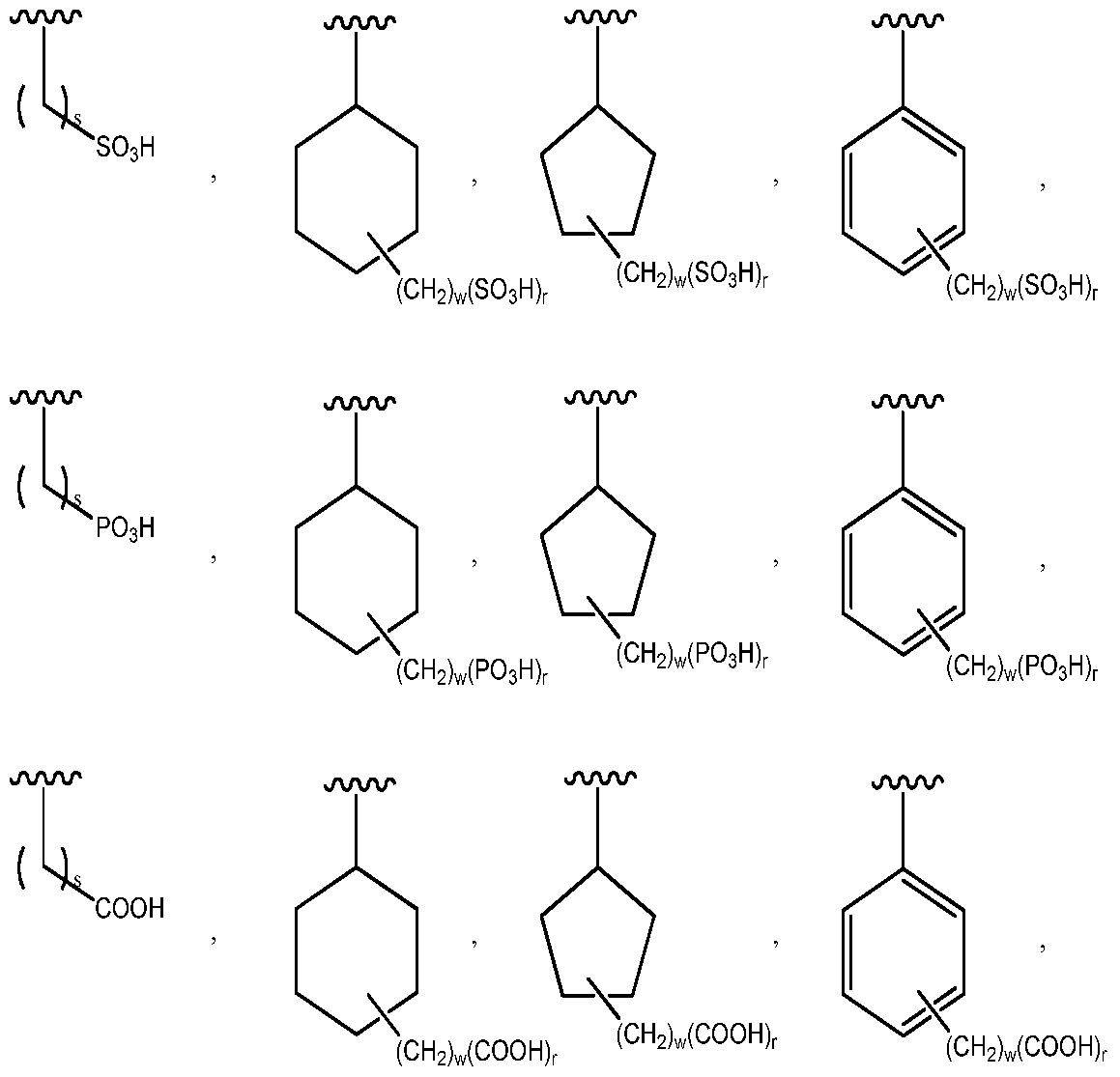

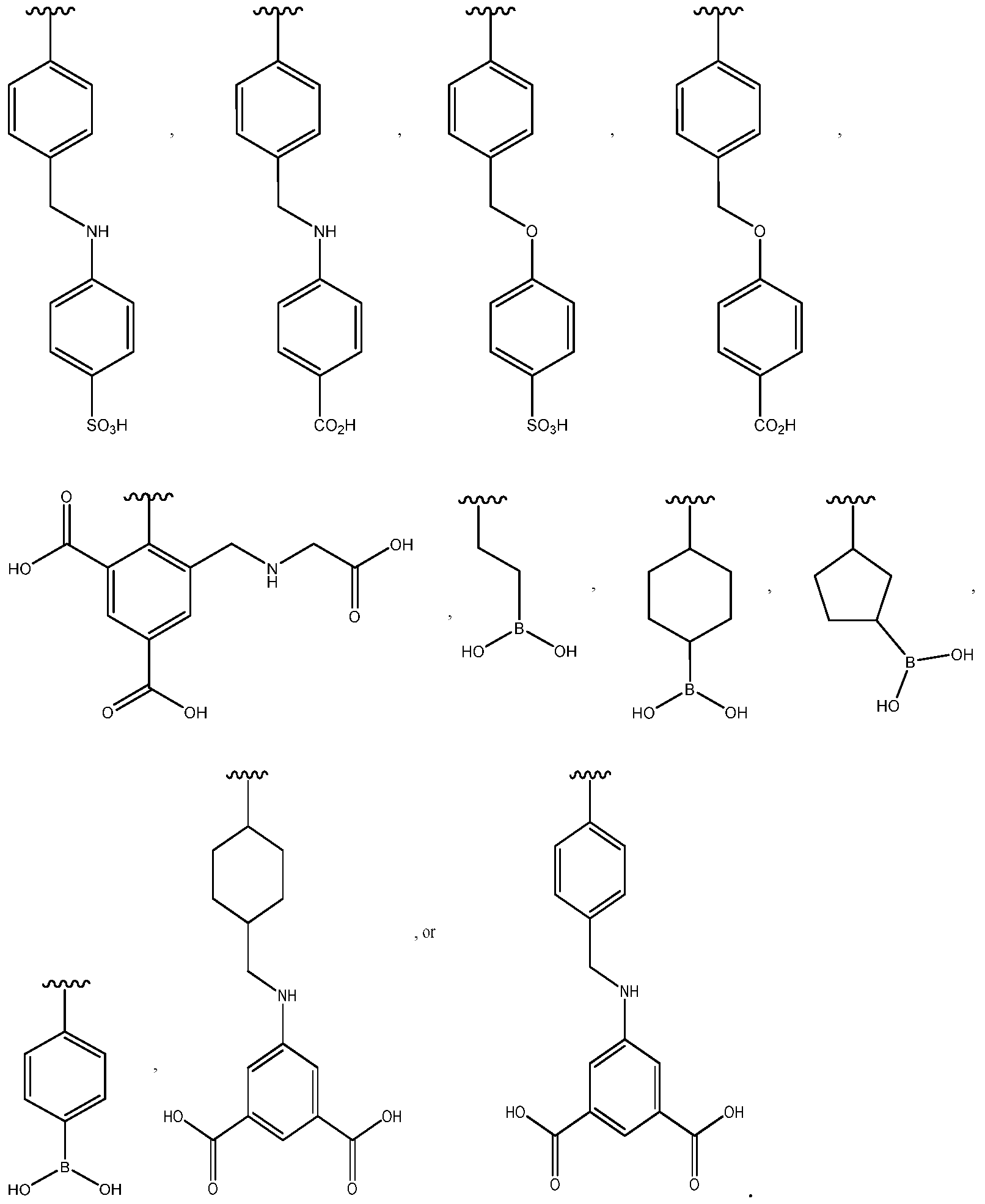


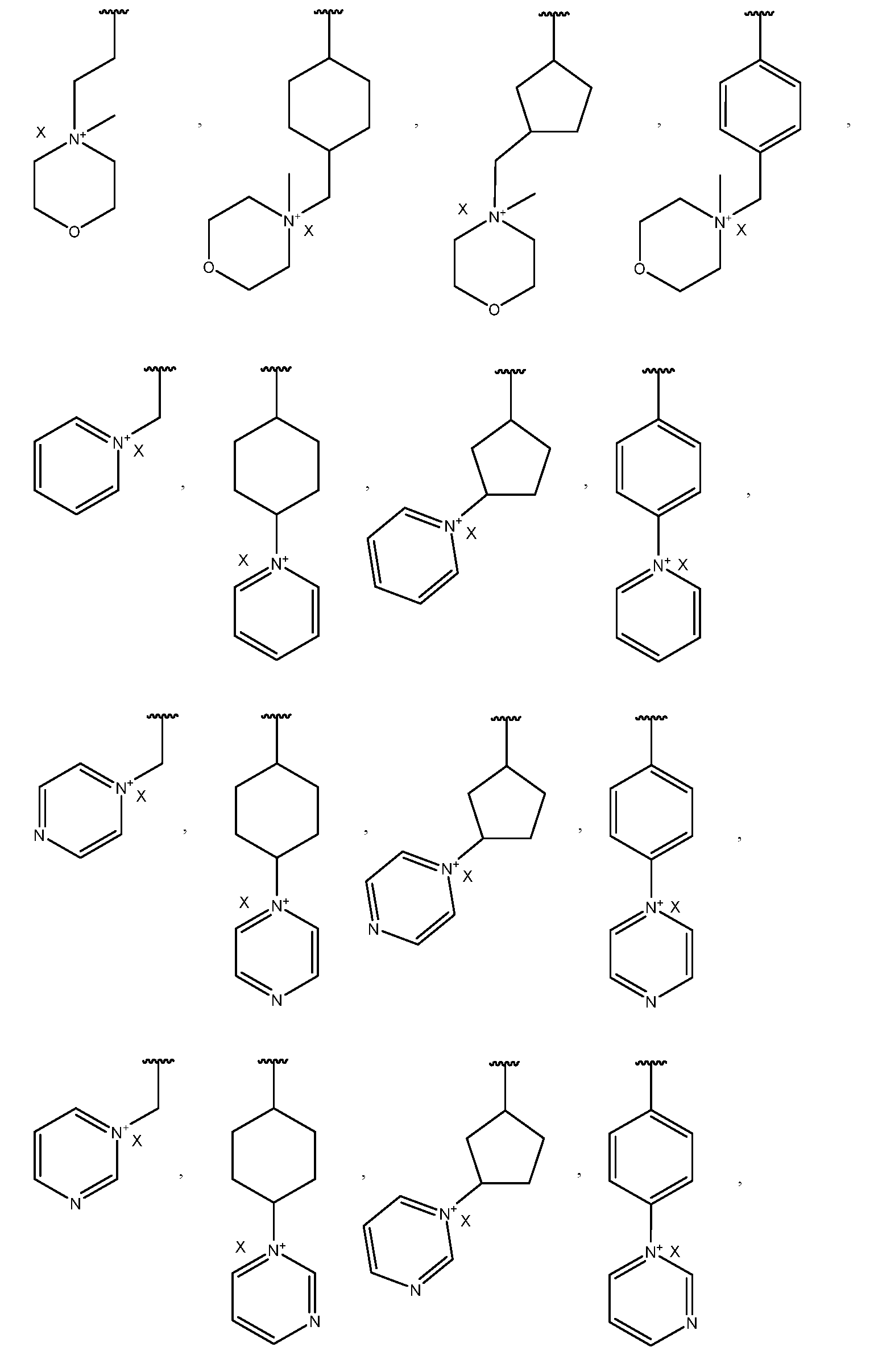


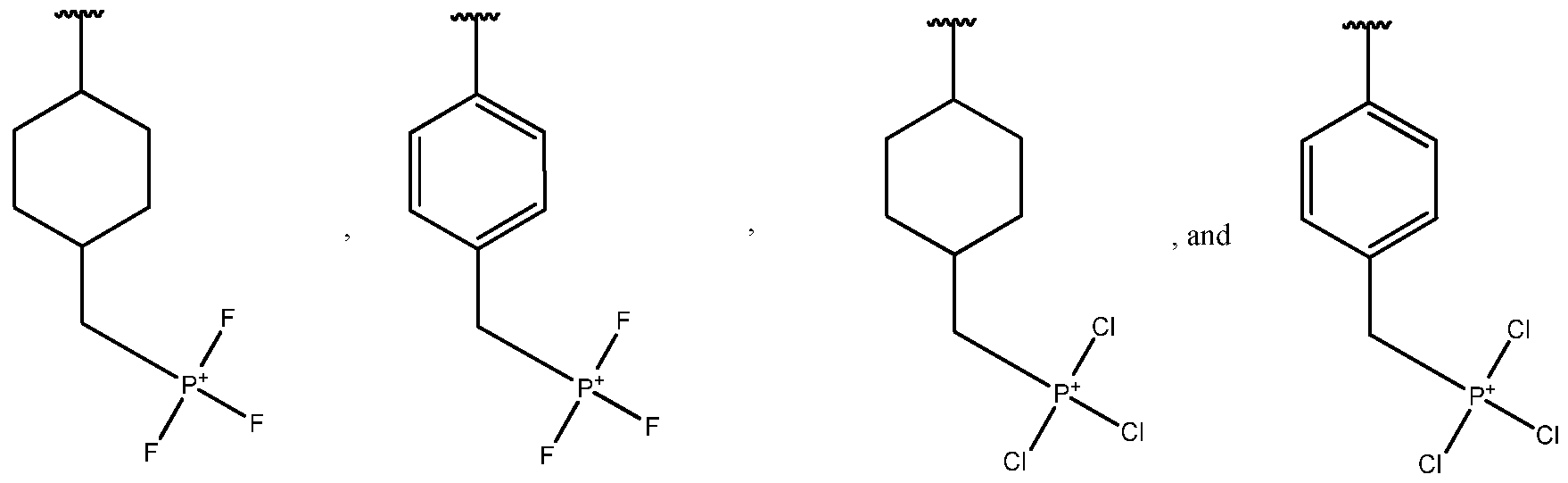


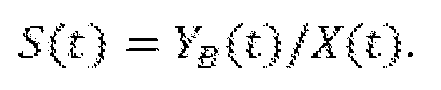

Claims
Priority Applications (10)
| Application Number | Priority Date | Filing Date | Title |
|---|---|---|---|
| CN201680016981.6A CN107428789A (en) | 2015-01-26 | 2016-01-13 | Oligosaccharide composition for nutritional composition and its production method |
| US15/546,508 US20180000146A1 (en) | 2015-01-26 | 2016-01-13 | Oligosaccharide compositions for use in nutritional compositions, and methods of producing thereof |
| AU2016212026A AU2016212026A1 (en) | 2015-01-26 | 2016-01-13 | Oligosaccharide compositions for use in nutritional compositions, and methods of producing thereof |
| EP16743842.3A EP3250578A4 (en) | 2015-01-26 | 2016-01-13 | Oligosaccharide compositions for use in nutritional compositions, and methods of producing thereof |
| HK18106257.5A HK1246800A1 (en) | 2015-01-26 | 2016-01-13 | Oligosaccharide compositions for use in nutritional compositions, and methods of producing thereof |
| MX2017009720A MX2017009720A (en) | 2015-01-26 | 2016-01-13 | Oligosaccharide compositions for use in nutritional compositions, and methods of producing thereof. |
| JP2017557271A JP2018504456A (en) | 2015-01-26 | 2016-01-13 | Oligosaccharide composition for use in a nutritional composition and method for producing the same |
| CA2975093A CA2975093A1 (en) | 2015-01-26 | 2016-01-13 | Oligosaccharide compositions for use in nutritional compositions, and methods of producing thereof |
| AU2020239805A AU2020239805B2 (en) | 2015-01-26 | 2020-09-25 | Oligosaccharide compositions for use in nutritional compositions, and methods of producing thereof |
| US17/444,063 US20210352945A1 (en) | 2015-01-26 | 2021-07-30 | Oligosaccharide compositions for use in nutritional compositions, and methods of producing thereof |
Applications Claiming Priority (2)
| Application Number | Priority Date | Filing Date | Title |
|---|---|---|---|
| US201562108038P | 2015-01-26 | 2015-01-26 | |
| US62/108,038 | 2015-01-26 |
Related Child Applications (2)
| Application Number | Title | Priority Date | Filing Date |
|---|---|---|---|
| US15/546,508 A-371-Of-International US20180000146A1 (en) | 2015-01-26 | 2016-01-13 | Oligosaccharide compositions for use in nutritional compositions, and methods of producing thereof |
| US17/444,063 Continuation US20210352945A1 (en) | 2015-01-26 | 2021-07-30 | Oligosaccharide compositions for use in nutritional compositions, and methods of producing thereof |
Publications (1)
| Publication Number | Publication Date |
|---|---|
| WO2016122885A1 true WO2016122885A1 (en) | 2016-08-04 |
Family
ID=56544170
Family Applications (1)
| Application Number | Title | Priority Date | Filing Date |
|---|---|---|---|
| PCT/US2016/013271 Ceased WO2016122885A1 (en) | 2015-01-26 | 2016-01-13 | Oligosaccharide compositions for use in nutritional compositions, and methods of producing thereof |
Country Status (9)
| Country | Link |
|---|---|
| US (2) | US20180000146A1 (en) |
| EP (1) | EP3250578A4 (en) |
| JP (1) | JP2018504456A (en) |
| CN (2) | CN112515178A (en) |
| AU (2) | AU2016212026A1 (en) |
| CA (1) | CA2975093A1 (en) |
| HK (1) | HK1246800A1 (en) |
| MX (1) | MX2017009720A (en) |
| WO (1) | WO2016122885A1 (en) |
Cited By (12)
| Publication number | Priority date | Publication date | Assignee | Title |
|---|---|---|---|---|
| WO2019090181A1 (en) | 2017-11-03 | 2019-05-09 | Kaleido Biosciences, Inc. | Methods of producing glycan polymers |
| US10314853B2 (en) | 2015-01-26 | 2019-06-11 | Kaleido Biosciences, Inc. | Glycan therapeutics and related methods thereof |
| EP3638254A1 (en) * | 2017-06-14 | 2020-04-22 | Cargill, Incorporated | Composition comprising mannose oligosaccharide and process for making same and use thereof |
| WO2020097568A3 (en) * | 2018-11-08 | 2020-07-30 | Kaleido Biosciences, Inc. | Oligosaccharide compositions and methods of use thereof |
| US10752705B2 (en) | 2014-07-09 | 2020-08-25 | Cadena Bio, Inc. | Oligosaccharide compositions and methods for producing thereof |
| US10849337B2 (en) | 2015-01-26 | 2020-12-01 | Cadena Bio, Inc. | Oligosaccharide compositions for use as animal feed and methods of producing thereof |
| US10894057B2 (en) | 2015-04-23 | 2021-01-19 | Kaleido Biosciences, Inc. | Glycan therapeutic compositions and related methods thereof |
| WO2021222660A1 (en) * | 2020-04-30 | 2021-11-04 | Kaleido Biosciences, Inc. | Oligosaccharide compositions and methods of use thereof for treating viral infections |
| US20210395284A1 (en) * | 2018-11-08 | 2021-12-23 | Dsm Ip Assets B.V. | Oligosaccharide preparations and compositions |
| US12090168B2 (en) | 2017-11-03 | 2024-09-17 | Dsm Nutritional Products, Llc | Glucose glycans for treating urea cycle disorders |
| US12410206B2 (en) | 2018-08-21 | 2025-09-09 | Dsm Nutritional Products, Llc | Oligosaccharide compositions and methods of use thereof for reducing ammonia levels |
| US12508274B2 (en) | 2020-07-17 | 2025-12-30 | Dsm Nutritional Products, Llc | Oligosaccharide compositions and methods of use |
Families Citing this family (6)
| Publication number | Priority date | Publication date | Assignee | Title |
|---|---|---|---|---|
| CA2864086C (en) | 2011-02-28 | 2018-07-10 | Midori Renewables, Inc. | Polymeric acid catalysts and uses thereof |
| WO2017083520A1 (en) * | 2015-11-13 | 2017-05-18 | Cadena Bio, Inc. | Animal therapeutic and feed compositions and methods of use |
| EP3219737A1 (en) * | 2016-03-16 | 2017-09-20 | Ecole Polytechnique Federale De Lausanne (Epfl) | Ionic polymers and use thereof in processing of biomass |
| MY204234A (en) | 2018-08-27 | 2024-08-16 | Regeneron Pharma | Use of raman spectroscopy in downstream purification |
| CA3117208A1 (en) | 2018-11-08 | 2020-05-14 | Dsm Ip Assets, B.V. | Methods of selectively modulating gastrointestinal microbial growth |
| MX2022011358A (en) * | 2020-03-13 | 2022-10-07 | Dsm Ip Assets Bv | Methods of modulating gastrointestinal microbial metabolic pathways and metabolites. |
Citations (2)
| Publication number | Priority date | Publication date | Assignee | Title |
|---|---|---|---|---|
| EP2401925A1 (en) * | 2010-06-29 | 2012-01-04 | Rosebud AG | Prebiotic product and manufacturing method |
| US20140060522A1 (en) * | 2012-08-24 | 2014-03-06 | Midori Renewables, Inc. | Methods of producing sugars from biomass feedstocks |
Family Cites Families (8)
| Publication number | Priority date | Publication date | Assignee | Title |
|---|---|---|---|---|
| FI20021772A7 (en) * | 2002-10-04 | 2004-04-05 | Biotie Therapies Oyj | Novel carbohydrate compositions and method for their preparation |
| US8197872B2 (en) * | 2007-05-17 | 2012-06-12 | The Regents Of The University Of California | Human milk oligosaccharides to promote growth of beneficial gut bacteria |
| EP2522232A1 (en) * | 2011-05-13 | 2012-11-14 | Nestec S.A. | Nutritional products comprising human milk oligosaccharides and methods for manufacture thereof |
| JP2014513985A (en) * | 2011-05-13 | 2014-06-19 | グリコム アー/エス | Method for forming human milk oligosaccharide (HMO) or a precursor thereof |
| US20150065702A1 (en) * | 2012-03-20 | 2015-03-05 | Glycom A/S | Synthesis of the Trisaccharide 3-O-Fucosyllactose and Intermediates Thereof |
| EP2888044A4 (en) * | 2012-08-24 | 2016-05-04 | Midori Usa Inc | Polymeric and solid-supported catalysts, and methods of digesting cellulosic materials using such catalysts |
| MX381098B (en) * | 2013-03-15 | 2025-03-12 | Cargill Inc | CARBOHYDRATE COMPOSITIONS. |
| BR112017000345B1 (en) * | 2014-07-09 | 2022-04-26 | Cadena Bio, Inc | Oligosaccharide compositions, methods for their production and food product |
-
2016
- 2016-01-13 AU AU2016212026A patent/AU2016212026A1/en not_active Abandoned
- 2016-01-13 US US15/546,508 patent/US20180000146A1/en not_active Abandoned
- 2016-01-13 CA CA2975093A patent/CA2975093A1/en not_active Abandoned
- 2016-01-13 WO PCT/US2016/013271 patent/WO2016122885A1/en not_active Ceased
- 2016-01-13 JP JP2017557271A patent/JP2018504456A/en active Pending
- 2016-01-13 CN CN202011372758.XA patent/CN112515178A/en active Pending
- 2016-01-13 HK HK18106257.5A patent/HK1246800A1/en unknown
- 2016-01-13 MX MX2017009720A patent/MX2017009720A/en unknown
- 2016-01-13 EP EP16743842.3A patent/EP3250578A4/en active Pending
- 2016-01-13 CN CN201680016981.6A patent/CN107428789A/en active Pending
-
2020
- 2020-09-25 AU AU2020239805A patent/AU2020239805B2/en not_active Expired - Fee Related
-
2021
- 2021-07-30 US US17/444,063 patent/US20210352945A1/en not_active Abandoned
Patent Citations (2)
| Publication number | Priority date | Publication date | Assignee | Title |
|---|---|---|---|---|
| EP2401925A1 (en) * | 2010-06-29 | 2012-01-04 | Rosebud AG | Prebiotic product and manufacturing method |
| US20140060522A1 (en) * | 2012-08-24 | 2014-03-06 | Midori Renewables, Inc. | Methods of producing sugars from biomass feedstocks |
Non-Patent Citations (1)
| Title |
|---|
| See also references of EP3250578A4 * |
Cited By (26)
| Publication number | Priority date | Publication date | Assignee | Title |
|---|---|---|---|---|
| US10752705B2 (en) | 2014-07-09 | 2020-08-25 | Cadena Bio, Inc. | Oligosaccharide compositions and methods for producing thereof |
| US11584805B2 (en) | 2014-07-09 | 2023-02-21 | Dsm Nutritional Products, Llc | Oligosaccharide compositions and methods for producing thereof |
| US11229660B2 (en) | 2015-01-26 | 2022-01-25 | Kaleido Biosciences, Inc. | Glycan therapeutics and method of treating conditions associated with TMAO |
| US10314853B2 (en) | 2015-01-26 | 2019-06-11 | Kaleido Biosciences, Inc. | Glycan therapeutics and related methods thereof |
| US12514267B2 (en) | 2015-01-26 | 2026-01-06 | Dsm Nutritional Products, Llc | Oligosaccharide compositions for use as animal feed and methods of producing thereof |
| US10702542B2 (en) | 2015-01-26 | 2020-07-07 | Kaleido Biosciences, Inc. | Glycan therapeutics and related methods thereof |
| US10849337B2 (en) | 2015-01-26 | 2020-12-01 | Cadena Bio, Inc. | Oligosaccharide compositions for use as animal feed and methods of producing thereof |
| US10881676B2 (en) | 2015-01-26 | 2021-01-05 | Kaleido Biosciences, Inc. | Glycan therapeutics and related methods thereof |
| US11653676B2 (en) | 2015-01-26 | 2023-05-23 | Dsm Nutritional Products, Llc | Oligosaccharide compositions for use as animal feed and methods of producing thereof |
| US12377113B2 (en) | 2015-04-23 | 2025-08-05 | Dsm Nutritional Products, Llc | Glycan therapeutic compositions and related methods thereof |
| US10894057B2 (en) | 2015-04-23 | 2021-01-19 | Kaleido Biosciences, Inc. | Glycan therapeutic compositions and related methods thereof |
| US11883422B2 (en) | 2015-04-23 | 2024-01-30 | Dsm Nutritional Products, Llc | Glycan therapeutic compositions and related methods thereof |
| US11771124B2 (en) | 2017-06-14 | 2023-10-03 | Cargill, Incorporated | Composition comprising mannose oligosaccharide and process for making same and use thereof |
| EP3638254A1 (en) * | 2017-06-14 | 2020-04-22 | Cargill, Incorporated | Composition comprising mannose oligosaccharide and process for making same and use thereof |
| WO2019090181A1 (en) | 2017-11-03 | 2019-05-09 | Kaleido Biosciences, Inc. | Methods of producing glycan polymers |
| US12090168B2 (en) | 2017-11-03 | 2024-09-17 | Dsm Nutritional Products, Llc | Glucose glycans for treating urea cycle disorders |
| US11697692B2 (en) | 2017-11-03 | 2023-07-11 | Dsm Nutritional Products, Llc | Methods of producing glycan polymers |
| US12410206B2 (en) | 2018-08-21 | 2025-09-09 | Dsm Nutritional Products, Llc | Oligosaccharide compositions and methods of use thereof for reducing ammonia levels |
| CN113260635B (en) * | 2018-11-08 | 2023-10-31 | Dsm营养产品有限责任公司 | Oligosaccharide compositions and methods of use |
| US20210395284A1 (en) * | 2018-11-08 | 2021-12-23 | Dsm Ip Assets B.V. | Oligosaccharide preparations and compositions |
| CN113260635A (en) * | 2018-11-08 | 2021-08-13 | 卡莱多生物科技有限公司 | Oligosaccharide compositions and methods of use thereof |
| US11655267B2 (en) * | 2018-11-08 | 2023-05-23 | Dsm Ip Assets B.V. | Oligosaccharide preparations and compositions |
| WO2020097568A3 (en) * | 2018-11-08 | 2020-07-30 | Kaleido Biosciences, Inc. | Oligosaccharide compositions and methods of use thereof |
| US11169101B2 (en) | 2018-11-08 | 2021-11-09 | Kaleido Biosciences, Inc. | Oligosaccharide compositions and methods of use thereof |
| WO2021222660A1 (en) * | 2020-04-30 | 2021-11-04 | Kaleido Biosciences, Inc. | Oligosaccharide compositions and methods of use thereof for treating viral infections |
| US12508274B2 (en) | 2020-07-17 | 2025-12-30 | Dsm Nutritional Products, Llc | Oligosaccharide compositions and methods of use |
Also Published As
| Publication number | Publication date |
|---|---|
| AU2020239805B2 (en) | 2022-10-06 |
| CN112515178A (en) | 2021-03-19 |
| AU2020239805A1 (en) | 2020-10-22 |
| CN107428789A (en) | 2017-12-01 |
| CA2975093A1 (en) | 2016-08-04 |
| JP2018504456A (en) | 2018-02-15 |
| HK1246800A1 (en) | 2018-09-14 |
| EP3250578A4 (en) | 2018-08-08 |
| EP3250578A1 (en) | 2017-12-06 |
| US20180000146A1 (en) | 2018-01-04 |
| MX2017009720A (en) | 2018-02-26 |
| US20210352945A1 (en) | 2021-11-18 |
| AU2016212026A1 (en) | 2017-08-31 |
Similar Documents
| Publication | Publication Date | Title |
|---|---|---|
| AU2020239805B2 (en) | Oligosaccharide compositions for use in nutritional compositions, and methods of producing thereof | |
| US11584805B2 (en) | Oligosaccharide compositions and methods for producing thereof | |
| US20250057202A1 (en) | Oligosaccharide compositions for use as food ingredients and methods of producing thereof | |
| Zhang et al. | Recent Development of Ionic Liquids in the Degradation, Synthesis and Modification of Polysaccharides |
Legal Events
| Date | Code | Title | Description |
|---|---|---|---|
| 121 | Ep: the epo has been informed by wipo that ep was designated in this application |
Ref document number: 16743842 Country of ref document: EP Kind code of ref document: A1 |
|
| ENP | Entry into the national phase |
Ref document number: 2017557271 Country of ref document: JP Kind code of ref document: A |
|
| ENP | Entry into the national phase |
Ref document number: 2975093 Country of ref document: CA |
|
| WWE | Wipo information: entry into national phase |
Ref document number: MX/A/2017/009720 Country of ref document: MX |
|
| NENP | Non-entry into the national phase |
Ref country code: DE |
|
| REEP | Request for entry into the european phase |
Ref document number: 2016743842 Country of ref document: EP |
|
| ENP | Entry into the national phase |
Ref document number: 2016212026 Country of ref document: AU Date of ref document: 20160113 Kind code of ref document: A |