WO2016181586A1 - 認証方法及び認証システム - Google Patents
認証方法及び認証システム Download PDFInfo
- Publication number
- WO2016181586A1 WO2016181586A1 PCT/JP2016/000946 JP2016000946W WO2016181586A1 WO 2016181586 A1 WO2016181586 A1 WO 2016181586A1 JP 2016000946 W JP2016000946 W JP 2016000946W WO 2016181586 A1 WO2016181586 A1 WO 2016181586A1
- Authority
- WO
- WIPO (PCT)
- Prior art keywords
- controller
- session
- group key
- key
- mutual authentication
- Prior art date
- Legal status (The legal status is an assumption and is not a legal conclusion. Google has not performed a legal analysis and makes no representation as to the accuracy of the status listed.)
- Ceased
Links
Images











Classifications
-
- G—PHYSICS
- G06—COMPUTING OR CALCULATING; COUNTING
- G06F—ELECTRIC DIGITAL DATA PROCESSING
- G06F21/00—Security arrangements for protecting computers, components thereof, programs or data against unauthorised activity
- G06F21/30—Authentication, i.e. establishing the identity or authorisation of security principals
- G06F21/44—Program or device authentication
- G06F21/445—Program or device authentication by mutual authentication, e.g. between devices or programs
-
- H—ELECTRICITY
- H04—ELECTRIC COMMUNICATION TECHNIQUE
- H04L—TRANSMISSION OF DIGITAL INFORMATION, e.g. TELEGRAPHIC COMMUNICATION
- H04L63/00—Network architectures or network communication protocols for network security
- H04L63/08—Network architectures or network communication protocols for network security for authentication of entities
- H04L63/0869—Network architectures or network communication protocols for network security for authentication of entities for achieving mutual authentication
-
- H—ELECTRICITY
- H04—ELECTRIC COMMUNICATION TECHNIQUE
- H04L—TRANSMISSION OF DIGITAL INFORMATION, e.g. TELEGRAPHIC COMMUNICATION
- H04L63/00—Network architectures or network communication protocols for network security
- H04L63/04—Network architectures or network communication protocols for network security for providing a confidential data exchange among entities communicating through data packet networks
- H04L63/0428—Network architectures or network communication protocols for network security for providing a confidential data exchange among entities communicating through data packet networks wherein the data content is protected, e.g. by encrypting or encapsulating the payload
-
- H—ELECTRICITY
- H04—ELECTRIC COMMUNICATION TECHNIQUE
- H04L—TRANSMISSION OF DIGITAL INFORMATION, e.g. TELEGRAPHIC COMMUNICATION
- H04L9/00—Cryptographic mechanisms or cryptographic arrangements for secret or secure communications; Network security protocols
- H04L9/06—Cryptographic mechanisms or cryptographic arrangements for secret or secure communications; Network security protocols the encryption apparatus using shift registers or memories for block-wise or stream coding, e.g. DES systems or RC4; Hash functions; Pseudorandom sequence generators
- H04L9/0618—Block ciphers, i.e. encrypting groups of characters of a plain text message using fixed encryption transformation
- H04L9/0631—Substitution permutation network [SPN], i.e. cipher composed of a number of stages or rounds each involving linear and nonlinear transformations, e.g. AES algorithms
-
- H—ELECTRICITY
- H04—ELECTRIC COMMUNICATION TECHNIQUE
- H04L—TRANSMISSION OF DIGITAL INFORMATION, e.g. TELEGRAPHIC COMMUNICATION
- H04L9/00—Cryptographic mechanisms or cryptographic arrangements for secret or secure communications; Network security protocols
- H04L9/06—Cryptographic mechanisms or cryptographic arrangements for secret or secure communications; Network security protocols the encryption apparatus using shift registers or memories for block-wise or stream coding, e.g. DES systems or RC4; Hash functions; Pseudorandom sequence generators
- H04L9/0618—Block ciphers, i.e. encrypting groups of characters of a plain text message using fixed encryption transformation
- H04L9/0637—Modes of operation, e.g. cipher block chaining [CBC], electronic codebook [ECB] or Galois/counter mode [GCM]
-
- H—ELECTRICITY
- H04—ELECTRIC COMMUNICATION TECHNIQUE
- H04L—TRANSMISSION OF DIGITAL INFORMATION, e.g. TELEGRAPHIC COMMUNICATION
- H04L9/00—Cryptographic mechanisms or cryptographic arrangements for secret or secure communications; Network security protocols
- H04L9/08—Key distribution or management, e.g. generation, sharing or updating, of cryptographic keys or passwords
- H04L9/0816—Key establishment, i.e. cryptographic processes or cryptographic protocols whereby a shared secret becomes available to two or more parties, for subsequent use
- H04L9/0819—Key transport or distribution, i.e. key establishment techniques where one party creates or otherwise obtains a secret value, and securely transfers it to the other(s)
- H04L9/083—Key transport or distribution, i.e. key establishment techniques where one party creates or otherwise obtains a secret value, and securely transfers it to the other(s) involving central third party, e.g. key distribution center [KDC] or trusted third party [TTP]
- H04L9/0833—Key transport or distribution, i.e. key establishment techniques where one party creates or otherwise obtains a secret value, and securely transfers it to the other(s) involving central third party, e.g. key distribution center [KDC] or trusted third party [TTP] involving conference or group key
-
- H—ELECTRICITY
- H04—ELECTRIC COMMUNICATION TECHNIQUE
- H04L—TRANSMISSION OF DIGITAL INFORMATION, e.g. TELEGRAPHIC COMMUNICATION
- H04L9/00—Cryptographic mechanisms or cryptographic arrangements for secret or secure communications; Network security protocols
- H04L9/08—Key distribution or management, e.g. generation, sharing or updating, of cryptographic keys or passwords
- H04L9/0861—Generation of secret information including derivation or calculation of cryptographic keys or passwords
-
- H—ELECTRICITY
- H04—ELECTRIC COMMUNICATION TECHNIQUE
- H04L—TRANSMISSION OF DIGITAL INFORMATION, e.g. TELEGRAPHIC COMMUNICATION
- H04L9/00—Cryptographic mechanisms or cryptographic arrangements for secret or secure communications; Network security protocols
- H04L9/08—Key distribution or management, e.g. generation, sharing or updating, of cryptographic keys or passwords
- H04L9/0891—Revocation or update of secret information, e.g. encryption key update or rekeying
-
- H—ELECTRICITY
- H04—ELECTRIC COMMUNICATION TECHNIQUE
- H04L—TRANSMISSION OF DIGITAL INFORMATION, e.g. TELEGRAPHIC COMMUNICATION
- H04L9/00—Cryptographic mechanisms or cryptographic arrangements for secret or secure communications; Network security protocols
- H04L9/32—Cryptographic mechanisms or cryptographic arrangements for secret or secure communications; Network security protocols including means for verifying the identity or authority of a user of the system or for message authentication, e.g. authorization, entity authentication, data integrity or data verification, non-repudiation, key authentication or verification of credentials
- H04L9/3236—Cryptographic mechanisms or cryptographic arrangements for secret or secure communications; Network security protocols including means for verifying the identity or authority of a user of the system or for message authentication, e.g. authorization, entity authentication, data integrity or data verification, non-repudiation, key authentication or verification of credentials using cryptographic hash functions
- H04L9/3242—Cryptographic mechanisms or cryptographic arrangements for secret or secure communications; Network security protocols including means for verifying the identity or authority of a user of the system or for message authentication, e.g. authorization, entity authentication, data integrity or data verification, non-repudiation, key authentication or verification of credentials using cryptographic hash functions involving keyed hash functions, e.g. message authentication codes [MACs], CBC-MAC or HMAC
-
- H—ELECTRICITY
- H04—ELECTRIC COMMUNICATION TECHNIQUE
- H04L—TRANSMISSION OF DIGITAL INFORMATION, e.g. TELEGRAPHIC COMMUNICATION
- H04L9/00—Cryptographic mechanisms or cryptographic arrangements for secret or secure communications; Network security protocols
- H04L9/32—Cryptographic mechanisms or cryptographic arrangements for secret or secure communications; Network security protocols including means for verifying the identity or authority of a user of the system or for message authentication, e.g. authorization, entity authentication, data integrity or data verification, non-repudiation, key authentication or verification of credentials
- H04L9/3263—Cryptographic mechanisms or cryptographic arrangements for secret or secure communications; Network security protocols including means for verifying the identity or authority of a user of the system or for message authentication, e.g. authorization, entity authentication, data integrity or data verification, non-repudiation, key authentication or verification of credentials involving certificates, e.g. public key certificate [PKC] or attribute certificate [AC]; Public key infrastructure [PKI] arrangements
-
- H—ELECTRICITY
- H04—ELECTRIC COMMUNICATION TECHNIQUE
- H04L—TRANSMISSION OF DIGITAL INFORMATION, e.g. TELEGRAPHIC COMMUNICATION
- H04L9/00—Cryptographic mechanisms or cryptographic arrangements for secret or secure communications; Network security protocols
- H04L9/32—Cryptographic mechanisms or cryptographic arrangements for secret or secure communications; Network security protocols including means for verifying the identity or authority of a user of the system or for message authentication, e.g. authorization, entity authentication, data integrity or data verification, non-repudiation, key authentication or verification of credentials
- H04L9/3271—Cryptographic mechanisms or cryptographic arrangements for secret or secure communications; Network security protocols including means for verifying the identity or authority of a user of the system or for message authentication, e.g. authorization, entity authentication, data integrity or data verification, non-repudiation, key authentication or verification of credentials using challenge-response
- H04L9/3273—Cryptographic mechanisms or cryptographic arrangements for secret or secure communications; Network security protocols including means for verifying the identity or authority of a user of the system or for message authentication, e.g. authorization, entity authentication, data integrity or data verification, non-repudiation, key authentication or verification of credentials using challenge-response for mutual authentication
-
- G—PHYSICS
- G06—COMPUTING OR CALCULATING; COUNTING
- G06F—ELECTRIC DIGITAL DATA PROCESSING
- G06F2221/00—Indexing scheme relating to security arrangements for protecting computers, components thereof, programs or data against unauthorised activity
- G06F2221/21—Indexing scheme relating to G06F21/00 and subgroups addressing additional information or applications relating to security arrangements for protecting computers, components thereof, programs or data against unauthorised activity
- G06F2221/2107—File encryption
-
- G—PHYSICS
- G06—COMPUTING OR CALCULATING; COUNTING
- G06F—ELECTRIC DIGITAL DATA PROCESSING
- G06F2221/00—Indexing scheme relating to security arrangements for protecting computers, components thereof, programs or data against unauthorised activity
- G06F2221/21—Indexing scheme relating to G06F21/00 and subgroups addressing additional information or applications relating to security arrangements for protecting computers, components thereof, programs or data against unauthorised activity
- G06F2221/2151—Time stamp
Definitions
- This disclosure relates to a technique for authenticating a device connected to an area network, and more particularly, to a technique for performing mutual authentication between a controller and a device and updating a group key.
- a network formed by connecting devices installed in a home is hereinafter referred to as a home area network.
- a specific device (hereinafter referred to as a “controller”) is connected to such a home area network, and communication between the device and an external server is performed via the controller. Therefore, it is required to control communication in the home by safely setting the connection between the controller and each device, and to prevent information leakage due to connection due to impersonation of unauthorized devices or interception of communication contents. For example, measures such as authentication of connected devices for the former and communication encryption for the latter are conceivable.
- the controller and the device that have been authenticated for validity share an encryption key and use the encryption key. Perform encrypted communication.
- the controller and the device share the same encryption key (hereinafter referred to as a “group key”), so that the controller transmits the same information to multiple devices simultaneously. Multicast communication and broadcast communication encryption are performed.
- the controller, the first device, and the second device share a group key, and the controller performs broadcast transmission of the information encrypted using the group key to the first device and the second device.
- an authentication method between the controller and the first device and the second device, wherein the controller and the first device perform mutual authentication, create and share a group key A first mutual authentication step for setting the first device as a reference device, the controller and the second device perform mutual authentication, and the group key created in the first mutual authentication step is also stored in the second device.
- the controller and the first device as the reference device perform mutual authentication again, In the third mutual authentication step of updating the loop key and sharing the updated group key, and in the group key update timing at which the controller and the reference device update the group key, the controller and the reference device are not
- the MAC is generated from the transmission data, the header, the transmission source address, and the transmission destination address, and the encrypted data, the header, the transmission source address, the transmission destination address, and the MAC are generated.
- An encryption step for performing the simultaneous broadcast of the message including the message.
- FIG. 1 is a schematic diagram showing a system configuration of the authentication system 10.
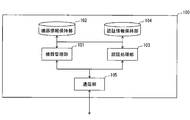
- FIG. 2 is a functional block diagram of the main part of the controller 100.
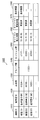
- FIG. 3 is a diagram illustrating an example of the data structure and data of the connected device management table 1000.
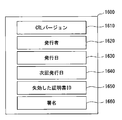
- FIG. 4 is a diagram illustrating an example of the data configuration of the public key certificate.
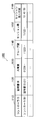
- FIG. 5 is a diagram illustrating an example of a data structure of the CRL.
- FIG. 6 is a functional block diagram of the main part of the device 200a.
- FIG. 7 is a diagram illustrating an example of the data structure and data of the connection controller management table 1100.
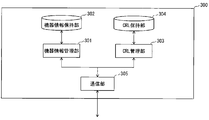
- FIG. 8 is a functional block diagram of the main part of the server 300.
- FIG. 9 is a diagram illustrating an example of the data structure and data of the device information management table 1300.
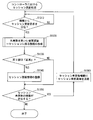
- FIG. 10 is a flowchart illustrating an example of a procedure of device registration processing in the device.
- FIG. 11 is a flowchart illustrating an example of a procedure of device registration processing in the controller.
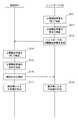
- FIG. 12 is a sequence diagram illustrating an example of the procedure of the device registration process.
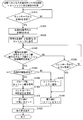
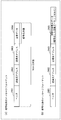
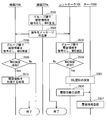
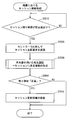
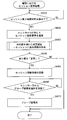
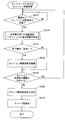
- FIG. 13 is a flowchart illustrating an example of a procedure of session update processing in the device.
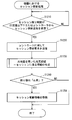
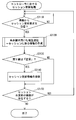
- FIG. 14 is a flowchart illustrating an example of a procedure of session update processing in the controller.
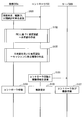
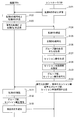
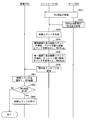
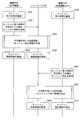
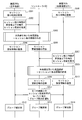
- FIG. 15 is a sequence diagram illustrating an example of a procedure for session update processing.
- FIG. 16 is a flowchart showing an example of a procedure for mutual authentication to shared key creation based on PKI in a device.
- FIG. 17 is a flowchart showing an example of a procedure for mutual authentication to shared key creation based on PKI in the controller.
- FIG. 18 is a sequence diagram showing an example of a procedure for mutual authentication to shared key creation based on PKI.
- FIG. 19 is a flowchart showing an example of a procedure for creating information related to mutual authentication to a session using a shared key in a device.
- FIG. 20 is a flowchart illustrating an example of a procedure for creating information related to mutual authentication to a session using a shared key in the controller.
- FIG. 21 is a sequence diagram illustrating an example of a procedure for creating information related to mutual authentication to a session using a shared key.
- FIG. 22 is a sequence diagram illustrating an example of a procedure of device history information transmission processing.
- FIG. 23 is a sequence diagram illustrating an example of the procedure of the control information transmission process.
- FIG. 24 is a data configuration diagram of message formats before and after encryption.
- FIG. 25 is a sequence diagram illustrating an example of a procedure of device history information MAC transmission processing.
- FIG. 26 is a sequence diagram showing an example of the procedure of the control information MAC transmission process.
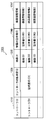
- FIG. 27 is a diagram illustrating an example of the data structure and data of the connected device management table 2000 according to the second embodiment.
- FIG. 28 is a flowchart illustrating an example of a procedure of session update processing in the device according to the second embodiment.
- FIG. 29 is a flowchart illustrating an example of a procedure of session update processing in the controller according to the second embodiment.
- FIG. 30 is a sequence diagram illustrating an example of a procedure for session update processing according to the second embodiment.
- FIG. 31 is a diagram showing an example of the data structure and data of the connected device management table 3000 according to the third embodiment.
- FIG. 32 is a diagram illustrating an example of the data structure and data of the connection controller management table 3100 according to the third embodiment.
- FIG. 33 is a flowchart illustrating an example of a procedure of session update processing in the device according to the third embodiment.
- FIG. 34 is a flowchart illustrating an example of a procedure of session update processing in the controller according to the third embodiment.
- FIG. 35 is a sequence diagram illustrating an example of a procedure for session update processing according to the third embodiment.
- each device updates the group key at each timing, each device holds a different group key. For example, if one device holds the updated group key, but the second device holds the pre-update group key, the controller will broadcast the encrypted information using the group key. I can't do it.
- the present disclosure has been made in view of the related problems, and provides an authentication method capable of matching the update timing of the group key between each device and the controller.
- the authentication method sets a reference device from devices connected to a controller, and based on the timing of group key update in the reference device, another device updates the group key. It becomes possible to synchronize the group key update timing among a plurality of devices.
- the controller can perform simultaneous transmission of encrypted information.
- an authentication system 10 as an embodiment using the authentication method according to the present disclosure will be described with reference to the drawings.
- FIG. 1 is a schematic diagram illustrating an example of a system configuration of an authentication system 10 according to the present embodiment.
- the authentication system 10 includes a controller 100 and devices 200a, 200b, 200c connected to the home area network 400.
- the controller 100 in the authentication system 10 connects to the server 300 via a network 500 that is a communication network such as the Internet.
- the controller 100 and the devices 200a to 200c are connected to one home area network 400. Although not shown in the figure, they may be connected via a network device (for example, a hub, a router, etc.). The place where the controller 100 or each device is installed may be indoors or outdoors.
- a network device for example, a hub, a router, etc.
- the controller 100 and each of the devices 200a to 200c perform mutual authentication when starting connection. If mutual authentication confirms the validity of each other, the encryption key is shared and encrypted communication is performed. Thereafter, the controller and each device perform session update processing at their respective predetermined timings, perform mutual authentication at each session update processing, update the encryption key if the result is valid, and continue encryption communication To do.
- Such a controller 100 and each device share three types of shared keys after confirming each other's validity in mutual authentication at the time of connection.
- the one shared key is a shared key used for mutual authentication during the session update process between the controller 100 and each device.
- a controller and a device are connected, first, mutual authentication based on a public key authentication infrastructure (PKI: Public Key Infrastructure) is performed.
- PKI Public Key Infrastructure
- the mutual authentication performed by the controller and the device is performed using the one shared key.
- shared key when simply described as “shared key”, the shared key used for the mutual authentication is indicated. However, it is obviously excluded when a description showing a group key and a session key described below is given.
- the controller and the device share a shared key.
- the second shared key and the third shared key are shared keys used for this encryption communication, and are called a group key and a session key, respectively.
- the group key is an encryption key that is used by the controller to simultaneously transmit the same information to a plurality of devices, and the controller shares the same group key with all the devices connected to the controller.
- the session key is an encryption key that is used for one-to-one unicast communication between the controller and each device. The controller shares an individual encryption key with each device.
- a session valid period is provided for communication between the controller and each device, and the group key and the session key can be used during the session valid period. After the session is set, if the session valid period is exceeded, control is performed so that the group key and the session key cannot be used. In order to continue encrypted communication even after the session validity period has elapsed, it is necessary to perform session update processing between the controller and each device, create a new group key and session key, and set a new session. There is.
- the controller sets one of the connected devices as a reference device.
- the timing at which the controller 100 and each device update the group key is based on the timing at which the reference device performs session update processing and updates the group key, and a specific method will be described later.
- the reference device is, for example, a device to which the controller 100 is connected first.
- the server 300 is an external server that provides services to the devices 200a to 200c.
- the server 300 and each device communicate with each other via the controller 100.
- each device transmits device history information indicating the operation of the device to the server 300 via the controller 100.
- the server 300 transmits service information to each device via the controller 100.
- the server 300 transmits control request information for causing each device to execute a predetermined function.
- the controller 100 receives and decodes the control request information, and creates and transmits a control command for causing each device to execute it.
- Each device that has received the control command executes the function requested by the server 300.
- Controller 100> 2 is a functional block diagram of the main part of the controller 100.
- the controller 100 includes a device management unit 101, a device information holding unit 102, an authentication processing unit 103, an authentication information holding unit 104, and a communication unit 105.
- the controller 100 includes a processor and a memory (not shown), and functions of the device management unit 101, the device information holding unit 102, the authentication processing unit 103, the authentication information holding unit 104, and the communication unit 105. Is realized by the processor executing a program stored in the memory. Retention of each data in the device information retaining unit 102 and the authentication information retaining unit 104 is realized by a memory.
- the device management unit 101 has the following functions in order to control the connection between the controller 100 and the devices 200a to 200c.
- the device management unit 101 accepts connection requests and session update requests from devices to the controller 100 via the communication unit 105. Then, the authentication processing unit 103 is caused to execute mutual authentication processing with the device.
- the device management unit 101 stores the connected device management data in the connected device management table 1000 held by the device information holding unit 102. sign up. Details of the connected device management data stored in the connected device management table 1000 will be described later.
- the device management unit 101 sets a reference device.
- the first device connected to the controller 100 may be set as the reference device.
- another device is extracted from the connected device management table 1000 held by the device information holding unit 102 and set as the reference device.
- a device whose power is always on may be set as a reference device.
- the device management unit 101 also registers the setting of the reference device in the connected device management table 1000.
- the authentication processing unit 103 determines whether or not to set the device as a reference device, and the device management unit 101 registers in the connected device management table 1000 in response to the determination result. .
- the device management unit 101 refers to the session update state, which is an item in the connected device management table 1000, and notifies the device whose session has not been updated via the communication unit 105.
- the session update notification is for prompting the device to update the session, and thereafter, the session is updated by receiving a session update request from the device to the controller 100 again.
- the device management unit 101 refers to the value of the remaining session time, which is an item of the connected device management table 1000, for a device that has exceeded the session valid period without being updated, that is, for a device whose remaining session time is zero.
- the encryption communication with the device is prohibited by deleting the information of the encryption key such as the group key and the session key held with the device.
- the device management unit 101 decrypts the encrypted device history information received from the devices 200a to 200c via the communication unit 105.
- the decrypted device history information is transmitted to the server 300 via the communication unit 105.
- the device management unit 101 processes the device control request information received from the server 300 via the communication unit 105 into a format that can be instructed to the device, and then encrypts the information using the group key or session key.
- the data is transmitted to the device via 105.
- the device information holding unit 102 holds information on the devices 200 a to 200 c connected to the controller 100.
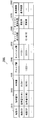
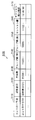
- FIG. 3 is a diagram illustrating an example of the data structure and data of the connected device management table 1000 that the device information holding unit 102 holds to manage device information.
- the connected device management table 1000 includes a connected device management record group for each device.
- the connected device management record is data to be registered when the device is recognized as a valid device in the device registration process performed when the device and the controller are connected, and includes a device ID 1010, a certificate ID 1020, and a shared key 1030.
- Group key 1040, session key 1050, remaining session time 1060, session update status 1070, and reference device 1080 are included.
- the device ID 1010 is an identifier that uniquely determines the device.
- Certificate ID 1020 is the certificate ID of the public key certificate of the device.
- the shared key 1030 is shared key data shared between the controller 100 and the device.
- the group key 1040 is group key data used for encrypting information that the controller 100 transmits to a plurality of devices simultaneously.
- FIG. 3 shows that the same group key “11223...” Is shared with the device ID 1 to device ID 3 which are all devices connected to the controller.
- the example in FIG. 3 shows an example in which the device ID 1 to device ID 3 share one item field of the group key, but each device ID has an individual item column, and when the item is registered
- devices other than the reference device may set the same group key data as the reference device.
- the session key 1050 is session key data used for encrypting unicast communication between the controller 100 and the device.
- the controller indicates that different session keys are shared with each of the devices ID1 to ID3.
- the session remaining time 1060 is a remaining period of the session valid period set between the controller 100 and the device.
- a predetermined predetermined session valid period is provided between the controller 100 and the device.
- the session valid period is registered as the remaining session time 1060. Thereafter, the remaining session time 1060 represents the remaining period of the session valid period by counting down the value of the item as time passes.
- the device management unit 101 deletes the group key and session key information held by the device management unit 101 and the encrypted communication is prohibited for the device for which the remaining session time is zero.
- the session update state 1070 is data indicating whether or not the device indicated by the device ID has updated the session with the controller 100 in the period after the session update between the controller 100 and the reference device.
- the session update state 1070 relating to the device other than the reference device is updated to “not updated”. Thereafter, when the controller 100 performs a session update process with the device, the session update state 1070 is updated to “updated”.
- the item of the reference device 1080 is data indicating whether or not the device is a reference device.
- the example of FIG. 3 indicates that the device with the device ID 1 is the reference device.
- the controller has already updated the session with the device with the device ID 2 and no session with the device with the device ID 3. Indicates that this is an update.
- the authentication processing unit 103 has a function of performing mutual authentication processing with a device connected to the controller 100.
- Mutual authentication based on PKI is performed at the time of connection with the device, and mutual authentication by challenge response authentication using a shared key and a random number is performed at the time of session update.
- the authentication processing unit 103 receives the device public key certificate from the device management unit 101 together with the device authentication request, and performs authentication processing based on the PKI. Specifically, first, based on CRL (Certificate Revocation List) stored in the authentication information holding unit 104, it is confirmed that the certificate ID related to the public key certificate of the acquired device is not described in the CRL. . Then, the signature attached to the public key certificate is verified using the public key of the certificate authority.
- the certificate authority is the server 300.
- the authentication processing unit 103 performs challenge response authentication, which is mutual authentication using a shared key, when updating a session between the controller 100 and the device.
- the authentication processing unit 103 also has a function of creating the shared key by exchanging keys with the device.
- the authentication processing unit 103 generates a random number and transmits it to the device via the communication unit 105. Then, the random number encrypted by the device with the shared key and returned is decrypted with the shared key held by the controller, and the validity of the device is confirmed by comparing with the random number created by itself.
- the authentication processing unit 103 encrypts the random number received from the device with the shared key and returns it, so that verification on the device side is also performed.
- the authentication processing unit 103 has a function of executing processing necessary for session setting and updating. Specifically, a group key and a session key, which are shared keys for encrypting communication between the controller 100 and the device, are created. In addition, a session valid period is set, and the session key and group key are registered in the connected device management table 1000 held by the device information holding unit 102 via the device management unit 101.
- the authentication information holding unit 104 holds the controller 100's own private key and public key certificate.
- a CRL used for confirming that the public key certificate of the counterpart device has not expired is held.
- Such a private key, public key certificate, and CRL are embedded when the controller 100 is manufactured.
- FIG. 4 is a diagram showing a data configuration of a public key certificate 1500 which is a standard data configuration example of a public key certificate.
- the public key certificate 1500 includes a version 1510 related to the certificate, an issuer 1520, a valid period start 1530, a valid period end 1540, a certificate ID 1550, a public key 1560, and a signature 1570 of the server 300 as the certificate authority. It is a configuration.
- the public key 1560 is data of the public key of the controller itself
- the signature 1570 is a signature created and assigned using the private key of the certificate authority.
- FIG. 5 is a diagram illustrating a CRL 1600 that is a standard data configuration example of the CRL.
- the CRL 1600 includes a CRL version 1610 related to the CRL, an issuer 1620, an issue date 1630, a next issue date 1640, a revoked certificate ID 1650, and a signature 1660 of a server that is a certificate authority.
- the revoked certificate ID 1650 is not limited to one ID, and a plurality of revoked certificate IDs may be held.
- a signature 1660 is a signature created and assigned using the private key of the certificate authority.
- the communication unit 105 is a communication interface for the controller 100 to connect to each of the devices 200a to 200c and the server 300. For example, it has a function of performing encrypted communication with the devices 200a to 200c using the session key and group key held in the connected device management table 1000 of the device information holding unit 102.
- the communication unit 105 has a function of performing cryptographic communication with the server 300, and performs, for example, SSL (Secure Socket Layer) communication.
- SSL Secure Socket Layer
- the SSL server certificate necessary for SSL communication is held in the communication unit 105.
- the devices 200a to 200c are home appliances, AV devices, and home equipment that have a function of connecting to a network, and specifically, for example, a television, a recorder, an air conditioner, a refrigerator, and a storage battery.
- each device has a unique function, and in this respect, if the device is a different type of device, it is not common to other devices.
- a washing machine is a washing function
- an air conditioner is a function such as heating or cooling. Since this is a general function, a description thereof will be omitted. Only the function related to the authentication method which is the invention of the present application will be described, and it goes without saying that not only the device 200a but also other devices have the same function.
- FIG. 6 is a functional block diagram of the main part of the device 200a.
- the device 200a includes a device management unit 201, a device history holding unit 202, a device information holding unit 203, an authentication processing unit 204, an authentication information holding unit 205, and a communication unit. 206 is included.
- the device 200a includes a processor and a memory, and includes a device management unit 201, a device history holding unit 202, a device information holding unit 203, an authentication processing unit 204, an authentication information holding unit 205,
- Each function of the communication unit 206 is realized by the processor executing a program stored in the memory. Retention of each data in the device history holding unit 202, the device information holding unit 203, and the authentication information holding unit 205 is realized by a memory.
- the device management unit 201 controls connection with the controller 100. Specifically, it has the following functions.
- the device management unit 201 When connecting to the controller 100, the device management unit 201 transmits a connection request to the controller 100 via the communication unit 206.
- the device management unit 201 when the device management unit 201 receives the public key certificate of the controller 100 via the communication unit 206, the device management unit 201 causes the authentication processing unit 204 to perform authentication processing based on PKI.
- the device management unit 201 stores the connection controller data in the connection controller management table 1100 held by the device information holding unit 203. sign up. Details of the connection controller data held in the connection controller management table 1100 will be described later.
- the device history information related to the device operation history recorded in the device history holding unit 202 is encrypted with the session key and transmitted to the controller 100 via the communication unit 206.
- the device history information related to the operation of the device is transmitted regularly or irregularly, and transmitted to the server 300 via the controller 100.
- the device management unit 201 refers to the item of the remaining session time held in the connection controller management table of the device information holding unit 203, and when the value of the remaining session time becomes equal to or less than a predetermined threshold value, Initiate session update.
- the predetermined threshold is, for example, a value that is 10% of the session valid period or a value that is twice the time required for the session update process.
- the device management unit 201 receives a session update notification from the controller 100, it starts session update regardless of the value of the remaining session time.
- the device management unit 201 causes the authentication processing unit 204 to execute processing. Thereafter, the group key, session key, and session validity period created by the authentication processing unit 204 are received and registered in the connection controller management table 1100 held by the device information holding unit 203.
- the device history holding unit 202 has a function of recording and holding the operation of the device 200a as device history information.
- the device history holding unit 202 records information indicating these operations as device history information each time the device 200a is operated or a function is executed.
- the device history information is shown as an example of information transmitted from the device 200a to the server 300 via the controller 100, but is not a main component of the invention of the present application. Omitted.
- the device information holding unit 203 holds information on the controller 100 connected to the device 200a.
- FIG. 7 is a diagram illustrating an example of the data structure and data of the connection controller management table 1100 that the device information holding unit 203 holds in order to manage controller information.
- the connection controller management table 1100 includes a connection controller management record group.
- the connection controller management record is data to be registered when the controller is recognized as a valid device in the device registration process performed when the device and the controller are connected.
- the controller ID 1110, the certificate ID 1120, and the shared key 1130 are registered.
- Group key 1140, session key 1150, and remaining session time 1160 are included.
- Controller ID 1110 is an identifier that uniquely defines the controller.
- Certificate ID 1120 is the certificate ID of the controller's public key certificate.
- the shared key 1130 is shared key data that the device 200a shares with the controller 100.
- the group key 1140 is data of a shared key used for encrypting information that the controller 100 transmits to the devices all at once. On the device side, the received information is decrypted using the group key.
- the session key 1150 is shared key data used for performing encrypted unicast communication with the controller 100.
- the session remaining time 1160 is a remaining period of the session valid period set with the controller 100.
- a predetermined predetermined session valid period is provided between the device 200a and the controller 100.
- the session valid period is registered in the session remaining time 1160. Thereafter, the remaining session time 1160 represents the remaining period of the session valid period by counting down the value of the item as time passes.
- the authentication processing unit 204 has a function of performing mutual authentication processing with the controller 100. At the time of connection with the controller, mutual authentication based on PKI is performed, and at the time of session update, mutual authentication by challenge response authentication using a shared key and a random number is performed.
- a controller public key certificate is received from the device management unit 201 together with a controller authentication request, and an authentication process based on PKI is performed. Specifically, based on the CRL stored in the authentication information holding unit 205, it is confirmed that the certificate ID of the acquired controller public key certificate is not described in the CRL. Also, the signature of the public key certificate is verified using the public key of the certificate authority.
- the certificate authority is the server 300.
- the authentication processing unit 204 performs challenge response authentication, which is mutual authentication using a shared key, when updating a session with the controller 100.
- the authentication processing unit 204 also has a function of creating the shared key by exchanging keys with the controller 100.
- the authentication processing unit 204 generates a random number and transmits it to the controller 100 via the communication unit 206. Then, the authentication processing unit 204 confirms the validity of the controller by decrypting the random number encrypted and returned by the controller 100 with the shared key held by the device and collating with the random number created by itself.
- the authentication processing unit 204 encrypts a random number received from the device with a shared key and returns it, so that verification on the device side is also performed.
- the authentication processing unit 204 has a function of executing processing necessary for creating and updating a session. Specifically, when the start of the session update process is received from the device management unit 201, a session update request is transmitted to the controller 100 via the communication unit 206. The authentication processing unit 204 receives the updated session key, group key, and session validity period from the controller 100 via the communication unit 206, and the device information holding unit 203 receives the updated session key via the device management unit 201. Registered in the held connection controller management table 1100.
- the authentication information holding unit 205 holds the private key and public key certificate of the device 200a itself.
- a CRL used for confirming that the public key certificate has not expired in the mutual authentication based on PKI is held.
- Such a private key, public key certificate, and CRL are embedded when the device is manufactured.
- the public key held by the public key certificate of the device 200a is the public key of the device 200a.
- the communication unit 206 is a communication interface for connecting to the controller 100. For example, it has a function of performing encrypted communication with the controller 100 using a session key and a group key held in the connection controller management table 1100 of the device information holding unit 203.
- FIG. 8 is a functional block diagram of the main part of the server 300.
- the server 300 includes a device information management unit 301, a device information holding unit 302, a CRL management unit 303, a CRL holding unit 304, and a communication unit 305.
- the server 300 has a configuration including a processor and a memory, and each function of the device information management unit 301, the device information holding unit 302, the CRL management unit 303, the CRL holding unit 304, and the communication unit 305 is shown. Is realized by the processor executing a program stored in the memory. Retention of each data in the device information retaining unit 302 and the CRL retaining unit 304 is realized by a memory.
- the device information management unit 301 has the following functions to control the device information holding unit 302 and manage information on the controller connected to the server 300 including device information connected to the controller.
- the device information management unit 301 registers the controller and device information received from the controller via the communication unit 305 in the device information management table 1300 held by the device information holding unit 302.
- the CRL management unit 303 is notified of the certificate ID of the public key certificate of the device.
- the device information holding unit 302 holds information about controllers and devices connected to the server 300.
- FIG. 9 is a diagram illustrating an example of the data structure and data of the device information management table 1300 that the device information holding unit 302 has. It is.
- the device information management table 1300 includes items of a controller ID 1310 and a certificate ID 1320 related to the controller. Further, items of a device ID 1330, a certificate ID 1340, and device history information 1350 related to a device connected to the controller are included. Each item will be described using the example of FIG.
- Controller ID 1310 is an identifier that uniquely defines the controller.
- the controller certificate ID 1320 is the certificate ID of the controller public key certificate.
- the device ID 1330 is a device ID that identifies a device connected to the controller.
- the controller identified by the controller ID1 indicates that three devices identified by the device ID1, the device ID2, and the device ID3 are connected.
- the device certificate ID 1340 is the certificate ID of the device public key certificate.
- the device history information 1350 is device history information data collected from devices.
- the device history information itself may be held for each device in another table, and the item of the device history information 1350 may hold link information to the other table.
- CRL management unit 303 When the CRL management unit 303 receives the certificate ID of the public key certificate of the unauthorized device from the device information management unit 301, the CRL management unit 303 issues a CRL.
- the CRL management unit 303 holds the public key and secret key of the server 300.
- the CRL management unit 303 When the CRL management unit 303 issues a CRL, the CRL management unit 303 gives a signature created using the secret key of the server 300 to the CRL.
- the controller and the device that use the CRL verify that the CRL is valid by verifying the signature attached to the CRL using the public key of the server 300.
- the CRL issued by the CRL management unit is transmitted to the controller and the device via the communication unit 305.
- the CRL holding unit 304 holds the CRL issued by the CRL management unit 303. Since the data structure of the CRL is the same as that held by the authentication information holding unit 104 of the controller 100, description thereof is omitted.
- the communication unit 305 is a communication interface for communicating with the controller 100. Communication between the server 300 and the controller 100 is performed by, for example, SSL communication. The communication unit 305 holds a certificate necessary for SSL communication.
- FIG. 10 and 11 are flowcharts showing an example of the procedure of device registration processing in each of the device and the controller.
- FIG. 12 is an example of the procedure of device registration processing including the exchange between the device and the controller. It is the sequence diagram shown.
- the device registration process is a process performed when the controller 100 and the device are connected, and is a procedure in which the device requests connection to the controller 100 and performs mutual authentication and then registers each other.
- the outline of the processing in each of the device and the controller will be described according to the flowcharts of FIGS. 10 and 11, and then the device registration process including the exchange between the device and the controller will be described along the sequence diagram of FIG. A more detailed procedure will be described.
- the device transmits the device ID and public key certificate of the device itself to the controller together with the connection request (step S1010).
- the device performs a mutual authentication with the controller by executing a subroutine of “mutual authentication based on PKI to creation of shared key”, and then shares the shared key (step S1020). Details of the subroutine processing will be described later.
- step S1020 If the return value of the subroutine in step S1020 is “normal” (YES in step S1030), the device executes the subroutine “mutual authentication using shared key to create information related to session” to share with the controller. After mutual authentication using a key, creation of a group key and a session key, which are information related to a session, and setting of a session validity period are performed (step S1040). Details of the subroutine processing will be described later.
- step S1040 If the return value of the subroutine in step S1040 is “normal” (YES in step S1050), the device registers the controller information as a valid connection partner (step S1060).
- step S1020 if the return value of the subroutine in step S1020 is “error” (NO in step S1030), or if the return value of the subroutine in step S1040 is “error” (NO in step S1050), the device is The registration process ends.
- the controller waits for a device connection request, device ID, and public key certificate (step S1110). If these are not received (NO in step S1110), the controller continues to wait for a connection request from the device.
- step S1110 the controller executes a sub-authentication with a device by executing a subroutine “mutual authentication based on PKI to create shared key”, and then shares the shared key. (Step S1120). Details of the subroutine processing will be described later.
- step S1120 When the return value of the subroutine in step S1120 is “normal” (YES in step S1130), the controller executes the subroutine “Mutual authentication using shared key to create information related to session”, thereby After mutual authentication using the shared key, creation of a group key and session key, which are information related to the session, and setting of a session validity period are performed (step S1140). Further, the controller determines whether or not to set the device as a reference device (step S1140). Details of the subroutine processing will be described later.
- step S1140 If the return value of the subroutine in step S1140 is “normal” (YES in step S1150), the controller transmits the controller and device information to the server 300 (step S1160).
- the controller registers device information as a valid connection partner (step S1170).
- step S1120 if the return value of the subroutine in step S1120 is “error” (NO in step S1130), or if the return value of the subroutine in step S1140 is “error” (NO in step S1150), the controller registers the device. The process ends.
- the device registration process is a process performed when a new device is connected to the controller 100. For example, it is executed at the timing when a new device is added to the home area network to which the controller belongs, or when the power of a device existing in the network is turned off.
- the device management unit 201 of the device 200a transmits a connection request to the controller 100 via the communication unit 206 (step S101). At this time, the device ID of the device 200a and the public key certificate are also transmitted.
- the device management unit 101 of the controller 100 accepts a connection request via the communication unit 105 and causes the authentication processing unit 103 to execute mutual authentication based on PKI.
- the authentication processing unit 103 of the controller 100 and the authentication processing unit 204 of the device 200a perform mutual authentication processing based on PKI and confirm each other's validity (step S102).
- step S102 the authentication processing unit 103 of the controller 100 and the authentication processing unit 204 of the device 200a create a shared key by a key exchange method.
- the shared key is used in mutual authentication performed thereafter.
- step S102 “mutual authentication based on PKI to creation of shared key” is a subroutine for convenience, and the procedure will be described later.
- the return value from the subroutine processing is “error”, the controller and the device end the device registration processing.
- step S103 the authentication processing unit 103 of the controller 100 and the authentication processing unit 204 of the device 200a perform mutual authentication using the created shared key and create information related to the session.
- step S103 the mutual authentication using the shared key is performed again in order to verify the shared key itself.
- Creation of the shared key in step S102 is performed by a key exchange method. Accordingly, since the controller 100 and the device 200a each create a shared key according to a predetermined procedure, the shared key is used in step S103 in order to confirm that the created shared key is the same. It is useful to perform mutual authentication.
- step S103 When mutual authentication using the shared key is successful, a group key, a session key, and a session valid period, which are information related to the session, are created (step S103). Also, it is determined whether or not the device 200a is set as a reference device (step S103). In step S103, “mutual authentication using a shared key to information creation related to a session” is a subroutine for convenience, and the procedure will be described later. When the return value from the subroutine processing is “error”, the controller and the device end the device registration processing.
- the authentication processing unit 204 of the device 200a has, via the device management unit 201, the controller ID of the controller 100 and information on the shared key, group key, and session key shared with the controller 100 in the device information holding unit 203. Register in the connection controller management table 1100. Also, the session valid period is registered in the session remaining time item of the connection controller management table 1100 (step S104).
- the device management unit 101 of the controller 100 transmits the controller ID related to the controller 100 and the certificate ID of the public key certificate, and the device ID related to the device 200a and the certificate ID of the public key certificate to the server 300 (Step S100). S105). At this time, the server performs SSL (Secure Socket Layer) communication.
- SSL Secure Socket Layer
- the device management unit 101 of the controller 100 registers the device ID of the device 200a and information on the shared key, group key, and session key shared with the device 200a in the connected device management table 1000 of the device information holding unit 102. .
- the session valid period is registered in the session remaining time item of the connected device management table 1000.
- the device 200a is set as a reference device, it is registered as a reference device in the item of reference device in the connected device management table 1000 (step S106).
- step S103 “Mutual authentication using shared key to information creation related to session”, it is determined whether or not to set as a reference device. For example, the device that is first connected to the controller is the reference device. Is set.
- the server 300 receives controller and device information from the controller 100 via the communication unit 305. Then, the device information management unit 301 registers the controller ID and certificate ID of the controller and the device ID and certificate ID of the authenticated device in the device information management table 1300 included in the device information holding unit 302 ( Step S107).
- FIGS. 13 and 14 are flowcharts showing an example of the procedure of the session update process in each of the device and the controller.
- FIG. 15 is an example of the procedure of the session update process including the exchange between the device and the controller. It is the sequence diagram shown.
- the device and the controller 100 perform mutual authentication again, and then update the group key, session key, and remaining session time.
- the outline of the processing in each of the device and the controller will be described along the flowcharts of FIGS. 13 and 14, and then the details of the processing including the exchange between the device and the controller will be described along the sequence diagram of FIG.
- the device monitors the remaining session time to determine the start of session update. Alternatively, it waits for a session update notification from the controller (step S1210). If the remaining session time is greater than a predetermined value and no session update notification is received from the controller (NO in step S1210), monitoring is continued.
- step S1210 If the remaining session time is less than a predetermined value or if a session update notification is received from the controller (YES in step S1210), the device sends a session update request to the controller in order to perform session update. Transmit (step S1220).
- step S1230 After executing mutual authentication using the shared key with the controller by executing the subroutine “Mutual authentication using shared key to creating information related to session”, the group key and A session key is created and a session validity period is set (step S1230). Details of the subroutine processing will be described later.
- step S1230 If the return value of the subroutine in step S1230 is “normal” (YES in step S1240), the device registers information related to the new session created in step S1230 as session update information (step S1250).
- step S1230 if the return value of the subroutine in step S1230 is “error” (NO in step S1240), the device ends the session update process without updating the session.
- the controller waits for a session update request from the device (step S1310). If not received (NO in step S1310), it continues to wait for a session update request from the device.
- step S1310 When a session update request is received from the device (YES in step S1310), the mutual authentication using the device and the shared key is performed by executing the subroutine “Mutual authentication using shared key to creating information related to session”. After that, the group key and session key, which are information related to the session, are created, and the session valid period is set (step S1320). Details of the subroutine processing will be described later.
- step S1320 If the return value of the subroutine in step S1320 is “normal” (YES in step S1330), the controller registers information relating to the new session created in step S1320 as session update information (step S1340). At this time, if the device is a reference device, information indicating that the other devices connected to the controller have not been updated is registered. If the device is not a reference device, information indicating that the device has been updated is registered. That is, after the reference device updates the session, whether each other device has updated the session or not has been managed for each device.
- step S1320 if the return value of the subroutine in step S1320 is “error” (NO in step S1330), the session is not updated by not registering the session update information for the device.
- a session update notification is transmitted to the device that has not updated the session.
- session update notifications may be sent to all devices whose sessions have not been updated all at once, or some of them or one device may be sent.
- a session update notification is sent to the unupdated device, and the session with all devices is updated by updating the session.
- an apparatus in which an error has occurred is excluded.
- the device 200a is a reference device and the device 200b is a device other than the reference device.
- the sequence diagram shows an example in which no error occurs, but the processing when an error occurs is supplemented by text.
- the device management unit 201 of the device 200a monitors the remaining session time 1160 held in the connection controller management table 1100, and confirms whether it is equal to or less than a predetermined threshold value. If the remaining session time is greater than the predetermined value, the remaining session time is continuously monitored (step S141).
- the device management unit 201 of the device 200b also monitors the remaining session time as in the device 200a, but has a longer session remaining time than the device 200a. If a device other than the reference device has a session remaining time shorter than that of the reference device, there is no problem even if the session update process is performed first. At this time, for the group key, the group key used by the reference device is acquired in the subroutine of “Mutual authentication using shared key to session information creation” described later.
- the same group key as the currently used group key is acquired, and the group key is not updated.
- the session update state of the device other than the reference device is cleared, so that the device is determined to be a session-unupdated device, and a session update notification is received from the controller. To do.
- the device updates the session, so that the device also updates the group key at the timing when the reference device updates the group key.
- the device management unit 201 of the device 200a causes the authentication processing unit 204 to perform session update.
- the authentication processing unit 204 transmits a session update request to the controller 100 via the communication unit 206 (step S142).
- the device management unit 101 of the controller 100 receives a session update request via the communication unit 105 and causes the authentication processing unit 103 to execute mutual authentication processing.
- the authentication processing unit 103 of the controller 100 and the authentication processing unit 204 of the device 200a confirm each other's validity by mutual authentication by challenge response authentication using a shared key (step S143). If mutual validity is confirmed by mutual authentication, a group key, a session key, and a session valid period, which are information related to the session, are created (step S143).
- step S143 “Mutual authentication using shared key to information creation related to session” is the same process as step S103 in the device registration process, and is a subroutine for convenience, and the procedure will be described later.
- the controller and the device 200a do not update the session. That is, the process proceeds to step S146 without performing the session update information registration process in steps S144 and S145.
- the device 200b is set as the reference device in the subsequent “mutual authentication using shared key to information creation related to session” subroutine.
- the device management unit 201 of the device 200a registers the session key, group key, and session valid period created in step S143 in the connection controller management table 1100 of the device information holding unit 203 (step S144). At this time, the session valid period is registered in the session remaining time item.
- the device management unit 101 of the controller 100 registers the group key, session key, and session valid period created in step S143 in the connected device management table 1000 of the device information holding unit 102.
- the session valid period is registered in the item of session remaining time 1060.
- the session update state 1070 related to the device 200a is set to “updated”.
- the item of the session update state 1070 is updated to “unupdated” (step S145).
- the device management unit 101 of the controller 100 refers to the item of the session update state 1070 of the connected device management table 1000 held by the device information holding unit 102 and confirms the presence / absence of an “unupdated” device. If there is no device for which the item of the session update state 1070 is “unupdated”, it is determined that session update processing has been performed for all devices, and the processing ends.
- the device management unit 101 of the controller 100 sends a session update notification to the device (step S146).
- a session update notification is given to the device 200b whose session has not been updated. If there are other devices that have not been updated, a session update notification is also sent to the device, and the subsequent processing is performed.
- a session update notification may be sent to all devices whose sessions have not been updated. Alternatively, it may be sent to one of the unupdated devices, or may be sent every several devices.
- the device management unit 201 of the device 200b receives the session update notification transmitted by the controller 100 via the communication unit 206, and causes the authentication processing unit 204 to perform session update. First, the authentication processing unit 204 transmits a session update request to the controller 100 via the communication unit 206 (step S147).
- the device 200b which is a device other than the reference device, also performs session update in the same procedure as steps S143 to S145 related to the device 200a that is the reference device (steps S148 to S150).
- step S149 the device management unit 101 of the controller 100 registers the group key, session key, and session validity period created in step S148 in the connected device management table 1000 of the device information holding unit 102.
- the item of the session update state 1070 is updated to “updated” (step S149).
- step S145 described above by transmitting a session update notification to all the devices that have not been updated, the controller updates the session with all the devices and shares the updated group key.
- FIGS. 16 and 17 are flowcharts showing an example of the procedure of mutual authentication to shared key creation based on PKI in each of the device and the controller.
- FIG. 18 shows the exchange between the device and the controller. It is the sequence diagram which showed an example of the procedure of the process including. The outline of the processing in each of the device and the controller will be described along the flowcharts of FIGS. 16 and 17, and the details of the processing including the exchange between the device and the controller will be described along the sequence diagram of FIG. 18.
- the device waits for the controller ID and public key certificate from the controller. If these are not received (NO in step S1410) and an error is received (YES in step S1420), “error” is set as a return value of the subroutine (step S1460).
- step S1410 and NO in step S1420 If neither the controller ID and the public key certificate nor the error is received from the controller (NO in step S1410 and NO in step S1420), the controller continues to wait for information from the controller.
- step S1410 When the controller ID and the public key certificate are received (YES in step S1410), it is confirmed that the certificate ID is not in the CRL for the public key certificate received from the controller (step S1430).
- step S1440 If the certificate ID is not described in the CRL and has not been revoked (NO in step S1430), the signature attached to the public key certificate is verified (step S1440).
- step S1440 if the verification of the signature of the controller public key certificate is successful (YES in step S1440), the device notifies the controller of the verification success (step S1470).
- the devices share a shared key by exchanging keys with the controller (step S1480).
- the key is used for subsequent mutual authentication.
- the device sets “normal” as a return value of the subroutine (step S1490).
- step S1430 if the certificate ID of the public key certificate is described in CRL (YES in step S1430), or if the signature verification is not successful (NO in step S1440), the controller is disclosed. Upon determining that the verification of the key certificate has failed, the device transmits an error notification to the controller (step S1450). Then, “error” is set as the return value of the subroutine (step S1460).
- step S1490 or step S1460 is returned to the caller process as the processing result of the subroutine (step S1500).
- the controller confirms that the certificate ID of the public key certificate received from the device is not in the CRL (step S1610).
- step S1620 If the certificate ID is not described in the CRL and has not expired (NO in step S1610), the signature attached to the public key certificate is verified (step S1620).
- step S1610 If the certificate ID of the public key certificate is described in CRL (YES in step S1610) or if the signature verification is not successful (NO in step S1620), the public key of the device Assuming that the verification of the certificate has failed, the controller transmits an error notification to the device (step S1630).
- step S1670 “error” is set as a return value of the subroutine.
- step S1620 when the verification of the controller's public key certificate is successful (YES in step S1620), the device waits for the verification result of the controller's public key certificate (step S1650).
- step S1670 If an error notification is received without receiving a verification success from the device (NO in step S1650) (YES in step S1660), “error” is set as the return value of the subroutine (step S1670).
- step S1650 If the verification success is not received from the device (NO in step S1650) and no error is received (NO in step S1660), the verification result from the device is kept waiting.
- step S1650 If a verification success is received from the device (YES in step S1650), the controller and the device share a shared key by key exchange (step S1680). The key is used for subsequent mutual authentication.
- the controller sets “normal” as the return value of the subroutine (step S1690).
- step S1690 or step S1670 is returned to the caller process as the processing result of the subroutine (step S1700).
- the authentication processing unit 103 of the controller 100 confirms that the certificate ID of the public key certificate of the device 200a is not described in the CRL held by the authentication information holding unit 104 (step S111).
- step S111 if the certificate ID of the device 200a is not described in the CRL, the authentication processing unit 103 of the controller 100 has an appropriate digital signature of the certificate authority given to the public key certificate of the device 200a. It is verified whether it exists (step S112).
- the digital signature method and the verification method used at this time are based on ECDSA (Elliptic Curve Digital Signature Algorithm).
- ECDSA Elliptic Curve Digital Signature Algorithm
- the authentication processing unit 103 determines that the device 200a is not a valid device, An error notification is sent to the device 200a, and a return value "error" is returned to the device registration process that is the caller of the subroutine. At this time, the device 200a that has received the error notification also returns a return value “error”, and both the controller and the device end the subroutine processing.
- step S112 when the verification of the electronic signature is successful, the authentication processing unit 103 of the controller 100 determines that the device 200a is a valid device, and the controller ID and public key certificate of the controller itself via the communication unit 105. The document is transmitted to the device 200a (step S113).
- the device management unit 201 of the device 200a receives the controller ID and public key certificate of the controller 100 via the communication unit 206, and causes the authentication processing unit 204 to execute an authentication process based on PKI. First, the authentication processing unit 204 confirms that the certificate ID of the public key certificate of the controller is not described in the CRL held by the authentication information holding unit 205 (step S114).
- step S114 when the certificate ID of the controller 100 is not described in the CRL, the authentication processing unit 204 of the device 200a has an appropriate digital signature of the certificate authority given to the public key certificate of the controller 100. It is verified whether it exists (step S115).
- the electronic signature method and the verification method used at this time are based on ECDSA (Electric Curve Digital Signature Algorithm) as in step S112, and the description thereof is omitted.
- the authentication processing unit 204 determines that the controller 100 is not a valid device, and the controller Is returned to the device registration processing that is the caller of the subroutine. At this time, the controller that receives the error notification also returns a return value “error”, and both the controller and the device end the subroutine processing.
- step S115 if the verification of the electronic signature is successful, the authentication processing unit 204 of the device 200a determines that the controller 100 is a valid controller and notifies the controller 100 of the verification success (step S116).
- the authentication processing unit 204 of the device 200a and the authentication processing unit 103 of the controller 100 perform key exchange as processing for sharing the shared key (steps S117 and S118).
- the key exchange method to be implemented is ECDH (Eliptic Curve Diffie-Hellman) which is a key exchange method using elliptic curve cryptography.
- ECDH Eliptic Curve Diffie-Hellman
- the authentication processing unit 103 of the controller 100 calculates a value by a predetermined procedure using the controller's own private key and the public key of the device 200a included in the public key certificate of the device 200a.
- the authentication processing unit 204 of the device 200a calculates a value by a predetermined procedure using the private key of the device itself and the public key of the controller 100 included in the public key certificate of the controller 100.
- the values calculated in the controller 100 and the device 200a are the same.
- the shared key is calculated from the values shared in this way.
- a 128-bit key length of AES Advanced Encryption Standard
- AES Advanced Encryption Standard
- FIG. 19 and 20 are flowcharts showing an example of a procedure for creating information related to mutual authentication to session using a shared key in each of the device and the controller.
- FIG. It is the sequence diagram which showed an example of the procedure of the same process including exchange.
- challenge response authentication using random numbers is performed as mutual authentication using a shared key.
- the device waits for reception of the random number A created by the controller from the controller, and continues to wait if it does not receive (NO in step S1810).
- the device When the random number A is received from the controller (YES in step S1810), the device encrypts the received random number A and creates a random number B that is another random number (step S1820).
- the device transmits the encrypted random number A ′ and the random number B, which are the encrypted random number A, to the controller (step S1830).
- the device waits for processing on the controller side. If an error is received from the controller without receiving the encrypted random number B ′, the encrypted session key, the encrypted group key, and the session valid period (NO in step S1840), the subroutine returns. “Error” is set as a value (step S1880).
- step S1840 If the controller does not receive the encrypted random number B ′, the encrypted session key, the encrypted group key, and the session validity period (NO in step S1840) and does not receive an error (NO in step S1850), any of the values from the controller Continue to wait for receipt of information.
- the device When the device receives the encrypted random number B ', the encrypted session key, the encrypted group key, and the session validity period from the controller (YES in step S1840), the device first performs verification on the random number B (step S1860). The device decrypts the received encrypted random number B ′ with the shared key held. If the value of the decryption result matches the random number B created by the device itself in step S1820, it is determined that the random number B has been successfully verified.
- step S1860 If the verification of the random number B is not successful (NO in step S1860), an error notification is sent to the controller (step S1870).
- step S1860 If the verification of the random number B is successful (YES in step S1860), the group key and session key received from the controller are decrypted (step S1890).
- the device notifies the controller of the verification success (step S1900).
- step S1910 or step S1880 is returned to the calling source process as the processing result of the subroutine (step S1920).
- the controller creates a random number A and transmits it to the device (step S2010).
- step S2020 it waits for an encrypted random number A ′ and a random number B created by processing on the device side.
- the process continues to wait until it is received.
- step S2020 When the encrypted random number A ′ and the random number B are received (YES in step S2020), verification regarding the random number A is performed (step S2030).
- the device decrypts the received encrypted random number A ′ with the held shared key. If the value of the decryption result matches the random number A created by the controller itself in step S2010, it is determined that the random number A has been successfully verified.
- step S2030 If the verification of the random number A is not successful (NO in step S2030), an error notification is sent to the device (step S2040). Then, “error” is set as a return value of the subroutine (step S2150).
- step S2030 If the verification of the random number A is successful (YES in step S2030), the random number B received from the device is encrypted (step S2050).
- the device is a reference device (step S2060). If the device is the first device that has made a connection request to the controller, or if the device has been disconnected from the reference device, such as when the reference device has not been set, the device Equipment.
- step S2060 If the device is a reference device (YES in step S2060), a group key is created (step S2070). On the other hand, if the device is not a reference device (NO in step S2060), group key data is acquired in order to share the group key already created and held with the device (step S2080).
- controller creates a session key and sets a session valid period (step S2090).
- the group key and session key are encrypted with the shared key (step S2100).
- the encrypted random number B ′, the encrypted session key, the encrypted group key, and the session validity period acquired in the processes of steps S2050 to S2100 are transmitted to the device (step S2110).
- step S2120 When waiting for the verification result on the device side and not receiving verification success (NO in step S2120) and receiving an error (YES in step S2140), “error” is set as a return value of the subroutine (step S2120). S2150).
- step S2120 If the verification result on the device side is not received (NO in step S2120) and no error is received (NO in step S2140), the result from the device is kept waiting.
- step S2130 If a verification success is received from the device (YES in step S2120), “normal” is set as the return value of the subroutine (step S2130).
- step S2130 or step S2150 is returned to the process of calling the subroutine (step S2160).
- the authentication processing unit 103 of the controller 100 creates an arbitrary random number A and transmits it to the device 200a (step S121).
- the authentication processing unit 204 of the device 200a encrypts the random number A received via the communication unit 206 using the held shared key, and creates an encrypted random number A '(step S122). Further, the authentication processing unit 204 creates an arbitrary random number B (step S122).
- the authentication processing unit 204 of the device 200a transmits the encrypted random number A ′ and the random number B encrypted in step S122 to the controller 100 (step S123).
- the authentication processing unit 103 of the controller 100 receives the encrypted random number A ′ and the random number B.
- the authentication processing unit 103 decrypts the encrypted random number A ′ with the shared key.
- the authentication processing unit 103 determines that the verification for the random number A has been successful (step S124).
- step S124 when the verification of the random number A is not successful, the authentication processing unit 103 of the controller notifies the device of an error and returns a return value “error” to the caller of the subroutine. At this time, the device that has received the error notification also returns a return value “error”, and both the controller and the device end the subroutine processing.
- step S124 when the verification of the random number A is successful, the authentication processing unit 103 of the controller encrypts the random number B received from the device 200a with the shared key and creates an encrypted random number B '(step S125).
- the authentication processing unit 103 of the controller refers to the item of the reference device 1080 in the connected device management table 1000 of the device information holding unit 102 and confirms whether the device 200a is a reference device. If the device 200a is a reference device, a group key is created (step S126). Since the group key has an AES key length of 128 bits and is created using any general technique, description thereof is omitted. In addition, when the reference device is not set, such as when the device 200a is the device that first made a connection request to the controller or when the connection with the reference device is disconnected, The device 200a is set as a reference device, and a group key is created.
- the authentication processing unit 103 has already been created from the connected device management table 1000 held by the device information holding unit 102. Get group key information.
- the authentication processing unit 103 of the controller creates a session key (step S127).
- the session key is created using an arbitrary general technique with an AES key length of 128 bits.
- the authentication processing unit 103 of the controller sets a session valid period (step S128).
- the authentication processing unit 103 sets a predetermined value (for example, 24 hours or 72 hours) as the session valid period.
- the controller authentication processing unit 103 encrypts the group key and session key information obtained in steps S126 and S127 using the shared key (step S129).
- the authentication processing unit 103 sends the encrypted random number B ′ encrypted in step S125, the encrypted group key encrypted in step S129, the encrypted session key, and the session valid period set in step S128 via the communication unit 105. Is transmitted to the device 200a (step S130).
- the authentication processing unit 204 of the device 200a verifies the encrypted random number B 'received from the controller 100 (step S131).
- the authentication processing unit 204 decrypts the encrypted random number B ′ with the held shared key.
- the authentication processing unit 204 determines that the random number B has been successfully verified.
- the authentication processing unit 204 determines that the controller 100 is not a valid controller, notifies the controller 100 of an error, and returns a return value to the caller of the subroutine. Returns “error”. At this time, the controller that receives the error notification also returns a return value “error”, and both the controller and the device end the subroutine processing.
- step S131 if the random number B is successfully verified, the authentication processing unit 204 of the device 200a decrypts the encrypted group key and the encrypted session key with the shared key (step S132).
- the authentication processing unit 204 of the device 200a notifies the controller 100 of the verification success (Step S133).
- FIG. 22 is a sequence diagram illustrating an example of a procedure for transmitting device history information from the device 200 a to the server 300. Transmission of such device history information is performed regularly or irregularly. In the following, the procedure will be described as an example of the device 200a, but the processing procedure is the same for the devices 200b and 200c.
- the device management unit 201 of the device encrypts the device history information stored in the device history holding unit 202 with the session key, and transmits it to the controller 100 together with the device ID of the device itself (step S161).
- the device management unit 101 of the controller 100 receives the device ID and the encrypted device history information via the communication unit 105. Then, the session key associated with the device ID is acquired from the connected device management table 1000 of the device information holding unit 102, and the received device history information is decrypted (step S162).
- the communication unit 105 of the controller 100 and the communication unit 305 of the server 300 perform SSL authentication and establish an encrypted communication path (step S163).
- SSL authentication uses a general technique, description thereof is omitted.
- the device management unit 101 of the controller 100 transmits the controller ID of the controller itself, the device ID received from the device, and the decrypted device history information to the server 300 via the communication unit 105 (step S164).
- the device information management unit 301 of the server 300 registers the controller ID, device ID, and device history information received via the communication unit 305 in the device information management table 1300 included in the device information holding unit 302 (step S165).
- FIG. 23 is a sequence diagram illustrating an example of a procedure in which the server 300 executes control of the device 200a.
- the server 300 transmits control request information for controlling the device 200 a to the controller 100.
- the controller 100 that has received the control request creates and transmits a control command for the device 200a, and causes the device 200a to execute a function corresponding to the control request.
- Such a control request from the server 300 to the device 200a is made periodically or irregularly.
- the control request includes, for example, a function to be executed by the device and contents to be displayed on the display.
- the communication unit 305 of the server 300 and the communication unit 105 of the controller 100 perform SSL authentication and establish an encrypted communication path (step S171).
- the device information management unit 301 of the server 300 creates control request information for causing the device 200a to execute a predetermined operation. And it transmits to the controller 100 via the communication part 305 (step S172).
- the device management unit 101 of the controller 100 receives control request information via the communication unit 105. Then, the device management unit 101 confirms what control request the control request information is for which device in the network, and creates a control command to be executed by the device 200a in response to the control request. (Step S173).
- step S173 If the control command created in step S173 is an instruction for a plurality of devices, the device management unit 101 of the controller 100 encrypts the control command using the group key (step S174). At this time, information indicating that encryption is performed using the group key may be added to the header portion of the control command to be transmitted.
- step S173 When the control command created in step S173 is an instruction for a single device, the device management unit 101 of the controller 100 encrypts the control command using the session key (step S175). At this time, information indicating that the session key is encrypted may be added to the header portion of the control command to be transmitted.
- the communication unit 105 of the controller 100 transmits the control command encrypted using the group key or the session key to the target device (step S176).
- the device 200a receives the encrypted control command via the communication unit 105, and decrypts it with the group key or the session key (step S177). At this time, the determination as to whether to use the group key or the session key may be made using the information added to the header portion in step S174 or step S175. Alternatively, the control command may be decrypted using each of the group key and the session key, and the determination may be made using the decryption result.
- the transmission source device uses a MAC including a header, a transmission source address, and a transmission destination address in addition to encryption of the device history information.
- the generated MAC is transmitted together with the encrypted device history information.
- the MAC including the header, transmission source address, transmission destination address, and device history information
- the alteration can be detected by performing the MAC verification.
- the device 200a is connected to all other devices (here, the device 200b) and the controller 100 connected to the home area network 400 with reference to FIGS.
- the device history information is multicast transmitted.
- FIG. 24 is a data configuration diagram of the message format before encryption and after encryption.
- FIG. 24A shows device history information before encryption (hereinafter referred to as device history information before encryption and control information before encryption in control information MAC transmission processing to be described later). Is also a data structure diagram of a message format before encryption.
- the message format before encryption is composed of a header 2401, a transmission source address 2402, a transmission destination address 2403, and transmission data 2404.
- the header 2401 includes a fragment flag, a fragment number, and the like given when transmission data is divided into a plurality of packets.
- the transmission source address 2402 is an address of a device that transmits the transmission data 2404, for example, an IP (Internet Protocol) address, a MAC (Media Access Control) address, and the like, and includes information for identifying the device to be transmitted.
- IP Internet Protocol
- MAC Media Access Control
- the transmission destination address 2403 is an address of a device or a controller that receives the transmission data 2404, for example, an IP address, a MAC address, and the like, and includes information for identifying the receiving device or the controller.
- a multicast address in multicast transmission may be included.
- the device 200 encrypts the transmission data 2404 as plain text.
- a MAC is generated using the header 2401, the transmission source address 2402, the transmission destination address 2403, and the transmission data 2404 as plain text.
- the encryption may be performed using AES, and the MAC may be generated using AES CBC-MAC (Cipher Block Chaining MAC) or HMAC (Hash-based MAC).
- encryption and creation of authentication data may be performed by encryption with authentication such as AES-CCM (Counter with CBC MAC) or AES-GCM (Galois / Counter Mode). Even when encryption with authentication is performed, the encryption is performed using the transmission data 2404 as plain text, and the MAC generation is performed using the header 2401, the transmission source address 2402, the transmission destination address 2403, and the transmission data 2404 as plain text.
- FIG. 24 (b) is a data structure diagram of the message format after encryption.
- the encrypted message format includes a header 2401, a transmission source address 2402, a transmission destination address 2403, and encrypted data 2405 with authentication.
- Authenticated encrypted data 2405 is data obtained by combining encrypted transmission data and MAC.
- FIG. 25 shows, as an example of the device history information MAC transmission processing procedure, from the device 200a to all other devices and controllers (here, the device 200b and the controller 100) connected to the home area network 400.
- FIG. 6 is a sequence diagram showing a procedure for multicast transmission of device history information.
- Such transmission of device history information is performed regularly or irregularly.
- the device 200a encrypts the device history information stored in the device history holding unit 202 with the group key. At this time, information indicating that encryption is performed using the group key may be added to the header portion of the history information to be transmitted.
- the device 200a generates a MAC from the header, the transmission source address, the transmission destination address, and the history information (step S2501).
- the device 200a uses broadcast communication to authenticate the device 200b and the controller 100 in the encrypted message format shown in FIG.
- the encrypted data is transmitted (step S2502).
- the device 200a also transmits its own device ID.
- the controller 100 decrypts the encrypted transmission data received from the device 200a with the group key to obtain device history information, and performs MAC verification using the header, the transmission source address, the transmission destination address, and the transmission data. This is performed (step S2503). At this time, when information indicating that encryption is performed with the group key is added to the header, it may be determined with reference to the information to decrypt with the group key.
- step S2504 when the MAC verification is successful (step S2504: Yes), the controller 100 performs SSL authentication with the server 300 and establishes an encryption communication path (step S2505).
- the controller 100 transmits its controller ID, the device ID received from the device 200a, and the decrypted device history information to the server 300 (step S2506).
- the server 300 registers the controller ID, device ID, and device history information received from the controller 100 in the device information management table 1300 included in the device information holding unit 302 (step S2507).
- step S2504 when the MAC verification is not successful (step S2504: No), the controller 100 does not transmit the device history information to the server 300. Further, when the MAC verification is not successful, a notification that the MAC verification is not successful may be made to all other devices and controllers connected to the home area network 400.
- the device 200b obtains device history information by decrypting the encrypted transmission data received from the device 200a with the group key, and performs MAC verification using the header, the transmission source address, the transmission destination address, and the transmission data. This is performed (step S2508). At this time, when information indicating that encryption is performed with the group key is added to the header, it may be determined with reference to the information to decrypt with the group key.
- step S2509 when the MAC verification is successful (step S2509: Yes), the device 200b can perform a process using the device history information (step S2510).
- step S2509 If the MAC verification is not successful in the processing of step S2509 (step S2509: Yes), the device 200b does not perform processing using the device history information. Further, when the MAC verification is not successful, a notification that the MAC verification is not successful may be made to all the other devices 200 and the controller 100 connected to the home area network 400.
- the device history information MAC transmission processing has been described by taking as an example a case where the device 200a multicast-transmits the device history information to all other devices 200 and the controller 100 connected to the home area network 400. .
- step S2502 an example in which the device 200a transmits the device history information only to the controller 100 and not to other devices connected to the home area network 400 is also conceivable.
- step S2501 the device 200a encrypts the device history information with the session key.
- step S2503 the controller 100 decrypts the device history information. It may be decrypted with a key.
- Control information MAC transmission process When a control command is transmitted from a controller to a device, spoofing transmission to a transmission source controller by a third party who is not originally permitted to transmit the control command may be a problem.
- the transmission source controller in order to counter the spoofed transmission described above, includes a header, a transmission source address, a transmission destination address, and a control command in addition to the encryption of the control command. And the generated MAC is transmitted together with the encrypted control command.
- MAC verification is performed on the MAC including the header, transmission source address, transmission destination address. The alteration can be detected.
- FIG. 24A is a data structure diagram of a message format before encryption as described above.
- the transmission data 2404 is device history information before encryption.
- the transmission data 2404 is a control command before encryption. It is an example of the case.
- FIG. 24B is a data configuration diagram of the message format after encryption as described above.
- the encrypted data 2405 with authentication is data obtained by combining the encrypted history information and the MAC has been described.
- the encrypted data 2405 with authentication is used. Is an example in which the data is a combination of the encrypted control command and the MAC.
- FIG. 26 is a sequence diagram illustrating an example of a control information MAC transmission processing procedure.
- This control information MAC transmission process is partly changed from the control information transmission process described above.
- Such control information MAC transmission processing is performed regularly or irregularly.
- step S2601 to step S2603 is the same as the processing from step S171 to step S173 in the control information transmission processing. For this reason, since description of these processes has already been described, a description thereof will be omitted.
- step S2603 When the process of step S2603 is completed, if the control command generated in the process of step S2603 is an instruction for a plurality of devices, the controller 100 encrypts the generated control command with the group key. At this time, information indicating that encryption is performed with the group key may be added to the header portion of the control command to be transmitted.
- the controller 100 generates a MAC from the header, the transmission source address, the transmission destination address, and the control command (step S2604).
- control command generated in the process of step S2603 is an instruction for a single device
- the controller 100 encrypts the generated control command with the session key.
- information indicating that encryption is performed with the group key may be added to the header portion of the control command to be transmitted.
- the controller 100 generates a MAC from the header, the transmission source address, the transmission destination address, and the control command (step S2605).
- the controller transmits the encrypted data with authentication in the message format after encryption shown in FIG. 24B to the target device (step S2606).
- the device that has received the encrypted data with authentication (here, the device 200a will be described as a representative of the device that has received the encrypted data with authentication), for example, transmits the encrypted transmission data received from the controller 100.
- the control command is obtained by decrypting with the group key or session key, and MAC verification is performed using the header, the transmission source address, the transmission destination address, and the transmission data (step S2607).
- the group key or the session key is referred to by referring to the information. It may be determined whether to use the decoding.
- step S2608 when the MAC process is successful (step S2608: Yes), the device 200a operates according to the instruction of the decoded control command (step S2609).
- step S2608 when the MAC process is not successful (step S2608: No), the device 200a does not follow the instruction of the decoded control command. Further, when the MAC verification is not successful, a notification that the MAC verification is not successful may be made to all the other devices 200 and the controller 100 connected to the home area network 400.
- the MAC target (see FIG. 24A) is composed of a header 2401, a transmission source address 2402, a transmission destination address 2403, and transmission data 2404.
- the MAC target may consist only of the transmission data 2404.
- the transmission data 2404 includes a counter, a sequence number, and the like. Since the session key is shared only by the controller 100 and the corresponding device 200, impersonation and retransmission attacks by a third party are difficult.
- control command may be transmitted as follows.
- the plurality of control commands may be transmitted as a plurality of transmission data.
- a fragment flag, a fragment number, and the like are added to the headers of a plurality of transmission data for transmission.
- the device 200 that has received the transmission data executes the control command after receiving a plurality of transmission data because the control command is composed of a plurality of transmission data.
- encryption and MAC are generated for all transmission data, if any MAC verification of a plurality of transmission data is not successful, the control command is not executed. Further, when any MAC verification among the plurality of transmission data is not successful, the transmission data may be discarded without performing MAC verification of the transmission data to which the subsequent fragment flag is assigned. Thereby, the processing of the received device 200 and the controller 100 can be reduced.
- MAC When MAC is not generated for all transmission data, the header, transmission source address, transmission destination address, and control command of all transmission data are combined, MAC is generated, and MAC is assigned to the last transmission data. Also good. Thereby, it is possible to verify the integrity of all the transmission data by executing the MAC verification only once, and the processing of the received device 200 and the controller 100 can be lightened.
- control information MAC transmission process has been described on the assumption that the transmission data 2404 is a control command.
- the present invention is not limited to the case where the transmission data 2404 is a control command.
- the transmission data 2404 is transmitted from the server 300 to the device 200a.
- An example of notification is also conceivable.
- step S2603 does not occur, and the controller 100 uses the notification received from the server 300 as it is as the transmission data 2404 and performs the processes after step S2604.
- step S2608 when the MAC process is successful (step S2608: Yes), the device 200a performs a process of storing the decoded notification instead of performing the process of step S2609. If the MAC process is not successful (step S2608: No), the process of storing the decrypted notification is not performed.
- a reference device is provided from a plurality of devices connected to the controller, and the controller sends an update notification to the other device at the timing of updating the group key in the reference device. Update is executed. This makes it possible to synchronize the group key update timings of multiple devices connected to the controller, and even if the controller and each device perform mutual authentication and group key update, the controller can simultaneously transmit encrypted information. Can do.
- Second Embodiment> ⁇ 2-1. Overview>
- the authentication system according to the present embodiment is different in that the controller sets the remaining session time with each device so as to have a similar value at the same time.
- the configuration of the authentication system, controller, device, and server in the present embodiment is the same as that of the authentication system 10, controller 100, devices 200a to 200c, and server 300 in the first embodiment.
- the data structure of the connected device management table held by the device information holding unit 102 of the controller 100 is partially different from that of the first embodiment.
- FIG. 24 is a diagram showing an example of the data structure and data of the connected device management table 2000 in the present embodiment.
- the connected device management table 2000 holds a connected device management record group that is data for each connected device, and each record includes a device ID 2010, a certificate ID 2020, a shared key 2030, a group key 2040, and a session key. 2050, session remaining time 2060, session update status 2070, and reference device 2080 are included.
- the difference from the first embodiment is that the remaining session time 2060 is set to a common value for devices having the same group key 2040. For example, in FIG. 24, device ID 1 and device ID 2 hold the same group key “11223...” And the session remaining time has the same value of “13:40:50”. is doing.
- the authentication system 10 also uses “device registration processing”, “session update processing”, “PKI-based mutual authentication to shared key creation”, “shared key use”. Mutual authentication to creation of information relating to session ”,“ device history information transmission processing ”, and“ control information transmission processing ”.
- device registration processing e.g., a procedure of “mutual authentication using a shared key to creation of information related to a session” will be described, and other processes will be described in order focusing on differences from the first embodiment.
- the controller and the device perform mutual authentication using the shared key, and the group key and session, which are information related to the session Create key and session validity period.
- step S128 the method for setting the session valid period of the controller 100 in step S128 is different from that in the first embodiment.
- the authentication processing unit 103 of the controller 100 sets a predetermined value (for example, 24 hours or 72 hours) as the session valid period when the device is a reference device. However, if the device is not a reference device, the session valid period is set as follows (step S128).
- the authentication processing unit 103 of the controller 100 refers to the remaining session time 2060 of the connected device management table 2000 included in the device information holding unit 102 and acquires the remaining session time value of the reference device. Then, the acquired value is set as the session valid period of the device.
- the data of the connected device management table 2000 shown in FIG. 24 will be described as an example.
- the remaining session of the device ID 1 that is the reference device from the connected device management table 2000 is set.
- the time is acquired and set as the session valid period of the device ID 2.
- the reference device and the device other than the reference device It will have an approximate session remaining time.
- the controller and the device follow the connection request, mutual authentication based on PKI, creation of the shared key, mutual use using the shared key, in steps S101 to S107 in the sequence diagram of FIG. Create information related to authentication and session, and register each controller and device.
- step S103 the session remaining period of the reference device is set as the session valid period of the device that is not the reference device.
- step S104 the session valid period registered by the device side is similar to the first embodiment in that the session valid period received from the controller 100 is registered as the remaining session time regardless of whether the device is a reference device. .
- the session remaining period item may be registered in a form that shares the remaining session time of the reference device, or the session set in step S103.
- the valid period may be registered as the remaining session time.
- step S103, step S104, and step S106 in the sequence diagram of FIG. 12 are carried out without delay, and the reference device set in the connected device management table 2000 of the controller 100.
- the remaining session time for a device that is not a reference device and the remaining session time set in the connection controller management table 1100 on the device side have approximate values.
- FIG. 25 and FIG. 26 are flowcharts showing an example of the procedure of session update processing in the present embodiment in each of the device and the controller.
- FIG. 27 shows the session update including the exchange between the device and the controller. It is a sequence diagram which shows an example of the procedure of a process.
- the device monitors the remaining session time set with the controller and confirms whether or not it is equal to or less than a predetermined value (step S3010). If the remaining session time is greater than the predetermined value (NO in step S3010), monitoring is continued.
- the device transmits a session update request to the controller in order to update the session (step S3020).
- step S3030 After executing mutual authentication using the shared key with the controller by executing the subroutine “Mutual authentication using shared key to creating information related to session”, the group key and A session key is created and a session validity period is set (step S3030).
- step S3030 If the return value of the subroutine in step S3030 is “normal” (YES in step S3040), the device registers information related to the new session created in step S3030 as session update information (step S3050).
- step S3030 if the return value of the subroutine in step S3030 is “error” (NO in step S3040), the session update process is terminated without updating the session.
- the controller waits for a session update request from the device (step S3110). If not received (NO in step S3110), it continues to wait for a session update request from the device.
- the controller When the controller receives a session update request from the device (YES in step S3110), the controller performs mutual authentication using the device and the shared key by executing a sub-routine “Mutual authentication using shared key to creating information related to session”. After setting, the group key, session key, and session validity period, which are information related to the session, are set (step S3120).
- step S3130 If the return value of the subroutine in step S3130 is “normal” (YES in step S3130), the controller registers information related to the new session created in step S3120 as session update information (step S3140).
- step S3120 if the return value of the subroutine in step S3120 is “error” (NO in step S3130), the session update with the device that is executing the session update is not performed.
- step S3150 If there is another device that has not updated the session (YES in step S3150), the process returns to the first step and waits for a session update request from the unupdated device (step S3110).
- FIG. 27 it is assumed that the device 200a is a reference device and the device 200b is a device other than the reference device.
- the device management unit 201 of the device instructs the authentication processing unit 204 to update the session when the remaining session time becomes a predetermined threshold value or less.
- the authentication processing unit 204 that has received the instruction transmits a session update request to the controller 100 via the communication unit 206 (steps S202 and S207).
- step S202 and step S207 are performed at similar timings, the group key update between the controller and each device is performed at the same timing.
- the reference device and the device other than the reference device are It has a value that approximates the remaining session time. Therefore, by performing session update processing based on the remaining session time for each device, it will be performed at a timing that approximates the update of the group key. Even if the controller and each device perform mutual authentication and group key update, The controller can perform simultaneous transmission of encrypted information.
- the configuration of the authentication system, controller, device, and server in the present embodiment is the same as that of the authentication system 10, controller 100, devices 200a to 200c, and server 300 in the second embodiment.
- part of the data structure of the connected device management table held by the device information holding unit 102 of the controller 100 and part of the data structure of the connected controller management table held by the device information holding unit 203 of the device are Different from form.
- FIG. 28 is a diagram illustrating an example of the data structure and data of the connected device management table 3000 included in the device information holding unit 102 of the controller 100 in the present embodiment.
- the connected device management table 3000 stores a connected device management record group that is data for each connected device, and each record includes a device ID 3010, a certificate ID 3020, a shared key 3030, and a group key (current) 3040. , Group key (new) 3050, session key 3060, remaining session time 3070, session update status 3080, and reference device 3090 are included.
- the group key has two items: a group key (current) and a group key (new).
- FIG. 29 is a diagram illustrating an example of the data structure and data of the connection controller management table 3100 included in the device information holding unit 203 of the device in the present embodiment.
- the connection controller management table 3100 stores a connection controller management record group that is data of connected controllers, and each record includes a controller ID 3110, a certificate ID 3120, a shared key 3130, a group key (current) 3140, The items of group key (new) 3150, session key 3160, and remaining session time 3170 are included.
- the group key has two items, a group key (current) and a group key (new).
- encryption of information that the controller transmits to each device at once is performed using an encryption key held as a group key (current) by the controller and each device.
- the group key (new) is an item that holds a newly created group key in the session update process between the controller and the reference device.
- the authentication system 10 includes “device registration process”, “session update process”, “Mutual authentication based on PKI to creation of shared key”, “mutual authentication using shared key”. Performs "authentication to creation of information related to session”, “device history information transmission processing”, and “control information transmission processing”.
- the controller and the device follow the connection request, mutual authentication based on PKI, mutual key generation using the shared key, and the mutual key using the shared key in steps S101 to S107 in the sequence diagram of FIG. Create information related to authentication and session, and register each controller and device.
- the authentication processing unit 204 of the device 200a registers the connection controller management table 3100 via the device management unit 201 in step S104
- the group key information created in step S103 is the group key (current) 3140. Is registered in the item (step S104).
- step S106 when the device management unit 101 of the controller 100 registers the connected device management table 3000, the group key information is registered in the item of the group key (current) 3040 (step S106).
- (Session update process) 30 and 31 are flowcharts illustrating an example of the procedure of the session update process of the present embodiment in each of the device and the controller.
- FIG. 32 is a session update process including an exchange between the device and the controller. It is a sequence diagram which shows an example of the procedure of.
- the device monitors the remaining session time set with the controller and confirms whether or not it is equal to or less than a predetermined value (step S4010). If the remaining session time is greater than the predetermined value (NO in step S4010), monitoring is continued.
- the device transmits a session update request to the controller to perform session update (step S4020).
- step S4030 After executing mutual authentication using the shared key with the controller by executing the subroutine “Mutual authentication using shared key to creating information related to session”, the group key and A session key is created and a session validity period is set (step S4030).
- step S4030 If the return value of the subroutine in step S4030 is “normal” (YES in step S4040), the process proceeds to step S4050, and the device registers information related to the new session created in step S4030 as session update information ( Step S4050).
- the device waits for a group key update notification from the controller (step S4060). If the group key update notification is not received (NO in step S4060), the process continues to wait until it is received.
- the group key is updated by replacing the currently used group key with the group key newly created in step S4030 (step S4070).
- step S4030 if the return value of the subroutine in step S4030 is “error” (NO in step S4040), the session update process is terminated without performing the session update.
- the controller waits for a session update request from the device (step S4110). If not received (NO in step S4110), it continues to wait for a session update request from the device.
- the controller executes the subroutine “Mutual authentication using shared key to creation of information related to session” to execute mutual subroutine using the device and the shared key. After the authentication, the group key and session key, which are information related to the session, are created, and the session valid period is set (step S4120).
- step S4120 If the return value of the subroutine in step S4120 is “normal” (YES in step S4130), the controller registers information related to the new session created in step S4120 as session update information (step S4140).
- step S4120 when the return value of the subroutine in step S4120 is “error” (NO in step S4130), session update is not performed for the device that is executing the session update.
- step S4150 If there is another device that has not updated the session (YES in step S4150), the process returns to the first step and waits for a session update request from the device that has not been updated (step S4110).
- step S4150 If the session update processing is completed for all devices (NO in step S4150), a group key update notification is transmitted to devices using the same group key (step S4160).
- the controller itself updates the group key by exchanging the currently used group key with the group key newly created in step S4120 (step S4170).
- the device 200a is a reference device and the device 200b is a device other than the reference device.
- each device requests a session update for the controller according to the remaining session time, and performs mutual authentication using the shared key to create information related to the session. Then, the device and the controller register session update information.
- step S304 and step S310 the device management unit 201 of each device registers the created session key, group key, and session valid time in the connection controller management table 3100 held in the device information holding unit 203. At this time, the created group key information is registered in the item of group key (new) 3150.
- step S305 and step S309 the device management unit 101 of the controller registers the created session key, group key, and session valid time in the connected device management table 3000 included in the device information holding unit 102.
- the created group key information is registered in the item of group key (new) 3050.
- the session update state 3080 as in the above-described embodiment, the value of the session update state 3080 related to a device other than the reference device is set to “unupdated” when performing a session update with the reference device. And when updating a session with a device other than the reference device, it is updated to “updated”.
- the device management unit 101 of the controller 100 refers to the item of the session update status 3080 in the connected device management table 3000 and confirms whether there is a device that has not been “updated”. At this time, if there is a device whose session update status item is “unupdated”, it waits for a session update request from the device. If there is no device whose session update state is “unupdated”, the device management unit 101 of the controller sends a group key update notification to all devices that perform encrypted communication using the same group key (step S311). ).
- the device management unit 201 of the device Upon receiving the group key update notification, the device management unit 201 of the device overwrites and updates the value of the group key (current) 3140 with the value held by the group key (new) 3150 of the connection controller management table 3100, and the group key ( New) The value set in 3150 is deleted.
- the device management unit 101 of the controller 100 also updates the group key (current) 3040 with the value held in the group key (new) 3050 of the connected device management table 3000, and sets it to the group key (new) 3050. Delete the values that are present.
- the encryption key used for encrypting the information that the controller transmits to the device at once is the encryption key held by each of the controller and the device as a “group key (current)”.
- the group key newly created in the session update process between the controller and each device is held in a place different from the group key used for encrypted communication.
- the controller notifies the device of a group key update, and the controller and each device perform group key switching. This makes it possible for the controller and multiple devices to update the group key at the same timing. Even if the controller and each device perform mutual authentication and group key update, the controller Simultaneous transmission can be performed.
- the controller and the device are connected to one network.
- the network may be a home area network or other area network.
- one group key is set for one controller, but a plurality of group keys may be set. At this time, one reference device is set for each device using the same group key.
- the controller when the connection between the controller and the reference device is deleted, the controller extracts another device from the connected device management table held by the device information holding unit and sets it as the reference device.
- the reference device may designate a device that is always turned on. For example, a device such as a refrigerator that is always turned on and operating may be specified.
- the challenge response authentication using the shared key and the random number is performed.
- the present invention is not limited to this.
- the authentication method of RFC5191, Protocol for Carrying Authentication for Network Access (PANA) may be used. Since RFC 5191 uses a general technique described in Non-Patent Document 3, description thereof is omitted.
- authentication may be further performed using EAP-PSK.
- the session key may be derived using EMSK derived as a result of EAP-PSK negotiation.
- HMAC_SHA2_256 may be used as the key derivation function at this time.
- the controller creates a group key and distributes it to the device during the device registration process and the session update process.
- the group key may be shared by exchanging keys by ECDH or DH (Diffie-Hellman) between the controller and the reference device.
- each of the controller and the reference device generates a random number, encrypts the generated random number with a shared key, and transmits it to the other party. Then, the received encrypted random number may be decrypted with the shared key, and the result of the exclusive OR operation between the random number generated by itself and the decrypted random number may be used as the group key.
- the controller according to the present disclosure may be a dedicated device for the controller. Moreover, the distribution board installed in a home may be sufficient. Other AV devices such as televisions may be used, and home appliances may be used.
- the controller may have a function of displaying the power consumption of the connected device, the power of the storage battery, and the amount of power generated by solar power generation.
- the communication method between the controller and the device according to the present disclosure may be Ethernet (registered trademark), Wi-Fi (Wireless Fidelity), specific low-power radio, power line communication, or Bluetooth (registered trademark). .
- the device when there is an unupdated device in the session update process, the device is started to update the session by sending a session update notification to the device.
- the controller may periodically send a session update notification to the device.
- the device in the session update process, when there is a device that has not been updated in the session, the device is started to update the session by transmitting a session update notification to the device.
- the device determines that the session update process cannot be started due to processing being executed in the device, the device notifies the controller of the session update postponement time, Session update processing may be performed after the postponement time has elapsed.
- the session expiration date is managed by the remaining session time included in the connected device management table and the connection controller management table.
- the present invention is not limited to this, and it may be managed by the session start date and time or the session end date and time.
- a predetermined session valid period is set in advance, and the date and time when the session valid period is added to the session start date and time are compared with the current date and time to determine whether to update the session. May be.
- the session update timing is determined based on the remaining session time, and a session update request is sent to the controller to start the session update.
- the controller may determine the session update timing based on the remaining session time and start the session update.
- the session key for performing one-to-one encrypted unicast communication is shared between the device and the controller. However, all of the encrypted communication between the device and the controller may be performed with the group key without sharing the session key.
- both the group key and the session key are updated in the session update process.
- the present invention is not limited to this, and only the group key or the session key is used during the session update process. May be updated.
- the controller, the device, and the server which are devices related to the authentication system in the above embodiment, specifically include a processor, a memory, and the like.
- a computer program is recorded in the memory.
- Each device achieves its functions by the processor operating in accordance with a computer program recorded in the memory.
- the computer program is configured by combining a plurality of instruction codes indicating instructions for the computer in order to achieve a predetermined function.
- a part or all of the constituent elements of each device according to the authentication system in the above embodiment may be configured by one system LSI (Large Scale Integration).
- LSI Large Scale Integration
- Each part of the constituent elements constituting each of the above devices may be individually made into one chip, or may be made into one chip so as to include a part or all of them.
- system LSI is described here, it may be referred to as an IC (Integrated Circuit), LSI, super LSI, or ultra LSI depending on the degree of integration. Further, the method of circuit integration is not limited to LSI's, and implementation using dedicated circuitry or general purpose processors is also possible.
- An FPGA Field Programmable Gate Array
- a reconfigurable processor that can reconfigure the connection and setting of circuit cells inside the LSI may be used.
- a part or all of the constituent elements constituting each device according to the authentication system in the above embodiment may be constituted by an IC card or a single module that can be attached to and detached from each device.
- This IC card or this module may have tamper resistance.
- the present disclosure may be the method described above. Further, the present invention may be a computer program that realizes these methods by a computer, or may be a digital signal composed of the computer program. These computer programs may be stored in a memory and executed by a processor.
- the present disclosure is directed to a computer-readable recording medium such as a flexible disk, hard disk, CD-ROM, MO, DVD, DVD-ROM, DVD-RAM, BD (Blu-ray (registered trademark)).
- a computer-readable recording medium such as a flexible disk, hard disk, CD-ROM, MO, DVD, DVD-ROM, DVD-RAM, BD (Blu-ray (registered trademark)).
- Disc or recorded in a semiconductor memory or the like.
- the digital signal may be recorded on these recording media.
- the computer program or the digital signal may be transmitted via an electric communication line, a wireless or wired communication line, a network represented by the Internet, a data broadcast, or the like.
- the present disclosure may be a computer system including a processor and a memory, wherein the memory records the computer program, and the processor may operate according to the computer program.
- the controller, the first device, and the second device share a group key, and the controller uses the group key for the first device and the second device.
- the controller and the first device and the second device are authenticated by the controller and the first device performing mutual authentication.
- a key is created and shared, and the first mutual authentication step of setting the first device as a reference device, the controller and the second device perform mutual authentication, and are created in the first mutual authentication step
- the controller and the first device as the reference device are Performing a mutual authentication, updating the group key, sharing the updated group key, and a group key update timing at which the controller and the reference device update the group key.
- a second mutual authentication step in which the controller and the second device that is not the reference device perform mutual authentication and share the updated group key with the second device.
- the group device can be updated among multiple devices by setting the reference device from the devices connected to the controller and updating the group key by another device based on the group key update timing of the reference device.
- the controller can perform simultaneous transmission of encrypted information even when the controller and each device perform mutual authentication and group key update.
- the controller, the first device, and the second device may be connected to one home area network.
- devices that do not share the updated group key receive the group key update notification from the controller and update the group key.
- the group key update timings of a plurality of devices connected to the controller can be matched.
- the controller and the first device in the first mutual authentication step, further set a first session period, and in the second mutual authentication step, The controller and the second device set a second session period based on the first session period and an elapsed period from the first session period setting time point, and the controller and the first device
- the third mutual authentication step is started based on an elapsed period from the first session period setting time point and the first session period, and the group key update timing is determined based on the elapsed period from the second session period setting time point and the first The timing may be based on two session periods.
- the session period between the controller and the device other than the reference device is set based on the remaining session period between the controller and the reference device, and each device connected to the controller updates the group key based on the session period.
- the controller owns the private key and public key certificate of the controller itself, and the first device has the private key and public key certificate of the first device itself.
- a first shared key sharing step in which the controller and the first device create and share a first shared key, and the mutual authentication in the first mutual authentication step is a public key infrastructure.
- the public key authentication is performed by using the public key certificate owned by each other, and the mutual authentication in the third mutual authentication step is performed by using the first shared key. It may be authentication.
- the controller and the first device share a first shared key by key exchange, and the shared key authentication is performed by the controller.
- the first device may perform mutual authentication by challenge-response authentication performed using a random number created with each other and the first shared key.
- the second device owns the private key and public key certificate of the second device, and the controller and the second device A second shared key sharing step of creating and sharing a shared key, wherein the mutual authentication in the second mutual authentication step performs mutual authentication using the public key certificates owned by each other based on a public key infrastructure It is public key authentication, and the mutual authentication in the fourth mutual authentication step may be shared key authentication in which mutual authentication is performed using the second shared key.
- the controller reduces the processing load related to mutual authentication by performing a combination of two types of procedures: mutual authentication based on PKI and mutual authentication using a shared key with all devices connected to the controller. can do.
- the controller, the first device, and the second device share a group key, and the controller uses the group key for the first device and the second device.
- Authentication system that performs simultaneous transmission of encrypted information, the controller and the first device perform mutual authentication, create and share a group key, and set the first device as a reference device
- First mutual authentication means that performs the mutual authentication between the controller and the second device, and causes the second device to share the group key created in the first mutual authentication step.
- the controller and the first device as the reference device execute mutual authentication again, update the group key, and share the updated group key A third mutual authentication means, and at the group key update timing at which the controller and the reference device update the group key, the controller and the second device that is not the reference device perform mutual authentication, and the update And a fourth mutual authentication unit for sharing a later group key with the second device.
- the group device can be updated among multiple devices by setting the reference device from the devices connected to the controller and updating the group key by another device based on the group key update timing of the reference device.
- the controller can perform simultaneous transmission of encrypted information even when the controller and each device perform mutual authentication and group key update.
- the authentication method according to the present disclosure is used for mutual authentication between the controller and each device, group key update, etc. in a network system that performs simultaneous transmission of information encrypted using a group key to multiple devices connected to the controller. can do.
Landscapes
- Engineering & Computer Science (AREA)
- Computer Security & Cryptography (AREA)
- Computer Networks & Wireless Communication (AREA)
- Signal Processing (AREA)
- Computer Hardware Design (AREA)
- General Engineering & Computer Science (AREA)
- Theoretical Computer Science (AREA)
- Software Systems (AREA)
- Computing Systems (AREA)
- General Physics & Mathematics (AREA)
- Physics & Mathematics (AREA)
- Power Engineering (AREA)
- Small-Scale Networks (AREA)
Abstract
Description
機器とコントローラとの間のセキュリティを保持するためには、接続時に相互認証を行って以降、同じグループ鍵を使い続けるのではなく、機器とコントローラとが改めて相互認証を行い、グループ鍵を更新することが望まれる。
<1-1.概要>
以下、本開示に係る認証方法を用いた一実施形態としての認証システム10について、図を用いながら説明する。
本実施の形態に係る認証システム10の主要な構成要素であるコントローラ100及び機器200a~機器200cと、当該認証システム10に接続するサーバ300の各構成について、以下、図を用いながら説明する。
図2は、コントローラ100の主要部の機能ブロック図であり、コントローラ100は、機器管理部101、機器情報保持部102、認証処理部103、認証情報保持部104、通信部105を含む構成である。また、コントローラ100は、図示してはいないが、プロセッサ及びメモリを含む構成であり、機器管理部101、機器情報保持部102、認証処理部103、認証情報保持部104、通信部105の各機能は、メモリに記憶されているプログラムをプロセッサが実行することにより実現される。機器情報保持部102、認証情報保持部104における各データの保持は、メモリによって実現される。
機器管理部101は、コントローラ100と機器200a~機器200cとの接続を制御するために、次のような機能を有する。
機器情報保持部102は、コントローラ100に接続する機器200a~機器200cの情報を保持する。図3は、機器情報保持部102が、機器の情報を管理するために保持する、接続機器管理テーブル1000のデータ構造とデータの一例を示す図である。
認証処理部103は、コントローラ100と接続する機器との相互認証処理を行う機能を有する。機器との接続時においては、PKIに基づく相互認証を行い、セッション更新時においては、共有鍵と乱数とを用いたチャレンジレスポンス認証による相互認証を行う。
認証情報保持部104は、コントローラ100自身の秘密鍵と公開鍵証明書とを保持する。また、PKIに基づく相互認証において、相手機器の公開鍵証明書が失効していないことを確認するために使用するCRLを保持している。このような、秘密鍵と公開鍵証明書とCRLとは、コントローラ100の製造時に埋め込むものとする。
通信部105は、コントローラ100が、機器200a~機器200c及びサーバ300のそれぞれと接続するための通信インターフェイスである。例えば、機器情報保持部102の接続機器管理テーブル1000に保持するセッション鍵及びグループ鍵を用いて、機器200a~機器200cと暗号通信を行う機能を有する。
機器200a~機器200cは、ネットワークに接続する機能を有する家電機器やAV機器及び住宅設備機器であり、具体的には、例えば、テレビ、レコーダ、エアコン、冷蔵庫、蓄電池などである。
機器管理部201は、コントローラ100との接続を制御する。具体的には次のような機能を有する。
機器履歴保持部202は、機器200aの動作を機器履歴情報として記録し、保持する機能を有する。機器履歴保持部202は、機器200aが操作されたり、機能を実行したりする都度、これらの動作を示す情報を機器履歴情報として記録する。なお、機器履歴情報は、機器200aがコントローラ100を介して、サーバ300に送信する情報の一例として示すものであるものの、本願の発明の主たる構成要素ではないため、データ項目等の詳細な説明は省略する。
機器情報保持部203は、機器200aに接続するコントローラ100の情報を保持する。図7は、機器情報保持部203が、コントローラの情報を管理するために保持する、接続コントローラ管理テーブル1100のデータ構造とデータの一例を示す図である。
認証処理部204は、コントローラ100との相互認証処理を行う機能を有する。コントローラとの接続時においては、PKIに基づく相互認証を行い、セッション更新時においては、共有鍵と乱数とを用いたチャレンジレスポンス認証による相互認証を行う。
認証情報保持部205は、機器200a自身の秘密鍵と公開鍵証明書とを保持する。また、PKIに基づく相互認証において公開鍵証明書が失効していないことを確認するために使用するCRLを保持している。このような、秘密鍵と公開鍵証明書とCRLとは、機器の製造時に埋め込むものとする。
通信部206は、コントローラ100と接続するための通信インターフェイスである。例えば、機器情報保持部203の接続コントローラ管理テーブル1100が保持するセッション鍵及びグループ鍵を用いて、コントローラ100との間で暗号通信を行う機能を有する。
図8は、サーバ300の主要部の機能ブロック図であり、サーバ300は、機器情報管理部301、機器情報保持部302、CRL管理部303、CRL保持部304、通信部305を含む構成である。また、サーバ300は、図示してはいないが、プロセッサ及びメモリを含む構成であり、機器情報管理部301、機器情報保持部302、CRL管理部303、CRL保持部304、通信部305の各機能は、メモリに記憶されているプログラムをプロセッサが実行することにより実現される。機器情報保持部302、CRL保持部304における各データの保持は、メモリによって実現される。
機器情報管理部301は、機器情報保持部302を制御し、サーバ300に接続するコントローラの情報を、コントローラに接続する機器情報を含めて管理するために、以下の機能を有する。
機器情報保持部302は、サーバ300に接続するコントローラ及び機器の情報を保持しており、図9は、機器情報保持部302が有する、機器情報管理テーブル1300のデータ構造とデータの一例を示す図である。
CRL管理部303は、機器情報管理部301から不正な機器の公開鍵証明書の証明書IDを受付けると、CRLを発行する。
CRL保持部304は、CRL管理部303が発行したCRLを保持する。CRLのデータ構成は、コントローラ100の認証情報保持部104が保持するものと同様のため説明は省略する。
通信部305は、コントローラ100と通信を行うための通信インターフェイスである。サーバ300とコントローラ100との通信は、例えば、SSL通信により行われる。SSL通信に必要な証明書は、通信部305で保持する。
以下、認証システム10で行う、“機器登録処理”、“セッション更新処理”、“PKIに基づく相互認証~共有鍵の作成”、“共有鍵を用いた相互認証~セッションに係る情報の作成”、“機器履歴情報送信処理”、“制御情報送信処理”、“機器履歴情報MAC(Message Authentication Code)送信処理”、“制御情報MAC送信処理”について順に説明する。なお、“PKIに基づく相互認証~共有鍵の作成”は、“機器登録処理”において、“共有鍵を用いた相互認証~セッションに係る情報の作成”は、“機器登録処理”及び“セッション更新処理”において実行する処理であるが、便宜的にサブルーチン化して記載している。
図10及び図11は、機器とコントローラとのそれぞれにおける機器登録処理の手順の一例を示したフローチャート図であり、図12は、機器とコントローラとのやりとりを含む、機器登録処理の手順の一例を示したシーケンス図である。
図13及び図14は、機器とコントローラとのそれぞれにおけるセッション更新処理の手順の一例を示したフローチャート図であり、図15は、機器とコントローラとのやりとりを含む、セッション更新処理の手順の一例を示したシーケンス図である。
図16及び図17は、機器とコントローラとのそれぞれにおけるPKIに基づく相互認証~共有鍵の作成の手順処理の手順の一例を示したフローチャート図であり、図18は、機器とコントローラとのやりとりを含む、同処理の手順の一例を示したシーケンス図である。図16及び図17のフローチャートに沿って、機器及びコントローラのそれぞれにおける処理の概要を説明した後、図18のシーケンス図に沿って、機器とコントローラとのやりとりを含む処理の詳細について説明する。
図19及び図20は、それぞれ機器とコントローラとのそれぞれにおける共有鍵を用いた相互認証~セッションに係る情報の作成処理の手順の一例を示したフローチャート図であり、図21は、機器とコントローラとのやりとりを含む同処理の手順の一例を示したシーケンス図である。
図22は、機器200aからサーバ300に対して、機器履歴情報を送信する手順の一例を示したシーケンス図である。このような機器履歴情報の送信は、定期的、あるいは不定期に行う。また、以下では機器200aの例示として手順の説明を行うが、機器200b、機器200cについても処理の手順は同様である。
図23は、サーバ300が機器200aの制御を実行する手順の一例を示したシーケンス図である。サーバ300は、コントローラ100に対して、機器200aを制御するための制御依頼情報を送信する。制御依頼を受付けたコントローラ100は、機器200aに対する制御コマンドを作成及び送信し、制御依頼に応じた機能を機器200aに実行させる。このようなサーバ300から機器200aに対する制御依頼は、定期的、あるいは不定期に行われる。制御依頼には、例えば、機器に実行させる機能、ディスプレイに表示させる内容などが含まれる。
機器からコントローラに機器履歴情報を送信する場合において、本来機器履歴情報の送信が認められていない第三者による、送信元機器への成りすまし送信が問題となることがある。
コントローラから機器に制御コマンドを送信する場合において、本来制御コマンドの送信が認められていない第三者による、送信元コントローラへの成りすまし送信が問題となることがある。
本実施の形態は、コントローラと接続する複数機器の中から基準機器を設け、基準機器におけるグループ鍵更新のタイミングで、コントローラが他の機器に対する更新通知を行うことにより、他の機器にグループ鍵の更新を実行させる。これにより、コントローラに接続する複数機器のグループ鍵更新タイミングを合わせることが可能となり、コントローラと各機器とが相互認証及びグループ鍵更新を行っても、コントローラは暗号化した情報の一斉送信を行うことができる。
<2-1.概要>
本実施の形態に係る認証システムは、コントローラが、各機器との間のセッション残り時間を、同時刻においては同様の値を有するように設定する点が異なる。
本実施の形態における、認証システム、コントローラ、機器、サーバの構成は、各々実施の形態1における、認証システム10、コントローラ100、機器200a~機器200c、サーバ300と同様の構成である。しかし、コントローラ100の機器情報保持部102が保持する接続機器管理テーブルのデータ構造が、実施の形態1とは一部異なる。
実施の形態1と同様に、本実施の形態においても、認証システム10は、“機器登録処理”、“セッション更新処理”、“PKIに基づく相互認証~共有鍵の作成”、“共有鍵を用いた相互認証~セッションに係る情報の作成”、“機器履歴情報送信処理”、“制御情報送信処理”を行う。まず、“共有鍵を用いた相互認証~セッションに係る情報の作成”の手順について説明し、その他の各処理についても、順に、実施の形態1と異なる点を中心に説明する。
実施の形態1と同様に、図21のシーケンス図におけるステップS121からステップS133に沿って、コントローラと機器とは、共有鍵を用いた相互認証を行い、セッションに係る情報である、グループ鍵、セッション鍵、セッション有効期間を作成する。
実施の形態1と同様に、図12のシーケンス図における、ステップS101からステップS107に沿って、コントローラと機器とは、接続要求、PKIに基づく相互認証~共有鍵の作成、共有鍵を用いた相互認証~セッションに係る情報の作成、各コントローラ及び機器の登録を行う。
図25及び図26は、機器とコントローラとのそれぞれにおける、本実施形態でのセッション更新処理の手順の一例を示したフローチャート図であり、図27は、機器とコントローラとのやりとりを含む、セッション更新処理の手順の一例を示すシーケンス図である。
本実施の形態に係る認証システムでは、基準機器以外のセッション有効期間を、当該セッション有効期間設定時点における基準機器のセッション残り時間に基づき設定することで、基準機器と基準機器以外の機器とが、セッション残り時間として近似する値を有する。したがって、各機器が当該セッション残り時間に基づきセッション更新処理を行うことで、グループ鍵の更新を近似するタイミングで実施することとなり、コントローラと各機器とが相互認証及びグループ鍵更新を行っても、コントローラは暗号化した情報の一斉送信を行うことができる。
<3-1.概要>
本実施の形態に係る認証システムは、コントローラと各機器とが、現在使用するためのグループ鍵と更新後に使用するためのグループ鍵との2種類のグループ鍵を保持する点が異なる。
本実施の形態における、認証システム、コントローラ、機器、サーバの構成は、各々実施の形態2における、認証システム10、コントローラ100、機器200a~機器200c、サーバ300と同様の構成である。しかし、コントローラ100の機器情報保持部102が保持する接続機器管理テーブルのデータ構成の一部、及び機器の機器情報保持部203が保持する接続コントローラ管理テーブルのデータ構造の一部が、上記実施の形態とは異なる。
実施の形態2と同様に、本実施の形態における認証システム10は、“機器登録処理”、“セッション更新処理”、“PKIに基づく相互認証~共有鍵の作成”、“共有鍵を用いた相互認証~セッションに係る情報の作成”、“機器履歴情報送信処理”、“制御情報送信処理”を行う。
実施の形態2と同様に、図12のシーケンス図における、ステップS101からステップS107に沿って、コントローラと機器とは、接続要求、PKIに基づく相互認証~共有鍵の作成、共有鍵を用いた相互認証~セッションに係る情報の作成、各コントローラ及び機器の登録を行う。
図30及び図31は、機器とコントローラとのそれぞれにおける、本実施形態のセッション更新処理の手順の一例を示したフローチャート図であり、図32は、機器とコントローラとのやりとりを含む、セッション更新処理の手順の一例を示すシーケンス図である。
本実施の形態に係る認証システムでは、コントローラと各機器とのセッション更新処理において新たに作成したグループ鍵を、暗号通信に用いるグループ鍵とは別の場所に保持する。そして、コントローラと接続する全ての機器との間でセッション更新処理を行った時点で、コントローラが機器に対するグループ鍵更新通知を行い、コントローラと各機器とは、グループ鍵の切り替えを実施する。こうすることにより、コントローラと複数の機器とが同じタイミングでグループ鍵の更新を行うことが可能となり、コントローラと各機器とが相互認証及びグループ鍵更新を行っても、コントローラは暗号化した情報の一斉送信を行うことができる。
以上、本開示に係る認証方法を用いた認証システムについて、実施の形態に基づき説明したが、以下のように変形することも可能であり、本開示は上述した実施の形態で示した通りの認証方法に限られないことは勿論である。
以下、更に本開示に係る認証方法の一実施形態とその効果について説明する。
100 コントローラ
101 機器管理部
102 機器情報保持部
103 認証処理部
104 認証情報保持部
105 通信部
200a,200b,200c 機器
201 機器管理部
202 機器履歴保持部
203 機器情報保持部
204 認証処理部
205 認証情報保持部
206 通信部
300 サーバ
301 機器情報管理部
302 機器情報保持部
303 CRL管理部
304 CRL保持部
305 通信部
400 ホームエリアネットワーク
500 ネットワーク
1000 接続機器管理テーブル
1100 接続コントローラ管理テーブル
1300 機器情報管理テーブル
2000 接続機器管理テーブル
3000 接続機器管理テーブル
3100 接続コントローラ管理テーブル
Claims (9)
- コントローラと第1機器と第2機器とがグループ鍵を共有し、前記コントローラが前記第1機器と前記第2機器とに対して、前記グループ鍵を用いて暗号化した情報の一斉同報通信を行う認証システムにおける、前記コントローラと前記第1機器及び前記第2機器との認証方法であって、
前記コントローラと前記第1機器とが相互認証を実行し、グループ鍵を作成して共有すると共に、前記第1機器を基準機器として設定する第1相互認証ステップと、
前記コントローラと前記第2機器とが相互認証を実行し、前記第1相互認証ステップで作成したグループ鍵を前記第2機器にも共有させる第2相互認証ステップと、
前記第2相互認証ステップの後に、前記コントローラと前記基準機器である前記第1機器とが再び相互認証を実行し、前記グループ鍵を更新し、更新後のグループ鍵を共有する第3相互認証ステップと、
前記コントローラと前記基準機器とが前記グループ鍵を更新するグループ鍵更新タイミングにおいて、前記コントローラと前記基準機器ではない前記第2機器とが相互認証を実行し、前記更新後のグループ鍵を前記第2機器にも共有させる第4相互認証ステップと、
前記グループ鍵を用いて送信データを暗号化して暗号化データを生成し、当該送信データと、ヘッダと、送信元アドレスと、送信先アドレスとからMACを生成し、当該暗号化データと、当該ヘッダと、当該送信元アドレスと、当該送信先アドレスと、当該MACとを含むメッセージの前記一斉同報通信を行う暗号化ステップとを含む
ことを特徴とする認証方法。 - 前記第1機器と前記第2機器とのうちの少なくとも1つの機器が、前記コントローラから前記メッセージを受信し、当該メッセージに含まれる前記暗号化データを復号し、当該メッセージに含まれるMACを検証する復号化ステップを更に含む
ことを特徴とする請求項1記載の認証方法。 - 前記暗号化ステップは、
前記送信データが複数ある場合には、当該複数の送信データそれぞれについて、前記ヘッダに所定のフラグを付与して、前記暗号化データの生成と、前記MACの生成と、前記一斉同報通信とを行い、
前記復号化ステップは、
前記ヘッダに前記所定のフラグが付与されたメッセージを複数受信する場合において、当該複数のメッセージのうちの一のメッセージに対する前記MACの検証に成功しなかったとき、当該複数のメッセージの中に未だ前記暗号化データの復号が実行されていないメッセージが存在すれば、当該復号が実行されていないメッセージに対する前記復号の実行を抑制する
ことを特徴とする請求項2記載の認証方法。 - 前記送信データは、前記第1機器と前記第2機器とのうちの少なくとも1つの機器に対する制御コマンド、又は、前記第1機器と前記第2機器とのうちの少なくとも1つの機器に対する通知のいずれかである
ことを特徴とする請求項1記載の認証方法。 - 前記グループ鍵を用いて前記第1機器と前記第2機器とのうちの少なくとも1つの機器についての履歴情報を暗号化して履歴情報暗号化データを生成し、当該履歴情報暗号化データと、ヘッダと、送信元アドレスと、送信先アドレスとからMACを生成し、当該MACと当該履歴情報暗号化データとを含めて暗号化した履歴情報を生成し、当該ヘッダと、当該送信元アドレスと、当該送信先アドレスとを利用して、当該暗号化した履歴情報を、当該1つの機器から前記コントローラへ送信する履歴情報暗号化ステップを更に含む
ことを特徴とする請求項1記載の認証方法。 - 前記暗号化ステップは、前記暗号化データの生成と、前記MACの生成とを、AES-CCMの認証付暗号化法を利用して行う
ことを特徴とする請求項1記載の認証方法。 - コントローラと第1機器と第2機器とがグループ鍵を共有し、前記コントローラが前記第1機器と前記第2機器とに対して、前記グループ鍵を用いて暗号化した情報の一斉同報通信を行う認証システムであって、
前記コントローラと前記第1機器とが相互認証を実行し、グループ鍵を作成して共有すると共に、前記第1機器を基準機器として設定する第1相互認証手段と、
前記コントローラと前記第2機器とが相互認証を実行し、前記第1相互認証手段によって作成されたグループ鍵を前記第2機器にも共有させる第2相互認証手段と、
前記第2相互認証手段による前記共有が行われた後に、前記コントローラと前記基準機器である前記第1機器とが再び相互認証を実行し、グループ鍵を更新し、更新後のグループ鍵を共有する第3相互認証手段と、
前記コントローラと前記基準機器とが前記グループ鍵を更新するグループ鍵更新タイミングにおいて、前記コントローラと前記基準機器ではない前記第2機器とが相互認証を実行し、前記更新後のグループ鍵を前記第2機器にも共有させる第4相互認証手段と、
前記グループ鍵を用いて送信データを暗号化して暗号化データを生成し、当該送信データと、ヘッダと、送信元アドレスと、送信先アドレスとからMACを生成し、当該暗号化データと、当該ヘッダと、当該送信元アドレスと、当該送信先アドレスと、当該MACとを含むメッセージの前記一斉同報通信を行う暗号化手段とを備える
ことを特徴とする認証方法。 - グループ鍵を用いて暗号化した情報の一斉同報通信を行う認証システムで利用されるコントローラであって、
第1機器との間で相互認証を実行し、グループ鍵を生成して共有すると共に、前記第1機器を基準機器として設定する第1相互認証手段と、
第2機器との間で相互認証を実行し、前記第1相互認証手段によって生成されたグループ鍵を、前記第2機器とも共有する第2相互認証手段と、
前記第2相互認証手段による前記共有が行われた後に、前記基準機器である前記第1機器との間で再び相互認証を実行し、グループ鍵を更新し、更新後のグループ鍵を前記第1機器と共有する第3相互認証手段と、
前記第3相互認証手段による前記グループ鍵を更新するタイミングにおいて、前記基準機器ではない前記第2機器との間で相互認証を実行し、前記更新後のグループ鍵を、前記第2機器とも共有する第4相互認証手段と、
前記グループ鍵を用いて送信データを暗号化して暗号化データを生成し、当該送信データと、ヘッダと、送信元アドレスと、送信先アドレスとからMACを生成し、当該暗号化データと、当該ヘッダと、当該送信元アドレスと、当該送信先アドレスと、当該MACとを含むメッセージの前記一斉同報通信を行う暗号化手段とを備える
ことを特徴とするコントローラ。 - グループ鍵を用いて暗号化した情報の一斉同報通信を行う認証システムで利用される機器であって、
前記認証システムを構成するコントローラから、グループ鍵を用いて送信データを暗号化した暗号化データと、ヘッダと、送信元アドレスと、送信先アドレスと、当該送信データ、当該ヘッダ、当該送信元アドレス、及び当該送信先アドレスから生成されたMACとを含むメッセージを受信し、当該メッセージに含まれる前記暗号化データを復号し、当該メッセージに含まれるMACを検証する復号化手段を備える
ことを特徴とする機器。
Priority Applications (4)
| Application Number | Priority Date | Filing Date | Title |
|---|---|---|---|
| EP16792321.8A EP3297207A1 (en) | 2015-05-08 | 2016-02-23 | Authentication method and authentication system |
| CN201680001228.XA CN106416122A (zh) | 2015-05-08 | 2016-02-23 | 认证方法和认证系统 |
| JP2017517588A JPWO2016181586A1 (ja) | 2015-05-08 | 2016-02-23 | 認証方法及び認証システム |
| US15/391,901 US20170111357A1 (en) | 2015-05-08 | 2016-12-28 | Authentication method and authentication system |
Applications Claiming Priority (4)
| Application Number | Priority Date | Filing Date | Title |
|---|---|---|---|
| US201562158906P | 2015-05-08 | 2015-05-08 | |
| US62/158,906 | 2015-05-08 | ||
| JP2016-007554 | 2016-01-19 | ||
| JP2016007554 | 2016-01-19 |
Related Child Applications (1)
| Application Number | Title | Priority Date | Filing Date |
|---|---|---|---|
| US15/391,901 Continuation US20170111357A1 (en) | 2015-05-08 | 2016-12-28 | Authentication method and authentication system |
Publications (1)
| Publication Number | Publication Date |
|---|---|
| WO2016181586A1 true WO2016181586A1 (ja) | 2016-11-17 |
Family
ID=57247833
Family Applications (1)
| Application Number | Title | Priority Date | Filing Date |
|---|---|---|---|
| PCT/JP2016/000946 Ceased WO2016181586A1 (ja) | 2015-05-08 | 2016-02-23 | 認証方法及び認証システム |
Country Status (5)
| Country | Link |
|---|---|
| US (1) | US20170111357A1 (ja) |
| EP (1) | EP3297207A1 (ja) |
| JP (1) | JPWO2016181586A1 (ja) |
| CN (1) | CN106416122A (ja) |
| WO (1) | WO2016181586A1 (ja) |
Cited By (5)
| Publication number | Priority date | Publication date | Assignee | Title |
|---|---|---|---|---|
| JP6359212B1 (ja) * | 2017-07-12 | 2018-07-18 | 三菱電機株式会社 | 通信システム、通信装置、通信方法及び通信プログラム |
| JP2019016880A (ja) * | 2017-07-05 | 2019-01-31 | 富士通株式会社 | ネットワーク機器、ネットワークシステム及びネットワーク機器設定方法 |
| CN110140325A (zh) * | 2017-01-06 | 2019-08-16 | 微软技术许可有限责任公司 | 在成员更改时经由密钥对对话进行部分加密 |
| JP2020126428A (ja) * | 2019-02-04 | 2020-08-20 | パナソニックIpマネジメント株式会社 | 通信装置、通信方法およびコンピュータプログラム |
| JP2020533917A (ja) * | 2017-09-15 | 2020-11-19 | テレフオンアクチーボラゲット エルエム エリクソン(パブル) | 無線通信システムにおけるセキュリティコンテキスト |
Families Citing this family (12)
| Publication number | Priority date | Publication date | Assignee | Title |
|---|---|---|---|---|
| US9692757B1 (en) * | 2015-05-20 | 2017-06-27 | Amazon Technologies, Inc. | Enhanced authentication for secure communications |
| KR101838511B1 (ko) * | 2016-05-17 | 2018-03-14 | 현대자동차주식회사 | 암호화를 적용한 제어기 보안 방법 및 그 장치 |
| US11010485B1 (en) * | 2017-03-02 | 2021-05-18 | Apple Inc. | Cloud messaging system |
| EP3709564B1 (en) * | 2017-11-06 | 2023-03-22 | Nippon Telegraph And Telephone Corporation | Data sharing method, data sharing system, data sharing server, communication terminal, and program |
| EP3759866A1 (en) * | 2018-03-02 | 2021-01-06 | Intertrust Technologies Corporation | Trust and identity management systems and methods |
| US20190305940A1 (en) * | 2018-03-28 | 2019-10-03 | Ca, Inc. | Group shareable credentials |
| US10868671B2 (en) * | 2018-10-11 | 2020-12-15 | Ademco Inc. | Secured communication between host devices |
| US11218298B2 (en) * | 2018-10-11 | 2022-01-04 | Ademco Inc. | Secured communication between a host device and a client device |
| CN110535657B (zh) * | 2019-08-21 | 2022-03-04 | 上海唯链信息科技有限公司 | 一种多个私钥管理设备相互身份认证的方法及装置 |
| US10839060B1 (en) * | 2019-08-27 | 2020-11-17 | Capital One Services, Llc | Techniques for multi-voice speech recognition commands |
| CN113973001A (zh) * | 2020-07-25 | 2022-01-25 | 华为技术有限公司 | 一种认证密钥的更新方法及装置 |
| CN112543098B (zh) * | 2020-11-12 | 2021-10-01 | 西安交通大学 | 基于挑战应答机制的智能楼宇移动设备认证系统、方法 |
Citations (6)
| Publication number | Priority date | Publication date | Assignee | Title |
|---|---|---|---|---|
| JP2001148715A (ja) * | 1999-11-19 | 2001-05-29 | Mitsubishi Electric Corp | ネットワークシステム及び端末装置 |
| US6330671B1 (en) * | 1997-06-23 | 2001-12-11 | Sun Microsystems, Inc. | Method and system for secure distribution of cryptographic keys on multicast networks |
| JP2010074225A (ja) * | 2008-09-16 | 2010-04-02 | Yokogawa Electric Corp | ルータ及びネットワークシステム |
| WO2011163073A1 (en) * | 2010-06-22 | 2011-12-29 | Entropic Communications, Inc. | Secure node admission in a communication network |
| JP2012205088A (ja) * | 2011-03-25 | 2012-10-22 | Toshiba Corp | ノード及びグループ鍵更新方法 |
| JP2013192169A (ja) * | 2012-03-15 | 2013-09-26 | Hitachi Ltd | 通信装置及びネットワーク認証システム |
Family Cites Families (5)
| Publication number | Priority date | Publication date | Assignee | Title |
|---|---|---|---|---|
| US6084969A (en) * | 1997-12-31 | 2000-07-04 | V-One Corporation | Key encryption system and method, pager unit, and pager proxy for a two-way alphanumeric pager network |
| US9270672B2 (en) * | 2011-05-26 | 2016-02-23 | Nokia Technologies Oy | Performing a group authentication and key agreement procedure |
| US20130054964A1 (en) * | 2011-08-24 | 2013-02-28 | Motorola Solutions, Inc. | Methods and apparatus for source authentication of messages that are secured with a group key |
| JP5824326B2 (ja) * | 2011-10-28 | 2015-11-25 | キヤノン株式会社 | 管理装置、管理方法、およびプログラム |
| CN103596173B (zh) * | 2013-09-30 | 2018-04-06 | 北京智谷睿拓技术服务有限公司 | 无线网络认证方法、客户端及服务端无线网络认证装置 |
-
2016
- 2016-02-23 CN CN201680001228.XA patent/CN106416122A/zh active Pending
- 2016-02-23 WO PCT/JP2016/000946 patent/WO2016181586A1/ja not_active Ceased
- 2016-02-23 EP EP16792321.8A patent/EP3297207A1/en not_active Withdrawn
- 2016-02-23 JP JP2017517588A patent/JPWO2016181586A1/ja active Pending
- 2016-12-28 US US15/391,901 patent/US20170111357A1/en not_active Abandoned
Patent Citations (6)
| Publication number | Priority date | Publication date | Assignee | Title |
|---|---|---|---|---|
| US6330671B1 (en) * | 1997-06-23 | 2001-12-11 | Sun Microsystems, Inc. | Method and system for secure distribution of cryptographic keys on multicast networks |
| JP2001148715A (ja) * | 1999-11-19 | 2001-05-29 | Mitsubishi Electric Corp | ネットワークシステム及び端末装置 |
| JP2010074225A (ja) * | 2008-09-16 | 2010-04-02 | Yokogawa Electric Corp | ルータ及びネットワークシステム |
| WO2011163073A1 (en) * | 2010-06-22 | 2011-12-29 | Entropic Communications, Inc. | Secure node admission in a communication network |
| JP2012205088A (ja) * | 2011-03-25 | 2012-10-22 | Toshiba Corp | ノード及びグループ鍵更新方法 |
| JP2013192169A (ja) * | 2012-03-15 | 2013-09-26 | Hitachi Ltd | 通信装置及びネットワーク認証システム |
Non-Patent Citations (1)
| Title |
|---|
| See also references of EP3297207A4 * |
Cited By (10)
| Publication number | Priority date | Publication date | Assignee | Title |
|---|---|---|---|---|
| CN110140325A (zh) * | 2017-01-06 | 2019-08-16 | 微软技术许可有限责任公司 | 在成员更改时经由密钥对对话进行部分加密 |
| JP2019016880A (ja) * | 2017-07-05 | 2019-01-31 | 富士通株式会社 | ネットワーク機器、ネットワークシステム及びネットワーク機器設定方法 |
| JP6359212B1 (ja) * | 2017-07-12 | 2018-07-18 | 三菱電機株式会社 | 通信システム、通信装置、通信方法及び通信プログラム |
| WO2019012617A1 (ja) * | 2017-07-12 | 2019-01-17 | 三菱電機株式会社 | 通信システム、通信装置、通信方法及び通信プログラム |
| JP2020533917A (ja) * | 2017-09-15 | 2020-11-19 | テレフオンアクチーボラゲット エルエム エリクソン(パブル) | 無線通信システムにおけるセキュリティコンテキスト |
| US11184812B2 (en) | 2017-09-15 | 2021-11-23 | Telefonaktiebolaget Lm Ericsson (Publ) | Security context in a wireless communication system |
| JP7055863B2 (ja) | 2017-09-15 | 2022-04-18 | テレフオンアクチーボラゲット エルエム エリクソン(パブル) | 無線通信システムにおけるセキュリティコンテキスト |
| US12137380B2 (en) | 2017-09-15 | 2024-11-05 | Telefonaktiebolaget Lm Ericsson (Publ) | Security context in a wireless communication system |
| JP2020126428A (ja) * | 2019-02-04 | 2020-08-20 | パナソニックIpマネジメント株式会社 | 通信装置、通信方法およびコンピュータプログラム |
| JP7170212B2 (ja) | 2019-02-04 | 2022-11-14 | パナソニックIpマネジメント株式会社 | 通信装置、通信方法およびコンピュータプログラム |
Also Published As
| Publication number | Publication date |
|---|---|
| EP3297207A4 (en) | 2018-03-21 |
| JPWO2016181586A1 (ja) | 2018-02-22 |
| EP3297207A1 (en) | 2018-03-21 |
| CN106416122A (zh) | 2017-02-15 |
| US20170111357A1 (en) | 2017-04-20 |
Similar Documents
| Publication | Publication Date | Title |
|---|---|---|
| JP6254675B2 (ja) | 認証方法及び認証システム | |
| JPWO2016181586A1 (ja) | 認証方法及び認証システム | |
| CN106415573B (zh) | 认证方法、认证系统以及控制器 | |
| KR102928823B1 (ko) | 차량용 통신 시스템 및 그를 위한 보안 통신 방법 | |
| JP7025490B2 (ja) | 認証方法およびコントローラ | |
| EP3073668B1 (en) | Apparatus and method for authenticating network devices | |
| US20190089546A1 (en) | System and method for distribution of identity based key material and certificate | |
| US20170180117A1 (en) | One-time pad communications network | |
| US20130054966A1 (en) | Systems and methods for providing secure multicast intra-cluster communication | |
| CN106170944A (zh) | 用于执行安全通信的系统和方法 | |
| CN112352398A (zh) | 临时广播密钥协定 | |
| WO2017167771A1 (en) | Handshake protocols for identity-based key material and certificates | |
| CN101282208B (zh) | 安全连接关联主密钥的更新方法和服务器及网络系统 | |
| KR20190133972A (ko) | IoT 환경에서 기기 인증키를 활용한 메시지 암호키 운용을 위한 단말 기기, 서버, 시스템 및 방법 | |
| CN102884756A (zh) | 通信装置和通信方法 | |
| US20210306308A1 (en) | Communication method between mesh network and cloud server, mesh network system and node device thereof | |
| JPWO2019038800A1 (ja) | 鍵管理装置および通信機器 | |
| JP6805317B2 (ja) | 認証方法及び認証システム | |
| CN111556079A (zh) | 基于身份加密的可控匿名通信方法 | |
| KR20260045863A (ko) | 키 정보를 포함하는 페이로드 정보의 전송 | |
| CN120528589A (zh) | 工作密钥更新方法、通信设备、可读介质、程序产品 | |
| CN116846660A (zh) | 一种基于国密算法的报文传输方法及装置 | |
| HK1232028A1 (en) | Method for ensuring system communication safety, safety communication equipment, public key server |
Legal Events
| Date | Code | Title | Description |
|---|---|---|---|
| ENP | Entry into the national phase |
Ref document number: 2017517588 Country of ref document: JP Kind code of ref document: A |
|
| 121 | Ep: the epo has been informed by wipo that ep was designated in this application |
Ref document number: 16792321 Country of ref document: EP Kind code of ref document: A1 |
|
| REEP | Request for entry into the european phase |
Ref document number: 2016792321 Country of ref document: EP |
|
| WWE | Wipo information: entry into national phase |
Ref document number: 2016792321 Country of ref document: EP |
|
| NENP | Non-entry into the national phase |
Ref country code: DE |