WO2016199346A1 - 情報処理方法、プログラム、情報処理装置、及び情報処理システム - Google Patents
情報処理方法、プログラム、情報処理装置、及び情報処理システム Download PDFInfo
- Publication number
- WO2016199346A1 WO2016199346A1 PCT/JP2016/002301 JP2016002301W WO2016199346A1 WO 2016199346 A1 WO2016199346 A1 WO 2016199346A1 JP 2016002301 W JP2016002301 W JP 2016002301W WO 2016199346 A1 WO2016199346 A1 WO 2016199346A1
- Authority
- WO
- WIPO (PCT)
- Prior art keywords
- reproduction
- playback
- content
- information processing
- playback device
- Prior art date
- Legal status (The legal status is an assumption and is not a legal conclusion. Google has not performed a legal analysis and makes no representation as to the accuracy of the status listed.)
- Ceased
Links
Images


Classifications
-
- H—ELECTRICITY
- H04—ELECTRIC COMMUNICATION TECHNIQUE
- H04L—TRANSMISSION OF DIGITAL INFORMATION, e.g. TELEGRAPHIC COMMUNICATION
- H04L12/00—Data switching networks
- H04L12/28—Data switching networks characterised by path configuration, e.g. LAN [Local Area Networks] or WAN [Wide Area Networks]
- H04L12/2803—Home automation networks
- H04L12/2838—Distribution of signals within a home automation network, e.g. involving splitting/multiplexing signals to/from different paths
-
- H—ELECTRICITY
- H04—ELECTRIC COMMUNICATION TECHNIQUE
- H04N—PICTORIAL COMMUNICATION, e.g. TELEVISION
- H04N21/00—Selective content distribution, e.g. interactive television or video on demand [VOD]
- H04N21/40—Client devices specifically adapted for the reception of or interaction with content, e.g. set-top-box [STB]; Operations thereof
- H04N21/43—Processing of content or additional data, e.g. demultiplexing additional data from a digital video stream; Elementary client operations, e.g. monitoring of home network or synchronising decoder's clock; Client middleware
- H04N21/4302—Content synchronisation processes, e.g. decoder synchronisation
- H04N21/4307—Synchronising the rendering of multiple content streams or additional data on devices, e.g. synchronisation of audio on a mobile phone with the video output on the TV screen
- H04N21/43078—Synchronising the rendering of multiple content streams or additional data on devices, e.g. synchronisation of audio on a mobile phone with the video output on the TV screen for seamlessly watching content streams when changing device, e.g. when watching the same programme sequentially on a TV and then on a tablet
-
- G—PHYSICS
- G06—COMPUTING OR CALCULATING; COUNTING
- G06F—ELECTRIC DIGITAL DATA PROCESSING
- G06F13/00—Interconnection of, or transfer of information or other signals between, memories, input/output devices or central processing units
-
- G—PHYSICS
- G11—INFORMATION STORAGE
- G11B—INFORMATION STORAGE BASED ON RELATIVE MOVEMENT BETWEEN RECORD CARRIER AND TRANSDUCER
- G11B31/00—Arrangements for the associated working of recording or reproducing apparatus with related apparatus
-
- H—ELECTRICITY
- H04—ELECTRIC COMMUNICATION TECHNIQUE
- H04L—TRANSMISSION OF DIGITAL INFORMATION, e.g. TELEGRAPHIC COMMUNICATION
- H04L12/00—Data switching networks
- H04L12/28—Data switching networks characterised by path configuration, e.g. LAN [Local Area Networks] or WAN [Wide Area Networks]
- H04L12/2803—Home automation networks
- H04L12/2816—Controlling appliance services of a home automation network by calling their functionalities
- H04L12/282—Controlling appliance services of a home automation network by calling their functionalities based on user interaction within the home
-
- H—ELECTRICITY
- H04—ELECTRIC COMMUNICATION TECHNIQUE
- H04N—PICTORIAL COMMUNICATION, e.g. TELEVISION
- H04N21/00—Selective content distribution, e.g. interactive television or video on demand [VOD]
- H04N21/40—Client devices specifically adapted for the reception of or interaction with content, e.g. set-top-box [STB]; Operations thereof
- H04N21/41—Structure of client; Structure of client peripherals
- H04N21/414—Specialised client platforms, e.g. receiver in car or embedded in a mobile appliance
- H04N21/41407—Specialised client platforms, e.g. receiver in car or embedded in a mobile appliance embedded in a portable device, e.g. video client on a mobile phone, PDA, laptop
-
- H—ELECTRICITY
- H04—ELECTRIC COMMUNICATION TECHNIQUE
- H04N—PICTORIAL COMMUNICATION, e.g. TELEVISION
- H04N21/00—Selective content distribution, e.g. interactive television or video on demand [VOD]
- H04N21/40—Client devices specifically adapted for the reception of or interaction with content, e.g. set-top-box [STB]; Operations thereof
- H04N21/43—Processing of content or additional data, e.g. demultiplexing additional data from a digital video stream; Elementary client operations, e.g. monitoring of home network or synchronising decoder's clock; Client middleware
- H04N21/432—Content retrieval operation from a local storage medium, e.g. hard-disk
- H04N21/4325—Content retrieval operation from a local storage medium, e.g. hard-disk by playing back content from the storage medium
-
- H—ELECTRICITY
- H04—ELECTRIC COMMUNICATION TECHNIQUE
- H04N—PICTORIAL COMMUNICATION, e.g. TELEVISION
- H04N21/00—Selective content distribution, e.g. interactive television or video on demand [VOD]
- H04N21/40—Client devices specifically adapted for the reception of or interaction with content, e.g. set-top-box [STB]; Operations thereof
- H04N21/43—Processing of content or additional data, e.g. demultiplexing additional data from a digital video stream; Elementary client operations, e.g. monitoring of home network or synchronising decoder's clock; Client middleware
- H04N21/436—Interfacing a local distribution network, e.g. communicating with another STB or one or more peripheral devices inside the home
- H04N21/43615—Interfacing a Home Network, e.g. for connecting the client to a plurality of peripherals
-
- H—ELECTRICITY
- H04—ELECTRIC COMMUNICATION TECHNIQUE
- H04N—PICTORIAL COMMUNICATION, e.g. TELEVISION
- H04N21/00—Selective content distribution, e.g. interactive television or video on demand [VOD]
- H04N21/40—Client devices specifically adapted for the reception of or interaction with content, e.g. set-top-box [STB]; Operations thereof
- H04N21/43—Processing of content or additional data, e.g. demultiplexing additional data from a digital video stream; Elementary client operations, e.g. monitoring of home network or synchronising decoder's clock; Client middleware
- H04N21/436—Interfacing a local distribution network, e.g. communicating with another STB or one or more peripheral devices inside the home
- H04N21/4363—Adapting the video stream to a specific local network, e.g. a Bluetooth® network
- H04N21/43637—Adapting the video stream to a specific local network, e.g. a Bluetooth® network involving a wireless protocol, e.g. Bluetooth®, RF or wireless LAN [IEEE 802.11]
-
- H—ELECTRICITY
- H04—ELECTRIC COMMUNICATION TECHNIQUE
- H04N—PICTORIAL COMMUNICATION, e.g. TELEVISION
- H04N21/00—Selective content distribution, e.g. interactive television or video on demand [VOD]
- H04N21/40—Client devices specifically adapted for the reception of or interaction with content, e.g. set-top-box [STB]; Operations thereof
- H04N21/43—Processing of content or additional data, e.g. demultiplexing additional data from a digital video stream; Elementary client operations, e.g. monitoring of home network or synchronising decoder's clock; Client middleware
- H04N21/439—Processing of audio elementary streams
-
- H—ELECTRICITY
- H04—ELECTRIC COMMUNICATION TECHNIQUE
- H04N—PICTORIAL COMMUNICATION, e.g. TELEVISION
- H04N21/00—Selective content distribution, e.g. interactive television or video on demand [VOD]
- H04N21/40—Client devices specifically adapted for the reception of or interaction with content, e.g. set-top-box [STB]; Operations thereof
- H04N21/43—Processing of content or additional data, e.g. demultiplexing additional data from a digital video stream; Elementary client operations, e.g. monitoring of home network or synchronising decoder's clock; Client middleware
- H04N21/442—Monitoring of processes or resources, e.g. detecting the failure of a recording device, monitoring the downstream bandwidth, the number of times a movie has been viewed, the storage space available from the internal hard disk
- H04N21/44213—Monitoring of end-user related data
- H04N21/44218—Detecting physical presence or behaviour of the user, e.g. using sensors to detect if the user is leaving the room or changes his face expression during a TV programme
-
- H—ELECTRICITY
- H04—ELECTRIC COMMUNICATION TECHNIQUE
- H04N—PICTORIAL COMMUNICATION, e.g. TELEVISION
- H04N21/00—Selective content distribution, e.g. interactive television or video on demand [VOD]
- H04N21/40—Client devices specifically adapted for the reception of or interaction with content, e.g. set-top-box [STB]; Operations thereof
- H04N21/43—Processing of content or additional data, e.g. demultiplexing additional data from a digital video stream; Elementary client operations, e.g. monitoring of home network or synchronising decoder's clock; Client middleware
- H04N21/442—Monitoring of processes or resources, e.g. detecting the failure of a recording device, monitoring the downstream bandwidth, the number of times a movie has been viewed, the storage space available from the internal hard disk
- H04N21/44231—Monitoring of peripheral device or external card, e.g. to detect processing problems in a handheld device or the failure of an external recording device
-
- H—ELECTRICITY
- H04—ELECTRIC COMMUNICATION TECHNIQUE
- H04Q—SELECTING
- H04Q9/00—Arrangements in telecontrol or telemetry systems for selectively calling a substation from a main station, in which substation desired apparatus is selected for applying a control signal thereto or for obtaining measured values therefrom
-
- H—ELECTRICITY
- H04—ELECTRIC COMMUNICATION TECHNIQUE
- H04L—TRANSMISSION OF DIGITAL INFORMATION, e.g. TELEGRAPHIC COMMUNICATION
- H04L12/00—Data switching networks
- H04L12/28—Data switching networks characterised by path configuration, e.g. LAN [Local Area Networks] or WAN [Wide Area Networks]
- H04L12/2803—Home automation networks
- H04L2012/284—Home automation networks characterised by the type of medium used
- H04L2012/2841—Wireless
-
- H—ELECTRICITY
- H04—ELECTRIC COMMUNICATION TECHNIQUE
- H04L—TRANSMISSION OF DIGITAL INFORMATION, e.g. TELEGRAPHIC COMMUNICATION
- H04L12/00—Data switching networks
- H04L12/28—Data switching networks characterised by path configuration, e.g. LAN [Local Area Networks] or WAN [Wide Area Networks]
- H04L12/2803—Home automation networks
- H04L2012/2847—Home automation networks characterised by the type of home appliance used
- H04L2012/2849—Audio/video appliances
Definitions
- the present technology relates to an information processing method, a program, an information processing apparatus, and an information processing system for controlling a playback apparatus capable of playing back content.
- Patent Document 1 describes a content playback system including a plurality of playback devices, content servers, and portable devices installed in each room.
- each playback device is provided with a detection device capable of detecting whether or not there is a user in a certain area with respect to the playback device. Therefore, based on the detection result of the detection device, the content can be played back by the playback device in the room where the user exists. Further, even when the user moves in the room, the content can be continuously played back by the optimum playback device in accordance with the movement (see paragraphs [0027]-[0040] in the specification of Patent Document 1). 4 etc.).
- an object of the present technology is to provide an information processing method, a program, an information processing apparatus, and an information processing system that can realize a high-quality content viewing experience.
- an information processing method is an information processing method executed by a computer, based on a beacon signal transmitted from a playback device capable of playing back content. Calculating a distance from the computer to the playback device. Based on the calculated distance, an operation of takeover reproduction, in which the reproduction device takes over and reproduces the content being reproduced by another reproduction device, is controlled.
- the distance to the playback device is calculated based on the beacon signal. Then, based on the calculated distance, the takeover reproduction operation by the reproduction apparatus is controlled. As a result, a high-quality content viewing experience can be realized.
- the step of controlling the takeover reproduction operation may start the takeover reproduction by the reproduction device when a distance to the reproduction device is equal to or less than a first threshold value. This makes it possible to realize a seamless viewing experience in accordance with the movement of the user carrying the computer.
- the control of the takeover playback operation may include at least one of power control of the playback device and playback volume control of the takeover target content.
- a high quality viewing experience can be realized by controlling the power supply and the playback volume according to the distance to the playback device.
- the information processing method may further include calculating a distance from the computer to the other playback device based on a beacon signal transmitted from the other playback device.
- the step of controlling the takeover reproduction operation may control the reproduction operation of the takeover target content by the other reproduction device based on the calculated distance to the other reproduction device.
- the step of controlling the operation of the takeover reproduction may end the reproduction by the other reproduction device when the distance to the other reproduction device is equal to or greater than a second threshold value. This makes it possible to realize a high-quality viewing experience that matches the movement of the user.
- the control of the playback operation of the takeover target content by the other playback device may include at least one of power control of the other playback device and control of the playback volume of the takeover content. This makes it possible to take over high-quality content.
- the step of controlling the takeover reproduction operation may synchronize the takeover reproduction operation by the reproduction device with the reproduction operation by the other reproduction device. This makes it possible to take over high-quality content.
- the takeover target content may be faded out by the other playback device, and the takeover target content may be faded in by the playback device. This makes it possible to take over high-quality content.
- the takeover content to be reproduced as the other reproduction device by the computer may be taken over and reproduced by the reproduction device.
- a high-quality viewing experience can be realized by causing the playback device to take over the content played back by the computer executing the information processing method according to the present technology.
- the information processing method further causes the playback device to play back content that can be played back by the computer, and terminates playback by the playback device when the distance to the playback device is equal to or greater than a third threshold. And reproducing the content by the computer. As a result, it is possible to transfer the content from the playback apparatus to the computer that executes the information processing method, thereby realizing a high-quality viewing experience.
- the information processing method further detects the playback device via wireless communication, acquires an identification signal for identifying the beacon signal transmitted by the playback device from the detected playback device, and the acquired identification
- the method may include associating a beacon signal transmitted from the playback device with the detected playback device based on the signal. Thereby, when a plurality of playback devices are arranged, the distance to each playback device can be calculated appropriately.
- a program causes a computer to execute the following steps. Calculating a distance from the computer to the playback device based on a beacon signal transmitted from a playback device capable of playing back content; A step of controlling a take-over reproduction operation for taking over and reproducing the content being reproduced by another reproduction device, based on the calculated distance.
- An information processing apparatus includes a calculation unit and a reproduction control unit.
- the calculation unit calculates a distance to the reproduction device based on a beacon signal transmitted from a reproduction device capable of reproducing content.
- the reproduction control unit controls a take-over reproduction operation for taking over and reproducing the content being reproduced by another reproduction device by the reproduction device based on the calculated distance.
- An information processing system includes one or more playback devices capable of playing back content and transmitting beacon signals, and the information processing device.
- the information processing apparatus may be capable of reproducing the content.
- the playback control unit of the information processing apparatus may take over the content being played back by the information processing apparatus and take it over to each of the one or more playback apparatuses.
- FIG. 11 is a sequence diagram illustrating an example of content transfer from a takeover source playback device to a takeover destination playback device.
- FIG. 11 is a sequence diagram illustrating an example of content transfer from a portable terminal to a transfer destination playback device. It is a figure for demonstrating the control which hands over the content currently reproduced
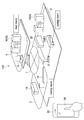
- FIG. 1 is a schematic diagram illustrating a configuration example of a content reproduction system that is an embodiment of an information processing system according to the present technology.
- the content playback system 100 includes a home network 1 constructed in a home, a plurality of playback devices 10 connected thereto, a server device 20 that provides content, and a mobile terminal 30.
- the portable terminal 30 functions as an embodiment of the information processing apparatus according to the present technology.
- the plurality of playback devices 10, the server device 20, and the mobile terminal 30 are connected to the home network 1 via the access point 5 by wireless LAN communication such as WiFi.
- wireless LAN communication such as WiFi.
- the home network for example, a network conforming to DLNA (registered trademark) (Digital Living Network Alliance) standard is used.
- the plurality of playback devices 10 function as DMR (Digital Media Renderer), and the server device 20 functions as DMS (Digital Media Server).
- the mobile terminal 30 functions as a DMC (Digital Media Controller). Note that the present technology is also applicable when a network using another protocol is constructed.
- a plurality of playback devices 10 are arranged in each room of a living room 2, a hobby room 3, and a bedroom 4.
- the user can instruct the playback device 10 arranged in each room to play back the content in the server device 20 by operating the mobile terminal 30.
- a device that can operate as a DMP (Digital Media Player) may be arranged.
- the content in the server device 20 can be played back by operating a UI (User Interface) of the playback device 10.
- UI User Interface
- the playback device 10 It is also possible to cause the playback device 10 to play back content using near field communication such as a global network or Bluetooth (registered trademark). This point will be described later. Note that the number of playback devices 10 and server devices 20 is not limited.
- music content is played by a plurality of playback devices 10.
- the present technology is not limited to the reproduction of music content, and can be applied to the reproduction of various contents such as video.
- the playback device 10 for example, a television device, a PC (Personal computer), an audio video receiver, a video monitor, or a home game machine is used. In-vehicle audio and the like mounted on a car can also be used as a playback device according to the present technology.
- a television device for example, a PC (Personal computer), an audio video receiver, a video monitor, or a home game machine is used.
- In-vehicle audio and the like mounted on a car can also be used as a playback device according to the present technology.
- a PC or a network compatible HDD is used.
- NAS network compatible HDD
- a smartphone is typically used, but is not limited to this, and various PDAs (Personal Digital Assistant) such as a tablet terminal may be used.
- PDAs Personal Digital Assistant
- various computers can be used as the information processing apparatus according to the present technology.
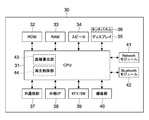
- FIG. 2 is a block diagram illustrating a configuration example of the mobile terminal 30.
- the portable terminal 30 includes a CPU (Central Processing Unit) 31, a ROM (Read Only Memory) 32, a RAM (Random Access Memory) 33, a speaker 34, a display 35, and a touch panel 36.
- the mobile terminal 30 includes an infrared (IR) communication unit 37, an external I / F (interface) 38, a key / switch 39, and an imaging unit 40.
- the mobile terminal 30 includes a network module 41 and a Bluetooth module 42.
- the CPU 31 performs various calculations by exchanging signals with each block of the mobile terminal 30 and is executed by the mobile terminal 30 such as a content playback instruction to the playback device 10 and an image display on the display 35 (touch panel 36). Centralized control of various processes.
- the ROM 32 stores various data processed by the CPU 31 such as various image data and metadata, and various programs such as applications.
- the RAM 33 is used as a work area for the CPU 31. When a program such as an application is executed, various data necessary for the execution are read into the RAM 33.
- a non-volatile memory such as an HDD (Hard Disk Drive), a flash memory, or other solid-state memory may be provided. These various data and programs may be stored in these storage devices.
- HDD Hard Disk Drive
- flash memory or other solid-state memory
- Speaker 34 outputs sound (music) based on music content data. That is, in this embodiment, music content can be played by the mobile terminal 30.
- the display 35 is a display device using, for example, liquid crystal or EL (Electro-Luminescence), and displays video content and the like. As shown in FIG. 2, the display 35 is configured integrally with the touch panel 36.
- the IR communication unit 37 is a module for executing IR communication with an external device.
- the external I / F 38 is an interface for connecting to an external device based on a standard such as USB or HDMI (registered trademark) (High-Definition Multimedia Interface).
- the key / switch unit 39 receives, for example, a user's operation that cannot be input on the touch panel 36, such as a power switch and a shortcut key.
- the imaging unit 40 is, for example, a complementary metal oxide semiconductor (CMOS) or a charge coupled device (CCD). A sensor or the like is included to generate a digital image of the subject.
- CMOS complementary metal oxide semiconductor
- CCD charge coupled device
- the network module 41 is an interface for connecting to the home network 1, and for example, a wireless LAN module such as WiFi is used. By operating the network module 41, wireless communication with the playback device 10 and the server device 20 becomes possible.
- the Bluetooth module 42 is a module for executing short-range wireless communication (hereinafter referred to as Bluetooth communication) according to the Bluetooth standard with each of the plurality of playback devices 10.
- the operation of the playback apparatus 10 can be controlled via the short-range wireless communication.
- the Bluetooth module 42 can receive a beacon signal using BLE (Bluetooth Low Energy). Note that short-range wireless communication and beacon signals according to other standards may be used.
- Information processing by the mobile terminal 30 having the hardware configuration as described above is realized by cooperation between software stored in the ROM 32 or the like and hardware resources of the mobile terminal 30.
- the CPU 31 loads a program (application) according to the present technology stored in the ROM 32 or the like to the RAM 33 and executes the program, an information processing method according to the present technology is realized.
- the CPU 31 functions as a distance calculation unit 43 and a reproduction control unit 44.
- Dedicated hardware may be used as appropriate to implement these blocks.
- a program such as an application is installed in the mobile terminal 30 from a global network, for example. Or a program may be installed in the portable terminal 30 via a recording medium.
- FIG. 3 is a diagram schematically illustrating a connection form of the plurality of playback devices 10, the server device 20, and the mobile terminal 30.
- Each of the plurality of playback devices 10 is provided with a network module 11 and a 12 Bluetooth module 12, respectively.
- the plurality of playback devices 10, the server device 20, and the mobile terminal 30 can be connected to each other via the access point 5 by wireless LAN communication (dashed arrow L).
- the portable terminal 30 transmits an instruction to acquire and play content from the server device 20 to each playback device 10 using, for example, a UPnP (Universal Plug and Play) control message.
- UPnP Universal Plug and Play
- the mobile terminal 30 can control the playback operation of the content by the playback device 10 by transmitting a control message or the like.
- various controls such as power control of the playback apparatus 10 (for example, switching between a standby state and an active state), control of content playback volume, switching of content to be played back, fade-in / fade-out of content, and the like are possible.
- the mobile terminal 30 can be directly connected to each playback device 10 by Bluetooth communication (solid arrow N).
- the content can be transferred or streamed from the portable terminal 30 to the playback device 10 via Bluetooth communication, and the playback device 10 can play back the content. Further, it is possible to control the reproduction operation by the reproduction apparatus 10 through Bluetooth communication.
- the plurality of playback devices 10, the server device 20, and the mobile terminal 30 are connected to a global network such as the Internet.
- a global network such as the Internet.
- the home network 1 and the global network are connected via a predetermined gateway.
- the user can cause each playback device 10 to play back content in the content providing service built on the global network (on the cloud).
- the mobile terminal 30 transmits a URL (Uniform Resource Locator) indicating the address of the content to the playback device 10, and acquires and plays back the content on the cloud based on the URL.
- the content acquisition instruction may be executed by wireless LAN communication or Bluetooth communication.
- the mobile terminal 30 can instruct the reproduction of local content in each reproduction device 10 via wireless LAN communication or Bluetooth communication.
- the local content in the playback device 10 is content read via, for example, a CD or USB, or content captured from a radio or the like.
- the playback apparatus 10 there are various methods for causing the playback apparatus 10 to play back content.
- the content in the mobile terminal 30 is transferred / distributed to each playback device 10 via the home network 1, and the content is acquired from the server device 20 via Bluetooth communication and played back. It is also possible to send an instruction.
- synchronized playback of content is possible in which a plurality of playback devices 10 are synchronized to play back the same content. Synchronized playback of content is realized by synchronizing the playback operations of the playback devices 10 with each other.
- the same content is played back at the same playback position in each of the plurality of playback devices 10.
- playback volume control, content switching, and the like can be performed in synchronization with each other.
- playback volume control, fade-in / fade-out control, and the like can be individually executed for each playback device (also in this case, content synchronization) Included in the playback).
- Synchronized playback of content can be realized by, for example, transmitting a synchronous playback instruction to each of a plurality of playback devices 10 to be synchronized. Alternatively, it is also possible to synchronize and distribute the playback content of the playback device 10 from one playback device 10 of the plurality of playback devices 10 to another playback device 10.
- Synchronous playback of content may be performed by synchronously delivering the same content from the mobile terminal 30 to a plurality of playback devices 10.
- any technique for realizing synchronized playback may be used. Note that any of the content in the server device 20, the content on the cloud, and the local content in the playback device 10 can be played back synchronously.
- Content takeover reproduction will be described.
- the content takeover reproduction is to take over and reproduce the content being reproduced by another reproduction apparatus 10.
- the takeover reproduction of the content is automatically executed by the reproduction apparatus 10 that is close to the user.
- the playback device 10 that is the handover source that is playing back the content that is the target of the handover playback (hereinafter referred to as the handover target content) is referred to as the playback device A ( (See FIG. 5).
- the playback device 10 that is the takeover destination that takes over and plays back the content to be taken over is referred to as playback device B (also see FIG. 5).
- the takeover source playback device A corresponds to “another playback device” in the present embodiment.
- each playback device 10 can transmit a beacon signal 50 using BLE by the Bluetooth module 12.
- a unique identification signal (hereinafter referred to as a beacon ID) for identifying the beacon signal is added to the beacon signal 50.
- a beacon ID for identifying the beacon signal is added to the beacon signal 50.
- a Bluetooth address or the like is used as the beacon ID.
- FIG. 4 is a sequence diagram showing an example of linking for specifying the playback device 10 that has transmitted the beacon signal 50.
- the communication path of the beacon signal 50 and the communication path of Bluetooth communication or wireless LAN communication are illustrated separately.
- the playback device 10 broadcasts a beacon signal (ID: ABCD) at regular intervals on the beacon communication path (step 101).
- ID ID: ABCD
- the portable terminal 30 detects and connects the playback device 10 by Bluetooth communication or wireless LAN communication (step 102). Further, the portable terminal 30 requests the Capability of the connected playback device 10 via Bluetooth communication or wireless LAN communication (step 103).
- the Capability of the playback device 10 includes information related to the function of the playback device 10 such as the type of content that can be played back.
- the Capability includes the beacon ID (ID: ABCD) of the beacon signal 50 transmitted by the playback device 10. Therefore, the portable terminal 30 can acquire a beacon ID (ID: ABCD) by acquiring Capability from the playback device 10 (step 104).
- the portable terminal 30 stores the playback device 10 connected via Bluetooth communication or wireless LAN communication and the acquired beacon ID (ID: ABCD) in association with each other (step 105).
- a scan of the beacon signal 50 is executed by the portable terminal 30, and the radio wave intensity and beacon ID (ID: ABCD) of the received beacon signal 50 are acquired.
- the 2 calculates the distance from the portable terminal 30 to the playback device 10 associated with the beacon ID based on the radio field intensity. By calculating the distance each time the beacon signal 50 is received, the distance to the playback device 10 can be monitored (step 106). By executing the above-described association (association) with respect to each of the plurality of playback devices 10, the distance to each playback device 10 can be monitored appropriately with high accuracy.
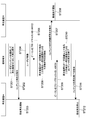
- FIG. 5 is a sequence diagram showing an example of content transfer from the playback device A that is the transfer source to the playback device B that is the transfer destination. For example, it is assumed that the user moves from the living room 2 shown in FIG. Then, it is assumed that the content is handed over from the playback device A in the living room 2 to the playback device B in the bedroom 4.
- the user selects content using the mobile terminal 30 and inputs a playback operation to the playback device A (step 201).
- the portable terminal 30 instructs the reproduction apparatus 10 to reproduce the content (step 202).
- the reproduction of content by the reproduction apparatus A starts (step 203).
- the content is the content to be inherited.
- a beacon signal 50 is transmitted from the playback device B in the bedroom 4 at regular intervals, and is received by the portable terminal 30 (step 205).
- the distance calculation unit 43 calculates the distance to the playback device B.
- the playback control unit 44 controls the content take-back playback operation by the playback device B based on the calculated distance.
- Step 206 it is determined whether or not the distance to the playback apparatus B is within a certain distance (first threshold or less). If the determination result is Yes, the playback apparatus B starts takeover playback. (Step 206). Therefore, the portable terminal 30 instructs the playback device 10 to take over and play back the target content (step 207). Upon receiving the instruction, the playback device B starts takeover playback (step 208).
- synchronized playback of content is instructed when content is taken over. That is, the takeover reproduction operation by the reproduction apparatus B is synchronized with the reproduction operation by the reproduction apparatus A. Thereby, the same content can be reproduced at the same reproduction position in both the living room 4 and the bedroom 2. As a result, it is possible to obtain a very interesting high-quality viewing experience in which the reproduction of content follows the movement of the user, and the music reproduction comes along with the user as viewed from the user.
- power control of the reproduction apparatus 10 may be executed. For example, when the playback device B in the bedroom 4 is in a standby state, the playback device B is switched to an active state when the user moves within a predetermined distance (which may be different from the first threshold). As a result, it is possible to save the trouble of operating the power source, and high operability can be exhibited.
- the playback volume of the takeover target content may be controlled.
- the playback volume is controlled to increase as the distance to the playback apparatus B decreases.
- the content to be taken over is faded in as it approaches the playback device B in the bedroom 4.
- the fade-in may be executed at the start of the handover reproduction regardless of the change in the distance.
- the beacon transmission transmitted from the playback device A that is the takeover source arranged in the living room 2 is received by the portable terminal 30 (step 209).
- a distance to the playback device A is calculated by the distance calculation unit 43.
- the playback operation by the playback device A is controlled by the playback control unit 44 based on the calculated distance.
- Step 210 it is determined whether or not the distance to the playback device A is a certain distance or more (second threshold value or more). If the determination result is Yes, playback by the playback device A is terminated ( Step 210). For this purpose, the portable terminal 30 instructs the playback device A to end playback (step 211). Receiving the instruction, the playback device 10 ends the playback of the content (step 212).
- power control of the reproduction apparatus A and reproduction volume control may be executed. For example, as the user leaves the living room 2 and moves away from the playback apparatus A, the playback volume is faded out. When the reproduction of the content is finished, the reproducing apparatus A is automatically switched to the standby state. As a result, it is possible to transfer contents smoothly. Further, since the operation to the playback apparatus A as a takeover source is not necessary, very high operability can be exhibited. Note that the fade-out may be executed regardless of the variation in distance.
- the number of times content transfer is executed is not limited, and for example, three or more playback devices B may continuously execute transfer playback.
- the content that is synchronously reproduced by the plurality of reproduction apparatuses A may be simultaneously taken over by the plurality of reproduction apparatuses B that are moved to the user.
- the number of takeover source playback devices A and takeover destination playback devices B is not limited.
- the first threshold value that is a reference for starting takeover reproduction, the second threshold value that is a reference for ending reproduction at the takeover source, the distance that is a reference for other control such as power control, and the like are not limited and are set as appropriate. It's okay.
- a relative value may be set as each threshold or a reference distance. That is, depending on the relative relationship (ratio) between the distance to the playback apparatus A that is the takeover source (hereinafter referred to as distance A) and the distance to the playback apparatus B that is the takeover destination (hereinafter referred to as distance B).
- Each threshold value may be set each time.
- ⁇ Absolute values may be set as the thresholds and reference distances. For example, takeover reproduction is started by all the reproduction apparatuses 10 within 10 m. Alternatively, takeover reproduction is started by the reproduction device 10 having the shortest distance among the reproduction devices 10 within 10 m. For example, such control is possible.
- the first and second thresholds and other reference distances are appropriately determined based on the size of the house or facility where the content reproduction system 100 is constructed, the distance between the reproduction apparatuses 10, the viewing experience desired by the user, and the like. It only has to be set. The setting can be performed by operating the mobile terminal 30.
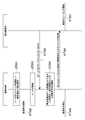
- FIG. 6 is a sequence diagram showing an example of content transfer from the portable terminal 30 to the playback device B that is a transfer destination.
- the content being played back by the mobile terminal 30 can be taken over and played back.
- the user inputs a content playback operation to the mobile terminal 30 (step 301), and the mobile terminal 30 starts playback of the content (step 302).
- the user moves from outside the house to the living room 2 (step 303).
- a beacon signal transmitted from the playback device B ′ in the living room 2 is received by the mobile terminal 30 (step 304).
- the distance calculation unit 43 calculates the distance to the playback apparatus B ′. Then, the playback control unit 44 determines whether or not the distance to the playback device B ′ is within a certain distance (below the first threshold). If the result of the determination is Yes, takeover playback by the playback device B ′ is started (step 305).
- the takeover target content is distributed from the portable terminal 30 to the playback device B ′ via Bluetooth communication or wireless LAN communication (step 306).
- streaming by the playback device B ′ is started and takeover playback is executed (step 307).
- the distance from the mobile terminal 30 to each reproduction device 10 is calculated based on the beacon signal transmitted from each reproduction device 10. Based on the calculated distance, various controls related to content takeover reproduction are executed. As a result, a high quality viewing experience can be provided to the user.
- the distance to each playback device is calculated by a beacon signal using BLE, a dedicated device for position / proximity detection such as a proximity sensor and a lens is unnecessary. Further, high-load processing for specifying a user, not an object, is also unnecessary. As a result, the device cost can be sufficiently suppressed.
- the beacon signal using BLE the distance can be calculated in a range from about 10 meters to about several centimeters.
- FIG. 7 is a diagram for explaining the control for transferring the content being played back by the playback device A to the mobile terminal 30.
- content that can be played back by the mobile terminal 30 is played back by a predetermined playback device 10.
- the distance to the playback device 10 is a certain distance or more (a third threshold value or more)
- the playback by the playback device 10 is terminated and the content is played by the mobile terminal 30.
- a content reproduction system is constructed including in-vehicle audio (not shown) arranged in the car 60.
- the same content is automatically played from the headphones connected to the portable terminal 30. Can be made. Then, when the engine is started in the car 60, the distance is calculated based on the beacon signal from the in-vehicle audio in the car 60, and the content is handed over from the portable terminal 30 to the in-vehicle audio based on the distance. The user can remove the headphones and start driving while enjoying the same content.
- the content can be taken over in the order of the in-vehicle audio, the portable terminal 30, and the playback device 10. Therefore, the user can enjoy the content smoothly and continuously without performing any operation in accordance with the movement from the car 60 to the living room.
- the content can be transferred to the mobile terminal 30 when the playback device 10 is no longer present at a distance within the first threshold from the mobile terminal 30.
- the illumination of the playback device 10 may be controlled as control of the content takeover operation. For example, it is possible to perform illumination according to a change in the distance to the playback apparatus B that is the takeover destination, illumination when the takeover playback is started, illumination according to playback volume control, and the like. For example, lighting of a predetermined color or blinking of light can be considered. Illumination control may be executed in the playback apparatus A that is the takeover source.
- samplers for example, “Let's Go!”, “C'mon!”, “OK!”, Etc.) mounted on the playback device 10 are output. Also good. With such illumination control and sampler output, it is possible to provide a higher quality viewing experience.
- the mobile terminal 30 is carried by the user.
- the information processing apparatus according to an embodiment of the present technology is mounted on an apparatus that moves along a predetermined route, and by moving the apparatus appropriately, content takeover reproduction, illumination control, sampler output, and the like are performed. It may be broken. This makes it possible to realize interesting high quality attractions.
- operations other than the takeover playback may be controlled.
- the reproduction operation is controlled based on the distance to each reproduction device 10 arranged in the house.
- an appropriate viewing environment such as starting playback or increasing playback volume for the playback device 10 located close to the mobile terminal 30. Control automatically to become.
- the playback device 10 located far from the portable terminal 30 is automatically controlled to suppress unnecessary operations such as lowering the playback volume, stopping music playback, or turning off the power. In this way, different controls may be executed for each playback device according to the distance to the playback device.
- this technique can also take the following structures.
- An information processing method executed by a computer Based on a beacon signal transmitted from a playback device capable of playing back content, calculate the distance from the computer to the playback device, An information processing method for controlling an operation of takeover reproduction in which the content reproduced by another reproduction device is taken over by the reproduction device based on the calculated distance.
- the step of controlling the takeover reproduction operation includes starting the takeover reproduction by the reproduction device when a distance to the reproduction device is equal to or less than a first threshold.
- the information processing method according to (1) or (2), The control of the takeover playback operation includes at least one of power control of the playback device and control of playback volume of the takeover target content.
- the information processing method according to any one of (1) to (3), Based on the beacon signal transmitted from the other playback device, calculate the distance from the computer to the other playback device, The step of controlling the takeover playback operation controls the playback operation of the takeover target content by the other playback device based on the calculated distance to the other playback device.
- the information processing method according to (4), The step of controlling the takeover reproduction operation ends the reproduction by the other reproduction device when the distance to the other reproduction device is equal to or greater than a second threshold.
- the information processing method according to (4) or (5), The control of the playback operation of the takeover target content by the other playback device includes at least one of power control of the other playback device and control of the playback volume of the takeover content.
- the information processing method according to any one of (1) to (6), The step of controlling the takeover reproduction operation synchronizes the takeover reproduction operation by the reproduction device with the reproduction operation by the other reproduction device.
- the information processing method according to (7), The step of controlling the operation of the takeover reproduction is an information processing method in which the content to be taken over is faded out by the other reproduction device and the content to be taken over is faded in by the reproduction device.
- the information processing method according to any one of (1) to (8), The step of controlling the operation of the takeover reproduction is an information processing method in which the reproduction target content to be reproduced by the computer as the other reproduction device is taken over by the reproduction device.
- (10) The information processing method according to any one of (1) to (9), Causing the playback device to play back content that the computer can play; When the distance to the playback device is equal to or greater than a third threshold, the playback by the playback device is terminated and the content is played back by the computer.
- (11) The information processing method according to any one of (1) to (10), Detecting the playback device via wireless communication, obtaining an identification signal identifying the beacon signal transmitted by the playback device from the detected playback device; An information processing method for associating a beacon signal transmitted from the playback device with the detected playback device based on the acquired identification signal.
Landscapes
- Engineering & Computer Science (AREA)
- Multimedia (AREA)
- Signal Processing (AREA)
- Computer Networks & Wireless Communication (AREA)
- Databases & Information Systems (AREA)
- Automation & Control Theory (AREA)
- Social Psychology (AREA)
- General Health & Medical Sciences (AREA)
- Health & Medical Sciences (AREA)
- Theoretical Computer Science (AREA)
- General Engineering & Computer Science (AREA)
- Physics & Mathematics (AREA)
- General Physics & Mathematics (AREA)
- Human Computer Interaction (AREA)
- Two-Way Televisions, Distribution Of Moving Picture Or The Like (AREA)
- Information Transfer Between Computers (AREA)
- Mobile Radio Communication Systems (AREA)
- Telephone Function (AREA)
Abstract
【課題】高品質のコンテンツの視聴体験を実現可能とする情報処理方法、プログラム、情報処理装置、及び情報処理システムを提供する。【解決手段】本技術の一形態に係る情報処理方法は、コンピュータにより実行される情報処理方法であって、コンテンツを再生可能な再生装置から送信されるビーコン信号をもとに、前記コンピュータから前記再生装置までの距離を算出することを含む。前記算出した距離に基づいて、前記再生装置による、他の再生装置により再生されているコンテンツを引き継いで再生する引き継ぎ再生の動作が制御される。
Description
本技術は、コンテンツを再生可能な再生装置を制御するための情報処理方法、プログラム、情報処理装置、及び情報処理システムに関する。
従来、家庭内にホームネットワークを構築しそこに接続された複数の再生装置により、音楽や映像等のコンテンツを再生するシステムが知られている。例えば特許文献1には、各部屋に設置された複数の再生装置、コンテンツサーバ、及びポータブル機器を含むコンテンツ再生システムについて記載されている。
このシステムでは、各々の再生装置に、当該再生装置に対して一定のエリア内にユーザが居るか否かを検出可能な検出装置が設けられる。従って検出装置の検出結果をもとに、ユーザが存在する部屋の再生装置によりコンテンツを再生させることが可能となる。またユーザが部屋を移動する場合にも、その移動に合わせて、最適な再生装置によってコンテンツを連続して再生させることが可能となる(特許文献1の明細書段落[0027]-[0040]図4等)。
このように複数の再生装置によりコンテンツを視聴するユーザに、高品質の視聴体験を提供することが可能な技術が求められている。
以上のような事情に鑑み、本技術の目的は、高品質のコンテンツの視聴体験を実現可能とする情報処理方法、プログラム、情報処理装置、及び情報処理システムを提供することにある。
上記目的を達成するため、本技術の一形態に係る情報処理方法は、コンピュータにより実行される情報処理方法であって、コンテンツを再生可能な再生装置から送信されるビーコン信号をもとに、前記コンピュータから前記再生装置までの距離を算出することを含む。
前記算出した距離に基づいて、前記再生装置による、他の再生装置により再生されているコンテンツを引き継いで再生する引き継ぎ再生の動作が制御される。
前記算出した距離に基づいて、前記再生装置による、他の再生装置により再生されているコンテンツを引き継いで再生する引き継ぎ再生の動作が制御される。
この情報処理方法では、ビーコン信号をもとに、再生装置までの距離が算出される。そして算出された距離に基づいて、再生装置による引き継ぎ再生の動作が制御される。この結果、高品質のコンテンツの視聴体験を実現することが可能となる。
前記引き継ぎ再生の動作を制御するステップは、前記再生装置までの距離が第1の閾値以下となる場合に、前記再生装置による前記引き継ぎ再生を開始させてもよい。
これによりコンピュータを携帯するユーザの移動に合わせた、シームレスな視聴体験が実現可能となる。
これによりコンピュータを携帯するユーザの移動に合わせた、シームレスな視聴体験が実現可能となる。
前記引き継ぎ再生の動作の制御は、前記再生装置の電源制御、及び引き継ぎ対象コンテンツの再生音量の制御の少なくとも一方を含んでもよい。
再生装置までの距離に応じた電源制御や再生音量の制御により、高品質の視聴体験を実現することができる。
再生装置までの距離に応じた電源制御や再生音量の制御により、高品質の視聴体験を実現することができる。
前記情報処理方法は、さらに、前記他の再生装置から送信されるビーコン信号をもとに、前記コンピュータから前記他の再生装置までの距離を算出することを含んでもよい。この場合、前記引き継ぎ再生の動作を制御するステップは、前記算出した前記他の再生装置までの距離に基づいて、前記他の再生装置による引き継ぎ対象コンテンツの再生動作を制御してもよい。
これにより引き継ぎ元の再生装置(他の再生装置)までの距離にも基づいた、高品質なコンテンツの引き継ぎが可能となる。
これにより引き継ぎ元の再生装置(他の再生装置)までの距離にも基づいた、高品質なコンテンツの引き継ぎが可能となる。
前記引き継ぎ再生の動作を制御するステップは、前記他の再生装置までの距離が第2の閾値以上となる場合に、前記他の再生装置による再生を終了させてもよい。
これによりユーザの移動に合わせた高品質な視聴体験が実現可能となる。
これによりユーザの移動に合わせた高品質な視聴体験が実現可能となる。
前記他の再生装置による引き継ぎ対象コンテンツの再生動作の制御は、前記他の再生装置の電源制御、及び引き継ぎ対象コンテンツの再生音量の制御の少なくとも一方を含んでもよい。
これにより高品質なコンテンツの引き継ぎが可能となる。
これにより高品質なコンテンツの引き継ぎが可能となる。
前記引き継ぎ再生の動作を制御するステップは、前記再生装置による引き継ぎ再生の動作を、前記他の再生装置による再生動作に同期させてもよい。
これにより高品質なコンテンツの引き継ぎが可能となる。
これにより高品質なコンテンツの引き継ぎが可能となる。
前記引き継ぎ再生の動作を制御するステップは、前記他の再生装置により引き継ぎ対象コンテンツをフェードアウトさせ、前記再生装置により引き継ぎ対象コンテンツをフェードインさせてもよい。
これにより高品質なコンテンツの引き継ぎが可能となる。
これにより高品質なコンテンツの引き継ぎが可能となる。
前記引き継ぎ再生の動作を制御するステップは、前記コンピュータが前記他の再生装置として再生する引き継ぎ対象コンテンツを、前記再生装置に引き継がせて再生させてもよい。
本技術に係る情報処理方法を実行するコンピュータが再生するコンテンツを、再生装置に引き継がせることで、高品質な視聴体験を実現することができる。
本技術に係る情報処理方法を実行するコンピュータが再生するコンテンツを、再生装置に引き継がせることで、高品質な視聴体験を実現することができる。
前記情報処理方法は、さらに、前記コンピュータが再生可能なコンテンツを前記再生装置に再生させること、及び前記再生装置までの距離が第3の閾値以上となる場合に、前記再生装置による再生を終了させ、前記コンピュータにより前記コンテンツを再生することを含んでもよい。
これにより再生装置から本情報処理方法を実行するコンピュータへのコンテンツの引き継が可能となり、高品質な視聴体験が実現する。
これにより再生装置から本情報処理方法を実行するコンピュータへのコンテンツの引き継が可能となり、高品質な視聴体験が実現する。
前記情報処理方法は、さらに、無線通信を介して前記再生装置を検出し、前記検出した再生装置から当該再生装置が送信する前記ビーコン信号を識別する識別信号を取得すること、及び前記取得した識別信号をもとに、前記再生装置から送信されるビーコン信号と前記検出した再生装置とを関連付けることを含んでもよい。
これにより複数の再生装置が配置される場合等において、各再生装置までの距離を適切に算出することができる。
これにより複数の再生装置が配置される場合等において、各再生装置までの距離を適切に算出することができる。
本技術の一形態に係るプログラムは、コンピュータに以下のステップを実行させる。
コンテンツを再生可能な再生装置から送信されるビーコン信号をもとに、前記コンピュータから前記再生装置までの距離を算出するステップ。
前記算出した距離に基づいて、前記再生装置による、他の再生装置により再生されているコンテンツを引き継いで再生する引き継ぎ再生の動作を制御するステップ。
コンテンツを再生可能な再生装置から送信されるビーコン信号をもとに、前記コンピュータから前記再生装置までの距離を算出するステップ。
前記算出した距離に基づいて、前記再生装置による、他の再生装置により再生されているコンテンツを引き継いで再生する引き継ぎ再生の動作を制御するステップ。
本技術の一形態に係る情報処理装置は、算出部と、再生制御部とを具備する。
前記算出部は、コンテンツを再生可能な再生装置から送信されるビーコン信号をもとに、前記再生装置までの距離を算出する。
前記再生制御部は、前記算出した距離に基づいて、前記再生装置による、他の再生装置により再生されているコンテンツを引き継いで再生する引き継ぎ再生の動作を制御する。
前記算出部は、コンテンツを再生可能な再生装置から送信されるビーコン信号をもとに、前記再生装置までの距離を算出する。
前記再生制御部は、前記算出した距離に基づいて、前記再生装置による、他の再生装置により再生されているコンテンツを引き継いで再生する引き継ぎ再生の動作を制御する。
本技術の一形態に係る情報処理システムは、コンテンツを再生可能でありビーコン信号を送信可能な1以上の再生装置と、前記情報処理装置とを具備する。
前記情報処理装置は、前記コンテンツを再生可能であってもよい。この場合、前記情報処理装置の再生制御部は、前記情報処理装置が再生している前記コンテンツを、前記1以上の再生装置の各々に引き継がせて再生させてもよい。
以上のように、本技術によれば、高品質のコンテンツの視聴体験を実現することが可能となる。なお、ここに記載された効果は必ずしも限定されるものではなく、本開示中に記載されたいずれかの効果であってもよい。
以下、本技術に係る実施形態を、図面を参照しながら説明する。
[コンテンツ再生システム]
図1は、本技術に係る情報処理システムの一実施形態であるコンテンツ再生システムの構成例を示す概略図である。コンテンツ再生システム100は、家庭内に構築されたホームネットワーク1と、これに接続された複数の再生装置10、コンテンツを提供するサーバ装置20、及び携帯端末30とを有する。携帯端末30は、本技術に係る情報処理装置の一実施形態として機能する。
図1は、本技術に係る情報処理システムの一実施形態であるコンテンツ再生システムの構成例を示す概略図である。コンテンツ再生システム100は、家庭内に構築されたホームネットワーク1と、これに接続された複数の再生装置10、コンテンツを提供するサーバ装置20、及び携帯端末30とを有する。携帯端末30は、本技術に係る情報処理装置の一実施形態として機能する。
複数の再生装置10、サーバ装置20、及び携帯端末30は、アクセスポイント5を介して、WiFi等の無線LAN通信によりホームネットワーク1に接続される。ホームネットワーク1としては、例えばDLNA(登録商標)(Digital Living Network Alliance)規格に準拠したネットワークが用いられる。
この場合、複数の再生装置10はDMR(Digital Media Renderer)として機能し、サーバ装置20はDMS(Digital Media Server)として機能する。また携帯端末30は、DMC(Digital Media Controller)として機能する。なお他のプロトコルを利用したネットワークが構築される場合にも、本技術は適用可能である。
図1に示すように、複数の再生装置10は、リビングルーム2、ホビールーム3、及びベッドルーム4の各部屋に配置される。ユーザは、携帯端末30を操作することで、各部屋に配置された再生装置10に、サーバ装置20内のコンテンツの再生を指示することができる。
再生装置10として、DMP(Digital Media Player)として動作可能なものが配置されてもよい。この場合、当該再生装置10が有するUI(User Interface)を操作することで、サーバ装置20内のコンテンツを再生することができる。
グローバルネットワークやBluetooth(登録商標)等の近距離無線通信を利用して、再生装置10にコンテンツを再生させることも可能である。この点については、後にまとめて説明する。なお再生装置10やサーバ装置20等の数は限定されない。
本実施形態では、複数の再生装置10により音楽コンテンツが再生される。しかしながら、本技術は、音楽コンテンツの再生に限定されず、映像等の種々のコンテンツの再生に適用可能である。
再生装置10としては、例えばテレビジョン装置、PC(Personal computer)、オーディオビデオレシーバ、ビデオモニタ、又は家庭用ゲーム機器等が用いられる。車に搭載される車載オーディオ等も本技術に係る再生装置として使用可能である。
サーバ装置20としては、例えばPC又はネットワーク対応のHDD(NAS)等が用いられる。携帯端末30としては、典型的にはスマートフォンが用いられるが、これに限定されずタブレット端末等の種々のPDA(Personal Digital Assistant)が用いられてもよい。その他、種々のコンピュータが、本技術に係る情報処理装置として使用可能である。
[携帯端末の構成]
図2は、携帯端末30の構成例を示すブロック図である。携帯端末30は、CPU(Central Processing Unit)31、ROM(Read Only Memory)32、RAM(Random Access Memory)33、スピーカ34、ディスプレイ35、及びタッチパネル36を有する。また携帯端末30は、赤外線(IR)通信部37、外部I/F(インタフェース)38、キー/スイッチ39、及び撮像部40を有する。さらに携帯端末30は、ネットワークモジュール41、及びBluetoothモジュール42を有する。
図2は、携帯端末30の構成例を示すブロック図である。携帯端末30は、CPU(Central Processing Unit)31、ROM(Read Only Memory)32、RAM(Random Access Memory)33、スピーカ34、ディスプレイ35、及びタッチパネル36を有する。また携帯端末30は、赤外線(IR)通信部37、外部I/F(インタフェース)38、キー/スイッチ39、及び撮像部40を有する。さらに携帯端末30は、ネットワークモジュール41、及びBluetoothモジュール42を有する。
CPU31は、携帯端末30の各ブロックと信号をやり取りして各種演算を行い、再生装置10へのコンテンツの再生指示や、ディスプレイ35(タッチパネル36)への画像の表示等、携帯端末30で実行される種々の処理を統括的に制御する。
ROM32は、種々の画像データやメタデータ等のCPU31が処理する各種のデータや、アプリケーション等の各種のプログラムを記憶する。RAM33は、CPU31の作業領域として用いられる。アプリケーション等のプログラムが実行される際には、その実行に必要な各種データがRAM33へ読み出される。
ROM32に代えて又は追加して、HDD(Hard Disk Drive)や、フラッシュメモリ、その他の固体メモリ等の不揮発性メモリが設けられてもよい。そしてこれらの記憶デバイスに、上記した各種のデータやプログラムが記憶されてもよい。
スピーカ34は、音楽コンテンツのデータに基づいて音声(音楽)を出力する。すなわち本実施形態では、携帯端末30により音楽コンテンツを再生させることが可能である。ディスプレイ35は、例えば液晶やEL(Electro-Luminescence)等を用いた表示デバイスであり、映像コンテンツ等を表示する。図2に示すように、ディスプレイ35はタッチパネル36と一体的に構成される。
IR通信部37は、外部機器とIR通信を実行するためのモジュールである。外部I/F38は、例えばUSBやHDMI(登録商標)(High-Definition Multimedia Interface)等の規格に基づいて、外部機器と接続するためのインタフェースである。
キー/スイッチ部39は、例えば電源スイッチ、ショートカットキー等、特にタッチパネル36では入力できないユーザの操作等を受け付ける。撮像部40は、例えばCMOS(Complementary Metal Oxide Semiconductor)やCCD(Charge Coupled Devices)
センサ等を有し被写体のデジタル画像を生成する。
センサ等を有し被写体のデジタル画像を生成する。
ネットワークモジュール41は、ホームネットワーク1に接続するためのインタフェースであり、例えばWiFi等の無線LANモジュールが用いられる。ネットワークモジュール41が動作することで、再生装置10やサーバ装置20との間で無線通信が可能となる。
Bluetoothモジュール42は、複数の再生装置10の各々との間で、Bluetooth規格による近距離無線通信(以下、Bluetooth通信と記載する)を実行するためのモジュールである。当該近距離無線通信を介して、再生装置10の動作を制御することが可能である。また本実施形態では、Bluetoothモジュール42により、BLE(Bluetooth Low Energy)を利用したビーコン信号を受信することが可能である。なお他の規格による近距離無線通信やビーコン信号が用いられてもよい。
上記のようなハードウェア構成を有する携帯端末30による情報処理は、ROM32等に記憶されたソフトウェアと、携帯端末30のハードウェア資源との協働により実現される。例えばCPU31がROM32等に記憶された本技術に係るプログラム(アプリケーション)をRAM33にロードして実行することにより、本技術に係る情報処理方法が実現される。
その際には図2に示すように、CPU31は、距離算出部43、及び再生制御部44として機能する。これらのブロックを実現するために専用のハードウェアが適宜用いられてもよい。
アプリケーション等のプログラムは、例えばグローバルネットワークから携帯端末30にインストールされる。あるいは、記録媒体を介してプログラムが携帯端末30にインストールされてもよい。
[コンテンツの再生]
図3は、複数の再生装置10、サーバ装置20、及び携帯端末30の接続形態を模式的に示す図である。なお複数の再生装置10の各々には、ネットワークモジュール11及び12Bluetoothモジュール12がそれぞれ設けられている。
図3は、複数の再生装置10、サーバ装置20、及び携帯端末30の接続形態を模式的に示す図である。なお複数の再生装置10の各々には、ネットワークモジュール11及び12Bluetoothモジュール12がそれぞれ設けられている。
上記でも説明したが、複数の再生装置10、サーバ装置20、及び携帯端末30は、無線LAN通信により、アクセスポイント5を介して互いに接続可能である(破線の矢印L)。携帯端末30は、例えばUPnP(Universal Plug and Play)の制御メッセージ等を用いて、各再生装置10に、サーバ装置20からコンテンツを取得して再生する指示を送信する。
また携帯端末30は、制御メッセージ等を送信することで、再生装置10によるコンテンツの再生動作を制御することができる。例えば再生装置10の電源制御(例えばスタンバイ状態とアクティブ状態との切り替え)、コンテンツの再生音量の制御、再生対象となるコンテンツの切り替え、コンテンツのフェードイン/フェードアウト等の種々の制御が可能である。
また携帯端末30は、Bluetooth通信により、各再生装置10と直接的に接続可能である(実線の矢印N)。Bluetooth通信を介して携帯端末30から再生装置10にコンテンツを転送又はストリーミング配信して、当該コンテンツを再生装置10に再生させることが可能である。またBluetooth通信により、再生装置10による再生動作を制御することが可能である。
図3では図示を省略しているが、複数の再生装置10、サーバ装置20、及び携帯端末30は、インターネット等のグローバルネットワークに接続されている。例えば所定のゲートウェイを介して、ホームネットワーク1とグローバルネットワークとが接続される。ユーザは携帯端末30を操作することで、グローバルネットワーク上(クラウド上)に構築されたコンテンツ提供サービス内のコンテンツを、各再生装置10に再生させることができる。
例えば携帯端末30は、コンテンツのアドレスを示すURL(Uniform Resource Locator)等を再生装置10に送信し、当該URLに基づいて、クラウド上のコンテンツを取得させて再生させる。当該コンテンツ取得の指示は、無線LAN通信により実行されてもよいし、Bluetooth通信により実行されてもよい。
また携帯端末30は、無線LAN通信又はBluetooth通信を介して、各再生装置10内のローカルコンテンツの再生を指示可能である。再生装置10内のローカルコンテンツとは、例えばCDやUSBを介して読み込んだコンテンツや、ラジオ等から取り込んだコンテンツである。
このように再生装置10にコンテンツを再生させる方法として、種々の方法がある。上記で述べたもの以外に、ホームネットワーク1を介して、携帯端末30内のコンテンツを各再生装置10に転送・配信することや、Bluetooth通信を介してサーバ装置20からコンテンツを取得して再生する指示を送信することも有り得る。
また本実施形態では、複数の再生装置10を同期させて同一のコンテンツを再生させる、コンテンツの同期再生が可能である。コンテンツの同期再生は、各再生装置10による再生動作を互いに同期させることで実現する。
コンテンツの同期再生により、複数の再生装置10の各々にて同一のコンテンツが同一の再生位置で再生される。その他、再生音量の制御やコンテンツの切り替え等も、互いに同期して実行可能である。一方で、再生位置は互いに同期させながらも、再生音量の制御やフェードイン/フェードアウト等の制御等は、各再生装置に対して個別に実行することも可能である(この場合も、コンテンツの同期再生に含まれる)。
コンテンツの同期再生は、例えば同期再生の対象となる複数の再生装置10の各々に、同期再生の指示を送信することで実現可能である。あるいは複数の再生装置10のうちの1つの再生装置10から、当該再生装置10の再生コンテンツを他の再生装置10に同期配信させることでも可能である。
携帯端末30から複数の再生装置10に、同一のコンテンツが同期配信されることで、コンテンツの同期再生が実行されてもよい。その他、同期再生を実現するための任意の技術が用いられてよい。なおサーバ装置20内のコンテンツ、クラウド上のコンテンツ、及び再生装置10内のローカルコンテンツのいずれのコンテンツも、同期再生が可能である。
[コンテンツの引き継ぎ再生]
コンテンツの引き継ぎ再生について説明する。コンテンツの引き継ぎ再生とは、他の再生装置10により再生されているコンテンツを引き継いで再生することである。本実施形態では、ユーザが携帯端末30を携帯して移動することで、ユーザからの距離が近い再生装置10により自動的にコンテンツの引き継ぎ再生が実行される。
コンテンツの引き継ぎ再生について説明する。コンテンツの引き継ぎ再生とは、他の再生装置10により再生されているコンテンツを引き継いで再生することである。本実施形態では、ユーザが携帯端末30を携帯して移動することで、ユーザからの距離が近い再生装置10により自動的にコンテンツの引き継ぎ再生が実行される。
以下の説明では、複数の再生装置10のうち、引き継ぎ再生の対象となるコンテンツ(以下、引き継ぎ対象コンテンツと記載する)を再生していた引き継ぎ元の再生装置10を、再生装置Aと記載する(図5参照)。また引き継ぎ対象コンテンツを引き継いで再生する引き継ぎ先の再生装置10を再生装置Bと記載する(同じく図5参照)。引き継ぎ元の再生装置Aは、本実施形態において「他の再生装置」に相当する。
図3に示すように、各再生装置10は、Bluetoothモジュール12により、BLEを利用したビーコン信号50を送信することが可能である。ビーコン信号50には、当該ビーコン信号を識別するためのユニークな識別信号(以下、ビーコンIDと記載する)が付加される。例えばビーコンIDとして、Bluetoothアドレス等が用いられる。
図4は、ビーコン信号50を送信した再生装置10を特定するための紐付けの一例を示すシーケンス図である。図4では、ビーコン信号50の通信経路と、Bluetooth通信又は無線LAN通信の通信経路とが分かれて図示されている。
再生装置10は、ビーコン通信経路上に一定の間隔でビーコン信号(ID:ABCD)をブロードキャストで送信する(ステップ101)。一方、携帯端末30は、本技術に係るアプリケーションが起動すると、Bluetooth通信又は無線LAN通信により再生装置10を検出して接続する(ステップ102)。また携帯端末30は、Bluetooth通信又は無線LAN通信を介して、接続された再生装置10のCapabilityを要求する(ステップ103)。
再生装置10のCapabilityは、再生可能なコンテンツの種類等の、再生装置10の機能に関する情報を含む。本実施形態では、このCapability内に、当該再生装置10が送信するビーコン信号50のビーコンID(ID:ABCD)が含まれる。従って携帯端末30は、再生装置10からCapabilityを取得することでビーコンID(ID:ABCD)を取得することができる(ステップ104)。
携帯端末30により、Bluetooth通信又は無線LAN通信を介して接続された再生装置10と取得したビーコンID(ID:ABCD)とが紐付けられて記憶される(ステップ105)。携帯端末30によりビーコン信号50のスキャンが実行され、受信したビーコン信号50の電波強度、及びビーコンID(ID:ABCD)が取得される。
図2に示す距離算出部43により、電波強度をもとに携帯端末30からビーコンIDに紐付けられた再生装置10までの距離が算出される。ビーコン信号50を受信するたびに距離の算出を実行することで、再生装置10までの距離を監視することが可能である(ステップ106)。複数の再生装置10の各々に対して、上記の紐付け(関連付け)を実行することで、各再生装置10までの距離を適切に高い精度で監視することができる。
図5は、引き継ぎ元の再生装置Aから引き継ぎ先の再生装置Bへのコンテンツの引き継ぎの一例を示すシーケンス図である。例えば携帯端末30を持ってユーザが、図1に示すリビングルーム2からベッドルーム4に移動するとする。そしてリビングルーム2内の再生装置Aから、ベッドルーム4内の再生装置Bにコンテンツが引き継がれるとする。
まずユーザが携帯端末30を用いてコンテンツを選択し、再生装置Aに対して再生操作を入力する(ステップ201)。携帯端末30から再生装置10に、コンテンツの再生が指示される(ステップ202)。これにより再生装置Aによるコンテンツの再生が開始する(ステップ203)。なお当該コンテンツが引き継ぎ対象コンテンツとなる。
ユーザがリビングルーム2からベッドルーム4に移動する(ステップ204)。ベッドルーム4の再生装置Bからは一定の間隔でビーコン信号50が送信されており、携帯端末30により受信される(ステップ205)。距離算出部43により、再生装置Bまでの距離が算出される。そして再生制御部44により、算出された距離に基づいて、再生装置Bによるコンテンツの引き継ぎ再生の動作が制御される。
具体的には、再生装置Bまでの距離が一定距離以内(第1の閾値以下)であるか否かが判定され、判定結果がYesの場合には、再生装置Bにより引き継ぎ再生が開始される(ステップ206)。そのために携帯端末30から再生装置10に、引き継ぎ対象コンテンツの引き継ぎ再生が指示される(ステップ207)。指示を受けた再生装置Bは、引き継ぎ再生を開始する(ステップ208)。
なお本実施形態では、コンテンツの引き継ぎの際に、コンテンツの同期再生が指示される。すなわち再生装置Bによる引き継ぎ再生の動作が、再生装置Aによる再生動作に同期される。これによりリビングルーム4及びベッドルーム2の両方で、同一のコンテンツを同一の再生位置で再生することができる。この結果、ユーザの移動に合わせてコンテンツの再生が追従するという、ユーザから見れば音楽再生が自分についてくるという、非常に面白い高品質の視聴体験を得ることが可能となる。
距離に基づいた引き継ぎ再生の制御として、再生装置10の電源制御が実行されてもよい。例えばベッドルーム4の再生装置Bがスタンバイ状態である場合には、ユーザが所定の距離(第1の閾値と異なってもよい)以内に移動した場合に、アクティブ状態に切り替えられる。これにより電源を操作する手間を省くことが可能となり、高い操作性を発揮することできる。
また再生装置Bまでの距離に基づいて、引き継ぎ対象コンテンツの再生音量が制御されてもよい。例えば再生装置Bまでの距離が小さくなるほど再生音量が大きくなるように制御される。これによりベッドルーム4内で再生装置Bに近づくにつれて、引き継ぎ対象コンテンツがフェードインされる。この結果、ユーザの移動に合わせてスムーズにコンテンツを楽しみことが可能となる。なお距離の変動に関わらず、引き継ぎ再生の開始時にはフェードインが実行されてもよい。
図5に示すように、リビングルーム2に配置された引き継ぎ元の再生装置Aから送信されたビーコン送信が、携帯端末30により受信される(ステップ209)。距離算出部43により、再生装置Aまでの距離が算出される。そして再生制御部44により、算出された距離に基づいて、再生装置Aによる再生動作が制御される。
具体的には、再生装置Aまでの距離が一定距離以上(第2の閾値以上)であるか否かが判定され、判定結果がYesの場合には、再生装置Aによる再生が終了される(ステップ210)。そのために携帯端末30から再生装置Aに、再生の終了が指示される(ステップ211)。指示を受けた再生装置10は、コンテンツの再生を終了する(ステップ212)。
再送装置Aの再生動作の制御として、再生装置Aの電源制御や再生音量の制御が実行されてもよい。例えばユーザがリビングルーム2を出て、再生装置Aから離れるにつれて、再生音量が小さくなるようにフェードアウトされる。そしてコンテンツの再生が終了すると、自動的に再生装置Aがスタンバイ状態に切り替えられる。これによりスムーズなコンテンツの引き継ぎが可能となる。また引き継ぎ元の再生装置Aへの操作が不要となるので、非常に高い操作性を発揮することができる。なお距離の変動に関わらずフェードアウトが実行されてもよい。
当該コンテンツの引き継ぎにより、ユーザは、携帯端末30を携帯して移動するだけで、移動先にてコンテンツを連続して楽しむことができる。コンテンツの引き継ぎが実行される回数は限定されず、例えば3つ以上の再生装置Bにより連続して引き継ぎ再生が実行されてもよい。また複数の再生装置Aにて同期再生されているコンテンツが、ユーザの移動先の複数の再生装置Bにより同時に引き継がれてもよい。すなわち引き継ぎ元の再生装置A及び引き継ぎ先の再生装置Bの数は、ともに限定されない。
引き継ぎ再生を開始する基準となる第1の閾値、引き継ぎ元での再生を終了させる基準となる第2の閾値、電源制御等のその他の制御の基準となる距離等は限定されず、適宜設定されてよい。例えば各閾値や基準となる距離として、相対値が設定されてもよい。すなわち引き継ぎ元の再生装置Aまでの距離(以下、距離Aと記載する)と、引き継ぎ先の再生装置Bまでの距離(以下、距離Bと記載する)との、相対的な関係(比率)により、各閾値等がその都度設定されてもよい。
例えば距離Bが距離Aよりも小さくなった場合に、引き継ぎ再生が開始される。距離Aが距離Bの2倍以上となるまでは、2つの再生装置A及びBにより同期再生が実行される。距離Aが距離Bの2倍以上となった場合には、引き継ぎ元の再生装置Aによる再生が終了する。例えばこのような制御が可能である。
各閾値や基準となる距離として、絶対値が設定されてもよい。例えば10m以内にある全ての再生装置10により引き継ぎ再生が開始される。あるいは10m以内にある再生装置10のうち最も距離が小さい再生装置10により引き継ぎ再生が開始される。例えばこのような制御が可能である。
第1及び第2の閾値や、その他の基準となる距離は、コンテンツ再生システム100が構築される家や施設等の大きさや、再生装置10間の距離、ユーザが求める視聴体験等に基づいて適宜設定されればよい。当該設定は、携帯端末30を操作することで可能である。
図6は、携帯端末30から引き継ぎ先の再生装置Bへのコンテンツの引き継ぎの一例を示すシーケンス図である。本実施形態では、引き継ぎ先の再生装置Bでの距離に基づいて、携帯端末30が再生しているコンテンツを引き継がせて再生させることが可能である。
例えば携帯端末30を持ってユーザが、外出先から帰宅して、図1に示すリビングルーム2に入るとする。そして携帯端末30からリビングルーム2内の再生装置B'にコンテンツが引き継がれるとする。
まずユーザが携帯端末30にコンテンツの再生操作を入力し(ステップ301)、携帯端末30によりコンテンツの再生が開始される(ステップ302)。ユーザが家の外からリビングルーム2に移動する(ステップ303)。リビングルーム2の再生装置B'から送信されるビーコン信号が携帯端末30により受信される(ステップ304)。
距離算出部43により、再生装置B'までの距離が算出される。そして再生制御部44により、再生装置B'までの距離が一定距離以内(第1の閾値以下)であるか否かが判定される。判定の結果がYesの場合には、再生装置B'による引き継ぎ再生が開始される(ステップ305)。
そのために図6に示す例では、Bluetooth通信又は無線LAN通信を介して、携帯端末30から再生装置B'に引き継ぎ対象コンテンツが配信される(ステップ306)。この結果、再生装置B'によるストリーミングが開始し、引き継ぎ再生が実行される(ステップ307)。
携帯端末30により、クラウド上のコンテンツやサーバ装置20内のコンテンツが再生されている場合には、当該コンテンツを取得して再生する指示が、再生装置B'に送信される。これにより携帯端末30から再生装置B'へのコンテンツの引き継ぎが可能となる。
再生装置B'までの距離に基づいて、上記で説明したような電源制御、再生音量の制御、フェードイン/フェードアウト等が実行されてもよい。図6に示す例では、引き継ぎ対象コンテンツが配信されると、携帯端末30の再生が停止される(ステップ308)。このようにコンテンツの再生が排他的に実行されてもよいし、携帯端末30及び再生装置B'により同期再生が実行されてもよい。
携帯端末30からコンテンツが引き継がれる場合でも、ユーザの移動に音楽再生が追従するという、高品質の視聴体験を提供することができる。例えば携帯端末30にヘッドフォンを接続して戸外をジョギングしていたユーザが帰宅し、リビングルーム2にてヘッドフォンを外すと同じコンテンツが部屋内で流れている、というような視聴体験も容易に実現可能である。
またNFC(Near Field Communication)タッチ、Bluetooth接続操作、又はアプリケーション上の転送操作等の、コンテンツを転送するための操作が不要となるので、非常に高い操作性を発揮することができる。
以上、本実施形態に係るコンテンツ再生システム100では、各再生装置10から送信されるビーコン信号をもとに、携帯端末30から各再生装置10までの距離が算出される。当該算出された距離に基づいて、コンテンツの引き継ぎ再生に係る種々の制御が実行される。この結果、高品質の視聴体験をユーザに提供することが可能となる。
また各再生装置までの距離がBLEを利用したビーコン信号により算出されるので、近接センサやレンズ等の、位置・近接検知用の専用のデバイスが不要である。また物体ではなくユーザを特定するための高負荷処理も不要である。この結果、デバイスコストを十分に抑えることが可能である。なおBLEを利用したビーコン信号では、約10メートル程度から数センチ程度までの範囲で距離を算出可能である。
<その他の実施形態>
本技術は、以上説明した実施形態に限定されず、他の種々の実施形態を実現することができる。
本技術は、以上説明した実施形態に限定されず、他の種々の実施形態を実現することができる。
図7は、再生装置Aにより再生されているコンテンツを携帯端末30へ引き継がせる制御を説明するための図である。例えば携帯端末30により再生可能なコンテンツを所定の再生装置10に再生させる。そして当該再生装置10までの距離が一定距離以上(第3の閾値以上)となる場合に、再生装置10による再生を終了させ、携帯端末30により当該コンテンツを再生する。これにより再生装置10から携帯端末30へのコンテンツの引き継ぎが可能となる。
この結果、図7に例示すように、リビングルーム2から家の外に出て、駐車場に停めてある車60に乗ってドライブにでかける場合等において、ユーザの移動に合わせたシームレスな視聴体験が可能となる。なお車60に配置された図示しない車載オーディオも含めてコンテンツ再生システムが構築される。
例えばリビングルーム2内の再生装置10からコンテンツが再生されている状態で、ユーザがリビングルーム2を出て外に移動する際に、自動的に携帯端末30に接続されたヘッドフォンから同じコンテンツを再生させることができる。そして車60に乗ってエンジンをかけると、車60内の車載オーディオからのビーコン信号をもとに距離が算出され、当該距離に基づいて、携帯端末30から車載オーディオにコンテンツが引き継がれる。ユーザはヘッドフォンを外し、同じコンテンツを楽しみながらドライブを開始することができる。
ドライブが終わり帰宅する際にも、車載オーディオ、携帯端末30、及び再生装置10の順番でコンテンツを引き継がせることが可能である。従って車60からリビングルームまでの移動に合わせて、何の操作もすることなく、スムーズに連続してコンテンツを楽しむことができる。
再生装置10同士でコンテンツを引き継がせる場合等において、携帯端末30から第1の閾値以内の距離に再生装置10が存在しなくなる場合に、携帯端末30にコンテンツを引き継がせることも可能である。
コンテンツの引き継ぎ動作の制御として、再生装置10のイルミネーションが制御されてもよい。例えば引き継ぎ先の再生装置Bまでの距離の変動に応じたイルミネーション、引き継ぎ再生が開始した際のイルミネーション、再生音量の制御に応じたイルミネーション等が可能である。例えば所定の色の点灯や、光の点滅等が考えられる。引き継ぎ元の再生装置Aにおいて、イルミネーションの制御が実行されてもよい。
また再生装置10までの距離や、種々の引き継ぎ動作に応じて、再生装置10に搭載されているサンプラー(例えば「Let's Go!」「C'mon!」「OK!」」等)が出力されてもよい。このようなイルミネーションの制御やサンプラーの出力により、さらに高品質の視聴体験を提供することが可能である。
上記では、ユーザにより携帯端末30が携帯される場合について説明した。これに限定されず、例えば本技術に係る情報処理装置が所定の経路を移動する装置に搭載され、当該装置を適宜移動させることで、コンテンツの引き継ぎ再生、イルミネーションの制御、サンプラーの出力等が行われてもよい。これにより面白い高品質なアトラクション等を実現することが可能である。
上記では、再生装置10によるコンテンツの再生方法として種々のバリエーションを説明したが、これらの再生方法が常に同時に可能である必要はない。例えばネットワークシステムが構築されていない近距離無線通信のみが用いられている環境、又はその逆の環境においても、本技術は適用可能である。なおネットワークシステムとして、家庭内に構築されたホームネットワークを例に挙げたが、企業や施設等において構築されるローカルネットワークでも本技術は適用可能である。
また引き継ぎ元の再生装置Aの再生動作の制御は可能ではなく、引き継ぎ先の再生装置Bによる引き継ぎ再生の動作制御のみが可能である場合でも、高品質な視聴体験を実現することができる。また同期再生が可能ではなく再生位置等が同期できない場合でも、引き継ぎ先の再生装置Bにより同じコンテンツを自動的に再生させることで、ユーザの移動に合わせたコンテンツの再生が可能であり、十分な効果を発揮することができる。
再生装置10までの距離に基づいた制御として、引き継ぎ再生以外の動作が制御されてもよい。例えばコンテンツの再生を開始する際に、家の中に配置された各再生装置10までの距離に基づいて再生動作が制御される。例えば検出された複数の再生装置10に対して同期再生を指示する場合等において、携帯端末30から近い位置にある再生装置10に対しては再生を開始させる、再生音量を上げる等適切な視聴環境になるように自動的に制御する。一方携帯端末30から遠い位置にある再生装置10に対しては、再生音量を下げる、音楽再生を停止する、あるいは電源を切る等、不要な動作を抑制するよう自動的に制御する。このように再生装置までの距離に応じて再生装置ごとに異なった制御が実行されてもよい。
以上説明した本技術に係る特徴部分のうち、少なくとも2つの特徴部分を組み合わせることも可能である。すなわち各実施形態で説明した種々の特徴部分は、各実施形態の区別なく、任意に組み合わされてもよい。また上記で記載した種々の効果は、あくまで例示であって限定されるものではなく、また他の効果が発揮されてもよい。
なお、本技術は以下のような構成も採ることができる。
(1)コンピュータにより実行される情報処理方法であって、
コンテンツを再生可能な再生装置から送信されるビーコン信号をもとに、前記コンピュータから前記再生装置までの距離を算出し、
前記算出した距離に基づいて、前記再生装置による、他の再生装置により再生されているコンテンツを引き継いで再生する引き継ぎ再生の動作を制御する
情報処理方法。
(2)(1)に記載の情報処理方法であって、
前記引き継ぎ再生の動作を制御するステップは、前記再生装置までの距離が第1の閾値以下となる場合に、前記再生装置による前記引き継ぎ再生を開始させる
情報処理方法。
(3)(1)又は(2)に記載の情報処理方法であって、
前記引き継ぎ再生の動作の制御は、前記再生装置の電源制御、及び引き継ぎ対象コンテンツの再生音量の制御の少なくとも一方を含む
情報処理方法。
(4)(1)から(3)のうちいずれか1つに記載の情報処理方法であって、さらに、
前記他の再生装置から送信されるビーコン信号をもとに、前記コンピュータから前記他の再生装置までの距離を算出し、
前記引き継ぎ再生の動作を制御するステップは、前記算出した前記他の再生装置までの距離に基づいて、前記他の再生装置による引き継ぎ対象コンテンツの再生動作を制御する
情報処理方法。
(5)(4)に記載の情報処理方法であって、
前記引き継ぎ再生の動作を制御するステップは、前記他の再生装置までの距離が第2の閾値以上となる場合に、前記他の再生装置による再生を終了させる
情報処理方法。
(6)(4)又は(5)に記載の情報処理方法であって、
前記他の再生装置による引き継ぎ対象コンテンツの再生動作の制御は、前記他の再生装置の電源制御、及び引き継ぎ対象コンテンツの再生音量の制御の少なくとも一方を含む
情報処理方法。
(7)(1)から(6)のうちいずれか1つに記載の情報処理方法であって、
前記引き継ぎ再生の動作を制御するステップは、前記再生装置による引き継ぎ再生の動作を、前記他の再生装置による再生動作に同期させる
情報処理方法。
(8)(7)に記載の情報処理方法であって、
前記引き継ぎ再生の動作を制御するステップは、前記他の再生装置により引き継ぎ対象コンテンツをフェードアウトさせ、前記再生装置により引き継ぎ対象コンテンツをフェードインさせる
情報処理方法。
(9)(1)から(8)のうちいずれか1つに記載の情報処理方法であって、
前記引き継ぎ再生の動作を制御するステップは、前記コンピュータが前記他の再生装置として再生する引き継ぎ対象コンテンツを、前記再生装置に引き継がせて再生させる
情報処理方法。
(10)(1)から(9)のうちいずれか1つに記載の情報処理方法であって、さらに、
前記コンピュータが再生可能なコンテンツを前記再生装置に再生させ、
前記再生装置までの距離が第3の閾値以上となる場合に、前記再生装置による再生を終了させ、前記コンピュータにより前記コンテンツを再生する
情報処理方法。
(11)(1)から(10)のうちいずれか1つに記載の情報処理方法であって、さらに、
無線通信を介して前記再生装置を検出し、前記検出した再生装置から当該再生装置が送信する前記ビーコン信号を識別する識別信号を取得し、
前記取得した識別信号をもとに、前記再生装置から送信されるビーコン信号と前記検出した再生装置とを関連付ける
情報処理方法。
(1)コンピュータにより実行される情報処理方法であって、
コンテンツを再生可能な再生装置から送信されるビーコン信号をもとに、前記コンピュータから前記再生装置までの距離を算出し、
前記算出した距離に基づいて、前記再生装置による、他の再生装置により再生されているコンテンツを引き継いで再生する引き継ぎ再生の動作を制御する
情報処理方法。
(2)(1)に記載の情報処理方法であって、
前記引き継ぎ再生の動作を制御するステップは、前記再生装置までの距離が第1の閾値以下となる場合に、前記再生装置による前記引き継ぎ再生を開始させる
情報処理方法。
(3)(1)又は(2)に記載の情報処理方法であって、
前記引き継ぎ再生の動作の制御は、前記再生装置の電源制御、及び引き継ぎ対象コンテンツの再生音量の制御の少なくとも一方を含む
情報処理方法。
(4)(1)から(3)のうちいずれか1つに記載の情報処理方法であって、さらに、
前記他の再生装置から送信されるビーコン信号をもとに、前記コンピュータから前記他の再生装置までの距離を算出し、
前記引き継ぎ再生の動作を制御するステップは、前記算出した前記他の再生装置までの距離に基づいて、前記他の再生装置による引き継ぎ対象コンテンツの再生動作を制御する
情報処理方法。
(5)(4)に記載の情報処理方法であって、
前記引き継ぎ再生の動作を制御するステップは、前記他の再生装置までの距離が第2の閾値以上となる場合に、前記他の再生装置による再生を終了させる
情報処理方法。
(6)(4)又は(5)に記載の情報処理方法であって、
前記他の再生装置による引き継ぎ対象コンテンツの再生動作の制御は、前記他の再生装置の電源制御、及び引き継ぎ対象コンテンツの再生音量の制御の少なくとも一方を含む
情報処理方法。
(7)(1)から(6)のうちいずれか1つに記載の情報処理方法であって、
前記引き継ぎ再生の動作を制御するステップは、前記再生装置による引き継ぎ再生の動作を、前記他の再生装置による再生動作に同期させる
情報処理方法。
(8)(7)に記載の情報処理方法であって、
前記引き継ぎ再生の動作を制御するステップは、前記他の再生装置により引き継ぎ対象コンテンツをフェードアウトさせ、前記再生装置により引き継ぎ対象コンテンツをフェードインさせる
情報処理方法。
(9)(1)から(8)のうちいずれか1つに記載の情報処理方法であって、
前記引き継ぎ再生の動作を制御するステップは、前記コンピュータが前記他の再生装置として再生する引き継ぎ対象コンテンツを、前記再生装置に引き継がせて再生させる
情報処理方法。
(10)(1)から(9)のうちいずれか1つに記載の情報処理方法であって、さらに、
前記コンピュータが再生可能なコンテンツを前記再生装置に再生させ、
前記再生装置までの距離が第3の閾値以上となる場合に、前記再生装置による再生を終了させ、前記コンピュータにより前記コンテンツを再生する
情報処理方法。
(11)(1)から(10)のうちいずれか1つに記載の情報処理方法であって、さらに、
無線通信を介して前記再生装置を検出し、前記検出した再生装置から当該再生装置が送信する前記ビーコン信号を識別する識別信号を取得し、
前記取得した識別信号をもとに、前記再生装置から送信されるビーコン信号と前記検出した再生装置とを関連付ける
情報処理方法。
A…引き継ぎ元の再生装置
B…引き継ぎ先の再生装置
1…ホームネットワーク
10…再生装置
11…ネットワークモジュール
12…Bluetoothモジュール
20…サーバ装置
30…携帯端末
34…スピーカ
41…ネットワークモジュール
42…Bluetoothモジュール
43…距離算出部
44…再生制御部
50…ビーコン信号
100…コンテンツ再生システム
B…引き継ぎ先の再生装置
1…ホームネットワーク
10…再生装置
11…ネットワークモジュール
12…Bluetoothモジュール
20…サーバ装置
30…携帯端末
34…スピーカ
41…ネットワークモジュール
42…Bluetoothモジュール
43…距離算出部
44…再生制御部
50…ビーコン信号
100…コンテンツ再生システム
Claims (15)
- コンピュータにより実行される情報処理方法であって、
コンテンツを再生可能な再生装置から送信されるビーコン信号をもとに、前記コンピュータから前記再生装置までの距離を算出し、
前記算出した距離に基づいて、前記再生装置による、他の再生装置により再生されているコンテンツを引き継いで再生する引き継ぎ再生の動作を制御する
情報処理方法。 - 請求項1に記載の情報処理方法であって、
前記引き継ぎ再生の動作を制御するステップは、前記再生装置までの距離が第1の閾値以下となる場合に、前記再生装置による前記引き継ぎ再生を開始させる
情報処理方法。 - 請求項1に記載の情報処理方法であって、
前記引き継ぎ再生の動作の制御は、前記再生装置の電源制御、及び引き継ぎ対象コンテンツの再生音量の制御の少なくとも一方を含む
情報処理方法。 - 請求項1に記載の情報処理方法であって、さらに、
前記他の再生装置から送信されるビーコン信号をもとに、前記コンピュータから前記他の再生装置までの距離を算出し、
前記引き継ぎ再生の動作を制御するステップは、前記算出した前記他の再生装置までの距離に基づいて、前記他の再生装置による引き継ぎ対象コンテンツの再生動作を制御する
情報処理方法。 - 請求項4に記載の情報処理方法であって、
前記引き継ぎ再生の動作を制御するステップは、前記他の再生装置までの距離が第2の閾値以上となる場合に、前記他の再生装置による再生を終了させる
情報処理方法。 - 請求項4に記載の情報処理方法であって、
前記他の再生装置による引き継ぎ対象コンテンツの再生動作の制御は、前記他の再生装置の電源制御、及び引き継ぎ対象コンテンツの再生音量の制御の少なくとも一方を含む
情報処理方法。 - 請求項1に記載の情報処理方法であって、
前記引き継ぎ再生の動作を制御するステップは、前記再生装置による引き継ぎ再生の動作を、前記他の再生装置による再生動作に同期させる
情報処理方法。 - 請求項7に記載の情報処理方法であって、
前記引き継ぎ再生の動作を制御するステップは、前記他の再生装置により引き継ぎ対象コンテンツをフェードアウトさせ、前記再生装置により引き継ぎ対象コンテンツをフェードインさせる
情報処理方法。 - 請求項1に記載の情報処理方法であって、
前記引き継ぎ再生の動作を制御するステップは、前記コンピュータが前記他の再生装置として再生する引き継ぎ対象コンテンツを、前記再生装置に引き継がせて再生させる
情報処理方法。 - 請求項1に記載の情報処理方法であって、さらに、
前記コンピュータが再生可能なコンテンツを前記再生装置に再生させ、
前記再生装置までの距離が第3の閾値以上となる場合に、前記再生装置による再生を終了させ、前記コンピュータにより前記コンテンツを再生する
情報処理方法。 - 請求項1に記載の情報処理方法であって、さらに、
無線通信を介して前記再生装置を検出し、前記検出した再生装置から当該再生装置が送信する前記ビーコン信号を識別する識別信号を取得し、
前記取得した識別信号をもとに、前記再生装置から送信されるビーコン信号と前記検出した再生装置とを関連付ける
情報処理方法。 - コンピュータに、
コンテンツを再生可能な再生装置から送信されるビーコン信号をもとに、前記コンピュータから前記再生装置までの距離を算出するステップと、
前記算出した距離に基づいて、前記再生装置による、他の再生装置により再生されているコンテンツを引き継いで再生する引き継ぎ再生の動作を制御するステップと
を実行させるプログラム。 - コンテンツを再生可能な再生装置から送信されるビーコン信号をもとに、前記再生装置までの距離を算出する算出部と、
前記算出した距離に基づいて、前記再生装置による、他の再生装置により再生されているコンテンツを引き継いで再生する引き継ぎ再生の動作を制御する再生制御部と
を具備する情報処理装置。 - コンテンツを再生可能でありビーコン信号を送信可能な1以上の再生装置と、
前記1以上の再生装置の各々から送信される前記ビーコン信号をもとに、前記1以上の再生装置までの各々の距離を算出する算出部と、
前記算出した距離に基づいて、前記1以上の再生装置の各々による、他の再生装置により再生されているコンテンツを引き継いで再生する引き継ぎ再生の動作を制御する再生制御部と
を有する情報処理装置と
を具備する情報処理システム。 - 請求項14に記載の情報処理システムであって、
前記情報処理装置は、前記コンテンツを再生可能であり、
前記情報処理装置の再生制御部は、前記情報処理装置が再生している前記コンテンツを、前記1以上の再生装置の各々に引き継がせて再生させる
情報処理システム。
Priority Applications (4)
| Application Number | Priority Date | Filing Date | Title |
|---|---|---|---|
| EP16807065.4A EP3309687A4 (en) | 2015-06-11 | 2016-05-11 | INFORMATION PROCESSING, PROGRAM, INFORMATION PROCESSING DEVICE AND INFORMATION PROCESSING SYSTEM |
| CN201680032407.XA CN107615258B (zh) | 2015-06-11 | 2016-05-11 | 信息处理方法、程序、信息处理装置和信息处理系统 |
| US15/578,496 US11271770B2 (en) | 2015-06-11 | 2016-05-11 | Information processing method, information processing apparatus, and information processing system |
| JP2017523093A JP6690645B2 (ja) | 2015-06-11 | 2016-05-11 | 情報処理方法、プログラム、情報処理装置、及び情報処理システム |
Applications Claiming Priority (2)
| Application Number | Priority Date | Filing Date | Title |
|---|---|---|---|
| JP2015118503 | 2015-06-11 | ||
| JP2015-118503 | 2015-06-11 |
Publications (1)
| Publication Number | Publication Date |
|---|---|
| WO2016199346A1 true WO2016199346A1 (ja) | 2016-12-15 |
Family
ID=57504885
Family Applications (1)
| Application Number | Title | Priority Date | Filing Date |
|---|---|---|---|
| PCT/JP2016/002301 Ceased WO2016199346A1 (ja) | 2015-06-11 | 2016-05-11 | 情報処理方法、プログラム、情報処理装置、及び情報処理システム |
Country Status (5)
| Country | Link |
|---|---|
| US (1) | US11271770B2 (ja) |
| EP (1) | EP3309687A4 (ja) |
| JP (1) | JP6690645B2 (ja) |
| CN (1) | CN107615258B (ja) |
| WO (1) | WO2016199346A1 (ja) |
Cited By (2)
| Publication number | Priority date | Publication date | Assignee | Title |
|---|---|---|---|---|
| JP2017046042A (ja) * | 2015-08-24 | 2017-03-02 | シャープ株式会社 | 音響システム、音響機器、及び端末装置 |
| JP2025090666A (ja) * | 2019-02-28 | 2025-06-17 | ソノス・インコーポレイテッド | オーディオ装置間での再生移行 |
Families Citing this family (7)
| Publication number | Priority date | Publication date | Assignee | Title |
|---|---|---|---|---|
| US10986398B2 (en) * | 2018-11-02 | 2021-04-20 | Dish Network L.L.C. | Location-tracked media delivery across multiple media consumption devices |
| US12210797B2 (en) * | 2019-02-28 | 2025-01-28 | Sonos, Inc. | Playback transitions |
| US11202128B2 (en) | 2019-04-24 | 2021-12-14 | Rovi Guides, Inc. | Method and apparatus for modifying output characteristics of proximate devices |
| US11006183B2 (en) * | 2019-04-24 | 2021-05-11 | ROVl GUIDES, INC. | Method and apparatus for modifying output characteristics of proximate devices |
| CN110166820B (zh) * | 2019-05-10 | 2021-04-09 | 华为技术有限公司 | 音视频的播放方法、终端及装置 |
| CN113395668B (zh) * | 2020-03-16 | 2022-08-02 | 无锡市铖月科技有限公司 | 低功耗通信控制电路 |
| CN111885255A (zh) * | 2020-06-30 | 2020-11-03 | 北京小米移动软件有限公司 | 音频播放控制方法、音频播放控制装置及存储介质 |
Citations (6)
| Publication number | Priority date | Publication date | Assignee | Title |
|---|---|---|---|---|
| JP2005250867A (ja) * | 2004-03-04 | 2005-09-15 | Sony Corp | 情報再生システムの制御方法、情報再生システム、情報提供装置、情報再生装置、および情報提供制御プログラム |
| JP2005303423A (ja) * | 2004-04-07 | 2005-10-27 | Sony Corp | 制御システム、制御装置および方法、プログラム、並びに記録媒体 |
| WO2010095264A1 (ja) * | 2009-02-23 | 2010-08-26 | パイオニア株式会社 | コンテンツ送信装置、コンテンツ出力システム、送信制御方法、送信制御プログラムおよび記録媒体 |
| JP2011045082A (ja) * | 2009-08-24 | 2011-03-03 | Samsung Electronics Co Ltd | コンテンツ再生のためのデバイス及びそのコンテンツ再生方法 |
| JP2012034071A (ja) * | 2010-07-29 | 2012-02-16 | Silex Technology Inc | 無線lanネットワークのアドホックモードにおけるid秘匿 |
| JP2016025599A (ja) * | 2014-07-23 | 2016-02-08 | 船井電機株式会社 | 映像データ制御装置、映像データ送信装置、及び映像データ送信方法 |
Family Cites Families (19)
| Publication number | Priority date | Publication date | Assignee | Title |
|---|---|---|---|---|
| JPH06119090A (ja) * | 1992-10-07 | 1994-04-28 | Hitachi Ltd | 省電力制御方式 |
| JP2005100200A (ja) | 2003-09-26 | 2005-04-14 | Sony Corp | コンテンツ再生システム |
| JP2008301232A (ja) * | 2007-05-31 | 2008-12-11 | Toshiba Corp | テレビジョン受像装置および機器制御方法 |
| US8040219B2 (en) | 2008-11-06 | 2011-10-18 | Sony Ericsson Mobile Communications Ab | System and method for in-building location determination |
| US8243949B2 (en) * | 2009-04-14 | 2012-08-14 | Plantronics, Inc. | Network addressible loudspeaker and audio play |
| JP2011029949A (ja) * | 2009-07-27 | 2011-02-10 | Hitachi Consumer Electronics Co Ltd | 映像表示装置 |
| BR112012001199A2 (pt) | 2009-08-24 | 2016-03-01 | Samsung Electronics Co Ltd | método para reproduzir contéudo em um dispositivo, dispositivo de exibição, e terminal móvel. |
| KR20110020637A (ko) | 2009-08-24 | 2011-03-03 | 삼성전자주식회사 | 컨텐츠 재생 방법 및 이를 적용한 디바이스 |
| KR20110020713A (ko) | 2009-08-24 | 2011-03-03 | 삼성전자주식회사 | 연속 재생 방법 및 이를 적용한 디바이스 |
| JP2012108001A (ja) * | 2010-11-17 | 2012-06-07 | Sony Corp | 情報処理装置、位置記録方法、及びプログラム |
| JP5948901B2 (ja) * | 2012-01-26 | 2016-07-06 | 富士ゼロックス株式会社 | 情報処理装置及び情報処理プログラム |
| US9413502B2 (en) * | 2012-10-15 | 2016-08-09 | Headwater Partners LLC | Backhaul assisted by user equipment |
| US9047054B1 (en) * | 2012-12-20 | 2015-06-02 | Audible, Inc. | User location-based management of content presentation |
| DE102014202893A1 (de) * | 2014-02-18 | 2015-08-20 | Siemens Aktiengesellschaft | Verfahren zur Bedienung einer Bildgebungsmodalität und Bildgebungsmodalität |
| US20150289124A1 (en) * | 2014-04-08 | 2015-10-08 | Nokia Corporation | Method, apparatus, and computer program product for seamless switching of communication connection |
| US9860297B2 (en) * | 2014-06-02 | 2018-01-02 | Nokia Technologies Oy | Method, apparatus, and computer program product for media selection for moving user |
| US10275138B2 (en) * | 2014-09-02 | 2019-04-30 | Sonos, Inc. | Zone recognition |
| US9329831B1 (en) * | 2015-02-25 | 2016-05-03 | Sonos, Inc. | Playback expansion |
| US10250073B2 (en) * | 2015-03-22 | 2019-04-02 | Powermat Technologies Ltd. | System and methods of centrally managing a wireless power outlet for powering electrical devices |
-
2016
- 2016-05-11 CN CN201680032407.XA patent/CN107615258B/zh not_active Expired - Fee Related
- 2016-05-11 US US15/578,496 patent/US11271770B2/en not_active Expired - Fee Related
- 2016-05-11 EP EP16807065.4A patent/EP3309687A4/en not_active Ceased
- 2016-05-11 WO PCT/JP2016/002301 patent/WO2016199346A1/ja not_active Ceased
- 2016-05-11 JP JP2017523093A patent/JP6690645B2/ja active Active
Patent Citations (6)
| Publication number | Priority date | Publication date | Assignee | Title |
|---|---|---|---|---|
| JP2005250867A (ja) * | 2004-03-04 | 2005-09-15 | Sony Corp | 情報再生システムの制御方法、情報再生システム、情報提供装置、情報再生装置、および情報提供制御プログラム |
| JP2005303423A (ja) * | 2004-04-07 | 2005-10-27 | Sony Corp | 制御システム、制御装置および方法、プログラム、並びに記録媒体 |
| WO2010095264A1 (ja) * | 2009-02-23 | 2010-08-26 | パイオニア株式会社 | コンテンツ送信装置、コンテンツ出力システム、送信制御方法、送信制御プログラムおよび記録媒体 |
| JP2011045082A (ja) * | 2009-08-24 | 2011-03-03 | Samsung Electronics Co Ltd | コンテンツ再生のためのデバイス及びそのコンテンツ再生方法 |
| JP2012034071A (ja) * | 2010-07-29 | 2012-02-16 | Silex Technology Inc | 無線lanネットワークのアドホックモードにおけるid秘匿 |
| JP2016025599A (ja) * | 2014-07-23 | 2016-02-08 | 船井電機株式会社 | 映像データ制御装置、映像データ送信装置、及び映像データ送信方法 |
Cited By (3)
| Publication number | Priority date | Publication date | Assignee | Title |
|---|---|---|---|---|
| JP2017046042A (ja) * | 2015-08-24 | 2017-03-02 | シャープ株式会社 | 音響システム、音響機器、及び端末装置 |
| JP2025090666A (ja) * | 2019-02-28 | 2025-06-17 | ソノス・インコーポレイテッド | オーディオ装置間での再生移行 |
| JP7760781B2 (ja) | 2019-02-28 | 2025-10-27 | ソノス・インコーポレイテッド | オーディオ装置間での再生移行 |
Also Published As
| Publication number | Publication date |
|---|---|
| US20180139071A1 (en) | 2018-05-17 |
| CN107615258B (zh) | 2022-05-17 |
| US11271770B2 (en) | 2022-03-08 |
| CN107615258A (zh) | 2018-01-19 |
| EP3309687A4 (en) | 2019-01-16 |
| EP3309687A1 (en) | 2018-04-18 |
| JPWO2016199346A1 (ja) | 2018-03-29 |
| JP6690645B2 (ja) | 2020-04-28 |
Similar Documents
| Publication | Publication Date | Title |
|---|---|---|
| JP6690645B2 (ja) | 情報処理方法、プログラム、情報処理装置、及び情報処理システム | |
| JPWO2016199346A6 (ja) | 情報処理方法、プログラム、情報処理装置、及び情報処理システム | |
| JP7176033B2 (ja) | 複数のメディア再生プロトコルを有するシステムにおけるグループ化 | |
| EP2790337B1 (en) | Method and apparatus for allowing playback devices to perform synchronized playback of streaming content | |
| CN103957218B (zh) | 共享媒体播放的方法和系统 | |
| KR102050984B1 (ko) | 와이-파이 디스플레이 네트워크에서 와이-파이 디스플레이 세션을 제공하는 방법 및 장치, 그리고 그에 따른 시스템 | |
| US9185742B2 (en) | System and methods for a cloud based wireless personal area network service enabling context activity handoffs between devices | |
| JP6662784B2 (ja) | 無線通信システムにおけるアプリケーションデータを表示するための方法及び装置 | |
| JP7010236B2 (ja) | 情報処理装置、情報処理方法、及びプログラム | |
| CN101510984B (zh) | 幻灯片放映显示系统及方法、信息处理设备、播放设备 | |
| US20080219639A1 (en) | Video player, video playback method, and control target apparatus | |
| CN108028787A (zh) | 媒体回放的协调控制 | |
| CN103220301A (zh) | 一种媒体播放控制方法及其装置 | |
| US20140052872A1 (en) | System and method for improved content streaming | |
| WO2017096851A1 (zh) | 一种推送视频文件的方法、系统和服务器 | |
| US20250267197A1 (en) | Systems and methods for sharing content in an extended reality environment | |
| CN104244063B (zh) | 多播放设备的转换方法和装置 | |
| JP7044076B2 (ja) | 再生装置、情報処理方法、及びプログラム | |
| GB2499073A (en) | A system for the winter transmission of media to an audio/visual output device | |
| CN103458317B (zh) | 智能终端的媒体播放控制方法及系统 | |
| EP3376771A1 (en) | Communication apparatus, communication system, communication method, and program | |
| CN105703987B (zh) | 一种音视频播放系统控制方法和装置 | |
| JP5060649B1 (ja) | 情報再生装置及び情報再生方法 | |
| US9407895B2 (en) | Apparatus and method for controlling a video | |
| CN104768056A (zh) | 电子装置及其串流媒体的播放方法 |
Legal Events
| Date | Code | Title | Description |
|---|---|---|---|
| 121 | Ep: the epo has been informed by wipo that ep was designated in this application |
Ref document number: 16807065 Country of ref document: EP Kind code of ref document: A1 |
|
| ENP | Entry into the national phase |
Ref document number: 2017523093 Country of ref document: JP Kind code of ref document: A |
|
| WWE | Wipo information: entry into national phase |
Ref document number: 15578496 Country of ref document: US |
|
| NENP | Non-entry into the national phase |
Ref country code: DE |