WO2017038353A1 - 受信装置、送信装置、およびデータ処理方法 - Google Patents
受信装置、送信装置、およびデータ処理方法 Download PDFInfo
- Publication number
- WO2017038353A1 WO2017038353A1 PCT/JP2016/072748 JP2016072748W WO2017038353A1 WO 2017038353 A1 WO2017038353 A1 WO 2017038353A1 JP 2016072748 W JP2016072748 W JP 2016072748W WO 2017038353 A1 WO2017038353 A1 WO 2017038353A1
- Authority
- WO
- WIPO (PCT)
- Prior art keywords
- application
- information
- data
- authentication
- unit
- Prior art date
- Legal status (The legal status is an assumption and is not a legal conclusion. Google has not performed a legal analysis and makes no representation as to the accuracy of the status listed.)
- Ceased
Links
Images
















Classifications
-
- G—PHYSICS
- G06—COMPUTING OR CALCULATING; COUNTING
- G06F—ELECTRIC DIGITAL DATA PROCESSING
- G06F21/00—Security arrangements for protecting computers, components thereof, programs or data against unauthorised activity
- G06F21/30—Authentication, i.e. establishing the identity or authorisation of security principals
- G06F21/44—Program or device authentication
-
- G—PHYSICS
- G06—COMPUTING OR CALCULATING; COUNTING
- G06Q—INFORMATION AND COMMUNICATION TECHNOLOGY [ICT] SPECIALLY ADAPTED FOR ADMINISTRATIVE, COMMERCIAL, FINANCIAL, MANAGERIAL OR SUPERVISORY PURPOSES; SYSTEMS OR METHODS SPECIALLY ADAPTED FOR ADMINISTRATIVE, COMMERCIAL, FINANCIAL, MANAGERIAL OR SUPERVISORY PURPOSES, NOT OTHERWISE PROVIDED FOR
- G06Q30/00—Commerce
- G06Q30/02—Marketing; Price estimation or determination; Fundraising
- G06Q30/0241—Advertisements
- G06Q30/0251—Targeted advertisements
- G06Q30/0261—Targeted advertisements based on user location
-
- H—ELECTRICITY
- H04—ELECTRIC COMMUNICATION TECHNIQUE
- H04N—PICTORIAL COMMUNICATION, e.g. TELEVISION
- H04N21/00—Selective content distribution, e.g. interactive television or video on demand [VOD]
- H04N21/20—Servers specifically adapted for the distribution of content, e.g. VOD servers; Operations thereof
- H04N21/23—Processing of content or additional data; Elementary server operations; Server middleware
- H04N21/236—Assembling of a multiplex stream, e.g. transport stream, by combining a video stream with other content or additional data, e.g. inserting a URL [Uniform Resource Locator] into a video stream, multiplexing software data into a video stream; Remultiplexing of multiplex streams; Insertion of stuffing bits into the multiplex stream, e.g. to obtain a constant bit-rate; Assembling of a packetised elementary stream
- H04N21/23614—Multiplexing of additional data and video streams
- H04N21/23617—Multiplexing of additional data and video streams by inserting additional data into a data carousel, e.g. inserting software modules into a DVB carousel
-
- H—ELECTRICITY
- H04—ELECTRIC COMMUNICATION TECHNIQUE
- H04N—PICTORIAL COMMUNICATION, e.g. TELEVISION
- H04N21/00—Selective content distribution, e.g. interactive television or video on demand [VOD]
- H04N21/40—Client devices specifically adapted for the reception of or interaction with content, e.g. set-top-box [STB]; Operations thereof
- H04N21/43—Processing of content or additional data, e.g. demultiplexing additional data from a digital video stream; Elementary client operations, e.g. monitoring of home network or synchronising decoder's clock; Client middleware
- H04N21/434—Disassembling of a multiplex stream, e.g. demultiplexing audio and video streams, extraction of additional data from a video stream; Remultiplexing of multiplex streams; Extraction or processing of SI; Disassembling of packetised elementary stream
-
- H—ELECTRICITY
- H04—ELECTRIC COMMUNICATION TECHNIQUE
- H04N—PICTORIAL COMMUNICATION, e.g. TELEVISION
- H04N21/00—Selective content distribution, e.g. interactive television or video on demand [VOD]
- H04N21/40—Client devices specifically adapted for the reception of or interaction with content, e.g. set-top-box [STB]; Operations thereof
- H04N21/43—Processing of content or additional data, e.g. demultiplexing additional data from a digital video stream; Elementary client operations, e.g. monitoring of home network or synchronising decoder's clock; Client middleware
- H04N21/434—Disassembling of a multiplex stream, e.g. demultiplexing audio and video streams, extraction of additional data from a video stream; Remultiplexing of multiplex streams; Extraction or processing of SI; Disassembling of packetised elementary stream
- H04N21/4348—Demultiplexing of additional data and video streams
-
- H—ELECTRICITY
- H04—ELECTRIC COMMUNICATION TECHNIQUE
- H04N—PICTORIAL COMMUNICATION, e.g. TELEVISION
- H04N21/00—Selective content distribution, e.g. interactive television or video on demand [VOD]
- H04N21/40—Client devices specifically adapted for the reception of or interaction with content, e.g. set-top-box [STB]; Operations thereof
- H04N21/43—Processing of content or additional data, e.g. demultiplexing additional data from a digital video stream; Elementary client operations, e.g. monitoring of home network or synchronising decoder's clock; Client middleware
- H04N21/442—Monitoring of processes or resources, e.g. detecting the failure of a recording device, monitoring the downstream bandwidth, the number of times a movie has been viewed, the storage space available from the internal hard disk
- H04N21/44213—Monitoring of end-user related data
- H04N21/44222—Analytics of user selections, e.g. selection of programmes or purchase activity
- H04N21/44224—Monitoring of user activity on external systems, e.g. Internet browsing
-
- H—ELECTRICITY
- H04—ELECTRIC COMMUNICATION TECHNIQUE
- H04N—PICTORIAL COMMUNICATION, e.g. TELEVISION
- H04N21/00—Selective content distribution, e.g. interactive television or video on demand [VOD]
- H04N21/40—Client devices specifically adapted for the reception of or interaction with content, e.g. set-top-box [STB]; Operations thereof
- H04N21/45—Management operations performed by the client for facilitating the reception of or the interaction with the content or administrating data related to the end-user or to the client device itself, e.g. learning user preferences for recommending movies, resolving scheduling conflicts
- H04N21/462—Content or additional data management e.g. creating a master electronic programme guide from data received from the Internet and a Head-end or controlling the complexity of a video stream by scaling the resolution or bit-rate based on the client capabilities
-
- H—ELECTRICITY
- H04—ELECTRIC COMMUNICATION TECHNIQUE
- H04N—PICTORIAL COMMUNICATION, e.g. TELEVISION
- H04N21/00—Selective content distribution, e.g. interactive television or video on demand [VOD]
- H04N21/40—Client devices specifically adapted for the reception of or interaction with content, e.g. set-top-box [STB]; Operations thereof
- H04N21/45—Management operations performed by the client for facilitating the reception of or the interaction with the content or administrating data related to the end-user or to the client device itself, e.g. learning user preferences for recommending movies, resolving scheduling conflicts
- H04N21/462—Content or additional data management e.g. creating a master electronic programme guide from data received from the Internet and a Head-end or controlling the complexity of a video stream by scaling the resolution or bit-rate based on the client capabilities
- H04N21/4627—Rights management associated to the content
-
- H—ELECTRICITY
- H04—ELECTRIC COMMUNICATION TECHNIQUE
- H04N—PICTORIAL COMMUNICATION, e.g. TELEVISION
- H04N21/00—Selective content distribution, e.g. interactive television or video on demand [VOD]
- H04N21/40—Client devices specifically adapted for the reception of or interaction with content, e.g. set-top-box [STB]; Operations thereof
- H04N21/47—End-user applications
- H04N21/472—End-user interface for requesting content, additional data or services; End-user interface for interacting with content, e.g. for content reservation or setting reminders, for requesting event notification, for manipulating displayed content
- H04N21/4722—End-user interface for requesting content, additional data or services; End-user interface for interacting with content, e.g. for content reservation or setting reminders, for requesting event notification, for manipulating displayed content for requesting additional data associated with the content
-
- H—ELECTRICITY
- H04—ELECTRIC COMMUNICATION TECHNIQUE
- H04N—PICTORIAL COMMUNICATION, e.g. TELEVISION
- H04N21/00—Selective content distribution, e.g. interactive television or video on demand [VOD]
- H04N21/60—Network structure or processes for video distribution between server and client or between remote clients; Control signalling between clients, server and network components; Transmission of management data between server and client, e.g. sending from server to client commands for recording incoming content stream; Communication details between server and client
- H04N21/63—Control signaling related to video distribution between client, server and network components; Network processes for video distribution between server and clients or between remote clients, e.g. transmitting basic layer and enhancement layers over different transmission paths, setting up a peer-to-peer communication via Internet between remote STB's; Communication protocols; Addressing
- H04N21/633—Control signals issued by server directed to the network components or client
- H04N21/6332—Control signals issued by server directed to the network components or client directed to client
- H04N21/6334—Control signals issued by server directed to the network components or client directed to client for authorisation, e.g. by transmitting a key
-
- H—ELECTRICITY
- H04—ELECTRIC COMMUNICATION TECHNIQUE
- H04L—TRANSMISSION OF DIGITAL INFORMATION, e.g. TELEGRAPHIC COMMUNICATION
- H04L65/00—Network arrangements, protocols or services for supporting real-time applications in data packet communication
- H04L65/60—Network streaming of media packets
- H04L65/70—Media network packetisation
Definitions
- the present disclosure relates to a reception device, a transmission device, and a data processing method. More specifically, for example, the present invention relates to a receiving device, a transmitting device, and a data processing method corresponding to communication data that execute reception or transmission of data via a broadcast wave or a network.
- OTT Over The Top
- OTT content Distribution content by OTT
- OTT video image (video) data distribution service using OTT
- OTT-V Over The Top Video
- DASH Dynamic Adaptive Streaming HTTP
- HTTP HyperText Transfer Protocol
- a content distribution server such as a broadcasting station can reproduce content on various clients as data distribution destinations. Create a manifest file describing URL and URL (Uniform Resource Locator) and provide it to the client.
- URL Uniform Resource Locator
- the client acquires the manifest file from the server, selects the optimum bit rate content according to the size of the display unit of the own device and the available communication band, and receives and plays back the selected content. It is possible to dynamically change the bit rate according to fluctuations in the network bandwidth, and it is possible for the client side to switch and receive the optimal content according to the situation at any time, reducing the occurrence of video interruptions Playback is realized. Note that adaptive (adaptive) streaming is described in, for example, Japanese Patent Application Laid-Open No. 2011-87103.
- One-way communication by broadcast waves, etc., or two-way communication via a network such as the Internet one-way from a transmission device such as a broadcasting station or other content server to a reception device such as a TV, PC, or portable terminal
- a transmission device such as a broadcasting station or other content server
- a reception device such as a TV, PC, or portable terminal
- a transmission device such as a broadcasting station or other content server
- a reception device such as a TV, PC, or portable terminal
- ATSC Advanced Television System Commitment
- ATSC-PHY ATSC 3.0 compliant physical layer
- application programs used on the Internet or the like that is, so-called client applications are used as they are under the control of signaling data, and various applications provided by broadcast content output processing, broadcast waves, etc. are used.
- client applications are used as they are under the control of signaling data
- various applications provided by broadcast content output processing, broadcast waves, etc. are used.
- a server such as a dedicated server, a PC, a TV, a tablet, a smartphone, etc.
- a broadcast service installed in a home or hot spot
- an ATSC 3.0 compliant physical layer ATSC-PHY
- ATSC 3.0 ATSC 3.0
- the broadcast received data is transmitted to the user device (PC, TV, tablet, smartphone, etc.) via the network (LAN / WiFi such as a home network or hotspot).
- the network LAN / WiFi such as a home network or hotspot
- the user device that has input the broadcast reception data transferred through the server uses the application (for example, ATSC 3.0 DASH client application) running on the reproduction control unit or application control unit of the user device to reproduce the broadcast content.
- application for example, ATSC 3.0 DASH client application
- various applications distributed by broadcasting can be executed.
- 3GPP Third Generation Partnership Project
- DASH-IF which is a standardization organization for MPEG-DASH standards, which are standards for adaptive streaming technology
- the present disclosure has been made in view of the above-described problems, for example, by confirming the validity of an application executed in a receiving apparatus that receives and reproduces a broadcast program or the like, and executes an application, for example. It is an object of the present invention to provide a receiving device, a transmitting device, and a data processing method that prevent a situation in which illegal data due to application processing is reproduced.
- An object of the present invention is to provide a receiving device, a transmitting device, and a data processing method capable of reliably outputting user-compatible content such as a corresponding advertisement.
- the first aspect of the present disclosure is: A communication unit that receives an application and signaling data in which authentication information of the application is recorded; A data processing unit for executing the application; The data processing unit Executing an authentication process based on the authentication information and confirming the validity of the application; The receiving apparatus includes an application execution unit that executes an application whose validity is confirmed by the authentication process.
- the transmitting apparatus includes a communication unit that transmits an application and signaling data in which authentication information that enables verification of the validity of the application is recorded.
- the third aspect of the present disclosure is: A data processing method executed in the receiving device,
- the communication unit receives the application and signaling data in which authentication information of the application is recorded,
- the data processor Performing an authentication process based on the authentication information, and verifying the validity of the application;
- the data processing method executes an application whose validity has been confirmed by the authentication processing.
- the fourth aspect of the present disclosure is: A data processing method executed in a transmission device,
- the present invention resides in a data processing method for transmitting signaling data in which an application and authentication information enabling confirmation of the validity of the application are recorded.
- system is a logical set configuration of a plurality of devices, and is not limited to one in which the devices of each configuration are in the same casing.
- a configuration for executing an application on the condition that the validity of the application is confirmed is realized.
- the transmission apparatus transmits signaling data in which an application and authentication information that enables confirmation of the validity of the application are recorded.
- the receiving device receives these data, executes authentication processing based on the authentication information, confirms the validity of the application, and executes the application whose validity is confirmed.
- the application is an application used for selection processing of advertising content according to user information, and can correctly provide a user with a correct advertisement according to user information.
- FIG. 4 is a diagram for explaining an example of data output in a receiving device (client) 30.
- FIG. It is a figure explaining the example of selection of the output advertisement using various user information.
- MPD the structural example of MPD.
- MPD the structural example of MPD.
- Configuration and sequence for executing application authentication process using application information table (AIT) Second Embodiment Regarding Configuration for Executing Application Authentication Processing Applying Application Authentication Information Recorded in MPD (Media Presentation Description) 10-1. Recording configuration of authentication information for MPD 10-2. 10. Configuration and sequence for executing application authentication processing using MPD 11. Configuration example of transmitting device and receiving device Summary of composition of this disclosure
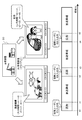
- the communication system 10 includes a transmission device 20 that is a communication device that transmits content such as image data and audio data, and a reception device 30 that is a communication device that receives content transmitted by the transmission device 20.
- a transmission device 20 that is a communication device that transmits content such as image data and audio data
- a reception device 30 that is a communication device that receives content transmitted by the transmission device 20.
- the transmission device 20 includes, for example, a broadcast server (broadcast station) 21 that mainly transmits TV programs, an advertisement server 22 that mainly transmits advertisement data, and a data distribution server 23 that transmits various data. And the like, which provide various contents (broadcast programs, advertisements, other data).
- the receiving device 30 is a client device of a general user, and specifically includes, for example, a television 31, a PC 32, a portable terminal 33, and the like.
- a broadcast server (broadcast station) 21, an advertisement server 22, and a data distribution server 23 are distinguished from each other, but one server is a broadcast program, an advertisement, and other data.
- a broadcast server broadcast station
- an advertisement server 22 that mainly transmits advertisement data
- a data distribution server 23 that transmits various data.
- the receiving device 30 is a client device of a general user, and specifically includes, for example, a television 31, a PC 32, a portable terminal 33, and the like.
- Data communication between the transmission device 20 and the reception device 30 is performed as communication using at least one of bidirectional communication, one-way communication, one-way communication using a broadcast wave, or the like via a network such as the Internet. Is called.
- the content transmission from the transmission device 20 to the reception device 30 is executed in accordance with, for example, the MPEG-DASH standard which is a standard of adaptive (adaptive) streaming technology.
- the MPEG-DASH standard includes the following two standards.
- A a standard concerning a manifest file (MPD: Media Presentation Description) for describing metadata that is management information of a moving image or an audio file
- B Standards related to file format (segment format) for video content transmission
- Content distribution from the transmission device 20 to the reception device 30 is executed in accordance with the MPEG-DASH standard.
- the transmission device 20 encodes the content data and generates a data file including the encoded data and the metadata of the encoded data.
- the encoding process is performed in accordance with, for example, an MP4 file format defined in MPEG.
- the encoded data file is called “mdat”, and the metadata is called “moov” or “moof”.
- the content provided by the transmitting device 20 to the receiving device 30 is various data such as music data, video data such as movies, television programs, videos, photos, documents, pictures and charts, games and software.
- Transmission data of the transmission device 20 will be described with reference to FIG. As shown in FIG. 2, the transmitting apparatus 20 that performs data transmission according to the MPEG-DASH standard transmits the following plural types of data roughly.
- A Signaling data 50
- B AV segment 60
- C Other data (ESG, NRT content, etc.) 70
- the AV segment 60 is composed of images (Video) and audio (Audio) data to be reproduced by the receiving device, that is, program content provided by a broadcasting station, for example.
- images Video
- Audio Audio
- the receiving device that is, program content provided by a broadcasting station, for example.
- it is configured by the above-described MP4 encoded data (mdat) and metadata (moov, moof).
- the AV segment is also called a DASH segment.
- the signaling data 50 includes program schedule information such as a program guide, address information (URL (Uniform Resource Locator), etc.) necessary for program acquisition, and information necessary for content playback processing, such as codec information (encoding). System), etc., and various control information such as application control information.
- the receiving device 30 needs to receive the signaling data 50 prior to receiving the AV segment 60 in which the program content to be reproduced is stored.
- the signaling data 50 is transmitted from the transmission device 20 as data in, for example, an XML (Extensible Markup Language) format.
- the signaling data is repeatedly transmitted from time to time. For example, it is repeatedly transmitted every 100 msec. This is because the receiving device (client) can obtain the signaling data immediately at any time.
- the client (receiving device) executes processing necessary for receiving and playing program content without delay, such as acquisition of necessary program content access address and codec setting processing, based on receivable signaling data as needed. It becomes possible.
- the other data 70 includes, for example, ESG (Electronic Service Guide), NRT content, and the like.
- ESG is an electronic service guide, and is guide information such as a program guide.
- NRT content is non-real-time content.
- the NRT content includes, for example, various application files executed on the browser of the receiving device 30 as a client, data files such as moving images and still images, and the like.
- Signaling data 50 B
- AV segment 60 C
- Other data ESG, NRT content, etc.
- FLUTE File Delivery over Uni-directional Transport
- FLUTE File Delivery over Uni-directional Transport
- a file generated on the server side which is a transmission device is transmitted to a client which is a reception device in accordance with the FLUTE protocol.
- the receiving device (client) 30 stores the URL and version of the received file in association with the file, for example, in a storage unit (client cache). Files with the same URL but different versions are considered to have been updated.
- the FLUTE protocol performs only one-way file transfer control, and does not have a selective file filtering function on the client. However, on the client side using metadata associated with the file to be transferred by FLUTE, the metadata is associated with the file. By selecting, it becomes possible to realize selective filtering and to configure and update a local cache reflecting the user's preference.
- the metadata can be expanded and incorporated into the FLUTE protocol, or can be separately described using a protocol such as ESG (Electronic Service Guide).
- FLUTE was originally specified as a file transfer protocol in multicast.
- FLUTE is composed of a combination of FDT and a scalable file object multicast protocol called ALC, specifically, its building blocks LCT and FEC components.
- FLUTE Real-Time Object Delivery over Unidirectional Transport
- ATSC Advanced Television System Commitment
- FIG. 3 is a diagram illustrating an example of a protocol stack of the transmission device and the reception device.
- the example shown in FIG. 3 has two protocol stacks for processing the following two communication data.
- A Broadcast (including multicast) communication (for example, broadcast-type data distribution)
- B Unicast (broadband) communication (for example, HTTP-type P2P communication)
- the left side of FIG. 3 is a protocol stack corresponding to (a) broadcast communication (for example, broadcast-type data distribution).
- the right side of FIG. 3 is a protocol stack corresponding to (b) unicast (broadband) communication (for example, HTTP type P2P communication).
- the protocol stack corresponding to (a) broadcast communication (for example, broadcast-type data distribution) shown on the left side of FIG. 3 has the following layers in order from the lower layer.
- Broadcast physical layer Broadcast PHY
- IP Multicast IP Multicast
- Application layer Application layer (Applications (HTML5))
- a signaling layer is set as an upper layer of an IP multicast layer (IP Multicast).
- IP Multicast IP Multicast
- the signaling layer is a layer applied to transmission / reception of the signaling data 50 described above with reference to FIG.
- the signaling data includes program schedule information such as a program guide, address information (URL and the like) necessary for program acquisition, and information necessary for content reproduction processing, such as codec information (encoding method and the like). Information, control information, and the like.
- the signaling data is data including access information of AV segments received and reproduced by the receiving device (client) and guidance information and control information necessary for post-reception processing such as decoding processing, and is repeatedly transmitted from the transmitting device as needed. Data.
- USD User Service Description
- MPD Media Presentation Description
- signaling data are data necessary for reception, playback processing, and control processing of AV segments and applications (application programs) transmitted from the transmission device in the reception device (client). It is set as (metafile) and transmitted from the transmission device.
- the broadcast physical layer (Broadcast PHY) is a physical layer configured by a communication control unit that controls, for example, a broadcast communication unit for performing broadcast communication.
- the IP multicast layer (IP Multicast) is a layer that executes data transmission / reception processing according to IP multicast.
- the UDP layer is a UDP packet generation and analysis processing layer.
- the ROUTE layer is a layer that stores and retrieves transfer data according to the ROUTE protocol, which is an extended FLUTE protocol.
- ROUTE like FLUTE, is a multicast file object multicast protocol called ALC, and is specifically composed of a combination of its building blocks LCT and FEC components.
- FIG. 4 shows protocol stacks for ROUTE and FLUTE.
- ESG, NRT content, DASH (ISO BMFF), and Video / Audio / CC are data transferred according to the ROUTE protocol.
- the broadcast delivery service according to the DASH standard is called MBMS (Multimedia Broadcast Multicast Service).
- MBMS Multimedia Broadcast Multicast Service
- eMBMS evolved Multimedia Broadcast Service
- MBMS and eMBMS are broadcast-type delivery services that deliver the same data, such as movie content, all at once to a plurality of user terminals (UEs), which are receiving devices located in a specific area, using a common bearer. It is a service.
- UEs user terminals
- the same content can be simultaneously provided to a number of receiving devices such as smartphones, PCs, and televisions located in the distribution service providing area.
- MBMS and eMBMS specify a process for downloading a file according to the 3GPP file format (ISO-BMFF file, MP4 file) according to the transfer protocol ROUTE or FLUTE.
- 3GPP file format ISO-BMFF file, MP4 file
- Signaling data 50 (B) AV segment 60 (C) Other data (ESG, NRT content, etc.) 70 Many of these data are transmitted according to the ROUTE protocol or the FLUTE protocol.
- ESG, NRT content, DASH (ISO BMFF), and Video / Audio / CC are data transferred according to the ROUTE protocol.
- ESG is an electronic service guide, and is guide information such as a program guide.
- NRTcontent is non-real-time content.
- the NRT content includes, for example, various application files executed on the browser of the receiving device that is a client, data files such as moving images and still images, and the like.
- Video / Audio / CC is actual data to be played back, such as video and audio distributed according to the DASH standard.
- the application layer (Applications (HTML5)) is an application layer that executes generation or analysis of data to be transferred according to the ROUTE protocol, and other various data output control, for example, data generation using HTML5, Perform analysis and output processing.
- HTML5 Applications
- the protocol stack corresponding to (b) unicast (broadband) communication (for example, HTTP-type P2P communication) shown on the right side of FIG. 3 has the following layers in order from the lower layer.
- Broadband PHY (2) IP unicast layer (IP Unicast) (3) TCP layer (4) HTTP layer (5) ESG, Signaling, NRT content, DASH (ISO BMFF) and Video / Audio / CC (6) Application layer (Applications (HTML5))
- the broadband physical layer (Broband PHY) is a physical layer configured by a communication control unit such as a device driver that controls a communication unit such as a network card that performs broadband communication.
- the IP unicast layer (IP Unicast) is a layer that executes IP unicast transmission / reception processing.
- the HTTP layer is an HTTP packet generation and analysis processing layer. This upper layer is the same as the stack configuration of (a) broadcast communication (for example, broadcast-type data distribution) on the left side of FIG.
- the transmission device (server) 20 and the reception device (client) 30 have two processing systems shown in FIG. (A) Broadcast communication (for example, broadcast-type data distribution) (B) Unicast (broadband) communication (for example, HTTP-type P2P communication) Processing according to at least one of these two communication protocol stacks is performed.
- A Broadcast communication (for example, broadcast-type data distribution)
- B Unicast (broadband) communication (for example, HTTP-type P2P communication) Processing according to at least one of these two communication protocol stacks is performed.
- the attributes of a file group (including URL as a file identifier) multicast-transferred according to ROUTE (FLUTE) can be described in the control file of ROUTE (FLUTE). It can also be described in signaling data that describes the session. Further detailed attributes of the file transfer session can also be described by ESG (which can also be applied for presentation to the end user).
- ATSC Advanced Television System Commitment
- IP-based transport stack a file based on the MPEG-DASH file format (ISO-BMFF file, MP4 file) is expanded to RUTE (File Delivery over Unidirectional Transport) (ROUTE (Real-Time Object).
- RUTE File Delivery over Unidirectional Transport
- ROUTE Real-Time Object
- fragmented MP4 fragmented MP4 file sequence of DASH standard, MPD (Media Presentation Description) that is a metafile storing DASH standard control information (signaling data), and broadcast distribution
- MPD Media Presentation Description
- S-TSID Service based Transport Session Description
- the ROUTE protocol is a protocol based on FLUTE.
- the metadata file describing the transfer control parameters in FLUTE is called FDT (File Delivery Table), and the metadata file describing the transfer control parameters in ROUTE is called S-TSID (Service based Transport Session Description).
- S-TSID is a superset of FDT and includes FDT.
- USBD / USD, S-TSID, MPD, etc. proposed as ATSC 3.0 service layer signaling data (SLS: Service Layer Signaling) are all transferred by the ROUTE session.
- FIG. 5 is a diagram for explaining an example of data output in the receiving apparatus (client) 30.
- Time t0 to t1 Advertisement Time t1 to t2: Broadcast program
- Time t2 to t3 Advertisement Time t3 to t4: Broadcast program
- Time t4 to t5 Advertisement Time t5 to: Broadcast program
- the advertisement output to the receiving device 30 is an advertisement selected according to the viewing user on the receiving device 30 side from many advertising contents.
- User information is various information, such as a user's (viewer's) age, sex, address, hobby preference, etc., for example.
- information registered in advance in the storage unit of the receiving apparatus is used. Or it is good also as a structure which makes a user (viewer) input user information at the time of a program start, and uses this input information.
- FIG. 6 shows the following three specific examples.
- A Example of advertisement setting by age
- B Example of advertisement setting by residence
- C Example of advertisement setting by age and residence
- (A) The following example is shown in the advertisement setting example according to age.
- User (viewer) age (age) 20 years old or older ⁇ Alcohol drink (alcohol) advertisement is selected and output.
- Age of user (viewer) 15 years old or younger ⁇ Select and output a toy advertisement.
- the user's age is registered, and the receiving device 30 used by the user based on the registered user information (viewer age). This is an example of outputting an advertisement according to the user age.
- the following example is shown in the advertisement setting example according to age and residence.
- the user's age and address are registered as user information registered on the receiving device 30 side, and the reception used by the user based on the registered user information (viewer age and address). This is an example in which the device 30 outputs an advertisement according to the user age and address.
- an advertisement that is optimal for the user (viewer), that is, determined to have a large advertising effect, is selected and output according to various user information set on the receiving device 30 side. Realize the configuration. Specific processing will be described later.
- the receiving device 30 may be various devices such as a television 31, a PC 32, a portable terminal 33, or other devices such as a smartphone, a tablet terminal, a smart watch, and a wearable device. Consists of.
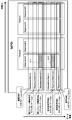
- a middleware 110 that receives transmission data from a transmission device 20 such as a broadcast server or an advertisement server, a proxy server 120 that performs analysis and cache processing of the received data, program reproduction, and application execution.
- a reproduction processing unit 130 for executing the data reproduction processing according to the above.
- a transmission device 20 such as a broadcast server or an advertisement server transmits AV segments, applications, signaling data, and other data composed of broadcast contents and the like by data transmission via a broadcast wave or a communication network such as the Internet.
- the middleware 110 of the receiving device 30 illustrated in FIG. 7 receives and analyzes provided data from the transmitting device 20 via a broadcast wave.
- the middleware 110 includes a communication unit (PHY / MAC) 111, a signaling acquisition unit 112 that acquires signaling data, a signaling analysis unit 113 that analyzes signaling data, signaling data, and program content data such as video and audio, applications, and the like
- the segment acquisition unit 114 acquires a data file such as NRT content.
- the data received by the middleware 110 is stored in the cache unit (proxy cache) 122 via the cache control unit 121 of the proxy server 120.
- the proxy server 120 further stores data acquired from the transmission device 20 via the network in the cache unit 122.
- the cache control unit 121 of the proxy server 120 inputs a data acquisition request from the reproduction control unit ((Embeded) Media Player) 131 of the reproduction processing unit 130 or the application control unit 132 and provides the request data to the reproduction processing unit. .
- the cache control unit 121 performs address resolution processing in response to a data acquisition request from the playback control unit ((Embeded) Media Player) 131 or the application control unit 132, and transmits data corresponding to the address from the cache unit 122. It is acquired and output to the playback control unit ((Embeded) Media Player) 131 and the application control unit 132 of the playback processing unit 130. If the request data is not stored in the cache unit 122, it may be obtained from the outside and provided.
- a playback control unit ((Embeded) Media Player) 131 of the playback processing unit 130 executes playback control of content transmitted according to the DASH (MPEG-DASH) standard.
- MPEG-DASH includes the following two standards.
- A a standard concerning a manifest file (MPD: Media Presentation Description) for describing metadata that is management information of a moving image or an audio file
- B Standards related to file format (segment format) for video content transmission; Content distribution from the transmission device 20 to the reception device 30 is executed in accordance with the MPEG-DASH standard.
- the content is transmitted as a segment (AV segment or the like) which is a predetermined unit of divided data according to, for example, an MP4 file format defined in MPEG, and the playback control unit ((Embeded) Media Player) 131 transmits a manifest file (MPD).
- MPD a manifest file
- the application control unit 132 performs control such as execution, start, and termination of an application provided from the transmission device 20 such as the weather forecast and the advertisement application described above with reference to FIGS.
- the output control unit 133 acquires program configuration data and application execution data provided from the reproduction control unit 131 and the application control unit 132, and executes a process of decoding the acquired data, an output process to the display unit, and the like.
- the playback control unit ((Embeded) Media Player) 131 and the application control unit 132 refer to the signaling data transmitted by the transmission device 20 (broadcast server 21, advertisement server 22, etc.), and information described in the signaling data The necessary data is acquired from the proxy server 120 according to the above, and reproduction control and application control are executed according to the information described in the signaling data.
- the signaling data 50 includes program schedule information such as a program guide, address information (URL (Uniform Resource Locator), etc.) necessary for program acquisition, and content reproduction processing.
- program schedule information such as a program guide, address information (URL (Uniform Resource Locator), etc.) necessary for program acquisition, and content reproduction processing.
- URL Uniform Resource Locator
- guidance information consisting of codec information (encoding method, etc.), and various control information such as application control information.
- the playback control unit ((Embeded) Media Player) 131 and the application control unit 132 perform data acquisition processing based on the signaling data acquired by acquiring signaling data (SLS: Service Layer Signaling), data playback control, and application execution. Execute control etc.
- SLS Service Layer Signaling
- the application control unit 132 executes application control based on various signaling data in which attribute information and control information corresponding to the application are recorded.
- various signaling data in which attribute information and control information corresponding to the application are recorded.
- USBD / USD which is ATSC 3.0 signaling data, S-TSID, or application information table (AIT: Application) that records attribute information and control information corresponding to each application Execute application control using Information Table).
- AIT Application
- the playback control unit ((Embeded) Media Player) 131 and the application control unit 132 execute processing using data stored in the cache unit 122 of the proxy server 120.
- the data stored in the cache unit 122 is data received by a middleware (Client Local ATSC Middleware) 110 or data received by the proxy server 120 via a network.
- the data acquired by the middleware 110 or the proxy server 120 via a broadcast wave or a communication network includes, for example, a DASH-MPD file, a DASH segment file, other general application files, and an SLS that stores signaling data. (Service Layer Signaling) file. These are stored in the cache unit 122 based on the control of the cache control unit 121.
- the cache control unit 121 acquires the request data from the cache unit 122 in response to a request from the playback control unit ((Embeded) Media Player) 131 and the application control unit 132, and the playback control unit ((Embeded) Media Player) 131 and application control unit 132, and used for data reproduction processing such as stream rendering and application execution.
- the reproduction control unit ((Embeded) Media Player) 131 and the application control unit 132 acquire the segment file, other general application files, and the signaling data file to the cache control unit 121 of the proxy server 120.
- the cache control unit 121 of the proxy server 120 that receives the request acquires data from the cache unit 122.
- an acquisition process via broadcasting or the network is performed.
- the playback control (DASH Client) 131 and the application control unit 132 acquire signaling data in which content playback, application control information, and the like are recorded. These are acquired by a signaling acquisition unit (SLS Signaling Retriever) 112. For example, various signaling data such as USBD / USD, AIT, S-TSID, and MPD are acquired and used.
- SLS Signaling Retriever signaling acquisition unit 112.
- various signaling data such as USBD / USD, AIT, S-TSID, and MPD are acquired and used.
- the signaling acquisition unit (SLS Signaling Retriever) 112 extracts the signaling data carried by the SLS LCT packet that is broadcast and received via the communication unit (ATSC tuner: ATSC 3.0 PHY / MAC) 111.
- the signaling data are acquired by the signaling acquisition unit 112 of the middleware 110 and analyzed by the signaling analysis unit (SLS Signaling Parser) 113.
- the signaling data includes, for example, address information (URL) for acquiring an AV segment necessary for program reproduction, various data files (resources) necessary for application execution, and the like. Performs an acquisition process of address information (broadcast distribution address information) for acquiring necessary segments and resource files.
- an LCT packet storing a desired file is acquired from the broadcast stream, and the acquired data is expanded in the cache unit 122 of the proxy server 120.
- FIG. 8 shows that the receiving device (client) 30 has Playback control unit ((Embeded) Media Player) 131, Output controller 133, It is a figure which shows these detailed structures.
- the playback control unit ((Embeded) Media Player) 131 of the receiving device (client) 30 includes an MPD acquisition unit 201, an MPD analysis unit 202, a segment acquisition unit 203, and a segment (MP4) analysis unit 204.
- the playback control unit ((Embeded) Media Player) 131 executes playback control of content transmitted according to the DASH (MPEG-DASH) standard.
- the MPD acquisition unit 201 acquires a manifest file (MPD: Media Presentation Description), which is a management information description file for moving images and audio files.
- MPD is provided from the transmission device 20 such as the broadcast server 21 or the advertisement server 22, stored in the proxy server 120, and then acquired by the playback control unit 131.
- the MPD analysis unit 202 analyzes the description content of the MPD acquired by the MPD acquisition unit 201, and provides the segment acquisition unit with information necessary for acquiring a segment corresponding to the reproduction target data.
- the segment acquisition unit 203 acquires a segment corresponding to the reproduction target data according to the MPD analysis result of the MPD analysis unit 202.
- a segment is predetermined unit data set according to a file format (segment format) for content transmission composed of AV data.
- the segment analysis unit 204 acquires encoded image data, encoded audio data, and the like from the segment acquired by the segment acquisition unit 203 and outputs them to the decoding unit (decoder) 211 of the output control unit 133.
- the output control unit 133 of the receiving device (client) 30 includes a decoding unit (decoder) 211 and an output unit (renderer) 212.
- the decoding unit (decoder) 211 executes a decoding process (tercode) of the encoded image data and the encoded audio data provided from the segment analysis unit 204.
- the output unit 212 outputs the decoded image data and audio data to the output unit (display, speaker).
- a playback control unit ((Embeded) Media Player) 131 of the receiving device (client) 30 is an execution unit of an ATSC 3.0 client application (3.0 DASH Client).
- the ATSC 3.0 client application runs on a browser implemented on the ATSC 3.0 broadcast receiving client device. Alternatively, it may be executed not only as a browser application but also as a native application.
- the ATSC 3.0 client application executed by the playback control unit ((Embeded) Media Player) 131 is from an ATSC 3.0 DASH client application (3.0 DASH Client), an ATSC 3.0 stream accompanying application (3.0 Application), or the like. Become.
- the ATSC 3.0 client application of the playback control unit ((Embeded) Media Player) 131 and the output control units 133 and 152 are the data received by the middleware (Client Local ATSC Middleware) 110, the proxy server (Client Local HTTP Proxy Server) 120. Executes processing of data received via the network.
- DASH-MPD file DASH segment file
- other general application files other general application files
- SLS Service Layer Signaling file that stores the signaling data obtained by the middleware 110 or the proxy server 120, and the stream Render and control applications.
- This model always accesses the outside world via the proxy server 120 from the ATSC 3.0 client application executed by the playback control unit ((Embeded) Media Player) 131 and the application executed by the signaling data processing unit 160. Therefore, there is no need to be aware of whether these file groups are acquired via broadcast or via the Internet (network transparency is provided), so that the portability of the application is improved. Is possible. Therefore, there is no need to install an application specifically for broadcasting, and broadcasting can be implemented regardless of which of the Internet is used.
- An ATSC 3.0 client application executed by the playback control unit ((Embeded) Media Player) 131 requests acquisition of a DASH-MPD file, a DASH segment file, other general application files, and a signaling data file (HTTP request) Then, the proxy server 120 that has received it determines whether to acquire via the broadcast reception stack or via the network in the address & link resolution unit (Address & xlink Resolver) 122.
- the playback control unit 131 requests the signaling acquisition unit (SLS Signaling Retriever) 112 to acquire USBD / USD, S-TSID, and the like, which are ATSC 3.0 signaling meta.
- SSS Signaling Retriever signaling acquisition unit
- the signaling acquisition unit (SLS Signaling Retriever) 112 extracts the signaling meta carried by the SLS LCT packet broadcast-received via the communication unit (ATSC tuner: ATSC3.0 PHY / MAC) 111.
- the signaling analysis unit (SLS Signaling Parser) 113 also extracts the signaling meta from the URL included in the segment or application resource acquisition request, and resolves the broadcast distribution address information for acquiring the target file. If it is known that the broadcast is distributed, the LCT packet storing the desired file is acquired from the broadcast stream based on the broadcast distribution address information, and stored in the cache (Proxy Cache) units 121a and 121b. expand. The proxy server 120 returns the file to the reproduction control unit 131 (as an HTTP response). If the URL included in the application part acquisition request is not in the signaling meta, the proxy server 120 acquires the file via a normal net stack.
- SLS Signaling Parser also extracts the signaling meta from the URL included in the segment or application resource acquisition request, and resolves the broadcast distribution address information for acquiring the target file. If it is known that the broadcast is distributed, the LCT packet storing the desired file is acquired from the broadcast stream based on the broadcast distribution address information, and stored in the cache (Proxy Cache) units
- the transmitting device 20 provides the receiving device 30 with the signaling data 50 including various control information.
- the signaling data 50 including various control information.
- USD User Service Description
- Typical control information includes MPD [Media Presentation Description] which is signaling data including a guide file corresponding to content (AV segment) and a manifest file storing control information.
- MPD Media Presentation Description
- MPD Media Presentation Description
- Period Period
- FIG. 9 is a diagram illustrating an example of an MPD format.
- MPD can describe information such as attributes and control information in units of the following various specified ranges for each stream of images and audio.
- Period Period
- Adaptation that defines data types such as images and sounds
- Representation that defines image type, audio type, etc.
- SegmentInfo which is an information recording area in units of video and audio segments (AV segments)
- FIG. 10 is a diagram in which AV segment-compatible information (control information, management information, attribute information, etc.) recorded in the MPD is developed in time series. Assume that time elapses from left to right. This time axis corresponds to, for example, the playback time of AV content in the receiving device.
- MPD is a part of signaling data and is transmitted, for example, prior to an AV segment.
- MPD can record information in the following data units.
- Period Period
- Adaptation that defines data types such as images and sounds
- Representation that defines image type, audio type, etc.
- SegmentInfo Segment Info which is an information recording area in units of video and audio segments (AV segments)
- FIG. 10 is a diagram showing these data areas expanded by time axis and data type.
- FIG. 10 shows the following two adaptations.
- V Adaptation V (Adaptation (V)) which is an image corresponding information recording area
- A Adaptation A (Adaptation (A)), which is a voice-corresponding information recording area
- V Adaptation V
- V1 which is an information recording area corresponding to a low bit rate image
- V2 Representation (V2)
- V2 Representation (V2)
- Adaptation A which is an audio image-corresponding information recording area, has the following two representations (Representation) as information recording areas in units of streams having different attributes.
- A1 Representation (A1) which is an information recording area for Japanese voice
- A2) Representation (A2) Representation (A2)
- A2 Representation (A2)
- each representation has a structure that can record information in a period corresponding to a playback time axis and further in a segment unit.
- a receiving device that selects and reproduces a high bit rate image and Japanese speech reproduces information related to the high bit rate image and Japanese speech to be reproduced when the segment (11) of period 1 is reproduced. Select from to get.
- the MPD recording information to be selected becomes the information of the segment areas 301 and 302 shown in the figure.
- the receiving apparatus selects and references only information corresponding to data (segments) to be reproduced by the own apparatus from the MPD transmitted from the transmitting apparatus as signaling data. In this way, segment correspondence information for each data type and time unit can be recorded in the MPD.
- the transmission device when performing content output processing for alternately outputting a broadcast program and an advertisement, the transmission device sends control information in units of the above-described predetermined time (period) to the reception device.
- the MPD in which the information is recorded, it is possible to control the content (broadcast program, advertisement) for each time unit. Specifically, it is possible to realize the processing for providing the user-compatible advertisement described above with reference to FIG.
- FIG. 11 is a diagram showing a configuration example of MPD which is control information description data (signaling data) corresponding to the content output processing for alternately outputting the broadcast program and the advertisement described above with reference to FIG.
- the MPD is classified into advertisements corresponding to output contents in a predetermined time section and period information 311 to 314 in units of broadcast programs.
- the period information 311 is control information (signaling data) corresponding to an advertisement output from the receiving device from time t0 to t1.
- the period information 312 is control information (signaling data) corresponding to a broadcast program that is output from the receiving device from time t1 to time t2.
- the period information 313 is control information (signaling data) corresponding to advertisements output from the receiving device from time t2 to time t3.
- the period information 314 is control information (signaling data) corresponding to a broadcast program output from the receiving device from time t3 to t4.
- the period information includes information necessary for obtaining data (content) to be output to the receiving device, such as a broadcast program and advertisement access information (URL) transmitted from the transmitting device, and a decoding method (codec). Various kinds of information necessary for acquiring and outputting the content are recorded.
- the transmitting apparatus transmits the MPD shown in the figure to the receiving apparatus before time t0.
- the receiving device refers to this MPD, acquires advertisements and broadcast programs via broadcast waves and networks, performs decoding processing using a designated codec, and outputs them to a display unit, speakers, and the like.
- FIG. 12 is a diagram for explaining the procedure of MPD analysis processing (parsing) executed in the receiving apparatus.
- FIG. 12 shows the following figures. (1) MPD (2) Period information (3) Representation information (4) Segment information
- a receiving device that receives an AV segment and executes playback processing of AV content acquires MPD included in signal link data received in advance before receiving the AV segment, and information corresponding to the data to be played back by the own device Is obtained from MPD.
- (2) period information in which information on a specific period (time interval) corresponding to the AV segment playback time is recorded is selected from (1) MPD shown in FIG. Further, (3) representation information corresponding to the type of data to be reproduced in the own apparatus (client) is selected, and (4) segment information corresponding to the reproduction target segment is selected.
- (4) segment information By referring to the data recorded in (4) segment information, it is possible to acquire an AV segment to be played back and various information necessary for AV segment playback.
- the period information 311 is period information that is control information corresponding to an advertisement output from the receiving device at time t0 to t1.
- period information 311 corresponding to the advertisement the adaptation described with reference to FIGS. Representation, Segment info, Description of these specific data is omitted, and link information (xlink) is recorded as access information for acquiring period information having these specific descriptions.
- the access information (segment URL) of the segment file storing the advertisement data is not recorded in the period information corresponding to the advertisement in the MPD shown in FIGS.
- the advertisement data corresponding to the user (segment file) The access information (URL) for acquiring the true period information (period element) in which the access information for acquiring is recorded is completed.
- data for specifying access information (URL) for acquiring true period information (period element) is completed.
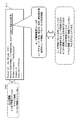
- Period A1 (Ad Break # 1) is an identifier recording area of period information, and indicates that it is period information related to the advertisement (Ad) of the identifier (A1).
- the original period information that is, the following data described with reference to FIGS. Adaptation, Representation, Segment info
- This is a field in which access information (URL) for acquiring period information (period element) having a description of these specific data is recorded.
- the age, sex, address, hobby, preference, etc. of the viewer (user) can be set.
- true period information adaptation, representation, segment info, etc.
- control information related to user-supported advertisement data (Period element) access information (URL)
- this field is a field that defines the acquisition timing of period information (period element) that can be acquired using the parameter setting URL.
- period information period element
- (A) actuate “onRequest”
- (B) actuate “onLoad”
- the above two types (a) and (b) can be set.
- (A) actuate “onRequest”
- This setting can be made any time as long as the acquisition timing of period information (period element) that can be acquired using the parameter setting URL is up to the advertisement start timing (time t0 in the example of FIG. 11). Is shown.
- This information recording field is a field in which the output duration time of the data corresponding to the period information (advertisement content) is recorded.
- duration (duration) 60 sec indicates that the advertisement is for 60 seconds.
- a user information setting field is provided in the period information corresponding to the advertisement output time interval set in the MPD, and is set in each receiving device (client).
- the provided advertisement can be dynamically changed according to the user information.
- the MPD (for example, distributed by service signaling) distributed to the receiving device (client) is MPD / Period / @ xlink:
- Access information (URL) of period information (period element) can be described by setting user information at the position of href. This URL can be recognized as access information (URL) of specific period information (period element) in which access information of an advertisement selected according to the set user information is recorded.
- groupID group ID
- a process for selectively acquiring a period element according to user information is, for example, a link resolution application (script) provided from a transmission device. Executed by.
- the link resolution application (script) is executed in the application control unit 132 of the receiving device 30.
- the application control unit 132 selects a period element corresponding to the user information by executing the link resolution application (script), and receives the period element including the URL of the advertisement segment in which the advertisement corresponding to the selected user information is stored. To the playback control unit 131.
- the reproduction control unit 131 of the receiving device 30 performs an advertisement segment acquisition process using the advertisement segment URL recorded in the period element, and reproduces the advertisement.
- FIG. 14 to FIG. 15 show processing sequences in the case where the period information 311 corresponding to the advertisement data as shown in FIG. 13 is applied and the receiving apparatus side acquires and outputs (reproduces) the advertisement data. This will be described with reference to a sequence diagram.
- a transmitting device (B) middleware that is a component of the receiving device; (C) a cache unit (proxy cache) of a proxy server that is a component of the receiving device; (D) Browser cache that is a component of the receiving device (e) Application (script) control unit that is a component of the receiving device (f) A playback control unit that is a component of the receiving device,
- the browser cache is a cache unit used by the application (script) when the application executed by the application (script) control unit is an application executed on the browser.
- the processing of each step shown in FIGS. 14 to 15 will be described in sequence.
- step S11 the transmission device generates and transfers an advertisement segment file that stores the advertisement content. Multicast transmission with a receiving device as a transmission target is performed via a broadcast wave or a network.
- the advertisement transmitted by the transmission device includes different advertisement contents corresponding to various users. That is, an advertisement segment file storing various advertisement contents according to users to be provided to various different users at various ages and residences is transmitted.
- the advertisement segment file transmission process may be set to be continuously repeated.
- Step S12 the transmission device generates an application that executes link resolution processing (xlink Resolver), for example, Java (registered trademark) Script that is executed on the browser, and transmits it to the reception device.
- link resolution processing for example, Java (registered trademark) Script
- the link resolution (xlink Resolver) process for selecting the period element corresponding to the user information It is an application that executes.
- Steps S13 to S14 The processes in steps S13 to S14 are executed by the application control unit of the receiving apparatus.
- step S13 the link resolution application (script) received from the transmission device in step S12 is activated.
- step S14 the link resolution application (script) is executed to acquire a period element and an advertisement segment file acquired based on the resolution result and store them in the browser cache.
- Step S15 the transmission device executes MPD transmission processing.
- the MPD transmitted here is, for example, the MPD described with reference to FIGS. That is, it includes period information (period element) corresponding to advertisement, and the period information corresponding to advertisement records link information (xlink), that is, an incomplete URL provided with a field for setting user information according to the PDI configuration.
- the MPD transmitted here is, for example, the MPD described with reference to FIGS. That is, it includes period information (period element) corresponding to advertisement, and the period information corresponding to advertisement records link information (xlink), that is, an incomplete URL provided with a field for setting user information according to the PDI configuration.
- one URL corresponding to user-acquired period information (period element) acquisition URL that records access information and the like of specific advertising content can be generated. it can.
- Step S16 is processing of the reproduction control unit of the receiving device.
- the reproduction control unit of the receiving device acquires the MPD transmitted by the transmitting device, and executes analysis (parsing) of the acquired MPD.
- the MPD is received by the middleware of the receiving device, stored in the cache unit of the proxy server, and then acquired by the playback control unit from the cache unit.
- Step S17 the playback control unit of the receiving device acquires link information (xlink) recorded in the period information corresponding to the advertisement of the MPD acquired in step S16, that is, link information (xlink) having a user information setting field.
- the user information (parameter) is set in the user information setting field.
- the user information setting process may use, for example, user information registered (recorded) in advance in the storage unit of the receiving device, or may be configured to use user input information as a configuration that is sequentially input by the user.
- the playback control unit of the receiving apparatus outputs data in which user information (parameters) is set in the user information setting field to an application control unit that executes a link resolution application (script), and analyzes link information (xlink) (link resolution). Request.
- This request processing is executed as an HTTP-GET request, for example.
- Step S18 The process of step S18 is a process of the application control unit of the receiving device.
- the application control unit analyzes the user information (parameter) setting URL input from the reproduction control unit, acquires a period element corresponding to the user information, and outputs the period element to the reproduction control unit.
- This output process is executed, for example, as an HTTP-response.
- This period element is a period element corresponding to the user information (parameter) set by the playback control unit in step S17, and is optimal for providing to a specific user selected by the set user information (age, Location, etc.). This is a period element in which access information (advertisement segment URL) of the advertisement content is recorded.
- step S19 the reproduction control unit of the receiving apparatus reads and analyzes the period element recording information acquired from the application control unit.
- the reproduction control unit acquires the advertisement segment file storing the advertisement content by using the advertisement content access information (advertisement segment URL) included in the record information of the period element, and outputs it from the display unit or the speaker of the receiving device. Output through the section.
- control information such as the decoding mode of the advertisement content and the output time is recorded in the period element, and the reproduction control unit executes the process according to the information recorded in the period element to output the advertisement content Execute.
- the advertisement content output to the receiving device is an advertisement selected according to the user information set by the reproduction control unit in step S17, and characteristics of the user (viewer), such as the user's age and residence, etc. This is an advertisement corresponding to a user whose main target is a user selected by.
- an advertisement is provided between (or before and after) a program provided by a content provider (or content distribution service provider) such as a program of a broadcast station or a program-related application. )
- a content provider or content distribution service provider
- This optimal advertisement content resolution processing is performed on a browser (or an advertisement content insertion service provider) such as a broadcast station called a script application (ScriptApp) (or an advertisement content insertion service provider) (or It is executed by an application program (called a script application or a web application) executed in a script execution environment.
- a browser or an advertisement content insertion service provider
- ScriptApp or an advertisement content insertion service provider
- an application program called a script application or a web application executed in a script execution environment.
- the application is executed by the application control unit 132, and is started in step S 13.
- step S 18 link resolution processing is executed.
- the link resolution execution application (ScriptApp) is distributed by a one-way network (broadcast / multicast) such as broadcast accompanying a broadcast program, or by a bidirectional network such as the Internet. There is also a case.
- the distribution timing of the link resolution execution application (ScriptApp) may be distributed within the on-air time of the program to be inserted into the advertisement, or may be distributed in advance to the receiving device before the program is on-air.
- the link resolution execution application may be viewed when a viewer views a program (on-air time may be viewed in real time, or may be recorded or downloaded at a time zone different from the on-air time). ) Will run simultaneously with the program playback.
- User information such as the user's age, sex, residence, etc. is output by executing the process using the link resolution execution application (ScriptApp) according to the sequence referring to FIG. 14 and FIG. It becomes possible to make the advertisement according to.
- ScriptApp link resolution execution application
- step S13 shown in FIG. 14 when the application started by the application control unit 132 is replaced with an unauthorized application, the unauthorized link resolution execution application (ScriptApp) is processed.
- the link resolution process is executed by an unauthorized application, an unauthorized advertisement content that is not an advertisement content corresponding to the original user attribute is selected and reproduced.
- the application control unit 132 obtains a period element (period information (period element)) corresponding to the URL input from the reproduction control unit 131, that is, advertisement content access information (advertisement segment URL). This is a process of acquiring the recorded period element and outputting it to the reproduction control unit 131.
- step S18 When the process of step S18 is executed by an unauthorized application, the period element in which access information (advertisement segment URL) of different advertisement content that is not the access information of advertisement content corresponding to the original user attribute is recorded in the playback control unit 131. Provided to.
- the reproduction control unit 131 performs a process of acquiring and reproducing a segment storing the advertising content by applying the access information (advertisement segment URL) of the advertising content recorded in the period element acquired from the application control unit 132. Therefore, an advertisement unrelated to the user attribute may be output.
- Example 1 Configuration for executing application authentication processing applying application authentication information recorded in application information table (AIT)]
- AIT application information table
- the transmission device 20 transmits an application executed by the reception device 30 to the reception device 30 and provides the reception device 30 with various signaling data in which access information of the transmission application, attribute information of the application, and control information are recorded.
- Examples of signaling data that the transmission device 20 provides to the reception device 30 include the following data.
- USBD / USD User Service Bundle Description / User Service Description
- S-TSID Service based Transport Session Description
- AIT Application Information Table
- the USD is composed of information of a predetermined service unit such as a broadcasting station or a program, and access information (URL, etc.) for receiving the service, codec information, reproduction timing information, etc. in the receiving device. It consists of information necessary to use the service.
- USBD is a bundle of USD, and both USD and USBD are signaling data in which the same control information is stored. .
- S-TSID is additional information for each service unit, and additional information not recorded in USD is recorded.
- the ROUTE protocol is a protocol based on FLUTE.
- a metadata file describing transfer control parameters in FLUTE is called FDT (File Delivery Table), and a metadata file describing transfer control parameters in ROUTE is called S-TSID (Service based Transport Session Description).
- S-TSID is a superset of FDT and includes FDT.
- the application information table is application-specific signaling data set corresponding to one or more applications, and records application acquisition information (URL), control information applied to application execution, and the like. Is done.
- AIT application information table
- Application ID Application access information (AppLocation (URI))
- Application execution timing information Application access information (AppLocation (URI)
- attribute information and control information of various applications are recorded in the AIT.
- the application ID is an application identifier.
- Application access information (AppLocation (URI)) is a URI used to acquire an application.
- URI Application access information
- the application control unit 132 of the receiving device 30 illustrated in FIG. 7 refers to the application information table (AIT) and acquires and controls the application.
- the application information table (AIT) is set in association with various applications provided by the transmission device 20 and transmitted from the transmission device 20.
- the application control unit 132 described above with reference to FIGS. 14 to 15 is activated in step S13, and the link resolution application (script (ScriptApp)) that executes the link resolution process in step S18 is also compatible with this application.
- An application information table (AIT) in which attributes and control information are recorded is set and provided from the transmission device 20 to the reception device 30.
- authentication information relating to an application associated with the AIT is stored in the application information table (AIT).
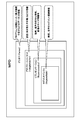
- the application authentication information 402 is recorded in the application information table (AIT) 401 corresponding to the application 400 in which the attribute information of the application 400 and the control information are recorded.
- the application authentication information 402 includes, for example, a digest value (collation digest value) generated based on the configuration data of the application 400 to be authenticated and a signature generated based on authentication information configuration data including the digest value. Is included.
- a digest value collation digest value
- the receiving apparatus 30 executes an authentication process using the authentication information 402 of the application information table (AIT) 401 associated with the application 400. Specifically, first, the signature verification process in the authentication information 402 is executed, and when the signature verification is confirmed, the calculated digest value newly calculated based on the application 400 scheduled to be verified, and Matching confirmation processing with the digest value for verification recorded in the authentication information 402 is executed.
- AIT application information table
- the application control unit 132 of the receiving device 30 activates a link (xlink) solution processing application (script application) in step S13 illustrated in FIG. 14, the receiving device 30 is associated with the application (script application).
- the application information table (AIT) is acquired, and an authentication process using the authentication information recorded in the AIT is executed.
- the authentication information of the application is recorded in the application information table (AIT).
- AIT application information table
- FIG. 18 is a diagram for explaining an authentication information setting position in the application information table (AIT).
- the application information table (AIT) is one component of signaling data.
- the application information table (AIT) is transmitted from the transmission device 20 to the reception device 30 as an XML document having a service discovery element 410 shown in FIG. 18 as a root element.
- Attribute information and control information related to the application are recorded below the application discovery element 411 set as a lower element of the service discovery element 410.
- the authentication information is set below the other identification information (otherDescriptor) element 412. That is, it is set to record authentication information at the following setting positions.
- Service Discovery / mhp Application Discovery / mhp: Application List / mhp: Application / mhp: applicationSpecificDescriptor / mhp: otherDescriptor
- the application information table (AIT) in which the authentication information (Application Authentication Information) is set is provided to the receiving apparatus as XML data.
- FIG. 19 shows an example of data encoded as XML data.
- This example is a data example of an application information table (AIT) including authentication information (ApplicationAuthenticationInformation).
- the authentication information is “ ⁇ Signature> ⁇ ⁇ / Signature>” is an area of this data section.
- This data is a signature.
- the signature is generated with respect to the configuration data of the authentication information excluding the signature element, for example, ⁇ SignedInfo> to ⁇ / SignedInfo> in the data, and these data.
- the signature is executed by applying, for example, a secret key of a transmission apparatus such as a broadcasting station that has generated the application information table (AIT).
- the signature verification process is executed using a public key corresponding to the private key of the transmission apparatus that created the signature value.
- the receiving device acquires the public key of the transmitting device in advance, and executes signature verification processing using the acquired public key.
- the signature can also be generated using a common key cryptosystem. In this case, both signature generation and verification are executed by applying the common key.
- Step S21 the data processing unit of the transmission device acquires authentication information generation target data, that is, an application file such as a link resolution application (script application).
- an application file such as a link resolution application (script application).
- step S22 the data processing unit of the transmission device deletes the normalization processing of the authentication information generation target data (application file), for example, line feed data, and adjusts the processing and data length for extracting the actual data. Normalization processing including such processing is executed.
- application file for example, line feed data
- step S23 the data processing unit of the transmission device generates a digest value based on the normalized authentication information generation target data.
- the digest value is generated by a process using a predetermined hash value generation algorithm.
- step S24 the data processing unit of the transmission device executes digest value normalization processing, for example, data length adjustment processing value, and the like to generate a signature value generation digest.
- step S25 the data processing unit of the transmission apparatus generates a signature value for the normalized digest.
- the signature is executed by applying a secret key of a transmission apparatus such as a broadcasting station that executes generation of an application information table (AIT).
- AIT application information table
- step S26 the data processing unit of the transmission apparatus records authentication information including the generated digest value and signature value in the application information table (AIT).
- FIG. 21 shows an example of authentication information recorded in the application information table (AIT).
- the authentication information shown in FIG. 21 corresponds to a part of the recorded data of the application information table (AIT) described above with reference to FIG. 19, that is, elements of ⁇ Signature> to ⁇ / Signature>.
- the authentication information includes the following information as shown in FIG. (A) Authentication target application identification information (reference URL) (B) Digest value (c) Signature value
- the Signature element is the root element of the XML signature.
- the SignedInfo element is an element for designating a signature target and an algorithm to be used.
- the CanonicalizationMethod element is an element that specifies an algorithm for normalizing the Signedinfo element before calculating a signature value.
- the SignatureMethod element is an element that specifies an algorithm for obtaining a signature value stored in the SignatureValue element from the normalized Signinfo element.
- the Reference element (list) is an element for designating a target resource to be signed by a URI.
- the Transforms element is an element that specifies a conversion method to be applied to a resource before calculating a hash of the target resource stored as a value of the DigestValue element that is a digest value recording field.
- the DigestMethod element is an element that specifies a digest (hash) algorithm.
- the DigestValue element is an element for storing the hash value of the target resource calculated by the hash algorithm specified by the DigestMethod element.
- the SignatureValue element is an element for storing a signature value after normalizing the SignedInfo element by an algorithm specified by the CanonicalizationMethod element.
- the signature target data is the XML data described with reference to FIGS. 19 and 21, and the signature value is also recorded as XML data.
- This type of signature is called an XML signature.
- the XML signature is an electronic signature attached to various electronic data including an XML document. If an XML signature is attached to electronic data constituted by an XML document, the integrity of the electronic data can be guaranteed, which is effective in preventing impersonation and non-repudiation.
- the digest value of the electronic data is set to be included in the signature target data.
- Envelope type signature enveloped signature / Enveloping signature
- B Detachable signature
- An envelope type signature is a format in which authentication information is recorded in a document file to be authenticated.
- a detachable signature is a format in which a document file to be authenticated and authentication information are separated.
- the authentication target data is an application, and the authentication information is recorded in an application information table (AIT) different from the application.
- AIT application information table
- the detachable signature format shown in FIG. 22 can be used.
- FIG. 23 is a diagram illustrating a configuration example of the reproduction processing unit 130 of the reception device 30. As described above with reference to FIG. Middleware 110, HTTP proxy server 120, Reproduction processing unit 130, It has these configurations.
- FIG. 23 shows the configuration of the reproduction processing unit 130 in these configurations.
- the reproduction processing unit includes a reproduction control unit ((Embeded) Media Player) 131, an application control unit 132, and an output control unit 133.
- the playback control unit ((Embeded) Media Player) 131 executes, for example, MPD analysis and stores the playback target content based on the analysis result. Execute processing to acquire a segment.
- the application control unit 132 performs execution control of an application provided from the transmission device 20. Also, analysis processing of an application information table (AIT) associated with the application is executed.
- AIT application information table
- the output control unit 133 acquires program configuration data and application execution data provided from the reproduction control unit 131 and the application control unit 132, and executes a process of decoding the acquired data, an output process to the display unit, and the like.
- the application control unit 132 Application verification unit 151, Application execution unit 152, It has these configurations.
- the application verification unit 151 acquires authentication information recorded in an application information table (AIT) associated with an application scheduled to be executed, and performs verification processing to determine whether the application is a legitimate application that has not been tampered with. Execute.
- AIT application information table
- the application execution unit 152 executes only an application that is determined to be a legitimate application that has not been tampered with as a result of the verification processing in the application verification unit 151.
- the application control unit 132 stops execution of an application that has not been determined to be a legitimate application that has not been tampered with as a result of the verification processing in the application verification unit 151.
- Step S101 The processing in steps S101 to S105 is processing executed in the transmission device 20.
- this is a sequence of generation of an application information table (AIT) in which authentication information is recorded in the transmission apparatus 20, transmission of the application, and application information table (AIT).
- AIT application information table
- step S101 the data processing unit of the transmission apparatus first acquires authentication information generation target data, for example, an application file such as a link resolution application (script application), and normalizes the certification information generation target data (application file).
- a normalization process including a process such as a process of deleting line feed data and the like, extracting a substantial data, and adjusting a data length is executed to generate digest generation data.
- step S102 the data processing unit of the transmission device generates a digest value based on the digest generation data generated in step S101.
- the digest value is generated by a process using a predetermined hash value generation algorithm.
- signature target information (SignedInfo element) including the calculated digest value is generated. Specifically, this is a process of generating configuration data of ⁇ SignedInfo> to ⁇ / SignedInfo> in the authentication information shown in FIG. 21, for example.
- step S103 the data processing unit of the transmission apparatus executes a signature for the signature target information (SignedInfo element) including the calculated digest value.
- the signature is executed by applying a secret key of a transmission apparatus such as a broadcasting station that executes generation of an application information table (AIT).
- AIT application information table
- step S104 the data processing unit of the transmission apparatus records authentication information including the generated digest value and signature value in the application information table (AIT), and uses the generated AIT as SLS (Service Layer) as signaling data. Signaling is used for transmission.
- AIT application information table
- SLS Service Layer
- SLS Service Layer Signaling
- the application information table is an AIT in which, for example, attribute information and control information of a link resolution application (script application (ScriptApp)) that executes link resolution processing is recorded.
- step S105 the data processing unit of the transmission apparatus transmits an application associated with the transmitted application information table (AIT), for example, a link resolution application (script application (ScriptApp)) that executes link resolution processing. .
- AIT application information table
- ScriptApp link resolution application
- Step S111 Steps S111 to S114 illustrated in FIG. 25 are processes executed by the application verification unit 151 set in the application control unit 132 of the reproduction processing unit 130 of the reception device 30.
- the application verification unit 151 of the reception device 30 acquires authentication information including a digest value and a signature value from the application information table (AIT) received from the transmission device 20 in step S111. Further, the authentication target application is specified.
- AIT application information table
- the authentication target application specifying process is recorded in the authentication target application identification information (reference URI) recorded in the AIT authentication information, for example, the AIT authentication information described with reference to FIGS. This is executed based on the authentication target application identification information (reference URI).
- Step S112 the application verification unit 151 of the reception device 30 acquires a signature value from the application information table (AIT), and executes a signature verification process. For example, in the case of a signature to which a public key cryptosystem is applied, the signature verification process is executed using a public key corresponding to the private key of the transmission apparatus 20 that created the signature value. If the signature is generated using a common key cryptosystem, a signature verification process using the common key is executed.
- AIT application information table
- step S112 If the signature verification in step S112 is established and it is confirmed that the authentication information is legitimate authentication information without falsification, the process proceeds to the next process. On the other hand, if signature verification is not established, the following processing is stopped. In this case, the execution of the application associated with the application information table (AIT) is also stopped.
- AIT application information table
- step S113 the application verification unit 151 of the receiving device 30 acquires the authentication target application specified in step S111. That is, the authentication target application specified according to the authentication target application identification information (reference URI) recorded in the authentication information of the AIT is acquired, and a digest value based on the configuration data of the acquired application is calculated.
- the authentication target application identification information reference URI
- step S114 the application verification unit 151 of the reception device 30 compares the calculated digest value calculated from the authentication target application in step S113 with the digest value for verification recorded in the application information table (AIT).
- the process proceeds to the next process.
- the authentication target application is determined to be an unauthorized application that has been tampered with.
- the following processing is stopped. In this case, the execution of the application associated with the application information table (AIT) is also stopped.
- Step S121 The processing in steps S121 to S125 shown in FIG. 26 is performed when application authentication based on the authentication information recorded in the application information table (AIT) is established in the processing of the application verification unit 151 described with reference to FIG. This process is executed only when it is determined that the AIT-compatible application is a legitimate application that has not been tampered with.
- AIT application information table
- the application verification unit 151 of the receiving device 30 determines that the application authentication in steps S111 to S114 has been established and the AIT-compatible application is a legitimate application that has not been tampered with, in step S121, the application execution unit 152 Request to start the application.
- the activation request target application is an application that has been authenticated by performing an authentication process based on the authentication information of the AIT record.
- the authentication target application is a link resolution application (ScriptApp) that executes a link (xlink) resolution process
- the application verification unit 151 requests the application execution unit 152 to start the link resolution application (ScriptApp).
- step S122 the application execution unit 152 of the receiving device 30 activates the application requested to be activated from the application verification unit 151.
- the application execution unit 152 executes activation processing of the link resolution application (ScriptApp) that has been authenticated and confirmed to be valid.
- ScriptApp link resolution application
- Step S123 is processing of the reproduction control unit of the receiving device.
- the reproduction control unit 131 of the receiving device 30 acquires the MPD transmitted by the transmitting device 20 and analyzes the acquired MPD.
- the MPD is received by the middleware of the receiving device 30 and stored in the cache unit of the proxy server, and thereafter, the reproduction control unit 131 acquires from the cache unit.
- step S123 the playback control unit 131 of the receiving device 30 acquires link information (xlink) recorded in the period information corresponding to the advertisement of the MPD, that is, link information (xlink) having a user information setting field, and User information (parameter) is set in the information setting field.
- the user information setting process may use, for example, user information registered (recorded) in advance in the storage unit of the receiving device 30, or may be configured to use user input information as a configuration for the user to sequentially input. .
- the reproduction control unit 131 of the receiving device 30 outputs data in which user information (parameters) is set in the user information setting field to the application execution unit 152 that executes the link resolution application (script), and analyzes the link information (xlink) ( Request link resolution).
- This request processing is executed as an HTTP-GET request, for example.
- Step S124 The process of step S124 is a process of the application execution unit 152 of the receiving device 30.
- the application execution unit 152 executes a link resolution process by executing a link resolution application (ScriptApp) that has been authenticated and confirmed to be valid. That is, the user information (parameter) setting URL input from the reproduction control unit 131 is analyzed, period information (period element) corresponding to the user information is acquired and output to the reproduction control unit 131.
- This output process is executed, for example, as an HTTP-response.
- This period information is period information (period element) corresponding to the user information (parameter) set by the playback control unit 131 in step S123, and is selected based on the set user information (age, Location, etc.). Period information (period element) in which the access information (advertisement segment URL) of the optimal advertisement content to be provided to a specific user is recorded.
- step S125 the playback control unit 131 of the receiving device 30 reads and analyzes the recording information of the period information (period element) acquired from the application execution unit 152.
- the reproduction control unit 131 acquires the advertisement segment file storing the advertisement content by using the advertisement content access information (advertisement segment URL) included in the record information of the period information (period element), and displays it on the receiving device 30.
- Output through an output unit such as a speaker or a speaker.
- control information such as the decoding mode of the advertisement content and the output time is recorded in the period information (period element), and the reproduction control unit performs processing according to the information recorded in the period information (period element). Execute and execute the output processing of advertising content.
- the advertisement content output to the receiving device 30 is an advertisement selected according to the user information set by the reproduction control unit 131 in step S123, and characteristics of the user (viewer) such as the age and residence of the user.
- This is a user-friendly advertisement whose main target is a user selected according to the location.
- the link resolution application whose validity has been confirmed by the authentication process executed by the application verification unit 151 is executed, and correct according to the user information of each user, for example, sex, age, residence, etc.
- An advertisement is selected and can be provided to the user.
- the transmission device 20 transmits an application executed by the reception device 30 to the reception device 30 and provides the reception device 30 with various signaling data in which access information of the transmission application, attribute information of the application, and control information are recorded.
- the signaling data provided by the transmission device 20 to the reception device 30 includes, for example, the following data.
- USBD / USD User Service Bundle Description / User Service Description
- S-TSID Service based Transport Session Description
- AIT Application Information Table
- the USD is composed of information of a predetermined service unit, such as a broadcasting station or a program, for example, for using the service in the receiving apparatus such as access information (URL, etc.) for receiving the service, codec information, reproduction timing information, etc. It consists of information required for USBD is a bundle of USD, and both USD and USBD are signaling data in which the same control information is stored. .
- USD includes various types of control information.
- Representative control information includes MPD (Media Presentation Description) which is signaling data having a manifest file storing control information and various guidance information corresponding to content (AV segment).
- MPD Media Presentation Description
- the playback control unit ((Embeded) Media Player) 131 of the receiving apparatus 30 analyzes the MPD and acquires a segment storing the playback target content. Execute processing etc.
- the MPD format is as described above with reference to FIGS.
- the MPD can describe information such as attributes and control information in units of the following various specified ranges for each stream of images and audio.
- Period Period
- Adaptation that defines data types such as images and sounds
- Representation that defines image type, audio type, etc.
- SegmentInfo which is an information recording area in units of video and audio segments (AV segments)
- authentication information related to an application associated with the MPD is stored in the MPD.
- application authentication information 502 is recorded in the MPD 501 associated with the application 500.
- identification information (reference URL) of an application to be authenticated is recorded in the MPD, and one application is associated with the MPD in which the authentication information is recorded.
- the application authentication information 502 includes, for example, a digest value (collation digest value) generated based on the configuration data of the application 500 to be authenticated and a signature generated based on the authentication information configuration data including the digest value. It is.
- a digest value collation digest value
- the receiving apparatus 30 executes an authentication process using the authentication information recorded in the MPD 501 associated with the application 500. Specifically, first, the signature verification process in the authentication information 502 is executed, and when the signature verification is confirmed, the calculated digest value newly calculated based on the application 500 scheduled to be verified, and Matching confirmation processing with the digest value for verification recorded in the authentication information 502 is executed.
- the execution of the application 500 associated with the MPD 501 is allowed only when it is confirmed by this authentication processing that the application 500 is a legitimate application that has not been tampered with.
- the authentication information of the application is recorded in the MPD.
- An example of setting the authentication information recording area in the MPD will be described with reference to FIG.
- FIG. 28 is a diagram for explaining an example of the authentication information setting position in the MPD.
- the example shown in FIG. 28 is an example in which authentication information, that is, a Signature element is set under the MPD element.
- the authentication information is recorded in the other element 511 set under the MPD element 510, for example, as shown in FIG.
- the MPD in which the authentication information (Application Authentication Information) is set is provided to the receiving apparatus.
- FIG. 29 and an example of XML data of MPD including authentication information are shown below.
- the authentication information is “ ⁇ Signature> ⁇ ⁇ / Signature>” is an area of this data section.
- This data is a signature.
- the signature is generated with respect to the configuration data of the authentication information excluding the signature element, for example, ⁇ SignedInfo> to ⁇ / SignedInfo> in the data, and these data.
- the signature is executed by applying, for example, a secret key of a transmission apparatus such as a broadcasting station that has generated the MPD.
- the signature verification process is executed using a public key corresponding to the private key of the transmission apparatus that created the signature value.
- the receiving device acquires the public key of the transmitting device in advance, and executes signature verification processing using the acquired public key.
- the signature can also be generated using a common key cryptosystem. In this case, both signature generation and verification are executed by applying the common key.
- FIG. 30 is a diagram illustrating a second example of the authentication information setting position in the MPD.
- the example shown in FIG. 30 is an example in which authentication information, that is, a Signature element is set under a period element under the MPD element.
- the authentication information is recorded in the other element 522 under the period element 521 set under the MPD element 510 as shown in FIG.
- the MPD in which the authentication information (Application Authentication Information) is set under the period element may be provided to the receiving apparatus.
- FIG. 31 shows an example of MPD XML data including authentication information.
- the authentication information is “ ⁇ Signature> ⁇ ⁇ / Signature>” is an area of this data section.
- This data is identification information (ID) of one period of MPD in which authentication information is recorded.
- This data is a signature.
- the signature is generated with respect to the configuration data of the authentication information excluding the signature element, for example, ⁇ SignedInfo> to ⁇ / SignedInfo> in the data, and these data.
- the signature is executed by applying, for example, a secret key of a transmission apparatus such as a broadcasting station that has generated the MPD.
- the signature verification process is executed using a public key corresponding to the private key of the transmission apparatus that created the signature value.
- the receiving device acquires the public key of the transmitting device in advance, and executes signature verification processing using the acquired public key.
- the signature can also be generated using a common key cryptosystem. In this case, both signature generation and verification are executed by applying the common key.
- the components of the authentication information recorded in the MPD shown in FIGS. 29 and 31 include the following information, similar to the authentication information recorded in the AIT described above.
- (c) Signature value In addition, data similar to that described above with reference to FIG. 21, for example, data such as a signature algorithm, a normalization algorithm, and a digest value generation algorithm is recorded.
- Envelope type signature enveloped signature / Enveloping signature
- Detachable signature Either of these types of signatures will be used.
- FIG. 32 is a diagram illustrating a configuration example of the reproduction processing unit 130 of the reception device 30. As described above with reference to FIG. Middleware 110, HTTP proxy server 120, Reproduction processing unit 130, It has these configurations.
- FIG. 32 shows the configuration of the reproduction processing unit 130 in these configurations.
- the reproduction processing unit includes a reproduction control unit ((Embeded) Media Player) 131, an application control unit 132, and an output control unit 133.
- the playback control unit ((Embeded) Media Player) 131 executes, for example, MPD analysis and stores the playback target content based on the analysis result. Execute processing to acquire a segment.
- the application control unit 132 performs execution control of an application provided from the transmission device 20. Also, MPD analysis processing associated with the application is executed.
- the output control unit 133 acquires program configuration data and application execution data provided from the reproduction control unit 131 and the application control unit 132, and executes a process of decoding the acquired data, an output process to the display unit, and the like.
- the playback control unit 131 that executes MPD analysis includes An application verification unit 601 is included.
- the application verification unit 601 acquires authentication information recorded in the MPD associated with the application scheduled to be executed, and executes verification processing to determine whether the application is a legitimate application that has not been tampered with.
- the application control unit 132 executes only an application that is determined to be a legitimate application that has not been tampered with as a result of the verification processing in the application verification unit 601.
- the application control unit 132 suspends execution of an application that has not been determined to be a legitimate application that has not been tampered with as a result of the verification processing in the application verification unit 601.
- Step S201 The processing in steps S201 to S205 is processing executed in the transmission device 20. That is, this is a sequence of MPD generation, application, and MPD transmission processing in which authentication information is recorded in the transmission apparatus 20.
- step S201 the data processing unit of the transmission apparatus acquires authentication information generation target data, for example, an application file such as a link resolution application (script application), and normalizes the certification information generation target data (application file).
- a normalization process including a process such as a process of deleting line feed data and the like, extracting a substantial data, and adjusting a data length is executed to generate digest generation data.
- Step S202 the data processing unit of the transmission device generates a digest value based on the digest generation data generated in step S201.
- the digest value is generated by a process using a predetermined hash value generation algorithm.
- signature target information (SignedInfo element) including the calculated digest value is generated. Specifically, this is processing for generating configuration data of ⁇ SignedInfo> to ⁇ / SignedInfo> in the authentication information shown in FIGS. 29 and 31, for example.
- Step S203 the data processing unit of the transmission apparatus executes a signature for the signature target information (SignedInfo element) including the calculated digest value.
- the signature is executed, for example, by applying a secret key of a transmission apparatus such as a broadcasting station that executes MPD generation.
- step S204 the data processing unit of the transmission device records authentication information including the generated digest value and signature value in the MPD, and uses the generated MPD as an SLS (Service Layer Signaling) as signaling data. And send.
- SLS Service Layer Signaling
- SLS Service Layer Signaling
- this MPD is an MPD in which attribute information and control information of a link resolution application (script application (ScriptApp)) that executes link resolution processing, for example, is recorded.
- script application script application (ScriptApp)
- Step S205 the data processing unit of the transmission device transmits an application associated with the transmitted MPD, for example, a link resolution application (script application (ScriptApp)) that executes link resolution processing.
- a link resolution application for example, a link resolution application (script application (ScriptApp)
- ScriptApp script application
- Step S211 Steps S211 to S214 shown in FIG. 34 are processing executed by the application verification unit 601 set in the playback control unit 131 of the playback processing unit 130 of the receiving device 30.
- the application verification unit 601 of the reception device 30 acquires authentication information including a digest value and a signature value from the MPD received from the transmission device 20 in step S211. Further, the authentication target application is specified.
- the authentication target application specifying process is recorded in the authentication target application identification information (reference URI) recorded in the MPD authentication information, for example, the MPD authentication information described with reference to FIGS. This is executed based on the authentication target application identification information (reference URI).
- step S212 the application verification unit 601 of the reception apparatus 30 acquires a signature value from the MPD and executes signature verification processing. For example, in the case of a signature to which a public key cryptosystem is applied, the signature verification process is executed using a public key corresponding to the private key of the transmission apparatus 20 that created the signature value. If the signature is generated using a common key cryptosystem, a signature verification process using the common key is executed.
- step S212 If the signature verification in step S212 is established and it is confirmed that the authentication information is legitimate authentication information without falsification, the process proceeds to the next process. On the other hand, if signature verification is not established, the following processing is stopped. In this case, the execution of the application associated with this MPD is also stopped.
- step S213 the application verification unit 601 of the reception device 30 acquires the authentication target application specified in step S211. That is, the authentication target application specified according to the authentication target application identification information (reference URI) recorded in the MPD authentication information is acquired, and a digest value based on the configuration data of the acquired application is calculated.
- the authentication target application identification information reference URI
- step S214 the application verification unit 601 of the receiving device 30 compares the calculated digest value calculated from the authentication target application in step S213 with the verification digest value recorded in the MPD.
- the process proceeds to the next process.
- the authentication target application is determined to be an unauthorized application that has been tampered with.
- the following processing is stopped. In this case, the execution of the application associated with this MPD is also stopped.
- Step S221 The processing of steps S221 to S225 shown in FIG. 35 is performed when application authentication based on the authentication information recorded in the MPD is established in the processing of the application verification unit 601 described with reference to FIG. This process is executed only when it is determined that the application is a legitimate application that has not been tampered with.
- the application verification unit 601 of the receiving device 30 determines the application control unit 132 in step S221. Request to start the application.
- the activation request target application is an application that has been authenticated by performing an authentication process based on the authentication information of the MPD record.
- the authentication target application is a link resolution application (ScriptApp) that executes a link (xlink) resolution process
- the application verification unit 601 requests the application control unit 132 to start the link resolution application (ScriptApp).
- Step S222 the application control unit 132 of the receiving device 30 activates the application requested to be activated from the application verification unit 601 in step S222.
- the application control unit 132 executes the activation process of the link resolution application (ScriptApp) that has been authenticated and confirmed to be valid.
- ScriptApp link resolution application
- Step S223 is processing of the reproduction control unit 131 of the receiving device.
- the reproduction control unit 131 of the receiving device 30 acquires the MPD transmitted by the transmitting device 20 and analyzes the acquired MPD.
- This MPD is the same MPD as the MPD that performed application authentication based on the authentication information in steps S211 to S214, that is, the MPD that recorded the authentication information.
- step S223 the playback control unit 131 of the reception device 30 acquires link information (xlink) recorded in the period information corresponding to the MPD advertisement, that is, link information (xlink) having a user information setting field, and User information (parameter) is set in the information setting field.
- the user information setting process may use, for example, user information registered (recorded) in advance in the storage unit of the receiving device 30, or may be configured to use user input information as a configuration for the user to sequentially input. .
- the reproduction control unit 131 of the receiving device 30 outputs data in which user information (parameters) is set in the user information setting field to the application control unit 132 that executes the link resolution application (script), and analyzes link information (xlink) ( Request link resolution).
- This request processing is executed as an HTTP-GET request, for example.
- Step S224 The process of step S224 is a process of the application control unit 132 of the receiving device 30.
- the application control unit 132 executes a link resolution process by executing a link resolution application (ScriptApp) that has been authenticated and confirmed to be valid. That is, the user information (parameter) setting URL input from the reproduction control unit 131 is analyzed, period information (period element) corresponding to the user information is acquired and output to the reproduction control unit 131.
- This output process is executed, for example, as an HTTP-response.
- This period information is period information (period element) corresponding to the user information (parameter) set by the playback control unit 131 in step S223, and is selected by the set user information (age, Location, etc.). Period information (period element) in which the access information (advertisement segment URL) of the optimal advertisement content to be provided to a specific user is recorded.
- Step S225 the reproduction control unit 131 of the reception device 30 reads and analyzes the recording information of the period information (period element) acquired from the application control unit 132.
- the reproduction control unit 131 acquires the advertisement segment file storing the advertisement content by using the advertisement content access information (advertisement segment URL) included in the record information of the period information (period element), and displays it on the receiving device 30.
- Output through an output unit such as a speaker or a speaker.
- control information such as the decoding mode of the advertisement content and the output time is recorded in the period information (period element), and the reproduction control unit performs processing according to the information recorded in the period information (period element). Execute and execute the output processing of advertising content.
- the advertising content output to the receiving device 30 is an advertisement selected in accordance with the user information set by the reproduction control unit 131 in step S223, and characteristics of the user (viewer) such as the age and residence of the user.
- This is a user-friendly advertisement whose main target is a user selected according to the location.
- the link resolution application whose validity has been confirmed by the authentication process executed by the application verification unit 601 is executed, and correct according to the user information such as the gender, age, residence, etc.
- An advertisement is selected and can be provided to the user.
- FIG. 36 shows a configuration example of the transmission device (server) 20 and the reception device (client) 30.
- the transmission device (server) 20 includes a data processing unit 751, a communication unit 752, and a storage unit 753.
- the receiving device (client) 30 includes a data processing unit 771, a communication unit 772, a storage unit 773, an input unit 774, and an output unit 775.
- the data processing unit includes a communication data processing unit 771a and a reproduction processing unit 771b.
- the data processing unit 751 of the transmission device (server) 20 executes various data processing for executing the data distribution service. For example, generation of configuration data of the data distribution service and transmission control are performed. Further, the data processing unit 751 performs processing for generating and transmitting an application provided to the receiving device (client) 30, various other data, and signaling data.
- the communication unit 752 performs communication processing such as distribution of applications, other various data, and signaling data in addition to AV segments.
- the storage unit 753 stores AV segments to be distributed, applications, data used by the applications, signaling data, and the like. Further, the storage unit 753 is used as a work area for data processing executed by the data processing unit 751 and is also used as a storage area for various parameters.
- the receiving device (client) 30 includes a data processing unit 771, a communication unit 772, a storage unit 773, an input unit 774, and an output unit 775.
- the communication unit 772 receives data distributed from the transmission device (server) 20, such as AV segments, applications, data used by applications, signaling data, and the like.
- the data processing unit 771 includes a communication data processing unit 771a and a reproduction processing unit 771b, and executes, for example, processing according to the above-described embodiment. Specifically, application verification, data processing using the application, and the like are executed.
- the storage unit 773 stores AV segments, applications, data used by applications, signaling data, and the like. Further, the storage unit 773 is used as a work area for data processing executed by the data processing unit 771 and also used as a storage area for various parameters.
- FIG. 37 shows a hardware configuration example of a communication device applicable as the transmission device 20 and the reception device 30.
- a CPU (Central Processing Unit) 801 functions as a data processing unit that executes various processes according to a program stored in a ROM (Read Only Memory) 802 or a storage unit 808. For example, processing according to the sequence described in the above-described embodiment is executed.
- a RAM (Random Access Memory) 803 stores programs executed by the CPU 801, data, and the like. These CPU 801, ROM 802, and RAM 803 are connected to each other by a bus 804.
- the CPU 801 is connected to an input / output interface 805 via a bus 804.
- the input / output interface 805 is connected to an input unit 806 including various switches, a keyboard, a mouse, and a microphone, and an output unit 807 including a display and a speaker. Yes.
- the CPU 801 executes various processes in response to a command input from the input unit 806 and outputs a processing result to the output unit 807, for example.
- the storage unit 808 connected to the input / output interface 805 includes, for example, a hard disk, and stores programs executed by the CPU 801 and various data.
- a communication unit 809 functions as a transmission / reception unit for data communication via a network such as the Internet or a local area network, and further functions as a transmission / reception unit for broadcast waves, and communicates with an external device.
- the drive 810 connected to the input / output interface 805 drives a removable medium 811 such as a semiconductor memory such as a magnetic disk, an optical disk, a magneto-optical disk, or a memory card, and executes data recording or reading.
- a removable medium 811 such as a semiconductor memory such as a magnetic disk, an optical disk, a magneto-optical disk, or a memory card, and executes data recording or reading.
- the encoding or decoding of data can be executed as a process of the CPU 801 as a data processing unit, but a configuration including a codec as dedicated hardware for executing the encoding process or the decoding process may be adopted.
- the technology disclosed in this specification can take the following configurations.
- the data processing unit Executing an authentication process based on the authentication information and confirming the validity of the application;
- a receiving device having an application execution unit that executes an application whose validity is confirmed by the authentication process.
- the application is The receiving device according to (1), which is an application used for selecting an advertisement content according to user information.
- the application is This application executes link resolution processing for selecting control information of user information corresponding content based on user information set data in which user information is set in a user information setting area in data provided to the receiving device (1). Or the receiving apparatus as described in (2).
- the control information of the content corresponding to the user information is The receiving device according to (3), which is a period element in MPD (Media Presentation Description) that is signaling data.
- MPD Media Presentation Description
- the authentication information is: It is recorded in an application information table (AIT: Application Information Table) that records control information corresponding to the application,
- AIT Application Information Table
- the application verification unit The receiving apparatus according to any one of (1) to (4), wherein authentication information is extracted from an application information table (AIT) and authentication processing is performed as application validity checking processing.
- the authentication information is: Recorded in the MPD (Media Presentation Description) associated with the application,
- the application verification unit The receiving device according to any one of (1) to (4), wherein authentication information is extracted from the MPD and authentication processing is executed as validity verification processing of the application.
- the authentication information is: Includes a digest value based on the configuration data of the application to be authenticated.
- the application verification unit The receiving apparatus according to any one of (1) to (6), wherein a collation process is performed on the calculated digest value calculated based on the configuration data of the application to be authenticated and the digest value recorded in the authentication information.
- the authentication information is: Including signature data set for data including the digest value.
- the application verification unit The receiving device according to (7), wherein signature verification processing to which the signature data is applied is executed.
- the authentication information is: Contains the application identifier of the application to be authenticated, The application verification unit The receiving device according to any one of (1) to (8), wherein an application to be authenticated is specified based on the application identifier.
- the application verification unit The receiving device according to any one of (1) to (9), wherein authentication processing based on the authentication information is executed and an application activation request is output to the application execution unit on condition that the validity of the application is confirmed .
- a transmission apparatus including a communication unit that transmits signaling data in which an application and authentication information that enables confirmation of the validity of the application are recorded.
- the transmission device further includes: The transmission apparatus according to (12), further including a data processing unit that generates signaling data in which the authentication information is recorded.
- the application is The transmission device according to (12) or (13), which is an application used for selection processing of advertising content according to user information.
- the data processing unit The transmission device according to (13), wherein authentication information is recorded in an application information table (AIT: Application Information Table) in which control information corresponding to the application is recorded.
- AIT Application Information Table
- the data processing unit The transmitting apparatus according to (13), wherein authentication information is recorded in an MPD (Media Presentation Description) associated with the application.
- MPD Media Presentation Description
- the authentication information is: A digest value based on the configuration data of the application to be authenticated, Signature data set for data including the digest value;
- the transmission device according to any one of (12) to (16), which includes an application identifier of an application to be authenticated.
- a data processing method executed in the receiving device The communication unit receives the application and signaling data in which authentication information of the application is recorded, The data processor Performing an authentication process based on the authentication information, and verifying the validity of the application; A data processing method for executing an application whose validity is confirmed by the authentication process.
- a data processing method to be executed in the transmission device A data processing method for transmitting an application and signaling data in which authentication information enabling confirmation of the validity of the application is recorded.
- the series of processes described in the specification can be executed by hardware, software, or a combined configuration of both.
- the program recording the processing sequence is installed in a memory in a computer incorporated in dedicated hardware and executed, or the program is executed on a general-purpose computer capable of executing various processing. It can be installed and run.
- the program can be recorded in advance on a recording medium.
- the program can be received via a network such as a LAN (Local Area Network) or the Internet and installed on a recording medium such as a built-in hard disk.
- the various processes described in the specification are not only executed in time series according to the description, but may be executed in parallel or individually according to the processing capability of the apparatus that executes the processes or as necessary.
- the system is a logical set configuration of a plurality of devices, and the devices of each configuration are not limited to being in the same casing.
- the transmission apparatus transmits signaling data in which an application and authentication information that enables confirmation of the validity of the application are recorded.
- the receiving device receives these data, executes authentication processing based on the authentication information, confirms the validity of the application, and executes the application whose validity is confirmed.
- the application is an application used for selection processing of advertising content according to user information, and can correctly provide a user with a correct advertisement according to user information.
- a configuration is realized in which the application is executed on the condition that the validity of the application is confirmed in the receiving device. For example, by confirming the legitimacy of an application that executes an advertisement selection process, a configuration that definitely selects and outputs content such as an advertisement according to a user on the receiving device side is realized.
Landscapes
- Engineering & Computer Science (AREA)
- Signal Processing (AREA)
- Multimedia (AREA)
- Databases & Information Systems (AREA)
- Computer Security & Cryptography (AREA)
- Theoretical Computer Science (AREA)
- Business, Economics & Management (AREA)
- Computer Networks & Wireless Communication (AREA)
- Health & Medical Sciences (AREA)
- General Health & Medical Sciences (AREA)
- Social Psychology (AREA)
- Physics & Mathematics (AREA)
- General Physics & Mathematics (AREA)
- Development Economics (AREA)
- Strategic Management (AREA)
- Finance (AREA)
- Accounting & Taxation (AREA)
- General Engineering & Computer Science (AREA)
- Software Systems (AREA)
- Computer Hardware Design (AREA)
- Economics (AREA)
- Entrepreneurship & Innovation (AREA)
- Game Theory and Decision Science (AREA)
- Marketing (AREA)
- General Business, Economics & Management (AREA)
- Human Computer Interaction (AREA)
- Information Transfer Between Computers (AREA)
- Two-Way Televisions, Distribution Of Moving Picture Or The Like (AREA)
Abstract
Description
なお、放送波およびネットワークを介したデータ配信を実現するための技術を開示した従来技術として、例えば特許文献2(特開2014-057227号公報)がある。
ATSC3.0では、ATSC3.0準拠物理層(ATSC-PHY)を実装した放送配信用デバイス(受信装置)上に、ATSC3.0放送の受信処理等を実行するミドルウェアを実装させることで、ATSC放送用の制御情報等を含むシグナリングデータを受信して、シグナリングデータによる様々な制御を可能とする構成を検討している。
これらのサーバが、いったんATSC3.0放送サービスを受信した後、ネットワーク(ホームネットワークやホットスポット等のLAN/WiFi等)を介して、ユーザ装置(PC、TV、タブレット、スマホ等)に放送受信データを転送する。
具体的には、例えば、受信装置側の視聴ユーザに応じて、各受信装置に出力する広告を動的に変更する構成等についての規格化を進めている。
ただし、この構成を実現する構成については、まだ、具体化されていないというのが現状である。
アプリケーション、および該アプリケーションの認証情報を記録したシグナリングデータを受信する通信部と、
前記アプリケーションを実行するデータ処理部を有し、
前記データ処理部は、
前記認証情報に基づく認証処理を実行し、前記アプリケーションの正当性を確認するアプリケーション検証部と、
前記認証処理によって正当性が確認されたアプリケーションを実行するアプリケーション実行部を有する受信装置にある。
アプリケーション、および該アプリケーションの正当性を確認可能とした認証情報を記録したシグナリングデータを送信する通信部を有する送信装置にある。
受信装置において実行するデータ処理方法であり、
通信部が、アプリケーション、および該アプリケーションの認証情報を記録したシグナリングデータを受信し、
データ処理部が、
前記認証情報に基づく認証処理を実行し、前記アプリケーションの正当性を確認するアプリケーション検証処理と、
前記認証処理によって正当性が確認されたアプリケーションを実行するデータ処理方法にある。
送信装置において実行するデータ処理方法であり、
アプリケーション、および該アプリケーションの正当性を確認可能とした認証情報を記録したシグナリングデータを送信するデータ処理方法にある。
具体的には、送信装置が、アプリケーション、および該アプリケーションの正当性を確認可能とした認証情報を記録したシグナリングデータを送信する。受信装置は、これらのデータを受信し、認証情報に基づく認証処理を実行し、アプリケーションの正当性を確認し、正当性が確認されたアプリケーションを実行する。アプリケーションは、ユーザ情報に応じた広告コンテンツの選択処理に利用されるアプリケーションであり、ユーザ情報に応じた正しい広告を確実にユーザに提供することが可能となる。
本構成により、受信装置において、アプリケーションの正当性を確認したことを条件としてアプリケーションを実行させる構成が実現される。
例えば、広告選択処理を実行するアプリの正当性を確認させることで、受信装置側のユーザに応じた広告等のコンテンツを間違いなく選択出力する構成が実現される。
なお、本明細書に記載された効果はあくまで例示であって限定されるものではなく、また付加的な効果があってもよい。
1.通信システムの構成例について
2.データ通信プロトコルFLUTE、およびROUTEについて
3.送信装置と受信装置の実行する通信処理例について
4.受信装置におけるデータ出力例について
5.受信装置の構成例と処理例について
6.MPDを利用したピリオド(Period)単位のシグナリングデータについて
7.ユーザ情報に応じた広告提供処理を実行するための具体的構成例について
8.不正アプリケーションによる不正広告の出力処理について
9.(実施例1)アプリケーション情報テーブル(AIT)に記録したアプリケーション認証情報を適用したアプリケーション認証処理を実行する構成について
9-1.アプリケーション情報テーブル(AIT)に対する認証情報の記録構成について
9-2.アプリケーション情報テーブル(AIT)を適用したアプリケーション認証処理を実行する構成とシーケンスについて
10.(実施例2)MPD(Media Presentation Description)に記録したアプリケーション認証情報を適用したアプリケーション認証処理を実行する構成について
10-1.MPDに対する認証情報の記録構成について
10-2.MPDを適用したアプリケーション認証処理を実行する構成とシーケンスについて
11.送信装置と受信装置の構成例について
12.本開示の構成のまとめ
まず、図1を参照して本開示の処理を実行する通信システムの一構成例について説明する。
図1に示すように、通信システム10は、画像データや音声データ等のコンテンツを送信する通信装置である送信装置20と、送信装置20の送信するコンテンツを受信する通信装置である受信装置30を有する。
一方、受信装置30は、一般ユーザのクライアント装置であり、具体的には、例えばテレビ31、PC32、携帯端末33等によって構成される。
なお、図1では、送信装置20の例として、放送サーバ(放送局)21、広告サーバ22、データ配信サーバ23を区別して記載しているが、1つのサーバが放送番組、広告、その他のデータをすべて送信する構成もある。
MPEG-DASH規格には、以下の2つの規格が含まれる。
(a)動画や音声ファイルの管理情報であるメタデータを記述するためのマニフェスト・ファイル(MPD:Media Presentation Description)に関する規格、
(b)動画コンテンツ伝送用のファイル・フォーマット(セグメント・フォーマット)に関する規格、
送信装置20から、受信装置30に対するコンテンツ配信は、上記のMPEG-DASH規格に従って実行する。
MPEG-DASH規格に従ってデータ送信を実行する送信装置20は、図2に示すように、大きく分けて以下の複数種類のデータの送信を行う。
(a)シグナリングデータ50
(b)AVセグメント60
(c)その他のデータ(ESG,NRTコンテンツ等)70
受信装置30は、このシグナリングデータ50を、再生対象となる番組コンテンツを格納したAVセグメント60の受信に先行して受信することが必要となる。
このシグナリングデータ50は、例えばXML(Extensible Markup Language)形式のデータとして送信装置20から送信される。
これは、受信装置(クライアント)が、いつでも、即座にシグナリングデータを取得することを可能とするためである。
クライアント(受信装置)は、随時、受信可能なシグナリングデータに基づいて、必要な番組コンテンツのアクセス用アドレスの取得や、コーデック設定処理など、番組コンテンツの受信および再生に必要な処理を遅滞なく実行することが可能となる。
ESGは、電子サービスガイド(Electronic Service Guide)であり、例えば番組表等の案内情報である。
NRTコンテンツはノンリアルタイム型のコンテンツである。
(a)シグナリングデータ50
(b)AVセグメント60
(c)その他のデータ(ESG,NRTコンテンツ等)70
これらのデータは、例えば、データ通信プロトコル:FLUTE(File Delivery over Uni-directional Transport)に従って送信される。
データ通信プロトコル:FLUTE(File Delivery over Uni-directional Transport)はマルチキャストにより伝送するコンテンツのセッション管理を行うプロトコルである。
例えば送信装置であるサーバ側で生成されるファイル(URLとバージョンで識別される)は、FLUTEプロトコルに従って、受信装置であるクライアントに送信される。
同じURLでバージョンが異なるものはファイルの中身が更新されているものとみなす。FLUTEプロトコルは一方向ファイル転送制御のみを行うもので、クライアントにおけるファイルの選択的なフィルタリング機能はないが、FLUTEで転送制御するファイルをそのファイルに紐づけられるメタデータを利用して、クライアント側で取捨選択することにより、選択的なフィルタリングを実現し、ユーザの嗜好を反映したローカルキャッシュを構成・更新管理することが可能となる。
なお、メタデータは、FLUTEプロトコルに拡張して組み込むこともできるし、別途ESG(Electronic Service Guide)等のプロトコルで記述することもできる。
次に、送信装置と受信装置の実行する通信処理例について説明する。
図3は、送信装置および受信装置のプロトコルスタックの例を示す図である。
図3に示す例は、以下の2つの通信データの処理を行なうための2つのプロトコルスタックを有する。
(a)ブロードキャスト(マルチキャストも含む)通信(例えば放送型データ配信)
(b)ユニキャスト(ブロードバンド)通信(例えばHTTP型のP2P通信)
図3の右側が、(b)ユニキャスト(ブロードバンド)通信(例えばHTTP型のP2P通信)に対応するプロトコルスタックである。
(1)ブロードキャスト物理レイヤ(Broadcast PHY)
(2)IPマルチキャストレイヤ(IP Multicast)
(3)UDPレイヤ
(4)ROUTE(=拡張型FLUTE)レイヤ
(5)ESG,NRTcontent,DASH(ISO BMFF)およびVideo/Audio/CC
(6)アプリケーションレイヤ(Applications(HTML5))
シグナリングレイヤは、先に図2を参照して説明したシグナリングデータ50の送受信に適用されるレイヤである。シグナリングデータには、番組表等の番組予定情報や、番組取得に必要となるアドレス情報(URL等)、さらにコンテンツの再生処理に必要な情報、例えばコーデック情報(符号化方式など)などからなる案内情報、制御情報などが含まれる。
USDには、様々な種類の制御情報が含まれる。代表的な制御情報として、コンテンツ(AVセグメント)に対応する様々な案内情報、制御情報を格納したマニフェスト・ファイルを持つシグナリングデータであるMPD(メディアプレゼンテーションディスクリプション(Media Presentation Description))がある。
(2)IPマルチキャストレイヤ(IP Multicast)は、IPマルチキャストに従ったデータ送受信処理を実行するレイヤである。
(3)UDPレイヤは、UDPパケットの生成、解析処理レイヤである。
ROUTEは、FLUTEと同様、ALCと呼ばれるスケーラブルなファイルオブジェクトのマルチキャストプロトコルであり、具体的にはそのビルディングブロックであるLCTやFECコンポーネントの組み合わせにより構成される。
図4に、ROUTE、およびFLUTEに関するプロトコルスタックを示す。
MBMSやeMBMSは、同報型配信サービスであり、特定のエリア内に位置する受信装置である複数のユーザ端末(UE)に対して共通のベアラで一斉に同一データ、例えば映画コンテンツなどを配信するサービスである。MBMSやeMBMSに従った同報配信により、配信サービス提供エリアに位置する多数のスマホやPC、あるいはテレビ等の受信装置に、同じコンテンツを同時に提供することができる。
(a)シグナリングデータ50
(b)AVセグメント60
(c)その他のデータ(ESG、NRTコンテンツ等)70
これらのデータの多くはROUTEプロトコル、またはFLUTEプロトコルに従って送信される。
前述したように、NRTコンテンツには、例えば、クライアントである受信装置のブラウザ上で実行される様々なアプリケーションファイル、動画、静止画等のデータファイル等が含まれる。
Video/Audio/CCは、DASH規格に従って配信されるビデオやオディオ等、再生対象となる実データである。
(1)ブロードバンド物理レイヤ(Broaband PHY)
(2)IPユニキャストレイヤ(IP Unicast)
(3)TCPレイヤ
(4)HTTPレイヤ
(5)ESG,Signaling,NRTcontent,DASH(ISO BMFF)およびVideo/Audio/CC
(6)アプリケーションレイヤ(Applications(HTML5))
(2)IPユニキャストレイヤ(IP Unicast)は、IPユニキャスト送受信処理を実行するレイヤである。
(3)HTTPレイヤは、HTTPパケットの生成、解析処理レイヤである。
この上位レイヤは、図3左側の(a)ブロードキャスト通信(例えば放送型データ配信)のスタック構成と同様である。
(a)ブロードキャスト通信(例えば放送型データ配信)
(b)ユニキャスト(ブロードバンド)通信(例えばHTTP型のP2P通信)
これら2つの通信プロトコルスタックの少なくともいずれかに従った処理を行なう。
ATSC3.0におけるIPベースのトランスポートスタックの標準化において、MPEG-DASHのファイルフォーマット(ISO-BMFFファイル、MP4ファイル)に基づくファイルをFLUTE(File Delivery over Unidirectional Transport)を拡張したROUTE(Real-Time Object Delivery over Unidirectional Transport)プロトコルにより転送する方法が提案され、標準候補方式として設定された。
次に、放送サーバ21、広告サーバ22等の送信装置20からデータを受信して、出力する受信装置(クライアント)30におけるデータ出力例について説明する。
図5は、受信装置(クライアント)30におけるデータ出力例を説明する図である。
ユーザが選択したあるチャンネルの番組開始時間をt0とすると、以下のように、間推移に従って放送番組と広告が交互に出力される。
時間t0~t1:広告
時間t1~t2:放送番組
時間t2~t3:広告
時間t3~t4:放送番組
時間t4~t5:広告
時間t5~:放送番組
受信装置30において設定されるユーザ(視聴者)情報に基づいて、ユーザに最適な広告が選択されて出力される。
ユーザ情報とは、例えば、ユーザ(視聴者)の年齢、性別、住所、趣味嗜好など、さまざまな情報である。
これらのユーザ情報は、受信装置の記憶部に予め登録した情報を用いる。
あるいは、番組開始時点で、ユーザ(視聴者)にユーザ情報を入力させ、この入力情報を用いる構成としてもよい。
これらのユーザ情報は、受信装置の記憶部に格納され、必要に応じて利用される。
ユーザ情報を利用した広告選択の具体的構成については後述する。
図6には、以下の3種類の具体例を示している。
(A)年齢別の広告設定例
(B)居住地別の広告設定例
(C)年齢と、居住地別の広告設定例
ユーザ(視聴者)の年齢(age)=20歳以上→アルコール飲料(酒類)の広告を選択して出力する。
ユーザ(視聴者)の年齢(age)=15歳以下→おもちゃの広告を選択して出力する。
この例は、受信装置30側で登録されたユーザ情報として、ユーザの年齢の登録を実行させて、登録されたユーザ情報(視聴者年齢)に基づいて、そのユーザが利用している受信装置30に、ユーザ年齢に応じた広告を出力させる例である。
ユーザ(視聴者)の住所(Location)=アラスカ→暖房器具の広告を選択して出力する。
ユーザ(視聴者)の住所(Location)=ハワイ→冷房器具の広告を選択して出力する。
この例は、受信装置30側で登録されたユーザ情報として、ユーザの住所の登録を実行させて、登録されたユーザ情報(視聴者住所)に基づいて、そのユーザが利用している受信装置30に、ユーザの住所に応じた広告を出力させる例である。
ユーザ(視聴者)の年齢(age)=18歳以上、かつ、
ユーザ(視聴者)の住所(Location)=ニューヨーク、
この2つの条件が満たされる場合に、ニューヨークの飲食店の広告を選択して出力する。
ユーザ(視聴者)の年齢(age)=15歳以下、かつ、
ユーザ(視聴者)の住所(Location)=カリフォルニア、
この2つの条件が満たされる場合に、カリフォルニアの玩具店の広告を選択して出力する。
この例は、受信装置30側で登録されたユーザ情報として、ユーザの年齢と住所を登録させて、登録されたユーザ情報(視聴者年齢と住所)に基づいて、そのユーザが利用している受信装置30に、ユーザ年齢と住所に応じた広告を出力させる例である。
具体的な処理については、後述する。
次に、図7以下を参照して受信装置30の構成例と処理例について説明する。
なお、受信装置30は、先に図1を参照して説明したように、テレビ31、PC32、携帯端末33、あるいは、その他、例えば、スマートフォン、タブレット端末、スマートウォッチ、ウェアラブルデバイス等、様々な機器によって構成される。
ミドルウェア110は、通信部(PHY/MAC)111、シグナリングデータを取得するシグナリング取得部112、シグナリングデータを解析するシグナリング解析部113、シグナリングデータ、および、映像、音声等の番組コンテンツデータや、アプリケーション等のNRTコンテンツ等のデータファイルを取得するセグメント取得部114を有する。
例えば、キャッシュ制御部121は、再生制御部((Embeded) Media Player)131や、アプリケーション制御部132からのデータ取得要求に応じたアドレス解決処理等を行い、アドレスに応じたデータをキャッシュ部122から取得して、再生処理部130の再生制御部((Embeded) Media Player)131や、アプリケーション制御部132に出力する。なお、キャッシュ部122に要求データが格納されていない場合は、外部から取得して提供する場合もある。
前述したように、MPEG-DASH規格には、以下の2つの規格が含まれる。
(a)動画や音声ファイルの管理情報であるメタデータを記述するためのマニフェスト・ファイル(MPD:Media Presentation Description)に関する規格、
(b)動画コンテンツ伝送用のファイル・フォーマット(セグメント・フォーマット)に関する規格、
送信装置20から、受信装置30に対するコンテンツ配信は、上記のMPEG-DASH規格に従って実行される。
キャッシュ部122に格納されるデータは、ミドルウェア(Client Local ATSC Middleware)110が受信したデータや、プロキシサーバ120がネットワークを介して受信したデータである。
これらは、キャッシュ制御部121の制御に基づいてキャッシュ部122に格納される。
例えば、USBD/USDや、AITや、S-TSID、MPD等の様々なシグナリングデータが取得され、利用される。
シグナリングデータには、例えば、番組再生に必要となるAVセグメントや、アプリケーションの実行に必要となる様々なデータファイル(リソース)等を取得するためのアドレス情報(URL)が含まれ、シグナリング解析部113は、必要となるセグメントやリソースファイルを取得するアドレス情報(放送配信アドレス情報)の取得処理などを行う。
再生制御部((Embeded) Media Player)131、
出力制御部133、
これらの詳細構成を示す図である。
MPD取得部201は、動画や音声ファイルの管理情報記述ファイルであるマニフェスト・ファイル(MPD:Media Presentation Description)を取得する。
MPDは、放送サーバ21、広告サーバ22等の送信装置20から提供され、プロキシサーバ120に格納された後、再生制御部131が取得する。
セグメントは、AVデータからなるコンテンツ伝送用のファイル・フォーマット(セグメント・フォーマット)に従って設定される所定の単位データである。
復号部(デコーダ)211は、セグメント解析部204から提供された符号化画像データ、符号化音声データの復号処理(テーコード)を実行する。
出力部212は、復号された画像データ、音声データを出力部(ディスプレイ、スピーカ)に出力する。
ATSC3.0クライアントアプリケーションは、ATSC3.0放送受信クライアントデバイス上に実装されたブラウザ上で実行される。あるいは、ブラウザアプリケーションとしてだけではなくネィティブアプリケーションとして実行される場合もある。
従って放送向けのみに特化してアプリケーションを実装する必要がなく、放送もインターネットのどちらを使うかによらない実装とすることができる。
先に図2等を参照して説明したように、送信装置20は、受信装置30に対して、様々な制御情報からなるシグナリングデータ50を提供する。
前述したように、シグナリングデータには情報に応じた様々な種類がある。具体的には、例えば、番組等のサービス単位のシグナリングデータであるUSD(ユーザサービスディスクリプション(User Service Description))がある。
MPDは、画像や、音声それぞれのストリームごとに、以下の様々な規定範囲単位で属性等の情報や制御情報を記述可能である。
(1)時間軸上の区間を規定したピリオド(Period)
(2)画像、音声等のデータ種類等を規定したアダプテーション(Adaptation)
(3)画像の種類、音声の種類等を規定したリプレゼンテーション(Representation)
(4)画像、音声のセグメント(AVセグメント)単位の情報記録領域となるセグメントインフォ(SegmentInfo)
左から右に時間が経過するものとする。この時間軸は、例えば受信装置におけるAVコンテンツの再生時間に対応する。
MPDは、図9を参照して説明したように、以下の各データ単位で情報が記録できる。
(1)時間軸上の区間を規定したピリオド(Period)
(2)画像、音声等のデータ種類等を規定したアダプテーション(Adaptation)
(3)画像の種類、音声の種類等を規定したリプレゼンテーション(Representation)
(4)画像、音声のセグメント(AVセグメント)単位の情報記録領域となるセグメントインフォ(SegmentInfo)
図10は、これらのデータ領域を時間軸、およびデータ種類別に展開して示した図である。
(V)画像対応情報記録領域であるアダプテーションV(Adaptation(V))
(A)音声対応情報記録領域であるアダプテーションA(Adaptation(A))
(V1)低ビットレート画像対応の情報記録領域であるリプレゼンテーション(V1)(Representation(V1))
(V2)高ビットレート画像対応の情報記録領域であるリプレゼンテーション(V2)(Representation(V2))
(A1)日本語音声対応の情報記録領域であるリプレゼンテーション(A1)(Representation(A1))
(A2)英語音声対応の情報記録領域であるリプレゼンテーション(A2)(Representation(A2))
この選択対象とするMPDの記録情報が、図に示すセグメント領域301,302の情報となる。
このように、MPDには、データ種別、時間単位のセグメント対応情報を記録することができる。
ピリオド情報311は、時間t0~t1に受信装置で出力される広告に対応する制御情報(シグナリングデータ)である。
ピリオド情報312は、時間t1~t2に受信装置で出力される放送番組に対応する制御情報(シグナリングデータ)である。
ピリオド情報313は、時間t2~t3に受信装置で出力される広告に対応する制御情報(シグナリングデータ)である。
ピリオド情報314は、時間t3~t4に受信装置で出力される放送番組に対応する制御情報(シグナリングデータ)である。
受信装置は、このMPDを参照して、広告や放送番組を放送波やネットワークを介して取得し、指定されたコーデックを使用して復号処理等を行ない、表示部、スピーカ等に出力する。
図12には、以下の各図を示している。
(1)MPD
(2)ピリオド情報
(3)リプレゼンテーション情報
(4)セグメント情報
さらに、自装置(クライアント)において再生するデータの種類に対応した(3)リプレゼンテーション情報を選択し、さらに、再生対象セグメントに対応する(4)セグメント情報を選択する。
この(4)セグメント情報に記録されたデータを参照して、再生対象となるAVセグメントの取得や、AVセグメント再生に必要となる様々な情報を取得することができる。
次に、ユーザ情報に応じた広告提供処理を実行するための具体的構成例について説明する。
図13を参照して、図11に示すMPD中の1つのピリオド情報311の構成について説明する。
図11から理解されるように、ピリオド情報311は、時間t0~t1において受信装置で出力する広告に対応する制御情報であるピリオド情報である。
Period A1 (Ad Break #1):
@xlink:href=http://adservice.com?user=$groupID$
@xlink:actuate="onRequest"
@start=0
@duration=60sec
・・・・・
アダプテーション、
リプレゼンテーション、
セグメントインフォ、
これらの具体的データの記述を省略し、これらの具体的記述を持つピリオド情報を取得するためのアクセス情報としてのリンク情報(xlink)が記録される。
ユーザ情報設定フィールド(user=$groupID$)にユーザ情報(パラメータ)を設定したデータ(ユーザ情報設定済みデータ)が、ユーザに対応する広告データ対応のピリオド情報(ピリオド要素)のアクセス情報(URL)、またはURLの構成データとなる。
図11、図13に示すMPD内の広告対応のピリオド情報内のリンク情報(xlink)に含まれるユーザ情報設定フィールドにユーザ情報(パラメータ)を設定することで、ユーザ対応の広告データ(セグメントファイル)を取得するためのアクセス情報を記録した真のピリオド情報(ピリオド要素)を取得するためのアクセス情報(URL)が完成する。または、真のピリオド情報(ピリオド要素)を取得するためのアクセス情報(URL)を特定するためのデータが完成する。
「Period A1 (Ad Break #1)」は、ピリオド情報の識別子記録領域であり、識別子(A1)の広告(Ad)関連のピリオド情報であることを示している。
この情報記録フィールドはリンク(xlink)情報記録フィールドである。
なお、「@xlink:href=」は、参照すべきURLの設定フィールドであることを示している。
アダプテーション、
リプレゼンテーション、
セグメントインフォ、
これらの具体的データの記述を有するピリオド情報(ピリオド要素)を取得するためのアクセス情報(URL)を記録したフィールドとなる。
年齢設定例としては、例えば、「age=10-19」のような設定が可能である。この設定は、ユーザが10~19歳の範囲にあることを示す。
住所設定例としては、例えば、「location=LA」のような設定が可能である。この設定は、ユーザがロスアンゼルス(LA)に住んでいることを示す。
この情報記録フィールドも、リンク(xlink)情報記録フィールドの構成要素である。
なお、「@xlink:actuate=」は、「@xlink:href=」に示されたURLによってアクセスされるデータの取得タイミングを規定したフィールドであることを示している。
取得タイミングの設定としては、
(a)actuate="onRequest"
(b)actuate="onLoad"
上記(a),(b)の2種類が設定可能である。
この設定は、上記のパラメータ設定URLを利用して取得可能となるピリオド情報(ピリオド要素)の取得タイミングは、広告開始タイミング(図11の例では時間t0)までであれば、いつでも可能であることを示している。
この設定は、上記のパラメータ設定URLを利用して取得可能となるピリオド情報(ピリオド要素)の取得を、図11に示すMPDの取得後、すぐに行うことを要求する設定であることを示している。
この情報記録フィールドは、このピリオド情報対応のデータ(広告コンテンツ)の出力開始タイミングを記録したフィールドである。
start(開始時間)=0(図11の例における時間t0に相当)から、広告が開始されることを示している。
この情報記録フィールドは、このピリオド情報対応のデータ(広告コンテンツ)の出力継続時間を記録したフィールドである。
duration(継続時間)=60secは、60秒間の広告であることを示している。
MPD/Period/@xlink:hrefの位置にユーザ情報を設定してピリオド情報(ピリオド要素)のアクセス情報(URL)を記述することができる。
このURLは、設定したユーザ情報に応じて選択される広告のアクセス情報等を記録した特定のピリオド情報(ピリオド要素)のアクセス情報(URL)として認識できる。
例えば、http://a.com?user=classA
リンク解決アプリ(スクリプト)は、受信装置30のアプリケーション制御部132において実行される。
アプリケーション制御部132は、リンク解決アプリ(スクリプト)の実行によるリンク解決処理を実行する。すなわち、ユーザ情報設定URL(=ユーザ情報に応じたピリオド要素のアクセス情報)に基づいて、ユーザ情報に応じたピリオド要素を選択するリンク解決(xlink Resolver)処理を実行する。
受信装置30の再生制御部131は、ピリオド要素に記録された広告セグメントURLを用いて広告セグメントの取得処理を行い、広告を再生する。
(a)送信装置、
(b)受信装置の構成要素であるミドルウェア、
(c)受信装置の構成要素であるプロキシサーバのキャッシュ部(プロキシキャッシュ)、
(d)受信装置の構成要素であるブラウザキャッシュ
(e)受信装置の構成要素であるアプリケーション(スクリプト)制御部
(f)受信装置の構成要素である再生制御部、
以下、図14~図15に示す各ステップの処理について、順次、説明する。
ステップS11において、送信装置が、広告コンテンツを格納した広告セグメントファイルを生成し、転送する。放送波、あるいはネットワークを介して、受信装置を送信対象としたマルチキャスト送信を行う。
送信装置は、ステップS12において、リンク解決処理(xlink Resolver)を実行するアプリケーション、例えばブラウザ上で実行されるJava(登録商標)Scriptを生成して、受信装置に送信する。
ステップS13~S14の処理は、受信装置のアプリケーション制御部で実行する処理である。
ステップS13において、ステップS12で送信装置から受信したリンク解決アプリ(スクリプト)を起動する。
送信装置は、ステップS15において、MPDの送信処理を実行する。
ここで送信するMPDは、例えば図9~図13を参照して説明したMPDである。すなわち、広告対応のピリオド情報(ピリオド要素)を含み、広告対応のピリオド情報には、リンク情報(xlink)、すなわち、PDI構成に従ってユーザ情報を設定するフィールドが設けられた未完成のURLが記録される。
ステップS16は、受信装置の再生制御部の処理である。
受信装置の再生制御部は、送信装置の送信したMPDを取得し、取得したMPDの解析(パース)を実行する。
なお、MPDは、受信装置のミドルウェアによって受信され、プロキシサーバのキャッシュ部に格納され、その後、再生制御部がキャッシュ部から取得する。
受信装置の再生制御部は、ステップS17において、ステップS16で取得したMPDの広告対応のピリオド情報に記録されたリンク情報(xlink)、すなわち、ユーザ情報設定フィールドを持つリンク情報(xlink)を取得して、ユーザ情報設定フィールドにユーザ情報(パラメータ)を設定する。
ユーザ情報の設定処理は、例えば受信装置の記憶部に予め登録(記録)されたユーザ情報を用いてもよいし、遂次、ユーザに入力させる構成として、ユーザ入力情報を用いる構成としてもよい。
この要求処理は、例えば、HTTP-GETリクエストとして実行される。
ステップS18の処理は、受信装置のアプリケーション制御部の処理である。
アプリケーション制御部は、再生制御部から入力したユーザ情報(パラメータ)設定URLを解析して、このユーザ情報に対応するピリオド要素を取得して再生制御部に出力する。
この出力処理は、例えばHTTP-レスポンスとして実行される。
最後に、受信装置の再生制御部は、ステップS19において、アプリケーション制御部から取得したピリオド要素の記録情報を読み出し、解析する。
再生制御部は、ピリオド要素の記録情報に含まれる広告コンテンツのアクセス情報(広告セグメントURL)を利用して、広告コンテンツを格納した広告セグメントファイルを取得し、受信装置の表示部やスピーカ等の出力部を介して出力する。
上述したように、現在開発途上のATSC3.0では、放送局等の番組もしくは番組関連アプリケーション等のコンテンツ提供者(もしくはコンテンツ配信サービス提供者)が提供する番組の間(もしくは前後)に広告(Ad)コンテンツを挿入する方式についての検討を行っている。
すなわち、ピリオド情報内のxlink:href属性として付加されるurlを視聴者にとって最適な広告コンテンツに解決するアドレスとすることによって実現される。
図14、図15を参照して説明したシーケンス図において、アプリケーション制御部132が実行するアプリケーションであり、ステップS13で起動し、ステップS18において、リンク解決処理が実行される。
リンク解決実行アプリケーション(ScriptApp)の配信タイミングは、広告挿入対象となる番組のオンエアの時間内に配信される場合もあれば、番組をオンエアする前にあらかじめ受信デバイスに配信しておく場合もある。
リンク解決処理が不正なアプリケーションによって実行されると、本来のユーザ属性に応じた広告コンテンツではない不正な広告コンテンツが選択され、再生されることになる。
以下では、この問題を解決する構成について説明する。
まず、本開示の実施例1として、アプリケーション情報テーブル(AIT)に記録したアプリケーション認証情報を適用したアプリケーション認証処理を実行する構成について説明する。
最初に、アプリケーション情報テーブル(AIT)に対する認証情報の記録構成について説明する。
送信装置20は、受信装置30が実行するアプリケーションを受信装置30に送信するとともに、送信アプリケーションのアクセス情報や、アプリケーションの属性情報、制御情報を記録した様々なシグナリングデータを受信装置30に提供する。
(1)USBD/USD(User Service Bundle Description/User Service Description)
(2)S-TSID(Service based Transport Session Description)、
(3)アプリケーション情報テーブル(AIT:Application Information Table)
前述したように、ROUTEプロトコルはFLUTEをベースとするプロトコルである。FLUTEにおける転送制御パラメータを記述したメタデータファイルをFDT(File Delivery Table)と呼び、ROUTEにおける転送制御パラメータを記述したメタデータファイルをS-TSID(Service based Transport Session Description)と呼ぶ。S-TSIDはFDTのスーパーセットでありFDTを含む。
図16に示すAITには、以下のデータが記録されている。
アプリケーションID、
アプリケーションアクセス情報(AppLocation(URI))、
アプリケーション実行タイミング情報、
AITにはこれらの他にも様々なアプリケーションの属性情報、制御情報が記録される。
アプリケーションアクセス情報(AppLocation(URI))は、アプリケーションを取得するために利用されるURIである。
アプリケーション実行タイミング情報は、受信装置30におけるアプリケーションの実行タイミングが記録される。
図7に示す受信装置30のアプリケーション制御部132は、このアプリケーション情報テーブル(AIT)を参照して、アプリケーションの取得、制御を行う。
例えば、先に図14~図15を参照して説明したアプリケーション制御部132がステップS13において起動し、ステップS18におけるリンク解決処理を実行するリンク解決アプリ(スクリプト(ScriptApp))についてもこのアプリ対応の属性や制御情報を記録したアプリケーション情報テーブル(AIT)が設定され、送信装置20から受信装置30に提供される。
図17に示すように、アプリケーション400の属性情報や、制御情報を記録したアプリ400対応のアプリケーション情報テーブル(AIT)401に、アプリケーション認証情報402を記録する。
具体的には、まず、認証情報402内の署名検証処理を実行し、署名検証成立が確認された場合、さらに検証対象となる実行予定のアプリケーション400に基づいて新たに算出した算出ダイジェスト値と、認証情報402に記録された照合用ダイジェスト値との一致確認処理を実行する。
AITにおける認証情報の記録領域の設定例について、図18を参照して説明する。
アプリケーション情報テーブル(AIT)は、シグナリングデータの1つの構成要素であり、例えば、図18に示すサービスディスカバリ(ServiceDiscovery)要素410をルート要素にもつXMLドキュメントとして、送信装置20から受信装置30に送信される。
すなわち、以下の設定位置に認証情報を記録する設定とする。
ServiceDescovery/mhp:ApplicationDescovery/mhp:ApplicationList/mhp:Application/mhp:applicationSpecificDescriptor/mhp:otherDescriptorの下に、
新たに、認証情報記録フィールドである、
atsc:applicationAuthenticationInformation要素を導入する。
この例は、認証情報(ApplicationAuthenticationInformation)を含むアプリケーション情報テーブル(AIT)のデータ例である。
<mhp:ApplicationDescovery …> …
<mhp:ApplicationList …> …
<mhp:Application …> …
<mhp:applicationSpecificDescriptor …> …
<mhp:otherDescriptor …> …
<atsc:applicationAuthenticationInformation>
<Signature>
<Signedinfo>
<CanonicalizationMethod Algorithm="http://www.w3.org/TR/2001/REC-xml-c14n-20010315#WithComments"/>
<SignatureMethod Algorithm="http://www.w3.org/2000/09/xmldsig#dsa-sha1"/>
<Reference URI="http://a.com/app.xml">
<Transforms><Transform Algorithm="http://www.w3.org/TR/2001/REC-xml-c14n-20010315#WithComments"/></Transforms>
<DigestMethod Algorithm="http://www.w3.org/2000/09/xmldsig#sha1"/>
<DigestValue>60NvZvtdTB+7UnlLp/H24p7h4bs=</DigestValue>
</Reference>
</SignedInfo>
<SignatureValue>DpEylhQoiUKBoKWmYfajXO7LZxiDYgVtUtCNyTgwZgoChzorA2nhkQ==</SignatureValue>
</Signature>
</atsc:applicationAuthenticationInformation> …
</mhp:otherDescriptor> …
</mhp:applicationSpecificDescriptor> …
<mhp:applicationLocation>http://a.com/app.xml</mhp:applicationLocation> …
</mhp:Application> …
</mhp:ApplicationList> …
</mhp:ApplicationDescovery> …
</ServiceDescovery>
「<Signature>~</Signature>」このデータ区間の領域である。
「<Reference URI="http://a.com/app.xml">」
このデータが、認証対象となるアプリケーションを示すアプリケーション識別情報(参照URI)である。
「<DigestValue>60NvZvtdTB+7UnlLp/H24p7h4bs=</DigestValue>」
このデータが、認証情報を構成するダイジェスト値(照合用ダイジェスト値)である。
「<SignatureValue>DpEylhQoiUKBoKWmYfajXO7LZxiDYgVtUtCNyTgwZgoChzorA2nhkQ==</SignatureValue>」
このデータが、署名である。署名は、署名要素を除く認証情報の構成データ、例えば、上記データ中の<SignedInfo>~</SignedInfo>、これらのデータを対象として生成される。
署名検証処理は、、署名値を作成した送信装置の秘密鍵に対応する公開鍵を用いて実行される。
受信装置は、送信装置の公開鍵を予め取得し、取得した公開鍵によって署名検証処理を実行する。
なお、署名は、共通鍵暗号方式を用いて生成することも可能であり、この場合は、署名生成、検証のいずれも共通鍵を適用して実行される。
送信装置のデータ処理部は、まず、ステップS21において、認証情報生成対象データ、すなわちリンク解決アプリ(スクリプトアプリ)等のアプリケーションファイルを取得する。
送信装置のデータ処理部は、次に、ステップS22において、認証情報生成対象データ(アプリケーションファイル)の正規化処理、例えば、改行データ等を削除し、実質データを抽出する処理やデータ長を調整する等の処理を含む正規化処理を実行する。
送信装置のデータ処理部は、次に、ステップS23において、正規化された認証情報生成対象データに基づくダイジェスト値を生成する。
例えば所定のハッシュ値生成アルゴリズムなどを適用した処理によってダイジェスト値を生成する。
送信装置のデータ処理部は、次に、ステップS24において、ダイジェスト値の正規化処理、例えば、データ長の調整処理値等を実行し、署名値生成用ダイジェストを生成する。
送信装置のデータ処理部は、次に、ステップS25において、正規化ダイジェストに対する署名値を生成する。
署名は、例えば、アプリケーション情報テーブル(AIT)の生成を実行する放送局等の送信装置の秘密鍵を適用して実行される。
送信装置のデータ処理部は、次に、ステップS26において、生成したダイジェスト値、署名値を含む認証情報をアプリケーション情報テーブル(AIT)に記録する。
(a)認証対象アプリ識別情報(参照URL)
(b)ダイジェスト値
(c)署名値
Signature要素は、XML署名のルート要素である。
SignedInfo要素は、署名の対象および使用するアルゴリズムを指定要素である。
CanonicalizationMethod要素は署名値を計算する前に、Signedinfo要素を正規化するアルゴリズムを指定する要素である。
Reference要素(リスト)は署名される対象リソースをURIによって指定する要素である。
Transforms要素は、ダイジェスト値の記録フィールドであるDigestValue要素の値として格納される対象リソースのハッシュを計算する前にリソースに適用する変換方式を指定する要素である。
DigestValue要素は、DigestMethod要素により指定されたハッシュアルゴリズムで計算した対象リソースのハッシュ値を格納する要素である。
SignatureValue要素は、SignedInfo要素をCanonicalizationMethod要素で指定されたアルゴリズムにより正規化した後の署名値を格納する要素である。
このようなタイプの署名はXML署名と呼ばれる。
XML署名は,XML文書をはじめとするさまざまな電子データに対して付けられる電子署名である。XML文書によって構成される電子データにXML署名を付ければ,その電子データの完全性が保証でき、成り済まし防止や否認防止に有効となる。
XML署名には、図22に示すように、
(a)エンベロープ型署名(Enveloped署名・Enveloping署名)
(b)デタッチ型署名(Detached署名)
これらの種類がある。
一方、
(b)デタッチ型署名(Detached署名)は、認証対象となる文書ファイルと、認証情報とは切り離された形式である。
認証対象データは、アプリケーションであり、認証情報は、アプリケーションとは別のアプリケーション情報テーブル(AIT)に記録される。
すなわち、図22に示すデタッチ型署名(Detached署名)の形式を利用することができる。
次に、アプリケーション情報テーブル(AIT)を適用したアプリケーション認証処理を実行する構成とシーケンスについて説明する。
受信装置30は、先に図7を参照して説明したように、
ミドルウェア110、
HTTPプロキシサーバ120、
再生処理部130、
これらの構成を有する。
再生処理部は、再生制御部((Embeded) Media Player)131、アプリケーション制御部132、出力制御部133を有する。
アプリケーション制御部132は、送信装置20から提供されるアプリケーションの実行制御を行う。
また、アプリケーションに対応付けられたアプリケーション情報テーブル(AIT)の解析処理を実行する。
アプリケーション検証部151、
アプリケーション実行部152、
これらの構成を有する。
(a)送信装置20、
(b)受信装置30の構成要素であるアプリケーション検証部151、
(c)受信装置30の構成要素であるアプリケーション実行部152、
(d)受信装置30構成要素である再生制御部131、
以下、図24~図26に示す各ステップの処理について、順次、説明する。
ステップS101~S105の処理は、送信装置20において実行する処理である。
すなわち、送信装置20における認証情報を記録したアプリケーション情報テーブル(AIT)の生成、アプリケーション、およびアプリケーション情報テーブル(AIT)の送信処理のシーケンスである。
送信装置のデータ処理部は、次に、ステップS102において、ステップS101で生成したダイジェスト生成用データに基づいてダイジェスト値を生成する。
例えば所定のハッシュ値生成アルゴリズムなどを適用した処理によってダイジェスト値を生成する。
これは、具体的には、例えば図21に示す認証情報中の<SignedInfo>~</SignedInfo>の構成データを生成する処理である。
送信装置のデータ処理部は、次に、ステップS103において、算出したダイジェスト値を含む署名対象情報(SignedInfo要素)に対する署名を実行する。
署名は、例えば、アプリケーション情報テーブル(AIT)の生成を実行する放送局等の送信装置の秘密鍵を適用して実行される。
送信装置のデータ処理部は、次に、ステップS104において、生成したダイジェスト値、署名値を含む認証情報をアプリケーション情報テーブル(AIT)に記録して、生成したAITをシグナリングデータとしてのSLS(Service Layer Signaling)を利用して、送信する。
送信装置のデータ処理部は、次に、ステップS105において、送信したアプリケーション情報テーブル(AIT)に対応付けられたアプリケーション、例えば、リンク解決処理を実行するリンク解決アプリ(スクリプトアプリ(ScriptApp)を送信する。
図25に示すステップS111~S114は、受信装置30の再生処理部130のアプリケーション制御部132に設定されたアプリケーション検証部151の実行する処理である。
次に、受信装置30のアプリケーション検証部151は、ステップS112において、アプリケーション情報テーブル(AIT)から署名値を取得し、署名検証処理を実行する。
署名検証処理は、例えば、公開鍵暗号方式を適用した署名である場合は、署名値を作成した送信装置20の秘密鍵に対応する公開鍵を用いて実行される。
署名が、共通鍵暗号方式を用いて生成されている場合は、共通鍵を適用した署名検証処理が実行される。
一方、署名検証不成立の場合は、以下の処理を中止する。
この場合、このアプリケーション情報テーブル(AIT)に対応付けられたアプリケーションの実行も中止される。
次に、受信装置30のアプリケーション検証部151は、ステップS113において、ステップS111で特定した認証対象アプリケーションを取得する。
すなわち、AITの認証情報内に記録された認証対象アプリ識別情報(参照URI)に従って特定された認証対象アプリケーションを取得し、取得アプリケーションの構成データに基づくダイジェスト値を算出する。
次に、受信装置30のアプリケーション検証部151は、ステップS114において、ステップS113で認証対象アプリから算出した算出ダイジェスト値と、アプリケーション情報テーブル(AIT)に記録された照合用ダイジェスト値を比較する。
一方、2つのダイジェスト値が一致しなかった場合は、認証対象アプリケーションは、改ざんのある不正なアプリケーションであると判定する。この判定がなされた場合は、以下の処理を中止する。
この場合、このアプリケーション情報テーブル(AIT)に対応付けられたアプリケーションの実行も中止される。
図26に示すステップS121~S125の処理は、図25を参照して説明したアプリケーション検証部151の処理において、アプリケーション情報テーブル(AIT)に記録された認証情報に基づくアプリケーション認証が成立した場合、すなわちAIT対応のアプリケーションが改ざんの無い正当なアプリケーションであると判断された場合にのみ実行される処理である。
起動依頼対象アプリケーションは、AIT記録の認証情報に基づく認証処理を行ない認証の成立したアプリケーションである。
次に、受信装置30のアプリケーション実行部152は、ステップS122において、アプリケーション検証部151から起動依頼のあったアプリケーションを起動する。
アプリケーション実行部152は、認証が成立し正当性の確認されたリンク解決アプリ(ScriptApp)の起動処理を実行する。
ステップS123は、受信装置の再生制御部の処理である。
受信装置30の再生制御部131は、送信装置20の送信したMPDを取得し、取得したMPDの解析を実行する。
なお、MPDは、受信装置30のミドルウェアによって受信され、プロキシサーバのキャッシュ部に格納され、その後、再生制御部131がキャッシュ部から取得する。
ユーザ情報の設定処理は、例えば受信装置30の記憶部に予め登録(記録)されたユーザ情報を用いてもよいし、遂次、ユーザに入力させる構成として、ユーザ入力情報を用いる構成としてもよい。
この要求処理は、例えば、HTTP-GETリクエストとして実行される。
ステップS124の処理は、受信装置30のアプリケーション実行部152の処理である。
アプリケーション実行部152は、認証が成立し、正当性の確認されたリンク解決アプリ(ScriptApp)を実行して、リンク解決処理を行なう。
すなわち、再生制御部131から入力したユーザ情報(パラメータ)設定URLを解析して、このユーザ情報に対応するピリオド情報(ピリオド要素)を取得して再生制御部131に出力する。
この出力処理は、例えばHTTP-レスポンスとして実行される。
最後に、受信装置30の再生制御部131は、ステップS125において、アプリケーション実行部152から取得したピリオド情報(ピリオド要素)の記録情報を読み出し、解析する。
再生制御部131は、ピリオド情報(ピリオド要素)の記録情報に含まれる広告コンテンツのアクセス情報(広告セグメントURL)を利用して、広告コンテンツを格納した広告セグメントファイルを取得し、受信装置30の表示部やスピーカ等の出力部を介して出力する。
次に、本開示の実施例2として、送信装置20が、受信装置30に送信するシギナリングデータの1つであるMPD(メディアプレゼンテーションディスクリプション(Media Presentation Description))に記録したアプリケーション認証情報を適用したアプリケーション認証処理を実行する構成について説明する。
最初に、MPDに対する認証情報の記録構成について説明する。
送信装置20は、受信装置30が実行するアプリケーションを受信装置30に送信するとともに、送信アプリケーションのアクセス情報や、アプリケーションの属性情報、制御情報を記録した様々なシグナリングデータを受信装置30に提供する。
(1)USBD/USD(User Service Bundle Description/User Service Description)
(2)S-TSID(Service based Transport Session Description)、
(3)アプリケーション情報テーブル(AIT:Application Information Table)
例えば、先に、図9を参照して説明したように、MPDは、画像や、音声それぞれのストリームごとに、以下の様々な規定範囲単位で属性等の情報や制御情報を記述可能である。
(1)時間軸上の区間を規定したピリオド(Period)
(2)画像、音声等のデータ種類等を規定したアダプテーション(Adaptation)
(3)画像の種類、音声の種類等を規定したリプレゼンテーション(Representation)
(4)画像、音声のセグメント(AVセグメント)単位の情報記録領域となるセグメントインフォ(SegmentInfo)
図27に示すように、アプリケーション500に対応付けられたMPD501に、アプリケーション認証情報502を記録する。
なお、MPDには、認証対象となるアプリケーションの識別情報(参照URL)が記録され、1つのアプリケーションとその認証情報を記録したMPDとの対応付けがなされる。
具体的には、まず、認証情報502内の署名検証処理を実行し、署名検証成立が確認された場合、さらに検証対象となる実行予定のアプリケーション500に基づいて新たに算出した算出ダイジェスト値と、認証情報502に記録された照合用ダイジェスト値との一致確認処理を実行する。
MPDにおける認証情報の記録領域の設定例について、図28以下を参照して説明する。
図28に示す例は、MPD要素下に、認証情報、すなわちSignature要素を設定した例である。
図29、および以下に認証情報を含むMPDのXMLデータ例を示す。
<Period・・>・・
<AdaptationSet>・・
</AdaptationSet>・・
</Period>・・
<Period・・>・・
<AdaptationSet>・・
</AdaptationSet>・・
</Period>・・
<Signature>
<Signedinfo>
<CanonicalizationMethod Algorithm="http://www.w3.org/TR/2001/REC-xml-c14n-20010315#WithComments"/>
<SignatureMethod Algorithm="http://www.w3.org/2000/09/xmldsig#dsa-sha1"/>
<Reference URI="http://a.com/app.xml">
<Transforms><Transform Algorithm="http://www.w3.org/TR/2001/REC-xml-c14n-20010315#WithComments"/></Transforms>
<DigestMethod Algorithm="http://www.w3.org/2000/09/xmldsig#sha1"/>
<DigestValue>60NvZvtdTB+7UnlLp/H24p7h4bs=</DigestValue>
</Reference>
<Reference id="#12345">
<Transform Algorithm="http://www.w3.org/2000/09/xmldsig#enveloped-signature">
<DigestMethod Algorithm="http://www.w3.org/2000/09/xmldsig#sha1"/>
<DigestValue>60NvtvtdTB+7UnlLp/H14p7h4bs=</DigestValue>
</Reference>
</SignedInfo>
<SignatureValue>DpEylhQoiUKBoKWmZfajXO7LZxiDYgVtUtCNyTgwZgoChzorA2nhkQ==</SignatureValue>
</Signature>
</MPD >
「<Signature>~</Signature>」このデータ区間の領域である。
「<Reference URI="http://a.com/app.xml">」
このデータが、認証対象となるアプリケーションを示すアプリケーション識別情報(参照URI)である。
「<Reference id="#12345">」
このデータが、このMPDの識別情報(ID)である。
「<DigestValue>60NvZvtdTB+7UnlLp/H24p7h4bs=</DigestValue>」
このデータが、認証情報を構成するダイジェスト値(照合用ダイジェスト値)である。
「<SignatureValue>DpEylhQoiUKBoKWmYfajXO7LZxiDYgVtUtCNyTgwZgoChzorA2nhkQ==</SignatureValue>」
このデータが、署名である。署名は、署名要素を除く認証情報の構成データ、例えば、上記データ中の<SignedInfo>~</SignedInfo>、これらのデータを対象として生成される。
署名検証処理は、、署名値を作成した送信装置の秘密鍵に対応する公開鍵を用いて実行される。
受信装置は、送信装置の公開鍵を予め取得し、取得した公開鍵によって署名検証処理を実行する。
なお、署名は、共通鍵暗号方式を用いて生成することも可能であり、この場合は、署名生成、検証のいずれも共通鍵を適用して実行される。
図30に示す例は、MPD要素下のピリオド(Period)要素下に、認証情報、すなわちSignature要素を設定した例である。
図31、および以下に認証情報を含むMPDのXMLデータ例を示す。
<Period・・>・・
<AdaptationSet>・・
</AdaptationSet>・・
</Period>・・
<Period・・xlink:href='http://a.com/adp-1' id="45678">・・
<AdaptationSet>・・
</AdaptationSet>・・
<Signature>
<Signedinfo>
<CanonicalizationMethod Algorithm="http://www.w3.org/TR/2001/REC-xml-c14n-20010315#WithComments"/>
<SignatureMethod Algorithm="http://www.w3.org/2000/09/xmldsig#dsa-sha1"/>
<Reference URI="http://a.com/app.xml">
<Transforms><Transform Algorithm="http://www.w3.org/TR/2001/REC-xml-c14n-20010315#WithComments"/></Transforms>
<DigestMethod Algorithm="http://www.w3.org/2000/09/xmldsig#sha1"/>
<DigestValue>60NvZvtdTB+7UnlLp/H24p7h4bs=</DigestValue>
</Reference>
<Reference id="#45678">
<Transform Algorithm="http://www.w3.org/2000/09/xmldsig#enveloped-signature">
<DigestMethod Algorithm="http://www.w3.org/2000/09/xmldsig#sha1"/>
<DigestValue>60NvtvtdTB+7UnlLp/H14p7h4bs=</DigestValue>
</Reference>
</SignedInfo>
<SignatureValue>DpEylhQoiUKBoKWmZfajXO7LZxiDYgVtUtCNyTgwZgoChzorA2nhkQ==</SignatureValue>
</Signature>
</Period>・・
</MPD >
「<Signature>~</Signature>」このデータ区間の領域である。
「<Reference URI="http://a.com/app.xml">」
このデータが、認証対象となるアプリケーションを示すアプリケーション識別情報(参照URI)である。
「<Reference id="#45678">」
このデータが、認証情報を記録したMPDの1つのピリオドの識別情報(ID)である。
「<DigestValue>60NvZvtdTB+7UnlLp/H24p7h4bs=</DigestValue>」
このデータが、認証情報を構成するダイジェスト値(照合用ダイジェスト値)である。
「<SignatureValue>DpEylhQoiUKBoKWmYfajXO7LZxiDYgVtUtCNyTgwZgoChzorA2nhkQ==</SignatureValue>」
このデータが、署名である。署名は、署名要素を除く認証情報の構成データ、例えば、上記データ中の<SignedInfo>~</SignedInfo>、これらのデータを対象として生成される。
署名検証処理は、、署名値を作成した送信装置の秘密鍵に対応する公開鍵を用いて実行される。
受信装置は、送信装置の公開鍵を予め取得し、取得した公開鍵によって署名検証処理を実行する。
なお、署名は、共通鍵暗号方式を用いて生成することも可能であり、この場合は、署名生成、検証のいずれも共通鍵を適用して実行される。
(a)認証対象アプリ識別情報(参照URL)
(b)ダイジェスト値
(c)署名値
この他、先に図21を参照して説明したと同様のデータ、例えば、署名アルゴリズム、正規化アルゴリズム、ダイジェスト値生成アルゴリズム等のデータが記録される。
(a)エンベロープ型署名(Enveloped署名・Enveloping署名)
(b)デタッチ型署名(Detached署名)
これらのいずれかのタイプの署名が利用されることになる。
次に、MPDを適用したアプリケーション認証処理を実行する構成とシーケンスについて説明する。
受信装置30は、先に図7を参照して説明したように、
ミドルウェア110、
HTTPプロキシサーバ120、
再生処理部130、
これらの構成を有する。
再生処理部は、再生制御部((Embeded) Media Player)131、アプリケーション制御部132、出力制御部133を有する。
アプリケーション制御部132は、送信装置20から提供されるアプリケーションの実行制御を行う。
また、アプリケーションに対応付けられたMPDの解析処理を実行する。
アプリケーション検証部601を有する。
(a)送信装置20、
(b)受信装置30の構成要素であるアプリケーション制御部132、
(c)受信装置30の構成要素である再生制御部131のアプリケーション検証部601、
(d)受信装置30構成要素である再生制御部131、
以下、図33~図35に示す各ステップの処理について、順次、説明する。
ステップS201~S205の処理は、送信装置20において実行する処理である。
すなわち、送信装置20における認証情報を記録したMPDの生成、アプリケーション、およびMPDの送信処理のシーケンスである。
送信装置のデータ処理部は、次に、ステップS202において、ステップS201で生成したダイジェスト生成用データに基づいてダイジェスト値を生成する。
例えば所定のハッシュ値生成アルゴリズムなどを適用した処理によってダイジェスト値を生成する。
これは、具体的には、例えば図29、図31に示す認証情報中の<SignedInfo>~</SignedInfo>の構成データを生成する処理である。
送信装置のデータ処理部は、次に、ステップS203において、算出したダイジェスト値を含む署名対象情報(SignedInfo要素)に対する署名を実行する。
署名は、例えば、MPDの生成を実行する放送局等の送信装置の秘密鍵を適用して実行される。
送信装置のデータ処理部は、次に、ステップS204において、生成したダイジェスト値、署名値を含む認証情報をMPDに記録して、生成したMPDをシグナリングデータとしてのSLS(Service Layer Signaling)を利用して、送信する。
送信装置のデータ処理部は、次に、ステップS205において、送信したMPDに対応付けられたアプリケーション、例えば、リンク解決処理を実行するリンク解決アプリ(スクリプトアプリ(ScriptApp)を送信する。
図34に示すステップS211~S214は、受信装置30の再生処理部130の再生制御部131に設定されたアプリケーション検証部601の実行する処理である。
次に、受信装置30のアプリケーション検証部601は、ステップS212において、MPDから署名値を取得し、署名検証処理を実行する。
署名検証処理は、例えば、公開鍵暗号方式を適用した署名である場合は、署名値を作成した送信装置20の秘密鍵に対応する公開鍵を用いて実行される。
署名が、共通鍵暗号方式を用いて生成されている場合は、共通鍵を適用した署名検証処理が実行される。
一方、署名検証不成立の場合は、以下の処理を中止する。
この場合、このMPDに対応付けられたアプリケーションの実行も中止される。
次に、受信装置30のアプリケーション検証部601は、ステップS213において、ステップS211で特定した認証対象アプリケーションを取得する。
すなわち、MPDの認証情報内に記録された認証対象アプリ識別情報(参照URI)に従って特定された認証対象アプリケーションを取得し、取得アプリケーションの構成データに基づくダイジェスト値を算出する。
次に、受信装置30のアプリケーション検証部601は、ステップS214において、ステップS213で認証対象アプリから算出した算出ダイジェスト値と、MPDに記録された照合用ダイジェスト値を比較する。
一方、2つのダイジェスト値が一致しなかった場合は、認証対象アプリケーションは、改ざんのある不正なアプリケーションであると判定する。この判定がなされた場合は、以下の処理を中止する。
この場合、このMPDに対応付けられたアプリケーションの実行も中止される。
図35に示すステップS221~S225の処理は、図34を参照して説明したアプリケーション検証部601の処理において、MPDに記録された認証情報に基づくアプリケーション認証が成立した場合、すなわちMPD対応のアプリケーションが改ざんの無い正当なアプリケーションであると判断された場合にのみ実行される処理である。
起動依頼対象アプリケーションは、MPD記録の認証情報に基づく認証処理を行ない認証の成立したアプリケーションである。
次に、受信装置30のアプリケーション制御部132は、ステップS222において、アプリケーション検証部601から起動依頼のあったアプリケーションを起動する。
アプリケーション制御部132は、認証が成立し正当性の確認されたリンク解決アプリ(ScriptApp)の起動処理を実行する。
ステップS223は、受信装置の再生制御部131の処理である。
受信装置30の再生制御部131は、送信装置20の送信したMPDを取得し、取得したMPDの解析を実行する。
なお、このMPDは、ステップS211~S214において認証情報に基づくアプリ認証を行ったMPD、すなわち、認証情報を記録したMPDと同じMPDとなる。
ユーザ情報の設定処理は、例えば受信装置30の記憶部に予め登録(記録)されたユーザ情報を用いてもよいし、遂次、ユーザに入力させる構成として、ユーザ入力情報を用いる構成としてもよい。
この要求処理は、例えば、HTTP-GETリクエストとして実行される。
ステップS224の処理は、受信装置30のアプリケーション制御部132の処理である。
アプリケーション制御部132は、認証が成立し、正当性の確認されたリンク解決アプリ(ScriptApp)を実行して、リンク解決処理を行なう。
すなわち、再生制御部131から入力したユーザ情報(パラメータ)設定URLを解析して、このユーザ情報に対応するピリオド情報(ピリオド要素)を取得して再生制御部131に出力する。
この出力処理は、例えばHTTP-レスポンスとして実行される。
最後に、受信装置30の再生制御部131は、ステップS225において、アプリケーション制御部132から取得したピリオド情報(ピリオド要素)の記録情報を読み出し、解析する。
再生制御部131は、ピリオド情報(ピリオド要素)の記録情報に含まれる広告コンテンツのアクセス情報(広告セグメントURL)を利用して、広告コンテンツを格納した広告セグメントファイルを取得し、受信装置30の表示部やスピーカ等の出力部を介して出力する。
次に、通信装置である送信装置(サーバ)20と、受信装置(クライアント)30の装置構成例について、図36、図37を参照して説明する。
送信装置(サーバ)20は、データ処理部751、通信部752、記憶部753を有する。
受信装置(クライアント)30は、データ処理部771、通信部772、記憶部773、入力部774、出力部775を有する。
データ処理部には通信データ処理部771a、再生処理部771bが含まれる。
記憶部753は配信対象とするAVセグメント、アプリケーション、アプリケーションによって利用されるデータ、シグナリングデータなどが格納される。
さらに、記憶部753は、データ処理部751の実行するデータ処理のワークエリアとして利用され、また各種パラメータの記憶領域としても利用される。
通信部772は、送信装置(サーバ)20から配信されるデータ、例えばAVセグメントやアプリケーション、アプリケーションによって利用されるデータ、シグナリングデータ等を受信する。
具体的には、アプリケーションの検証や、アプリケーションを利用したデータ処理等を実行する。
再生データは表示部やスピーカ等の出力部775に出力される。
記憶部773はAVセグメント、アプリケーション、アプリケーションによって利用されるデータ、シグナリングデータなどが格納される。
さらに、記憶部773は、データ処理部771の実行するデータ処理のワークエリアとして利用され、また各種パラメータの記憶領域としても利用される。
以上、特定の実施例を参照しながら、本開示の実施例について詳解してきた。しかしながら、本開示の要旨を逸脱しない範囲で当業者が実施例の修正や代用を成し得ることは自明である。すなわち、例示という形態で本発明を開示してきたのであり、限定的に解釈されるべきではない。本開示の要旨を判断するためには、特許請求の範囲の欄を参酌すべきである。
(1) アプリケーション、および該アプリケーションの認証情報を記録したシグナリングデータを受信する通信部と、
前記アプリケーションを実行するデータ処理部を有し、
前記データ処理部は、
前記認証情報に基づく認証処理を実行し、前記アプリケーションの正当性を確認するアプリケーション検証部と、
前記認証処理によって正当性が確認されたアプリケーションを実行するアプリケーション実行部を有する受信装置。
ユーザ情報に応じた広告コンテンツの選択処理に利用されるアプリケーションである(1)に記載の受信装置。
受信装置に提供されるデータ中のユーザ情報設定領域にユーザ情報を設定したユーザ情報設定済みデータに基づいて、ユーザ情報対応コンテンツの制御情報を選択するリンク解決処理を実行するアプリケーションである(1)または(2)に記載の受信装置。
シグナリングデータであるMPD(Media Presentation Description)内のピリオド要素である(3)に記載の受信装置。
アプリケーション対応の制御情報を記録したアプリケーション情報テーブル(AIT:Application Information Table)に記録されており、
前記アプリケーション検証部は、
アプリケーション情報テーブル(AIT)から認証情報を抽出してアプリケーションの正当性確認処理としての認証処理を実行する(1)~(4)いずれかに記載の受信装置。
アプリケーションに対応付けられたMPD(Media Presentation Description)に記録されており、
前記アプリケーション検証部は、
MPDから認証情報を抽出してアプリケーションの正当性確認処理としての認証処理を実行する(1)~(4)いずれかに記載の受信装置。
認証対象のアプリケーションの構成データに基づくダイジェスト値を含み。
前記アプリケーション検証部は、
認証対象となるアプリケーションの構成データに基づいて算出した算出ダイジェスト値と、前記認証情報中に記録されたダイジェスト値の照合処理を実行する(1)~(6)いずれかに記載の受信装置。
前記ダイジェスト値を含むデータに対して設定された署名データを含み。
前記アプリケーション検証部は、
前記署名データを適用した署名検証処理を実行する(7)に記載の受信装置。
認証対象となるアプリケーションのアプリケーション識別子を含み、
前記アプリケーション検証部は、
前記アプリケーション識別子に基づいて、認証対象のアプリケーションを特定する(1)~(8)いずれかに記載の受信装置。
前記認証情報に基づく認証処理を実行し、前記アプリケーションの正当性が確認されたことを条件として、前記アプリケーション実行部にアプリケーション起動依頼を出力する(1)~(9)いずれかに記載の受信装置。
前記認証情報を記録したシグナリングデータを生成するデータ処理部を有する(12)に記載の送信装置。
ユーザ情報に応じた広告コンテンツの選択処理に利用されるアプリケーションである(12)または(13)に記載の送信装置。
アプリケーション対応の制御情報を記録したアプリケーション情報テーブル(AIT:Application Information Table)に認証情報を記録する(13)に記載の送信装置。
アプリケーションに対応付けられたMPD(Media Presentation Description)に認証情報を記録する(13)に記載の送信装置。
認証対象のアプリケーションの構成データに基づくダイジェスト値と、
前記ダイジェスト値を含むデータに対して設定された署名データと、
認証対象となるアプリケーションのアプリケーション識別子を含む(12)~(16)いずれかに記載の送信装置。
通信部が、アプリケーション、および該アプリケーションの認証情報を記録したシグナリングデータを受信し、
データ処理部が、
前記認証情報に基づく認証処理を実行し、前記アプリケーションの正当性を確認するアプリケーション検証処理と、
前記認証処理によって正当性が確認されたアプリケーションを実行するデータ処理方法。
アプリケーション、および該アプリケーションの正当性を確認可能とした認証情報を記録したシグナリングデータを送信するデータ処理方法。
具体的には、送信装置が、アプリケーション、および該アプリケーションの正当性を確認可能とした認証情報を記録したシグナリングデータを送信する。受信装置は、これらのデータを受信し、認証情報に基づく認証処理を実行し、アプリケーションの正当性を確認し、正当性が確認されたアプリケーションを実行する。アプリケーションは、ユーザ情報に応じた広告コンテンツの選択処理に利用されるアプリケーションであり、ユーザ情報に応じた正しい広告を確実にユーザに提供することが可能となる。
本構成により、受信装置において、アプリケーションの正当性を確認したことを条件としてアプリケーションを実行させる構成が実現される。
例えば、広告選択処理を実行するアプリの正当性を確認させることで、受信装置側のユーザに応じた広告等のコンテンツを間違いなく選択出力する構成が実現される。
20 送信装置
21 放送サーバ
22 広告サーバ
23 データ配信サーバ
30 受信装置
31 TV
32 PC
33 携帯端末
50 シグナリングデータ
60 AVセグメント
70 その他のデータ
110 ミドルウェア
111 通信部(PHY/MAC)
112 シグナリング取得部
113 シグナリング解析部
114 セグメント取得部
120 HTTPプロキシサーバ
121 キャッシュ制御部
122 キャッシュ部
130 再生処理部
131 再生制御部
132 アプリケーション制御部
133 出力制御部
151 アプリケーション検証部
152 アプリケーション実行部
201 MPD取得部
202 MPD解析部
203 セグメント取得部
204 セグメント解析部
211 復号部
212 出力部
311~314 ピリオド情報
400 アプリケーションファイル
401 アプリケーション情報テーブル(AIT)
402 アプリケーション認証情報
500 アプリケーションファイル
501 MPD
502 アプリケーション認証情報
601 アプリケーション検証部
751 データ処理部
752 通信部
753 記憶部
771 データ処理部
772 通信部
773 記憶部
774 入力部
775 出力部
801 CPU
802 ROM
803 RAM
804 バス
805 入出力インタフェース
806 入力部
807 出力部
808 記憶部
809 通信部
810 ドライブ
811 リムーバブルメディア
Claims (20)
- アプリケーション、および該アプリケーションの認証情報を記録したシグナリングデータを受信する通信部と、
前記アプリケーションを実行するデータ処理部を有し、
前記データ処理部は、
前記認証情報に基づく認証処理を実行し、前記アプリケーションの正当性を確認するアプリケーション検証部と、
前記認証処理によって正当性が確認されたアプリケーションを実行するアプリケーション実行部を有する受信装置。 - 前記アプリケーションは、
ユーザ情報に応じた広告コンテンツの選択処理に利用されるアプリケーションである請求項1に記載の受信装置。 - 前記アプリケーションは、
受信装置に提供されるデータ中のユーザ情報設定領域にユーザ情報を設定したユーザ情報設定済みデータに基づいて、ユーザ情報対応コンテンツの制御情報を選択するリンク解決処理を実行するアプリケーションである請求項1に記載の受信装置。 - 前記ユーザ情報対応コンテンツの制御情報は、
シグナリングデータであるMPD(Media Presentation Description)内のピリオド要素である請求項3に記載の受信装置。 - 前記認証情報は、
アプリケーション対応の制御情報を記録したアプリケーション情報テーブル(AIT:Application Information Table)に記録されており、
前記アプリケーション検証部は、
アプリケーション情報テーブル(AIT)から認証情報を抽出してアプリケーションの正当性確認処理としての認証処理を実行する請求項1に記載の受信装置。 - 前記認証情報は、
アプリケーションに対応付けられたMPD(Media Presentation Description)に記録されており、
前記アプリケーション検証部は、
MPDから認証情報を抽出してアプリケーションの正当性確認処理としての認証処理を実行する請求項1に記載の受信装置。 - 前記認証情報は、
認証対象のアプリケーションの構成データに基づくダイジェスト値を含み。
前記アプリケーション検証部は、
認証対象となるアプリケーションの構成データに基づいて算出した算出ダイジェスト値と、前記認証情報中に記録されたダイジェスト値の照合処理を実行する請求項1に記載の受信装置。 - 前記認証情報は、
前記ダイジェスト値を含むデータに対して設定された署名データを含み。
前記アプリケーション検証部は、
前記署名データを適用した署名検証処理を実行する請求項7に記載の受信装置。 - 前記認証情報は、
認証対象となるアプリケーションのアプリケーション識別子を含み、
前記アプリケーション検証部は、
前記アプリケーション識別子に基づいて、認証対象のアプリケーションを特定する請求項1に記載の受信装置。 - 前記アプリケーション検証部は、
前記認証情報に基づく認証処理を実行し、前記アプリケーションの正当性が確認されたことを条件として、前記アプリケーション実行部にアプリケーション起動依頼を出力する請求項1に記載の受信装置。 - 前記アプリケーションはブラウザ上で実行されるスクリプトアプリ(ScriptApp)である請求項1に記載の受信装置。
- アプリケーション、および該アプリケーションの正当性を確認可能とした認証情報を記録したシグナリングデータを送信する通信部を有する送信装置。
- 前記送信装置は、さらに、
前記認証情報を記録したシグナリングデータを生成するデータ処理部を有する請求項12に記載の送信装置。 - 前記アプリケーションは、
ユーザ情報に応じた広告コンテンツの選択処理に利用されるアプリケーションである請求項12に記載の送信装置。 - 前記データ処理部は、
アプリケーション対応の制御情報を記録したアプリケーション情報テーブル(AIT:Application Information Table)に認証情報を記録する請求項13に記載の送信装置。 - 前記データ処理部は、
アプリケーションに対応付けられたMPD(Media Presentation Description)に認証情報を記録する請求項13に記載の送信装置。 - 前記認証情報は、
認証対象のアプリケーションの構成データに基づくダイジェスト値と、
前記ダイジェスト値を含むデータに対して設定された署名データと、
認証対象となるアプリケーションのアプリケーション識別子を含む請求項12に記載の送信装置。 - 前記アプリケーションはブラウザ上で実行されるスクリプトアプリ(ScriptApp)である請求項12に記載の送信装置。
- 受信装置において実行するデータ処理方法であり、
通信部が、アプリケーション、および該アプリケーションの認証情報を記録したシグナリングデータを受信し、
データ処理部が、
前記認証情報に基づく認証処理を実行し、前記アプリケーションの正当性を確認するアプリケーション検証処理と、
前記認証処理によって正当性が確認されたアプリケーションを実行するデータ処理方法。 - 送信装置において実行するデータ処理方法であり、
アプリケーション、および該アプリケーションの正当性を確認可能とした認証情報を記録したシグナリングデータを送信するデータ処理方法。
Priority Applications (7)
| Application Number | Priority Date | Filing Date | Title |
|---|---|---|---|
| CN201680047696.0A CN107925798B (zh) | 2015-08-28 | 2016-08-03 | 接收设备、发送设备和数据处理方法 |
| US15/740,061 US10878076B2 (en) | 2015-08-28 | 2016-08-03 | Receiving apparatus, transmitting apparatus, and data processing method |
| MX2018002208A MX382801B (es) | 2015-08-28 | 2016-08-03 | Aparato de recepcion, aparato de transmision y metodo de procesamiento de datos. |
| CA2996275A CA2996275C (en) | 2015-08-28 | 2016-08-03 | Receiving apparatus, transmitting apparatus, and data processing method |
| JP2017537677A JPWO2017038353A1 (ja) | 2015-08-28 | 2016-08-03 | 受信装置、送信装置、およびデータ処理方法 |
| EP16841385.4A EP3343938A4 (en) | 2015-08-28 | 2016-08-03 | RECEIVING DEVICE, TRANSMISSION DEVICE AND DATA PROCESSING METHOD |
| KR1020187004665A KR102586630B1 (ko) | 2015-08-28 | 2016-08-03 | 수신 장치, 송신 장치, 및 데이터 처리 방법 |
Applications Claiming Priority (2)
| Application Number | Priority Date | Filing Date | Title |
|---|---|---|---|
| JP2015168521 | 2015-08-28 | ||
| JP2015-168521 | 2015-08-28 |
Publications (1)
| Publication Number | Publication Date |
|---|---|
| WO2017038353A1 true WO2017038353A1 (ja) | 2017-03-09 |
Family
ID=58188831
Family Applications (1)
| Application Number | Title | Priority Date | Filing Date |
|---|---|---|---|
| PCT/JP2016/072748 Ceased WO2017038353A1 (ja) | 2015-08-28 | 2016-08-03 | 受信装置、送信装置、およびデータ処理方法 |
Country Status (8)
| Country | Link |
|---|---|
| US (1) | US10878076B2 (ja) |
| EP (1) | EP3343938A4 (ja) |
| JP (1) | JPWO2017038353A1 (ja) |
| KR (1) | KR102586630B1 (ja) |
| CN (1) | CN107925798B (ja) |
| CA (1) | CA2996275C (ja) |
| MX (1) | MX382801B (ja) |
| WO (1) | WO2017038353A1 (ja) |
Families Citing this family (5)
| Publication number | Priority date | Publication date | Assignee | Title |
|---|---|---|---|---|
| CN113455009B (zh) * | 2019-01-11 | 2024-05-10 | 诺基亚技术有限公司 | 用于认证和授权基于网络的媒体处理的方法和装置 |
| KR102379110B1 (ko) * | 2019-04-02 | 2022-03-25 | 모셔널 에이디 엘엘씨 | 차량용 프로세서의 안전한 부트 |
| US11310303B2 (en) | 2019-10-01 | 2022-04-19 | Tencent America LLC | Methods and apparatuses for dynamic adaptive streaming over HTTP |
| CN112511499B (zh) * | 2020-11-12 | 2023-03-24 | 视若飞信息科技(上海)有限公司 | 在hbbtv终端中对ait的处理方法和装置 |
| US11895345B2 (en) | 2022-06-16 | 2024-02-06 | Sony Group Corporation | Obfuscating replaceable content in advanced television systems committee (ATSC) 3.0 system |
Citations (6)
| Publication number | Priority date | Publication date | Assignee | Title |
|---|---|---|---|---|
| WO1999066722A1 (fr) * | 1998-06-17 | 1999-12-23 | Hitachi, Ltd. | Procede et recepteur de diffusion |
| JP2013098863A (ja) * | 2011-11-02 | 2013-05-20 | Sony Corp | 情報処理装置、情報処理方法及びプログラム |
| JP2013538507A (ja) * | 2010-08-10 | 2013-10-10 | クゥアルコム・インコーポレイテッド | コード化ビデオデータのネットワークストリーミングのためのトリックモード |
| JP2014220703A (ja) * | 2013-05-09 | 2014-11-20 | 日本放送協会 | アプリケーション配信管理システム及び受信機プログラム |
| JP2015517266A (ja) * | 2012-04-05 | 2015-06-18 | ホアウェイ・テクノロジーズ・カンパニー・リミテッド | Isoベースメディアファイルフォーマットに基づく適応ストリーミングについてのセキュアな非同期イベント通知のためのシステム及び方法 |
| US20150199498A1 (en) * | 2014-01-10 | 2015-07-16 | Furturewei Technologies, Inc. | Flexible and efficient signaling and carriage of authorization acquisition information for dynamic adaptive streaming |
Family Cites Families (16)
| Publication number | Priority date | Publication date | Assignee | Title |
|---|---|---|---|---|
| US7134137B2 (en) | 2000-07-10 | 2006-11-07 | Oracle International Corporation | Providing data to applications from an access system |
| CA2762967A1 (en) * | 2009-05-21 | 2010-11-25 | Intertrust Technologies Corporation | Content delivery systems and methods |
| JP2011087103A (ja) | 2009-10-15 | 2011-04-28 | Sony Corp | コンテンツ再生システム、コンテンツ再生装置、プログラム、コンテンツ再生方法、およびコンテンツサーバを提供 |
| US8650070B2 (en) * | 2011-08-02 | 2014-02-11 | Google Inc. | System and method for sharing content on third-party mobile applications |
| CN102956010A (zh) * | 2011-08-17 | 2013-03-06 | 陈量 | 一种在互联网上根据公众利益诉求的表达提供针对性广告的方法和装置 |
| CN102298709A (zh) | 2011-09-07 | 2011-12-28 | 江西财经大学 | 复杂环境下多特征融合的节能型智能识别数字标牌 |
| WO2013080632A1 (ja) * | 2011-11-30 | 2013-06-06 | 日本放送協会 | 受信装置、プログラム及び受信方法 |
| EP2797023B1 (en) * | 2011-12-21 | 2022-04-06 | Saturn Licensing LLC | Information processing device, server device, information processing method, server processing method, and program |
| JP6348251B2 (ja) | 2012-09-13 | 2018-06-27 | サターン ライセンシング エルエルシーSaturn Licensing LLC | 端末装置、受信方法、およびプログラム |
| AU2013205576B1 (en) * | 2013-04-12 | 2014-03-27 | Commonwealth Bank Of Australia | Dynamically loadable composite software application |
| WO2015045324A1 (ja) * | 2013-09-30 | 2015-04-02 | ソニー株式会社 | 受信装置、放送装置、サーバ装置および受信方法 |
| US9497180B2 (en) * | 2013-10-21 | 2016-11-15 | Intel IP Corporation | Content access authentication for dynamic adaptive streaming over hypertext transfer protocol |
| JP6213197B2 (ja) * | 2013-12-05 | 2017-10-18 | ソニー株式会社 | 情報処理装置および受信方法 |
| EP2890073A1 (en) * | 2013-12-31 | 2015-07-01 | Gemalto SA | System and method for securing machine-to-machine communications |
| US11012747B2 (en) * | 2014-01-07 | 2021-05-18 | Sony Corporation | Controlling an operation of an application based on application information table |
| CN104361508A (zh) * | 2014-11-21 | 2015-02-18 | 北京金和软件股份有限公司 | 一种基于app自助平台的广告精确营销方法 |
-
2016
- 2016-08-03 MX MX2018002208A patent/MX382801B/es unknown
- 2016-08-03 JP JP2017537677A patent/JPWO2017038353A1/ja not_active Abandoned
- 2016-08-03 US US15/740,061 patent/US10878076B2/en active Active
- 2016-08-03 WO PCT/JP2016/072748 patent/WO2017038353A1/ja not_active Ceased
- 2016-08-03 CA CA2996275A patent/CA2996275C/en active Active
- 2016-08-03 CN CN201680047696.0A patent/CN107925798B/zh active Active
- 2016-08-03 EP EP16841385.4A patent/EP3343938A4/en not_active Ceased
- 2016-08-03 KR KR1020187004665A patent/KR102586630B1/ko active Active
Patent Citations (6)
| Publication number | Priority date | Publication date | Assignee | Title |
|---|---|---|---|---|
| WO1999066722A1 (fr) * | 1998-06-17 | 1999-12-23 | Hitachi, Ltd. | Procede et recepteur de diffusion |
| JP2013538507A (ja) * | 2010-08-10 | 2013-10-10 | クゥアルコム・インコーポレイテッド | コード化ビデオデータのネットワークストリーミングのためのトリックモード |
| JP2013098863A (ja) * | 2011-11-02 | 2013-05-20 | Sony Corp | 情報処理装置、情報処理方法及びプログラム |
| JP2015517266A (ja) * | 2012-04-05 | 2015-06-18 | ホアウェイ・テクノロジーズ・カンパニー・リミテッド | Isoベースメディアファイルフォーマットに基づく適応ストリーミングについてのセキュアな非同期イベント通知のためのシステム及び方法 |
| JP2014220703A (ja) * | 2013-05-09 | 2014-11-20 | 日本放送協会 | アプリケーション配信管理システム及び受信機プログラム |
| US20150199498A1 (en) * | 2014-01-10 | 2015-07-16 | Furturewei Technologies, Inc. | Flexible and efficient signaling and carriage of authorization acquisition information for dynamic adaptive streaming |
Also Published As
| Publication number | Publication date |
|---|---|
| CA2996275C (en) | 2022-02-15 |
| EP3343938A4 (en) | 2019-03-13 |
| US10878076B2 (en) | 2020-12-29 |
| KR20180048618A (ko) | 2018-05-10 |
| MX2018002208A (es) | 2018-03-23 |
| MX382801B (es) | 2025-03-13 |
| CA2996275A1 (en) | 2017-03-09 |
| CN107925798A (zh) | 2018-04-17 |
| US20180196935A1 (en) | 2018-07-12 |
| CN107925798B (zh) | 2021-08-27 |
| JPWO2017038353A1 (ja) | 2018-06-14 |
| EP3343938A1 (en) | 2018-07-04 |
| KR102586630B1 (ko) | 2023-10-11 |
Similar Documents
| Publication | Publication Date | Title |
|---|---|---|
| KR102499231B1 (ko) | 수신 장치, 송신 장치 및 데이터 처리 방법 | |
| US12169852B2 (en) | Reception apparatus, transmission apparatus, and data processing method | |
| KR102586630B1 (ko) | 수신 장치, 송신 장치, 및 데이터 처리 방법 | |
| JP6359539B2 (ja) | レンダリング時の制御 | |
| CN105580386A (zh) | 接收设备、广播设备、服务器设备以及接收方法 | |
| CN108028963A (zh) | 发送设备、接收设备和数据处理方法 | |
| CN107534792B (zh) | 接收设备、发送设备以及数据处理方法 | |
| WO2017047433A1 (ja) | 送信装置、受信装置、およびデータ処理方法 | |
| CA2981270C (en) | Reception apparatus, transmission apparatus, and data processing method |
Legal Events
| Date | Code | Title | Description |
|---|---|---|---|
| 121 | Ep: the epo has been informed by wipo that ep was designated in this application |
Ref document number: 16841385 Country of ref document: EP Kind code of ref document: A1 |
|
| ENP | Entry into the national phase |
Ref document number: 2017537677 Country of ref document: JP Kind code of ref document: A |
|
| ENP | Entry into the national phase |
Ref document number: 20187004665 Country of ref document: KR Kind code of ref document: A |
|
| ENP | Entry into the national phase |
Ref document number: 2996275 Country of ref document: CA |
|
| WWE | Wipo information: entry into national phase |
Ref document number: MX/A/2018/002208 Country of ref document: MX |
|
| NENP | Non-entry into the national phase |
Ref country code: DE |
|
| WWE | Wipo information: entry into national phase |
Ref document number: 2016841385 Country of ref document: EP |