WO2017051623A1 - 無線通信装置及び無線通信方法 - Google Patents
無線通信装置及び無線通信方法 Download PDFInfo
- Publication number
- WO2017051623A1 WO2017051623A1 PCT/JP2016/073130 JP2016073130W WO2017051623A1 WO 2017051623 A1 WO2017051623 A1 WO 2017051623A1 JP 2016073130 W JP2016073130 W JP 2016073130W WO 2017051623 A1 WO2017051623 A1 WO 2017051623A1
- Authority
- WO
- WIPO (PCT)
- Prior art keywords
- status report
- pdcp
- wireless communication
- communication device
- protocol data
- Prior art date
- Legal status (The legal status is an assumption and is not a legal conclusion. Google has not performed a legal analysis and makes no representation as to the accuracy of the status listed.)
- Ceased
Links
Images






Classifications
-
- H—ELECTRICITY
- H04—ELECTRIC COMMUNICATION TECHNIQUE
- H04L—TRANSMISSION OF DIGITAL INFORMATION, e.g. TELEGRAPHIC COMMUNICATION
- H04L1/00—Arrangements for detecting or preventing errors in the information received
- H04L1/12—Arrangements for detecting or preventing errors in the information received by using return channel
- H04L1/16—Arrangements for detecting or preventing errors in the information received by using return channel in which the return channel carries supervisory signals, e.g. repetition request signals
- H04L1/1607—Details of the supervisory signal
- H04L1/1628—List acknowledgements, i.e. the acknowledgement message consisting of a list of identifiers, e.g. of sequence numbers
-
- H—ELECTRICITY
- H04—ELECTRIC COMMUNICATION TECHNIQUE
- H04W—WIRELESS COMMUNICATION NETWORKS
- H04W28/00—Network traffic management; Network resource management
- H04W28/02—Traffic management, e.g. flow control or congestion control
- H04W28/06—Optimizing the usage of the radio link, e.g. header compression, information sizing, discarding information
- H04W28/065—Optimizing the usage of the radio link, e.g. header compression, information sizing, discarding information using assembly or disassembly of packets
-
- H—ELECTRICITY
- H04—ELECTRIC COMMUNICATION TECHNIQUE
- H04L—TRANSMISSION OF DIGITAL INFORMATION, e.g. TELEGRAPHIC COMMUNICATION
- H04L1/00—Arrangements for detecting or preventing errors in the information received
- H04L1/0001—Systems modifying transmission characteristics according to link quality, e.g. power backoff
- H04L1/0002—Systems modifying transmission characteristics according to link quality, e.g. power backoff by adapting the transmission rate
- H04L1/0003—Systems modifying transmission characteristics according to link quality, e.g. power backoff by adapting the transmission rate by switching between different modulation schemes
- H04L1/0004—Systems modifying transmission characteristics according to link quality, e.g. power backoff by adapting the transmission rate by switching between different modulation schemes applied to control information
-
- H—ELECTRICITY
- H04—ELECTRIC COMMUNICATION TECHNIQUE
- H04L—TRANSMISSION OF DIGITAL INFORMATION, e.g. TELEGRAPHIC COMMUNICATION
- H04L1/00—Arrangements for detecting or preventing errors in the information received
- H04L1/0001—Systems modifying transmission characteristics according to link quality, e.g. power backoff
- H04L1/0006—Systems modifying transmission characteristics according to link quality, e.g. power backoff by adapting the transmission format
- H04L1/0007—Systems modifying transmission characteristics according to link quality, e.g. power backoff by adapting the transmission format by modifying the frame length
-
- H—ELECTRICITY
- H04—ELECTRIC COMMUNICATION TECHNIQUE
- H04L—TRANSMISSION OF DIGITAL INFORMATION, e.g. TELEGRAPHIC COMMUNICATION
- H04L1/00—Arrangements for detecting or preventing errors in the information received
- H04L1/12—Arrangements for detecting or preventing errors in the information received by using return channel
- H04L1/16—Arrangements for detecting or preventing errors in the information received by using return channel in which the return channel carries supervisory signals, e.g. repetition request signals
- H04L1/1607—Details of the supervisory signal
- H04L1/1642—Formats specially adapted for sequence numbers
- H04L1/165—Variable formats
-
- H—ELECTRICITY
- H04—ELECTRIC COMMUNICATION TECHNIQUE
- H04W—WIRELESS COMMUNICATION NETWORKS
- H04W28/00—Network traffic management; Network resource management
- H04W28/02—Traffic management, e.g. flow control or congestion control
- H04W28/0278—Traffic management, e.g. flow control or congestion control using buffer status reports
-
- H—ELECTRICITY
- H04—ELECTRIC COMMUNICATION TECHNIQUE
- H04W—WIRELESS COMMUNICATION NETWORKS
- H04W28/00—Network traffic management; Network resource management
- H04W28/02—Traffic management, e.g. flow control or congestion control
- H04W28/04—Error control
-
- H—ELECTRICITY
- H04—ELECTRIC COMMUNICATION TECHNIQUE
- H04W—WIRELESS COMMUNICATION NETWORKS
- H04W28/00—Network traffic management; Network resource management
- H04W28/02—Traffic management, e.g. flow control or congestion control
- H04W28/06—Optimizing the usage of the radio link, e.g. header compression, information sizing, discarding information
-
- H—ELECTRICITY
- H04—ELECTRIC COMMUNICATION TECHNIQUE
- H04W—WIRELESS COMMUNICATION NETWORKS
- H04W36/00—Hand-off or reselection arrangements
- H04W36/02—Buffering or recovering information during reselection ; Modification of the traffic flow during hand-off
-
- H—ELECTRICITY
- H04—ELECTRIC COMMUNICATION TECHNIQUE
- H04W—WIRELESS COMMUNICATION NETWORKS
- H04W80/00—Wireless network protocols or protocol adaptations to wireless operation
- H04W80/02—Data link layer protocols
-
- H—ELECTRICITY
- H04—ELECTRIC COMMUNICATION TECHNIQUE
- H04L—TRANSMISSION OF DIGITAL INFORMATION, e.g. TELEGRAPHIC COMMUNICATION
- H04L1/00—Arrangements for detecting or preventing errors in the information received
- H04L1/12—Arrangements for detecting or preventing errors in the information received by using return channel
- H04L1/16—Arrangements for detecting or preventing errors in the information received by using return channel in which the return channel carries supervisory signals, e.g. repetition request signals
- H04L1/18—Automatic repetition systems, e.g. Van Duuren systems
- H04L1/1829—Arrangements specially adapted for the receiver end
- H04L1/1864—ARQ related signaling
-
- H—ELECTRICITY
- H04—ELECTRIC COMMUNICATION TECHNIQUE
- H04W—WIRELESS COMMUNICATION NETWORKS
- H04W24/00—Supervisory, monitoring or testing arrangements
- H04W24/10—Scheduling measurement reports ; Arrangements for measurement reports
Definitions
- the present invention relates to a wireless communication apparatus and a wireless communication method for transmitting and receiving a protocol data unit in a packet data convergence protocol layer.
- 3GPP 3rd Generation Partnership Project
- PDCP Packet Data Convergence Protocol
- RLC radio link control
- the mobile station (UE) When the mobile station (UE) re-establishes PDCP, such as handover to another cell or reconnection to a cell (hereinafter referred to as HO / reconnection), the PDCP status report is sent to the radio base station (eNB). ). Whether the UE transmits a PDCP status report is instructed by the eNB for each radio bearer.
- eNB radio base station
- PDCP status ⁇ ⁇ ⁇ ⁇ ⁇ report is to notify the eNB of the reception status at the PDCP level in the UE, so that protocol data units (PDUs) at the PDCP level after the HO / reconnection of the UE, that is, duplicate transmission of PDCP PDUs. It is to avoid.
- PDUs protocol data units
- PDCP status report includes First Missing SN (FMS) and bitmap.
- FMS indicates the sequence number (SN) of the oldest PDCP-PDU that has not been received.
- the bitmap includes FMS, and indicates the reception status of PDCP PDUs after the FMS by 0 (NG) or 1 (OK).
- CA carrier aggregation
- CC component carriers
- Non-Patent Document 2 Considering the increase in peak throughput accompanying such expansion, it has been agreed to extend the SN length of PDCP PDU (see Non-Patent Document 2).
- the peak throughput in the downlink direction is improved by the extension of CA and the introduction of 256QAM as described above, the peak throughput (50 MHz corresponding to LTE Release-8) still remains because the uplink direction depends on the UE capability. / CC, 16QAM).
- the eNB may take time until the eNB receives the PDCP status report from the UE, and the downlink data transmission at the time of HO / reconnection may be delayed. There is.
- the eNB confirms the contents of the PDCP status report, and then transmits the PDCP status PDU. Therefore, the eNB transmits the PDCP status PDU addressed to the UE until reception of all Byte segments constituting the PDCP status status report is completed. I can't start.
- PDCP PDUs segmented in the RLC layer can be restored only after receiving all of the segmented PDCP PDUs without omission, processing starts when only a part of PDCP PDUs are received. It is also difficult to do.
- the maximum value of PDCP PDU is not specified, but the maximum value of PDCP SDU (Service Data Unit) (8188 bytes) is specified, and the UE responds to the maximum value of PDCP SDU. It is highly possible that the design is based on the size of PDCP PDU.
- PDCP SDU Service Data Unit
- the PDCP ⁇ status report has a size exceeding 500 kbytes, so the UE may not be able to process the PDCP status report of this size. .
- the UE it is possible to design the UE so that it can process PDCP status report of this size, but it is preferable to improve the UE processing capacity only for such processing considering the cost performance of the UE. Absent.
- An object is to provide a wireless communication device and a wireless communication method.
- One aspect of the present invention is a wireless communication apparatus that transmits and receives protocol data units in a packet data convergence protocol layer positioned above a radio link control layer, and receives the protocol data units in the packet data convergence protocol layer.
- a status report generating unit that generates a status report indicating a state; and transmitting the status report generated by the status report generating unit to a destination wireless communication device that is a destination of the wireless communication device in the packet data convergence protocol layer
- a status report transmission unit, wherein the status report generation unit is configured to detect a size of the protocol data unit including the status report exceeding a predetermined threshold. Deleting an excess part of the status report exceeding the predetermined threshold, and the status report transmission unit transmitting the protocol data unit including the status report from which the excess part has been deleted to the destination wireless communication apparatus. Is the gist.
- One aspect of the present invention is a wireless communication apparatus that transmits and receives protocol data units in a packet data convergence protocol layer positioned above a wireless link control layer, wherein the destination of the wireless communication apparatus is in the packet data convergence protocol layer.
- a status report receiving unit that receives a status report indicating a reception state of the protocol data unit in the packet data convergence protocol layer from the destination wireless communication device, and based on the status report received by the status report receiving unit
- a retransmission control unit that controls retransmission of the protocol data unit, and the status report includes an excess part in which the size of the protocol data unit exceeds a predetermined threshold.
- the retransmission control unit retransmits the protocol data unit that is not included in the reception status in the status report and has been transmitted to the destination wireless communication device.
- the gist is retransmission control unit that transmits and receives protocol data units in a packet data convergence protocol layer positioned above a wireless link control layer, wherein the destination of the wireless communication apparatus is in the packet data convergence protocol layer
- One aspect of the present invention is a wireless communication method for transmitting and receiving protocol data units in a packet data convergence protocol layer located above a radio link control layer, wherein a wireless communication device is configured to transmit the protocol data unit in the packet data convergence protocol layer.
- And sending the status report wherein if the size of the protocol data unit containing the status report exceeds a predetermined threshold, the predetermined threshold is set.
- the step of deleting the excess part of the status report and transmitting the status report includes transmitting the protocol data unit including the status report from which the excess part has been deleted to the destination wireless communication apparatus. .
- One aspect of the present invention is a wireless communication apparatus that transmits and receives protocol data units in a packet data convergence protocol layer positioned above a radio link control layer, and receives the protocol data units in the packet data convergence protocol layer.
- a status report generating unit that generates a status report indicating a state; and transmitting the status report generated by the status report generating unit to a destination wireless communication device that is a destination of the wireless communication device in the packet data convergence protocol layer
- a status report transmission unit, wherein the status report generation unit is configured to detect a size of the protocol data unit including the status report exceeding a predetermined threshold. Generates a split status report by dividing the status report, the status report transmission unit, to increase the transmission of the protocol data unit including the split status report to the destination wireless communication device.
- One aspect of the present invention is a wireless communication method for transmitting and receiving protocol data units in a packet data convergence protocol layer located above a radio link control layer, wherein a wireless communication device is configured to transmit the protocol data unit in the packet data convergence protocol layer.
- And sending the status report wherein if the size of the protocol data unit containing the status report exceeds a predetermined threshold, the status report is generated.
- the port By dividing the port generates a split status report, in the step of transmitting the status report, to increase the transmission of the protocol data unit including the split status report to the destination wireless communication device.
- FIG. 1 is an overall schematic configuration diagram of a mobile communication system 10.
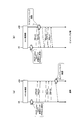
- FIGS. 2A and 2B are diagrams illustrating an example of PDCP-to-PDU retransmission control in the PDCP layer at the time of HO / reconnection.
- FIG. 3 is a functional block configuration diagram of UE 100.
- FIG. 4 is a functional block configuration diagram of the eNB 200.
- FIG. 5 is a diagram illustrating a generation operation flow of PDCP status report by the UE 100 according to the first embodiment.
- FIGS. 6A and 6B are examples of a PDCP PDU including a PDCP status ⁇ ⁇ ⁇ report based on a normal bitmap according to the first embodiment, and a PDCP PDU including a PDCP status report from which a part of the bitmap is deleted.
- FIG. FIGS. 7A and 7B are diagrams illustrating a PDCP status report transmission / reception sequence between the UE 100 and the eNB 200 according to the first embodiment.
- FIG. 8 is a diagram showing an operation flow of generating PDCP status report by the UE 100 according to the second embodiment.
- FIGS. 9A and 9B are diagrams showing examples of PDCP PDU including PDCP status report based on a normal bitmap according to the second embodiment and PDCP PDU including PDCP status report obtained by dividing a bitmap. is there.
- FIGS. 10A and 10B are diagrams illustrating a PDCP status report transmission / reception sequence between the UE 100 and the eNB 200 according to the second embodiment.
- FIG. 11 is a diagram illustrating an operation flow of generating PDCP status report by the UE 100 according to the third embodiment.
- FIGS. 12A and 12B are diagrams illustrating examples of PDCP PDU including PDCP status report based on a normal bitmap according to the third embodiment and PDCP PDU including PDCP status report based on cumulative NACK.
- FIG. 1 is an overall schematic configuration diagram of a mobile communication system 10 according to the present embodiment.
- the mobile communication system 10 is a radio communication system according to Long Term Evolution (including LTE and LTE-Advanced).
- the mobile communication system 10 includes a radio access network 20, a user apparatus 100 (hereinafter referred to as UE 100), and a radio base station 200 (hereinafter referred to as eNB 200).
- UE 100 user apparatus 100
- eNB 200 radio base station
- the wireless access network 20 is an Evolved Universal Terrestrial Radio Access Network (E-UTRAN) defined in the 3rd Generation Partnership Project (3GPP), and includes the eNB200.
- E-UTRAN Evolved Universal Terrestrial Radio Access Network
- 3GPP 3rd Generation Partnership Project
- the mobile communication system 10 is not necessarily limited to LTE (E-UTRAN).
- the radio access network 20 may be a radio access network including a radio base station that performs radio communication with the UE 100 defined as 5G.
- the eNB 200 transmits a PDCP100PDU300, which is a downlink protocol data unit (PDU) in the packet data convergence protocol (PDCP) layer, to the UE 100.
- PDCP packet data convergence protocol
- UE 100 transmits uplink PDCP-PDU 300 to eNB 200.
- the UE 100 and the eNB 200 transmit and receive the PDCP / PDU 300 in the packet data convergence protocol layer.
- FIG. 2 (a) and 2 (b) show examples of PDCP PDU retransmission control in the PDCP layer at the time of HO / reconnection.
- FIG. 2A shows the reception state of PDCPPDPDU300 before handover to another cell or reconnection (HO / reconnection) to the cell.
- FIG. 2B shows a retransmission state of PDCP PDU300 after HO / reconnection.
- the UE As shown in FIG. 2A, the UE (PDCPPDRx) has already received the PDCP PDU300 of # 0, 1, 2, 6 from the eNB (PDCP Tx). On the other hand, the UE has failed to receive PDCP PDU300 of # 3,4,5.
- ENB confirms acknowledgment (RLC-ACK) from UE in radio link control (RLC) layer.
- RLC radio link control
- the eNB confirms the RLC-ACK for the PDCP300PDU300 whose sequence numbers (SN) are # 0, 1, and 2.
- the eNB has already transmitted the PDCP PDU300 of # 3,4,5 to the UE because the UE has failed to receive, but the RLC-ACK for the PDCP PDU300 of # 3,4,5 has not been confirmed. . Note that PDCP # PDU300 of # 7 has not been transmitted in the eNB.
- the UE When the UE executes HO / reconnection in such a reception state of the PDCP PDU300, the UE transmits a PDCP status report to the eNB as shown in FIG. 2 (b).
- PDCP status report including a bit indicating that the PDCP PDU 300 whose SN is # 6 has been received is transmitted to the eNB.
- HO / reconnection destination eNB transmits (retransmits) PDCP, PDU300 of # 3,4,5 for which RLC-ACK has not been confirmed.
- # 6 since PDCP status report indicates that the UE has been received, the eNB cancels retransmission.
- the purpose of PDCP is to avoid duplicate transmission of PDUs at the PDCP level after HO / reconnection of the UE by notifying the eNB of the reception state at the PDCP level in the UE.
- PDCP is located above the RLC layer and is one of the layer 2 sub-layers. PDCP provides functions such as concealment, correctness confirmation and header compression in the sublayer.
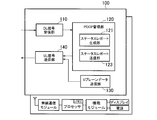
- FIG. 3 is a functional block configuration diagram of UE 100. As illustrated in FIG. 3, the UE 100 includes a DL signal reception unit 110, a PDCP management unit 120, a U plane data transmission unit 130, and a UL signal transmission unit 140.
- each functional block of the UE 100 includes a wireless communication module, a processor (including memory), a functional module (user IF, position detection, camera, audio / video, etc.), a display, and a power source (including a battery). ) And other hardware elements.
- the DL signal receiving unit 110 receives a downlink signal (DL signal) transmitted from the eNB 200. Specifically, DL signal receiving section 110 receives a radio signal in accordance with 3GPP specifications and outputs a demodulated upper layer signal. DL signal reception section 110 outputs PDCP PDU, which is a PDCP layer signal, to PDCP management section 120.
- DL signal downlink signal
- DL signal receiving section 110 receives a radio signal in accordance with 3GPP specifications and outputs a demodulated upper layer signal.
- DL signal reception section 110 outputs PDCP PDU, which is a PDCP layer signal, to PDCP management section 120.
- the PDCP management unit 120 manages operations in the PDCP layer. Specifically, the PDCP management unit 120 manages generation and transmission / reception (including retransmission control) of PDCP / PDU. In particular, the PDCP management unit 120 includes a status report generation unit 121 and a status report transmission unit 123.
- the status report generation unit 121 generates a status report (PDCP status report) indicating the reception status of the protocol data unit in the packet data convergence protocol layer.
- PDCP status report a status report indicating the reception status of the protocol data unit in the packet data convergence protocol layer.
- the status report generation unit 121 generates a PDCP control PDU including a PDCP status report in accordance with the contents of 3GPP TS36.323. Whether or not to transmit PDCP status report is specified by the eNB 200 for each radio bearer (DRB).
- the status report generation unit 121 generates the PDCP status report of the radio bearer when the transmission of PDCP status status report is specified.
- the status report generation unit 121 deletes the excess portion of the PDCP status report that exceeds the predetermined threshold (notified by PDCP status report) Exclude it from the information you want).
- the status report generation unit 121 may determine whether or not to delete the excess portion of the PDCP status report based on an instruction from the eNB 200 (destination wireless communication device).
- the status report transmission unit 123 transmits the PDCP status report generated by the status report generation unit 121. Specifically, the status report transmission unit 123 transmits PDCP status report to the eNB 200 that is the destination of the UE 100 in the PDCP layer.
- the status report transmission unit 123 transmits a PDCP PDU including the PDCP status report from which the above-described excess portion has been deleted to the eNB 200.
- the status report transmission unit 123 may transmit a PDCP PDU including an indicator indicating that the excess part has been deleted. Further, the status report transmission unit 123 may transmit a PDCP / PDU including an indicator indicating the size of the excess portion.
- the U-plane data transmission unit 130 executes processing related to user plane (U-plane) data and transmits the data. Specifically, the U plane data transmission unit 130 generates a PDCP PDU containing data of the U plane, specifically, a PDCP data PDU, and transmits the generated PDCP data PDU to the eNB 200.
- U-plane user plane
- the UL signal transmission unit 140 transmits an upstream signal (UL signal). Specifically, the UL signal transmission unit 140 modulates the PDCP PDU output from the PDCP management unit 120 and the U-plane data transmission unit 130, and transmits a radio signal according to the 3GPP specification.
- FIG. 4 is a functional block configuration diagram of the eNB 200.
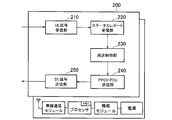
- the eNB 200 includes a UL signal reception unit 210, a status report reception unit 220, a retransmission control unit 230, a PDCP PDU transmission unit 240, and a DL signal transmission unit 250.
- each functional block of the eNB 200 is realized by hardware elements such as a wireless communication module, a processor (including a memory), a functional module (such as a network IF), and a power source.
- the UL signal receiving unit 210 receives an upstream signal (UL signal) transmitted from the UE 100. Specifically, UL signal receiving section 210 receives a radio signal in accordance with 3GPP specifications and outputs a demodulated upper layer signal.
- the UL signal receiving unit 210 outputs the demodulated PDCP PDU to the status report receiving unit 220.
- the status report receiving unit 220 receives a status report (PDCP status report) indicating the reception status of the PDCP-PDU from the UE 100 (destination wireless communication apparatus).
- a status report (PDCP status report) indicating the reception status of the PDCP-PDU from the UE 100 (destination wireless communication apparatus).
- the status report receiving unit 220 receives the PDCP status report included in the PDCP PDU (PDCP control PDU) output by the UL signal receiving unit 210.
- the status report receiving unit 220 notifies the retransmission control unit 230 of the contents of the received PDCP status report.
- the status report receiving unit 220 may receive a PDCP status report where a part of the content is deleted.
- the retransmission control unit 230 controls the retransmission of the PDCP PDU based on the PDCP status report received by the status report receiving unit 220. Specifically, retransmission control section 230 retransmits a PDCP PDU, which is indicated in PDCP status report that UE 100 has not been received. Note that retransmission control section 230 designates whether or not to transmit PDCP status report for each radio bearer.
- the retransmission control unit 230 when receiving a PDCP status report in which a part of the content has been deleted, is a PDCP status PDU that does not include a reception status, and has been transmitted to the UE 100. Will be resent.
- the retransmission control unit 230 retransmits all the PDCP PDUs that are not included in the PDCP status report because part of the content has been deleted, assuming that the UE 100 has not been received.
- the PDCP PDU transmission unit 240 transmits the PDCP PDU to the UE 100. Specifically, the PDCP / PDU transmitting unit 240 transmits PDCP / data / PDU and PDCP / control / PDU.
- the PDCP data PDU is a PDU mainly including U-plane data
- the PDCP control PDU is a PDU including header compression control information (ROHC feedback, etc.) and a PDCP status report.
- the PDCP / PDU transmitter 240 retransmits the PDCP / PDU instructed by the retransmission controller 230.
- the DL signal transmission unit 250 transmits a downlink signal (DL signal). Specifically, the DL signal transmission unit 250 modulates the PDCP / PDU output from the PDCP / PDU transmission unit 240 and transmits a radio signal according to the 3GPP specification.
- DL signal downlink signal
- FIG. 5 shows a PDCP status report generation operation flow by the UE 100.
- UE100 performs HO / reconnection (S10).
- the UE100 performs handover (HO) and reconnection to a cell, such as an increase in the quality of radio signals from neighboring cells (in the case of HO), UE degradation, serving cell quality degradation, layer 2 abnormality, and handover. Failure (in case of reconnection).
- the UE 100 determines whether or not the transmission of the PDCP status report is instructed by the eNB 200 for each configured radio bearer (S20).
- UE 100 calculates the assumed size of PDCP status report (S30).
- the eNB 200 may notify the UE 100 in advance of the allowable maximum size (predetermined threshold) of the PDCP control PDU including the PDCP status report.
- the size is not notified and may be a fixed value defined in advance. For example, it may be a value considering the size of PDCP SDU (8188 bytes) and the header portion.
- a different value may be used for each type of PDCP / control / PDU, for each radio bearer, or for each uplink / downlink direction.
- the UE 100 calculates the size of a bitmap (described later) included in the PDCP status report based on the sequence number of the received PDCP status report, and calculates the overall size of the PDCP status report.
- UE100 determines whether or not the assumed size of PDCP status report exceeds the threshold (S40).
- UE 100 When the assumed size of PDCP status report is equal to or smaller than the threshold, UE 100 generates a bitmap indicating the reception status of the PDCP PDU as usual (S50).
- UE100 ensures that PDCP status report is a predetermined size, specifically, the allowable maximum size (predetermined threshold) of PDCP control status including PDCP status report Then, a part of the bitmap information is deleted (S60).
- the UE 100 deletes the portion of the bitmap that exceeds the threshold from the bitmap following the FMS (First Missing SN). That is, the UE 100 deletes a bitmap that cannot be included in the PDCP control PDU having the maximum allowable size, more specifically, a bitmap corresponding to a PDCP PDU that has been transmitted after a large SN.
- FMS First Missing SN
- the UE 100 may delete the excess part only when there is an instruction for deletion from the eNB 200, and may send a PDCP status report including the excess part when there is no instruction.
- the deletion instruction from the eNB 200 may be implicitly notified by setting the extended PDCP SN (23 bit PDCP SN).
- FIGS. 6A and 6B show examples of a PDCP PDU including a PDCP status report with a normal bitmap and a PDCP PDU including a PDCP status report in which a part of the bitmap is deleted.
- FIG. 6 (a) shows a PDCP PDU311 including a PDCP status report by a normal bitmap.
- FIG. 6B shows a PDCP PDU313 including PDCP status report from which a part of the bitmap is deleted.
- PDCP PDU311 is composed of FixedFpart, First Missing SN (FMS), and bitmap.
- “Fixed part” includes bits indicating PDCP control PDU or PDCP data PDU, and information indicating the type of PDU.
- FMS indicates the sequence number (SN) of the oldest PDCP-PDU that has not been received.
- one horizontal row means 1 octet (8 bits).
- Fixed part does not necessarily have to be 1 octet.
- 3 octets are allocated to the FMS in accordance with the extension of the sequence number (SN) of PDCP PDU.
- the bitmap includes PDCP PDUs corresponding to FMS and indicates the reception status (0 (NG), 1 (OK)) of PDCP PDUs with sequence numbers after FMS.
- the PDCP 311 does not delete a part of PDCP status report (excess part) and includes bitmaps of all PDCP PDUs transmitted from the eNB 200.
- the PDCP 313 has a part of the PDCP status report deleted. Specifically, the excess portion of PDCP status report (bitmap) exceeding a predetermined threshold is deleted.
- the predetermined threshold is not particularly limited, as described above, considering that there is a possibility that the maximum size of PDCP PDU considering the size of PDCP SDU may be defined as an implementation of UE100, the size of PDCP SDU (8188 bytes) ) And the header portion.
- FixedFpart may include an indicator indicating that the excess part of PDCP ⁇ status report described above has been deleted, and an indicator indicating the size of the excess part.
- FIGS. 7A and 7B show a PDCP status report transmission / reception sequence between the UE 100 and the eNB 200.
- FIG. 7A and 7B show a PDCP status report transmission / reception sequence between the UE 100 and the eNB 200.
- FIG. 7A shows a communication sequence when a PDCP status report including bitmaps of all PDCP status PDUs transmitted from the eNB 200 is transmitted without deleting a part of the PDCP status report.
- the UE 100 when the UE 100 performs HO / reconnection, the UE 100 triggers transmission of a PDCP status report.
- a PDCP status report it is assumed that the SN length of the PDCP PDU is extended, and it is necessary to transmit a PDCP status report of 500 kbytes to the eNB 200.
- the PDCP status report is transmitted to the eNB 200 in a plurality of RLC PDUs.
- the eNB 200 may resume scheduling of downlink (DL) signals only after completing reception of the entire PDCP PDU including the PDCP status report transmitted separately from the UE 100 in a plurality of RLC PDUs. Can not.
- DL downlink
- the UE 100 transmits to the eNB 200 a PDCP status report in which the PDCP status report (bitmap) that exceeds a predetermined threshold (about 50 kbytes) has been deleted.
- the eNB 200 can immediately resume scheduling of the downlink (DL) signal as soon as the reception of the PDCP ⁇ PDU including the PDCP status report in which the excess part exceeding the predetermined threshold is deleted is completed.
- the eNB 200 starts retransmitting the PDCP PDU based on the received PDCP status report, specifically, the contents of the FMS and the bitmap.
- the eNB 200 retransmits a PDCP PDU that is unknown whether the UE 100 has been correctly received by deleting a part of the PDCP status report, assuming that the UE 100 has not received it.
- the size of the PDCP control PDU assumes that an extended PDCP SN (23 bit PDCP SN) is used. However, the size is applied to the PDCP control PDU.
- the number of bits of the PDCP SN (sequence number) to be performed is not limited to 23 bits, and may be another number of bits defined in 3GPP.
- the maximum size of PDCP control PDU can be specified by either of the following.
- bitmap-Maximum value of PDCP control PDU In the case of "maximum value of bitmap", for example, 15 15 SN, 2 15-1 is applied (half of 2 15 ). Since the header of the PDCP control PDU is not considered, even when the number of PDCP SNs is further expanded in the future, it is not necessary to change the maximum value.
- the assumed header size may be a predetermined PDCP SN (for example, 18 bits) or a COUNT value (32 bits).
- the above-mentioned “maximum value of bitmap” or “maximum value of PDCP control PDU” can be set within the following setting range. Specifically, an integer multiple of the maximum value of a bitmap (or PDCP control PDU) corresponding to a PDCP SN (for example, 15-bit SN) shorter than the PDCP SN corresponding to the maximum value is set.
- bitmap size in the 15-bit SN is 2048 bytes (2 15-1 / 8)
- an integer multiple of 2048 bytes is set as the maximum value.
- maximum value of PDCP control PDU integer multiple of 2048 bytes + assumed header size
- a value obtained by multiplying the size of PDCP control PDU by “predetermined ratio” may be set as the maximum value.
- predetermined ratio a value (for example, 15%) based on the error rate in the MAC layer can be cited.
- the maximum value may be different for each PDCP control PDU.
- the first PDCP control PDU can be 2000 bytes
- the next PDCP control PDU can be 1500 bytes, and so on.
- the status report generator 121 of the UE 100 can generate a PDCP control PDU including a bitmap (PDCP status report) determined by the method described above.
- the maximum value described above can be instructed from the eNB 200 (Target-eNB) to the UE 100 using the HO command at the time of handover. Or the said maximum value may be previously instruct
- the following action / effect can be obtained.
- the UE 100 when the size of the PDCP PDU including the PDCP status report exceeds a predetermined threshold, the UE 100 (status report generation unit 121) deletes the excess portion of the PDCP status report that exceeds the predetermined threshold. Also, the eNB 200 (retransmission control unit 230) retransmits a PDCP PDU that is not included in the PDCP status report due to deletion of the excess part and has been transmitted to the UE 100.
- the eNB 200 when the eNB 200 is a PDCP PDU that has been transmitted to the UE 100 and the PDCP status report does not include information (bitmap) indicating the reception status of the PDCP PDU, the eNB 200 retransmits the UE 100 as not received.
- the delay in data transmission in the PDCP layer is prevented while avoiding the improvement of processing capacity of UE 100. obtain.
- the UE 100 only needs to delete the excess part of the PDCP status report that exceeds the predetermined threshold, and the operation of the UE 100 is simple and the implementation is considered to be relatively easy.
- the UE 100 can determine whether or not to delete the excess part of the PDCP status report based on the instruction from the eNB 200.
- the size of PDCP status ⁇ ⁇ report can be dynamically changed in accordance with the status of the radio access network 20, and more flexible retransmission control in the PDCP layer can be realized.
- the UE 100 can transmit a PDCP PDU including an indicator indicating that the excess part of the PDCP status report has been deleted and an indicator indicating the size of the excess part.
- the UE 100 and the eNB 200 according to the present embodiment also have the same functional block configuration as the UE 100 and the eNB 200 according to the first embodiment.
- the status report generator 121 generates a split status report by dividing the PDCP status report when the size of the PDCP status PDU including the PDCP status report exceeds a predetermined threshold.
- the status report generation unit 121 may determine whether to generate a split status report based on an instruction from the eNB 200. Note that the eNB 200 notifies the UE 100 of the PDCP ⁇ ⁇ ⁇ PDU size threshold value, and when it is not necessary to generate a split status report, the threshold value is set to infinity so that the split status report does not need to be generated. You may notify UE100 of this.
- the status report transmission unit 123 transmits the PDCP PDU including the division status report to the eNB 200 (destination wireless communication device).
- the status report transmission unit 123 may transmit a PDCP PDU including an indicator indicating the number of division status reports.
- the status report transmission unit 123 may transmit a PDCP PDU including an indicator indicating whether or not a subsequent division status report exists.
- the U-plane data transmission unit 130 transmits PDCP-PDUs including user plane (U-plane) data in a gap in which a plurality of PDCP-PDUs including division status reports are transmitted by the status report transmission unit 123.
- U-plane user plane
- the U plane data transmission unit 130 transmits a PDCP data PDU including U plane data between transmissions of the PDCP control PDU including the division status report.
- the retransmission control unit 230 of the eNB 200 starts retransmission of the PDCP PDU as soon as reception of the first division status report is completed based on the division status report received from the UE 100.
- FIG. 8 shows a generation operation flow of PDCP status report by UE100. Steps S110 to S140 in FIG. 8 are the same as S10 to S40 shown in FIG.
- UE 100 When the assumed size of PDCP status report is equal to or smaller than the threshold, UE 100 generates a bitmap indicating the reception status of the PDCP PDU as usual (S150).
- the UE 100 notifies the eNB 200 that there is no subsequent division status report (S160).
- UE100 divides PDCP status report (bitmap) so that PDCP status is less than or equal to the specified size. Assign to multiple PDCP PDUs (S170).
- the UE 100 notifies the eNB 200 that there is a subsequent division status report (S180).
- FIGS. 9A and 9B show examples of a PDCP PDU including a PDCP status report using a normal bitmap and a PDCP PDU including a PDCP status report in which the bitmap is divided.
- the PDCP PDU321 shown in FIG. 9 (a) has the same configuration as the PDCP PDU311 shown in FIG. 6 (a).
- PDCP PDU321 is composed of FixedFpart, First Missing SN (FMS) and bitmap.
- FIG. 9B shows PDCPPDPDUs 323a to 323d including a division status report obtained by dividing the bitmap shown in PDCP PDU321.
- the portion of the bitmap (1) of PDCPPDPDU321 is assigned to PDCP PDU323a. Thereby, the size of PDCPPDPDU323a is suppressed to a predetermined threshold value or less.
- bit map (2) to (4) of PDCPPDPDU321 is allocated to PDCP PDU323b to 323d.
- PDCP PDUs 323b to 323d include StartingFSN instead of FMS.
- Starting SN means the sequence number (SN) of the PDCP PDU corresponding to the first bit of the bitmap included in the PDCP PDU.
- Starting SN is not essential.
- the eNB 200 that sequentially receives the PDCP PDUs 323a to 323d refers to the bitmap (divided status report) included in the immediately preceding PDCP PDU, and the PDCP PDU corresponding to the first bit of the bitmap included in the next PDCP PDU A sequence number may be specified.
- using Starting SN contributes to speeding up the processing.
- the size of PDCP PDU (specifically, PDCP control PDU) may be further reduced by using Starting SN.
- the SN of the first PDCP PDU whose value changes may be used as the Starting SN without notifying the bitmap of the continuous portion.
- the PDCP PDU after the PDCP PDU corresponding to the last bit of the bitmap included in the immediately preceding PDCP PDU, and the SN of the PDCP PDU that has not been received first in the UE 100 (that is, FMS equivalent) is started. It is good.
- the Fixed part of PDCP PDUs 323a to 323d includes an indicator 325 indicating whether or not a subsequent division status report exists.
- the indicator 325 may indicate the number of division status reports as described above.
- FIGS. 10A and 10B show a PDCP status report transmission / reception sequence between the UE 100 and the eNB 200.
- FIG. 10A shows a PDCP status report transmission / reception sequence between the UE 100 and the eNB 200.
- FIG. 10 (a) is the same as FIG. 7 (a), and shows a communication sequence when PDCP status reports including bitmaps of all PDCP status PDUs transmitted from the eNB 200 are transmitted.
- the UE 100 sequentially transmits PDCP PDUs 323a to 323d including the division status report as illustrated in FIG. 9B to the eNB 200.
- the UE 100 may transmit the PDCP data PDU while transmitting the PDCP control PDUs PDCP PDUs 323a to 323d.
- the UE 100 may transmit the PDCP data PDU while transmitting the PDCP data PDU 323a and the PDCP data PDU 323b.
- the transmission amount of PDCP data PDU may be specified from the eNB 200 depending on time or data amount, or a fixed value may be used.
- the eNB 200 can promptly resume downlink (DL) signal scheduling as soon as the reception of the PDCP-PDU 323a, which is the first PDCP-PDU including the division status report, is completed. For this reason, the eNB 200 does not need to wait for the reception of the entire PDCP PDU including the PDCP status ⁇ ⁇ report as shown in FIG.
- Action / Effect According to the second embodiment described above, the following action / effect can be obtained as compared with the first embodiment.
- the UE 100 when the size of the PDCP PDU including the PDCP status report exceeds a predetermined threshold, the UE 100 (status report generation unit 121) divides the PDCP status report and generates a split status report. Also, eNB 200 (retransmission control unit 230) starts retransmitting PDCP PDUs upon completion of reception of the first division status report.
- the delay in data transmission in the PDCP layer is reduced while avoiding the improvement of the processing capability of the UE 100. Can be prevented.
- eNB 200 can immediately start retransmission of PDCP-PDU as soon as reception of the first division status report is completed, a processing delay in the PDCP layer hardly occurs.
- a general-purpose method that follows the existing PDCP status report mechanism is adopted, and it is considered that migration from the existing implementation is easy.
- the reception status of all PDCP PDUs transmitted by the eNB 200 is reported to the eNB 200 by the division status report, so that the information of PDCP status report is not lost, and communication efficiency is improved. Can be enhanced.
- the UE 100 determines whether to generate a split status report based on an instruction from the eNB 200, or an indicator that indicates the number of split status reports, or the subsequent PDCP PDU including an indicator indicating whether or not there is a split status report exists. Similar to the first embodiment, such a feature contributes to the realization of more flexible retransmission control in the PDCP layer and more prompt PDCP-PDU retransmission start.
- the PDCP status report format is not a bitmap (normal status report), but can be received correctly, that is, the PDCP PDU sequence number to be acknowledged (ACK), or PDCP that has not been correctly received. It is changed to a format (cumulative status report) indicating the sequence number of a PDU, that is, a PDCP PDU to be negatively acknowledged (NACK).
- ACK PDCP PDU sequence number to be acknowledged
- NACK negative acknowledged
- the UE 100 and the eNB 200 according to the present embodiment also have the same functional block configuration as the UE 100 and the eNB 200 according to the first embodiment.
- the status report generation unit 121 can generate a cumulative status report that is a PDCP status report that is composed of cumulative (accumulated ACK) sequence numbers of PDCP PDUs that have been confirmed to be received.
- the status report generation unit 121 can generate a cumulative status report that is a PDCP status report that is composed of the accumulation (accumulation NACK) of sequence numbers of PDCP PDUs that could not be confirmed.
- the status report generation unit 121 generates a cumulative status report composed of sequence numbers of PDCP PDUs that have been confirmed to be received in order, starting with the PDCP PDU that has been confirmed to be received first. Similarly, the status report generation unit 121 generates a cumulative status report composed of the sequence numbers of PDCP PDUs whose reception could not be confirmed, in order from the PDCP PDU whose reception was not confirmed first.
- the status report generation unit 121 can also generate a normal status report in a form in which a PDCP-PDU that has been confirmed to be received and a PDCP-PDU that has not been confirmed to be received are displayed as a bitmap. That is, the status report generation unit 121 can generate a normal status report and a cumulative status report.
- the status report transmission unit 123 can transmit the cumulative status report based on the cumulative ACK when the size of the cumulative status report based on the cumulative ACK is smaller than the size of the cumulative status report based on the cumulative NACK.
- the status report transmission unit 123 can transmit the cumulative status report when the size of the cumulative status report is smaller than the size of the normal status report.
- the status report transmission unit 123 transmits the normal status report when both the size of the cumulative status report and the size of the normal status report are below a predetermined threshold.
- the status report transmission unit 123 determines whether the cumulative ACK cumulative status report or the cumulative NACK cumulative status report.
- a PDCP-PDU including an indicator to indicate can be transmitted.
- the retransmission control unit 230 of the eNB 200 retransmits a PDCP-PDU that the UE 100 has not received based on the cumulative status report received from the UE 100.
- FIG. 11 shows a generation operation flow of PDCP status report by UE100. Steps S210 and S220 in FIG. 11 are the same as S10 and S20 shown in FIG.
- UE100 calculates PDCP status report by normal bitmap, that is, the expected size of normal status report (S230).
- the UE 100 calculates the PDCP status report by the cumulative ACK, that is, the estimated size of the cumulative status report (S240). Note that UE 100 may calculate the estimated size of PDCP status report based on cumulative NACK instead of cumulative ACK. Alternatively, as described above, the estimated size of PDCP status report by cumulative ACK and PDCP status report by cumulative NACK may be calculated, and the smaller PDCP status report may be selected.
- UE100 determines whether the estimated size of PDCP status report by cumulative ACK is smaller than the estimated size of PDCP status report by a normal bitmap (S250).
- UE100 If the estimated size of PDCP status report by the normal bitmap is the same or smaller than the estimated size of PDCP status report by the cumulative ACK, UE100 generates a PDCP status report (normal status report) by the normal bitmap (S260). .
- UE 100 when the assumed size of PDCP status report by cumulative ACK is smaller than the estimated size of PDCP status report by normal bitmap, UE 100 generates PDCP status report (cumulative status report) by cumulative ACK (S270).
- the UE 100 may execute only the processes of S240 and S270 without executing the processes of steps S230, S250, and S260 described above.
- UE100 when calculating the assumed size of PDCP status report by cumulative ACK and PDCP status status report by cumulative NACK, and selecting a smaller PDCP status status report, UE100 will either calculate cumulative status report by cumulative ACK or cumulative status by cumulative NACK.
- FIGS. 12A and 12B show examples of a PDCP PDU including a PDCP status report by a normal bitmap and a PDCP PDU including a PDCP status report by a cumulative NACK.
- the PDCP) PDU331 shown in FIG. 12 (a) has the same configuration as the PDCP3PDU311 shown in FIG. 6 (a) and the PDCP PDU321 shown in FIG. 9 (a).
- PDCP PDU331 is composed of Fixed part, First Missing SN (FMS) and bitmap.
- the PDCP 333 shown in FIG. 12B includes a PDCP status report that expresses the same content as the bitmap content of the PDCP 331 in the form of cumulative NACK.
- sequence number of PDCP PDU corresponding to FMS is indicated in the NACK # 1 area (3 octets).
- sequence number of PDCP PDU that UE100 could not receive next is indicated in the area of NACK # 2. Thereafter, similarly, the sequence number of PDCP PDU that could not be received is indicated.
- UE 100 (status report generation unit 121) is configured by accumulating the sequence number of PDCP PDUs that have been confirmed to be received (accumulated ACK) or by accumulating the sequence numbers of PDCP PDUs that have not been confirmed to be received (accumulated NACK). Generate PDCP status report (cumulative status report).
- eNB200 (retransmission control part 230) resends PDCP PDU which UE100 has not received based on the accumulation status report received from UE100.
- the cumulative status report uses the cumulative ACK format when the number of PDCP-PDUs that have been confirmed to be confirmed is overwhelmingly smaller than the number of PDCP-PDUs that have not been confirmed to be received.
- the cumulative NACK format can be used to greatly reduce the size of the PDCP status report, which is highly effective.
- the UE 100 (status report transmission unit 123) can transmit the cumulative status report when the size of the cumulative status report is smaller than the size of the normal status report.
- the UE 100 (status report transmission unit 123) transmits the normal status report when both the cumulative status report size and the normal status report size are below the predetermined threshold.
- the UE 100 (status report transmission unit 123) can transmit the cumulative status report based on the cumulative ACK when the size of the cumulative status report based on the cumulative ACK is smaller than the size of the cumulative status report based on the cumulative NACK. .
- the UE 100 (status report transmission unit 123) can transmit a PDCP-PDU including an indicator indicating whether the status is a cumulative status report based on cumulative ACK or a cumulative status report based on cumulative NACK. .
- the eNB 200 can quickly recognize whether it is a cumulative status report based on a cumulative ACK or a cumulative status report based on a cumulative NACK, and can further effectively prevent a delay in data transmission in the PDCP layer.
- the PDCP ⁇ ⁇ ⁇ PDU size is controlled to be equal to or smaller than the predetermined threshold by specifying the allowable maximum size (predetermined threshold) of the PDCP PDU.
- the size of PDCP ⁇ PDU may be controlled to be equal to or smaller than a predetermined threshold as a result.
- the UE 100 transmits a PDCP control PDU including the PDCP status control report to the eNB 200, and the eNB 200 controls the retransmission of the PDCP control PDU based on the PDCP status report.
- UE100 and eNB200 also have the reverse function of each. That is, the eNB 200 transmits a PDCP control PDU including the PDCP status report to the UE 100, and the UE 100 has a function of controlling retransmission of the PDCP PDU based on the PDCP status report.
- eNB200 comprises a destination radio
- the UE 100 configures a destination wireless communication device. Therefore, UE100 comprises the radio
- the eNB 200 also constitutes a wireless communication device or a destination wireless communication device.
- the Fixed part In the first to third embodiments described above, an example in which various indicators are included in the PDCP PDU, specifically, the Fixed part has been described. However, the indicator is not the Fixed part, for example, PDCP status. It may be included as a part of the report component.
- the PDCP PDU has been described.
- at least some of the features of the present invention are not necessarily limited to the PDCP PDU.
- the method of dividing bitmap information into a plurality of PDUs is not limited to PDCP status report, but other cases of transmitting bitmap information (such as PDUs) You may apply to.
- the channel and / or symbol may be a signal.
- the signal may be a message.
- system and “network” may be used interchangeably.
- the parameters described above may be represented by absolute values, may be represented by relative values from predetermined values, or may be represented by other corresponding information.
- the radio resource may be indicated by an index.
- ENB 200 base station
- base station can accommodate one or a plurality of (for example, three) cells (also called sectors).
- a base station accommodates multiple cells, the entire coverage area of the base station can be partitioned into multiple smaller areas, each smaller area being a base station subsystem (eg, indoor small base station RRH: Remote Radio Head) can also provide communication services.
- RRH Remote Radio Head
- cell refers to part or all of the coverage area of a base station and / or base station subsystem that provides communication services in this coverage.
- base station eNB
- cell ector
- a base station may also be referred to in terms such as a fixed station (fixed station), NodeB, eNodeB (eNB), access point (access point), femto cell, small cell, and the like.
- UE100 is a subscriber station, mobile unit, subscriber unit, wireless unit, remote unit, mobile device, wireless device, wireless communication device, remote device, mobile subscriber station, access terminal, mobile terminal, wireless terminal by those skilled in the art , Remote terminal, handset, user agent, mobile client, client, or some other appropriate terminology.
- the phrase “based on” does not mean “based only on”, unless expressly specified otherwise. In other words, the phrase “based on” means both “based only on” and “based at least on.”
- One aspect of the present invention is a radio communication apparatus (for example, UE 100) that transmits and receives a protocol data unit (PDCP PDU) in a packet data convergence protocol layer positioned above a radio link control layer, and the packet data convergence
- PDCP PDU protocol data unit
- a status report generation unit (status report generation unit 121) that generates a status report (PDCP status report) indicating a reception state of the protocol data unit in the protocol layer, and the status report generated by the status report generation unit
- a status report transmission unit (status report transmission unit 123) that transmits to a destination wireless communication device (for example, eNB200) that is a destination of the wireless communication device in a packet data convergence protocol layer;
- the status report generation unit deletes an excess part of the status report that exceeds the predetermined threshold, and the status report transmission unit
- the gist is to transmit the protocol data unit including the status report with the portion deleted to the destination wireless communication apparatus.
- the status report generation unit may determine whether to delete the excess portion based on an instruction from the destination wireless communication device.
- the status report transmission unit may transmit the protocol data unit including an indicator indicating that the excess part has been deleted.
- the status report transmission unit may transmit the protocol data unit including an indicator indicating the size of the excess portion.
- One aspect of the present invention is a wireless communication apparatus (e.g., eNB200) that transmits and receives protocol data units in a packet data convergence protocol layer positioned above a radio link control layer, wherein the packet data convergence protocol layer A status report receiving unit (status report receiving unit 220) that receives a status report indicating a reception state of the protocol data unit in the packet data convergence protocol layer from a destination wireless communication device (for example, UE 100) that is a destination of the wireless communication device.
- a wireless communication apparatus e.g., eNB200
- the packet data convergence protocol layer A status report receiving unit that receives a status report indicating a reception state of the protocol data unit in the packet data convergence protocol layer from a destination wireless communication device (for example, UE 100) that is a destination of the wireless communication device.
- a retransmission control unit (retransmission control unit 230) that controls retransmission of the protocol data unit based on the status report received by the status report reception unit, In the report, an excess part in which the size of the protocol data unit exceeds a predetermined threshold is deleted, and the retransmission control unit is the protocol data unit that does not include the reception state in the status report, and the The gist is to retransmit the protocol data unit that has already been transmitted to the destination wireless communication apparatus.
- One aspect of the present invention is a wireless communication method for transmitting and receiving protocol data units in a packet data convergence protocol layer located above a radio link control layer, wherein a wireless communication device is configured to transmit the protocol data unit in the packet data convergence protocol layer.
- And sending the status report wherein if the size of the protocol data unit containing the status report exceeds a predetermined threshold, the predetermined threshold is set.
- the step of deleting the excess part of the status report and transmitting the status report includes transmitting the protocol data unit including the status report from which the excess part has been deleted to the destination wireless communication apparatus. .
- One aspect of the present invention is a radio communication apparatus (for example, UE 100) that transmits and receives a protocol data unit (PDCP PDU) in a packet data convergence protocol layer positioned above a radio link control layer, and the packet data convergence A status report generation unit (status report generation unit 121) that generates a status report indicating a reception state of the protocol data unit in the protocol layer, and the status report generated by the status report generation unit is converted into the packet data convergence protocol.
- PDCP PDU protocol data unit
- a status report generation unit that generates a status report indicating a reception state of the protocol data unit in the protocol layer, and the status report generated by the status report generation unit is converted into the packet data convergence protocol.
- a status report transmission unit (status report transmission unit 123) that transmits to a destination wireless communication device (for example, eNB200) that is a destination of the wireless communication device in a layer, and the status
- a destination wireless communication device for example, eNB200
- the port generation unit divides the status report to generate a divided status report
- the status report transmission unit includes the divided status report.
- the gist is to transmit the protocol data unit to the destination wireless communication device.
- the status report generation unit may determine whether to generate the split status report based on an instruction from the destination wireless communication device.
- the status report transmission unit may transmit the protocol data unit including an indicator indicating the number of the divided status reports.
- the status report transmission unit may transmit the protocol data unit including an indicator indicating whether or not the subsequent divided status report exists.
- a U plane data transmission unit that transmits the protocol data unit including user plane data in a gap in which the plurality of protocol data units including the division status report are transmitted by the status report transmission unit. You may prepare.
- One aspect of the present invention is a wireless communication method for transmitting and receiving protocol data units in a packet data convergence protocol layer located above a radio link control layer, wherein a wireless communication device is configured to transmit the protocol data unit in the packet data convergence protocol layer.
- And sending the status report wherein if the size of the protocol data unit containing the status report exceeds a predetermined threshold, the status report is generated.
- the port By dividing the port generates a split status report, in the step of transmitting the status report, to increase the transmission of the protocol data unit including the split status report to the destination wireless communication device.
- One aspect of the present invention is a wireless communication apparatus (for example, UE 100) that transmits and receives a protocol data unit in a packet data convergence protocol layer positioned above a radio link control layer, wherein the packet data convergence protocol layer A status report generator (status report generator 121) that generates a status report indicating a reception state of the protocol data unit, and the status report generated by the status report generator is transmitted in the packet data convergence protocol layer to the radio A status report transmission unit (status report transmission unit 123) that transmits to a destination wireless communication device (for example, eNB200) that is a destination of the communication device,
- the wireless communication device generates a cumulative status report that is the status report configured by accumulating the sequence number of the protocol data unit that has been confirmed to be received or the sequence number of the protocol data unit that has not been confirmed to be received It is a summary.
- the status report generation unit includes a normal status report in a form of displaying the protocol data unit that has been confirmed to be received and the protocol data unit that has not been confirmed to be received as a bitmap, and the cumulative status.
- a report can be generated, and the status report transmission unit transmits the cumulative status report when the size of the cumulative status report is smaller than the size of the normal status report.
- the status report transmission unit transmits the normal status report when both the size of the cumulative status report and the size of the normal status report are below a predetermined threshold. .
- the status report transmission unit is configured such that a size of the accumulated status report obtained by accumulating the sequence numbers of the protocol data units whose reception has been confirmed is an accumulation of sequence numbers of the protocol data units whose reception has not been confirmed.
- the summary status report is transmitted by accumulating the sequence numbers of the protocol data units whose reception has been confirmed.
- the status report transmission unit includes the cumulative status report based on the accumulation of sequence numbers of the protocol data units whose reception has been confirmed, or the accumulation of sequence numbers of the protocol data units whose reception has not been confirmed.
- the gist is to transmit the protocol data unit including an indicator indicating which of the cumulative status reports.
Landscapes
- Engineering & Computer Science (AREA)
- Computer Networks & Wireless Communication (AREA)
- Signal Processing (AREA)
- Quality & Reliability (AREA)
- Mobile Radio Communication Systems (AREA)
Abstract
PDCP status reportのサイズが大きくなった場合でも、処理能力の向上を回避しつつ、PDCPレイヤにおけるデータ送信の遅延を防止し得る無線通信装置及び無線通信方法を提供する。UE100は、PDCP PDUの受信状態を示すPDCP status reportを生成し、生成したPDCP status reportをeNB200に送信する。UE100は、PDCP status reportを含むPDCP PDUのサイズが所定閾値を超える場合、所定閾値を超えたPDCP status reportの超過部分を削除し、超過部分が削除されたPDCP status reportを含むPDCP PDUをeNB200に送信する。
Description
本発明は、パケットデータ・コンバージェンスプロトコルレイヤにおいてプロトコルデータユニットを送受信する無線通信装置及び無線通信方法に関する。
3rd Generation Partnership Project(3GPP)によって規定されるLong Term Evolution(LTE、LTE-Advancedも含む)の仕様では、無線リンク制御(RLC)レイヤの上位に、パケットデータ・コンバージェンスプロトコル(PDCP)レイヤが規定されている(非特許文献1参照)。
移動局(UE)は、他セルへのハンドオーバやセルへの再接続(以下、HO/再接続)など、PDCPが再設定(re-establishment)される場合、PDCP status reportを無線基地局(eNB)に送信する。UEがPDCP status reportを送信するか否かは、無線ベアラ毎にeNBによって指示される。
PDCP status reportの目的は、UEにおけるPDCPレベルでの受信状態をeNBに通知することによって、UEのHO/再接続後におけるPDCPレベルでのプロトコルデータユニット(PDU)、つまり、PDCP PDUの重複送信を回避することである。
PDCP status reportは、First Missing SN(FMS)と、ビットマップとを含む。FMSは、受信が未了である最も古いPDCP PDUのシーケンス番号(SN)を示す。ビットマップは、FMSを含み、当該FMS以降のPDCP PDUの受信状態を0(NG)または1(OK)で示す。
また、3GPPでは、LTEのRelease-12において規定されている最大5のコンポーネントキャリア(CC)を用いたキャリアアグリゲーション(CA)を、Release-13では、最大32のCCまで拡張することが検討されている。
このような拡張に伴うピークスループットの増大を考慮し、PDCP PDUのSN長も拡張することが合意されている(非特許文献2参照)。
3GPP TS 36.323 V12.4.0 3rd Generation Partnership Project; Technical Specification Group Radio Access Network; Evolved Universal Terrestrial Radio Access (E-UTRA); Packet Data Convergence Protocol (PDCP) specification (Release 12)、3GPP、2015年6月
3GPP R2-153171, "L2 enhancements for eCA"、3GPP、2015年8月、[2015年9月17日検索]、インターネット<URL:http://www.3gpp.org/ftp/Meetings_3GPP_SYNC/RAN2/Docs/>
上述したようなCAの拡張や、256QAMの導入によって、下り方向のピークスループットが向上する場合でも、上り方向については、UEの能力に依存するため、依然としてLTEのRelease-8相当のピークスループット(50MHz/CC, 16QAM)であることも想定される。
このような場合、PDCP PDUのSN長が拡張されていると、eNBがUEからPDCP status reportを受信するまでに時間を要し、HO/再接続時における下り方向のデータ送信が遅延する可能性がある。
具体的には、eNBは、PDCP status reportの内容を確認してからPDCP PDUを送信するため、PDCP status reportを構成する全てのByte segmentの受信が完了するまで、UE宛てのPDCP PDUの送信を開始できない。また、RLCレイヤにおいてセグメント化されたPDCP PDUは、当該セグメント化されたPDCP PDUの全てを欠落なく受信できて初めて復元することができため、PDCP PDUの一部のみを受信した時点で処理を開始することも難しい。
さらに、現状のPDCPの仕様では, PDCP PDUの最大値は規定されていないが、PDCP SDU(Service Data Unit)の最大値(8188byte)は規定されており、UEは、PDCP SDUの最大値に応じたPDCP PDUのサイズを想定した設計となっている可能性が高い。
従って、上述したようにPDCP PDUのSN長が拡張されると、500kbyteを超過するようなサイズのPDCP status reportとなるため、UEは、このようなサイズのPDCP status reportを処理できない可能性がある。
勿論、このようなサイズのPDCP status reportを処理できるようにUEを設計することも可能だが、このような処理のみのためにUEの処理能力を向上させることは、UEのコストパフォーマンスを考慮すると好ましくない。
そこで、本発明は、このような状況に鑑みてなされたものであり、PDCP status reportのサイズが大きくなった場合でも、処理能力の向上を回避しつつ、PDCPレイヤにおけるデータ送信の遅延を防止し得る無線通信装置及び無線通信方法の提供を目的とする。
本発明の一態様は、無線リンク制御レイヤの上位に位置するパケットデータ・コンバージェンスプロトコルレイヤにおいてプロトコルデータユニットを送受信する無線通信装置であって、前記パケットデータ・コンバージェンスプロトコルレイヤにおける前記プロトコルデータユニットの受信状態を示すステータスレポートを生成するステータスレポート生成部と、前記ステータスレポート生成部によって生成された前記ステータスレポートを、前記パケットデータ・コンバージェンスプロトコルレイヤにおいて前記無線通信装置の宛先となる宛先無線通信装置に送信するステータスレポート送信部とを備え、前記ステータスレポート生成部は、前記ステータスレポートを含む前記プロトコルデータユニットのサイズが所定閾値を超える場合、前記所定閾値を超えた前記ステータスレポートの超過部分を削除し、前記ステータスレポート送信部は、前記超過部分が削除された前記ステータスレポートを含む前記プロトコルデータユニットを前記宛先無線通信装置に送信することを要旨とする。
本発明の一態様は、無線リンク制御レイヤの上位に位置するパケットデータ・コンバージェンスプロトコルレイヤにおいてプロトコルデータユニットを送受信する無線通信装置であって、前記パケットデータ・コンバージェンスプロトコルレイヤにおいて前記無線通信装置の宛先となる宛先無線通信装置から、前記パケットデータ・コンバージェンスプロトコルレイヤにおける前記プロトコルデータユニットの受信状態を示すステータスレポートを受信するステータスレポート受信部と、前記ステータスレポート受信部が受信した前記ステータスレポートに基づいて、前記プロトコルデータユニットの再送を制御する再送制御部とを備え、前記ステータスレポートは、前記プロトコルデータユニットのサイズが所定閾値を超える超過部分が削除されており、前記再送制御部は、前記ステータスレポートに前記受信状態が含まれていない前記プロトコルデータユニットであって、かつ前記宛先無線通信装置に送信済みの前記プロトコルデータユニットを再送することを要旨とする。
本発明の一態様は、無線リンク制御レイヤの上位に位置するパケットデータ・コンバージェンスプロトコルレイヤにおいてプロトコルデータユニットを送受信する無線通信方法であって、無線通信装置が、前記パケットデータ・コンバージェンスプロトコルレイヤにおける前記プロトコルデータユニットの受信状態を示すステータスレポートを生成するステップと、前記無線通信装置が、生成された前記ステータスレポートを、前記パケットデータ・コンバージェンスプロトコルレイヤにおいて前記無線通信装置の宛先となる宛先無線通信装置に送信するステップとを含み、前記ステータスレポートを生成するステップでは、前記ステータスレポートを含む前記プロトコルデータユニットのサイズが所定閾値を超える場合、前記所定閾値を超えた前記ステータスレポートの超過部分を削除し、前記ステータスレポートを送信するステップでは、前記超過部分が削除された前記ステータスレポートを含む前記プロトコルデータユニットを前記宛先無線通信装置に送信することを要旨とする。
本発明の一態様は、無線リンク制御レイヤの上位に位置するパケットデータ・コンバージェンスプロトコルレイヤにおいてプロトコルデータユニットを送受信する無線通信装置であって、前記パケットデータ・コンバージェンスプロトコルレイヤにおける前記プロトコルデータユニットの受信状態を示すステータスレポートを生成するステータスレポート生成部と、前記ステータスレポート生成部によって生成された前記ステータスレポートを、前記パケットデータ・コンバージェンスプロトコルレイヤにおいて前記無線通信装置の宛先となる宛先無線通信装置に送信するステータスレポート送信部とを備え、前記ステータスレポート生成部は、前記ステータスレポートを含む前記プロトコルデータユニットのサイズが所定閾値を超える場合、前記ステータスレポートを分割して分割ステータスレポートを生成し、前記ステータスレポート送信部は、前記分割ステータスレポートを含む前記プロトコルデータユニットを前記宛先無線通信装置に送信することを要旨とする。
本発明の一態様は、無線リンク制御レイヤの上位に位置するパケットデータ・コンバージェンスプロトコルレイヤにおいてプロトコルデータユニットを送受信する無線通信方法であって、無線通信装置が、前記パケットデータ・コンバージェンスプロトコルレイヤにおける前記プロトコルデータユニットの受信状態を示すステータスレポートを生成するステップと、前記無線通信装置が、生成された前記ステータスレポートを、前記パケットデータ・コンバージェンスプロトコルレイヤにおいて前記無線通信装置の宛先となる宛先無線通信装置に送信するステップとを含み、前記ステータスレポートを生成するステップでは、前記ステータスレポートを含む前記プロトコルデータユニットのサイズが所定閾値を超える場合、前記ステータスレポートを分割して分割ステータスレポートを生成し、前記ステータスレポートを送信するステップでは、前記分割ステータスレポートを含む前記プロトコルデータユニットを前記宛先無線通信装置に送信することを要旨とする。
以下、実施形態を図面に基づいて説明する。なお、同一の機能や構成には、同一または類似の符号を付して、その説明を適宜省略する。
[第1実施形態]
(1)移動通信システムの全体概略構成
図1は、本実施形態に係る移動通信システム10の全体概略構成図である。図1に示すように、移動通信システム10は、Long Term Evolution(LTE、LTE-Advancedも含む)に従った無線通信システムである。移動通信システム10は、無線アクセスネットワーク20、ユーザ装置100(以下、UE100)、及び無線基地局200(以下、eNB200)を含む。
(1)移動通信システムの全体概略構成
図1は、本実施形態に係る移動通信システム10の全体概略構成図である。図1に示すように、移動通信システム10は、Long Term Evolution(LTE、LTE-Advancedも含む)に従った無線通信システムである。移動通信システム10は、無線アクセスネットワーク20、ユーザ装置100(以下、UE100)、及び無線基地局200(以下、eNB200)を含む。
無線アクセスネットワーク20は、3rd Generation Partnership Project(3GPP)において規定されるEvolved Universal Terrestrial Radio Access Network(E-UTRAN)であり、eNB200を含む。
なお、移動通信システム10は、必ずしもLTE(E-UTRAN)に限定されない。例えば、無線アクセスネットワーク20は、5Gとして規定されるUE100と無線通信を実行する無線基地局を含む無線アクセスネットワークであってもよい。
UE100及びeNB200は、LTEの仕様に従った無線通信を実行する。特に、本実施形態では、eNB200は、パケットデータ・コンバージェンスプロトコル(PDCP)レイヤにおける下り方向のプロトコルデータユニット(PDU)であるPDCP PDU300をUE100に送信する。同様に、UE100は、上り方向のPDCP PDU300をeNB200に送信する。
すなわち、UE100及びeNB200は、パケットデータ・コンバージェンスプロトコルレイヤにおいてPDCP PDU300を送受信する。
図2(a)及び(b)は、HO/再接続時におけるPDCPレイヤにおけるPDCP PDUの再送制御の例を示す。図2(a)は、他セルへのハンドオーバやセルへの再接続(HO/再接続)前におけるPDCP PDU300の受信状態を示す。図2(b)は、HO/再接続後におけるPDCP PDU300の再送状態を示す。
図2(a)に示すように、UE(PDCP Rx)は、eNB(PDCP Tx)から#0,1,2,6のPDCP PDU300を受信済みである。一方、UEは、#3,4,5のPDCP PDU300の受信に失敗している。
eNBは、無線リンク制御(RLC)レイヤにおけるUEからの肯定応答(RLC-ACK)を確認する。図2(a)に示すように、eNBは、シーケンス番号(SN)が#0,1,2のPDCP PDU300に対するRLC-ACKを確認している。
一方、eNBは、UEが受信に失敗しているため、#3,4,5のPDCP PDU300をUEに送信済みであるが、#3,4,5のPDCP PDU300に対するRLC-ACKが未確認である。なお、#7のPDCP PDU300は、eNBにおいて未送信である。
このようなPDCP PDU300の受信状態において、UEがHO/再接続を実行すると、図2(b)に示すように、UEは、PDCP status reportをeNBに送信する。ここでは、SNが#6のPDCP PDU300は受信済みであることを示すビットを含むPDCP status reportがeNBに送信される。
HO/再接続先のeNBは、RLC-ACKが未確認である#3,4,5のPDCP PDU300を順に送信(再送)する。一方、#6については、PDCP status reportによってUEが受信済みであることが示されているため、eNBは再送をキャンセルする。
このように、PDCPの目的は、UEにおけるPDCPレベルでの受信状態をeNBに通知することによって、UEのHO/再接続後におけるPDCPレベルでのPDUの重複送信を回避することである。
また、PDCPは、RLCレイヤの上位に位置し、レイヤ2のサブレイヤの一つである。PDCPは、当該サブレイヤにおける秘匿、正当性確認、ヘッダ圧縮などの機能を提供する。
(2)移動通信システムの機能ブロック構成
次に、移動通信システム10の機能ブロック構成について説明する。具体的には、UE100及びeNB200の機能ブロック構成について説明する。
次に、移動通信システム10の機能ブロック構成について説明する。具体的には、UE100及びeNB200の機能ブロック構成について説明する。
(2.1)UE100
図3は、UE100の機能ブロック構成図である。図3に示すように、UE100は、DL信号受信部110、PDCP管理部120、Uプレーンデータ送信部130及びUL信号送信部140を備える。
図3は、UE100の機能ブロック構成図である。図3に示すように、UE100は、DL信号受信部110、PDCP管理部120、Uプレーンデータ送信部130及びUL信号送信部140を備える。
なお、図3に示すように、UE100の各機能ブロックは、無線通信モジュール、プロセッサ(メモリを含む)、機能モジュール(ユーザIF、位置検出、カメラ、オーディオ・ビデオなど)、ディスプレイ及び電源(バッテリ含む)などのハードウェア要素によって実現される。
DL信号受信部110は、eNB200から送信された下り方向の信号(DL信号)を受信する。具体的には、DL信号受信部110は、3GPPの仕様に従った無線信号を受信し、復調された上位レイヤの信号を出力する。DL信号受信部110は、PDCPレイヤの信号であるPDCP PDUをPDCP管理部120に出力する。
PDCP管理部120は、PDCPレイヤにおける動作を管理する。具体的には、PDCP管理部120は、PDCP PDUの生成及び送受信(再送制御を含む)を管理する。特に、PDCP管理部120は、ステータスレポート生成部121及びステータスレポート送信部123を含む。
ステータスレポート生成部121は、パケットデータ・コンバージェンスプロトコルレイヤにおけるプロトコルデータユニットの受信状態を示すステータスレポート(PDCP status report)を生成する。
具体的には、ステータスレポート生成部121は、3GPP TS36.323の規定内容に従って、PDCP status reportを含むPDCP control PDUを生成する。PDCP status reportを送信するか否かは、無線ベアラ(DRB)毎にeNB200によって指定される。ステータスレポート生成部121は、PDCP status reportの送信が指定されている場合、当該無線ベアラのPDCP status reportを生成する。
本実施形態では、ステータスレポート生成部121は、PDCP status reportを含むPDCP PDUのサイズが所定閾値を超える場合、当該所定閾値を超えたPDCP status reportの超過部分を削除する(PDCP status reportにて通知する情報から除外する)。
なお、ステータスレポート生成部121は、eNB200(宛先無線通信装置)からの指示に基づいて、PDCP status reportの超過部分を削除するか否かを決定してもよい。
ステータスレポート送信部123は、ステータスレポート生成部121によって生成されたPDCP status reportを送信する。具体的には、ステータスレポート送信部123は、PDCPレイヤにおいてUE100の宛先となるeNB200にPDCP status reportを送信する。
本実施形態では、ステータスレポート送信部123は、上述した超過部分が削除されたPDCP status reportを含むPDCP PDUをeNB200に送信する。
また、超過部分が削除されたPDCP status reportを含むPDCP PDUを送信する場合、ステータスレポート送信部123は、当該超過部分を削除したことを示す表示子を含むPDCP PDUを送信してもよい。さらに、ステータスレポート送信部123は、当該超過部分のサイズを示す表示子を含むPDCP PDUを送信してもよい。
Uプレーンデータ送信部130は、ユーザプレーン(Uプレーン)のデータに関する処理を実行し、当該データを送信する。具体的には、Uプレーンデータ送信部130は、Uプレーンのデータを含むPDCP PDU、具体的には、PDCP data PDUを生成し、生成したPDCP data PDUをeNB200に送信する。
UL信号送信部140は、上り方向の信号(UL信号)を送信する。具体的には、UL信号送信部140は、PDCP管理部120及びUプレーンデータ送信部130から出力されたPDCP PDUを変調し、3GPPの仕様に従った無線信号を送信する。
(2.2)eNB200
図4は、eNB200の機能ブロック構成図である。図4に示すように、eNB200は、UL信号受信部210、ステータスレポート受信部220、再送制御部230、PDCP PDU送信部240及びDL信号送信部250を備える。
図4は、eNB200の機能ブロック構成図である。図4に示すように、eNB200は、UL信号受信部210、ステータスレポート受信部220、再送制御部230、PDCP PDU送信部240及びDL信号送信部250を備える。
なお、図4に示すように、eNB200の各機能ブロックは、無線通信モジュール、プロセッサ(メモリを含む)、機能モジュール(ネットワークIFなど)及び電源などのハードウェア要素によって実現される。
UL信号受信部210は、UE100から送信された上り方向の信号(UL信号)を受信する。具体的には、UL信号受信部210は、3GPPの仕様に従った無線信号を受信し、復調された上位レイヤの信号を出力する。
特に、UL信号受信部210は、復調したPDCP PDUをステータスレポート受信部220に出力する。
ステータスレポート受信部220は、UE100(宛先無線通信装置)から、PDCP PDUの受信状態を示すステータスレポート(PDCP status report)を受信する。
具体的には、ステータスレポート受信部220は、UL信号受信部210によって出力されたPDCP PDU(PDCP control PDU)に含まれるPDCP status reportを受信する。ステータスレポート受信部220は、受信したPDCP status reportの内容を再送制御部230に通知する。
また、本実施形態では、上述したように、PDCP status reportは、PDCP PDUのサイズが所定閾値を超える場合、当該超過部分が削除される。このため、ステータスレポート受信部220は、内容の一部が削除されたPDCP status reportを受信する場合がある。
再送制御部230は、ステータスレポート受信部220が受信したPDCP status reportに基づいて、PDCP PDUの再送を制御する。具体的には、再送制御部230は、PDCP status reportにおいて、UE100が受信できなかったことが示されているPDCP PDUを再送する。なお、再送制御部230は、無線ベアラ毎にPDCP status reportを送信するか否かを指定する。
また、再送制御部230は、内容の一部が削除されたPDCP status reportを受信した場合、当該PDCP status reportに受信状態が含まれていないPDCP PDUであって、かつUE100に送信済みのPDCP PDUを再送する。
すなわち、再送制御部230は、内容の一部が削除されたためにPDCP status reportに含まれていない全てのPDCP PDUを、UE100が受信できていないと見なして再送する。
PDCP PDU送信部240は、UE100にPDCP PDUを送信する。具体的には、PDCP PDU送信部240は、PDCP data PDU及びPDCP control PDUを送信する。
PDCP data PDUは、主にUプレーンデータなどを含むPDUであり、PDCP control PDUは、ヘッダ圧縮の制御情報(ROHCフィードバックなど)やPDCP status reportを含むPDUである。
また、PDCP PDU送信部240は、再送制御部230によって指示されたPDCP PDUを再送する。
DL信号送信部250は、下り方向の信号(DL信号)を送信する。具体的には、DL信号送信部250は、PDCP PDU送信部240から出力されたPDCP PDUを変調し、3GPPの仕様に従った無線信号を送信する。
(3)移動通信システムの動作
次に、移動通信システム10の動作について説明する。具体的には、UE100によるPDCP status reportの生成及び送信動作、eNB200によるPDCP PDUの再送動作について説明する。
次に、移動通信システム10の動作について説明する。具体的には、UE100によるPDCP status reportの生成及び送信動作、eNB200によるPDCP PDUの再送動作について説明する。
(3.1)PDCP status reportの生成動作
図5は、UE100によるPDCP status reportの生成動作フローを示す。図5に示すように、UE100は、HO/再接続を実行する(S10)。UE100がハンドオーバ(HO)やセルへの再接続を行う状況としては、UE100の移動に伴う近隣セルからの無線信号の品質の上昇(HOの場合)や、サービングセルの品質劣化、レイヤ2異常、ハンドオーバの失敗(再接続の場合)などである。
図5は、UE100によるPDCP status reportの生成動作フローを示す。図5に示すように、UE100は、HO/再接続を実行する(S10)。UE100がハンドオーバ(HO)やセルへの再接続を行う状況としては、UE100の移動に伴う近隣セルからの無線信号の品質の上昇(HOの場合)や、サービングセルの品質劣化、レイヤ2異常、ハンドオーバの失敗(再接続の場合)などである。
このようなハンドオーバやセルへの再接続は、PDCP status reportの契機となる。UE100は、設定されている無線ベアラ毎にPDCP status reportの送信がeNB200によって指示されているか否かを判定する(S20)。
PDCP status reportの送信指示がある場合、UE100は、PDCP status reportの想定サイズを計算する(S30)。
なお、eNB200は、PDCP status reportを含むPDCP control PDUの許容最大サイズ(所定閾値)を事前にUE100に通知してもよい。或いは、当該サイズは通知されず、予め規定された固定値でも構わない。例えば、PDCP SDUのサイズ(8188byte)とヘッダ部分とを考慮した値としてもよい。
また、当該サイズは、PDCP control PDUの種別毎、無線ベアラ毎、或いは上り方向・下り方向毎に異なる値が用いられてもよい。
なお、PDCP control PDUの許容最大サイズについては、さらに後述する。
具体的には、UE100は、受信済みのPDCP PDUのシーケンス番号に基づいて、PDCP status reportに含まれるビットマップ(後述)のサイズを計算し、PDCP status reportの全体サイズを算出する。
UE100は、PDCP status reportの想定サイズが当該閾値を超えるか否かを判定する(S40)。
PDCP status reportの想定サイズが当該閾値以下の場合、UE100は、通常どおり、PDCP PDUの受信状態を示すビットマップを生成する(S50)。
一方、PDCP status reportの想定サイズ当該閾値を超える場合、UE100は、PDCP status reportが所定サイズ、具体的には、PDCP status reportを含むPDCP control PDUの許容最大サイズ(所定閾値)以下となるように、ビットマップの情報を一部削除する(S60)。
具体的には、UE100は、FMS(First Missing SN)に続くビットマップのうち、当該閾値を超えたビットマップの部分を削除する。すなわち、UE100は、許容最大サイズのPDCP control PDUに含めることができないビットマップ、より具体的には、SNが大きく時間的に後に送信されたPDCP PDUに対応するビットマップを削除する。
なお、UE100は、eNB200から削除の指示があった場合のみ、当該超過部分を削除し、指示がなかった場合には、超過部分も含めたPDCP status reportを送信してもよい。eNB200からの削除の指示は、拡張PDCP SN (23 bit PDCP SN)が設定されていることにより、暗示的に通知されてもよい。
図6(a)及び(b)は、通常のビットマップによるPDCP status reportを含むPDCP PDU、及びビットマップの一部が削除されたPDCP status reportを含むPDCP PDUの例を示す。
図6(a)は、通常のビットマップによるPDCP status reportを含むPDCP PDU311を示す。図6(b)は、ビットマップの一部が削除されたPDCP status reportを含むPDCP PDU313を示す。
図6(a)に示すように、PDCP PDU311は、Fixed part、First Missing SN(FMS)及びビットマップで構成される。
Fixed partは、PDCP control PDUかPDCP data PDUの示すビット、及びPDUの種別を示す情報を含む。FMSは、受信が未了である最も古いPDCP PDUのシーケンス番号(SN)を示す。
なお、図6(a)及び(b)では、横一列が1オクテット(8ビット)を意味している。但し、Fixed partは、必ずしも1オクテットでなくてもよい。また、FMSは、PDCP PDUのシーケンス番号(SN)の拡張に伴い、3オクテットが割り当てられている。
ビットマップは、FMSに該当するPDCP PDUを含み、FMS以降のシーケンス番号のPDCP PDUの受信状態(0(NG), 1(OK))を示す。
PDCP PDU311は、PDCP status reportの一部(超過部分)が削除されず、eNB200から送信された全てのPDCP PDUのビットマップを含んでいる。
一方、図6(b)に示すように、PDCP PDU313は、PDCP status reportの一部が削除されている。具体的には、所定閾値を超えたPDCP status report(ビットマップ)の超過部分が削除されている。所定閾値は、特に限定されないが、上述したように、UE100の実装としてPDCP SDUのサイズを考慮したPDCP PDUの最大サイズが規定されている可能性があることを考慮すると、PDCP SDUのサイズ(8188byte)とヘッダ部分とを考慮した値とすることが考えられる。
また、PDCP PDU313の場合、Fixed partには、上述したPDCP status reportの超過部分を削除したことを示す表示子、及び当該超過部分のサイズを示す表示子が含まれてもよい。
図7(a)及び(b)は、UE100とeNB200との間におけるPDCP status report送受信シーケンスを示す。
具体的には、図7(a)は、PDCP status reportの一部を削除せずにeNB200から送信された全てのPDCP PDUのビットマップを含むPDCP status reportを送信した場合における通信シーケンスを示す。
図7(a)に示すように、UE100がHO/再接続を実行すると、UE100は、PDCP status reportの送信をトリガする。ここでは、PDCP PDUのSN長が拡張されており、500kbyteのPDCP status reportをeNB200に送信する必要があるものとする。
図7(a)の場合、UE100は、500kbyteのPDCP status report全てを送信するため、複数のRLC PDUに分けてPDCP status reportがeNB200に送信される。
図7(a)の場合、UE100は、500kbyteのPDCP status report全てを送信するため、複数のRLC PDUに分けてPDCP status reportがeNB200に送信される。
このため、eNB200は、UE100から複数のRLC PDUに分けて送信されたPDCP status reportを含むPDCP PDU全体の受信を完了した後でなければ、下り方向(DL)の信号のスケジューリングを再開することができない。
一方、図7(b)の場合、UE100は、所定閾値(50kbyte程度)を超えたPDCP status report(ビットマップ)を削除したPDCP status reportをeNB200に送信する。
このため、eNB200は、所定閾値を超えた超過部分が削除されたPDCP status reportを含むPDCP PDUの受信を完了次第、速やかに下り方向(DL)の信号のスケジューリングを再開することができる。
eNB200は、受信したPDCP status report、具体的には、FMS及びビットマップの内容に基づいて、PDCP PDUの再送を開始する。
また、eNB200は、PDCP status reportの一部が削除されたことによってUE100が正しく受信できているか否かが不明のPDCP PDUについては、UE100において未受信と見なして再送する。
(3.2)PDCP control PDUのサイズ
本実施形態では、上述したように、拡張PDCP SN (23 bit PDCP SN)が用いられることを想定したPDCP control PDUのサイズとしたが、PDCP control PDUに適用されるPDCP SN(シーケンス番号)のビット数は、23ビットに限定されず、3GPPにおいて規定される他のビット数でも構わない。
本実施形態では、上述したように、拡張PDCP SN (23 bit PDCP SN)が用いられることを想定したPDCP control PDUのサイズとしたが、PDCP control PDUに適用されるPDCP SN(シーケンス番号)のビット数は、23ビットに限定されず、3GPPにおいて規定される他のビット数でも構わない。
この場合、PDCP control PDUの最大サイズは、次の何れかによって指定することができる。
・ ビットマップの最大値
・ PDCP control PDUの最大値
「ビットマップの最大値」の場合、例えば、15ビットSNであれば、215-1が(215の半分)適用される。なお、PDCP control PDUのヘッダ分は考慮されないため、今後PDCP SN数がさらに拡張された場合でも、当該最大値を変更する必要はない。
・ PDCP control PDUの最大値
「ビットマップの最大値」の場合、例えば、15ビットSNであれば、215-1が(215の半分)適用される。なお、PDCP control PDUのヘッダ分は考慮されないため、今後PDCP SN数がさらに拡張された場合でも、当該最大値を変更する必要はない。
「PDCP control PDUの最大値」の場合、例えば、15ビットSNであれば、(215-1+想定ヘッダサイズ)が適用される。想定ヘッダサイズは、所定のPDCP SN(例えば、18ビット)でもよいし、COUNT値(32ビット)でもよい。
想定ヘッダサイズを含むPDCP control PDUの最大値の場合、今後PDCP SN数がさらに拡張された場合には、設定範囲の拡張が必要である。但し、PDCP SNはCOUNT値の下位ビットを使用することが規定(3GPP TS36.323)されているため、PDCP SNは最大でもCOUNT値までしか拡張できない。従って、当該最大値を前提としてPDCP control PDUの最大値を設定しておけば、将来的にPDCP SNが拡張されても、当該拡張に伴って当該最大値の規定を見直す必要はない。
また、上述した「ビットマップの最大値」または「PDCP control PDUの最大値」は、次のような設定範囲とすることができる。具体的には、当該最大値と対応するPDCP SNよりも短いPDCP SN(例えば、15ビットSN)に対応するビットマップ(またはPDCP control PDU)の最大値の整数倍が設定される。
より具体的には、15ビットSNにおけるビットマップのサイズは、2048バイト(215-1/8)であるため、2048バイトの整数倍が、当該最大値として設定される。なお、「PDCP control PDUの最大値」の場合には、(2048バイトの整数倍+想定ヘッダサイズ)が、当該最大値として設定される。
或いは、PDCP control PDUのサイズに「所定の比率」を乗算した値を当該最大値として設定してもよい。「所定の比率」としては、MACレイヤにおける誤り率に基づく値(例えば、15%)が挙げられる。
なお、ビットマップの情報を複数のPDCP control PDUに分割して送信する場合、PDCP control PDU毎に当該最大値が異なっていてもよい。例えば、最初のPDCP control PDUが2000バイト、次のPDCP control PDUが1500バイトなどでとすることができる。
UE100のステータスレポート生成部121は、上述したような方法によって決定されたビットマップ(PDCP status report)を含むPDCP control PDUを生成することができる。
また、上述した最大値は、ハンドオーバ時であれば、HO commandを用いてeNB200(Target-eNB)からUE100に指示することができる。或いは、当該最大値は、予めSource-eNBから報知情報(SIBなど)や個別信号(RRC connection reconfiguration)によってUE100に指示されてもよい。さらに、UE100のeNB200への再接続時であれば、当該最大値は、接続していたeNB200から指示されてもよいし、再接続手順において送信されるRRC connection re-establishment、またはRRC connection reconfigurationによって指示されてもよい。
(4)作用・効果
上述した第1実施形態によれば、以下の作用効果が得られる。上述したように、UE100(ステータスレポート生成部121)は、PDCP status reportを含むPDCP PDUのサイズが所定閾値を超える場合、当該所定閾値を超えたPDCP status reportの超過部分を削除する。また、eNB200(再送制御部230)は、超過部分が削除されたことによってPDCP status reportに受信状態が含まれていないPDCP PDUであって、かつUE100に送信済みのPDCP PDUを再送する。
上述した第1実施形態によれば、以下の作用効果が得られる。上述したように、UE100(ステータスレポート生成部121)は、PDCP status reportを含むPDCP PDUのサイズが所定閾値を超える場合、当該所定閾値を超えたPDCP status reportの超過部分を削除する。また、eNB200(再送制御部230)は、超過部分が削除されたことによってPDCP status reportに受信状態が含まれていないPDCP PDUであって、かつUE100に送信済みのPDCP PDUを再送する。
つまり、eNB200は、UE100に送信済みのPDCP PDUであって、PDCP status reportに当該PDCP PDUの受信状態を示す情報(ビットマップ)が含まれていない場合、UE100において未受信と見なして再送する。
これにより、UE100のピークスループットが低い場合や、送信可能なPDCP PDUの最大サイズが小さい場合でも、PDCPレイヤにおける再送制御を確実に実行することができる。また、eNB200は、所定閾値を超えた超過部分が削除されたPDCP status reportの受信を完了次第、速やかにPDCP PDUの再送を開始できるため、PDCPレイヤにおける処理遅延も生じ難い。
すなわち、本実施形態によれば、PDCP PDUのSN長の拡張によってPDCP status reportのサイズが大きくなった場合でも、UE100の処理能力の向上を回避しつつ、PDCPレイヤにおけるデータ送信の遅延を防止し得る。
特に、本実施形態によれば、UE100は、所定閾値を超えたPDCP status reportの超過部分を削除すればよいだけであり、UE100の動作はシンプルであり、実装も比較的容易と考えられる。
本実施形態では、UE100は、eNB200からの指示に基づいて、PDCP status reportの超過部分を削除するか否かを決定することができる。これにより、PDCP status reportのサイズを無線アクセスネットワーク20の状況などに応じて動的に変化させることができ、より柔軟なPDCPレイヤにおける再送制御を実現し得る。
本実施形態では、UE100は、PDCP status reportの超過部分を削除したことを示す表示子、及び当該超過部分のサイズを示す表示子を含むPDCP PDUを送信することができる。
これにより、eNB200は、PDCP status reportの状態を即座に認識することができ、より速やかにPDCP PDUの再送を開始することができる。
[第2実施形態]
次に、本発明の第2実施形態について説明する。本実施形態では、PDCP status reportのサイズが所定閾値を超える場合、PDCP status reportが分割される。以下、上述した第1実施形態と異なる部分について主に説明し、同様の部分については、その説明を適宜省略する。
次に、本発明の第2実施形態について説明する。本実施形態では、PDCP status reportのサイズが所定閾値を超える場合、PDCP status reportが分割される。以下、上述した第1実施形態と異なる部分について主に説明し、同様の部分については、その説明を適宜省略する。
(1)移動通信システムの機能ブロック構成
図3及び図4に示したように、本実施形態に係るUE100及びeNB200も、第1実施形態に係るUE100及びeNB200と同様の機能ブロック構成を有する。
図3及び図4に示したように、本実施形態に係るUE100及びeNB200も、第1実施形態に係るUE100及びeNB200と同様の機能ブロック構成を有する。
本実施形態に係るステータスレポート生成部121は、PDCP status reportを含むPDCP PDUのサイズが所定閾値を超える場合、PDCP status reportを分割して分割ステータスレポートを生成する。
また、ステータスレポート生成部121は、eNB200からの指示に基づいて、分割ステータスレポートを生成するか否かを決定してもよい。なお、eNB200は、PDCP PDUのサイズの閾値をUE100に通知し、分割ステータスレポートの生成が不要な場合には、当該閾値を無限大(infinity)とすることによって、分割ステータスレポートの生成が不要なことをUE100に通知してもよい。
ステータスレポート送信部123は、分割ステータスレポートを含むPDCP PDUをeNB200(宛先無線通信装置)に送信する。
また、ステータスレポート送信部123は、分割ステータスレポートの数を示す表示子を含むPDCP PDUを送信してもよい。或いは、ステータスレポート送信部123は、後続の分割ステータスレポートが存在するか否かを示す表示子を含むPDCP PDUを送信してもよい。
Uプレーンデータ送信部130は、分割ステータスレポートを含む複数のPDCP PDUがステータスレポート送信部123によって送信される間隙において、ユーザプレーン(Uプレーン)データを含むPDCP PDUを送信する。
具体的には、Uプレーンデータ送信部130は、分割ステータスレポートを含むPDCP control PDUを送信する合間に、Uプレーンデータを含むPDCP data PDUを送信する。
また、本実施形態に係るeNB200の再送制御部230は、UE100から受信した分割ステータスレポートに基づいて、最初の分割ステータスレポートの受信を完了次第、PDCP PDUの再送を開始する。
(2)移動通信システムの動作
次に、移動通信システム10の動作について説明する。具体的には、UE100によるPDCP status reportの生成及び送信動作、eNB200によるPDCP PDUの再送動作について説明する。
次に、移動通信システム10の動作について説明する。具体的には、UE100によるPDCP status reportの生成及び送信動作、eNB200によるPDCP PDUの再送動作について説明する。
図8は、UE100によるPDCP status reportの生成動作フローを示す。図8のステップS110~S140は、図5に示したS10~S40と同様である。
PDCP status reportの想定サイズが当該閾値以下の場合、UE100は、通常どおり、PDCP PDUの受信状態を示すビットマップを生成する(S150)。
また、UE100は、後続の分割ステータスレポートがないことをeNB200に通知する(S160)。
一方、PDCP status reportの想定サイズ当該閾値を超える場合、UE100は、PDCP PDUが所定サイズ以下となるように、PDCP status report(ビットマップ)を分割し、分割したビットマップ、つまり、分割ステータスレポートを複数のPDCP PDUに割り当てる(S170)。
また、UE100は、後続の分割ステータスレポートがあることをeNB200に通知する(S180)。
図9(a)及び(b)は、通常のビットマップによるPDCP status reportを含むPDCP PDU、及びビットマップが分割されたPDCP status reportを含むPDCP PDUの例を示す。
図9(a)に示すPDCP PDU321は、図6(a)に示したPDCP PDU311と同様の構成を有する。PDCP PDU321は、Fixed part、First Missing SN(FMS)及びビットマップで構成される。
図9(b)は、PDCP PDU321に示したビットマップが分割された分割ステータスレポートを含むPDCP PDU323a~323dを示す。
図9(b)に示すように、PDCP PDU321のビットマップ(1)の部分は、PDCP PDU323aに割り当てられる。これにより、PDCP PDU323aのサイズが所定閾値以下に抑えられる。
同様に、PDCP PDU321のビットマップ(2)~(4)の部分は、PDCP PDU323b~323dに割り当てられる。また、PDCP PDU323b~323dには、FMSに代えて、Starting SNが含まれる。Starting SNは、当該PDCP PDUに含まれるビットマップの最初のビットと対応するPDCP PDUのシーケンス番号(SN)を意味する。
なお、Starting SNは、必須ではない。PDCP PDU323a~323dを順次受信するeNB200は、直前のPDCP PDUに含まれるビットマップ(分割ステータスレポート)を参照することによって、次のPDCP PDUに含まれるビットマップの最初のビットと対応するPDCP PDUのシーケンス番号を特定してもよい。勿論、Starting SNを用いることによって、処理の高速化に寄与する。
或いは、Starting SNを用いることによって、PDCP PDU(具体的には、PDCP control PDU)のサイズをさらに低減してもよい。
例えば、ビットマップにおいて同じ値(0または1)が連続する場合、当該連続する部分についてはビットマップを通知せずに、値が変化する最初のPDCP PDUのSNをStarting SNとしてもよい。
また、これにより、分割ステータスレポートを複数のPDCP PDUに割り当てる場合においても、PDCP PDUのプロトコルフォーマットに含まれるフィールドの構成をPDU間において変更する必要がなく、複数のフォーマットを定義する必要がなく実装を簡易化することも可能である。
或いは、直前のPDCP PDUに含まれるビットマップの最後のビットと対応するPDCP PDU以降のPDCP PDUであって、最初にUE100において未受信となったPDCP PDUのSN(すなわち、FMS相当)をStarting SNとしてもよい。
また、PDCP PDU323a~323dのFixed partには、後続の分割ステータスレポートが存在するか否かを示す表示子325が含まれる。なお、表示子325は、上述したように、分割ステータスレポートの数を示すものであってもよい。
図10(a)及び(b)は、UE100とeNB200との間におけるPDCP status report送受信シーケンスを示す。
図10(a)は、図7(a)と同様であり、eNB200から送信された全てのPDCP PDUのビットマップを含むPDCP status reportを送信した場合における通信シーケンスを示す。
一方、図10(b)の場合、UE100は、図9(b)に示したような分割ステータスレポートを含むPDCP PDU323a~323dをeNB200に順次送信する。
また、UE100は、PDCP control PDUであるPDCP PDU323a~323dを送信する間に、PDCP data PDUを送信してもよい。例えば、UE100は、PDCP PDU323aとPDCP PDU323bとを送信する間に、PDCP data PDUを送信してもよい。
なお、PDCP data PDUの送信量については、時間またはデータ量によって、eNB200から指定してもよいし、固定値を用いてもよい。
eNB200は、分割ステータスレポートを含む最初のPDCP PDUであるPDCP PDU323aの受信を完了次第、速やかに下り方向(DL)の信号のスケジューリングを再開することができる。このため、eNB200は、図10(b)に示したように、PDCP status reportを含むPDCP PDU全体の受信を待つ必要がない。
(3)作用・効果
上述した第2実施形態によれば、第1実施形態と比較して、以下のような作用効果が得られる。上述したように、UE100(ステータスレポート生成部121)は、PDCP status reportを含むPDCP PDUのサイズが所定閾値を超える場合、PDCP status reportを分割して分割ステータスレポートを生成する。また、eNB200(再送制御部230)は、最初の分割ステータスレポートの受信を完了次第、PDCP PDUの再送を開始する。
上述した第2実施形態によれば、第1実施形態と比較して、以下のような作用効果が得られる。上述したように、UE100(ステータスレポート生成部121)は、PDCP status reportを含むPDCP PDUのサイズが所定閾値を超える場合、PDCP status reportを分割して分割ステータスレポートを生成する。また、eNB200(再送制御部230)は、最初の分割ステータスレポートの受信を完了次第、PDCP PDUの再送を開始する。
これにより、第1実施形態と同様に、PDCP PDUのSN長の拡張によってPDCP status reportのサイズが大きくなった場合でも、UE100の処理能力の向上を回避しつつ、PDCPレイヤにおけるデータ送信の遅延を防止し得る。
特に、eNB200は、最初の分割ステータスレポートの受信を完了次第、速やかにPDCP PDUの再送を開始できるため、PDCPレイヤにおける処理遅延も生じ難い。
さらに、本実施形態では、既存のPDCP status reportのメカニズムを踏襲した汎用的な方法が採用されており、既存の実装からの移行も容易であると考えられる。また、第1実施形態と比較すると、分割ステータスレポートによって、eNB200が送信した全てのPDCP PDUの受信状態がeNB200に報告されるため、PDCP status reportの情報が欠落することもなく、通信の効率性を高め得る。
本実施形態では、第1実施形態と同様に、UE100は、eNB200からの指示に基づいて、分割ステータスレポートを生成するか否かを決定したり、分割ステータスレポートの数を示す表示子、または後続の分割ステータスレポートが存在するか否かを示す表示子を含むPDCP PDUを送信したりすることができる。このような特徴については、第1実施形態と同様に、より柔軟なPDCPレイヤにおける再送制御の実現や、より速やかなPDCP PDUの再送開始に寄与する。
[第3実施形態]
次に、本発明の第3実施形態について説明する。本実施形態では、PDCP status reportの形式が、ビットマップ(通常ステータスレポート)ではなく、正しく受信できたPDCP PDU、つまり、肯定応答(ACK)するPDCP PDUのシーケンス番号、または正しく受信できなかったPDCP PDU、つまり、否定応答(NACK)するPDCP PDUのシーケンス番号を示す形式(累積ステータスレポート)に変更される。以下、上述した第1実施形態及び第2実施形態と異なる部分について主に説明し、同様の部分については、その説明を適宜省略する。
次に、本発明の第3実施形態について説明する。本実施形態では、PDCP status reportの形式が、ビットマップ(通常ステータスレポート)ではなく、正しく受信できたPDCP PDU、つまり、肯定応答(ACK)するPDCP PDUのシーケンス番号、または正しく受信できなかったPDCP PDU、つまり、否定応答(NACK)するPDCP PDUのシーケンス番号を示す形式(累積ステータスレポート)に変更される。以下、上述した第1実施形態及び第2実施形態と異なる部分について主に説明し、同様の部分については、その説明を適宜省略する。
(1)移動通信システムの機能ブロック構成
図3及び図4に示したように、本実施形態に係るUE100及びeNB200も、第1実施形態に係るUE100及びeNB200と同様の機能ブロック構成を有する。
図3及び図4に示したように、本実施形態に係るUE100及びeNB200も、第1実施形態に係るUE100及びeNB200と同様の機能ブロック構成を有する。
本実施形態に係るステータスレポート生成部121は、受信確認できたPDCP PDUのシーケンス番号の累積(累積ACK)によって構成されるPDCP status reportである累積ステータスレポートを生成することができる。
また、ステータスレポート生成部121は、受信確認できなかったPDCP PDUのシーケンス番号の累積(累積NACK)によって構成されるPDCP status reportである累積ステータスレポートを生成することもできる。
具体的には、ステータスレポート生成部121は、最初に受信確認できたPDCP PDUから順に、受信確認できたPDCP PDUのシーケンス番号で構成される累積ステータスレポートを生成する。同様に、ステータスレポート生成部121は、最初に受信確認できなかったPDCP PDUから順に、受信確認できかったPDCP PDUのシーケンス番号で構成される累積ステータスレポートを生成する。
なお、ステータスレポート生成部121は、受信確認できたPDCP PDUと、受信確認できなかったPDCP PDUとをビットマップで表示する形態による通常ステータスレポートを生成することもできる。すなわち、ステータスレポート生成部121は、通常ステータスレポート及び累積ステータスレポートを生成可能である。
また、ステータスレポート送信部123は、累積ACKによる累積ステータスレポートのサイズが、累積NACKによる累積ステータスレポートのサイズよりも小さい場合、累積ACKによる累積ステータスレポートを送信することができる。
ステータスレポート送信部123は、累積ステータスレポートのサイズが通常ステータスレポートのサイズよりも小さい場合、累積ステータスレポートを送信することができる。
ステータスレポート送信部123は、累積ステータスレポートのサイズ、及び通常ステータスレポートのサイズの何れもが所定閾値を下回る場合、通常ステータスレポートを送信する。
また、サイズに応じて累積ACKまたは累積NACKによる何れかの累積ステータスレポートを送信する場合、ステータスレポート送信部123は、累積ACKによる累積ステータスレポート、または累積NACKによる累積ステータスレポートの何れであるかを示す表示子を含むPDCP PDUを送信することができる。
また、本実施形態に係るeNB200の再送制御部230は、UE100から受信した累積ステータスレポートに基づいて、UE100が受信できていないPDCP PDUを再送する。
(2)移動通信システムの動作
次に、移動通信システム10の動作について説明する。具体的には、UE100によるPDCP status reportの生成及び送信動作、eNB200によるPDCP PDUの再送動作について説明する。
次に、移動通信システム10の動作について説明する。具体的には、UE100によるPDCP status reportの生成及び送信動作、eNB200によるPDCP PDUの再送動作について説明する。
図11は、UE100によるPDCP status reportの生成動作フローを示す。図11のステップS210, S220は、図5に示したS10, S20と同様である。
UE100は、通常のビットマップによるPDCP status report、つまり、通常ステータスレポートの想定サイズを計算する(S230)。
また、UE100は、累積ACKによるPDCP status report、つまり、累積ステータスレポートの想定サイズを計算する(S240)。なお、UE100は、累積ACKに代えて、累積NACKによるPDCP status reportの想定サイズを計算してもよい。或いは、上述したように、累積ACKによるPDCP status report、及び累積NACKによるPDCP status reportの想定サイズを計算し、サイズが小さいPDCP status reportを選択するようにしてもよい。
UE100は、累積ACKによるPDCP status reportの想定サイズが、通常のビットマップによるPDCP status reportの想定サイズよりも小さいか否かを判定する(S250)。
通常のビットマップによるPDCP status reportの想定サイズが、累積ACKによるPDCP status reportの想定サイズと同一か小さい場合、UE100は、通常のビットマップによるPDCP status report(通常ステータスレポート)を生成する(S260)。
一方、累積ACKによるPDCP status reportの想定サイズが、通常のビットマップによるPDCP status reportの想定サイズよりも小さい場合、UE100は、累積ACKによるPDCP status report(累積ステータスレポート)を生成する(S270)。
なお、UE100は、上述したステップS230, S250, S260の処理を実行せず、S240及びS270の処理のみを実行してもよい。
また、累積ACKによるPDCP status report、及び累積NACKによるPDCP status reportの想定サイズを計算し、サイズが小さいPDCP status reportを選択する場合、UE100は、累積ACKによる累積ステータスレポート、または累積NACKによる累積ステータスレポートの何れであるかを示す表示子を含むPDCP PDUを送信する。
図12(a)及び(b)は、通常のビットマップによるPDCP status reportを含むPDCP PDU、及び累積NACKによるPDCP status reportを含むPDCP PDUの例を示す。
図12(a)に示すPDCP PDU331は、図6(a)に示したPDCP PDU311、及び図9(a)に示したPDCP PDU321と同様の構成を有する。PDCP PDU331は、Fixed part、First Missing SN(FMS)及びビットマップで構成される。
図12(b)に示すPDCP PDU333は、PDCP PDU331のビットマップの内容と同様の内容を累積NACKの形式で表現したPDCP status reportを含む。
具体的には、FMSに対応するPDCP PDUのシーケンス番号が、NACK#1の領域(3オクテット)で示される。同様に、UE100が、次に受信できなかったPDCP PDUのシーケンス番号が、NACK#2の領域で示される。以降同様に、受信できなかったPDCP PDUのシーケンス番号が示される。
(3)作用・効果
上述した第3実施形態によれば、第1実施形態及び第2実施形態と比較して、以下のような作用効果が得られる。上述したように、UE100(ステータスレポート生成部121)は、受信確認できたPDCP PDUのシーケンス番号の累積(累積ACK)、または受信確認できなかったPDCP PDUのシーケンス番号の累積(累積NACK)によって構成されるPDCP status report(累積ステータスレポート)を生成する。また、eNB200(再送制御部230)は、UE100から受信した累積ステータスレポートに基づいて、UE100が受信できていないPDCP PDUを再送する。
上述した第3実施形態によれば、第1実施形態及び第2実施形態と比較して、以下のような作用効果が得られる。上述したように、UE100(ステータスレポート生成部121)は、受信確認できたPDCP PDUのシーケンス番号の累積(累積ACK)、または受信確認できなかったPDCP PDUのシーケンス番号の累積(累積NACK)によって構成されるPDCP status report(累積ステータスレポート)を生成する。また、eNB200(再送制御部230)は、UE100から受信した累積ステータスレポートに基づいて、UE100が受信できていないPDCP PDUを再送する。
これにより、第1実施形態及び第2実施形態と同様に、PDCP PDUのSN長の拡張によってPDCP status reportのサイズが大きくなった場合でも、UE100の処理能力の向上を回避しつつ、PDCPレイヤにおけるデータ送信の遅延を防止し得る。
特に、本実施形態に係る累積ステータスレポートは、受信確認できたPDCP PDUが、受信確認できなかったPDCP PDUと比較して圧倒的に少ない場合に累積ACKの形式を用いること、逆に、受信確認できなかったPDCP PDUが、受信確認できたPDCP PDUと比較して圧倒的に少ない場合に累積NACKの形式を用いることによって、PDCP status reportのサイズを大幅に低減できるため、効果が高い。
本実施形態では、UE100(ステータスレポート送信部123)は、累積ステータスレポートのサイズが通常ステータスレポートのサイズよりも小さい場合、累積ステータスレポートを送信することができる。
これにより、UE100におけるPDCP PDUの受信状態に関わらず、サイズが小さいPDCP status reportを送信でき、PDCPレイヤにおけるデータ送信の遅延をさらに効果的に防止し得る。
また、本実施形態では、UE100(ステータスレポート送信部123)は、累積ステータスレポートのサイズ、及び通常ステータスレポートのサイズの何れもが所定閾値を下回る場合、通常ステータスレポートを送信する。
これにより、既存のPDCP status reportのメカニズムを最大限踏襲しつつ、PDCPレイヤにおけるデータ送信の遅延を防止し得る。
本実施形態では、UE100(ステータスレポート送信部123)は、累積ACKによる累積ステータスレポートのサイズが、累積NACKによる累積ステータスレポートのサイズよりも小さい場合、累積ACKによる累積ステータスレポートを送信することができる。
これにより、PDCP status reportのサイズをさらに小さくすることができ、PDCPレイヤにおけるデータ送信の遅延をさらに効果的に防止し得る。
また、本実施形態では、UE100(ステータスレポート送信部123)は、累積ACKによる累積ステータスレポート、または累積NACKによる累積ステータスレポートの何れであるかを示す表示子を含むPDCP PDUを送信することができる。このため、eNB200は、累積ACKによる累積ステータスレポート、または累積NACKによる累積ステータスレポートの何れであるかを速やかに認識することができ、PDCPレイヤにおけるデータ送信の遅延をさらに効果的に防止し得る。
[その他の実施形態]
以上、実施形態に沿って本発明の内容を説明したが、本発明はこれらの記載に限定されるものではなく、種々の変形及び改良が可能であることは、当業者には自明である。
以上、実施形態に沿って本発明の内容を説明したが、本発明はこれらの記載に限定されるものではなく、種々の変形及び改良が可能であることは、当業者には自明である。
例えば、上述した第1実施形態及び第2実施形態では、PDCP PDUの許容最大サイズ(所定閾値)が指定することによって、PDCP PDUのサイズが所定閾値以下となるように制御されていたが、PDCP status reportの許容最大サイズを指定することによって、結果的にPDCP PDUのサイズが所定閾値以下となるように制御してもよい。
上述した第1実施形態~第3実施形態では、UE100がPDCP status reportを含むPDCP control PDUをeNB200に送信し、eNB200がPDCP status reportに基づいてPDCP PDUの再送を制御する例について説明したが、UE100及びeNB200は、それぞれの逆の機能も有している。つまり、eNB200がPDCP status reportを含むPDCP control PDUをUE100に送信し、UE100がPDCP status reportに基づいてPDCP PDUの再送を制御する機能を有する。
すなわち、UE100が無線通信装置を構成する場合、eNB200は宛先無線通信装置を構成する。逆に、eNB200が無線通信装置を構成する場合、UE100は宛先無線通信装置を構成する。従って、UE100は、請求の範囲に記載の無線通信装置または宛先無線通信装置を構成する。また、eNB200も無線通信装置または宛先無線通信装置を構成する。
上述した第1実施形態~第3実施形態では、PDCP PDU、具体的にはFixed partに各種の表示子が含まれる例について説明したが、当該表示子は、Fixed partではなく、例えば、PDCP status reportの構成要素の一部として含まれる形態でも構わない。
また、上述した第1実施形態~第3実施形態では、PDCP PDUについて説明したが、本発明の少なくとも一部の特徴は、必ずしもPDCP PDUに限定されるものではない。例えば、第2実施形態において説明した分割ステータスレポートのように、ビットマップの情報を複数のPDUに分割する方法は、PDCP status reportに限らず、ビットマップ情報を送信する他のケース(PDUなど)に適用してもよい。
さらに、上述した実施形態におけるシーケンス及びフローチャートなどは、矛盾の無い限り、順序を入れ替えてもよい。
また、本明細書で説明した用語及び/または本明細書の理解に必要な用語については、同一のまたは類似する意味を有する用語と置き換えてもよい。例えば、チャネル及び/またはシンボルは信号(シグナル)であってもよい。また、信号はメッセージであってもよい。また、「システム」及び「ネットワーク」という用語は、互換的に使用されてもよい。
さらに、上述したパラメータなどは、絶対値で表されてもよいし、所定の値からの相対値で表されてもよいし、対応する別の情報で表されてもよい。例えば、無線リソースはインデックスで指示されるものであってもよい。
eNB200(基地局)は、1つまたは複数(例えば、3つ)のセル(セクタとも呼ばれる)を収容することができる。基地局が複数のセルを収容する場合、基地局のカバレッジエリア全体は複数のより小さいエリアに区分でき、各々のより小さいエリアは、基地局サブシステム(例えば、屋内用の小型基地局RRH:Remote Radio Head)によって通信サービスを提供することもできる。
「セル」または「セクタ」という用語は、このカバレッジにおいて通信サービスを行う基地局、及び/または基地局サブシステムのカバレッジエリアの一部または全体を指す。さらに、「基地局」「eNB」、「セル」、及び「セクタ」という用語は、本明細書では互換的に使用され得る。基地局は、固定局(fixed station)、NodeB、eNodeB(eNB)、アクセスポイント(access point)、フェムトセル、スモールセルなどの用語で呼ばれる場合もある。
UE100は、当業者によって、加入者局、モバイルユニット、加入者ユニット、ワイヤレスユニット、リモートユニット、モバイルデバイス、ワイヤレスデバイス、ワイヤレス通信デバイス、リモートデバイス、モバイル加入者局、アクセス端末、モバイル端末、ワイヤレス端末、リモート端末、ハンドセット、ユーザエージェント、モバイルクライアント、クライアント、またはいくつかの他の適切な用語で呼ばれる場合もある。
本明細書で使用する「に基づいて」という記載は、別段に明記されていない限り、「のみに基づいて」を意味しない。言い換えれば、「に基づいて」という記載は、「のみに基づいて」と「に少なくとも基づいて」の両方を意味する。
さらに、「含む(including)」、「含んでいる(comprising)」、及びそれらの変形の用語は、「備える」と同様に、包括的であることが意図される。さらに、本明細書或いは特許請求の範囲において使用されている用語「または(or)」は、排他的論理和ではないことが意図される。
また、本発明は、以下のように表現されてもよい。本発明の一態様は、無線リンク制御レイヤの上位に位置するパケットデータ・コンバージェンスプロトコルレイヤにおいてプロトコルデータユニット(PDCP PDU)を送受信する無線通信装置(例えば、UE100)であって、前記パケットデータ・コンバージェンスプロトコルレイヤにおける前記プロトコルデータユニットの受信状態を示すステータスレポート(PDCP status report)を生成するステータスレポート生成部(ステータスレポート生成部121)と、前記ステータスレポート生成部によって生成された前記ステータスレポートを、前記パケットデータ・コンバージェンスプロトコルレイヤにおいて前記無線通信装置の宛先となる宛先無線通信装置(例えば、eNB200)に送信するステータスレポート送信部(ステータスレポート送信部123)とを備え、前記ステータスレポート生成部は、前記ステータスレポートを含む前記プロトコルデータユニットのサイズが所定閾値を超える場合、前記所定閾値を超えた前記ステータスレポートの超過部分を削除し、前記ステータスレポート送信部は、前記超過部分が削除された前記ステータスレポートを含む前記プロトコルデータユニットを前記宛先無線通信装置に送信することを要旨とする。
本発明の一態様において、前記ステータスレポート生成部は、前記宛先無線通信装置からの指示に基づいて、前記超過部分を削除するか否かを決定してもよい。
本発明の一態様において、前記ステータスレポート送信部は、前記超過部分を削除したことを示す表示子を含む前記プロトコルデータユニットを送信してもよい。
本発明の一態様において、前記ステータスレポート送信部は、前記超過部分のサイズを示す表示子を含む前記プロトコルデータユニットを送信してもよい。
本発明の一態様は、無線リンク制御レイヤの上位に位置するパケットデータ・コンバージェンスプロトコルレイヤにおいてプロトコルデータユニットを送受信する無線通信装置(例えば、eNB200)であって、前記パケットデータ・コンバージェンスプロトコルレイヤにおいて前記無線通信装置の宛先となる宛先無線通信装置(例えば、UE100)から、前記パケットデータ・コンバージェンスプロトコルレイヤにおける前記プロトコルデータユニットの受信状態を示すステータスレポートを受信するステータスレポート受信部(ステータスレポート受信部220)と、前記ステータスレポート受信部が受信した前記ステータスレポートに基づいて、前記プロトコルデータユニットの再送を制御する再送制御部(再送制御部230)とを備え、前記ステータスレポートは、前記プロトコルデータユニットのサイズが所定閾値を超える超過部分が削除されており、前記再送制御部は、前記ステータスレポートに前記受信状態が含まれていない前記プロトコルデータユニットであって、かつ前記宛先無線通信装置に送信済みの前記プロトコルデータユニットを再送することを要旨とする。
本発明の一態様は、無線リンク制御レイヤの上位に位置するパケットデータ・コンバージェンスプロトコルレイヤにおいてプロトコルデータユニットを送受信する無線通信方法であって、無線通信装置が、前記パケットデータ・コンバージェンスプロトコルレイヤにおける前記プロトコルデータユニットの受信状態を示すステータスレポートを生成するステップと、前記無線通信装置が、生成された前記ステータスレポートを、前記パケットデータ・コンバージェンスプロトコルレイヤにおいて前記無線通信装置の宛先となる宛先無線通信装置に送信するステップとを含み、前記ステータスレポートを生成するステップでは、前記ステータスレポートを含む前記プロトコルデータユニットのサイズが所定閾値を超える場合、前記所定閾値を超えた前記ステータスレポートの超過部分を削除し、前記ステータスレポートを送信するステップでは、前記超過部分が削除された前記ステータスレポートを含む前記プロトコルデータユニットを前記宛先無線通信装置に送信することを要旨とする。
本発明の一態様は、無線リンク制御レイヤの上位に位置するパケットデータ・コンバージェンスプロトコルレイヤにおいてプロトコルデータユニット(PDCP PDU)を送受信する無線通信装置(例えば、UE100)であって、前記パケットデータ・コンバージェンスプロトコルレイヤにおける前記プロトコルデータユニットの受信状態を示すステータスレポートを生成するステータスレポート生成部(ステータスレポート生成部121)と、前記ステータスレポート生成部によって生成された前記ステータスレポートを、前記パケットデータ・コンバージェンスプロトコルレイヤにおいて前記無線通信装置の宛先となる宛先無線通信装置(例えば、eNB200)に送信するステータスレポート送信部(ステータスレポート送信部123)とを備え、前記ステータスレポート生成部は、前記ステータスレポートを含む前記プロトコルデータユニットのサイズが所定閾値を超える場合、前記ステータスレポートを分割して分割ステータスレポートを生成し、前記ステータスレポート送信部は、前記分割ステータスレポートを含む前記プロトコルデータユニットを前記宛先無線通信装置に送信することを要旨とする。
本発明の一態様において、前記ステータスレポート生成部は、前記宛先無線通信装置からの指示に基づいて、前記分割ステータスレポートを生成するか否かを決定してもよい。
本発明の一態様において、前記ステータスレポート送信部は、前記分割ステータスレポートの数を示す表示子を含む前記プロトコルデータユニットを送信してもよい。
本発明の一態様において、前記ステータスレポート送信部は、後続の前記分割ステータスレポートが存在するか否かを示す表示子を含む前記プロトコルデータユニットを送信してもよい。
本発明の一態様において、前記分割ステータスレポートを含む複数の前記プロトコルデータユニットが前記ステータスレポート送信部によって送信される間隙において、ユーザプレーンデータを含む前記プロトコルデータユニットを送信するUプレーンデータ送信部を備えてもよい。
本発明の一態様は、無線リンク制御レイヤの上位に位置するパケットデータ・コンバージェンスプロトコルレイヤにおいてプロトコルデータユニットを送受信する無線通信方法であって、無線通信装置が、前記パケットデータ・コンバージェンスプロトコルレイヤにおける前記プロトコルデータユニットの受信状態を示すステータスレポートを生成するステップと、前記無線通信装置が、生成された前記ステータスレポートを、前記パケットデータ・コンバージェンスプロトコルレイヤにおいて前記無線通信装置の宛先となる宛先無線通信装置に送信するステップとを含み、前記ステータスレポートを生成するステップでは、前記ステータスレポートを含む前記プロトコルデータユニットのサイズが所定閾値を超える場合、前記ステータスレポートを分割して分割ステータスレポートを生成し、前記ステータスレポートを送信するステップでは、前記分割ステータスレポートを含む前記プロトコルデータユニットを前記宛先無線通信装置に送信することを要旨とする。
本発明の一態様は、無線リンク制御レイヤの上位に位置するパケットデータ・コンバージェンスプロトコルレイヤにおいてプロトコルデータユニットを送受信する無線通信装置(例えば、UE100)であって、前記パケットデータ・コンバージェンスプロトコルレイヤにおける前記プロトコルデータユニットの受信状態を示すステータスレポートを生成するステータスレポート生成部(ステータスレポート生成部121)と、前記ステータスレポート生成部によって生成された前記ステータスレポートを、前記パケットデータ・コンバージェンスプロトコルレイヤにおいて前記無線通信装置の宛先となる宛先無線通信装置(例えば、eNB200)に送信するステータスレポート送信部(ステータスレポート送信部123)とを備え、前記ステータスレポート生成部は、受信確認できた前記プロトコルデータユニットのシーケンス番号の累積、または受信確認できなかった前記プロトコルデータユニットのシーケンス番号の累積によって構成される前記ステータスレポートである累積ステータスレポートを生成する無線通信装置であることを要旨とする。
本発明の一態様において、前記ステータスレポート生成部は、受信確認できた前記プロトコルデータユニットと、受信確認できなかった前記プロトコルデータユニットとをビットマップで表示する形態による通常ステータスレポート、及び前記累積ステータスレポートを生成可能であり、前記ステータスレポート送信部は、前記累積ステータスレポートのサイズが前記通常ステータスレポートのサイズよりも小さい場合、前記累積ステータスレポートを送信することを要旨とする。
本発明の一態様において、前記ステータスレポート送信部は、前記累積ステータスレポートのサイズ、及び前記通常ステータスレポートのサイズの何れもが所定閾値を下回る場合、前記通常ステータスレポートを送信することを要旨とする。
本発明の一態様において、前記ステータスレポート送信部は、受信確認できた前記プロトコルデータユニットのシーケンス番号の累積による前記累積ステータスレポートのサイズが、受信確認できなかった前記プロトコルデータユニットのシーケンス番号の累積による前記累積ステータスレポートのサイズよりも小さい場合、受信確認できた前記プロトコルデータユニットのシーケンス番号の累積による前記累積ステータスレポートを送信することを要旨とする。
本発明の一態様において、前記ステータスレポート送信部は、受信確認できた前記プロトコルデータユニットのシーケンス番号の累積による前記累積ステータスレポート、または受信確認できなかった前記プロトコルデータユニットのシーケンス番号の累積による前記累積ステータスレポートの何れであるかを示す表示子を含む前記プロトコルデータユニットを送信することを要旨とする。
上記のように、本発明の実施形態を記載したが、この開示の一部をなす論述及び図面はこの発明を限定するものであると理解すべきではない。この開示から当業者には様々な代替実施の形態、実施例及び運用技術が明らかとなろう。
なお、日本国特許出願第2015-187314号(2015年9月24日出願)、第2015-217751号(2015年11月5日出願)の全内容が、参照により、本願明細書に組み込まれている。
上述した無線通信装置及び無線通信方法によれば、PDCP status reportのサイズが大きくなった場合でも、処理能力の向上を回避しつつ、PDCPレイヤにおけるデータ送信の遅延を防止し得る。
10 移動通信システム
20 無線アクセスネットワーク
100 UE
110 DL信号受信部
120 PDCP管理部
121 ステータスレポート生成部
123 ステータスレポート送信部
130 Uプレーンデータ送信部
140 UL信号送信部
200 eNB
210 UL信号受信部
220 ステータスレポート受信部
230 再送制御部
240 PDCP PDU送信部
250 DL信号送信部
300, 311,313, 321, 323a~323d, 331, 333 PDCP PDU
325 表示子
20 無線アクセスネットワーク
100 UE
110 DL信号受信部
120 PDCP管理部
121 ステータスレポート生成部
123 ステータスレポート送信部
130 Uプレーンデータ送信部
140 UL信号送信部
200 eNB
210 UL信号受信部
220 ステータスレポート受信部
230 再送制御部
240 PDCP PDU送信部
250 DL信号送信部
300, 311,313, 321, 323a~323d, 331, 333 PDCP PDU
325 表示子
Claims (10)
- 無線リンク制御レイヤの上位に位置するパケットデータ・コンバージェンスプロトコルレイヤにおいてプロトコルデータユニットを送受信する無線通信装置であって、
前記パケットデータ・コンバージェンスプロトコルレイヤにおける前記プロトコルデータユニットの受信状態を示すステータスレポートを生成するステータスレポート生成部と、
前記ステータスレポート生成部によって生成された前記ステータスレポートを、前記パケットデータ・コンバージェンスプロトコルレイヤにおいて前記無線通信装置の宛先となる宛先無線通信装置に送信するステータスレポート送信部と
を備え、
前記ステータスレポート生成部は、前記ステータスレポートを含む前記プロトコルデータユニットのサイズが所定閾値を超える場合、前記プロトコルデータユニットを前記所定閾値のサイズとし、
前記ステータスレポート送信部は、前記所定閾値のサイズと前記ステータスレポートを含む前記プロトコルデータユニットを前記宛先無線通信装置に送信する無線通信装置。 - 前記ステータスレポート生成部は、前記宛先無線通信装置からの指示に基づいて、前記プロトコルデータユニットのサイズが前記所定閾値を超える場合、前記プロトコルデータユニットを前記所定閾値のサイズとするか否かを決定する請求項1に記載の無線通信装置。
- 前記ステータスレポート送信部は、前記プロトコルデータユニットを前記所定閾値のサイズとしたことを示す表示子を含む前記プロトコルデータユニットを送信する請求項1に記載の無線通信装置。
- 無線リンク制御レイヤの上位に位置するパケットデータ・コンバージェンスプロトコルレイヤにおいてプロトコルデータユニットを送受信する無線通信装置であって、
前記パケットデータ・コンバージェンスプロトコルレイヤにおいて前記無線通信装置の宛先となる宛先無線通信装置から、前記パケットデータ・コンバージェンスプロトコルレイヤにおける前記プロトコルデータユニットの受信状態を示すステータスレポートを受信するステータスレポート受信部と、
前記ステータスレポート受信部が受信した前記ステータスレポートに基づいて、前記プロトコルデータユニットの再送を制御する再送制御部と
を備え、
前記ステータスレポートは、前記プロトコルデータユニットのサイズが所定閾値を超える超過部分が削除されており、
前記再送制御部は、前記ステータスレポートに前記受信状態が含まれていない前記プロトコルデータユニットであって、かつ前記宛先無線通信装置に送信済みの前記プロトコルデータユニットを再送する無線通信装置。 - 無線リンク制御レイヤの上位に位置するパケットデータ・コンバージェンスプロトコルレイヤにおいてプロトコルデータユニットを送受信する無線通信方法であって、
無線通信装置が、前記パケットデータ・コンバージェンスプロトコルレイヤにおける前記プロトコルデータユニットの受信状態を示すステータスレポートを生成するステップと、
前記無線通信装置が、生成された前記ステータスレポートを、前記パケットデータ・コンバージェンスプロトコルレイヤにおいて前記無線通信装置の宛先となる宛先無線通信装置に送信するステップと
を含み、
前記ステータスレポートを生成するステップでは、前記ステータスレポートを含む前記プロトコルデータユニットのサイズが所定閾値を超える場合、前記プロトコルデータユニットを前記所定閾値のサイズとし、
前記ステータスレポートを送信するステップでは、前記所定閾値のサイズとされた前記ステータスレポートを含む前記プロトコルデータユニットを前記宛先無線通信装置に送信する無線通信方法。 - 無線リンク制御レイヤの上位に位置するパケットデータ・コンバージェンスプロトコルレイヤにおいてプロトコルデータユニットを送受信する無線通信装置であって、
前記パケットデータ・コンバージェンスプロトコルレイヤにおける前記プロトコルデータユニットの受信状態を示すステータスレポートを生成するステータスレポート生成部と、
前記ステータスレポート生成部によって生成された前記ステータスレポートを、前記パケットデータ・コンバージェンスプロトコルレイヤにおいて前記無線通信装置の宛先となる宛先無線通信装置に送信するステータスレポート送信部と
を備え、
前記ステータスレポート生成部は、前記ステータスレポートを含む前記プロトコルデータユニットのサイズが所定閾値を超える場合、前記ステータスレポートを分割して分割ステータスレポートを生成し、
前記ステータスレポート送信部は、前記分割ステータスレポートを含む前記プロトコルデータユニットを前記宛先無線通信装置に送信する無線通信装置。 - 前記ステータスレポート生成部は、前記宛先無線通信装置からの指示に基づいて、前記分割ステータスレポートを生成するか否かを決定する請求項6に記載の無線通信装置。
- 前記ステータスレポート送信部は、後続の前記分割ステータスレポートが存在するか否かを示す表示子を含む前記プロトコルデータユニットを送信する請求項6に記載の無線通信装置。
- 前記分割ステータスレポートを含む複数の前記プロトコルデータユニットが前記ステータスレポート送信部によって送信される間隙において、ユーザプレーンデータを含む前記プロトコルデータユニットを送信するUプレーンデータ送信部を備える請求項6に記載の無線通信装置。
- 無線リンク制御レイヤの上位に位置するパケットデータ・コンバージェンスプロトコルレイヤにおいてプロトコルデータユニットを送受信する無線通信方法であって、
無線通信装置が、前記パケットデータ・コンバージェンスプロトコルレイヤにおける前記プロトコルデータユニットの受信状態を示すステータスレポートを生成するステップと、
前記無線通信装置が、生成された前記ステータスレポートを、前記パケットデータ・コンバージェンスプロトコルレイヤにおいて前記無線通信装置の宛先となる宛先無線通信装置に送信するステップと
を含み、
前記ステータスレポートを生成するステップでは、前記ステータスレポートを含む前記プロトコルデータユニットのサイズが所定閾値を超える場合、前記ステータスレポートを分割して分割ステータスレポートを生成し、
前記ステータスレポートを送信するステップでは、前記分割ステータスレポートを含む前記プロトコルデータユニットを前記宛先無線通信装置に送信する無線通信方法。
Priority Applications (4)
| Application Number | Priority Date | Filing Date | Title |
|---|---|---|---|
| EP16848411.1A EP3355611A4 (en) | 2015-09-24 | 2016-08-05 | Wireless communication device and wireless communication method |
| CN201680055448.0A CN108141787B (zh) | 2015-09-24 | 2016-08-05 | 无线通信装置以及无线通信方法 |
| KR1020187008175A KR102140487B1 (ko) | 2015-09-24 | 2016-08-05 | 무선 통신 장치 및 무선 통신 방법 |
| US15/934,513 US10757605B2 (en) | 2015-09-24 | 2018-03-23 | Radio communication device and radio communication method |
Applications Claiming Priority (4)
| Application Number | Priority Date | Filing Date | Title |
|---|---|---|---|
| JP2015-187314 | 2015-09-24 | ||
| JP2015187314 | 2015-09-24 | ||
| JP2015217751A JP6041964B1 (ja) | 2015-09-24 | 2015-11-05 | 無線通信装置及び無線通信方法 |
| JP2015-217751 | 2015-11-05 |
Related Child Applications (1)
| Application Number | Title | Priority Date | Filing Date |
|---|---|---|---|
| US15/934,513 Continuation US10757605B2 (en) | 2015-09-24 | 2018-03-23 | Radio communication device and radio communication method |
Publications (1)
| Publication Number | Publication Date |
|---|---|
| WO2017051623A1 true WO2017051623A1 (ja) | 2017-03-30 |
Family
ID=57543851
Family Applications (1)
| Application Number | Title | Priority Date | Filing Date |
|---|---|---|---|
| PCT/JP2016/073130 Ceased WO2017051623A1 (ja) | 2015-09-24 | 2016-08-05 | 無線通信装置及び無線通信方法 |
Country Status (6)
| Country | Link |
|---|---|
| US (1) | US10757605B2 (ja) |
| EP (1) | EP3355611A4 (ja) |
| JP (1) | JP6041964B1 (ja) |
| KR (1) | KR102140487B1 (ja) |
| CN (1) | CN108141787B (ja) |
| WO (1) | WO2017051623A1 (ja) |
Cited By (1)
| Publication number | Priority date | Publication date | Assignee | Title |
|---|---|---|---|---|
| WO2018230920A1 (ko) * | 2017-06-15 | 2018-12-20 | 삼성전자 주식회사 | 패킷 전송 제어 방법 및 장치 |
Families Citing this family (9)
| Publication number | Priority date | Publication date | Assignee | Title |
|---|---|---|---|---|
| EP3404970A4 (en) * | 2016-01-15 | 2019-08-14 | LG Electronics Inc. -1- | TIME SYNCHRONIZATION PROCEDURE FOR V2V END UNIT |
| US11070324B2 (en) * | 2016-02-05 | 2021-07-20 | Telefonaktiebolaget Lm Ericsson (Publ) | Methods and devices for receipt status reporting |
| BR112019013682A2 (pt) * | 2017-01-04 | 2020-01-28 | Guangdong Oppo Mobile Telecommunications Corp Ltd | método para transmitir uma unidade de dados de protocolo (pdu) de relatório de situação de camada de controle de enlace de rádio (rlc), equipamento de usuário e dispositivo de rede |
| CN108401505B (zh) * | 2017-06-20 | 2021-10-15 | 北京小米移动软件有限公司 | 功能配置方法及装置、消息发送方法及装置和用户设备 |
| WO2019221421A1 (en) * | 2018-05-18 | 2019-11-21 | Lg Electronics Inc. | Method and apparatus for transmitting data units by user equipment in wireless communication system |
| CN113545009B (zh) | 2019-05-16 | 2022-10-11 | 深圳市欢太科技有限公司 | 场景操作方法、装置、电子设备及计算机可读介质 |
| WO2021134298A1 (zh) * | 2019-12-30 | 2021-07-08 | Oppo广东移动通信有限公司 | 一种资源指示方法及装置、通信设备 |
| CN116261848B (zh) | 2021-09-02 | 2026-01-13 | 苹果公司 | 用于新无线电的无线电链路控制累积模式 |
| US12375211B2 (en) * | 2021-09-02 | 2025-07-29 | Apple Inc. | Radio link control cumulative mode for new radio |
Citations (1)
| Publication number | Priority date | Publication date | Assignee | Title |
|---|---|---|---|---|
| JP2010519880A (ja) * | 2007-09-11 | 2010-06-03 | エルジー エレクトロニクス インコーポレイティド | 移動通信システムにおけるpdcp層の状態報告の送信方法及び受信装置 |
Family Cites Families (22)
| Publication number | Priority date | Publication date | Assignee | Title |
|---|---|---|---|---|
| WO2009096743A2 (en) | 2008-01-31 | 2009-08-06 | Lg Electronics Inc. | Method for sending status information in mobile telecommunications system and receiver of mobile telecommunications |
| KR101594359B1 (ko) * | 2008-01-31 | 2016-02-16 | 엘지전자 주식회사 | 랜덤 접속에서 백오프 정보를 시그널링하는 방법 |
| WO2009096748A2 (en) * | 2008-02-01 | 2009-08-06 | Lg Electronics Inc. | Mobile communication system and method for transmitting pdcp status report thereof |
| ES2463095T3 (es) * | 2008-02-04 | 2014-05-27 | Lg Electronics Inc. | Método de comunicación inalámbrica para transmitir una secuencia de unidades de datos entre un dispositivo inalámbrico y una red |
| US8098620B2 (en) * | 2008-03-12 | 2012-01-17 | Motorola Mobility, Inc. | Method for status reporting in wireless communication systems when one-time allocated resource is insufficent |
| WO2009132276A2 (en) * | 2008-04-25 | 2009-10-29 | Interdigital Patent Holdings, Inc. | Radio link control status reporting and polling |
| US8526440B2 (en) * | 2008-04-28 | 2013-09-03 | Qualcomm Incorporated | Partial radio link control status report |
| US8625415B2 (en) * | 2010-04-02 | 2014-01-07 | Nokia Siemens Networks Oy | Dynamic buffer status report selection for carrier aggregation |
| EP2567482B1 (en) * | 2010-05-03 | 2018-11-07 | Samsung Electronics Co., Ltd | Method and system of transfering data in a carrier aggregation environment |
| EP2604064B1 (en) * | 2010-08-12 | 2016-10-26 | LG Electronics Inc. | Apparatus and method of reporting logged measurement in wireless communication system |
| WO2013048050A1 (en) * | 2011-09-27 | 2013-04-04 | Lg Electronics Inc. | Method and apparatus for reporting location information |
| US9538411B2 (en) * | 2012-08-06 | 2017-01-03 | Lg Electronics Inc. | Method for transferring a status report and a communication device thereof in a wireless communication system |
| WO2014163309A1 (en) * | 2013-04-02 | 2014-10-09 | Lg Electronics Inc. | Method for performing a cell change procedure in a wireless communication system and a device therefor |
| US9282171B2 (en) * | 2014-03-06 | 2016-03-08 | Qualcomm Incorporated | Context establishment in marginal grant conditions |
| WO2016021822A1 (en) * | 2014-08-07 | 2016-02-11 | Lg Electronics Inc. | Method for processing a packet data convergence protocol packet data unit at a user equipment in a dual connectivity systme and device therefor |
| CN106717096B (zh) * | 2014-09-18 | 2020-02-04 | 株式会社Kt | 用于处理用户平面数据的方法及装置 |
| CN104486051B (zh) * | 2014-12-09 | 2018-09-25 | 京信通信系统(中国)有限公司 | 一种数据重传方法及装置 |
| EP3238480A1 (en) * | 2014-12-23 | 2017-11-01 | Interdigital Patent Holdings, Inc. | Methods for wifi integration in cellular systems |
| EP3297382B1 (en) * | 2015-05-15 | 2021-01-20 | Samsung Electronics Co., Ltd. | Methods and devices for transmitting or receiving scheduling request in mobile communication system |
| WO2017026687A1 (en) * | 2015-08-11 | 2017-02-16 | Lg Electronics Inc. | Method for performing uplink packet delay measurements in a wireless communication system and a device therefor |
| WO2017034175A1 (en) * | 2015-08-21 | 2017-03-02 | Lg Electronics Inc. | Method for transmitting information for lte-wlan aggregation system and a device therefor |
| US10251052B2 (en) * | 2015-08-27 | 2019-04-02 | Mediatek Inc. | Method of dynamic PDCP status report polling for LTE-WLAN aggregation |
-
2015
- 2015-11-05 JP JP2015217751A patent/JP6041964B1/ja active Active
-
2016
- 2016-08-05 EP EP16848411.1A patent/EP3355611A4/en not_active Withdrawn
- 2016-08-05 KR KR1020187008175A patent/KR102140487B1/ko active Active
- 2016-08-05 WO PCT/JP2016/073130 patent/WO2017051623A1/ja not_active Ceased
- 2016-08-05 CN CN201680055448.0A patent/CN108141787B/zh active Active
-
2018
- 2018-03-23 US US15/934,513 patent/US10757605B2/en active Active
Patent Citations (1)
| Publication number | Priority date | Publication date | Assignee | Title |
|---|---|---|---|---|
| JP2010519880A (ja) * | 2007-09-11 | 2010-06-03 | エルジー エレクトロニクス インコーポレイティド | 移動通信システムにおけるpdcp層の状態報告の送信方法及び受信装置 |
Non-Patent Citations (6)
| Title |
|---|
| LG ELECTRONICS: "Report of the LTE UP session", 3GPP TSG-RAN WG2#91BIS R2- 154890, 9 October 2015 (2015-10-09), XP051040334, Retrieved from the Internet <URL:http://www.3gpp.org/ftp/tsg_ran/WG2_RL2/TSGR2_91bis/Docs/R2-154890.zip> [retrieved on 20160816] * |
| NOKIA NETWORKS (RAPPORTEUR: "Report of email discussion [91bis#25][LTE/Caenh] PDCP control PDU", 3GPP TSG-RAN WG2#92 R2-156672, 6 November 2015 (2015-11-06), XP051006029, Retrieved from the Internet <URL:http://www.3gpp.org/ftp/tsg_ran/WG2_RL2/TSGR2_92/Docs/R2-156672.zip> [retrieved on 20160816] * |
| NOKIA NETWORKS: "PDCP Status PDU with PDCP SN extension", 3GPP TSG-RAN WG2#91BIS R2-154593, 25 September 2015 (2015-09-25), XP051023660, Retrieved from the Internet <URL:http://www.3gpp.org/ftp/tsg_ran/WG2_RL2/TSGR2_91bis/Docs/R2-154593.zip> [retrieved on 20160816] * |
| NTT DOCOMO, INC.: "Handling of huge PDCP control PDU", 3GPP TSG-RAN WG2#91BIS R2-154406, 26 September 2015 (2015-09-26), XP051023880, Retrieved from the Internet <URL:http://www. 3gpp.org/ftp/tsg_ran/WG2_RL2/TSGR2_91bis/Docs/ R2-154406.zip> [retrieved on 20160816] * |
| SAMSUNG: "L2 enhancements for eCA", 3GPP TSG- RAN WG2#91 R2-153171, 13 August 2015 (2015-08-13), XP050991743, Retrieved from the Internet <URL:http://www.3gpp.org/ftp/tsg_ran/WG2_RL2/TSGR2_91/Docs/R2-153171.zip> [retrieved on 20160816] * |
| See also references of EP3355611A4 * |
Cited By (3)
| Publication number | Priority date | Publication date | Assignee | Title |
|---|---|---|---|---|
| WO2018230920A1 (ko) * | 2017-06-15 | 2018-12-20 | 삼성전자 주식회사 | 패킷 전송 제어 방법 및 장치 |
| US11375427B2 (en) | 2017-06-15 | 2022-06-28 | Samsung Electronics Co., Ltd. | Method and apparatus for controlling packet transmission |
| US11722942B2 (en) | 2017-06-15 | 2023-08-08 | Samsung Electronics Co., Ltd. | Method and apparatus for controlling packet transmission |
Also Published As
| Publication number | Publication date |
|---|---|
| CN108141787B (zh) | 2021-03-23 |
| EP3355611A1 (en) | 2018-08-01 |
| US10757605B2 (en) | 2020-08-25 |
| KR102140487B1 (ko) | 2020-08-03 |
| CN108141787A (zh) | 2018-06-08 |
| EP3355611A4 (en) | 2018-09-05 |
| US20180213439A1 (en) | 2018-07-26 |
| JP2017063396A (ja) | 2017-03-30 |
| JP6041964B1 (ja) | 2016-12-14 |
| KR20180044352A (ko) | 2018-05-02 |
Similar Documents
| Publication | Publication Date | Title |
|---|---|---|
| JP6041964B1 (ja) | 無線通信装置及び無線通信方法 | |
| JP6631961B2 (ja) | スモールセル配備時の効率的な破棄メカニズム | |
| KR101306724B1 (ko) | 이동통신 시스템에서의 제어 정보 전송 방법 및 이를구현하는 전송 장치 | |
| JP5281700B2 (ja) | 無線装置とネットワーク間のデータユニットのシーケンスの送信のための無線通信方法 | |
| EP3031281B1 (en) | Use of packet status report from secondary base station to master base station in wireless network | |
| JP5174922B2 (ja) | 移動通信システムにおけるハンドオーバのための方法及び装置 | |
| US20160182276A1 (en) | Master base station-controlled response to detected failure of radio link between secondary base station and mobile station in dual connectivity wireless networks | |
| EP2040408B1 (en) | A method of performing a polling procedure in a wireless communication system | |
| US20160352469A1 (en) | Communication methods performed by secondary base station and master base station and associated base stations | |
| US9999016B2 (en) | Status report polling to avoid HFN de-synchronization | |
| CN116438755B (zh) | 用于操作点对多点无线电承载的方法、装置和介质 | |
| US20180324637A1 (en) | Method and apparatus for reporting rlc layer status, storage medium and user equipment | |
| US20240340249A1 (en) | Packet data convergence protocol service data unit discard method and user equipment | |
| US10470233B2 (en) | RLC delivery failure resolution | |
| WO2015018009A1 (zh) | 用于自动重传的方法、用户设备和基站 | |
| US20180192453A1 (en) | Communication system, communication method, and recording medium in which communication program is recorded | |
| JP2017143396A (ja) | ユーザ装置及び無線通信方法 | |
| CN115314930B (zh) | 无线链路控制状态报告的配置方法及设备 | |
| JP7050721B2 (ja) | 無線通信装置及び制御方法 | |
| CN111525983A (zh) | 数据传输方法及设备 | |
| WO2008069618A2 (en) | Method and user equipment of performing status report in mobile communication system |
Legal Events
| Date | Code | Title | Description |
|---|---|---|---|
| 121 | Ep: the epo has been informed by wipo that ep was designated in this application |
Ref document number: 16848411 Country of ref document: EP Kind code of ref document: A1 |
|
| ENP | Entry into the national phase |
Ref document number: 20187008175 Country of ref document: KR Kind code of ref document: A |
|
| NENP | Non-entry into the national phase |
Ref country code: DE |
|
| WWE | Wipo information: entry into national phase |
Ref document number: 2016848411 Country of ref document: EP |