WO2017086174A1 - バッテリ予約装置およびバッテリ予約方法 - Google Patents
バッテリ予約装置およびバッテリ予約方法 Download PDFInfo
- Publication number
- WO2017086174A1 WO2017086174A1 PCT/JP2016/082677 JP2016082677W WO2017086174A1 WO 2017086174 A1 WO2017086174 A1 WO 2017086174A1 JP 2016082677 W JP2016082677 W JP 2016082677W WO 2017086174 A1 WO2017086174 A1 WO 2017086174A1
- Authority
- WO
- WIPO (PCT)
- Prior art keywords
- battery
- reservation
- battery pack
- time
- station
- Prior art date
- Legal status (The legal status is an assumption and is not a legal conclusion. Google has not performed a legal analysis and makes no representation as to the accuracy of the status listed.)
- Ceased
Links
Images



Classifications
-
- G—PHYSICS
- G06—COMPUTING OR CALCULATING; COUNTING
- G06Q—INFORMATION AND COMMUNICATION TECHNOLOGY [ICT] SPECIALLY ADAPTED FOR ADMINISTRATIVE, COMMERCIAL, FINANCIAL, MANAGERIAL OR SUPERVISORY PURPOSES; SYSTEMS OR METHODS SPECIALLY ADAPTED FOR ADMINISTRATIVE, COMMERCIAL, FINANCIAL, MANAGERIAL OR SUPERVISORY PURPOSES, NOT OTHERWISE PROVIDED FOR
- G06Q30/00—Commerce
- G06Q30/06—Buying, selling or leasing transactions
- G06Q30/0645—Rental transactions; Leasing transactions
-
- B—PERFORMING OPERATIONS; TRANSPORTING
- B60—VEHICLES IN GENERAL
- B60K—ARRANGEMENT OR MOUNTING OF PROPULSION UNITS OR OF TRANSMISSIONS IN VEHICLES; ARRANGEMENT OR MOUNTING OF PLURAL DIVERSE PRIME-MOVERS IN VEHICLES; AUXILIARY DRIVES FOR VEHICLES; INSTRUMENTATION OR DASHBOARDS FOR VEHICLES; ARRANGEMENTS IN CONNECTION WITH COOLING, AIR INTAKE, GAS EXHAUST OR FUEL SUPPLY OF PROPULSION UNITS IN VEHICLES
- B60K6/00—Arrangement or mounting of plural diverse prime-movers for mutual or common propulsion, e.g. hybrid propulsion systems comprising electric motors and internal combustion engines
- B60K6/20—Arrangement or mounting of plural diverse prime-movers for mutual or common propulsion, e.g. hybrid propulsion systems comprising electric motors and internal combustion engines the prime-movers consisting of electric motors and internal combustion engines, e.g. HEVs
- B60K6/22—Arrangement or mounting of plural diverse prime-movers for mutual or common propulsion, e.g. hybrid propulsion systems comprising electric motors and internal combustion engines the prime-movers consisting of electric motors and internal combustion engines, e.g. HEVs characterised by apparatus, components or means specially adapted for HEVs
- B60K6/28—Arrangement or mounting of plural diverse prime-movers for mutual or common propulsion, e.g. hybrid propulsion systems comprising electric motors and internal combustion engines the prime-movers consisting of electric motors and internal combustion engines, e.g. HEVs characterised by apparatus, components or means specially adapted for HEVs characterised by the electric energy storing means, e.g. batteries or capacitors
-
- B—PERFORMING OPERATIONS; TRANSPORTING
- B60—VEHICLES IN GENERAL
- B60L—PROPULSION OF ELECTRICALLY-PROPELLED VEHICLES; SUPPLYING ELECTRIC POWER FOR AUXILIARY EQUIPMENT OF ELECTRICALLY-PROPELLED VEHICLES; ELECTRODYNAMIC BRAKE SYSTEMS FOR VEHICLES IN GENERAL; MAGNETIC SUSPENSION OR LEVITATION FOR VEHICLES; MONITORING OPERATING VARIABLES OF ELECTRICALLY-PROPELLED VEHICLES; ELECTRIC SAFETY DEVICES FOR ELECTRICALLY-PROPELLED VEHICLES
- B60L50/00—Electric propulsion with power supplied within the vehicle
- B60L50/50—Electric propulsion with power supplied within the vehicle using propulsion power supplied by batteries or fuel cells
- B60L50/60—Electric propulsion with power supplied within the vehicle using propulsion power supplied by batteries or fuel cells using power supplied by batteries
-
- B—PERFORMING OPERATIONS; TRANSPORTING
- B60—VEHICLES IN GENERAL
- B60L—PROPULSION OF ELECTRICALLY-PROPELLED VEHICLES; SUPPLYING ELECTRIC POWER FOR AUXILIARY EQUIPMENT OF ELECTRICALLY-PROPELLED VEHICLES; ELECTRODYNAMIC BRAKE SYSTEMS FOR VEHICLES IN GENERAL; MAGNETIC SUSPENSION OR LEVITATION FOR VEHICLES; MONITORING OPERATING VARIABLES OF ELECTRICALLY-PROPELLED VEHICLES; ELECTRIC SAFETY DEVICES FOR ELECTRICALLY-PROPELLED VEHICLES
- B60L53/00—Methods of charging batteries, specially adapted for electric vehicles; Charging stations or on-board charging equipment therefor; Exchange of energy storage elements in electric vehicles
- B60L53/60—Monitoring or controlling charging stations
- B60L53/65—Monitoring or controlling charging stations involving identification of vehicles or their battery types
-
- B—PERFORMING OPERATIONS; TRANSPORTING
- B60—VEHICLES IN GENERAL
- B60L—PROPULSION OF ELECTRICALLY-PROPELLED VEHICLES; SUPPLYING ELECTRIC POWER FOR AUXILIARY EQUIPMENT OF ELECTRICALLY-PROPELLED VEHICLES; ELECTRODYNAMIC BRAKE SYSTEMS FOR VEHICLES IN GENERAL; MAGNETIC SUSPENSION OR LEVITATION FOR VEHICLES; MONITORING OPERATING VARIABLES OF ELECTRICALLY-PROPELLED VEHICLES; ELECTRIC SAFETY DEVICES FOR ELECTRICALLY-PROPELLED VEHICLES
- B60L53/00—Methods of charging batteries, specially adapted for electric vehicles; Charging stations or on-board charging equipment therefor; Exchange of energy storage elements in electric vehicles
- B60L53/80—Exchanging energy storage elements, e.g. removable batteries
-
- B—PERFORMING OPERATIONS; TRANSPORTING
- B60—VEHICLES IN GENERAL
- B60L—PROPULSION OF ELECTRICALLY-PROPELLED VEHICLES; SUPPLYING ELECTRIC POWER FOR AUXILIARY EQUIPMENT OF ELECTRICALLY-PROPELLED VEHICLES; ELECTRODYNAMIC BRAKE SYSTEMS FOR VEHICLES IN GENERAL; MAGNETIC SUSPENSION OR LEVITATION FOR VEHICLES; MONITORING OPERATING VARIABLES OF ELECTRICALLY-PROPELLED VEHICLES; ELECTRIC SAFETY DEVICES FOR ELECTRICALLY-PROPELLED VEHICLES
- B60L58/00—Methods or circuit arrangements for monitoring or controlling batteries or fuel cells, specially adapted for electric vehicles
- B60L58/10—Methods or circuit arrangements for monitoring or controlling batteries or fuel cells, specially adapted for electric vehicles for monitoring or controlling batteries
- B60L58/12—Methods or circuit arrangements for monitoring or controlling batteries or fuel cells, specially adapted for electric vehicles for monitoring or controlling batteries responding to state of charge [SoC]
-
- G—PHYSICS
- G06—COMPUTING OR CALCULATING; COUNTING
- G06Q—INFORMATION AND COMMUNICATION TECHNOLOGY [ICT] SPECIALLY ADAPTED FOR ADMINISTRATIVE, COMMERCIAL, FINANCIAL, MANAGERIAL OR SUPERVISORY PURPOSES; SYSTEMS OR METHODS SPECIALLY ADAPTED FOR ADMINISTRATIVE, COMMERCIAL, FINANCIAL, MANAGERIAL OR SUPERVISORY PURPOSES, NOT OTHERWISE PROVIDED FOR
- G06Q10/00—Administration; Management
- G06Q10/02—Reservations, e.g. for tickets, services or events
-
- G—PHYSICS
- G06—COMPUTING OR CALCULATING; COUNTING
- G06Q—INFORMATION AND COMMUNICATION TECHNOLOGY [ICT] SPECIALLY ADAPTED FOR ADMINISTRATIVE, COMMERCIAL, FINANCIAL, MANAGERIAL OR SUPERVISORY PURPOSES; SYSTEMS OR METHODS SPECIALLY ADAPTED FOR ADMINISTRATIVE, COMMERCIAL, FINANCIAL, MANAGERIAL OR SUPERVISORY PURPOSES, NOT OTHERWISE PROVIDED FOR
- G06Q10/00—Administration; Management
- G06Q10/08—Logistics, e.g. warehousing, loading or distribution; Inventory or stock management
- G06Q10/087—Inventory or stock management, e.g. order filling, procurement or balancing against orders
- G06Q10/0872—Inventory or stock management, e.g. order filling, procurement or balancing against orders using inventory planning
- G06Q10/08726—Inventory or stock management, e.g. order filling, procurement or balancing against orders using inventory planning for replenishment processing, procedures, or recommendations using forecasting or optimisation
-
- G—PHYSICS
- G06—COMPUTING OR CALCULATING; COUNTING
- G06Q—INFORMATION AND COMMUNICATION TECHNOLOGY [ICT] SPECIALLY ADAPTED FOR ADMINISTRATIVE, COMMERCIAL, FINANCIAL, MANAGERIAL OR SUPERVISORY PURPOSES; SYSTEMS OR METHODS SPECIALLY ADAPTED FOR ADMINISTRATIVE, COMMERCIAL, FINANCIAL, MANAGERIAL OR SUPERVISORY PURPOSES, NOT OTHERWISE PROVIDED FOR
- G06Q30/00—Commerce
- G06Q30/06—Buying, selling or leasing transactions
-
- G—PHYSICS
- G06—COMPUTING OR CALCULATING; COUNTING
- G06Q—INFORMATION AND COMMUNICATION TECHNOLOGY [ICT] SPECIALLY ADAPTED FOR ADMINISTRATIVE, COMMERCIAL, FINANCIAL, MANAGERIAL OR SUPERVISORY PURPOSES; SYSTEMS OR METHODS SPECIALLY ADAPTED FOR ADMINISTRATIVE, COMMERCIAL, FINANCIAL, MANAGERIAL OR SUPERVISORY PURPOSES, NOT OTHERWISE PROVIDED FOR
- G06Q50/00—Information and communication technology [ICT] specially adapted for implementation of business processes of specific business sectors, e.g. utilities or tourism
- G06Q50/06—Energy or water supply
-
- H—ELECTRICITY
- H01—ELECTRIC ELEMENTS
- H01M—PROCESSES OR MEANS, e.g. BATTERIES, FOR THE DIRECT CONVERSION OF CHEMICAL ENERGY INTO ELECTRICAL ENERGY
- H01M10/00—Secondary cells; Manufacture thereof
- H01M10/42—Methods or arrangements for servicing or maintenance of secondary cells or secondary half-cells
- H01M10/425—Structural combination with electronic components, e.g. electronic circuits integrated to the outside of the casing
-
- H—ELECTRICITY
- H01—ELECTRIC ELEMENTS
- H01M—PROCESSES OR MEANS, e.g. BATTERIES, FOR THE DIRECT CONVERSION OF CHEMICAL ENERGY INTO ELECTRICAL ENERGY
- H01M10/00—Secondary cells; Manufacture thereof
- H01M10/42—Methods or arrangements for servicing or maintenance of secondary cells or secondary half-cells
- H01M10/44—Methods for charging or discharging
- H01M10/441—Methods for charging or discharging for several batteries or cells simultaneously or sequentially
-
- H—ELECTRICITY
- H01—ELECTRIC ELEMENTS
- H01M—PROCESSES OR MEANS, e.g. BATTERIES, FOR THE DIRECT CONVERSION OF CHEMICAL ENERGY INTO ELECTRICAL ENERGY
- H01M10/00—Secondary cells; Manufacture thereof
- H01M10/42—Methods or arrangements for servicing or maintenance of secondary cells or secondary half-cells
- H01M10/48—Accumulators combined with arrangements for measuring, testing or indicating the condition of cells, e.g. the level or density of the electrolyte
-
- H—ELECTRICITY
- H02—GENERATION; CONVERSION OR DISTRIBUTION OF ELECTRIC POWER
- H02J—ELECTRIC POWER NETWORKS; CIRCUIT ARRANGEMENTS OR SYSTEMS FOR SUPPLYING OR DISTRIBUTING ELECTRIC POWER; SYSTEMS FOR STORING ELECTRIC ENERGY
- H02J7/00—Circuit arrangements for charging or discharging batteries or for supplying loads from batteries
-
- B—PERFORMING OPERATIONS; TRANSPORTING
- B60—VEHICLES IN GENERAL
- B60L—PROPULSION OF ELECTRICALLY-PROPELLED VEHICLES; SUPPLYING ELECTRIC POWER FOR AUXILIARY EQUIPMENT OF ELECTRICALLY-PROPELLED VEHICLES; ELECTRODYNAMIC BRAKE SYSTEMS FOR VEHICLES IN GENERAL; MAGNETIC SUSPENSION OR LEVITATION FOR VEHICLES; MONITORING OPERATING VARIABLES OF ELECTRICALLY-PROPELLED VEHICLES; ELECTRIC SAFETY DEVICES FOR ELECTRICALLY-PROPELLED VEHICLES
- B60L2200/00—Type of vehicles
- B60L2200/12—Bikes
-
- B—PERFORMING OPERATIONS; TRANSPORTING
- B60—VEHICLES IN GENERAL
- B60L—PROPULSION OF ELECTRICALLY-PROPELLED VEHICLES; SUPPLYING ELECTRIC POWER FOR AUXILIARY EQUIPMENT OF ELECTRICALLY-PROPELLED VEHICLES; ELECTRODYNAMIC BRAKE SYSTEMS FOR VEHICLES IN GENERAL; MAGNETIC SUSPENSION OR LEVITATION FOR VEHICLES; MONITORING OPERATING VARIABLES OF ELECTRICALLY-PROPELLED VEHICLES; ELECTRIC SAFETY DEVICES FOR ELECTRICALLY-PROPELLED VEHICLES
- B60L2240/00—Control parameters of input or output; Target parameters
- B60L2240/40—Drive Train control parameters
- B60L2240/54—Drive Train control parameters related to batteries
-
- H—ELECTRICITY
- H01—ELECTRIC ELEMENTS
- H01M—PROCESSES OR MEANS, e.g. BATTERIES, FOR THE DIRECT CONVERSION OF CHEMICAL ENERGY INTO ELECTRICAL ENERGY
- H01M10/00—Secondary cells; Manufacture thereof
- H01M10/42—Methods or arrangements for servicing or maintenance of secondary cells or secondary half-cells
- H01M10/425—Structural combination with electronic components, e.g. electronic circuits integrated to the outside of the casing
- H01M2010/4271—Battery management systems including electronic circuits, e.g. control of current or voltage to keep battery in healthy state, cell balancing
-
- H—ELECTRICITY
- H01—ELECTRIC ELEMENTS
- H01M—PROCESSES OR MEANS, e.g. BATTERIES, FOR THE DIRECT CONVERSION OF CHEMICAL ENERGY INTO ELECTRICAL ENERGY
- H01M2220/00—Batteries for particular applications
- H01M2220/20—Batteries in motive systems, e.g. vehicle, ship, plane
-
- Y—GENERAL TAGGING OF NEW TECHNOLOGICAL DEVELOPMENTS; GENERAL TAGGING OF CROSS-SECTIONAL TECHNOLOGIES SPANNING OVER SEVERAL SECTIONS OF THE IPC; TECHNICAL SUBJECTS COVERED BY FORMER USPC CROSS-REFERENCE ART COLLECTIONS [XRACs] AND DIGESTS
- Y02—TECHNOLOGIES OR APPLICATIONS FOR MITIGATION OR ADAPTATION AGAINST CLIMATE CHANGE
- Y02E—REDUCTION OF GREENHOUSE GAS [GHG] EMISSIONS, RELATED TO ENERGY GENERATION, TRANSMISSION OR DISTRIBUTION
- Y02E60/00—Enabling technologies; Technologies with a potential or indirect contribution to GHG emissions mitigation
- Y02E60/10—Energy storage using batteries
-
- Y—GENERAL TAGGING OF NEW TECHNOLOGICAL DEVELOPMENTS; GENERAL TAGGING OF CROSS-SECTIONAL TECHNOLOGIES SPANNING OVER SEVERAL SECTIONS OF THE IPC; TECHNICAL SUBJECTS COVERED BY FORMER USPC CROSS-REFERENCE ART COLLECTIONS [XRACs] AND DIGESTS
- Y02—TECHNOLOGIES OR APPLICATIONS FOR MITIGATION OR ADAPTATION AGAINST CLIMATE CHANGE
- Y02T—CLIMATE CHANGE MITIGATION TECHNOLOGIES RELATED TO TRANSPORTATION
- Y02T10/00—Road transport of goods or passengers
- Y02T10/60—Other road transportation technologies with climate change mitigation effect
- Y02T10/70—Energy storage systems for electromobility, e.g. batteries
-
- Y—GENERAL TAGGING OF NEW TECHNOLOGICAL DEVELOPMENTS; GENERAL TAGGING OF CROSS-SECTIONAL TECHNOLOGIES SPANNING OVER SEVERAL SECTIONS OF THE IPC; TECHNICAL SUBJECTS COVERED BY FORMER USPC CROSS-REFERENCE ART COLLECTIONS [XRACs] AND DIGESTS
- Y02—TECHNOLOGIES OR APPLICATIONS FOR MITIGATION OR ADAPTATION AGAINST CLIMATE CHANGE
- Y02T—CLIMATE CHANGE MITIGATION TECHNOLOGIES RELATED TO TRANSPORTATION
- Y02T10/00—Road transport of goods or passengers
- Y02T10/60—Other road transportation technologies with climate change mitigation effect
- Y02T10/7072—Electromobility specific charging systems or methods for batteries, ultracapacitors, supercapacitors or double-layer capacitors
-
- Y—GENERAL TAGGING OF NEW TECHNOLOGICAL DEVELOPMENTS; GENERAL TAGGING OF CROSS-SECTIONAL TECHNOLOGIES SPANNING OVER SEVERAL SECTIONS OF THE IPC; TECHNICAL SUBJECTS COVERED BY FORMER USPC CROSS-REFERENCE ART COLLECTIONS [XRACs] AND DIGESTS
- Y02—TECHNOLOGIES OR APPLICATIONS FOR MITIGATION OR ADAPTATION AGAINST CLIMATE CHANGE
- Y02T—CLIMATE CHANGE MITIGATION TECHNOLOGIES RELATED TO TRANSPORTATION
- Y02T90/00—Enabling technologies or technologies with a potential or indirect contribution to GHG emissions mitigation
- Y02T90/10—Technologies relating to charging of electric vehicles
- Y02T90/12—Electric charging stations
-
- Y—GENERAL TAGGING OF NEW TECHNOLOGICAL DEVELOPMENTS; GENERAL TAGGING OF CROSS-SECTIONAL TECHNOLOGIES SPANNING OVER SEVERAL SECTIONS OF THE IPC; TECHNICAL SUBJECTS COVERED BY FORMER USPC CROSS-REFERENCE ART COLLECTIONS [XRACs] AND DIGESTS
- Y02—TECHNOLOGIES OR APPLICATIONS FOR MITIGATION OR ADAPTATION AGAINST CLIMATE CHANGE
- Y02T—CLIMATE CHANGE MITIGATION TECHNOLOGIES RELATED TO TRANSPORTATION
- Y02T90/00—Enabling technologies or technologies with a potential or indirect contribution to GHG emissions mitigation
- Y02T90/10—Technologies relating to charging of electric vehicles
- Y02T90/14—Plug-in electric vehicles
Definitions
- the present invention relates to a battery reservation device and a battery reservation method for making a reservation for lending a battery in a battery station for an electric power consumer in which a plurality of battery packs are mounted.
- a system has been constructed that uses a battery pack mounted in mobility such as an electric motorcycle or an electric bicycle while exchanging it at a battery station having a charged battery pack.
- a system for reserving rental of the battery pack at the battery station may be used.
- Patent Literature 1 discloses load estimation and management in an electric vehicle network for predicting demand for battery service of the electric vehicle network.
- the conventional method has the following problems. That is, in the demand prediction for the battery service disclosed in the above publication, when a congested battery service location is selected, adjustment is performed by recommending an alternative battery service location to the vehicle user. However, in such a method, it is possible to accept a reservation only for a battery pack that is already in the battery service location, but it is not possible to make an adjustment in consideration of a battery pack that is already scheduled to be returned.
- An object of the present invention is to provide a battery reservation device and a battery reservation method that can perform a more flexible reservation reception process by making a reservation reception target for a battery pack to be returned.
- a battery reservation device is a battery reservation device that is lent out at a battery station and receives a reservation for a battery pack mounted on a power consumer, and includes a battery state acquisition unit, a scheduled return time acquisition unit, A battery remaining amount predicting unit, a charging speed acquiring unit, and a reservation receiving unit are provided.
- the battery state acquisition unit acquires the current remaining battery level of the battery pack scheduled to be returned to the battery station.
- the scheduled return time acquisition unit acquires the scheduled return time when the battery pack is returned to the battery station.
- the battery remaining amount predicting unit returns to the battery station based on the current battery remaining amount of the battery pack acquired by the battery state acquiring unit and the scheduled return time of the battery pack acquired by the scheduled return time acquiring unit.
- the remaining battery capacity of the battery pack at is predicted.
- the charging speed acquisition unit acquires the charging speed of the charger that charges the battery pack at the battery station.
- the reservation accepting unit makes a reservation for renting the battery pack to be returned based on the battery remaining amount at the time of return predicted by the battery remaining amount predicting unit and the charging speed by the charger acquired by the charging speed acquiring unit. Accept.
- the battery pack to be returned is reflected in the reservation information as a battery pack that can be reserved.
- PHV Plug-in Hybrid Vehicle
- Various electric products to be driven are included.
- the current remaining battery level acquired by the battery status acquisition unit may be acquired from a power consumer such as mobility, or may be acquired from a management center that manages the usage status of the battery pack in use. May be.
- the scheduled return time acquired by the scheduled return time acquisition unit may be acquired from the information input by the reservation person, or automatically calculated using the current position information of the power consumer such as mobility. You may acquire what was done.
- the charging speed of the charger acquired by the charging speed acquisition unit may be acquired directly from the battery station where the charger is installed, or may be acquired from a server or the like that stores information on the battery station. Good.
- the current remaining battery level, estimated return time to the battery station, estimated battery level at the time of return, and charging of the charger at the scheduled battery station Reservation acceptance can be made possible by estimating the time of return to the battery station and the remaining battery level based on the speed.
- the battery reservation device is the battery reservation device according to the first invention, wherein the battery remaining amount at the time of return predicted by the battery remaining amount prediction unit and the charge acquired by the charging speed acquisition unit And a reservation availability determination unit that determines whether or not the battery pack scheduled to be returned can be lent based on the charging speed of the battery.
- the battery pack that is scheduled to be returned based on other reservation information (current battery remaining amount, scheduled return time, etc.) that has already been confirmed can be lent out in accordance with the conditions entered by the reservation person, etc. It is determined whether or not there is. As a result, after adding the battery pack to be returned to the reservation information as information that can be reserved, it can be determined whether or not the battery pack that matches the conditions input by the reservation person can be rented. .
- a battery reservation device is the battery reservation device according to the first or second aspect of the present invention, which is acquired by the remaining battery level at the time of return predicted by the remaining battery level prediction unit and the charging speed acquisition unit. And a charging completion time calculating unit for calculating the charging completion time of the battery pack scheduled to be returned based on the charging speed by the charger.
- the charge completion time when the battery pack is fully charged is calculated.
- a battery reservation device is a battery reservation device according to any one of the first to third inventions, wherein an actual return time acquisition unit, an actual battery remaining amount acquisition unit, and a reservation information update The unit is further provided.
- the actual return time acquisition unit acquires the actual return time of the battery pack returned to the battery station.
- the actual battery remaining amount acquisition unit acquires the actual battery remaining amount of the battery pack returned to the battery station.
- the reservation information update unit updates information related to the battery pack rental reservation based on the actual return time acquired by the actual return time acquisition unit and the actual battery remaining amount acquired by the actual battery remaining amount acquisition unit. .
- the estimated battery pack return time and remaining battery level included in the reservation information described above if there is an error in the actual battery pack return time and the remaining battery level at the time of return, the actual return Information on time and remaining battery capacity is acquired, and reservation information is updated.
- the estimated return time and battery remaining amount calculated as the estimated values it is possible to eliminate errors in the reservation information and present accurate reservation information.
- a battery reservation device is the battery reservation device according to any one of the first to fourth aspects of the present invention, wherein the battery state acquisition unit includes an ID unique to the battery pack, a remaining capacity of the battery pack At least one of history information, voltage history, current history, and temperature history is further acquired.
- the battery state acquisition unit that acquires the remaining capacity of the battery pack, information such as ID unique to the battery pack, remaining capacity history information of the battery pack, voltage history, current history, temperature history, and the like is further acquired.
- the remaining capacity history information of the battery pack means history information of the past battery remaining amount of the battery pack.
- the voltage history and current history mean history information indicating changes in voltage / current when the battery pack is used.
- the temperature history means history information indicating a past temperature change of the battery pack.
- a battery reservation device is the battery reservation device according to any one of the first to fifth inventions, wherein the power consuming body is an electric motorcycle, an electric bicycle, an electric assist bicycle, an electric vehicle.
- mobility such as an electric motorcycle or an electric bicycle is used as the predetermined power consumer.
- a battery reservation device is the battery reservation device according to the sixth aspect of the present invention, wherein a position information acquisition unit that acquires current position information of mobility, and a current position of mobility acquired by the position information acquisition unit A travel time calculation unit that calculates a travel time from the current position to the reserved battery station based on the information.
- the current position information of the mobility is acquired, and the travel time is calculated from the distance from the current position to the reserved battery station.
- the current position of mobility used for calculating the travel time can be detected using, for example, GPS (Global Positioning System).
- a battery reservation device is the battery reservation device according to the seventh aspect of the present invention, wherein the scheduled return time acquisition unit is configured to supply the battery to the battery station based on the movement time calculated by the movement time calculation unit. Calculate the estimated return time of the pack.
- the scheduled return time acquisition unit calculates the scheduled return time of the battery pack to the battery station using the travel time calculated by the travel time calculation unit described above.
- the travel time to each battery station is the average of the current position and the distance to each battery station and the last hour of mobility (for example, electric motorcycles, electric cars, electric bicycles, electric assist bicycles, etc.) Calculated by speed.
- a battery reservation device is the battery reservation device according to the seventh or eighth invention, wherein the remaining battery capacity prediction unit includes the current location information of mobility acquired by the location information acquisition unit, and mobility Based on the average power consumption, the amount of power required to arrive at the battery station is calculated.
- a battery reservation method is a battery reservation method that accepts a reservation for a battery pack that is lent out at a battery station and mounted on a power consumer, and includes a battery state acquisition step, a return scheduled time acquisition step, A battery remaining capacity predicting step, a charging speed obtaining step, and a reservation accepting step;
- the battery status acquisition step acquires the current remaining battery level of the battery pack scheduled to be returned to the battery station.
- the scheduled return time acquisition step acquires the scheduled return time when the battery pack is returned to the battery station.
- the battery remaining amount predicting step is performed when the battery pack is returned to the battery station based on the current battery remaining amount of the battery pack acquired in the battery state acquiring step and the scheduled return time of the battery pack acquired in the estimated return time acquiring step.
- the remaining battery capacity of the battery pack at is predicted.
- the charging speed acquisition step acquires the charging speed of the charger that charges the battery pack at the battery station.
- the reservation accepting step determines a reservation for lending the battery pack to be returned based on the remaining battery amount at the time of return predicted in the remaining battery amount prediction step and the charging speed obtained by the charger acquired in the charging speed acquisition step. Accept.
- the battery pack to be returned is reflected in the reservation information as a battery pack that can be reserved.
- PHV Plug-in Hybrid Vehicle
- Various electric products to be driven are included.
- the current remaining battery level acquired in the battery status acquisition step may be acquired from a power consumer such as mobility, or may be acquired from a management center that manages the usage status of the battery pack in use. May be. Further, the scheduled return time acquired in the scheduled return time acquisition step may acquire information input by the reservation person, or is automatically calculated using current position information of a power consumer such as mobility. You may get things.
- the charging speed of the charger acquired in the charging speed acquisition step may be acquired directly from the battery station where the charger is installed, or may be acquired from a server or the like that stores information on the battery station. Good.
- the current remaining battery level, estimated return time to the battery station, estimated battery level at the time of return, and charging of the charger at the scheduled battery station Reservation acceptance can be made possible by estimating the time of return to the battery station and the remaining battery level based on the speed.
- the battery reservation device of the present invention it is possible to perform reservation reception of a battery pack scheduled to be returned, so that more flexible reservation reception processing can be performed.
- the figure which shows the structure of the mobility by which the battery pack by which lending reservation is carried out by the battery reservation apparatus which concerns on one Embodiment of this invention is mounted.
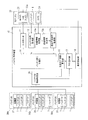
- the block diagram which shows the structure of the battery reservation apparatus which performs the lending reservation of the some battery pack mounted in the mobility of FIG.
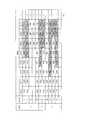
- the reservation information table which shows the battery remaining amount for every time passage of the battery pack currently hold
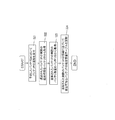
- the flowchart which shows the flow of the process which reflects the information of the battery pack scheduled to return in reservation information in the battery reservation method processed in the battery reservation apparatus of FIG. 7 is a flowchart showing a flow when updating the reservation information based on the return time of the battery pack actually returned to the battery station and the remaining battery level at the time of return in the battery reservation method of FIG. 6.
- the battery reservation apparatus 10 accepts a replacement (rental) reservation for the battery pack 1 mounted in a state where it can be replaced with the mobility 20 such as the electric motorcycle shown in FIG.
- the replacement of the battery pack 1 mounted on the mobility 20 will be described as synonymous with the rental of the battery pack 1.
- the battery pack 1 is a secondary battery for supplying power to the mobility 20, and two battery packs 1 are mounted so as to be replaceable with respect to the mobility 20.
- the battery pack 1 is repeatedly used by being charged using a charger 31 (see FIG. 2) installed in predetermined battery stations 30a to 30c.
- the mobility 20 is an electric motorcycle that travels while being supplied with electric power from two battery packs 1 mounted under the seat 20a, and includes a front wheel 21, a rear wheel (drive wheel) 22, and a display unit 23 (FIG. 2). And GPS (Global Positioning System) 24 (see FIG. 2).
- the front wheels 21 are steering wheels provided between the front portion of the mobility 20 and the road surface, and the direction of travel can be switched by changing the direction in conjunction with the direction of the handle 20b.
- the rear wheel 22 is a drive wheel provided between the rear portion of the mobility 20 on which the battery pack 1 is mounted and the road surface, and is driven to rotate by a motor (not shown).
- the display unit 23 is a display device provided near the center portion of the handle 20b of the mobility 20, and displays the remaining battery capacity, travel speed, and the like of the two battery packs 1 mounted on the mobility 20.
- the display unit 23 is configured by, for example, a touch panel type liquid crystal display device.
- the display unit 23 includes a reservation input unit 23 a for inputting reservation information for making a battery replacement reservation for the battery reservation device 10.
- the display unit 23 displays a reservation input screen for reserving the battery stations 30a to 30c, such as a reservation input screen S1 (see FIG. 3) described later.
- the reservation input unit 23a receives the number of battery packs 1 required for replacement, the total power amount, Information such as the desired receipt time is input. Then, the reservation input unit 23a selects battery stations 30a to 30c to be reserved by the reservation person via the reservation input screen S1 displayed on the display unit 23.
- the number of battery packs 1 required for replacement is “2”, the total power is “3200wh”, and the desired reception time is “8:50 to 9:00”. Have been entered.
- the battery stations 30a to 30c shown in FIG. 2 are provided at three locations for convenience of explanation, but the number of battery stations to be reserved by the battery reservation device 10 of the present embodiment is not limited to this. Absent. For example, when the installation density of battery stations varies from region to region, all of a plurality of battery stations installed within a radius of several kilometers around the current position of the mobility 20 may be reserved.
- the GPS 24 is mounted on the mobility 20, receives a signal from a GPS satellite, and acquires current position information of the mobility 20. Then, the GPS 24 transmits the acquired current position information to the position information acquisition unit 13a of the battery reservation device 10.
- the battery reservation device 10 is a device that accepts replacement reservations for charged or charged battery packs 1 stored in a plurality of battery stations 30a to 30c. For example, the battery reservation device 10 is installed in each of the battery stations 30a to 30c. .
- the battery reservation device 10 includes an input reception unit 11, a battery state acquisition unit 12, a position information acquisition unit 13 a, a travel time calculation unit 13 b, a scheduled return time acquisition unit 13 c, and a battery remaining amount prediction unit. 14, a battery station information acquisition unit 15, a charging completion time calculation unit 16, a reservation reception unit (reservation reception unit, reservation information update unit, reservation availability determination unit) 17, and a display control unit 18.
- the battery pack 1 reserved by the battery reservation device 10 includes one that has been charged at the time of reservation and one that is being charged (see the table in FIG. 4).
- the input receiving unit 11 receives reservation information regarding replacement of the battery pack 1 input from the reservation person via the display unit 23 (reservation input unit 23 a) of the mobility 20. Specifically, the input receiving unit 11 presents one or a plurality of battery stations 30a to 30c satisfying the reservation request as reservation destination candidates based on various information input on the reservation input screen S1 shown in FIG. To do.
- the reservation person selects and reserves one battery station 30a or the like from the battery stations 30a to 30c satisfying the desired conditions based on conditions such as distance, travel time, and cost required for replacement. be able to.
- the battery state acquisition unit 12 acquires the state of the battery pack 1 mounted on the mobility 20 that has accepted the reservation (the current battery remaining amount of the battery pack 1 and the like). Specifically, in addition to the remaining battery level, the battery status acquisition unit 12 has a unique ID assigned to each battery pack 1, a unique ID assigned to each mobility 20, and a remaining battery level of the battery pack 1. History information, voltage / current history information, temperature information, and the like.
- the unique ID assigned to each battery pack 1 is a symbol / number indicating the type, manufacturing number, model, etc. of the battery pack 1 and is used as information for grasping the performance of the battery pack 1. Is done.
- the unique ID assigned to each mobility 20 is a symbol / number indicating the model, manufacturing number, model, etc. of the mobility 20, in order to grasp the power consumption (travel distance per 1 wh) of the mobility 20. Used.
- the history information of the remaining battery level of the battery pack 1 is used for grasping the past change in the remaining battery level of the mounted battery pack 1.
- the voltage / current history information is used to grasp the past usage status of the battery pack 1 installed.
- the temperature information is information indicating a past temperature change of the battery pack 1 and is used for grasping the past use state of the battery pack 1.
- the usage status of the past battery pack 1 is grasped. Acquire various information. Thereby, the prediction accuracy of the remaining battery level of the battery pack 1 when the mobility 20 arrives at the reserved battery stations 30a to 30c can be improved.
- the position information acquisition unit 13 a acquires information regarding the current position of the mobility 20 from the GPS 24 mounted on the mobility 20. Then, the position information acquisition unit 13a transmits the acquired current position information to the movement time calculation unit 13b.
- the movement time calculation unit 13b calculates a movement distance and a movement time from the current position of the mobility 20 to the reserved battery station 30a and the like based on the current position information of the mobility 20 acquired from the position information acquisition unit 13a. Specifically, the travel time calculation unit 13b calculates the travel distance from the current position to the reserved battery station 30a and the like using map information stored in advance, and the average speed for the last hour of the mobility 20 Is used to calculate the travel time to the reserved battery station 30a or the like.
- the average speed of the mobility 20 in addition to the average speed for the last one hour, an average speed from when the battery pack 1 is mounted to the present, or an average speed reflecting a congestion situation or the like may be used. .
- the scheduled return time acquisition unit 13c Based on the travel time to the reserved battery station 30a and the like calculated by the travel time calculation unit 13b, the scheduled return time acquisition unit 13c arrives at the battery station 30a and the like reserved by the mobility 20, that is, the battery pack 1 Calculate the estimated return time.
- the battery remaining amount predicting unit 14 includes the state (battery remaining amount and the like) of the battery pack 1 mounted on the mobility 20 acquired by the battery state acquiring unit 12, the battery station 30a acquired by the scheduled return time acquiring unit 13c, and the like. Based on the estimated return time of the battery pack 1, the remaining battery level of the battery pack 1 at the time of return is predicted.
- the battery remaining amount predicting unit 14 subtracts an estimated value of the amount of power required to arrive at the reserved battery station 30a or the like from the remaining battery amount of the battery pack 1 at the time of reservation, and returns it. An estimated value of the remaining battery level at the scheduled time is calculated.
- the battery remaining battery capacity per battery pack 1 can be calculated.
- the estimated value of the electric energy required to arrive at the reserved battery station 30a and the like is the moving distance (planar distance, height difference) to the reserved battery station 30a, the past of the battery pack 1 described above. It is calculated using history information such as voltage, current, temperature, etc. indicating the usage status of the mobile phone 20 and the average power consumption of the mobility 20.
- the estimated amount of power required for arrival is calculated as the most simplified calculation method by the following relational expression (1) using the average power consumption of the mobility 20 and the travel distance to the reserved battery station 30a and the like. It may be calculated.
- the battery station information acquisition unit (charging speed acquisition unit, actual return time acquisition unit, actual battery remaining amount acquisition unit) 15 is charged or charged by the charger 31 and the charger 31 installed in each of the battery stations 30a to 30c. The information of the battery pack 1 is acquired.
- the battery station information acquisition unit 15 acquires information regarding the charging speed of the charger 31 installed in each of the battery stations 30a to 30c.
- a common charging speed of 300 wh / h is acquired as the charging speed of the plurality of chargers 31 installed in each of the battery stations 30a to 30c (corresponding to StIDs A to C). ing.
- the battery station information acquisition unit 15 acquires the time (actual return time) when the mobility 20 actually arrives at the reserved battery station 30a or the like from the battery station 30a or the like when the mobility 20 arrives. Further, the battery station information acquisition unit 15 acquires the actual battery remaining amount of the battery pack 1 from the battery station 30a or the like from which the mobility 20 has arrived when the mobility 20 actually arrives at the reserved battery station 30a or the like. .
- the information regarding the time when the mobility 20 actually arrived with respect to the reserved battery station 30a has an error from the scheduled return time calculated by the scheduled return time acquisition unit 13c. Used.
- the information on the actual remaining battery level when the mobility 20 actually arrives (returned) with respect to the reserved battery station 30a is the battery remaining level at the time of return calculated by the remaining battery level prediction unit 14. This is used to check whether there is an error from the estimated value.
- the charging completion time calculating unit 16 estimates the remaining battery level of the battery pack 1 at the time of return calculated by the remaining battery level predicting unit 14 and the charging speed of the charger 31 acquired by the battery station information acquiring unit 15. Based on the above, the time from when the battery pack 1 is returned to the battery station 30a or the like until it is fully charged is calculated.
- reservation information table shown in FIG. 4 a state where the remaining battery level is 1600wh is set to a fully charged state (charging complete state).
- the reservation reception unit (reservation reception unit, reservation information update unit) 17 is an estimated value of the remaining battery level at the scheduled return time acquired via the charging completion time calculation unit 16, and a charger 31 installed in the battery station 30a or the like. Based on the charging speed, information on the battery pack 1 scheduled to be returned is added as reservation information.
- information of the battery pack 1 with the StID “A” and the battery IDs “2” and “4” added to the battery stations 30a to 30c is added to the reservation information table shown in FIG.
- the reservation time is set to 8:00, and two battery packs 1 are scheduled to be returned to the battery station 30a at 8:50 after 50 minutes and the remaining battery capacity at the time of return is 600wh. Information to return is added.
- the information of the battery pack 1 (IDs “2” and “4”) that has not been reflected in the reservation information until the time of 8:50 when the battery pack 1 is actually returned to the battery station 30a or the like is conventionally obtained.
- the information can be presented as reservation-acceptable information from the reservation time (8:00).
- the reservation person who intends to make a reservation by 8:00 to 8:49 has more options for the battery pack 1 that can be rented than before, so the rent reservation reservation process for the battery pack 1 can be performed more flexibly. Can do.
- the scheduled return time calculated by the scheduled return time acquisition unit 13c has an error in time according to the traffic situation from the current position of the mobility 20 to the reserved battery station 30a.
- the estimated value of the remaining battery level calculated by the remaining battery level predicting unit 14 is also assumed to have an error in the amount of power consumed until the battery station 30a arrives according to traffic conditions and the like. .
- the reservation receiving unit 17 acquires information on the actual return time and the actual battery remaining amount acquired by the battery station information acquiring unit 15 described above, and updates the information in the reservation information table shown in FIG. For example, when the scheduled return time calculated by the scheduled return time acquisition unit 13c is 8:50 and the time when the battery pack 1 is actually returned to the reserved battery station 30a or the like is 8:55 Updates the information in the reservation information table so as to eliminate the error of 5 minutes and correct the return time.
- the estimated value of the remaining battery level calculated by the remaining battery level prediction unit 14 is 600wh, and the remaining battery level at the time when the battery pack 1 is actually returned to the reserved battery station 30a or the like is 610wh. If there is, the information in the reservation information table is updated so that the error of 10wh is eliminated and the battery remaining amount is corrected. Thereby, the accuracy of the reservation information can be improved by correcting the reservation information table to an accurate numerical value.
- the display control unit 18 controls the display unit 23 of the mobility 20 so as to display the reservation input screen S1 on which the reservation information is input. Furthermore, the display control unit 18 controls the display unit 23 so as to present the battery station 30a or the like that holds the battery pack 1 that satisfies the condition input via the reservation input screen S1 as a reservation destination candidate. Thereby, the reservation person can reserve the rental of the battery pack 1 by selecting the desired battery station 30a or the like from the options displayed on the display unit 23.
- the battery reservation device 10 of the present embodiment has the configuration shown in FIG. 2 and is based on information on the current battery remaining amount and the current position of the battery pack 1 scheduled to be returned mounted on the mobility 20 that has completed reservation reception. Thus, the estimated return time of the battery pack 1 to the battery station 30a and the like and the estimated value of the remaining battery level of the battery pack 1 at the time of return are calculated. Then, the battery reservation device 10 adds information about the calculated estimated return time and the estimated value of the remaining battery level at the time of return to the information in the reservation information table (see FIG. 4) indicating the rental reservation information of the battery pack 1. .
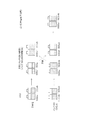
- FIG. 5 that is, as shown in FIG. 5, when the reservation person reserves the replacement of the battery pack 1 via the display unit 23 of the mobility 20 at 8:00, the two installed in the mobility 20 at that time The remaining battery capacity of the battery pack 1 is 1000wh.
- the two battery packs 1 held in the reserved battery station 30a (corresponding to StID: A) are being charged and the remaining battery capacity is 1400wh. .
- the estimated time for the mobility 20 to arrive at the battery station 30a is calculated as 8:50. For this reason, it is estimated that the battery remaining amount of the two battery packs 1 mounted on the mobility 20 at this time is consumed until reaching the battery station 30a and is reduced to 600wh.
- the amount of power required to arrive at the battery station 30a from the current position is calculated as 400wh.
- the two reserved battery packs 1 are fully charged with a remaining battery level of 1600wh. That is, as shown in FIG. 4, the reserved battery packs 1 (corresponding to IDs “1” and “7”) have a remaining battery charge of 1400wh at 8:00 when the reservation is accepted. Since the charging speed of the charger 31 is 300 wh / h, it is expected that the battery 31 is fully charged at 8:40.
- the two mounted battery packs 1 are taken out from the mobility 20 that has arrived at the battery station 30a, and the two battery packs 1 with a remaining battery level of 1600wh are removed. (ID “1”, “7”). As a result, the mobility 20 is loaded with two battery packs 1 having reserved battery remaining capacity.
- the two battery packs 1 returned from the mobility 20 are charged by the charger 31 in the battery station 30a. Since the charging speed of the charger 31 is 300 wh / h as described above, two battery packs (ID “2”, “4”) whose estimated battery remaining amount at the time of return is 600 wh. Is expected to reach 1600 wh fully charged at 12:10.
- the scheduled return time (8:50) of the two battery packs 1 scheduled to be returned is The remaining battery level (600wh) is calculated and added to the reservation information table as information that can be reserved.
- the number of options for the reservation person who next reserves the rental of the battery pack 1 is increased. Reservation information can be presented in the state.
- the battery reservation apparatus 10 that is more user-friendly than the conventional one and can perform flexible reservation reception processing.
- the reservation information table shown in FIG. 4 is updated so as to reflect the information of the battery pack 1 scheduled to be returned at the time of reservation reception according to the flowchart shown in FIG.
- the battery reservation device 10 acquires information such as the remaining battery level of the battery pack 1 to be returned that has received the reservation, the charging speed by the charger 31, and the next lending at the stage before the return.
- the process of accepting a reservation is performed. Specifically, in step S11, the input reception unit 11 receives the number (two) of battery packs 1 required from the reservation person via the reservation input unit 23a of the mobility 20, the total electric energy (3200wh), and the reception request. An input of time (8:50 to 9:00) is accepted.
- step S12 the reservation of the battery station 30a holding the battery pack 1 having the remaining battery capacity required for the desired reception time selected by the reservation person is accepted.
- step S ⁇ b> 13 the battery state acquisition unit 12 acquires the number of battery packs 1 mounted in the mobility 20 and the remaining battery level based on the reservation information.
- step S ⁇ b> 14 the position information acquisition unit 13 a acquires information regarding the current position of the mobility 20 from the GPS 24 mounted on the mobility 20.
- step S15 the travel time calculation unit 13b calculates the travel distance and travel time from the current position information of the mobility 20 to the reserved battery station 30a.
- step S16 the scheduled return time acquisition unit 13c uses the travel time calculated by the travel time calculation unit 13b to calculate the scheduled time to arrive at the reserved battery station 30a (scheduled return time of the battery pack 1). calculate.
- step S ⁇ b> 17 the remaining battery level prediction unit 14 calculates an estimated value of the remaining battery level when the two battery packs 1 are returned to the reserved battery station 30 a.
- step S18 the battery station information acquisition unit 15 acquires information related to the charging speed of the charger 31 installed in the reserved battery station 30a.
- the charging completion time calculation unit 16 may calculate the charging completion times of the two battery packs 1 scheduled to be returned.
- step S19 the reservation receiving unit 17 adds the two battery packs 1 scheduled to be returned to the reservation information table as information that can be lent from 8:50, which is the scheduled return time.
- the battery reservation device 10 of the present embodiment further acquires the time (actual return time) when the battery pack 1 is actually returned from the battery station information acquisition unit 15 to the reserved battery station 30a or the like. Then, the battery reservation device 10 calculates the actual battery remaining amount (actual battery remaining amount) of the battery pack 1 when the battery pack 1 is actually returned from the battery station information acquisition unit 15 to the reserved battery station 30a or the like. get.
- the battery station information acquisition unit 15 receives information from the reserved battery station 30a that the return of the two battery packs 1 mounted on the mobility 20 has been accepted.
- step S22 the battery station information acquisition unit 15 receives the actual return times of the two battery packs 1 that were scheduled to be returned from the battery station 30a.
- the battery station information acquisition unit 15 transmits the actual return time to the reservation receiving unit 17 as the actual return time.
- step S23 the battery station information acquisition unit 15 receives from the battery station 30a the actual remaining battery level when the two battery packs 1 that were scheduled to be returned are returned.
- the battery station information acquisition unit 15 transmits the actual battery remaining amount at the time of return to the reservation receiving unit 17 as the actual battery remaining amount.
- step S24 the reservation receiving unit 17 acquires the actual return time (actual return time) and actual battery remaining amount (actual battery remaining amount) of the two battery packs 1 returned to the battery station 30a. Then, the estimated return time and the estimated value of the remaining battery level at the time of return are updated using actual numerical values. Here, it may be considered that it takes an unexpected time to arrive at the reserved battery station 30a due to traffic jams or accidents.
- the estimated return time included in the reservation information table and the estimated value of the remaining battery level at the time of return are calculated using the actual return time and the actual battery remaining amount.
- the accuracy of the reservation information including the information of the battery pack 1 scheduled to be returned can be improved.
- the charge completion time calculation unit is not necessarily required in the present invention, and may accept a reservation for lending a battery pack having a remaining battery capacity that satisfies the reservation condition in a state before full charge.
- the position information acquisition unit 13a acquires current position information from the GPS 24 mounted on the mobility 20, and based on the distance from the current position of the mobility 20 to the battery station 30 and the average speed of the mobility 20, An example in which the estimated return time of the battery pack 1 is obtained by calculating the travel time to the battery station 30 has been described.
- the present invention is not limited to this.
- the scheduled return time may be set using the desired receipt time directly input from the reservation person via the reservation input screen.
- the position information acquisition unit 13a, the movement time calculation unit 13b, and the scheduled return time acquisition unit 13c are deleted from the configuration, and the configuration is simpler. It can be a battery reservation device.
- the battery reservation device may include a storage unit that stores in advance information related to the charging speed of a charger installed in each battery station. Or you may acquire the information regarding the charging speed by a charger from the external server apparatus etc. which are storing the information regarding the charging speed of the charger installed in each battery station via a communication line.
- the battery reservation device 10 has been described by taking the example in which the battery reservation device 10 is installed in the battery stations 30a to 30c.
- the present invention is not limited to this.
- the environment can communicate with the mobility and the battery station, it may be installed in a place other than the battery station such as a reservation management center that centrally manages the reservation status of the battery pack.
- the battery reservation device 10 has been described as an example installed in each of the battery stations 30a to 30c.
- the present invention is not limited to this.
- a battery reservation device may be installed in each mobility.
- each mobility can present an optimal battery station by acquiring necessary information such as a battery pack charging status in each battery station via the communication unit.
- the battery pack 1 that supplies electric power to the electric motorcycle as the power consumer (mobility 20) has been described as an example.
- the present invention is not limited to this.
- battery packs for supplying power to other types of mobility such as electric unicycles, electric bicycles, electric assist bicycles, electric vehicles (EV), and PHVs (Plug-in Hybrid Vehicles)
- the present invention may be applied.
- the power consumer to which power is supplied from the battery pack of the present invention is not limited to mobility, and may be other electrical products driven by a replaceable battery.
- the battery reservation device of the present invention has the effect of enabling more flexible reservation reception processing by enabling reservation reception of a battery pack scheduled to be returned.
- the present invention is widely applicable as a reservation device that accepts rental reservations.
Landscapes
- Engineering & Computer Science (AREA)
- Business, Economics & Management (AREA)
- Economics (AREA)
- Accounting & Taxation (AREA)
- Finance (AREA)
- Strategic Management (AREA)
- Physics & Mathematics (AREA)
- General Business, Economics & Management (AREA)
- General Physics & Mathematics (AREA)
- Marketing (AREA)
- Theoretical Computer Science (AREA)
- Transportation (AREA)
- Mechanical Engineering (AREA)
- Power Engineering (AREA)
- Chemical & Material Sciences (AREA)
- Development Economics (AREA)
- Tourism & Hospitality (AREA)
- General Chemical & Material Sciences (AREA)
- Electrochemistry (AREA)
- Chemical Kinetics & Catalysis (AREA)
- Manufacturing & Machinery (AREA)
- Human Resources & Organizations (AREA)
- Quality & Reliability (AREA)
- Health & Medical Sciences (AREA)
- Operations Research (AREA)
- Entrepreneurship & Innovation (AREA)
- Life Sciences & Earth Sciences (AREA)
- Sustainable Energy (AREA)
- Sustainable Development (AREA)
- Public Health (AREA)
- Combustion & Propulsion (AREA)
- Water Supply & Treatment (AREA)
- General Health & Medical Sciences (AREA)
- Primary Health Care (AREA)
- Microelectronics & Electronic Packaging (AREA)
- Secondary Cells (AREA)
- Electric Propulsion And Braking For Vehicles (AREA)
- Charge And Discharge Circuits For Batteries Or The Like (AREA)
- Hybrid Electric Vehicles (AREA)
- Management, Administration, Business Operations System, And Electronic Commerce (AREA)
Abstract
バッテリ予約装置(10)は、バッテリ状態取得部(12)、返却予定時間取得部(13c)、バッテリ残量予測部(14)、バッテリステーション情報取得部(15)、予約受付部(17)を備えている。バッテリ状態取得部(12)は、バッテリステーション(30a)へ返却予定のバッテリパック(1)のバッテリ残量を取得する。返却予定時間取得部(13c)は、バッテリパック(1)の返却予定時間を取得する。バッテリ残量予測部(14)は、バッテリパック(1)の現在のバッテリ残量と返却予定時間とに基づいて返却時におけるバッテリ残量を予測する。バッテリステーション情報取得部(15)は、充電器(31)の充電速度を取得する。予約受付部(17)は、返却時におけるバッテリ残量と充電器(31)による充電速度とに基づいて返却予定のバッテリパック(1)の貸し出し予約を受け付ける。
Description
本発明は、複数のバッテリパックが搭載される電力消費体のために、バッテリステーションにおけるバッテリの貸し出し予約を行うバッテリ予約装置およびバッテリ予約方法に関する。
近年、電動自動二輪車や電動自転車等のモビリティに搭載されたバッテリパックを、充電済みのバッテリパックを保有するバッテリステーションにおいて交換しながら利用するシステムが構築されている。
このように、バッテリパックを貸し出す場合には、バッテリステーションにおけるバッテリパックの貸し出しを予約するシステムが用いられる場合がある。
このように、バッテリパックを貸し出す場合には、バッテリステーションにおけるバッテリパックの貸し出しを予約するシステムが用いられる場合がある。
例えば、特許文献1には、電気自動車ネットワークのバッテリサービスに対する需要を予測するための電気自動車ネットワークにおける負荷の推定および管理について開示されている。
しかしながら、上記従来の方法では、以下に示すような問題点を有している。
すなわち、上記公報に開示されたバッテリサービスに対する需要予測では、混雑したバッテリサービス場所が選択された場合には、車両のユーザに代替のバッテリサービス場所を勧めることで調整を行っている。
しかし、このような方法では、すでにバッテリサービス場所にあるバッテリパックについてのみ予約の受付は可能であるが、すでに返却される予定があるバッテリパックまで考慮した調整を行うことはできない。
すなわち、上記公報に開示されたバッテリサービスに対する需要予測では、混雑したバッテリサービス場所が選択された場合には、車両のユーザに代替のバッテリサービス場所を勧めることで調整を行っている。
しかし、このような方法では、すでにバッテリサービス場所にあるバッテリパックについてのみ予約の受付は可能であるが、すでに返却される予定があるバッテリパックまで考慮した調整を行うことはできない。
本発明の課題は、返却予定のバッテリパックの予約受付の対象とすることで、より柔軟な予約受付処理が可能なバッテリ予約装置およびバッテリ予約方法を提供することにある。
(課題を解決するための手段)
第1の発明に係るバッテリ予約装置は、バッテリステーションにおいて貸し出され、電力消費体に搭載されるバッテリパックの予約を受け付けるバッテリ予約装置であって、バッテリ状態取得部と、返却予定時間取得部と、バッテリ残量予測部と、充電速度取得部と、予約受付部と、を備えている。バッテリ状態取得部は、バッテリステーションへ返却予定のバッテリパックの現在のバッテリ残量を取得する。返却予定時間取得部は、バッテリパックがバッテリステーションへ返却される返却予定時間を取得する。バッテリ残量予測部は、バッテリ状態取得部において取得されたバッテリパックの現在のバッテリ残量と返却予定時間取得部において取得されたバッテリパックの返却予定時間とに基づいて、バッテリステーションへの返却時におけるバッテリパックのバッテリ残量を予測する。充電速度取得部は、バッテリステーションにおいてバッテリパックを充電する充電器の充電速度を取得する。予約受付部は、バッテリ残量予測部において予測された返却時におけるバッテリ残量と、充電速度取得部において取得された充電器による充電速度とに基づいて、当該返却予定のバッテリパックの貸し出し予約を受け付ける。
ここでは、バッテリパックを保有するバッテリステーションにおいてバッテリ交換を行うための予約を受け付けるバッテリ予約装置において、すでに予約が確定した他の予約情報(現在のバッテリ残量、返却予定時間等)に基づいて、返却予定のバッテリパックを予約可能なバッテリパックとして予約情報に反映させる。
ここで、電力消費体には、例えば、電動自動二輪車、電動自転車、電動アシスト自転車、電動一輪車、電気自動車(EV)、PHV(Plug-in Hybrid Vehicle)等のモビリティ、その他の交換可能なバッテリによって駆動される各種電気製品等が含まれる。
ここで、電力消費体には、例えば、電動自動二輪車、電動自転車、電動アシスト自転車、電動一輪車、電気自動車(EV)、PHV(Plug-in Hybrid Vehicle)等のモビリティ、その他の交換可能なバッテリによって駆動される各種電気製品等が含まれる。
また、バッテリ状態取得部において取得される現在のバッテリ残量は、例えば、モビリティ等の電力消費体から取得されてもよいし、使用中のバッテリパックの使用状況を管理する管理センタ等から取得してもよい。
また、返却予定時間取得部において取得される返却予定時間は、予約者によって入力された情報の中から取得してもよいし、モビリティ等の電力消費体の現在位置情報を用いて自動的に算出されたものを取得してもよい。
また、返却予定時間取得部において取得される返却予定時間は、予約者によって入力された情報の中から取得してもよいし、モビリティ等の電力消費体の現在位置情報を用いて自動的に算出されたものを取得してもよい。
また、充電速度取得部において取得される充電器の充電速度は、充電器が設置されたバッテリステーションから直接取得してもよいし、バッテリステーションの情報を保存しているサーバ等から取得してもよい。
これにより、まだバッテリステーションには返却されていないバッテリパックについて、現在のバッテリ残量、バッテリステーションへの返却予定時間、返却時におけるバッテリ残量の推定値、返却予定のバッテリステーションにおける充電器の充電速度に基づいて、バッテリステーションへ返却された時点およびその後のバッテリ残量を推定することで、予約受付を可能とすることができる。
これにより、まだバッテリステーションには返却されていないバッテリパックについて、現在のバッテリ残量、バッテリステーションへの返却予定時間、返却時におけるバッテリ残量の推定値、返却予定のバッテリステーションにおける充電器の充電速度に基づいて、バッテリステーションへ返却された時点およびその後のバッテリ残量を推定することで、予約受付を可能とすることができる。
この結果、従来よりも、予約可能なバッテリパックの選択肢の数を増やすことができるため、より柔軟な予約受付処理が可能となる。
第2の発明に係るバッテリ予約装置は、第1の発明に係るバッテリ予約装置であって、バッテリ残量予測部において予測された返却時におけるバッテリ残量と、充電速度取得部において取得された充電器による充電速度とに基づいて、当該返却予定のバッテリパックが貸し出し可能か否かを判定する予約可否判定部を、さらに備えている。
第2の発明に係るバッテリ予約装置は、第1の発明に係るバッテリ予約装置であって、バッテリ残量予測部において予測された返却時におけるバッテリ残量と、充電速度取得部において取得された充電器による充電速度とに基づいて、当該返却予定のバッテリパックが貸し出し可能か否かを判定する予約可否判定部を、さらに備えている。
ここでは、すでに予約が確定した他の予約情報(現在のバッテリ残量、返却予定時間等)に基づいて返却予定のバッテリパックが、予約者によって入力された条件等に合致した貸し出し可能なバッテリパックがあるか否かを判定する。
これにより、返却予定のバッテリパックを予約受付可能な情報として予約情報に追加した上で、予約者の入力した条件等に合致したバッテリパックの貸し出しが可能であるか否かを判定することができる。
これにより、返却予定のバッテリパックを予約受付可能な情報として予約情報に追加した上で、予約者の入力した条件等に合致したバッテリパックの貸し出しが可能であるか否かを判定することができる。
第3の発明に係るバッテリ予約装置は、第1または第2の発明に係るバッテリ予約装置であって、バッテリ残量予測部において予測された返却時におけるバッテリ残量と、充電速度取得部において取得された充電器による充電速度とに基づいて、当該返却予定のバッテリパックの充電完了時間を算出する充電完了時間算出部を、さらに備えている。
ここでは、バッテリステーションへ返却予定のバッテリパックが、バッテリステーションへ返却されてから、満充電状態となる充電完了時間を算出する。
ここでは、バッテリステーションへ返却予定のバッテリパックが、バッテリステーションへ返却されてから、満充電状態となる充電完了時間を算出する。
これにより、予約受付時において、充電が完了した満充電のバッテリパックの交換を希望する予約者に対して、算出された充電完了時間を提示することができる。よって、まだ返却されていないバッテリパックを選択肢として、予約情報に提示することができる。
第4の発明に係るバッテリ予約装置は、第1から第3の発明のいずれか1つに係るバッテリ予約装置であって、実返却時間取得部と、実バッテリ残量取得部と、予約情報更新部をさらに備えている。実返却時間取得部は、バッテリステーションへ返却されたバッテリパックの実際の返却時間を取得する。実バッテリ残量取得部は、バッテリステーションへ返却されたバッテリパックの実際のバッテリ残量を取得する。予約情報更新部は、実返却時間取得部において取得された実際の返却時間と実バッテリ残量取得部において取得された実際のバッテリ残量とに基づいて、バッテリパックの貸し出し予約に関する情報を更新する。
第4の発明に係るバッテリ予約装置は、第1から第3の発明のいずれか1つに係るバッテリ予約装置であって、実返却時間取得部と、実バッテリ残量取得部と、予約情報更新部をさらに備えている。実返却時間取得部は、バッテリステーションへ返却されたバッテリパックの実際の返却時間を取得する。実バッテリ残量取得部は、バッテリステーションへ返却されたバッテリパックの実際のバッテリ残量を取得する。予約情報更新部は、実返却時間取得部において取得された実際の返却時間と実バッテリ残量取得部において取得された実際のバッテリ残量とに基づいて、バッテリパックの貸し出し予約に関する情報を更新する。
ここでは、上述した予約情報に含まれるバッテリパックの返却予定時間、バッテリ残量について、実際にバッテリパックが返却された時間、返却時のバッテリ残量と誤差が生じた場合には、実際の返却時間、バッテリ残量の情報を取得して、予約情報を更新する。
これにより、推定値として算出されていた返却予定時間、バッテリ残量を実際の正確な値に更新することで、予約情報における誤差を解消して、正確な予約情報を提示することができる。
これにより、推定値として算出されていた返却予定時間、バッテリ残量を実際の正確な値に更新することで、予約情報における誤差を解消して、正確な予約情報を提示することができる。
第5の発明に係るバッテリ予約装置は、第1から第4の発明のいずれか1つに係るバッテリ予約装置であって、バッテリ状態取得部は、バッテリパックに固有のID、バッテリパックの残容量履歴情報、電圧履歴、電流履歴、温度履歴のうち、少なくとも1つをさらに取得する。
ここでは、バッテリパックの残容量を取得するバッテリ状態取得部において、バッテリパックに固有のID、バッテリパックの残容量履歴情報、電圧履歴、電流履歴、温度履歴等の情報をさらに取得する。
ここでは、バッテリパックの残容量を取得するバッテリ状態取得部において、バッテリパックに固有のID、バッテリパックの残容量履歴情報、電圧履歴、電流履歴、温度履歴等の情報をさらに取得する。
ここで、バッテリパックの残容量履歴情報とは、そのバッテリパックの過去のバッテリ残量の履歴情報を意味している。また、電圧履歴、電流履歴とは、そのバッテリパックの使用時における電圧・電流の変化を示す履歴情報を意味している。温度履歴とは、そのバッテリパックの過去の温度変化を示す履歴情報を意味している。
これにより、これらのID情報や履歴情報等を取得することで、バッテリステーションに返却された際のバッテリ残量の推定値の精度を向上させることができる。
これにより、これらのID情報や履歴情報等を取得することで、バッテリステーションに返却された際のバッテリ残量の推定値の精度を向上させることができる。
第6の発明に係るバッテリ予約装置は、第1から第5の発明のいずれか1つに係るバッテリ予約装置であって、電力消費体は、電動自動二輪車、電動自転車、電動アシスト自転車、電気自動車、PHV(Plug-in Hybrid Vehicle)を含むモビリティである。
ここでは、所定の電力消費体として、電動自動二輪車、電動自転車等のモビリティを用いている。
ここでは、所定の電力消費体として、電動自動二輪車、電動自転車等のモビリティを用いている。
これにより、例えば、所定のバッテリステーション等において、残容量が少ないバッテリパックを充電済みのバッテリパックと交換しながら使用されるモビリティにおいて、バッテリパックの交換予約の選択肢を増やして、より柔軟な予約受付処理が可能となる。
第7の発明に係るバッテリ予約装置は、第6の発明に係るバッテリ予約装置であって、モビリティの現在位置情報を取得する位置情報取得部と、位置情報取得部において取得されたモビリティの現在位置情報に基づいて現在位置から予約したバッテリステーションまでの移動時間を算出する移動時間算出部と、をさらに備えている。
第7の発明に係るバッテリ予約装置は、第6の発明に係るバッテリ予約装置であって、モビリティの現在位置情報を取得する位置情報取得部と、位置情報取得部において取得されたモビリティの現在位置情報に基づいて現在位置から予約したバッテリステーションまでの移動時間を算出する移動時間算出部と、をさらに備えている。
ここでは、電力消費体としてモビリティを用いた場合において、モビリティの現在位置情報を取得して、現在位置から予約済みのバッテリステーションまでの距離から移動時間を算出する。
ここで、移動時間の算出に用いられるモビリティの現在位置は、例えば、GPS(Global Positioning System)等を用いて検知することができる。
ここで、移動時間の算出に用いられるモビリティの現在位置は、例えば、GPS(Global Positioning System)等を用いて検知することができる。
これにより、算出された移動時間を用いて、予約済みのバッテリステーションへのバッテリパックの返却予定時間を算出することができる。
第8の発明に係るバッテリ予約装置は、第7の発明に係るバッテリ予約装置であって、返却予定時間取得部は、移動時間算出部において算出された移動時間に基づいて、バッテリステーションへのバッテリパックの返却予定時間を算出する。
第8の発明に係るバッテリ予約装置は、第7の発明に係るバッテリ予約装置であって、返却予定時間取得部は、移動時間算出部において算出された移動時間に基づいて、バッテリステーションへのバッテリパックの返却予定時間を算出する。
ここでは、返却予定時間取得部において、上述した移動時間算出部において算出された移動時間を用いて、バッテリステーションへのバッテリパックの返却予定時間を算出する。
ここで、各バッテリステーションまでの移動時間は、現在位置と各バッテリステーションまでの距離と、例えば、モビリティ(例えば、電動自動二輪車、電動自動車、電動自転車、電動アシスト自転車等)の直近1時間の平均速度とによって算出される。
ここで、各バッテリステーションまでの移動時間は、現在位置と各バッテリステーションまでの距離と、例えば、モビリティ(例えば、電動自動二輪車、電動自動車、電動自転車、電動アシスト自転車等)の直近1時間の平均速度とによって算出される。
これにより、予約者によってバッテリパックの返却予定時間が入力されなくても、自動的に、バッテリパックの返却予定時間を算出することができる。
第9の発明に係るバッテリ予約装置は、第7または第8の発明に係るバッテリ予約装置であって、バッテリ残量予測部は、位置情報取得部において取得されたモビリティの現在位置情報と、モビリティの平均電費とに基づいて、バッテリステーションに到着するまでに必要な電力量を算出する。
第9の発明に係るバッテリ予約装置は、第7または第8の発明に係るバッテリ予約装置であって、バッテリ残量予測部は、位置情報取得部において取得されたモビリティの現在位置情報と、モビリティの平均電費とに基づいて、バッテリステーションに到着するまでに必要な電力量を算出する。
ここでは、例えば、モビリティの直近の所定時間における1wh当たりの平均走行距離(電費)を用いて、予約済みのバッテリステーションまでに必要な電力量を算出する。
これにより、バッテリステーションに返却された際のバッテリパックのバッテリ残量の推定値の精度を向上させることができる。
第10の発明に係るバッテリ予約方法は、バッテリステーションにおいて貸し出され、電力消費体に搭載されるバッテリパックの予約を受け付けるバッテリ予約方法であって、バッテリ状態取得ステップと、返却予定時間取得ステップと、バッテリ残量予測ステップと、充電速度取得ステップと、予約受付ステップと、を備えている。バッテリ状態取得ステップは、バッテリステーションへ返却予定のバッテリパックの現在のバッテリ残量を取得する。返却予定時間取得ステップは、バッテリパックがバッテリステーションへ返却される返却予定時間を取得する。バッテリ残量予測ステップは、バッテリ状態取得ステップにおいて取得されたバッテリパックの現在のバッテリ残量と返却予定時間取得ステップにおいて取得されたバッテリパックの返却予定時間とに基づいて、バッテリステーションへの返却時におけるバッテリパックのバッテリ残量を予測する。充電速度取得ステップは、バッテリステーションにおいてバッテリパックを充電する充電器の充電速度を取得する。予約受付ステップは、バッテリ残量予測ステップにおいて予測された返却時におけるバッテリ残量と、充電速度取得ステップにおいて取得された充電器による充電速度とに基づいて、当該返却予定のバッテリパックの貸し出し予約を受け付ける。
ここでは、バッテリパックを保有するバッテリステーションにおいてバッテリ交換を行うための予約を受け付けるバッテリ予約方法において、すでに予約が確定した他の予約情報(現在のバッテリ残量、返却予定時間等)に基づいて、返却予定のバッテリパックを予約可能なバッテリパックとして予約情報に反映させる。
ここで、電力消費体には、例えば、電動自動二輪車、電動自転車、電動アシスト自転車、電動一輪車、電気自動車(EV)、PHV(Plug-in Hybrid Vehicle)等のモビリティ、その他の交換可能なバッテリによって駆動される各種電気製品等が含まれる。
ここで、電力消費体には、例えば、電動自動二輪車、電動自転車、電動アシスト自転車、電動一輪車、電気自動車(EV)、PHV(Plug-in Hybrid Vehicle)等のモビリティ、その他の交換可能なバッテリによって駆動される各種電気製品等が含まれる。
また、バッテリ状態取得ステップにおいて取得される現在のバッテリ残量は、例えば、モビリティ等の電力消費体から取得されてもよいし、使用中のバッテリパックの使用状況を管理する管理センタ等から取得してもよい。
また、返却予定時間取得ステップにおいて取得される返却予定時間は、予約者によって入力された情報を取得してもよいし、モビリティ等の電力消費体の現在位置情報を用いて自動的に算出されたものを取得してもよい。
また、返却予定時間取得ステップにおいて取得される返却予定時間は、予約者によって入力された情報を取得してもよいし、モビリティ等の電力消費体の現在位置情報を用いて自動的に算出されたものを取得してもよい。
また、充電速度取得ステップにおいて取得される充電器の充電速度は、充電器が設置されたバッテリステーションから直接取得してもよいし、バッテリステーションの情報を保存しているサーバ等から取得してもよい。
これにより、まだバッテリステーションには返却されていないバッテリパックについて、現在のバッテリ残量、バッテリステーションへの返却予定時間、返却時におけるバッテリ残量の推定値、返却予定のバッテリステーションにおける充電器の充電速度に基づいて、バッテリステーションへ返却された時点およびその後のバッテリ残量を推定することで、予約受付を可能とすることができる。
これにより、まだバッテリステーションには返却されていないバッテリパックについて、現在のバッテリ残量、バッテリステーションへの返却予定時間、返却時におけるバッテリ残量の推定値、返却予定のバッテリステーションにおける充電器の充電速度に基づいて、バッテリステーションへ返却された時点およびその後のバッテリ残量を推定することで、予約受付を可能とすることができる。
この結果、従来よりも、予約可能なバッテリパックの選択肢の数を増やすことができるため、より柔軟な予約受付処理が可能となる。
(発明の効果)
本発明に係るバッテリ予約装置によれば、返却予定のバッテリパックの予約受付を可能とすることで、より柔軟な予約受付処理を行うことができる。
(発明の効果)
本発明に係るバッテリ予約装置によれば、返却予定のバッテリパックの予約受付を可能とすることで、より柔軟な予約受付処理を行うことができる。
本発明の一実施形態に係るバッテリ予約装置について、図1~図7を用いて説明すれば以下の通りである。
本実施形態に係るバッテリ予約装置10は、図1に示す電動自動二輪車等のモビリティ20に交換可能な状態で搭載されるバッテリパック1の交換(貸出)予約を受け付ける。
なお、本実施形態において、モビリティ20に搭載されるバッテリパック1の交換は、バッテリパック1の貸し出しと同義として説明する。
本実施形態に係るバッテリ予約装置10は、図1に示す電動自動二輪車等のモビリティ20に交換可能な状態で搭載されるバッテリパック1の交換(貸出)予約を受け付ける。
なお、本実施形態において、モビリティ20に搭載されるバッテリパック1の交換は、バッテリパック1の貸し出しと同義として説明する。
バッテリパック1は、図1に示すように、モビリティ20に対して電力を供給するための二次電池であって、モビリティ20に対して交換可能な状態で2本搭載されている。そして、バッテリパック1は、所定のバッテリステーション30a~30cに設置された充電器31(図2参照)を用いて充電されることで、繰り返し使用される。
モビリティ20は、シート20aの下に搭載された2本のバッテリパック1から電力を供給されて走行する電動自動二輪車であって、前輪21、後輪(駆動輪)22、表示部23(図2参照)、およびGPS(Global Positioning System)24(図2参照)を備えている。
モビリティ20は、シート20aの下に搭載された2本のバッテリパック1から電力を供給されて走行する電動自動二輪車であって、前輪21、後輪(駆動輪)22、表示部23(図2参照)、およびGPS(Global Positioning System)24(図2参照)を備えている。
前輪21は、モビリティ20の前部と路面との間に設けられた操舵輪であって、ハンドル20bの向きに連動して向きを変えることで、走行方向を切り替えることができる。
後輪22は、バッテリパック1が搭載されたモビリティ20の後部と路面との間に設けられた駆動輪であって、モータ(図示せず)によって回転駆動される。
表示部23は、モビリティ20のハンドル20bの中央部分付近に設けられた表示装置であって、モビリティ20に搭載された2本のバッテリパック1のバッテリ残量や、走行速度等を表示する。なお、表示部23は、例えば、タッチパネル式の液晶表示装置によって構成されている。
後輪22は、バッテリパック1が搭載されたモビリティ20の後部と路面との間に設けられた駆動輪であって、モータ(図示せず)によって回転駆動される。
表示部23は、モビリティ20のハンドル20bの中央部分付近に設けられた表示装置であって、モビリティ20に搭載された2本のバッテリパック1のバッテリ残量や、走行速度等を表示する。なお、表示部23は、例えば、タッチパネル式の液晶表示装置によって構成されている。
また、表示部23は、バッテリ予約装置10に対してバッテリ交換の予約を行うための予約情報が入力される予約入力部23aを有している。そして、表示部23は、後述する予約入力画面S1(図3参照)等、バッテリステーション30a~30cを予約するための予約入力画面を表示する。
予約入力部23aは、2本のバッテリパック1のバッテリ残量が少なくなってきた場合に、予約者(モビリティ20の運転者)から、交換時に必要とするバッテリパック1の本数、総電力量、受取希望時間等の情報が入力される。そして、予約入力部23aは、表示部23に表示された予約入力画面S1を介して、予約者によって予約するバッテリステーション30a~30cが選択される。
予約入力部23aは、2本のバッテリパック1のバッテリ残量が少なくなってきた場合に、予約者(モビリティ20の運転者)から、交換時に必要とするバッテリパック1の本数、総電力量、受取希望時間等の情報が入力される。そして、予約入力部23aは、表示部23に表示された予約入力画面S1を介して、予約者によって予約するバッテリステーション30a~30cが選択される。
なお、図3に示す予約入力画面S1では、交換時に必要とするバッテリパック1の本数として「2本」、総電力量として「3200wh」、受取希望時間として「8:50~9:00」が入力されている。
また、図2に示すバッテリステーション30a~30cは、説明の便宜上、3箇所となっているが、本実施形態のバッテリ予約装置10によって予約対象となるバッテリステーションの数はこれに限定されるものではない。例えば、地域ごとにバッテリステーションの設置密度が異なる場合には、モビリティ20の現在位置を中心とする半径数km以内に設置された複数のバッテリステーションを全て予約対象としてもよい。
また、図2に示すバッテリステーション30a~30cは、説明の便宜上、3箇所となっているが、本実施形態のバッテリ予約装置10によって予約対象となるバッテリステーションの数はこれに限定されるものではない。例えば、地域ごとにバッテリステーションの設置密度が異なる場合には、モビリティ20の現在位置を中心とする半径数km以内に設置された複数のバッテリステーションを全て予約対象としてもよい。
GPS24は、モビリティ20に搭載されており、GPS衛星からの信号を受信して、モビリティ20の現在位置情報を取得する。そして、GPS24は、取得した現在位置情報をバッテリ予約装置10の位置情報取得部13aへと送信する。
(バッテリ予約装置10の構成)
バッテリ予約装置10は、複数のバッテリステーション30a~30cに保管されている充電済みあるいは充電中のバッテリパック1の交換予約を受け付ける装置であって、例えば、各バッテリステーション30a~30cに設置されている。そして、バッテリ予約装置10は、図2に示すように、入力受付部11、バッテリ状態取得部12、位置情報取得部13a、移動時間算出部13b、返却予定時間取得部13c、バッテリ残量予測部14、バッテリステーション情報取得部15、充電完了時間算出部16、予約受付部(予約受付部、予約情報更新部、予約可否判定部)17、および表示制御部18を備えている。
(バッテリ予約装置10の構成)
バッテリ予約装置10は、複数のバッテリステーション30a~30cに保管されている充電済みあるいは充電中のバッテリパック1の交換予約を受け付ける装置であって、例えば、各バッテリステーション30a~30cに設置されている。そして、バッテリ予約装置10は、図2に示すように、入力受付部11、バッテリ状態取得部12、位置情報取得部13a、移動時間算出部13b、返却予定時間取得部13c、バッテリ残量予測部14、バッテリステーション情報取得部15、充電完了時間算出部16、予約受付部(予約受付部、予約情報更新部、予約可否判定部)17、および表示制御部18を備えている。
本実施形態では、バッテリ予約装置10によって予約されるバッテリパック1は、予約時点で充電が完了したもの、および充電中のものを含む(図4のテーブル参照)。
入力受付部11は、モビリティ20の表示部23(予約入力部23a)を介して予約者から入力されたバッテリパック1の交換に関する予約情報を受け付ける。具体的には、入力受付部11は、図3に示す予約入力画面S1において入力された各種情報に基づいて、予約者の希望を満たす1または複数のバッテリステーション30a~30cを予約先候補として提示する。
入力受付部11は、モビリティ20の表示部23(予約入力部23a)を介して予約者から入力されたバッテリパック1の交換に関する予約情報を受け付ける。具体的には、入力受付部11は、図3に示す予約入力画面S1において入力された各種情報に基づいて、予約者の希望を満たす1または複数のバッテリステーション30a~30cを予約先候補として提示する。
これにより、予約者は、希望する条件を満たすバッテリステーション30a~30cの中から、距離、移動時間、交換に必要な費用等の条件に基づいて、1つのバッテリステーション30a等を選択して予約することができる。
バッテリ状態取得部12は、予約を受け付けたモビリティ20に搭載されているバッテリパック1の状態(現在のバッテリパック1のバッテリ残量等)を取得する。具体的には、バッテリ状態取得部12は、上記バッテリ残量に加えて、バッテリパック1ごとに付された固有のID、モビリティ20ごとに付された固有のID、バッテリパック1のバッテリ残量の履歴情報、電圧・電流の履歴情報、温度情報等を取得する。
バッテリ状態取得部12は、予約を受け付けたモビリティ20に搭載されているバッテリパック1の状態(現在のバッテリパック1のバッテリ残量等)を取得する。具体的には、バッテリ状態取得部12は、上記バッテリ残量に加えて、バッテリパック1ごとに付された固有のID、モビリティ20ごとに付された固有のID、バッテリパック1のバッテリ残量の履歴情報、電圧・電流の履歴情報、温度情報等を取得する。
ここで、バッテリパック1ごとに付された固有のIDとは、バッテリパック1の種類、製造番号、型式等を示す記号・番号であって、バッテリパック1の性能を把握するための情報として利用される。そして、モビリティ20ごとに付された固有のIDとは、モビリティ20の機種、製造番号、型式等を示す記号・番号であって、モビリティ20の電費(1wh当たりの走行距離)を把握するために利用される。
また、バッテリパック1のバッテリ残量の履歴情報とは、搭載されているバッテリパック1の過去のバッテリ残量の変化を把握するために利用される。そして、電圧・電流の履歴情報とは、搭載されているバッテリパック1の過去の使用状況を把握するために利用される。また、温度情報とは、バッテリパック1の過去の温度変化を示す情報であって、バッテリパック1の過去の使用状況を把握するために利用される。
本実施形態のバッテリ予約装置10では、上述したように、予約完了時点でそのモビリティ20に搭載されているバッテリ残量の情報に加えて、過去のバッテリパック1の使用状況等を把握するための各種情報を取得する。
これにより、モビリティ20が予約したバッテリステーション30a~30cへ到着した際のバッテリパック1のバッテリ残量の予測精度を向上させることができる。
これにより、モビリティ20が予約したバッテリステーション30a~30cへ到着した際のバッテリパック1のバッテリ残量の予測精度を向上させることができる。
なお、バッテリステーション30a~30cに到着した時点におけるバッテリパック1のバッテリ残量の推定については、後述するバッテリ残量予測部14において実施される。
位置情報取得部13aは、モビリティ20に搭載されたGPS24から、モビリティ20の現在位置に関する情報を取得する。そして、位置情報取得部13aは、取得した現在位置情報を移動時間算出部13bへと送信する。
位置情報取得部13aは、モビリティ20に搭載されたGPS24から、モビリティ20の現在位置に関する情報を取得する。そして、位置情報取得部13aは、取得した現在位置情報を移動時間算出部13bへと送信する。
移動時間算出部13bは、位置情報取得部13aから取得したモビリティ20の現在位置情報に基づいて、モビリティ20の現在位置から予約したバッテリステーション30a等までの移動距離と移動時間とを算出する。具体的には、移動時間算出部13bは、予め保存されている地図情報を用いて現在位置から予約したバッテリステーション30a等までの移動距離を算出するとともに、モビリティ20の直近の1時間の平均速度を用いて、予約したバッテリステーション30a等までの移動時間を算出する。
なお、モビリティ20の平均速度としては、直近の1時間の平均速度以外に、バッテリパック1を搭載してから現在までの平均速度、あるいは混雑状況等を反映させた平均速度等を用いてもよい。
返却予定時間取得部13cは、移動時間算出部13bにおいて算出された予約したバッテリステーション30a等までの移動時間に基づいて、モビリティ20が予約したバッテリステーション30a等へ到着する時間、すなわちバッテリパック1の返却予定時間を算出する。
返却予定時間取得部13cは、移動時間算出部13bにおいて算出された予約したバッテリステーション30a等までの移動時間に基づいて、モビリティ20が予約したバッテリステーション30a等へ到着する時間、すなわちバッテリパック1の返却予定時間を算出する。
例えば、予約時刻が8:00であって、予約したバッテリステーション30a等までの移動時間が50分とすると、返却予定時間は8:50と算出される(図5参照)。
バッテリ残量予測部14は、バッテリ状態取得部12において取得されたモビリティ20に搭載されたバッテリパック1の状態(バッテリ残量等)と、返却予定時間取得部13cにおいて取得されたバッテリステーション30a等へのバッテリパック1の返却予定時間に基づいて、返却時点でのバッテリパック1のバッテリ残量を予測する。
バッテリ残量予測部14は、バッテリ状態取得部12において取得されたモビリティ20に搭載されたバッテリパック1の状態(バッテリ残量等)と、返却予定時間取得部13cにおいて取得されたバッテリステーション30a等へのバッテリパック1の返却予定時間に基づいて、返却時点でのバッテリパック1のバッテリ残量を予測する。
具体的には、バッテリ残量予測部14は、予約時におけるバッテリパック1のバッテリ残量から、予約したバッテリステーション30a等に到着するまでに必要とされる電力量の推定値を減じて、返却予定時間におけるバッテリ残量の推定値を算出する。
なお、図1に示すように、モビリティ20に複数のバッテリパック1が搭載されている場合には、バッテリステーション30a等へ到着するまでに必要な電力量を等分してから減算することで、バッテリパック1の1本当たりのバッテリ残量を算出することができる。
なお、図1に示すように、モビリティ20に複数のバッテリパック1が搭載されている場合には、バッテリステーション30a等へ到着するまでに必要な電力量を等分してから減算することで、バッテリパック1の1本当たりのバッテリ残量を算出することができる。
また、予約したバッテリステーション30a等に到着するまでに必要とされる電力量の推定値は、予約したバッテリステーション30aまでの移動距離(平面的な距離、高低差)、上述したバッテリパック1の過去の使用状況を示す電圧・電流・温度等の履歴情報、モビリティ20の平均電費等を用いて算出される。
なお、到着に必要な電力量の推定値は、モビリティ20の平均電費と予約したバッテリステーション30a等までの移動距離とを用いて、以下の関係式(1)によって、最も単純化した算出方法として算出されてもよい。
なお、到着に必要な電力量の推定値は、モビリティ20の平均電費と予約したバッテリステーション30a等までの移動距離とを用いて、以下の関係式(1)によって、最も単純化した算出方法として算出されてもよい。
(バッテリステーションに到着するまでに必要な電力量(wh))=(バッテリステーションとモビリティの現在位置との間の距離(km))/(モビリティの平均電費(km/wh)) ・・・・・(1)
バッテリステーション情報取得部(充電速度取得部、実返却時間取得部、実バッテリ残量取得部)15は、各バッテリステーション30a~30cに設置された充電器31、充電器31によって充電済みあるいは充電中のバッテリパック1の情報を取得する。
バッテリステーション情報取得部(充電速度取得部、実返却時間取得部、実バッテリ残量取得部)15は、各バッテリステーション30a~30cに設置された充電器31、充電器31によって充電済みあるいは充電中のバッテリパック1の情報を取得する。
具体的には、バッテリステーション情報取得部15は、各バッテリステーション30a~30cに設置された充電器31の充電速度に関する情報を取得する。
なお、図4に示す予約情報テーブルでは、各バッテリステーション30a~30c(StIDのA~Cに対応)に設置された複数の充電器31の充電速度として、共通の充電速度300wh/hが取得されている。
なお、図4に示す予約情報テーブルでは、各バッテリステーション30a~30c(StIDのA~Cに対応)に設置された複数の充電器31の充電速度として、共通の充電速度300wh/hが取得されている。
また、バッテリステーション情報取得部15は、予約したバッテリステーション30a等にモビリティ20が実際に到着した時間(実返却時間)を、モビリティ20が到着したバッテリステーション30a等から取得する。さらに、バッテリステーション情報取得部15は、予約したバッテリステーション30a等にモビリティ20が実際に到着した時点における、実際のバッテリパック1のバッテリ残量を、モビリティ20が到着したバッテリステーション30a等から取得する。
ここで、予約したバッテリステーション30aに対して、モビリティ20が実際に到着した時間に関する情報は、返却予定時間取得部13cにおいて算出された返却予定時間との誤差があるか否かを確認するために利用される。
そして、予約したバッテリステーション30aに対して、モビリティ20が実際に到着した時(返却時)における実際のバッテリ残量に関する情報は、バッテリ残量予測部14において算出された返却時におけるバッテリ残量の推定値との誤差があるか否かを確認するために利用される。
そして、予約したバッテリステーション30aに対して、モビリティ20が実際に到着した時(返却時)における実際のバッテリ残量に関する情報は、バッテリ残量予測部14において算出された返却時におけるバッテリ残量の推定値との誤差があるか否かを確認するために利用される。
これにより、返却予定時間、返却時におけるバッテリ残量の推定値を、実際のバッテリパック1が返却された時点で正確な数値に更新して、予約情報テーブル(図4参照)の精度を向上させることができる。
充電完了時間算出部16は、バッテリ残量予測部14において算出された返却時点でのバッテリパック1のバッテリ残量の推定値と、バッテリステーション情報取得部15において取得された充電器31の充電速度とに基づいて、バッテリパック1がバッテリステーション30a等へ返却されてから満充電の状態になるまでの時間を算出する。
充電完了時間算出部16は、バッテリ残量予測部14において算出された返却時点でのバッテリパック1のバッテリ残量の推定値と、バッテリステーション情報取得部15において取得された充電器31の充電速度とに基づいて、バッテリパック1がバッテリステーション30a等へ返却されてから満充電の状態になるまでの時間を算出する。
例えば、図4に示す予約情報テーブルにおいては、バッテリ残量が1600whとなった状態を満充電の状態(充電完了状態)としている。
予約受付部(予約受付部、予約情報更新部)17は、充電完了時間算出部16を介して取得した返却予定時間におけるバッテリ残量の推定値と、バッテリステーション30a等に設置された充電器31の充電速度とに基づいて、予約情報として返却予定のバッテリパック1の情報を追加する。
予約受付部(予約受付部、予約情報更新部)17は、充電完了時間算出部16を介して取得した返却予定時間におけるバッテリ残量の推定値と、バッテリステーション30a等に設置された充電器31の充電速度とに基づいて、予約情報として返却予定のバッテリパック1の情報を追加する。
具体的には、図4に示す予約情報テーブルに、バッテリステーション30a~30cごとに付されたStIDが「A」のバッテリIDが「2」、「4」のバッテリパック1の情報を追加する。
図4に示す予約情報テーブルでは、予約時間を8:00とし、50分後の8:50にバッテリステーション30aへ返却予定であって、返却時点におけるバッテリ残量が600whのバッテリパック1を2本返却するという情報が追加されている。
図4に示す予約情報テーブルでは、予約時間を8:00とし、50分後の8:50にバッテリステーション30aへ返却予定であって、返却時点におけるバッテリ残量が600whのバッテリパック1を2本返却するという情報が追加されている。
これにより、従来は、実際にバッテリステーション30a等にバッテリパック1が返却される8:50の時点まで予約情報に反映されなかったバッテリパック1(IDが「2」、「4」)の情報を、予約時点(8:00)から予約受付可能な情報として提示することができる。
この結果、8:00~8:49までに予約しようとする予約者は、貸し出し可能なバッテリパック1の選択肢が従来よりも増えるため、より柔軟にバッテリパック1の貸し出し予約の受付処理を行うことができる。
この結果、8:00~8:49までに予約しようとする予約者は、貸し出し可能なバッテリパック1の選択肢が従来よりも増えるため、より柔軟にバッテリパック1の貸し出し予約の受付処理を行うことができる。
ここで、返却予定時間取得部13cにおいて算出された返却予定時間は、モビリティ20の現在位置から予約したバッテリステーション30aまでの交通状況等に応じて、時間に誤差が生じることが想定される。また、バッテリ残量予測部14において算出されたバッテリ残量の推定値についても同様に、交通状況等に応じて、バッテリステーション30a到着までに消費される電力量に誤差が生じることが想定される。
そこで、予約受付部17は、上述したバッテリステーション情報取得部15において取得された実返却時間、実バッテリ残量に関する情報を取得して、図4に示す予約情報テーブルの情報を更新する。
例えば、返却予定時間取得部13cにおいて算出された返却予定時間が8:50であって、実際に、予約したバッテリステーション30a等へバッテリパック1が返却された時間が8:55であった場合には、5分の誤差を解消して正確な返却時間に修正するように、予約情報テーブルの情報を更新する。
例えば、返却予定時間取得部13cにおいて算出された返却予定時間が8:50であって、実際に、予約したバッテリステーション30a等へバッテリパック1が返却された時間が8:55であった場合には、5分の誤差を解消して正確な返却時間に修正するように、予約情報テーブルの情報を更新する。
また、バッテリ残量予測部14において算出されたバッテリ残量の推定値が600whであって、実際に、予約したバッテリステーション30a等へバッテリパック1が返却された時点でのバッテリ残量が610whであった場合には、10whの誤差を解消して正確なバッテリ残量に修正するように、予約情報テーブルの情報を更新する。
これにより、予約情報テーブルを正確な数値に修正することで、予約情報の精度を向上させることができる。
これにより、予約情報テーブルを正確な数値に修正することで、予約情報の精度を向上させることができる。
表示制御部18は、予約情報が入力される予約入力画面S1を表示するように、モビリティ20の表示部23を制御する。さらに、表示制御部18は、予約入力画面S1を介して入力された条件を満たすバッテリパック1を保持するバッテリステーション30a等を予約先の候補として提示するように、表示部23を制御する。
これにより、予約者は、表示部23に表示された選択肢の中から、希望するバッテリステーション30a等を選択してバッテリパック1の貸し出しを予約することができる。
これにより、予約者は、表示部23に表示された選択肢の中から、希望するバッテリステーション30a等を選択してバッテリパック1の貸し出しを予約することができる。
本実施形態のバッテリ予約装置10は、図2に示す構成を備えており、予約受付を完了したモビリティ20に搭載された返却予定のバッテリパック1の現在のバッテリ残量および現在位置に関する情報に基づいて、バッテリステーション30a等へのバッテリパック1の返却予定時間、返却時におけるバッテリパック1のバッテリ残量の推定値を算出する。そして、バッテリ予約装置10は、算出された返却予定時間、返却時におけるバッテリ残量の推定値に関する情報を、バッテリパック1の貸し出し予約情報を示す予約情報テーブル(図4参照)の情報へ追加する。
ここで、実際に予約受付からバッテリステーション30aにおいて、バッテリパック1を交換する際の処理について、図4および図5を用いて説明すれば以下の通りである。
すなわち、図5に示すように、予約者が、8:00の時点で、モビリティ20の表示部23を介してバッテリパック1の交換を予約すると、その時点でのモビリティ20に搭載された2本のバッテリパック1のバッテリ残量は1000whである。
すなわち、図5に示すように、予約者が、8:00の時点で、モビリティ20の表示部23を介してバッテリパック1の交換を予約すると、その時点でのモビリティ20に搭載された2本のバッテリパック1のバッテリ残量は1000whである。
一方、予約完了した8:00の時点では、予約したバッテリステーション30a(StID:Aに対応)に保持されている2本のバッテリパック1は、充電中であって、バッテリ残量は1400whである。
そして、バッテリステーション30aにモビリティ20が到着する予定時間は、8:50と算出されている。このため、この時点でのモビリティ20に搭載された2本のバッテリパック1のバッテリ残量は、バッテリステーション30aに到着するまでに消費されて600whまで減少していると推定される。
そして、バッテリステーション30aにモビリティ20が到着する予定時間は、8:50と算出されている。このため、この時点でのモビリティ20に搭載された2本のバッテリパック1のバッテリ残量は、バッテリステーション30aに到着するまでに消費されて600whまで減少していると推定される。
つまり、現在位置からバッテリステーション30aに到着するために必要な電力量は、400whと算出されている。
一方、モビリティ20がバッテリステーション30aに到着するまでに、予約済みの2本のバッテリパック1はバッテリ残量が1600whの満充電状態となっている。
つまり、図4に示すように、予約済みの2本のバッテリパック1(ID「1」、「7」に対応)は、予約受付時の8:00の時点ではバッテリ残量が1400whであるが、充電器31の充電速度が300wh/hであることから、8:40の時点で満充電の状態となると予想される。
一方、モビリティ20がバッテリステーション30aに到着するまでに、予約済みの2本のバッテリパック1はバッテリ残量が1600whの満充電状態となっている。
つまり、図4に示すように、予約済みの2本のバッテリパック1(ID「1」、「7」に対応)は、予約受付時の8:00の時点ではバッテリ残量が1400whであるが、充電器31の充電速度が300wh/hであることから、8:40の時点で満充電の状態となると予想される。
そして、図5に示すように、8:50の時点で、バッテリステーション30aに到着したモビリティ20から、搭載された2本のバッテリパック1を取り出して、バッテリ残量1600whの2本のバッテリパック1(ID「1」、「7」)と交換する。
これにより、モビリティ20には、予約したバッテリ残量を持つ2本のバッテリパック1が搭載される。
これにより、モビリティ20には、予約したバッテリ残量を持つ2本のバッテリパック1が搭載される。
一方、モビリティ20から返却された2本のバッテリパック1は、バッテリステーション30aにおいて充電器31によって充電される。充電器31の充電速度は、上述したように、300wh/hであることから、返却時におけるバッテリ残量の推定値が600whであった2本のバッテリパック(ID「2」、「4」)は、12:10の時点で1600whの満充電状態となると予想される。
本実施形態のバッテリ予約装置10では、図5に示すように、予約受付時(8:00)において、返却予定の2本のバッテリパック1の返却予定時間(8:50)、返却予定時間におけるバッテリ残量(600wh)を算出し、予約情報テーブルに予約受付可能な情報として追加する。
これにより、未返却のバッテリパック1を実際にバッテリステーション30a等へ返却される前に予約情報として追加することで、次にバッテリパック1の貸し出しを予約する予約者に対して、選択肢を増やした状態で予約情報を提示することができる。
これにより、未返却のバッテリパック1を実際にバッテリステーション30a等へ返却される前に予約情報として追加することで、次にバッテリパック1の貸し出しを予約する予約者に対して、選択肢を増やした状態で予約情報を提示することができる。
この結果、従来よりも使い勝手を向上させ、柔軟な予約受付処理を行うことが可能なバッテリ予約装置10を提供することができる。
<予約受付時における予約情報の更新処理>
本実施形態のバッテリ予約装置10では、図6に示すフローチャートに従って、予約受付時に、返却予定のバッテリパック1の情報を反映させるように、図4に示す予約情報テーブルを更新する。
<予約受付時における予約情報の更新処理>
本実施形態のバッテリ予約装置10では、図6に示すフローチャートに従って、予約受付時に、返却予定のバッテリパック1の情報を反映させるように、図4に示す予約情報テーブルを更新する。
すなわち、本実施形態のバッテリ予約装置10は、予約を受け付けた返却予定のバッテリパック1のバッテリ残量や充電器31による充電速度等の情報を取得して、返却前の段階で、次の貸し出しの予約を受け付ける処理を行う。
具体的には、ステップS11において、入力受付部11において、モビリティ20の予約入力部23aを介して、予約者から必要なバッテリパック1の本数(2本)、総電力量(3200wh)、受取希望時間(8:50~9:00)の入力を受け付ける。
具体的には、ステップS11において、入力受付部11において、モビリティ20の予約入力部23aを介して、予約者から必要なバッテリパック1の本数(2本)、総電力量(3200wh)、受取希望時間(8:50~9:00)の入力を受け付ける。
次に、ステップS12において、予約者によって選択された希望する受取時間に必要なバッテリ残量を有するバッテリパック1を保持するバッテリステーション30aの予約を受け付ける。
次に、ステップS13において、バッテリ状態取得部12において、予約情報に基づいて、モビリティ20に搭載されているバッテリパック1の本数、バッテリ残量を取得する。
次に、ステップS13において、バッテリ状態取得部12において、予約情報に基づいて、モビリティ20に搭載されているバッテリパック1の本数、バッテリ残量を取得する。
次に、ステップS14において、位置情報取得部13aにおいて、モビリティ20に搭載されたGPS24からモビリティ20の現在位置に関する情報を取得する。
次に、ステップS15において、移動時間算出部13bにおいて、モビリティ20の現在位置情報から予約したバッテリステーション30aまでの移動距離および移動時間を算出する。
次に、ステップS15において、移動時間算出部13bにおいて、モビリティ20の現在位置情報から予約したバッテリステーション30aまでの移動距離および移動時間を算出する。
次に、ステップS16において、返却予定時間取得部13cにおいて、移動時間算出部13bにおいて算出された移動時間を用いて、予約したバッテリステーション30aに到着する予定時間(バッテリパック1の返却予定時間)を算出する。
次に、ステップS17において、バッテリ残量予測部14において、2本のバッテリパック1が予約したバッテリステーション30aへ返却された時点におけるバッテリ残量の推定値を算出する。
次に、ステップS17において、バッテリ残量予測部14において、2本のバッテリパック1が予約したバッテリステーション30aへ返却された時点におけるバッテリ残量の推定値を算出する。
次に、ステップS18において、バッテリステーション情報取得部15において、予約したバッテリステーション30aに設置された充電器31の充電速度に関する情報を取得する。
ここで、充電完了時間算出部16において、返却予定の2本のバッテリパック1の充電完了時間を算出してもよい。
ここで、充電完了時間算出部16において、返却予定の2本のバッテリパック1の充電完了時間を算出してもよい。
次に、ステップS19において、予約受付部17において、返却予定の2本のバッテリパック1について、返却予定時間である8:50から貸し出し可能な情報として、予約情報テーブルに追加する。
<実際に返却されたバッテリパック1の情報に基づく予約情報の更新処理>
本実施形態のバッテリ予約装置10は、さらに、バッテリステーション情報取得部15から、予約したバッテリステーション30a等へバッテリパック1が実際に返却された時間(実返却時間)を取得する。そして、バッテリ予約装置10は、バッテリステーション情報取得部15から、予約したバッテリステーション30a等へバッテリパック1が実際に返却された時点における実際のバッテリパック1のバッテリ残量(実バッテリ残量)を取得する。
<実際に返却されたバッテリパック1の情報に基づく予約情報の更新処理>
本実施形態のバッテリ予約装置10は、さらに、バッテリステーション情報取得部15から、予約したバッテリステーション30a等へバッテリパック1が実際に返却された時間(実返却時間)を取得する。そして、バッテリ予約装置10は、バッテリステーション情報取得部15から、予約したバッテリステーション30a等へバッテリパック1が実際に返却された時点における実際のバッテリパック1のバッテリ残量(実バッテリ残量)を取得する。
これにより、返却予定時間取得部13cにおいて算出された返却予定時間、バッテリ残量予測部14において算出された返却時におけるバッテリ残量の推定値と、実際の返却時間、返却時のバッテリ残量との間に誤差が生じた場合でも、予約情報として正確な情報に更新することができる。
具体的には、ステップS21では、バッテリステーション情報取得部15において、予約したバッテリステーション30aから、モビリティ20に搭載された2本のバッテリパック1の返却を受け付けたとの情報を受信する。
具体的には、ステップS21では、バッテリステーション情報取得部15において、予約したバッテリステーション30aから、モビリティ20に搭載された2本のバッテリパック1の返却を受け付けたとの情報を受信する。
次に、ステップS22では、バッテリステーション情報取得部15において、バッテリステーション30aから、返却予定であった2本のバッテリパック1について実際に返却された時間を受信する。バッテリステーション情報取得部15は、この実際の返却時間を、実返却時間として予約受付部17に送信する。
次に、ステップS23では、バッテリステーション情報取得部15において、バッテリステーション30aから、返却予定であった2本のバッテリパック1の返却時における実際のバッテリ残量を受信する。バッテリステーション情報取得部15は、この返却時における実際のバッテリ残量を、実バッテリ残量として予約受付部17に送信する。
次に、ステップS23では、バッテリステーション情報取得部15において、バッテリステーション30aから、返却予定であった2本のバッテリパック1の返却時における実際のバッテリ残量を受信する。バッテリステーション情報取得部15は、この返却時における実際のバッテリ残量を、実バッテリ残量として予約受付部17に送信する。
次に、ステップS24では、予約受付部17において、バッテリステーション30aに返却された2本のバッテリパック1の実際の返却時間(実返却時間)、実際のバッテリ残量(実バッテリ残量)を取得して、返却予定時間および返却時におけるバッテリ残量の推定値の値を実際の数値を用いて更新する。
ここで、予約したバッテリステーション30aに到着するまでに、渋滞や事故等の影響によって予想外の時間がかかってしまうことも考えられる。
ここで、予約したバッテリステーション30aに到着するまでに、渋滞や事故等の影響によって予想外の時間がかかってしまうことも考えられる。
本実施形態のバッテリ予約装置10によれば、このような場合でも、予約情報テーブルに含まれる返却予定時間、返却時におけるバッテリ残量の推定値を、実返却時間、実バッテリ残量を用いて更新することで、返却予定のバッテリパック1の情報を含む予約情報の精度を向上させることができる。
[他の実施形態]
以上、本発明の一実施形態について説明したが、本発明は上記実施形態に限定されるものではなく、発明の要旨を逸脱しない範囲で種々の変更が可能である。
[他の実施形態]
以上、本発明の一実施形態について説明したが、本発明は上記実施形態に限定されるものではなく、発明の要旨を逸脱しない範囲で種々の変更が可能である。
(A)
上記実施形態では、予約したバッテリステーション30a等へ返却予定のバッテリパック1について、バッテリステーション30a等へ返却後に、満充電状態になる充電完了時間を算出する充電完了時間算出部16を備えた構成を例として挙げて説明した。しかし、本発明はこれに限定されるものではない。
例えば、充電完了時間算出部は、本発明において必ずしも必要な構成ではなく、予約条件を満たすバッテリ残量を有するバッテリパックを、満充電になる前の状態で貸し出すための予約を受け付けてもよい。
上記実施形態では、予約したバッテリステーション30a等へ返却予定のバッテリパック1について、バッテリステーション30a等へ返却後に、満充電状態になる充電完了時間を算出する充電完了時間算出部16を備えた構成を例として挙げて説明した。しかし、本発明はこれに限定されるものではない。
例えば、充電完了時間算出部は、本発明において必ずしも必要な構成ではなく、予約条件を満たすバッテリ残量を有するバッテリパックを、満充電になる前の状態で貸し出すための予約を受け付けてもよい。
(B)
上記実施形態では、位置情報取得部13aにおいてモビリティ20に搭載されたGPS24から現在位置情報を取得し、モビリティ20の現在位置からバッテリステーション30までの距離と、モビリティ20の平均速度とに基づいて、バッテリステーション30までの移動時間を算出することで、バッテリパック1の返却予定時間を求める例を挙げて説明した。しかし、本発明はこれに限定されるものではない。
上記実施形態では、位置情報取得部13aにおいてモビリティ20に搭載されたGPS24から現在位置情報を取得し、モビリティ20の現在位置からバッテリステーション30までの距離と、モビリティ20の平均速度とに基づいて、バッテリステーション30までの移動時間を算出することで、バッテリパック1の返却予定時間を求める例を挙げて説明した。しかし、本発明はこれに限定されるものではない。
例えば、予約入力画面を介して予約者から直接入力された受取希望時間を用いて、返却予定時間を設定してもよい。
この場合には、モビリティ20の現在位置情報の取得は不要となるため、位置情報取得部13a、移動時間算出部13b、および返却予定時間取得部13cを構成から削除して、より簡素な構成のバッテリ予約装置とすることができる。
この場合には、モビリティ20の現在位置情報の取得は不要となるため、位置情報取得部13a、移動時間算出部13b、および返却予定時間取得部13cを構成から削除して、より簡素な構成のバッテリ予約装置とすることができる。
(C)
上記実施形態では、予約したバッテリステーション30a等へ返却された時点でのバッテリパック1のバッテリ残量の推定値を算出するために、各バッテリステーション30a等から充電器31の充電速度に関する情報を取得する例を挙げて説明した。しかし、本発明はこれに限定されるものではない。
例えば、バッテリ予約装置が、各バッテリステーションに設置された充電器の充電速度に関する情報を予め保存する記憶部を備えていてもよい。あるいは、各バッテリステーションに設置された充電器の充電速度に関する情報を保存している外部のサーバ装置等から、通信回線を介して、充電器による充電速度に関する情報を取得してもよい。
上記実施形態では、予約したバッテリステーション30a等へ返却された時点でのバッテリパック1のバッテリ残量の推定値を算出するために、各バッテリステーション30a等から充電器31の充電速度に関する情報を取得する例を挙げて説明した。しかし、本発明はこれに限定されるものではない。
例えば、バッテリ予約装置が、各バッテリステーションに設置された充電器の充電速度に関する情報を予め保存する記憶部を備えていてもよい。あるいは、各バッテリステーションに設置された充電器の充電速度に関する情報を保存している外部のサーバ装置等から、通信回線を介して、充電器による充電速度に関する情報を取得してもよい。
(D)
上記実施形態では、実際にバッテリステーション30a等へ返却されたバッテリパック1の実返却時間、返却時における実バッテリ残量を取得して、予約情報テーブルを更新する例を挙げて説明した。しかし、本発明はこれに限定されるものではない。
例えば、実返却時間取得部および実バッテリ残量取得部を持たないバッテリ予約装置であってもよい。
ただし、実際に返却された時間やバッテリ残量の実測値を予約情報に反映させることで、予約情報の精度を向上させる点では、上記構成が備えられていることはより好ましい。
上記実施形態では、実際にバッテリステーション30a等へ返却されたバッテリパック1の実返却時間、返却時における実バッテリ残量を取得して、予約情報テーブルを更新する例を挙げて説明した。しかし、本発明はこれに限定されるものではない。
例えば、実返却時間取得部および実バッテリ残量取得部を持たないバッテリ予約装置であってもよい。
ただし、実際に返却された時間やバッテリ残量の実測値を予約情報に反映させることで、予約情報の精度を向上させる点では、上記構成が備えられていることはより好ましい。
(E)
上記実施形態では、モビリティ20におけるバッテリパック1がシート20aの下に搭載されている例を挙げて説明した。しかし、本発明はこれに限定されるものではない。
例えば、モビリティ20におけるハンドル20bの下の部分等、他の位置に配置されていてもよい。
上記実施形態では、モビリティ20におけるバッテリパック1がシート20aの下に搭載されている例を挙げて説明した。しかし、本発明はこれに限定されるものではない。
例えば、モビリティ20におけるハンドル20bの下の部分等、他の位置に配置されていてもよい。
(F)
上記実施形態では、バッテリ予約装置10がバッテリステーション30a~30cに設置された例を挙げて説明した。しかし、本発明はこれに限定されるものではない。
例えば、モビリティおよびバッテリステーションとの間で通信可能な環境であれば、バッテリパックの予約状況を集中管理する予約管理センタ等のバッテリステーション以外の場所に設置されていてもよい。
上記実施形態では、バッテリ予約装置10がバッテリステーション30a~30cに設置された例を挙げて説明した。しかし、本発明はこれに限定されるものではない。
例えば、モビリティおよびバッテリステーションとの間で通信可能な環境であれば、バッテリパックの予約状況を集中管理する予約管理センタ等のバッテリステーション以外の場所に設置されていてもよい。
(G)
上記実施形態では、バッテリ予約装置10が、各バッテリステーション30a~30cに設置されている例を挙げて説明した。しかし、本発明はこれに限定されるものではない。
例えば、各モビリティにバッテリ予約装置が搭載されていてもよい。
この場合には、各モビリティが、通信部を介して、各バッテリステーションにおけるバッテリパック充電状況等の必要な情報を取得することで、最適なバッテリステーションを提示することができる。
上記実施形態では、バッテリ予約装置10が、各バッテリステーション30a~30cに設置されている例を挙げて説明した。しかし、本発明はこれに限定されるものではない。
例えば、各モビリティにバッテリ予約装置が搭載されていてもよい。
この場合には、各モビリティが、通信部を介して、各バッテリステーションにおけるバッテリパック充電状況等の必要な情報を取得することで、最適なバッテリステーションを提示することができる。
(H)
上記実施形態では、電力消費体としての電動自動二輪車(モビリティ20)に、2本のバッテリパック1が搭載される例を挙げて説明した。しかし、本発明はこれに限定されるものではない。
例えば、電力消費体に搭載されるバッテリパックは、1本、あるいは3本以上であってもよい。
また、交換予約されるバッテリパックの本数についても、2本に限定されるものではなく、2本中1本等、予約者の要望に応じて適宜対応が可能である。
上記実施形態では、電力消費体としての電動自動二輪車(モビリティ20)に、2本のバッテリパック1が搭載される例を挙げて説明した。しかし、本発明はこれに限定されるものではない。
例えば、電力消費体に搭載されるバッテリパックは、1本、あるいは3本以上であってもよい。
また、交換予約されるバッテリパックの本数についても、2本に限定されるものではなく、2本中1本等、予約者の要望に応じて適宜対応が可能である。
(I)
上記実施形態では、電力消費体(モビリティ20)として電動自動二輪車に対して電力を供給するバッテリパック1を例として挙げて説明した。しかし、本発明はこれに限定されるものではない。
上記実施形態では、電力消費体(モビリティ20)として電動自動二輪車に対して電力を供給するバッテリパック1を例として挙げて説明した。しかし、本発明はこれに限定されるものではない。
例えば、電動自動二輪車以外にも、電動一輪車、電動自転車、電動アシスト自転車、電気自動車(EV)、PHV(Plug-in Hybrid Vehicle)等の他のモビリティ等に電力を供給するためのバッテリパックに対して本発明を適用してもよい。
あるいは、本発明のバッテリパックから電力が供給される電力消費体としては、モビリティに限らず、交換可能なバッテリによって駆動される他の電気製品であってもよい。
あるいは、本発明のバッテリパックから電力が供給される電力消費体としては、モビリティに限らず、交換可能なバッテリによって駆動される他の電気製品であってもよい。
本発明のバッテリ予約装置は、返却予定のバッテリパックの予約受付を可能とすることで、より柔軟な予約受付処理を行うことができるという効果を奏することから、各種製品に搭載されるバッテリパックの貸し出し予約を受け付ける予約装置として広く適用可能である。
1 バッテリパック
10 バッテリ予約装置
11 入力受付部
12 バッテリ状態取得部
13a 位置情報取得部
13b 移動時間算出部
13c 返却予定時間取得部
14 バッテリ残量予測部
15 バッテリステーション情報取得部(充電速度取得部、実返却時間取得部、実バッテリ残量取得部)
16 充電完了時間算出部
17 予約受付部(予約受付部、予約情報更新部、予約可否判定部)
18 表示制御部
20 モビリティ
20a シート
20b ハンドル
21 前輪
22 後輪
23 表示部
23a 予約入力部
24 GPS
30a~30c バッテリステーション
31 充電器
S1 予約入力画面
10 バッテリ予約装置
11 入力受付部
12 バッテリ状態取得部
13a 位置情報取得部
13b 移動時間算出部
13c 返却予定時間取得部
14 バッテリ残量予測部
15 バッテリステーション情報取得部(充電速度取得部、実返却時間取得部、実バッテリ残量取得部)
16 充電完了時間算出部
17 予約受付部(予約受付部、予約情報更新部、予約可否判定部)
18 表示制御部
20 モビリティ
20a シート
20b ハンドル
21 前輪
22 後輪
23 表示部
23a 予約入力部
24 GPS
30a~30c バッテリステーション
31 充電器
S1 予約入力画面
Claims (10)
- バッテリステーションにおいて貸し出され、電力消費体に搭載されるバッテリパックの予約を受け付けるバッテリ予約装置であって、
前記バッテリステーションへ返却予定の前記バッテリパックの現在のバッテリ残量を取得するバッテリ状態取得部と、
前記返却予定のバッテリパックが前記バッテリステーションへ返却される返却予定時間を取得する返却予定時間取得部と、
前記バッテリ状態取得部において取得された前記バッテリパックの現在のバッテリ残量と前記返却予定時間取得部において取得された前記バッテリパックの返却予定時間とに基づいて、前記バッテリステーションへの返却時における前記バッテリパックのバッテリ残量を予測するバッテリ残量予測部と、
前記バッテリステーションにおいて前記バッテリパックを充電する充電器の充電速度を取得する充電速度取得部と、
前記バッテリ残量予測部において予測された返却時におけるバッテリ残量と、前記充電速度取得部において取得された前記充電器による充電速度とに基づいて、当該返却予定の前記バッテリパックの貸し出し予約を受け付ける予約受付部と、
を備えているバッテリ予約装置。 - 前記バッテリ残量予測部において予測された返却時におけるバッテリ残量と、前記充電速度取得部において取得された前記充電器による充電速度とに基づいて、当該返却予定の前記バッテリパックが貸し出し可能か否かを判定する予約可否判定部を、さらに備えている、
請求項1に記載のバッテリ予約装置。 - 前記バッテリ残量予測部において予測された返却時におけるバッテリ残量と、前記充電速度取得部において取得された前記充電器による充電速度とに基づいて、当該返却予定の前記バッテリパックの充電完了時間を算出する充電完了時間算出部を、さらに備えている、
請求項1または2に記載のバッテリ予約装置。 - 前記バッテリステーションへ返却された前記バッテリパックの実際の返却時間を取得する実返却時間取得部と、
前記バッテリステーションへ返却された前記バッテリパックの実際のバッテリ残量を取得する実バッテリ残量取得部と、
前記実返却時間取得部において取得された実際の返却時間と前記実バッテリ残量取得部において取得された実際のバッテリ残量とに基づいて、前記バッテリパックの貸し出し予約に関する情報を更新する予約情報更新部と、
をさらに備えている、
請求項1から3のいずれか1項に記載のバッテリ予約装置。 - 前記バッテリ状態取得部は、前記バッテリパックに固有のID、前記バッテリパックの残容量履歴情報、電圧履歴、電流履歴、温度履歴のうち、少なくとも1つをさらに取得する、
請求項1から4のいずれか1項に記載のバッテリ予約装置。 - 前記電力消費体は、電動自動二輪車、電動自転車、電動アシスト自転車、電気自動車、PHV(Plug-in Hybrid Vehicle)を含むモビリティである、
請求項1から5のいずれか1項に記載のバッテリ予約装置。 - 前記モビリティの現在位置情報を取得する位置情報取得部と、
前記位置情報取得部において取得された前記モビリティの現在位置情報に基づいて、現在位置から予約した前記バッテリステーションまでの移動時間を算出する移動時間算出部と、
をさらに備えている、
請求項6に記載のバッテリ予約装置。 - 前記返却予定時間取得部は、前記移動時間算出部において算出された移動時間に基づいて、前記バッテリステーションへの前記バッテリパックの返却予定時間を算出する、
請求項7に記載のバッテリ予約装置。 - 前記バッテリ残量予測部は、前記位置情報取得部において取得された前記モビリティの現在位置情報と、前記モビリティの平均電費とに基づいて、前記バッテリステーションに到着するまでに必要な電力量を算出する、
請求項7または8に記載のバッテリ予約装置。 - バッテリステーションにおいて貸し出され、電力消費体に搭載されるバッテリパックの予約を受け付けるバッテリ予約方法であって、
前記バッテリステーションへ返却予定の前記バッテリパックの現在のバッテリ残量を取得するバッテリ状態取得ステップと、
前記返却予定のバッテリパックが前記バッテリステーションへ返却される返却予定時間を取得する返却予定時間取得ステップと、
前記バッテリ状態取得ステップにおいて取得された前記バッテリパックの現在のバッテリ残量と前記返却予定時間取得ステップにおいて取得された前記バッテリパックの返却予定時間とに基づいて、前記バッテリステーションへの返却時における前記バッテリパックのバッテリ残量を予測するバッテリ残量予測ステップと、
前記バッテリステーションにおいて前記バッテリパックを充電する充電器の充電速度を取得する充電速度取得ステップと、
前記バッテリ残量予測ステップにおいて予測された返却時におけるバッテリ残量と、前記充電速度取得ステップにおいて取得された前記充電器による充電速度とに基づいて、当該返却予定の前記バッテリパックの貸し出し予約を受け付ける予約受付ステップと、
を備えているバッテリ予約方法。
Priority Applications (4)
| Application Number | Priority Date | Filing Date | Title |
|---|---|---|---|
| PH1/2018/500467A PH12018500467B1 (en) | 2015-11-17 | 2016-11-02 | Battery reservation device and battery reservation method |
| MYPI2018700851A MY189414A (en) | 2015-11-17 | 2016-11-02 | Battery reservation device and battery reservation method |
| US15/759,221 US10650444B2 (en) | 2015-11-17 | 2016-11-02 | Battery reservation device and battery reservation method |
| EP16866176.7A EP3379467A4 (en) | 2015-11-17 | 2016-11-02 | Battery reservation device and battery reservation method |
Applications Claiming Priority (2)
| Application Number | Priority Date | Filing Date | Title |
|---|---|---|---|
| JP2015-224344 | 2015-11-17 | ||
| JP2015224344A JP6582909B2 (ja) | 2015-11-17 | 2015-11-17 | バッテリ予約装置およびバッテリ予約方法 |
Publications (1)
| Publication Number | Publication Date |
|---|---|
| WO2017086174A1 true WO2017086174A1 (ja) | 2017-05-26 |
Family
ID=58719002
Family Applications (1)
| Application Number | Title | Priority Date | Filing Date |
|---|---|---|---|
| PCT/JP2016/082677 Ceased WO2017086174A1 (ja) | 2015-11-17 | 2016-11-02 | バッテリ予約装置およびバッテリ予約方法 |
Country Status (7)
| Country | Link |
|---|---|
| US (1) | US10650444B2 (ja) |
| EP (1) | EP3379467A4 (ja) |
| JP (1) | JP6582909B2 (ja) |
| MY (1) | MY189414A (ja) |
| PH (1) | PH12018500467B1 (ja) |
| TW (1) | TWI613610B (ja) |
| WO (1) | WO2017086174A1 (ja) |
Cited By (5)
| Publication number | Priority date | Publication date | Assignee | Title |
|---|---|---|---|---|
| EP3506456A1 (en) * | 2017-12-29 | 2019-07-03 | Gogoro Inc. | Systems and methods for determining and managing battery charging rules in battery exchange station |
| WO2020027092A1 (ja) * | 2018-07-31 | 2020-02-06 | 本田技研工業株式会社 | 算出システム、算出方法、及びサーバ |
| US10600116B2 (en) | 2015-11-17 | 2020-03-24 | Omron Corporation | Reservation management device, reservation management system, and reservation management method |
| US10643272B2 (en) | 2015-11-17 | 2020-05-05 | Omron Corporation | Battery reservation device |
| US11010824B2 (en) | 2015-11-17 | 2021-05-18 | Omron Corporation | Battery reservation device and battery reservation method |
Families Citing this family (32)
| Publication number | Priority date | Publication date | Assignee | Title |
|---|---|---|---|---|
| JP6582909B2 (ja) * | 2015-11-17 | 2019-10-02 | オムロン株式会社 | バッテリ予約装置およびバッテリ予約方法 |
| US10846674B2 (en) * | 2016-06-15 | 2020-11-24 | Dignan Rayner | Rechargeable devices and kiosks for same |
| WO2018128703A2 (en) * | 2016-11-04 | 2018-07-12 | Black & Decker Inc. | Battery system |
| JP6363754B1 (ja) * | 2017-03-22 | 2018-07-25 | 本田技研工業株式会社 | 情報処理装置、プログラム及び情報処理方法 |
| JP6820905B2 (ja) * | 2017-12-29 | 2021-01-27 | ゴゴロ インク | 交換可能エネルギー貯蔵装置ステーションを管理するためのシステムおよび方法 |
| WO2019140279A1 (en) * | 2018-01-12 | 2019-07-18 | Johnson Controls Technology Company | Building energy optimization system with battery powered vehicle cost optimization |
| WO2019163682A1 (ja) * | 2018-02-23 | 2019-08-29 | 本田技研工業株式会社 | バッテリ管理システム及びバッテリ管理方法 |
| TWI653597B (zh) * | 2018-03-02 | 2019-03-11 | 光陽工業股份有限公司 | 供電裝置交換方法及其銷售端行動裝置 |
| TWI685765B (zh) * | 2018-03-07 | 2020-02-21 | 光陽工業股份有限公司 | 供電裝置之載具綁定變更方法及其伺服器 |
| TW201938421A (zh) * | 2018-03-12 | 2019-10-01 | 光陽工業股份有限公司 | 電池狀態的通知方法及電池狀態通知系統 |
| TWI677829B (zh) * | 2018-03-19 | 2019-11-21 | 光陽工業股份有限公司 | 預約補充能源的方法及能源管理系統 |
| JP2019164637A (ja) * | 2018-03-20 | 2019-09-26 | 本田技研工業株式会社 | 情報処理装置、情報処理方法、プログラム、可搬式電力供給装置、及びレンタルシステム |
| US11743828B2 (en) * | 2018-04-20 | 2023-08-29 | United States Postal Service | Systems and methods of monitoring and replacing batteries |
| DE112019004579T5 (de) * | 2018-09-13 | 2021-07-22 | Honda Motor Co., Ltd. | Anordnungsplanungsvorrichtung |
| KR102190351B1 (ko) * | 2018-11-30 | 2020-12-11 | 재상전자주식회사 | 전기이륜차의 배터리 교환 시스템 및 방법 |
| WO2020118107A1 (en) | 2018-12-05 | 2020-06-11 | Social Bicycles Llc | Rechargeable battery kiosk that dynamically alters a charging rate of rechargeable batteries based on usage data |
| US11001161B2 (en) * | 2019-02-15 | 2021-05-11 | Ford Global Technologies, Llc | Electric vehicle charging scheduler |
| KR102668312B1 (ko) * | 2019-08-22 | 2024-05-22 | 현대자동차주식회사 | 예약 충전 제어 방법 및 장치 |
| KR102315620B1 (ko) * | 2019-12-26 | 2021-10-21 | 재단법인대구경북과학기술원 | 전기차 충전소의 가용배터리 조회방법 |
| JP7534106B2 (ja) * | 2020-03-18 | 2024-08-14 | 本田技研工業株式会社 | 利用予約装置 |
| JP2021158832A (ja) * | 2020-03-27 | 2021-10-07 | 本田技研工業株式会社 | Ocv調整システム、バッテリ及びocv調整方法 |
| CN113525142B (zh) | 2020-10-29 | 2022-06-03 | 长城汽车股份有限公司 | 预约充电计时的方法、装置及终端设备 |
| JP6882589B1 (ja) * | 2020-11-24 | 2021-06-02 | 本田技研工業株式会社 | シェアリングシステム |
| CN112622686A (zh) * | 2020-12-25 | 2021-04-09 | 李龙德 | 一种充电仓的调配管理系统 |
| KR102283832B1 (ko) * | 2021-01-25 | 2021-08-02 | (주)블루네트웍스 | 복수의 스테이션별 이동식 충전배터리 풀을 관리하는 방법 및 서버 |
| KR102644595B1 (ko) * | 2021-08-31 | 2024-03-08 | 컨템포러리 엠퍼렉스 테크놀로지 씨오., 리미티드 | 배터리 교체 방법, 장치, 시스템, 기기 및 매체 |
| CN115972971A (zh) * | 2021-10-14 | 2023-04-18 | 比亚迪股份有限公司 | 轨道交通车辆自动换电控制方法、设备、车辆和系统 |
| JP7745479B2 (ja) * | 2022-02-28 | 2025-09-29 | 本田技研工業株式会社 | 管理サーバ、及び管理サーバの制御方法 |
| JP2023125252A (ja) * | 2022-02-28 | 2023-09-07 | 本田技研工業株式会社 | 管理システム、管理方法、管理サーバ、及びプログラム |
| CN115284965B (zh) * | 2022-09-29 | 2022-12-13 | 西华大学 | 基于组合优化法的换电式商用车的换电站预选方法 |
| JP7885700B2 (ja) * | 2023-02-08 | 2026-07-07 | トヨタ自動車株式会社 | 表示制御方法および表示制御装置 |
| CN120051883A (zh) * | 2023-09-26 | 2025-05-27 | 株式会社斯巴鲁 | 电池管理装置 |
Citations (6)
| Publication number | Priority date | Publication date | Assignee | Title |
|---|---|---|---|---|
| JP2013015933A (ja) * | 2011-07-01 | 2013-01-24 | Mitsubishi Electric Corp | 車両予約管理装置、車両予約管理システム、車両予約管理装置の車両予約管理方法および車両予約管理プログラム |
| JP2014003803A (ja) * | 2012-06-19 | 2014-01-09 | Kookmin Univ Industry Academy Cooperation Foundation | 電気自動車、バッテリー充電ステーション、これを含む電気自動車のバッテリー交換予約システム、及びその予約方法 |
| US20140257884A1 (en) * | 2013-03-05 | 2014-09-11 | Kt Corporation | Reservation management for electric vehicle charging |
| JP2014524618A (ja) | 2011-08-16 | 2014-09-22 | ベター プレイス ,ゲーエムベーハー | 電気自動車ネットワークにおける負荷の推定および管理 |
| JP2014219749A (ja) * | 2013-05-02 | 2014-11-20 | 株式会社サージュ | カーシェアリングシステムにおける車両予約システム、車両予約方法、プログラムおよびコンピューター読み取り可能な記録媒体 |
| JP2015015875A (ja) * | 2013-07-04 | 2015-01-22 | レスク株式会社 | 電動車両用バッテリ交換システム及びプログラム |
Family Cites Families (188)
| Publication number | Priority date | Publication date | Assignee | Title |
|---|---|---|---|---|
| USRE30939E (en) * | 1976-07-05 | 1982-05-18 | Staar S.A. | Transfer of a flexible web member from supply reel to a take-up reel |
| US4411008A (en) * | 1977-12-09 | 1983-10-18 | Staar S. A. | Method and apparatus for controlling tape transport apparatus in search sequence |
| KR910006494B1 (ko) * | 1988-07-13 | 1991-08-27 | 삼성전자 주식회사 | 무인반송차의 배터리 자동교환 장치 |
| US5048353A (en) * | 1990-03-01 | 1991-09-17 | Beloit Corporation | Method and apparatus for roll profile measurement |
| DE4344368C1 (de) | 1993-12-24 | 1995-05-11 | Daimler Benz Ag | Ladeinformationssystem für ein Elektro- oder Hybridfahrzeug |
| US5711648A (en) * | 1994-01-06 | 1998-01-27 | Unlimited Range Electric Car Systems Company | Battery charging and transfer system |
| US5563809A (en) * | 1994-04-06 | 1996-10-08 | Abb Industrial Systems, Inc. | Measurement/control of sheet material using at least one sensor array |
| US5612606A (en) * | 1994-09-15 | 1997-03-18 | David C. Guimarin | Battery exchange system for electric vehicles |
| US5545967A (en) * | 1995-07-21 | 1996-08-13 | Precision Automation Systems, Inc. | Automatic battery management system |
| AU1699499A (en) * | 1997-11-17 | 1999-06-07 | Lifestyle Technologies | Universal power supply |
| DE19851483C2 (de) * | 1998-11-09 | 2002-01-31 | Voith Paper Patent Gmbh | Verfahren zum Betreiben einer Rollenwickeleinrichtung und Rollenwickeleinrichtung |
| US6036137A (en) * | 1998-12-17 | 2000-03-14 | Valmet-Karlstad Ab | Apparatus and method for winding paper |
| US6363434B1 (en) | 1999-03-30 | 2002-03-26 | Sony Corporation Of Japan | Method of managing resources within a network of consumer electronic devices |
| EP1166564A1 (en) | 1999-03-30 | 2002-01-02 | Sony Electronics Inc. | A method and a device for managing resources in a network |
| US7412538B1 (en) | 1999-03-30 | 2008-08-12 | Sony Corporation | Request event manager and event lists for home and office systems and networks |
| JP4319289B2 (ja) | 1999-05-25 | 2009-08-26 | 本田技研工業株式会社 | バッテリ交換装置 |
| IT1320305B1 (it) * | 1999-05-25 | 2003-11-26 | Honda Motor Co Ltd | Apparecchiatura per il cambio di batterie. |
| US7124111B1 (en) * | 1999-09-14 | 2006-10-17 | Jpmorgan Chase Bank, N.A. | Service charge adjustment platform |
| CN1204029C (zh) | 1999-10-15 | 2005-06-01 | 财团法人工业技术研究院 | 拣选式电动车电池充电交换站 |
| US6498454B1 (en) * | 2001-05-24 | 2002-12-24 | Advanced Micro Devices | Automatic battery recharging station for AGVs |
| US20030069868A1 (en) * | 2001-06-29 | 2003-04-10 | Vos Jules Jakob | Distributed decision processing system |
| JP4703917B2 (ja) * | 2001-09-10 | 2011-06-15 | コマツレンタル株式会社 | レンタルシステム及びレンタル業務支援方法 |
| JP2003262525A (ja) | 2002-03-08 | 2003-09-19 | Nissan Motor Co Ltd | 充電スタンド情報提供装置 |
| US6930466B2 (en) | 2002-12-17 | 2005-08-16 | Kyocera Wireless Corp. | Battery charger |
| US20040158544A1 (en) * | 2003-02-06 | 2004-08-12 | Taekman Jeffrey M. | Weighted decision making systems, methods and computer program products |
| US8484060B2 (en) | 2003-05-28 | 2013-07-09 | International Business Machines Corporation | Project estimating system and method |
| US7339347B2 (en) * | 2003-08-11 | 2008-03-04 | Reserve Power Cell, Llc | Apparatus and method for reliably supplying electrical energy to an electrical system |
| US7567057B2 (en) * | 2003-08-11 | 2009-07-28 | Reserve Power Cell, Llc | Multiple battery management system, auxiliary battery attachment system, and network controlled multiple battery system |
| FI117171B (fi) * | 2004-04-07 | 2006-07-14 | Metso Paper Inc | Menetelmä ja laitteisto rullauksen hallitsemiseksi |
| US20060181427A1 (en) * | 2005-01-31 | 2006-08-17 | Csi Technology, Inc. | Machine condition indication system |
| JP2006331405A (ja) | 2005-04-21 | 2006-12-07 | Ntt Facilities Inc | 二次電池供給システムおよび二次電池供給方法 |
| JP2007116799A (ja) | 2005-10-19 | 2007-05-10 | Leben Hanbai:Kk | バッテリー管理システム |
| US7653616B2 (en) | 2005-12-30 | 2010-01-26 | Sap Ag | Source and destination determination system and method |
| JP4995500B2 (ja) * | 2006-06-27 | 2012-08-08 | 株式会社フルタイムシステム | 収納装置及び車両貸出システム |
| JP4257360B2 (ja) * | 2006-11-30 | 2009-04-22 | Necシステムテクノロジー株式会社 | 電池交換システム、管理装置及び電池交換方法 |
| US20080215180A1 (en) | 2007-03-02 | 2008-09-04 | Rao Kota | Arrangement for dynamic lean replenishment and methods therefor |
| EP2195184A4 (en) | 2007-09-20 | 2011-03-09 | Better Place GmbH | NETWORK FOR ELECTRIC VEHICLES |
| US8060234B2 (en) * | 2007-09-27 | 2011-11-15 | Abb Oy | Accurate tracking of web features through converting processes |
| US20090243549A1 (en) | 2008-03-31 | 2009-10-01 | Naoki Matsumura | Intelligent battery charging rate management |
| JP4577413B2 (ja) | 2008-06-20 | 2010-11-10 | トヨタ自動車株式会社 | 車両 |
| US8006793B2 (en) * | 2008-09-19 | 2011-08-30 | Better Place GmbH | Electric vehicle battery system |
| JP5120204B2 (ja) | 2008-10-28 | 2013-01-16 | アイシン・エィ・ダブリュ株式会社 | 走行案内装置、走行案内方法及びコンピュータプログラム |
| US8634879B2 (en) * | 2008-10-29 | 2014-01-21 | Qualcomm Incorporated | Methods and systems to prolong mobile station operation during low battery power |
| JP2010142026A (ja) | 2008-12-11 | 2010-06-24 | Mitsubishi Motors Corp | 電気自動車の充電装置 |
| JP2010154646A (ja) | 2008-12-25 | 2010-07-08 | Omron Corp | 充電制御装置および方法、並びに、プログラム |
| JP2010230615A (ja) | 2009-03-30 | 2010-10-14 | Hitachi Automotive Systems Ltd | 電気自動車充電スタンドの予約方法 |
| US8183826B2 (en) | 2009-05-15 | 2012-05-22 | Battelle Memorial Institute | Battery charging control methods, electric vehicle charging methods, battery charging apparatuses and rechargeable battery systems |
| JP5493510B2 (ja) | 2009-07-01 | 2014-05-14 | 日産自動車株式会社 | 情報提供システム、情報センタ、車載装置及び情報提供方法 |
| JP5563574B2 (ja) | 2009-07-15 | 2014-07-30 | パナソニック株式会社 | 電力制御システム、電力制御方法、電力制御装置及び電力制御プログラム |
| JP5413042B2 (ja) | 2009-08-07 | 2014-02-12 | 株式会社デンソー | 蓄電情報出力装置および蓄電情報出力システム |
| WO2011034526A1 (en) | 2009-09-16 | 2011-03-24 | Jonathan Matthew Ross | Battery management method and system |
| JP5106508B2 (ja) | 2009-10-09 | 2012-12-26 | 中国電力株式会社 | 充電スタンド案内システム、制御サーバ及びスタンドサーバ |
| JP5641727B2 (ja) | 2009-11-30 | 2014-12-17 | オムロンオートモーティブエレクトロニクス株式会社 | 充電情報表示用携帯機および充電情報表示システム |
| JP4998544B2 (ja) * | 2009-12-25 | 2012-08-15 | トヨタ自動車株式会社 | 交換用蓄電装置の管理システムおよび交換用蓄電装置の管理方法 |
| NL2004350C2 (en) * | 2010-03-05 | 2011-09-06 | Epyon B V | System, devices and method for charging a battery of an electric vehicle. |
| JP5017398B2 (ja) | 2010-03-09 | 2012-09-05 | 日立オートモティブシステムズ株式会社 | 経路計画装置及び経路計画システム |
| JP5439242B2 (ja) | 2010-03-18 | 2014-03-12 | 株式会社東芝 | エネルギーナビゲーション制御装置、エネルギーナビゲーションシステム、およびエネルギーナビゲータ |
| US8380447B2 (en) * | 2010-04-14 | 2013-02-19 | Simmonds Precision Products, Inc. | Quantification of condition indicators in the presence of synchronous noise |
| US8820444B2 (en) * | 2010-04-16 | 2014-09-02 | Tuan Nguyen | Electric vehicle having exchangeable battery modules and method of resupply therefor |
| EP2385349A1 (en) | 2010-05-06 | 2011-11-09 | Leica Geosystems AG | Method and guidance unit for guiding battery-operated transportation means to reconditioning stations |
| JP2011253727A (ja) | 2010-06-02 | 2011-12-15 | Fujifilm Corp | 可搬型医療機器の充電池管理装置、方法、及びプログラム |
| WO2012012008A2 (en) * | 2010-07-23 | 2012-01-26 | Electric Transportation Engineering Corp. | System for advertising and communicating at a vehicle charging station and method of using the same |
| US8515835B2 (en) | 2010-08-30 | 2013-08-20 | Sas Institute Inc. | Systems and methods for multi-echelon inventory planning with lateral transshipment |
| US20110225105A1 (en) * | 2010-10-21 | 2011-09-15 | Ford Global Technologies, Llc | Method and system for monitoring an energy storage system for a vehicle for trip planning |
| US20120109519A1 (en) | 2010-10-27 | 2012-05-03 | Honda Motor Co., Ltd. | System and method for routing bev to charging station |
| US8560257B2 (en) * | 2010-11-29 | 2013-10-15 | GM Global Technology Operations LLC | Dynamic battery capacity estimation |
| JP2012145499A (ja) | 2011-01-13 | 2012-08-02 | Jsol Corp | 案内システム |
| CN103339664B (zh) | 2011-02-03 | 2015-07-29 | 日本电气株式会社 | 充电器配置计划支持装置、充电器配置计划支持方法 |
| US8952656B2 (en) | 2011-02-04 | 2015-02-10 | Atieva, Inc. | Battery charging station |
| JP5818175B2 (ja) | 2011-03-04 | 2015-11-18 | 日本電気株式会社 | 充電制御システム、充電制御方法及びプログラム |
| WO2012120976A1 (ja) | 2011-03-04 | 2012-09-13 | 日本電気株式会社 | 充電制御システム、充電制御方法及び記録媒体 |
| WO2012122310A1 (en) * | 2011-03-08 | 2012-09-13 | Trilliant Networks, Inc. | System and method for managing load distribution across a power grid |
| US9172254B2 (en) | 2011-03-17 | 2015-10-27 | EVchip Energy Ltd. | Battery pack system |
| US9837821B2 (en) * | 2011-03-25 | 2017-12-05 | Green Charge Networks Llc | Energy allocation for energy storage cooperation |
| US9285944B1 (en) * | 2011-04-22 | 2016-03-15 | Angel A. Penilla | Methods and systems for defining custom vehicle user interface configurations and cloud services for managing applications for the user interface and learned setting functions |
| US9123035B2 (en) * | 2011-04-22 | 2015-09-01 | Angel A. Penilla | Electric vehicle (EV) range extending charge systems, distributed networks of charge kiosks, and charge locating mobile apps |
| US9371007B1 (en) | 2011-04-22 | 2016-06-21 | Angel A. Penilla | Methods and systems for automatic electric vehicle identification and charging via wireless charging pads |
| US10217160B2 (en) * | 2012-04-22 | 2019-02-26 | Emerging Automotive, Llc | Methods and systems for processing charge availability and route paths for obtaining charge for electric vehicles |
| KR101313279B1 (ko) * | 2011-06-01 | 2013-09-30 | 국민대학교산학협력단 | 전기자동차의 배터리 교환 방법 |
| GB201110048D0 (en) * | 2011-06-15 | 2011-07-27 | Romax Technology Ltd | Vibration monitoring |
| JP5293773B2 (ja) | 2011-06-21 | 2013-09-18 | トヨタ自動車株式会社 | 蓄電装置用の充電装置およびそれを搭載する車両、ならびに充電装置の制御方法 |
| JP5664780B2 (ja) | 2011-06-21 | 2015-02-04 | トヨタ自動車株式会社 | 蓄電装置用の充電装置およびそれを搭載する車両 |
| JP5318920B2 (ja) | 2011-07-06 | 2013-10-16 | クラリオン株式会社 | 電気自動車用の情報端末及びクルーズコントロール装置 |
| EP2737593B1 (en) * | 2011-07-26 | 2023-11-22 | Gogoro Inc. | Apparatus, method and article for authentication, security and control of power storage devices, such as batteries |
| TWI485572B (zh) * | 2011-07-26 | 2015-05-21 | 睿能創意公司 | 用於車輛中之電力儲存器件之實體保全之裝置、方法及物品 |
| ES2701745T3 (es) * | 2011-07-26 | 2019-02-25 | Gogoro Inc | Aparato, método y artículo para la redistribución de dispositivos de almacenamiento de energía, como por ejemplo baterías, entre máquinas de recogida, carga y distribución |
| WO2013016545A2 (en) * | 2011-07-26 | 2013-01-31 | Gogoro, Inc. | Apparatus, method and article for providing vehicle diagnostic data |
| WO2013044206A1 (en) * | 2011-09-23 | 2013-03-28 | Philadelphia Scientific Llc | Battery use optimization utilizing a reserve fleet |
| EP2578997B1 (en) * | 2011-10-07 | 2020-01-08 | Hitachi, Ltd. | System for supporting a user of an electrically driven vehicle |
| US9348381B2 (en) * | 2011-10-19 | 2016-05-24 | Zeco Systems Pte Ltd | Methods and apparatuses for charging of electric vehicles |
| TW201321230A (zh) | 2011-11-16 | 2013-06-01 | Ind Tech Res Inst | 充電系統以及電動車管理方法 |
| WO2013080211A1 (en) | 2011-12-02 | 2013-06-06 | Better Place GmbH | Battery selection system and method |
| US8965669B2 (en) * | 2012-01-09 | 2015-02-24 | Airbiquity Inc. | Electric vehicle charging network services |
| KR101245566B1 (ko) * | 2012-01-31 | 2013-03-22 | 한국항공대학교산학협력단 | 전기버스 및 전기버스 배터리 교환 시스템 |
| KR101245571B1 (ko) * | 2012-01-31 | 2013-03-22 | 한국항공대학교산학협력단 | 전기버스 배터리 교환 스테이션 |
| JP5782390B2 (ja) | 2012-02-08 | 2015-09-24 | トヨタ自動車株式会社 | 情報通知装置 |
| DE102012202860A1 (de) * | 2012-02-24 | 2013-08-29 | Robert Bosch Gmbh | Austauschbare Energiespeichereinrichtung und Verfahren zum Austauschen einer Energiespeichereinrichtung |
| TWI489401B (zh) | 2012-03-02 | 2015-06-21 | Ind Tech Res Inst | 具加電規劃功能之電動車輛派遣方法及其系統 |
| US8941463B2 (en) * | 2012-03-20 | 2015-01-27 | Toyota Motor Engineering & Manufacturing North America, Inc. | Electric vehicle reserve charge authorization and distribution |
| JP5774534B2 (ja) | 2012-03-30 | 2015-09-09 | 株式会社日立製作所 | 電気自動車の経路探索システム及び方法 |
| US9321357B2 (en) * | 2012-03-30 | 2016-04-26 | Elwha Llc | Method and apparatus for supplying auxiliary electrical power to an electric or hybrid vehicle |
| TW201341223A (zh) * | 2012-04-09 | 2013-10-16 | Isuda Recreation & Sports Co Ltd | 具兩種充電方式電池的電動車 |
| WO2013179930A1 (ja) * | 2012-05-28 | 2013-12-05 | 兵庫ベンダ工業株式会社 | バッテリ装置、情報処理装置、およびそれらの制御方法ならびに制御プログラム |
| CN103512580B (zh) | 2012-06-21 | 2016-07-13 | 日电(中国)有限公司 | 一种电动汽车路径规划方法及装置 |
| US8970341B2 (en) * | 2012-06-25 | 2015-03-03 | Kookmin University Industry Academy Cooperation Foundation | Electric vehicle, battery charging station, battery exchanging reservation system comprising the same and method thereof |
| US8694155B2 (en) * | 2012-06-26 | 2014-04-08 | Motex Products Co., Ltd. | System for auto-exchanging of electric vehicle battery |
| US9156360B2 (en) * | 2012-07-01 | 2015-10-13 | Kookmin University Industry Academy Cooperation Foundation | Battery exchanging-type charging station system for electric vehicle |
| DE102012014562A1 (de) | 2012-07-23 | 2014-01-23 | tado GmbH | Verfahren und Vorrichtung zur geopositionsbasierten Steuerung von verzögerungsbehafteten Systemen |
| JP5631367B2 (ja) * | 2012-08-09 | 2014-11-26 | 本田技研工業株式会社 | 経路探索装置 |
| JP5931644B2 (ja) * | 2012-08-17 | 2016-06-08 | 株式会社東芝 | 充電管理システム |
| US20150298565A1 (en) | 2012-09-03 | 2015-10-22 | Hitachi, Ltd. | Charging support system and charging support method for electric vehicle |
| US9802502B2 (en) * | 2012-11-26 | 2017-10-31 | Lightening Energy | Method and system for creating a reserve energy banking and energy reserve network |
| JP5928320B2 (ja) * | 2012-12-07 | 2016-06-01 | 株式会社日立製作所 | 電気自動車向けナビゲーションシステム |
| TWI520864B (zh) * | 2012-12-14 | 2016-02-11 | 財團法人工業技術研究院 | 電動車的充電後的行駛範圍預估方法、模組及駕駛輔助裝置 |
| JP6322979B2 (ja) * | 2012-12-28 | 2018-05-16 | 株式会社リコー | 充電装置及び充電システム |
| KR101488586B1 (ko) | 2013-03-04 | 2015-02-02 | 주식회사 엘지씨엔에스 | 전기차 동적 충전 방법 및 시스템 |
| US10256631B2 (en) * | 2013-03-04 | 2019-04-09 | University of Vemont and State Agricultural College | Systems and methods for random-access power management using packetization |
| US20140266004A1 (en) | 2013-03-14 | 2014-09-18 | Zevtron, LLC | Electric vehicle charging system |
| US9440544B2 (en) * | 2013-03-15 | 2016-09-13 | Columbia Insurance Company | Battery management system and method |
| JP6218269B2 (ja) | 2013-05-16 | 2017-10-25 | 昭和シェル石油株式会社 | 電気自動車用充電スタンド案内システム |
| JP6099743B2 (ja) | 2013-06-07 | 2017-03-22 | 三菱電機株式会社 | 充放電制御装置および電動車両 |
| US9203245B2 (en) * | 2013-06-13 | 2015-12-01 | John Aloe | Battery and charger kiosk |
| US20150363749A1 (en) * | 2013-06-19 | 2015-12-17 | Java Connections, Llc | System and method for checkout and return of portable electronic devices from a kiosk |
| DE102013014527A1 (de) * | 2013-09-03 | 2015-03-05 | Rwe Ag | Verfahren und System zum dynamischen Bereitstellen von Informationen über Ladestationen |
| JP6129701B2 (ja) | 2013-09-20 | 2017-05-17 | 株式会社東芝 | 充電管理装置、充電管理システムおよび充電管理方法 |
| CN103522994B (zh) | 2013-10-28 | 2015-07-15 | 国家电网公司 | 电动汽车换电站动力电池箱成组自动选优系统及工作方法 |
| JP6235036B2 (ja) * | 2013-10-31 | 2017-11-22 | パナソニック インテレクチュアル プロパティ コーポレーション オブ アメリカPanasonic Intellectual Property Corporation of America | 制御方法、プログラム、情報処理装置、および予約システム |
| EP3065977B1 (en) * | 2013-11-08 | 2020-02-26 | Gogoro Inc. | Apparatus, method and article for providing vehicle event data |
| JP6081899B2 (ja) | 2013-11-13 | 2017-02-15 | 三菱重工業株式会社 | 充電式自動車用経路検索装置、充電式自動車用経路検索方法、充電式自動車管理システム、およびプログラム |
| CN111114377B (zh) * | 2013-11-28 | 2024-08-27 | 松下电器(美国)知识产权公司 | 信息输出方法、信息提示装置以及信息输出系统 |
| US9488493B2 (en) | 2014-01-16 | 2016-11-08 | Ford Global Technologies, Llc | Method and apparatus for electric vehicle trip and recharge planning |
| US20150202975A1 (en) * | 2014-01-23 | 2015-07-23 | James Solomon | Community sharing of electric vehicle charging ports |
| FR3017229A1 (fr) | 2014-01-31 | 2015-08-07 | Bluecarsharing | Procede et systeme de reequilibrage d'une installation d'utilisation partagee de vehicules, installation mettant en oeuvre un tel procede et/ou systeme |
| WO2015121852A1 (en) * | 2014-02-13 | 2015-08-20 | Reinhold Cohn And Partners | Control system for electric vehicle service network |
| US9448083B2 (en) | 2014-02-25 | 2016-09-20 | Ford Global Technologies, Llc | Method and apparatus for providing a navigation route with recommended charging |
| US10084329B2 (en) * | 2014-02-28 | 2018-09-25 | Nrg Energy, Inc. | Power pack vending apparatus, system, and method of use for charging power packs with biased locking arrangement |
| US9331503B2 (en) * | 2014-03-06 | 2016-05-03 | Nissan North America, Inc. | Systems and methods of controlling battery deterioration by controlling battery state-of-health during power exchange |
| US9442548B1 (en) * | 2014-03-18 | 2016-09-13 | Amazon Technologies, Inc. | Device charging system |
| US9496736B1 (en) * | 2014-03-18 | 2016-11-15 | Amazon Technologies, Inc. | Portable device charging system |
| EP3608867A1 (en) | 2014-03-19 | 2020-02-12 | Nissan Motor Co., Ltd. | Operator management device, operator management system, and operator management method |
| EP3444760A1 (en) | 2014-03-19 | 2019-02-20 | Nissan Motor Co., Ltd. | Shared vehicle management device and program |
| US20150280465A1 (en) * | 2014-03-25 | 2015-10-01 | Go-Tech Energy Co., Ltd. | Battery sharing system |
| JP6543886B2 (ja) * | 2014-03-28 | 2019-07-17 | 日産自動車株式会社 | 共用車両管理装置及び共用車両管理方法 |
| US9682637B2 (en) | 2014-04-04 | 2017-06-20 | Toyota Jidosha Kabushiki Kaisha | Charging management based on demand response events |
| US9409492B2 (en) * | 2014-04-21 | 2016-08-09 | Honda Motor Co., Ltd. | Method for precise demand response and control, and a system thereof |
| EP3134292A1 (en) | 2014-04-22 | 2017-03-01 | NEC Europe Ltd. | A method for load balancing of multiple charging stations for mobile loads within a charging stations network and a charging stations network |
| US10552923B2 (en) | 2014-05-08 | 2020-02-04 | Honda Motor Co., Ltd. | Electric vehicle charging control system |
| US9302592B2 (en) * | 2014-06-18 | 2016-04-05 | Go-Tech Energy Co. Ltd. | Electric vehicle battery exchanging system for reuse applications |
| US10065520B2 (en) | 2014-07-11 | 2018-09-04 | The Regents Of The University Of California | System for optimizing electricity use from an electric grid and related method |
| US9333872B2 (en) | 2014-07-17 | 2016-05-10 | Continental Automotive Systems, Inc. | Charging notification and inquiry of an electric vehicle |
| US20160039299A1 (en) * | 2014-08-05 | 2016-02-11 | Tuan Nguyen | Electric Vehicle Having Exchangeable Battery Modules and Method of Resupply Therefor |
| US10286801B2 (en) | 2014-08-18 | 2019-05-14 | Toyota Jidosha Kabushiki Kaisha | Charge system to improve battery operational life |
| US20160071138A1 (en) | 2014-09-05 | 2016-03-10 | Lee Hill | Asset repositioning |
| US20160099590A1 (en) * | 2014-10-06 | 2016-04-07 | Black & Decker Inc. | System and method for renting, charging, and discharging battery packs |
| US9731617B2 (en) | 2014-12-04 | 2017-08-15 | Ford Global Technologies, Llc | Pattern based charge scheduling |
| CN104598988A (zh) * | 2014-12-23 | 2015-05-06 | 北京交通大学 | 一种基于充电预约的电动汽车充电站选择方法 |
| US9573480B2 (en) | 2015-03-18 | 2017-02-21 | International Business Machines Corporation | Battery optimization |
| CN104779680B (zh) | 2015-05-07 | 2017-08-01 | 国家电网公司 | 电动汽车预约充电控制方法及装置 |
| EP3307585B1 (en) * | 2015-06-10 | 2019-12-18 | Battswap, Inc. | Battery exchange system |
| US9868421B2 (en) * | 2015-06-17 | 2018-01-16 | Ample, Inc. | Robot assisted modular battery interchanging system |
| US20160380440A1 (en) * | 2015-06-26 | 2016-12-29 | TEQ Charging, Inc. | Electric charging power management |
| KR20170021011A (ko) | 2015-08-17 | 2017-02-27 | 엘지이노텍 주식회사 | 무선 전력 송신기 및 이와 연결되는 차량 제어 유닛 |
| CA3033924A1 (en) * | 2015-08-22 | 2017-03-02 | Umbracity Innovations Inc. | Automated device and method for renting and sharing equipment |
| US20180241234A1 (en) * | 2015-09-10 | 2018-08-23 | Telefonaktiebolaget Lm Ericsson (Publ) | Methods And Charge Controllers For Charging Of Battery In Electric Vehicle |
| US9721447B2 (en) | 2015-09-20 | 2017-08-01 | Lenovo (Singapore) Pte. Ltd. | Display of rechargeable battery charge notification |
| US10116151B2 (en) * | 2015-09-22 | 2018-10-30 | Bseng, Llc | Battery charger rental kiosk system |
| US10248114B2 (en) * | 2015-10-11 | 2019-04-02 | Computational Systems, Inc. | Plant process management system with normalized asset health |
| US10252631B2 (en) * | 2015-11-13 | 2019-04-09 | Nio Usa, Inc. | Communications between vehicle and charging system |
| JP6766343B2 (ja) | 2015-11-17 | 2020-10-14 | オムロン株式会社 | バッテリ予約装置 |
| JP6582909B2 (ja) * | 2015-11-17 | 2019-10-02 | オムロン株式会社 | バッテリ予約装置およびバッテリ予約方法 |
| JP6724343B2 (ja) | 2015-11-17 | 2020-07-15 | オムロン株式会社 | 予約管理装置、予約管理システムおよび予約管理方法 |
| JP6597218B2 (ja) * | 2015-11-17 | 2019-10-30 | オムロン株式会社 | バッテリ予約装置およびバッテリ予約方法 |
| US9987938B2 (en) * | 2015-12-04 | 2018-06-05 | General Electric Company | Energy storage device, exchange apparatus, and method for exchanging an energy storage device |
| US9739624B2 (en) | 2015-12-22 | 2017-08-22 | GM Global Technology Operations LLC | Vehicle power management utilizing operator schedule data |
| EP3401855A1 (en) | 2016-01-07 | 2018-11-14 | Nissan Motor Co., Ltd. | Charging wait time calculation system and method |
| DE102016201491A1 (de) | 2016-02-01 | 2017-08-03 | Conti Temic Microelectronic Gmbh | Verfahren und System zum Aufladen von Kraftfahrzeugen an öffentlichen Ladestationen |
| US20180143029A1 (en) | 2016-06-28 | 2018-05-24 | Faraday&Future Inc. | Intelligent system and method for route planning |
| US20180012197A1 (en) * | 2016-07-07 | 2018-01-11 | NextEv USA, Inc. | Battery exchange licensing program based on state of charge of battery pack |
| JP6583178B2 (ja) * | 2016-07-27 | 2019-10-02 | 株式会社デンソー | カーシェアリングサービスの運用システム |
| US20180041053A1 (en) * | 2016-08-07 | 2018-02-08 | Peter D. Capizzo | Device for Exchanging and Charging Batteries on Remote Controlled Hobby Vehicles |
| US20190047434A1 (en) | 2016-09-30 | 2019-02-14 | Faraday&Future Inc. | Efficient use of resources while/after charging a vehicle |
| KR20180084285A (ko) | 2017-01-16 | 2018-07-25 | 현대자동차주식회사 | 차량에 충전소 정보를 제공하는 방법 및 장치 |
| TWI622246B (zh) * | 2017-01-25 | 2018-04-21 | 林文德 | 電池交換系統以及電池交換方法 |
| KR101948252B1 (ko) | 2017-03-24 | 2019-02-14 | 현대자동차주식회사 | 전기 자동차 및 전기 자동차의 배터리 충전 방법 |
| KR20180121105A (ko) | 2017-04-28 | 2018-11-07 | 현대자동차주식회사 | 스마트그리드용 전기자동차의 양방향 충방전 방법 및 장치 |
| CN109213141B (zh) | 2017-07-05 | 2024-02-02 | 松下电器(美国)知识产权公司 | 自主行驶车、行驶控制装置和方法及记录程序的记录介质 |
| JP7003595B2 (ja) * | 2017-11-21 | 2022-01-20 | トヨタ自動車株式会社 | 賃貸料金設定装置、賃貸料金設定方法および賃貸料金設定システム |
| JP7053253B2 (ja) * | 2017-12-27 | 2022-04-12 | トヨタ自動車株式会社 | 蓄電池モジュール貸与システム、貸与方法および貸与プログラム |
-
2015
- 2015-11-17 JP JP2015224344A patent/JP6582909B2/ja not_active Expired - Fee Related
-
2016
- 2016-11-02 WO PCT/JP2016/082677 patent/WO2017086174A1/ja not_active Ceased
- 2016-11-02 EP EP16866176.7A patent/EP3379467A4/en not_active Withdrawn
- 2016-11-02 US US15/759,221 patent/US10650444B2/en active Active
- 2016-11-02 PH PH1/2018/500467A patent/PH12018500467B1/en unknown
- 2016-11-02 MY MYPI2018700851A patent/MY189414A/en unknown
- 2016-11-11 TW TW105136773A patent/TWI613610B/zh active
Patent Citations (6)
| Publication number | Priority date | Publication date | Assignee | Title |
|---|---|---|---|---|
| JP2013015933A (ja) * | 2011-07-01 | 2013-01-24 | Mitsubishi Electric Corp | 車両予約管理装置、車両予約管理システム、車両予約管理装置の車両予約管理方法および車両予約管理プログラム |
| JP2014524618A (ja) | 2011-08-16 | 2014-09-22 | ベター プレイス ,ゲーエムベーハー | 電気自動車ネットワークにおける負荷の推定および管理 |
| JP2014003803A (ja) * | 2012-06-19 | 2014-01-09 | Kookmin Univ Industry Academy Cooperation Foundation | 電気自動車、バッテリー充電ステーション、これを含む電気自動車のバッテリー交換予約システム、及びその予約方法 |
| US20140257884A1 (en) * | 2013-03-05 | 2014-09-11 | Kt Corporation | Reservation management for electric vehicle charging |
| JP2014219749A (ja) * | 2013-05-02 | 2014-11-20 | 株式会社サージュ | カーシェアリングシステムにおける車両予約システム、車両予約方法、プログラムおよびコンピューター読み取り可能な記録媒体 |
| JP2015015875A (ja) * | 2013-07-04 | 2015-01-22 | レスク株式会社 | 電動車両用バッテリ交換システム及びプログラム |
Non-Patent Citations (1)
| Title |
|---|
| See also references of EP3379467A4 |
Cited By (12)
| Publication number | Priority date | Publication date | Assignee | Title |
|---|---|---|---|---|
| US10600116B2 (en) | 2015-11-17 | 2020-03-24 | Omron Corporation | Reservation management device, reservation management system, and reservation management method |
| US10643272B2 (en) | 2015-11-17 | 2020-05-05 | Omron Corporation | Battery reservation device |
| US11010824B2 (en) | 2015-11-17 | 2021-05-18 | Omron Corporation | Battery reservation device and battery reservation method |
| EP3506456A1 (en) * | 2017-12-29 | 2019-07-03 | Gogoro Inc. | Systems and methods for determining and managing battery charging rules in battery exchange station |
| EP3506455A1 (en) * | 2017-12-29 | 2019-07-03 | Gogoro Inc. | Systems and methods for determining and managing battery charging rules of a battery exchange station |
| US10992155B2 (en) | 2017-12-29 | 2021-04-27 | Gogoro Inc. | Systems and methods for determining and managing battery charging rules |
| US11101677B2 (en) | 2017-12-29 | 2021-08-24 | Gogoro Inc. | Systems and methods for determining and managing battery charging rules |
| TWI740082B (zh) * | 2017-12-29 | 2021-09-21 | 英屬開曼群島商睿能創意公司 | 對置於裝置交換站的複數個可交換式能源儲存裝置的充電方法、伺服器、裝置交換站的管理方法 |
| TWI774900B (zh) * | 2017-12-29 | 2022-08-21 | 英屬開曼群島商睿能創意公司 | 對置於裝置交換站的複數個可交換式能源儲存裝置的充電方法、伺服器、裝置交換站的管理方法 |
| WO2020027092A1 (ja) * | 2018-07-31 | 2020-02-06 | 本田技研工業株式会社 | 算出システム、算出方法、及びサーバ |
| JPWO2020027092A1 (ja) * | 2018-07-31 | 2021-08-10 | 本田技研工業株式会社 | 算出システム、算出方法、及びサーバ |
| JP7420722B2 (ja) | 2018-07-31 | 2024-01-23 | 本田技研工業株式会社 | 算出システム、算出方法、及びサーバ |
Also Published As
| Publication number | Publication date |
|---|---|
| US10650444B2 (en) | 2020-05-12 |
| JP2017091424A (ja) | 2017-05-25 |
| TW201719550A (zh) | 2017-06-01 |
| MY189414A (en) | 2022-02-10 |
| EP3379467A1 (en) | 2018-09-26 |
| US20180253788A1 (en) | 2018-09-06 |
| TWI613610B (zh) | 2018-02-01 |
| JP6582909B2 (ja) | 2019-10-02 |
| PH12018500467B1 (en) | 2024-01-19 |
| PH12018500467A1 (en) | 2018-09-10 |
| EP3379467A4 (en) | 2018-12-19 |
Similar Documents
| Publication | Publication Date | Title |
|---|---|---|
| JP6582909B2 (ja) | バッテリ予約装置およびバッテリ予約方法 | |
| JP6597218B2 (ja) | バッテリ予約装置およびバッテリ予約方法 | |
| CN108749624B (zh) | 蓄电池交换系统、计算机程序介质及管理伺服器 | |
| CN103863131B (zh) | 电动车的充电后的行驶范围预估方法、装置及驾驶辅助装置 | |
| JP6766343B2 (ja) | バッテリ予約装置 | |
| JP5776017B2 (ja) | 蓄電池充電計画支援システム | |
| AU2017333573B2 (en) | Route searching apparatus, battery information managing apparatus, and program | |
| CN104182492B (zh) | 信息提供装置 | |
| CN105122585B (zh) | 电动车辆管理系统 | |
| JP5238792B2 (ja) | 車載ナビゲーション装置及びサーバ装置 | |
| JP6672589B2 (ja) | 消費電力量予測装置、消費電力量予測方法、サーバ装置 | |
| CN116348740A (zh) | 运算系统、充电计划创建程序以及放电计划创建程序 | |
| JP6942751B2 (ja) | 管理装置、管理方法、およびプログラム | |
| WO2017086172A1 (ja) | 予約管理装置、予約管理システムおよび予約管理方法 | |
| JP2013115873A (ja) | 車車間電力送受システム、車載電力送受制御装置 | |
| JP2010230499A (ja) | 充電施設予約システム及び充電施設予約プログラム | |
| JP2015094695A (ja) | 電気自動車の走行支援システム | |
| JP2016181109A (ja) | 充電量算出装置 | |
| JP7399152B2 (ja) | 移動体、バッテリ、情報処理方法、およびプログラム | |
| JP2020038707A (ja) | 充電量算出装置 | |
| CN115707590B (zh) | 配车装置及配车方法 |
Legal Events
| Date | Code | Title | Description |
|---|---|---|---|
| 121 | Ep: the epo has been informed by wipo that ep was designated in this application |
Ref document number: 16866176 Country of ref document: EP Kind code of ref document: A1 |
|
| WWE | Wipo information: entry into national phase |
Ref document number: 12018500467 Country of ref document: PH |
|
| WWE | Wipo information: entry into national phase |
Ref document number: 15759221 Country of ref document: US |
|
| NENP | Non-entry into the national phase |
Ref country code: DE |