WO2017100461A1 - Polynucleotide constructs having an auxiliary moiety non-bioreversibly linked to an internucleoside phosphate or phosphorothioate - Google Patents
Polynucleotide constructs having an auxiliary moiety non-bioreversibly linked to an internucleoside phosphate or phosphorothioate Download PDFInfo
- Publication number
- WO2017100461A1 WO2017100461A1 PCT/US2016/065639 US2016065639W WO2017100461A1 WO 2017100461 A1 WO2017100461 A1 WO 2017100461A1 US 2016065639 W US2016065639 W US 2016065639W WO 2017100461 A1 WO2017100461 A1 WO 2017100461A1
- Authority
- WO
- WIPO (PCT)
- Prior art keywords
- optionally substituted
- polynucleotide construct
- hybridized polynucleotide
- alkyl
- group
- Prior art date
- Legal status (The legal status is an assumption and is not a legal conclusion. Google has not performed a legal analysis and makes no representation as to the accuracy of the status listed.)
- Ceased
Links
- 0 CN(C)CCCCCN(*)N=NC Chemical compound CN(C)CCCCCN(*)N=NC 0.000 description 6
Classifications
-
- A—HUMAN NECESSITIES
- A61—MEDICAL OR VETERINARY SCIENCE; HYGIENE
- A61K—PREPARATIONS FOR MEDICAL, DENTAL OR TOILETRY PURPOSES
- A61K31/00—Medicinal preparations containing organic active ingredients
- A61K31/70—Carbohydrates; Sugars; Derivatives thereof
- A61K31/7088—Compounds having three or more nucleosides or nucleotides
-
- C—CHEMISTRY; METALLURGY
- C12—BIOCHEMISTRY; BEER; SPIRITS; WINE; VINEGAR; MICROBIOLOGY; ENZYMOLOGY; MUTATION OR GENETIC ENGINEERING
- C12N—MICROORGANISMS OR ENZYMES; COMPOSITIONS THEREOF; PROPAGATING, PRESERVING, OR MAINTAINING MICROORGANISMS; MUTATION OR GENETIC ENGINEERING; CULTURE MEDIA
- C12N15/00—Mutation or genetic engineering; DNA or RNA concerning genetic engineering, vectors, e.g. plasmids, or their isolation, preparation or purification; Use of hosts therefor
- C12N15/09—Recombinant DNA-technology
- C12N15/11—DNA or RNA fragments; Modified forms thereof; Non-coding nucleic acids having a biological activity
- C12N15/113—Non-coding nucleic acids modulating the expression of genes, e.g. antisense oligonucleotides; Antisense DNA or RNA; Triplex- forming oligonucleotides; Catalytic nucleic acids, e.g. ribozymes; Nucleic acids used in co-suppression or gene silencing
-
- A—HUMAN NECESSITIES
- A61—MEDICAL OR VETERINARY SCIENCE; HYGIENE
- A61K—PREPARATIONS FOR MEDICAL, DENTAL OR TOILETRY PURPOSES
- A61K47/00—Medicinal preparations characterised by the non-active ingredients used, e.g. carriers or inert additives; Targeting or modifying agents chemically bound to the active ingredient
- A61K47/50—Medicinal preparations characterised by the non-active ingredients used, e.g. carriers or inert additives; Targeting or modifying agents chemically bound to the active ingredient the non-active ingredient being chemically bound to the active ingredient, e.g. polymer-drug conjugates
- A61K47/51—Medicinal preparations characterised by the non-active ingredients used, e.g. carriers or inert additives; Targeting or modifying agents chemically bound to the active ingredient the non-active ingredient being chemically bound to the active ingredient, e.g. polymer-drug conjugates the non-active ingredient being a modifying agent
- A61K47/54—Medicinal preparations characterised by the non-active ingredients used, e.g. carriers or inert additives; Targeting or modifying agents chemically bound to the active ingredient the non-active ingredient being chemically bound to the active ingredient, e.g. polymer-drug conjugates the non-active ingredient being a modifying agent the modifying agent being an organic compound
- A61K47/549—Sugars, nucleosides, nucleotides or nucleic acids
-
- C—CHEMISTRY; METALLURGY
- C07—ORGANIC CHEMISTRY
- C07F—ACYCLIC, CARBOCYCLIC OR HETEROCYCLIC COMPOUNDS CONTAINING ELEMENTS OTHER THAN CARBON, HYDROGEN, HALOGEN, OXYGEN, NITROGEN, SULFUR, SELENIUM OR TELLURIUM
- C07F9/00—Compounds containing elements of Groups 5 or 15 of the Periodic Table
- C07F9/02—Phosphorus compounds
- C07F9/547—Heterocyclic compounds, e.g. containing phosphorus as a ring hetero atom
- C07F9/655—Heterocyclic compounds, e.g. containing phosphorus as a ring hetero atom having oxygen atoms, with or without sulfur, selenium, or tellurium atoms, as the only ring hetero atoms
- C07F9/65515—Heterocyclic compounds, e.g. containing phosphorus as a ring hetero atom having oxygen atoms, with or without sulfur, selenium, or tellurium atoms, as the only ring hetero atoms the oxygen atom being part of a five-membered ring
-
- C—CHEMISTRY; METALLURGY
- C07—ORGANIC CHEMISTRY
- C07F—ACYCLIC, CARBOCYCLIC OR HETEROCYCLIC COMPOUNDS CONTAINING ELEMENTS OTHER THAN CARBON, HYDROGEN, HALOGEN, OXYGEN, NITROGEN, SULFUR, SELENIUM OR TELLURIUM
- C07F9/00—Compounds containing elements of Groups 5 or 15 of the Periodic Table
- C07F9/02—Phosphorus compounds
- C07F9/547—Heterocyclic compounds, e.g. containing phosphorus as a ring hetero atom
- C07F9/6558—Heterocyclic compounds, e.g. containing phosphorus as a ring hetero atom containing at least two different or differently substituted hetero rings neither condensed among themselves nor condensed with a common carbocyclic ring or ring system
- C07F9/65586—Heterocyclic compounds, e.g. containing phosphorus as a ring hetero atom containing at least two different or differently substituted hetero rings neither condensed among themselves nor condensed with a common carbocyclic ring or ring system at least one of the hetero rings does not contain nitrogen as ring hetero atom
-
- C—CHEMISTRY; METALLURGY
- C07—ORGANIC CHEMISTRY
- C07F—ACYCLIC, CARBOCYCLIC OR HETEROCYCLIC COMPOUNDS CONTAINING ELEMENTS OTHER THAN CARBON, HYDROGEN, HALOGEN, OXYGEN, NITROGEN, SULFUR, SELENIUM OR TELLURIUM
- C07F9/00—Compounds containing elements of Groups 5 or 15 of the Periodic Table
- C07F9/02—Phosphorus compounds
- C07F9/547—Heterocyclic compounds, e.g. containing phosphorus as a ring hetero atom
- C07F9/6561—Heterocyclic compounds, e.g. containing phosphorus as a ring hetero atom containing systems of two or more relevant hetero rings condensed among themselves or condensed with a common carbocyclic ring or ring system, with or without other non-condensed hetero rings
- C07F9/65616—Heterocyclic compounds, e.g. containing phosphorus as a ring hetero atom containing systems of two or more relevant hetero rings condensed among themselves or condensed with a common carbocyclic ring or ring system, with or without other non-condensed hetero rings containing the ring system having three or more than three double bonds between ring members or between ring members and non-ring members, e.g. purine or analogs
-
- C—CHEMISTRY; METALLURGY
- C12—BIOCHEMISTRY; BEER; SPIRITS; WINE; VINEGAR; MICROBIOLOGY; ENZYMOLOGY; MUTATION OR GENETIC ENGINEERING
- C12N—MICROORGANISMS OR ENZYMES; COMPOSITIONS THEREOF; PROPAGATING, PRESERVING, OR MAINTAINING MICROORGANISMS; MUTATION OR GENETIC ENGINEERING; CULTURE MEDIA
- C12N15/00—Mutation or genetic engineering; DNA or RNA concerning genetic engineering, vectors, e.g. plasmids, or their isolation, preparation or purification; Use of hosts therefor
- C12N15/09—Recombinant DNA-technology
- C12N15/11—DNA or RNA fragments; Modified forms thereof; Non-coding nucleic acids having a biological activity
- C12N15/111—General methods applicable to biologically active non-coding nucleic acids
-
- C—CHEMISTRY; METALLURGY
- C12—BIOCHEMISTRY; BEER; SPIRITS; WINE; VINEGAR; MICROBIOLOGY; ENZYMOLOGY; MUTATION OR GENETIC ENGINEERING
- C12N—MICROORGANISMS OR ENZYMES; COMPOSITIONS THEREOF; PROPAGATING, PRESERVING, OR MAINTAINING MICROORGANISMS; MUTATION OR GENETIC ENGINEERING; CULTURE MEDIA
- C12N2310/00—Structure or type of the nucleic acid
- C12N2310/10—Type of nucleic acid
- C12N2310/14—Type of nucleic acid interfering nucleic acids [NA]
-
- C—CHEMISTRY; METALLURGY
- C12—BIOCHEMISTRY; BEER; SPIRITS; WINE; VINEGAR; MICROBIOLOGY; ENZYMOLOGY; MUTATION OR GENETIC ENGINEERING
- C12N—MICROORGANISMS OR ENZYMES; COMPOSITIONS THEREOF; PROPAGATING, PRESERVING, OR MAINTAINING MICROORGANISMS; MUTATION OR GENETIC ENGINEERING; CULTURE MEDIA
- C12N2310/00—Structure or type of the nucleic acid
- C12N2310/30—Chemical structure
- C12N2310/31—Chemical structure of the backbone
- C12N2310/311—Phosphotriesters
-
- C—CHEMISTRY; METALLURGY
- C12—BIOCHEMISTRY; BEER; SPIRITS; WINE; VINEGAR; MICROBIOLOGY; ENZYMOLOGY; MUTATION OR GENETIC ENGINEERING
- C12N—MICROORGANISMS OR ENZYMES; COMPOSITIONS THEREOF; PROPAGATING, PRESERVING, OR MAINTAINING MICROORGANISMS; MUTATION OR GENETIC ENGINEERING; CULTURE MEDIA
- C12N2310/00—Structure or type of the nucleic acid
- C12N2310/30—Chemical structure
- C12N2310/31—Chemical structure of the backbone
- C12N2310/312—Phosphonates
-
- C—CHEMISTRY; METALLURGY
- C12—BIOCHEMISTRY; BEER; SPIRITS; WINE; VINEGAR; MICROBIOLOGY; ENZYMOLOGY; MUTATION OR GENETIC ENGINEERING
- C12N—MICROORGANISMS OR ENZYMES; COMPOSITIONS THEREOF; PROPAGATING, PRESERVING, OR MAINTAINING MICROORGANISMS; MUTATION OR GENETIC ENGINEERING; CULTURE MEDIA
- C12N2310/00—Structure or type of the nucleic acid
- C12N2310/30—Chemical structure
- C12N2310/31—Chemical structure of the backbone
- C12N2310/315—Phosphorothioates
-
- C—CHEMISTRY; METALLURGY
- C12—BIOCHEMISTRY; BEER; SPIRITS; WINE; VINEGAR; MICROBIOLOGY; ENZYMOLOGY; MUTATION OR GENETIC ENGINEERING
- C12N—MICROORGANISMS OR ENZYMES; COMPOSITIONS THEREOF; PROPAGATING, PRESERVING, OR MAINTAINING MICROORGANISMS; MUTATION OR GENETIC ENGINEERING; CULTURE MEDIA
- C12N2310/00—Structure or type of the nucleic acid
- C12N2310/30—Chemical structure
- C12N2310/35—Nature of the modification
- C12N2310/351—Conjugate
-
- C—CHEMISTRY; METALLURGY
- C12—BIOCHEMISTRY; BEER; SPIRITS; WINE; VINEGAR; MICROBIOLOGY; ENZYMOLOGY; MUTATION OR GENETIC ENGINEERING
- C12N—MICROORGANISMS OR ENZYMES; COMPOSITIONS THEREOF; PROPAGATING, PRESERVING, OR MAINTAINING MICROORGANISMS; MUTATION OR GENETIC ENGINEERING; CULTURE MEDIA
- C12N2310/00—Structure or type of the nucleic acid
- C12N2310/30—Chemical structure
- C12N2310/35—Nature of the modification
- C12N2310/351—Conjugate
- C12N2310/3513—Protein; Peptide
-
- C—CHEMISTRY; METALLURGY
- C12—BIOCHEMISTRY; BEER; SPIRITS; WINE; VINEGAR; MICROBIOLOGY; ENZYMOLOGY; MUTATION OR GENETIC ENGINEERING
- C12N—MICROORGANISMS OR ENZYMES; COMPOSITIONS THEREOF; PROPAGATING, PRESERVING, OR MAINTAINING MICROORGANISMS; MUTATION OR GENETIC ENGINEERING; CULTURE MEDIA
- C12N2310/00—Structure or type of the nucleic acid
- C12N2310/30—Chemical structure
- C12N2310/35—Nature of the modification
- C12N2310/351—Conjugate
- C12N2310/3515—Lipophilic moiety, e.g. cholesterol
-
- C—CHEMISTRY; METALLURGY
- C12—BIOCHEMISTRY; BEER; SPIRITS; WINE; VINEGAR; MICROBIOLOGY; ENZYMOLOGY; MUTATION OR GENETIC ENGINEERING
- C12N—MICROORGANISMS OR ENZYMES; COMPOSITIONS THEREOF; PROPAGATING, PRESERVING, OR MAINTAINING MICROORGANISMS; MUTATION OR GENETIC ENGINEERING; CULTURE MEDIA
- C12N2320/00—Applications; Uses
- C12N2320/30—Special therapeutic applications
- C12N2320/32—Special delivery means, e.g. tissue-specific
Definitions
- This invention relates to compositions and methods for transfecting cells.
- Nucleic acid delivery to cells both in vitro and in vivo has been performed using various recombinant viral vectors, lipid delivery systems and electroporation. Such techniques have sought to treat various diseases and disorders by knocking-out gene expression, providing genetic constructs for gene therapy or to study various biological systems.
- Polyanionic polymers such as polynucleotides do not readily diffuse across cell membranes. To overcome this problem for cultured cells, cationic lipids are typically combined with anionic
- RNA interference RNA interference
- siRNAs are macromolecules with no ability to enter cells. Indeed, siRNAs are 25x in excess of Lipinski's "Rule of 5s" for cellular delivery of membrane diffusible molecules that generally limits size to less than 500 Da.
- siRNAs do not enter cells, even at millimolar concentrations (Barquinero et al., Gene Ther.11 Suppl 1, S3-9, 2004).
- transfection reagents fail to achieve efficient delivery into many cell types, especially primary cells and hematopoietic cell lineages (T and B cells, macrophage).
- lipofection reagents often result in varying degrees of cytotoxicity ranging from mild in tumor cells to high in primary cells.
- the invention provides hybridized polynucleotides having an auxiliary moiety linked to a phosphate or a phosphorothioate in one of the strands included in the hybridized polynucleotide.
- the invention provides a hybridized polynucleotide construct containing a passenger strand, a guide strand loadable into a RISC complex, and one or more auxiliary moieties; where at least one of the auxiliary moieties is non-bioreversibly linked to an internucleoside phosphate or phosphorothioate in the passenger strand; where the one or more auxiliary moieties are independently selected from the group consisting of a targeting moiety, a cell penetrating peptide, an endosomal escape moiety, and a neutral organic polymer.
- the hybridized polynucleotide construct contains from 1 to 5 (e.g., from 2 to 5) auxiliary moieties, at least one of the auxiliary moieties being linked non- bioreversibly to an internucleoside phosphate or phosphorothioate in the passenger strand, and the remaining auxiliary moieties being independently linked bioreversibly to a phosphate or phosphorothioate in the guide strand or linked bioreversibly or non-bioreversibly to a phosphate or phosphorothioate in the passenger strand.
- the invention provides a hybridized polynucleotide construct containing a passenger strand, a guide strand loadable into a RISC complex.
- the hybridized polynucleotide construct contains at least one of the auxiliary moieties non- bioreversibly linked to a phosphate or a phosphorothioate in the passenger strand and at least one additional auxiliary moiety bioreversibly or non-bioreversibly linked to a phosphate or a phosphorothioate in the passenger strand or the guide strand; where the auxiliary moieties are independently selected from the group consisting of a targeting moiety, a cell penetrating peptide, an endosomal escape moiety, and a neutral organic polymer.
- the auxiliary moieties are the same.
- the auxiliary moieties are linked to proximal phosphates or phosphorothioates.
- the auxiliary moiety e.g., each of the auxiliary moieties
- the ligand is linked to the internucleoside phosphate or phosphorothioate through a linear oligomeric linker (e.g., a linear oligomeric linker containing poly(ethylene glycol) (e.g., poly(ethylene glycol) having from 2 to 50 repeating units).
- the auxiliary moiety when the auxiliary moiety is linked to a phosphate or a phosphorothioate in the guide strand, the auxiliary moiety is linked bioreversibly.
- the guide strand contains at least one internucleoside phosphorothioate linking two of the four 3’-terminal nucleosides in the guide strand. In other embodiments of the first or second aspect, the guide strand contains at least one internucleoside phosphorothioate linking two of the four 5’-terminal nucleosides in the guide strand. In certain other embodiments of the first or second aspect, the guide strand contains at least one internucleoside phosphorothioate linking two of the four 3’-terminal nucleosides in the passenger strand. In yet other embodiments of the first or second aspect, the passenger strand contains at least one internucleoside phosphorothioate linking two of the four 5’-terminal nucleosides in the passenger strand.
- the auxiliary moiety is non-bioreversibly linked through a non-bioreversible linker containing a 1,2,3-triazol-diyl or a N-sulfonylamidocarbonyl.
- the auxiliary moiety combines with the non- bioreversible linker to form a group that is , or
- R is the auxiliary moiety
- R B is H or C1-6 alkyl
- L is C2-6 alkylene or–(CH2CH2O)p1(CH2CH2)–, where p1 is an integer from 1 to 50.
- a targeting moiety e.g., a targeting moiety containing a ligand that is N-acetyl galactosamine, mannose, folate, prostate specific membrane antigen (PSMA), or an antibody or an antigen-binding fragment thereof.
- the targeting moiety contains a ligand that is N-acetyl galactosamine.
- galactosamine is linked to the phosphate or phosphorothioate through a linker bonded to the anomeric carbon of N-acetyl galactosamine, where the anomeric carbon is part of a hemiaminal group.
- At least one of the auxiliary moieties is a cell penetrating peptide.
- At least one of the auxiliary moieties is an endosomal escape moiety.
- the guide strand or the passenger strand further contains one or more internucleoside phosphotriesters, internucleoside phosphonates, or internucleoside phosphoramidates.
- the guide strand or the passenger strand contains one or more of the internucleoside phosphotriesters, where at least one of the internucleoside phosphotriesters is a non-bioreversible phosphotriester.
- At least one (e.g., each) of the non- bioreversible phosphotriesters is a phosphate or a phosphorothioate substituted with a substituent selected independently from the group consisting of optionally substituted C2-16 alkyl; optionally substituted C3-16 alkenyl; optionally substituted C3-16 alkynyl; optionally substituted C3-8 cycloalkyl;
- optionally substituted C3-8 cycloalkenyl optionally substituted (C3-8 cycloalkyl)-C1-4-alkyl; optionally substituted (C3-8 cycloalkenyl)-C1-4-alkyl; optionally substituted C6-14 aryl; optionally substituted (C6-14 aryl)- C1-4-alkyl; optionally substituted C1-9 heteroaryl having 1 to 4 heteroatoms selected from N, O, and S; optionally substituted (C1-9 heteroaryl)-C1-4-alkyl having 1 to 4 heteroatoms selected from N, O, and S; optionally substituted C2-9 heterocyclyl having 1 to 4 heteroatoms selected from N, O, and S, where the heterocyclyl does not contain an S-S bond; optionally substituted (C2-9 heterocyclyl)-C1-4-alkyl having 1 to 4 heteroatoms selected from N, O, and S, where the heterocyclyl does not contain an S-S bond; optionally substituted (C2-9
- L is C2-6 alkylene
- R A is optionally substituted C2-6 alkyl; optionally substituted C6-14 aryl; optionally substituted (C6-14 aryl)-C1-4-alkyl; optionally substituted C3-8 cycloalkyl; optionally substituted (C3-8 cycloalkyl)-C1-4-alkyl; optionally substituted C1-9 heteroaryl having 1 to 4 heteroatoms selected from the group consisting of N, O, and S; optionally substituted (C1-9 heteroaryl)-C1-4-alkyl having 1 to 4 heteroatoms selected from the group consisting of N, O, and S; optionally substituted C2-9 heterocyclyl having 1 to 4 heteroatoms selected from the group consisting of N, O, and S, where the heterocyclyl does not contain an S-S bond; optionally substituted (C2-9 heterocyclyl)-C1-4-alkyl having 1 to 4 heteroatoms selected from N, O, and S, where the heterocyclyl does not contain an S-S bond; and a
- R B is H or C1-6 alkyl.
- at least one (e.g., each) of the non- bioreversible phosphotriesters is a phosphate or a phosphorothioate substituted with a substituent that is
- n is an integer from 1 to 6;
- n1 is an integer from 1 to 6 (e.g., from 1 to 4);
- R C is optionally substituted C6 aryl; optionally substituted C4-5 heteroaryl that is a six member ring containing 1 or 2 nitrogen atoms; or optionally substituted C4-5 heterocyclyl that is a six member ring containing 1 or 2 nitrogen atoms;
- R D is H or C1-6 alkyl; each R D1 is independently H or C1-6 alkyl, provided that contains 24 carbon atoms or fewer;
- X is a halogen, -COOR 1 , or–CONR 2 2, where each of R 1 and R 2 is independently H, optionally substituted C1-6 alkyl, optionally substituted C6-14 aryl, optionally substituted C1-9 heteroaryl, or optionally substituted C2-9 heterocyclyl; and
- the azido-containing substrate is N-(2-amino-containing substrate
- the guide strand contains from 1 to 5 of the non-bioreversible phosphotriesters.
- the non-bioreversible phosphotriesters are disposed outside the seed region. In other embodiments of the first or second aspect, one of the non- bioreversible phosphotriesters connects the second nucleoside and the third nucleoside of the guide strand. In yet other embodiments of the first or second aspect, one of the non-bioreversible
- one of the non-bioreversible phosphotriesters connects the fifth nucleoside and the sixth nucleoside of the guide strand. In still other embodiments of the first or second aspect, one of the non-bioreversible phosphotriesters connects the seventeenth nucleoside and the eighteenth nucleoside of the guide strand. In certain other embodiments of the first or second aspect, one of the non-bioreversible phosphotriesters connects the nineteenth nucleoside and the twentieth nucleoside of the guide strand. In particular embodiments of the first or second aspect, one of the non-bioreversible phosphotriesters connects the twentieth nucleoside and the twenty first nucleoside of the guide strand.
- the passenger strand contains from 1 to 5 of the non-bioreversible phosphotriesters.
- the guide strand or the passenger strand contains one or more of the internucleoside phosphotriesters, at least one of the internucleoside phosphotriesters being a bioreversible phosphotriester.
- the bioreversible phosphotriester is a phosphate or a phosphorothioate substituted with–(Link A)–S–S–R E ,
- Link A is a divalent or trivalent linker containing an sp 3 -hybridized carbon atom bonded to the phosphate or phosphorothioate and a carbon atom bonded to–S–S–, where, when Link A is a trivalent linker, the third valency of Link A combines with–S–S– and R E to form optionally substituted C3-9 heterocyclylene, and
- R E is optionally substituted C2-8 alkyl; optionally substituted C3-8 alkenyl; optionally substituted C3-8 alkynyl; optionally substituted C3-8 cycloalkyl; optionally substituted C3-8 cycloalkenyl; optionally substituted (C3-8 cycloalkyl)-C1-4-alkyl; optionally substituted (C3-8 cycloalkenyl)-C1-4-alkyl; optionally substituted C6-14 aryl; optionally substituted (C6-14 aryl)-C1-4-alkyl; optionally substituted C1-9 heteroaryl having 1 to 4 heteroatoms selected from N, O, and S; optionally substituted (C1-9 heteroaryl)-C1-4-alkyl having 1 to 4 heteroatoms selected from N, O, and S; optionally substituted C2-9 heterocyclyl having 1 to 4 heteroatoms selected from N, O, and S; optionally substituted (C2-9 heterocyclyl having 1 to 4 heteroatoms selected
- R F is optionally substituted C1-6 alkyl or optionally substituted C6-14 aryl (e.g., R F is optionally substituted C1-6 alkyl),
- R G is a halogen or optionally substituted C1-6 alkyl
- the guide strand or the passenger strand contains one or more phosphonates.
- the guide strand contains 19 or more nucleosides. In other embodiments of the first or second aspect, the guide strand contains fewer than 100 nucleosides (e.g., fewer than 50 nucleosides or fewer than 32 nucleosides). In yet other
- the passenger strand contains 19 or more nucleosides. In still other embodiments of the first or second aspect, the passenger strand contains fewer than 100 nucleosides (e.g., fewer than 50 nucleosides or fewer than 32 nucleosides).
- the hybridized polynucleotide construct does not contain a bioreversible group.
- the invention provides a method of delivering a polynucleotide construct to a cell by contacting the cell with the hybridized polynucleotide construct of the first or second aspect, where, after the contacting, the polynucleotide construct resides inside the cell.
- the invention provides a method of reducing the expression of a protein in a cell by contacting the cell with the hybridized polynucleotide construct of the first or second aspect, where, after the contacting, expression of the protein in the cell is reduced.
- the auxiliary moieties in the hybridized polynucleotide construct are linked to the passenger strand.
- at least some of the auxiliary moieties may be linked to internucleoside phosphates or phosphorothioates in the following pattern: -N- p L -(-N-p-)z-N-p L -(-N-p-)z-N-p L -[(-N-p-)z-N-p L -]z1-, where each N is independently a nucleoside; each p L is a phosphate or phosphorothioate bioreversibly linked to an auxiliary moiety; each p is independently a phosphate, phosphorothioate, phosphoramidate, or phosphonate; each z is independently 0, 1, or 2; and z1 is 0, 1, or 2.
- auxiliary moieties may be linked to internucleoside phosphates or phosphorothioates in the following pattern: -N-p L -(-N-p-)z-N-p L -(-N-p-)z-N- p L -[(-N-p-)z-N-p L -]z1-, where each N is independently a nucleoside; each p L is a phosphate or
- each p is independently a phosphate, phosphorothioate, phosphoramidate, or phosphonate
- each z is independently 0, 1, or 2
- z1 is 0, 1, or 2.
- activated carbonyl represents a functional group having the formula of–C(O)R A where R A is a halogen, optionally substituted C1-6 alkoxy, optionally substituted C6-10 aryloxy, optionally substituted C2-9 heteroaryloxy (e.g., -OBt), optionally substituted C2-C9 heterocyclyloxy (e.g.,- OSu), optionally substituted pyridinium (e.g., 4-dimethylaminopyridinium), or–N(OMe)Me.
- R A is a halogen, optionally substituted C1-6 alkoxy, optionally substituted C6-10 aryloxy, optionally substituted C2-9 heteroaryloxy (e.g., -OBt), optionally substituted C2-C9 heterocyclyloxy (e.g.,- OSu), optionally substituted pyridinium (e.g., 4-dimethylaminopyridinium), or–N(OMe)Me.
- activated phosphorus center represents a trivalent phosphorus (III) or a pentavalent phosphorus (V) center, in which at least one of the substituents is a halogen, optionally substituted C1-6 alkoxy, optionally substituted C6-10 aryloxy, phosphate, diphosphate, triphosphate, tetraphosphate, optionally substituted pyridinium (e.g., 4-dimethylaminopyridinium), or optionally substituted ammonium.
- substituents is a halogen, optionally substituted C1-6 alkoxy, optionally substituted C6-10 aryloxy, phosphate, diphosphate, triphosphate, tetraphosphate, optionally substituted pyridinium (e.g., 4-dimethylaminopyridinium), or optionally substituted ammonium.
- activated silicon center represents a tetrasubstituted silicon center, in which at least one of the substituents is a halogen, optionally substituted C1-6 alkoxy, or amino.
- activated sulfur center represents a tetravalent sulfur where at least one of the substituents is a halogen, optionally substituted C1-6 alkoxy, optionally substituted C6-10 aryloxy, phosphate, diphosphate, triphosphate, tetraphosphate, optionally substituted pyridinium (e.g., 4- dimethylaminopyridinium), or optionally substituted ammonium.
- alkanoyl represents a hydrogen or an alkyl group (e.g., a haloalkyl group) that is attached to the parent molecular group through a carbonyl group and is exemplified by formyl (i.e., a carboxaldehyde group), acetyl, propionyl, butyryl, isobutyryl, and the like.
- exemplary unsubstituted alkanoyl groups include from 1 to 7 carbons.
- the alkyl group is further substituted with 1, 2, 3, or 4 substituents as described herein.
- (Cx1-y1 aryl)-Cx2-y2-alkyl represents an aryl group of x1 to y1 carbon atoms attached to the parent molecular group through an alkylene group of x2 to y2 carbon atoms.
- Exemplary unsubstituted (Cx1-y1 aryl)-Cx2-y2-alkyl groups are from 7 to 16 carbons.
- the alkylene and the aryl each can be further substituted with 1, 2, 3, or 4 substituent groups as defined herein for the respective groups.
- Other groups followed by“alkyl” are defined in the same manner, where “alkyl” refers to a C1-6 alkylene, unless otherwise noted, and the attached chemical structure is as defined herein.
- alkenyl represents acyclic monovalent straight or branched chain hydrocarbon groups of containing one, two, or three carbon-carbon double bonds.
- alkenyl groups include ethenyl, prop-1-enyl, prop-2-enyl, 1-methylethenyl, but-1-enyl, but-2-enyl, but-3-enyl, 1-methylprop-1-enyl, 2-methylprop-1-enyl, and 1-methylprop-2-enyl.
- Alkenyl groups may be optionally substituted with 1, 2, 3, or 4 substituent groups selected, independently, from the group consisting of aryl, cycloalkyl, heterocyclyl (e.g., heteroaryl), as defined herein, and the substituent groups described for alkyl.
- substituent groups selected, independently, from the group consisting of aryl, cycloalkyl, heterocyclyl (e.g., heteroaryl), as defined herein, and the substituent groups described for alkyl.
- an alkenyl group when present in a bioreversible group of the invention it may be substituted with a thioester or disulfide group that is bound to a conjugating moiety, a hydrophilic functional group, or an auxiliary moiety as defined herein.
- alkenylene refers to a straight or branched chain alkenyl group with one hydrogen removed, thereby rendering this group divalent.
- alkenylene groups include ethen-1,1-diyl; ethen-1,2-diyl; prop-1-en-1,1-diyl, prop-2-en-1,1-diyl; prop-1-en-1,2-diyl, prop-1-en-1,3-diyl; prop-2-en-1,1-diyl; prop-2-en-1,2-diyl; but-1-en-1,1-diyl; but-1-en-1,2-diyl; but-1-en- 1,3-diyl; but-1-en-1,4-diyl; but-2-en-1,1-diyl; but-2-en-1,2-diyl; but-2-en-1,3-diyl; but-2-en-1,4-diyl; but-2-en-1,1-di
- alkoxy represents a chemical substituent of formula–OR, where R is a C1-6 alkyl group, unless otherwise specified.
- the alkyl group can be further substituted with 1, 2, 3, or 4 substituent groups as defined herein.
- alkyl refers to an acyclic straight or branched chain saturated hydrocarbon group having from 1 to 16 carbons, unless otherwise specified.
- Alkyl groups are exemplified by methyl; ethyl; n- and iso-propyl; n-, sec-, iso- and tert-butyl; neopentyl, and the like, and may be optionally substituted with one, two, three, or, in the case of alkyl groups of two carbons or more, four substituents independently selected from the group consisting of: (1) alkoxy; (2) alkylsulfinyl; (3) amino; (4) arylalkoxy; (5) (arylalkyl)aza; (6) azido; (7) halo; (8) (heterocyclyl)oxy; (9) (heterocyclyl)aza; (10) hydroxy; (11) nitro; (12) oxo; (13) aryloxy; (14) sulfide
- alkylene refers to a saturated divalent, trivalent, or tetravalent hydrocarbon group derived from a straight or branched chain saturated hydrocarbon by the removal of at least two hydrogen atoms.
- Alkylene can be trivalent if bonded to one aza group that is not an optional substituent; alkylene can be trivalent or tetravalent if bonded to two aza groups that are not optional substituents.
- the valency of alkylene defined herein does not include the optional substituents.
- Non- limiting examples of the alkylene group include methylene, ethane-1,2-diyl, ethane-1,1-diyl, propane-1,3- diyl, propane-1,2-diyl, propane-1,1-diyl, propane-2,2-diyl, butane-1,4-diyl, butane-1,3-diyl, butane-1,2-diyl, butane-1,1-diyl, and butane-2,2-diyl, butane-2,3-diyl.
- the term“Cx-y alkylene” represents alkylene groups having between x and y carbons.
- alkylene can be further substituted with 1, 2, 3, or 4 substituent groups as defined herein for an alkyl group.
- the suffix “ene” designates a divalent radical of the corresponding monovalent radical as defined herein. For example, alkenylene, alkynylene, arylene, aryl alkylene, cycloalkylene, cycloalkyl alkylene,
- cycloalkenylene, heteroarylene, heteroaryl alkylene, heterocyclylene, and heterocyclyl alkylene are divalent forms of alkenyl, alkynyl, aryl, aryl alkyl, cycloalkyl, cycloalkyl alkyl cycloalkenyl, heteroaryl, heteroaryl alkyl, heterocyclyl, and heterocyclyl alkyl.
- the two valences in the group may be located in the acyclic portion only or one in the cyclic portion and one in the acyclic portion.
- alkyl or alkylene, alkenyl or alkenylene, or alkynyl or alkynylene group when present in a bioreversible or a non-bioeversible group, it may be substituted with an ester, thioester, or disulfide group that is bound to a conjugating moiety, a hydrophilic functional group, or an auxiliary moiety as defined herein.
- the alkylene group of an aryl-C1-alkylene or a heterocyclyl-C1-alkylene can be further substituted with an oxo group to afford the respective aryloyl and (heterocyclyl)oyl substituent group.
- alkyleneoxy refers to a divalent group–R–O–, in which R is alkylene.
- alkynyl represents monovalent straight or branched chain
- Alkynyl groups may be optionally substituted with 1, 2, 3, or 4 substituent groups that are selected, independently, from aryl, alkenyl, cycloalkyl, heterocyclyl (e.g., heteroaryl), as defined herein, and the substituent groups described for alkyl.
- alkynylene refers to a straight-chain or branched-chain divalent substituent including one or two carbon-carbon triple bonds and containing only C and H when unsubstituted.
- alkenylene groups include ethyn-1,2-diyl; prop-1-yn-1,3-diyl; prop-2-yn-1,1-diyl; but-1-yn-1,3-diyl; but-1-yn-1,4-diyl; but-2-yn-1,1-diyl; but-2-yn-1,4-diyl; but-3-yn-1,1- diyl; but-3-yn-1,2-diyl; but-3-yn-2,2-diyl; and buta-1,3-diyn-1,4-diyl.
- the alkynylene group may be unsubstituted or substituted (e.g., optionally substituted alkynyl).
- amino represents–N(R N1 )2 or–N(R N1 )C(NR N1 )N(R N1 )2 where each R N1 is, independently, H, OH, NO2, N(R N2 )2, SO2OR N2 , SO2R N2 , SOR N2 , an N-protecting group, alkyl, alkenyl, alkynyl, alkoxy, aryl, aryl-alkyl, cycloalkyl, cycloalkylalkyl, heterocyclyl (e.g., heteroaryl), heterocyclylalkyl (e.g., heteroarylalkyl), or two R N1 combine to form a heterocyclyl, and where each R N2 is, independently, H, alkyl, or aryl.
- amino is–NH2, or–NHR N1 , where R N1 is, independently, OH, NO2, NH2, NR N2 2, SO2OR N2 , SO2R N2 , SOR N2 , alkyl, or aryl, and each R N2 can be H, alkyl, or aryl.
- R N1 group may be independently unsubstituted or substituted as described herein.
- an amino group when present in a bioreversible group of the invention it may be substituted with an ester, thioester, or disulfide group that is bound to a conjugating moiety, a hydrophilic functional group, or an auxiliary moiety as defined herein.
- aryl represents a mono-, bicyclic, or multicyclic carbocyclic ring system having one or two aromatic rings and is exemplified by phenyl, naphthyl, 1,2-dihydronaphthyl, 1,2,3,4-tetrahydronaphthyl, fluorenyl, indanyl, indenyl, and the like, and may be optionally substituted with one, two, three, four, or five substituents independently selected from the group consisting of: (1) alkanoyl (e.g., formyl, acetyl, and the like); (2) alkyl (e.g., alkoxyalkyl, alkylsulfinylalkyl, aminoalkyl, azidoalkyl, acylalkyl, haloalkyl (e.g., perfluoroalkyl), hydroxyalkyl, nitroalkyl, or thioalkoxyalkyl);
- alkanoyl
- each of these groups can be further substituted as described herein.
- an aryl group when present in a bioreversible group of the invention it may be substituted with an ester, thioester, or disulfide group that is bound to a conjugating moiety, a hydrophilic functional group, or an auxiliary moiety as defined herein.
- aryl alkyl represents an alkyl group substituted with an aryl group.
- the aryl and alkyl portions may be substituted as the individual groups as described herein.
- auxiliary moiety refers to any moiety, including, but not limited to, a small molecule, a peptide, a carbohydrate, a neutral organic polymer, a positively charged polymer, a therapeutic agent, a targeting moiety, an endosomal escape moiety, and any combination thereof, which can be conjugated to a polynucleotide construct disclosed herein.
- an "auxiliary moiety” is linked to a polynucleotide construct disclosed herein by forming one or more covalent bonds to one or more conjugating groups attached to a phosphate or a phosphorothioate in the hybridized polynucleotide construct.
- an "auxiliary moiety" may be linked or attached to a polynucleotide construct disclosed herein by forming one or more covalent bonds to any portion of the nucleotide construct in addition to conjugating groups attached to a phosphate or a phosphorothioate in the hybridized polynucleotide construct, such as to the 2', 3', or 5' positions of a nucleotide sugar molecule, or on any portion of a nucleobase.
- the name for a particular auxiliary moiety may imply a free molecule, it will be understood that such a free molecule is attached to a polynucleotide construct.
- One skilled in the art will readily understand appropriate points of attachment of a particular auxiliary moiety to a nucleotide construct.
- the aza group may be unsubstituted, where R N1 is H or absent, or substituted, where R N1 is as defined for“amino.”
- Aza may also be referred to as“N,” e.g.,“optionally substituted N.”
- Two aza groups may be connected to form“diaza.”
- bioreversible linker represents a divalent moiety including a functional group that can be actively cleaved intracellularly, e.g., via the action of one or more intracellular enzymes (e.g., an intracellar reductase) or passively cleaved intracellularly, such as by exposing the group to the intracellular environment or a condition present in the cell (e.g., pH, reductive or oxidative environment, or reaction with intracellular species, such as glutathione).
- intracellular enzymes e.g., an intracellar reductase
- passively cleaved intracellularly such as by exposing the group to the intracellular environment or a condition present in the cell (e.g., pH, reductive or oxidative environment, or reaction with intracellular species, such as glutathione).
- Exemplary bioreversible linkers include disulfides.
- Other exemplary bioreversible groups include thioesters. A first group that is linked bioreversibly
- “bulky group,” as used herein, represents any substituent or group of substituents as defined herein, in which the radical of the bulky group bears one hydrogen atom or fewer if the radical is sp 3 -hybridized carbon, bears no hydrogen atoms if the radical is sp 2 -hybridized carbon.
- the radical is not sp-hybridized carbon.
- the bulky group bonds to another group only through a carbon atom.
- the statements“bulky group bonded to the disulfide linkage,”“bulky group attached to the disulfide linkage,” and“bulky group linked to the disulfide linkage” indicate that the bulky group is bonded to the disulfide linkage through a carbon radical.
- Carbocyclic represents an optionally substituted C3-12 monocyclic, bicyclic, or tricyclic structure in which the rings, which may be aromatic or non-aromatic, are formed by carbon atoms.
- Carbocyclic structures include cycloalkyl, cycloalkenyl, and aryl groups.
- carbohydrate represents a compound which comprises one or more monosaccharide units having at least 5 carbon atoms (which may be linear, branched or cyclic) with an oxygen, nitrogen or sulfur atom bonded to each carbon atom.
- the term“carbohydrate” therefore encompasses monosaccharides, disaccharides, trisaccharides, tetrasaccharides, oligosaccharides, and polysaccharides.
- Representative carbohydrates include the sugars (mono-, di-, tri- and oligosaccharides containing from about 4-9 monosaccharide units), and polysaccharides such as starches, glycogen, cellulose and polysaccharide gums.
- Specific monosaccharides include C5-6 sugars; di- and trisaccharides include sugars having two or three monosaccharide units (e.g., C5-6 sugars).
- carbonyl represents a C(O) group.
- functional groups which comprise a “carbonyl” include esters, ketones, aldehydes, anhydrides, acyl chlorides, amides, carboxylic acids, and carboxlyates.
- conjugating group represents a divalent or higher valency group containing one or more conjugating moieties.
- the conjugating group links one or more auxiliary moieties to a bioreversible group (e.g., a group containing a disulfide moiety).
- auxiliary moieties e.g., a group containing a disulfide moiety.
- conjugating moiety represents a functional group that is capable of forming one or more covalent bonds to another group (e.g., a functional group that is a nucleophile, electrophile, a component in a cycloaddition reaction, or a component in a coupling reaction) under appropriate conditions.
- the term also refers to the residue of a conjugation reaction, e.g., amide group. Examples of such groups are provided herein.
- Coupled reaction represents a reaction of two components in which one component includes a nonpolar ⁇ bond such as Si-H or C-H and the second component includes a ⁇ bond such as an alkene or an alkyne that results in either the net addition of the ⁇ bond across the ⁇ bond to form C-H, Si-C, or C-C bonds or the formation of a single covalent bond between the two components.
- One coupling reaction is the addition of Si-H across an alkene (also known as
- Typical catalysts are those which include Fe(II), Cu(I), Ni(0), Ni(II), Pd(0), Pd(II), Pd(IV), Pt(0), Pt(II), or Pt(IV).
- cycloaddition reaction represents reaction of two components in which [4n +2] ⁇ electrons are involved in bond formation when there is either no activation, activation by a chemical catalyst, or activation using thermal energy, and n is 1, 2, or 3.
- a cycloaddition reaction is also a reaction of two components in which [4n] ⁇ electrons are involved, there is photochemical activation, and n is 1, 2, or 3.
- Representative cycloaddition reactions include the reaction of an alkene with a 1,3-diene (Diels-Alder reaction), the reaction of an alkene with an ⁇ , ⁇ -unsaturated carbonyl (hetero Diels-Alder reaction), and the reaction of an alkyne with an azido compound (e.g., Hüisgen cycloaddition).
- cycloalkenyl refers to a non-aromatic carbocyclic group having from three to ten carbons (e.g., a C3-C10 cycloalkylene), unless otherwise specified.
- Non-limiting examples of cycloalkenyl include cycloprop-1-enyl, cycloprop-2-enyl, cyclobut-1-enyl, cyclobut-1-enyl, cyclobut-2-enyl, cyclopent-1-enyl, cyclopent-2-enyl, cyclopent-3-enyl, norbornen-1-yl, norbornen-2-yl, norbornen-5-yl, and norbornen-7-yl.
- the cycloalkenyl group may be unsubstituted or substituted (e.g., optionally substituted cycloalkenyl) as described for cycloalkyl.
- cycloalkenylene refers to a divalent carbocyclic non-aromatic group having from three to ten carbons (e.g., C3-C10 cycloalkenylene), unless otherwise specified.
- Non-limiting examples of the cycloalkenylene include cycloprop-1-en-1,2-diyl; cycloprop-2-en-1,1-diyl; cycloprop-2-en- 1,2-diyl; cyclobut-1-en-1,2-diyl; cyclobut-1-en-1,3-diyl; cyclobut-1-en-1,4-diyl; cyclobut-2-en-1,1-diyl; cyclobut-2-en-1,4-diyl; cyclopent-1-en-1,2-diyl; cyclopent-1-en-1,3-diyl; cyclopent-1-en-1,4-diyl; cyclopent- 1-en-1,5-diyl; cyclopent-2-en-1,1-diyl; cyclopent-2-en-1,4-diyl; cyclopent-2-en-1,5-diyl; cyclopent
- cycloalkenylene may be unsubstituted or substituted (e.g., optionally substituted cycloalkenylene) as described for cycloalkyl.
- cycloalkyl refers to a cyclic alkyl group having from three to ten carbons (e.g., a C3-C10 cycloalkyl), unless otherwise specified.
- Cycloalkyl groups may be monocyclic or bicyclic.
- Bicyclic cycloalkyl groups may be of bicyclo[p.q.0]alkyl type, in which each of p and q is, independently, 1, 2, 3, 4, 5, 6, or 7, provided that the sum of p and q is 2, 3, 4, 5, 6, 7, or 8.
- bicyclic cycloalkyl groups may include bridged cycloalkyl structures, e.g., bicyclo[p.q.r]alkyl, in which r is 1, 2, or 3, each of p and q is, independently, 1, 2, 3, 4, 5, or 6, provided that the sum of p, q, and r is 3, 4, 5, 6, 7, or 8.
- the cycloalkyl group may be a spirocyclic group, e.g., spiro[p.q]alkyl, in which each of p and q is, independently, 2, 3, 4, 5, 6, or 7, provided that the sum of p and q is 4, 5, 6, 7, 8, or 9.
- Non-limiting examples of cycloalkyl include cyclopropyl, cyclobutyl, cyclopentyl, cyclohexyl, cycloheptyl, 1- bicyclo[2.2.1.]heptyl, 2-bicyclo[2.2.1.]heptyl, 5-bicyclo[2.2.1.]heptyl, 7-bicyclo[2.2.1.]heptyl, and decalinyl.
- the cycloalkyl group may be unsubstituted or substituted as defined herein (e.g., optionally substituted cycloalkyl).
- the cycloalkyl groups of this disclosure can be optionally substituted with: (1) alkanoyl (e.g., formyl, acetyl, and the like ); (2) alkyl (e.g., alkoxyalkyl, alkylsulfinylalkyl, aminoalkyl, azidoalkyl, acylalkyl, haloalkyl (e.g., perfluoroalkyl), hydroxyalkyl, nitroalkyl, or thioalkoxyalkyl); (3) alkenyl; (4) alkynyl; (5) alkoxy (e.g., perfluoroalkoxy); (6) alkylsulfinyl; (7) aryl; (8) amino; (9) arylalkyl; (10) azido; (11) cycloalkyl; (12) cycloalkylalkyl; (13) cycloalkenyl; (14) cycloalkenylalkyl; (15)
- cycloalkyl alkyl represents an alkyl group substituted with a cycloalkyl group.
- the cycloalkyl and alkyl portions may be substituted as the individual groups as described herein.
- Electrophiles include, but are not limited to, cations; polarized neutral molecules; azides; activated silicon centers; activated carbonyls; alkyl halides; alkyl pseudohalides; epoxides; electron-deficient aryls; activated phosphorus centers; and activated sulfur centers.
- electrophiles typically encountered electrophiles include polarized neutral molecules, such as alkyl halides, acyl halides, carbonyl containing compounds, such as aldehydes, and atoms which are connected to good leaving groups, such as mesylates, triflates, and tosylates.
- polarized neutral molecules such as alkyl halides, acyl halides, carbonyl containing compounds, such as aldehydes, and atoms which are connected to good leaving groups, such as mesylates, triflates, and tosylates.
- endosomal escape moiety represents a moiety which enhances the release of endosomal contents or allows for the escape of a molecule from an internal cellular compartment such as an endosome.
- halo represents a halogen selected from bromine, chlorine, iodine, and fluorine.
- haloalkyl represents an alkyl group, as defined herein, substituted by a halogen group (i.e., F, Cl, Br, or I).
- a haloalkyl may be substituted with one, two, three, or, in the case of alkyl groups of two carbons or more, four halogens, or, when the halogen group is F, haloalkyl group can be perfluoroalkyl.
- the haloalkyl group can be further optionally substituted with 1, 2, 3, or 4 substituent groups as described herein for alkyl groups.
- heteroaryl represents that subset of heterocyclyls, as defined herein, which are aromatic: i.e., they contain 4n+2 pi electrons within the mono- or multicyclic ring system.
- the heteroaryl is substituted with 1, 2, 3, or 4 substituents groups as defined for a heterocyclyl group.
- heteroaryl alkyl represents an alkyl group substituted with a heteroaryl group.
- the heteroaryl and alkyl portions may be substituted as the individual groups as described herein.
- heterocyclyl represents a 5-, 6- or 7-membered ring, unless otherwise specified, containing one, two, three, or four heteroatoms independently selected from the group comprising nitrogen, oxygen, and sulfur.
- the 5-membered ring has zero to two double bonds, and the 6- and 7-membered rings have zero to three double bonds.
- Certain heterocyclyl groups include from 2 to 9 carbon atoms. Other such groups may include up to 12 carbon atoms.
- heterocyclyl also represents a heterocyclic compound having a bridged multicyclic structure in which one or more carbons and/or heteroatoms bridges two non-adjacent members of a monocyclic ring, e.g., a quinuclidinyl group.
- heterocyclyl includes bicyclic, tricyclic, and tetracyclic groups in which any of the above heterocyclic rings is fused to one, two, or three carbocyclic rings, e.g., an aryl ring, a cyclohexane ring, a cyclohexene ring, a cyclopentane ring, a cyclopentene ring, or another monocyclic heterocyclic ring, such as indolyl, quinolyl, isoquinolyl, tetrahydroquinolyl, benzofuryl, benzothienyl and the like.
- fused heterocyclyls include tropanes and 1,2,3,5,8,8a-hexahydroindolizine.
- Heterocyclics include pyrrolyl, pyrrolinyl, pyrrolidinyl, pyrazolyl, pyrazolinyl, pyrazolidinyl, imidazolyl, imidazolinyl, imidazolidinyl, pyridyl, piperidinyl, homopiperidinyl, pyrazinyl, piperazinyl, pyrimidinyl, pyridazinyl, oxazolyl, oxazolidinyl, isoxazolyl, isoxazolidiniyl, morpholinyl, thiomorpholinyl, thiazolyl, thiazolidinyl, isothiazolyl, isothiazolidinyl, indolyl, quinolinyl, isoquinolinyl, benzimi
- Still other exemplary heterocyclyls include: 2,3,4,5-tetrahydro-2-oxo-oxazolyl; 2,3-dihydro-2-oxo-1H- imidazolyl; 2,3,4,5-tetrahydro-5-oxo-1H-pyrazolyl (e.g., 2,3,4,5-tetrahydro-2-phenyl-5-oxo-1H-pyrazolyl); 2,3,4,5-tetrahydro-2,4-dioxo-1H-imidazolyl (e.g., 2,3,4,5-tetrahydro-2,4-dioxo-5-methyl-5-phenyl-1H- imidazolyl); 2,3-dihydro-2-thioxo-1,3,4-oxadiazolyl (e.g., 2,3-dihydro-2-thioxo-5-phenyl-1,3,4-oxadiazolyl); 4,5-dihydro-5-oxo-1H-triazolyl (
- F′ is selected from the group consisting of -CH2-, -CH2O- and -O-
- G′ is selected from the group consisting of -C(O)- and -(C(R’)(R”))v-, where each of R’ and R” is, independently, selected from the group consisting of hydrogen or alkyl of one to four carbon atoms, and v is one to three and includes groups, such as 1,3-benzodioxolyl, 1,4-benzodioxanyl, and the like. Any of the heterocyclyl groups mentioned herein may be optionally substituted with one, two, three, four or five substituents
- alkanoyl e.g., formyl, acetyl, and the like
- alkyl e.g., alkoxyalkylene, alkylsulfinylalkylene, aminoalkylene, azidoalkylene, acylalkylene, haloalkylene (e.g., perfluoroalkyl), hydroxyalkylene, nitroalkylene, or thioalkoxyalkylene
- alkenyl (4) alkynyl; (5) alkoxy (e.g., perfluoroalkoxy); (6) alkylsulfinyl; (7) aryl; (8) amino; (9) aryl-alkylene; (10) azido; (11) cycloalkyl; (12) cycloalkyl-alkylene; (13) cycloalkenyl; (14) cycloalkenyl-alkylene; (15) halo; (16) heterocycl
- each of these groups can be further substituted as described herein.
- the alkylene group of an aryl-C1-alkylene or a heterocyclyl-C1-alkylene can be further substituted with an oxo group to afford the respective aryloyl and (heterocyclyl)oyl substituent group.
- a heterocyclyl group when present in a bioreversible group of the invention it may be substituted with an ester, thioester, or disulfide group that is bound to a conjugating moiety, a hydrophilic functional group, or an auxiliary moiety as defined herein.
- heterocyclyl alkyl represents an alkyl group substituted with a heterocyclyl group.
- the heterocyclyl and alkyl portions may be substituted as the individual groups as described herein.
- hydrophilic functional group represents a moiety that confers an affinity to water and increases the solubility of an alkyl moiety in water.
- Hydrophilic functional groups can be ionic or non-ionic and include moieties that are positively charged, negatively charged, and/or can engage in hydrogen-bonding interactions.
- Exemplary hydrophilic functional groups include hydroxy, amino, carboxyl, carbonyl, thiol, phosphates (e.g., a mono-, di-, or tri-phosphate), polyalkylene oxides (e.g., polyethylene glycols), and heterocyclyls.
- the term“imine,” as used herein, represents a group having a double bond between carbon and nitrogen, which can be represented as“C N.”
- the imine may also be in the form of the tautomeric enamine.
- each R can be, independently, H, OH, optionally substituted C1-6 alkoxy, or optionally substituted C1-6 alkyl.
- internucleoside group represents a group which covalently links two consecutive nucleosides together.
- the internucleoside group can be a non-bioreversible or a bioreversible group as defined herein.
- the internucleoside phosphorus (V) group is phosphate or phosphorothioate.
- One oxygen atom of the internucleoside group is at 3’ position of one nucleoside and another oxygen atom of the internucleoside group is at 5’ position of another adjacent nucleoside.
- LNA refers to a locked nucleic acid, which is known in the art. See, e.g., WO 1999/014226.
- loadable into a RISC complex refers to the capability of a guide strand to be loaded into a RISC complex and the RISC-mediated degradation of a passenger strand hybridized to the guide strand.
- this polynucleotide includes unsubstituted or bioreversibly substituted phosphate groups between the three contiguous nucleotides including a natural RISC- mediated cleavage site.
- Certain loadable into a RISC complex guide strands include 5’-terminal nucleoside that is bonded to 5’-terminal or internucleoside phosphates or phosphorothioates that are either unsubstituted or substituted bioreversibly.
- the preferred natural RISC-mediated cleavage site is located on the passenger strand between two nucleosides that are complementary to the tenth and eleventh nucleotides of the guide strand.
- nitro represents an -NO2 group.
- non-bioreversible linker refers to a multivalent moiety that is not bioreversible and thus does not include a disulfide or thioester.
- A“non-naturally occurring amino acid” is an amino acid not naturally produced or found in a mammal. Non-naturally occurring amino acids are known in the art.
- By“nonpolar ⁇ bond” is meant a covalent bond between two elements having electronegativity values, as measured according to the Pauling scale, that differ by less than or equal to 1.0 units. Non- limiting examples of nonpolar ⁇ bonds include C-C, C-H, Si-H, Si-C, C-Cl, C-Br, C-I, C-B, and C-Sn bonds.
- nucleobase represents a nitrogen-containing heterocyclic ring found at the 1’ position of the sugar moiety of a nucleotide or nucleoside. Nucleobases can be unmodified or modified. As used herein,“unmodified” or“natural” nucleobases include the purine bases adenine (A) and guanine (G), and the pyrimidine bases thymine (T), cytosine (C) and uracil (U). Modified
- nucleobases include other synthetic and natural nucleobases such as 5-methylcytosine (5-me-C or m5c), 5-hydroxymethyl cytosine, xanthine, hypoxanthine, 2-aminoadenine, 6-methyl and other alkyl derivatives of adenine and guanine, 2-propyl and other alkyl derivatives of adenine and guanine, 2-thiouracil, 2- thiothymine and 2-thiocytosine, 5- halouracil and cytosine, 5-propynyl uracil and cytosine, 6-azo uracil, cytosine and thymine, 5-uracil (pseudouracil), 4-thiouracil, 8-halo, 8-amino, 8-thiol, 8- thioalkyl, 8-hydroxyl and other 8-substituted adenines and guanines, 5-halo particularly 5-bromo, 5-trifluoromethyl and
- nucleobases are particularly useful for increasing the binding affinity of the polymeric compounds of the invention, including 5- substituted pyrimidines, 6- azapyrimidines and N-2, N-6 and O-6 substituted purines, including 2-aminopropyladenine, 5- propynyluracil and 5- propynylcytosine.5-methylcytosine substitutions have been shown to increase nucleic acid duplex stability by 0.6-1.2° C. (Sanghvi et al., eds., Antisense Research and Applications 1993, CRC Press, Boca Raton, pages 276-278). These may be combined, in particular embodiments, with 2’-O-methoxyethyl sugar modifications.
- modified nucleobases further represents nucleobases, natural or nonnatural, which include one or more protecting groups as described herein.
- nucleophile represent an optionally substituted functional group that engages in the formation of a covalent bond by donating electrons from electron pairs or ⁇ bonds.
- Nucleophiles may be selected from alkenes, alkynes, aryl, heteroaryl, diaza groups, hydroxy groups, alkoxy groups, aryloxy groups, amino groups, alkylamino groups, anilido groups, thio groups, and thiophenoxy groups.
- nucleoside represents a sugar-nucleobase combination.
- the sugar is a modified sugar containing a nucleobase at the anomeric carbon or a 3,5-dideoxypentafuranose containing a nucleobase at the anomeric carbon and a bond to another group at each position 3 and 5.
- the pentafuranose may be 3,5-dideoxyribose or 2,3,5-trideoxyribose or a 2 modified version thereof, in which position 2 is substituted with OR, R, halo (e.g., F), SH, SR, NH2, NHR, NR2, or CN, where R is an optionally substituted C1-6 alkyl (e.g., (C1-6 alkoxy)-C1-6-alkyl) or optionally substituted (C6-14 aryl)-C1-4-alkyl.
- the modified sugars are non-ribose sugars, such as mannose, arabinose, glucopyranose,
- e refers to a divalent group having the following structure: , in which B 1 is a nucleobase; Y is H, halogen (e.g., F), hydroxyl, optionally substituted C1-6 alkoxy (e.g., methoxy or methoxyethoxy), or a protected hydroxyl group; Y 1 is H or C1-6 alkyl (e.g., methyl) and each of 3’ and 5’ indicate the position of a bond to another group.
- Nucleosides also include locked nucleic acids (LNA), glycerol nucleic acids, morpholino nucleic acids, and threose nucleic acids.
- nucleotide refers to a nucleoside that further includes an
- oxa and“oxy,” as used interchangeably herein, represents a divalent oxygen atom that is connected to two groups (e.g., the structure of oxy may be shown as–O–).
- phosphotriester refers to a phosphate or a phosphorothioate, in which all three valences are substituted.
- polynucleotide represents a structure containing 11 or more contiguous nucleosides covalently bound together by any combination of internucleotide phosphorus (V), bioreversible, or non-bioreversible groups.
- Polynucleotides may be linear (i.e., having one 5’-terminus and one 3’-terminus) or circular. Nucleosides within the polynucleotides disclosed herein are numbered starting at 5’-terminus.
- peptide represents two or more amino acid residues linked by peptide bonds.
- peptide and protein are used interchangeably herein in all contexts.
- a variety of peptides may be used within the scope of the methods and compositions provided herein.
- Peptides made synthetically may include substitutions of amino acids known in the art as not naturally encoded by DNA (e.g., a non-naturally occurring amino acid).
- the term“Ph,” as used herein, represents phenyl.
- the terms“photolytic activation” or“photolysis,” as used herein, represent the promotion or initiation of a chemical reaction by irradiation of the reaction with light.
- the wavelengths of light suitable for photolytic activation range between 200-500nm and include wavelengths that range from 200-260 nm and 300-460 nm.
- Other useful ranges include 200-230 nm, 200-250 nm, 200-275 nm, 200-300 nm, 200- 330 nm, 200-350 nm, 200-375 nm, 200-400 nm, 200-430 nm, 200-450 nm, 200-475 nm, 300-330 nm, 300-350 nm, 300-375 nm, 300-400 nm, 300-430 nm, 300-450 nm, 300-475 nm, and 300-500 nm.
- protecting group represents a group intended to protect a functional group (e.g., a hydroxyl, an amino, or a carbonyl) from participating in one or more undesirable reactions during chemical synthesis (e.g., polynucleotide synthesis).
- a functional group e.g., a hydroxyl, an amino, or a carbonyl
- O-protecting group represents a group intended to protect an oxygen containing (e.g., phenol, hydroxyl or carbonyl) group from participating in one or more undesirable reactions during chemical synthesis.
- N- protecting group represents a group intended to protect a nitrogen containing (e.g., an amino or hydrazine) group from participating in one or more undesirable reactions during chemical synthesis.
- O- and N-protecting groups are disclosed in Greene,“Protective Groups in Organic Synthesis,” 3 rd Edition (John Wiley & Sons, New York, 1999), which is incorporated herein by reference.
- Exemplary O- and N-protecting groups include alkanoyl, aryloyl, or carbamyl groups such as formyl, acetyl, propionyl, pivaloyl, t-butylacetyl, 2-chloroacetyl, 2-bromoacetyl, trifluoroacetyl,
- N-protecting groups useful for protection of amines in nucleobases include phenoxyacetyl and (4-isopropyl)phenoxyacetyl.
- proximal when used herein in reference to phosphates or phosphorothioates, refers to the phosphate or phosphorothioate being separated from another phosphate or phosphorothioate by one nucleoside or by two nucleosides and an internucleoside moiety.
- O-protecting groups for protecting carbonyl containing groups include, but are not limited to: acetals, acylals, 1,3-dithianes, 1,3-dioxanes, 1,3-dioxolanes, and 1,3-dithiolanes.
- O-protecting groups include, but are not limited to: substituted alkyl, aryl, and aryl-alkylene ethers (e.g., trityl; methylthiomethyl; methoxymethyl; benzyloxymethyl; siloxymethyl; 2,2,2,- trichloroethoxymethyl; tetrahydropyranyl; tetrahydrofuranyl; ethoxyethyl; 1-[2-(trimethylsilyl)ethoxy]ethyl; 2-trimethylsilylethyl; t-butyl ether; p-chlorophenyl, p-methoxyphenyl, p-nitrophenyl, benzyl, p- methoxybenzyl, and nitrobenzyl); silyl ethers (e.g., trimethylsilyl; triethylsilyl; triisopropylsilyl;
- silyl ethers e.g., trimethyls
- diphenymethylsilyl diphenymethylsilyl
- carbonates e.g., methyl, methoxymethyl, 9-fluorenylmethyl; ethyl; 2,2,2- trichloroethyl; 2-(trimethylsilyl)ethyl; vinyl, allyl, nitrophenyl; benzyl; methoxybenzyl; 3,4-dimethoxybenzyl; and nitrobenzyl).
- N-protecting groups include, but are not limited to, chiral auxiliaries such as protected or unprotected D, L or D, L-amino acids such as alanine, leucine, phenylalanine, and the like; sulfonyl- containing groups such as benzenesulfonyl, p-toluenesulfonyl, and the like; carbamate forming groups such as benzyloxycarbonyl, p-chlorobenzyloxycarbonyl, p-methoxybenzyloxycarbonyl, p- nitrobenzyloxycarbonyl, 2-nitrobenzyloxycarbonyl, p-bromobenzyloxycarbonyl, 3,4- dimethoxybenzyloxycarbonyl, 3,5-dimethoxybenzyl oxycarbonyl, 2,4-dimethoxybenzyloxycarbonyl, 4-methoxybenzyloxycarbonyl, 2-nitro-4,5-dimethoxybenzy
- diisopropylmethoxycarbonyl isopropyloxycarbonyl, ethoxycarbonyl, methoxycarbonyl, allyloxycarbonyl, 2,2,2,-trichloroethoxycarbonyl, phenoxycarbonyl, 4-nitrophenoxy carbonyl, fluorenyl-9-methoxycarbonyl, cyclopentyloxycarbonyl, adamantyloxycarbonyl, cyclohexyloxycarbonyl, phenylthiocarbonyl, and the like, aryl-alkylene groups such as benzyl, triphenylmethyl, benzyloxymethyl, and the like and silyl groups such as trimethylsilyl, and the like.
- N-protecting groups are formyl, acetyl, benzoyl, pivaloyl, t- butylacetyl, alanyl, phenylsulfonyl, benzyl, t-butyloxycarbonyl (Boc), and benzyloxycarbonyl (Cbz).
- the term“subject,” as used herein, represents a human or non-human animal (e.g., a mammal).
- targeting moiety represents a moiety (e.g., a small molecule, such as a carbohydrate) that specifically binds or reactively associates or complexes with a receptor or other receptive moiety associated with a given target cell population.
- a targeting moiety contains one or more ligands (e.g., from 1 to 5 ligands, from 1 to 3 ligands, or 1 ligand).
- the ligand can be an antibody or an antigen-binding fragment or an engineered derivative thereof (e.g., Fcab or a fusion protein (e.g., scFv)).
- the ligand is a small molecule (e.g., N-acetylgalactosamine, mannose, or folate).
- terminal group refers to a group located at the first or last nucleoside in a polynucleotide.
- a 5’-terminal group is a terminal group bonded to 5’-carbon atom of the first nucleoside within a polynucleotide.
- a 3’-terminal group is a terminal group bonded to 3’-carbon atom of the last nucleoside within a polynucleotide.
- terminal nucleoside refers to a nucleoside that is located within 5 contiguous nucleotides including the nucleoside, in which only one of the 5’ and 3’ positions is attached to a phosphate, phosphorothioate, phosphoramidate, or phosphonate bonded to another nucleotide.
- terapéuticaally effective dose represents the quantity of an siRNA, or polynucleotide according to the invention necessary to ameliorate, treat, or at least partially arrest the symptoms of a disease or disorder (e.g., to inhibit cellular proliferation). Amounts effective for this use will, of course, depend on the severity of the disease and the weight and general state of the subject. Typically, dosages used in vitro may provide useful guidance in the amounts useful for in vivo administration of the pharmaceutical composition, and animal models may be used to determine effective dosages for treatment of particular disorders.
- functional groups containing a "thiocarbonyl” includes thioesters, thioketones, thioaldehydes, thioanhydrides, thioacyl chlorides, thioamides, thiocarboxylic acids, and thiocarboxylates.
- disorder is intended to be generally synonymous, and is used interchangeably with, the terms “disease,” “syndrome,” and “condition” (as in a medical condition), in that all reflect an abnormal condition presented by a subject, or one of its parts, that impairs normal functioning, and is typically manifested by distinguishing signs and symptoms.
- treating as used in reference to a disorder in a subject, is intended to refer to reducing at least one symptom of the disorder by administrating a therapeutic (e.g., a nucleotide construct of the invention) to the subject.
- a targeting moiety includes a plurality of such targeting moieties
- reference to “the cell” includes reference to one or more cells known to those skilled in the art, and so forth.
- Fig.1 is a chart showing structures of certain phosphotriesters.
- Fig.2 is an image of a gel showing the serum stability of the hybridized polynucleotide constructs including phosphotriesters relative to that of the hybridized polynucleotide constructs lacking
- Figs.3-15 are graphs showing AT3 gene expression levels over time in vivo after 0.5 mg/kg dosing with a hybridized polynucleotide constructs or with saline.
- the invention provides a hybridized polynucleotide construct containing a passenger strand, a guide strand loadable into a RISC complex, and one or more auxiliary moieties described herein (e.g., from 1 to 5 or from 1 to 3 auxiliary moieties) linked to a phosphate or a phosphorothioate in the passenger strand or the guide strand.
- auxiliary moieties described herein (e.g., from 1 to 5 or from 1 to 3 auxiliary moieties) linked to a phosphate or a phosphorothioate in the passenger strand or the guide strand.
- At least one (e.g., all) of the auxiliary moieties may be non-bioreversibly linked to a phosphate or phosphorothioate (e.g., an internucleoside phosphate or phosphorothioate) in the passenger strand.
- the hybridized polynucleotide construct may include one or more auxiliary moieties (e.g., from 1 to 3 auxiliary moieties) bioreversibly linked to a phosphate or phosphorothioate (e.g., an internucleoside phosphate or phosphorothioate) in the passenger strand.
- the hybridized polynucleotide construct may include one or more auxiliary moieties (e.g., from 1 to 3 auxiliary moieties) bioreversibly linked to a phosphate or phosphorothioate (e.g., an internucleoside phosphate or phosphorothioate) in the guide strand.
- the auxiliary moieties in the hybridized polynucleotide construct are linked to the passenger strand. At least some of the auxiliary moieties may be linked to internucleoside phosphates or phosphorothioates in the following pattern: -N-p L -(-N-p-)z-N-p L -(-N-p-)z-N- p L -[(-N-p-)z-N-p L -]z1-, where each N is independently a nucleoside; each p L is a phosphate or
- each p is independently a phosphate, phosphorothioate, phosphoramidate, or phosphonate
- each z is independently 0, 1, or 2
- z1 is 0, 1, or 2.
- the hybridized polynucleotide constructs disclosed herein include one or more internucleoside phosphotriesters, internucleoside phosphonates, or internucleoside phosphorothioates connecting two or more of the five contiguous 5’-terminal nucleosides (e.g., in the guide strand or in the passenger strand) and the five contiguous 3’-terminal nucleosides (e.g., in the guide strand or in the passenger strand).
- Certain hybridized polynucleotide constructs include one or more internucleoside phosphotriesters, internucleoside phosphonates, or internucleoside phosphorothioates connecting two or more of the five contiguous 5’-terminal nucleosides in the passenger strand, the five contiguous 3’- terminal nucleosides in the passenger strand, the five contiguous 5’-terminal nucleosides in the guide strand, and the five contiguous 3’-terminal nucleosides in the guide strand.
- the hybridized polynucleotide construct may include at least one (e.g., 1, 2, or 3) internucleoside phosphorothioates, each of the internucleoside phosphorothioates linking two contiguous nucleosides of the four 3’-terminal nucleosides in the guide strand.
- the hybridized polynucleotide construct may include at least one (e.g., 1, 2, or 3) internucleoside phosphorothioates, each of the internucleoside
- the hybridized polynucleotide construct may include at least one (e.g., 1, 2, or 3) internucleoside phosphorothioates, each of the internucleoside phosphorothioates linking two contiguous nucleosides of the four 3’-terminal nucleosides in the passenger strand.
- the hybridized polynucleotide construct may include at least one (e.g., 1, 2, or 3) internucleoside phosphorothioates, each of the internucleoside phosphorothioates linking two contiguous nucleosides of the four 5’-terminal nucleosides in the passenger strand.
- each of the passenger strand and the guide strand may independently have the structure of the following formula:
- each n is independently an integer from 10 to 150 (e.g., from 14 to 99, from 18 to 49, or from 18 to 31),
- each Nuc is independently a nucleoside
- D of the guide strand is hydroxyl, phosphate, phosphorothioate, or a bioreversible linker bonded to an auxiliary moiety (e.g., a linker containing phosphate or phosphorothioate bonded to Nuc);
- D of the passenger strand is H, hydroxyl, optionally substituted C1-6 alkoxy, a protected hydroxyl group, phosphate optionally substituted with C3-8 alkynyl, phosphorothioate optionally substituted with C3-8 alkynyl, diphosphate, triphosphate, tetraphosphate, pentaphosphate, a 5’ cap, an optionally substituted C1-6 alkyl, a biotin containing group, a digoxigenin containing group, a cholesterol containing group, a dye containing group, a quencher containing group, or a non-bioreversible or bioreversible linker bonded to an auxiliary moiety (e.g., a linker containing a phosphate or a phosphorothioate bonded to Nuc); each E of the passenger strand is independently a phosphate, a phosphorothioate, a phosphoramidate, or a phosphonate, where, optionally, the
- each E of the guide strand is independently a phosphate, a phosphorothioate, or a phosphonate, where, optionally, the phosphate or the phosphorothioate is bioreversibly linked to an auxiliary moiety; each F is independently H, hydroxyl, optionally substituted C1-6 alkoxy, a protected hydroxyl group, phosphate optionally substituted with C3-8 alkynyl, phosphorothioate optionally substituted with C3-8 alkynyl, diphosphate, triphosphate, tetraphosphate, pentaphosphate, an optionally substituted C1-6 alkyl, a biotin containing group, a digoxigenin containing group, a dye containing group, a quencher containing group, or a non-bioreversible or bioreversible linker bonded to an auxiliary moiety (e.g., a linker containing a phosphate or a phosphorothioate bonded to Nuc).
- At least one E is the phosphate or phosphorothioate non-bioreversibly linked to the auxiliary moiety.
- the auxiliary moiety may be a targeting moiety.
- the targeting moieties having a single ligand are advantageous when multiple (e.g., 3) targeting moieties (e.g., multiple copies of the same targeting moiety) are proximally disposed within the polynucleotide constructs.
- Such polynucleotide constructs may exhibit prolonged activity relatively to polynucleotide constructs having the same number of ligands disposed within a single targeting moiety.
- Figure 11 shows that SB-0932 (SEQ ID NOs.: 25 and 6), which includes three monomeric auxiliary moieties proximally disposed within the passenger strand, exhibits prolonged and potent activity relatively to SB-0206 (SEQ ID NOs.: 3 and 4) and SB-0887 (SEQ ID NOs.: 10 and 6), each of which includes a single trimeric auxiliary moiety (also see Table 4).
- SB-0932 SEQ ID NOs.: 25 and 6
- SB-0887 SEQ ID NOs.: 10 and 6
- the hybridized polynucleotide construct may include a guide strand having 19 or more nucleosides.
- the guide strand may have fewer than 100 nucleosides (e.g., fewer than 50 nucleosides or fewer than 32 nucleosides).
- the hybridized polynucleotide construct may include a passenger strand having 19 or more nucleosides.
- the passenger strand may have fewer than 100 nucleosides (e.g., fewer than 50 nucleosides or fewer than 32 nucleosides).
- each of the passenger and guide strand will independently include from 19 to 50 nucleosides (e.g., from 19 to 32 nucleoside).
- the passenger and guide strands can be complimentary to each other over at least 12 contiguous nucleosides (e.g., over at least 15 contiguous nucleosides).
- the hybridized polynucleotide construct may contain one or more of non-bioreversible phosphotriesters, bioreversible phosphotriesters, phosphoramidates, and phosphonates.
- the 5’- or 3’- terminus or both termini of the passenger strand may include non-bioreversible phosphodiesters, which differ from non-bioreversible phosphotriesters described herein only in that the phosphodiester includes–OH or–O- (e.g., a salt) bonded to the phosphorus atom of the phosphodiester.
- the 5’- or 3’- terminus or both termini of the passenger strand may include bioreversible phosphodiesters, which differ from bioreversible phosphotriesters described herein only in that the phosphodiester includes –OH or–O- (e.g., a salt) bonded to the phosphorus atom of the phosphodiester.
- the 5’- or 3’- terminus or both termini of the guide strand may include non-bioreversible phosphodiesters, which differ from non- bioreversible phosphotriesters described herein only in that the phosphodiester includes–OH or–O- (e.g., a salt) bonded to the phosphorus atom of the phosphodiester.
- the 5’- or 3’- terminus or both termini of the guide strand may include bioreversible phosphodiesters, which differ from bioreversible phosphotriesters described herein only in that the phosphodiester includes–OH or–O- (e.g., a salt) bonded to the phosphorus atom of the phosphodiester.
- the hybridized polynucleotide construct may further include a second passenger strand and optionally a second guide strand.
- the second passenger strand may be bioreversibly linked to the first passenger strand of the hybridized polynucleotide construct.
- the second guide strand when present, may be hybridized to the second passenger strand.
- nucleic acid regardless of sequence composition, can be modified. Accordingly, the invention is not limited to any particular sequence (e.g., any particular siRNA). Also, polynucleotide constructs disclosed in WO 2015/069932 and in WO 2015/188197 may be modified to include auxiliary moieties as described herein; the disclosure of polynucleotide constructs disclosed in WO 2015/069932 and in WO 2015/188197 is incorporated herein by reference.
- hybridized polynucleotide constructs may exhibit a superior efficacy in gene silencing relative the hybridized polynucleotide constructs that differ only by the absence of the internucleoside phosphate or phosphorothioate that is non-bioreversibly linked to an auxiliary moiety.
- the superior efficacy may be due to an improvement in the kinetics of the RISC complex loading or an improvement in the stability of the hybridized polynucleotide construct.
- the invention provides compositions and methods to facilitate and improve the cellular uptake of polynucleotides by reducing or neutralizing the charge associated with anionically charged
- polynucleotides and adding further functionality to the molecule, e.g., by including one or more auxiliary moieties.
- the invention provides compositions and methods for the delivery of sequence specific polynucleotides useful for selectively treating human disorders and for promoting research.
- the compositions and methods of the invention effectively deliver polynucleotides (e.g., siRNAs) to subjects and to cells.
- polynucleotides e.g., siRNAs
- the invention provides compositions and methods which overcome size and charge limitations that make RNAi constructs difficult to deliver into cells or make the constructs undeliverable.
- nucleic acids e.g., dsRNA
- a nucleotide construct comprising a bioreversible group according to the invention can deliver nucleic acids into a cell in vitro and in vivo.
- the invention provides compositions and methods for the delivery of nucleotide constructs containing one or more targeting moieties for targeted delivery to specific cells (e.g., cells having asialoglycoprotein receptors on their surface (e.g., hepatocytes), tumor cells (e.g., tumor cells having folate receptors on their surface), cells bearing mannose receptor (e.g., macrophages, dendritic cells, and skin cells (e.g., fibroblasts or keratinocytes))).
- specific cells e.g., cells having asialoglycoprotein receptors on their surface (e.g., hepatocytes), tumor cells (e.g., tumor cells having folate receptors on their surface), cells bearing mannose receptor (e.g., macrophages, dendritic cells, and skin cells (e.g., fibroblasts or keratinocytes)).
- mannose receptor superfamily include MR, Endo180, PLA2R, MGL, and DEC205.
- targeting moieties may include mannose, N-acetyl galactosamine (GalNAc), or a folate ligand.
- a targeting moiety may include one or more (e, g., from 1 to 5 or from 1 to 3) antibodies or antigen-binding fragments thereof.
- Certain targeting moieties include one antibody or antigen-binding fragment thereof.
- the invention provides hybridized polynucleotide constructs having one or more non- bioreversible, and optionally bioreversible, moieties that contribute to chemical and biophysical properties that enhance cellular membrane penetration and resistance to exo- and endonuclease degradation.
- the invention further provides reagents for the synthesis of the hybridized polynucleotide constructs disclosed herein, e.g., phosphoramidate reagents.
- the bioreversible moieties can be removed by the action of enzymes (e.g., enzymes having thioreductase activity (e.g., protein disulfide isomerase or thioredoxin)) or by exposure to the intracellular conditions (e.g., an oxidizing or reducing environment) or reactants (e.g., glutathione or other free thiol) to yield biologically active polynucleotide compounds that are capable of hybridizing to and/or having an affinity for specific endogenous nucleic acids.
- enzymes e.g., enzymes having thioreductase activity (e.g., protein disulfide isomerase or thioredoxin)
- reactants e.g., glutathione or other free thiol
- the hybridized polynucleotide constructs of the invention may include an auxiliary moiety (e.g., a targeting moiety) non-bioreversibly linked to a phosphate or a phosphorothioate in the passenger strand of the hybridized polynucleotide construct.
- the auxiliary moiety can be non-bioreversibly linked to the phosphate or the phosphorothioate by a process described in the sections below.
- the auxiliary moiety may be non-bioreversibly linked to the phosphate or the phosphorothioate through a linker containing 1,2,3-triazole or N-sulfonylamidocarbonyl.
- the auxiliary moiety may combine with the non-bioreversible linker to form a group that is
- R is said auxiliary moiety (e.g., a targeting moiety);
- R B is H or C1-6 alkyl
- L is C2-6 alkylene or–(CH2CH2O)p1(CH2CH2)–, where p1 is an integer from 1 to 50 (e.g., from 1 to 3, from 1 to 8, from 1 to 10, from 1 to 20, from 1 to 30, or from 1 to 40).
- the auxiliary moieties in the hybridized polynucleotide construct are linked to the passenger strand. At least some of the auxiliary moieties may be linked to internucleoside phosphates or phosphorothioates in the following pattern: -N-p L -(-N-p-)z-N-p L -(-N-p-)z-N-p L -[(-N-p-)z-N-p L - ]z1-, where each N is independently a nucleoside; each p L is a phosphate or phosphorothioate non- bioreversibly linked to an auxiliary moiety; each p is independently a phosphate, phosphorothioate, phosphoramidate, or phosphonate; each z is independently 0, 1, or 2; and z1 is 0, 1, or 2.
- the hybridized polynucleotide constructs of the invention may include an auxiliary moiety bioreversibly linked to the passenger strand or the guide strand (e.g., a targeting moiety bioreversibly linked to a phosphate or phosphorothioate).
- the bioreversible linker connecting the auxiliary moiety to the passenger strand or the guide strand may include–S–S–.
- the bioreversible linker may combine with the auxiliary moiety to form R–(Link C)–S–S–(Link A)–,
- R is the auxiliary moiety
- Link A is a divalent or a trivalent linker containing an sp 3 -hybridized carbon atom bonded to the phosphate or phosphorothioate and a carbon atom bonded to–S–S–, where the shortest chain of atoms between–S–S– and the phosphate or the phosphorothioate is at least 3 atoms long (e.g., the shortest chain of atoms between–S–S– and the phosphate or the phosphorothioate is from 3 to 6 (e.g., 4) atoms long); and
- Link C is a bond or a divalent or a trivalent linker having a molecular weight of from 13 Da to 1 kDa;
- Link A when Link A is a trivalent linker, Link C is a trivalent linker and the third valency of Link A combines with–S–S– and Link C to form optionally substituted C3-9 heterocyclylene or optionally substituted (C3-9 heterocyclyl)-C1-4-alkylene.
- the auxiliary moieties in the hybridized polynucleotide construct are linked to the passenger strand.
- auxiliary moieties may be linked to internucleoside phosphates or phosphorothioates in the following pattern: -N-p L -(-N-p-)z-N-p L -(-N-p-)z-N-p L -[(-N-p-)z-N-p L - ]z1-, where each N is independently a nucleoside; each p L is a phosphate or phosphorothioate bioreversibly linked to an auxiliary moiety; each p is independently a phosphate, phosphorothioate, phosphoramidate, or phosphonate; each z is independently 0, 1, or 2; and z1 is 0, 1, or 2.
- Link A can be optionally substituted C3-6 alkylene, optionally substituted (C6-14 aryl)-C1-4 alkylene, optionally substituted (C1-9 heteroaryl)-C1-4 alkylene, or optionally substituted (C2-9 heterocyclyl)-C1-4 alkylene.
- Link A can be
- R G is a halogen or optionally substituted C1-6 alkyl
- Link C can include 1,2,3-triazole bonding to R.
- Link C can combine with R,–S–S–,
- R B is H or C1-6 alkyl.
- Including sterically-hindered disulfides in the bioreversible linkers is particularly advantageous. Disulfides bonded to at least one bulky group exhibit greater stability during the polynucleotide construct synthesis compared to disulfides that are not bonded to at least one bulky group, as the latter may react with a phosphorus (III) atom of the nucleotide construct to cleave the disulfide bond.
- the hybridized polynucleotide constructs of the invention may also include a non-bioreversible phosphotriester (e.g., a phosphate or a phosphorothioate that is substituted with a group that does not include a disulfide or a thioester).
- the non-bioreversible phosphotriester can be an internucleoside non- bioreversible phosphotriester (e.g., a non-bioreversible phosphotriester disposed outside the seed region of the hybridized polynucleotide construct).
- Preferred positions for internucleoside non-bioreversible phosphotriesters in the guide strand are those between the second and third nucleosides, the fifth and the sixth nucleosides, the seventeenth and the eighteenth nucleosides, the nineteeneth and the twentieth nucleosides, or the twentieth and the twenty first nucleosides (the count starts at 5’-terminus of the guide strand).
- Preferred positions for the non-bioreversible phosphotriesters in the passenger strand are those that do not connect two contiguous nucleosides at the natural RISC-mediated cleavage site.
- the non-bioreversible phosphotriester may be a phosphate or a phosphorothioate substituted with a substituent selected independently from the group consisting of optionally substituted C2-16 alkyl; optionally substituted C3-16 alkenyl; optionally substituted C3-16 alkynyl; optionally substituted C3-8 cycloalkyl; optionally substituted C3-8 cycloalkenyl; optionally substituted (C3-8 cycloalkyl)-C1-4-alkyl;
- L is optionally substituted C2-16 alkylene
- R A is optionally substituted C2-6 alkyl; optionally substituted C6-14 aryl; optionally substituted (C6-14 aryl)-C1-4-alkyl; optionally substituted C3-8 cycloalkyl; optionally substituted (C3-8 cycloalkyl)-C1-4-alkyl; optionally substituted C1-9 heteroaryl having 1 to 4 heteroatoms selected from the group consisting of N, O, and S; optionally substituted (C1-9 heteroaryl)-C1-4-alkyl having 1 to 4 heteroatoms selected from the group consisting of N, O, and S; optionally substituted C2-9 heterocyclyl having 1 to 4 heteroatoms selected from the group consisting of N, O, and S, wherein said heterocyclyl does not comprise an S-S bond; optionally substituted (C2-9 heterocyclyl)-C1-4-alkyl having 1 to 4 heteroatoms selected from N, O, and S, wherein said heterocyclyl does not comprise an S-S bond; optional
- R B is H or optionally substituted C1-6 alkyl.
- the non-bioreversible phosphotriester may be a phosphate or a phosphorothioate substituted with a substituent that is
- n is an integer from 1 to 6;
- n1 is an integer from 1 to 6 (e.g., from 1 to 4);
- R C is optionally substituted C6 aryl; optionally substituted C4-5 heteroaryl that is a six member ring comprising 1 or 2 nitrogen atoms; or optionally substituted C4-5 heterocyclyl that is a six member ring comprising 1 or 2 nitrogen atoms;
- R D is H or C1-6 alkyl
- each R D1 is independently H or C1-6 alkyl, provided that contains 24 carbon atoms or fewer;
- X is a halogen, COOR 1 , or -CONR 2 2, where each of R 1 and R 2 is independently H, optionally substituted C1-6 alkyl, optionally substituted C6-14 aryl, optionally substituted C1-9 heteroaryl, or optionally substituted C2-9 heterocyclyl; and
- the azido-containing substrate is ,
- the hybridized polynucleotide constructs of the invention may also include a bioreversible phosphotriester (e.g., a phosphate or a phosphorothioate that is substituted with a group that includes a disulfide linked to the phosphate or the phosphorothioate through a linker includes sp 3 -carbon bonded to the phosphate and that includes the shortest chain of atoms of 3 to 6 atoms between disulfide and the phosphate or the phosphorothioate).
- a bioreversible phosphotriester e.g., a phosphate or a phosphorothioate that is substituted with a group that includes a disulfide linked to the phosphate or the phosphorothioate through a linker includes sp 3 -carbon bonded to the phosphate and that includes the shortest chain of atoms of 3 to 6 atoms between disulfide and the phosphate or the phospho
- the bioreversible phosphotriester may be a phosphate or a phosphorothioate substituted with– (Link A)–S–S–R E , in which
- Link A is a divalent or a trivalent linker containing an sp 3 -hybridized carbon atom bonded to the phosphate or phosphorothioate and a carbon atom bonded to–S–S–, where, when Link A is a trivalent linker, the third valency of Link A combines with–S–S– and R E to form optionally substituted C3-9 heterocyclylene, and
- R E is optionally substituted C2-8 alkyl; optionally substituted C3-8 alkenyl; optionally substituted C3-8 alkynyl; optionally substituted C3-8 cycloalkyl; optionally substituted C3-8 cycloalkenyl; optionally substituted (C3-8 cycloalkyl)-C1-4-alkyl; optionally substituted (C3-8 cycloalkenyl)-C1-4-alkyl; optionally substituted C6-14 aryl; optionally substituted (C6-14 aryl)-C1-4-alkyl; optionally substituted C1-9 heteroaryl having 1 to 4 heteroatoms selected from N, O, and S; optionally substituted (C1-9 heteroaryl)-C1-4-alkyl having 1 to 4 heteroatoms selected from N, O, and S; optionally substituted C2-9 heterocyclyl having 1 to 4 heteroatoms selected from N, O, and S; optionally substituted (C2-9 heterocyclyl having 1 to 4 heteroatoms selected
- the bioreversible phosphotriester may be a phosphate or a phosphorothioate substituted with a group that is
- R F is optionally substituted C1-6 alkyl or optionally substituted C6-14 aryl (e.g., R F is optionally substituted C1-6 alkyl),
- R G is a halogen or optionally substituted C1-6 alkyl
- q is an integer from 0 to 4 (e.g., q is 0).
- –S–S may be replaced with–C(O)–S–.
- Including sterically-hindered disulfides in the bioreversible phosphotriesters is particularly advantageous. Disulfides bonded to at least one bulky group exhibit greater stability during the nucleotide construct synthesis compared to disulfides that are not bonded to at least one bulky group, as the latter may react with a phosphorus (III) atom of the nucleotide construct to cleave the disulfide bond.
- Auxiliary Moieties are particularly advantageous.
- auxiliary moieties can be conjugated to the polynucleotide constructs of the invention, and the auxiliary moieties can provide desirable biological or chemical effects.
- Biological effects include, but are not limited to, inducing intracellularization, binding to a cell surface, targeting a specific cells type, allowing endosomal escape, altering the half-life of the polynucleotide in vivo, and providing a therapeutic effect.
- Chemical effects include, but are not limited to, changing the solubility, charge, size, and reactivity.
- the hybridized polynucleotide constructs disclosed herein may include one or more targeting moieties as auxiliary moieties.
- a targeting moiety is selected based on its ability to target constructs of the invention to a desired or selected cell population that expresses the corresponding binding partner (e.g., either the corresponding receptor or ligand) for the selected targeting moiety.
- a construct of the invention could be targeted to hepatocytes expressing asialoglycoprotein (ASGP-R) by selecting a targeting moiety containing N-acetyl galactosamine (GalNAc) as the ligand.
- ASGP-R asialoglycoprotein
- GalNAc N-acetyl galactosamine
- a targeting moiety i.e., an intracellular targeting moiety that targets a desired site within the cell (e.g., endoplasmic reticulum, Golgi apparatus, nucleus, or mitochondria) may be included in the hybridized polynucleotide constructs disclosed herein.
- a desired site within the cell e.g., endoplasmic reticulum, Golgi apparatus, nucleus, or mitochondria
- intracellular targeting moieties are provided in WO 2015/069932 and in WO 2015/188197; the disclosure of the intracellular targeting moieties in WO 2015/069932 and in WO 2015/188197 is incorporated herein by reference.
- a polynucleotide construct of the invention may include one or more targeting moieties selected from the group constisting of intracellular targeting moieties, extracellular targeting moieties, and combinations thereof.
- one or more targeting moieties e.g., extracellular targeting moieties including ligands independently selected from the group consisting of folate, mannose, N-acetyl galactosamine, or prostate specific membrane antigen
- one or more intracellular targeting moiety e.g., a moiety targeting endoplasmic reticulum, Golgi apparatus, nucleus, or mitochondria
- intracellular targeting moiety e.g., a moiety targeting endoplasmic reticulum, Golgi apparatus, nucleus, or mitochondria
- the targeting moiety contains one or more mannose carbohydrates.
- Mannose targets the mannose receptor, which is a 175 KDa membrane- associated receptor that is expressed on sinusoidal liver cells and antigen presenting cells (e.g., macrophages and dendritic cells). It is a highly effective endocytotic/recycling receptor that binds and internalizes mannosylated pathogens and proteins (Lennartz et. al. J. Biol. Chem.262:9942-9944,1987; Taylor et. al. J. Biol. Chem.265:12156-62, 1990).
- the targeting moiety contains or specifically binds to a protein selected from the group including insulin, insulin-like growth factor receptor 1 (IGF1R), IGF2R, insulin-like growth factor (IGF; e.g., IGF 1 or 2), mesenchymal epithelial transition factor receptor (c-met; also known as hepatocyte growth factor receptor (HGFR)), hepatocyte growth factor (HGF), epidermal growth factor receptor (EGFR), epidermal growth factor (EGF), heregulin, fibroblast growth factor receptor (FGFR), platelet-derived growth factor receptor (PDGFR), platelet-derived growth factor (PDGF), vascular endothelial growth factor receptor (VEGFR), vascular endothelial growth factor (VEGF), tumor necrosis factor receptor (TNFR), tumor necrosis factor alpha (TNF- ⁇ ), TNF- ⁇ , folate receptor (FOLR), folate, transferrin, transferrin receptor (TfR), IGF-like growth factor receptor 1 (IGF1R), IGF2R
- the targeting moiety contains erythroblastic leukemia viral oncogene homolog (ErbB) receptor (e.g., ErbB1 receptor; ErbB2 receptor; ErbB3 receptor; and ErbB4 receptor).
- ErbB erythroblastic leukemia viral oncogene homolog
- the targeting moiety contains one or more (e.g., from 1 to 6) N-acetyl galactosamines (GalNAc).
- the targeting moiety contains one or more (e.g., from 1 to 6) mannoses.
- the targeting moiety contains a folate ligand.
- the folate li and has the structure:
- Certain targeting moieties may include bombesin, gastrin, gastrin-releasing peptide, tumor growth factors (TGF) (e.g., TGF- ⁇ or TGF- ⁇ ), or vaccinia virus growth factor (VVGF).
- TGF tumor growth factors
- VVGF vaccinia virus growth factor
- Non-peptidyl ligands can also be used in the targeting moieties and may include, for example, steroids, carbohydrates, vitamins, and lectins.
- Some targeting moieties may include a polypeptide, such as somatostatin or somatostatin analog (e.g., octreotide or lanreotide), bombesin, or an antibody or antigen-binding fragment thereof.
- Antibodies may be of any recognized class or subclass, e.g., IgG, IgA, IgM, IgD, or IgE. Typical are those antibodies which fall within the IgG class.
- the antibodies can be derived from any species according techniques known in the art. Typically, however, the antibody is of human, murine, or rabbit origin. In addition, the antibody may be polyclonal or monoclonal, but is typically monoclonal. Human or chimeric (e.g., humanized) antibodies may be used in targeting moieties. Targeting moieties may include an antigen-binding fragment of an antibody.
- Such antibody fragments may include, for example, the Fab’, F(ab’)2, Fv, or Fab fragments, singledomain antibody, ScFv, or other antigen-binding fragments. Fc fragments may also be employed in targeting moieties.
- Such antibody fragments can be prepared, for example, by proteolytic enzyme digestion, for example, by pepsin or papain digestion, reductive alkylation, or recombinant techniques. The materials and methods for preparing antibody fragments are well-known to those skilled in the art. See, e.g., Parham, J. Immunology, 131:2895, 1983; Lamoyi et al., J. Immunological Methods, 56:235, 1983.
- peptides for use as a targeting auxiliary moiety in nucleotide constructs of the invention can be selected from KiSS peptides and analogs, urotensin II peptides and analogs, GnRH I and II peptides and analogs, depreotide, vapreotide, vasoactive intestinal peptide (VIP), cholecystokinin (CCK), RGD- containing peptides, melanocyte-stimulating hormone (MSH) peptide, neurotensin, calcitonin, glutathione, YIGSR (leukocyte-avid peptides, e.g., P483H, which contains the heparin-binding region of platelet factor- 4 (PF-4) and a lysine-rich sequence), atrial natriuretic peptide (ANP), ⁇ -amyloid peptides, delta-opioid antagonists (such as ITIPP(psi)),
- the targeting moiety can include a non-bioreversible linker linking ligand(s) in the targeting moiety to the conjugating moiety or to the reaction product thereof (e.g., 1,2,3-triazole).
- the non- bioreversible linker can include one or more monomers, where each monomer is independently optionally substituted C1-6 alkylene; optionally substituted C2-6 alkenylene; optionally substituted C2-6 alkynylene; optionally substituted C3-8 cycloalkylene; optionally substituted C3-8 cycloalkenylene; optionally substituted C6-14 arylene; optionally substituted C1-9 heteroarylene having 1 to 4 heteroatoms selected from N, O, and S; optionally substituted C1-9 heterocyclylene having 1 to 4 heteroatoms selected from N, O, and S; imino; optionally substituted N; O; or S(O)m, wherein m is 0, 1, or 2.
- each monomer is independently optionally substituted C1-6 alkylene; optionally substituted C3-8 cycloalkylene; optionally substituted C3-8 cycloalkenylene; optionally substituted C6-14 arylene; optionally substituted C1-9 heteroarylene having 1 to 4 heteroatoms selected from N, O, and S; optionally substituted C1-9 heterocyclylene having 1 to 4 heteroatoms selected from N, O, and S; imino; optionally substituted N; O; or S(O)m, where m is 0, 1, or 2 (e.g., m is 2).
- each monomer is independently optionally substituted C1-6 alkylene; optionally substituted C3-8 cycloalkylene; optionally substituted C3-8 cycloalkenylene; optionally substituted C6-14 arylene; optionally substituted C1-9 heteroarylene having 1 to 4 heteroatoms selected from N, O, and S; optionally substituted C1-9 heterocyclylene having 1 to 4 heteroatoms selected from N, O, and S; optionally substituted N; O; or S(O)m, where m is 0, 1, or 2 (e.g., m is 2).
- the non-bioreversible linker connecting the ligand to the conjugating moiety or to the reaction product thereof can include from 2 to 500 (e.g., from 2 to 300 or from 2 to 200) of such monomers.
- the non-bioreversible linker may include a poly(alkylene oxide) (e.g., polyethylene oxide, polypropylene oxide, poly(trimethylene oxide), polybutylene oxide, poly(tetramethylene oxide), and diblock or triblock co- polymers thereof).
- the non-bioreversible linker includes polyethylene oxide (e.g., poly(ethylene oxide) having a molecular weight of less than 1 kDa).
- the targeting moiety includes one or more (e.g., from 1 to 6 or from 1 to 3) GalNAc ligands.
- GalNAc ligand may be attached to a linker (e.g., as a ketal or a hemiaminal) which is further attached to a conjugating moiety or a reaction product thereof (e.g., 1,2,3-triazole).
- the linker can be as described herein.
- GalNAc ligands attached to a linker through a hemiaminal may produce hybridized polynucleotide constructs having superior efficacy in gene silencing as compared to hybridized polynucleotide constructs having GalNAc ligand(s) attached to a linker through a ketal. Endosomal Escape Moieties
- endosomal escape moieties which can be attached to a nucleotide construct disclosed herein as an auxiliary moiety, for example, as an endosomal escape auxiliary moiety.
- exemplary endosomal escape moieties include chemotherapeutics (e.g., quinolones such as chloroquine); fusogenic lipids (e.g., dioleoylphosphatidyl-ethanolamine (DOPE)); and polymers such as polyethylenimine (PEI); poly(beta-amino ester)s; peptides or polypeptides such as polyarginines (e.g., octaarginine) and polylysines (e.g., octalysine); proton sponges, viral capsids, and peptide transduction domains as described herein.
- chemotherapeutics e.g., quinolones such as chloroquine
- fusogenic lipids e.g
- fusogenic peptides can be derived from the M2 protein of influenza A viruses; peptide analogs of the influenza virus hemagglutinin; the HEF protein of the influenza C virus; the transmembrane glycoprotein of filoviruses; the transmembrane glycoprotein of the rabies virus; the transmembrane glycoprotein (G) of the vesicular stomatitis virus; the fusion protein of the Sendai virus; the transmembrane glycoprotein of the Semliki forest virus; the fusion protein of the human respiratory syncytial virus (RSV); the fusion protein of the measles virus; the fusion protein of the Newcastle disease virus; the fusion protein of the visna virus; the fusion protein of murine leukemia virus; the fusion protein of the HTL virus; and the fusion protein of the simian immunodeficiency virus (SIV).
- SIV simian immunodeficiency virus
- endosomal escape moieties that can be employed to facilitate endosomal escape are described in Dominska et al., Journal of Cell Science, 123(8):1183-1189, 2010. Specific examples of endosomal escape moieties including moieties suitable for conjugation to the hybridized polynucleotide constructs disclosed herein are provided, e.g., in PCT/US2015/034749; the disclosure of these endosomal escape moieties is incorporated by reference herein.
- An endosomal escape moiety can include a non-bioreversible linker attaching the endosomal escape moiety to the conjugating moiety or a reaction product thereof (e.g., 1,2,3-triazole).
- the linker can be as described above for targeting moieties.
- the hybridized polynucleotide constructs disclosed herein may include a cell penetrating peptide (CPP) bioreversibly or non-bioreversibly linked to the hybridized polynucleotide construct.
- the CPP can be linked to the hybridized polynucleotide bioreversibly through a disulfide linkage, as disclosed herein.
- the CPP upon delivery to a cell, the CPP can be cleaved intracellularly, e.g., by an intracellular enzyme (e.g., protein disulfide isomerase, thioredoxin, or a thioesterase) and thereby release the polynucleotide.
- an intracellular enzyme e.g., protein disulfide isomerase, thioredoxin, or a thioesterase
- CPPs are known in the art (e.g., TAT or Arg8) (Snyder and Dowdy, 2005, Expert Opin. Drug Deliv.2, 43-51). Specific examples of CPPs including moieties suitable for conjugation to the hybridized polynucleotide constructs disclosed herein are provided, e.g., in PCT/US2015/034749; the disclosure of these CPPs is incorporated by reference herein.
- CPPs are positively charged peptides that are capable of facilitating the delivery of biological cargo to a cell. It is believed that the cationic charge of the CPPs is essential for their function.
- CPPs have also been used successfully to induce the intracellular uptake of DNA (Abu-Amer, supra), antisense polynucleotides (Astriab-Fisher et al., Pharm. Res, 19:744-54, 2002), small molecules (Polyakov et al., Bioconjug. Chem.11:762-71, 2000) and even inorganic 40 nm iron particles (Dodd et al., J. Immunol. Methods 256:89-105, 2001;
- a CPP useful in the methods and compositions of the invention includes a peptide featuring substantial alpha-helicity. It has been discovered that transfection is optimized when the CPP exhibits significant alpha-helicity.
- the CPP includes a sequence containing basic amino acid residues that are substantially aligned along at least one face of the peptide.
- a CPP useful in the invention may be a naturally occurring peptide or a synthetic peptide.
- CPPs can be linked through a non-bioreversible linker to the conjugating moiety or a reaction product thereof (e.g., 1,2,3-triazole).
- nucleotide constructs described herein can also include covalently attached neutral polymer- based auxiliary moieties.
- Neutral polymers include poly(C1-6 alkylene oxide), e.g., poly(ethylene glycol) and poly(propylene glycol) and copolymers thereof, e.g., di- and triblock copolymers.
- polymers include esterified poly(acrylic acid), esterified poly(glutamic acid), esterified poly(aspartic acid), poly(vinyl alcohol), poly(ethylene-co-vinyl alcohol), poly(N-vinyl pyrrolidone), poly(ethyloxazoline), poly(alkylacrylates), poly(acrylamide), poly(N-alkylacrylamides), poly(N-acryloylmorpholine), poly(lactic acid), poly(glycolic acid), poly(dioxanone), poly(caprolactone), styrene-maleic acid anhydride copolymer, poly(L-lactide-co-glycolide) copolymer, divinyl ether-maleic anhydride copolymer, N-(2- hydroxypropyl)methacrylamide copolymer (HMPA), polyurethane, N- isopropylacrylamide polymers, and poly(N,N-dialkylacrylamides).
- the polymers can be attached to a conjugating moiety or a reaction product thereof (e.g., 1,2,3- triazole).
- the invention further provides methods for manufacturing the polynucleotide constructs of the invention.
- Methods for the preparation of nucleotides and polynucleotides are known in the art.
- the practice of phosphoramidite chemistry to prepare polynucleotides is known from the published work of Caruthers and Beaucage and others. See, e.g., U.S. Pat.
- PCT/US2015/034749 the disclosure of syntheses of polynucleotide constructs in PCT/US2014/064401 and in PCT/US2015/034749 is incorporated herein by reference.
- Nucleic acid synthesizers are commercially available, and their use is generally understood by persons of ordinary skill in the art as being effective in generating nearly any polynucleotide of reasonable length which may be desired.
- useful 5’OH sugar blocking groups are trityl, monomethoxytrityl, dimethoxytrityl and trimethoxytrityl, especially dimethoxytrityl (DMTr).
- useful phosphite activating groups are dialkyl substituted nitrogen groups and nitrogen heterocycles. One approach includes the use of the di-isopropylamino activating group.
- Polynucleotides can be synthesized by a Mermade-6 solid phase automated polynucleotide synthesizer or any commonly available automated polynucleotide synthesizer. Triester, phosphoramidite, or hydrogen phosphonate coupling chemistries (described in, for example, M. Caruthers,
- Oligonucleotides Antisense Inhibitors of Gene Expression, pp.7-24, J. S. Cohen, ed. (CRC Press, Inc. Boca Raton, Fla., 1989); Oligonucleotide synthesis, a practical approach, Ed. M. J. Gait, IRL Press, 1984; and Oligonucleotides and Analogues, A Practical Approach, Ed. F. Eckstein, IRL Press, 1991) are employed by these synthesizers to provide the desired polynucleotides.
- the Beaucage reagent as described in, for example, Journal of American Chemical Society, 112:1253-1255, 1990, or elemental sulfur, as described in Beaucage et al., Tetrahedron Letters 22:1859-1862, 1981, is used with phosphoramidite or hydrogen phosphonate chemistries to provide substituted phosphorothioate polynucleotides.
- the reagents containing the protecting groups recited herein can be used in numerous applications where protection is desired. Such applications include, but are not limited to, both solid phase and solution phase, polynucleotide synthesis and the like.
- structural groups are optionally added to the ribose or base of a nucleoside for incorporation into a polynucleotide, such as a methyl, propyl or allyl group at the 2’-O position on the ribose, or a fluoro group which substitutes for the 2’-O group, or a bromo group on the ribonucleoside base.
- a methyl, propyl or allyl group at the 2’-O position on the ribose or a fluoro group which substitutes for the 2’-O group, or a bromo group on the ribonucleoside base.
- phosphoramidite chemistry various phosphoramidite reagents are commercially available, including 2’-deoxy phosphoramidites, 2’-O-methyl phosphoramidites and 2’-O-hydroxyl phosphoramidites. Any other means for such synthesis may also be employed.
- polynucleotides The actual synthesis of the polynucleotides is well within the talents of those skilled in the art. It is also well known to use similar techniques to prepare other polynucleotides such as the phosphorothioates, methyl phosphonates and alkylated derivatives. It is also well known to use similar techniques and commercially available modified phosphoramidites and controlled-pore glass (CPG) products such as biotin, Cy3, fluorescein, acridine or psoralen-modified phosphoramidites and/or CPG (available from Glen Research, Sterling Va.) to synthesize fluorescently labeled, biotinylated or other conjugated polynucleotides.
- CPG controlled-pore glass
- B 1 is a nucleobase
- X is O, S, or optionally substituted N
- Y is a H, hydroxyl, halogen, optionally substituted C1-6 alkoxy, or a protected hydroxyl group; Y 1 is independently H or optionally substituted C1-6 alkyl (e.g., methyl);
- R 1 is protected hydroxyl (e.g., hydroxyl protected with 4,4’-dimethoxytrityl group (DMT));
- DMT 4,4’-dimethoxytrityl group
- R 2 is–N(R 4 )R 6 or–N(C1-6 alkyl)2 (e.g., -N(iPr)2);
- R 3 is optionally substituted C2-16 alkyl; optionally substituted C3-16 alkenyl; optionally substituted C3-16 alkynyl; optionally substituted C3-8 cycloalkyl; optionally substituted C3-8 cycloalkenyl; optionally substituted (C3-8 cycloalkyl)-C1-4-alkyl; optionally substituted (C3-8 cycloalkenyl)-C1-4-alkyl; optionally substituted C6-14 aryl; optionally substituted (C6-14 aryl)-C1-4-alkyl; optionally substituted C1-9 heteroaryl having 1 to 4 heteroatoms selected from N, O, and S; optionally substituted (C1-9 heteroaryl)-C1-4-alkyl having 1 to 4 heteroatoms selected from N, O, and S; optionally substituted C2-9 heterocyclyl having 1 to 4 heteroatoms selected from N, O, and S, where the heterocyclyl does not comprise an S-S bond;
- C2-9 heterocyclyl optionally substituted (C2-9 heterocyclyl)-C1-4-alkyl having 1 to 4 heteroatoms selected from N, O, and S, where the heterocyclyl does not comprise an S-S bond, or a group that is ,
- a 1 is a bond or a linker containing or consisting of one or more of optionally substituted N, O, S, optionally substituted C1-6 alkylene; optionally substituted C2-6 alkenylene; optionally substituted C2-6 alkynylene; optionally substituted C3-8 cycloalkylene; optionally substituted C3-8 cycloalkenylene; optionally substituted (C3-8 cycloalkyl)-C1-4-alkylene; optionally substituted (C3-8 cycloalkenyl)-C1-4-alkylene;
- a 3 is selected from the group consisting of a bond, optionally substituted C1-6 alkylene; optionally substituted C3-8 cycloalkylene; optionally substituted C3-8 cycloalkenylene; optionally substituted C6-14 arylene, optionally substituted C1-9 heteroarylene having 1 to 4 heteroatoms selected from nitrogen, oxygen, and sulfur; optionally substituted C2-9 heterocyclylene having 1 to 4 heteroatoms selected from nitrogen, oxygen, and sulfur; O; optionally substituted N; and S;
- a 4 is selected from the group consisting of optionally substituted C1-6 alkylene; optionally substituted C3-8 cycloalkylene; and optionally substituted C2-9 heterocyclylene having 1 to 4 heteroatoms selected from nitrogen, oxygen, and sulfur;
- L is a bond or a conjugating group including or consisting of one or more conjugating moieties
- R 5 is hydrogen, optionally substituted C1-6 alkyl, a hydrophilic functional group, or a group comprising an auxiliary moiety selected from the group consisting of a small molecule, a peptide, a carbohydrate, a neutral organic polymer, a positively charged polymer, a therapeutic agent, a targeting moiety, an endosomal escape moiety, and combination thereof;
- r is an integer from 1 to 10;
- a 2 , A 3 , and A 4 combine to form a group having at least three atoms (e.g., from three to six (e.g., four)) in the shortest chain connecting–S–S– and X; and
- each R 4 and R 6 is independently selected from the group consisting of hydrogen; optionally substituted C1-6 alkyl; optionally substituted C2-7 alkanoyl; hydroxyl; optionally substituted C1-6 alkoxy; optionally substituted C3-8 cycloalkyl; optionally substituted C3-8 cycloalkenyl; optionally substituted C6-14 aryl; optionally substituted C6-15 aryloyl; optionally substituted C2-9 heterocyclyl having 1 to 4 heteroatoms selected from nitrogen, oxygen, and sulfur; and optionally substituted C3-10 (heterocycle)oyl having 1 to 4 heteroatoms selected from nitrogen, oxygen, and sulfur.
- the invention further provides methods to process a polynucleotide construct synthesized by using a method of manufacture disclosed herein. For example, post synthesis of the polynucleotide construct, if a nucleobase contains one or more protecting groups, the protecting groups may be removed; and/or for any–L–A 1 –S–S–A 2 –A 3 –A 4 – containing a hydrophilic functional group or conjugating moiety that is protected by a protecting group, then the protecting group may be removed.
- a group containing one or more auxiliary moieties can be linked to one or more conjugating moieties of one or more bioreversible groups.
- Preparation of polynucleotide constructs of the invention may involve conjugating an auxiliary moiety to a non-bioreversible or bioreversible linker attached to a phosphate or a phosphorothioate in the polynucleotide construct.
- the auxiliary moiety and the linker include complementary conjugating moieties.
- the location of attachment in a polynucleotide construct is determined by the positioning of the phosphates or phosphorothioates bearing the linker.
- a polynucleotide construct containing one more conjugating moieties will react, under appropriate conditions, with one or more complementary conjugating moieties on auxiliary moieties.
- the auxiliary moiety may intrinsically possess the conjugating moiety, e.g., terminal or lysine amine groups and thiol groups in peptides, or it may be modified to include a small linking group to introduce the conjugating moiety. Introduction of such linking groups is well known in the art. It will be understood that an auxiliary moiety attached to a nucleotide construct of the invention includes any necessary linking group.
- exemplary reactions include: cycloaddition between an azide and an alkyne to form a triazole; the Diels-Alder reaction between a dienophile and a diene/hetero-diene; bond formation via other pericyclic reactions such as the ene reaction; amide or thioamide bond formation; sulfonamide bond formation; alcohol or phenol alkylation (e.g., with diazo compounds), condensation reactions to form oxime, hydrazone, or semicarbazide group, conjugate addition reactions by
- nucleophiles e.g., amines and thiols
- disulfide bond formation e.g., amines and thiols
- nucleophilic substitution at a carboxylic functionality e.g., by an amine, thiol, or hydroxyl nucleophile.
- Other exemplary methods of bond formation are described herein and known in the art. Nucleophile/Electrophile Reactions
- Nucleophiles and electrophiles can engage in bond forming reactions selected from, without limitation, insertion by an electrophile into a C-H bond, insertion by an electrophile into an O-H bond, insertion by an electrophile into an N-H bond, addition of the electrophile across an alkene, addition of the electrophile across an alkyne, addition to electrophilic carbonyl centers, substitution at electrophilic carbonyl centers, addition to ketenes, nucleophilic addition to isocyanates, nucleophilic addition to isothiocyanates, nucleophilic substitution at activated silicon centers, nucleophilic displacement of an alkyl halide, nucleophilic displacement at an alkyl pseudohalide, nucleophilic addition/elimination at an activated carbonyl, 1,4-conjugate addition of a nucleophile to an ⁇ , ⁇ -unsaturated carbonyl, nucleophilic ring opening of an epoxide, nucleophilic aromatic substitution of an electron
- a nucleophilic conjugating moiety may be selected from optionally substituted alkenes, optionally substituted alkynes, optionally substituted aryl, optionally substituted heterocyclyl, hydroxyl groups, amino groups, alkylamino groups, anilido groups, and thio groups.
- An electrophilic conjugating moiety may be selected from azides, activated silicon centers, activated carbonyls, anhydrides, isocyanates, thioisocyanates, succinimidyl esters, sulfosuccinimidyl esters, maleimides, alkyl halides, alkyl pseudohalides, epoxides, episulfides, aziridines, electron-deficient aryls, activated phosphorus centers, and activated sulfur centers.
- conjugation can occur via a condensation reaction to form a linkage that is a hydrazone bond.
- Conjugation via the formation of an amide bond can be mediated by activation of a carboxyl- based conjugating moiety and subsequent reaction with a primary amine-based conjugating moiety.
- Activating agents can be various carbodiimides like: EDC (1-Ethyl-3-(3-dimethylaminopropyl)carbodiimide hydrochloride), EDAC (1-ethyl-3(3-dimethylaminopropyl)carbodiimide hydrochloride), DCC (dicyclohexyl carbodiimide), CMC (1-Cyclohexyl-3-(2-morpholinoethyl) carbodiimide), DIC (diisopropyl carbodiimide) or Woodward’s reagent K (N-ethyl-3-phenylisoxazolium-3’-sulfonate). Reaction of an activated NHS-Ester- based conjugating moiety with a primary amine-based conjugating mo
- Ether formation can also be used to conjugate auxiliary moieties to the nucleotide constructs of the invention.
- Conjugation via ether linkages can be mediated by reaction of an epoxide-based conjugating moiety with a hydroxy-based conjugating moiety.
- Thiols can also be used as conjugating moieties.
- conjugation via the formation of disulfide bonds can be accomplished by pyridyldisulfide mediated thiol-disulfide exchange.
- Introduction of sulfhydryl-based conjugating moieties is mediated for instance by Traut’s Reagent (2-iminothiolane) SATA (N-succinimidyl S-acetylthioacetate, SATP (succinimidyl acetylthiopropionate), SPDP (N- succinimidyl 3-(2-pyridyldithio)propionate, SMPT (succinimidyloxycarbonyl- ⁇ -methyl- ⁇ -(2- pyridyldithio)toluene), N-acetylhomocysteinethiolactone, SAMSA (S-acetylmercaptosuccinic anhydride), AMBH (2-Ace
- Conjugation via the formation of thioether linkages can be performed by reacting a sulfhydryl based conjugating moieties with maleimide- or iodoacetyl- based conjugating moieties or by reacting with epoxide-based conjugating moieties.
- Maleimide -based conjugating moieties can be introduced by SMCC (succinimidyl-4-(N-maleimidomethyl)cyclohexane-1-carboxylate), sulfo-SMCC (sulfosuccinimidyl 4-(N- maleidomethyl)-cyclohexane-1-carboxylate), MBS (m-Maleimidobenzoyl-N-hydroxysuccinimide ester), sulfo-MBS (m-Maleimidobenzoyl-N-sulfohydroxy succinimide ester), SMPB (Succinimidyl-4-(p- maleidophenyl)butyrate), sulfo-SMPB (sulfosuccinimidyl 4-(p-maleimidophenyl)butyrate), GMBS (N- ⁇ - maleimidobuturyl-oxysuccinimide ester), sulfo GMBS (N
- Conjugation via the formation of a carbamate linkage can be performed by reaction of a hydroxy- based conjugating moiety with CDI (N,N’-carbonyldiimidazole) or DSC (N,N’-disuccinimidyl carbonate) or N-hydroxysuccinimidylchloroformate and subsequent reaction with an amine-based conjugating moiety.
- CDI N,N’-carbonyldiimidazole
- DSC N,N’-disuccinimidyl carbonate
- N-hydroxysuccinimidylchloroformate N-hydroxysuccinimidylchloroformate
- the conjugating moiety can employ photolytic or thermolytic activation in order to form the desired covalent bond.
- Conjugating moieties that include azido functionality are one example.
- conjugation can also be achieved by the introduction of a photoreactive conjugating moiety.
- Photoreactive conjugating moieties are aryl azides, halogenated aryl azides, benzophenones certain diazo compounds and diazirine derivatives. They react with amino-based conjugating moieties or with conjugating moieties that have activated hydrogen bonds.
- the azido-based conjugating moieties are UV labile and, upon photolysis, can lead to the formation of nitrene electrophiles that can react with nucleophilic conjugating moieties such as aryl-based conjugating moieties or alkenyl-based conjugating moieties. Alternatively, the heating of these azido compounds can also result in nitrene formation. Cycloaddition Reactions
- Cycloaddition reactions can be used to form the desired covalent bond.
- Representative cycloaddition reactions include, but are not limited to, the reaction of an alkene-based conjugating moiety with a 1,3-diene-based conjugating moiety (Diels-Alder reaction), the reaction of an alkene-based conjugating moiety with an ⁇ , ⁇ -unsaturated carbonyl-based conjugating moiety (hetero Diels-Alder reaction), and the reaction of an alkyne-based conjugating moiety with an azido-based conjugating moiety (Hüisgen cycloaddition).
- conjugating moieties that include reactants for cycloaddition reactions are: alkenes, alkynes, 1,3-dienes, ⁇ , ⁇ -unsaturated carbonyls, and azides.
- alkenes alkynes
- 1,3-dienes 1,3-dienes
- ⁇ , ⁇ -unsaturated carbonyls 1,3-dienes
- azides alkynes
- Hüisgen cycloaddition (click reaction) between azides and alkynes has been used for the functionalization of diverse biological entities.
- nucleotide construct of the invention Delivery of a nucleotide construct of the invention can be achieved by contacting a cell with the construct using a variety of methods known to those of skill in the art.
- a nucleotide construct of the invention is formulated with various carriers, dispersion agents and the like, as are described more fully elsewhere herein.
- a pharmaceutical composition according to the invention can be prepared to include a nucleotide construct disclosed herein, into a form suitable for administration to a subject using carriers, excipients, and additives or auxiliaries.
- carriers or auxiliaries include magnesium carbonate, titanium dioxide, lactose, mannitol and other sugars, talc, milk protein, gelatin, starch, vitamins, cellulose and its derivatives, animal and vegetable oils, polyethylene glycols and solvents, such as sterile water, alcohols, glycerol, and polyhydric alcohols.
- Intravenous vehicles include fluid and nutrient replenishers.
- Preservatives include antimicrobial, anti-oxidants, chelating agents, and inert gases.
- Other substances include antimicrobial, anti-oxidants, chelating agents, and inert gases.
- pharmaceutically acceptable carriers include aqueous solutions, non-toxic excipients, including salts, preservatives, buffers and the like, as described, for instance, in Remington: The Science and Practice of Pharmacy, 21 st Ed., Gennaro, Ed., Lippencott Williams & Wilkins (2005), and The United States
- compositions according to the invention may be administered locally or systemically.
- the therapeutically effective amounts will vary according to factors, such as the degree of infection in a subject, the age, sex, and weight of the individual. Dosage regimes can be adjusted to provide the optimum therapeutic response. For example, several divided doses can be administered daily or the dose can be proportionally reduced as indicated by the exigencies of the therapeutic situation.
- the pharmaceutical composition can be administered in a convenient manner, such as by injection (e.g., subcutaneous, intravenous, intraorbital, and the like), oral administration, ophthalmic application, inhalation, transdermal application, topical application, or rectal administration.
- the pharmaceutical composition can be coated with a material to protect the pharmaceutical composition from the action of enzymes, acids, and other natural conditions that may inactivate the pharmaceutical composition.
- the pharmaceutical composition can also be administered parenterally or intraperitoneally.
- Dispersions can also be prepared in glycerol, liquid polyethylene glycols, and mixtures thereof, and in oils. Under ordinary conditions of storage and use, these preparations may contain a preservative to prevent the growth of microorganisms.
- compositions suitable for injectable use include sterile aqueous solutions (where water soluble) or dispersions and sterile powders for the extemporaneous preparation of sterile injectable solutions or dispersions.
- the composition will typically be sterile and fluid to the extent that easy syringability exists.
- the composition will be stable under the conditions of manufacture and storage and preserved against the contaminating action of microorganisms, such as bacteria and fungi.
- the carrier can be a solvent or dispersion medium containing, for example, water, ethanol, polyol (for example, glycerol, propylene glycol, and liquid polyethylene glycol, and the like), suitable mixtures thereof, and vegetable oils.
- the proper fluidity can be maintained, for example, by the use of a coating, such as lecithin, by the maintenance of the required particle size, in the case of dispersion, and by the use of surfactants.
- a coating such as lecithin
- surfactants Prevention of the action of microorganisms can be achieved by various antibacterial and antifungal agents, for example, parabens, chlorobutanol, phenol, ascorbic acid, thimerosal, and the like.
- isotonic agents for example, sugars, polyalcohols, such as mannitol, sorbitol, or sodium chloride are used in the composition.
- Prolonged absorption of the injectable compositions can be brought about by including in the composition an agent that delays absorption, for example, aluminum monostearate and gelatin.
- Sterile injectable solutions can be prepared by incorporating the pharmaceutical composition in the required amount in an appropriate solvent with one or a combination of ingredients enumerated above, as required, followed by filtered sterilization.
- dispersions are prepared by incorporating the pharmaceutical composition into a sterile vehicle that contains a basic dispersion medium and the required other ingredients from those enumerated above.
- the pharmaceutical composition can be orally administered, for example, with an inert diluent or an assimilable edible carrier.
- the pharmaceutical composition and other ingredients can also be enclosed in a hard or soft-shell gelatin capsule, compressed into tablets, or incorporated directly into the subject's diet.
- the pharmaceutical composition can be incorporated with excipients and used in the form of ingestible tablets, buccal tablets, troches, capsules, elixirs, suspensions, syrups, wafers, and the like.
- Such compositions and preparations should contain at least 1% by weight of active compound.
- the percentage of the compositions and preparations can, of course, be varied and can conveniently be between about 5% to about 80% of the weight of the unit.
- the tablets, troches, pills, capsules, and the like can also contain the following: a binder, such as gum tragacanth, acacia, corn starch, or gelatin; excipients such as dicalcium phosphate; a disintegrating agent, such as corn starch, potato starch, alginic acid, and the like; a lubricant, such as magnesium stearate; and a sweetening agent, such as sucrose, lactose or saccharin, or a flavoring agent such as peppermint, oil of wintergreen, or cherry flavoring.
- a binder such as gum tragacanth, acacia, corn starch, or gelatin
- excipients such as dicalcium phosphate
- a disintegrating agent such as corn starch, potato starch, alginic acid, and the like
- a lubricant such as magnesium stearate
- a sweetening agent such as sucrose, lactose or saccharin, or a flavoring
- any material used in preparing any dosage unit form should be pharmaceutically pure and substantially non-toxic in the amounts employed.
- the pharmaceutical composition can be incorporated into sustained-release preparations and formulations.
- a pharmaceutically acceptable carrier is intended to include solvents, dispersion media, coatings, antibacterial and antifungal agents, isotonic and absorption delaying agents, and the like.
- solvents dispersion media, coatings, antibacterial and antifungal agents, isotonic and absorption delaying agents, and the like.
- the use of such media and agents for pharmaceutically active substances is well known in the art. Except insofar as any conventional media or agent is incompatible with the pharmaceutical composition, use thereof in the therapeutic compositions and methods of treatment is contemplated. Supplementary active compounds can also be incorporated into the compositions.
- Dosage unit form refers to physically discrete units suited as unitary dosages for the subject to be treated; each unit containing a predetermined quantity of pharmaceutical composition is calculated to produce the desired therapeutic effect in association with the required pharmaceutical carrier.
- the specification for the dosage unit forms of the invention are related to the characteristics of the pharmaceutical composition and the particular therapeutic effect to be achieve.
- the principal pharmaceutical composition is compounded for convenient and effective administration in effective amounts with a suitable pharmaceutically acceptable carrier in an acceptable dosage unit. In the case of compositions containing supplementary active ingredients, the dosages are determined by reference to the usual dose and manner of administration of the the ingredients.
- the base composition can be prepared with any solvent system, such as those Generally Regarded as Safe (GRAS) by the U.S. Food & Drug Administration (FDA).
- GRAS solvent systems include many short chain hydrocarbons, such as butane, propane, n-butane, or a mixture thereof, as the delivery vehicle, which are approved by the FDA for topical use.
- the topical compositions can be formulated using any dermatologically acceptable carrier.
- Exemplary carriers include a solid carrier, such as alumina, clay, microcrystalline cellulose, silica, or talc; and/or a liquid carrier, such as an alcohol, a glycol, or a water-alcohol/glycol blend.
- the compounds may also be administered in liposomal formulations that allow compounds to enter the skin.
- liposomal formulations are described in U.S. Pat. Nos.5,169,637; 5,000,958; 5,049,388; 4,975,282; 5,194,266; 5,023,087; 5,688,525; 5,874,104; 5,409,704; 5,552,155; 5,356,633; 5,032,582; 4,994,213; and PCT Publication No. WO 96/40061.
- Suitable vehicles of the invention may also include mineral oil, petrolatum, polydecene, stearic acid, isopropyl myristate, polyoxyl 40 stearate, stearyl alcohol, or vegetable oil.
- compositions of the invention can be provided in any useful form.
- the compositions of the invention may be formulated as solutions, emulsions (including microemulsions), suspensions, creams, foams, lotions, gels, powders, balm, or other typical solid, semi-solid, or liquid compositions used for application to the skin or other tissues where the compositions may be used.
- compositions may contain other ingredients typically used in such products, such as colorants, fragrances, thickeners, antimicrobials, solvents, surfactants, detergents, gelling agents, antioxidants, fillers, dyestuffs, viscosity- controlling agents, preservatives, humectants, emollients (e.g., natural or synthetic oils, hydrocarbon oils, waxes, or silicones), hydration agents, chelating agents, demulcents, solubilizing excipients, adjuvants, dispersants, skin penetration enhancers, plasticizing agents, preservatives, stabilizers, demulsifiers, wetting agents, sunscreens, emulsifiers, moisturizers, astringents, deodorants, and optionally including anesthetics, anti-itch actives, botanical extracts, conditioning agents, darkening or lightening agents, glitter, humectants, mica, minerals, polyphenols, silicones or derivatives thereof, sunblocks, vitamins, and phyto
- the composition is formulated for ocular application.
- a pharmaceutical formulation for ocular application can include a polynucleotide construct as described herein in an amount that is, e.g., up to 99% by weight mixed with a physiologically acceptable ophthalmic carrier medium such as water, buffer, saline, glycine, hyaluronic acid, mannitol, and the like.
- a physiologically acceptable ophthalmic carrier medium such as water, buffer, saline, glycine, hyaluronic acid, mannitol, and the like.
- a polynucleotide construct as described herein may be combined with
- Ophthalmic solution formulations may be prepared by dissolving the polynucleotide construct in a physiologically acceptable isotonic aqueous buffer. Further, the ophthalmic solution may include an ophthalmologically acceptable surfactant to assist in dissolving the inhibitor.
- Viscosity building agents such as hydroxymethyl cellulose, hydroxyethyl cellulose, methylcellulose, polyvinylpyrrolidone, or the like may be added to the compositions of the invention to improve the retention of the compound.
- Topical compositions can be delivered to the surface of the eye, e.g., one to four times per day, or on an extended delivery schedule such as daily, weekly, bi-weekly, monthly, or longer, according to the routine discretion of a skilled clinician.
- the pH of the formulation can range from about pH 4-9, or about pH 4.5 to pH 7.4.
- suitable pharmaceutically acceptable salts include (i) salts formed with cations such as sodium, potassium, ammonium, magnesium, calcium, polyamines such as spermine and spermidine, etc.; (ii) acid addition salts formed with inorganic acids, for example hydrochloric acid, hydrobromic acid, sulfuric acid, phosphoric acid, nitric acid and the like; (iii) salts formed with organic acids such as, for example, acetic acid, oxalic acid, tartaric acid, succinic acid, maleic acid, fumaric acid, gluconic acid, citric acid, malic acid, ascorbic acid, benzoic acid, tannic acid, palmitic acid, alginic acid, polyglutamic acid, naphthalenesulfonic acid, methanesulfonic acid, p-toluenesulfonic acid, naphthalenedisulfonic acid, polygalacturonic acid, and
- nucleotide constructs described herein may not require the use of a carrier for delivery to the target cell, the use of carriers may be advantageous in some embodiments.
- the nucleotide construct of the invention can non-covalently bind a carrier to form a complex.
- the carrier can be used to alter biodistribution after delivery, to enhance uptake, to increase half-life or stability of the polynucleotide (e.g., improve nuclease resistance), and/or to increase targeting to a particular cell or tissue type.
- Exemplary carriers include a condensing agent (e.g., an agent capable of attracting or binding a nucleic acid through ionic or electrostatic interactions); a fusogenic agent (e.g., an agent capable of fusing and/or being transported through a cell membrane); a protein to target a particular cell or tissue type (e.g., thyrotropin, melanotropin, lectin, glycoprotein, surfactant protein A, or any other protein); a lipid; a lipopolysaccharide; a lipid micelle or a liposome(e.g., formed from phospholipids, such as
- phosphotidylcholine fatty acids, glycolipids, ceramides, glycerides, cholesterols, or any combination thereof
- a nanoparticle e.g., silica, lipid, carbohydrate, or other pharmaceutically-acceptable polymer nanoparticle
- a polyplex formed from cationic polymers and an anionic agent e.g., a CRO
- exemplary cationic polymers include polyamines (e.g., polylysine, polyarginine, polyamidoamine, and polyethylene imine); cholesterol; a dendrimer (e.g., a polyamidoamine (PAMAM) dendrimer); a serum protein (e.g., human serum albumin (HSA) or low-density lipoprotein (LDL)); a carbohydrate (e.g., dextran, pullulan, chitin, chitosan, inulin, cyclodextrin, or hyaluronic acid);
- RNA interference is the process whereby messenger RNA (mRNA) is degraded by small interfering RNA (siRNA) derived from double-stranded RNA (dsRNA) containing an identical or very similar nucleotide sequence to that of a target gene to be silenced. This process prevents the production of a protein encoded by the targeted gene through post-transcriptional, pre-translational manipulation. Accordingly, silencing of dominant disease genes or other target genes can be accomplished.
- mRNA messenger RNA
- siRNA small interfering RNA
- dsRNA double-stranded RNA
- RNAi In vivo RNAi proceeds by a process in which the dsRNA is cleaved into short interfering RNAs (siRNAs) by an enzyme called Dicer, a dsRNA endoribonuclease, (Bernstein et al., 2001; Hamilton & Baulcombe, 1999, Science 286: 950; Meister and Tuschl, 2004, Nature 431, 343-9), thus producing multiple molecules from the original single dsRNA.
- siRNAs are loaded into the multimeric RNAi Silencing Complex (RISC) resulting in both catalytic activation and mRNA target specificity (Hannon and Rossi, Nature 431, 371-378, 2004; Novina and Sharp, Nature 430, 161-164, 2004).
- RISC RNAi Silencing Complex
- ERGIC ERGIC
- P-bodies P-bodies
- early endosomes are enriched in Ago2.
- mRNAs exported from the nucleus into the cytoplasm are thought to pass through activated RISCs prior to ribosomal arrival, thereby allowing for directed, post-transcriptional, pre-translational regulation of gene expression.
- each and every cellular mRNA can be regulated by induction of a selective RNAi response.
- siRNAs The ability of siRNAs to efficiently induce an RNAi response in mammalian cells in vitro is known (Sontheimer, Nat. Rev. Mol. Cell. Biol.6, 127-138, 2005).
- the IC50 for siRNAs is in the 10-100 pM range, significantly below the best drugs with IC50 values in the 1-10 nM range. Consequently, due to its extraordinarivity, RNAi has become a corner-stone for directed manipulation of cellular phenotypes, mapping genetic pathways, discovering and validating therapeutic targets, and has significant therapeutic potential.
- RNAi aspects include (1) dsRNA is the interfering agent; (2) the process can be sequence- specific and is remarkably potent (only a few dsRNA molecules per cell are required for effective interference); (3) the interfering activity (and presumably the dsRNA) can cause interference in cells and tissues far removed from the site of introduction.
- effective delivery of dsRNA is difficult. For example, a 21 bp dsRNA with a molecular weight of 13,860 Daltons cannot traverse the cell membrane to enter the cytoplasm, due to (1) the size and (2) the accumulation of negative charges on the RNA molecule at physiologically relevant pH levels.
- the methods and compositions of the invention provide the delivery of nucleotide constructs, such as dsRNA, into a cell through charge neutralization and improved uptake.
- dsRNA including siRNA sequences that are complementary to a nucleotide sequence of the target gene can be prepared in any number of methods, e.g., those described herein. Methods and techniques for identifying siRNA sequences are known in the art.
- the siRNA nucleotide sequence can be obtained from the siRNA Selection Program, Whitehead Institute for Biomedical Research,
- Polynucleotide constructs of the invention may also act as miRNA to induce cleavage of mRNA.
- nucleotide constructs of the invention may act as antisense agents to bind to mRNA, either to induce cleavage by RNase or to sterically block translation.
- PCSK9 Proprotein Convertase Subtilisin/Kexin type 9
- PCSK9 is an enzyme encoded by PCSK9 gene in humans. This enzyme binds to the receptor for low-density lipoprotein particles (LDLR). LDLR binds and mediates cellular ingestion of LDL particles, thus reducing extracellular LDL particle concentration. After ingestion, LDLR is recycled back to the cell surface, where it can bind and mediate the ingestion of more LDL particles.
- LDLR low-density lipoprotein particles
- PCSK9 has been targeted for the development of therapeutics for hypercholesterolemia.
- the polynucleotide constructs disclosed herein having a sequence complementary to a portion of a PCSK9 transcript may be used in a method of reducing low density lipoprotein levels in a subject in need thereof by administering an effective amount of the polynucleotide construct disclosed herein (e.g., a hybridized polynucleotide construct including a passenger strand and a guide strand containing a sequence complementary to a portion of a PCSK9 transcript) to the subject.
- an effective amount of the polynucleotide construct disclosed herein e.g., a hybridized polynucleotide construct including a passenger strand and a guide strand containing a sequence complementary to a portion of a PCSK9 transcript
- PCSK9 gene and its transcripts are known in the art.
- the polynucleotide constructs disclosed herein having a sequence complementary to a portion of a PCSK9 transcript e.g., to a portion that is at least 12 (e.g., 13, 14, 15, 16, 17, 18, 19, 20, 21, or 22) nucleotides long) may also be used in a method of treating
- TTR Transthyretin
- Transthyretin is a transport protein in the serum and cerebrospinal fluid that carries thyroxine and retinol-binding protein bound to retinol. TTR misfolding and aggregation is often associated with amyloid diseases (e.g., familial amyloid polyneuropathy and senile systemic amyloidosis).
- amyloid diseases e.g., familial amyloid polyneuropathy and senile systemic amyloidosis.
- TTR has been targeted for the development of therapeutics for TTR-mediated amyloid diseases.
- the polynucleotide constructs disclosed herein having a sequence complementary to a portion of a TTR transcript may be used in a method of reducing transthyretin levels in a subject in need thereof by administering an effective amount of the polynucleotide construct disclosed herein (e.g., a hybridized polynucleotide construct including a passenger strand and a guide strand containing a sequence complementary to a portion of a TTR transcript) to the subject.
- TTR gene and its transcripts are known in the art.
- polynucleotide constructs disclosed herein having a sequence complementary to a portion of a TTR transcript may also be used in a method of treating hypercholesterolemia by administering an effective amount of the polynucleotide construct disclosed herein (e.g., a hybridized polynucleotide construct including a passenger strand and a guide strand containing a sequence complementary to a portion of a TTR transcript) to the subject.
- an effective amount of the polynucleotide construct disclosed herein e.g., a hybridized polynucleotide construct including a passenger strand and a guide strand containing a sequence complementary to a portion of a TTR transcript
- GalNAc (NAG) targeting moiety synthesis :
- D-galactosamine pentaacetate (NAG2).
- D-Galactosamine (25.0 g, 116 mmol) was suspended in anhydrous pyridine (250 mL) and cooled to 0 °C under an inert atmosphere.
- Acetic anhydride 120 mL, 1160 mmol was added over the course of 2 h. After stirring overnight, the reaction mixture was concentrated in vacuo. Upon addition of methanol, a white solid precipitated and was collected via filtration to provide the desired product (42.1 g, 93% yield).
- NAG5 benzyl 5-hydroxy pentanoate
- a solution of delta-valerolactone (10.0 g, 100 mmol) and NaOH (4.00 g, 100 mmol) in water (100 mL) was stirred overnight at 70 °C.
- the reaction mixture was cooled to rt and concentrated in vacuo to give white solid NAG4. This solid was suspended in acetone (100 mL) and refluxed overnight with benzyl bromide (20.5 g, 120 mmol) and
- NAG11 aminopropyl 6-hydrazinonicotamide acetone hydrazone
- Boc 6- hydrazinonicotinic acid (520 mg, 2.1 mmol) in DCM (20 mL) was treated to EDCI (440 mg, 2.3 mmol), N- hydroxysuccinimide (NHS; 260 mg, 2.3 mmol), Boc-diamine (650 mg, 2.6 mmol), and DIEA (1.1 mL, 6.2 mmol) for 3h.
- the reaction was concentrated in vacuo and purified by silica gel chromatography to afford NAG10 (364 mg, 43% yield).
- Tris t-butyl ester NAG13 was hydrolyzed with a TFA:TIPS:DCM (9:0.25:1) cocktail (10.25 mL) for 4 h and concentrated in vacuo to give tris acid NAG14.
- MALDI-TOF mass calcd C26H45NO12: 563.29, Found: 565.33 [M+H].
- NAG16 tris-(aminopropamido-ethoxymethyl)-methylamido-dodecanedioate methyl ester
- NAG18 Monosaccharide NAG8 (192 mg, 0.43 mmol) was treated with HATU (163 mg, 0.43 mmol) and DIEA (150 ⁇ L, 0.86 mmol) in DMF (2 mL). After 30 min, a solution of NAG16 (80 mg, 0.11 mmol) in DMF (1 mL) was added and the mixture stirred for 1 h. The crude mixture was purified by SiO2 gel chromatography to afford NAG17 (82 mg, 37% yield). Mass calcd C92H150N10O39: 2019.00, Found: 2041.85 [M+Na].
- HyNic trimer GalNAc (NAG19).
- a solution GalNAc trimer NAG18 (32 mg, 0.02 mmol) and HyNic amine NAG11 (20.0 mg, 0.08 mmol) in DMF (1 mL) was treated with EDCI (16.2 mg, 0.08 mmol), NHS (2.5 mg, 0.02 mmol), and DIEA (28 ⁇ L, 0.16 mmol) and stirred for 4 h.
- EDCI 16.2 mg, 0.08 mmol
- NHS 2.5 mg, 0.02 mmol
- DIEA 28 ⁇ L, 0.16 mmol
- GalNAc trimer carboxylic acid NAG18 60 mg, 0.03 mmol
- azido-PEG3-amine NAG20 45.6 mg, 0.21 mmol
- TBTU 23.8 mg, 0.07 mmol
- HOBt 11.5 mg, 0.03 mmol
- DIEA 34 ⁇ L
- Reaction was checked by TLC (Hanessians Stain) in 75% hexanes:ethyl acetate. Reaction was concentrated in vacuo, azeotroped with cyclohexane (3x50 mL). Dried on high vacuum overnight and used as is.
- NAG22 (10.6 g, 1.0 eq, 25.8 mmol) was dissolved in DCM (100 mL). To this solution was added sodium azide (4.86 g, 2.9 eq, 74.8 mmol) in water (100 mL) and tetrabutylammonium bisulfate (8.32 g, 0.95 eq, 24.5 mmol). The reaction mixture was stirred vigorously for 1 hour. Reaction was checked by TLC (Hanessians Stain) in 75% Hexanes:Ethyl Acetate.
- NAG31 2-deoxy 2-N-acetyl - ⁇ -D- galactopyranoside
- a solution of NAG29 (0.30 g, 0.50 mmol) in anhydrous methanol was treated with NaOMe in MeOH (25 wt%, 50 ⁇ L). After 20 min, TLC showed complete consumption of NAG29.
- Dowex strong H+ resin was added to acidify the reaction and stirred for 30 min. The resin was filtered off and washed with 1% TEA in MeOH and 1M NaOH (aq).
- NAG34 2-acetamido 1,2-dideoxy 3,4,6-tetra- O-acetyl ⁇ -D-galactopyranose
- NAG34 (159 mg, 0.32 mmol) in DMF (1 mL) was added, and the mixture was stirred overnight at room temperature. LC/MS after 18 hour confirmed the formation of the product. Water (10 mL) was added, and the resulting mixture was washed with DCM (3 x 5 mL). The separated organic layers were dried over Na2SO4, filtered, and concentrated in vacuo to afford NAG35 (155 mg), ESI MS+ mass calcd C96H158N14O44: 2210.5, Found: 1106.8 [M+2H] 2+ . To a solution of NAG35 (155 mg, 70 ⁇ mol) in MeOH (5 mL) was added sodium methoxide (25 % wt MeOH, 100 ⁇ L).
- NAG37, NAG38, and NAG39 were prepared in a manner similar to the synthesis of NAG26.
- oligonucleotide sequences synthesized were modified at 2’-ribose sugar position with 2’-F and 2’-OMe modifications to improve serum stability and to minimize off-target effects.
- Automated oligonucleotide synthesis (1 ⁇ mol scale) was carried out with the following reagents/solvents:
- CPG Controlled Pore Glass
- phosphotriester oligonucleotides were cleaved and deprotected in 1 mL of 10% diisopropylamine in methanol (10% DIA/MeOH) for 4 h at room temperature. Following the 4 h deprotection, oligo samples were dried by centrifugal evaporation.
- Oligo synthesis using phosphoramidite monomers having standard protecting groups such as A- Bz, C-Ac and G-iBu etc.
- phosphotriester oligonucleotides were cleaved and deprotected in 1.0 mL of AMA (1:1 ratio of 36% aq. ammonia and 40% methylamine in methanol) for 2 h at room temperature followed by centrifugal evaporation.
- Crude oligo pellets were resuspended in 100 ⁇ L of 50% acetonitrile briefly heated to 65 o C, and vortexed thoroughly. Total 100 ⁇ L crude oligo samples were injected onto RP-HPLC with the following buffers/gradient:
- RP-HPLC purified oligo products were resuspended in 100 ⁇ L of 80% formic acid. Reaction was allowed to proceed at room temperature for ⁇ 1 h per aldehyde modification. Reaction was monitored by MALDI-TOF mass spectrometry to confirm complete deprotection. Once deprotection was complete, samples were frozen and lyophilized until dry. Lyophilized samples were then resuspended in 1 mL of 20% acetonitrile and gel-filtered for isolation of final oligo product. Secondary deprotection of phosphotriester oligonucleotide having TBDMS protection:
- RP-HPLC purified oligo products were resuspended in 219 ⁇ L of anhydrous DMSO, heated briefly to 65 o C, and vortexed thoroughly.
- DMSO solution 31 ⁇ L of 6.1 M triethylamine trihydrofluoride (TEA.3HF) was added to give a final concentration of 0.75 M.
- TEA.3HF triethylamine trihydrofluoride
- Reaction was allowed to proceed at room temperature for ⁇ 1 h per TBDMS-protected hydroxyl modification. Reaction was monitored by MALDI-TOF mass spectrometry to confirm complete deprotection. Once deprotection was complete, 35 ⁇ L of 3 M sodium acetate followed by 1 mL of butanol were added.
- reaction mixture is added to a screw cap vial containing 5-10 fold molar excess of SiliaMetS® TAAcONa (resin bound EDTA sodium salt). The mixture is stirred for 1 hour. This mixture is then eluted through an illustraTMNapTM-10 column SephadexTM. The solution is then frozen and lyophilized overnight.
- SiliaMetS® TAAcONa serum bound EDTA sodium salt
- General conjugation scheme 7 In general conjugation scheme 7, the conjugation product contains one and only one AM and one and only one oligonucleotide.
- the conjugation schemes described herein are also applicable to non-bioreversible groups and differ from those showing bioreversible groups in that the non-bioreversible groups do not include the disulfide.
- Triester containing oligonucleotide (single and double-strand) serum stability was carried out as described below.
- hepatocytes were isolated using the standard two-step collagenase perfusion technique (Li et. al. Methods Mol. Biol., 633:185-196; 2010). Briefly, a 6-10 week old female C57/Bl6 mouse was anesthetized by intraperitoneal injection of a mixture of ketamine (80-100 mg/kg)/xylazine (5- 10 mg/kg). The abdominal cavity was then exposed and the visceral vena cava was cannulated using a 22G needle. The hepatic vein was severed and the liver was immediately perfused for 5-10 min using a solution of phosphate-buffered saline (PBS) containing 0.5 mM ETDA.
- PBS phosphate-buffered saline
- This solution was immediately switched to a solution of collagenase (100 IU/mL) in Dulbecco’s Modified Eagle’s Medium (DMEM, Gibco) for another 5-10 min.
- DMEM Dulbecco
- the liver was removed and the hepatocytes were collected in DMEM containing 10% fetal bovine serum at 4 °C.
- the cells were then filtered through a 70 ⁇ m sterile filter, washed three times in the same solution, and cell viability was assessed using Trypan Blue staining.
- Cells were then seeded in 96-well plates coated with 0.1% rat tail collagen or 2% matrigel and incubated for 3-4 hours at 37C° in a 5% CO2 incubator.
- Test compounds were then added to cells and incubated at 37 °C in a 5% CO2 incubator. At the end of the incubation period, the cells were lysed, the mRNA was isolated and the expression of the target gene was measured by qPCR and normalized to a house- keeping gene using standard protocols. Example 5.
- Test compounds were administered to female C57Bl6 mice via either subcutaneous or intravenous (lateral tail vein) injection (200 ⁇ L; 3 mice/treatment). At the appropriate time point post injection, mice were sacrificed and blood samples were collected by cardiac puncture. An approximately 50-100 mg piece of liver sample was collected and immediately frozen in liquid nitrogen. Total mRNA was isolated from liver homogenates using standard protocols, and the expression of target gene was quantified by qPCR and normalized to a house-keeping gene using standard protocols.
- Plasma AT3 protein was measured using a commercially available chromogenic assay that assesses the heparin cofactor activity of AT3 using an anti-factor Xa method.
- Figs.3-14 were obtained following administration of a single dose of the indicated hybridized polynucleotide construct at 0.5 mg/kg.
- the data in Fig.15 were obtained following administration of multiple doses, designated in Fig.15 as arrows, of the indicated hybridized polynucleotide construct at 0.25 mg/kg or at 0.125 mg/kg (designated LD in Fig.15).
Landscapes
- Health & Medical Sciences (AREA)
- Chemical & Material Sciences (AREA)
- Life Sciences & Earth Sciences (AREA)
- Organic Chemistry (AREA)
- Engineering & Computer Science (AREA)
- Molecular Biology (AREA)
- General Health & Medical Sciences (AREA)
- Genetics & Genomics (AREA)
- Biomedical Technology (AREA)
- Biochemistry (AREA)
- Bioinformatics & Cheminformatics (AREA)
- Biotechnology (AREA)
- General Engineering & Computer Science (AREA)
- Wood Science & Technology (AREA)
- Zoology (AREA)
- Epidemiology (AREA)
- Veterinary Medicine (AREA)
- Public Health (AREA)
- Animal Behavior & Ethology (AREA)
- Pharmacology & Pharmacy (AREA)
- Medicinal Chemistry (AREA)
- Physics & Mathematics (AREA)
- Biophysics (AREA)
- Plant Pathology (AREA)
- Microbiology (AREA)
- Pharmaceuticals Containing Other Organic And Inorganic Compounds (AREA)
- Medicines That Contain Protein Lipid Enzymes And Other Medicines (AREA)
Abstract
Description


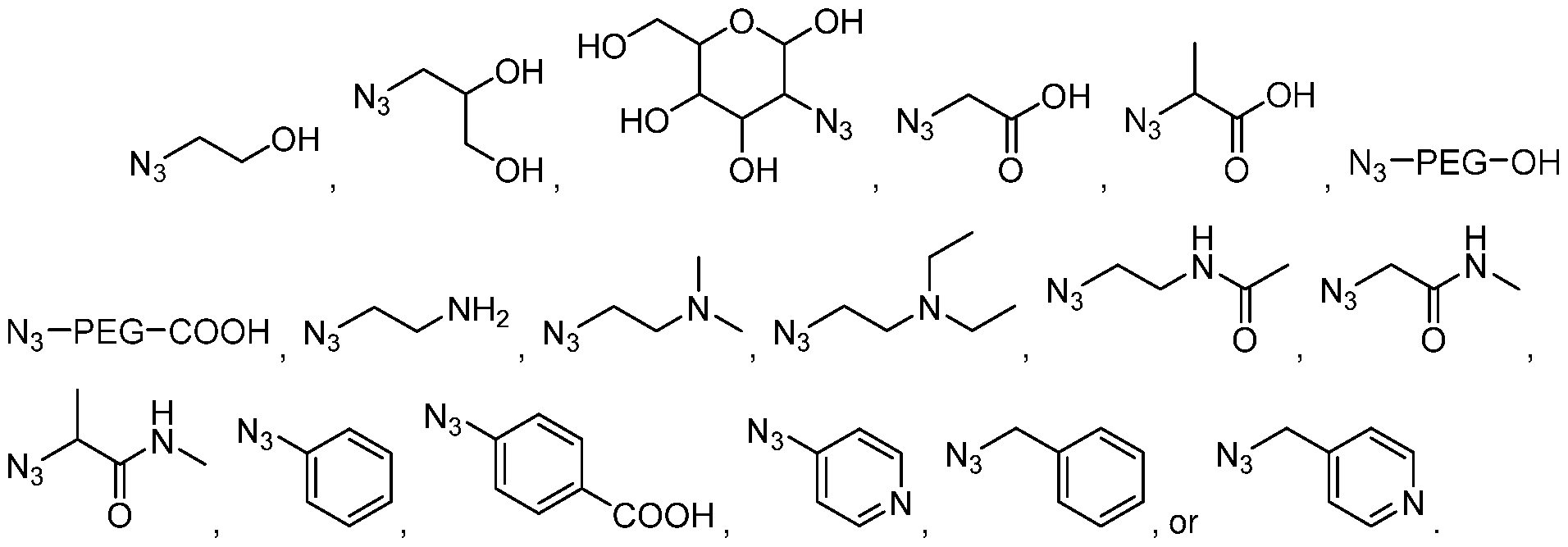





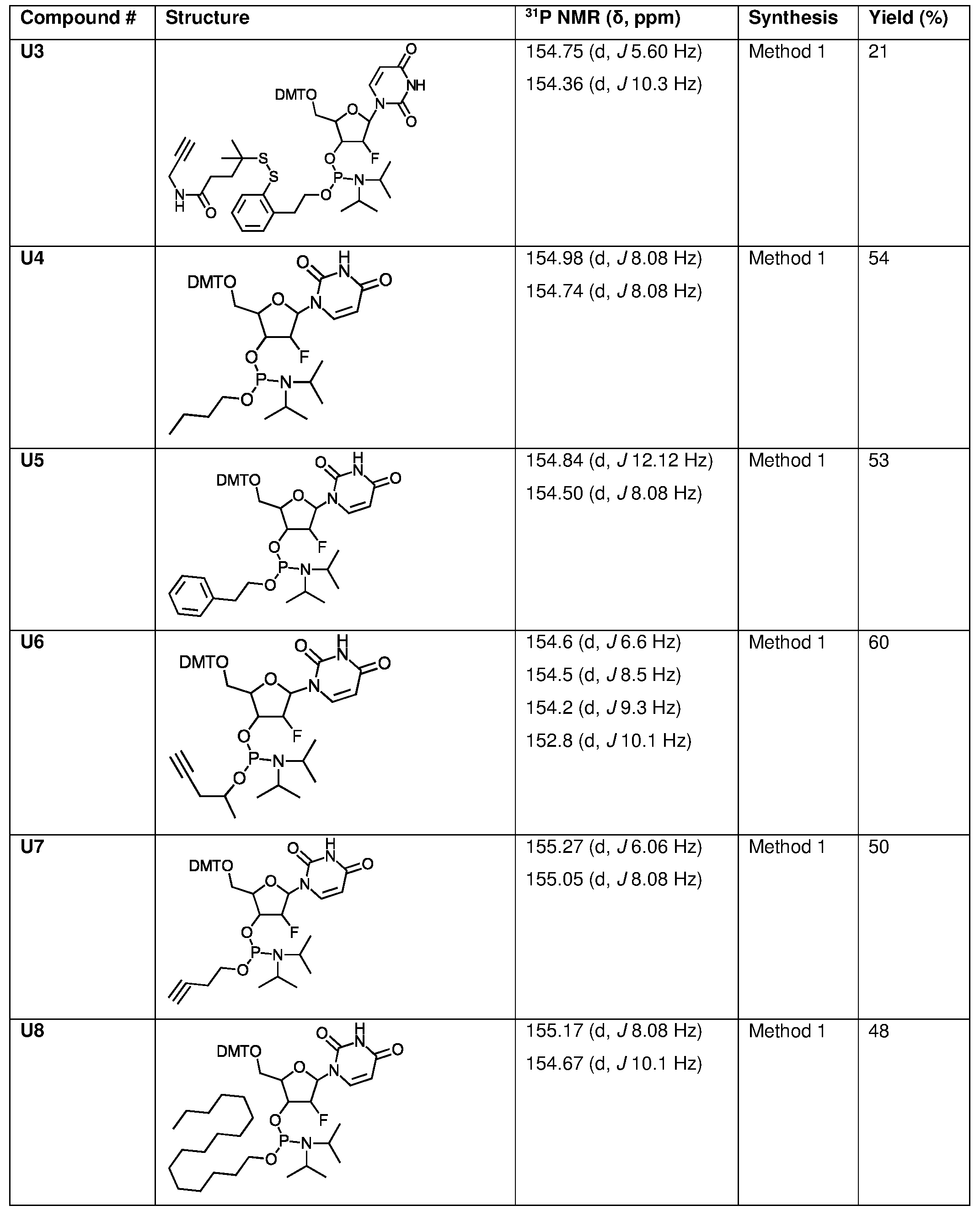


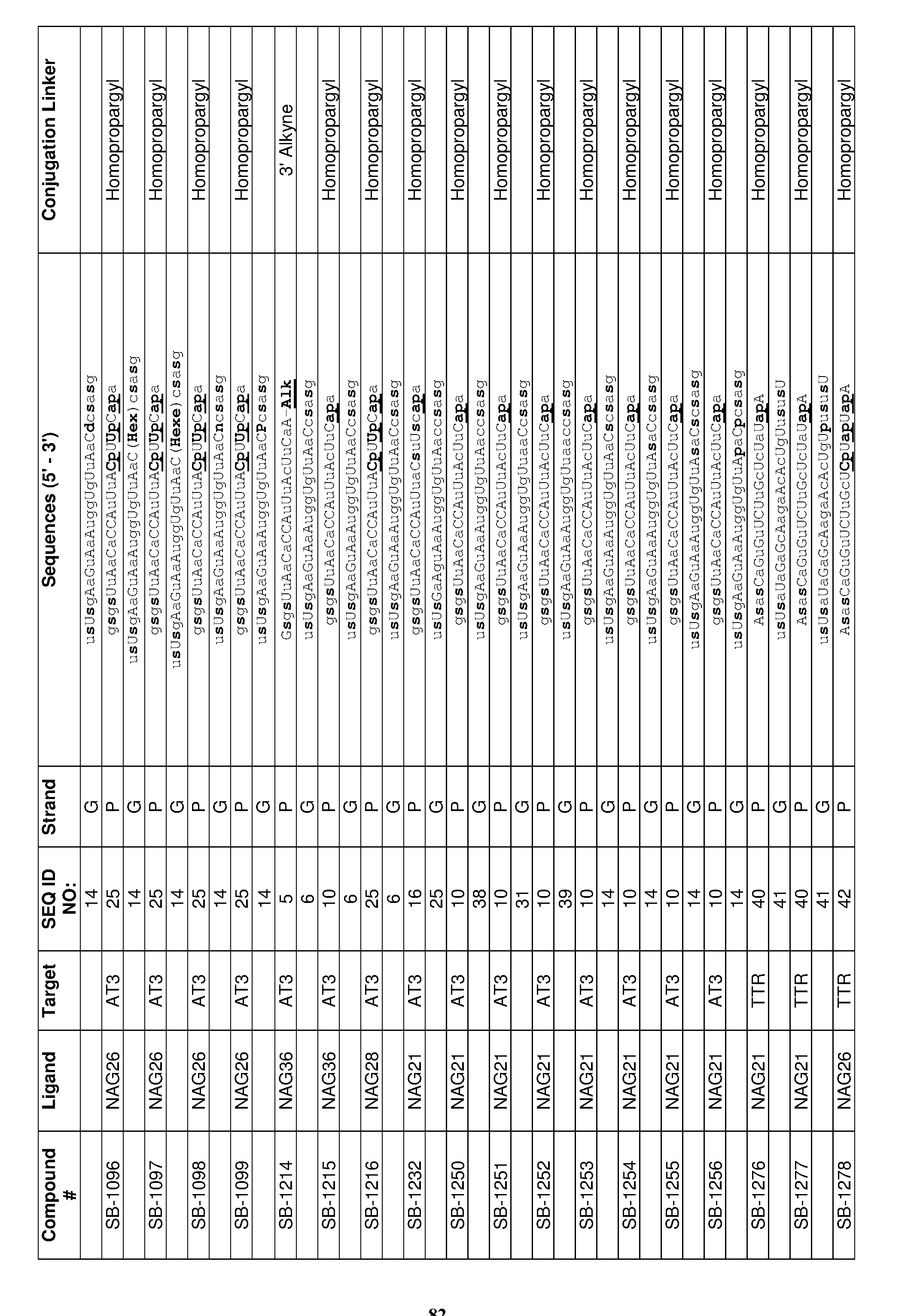


Claims


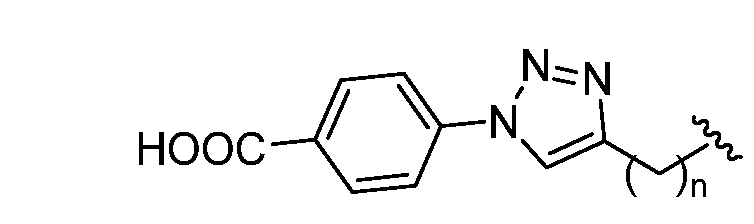
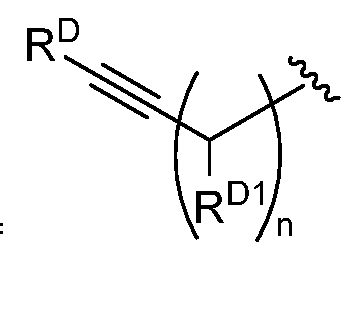


Priority Applications (4)
| Application Number | Priority Date | Filing Date | Title |
|---|---|---|---|
| US16/060,171 US20190194655A1 (en) | 2015-12-08 | 2016-12-08 | Polynucleotide constructs having an auxiliary moiety non-bioreversibly linked to an internucleoside phosphate or phosphorothioate |
| EP16873851.6A EP3386517A4 (en) | 2015-12-08 | 2016-12-08 | Polynucleotide constructs having an auxiliary moiety non-bioreversibly linked to an internucleoside phosphate or phosphorothioate |
| CA3007984A CA3007984A1 (en) | 2015-12-08 | 2016-12-08 | Polynucleotide constructs having an auxiliary moiety non-bioreversibly linked to an internucleoside phosphate or phosphorothioate |
| AU2016365828A AU2016365828A1 (en) | 2015-12-08 | 2016-12-08 | Polynucleotide constructs having an auxiliary moiety non-bioreversibly linked to an internucleoside phosphate or phosphorothioate |
Applications Claiming Priority (2)
| Application Number | Priority Date | Filing Date | Title |
|---|---|---|---|
| US201562264736P | 2015-12-08 | 2015-12-08 | |
| US62/264,736 | 2015-12-08 |
Publications (1)
| Publication Number | Publication Date |
|---|---|
| WO2017100461A1 true WO2017100461A1 (en) | 2017-06-15 |
Family
ID=59013322
Family Applications (1)
| Application Number | Title | Priority Date | Filing Date |
|---|---|---|---|
| PCT/US2016/065639 Ceased WO2017100461A1 (en) | 2015-12-08 | 2016-12-08 | Polynucleotide constructs having an auxiliary moiety non-bioreversibly linked to an internucleoside phosphate or phosphorothioate |
Country Status (5)
| Country | Link |
|---|---|
| US (1) | US20190194655A1 (en) |
| EP (1) | EP3386517A4 (en) |
| AU (1) | AU2016365828A1 (en) |
| CA (1) | CA3007984A1 (en) |
| WO (1) | WO2017100461A1 (en) |
Cited By (5)
| Publication number | Priority date | Publication date | Assignee | Title |
|---|---|---|---|---|
| CN113683651A (en) * | 2020-05-19 | 2021-11-23 | 上海京新生物医药有限公司 | Preparation method of GalNAc intermediate |
| US11578327B2 (en) | 2018-02-14 | 2023-02-14 | Deep Genomics Incorporated | Oligonucleotide therapy for Wilson disease |
| US11597744B2 (en) | 2017-06-30 | 2023-03-07 | Sirius Therapeutics, Inc. | Chiral phosphoramidite auxiliaries and methods of their use |
| US20230218525A1 (en) * | 2020-05-28 | 2023-07-13 | Evonik Operations Gmbh | Solid Self-Nanoemulsifying Drug Delivery System (S-SNEDDS) |
| US11981703B2 (en) | 2016-08-17 | 2024-05-14 | Sirius Therapeutics, Inc. | Polynucleotide constructs |
Families Citing this family (3)
| Publication number | Priority date | Publication date | Assignee | Title |
|---|---|---|---|---|
| MX2019012295A (en) | 2017-04-14 | 2020-02-07 | Tollnine Inc | Immunomodulating polynucleotides, antibody conjugates thereof, and methods of their use. |
| CA3169523A1 (en) | 2020-02-28 | 2021-09-02 | Jaume Pons | Transglutaminase-mediated conjugation |
| WO2024093947A1 (en) * | 2022-10-31 | 2024-05-10 | 大睿生物医药科技(上海)有限公司 | Prodrug for delivering sirna into cell |
Citations (4)
| Publication number | Priority date | Publication date | Assignee | Title |
|---|---|---|---|---|
| US6030955A (en) * | 1996-03-21 | 2000-02-29 | The Trustees Of Columbia University In The City Of New York And Imclone Systems, Inc. | Methods of affecting intracellular phosphorylation of tyrosine using phosphorothioate oligonucleotides, and antiangiogenic and antiproliferative uses thereof |
| US20140081012A1 (en) * | 2011-02-15 | 2014-03-20 | The University Of North Carolina At Chapel Hill | Nanoparticle, liposomes, polymers, agents and proteins modified with reversible linkers |
| CA2929651A1 (en) * | 2013-11-06 | 2015-05-14 | Solstice Biologics, Ltd. | Polynucleotide constructs having disulfide groups |
| WO2015188197A2 (en) * | 2014-06-06 | 2015-12-10 | Solstice Biologics, Ltd. | Polynucleotide constructs having bioreversible and non-bioreversible groups |
Family Cites Families (9)
| Publication number | Priority date | Publication date | Assignee | Title |
|---|---|---|---|---|
| US8524663B2 (en) * | 2006-03-03 | 2013-09-03 | New York University | Method for site-specific polyvalent display on polymers |
| GB0706243D0 (en) * | 2007-03-30 | 2007-05-09 | Univ Southampton | Modified nucleic acids |
| EP2342340A1 (en) * | 2008-09-22 | 2011-07-13 | Rxi Pharmaceuticals Corporation | Rna interference in skin indications |
| US8691971B2 (en) * | 2008-09-23 | 2014-04-08 | Scott G. Petersen | Self delivering bio-labile phosphate protected pro-oligos for oligonucleotide based therapeutics and mediating RNA interference |
| US9243246B2 (en) * | 2010-08-24 | 2016-01-26 | Sirna Therapeutics, Inc. | Single-stranded RNAi agents containing an internal, non-nucleic acid spacer |
| EP3388068A1 (en) * | 2011-06-21 | 2018-10-17 | Alnylam Pharmaceuticals, Inc. | Composition and methods for inhibition of expression of protein c (proc) genes |
| CN104781271B (en) * | 2012-08-20 | 2018-07-06 | 加利福尼亚大学董事会 | Polynucleotides with bioreversible groups |
| WO2015179693A1 (en) * | 2014-05-22 | 2015-11-26 | Isis Pharmaceuticals, Inc. | Conjugated antisense compounds and their use |
| CA3033867A1 (en) * | 2016-08-17 | 2018-02-22 | Solstice Biologics, Ltd. | Polynucleotide constructs |
-
2016
- 2016-12-08 WO PCT/US2016/065639 patent/WO2017100461A1/en not_active Ceased
- 2016-12-08 EP EP16873851.6A patent/EP3386517A4/en not_active Withdrawn
- 2016-12-08 US US16/060,171 patent/US20190194655A1/en not_active Abandoned
- 2016-12-08 AU AU2016365828A patent/AU2016365828A1/en not_active Abandoned
- 2016-12-08 CA CA3007984A patent/CA3007984A1/en not_active Abandoned
Patent Citations (4)
| Publication number | Priority date | Publication date | Assignee | Title |
|---|---|---|---|---|
| US6030955A (en) * | 1996-03-21 | 2000-02-29 | The Trustees Of Columbia University In The City Of New York And Imclone Systems, Inc. | Methods of affecting intracellular phosphorylation of tyrosine using phosphorothioate oligonucleotides, and antiangiogenic and antiproliferative uses thereof |
| US20140081012A1 (en) * | 2011-02-15 | 2014-03-20 | The University Of North Carolina At Chapel Hill | Nanoparticle, liposomes, polymers, agents and proteins modified with reversible linkers |
| CA2929651A1 (en) * | 2013-11-06 | 2015-05-14 | Solstice Biologics, Ltd. | Polynucleotide constructs having disulfide groups |
| WO2015188197A2 (en) * | 2014-06-06 | 2015-12-10 | Solstice Biologics, Ltd. | Polynucleotide constructs having bioreversible and non-bioreversible groups |
Non-Patent Citations (1)
| Title |
|---|
| See also references of EP3386517A4 * |
Cited By (6)
| Publication number | Priority date | Publication date | Assignee | Title |
|---|---|---|---|---|
| US11981703B2 (en) | 2016-08-17 | 2024-05-14 | Sirius Therapeutics, Inc. | Polynucleotide constructs |
| US11597744B2 (en) | 2017-06-30 | 2023-03-07 | Sirius Therapeutics, Inc. | Chiral phosphoramidite auxiliaries and methods of their use |
| US12269839B2 (en) | 2017-06-30 | 2025-04-08 | Sirius Therapeutics, Inc. | Chiral phosphoramidite auxiliaries and methods of their use |
| US11578327B2 (en) | 2018-02-14 | 2023-02-14 | Deep Genomics Incorporated | Oligonucleotide therapy for Wilson disease |
| CN113683651A (en) * | 2020-05-19 | 2021-11-23 | 上海京新生物医药有限公司 | Preparation method of GalNAc intermediate |
| US20230218525A1 (en) * | 2020-05-28 | 2023-07-13 | Evonik Operations Gmbh | Solid Self-Nanoemulsifying Drug Delivery System (S-SNEDDS) |
Also Published As
| Publication number | Publication date |
|---|---|
| CA3007984A1 (en) | 2017-06-15 |
| US20190194655A1 (en) | 2019-06-27 |
| AU2016365828A1 (en) | 2018-07-05 |
| EP3386517A1 (en) | 2018-10-17 |
| EP3386517A4 (en) | 2019-08-07 |
Similar Documents
| Publication | Publication Date | Title |
|---|---|---|
| US20240247025A1 (en) | Polynucleotide constructs | |
| US20200392498A1 (en) | Polynucleotide constructs having bioreversible and non-bioreversible groups | |
| US9950001B2 (en) | Polynucleotides having bioreversible groups | |
| US20160257961A1 (en) | Polynucleotide constructs having disulfide groups | |
| US20190194655A1 (en) | Polynucleotide constructs having an auxiliary moiety non-bioreversibly linked to an internucleoside phosphate or phosphorothioate | |
| JP5939685B2 (en) | Modified single-stranded polynucleotide | |
| TW202327658A (en) | Multivalent ligand clusters with diamine scaffold for targeted delivery of therapeutic agent | |
| CN111212909A (en) | RNAi agents and compositions for inhibiting expression of asialoglycoprotein receptor 1 | |
| JP2025536115A (en) | Transmembrane delivery systems and uses thereof |
Legal Events
| Date | Code | Title | Description |
|---|---|---|---|
| 121 | Ep: the epo has been informed by wipo that ep was designated in this application |
Ref document number: 16873851 Country of ref document: EP Kind code of ref document: A1 |
|
| ENP | Entry into the national phase |
Ref document number: 3007984 Country of ref document: CA |
|
| NENP | Non-entry into the national phase |
Ref country code: DE |
|
| ENP | Entry into the national phase |
Ref document number: 2016365828 Country of ref document: AU Date of ref document: 20161208 Kind code of ref document: A |
|
| WWE | Wipo information: entry into national phase |
Ref document number: 2016873851 Country of ref document: EP |
|
| ENP | Entry into the national phase |
Ref document number: 2016873851 Country of ref document: EP Effective date: 20180709 |