WO2017107104A1 - 通信方法及设备 - Google Patents
通信方法及设备 Download PDFInfo
- Publication number
- WO2017107104A1 WO2017107104A1 PCT/CN2015/098455 CN2015098455W WO2017107104A1 WO 2017107104 A1 WO2017107104 A1 WO 2017107104A1 CN 2015098455 W CN2015098455 W CN 2015098455W WO 2017107104 A1 WO2017107104 A1 WO 2017107104A1
- Authority
- WO
- WIPO (PCT)
- Prior art keywords
- base station
- micro base
- information
- link
- backhaul
- Prior art date
- Legal status (The legal status is an assumption and is not a legal conclusion. Google has not performed a legal analysis and makes no representation as to the accuracy of the status listed.)
- Ceased
Links
Images

Classifications
-
- H—ELECTRICITY
- H04—ELECTRIC COMMUNICATION TECHNIQUE
- H04W—WIRELESS COMMUNICATION NETWORKS
- H04W48/00—Access restriction; Network selection; Access point selection
- H04W48/20—Selecting an access point
-
- H—ELECTRICITY
- H04—ELECTRIC COMMUNICATION TECHNIQUE
- H04W—WIRELESS COMMUNICATION NETWORKS
- H04W28/00—Network traffic management; Network resource management
- H04W28/02—Traffic management, e.g. flow control or congestion control
- H04W28/0215—Traffic management, e.g. flow control or congestion control based on user or device properties, e.g. MTC-capable devices
-
- H—ELECTRICITY
- H04—ELECTRIC COMMUNICATION TECHNIQUE
- H04W—WIRELESS COMMUNICATION NETWORKS
- H04W52/00—Power management, e.g. Transmission Power Control [TPC] or power classes
- H04W52/02—Power saving arrangements
- H04W52/0203—Power saving arrangements in the radio access network or backbone network of wireless communication networks
- H04W52/0206—Power saving arrangements in the radio access network or backbone network of wireless communication networks in access points, e.g. base stations
-
- H—ELECTRICITY
- H04—ELECTRIC COMMUNICATION TECHNIQUE
- H04W—WIRELESS COMMUNICATION NETWORKS
- H04W52/00—Power management, e.g. Transmission Power Control [TPC] or power classes
- H04W52/04—Transmission power control [TPC]
- H04W52/06—TPC algorithms
- H04W52/16—Deriving transmission power values from another channel
-
- H—ELECTRICITY
- H04—ELECTRIC COMMUNICATION TECHNIQUE
- H04W—WIRELESS COMMUNICATION NETWORKS
- H04W28/00—Network traffic management; Network resource management
- H04W28/02—Traffic management, e.g. flow control or congestion control
- H04W28/0231—Traffic management, e.g. flow control or congestion control based on communication conditions
- H04W28/0236—Traffic management, e.g. flow control or congestion control based on communication conditions radio quality, e.g. interference, losses or delay
-
- Y—GENERAL TAGGING OF NEW TECHNOLOGICAL DEVELOPMENTS; GENERAL TAGGING OF CROSS-SECTIONAL TECHNOLOGIES SPANNING OVER SEVERAL SECTIONS OF THE IPC; TECHNICAL SUBJECTS COVERED BY FORMER USPC CROSS-REFERENCE ART COLLECTIONS [XRACs] AND DIGESTS
- Y02—TECHNOLOGIES OR APPLICATIONS FOR MITIGATION OR ADAPTATION AGAINST CLIMATE CHANGE
- Y02D—CLIMATE CHANGE MITIGATION TECHNOLOGIES IN INFORMATION AND COMMUNICATION TECHNOLOGIES [ICT], I.E. INFORMATION AND COMMUNICATION TECHNOLOGIES AIMING AT THE REDUCTION OF THEIR OWN ENERGY USE
- Y02D30/00—Reducing energy consumption in communication networks
- Y02D30/70—Reducing energy consumption in communication networks in wireless communication networks
Definitions
- the present invention relates to the field of communications, and in particular, to a communication method and apparatus.
- UDL ultra dense network
- small cell evolution is regarded as a wireless network to increase data rate and improve users.
- UDN is relatively large. Although each small cell itself consumes relatively low energy, high-density deployment means that the power consumption of the entire network is significantly deteriorated. In order to achieve energy saving, micro-base stations of small cells without tasks are usually required. Enter the energy saving state.
- a small cell In a UDN, a small cell generally has a small coverage, and some small cells are not directly connected to the core network, and need to transmit data through more wireless backhaul or fiber back transmission. In other words, these small cells are generally The micro base station corresponding to the small network is not directly communicated with the core network, and the data is transmitted to the donar micro base station through the wireless backhaul.
- the micro base stations are usually connected to the macro base station through an optical fiber, or further transmitted to the macro base station through the optical fiber.
- the data is transmitted to the core network by the donar micro base station or the macro base station. In this process, multiple micro base stations may be required to transmit data to the core network.
- the backhaul link resources may be sufficient.
- user behavior is variable, resulting in access traffic jitter and complex interference environment and channel state.
- the backhaul service is always changing, further causing insufficient backhaul link resources.
- some micro base stations The backhaul task reaches or exceeds the bearable load, and some of the neighboring micro base stations may have fewer backhaul tasks, resulting in underutilized resources, which affects data communication. So, how to make more reasonable use of the backhaul link Resources are urgently becoming a technical problem that a person skilled in the art needs to solve.
- the embodiments of the present invention provide a communication method and device to implement a more reasonable use of a backhaul link.
- embodiments of the present application provide a method of communication.
- the method is applicable to a super-dense network UDN, the method comprising: the UE receiving information of one or more backhaul links broadcast by different micro base stations.
- the UE selects a micro base station corresponding to the information of the backhaul link that meets the preset condition.
- the selected micro base station is in an active state
- the UE accesses the selected micro base station.
- the selected micro base station is in an inactive state
- the UE sends an activation signal to the selected micro base station, and after the micro base station is activated, the UE accesses the selected micro base station.
- the embodiment of the present invention can implement the activation of the micro base station by the UE side, improve the accuracy of the link determination, reduce the network energy consumption of the UDN, and improve the user experience.
- the information of the backhaul link may include the type of link (eg, wireless, optical fiber, etc.), the state of the link (eg, intermediate transmission state, end transmission state, etc.), the level of the link ( For example, one level wireless backhaul, secondary wireless backhaul, etc., and at least one of acceptable load information.
- the embodiment of the present invention can implement the selection of the backhaul link according to the type of the link, the state of the link, the level of the link, and the like, so that the selection is more reasonable and the user experience is higher.
- acceptable load information may include: strong acceptance, medium acceptance, weak acceptance, a proportional value of the acceptable load, or a proportional value of the occupied load, and the like.
- the load condition of the backhaul link can be more intuitively reflected by the embodiment of the present invention, so that the selection of the backhaul link is more accurate.
- the information of the backhaul link may include information of the link in the activated state, and the UE selects the backhaul link information that meets the preset condition, including: the UE selects acceptable load information to reach the threshold, and the delay
- the information of the link of the smallest active state corresponds to the first micro base station.
- the delay can be determined according to the link type of the link, the number of hops, and the like.
- the embodiment of the present invention can implement that the UE selects an optimal active state backhaul link to perform data transmission of the UE, The user experience.
- the information of the backhaul link may include information of the link in the inactive state
- the UE selecting the backhaul link information that meets the preset condition includes: the UE selects the acceptable load information to reach the threshold, and the time The second micro base station corresponding to the information of the link in which the minimum inactive state is extended.
- the embodiment of the present invention can implement the UE to select an optimal inactive backhaul link to perform data transmission of the UE, which improves the user experience.
- the information of the link may include information of the link in the active state and the information of the link in the inactive state
- the information that the UE selects the backhaul link that meets the preset condition includes:
- the link information of the active state is set, the UE selects the first micro base station corresponding to the information of the link in which the acceptable load information reaches the threshold and the delay is the smallest.
- the UE selects the second micro base station corresponding to the information that the acceptable load information reaches the threshold and the link of the inactive state with the smallest delay.
- the UE when the link received by the UE includes both the link information of the active state and the link of the link of the inactive state, the UE preferentially selects the link in the activated state, and the link in the activated state does not match. When the conditions are met, the link in the inactive state is selected. Since the activation of the base station requires some energy, in this way, unnecessary energy consumption can be avoided as much as possible.
- the activation signal can be used to indicate the selected micro base station activation time as well as the initial accessed resource information and the like.
- the UE can activate the micro base station by using the embodiment of the present invention, and the micro base station can be activated at a set time and implement access by the UE.
- the activation signal may include: a preamble, a sequence number, a code division multiple access (CDMA) code division multiple access (CDMA) code, a reference signal, a sounding signal, or a physical cell ID.
- CDMA code division multiple access
- CDMA code division multiple access
- the foregoing signal needs to be defined in advance as an activation signal, so that the micro base station can recognize after receiving the signal.
- the UE may activate the micro base station by using any one of the foregoing signals, thereby enabling the UE to activate the micro base station. And it is possible to activate only a specific base station, reducing the energy consumed to activate an unnecessary base station.
- the activation signal may be a blind uplink beacon signal or a cell identity PCI.
- activation of the micro base station by the UE can be implemented, and only the micro base station having the specific PCI is activated, and the energy consumed for activating the unnecessary base station is reduced.
- the UE sending the activation signal to the selected micro base station includes: the downlink detection signal power of the discovery reference signal broadcast by the UE according to the selected micro base station, the threshold value of the predefined or base station signaling, and/or Or estimating the uplink power by using information such as an offset value, where the reference signal is found to be a CRS (Cell-specific reference signals) or a CSI-reference signal (CSI-reference signals).
- the UE transmits an activation signal to the selected micro base station using the estimated uplink power.
- activation of the micro base station by the UE can be implemented, and only the micro base station having the specific uplink power is activated, and the energy consumed for activating the unnecessary base station is reduced.
- the selected micro base station may be connected to the macro base station, and the UE sending the activation signal to the selected micro base station includes: when the UE has a connection with the macro base station, the UE sends the activation information to the macro base station, where The activation information includes the identity of the selected micro base station so that the macro base station transmits an activation signal to the selected micro base station.
- activation of the micro base station by the UE may be implemented, and the activation signal is sent by the macro base station, and the resources occupied by using the specific activation signal are reduced.
- the UE transmitting the activation signal to the selected micro base station includes:
- the UE When the selected micro base station belongs to the base station group, the UE sends a preset activation signal to the group of base stations to which the selected micro base station belongs, for activating the base station group.
- the UE can activate the base station group by using the embodiment of the present invention. Even if the single micro base station cannot meet the conditions of the UE, the base station group can be satisfied, which increases the value of the actual application of the embodiment of the present invention.
- embodiments of the present application provide a method of communication. This method is suitable for use in ultra-dense network UDNs. Including: the information of the micro base station broadcasting the backhaul link. When the micro base station is in an inactive state, the micro base station receives an activation signal sent by the UE to the selected micro base station after selecting the micro base station based on the information of the backhaul link; and the micro base station enters an active state according to the activation signal. When the UE accesses the selected micro base station, the micro base station performs access of the UE.
- the UE can obtain the information of the backhaul link by receiving a broadcast or the like, so that the information according to the information of the backhaul link is selected appropriately.
- the backhaul link backhaul data becomes possible, making the allocation of the backhaul link more reasonable.
- the information of the micro base station broadcasting the backhaul link may include: when the micro base station is in an active state, the information of the backhaul link may be separately transmitted in the form of broadcast information or carried on other broadcast information.
- the information of the backhaul link when the micro base station is in an inactive state, the information of the backhaul link is in the same form as the broadcast discovery reference signal, and is transmitted separately or carried on the discovery reference signal in a period that is the same or multiple of the discovery signal.
- the micro base station corresponds to a parent base station, and the parent base station corresponds to several child base stations.
- the acceptable load information can be obtained by subtracting the total backhaul capacity of the parent base station from the total capacity of the other activated child base stations.
- the embodiment of the present invention can implement the calculation of the acceptable load information of the micro base station more accurately, and can better reflect the actual load situation, so that the selection of the link is more reasonable.
- the micro base station calculates whether the backhaul capacity of the micro base station can meet the requirements of the UE.
- the micro base station sets a protection boundary according to a pre-made rule.
- the embodiment of the present invention can implement the calculation of the acceptable load information of the micro base station more reasonably, so that the selection of the link is more reasonable.
- the implementation of the present application provides a communication method that is suitable for use in an ultra-dense network UDN.
- the method includes: the macro base station receives the activation information sent by the UE after selecting the micro base station according to the information of the backhaul link broadcast by the micro base station, and the activation information includes the identifier of the selected micro base station.
- the macro base station sends an activation signal to the selected micro base station based on the identifier of the selected micro base station, wherein the activation signal is specific information for indicating the working mode of the micro base station and the activation information.
- the embodiment of the present invention can be implemented that the UE activates the micro base station by using the macro base station, and reduces resources occupied by the UE to activate the micro base station.
- the implementation of the application provides a user equipment UE, which is suitable for use in an ultra-dense network UDN.
- the method includes: a receiver, configured to receive information of one or more backhaul links, where the information of the one or more backhaul links are respectively from different micro base stations. And a processor, configured to select a micro base station corresponding to the information of the backhaul link that meets the preset condition. Transmitter for when selected When the micro base station is in an inactive state, an activation signal is sent to the selected micro base station.
- the processor is further configured to access the selected micro base station.
- the information of the backhaul link includes information of the link in the activated state, wherein the processor may be further configured to: select an link with an acceptable load information reaching a threshold and having a minimum delay The information corresponds to the first micro base station.
- the information of the backhaul link includes information of the link in an inactive state
- the processor may be further configured to: select an link in which the acceptable load information reaches a threshold and the minimum delay is inactive.
- the information corresponds to the second micro base station.
- the information of the link includes the information of the link in the activated state and the information of the link in the inactive state
- the processor may be further configured to: when the information of the link in the activated state does not meet the preset condition When the acceptable load information is selected to reach the threshold, and the information of the link of the inactive state with the smallest delay corresponds to the second micro base station.
- the transmitter is further configured to: estimate uplink power according to downlink detection signal power of the discovery reference signal broadcasted by the selected micro base station, threshold value and/or offset value of the predefined or base station signaling
- the discovery reference signal is a common reference signal CRS or a cell-specific reference signal CSI-RS.
- the activation signal is transmitted to the selected micro base station using the uplink power.
- the selected micro base station is connected to the macro base station, and the transmitter may be further configured to: when the UE has a connection with the macro base station, send the activation information to the macro base station, where the activation information includes The identity of the fixed micro base station is such that the macro base station transmits an activation signal to the selected micro base station.
- the transmitter may be further configured to: when the selected micro base station belongs to the base station group, send a preset activation signal to the group of base stations to which the selected micro base station belongs, to activate the base station group. group.
- the implementation of the present application provides a micro base station that is suitable for use in an ultra-dense network UDN.
- a micro base station that is suitable for use in an ultra-dense network UDN.
- a transmitter for broadcasting information of a backhaul link Including: a transmitter for broadcasting information of a backhaul link.
- a processor configured to: when the micro base station is in an inactive state, receive an activation signal sent by the UE to the micro base station after selecting the micro base station according to the information of the backhaul link, and enter an activation state according to the activation signal.
- Access unit for accessing the UE When the selected micro base station is selected, the access of the UE is performed.
- the transmitter may be further configured to: when the micro base station is in an active state, the information of the backhaul link is separately transmitted in the form of broadcast information or carried on other broadcast information;
- the transmitter may be further configured to: when the micro base station is in an inactive state, the information of the backhaul link is in the same form as the broadcast discovery reference signal, and is the same or multiple of the discovery signal. The period, alone or carried, is transmitted on the discovery reference signal.
- the micro base station corresponds to a parent base station
- the parent base station corresponds to several child base stations
- the acceptable load information is obtained by subtracting the total backhaul capacity of the parent base station from the total capacity of the other activated child base stations.
- the micro base station is provided with a protection boundary, and acceptable load information is obtained by subtracting the protection boundary from the real acceptable load of the micro base station.
- the processor may also be used by the micro base station to calculate whether the backhaul capacity of the micro base station can meet the requirements of the UE, and the micro base station needs to provide services for multiple UEs, and the micro base station cannot simultaneously satisfy the requirement.
- the micro base station sets a protection boundary according to a pre-made rule.
- the implementation of the present application provides a macro base station, where the macro base station is applicable to an ultra-dense network UDN, and includes: a receiver that receives, after the UE selects a micro base station based on information about a backhaul link broadcast by the micro base station, sends the macro base station. Activation information, the activation information including an identification of the selected micro base station. And a transmitter, configured to send an activation signal to the selected micro base station based on the identifier of the selected micro base station, where the activation signal is specific information, used to indicate an operating mode of the micro base station and activation information.
- an embodiment of the present invention provides a computer storage medium for storing computer software instructions for use by the base station, including a program designed to perform the above aspects.
- the solution provided by the present invention can more flexibly divide the backhaul link.
- the allocation is determined by the UE of the demanding party, so that the allocation of the backhaul link is more reasonable, the user experience is higher, and the energy consumption of the network side system is reduced, thereby achieving a better balance between network energy consumption and user experience. . .
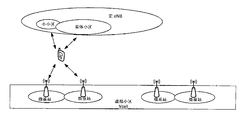
- FIG. 1 is a schematic diagram of an application scenario according to an embodiment of the present disclosure
- FIG. 2 is a schematic diagram of a virtual cell
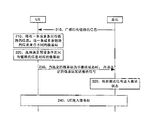
- FIG. 3 is a schematic flowchart diagram of a communication method according to an embodiment of the present disclosure.
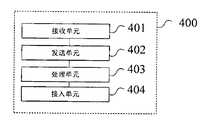
- FIG. 4 is a schematic structural diagram of a UE according to an embodiment of the present disclosure.
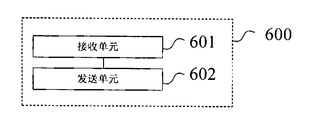
- FIG. 6 is a schematic structural diagram of a macro base station according to an embodiment of the present disclosure.
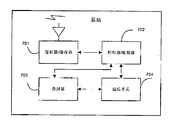
- FIG. 7 is a schematic structural diagram of a base station according to an embodiment of the present disclosure.
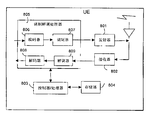
- FIG. 8 is a schematic structural diagram of another UE according to an embodiment of the present invention.
- the user equipment UE can access the network through the access network device.
- the UE 141 can be connected to the macro base station 110 through the micro base station 134, the micro base station 121, and further accessed by the macro base station.
- the UE 142 may be connected to the micro base station 122 through the micro base station 132, the micro base station 133, or the micro base station 134, connected to the macro base station 110 through the micro base station 122, and further connected to the network through the macro base station; or the UE 143 may pass through the micro base station.
- the group formed by the base station 132, the micro base station 133, or the micro base station 134 is connected to the micro base station 122, connected to the macro base station 110 through the micro base station 122, and further connected to the network through the macro base station;
- LTE Long Term Evolution
- System or other wireless communication system using various radio access technologies, for example, using code division multiple access, frequency division multiple access, time division multiple access, orthogonal frequency division multiple access, single carrier frequency division multiple access, etc. system.
- LTE Long Term Evolution
- it can also be applied to the subsequent evolution system using the LTE system, such as the fifth generation 5G system and the like.
- LTE system such as the fifth generation 5G system and the like.
- the LTE system is taken as an example here.
- E-UTRAN Evolved Universal Terrestrial Radio Access Network
- Core Evolved Packet
- the UE accesses the IMS network through the E-UTRAN and the EPC.
- the user equipment UE involved in the present application may include various handheld devices with wireless communication functions, in-vehicle devices, wearable devices, computing devices or other processing devices connected to the wireless modem, and various forms of user equipment (User Equipment) , UE), mobile station (MS), terminal, terminal equipment, and the like.
- User Equipment User Equipment
- UE User Equipment
- MS mobile station
- terminal terminal equipment
- UE terminal equipment
- the macro base station and the micro base station involved in the present invention are devices deployed in a radio access network to provide a wireless communication function for the UE.
- the name of a device having a base station function may be different.
- an evolved Node B evolved Node B: eNB or eNodeB
- Node B In the 3G network, it is called Node B and so on.
- a macro base station or a macro eNB and a micro base station or a micro eNB.
- FIG. 2 is a schematic diagram of a virtual cell network. As shown in FIG.
- the UE is simultaneously linked to four cells, that is, there are four serving cells.
- the PCell physical cell
- SCell A small cell is a secondary serving cell of the UE, and there are three, one of which is located in the macro eNB, and the other two are small cells, belonging to the same virtual cell. Other cells are neighbor cells.
- a virtual cell can be approximated as a macro cell. There is a primary transmission point (main TP) in the virtual cell.
- main TP primary transmission point
- the UE reports the measurement reports of all the physical cells in the virtual cell to the primary transmission point, and the dual-link measurement mechanism can be applied.
- Scenario 3 There is no primary transmission point in the virtual cell, and the radio control plane message of the UE to the virtual cell and the physical cell in the virtual cell needs to be sent to the macro eNB.
- the virtual cell is dynamic and adopts a UE-centric architecture.
- the measurement report of the UE to the virtual cell and the physical cell in the virtual cell is also sent to the macro eNB.
- one virtual cell may correspond to multiple micro base stations, that is, one base station group.
- the embodiments of the present invention will be further described in detail below based on the common aspects of the invention described above.
- An embodiment of the present invention provides a communication method, and a UE, a micro base station, a macro base station, and a system based on the method.
- the micro base station side needs to broadcast information of its backhaul link, wherein the information of the backhaul link includes at least one of the following information:
- the type of link such as fiber or wireless.
- the link type between the micro base station 122 and the macro base station 110 is an optical fiber. Therefore, when the micro base station 122 broadcasts the information of the backhaul link, the type of the link may be an optical fiber.
- the link type between the micro base station 121 and the micro base station 131 is wireless. Therefore, when the micro base station 131 broadcasts information of the backhaul link, the type of the link may be wireless.
- the level of the link for example, when in the intermediate transmission state, the specific level or number of layers.
- the micro base station 122 is directly connected to the macro base station 110 through an optical fiber, and the level of the link of the micro base station 122 can be a primary fiber backhaul.
- the micro base station 131 is connected to the micro base station 121 by radio, and the micro base station 121 is directly connected to the macro base station 110 through an optical fiber.
- the level of the link of the micro base station 131 can be a primary wireless backhaul.
- the micro base station 134 is connected to the micro base station 132 by radio, and the micro base station 132 is connected to the micro base station 122 by radio.
- the micro base station 122 is directly connected to the macro base station 110 through an optical fiber, and the level of the link of the micro base station 134 can be a secondary wireless backhaul. And so on.
- Acceptable load information for example, the load of the backhaul link and the remaining capacity, or directly indicate the information such as strong acceptance, medium reception or weak acceptance, or an acceptable load ratio value or the occupied load.
- the scale value for example, L% is acceptable load information broadcast by a base station, where L represents how much of the load is still acceptable, where L is a predefined default capacity value.
- the load condition of the backhaul link can be more intuitively reflected, so that the selection of the backhaul link is more accurate. It makes the UE more reasonable when selecting the link.
- the load ratio acceptable to the base station may set a protection boundary, and when the base station broadcasts an acceptable load ratio, broadcast the load ratio acceptable to the actual base station minus the protection boundary.
- the calculation of the acceptable load information of the micro base station can be more accurate, and the actual load situation can be embodied, so that the selection of the link is more reasonable.
- the base station or OAM operation and maintenance
- the network side may set a protection boundary, wherein the actual broadcast acceptable load information is calculated by the load information actually accepted by the base station minus the protection boundary determined according to the prefabrication rule; for example, the acceptable load ratio of the actual broadcast Wait The protection ratio is subtracted from the current known load ratio.
- the load ratio of the inactive child base stations may be equal to the total backhaul capacity of the father base station minus the total of the other activated child base stations. capacity.
- the father base station may notify the activated sub-base station connected to it with the activation state or the loadable ratio of the sub-base station connected thereto. The calculation of the acceptable load information of the micro base station can be more accurate, and the actual load situation can be embodied, so that the selection of the link is more reasonable.
- the embodiment of the present invention can be implemented that the UE can obtain the information of the backhaul link by receiving a broadcast or the like, so that it is possible to select an appropriate backhaul link backhaul data according to the information of the backhaul link, so that the backhaul link is enabled.
- the allocation is more reasonable.
- the second layer of micro eNB (ie, not directly connected to the macro eNB through fiber optics) broadcasts its direct wireless backhaul situation;
- the third layer micro eNB broadcasts its two layers of wireless backhaul situations
- the base station broadcasts the information of the backhaul link, and the UE determines the base station that needs to be accessed according to the information, which reduces the workload of the base station, and at the same time makes the allocation of the backhaul link more reasonable, and the data transmission is more effectiveness.
- the embodiment of the present invention may include the following steps:
- the micro base station can broadcast the information of the backhaul link through a certain rule, so that the UE can receive the broadcast information.
- the specific broadcast form can be as follows:
- the micro base station When the micro base station is in a non-active working mode, that is, an inactive state, the micro base station is activated in a certain period to serve a specific object, and is inactivated. In the state, the micro base station only broadcasts a discovery signal (CSI-RS signal).
- the micro base station may broadcast the information of the backhaul link by using the same or multiple times of the period of the broadcast discovery signal, and may carry the information of the backhaul link on the discovery signal for broadcasting, or may be the discovery signal. Broadcast in the same form. In this way, the micro base station can broadcast the information of the backhaul link in an inactive state.
- the UE receives information of one or more backhaul links, where the one or more link information are respectively from different micro base stations.
- the UE selects a micro base station corresponding to the information of the backhaul link that meets the preset condition.
- the preset condition may be determined according to the requirement of transmission of data of the UE, may be a local requirement of the UE, and further, may be a requirement of the QoS of the UE, a requirement for delay, or a requirement for an acceptable load ratio One, or a combination of several items, and so on. For example, when the UE needs to return data from the micro base station, the UE selects the acceptable load information as the micro base station corresponding to the strong received and the link information with the smallest delay. For another example, the UE may select a micro base station corresponding to the information of the link having a sufficiently large capacity, wherein a sufficiently large capacity may be determined by the acceptable load information of the link, for example, the UE receives the link acceptable. If the load information is medium or strong, the link is considered to have sufficient capacity; or the UE receives the proportional value of the acceptable load of the link, or the proportion of the occupied load reaches the threshold, then the The link has a large enough capacity.
- the information of the backhaul link includes an active state and an inactive state, and the information received by the UE may be one or more backhaul links, which are described in detail below for different situations.
- the link information is information of a link in an activated state.
- the UE determines whether the information of the link meets the preset condition. If the UE accesses the micro base station corresponding to the information of the link, if not, the UE continues to receive the information of the backhaul link.
- the UE When the UE receives the information of the multiple backhaul links, and the information of the multiple links is the information of the link in the inactive state.
- the UE selects the micro base station corresponding to the information of the link that meets the preset condition, and sends an activation signal to the micro base station. If there are multiple pieces of information that meet the preset condition, the information of the optimal link can be selected. Micro base station. When there is no information of the link that satisfies the preset condition, the UE continues to receive the information of the backhaul link.
- the UE When the UE receives the information of the multiple backhaul links, and the information of the multiple links includes the information of the link in the inactive state, and also includes the information of the activated link.
- the UE determines whether there is information about the active link that meets the preset condition. If yes, the UE selects the micro base station corresponding to the link information of the active state that meets the preset condition, and accesses the same. When there is no link information of the activation state that satisfies the preset condition, the UE selects the micro base station corresponding to the link information of the inactive state that meets the preset condition, and sends an activation signal thereto. When none exists, the UE continues to receive information of the backhaul link.
- the specific judgment manner may be multiple.
- the UE When the selected micro base station is in an inactive state, the UE sends an activation signal to the selected micro base station.
- the UE pre-defined or the macro base station configures the wake-up time and the resource information of the initial access and the activation signal, and the UE sends the foregoing information to the micro base station for activating the micro base station.
- the macro base station may broadcast the above information in the form of a broadcast for the UE to receive.
- the UE can activate the micro base station, and the micro base station can be activated at a set time and implement access by the UE.
- the UE may also send an activation signal through the blind uplink beacon signal.
- the uplink power may be estimated according to the downlink detection signal power of the discovery reference signal broadcasted by the micro base station, the threshold value and/or the offset value of the predefined or base station signaling, so that only a specific base station is based on a common threshold. Will be activated.
- the base station After receiving the base station, the base station will feedback the PCI ID based on the local detection.
- the base station group formed by the base station can satisfy the preset condition (the virtual cell satisfies the preset condition)
- the UE needs to send an activation signal.
- the base stations corresponding to the entire group are all activated (activating all micro base stations in the virtual cell), for example, by VPCI (Virtual PCI).
- VPCI Virtual PCI
- VPCI can identify a group of base stations. This way Even if a single micro base station cannot meet the conditions of the UE, it can be satisfied by the group of base stations, which increases the value of the practical application of the embodiment of the present invention.
- the eNB can be awakened by using the PCI (Physical Cell ID) of the cell to be awakened, the configuration cost can be reduced, and the general format can be any signal/sequence/code.
- PCI Physical Cell ID
- the UE when the UE receives the signaling from the small cell and reserves the connection to the macro eNB, if the timely access cannot be obtained on the predefined wake-up resource, the UE feeds back the requested activation information to the macro eNB to request the macro eNB to The small cell eNB performs corresponding notification; this is a waste of resources caused by considering a certain resource for transmitting the wake-up signal, so the period is long, which results in a large delay, which is much larger than that of the macro eNB on the optical fiber interface by using the double link. The delay required to notify the small cell.
- the micro base station When the micro base station is in an inactive state, the micro base station receives an activation signal sent by the micro base station to the micro base station after receiving the micro base station selected by the UE based on the information of the backhaul link. The micro base station enters an active state according to an activation signal.
- the base station in the non-active mode When the base station in the non-active mode receives the activation signal sent by the UE or the macro base station, the base station activates according to the activation signal and enters the active working mode.
- the duration of the wakeup of the base station and the service content that needs to be provided may be determined according to information carried in the activation signal. This is because it takes some resources to transmit the activation signal, which will occupy some resources, and the period is longer and the delay is larger. It is more resource-saving to use the macro base station to send an activation signal to the micro base station on the fiber interface.
- the UE accesses the selected micro base station.
- the UE may acquire information such as cell information, uplink transmit power, and uplink advance amount of the micro base station, and use the foregoing information to send data that needs to be returned to the micro base station.
- process of the UE accessing the micro base station may also refer to the related description in the communication standard.
- the UE may receive multiple pieces of activated link information when the link is received, that is, the first link information includes information of multiple links. Then, the UE needs to select the base station access corresponding to the link that best meets the requirements.
- the delay of the first link meets the requirement, where the delay of the first link can be Determined by the link level of the first link. Further, it can be determined whether the first link has a sufficient capacity to be able to bear data of the UE, which can be determined by an acceptable load ratio of the first link. By this method, the UE selects a link that has a sufficiently large capacity to bear the data of the UE while having the smallest delay.
- each network element such as a UE, a micro base station, a macro base station, etc.
- each network element such as a UE, a micro base station, a macro base station, etc.
- the present invention can be implemented in a combination of hardware or hardware and computer software in combination with the elements and algorithm steps of the various examples described in the embodiments disclosed herein. Whether a function is implemented in hardware or computer software to drive hardware depends on the specific application and design constraints of the solution. A person skilled in the art can use different methods for implementing the described functions for each particular application, but such implementation should not be considered to be beyond the scope of the present invention. The details are described below with reference to the accompanying drawings.
- the device is suitable for use in an ultra-dense network UDN, and the UE 400 includes:
- the receiving unit 401 is configured to receive information of one or more backhaul links, where the information of the one or more backhaul links are respectively from different micro base stations;
- the processing unit 402 is configured to select a micro base station corresponding to the information of the backhaul link that meets the preset condition;
- the sending unit 403 is configured to send an activation signal to the selected micro base station when the selected micro base station is in an inactive state
- the access unit 404 is configured to access the selected micro base station.
- the information of the backhaul link includes at least one of a type of a link, a state of a link, a level of a link, and acceptable load information.
- the acceptable load information includes:
- the information of the backhaul link includes information about a link in an activated state
- the processing unit is further configured to:
- the information of the backhaul link includes information of a link in an inactive state
- the processing unit is further configured to:
- the second micro base station corresponding to the information of the inactive state link whose acceptable load information reaches the threshold and the minimum delay is selected.
- the information of the link includes information of a link in an activated state and information of a link in an inactive state
- the processing unit is further configured to:
- the second micro base station corresponding to the information of the link in which the acceptable load information reaches the threshold and the minimum delay is inactive is selected.
- the activation signal is used to indicate the selected micro base station activation time and resource information of the initial access.
- the activation signal includes at least one of a preamble, a sequence number, a code division multiple access CDMA code, a reference signal, a sounding signal, or a physical cell ID.
- the activation signal is a blind uplink beacon signal or a cell identifier PCI.
- the sending unit 403 is further configured to:
- the uplink power according to the downlink detection signal power of the discovery reference signal broadcasted by the selected micro base station, the threshold value and/or the offset value of the predefined or base station signaling, wherein the discovery reference signal is a common reference signal CRS Or cell-specific reference signal CSI-RS;
- the activation signal is transmitted to the selected micro base station using the uplink power.
- the selected micro base station is connected to a macro base station, and the sending unit 403 is further configured to:
- the sending unit 403 is further configured to:
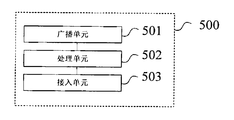
- FIG. 5 is a schematic structural diagram of a micro base station according to an embodiment of the present invention.
- the micro base station is suitable for use in an ultra-dense network UDN, and the micro base station 500 includes:
- a broadcasting unit 501 configured to broadcast information of a backhaul link
- the processing unit 502 is configured to: when the micro base station is in an inactive state, receive an activation signal that is sent by the UE to the micro base station after selecting the micro base station according to the information of the backhaul link; The activation signal enters an active state;
- the broadcast unit 501 is further configured to:
- the information of the backhaul link is separately transmitted in the form of broadcast information or carried on other broadcast information;
- the broadcast unit 501 is further configured to:
- the information of the backhaul link is in the same form as the broadcast discovery reference signal, and is in the same or multiple of the period of the discovery signal, alone or carried in the discovery reference.
- the signal is transmitted.
- the micro base station is provided with a protection boundary, and the acceptable load information is obtained by subtracting the protection boundary from a true acceptable load of the micro base station.
- the processing unit 502 is further configured to: calculate, by the micro base station, whether a backhaul capacity of the micro base station can meet a requirement of a UE, where the micro base station needs to provide services for multiple UEs, and When the micro base station cannot simultaneously meet the requirements of the multiple UEs, the micro base station sets the protection boundary according to a pre-made rule.
- FIG. 6 is a schematic structural diagram of a macro base station according to an embodiment of the present invention.
- the macro base station is suitable for use in an ultra-dense network UDN, and the macro base station 600 includes:
- the receiving unit 601 is configured to receive activation information that is sent by the UE after the micro base station is selected according to information about a backhaul link broadcast by the micro base station, where the activation information includes an identifier of the selected micro base station;
- the sending unit 602 is configured to send, according to the identifier of the selected micro base station, an activation signal to the selected micro base station, where the activation signal is specific information, and is used to indicate an operating mode of the micro base station and activation information.
- FIG. 7 shows a possible structural diagram of a base station involved in the above embodiment.
- the micro base station and the macro base station can adopt the structure shown in FIG. 7.
- the signal processing capability, the signal processing flow, and the volume of the macro base station and the micro base station are not the same.
- Figure 7 only shows a simplified design of the base station.
- the base station may include any number of transmitters, receivers, processors, controllers, memories, communication units, etc., and all base stations that can implement the present invention are within the scope of the present invention.
- Fig. 8 shows a simplified schematic diagram of one possible design structure of the UE involved in the above embodiment.
- the UE includes a transmitter 1101, a receiver 1102, a controller/processor 1103, a memory 1104, and a modem processor 1105.
- Transmitter 801 conditions (e.g., analog conversion, filtering, amplifying, upconverting, etc.) the output samples and generates an uplink signal that is transmitted via an antenna to the base station described in the above embodiments.
- the antenna receives the downlink signal transmitted by the base station in the above embodiment.
- Receiver 802 conditions (eg, filters, amplifies, downconverts, digitizes, etc.) the signals received from the antenna and provides input samples.
- encoder 806 receives the traffic data and signaling messages to be transmitted on the uplink and processes (e.g., formats, codes, and interleaves) the traffic data and signaling messages.
- Modulator 807 further processes (e.g., symbol maps and modulates) the encoded traffic data and signaling messages and provides output samples.
- Demodulator 809 processes (e.g., demodulates) the input samples and provides symbol estimates.
- the decoder 808 processes (e.g., deinterleaves and decodes) the symbol estimate and provides decoded data and signaling messages that are sent to the UE.
- Encoder 806, modulator 807, demodulator 809, and decoder 808 may be implemented by a composite modem processor 1105. These units are processed according to the radio access technology employed by the radio access network (e.g., access technologies of LTE and other evolved systems).
- the controller/processor 803 controls and manages the actions of the UE for performing the processing performed by the UE in the above embodiment. For example, it is used to control the UE to receive paging according to the received DRX long period. And/or other processes of the techniques described herein. As an example, the controller/processor 803 is configured to support the UE in performing the processes 210, 220, and 230 of FIG. Memory 1104 is used to store program code and data for the UE.
- the steps of a method or algorithm described in connection with the embodiments disclosed herein can be implemented in hardware, a software module executed by a processor, or a combination of both.
- the software module can be placed in random access memory (RAM), memory, read only memory (ROM), electrically programmable ROM, electrically erasable programmable ROM, registers, hard disk, removable disk, CD-ROM, or technical field. Any other form of storage medium known.
Landscapes
- Engineering & Computer Science (AREA)
- Computer Networks & Wireless Communication (AREA)
- Signal Processing (AREA)
- Computer Security & Cryptography (AREA)
- Mobile Radio Communication Systems (AREA)
Abstract
本发明实施例涉及一种通信方法。包括:UE接收由不同的微基站广播的一个或多个回传链路的信息。UE选择满足预设条件的回传链路的信息对应的微基站。当选定的微基站为激活状态时,UE接入该选定的微基站。当选定的微基站为非激活状态时,UE向所述选定的微基站发送激活信号,微基站激活后,UE接入该选定的微基站。通过本发明实施例,可以实现合理的利用回传链路。
Description
本发明涉及通信领域,尤其涉及通信方法及设备。
随着无线技术的发展,用户对无线网络通讯体验的要求越来越高,朝着小小区演进的UDN(ultra dense network,超密集网络)的部署,被视作无线网络提升数据速率,提高用户通讯体验的重要途径。UDN相对是庞大的,尽管每个小小区自身消耗了相对低的能量,但是,高密度的部署意味着整个网络功耗明显恶化,为了达到节能的目的,通常需要没有任务的小小区的微基站进入节能状态。
在UDN中,小小区一般具有较小的覆盖范围,有些小小区与核心网没有直接连接,需要通过较多的无线回传或者光纤回传来实现数据的传输,换句话说,这些小小区一般是不与核心网直接进行通信的,而是小小区对应的微基站,将数据通过无线回程传输给donar微基站,这些微基站通常与宏基站通过光纤连接,或进一步通过光纤传输给宏基站,由donar微基站或宏基站将数据传输给核心网,在此过程中,可能需要经过多个微基站才能够将数据传输给核心网。
如果回传业务固定的话,回传链路资源可能足够。事实上用户行为是多变的,所以导致产生接入业务抖动及复杂的干扰环境和信道状态,回传业务总是在变,进一步导致回传链路资源不够用,换句话说,一些微基站的回传任务达到或超过可承担负载,而一些临近的微基站可能回传任务较少,导致资源未被充分利用,影响了数据的通信。所以,如何更合理的利用回传链路
资源迫切成为本领域的技术人员需要解决的技术问题。
发明内容
本发明实施例提供了一种通信方法及设备,以实现更合理的利用回传链路。
一方面,本申请的实施例提供了一种通信方法。方法适用于超密集网络UDN中,该方法包括:UE接收由不同的微基站广播的一个或多个回传链路的信息。UE选择满足预设条件的回传链路的信息对应的微基站。当选定的微基站为激活状态时,UE接入该选定的微基站。当选定的微基站为非激活状态时,UE向所述选定的微基站发送激活信号,微基站激活后,UE接入该选定的微基站。通过本发明实施例可以实现由UE侧判断激活那个微基站,提高了链路判断的准确性,降低了UDN的网络能耗,提高了用户体验。
在一个可能的设计中,回传链路的信息可以包括链路的类型(例如,无线、光纤等),链路的状态(例如,中间传输态、末端传输态等),链路的层级(例如,一级无线回传、二级无线回传等),以及可接受的负载信息中的至少一项。通过本发明实施例,可以实现根据链路的类型,链路的状态,链路的层级等信息,进行回传链路的选择,使得选择更合理,用户体验更高。
在一个可能的设计中,可接受的负载信息可以包括:强接受,中等接受,弱接受,可接受负载的比例值,或者已占用的负载的比例值等等。通过本发明实施例可以更直观的体现回传链路的负载情况,使得在回传链路的选择更精确。
在一个可能的设计中,回传链路的信息可以包括激活状态的链路的信息,UE选择满足预设条件的回传链路信息包括:UE选择可接受的负载信息达到阈值,并且时延最小的激活状态的链路的信息对应的第一微基站。其中,时延可以根据链路的链路类型,跳数等信息确定。通过本发明实施例可以实现UE选择一条最优的激活状态的回传链路来执行UE的数据的传输,通提高
了用户体验。
在一个可能的设计中,回传链路的信息可以包括非激活状态的链路的信息,UE选择满足预设条件的回传链路信息包括:UE选择可接受的负载信息达到阈值,并且时延最小的非激活状态的链路的信息对应的第二微基站。通过本发明实施例可以实现UE选择一条最优的非激活状态的回传链路来执行UE的数据的传输,通提高了用户体验。
在一个可能的设计中,链路的信息可以同时包括激活状态的链路的信息和非激活状态的链路的信息,UE选择满足预设条件的回传链路的信息包括:当具有满足预设条件的激活状态的链路信息时,UE选择可接受的负载信息达到阈值,并且时延最小的激活状态的链路的信息对应的第一微基站。当激活状态的链路的信息都不满足预设条件时,UE选择可接受的负载信息达到阈值,并且时延最小的非激活状态的链路的信息对应的第二微基站。通过本发明可以实现,当UE接收到的链路既包括激活状态的链路信息又包括非激活状态的链路的信息时,UE优先选择激活状态的链路,当激活状态的链路没有符合条件的时候,再选择非激活状态的链路,由于激活为基站需要耗费一些能量,通过这种方式可以尽可能的避免不必要的能耗。
在一个可能的设计中,激活信号可以用于指示选定的微基站激活时间以及初始接入的资源信息等等。通过本发明实施例可以实现UE激活微基站,且微基站能够在设定的时间激活,并实现UE的接入。
在一个可能的设计中,激活信号可以包括:前导码,序列号,码分多址CDMA码(Code Division Multiple Access,码分多址),参考信号,探测信号或物理小区ID中的至少一种。其中,需要预先定义上述信号为激活信号,以便微基站接收到后能够识别。通过本发明实施例,UE可以通过上述任一一种信号激活微基站,从而使得UE激活微基站成为可能。且能够仅让特定的基站激活,降低了激活不必要的基站所耗费的能量。
在一个可能的设计中,激活信号可以为盲上行信标信号或者小区标识
PCI。通过本发明实施例,可以实现UE对微基站的激活,且只激活具有特定的PCI的微基站,降低了激活不必要的基站所耗费的能量。
在一个可能的设计中,UE向选定的微基站发送激活信号包括:UE根据选定的微基站广播的发现参考信号的下行检测信号功率、预定义或基站信令通知的门限值和/或偏移值等信息,估算上行功率,其中,发现参考信号为共同参考信号CRS(Cell-specific reference signals,共同参考信号)或小区特定的参考信号CSI-RS(CSI reference signals,特定的参考信号),UE利用估算的上行功率向选定的微基站发送激活信号。通过本发明实施例,可以实现UE对微基站的激活,且只激活具有特定的上行功率的微基站,降低了激活不必要的基站所耗费的能量。
在一个可能的设计中,选定的微基站可以连接有宏基站,UE向选定的微基站发送激活信号包括:当UE存在与宏基站的连接时,UE将激活信息发送给宏基站,其中,激活信息包括选定的微基站的标识,以便宏基站将激活信号发送给选定的微基站。通过本发明实施例,可以实现UE对微基站的激活,且通过宏基站发送激活信号,降低了使用特定的激活信号所占用的资源。
在一个可能的设计中,UE向选定的微基站发送激活信号包括:
当选定的微基站属于基站群组时,UE发送预设的激活信号给选定的微基站所属的基站群组,以用于激活该基站群组。通过本发明实施例可以实现UE激活基站群组,即使单个的微基站不能够满足UE的条件,但是通过基站群组可以满足,增加了本发明实施例实际应用的价值。
另一方面,本申请的实施例提供了一种通信方法。该方法适用于超密集网络UDN中。包括:微基站广播回传链路的信息。当微基站处于非激活状态时该微基站接收UE基于回传链路的信息选定微基站后,向选定的微基站发送的激活信号;该微基站根据激活信号进入激活状态。当UE接入选定的微基站时,该微基站执行所述UE的接入。通过本发明实施例可以实现,UE能够通过接收广播等的途径获得回传链路的信息,使得根据回传链路的信息选择合适
的回传链路回传数据成为可能,使得回传链路的分配更合理。
在一个可能的设计中,微基站广播回传链路的信息可以包括:当微基站处于激活状态时,回传链路的信息可以以广播信息的形式单独或者携带在其他广播信息上进行传输。或者,当微基站处于非激活状态时,回传链路的信息以广播发现参考信号相同的形式,并以与发现信号相同或成倍数的周期,单独或者携带在发现参考信号上进行传输。通过本发明实施例,可以实现无论基站时激活状态还是非激活状态,都能够广播回传链路的信息,且更容易实现。
在一个可能的设计中,微基站对应有父基站,该父基站对应有若干子基站,可接受的负载信息可以由父基站的总回传容量减去其他激活子基站的总容量得到。通过本发明实施例可以实现微基站的可接受负载信息计算更准确,更能够体现实际的负载情况,使得链路的选择更合理。
在一个可能的设计中,微基站统计计算该微基站的回传容量是否能够满足UE的需求,当微基站需要为多个UE提供服务,且该微基站不能同时满足多个UE的需求时,该微基站根据预制规则设置保护边界。通过本发明实施例可以实现微基站的可接受负载信息计算更合理,使得链路的选择更合理。
再一方面,本申请的实施提供了一种通信方法,该方法适用于超密集网络UDN中。包括:宏基站接收UE基于微基站广播的回传链路的信息选定微基站后发送的激活信息,该激活信息包括选定的微基站的标识。宏基站基于选定的微基站的标识向选定的微基站发送激活信号,其中,激活信号为特定的信息,用于指示微基站的工作模式以及激活信息。通过本发明实施例可以实现,UE通过宏基站激活微基站,降低了UE激活微基站所占用的资源。
再一方面,本申请的实施提供了一种用户设备UE,其特征在于,该设备适用于超密集网络UDN中。包括:接收器,用于接收一个或多个回传链路的信息,所述一个或多个回传链路的信息分别来自不同微基站。处理器,用于选择满足预设条件的回传链路的信息对应的微基站。发送器,用于当选定的
微基站为非激活状态时,向所述选定的微基站发送激活信号。处理器,还用于接入所述选定的微基站。
在一个可能的设计中,回传链路的信息包括激活状态的链路的信息,其中,处理器还可以用于:选择可接受的负载信息达到阈值,并且时延最小的激活状态的链路的信息对应的第一微基站。
在一个可能的设计中,回传链路的信息包括非激活状态的链路的信息,处理器还可以用于:选择可接受的负载信息达到阈值,并且时延最小的非激活状态的链路的信息对应的第二微基站。
在一个可能的设计中,链路的信息包括激活状态的链路的信息和非激活状态的链路的信息,处理器还可以用于:当激活状态的链路的信息都不满足预设条件时,选择可接受的负载信息达到阈值,并且时延最小的非激活状态的链路的信息对应的第二微基站。
在一个可能的设计中,发送器还用于:根据选定的微基站广播的发现参考信号的下行检测信号功率、预定义或基站信令通知的门限值和/或偏移值估算上行功率,其中,所述发现参考信号为共同参考信号CRS或小区特定的参考信号CSI-RS。利用所述上行功率向所述选定的微基站发送所述激活信号。
在一个可能的设计中,选定的微基站连接有宏基站,发送器还可以用于:当所述UE存在与宏基站的连接时,将激活信息发送给宏基站,其中,激活信息包括选定的微基站的标识,以便宏基站将激活信号发送给选定的微基站。
在一个可能的设计中,发送器还可以用于:当选定的微基站属于基站群组时,发送预设的激活信号给选定的微基站所属的基站群组,以用于激活基站群组。
再一方面,本申请的实施提供了一种微基站,该微基站适用于超密集网络UDN中。包括:发送器,用于广播回传链路的信息。处理器,用于当所述微基站处于非激活状态时,接收UE基于回传链路的信息选定微基站后向微基站发送的激活信号,根据激活信号进入激活状态。接入单元,用于当UE接入
选定的微基站时,执行UE的接入。
在一个可能的设计中,发送器还可以用于:当微基站处于激活状态时,回传链路的信息以广播信息的形式单独或者携带在其他广播信息上进行传输;
在一个可能的设计中,所述发送器还可以用于:当微基站处于非激活状态时,回传链路的信息以广播发现参考信号相同的形式,并以与发现信号相同或成倍数的周期,单独或者携带在所述发现参考信号上进行传输。
在一个可能的设计中,微基站对应有父基站,该父基站对应有若干子基站,可接受的负载信息由父基站的总回传容量减去其他激活子基站的总容量得到。
在一个可能的设计中,微基站设有保护边界,可接受的负载信息由微基站的真实可接受的负载减去保护边界得到。
在一个可能的设计中,处理器,还可以用于所述微基站统计计算微基站的回传容量是否能够满足UE的需求,当微基站需要为多个UE提供服务,且微基站不能同时满足所述多个UE的需求时,微基站根据预制规则设置保护边界。
再一方面,本申请的实施提供了一种宏基站,该宏基站适用于超密集网络UDN中,包括:接收器,接收UE基于微基站广播的回传链路的信息选定微基站后发送的激活信息,所述激活信息包括选定的微基站的标识。发送器,用于基于选定的微基站的标识向选定的微基站发送激活信号,激活信号为特定的信息,用于指示微基站的工作模式以及激活信息。
再一方面,本发明实施例提供了一种计算机存储介质,用于储存为上述基站所用的计算机软件指令,其包含用于执行上述方面所设计的程序。
再一方面,本发明实施例提供了一种计算机存储介质,用于储存为上述UE所用的计算机软件指令,其包含用于执行上述方面所设计的程序。
相较于现有技术,本发明提供的方案可以更加灵活的对回传链路进行分
配,且由需求方UE进行判断,使得回传链路的分配更合理,用户体验更高,且降低了网络侧系统的能耗,从而实现网络能耗,和用户体验之间更好的平衡。。
图1为本发明实施例提供的一种应用场景示意图;
图2为虚拟小区的示意图;
图3为本发明实施例提供的一种通信方法的流程示意图;
图4为本发明实施例提供的一种UE结构示意图;
图5为本发明实施例提供的一种微基站结构示意图;
图6为本发明实施例提供的一种宏基站结构示意图;
图7为本发明实施例提供的一种基站结构示意图;
图8为本发明实施例提供的另一种UE结构示意图。
下面通过附图和实施例,对本发明的技术方案做进一步的详细描述。
为便于对本发明实施例的理解,下面将结合附图以具体实施例做进一步的解释说明,实施例并不构成对本发明实施例的限定。
如图1所示,在UDN网络中,用户设备UE可以通过接入网设备接入网络,例如,UE141可以通过微基站134、微基站121、与宏基站110连接,进一步通过宏基站接入到网络;或者,UE142可以通过微基站132、微基站133、或微基站134,与微基站122连接,通过微基站122与宏基站110连接,进一步通过宏基站接入到网络;或者UE143可以通过微基站132、微基站133、或微基站134构成的群组与微基站122连接,通过微基站122与宏基站110连接,进一步通过宏基站接入到网络;等等。
本发明描述的技术可以适用于长期演进(Long Term Evolution,简称LTE)
系统,或其他采用各种无线接入技术的无线通信系统,例如采用码分多址,频分多址,时分多址,正交频分多址,单载波频分多址等接入技术的系统。此外,还可以适用于使用LTE系统后续的演进系统,如第五代5G系统等。为清楚起见,这里仅以LTE系统为例进行说明。在LTE系统中,演进的UMTS陆面无线接入(Evolved Universal Terrestrial Radio Access Network,E-UTRAN)作为无线接入网,演进分组核心网(Evolved Packet,Core,EPC)作为核心网。UE通过E-UTRAN,及EPC接入IMS网络。
本申请中,名词“网络”和“系统”经常交替使用,但本领域的技术人员可以理解其含义。本申请所涉及到的用户设备UE可以包括各种具有无线通信功能的手持设备、车载设备、可穿戴设备、计算设备或连接到无线调制解调器的其它处理设备,以及各种形式的用户设备(User Equipment,UE),移动台(Mobile station,MS),终端(terminal),终端设备(Terminal Equipment)等等。为方便描述,本申请中,上面提到的设备统称为用户设备或UE。本发明所涉及到的宏基站、微基站是一种部署在无线接入网中用以为UE提供无线通信功能的装置。在采用不同的无线接入技术的系统中,具备基站功能的设备的名称可能会有所不同,例如在LTE网络中,称为演进的节点B(evolved NodeB简称:eNB或者eNodeB),在第三代3G网络中,称为节点B(Node B)等等。为方便描述,本申请中,统称为宏基站或宏eNB以及微基站或微eNB。
随着超密集网络的部署,网络中的小小区,实体小区个数将大大增加。为了简化操作,提出了虚拟小区的机制。在这个机制中,工作在3.5GHz或更高频段上的小小区实体小区在系统信息中广播该实体小区是否属于某个虚拟小区及其相关的VPCI(virtual physical cell ID,虚拟小区ID)。图2显示宏小区、实体小小区、虚拟小区与UE之间的关系。其中,宏eNB对应宏小区,微eNB对应小小区或者微小区。图2虚拟小区网络示意图,如2图所示,UE同时链接到4个小区,也就是有4个服务小区。其中PCell(physical cell,实体小区)是UE的主服务小区,提供移动性、安全和NAS移动性等信息,SCell
(small cell,小小区)是UE的辅服务小区,共有3个,其中一个位于宏eNB中,另外两个为小小区,属于同一个虚拟小区。其它小区为邻小区。
超密集网络中,虚拟小区的部署主要有3种场景:
场景1:虚拟小区可被近似看做一个宏小区。在虚拟小区中有一个主要传输点(main TP)。在这种场景下,UE对虚拟小区中所有实体小区的测量报告都报告给这个主要传输点,可以应用双链接的测量机制。
场景2:在虚拟小区中没有主要传输点,UE对虚拟小区和虚拟小区中实体小区的无线控制面消息需要发送给宏eNB。虚拟小区中的实体小区是固定的,具有统一的VPCI。这种场景下,UE对虚拟小区和虚拟小区中实体小区的测量报告也要发送给宏eNB。
场景3:在虚拟小区中没有主要发送点,UE对虚拟小区和虚拟小区中实体小区的无线控制面消息需要发送给宏eNB。虚拟小区是动态的,采用以UE为中心的架构。这种场景下,UE对虚拟小区和虚拟小区中实体小区的测量报告也要发送给宏eNB。
通过上面描述可知,一个虚拟小区可以对应有多个微基站,也就是一个基站群组。下面将基于上面所述的本发明涉及的共性方面,对本发明实施例进一步详细说明。
本发明的一个实施例提供一种通信方法,和基于这个方法的UE,微基站、宏基站及系统。
微基站侧需要广播其回传链路的信息,其中,回传链路的信息至少包括下述信息的一项:
一、链路的类型,例如光纤或无线等。再如图1所示,微基站122与宏基站110之间的链路类型为光纤,所以微基站122广播回传链路的信息的时候,链路的类型可以为光纤。微基站121与微基站131之间的链路类型为无线,所以微基站131广播回传链路的信息的时候,链路的类型可以为无线。
二、链路的状态,例如,该微基站是处于中间传输态还是末端传输态等。
再如图1所示,微基站122直接通过光纤与宏基站110连接,则可认为是末端传输态,微基站122广播回传链路的信息的时候,链路的状态为末端传输态。微基站131通过无线与微基站121连接,微基站131广播回传链路的信息的时候,链路的状态为中间传输态。
三、链路的层级,例如,在处于中间传输态时,具体的级别或层数。再如图1所示,微基站122直接通过光纤与宏基站110连接,微基站122的链路的层级可以为一级光纤回传。微基站131通过无线与微基站121连接,微基站121直接通过光纤与宏基站110连接,微基站131的链路的层级可以为一级无线回传。微基站134通过无线与微基站132连接、微基站132通过无线与微基站122连接,微基站122直接通过光纤与宏基站110连接,微基站134的链路的层级可以为二级无线回传。以此类推。
四、可接受的负载信息,例如,回传链路的负载以及剩余容量,或者直接以强接受,中等接收或者弱接受等指示信息,还可以是可接受的负载比例值,或者已占用的负载比例值,例如,L%为某个基站广播的可接受的负载信息,其中,L表示还可接受百分之多少的负载,其中L为可以是预定义的默认容量值。可以更直观的体现回传链路的负载情况,使得在回传链路的选择更精确。使得UE在选择链路时,更合理。
其中,基站可接受的负载比例可以设定一个保护边界,在基站广播可接受的负载比例时,广播实际基站可接受的负载比例减去保护边界。可以实现微基站的可接受负载信息计算更准确,更能够体现实际的负载情况,使得链路的选择更合理。
例如,基站或OAM(operation and management,运维)将统计计算是否网络可以满足UE需求,当多个UE做出激活决定,基站需要为多个UE提供服务时,回传负载不能满足多个UE的需求时,网络侧可以设置一个保护边界,其中,实际广播的可接受负载信息通过基站实际能够接受的负载信息减去根据预制规则确定的保护边界计算得到;例如实际广播的可接受的负载比例等
于目前已获知的负载比例减掉保护边界。
另外,由于父亲基站可能会连接有多个子基站,并且有的子基站处于激活状态,那么,未激活的子基站的可负载比例可以等于父亲基站的总回传容量减去其他激活子基站的总容量。其中,父亲基站可以将与其连接的子基站的激活状态或者可负载比例通知与其连接的未激活的子基站。可以实现微基站的可接受负载信息计算更准确,更能够体现实际的负载情况,使得链路的选择更合理。
例如,如果小小区不处于激活态,从小小区到其父亲小区也不处于激活态,通常不会发生问题;但考虑父亲小区将被连接到几个小小区(子小区),这些子小区或许在激活态,这会导致剩余的可获得的回传容量需要受限于父亲小区的回传容量;这就是小小区1(非激活态)所真实剩余的回传容量。
所以低层(子小区)需要有父亲小区减去别的子小区的剩余容量,这需要回传链路上从父亲小区对非激活子小区的信令通知,其中,该信令通知可以是一个回传信令,进一步地,可以在一个不同于小小区接入链路的分别的频段或者同频,当同频时,需要设计该信令的传输超出接入链路上通常的广播消息所使用的功率。
通过本发明实施例可以实现,UE能够通过接收广播等的途径获得回传链路的信息,使得根据回传链路的信息选择合适的回传链路回传数据成为可能,使得回传链路的分配更合理。
例如,将本发明实施例提供的方法应用在LTE系统中时,在eNB侧需要广播的信息包括:
回传类型,为光纤或无线等;
中间传输态或末端传输态;
中间传输态的级别或者层数;
不同级别或者层数的小小区需要广播其回传链路的负载,需要接入的UE判断是否满足其QoS(Quality of Service,服务质量)需求。
第二层微eNB(即未通过光纤直接连接到宏eNB)广播其直接的无线回传情形;
第三层微eNB广播其两层无线回传情形;
可以是强接受,中等接收或者弱接受,或者可负担容量的比例值,等等。
当UE需要接入微基站时,也就意味着UE的数据需要通过微基站的回传链路进行传输,UE获取微基站广播的信息,并根据本地需求进行判断,选择具有符合要求的回传链路的微基站进行通信。当符合要求的微基站处于未激活状态时,UE向该微基站发送激活信号以激活该微基站,并接入该微基站。
通过该方法实施例,基站广播回传链路的信息,UE根据这些信息判断需要接入的基站,减小了基站的工作负担,同时,使得回传链路的分配更合理,数据传输更有效率。
下面将结合附图3,对本发明实施例做进一步的介绍。
如图3所示,本发明实施例可以包括如下步骤:
310,微基站广播其回传链路的信息。
微基站可以通过一定的规则对其回传链路的信息进行广播,以便UE能够接收到该广播信息,其中,具体地广播形式可以有如下方式:
方式一
当微基站处于积极工作模式(Active working mode)时,也就是激活状态,微基站通常会广播一些广播信息,例如MIB(Master Information Block,主信息块)、SIB(System Information Block,系统信息块)等。微基站的回传链路的信息可以通过携带在这些广播信息上进行指示,也可以设定专用的广播信息,用来指示微基站的回传链路的信息。这样,可以实现微基站在激活状态对回传链路的信息进行广播
方式二
当微基站处于非积极工作模式(Non-active working mode)时,也就是非激活状态,微基站会以一定的周期激活,以服务特定的对象,在未激活的
状态下,微基站只广播发现信号(CSI-RS signal)。微基站可以采用与广播发现信号的周期相同或整数倍的周期进行广播其回传链路的信息,可以是将其回传链路的信息携带在发现信号上进行广播,也可以是以发现信号相同的形式进行广播。这样,可以实现微基站在非激活状态对回传链路的信息进行广播。
需要说明的是,此处微基站广播其回传链路信息的方式仅为举例,具体的实现方式还有多种,为了简明,不再赘述。
210,UE接收一个或多个回传链路的信息,该一个或多个链路信息分别来自不同的微基站。
UE在有通信的需求时,可能处于任何的位置,也就是说,UE可能是处于一个微基站的信号覆盖范围内,也可能是处于多个微基站的信号覆盖范围内。UE可以在有通信需求时,接收各个基站广播的回传链路的信息,也可以是使用在UE有通信需求时之前的一定时间内接收的各个基站广播的回传链路的信息,例如,一定的时间可以是在一个DRX周期内。
220,UE选择满足预设条件的回传链路的信息对应的微基站。
预设条件可以根据UE的数据的传输的需求来确定,可以是UE的本地需求,进一步地,可以是UE的QoS的需求,对于时延的需求,或者对于可接受的负载比例的需求中的一项,或者几项的综合等等。例如,UE在需要微基站回传数据时,选择可接受的负载信息为强接受,且时延最小的链路信息对应的微基站。再例如,UE可以选择有足够大的容量的链路的信息对应的微基站,其中,足够大的容量可以通过该链路的可接受的负载信息来确定,例如UE接收到链路的可接受的负载信息为中等接受或者强接受,则认为该链路具有足够大的容量;或者,UE接收到链路的可接受负载的比例值,或者已占用的负载的比例值达到阈值,则认为该链路具有足够大的容量。
回传链路的信息包括激活状态和非激活状态等,且UE接收到的可能是一个或多个回传链路的信息,下面针对不同的情况进行详细的描述。
当UE只接收到一个链路的信息,且该链路信息为激活状态的链路的信息时。UE判断该链路的信息是否满足预设条件,若满足,UE接入该链路的信息对应的微基站,若不满足,UE则继续接收回传链路的信息。
当UE只接收到一个链路的信息,且该链路信息为非激活状态的链路的信息时。UE判断该链路的信息是否满足预设条件,若满足,则UE向该链路的信息对应的微基站发送激活信号,当该微基站激活后UE接入该微基站,若不满足,UE继续接收回传链路的信息。
当UE接收到多个回传链路的信息时,且该多个链路的信息为激活状态的链路的信息时。UE选择满足预设条件的链路的信息对应的微基站接入,若满足预设条件的链路的信息有多条,可以选择最优的一条链路的信息对应的微基站,例如,选择时延最小的一条链路的信息对应的链路的信息对应的微基站。当不存在满足预设条件的链路的信息时,UE则继续接收回传链路的信息。
当UE接收到多个回传链路的信息时,且该多个链路的信息为非激活状态的链路的信息时。UE选择满足预设条件的链路的信息对应的微基站,并向该微基站发送激活信号,若满足预设条件的链路的信息有多条,可以选择最优的一条链路的信息对应的微基站。当不存在满足预设条件的链路的信息时,UE则继续接收回传链路的信息。
当UE接收到多个回传链路的信息时,且该多个链路的信息即包括非激活状态的链路的信息,也包括激活链路的信息时。UE判断是否有满足预设条件的激活链路的信息,若存在,则UE选择符合预设条件的激活状态的链路信息对应的微基站,并接入。当不存在满足预设条件的激活状态的链路信息时,UE选择符合预设条件的非激活状态的链路信息对应的微基站,并向其发送激活信号。当都不存在时,UE则继续接收回传链路的信息。其中,具体的判断方式可以有多种,例如,可以首先根据预设条件对链路的信息进行筛选,然后再判断链路信息的激活状态,也可以是先判断链路的信息的激活状态,然后再分别选择,只要能够达到上述目的即可,不再赘述。
通过上述方式可以实现,当UE接收到的链路既包括激活状态的链路信息又包括非激活状态的链路的信息时,UE优先选择激活状态的链路,当激活状态的链路没有符合条件的时候,再选择非激活状态的链路,由于激活为基站需要耗费一些能量,通过这种方式可以尽可能的避免不必要的能耗。
230,当选定的微基站为非激活状态时,UE向该选定的微基站发送激活信号。
其中,激活信号包括,前导码,序列号,CDMA码,参考信号,探测信号或物理小区ID中的至少一种。通过本发明实施例,UE可以通过上述任一一种信号激活微基站,从而使得UE激活微基站成为可能。且能够仅让特定的基站激活,降低了激活不必要的基站所耗费的能量。
需要说明的是,UE预定义或者宏基站会配置唤醒时间及初始接入的资源信息以及激活信号,UE将上述信息发送给微基站,以用于激活该微基站。其中,宏基站将上述信息可以通过广播的形式进行广播,以便UE接收。进而可以实现UE激活微基站,且微基站能够在设定的时间激活,并实现UE的接入。
UE可以通过微基站的PCI向微基站发送上行激活信号。微基站通过ACK(Acknowledgement,确认字符)反馈证实信号,并用PCI加扰。可以实现UE对微基站的激活,且只激活具有特定的PCI的微基站,降低了激活不必要的基站所耗费的能量。
UE还可以通过盲上行信标信号发送激活信号。上行功率可以根据微基站广播的发现参考信号的下行检测信号功率、预定义或基站信令通知的门限值和/或偏移值估算得到,以便基于一个共同的门限值,只有特定的基站将被激活。基站接收后会基于本地检测反馈PCI ID。当单独的基站不能够满足预设条件(没有实体小区满足预设条件),但是由基站构成的基站群组能够满足预设条件时(有虚拟小区满足预设条件),UE需要发送激活信号将整个群组对应的基站全部激活(激活该虚拟小区内的全部微基站),例如,通过VPCI(Virtual PCI,虚拟PCI)激活。其中,VPCI能够标识一个基站群组。这样
即使单个的微基站不能够满足UE的条件,但是通过基站群组可以满足,增加了本发明实施例实际应用的价值。
例如,当一个UE检测到不同路径时,取决于对于带宽及时延的QoS需求,可以选择激活不同的路径,UE将本地判断和决定是否触发发送上行信标信号及何时发送。其中,可以使用待唤醒小区的PCI(物理小区ID)唤醒eNB可以减少配置成本,还可以使用通用的格式可以是任何信号/序列/码。
另外,当UE存在与宏基站的连接时,还可以通过宏基站来激活第二微基站。具体地,UE可以将激活信息发送给宏基站,该激活信息可以是激活信号,也可以是需要激活的基站的标识以及对应的时长。宏基站接收到UE发送的激活信息后,如果是激活信号可以直接发送给需要激活的第二微基站,如果是需要激活的基站的标识以及对应的时长,可以向第二微基站发送激活信号。
例如,当UE接收到来自小小区的信令,保留对macro eNB的连接时,如果不能在预定义的唤醒资源上得到及时的接入,UE反馈被要求的激活信息给macro eNB要求macro eNB对small cell eNB进行相应的通知;这是考虑特定一些资源用于传输唤醒信号所带来的资源浪费,因此周期较长,从而导致时延较大,远大于利用双链接通过macro eNB在光纤接口上通知小小区所需要的时延。
其中,宏基站可以利用一个特定的IE(information element,信息单元)来通知微基站的其工作模式(working mode)和/或激活信息(active information)。
进一步的,可以在X2 SETUP REQUEST(X2建立请求),X2 SETUP RESPONSE(X2建立响应),ENB CONFIGURATION UPDATE(基站配置更新)下的服务小区信息处增加这个特定的IE。或者,直接增加在X2 SETUP REQUEST,X2 SETUP RESPONSE,ENB CONFIGURATION UPDATE上。其中,X2 SETUP REQUEST,X2 SETUP RESPONSE,ENB CONFIGURATION UPDATE为微基站与宏基站之间X2上传输的信令。
还可以作为一个特定的IE通过X2发送,例如以OI(Overload information,过载的信息)相同的传输形式。
320、当所述微基站处于非激活状态时,微基站接收UE基于回传链路的信息选定的微基站后,向该微基站发送的激活信号。该微基站根据激活信号进入激活状态。
当处于非积极工作模式的基站接收到UE或者宏基站发送的激活信号后,该基站根据激活信号激活,进入积极工作模式。其中,该基站醒来的时长以及需要提供的服务内容,可以根据激活信号中携带的信息确定。这是考虑到用特定的一些资源传输激活信号,会占用一些资源,且周期较长,时延较大,利用宏基站在光纤接口上向微基站发送激活信号更节省资源。
240,UE接入选定的微基站。
UE可以获取微基站的小区信息,上行发射功率,上行提前量等信息,利用上述信息向微基站发送需要回传的数据。
也可以是,UE通过随机接入微基站,取得上行同步,向选定的微基站发送回传数据。
其中,UE接入选定的微基站中还有多种,不再赘述。
另外,UE接入微基站的过程还可以参考通信标准中的相关描述。
通过该方法实施例可以实现UE在未检测到符合要求的激活的链路时,通过激活符合条件的非激活链路来进行通信,并且仅激活需要接入的基站,达到了节能的效果。在当基站的回传链路的容量足够大时,UE才会接入该基站,从而降低了UE接入到非常繁忙的基站,链路超过可负担负载,导致通讯缓慢的概率。
本发明实施例在具体实施过程中,UE在进行链路接收时,可能会接收到多条激活的链路信息,也就是说第一链路信息包括多条链路的信息。那么,UE需要选择出最符合要求的链路对应的基站接入。
可以判断第一链路的时延是否满足需求,其中,该第一链路的时延可以
通过第一链路的链路层级来确定。进一步地,可以确定该第一链路是否有足够大的容量,能够承担该UE的数据,可以通过第一链路的可接受的负载比例来确定。通过该方法,UE选择一条有足够大的容量来承担UE的数据,同时时延最小的链路来接入。
上述主要从各个网元之间交互的角度对本发明实施例提供的方案进行了介绍。可以理解的是,各个网元,例如UE,微基站,宏基站等为了实现上述功能,其包含了执行各个功能相应的硬件结构和/或软件模块。本领域技术人员应该很容易意识到,结合本文中所公开的实施例描述的各示例的单元及算法步骤,本发明能够以硬件或硬件和计算机软件的结合形式来实现。某个功能究竟以硬件还是计算机软件驱动硬件的方式来执行,取决于技术方案的特定应用和设计约束条件。专业技术人员可以对每个特定的应用来使用不同方法来实现所描述的功能,但是这种实现不应认为超出本发明的范围。下面结合附图进行详细介绍。
如图4所示,图4为本发明实施例提供的一种UE结构示意图。
该设备适用于超密集网络UDN中,UE400包括:
接收单元401,用于接收一个或多个回传链路的信息,所述一个或多个回传链路的信息分别来自不同微基站;
处理单元402,用于选择满足预设条件的回传链路的信息对应的微基站;
发送单元403,用于当选定的微基站为非激活状态时,向所述选定的微基站发送激活信号;
接入单元404,用于接入所述选定的微基站。
可选地,所述回传链路的信息包括链路的类型,链路的状态,链路的层级,以及可接受的负载信息中的至少一项。
可选地,所述可接受的负载信息包括:
强接受,中等接受,弱接受,可接受负载的比例值,或者已占用的负载的比例值。
可选地,所述回传链路的信息包括激活状态的链路的信息,所述处理单元还用于:
选择可接受的负载信息达到阈值,并且时延最小的激活状态的链路的信息对应的第一微基站。
可选地,所述回传链路的信息包括非激活状态的链路的信息,所述处理单元还用于:
选择可接受的负载信息达到阈值,并且时延最小的非激活状态的链路的信息对应的第二微基站。
可选地,所述链路的信息包括激活状态的链路的信息和非激活状态的链路的信息,所述处理单元还用于:
当激活状态的链路的信息都不满足预设条件时,选择可接受的负载信息达到阈值,并且时延最小的非激活状态的链路的信息对应的第二微基站。
可选地,所述激活信号用于指示所述选定的微基站激活时间以及初始接入的资源信息。
可选地,所述激活信号包括:前导码,序列号,码分多址CDMA码,参考信号,探测信号或物理小区ID中的至少一种。
可选地,所述激活信号为盲上行信标信号或者小区标识PCI。
可选地,所述发送单元403还用于:
根据选定的微基站广播的发现参考信号的下行检测信号功率、预定义或基站信令通知的门限值和/或偏移值估算上行功率,其中,所述发现参考信号为共同参考信号CRS或小区特定的参考信号CSI-RS;
利用所述上行功率向所述选定的微基站发送所述激活信号。
可选地,所述选定的微基站连接有宏基站,所述发送单元403还用于:
当所述UE存在与所述宏基站的连接时,将激活信息发送给所述宏基站,其中,所述激活信息包括所述选定的微基站的标识,以便所述宏基站将所述激活信号发送给所述选定的微基站。
可选地,所述发送单元403还用于:
当所述选定的微基站属于基站群组时,发送预设的激活信号给所述选定的微基站所属的基站群组,以用于激活所述基站群组。
如图5所示,图5为本发明实施例提供的一种微基站结构示意图。
该微基站适用于超密集网络UDN中,微基站500包括:
广播单元501,用于广播回传链路的信息;
处理单元502,用于当所述微基站处于非激活状态时,接收所述UE基于所述回传链路的信息选定所述微基站后向所述微基站发送的激活信号;根据所述激活信号进入激活状态;
接入单元503,用于当所述UE接入所述选定的微基站时,执行所述UE的接入。
可选地,所述回传链路的信息包括,链路的类型、链路的状态、链路的层级、以及可接受的负载信息上述信息中的至少一项。
可选地,所述广播单元501还用于:
当所述微基站处于激活状态时,所述回传链路的信息以广播信息的形式单独或者携带在其他广播信息上进行传输;
可选地,所述广播单元501还用于:
当所述微基站处于非激活状态时,所述回传链路的信息以广播发现参考信号相同的形式,并以与所述发现信号相同或成倍数的周期,单独或者携带在所述发现参考信号上进行传输。
可选地,所述可接受的负载信息包括:
强接受,中等接受,弱接受,可接受负载的比例值,或者已占用的负载的比例值中的至少一项。
可选地,所述微基站对应有父基站,所述父基站对应有若干子基站,所述可接受的负载信息由父基站的总回传容量减去其他激活子基站的总容量得到。
可选地,所述微基站设有保护边界,所述可接受的负载信息由所述微基站的真实可接受的负载减去所述保护边界得到。
可选地,所述处理单元502,还用于所述微基站统计计算所述微基站的回传容量是否能够满足UE的需求,当所述微基站需要为多个UE提供服务,且所述微基站不能同时满足所述多个UE的需求时,所述微基站根据预制规则设置所述保护边界。
如图6所示,图6为本发明实施例提供的一种宏基站结构示意图。
该宏基站适用于超密集网络UDN中,宏基站600包括:
接收单元601,接收UE基于微基站广播的回传链路的信息选定微基站后发送的激活信息,所述激活信息包括选定的微基站的标识;
发送单元602,用于基于所述选定的微基站的标识向所述选定的微基站发送激活信号,所述激活信号为特定的信息,用于指示微基站的工作模式以及激活信息。
图7示出了上述实施例中所涉及的基站的一种可能的结构示意图。
基站包括发射器/接收器701,控制器/处理器702,存储器703以及通信单元704。所述发射器/接收器701用于支持基站与上述实施例中的所述的UE之间收发信息,以及支持所述UE与其他UE之间进行无线电通信。所述控制器/处理器702执行各种用于与UE通信的功能。在上行链路,来自所述UE的上行链路信号经由天线接收,由接收器701进行调解,并进一步由控制器/处理器702进行处理来恢复UE所发送到业务数据和信令信息。在下行链路上,业务数据和信令消息由控制器/处理器702进行处理,并由发射器701进行调解来产生下行链路信号,并经由天线发射给UE。控制器/处理器702还执行图3中涉及基站的处理过程和/或用于本申请所描述的技术的其他过程。存储器703用于存储基站的程序代码和数据。通信单元704用于支持基站与其他网络实体进行通信。例如,用于支持基站与其他通信网络实体间进行通信,例如位于核心网EPC中的MME(Mobility Management Entity,移动管理实体),
SGW(Serving GateWay,服务网关)和或PGW(PDN GateWay,PDN网关)(Public Data Network,公用数据网)等。
其中,微基站以及宏基站都可以采用图7所示的结构,但是,再具体实现时,宏基站与微基站的信号处理能力,信号处理的流程,体量等不尽相同。
可以理解的是,图7仅仅示出了基站的简化设计。在实际应用中,基站可以包含任意数量的发射器,接收器,处理器,控制器,存储器,通信单元等,而所有可以实现本发明的基站都在本发明的保护范围之内。
图8示出了上述实施例中所涉及的UE的一种可能的设计结构的简化示意图。所述UE包括发射器1101,接收器1102,控制器/处理器1103,存贮器1104和调制解调处理器1105。
发射器801调节(例如,模拟转换、滤波、放大和上变频等)该输出采样并生成上行链路信号,该上行链路信号经由天线发射给上述实施例中所述的基站。在下行链路上,天线接收上述实施例中基站发射的下行链路信号。接收器802调节(例如,滤波、放大、下变频以及数字化等)从天线接收的信号并提供输入采样。在调制解调处理器805中,编码器806接收要在上行链路上发送的业务数据和信令消息,并对业务数据和信令消息进行处理(例如,格式化、编码和交织)。调制器807进一步处理(例如,符号映射和调制)编码后的业务数据和信令消息并提供输出采样。解调器809处理(例如,解调)该输入采样并提供符号估计。解码器808处理(例如,解交织和解码)该符号估计并提供发送给UE的已解码的数据和信令消息。编码器806、调制器807、解调器809和解码器808可以由合成的调制解调处理器1105来实现。这些单元根据无线接入网采用的无线接入技术(例如,LTE及其他演进系统的接入技术)来进行处理。
控制器/处理器803对UE的动作进行控制管理,用于执行上述实施例中由UE进行的处理。例如用于控制UE根据接收到的DRX长周期接收寻呼
和/或本发明所描述的技术的其他过程。作为示例,控制器/处理器803用于支持UE执行图3中的过程210、220和230。存储器1104用于存储用于UE的程序代码和数据。
专业人员应该还可以进一步意识到,结合本文中所公开的实施例描述的各示例的单元及算法步骤,能够以电子硬件、计算机软件或者二者的结合来实现,为了清楚地说明硬件和软件的可互换性,在上述说明中已经按照功能一般性地描述了各示例的组成及步骤。这些功能究竟以硬件还是软件方式来执行,取决于技术方案的特定应用和设计约束条件。专业技术人员可以对每个特定的应用来使用不同方法来实现所描述的功能,但是这种实现不应认为超出本发明的范围。
结合本文中所公开的实施例描述的方法或算法的步骤可以用硬件、处理器执行的软件模块,或者二者的结合来实施。软件模块可以置于随机存储器(RAM)、内存、只读存储器(ROM)、电可编程ROM、电可擦除可编程ROM、寄存器、硬盘、可移动磁盘、CD-ROM、或技术领域内所公知的任意其它形式的存储介质中。
以上所述的具体实施方式,对本发明的目的、技术方案和有益效果进行了进一步详细说明,所应理解的是,以上所述仅为本发明的具体实施方式而已,并不用于限定本发明的保护范围,凡在本发明的精神和原则之内,所做的任何修改、等同替换、改进等,均应包含在本发明的保护范围之内。
Claims (42)
- 一种通信方法,其特征在于,该方法适用于超密集网络UDN中,所述方法包括:所述UE接收一个或多个回传链路的信息,所述一个或多个回传链路的信息分别来自不同微基站;所述UE选择满足预设条件的回传链路的信息对应的微基站;当选定的微基站为非激活状态时,所述UE向所述选定的微基站发送激活信号;所述UE接入所述选定的微基站。
- 根据权利要求1所述的方法,其特征在于,所述回传链路的信息包括链路的类型,链路的状态,链路的层级,以及可接受的负载信息中的至少一项。
- 根据权利要求1或2所述的方法,其特征在于,所述可接受的负载信息包括:强接受,中等接受,弱接受,可接受负载的比例值,或者已占用的负载的比例值。
- 根据权利要求1-3任意一项所述的方法,其特征在于,所述回传链路的信息包括激活状态的链路的信息,所述UE选择满足预设条件的回传链路信息包括:所述UE选择可接受的负载信息达到阈值,并且时延最小的激活状态的链路的信息对应的第一微基站。
- 根据权利要求1-3任意一项所述的方法,其特征在于,所述回传链路的信息包括非激活状态的链路的信息,所述UE选择满足预设条件的回传链路信息包括:所述UE选择可接受的负载信息达到阈值,并且时延最小的非激活状态的链路的信息对应的第二微基站。
- 根据权利要求1-3任意一项所述的方法,其特征在于,所述链路的信息包括激活状态的链路的信息和非激活状态的链路的信息,所述UE选择满足预设条件的回传链路的信息包括:当激活状态的链路的信息都不满足预设条件时,所述UE选择可接受的负载信息达到阈值,并且时延最小的非激活状态的链路的信息对应的第二微基站。
- 根据权利要求1-6任意一项所述的方法,其特征在于,所述激活信号用于指示所述选定的微基站激活时间以及初始接入的资源信息。
- 根据权利要求7所述的方法,其特征在于,所述激活信号包括:前导码,序列号,码分多址CDMA码,参考信号,探测信号或物理小区ID中的至少一种。
- 根据权利要求7所述的方法,其特征在于,所述激活信号为盲上行信标信号或者小区标识PCI。
- 根据权利要求7所述的方法,其特征在于,所述UE向所述选定的微基站发送激活信号包括:所述UE根据选定的微基站广播的发现参考信号的下行检测信号功率、预定义或基站信令通知的门限值和/或偏移值估算上行功率,其中,所述发现参考信号为共同参考信号CRS或小区特定的参考信号CSI-RS;所述UE利用所述上行功率向所述选定的微基站发送所述激活信号。
- 根据权利要求1-6任意一项所述的方法,其特征在于,所述选定的微基站连接有宏基站,所述UE向所述选定的微基站发送激活信号包括:当所述UE存在与所述宏基站的连接时,所述UE将激活信息发送给所述宏基站,其中,所述激活信息包括所述选定的微基站的标识,以便所述宏基站将所述激活信号发送给所述选定的微基站。
- 根据权利要求1-11任意一项所述的方法,其特征在于,所述UE向所述选定的微基站发送激活信号包括:当所述选定的微基站属于基站群组时,所述UE发送预设的激活信号给所述选定的微基站所属的基站群组,以用于激活所述基站群组。
- 一种通信方法,其特征在于,该方法适用于超密集网络UDN中,所述方法包括:微基站广播回传链路的信息;当所述微基站处于非激活状态时,所述微基站接收所述UE基于所述回传链路的信息选定所述微基站后,向所述微基站发送的激活信号;所述微基站根据所述激活信号进入激活状态;当所述UE接入所述选定的微基站时,所述微基站执行所述UE的接入。
- 根据权利要求13所述的方法,其特征在于,所述回传链路的信息包括,链路的类型、链路的状态、链路的层级、以及可接受的负载信息上述信息中的至少一项。
- 根据权利要求13所述的方法,其特征在于,所述微基站广播回传链路的信息包括:当所述微基站处于激活状态时,所述回传链路的信息以广播信息的形式单独或者携带在其他广播信息上进行传输。
- 根据权利要求13所述的方法,其特征在于,所述微基站广播回传链路的信息包括:当所述微基站处于非激活状态时,所述回传链路的信息以广播发现参考信号相同的形式,并以与所述发现信号相同或成倍数的周期,单独或者携带在所述发现参考信号上进行传输。
- 根据权利要求13-16任意一项所述的方法,其特征在于,所述可接受的负载信息包括:强接受,中等接受,弱接受,可接受负载的比例值,或者已占用的负载的比例值中的至少一项。
- 根据权利要求17所述的方法,其特征在于,所述微基站对应有父基站,所述父基站对应有若干子基站,所述可接受的负载信息由父基站的总回传容量减去其他激活子基站的总容量得到。
- 根据权利要求17或18所述的方法,其特征在于,所述微基站设有保护边界,所述可接受的负载信息由所述微基站的真实可接受的负载减去所述保护边界得到。
- 根据权利要求19所述的方法,其特征在于,还包括:所述微基站统计计算所述微基站的回传容量是否能够满足UE的需求,当所述微基站需要为多个UE提供服务,且所述微基站不能同时满足所述多个UE的需求时,所述微基站根据预制规则设置所述保护边界。
- 一种通信方法,其特征在于,该方法适用于超密集网络UDN中,所述方法包括:宏基站接收UE基于微基站广播的回传链路的信息选定微基站后发送的激活信息,所述激活信息包括选定的微基站的标识;所述宏基站基于所述选定的微基站的标识向所述选定的微基站发送激活信号,所述激活信号为特定的信息,用于指示微基站的工作模式以及激活信息。
- 一种用户设备UE,其特征在于,该设备适用于超密集网络UDN中,所述设备包括:接收器,用于接收一个或多个回传链路的信息,所述一个或多个回传链路的信息分别来自不同微基站;处理器,用于选择满足预设条件的回传链路的信息对应的微基站;发送器,用于当选定的微基站为非激活状态时,向所述选定的微基站发送激活信号;所述处理器,还用于接入所述选定的微基站。
- 根据权利要求22所述的设备,其特征在于,所述回传链路的信息包括链路的类型,链路的状态,链路的层级,以及可接受的负载信息中的至少一项。
- 根据权利要求22或23所述的设备,其特征在于,所述可接受的负载信息包括:强接受,中等接受,弱接受,可接受负载的比例值,或者已占用的负载的比例值。
- 根据权利要求22-24任意一项所述的设备,其特征在于,所述回传链路的信息包括激活状态的链路的信息,所述处理器还用于:选择可接受的负载信息达到阈值,并且时延最小的激活状态的链路的信息对应的第一微基站。
- 根据权利要求22-24任意一项所述的设备,其特征在于,所述回传链路的信息包括非激活状态的链路的信息,所述处理器还用于:选择可接受的负载信息达到阈值,并且时延最小的非激活状态的链路的信息对应的第二微基站。
- 根据权利要求22-24任意一项所述的设备,其特征在于,所述链路的信息包括激活状态的链路的信息和非激活状态的链路的信息,所述处理器还用于:当激活状态的链路的信息都不满足预设条件时,选择可接受的负载信息达到阈值,并且时延最小的非激活状态的链路的信息对应的第二微基站。
- 根据权利要求22-27任意一项所述的设备,其特征在于,所述激活信号用于指示所述选定的微基站激活时间以及初始接入的资源信息。
- 根据权利要求28所述的设备,其特征在于,所述激活信号包括:前导码,序列号,码分多址CDMA码,参考信号,探测信号或物理小区ID中的至少一种。
- 根据权利要求28所述的设备,其特征在于,所述激活信号为盲上行信标信号或者小区标识PCI。
- 根据权利要求28所述的设备,其特征在于,所述发送器还用于:根据选定的微基站广播的发现参考信号的下行检测信号功率、预定义或基站信令通知的门限值和/或偏移值估算上行功率,其中,所述发现参考信号为共同参考信号CRS或小区特定的参考信号CSI-RS;利用所述上行功率向所述选定的微基站发送所述激活信号。
- 根据权利要求22-27任意一项所述的设备,其特征在于,所述选定的微基站连接有宏基站,所述发送器还用于:当所述UE存在与所述宏基站的连接时,将激活信息发送给所述宏基站,其中,所述激活信息包括所述选定的微基站的标识,以便所述宏基站将所述激活信号发送给所述选定的微基站。
- 根据权利要求22-32任意一项所述的设备,其特征在于,所述发送器还用于:当所述选定的微基站属于基站群组时,发送预设的激活信号给所述选定的微基站所属的基站群组,以用于激活所述基站群组。
- 一种微基站,其特征在于,该微基站适用于超密集网络UDN中,所述微基站包括:发送器,用于广播回传链路的信息;处理器,用于当所述微基站处于非激活状态时,接收所述UE基于所述回传链路的信息选定所述微基站后向所述微基站发送的激活信号;根据所述激活信号进入激活状态;所述处理器,还用于当所述UE接入所述选定的微基站时,执行所述UE的接入。
- 根据权利要求34所述的微基站,其特征在于,所述回传链路的信息 包括,链路的类型、链路的状态、链路的层级、以及可接受的负载信息上述信息中的至少一项。
- 根据权利要求34所述的微基站,其特征在于,所述发送器还用于:当所述微基站处于激活状态时,所述回传链路的信息以广播信息的形式单独或者携带在其他广播信息上进行传输。
- 根据权利要求34所述的微基站,其特征在于,所述发送器还用于:当所述微基站处于非激活状态时,所述回传链路的信息以广播发现参考信号相同的形式,并以与所述发现信号相同或成倍数的周期,单独或者携带在所述发现参考信号上进行传输。
- 根据权利要求34-37任意一项所述的微基站,其特征在于,所述可接受的负载信息包括:强接受,中等接受,弱接受,可接受负载的比例值,或者已占用的负载的比例值中的至少一项。
- 根据权利要求38所述的微基站,其特征在于,所述微基站对应有父基站,所述父基站对应有若干子基站,所述可接受的负载信息由父基站的总回传容量减去其他激活子基站的总容量得到。
- 根据权利要求38或39所述的微基站,其特征在于,所述微基站设有保护边界,所述可接受的负载信息由所述微基站的真实可接受的负载减去所述保护边界得到。
- 根据权利要求40所述的微基站,其特征在于,所述处理器,还用于所述微基站统计计算所述微基站的回传容量是否能够满足UE的需求,当所述微基站需要为多个UE提供服务,且所述微基站不能同时满足所述多个UE的需求时,所述微基站根据预制规则设置所述保护边界。
- 一种宏基站,其特征在于,该宏基站适用于超密集网络UDN中,所述宏基站包括:接收器,接收UE基于微基站广播的回传链路的信息选定微基站后发送的激活信息,所述激活信息包括选定的微基站的标识;发送器,用于基于所述选定的微基站的标识向所述选定的微基站发送激活信号,所述激活信号为特定的信息,用于指示微基站的工作模式以及激活信息。
Priority Applications (4)
| Application Number | Priority Date | Filing Date | Title |
|---|---|---|---|
| US15/780,179 US10667208B2 (en) | 2015-12-23 | 2015-12-23 | Communication method and device |
| PCT/CN2015/098455 WO2017107104A1 (zh) | 2015-12-23 | 2015-12-23 | 通信方法及设备 |
| EP15911103.8A EP3334211B1 (en) | 2015-12-23 | 2015-12-23 | User equipment and micro base station for making a better use of backahul link resources |
| CN201580078825.8A CN107534900B (zh) | 2015-12-23 | 2015-12-23 | 通信方法及设备 |
Applications Claiming Priority (1)
| Application Number | Priority Date | Filing Date | Title |
|---|---|---|---|
| PCT/CN2015/098455 WO2017107104A1 (zh) | 2015-12-23 | 2015-12-23 | 通信方法及设备 |
Publications (1)
| Publication Number | Publication Date |
|---|---|
| WO2017107104A1 true WO2017107104A1 (zh) | 2017-06-29 |
Family
ID=59088825
Family Applications (1)
| Application Number | Title | Priority Date | Filing Date |
|---|---|---|---|
| PCT/CN2015/098455 Ceased WO2017107104A1 (zh) | 2015-12-23 | 2015-12-23 | 通信方法及设备 |
Country Status (4)
| Country | Link |
|---|---|
| US (1) | US10667208B2 (zh) |
| EP (1) | EP3334211B1 (zh) |
| CN (1) | CN107534900B (zh) |
| WO (1) | WO2017107104A1 (zh) |
Cited By (2)
| Publication number | Priority date | Publication date | Assignee | Title |
|---|---|---|---|---|
| CN108370598A (zh) * | 2017-09-19 | 2018-08-03 | 北京小米移动软件有限公司 | 无线回传的实现方法、装置及基站 |
| EP3797548A4 (en) * | 2018-05-23 | 2022-01-19 | Lenovo (Beijing) Limited | METHOD AND APPARATUS FOR EARTH LINK SELECTION |
Families Citing this family (9)
| Publication number | Priority date | Publication date | Assignee | Title |
|---|---|---|---|---|
| US10694417B2 (en) * | 2016-01-07 | 2020-06-23 | Telefonaktiebolaget Lm Ericsson (Publ) | Methods and devices for downlink flow control in wireless communication systems |
| CN110875793B (zh) * | 2018-08-31 | 2021-04-13 | 海信集团有限公司 | 一种干扰协调的方法和设备 |
| CN113747549B (zh) * | 2020-05-28 | 2022-09-06 | 中国电信股份有限公司 | 基站控制方法、装置、存储介质和通信系统 |
| CN112235851A (zh) * | 2020-09-28 | 2021-01-15 | 珠海格力电器股份有限公司 | 基于功率余量的通信方法、装置、设备及计算机可读介质 |
| CN114845366B (zh) * | 2022-05-30 | 2023-10-27 | 中国电信股份有限公司 | 基站的唤醒方法及系统、用户终端、基站、存储介质 |
| CN117501752A (zh) * | 2022-06-02 | 2024-02-02 | 北京小米移动软件有限公司 | 一种唤醒网络设备的方法、装置、设备及存储介质 |
| CN117560748A (zh) * | 2022-08-03 | 2024-02-13 | 维沃移动通信有限公司 | 唤醒信号的信息确定方法、终端及网络侧设备 |
| CN117560746A (zh) * | 2022-08-03 | 2024-02-13 | 维沃移动通信有限公司 | 唤醒信号的发送方法、终端及网络侧设备 |
| CN119605262A (zh) * | 2023-07-04 | 2025-03-11 | 北京小米移动软件有限公司 | 设备激活方法及设备 |
Citations (6)
| Publication number | Priority date | Publication date | Assignee | Title |
|---|---|---|---|---|
| CN102281598A (zh) * | 2010-06-08 | 2011-12-14 | 常州碳石通信技术有限公司 | Lte-a中加入中继后避免切换请求被拒绝的方法 |
| US20120327794A1 (en) * | 2011-06-24 | 2012-12-27 | Sungkyunkwan University Foundation For Corporate Collaboration | Method and apparatus for configuring transmit power of relay node |
| CN103327550A (zh) * | 2012-03-20 | 2013-09-25 | 中国移动通信集团公司 | 一种中继系统中小区选择方法、终端、中继节点和系统 |
| CN103533576A (zh) * | 2012-07-05 | 2014-01-22 | 中国移动通信集团公司 | 用户终端的接入对象的确定方法、系统及装置 |
| CN103841574A (zh) * | 2014-03-21 | 2014-06-04 | 宇龙计算机通信科技(深圳)有限公司 | 微小区半静态开关转换方法和微小区半静态开关转换系统 |
| WO2015053685A1 (en) * | 2013-10-10 | 2015-04-16 | Telefonaktiebolaget L M Ericsson (Publ) | Nomadic node attachment procedure |
Family Cites Families (24)
| Publication number | Priority date | Publication date | Assignee | Title |
|---|---|---|---|---|
| US8068507B2 (en) * | 2005-06-14 | 2011-11-29 | Interdigital Technology Corporation | Method and system for conveying backhaul link information for intelligent selection of a mesh access point |
| US8687588B2 (en) | 2008-07-02 | 2014-04-01 | Qualcomm Incorporated | Low power modes for femto cells |
| KR101061609B1 (ko) | 2009-04-27 | 2011-09-01 | 주식회사 세아네트웍스 | 무선 통신 네트워크에서 펨토 기지국과 펨토 존 관리 시스템 및 방법 |
| US8270374B2 (en) * | 2009-10-02 | 2012-09-18 | Research In Motion Limited | Determining link quality for networks having relays |
| EP2599349B1 (en) * | 2010-07-29 | 2015-09-02 | BlackBerry Limited | System and method for mobile access control and load balancing in a relay network |
| WO2012124432A1 (en) * | 2011-03-11 | 2012-09-20 | Nec Corporation | Mobile communication system, relay station, and base station |
| EP2501057A1 (en) * | 2011-03-17 | 2012-09-19 | Panasonic Corporation | Dynamic PUSCH deactivation/activation for component carriers of a relay node |
| WO2013110213A1 (en) | 2012-01-27 | 2013-08-01 | Telefonaktiebolaget L M Ericsson(Publ) | Method and apparatus for dynamic and adjustable energy savings in a communication network |
| US20130250908A1 (en) | 2012-03-23 | 2013-09-26 | Nokia Siemens Networks Oy | Base station power savings and control thereof |
| US9294995B2 (en) | 2012-03-23 | 2016-03-22 | Nokia Solutions And Networks Oy | Activate ES cell for particular UE(s) |
| US20140016537A1 (en) | 2012-05-04 | 2014-01-16 | Qualcomm Incorporated | Associating terminal user equipment with user equipment relays |
| CN104604302A (zh) | 2012-08-31 | 2015-05-06 | 华为技术有限公司 | 一种用于通信系统中的节能方法 |
| CN104641695B (zh) | 2012-09-14 | 2018-05-11 | 华为技术有限公司 | 蜂窝通信系统中节能的方法 |
| WO2014040643A1 (en) | 2012-09-14 | 2014-03-20 | Huawei Technologies Co., Ltd. | Method for energy saving in a cellular communication system |
| US9072000B2 (en) * | 2012-10-19 | 2015-06-30 | Qualcomm Incorporated | Power efficient relay discovery protocol |
| US9854515B2 (en) | 2012-12-07 | 2017-12-26 | Avago Technologies General Ip (Singapore) Pte. Ltd. | Energy saving operations for wireless networks |
| WO2014090283A1 (en) | 2012-12-11 | 2014-06-19 | Nokia Solutions And Networks Oy | Liquid small cell radio link in dl for multiflow with hetnets |
| WO2014137944A2 (en) | 2013-03-04 | 2014-09-12 | Apple Inc. | Hetnet mobility management |
| CN104105159B (zh) | 2013-04-03 | 2018-02-23 | 中国移动通信集团公司 | 小小区发现方法及中心控制单元、基站、用户设备 |
| EP2879425B1 (en) | 2013-11-28 | 2016-01-06 | NTT Docomo, Inc. | Macro-cell assisted small cell discovery and resource activation |
| WO2015081531A1 (zh) | 2013-12-05 | 2015-06-11 | 华为技术有限公司 | 异构网络节能方法及装置 |
| CN104735752B (zh) | 2013-12-19 | 2018-06-01 | 中国电信股份有限公司 | 激活休眠微基站的方法和系统以及基站 |
| US20150312768A1 (en) | 2014-04-29 | 2015-10-29 | Qualcomm Incorporated | Small cell access mode control based on demand metrics |
| US10218489B2 (en) * | 2014-05-16 | 2019-02-26 | Telefonaktiebolaget Lm Ericsson (Publ) | Wireless backhaul configuration |
-
2015
- 2015-12-23 US US15/780,179 patent/US10667208B2/en active Active
- 2015-12-23 CN CN201580078825.8A patent/CN107534900B/zh not_active Expired - Fee Related
- 2015-12-23 EP EP15911103.8A patent/EP3334211B1/en active Active
- 2015-12-23 WO PCT/CN2015/098455 patent/WO2017107104A1/zh not_active Ceased
Patent Citations (6)
| Publication number | Priority date | Publication date | Assignee | Title |
|---|---|---|---|---|
| CN102281598A (zh) * | 2010-06-08 | 2011-12-14 | 常州碳石通信技术有限公司 | Lte-a中加入中继后避免切换请求被拒绝的方法 |
| US20120327794A1 (en) * | 2011-06-24 | 2012-12-27 | Sungkyunkwan University Foundation For Corporate Collaboration | Method and apparatus for configuring transmit power of relay node |
| CN103327550A (zh) * | 2012-03-20 | 2013-09-25 | 中国移动通信集团公司 | 一种中继系统中小区选择方法、终端、中继节点和系统 |
| CN103533576A (zh) * | 2012-07-05 | 2014-01-22 | 中国移动通信集团公司 | 用户终端的接入对象的确定方法、系统及装置 |
| WO2015053685A1 (en) * | 2013-10-10 | 2015-04-16 | Telefonaktiebolaget L M Ericsson (Publ) | Nomadic node attachment procedure |
| CN103841574A (zh) * | 2014-03-21 | 2014-06-04 | 宇龙计算机通信科技(深圳)有限公司 | 微小区半静态开关转换方法和微小区半静态开关转换系统 |
Non-Patent Citations (1)
| Title |
|---|
| See also references of EP3334211A4 * |
Cited By (3)
| Publication number | Priority date | Publication date | Assignee | Title |
|---|---|---|---|---|
| CN108370598A (zh) * | 2017-09-19 | 2018-08-03 | 北京小米移动软件有限公司 | 无线回传的实现方法、装置及基站 |
| WO2019056186A1 (zh) * | 2017-09-19 | 2019-03-28 | 北京小米移动软件有限公司 | 无线回传的实现方法、装置及基站 |
| EP3797548A4 (en) * | 2018-05-23 | 2022-01-19 | Lenovo (Beijing) Limited | METHOD AND APPARATUS FOR EARTH LINK SELECTION |
Also Published As
| Publication number | Publication date |
|---|---|
| CN107534900A (zh) | 2018-01-02 |
| EP3334211B1 (en) | 2019-10-02 |
| EP3334211A1 (en) | 2018-06-13 |
| US20180352507A1 (en) | 2018-12-06 |
| US10667208B2 (en) | 2020-05-26 |
| CN107534900B (zh) | 2020-11-17 |
| EP3334211A4 (en) | 2018-09-05 |
Similar Documents
| Publication | Publication Date | Title |
|---|---|---|
| CN107534900B (zh) | 通信方法及设备 | |
| CN115516924B (zh) | 用于无线通信系统中侧行链路通信的不连续接收 | |
| EP3352402B1 (en) | Resource selection method for v2x operation of terminal in wireless communication system, and terminal using method | |
| CN109479245B (zh) | 功率控制方法、装置、终端及网络设备 | |
| CN104782191B (zh) | 用于在无线通信系统中控制基站的操作状态的方法和装置 | |
| EP3005793B1 (en) | Enhanced node b and methods for providing system information updates to user equipment with extended paging cycles | |
| US20200127883A1 (en) | Method and apparatus for beam failure recovery | |
| JP7705881B2 (ja) | 通信装置および基地局 | |
| EP3138336B1 (en) | Communications via multiple access points | |
| EP2829126A1 (en) | Controlling energy saving state | |
| CN105323833B (zh) | 控制连接状态的终端和基站 | |
| CN114731520A (zh) | 动态控制移动集成接入和回程节点的功率状态 | |
| JP2016508680A (ja) | ヘテロジニアスネットワークにおけるセキュリティ検出を実現する方法、装置及びシステム | |
| WO2024171894A1 (en) | Transfer of ai/ml model in a wireless network | |
| CN102333378B (zh) | 一种长期演进lte系统中的干扰协调方法 | |
| CN112789897B (zh) | 基于上行链路的移动性管理方法、相关网络节点和相关无线设备 | |
| CN117796046A (zh) | 用于发送剩余最小系统信息的技术 | |
| WO2014047898A1 (zh) | 基于上行检测的处理方法、网络设备和终端 | |
| CN104038988A (zh) | 一种微基站的状态控制方法及装置 | |
| CN103947244B (zh) | 新载波类型小区的测量方法、用户设备和基站 | |
| CN117044155A (zh) | 使用用于无线接入的带宽部分进行数据传递的技术 | |
| US10412604B2 (en) | Method and device for data transmission in wireless communication network | |
| WO2018038932A1 (en) | Systems and methods for offset scheduling in wireless networks | |
| WO2026016808A1 (zh) | 通信的方法和装置 | |
| WO2026081213A1 (zh) | 无线通信方法、装置、设备及存储介质 |
Legal Events
| Date | Code | Title | Description |
|---|---|---|---|
| 121 | Ep: the epo has been informed by wipo that ep was designated in this application |
Ref document number: 15911103 Country of ref document: EP Kind code of ref document: A1 |
|
| NENP | Non-entry into the national phase |
Ref country code: DE |