WO2017128880A1 - 一种特异性抑制连接蛋白26的全人抗体 - Google Patents
一种特异性抑制连接蛋白26的全人抗体 Download PDFInfo
- Publication number
- WO2017128880A1 WO2017128880A1 PCT/CN2016/109847 CN2016109847W WO2017128880A1 WO 2017128880 A1 WO2017128880 A1 WO 2017128880A1 CN 2016109847 W CN2016109847 W CN 2016109847W WO 2017128880 A1 WO2017128880 A1 WO 2017128880A1
- Authority
- WO
- WIPO (PCT)
- Prior art keywords
- antibody
- connexin
- fully human
- chain variable
- variable region
- Prior art date
- Legal status (The legal status is an assumption and is not a legal conclusion. Google has not performed a legal analysis and makes no representation as to the accuracy of the status listed.)
- Ceased
Links
Images
Classifications
-
- C—CHEMISTRY; METALLURGY
- C07—ORGANIC CHEMISTRY
- C07K—PEPTIDES
- C07K16/00—Immunoglobulins [IG], e.g. monoclonal or polyclonal antibodies
- C07K16/18—Immunoglobulins [IG], e.g. monoclonal or polyclonal antibodies against material from animals or humans
-
- A—HUMAN NECESSITIES
- A61—MEDICAL OR VETERINARY SCIENCE; HYGIENE
- A61K—PREPARATIONS FOR MEDICAL, DENTAL OR TOILETRY PURPOSES
- A61K39/00—Medicinal preparations containing antigens or antibodies
- A61K2039/505—Medicinal preparations containing antigens or antibodies comprising antibodies
-
- C—CHEMISTRY; METALLURGY
- C07—ORGANIC CHEMISTRY
- C07K—PEPTIDES
- C07K2317/00—Immunoglobulins specific features
- C07K2317/20—Immunoglobulins specific features characterized by taxonomic origin
- C07K2317/21—Immunoglobulins specific features characterized by taxonomic origin from primates, e.g. man
-
- C—CHEMISTRY; METALLURGY
- C07—ORGANIC CHEMISTRY
- C07K—PEPTIDES
- C07K2317/00—Immunoglobulins specific features
- C07K2317/50—Immunoglobulins specific features characterized by immunoglobulin fragments
- C07K2317/51—Complete heavy chain or Fd fragment, i.e. VH + CH1
-
- C—CHEMISTRY; METALLURGY
- C07—ORGANIC CHEMISTRY
- C07K—PEPTIDES
- C07K2317/00—Immunoglobulins specific features
- C07K2317/50—Immunoglobulins specific features characterized by immunoglobulin fragments
- C07K2317/52—Constant or Fc region; Isotype
- C07K2317/524—CH2 domain
-
- C—CHEMISTRY; METALLURGY
- C07—ORGANIC CHEMISTRY
- C07K—PEPTIDES
- C07K2317/00—Immunoglobulins specific features
- C07K2317/50—Immunoglobulins specific features characterized by immunoglobulin fragments
- C07K2317/52—Constant or Fc region; Isotype
- C07K2317/526—CH3 domain
-
- C—CHEMISTRY; METALLURGY
- C07—ORGANIC CHEMISTRY
- C07K—PEPTIDES
- C07K2317/00—Immunoglobulins specific features
- C07K2317/50—Immunoglobulins specific features characterized by immunoglobulin fragments
- C07K2317/55—Fab or Fab'
-
- C—CHEMISTRY; METALLURGY
- C07—ORGANIC CHEMISTRY
- C07K—PEPTIDES
- C07K2317/00—Immunoglobulins specific features
- C07K2317/50—Immunoglobulins specific features characterized by immunoglobulin fragments
- C07K2317/56—Immunoglobulins specific features characterized by immunoglobulin fragments variable (Fv) region, i.e. VH and/or VL
- C07K2317/565—Complementarity determining region [CDR]
-
- C—CHEMISTRY; METALLURGY
- C07—ORGANIC CHEMISTRY
- C07K—PEPTIDES
- C07K2317/00—Immunoglobulins specific features
- C07K2317/60—Immunoglobulins specific features characterized by non-natural combinations of immunoglobulin fragments
- C07K2317/62—Immunoglobulins specific features characterized by non-natural combinations of immunoglobulin fragments comprising only variable region components
- C07K2317/622—Single chain antibody (scFv)
-
- C—CHEMISTRY; METALLURGY
- C07—ORGANIC CHEMISTRY
- C07K—PEPTIDES
- C07K2317/00—Immunoglobulins specific features
- C07K2317/70—Immunoglobulins specific features characterized by effect upon binding to a cell or to an antigen
- C07K2317/76—Antagonist effect on antigen, e.g. neutralization or inhibition of binding
-
- C—CHEMISTRY; METALLURGY
- C07—ORGANIC CHEMISTRY
- C07K—PEPTIDES
- C07K2317/00—Immunoglobulins specific features
- C07K2317/90—Immunoglobulins specific features characterized by (pharmaco)kinetic aspects or by stability of the immunoglobulin
- C07K2317/92—Affinity (KD), association rate (Ka), dissociation rate (Kd) or EC50 value
-
- C—CHEMISTRY; METALLURGY
- C07—ORGANIC CHEMISTRY
- C07K—PEPTIDES
- C07K2317/00—Immunoglobulins specific features
- C07K2317/90—Immunoglobulins specific features characterized by (pharmaco)kinetic aspects or by stability of the immunoglobulin
- C07K2317/94—Stability, e.g. half-life, pH, temperature or enzyme-resistance
Definitions
- the present invention belongs to the field of biomedical technology, in particular, the present invention provides a fibronectin 26 (Connexin26) antigen which specifically recognizes human cochlea and skin tissue, and can repress the hemichannel single-chain antibody formed by the connexin 26 and express the antibody.
- the plasmid vector, and the use of the single-chain antibody in the preparation of a medicament and a diagnostic kit for treating deafness, skin and tumor caused by mutation of connexin 26, the present invention also provides a diagnostic kit for preparing the antibody, which comprises The monoclonal antibody serves as an active ingredient.
- Ion channel gap junction is a cell-to-cell connection. It binds to the cytoplasm of the cell, allowing smaller molecules such as ions, metabolites, and second messengers less than 1.8 kD to pass freely [1, 2] .
- gap junction channels composed of connexin (Connexin) mediate ion, small molecule nutrient exchange and signal molecule propagation between adjacent cells.
- Connexin connexin
- the gap junction channels composed of different connexins have different permeability characteristics. Adjacent cells use gap junction-mediated intercellular communication or pathways that do not rely on gap junction channels to transmit developmental signals. Regulate cell proliferation, migration and differentiation during development.
- Connexin is a family of proteins that are widely expressed in vertebrate cells.
- the hexamers composed of members of this family are located on the cell membrane to form gap junction channels or hemichannels, mediating the exchange of substances between cells, between cells and extracellular matrices.
- the gene encoding the connexin family of genes in the genome constitutes a connexin gene family [3] .
- connexin genes Twenty-one connexin genes have been found in the human genome so far, and 20 connexin genes have been found in the mouse genome [3] . Intercellular communication mediated by gap junction channels and connexin hemichannels is important for many cellular functions. Roles, including regulation of cell growth, differentiation and development [4-6] . Mutations in the connexin gene are associated with many human diseases, including cardiovascular abnormalities, peripheral neuropathy, cataracts, and deafness. Connexin 26 (Cx26), connexin 30 (Cx30) is involved in the inner ear potassium ion cycle, and deletion of Cx26 and Cx30 causes very severe deafness in the developing cochlea with concomitant cell death [4,7,8] .
- Cx26 and Cx30 are expressed by two adjacent genes (GJB2 and GJB6), and Cx26 and Cx30 are connected to non-sensory cells in the inner ear to form a multicellular body, and the two proteins are co-expressed in the inner ear [9] .
- DNFB1 is located on chromosome 13q11–q12 [10] . 50% of idioms before deafness are related to DFNB1, and the Mediterranean are as high as 79% [10,11] . Deletion mutations in Cx26 and Cx30 have profound effects on organ formation in cochlear spirals [12-14] .
- Point mutations in connexins cause the hemichannels that form the connexin to remain in a normally open or normally closed state, leading to deafness and skin disease [15] .
- Antibodies that specifically recognize Cx26 and restore its function are expected to restore deafness and skin diseases caused by connexin mutations.
- monoclonal antibodies play an important role in the diagnosis and treatment of diseases, especially for diseases expressing specific antigens.
- the detection of monoclonal antibodies and antigens can be used as a "golden” standard for disease diagnosis, and monoclonal antibodies are also used as drugs. It plays an important role in autoimmune diseases and anti-tumor diseases.
- the object of the present invention is to provide a single-chain antibody which can specifically bind to human connectin 26 antigen, thereby being useful for preparing a disease drug or a connexin 26-related diagnostic reagent for treating a connexin 26 mutation. box.
- the present invention provides a fully human antibody which specifically inhibits connexin 26, which is characterized in that it is a recombinant immunoglobulin, the structure is scFv-Fc, and the scFv refers to a single-chain antibody, including a heavy chain.
- the variable region and the light chain variable region, the amino acid sequence of the heavy chain variable region thereof is SEQ ID NO: 1
- the amino acid sequence of the light chain variable region is SEQ ID NO: 2
- Fc refers to the constant region.
- said constant region comprises a CH2 constant region and a CH3 constant region.
- the fully human antibody that specifically binds to connexin 26 specifically recognizes the 41st to 75th amino acid portions of the extracellular region of connexin 26.
- the present invention also provides a genetically engineered antibody which has a homologous sequence of 30% or more with the above-described single-chain antibody which specifically inhibits the human antibody of connexin 26.
- the genetically engineered antibody comprises one of a Fab fragment, an F(ab)' fragment, an Fd fragment, an Fv fragment and an Fc fragment, a combination of two or more of the above respective fragments, or at least A derivative formed with other proteins or peptide chains.
- the heavy chain CDR 3 region sequence of the genetically engineered antibody is DFSWRGYYMDV, light chain CDR3 region sequence Listed as QQYGSSPRT.
- the invention also provides a nucleic acid sequence encoding a fully human antibody that specifically binds to connexin 26, the sequence of which is SEQ ID NO: 3 or SEQ ID NO: 4.
- the nucleotide sequence encodes a fully human antibody that specifically binds to connexin 26 as described above.
- the present invention also provides the use of the above-described fully human antibody or genetically engineered antibody that specifically inhibits connexin 26 in the preparation of a medicament or kit for treating deafness, skin disease or tumor caused by connexin 26 mutation.
- the present invention also provides a medicament for treating deafness, a skin disease or a tumor comprising the above-described fully human antibody or genetically engineered antibody which specifically inhibits connexin 26 as an active ingredient.
- Anti-Cx26-scFvII-Fc The fully human antibody specific for the inhibition of connexin 26 of the present invention is named Anti-Cx26-scFvII-Fc, and the single-chain antibody is selectively bound to the connexin and can specifically inhibit the half-ion channel formed by the connexin. Obtained after multiple rounds of phage library screening.
- Anti-Cx26-scFvII-Fc is a recombinant single-chain antibody and therefore has an antibody structure, biochemical properties and biological functions different from IgG.
- Anti-Cx26-scFvII-Fc single-chain antibody has a molecular weight of approximately 100Kd, recognizes and binds to the target epitope, which is a junctional extracellular domain structure, specifically recognizes a cell line overexpressing connexin 26, and antibodies and connexins. 26 colocalizes on the cell surface.
- Functional experiments showed that Anti-Cx26-scFvII-Fc was able to inhibit the activity of the connexin 26 half-ion channel. Immunohistochemical staining of the antibody alone can more accurately diagnose the expression of human connexin 26 in various tissues.
- Anti-Cx26-scFvII-Fc single-chain antibody has potential application value in the treatment of deafness, skin diseases and tumors and connexin 26 diagnostic reagents.
- the present invention uses the 41st-56th amino acid sequence of the extracellular region of human connexin 26 as an antigen, and the sequence is KEVWGDEQADFVCNTL. Obtained by single-chain antibody phage display library and screening technology, the antibody provided by the present invention can specifically recognize the connexin 26 and inhibit the formation of hemichannel activity by biochemical analysis and immunofluorescence identification of the antibody. Animal experiments showed that the antibody significantly inhibited the hemichannel activity of the cochlear tissue sections of mice. Therefore, the antibody can be used for the treatment of a disease associated with a connexin mutation.
- Biotinylated antigen polypeptide (sequence: KEVWGDEQADFVCNTL, SEQ ID NO: 5, hereinafter referred to as antigen), synthesized from Kingsray.
- Full-body single-chain antibody phage display library laboratory-owned.
- Streptavidinized magnetic beads were purchased from Thermo Fisher.
- High-adsorption enzyme-linked immunosorbent microplate was purchased from Corning Incorporated.
- Anti-M13 HRP antibody was purchased from Thermo Fisher.
- Helper phage was purchased from Life Technologies, Cat. No. 18311019.
- XL1-Blue bacteria were purchased from Agilent Technologies, Cat. No. 200228.
- Developer solution ABTS solution was purchased from Thermo Fisher Company, article number 002024.
- phage display library expressing human single-chain antibody (containing 1 ⁇ 10 11 phage particles) was mixed with 5 ⁇ g of antigen and incubated for 30 minutes at room temperature, followed by addition of 50 ⁇ l of streptavidinized magnetic beads.
- the antigen-bound phage was captured by streptavidin-treated magnetic beads, the unbound phage was removed by rinsing with PBST, and the phage stably bound to the magnetic beads was eluted with a solution of glycine hydrochloride (pH 2.2).
- 200 ml of XL1-Blue bacteria (Agilent Technologies, Cat. No. 200228) was inoculated.
- helper phage containing 1 ⁇ 10 11 helper phage particles
- each plate has 100-500 clones, pick a single clone, and pass the phage enzyme-linked immunosorbent assay Each round of phage libraries after panning was verified.
- the phage enzyme-linked immunological reaction step is to inoculate the bacteriophage-infected XL1-Blue monoclonal bacteria into a 200-microliter 96-well plate, shake at 200 rpm and 37 ° C for 4-6 hours, and after detecting the OD close to 0.6, add 1 ⁇ l.
- the helper phage was shaken overnight at 30 °C. The next day, 3000 g was centrifuged to take the supernatant for use.
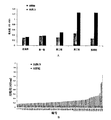
- the polypeptide antigen CB was screened in a fully human antibody phage display library. After 4 rounds of panning, the signal of the enzyme-linked immunoreactivity was increased compared with the control group, and the pool was selected from the pool after panning. Take 700 monoclonal antibodies for enzyme-linked immunoreactivity verification, and finally determine that the enzyme-linked immunoreactivity reading is more than twice the clone as a positive clone, as shown in Figure 1B, 150 positive clones were sequenced and analyzed, and the comparison was repeated. The greater the number of times, the stronger the affinity of the antibody sequence, and the effective enrichment sequence is determined accordingly. The positive clone selected in the present invention was repeated 84 times in 150 clone sequences, indicating that the affinity was strong.
- the picked clones were sequenced and the nucleic acid sequence of the selected positive clone was SEQ ID NO:3.
- Sypro Orange dye was purchased from Thermo Fisher.
- the pFUSE expression vector pFUSE-hIGg1-FC2 was purchased from Invivogen, Inc., item number pfuse-hg1fc2.
- HiTrapProtein A HP columns were purchased from GE.
- the protein purification instrument was purchased from GE.
- Real-time quantitative PCR instrument was purchased from BioRad.
- the plasmid extraction kit was purchased from Qiagen.
- BCA Protein Assay Kit (Pierce TM BCA Protein Assay kit, Pierce # 23253).
- BamH1 and BglII restriction enzymes were purchased from NEB Corporation.
- Example 3 The positive sequence obtained in Example 1 (ie, SEQ ID NO: 3) was synthesized by whole gene (Nanjing Kingsray Biotech Co., Ltd.) and BamH1 and BglII restriction sites were added at both ends of the sequence, and the obtained nucleic acid sequence was subjected to reference NEB.
- the instructions were inserted into the pFUSE-hIGg1-FC2 expression vector (Invivogen Co., Ltd., the procedure of which is described in the specification) after digestion with BamH1 and BglII, and a eukaryotic antibody expression plasmid of the Fc-segment single-chain antibody Anti-Cx26-scFvII-Fc was obtained.
- the 293Fectin transfection reagent (Invitrogen, Cat. No. 12347500) was mixed with the eukaryotic antibody expression vector plasmid obtained above in a volume ratio of 30 ⁇ l: 15 ⁇ g, and then 30 ml of 293 Freestyle suspension cells (purchased from Thermo Fisher Scientific) was added. After shaking at 1200 rpm at 37 ° C overnight, the supernatant was collected after centrifugation using HiTrap Protein A HP columns at Antibody protein purification (Anti-Cx26-scFvII-Fc) was performed on a protein purifier, and finally the antibody concentration was measured using a BCA protein quantification kit (Pierce, Cat. No. 23252) with reference to the instructions.
- the obtained purified antibody was subjected to Western blot analysis, specifically: 5 ⁇ g of the purified antibody sample was subjected to SDS-PAGE electrophoresis, electrophoresis voltage was 110 V, 60 minutes, and then transferred to a cellulose acetate membrane, and peroxidized with goat anti-human horseradish.
- the enzyme secondary antibody purchased from Thermo Scientific
- the obtained purified antibody was subjected to thermal stability test, specifically: the purified antibody was diluted to 0.1 mg/ml, and the Sypro Orange dye was added at a volume ratio of 1:2000, and then sealed.
- the real-time quantitative PCR instrument BioRad was set at a temperature of 25 ° C. Rise to 90 ° C, 0.5 ° C per minute. The fluorescence value is also detected.
- the obtained purified antibody was subjected to LC-MS mass spectrometry, specifically: 5 ⁇ g of the purified antibody was mixed with 1 ⁇ l of protein deglycosidase (purchased from NEB Corporation, Cat. No. P0709S) at 37 ° C for one hour, and then loaded to high resolution. Mass spectrometry was detected with an instrument Agilent 6230 TOF LC/MS.
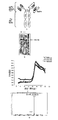
- the nucleic acid sequence (SEQ ID NO: 3) of the antibody obtained in Example 1 was digested into the pFUSE-hIGg1-FC2 expression vector to obtain an Fc-segment-containing scFv II DNA sequence (SEQ ID NO: 4), which was able to encode a specific A fully human single-chain antibody (Anti-Cx26-scFvII-Fc, sequence Seq ID NO6) which inhibits connexin 26, that is, the fully human antibody which specifically inhibits connexin 26 is a recombinant immunoglobulin, and the structure is scFv -Fc, as shown in Figure 2A, scFv refers to a single-chain antibody comprising a heavy chain variable region and a light chain variable region, the heavy chain variable region having the amino acid sequence of SEQ ID NO: 1 and a light chain thereof The amino acid sequence of the variable region is SEQ ID NO: 2, the heavy chain CDR 3 region sequence is DFSWRGYYMDV, the light
- CBS antigen fixation solution was purchased from Thermo Fisher Scientific.
- Anti-Human Fc HRP secondary antibody was purchased from Thermo Fisher.
- Developing substrate ABST solution was purchased from Thermo Fisher Scientific.
- Detection 96-well bottom plate was purchased from Corning.
- the OD values of the negative control well enzyme-linked immunoreactive readings were all below 0.2, while the positive wells had an OD value of 0.4 or more. According to the results, 150 positive clone wells were obtained.
- Octet RED instrument and its detection chip CM5 chip were purchased from Pall Company.
- Anti-human IgG antibody was purchased from Thermo Fisher.
- the affinity and kinetics of the antibody to the antigen were detected by a multi-cycle kinetic method.
- the antibody is immobilized by the capture method.
- the Anti-human IgG antibody is first coupled to the CM5 chip, and then the Anti-Cx26-scFv II-Fc antibody sample to be tested is diluted and passed through the surface of the chip, and the antibody to be tested is Captured by an anti-human Fc antibody that has been coupled.
- an antigenic polypeptide (synthesized by Nanjing Kingsray, sequence Seq ID NO: 5) was injected, and the signal was detected and recorded after the antigen was bound to the antibody.
- the antibody and antigen samples on the surface of the CM5 chip were completely eluted with a regenerating reagent (pH 1.7 glycine solution), and a new round of detection was performed.
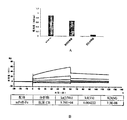
- the SRP assay detects interaction of the antibody with the Cx26 protein, showing that the anti-Cx26-scFv II-Fc antibody and Cx26 have a KD of 7.3E10-8M.
- HeLa DH cells were purchased from Sigma.
- the Cx26-Venus-YFP reporter plasmid was purchased from Addgene Corporation, Cat. No. 69016.
- Fluorescent secondary antibody Alexa Fluor 594goat anti-human was purchased from Thermo Fisher Scientific.
- Fluorescence confocal microscopy was purchased from Leica Corporation.
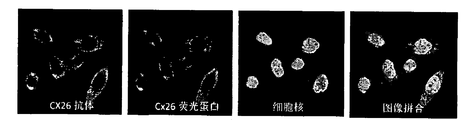
- HeLa DH cells were transfected with plasmid 293Fectin (Sermerfly) according to the instructions of the plasmid Cx26-Venus-YFP, which expressed human Cx26 protein on the cell membrane with green fluorescence, fixed cells with 2% formaldehyde, and placed at room temperature for 10 minute. After rinsing, the cells were blocked by adding 2% BSA in PBS for 30 minutes, and the 1 mg/ml Anti-Cx26-scFvII-Fc antibody solution was diluted with 1:5% BSA/PBS at a dilution ratio of 1:500, and the cells were incubated for 4 to 5 hours.
- plasmid 293Fectin Senderfly
- the Anti-Cx26-scFv II-Fc antibody co-localized with the Cx26-GFP two proteins.
- Example 6 Patch clamp technique detects antibody inhibition of Cx26 hemichannel activity
- HeLa DH cells were purchased from Sigma.
- the Cx26-Venus-YFP reporter plasmid was purchased from Addgene Corporation, Cat. No. 69016.
- the automatic patch clamp system was purchased from MDC Corporation of the United States.
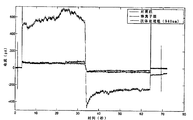
- HeLa DH cells were transfected with plasmid 293Fectin (Sermerfly) according to the instructions of the protocol Cx26-Venus-YFP, patch clamps were used to record single cell membrane ion currents in whole cells, and 940 nM Anti-Cx26-scFv II was added to the cell supernatant.
- Fc antibody control group Zn 2+ concentration 100uM, no antibody as a blank control group, increase the voltage to 40 mV to depolarize the cells leading to Cx26 hemichannel opening, record the antibody-added experimental group, positive control group and blank control The group's half-channel current, reducing the voltage to minus 40 mV, left the cells hyperpolarized and simultaneously recorded the half-channel currents of each group.
Landscapes
- Chemical & Material Sciences (AREA)
- Organic Chemistry (AREA)
- Health & Medical Sciences (AREA)
- General Health & Medical Sciences (AREA)
- Biochemistry (AREA)
- Biophysics (AREA)
- Life Sciences & Earth Sciences (AREA)
- Genetics & Genomics (AREA)
- Medicinal Chemistry (AREA)
- Molecular Biology (AREA)
- Proteomics, Peptides & Aminoacids (AREA)
- Immunology (AREA)
- Peptides Or Proteins (AREA)
- Medicines Containing Antibodies Or Antigens For Use As Internal Diagnostic Agents (AREA)
Abstract
Description


Claims (9)
- 一种特异性抑制连接蛋白26的全人抗体,其特征在于,其为重组免疫球蛋白,结构为scFv-Fc,scFv指的是单链抗体,包括重链可变区和轻链可变区,其重链可变区的氨基酸序列为SEQ ID NO:1,其轻链可变区的氨基酸序列为SEQ ID NO:2,Fc指的是恒定区。
- 如权利要求1所述的特异性抑制连接蛋白26的全人抗体,其特征在于,所述的恒定区包括CH2恒定区和CH3恒定区。
- 如权利要求1所述的特异性抑制连接蛋白26的全人抗体,其特征在于,所述的特异性抑制连接蛋白26的全人抗体特异识别连接蛋白26的胞外区第41-75氨基酸部分。
- 一种基因工程抗体,其特征在于,其与权利要求1-3中任一项所述的特异性抑制连接蛋白26的全人抗体的单链抗体具有30%以上的同源序列。
- 如权利要求4所述的基因工程抗体,其特征在于,所述的基因工程抗体包含Fab片段,F(ab)‘片段,Fd片段,Fv片段和Fc片段中的一种,上述各片段中两种以上的组合,或上述各片段中的至少一种与其它蛋白或肽链形成的衍生物。
- 如权利要求4所述的基因工程抗体,其特征在于,所述的基因工程抗体的重链CDR 3区序列为DFSWRGYYMDV,轻链CDR3区序列为QQYGSSPRT。
- 一种编码特异性抑制连接蛋白26的全人抗体的核苷酸序列,其序列为SEQ ID NO:3或SEQ ID NO:4。
- 权利要求1-3中任一项所述的特异性抑制连接蛋白26的全人抗体或权利要求4-6中任一项所述的基因工程抗体在制备用于治疗与连接蛋白26突变导致的耳聋、皮肤病或者肿瘤的药物或试剂盒中的应用。
- 一种用于治疗耳聋、皮肤病或者肿瘤的药物,其包含权利要求1-3中任一项所述的特异性抑制连接蛋白26的全人抗体或权利要求4-6中任一项所述的基因工程抗体作为活性成份。
Priority Applications (6)
| Application Number | Priority Date | Filing Date | Title |
|---|---|---|---|
| US15/781,463 US11345746B2 (en) | 2016-01-27 | 2016-12-14 | Fully human antibody specifically inhibiting Connexin 26 |
| EP16887751.2A EP3342784B1 (en) | 2016-01-27 | 2016-12-14 | Fully human antibody specifically inhibiting connexin 26 |
| JP2018533925A JP7022690B2 (ja) | 2016-01-27 | 2016-12-14 | コネキシン26特異的阻害性の完全ヒト抗体 |
| ES16887751T ES2824176T3 (es) | 2016-01-27 | 2016-12-14 | Anticuerpo completamente humano que inhibe específicamente la conexina 26 |
| CA3041744A CA3041744C (en) | 2016-01-27 | 2016-12-14 | Fully human antibody specifically inhibiting connexin 26 |
| EP20196319.6A EP3778633A1 (en) | 2016-01-27 | 2016-12-14 | A fully human antibody specifically inhibiting connexin 26 |
Applications Claiming Priority (2)
| Application Number | Priority Date | Filing Date | Title |
|---|---|---|---|
| CN201610056295.3 | 2016-01-27 | ||
| CN201610056295.3A CN105566495B (zh) | 2016-01-27 | 2016-01-27 | 一种特异性抑制连接蛋白26的全人抗体 |
Publications (1)
| Publication Number | Publication Date |
|---|---|
| WO2017128880A1 true WO2017128880A1 (zh) | 2017-08-03 |
Family
ID=55877176
Family Applications (1)
| Application Number | Title | Priority Date | Filing Date |
|---|---|---|---|
| PCT/CN2016/109847 Ceased WO2017128880A1 (zh) | 2016-01-27 | 2016-12-14 | 一种特异性抑制连接蛋白26的全人抗体 |
Country Status (7)
| Country | Link |
|---|---|
| US (1) | US11345746B2 (zh) |
| EP (2) | EP3778633A1 (zh) |
| JP (1) | JP7022690B2 (zh) |
| CN (1) | CN105566495B (zh) |
| CA (1) | CA3041744C (zh) |
| ES (1) | ES2824176T3 (zh) |
| WO (1) | WO2017128880A1 (zh) |
Cited By (3)
| Publication number | Priority date | Publication date | Assignee | Title |
|---|---|---|---|---|
| CN110964103A (zh) * | 2019-11-21 | 2020-04-07 | 青岛农业大学 | 一种犬源抗犬细小病毒的抗体、抗体文库及构建方法 |
| WO2020237491A1 (en) | 2019-05-28 | 2020-12-03 | Shanghaitech University | Composition and methods to treat ectodermal dysplasia 2, clouston type |
| WO2026047782A1 (en) | 2024-08-28 | 2026-03-05 | Università Degli Studi Di Padova | Antibody for treating brain tumours and epilepsy correlated thereto |
Families Citing this family (3)
| Publication number | Priority date | Publication date | Assignee | Title |
|---|---|---|---|---|
| CN105566495B (zh) | 2016-01-27 | 2019-10-22 | 上海科技大学 | 一种特异性抑制连接蛋白26的全人抗体 |
| CN118930648B (zh) * | 2024-08-22 | 2025-02-28 | 武汉爱博泰克生物科技有限公司 | 抗人pax8蛋白的兔单克隆抗体、抗体偶联物及其应用 |
| CN119510774A (zh) * | 2024-11-26 | 2025-02-25 | 华中科技大学同济医学院附属协和医院 | Sptbn1作为靶点在治疗gjb2相关感音神经性听力损失中的应用 |
Citations (3)
| Publication number | Priority date | Publication date | Assignee | Title |
|---|---|---|---|---|
| CN102099475A (zh) * | 2008-06-04 | 2011-06-15 | 科达治疗公司 | 用间隙连接调节化合物治疗疼痛 |
| CN102105492A (zh) * | 2007-12-11 | 2011-06-22 | 科达治疗公司 | 受损伤口愈合的组合物和治疗 |
| CN105566495A (zh) * | 2016-01-27 | 2016-05-11 | 上海科技大学 | 一种特异性抑制连接蛋白26的全人抗体 |
Family Cites Families (7)
| Publication number | Priority date | Publication date | Assignee | Title |
|---|---|---|---|---|
| JP4282163B2 (ja) * | 1999-07-12 | 2009-06-17 | 株式会社医学生物学研究所 | 癌転移能検査方法、および癌転移抑制薬のスクリーニング方法 |
| EP1308458A1 (en) * | 2001-10-30 | 2003-05-07 | GenOdyssee | New polynucleotides and polypeptides of the CX26 gene |
| EP2662088A3 (en) * | 2005-02-03 | 2014-02-19 | Coda Therapeutics Limited | Anti-connexin compounds and uses thereof |
| AU2008343839A1 (en) * | 2007-12-21 | 2009-07-09 | Coda Therapeutics, Inc. | Use of anti-connexin peptides, alone or in combination with anti-connexin polynucleotides, for the treatment of surgical adhesions |
| US20140148413A1 (en) * | 2010-06-22 | 2014-05-29 | Massachusetts Institute Of Technology | Compositions and methods for preventing and treating organ injury and/or dysfunction |
| CA2823154A1 (en) * | 2010-12-27 | 2012-07-05 | Lsip, Llc | Ips cells and method for generating same |
| EP2895203A4 (en) * | 2012-06-15 | 2016-09-28 | Imaginab Inc | ANTIGENBINDING CONSTRUCTS FOR CD3 |
-
2016
- 2016-01-27 CN CN201610056295.3A patent/CN105566495B/zh active Active
- 2016-12-14 JP JP2018533925A patent/JP7022690B2/ja not_active Expired - Fee Related
- 2016-12-14 CA CA3041744A patent/CA3041744C/en active Active
- 2016-12-14 US US15/781,463 patent/US11345746B2/en active Active
- 2016-12-14 EP EP20196319.6A patent/EP3778633A1/en not_active Withdrawn
- 2016-12-14 ES ES16887751T patent/ES2824176T3/es active Active
- 2016-12-14 WO PCT/CN2016/109847 patent/WO2017128880A1/zh not_active Ceased
- 2016-12-14 EP EP16887751.2A patent/EP3342784B1/en active Active
Patent Citations (3)
| Publication number | Priority date | Publication date | Assignee | Title |
|---|---|---|---|---|
| CN102105492A (zh) * | 2007-12-11 | 2011-06-22 | 科达治疗公司 | 受损伤口愈合的组合物和治疗 |
| CN102099475A (zh) * | 2008-06-04 | 2011-06-15 | 科达治疗公司 | 用间隙连接调节化合物治疗疼痛 |
| CN105566495A (zh) * | 2016-01-27 | 2016-05-11 | 上海科技大学 | 一种特异性抑制连接蛋白26的全人抗体 |
Non-Patent Citations (4)
| Title |
|---|
| CHOUNG, Y.H. ET AL.: "Functional Study of GJB2 in Hereditary Hearing Loss", THE LARYNGOSCOPE, vol. 112, 30 September 2002 (2002-09-30), pages 1667 - 1671, XP055402647 * |
| See also references of EP3342784A4 * |
| THONNISSEN, E. ET AL.: "Human connexin26 (GJB2) deafness mutations affect the function of gap junction channels at different levels of protein expression", HUM. GENET., vol. 111, 22 June 2002 (2002-06-22), pages 190 - 197, XP055497473 * |
| WANG, YAFEI ET AL.: "Expression of connexin26 in mouse cochlea lateral wall after noise exposure", JOURNAL OF AUDIOLOGY AND SPEECH PATHOLOGY, vol. 21, no. 3, 11 March 2013 (2013-03-11), pages 263 - 266, XP009511782, ISSN: 1006-7299 * |
Cited By (3)
| Publication number | Priority date | Publication date | Assignee | Title |
|---|---|---|---|---|
| WO2020237491A1 (en) | 2019-05-28 | 2020-12-03 | Shanghaitech University | Composition and methods to treat ectodermal dysplasia 2, clouston type |
| CN110964103A (zh) * | 2019-11-21 | 2020-04-07 | 青岛农业大学 | 一种犬源抗犬细小病毒的抗体、抗体文库及构建方法 |
| WO2026047782A1 (en) | 2024-08-28 | 2026-03-05 | Università Degli Studi Di Padova | Antibody for treating brain tumours and epilepsy correlated thereto |
Also Published As
| Publication number | Publication date |
|---|---|
| EP3342784B1 (en) | 2020-09-16 |
| EP3342784A4 (en) | 2019-07-31 |
| EP3342784A1 (en) | 2018-07-04 |
| US11345746B2 (en) | 2022-05-31 |
| US20200299366A1 (en) | 2020-09-24 |
| CN105566495B (zh) | 2019-10-22 |
| CN105566495A (zh) | 2016-05-11 |
| CA3041744A1 (en) | 2017-08-03 |
| CA3041744C (en) | 2023-05-23 |
| ES2824176T3 (es) | 2021-05-11 |
| JP7022690B2 (ja) | 2022-03-03 |
| EP3778633A1 (en) | 2021-02-17 |
| JP2019504829A (ja) | 2019-02-21 |
Similar Documents
| Publication | Publication Date | Title |
|---|---|---|
| CN105566495B (zh) | 一种特异性抑制连接蛋白26的全人抗体 | |
| ES2599477T3 (es) | Antígeno 75 de linfocitos (Ly75) | |
| JP5941615B2 (ja) | ヒトcxcl1タンパク質の免疫学的測定方法 | |
| CN108473552B (zh) | 检测外泌体蛋白eif3a的特异性自身抗体的抗原性组合物和使用其诊断肝癌的方法 | |
| Crépin et al. | Nanobodies against surface biomarkers enable the analysis of tumor genetic heterogeneity in uveal melanoma patient‐derived xenografts | |
| JP2016211925A (ja) | がんにおいてドセタキセル又はパクリタキセルに対する耐性を評価する方法、がんの悪性化を評価する方法、及びそれら方法に用いられるキット | |
| CN113727995A (zh) | 检测癌的方法和检测试剂 | |
| US20240019430A1 (en) | Autoantibodies related to iga nephropathy | |
| CN103732627B (zh) | 包含抗-atic自身免疫抗体的肝癌诊断标记物以及包含其抗原的肝癌诊断用组合物 | |
| CN105713089B (zh) | 一种特异性抑制酸敏感离子通道i型的全人抗体 | |
| US20260092929A1 (en) | Antibody against coatomer protein complex subunit beta 2 | |
| CN117586406B (zh) | 类泛素化修饰的DNA-PKcs蛋白的多克隆抗体及其制备方法 | |
| CN118388644A (zh) | 一种抗波形蛋白抗体及其应用 | |
| CN117683131A (zh) | 一种抗髓鞘少突胶质细胞糖蛋白(mog)抗体及其应用 | |
| KR102466369B1 (ko) | 자가면역 뇌염의 진단 방법 | |
| CN116794328A (zh) | 一种基于多位点的高灵敏磷酸化Tau蛋白检测方法 | |
| CN116874578A (zh) | 一种var2csa重组蛋白及其制备方法和应用 | |
| JP6959684B2 (ja) | Mrsに特異的に結合するモノクローナル抗体 | |
| WO2010038831A1 (ja) | 細胞増殖を伴う糖尿病合併症の検査のための方法、組成物およびキット | |
| US12306184B2 (en) | Biomarkers of membranous glomerulonephritis | |
| KR102281512B1 (ko) | TGFBIp의 아세틸화 수준을 측정하는 제제를 포함하는 염증성 질환 진단용 조성물 | |
| WO2023223796A1 (ja) | コリバクチン産生大腸菌結合性抗体 | |
| WO2024078017A1 (zh) | 鸡源抗人TK1重组IgY单链抗体和鸡源抗人TK1重组全长单克隆IgY抗体及应用 | |
| Cegarra et al. | Search and Characterization of ITM2A as a New Potential Target for Brain Delivery | |
| CN120025444A (zh) | 靶向Galectin-8的拮抗剂及其应用 |
Legal Events
| Date | Code | Title | Description |
|---|---|---|---|
| 121 | Ep: the epo has been informed by wipo that ep was designated in this application |
Ref document number: 16887751 Country of ref document: EP Kind code of ref document: A1 |
|
| WWE | Wipo information: entry into national phase |
Ref document number: 2016887751 Country of ref document: EP |
|
| ENP | Entry into the national phase |
Ref document number: 2018533925 Country of ref document: JP Kind code of ref document: A |
|
| NENP | Non-entry into the national phase |
Ref country code: DE |
|
| ENP | Entry into the national phase |
Ref document number: 3041744 Country of ref document: CA |