WO2017132518A1 - Combination therapy for treating cancer - Google Patents
Combination therapy for treating cancer Download PDFInfo
- Publication number
- WO2017132518A1 WO2017132518A1 PCT/US2017/015352 US2017015352W WO2017132518A1 WO 2017132518 A1 WO2017132518 A1 WO 2017132518A1 US 2017015352 W US2017015352 W US 2017015352W WO 2017132518 A1 WO2017132518 A1 WO 2017132518A1
- Authority
- WO
- WIPO (PCT)
- Prior art keywords
- agent
- inhibitor
- cancer
- ezh2
- disclosure
- Prior art date
- Legal status (The legal status is an assumption and is not a legal conclusion. Google has not performed a legal analysis and makes no representation as to the accuracy of the status listed.)
- Ceased
Links
- KYKBTSSZBUTXKJ-UHFFFAOYSA-N CC(C(CC1)C=CC1Oc1ccccc1)=O Chemical compound CC(C(CC1)C=CC1Oc1ccccc1)=O KYKBTSSZBUTXKJ-UHFFFAOYSA-N 0.000 description 1
- ONSROKJVIRUFHP-UHFFFAOYSA-N CCN(C1CCOCC1)c1cc(C#CC2CCN(C)CC2)cc(C(NCC2=C(C)C=C(C)NC2=C)=O)c1C Chemical compound CCN(C1CCOCC1)c1cc(C#CC2CCN(C)CC2)cc(C(NCC2=C(C)C=C(C)NC2=C)=O)c1C ONSROKJVIRUFHP-UHFFFAOYSA-N 0.000 description 1
Classifications
-
- A—HUMAN NECESSITIES
- A61—MEDICAL OR VETERINARY SCIENCE; HYGIENE
- A61K—PREPARATIONS FOR MEDICAL, DENTAL OR TOILETRY PURPOSES
- A61K31/00—Medicinal preparations containing organic active ingredients
- A61K31/33—Heterocyclic compounds
- A61K31/395—Heterocyclic compounds having nitrogen as a ring hetero atom, e.g. guanethidine or rifamycins
- A61K31/535—Heterocyclic compounds having nitrogen as a ring hetero atom, e.g. guanethidine or rifamycins having six-membered rings with at least one nitrogen and one oxygen as the ring hetero atoms, e.g. 1,2-oxazines
- A61K31/5375—1,4-Oxazines, e.g. morpholine
- A61K31/5377—1,4-Oxazines, e.g. morpholine not condensed and containing further heterocyclic rings, e.g. timolol
-
- A—HUMAN NECESSITIES
- A61—MEDICAL OR VETERINARY SCIENCE; HYGIENE
- A61K—PREPARATIONS FOR MEDICAL, DENTAL OR TOILETRY PURPOSES
- A61K31/00—Medicinal preparations containing organic active ingredients
- A61K31/13—Amines
- A61K31/135—Amines having aromatic rings, e.g. ketamine, nortriptyline
- A61K31/138—Aryloxyalkylamines, e.g. propranolol, tamoxifen, phenoxybenzamine
-
- A—HUMAN NECESSITIES
- A61—MEDICAL OR VETERINARY SCIENCE; HYGIENE
- A61K—PREPARATIONS FOR MEDICAL, DENTAL OR TOILETRY PURPOSES
- A61K31/00—Medicinal preparations containing organic active ingredients
- A61K31/16—Amides, e.g. hydroxamic acids
- A61K31/165—Amides, e.g. hydroxamic acids having aromatic rings, e.g. colchicine, atenolol, progabide
- A61K31/166—Amides, e.g. hydroxamic acids having aromatic rings, e.g. colchicine, atenolol, progabide having the carbon of a carboxamide group directly attached to the aromatic ring, e.g. procainamide, procarbazine, metoclopramide, labetalol
-
- A—HUMAN NECESSITIES
- A61—MEDICAL OR VETERINARY SCIENCE; HYGIENE
- A61K—PREPARATIONS FOR MEDICAL, DENTAL OR TOILETRY PURPOSES
- A61K31/00—Medicinal preparations containing organic active ingredients
- A61K31/16—Amides, e.g. hydroxamic acids
- A61K31/165—Amides, e.g. hydroxamic acids having aromatic rings, e.g. colchicine, atenolol, progabide
- A61K31/167—Amides, e.g. hydroxamic acids having aromatic rings, e.g. colchicine, atenolol, progabide having the nitrogen of a carboxamide group directly attached to the aromatic ring, e.g. lidocaine, paracetamol
-
- A—HUMAN NECESSITIES
- A61—MEDICAL OR VETERINARY SCIENCE; HYGIENE
- A61K—PREPARATIONS FOR MEDICAL, DENTAL OR TOILETRY PURPOSES
- A61K31/00—Medicinal preparations containing organic active ingredients
- A61K31/28—Compounds containing heavy metals
- A61K31/282—Platinum compounds
-
- A—HUMAN NECESSITIES
- A61—MEDICAL OR VETERINARY SCIENCE; HYGIENE
- A61K—PREPARATIONS FOR MEDICAL, DENTAL OR TOILETRY PURPOSES
- A61K31/00—Medicinal preparations containing organic active ingredients
- A61K31/33—Heterocyclic compounds
- A61K31/335—Heterocyclic compounds having oxygen as the only ring hetero atom, e.g. fungichromin
- A61K31/337—Heterocyclic compounds having oxygen as the only ring hetero atom, e.g. fungichromin having four-membered rings, e.g. taxol
-
- A—HUMAN NECESSITIES
- A61—MEDICAL OR VETERINARY SCIENCE; HYGIENE
- A61K—PREPARATIONS FOR MEDICAL, DENTAL OR TOILETRY PURPOSES
- A61K31/00—Medicinal preparations containing organic active ingredients
- A61K31/33—Heterocyclic compounds
- A61K31/395—Heterocyclic compounds having nitrogen as a ring hetero atom, e.g. guanethidine or rifamycins
- A61K31/40—Heterocyclic compounds having nitrogen as a ring hetero atom, e.g. guanethidine or rifamycins having five-membered rings with one nitrogen as the only ring hetero atom, e.g. sulpiride, succinimide, tolmetin, buflomedil
- A61K31/403—Heterocyclic compounds having nitrogen as a ring hetero atom, e.g. guanethidine or rifamycins having five-membered rings with one nitrogen as the only ring hetero atom, e.g. sulpiride, succinimide, tolmetin, buflomedil condensed with carbocyclic rings, e.g. carbazole
- A61K31/404—Indoles, e.g. pindolol
- A61K31/4045—Indole-alkylamines; Amides thereof, e.g. serotonin, melatonin
-
- A—HUMAN NECESSITIES
- A61—MEDICAL OR VETERINARY SCIENCE; HYGIENE
- A61K—PREPARATIONS FOR MEDICAL, DENTAL OR TOILETRY PURPOSES
- A61K31/00—Medicinal preparations containing organic active ingredients
- A61K31/33—Heterocyclic compounds
- A61K31/395—Heterocyclic compounds having nitrogen as a ring hetero atom, e.g. guanethidine or rifamycins
- A61K31/41—Heterocyclic compounds having nitrogen as a ring hetero atom, e.g. guanethidine or rifamycins having five-membered rings with two or more ring hetero atoms, at least one of which being nitrogen, e.g. tetrazole
- A61K31/4196—1,2,4-Triazoles
-
- A—HUMAN NECESSITIES
- A61—MEDICAL OR VETERINARY SCIENCE; HYGIENE
- A61K—PREPARATIONS FOR MEDICAL, DENTAL OR TOILETRY PURPOSES
- A61K31/00—Medicinal preparations containing organic active ingredients
- A61K31/33—Heterocyclic compounds
- A61K31/395—Heterocyclic compounds having nitrogen as a ring hetero atom, e.g. guanethidine or rifamycins
- A61K31/435—Heterocyclic compounds having nitrogen as a ring hetero atom, e.g. guanethidine or rifamycins having six-membered rings with one nitrogen as the only ring hetero atom
- A61K31/4353—Heterocyclic compounds having nitrogen as a ring hetero atom, e.g. guanethidine or rifamycins having six-membered rings with one nitrogen as the only ring hetero atom ortho- or peri-condensed with heterocyclic ring systems
- A61K31/436—Heterocyclic compounds having nitrogen as a ring hetero atom, e.g. guanethidine or rifamycins having six-membered rings with one nitrogen as the only ring hetero atom ortho- or peri-condensed with heterocyclic ring systems the heterocyclic ring system containing a six-membered ring having oxygen as a ring hetero atom, e.g. rapamycin
-
- A—HUMAN NECESSITIES
- A61—MEDICAL OR VETERINARY SCIENCE; HYGIENE
- A61K—PREPARATIONS FOR MEDICAL, DENTAL OR TOILETRY PURPOSES
- A61K31/00—Medicinal preparations containing organic active ingredients
- A61K31/33—Heterocyclic compounds
- A61K31/395—Heterocyclic compounds having nitrogen as a ring hetero atom, e.g. guanethidine or rifamycins
- A61K31/435—Heterocyclic compounds having nitrogen as a ring hetero atom, e.g. guanethidine or rifamycins having six-membered rings with one nitrogen as the only ring hetero atom
- A61K31/4353—Heterocyclic compounds having nitrogen as a ring hetero atom, e.g. guanethidine or rifamycins having six-membered rings with one nitrogen as the only ring hetero atom ortho- or peri-condensed with heterocyclic ring systems
- A61K31/437—Heterocyclic compounds having nitrogen as a ring hetero atom, e.g. guanethidine or rifamycins having six-membered rings with one nitrogen as the only ring hetero atom ortho- or peri-condensed with heterocyclic ring systems the heterocyclic ring system containing a five-membered ring having nitrogen as a ring hetero atom, e.g. indolizine, beta-carboline
-
- A—HUMAN NECESSITIES
- A61—MEDICAL OR VETERINARY SCIENCE; HYGIENE
- A61K—PREPARATIONS FOR MEDICAL, DENTAL OR TOILETRY PURPOSES
- A61K31/00—Medicinal preparations containing organic active ingredients
- A61K31/33—Heterocyclic compounds
- A61K31/395—Heterocyclic compounds having nitrogen as a ring hetero atom, e.g. guanethidine or rifamycins
- A61K31/435—Heterocyclic compounds having nitrogen as a ring hetero atom, e.g. guanethidine or rifamycins having six-membered rings with one nitrogen as the only ring hetero atom
- A61K31/4353—Heterocyclic compounds having nitrogen as a ring hetero atom, e.g. guanethidine or rifamycins having six-membered rings with one nitrogen as the only ring hetero atom ortho- or peri-condensed with heterocyclic ring systems
- A61K31/4375—Heterocyclic compounds having nitrogen as a ring hetero atom, e.g. guanethidine or rifamycins having six-membered rings with one nitrogen as the only ring hetero atom ortho- or peri-condensed with heterocyclic ring systems the heterocyclic ring system containing a six-membered ring having nitrogen as a ring heteroatom, e.g. quinolizines, naphthyridines, berberine, vincamine
-
- A—HUMAN NECESSITIES
- A61—MEDICAL OR VETERINARY SCIENCE; HYGIENE
- A61K—PREPARATIONS FOR MEDICAL, DENTAL OR TOILETRY PURPOSES
- A61K31/00—Medicinal preparations containing organic active ingredients
- A61K31/33—Heterocyclic compounds
- A61K31/395—Heterocyclic compounds having nitrogen as a ring hetero atom, e.g. guanethidine or rifamycins
- A61K31/435—Heterocyclic compounds having nitrogen as a ring hetero atom, e.g. guanethidine or rifamycins having six-membered rings with one nitrogen as the only ring hetero atom
- A61K31/44—Non condensed pyridines; Hydrogenated derivatives thereof
- A61K31/4406—Non condensed pyridines; Hydrogenated derivatives thereof only substituted in position 3, e.g. zimeldine
-
- A—HUMAN NECESSITIES
- A61—MEDICAL OR VETERINARY SCIENCE; HYGIENE
- A61K—PREPARATIONS FOR MEDICAL, DENTAL OR TOILETRY PURPOSES
- A61K31/00—Medicinal preparations containing organic active ingredients
- A61K31/33—Heterocyclic compounds
- A61K31/395—Heterocyclic compounds having nitrogen as a ring hetero atom, e.g. guanethidine or rifamycins
- A61K31/435—Heterocyclic compounds having nitrogen as a ring hetero atom, e.g. guanethidine or rifamycins having six-membered rings with one nitrogen as the only ring hetero atom
- A61K31/44—Non condensed pyridines; Hydrogenated derivatives thereof
- A61K31/4427—Non condensed pyridines; Hydrogenated derivatives thereof containing further heterocyclic ring systems
- A61K31/4439—Non condensed pyridines; Hydrogenated derivatives thereof containing further heterocyclic ring systems containing a five-membered ring with nitrogen as a ring hetero atom, e.g. omeprazole
-
- A—HUMAN NECESSITIES
- A61—MEDICAL OR VETERINARY SCIENCE; HYGIENE
- A61K—PREPARATIONS FOR MEDICAL, DENTAL OR TOILETRY PURPOSES
- A61K31/00—Medicinal preparations containing organic active ingredients
- A61K31/33—Heterocyclic compounds
- A61K31/395—Heterocyclic compounds having nitrogen as a ring hetero atom, e.g. guanethidine or rifamycins
- A61K31/435—Heterocyclic compounds having nitrogen as a ring hetero atom, e.g. guanethidine or rifamycins having six-membered rings with one nitrogen as the only ring hetero atom
- A61K31/44—Non condensed pyridines; Hydrogenated derivatives thereof
- A61K31/445—Non condensed piperidines, e.g. piperocaine
- A61K31/4523—Non condensed piperidines, e.g. piperocaine containing further heterocyclic ring systems
- A61K31/4545—Non condensed piperidines, e.g. piperocaine containing further heterocyclic ring systems containing a six-membered ring with nitrogen as a ring hetero atom, e.g. pipamperone, anabasine
-
- A—HUMAN NECESSITIES
- A61—MEDICAL OR VETERINARY SCIENCE; HYGIENE
- A61K—PREPARATIONS FOR MEDICAL, DENTAL OR TOILETRY PURPOSES
- A61K31/00—Medicinal preparations containing organic active ingredients
- A61K31/33—Heterocyclic compounds
- A61K31/395—Heterocyclic compounds having nitrogen as a ring hetero atom, e.g. guanethidine or rifamycins
- A61K31/435—Heterocyclic compounds having nitrogen as a ring hetero atom, e.g. guanethidine or rifamycins having six-membered rings with one nitrogen as the only ring hetero atom
- A61K31/47—Quinolines; Isoquinolines
- A61K31/4738—Quinolines; Isoquinolines ortho- or peri-condensed with heterocyclic ring systems
- A61K31/4745—Quinolines; Isoquinolines ortho- or peri-condensed with heterocyclic ring systems condensed with ring systems having nitrogen as a ring hetero atom, e.g. phenantrolines
-
- A—HUMAN NECESSITIES
- A61—MEDICAL OR VETERINARY SCIENCE; HYGIENE
- A61K—PREPARATIONS FOR MEDICAL, DENTAL OR TOILETRY PURPOSES
- A61K31/00—Medicinal preparations containing organic active ingredients
- A61K31/33—Heterocyclic compounds
- A61K31/395—Heterocyclic compounds having nitrogen as a ring hetero atom, e.g. guanethidine or rifamycins
- A61K31/495—Heterocyclic compounds having nitrogen as a ring hetero atom, e.g. guanethidine or rifamycins having six-membered rings with two or more nitrogen atoms as the only ring heteroatoms, e.g. piperazine or tetrazines
- A61K31/50—Pyridazines; Hydrogenated pyridazines
- A61K31/502—Pyridazines; Hydrogenated pyridazines ortho- or peri-condensed with carbocyclic ring systems, e.g. cinnoline, phthalazine
-
- A—HUMAN NECESSITIES
- A61—MEDICAL OR VETERINARY SCIENCE; HYGIENE
- A61K—PREPARATIONS FOR MEDICAL, DENTAL OR TOILETRY PURPOSES
- A61K31/00—Medicinal preparations containing organic active ingredients
- A61K31/33—Heterocyclic compounds
- A61K31/395—Heterocyclic compounds having nitrogen as a ring hetero atom, e.g. guanethidine or rifamycins
- A61K31/495—Heterocyclic compounds having nitrogen as a ring hetero atom, e.g. guanethidine or rifamycins having six-membered rings with two or more nitrogen atoms as the only ring heteroatoms, e.g. piperazine or tetrazines
- A61K31/505—Pyrimidines; Hydrogenated pyrimidines, e.g. trimethoprim
- A61K31/506—Pyrimidines; Hydrogenated pyrimidines, e.g. trimethoprim not condensed and containing further heterocyclic rings
-
- A—HUMAN NECESSITIES
- A61—MEDICAL OR VETERINARY SCIENCE; HYGIENE
- A61K—PREPARATIONS FOR MEDICAL, DENTAL OR TOILETRY PURPOSES
- A61K31/00—Medicinal preparations containing organic active ingredients
- A61K31/33—Heterocyclic compounds
- A61K31/395—Heterocyclic compounds having nitrogen as a ring hetero atom, e.g. guanethidine or rifamycins
- A61K31/495—Heterocyclic compounds having nitrogen as a ring hetero atom, e.g. guanethidine or rifamycins having six-membered rings with two or more nitrogen atoms as the only ring heteroatoms, e.g. piperazine or tetrazines
- A61K31/505—Pyrimidines; Hydrogenated pyrimidines, e.g. trimethoprim
- A61K31/517—Pyrimidines; Hydrogenated pyrimidines, e.g. trimethoprim ortho- or peri-condensed with carbocyclic ring systems, e.g. quinazoline, perimidine
-
- A—HUMAN NECESSITIES
- A61—MEDICAL OR VETERINARY SCIENCE; HYGIENE
- A61K—PREPARATIONS FOR MEDICAL, DENTAL OR TOILETRY PURPOSES
- A61K31/00—Medicinal preparations containing organic active ingredients
- A61K31/33—Heterocyclic compounds
- A61K31/395—Heterocyclic compounds having nitrogen as a ring hetero atom, e.g. guanethidine or rifamycins
- A61K31/495—Heterocyclic compounds having nitrogen as a ring hetero atom, e.g. guanethidine or rifamycins having six-membered rings with two or more nitrogen atoms as the only ring heteroatoms, e.g. piperazine or tetrazines
- A61K31/505—Pyrimidines; Hydrogenated pyrimidines, e.g. trimethoprim
- A61K31/519—Pyrimidines; Hydrogenated pyrimidines, e.g. trimethoprim ortho- or peri-condensed with heterocyclic rings
- A61K31/52—Purines, e.g. adenine
-
- A—HUMAN NECESSITIES
- A61—MEDICAL OR VETERINARY SCIENCE; HYGIENE
- A61K—PREPARATIONS FOR MEDICAL, DENTAL OR TOILETRY PURPOSES
- A61K31/00—Medicinal preparations containing organic active ingredients
- A61K31/33—Heterocyclic compounds
- A61K31/395—Heterocyclic compounds having nitrogen as a ring hetero atom, e.g. guanethidine or rifamycins
- A61K31/55—Heterocyclic compounds having nitrogen as a ring hetero atom, e.g. guanethidine or rifamycins having seven-membered rings, e.g. azelastine, pentylenetetrazole
- A61K31/551—Heterocyclic compounds having nitrogen as a ring hetero atom, e.g. guanethidine or rifamycins having seven-membered rings, e.g. azelastine, pentylenetetrazole having two nitrogen atoms, e.g. dilazep
-
- A—HUMAN NECESSITIES
- A61—MEDICAL OR VETERINARY SCIENCE; HYGIENE
- A61K—PREPARATIONS FOR MEDICAL, DENTAL OR TOILETRY PURPOSES
- A61K31/00—Medicinal preparations containing organic active ingredients
- A61K31/33—Heterocyclic compounds
- A61K31/555—Heterocyclic compounds containing heavy metals, e.g. hemin, hematin, melarsoprol
-
- A—HUMAN NECESSITIES
- A61—MEDICAL OR VETERINARY SCIENCE; HYGIENE
- A61K—PREPARATIONS FOR MEDICAL, DENTAL OR TOILETRY PURPOSES
- A61K31/00—Medicinal preparations containing organic active ingredients
- A61K31/56—Compounds containing cyclopenta[a]hydrophenanthrene ring systems; Derivatives thereof, e.g. steroids
- A61K31/565—Compounds containing cyclopenta[a]hydrophenanthrene ring systems; Derivatives thereof, e.g. steroids not substituted in position 17 beta by a carbon atom, e.g. estrane, estradiol
- A61K31/567—Compounds containing cyclopenta[a]hydrophenanthrene ring systems; Derivatives thereof, e.g. steroids not substituted in position 17 beta by a carbon atom, e.g. estrane, estradiol substituted in position 17 alpha, e.g. mestranol, norethandrolone
-
- A—HUMAN NECESSITIES
- A61—MEDICAL OR VETERINARY SCIENCE; HYGIENE
- A61K—PREPARATIONS FOR MEDICAL, DENTAL OR TOILETRY PURPOSES
- A61K31/00—Medicinal preparations containing organic active ingredients
- A61K31/56—Compounds containing cyclopenta[a]hydrophenanthrene ring systems; Derivatives thereof, e.g. steroids
- A61K31/575—Compounds containing cyclopenta[a]hydrophenanthrene ring systems; Derivatives thereof, e.g. steroids substituted in position 17 beta by a chain of three or more carbon atoms, e.g. cholane, cholestane, ergosterol, sitosterol
-
- A—HUMAN NECESSITIES
- A61—MEDICAL OR VETERINARY SCIENCE; HYGIENE
- A61K—PREPARATIONS FOR MEDICAL, DENTAL OR TOILETRY PURPOSES
- A61K31/00—Medicinal preparations containing organic active ingredients
- A61K31/63—Compounds containing para-N-benzenesulfonyl-N-groups, e.g. sulfanilamide, p-nitrobenzenesulfonyl hydrazide
- A61K31/635—Compounds containing para-N-benzenesulfonyl-N-groups, e.g. sulfanilamide, p-nitrobenzenesulfonyl hydrazide having a heterocyclic ring, e.g. sulfadiazine
-
- A—HUMAN NECESSITIES
- A61—MEDICAL OR VETERINARY SCIENCE; HYGIENE
- A61K—PREPARATIONS FOR MEDICAL, DENTAL OR TOILETRY PURPOSES
- A61K31/00—Medicinal preparations containing organic active ingredients
- A61K31/66—Phosphorus compounds
- A61K31/675—Phosphorus compounds having nitrogen as a ring hetero atom, e.g. pyridoxal phosphate
-
- A—HUMAN NECESSITIES
- A61—MEDICAL OR VETERINARY SCIENCE; HYGIENE
- A61K—PREPARATIONS FOR MEDICAL, DENTAL OR TOILETRY PURPOSES
- A61K31/00—Medicinal preparations containing organic active ingredients
- A61K31/70—Carbohydrates; Sugars; Derivatives thereof
- A61K31/7028—Compounds having saccharide radicals attached to non-saccharide compounds by glycosidic linkages
- A61K31/7034—Compounds having saccharide radicals attached to non-saccharide compounds by glycosidic linkages attached to a carbocyclic compound, e.g. phloridzin
- A61K31/704—Compounds having saccharide radicals attached to non-saccharide compounds by glycosidic linkages attached to a carbocyclic compound, e.g. phloridzin attached to a condensed carbocyclic ring system, e.g. sennosides, thiocolchicosides, escin, daunorubicin
-
- A—HUMAN NECESSITIES
- A61—MEDICAL OR VETERINARY SCIENCE; HYGIENE
- A61K—PREPARATIONS FOR MEDICAL, DENTAL OR TOILETRY PURPOSES
- A61K31/00—Medicinal preparations containing organic active ingredients
- A61K31/70—Carbohydrates; Sugars; Derivatives thereof
- A61K31/7042—Compounds having saccharide radicals and heterocyclic rings
- A61K31/7048—Compounds having saccharide radicals and heterocyclic rings having oxygen as a ring hetero atom, e.g. leucoglucosan, hesperidin, erythromycin, nystatin, digitoxin or digoxin
-
- A—HUMAN NECESSITIES
- A61—MEDICAL OR VETERINARY SCIENCE; HYGIENE
- A61K—PREPARATIONS FOR MEDICAL, DENTAL OR TOILETRY PURPOSES
- A61K31/00—Medicinal preparations containing organic active ingredients
- A61K31/70—Carbohydrates; Sugars; Derivatives thereof
- A61K31/7042—Compounds having saccharide radicals and heterocyclic rings
- A61K31/7052—Compounds having saccharide radicals and heterocyclic rings having nitrogen as a ring hetero atom, e.g. nucleosides, nucleotides
- A61K31/706—Compounds having saccharide radicals and heterocyclic rings having nitrogen as a ring hetero atom, e.g. nucleosides, nucleotides containing six-membered rings with nitrogen as a ring hetero atom
- A61K31/7064—Compounds having saccharide radicals and heterocyclic rings having nitrogen as a ring hetero atom, e.g. nucleosides, nucleotides containing six-membered rings with nitrogen as a ring hetero atom containing condensed or non-condensed pyrimidines
- A61K31/7068—Compounds having saccharide radicals and heterocyclic rings having nitrogen as a ring hetero atom, e.g. nucleosides, nucleotides containing six-membered rings with nitrogen as a ring hetero atom containing condensed or non-condensed pyrimidines having oxo groups directly attached to the pyrimidine ring, e.g. cytidine, cytidylic acid
-
- A—HUMAN NECESSITIES
- A61—MEDICAL OR VETERINARY SCIENCE; HYGIENE
- A61K—PREPARATIONS FOR MEDICAL, DENTAL OR TOILETRY PURPOSES
- A61K33/00—Medicinal preparations containing inorganic active ingredients
- A61K33/24—Heavy metals; Compounds thereof
- A61K33/243—Platinum; Compounds thereof
-
- A—HUMAN NECESSITIES
- A61—MEDICAL OR VETERINARY SCIENCE; HYGIENE
- A61K—PREPARATIONS FOR MEDICAL, DENTAL OR TOILETRY PURPOSES
- A61K45/00—Medicinal preparations containing active ingredients not provided for in groups A61K31/00 - A61K41/00
- A61K45/06—Mixtures of active ingredients without chemical characterisation, e.g. antiphlogistics and cardiaca
-
- A—HUMAN NECESSITIES
- A61—MEDICAL OR VETERINARY SCIENCE; HYGIENE
- A61P—SPECIFIC THERAPEUTIC ACTIVITY OF CHEMICAL COMPOUNDS OR MEDICINAL PREPARATIONS
- A61P35/00—Antineoplastic agents
Definitions
- compositions comprising inhibitors of human histone methyltransferase EZH2, the catalytic subunit of the PRC 2 complex which catalyzes the mono- through tri-methylation of lysine 27 on histone H3 (H3-K27), and one or more other therapeutic agents, particularly anticancer agents, and methods of combination therapy for treating cancer.
- Combination-therapy treatments for cancer have become more common, in part due to the perceived advantage of attacking the disease via multiple avenues. Although many effective combination-therapy treatments have been identified over the past few decades; in view of the continuing high number of deaths each year resulting from cancer, a continuing need exists to identify effective therapeutic regimens for use in anticancer treatment.
- the disclosure is based upon the discovery that EZH2 histone methyltransferase inhibitors and other anti-cancer agents can be used in combination to treat certain tumors with superior results than those achieved by treating tumors with EZH2 histone methyltransferase inhibitors and the anti-cancer agents alone. Accordingly, the disclosure provides a composition comprising an EZH2 histone methyltransferase inhibitor and one or more other therapeutic agents, and methods for their use to treat diseases the course of which can be influenced by- modulating the methyiation status of histones or other proteins, e.g., cancer.
- the disclosure provides a composition comprising the EZH2 histone methyltransferase inhibitor tazemetostat and a second anti-cancer agent. In certain preferred embodiments, the disclosure provides a composition comprising the EZH2 histone
- the disclosure pro vides a method for treatment of cancer comprising administering to a subject in need thereof (a) a first agent in a therapeutically effective amount, wherein the first agent comprises an EZH2 inhibitor, and (b) a second agent in a therapeutically effective amount.
- the disclosure provides a method for treatment of cancer comprising administering to a subject in need thereof (a) a first agent in a therapeutically effective amount, wherein the first agent comprises tazemetostat or a pharmaceutically acceptable salt thereof, and (b) a second agent in a therapeutically effective amount.
- the first agent and/or the second agent may comprise a pharmaceuticaliy - acceptable earner.
- the pharmaceutically-acceptable carrier may be the same for the first and second agents or may be distinct between the first and second agents.
- the therapeutically effective amount of the EZH2 inhibitor may be between about 100 mg to about 1600 mg, inclusive of the endpoints. In certain embodiments, the therapeutically effective amount of the EZH2 inhibitor may be about 100 mg, 200 mg, 400 mg, 800 mg, or about 1600 mg. In certain embodiments, the
- therapeutically effective amount of the EZH2 inhibitor may be about 800 mg.
- the therapeutically effective amount of tazemetostat or a pharmaceutically acceptable salt thereof may be between about 100 mg to about 1600 mg, inclusive of the endpoints.
- the therapeutically effecti v e amount of tazemetostat or a pharmaceutically acceptable salt thereof may be about 100 mg, 200 mg, 400 mg, 800 mg, or about 1600 mg.
- the therapeutically effecti v e amount of tazemetostat or a pharmaceutically acceptable salt thereof may be about 100 mg, 200 mg, 400 mg, 800 mg, or about 1600 mg.
- the therapeutically effective amount of tazemetostat or a pharmaceutically acceptable salt thereof may be between about 100 mg to about 1600 mg, inclusive of the endpoints.
- the therapeutically effecti v e amount of tazemetostat or a pharmaceutically acceptable salt thereof may be about 100 mg, 200 mg, 400 mg, 800 mg, or about 1600 mg.
- the therapeutically effecti v e amount of tazemetostat or a pharmaceutically acceptable salt thereof may be
- therapeutically effective amount of tazemetostat or a pharmaceutically acceptable salt thereof may be about 800 mg.
- the therapeutically effective amount of the EZH2 inhibitor may be administered twice per day (BID).
- the therapeutically effective amount of tazemetostat or a pharmaceuticaliy acceptable salt thereof may be administered twice per day (BID).
- the therapeutically effective amount of the EZH2 inhibitor may be administered orally.
- the therapeutically effective amount of tazemetostat or a pharmaceutically acceptable salt thereof may be administered as a capsule or tablet.
- the therapeutically effective amount of tazemetostat or a pharmaceuticaliy acceptable salt thereof may be administered orally.
- the therapeutically effective amount of tazemetostat or a pharmaceutically acceptable salt thereof may be administered as a capsule or tablet.
- Methods of the disclosure may include treating ovarian cancer, breast cancer, or both.
- the second agent may form a DNA adduct.
- Exemplary second agents that may form a DNA adduct include, but are not limited to, carboplatin and cisplatin.
- the second agent may bind a microtubule.
- Exemplaiy second agents that may bind a microtubule include, but are not limited to, paclitaxel and docetaxel.
- the second agent may be an antimetabolite.
- Exemplaiy second agents that may be an antimetabolite include, but are not limited to, gemcitabine.
- the antimetabolite may not include methotrexate.
- the second agent may intercalate DNA.
- exemplary second agents that may intercalate DNA include, but are not limited to, topotecan and doxorubicin.
- the second agent may be an alkylating agent.
- Exemplaiy second agents that may be an alkylating agent include, but are not limited to, mafosfamide.
- the second agent may be an AKT inhibitor.
- Exemplaiy second agents that may be an AKT inhibitor include, but are not limited to, MK2206 and AZD5363.
- the second agent may be a BCL2 inhibitor.
- Exemplaiy second agents that may be a BCL2 inhibitor include, but are not limited to, ⁇ 99.
- the second agent may be a BRAF inhibitor.
- BRAF inhibitor include, but are not limited to, vemurafenib.
- the second agent may be a bromodomain 5 inhibitor.
- Exemplary second agents that may be a bromodomain inhibitor include, but are not limited to, JQ i .
- the second agent may be a CHKl/2 inhibitor.
- exemplary second agents that may be a CHKl/2 inhibitor include, but are not limited o to, LY2606318.
- the second agent may be a DNMT inhibitor.
- exemplary second agents that may be a DNMT inhibitor include, but are not limited to, decitabine and azacitidine.
- the second agent may be an EGFR inhibitor.
- exemplary second agents that may be an EGFR inhibitor include, but are not limited to, erlotinib and lapatinib.
- the second agent may be an EGFR
- Exemplary second agents that may be an EGFR inhibitor and an ERBB2 inhibitor include, but are not limited to lapatinib.
- the second agent may be an HDAC 5 inhibitor.
- HDAC 5 inhibitor examples include, but are not limited to, vorinostat, panobinostat, mocetinostat, entinostat and romidepsin.
- the second agent may be a MEK1/2 inhibitor.
- Exemplary second agents that may be a MEK1/2 inhibitor include, but are not o limited to, trametinib.
- the second agent may be an mTOR inhibitor.
- Exemplary second agents that may be an mTOR inhibitor include, but are not limited to, rapamycin.
- the second agent may be a pan AKT inhibitor.
- Exemplary second agents that may be a pan AKT inhibitor include, but are not limited to, GSK690693.
- the second agent may be a PARP inhibitor.
- Exemplary second agents that may be a PARI 5 inhibitor include, but are not limited to, olapanb.
- the second agent may be a PI3 Kinase inhibitor.
- PI3 Kinase inhibitor include, but are not limited to, BYL719, BKM120 and pictiiisih.
- the second agent may be a VEGF inhibitor.
- VEGF inhibitor include, but are not limited to, AZD2171 .
- the second agent may be a VVeel inhibitor.
- Exemplary second agents that may be a Weel inhibitor include, but are not limited to, AZD2171.
- the second agent may be a MEK inhibitor.
- Exemplar ' second agents that may be a MEK inhibitor include, but are not limited to, trametinib.
- the second agent may be a SRC Kinase inhibitor.
- SRC Kinase inhibitor examples include, but are not limited to, a BCR and/or an ABL SRC kinase inhibitor.
- SRC Kinase inhibitor examples include, but are not limited to, dasatinib.
- the second agent may be an Aurora A and VEGR dual inhibitor.
- Exemplary second agents that may be an Aurora A and VEGR dual inhibitor include, but are not limited to, ENMD-2076.
- the second agent may be an mTOR inhibitor.
- Exemplarv' second agents that may be an mTOR inhibitor include, but are not limited to, everolimus.
- the second agent may be a CDK inhibitor.
- exemplary second agents that may be a CDK inhibitor include, but are not limited to, dinaciclib.
- the second agent may be a microtubule inhibitor.
- Exemplary second agents that may be a microtubule inhibitor include, but are not limited to, paclitaxel.
- the second agent may be an anthracycline topoisomerase inhibitor.
- Exemplary second agents that may be an anthracycline topoisomerase inhibitor include, but are not limited to, epirubicin.
- the second agent may be an
- antiprogesterone and an antiglucocorticoid include, but are not limited to, mifepristone.
- the second agent may be a PARP inhibitor.
- Exemplary' second agents that may be a PARP inhibitor include, but are not limited to, iniparib and o!aparib.
- the second agent may be an AKT inhibitor.
- Exemplary second agents that may be an AKT inhibitor include, but are not limited to, MK2206.
- the second agent may be an alkylating agent.
- exemplary second agents that may be an alkylating agent include, but are not limited to, mafosfamide.
- the second agent may be an estrogen agonist.
- exemplary second agents that may be an estrogen agonist include, but are not limited to, tamoxifen citrate.
- the second agent may be an aromatase inhibitor.
- exemplary second agents that may be an aromatase inhibitor include, but are not limited to, anastozole and leirozole,
- the second agent may be an EGFR inhibitor and an ERBB2/HER2 inhibitor.
- Exemplary second agents that may be an EGFR inhibitor and an ERBB2/HER2 inhibitor include, but are not limited to, lapatinib.
- the second agent may induce
- Exemplary second agents that may induce hypomethylation include, but are not limited to, azacitidine, decitabine and SGI 1027.
- the second agent may be a topoisomerase inhibitor.
- Exemplarv' second agents that may be a topoisomerase inhibitor include, but are not limited to, etoposide.
- the second agent may be a nucleoside metabolic inhibitor.
- exemplary second agents that may be a nucleoside metabolic inhibitor include, but are not limited to, gemcitabine.
- the second agent may be a platinum-based DNA crosslinking agent.
- exemplary second agents that may be a platinum-based DNA crosslinking agent include, but are not limited to, cisplatin.
- the second agent may be a bromodomain inhibitor.
- Exemplary second agents that may be a bromodomain inhibitor include, but are not limited to, JQ1.
- the second agent may be a PI3 Kinase and a pi 10 ⁇ / ⁇ / ⁇ / ⁇ inhibitor.
- Exemplary second agents that may be a PI3 Kinase and pi 10 ⁇ / ⁇ / ⁇ / ⁇ inhibitor include, but are not limited to, BKM120.
- Second anii-cancer agents of the disclosure may be administered at a dosage of 0.01 mg/kg per day to about 1000 rng/kg per day.
- the therapeutically effective amount of tazemetostat or a pharmaceutically acceptable salt thereof and the second agent may be administered simultaneously.
- tazemetostat or a pharmaceutically acceptable salt thereof and the second agent may be administered sequentially.
- the tazemetostat or a pharmaceutically acceptable salt thereof may be administered prior to the second agent.
- the second agent may be administered prior to the tazemetostat or a pharmaceutically acceptable salt thereof.
- the first agent may comprise an EZH2 inhibitor, e.g. a compound of Formula (Via) below.
- compounds of Formula (Via) can include one or more of the following features:
- R a and R independently is H or Ci-C 6 alkyl.
- Ra and Rb together with the N atom to which they are attached, is a 4 to 7-membered heterocycloalkyl ring having 0 or 1 additional heteroatoni, the Ci -Ce alkyl and the 4 to 12- membered (e.g., 4 to 7-membered) heterocycloalkyl ring being optionally substituted with one
- Q3 is a bond or unsubstituted or substituted C 1-C3 alkyl linker.
- T 3 is H, halo, 4 to 7-membered heterocycloalkyl, C1-C3 alkyl, ORd, COQRd,-S(G) 2 Rd, or -NRdRe, each of Rd and Re independently being H or Ci-Ce alkyl.
- R 7 is C 1-C6 alkyl, CJ ⁇ CS cycloalkyl or 4 to 12-membered (e.g., 4 to 7-membered) heterocycloalkyl, each optionally substituted with one or more -Q5-T5.
- R? is not
- R.7 is 4 to 7-membered heterocycloalkyl optionally substituted with one or more -Qs- Ts.
- R- is piperidinyl, tetrahydropyran, cyclopentyl, or cyclohexyl, each optionally substituted with one -Q5-T5.
- Ts is H, halo, C1-C0 alkyl, Ci-Ce alkoxyl, C3-C8 cycloalkyl, Ce-C io aryl, or 4 to 12- membered (e.g., 4 to 7-membered) heterocycloalkyl .
- Qs is a bond and Ts is Ci-C6 alkyl, Cs-Cs cycloalkyl, or 4 to 12-membered (e.g., 4 to 7- membered) heterocy cloalkyl.
- Q 5 is CO, S(0)2, or NHC(O); and Ts is Ci-Ce alkyl, Ci-Ce alkoxyl, CB-CS cycloalkyl, or 4 to 12-membered (e.g., 4 to 7-membered) heterocycloalkyl.
- Qs is Ci-Cs alkyl linker and Ts is H or Ce-C jo aryl.
- Qs is C1-C5 alkyl linker and Ts is Cj-Cs cycloalkyl, 4 to 7-membered heterocy cloalkyl, or S(0)qRq.
- R 7 is cyclopentyl or cyclohexyl, each optionally substituted with one -Qs-Ts.
- Qs is N i !( ⁇ () ) and Ts is Ci-Ce alkyl or Ci-Ce alkoxy.
- R7 is isopropyl
- Each of R2 and R4 independently is H or Ci-Ce alkyl optionally substituted with amino, mono-C i-Ce alkyiamino, di-C i-Ce alkylamino, or Ce-Cio aryl.
- R8 is H, methyl, or ethyl
- R* is methyl
- Rg is ethyl
- Rs is 4 to 7-heterocycloaikyl, e.g., tetrahydropyran.
- the compound of Formula (Via) is iazemetostat (also known as Compound 44, Compound A, EPZ-6438, and E7438) having the following formula:
- the EZH2 inhibitor is Compound B having the following formula:
- the EZH2 inhibitor is Compound C (also known as ⁇ 0 ⁇ 989) having the following formula:
- the EZH2 inhibitor is Compound D having the following formula:
- Therapeutic agents of the disclosure may be administered by any appropriate route including, but not limited to, oral routes, intravenous routes, intramuscular routes, and direct absorption through mucous membrane tissues.
- the therapeutic agents can be administered by the same route or by different routes.
- the methods of combination therapy featured in the disclosure may result in a synergistic effect, wherein the effect of a combination of therapeutic agents (e.g. tazernetostat and a second anti-cancer agent) is greater than the sum of the effects resulting from
- a synergistic effect may also be an effect that cannot be achieved by administration of any of the therapeutic agents as single agents.
- the synergistic effect may include, but is not limited to, an effect of treating cancer by reducing tumor size, inhibiting tumor growth, or increasing survival of the subject.
- the synergistic effect may also include reducing cancer cell viability, inducing cancer cell death, and inhibiting or delaying cancer cell growth.
- Subjects of the disclosure have cancer, including, but not limited to, breast cancer, ovarian cancer or both.
- Subjects of the disclosure may be of any species; however, subjects are preferably human.
- Subjects of the disclosure may be any age; however, subjects are preferably post-adolescent.
- Subjects may have cancer characterized by any stage, including, but not limited to, stage 0, 1, ⁇ , III, and IV.
- the subject's breast and/or ovaria cancer may be a primary or secondary tumor.
- the subject's cancer may be metastatic.
- the subject's breast and/or ovarian cancer may have metastasized to the breast and/or ovary from another primary location.
- Subjects of the disclosure may express a wild type EZH2.
- Subjects of the disclosure may express a mutant EZH2.
- a mutant EZH2 comprises one or more mutations, wherein the mutation is a substitution, a point mutation, a nonsense mutation, a missense mutation, a deletion, or an insertion.
- a mutant EZH2 of the disclosure may comprise a mutation in the substrate pocket domain.
- a mutant EZH2 may have a substitution at amino acid Y64.1.
- the mutant EZH2 has one of the following mutations: substitution of phenylalanine (F) for the wild type residue tyrosine (Y) at amino acid position 641 (Y641F); a substitution of histidine (H) for the wild type residue tyrosine (Y) at amino acid position 641 (Y 641H); a substitution of asparagine (N) for the wild type residue tyrosine (Y) at amino acid position 641 (Y64IN); a substitution of serine (S) for the wild type residue tyrosine (Y) at amino acid position 641 (Y641 S); and a substitution of cysteine (C) for the wild type residue tyrosine (Y) at amino acid position 641 (Y641C).
- F phenylalanine
- H histidine
- N asparagine
- S serine
- S serine
- C cysteine
- Other mutations of EZH2 may include, but are not limited to: a substitution of glycine (G) for the wild type residue alanine (A) at amino acid position 677 (A677G); a substitution of valine (V) for the wild type residue alanine (A) at amino acid position 687 (A687V); a substitution of methionine (M) for the wild type residue valine (V) at ammo acid position 674 (V674M); a substitution of histidine (H) for the wild type residue arginine (R) at amino acid position 685 (R685H); a substitution of cysteine (C) for the wild type residue arginine (R) at amino acid position 685 (R685C); a substitution of serine (S) for the wild type residue asparagine (N) at ammo acid position 322 (N322S), a substitution of glutamine (Q) for the wild type residue arginine (R) at amino acid position 288 (
- Other mutations of EZH2 can include: a frameshift at amino acid position 730, 391 , 461, 441, 235, 254, 564, 662, 715, 405, 685, 64, 73, 656, 71 8, 374, 592, 505, 730, or 363 or the corresponding nucleotide position of the nucleic acid sequence; a deletion of glutamic acid (E) and leucine (L) at amino acid positions 148 and 149 or a nonsense mutation at ammo acid position 733, 25, 317, 62, 553, 328, 58, 207, 123, 63, 137, or 60.
- E glutamic acid
- L leucine
- Figure 1 is a schematic diagram depicting the experimental procedure of Example 1.
- Figure 2 is a schematic diagram depicting the experimental procedure of Example 2.
- Figure 3 is an illustration of the EZH2 protein structure.
- the disclosure provides a combination therapy for the treatment of cancer comprising an EZH2 inhibitor and a second anti-cancer agent.
- the EZH2 inhibitor is a compound provided herein.
- the EZH2 inhibitor is tazemetostat.
- the combination of the EZH2 inhibitor and the second anti-cancer agent demonstrate synergy.
- Example 1 As described in Example 1 , breast cancer cell lines were contacted with tazemetostat at 10 ⁇ with a second agent. The degree of synergy and/or antagonism of each combination in breast cancer cells is shown in Table A,
- ovarian cancer cell lines were contacted with tazemetostat at 10 ⁇ with a second agent.
- the degree of synergy and/or antagonism of each combination in ovarian cancer ceils is shown in Table B.
- EZH2 is a histone methyltransferase that is the catalytic subunit of the PRC2 complex which catalyzes the mono- through tri-methylation of lysine 27 on histone H3 (H3-K27).
- Histone H3-K27 trimethvlation is a mechanism for suppressing transcription of specific genes that are proximal to the site of histone modification. This trimethylation is known to be a cancer marker with altered expression in cancer, such as prostate cancer (see, e.g., U.S. Patent Application Publication No. 2003/0175736; incorporated herein by reference in its entirety).
- Other studies provided evidence for a functional link between dysregulated EZH2 expression, transcriptional repression, and neoplastic transformation. Varambaliy et al. (2002) Nature 419(6907):624-9 leer et al. (2003) Proc Natl Acad Sci USA 100(20): 11606-1 ,
- a Y641 mutant of EZH2 is to be understood to refer to a human EZH2 in which the amino acid residue corresponding to Y641 of wild-type human EZH2 is substituted by an amino acid residue other than tyrosine.
- amino acid sequence of a Y641 mutant of EZH2 differs from the amino acid sequence of wild-type human EZH2 only by substitution of a single amino acid residue corresponding to Y641 of wild-type human EZH2 by an amino acid residue other than tyrosine.
- the amino acid sequence of a Y641 mutant of EZH2 differs from the amino acid sequence of wild-type human EZH2 only by substitution of phenylalanine (F) for the single amino acid residue corresponding to Y641 of wild-type human HZ 1 12.
- the Y641 mutant of EZH2 according to this embodiment is referred to herein as a Y641F mutant or, equi v al entl y , Y 641 F ,
- the amino acid sequence of a Y641 mutant of EZH2 differs from the amino acid sequence of wild-type human EZH2 only by substitution of histidine (H) for the single amino acid residue corresponding to Y641 of wild-type human EZH2.
- the Y641 mutant of EZH2 according to this embodiment is referred to herein as a Y641H mutant or, equivalently, Y641H.
- the amino acid sequence of a Y641 mutant of EZH2 differs from the amino acid sequence of wild-type human EZH2 only by substitution of asparagine (N) for the single amino acid residue corresponding to Y641 of wild-type human EZH2.
- the Y641 mutant of EZH2 according to this embodiment is referred to herein as a Y641N mutant or, equivalently, Y641N.
- amino acid sequence of a Y641 mutant of EZH2 differs from the amino acid sequence of wild-type human EZH2 only by substitution of serine (S) for the single amino acid residue corresponding to Y641 of wild-type human EZH2.
- S serine
- the Y641 mutant of EZH2 according to this embodiment is referred to herein as a Y641 S mutant or,
- the amino acid sequence of a Y641 mutant of EZH2 differs from the amino acid sequence of wild-type human EZH2 only by substitution of cysteine (C) for the single amino acid residue corresponding to Y641 of wild-type human EZH2.
- C cysteine
- the Y641 mutant of EZH2 according to this embodiment is referred to herein as a Y641C mutant or,
- the amino acid sequence of a A677 mutant of EZH2 differs from the amino acid sequence of wild-type human EZH2 only by substitution of a non-alanine amino acid, preferably glycine (G) for the single amino acid residue corresponding to A677 of wild-type human EZH2.
- the A677 mutant of EZH2 according to this embodiment is referred to herein as an A677 mutant, and preferably an A677G mutant or, equivalently, A677G.
- the amino acid sequence of a A687 mutant of EZH2 differs from the amino acid sequence of wild-type human EZH2 only by substitution of a non-alanine amino acid, preferably valine (V) for the single amino acid residue corresponding to A687 of wild-type human EZH2.
- the A687 mutant of EZH2 according to this embodiment is referred to herein as an A687 mutant and preferably an A687V mutant or, equivalently, A687V.
- the amino acid sequence of a R685 mutant of EZH2 differs from the amino acid sequence of wild-type human EZH2 only by substitution of a non-arginine amino acid, preferably histidine (H) or cysteine (C) for the single amino acid residue corresponding to R685 of wild-type human EZH2.
- the R685 mutant of EZH2 according to this embodiment is referred to herein as an R685 mutant and preferably an R685C mutant or an R685H mutant or, equivalently, R685H or R685C.
- An aspect of the disclosure is a method for treating or alleviating a symptom of cancer or precancerous condition in a subject by administering to a subject expressing either a wild type or a mutant EZH2 a therapeutically effective amount of an EZH2 inhibitor as described herein, e.g., a compound of Formulae (l)-(VIa) (preferably tazemetostat) in combination with a second anti-cancer agent suitable to be administered together simultaneously, sequentially, or in alternation.
- an EZH2 inhibitor as described herein, e.g., a compound of Formulae (l)-(VIa) (preferably tazemetostat) in combination with a second anti-cancer agent suitable to be administered together simultaneously, sequentially, or in alternation.
- Another aspect of the disclosure is a method for inhibiting in a subject conversion of H3-K27 to trimethylated H3-K27.
- the inhibition can involve inhibiting in a subject conversion of unmethylated H3- 27 to monomethylated H3-K27, conversion of monomethylated H3-K27 to dimethy!ated H3-K27, conversion of dimethylated H3-K27 to trimethylated H3-K27, or any combination thereof, including, for example, conversion of monomethylated H3-K27 to dimethylated H3-K27 and conversion of dimethylated H3-K27 to trimethylated H3-K27.
- unmethylated H3-K27 refers to histone H3 with no methyl group covalently linked to the amino group of lysine 27.
- monomethylated H3-K27 refers to histone H3 with a single methyl group covalently linked to the amino group of lysine 27.
- Monomethylated H3-K27 is also referred to herein as H3-K27mel .
- dimethylated H3-K27 refers to histone H3 with two methyl groups covalently linked to the amino group of lysine 27.
- Dimethylated H3-K27 is also referred to herein as H3-K27me2.
- trimethylated H3-K27 refers to histone H3 with three methyl groups covalently linked to the amino group of lysine 27.
- Trimethylated H3-K27 is also referred to herein as H3-K27me3.
- Histone H3 is a 136 amino acid long protein, the sequence of which is known. See, for example, GenBank Accession No. CAB02546, the content of which is incorporated herein by reference.
- peptide fragments of histone H3 comprising the lysine residue corresponding to 27 of full-length histone H3 can be used as substrate for EZH2 (and likewise for mutant forms of EZH2) to assess conversion of H3-K27ml to H3-K27m2 and conversion of H3-K27m2 to H3-K27m3.
- such peptide fragment corresponds to amino acid residues 21-44 of histone H3.
- EZH2 inhibitors of the disclosure include compounds of Formulae (I)-(VIa).
- Other compounds of Formulae (I)-(VIa) suitable for the methods of the disclosure are described in U.S. Publication 20120264734, the contents of which are hereby incorporated by reference in their entireties.
- hibitor of the disclosure may have the following Formula I:
- R 701 is H, F, OR 707 , NHR 707 , -(C ⁇ C)-(CH 2 )n7-R 708 , phenyl, 5- or 6-membered heteroaryl, C -g cycloalkyl, or 4-7 membered heterocycloalkyl containing 1-3 heteroatoms, wherein the phenyl, 5- or 6-membered heteroaryl, C3-8 cycloalkyl or 4-7 membered heterocycloalkyl each independently is optionally substituted with one or more groups selected from halo, C1-3 alkyl, OH, Q-Ci- ⁇ alkyl, NH-Ci-e alkyl, and, C1-3 alkyl substituted with C3-8 cycloalkyl or 4-7 membered heterocycloalkyl containing 1-3 heteroatoms, wherein each of the O-Ci-6 alkyl and NH-Ci-6 alkyl is optionally substituted with hydroxyl, O-C1-3 alkyl or
- each of R 702 and R 703 independently is H, halo, C i-4 alkyl, Ci-e alkoxyl or Ce-Cio aryloxy, each optionally substituted with one or more halo;
- each of R 704 and R 705 independently is Ci-4 alkyl
- R 706 is cyclohexyi substituted by N(Ci-4 alkyl) 2 wherein one or both of the Ci-4 alkyl is substituted with Ci-e alkoxy; or R 706 is tetrahydropyranyl;
- R 707 is Ci-4 alkyl optionally substituted with one or more groups selected from hydroxyl, Ci-4 alkoxy, amino, mono- or di-Ci-4 alkylamino, C3-8 cycloalkyl, and 4-7 membered
- heterocycioaikyi containing 1-3 heteroatoms, wherein the C3-8 cycloalkyl or 4-7 membered heterocycioaikyi each independently is further optionally substituted with Ci-3 alkyl;
- R 708 is Ci-4 alkyl optionally substituted with one or more groups selected from OH, halo, and Ci-4 alkoxy, 4-7 membered heterocycioaikyi containing 1-3 heteroatoms, or O-Ci-6 alkyl, wherein the 4-7 membered heterocycioaikyi can be optionally further substituted with OH or Ci-6 alkyl; and
- n? 0, 1 or 2.
- R 706 is cyclohexyi substituted by N(Ci-4 a!kv! ) 1 wherein one of the Ci- 4 alkyl is unsubstituted and the other is substituted with methoxy.
- An EZH2inhibitor of the disclosure may have the following Formula II:
- R /02 is methyl or isopropyl and R' 1 is methyl or methoxyl.
- R 704 is methyl
- R 701 is OR 707 and R 7 '' 7 is C1-3 alkyl optionally substituted with OCH3 or morpholine.
- R 701 is H or F.
- R 701 is tetrahydropyranyl, phenyl, pyridyl, pyrimidyl, pyrazinyi, imidazolyl, or pvrazoly], each of which is optionally substituted with methyl, raethoxy, ethyl substituted with morpholine, or -OCH2CH2OCH3.
- R 7 8 is morpholine, piperidine, piperazine, pyrrolidine, diazepane, or azetidine, each of which is optionally substituted with OH or Ci-e alkyl.
- R 70S is morpholine
- R 708 i piperazine substituted with Ci-6 alkyl
- R 708 is methyl, t-butyl or C(CH 3 )20H.
- An EZH2 inhibitor of the disclosure may have the following Formula III:
- R 8 " 1 is Ci-& alkyl, C2-6 alkenyl, C2-6 alkynyl, C3-8 cycloalkyl, 4-7 membered heterocycloalkyl containing 1-3 heteroatoms, phenyl or 5- or 6-membered heteroaryl, each of which is substituted with O-Ci-6 alkyl-Rx or NH-C1-6 alkyl-Rx, wherein R x is hydroxyl, O-C1-3 alkyl or NH-C1-3 alkyl, and Rx is optionally further substituted with O-C1-3 alkyl or H-C1-3 alkyl except when R x is hydroxyl; or R S0 !
- R 801 is optionally further substituted;
- each of R 802 and R 803 independently is H, halo, Ci-4 alkyl, C1-0 alkoxy 1 or Ce-Cio aryloxy, each optionally substituted with one or more halo;
- each of R 804 and R 805 independently is Ci-4 alkyl
- R 80b is -Qx-Tx, wherein Q x is a bond or C1-4 alkyl linker, T x is H, optionally substituted Ci-4 alkyl, optionally substitiited C 3 -Cs cycloalkyl or optionally substituted 4- to 14-membered heterocy cl oal ky 1.
- each of Q x and Q 2 independently is a bond or methyl linker, and each of T x and T 2 independently is tetrahydropyranyl, piperidinyl substituted by 1, 2, or 3 Ci-4 alkyl groups, or cyclohexyl substituted by N(Ci-4 alkyl) 2 wherein one or both of the Ci-4 alkyl is optionally substituted with Ci-e alkoxy;
- R 806 is cyclohexyl substituted by N(Ci-4 alkyl) 2 or R 806 is
- R 806 is
- R 8 1 is phenyl or 5- or 6-membered heteroaryl substituted with O-Ci- aikyi-Rx, or R 801 is phenyl substituted with CH2 -tetrahydropyranyl.
- An EZH2 inhibitor of the di sclosure may have the following Formul a IV a or I Vb : (IVb), wherein
- R 807 is CM alkyl-Rx.
- R 807 is -CH2CH2OH, -CH2CH2OCH3, or-CHaCHzOCIfcCHzOCIfc.
- R 802 is methyl or isopropyl and R 8 " 3 is methyl or methoxy.
- R 804 is methyl
- An EZH2 inhibitor of the disclosure may have the following Formula (V):
- R-2, R4 and R12 are each, independently Ci-6 alkyl.
- Re is Ce-Cio aryl or 5- or 6-membered heteroaryl, each of which is optionally
- R.7 is -Q4-T4, in which Q 4 is a bond, C1-C4 alkyl linker, or C2-C4 alkenyl linker, each linker optionally substituted with halo, cyano, hydroxyl or Ci-Ce alkoxy, and T 4 is H, halo, cyano, RfRg, -ORf, -C(0)Rf, -C(0)ORf, -C(0) R f R g , -C(0)NRfOR g , -NRfC(0)R g , -S(0)2Rf, or Rs4, in which each of Rr and Rg, independently is H or Rs5, each of Rs 1 and Rss,
- each of Rs4 and Rss is optionally substituted with one or more -Q5-T5, wherein Q 5 is a bond, C(O), C(0) Rk,
- NRkC(O), S(0) 2 , or C i ⁇ C3 alkyl linker Rk being H or C i ⁇ Ce alkyl
- T5 is H, halo, Ci-Ce alkyl, hydroxyl, cyano, Ci-Ce alkoxyl, amino, mono-d-Ce alkylamino, di-Ci-Ce alkylamino, C 3 -Cs cycioalkyl, Ce-Cio aryl, 4 to 12-membered heterocycloalkyl, 5- or 6-membered heteroaryl, or S(0) q Rq in which q is 0, 1, or 2 and Rq is C1-C6 alkyl, C2-C0 alkenyl, Ci-Ce alkynyl, C 3 -Cs cycioalkyl, Ce-Cio aryl, 4 to 12-membered heterocycloalkyl, or 5- or 6- membered heteroaryl, and T5 is optionally substituted
- Rs is H, halo, hydroxyl, COOH, cyano, Rse, ORs6, or COORse, in which Rse is Ci-Ce alkyi, C 2 -Ce alkenyl, Ci-Ce aikynyl, C 3 -Cs cycloaikyi, 4 to 12-membered heterocycloalkyl, amino, mono-Ci-Ce alkyl amino, or di-Ci-Ce alkylamino, and Rse is optionally substituted with one or more substituents selected from the group consisting of halo, hydroxyl, COOH, C(0)0- Ci-Ce alkyl, cyano, Ci-Ce alkoxyl, amino, mono-Ci-Ce alkylamino, and di-Ci-Ce alkylamino; or R 7 and Rs, together with the N atom to which they are attached, form a 4 to 1 1-membered heterocycloalkyl ring having 0 to 2 additional heteroatoms,
- Rg is optionally substituted with one or more -Qe-Te, wherein Q 6 is a bond, C(O), C(0)NR m , NR m C(0), S(0) 2 , or C1 -C3 alkyl linker, R ra being H ord-Ce alkyl, and Te is H, halo, Ci-Ce alkyl, hydroxyl, cyano, C i-Ce alkoxyl, amino, mono-Ci- Ce alkylamino, di-Ci -Ce alkylamino, C -Cs cycloaikyi, Ce-Cj o aryl, 4 to 12-membered heterocycloalkyl, 5- or 6-membered heteroaryl, or S(0) P R P in which p is 0, 1, or 2 and R P is Ci- C& alkyl, C2-C6 alkenyl, CVCe aikynyl, C 3 -Cs cycloaikyi, Ce-Ci
- Re is Ce-Cio aryl or 5- or 6-membered heteroaryl, each of which is optionally, independently substituted with one or more -Q 2 -T 2 , wherein Q 2 is a bond or CJ -C alkyl linker, and T2 is H, halo, cyano, -ORa, -N R..R ,
- each of Ra and Rb independently is H or Rs3, each of Rs2 and Rs3, independently, is Ci-Ce alkyl, or Ra and Rb, together with the N atom to which they are attached, form a 4 to 7-membered heterocycloalkyl ring having 0 or 1 additional heteroatom, and each of Rs2, Rs. and the 4 to 7-membered heterocycloalkyl ring formed by R.
- a and Rb is optionally, independently substituted with one or more -Q3-T3, wherein Q 3 is a bond or Ci-Cs alkyl linker and T 3 is selected from the group consisting of halo, C i-Ce alkyl, 4 to 7-membered heterocycloalkyl, ORd, -S(0) 2 Rd, and -NRdRe, each of Rd and R e independently being H or C1-C6 alkyl, or -Q3-T3 is oxo; or any two neighboring -Q2-T2, together with the atoms to which they are attached form a 5- or 6- membered ring optionally containing 1-4 heteroatoms selected from N, O and S.
- An EZH2 inhibitor of the disclosure may have the following Formula (Via):
- R 7 , Rg, Ra, and Rb are defined herein.
- the compounds of Formula (Via) can include one or more of the following features:
- each of Ra and Rb independently is H or Ci-Ce alkyl optionally substituted
- one of Ra and Rb is H.
- Ra and Rb together with the N atom to which they are attached, form a 4 to 7-membered heterocycloai kyl ring having 0 or 1 additional heteroatoms to the N atom (e.g., azetidinyl, pyrrolidinyl, imidazolidinyl, pyrazolidinyl, oxazoiidinyl, isoxazolidinyl, triazolidinyl, piperidinyl, 1,2,3, 6-tetrahydropyridinyl, piperazinyl, morpholinyl, 1,4- diazepanyl, 1,4-oxazepanyl, 2-oxa-5-azabicyclo[2.2.1]heptanyl, 2,5- diazabicyclo[2.2. ljheptanyl, and the like) and the ring is optionally substituted with one or
- Ra and Rb together with the N atom to which they are attached, form azetidinyl, pyrrolidinyl , imidazolidinyl, pyrazolidinyl , oxazoiidinyl, isoxazolidinyl, triazolidinyl, tetrahydrofuranyi, piperidinyl, 1,2,3, 6-tetrahydropyridinyl, piperazinyl, or morpholinyl, and the ring is optionally substituted with one or more -Q3-T3.
- one or more -Q3-T3 are oxo.
- Q 3 is a bond or unsubstituted or substituted C1-C3 alkyl linker.
- T3 is H, halo, 4 to 7-membered heterocycloaikyi, C1-C3 alkyl, ORd, COORd,-S(0)2Rd, or -NRdRe.
- each of Rd and Re independently being H or Ci-Ce alkyl.
- R? is Cs-Cs cycloalkyl or 4 to 7-membered heterocycloaikyi, each optionally substituted with one or more -Q5-T5.
- R? is piperidinyl, tetrahydropyran, tetrahydro-2H-thiopyranyl, cyciopentyl, cyclohexyl, pyrrolidinyl, or cycloheptyl, each optionally substituted with one or
- R? is cyciopentyl cyclohexyl or tetrahydro-2H-thiopyranyl, each of which is optionally substituted with one or more -Q5-T5.
- Qs i s NHC(O) and Ts is Ci-Ce alkyl or Ci-Ce alkoxy, each
- one or more -Q5-T5 are oxo.
- R? is l -oxide-tetrahydro-2H-thiopyranyl or l, l-dioxide-tetrahydro-2H- thiopyranyl.
- Q5 is a bond and Ts is amino, mono-Ci-Ce alkyl amino, di-Ci-Ce aikylamino.
- Qs is CO, S(0) 2 , or HC(O); and Ts is Ci-Ce alkyl, Ci-Ce aikoxyl, Cs-Ce cycloalkyl, or 4 to 7-membered heterocycloaikyi.
- Rg is H or Ci-Ce alkyl which is optionally substituted with one or more substituents selected from the group consisting of halo, hydroxy 1, COOH, C(0)0-Ci-C6 alkyl, cyano, Ci -Ce aikoxyl, amino, mono-Ci-Gs aikylamino, and di-Cj -Ce aikylamino.
- R 8 is H, methyl, or ethyl.
- the compound of the disclosure is tazemetostat (also referred to as Compound 44 or Compound A):
- a compound of the disclosure is:
- GSK-126 having the following
- a compound that can be used in any methods presented here is any of Compounds Ga-Gc: (Gc), or a stereoisomer, pharmaceutically acceptable salt or solvate thereof,
- EZH2 inhibitors of the disclosure may comprise, consist essentially of or consist of CP] -1205 or GSK343.
- the EZH2 inhibitor is an EZH2 inhibitor described in US 8,536, 179
- the EZH2 inhibitor is an EZH2 inhibitor described in
- the compound of the disclosure may be the compound itself, i.e., the free base or "naked" molecule.
- the compound may be a salt thereof, e.g., a mono-HQ or tri-HCi salt, mono-HBr or tri-HBr salt of the naked molecule.
- Representative compounds of Formula Via of the disclosure include compounds listed in Table 1.
- alkyl As used herein, "alkyl”, "Ci, C 2 , C 3 , C 4 , Cs or Ce alkyl” or “Ci-C e alkyl” is intended to include Ci, C 2 , C 3 , C 4 , C? or Ce straight chain (linear) saturated aliphatic hydrocarbon groups and C 3 , C 4 , Cs or Ce branched saturated aliphatic hydrocarbon groups.
- Ci -Ce alkyl is intended to include Ci, C , C3, C4, C5 and C6 alkyl groups.
- alkyl examples include, moieties having from one to six carbon atoms, such as, but not limited to, methyl, ethyl, n-propyl, i-propyl, n-butyl, s-butyl, t-butyl, n-pentyl, s-pentyl or n-hexyl.
- a straight chain or branched alkyl has six or fewer carbon atoms (e.g., Ci-Ce for straight chain, C 3 -Ce for branched chain), and in another embodiment, a straight chain or branched alkyl has four or fewer carbon atoms,
- cycloalkyl refers to a saturated or unsaturated nonaromatic hydrocarbon mono-or multi-ring (e.g. , fused, bridged, or spiro rings) system having 3 to 30 carbon atoms (e.g., C 3 -Cio).
- examples of cycloalkyl include, but are not limited to,
- heterocycloalkyl refers to a saturated or unsaturated nonaromatic 3-8 membered monocyclic, 7-12 membered bicyciic (fused, bridged, or spiro rings), or 1 1-14 membered tricyclic ring system (fused, bridged, or spiro rings) having one or more heteroatoms (such as (), N, S, or Se), unless specified otherwise.
- heterocycioalkyl groups include, but are not limited to, piperidinyl, piperazinyi, pyrrolidinyl, dioxanyl, tetrahydrofuranyl, isoindoliny] , indolinyl, imidazolidinyl, pyrazolidinyl, oxazolidinyl, isoxazolidinyl, triazoiidinyl, tetrahydrofuranyl, oxiranyl, azetidinyl, oxetanyl, thietanyl, 1,2,3, 6-tetrahydropyridinyl, tetrahydropyranyl, dihydropyranyl, pyranyl,
- optionally substituted alkyi refers to unsubstituted alkyl or alkyl having designated substituents replacing one or more hydrogen atoms on one or more carbons of the hydrocarbon backbone.
- substituents can include, for example, alkyl, aikenyl, aikynyl, halogen, hydroxyl, alkylcarbonyloxy, arylcarbonyloxy, alkoxycarbonyloxy,
- aryloxycarbonyloxy carboxylate, alkylcarbonyl, aiyicarbonyl, alkoxycarbonyl, aminocarbonyl, alkylaminocarbonyl, dialkylaminocarbonyl, alkylthiocarbonyl, alkoxyl, phosphate,
- phosphonato, phosphinato, amino including alkylamino, dialkylamino, arylamino, diarylamino and alkylarylamino
- acylamino including aikyicarbonyiamino, arylcarbonylamino, carbamoyl and ureido
- amidino imino, sulfhydryl , alkylthio, arylthio, thiocarboxylate, sulfates, aikylsulfinyl, sulfonato, suifamoyl, sulfonamido, nitro, trifluoromethyl, cyano, azido, heterocyclyl, alkylaryl, or an aromatic or heteroaromatic moiety.
- arylalkyl or an “aralkyl” moiety is an alkyl substituted with an aryl (e.g., phenylmethyl (benzyl)).
- alkylaryl moiety is an aryl substituted with an alkyl (e.g., methylphenyl).
- alkyl linker is intended to include Ci, C2, C3, Oi, Cs or Ce straight chain (linear) saturated divalent aliphatic hydrocarbon groups and C3, C 4 , C? or Ce branched saturated aliphatic hydrocarbon groups.
- Ci-Ce alkyl linker is intended to include C], C2, C3, C4, C5 and Cf, alkyl linker groups.
- alkyl linker examples include, moieties having from one to six carbon atoms, such as, but not limited to, methyl (-CH2-), ethyl (- CH2CH2-), n-propyl (-CH2CH2CH2-), i-propyl (-CHCH3CH2-), n ⁇ butyi (-CH2CH2CH2CH2-), s-butyl (-CHCH3CH2CH2-), i-butyl (-C(CH3> 2CH2-), n-pentyl ( - ⁇ ⁇ W ' i I '( ⁇ I ⁇ ⁇ ⁇ '--)- s-pentyl (-CHCH3CH2CH2CH2-) or n-hexyl (-CH2CH2CH2CH2CH2CH2-).
- Alkenyl includes unsaturated aliphatic groups analogous in length and possible substitution to the alkyls described above, but that contain at least one double bond.
- alkenyl includes straight chain alkenyl groups (e.g., ethenyl, propenyl, butenyl, pentenyl, hexenyl, heptenyl, octenyl, nonenyl, decenyl), and branched alkenyl groups.
- a straight chain or branched alkenyl group has six or fewer carbon atoms in its backbone (e.g., C2-C& for straight chain, C3-C& for branched chain).
- C 2 - Ce includes alkenyl groups containing two to six carbon atoms.
- Cs-Ce includes alkenyl groups containing three to six carbon atoms,
- alkenyl refers to unsubstituted alkenyl or alkenyl having designated substituents replacing one or more hydrogen atoms on one or more hydrocarbon backbone carbon atoms.
- substituents can include, for example, alkyi, alkenyl, alkynyl, halogen, hydroxy!, alkylcarbonyloxy, arylcarbonyloxy, alkoxycarbonyloxy, aryloxycarbonyloxy, carboxylate, alkvlcarbonyl, aryicarbonyl, alkoxycarbonyl, aminocarbonyl, alkylaminocarbonyl, dialkylaminocarbonyl, alkylthiocarbonyl, alkoxyl, phosphate,
- phosphonato, phosphinato, amino including alkylamino, dialkylamino, arylamino, diarylamino and alkylarylamino
- acylamino including aikyicarbonyiamino, arylcarbonylamino, carbamoyl and ureido
- amidino imino, sulfhydryl , alkylthio, arylthio, thiocarboxylate, sulfates, aikylsulfinyl, sulfonato, suifamoyl, sulfonamido, nitro, trifluoromethyl, cyano, heterocyciyl, alkylaryl, or an aromatic or heteroaromatic moiety.
- Alkynyl includes unsaturated aliphatic groups analogous in length and possible substitution to the alkyls described above, but which contain at least one triple bond.
- alkynyl includes straight chain alkynyl groups (e.g., ethynyl, propynyl, butynyl, pentynyl, hexynyl, heptynyl, octynyl, nonynyl, decynyl), and branched alkynyl groups.
- a straight chain or branched alkynyl group has six or fewer carbon atoms in its backbone (e.g., C2-C0 for straight chain, C3-C0 for branched chain).
- C2-C0 includes alkynyl groups containing two to six carbon atoms.
- C --( V includes alkynyl groups containing three to six carbon atoms.
- alkynyl refers to unsubstituted alkynyl or alkynyl having designated substituents replacing one or more hydrogen atoms on one or more hydrocarbon backbone carbon atoms.
- substituents can include, for example, alkyi, aikenyi, alkynyl, halogen, hydroxyl, aikylearbonyioxy, arylcarbonyioxy, aikoxycarbonyloxy, aryloxycarbonyloxy, carboxylate, aikylcarbonyi, arylcarboiiyl, alkoxyearbonyl, aminocarbonyl, aikyiaminocarbonyi, diaikyiaminocarbonyi, alkylthiocarbonyl, alkoxyl, phosphate,
- phosphonato, phosphinato, amino including alkylamino, dialkylamino, arylamino, diarylamino and alkylarylamino
- acylamino including aikyicarbonyiamino, aiylcarbonylamino, carbamoyl and ureido
- amidino imino, sulfhydryl, alkylthio, arylthio, thiocarboxylate, sulfates, aikylsulfinyl, sulfonate, suifamoyl, sulfonamido, nitro, trifluoromethyl, cyano, azido, heterocyclyl, alkylaryl, or an aromatic or heteroaromatic moiety.
- optionally substituted moieties include both the unsubstituted moieties and the moieties having one or more of the designated substituents.
- substituted heterocycloalkyl includes those substituted with one or more alkyl groups, such as 2,2,6,6-tetramethyl- piperidinyl and 2,2,6,6-tetramethyl-l,2,3,6-tetrahydropyridinyl.
- Aligni includes groups with aromaticity, including “conjugated,” or multicyclic sy tems with at least one aromatic ring and do not contain any heteroatom in the ring structure. Examples include phenyl, benzyl, 1,2,3,4-tetrahydronaphthalenyl, etc.
- Heteroaryl groups are aryl groups, as defined above, except having from one to four heteroatoms in the ring structure, and may also be referred to as “aryl heterocycles" or
- heteroaryl is intended to include a stable 5-, 6-, or 7-membered monocyclic or 7-, 8-, 9-, 10-, 11- or 12-membered bicyclic aromatic
- heterocyclic ring which consists of carbon atoms and one or more heteroatoms, e.g., 1 or 1-2 or 1-3 or 1-4 or 1-5 or 1-6 heteroatoms, or e.g. s l, 2, 3, 4, 5, or 6 heteroatoms, independently selected from the group consisting of nitrogen, oxygen and sulfur.
- the nitrogen atom may be substituted or unsubstituted (i.e., N or NR wherein R is H or other substituents, as defined).
- heteroaryl groups include pyrrole, furan, thiophene, thiazole, isothiazole, imidazole, triazole, tetrazole, pyrazoie, oxazole, isoxazole, pyridine, pyrazine, pyridazine, pyrimidine, and the like.
- aryl and heteroaryl include multi cyclic aryl and heteroaryl groups, e.g., tricyclic, bicyclic, e.g., naphthalene, benzoxazole, benzodioxazoie, benzothiazole, benzoimidazole, benzothiophene, methyl enedioxyphenyl, quinoline, isoquinoline,
- the cycioalkyl, heterocycloalkyi, aryl, or heteroaryl ring can be substituted at one or more ring positions (e.g., the ring-forming carbon or heteroatom such as N) with such substituents as described above, for example, alkyl, alkenyl, alkynyl, halogen, hydroxyl, aikoxy, alkylcarbonyioxy, arylcarbonyloxy, alkoxycarbonyioxy, aryloxycarbonyioxy, carboxylate, alkylcarbonyl, alkylaminocarbonyl, araikylaniinocarbonyl, alkenylaniinocarbonyl, alkylcarbonyl, arylcarbonyl, aralkylcarbonyl, alkenvlcarbonvl, alkoxycarbonvl, aminocarbonyi, alkylthiocarbonyl, phosphate, phosphonato, phosphinato, amino (including alkylamin
- Aryl and heteroaryl groups can also be fused or bridged with alicyclic or heterocyclic rings, which are not aromatic so as to form a multicyclic system (e.g., tetralin,
- Carbocycle or “carbocyclic ring” is intended to include any stable monocyclic, bicyclic or tricyclic ring having the specified number of carbons, any of which may be saturated, unsaturated, or aromatic.
- Carbocycle includes cycioalkyl and aryl.
- a CS-CM carbocycle is intended to include a monocyclic, bicyclic or tricyclic ring having 3, 4, 5, 6, 7, 8, 9, 10, 11, 12, 13 or 14 carbon atoms.
- carbocycles include, but are not limited to, cyclopropyl, cyclobutyl, cyclobutenyl, cyclopentyl, cyclopentenyl, cyclohexyl, cycloheptenyl, cycloheptyl, cycloheptenyl, adamantyl, cyclooctyl, cyclooctenyl, cyciooctadienyl, fluorenyl, phenyl, naphthyl, indanyl, adamantyl and tetrahydronaphthyi.
- Bridged rings are also included in the definition of carbocy cle, including, for example,
- a bridged ring occurs when one or more carbon atoms link two non-adjacent carbon atoms.
- bridge rings are one or two carbon atoms. It is noted that a bridge always converts a monocyclic ring into a tricyclic ring. When a ring is bridged, the substituents recited for the ring may also be present on the bridge. Fused (e.g., naphthyi, tetrahydronaphthyl) and spiro rings are also included,
- heterocycle or “heterocyclic group” includes any ring structure (saturated, unsaturated, or aromatic) which contains at least one ring heteroatom (e.g., N, O or S).
- Heterocycle includes heterocycloalkyl and heteroaryl. Examples of heterocycles include, but are not limited to, morpholine, pyrrolidine, tetrahydrothiophene, piperidine, piperazine, oxetane, pyran, tetrahydropyran, azetidine, and tetrahydrofuran.
- heterocyclic groups include, but are not limited to, acridinyl, azocinyi, benzimidazolyl, benzofuranyl, benzothiofuranyl, benzothiophenyl, benzoxazolyl,
- substituted, ' as used herein, means that any one or more hydrogen atoms on the designated atom is replaced with a selection from the indicated groups, provided that the designated atom's normal valency is not exceeded, and that the substitution results in a stable compound.
- 2 hydrogen atoms on the atom are replaced.
- Keto substituents are not present on aromatic moieties.
- “Stable compound” and “stable structure” are meant to indicate a compound that is sufficiently robust to survive isolation to a useful degree of purity from a reaction mixture, and formulation into an efficacious therapeutic agent.
- any variable e.g., Ri
- its definition at each occurrence is independent of its definition at ever' other occurrence.
- the group may optionally be substituted with up to two Ri moieties and Ri at each occurrence is selected independently from the definition of Ri.
- substituents and/or variables are permissible, but only if such combinations result in stable compounds,
- hydroxy or "hydroxyl” includes groups with an -OH or -O " .
- halo or halogen refers to fiuoro, chloro, bromo and iodo.
- perhalogenated generally refers to a moiety wherein all hydrogen atoms are replaced by halogen atoms.
- haloalkyl or “haloalkoxyl” refers to an alkyl or alkoxyl substituted with one or more halogen atoms.
- carbonyl includes compounds and moieties which contain a carbon connected with a double bond to an oxygen atom.
- moieties containing a carbonyl include, but are not limited to, aldehydes, ketones, carboxylic acids, amides, esters, anhydrides, etc.
- carboxyl refers to -COOH or its Ci-C 6 alkyl ester.
- Acyl includes moieties that contain the acyl radical (R-C(O)-) or a carbonyl group.
- Substituted acyl includes acyl groups where one or more of the hydrogen atoms are replaced by, for example, alkyl groups, alkynyl groups, halogen, hydroxyl, alky] carbonyl oxy, arylcarbonyloxy, alkoxycarbonyioxy, aryloxycarbonyioxy, carboxylate, alkylcarbonyl, arylcarbonyl, alkoxy carbonyl, aminocarbonyl, alkylaminocarbonyl, dialkylaminocarbonyl, alkylthiocarbonyl, alkoxyl, phosphate, phosphonato, phosphinato, amino (including
- alkylamino dialkylamino, aryl amino, diarylamino and alkylarylamino
- acylamino including aikylcarbonyiamino, aryl carbonyl ami no, carbamoyl and ureido
- amidino imino, sulfhydryl, alkylthio, arylthio, thiocarboxyiate, sulfates, alkylsulfinyl, sulfonato, sulfamoyl, sulfonamido, nitro, trifluoromethyl, cyano, azido, heterocyclyl, alkyl aryl, or an aromatic or heteroaromatic moiety.
- Aroyl includes moieties with an aryl or heteroaromatic moiety bound to a carbonyl group. Examples of aroyl groups include phenylcarboxy, naphthyl carboxy, etc.
- Alkoxyalkyl “alkylaminoalkyl,” and “thioalkoxyalkyl” include alkyl groups, as described above, wherein oxygen, nitrogen, or sulfur atoms replace one or more hydrocarbon backbone carbon atoms.
- alkoxy or "alkoxyl” includes substituted and unsubstituted alkyl, alkenyl and alkynyl groups covarriably linked to an oxygen atom.
- alkoxy groups or alkoxyl radicals include, but are not limited to, methoxy , ethoxy, isopropyloxy, propoxy, butoxy and pentoxy groups.
- substituted alkoxy groups include halogenated alkoxy groups.
- the alkoxy groups can be substituted with groups such as alkenyl, alkynyl, halogen, hydroxy!, alkylcarbonyioxy, arylcarbonyloxy, alkoxycarbonyioxy,
- aryloxycarbonyioxy carboxylate, alkylcarbonyl, arylcarbonyl, alkoxycarbonyl, aminocarbonyl, alkylaminocarbonyl, dialkylaminocarbonyl, alkylthiocarbonyl, alkoxyl, phosphate,
- phosphonato, phosphinato, amino including alkylamino, dialkylamino, arylamino,
- arylcarbonylamino, carbamoyl and ureido amidino, imino, sulfhydryl, alkylthio, arylthio, thiocarboxyiate, sulfates, alkylsulfinyl, sulfonato, sulfamoyl, sulfonamido, nitro,
- halogen substituted alkoxy groups include, but are not limited to, fluoromethoxy, difluoromethoxy, trifluoromethoxy, chloromethoxy, dichloromethoxy and trichloromethoxy .
- ether or "alkoxy” includes compounds or moieties which contain an oxygen bonded to two carbon atoms or heteroatoms.
- alkoxvalkvl refers to an alkyl, alkenyl, or alkynyl group covalently bonded to an oxygen atom which is covalently bonded to an alkyl group.
- esters includes compounds or moieties which contain a carbon or a heteroatoni bound to an oxygen atom which is bonded to the carbon of a carbonyl group.
- ester includes alkoxycarboxy groups such as methoxycarbonyl, ethoxycarbonyl, propoxy carbonyl , butoxycarbonyl, pentoxycarbonyl, etc.
- thioalkyl includes compounds or moieties which contain an alkyl group connected with a sulfur atom.
- the thioalkyl groups can be substituted with groups such as alkyl, alkenyl, alkynyl, halogen, hydroxy!, alkylcarbonyioxy, arylcarbonyloxy,
- aryl carbonyl alkoxy carbonyl, aminocarbonyl, alkylaminocarbonyl, dialkylaminocarbonyl, alkylthiocarbonyl, a!koxyl, amino (including alkylamino, dialkylamino, arylamino, diarylamino and alkylarylamino), acylamino (including aikyicarbonyiamino, arylcarbonylamino, carbamoyl and ureido), amidino, imino, sulfhydryl, alkyithio, arylthio, thiocarb oxy late, sulfates, alkylsulfinyl, sulfonato, sulfamoyl, sulfonamide, nitro, trifluoromethyl, cyano, azido, heterocyclyi, alkylaryl, or an aromatic or heteroaromatic moieties.
- thiocarbonyl or "thiocarboxy” includes compounds and moieties which contain a carbon connected with a double bond to a sulfur atom.
- thioether includes moieties which contain a sulfur atom bonded to two carbon atoms or heteroatoms.
- examples of thioethers include, but are not limited to alkthioalkyls, a!kthioalkenyls, and a!kthioalkynyls.
- alkthioalkyls include moieties with an alkyl, alkenyl, or alkynyl group bonded to a sulfur atom which is bonded to an alkyl group.
- alkthioalkenyis refers to moieties wherein an alkyl, alkenyl or alkynyl group is bonded to a sulfur atom which is covalently bonded to an alkenyl group
- aikthioalkynyls refers to moieties wherein an alkyl, alkenyl or alkynyl group is bonded to a sulfur atom which is covalently bonded to an alkynyl group.
- Alkylamino includes groups of compounds wherein nitrogen of -NH 2 is bound to at least one alkyl group. Examples of alkylamino groups include benzyl amino, methyl amino, ethylamino, phenethylamino, etc.
- Dialkylamino includes groups wherein the nitrogen of -NH2 is bound to at least two additional alkyl groups. Examples of dialkylamino groups include, but are not limited to, dimethylamino and diethylamino.
- Aryl amino and “diarylamino” include groups wherein the nitrogen is bound to at least one or two aryl groups, respectively.
- Amoaryl and “aminoaryloxy” refer to aryl and aryloxy substituted with amino.
- alkylaminoaryl or “arylaminoalkyl” refers to an amino group which is bound to at least one alkyl group and at least one aryl group
- Alkaminoalkyl refers to an al kyl , alkenyl, or al kynyl group bound to a nitrogen atom which is also bound to an alkyl group.
- Acylamino includes groups wherein nitrogen is bound to an acyl group. Examples of acylamino include, but are not limited to, alkylcarbonylamino, arylcarbonylamino, carbamoyl and ureido groups.
- amide or “aminocarboxy” includes compounds or moieties that contain a nitrogen atom that is bound to the carbon of a carbonyl or a thiocarbonyl group.
- alkaminocarboxy groups that include alkyl, alkenyl or alkynyl groups bound to an amino group which is bound to the carbon of a carbonyl or thiocarbonyl group.
- arylaminocarboxy groups that include aryl or heteroaryi moieties bound to an amino group that is bound to the carbon of a carbonyl or thiocarbonyl group.
- alkylaminocarboxy "alkenylaminocarboxy”, “alkynylaminocarboxy” and
- aryl aminocarboxy include moieties wherein alkyl, alkenyl, alkynyl and aryl moieties, respectively, are bound to a nitrogen atom which is in turn bound to the carbon of a carbonyl group.
- Amides can be substituted with substituents such as straight chain alkyl, branched alkyl, cycloalkyl, aryl, heteroaryi or heterocycle. Substituents on amide groups may be further substituted.
- N-oxides can be converted to N-oxides by treatment with an oxidizing agent (e.g., 3-chloroperoxybenzoic acid (?3 ⁇ 4CPBA) and/or hydrogen peroxides) to afford other compounds of the disclosure.
- an oxidizing agent e.g., 3-chloroperoxybenzoic acid (?3 ⁇ 4CPBA) and/or hydrogen peroxides
- oxidizing agent e.g., 3-chloroperoxybenzoic acid (?3 ⁇ 4CPBA) and/or hydrogen peroxides
- N-hydroxy compounds can be prepared by oxidation of the parent amine by an oxidizing agent such as /3 ⁇ 4-CPBA. All shown and claimed nitrogen-containing compounds are also considered, when allowed by valency and structure, to cover both the compound as shown and its N-hydroxy ⁇ i.e., N-OH) and N-alkoxy ⁇ i.e., N-OR, wherein R is substituted or un substituted Ci-C e alkyl, Ci-Ce alkenyl, Ci-Ce afkynyl, 3-14-membered carbocycle or 3-14-membered heterocycle) derivatives.
- Racemic mixture means compounds that have identical molecular formulae but differ in the sequence of bonding of their atoms or in the arrangement of their atoms in space. Isomers that differ in the arrangement of their atoms in space are termed “stereoisomers.” Stereoisomers that are not mirror images of one another are termed “diastereoisomers,” and stereoisomers that are non-superimposable mirror images of each other are termed “enantiomers” or sometimes optical isomers, A mixture containing equal amounts of individual enantiomeric forms of opposite chiraiity is termed a "racemic mixture.”
- chiral center A carbon atom bonded to four nonidentical substituents is termed a "chiral center.”
- Chiral isomer means a compound with at least one chiral center. Compounds with more than one chiral center may exist either as an individual diastereomer or as a mixture of diastereomers, termed “diastereomeric mixture.” When one chiral center is present, a stereoisomer may be characterized by the absolute configuration (R or S) of that chiral center. Absolute configuration refers to the arrangement in space of the substituents attached to the chiral center. The substituents attached to the chiral center under consideration are ranked in accordance with the Sequence Ride of Cahn, Ingold and Prelog.
- Gaometric isomer means the diastereomers that owe their existence to hindered rotation about double bonds or a cycloalkyl linker (e.g., 1,3-cylcobutyl). These configurations are differentiated in their names by the prefixes cis and trans, or Z and E, which indicate that the groups are on the same or opposite side of the double bond in the molecule according to the Cahn-Ingold-Prelog rules.
- atropic isomers are a type of stereoi somer in which the atoms of two isomers are arranged differently in space. Atropic isomers owe their existence to a restricted rotation caused by hindrance of rotation of large groups about a central bond. Such atropic isomers typically exist as a mixture, however as a result of recent advances in chromatography techniques, it has been possible to separate mixtures of two atropic isomers in select cases.
- Tautomer is one of two or more structural isomers that exist in equilibrium and is readily converted from one isomeric form to another. This conversion results in the formal migration of a hydrogen atom accompanied by a switch of adjacent conjugated double bonds. Tautomers exist as a mixture of a tautomeri c set in solution. In solutions where
- tautomerization is possible, a chemical equilibrium of the tautomers will be reached.
- the exact ratio of the tautomers depends on several factors, including temperature, solvent and pH.
- the concept of tautomers that are interconvertible by tautomerization is called tautomerism.
- keto-enol tautomerism a simultaneous shift of electrons and a hydrogen atom occurs.
- Ring- chain tautomerism arises as a result of the aldehyde group (-CHO) in a sugar chain molecule reacting with one of the hydroxy groups (-OH) in the same molecule to give it a cyclic (ring- shaped) form as exhibited by glucose.
- keto-enol equilibria is between pyridin-2(lH)-ones and the corresponding pyridin-2-ols, as shown below.
- the compounds of Formulae (I)-(VIa) disclosed herein include the compounds themselves, as well as their salts and their solvates, if applicable.
- a salt for example, can be formed between an anion and a positively charged group (e.g., amino) on an aryi- or heteroaryl- substituted benzene compound.
- Suitable anions include chloride, bromide, iodide, sulfate, bisulfate, sulfamate, nitrate, phosphate, citrate, methanesulfonate, trifluoroacetate, glutamate, glucuronate, giutarate, maiate, maleate, succinate, fumarate, tartrate, tosylate, salicylate, lactate, naphthalenesulfonate, and acetate (e.g., trifluoroacetate).
- pharmaceutically acceptable anion refers to an anion suitable for forming a pharmaceutically acceptable salt.
- a salt can also be formed between a cation and a negatively charged group (e.g., carboxylate) on an aryl- or heteroaryl-substituted benzene compound.
- Suitable cations include sodium ion, potassium ion, magnesium ion, calcium ion, and an ammonium cation such as tetramethylammonium ion.
- the aryl- or heteroaryl-substituted benzene compounds also include those salts containing quaternary nitrogen atoms.
- the ratio of the compound to the cation or anion of the salt can be 1 : 1 , or any ration other than 1 : 1, e.g., 3 : 1, 2: 1, 1 :2, or 1 :3.
- the compounds of the disclosure can exist in either hydrated or unhydrated (the anhydrous) form or as solvates with other solvent molecules.
- Nonlimiting examples of hydrates include monohydrates, dihydrates, etc.
- Noniimiting examples of solvates include ethanol solvates, acetone solvates, etc.
- Solvate means solvent addition forms that contain either stoichiometric or non stoichiometric amounts of solvent. Some compounds have a tendency to trap a fixed molar ratio of solvent molecules in the crystalline solid state, thus forming a solvate. If the solvent is water the solvate formed is a hydrate; and if the solvent is alcohol, the solvate formed is an alcohol ate.
- Hydrates are formed by the combination of one or more molecules of water with one molecule of the substance in which the water retains its molecular state as H?0, [0227]
- analog refers to a chemical compound that is structurally similar to another but differs slightly in composition (as in the replacement of one atom by an atom of a different element or in the presence of a particular functional group, or the replacement of one functional group by another functional group).
- an analog is a compound that is similar or comparable in function and appearance, but not in structure or origin to the reference compound.
- the term “derivative” refers to compounds that have a common core structure, and are substituted with various groups as described herein.
- all of the compounds represented by Formula (I) are aryl- or heteroaryl-substituted benzene compounds, and have Formula (I) as a common core.
- bioisostere refers to a compound resulting from the exchange of an atom or of a group of atoms with another, broadly similar, atom or group of atoms.
- the objective of a bioisosteric replacement is to create a new compound with similar biological properties to the parent compound.
- the bioisosteric replacement may be physicochemically or topologically based.
- Examples of carboxylic acid bioisosteres include, but are not limited to, acyl sulfonimides, tetrazoles, sulfonates and phosphonates. See, e.g., Patani and LaVoie, Chem. Rev. 96, 3147-3176, 1996.
- isotopes include those atoms having the same atomic number but different mass numbers.
- isotopes of hydrogen include tritium and deuterium
- isotopes of carbon include €-13 and C-14.
- Any compound of Formulae (I)-(VIa) of the disclosure, as described herein, may be an EZH2 inhibitor.
- an inhibitor of EZH2 "selectively inhibits ' " histone methyltransferase activity of the mutant EZH2 when it inhibits histone methyltransf erase activity of the mutant EZH2 more effectively than it inhibits histone methyltransferase activity of wild-type EZH2.
- the selective inhibitor has an IC50 for the mutant EZH2 that is at least 40 percent lower than the IC50 for wild-type EZH2.
- the selective inhibitor has an IC50 for the mutant EZH2 that is at least 50 percent lower than the IC50 for wild-type EZH2.
- the selective inhibitor has an IC50 for the mutant EZH2 that is at least 60 percent lower than the IC50 for wild-type EZH2. In one embodiment the selective inhibitor has an IC50 for the mutant EZH2 that is at least 70 percent lower than the IC50 for wild-type EZH2. In one embodiment the selective inhibitor has an IC50 for the mutant EZH2 that is at least 80 percent lower than the IC50 for wild-type EZH2. In one embodiment the selective inhibitor has an IC50 for the mutant EZH2 that is at least 90 percent lower than the IC50 for wild-type EZH2.
- the selective inhibitor of a mutant EZH2 exerts essentially no inhibitor ⁇ ' effect on wild-type EZH2.
- the inhibitor inhibits conversion of H3-K27me2 to H3-K27me3 , In one embodiment the inhibitor is said to inhibit trimethylation of H3-K27. Since conversion of H3-K27niel to H3- 27me2 precedes conversion of H3-K27me2 to H3-K27me3, an inhibitor of conversion of H3-K27mel to H3- K27me2 naturally also inhibits conversion of H3-K27me2 to H3-K27me3, i.e., it inhibits trimethylation of H3-K27.
- the inhibitor e.g. compound disclosed herein inhibits conversion of H3-K27mel to H3-K27me2 and the conversion of H3-K27me2 to H3-K27me3.
- Such inhibitor may directly inhibit the conversion of H3-K27mel to H3-K27me2 alone.
- such inhibitor may directly inhibit both the conversion of H3-K27mel to H3- K27me2 and the conversion of H3- 27me2 to H3-K27me3.
- the EZH2 inhibitor (e.g. compound disclosed herein) inhibits hi stone methyltransferase activity. Inhibition of hi stone methyltransferase activity can be detected using any suitable method. The inhibition can be measured, for example, either in terms of rate of hi stone methyltransferase activity or as product of hi stone methyltransferase activity.
- the inhibition is a measurable inhibition compared to a suitable control.
- inhibition is at least 10 percent inhibition compared to a suitable control. That is, the rate of enzymatic activity or the amount of product with the inhibitor is less than or equal to 90 percent of the corresponding rate or amount made without the inhibitor.
- inhibition is at least 20, 25, 30, 40, 50, 60, 70, 75, 80, 90, or 95 percent inhibition compared to a suitable control.
- inhibition is at least 99 percent inhibition compared to a suitable control. That is, the rate of enzymatic activity or the amount of product with the inhibitor is less than or equal to 1 percent of the corresponding rate or amount made without the inhibitor.
- a composition of the disclosure may comprise a compound of Formulae (I)-(VIa), or a pharmaceutically acceptable salt thereof, and one or more other therapeutic agents, or a pharmaceutically acceptable salt thereof.
- the disclosure provides for the administration of a compound of Formulae (I)-(VIa) or a pharmaceutically acceptable salt thereof, and one or more therapeutic agents or a pharmaceutically acceptable salt thereof as a co-formulation or separate formulations, wherein the administration of formulations is simultaneous, sequential, or in alternation.
- the other therapeutic agents can be an agent that is recognized in the art as being useful to treat the disease or condition being treated by the composition of the disclosure.
- the other therapeutic agent can be an agent that is not recognized in the art as being useful to treat the disease or condition being treated by the composition of the disclosure.
- the other therapeutic agents can be an agent that imparts a beneficial attribute to the composition of the disclosure (e.g., an agent that affects the viscosity of the composition).
- the beneficial attribute to the composition of the disclosure includes, but is not limited to, pharmacokinetic or pharmacodynamic co-action resulting from the combination of a compound of Formulae (I)-(VIa) and one or more other therapeutic agents.
- the therapeutic agents set forth below are for illustrative purposes and not intended to be limiting.
- the disclosure includes at least one other therapeutic agent selected from the lists below.
- the disclosure can include more than one other therapeutic agent, e.g., two, three, four, or five other therapeutic agents such that the composition of the disclosure can perform its intended function.
- the other therapeutic agent is an anticancer agent.
- the anticancer agent is a compound that affects histone modifications, such as an FIDAC inhibitor.
- an anticancer agent is selected from the group consisting of chemotherapeutics (such as 2CdA, 5-FU, 6-Mercaptopurine, 6-TG, AbraxaneTM, Accutane®, Actinomycin-D, Adriamycin®, Alimta®, all-trans retinoic acid, amethopterin, Ara-C, Azacitadine, BCNU, Blenoxane®, Camptosar®, CeeNU®, Clofarabine, CiolarTM, Cytoxan®, daunorubicin hydrochloride, DaunoXome®, Dacogen®, DIC, Doxil®, Ellence®, Eloxatin®, Emcyt®, etoposide phosphate, Fludara®, FUDR®, Gemzar®, Gle
- Zanosar® Biologicals (such as Alpha Interferon, Bacillus Calmette-Guerin, Bexxar®,
- Campath® Ergamisol®, Erlotinib, Herceptin®, Interleukin-2, Iressa®, lenalidomide, Myiotarg®, Ontak®, Pegasys®, Revlimid®, Rituxan®, TarcevaTM, Thaiomid®, Tykerb®, Velcade® and ZevalinTM); corticosteroids, (such as dexamethasone sodium phosphate, DeitaSone® and Delta-Cortef®); hormonal therapies (such as Arimidex®, Aromasin®, Casodex®, Cytadren®, Eligard®, Eulexin®, Evista®, Faslodex®, Femara®, Halotestin®, Megace®, Nilandron®, Nolvadex®, PlenaxisTM and Zoladex®); and radiopharmaceuticals (such as lodotope®, Metastron®, Phosphocol® and Samarium SM-153).
- an alkylating agent an antibiotic
- an anti-metabolite a detoxifying agent
- an interferon a polyclonal or monoclonal antibody
- an EGFR inhibitor a HER2 inhibitor
- VEGF/VEGFR inhibitor a taxane or taxane derivative, an aromatase inhibitor, an
- anthracycline a microtubule targeting drug, a topoisomerase poison drug, an inhibitor of a molecular target or enzyme (e.g., a kinase or a protein methyltransferase), a cytidine analogue drug or any chemotherapeutic, anti-neoplastic or anti-proliferative agent listed in
- alkylating agents include, but are not limited to, cyclophosphamide (Cytoxan®; Neosar®); chlorambucil (Leukeran®); melphalan (Alkeran®); carmustine (BiCNU), busulfan (Busulfex®); lomustine (CeeNU®); dacarbazine (DTIC-Dome®);
- oxaliplatin Esatin
- carmustine Gliadel®
- ifosfamide Ifex®
- mechlorethamine Mestargen
- busulfan Myleran
- carboplatin Paraplatin®
- cisplatin CDDP; Platinol®
- temozolomide Temodar®
- thiotepa Thioplex®
- bendamustine Tereanda®
- streptozocin Zanosar®
- antibiotics include, but are not limited to, doxorubicin (Adriamycin®); doxorubicin liposomal (Doxil®); mitoxantrone (Novantrone®); bleomycin (Blenoxane®); daunorubicin (Cerubidine®); daunorubicin liposomal (DaunoXome®); dactinomycin
- Mitomycin (Mutamycin); pentostatin (Nipent®); or valrubicin (Valstar®).
- Exemplary anti-metabolites include, but are not limited to, fluorouracil (Adrucil®); capecitabine (Xeloda); hydroxyurea (Hydrea®); mercaptopurine (Purinethol®), pemetrexed (Alimta); fludarabine (Fludara); neiarabine (Arranon®); ciadribine (Ciadribine Novaplus®); clofarabine (Clolar®); cytarabine (Cytosar-U®); decitabine (Dacogen®); cytarabine liposomal (DepoCyt®); hydroxyurea (Droxia®); pralatrexate (Foiotyn®); floxuridine (FUDR®);
- gemcitabine (Gemzar®), ciadribine (Leustatin®), fludarabine (Oforta®); methotrexate
- MTX® methotrexate
- Texall® methotrexate
- Texall® methotrexate
- thioguanine Teabloid®
- TS-1 or cytarabine Tarabine PFS®
- Exemplary detoxifying agents include, but are not limited to, amifostine (Ethyol®) or mesna (Mesnex®).
- interferons include, but are not limited to, interferon alfa ⁇ 2b (Intron A®) or interferon alfa-2a (Roferon-A®).
- Exemplary polyclonal or monoclonal antibodies include, but are not limited to, trastuzumab (Herceptin®); ofatumumab (Arzerra®); bevacizumab (Avastin®); rituximab
- Exemplary EGFR inhibitors include, but are not limited to, gefitinib (Iressa®); lapatinib (Tykerb®); cetuximab (Erbitux®); erlotinib (Tarceva®); panitumumab (Vectibix®);
- Exemplar ⁇ ' HER2 inhibitors include, but are not limited to, trastuzumab
- Histone Deacetylase Inhibitors include, but are not limited to, vorinostat
- Exemplary hormones include, but are not limited to, tamoxifen (Soltamox®;
- Nolvadex® raloxifene (Evista®); megestrol (Megace®); leuprolide (Lupron®; Lupron Depot®; Eligard®; Viadur®); fulvestrant (Faslodex®); letrozole (Femara®); triptorelin (Treistar LA®; Trel star Depot®) ; exemestane (Aromasin®); gosereiin (Zoladex®) ;
- bicalutamide (Casodex®); anastrozole (Arimidex); fluoxymesterone (Androxy®; Halotestin®); medroxyprogesterone (Provera®; Depo-Provera®); estramustine (Emcyt®); flutamide
- Exemplary mitotic inhibitors include, but are not limited to, paclitaxel (Taxol®;
- Onxol® Abraxane®
- docetaxel Taxotere®
- vincristine Oncovin®, Vincasar PFS®
- vinblastine (Velban®); etoposide (Toposar®; Etopophos®; VePesid®); teniposide (Vumon®); ixabepilone (Ixempra®); nocodazole; epothilone, vinorelbine (Navelbine®), camptothecin (CPT); irinotecan (Camptosar®); topotecan (Hycamtin®); amsacrine or lameilarin D (LAM- D).
- Exemplary MTOR inhibitors include, but are not limited to, everolimus (Afinitor®) or temsirolimus (Torisel®); rapamune, ridaforoiimus; or AP23573.
- VEGF/VEGFR inhibitors include, but are not limited to, bevacizumab (Avastin®); sorafenib (Nexavar®); sunitinib (Sutent®); ranibizumab; pegaptanib; or vandetinib.
- microtubule targeting drugs include, but are not limited to, paclitaxel, docetaxel, vincristine, vinblastin, nocodazole, epothilones and navelbine.
- topoisomerase poison drugs include, but are not limited to, teniposide, etoposide, adriamycin, camptothecin, daunorubicin, dactinomycin, mitoxantrone, amsacrine, epirubicin and idarubicin.
- Exemplary taxanes or taxane derivatives include, but are not limited to, paclitaxel and docetaxol.
- Exemplar ⁇ ' general chemotherapeutic, anti-neoplastic, anti-proiiferative agents include, but are not limited to, altretamine (Hexalen®); isotretinoin (Accutane®, Amnesteem®; Claravis®; Sotret®); tretinoin (Vesanoid®); azacitidine (Vidaza®); bortezomib (Velcade®) asparaginase (Elspar®); ievamisole (Ergamisol®); mitotane (Lysodren®); procarbazine (Matulane); pegaspargase (Oncaspar®); denileukin diftitox (Ontak®); porfimer (Photofrin®); aldesleukin Proleukin®); lenalidomide (Revlimid®); bexarotene (Targretin®); thalidomide (Thalomid®);
- the other therapeutic agent is a chemotherapeutic agent or a cytokine such as G-CSF (granulocyte colony stimulating factor).
- G-CSF granulocyte colony stimulating factor
- the other therapeutic agents can be standard chemotherapy combinations such as, but not restricted to, CMF (cyclophosphamide, methotrexate and 5- fluorouracii), CAF (cyclophosphamide, adriamycin and 5-fluorouracil), AC (adriamycin and cyclophosphamide), FEC (5-fluorouracil, epirubicin, and cyclophosphamide), ACT or ATC (adriamycin, cyclophosphamide, and paclitaxel), rituximab, Xeloda (capecitabine), Cisplatin (CDDP), Carboplatin, TS-1 (tegafur, gimestat and otastat potassium at a molar ratio of 1 :0.4: 1), Camptothecin-11 (CPT-11, Irinotecan or CamptosarTM), CHOP (cyclophosphamide, hydroxy daun
- the other therapeutic agents can be an inhibitor of an enzyme, such as a receptor or non-receptor kinase.
- Receptor and non-receptor kinases are, for example, tyrosine kinases or serine/threonine kinases.
- Kinase inhibitors described herein are small molecules, poiynucieic acids, polypeptides, or antibodies.
- Exemplary kinase inhibitors include, but are not limited to, Bevacizumab (targets VEGF), BIBW 2992 (targets EGFR and Erb2), Cetuximab/Erbitux (targets Erbl),
- sorafenib/Nexavar targets RAF kinase, VEGFR- 1, VEGFR-2, VEGFR-3, PDGFR- B, KIT, FLT-3, and RET
- Dasatinib/Spryeel BCR ABL and Src
- AC-220 targets Flt3
- AC-480 targets all HER proteins, "panHER”
- Motesanib diphosphate targets VEGF1-3, PDGFR, and c-kit
- Denosumab targets RANKL, inhibits SRC
- AMG888 targets HER3
- AP24534 multiple targets including Flt3.
- Exemplar ⁇ ' serine/threonine kinase inhibitors include, but are not limited to, Rapamune (targets mTOR/FRAPl ), Deforolimus (targets mTOR), Certi can/Eve olimus (targets mTOR/FRAPl), AP23573 (targets mTOR/FRAPl), Eril/Fasudil hydrochloride (targets RHO), Flavopiiidol (targets CDK), Seliciclib/CYC202 Roscovitrine (targets CDK), SNS-032/BMS- 387032 (targets CDK), Ruboxistaurin (targets PKC), Pkc412 (targets PKC), Bryostatin (targets PKC), KAI-9803 (targets PKC), SF 1 126 (targets PI3K), VX-680 (targets Aurora kinase), Azdl 1 52 (targets Aurora kinase), Arry-142886/AZD-62
- Exemplary tyrosine kinase inhibitors include, but are not limited to, erlotinib
- the disclosure provides methods for combination therapy in which a composition comprising a compound of Formulae (I)-(VIa) or a pharmaceutically acceptable salt thereof, and one or more other therapeutic agents are administered to a subject in need for treatment of a disease or cancer.
- the combination therapy can also be administered to cancer cells to inhibit proliferation or induce cell death.
- a compound of Formulae (I)-(VIa) or a pharmaceutically acceptable salt thereof is administered subsequent to administration of the composition of the disclosure comprising a compound of Formulae (I)-(VIa) or a
- a compound of Formulae (I)-(VIa) or a pharmaceutically acceptable salt thereof is administered prior to administration of the composition of the disclosure comprising a compound of Formulae (I)-(VIa) or a pharmaceutically acceptable salt thereof, and one or more other therapeutic agents.
- a compound of Formulae (I)-(VIa) or a pharmaceutically acceptable salt thereof is administered prior to administration of the composition of the disclosure comprising a compound of Formulae (I)-(VIa) or a pharmaceutically acceptable salt thereof, and one or more other therapeutic agents.
- a pharmaceutically acceptable salt thereof is administered subsequent to administration of one or more therapeutic agents, such that the other therapeutic agents are administered either in a single composition or in two or more compositions, e.g. administered simultaneously, sequentially, or in alternation.
- pharmaceutically acceptable salt thereof is administered prior to administration of one or more therapeutic agents, such that the other therapeutic agents are administered either in a single composition or in two or more compositions, e.g. administered simultaneously, sequentially, or in alternation.
- “combination therapy” is intended to embrace administration of these therapeutic agents in a sequential manner, wherein each therapeutic agent is administered at a different time, as well as administration of these therapeutic agents, or at least two of the therapeutic agents concurrently, or in a substantially simultaneous manner.
- Simultaneous administration can be accomplished, for example, by administering to the subject a single capsule having a fixed ratio of each therapeutic agent or in multiple, single capsules for each of the therapeutic agents.
- Sequential or substantially simultaneous administration of each therapeutic agent can be effected by any appropriate route including, but not limited to, oral routes, intravenous routes, intramuscular routes, and direct absorption through mucous membrane tissues.
- the therapeutic agents can be administered by the same route or by different routes.
- a first therapeutic agent of the combination selected may be administered by intravenous injection whi le the other therapeutic agents of the combination may be administered orally.
- all therapeutic agents may be administered orally or all therapeutic agents may be administered by intravenous injection.
- Therapeutic agents may also be administered in alternation.
- the combination therapies featured in the disclosure can result in a synergistic effect in the treatment of a disease or cancer.
- synergistic effect is defined as where the efficacy of a combination of therapeutic agents is greater than the sum of the effects of any of the agents given alone, A synergistic effect may also be an effect that cannot be achieved by administration of any of the compounds or other therapeutic agents as single agents.
- the synergistic effect may include, but is not limited to, an effect of treating cancer by reducing tumor size, inhibiting tumor growth, or increasing survival of the subject.
- the synergistic effect may also include reducing cancer cell viability, inducing cancer cell death, and inhibiting or delaying cancer cell growth.
- “combination therapy” also embraces the administration of the therapeutic agents as described above in further combination with other biologically active ingredients and non-drug therapies (e.g., surgery or radiation treatment).
- the combination therapy further comprises a non-drug treatment
- the non-drug treatment may be conducted at any suitable time so long as a beneficial effect from the co-action of the combination of the therapeutic agents and non-drug treatment is achieved.
- the beneficial effect is still achieved when the non-drug treatment is temporally removed from the administration of the therapeutic agents, perhaps by days or even weeks.
- composition of the disclosure may be administered in combination with radiation therapy.
- Radiation therapy can also be administered in combination with a composition of the disclosure and another chemotherapeutic agent descri bed herein as part of a multiple agent therapy.
- Combination therapy can be achieved by administering two or more agents, e.g., a compound of Formulae (I)-(VIa) and one or more other therapeutic agents, each of which is formulated and administered separately, or by administering two or more agents in a single formulation.
- agents e.g., a compound of Formulae (I)-(VIa) and one or more other therapeutic agents, each of which is formulated and administered separately, or by administering two or more agents in a single formulation.
- Other combinations are also encompassed by combination therapy.
- two agents can be formulated together and administered in conjunction with a separate formulation containing a third agent. While the two or more agents in the combination therapy can be administered simultaneously, they need not be.
- administration of a first agent (or combination of agents) can precede administration of a second agent (or combination of agents) by minutes, hours, days, or weeks.
- the two or more agents can be
- compositions comprising a compound of Formulae (I)-(VIa) or pharmaceutically acceptable salts thereof, and one or more other therapeutic agents disclosed herein, mixed with pharmaceutically suitable carriers or excipient(s) at doses to treat or prevent a disease or condition as described herein.
- the disclosure also provides pharmaceutical compositions comprising any compound of Table I or pharmaceutically acceptable salts thereof, and one or more therapeutic agents, mixed with pharmaceutically suitable carriers or excipient (s) at doses to treat or prevent a disease or condition as described herein.
- pharmaceutical compositions comprising Compound
- compositions of the disclosure can also be administered in combination with other therapeutic agents or therapeutic modalities
- compositions of the disclosure can also be administered to the patient as a simple mixture or in suitable formulated pharmaceutical compositions.
- a pharmaceutical composition comprising a therapeutically effective dose of an EZH2 inhibitor of Formulae (I)-(VIa), or a pharmaceutically acceptable salt, hydrate, enantiomer or stereoisomer thereof; one or more other therapeutic agents, and a pharmaceutically acceptable diluent or carrier.
- a "pharmaceutical composition” is a formulation containing the compounds of the disclosure in a form suitable for administration to a subject.
- a compound of Formulae (I)- (Vla) and one or more other therapeutic agents described herein each can be formulated individually or in multiple pharmaceutical compositions in any combinations of the active ingredients. Accordingly, one or more administration routes can be properly elected based on the dosage form of each pharmaceutical composition.
- a compound of Formulae (I)-(VIa) and one or more other therapeutic agents described herein can be formulated as one pharm aceuti cal composi ti on .
- the pharmaceutical composition is in bulk or in unit dosage form.
- the unit dosage form is any of a variety of forms, including, for example, a capsule, an IV bag, a tablet, a single pump on an aerosol inhaler or a vial.
- the quantity of active ingredient (e.g., a formulation of the disclosed compound or salt, hydrate, solvate or isomer thereof) in a unit dose of composition is an effective amount and is varied according to the particular treatment involved.
- active ingredient e.g., a formulation of the disclosed compound or salt, hydrate, solvate or isomer thereof
- the dosage will also depend on the route of administration, A variety of routes are contemplated, including oral, pulmonary, rectal, parenteral, transdermal, subcutaneous, intravenous, intramuscular, intraperitoneal, inhalational, buccal, sublingual, intrapleural, intrathecal, intranasal, and the like.
- Dosage forms for the topical or transdermal administration of a compound of this disclosure include powders, sprays, ointments, pastes, creams, lotions, gels, solutions, patches and inhalants.
- the active compound is mixed under sterile conditions with a pharmaceutically acceptable carrier, and with any preservatives, buffers, or propellants that are required.
- the phrase "pharmaceutically acceptable” refers to those compounds, anions, cations, materials, compositions, carriers, and/or dosage forms which are, within the scope of sound medical judgment, suitable for use in contact with the tissues of human beings and animals without excessive toxicity, irritation, allergic response, or other problem or complication, commensurate with a reasonable benefit/risk ratio.
- “Pharmaceutically acceptable excipient” means an excipient that is useful in preparing a pharmaceutical composition that is generally safe, non-toxic and neither biologically nor otherwise undesirable, and includes excipient that is acceptable for veterinary use as well as human pharmaceutical use.
- a "pharmaceutically acceptable excipient” as used in the specification and claims includes both one and more than one such excipient.
- a pharmaceutical composition of the disclosure is formulated to be compatible with its intended route of administration.
- routes of administration include parenteral, e.g., intravenous, intradermal, subcutaneous, oral (e.g., inhalation), transdermal (topical), and transmucosal administration.
- Solutions or suspensions used for parenteral, intradermal, or subcutaneous application can include the following components: a sterile diluent such as water for injection, saline solution, fixed oils, polyethylene glycols, glycerine, propylene glycol or other synthetic solvents; anti bacterial agents such as benzyl alcohol or methyl parabens;
- antioxidants such as ascorbic acid or sodium bisulfite
- chelating agents such as
- ethvienediaminetetraacetic acid ethvienediaminetetraacetic acid
- buffers such as acetates, citrates or phosphates, and agents for the adjustment of tonicity such as sodium chloride or dextrose.
- the pH can be adjusted with acids or bases, such as hydrochloric acid or sodium hydroxide.
- the parenteral preparation can be enclosed in ampoules, disposable syringes or multiple dose vials made of glass or plastic.
- a composition of the disclosure can be administered to a subject in many of the well- known methods currently used for chemotherapeutic treatment.
- a compound of the disclosure may be injected directly into tumors, injected into the blood stream or body cavities or taken orally or applied through the skin with patches.
- the dose chosen should be sufficient to constitute effective treatment but not so high as to cause unacceptable side effects.
- the state of the di sease condition e.g., cancer, precancer, and the like
- the health of the patient should preferably be closely monitored during and for a reasonable period after treatment.
- terapéuticaally effective amount refers to an amount of a pharmaceutical agent to treat, ameliorate, or prevent an identified disease or condition, or to exhibit a detectable therapeutic or inhibitory effect. The effect can be detected by any assay method known in the art. The precise effective amount for a subject will depend upon the subject's body weight, size, and health; the nature and extent of the condition, and the
- the disease or condition to be treated is cancer.
- the disease or condition to be treated is a cell proliferative disorder
- the therapeutically effective amount of each pharmaceutical agent used in combination will be lower when used in combination in comparison to monotherapy with each agent alone. Such lower therapeutically effective amount could afford for lower toxicity of the therapeutic regimen.
- the therapeutically effective amount can be estimated initially either in cell culture assays, e.g., of neoplastic cells, or in animal models, usually rats, mice, rabbits, dogs, or pigs.
- the animal model may also be used to determine the appropriate concentration range and route of administration. Such information can then be used to determine useful doses and routes for administration in humans.
- Therapeutic/prophylactic efficacy and toxicity may be determined by standard pharmaceutical procedures in cell cultures or experimental animals, e.g., EDso (the dose therapeutically effective in 50% of the population) and LDso (the dose lethal to 50% of the population).
- the dose ratio between toxic and therapeutic effects is the therapeutic index, and it can be expressed as the ratio, LDso/EDso.
- compositions that exhibit large therapeutic indices are preferred.
- the dosage may vary within this range depending upon the dosage form employed, sensitivity of the patient, and the route of administration.
- Dosage and administration are adjusted to provide sufficient levels of the active agent(s) or to maintain the desired effect.
- Factors which may be taken into account include the severity of the disease state, general health of the subject, age, weight, and gender of the subject, diet, time and frequency of administration, drug combination(s), reaction sensitivities, and tolerance/response to therapy.
- Long-acting pharmaceutical compositions may be administered every 3 to 4 days, eve ' week, or once even' two weeks depending on half-life and clearance rate of the particular formulation.
- compositions containing active compounds of the disclosure may be manufactured in a manner that is generally known, e.g., by means of conventional mixing, dissolving, granulating, dragee-making, levigating, emulsifying, encapsulating, entrapping, or lyophilizing processes.
- Pharmaceutical compositions may be formulated in a conventional manner using one or more pharmaceutically acceptable carriers comprising excipients and/or auxiliaries that facilitate processing of the active compounds into preparations that can be used pharmaceutically.
- the appropriate formulation is dependent upon the route of administration chosen,
- compositions suitable for injectable use include sterile aqueous solutions (where water soluble) or dispersions and sterile powders for the extemporaneous preparation of sterile injectable solutions or dispersion.
- suitable carriers include physiological saline, bacteriostatic water, Cremophor ELTM (BASF, Parsippany, N.J.) or phosphate buffered saline (PBS).
- the composition must be sterile and should be fluid to the extent that easy syringeability exists. It must be stable under the conditions of manufacture and storage and must be preserved against the contaminating action of microorganisms such as bacteria and fungi.
- the carrier can be a solvent or dispersion medium containing, for example, water, ethanol, polyol (for example, glycerol, propylene glycol, and liquid polyethylene glycol, and the like), and suitable mixtures thereof.
- the proper fluidity can be maintained, for example, by the use of a coating such as lecithin, by the maintenance of the required particle size in the case of dispersion and by the use of surfactants.
- Prevention of the action of microorganisms can be achieved by various antibacterial and antifungal agents, for example, parabens, chlorobutanol, phenol, ascorbic acid, thimerosal, and the like.
- Sterile injectable solutions can be prepared by incorporating the active compound in the required amount in an appropriate solvent with one or a combination of ingredients enumerated above, as required, followed by filtered sterilization.
- dispersions are prepared by incorporating the active compound into a sterile vehicle that contains a basic dispersion medium and the required other ingredients from those enumerated above.
- methods of preparation are vacuum drying and freeze-drying that yields a powder of the active ingredient plus any additional desired ingredient from a previously sterile-filtered solution thereof.
- Oral compositions generally include an inert diluent or an edible pharmaceutically acceptable carrier. They can be enclosed in gelatin capsules or compressed into tablets. For the purpose of oral therapeutic administration, the active compound can be incorporated with excipients and used in the form of tablets, troches, or capsules. Oral compositions can also be prepared using a fluid carrier for use as a mouthwash, wherein the compound in the fluid carrier is applied orally and swished and expectorated or swallowed. Pharmaceutically compatible binding agents, and/or adjuvant materials can be included as part of the
- the tablets, pills, capsules, troches and the like can contain any of the following ingredients, or compounds of a similar nature: a binder such as microcrystalline cellulose, gum tragacanth or gelatin; an excipient such as starch or lactose, a disintegrating agent such as alginic acid, Primogel, or corn starch; a lubricant such as magnesium stearate or Sterotes; a glidant such as colloidal silicon dioxide; a sweetening agent such as sucrose or saccharin; or a flavoring agent such as peppermint, methyl salicylate, or orange flavoring,
- a binder such as microcrystalline cellulose, gum tragacanth or gelatin
- an excipient such as starch or lactose, a disintegrating agent such as alginic acid, Primogel, or corn starch
- a lubricant such as magnesium stearate or Sterotes
- a glidant such as colloidal silicon dioxide
- the compounds are delivered in the form of an aerosol spray from pressured container or dispenser, which contains a suitable propellant, e.g., a gas such as carbon dioxide, or a nebulizer.
- a suitable propellant e.g., a gas such as carbon dioxide, or a nebulizer.
- Systemic administration can also be by transmucosal or transdermal means.
- penetrants appropriate to the barrier to be permeated are used in the formulation.
- penetrants are generally known in the art, and include, for example, for transmucosal administration, detergents, bile salts, and fusidic acid derivatives.
- Transmucosal administration can be accomplished through the use of nasal sprays or suppositories.
- the active compounds are formulated into ointments, salves, gels, or creams as generally known in the art.
- the active compounds can be prepared with pharmaceutically acceptable carriers that will protect the compound against rapid elimination from the body, such as a controlled release formulation, including implants and microencapsulated delivery systems.
- a controlled release formulation including implants and microencapsulated delivery systems.
- Biodegradable, biocompatible polymers can be used, such as ethylene vinyl acetate, polyanhydrides, polyglycolic acid, collagen, polyorthoesters, and polylactic acid. Methods for preparation of such formulations will be apparent to those skilled in the art.
- the materials can also be obtained commercially from Alza Corporation and Nova Pharmaceuticals, Inc.
- Liposomal suspensions (including liposomes targeted to infected cells with monoclonal antibodies to viral antigens) can also be used as pharmaceutically acceptable carriers. These can be prepared according to methods known to those skilled in the art, for example, as described in U.S. Pat. No. 4,522,811.
- Dosage unit form refers to physically discrete units suited as unitary dosages for the subject to be treated; each unit containing a predetermined quantity of active compound calculated to produce the desired therapeutic effect in association with the required pharmaceutical carrier.
- the specification for the dosage unit forms of the disclosure are dictated by and directly dependent on the unique characteristics of the active compound and the particular therapeutic effect to be achieved.
- the dosages of the EZH2 inhibitors described herein, other therapeutic agents described herein, compositions comprising a compound of Formulae (I)- (Vla) and one or more other therapeutic agents, or the pharmaceutical compositions used in accordance with the disclosure vary depending on the agent, the age, weight, and clinical condition of the recipient patient, and the experience and judgment of the clinician or practitioner administering the therapy, among other factors affecting the selected dosage.
- the dose should be sufficient to result in slowing, and preferably regressing, the growth of the tumors and also preferably causing complete regression of the cancer.
- Dosages can range from about 0.01 mg/kg per day to about 5000 mg/kg per day. In preferred aspects, dosages can range from about 1 mg/kg per day to about 1000 mg/kg per day. In an aspect, the dose will be in the range of about 0.1 mg/day to about 50 g/day; about 0.1 mg/day to about 25 g/day; about 0.1 mg/day to about 10 g/day; about 0.1 nig to about 3 g/day; or about 0.
- an effective amount of a pharmaceutical agent is that which provides an objectively identifiable improvement as noted by the clinician or other qualified observer. For example, regression of a tumor in a patient may be measured with reference to the diameter of a tumor. Decrease in the diameter of a tumor indicates regression. Regression is also indicated by failure of tumors to reoccur after treatment has stopped.
- the term "dosage effective manne ' refers to amount of an active compound to produce the desired biological effect in a subject or cell.
- compositions can be included in a container, pack, or dispenser together with instructions for administration.
- composition of the disclosure is capable of further forming salts.
- the composition of the disclosure is capable of forming more than one salt per molecule, e.g., mono-, di-, tri-. All of these forms are also contemplated within the scope of the claimed disclosure,
- pharmaceutically acceptable salts refer to derivatives of the compounds of the disclosure wherein the parent compound is modified by making acid or base salts thereof.
- pharmaceutically acceptable salts include, but are not limited to, mineral or organic acid salts of basic residues such as amines, alkali or organic salts of acidic residues such as carboxylic acids, and the like.
- the pharmaceutically acceptable salts include the conventional non-toxic salts or the quaternary ammonium salts of the parent compound formed, for example, from non-toxic inorganic or organic acids.
- such conventional non-toxic salts include, but are not limited to, those derived from inorganic and organic acids selected from 2-acetoxybenzoic, 2-hydroxyethane sulfonic, acetic, ascorbic, benzene sulfonic, benzoic, bicarbonic, carbonic, citric, edetic, ethane disuifonic, 1,2-ethane sulfonic, fumaric, glucoheptonic, gluconic, glutamic, glycolic, glycollyarsanilic,
- hexyiresorcinic hydrabamic, hydrobromic, hydrochloric, hydroiodic, hydroxymaleic, hydroxy naphthoic, isethionic, lactic, lactobionic, lauryl sulfonic, maleic, malic, mandelic, methane sulfonic, napsylic, nitric, oxalic, pamoic, pantothenic, phenyiacetic, phosphoric, poiygalacturonic, propionic, salicyclic, stearic, subacetic, succinic, sulfamic, sulfanilic, sulfuric, tannic, tartaric, toluene sulfonic, and the commonly occurring amine acids, e.g., glycine, alanine, phenylalanine, arginine, etc.
- amine acids e.g., glycine, alanine, phenylalanine, argin
- compositions include hexanoic acid, cyciopentane propionic acid, pyruvic acid, malonic acid, 3-(4-hydroxybenzoyl)benzoic acid, cinnamic acid, 4-chlorobenzenesulfonic acid, 2-naphthalenesulfonic acid, 4-toluenesulfonic acid, camphorsulfonic acid, 4-methylbicyclo-[2.2.2]-oct-2-ene-l-carboxylic acid, 3- phenylpropionic acid, trimethylacetic acid, tertian' butylacetic acid, muconic acid, and the like.
- the disclosure also encompasses salts formed when an acidic proton present in the parent compound either is replaced by a metal ion, e.g., an alkali metal ion, an alkaline earth ion, or an aluminum ion; or coordinates with an organic base such as ethanolamine, diethanol amine, triethanolamine, tromethamine, N-methylglucamine, and the like.
- a metal ion e.g., an alkali metal ion, an alkaline earth ion, or an aluminum ion
- an organic base such as ethanolamine, diethanol amine, triethanolamine, tromethamine, N-methylglucamine, and the like.
- composition of the disclosure may also be prepared as esters, for example, pharmaceutically acceptable esters.
- esters for example, pharmaceutically acceptable esters.
- a carboxylic acid function group in a compound can be converted to its corresponding ester, e.g., a methyl, ethyl or other ester.
- an alcohol group in a compound can be converted to its corresponding ester, e.g., acetate, propionate or other ester.
- compositions, or pharmaceutically acceptable salts or solvatesthereof are administered orally, nasally, transdermal! ⁇ ', pulmonary, inhalationally, bucca!ly, sublingual! ⁇ ', intraperintoneally, subcutaneously, intramuscularly, intravenously, rectaily, intrapleurally, intrathecal! ⁇ ' and parenteral! ⁇ '.
- the compound is administered orally.
- One skilled in the art will recognize the advantages of certain routes of administration.
- the dosage regimen utilizing the compounds is selected in accordance with a variety of factors including type, species, age, weight, sex and medical condition of the patient; the severity of the condition to be treated; the route of administration; the renal and hepatic function of the patient; and the particular compound or salt thereof employed.
- An ordinarily skilled physician or veterinarian can readily determine and prescribe the effective amount of the drug required to prevent, counter, or arrest the progress of the condition.
- the compounds described herein, and the pharmaceutically acceptable salts thereof are used in pharmaceutical preparations in combination with a pharmaceutically acceptable carrier or diluent.
- suitable pharmaceutically acceptable carriers include inert solid fillers or diluents and sterile aqueous or organic solutions.
- the compounds will be present in such pharmaceutical compositions in amounts sufficient to provide the desired dosage amount in the range described herein.
- a "subject in need thereof” is a subject having a disorder in which EZH2-mediated protein methylation plays a part, or a subject having an increased risk of developing such disorder relative to the population at large.
- a subject in need thereof has cancer.
- a "subject” includes a mammal.
- the mammal can be e.g., any mammal, e.g., a human, primate, bird, mouse, rat, fowl, dog, cat, cow, horse, goat, camel, sheep or a pig.
- the mammal is a human.
- the subject of the disclosure includes any human subject who has been diagnosed with, has symptoms of, or is at risk of developing a cancer or a precancerous condition.
- the subject of the disclosure includes any human subject expressing a mutant EZH2.
- a mutant EZH2 comprises one or more mutations, wherein the mutation is a substitution, a point mutation, a nonsense mutation, a missense mutation, a deletion, or an insertion or any other EZH2 mutation described herein.
- a subject in need thereof may have refractor ⁇ ' or resistant cancer.
- Refractory or resistant cancer means cancer that does not respond to treatment. The cancer may be resistant at the beginning of treatment or it may become resistant during treatment. In some
- the subject in need thereof has cancer recurrence following remission on most recent therapy.
- the subject in need thereof received and failed all known effective therapies for cancer treatment.
- the subject in need thereof received at least one prior therapy.
- the prior therapy is monotherapy.
- the prior therapy is combination therapy,
- a subject in need thereof may have a secondary cancer as a result of a previous therapy
- "Secondary cancer” means cancer that arises due to or as a result from previous carcinogenic therapies, such as chemotherapy.
- the subject may also exhibit resistance to EZH2 histone methyltransferase inhibitors or any other therapeutic agent.
- responsiveness is interchangeable with terms “responsive”, “sensitive”, and “sensitivity”, and it is meant that a subject is showing therapeutic responses when administered a composition of the disclosure, e.g., tumor cells or tumor tissues of the subject undergo apoptosis and/or necrosis, and/or display reduced growing, dividing, or proliferation.
- a subject will or has a higher probability, relative to the population at large, of showing therapeutic responses when administered a composition of the disclosure, e.g., tumor cells or tumor tissues of the subject undergo apoptosis and/or necrosis, and/or display reduced growing, dividing, or proliferation.
- sample it means any biological sample derived from the subject, includes but is not limited to, cells, tissues samples, body fluids (including, but not limited to, mucus, blood, plasma, serum, urine, saliva, and semen), tumor ceils, and tumor tissues.
- body fluids including, but not limited to, mucus, blood, plasma, serum, urine, saliva, and semen
- tumor ceils and tumor tissues.
- the sample is selected from bone marrow, peripheral blood cells, blood, plasma and serum.
- Samples can be provided by the subject under treatment or testing. Alternatively samples can be obtained by the physician according to routine practice in the art.
- a "normal cell” is a cell that cannot be classified as part of a "cell proliferative disorder”.
- a normal ceil lacks unregulated or abnormal growth, or both, that can lead to the development of an unwanted condition or disease.
- a normal cell possesses normally functioning cell cycle checkpoint control mechanisms.
- contacting a cell refers to a condition in which a compound or other composition of matter is in direct contact with a cell, or is close enough to induce a desired biological effect in a cell.
- candidate compound refers to a compound of the disclosure, or a pharmaceutically acceptable salt or solvate thereof, that has been or will be tested in one or more in vitro or in vivo biological assays, in order to determine if that compound is likely to elicit a desired biological or medical response in a cell, tissue, system, animal or human that is being sought by a researcher or clinician,
- a candidate compound is a compound of the disclosure, or a pharmaceutically acceptable salt or solvate thereof.
- the biological or medical response can be the treatment of cancer.
- the biological or medical response can be treatment or prevention of a cell proliferative disorder.
- In vitro or in vivo biological assays can include, but are not limited to, enzymatic activity assays, electrophoretic mobility shift assays, reporter gene assays, in vitro cell viability assays, and the assays described herein.
- treating describes the management and care of a patient for the purpose of combating a disease, condition, or disorder and includes the administration of a compound of the disclosure, or a pharmaceutically acceptable salt or solvate thereof, to alleviate the symptoms or complications of a disease, condition or disorder, or to eliminate the disease, condition or disorder.
- composition of the disclosure can also be used to prevent a disease, condition or disorder.
- a pharmaceutically acceptable salt or solvate thereof can also be used to prevent a disease, condition or disorder.
- preventing or “prevent” describes reducing or eliminating the onset of the symptoms or complications of the disease, condition or disorder.
- the term "alleviate” is meant to describe a process by which the severity of a sign or symptom of a disorder is decreased.
- a sign or symptom can be alleviated without being eliminated.
- the administration of pharmaceutical compositions of the disclosure leads to the elimination of a sign or symptom, however, elimination is not required.
- Effective dosages are expected to decrease the severity of a sign or symptom.
- a sign or symptom of a disorder such as cancer, which can occur in multiple locations, is alleviated if the severity of the cancer is decreased within at least one of multiple locations,
- severity is meant to describe the potential of cancer to transform from a precancerous, or benign, state into a malignant state. Alternatively, or in addition, severity is meant to describe a cancer stage, for example, according to the TNM system
- Cancer stage refers to the extent or severity of the cancer, based on factors such as the location of the primary umor, tumor size, number of tumors, and lymph node involvement (spread of cancer into lymph nodes).
- Tumor grade is a system used to classify cancer cells in terms of how abnormal they look under a microscope and how quickly the tumor is likely to grow and spread, Many factors are considered when determining tumor grade, including the structure and growth pattern of the cells. The specific factors used to determine tumor grade vary with each type of cancer. Severity also describes a histologic grade, also called differentiation, which refers to how much the tumor ceils resemble normal cells of the same tissue type (see. National Cancer Institute, www.cancer.gov). Furthermore, severity describes a nuclear grade, which refers to the size and shape of the nucleus in tumor cells and the percentage of tumor cells that are dividing (see, National Cancer Institute, www.cancer.gov).
- severity describes the degree to which a tumor has secreted growth factors, degraded the extracellular matrix, become vascularized, lost adhesion to juxtaposed tissues, or metastasized. Moreover, severity describes the number of locations to which a primary tumor has metastasized. Finally, severity includes the difficulty of treating tumors of varying types and locations. For example, inoperable tumors, those cancers which have greater access to multiple body systems (hematological and immunological tumors), and those which are the most resistant to traditional treatments are considered most severe.
- symptom is defined as an indication of disease, illness, injury, or that something is not right in the body. Symptoms are felt or noticed by the individual experiencing the symptom, but may not easily be noticed by others. Others are defined as non- health-care professionals.
- signs are also defined as an indication that something is not right in the body. But signs are defined as things that can be seen by a doctor, nurse, or other health care professional.
- a "cancer cell” or “cancerous cell” is a cell manifesting a cell proliferative disorder that is a cancer. Any reproducible means of measurement may be used to identify cancer cells or precancerous cells. Cancer cells or precancerous ceils can be identified by histological typing or grading of a tissue sample (e.g., a biopsy sample). Cancer cells or precancerous cells can be identified through the use of appropriate molecular markers.
- Exemplary cancers include, but are not limited to, adrenocortical carcinoma, AIDS- reiated cancers, AIDS -related lymphoma, anal cancer, anorectal cancer, cancer of the anal canal, appendix cancer, childhood cerebellar astrocytoma, childhood cerebral astrocytoma, basal cell carcinoma, skin cancer (non-melanoma), biliary cancer, extrahepatic bile duct cancer, intrahepatic bile duct cancer, bladder cancer, uringary bladder cancer, bone and joint cancer, osteosarcoma and malignant fibrous histiocytoma, brain cancer, brain tumor, brain stem glioma, cerebellar astrocytoma, cerebral astrocytoma/malignant glioma, ependymoma, medulloblastoma, supratentorial primitive neuroectodeimal tumors, visual pathway and hypothalamic glioma, breast cancer, bron
- hypopharyngeal cancer intraocular melanoma, ocular cancer, islet cell tumors (endocrine pancreas), Kaposi Sarcoma, kidney cancer, renal cancer, kidney cancer, laryngeal cancer, acute lymphoblastic leukemia, acute myeloid leukemia, chronic lymphocytic leukemia, chronic myelogenous leukemia, hairy cell leukemia, lip and oral cavity cancer, liver cancer, lung cancer, non-small cell lung cancer, small cell lung cancer, AIDS-related lymphoma, non-Hodgkin lymphoma, primary central nervous system lymphoma, Waidenstram macroglobulinemia, medulloblastoma, melanoma, intraocular (eye) melanoma, merkel cell carcinoma,
- neuroectodermal tumors pituitary tumor, plasma cell neoplasm/multiple myeloma,
- pleuropulmonary b!astoma prostate cancer, rectal cancer, renal pelvis and ureter, transitional cell cancer, retinoblastoma, rhabdomyosarcoma, salivary gland cancer, ewing family of sarcoma tumors, Kaposi Sarcoma, soft tissue sarcoma, uterine cancer, uterine sarcoma, skin cancer (non-melanoma), skin cancer (melanoma), merkel cell skin carcinoma, small intestine cancer, soft tissue sarcoma, squamous cell carcinoma, stomach (gastric) cancer, supratentorial primitive neuroectodermal tumors, testicular cancer, throat cancer, thymoma, thymoma and thymic carcinoma, thyroid cancer, transitional cell cancer of the renal pelvis and ureter and other urinary organs, gestational trophoblastic tumor, urethral cancer, endometrial uterine cancer, uterine sarcoma,
- a "cell proliferative disorder of the hematologic system” is a cell proliferative disorder involving cells of the hematologic system.
- a cell proliferative disorder of the hematologic system can include lymphoma, leukemia, myeloid neoplasms, mast cell neoplasms,
- myelodysplasia benign monoclonal gammopathy, lymphomatoid granulomatosis,
- a cell proliferative disorder of the hematologic system can include hyperplasia, dysplasia, and metaplasia of cells of the hematologic system.
- compositions of the disclosure may be used to treat a cancer selected from the group consisting of a hematologic cancer of the disclosure or a hematologic cell proliferative disorder of the disclosure.
- a hematologic cancer of the disclosure can include multiple myeloma, lymphoma (including Hodgkin's lymphoma, non-Hodgkin's lymphoma, childhood lymphomas, and lymphomas of lymphocytic and cutaneous origin), leukemia (including childhood leukemia, hair ⁇ ' -cell leukemia, acute lymphocytic leukemia, acute myelocytic leukemia, chronic lymphocytic leukemia, chronic myelocytic leukemia, chronic myelogenous leukemia, and mast cell leukemia), myeloid neoplasms and mast cell neoplasms.
- lymphoma including Hodgkin's lymphoma, non-Hodgkin's lymphoma, childhood lymphomas, and lymphomas of lymphocytic and cutaneous origin
- leukemia including childhood leukemia, hair ⁇ ' -cell leukemia, acute lymphocytic leukemia, acute myelocytic leuk
- a "cell proliferative disorder of the lung” is a cell proliferative disorder involving cells of the lung.
- Ceil proliferative disorders of the lung can include ail forms of ceil proliferative disorders affecting lung cells.
- Cell proliferative disorders of the lung can include lung cancer, a precancer or precancerous condition of the lung, benign growths or lesions of the lung, and malignant growths or lesions of the lung, and metastatic lesions in tissue and organs in the body other than the lung.
- compositions of the disclosure may be used to treat lung cancer or cell proliferative disorders of the lung.
- Lung cancer can include all forms of cancer of the lung.
- Lung cancer can include malignant lung neoplasms, carcinoma in situ, typical carcinoid tumors, and atypical carcinoid tumors.
- Lung cancer can include small cell lung cancer
- Lung cancer can include "scar carcinoma,” bronchioaiveolar carcinoma, giant ceil carcinoma, spindle cell carcinoma, and large cell neuroendocrine carcinoma.
- Lung cancer can include lung neoplasms having histologic and ultrastructual heterogeneity (e.g., mixed cell types).
- Ceil proliferative disorders of the lung can include ail forms of ceil proliferative disorders affecting lung cells.
- Cell proliferative disorders of the lung can include lung cancer, precancerou s conditions of the lung.
- Ceil proliferative disorders of the lung can include hyperplasia, metaplasia, and dysplasia of the lung.
- Cell proliferative disorders of the lung can include asbestos-induced hyperplasia, squamous metaplasia, and benign reactive mesothelial metaplasia.
- Cell proliferative disorders of the lung can include replacem ent of columnar epithelium with stratified squamous epithelium, and mucosal dysplasia.
- Prior lung diseases that may predispose individuals to development of cell proliferative disorders of the lung can include chronic interstitial lung disease, necrotizing pulmonary disease, scleroderma, rheumatoid disease, sarcoidosis, interstitial pneumonitis, tuberculosis, repeated pneumonias, idiopathic pulmonary fibrosis, granulomata, asbestosis, fibrosing alveolitis, and Hodgkin's disease.
- a "cell proliferative disorder of the colon” is a cell proliferative disorder involving cells of the colon.
- the cell proliferative disorder of the colon is colon cancer.
- compositions of the disclosure may be used to treat colon cancer or ceil proliferative disorders of the colon.
- Colon cancer can include all forms of cancer of the colon.
- Colon cancer can include sporadic and hereditary colon cancers.
- Colon cancer can include malignant colon neoplasms, carcinoma in situ, typical carcinoid tumors, and atypical carcinoid tumors.
- Colon cancer can include adenocarcinoma, squamous ceil carcinoma, and adenosquamous cell carcinoma.
- Colon cancer can be associated with a hereditary syndrome selected from the group consisting of hereditary nonpolyposis colorectal cancer, familial adenomatous polyposis, Gardner's syndrome, Peutz-Jeghers syndrome, Turcot' s syndrome and juvenile polyposis.
- Colon cancer can be caused by a hereditary syndrome selected from the group consisting of hereditary nonpolyposis colorectal cancer, familial adenomatous polyposis, Gardner's syndrome, Koz-Jeghers syndrome, Turcot' s syndrome and juvenile polyposis.
- Cell proliferative disorders of the colon can include all forms of cell proliferative disorders affecting colon cells.
- Ceil proliferative disorders of the colon can include colon cancer, precancerous conditions of the colon, adenomatous polyps of the colon and
- a cell proliferative disorder of the colon can include adenoma.
- Cell proliferative disorders of the colon can be characterized by hyperplasia, metaplasia, and dysplasia of the colon.
- Prior colon diseases that may predispose individuals to development of cell proliferative disorders of the colon can include prior colon cancer.
- Current disease that may predispose individuals to development of cell proliferative disorders of the colon can include Crohn's disease and ulcerative colitis.
- a cell proliferative disorder of the colon can be associated with a mutation in a gene selected from the group consisting of p53, ras, FAP and DCC.
- An individual can have an elevated risk of developing a ceil proliferative disorder of the colon due to the presence of a mutation in a gene selected from the group consisting of p53, ras, FAP and DCC.
- a "cell proliferative disorder of the pancreas” is a cell proliferative disorder involving cells of the pancreas.
- Cell proliferative disorders of the pancreas can include all forms of cell proliferative disorders affecting pancreatic cells.
- Cell proliferative disorders of the pancreas can include pancreas cancer, a precancer or precancerous condition of the pancreas, hyperplasia of the pancreas, and dysaplasia of the pancreas, benign growths or lesions of the pancreas, and malignant growths or lesions of the pancreas, and metastatic lesions in tissue and organs in the body other than the pancreas.
- Pancreatic cancer includes all forms of cancer of the pancreas.
- Pancreatic cancer can include ductal adenocarcinoma, adenosquamous carcinoma, pleomorphic giant cell carcinoma, mucinous adenocarcinoma, osteoclast-like giant cell carcinoma, mucinous cystadenocarcinoma, acinar carcinoma, unclassified large cell carcinoma, small cell carcinoma, panereatoblastoma, papillary neoplasm, mucinous cystadenoma, papillary cystic neoplasm, and serous cystadenoma.
- Pancreatic cancer can also include pancreatic neoplasms having histologic and ultrastructual heterogeneity (e.g., mixed cell types).
- a "cell proliferative disorder of the prostate” is a cell proliferative disorder involving cells of the prostate.
- Cell proliferative disorders of the prostate can include all forms of cell proliferative disorders affecting prostate cells.
- Cell proliferative disorders of the prostate can include prostate cancer, a precancer or precancerous condition of the prostate, benign growths or lesions of the prostate, malignant growths or lesions of the prostate and metastatic lesions in tissue and organs in the body other than the prostate.
- Cell proliferative disorders of the prostate can include hyperplasia, metaplasia, and dysplasia of the prostate.
- a "cell proliferative disorder of the skin” is a cel l proliferative disorder involving cells of the skin.
- Cell proliferative disorders of the skin can include all forms of cell proliferative disorders affecting skin cell s.
- Cell proliferative disorders of the skin can include a precancer or precancerous condition of the skin, benign growths or lesions of the skin, melanoma, malignant melanoma and other malignant growths or lesions of the skin, and metastatic lesions in tissue and organs in the body other than the skin.
- Cell proliferative disorders of the skin can include hyperplasia, metaplasia, and dysplasia of the skin.
- a "cell proliferative disorder of the ovary” is a cell proliferative disorder involving cells of the ovary.
- Cell proliferative disorders of the ovary can include all forms of cell proliferative disorders affecting cells of the ovary.
- Cel l proliferative disorders of the ovary can include a precancer or precancerous condition of the ovary, benign growths or lesions of the ovary, ovarian cancer, malignant growths or lesions of the ovary, and metastatic lesions in tissue and organs in the body other than the ovary.
- Ceil proliferative disorders of the skin can include hyperplasia, metaplasia, and dysplasia of cells of the ovary.
- a "cell proliferative disorder of the breast” is a cell proliferative disorder involving cells of the breast.
- Cell proliferative disorders of the breast can include all forms of cell proliferative disorders affecting breast ceils.
- Cell proliferative disorders of the breast can include breast cancer, a precancer or precancerous condition of the breast, benign growths or lesions of the breast, and malignant growths or lesions of the breast, and metastatic lesions in tissue and organs in the body other than the breast.
- Ceil proliferative disorders of the breast can include hyperplasia, metaplasia, and dysplasia of the breast.
- a cell proliferative disorder of the breast can be a precancerous condition of the breast.
- compositions of the disclosure may be used to treat a precancerous condition of the breast.
- a precancerous condition of the breast can include atypical hyperplasia of the breast, ductal carcinoma in situ (DCIS), intraductal carcinoma, lobular carcinoma in situ (LCIS), lobular neoplasia, and stage 0 or grade 0 growth or lesion of the breast ⁇ e.g., stage 0 or grade 0 breast cancer, or carcinoma in situ).
- a precancerous condition of the breast can be staged according to the TNM classification scheme as accepted by the American Joint Committee on Cancer (AJCC), where the primary tumor (T) has been assigned a stage of TO or Tis; and where the regional lymph nodes (N) have been assigned a stage of NO, and where distant metastasis (M) has been assigned a stage of MO,
- AJCC American Joint Committee on Cancer
- the cell proliferative disorder of the breast can be breast cancer.
- compositions of the disclosure may be used to treat breast cancer.
- Breast cancer includes all forms of cancer of the breast.
- Breast cancer can include primary epithelial breast cancers.
- Breast cancer can include cancers in which the breast is involved by other tumors such as lymphoma, sarcoma or melanoma.
- Breast cancer can include carcinoma of the breast, ductal carcinoma of the breast, lobular carcinoma of the breast, undifferentiated carcinoma of the breast, cystosarcoma phyliodes of the breast, angiosarcoma of the breast, and primary
- Breast cancer can include Stage I, II, IIIA, IIIB, IIIC and IV breast cancer.
- Ductal carcinoma of the breast can include invasive carcinoma, invasive carcinoma in situ with predominant intraductal component, inflammatory breast cancer, and a ductal carcinoma of the breast with a histologic type selected from the group consisting of comedo, mucinous (colloid), medullar ⁇ ', medullary with lymphocytic infiltrate, papillary, scirrhous, and tubular.
- Lobular carcinoma of the breast can include invasive lobular carcinoma with
- Breast cancer can include Paget's disease, Paget's disease with intraductal carcinoma, and Paget's disease with invasive ductal carcinoma.
- Breast cancer can include breast neoplasms having histologic and ultrastructural heterogeneity ⁇ e.g., mixed cell types).
- compound of the disclosure may be used to treat breast cancer.
- a breast cancer that is to be treated can include familial breast cancer.
- a breast cancer that is to be treated can include sporadic breast cancer.
- a breast cancer that is to be treated can arise in a male subject.
- a breast cancer that is to be treated can arise in a female subject.
- a breast cancer that is to be treated can arise in a premenopausal female subject or a postmenopausal female subject.
- a breast cancer that is to be treated can arise in a subject equal to or older than 30 years old, or a subject younger than 30 years old.
- a breast cancer that is to be treated has arisen in a subject equal to or older than 50 years old, or a subject younger than 50 years old.
- a breast cancer that is to be treated can arise in a subject equal to or older than 70 years old, or a subject younger than 70 years old.
- a breast cancer that is to be treated can be typed to identity a familial or spontaneous mutation in BRCA1 , BRCA2, or p53.
- a breast cancer that is to be treated can be typed as having a HER2/neu gene amplification, as overexpressing HER2/neu, or as having a low, intermediate or high level of HER2/neu expression,
- a breast cancer that is to be treated can be typed for a marker selected from the group consisting of estrogen receptor (ER), progesterone receptor (PR), human epidermal growth factor receptor-2, Ki-67, CA15-3, CA 27-29, and c- Met.
- ER estrogen receptor
- PR progesterone receptor
- Ki-67 human epidermal growth factor receptor-2
- Ki-67 Ki-67
- CA15-3 CA 27-29
- CA 27-29 CA 27-29
- c- Met c- Met.
- a breast cancer that is to be treated can be typed as ER-unknown, ER-rich or ER-poor.
- a breast cancer that is to be treated can be typed as ER-negative or ER-positive.
- ER-typing of a breast cancer may be performed by any reproducible means. ER-typing of a breast cancer may be performed as set forth in Onkologie 27: 175-179 (2004).
- a breast cancer that is to be treated can be typed as PR-unknown, PR -rich, or PR-poor.
- a breast cancer that is to be treated can be typed as PR-negative or PR-positive.
- a breast cancer that is to be treated can be typed as receptor positive or receptor negative,
- a breast cancer that is to be treated can be typed as being associated with elevated blood levels of CA 15-3, or CA 27-29, or both.
- a breast cancer that is to be treated can include a localized tumor of the breast.
- a breast cancer that is to be treated can include a tumor of the breast that is associated with a negative sentinel lymph node (SLN) biopsy.
- a breast cancer that is to be treated can include a tumor of the breast that is associated with a positive sentinel lymph node (SLN) biopsy.
- a breast cancer that is to be treated can include a tumor of the breast that is associated with one or more positive axillary lymph nodes, where the axillary lymph nodes have been staged by any applicable method.
- a breast cancer that is to be treated can include a tumor of the breast that has been typed as having nodal negative status (e.g., node-negative) or nodal positive status (e.g., node-positive).
- a breast cancer that is to be treated can include a tumor of the breast that has metastasized to other locations in the body.
- a breast cancer that i s to be treated can be classified as having metastasized to a location selected from the group consisting of bone, lung, liver, or brain.
- a breast cancer that is to be treated can be classified according to a characteristic selected from the group consisting of metastatic, localized, regional, local-regional, locally advanced, distant, multicentric, bilateral, ipsilateral, contralateral, newly diagnosed, recurrent, and inoperable.
- a compound of the disclosure, or a pharmaceutically acceptable salt or solvate thereof may be used to treat or prevent a cell proliferative disorder of the breast, or to treat or prevent breast cancer, in a subject having an increased risk of developing breast cancer relative to the population at large.
- a subject with an increased risk of developing breast cancer relative to the population at large is a female subject with a family history or personal history of breast cancer.
- a subject with an increased risk of developing breast cancer relative to the population at large is a female subject having a germ-line or spontaneous mutation in BRCAl or BRCA2, or both.
- a subject with an increased risk of developing breast cancer relative to the population at large is a female subject with a family history of breast cancer and a germ-line or spontaneous mutation in BRCAl or BRCA2, or both.
- a subject with an increased risk of developing breast cancer relative to the population at large is a female who is greater than 30 years old, greater than 40 years old, greater than 50 years old, greater than 60 years old, greater than 70 years old, greater than 80 years old, or greater than 90 years old.
- a subject with an increased risk of developing breast cancer relative to the population at large is a subject with atypical
- ductal carcinoma in situ DC IS
- intraductal carcinoma lobular carcinoma in situ
- LCIS lobular carcinoma in situ
- lobular neoplasia or a stage 0 growth or lesion of the breast (e.g., stage 0 or grade 0 breast cancer, or carcinoma in situ).
- a breast cancer that is to be treated can histologically graded according to the Scarff- Bloom-Richardson system, wherein a breast tumor has been assigned a mitosis count score of 1, 2, or 3; a nuclear pleiomorphism score of 1 , 2, or 3; a tubule formation score of 1 , 2, or 3; and a total Scarff-Bloom-Richardson score of between 3 and 9.
- a breast cancer that is to be treated can be assigned a tumor grade according to the International Consensus Panel on the Treatment of Breast Cancer selected from the group consisting of grade 1, grade 1-2, grade 2, grade 2-3, or grade 3.
- a cancer that is to be treated can be staged according to the American Joint Committee on Cancer (AJ ' CC) TOM classif cation system, where the tumor (T) has been assigned a stage of TX, Tl, Tlmic, T l a, Tib, Tic, T2, T3, T4, T4a, T4b, T4c, or T4d; and where the regional lymph nodes (N) have been assigned a stage of NX, NO, Nl, N2, N2a, N2b, N3, N3a, N3b, or N3c; and where distant metastasis (M) can be assigned a stage of MX, MO, or Ml .
- AJ ' CC American Joint Committee on Cancer
- a cancer that is to be treated can be staged according to an American Joint Committee on Cancer (AJCC) classification as Stage I, Stage IIA, Stage IIB, Stage IIIA, Stage IIIB, Stage IIIC, or Stage IV.
- AJCC American Joint Committee on Cancer
- a cancer that is to be treated can be assigned a grade according to an AJCC classification as Grade GX (e.g., grade cannot be assessed), Grade 1, Grade 2, Grade 3 or Grade 4.
- a cancer that is to be treated can be staged according to an AJCC pathologic classification (pN) of pNX, pNO, PNO PNO (I+), PNO (mol-), PNO (mol+), PNl , PNl(mi), PNla, PNlb, FN le, pN2, pN2a, pN2b, pN3, pN3a, pN3b, or pN3c.
- pN AJCC pathologic classification
- a cancer that is to be treated can include a tumor that has been determined to be less than or equal to about 2 centimeters in diameter.
- a cancer that is to be treated can include a tumor that has been determined to be from about 2 to about 5 centimeters in diameter.
- a cancer that is to be treated can include a tumor that has been determined to be greater than or equal to about 3 centimeters in diameter,
- a cancer that is to be treated can include a tumor that has been determined to be greater than 5 centimeters in diameter.
- a cancer that is to be treated can be classified by microscopic appearance as well differentiated, moderately differentiated, poorly differentiated, or undifferentiated.
- a cancer that is to be treated can be classified by microscopic appearance with respect to mitosis count (e.g., amount of cell division) or nuclear pleiomorphism (e.g., change in cells).
- a cancer that is to be treated can be classified by microscopic appearance as being associated with areas of necrosis (e.g., areas of dying or degenerating cells).
- a cancer that is to be treated can be classified as having an abnormal karyotype, having an abnormal number of chromosomes, or having one or more chromosomes that are abnormal in appearance.
- a cancer that is to be treated can be classified as being aneuploid, triploid, tetraploid, or as having an altered ploidy.
- a cancer that is to be treated can be classified as having a chromosomal translocation, or a deletion or duplication of an entire chromosome, or a region of deletion, duplication or amplification of a portion of a
- a cancer that is to be treated can be evaluated by DNA cytometry, flow cytometry, or image cytometry.
- a cancer that is to be treated can be typed as having 10%, 20%, 30%, 40%, 50%, 60%, 70%, 80%, or 90% of cells in the synthesis stage of cell division (e.g., in S phase of cell division).
- a cancer that is to he treated can be typed as having a low S-phase fraction or a high S-phase fraction.
- Cancer is a group of diseases that may cause almost any sign or symptom. The signs and symptoms will depend on where the cancer is, the size of the cancer, and how much it affects the nearby organs or structures. If a cancer spreads (metastasizes), then symptoms may appear in different parts of the body.
- the disorder in which EZH2 -mediated protein methylation plays a part can be a neurological disease.
- the compound of this disclosure can thus also be used for treating neurologic diseases such as epilepsy, schizophrenia, bipolar disorder or other psychological and/or psychiatric disorders, neuropathies, skeletal muscle atrophy, and neurodegenerative diseases, e.g., a neurodegenerative disease.
- neurodegenerative diseases include: Alzheimer's, Amyotrophic Lateral Sclerosis (ALS), and Parkinson's disease.
- Another class of neurodegenerative diseases includes diseases caused at least in part by aggregation of poly- giutamine.
- Diseases of this class include: Huntington's Diseases, Spinalbulbar Muscular Atrophy (SBMA or Kennedy's Disease) Dentatorubropallidoluysian Atrophy (DRPLA), Spinocerebellar Ataxia 1 (SCA1), Spinocerebellar Ataxia 2 (SCA2), Machado- Joseph Disease (MJD; SCA3), Spinocerebellar Ataxia 6 (SCA6), Spinocerebellar Ataxia 7 (SCAT), and Spinocerebellar Ataxia 12 (SCA12).
- DPLA Dentatorubropallidoluysian Atrophy
- SCA1 Spinocerebellar Ataxia 1
- SCA2 Spinocerebellar Ataxia 2
- MTD Machado- Joseph Disease
- SCA6 Spinocerebellar Ataxia 6
- SCAT Spinocerebellar Ataxia 7
- SCA12 Spinocerebellar Ataxia 12
- Any other disease in which epigenetic methylation, which is mediated by EZH2, plays a role may be treatable or preventable using compositions and methods described herein.
- Treating cancer can result in a reduction in size of a tumor.
- a reduction in size of a tumor may also be referred to as "tumor regression".
- tumor size is reduced by 5% or greater relative to its size prior to treatment; more preferably, tumor size is reduced by 10% or greater; more preferably, reduced by 20% or greater; more preferably, reduced by 30% or greater, more preferably, reduced by 40% or greater; even more preferably, reduced by 50% or greater; and most preferably, reduced by greater than 75% or greater.
- Size of a tumor may be measured by any reproducible means of measurement. The size of a tumor may be measured as a diameter of the tumor.
- Treating cancer can result in a reduction in tumor volume.
- tumor volume is reduced by 5%> or greater relative to its size prior to treatment, more preferably, tumor volume is reduced by 10% or greater; more preferably, reduced by 20% or greater; more preferably, reduced by 30% or greater; more preferably, reduced by 40% or greater; even more preferably, reduced by 50% or greater; and most preferably, reduced by greater than 75% or greater.
- Tumor volume may be measured by any reproducible means of measurement.
- Treating cancer results in a decrease in number of tumors.
- tumor number is reduced by 5% or greater relative to number prior to treatment; more preferably, tumor number is reduced by 10% or greater; more preferably, reduced by 20% or greater; more preferably, reduced by 30% or greater; more preferably, reduced by 40% or greater; even more preferably, reduced by 50% or greater; and most preferably, reduced by greater than 75%.
- Number of tumors may be measured by any reproducible means of measurement.
- the number of tumors may be measured by counting tumors visible to the naked eye or at a specified magnification.
- the specified magnification is 2x, 3x, 4x, 5x, lOx, or 50x.
- Treating cancer can result in a decrease in number of metastatic lesions in other tissues or organs distant from the primary tumor site.
- the number of metastatic lesions is reduced by 5% or greater relative to number prior to treatment, more preferably, the number of metastatic lesions is reduced by 10% or greater; more preferably, reduced by 20% or greater; more preferably, reduced by 30% or greater; more preferably, reduced by 40% or greater; even more preferably , reduced by 50% or greater; and most preferably, reduced by greater than 75%.
- the number of metastatic lesions may be measured by any reproducible means of measurement.
- the number of metastatic lesions may be measured by counting metastatic lesions visible to the naked eye or at a specified
- the specified magnification is 2x, 3x, 4x, 5x, lOx, or 5 Ox.
- Treating cancer can result in an increase in average survival time of a population of treated subjects in comparison to a population receiving carrier alone.
- the average survival time is increased by more than 30 days; more preferably, by more than 60 days; more preferably, by more than 90 days; and most preferably, by more than 120 days.
- An increase in average survival time of a population may be measured by any reproducible means.
- An increase in average survival time of a population may be measured, for example, by calculating for a population the average length of survival following initiation of treatment with an active compound.
- An increase in average survival time of a population may also be measured, for example, by calculating for a population the average length of survival following completion of a first round of treatment with an active compound .
- Treating cancer can result in an increase in average survival time of a population of treated subjects in comparison to a population of untreated subjects.
- the average survival time is increased by more than 30 days; more preferably, by more than 60 days; more preferably, by more than 90 days; and most preferably, by more than 120 days.
- An increase in average survival time of a population may be measured by any reproducible means.
- An increase in average survival time of a population may be measured, for example, by calculating for a population the average length of survival following initiation of treatment with an active compound.
- An increase in average survival time of a population may also be measured, for example, by calculating for a population the average length of survival following completion of a first round of treatment with an active compound,
- Treating cancer can result in increase in average survival time of a population of treated subjects in comparison to a population receiving monotherapy with a drug that is not a compound of the disclosure, or a pharmaceutically acceptable salt, solvate, analog or derivative thereof.
- the average survival time is increased by more than 30 days; more preferably, by more than 60 days; more preferably, by more than 90 days; and most preferably, by more than 120 days.
- An increase in average survival time of a population may be measured by any reproducible means.
- An increase in average survival time of a population may be measured, for example, by calculating for a population the average length of survival following initiation of treatment with an active compound.
- An increase in average survival time of a population may also be measured, for example, by calculating for a population the average length of survival following completion of a first round of treatment with an active compound.
- Treating cancer can result in a decrease in the mortality rate of a population of treated subjects in comparison to a population receiving carrier alone. Treating cancer can result in a decrease in the mortality rate of a population of treated subjects in comparison to an untreated population. Treating cancer can result in a decrease in the mortality rate of a population of treated subjects in comparison to a population receiving monotherapy with a drug that is not a compound of the disclosure, or a pharmaceutically acceptable salt, solvate, analog or derivative thereof.
- the mortality rate is decreased by more than 2%; more preferably, by more than 5%; more preferably, by more than 10%; and most preferably, by more than 25%.
- a decrease in the mortality rate of a population of treated subjects may be measured by any reproducible means.
- a decrease in the mortality rate of a population may be measured, for example, by calculating for a population the average number of disease-related deaths per unit time following initiation of treatment with an active compound.
- a decrease in the mortality rate of a population may also be measured, for example, by calculating for a population the average number of disease-related deaths per unit time following completion of a first round of treatment with an active compound.
- Treating cancer can result in a decrease in tumor growth rate.
- tumor growth rate is reduced by at least 5% relative to number prior to treatment; more preferably, tumor growth rate is reduced by at least 10%; more preferably, reduced by at least 20%; more preferably, reduced by at least 30%; more preferably, reduced by at least 40%; more preferably, reduced by at least 50%; even more preferably, reduced by at least 50%; and most preferably, reduced by at least 75%.
- Tumor growth rate may be measured by any reproducible means of measurement. Tumor growth rate can be measured according to a change in tumor diameter per unit time.
- Treating cancer can result in a decrease in tumor regrowth.
- tumor regrowth is less than 5%; more preferably, tumor regrowth is less than 10%; more preferably, less than 20%; more preferably, less than 30%; more preferably, less than 40%; more preferably, less than 50%, even more preferably, less than 50%; and most preferably, less than 75%.
- Tumor regrowth may be measured by any reproducible means of measurement.
- Tumor regrowth is measured, for example, by measuring an increase in the diameter of a tumor after a prior tumor shrinkage that followed treatment. A decrease in tumor regrowth is indicated by failure of tumors to reoccur after treatment has stopped.
- Treating or preventing a cell proliferative disorder can result in a reduction in the rate of cellular proliferation.
- the rate of cellular proliferation is reduced by at least 5%; more preferably, by at least 10%; more preferably, by at least 20%; more preferably, by at least 30%; more preferably, by at least 40%; more preferably, by at least 50%; even more preferably, by at least 50%, and most preferably , by at least 75%.
- the rate of cellular proliferation may be measured by any reproducible means of measurement.
- the rate of cellular proliferation is measured, for example, by measuring the number of dividing cells in a tissue sample per unit time.
- Treating or preventing a cell proliferative disorder can result in a reduction in the proportion of proliferating cells.
- the proportion of proliferating ceils is reduced by at least 5%, more preferably, by at least 10%; more preferably, by at least 20%; more preferably, by at least 30%; more preferably, by at least 40%; more preferably, by at least 50%; even more preferably, by at least 50%; and most preferably, by at least 75%
- the proportion of proliferating cells may be measured by any reproducible means of measurement.
- the proportion of proliferating cells is measured, for example, by quantifying the number of dividing cells relative to the number of nondividing cells in a tissue sample.
- the proportion of proliferating cells can be equivalent to the mitotic index.
- Treating or preventing a cell proliferative disorder can result in a decrease in size of an area or zone of cellular proliferation.
- size of an area or zone of cellular proliferation is reduced by at least 5% relative to its size prior to treatment; more preferably, reduced by at least 10%; more preferably, reduced by at least 20%; more preferably, reduced by at least 30%; more preferably, reduced by at least 40%, more preferably, reduced by at least 50%; even more preferably, reduced by at least 50%; and most preferably, reduced by at least 75%.
- Size of an area or zone of cellular proliferation may be measured by any reproducible means of measurement.
- the size of an area or zone of cellular proliferation may be measured as a diameter or width of an area or zone of cellular proliferation.
- Treating or preventing a cell proliferative disorder can result in a decrease in the number or proportion of ceils having an abnormal appearance or morphology.
- the number of cells having an abnormal morphology is reduced by at least 5% relative to its size prior to treatment; more preferably, reduced by at least 10%; more preferably, reduced by at least 20%; more preferably, reduced by at least 30%, more preferably, reduced by at least 40%; more preferably, reduced by at least 50%; even more preferably, reduced by at least 50%; and most preferably, reduced by at least 75%.
- An abnormal cellular appearance or morphology may be measured by any reproducible means of measurement.
- An abnormal cellular morphology can be measured by microscopy, e.g., using an inverted tissue culture microscope.
- An abnormal cellular morphology can take the form of nuclear
- the term "selectively" means tending to occur at a higher frequency in one population than in another population.
- the compared populations can be ceil populations.
- a compound of the disclosure, or a pharmaceutically acceptable salt or solvate thereof acts selectively on a cancer or precancerous ceil but not on a normal cell.
- a compound of the disclosure, or a pharmaceutically acceptable salt or solvate thereof acts selectively to modulate one molecular target (e.g., a target protein methyltransferase) but does not significantly modulate another molecular target (e.g., a non-target protein
- the disclosure also provides a method for selectively inhibiting the activity of an enzyme, such as a protein methyltransferase.
- an event occurs selectively in population A relative to population B if it occurs greater than two times more frequently in population A as compared to population B.
- An event occurs selectively if it occurs greater than five times more frequently in population A.
- An event occurs selectively if it occurs greater than ten times more frequently in population A; more preferably, greater than fifty times; even more preferably, greater than 100 times; and most preferably, greater than 1000 times more frequently in population A as compared to population B.
- cell death would be said to occur selectively in cancer cells if it occurred greater than twice as frequently in cancer cells as compared to normal ceils.
- a composition of the disclosure e.g., a composition comprising any compound of Formulae (I)-(VIa) or pharmaceutically acceptable salt thereof, and one or more other therapeutic agents, such as prednisone, can modulate the activity of a molecular target (e.g., a target protein methyltransferase). Modulating refers to stimulating or inhibiting an activity of a molecular target.
- a compound of the disclosure, or a pharmaceutically acceptable salt or solvate thereof modulates the activity of a molecular target if it stimulates or inhibits the activity of the molecular target by at least 2-fold relative to the activity of the molecular target under the same conditions but lacking only the presence of said compound.
- a compound of the disclosure modulates the activity of a molecular target if it stimulates or inhibits the activity of the molecular target by at least 5-fold, at least 10-fold, at least 20-fold, at least 50-fold, at least 100-fold relative to the activity of the molecular target under the same conditions but lacking only the presence of said compound.
- the activity of a molecular target may be measured by any reproducible means.
- the activity of a molecular target may be measured in vitro or in vivo.
- the activity of a molecular target may be measured in vitro by an enzymatic activity assay or a DNA binding assay, or the activity of a molecular target may be measured in vivo by assaying for expression of a reporter gene.
- a composition of the disclosure does not significantly modulate the activity of a molecular target if the addition of the compound does not stimulate or inhibit the activity of the molecular target by greater than 10% relative to the activity of the molecular target under the same conditions but lacking only the presence of said compound.
- the term "isozyme selective" means preferential inhibition or stimulation of a first isoform of an enzyme in comparison to a second isoform of an enzyme (e.g., preferential inhibition or stimulation of a protein methyltransferase isozyme alpha in comparison to a protein methyltransferase isozyme beta).
- a compound of the disclosure, or a pharmaceutically acceptable salt or solvate thereof demonstrates a minimum of a fourfold differential, preferably a tenfold differential, more preferably a fifty fold differential, in the dosage required to achieve a biological effect.
- a compound of the disclosure demonstrates this differential across the range of inhibition, and the differential is exemplified at the IC?o, i.e., a 50% inhibition, for a molecular target of interest,
- Administering a composition of the disclosure to a cell or a subject in need thereof can result in modulation (i.e., stimulation or inhibition) of an activity of a protein methyltransferase of interest.
- Administering a compound of the disclosure e.g., a composition comprising any compound of Formulae (I)-(VIa) or pharmaceutically acceptable salt thereof, and one or more other therapeutic agents, such as prednisone, to a cell or a subject in need thereof results in modulation (i.e., stimulation or inhibition) of an activity of an intracellular target (e.g., substrate).
- an intracellular target e.g., substrate
- intracellular targets can be modulated with the compounds of the disclosure, including, but not limited to, protein methyltrasferase.
- Activating refers to placing a composition of matter (e.g., protein or nucleic acid) in a state suitable for carrying out a desired biological function.
- a composition of matter capable of being activated also has an unactivated state.
- An activated composition of matter may have an inhibitory or stimulatory biological function, or both.
- Elevation refers to an increase in a desired biological activity of a composition of matter (e.g., a protein or a nucleic acid). Elevation may occur through an increase in concentration of a composition of matter.
- a ceil cycle checkpoint pathway refers to a biochemical pathway that is involved in modulation of a cell cy cle checkpoint
- a cell cy cle checkpoint pathway may have stimulatory or inhibitory effects, or both, on one or more functions comprising a cell cycle checkpoint.
- a cell cycle checkpoint pathway is comprised of at least two compositions of matter, preferably proteins, both of which contribute to modulation of a cell cycle checkpoint.
- a cell cycle checkpoint pathway may be activated through an activation of one or more members of the cell cycle checkpoint pathway.
- a cell cycle checkpoint pathway is a biochemical signaling pathway.
- cell cycle checkpoint regulator refers to a composition of matter that can function, at least in part, in modulation of a cell cycle checkpoint.
- a cell cycle checkpoint regulator may have stimulatory or inhibitors effects, or both, on one or more functions comprising a cell cycle checkpoint.
- a cell cycle checkpoint regulator can be a protein or not a protein.
- Treating cancer or a cell proliferative disorder can result in cell death, and preferably, cell death results in a decrease of at least 10% in number of cells in a population. More preferably, cell death means a decrease of at least 20%, more preferably, a decrease of at least 30%; more preferably, a decrease of at least 40%; more preferably, a decrease of at least 50%; most preferably, a decrease of at least 75%.
- Number of cells in a population may be measured by any reproducible means. A number of cells in a population can be measured by
- FACS fluorescence activated cell sorting
- composition of the disclosure Preferably, an effective amount of a composition of the disclosure, or a
- a therapeutically effective amount of a compound is not significantly cytotoxic to normal ceils if administration of the compound in a therapeutically effective amount does not induce cell death in greater than 10% of normal cells.
- a therapeutically effective amount of a compound does not significantly affect the viability of normal ceils if administration of the compound in a therapeutically effective amount does not induce cell death in greater than 10% of normal cells. In an aspect ceil death occurs by apoptosis.
- Administering to a subject in need thereof a compound of the disclosure, or a pharmaceutically acceptable salt or solvate thereof can induce or activate cell death selectively in cancer cells.
- Contacting a cell with a composition of the disclosure, or a pharmaceutically acceptable salt or solvate thereof can induce cell death selectively in one or more ceils affected by a cell proliferative disorder.
- administering to a subject in need thereof a composition of the disclosure, or a pharmaceutically acceptable salt or solvate thereof induces cell death selectively in one or more cells affected by a cell proliferative disorder.
- the disclosure relates to a method of treating or preventing cancer by administering a composition of the disclosure, or a pharmaceutically acceptable salt or solvate thereof, to a subject in need thereof, where administration of the composition of the disclosure, or a pharmaceutically acceptable salt or solvate thereof, results in one or more of the following: prevention of cancer cell proliferation by accumulation of cells in one or more phases of the cell cycle (e.g. Gl, G i/S, G2 M), or induction of cell senescence, or promotion of tumor ceil differentiation; promotion of cell death in cancer cells via cytotoxicity, necrosis or apoptosis, without a significant amount of cell death in normal cells, antitumor activity in animals with a therapeutic index of at least 2.
- therapeutic index is the maximum tolerated dose divided by the efficacious dose.
- tazemetostat proliferation studies were performed to determine the ICso of tazemetostat in each ceil line. For the screen, tazemetostat was used at concentrations bracketed around the IC?o value. If 50% inhibitory concentration was not reached then tazemetostat was tested starting at 10 ⁇ .
- tazemetostat or DM SO concentrations of tazemetostat or DM SO for 7 days in flasks, plated in 384- well plates in the absence of compounds and co-treated on day 8 with tazemetostat or DMSO and the second agent serially diluted for additional 6 days (as depicted in Figure 1).
- tazemetostat or DMSO concentrations of tazemetostat or DM SO for 7 days in flasks, plated in 384- well plates in the absence of compounds and co-treated on day 8 with tazemetostat or DMSO and the second agent serially diluted for additional 6 days (as depicted in Figure 1).
- day 14 plates were developed for endpoint analysis using Cell Titer Glo to measure ATP content, which was used as an indicator of ceil viability.
- DMSO concentration was kept constant throughout the assay at 0.2% v/v.
- Ceil lines The ceil lines BT-549, DU4475, HCC1187, HCC1395, HCC1419,
- HCC1569, HCC 1806, HCC1937, HCC1954, HCC202, 1 ICC 8, HCC70, MCF-7, MDA-MB- 157, MDA-MB-175VH, MDA-MB-231, MDA-MB-361, MDA-MB-436, MDA-MB-453, MDA-MB-468, SK-BR-3 and ZR-75-1 were obtained from American Type Culture Collection (ATCC; Rockville, MD) and cultured in RPMI medium containing 10% v/v Fetal Bovine Serum (FBS) and 1% v/v Penicillin/Streptomycin (P/S).
- ATCC American Type Culture Collection
- FBS Fetal Bovine Serum
- P/S Penicillin/Streptomycin
- BT-20 and CAMA-1 ceil lines were obtained from ATCC and cultured in EMEM containing 10% v/v FBS and 1% v/v P/S.
- the cell line BT-474 was obtained from ATCC and cultured in DMEM containing 10% FBS v/v and 1% v/v P/S.
- MDA-MB-361 from ATCC and cultured in RPMI medium containing 20% v/v FBS and 1% v/v P/S.
- the cell lines SUM149PT, SUM159PT, SUM52PE were obtained from Asterand Bioscience (Detroit, MI) and cultured in RPMI medium containing 10% v/v FBS and 1% P/S v/v.
- the cell line SUM 1315M02 was obtained from Asterand Bioscience and cultured in RPMI medium containing 20% v/v FBS and 1% v/v P/S. All cells were maintained and cultured at 37°C in a humidified atmosphere and 5% CO2,
- tazemetostat In order to study the effect of dual combination of tazemetostat and a second agent on cell proliferation, cells in log-linear phase growth rate were pre-treated with various concentrations of tazemetostat starting at 10 ⁇ or DMSO for 4 or 7 days (depending on the growth kinetics of the cell line), followed by co-treatment with tazemetostat or DMSO and the second agent serially diluted for additional 3 days (as depicted in Figure 2), Plates were developed for endpoint analysis using Ceil Titer Glo to measure ATP content, which was used as an indicator of cell viability. DMSO concentration was kept constant throughout the assay at 0.1% v/v. RMUG-S and COV644 were tested in a 7 day pre-treatment followed by co-treatment for 3 days (7+3 model) and the remaining cell lines were pre-treated for 4 days (4+3 model).
- Cell lines The ceil lines CAOV-3, ES-2, OV-90, NIH:OVCAR-3, SKOV3, TO VI 12D, and TOV21G were obtained from American Type Culture Collection (ATCC; Rockville, MD). The cell lines A2780, COV434, COV504, and OAW42 were obtained from Sigma-Aldrich (St. Louis, MO). The cell line JHOS-4 was obtained from RTKEN BioResource Center (Japan). The cell lines KURAMOCHI, OVISE, OVMANA, OVSAHO, RMUG-S, and TYK-NU were obtained from Japanese Collection of Research Bioresources Cell Bank (JCRB; Japan). The cell lines COV362, COV644, and OV-7 were obtained from European Collection of
- the cell line SNU-840 was obtained from the Korean Cell Line Bank (KCLB, Seoul, Korea). All cells were maintained as instructed by the supplier and cultures were maintained at 37°C in a humidified atmosphere and 5% C02.
Landscapes
- Health & Medical Sciences (AREA)
- Life Sciences & Earth Sciences (AREA)
- Animal Behavior & Ethology (AREA)
- General Health & Medical Sciences (AREA)
- Public Health (AREA)
- Veterinary Medicine (AREA)
- Epidemiology (AREA)
- Chemical & Material Sciences (AREA)
- Medicinal Chemistry (AREA)
- Pharmacology & Pharmacy (AREA)
- Molecular Biology (AREA)
- Inorganic Chemistry (AREA)
- Pain & Pain Management (AREA)
- Chemical Kinetics & Catalysis (AREA)
- General Chemical & Material Sciences (AREA)
- Nuclear Medicine, Radiotherapy & Molecular Imaging (AREA)
- Organic Chemistry (AREA)
- Pharmaceuticals Containing Other Organic And Inorganic Compounds (AREA)
- Medicines That Contain Protein Lipid Enzymes And Other Medicines (AREA)
- Acyclic And Carbocyclic Compounds In Medicinal Compositions (AREA)
Abstract
Description


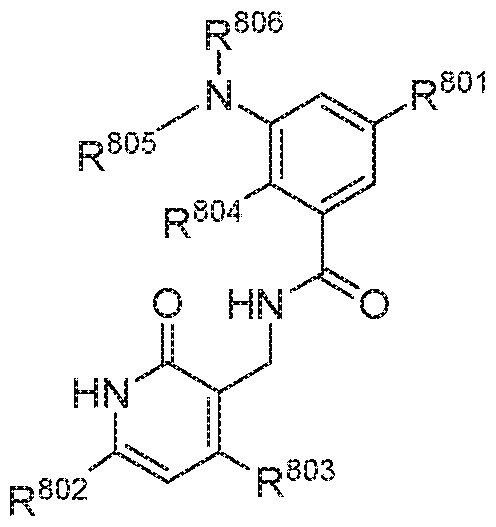


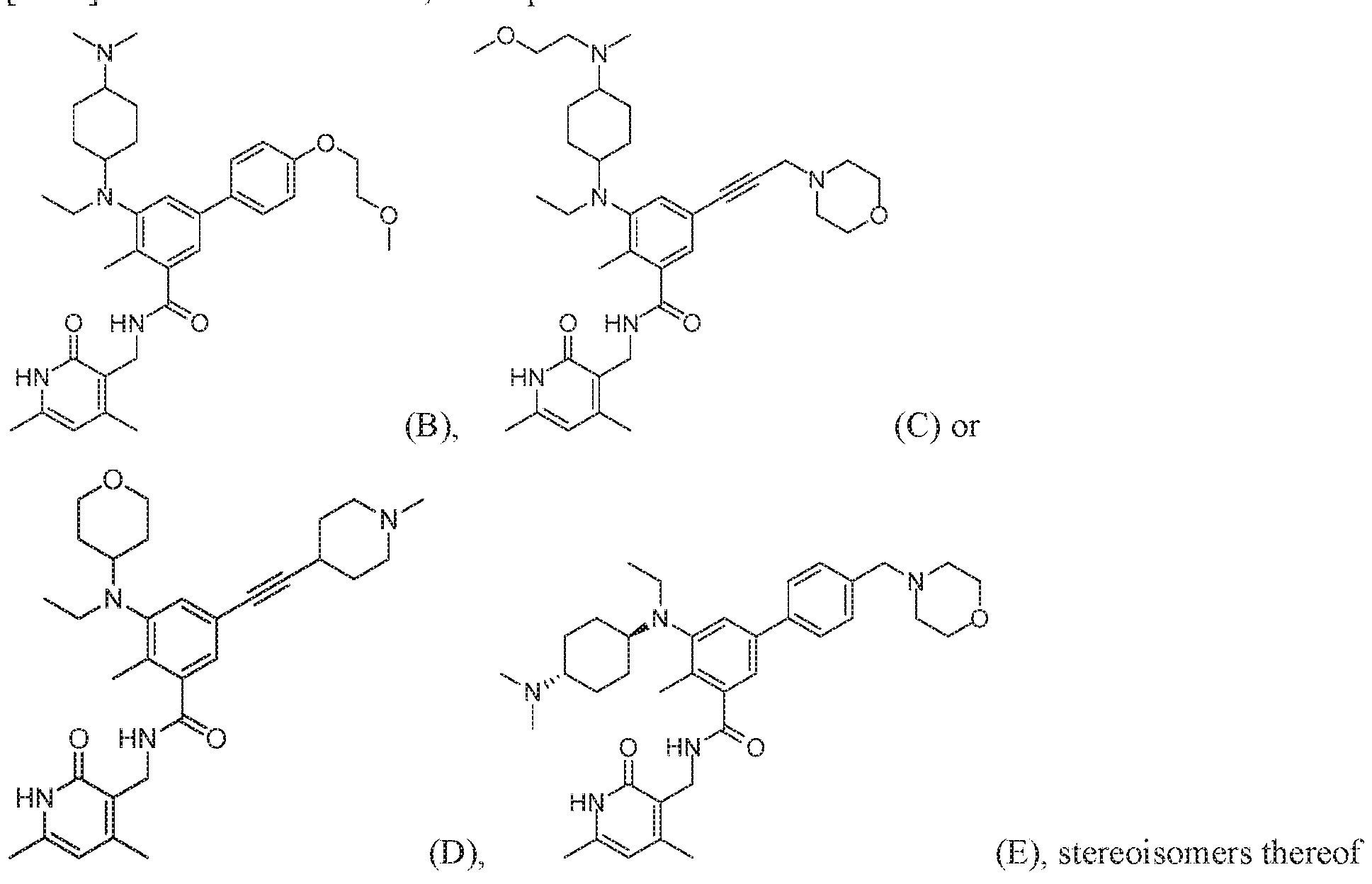


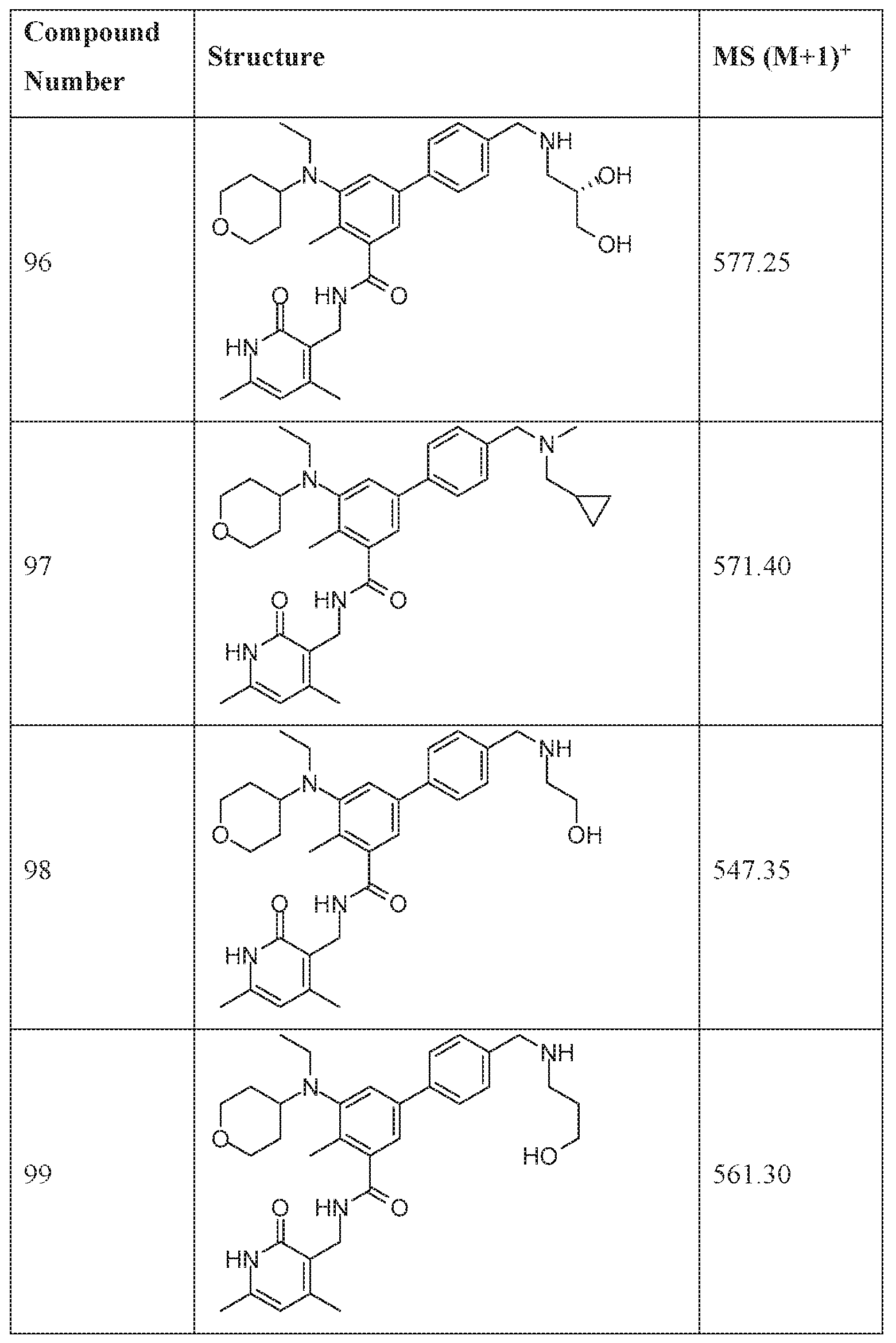


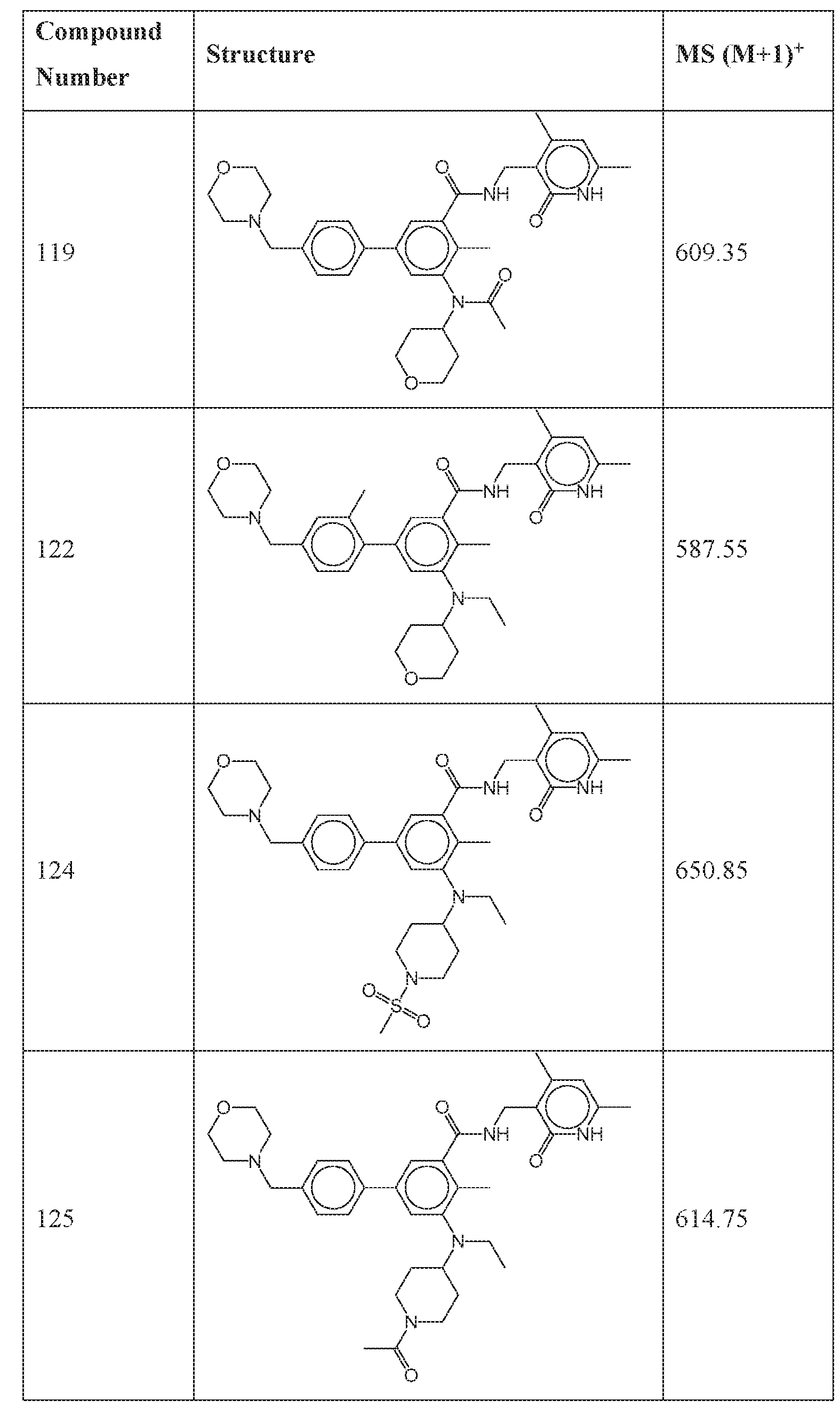
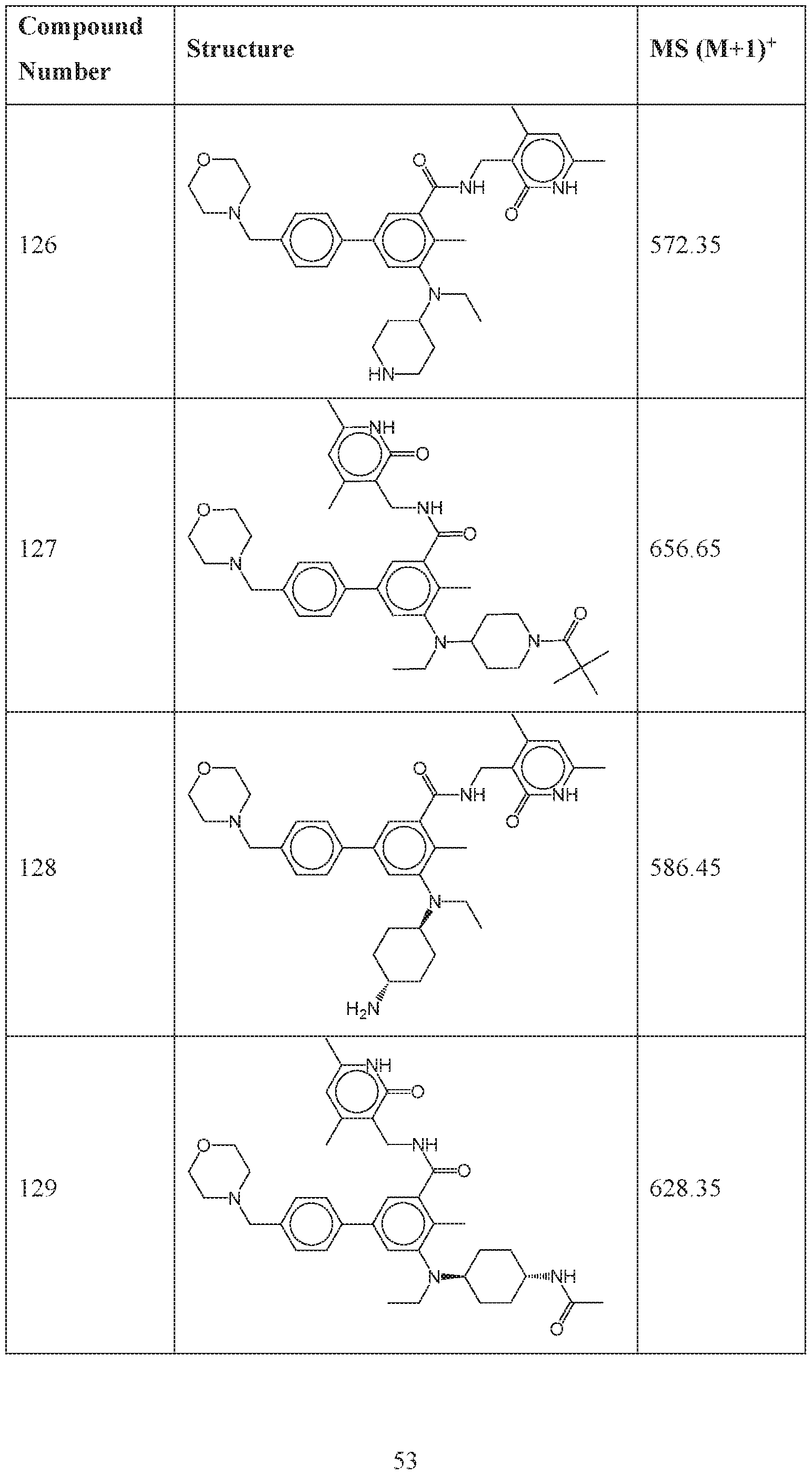
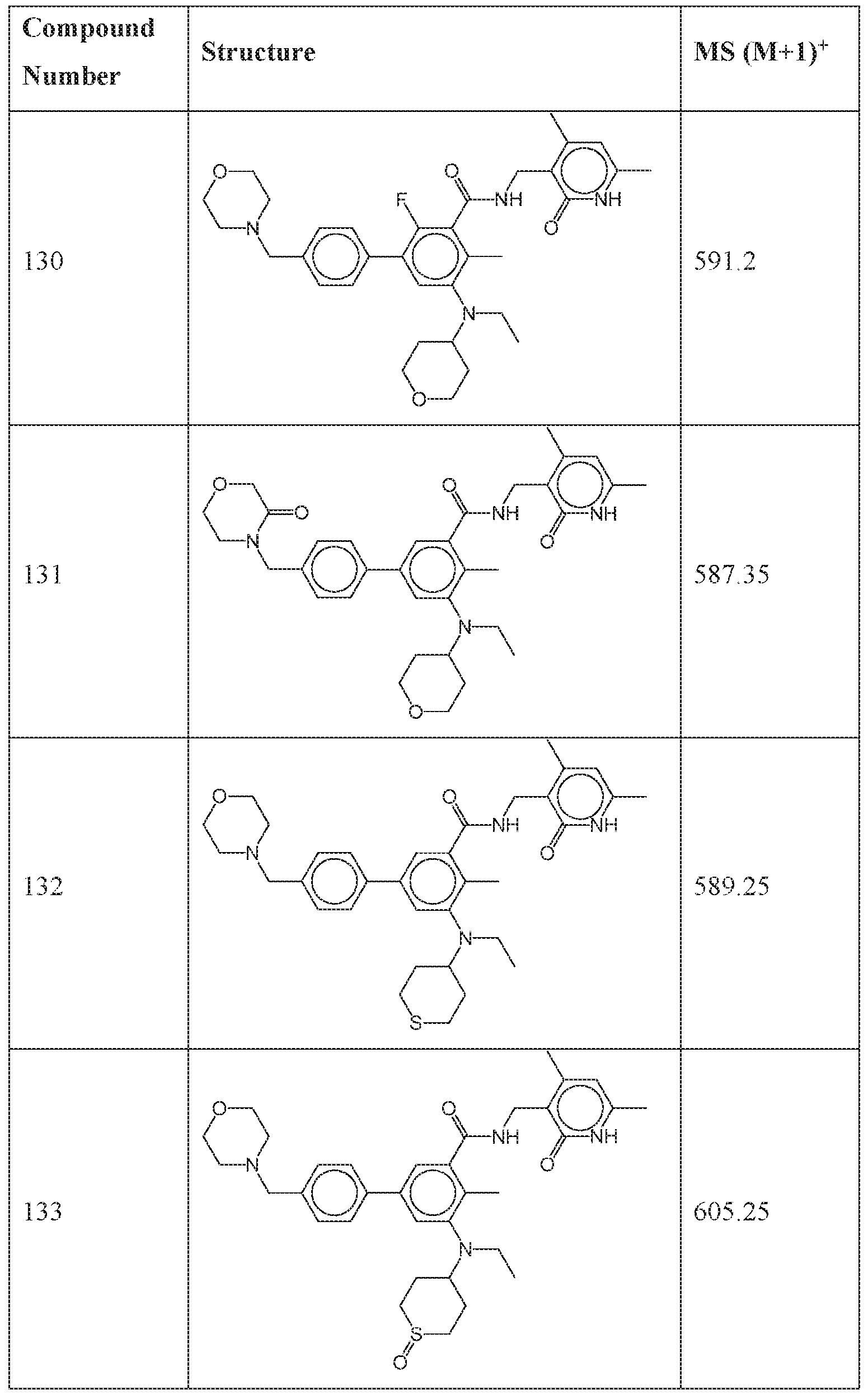


Claims
Priority Applications (6)
| Application Number | Priority Date | Filing Date | Title |
|---|---|---|---|
| AU2017211331A AU2017211331A1 (en) | 2016-01-29 | 2017-01-27 | Combination therapy for treating cancer |
| EP17744977.4A EP3407978A4 (en) | 2016-01-29 | 2017-01-27 | Combination therapy for treating cancer |
| JP2018539399A JP2019503391A (en) | 2016-01-29 | 2017-01-27 | Combination therapy to treat cancer |
| US16/073,558 US11951108B2 (en) | 2016-01-29 | 2017-01-27 | Combination therapy for treating cancer |
| CA3011186A CA3011186A1 (en) | 2016-01-29 | 2017-01-27 | Combination therapy for treating cancer |
| AU2022252738A AU2022252738A1 (en) | 2016-01-29 | 2022-10-12 | Combination therapy for treating cancer |
Applications Claiming Priority (2)
| Application Number | Priority Date | Filing Date | Title |
|---|---|---|---|
| US201662289050P | 2016-01-29 | 2016-01-29 | |
| US62/289,050 | 2016-01-29 |
Publications (1)
| Publication Number | Publication Date |
|---|---|
| WO2017132518A1 true WO2017132518A1 (en) | 2017-08-03 |
Family
ID=59398817
Family Applications (1)
| Application Number | Title | Priority Date | Filing Date |
|---|---|---|---|
| PCT/US2017/015352 Ceased WO2017132518A1 (en) | 2016-01-29 | 2017-01-27 | Combination therapy for treating cancer |
Country Status (6)
| Country | Link |
|---|---|
| US (1) | US11951108B2 (en) |
| EP (1) | EP3407978A4 (en) |
| JP (1) | JP2019503391A (en) |
| AU (2) | AU2017211331A1 (en) |
| CA (1) | CA3011186A1 (en) |
| WO (1) | WO2017132518A1 (en) |
Cited By (16)
| Publication number | Priority date | Publication date | Assignee | Title |
|---|---|---|---|---|
| WO2019050924A1 (en) | 2017-09-05 | 2019-03-14 | Epizyme, Inc. | Combination therapy for treating cancer |
| WO2019097369A1 (en) * | 2017-11-14 | 2019-05-23 | Pfizer Inc. | Ezh2 inhibitor combination therapies |
| WO2019108789A1 (en) * | 2017-11-29 | 2019-06-06 | The Trustees Of Columbia University In The City Of New York | Combination therapy of lymphoma |
| WO2019195443A1 (en) * | 2018-04-04 | 2019-10-10 | The Wistar Institute Of Anatomy And Biology | Methods of treating cancers overexpressing carm1 with ezh2 inhibitors and a parp inhibitor |
| WO2019231220A1 (en) * | 2018-05-30 | 2019-12-05 | (주)파로스아이비티 | Use of 2,3,5-substituted thiophene compound to prevent, ameliorate, or treat breast cancers |
| JP2020528880A (en) * | 2017-07-09 | 2020-10-01 | バイオサイト リミテッド | Combination cancer therapy |
| US10898490B2 (en) | 2015-08-24 | 2021-01-26 | Epizyme, Inc. | Method for treating cancer |
| EP3677284A4 (en) * | 2017-08-30 | 2021-05-19 | Chongqing Upgra Biological Sci.&Tech., Ltd. | Intermediate drug with synergistic anticancer activity and polyethylene glycol-coupled synergistic anticancer drug, and preparation method therefor and use thereof |
| CN112870366A (en) * | 2019-11-29 | 2021-06-01 | 江苏恒瑞医药股份有限公司 | New application of EZH2 inhibitor in preparation of tumor treatment drug |
| US11040027B2 (en) | 2017-01-17 | 2021-06-22 | Heparegenix Gmbh | Protein kinase inhibitors for promoting liver regeneration or reducing or preventing hepatocyte death |
| US11147819B2 (en) | 2016-06-17 | 2021-10-19 | Epizyme, Inc. | EZH2 inhibitors for treating cancer |
| US11602529B2 (en) | 2017-06-02 | 2023-03-14 | Epizyme, Inc. | Use of EZH2 inhibitors for treating cancer |
| US11642346B2 (en) | 2017-03-31 | 2023-05-09 | Epizyme, Inc. | Combination therapy for treating cancer |
| US11786533B2 (en) | 2016-06-01 | 2023-10-17 | Epizyme, Inc. | Use of EZH2 inhibitors for treating cancer |
| WO2024138655A1 (en) * | 2022-12-30 | 2024-07-04 | 清华大学 | Pharmaceutical composition and use thereof |
| US12162865B2 (en) | 2012-10-15 | 2024-12-10 | Epizyme, Inc. | Methods of treating cancer |
Families Citing this family (4)
| Publication number | Priority date | Publication date | Assignee | Title |
|---|---|---|---|---|
| JO3363B1 (en) | 2011-04-13 | 2019-03-13 | Epizyme Inc | Heterocyclic benzene compounds with aryl or aryl |
| WO2020264580A1 (en) * | 2019-06-26 | 2020-12-30 | The Board Of Regents Of The University Of Texas System | Use of inhibitors of enhancer of zeste homolog 2 |
| WO2022042527A1 (en) * | 2020-08-24 | 2022-03-03 | 北京大学 | Small-molecule drug for treating diseases related to inner ear and intestinal epithelial tissue injuries |
| US12161635B2 (en) | 2020-12-22 | 2024-12-10 | Case Western Reserve University | Compositions and methods of treating PIK3CA helical domain mutant cancers |
Citations (10)
| Publication number | Priority date | Publication date | Assignee | Title |
|---|---|---|---|---|
| US4522811A (en) | 1982-07-08 | 1985-06-11 | Syntex (U.S.A.) Inc. | Serial injection of muramyldipeptides and liposomes enhances the anti-infective activity of muramyldipeptides |
| US20030175736A1 (en) | 2001-08-02 | 2003-09-18 | The Regents Of The University Of Michigan | Expression profile of prostate cancer |
| WO2011140324A1 (en) | 2010-05-07 | 2011-11-10 | Glaxosmithkline Llc | Indoles |
| US20120264734A1 (en) | 2011-04-13 | 2012-10-18 | Kuntz Kevin W | Aryl- or Heteroaryl-Substituted Benzene Compounds |
| WO2013120104A2 (en) | 2012-02-10 | 2013-08-15 | Constellation Pharmaceuticals | Modulators of methyl modifying enzymes, compositions and uses thereof |
| WO2014124418A1 (en) | 2013-02-11 | 2014-08-14 | Constellation Pharmaceuticals, Inc. | Modulators of methyl modifying enzymes, compositions and uses thereof |
| US8895245B2 (en) | 2010-09-10 | 2014-11-25 | Epizyme, Inc. | Inhibitors of human EZH2 and methods of use thereof |
| WO2015128837A1 (en) * | 2014-02-26 | 2015-09-03 | Glaxosmithkline Intellectual Property (No.2) Limited | Methods of treating cancer patients responding to ezh2 inhibitor gsk126 |
| WO2015193768A1 (en) * | 2014-06-17 | 2015-12-23 | Pfizer Inc. | Aryl fused lactams as ezh2 modulators |
| WO2015195848A1 (en) * | 2014-06-17 | 2015-12-23 | Epizyme, Inc. | Ezh2 inhibitors for treating lymphoma |
Family Cites Families (34)
| Publication number | Priority date | Publication date | Assignee | Title |
|---|---|---|---|---|
| WO2009048958A2 (en) * | 2007-10-08 | 2009-04-16 | The Board Of Regents Of The University Of Texas System | Methods and compositions involving chitosan nanoparticles |
| ES2404812T3 (en) | 2009-05-14 | 2013-05-29 | Abb Technology Ag | Manufacturing procedure of a disc winding |
| US9175331B2 (en) * | 2010-09-10 | 2015-11-03 | Epizyme, Inc. | Inhibitors of human EZH2, and methods of use thereof |
| WO2012118812A2 (en) | 2011-02-28 | 2012-09-07 | Epizyme, Inc. | Substituted 6,5-fused bicyclic heteroaryl compounds |
| TW201733984A (en) | 2011-04-13 | 2017-10-01 | 雅酶股份有限公司 | Substituted benzene compounds |
| EP2836216B1 (en) | 2012-04-13 | 2022-06-08 | Epizyme, Inc. | Combination therapy for treating cancer |
| ES2617379T3 (en) | 2012-04-13 | 2017-06-16 | Epizyme, Inc. | Salt form of a human EZH2 histone methyltransferase inhibitor |
| KR20190105669A (en) * | 2012-10-15 | 2019-09-17 | 에피자임, 인코포레이티드 | Methods of treating cancer |
| BR112015008480A2 (en) | 2012-10-15 | 2017-07-04 | Epizyme Inc | substituted benzene compounds |
| CA2894222A1 (en) | 2012-12-21 | 2014-06-26 | Epizyme, Inc. | 1,4-pyridone bicyclic heteroaryl compounds |
| CA2894216A1 (en) | 2012-12-21 | 2014-06-26 | Epizyme, Inc. | 1,4-pyridone compounds |
| JP2016517434A (en) * | 2013-03-14 | 2016-06-16 | エピザイム,インコーポレイティド | Combination therapy to treat cancer |
| US9446064B2 (en) * | 2013-03-14 | 2016-09-20 | Epizyme, Inc. | Combination therapy for treating cancer |
| EP2968565A2 (en) | 2013-03-14 | 2016-01-20 | Genentech, Inc. | Methods of treating cancer and preventing cancer drug resistance |
| EP2970306A4 (en) | 2013-03-15 | 2016-08-03 | Epizyme Inc | SUBSTITUTED BICYCLIC HETEROARYL COMPOUNDS CONDENSED IN 6.5 |
| US20160031907A1 (en) | 2013-03-15 | 2016-02-04 | Epizyme, Inc. | Substituted Benzene Compounds |
| EP3022184B1 (en) | 2013-07-19 | 2017-09-27 | Epizyme, Inc. | Substituted benzene compounds |
| US9624205B2 (en) | 2013-07-19 | 2017-04-18 | Epizyme, Inc. | Substituted 6,5-fused bicyclic heteroaryl compounds |
| CN105593378B (en) * | 2013-10-09 | 2019-09-20 | 豪夫迈·罗氏有限公司 | Methods and compositions for detecting mutations in the human EZH2 gene |
| PE20161273A1 (en) | 2013-10-16 | 2016-12-18 | Epizyme Inc | SALINE FORM OF HYDROCHLORIDE FOR EZH2 INHIBITION |
| WO2015058125A1 (en) | 2013-10-18 | 2015-04-23 | Epizyme, Inc. | Method of treating cancer |
| MX373187B (en) | 2013-12-06 | 2020-04-13 | Epizyme Inc | COMBINATION THERAPY TO TREAT CANCER. |
| CN106456628A (en) | 2014-03-19 | 2017-02-22 | 无限药品股份有限公司 | Heterocyclic compounds for the treatment of PI3K‑γ-mediated disorders |
| EP3160940A4 (en) | 2014-06-25 | 2018-05-02 | Epizyme, Inc. | Substituted benzene and 6,5-fused bicyclic heteroaryl compounds |
| US20170232030A1 (en) * | 2014-08-13 | 2017-08-17 | Epizyme, Inc. | Combination therapy for treating cancer |
| CN106794177A (en) | 2014-10-16 | 2017-05-31 | Epizyme股份有限公司 | ways to treat cancer |
| KR102964530B1 (en) | 2014-11-17 | 2026-05-13 | 에피자임, 인코포레이티드 | Method for treating cancer |
| MX391720B (en) * | 2015-04-20 | 2025-03-21 | Epizyme Inc | COMBINATION THERAPY TO TREAT CANCER. |
| EA201890009A1 (en) | 2015-06-10 | 2018-07-31 | Эпизайм, Инк. | EZH2 INHIBITORS FOR TREATING LYMPHOMA |
| WO2017035234A1 (en) | 2015-08-24 | 2017-03-02 | Epizyme, Inc. | Method for treating cancer |
| US20180296563A1 (en) | 2015-09-25 | 2018-10-18 | Epizyme, Inc. | Method of treating malignant rhabdoid tumor of the ovary (mrto)/small cell cancer of the ovary of the hypercalcemic type(sccoht) with an ezh2 inhibitor |
| WO2017062495A2 (en) | 2015-10-06 | 2017-04-13 | Epizyme, Inc. | Method of treating medulloblastoma with an ezh2 inhibitor |
| WO2017079757A1 (en) | 2015-11-06 | 2017-05-11 | Epizyme, Inc. | Pediatric dosing for treatment of cancer with an ezh2 inhibitor |
| EP3386513A2 (en) | 2015-12-07 | 2018-10-17 | Epizyme Inc | Inhibitors of ezh2 and methods of use thereof |
-
2017
- 2017-01-27 US US16/073,558 patent/US11951108B2/en active Active
- 2017-01-27 EP EP17744977.4A patent/EP3407978A4/en not_active Withdrawn
- 2017-01-27 AU AU2017211331A patent/AU2017211331A1/en not_active Abandoned
- 2017-01-27 WO PCT/US2017/015352 patent/WO2017132518A1/en not_active Ceased
- 2017-01-27 CA CA3011186A patent/CA3011186A1/en active Pending
- 2017-01-27 JP JP2018539399A patent/JP2019503391A/en active Pending
-
2022
- 2022-10-12 AU AU2022252738A patent/AU2022252738A1/en not_active Abandoned
Patent Citations (12)
| Publication number | Priority date | Publication date | Assignee | Title |
|---|---|---|---|---|
| US4522811A (en) | 1982-07-08 | 1985-06-11 | Syntex (U.S.A.) Inc. | Serial injection of muramyldipeptides and liposomes enhances the anti-infective activity of muramyldipeptides |
| US20030175736A1 (en) | 2001-08-02 | 2003-09-18 | The Regents Of The University Of Michigan | Expression profile of prostate cancer |
| WO2011140324A1 (en) | 2010-05-07 | 2011-11-10 | Glaxosmithkline Llc | Indoles |
| US8536179B2 (en) | 2010-05-07 | 2013-09-17 | Glaxosmithkline Llc | Indoles |
| US8895245B2 (en) | 2010-09-10 | 2014-11-25 | Epizyme, Inc. | Inhibitors of human EZH2 and methods of use thereof |
| US20120264734A1 (en) | 2011-04-13 | 2012-10-18 | Kuntz Kevin W | Aryl- or Heteroaryl-Substituted Benzene Compounds |
| WO2013120104A2 (en) | 2012-02-10 | 2013-08-15 | Constellation Pharmaceuticals | Modulators of methyl modifying enzymes, compositions and uses thereof |
| US20150368229A1 (en) | 2012-02-10 | 2015-12-24 | Constellation Pharmaceuticals, Inc. | Modulators of methyl modifying enzymes, compositions and uses thereof |
| WO2014124418A1 (en) | 2013-02-11 | 2014-08-14 | Constellation Pharmaceuticals, Inc. | Modulators of methyl modifying enzymes, compositions and uses thereof |
| WO2015128837A1 (en) * | 2014-02-26 | 2015-09-03 | Glaxosmithkline Intellectual Property (No.2) Limited | Methods of treating cancer patients responding to ezh2 inhibitor gsk126 |
| WO2015193768A1 (en) * | 2014-06-17 | 2015-12-23 | Pfizer Inc. | Aryl fused lactams as ezh2 modulators |
| WO2015195848A1 (en) * | 2014-06-17 | 2015-12-23 | Epizyme, Inc. | Ezh2 inhibitors for treating lymphoma |
Non-Patent Citations (20)
| Title |
|---|
| "GenBank", Database accession no. NP_694543 |
| "Remington: the Science and Practice of Pharmacy", 1995, MACK PUBLISHING CO. |
| "Swiss-Prot", Database accession no. Q15910 |
| AUSUBEL ET AL.: "Current Protocols in Molecular Biology", 2005, JOHN WILEY AND SONS, INC. |
| CAHN ET AL., ANGEW. CHEM. INTER. EDIT., vol. 5, 1966, pages 385 |
| CAHN ET AL., ANGEW. CHEM., vol. 78, 1966, pages 413 |
| CAHN ET AL., EXPERIENTIA, vol. 12, 1956, pages 81 |
| CAHN, J., CHEM. EDUC., vol. 41, 1964, pages 116 |
| CAHNINGOLD, J. CHEM. SOC., 1951, pages 612 |
| CHEN ET AL., GENOMICS, vol. 38, 1996, pages 30 - 7 |
| COLIGAN ET AL.: "The Pharmacological Basis of Therapeutics (1975), Remington's Pharmaceutical Sciences", 1990, MACK PUBLISHING CO. |
| DONGJUN PENG ET AL.: "Epigenetic silencing of T 1-type chemokines shapes tumor immunity and immunotherapy", NATURE, vol. 527, no. 7577, 2015, pages 249 - 253, XP055312938, DOI: 10.1038/nature15520 |
| INGOLDPRELOG, SEQUENCE RULE OF CAHN |
| KLEER ET AL., PROC NATL ACAD SCI USA, vol. 100, no. 20, 2003, pages 11606 - 11 |
| LI ET AL., PROC NATL ACAD SCI U S A., vol. 100, no. 5, 2003, pages 2674 - 8 |
| ONKOLOGIE, vol. 27, 2004, pages 175 - 179 |
| PATANILAVOIE, CHEM. REV., vol. 96, 1996, pages 3147 - 3176 |
| SAMBROOK ET AL.: "Molecular Cloning, A Laboratory Manual", 2000, COLD SPRING HARBOR PRESS |
| See also references of EP3407978A4 |
| VARAMBALLY ET AL., NATURE, vol. 419, no. 6907, 2002, pages 624 - 9 |
Cited By (38)
| Publication number | Priority date | Publication date | Assignee | Title |
|---|---|---|---|---|
| US12162865B2 (en) | 2012-10-15 | 2024-12-10 | Epizyme, Inc. | Methods of treating cancer |
| US10898490B2 (en) | 2015-08-24 | 2021-01-26 | Epizyme, Inc. | Method for treating cancer |
| US11642349B2 (en) | 2015-08-24 | 2023-05-09 | Epizyme, Inc. | Method for treating cancer |
| US11786533B2 (en) | 2016-06-01 | 2023-10-17 | Epizyme, Inc. | Use of EZH2 inhibitors for treating cancer |
| US11147819B2 (en) | 2016-06-17 | 2021-10-19 | Epizyme, Inc. | EZH2 inhibitors for treating cancer |
| US11040027B2 (en) | 2017-01-17 | 2021-06-22 | Heparegenix Gmbh | Protein kinase inhibitors for promoting liver regeneration or reducing or preventing hepatocyte death |
| US11642346B2 (en) | 2017-03-31 | 2023-05-09 | Epizyme, Inc. | Combination therapy for treating cancer |
| US11602529B2 (en) | 2017-06-02 | 2023-03-14 | Epizyme, Inc. | Use of EZH2 inhibitors for treating cancer |
| JP2020528880A (en) * | 2017-07-09 | 2020-10-01 | バイオサイト リミテッド | Combination cancer therapy |
| JP7305613B2 (en) | 2017-07-09 | 2023-07-10 | バイオサイト リミテッド | Combination cancer therapy |
| JP2023082102A (en) * | 2017-07-09 | 2023-06-13 | バイオサイト リミテッド | Combination cancer therapy |
| EP3677284A4 (en) * | 2017-08-30 | 2021-05-19 | Chongqing Upgra Biological Sci.&Tech., Ltd. | Intermediate drug with synergistic anticancer activity and polyethylene glycol-coupled synergistic anticancer drug, and preparation method therefor and use thereof |
| US11484600B2 (en) | 2017-08-30 | 2022-11-01 | Chongqing Upgra Biotechnology Co., Ltd. | Intermediate drug with synergistic anticancer activity and polyethylene glycol-coupled synergistic anticancer drug, and preparation method therefor and use thereof |
| CN111093660A (en) * | 2017-09-05 | 2020-05-01 | Epizyme股份有限公司 | Combination therapy for the treatment of cancer |
| JP2020532556A (en) * | 2017-09-05 | 2020-11-12 | エピザイム,インコーポレイティド | Combination therapy to treat cancer |
| JP7399079B2 (en) | 2017-09-05 | 2023-12-15 | エピザイム,インコーポレイティド | Combination therapy to treat cancer |
| EP3678663A4 (en) * | 2017-09-05 | 2021-06-02 | Epizyme, Inc. | COMBINATION THERAPY FOR TREATMENT OF CANCER |
| WO2019050924A1 (en) | 2017-09-05 | 2019-03-14 | Epizyme, Inc. | Combination therapy for treating cancer |
| US11452727B2 (en) | 2017-09-05 | 2022-09-27 | Epizyme, Inc. | Combination therapy for treating cancer |
| CN111356478A (en) * | 2017-11-14 | 2020-06-30 | 辉瑞大药厂 | EZH2 inhibitor combination therapy |
| JP2019116465A (en) * | 2017-11-14 | 2019-07-18 | ファイザー・インク | Ezh2 inhibitor combinational therapy |
| WO2019097369A1 (en) * | 2017-11-14 | 2019-05-23 | Pfizer Inc. | Ezh2 inhibitor combination therapies |
| RU2754131C1 (en) * | 2017-11-14 | 2021-08-27 | Пфайзер Инк. | Combined therapy with ezh2 inhibitor |
| US11529344B2 (en) | 2017-11-14 | 2022-12-20 | Pfizer Inc. | EZH2 inhibitor combination therapies |
| JP7201400B2 (en) | 2017-11-14 | 2023-01-10 | ファイザー・インク | EZH2 inhibitor combination therapy |
| TWI698238B (en) * | 2017-11-14 | 2020-07-11 | 美商輝瑞股份有限公司 | Ezh2 inhibitor combination therapies |
| WO2019108789A1 (en) * | 2017-11-29 | 2019-06-06 | The Trustees Of Columbia University In The City Of New York | Combination therapy of lymphoma |
| US11597933B2 (en) | 2017-11-29 | 2023-03-07 | The Trustees Of Columbia University In The City Of New York | Combination therapy of lymphoma |
| WO2019195443A1 (en) * | 2018-04-04 | 2019-10-10 | The Wistar Institute Of Anatomy And Biology | Methods of treating cancers overexpressing carm1 with ezh2 inhibitors and a parp inhibitor |
| US20210023077A1 (en) * | 2018-04-04 | 2021-01-28 | The Wistar Institut of Anatomy and Biology | Methods of treating cancers overexpressing carm1 with ezh2 inhibitors and a parp inhibitor |
| US12036222B2 (en) | 2018-04-04 | 2024-07-16 | The Wistar Institut of Anatomy and Biology | Methods of treating cancers overexpressing CARM1 with EZH2 inhibitors and a PARP inhibitor |
| WO2019231220A1 (en) * | 2018-05-30 | 2019-12-05 | (주)파로스아이비티 | Use of 2,3,5-substituted thiophene compound to prevent, ameliorate, or treat breast cancers |
| JP7041322B2 (en) | 2018-05-30 | 2022-03-23 | ファロス・アイバイオ・カンパニー・リミテッド | 2,3,5-substituted thiophene compounds for the prevention, amelioration or treatment of breast cancer |
| US11938123B2 (en) | 2018-05-30 | 2024-03-26 | Pharos Ibio Co., Ltd. | Use of 2,3,5-substituted thiophene compound to prevent, ameliorate, or treat breast cancers |
| JP2021525284A (en) * | 2018-05-30 | 2021-09-24 | ファロス・アイバイオ・カンパニー・リミテッド | 2,3,5-substituted thiophene compounds for the prevention, amelioration or treatment of breast cancer |
| CN112870366A (en) * | 2019-11-29 | 2021-06-01 | 江苏恒瑞医药股份有限公司 | New application of EZH2 inhibitor in preparation of tumor treatment drug |
| CN112870366B (en) * | 2019-11-29 | 2023-01-24 | 江苏恒瑞医药股份有限公司 | New application of EZH2 inhibitor in preparation of tumor treatment medicines |
| WO2024138655A1 (en) * | 2022-12-30 | 2024-07-04 | 清华大学 | Pharmaceutical composition and use thereof |
Also Published As
| Publication number | Publication date |
|---|---|
| US20190151325A1 (en) | 2019-05-23 |
| CA3011186A1 (en) | 2017-08-03 |
| EP3407978A1 (en) | 2018-12-05 |
| AU2022252738A1 (en) | 2022-11-03 |
| EP3407978A4 (en) | 2020-01-15 |
| JP2019503391A (en) | 2019-02-07 |
| AU2017211331A1 (en) | 2018-06-07 |
| US11951108B2 (en) | 2024-04-09 |
Similar Documents
| Publication | Publication Date | Title |
|---|---|---|
| JP7759910B2 (en) | Combination Therapies for Treating Cancer | |
| US20240277721A1 (en) | Combination therapy for treating cancer | |
| US11951108B2 (en) | Combination therapy for treating cancer | |
| US20240293418A1 (en) | Combination therapy for treating cancer | |
| US20200101081A1 (en) | Combination therapy for treating cancer | |
| WO2014153001A1 (en) | Combination therapy for treating cancer | |
| HK40089826A (en) | Combination therapy for treating cancer | |
| WO2021053493A1 (en) | Compositions for use in inhibiting src kinase and treating and preventing associated disorders |
Legal Events
| Date | Code | Title | Description |
|---|---|---|---|
| 121 | Ep: the epo has been informed by wipo that ep was designated in this application |
Ref document number: 17744977 Country of ref document: EP Kind code of ref document: A1 |
|
| ENP | Entry into the national phase |
Ref document number: 2017211331 Country of ref document: AU Date of ref document: 20170127 Kind code of ref document: A |
|
| WWE | Wipo information: entry into national phase |
Ref document number: 3011186 Country of ref document: CA |
|
| ENP | Entry into the national phase |
Ref document number: 2018539399 Country of ref document: JP Kind code of ref document: A |
|
| NENP | Non-entry into the national phase |
Ref country code: DE |
|
| WWE | Wipo information: entry into national phase |
Ref document number: 2017744977 Country of ref document: EP |
|
| ENP | Entry into the national phase |
Ref document number: 2017744977 Country of ref document: EP Effective date: 20180829 |
|
| WWW | Wipo information: withdrawn in national office |
Ref document number: 2017744977 Country of ref document: EP |