WO2017151741A1 - Application of porous materials for bacterial quorum sensing inhibition/disruption - Google Patents
Application of porous materials for bacterial quorum sensing inhibition/disruption Download PDFInfo
- Publication number
- WO2017151741A1 WO2017151741A1 PCT/US2017/020155 US2017020155W WO2017151741A1 WO 2017151741 A1 WO2017151741 A1 WO 2017151741A1 US 2017020155 W US2017020155 W US 2017020155W WO 2017151741 A1 WO2017151741 A1 WO 2017151741A1
- Authority
- WO
- WIPO (PCT)
- Prior art keywords
- clay
- quorum sensing
- bacteria
- adsorbent
- environment
- Prior art date
- Legal status (The legal status is an assumption and is not a legal conclusion. Google has not performed a legal analysis and makes no representation as to the accuracy of the status listed.)
- Ceased
Links
Classifications
-
- A—HUMAN NECESSITIES
- A01—AGRICULTURE; FORESTRY; ANIMAL HUSBANDRY; HUNTING; TRAPPING; FISHING
- A01N—PRESERVATION OF BODIES OF HUMANS OR ANIMALS OR PLANTS OR PARTS THEREOF; BIOCIDES, e.g. AS DISINFECTANTS, AS PESTICIDES OR AS HERBICIDES; PEST REPELLANTS OR ATTRACTANTS; PLANT GROWTH REGULATORS
- A01N25/00—Biocides, pest repellants or attractants, or plant growth regulators, characterised by their forms, or by their non-active ingredients or by their methods of application, e.g. seed treatment or sequential application; Substances for reducing the noxious effect of the active ingredients to organisms other than pests
-
- C—CHEMISTRY; METALLURGY
- C12—BIOCHEMISTRY; BEER; SPIRITS; WINE; VINEGAR; MICROBIOLOGY; ENZYMOLOGY; MUTATION OR GENETIC ENGINEERING
- C12N—MICROORGANISMS OR ENZYMES; COMPOSITIONS THEREOF; PROPAGATING, PRESERVING, OR MAINTAINING MICROORGANISMS; MUTATION OR GENETIC ENGINEERING; CULTURE MEDIA
- C12N1/00—Microorganisms; Compositions thereof; Processes of propagating, maintaining or preserving microorganisms or compositions thereof; Processes of preparing or isolating a composition containing a microorganism; Culture media therefor
- C12N1/20—Bacteria; Culture media therefor
-
- A—HUMAN NECESSITIES
- A01—AGRICULTURE; FORESTRY; ANIMAL HUSBANDRY; HUNTING; TRAPPING; FISHING
- A01N—PRESERVATION OF BODIES OF HUMANS OR ANIMALS OR PLANTS OR PARTS THEREOF; BIOCIDES, e.g. AS DISINFECTANTS, AS PESTICIDES OR AS HERBICIDES; PEST REPELLANTS OR ATTRACTANTS; PLANT GROWTH REGULATORS
- A01N59/00—Biocides, pest repellants or attractants, or plant growth regulators containing elements or inorganic compounds
- A01N59/06—Aluminium; Calcium; Magnesium; Compounds thereof
-
- A—HUMAN NECESSITIES
- A01—AGRICULTURE; FORESTRY; ANIMAL HUSBANDRY; HUNTING; TRAPPING; FISHING
- A01N—PRESERVATION OF BODIES OF HUMANS OR ANIMALS OR PLANTS OR PARTS THEREOF; BIOCIDES, e.g. AS DISINFECTANTS, AS PESTICIDES OR AS HERBICIDES; PEST REPELLANTS OR ATTRACTANTS; PLANT GROWTH REGULATORS
- A01N59/00—Biocides, pest repellants or attractants, or plant growth regulators containing elements or inorganic compounds
- A01N59/16—Heavy metals; Compounds thereof
- A01N59/20—Copper
-
- A—HUMAN NECESSITIES
- A01—AGRICULTURE; FORESTRY; ANIMAL HUSBANDRY; HUNTING; TRAPPING; FISHING
- A01N—PRESERVATION OF BODIES OF HUMANS OR ANIMALS OR PLANTS OR PARTS THEREOF; BIOCIDES, e.g. AS DISINFECTANTS, AS PESTICIDES OR AS HERBICIDES; PEST REPELLANTS OR ATTRACTANTS; PLANT GROWTH REGULATORS
- A01N63/00—Biocides, pest repellants or attractants, or plant growth regulators containing microorganisms, viruses, microbial fungi, animals or substances produced by, or obtained from, microorganisms, viruses, microbial fungi or animals, e.g. enzymes or fermentates
-
- A—HUMAN NECESSITIES
- A01—AGRICULTURE; FORESTRY; ANIMAL HUSBANDRY; HUNTING; TRAPPING; FISHING
- A01N—PRESERVATION OF BODIES OF HUMANS OR ANIMALS OR PLANTS OR PARTS THEREOF; BIOCIDES, e.g. AS DISINFECTANTS, AS PESTICIDES OR AS HERBICIDES; PEST REPELLANTS OR ATTRACTANTS; PLANT GROWTH REGULATORS
- A01N63/00—Biocides, pest repellants or attractants, or plant growth regulators containing microorganisms, viruses, microbial fungi, animals or substances produced by, or obtained from, microorganisms, viruses, microbial fungi or animals, e.g. enzymes or fermentates
- A01N63/50—Isolated enzymes; Isolated proteins
-
- A—HUMAN NECESSITIES
- A23—FOODS OR FOODSTUFFS; TREATMENT THEREOF, NOT COVERED BY OTHER CLASSES
- A23B—PRESERVATION OF FOODS, FOODSTUFFS OR NON-ALCOHOLIC BEVERAGES; CHEMICAL RIPENING OF FRUIT OR VEGETABLES
- A23B2/00—Preservation of foods or foodstuffs, in general
- A23B2/70—Preservation of foods or foodstuffs, in general by treatment with chemicals
- A23B2/725—Preservation of foods or foodstuffs, in general by treatment with chemicals in the form of liquids or solids
- A23B2/788—Inorganic compounds
-
- A—HUMAN NECESSITIES
- A61—MEDICAL OR VETERINARY SCIENCE; HYGIENE
- A61K—PREPARATIONS FOR MEDICAL, DENTAL OR TOILETRY PURPOSES
- A61K33/00—Medicinal preparations containing inorganic active ingredients
- A61K33/06—Aluminium, calcium or magnesium; Compounds thereof, e.g. clay
- A61K33/12—Magnesium silicate
-
- A—HUMAN NECESSITIES
- A61—MEDICAL OR VETERINARY SCIENCE; HYGIENE
- A61K—PREPARATIONS FOR MEDICAL, DENTAL OR TOILETRY PURPOSES
- A61K38/00—Medicinal preparations containing peptides
- A61K38/16—Peptides having more than 20 amino acids; Gastrins; Somatostatins; Melanotropins; Derivatives thereof
- A61K38/43—Enzymes; Proenzymes; Derivatives thereof
- A61K38/46—Hydrolases (3)
- A61K38/47—Hydrolases (3) acting on glycosyl compounds (3.2), e.g. cellulases, lactases
-
- A—HUMAN NECESSITIES
- A61—MEDICAL OR VETERINARY SCIENCE; HYGIENE
- A61P—SPECIFIC THERAPEUTIC ACTIVITY OF CHEMICAL COMPOUNDS OR MEDICINAL PREPARATIONS
- A61P17/00—Drugs for dermatological disorders
-
- A—HUMAN NECESSITIES
- A61—MEDICAL OR VETERINARY SCIENCE; HYGIENE
- A61P—SPECIFIC THERAPEUTIC ACTIVITY OF CHEMICAL COMPOUNDS OR MEDICINAL PREPARATIONS
- A61P31/00—Antiinfectives, i.e. antibiotics, antiseptics, chemotherapeutics
- A61P31/02—Local antiseptics
-
- A—HUMAN NECESSITIES
- A61—MEDICAL OR VETERINARY SCIENCE; HYGIENE
- A61P—SPECIFIC THERAPEUTIC ACTIVITY OF CHEMICAL COMPOUNDS OR MEDICINAL PREPARATIONS
- A61P31/00—Antiinfectives, i.e. antibiotics, antiseptics, chemotherapeutics
- A61P31/04—Antibacterial agents
-
- C—CHEMISTRY; METALLURGY
- C12—BIOCHEMISTRY; BEER; SPIRITS; WINE; VINEGAR; MICROBIOLOGY; ENZYMOLOGY; MUTATION OR GENETIC ENGINEERING
- C12Q—MEASURING OR TESTING PROCESSES INVOLVING ENZYMES, NUCLEIC ACIDS OR MICROORGANISMS; COMPOSITIONS OR TEST PAPERS THEREFOR; PROCESSES OF PREPARING SUCH COMPOSITIONS; CONDITION-RESPONSIVE CONTROL IN MICROBIOLOGICAL OR ENZYMOLOGICAL PROCESSES
- C12Q1/00—Measuring or testing processes involving enzymes, nucleic acids or microorganisms; Compositions therefor; Processes of preparing such compositions
- C12Q1/68—Measuring or testing processes involving enzymes, nucleic acids or microorganisms; Compositions therefor; Processes of preparing such compositions involving nucleic acids
-
- C—CHEMISTRY; METALLURGY
- C12—BIOCHEMISTRY; BEER; SPIRITS; WINE; VINEGAR; MICROBIOLOGY; ENZYMOLOGY; MUTATION OR GENETIC ENGINEERING
- C12Y—ENZYMES
- C12Y302/00—Hydrolases acting on glycosyl compounds, i.e. glycosylases (3.2)
- C12Y302/01—Glycosidases, i.e. enzymes hydrolysing O- and S-glycosyl compounds (3.2.1)
- C12Y302/01017—Lysozyme (3.2.1.17)
Definitions
- This application relates to the modulation of the flora of bacteria in an environment by inhibiting or interfering with the quorum sensing ("QS") of a specific targeted genus or species of bacteria in said environment by administering an effective amount of a quorum sensing control composition comprising at least one quorum sensing control agent, which is an adsorbent and/or catalytic inhibitor (hereafter "adsorbent/catalytic inhibitor") for a QS signal molecule secreted by the targeted bacteria, such as, for example, N-acyl homoserine lactones (AHL), a pseudomonas quinolone signal (“PQS”), an autoinducer-1 (“AI-1) signal, or an autoinducer-2 (“AI-2”) signal; this inhibition of or interference with the bacterial cell-to-cell communication is referred to as quorum quenching ("QQ").
- QQ quorum quenching
- This application further relates to quorum sensing control compositions comprising at least one quorum sensing control agent (i.e. , an adsorbent/catalytic inhibitor) for a QS signal molecule, such as, for example, an AHL, a PQS, AI-1 signal, or an AI-2 signal and an inert carrier, and to methods for their preparation.
- a quorum sensing control agent i.e. , an adsorbent/catalytic inhibitor
- a QS signal molecule such as, for example, an AHL, a PQS, AI-1 signal, or an AI-2 signal and an inert carrier
- Quorum sensing is a cell-to-cell communication system that allows bacteria to control features such as biofilm formation, bioluminescence, and virulence.
- Bacteria communicate using chemical signal molecules called auto inducers ("AIs"), which are produced continuously inside the bacterial cell and are subsequently secreted in the extracellular environment. When the concentration of the signal molecules reaches a threshold value, these AIs go back into the cells and regulate the gene expression to help bacteria adapt to the environmental changes.
- AIs auto inducers
- Such bacterial QS signal systems Such a regulatory system is termed as bacterial QS signal systems.
- QS enables unicellular bacteria to mimic multicellular organisms to accomplish certain behaviors that cannot be accomplished when they are unicellular individuals.
- Quorum sensing enables bacteria to coordinate behavior with surrounding and community levels through the regulation of gene expression.
- activities that QS coordinates in a given population of bacteria include generation of antibiotics, bioluminescence, regulation of nitrogen-fixing gene, conjugal transfer of Ti plasmid, expression of virulent gene, pigment generation, bacterial swarming, and the formation of biofilms.
- An advantage of an approach that involves interfering with the regulation of quorum sensing in bacteria is that this approach does not interfere with normal physiological functions of bacterial cells in vivo, and thus, will not prompt bacteria to develop resistance.
- administering bacterial quorum-sensing inhibitors alone or in combination with antibiotics or other antimicrobial agents susceptible to the formation of bacterial resistance can mitigate the development of resistance or serve as an alternative to current antibiotic or antimicrobial therapy used to eliminate or treat diseases caused by bacteria.
- V. harveyi is a common pathogen causing vibriosis, a major disease of fish and shellfish (e.g., crustaceans, mollusks etc.), resulting in serious productivity and economic losses for aquaculture industry.
- the production of extracellular virulence products by V. harveyi has been identified as one of the factors responsible for its pathogenesis.
- luminescence initially lags well behind growth and subsequently increases at a significantly faster rate after the autoinducers have accumulated in the medium.
- AI-1 signal is used for intra species communication and the AI-2 signal is used for interspecies communication. M. J. Federle and B. L. Bassler, J. Clin Invest., 2003, 1 12(9): 1291-1299.
- Bacillus proteus Bacillus proteus, Burkholderia cenocepacia, Pseudomonas aeruginosa, Bacillus dysenteriae, Bacillus pneumoniae, Brucella, Haemophilus influenzae, Hemophilus parainfluenzae, Moraxella catarrhalis, Acinetobacter, Yersinia, Legionella pneumophila, Bordetella pertussis, Bordetella parapertussis, Shigella spp., Pasteur ella, Vibrio cholerae, and Vibrio Parahemolyticus, could be treated by administering agents that inhibit or interfere with bacterial QS alone or in combination with antibiotics or other antibacterial agents.
- diseases caused by drug-resistant Gram- negative bacteria such as C. difficile, which exhibit resistance to current antibiotic treatments, could also be treated by administering effective amounts of an agent that inhibits or interferes with bacterial QS alone or in combination with antibiotics or other antibacterial agents to treat, for example, an animal, whether it be a human, companion animal, or production animal, or a food crop, in need of such treatment.
- Gram-negative bacteria cause diseases in plants and these diseases could also be treated by administering agents that inhibit or interfere with bacterial QS alone or in combination with antibiotics or other antibacterial agents.
- Examples of Gram-negative bacteria that cause diseases in plant include, for example, Agrobacterium tumefaciens, Pantoea stewartii, Erwinia carotovora, Ralstonia solanacearum, Pseudomonas syringae, Pseudomonas aeruginosa, and Xanthomonas campestris. (S. B. von Bodman, et al, Annu. Rev. Phytopathol, 2003, 41 :455-82).
- Bacteria can exist as a single independent cell or in the form of sessile aggregates commonly referred to as the biofilm.
- the shift of bacteria from single nomadic to an aggregate community occurs through quorum sensing signaling. Once formed, the aggregate community will start forming a biofilm, which about 80% of the time will cause an infection in the host, because the newly formed biofilm will turn on a virulence pathway in the bacteria.
- the microenvironment that attaches the bacteria to the host surface contains excreted enzymes that allow the bacteria to evade host immune responses including antibodies, intracellular pathogenesis, antigenic variation, and cellular immune responses.
- Biofilms cause a significant amount of all human microbial infections, for example, in the U.S., hospital acquired (nosocomial) infections are the fourth leading cause of infections with 2 million cases annually (or 10% of American hospital patients) leading to more than $5 billion in added medical cost per annum. About 60-70% of nosocomial infections are associated with some type of implanted medical device. It is estimated that over 5 million medical devices or implants are used per annum in the U.S. alone.
- Microbial infections have been observed on most, if not all, such devices, including: prosthetic heart valves, orthopedic implants, intravascular catheters, artificial hearts, left ventricular assist devices, cardiac pacemakers, vascular prostheses, cerebrospinal fluid shunts, urinary catheters, ocular prostheses and contact lenses, and intrauterine contraceptive devices.
- prosthetic heart valves orthopedic implants, intravascular catheters, artificial hearts, left ventricular assist devices, cardiac pacemakers, vascular prostheses, cerebrospinal fluid shunts, urinary catheters, ocular prostheses and contact lenses, and intrauterine contraceptive devices.
- QS signal molecules have also been associated with the spoilage of food stuffs such as vegetable and meat products (e.g., beef, lamb etc.) (V. Blana and G. Nychas, International Journal of Food Microbiology, 2014, 173: 1-8).
- QS disruption or quenching of QS molecules have a potential role in food processing.
- AIs secreted by bacteria include following AHLs, PQS, AI-1, and AI-2 class of molecules:
- US 2015/0238475 Al also provides for compounds that inhibit QS in gram-negative bacteria and teaches methods for treating an infection in a host containing said bacteria.
- US 2016/0002184 Al discloses compounds of the formula: as being bacterial quorum sensing inhibitors and provides for methods for the prevention and/or treatment of a disease caused by a bacterial infection.
- compositions comprising clays as being useful in treating diseases in animals by adsorbing toxins or in treating diseases.
- WO 2010/028215 describes a modified fish food comprising a fish or shrimp fed material; an acidulant; and a clay material, which is reported to be effective in adsorbing aflatoxins.
- US 2011/0033576 describes compositions comprising yeast cell and/or yeast cell components with an altered cell wall structure (e.g., a clay or clay component interlaced into the cell wall) to sequester bacteria and toxins.
- US 2014/0099373 provides for methods of treating enteric disease such as those cause by Clostridium bacteria in an animal which comprises administering a mixture comprising a clay, a yeast, a yeast product or a yeast-like product to the animal.
- US 2016/0030475 provides for treating early mortality syndrome/acute hepatopancreatic necrosis disease in an animal in need thereof by administer a clay or a clay blend to an animal. None of these above-mentioned publications discusses using compositions comprising clays to modulate QS in bacteria.
- FIGs 1A, IB and 1C illustrate the results observed using Calibrin ® Z clay to disrupt QS in V. harveyi.
- Calibrin ® Z clay was added directly to V. harveyi bacterial culture, and bacterial luminescence and number of bacteria was monitored over time.
- FIGS 2A, IB and 2C illustrate the results observed when four different adsorbent/ catalytic inhibitors, Calibrin ® Z (A), Cu-Calibrin ® Z (B), H-Calibrin ® Z (C) and activated carbon (D) were used to disrupt QS in V. harveyi.
- the adsorbent/catalytic inhibitors were added directly to V. harveyi bacterial culture, and bacterial luminescence and number of bacteria were monitored over time.
- Figures 3A and 3B illustrate the results observed in in vitro experiments using Calibrin ® Z clay to disrupt QS in V. harveyi under different conditions, where bacterial luminescence and number of bacteria were monitored over time.
- FIGs 4A and 4B illustrate the results observed when four different adsorbent/ catalytic inhibitors, Calibrin ® Z (A), Cu-Calibrin ® Z (B), H-Calibrin ® Z (C) and activated carbon (D) were used to disrupt QS in V. harveyi in in vitro experiments under different conditions, where bacterial luminescence and number of bacteria were monitored over time.
- the present invention relates to a method for modulating the flora of bacteria in an environment by inhibiting or interfering with the quorum sensing of a specific bacteria in said environment which comprises administering an effective amount of a quorum sensing control composition comprising at least one quorum sensing control agent, which is an adsorbent/catalytic inhibitor for a QS signal sensing molecule, and optionally an inert carrier to said environment.
- a quorum sensing control composition comprising at least one quorum sensing control agent, which is an adsorbent/catalytic inhibitor for a QS signal sensing molecule, and optionally an inert carrier to said environment.
- the present invention further relates to a method for modulating the flora of bacteria in an environment by inhibiting or interfering with the quorum sensing of a specific bacteria in said environment, which comprises identifying the bacteria for which the quorum sensing is to be inhibited and administering an effective amount of a quorum sensing control composition comprising at least one quorum sensing control agent, which is an adsorbent/catalytic inhibitor of a QS signal sensing molecule, which include, for example, a AHL, PQS, AI-1 signal, or AI-2 signal, and optionally an inert carrier.
- a quorum sensing control composition comprising at least one quorum sensing control agent, which is an adsorbent/catalytic inhibitor of a QS signal sensing molecule, which include, for example, a AHL, PQS, AI-1 signal, or AI-2 signal, and optionally an inert carrier.
- Applicants have found that placing materials that exhibit adsorption/catalytic activity for AHLs, PQS, an AI-1 signal, or an AI-2 signal in an environment where the specific bacteria reside will specifically disrupt the quorum sensing of said bacteria (e.g., Clostridium sp. (for example, C. perfringens or C. difficile), Escherichia sp. (for example, E. coli), Pseudomonas sp. (for example, P. aeruginosa), Salmonella sp. (for example, S. typhimurium), or Vibrio sp. (for example, V. harveyi)), thereby reducing the negative consequences of these bacteria while not affecting the remaining bacteria.
- Clostridium sp. for example, C. perfringens or C. difficile
- Escherichia sp. for example, E. coli
- Pseudomonas sp. for example, P. aeruginosa
- the present invention in an embodiment, provides for a method of modulating the flora of bacteria in an environment where the targeted bacteria are indirectly reduced as they are not stimulated to reproduce or engage in activities adverse to their host by the quorum sensing communication and continue to lead a nomadic or harmless lifestyle to the host.
- the amount of the remaining (or "good") bacteria is either not affected or will increases due to the specificity of the added materials only against the specific AIs secreted by pathogenic bacteria.
- moduleating refers to decreasing the population of select, undesirable bacteria in the flora or keeping the amount of select, undesirable bacteria in the flora at a level where they will continue to lead a nomadic or harmless lifestyle and keeping constant or increasing the population of desirable bacteria.
- the present invention further provides for a method for inhibiting or treating unwanted bacterial growth in foodstuffs of vegetable or animal origin (e.g., beef, pigs, lamb, poultry (e.g., chickens, ducks, geese and guinea fowl, etc.) and seafood (e.g., fish and shellfish (including shrimp and other crustaceans), thereby reducing spoilage, which comprises adding an effective amount of a quorum sensing control composition comprising at least one quorum sensing control agent, which is an adsorption/catalytic inhibitor for AHLs, PQS, an AI-1 signal, or an AI-2 signal to the foodstuffs of animal or vegetable origin.
- a quorum sensing control composition comprising at least one quorum sensing control agent, which is an adsorption/catalytic inhibitor for AHLs, PQS, an AI-1 signal, or an AI-2 signal to the foodstuffs of animal or vegetable origin.
- the present invention further provides for a method for preventing or treating vibriosis in fish or shellfish (e.g., shrimp) in need thereof by inhibiting the quorum sensing of Vibrio sp. (for example, V. harveyi) in an aqueous environment (e.g., aquaculture) where said fish or shellfish reside which comprises administering an effective amount of a quorum sensing control composition comprising at least one quorum sensing control agent, which is an adsorbent/catalytic inhibitor a QS signal sensing molecule, and optionally an inert carrier to said aqueous environment
- a quorum sensing control composition comprising at least one quorum sensing control agent, which is an adsorbent/catalytic inhibitor a QS signal sensing molecule, and optionally an inert carrier to said aqueous environment
- This invention further relates to quorum sensing control compositions comprising and effective amount of at least one quorum sensing control agent, which comprises an adsorbent/catalytic inhibitor for a QS signal molecule, which includes, for example, AHLs, PQS, an AI-1 signal or a AI-2 signal, and an inert carrier.
- quorum sensing control agent which comprises an adsorbent/catalytic inhibitor for a QS signal molecule, which includes, for example, AHLs, PQS, an AI-1 signal or a AI-2 signal, and an inert carrier.
- This invention further provides for to a method of eliminating or reducing production of a biofilm or toxic chemicals produced by targeted genus or species of bacteria residing in an animal (including human) by eliminating or reducing a QS signal molecule, such as, for example, a AHL, a PQS, AI-1 signal, or an AI-2 signal, produced by said bacteria which comprises administering an effective amount of a quorum sensing control agent, which is an adsorbent/catalytic inhibitor for the QS signal molecule, and optionally an inert carrier.
- a QS signal molecule such as, for example, a AHL, a PQS, AI-1 signal, or an AI-2 signal
- This invention further provides for a method of eliminating or inactivating at least one QS signal molecule secreted by the targeted bacteria, such as, for example, a AHL, a PQS, AI-1 signal, or an AI-2 signal, produced by a targeted bacteria which comprises administering an effective amount of a quorum sensing control agent, which is an adsorbent/catalytic inhibitor for the QS signal molecule, and optionally an inert carrier to an environment where said targeted bacteria reside.
- a quorum sensing control agent which is an adsorbent/catalytic inhibitor for the QS signal molecule, and optionally an inert carrier to an environment where said targeted bacteria reside.
- adsorbent/catalytic inhibitor in any of the embodiments of the invention such as those defined above is depending on the AI to be targeted. Moreover, not only should the inhibitor be effective, it also should be safe (i.e., not toxic) to or in the environment where it is being administered.
- Materials that act as an adsorbent/catalytic inhibitor for a QS signal molecules, such as an AHLs, PQSs, and AI-1 signals or an AI-2 signals include inorganic or organic sorptive materials, sorptive minerals, and non-porous minerals.
- the present invention provides for a method for modulating the flora of bacteria in an environment by inhibiting or interfering with the quorum sensing of a specific bacteria (e.g., Clostridium sp. (for example, C. perfringens or C. difficile), Escherichia sp. (for example, E. coli), Pseudomonas sp. (for example, P. aeruginosa), Salmonella sp. (for example, S. typhimurium), or Vibrio sp. (for example, V.
- a specific bacteria e.g., Clostridium sp. (for example, C. perfringens or C. difficile), Escherichia sp. (for example, E. coli), Pseudomonas sp. (for example, P. aeruginosa), Salmonella sp. (for example, S. typhimurium), or Vibrio sp. (for example,
- a quorum sensing control composition comprising at least one quorum sensing control agent, which is an adsorbent/catalytic inhibitor for the QS signal molecule from said bacteria, and optionally an inert carrier, to the environment where said targeted bacteria reside.
- Another embodiment of the present invention is a method for modulating the flora of bacteria in an environment by inhibiting or interfering with the quorum sensing of a specific bacteria in said environment, wherein the environment is in or on an animal (including a human), for example the gastrointestinal tract or gut, or a foodstuff or packaging material for a foodstuff.
- the environment is an aqueous environment or the environment is plants or soil.
- animals include poultry (e.g., chickens), pigs, cattle, sheep, and companion animals (e.g. , dogs, cats, birds, and rabbits).
- the adsorbent/catalytic inhibitors used in the inventive methods inhibit or interfere with the QS of a targeted genus or species of bacteria by externally adsorbing and/or deactivating the QS signals molecules emitted by the targeted bacteria, thereby interrupting the cell-to-cell communication between the individual bacterium of the targeted bacteria without interfering with the internal regulation or genetic expression of QS molecule synthesis in a targeted bacterium.
- any compound, material or composition that externally inhibits or interferes with the cell-to-cell communication by adsorbing and/or chemically deactivating the QS signals of targeted bacteria may be used as an adsorbent/catalytic inhibitor in this invention.
- Materials that can act as an adsorbent/catalytic inhibitor for a QS signal molecules such as an AHLs, PQSs, and AI-1 signals or an AI-2 signals, in any of the embodiments above are by way of non-limiting examples may be inorganic compounds or materials, organic compounds or materials, or combinations thereof.
- the QS adsorbent/catalytic inhibitors include clays, minerals, biopolymers or other food and non-grade materials sourced from nature/earth. However, such materials must be mined/collected, processed physically and/or chemically in order to impart functional activity to them.
- the QS adsorbent/catalytic inhibitors are also synthetic or commercial inorganic, organic, and organic-inorganic hybrid materials.
- these materials could be both regulated food-grade or otherwise. Moreover, these materials may be specifically selected because they possess an intrinsic functional activity because of a chemical or physical property or because of a functional activity that has been introduced by means of a chemical treatment, surface modification, thermal processing, ion-exchanging, vapor deposition, or by some other method, all of which would have been well known to one skilled in this art.
- an adsorbent/catalytic inhibitor the control of QS in specific bacteria for a given environment will depend upon the morphology and the chemical and physical properties of the adsorbent/catalytic inhibitor.
- the adsorbent/catalytic inhibitor should be non-toxic.
- the materials should not substantially interfere with other cellular/biological functions of the living organism, plant, animal (including human), wherein such therapy is being applied.
- the particle size may be from about 1 nm to about 500 nm, or from about 10 nm to about 400 nm, about 50 nm to about 250 nm, with pore volume of about 0.1 to about 2 cm /g, or about from about 1 cmVg to about 1.75 cmVg, or about 0.50 cm 3 to about 0.75 cmVg, and surface acidity of 0.01 mmol/g or 1 mmol/g or from about 0.1 mmol/g to about 0.5 mmol/g or from about 0.2 mmol/g to about 0.75 mmol/g.
- Some non- limiting examples of potential adsorbent/catalytic inhibitor for such application include, zeolites, clays, silica, mesoporous silica, peptide, functionalized cellulose, chitin and other biopolymers, preferably in nanoparticulate form.
- the particle size for materials for in vivo intravenous application may be from about 1 ⁇ to about 500 ⁇ , or about 10 ⁇ to about 400 ⁇ , about 50 ⁇ to about 250 ⁇ , with pore volume of about 0.1 to about 1 cmVg, or about 0.50 cm 3 to about 0.75 cmVg, and surface acidity of 0.01 mmol/g or 1 mmol/g g or from about 0.1 mmol/g to about 0.5 mmol/g or from about 0.2 mmol/g to about 0.75 mmol/g .
- adsorbent/catalytic inhibitor for such application include, nanoparticulate zeolites, clays, silica, mesoporous silica, peptide, functionalized cellulose, chitin and other biopolymers.
- the environment is external such as in foodstuff such as meat or vegetables or fruits.
- the adsorbent catalytic inhibitor material may be processed and drawn in the form of thin sheets, spherical granules or coated or incorporated into the container (exterior or interior) holding/carrying such food and other edible items.
- Non-limiting examples of adsorbent/catalytic inhibitors for these embodiments include processed and molded clays, zeolites, activated carbon, silica, mesoporous silica, and hybrid materials, such as clay nanosheets incorporated with polymers such as polyglycolide, Nafion®, polyamides, silane, chitin, dextrin, fatty acid polymer and cellulose.
- Inorganic compounds or materials that can act as an adsorbent/catalytic inhibitor of a QS signal molecule include inorganic compounds or materials that adsorb and/or deactivate QS signal molecules secreted from the targeted bacteria, thereby inhibiting or disrupting the cell-to-cell communication between the targeted bacteria. These compounds or materials may be porous and can capture and adsorb the QS signal molecules, where they may be held, deactivated, or both held and deactivated. Alternatively, the inorganic materials may be slightly porous or not porous and can chemically deactivate the QS signal molecule.
- the inorganic compounds or materials For compounds or materials that have both adsorbent and catalytic activity, it is generally advantageous for the inorganic compounds or materials to have BET surface areas in excess of about 100 m 2 /g for clays (EGME surface area above about 500m 2 /g), high mesopore volume in excess of about 0.2 cm 3 and acidity in terms of TPD-NH 3 , equivalent to about 0.010 mmol/g or 1 mmol/g or from about 0.1 mmol/g to about 0.5 mmol/g or from about 0.2 mmol/g to about 0.75 mmol/g are preferred.
- Measuring acidity in terms of TDP-NH 3 is a standard method that is recognized in this art (see, I.M.
- inorganic compounds or materials include sorptive minerals, sorbent minerals, inorganic sorptive materials (e.g., porous nanoparticles), synthetic zeolites, mesoporous silica, pure and laboratory functionalized diatomaceous earth, or combinations thereof. 1. Sorptive Minerals
- Sorptive minerals are minerals that both adsorbs and deactivates a QS signal molecule.
- Illustrative examples include clay minerals and clays (clay minerals with traces of metal oxides and organic matter), and sorbent minerals.
- Clay minerals are hydrous aluminum phyllosilicates, which may contain variable amounts of iron, magnesium, alkali metals, alkaline earths and other cations. Clay minerals exist in nature but have to be further processed for them to possess the chemical or physical properties necessary for them to be useful. This processing may include both physical and chemical treatments. Clay directly obtained from earth may contain a multitude of other non- clay minerals, (e.g., top soil, quartz, silica, etc.) associated with it.
- crushing, sieving about 20 to about 400 mesh size
- sizing about 1 to about 100 ⁇ particle size or from about 20 to about 50 ⁇
- thermal processing about 100 to about 800 °C
- wet processing chemical treatment, ion-exchanging, functionalization, and such treatment will impart desired properties to the clay mineral that will impart specific properties that lead to toxin binding, catalysis, adsorption, etc.
- the clays used in this invention are processed clays that have been mechanically processed and optionally chemically or thermally treated; chemical treatments involve, for example, reacting the clay with an acid, base (e.g. alkali) or salt solution.
- the processed clays thermally processed clays that are the advantageously heated to a temperature between about 100 to about 800 ° C (for example, about 400 to about 800 ° C) and ground to a fine particle size (e.g., to a particle size of approximately between about 10 microns to as large as about 500 microns or advantageously between about 20 and about 50 microns) ("heat treated clays").
- Methods to make processed clays are well known to a person of ordinary skill in this art.
- Non-limiting examples of clays which may be processed are: clay minerals, such as smectites (which include montmorillonite, nontronite, beidellite and saponite); alumino-silicate, sepiolite, phyllosilicates; attapulgite (palygorskite); bentonite (e.g., sodium bentonite); hormite, kaolin; and fuller's earth.
- clay minerals such as smectites (which include montmorillonite, nontronite, beidellite and saponite); alumino-silicate, sepiolite, phyllosilicates; attapulgite (palygorskite); bentonite (e.g., sodium bentonite); hormite, kaolin; and fuller's earth.
- the processed clays are montmorillonite clay, attapulgite clay, or hormite, or sodium bentonite, which have been heat treated at a temperature between about 100 to about 800 °C.
- Non-limiting examples of processed clays are heat treated clays, such as heat treated montmorillonite clays, which have been heat treated at a temperature of between about 100°C to about 800°C and have an average particle size between about 32 microns to about 36 microns, such as, for example, Calibrin ® -A, Calibrin ® -TQ or Calibrin ® -Z.
- the present invention uses ion-exchanged or functionalized clays.
- An "ion-exchanged clay” is a processed clay, such as one of those identified above, that has been reacted with an ion-exchange material. Processes to prepare ion-exchanged clays are well known to one of ordinary skill in this art (for example, D. Carrol, Geological Society of America, 1959, 70(6): 749-779) and processes to prepare these clays are described in more detail below. Generally, the clay is dispersed and stirred aggressively in a salt solution, which contains the cation to be exchanged (e.g. CuC ⁇ ), at a fixed temperature for a fixed amount time.
- a salt solution which contains the cation to be exchanged (e.g. CuC ⁇ )
- the clay thus formed may impart different properties than the parent clay due to the presence of different cations (e.g., copper ions) in its structure.
- Non-limiting examples of ion-exchanged clays include aluminum, copper or proton exchanged montmorillonite clay; e.g., H-montmorillonite, Al-montmorillonite and Cu- montmorillonite.Non-limiting examples of these clays include copper exchanged Calibrin ® -A or copper exchanged Calibrin ® -Z, aluminum exchanged Calibrin ® -A or aluminum exchanged Calibrin ® -Z, or proton exchanged Calibrin ® -Z.
- a “functionalized clay” is a processed clay in which chemical functionalities or an active and specific organic group has been added to the surface of the clay to enhance specific properties of the processed clay or hybrid.
- Hybrid refers to the formation of a new material containing both inorganic and organic functionalities and are also called hybrid materials.
- Hybrid materials can exhibit both inorganic and organic properties; e.g., a polymer infused clay is a hybrid which will exhibit the flexibility of a polymer (organic property) and the strength of a clay (inorganic property).
- a functionalized clay is obtained by reacting a modified clay, such as those heat treated clays identified above, with an amino acid (e.g., histidine or isoleucine), protein (e.g., lysozyme, peptides, etc.).
- an amino acid e.g., histidine or isoleucine
- protein e.g., lysozyme, peptides, etc.
- Non-limiting examples include Calibrin ® -A-histidine, Calibrin ® -A-isoleucine, Calibrin ® -A-histidine, Calibrin ® -A-lysozyme, or attapulgite-lysozyme.
- the processed clay in ion-exchanged modified clay or a functionalized modified clay is heat treated montmorillonite clay, attapulgite clay, or hormite, or sodium bentonite.
- montmorillonite clay refers to a clay which is at least 50% montmorillonite, such as the clay found in the Porter's Creek Formation, which is mined in Mississippi, Illinois, Missouri, and Tennessee.
- Clay minerals are fundamentally constructed of tetrahedral silicate sheets and octahedral hydroxide sheets and are classified as 1 : 1 or 2: 1 clays.
- a 1 : 1 clay consists of one tetrahedral sheet and one octahedral sheet, e.g. kaolinite.
- a 2: 1 clay consists of an octahedral sheet sandwiched between two tetrahedral sheets, e.g. montmorillonite.
- the smectite group includes dioctahedral smectites (e.g. montmorillonite, nontronite and beidellite) and trioctahedral smectites (e.g. saponite).
- the illite group includes the clay-micas.
- Other 2: 1 clay types which exist include clays such as sepiolite or attapulgite; these clays have long water channels internal to their structure.
- Sorbent minerals are minerals that can adsorb or absorb solids, liquids or gases; sorbent minerals only catalytically deactivate the QS molecules under certain conditions.
- Illustrative examples include, zeolites, silica, calcite, illite, volcanic silica, mica, and perlite and combinations of these materials. These materials are mechanically processed and optionally thermally or chemically treated. These processes involve increasing or decreasing the drying temperature, time or final moisture content or calcining the material or treating the minerals with a salt solution under heat to have a thermal ion exchange.
- the sorbent minerals may be ground to a fine particle size (e.g., to a particle size of approximately between about 1 ⁇ to about 500 ⁇ , more advantageously from about 10 ⁇ -about 400 ⁇ , about 50 ⁇ to about 250 ⁇ or about between 20 and 50 microns. Moreover, the sorbent minerals may be advantageously heated to a temperature between 100- 800 ° C (for example about 400 to about 800 ° C).
- the sorbent mineral may be advantageously heated to about 100°C, about 125°C, about 150°C, about 175°C, about 200°C, about 225°C, about 250°C, about 275°C, about 300°C, about 325°C, about 350°C, about 375°C, about 400°C, about 425°C, about 450°C, about 475°C, about 500°C, about 525°C, about 550°C, about 575°C, about 600°C, about 625°C, about 650°C, about 675°C, about 700°C, about 725°C, about 750°C, about 775°C, about 800°C, about 825°C, about 850°C, about 875°C, about 900°C, about 925°C, about 950°C, or about 1000°C.It may be heated for 1 minute up to 24 hours or between about 1 to about 4 hours.
- the sorbent mineral is (e.g., HY-zeolite) , or tetrasilicate.
- Non-porous mineral is a mineral that deactivates the QS signal molecule by catalytic degradation of the molecule only; it does not adsorb the QS signal molecule or only adsorbs the QS signal molecule to a limited extent.
- Non-porous materials function in the same way as non-porous minerals and possess a pore volume which is close to zero.
- the BET surface area of such large non-porous minerals would be in the range of 2 to 10 m 2 /g.
- the particle size of such materials varies from about 2 ⁇ to about 500 ⁇ .
- Non-limiting examples of non-porous minerals include aluminum oxides, silica oxides, iron oxides, AICI 3 , copper oxides, and calcium oxides.
- Non-limiting examples of non-porous materials include micrometer-sized ZnO, MgO, AI2O 3 -S1O2, T1O2, etc. These compounds are commercially available, and can be modified by dilute acid or base wash, and grinding to enhance performance.
- the non-porous mineral is AICI 3 , copper oxide, acid functionalized non-porous silica, layered oxides and hydroxides (e.g., M-Al hydrotalcites).
- non-porous mineral is oxide of aluminum or aluminum chloride.
- Nanoparticles are siliceous, aluminosilicates or oxides. They include colloidal silica, colloidal zeolites, precipitated and fumed silica. The particle size very from about 5 nm to about 100 nm, and possess a surface area between about 50 to about 500 m 2 /g. Nanoparticles are created or sourced for this application to replicate the functionality of processed clays or non-porous materials in either deactivating the QS signal molecule by catalytic degradation, adsorption, or a combination thereof. These materials are commercially available.
- Organic compounds or materials that can act as adsorbent/catalytic inhibitors materials include sorptive organic compounds, sorptive natural products, sorptive articles of manufacture, or mixtures thereof; these organic compounds are porous on their surfaces and can adsorb and/or can deactivate a QS molecule.
- Non-limiting examples of sorptive organic compounds or sorptive organic materials include synthetic materials isolated from biomass, such as activated carbon, which is porous and has a surface area of about 1200 m 2 /g, and pore volume of about 0.4 cmVg, woody biomass, or humic acid; non-porous biopolymers, such as polyamide and polyglycolide; porous biopolymers (e.g., chitosan, cellulose, dextrin, polysaccharides, lignin, proteins, fatty acid polymer, and peptides); synthetic porous polymers, such as sulfonated tetrafluoroethylene based fluoropolymer-copolymer (Nafion ® ), which may be further functionalized; and synthetic non-porous polymers such as optionally functionalized poly(vinylpyridines) and polyacrylates. These compounds or materials are commercially available or are readily synthesized from procedures well known to one skilled in this art.
- This invention contemplates using the inventive methods wherever the targeted bacteria reside.
- the environments may be in vitro, i.e., places outside living organisms or in vivo, i.e., places inside a living organism.
- In vitro environments include external surface areas where the targeted bacteria congregate, such as household fixtures, countertops, surgical instruments, food processing equipment, food packaging equipment, food packaging, food products, including agricultural products, such as seeds, fruits and vegetables, or processed foods.
- the environment might be on the seeds, fruits or vegetables, on the crops plants or in the field (including the soil) where the crops or plants are being cultivated.
- the environment may be processed foods or places where such foods are processed.
- environments include places where animals are raised or reside, such as aqueous environments for raising fish or animal bedding.
- Other in vitro environments include drinking water for animals (including humans), activated sludge or other areas in the treatment of waste.
- the quorum sensing control compositions may be solid or liquid and may be formulated as sprays.
- the general types of solid compositions are dusts, powders, granules, pellets, prills, pastilles, tablets, filled films (including seed coatings) and the like, which can be water-dispersible ("wettable") or water-soluble. Films and coatings formed from film- forming solutions or flowable suspensions are particularly useful for seed treatment.
- the adsorbent/catalytic inhibitor can be (micro)encapsulated and further formed into a suspension or solid formulation; alternatively the entire formulation can be encapsulated (or "overcoated”). Encapsulation can control or delay release of the active ingredient.
- An emulsifiable granule combines the advantages of both an emulsifiable concentrate formulation and a dry granular formulation. High-strength compositions are primarily used as intermediates for further formulations.
- Sprayable formulations are typically suspended in a suitable medium before spraying. Such liquid and solid formulations are formulated to be readily diluted in the spray medium, usually water. Spray volumes depend upon the environment being treated and the determination of the spray volume is well within the skill level of one of ordinary skill in the art.
- the spray volumes can range from about from about one to several thousand liters per hectare, but more typically are in the range from about ten to several hundred liters per hectare.
- the formulations can be tank mixed with water or another suitable medium for foliar treatment by aerial or ground application, or for application to the growing medium of the plant.
- Liquid and dry formulations can be metered directly into drip irrigation systems or metered into the furrow during planting.
- Liquid and solid formulations can be applied onto seeds of crops and other desirable vegetation as seed treatments before planting to protect developing roots and other subterranean plant parts and/or foliage through systemic update.
- the quorum sensing control compositions will typically contain effective amounts of the adsorbent/catalytic control inhibitor of between about 5 to 95% (w/w); between about 35 to 75% (w/w); or about 50 to 90% (w/w) based upon the total weight of the formulation.
- Additional formulation adjuvants include inert diluents or carriers and surfactants.
- Solid diluents are well known to one of ordinary skill in this art and can include, for example, gypsum, titanium dioxide, zinc oxide, starch, sugars (e.g., lactose, sucrose) urea, calcium carbonate, sodium carbonate and bicarbonate, and sodium sulfate.
- Liquid diluents include, include, for example, water, N,N-dimethylalkanamides (e.g., ⁇ , ⁇ -dimethylformamide), limonene, dimethyl sulfoxide, N-alkylpyrrolidones (e.g., N- methylpyrrolidinone), ethylene glycol, triethylene glycol, propylene glycol, dipropylene glycol, polypropylene glycol, propylene carbonate, butylene carbonate, paraffins (e.g., white mineral oils, normal paraffins, isoparaffins), alkylbenzenes, alkylnaphthalenes, glycerine, glycerol triacetate, sorbitol, triacetin, aromatic hydrocarbons, dearomatized aliphatics, alkylbenzenes, alkylnaphthalenes, ketones such as cyclohexanone, 2-heptanone, isophor
- Liquid diluents also include glycerol esters of saturated and unsaturated fatty acids (typically C 6 - C22), such as plant seed and fruit oils (e.g, oils of olive, castor, linseed, sesame, com (maize), peanut, sunflower, grapeseed, safflower, cottonseed, soybean, rapeseed, coconut and palm kernel), animal-sourced fats (e.g., beef tallow, pork tallow, lard, cod liver oil, fish oil), and mixtures thereof.
- plant seed and fruit oils e.g, oils of olive, castor, linseed, sesame, com (maize), peanut, sunflower, grapeseed, safflower, cottonseed, soybean, rapeseed, coconut and palm kernel
- animal-sourced fats e.g., beef tallow, pork tallow, lard, cod liver oil, fish oil
- Liquid diluents also include alkylated fatty acids (e.g., methylated, ethylated, butylated) wherein the fatty acids may be obtained by hydrolysis of glycerol esters from plant and animal sources, and can be purified by distillation.
- alkylated fatty acids e.g., methylated, ethylated, butylated
- the fatty acids may be obtained by hydrolysis of glycerol esters from plant and animal sources, and can be purified by distillation.
- the solid and liquid compositions of the present invention often include one or more surfactants.
- surfactants also known as “surface-active agents”
- surface-active agents generally modify, most often reduce, the surface tension of the liquid.
- surfactants can be useful as wetting agents, dispersants, emulsifiers or defoaming agents.
- Nonionic surfactants can be classified as nonionic, anionic or cationic.
- Nonionic surfactants useful for the present compositions include, but are not limited to: alcohol alkoxylates such as alcohol alkoxylates based on natural and synthetic alcohols (which may be branched or linear) and prepared from the alcohols and ethylene oxide, propylene oxide, butylene oxide or mixtures thereof; amine ethoxylates, alkanolamides and ethoxylated alkanolamides; alkoxylated triglycerides such as ethoxylated soybean, castor and rapeseed oils; alkylphenol alkoxylates such as octylphenol ethoxylates, nonylphenol ethoxylates, dinonyl phenol ethoxylates and dodecyl phenol ethoxylates (prepared from the phenols and ethylene oxide, propylene oxide, butylene oxide or mixtures thereof); block polymers prepared from
- Useful anionic surfactants include, but are not limited to: alkylaryl sulfonic acids and their salts; carboxylated alcohol or alkylphenol ethoxylates; diphenyl sulfonate derivatives; lignin and lignin derivatives such as lignosulfonates; maleic or succinic acids or their anhydrides; olefin sulfonates; phosphate esters such as phosphate esters of alcohol alkoxylates, phosphate esters of alkylphenol alkoxylates and phosphate esters of styryl phenol ethoxylates; protein-based surfactants; sarcosine derivatives; styryl phenol ether sulfate; sulfates and sulfonates of oils and fatty acids; sulfates and sulfonates of ethoxylated alkylphenols; sulfates of alcohols; sulfates of alcohols
- Useful cationic surfactants include, but are not limited to: amides and ethoxylated amides; amines such as N-alkyl propanediamines, tripropylenetriamines and dipropylenetetramines, and ethoxylated amines, ethoxylated diamines and propoxylated amines (prepared from the amines and ethylene oxide, propylene oxide, butylene oxide or mixtures thereof); amine salts such as amine acetates and diamine salts; quaternary ammonium salts such as quaternary salts, ethoxylated quaternary salts and diquaternary salts; and amine oxides such as alkyldimethylamine oxides and bis-(2-hydroxyethyl)-alkylamine oxides.
- amines such as N-alkyl propanediamines, tripropylenetriamines and dipropylenetetramines, and ethoxylated amine
- Nonionic, anionic and cationic surfactants and their recommended uses are disclosed in a variety of published references including McCutcheon's Emulsifiers and Detergents, annual American and International Editions published by McCutcheon's Division, The Manufacturing Confectioner Publishing Co.; Sisely and Wood, Encyclopedia of Surface Active Agents, Chemical Publ. Co., Inc., New York, 1964; and A. S. Davidson and B. Milwidsky, Synthetic Detergents, Seventh Edition, John Wiley and Sons, New York, 1997.
- the quorum sensing control compositions may also contain formulation auxiliaries and additives, known to those skilled in the art as formulation aids (some of which may be considered to also function as solid diluents, liquid diluents or surfactants).
- formulation auxiliaries and additives may control: pH (buffers), foaming during processing (antifoams such polyorganosiloxanes), sedimentation of active ingredients (suspending agents), viscosity (thixotropic thickeners), in-container microbial growth (antimicrobials), product freezing (antifreezes), color (dyes/pigment dispersions), wash-off (film formers or stickers), evaporation (evaporation retardants), and other formulation attributes.
- Film formers include, for example, polyvinyl acetates, polyvinyl acetate copolymers, polyvinylpyrrolidone- vinyl acetate copolymer, polyvinyl alcohols, polyvinyl alcohol copolymers and waxes.
- formulation auxiliaries and additives include those listed in McCutcheon's Volume 2: Functional Materials, annual International and North American editions published by McCutcheon's Division, The Manufacturing Confectioner Publishing Co.
- one embodiment of the methods according to this invention is by spraying.
- a granular composition comprising an adsorbent/catalytic inhibitor of the invention can be applied to the plant foliage, the soil or some other surface where the targeted bacteria reside.
- the crop is potatoes and the targeted bacteria are those that effect potatoes, such as Pectobacterium atrosepticum (Pba) and Pectobacterium carotovorum, which cause blackleg (stem rotting) and soft rot.
- Pba Pectobacterium atrosepticum
- Pectobacterium carotovorum which cause blackleg (stem rotting) and soft rot.
- this invention provides for a method of preventing or treating bacterial diseases that affect potatoes, such as blackleg or soft rot, by applying an effective amount of a quorum sensing control composition according to this invention to the potato plants or to an environment where the potato plans reside (e.g., the field or the soil).
- the quorum sensing control agents or compositions of this invention are also effective by localized application to the locus where the targeted bacteria reside. Methods of contact include application of a compound or a composition of the invention by direct and residual sprays, aerial sprays, gels, seed coatings, microencapsulations, systemic uptake, boluses, aerosols, dusts and many others.
- the quorum sensing control agents of this invention may also be applied to external surfaces, such a countertops or surgical instruments or food processing equipment, or impregnated into materials for fabricating bacterial control devices; this might include animal bedding.
- the formulations for the quorum sensing control compositions may be added to an environment where an animal resides.
- a quorum sensing control composition of the present invention is added to an aqueous environment where fish or shellfish reside.
- the amount of adsorbent/catalytic inhibitor is from about 1% to about 90% (wt/wt); about 1% to about 75% (wt/wt); about 1 % to about 50% (wt/wt); about 1% to about 25% (wt/wt); or an amount within these ranges based upon total weight of the formulation.
- Dosages range from about 0.05 to about 5000 mg/kg of body weight/day more preferably from about 100 to about 1000 mg/kg/day.
- Diluents and carriers include those listed above which are approved for aquaculture use.
- the quorum sensing control agents or compositions do not contain at least one of an acidulant, such as acidic calcium sulfate, yeast, a yeast component, a yeast fermentation product, yeast mannans, a yeast comprising an altered cell wall structure, or an immuno modulator, such as for example, a glutamic acid, a-ketoglutarate, glutamine, L-glutamic acid or L-glutamine or a derivative thereof.
- the QS control compositions do not contain an active agent other than the adsorbent/catalytic inhibitors of the present invention.
- the QS control compositions do not contain active agents other than the adsorbent/catalytic inhibitors of the present invention and at least one antibiotic.
- Suitable intervals for the administration of adsorbent/catalytic inhibitors of the present invention to range from about daily to about yearly.
- administration intervals ranging from daily or weekly to about once every 6 months.
- monthly administration intervals are also included in the quorum sensing control compositions for aquaculture.
- the quorum sensing control compositions may be applied to foodstuffs to prevent spoilage by the targeted bacteria.
- the amount of adsorbent/catalytic inhibitor is form about 0.001 to about 10 weight % Diluents and carriers include those listed above which are approved for use in food stuffs. Suitable intervals for the administration of the adsorbent/catalytic inhibitor include every second, third, fourth, fifth, sixth, seventh, eighth or nine day or some time interval in between.
- the formulations for quorum sensing control compositions may be used in protecting seeds from the targeted bacteria.
- the seed is contacted with an effective amount of a quorum sensing control composition.
- the frequency of applying the quorum sensing control compositions to the environment depends upon the nature of the in vivo environment and it is well within the skill level of one of ordinary skill in the art to determine the frequency of applying the quorum sensing control compositions for a particular environment.
- the quorum sensing control compositions may be applied just once.
- the quorum sensing control composition might be applied once or twice a day for a period of time, such as for example, 2, 3, 5, 10 or 15 days or some time period in between.
- the QS control compositions of the invention may be formulated for addition to the drinking water of animals (including humans).
- the amount of adsorbent/catalytic inhibitor is from about 5 to about 100 mg/kg of body weight/day more preferably from about 5mg/kg/day.
- the inert carrier includes carriers such as water, polymer suspensions, gels and sols.
- the amount added to the aqueous environment is about 0.01 to about 50 %. Methods to making algaecides are well known to one of ordinary skill in this art.
- In vitro environments include areas or places on or inside a living organism, such as an animal (including humans) where the targeted bacteria reside.
- Animals include, cattle, pigs, lamb, birds (e.g., chickens, ducks, geese and guinea fowl etc.), horses, camels, deer, donkeys, buffaloes, antelopes, rabbits, companion animals (e.g. , dogs, cats, rabbits, etc.), rodents, turtles, fish and shellfish (including shrimp and other crustaceans).
- Areas or places on or inside include, for example, skin surface of a human or animal or is the gastrointestinal tract, nasal passages, urinal tract, vaginal tract, or gut of a human or animal.
- the quorum sensing control compositions may be solid or liquid.
- the formulations contain acceptable carriers comprising excipients and auxiliaries selected with regard to the intended route of administration (e.g., oral, topical or parenteral administration such as injection) and in accordance with standard practice.
- a suitable carrier is selected on the basis of compatibility with the one or more active ingredients in the composition, including such considerations as stability relative to pH and moisture content.
- the quorum sensing control compositions for human or animal administration may take the form of any pharmaceutically or veterinarally dosage form that would be known to one of ordinary skill in this art; these include controlled-release dosage forms.
- Solid forms for oral or rectal administration may contain pharmaceutically or veterinarally acceptable binders, sweeteners, disintegrating agents, diluents, flavorings, coating agents, preservatives, lubricants and/or time delay agents.
- Suitable binders include gum acacia, gelatin, corn starch, gum tragacanth, sodium alginate, carboxymethylcellulose or polyethylene glycol.
- Suitable sweeteners include sucrose, lactose, glucose or flavonoid glycosides such as neohesperidine dihydrochalcone.
- Suitable disintegrating agents include com starch, methylcellulose, polyvinlypyrrolidone, xanthan gum, alginic acid or agar.
- Suitable diluents include lactose, sorbitol, mannitol, dextrose, cellulose, calcium carbonate, calcium silicate or dicalcium phosphate.
- Suitable flavoring agents include peppermint oil, oil of wintergreen, cherry, orange or raspberry flavorings.
- Suitable coating agents include polymers or copolymers of acrylic acid and/or methacrylic acid and/or their esters, and/or their amides, waxes, fatty alcohols, zein, shellac or gluten.
- Suitable preservatives include sodium benzoate, vitamin E, a-tocopherol, ascorbic acid, methyl parabens, propyl parabens or sodium bisulphate.
- Suitable lubricants include magnesium stearate, stearic acid, sodium oleate, sodium chloride or talc.
- Suitable time delay agents for controlled release formulations include glyceryl monostearate or glyceryl distearate.
- Suspensions for oral or rectal administration may further comprise dispersing agents and/or suspending agents.
- Suitable suspending agents include sodium carboxylmethylcellulose, methylcellulose, hydroxypropylmethylcellulose, polyvinylpyrrolidone, sodium alginate or cetyl alcohol.
- Suitable dispersing agents include lecithin, polyoxyethylene esters or fatty acids such as stearic acid, polyoxyethylene sorbitol mono- or di-oleate, -stearate or -laurate, polyoxyethylene sorbitan mono- or di-oleate, - stearate or -laurate and the like.
- a compound of the present invention can be formulated in suspension, solution or emulsion in oily or aqueous vehicles, and may contain adjuncts such as suspending, stabilizing and/or dispersing agents.
- the adsorbent/catalytic inhibitors of the present invention may also be formulated for bolus injection or continuous infusion.
- Pharmaceutical compositions for injection include aqueous solutions preferably in physiologically compatible buffers containing other excipients or auxiliaries as are known in the art of pharmaceutical formulation. Additionally, suspensions of the active compounds may be prepared in a lipophilic vehicle.
- Suitable lipophilic vehicles include fatty oils such as sesame oil, synthetic fatty acid esters such as ethyl oleate and triglycerides, or materials such as liposomes.
- Aqueous injection suspensions may contain substances that increase the viscosity of the suspension, such as sodium carboxymethyl cellulose, sorbitol, or dextran.
- Formulations for injection may be presented in unit dosage form, e.g., in ampoules or in multi-dose containers.
- the active ingredient may be in powder form for constitution with a suitable vehicle, e.g., sterile, pyrogen-free water before use.
- Formulations for acceptable carriers comprising excipients and auxiliaries selected with regard to the intended route of administration (e.g., oral, topical or parenteral administration such as injection) and in accordance with standard practice.
- a suitable carrier is selected on the basis of compatibility with the one or more active ingredients in the composition, including such considerations as stability relative to pH and moisture content.
- a pour-on formulation may also be prepared for control of parasites in an animal of agricultural value.
- the pour-on formulations of this invention can be in the form of a liquid, powder, emulsion, foam, paste, aerosol, ointment, salve or gel.
- the pour-on formulation is liquid.
- These pour-on formulations can be effectively applied to sheep, cattle, goats, other ruminants, camelids, pigs and horses.
- the pour-on formulation is typically applied by pouring in one or several lines or in a spot-on the dorsal midline (back) or shoulder of an animal. More typically, the formulation is applied by pouring it along the back of the animal, following the spine.
- the formulation can also be applied to the animal by other conventional methods, including wiping an impregnated material over at least a small area of the animal, or applying it using a commercially available applicator, by means of a syringe, by spraying or by using a spray race.
- the pour-on formulations include a carrier and can also include one or more additional ingredients. Examples of suitable additional ingredients are stabilizers such as antioxidants, spreading agents, preservatives, adhesion promoters, active solubilisers such as oleic acid, viscosity modifiers, UV blockers or absorbers, and colorants.
- Surface active agents including anionic, cationic, non-ionic and ampholytic surface active agents, can also be included in these
- the formulations of this invention typically include an antioxidant, such as BHT (butylated hydroxytoluene).
- the antioxidant is generally present in amounts of at about 0.1- 5% (wt/wt).
- Some of the formulations require a solubilizer, such as oleic acid, to dissolve the active agent, particularly if spinosad is used.
- Common spreading agents used in these pour-on formulations include isopropyl myristate, isopropyl palmitate, caprylic/capric acid esters of saturated C 12 -C 18 fatty alcohols, oleic acid, oleyl ester, ethyl oleate, triglycerides, silicone oils and dipropylene glycol methyl ether.
- the pour-on formulations of this invention are prepared according to known techniques.
- the adsorbent/catalytic inhibitor is mixed with the carrier or vehicle, using heat and stirring if required.
- Auxiliary or additional ingredients can be added to the mixture of active agent and carrier, or they can be mixed with the active agent prior to the addition of the carrier. If the pour-on formulation is an emulsion or suspension, the formulations can be similarly prepared using known techniques.
- Liposomes and emulsions are well-known examples of delivery vehicles or carriers for hydrophobic drugs.
- organic solvents such as dimethylsulfoxide can be used, if needed.
- the formulation may be chewable and/or edible product (e.g., a chewable treat or edible tablet).
- a chewable treat or edible tablet Such a product would ideally have a taste, texture and/or aroma favored by the animal or human to be protected so as to facilitate oral administration
- a dose of an adsorbent/catalytic inhibitor of the present invention administered at suitable intervals typically ranges from about 0.01 mg/kg to about 100 mg/kg, and preferably from about 0.01 mg/kg to about 30 mg/kg of animal body weight.
- a dose typically contains from about 0.01 ppm to about 150,000 ppm, more typically from about 0.01 ppm to about 100,000 ppm, preferably from about 0.01 ppm to about 5,000 ppm, and most preferably from about 0.01 ppm to about 3,000 ppm, of an adsorbent/catalytic inhibitor of a present invention.
- Suitable intervals for the administration of compounds of the present invention to homeothermic animals range from about daily to about yearly. Of note are administration intervals ranging from about weekly to about once every 6 months. Of particular note are monthly administration intervals (i.e. administering the compound to the animal once every month).
- the quorum sensing control formulations of the present invention may also include one or more antibiotics.
- Useful antibiotic include fluoroquinolones, such as, for example, enrofloxacin, danofloxacin, difloxacin, orbifloxacin and marbofloxacin. In the case of enrofloxacin, it may be administered in a concentration of about 100 mg/mL. Danofloxacin may be present in a concentration of about 180 mg/ml.
- Other useful antibiotics include tetracyclines, particularly chlortetracycline and oxytetracycline.
- Other antibiotics may include ⁇ -lactams such as penicillins, e.g., penicillin, ampicillin, amoxicillin, or a combination of amoxicillin with clavulanic acid or other beta lactamase.
- suitable diluents or carriers include
- inert carriers to be included in the quorum sensing composition depends upon the environment.
- suitable inert carriers for the QS control composition include water, vegetable oils (e.g., olive oil, peanut or arachis oil, sesame oil, rapeseed oil, palm oil, soybean oil, sunflower oil, safflower oil, -, or coconut oil), essential oils (e.g., anise oil calamus oil, or cinnamon, oil), aliphatic, aromatic, saturate or unsaturated free fatty acids and their derivatives, liquid paraffin, ethylene glycol, propylene glycol, polyethylene glycol, ethanol, propanol, isopropanol, glycerol, fatty alcohols, triglycerides, polyvinyl alcohol, partially hydrolyzed polyvinyl acetate and mixtures thereof.
- vegetable oils e.g., olive oil, peanut or arachis oil, sesame oil, rapeseed oil, palm oil, soybean oil, sunflower oil,
- the pharmaceutical or veterinary composition may be in the form of tablets, lozenges, pills, troches, capsules, elixirs, powders, including lyophilized powders, solutions, granules, suspensions, emulsions, syrups and tinctures.
- Slow-release, or delayed-release, forms may also be prepared, for example in the form of coated particles, multi-layer tablets or microgranules.
- the invention also provides an animal feed composition comprising the QS control compositions of the invention and a feedstuff.
- the quorum sensing control compositions is preferably present in an amount of from about 0.01 to about 10% of the total feed composition and preferably from 0.1 to 5 % of the total feed composition, more preferably about 1% of the total feed composition.
- the QS control compositions for administration in the method of the invention may be prepared by means known in the art for the preparation of compositions (such as in the art of veterinary and pharmaceutical compositions) including blending, grinding, homogenizing, suspending, dissolving, emulsifying, dispersing and where appropriate, mixing of the components together with selected excipients, diluents, carriers and adjuvants.
- the term "effective amount" as used herein means that amount of a quorum sensing control agent which disrupts the quorum sensing ability of the bacteria in question. Typically, disruption occurs when the amount of the quorum sensing control agent exceeds the energy barrier for adsorption or catalysis process.
- the exact nature of disruption i.e. by adsorption or catalysis is quantified by HPLC/LC-MS analysis of the liquid extract. The quantification of catalysis and adsorption is performed from the quantitative analytical data that identifies individual reaction products and their computation to estimate their weight percentages.
- Exemplary ranges for the amounts of quorum sensing control agents present in the quorum sensing control compositions are between about 1 and about 50,000 weight ratio of quorum sensing control agent to quorum sensing molecule.
- An “inert carrier” is an inorganic or organic material that does not react with the other components in the quorum sensing composition or with the active components loaded onto it.
- An “inert carrier” may react with components that are not in the quorum sensing composition.
- Amino acid modified clays are prepared by mixing a fixed amount of a clay, such as montmorillonite, into a 1000 ppm solution of an amino acid, such as L-isoleucine or L- histidine and centrifuged, for example, for approximately 30 minutes at about 400 rpm. The solutions are then centrifuged, for example at about 3,500 rpm for 30 minutes, to recover the functionalized clay. The recovered functionalized clay is then successively washed with 500 ml of deionized water to remove any loosely bound amino acids.
- a clay such as montmorillonite
- Montmorillonite was ground and washed in deionized water at a ratio of 10 g clay: 100 ml water for 24 h under agitation. The resulting clay suspension was centrifuged and the wash water discarded. The clay was rehydrated with 100 ml water to which the source for Al + , Cu 2+ , H + cations (e.g. , CuS0 4 '5H 2 0, A1 2 (S0 4 ) 3 , HC1, etc.) was added at an amount of 2 times the CEC of the clay. The resulting slurry was then agitated at 40 °C for 24 h. The ion- exchanged clay was then separated by centrifugation and washed until free from the anions. The washed material was dried at 105°C, 12 h, and then ground in an agate mortar. Procedure to prepare purified montmorillonite
- a 500 g of raw montmorillonite clay was dispersed in 5L of deionized water with aggressive stirring using an overhead stirrer.
- the slurry was passed through a size 350 test sieve (45 ⁇ ) by gently rubbing the finger against the screen.
- the sol was collected and centrifuged at 3000 rpm for 1 h.
- the supernatant containing the dispersed clay was re- centrifuged to separate the heavier fraction once again.
- the supernatant was collected and centrifuged once again, and the whole process was repeated for a few more cycles until pure montmorillonite was obtained.
- Calibrin® TQ ultrafine fraction (average size distribution of 10 micrometer particles) of montmorillonite was prepared using a proprietary alpine or air classification particle separation method.
- Example 2 Adsorption/Catalysis ofN-(3-oxoctanyol)-L-homoserine lactone on various adsorbent/catalytic inhibitors.
- Table 5 lists some of the organic compounds identified as products during the catalytic degradation of N-3-oxoocatnoyl-DL-homoserine wherein the adsorbent/catalytic inhibitor is Copper-Calibrin ® Z. Table 5. The list of main organic molecules identified as products during catalytic degradation of N-3-oxooctanoyl-DL-homoserine.
- Table 7 The performance of the different clays/modified materials for the removal of pseudomonas quinolone signal (PQS) at inhibitor/QS analyte ratio of 100.
- PQS pseudomonas quinolone signal
- Table 9 The performance of different clays/modified materials for the removal of 4,5-dihydroxy- 2,3-pentanedione (AI-2) at an inhibitor/analyte ratio of 50,000.
- the bacterial culture was incubated at 30 °C with agitation (200 rpm) for 9-10 h. During the culturing period, bacterial growth was monitored by measuring the optical density of the samples at 600 nm (BioPhotometer, Eppendorf) or by viable bacterial cell count on LB+ agar plates. The luminescent emission was detected and quantified by a luminescence detector (MiniLumat, EG&G Berhold) every hour.
- Emission of bacterial luminescence was measured from the culture treated with different concentrations of fine Calibrin ® Z. Vibrio parahaemolyticus (V p ) was the medium control.
- FIG. 1 shows the results obtained when Calibrin ® Z was used as the adsorbent/catalytic inhibitor.
- the bacterial luminescence produced by V. harveyi decreased as the amount of Calibrin ® Z increased in the bacterial culture.
- the reduction of total luminescence suggests a decrease of total toxin produced in the system.
- the amount of adsorbent/catalytic inhibitor required to significantly bring down the luminescence was 1 mg /mL.
- the observation that bacterial concentration did not go down with the addition of clay suggests that the adsorbent/catalytic inhibitor selectively removed QS molecules without killing the bacteria.
- Figure 2 illustrate the results observed when four different adsorbent/catalytic inhibitors, Calibrin ® Z (A), Cu-Calibrin ® Z (B), H-Calibrin ® Z (C) and activated carbon (D) were used to disrupt QS in V. harveyi; the concentration of the adsorbent/catalytic inhibitor was 5 mg/mL.
- the luminescent emission and the bacterial growth were quantified by a luminescence detector (MiniLumat, EG &G Berthold) and monitored by measuring the optical density at 600 nm (BioPhotometer, Eppendorf) at various time points from 0 ⁇ 3h. [0141] Relative luminescent emission (%) was measured after treatment with different concentrations of product. The amount of luminescence at each time point relative to that of the medium control is indicated by the number above the corresponding bar. Bacterial growth was measured by optical density at 600 nm.
- Figures 3A and 3B illustrate the results observed in in vitro experiments using Calibrin ® Z clay to disrupt QS in V. harveyi under different conditions, where bacterial luminescence and number of bacteria were monitored over time
- FIGs 4A and 4B illustrate the results observed when four different adsorbent/ catalytic inhibitors, Calibrin ® Z (A), Cu-Calibrin ® Z (B), H-Calibrin ® Z (C) and activated carbon (D) were used to disrupt QS in V. harveyi in in vitro experiments under different conditions, where bacterial luminescence and number of bacteria were monitored over time.
- Figure 4A there is a clear delay in the onset of bacterial luminescence in the clay -treated samples after the first adsorption of QS molecules. The delay suggests that QS molecules were adsorbed by the clay and their concentration was lower than that in standard sample which was not clay treated.
- Figure 4B indicates that no difference in bacterial growth was observed in the first 60 min of incubation; however, Cu-Calibrin ® Z- containing product clearly showed reduced the bacterial growth at later time points.
- a method for modulating the flora of bacteria in an environment by inhibiting the quorum sensing of a specific bacteria in said environment which comprises identifying the bacteria for which the quorum sensing is to be inhibited and administering an effective amount of a quorum sensing control composition comprising at least one quorum sensing control agent, which is an adsorbent/catalytic inhibitor of a QS signal sensing molecule, and optionally an inert carrier to said environment.
- a method for modulating the flora of bacteria in an environment by inhibiting the quorum sensing of a specific bacteria in said environment which comprises identifying the bacteria for which the quorum sensing is to be inhibited and administering an effective amount at least one quorum sensing control agent, which is an adsorbent/catalytic inhibitor of a QS signal sensing molecule, wherein said QS signal molecule is an AHL, PQS, AI-1 signal or AI-2 signal, and optionally an inert carrier to said environment.
- a method for modulating the flora of bacteria in an environment by inhibiting the quorum sensing of a specific bacteria in said environment which comprises identifying the bacteria for which the quorum sensing is to be inhibited and administering an effective amount of a quorum sensing control composition comprising at least one quorum sensing control agent, which is an adsorbent/catalytic inhibitor of a QS signal and is a clay, silica, calcite, zeolite, a sorbent mineral, diatomaceous earth, smectite, activated carbon, a nanoparticle or a combination of any of the foregoing, and optionally an inert carrier to said environment.
- a quorum sensing control agent which is an adsorbent/catalytic inhibitor of a QS signal and is a clay, silica, calcite, zeolite, a sorbent mineral, diatomaceous earth, smectite, activated carbon, a nanoparticle or
- adsorbent/catalytic material is a silica, calcite, zeolite, a sorbent mineral, diatomaceous earth or activated carbon.
- a quorum sensing control agent which comprises an effective amount of an adsorbent/catalytic inhibitor which is a modified clay that is obtained by reacting a clay with an ion-exchange agent or an amino acid and an inert carrier
- the quorum sensing control agent according to paragraph #31 wherein the modified clay is an aluminum, copper or proton exchanged montmorillonite clay #35.
- a quorum sensing control agent which comprises an effective amount of an adsorbent/catalytic inhibitor which is a functionalized clay and an inert carrier.
- a quorum sensing control composition comprising at least one quorum sensing control agent, which is an adsorbent/catalytic inhibitor a QS signal sensing molecule, and optionally an inert carrier to said foodstuffs.
- a quorum sensing control composition comprising at least one quorum sensing control agent, which is an adsorbent/catalytic inhibitor a QS signal sensing molecule, and optionally an inert carrier to said aqueous environment.
- adsorbent/catalytic material is a silica, calcite, zeolite, a sorbent mineral, diatomaceous earth or activated carbon.
Landscapes
- Health & Medical Sciences (AREA)
- Life Sciences & Earth Sciences (AREA)
- General Health & Medical Sciences (AREA)
- Chemical & Material Sciences (AREA)
- Engineering & Computer Science (AREA)
- Zoology (AREA)
- Wood Science & Technology (AREA)
- Organic Chemistry (AREA)
- Medicinal Chemistry (AREA)
- Veterinary Medicine (AREA)
- Animal Behavior & Ethology (AREA)
- Public Health (AREA)
- Pharmacology & Pharmacy (AREA)
- Environmental Sciences (AREA)
- Pest Control & Pesticides (AREA)
- Agronomy & Crop Science (AREA)
- Dentistry (AREA)
- Plant Pathology (AREA)
- Bioinformatics & Cheminformatics (AREA)
- Inorganic Chemistry (AREA)
- Proteomics, Peptides & Aminoacids (AREA)
- Epidemiology (AREA)
- Biotechnology (AREA)
- Nuclear Medicine, Radiotherapy & Molecular Imaging (AREA)
- General Chemical & Material Sciences (AREA)
- Chemical Kinetics & Catalysis (AREA)
- Genetics & Genomics (AREA)
- Microbiology (AREA)
- Biochemistry (AREA)
- General Engineering & Computer Science (AREA)
- Virology (AREA)
- Communicable Diseases (AREA)
- Oncology (AREA)
- Immunology (AREA)
- Gastroenterology & Hepatology (AREA)
- Toxicology (AREA)
- Dermatology (AREA)
- Analytical Chemistry (AREA)
- Molecular Biology (AREA)
- Tropical Medicine & Parasitology (AREA)
Abstract
Description


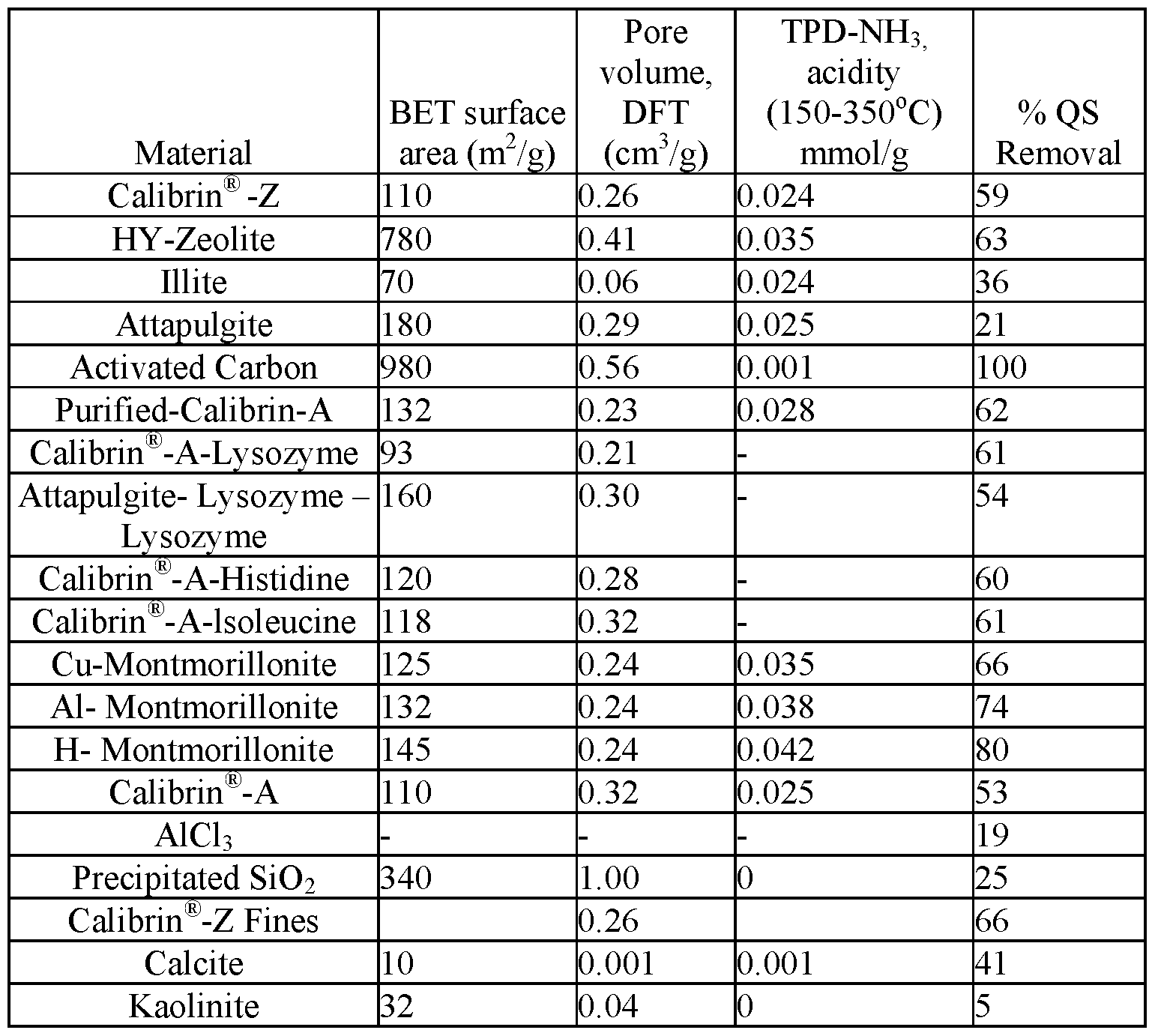


Claims
Priority Applications (7)
| Application Number | Priority Date | Filing Date | Title |
|---|---|---|---|
| MX2018010457A MX2018010457A (en) | 2016-03-02 | 2017-03-01 | APPLICATION OF POROUS MATERIALS INTENDED TO INHIBIT / INTERRUPT THE DETECTION OF BACTERIAL QUORUM. |
| CN201780027606.6A CN109072176A (en) | 2016-03-02 | 2017-03-01 | Applications of Porous Materials for Bacterial Quorum Sensing Inhibition/Destruction |
| JP2018546479A JP2019515875A (en) | 2016-03-02 | 2017-03-01 | Application of porous materials for bacterial quorum sensing inhibition / destruction |
| EP17760701.7A EP3423562A4 (en) | 2016-03-02 | 2017-03-01 | APPLICATION OF POROUS MATERIALS FOR INHIBITION / BREAKAGE OF BACTERIAL QUORUM DETECTION |
| BR112018067655A BR112018067655A2 (en) | 2016-03-02 | 2017-03-01 | application of porous materials to inhibit / stop bacterial quorum detection |
| KR1020187027919A KR20180118171A (en) | 2016-03-02 | 2017-03-01 | Application of Porous Materials to Suppress / Destroy Bacterial Quorum Sensing |
| RU2018134174A RU2724550C2 (en) | 2016-03-02 | 2017-03-01 | Use of porous materials for inhibiting/disturbing the sense of quorum of bacteria |
Applications Claiming Priority (4)
| Application Number | Priority Date | Filing Date | Title |
|---|---|---|---|
| US201662302647P | 2016-03-02 | 2016-03-02 | |
| US62/302,647 | 2016-03-02 | ||
| US201662351378P | 2016-06-17 | 2016-06-17 | |
| US62/351,378 | 2016-06-17 |
Publications (1)
| Publication Number | Publication Date |
|---|---|
| WO2017151741A1 true WO2017151741A1 (en) | 2017-09-08 |
Family
ID=59722482
Family Applications (1)
| Application Number | Title | Priority Date | Filing Date |
|---|---|---|---|
| PCT/US2017/020155 Ceased WO2017151741A1 (en) | 2016-03-02 | 2017-03-01 | Application of porous materials for bacterial quorum sensing inhibition/disruption |
Country Status (9)
| Country | Link |
|---|---|
| US (1) | US20170251674A1 (en) |
| EP (1) | EP3423562A4 (en) |
| JP (1) | JP2019515875A (en) |
| KR (1) | KR20180118171A (en) |
| CN (1) | CN109072176A (en) |
| BR (1) | BR112018067655A2 (en) |
| MX (1) | MX2018010457A (en) |
| RU (1) | RU2724550C2 (en) |
| WO (1) | WO2017151741A1 (en) |
Cited By (3)
| Publication number | Priority date | Publication date | Assignee | Title |
|---|---|---|---|---|
| WO2022086907A1 (en) * | 2020-10-19 | 2022-04-28 | Oil-Dri Corporation Of America | Clay mineral-based treatments in pseudomonas aeruginosa infection control |
| US12213480B2 (en) | 2018-11-28 | 2025-02-04 | For Spills Ltd. | Biocidal formulation |
| US12545861B2 (en) | 2018-11-09 | 2026-02-10 | For Spills Ltd. | Method and composition |
Families Citing this family (12)
| Publication number | Priority date | Publication date | Assignee | Title |
|---|---|---|---|---|
| KR102213392B1 (en) * | 2019-03-22 | 2021-02-08 | 경북대학교 산학합력단 | Method for microbial quorum quenching by light irradiation and method for controlling biological pollution |
| CN110117078B (en) * | 2019-04-03 | 2021-09-21 | 东北师范大学 | Filamentous fungus sludge bulking inhibitor and application method thereof |
| CN110527693A (en) * | 2019-06-28 | 2019-12-03 | 南京农业大学 | A gene switch system based on the quorum sensing system of Pseudomonas aeruginosa and its application |
| CN110451638A (en) * | 2019-07-29 | 2019-11-15 | 中南大学 | A method of based on colony induction signaling molecule strengthened anaerobic ammoxidation sludge heavy-metal resistance |
| CA3150161A1 (en) | 2019-08-13 | 2021-02-18 | Darlene E. MCCORD | Non-activated, amorphous, ph neutral, two-part bedside-ready clay delivery system that treats pathogen infections in humans and animals |
| CN111170597A (en) * | 2020-01-20 | 2020-05-19 | 上源环工生态环境科技(苏州)有限公司 | In-situ substrate modifier |
| KR102487338B1 (en) * | 2020-12-18 | 2023-01-12 | 한국지질자원연구원 | A pharmaceutical composition and a method for treatment of Clostridioides difficile infection comprising a clay mineral complex |
| CN112852439A (en) * | 2021-02-02 | 2021-05-28 | 兰州大学 | Slow-release composition for treating heavy metal pollution of mine and preparation method thereof |
| KR102624150B1 (en) * | 2021-07-09 | 2024-01-12 | 연세대학교 산학협력단 | Antibiotic composition comprising a composite of diatomaceous earth and zinc oxide, and Combination preparation with the same |
| WO2023003825A1 (en) * | 2021-07-20 | 2023-01-26 | Minnema John Murray | Methods of minimizing microbial resistance in domesticated animals by incorporating sustainable carbon product supplements into animal feed |
| KR102508313B1 (en) * | 2022-10-25 | 2023-03-13 | 전남대학교산학협력단 | Novel Pantoea sp. PL-1 strain and the use thereof |
| CN119638485A (en) * | 2024-12-20 | 2025-03-18 | 湖北竞成建筑工程有限公司 | A kind of low-density thermal insulation foam concrete and preparation method thereof |
Citations (7)
| Publication number | Priority date | Publication date | Assignee | Title |
|---|---|---|---|---|
| JPS647280A (en) * | 1987-06-30 | 1989-01-11 | Toshiba Corp | Knowledge processor |
| WO2001018248A2 (en) * | 1999-09-03 | 2001-03-15 | The University Of Iowa Research Foundation | Quorum sensing signaling in bacteria |
| WO2010028215A1 (en) * | 2008-09-05 | 2010-03-11 | Mionix Corporation | Antimicrobial fish and shrimp feed |
| US20130274226A1 (en) * | 2010-11-30 | 2013-10-17 | The Board Of Trustees Of The University Of Illinois | Silica nanoparticle agent conjugates |
| CN103768097A (en) * | 2014-02-25 | 2014-05-07 | 南京农业大学 | Copper-loaded attapulgite clay, preparation method and use thereof |
| CN103357377B (en) * | 2013-07-24 | 2015-04-01 | 中国科学院兰州化学物理研究所盱眙凹土应用技术研发中心 | Preparation method of amino acid modified attapulgite clay palm oil decolorizing agent |
| CN105236703A (en) * | 2015-10-13 | 2016-01-13 | 西安建筑科技大学 | Method capable of improving zeolite bioattachment and regeneration capacity and application |
Family Cites Families (4)
| Publication number | Priority date | Publication date | Assignee | Title |
|---|---|---|---|---|
| JP4677196B2 (en) * | 2003-03-25 | 2011-04-27 | 積水化成品工業株式会社 | Silica particles, method for producing the same, and use thereof |
| JP4982837B2 (en) * | 2003-11-19 | 2012-07-25 | 独立行政法人産業技術総合研究所 | Antibacterial agent for marine adherents |
| CN101219367B (en) * | 2007-09-30 | 2010-05-19 | 四川大学 | Amino acid modified montmorillonite-synthetic polymer hybrid microspheres and its preparation method and use |
| JP5723254B2 (en) * | 2011-10-28 | 2015-05-27 | 水澤化学工業株式会社 | Mold poison adsorbent |
-
2017
- 2017-03-01 BR BR112018067655A patent/BR112018067655A2/en not_active IP Right Cessation
- 2017-03-01 WO PCT/US2017/020155 patent/WO2017151741A1/en not_active Ceased
- 2017-03-01 JP JP2018546479A patent/JP2019515875A/en active Pending
- 2017-03-01 KR KR1020187027919A patent/KR20180118171A/en not_active Ceased
- 2017-03-01 US US15/446,463 patent/US20170251674A1/en not_active Abandoned
- 2017-03-01 EP EP17760701.7A patent/EP3423562A4/en not_active Withdrawn
- 2017-03-01 CN CN201780027606.6A patent/CN109072176A/en active Pending
- 2017-03-01 MX MX2018010457A patent/MX2018010457A/en unknown
- 2017-03-01 RU RU2018134174A patent/RU2724550C2/en active
Patent Citations (7)
| Publication number | Priority date | Publication date | Assignee | Title |
|---|---|---|---|---|
| JPS647280A (en) * | 1987-06-30 | 1989-01-11 | Toshiba Corp | Knowledge processor |
| WO2001018248A2 (en) * | 1999-09-03 | 2001-03-15 | The University Of Iowa Research Foundation | Quorum sensing signaling in bacteria |
| WO2010028215A1 (en) * | 2008-09-05 | 2010-03-11 | Mionix Corporation | Antimicrobial fish and shrimp feed |
| US20130274226A1 (en) * | 2010-11-30 | 2013-10-17 | The Board Of Trustees Of The University Of Illinois | Silica nanoparticle agent conjugates |
| CN103357377B (en) * | 2013-07-24 | 2015-04-01 | 中国科学院兰州化学物理研究所盱眙凹土应用技术研发中心 | Preparation method of amino acid modified attapulgite clay palm oil decolorizing agent |
| CN103768097A (en) * | 2014-02-25 | 2014-05-07 | 南京农业大学 | Copper-loaded attapulgite clay, preparation method and use thereof |
| CN105236703A (en) * | 2015-10-13 | 2016-01-13 | 西安建筑科技大学 | Method capable of improving zeolite bioattachment and regeneration capacity and application |
Non-Patent Citations (3)
| Title |
|---|
| ARAI, S ET AL.: "Nanostructural Control of Biological Molecules Arranged by Using Langmuir-Blodgett Films of Organo-modified Alminosilicate as a Template", TRANSACTIONS OF THE MATERIALS RESEARCH SOCIETY OF JAPAN, vol. 37, no. 3, 1 September 2012 (2012-09-01), pages 361 - 364, XP055414023 * |
| MASIELLO, CA ET AL.: "Biochar and microbial signaling: production conditions determine effects on microbial communication", ENVIRONMENTAL SCIENCE AND TECHNOLOGY, vol. 47, no. 20, 25 September 2013 (2013-09-25), pages 11496 - 11503, XP055414009 * |
| See also references of EP3423562A4 * |
Cited By (3)
| Publication number | Priority date | Publication date | Assignee | Title |
|---|---|---|---|---|
| US12545861B2 (en) | 2018-11-09 | 2026-02-10 | For Spills Ltd. | Method and composition |
| US12213480B2 (en) | 2018-11-28 | 2025-02-04 | For Spills Ltd. | Biocidal formulation |
| WO2022086907A1 (en) * | 2020-10-19 | 2022-04-28 | Oil-Dri Corporation Of America | Clay mineral-based treatments in pseudomonas aeruginosa infection control |
Also Published As
| Publication number | Publication date |
|---|---|
| MX2018010457A (en) | 2019-01-10 |
| EP3423562A1 (en) | 2019-01-09 |
| US20170251674A1 (en) | 2017-09-07 |
| JP2019515875A (en) | 2019-06-13 |
| RU2018134174A (en) | 2020-04-02 |
| CN109072176A (en) | 2018-12-21 |
| KR20180118171A (en) | 2018-10-30 |
| RU2018134174A3 (en) | 2020-04-02 |
| BR112018067655A2 (en) | 2019-01-02 |
| EP3423562A4 (en) | 2019-08-07 |
| RU2724550C2 (en) | 2020-06-23 |
Similar Documents
| Publication | Publication Date | Title |
|---|---|---|
| US20170251674A1 (en) | Application of porous materials for bacterial quorum sensing inhibition/disruption | |
| JP6808625B2 (en) | Antimicrobial composition | |
| De Silva et al. | Biofilm formation of pathogenic bacteria isolated from aquatic animals | |
| AU2015300988B2 (en) | Bacterial spore compositions for industrial uses | |
| CN102296051B (en) | Wide-host-spectrum Salmonella pullorum bacteriophage and application thereof | |
| WO2010021930A1 (en) | Prevention and treatment of mrsa infections with chitosan-derivatives | |
| CN103719163B (en) | Thuricade-1 of a kind of kill mosquitoes larva and preparation method thereof | |
| KR20180004532A (en) | Bacillus safensis strain KACC 92124P and composition for comprising the same | |
| KR101818859B1 (en) | Pseudomonas azotoformans strain KACC 92125P and composition for comprising the same | |
| KR20180131948A (en) | Pseudomonas extremorientalis strain KACC 81047BP and composition for comprising the same | |
| CN105001308B (en) | A kind of antibacterial peptide PD22 and application thereof | |
| Hossain et al. | Antimicrobial susceptibility of Vibrio species isolated from brackish water shrimp culture environment | |
| CN109942591A (en) | A kind of compound oxolinic acid with bactericidal activity is in application agriculturally | |
| US20220118154A1 (en) | Clay mineral-based treatments in pseudomonas aeruginosa infection control | |
| RU2297842C2 (en) | Method for animal mycotoxicosis prophylaxis | |
| Amr et al. | Nanoclay in animal diets: properties, structure, applications, and toxicity | |
| Kogut et al. | Feeding the BT cationic peptides to chickens at hatch reduces cecal colonization by Salmonella enterica serovar Enteritidis and primes innate immune cell functional activity | |
| RU2658847C2 (en) | Antiseptic veterinary preparation | |
| Ghosh et al. | Use of alternative sources (AMP, nanomaterials, phytocompounds) for handling biofilm-associated infections in livestock | |
| KR101939080B1 (en) | Pseudomonas veronii strain KACC 81051BP and composition for comprising the same | |
| ES3052532T3 (en) | Composition and methods for stabilising intestinal flora and improving hygiene | |
| Ghosh et al. | Nanomaterials, Phytocompounds | |
| JP4602005B2 (en) | Antibacterial and deodorant for livestock and poultry | |
| CN105287453B (en) | A kind of bacteriostatic agent and its preparation method and application for preventing and treating bacteriosis of aquatic livestock | |
| Jothi et al. | Haemolytic and Antimicrobial Efficacy of the Epidermal Mucus of the Striped Dwarf Catfish, Mystus vittatus (Bloch 1794) from Vellar Estuary, Parangipettai |
Legal Events
| Date | Code | Title | Description |
|---|---|---|---|
| WWE | Wipo information: entry into national phase |
Ref document number: MX/A/2018/010457 Country of ref document: MX |
|
| ENP | Entry into the national phase |
Ref document number: 2018546479 Country of ref document: JP Kind code of ref document: A |
|
| NENP | Non-entry into the national phase |
Ref country code: DE |
|
| ENP | Entry into the national phase |
Ref document number: 20187027919 Country of ref document: KR Kind code of ref document: A |
|
| WWE | Wipo information: entry into national phase |
Ref document number: 2017760701 Country of ref document: EP |
|
| ENP | Entry into the national phase |
Ref document number: 2017760701 Country of ref document: EP Effective date: 20181002 |
|
| REG | Reference to national code |
Ref country code: BR Ref legal event code: B01A Ref document number: 112018067655 Country of ref document: BR |
|
| 121 | Ep: the epo has been informed by wipo that ep was designated in this application |
Ref document number: 17760701 Country of ref document: EP Kind code of ref document: A1 |
|
| ENP | Entry into the national phase |
Ref document number: 112018067655 Country of ref document: BR Kind code of ref document: A2 Effective date: 20180903 |