WO2017151905A1 - Compositions for treating inflammation and methods of treating the same - Google Patents
Compositions for treating inflammation and methods of treating the same Download PDFInfo
- Publication number
- WO2017151905A1 WO2017151905A1 PCT/US2017/020426 US2017020426W WO2017151905A1 WO 2017151905 A1 WO2017151905 A1 WO 2017151905A1 US 2017020426 W US2017020426 W US 2017020426W WO 2017151905 A1 WO2017151905 A1 WO 2017151905A1
- Authority
- WO
- WIPO (PCT)
- Prior art keywords
- composition
- weight
- amount
- nitric oxide
- present
- Prior art date
- Legal status (The legal status is an assumption and is not a legal conclusion. Google has not performed a legal analysis and makes no representation as to the accuracy of the status listed.)
- Ceased
Links
Classifications
-
- A—HUMAN NECESSITIES
- A61—MEDICAL OR VETERINARY SCIENCE; HYGIENE
- A61K—PREPARATIONS FOR MEDICAL, DENTAL OR TOILETRY PURPOSES
- A61K9/00—Medicinal preparations characterised by special physical form
- A61K9/0012—Galenical forms characterised by the site of application
- A61K9/0014—Skin, i.e. galenical aspects of topical compositions
-
- A—HUMAN NECESSITIES
- A61—MEDICAL OR VETERINARY SCIENCE; HYGIENE
- A61K—PREPARATIONS FOR MEDICAL, DENTAL OR TOILETRY PURPOSES
- A61K31/00—Medicinal preparations containing organic active ingredients
- A61K31/13—Amines
- A61K31/132—Amines having two or more amino groups, e.g. spermidine, putrescine
-
- A—HUMAN NECESSITIES
- A61—MEDICAL OR VETERINARY SCIENCE; HYGIENE
- A61K—PREPARATIONS FOR MEDICAL, DENTAL OR TOILETRY PURPOSES
- A61K33/00—Medicinal preparations containing inorganic active ingredients
-
- A—HUMAN NECESSITIES
- A61—MEDICAL OR VETERINARY SCIENCE; HYGIENE
- A61K—PREPARATIONS FOR MEDICAL, DENTAL OR TOILETRY PURPOSES
- A61K45/00—Medicinal preparations containing active ingredients not provided for in groups A61K31/00 - A61K41/00
- A61K45/06—Mixtures of active ingredients without chemical characterisation, e.g. antiphlogistics and cardiaca
-
- A—HUMAN NECESSITIES
- A61—MEDICAL OR VETERINARY SCIENCE; HYGIENE
- A61K—PREPARATIONS FOR MEDICAL, DENTAL OR TOILETRY PURPOSES
- A61K47/00—Medicinal preparations characterised by the non-active ingredients used, e.g. carriers or inert additives; Targeting or modifying agents chemically bound to the active ingredient
- A61K47/06—Organic compounds, e.g. natural or synthetic hydrocarbons, polyolefins, mineral oil, petrolatum or ozokerite
-
- A—HUMAN NECESSITIES
- A61—MEDICAL OR VETERINARY SCIENCE; HYGIENE
- A61K—PREPARATIONS FOR MEDICAL, DENTAL OR TOILETRY PURPOSES
- A61K47/00—Medicinal preparations characterised by the non-active ingredients used, e.g. carriers or inert additives; Targeting or modifying agents chemically bound to the active ingredient
- A61K47/06—Organic compounds, e.g. natural or synthetic hydrocarbons, polyolefins, mineral oil, petrolatum or ozokerite
- A61K47/08—Organic compounds, e.g. natural or synthetic hydrocarbons, polyolefins, mineral oil, petrolatum or ozokerite containing oxygen, e.g. ethers, acetals, ketones, quinones, aldehydes, peroxides
- A61K47/14—Esters of carboxylic acids, e.g. fatty acid monoglycerides, medium-chain triglycerides, parabens or PEG fatty acid esters
-
- A—HUMAN NECESSITIES
- A61—MEDICAL OR VETERINARY SCIENCE; HYGIENE
- A61K—PREPARATIONS FOR MEDICAL, DENTAL OR TOILETRY PURPOSES
- A61K9/00—Medicinal preparations characterised by special physical form
- A61K9/0012—Galenical forms characterised by the site of application
- A61K9/0048—Eye, e.g. artificial tears
-
- A—HUMAN NECESSITIES
- A61—MEDICAL OR VETERINARY SCIENCE; HYGIENE
- A61K—PREPARATIONS FOR MEDICAL, DENTAL OR TOILETRY PURPOSES
- A61K9/00—Medicinal preparations characterised by special physical form
- A61K9/06—Ointments; Bases therefor; Other semi-solid forms, e.g. creams, sticks, gels
-
- A—HUMAN NECESSITIES
- A61—MEDICAL OR VETERINARY SCIENCE; HYGIENE
- A61P—SPECIFIC THERAPEUTIC ACTIVITY OF CHEMICAL COMPOUNDS OR MEDICINAL PREPARATIONS
- A61P17/00—Drugs for dermatological disorders
-
- A—HUMAN NECESSITIES
- A61—MEDICAL OR VETERINARY SCIENCE; HYGIENE
- A61P—SPECIFIC THERAPEUTIC ACTIVITY OF CHEMICAL COMPOUNDS OR MEDICINAL PREPARATIONS
- A61P17/00—Drugs for dermatological disorders
- A61P17/02—Drugs for dermatological disorders for treating wounds, ulcers, burns, scars, keloids, or the like
-
- A—HUMAN NECESSITIES
- A61—MEDICAL OR VETERINARY SCIENCE; HYGIENE
- A61P—SPECIFIC THERAPEUTIC ACTIVITY OF CHEMICAL COMPOUNDS OR MEDICINAL PREPARATIONS
- A61P17/00—Drugs for dermatological disorders
- A61P17/06—Antipsoriatics
-
- A—HUMAN NECESSITIES
- A61—MEDICAL OR VETERINARY SCIENCE; HYGIENE
- A61P—SPECIFIC THERAPEUTIC ACTIVITY OF CHEMICAL COMPOUNDS OR MEDICINAL PREPARATIONS
- A61P27/00—Drugs for disorders of the senses
- A61P27/02—Ophthalmic agents
-
- A—HUMAN NECESSITIES
- A61—MEDICAL OR VETERINARY SCIENCE; HYGIENE
- A61P—SPECIFIC THERAPEUTIC ACTIVITY OF CHEMICAL COMPOUNDS OR MEDICINAL PREPARATIONS
- A61P27/00—Drugs for disorders of the senses
- A61P27/16—Otologicals
-
- A—HUMAN NECESSITIES
- A61—MEDICAL OR VETERINARY SCIENCE; HYGIENE
- A61P—SPECIFIC THERAPEUTIC ACTIVITY OF CHEMICAL COMPOUNDS OR MEDICINAL PREPARATIONS
- A61P29/00—Non-central analgesic, antipyretic or antiinflammatory agents, e.g. antirheumatic agents; Non-steroidal antiinflammatory drugs [NSAID]
-
- A—HUMAN NECESSITIES
- A61—MEDICAL OR VETERINARY SCIENCE; HYGIENE
- A61K—PREPARATIONS FOR MEDICAL, DENTAL OR TOILETRY PURPOSES
- A61K2300/00—Mixtures or combinations of active ingredients, wherein at least one active ingredient is fully defined in groups A61K31/00 - A61K41/00
Definitions
- the present invention relates to compositions and methods of treating inflammation, such as, inflammatory skin conditions.
- Skin diseases in which inflammation is a significant component include, but are not limited to, acne, rosacea, atopic dermatitis, contact dermatitis, drug eruptions, psoriasis, seborrheic dermatitis, connective tissue diseases (such as lupus and scleroderma), other autoimmune disorders such as the blistering diseases (e.g., bullous pemphigoid and pemphigus), pigmentary diseases (e.g., post inflammatory hyperpigmentation, melasma and vitiligo), urticaria or hives, inflammation associated with skin infections such as tinea corporis or fungal infection of the finger or toenails, among others. Inflammation is an important step to most of these diseases. New compositions for treating inflammatory skin conditions and methods of making and/or using such compositions may be desirable.
- Topical corticosteroids are typically first line therapies with escalation of strength until the disease state is addressed or, if no strength of corticosteroids is effective at treating the disease, biologies may be used.
- This escalating therapy strategy is carried out because of the long term side effects of corticosteroids and the potential for severe side effects of biologies, including some forms of cancer.
- a therapy that treated the inflammation of psoriasis without the side effects of corticosteroids or current biologies may be of benefit in treating the disease.
- One aspect of the present invention comprises a method of treating an inflammatory condition of the skin, mucosa, and/or eye in a subject, the method comprising topically administering to the skin, mucosa, and/or eye of said subject a nitric oxide-releasing pharmaceutical composition comprising at least one nitric oxide releasing-compound comprising a diazeniumdiolate functional group in an amount effective to treat said inflammatory condition of the skin, mucosa, and/or eye.
- compositions for treating inflammation comprising a nitric oxide-releasing active pharmaceutical ingredient.
- a further aspect of the present invention includes a nitric oxide-releasing pharmaceutical composition
- a nitric oxide-releasing pharmaceutical composition comprising a first composition in admixture with a second composition
- the first composition comprises: at least one nitric oxide releasing compound comprising a diazeniumdiolate functional group; a hydrophobic base in an amount of about 50% to about 95% by weight of the first composition; an amphophilic compound in an amount of about 1% to about 20% by weight of the first composition; and an emulsifying agent in an amount of about 1% to about 20% by weight of the first composition
- the second composition comprises: water in an amount of about 50% to about 95% by weight of the second composition; a buffering agent in an amount of about 1% to about 20% by weight of the second composition; a polymer in an amount of about 0.5% to about 5% by weight of the second composition; and a polyhydric alcohol in an amount of about 1% to about 20% by weight of the second composition.
- a nitric oxide-releasing pharmaceutical composition comprising a first composition in admixture with a second composition, wherein the first composition comprises: at least one nitric oxide releasing compound comprising a diazeniumdiolate functional group; a hydrophobic base in an amount of about 50% to about 95% by weight of the first composition; an amphiphilic compound in an amount of about 1% to about 20% by weight of the first composition; and a silicon containing compound in an amount of about 1% to about 20% by weight of the first composition; and wherein the second composition comprises: water in an amount of about 50% to about 95% by weight of the second composition; a buffering agent in an amount of about 1% to about 20% by weight of the second composition; a polymer in an amount of about 0.5% to about 5% by weight of the second composition; and a polyhydric alcohol in an amount of about 1% to about 20% by weight of the second composition.
- a further aspect of the present invention includes a composition comprising at least one nitric oxide releasing compound comprising a diazeniumdiolate functional group; a hydrophobic base in an amount of about 50% to about 95% by weight of the composition; an amphiphilic compound in an amount of about 1% to about 20% by weight of the composition; and an emulsifying agent in an amount of about 1% to about 20% by weight of the composition.
- compositions comprising: at least one nitric oxide releasing compound comprising a diazeniumdiolate functional group;
- a hydrophobic base in an amount of about 50% to about 95% by weight of the composition
- an amphiphilic compound in an amount of about 1 % to about 20% by weight of the composition
- a silicon containing compound in an amount of about 1% to about 20% by weight of the composition.
- An additional aspect of the present invention includes a composition comprising: water in an amount of about 50% to about 95% by weight of the composition; a buffering agent in an amount of about 1% to about 20% by weight of the composition; a polymer in an amount of about 0.5% to about 5% by weight of the composition; and a polyhydric alcohol in an amount of about 1% to about 20% by weight of the composition.
- Fig. 1 shows a graph of the release profiles of two types of NitricilTM, NVN1 and NV 4, ointments according to some embodiments of the present invention under physiological conditions.
- Fig. 2 shows a process flow diagram for the 5.5-kg scale manufacture of an ointment according to some embodiments of the present invention.
- Fig. 3 shows a graph of the effect of nitric oxide-releasing NitricilTM NVN1 ointment on wound re-epithelialization.
- Fig. 4 shows a graph of the expression levels of IL-8 in wound tissue measured by qPCT in wounds treated with 0.1% and 0.5% NitricilTM NVN1, vehicle, and Tegaderm.
- Fig. 5 shows a graph of the white cell infiltrate assessed by the presence and amount of subepithelial mixed leukocytic infiltrates.
- Fig. 6 shows a graph of the percent inhibition of inflammation for various test articles tested.
- Fig. 7 shows graphs of the concentration of IL-12/IL23p40, IL- ⁇ , and IL-6 cytokines for the Nitricil Ointment, vehicle, and dexamethasone.
- Fig. 8 shows a graph of the AD-specific MRS A counts after topical treatment.
- Fig. 9 shows a graph of the cumulative NO release for 0.8%, 2%, and 8%
- NitricilTM NVN4 Ointments with the PHO-048 hydrogel NitricilTM NVN4 Ointments with the PHO-048 hydrogel.
- Fig. 10 shows a graph of the instantaneous NO release for 0.8%, 2%, and 8%
- NitricilTM NVN4 Ointments with the PHO-048 hydrogel NitricilTM NVN4 Ointments with the PHO-048 hydrogel.
- Fig. 11 shows a graph of the percent inhibition after topical application of
- NitricilTM NVN4 Creams each of which included an ointment in admixture with a hydrogel.
- Fig. 12 is a graph showing the amount of IL-17A for groups receiving no treatment, imiquimod cream application (disease induction), vehicle treatment (i.e., the Placebo admixture composition), or the 2% NitricilTM NVN1 admixture composition (i.e., 2% SB414 Cream). *p ⁇ 0.05 vs. IMQ-only.
- Fig. 13 is a graph showing the amount of IL-17F for groups receiving no treatment, imiquimod cream application (disease induction), vehicle treatment (i.e., the Placebo admixture composition), or the 2% NitricilTM NVN1 admixture composition (i.e., 2% SB414 Cream). *p ⁇ 0.05 vs. IMQ-only.
- Fig. 14 is a graph showing the amount of IL- ⁇ for groups receiving no treatment, imiquimod cream application, vehicle treatment (i.e., the Placebo admixture composition), or the 2% NitricilTM NVNl admixture composition (i.e., 2% SB414 Cream). *p ⁇ 0.05 vs. IMQ-only.
- Fig. 15 shows a graph of the instantaneous NO release over time for three different admixtures.
- Fig. 16 shows a graph of the cumulative NO release for the three different admixtures.
- compositions that may be useful in treating inflammation in a subject. Further provided are methods of treating inflammation in a subject.
- a composition and/or method of the present invention may treat an inflammatory condition of the skin, mucosa, and/or eye in a subject.
- a composition and/or method of the present invention may decrease inflammation in the skin, mucosa, and/or eye of a subject.
- a composition of the present invention may comprise, consist essentially of, or consist of a nitric oxide (NO)-releasing active pharmaceutical ingredient as described herein.
- NO nitric oxide
- a method of the present invention may comprise, consist essentially of, or consist of applying a nitric oxide-releasing pharmaceutical composition as described herein to the skin, mucosa, and/or eye of a subject to treat an inflammatory condition in the skin, mucosa, and/or eye in the subject, such as, but not limited to, by decreasing inflammation in the skin, mucosa, and/or eye of the subject.
- a method of the present invention may be carried out in a manner such that the administration (e.g., topical administration) of the nitric oxide- releasing pharmaceutical composition does not produce systemic effects from the administration of nitric oxide.
- a composition of the present invention upon administration to a subject, does not produce systemic effects from the administration of nitric oxide.
- a composition of the present invention may be a composition as described in PCT/US2014/050345 and/or PCT/US2015/013043, the contents of which are incorporated herein by reference in their entirety.
- a composition of the present invention may have a pH of less than about 7. In some embodiments, the composition may have a pH in a range of about 4 to about 7. [0038] Any condition that is associated with inflammation and that may be treated topically to decrease or reduce such inflammation may be treated with a method of the present invention.
- Example inflammatory conditions include, but are not limited to, acneiform eruptions, alopecia areata, autoinflammatory syndromes, chronic blistering cutaneous conditions, conditions of the mucous membranes, conditions of the skin appendages, conditions of the subcutaneous fat, connective tissue diseases, abnormalities of dermal fibrous and elastic tissue, cutaneous congenital anomalies, dermal and subcutaneous growths, dermatitis, atopic dermatitis, contact dermatitis, eczema, pustular dermatitis, seborrheic dermatitis, disturbances of human pigmentation, drug eruptions, endocrine-related cutaneous conditions, eosinophilic cutaneous conditions, epidermal nevi, neoplasms, cysts, erythemas, genodermatoses, infection-related cutaneous conditions, bacterium-related cutaneous conditions, mycobacterium-related cutaneous conditions, mycosis-related cutaneous conditions, parasitic infestations, stings, and bites of the skin, virus-related
- the inflammatory condition is an inflammatory skin condition.
- the inflammatory condition is an autoimmune inflammatory skin condition (i.e., an inflammatory skin condition that is caused by and/or related to an autoimmune disease or disorder).
- the inflammatory condition is psoriasis and/or atopic dermatitis.
- a composition of the present invention may be suitable for, formulated for, and/or used to treat at least two (e.g., 2, 3, 4, 5, or more) inflammatory conditions (e.g., psoriasis and/or atopic dermatitis).
- a method of the present invention may comprise treating acne.
- Acne may be treated in a subject according to a method of the present invention by decreasing inflammation in the skin of the subject.
- a method of the present invention may comprise treating acne in a subject, the method comprising topically applying a nitric oxide-releasing pharmaceutical composition as described herein to the skin of the subject, thereby treating acne in the subject.
- An inflammatory condition may be caused by a wound and/or an infection in the skin, mucosa, and/or eye of a subject.
- a method of the present invention may comprise treating a wound and/or infection in the skin, mucosa, and/or eye of a subject, the method comprising topically applying a nitric oxide-releasing pharmaceutical composition as described herein to the skin, mucosa, and/or eye of the subject, thereby treating the wound and/or infection in the subject.
- a method of the present invention may comprise applying a nitric oxide-releasing pharmaceutical composition directly and/or indirectly on to the skin, mucosa, and/or eye of the subject.
- Applying a composition "directly” refers to applying the composition onto the surface of the skin, mucosa, and/or eye such that there are no barriers or intervening elements between the composition comprising the nitric oxide source and the skin, mucosa, and/or eye.
- Applying a composition "indirectly” refers to application of a nitric oxide source through a substrate, such as a cloth, dressing, membrane, or on top of another medicament, powder, ointment and the like.
- nitric oxide may have an anti-inflammatory effect in acute and/or chronic inflammation.
- a method of the present invention may modulate the activity of one or more components (e.g., enzymes, transcription factors, cytokines, chemokines, second messengers, receptors, cells, adhesion molecules, etc.) in a pathway and/or signaling cascade involved in producing an acute and/or chronic inflammatory response in a subject to thereby decrease inflammation in the subject.
- one or more components e.g., enzymes, transcription factors, cytokines, chemokines, second messengers, receptors, cells, adhesion molecules, etc.
- a method of the present invention may modulate the amount of one or more components involved in producing an inflammatory response in a subject to decrease inflammation in the subject.
- a method of the present invention may modulate the activation of one or more components involved in producing an inflammatory response in a subject, such as, but not limited to, by inhibiting or initiating the activation of the one or more components to decrease inflammation in the subject.
- a method of the present invention may modulate a component's interactions (e.g., binding, signaling, etc.) with another component involved in producing an inflammatory response in a subject, such as, but not limited to, by inhibiting or initiating binding with another component, to decrease inflammation in the subject.
- a method of the present invention may modulate the phosphorylation of a component, such as, but not limited to, a transcription factor, to decrease inflammation in a subject.
- Modulate refers to an increase or reduction in the activity of a component involved in producing acute and/or chronic inflammation in a subject compared to the activity of the component in the absence of a method of the present invention (e.g., the activity of the component prior to a method of the present invention, such as, e.g., prior to administering a composition of the present invention to the subject).
- the terms “increase,” “increases,” “increased,” “increasing” and similar terms indicate an elevation in activity of at least about 5%, 10%, 15%, 20%, 25%, 30%, 35%, 40%, 45%, 50%, 55%, 60%, 65%, 70%, 75%, 80%, 85%, 90%, 95%, 100%, 150%, 200%, 300%, 400%, 500% or more.
- the terms “reduce,” “reduces,” “reduced,” “reduction” and similar terms refer to a decrease in activity of at least about 5%, 10%, 15%, 20%, 25%, 30%, 35%, 40%, 45%, 50%, 55%, 60%, 65%, 70%, 75%, 80%, 85%, 90%, 95%, 97% or more.
- a method of the present invention modulates a transcription factor.
- Example transcription factors include, but are not limited to, nuclear factor-kappa B (NF-kB), activator protein 1 (AP-1), nuclear factors of activated T cells (NF-ATs), signal transducers and activators of transcription (STATs), and any combination thereof.
- a method of the present invention modulates NF-kB.
- Nitric oxide delivered at a site of inflammation may disrupt NF-kb mediated inflammation to modulate an inflammatory response in the skin, mucosa, and/or eye.
- a method according to embodiments of the present invention may comprise topically administering a nitric oxide- releasing pharmaceutical composition in an amount effective to reduce and/or inhibit one or more of the following: NF-kB phosphorylation and/or degradation, translocation of NF-kB into the nucleus, NF-kB binding to a promoter region, and/or transcription of a cytokine produced and/or activated by NF-kB.
- a method of the present invention comprises topically administering a nitric oxide-releasing pharmaceutical composition in an amount effective to down regulate and/or inhibit NK-kB and/or a NK-kB activity in the skin, mucosa, and/or eye of a subject, thereby treating an inflammatory condition, such as, but not limited to, psoriasis, acne, atopic dermatitis, an infection and the like, in the subject.
- a method of the present invention may disrupt NK-kB mediated inflammation in the skin, mucosa, and/or eye of a subject, thereby decreasing inflammation in the skin, mucosa, and/or eye of the subject.
- a method of the present invention may modulate a cytokine.
- Example cytokines include, but are not limited to, Tumor necrosis factor-a (TNF-a), Intereukin-1 (IL-1), IL-2, IL-4, IL-5, IL-6, IL-8, IL-10, IL-12, IL-13, IL-17, IL-17a, IL-17f, IL-22, IL-23, IL-12/IL-23p40, KC/Gro, and any combination thereof.
- a method of the present invention may modulate (increase or decrease) the amount of a cytokine (e.g., a proinflammatory cytokine) present in a subject by at least about 5%, 10%, 15%, 20%, 25%, 30%, 35%, 40%, 45%, 50%, 55%, 60%, 65%, 70%, 75%, 80%, 85%, 90%, 95%, 97% or 100% compared to the amount of the cytokine present in a subject in the absence of a method of the present invention.
- a method of the present invention inhibits the activation of a cytokine and/or reduces (e.g., downregulates) the production of a cytokine (e.g., a pro-inflammatory cytokine).
- a method of the present invention activates a cytokine and/or increases (e.g. , upregulates) the production of a cytokine.
- a method of the present invention may disrupt the activation, production, and/or propagation of a cytokine (e.g., a pro-inflammatory cytokine) locally in the skin and/or may treat inflammation and/or an inflammatory skin disease (e.g., psoriasis), optionally without producing systemic effects from the administration of nitric oxide.
- a cytokine e.g., a pro-inflammatory cytokine
- an inflammatory skin disease e.g., psoriasis
- a method of the present invention may comprise topically applying a nitric oxide-releasing pharmaceutical composition in an amount sufficient to modulate the production of IL-12 and/or IL-23, and/or may be used to treat inflammation and/or an inflammatory skin condition (e.g., psoriasis) in a subject.
- topical application of a nitric oxide-releasing compound according to embodiments of the present invention may modulate activation and/or production of TNF-a, IL-1 a, IL- ⁇ , IL-4, IL-8 and/or IL-10.
- a method of the present invention may comprise topically applying a nitric oxide-releasing pharmaceutical composition in an amount sufficient to modulate the production of IL-17A, IL-17F, and/or IL- ⁇ ⁇ , and/or may be used to treat inflammation and/or an inflammatory skin condition (e.g., psoriasis) in a subject.
- a method of the present invention inhibits the activation of IL-17 A, IL- 17F, and/or IL- ⁇ and/or reduces (e.g., downregulates) the production of IL-17 A, IL-17F, and/or IL- ⁇ .
- a method of the present invention may reduce the amount of (e.g., inhibit the activation and/or reduce the production of) IL-17 A, IL-17F, and/or IL- ⁇ ⁇ in a subject by at least about 20%, 25%, 30%, 35%, 40%, 45%, 50%, 55%, 60%, 65%, 70%, 75%, 80%, 85%, 90%, 95%, or more compared to the amount of IL-17A, IL-17F, and/or IL- ⁇ ⁇ activated, produced, and/or present in a subject in the absence of a method of the present invention.
- a method of the present invention may disrupt the activation, production, and/or propagation of IL-17A, IL-17F, and/or IL- ⁇ locally in the skin of a subject and/or may treat inflammation and/or an inflammatory skin disease (e.g., psoriasis) without producing systemic effects from the administration of nitric oxide.
- an inflammatory skin disease e.g., psoriasis
- a method of the present invention may comprise topically applying a nitric oxide-releasing pharmaceutical composition in an amount sufficient to modulate (e.g., reduce) the pro-inflammatory cytokines associated with perturbation of the IL-23/IL-17 axis.
- a method of the present invention may decrease inflammation associated with and/or due to a cytokine induced inflammation process and/or mechanism.
- a method of the present in vention may comprise topically administering a nitric oxide-releasing pharmaceutical composition in an amount effective to inhibit and/or downregulate the activity of TNFa in producing and/or activating an inflammatory response in a subject, thereby treating an inflammatory condition, such as, but not limited to, psoriasis, atopic dermatitis, acne, an infection and the like, in the subject.
- a method of the present invention may comprise topically administering a nitric oxide-releasing pharmaceutical composition in an amount effective to inhibit, down regulate, and/or decrease at least one (e.g., 1, 2, 3, 4, 5, 6, 7, or more) inflammatory cytokine.
- a method of the present invention may comprise topically administering a nitric oxide-releasing pharmaceutical composition in an amount effective to inhibit, down regulate, and/or decrease at least one (e.g., 1, 2, 3, 4, 5, 6, 7, or more) cytokine selected from the group consisting of TNFa, IL-1, IL-la, IL- ⁇ , IL-2, IL-4, IL-5, IL-6, IL-8, IL-10, IL-12, IL-13, IL-17, IL-17a, IL-17f, IL-22, IL-23, IL-12/IL-23p40, KC/Gro, and any combination thereof, thereby treating an inflammatory condition, such as, but not limited to, psoriasis, atopic dermatitis, acne, an infection and the like, in the subject.
- an inflammatory condition such as, but not limited to, psoriasis, atopic dermatitis, acne, an infection and the like, in the subject.
- a method of the present invention may inhibit, down regulate, and/or decrease at least one (e.g., 1, 2, 3, 4, or 5) of IL-12/IL-23p40, IL- ⁇ , IL-2, KC/Gro, and IL-6, thereby treating an inflammatory condition, such as, but not limited to, psoriasis, atopic dermatitis, acne, an infection and the like, in the subject.
- at least one e.g., 1, 2, 3, 4, or 5
- an inflammatory condition such as, but not limited to, psoriasis, atopic dermatitis, acne, an infection and the like, in the subject.
- a method of the present invention may inhibit, downregulate, and/or decrease at least one (e.g., 1, 2, 3, 4, or 5) of IL- 1 ⁇ , IL-6, IL-8, IL-10, IL-12, IL-17, IL-17a, IL-17f, and TNFa, thereby treating an inflammatory condition, such as, but not limited to, psoriasis, atopic dermatitis, acne, an infection and the like, in the subject.
- a method of the present invention may modulate a chemokine to thereby decrease inflammation in the skin, mucosa, and/or eye of the subject.
- a method of the present invention may decrease and/or inhibit the level of the chemokine RANTES in the skin, mucosa, and/or eye of a subject to thereby decrease inflammation in the skin, mucosa, and/or eye of the subject.
- a method of the present invention may modulate an adhesion molecule, such as by decreasing, inhibiting, and/or down regulating the expression of one or more adhesion molecules in the skin, mucosa, and/or eye of a subject to thereby decrease inflammation in the skin, mucosa, and/or eye of the subject.
- inflammation may be Thl and/or
- Th2 mediated inflammation may be involved in inflammatory conditions, such as psoriasis, and may produce Thl -type cytokines (e.g., interferon-gamma), which may provide a proinflammatory response.
- Th2 mediated inflammation may produce Th2-type cytokines (e.g., IL-4, IL-5, and IL-13), which may have an anti-inflammatory response.
- Th2- type cytokines may respond to counteract a Thl mediated inflammation response.
- a method of the present invention may be used to treat Thl and/or Th2 mediated inflammation.
- a method of the present invention may increase Th2-type cytokines, thereby providing an anti-inflammatory response to treat an inflammatory condition.
- a method of the present invention may increase Thl -type cytokines to produce a pro-inflammatory response, and then may increase Th2-type cytokines to produce an anti-inflammatory response, thereby treating an inflammatory condition by decreasing inflammation.
- a method of the present invention may modulate the expression of a receptor, such as, but not limited to, a Toll-like receptor and/or a receptor involved in cell trafficking (e.g., E-selectin, E-cadherin, etc.). Modulation of a receptor's expression may reduce migration of inflammatory cells (e.g., myeloid-derived suppressor cells, basophils, lymphocytes, etc.) in the skin, mucosa, and/or eye of a subject.
- a receptor such as, but not limited to, a Toll-like receptor and/or a receptor involved in cell trafficking (e.g., E-selectin, E-cadherin, etc.). Modulation of a receptor's expression may reduce migration of inflammatory cells (e.g., myeloid-derived suppressor cells, basophils, lymphocytes, etc.) in the skin, mucosa, and/or eye of a subject.
- inflammatory cells e.g., myeloid
- topical application of a nitric oxide-releasing compound to the skin, mucosa, and/or eye of a subject may modulate (e.g., increase or decrease) expression of E-selectin or E-cadherin on endothelial cells and/or may modulate lymphocyte tethering and/or migration into the skin, mucosa, and/or eye of the subject.
- topical application of a nitric oxide-releasing compound to the skin, mucosa, and/or eye of a subject may reduce the amount of lymphocytes present in the skin, mucosa, and/or eye of the subject.
- a method of the present invention may modulate the presence of an inflammatory cell in the skin, mucosa, and/or eye of a subject.
- Example inflammatory cells include, but are not limited to, leukocytes such as neutrophils, basophils, mast cells, eosinophils, monocytes, and macrophages; lymphocytes such as B- lymphocytes and T-lymphocytes; natural killer cells; antigen-presenting cells such as dendritic cells (e.g., Langernah cells) and stromal cells; and any combination thereof.
- a method of the present invention may reduce the presence of an inflammatory cell in the skin, mucosa, and/or eye of a subject, thereby decreasing inflammation in a subject.
- a method of the present invention may decrease and/or inhibit the proliferation of keratinocytes in the skin, mucosa, and/or eye of a subject. Decreasing and/or inhibiting the proliferation of keratinocytes in the skin, mucosa, and/or eye of a subject may decrease inflammation in the skin, mucosa, and/or eye of the subject and may restore and/or initiate a normal healing process.
- a method of the present invention may modulate an oxidative process initiated by N0 2 and/or ⁇ , such as, but not limited to by reducing or inhibiting the oxidative process.
- a topically applied nitric oxide- releasing compound may act as an antioxidant at supraphysiological levels by scavenging peroxynitrite.
- a method of the present invention may modulate one or more enzymes that may act in a pathway and/or signaling cascade involved in producing an acute and/or chronic inflammatory response in a subject.
- Example enzymes include, but are not limited to a matrix metalloproteinase (MMP) such as MMP-1, MMP-3, and MMP-9; a NADPH oxidase, a p450 dependent enzyme, a cyclooxygenase (COX) such as COX-1, COX-2, and COX-3; and any combination thereof.
- MMP matrix metalloproteinase
- COX cyclooxygenase
- a method of the present invention modulates NAD(P)H oxidase activity.
- a method of the present invention reduces or inhibits a cyclooxygenase, thereby decreasing inflammation.
- a reduction or inhibition in the activity of a p450 dependent enzyme and/or a cyclooxygenase may decrease and/or inhibit prostaglandin to decrease inflammation in a subject.
- a method of the present invention may be used to treat acne, such as, but not limited to, inflammation caused by acne.
- a method of treating acne may comprise topically administering a nitric oxide-releasing pharmaceutical composition in an amount effective to decrease NF-kB activation and/or activating protein 1 (AP-1).
- a method of treating acne may comprise topically administering a nitric oxide-releasing pharmaceutical composition in an amount effective to decrease production of at least one, such as 2, 3, 4, 5, 6, or more, of TNF-a, IL-1B, IL-8, IL-10, MMP-1, MMP-3, and MMP-9.
- a method of the present invention may comprise topically administering a nitric oxide-releasing pharmaceutical composition in an amount effective to decrease reactive oxygen species generated by P. acnes and/or decrease keratinocyte stimulation, thereby treating acne in a subject.
- a method of the present invention may comprise topically administering a nitric oxide-releasing pharmaceutical composition in an amount effective to decrease and or inhibit cytokine release from a Toll-like receptor (TLR), such as, but not limited to, TLR-2.
- TLR Toll-like receptor
- a method of the present invention may decrease or inhibit a Th-1 mediated inflammation response, thereby treating acne in a subject.
- a method of the present invention may decrease or inhibit production and/or activation of IL-12 and/or IL-8 to treat acne in a subject.
- TNF-a levels may increase at the onset of inflammation (likely due to local irritation), followed by increased production of interferon- ⁇ and a small increase in the production of interleukin-4 (likely from the infiltration of lymphocytes).
- peroxynitrite spontaneously decomposes to form the highly-reactive and destructive degradation products, N0 2 and ⁇ . Increased NO production may inhibit the oxidative processes initiated by N0 2 and ⁇ . Delivery of exogenous nitric oxide from a nitric oxide-releasing compound may, therefore, serve as an anti-inflammatory agent by serving as an anti-oxidant against nitrosative and oxidative species. Additionally, the exogenous release of NO during the inflammatory response to oxazolone may cause the down-regulation of the production of one or more of the above mentioned cytokines.
- a composition and/or method of the present invention may eliminate or reduce an infection in a subject.
- a composition and/or method of the present invention may eliminate or reduce a Staphylococcus aureus ⁇ e.g., methicillin-resistant Staphylococcus aureus) infection in the skin, mucosa, and/or eye of a subject.
- a composition of the present invention may be antimicrobial.
- a composition and/or method of the present invention may eliminate or maintain an infection (e.g., a Staphylococcus aureus infection) at a reduced and/or low level in the skin, mucosa, and/or eye of a subject.
- a composition and/or method of the present invention may eliminate or reduce the presence of biofilms on the skin, mucosa, and/or eye of a subject.
- a composition and/or method of the present invention may decrease bacteria and/or a biofilm present on the skin, mucosa, and/or eye of a subject by about 10%, 20%, 30%, 40%, 50%, 60%, 70%, 80%, 90%, 100%, 150%, 200%, 250%, 300%, 400%, 500%, or more.
- a composition and/or method of the present invention may decrease bacteria and/or a biofilm present on the skin, mucosa, and/or eye of a subject by about 2, 3, 4-fold or more.
- a composition and/or method of the present invention may provide at least a 1, 2, 3, 4, or 5-log reduction in bacterial burden and/or bacterial counts (e.g., Staphylococcus aureus bacterial counts) at 1, 2, 3, 4, 5, 6, 7, 8, 9, or 10 days after administration of the composition.
- bacterial counts e.g., Staphylococcus aureus bacterial counts
- a method of the present invention may decrease the amount of inflammation, the rate of recurrence of inflammation, an inflammatory flare, and/or an infection (e.g., a Staphylococcus aureus infection) in a subject by at least about 5%, 10%, 15%, 20%, 25%, 30%, 35%, 40%, 45%, 50%, 55%, 60%, 65%, 70%, 75%, 80%, 85%, 90%, 95%, 97% or 100% compared to the amount of inflammation, the rate of recurrence of inflammation, the inflammatory flare, and/or the infection (e.g., a Staphylococcus aureus infection) in the absence of a method of the present invention.
- an infection e.g., a Staphylococcus aureus infection
- the amount of inflammation, the rate of recurrence of inflammation, the inflammatory flare, and/or the infection (e.g., a Staphylococcus aureus infection) in the subject may be compared to the administration of a treatment not in accordance with the present invention (e.g., compared to the rate of recurrence associated with a topical corticosteroid) or compared to the values (e.g., the amount of inflammation or rate of recurrence) prior to treatment with a method of the present invention.
- the rate of recurrence may be determined using methods known to those of skill in the art. For example, after a treatment of inflammation, reinfection may be determined after a given period of time to determine the rate of recurrence.
- a nitric oxide-releasing pharmaceutical composition as described herein may comprise, consist essentially of, or consist of at least one NO-releasing compound as a nitric oxide-releasing active pharmaceutical ingredient (API). Any suitable NO-releasing compound may be used.
- the NO-releasing compound includes a small molecule compound that includes an NO donor group.
- Small molecule compound as used herein is defined as a compound having a molecular weight of less than 500 daltons, and includes organic and/or inorganic small molecule compounds.
- the NO-releasing compound includes a macromolecule that includes an NO donor group.
- a "macromolecule” is defined herein as any compound that has a molecular weight of 500 daltons or greater.
- any suitable macromolecule may be used, including crosslinked or non- crosslinked polymers, dendrimers, metallic compounds, organometallic compounds, inorganic-based compounds, and other macromolecular scaffolds.
- the macromolecule has a nominal diameter ranging from about 0.1 nm to about 100 ⁇ and may comprise the aggregation of two or more macromolecules, whereby the macromolecular structure is further modified with an NO donor group.
- the NO-releasing compound includes a diazeniumdiolate functional group as an NO donor.
- the diazeniumdiolate functional group may produce nitric oxide under certain conditions, such as upon exposure to water.
- the NO-releasing compound includes a nitrosothiol functional group as the NO donor.
- the NO donor may produce nitric oxide under certain conditions, such as upon exposure to light. Examples of other NO donor groups include, but are not limited to, nitrosamine, hydroxyl nitrosamine, hydroxyl amine and hydroxyurea.
- NO donors and/or NO-releasing compounds may also be used in a composition (e.g., an admixture or a hydrophobic composition) as described herein. Additionally, the NO donor may be incorporated into or onto the small molecule or macromolecule through covalent and/or non-covalent interactions.
- An NO-releasing macromolecule may be in the form of an NO-releasing particle, such as those described in U.S. Patent No. 8,282,967, U.S. Patent No. 8,962,029 or U.S. Patent No. 8,956,658, U.S. Patent No. 9,403,851, U.S. Patent No. 9,403,852, the disclosures of which are incorporated by reference herein in their entirety.
- NO-releasing compounds include NO-releasing zeolites as described in United States Patent Publication Nos. 2006/0269620 or 2010/0331968; NO-releasing metal organic frameworks (MOFs) as described in United States Patent Application Publication Nos.
- a nitric oxide- releasing active pharmaceutical ingredient may include NO-loaded precipitated silica.
- the NO-loaded precipitated silica may be formed from nitric oxide donor modified silane monomers into a co-condensed siloxane network.
- the nitric oxide donor may be an N-diazeniumdiolate.
- the nitric oxide-releasing active pharmaceutical ingredient may comprise, consist essentially of, or consist of a co-condensed siloxane network comprising a diazeniumdiolate (e.g., a N-diazeniumdiolate).
- the nitric oxide donor may be formed from an aminoalkoxysilane by a pre-charging method
- the co-condensed siloxane network may be synthesized from the condensation of a silane mixture that includes an alkoxysilane and the aminoalkoxysilane to form a nitric oxide donor modified co-condensed siloxane network.
- the "pre-charging method” means that aminoalkoxysilane is "pretreated” or "precharged” with nitric oxide prior to the co-condensation with alkoxysilane.
- the precharging nitric oxide may be accomplished by chemical methods.
- the "pre-charging" method may be used to create co-condensed siloxane networks and materials more densely functionalized with NO-donors.
- the nitric oxide-releasing active pharmaceutical ingredient may comprise, consist essentially of, or consist of a co-condensed silica network synthesized from the condensation of a silane mixture comprising an alkoxysilane and at least one aminoalkoxysilane having an amine (e.g., a secondary amine) substituted by a diazeniumdiolate (e.g., a N-diazeniumdiolate).
- the co-condensed siloxane network may be silica particles with a uniform size, a collection of silica particles with a variety of size, amorphous silica, a fumed silica, a nanocrystalline silica, ceramic silica, colloidal silica, a silica coating, a silica film, organically modified silica, mesoporous silica, silica gel, bioactive glass, or any suitable form or state of silica.
- the alkoxysilane is a tetraalkoxysilane having the formula Si(OR) 4 , wherein R is an alkyl group.
- R is an alkyl group.
- the R groups may be the same or different.
- the tetraalkoxysilane is selected as tetramethyl orthosilicate (TMOS) or tetraethyl orthosilicate (TEOS).
- the aminoalkoxysilane has the formula: R"-(NH-R') n -Si(OR) 3 , wherein R is alkyl, R' is alkylene, branched alkylene, or aralkylene, n is 1 or 2, and R" is selected from the group consisting of alkyl, cycloalkyl, aryl, and alkylamine.
- the aminoalkoxysilane may be selected from N-(6- aminohexyl)aminopropyltrimethoxysilane (AHAP3 ); N-(2-aminoethyl)-3 - aminopropyltrimethoxysilane (AEAP3); (3-trimethoxysilylpropyl)di- ethylenetriamine (DET3); (aminoethylaminomethyl)phenethyltrimethoxysilane (AEMP3); [3- (methylamino)propyl]trimethoxysilane (MAP3 ) ; N-butylamino-propyltrimethoxysilane(n- BAP3); t-butylamino-propyltrimethoxysilane(t-BAP3); N- ethylaminoisobutyltrimethoxysilane(EAiB3); N-phenylamino-propyltrimethoxysilane(EA
- the aminoalkoxysilane has the formula: NH [R -
- the aminoalkoxysilane may be selected from bis(3-triethoxysilylpropyl)amine, bis- [3- (trimethoxysilyl)propyl] amine and bis-[(3-trimethoxysilyl)propyl]ethylenediamine.
- the aminoalkoxysilane is precharged for NO-release and the amino group is substituted by a diazeniumdiolate. Therefore, in some embodiments, the aminoalkoxysilane has the formula: R"-N(NONO-X+)- R'-Si(OR)3, wherein R is alkyl, R is alkylene or aralkylene, R" is alkyl or alkylamine, and X + is a cation selected from the group consisting of Na + , K + and Li + .
- composition of the siloxane network (e.g., amount or the chemical composition of the aminoalkoxysilane) and the nitric oxide charging conditions (e.g., the solvent and base) may be varied to optimize the amount and/or duration of nitric oxide release.
- the composition of the silica particles may be modified to regulate the half-life of NO release from silica particles.
- the amino group of aminoalkoxysilane is substituted with a diazeniumdiolate, and the aminoalkoxysilane having a formula of R"-N(NONO-X + )- R'-Si(OR)3, wherein: R is alkyl, R' is alkylene or aralkylene, R" is alkyl or alkylamine, and X + is a cation selected from the group consisting of Na + and K + .
- the NO-releasing API may comprise a co-condensed silica network comprising diazeniumdiolated aminoethylaminopropyl trimethoxy silane (AEAP3) and terra methyl orthosilicate (TMOS) and/or a co-condensed silica network comprising diazeniumdiolated aminoethylaminopropyl trimethoxy silane (AEAP3) and tetraethyl orthosilicate (TEOS).
- AEAP3 diazeniumdiolated aminoethylaminopropyl trimethoxy silane
- TMOS terra methyl orthosilicate
- TEOS tetraethyl orthosilicate
- the NO-releasing API may comprise a co-condensed silica network comprising diazeniumdiolated methylaminopropyl trimethoxysilane (MAP3) and tetra methyl orthosilicate (TMOS) and/or a co-condensed silica network comprising diazeniumdiolated methylaminopropyl trimethoxysilane (MAP3) and tetraethyl orthosilicate (TEOS).
- MAP3 diazeniumdiolated methylaminopropyl trimethoxysilane
- TMOS tetra methyl orthosilicate
- a composition of the present invention does not comprise a NO-releasing API comprising a co-condensed silica network comprising diazeniumdiolated methylaminopropyl trimethoxysilane (MAP3) and tetraethyl orthosilicate (TEOS).
- MAP3 diazeniumdiolated methylaminopropyl trimethoxysilane
- TEOS tetraethyl orthosilicate
- the NO-releasing API is a diazeniumdiolate functionalized co-condensed silica particle having a releasable NO content in a range of about 13% to about 17%) by weight of the particle.
- the amount of nitric oxide released may be determined using real time in vitro release testing. In some embodiments, nitric oxide release may be determined using a chemiluminescent nitric oxide analyzer.
- the particle size of a NO-releasing API may be in a range of about 20 nm to about 20 ⁇ or any range therein, such as, but not limited to, about 100 nm to about 20 ⁇ or about 1 ⁇ to about 20 ⁇ .
- the particle size may be tailored to minimize or prevent toxicity and/or penetration through the epidermis (or compromised dermis) and into the blood vessels.
- the particle size is distributed around a mean particle size of less than 20 ⁇ , or any range therein, and the size may allow the particle to enter a follicle.
- a NO-releasing API may have a particle size that is distributed around a mean particle size of about 20, 19, 18, 17, 16, 15, 14, 13, 12, 1 1 , 10, 9, 8, 7, 6, 5, 4, 3, 2, or 1 ⁇ .
- a NO-releasing API may have a particle size that is distributed around a mean particle size of less than 10 ⁇ , or any range therein, such as, but not limited to about 2 ⁇ to about 10 ⁇ or about 4 ⁇ to about 8 ⁇ .
- the particle size may be distributed around a mean particle size of greater than 20 ⁇ , or any range therein, and the size may prevent the particle from entering the follicle.
- a mixture of particles with mean particle sizes distributed around two or more mean particle sizes may be provided.
- a NO- releasing API may be micronized (e.g., ball and/or jet milled). Methods for providing a desired particle size and/or micronization include, but are not limited to, those described in U.S. Patent Application Publication No. 2013/0310533, which is incorporated herein by reference in its entirety.
- a composition of the present invention may comprise a NO-releasing API and may store and/or release nitric oxide in an amount of about 0.05% to about 10%> by weight of the composition, such as, but not limited to, about 0.15% to about 2%, about 0.15% to about 1 %), about 0.3%) to about 1.2%, about 0.15% to about 6%>, about 1%> to about 10%, about 3% to about 6%, or about 1%> to about 5% by weight of the composition.
- a composition of the present invention may comprise a nitric oxide-releasing active ⁇ pharmaceutical and may store and/or release nitric oxide in an amount of about 0.15%, 0.3%, 0.6%, 0.9%, 1%, 1.25%, 1.5%, 1.75%, 2%, 2.25%, 2.5%, 2.75%, 3%, 3.25%, 3.5%, 3.75%, 4%, 4.25%, 4.5%, 4.75%, 5%, 5.25%, 5.5%, 5.75%, 6%, 6.25%, 6.5%, 6.75%, 7%, 7.25%, 7.5%, 7.75%, 8%, 8.25%, 8.5%, 8.75%, 9%, 9.25%, 9.5%, 9.75%, or 10% by weight of the composition.
- the amount of nitric oxide released may be determined using real time in vitro release testing. In some embodiments, nitric oxide release may be determined using a chemiluminescent nitric oxide analyzer.
- compositions described herein may also include one or more additional ingredients
- APIs Any suitable additional API or combinations, of APIs may be included in the compositions according to embodiments of the invention.
- APIs include antimicrobial agents, anti-acne agents, anti-inflammatory agents, analgesic agents, anesthetic agents, antihistamine agents, antiseptic agents, immunosuppressants, antihemorrhagic agents, vasodilators, wound healing agents, anti-biofilm agents and mixtures thereof.
- antimicrobial agents include, but are not limited to, penicillins and related drugs, carbapenems, cephalosporins and related drugs, erythromycin, aminoglycosides, bacitracin, gramicidin, mupirocin, chloramphenicol, thiamphenicol, fusidate sodium, lincomycin, clindamycin, macrolides, novobiocin, polymyxins, rifamycins, spectinomysin, tetracyclines, vanomycin, teicoplanin, streptogramins, anti-folate agents including sulfonamides, trimethoprim and its combinations and pyrimethamine, synthetic antibacterials including nitrofurans, methenamine mandelate and methenamine hippurate, nitroimidazoles, quinolones, fluoroquinolones, isoniazid, ethambutol, pyrazinamide, para- aminos
- topical anti-acne agents include, but are not limited to, adapalene, azelaic acid, benzoyl peroxide, clindamycin and clindamycin phosphate, doxycycline, erythromycin, keratolytics such as salicylic acid and retinoic acid (Retin-A' ⁇ ), norgestimate, organic peroxides, retinoids such as isotretinoin and tretinoin, sulfacetamide sodium, and tazarotene.
- adapalene azelaic acid
- benzoyl peroxide clindamycin and clindamycin phosphate
- doxycycline doxycycline
- erythromycin erythromycin
- keratolytics such as salicylic acid and retinoic acid (Retin-A' ⁇ )
- norgestimate organic peroxides
- retinoids such as isotretinoin and t
- Particular anti-acne agents include adapalene, azelaic acid, benzoyl peroxide, clindamycin (e.g., clindamycin phosphate), doxycycline (e.g., doxycycline monohydrate), erythromycin, isotretinoin, norgestimate, sulfacetamide sodium, tazarotene, etretinate and acetretin.
- antihistamine agents include, but are not limited to, diphenhydramine hydrochloride, diphenhydramine salicylate, diphenhydramine, chlorpheniramine hydrochloride, chlo heniramine maleate isothipendyl hydrochloride, tripelennamine hydrochloride, promethazine hydrochloride, methdilazine hydrochloride, and the like.
- Examples of local anesthetic agents include dibucaine hydrochloride, dibucaine, lidocaine hydrochloride, lidocaine, benzocaine, p-buthylaminobenzoic acid 2-(die- ethylamino) ethyl ester hydrochloride, procaine hydrochloride, tetracaine, tetracaine hydrochloride, chloroprocaine hydrochloride, oxyprocaine hydrochloride, mepivacaine, cocaine hydrochloride, piperocaine hydrochloride, dyclonine and dyclonine hydrochloride.
- antiseptic agents include, but are not limited to, alcohols, quaternary ammonium compounds, boric acid, chlorhexidine and chlorhexidine derivatives, iodine, phenols, terpenes, bactericides, disinfectants including thimerosal, phenol, thymol, benzalkonium chloride, benzethonium chloride, chlorhexidine, povidone iode, cetylpyridinium chloride, eugenol and trimethylammonium bromide.
- anti-inflammatory agents include, but are not limited to, nonsteroidal anti-inflammatory agents (NSAIDs); propionic acid derivatives such as ibuprofen and naproxen; acetic acid derivatives such as indomethacin; enolic acid derivatives such as meloxicam, acetaminophen; methyl salicylate; monoglycol salicylate; aspirin; mefenamic acid; flufenamic acid; indomethacin; diclofenac; alclofenac; diclofenac sodium; ibuprofen; ketoprofen; naproxen; pranoprofen; fenoprofen; sulindac; fenclofenac; clidanac; flurbiprofen; fentiazac; bufexamac; piroxicam; phenylbutazone; oxyphenbutazone; clofezone; pentazocine; mepirizole; tiar
- analgesic agents include, but are not limited to, alfentanil, benzocaine, buprenorphine, butorphanol, butamben, capsaicin, clonidine, codeine, dibucaine, enkephalin, fentanyl, hydrocodone, hydromorphone, indomethacin, lidocaine, levorphanol, meperidine, methadone, morphine, nicomorphine, opium, oxybuprocaine, oxycodone, oxymorphone, pentazocine, pramoxine, proparacaine, propoxyphene, proxymetacaine, sufentanil, tetracaine and tramadol.
- anesthetic agents include, but are not limited to, alcohols such as phenol; benzyl benzoate; calamine; chloroxylenol; dyclonine; ketamine; menthol; pramoxine; resorcinol; troclosan; procaine drugs such as benzocaine, bupivacaine, chloroprocaine; cinchocaine; cocaine; dexivacaine; diamocaine; dibucaine; etidocaine; hexylcaine; levobupivacaine; lidocaine; mepivacaine; oxethazaine; prilocaine; procaine; proparacaine; propoxycaine; pyrrocaine; risocaine; rodocaine; ropivacaine; tetracaine; and derivatives, such as pharmaceutically acceptable salts and esters including bupivacaine HC1, chloroprocaine HC1, diamocaine
- antihemorrhagic agents include, but are not limited to, thrombin, phytonadione, protamine sulfate, aminocaproic acid, tranexamic acid, carbazochrome, carbaxochrome sodium sulfanate, rutin and hesperidin.
- a nitric oxide-releasing pharmaceutical composition as described herein may comprise any suitable pharmaceutical composition comprising at least one NO-releasing compound.
- Example nitric oxide-releasing pharmaceutical compositions include, but are not limited to, those described in International Publication Nos. WO 2011/022652, WO 2013/063354, WO 2013/006608, WO 2013/138075, WO 2015/021382, and WO 2016/022170, the disclosures of each of which are incorporated herein by reference in their entirety.
- a nitric oxide-releasing pharmaceutical composition described herein may be prepared as described in International Publication No. WO 2013/606613, the disclosure of which is incorporated herein by reference in its entirety.
- a composition of the present invention does not comprise an alcohol, such as, for example, ethanol and/or isopropyl alcohol.
- a composition e.g., an ointment
- nitrosothiol-modified compounds may be kept at a low temperature (e.g, less than about 0°C) to minimize thermal decomposition and NO release.
- the cold composition may then be applied to the skin, mucosa, and/or eye and the elevated temperature of the skin, mucosa, and/or eye may allow for the release of NO.
- the nitrosothiol may be present in a medicament (e.g., a hydrophilic formulation which may limit NO diffusion) such that it is stable at room temperature due to cage effects, and then releases NO upon application to the skin, mucosa, and/or eye.
- Light may also be applied to a medicament that includes nitrosothiol modified compounds. The application of light in fluxes may be applied to create fluxes of NO.
- a nitric oxide-releasing pharmaceutical composition as described herein may comprise an ointment, salve, cream, and/or the like.
- a nitric oxide-releasing ointment, salve, cream, and/or the like may comprise a hydrophobic base, an amphiphilic compound, and at least one NO-releasing compound.
- Hydrophobic base refers to a natural and/or synthetic fat, wax, oil, and/or the like.
- a hydrophobic base may comprise a hydrophobic polymer.
- Amphiphilic compound as used herein refers to a compound comprising hydrophilic and hydrophobic properties.
- a nitric oxide-releasing pharmaceutical composition as described herein, comprises a composition as described in International Publication No. WO 2013/138075, WO 2015/021382, and/or WO 2016/022170, the disclosures of each of which are incorporated herein by reference in their entirety.
- a nitric oxide-releasing pharmaceutical composition may comprise at least one NO-releasing compound present in the composition at a concentration from about 0.1% to about 35% by weight of the composition; a hydrophobic polymer present in the composition at a concentration from about 30% to about 60% by weight of the composition; a mineral oil present in the composition at a concentration from about 1% to about 30% by weight of the composition; an amphiphilic compound present in the composition at a concentration from about 1% to about 20% by weight of the composition; a cosolvent present in the composition at a concentration from about 1% to about 25% by weight of the composition; and a humectant present in the composition at a concentration from about 1% to about 25% by weight of the composition.
- a nitric oxide-releasing pharmaceutical composition of the present invention may comprise two compositions that may be and/or are admixed together, a first composition comprising a hydrophobic composition and a second composition comprising a hydrogel.
- the nitric oxide-releasing pharmaceutical composition is an admixture.
- the hydrophobic composition may comprise a hydrophobic base and an amphiphilic compound, and may be an ointment.
- the hydrophobic composition may comprise a NO-releasing API in an amount of about 0.1% to about 50% by weight of the hydrophobic composition, one or more (e.g., 1, 2, 3, or more) hydrocarbon and/or hydrophobic base(s), each of which may be present in an amount of about 1% to about 90% by weight of the hydrophobic composition, an amphiphilic compound in an amount of about 0% to about 15% by weight of the composition, and optionally one or more (e.g., 1, 2, 3, or more) excipients (e.g., emulsifiers, etc.), each of which may be present in an amount of about 0% to about 30% by weight of the composition.
- at least one of the one or more excipients may be a solvent, which may be present in an amount of about 1% to about 15% by weight of the composition.
- the hydrogel may comprise water, a buffering agent, a humectant, and/or a viscosity-modifying agent.
- the hydrogel may comprise phosphate, such as, for example, a phosphate buffering agent, and/or may comprise cellulose, such as, for example, hydroxyethyl cellulose.
- the hydrogel may comprise acetate, such as, for example, an acetate buffering agent, and/or may comprise a cellulose, such as, for example, a carboxymethylcellulose.
- a nitric oxide- releasing pharmaceutical composition of the present invention may comprise a hydrogel that comprises acetic acid and an acetate, such as, e.g., sodium acetate.
- the hydrogel may have a pH in a range of about 4 to about 5.5.
- a nitric oxide-releasing pharmaceutical composition and/or hydrogel of the present invention may comprise one or more buffering agents in an amount of about 5 mmol to about 2 mol of the hydrogel and/or composition.
- one or more buffering agents may be present in the hydrogel in an amount of about 1% to about 20% by weight of the hydrogel, such as, for example, about 1% to about 15% or about 2% to about 10%) by weight of the hydrogel.
- a buffering agent is present in a hydrogel of the present invention in an amount of about 1, 2, 3, 4, 5, 6, 7, 8, 9, 10, 11, 12, 13, 14, 15, 16, 17, 18, 19, or 20% by weight of the hydrogel.
- a nitric oxide- releasing pharmaceutical composition of the present invention may be a pH-controlled composition.
- a pH-controlled composition of the present invention may have a pH in a range from 4 to 6.5 at about 1, 2, 3, 4, 5, 6, 7, 8, 9, 10, 1 1, 12, 13, 14, 15, 16, 17, 18, 19, 20, 21, 22, 23, 24, 25, 26, 27, 28, 29, 30, 31, 32, 33, 34, 35, 36, 37, 38, 39, 40, 41, 42, 43, 44, 45, 46, 47, or 48 hours after administration and/or combination (e.g., where a nitric oxide-releasing pharmaceutical composition comprises at least two compositions that are admixed together, such as a hydrophobic composition and hydrogel).
- the pH of a composition of the present invention may be measured in vitro at one or more given time points using a pH probe (e.g., a flat end pH probe) and meter and measuring at three different locations within the composition, then averaging these measurements to determine the time point pH value.
- a pH probe e.g., a flat end pH probe
- formation of the composition e.g., combination of two or more compositions to form an admixture
- a pH-controlled composition of the present invention may have a pH in a range from 4.0 to 6.0, 4.5 to 6.0, 4.5 to 5.5, 5.25 to 5.75, 4.5 to 5.0, 4.5 to 4.75, 4.75 to 5.0, 5.5 to 5.75, or 5.25 to 5.5 at a time point from 1 to 48 hours after administration and/or combination.
- a nitric oxide-releasing pharmaceutical composition of the present invention may be a pH-controlled composition and the pH may vary by less than ⁇ 0.2 (such as, e.g., less than ⁇ 0.2, 0.15, 0.1, 0.05, or 0.01) at two or more different time points between 1 hour after admmistration and/or combination and 48 hours after administration and/or combination, such as, for example, between 1, 2, 4, or 6 hour(s) after administration and/or combination and 12, 24, or 36 hours after administration and/or combination.
- ⁇ 0.2 such as, e.g., less than ⁇ 0.2, 0.15, 0.1, 0.05, or 0.01
- a pH-controlled composition of the present invention may have a pH in a range from 4.0 to 6.5 at 1 hour after administration and/or combination and at 24 hours after administration and/or combination, and the pH value at these time points may vary by less than ⁇ 0.2.
- a pH- controlled composition of the present invention may have a pH in a range from 4.5 to 6.5 at 1 hour after administration and/or combination and at 24 hours after administration and/or combination, and the pH value at these time points may vary by less than ⁇ 0.2.
- a pH-controlled composition of the present invention may maintain a pH in a range from 4.0 to 6.5 for at least about 1, 2, 3, 4, 5, 6, 7, 8, 9, 10, 1 1, 12, 13, 14, 15, 16, 17, 18, 19, 20, 21, 22, 23, 24, 25, 26, 27, 28, 29, 30, 31, 32, 33, 34, 35, 36, 37, 38, 39, 40, 41, 42, 43, 44, 45, 46, 47, or 48 consecutive hours or more after administration and/or combination.
- a pH-controlled composition of the present invention may maintain the pH in a range from 4.0 to 6.0, 4.5 to 6.0, 4.5 to 5.5, 5.25 to 5.75, 4.5 to 5.0, 4.5 to 4.75, 4.75 to 5.0, 5.5 to 5.75, or 5.25 to 5.5.
- a nitric oxide-releasing pharmaceutical composition of the present invention may be a pH-controlled composition and the pH may vary by less than ⁇ 0.2 (such as, e.g., less than ⁇ 0.2, 0.15, 0.1, 0.05, or 0.01) in a time period between 1 hour after administration and/or combination and 48 hours after administration and/or combination, such as, for example, between 1, 2, 4, or 6 hour(s) after administration and/or combination and 12, 24, or 36 hours after administration and/or combination.
- a pH-controlled composition of the present invention may maintain a pH in a range from 4.0 to 6.5 for at least about 23 or 24 hours and may vary during that time by less than ⁇ 0.2.
- a pH-controlled composition of the present invention may maintain a pH in a range from 4.5 to 6.5 for at least about 23 or 24 hours and may vary during that time by less than ⁇ 0.2.
- a nitric oxide-releasing pharmaceutical composition of the present invention may not have a pH over 6.0, 6.1, 6.2, 6.3, 6.4, 6.5, 6.6, 6.7, 6.8, 6.9, or 7.0 at 1, 2, 3, 4, 5, 6, 7, 8, 9, 10, 11, 12, 13, 14, 15, 16, 17, 18, 19, 20, 21, 22, 23, 24, 25, 26, 27, 28, 29, 30, 31, 32, 33, 34, 35, 36, 37, 38, 39, 40, 41, 42, 43, 44, 45, 46, 47, or 48 hour(s) after administration and/or combination.
- This may allow for higher concentrations of a NO-releasing active pharmaceutical ingredient (e.g., 2% to 30% of a NO- releasing active pharmaceutical ingredient by weight of the composition) to be administered while maintaining a slightly acidic nature.
- nitric oxide-releasing pharmaceutical compositions which are described in further detail below.
- a nitric oxide-releasing pharmaceutical composition of the present invention e.g., an ointment and/or cream
- Example silicon containing compounds include, but are not limited to, silicones (e.g., cyclomethicone), siloxanes (e.g., dimethicone), and/or silicone elastomers (e.g., Dow Corning® ST-Elastomer 10 available from Dow Corning Corporation, which is a combination of a silicone elastomer and a volatile silicone fluid).
- a silicon containing compound may be present in a hydrophobic composition of the present invention in an amount of about 1% to about 30% by weight of the hydrophobic composition.
- a silicon containing compound may be present in the hydrophobic composition in an amount of about 1%, 2%, 3%, 4%, 5%, 6%, 7%, 8%, 9%, 10%, 11%, 12%, 13%, 14%, 15%, 16%, 17%, 18%, 19%, 20%, 21%, 22%, 23%, 24%, 25%, 26%, 27%, 28%, 29%, 30% by weight of the hydrophobic composition.
- two or more silicon containing compounds may be present in a hydrophobic composition of the present invention, with each being present in an amount of about 1% to about 30% by weight of the hydrophobic composition.
- a hydrophobic composition of the present invention may be a liquid, solution, ointment, and the like.
- the hydrophobic composition may comprise at least one hydrophobic component, such as, but not limited to, a hydrophobic base.
- Example hydrophobic compositions include those described in International Application Nos. PCT/US2010/046173 and PCT/US2013/028223, which are each incorporated herein by reference in their entirety.
- the hydrophobic composition is an ointment.
- At least one hydrophobic base may be present in a hydrophobic composition of the present invention. Any suitable hydrophobic base may be used in a hydrophobic composition of the present invention.
- a hydrophobic composition comprises two or more hydrophobic bases, such as, but not limited to, 2, 3, 4, 5, or more hydrophobic bases.
- a hydrophobic base in addition to having hydrophobic properties may also have hydrophilic properties and thus may be an amphiphilic base.
- Example hydrophobic bases include, but are not limited to, branched and unbranched hydrocarbons, branched and unbranched hydrocarbon waxes, vaseline, hydrocarbon gel, liquid paraffin, white petrolatum, petrolatum, microcrystalline wax, andelilla wax, carnauba wax, lanolin (wool wax), wool wax alcohol, esparto grass wax, cork wax, guaruma wax, rice bran wax, sugar cane wax, berry wax, ouricury wax, soy wax, jojoba oil, uropygial grease, ceresine, paraffin waxes, micro waxes, plant oils, animal oils, carnauba wax, beeswax, cacao butter, hard fat, mineral oil, vegetable oil, avocado oil, borage oil, canola oil, castor oil, chamomile oil, coconut oil, corn oil, cottonseed oil, rapeseed oil, evening primrose oil, safflower oil, sunflower oil, soybean oil, sweet almond, palm oil,
- a hydrophobic base may comprise a hydrophobic polymer.
- Any suitable hydrophobic polymer may be used in a hydrophobic composition of the present invention.
- Example hydrophobic polymers include, but are not limited to hydrocarbon polymers and/or co-polymers, aromatic polyurethanes, silicone rubber, polysiloxanes, polycaprolactone, polycarbonate, polyvinylchloride, polyethylene, polyethylene glycols (6-4000), poly-L-lactide, poly-DL-glycolide, polyetheretherketone (PEEK), polyamide, polyimide and polyvinyl acetate.
- a hydrophobic base may be an amphiphilic base, such as, but not limited to, a polyethylene glycol (6-4000).
- a hydrophobic composition of the present invention comprises one or more hydrocarbon polymers and/or co-polymers.
- a hydrophobic composition of the present invention may comprise one or more hydrocarbon polymers and/or co-polymers, such as, but not limited to, those commercially available from Calumet Specialty Products Partners of Indianapolis, IN under the trademark Versagel® and/or those commercially available from Croda International Pic of East Yorkshire, United Kingdom under the trade name Crodabase SQ, which comprises mineral oil and polyethylene.
- a hydrophobic composition may comprise at least one hydrophobic base comprising one or more plant and/or mineral oils. Any suitable oil may be used in a hydrophobic composition of the present invention.
- Example mineral oils include, but are not limited to, light mineral oil, white mineral oil, paraffinic oils, naphtenic oils, aromatic oils, and any combination thereof.
- One or more hydrophobic bases may be present in a hydrophobic composition used to form an admixture of the present invention.
- One or more hydrophobic bases (e.g., 1 , 2, 3, 4, 5 or more hydrophobic bases), alone or together, may be present in a hydrophobic composition at a concentration from about 1 % to about 99% by weight of the hydrophobic composition or any range and/or individual value therein, such as, but not limited to, from about 2% to about 20% by weight, about 1% to about 10% by weight, about 1 % to about 15% by weight, about 15% to about 65% by weight, about 25% to about 98% by weight, about 30% to about 98% by weight, about 35% to about 99% by weight, about 35% to about 90% by weight, about 25% to about 50% by weight, about 25% to about 55% by weight, about 30% to about 50% by weight, about 35% to about 55% by weight, about 40% to about 80% by weight, about 50% to about 90% by weight, about 65% to about 95% by weight, about 70% to
- one or more hydrophobic bases may be present in a hydrophobic composition used to form an admixture at a concentration from about 50% to about 90% by weight of the hydrophobic composition. In some embodiments, one or more hydrophobic bases, alone or together, may be present in a hydrophobic composition used to form an admixture at a concentration from about 70% to about 99% by weight of the hydrophobic composition.
- At least one amphiphilic compound may be present in a hydrophobic composition of the present invention.
- An amphiphilic compound may comprise two or more compounds, each of which may provide the hydrophilic property and/or the hydrophobic property.
- the amphiphilic compound may comprise one compound having hydrophilic and hydrophobic properties.
- an amphiphilic compound may absorb moisture without substantially absorbing vaporous moisture.
- An amphiphilic compound may have a hydrophilic-lipophilic balance (HLB) value of 12 to 20 or any range and/or individual value therein, such as, but not limited to, 15 to 20 or 18 to 20.
- HLB hydrophilic-lipophilic balance
- Example amphiphilic compounds include, but are not limited to, fatty acid esters.
- One or more fatty acid ester(s) may be present in an admixture of the present invention, such as 2, 3, 4, or more fatty acid esters.
- Example fatty acid esters include, but are not limited to, C 6 -C 22 alkyl and/or alkenyl fatty acid esters such as methyl laurate, ethyl laurate, ethyl myristate, ethyl palmitate, ethyl linoleate, propyl isobutylate, isopropyl laurate, isopropyl myristate, isopropyl palmitate, oleyl myristate, oleyl stearate, and oleyl oleate; ether-esters such as fatty acid esters of ethoxylated fatty alcohols; polyhydric alcohol esters such as ethylene glycol mono- and di-fatty acid esters,
- a fatty acid ester may comprise a polyethylene glycol (PEG) glyceride.
- PEG polyethylene glycol
- the polyethylene glycol portion of a PEG glyceride may provide the hydrophilic property of an amphiphilic compound and may include, but is not limited to, PEG 5-1000 or any range and/or individual value therein, and any combination thereof.
- the glyceride portion of a PEG glyceride may provide the hydrophobic property of an amphiphilic compound and may include, but is not limited to, a natural and/or hydrogenated oil, such as but not limited to, castor oil, hydrogenated castor oil, vitamin A, vitamin D, vitamin E, vitamin K, a plant oil (e.g., corn oil, olive oil, peanut oil, palm kernel oil, apricot kernel oil, almond oil, etc.), and any combination thereof.
- a natural and/or hydrogenated oil such as but not limited to, castor oil, hydrogenated castor oil, vitamin A, vitamin D, vitamin E, vitamin K, a plant oil (e.g., corn oil, olive oil, peanut oil, palm kernel oil, apricot kernel oil, almond oil, etc.), and any combination thereof.
- Example polyethylene glycol (PEG) glycerides include, but are not limited to, PEG-20 castor oil, PEG-20 hydrogenated castor oil, PEG-20 corn glycerides, PEG-20 almond glycerides; PEG-23 trioleate, PEG-40 palm kernel oil, PEG-8 caprylic/capric glycerides, PEG-6 caprylic/capric glycerides, lauroyl macrogol-32 glyceride, stearoyl macrogol glyceride, tocopheryl PEG- 1000 succinate, and any combination thereof.
- PEG polyethylene glycol
- a fatty acid ester may comprise a PEG 5-30 (i.e., PEG 5, 6, 7, 8, 9, 10, etc.) and a caprylic/capric glyceride.
- an admixture may comprise a PEG-5 -caprylic/capric glyceride, a PEG-6-caprylic/capric glyceride, a PEG-7-caprylic/capric glyceride, and/or a PEG-8-caprylic/capric glyceride.
- an admixture may comprise one or more fatty acid esters such as, but not limited to, those commercially available from Sasol of Hamburg, Germany under the trademark SOFTIGEN ® .
- An amphiphilic compound may be present in a hydrophobic composition used to form an admixture of the present invention at a concentration from about 0.5% to about 30% by weight of the hydrophobic composition or any range and/or individual value therein, such as, but not limited to, from about 0.5% to about 10% by weight, about 2% to about 20% by weight, about 1% to about 10% by weight, about 1% to about 5% by weight, or about 5% to about 15% by weight of the hydrophobic composition.
- an amphiphilic compound may be present in a hydrophobic composition used to form an admixture of the present invention at a concentration of about 10% by weight of the hydrophobic composition.
- an amphiphilic compound may be present in a hydrophobic composition used to form an admixture of the present invention at a concentration of from about 0.5% to about 10% by weight of the hydrophobic composition.
- An admixture of the present invention may further comprise one or more excipients.
- one or more excipients may be present in a hydrophobic composition that may be used to form an admixture of the present invention.
- Excipients for use in pharmaceutical compositions are well-known in the art and examples may be found in the Handbook of Pharmaceutical Excipients (Rowe, R.C. et al., APhA Publications; 5th ed., 2005).
- Classes of excipients may include, but are not limited to, an emollient, a humectant, a cosolvent, a pH modifier, a water repelling agent, an anti-foaming agent, a surfactant, a solubilizer, an emulsifying agent, a wetting agent, a penetration enhancer, an antioxidant, and/or a solvent.
- the excipients may be present in an admixture of the present invention at any suitable concentration.
- an excipient may be present in a hydrophobic composition used to form an admixture of the present invention at a concentration from about 1% to about 30% by weight of the hydrophobic composition or any range and/or individual value therein, such as, but not limited to, from about 1% to about 15% by weight, about 1% to about 10% by weight, about 1% to about 20%, about 5% to about 15%, or about 5% to about 10% by weight of the hydrophobic composition.
- a hydrophobic composition may comprise a cosolvent.
- a cosolvent may be present in a hydrophobic composition used to form an admixture of the present invention at a concentration from about 1% to about 30% by weight of the hydrophobic composition or any range and/or individual value therein, such as, but not limited to, from about 1% to about 15% by weight, about 1% to about 20% by weight, about 2% to about 20% by weight, about 5% to about 25% by weight, or about 5% to about 15% by weight of the hydrophobic composition.
- a cosolvent may be present in a hydrophobic composition used to form an admixture of the present invention at a concentration from about 10% to about 15% by weight of the hydrophobic composition.
- a cosolvent may be present in a hydrophobic composition used to form an admixture of the present invention at a concentration of from about 1% to about 15% by weight of the hydrophobic composition.
- Example cosolvents include, but are not limited to, a fatty acid ester, propylene glycol, glycerol, polyethylene glycol, a silicone such as cyclomethicone, and any combination thereof.
- a cosolvent may comprise a neutral oil.
- a cosolvent comprises a caprylic and/or capric fatty acid ester, such as a caprylic and/or capric triglyceride.
- Example cosolvents include, but are not limited to, those commercially available from Sasol of Hamburg, Germany under the trademark MIGLYOL ® .
- An admixture may comprise a humectant. Any suitable humectant or combination of humectants may be used.
- a humectant may be present in a hydrophobic composition used to form an admixture of the present invention at a concentration from about 1% to about 25% by weight of the hydrophobic composition or any range and/or individual value therein, such as, but not limited to, from about 1% to about 15% by weight, about 2% to about 20% by weight, about 5% to about 10% by weight, or about 5% to about 15% by weight of the hydrophobic composition.
- a humectant may be present in a hydrophobic composition used to form an admixture of the present invention at a concentration from about 10% to about 15% by weight of the hydrophobic composition.
- Example humectants include, but are not limited to, polyhydric alcohols, such as glycols such as diethylene glycol monoethyl ether and methoxypolyethyleneglycol; glycerols such as propylene glycol, glycerol, isopropanol, ethanol, ethylene glycol, polyethylene glycol, ethoxydiglycol or mixtures thereof; sugar polyols, such as sorbitol, xylitol and maltitol; polyols such as polydextroses; dimethyl isosorbide; quillaia; urea; and any combination thereof.
- a humectant comprises an alkylene glycol, such as hexylene glycol, butylene glycol, pentylene glycol, and any combination thereof.
- An admixture may comprise an emulsifying agent. Any suitable emulsifying agent or combination of emulsifying agents may be used.
- An emulsifying agent may be present in a hydrophobic composition used to form an admixture of the present invention at a concentration from about 1% to about 30% by weight of the hydrophobic composition or any range and/or individual value therein, such as, but not limited to, from about 2% to about 20% by weight, about 5% to about 15% by weight, about 10% to about 30%, by weight, about 25% to about 30% by weight, or about 5% to about 30% by weight of the hydrophobic composition.
- an emulsifying agent may be present in a hydrophobic composition used to form an admixture of the present invention at a concentration from about 5% to about 15% by weight of the hydrophobic composition.
- Example emulsifying agents include, but are not limited to, glycerol monostearate; mono/di glycerides; phosphatidyl cholines; lecithin; surfactants such as polyethoxylated compounds including tween 80 polysorbate 20, 21, 40, 60, 61, 65, 81, 85, 120 and other polyoxyethylene adducts of sorbitan esters, fatty acids, fatty alcohols, lanolin, lanolin alcohols, castor oil (natural or hydrogenated), or alkylbenzenes; emulsifier 10 commercially available from DOW CORNING®; fatty alcohols such as cetyl alcohol, stearyl alcohol, behenyl alcohol, myristyl alcohol, and cetostearyl alcohol; fatty acid esters such as those commercially available from Sasol of Hamburg, Germany under the trademark MIGLYOL ® ; and any combination thereof.
- surfactants such as polyethoxylated compounds including tween 80 polysorb
- a hydrophobic composition of the present invention may comprise an API, such as, but not limited to, a nitric oxide-releasing API, a hydrophobic base, an amphiphilic compound, and an emulsifying agent.
- the API may be a NO-releasing API
- the hydrophobic base may be a hydrophobic polymer comprising a combination of mineral oil and polyethylene
- the amphiphilic compound may be a PEG-6-caprylic/capric glyceride
- the emulsifying agent may be cetyl alcohol.
- the API may be a NO-releasing API
- the hydrophobic base may be a hydrophobic polymer comprising a combination of mineral oil and polyethylene
- the amphiphilic compound may be a PEG-6-caprylic/capric glyceride
- the emulsifying agent may be glycerol monostearate.
- the API may be present in an amount of about 0.1% to about 30% by weight of the hydrophobic composition
- the hydrophobic base may be present in an amount of about 50% to about 95% by weight of the hydrophobic composition
- the amphiphilic compound may be present in an amount of about 1% to about 20% by weight of the hydrophobic composition
- the emulsifying agent may be present in an amount of about 1% to about 20% by weight of the hydrophobic composition.
- the hydrophobic composition may be in the form of an ointment.
- a hydrophobic composition of the present invention may comprise an API, such as, but not limited to, a nitric oxide-releasing API, a hydrophobic base, an amphiphilic compound, and a silicon containing compound.
- the API may be a NO-releasing API
- the hydrophobic base may be a hydrophobic polymer comprising a combination of mineral oil and polyethylene
- the amphiphilic compound may be a PEG-6-caprylic/capric glyceride
- the silicon containing compound may be cyclomethicone and/or a silicone elastomer (e.g., ST-Elastomer 10).
- the hydrophobic composition comprises cyclomethicone and a silicone elastomer (e.g., ST-Elastomer 10).
- the API may be present in an amount of about 0.1% to about 30% by weight of the hydrophobic composition
- the hydrophobic base may be present in an amount of about 50% to about 95% by weight of the hydrophobic composition
- the amphiphilic compound may be present in an amount of about 1 % to about 20% by weight of the hydrophobic composition
- the silicon containing compound may be present in an amount of about 1% to about 30% by weight of the hydrophobic composition.
- the hydrophobic composition may be in the form of an ointment.
- a hydrogel of the present invention may be configured to modulate the release of an API present in the hydrophobic composition such as, but not limited to, an NO releasing API.
- an API present in the hydrophobic composition such as, but not limited to, an NO releasing API.
- water present in the hydrogel may contact the hydrophobic composition to modulate the release of the API present in the hydrophobic composition, such as, but not limited to, an NO releasing API.
- the hydrogel in an admixture may modulate the pH of the hydrophobic composition in the admixture, thereby modulating the release of an API present in the hydrophobic composition, such as, but not limited to, an NO releasing API.
- the hydrogel when a hydrogel of the present invention and/or hydrophobic composition of the present invention are in admixture, the hydrogel may supply water to the hydrophobic composition and/or modulate the pH of the hydrophobic composition.
- an admixture of the present invention may increase the solubility of an API (e.g., an NO- releasing API) and/or may increase the bioavailability of an API or an active component of an API (e.g., NO).
- Hydrogel refers to a hydrophilic gel comprising a gel matrix and water. Water may be present in a hydrogel in an amount of about 50% to about 99% by weight of the hydrogel, or any range and/or individual value therein, such as, but not limited to, about 55% to about 95%, about 65% to about 95%, about 70% to about 99%, about 75% to about 95%, about 80% to about 90%, or about 80% to about 85% by weight of the hydrogel.
- the hydrogel may comprise means for maintaining and/or stabilizing the pH of an admixture of the present invention.
- the means for maintaining and/or stabilizing the pH of an admixture may be configured to control the pH of the admixture within a desired pH range.
- Example means for maintaining and/or stabilizing the pH of an admixture include, but are not limited to, buffers.
- buffers examples include, but are not limited to, acetic acid/acetate buffers; hydrochloric acid/citrate buffers; citro- phosphate buffers; phosphate buffers; citric acid/citrate buffers; lactic acid buffers; tartaric acid buffers; malic acid buffers; glycine/HCl buffers; saline buffers such as phosphate buffered saline (PBS), Tris-buffered saline (TBS), Tris-HCl, NaCl, Tween buffered saline (TNT), phosphate buffered saline, Triton X-100 (PBT) and mixtures thereof; cacodylate buffers; barbital buffers; tris buffers; and any combination thereof.
- PBS phosphate buffered saline
- TBS Tris-buffered saline
- TNT Tween buffered saline
- PBT Triton X-100
- a buffering agent may be present in the hydrogel at a concentration of about 5 mmol to about 3 moles or any range and/or individual value therein, such as, but not limited to about 10 mmol to about 1 mole, about 1.5 moles to about 2.5 moles, about 100 mmol to about 750 mmol, or about 200 mmol to about 500 mmol.
- a buffering agent may be present in the hydrogel at a concentration in a range of about 0.5M to about 5M (e.g., about 1, 1.5, 2, 2.5, 3, 3.5, 4, 4.5, or 5M) with the molarity calculated based on the amount of water present in the hydrogel.
- a buffering agent may be present in the hydrogel in an amount of about 0.1% to about 20% by weight of the hydrogel, such as, but not limited to, about 0.1 % to about 10%, about 1% to about 15%, about 10% to about 20%, about 5% to about 15%, or about 1% to about 5% by weight of the hydrogel.
- at least two buffering agents e.g., 2, 3, 4, or more may be present in a hydrogel of the present invention.
- the hydrogel may comprise a phosphate buffer.
- Example phosphate buffers may include at least one phosphate salt such as, but not limited to, sodium phosphate (e.g., sodium dihydrogen phosphate, disodium hydrogen phosphate, trisodium phosphate and sodium aluminum phosphate), potassium phosphate (e.g., potassium phosphate monobasic and potassium phosphate dibasic), rubidium phosphate, caesium phosphate, and ammonium phosphate, and/or at least one phosphoric acid such as, but not limited to, pyrophosphoric acid, triphosphoric acid, and orthophosphoric acid.
- sodium phosphate e.g., sodium dihydrogen phosphate, disodium hydrogen phosphate, trisodium phosphate and sodium aluminum phosphate
- potassium phosphate e.g., potassium phosphate monobasic and potassium phosphate dibasic
- rubidium phosphate caesium phosphate
- ammonium phosphate and/or at least one phosphoric acid such as, but not
- the hydrogel may have a total phosphate concentration of about 5 mmol to about 1 mole of phosphate, such as, but not limited to, about 10 mmol to about 750 mmol, about 150 mmol to about 500 mmol, or about 200 mmol to about 400 mmol.
- the hydrogel may comprise a phosphate buffer present in an amount of about 1% to about 20% by weight of the hydrogel, such as, but not limited to about 1% to about 15% by weight, about 5% to about 15% by weight, about 10% to about 20%, about 5% to about 10% by weight, about 1% to about 5%, or about 4% to about 8% by weight of the hydrogel.
- Additional example buffering agents include, but are not limited to, citric acid, acetic acid, lactic acid, boric acid, succinic acid, malic acid, sodium hydroxide, potassium hydroxide, and any combination thereof.
- the hydrogel may comprise an acetate buffer.
- Example acetate buffers may include acetic acid and/or at least one acetate salt such as, but not limited to, sodium acetate and potassium acetate.
- a hydrogel of the present invention may comprise a buffering agent having a pKa in a range of 4 to 6.5, such as, for example, in a range of 4-5 or 5.5-6.5.
- the hydrogel may comprise a buffering agent having a pKa of about 4, 4.5, 5, 5.5, 6, or 6.5.
- hydrogel does not comprise or is substantially devoid of a buffer and/or a buffering agent.
- the hydrogel is unbuffered ( . e. , the pH of the hydrogel is not stabilized with a buffer and/or a buffering agent).
- the hydrogel may be pH dependent.
- the hydrogel may be configured to have a buffer capacity of at least about 4 to about 8, or any range and/or individual value therein, such as, but not limited to, about 4 to about 7, about 5 to about 6, about 5 to about 8, or about 6 to about 8.
- the hydrogel may be configured to maintain and/or stabilize the pH of an admixture within about 0.5 or more pH units such as, for example, about 1, 2, or 3 pH units, of the pH of the hydrogel.
- the pH of the admixture may be maintained and/or stabilized when the admixture is formed and/or at the site of application ⁇ e.g., the skin of a subject and/or a wound bed) for the admixture.
- the hydrogel when an admixture comprising a hydrogel having a pH of about 4 is formed with a hydrophobic composition of the present invention and applied to the skin of a subject, the hydrogel may be configured to maintain and/or stabilize the pH of the admixture within about 0.5 pH units of the hydrogel pH (i.e., the hydrogel may maintain the pH of the admixture in a pH range of about 4.5 to 5.5).
- a hydrogel may be configured to maintain and/or stabilize the pH of an admixture in a pH range of about pH 3 to about pH 6, about pH 3 to about pH 5, about pH 3 to about pH 4, about pH 4 to about pH 8, about pH 4 to about pH 7, about pH 4 to about pH 6, about pH 5 to about pH 7, about pH 5 to about pH 6, about pH 6 to about pH 7, or any other range therein.
- the admixture may thus provide a particular pH to the site of application (e.g., skin), which may increase or decrease the pH of the site of application in the absence of the admixture.
- a hydrogel of the present invention may have any suitable pH, such as a pH of about 3 to about 8 or any range and/or individual value therein, such as about 3 to about 4, about 4 to about 5, about 4.5 to about 6.5, or about 4 to about 6.
- the hydrogel may have a pH of about 4 or about 4.5.
- the hydrogel may be buffered and/or may not contain a preservative.
- a hydrogel may comprise a natural and/or synthetic polymer.
- Example polymers include, but are not limited to, polysaccharides such as chitosan and chitin; charged celluloses and pharmaceutically acceptable salts thereof; acrylic acids such as polyacrylic polymers such as polyacrylic acid, polyacrylate polymers, cross-linked polyacrylate polymers, cross-linked polyacrylic acids, polyacrylic acid polymers commercially available from Lubrizol of Wickliffe, Ohio under the trademark CARBOPOL ® , and mixtures thereof; and any combination thereof.
- a hydrogel comprises a charged cellulose or a pharmaceutically acceptable salt thereof.
- Example charged celluloses or pharmaceutically acceptable salts thereof include, but are not limited to, ionic celluloses, carboxymethyl cellulose and salts thereof, hydroxyethyl carboxymethyl cellulose, hydroxypropyl carboxymethyl cellulose, sulfoethyl cellulose, hydroxyethyl sulfoethyl cellulose, hydroxypropyl sulfoethyl cellulose, hydroxyethyl cellulose ethoxylate, hydroxypropylmethyl cellulose, methyl cellulose, ethyl cellulose, hydroxyethyl cellulose, hydroxyethylmethyl cellulose, carrageenan, chitosan, xanthan gum, sodium alginate, propylene glycol aginate, alginic acid and its salts, and any combination thereof.
- a hydrogel may comprise carboxymethyl cellulose and/or a salt thereof.
- a hydrogel may comprise hydroxyethyl cellulose ethoxylate, quaternized.
- a hydrogel may comprise chitosan.
- a polymer such as, but not limited to, charged cellulose or a pharmaceutically acceptable salt thereof, may be present in a hydrogel in an amount of about 0.1% to about 15% by weight of the hydrogel or any range and/or individual value therein, such as, but not limited to, about 0.3% to about 10%, about 0.5% to about 10%, about 1 % to about 10% or about 1% to about 5% by weight of the hydrogel.
- a polymer such as, but not limited to, charged cellulose and/or a pharmaceutically acceptable salt thereof (e.g., carboxymethyl cellulose and salts thereof), may be present in a hydrogel in an amount of about 0.1%, 0.3%, 0.5%, 1%, 2%, 3%, 4%, 5%, 6%, 7%, 8%, 9%, 10%, 11%, 12%, 13%, 14%), or 15%) by weight of the hydrogel or any range and/or individual value therein.
- a pharmaceutically acceptable salt thereof e.g., carboxymethyl cellulose and salts thereof
- a hydrogel may comprise a polyhydric alcohol.
- Example polyhydric alcohols include, but are not limited to, glycerol, glycols, propylene glycol, hexylene glycol, polyethylene glycol, polypropylene glycol, triethylene glycol, neopental glycols, triethanolamine, diethanolamine, ethanolamione, butylene glycol, polyethylene glycol, n- methyl diethanolamine, isopropanolamine, sorbitol, arabitol, erythritol, HSH, isomalt, lactitol maltitol, mannitol, xylitol, threitol, ribitol, galactitol, fucitol, iditol, inositol, volemitol, and any combination thereof.
- a hydrogel may comprise glycerol.
- a hydrogel may comprise a glycol,
- a polyhydric alcohol may be present in a hydrogel in an amount of about 1% to about 30% by weight of the hydrogel or any range and/or individual value therein, such as, but not limited to, about 1% to about 25%, about 5% to about 15%, about 5% to about 20%, about 10%) to about 30%, or about 15% to about 25% by weight of the hydrogel.
- a polyhydric alcohol may be present in a hydrogel in an amount of about 1 %, 2%, 3%, 4%, 5%, 6%, 7%, 8%, 9%, 10%, 1 1%, 12%, 13%, 14%, 15%, 16%, 17%, 18%, 19%, 20%, 21%, 22%, 23%, 24%, 25%, 26%, 27%, 28%, 29%, or 30% by weight of the hydrogel or any range and/or individual value therein.
- a hydrogel may comprise a preservative.
- a preservative may be present in a hydrogel in an amount of about 0.01% to about 2% by weight of the composition or any range and/or individual value therein, such as, but not limited to, about 0.05% to about 1%, about 0.05% to about 0.5%, or about 0.1% to about 1% by weight of the hydrogel.
- a preservative is present in a hydrogel in an amount of about 0.01%, 0.02%, 0.03%, 0.04%, 0.05%, 0.06%, 0.07%, 0.08%, 0.09%, 0.1%, 0.2%, 0.3%, 0.4%, 0.5%, 0.6%, 0.7%, 0.8%, 0.9%, 1%, 1.1%, 1.2%, 1.3%, 1.4%, 1.5%, 1.6%, 1.7%, 1.8%, 1.9%, or 2% by weight of the hydrogel or any range and/or individual value therein.
- a hydrogel of the present invention does not comprise a preservative.
- Example preservatives that may be present in a hydrogel of the present invention include, but are not limited to, sorbic acid, benzoic acid, methyl-paraben, propylparaben, methylchloroisothiazolinone, metholisothiazolinone, diazolidinyl urea, chlorobutanol, triclosan, benzethonium chloride, p-hydroxybenzoate, chlorhexidine, digluconate, hexadecyltrimethyl ammonium bromide, alcohols, benzalkonium chloride, boric acid, bronopol, butylparaben, butylene calcium acetate, calcium chloride, calcium lactate, carbon dioxide, cationic, and bentonite, cetrimide, cetylpyridinium chloride, chlorhexidine, chlorobutanol, chlorocresol, chloroxylenol, citric acid monohydrate,cresol, dimethyl ether, ethy
- a hydrogel may comprise a neutralizing agent.
- a neutralizing agent may be present in a hydrogel in an amount sufficient to provide the hydrogel with a pH of about 3 to about 8, or any range and/or individual value therein, such as, but not limited to, about 4 to about 7 or about 6 to about 7.
- a neutralizing agent adjusts the pH of the hydrogel.
- a neutralizing agent may be present in a hydrogel of the present invention in an amount sufficient for the hydrogel to have a pH of about 3, 3.5, 4, 4.5, 5, 5.5, 6, 6.5, 7, 7.5, or 8 or any range and/or individual value therein.
- Example neutralizing agents that may be present in a hydrogel include, but are not limited to, bases such as sodium hydroxide, potassium hydroxide, and mixtures thereof; acids such as hydrochloric acid, citric acid, acetic acid, and mixtures thereof; sodium carbonate; trolamine; tromethamine; aminomethyl propanol; triisopropanolamine; aminomethyl propanol; tetrahydroxypropyl ethylenediamine; tetrasodium EDTA; suttocide A; and any combination thereof.
- a hydrogel of the present invention comprises water, a polymer, a buffering agent, and a humectant.
- Water may be present in an amount of about 50% to about 90% by weight of the hydrogel
- the polymer may be present in an amount of about 0.5% to about 5% by weight of the hydrogel
- the buffering agent may be present in an amount of about 1% to about 20% by weight of the hydrogel
- the humectant may be present in an amount of about 1% to about 20% by weight of the hydrogel.
- the buffering agent may comprise at least two buffering agents.
- the polymer is carboxymethylcellulose or a salt thereof
- the buffering agent is an acetate (e.g., sodium acetate) and/or acetic acid
- the humectant is glycerin.
- the hydrogel does not comprise a preservative.
- the hydrogel comprises a preservative (e.g., benzoic acid) in an amount of about 0.01% to about 1% by weight of the hydrogel.
- a composition of the present invention may be antimicrobial.
- a hydrogel and/or admixture of the present invention may be cosmetically elegant.
- Cosmetically elegant refers to a composition that is attractive for application to the skin, which may include mucosa.
- a composition of the present invention may be cosmetically elegant for the skin and/or mucosa.
- a cosmetically elegant composition of the present invention may have one or more of the following properties: suitable consistency or viscosity for topical application (e.g.
- suitable texture for topical application e.g., a smooth or soft composition that is not gritty
- ability to absorb and/or permeate the skin, non-sticky or not tacky does not leave a residue, leaves the skin feeling good, and after application does not leave the skin oily or dry.
- a hydrogel may have a viscosity of about 5,000 cP
- centipoise to about 100,000 cP, or any range and/or individual value therein, such as, but not limited to, about 10,000 cP to about 50,000 cP, about 20,000 cP to about 40,000 cP, about 30,000 cP to about 50,000 cP, about 50,000 cP to about 100,000 cP, or about 30,000 cP to about 75,000 cP.
- a hydrogel, of the present invention may be suitable in an admixture of the present invention with one or more, such as, but not limited to, 2, 3, 4, or more, different compositions.
- a hydrogel, of the present invention may be used as a drug delivery system and/or a drug release system when in an admixture of the present invention.
- a hydrogel may be configured to modulate the release of an active pharmaceutical ingredient (API) in a hydrophobic composition when an admixture comprising the hydrogel and hydrophobic composition is formed and/or administered.
- API active pharmaceutical ingredient
- a hydrogel may be configured to modulate the pH of a hydrophobic composition when an admixture comprising the hydrogel and hydrophobic composition is formed and/or administered.
- a hydrogel may be configured to modulate the pH of a hydrophobic composition comprising a nitric oxide (NO) releasing API and/or the rate of NO release from a NO releasing API when an admixture comprising the hydrogel and hydrophobic composition is formed and/or administered.
- NO nitric oxide
- an admixture of the present invention may be self- emulsifying.
- a self-emulsifying admixture may form a spontaneous emulsion (e.g., with the application of minimal or no mechanical energy) upon combining the at least two compositions of the admixture.
- the self-emulsifying admixture may not require and/or need heat in order to form a spontaneous emulsion.
- a self-emulsifying admixture may emulsify spontaneously via a chemical reaction under minimal or no mechanical and/or external force to form a spontaneous emulsion.
- the self-emulsifying admixture may be formed by a subject and/or third party by mixing the at least two compositions of the admixture with their hands.
- the minimal mechanical force may provide sufficient shear to emulsify the at least two compositions of the admixture.
- the minimal mechanical force to emulsify the at least two compositions of the admixture may have a shear rate in a range of about 1 s "1 to about 5,000 s "1 , such as, for example, about 10 s "1 to about 200 s , about 100 s "1 to about 1000 about 500 s "1 to about 3000 s "1 , or about 10 s l to about 2500 s "
- the self-emulsifying admixture upon forming an emulsion may contain and/or be a single phase.
- the self-emulsifying admixture may be a coarse emulsion, a microemulsion or a nanoemulsion.
- the self-emulsifying admixture may be a non-separating or continuous emulsion and/or a homogeneous composition.
- a self-emulsifying admixture may encapsulate a hydrophobic component in a hydrophilic component.
- a self- emulsifying admixture may contain droplets of an oil or a hydrophobic phase with water or a hydrophilic phase surrounding the droplets, and the droplets may encapsulate an API.
- a self- emulsifying admixture of the present invention may be a water-in-oil emulsion or an oil-in- water emulsion.
- a self-emulsifying admixture may be formed upon combining a hydrophobic composition and a hydrophilic composition (e.g., a hydrogel) of the present invention.
- the hydrophobic composition may be determinative as to whether the composition is a self-emulsifying composition.
- the admixture is a continuous emulsion (i.e., a non- separating emulsion).
- the admixture may remain as a continuous emulsion and/or may stay together as a single phase for at least 1, 2, 3, 4, 5, 6, or more days, or 1, 2, 3, 4, 5, 6, or more weeks, or 1, 2, 3, 4, 5, 6, or more months.
- the admixture may be a continuous emulsion for a period of time sufficient to apply the composition to a subject.
- a composition that separates out into two or more phases within 1 day of combination of two or more parts of the composition is not considered to be a self- emulsifying admixture and/or a continuous emulsion.
- a self-emulsifying admixture may have a droplet size (e.g., diameter) of greater than 100 ⁇ .
- the self-emulsifying admixture may form or produce an emulsion that may have a droplet size of about 100 ⁇ or less, such as, but not limited to, about 90 ⁇ , 70 ⁇ , 50 ⁇ , 30 ⁇ or less, or any range and/or individual value therein.
- the self-emulsifying admixture may form or produce an emulsion that may have a droplet size of greater than 1 ⁇ .
- self-emulsifying admixture may form or produce a nanoemulsion that may have a droplet size of about 400 nm or less, such as, but not limited to, about 300 nm, 200 nm, 100 nm, 50 nm or less, or any range and/or individual value therein.
- a self-emulsifying admixture may comprise droplets that are substantially uniform in size.
- An admixture of the present invention may provide a particular release pattern for an API present in the admixture.
- the API release pattern may be determined by comparing the amount or concentration of API released over a period of time and/or the rate of release of an API from the admixture over a period of time.
- the at least two different compositions present in the admixture are selected to provide a particular API release pattern.
- the API release pattern may be desirable for a particular inflammatory condition.
- the admixture may be configured to provide a particular release pattern of an API present in the admixture.
- An admixture of the present invention may provide for immediate release of the API from the admixture and/or sustained release of the API from the admixture.
- immediate release refers to the release of 50% or more of the API within 4 hours of mixing
- sustained release refers to the release of less than 50% of the API within 4 hours of mixing.
- an admixture of the present invention may increase the amount of API released and/or the potency of an API present in at least one composition in the admixture by maintaining the pH of the admixture in a particular pH range compared to the release and/or potency of the API in the composition in the absence of the admixture.
- the API present in the admixture may be released substantially continuously from the admixture over a period of time.
- substantially continuously and grammatical variants thereof as used herein refer to a release of an API from the admixture for all or part of the time such that on average the release of the API confers an overall beneficial effect on the subject.
- the admixture may provide an API release pattern that is substantially continuous over a period of time and provide a therapeutically effective amount of the API over the period of time.
- the amount of API released and/or the API release rate may vary over a period of time.
- the admixture may comprise two or more (e.g. , 2, 3, 4, 5 or more) release rates for the API.
- the admixture may provide an API release pattern that is substantially constant over a period of time.
- “Substantially constant” as used herein refers to a measureable value, such as the amount of API or the API release rate, on average, varying less than about 20%, 15%, 10%, 5%, 1% or less over a period of time.
- the API release rate may be substantially constant for a period of time and vary over another consecutive or nonconsecutive period of time and vice versa.
- the admixture may provide an API release pattern having a rapid release portion and a substantially constant release portion.
- the substantially constant release portion may comprise the
- An API may be released from an admixture of the present invention for any period of time. In some embodiments, an API may be released from the admixture for at least about 4 hours, 6 hours, 12 hours, 24 hours, 2 days, 3, days, 4 days, 5, days, 6 days, 7 days, or more, or any range and/or individual value therein.
- the API released from the admixture may be released in an amount that overall provides a beneficial effect on the subject and/or provides a therapeutically effective amount of the API over the period of time.
- a greater amount or concentration of the API may be released during the rapid release portion compared to the substantially constant release portion or vice versa.
- the amount of API released from the admixture during the rapid release portion may be about 10%, 20%, 30%, 40%, 50%, 60%, 70%, 80%, 90%, 100%, 150%, 200%, 300%, 400%, 500%, or more, or any range and/or individual value therein, than the amount of API released during the substantially constant release portion.
- the amount of API released from the admixture during the substantially constant release portion may be about 10%, 20%, 30%, 40%, 50%, 60%, 70%, 80%, 90%, 100%, 150%, 200%, 300%, 400%, 500%, or more, or any range and/or individual value therein, than the amount of API released during the rapid release portion.
- An admixture of the present invention may be suitable for topical administration.
- the admixture may comprise a single phase even though it may be prepared or formed from two or more different compositions.
- the admixture may be buffered.
- the admixture may comprise a hydrophobic composition and a hydrogel as described herein.
- an admixture may comprise a hydrogel and an ointment.
- the hydrogel and ointment may form an admixture having a single phase that is buffered.
- the admixture comprises a hydrogel and an ointment, and the admixture may be in the form of a cream.
- the admixture may be a self-emulsifying admixture and may comprise a hydrogel and an ointment.
- An admixture of the present invention may have a pH in a range of about 4 to about 9.
- the admixture may have a pH of about 4, 4.5, 5, 5.5, 6, 6.5, 7, 7.5, 8, 8.5, or 9.
- the admixture may be configured to have a pH in a range of about pH 4 to about pH 8, about pH 4 to about pH 7, about pH 4 to about pH 6, about pH 4 to about pH 5, about pH 5 to about pH 7, about pH 5 to about pH 6, about pH 6 to about pH 7, or about pH 5 to about pH 8, or any other range therein.
- the hydrogel, the hydrophobic composition, and/or the admixture may be sterilized. Some embodiments include that the hydrogel is sterilized and does not comprise a preservative.
- an admixture of the present invention may release at least about 100 nmol of NO/mg of the admixture at 24, 23, 22, 21, 20, 19, 18, 17, 16, 15, 14, 13, 12, 11, 10, 9, 8, 7, 6, 5, 4, 3, 2, or 1 hour(s), or 45, 30, 15, 5, 4, 3, 2, or 1 minute(s) after administration and/or combination (e.g., where a nitric oxide-releasing pharmaceutical composition comprises at least two compositions that are admixed together, such as a hydrophobic composition and hydrogel as described herein) as measured by in vitro release.
- the admixture may release, on average, about 100, 120, 140, 160, 180, 200, 220, 240, 260, 280, 300, 320, 340, 360, 380, 400, 420, 440, 460, 480, 500 or more nmol of NO/mg of the admixture at 24, 23, 22, 21, 20, 19, 18, 17, 16, 15, 14, 13, 12, 1 1, 10, 9, 8, 7, 6, 5, 4, 3, 2, or 1 hour(s), or 45, 30, 15, 5, 4, 3, 2, or 1 minute(s) after administration and/or combination as measured by in vitro release.
- the amount of nitric oxide (NO) released from the admixture may be determined using real time in vitro release testing.
- nitric oxide release may be determined using a chemiluminescent nitric oxide analyzer.
- the amount of NO released may be determined after the admixture is formed (e.g., after a hydrophobic composition and hydrogel as described herein are combined), such as, for example, immediately upon combination/contact or 1, 2, 4, 6, 8, 10, 12, 14, 16, 18, or 20 minutes after the admixture is formed.
- a composition e.g., an admixture
- formation of the composition e.g., combination of two or more compositions to form an admixture
- an admixture of the present invention may provide for a maximum concentration (Cmax) of NO release of at least about 1200 pmol of NO/mg of the admixture at about 1 to about 20 minutes after the admixture is administered and/or formed (e.g., about 1, 2, 4, 6, 8, 10, 12, 14, 16, 18, or 20 minutes after the admixture is administered and/or formed) as measured by in vitro release.
- Cmax and Tmax may be determined based on an instantaneous NO release or total NO release determined over 24, 12, 6, 2, or 1 hour(s) or 45, 30, 15, or 10 minutes.
- the admixture may provide a Cmax of NO release of about 1200, 1400, 1600, 1800, 2000, 2200, 2400, 2600, 2800, 3000, 3200, 3400, 3600, 3800, 4000, 4200, 4400, 4600, 4800, 5000 pmol of NO/mg or more at about 1, 2, 3, 4, 5, 6, 7, 8, 9, 10, 11, 12, 13, 14, 15, 16, 17, 18, 19 or 20 minutes after the admixture is administered and/or formed.
- an admixture of the present invention may provide a maximum concentration of NO released in a range of about 1300 pmol of NO/mg to about 2000 pmol of NO/mg or about 2000 pmol of NO/mg to about 4000 pmol of NO/mg. In some embodiments, an admixture of the present invention may provide a maximum concentration of NO released at about 1 to about 5 minutes after the admixture is administered and/or formed.
- a packaged composition of the present invention may have a stability of at least 1 year (e.g., 1, 2, 3, or 4 years or more) at 5°C, optionally with intermittent temperatures up to 25°C. In some embodiments, a packaged composition of the present invention may have a stability of at least 2 years at 5°C, optionally with intermittent temperatures up to 25°C. In some embodiments, stability may be determined and/or defined by the composition comprising at least 90% of the NO-releasing compound or at least 90% of the initial amount of nitric oxide that the composition may release when packaged, such as, e.g., at least 91%, 92%, 93%, 94%, 95%, 96%, 97%, 98%, 99%, or more.
- a packaged composition of the present invention may have a stability of at least 1 or 2 years at 5°C, optionally with intermittent temperatures up to 25°C, with the composition comprising at least 90% or 95% of the NO-releasing compound. In some embodiments, a packaged composition of the present invention may have a stability of at least 1 or 2 years at 5°C, optionally with intermittent temperatures up to 25 °C, with the composition able to and/or maintaining the ability to release at least 90% or 95% of the initial amount of nitric oxide that the composition may release when packaged.
- a packaged composition of the present invention may be safe and/or effective upon opening for at least 30 days, such as, e.g., at least 35, 40, 45, 50, 55, 60, 65, 70, 75, 80, 85, 90, 95, or 100 days or more.
- 30 days or more e.g., 60 or 90 days
- the composition may be able to release a therapeutically effective amount of nitric oxide and/or be safe (e.g., no detrimental side effects).
- the rate of release of nitric oxide in a composition under packaged and/or stored conditions may be different (i.e.
- the rate of release of nitric oxide may be faster when a composition is in use and/or open compared to the rate of release of nitric oxide when the composition was packaged and/or stored.
- an inflammatory condition of the skin, mucosa, and/or eye in a subject such as, but not limited to, by decreasing inflammation in the skin, mucosa, and/or eye of the subject by applying a nitric-oxide releasing pharmaceutical composition as described herein.
- Treatment and/or decrease of inflammation may be detected by a visual reduction in the amount or severity of the inflammation and/or by a decrease in discomfort associated with the inflammation, as identified by the subject.
- any portion of a subject's skin may be treated.
- Skin refers to any layer(s) of the skin in which an inflammatory condition and/or inflammation may occur, extend to and/or reside, including that on limbs, trunk, head, etc.
- the word “skin” is intended to include, but not be limited to, the epidermal and/or dermal layers, and may also include the underlying subcutaneous tissue.
- Mucosa e.g., mouth, nasal, vaginal, etc.
- a surface of a subject's eye may also be treated.
- one or more of the subject's appendages are treated by a method described herein.
- the subject's face and/or scalp is treated.
- the subject's trunk is treated by a method described herein.
- a method of the present invention locally delivers and/or administers (e.g., topically locally delivers and/or administers) nitric oxide to a site of inflammation for a subject.
- a nitric oxide-releasing pharmaceutical composition according to embodiments of the present invention may be applied in another manner, such as, but not limited to, systemic application.
- the present invention finds use in both veterinary and medical applications.
- Subjects suitable to be treated with a method embodiment of the invention include, but are not limited to, avian and mammalian subjects.
- Mammals of the present invention include, but are not limited to, canines, felines, bovines, caprines, equines, ovines, porcines, rodents (e.g. rats and mice), lagomorphs, primates (e.g., simians and humans), non-human primates (e.g., monkeys, baboons, chimpanzees, gorillas), and the like, and mammals in utero. Any mammalian subject in need of being treated according to the present invention is suitable.
- Human subjects of both genders and at any stage of development may be treated according to the present invention.
- the subject is a mammal and in certain embodiments the subject is a human.
- Human subjects include both males and females of all ages including fetal, neonatal, infant, juvenile, adolescent, adult, and geriatric subjects as well as pregnant subjects.
- the subject is a human adolescent or adult.
- Illustrative avians according to the present invention include chickens, ducks, turkeys, geese, quail, pheasant, ratites (e.g., ostrich) and domesticated birds (e.g., parrots and canaries), and birds in ovo.
- ratites e.g., ostrich
- domesticated birds e.g., parrots and canaries
- the methods of the present invention may also be carried out on animal subjects, particularly mammalian subjects such as mice, rats, dogs, cats, livestock and horses for veterinary purposes, and/or for drug screening and drug development purposes.
- the subject is "in need of the methods of the present invention, e.g. , the subject has been diagnosed with a disease or disorder associated with inflammation, the subject is at risk for a disease or disorder associated with inflammation, or it is believed that the subject has a disease or disorder associated with inflammation.
- the subject has been diagnosed with a disease or disorder associated with inflammation.
- the subject has been diagnosed with a skin disease or disorder associated with inflammation.
- Treating refers to any type of treatment that imparts a benefit to a subject and may mean that the severity of the subject's condition is reduced, at least partially improved or ameliorated and/or that some alleviation, mitigation or decrease in at least one clinical symptom (e.g., a bacterial infection, such as a Staphylococcus aureus infection) is achieved and/or there is a delay in the progression of the disease or disorder.
- a clinical symptom e.g., a bacterial infection, such as a Staphylococcus aureus infection
- the severity of the inflammation is reduced in a subject compared to the severity of the inflammation in the absence of the methods of the present invention.
- a composition of the present invention is administered in a treatment effective amount.
- a "treatment effective" amount as used herein is an amount that is sufficient to treat (as defined herein) a subject. Those skilled in the art will appreciate that the therapeutic effects need not be complete or curative, as long as some benefit is provided to the subject.
- a treatment effective amount of a composition of the present invention may be administered and may include administering a treatment effective amount of a nitric oxide-releasing active pharmaceutical ingredient.
- a treatment effective amount of nitric oxide may be administered and/or applied in a method of the present invention.
- a method of the present invention is carried out in a manner such that the administration of a composition comprising a nitric oxide-releasing active pharmaceutical ingredient does not produce systemic effects from the administration of nitric oxide, such as, for example, in a treatment effective amount.
- the terms "prevent,” “preventing” and “prevention” refer to avoidance, reduction and/or delay of the onset of inflammation and/or a clinical symptom associated therewith in a subject and/or a reduction in the severity of the onset of the inflammation and/or clinical symptom relative to what would occur in the absence of a method of the present invention.
- the prevention can be complete, e.g., the total absence of inflammation and/or clinical symptom in the subject.
- the prevention can also be partial, such that the occurrence of inflammation and/or clinical symptom in the subject and/or the severity of onset is less than what would occur in the absence of a method of the present invention.
- a method of the present invention prevents inflammation in a subject, such as inflammation that affects the skin of the subject.
- a composition of the present invention is administered in a prevention effective amount.
- a "prevention effective" amount as used herein is an amount that is sufficient to prevent (as defined herein) inflammation and/or clinical symptom in a subject. Those skilled in the art will appreciate that the level of prevention need not be complete, as long as some benefit is provided to the subject.
- a prevention effective amount of a composition of the present invention may be administered and may include administering a prevention effective amount of a nitric oxide-releasing active pharmaceutical ingredient.
- a prevention effective amount of nitric oxide may be administered and/or applied in a method of the present invention.
- a method of the present invention is carried out in a manner such that the administration of a composition comprising a nitric oxide-releasing active pharmaceutical ingredient does not produce systemic effects from the administration of nitric oxide, such as, for example, in a prevention effective amount.
- a composition of the present invention may be topically applied to a subject using any method known to those of skill in the art.
- the composition may be topically applied to the subject at least 1, 2, 3, or more times per day.
- the composition may be topically applied to the subject at least 1, 2, 3, 4, 5, 6, 7, 8, or more times per week and/or month.
- the composition may be topically applied to the subject once daily, twice daily, every other day, every third day, once per week, or twice per week.
- the composition may be applied to a subject at least once daily for an extended period of time (e.g., a week, month, 2 months, etc.) and/or until inflammation and/or clinical symptom associated therewith has been treated and/or prevented in the subject. In some embodiments, the composition may be applied on an as needed basis.
- a subject may see a decrease and/or reduction in inflammation and/or at least one clinical symptom associated with therewith within about 1 , 2, 3, 4, 5, 6, 7, 8, 9, 10, 11, 12, 13, or more day(s) and/or week(s).
- a composition and/or method of the present invention may treat inflammation and/or a clinical symptom associated therewith for a given period of time (e.g., 1, 2, 3, 4, 5, or 6 day(s), or 1, 2, 3, 4, or more weeks, or 1, 2, 3, 4, 5, 6, or more months, etc.).
- methods of decreasing inflammation may include using a method described herein in combination with another therapeutic regimen and/or in combination with other medicaments, such as those that have antimicrobial, antiinflammatory, pain-relieving, immunosuppressant, vasodilating properties, and/or anti-acne properties.
- other anti-acne agents such as retinoids, may be used in conjunction (prior, concurrently or after) with the application of the gaseous nitric oxide and/or at least one nitric oxide source.
- a patient may be treated with a pharmaceutical composition described herein in combination with an additional therapeutic agent when the additional therapeutic agent is not in the same composition.
- an additional therapeutic agent may be administered (e.g., topically, systemically, parenterally, orally, buccally, subcutaneously, via inhalation, intratracheally, surgically, transdermally, etc.), either concurrently and/or sequentially with a pharmaceutical composition described herein.
- a pharmaceutically acceptable composition may be administered to the skin via spray delivery.
- a non-aqueous delivery propellant may be used for water sensitive NO-releasing compounds such as diazeniumdiolate-modified compounds.
- particular components of the medicaments may be separated at some point prior to application of the medicament.
- a water reactive NO- releasing compound may be stored separately (e.g., in a dual chamber pump) from an aqueous component or propellant until application (e.g., via spraying or applying a gel).
- the NO-releasing compounds may be combined with an aqueous constituent prior to application or the NO-releasing compounds and an aqueous constituent may be applied to the skin sequentially.
- a nitric oxide releasing macromolecular compound (NitricilTM NVN1) comprising MAP3 was fabricated as described in United States Patent Application Publication No. 2009/0214618 and in PCT Patent Application Number PCT/US 12/22048, filed January 20, 2012, entitled “Temperature Controlled Sol-Gel Co-Condensation,” the disclosures of which are incorporated herein by reference as if set forth in their entirety.
- the resulting macromolecular particles were ball milled to provide an average particle size of from 8 to 10 ⁇ to provide an active pharmaceutical ingredient (API).
- FIG. 1 is a graph of the release profiles for NitricilTM NVN1 and TSTV 4 at pH 7.4 and 37°C for the first 200 minutes of release.
- NitricilTM NVN4 is a nitric oxide releasing macromolecular compound comprising AEP3/TEOS in a 1:1 ratio, and was fabricated as described in United States Patent Application Publication No. 2009/0214618 and in PCT Patent Application Number PCT/US 12/22048, filed January 20, 2012, entitled "Temperature Controlled Sol-Gel Co-Condensation" to provide an API.
- the overall release kinetics of NitricilTM NVN1 are provided in Table 1 below.
- NitricilTM NVN1 was formulated into two finished dosage forms of an ointment as set forth in Table 2.
- the placebo ointment was formulated with the weight of the API being replaced by increasing the amount of mineral oil.
- mice weighing 22 ⁇ 2 g, were provided by BioLasco
- Taiwan under Charles River Laboratories Technology Licensee.
- the animals were housed in Individually Ventilated Cages Racks (IVC Racks, 36 Mini Isolator systems) under clean area throughout the experiment. Every 5 mice were kept in an animal cage (in cm, 26.7 length x 20.7 width x 14.0 height) sterilized with autoclave and maintained under controlled temperature (20 - 24°C) and humidity (50% - 80%) with 12-hour light/dark cycles. The animals were given free access to sterilized standard lab chow [MF-18 (Oriental Yeast Co., Ltd. Japan)] and sterile tap water ad libitum. All aspects of this work, i.e., housing, experimentation and disposal of animals, w performed in general accordance with the Guide for the Care and Use of Laboratory Animals (National Academy Press, Washington, D. C, 2010).
- Percent inhibition was calculated according to the formula: (Ic— It)/Ic x 100, where Ic and It refers to increase of ear thickness (mm) in control and treated mice, respectively.
- Ic and It refers to increase of ear thickness (mm) in control and treated mice, respectively.
- One-way ANOVA and Dunnett's test were used to determine statistical significance between vehicle control and treated groups. Significance is set at P ⁇ 0.05.
- Negative values indicate no inhibition or stimulation.
- One-way ANOVA and Dunnett's test were used to ascertain difference between vehicle control (or respective placebo control) and treated groups. *P ⁇ 0.05, vs. Vehicle A or respective placebo control.
- the anchor is designed with a triangular cross section and includes fixed Teflon scrapers for wiping the sidewall and bottom of mix can.
- a High-Speed Disperser 2" diameter blade, driven at a speed range of approximately 1 ,000 - 10,000 rpm.
- Table 5 Batch formulas for topical ointments.
- Table 7 Analytical results for the 2%, 6%, 12%, and 20% NitricilTM NVN1 Ointments.
- a NitricilTM ointment was evaluated in BALB/c mice to determine the potential anti-inflammatory properties of the NitricilTM ointment in vivo.
- BALB/c derived male mice weighing 22 ⁇ 2 g, were provided by BioLasco Taiwan (under Charles River Laboratories Technology Licensee). The animals were housed in Individually Ventilated Cages Racks (IVC Racks, 36 Mini Isolator systems) under clean area throughout the experiment. Every 5 mice were kept in an animal cage (in cm, 26.7 length x 20.7 width x 14.0 height) sterilized with autoclave and maintained under controlled temperature (20 - 24°C) and humidity (50% - 80%) with 12-hour light/dark cycles.
- IVC Racks Individually Ventilated Cages Racks
- the animals were given free access to sterilized standard lab chow [MF-18 (Oriental Yeast Co., Ltd. Japan)] and sterile tap water ad libitum. All aspects of this work, i.e., housing, experimentation and disposal of animals, were performed in general accordance with the Guide for the Care and Use of Laboratory Animals (National Academy Press, Washington, D. C, 2011).
- NitricilTM topical ointment 1% and 4%) and placebo ointment were tested in this study.
- the composition of the NitricilTM topical ointment formulations and placebo ointment are provided in Table 8.
- Dexamethasone (0.1 mg/ear) was used as a positive control.
- Dexamethasone is a potent glucocorticoid steroid that is used to treat various inflammatory and autoimmune disorders.
- Table 8 Com osition of ointment formulations used in this study.
- test system used was a 7-day oxazolone-induced ear swelling assay.
- Oxazolone-induced ear swelling is useful as a model of inflammation.
- Oxazolone is an allergen that induces delayed type hypersensitivity, and is therefore most useful as a model of inflammation driven by the adaptive immune response (e.g., allergic contact dermatitis, psoriasis, etc).
- mice (5 per group) were sensitized to oxazolone (100 ⁇ ,, 1.5% in acetone) through one topical application of oxazolone to their preshaved abdomen surface. Seven days later, animals were challenged with a second application of oxazolone to the ear.
- Test articles (20 mg/mouse) and vehicle (20 ⁇ & ⁇ ) were administered topically (TOP) to the anterior and posterior surfaces of the right ear 30 minutes before and 15 minutes after the second oxazolone (1%, 20 ⁇ /ear) challenge (elicitation phase). Ear swelling was measured with a Dyer model micrometer gauge at 24 hours after oxazolone challenge as an index of inflammation. Ear edema was calculated by subtracting the thickness of the left ear (normal control) from the right ear (treated ear) (Table 9). An additional group was treated with dexamethasone, a known anti-inflammatory agent, (positive control) to verify assay validity.
- Percent inhibition was calculated according to the formula: (Ic - It)/Ic x 100, where Ic and It refer to increase of ear thickness (mm) in control and treated mice, respectively.
- Ic and It refer to increase of ear thickness (mm) in control and treated mice, respectively.
- One-way ANOVA and Dunnett's test were used to determine statistical significance between vehicle control and treated groups. Significance is set at P ⁇ 0.05.
- NitricilTM NVNl Topical Ointment were both associated with significant (PO.05) inhibition of oxazolone-induced ear swelling versus both the vehicle control (acetone/ethanol: 1/1) and placebo ointment.
- the 1% NitricilTM NVNl Topical Omtment inhibited ear swelling by 57% versus acetone/ethanol vehicle and by 58% versus placebo ointment.
- the 4% NitricilTM NVNl Topical Ointment inhibited ear swelling by 59% versus acetone/ethanol vehicle and by 60% versus placebo ointment.
- the placebo ointment had no effect on ear swelling relative to the acetone/ethanol vehicle.
- Dexamethasone positive control
- NitricilTM topical ointment caused significant (PO.05) inhibition of the oxazolone-induced ear swelling in mice compared to the placebo ointment control or vehicle (Acetone/Ethanol:l/l).
- NitricilTM topical ointment 1% and 4% both significantly inhibited inflammation in an in vivo model of allergic contact dermatitis.
- the 4% NitricilTM NVNl Topical Ointment was not significantly more effective than the 1% NitricilTM NVNl Topical Ointment under the conditions of this test.
- the placebo ointment group did not have any effect relative to vehicle control (Acetone/Ethanol:l/l).
- Dexamethasone (0.1 mg/mouse x 2), the positive control, was associated with significant inhibition of the oxazolone-induced ear swelling in mice.
- Table 10 shows a comparison of the percent inhibition of the oxazolone-induced ear swelling results from this study, the study described in Example 2, and a subsequent study with NitricilTM ointment formulations as described in Example 3 to an ethanol/acetone vehicle formulation or a placebo formulation.
- the formulations were similar to those provided in Example 3 for the NitricilTM NVNl ointment formulations with minor adjustments made to the light mineral oil to account for the difference in the amount of NitricilTM in the formulation.
- Table 10 Comparison of the percent inhibition of the oxazolone-induced ear swelling results from various studies.
- NitricilTM NVNl ointments such as the TO-007 ointment formulations described in Example 8
- Partial thickness wounds were treated with the following formulations: ointment formulations containing 0.1%, 0.5%, 1%, or 4% NitricilTM NVNl, vehicle ointment, Tegaderm for standard occlusion as a positive control, or left air exposed as a negative control.
- NitricilTM NVNl ointment demonstrated much faster rates of re-epithelialization. All 20 wounds in the lowest dose (0.1%) were completely healed by Day 6, 2 full days faster than the corresponding ointment vehicle or the Tegaderm occlusive standard of care. Even though this data was not collected in a thermal injury model, it clearly demonstrates the ability of nitric oxide to stimulate faster healing.
- Wedge biopsies for histology were obtained through the center of the wounds including normal adjacent skin on both sides.
- Punch biopsies were taken from the other half of the wound for RNA isolation and subsequent T-PCR analysis.
- BALB/c mice are sensitized with oxazolone exposure to the abdomen and are subsequently challenged (7 days post-sensitization) with oxazolone application to the right ear.
- Anti-inflammatory test articles are applied to both ears 30 minutes prior to and 15 minutes following the oxazolone challenge.
- the effect of anti-inflammatory test articles is then assessed by measuring the amount of ear swelling, which is reported as a percentage in comparison to the study vehicle.
- Studies were performed to investigate the effect of fast versus slow release of nitric oxide as well as to screen formulation compositions. Taken together, the results from these studies have demonstrated that slow-release of nitric oxide via NitricilTM NVN4, as an admixture composition, yields the greatest anti-inflammatory efficacy (Fig. 6).
- mice received intradermal injections to the ear of the inflammation cytokine, IL-23, every other day over a twelve day timecourse. Test articles were applied topically once daily over the same twelve day timecourse. The effect of anti-inflammatory test articles was then assessed by measuring the amount of ear swelling, which is reported as a percentage in comparison to the study vehicle. Ear samples were obtained for both histology and cytokine analysis at the end of treatment.
- IL-17 normally stimulates keratinocytes to produce more IL-23 and continue the inflammatory loop important for prolonging the psoriatic lesion.
- the statistically significant reduction of IL23p40 observed at levels of expression lower than following treatment with dexamethasone positive control, suggests the Nitricil Ointment's potential to dampen the inflammatory loop associated with chronic psoriasis inflammation.
- Culture media samples will be analyzed for IL-6, IL-8, IL-10, IL-12p40, IL- 1 ⁇ and TNF- by multiplex ELIS A. Samples will be analyzed in duplicate and the mean value will be utilized for further analysis. The effect of NitricilTM test article treatment versus untreated control, Placebo Cream, and a positive control (0.1% triamcinolone) will be analyzed.
- Example 9 The effect of NitricilTM test article treatment versus untreated control, Placebo Cream, and a positive control (0.1% triamcinolone) will be analyzed.
- NitricilTM NVN4 Cream formulations which include a NitricilTM NVN4 ointment as provided in Table 11 (e.g., 20% NitricilTM NVN4 ointment in Table 12) in admixture with the hydrogel as provided in Table 13, to reduce the microbial burden of Methicillin-Resistant Staphylococcus aureus (MRSA) following topical treatment to infected compromised skin.
- MRSA Methicillin-Resistant Staphylococcus aureus
- the isolate of MRSA being utilized for this study was isolated from an inflammatory flare of an atopic dermatitis patient. As the skin of AD patients is compromised, a porcine partial thickness wound model is utilized to mimic an impaired epidermal barrier with a high S.
- aureus burden such as those observed during times of inflammatory flares in AD patients.
- Animals receive partial thickness wounds with a specialized electrokeratome to create wounds measuring 10mm x 7mm x 0.5 mm.
- all wounds are inoculated with the AD- specific MRSA isolate and covered with a polyurethane film dressing.
- Biofilms are allowed to establish for 48 hours prior to the application of topical treatment. Following 48 hrs, three wounds are recovered to establish baseline bacterial counts.
- Once daily topical treatment application commences on Day 2 and each wound is treated with enough test article (-300 mg) to cover the wounded area and surrounding unwounded skin and then covered with an occlusive dressing.
- Quantitative microbiology is assessed following two (Day 4) and five (Day 7) days of treatment with NitricilTM NVN4 Cream. Three pigs are utilized in order to obtain statistics and allow for statistical assessment to be achieved for 1- or 2- log deltas between treatment groups. The average results from two of the three pigs (Pig#l and 2) are summarized in Fig. 8.
- Imiquimod is a ligand for both toll-like receptors TLR7/TLR8 and a potent immune activator available commercially that is used for the topical treatment of genital warts, superficial basal cell carcinomas, and actinic keratosis.
- Topical application of imiquimod exacerbates psoriasis at both locally-treated areas as well as distal sites.
- the IMQ-induced psoriasis mode is recognized as a clinically-relevant model of human plaque- type psoriasis. Similar to human psoriasis, IL-23/IL-17 axis plays a pivotal role in IMQ- induced psoriasis in mice.
- IMQ IMQ cream
- T cells dendritic cells, macrophages
- epidermal hyperplasia IMQ cream
- Test articles are also topically applied daily over this time course.
- Right ear thickness is measured with calipers at baseline, day 5, 8 and 10.
- tissues can be harvested from animals that are terminated on day 3 for mRNA analysis of: IL-22, IL-17a, IL-17f, TNF- , IL-33, and IL- ⁇ .
- This model can be utilized to assess disease severity in vivo through gross examination, qualitative histopathology, and cytokine mRNA expression.
- NitricilTM formulations are developed for use in one or more of the above examples.
- an ointment may have a composition as provided in Tables 11 and 12, below, and a hydrogel may have a composition as provided in Table 13, below.
- a hydrogel may have a pH in a range of 4.5-5.3.
- Table 11 Composition of NitricilTM NVN4 Ointments.
- Table 12 Composition of ointments comprising 0.8%, 2%, 8%, 10%, and 20% NitricilTM NVN4.
- Table 13 Composition of PHO-048 hydrogel having a pH of 4.8.
- NitricilTM NVN4 Creams each of which included an ointment as provided in Table 11 in admixture with the hydrogel provided in Table 13, showed a decrease in swelling and that one NitricilTM NVN4 Cream showed a 66% decrease in swelling following topical administration compared to the high potency steroid dexamethasone.
- the admixture test formulations were mixed immediately prior to application to generate a homogenous mixture. A dose of 4g/kg of the admixture (total weight of mixed ointment and hydrogel) was applied. For application to the ears, the same dosing procedure was employed as for administration to the back, but a dose of 2g/kg was applied to the ears.
- the admixture test articles consisted of a hydrogel, as provided in Table 14, that was mixed with one of the ointment compositions provided in Table 15 in a 1:1 ratio.
- the hydrogel when admixed with the 1% NitricilTM NVN1 ointment composition provides a 0.5% NitricilTM NVN1 admixture composition.
- Table 14 Hydrogel Composition (AC-004).
- Topical treatment with all doses of the NitricilTM NVNl admixture compositions resulted in moderate reductions in the composite psoriasis scores observed on the animals' backs following 10 days of topical dosing.
- the 6% NitricilTM NVNl admixture composition resulted in the greatest reduction in psoriasis disease severity as measured by a statistically significant reduction in both the scaling score and the composite psoriasis score when compared to treatment with the Placebo admixture composition.
- NitricilTM NVNl admixture composition particularly at 0.5% and 2% NitricilTM NVNl
- proinflammatory cytokines assessed from ear punch biopsies taken at Day 4.
- treatment with the lower admixture doses (0.5% and 2% NitricilTM NVNl) resulted in a 75% or greater reduction in IL-17A and IL-17F, the two cytokines most frequently associated with the psoriasis phenotype, when compared to the disease-only control animals.
- a greater than 50% reduction in IL- ⁇ cytokine levels was also observed versus the disease only controls.
- Figs. 12-14 show ear cytokine assessments for IL-17A, IL-17F, and IL- ⁇ , respectively, for groups receiving no treatment, imiquimod cream application, vehicle treatment (i.e., the Placebo admixture composition), or the 2% NitricilTM NVNl admixture composition (i.e., 2% SB414 Cream) with *p ⁇ 0.05 vs. IMQ-only.
- vehicle treatment i.e., the Placebo admixture composition
- 2% NitricilTM NVNl admixture composition i.e., 2% SB414 Cream
- Table 16 provides data from the back assessments for administration with the placebo admixture composition and the 6% NitricilTM NVNl admixture composition.
- Table 16 Comparison of results from the placebo admixture composition and the 6% NitricilTM NVNl admixture composition.
- NitricilTM NVNl admixture composition Treatment with the 6% NitricilTM NVNl admixture composition resulted in a statistically significant reduction in the composite psoriasis score, which includes erythema and plaque scores, indicating an effect on the gross disease pathology. All doses of the NitricilTM NVN1 admixture compositions decreased key proinflammatory cytokines integral to the underlying inflammation associated with psoriasis.
- NitricilTM NVN1 admixture compositions demonstrated an antiinflammatory effect in a relevant mouse model of psoriasis.
- Results from this study showed an inhibition of key cytokines (IL-17A, IL-17F, and IL- ⁇ ), inhibition of gross clinical psoriasis score, and comparable efficacy with approved psoriasis drugs.
- Topical application of imiquimod exacerbates psoriasis at both locally-treated areas as well as distal sites.
- the IMQ-induced psoriasis model is recognized as a clinically- relevant model of human plaque-type psoriasis. Similar to human psoriasis, IL-23/IL-17 axis plays a pivotal role in IMQ-induced psoriasis in mice.
- Application of IMQ on the ears and hair-free backs of mice results in the development of psoriasis-like lesions within five days of topical administration. This results in an influx of a variety of cells (T-cells, dendritic cells, macrophages) as well as epidermal hyperplasia.
- IMQ cream was applied to the shaved back and both ears of mice daily for ten consecutive days. Test articles were also topically applied daily over this time course with the first test article application occurring 2 hours following IMQ dosing. In this study, a second topical test article application was applied 4 hrs after the initial daily test article application to achieve twice daily topical dosing of all test articles. Ear thickness was measured with calipers at baseline, day 3, 5, 8 and 10.
- tissues can be harvested from the left ear of study animals on day 4 for protein analysis of: IL-22, IL- 17a, IL-17f, TNF-a, IL-33, and IL- ⁇ . This model can be utilized to assess disease severity in vivo through gross examination, qualitative histopathology, and cytokine protein expression.
- a mean statistically significant 28.1% reduction in psoriasis scaling was observed for the 6% SB414 Cream when compared to untreated disease-only animals on Study Day 10.
- pro-inflammatory cytokines associated with the IL-23/IL-17 axis are significantly upregulated in ear tissue after IMQ application with peak levels observed on Day 4.
- 6% SB414 treatment reduced ear tissue levels of pro-inflammatory cytokines: IL- ⁇ ⁇ , IL-6, IL-22, IL-17A, IL-17F and IL-33 by 84%, 55%, 64%, 87%, 71% and 71%, respectively.
- twice daily topical application of 6% SB414 Cream is believed to achieve efficacy in this model in part due to the enhanced pH control of the formulation which may be attributed to the buffering system (acetic acid and sodium acetate).
- This buffering system may allow for the pH of higher strength NVN1 Admixtures (e.g., those containing NitricilTM NVN1 in an amount >2.0%) to be buffered to an acid to neutral range (e.g., pH between 4.5 and 6).
- SB414 Cream was tested in two in vivo models that probe components of atopic dermatitis (AD) pathology.
- the complex etiology of AD involves defects in skin barrier function, cutaneous hypersensitivity to environmental triggers, and both systemic and local immunologic responses.
- ear swelling was quantified in an oxazolone-induced murine model of contact hypersensitivity as described in Examples 2 and 4.
- SS statistically significant
- the admixture test articles consisted of a hydrogel, as provided in Table 14, that was mixed with one of the ointment compositions provided in Table 15 in a 1 :1 ratio.
- the percent inhibition of ear swelling for each of the test articles tested and a 0.05% betamethasone cream are provided in Table 17.
- Table 17 Percent inhibition of ear swelling compared to untreated.
- AD patients While not wishing to be bound to any particular theory, the decreased expression of antimicrobial peptides and skin barrier defects in AD patients may contribute to their enhanced susceptibility to secondary skin infections.
- S. aureus colonization has been shown to correlate with severity of lesions and cutaneous inflammation.
- the ability of topical SB414 Cream to reduce S. aureus bacterial counts was assessed in a porcine infected skin wound model. Dermatomed partial thickness skin defects were infected with S. aureus and biofilms developed for 2 days, followed by either 2 or 5 days of once daily topical dosing. Results demonstrated a SS and dose-dependent reduction of S. aureus bacterial counts with SB414 as compared to untreated baseline wounds. The greatest efficacy was achieved with the highest dose after 5 days of treatment exhibiting a greater than 3-log reduction (3.46 ⁇ 0.03 Log CFU/mL) when compared to baseline.
- the pH of admixture test articles was tested at 1 hour and at 24 hours and the pH at these two time points is provided in Table 18.
- the admixture test articles consisted of a hydrogel, as provided in Table 14, that was mixed in a 1 : 1 ratio with one of the ointment compositions provided in Table 15 or a 20% NitricilTM NVNl ointment (Table 19).
- the pH of each admixture was determined by weighing out about 1 gram of ointment into a container and adding about 1 gram of hydrogel. Then, mixing the mixture with a spatula for about 30 seconds.
- Table 19 20% NitricilTM NVNl ointment formulation.
- Nitric oxide release was evaluated for three formulations (Table 20) upon admixture with a hydrogel (Table 14) in a 1 :1 ratio.
- the instantaneous NO release over time for the three different admixtures is shown in Fig. 15 and the cumulative NO release for the three different admixtures is shown in Fig. 16.
- the Cmax, Tmax, and amount of total NO at different time points for the three different admixtures is provided in Table 21.
- Table 20 Formulations for the NO release evaluation (i.e., TO-022, TO-026, and TO-027).
- Table 21 Cmax, Tmax, and total NO at various time points.
Landscapes
- Health & Medical Sciences (AREA)
- Chemical & Material Sciences (AREA)
- Veterinary Medicine (AREA)
- Medicinal Chemistry (AREA)
- Pharmacology & Pharmacy (AREA)
- Life Sciences & Earth Sciences (AREA)
- Animal Behavior & Ethology (AREA)
- General Health & Medical Sciences (AREA)
- Public Health (AREA)
- Chemical Kinetics & Catalysis (AREA)
- General Chemical & Material Sciences (AREA)
- Epidemiology (AREA)
- Engineering & Computer Science (AREA)
- Nuclear Medicine, Radiotherapy & Molecular Imaging (AREA)
- Organic Chemistry (AREA)
- Dermatology (AREA)
- Bioinformatics & Cheminformatics (AREA)
- Oil, Petroleum & Natural Gas (AREA)
- Pain & Pain Management (AREA)
- Rheumatology (AREA)
- Ophthalmology & Optometry (AREA)
- Inorganic Chemistry (AREA)
- Pharmaceuticals Containing Other Organic And Inorganic Compounds (AREA)
- Medicinal Preparation (AREA)
- Medicines That Contain Protein Lipid Enzymes And Other Medicines (AREA)
- Acyclic And Carbocyclic Compounds In Medicinal Compositions (AREA)
Abstract
Description


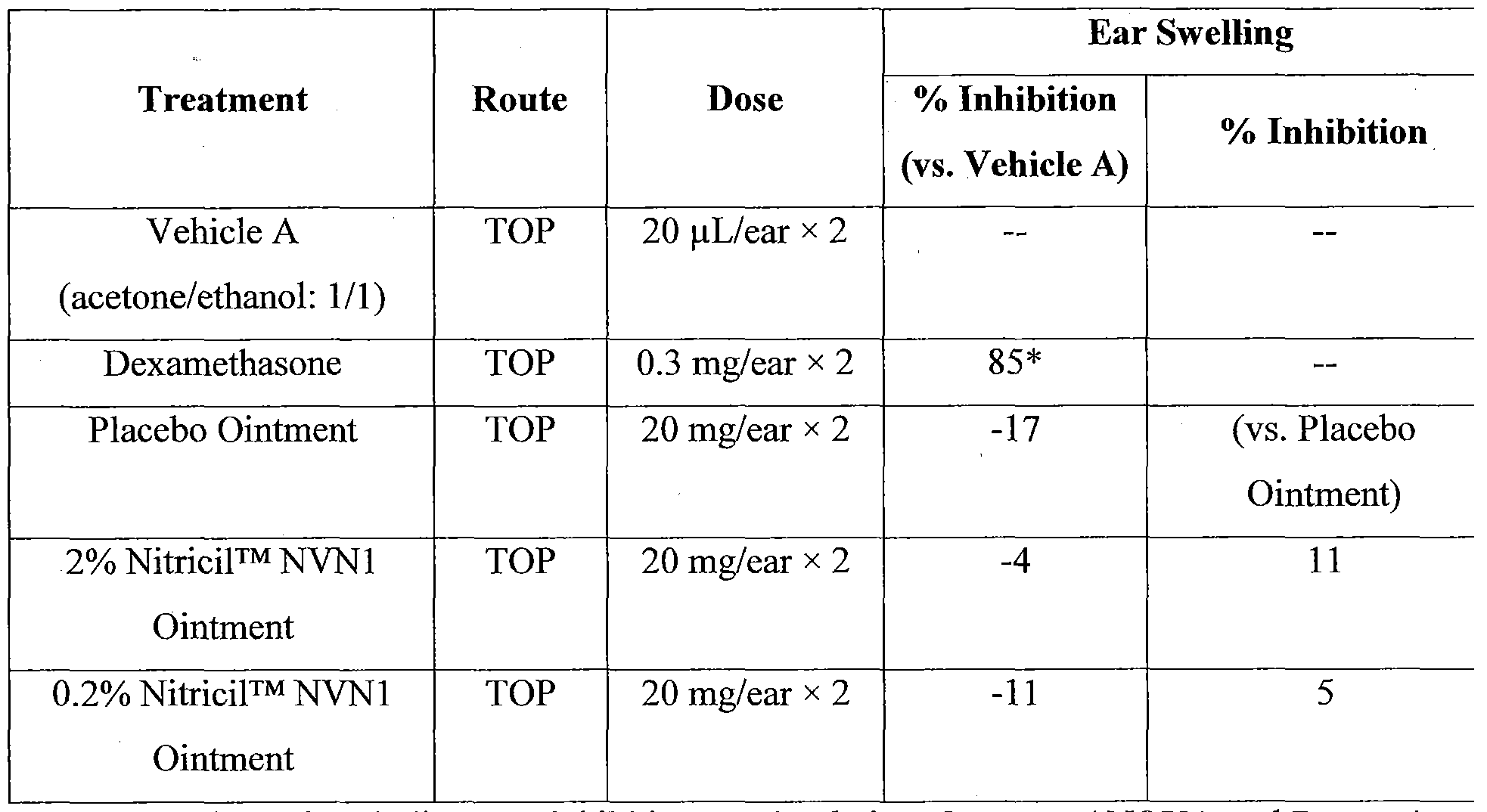


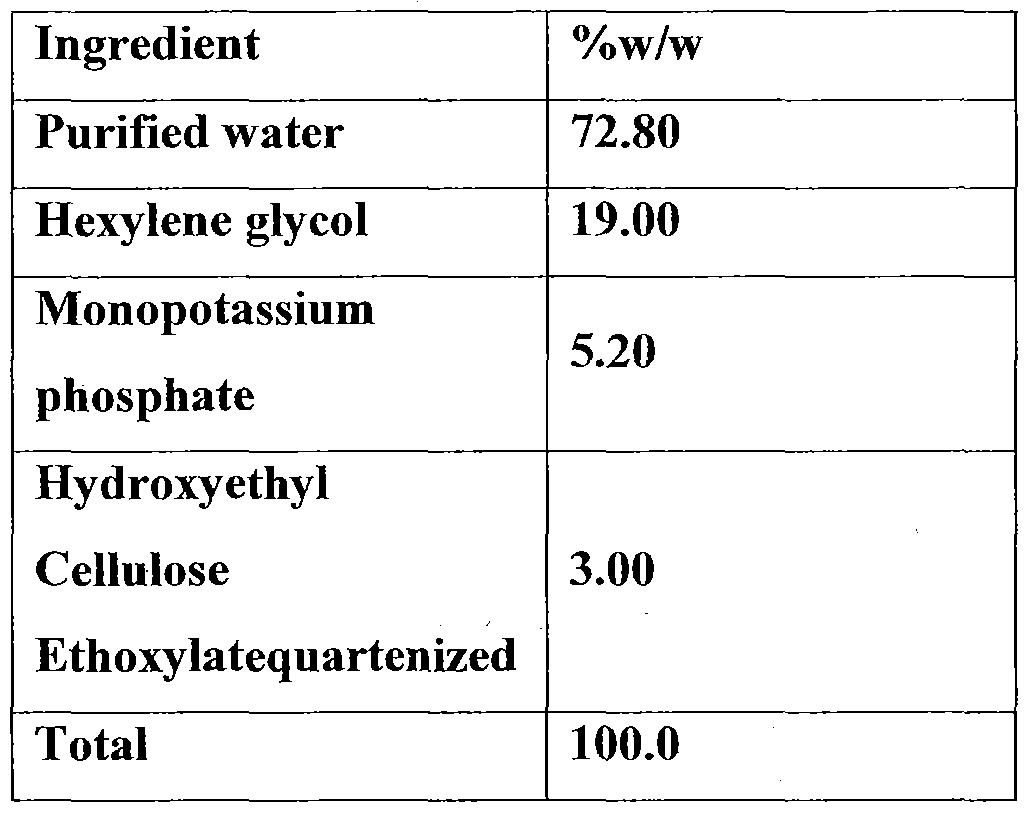


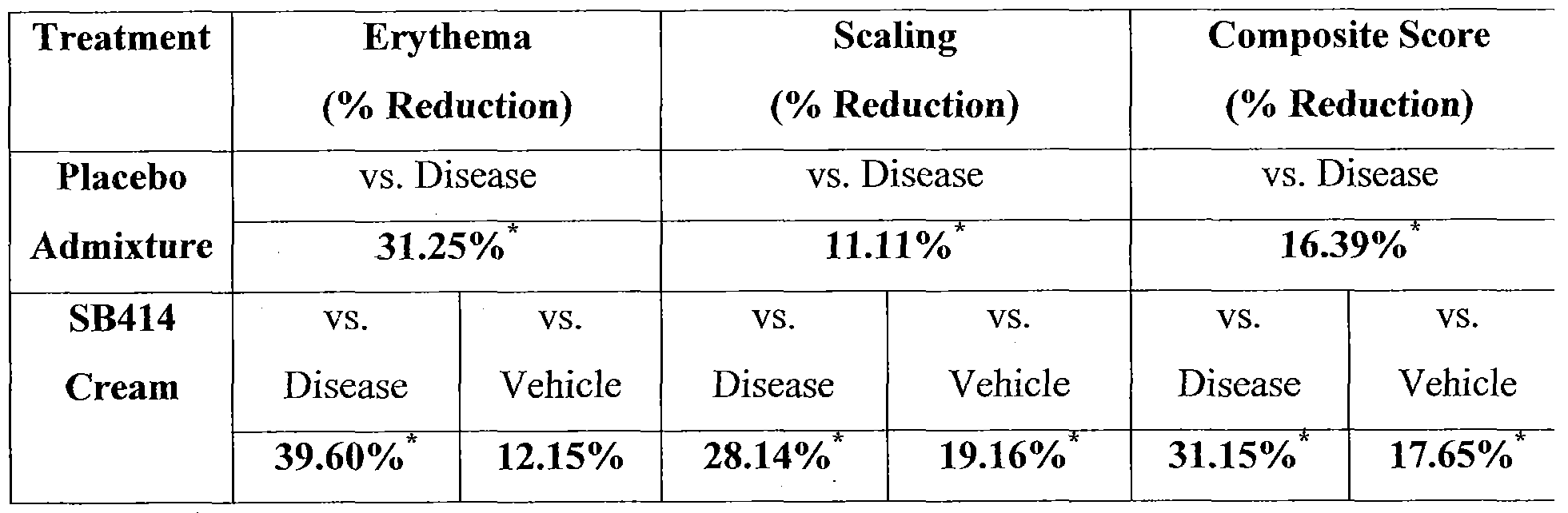
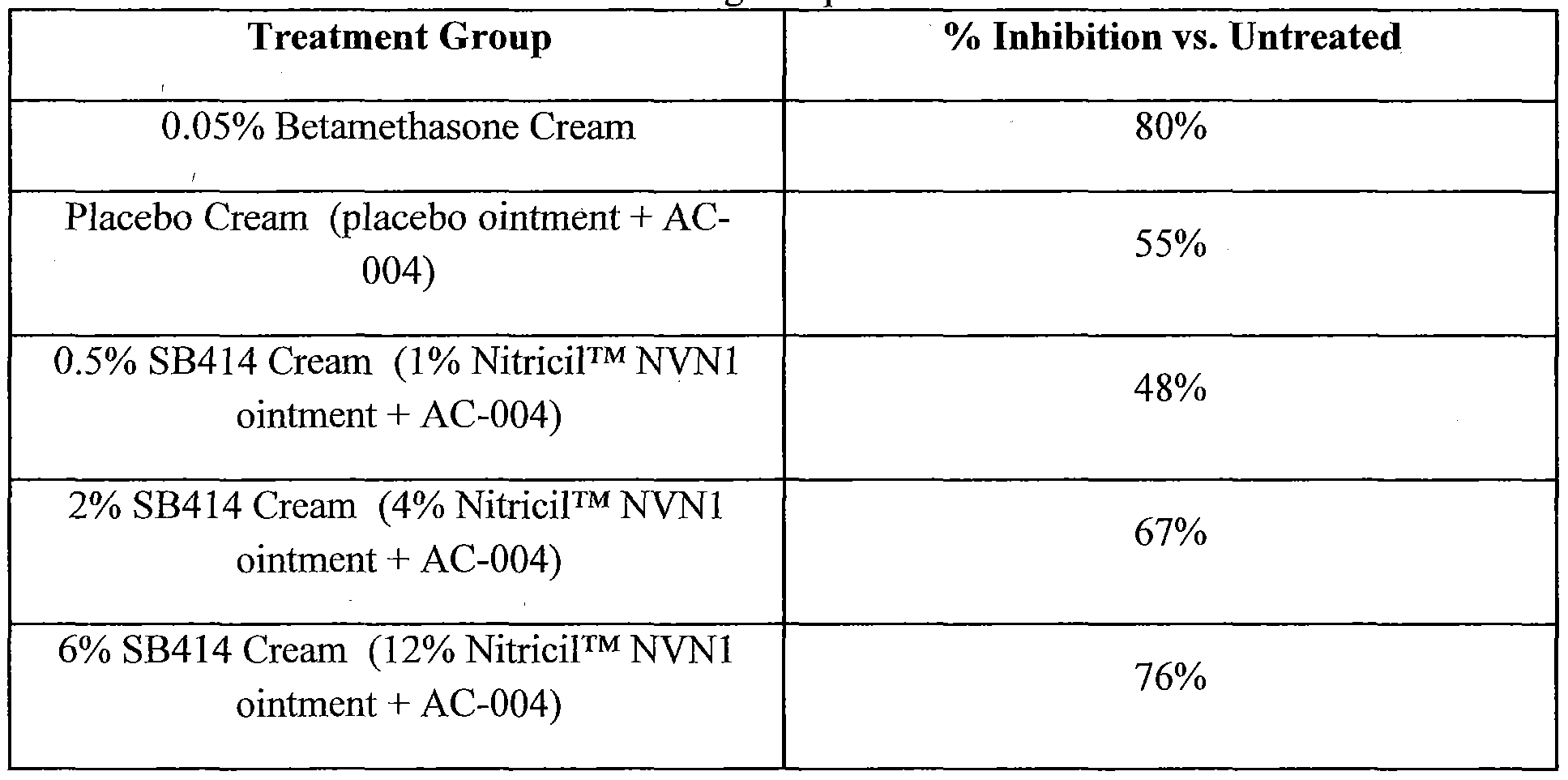
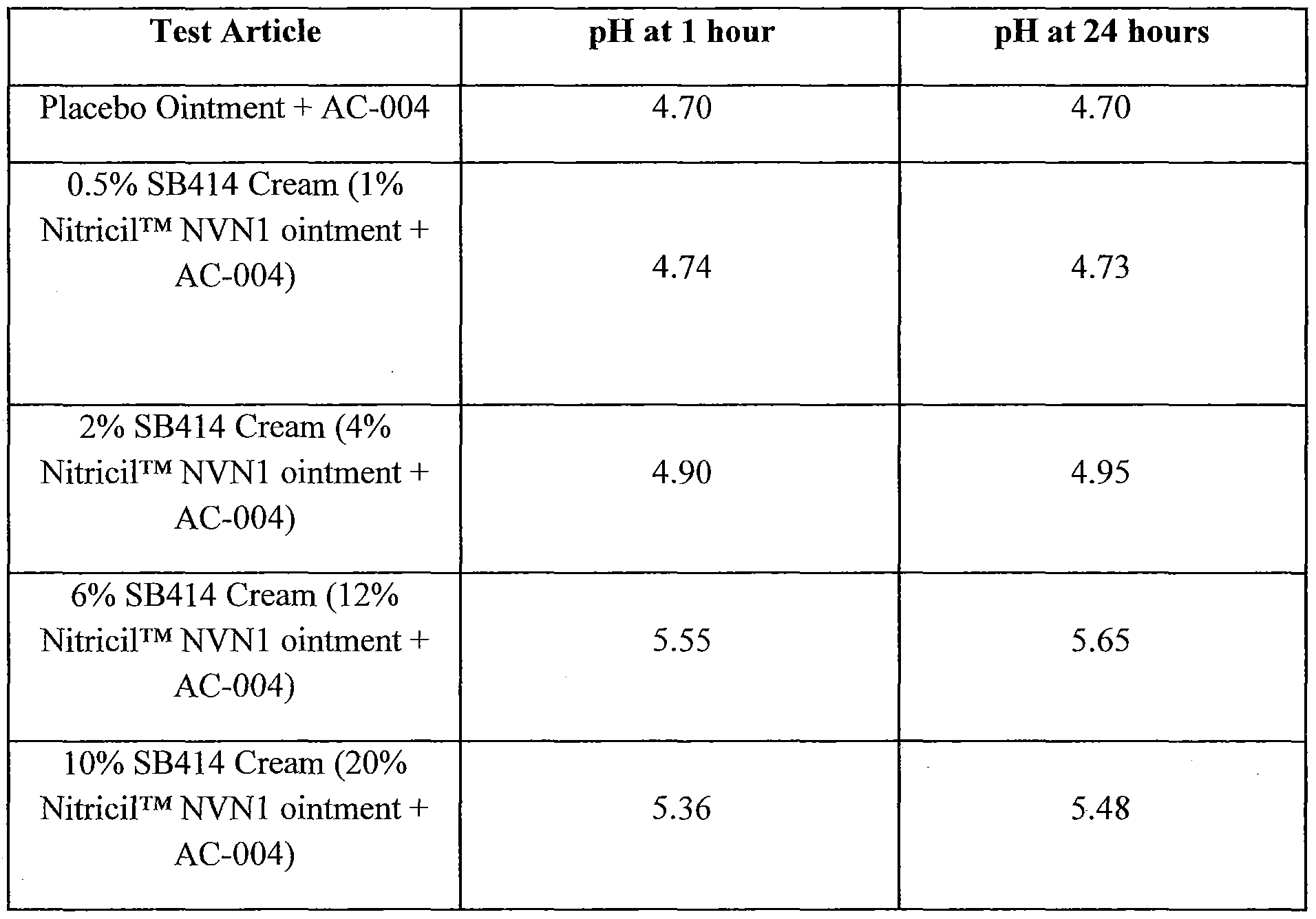
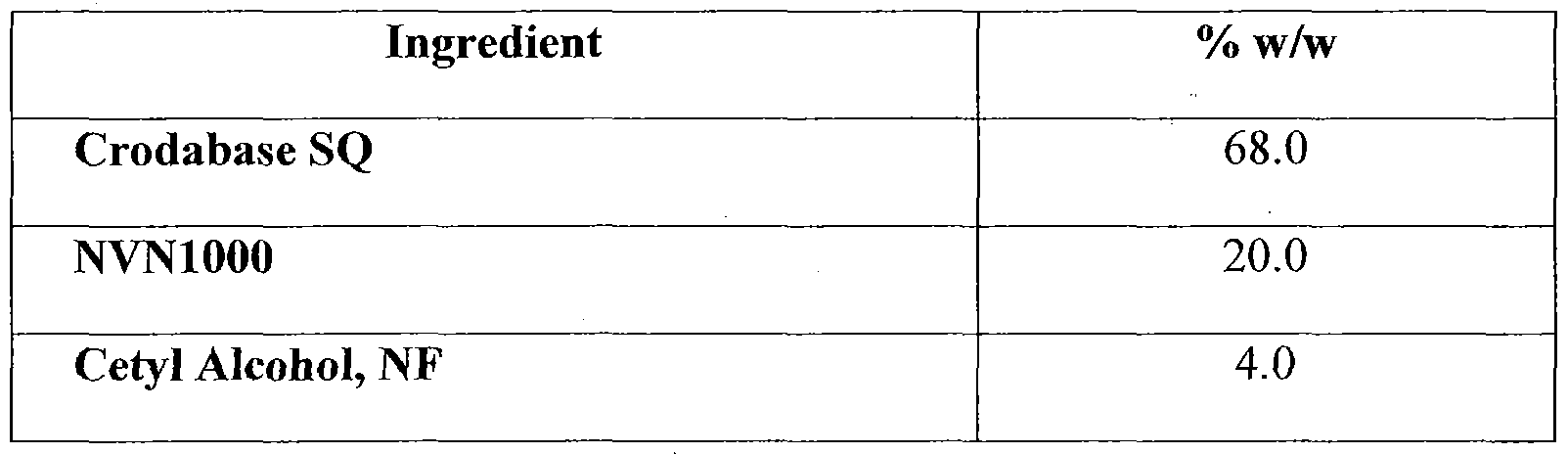


Claims
Priority Applications (6)
| Application Number | Priority Date | Filing Date | Title |
|---|---|---|---|
| JP2018545583A JP7090549B2 (en) | 2016-03-02 | 2017-03-02 | Therapeutic compositions for inflammation and their treatment methods |
| KR1020187026831A KR102319497B1 (en) | 2016-03-02 | 2017-03-02 | Composition for treating inflammation and method for treating inflammation |
| US16/081,708 US10912743B2 (en) | 2016-03-02 | 2017-03-02 | Compositions for treating inflammation and methods of treating the same |
| EP17760806.4A EP3423100A4 (en) | 2016-03-02 | 2017-03-02 | COMPOSITIONS FOR TREATING INFLAMMATION AND ASSOCIATED METHODS OF TREATMENT |
| JP2022065136A JP7369821B2 (en) | 2016-03-02 | 2022-04-11 | Therapeutic compositions and methods for treating inflammation |
| JP2023178305A JP2024020207A (en) | 2016-03-02 | 2023-10-16 | Therapeutic compositions and methods for treating inflammation |
Applications Claiming Priority (8)
| Application Number | Priority Date | Filing Date | Title |
|---|---|---|---|
| US201662302495P | 2016-03-02 | 2016-03-02 | |
| US62/302,495 | 2016-03-02 | ||
| US201662303777P | 2016-03-04 | 2016-03-04 | |
| US62/303,777 | 2016-03-04 | ||
| US201662422294P | 2016-11-15 | 2016-11-15 | |
| US62/422,294 | 2016-11-15 | ||
| US201762442184P | 2017-01-04 | 2017-01-04 | |
| US62/442,184 | 2017-01-04 |
Publications (1)
| Publication Number | Publication Date |
|---|---|
| WO2017151905A1 true WO2017151905A1 (en) | 2017-09-08 |
Family
ID=59744439
Family Applications (1)
| Application Number | Title | Priority Date | Filing Date |
|---|---|---|---|
| PCT/US2017/020426 Ceased WO2017151905A1 (en) | 2016-03-02 | 2017-03-02 | Compositions for treating inflammation and methods of treating the same |
Country Status (5)
| Country | Link |
|---|---|
| US (1) | US10912743B2 (en) |
| EP (1) | EP3423100A4 (en) |
| JP (3) | JP7090549B2 (en) |
| KR (1) | KR102319497B1 (en) |
| WO (1) | WO2017151905A1 (en) |
Cited By (6)
| Publication number | Priority date | Publication date | Assignee | Title |
|---|---|---|---|---|
| WO2019161396A1 (en) * | 2018-02-18 | 2019-08-22 | Jsk Therapeutics, Inc | Composition and method for topical js-k as therapy for actinic keratosis |
| WO2019201195A1 (en) | 2018-04-16 | 2019-10-24 | 上海岸阔医药科技有限公司 | Method for preventing or treating side effects of cancer therapy |
| US11077194B2 (en) | 2012-03-14 | 2021-08-03 | Novan, Inc. | Nitric oxide releasing pharmaceutical compositions |
| CN113877055A (en) * | 2021-08-10 | 2022-01-04 | 中国人民解放军军事科学院军事医学研究院 | Radiation-sensitive wearable drug controlled release system |
| US11285171B2 (en) | 2018-03-01 | 2022-03-29 | Novan, Inc. | Nitric oxide releasing suppositories and methods of use thereof |
| US11534382B2 (en) | 2017-06-19 | 2022-12-27 | Novan, Inc. | Topical compositions and methods of using the same |
Families Citing this family (9)
| Publication number | Priority date | Publication date | Assignee | Title |
|---|---|---|---|---|
| ES2731298T3 (en) | 2005-05-27 | 2019-11-14 | Univ North Carolina Chapel Hill | Nitric oxide release particles for nitric oxide therapeutic agents and biomedical applications |
| WO2013029009A1 (en) | 2011-08-24 | 2013-02-28 | Novan, Inc. | Tunable nitric oxide-releasing macromolecules having multiple nitric oxide donor structures |
| KR102321169B1 (en) | 2013-08-08 | 2021-11-02 | 노반, 인크. | Topical compositions and methods of using the same |
| US10322082B2 (en) | 2014-07-11 | 2019-06-18 | Novan, Inc. | Topical antiviral compositions and methods of using the same |
| GB201616666D0 (en) * | 2016-09-30 | 2016-11-16 | Innospec Ltd | Methods, compositions and uses relating thereto |
| EP4389148A3 (en) * | 2019-06-19 | 2024-09-25 | Zylo Therapeutics, Inc. | Sulfur functionalized monoliths and particles derived from the same as nitric oxide carriers for pharmaceutical and cosmetic applications |
| WO2022232764A1 (en) * | 2021-04-26 | 2022-11-03 | Soteri Skin, Inc. | Chemical compositions providing long-lasting skin ph control for improving skin-barrier function and treatment of skin-barrier disorders |
| US12396973B2 (en) * | 2021-04-26 | 2025-08-26 | Soteri Skin, Inc. | Methods and chemical compositions for treating skin conditions by providing long lasting skin PH control for improving skin barrier function |
| WO2025080553A1 (en) * | 2023-10-09 | 2025-04-17 | University Of Georgia Research Foundation, Inc. | Nitric oxide-releasing compositions and applications thereof |
Citations (5)
| Publication number | Priority date | Publication date | Assignee | Title |
|---|---|---|---|---|
| US4678666A (en) * | 1982-07-13 | 1987-07-07 | Pfizer Inc. | Topical anti-inflammatory compositions |
| US20080188446A1 (en) * | 2007-02-02 | 2008-08-07 | Warner Chilcott Company Inc. | Tetracycline compositions for topical administration |
| US20120202841A1 (en) * | 1998-12-03 | 2012-08-09 | Meda Pharma Sarl | Topical Compositions Comprising Ascomycins |
| US20140242023A1 (en) * | 2013-02-28 | 2014-08-28 | Novan, Inc. | Topical Compositions and Methods of Using the Same |
| US20150024052A1 (en) * | 2012-03-14 | 2015-01-22 | Novan, Inc. | Nitric Oxide Releasing Pharmaceutical Compositions |
Family Cites Families (161)
| Publication number | Priority date | Publication date | Assignee | Title |
|---|---|---|---|---|
| US3754368A (en) | 1969-11-04 | 1973-08-28 | Moore Perk Corp | Sterile packaging method |
| US4182827A (en) | 1978-08-31 | 1980-01-08 | Union Carbide Corporation | Polyurethane hydrogels having enhanced wetting rates |
| CH655656B (en) | 1982-10-07 | 1986-05-15 | ||
| US4829092A (en) | 1987-07-27 | 1989-05-09 | Chesebrough-Pond's Inc. | Glycerol and diglycerol mixtures for skin moisturizing |
| MX21453A (en) | 1989-07-07 | 1994-01-31 | Ciba Geigy Ag | PHARMACEUTICAL PREPARATIONS THAT ARE TOPICALLY ADMINISTERED. |
| GB9125712D0 (en) | 1991-12-03 | 1992-01-29 | Smithkline Beecham Plc | Skin care composition |
| US5814666A (en) | 1992-04-13 | 1998-09-29 | The United States As Represented By The Department Of Health And Human Services | Encapsulated and non-encapsulated nitric oxide generators used as antimicrobial agents |
| US5691423A (en) | 1992-08-24 | 1997-11-25 | The United States Of America As Represented By The Department Of Health And Human Services | Polysaccharide-bound nitric oxide-nucleophile adducts |
| US5910316A (en) | 1992-08-24 | 1999-06-08 | The United States Of America, As Represented By The Department Of Health And Human Services | Use of nitric oxide-releasing agents to treat impotency |
| US5405919A (en) | 1992-08-24 | 1995-04-11 | The United States Of America As Represented By The Secretary Of Health And Human Services | Polymer-bound nitric oxide/nucleophile adduct compositions, pharmaceutical compositions and methods of treating biological disorders |
| US5632981A (en) | 1992-08-24 | 1997-05-27 | The United States Of America As Represented By The Department Of Health And Human Services | Biopolymer-bound nitric oxide-releasing compositions, pharmaceutical compositions incorporating same and methods of treating biological disorders using same |
| WO1994008603A1 (en) | 1992-10-16 | 1994-04-28 | Smithkline Beecham Corporation | Compositions |
| JP3739100B2 (en) | 1993-07-30 | 2006-01-25 | 救急薬品工業株式会社 | Low temperature crosslinking gel |
| US5840759A (en) | 1993-10-08 | 1998-11-24 | The United States Of America As Represented By The Department Of Health And Human Services | Use of nitric oxide releasing compounds to protect noncancerous cells from chemotherapeutic agents |
| US6709681B2 (en) | 1995-02-17 | 2004-03-23 | Aberdeen University | Acidified nitrite as an antimicrobial agent |
| US5519020A (en) | 1994-10-28 | 1996-05-21 | The University Of Akron | Polymeric wound healing accelerators |
| DE19512181C2 (en) | 1995-03-31 | 2003-11-06 | Hexal Pharma Gmbh | Transdermal system with ramipril and / or trandolapril as an ACE inhibitor |
| US5714511A (en) | 1995-07-31 | 1998-02-03 | The United States Of America As Represented By The Secretary Of The Department Of Health And Human Services | Selective prevention of organ injury in sepsis and shock using selection release of nitric oxide in vulnerable organs |
| US5968001A (en) | 1996-05-14 | 1999-10-19 | Bristol-Myers Squibb Company | Wound dressings with leak prevention seal |
| US5770645A (en) | 1996-08-02 | 1998-06-23 | Duke University Medical Center | Polymers for delivering nitric oxide in vivo |
| US5958427A (en) | 1996-11-08 | 1999-09-28 | Salzman; Andrew L. | Nitric oxide donor compounds and pharmaceutical compositions for pulmonary hypertension and other indications |
| US5968528A (en) | 1997-05-23 | 1999-10-19 | The Procter & Gamble Company | Skin care compositions |
| SE512663C2 (en) | 1997-10-23 | 2000-04-17 | Biogram Ab | Active substance encapsulation process in a biodegradable polymer |
| US20020013304A1 (en) | 1997-10-28 | 2002-01-31 | Wilson Leland F. | As-needed administration of an androgenic agent to enhance female sexual desire and responsiveness |
| US6319913B1 (en) | 1997-11-10 | 2001-11-20 | Cellegy Pharmaceuticals, Inc. | Penetration enhancing and irritation reducing systems |
| US6103266A (en) | 1998-04-22 | 2000-08-15 | Tapolsky; Gilles H. | Pharmaceutical gel preparation applicable to mucosal surfaces and body tissues |
| US6103275A (en) | 1998-06-10 | 2000-08-15 | Nitric Oxide Solutions | Systems and methods for topical treatment with nitric oxide |
| US6465445B1 (en) | 1998-06-11 | 2002-10-15 | Endorecherche, Inc. | Medical uses of a selective estrogen receptor modulator in combination with sex steroid precursors |
| US6818018B1 (en) | 1998-08-14 | 2004-11-16 | Incept Llc | In situ polymerizable hydrogels |
| US20040043068A1 (en) | 1998-09-29 | 2004-03-04 | Eugene Tedeschi | Uses for medical devices having a lubricious, nitric oxide-releasing coating |
| US6382526B1 (en) | 1998-10-01 | 2002-05-07 | The University Of Akron | Process and apparatus for the production of nanofibers |
| WO2000049993A2 (en) | 1999-02-24 | 2000-08-31 | Nitromed, Inc. | Nitrosated and nitrosylated steroids for the treatment of cardiovascular diseases and disorders |
| GB2354441A (en) | 1999-08-06 | 2001-03-28 | Mccormack Ltd | Composition for treating dentine hypersensitivity |
| US6479058B1 (en) | 1999-09-02 | 2002-11-12 | Mccadden Michael E. | Composition for the topical treatment of poison ivy and other forms of contact dermatitis |
| DE19945484A1 (en) | 1999-09-22 | 2001-04-05 | Kolb Bachofen Victoria | NO-releasing topically applicable composition |
| US6737447B1 (en) | 1999-10-08 | 2004-05-18 | The University Of Akron | Nitric oxide-modified linear poly(ethylenimine) fibers and uses thereof |
| US6719997B2 (en) | 2000-06-30 | 2004-04-13 | Dermatrends, Inc. | Transdermal administration of pharmacologically active amines using hydroxide-releasing agents as permeation enhancers |
| US6627301B2 (en) | 2000-03-28 | 2003-09-30 | Showa Denko Kabushiki Kaisha | Magnetic recording medium |
| WO2001085013A2 (en) | 2000-05-09 | 2001-11-15 | Nitromed, Inc. | Infrared thermography and methods of use |
| US6475500B2 (en) | 2000-07-10 | 2002-11-05 | The Procter & Gamble Company | Anhydrous cosmetic compositions |
| HUP0002628A2 (en) | 2000-07-14 | 2002-06-29 | Keri Pharma Kft | Pharmaceutical combinations for treating diabetes |
| GB0022084D0 (en) | 2000-09-08 | 2000-10-25 | Univ Aberdeen | Treatment of multiply antibiotic-resistant organisms |
| US20020122771A1 (en) | 2000-09-23 | 2002-09-05 | Troy Holland | Spray hydrogel wound dressings |
| AU2002228652A1 (en) | 2000-11-27 | 2002-06-03 | The University Of Akron | Treatment of disorders using polyethylenimine diazeniumdiolate |
| US7060732B2 (en) | 2000-12-12 | 2006-06-13 | Imaginative Research Associates, Inc. | Antibiotic/benzoyl peroxide dispenser |
| US6780849B2 (en) | 2000-12-21 | 2004-08-24 | Scimed Life Systems, Inc. | Lipid-based nitric oxide donors |
| US20040009238A1 (en) | 2002-07-09 | 2004-01-15 | Chris Miller | Exogenenous nitric oxide gas (gNO) therapy in wound healing |
| US6706274B2 (en) | 2001-01-18 | 2004-03-16 | Scimed Life Systems, Inc. | Differential delivery of nitric oxide |
| GB0119011D0 (en) | 2001-08-03 | 2001-09-26 | Univ Aberdeen | Treatment of nail infections |
| US6520425B1 (en) | 2001-08-21 | 2003-02-18 | The University Of Akron | Process and apparatus for the production of nanofibers |
| US6703046B2 (en) | 2001-10-04 | 2004-03-09 | Medtronic Ave Inc. | Highly cross-linked, extremely hydrophobic nitric oxide-releasing polymers and methods for their manufacture and use |
| JP2003212773A (en) | 2002-01-04 | 2003-07-30 | Oramon Arzneimittel Gmbh | Topical medicine composition of cetirizine and loratadine |
| AU2003205058A1 (en) | 2002-01-08 | 2003-07-24 | Bernard Techologies, Inc. | Antimicrobial body covering articles |
| US20030159702A1 (en) | 2002-01-21 | 2003-08-28 | Lindell Katarina E.A. | Formulation and use manufacture thereof |
| US6695992B2 (en) | 2002-01-22 | 2004-02-24 | The University Of Akron | Process and apparatus for the production of nanofibers |
| JP2003286153A (en) | 2002-01-24 | 2003-10-07 | Shiseido Co Ltd | Skin care composition |
| US20050226821A1 (en) | 2002-02-22 | 2005-10-13 | Jacob Waugh | Cosmetic formulations containing l-arginine oligomers |
| US20030175328A1 (en) | 2002-03-06 | 2003-09-18 | Adi Shefer | Patch for the controlled delivery of cosmetic, dermatological, and pharmaceutical active ingredients into the skin |
| US20030219494A1 (en) | 2002-03-20 | 2003-11-27 | Smith Maree Therese | Compositions and methods of using them |
| JP2005537223A (en) | 2002-04-05 | 2005-12-08 | ニトロメッド,インク. | Nitric oxide donors, compositions and methods of use |
| AU2003237128A1 (en) | 2002-05-03 | 2003-11-17 | Duke University | Carbon nanotubules for storage of nitric oxide |
| US7328706B2 (en) | 2002-05-06 | 2008-02-12 | Dynamic Mouth Devices Llc | Therapeutic and protective dental device useful as an intra-oral delivery system |
| EP1507526A2 (en) | 2002-05-07 | 2005-02-23 | THE GOVERNMENT OF THE UNITED STATES OF AMERICA, as represented by THE SECRETARY, DEPARTMENT OF HEALTH AND HUMAN SERVICES | Polydiazeniumdiolated cyclic polyamines with polyphasic nitric oxide release and related compounds, compositions comprising same and methods of using same |
| WO2004012659A2 (en) | 2002-08-01 | 2004-02-12 | Nitromed, Inc. | Nitrosated proton pump inhibitors, compositions and methods of use |
| EP1545798A4 (en) | 2002-08-02 | 2006-06-14 | Us Gov Health & Human Serv | RETICULATED SUBSTRATES COATED WITH NITRIC OXIDE-RELEASING POLYAMINE, COMPOSITIONS CONTAINING SAID SUBSTANCES, AND METHOD OF PRODUCING THE SAME |
| IL152486A0 (en) | 2002-10-25 | 2003-05-29 | Meir Eini | Alcohol-free cosmetic and pharmaceutical foam carrier |
| US20070292359A1 (en) | 2002-10-25 | 2007-12-20 | Foamix Ltd. | Polypropylene glycol foamable vehicle and pharmaceutical compositions thereof |
| US20080031907A1 (en) | 2002-10-25 | 2008-02-07 | Foamix Ltd. | Cosmetic and pharmaceutical foam |
| US20080206161A1 (en) | 2002-10-25 | 2008-08-28 | Dov Tamarkin | Quiescent foamable compositions, steroids, kits and uses thereof |
| US9668972B2 (en) | 2002-10-25 | 2017-06-06 | Foamix Pharmaceuticals Ltd. | Nonsteroidal immunomodulating kit and composition and uses thereof |
| US20080138296A1 (en) | 2002-10-25 | 2008-06-12 | Foamix Ltd. | Foam prepared from nanoemulsions and uses |
| US20070292461A1 (en) | 2003-08-04 | 2007-12-20 | Foamix Ltd. | Oleaginous pharmaceutical and cosmetic foam |
| US20080317679A1 (en) | 2002-10-25 | 2008-12-25 | Foamix Ltd. | Foamable compositions and kits comprising one or more of a channel agent, a cholinergic agent, a nitric oxide donor, and related agents and their uses |
| US20050271596A1 (en) | 2002-10-25 | 2005-12-08 | Foamix Ltd. | Vasoactive kit and composition and uses thereof |
| US9265725B2 (en) | 2002-10-25 | 2016-02-23 | Foamix Pharmaceuticals Ltd. | Dicarboxylic acid foamable vehicle and pharmaceutical compositions thereof |
| US7704518B2 (en) | 2003-08-04 | 2010-04-27 | Foamix, Ltd. | Foamable vehicle and pharmaceutical compositions thereof |
| FR2850579B1 (en) | 2003-02-03 | 2006-08-18 | Oreal | USE OF MONO-OR DI-ESTERS OF CINNAMIC ACID OR ONE OF ITS DERIVATIVES AND VITAMIN C, AS DONOR OF NO |
| EP1603933A2 (en) | 2003-03-13 | 2005-12-14 | Nitromed, Inc. | Nitrosated and nitrosylated compounds, compositions and methods of use |
| US20040202684A1 (en) | 2003-04-08 | 2004-10-14 | David Djerassi | Personalized interactive natural cosmetics |
| US7879357B2 (en) | 2003-04-28 | 2011-02-01 | Bayer Schering Pharma Ag | Pharmaceutical composition in the form of a hydrogel for transdermal administration of active ingredients |
| EP1491188A1 (en) | 2003-06-25 | 2004-12-29 | G2M Cancer Drugs AG | Topical use of valproic acid for the prevention or treatment of skin disorders |
| US7972137B2 (en) | 2003-06-30 | 2011-07-05 | Rosen Gerald M | Anti-microbial dental formulations for the prevention and treatment of oral mucosal disease |
| WO2005003032A1 (en) | 2003-07-03 | 2005-01-13 | The University Court Of The University Of St Andrews | Zeolites for delivery of nitric oxide |
| WO2005004984A1 (en) | 2003-07-14 | 2005-01-20 | Power Paper Ltd. | Device and method for the treatment of pilosebaceous disorders |
| WO2005011575A2 (en) | 2003-07-25 | 2005-02-10 | The University Of Akron | Stabilization and ionic triggering of nitric oxide release |
| US20080069779A1 (en) | 2003-08-04 | 2008-03-20 | Foamix Ltd. | Foamable vehicle and vitamin and flavonoid pharmaceutical compositions thereof |
| US8795693B2 (en) | 2003-08-04 | 2014-08-05 | Foamix Ltd. | Compositions with modulating agents |
| US8486374B2 (en) | 2003-08-04 | 2013-07-16 | Foamix Ltd. | Hydrophilic, non-aqueous pharmaceutical carriers and compositions and uses |
| WO2005023189A2 (en) * | 2003-09-03 | 2005-03-17 | Pharmacia Corporation | Method of cox-2 selective inhibitor and nitric oxide-donating agent |
| JP2007508121A (en) | 2003-10-14 | 2007-04-05 | キューブ メディカル エーエス | Angioplasty balloon |
| GB0326047D0 (en) | 2003-11-07 | 2003-12-10 | Univ Sheffield | Substance |
| US20070166255A1 (en) | 2004-11-22 | 2007-07-19 | Gupta Shyam K | Treatment of Topical Discomforts Including Acne, Sunburn, Diaper Rash, Wound, Wrinkles and Dandruff/Hair Loss by Natural Lignans via Fatty Acid Desaturase Inhibition |
| NZ556202A (en) | 2005-01-04 | 2010-03-26 | Teikoku Pharma Usa Inc | Cooling topical patch preparation |
| EP1690554A1 (en) | 2005-02-11 | 2006-08-16 | NOLabs AB | Device for treatment of infections, including dermatophytosis and onychomycosis |
| PL1861130T3 (en) | 2005-02-11 | 2009-02-27 | Nolabs Ab | Device and method for treatment of dermatomycosis, and in particular onychomycosis |
| EP1757278A1 (en) | 2005-08-23 | 2007-02-28 | NOLabs AB | Device, system, and method comprising microencapsulated liquid for release of nitric oxide from a polymer |
| KR20070105331A (en) | 2005-02-11 | 2007-10-30 | 노랩스 에이비 | Apparatus, Method and Uses for Neuropathy Including Nitric Monoxide |
| RU2385711C2 (en) | 2005-03-21 | 2010-04-10 | Лайфкэр Инновейшнз Пвт. Лтд. | Multilayer vesicular composition |
| EP1704876A1 (en) | 2005-03-24 | 2006-09-27 | NOLabs AB | Cosmetic treatment, device for performing said treatment and manufacturing method thereof |
| DE602006006432D1 (en) | 2005-03-24 | 2009-06-04 | Nolabs Ab | COSMETIC TREATMENT WITH STAIN OXIDE, DEVICE FOR CARRYING OUT THIS TREATMENT, AND METHOD OF MANUFACTURING THEREOF |
| AU2006298442A1 (en) | 2005-05-09 | 2007-04-12 | Foamix Ltd. | Saccharide foamable compositions |
| FR2885527B1 (en) | 2005-05-16 | 2007-06-29 | Galderma Res & Dev | PHARMACEUTICAL COMPOSITION COMPRISING AN OLEAGINOUS OINTMENT AND VITAMIN D OR ITS DERIVATIVES IN THE SOLUBILIZED CONDITION |
| ES2731298T3 (en) | 2005-05-27 | 2019-11-14 | Univ North Carolina Chapel Hill | Nitric oxide release particles for nitric oxide therapeutic agents and biomedical applications |
| WO2006138035A1 (en) | 2005-06-13 | 2006-12-28 | Dow Corning Corporation | Vehicle for the delivery of topical lipid soluble pharmaceutical agents |
| US20080152596A1 (en) | 2005-07-19 | 2008-06-26 | Foamix Ltd. | Polypropylene glycol foamable vehicle and pharmaceutical compositions thereof |
| WO2007092312A2 (en) | 2006-02-03 | 2007-08-16 | Stiefel Laboratories, Inc. | Topical skin treating compositions |
| US7744928B2 (en) | 2006-04-14 | 2010-06-29 | Advanced Cardiovascular Systems, Inc. | Methods and compositions for treatment of lesioned sites of body vessels |
| EP2029106A2 (en) | 2006-06-07 | 2009-03-04 | Foamix Ltd. | Foamable vehicle comprising polypropylene glycol alkyl ether and pharmaceutical compositions thereof |
| US8333997B2 (en) | 2006-06-21 | 2012-12-18 | Albert Einstein College Of Medicine Of Yeshiva University | Compositions for sustained release of nitric oxide, methods of preparing same and uses thereof |
| WO2008110872A2 (en) | 2006-06-23 | 2008-09-18 | Foamix Ltd. | Foamable compositions and kits comprising one or more of a channel agent, a cholinergic agent, a nitric oxide donor, and related agents and their uses |
| PT2494959E (en) | 2006-07-05 | 2015-02-20 | Foamix Pharmaceuticals Ltd | DICARBOXYLIC ACID FOAM FORMING VEHICLE AND ITS PHARMACEUTICAL COMPOSITIONS |
| GB0616350D0 (en) | 2006-08-17 | 2006-09-27 | Univ St Andrews | Adsorption and release of nitric oxide in metal organic frameworks |
| JP2010502690A (en) | 2006-09-08 | 2010-01-28 | フォーミックス エルティーディー. | Colored or colorable foamable composition |
| EP2073794A2 (en) | 2006-11-14 | 2009-07-01 | Foamix Ltd. | Stable non-alcoholic foamable pharmaceutical emulsion compositions with an unctuous emollient and their uses |
| US20080260655A1 (en) | 2006-11-14 | 2008-10-23 | Dov Tamarkin | Substantially non-aqueous foamable petrolatum based pharmaceutical and cosmetic compositions and their uses |
| AU2007355106A1 (en) | 2006-11-29 | 2008-12-18 | Foamix Ltd. | Foamable waterless compositions with modulating agents |
| US20080292560A1 (en) | 2007-01-12 | 2008-11-27 | Dov Tamarkin | Silicone in glycol pharmaceutical and cosmetic compositions with accommodating agent |
| US8530436B2 (en) | 2007-01-29 | 2013-09-10 | Transderm, Inc. | Methods and compositions for transdermal delivery of nucleotides |
| US20100178319A1 (en) | 2007-03-27 | 2010-07-15 | Lars Lindgren | Topical Dermal Delivery Device For Nitric Oxide Delivery |
| US8636982B2 (en) | 2007-08-07 | 2014-01-28 | Foamix Ltd. | Wax foamable vehicle and pharmaceutical compositions thereof |
| US8617100B2 (en) | 2007-09-04 | 2013-12-31 | Foamix Ltd. | Device for delivery of a foamable composition |
| EP2209472A1 (en) | 2007-10-12 | 2010-07-28 | The University of North Carolina at Chapel Hill | Use of nitric oxide to enhance the efficacy of silver and other topical wound care agents |
| CA2706797A1 (en) | 2007-11-19 | 2009-05-28 | Stiefel Laboratories, Inc. | Topical cosmetic skin lightening compositions and methods of use thereof |
| US20090130029A1 (en) | 2007-11-21 | 2009-05-21 | Foamix Ltd. | Glycerol ethers vehicle and pharmaceutical compositions thereof |
| WO2009069006A2 (en) | 2007-11-30 | 2009-06-04 | Foamix Ltd. | Foam containing benzoyl peroxide |
| WO2009072007A2 (en) | 2007-12-07 | 2009-06-11 | Foamix Ltd. | Carriers, formulations, methods for formulating unstable active agents for external application and uses thereof |
| CA2711703A1 (en) | 2008-01-08 | 2009-07-16 | Foamix Ltd. | Sensation modifying topical composition foam |
| FR2929278A1 (en) | 2008-04-01 | 2009-10-02 | Centre Nat Rech Scient | POROUS CRYSTALLINE HYBRID SOLID FOR THE ADSORPTION AND RELEASE OF GASES OF BIOLOGICAL INTEREST. |
| JP2011518222A (en) | 2008-04-21 | 2011-06-23 | スリーエム イノベイティブ プロパティズ カンパニー | Nitric oxide releasing composition, device and method |
| US20120141384A1 (en) | 2008-05-06 | 2012-06-07 | Dov Tamarkin | Antibacterial conjugated boronic acids and pharmaceutical compositions thereof |
| KR101199580B1 (en) | 2008-08-06 | 2013-11-27 | (주)에델프라우 | Nanoemulsion for topical administration |
| EP2334279A4 (en) | 2008-10-16 | 2013-03-20 | Novan Inc | NITROGEN MONOXIDE-RELEASING PARTICLES USED IN ORAL HYGIENE |
| US10294317B2 (en) | 2009-07-07 | 2019-05-21 | Convatec Technologies Inc. | Pressure sensitive adhesives with amphiphilic copolymers |
| CA2771389C (en) | 2009-08-21 | 2019-04-09 | Novan, Inc. | Wound dressings, methods of using the same and methods of forming the same |
| WO2011022652A1 (en) | 2009-08-21 | 2011-02-24 | Novan, Inc. | Topical gels |
| WO2011040894A1 (en) | 2009-10-01 | 2011-04-07 | Mustafa Nevzat Ilaç Sanayii A.Ş. | Topical compositions of opioid antagonists and methods for treating skin conditions therewith |
| BR112012008508A2 (en) | 2009-10-13 | 2017-06-13 | Novan Inc | sol-gel coating, substrate, method for producing a sol-gel coating |
| RU2012126084A (en) | 2009-11-23 | 2013-12-27 | Сипла Лимитед | FOAM COMPOSITION FOR LOCAL USE |
| JP2013514347A (en) | 2009-12-16 | 2013-04-25 | シャスン ファーマシューティカルズ リミテッド | Dexibuprofen transdermal hydrogel composition |
| WO2011085484A1 (en) | 2010-01-13 | 2011-07-21 | Nitric Solutions Inc. | Antimicrobial nitric oxide compositions |
| EP2560634A1 (en) | 2010-04-23 | 2013-02-27 | Piramal Enterprises Limited | Nitric oxide releasing prodrugs of therapeutic agents |
| GB201010954D0 (en) | 2010-06-29 | 2010-08-11 | Edko Pazarlama Tanitim Ticaret | Compositions |
| EP2593085B1 (en) | 2010-07-14 | 2014-04-02 | Dow Corning Corporation | Dual drug delivery using silicone gels |
| WO2012035468A2 (en) | 2010-09-14 | 2012-03-22 | Trima - Israel Pharmaceutical Products Maabarot Ltd. | Foamable topical composition |
| US8591876B2 (en) | 2010-12-15 | 2013-11-26 | Novan, Inc. | Methods of decreasing sebum production in the skin |
| CN102100663B (en) | 2011-01-14 | 2013-04-17 | 华南理工大学 | Method for preparing pH sensitive in-situ gel nano slow-release eye drop |
| EP2665763B1 (en) | 2011-01-20 | 2015-08-26 | Novan, Inc. | Temperature controlled sol-gel co-condensation |
| WO2012118829A2 (en) | 2011-02-28 | 2012-09-07 | Novan, Inc. | Tertiary s-nitrosothiol-modified nitricoxide-releasing xerogels and methods of using the same |
| CA2830298C (en) | 2011-03-17 | 2016-08-16 | Transdermal Biotechnology, Inc. | Topical nitric oxide systems comprising lecithin and methods of use thereof |
| CA2835320A1 (en) | 2011-05-09 | 2012-11-15 | Topical Therapeutic Agent (Tta) Ltd. | Nitric oxide-sequestering topical formulations |
| ES2804263T3 (en) | 2011-07-05 | 2021-02-05 | Novan Inc | Topical compositions |
| WO2013006613A1 (en) | 2011-07-05 | 2013-01-10 | Novan, Inc. | Methods of manufacturing topical compositions and apparatus for same |
| WO2013029009A1 (en) | 2011-08-24 | 2013-02-28 | Novan, Inc. | Tunable nitric oxide-releasing macromolecules having multiple nitric oxide donor structures |
| US9669041B2 (en) | 2011-10-27 | 2017-06-06 | Novan, Inc. | Nitric oxide releasing bath compositions and methods of using the same |
| US20150111973A1 (en) | 2012-03-13 | 2015-04-23 | Novan, Inc. | Methods of modulating steroid hormone activity |
| CN106986952B (en) | 2012-08-17 | 2020-03-10 | 北卡罗来纳大学查珀尔希尔分校 | Water-soluble nitric oxide-releasing polyglucosamines and uses thereof |
| US9187501B2 (en) | 2012-08-28 | 2015-11-17 | The University Of North Carolina At Chapel Hill | Nitric oxide-releasing nanorods and their methods of use |
| KR102321169B1 (en) * | 2013-08-08 | 2021-11-02 | 노반, 인크. | Topical compositions and methods of using the same |
| CN106659675B (en) | 2014-07-11 | 2023-07-04 | 诺万公司 | Topical antiviral compositions and methods of use thereof |
| WO2016010988A1 (en) | 2014-07-14 | 2016-01-21 | Novan, Inc. | Nitric oxide releasing nail coating compositions, nitric oxide releasing nail coatings, and methods of using the same |
| CA2919733A1 (en) | 2014-08-08 | 2016-02-08 | Novan, Inc. | Topical compositions and methods of using the same |
-
2017
- 2017-03-02 EP EP17760806.4A patent/EP3423100A4/en active Pending
- 2017-03-02 JP JP2018545583A patent/JP7090549B2/en active Active
- 2017-03-02 WO PCT/US2017/020426 patent/WO2017151905A1/en not_active Ceased
- 2017-03-02 KR KR1020187026831A patent/KR102319497B1/en active Active
- 2017-03-02 US US16/081,708 patent/US10912743B2/en active Active
-
2022
- 2022-04-11 JP JP2022065136A patent/JP7369821B2/en active Active
-
2023
- 2023-10-16 JP JP2023178305A patent/JP2024020207A/en active Pending
Patent Citations (5)
| Publication number | Priority date | Publication date | Assignee | Title |
|---|---|---|---|---|
| US4678666A (en) * | 1982-07-13 | 1987-07-07 | Pfizer Inc. | Topical anti-inflammatory compositions |
| US20120202841A1 (en) * | 1998-12-03 | 2012-08-09 | Meda Pharma Sarl | Topical Compositions Comprising Ascomycins |
| US20080188446A1 (en) * | 2007-02-02 | 2008-08-07 | Warner Chilcott Company Inc. | Tetracycline compositions for topical administration |
| US20150024052A1 (en) * | 2012-03-14 | 2015-01-22 | Novan, Inc. | Nitric Oxide Releasing Pharmaceutical Compositions |
| US20140242023A1 (en) * | 2013-02-28 | 2014-08-28 | Novan, Inc. | Topical Compositions and Methods of Using the Same |
Cited By (6)
| Publication number | Priority date | Publication date | Assignee | Title |
|---|---|---|---|---|
| US11077194B2 (en) | 2012-03-14 | 2021-08-03 | Novan, Inc. | Nitric oxide releasing pharmaceutical compositions |
| US11534382B2 (en) | 2017-06-19 | 2022-12-27 | Novan, Inc. | Topical compositions and methods of using the same |
| WO2019161396A1 (en) * | 2018-02-18 | 2019-08-22 | Jsk Therapeutics, Inc | Composition and method for topical js-k as therapy for actinic keratosis |
| US11285171B2 (en) | 2018-03-01 | 2022-03-29 | Novan, Inc. | Nitric oxide releasing suppositories and methods of use thereof |
| WO2019201195A1 (en) | 2018-04-16 | 2019-10-24 | 上海岸阔医药科技有限公司 | Method for preventing or treating side effects of cancer therapy |
| CN113877055A (en) * | 2021-08-10 | 2022-01-04 | 中国人民解放军军事科学院军事医学研究院 | Radiation-sensitive wearable drug controlled release system |
Also Published As
| Publication number | Publication date |
|---|---|
| US20190015358A1 (en) | 2019-01-17 |
| JP7369821B2 (en) | 2023-10-26 |
| JP2019511481A (en) | 2019-04-25 |
| US10912743B2 (en) | 2021-02-09 |
| EP3423100A1 (en) | 2019-01-09 |
| KR20180118679A (en) | 2018-10-31 |
| JP2024020207A (en) | 2024-02-14 |
| EP3423100A4 (en) | 2019-10-16 |
| JP7090549B2 (en) | 2022-06-24 |
| JP2022092011A (en) | 2022-06-21 |
| KR102319497B1 (en) | 2021-11-01 |
Similar Documents
| Publication | Publication Date | Title |
|---|---|---|
| US10912743B2 (en) | Compositions for treating inflammation and methods of treating the same | |
| US20210322555A1 (en) | Nitric oxide releasing pharmaceutical compositions | |
| US10828323B2 (en) | Topical compositions and methods of using the same | |
| US10206947B2 (en) | Topical compositions and methods of using the same |
Legal Events
| Date | Code | Title | Description |
|---|---|---|---|
| ENP | Entry into the national phase |
Ref document number: 2018545583 Country of ref document: JP Kind code of ref document: A |
|
| NENP | Non-entry into the national phase |
Ref country code: DE |
|
| ENP | Entry into the national phase |
Ref document number: 20187026831 Country of ref document: KR Kind code of ref document: A |
|
| WWE | Wipo information: entry into national phase |
Ref document number: 2017760806 Country of ref document: EP |
|
| ENP | Entry into the national phase |
Ref document number: 2017760806 Country of ref document: EP Effective date: 20181002 |
|
| 121 | Ep: the epo has been informed by wipo that ep was designated in this application |
Ref document number: 17760806 Country of ref document: EP Kind code of ref document: A1 |