WO2017183278A1 - 通信装置、通信方法およびプログラム - Google Patents
通信装置、通信方法およびプログラム Download PDFInfo
- Publication number
- WO2017183278A1 WO2017183278A1 PCT/JP2017/006311 JP2017006311W WO2017183278A1 WO 2017183278 A1 WO2017183278 A1 WO 2017183278A1 JP 2017006311 W JP2017006311 W JP 2017006311W WO 2017183278 A1 WO2017183278 A1 WO 2017183278A1
- Authority
- WO
- WIPO (PCT)
- Prior art keywords
- multicast group
- communication
- sequence number
- multicast
- information
- Prior art date
- Legal status (The legal status is an assumption and is not a legal conclusion. Google has not performed a legal analysis and makes no representation as to the accuracy of the status listed.)
- Ceased
Links
Images









Classifications
-
- H—ELECTRICITY
- H04—ELECTRIC COMMUNICATION TECHNIQUE
- H04W—WIRELESS COMMUNICATION NETWORKS
- H04W28/00—Network traffic management; Network resource management
- H04W28/02—Traffic management, e.g. flow control or congestion control
- H04W28/06—Optimizing the usage of the radio link, e.g. header compression, information sizing, discarding information
- H04W28/065—Optimizing the usage of the radio link, e.g. header compression, information sizing, discarding information using assembly or disassembly of packets
-
- H—ELECTRICITY
- H04—ELECTRIC COMMUNICATION TECHNIQUE
- H04W—WIRELESS COMMUNICATION NETWORKS
- H04W28/00—Network traffic management; Network resource management
- H04W28/02—Traffic management, e.g. flow control or congestion control
- H04W28/06—Optimizing the usage of the radio link, e.g. header compression, information sizing, discarding information
-
- H—ELECTRICITY
- H04—ELECTRIC COMMUNICATION TECHNIQUE
- H04W—WIRELESS COMMUNICATION NETWORKS
- H04W4/00—Services specially adapted for wireless communication networks; Facilities therefor
- H04W4/06—Selective distribution of broadcast services, e.g. multimedia broadcast multicast service [MBMS]; Services to user groups; One-way selective calling services
Definitions
- This disclosure relates to a communication device, a communication method, and a program.
- wireless LAN Local Area Network
- IEEE Institute of Electrical and Electronics Engineers 802.11
- wireless communication devices products for wireless LAN (hereinafter also referred to as wireless communication devices) are increasing.
- the radio communication resources that can be used for communication are limited. Therefore, it is desired to improve the efficiency of communication between wireless communication devices.
- An example of a technology for improving communication efficiency is a technology for reducing the amount of communication in confirmation responses.
- a technique for reducing BAR in communication using a block acknowledgment response hereinafter also referred to as BAR (Block Acknowledgment Request)
- BA Block Acknowledgment
- a communication device that has transmitted a multicast data frame transmits a BAR frame having information for identifying a communication device to be subjected to BA frame communication, and each of the communication devices to be subjected to BA frame communication.
- a BA frame corresponding to the BAR frame is transmitted.
- the amount of communication is reduced as compared with the case where the BAR frame is transmitted to each of the communication apparatuses that are BA frame communication targets, that is, when a plurality of BAR frames are transmitted.
- communication apparatuses that transmit BA frames generally wait for retransmission of frames that have failed to be received.
- a sequence number is managed for each traffic stream, and data having a continuous sequence number is provided to a communication upper layer. Therefore, when a part of the sequence numbers is missing, the communication apparatus waits for retransmission of the frames until a frame having data related to the part of the sequence numbers is successfully received.
- the present disclosure proposes a mechanism that can improve the efficiency of wireless communication even when a plurality of multicast communications with different multicast groups as destinations are performed.
- the first sequence number information for specifying the first sequence number of the data unit set for each multicast group, the multicast group information for specifying the multicast group, and the data unit are included.
- a communication device including a processing unit that generates a first PDU (Protocol Data Unit) and a wireless communication unit that transmits the first PDU generated by the processing unit.
- PDU Protocol Data Unit
- first sequence number information for specifying a first sequence number of a data unit set for each multicast group
- multicast group information for specifying a multicast group
- a data unit A wireless communication unit that receives at least a part of a first PDU (Protocol Data Unit) having the first sequence number stored in at least a part of the first PDU received by the wireless communication unit
- a processing unit that acquires a data unit from the first PDU based on the information and the multicast group information.
- first sequence number information for specifying a first sequence number of a data unit set for each multicast group, multicast group information for specifying a multicast group, and And a first PDU (Protocol Data Unit) having a data unit, and transmitting the generated first PDU.
- first PDU Protocol Data Unit
- first sequence number information for specifying a first sequence number of a data unit set for each multicast group, multicast group information for specifying a multicast group, and Receiving at least a part of a first PDU (Protocol Data Unit) having a data unit, the first sequence number information stored in at least a part of the received first PDU, and Obtaining a data unit from the first PDU based on the multicast group information.
- first PDU Protocol Data Unit
- first sequence number information for specifying a first sequence number of a data unit set for each multicast group, multicast group information for specifying a multicast group, a data unit,
- a program for causing a computer to realize a processing function for generating a first PDU (Protocol Data Unit) having a wireless communication function for transmitting the first PDU generated by the processing function .
- PDU Protocol Data Unit
- first sequence number information for specifying a first sequence number of a data unit set for each multicast group, multicast group information for specifying a multicast group, a data unit,
- a wireless communication function for receiving at least a part of a first PDU (Protocol Data Unit) having the first sequence number stored in at least a part of the first PDU received by the wireless communication function
- a program for causing a computer to realize a processing function of acquiring a data unit from the first PDU based on the information and the multicast group information is provided.
- the above effects are not necessarily limited, and any of the effects shown in the present specification, or other effects that can be grasped from the present specification, together with or in place of the above effects. May be played.
- FIG. 2 is a diagram illustrating a configuration example of a communication system according to an embodiment of the present disclosure.
- FIG. 3 is a block diagram illustrating an example of a schematic functional configuration of a communication device and a reception device according to an embodiment of the present disclosure.
- FIG. 2 is a block diagram illustrating an example of a schematic functional configuration of a wireless communication module according to an embodiment of the present disclosure.
- FIG. It is a figure which shows the example of the management aspect of the sequence number in the transmitter which concerns on one Embodiment of this indication. It is a figure which shows the other example of the management aspect of the sequence number in the transmitter which concerns on one Embodiment of this indication.
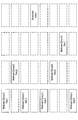
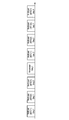
- 3 is a diagram illustrating an example of a format of a first PDU transmitted by a transmission device according to an embodiment of the present disclosure. It is a figure which shows the other example of a format of 1st PDU which the transmitter which concerns on one Embodiment of this indication transmits.
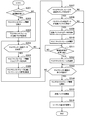
- 14 is a flowchart conceptually illustrating an example of processing of a transmission device according to an embodiment of the present disclosure.
- 5 is a flowchart conceptually illustrating an example of processing of a reception device according to an embodiment of the present disclosure. It is a figure for demonstrating the example of communication with the conventional transmitter and receiver. It is a figure for demonstrating the example of communication with the conventional transmitter and receiver.
- FIG. 4 is a diagram for describing an example of communication between a transmission device and a reception device according to an embodiment of the present disclosure.
- FIG. 4 is a diagram for describing an example of communication between a transmission device and a reception device according to an embodiment of the present disclosure.
- FIG. It is a figure for demonstrating the example of communication with the conventional transmitter and receiver.
- 4 is a diagram for describing an example of communication between a transmission device and a reception device according to an embodiment of the present disclosure.
- FIG. FIG. 10 is a diagram illustrating an example of a format of a first PDU transmitted by a transmission device according to a second modification of an embodiment of the present disclosure.
- a plurality of elements having substantially the same function may be distinguished by attaching different numbers after the same reference numerals.
- a plurality of elements having substantially the same function are distinguished as necessary, such as STA 200A and STA 200B.
- STA 200A and STA 200B when there is no need to distinguish between elements having substantially the same function, only the same reference numerals are given.
- STA 200A and STA 200B when it is not necessary to distinguish between the STA 200A and the STA 200B, they are simply referred to as the STA 200.
- FIG. 1 is a diagram illustrating a configuration example of a communication system according to an embodiment of the present disclosure.
- a communication system includes a plurality of communication devices.
- the communication devices communicate frames with each other. Further, the communication device has a function of communicating frames addressed to a plurality of communication devices.
- a communication system includes an AP (Access Point) 100 and STAs (Stations) 200A to 200C as illustrated in FIG.
- the AP 100 can communicate with each of the STAs 200A to 200C, and the STA 200A can communicate with the AP 100 and the STA 200B. Further, the STA 200B can communicate with the AP 100, the STA 200A and 200C, and the STA 200C can communicate with the AP 100 and the STA 200B.
- AP 100 individually transmits a unicast frame to each of STAs 200A to 200C, or transmits a multicast frame addressed to the multicast group to which STAs 200A to 200C belong. Note that communication between the STAs 200A to 200C is performed via the AP 100, but may be performed directly between the STAs 200A to 200C.
- a sequence number may be used in communication of a frame having a data unit (hereinafter also simply referred to as data).
- a communication device that transmits a frame having a data unit hereinafter also referred to as a transmission device
- a communication device hereinafter also referred to as a reception device
- the receiving apparatus grasps the order of data units included in the received frame according to the sequence number. Further, the receiving apparatus also grasps the duplication of data units included in the frame by the sequence number.
- the sequence number managed by the receiving device may be discontinuous in multicast communication.
- IEEE802.11aa it has been specified that a sequence number in multicast communication is generated using a broadcast sequence counter.
- the same sequence counter is shared for the plurality of multicast communications. Therefore, even if a multicast frame addressed to a multicast group different from the multicast group to which a certain receiving device (for example, receiving device A) belongs is transmitted, the sequence number is updated.
- the receiving device A since the receiving device A does not receive a multicast frame addressed to the other multicast group, it cannot grasp the sequence number related to the multicast frame.
- sequence number related to the multicast frame is lost in the receiving device A, and the sequence number becomes discontinuous.
- the sequence number duplication determination process is executed before the destination determination process in the existing communication process. For example, when the sequence number is not shared and is provided independently for each multicast group, in the existing communication processing, if the sequence number is duplicated, even if the destination multicast group address is different, the frame is first displayed. It is determined that the frames have been received twice, and the frame reception is stopped. In order to avoid this, it is considered that the sequence number is shared for multicast communication in the existing communication processing. However, at the time when the existing communication processing was specified, the retransmission control of multicast frames was not sufficiently studied by international standards organizations.
- the receiving apparatus waits until a frame having a data unit corresponding to the missing sequence number (hereinafter also simply referred to as a frame related to the sequence number) is received. For example, the receiving apparatus waits for retransmission of a frame related to the missing sequence number until a timeout related to frame retransmission occurs. This is because it is difficult to determine whether the frame related to the missing sequence number is a frame addressed to the receiving apparatus. However, if the missing sequence number is a sequence number related to a frame addressed to a multicast group other than the multicast group to which the device itself belongs, the receiving apparatus cannot receive the frame.
- the receiving apparatus eventually waits until a timeout occurs. Until the timeout occurs, data related to a series of multicast frames is not released from the reception buffer. As a result, the free space in the reception buffer is compressed, so that data in other communication is not stored, and communication efficiency may be reduced.
- a sequence counter used in multicast communication is shared not only with a data frame but also with a management frame or a broadcast frame.
- certain frames such as broadcast frames are generally not retransmitted.
- the sequence number used for the broadcast frame is lost, and the receiving apparatus continues to wait for reception of the broadcast frame that is not retransmitted. This is because the receiving apparatus cannot determine whether the missing sequence number is a sequence number related to multicast communication or a sequence number related to broadcast communication.
- the reduction in communication efficiency as described above may be promoted.
- an embodiment of the present disclosure proposes a communication system capable of improving the efficiency of wireless communication even when a plurality of multicast communications with different destination multicast groups are performed.
- a communication device for realizing the communication system will be described in detail.
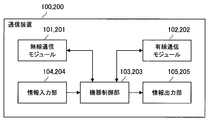
- FIG. 2 is a block diagram illustrating an example of a schematic functional configuration of the transmission device 100 and the reception device 200 according to an embodiment of the present disclosure. Since the basic functions of the transmission device 100 and the reception device 200 are substantially the same, only the transmission device 100 will be described.
- the transmission device 100 includes a wireless communication module 101, a wired communication module 102, a device control unit 103, an information input unit 104, and an information output unit 105, as shown in FIG.
- the wireless communication module 101 performs wireless communication with an external device. Specifically, the wireless communication module 101 transmits data obtained from the device control unit 103 and provides the received data to the device control unit 103. Details will be described later.
- the wired communication module 102 communicates with an external device via a wire. Specifically, the wired communication module 102 is connected to the Internet and communicates with an external device via the Internet. For example, the wired communication module 102 transmits data acquired by the wireless communication module 101 through communication to an external device via the Internet.
- the device control unit 103 generally controls the operation of the transmission device 100. Specifically, the device control unit 103 controls communication between the wireless communication module 101 and the wired communication module 102. For example, the device control unit 103 causes the wireless communication module 101 or the wired communication module 102 to transmit data obtained from the information input unit 104. In addition, the device control unit 103 causes the information output unit 105 to output data obtained by communication of the wireless communication module 101 or the wired communication module 102.
- the information input unit 104 receives an input from the outside of the transmission device 100. Specifically, the information input unit 104 receives user input or information obtained from a sensor.
- the information input unit 104 is an input device such as a keyboard or a touch panel or a detection device such as a sensor.
- the information output unit 105 outputs data. Specifically, the information output unit 105 outputs data instructed from the device control unit 103.
- the information output unit 105 is a display that outputs an image based on image information, a speaker that outputs audio or music based on audio information, and the like.
- wired communication module 102 the information input unit 104, and the information output unit 105 in the above configuration may not be provided in the transmission device 100.
- FIG. 3 is a block diagram illustrating an example of a schematic functional configuration of the wireless communication module 101 according to an embodiment of the present disclosure.
- the wireless communication module 101 includes a data processing unit 110, a control unit 120, and a wireless communication unit 130 as shown in FIG.
- the data processing unit 110 includes an interface unit 111, a transmission buffer 112, a transmission frame construction unit 113, a reception frame analysis unit 114, and a reception buffer 115 as processing units.
- the interface unit 111 is an interface connected to other functional configurations provided in the transmission device 100. Specifically, the interface unit 111 performs reception of data desired to be transmitted from the other functional configuration, for example, the device control unit 103, or provides received data to the device control unit 103.
- the transmission buffer 112 stores data to be transmitted. Specifically, the transmission buffer 112 stores data obtained by the interface unit 111.
- the transmission frame construction unit 113 generates a frame to be transmitted. Specifically, the transmission frame construction unit 113 generates a frame based on data stored in the transmission buffer 112 or control information set by the control unit 120. For example, the transmission frame construction unit 113 generates a frame (packet) from the data acquired from the transmission buffer 112, and adds a MAC header for media access control (MAC) and an error to the generated frame. Processing such as detection code addition is performed.
- MAC media access control
- the received frame analysis unit 114 analyzes the received frame. Specifically, the received frame analysis unit 114 determines the destination of the frame received by the wireless communication unit 130 and acquires data or control information included in the frame. For example, the received frame analysis unit 114 obtains data and the like included in the received frame by performing analysis of the MAC header, detection and correction of a code error, reorder processing, and the like for the received frame.
- the reception buffer 115 stores received data. Specifically, the reception buffer 115 stores data acquired by the reception frame analysis unit 114. For example, the reception buffer 115 continues to hold data that is part of the predetermined series of data until the predetermined series of data is ready. When the predetermined series of data is prepared, the predetermined series of data is provided to the communication upper layer via the interface unit 111.
- control unit 120 includes an operation control unit 121 and a signal control unit 122 as part of the processing unit and the acquisition unit.
- the operation control unit 121 controls the operation of the data processing unit 110. Specifically, the operation control unit 121 controls the occurrence of communication. For example, when a communication connection request is generated, the operation control unit 121 causes the data processing unit 110 to generate a frame related to a connection process such as an association process or an authentication process or an authentication process.
- the operation control unit 121 controls frame generation based on the data storage status in the transmission buffer 112 or the analysis result of the received frame. For example, when data is stored in the transmission buffer 112, the operation control unit 121 instructs the transmission frame construction unit 113 to generate a data frame in which the data is stored. In addition, when the reception frame analysis unit 114 confirms reception of a frame, the operation control unit 121 instructs the transmission frame construction unit 113 to generate an acknowledgment frame that is a response to the received frame.
- the signal control unit 122 controls the operation of the wireless communication unit 130. Specifically, the signal control unit 122 controls transmission / reception processing of the wireless communication unit 130. For example, the signal control unit 122 causes the wireless communication unit 130 to set parameters for transmission and reception based on instructions from the operation control unit 121.
- control unit 120 manages a sequence number for each multicast group.
- control unit 120 manages multicast group information for specifying a multicast group.
- the wireless communication unit 130 includes a transmission processing unit 131, a reception processing unit 132, and an antenna control unit 133 as communication units.
- the transmission processing unit 131 performs frame transmission processing. Specifically, the transmission processing unit 131 generates a signal to be transmitted based on the frame provided from the transmission frame construction unit 113. More specifically, the transmission processing unit 131 generates a signal related to a frame based on a parameter set by an instruction from the signal control unit 122. For example, the transmission processing unit 131 generates a symbol stream by performing encoding, interleaving, and modulation on the frame provided from the data processing unit 110 according to the coding and modulation schemes indicated by the control unit 120. Also, the transmission processing unit 131 converts a signal related to the symbol stream obtained by the preceding process into an analog signal, amplifies, filters, and frequency upconverts.
- the reception processing unit 132 performs frame reception processing. Specifically, the reception processing unit 132 performs frame restoration based on a signal provided from the antenna control unit 133. For example, the reception processing unit 132 obtains a symbol stream by performing a process reverse to the signal transmission, such as frequency down-conversion and digital signal conversion, on the signal obtained from the antenna. In addition, the reception processing unit 132 acquires a frame by performing demodulation and decoding on the symbol stream obtained by the previous processing, and provides the acquired frame to the data processing unit 110 or the control unit 120.
- a process reverse to the signal transmission such as frequency down-conversion and digital signal conversion
- the antenna control unit 133 controls transmission / reception of signals via at least one antenna. Specifically, the antenna control unit 133 transmits a signal generated by the transmission processing unit 131 through the antenna, and provides the reception processing unit 132 with a signal received through the antenna.
- the transmission device 100 sets multicast related information when multicast communication is requested. Specifically, when multicast communication is requested from a communication upper layer, the control unit 120 sets multicast group information for specifying a multicast group. As the multicast group information, there is multicast group information set for each piece of information for which communication use is specified. For example, as the multicast group information, the control unit 120 sets an ID corresponding to the multicast group (hereinafter also referred to as a multicast group TID) for each TID (Traffic Identifier) in which the type of communication traffic is specified. Note that the multicast group information may be shared with the receiving apparatus 200 before the start of multicast communication.
- a frame having multicast group information set before the start of multicast communication may be transmitted to receiving apparatus 200.
- a server that provides the video distribution service and operates as the transmission device 100 sets multicast group information for each video distribution service. Then, when a specific video distribution service is requested from a client operating as the receiving apparatus 200, the server notifies the approval of the request and also notifies the multicast group information about the specific video distribution service.
- control unit 120 sets sequence number information for each multicast group. Specifically, the control unit 120 sets sequence number information (first sequence number information) for identifying the sequence number (first sequence number) of the data unit for each multicast group. Then, the control unit 120 manages the sequence number for each multicast group TID. Specifically, a sequence counter is provided for each multicast group TID. Furthermore, sequence number management in the transmission apparatus 100 will be described in detail with reference to FIGS. 4 and 5.
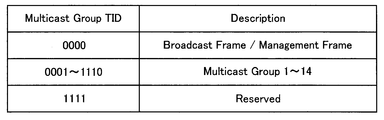
- FIG. 4 is a diagram illustrating an example of a sequence number management mode in the transmission device 100 according to an embodiment of the present disclosure.
- FIG. 5 is a diagram illustrating another example of a sequence number management mode in the transmission device 100 according to an embodiment of the present disclosure.
- the control unit 120 manages the sequence number used for each multicast group using the multicast group TID.
- multicast groups TID0001 to 1110 are associated with 14 multicast groups, respectively.
- a sequence counter is provided for each of the 14 multicast groups TID.
- the multicast group TID 1111 may be reserved for future expansion.
- the multicast group TID may have information for specifying a communication method other than the multicast communication.
- the multicast group TID0000 is associated with communication of a broadcast frame and a management frame.
- a sequence counter for the multicast group TID0000 is provided.
- broadcast frame communication and management frame communication may be distinguished.
- the multicast group TID0000 is associated with management frame communication
- the multicast group TID1111 is associated with broadcast frame communication.
- a sequence counter for multicast group TID0000 and a sequence counter for multicast group TID1111 are provided separately. This is for distinguishing between management frame communication and broadcast frame communication.
- management frame communication it is possible not to wait for frame retransmission in broadcast frame communication in which frame retransmission is often not scheduled.
- the example in which the number of multicast groups associated with the multicast group TID is 14, but may be 13 or less or 15 or more.
- setting the number of multicast groups TID to 16 or less is significant because an existing frame format can be used as described later.
- the multicast group TID may not have information for specifying a communication method other than the multicast communication described above.
- the upper limit number of multicast groups that can use the multicast group TID can be increased.
- Communication other than multicast communication may be determined based on the presence / absence of the multicast group TID.
- the transmitting apparatus 100 transmits a PDU having multicast related information.
- the data processing unit 110 generates a PDU (hereinafter also referred to as a first PDU) having sequence number information set for each multicast group, multicast group information, and a data unit.
- the wireless communication unit 130 transmits the generated first PDU.
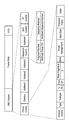
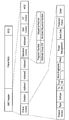
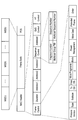
- FIG. 6 is a diagram illustrating an example of a format of the first PDU transmitted by the transmission device 100 according to an embodiment of the present disclosure.
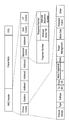
- FIG. 7 is a diagram illustrating another example of the format of the first PDU transmitted by the transmission apparatus 100 according to an embodiment of the present disclosure.
- the first PDU includes a multicast data frame or a broadcast frame.
- the multicast data frame or the broadcast frame has fields such as MAC Header, Frame Body, and FCS (Frame Check Sequence) as MPDU (MAC PDU).
- the MAC Header field has fields such as Frame Control, Duration, Address1 to Address4, Sequence Control, QoS (Quality Of Service) Control, and HT (High Throughput) Control.
- the Sequence Control field has fields such as Fragment Number and Sequence Number. In the Fragment Number field, a multicast group TID as multicast group information is stored. Further, the Sequence Number field stores a sequence number set for each multicast group.
- predetermined information is stored in a field related to the field in which the division information is stored.
- the Frame Control fields include Protocol Version, Type, Subtype, To DS (Distribution System), From DS, More Fragments, Retry, Power Management, More Data, Protected Frame, and Order. Have In the More Fragments field in which bit information is stored, 0 indicating that the frame is not fragmented is stored.
- the format of the first PDU is not limited to the above.
- the multicast group TID may be stored in the Sequence Number field together with the sequence number.
- the Fragment Number field is handled in the same manner as a conventional multicast frame or broadcast frame, it is possible to reduce the influence of the process change on the field compared to the case where the multicast frame TID is stored in the Fragment Number.
- the transmitting device 100 releases the multicast related information. Specifically, when the end of the multicast communication is notified from the communication upper layer, the control unit 120 selects a multicast group related to the multicast communication to be ended based on the notification. Next, the control unit 120 releases the multicast group TID corresponding to the selected multicast group and the sequence number for the multicast group TID. In addition, when data related to the multicast group is stored in the transmission buffer 112, the control unit 120 discards the data from the transmission buffer 112.
- the receiving device 200 sets multicast related information when multicast communication is requested. Specifically, when multicast communication is requested from an upper communication layer, control unit 220 sets multicast group information and a sequence number for the multicast group information. Details are the same as the setting of the multicast group information and the sequence number information in the transmission apparatus 100, and thus the description thereof is omitted. Note that the control unit 220 sets multicast group information shared with the transmission device 100 before the start of multicast communication. Specifically, before starting multicast communication, a frame having the set multicast group information is received, and the control unit 220 sets the multicast group information that the frame has.
- a client that operates as the reception device 200 requests a specific video distribution service.
- the client is notified of approval of the request for the specific video distribution service from the server, and sets the multicast group information to be notified.
- the receiving device 200 receives the first PDU described above.
- the radio communication unit 230 receives at least a part of the first PDU having sequence number information set for each multicast group, multicast group information, and data units.
- the wireless communication unit 230 receives the entire MPDU as described above.
- the data processing unit 210 obtains a data unit from the received first PDU based on the sequence number information and multicast group information stored in at least a part of the first PDU received by the wireless communication unit 230. get. For example, the data processing unit 210 acquires the multicast group TID stored in the Fragment Number field in the header of the received MPDU and the sequence number stored in the Sequence Number field. Then, the data processing unit 210 determines whether the sequence number managed by the control unit 220 for the multicast group TID corresponding to the acquired multicast group TID matches the acquired sequence number.
- the data processing unit 210 does not acquire the data unit stored in the payload of the MPDU, that is, the Frame Body field, because the MPDU is considered to have been received in duplicate. Conversely, if the sequence numbers do not match, the data processing unit 210 acquires a data unit from the Frame Body field of the MPDU.
- the sequence number for the multicast group TID related to the data unit is stored in the storage unit (not shown). Furthermore, the data unit may be acquired based on determination of matching between the multicast group address of the multicast group to which the device belongs and the destination address.
- the acquired data unit that is, data is stored in the reception buffer 215 in a state where the multicast group TID can be distinguished.
- an area of the reception buffer 215 may be provided for each multicast group TID, and data for each multicast group TID may be stored in an area corresponding to each multicast group TID.
- a reception buffer 215 may be provided for each multicast group TID.
- the receiving device 200 outputs the received data to a communication upper layer. Specifically, the data processing unit 210 outputs the data stored in the reception buffer 215 at a predetermined timing. For example, a series of data stored for each multicast group TID is output via the interface unit 211.
- Receiving apparatus 200 cancels multicast-related information when notified of the end of multicast communication. Specifically, when the end of multicast communication is notified from the communication upper layer, the control unit 220 releases the multicast group TID corresponding to the multicast group selected based on the notification and the sequence number for the multicast group TID. To do. In addition, when data related to the multicast group is stored in the reception buffer 215, the control unit 220 discards the data from the reception buffer 215.
- FIG. 8 is a flowchart conceptually showing an example of processing of the transmission device 100 according to an embodiment of the present disclosure.
- the transmission device 100 determines whether a multicast transmission request has occurred (step S301). Specifically, the control unit 120 determines whether a multicast transmission request has been notified from a communication upper layer.
- the transmission device 100 sets multicast group information (step S302). Specifically, when it is determined that a multicast transmission request has been notified, the control unit 120 sets a multicast group and a multicast group TID corresponding to the multicast group. Next, the control unit 120 initializes a sequence counter for the set multicast group TID.
- the transmission device 100 sets a transmission parameter for the multicast frame (step S303). Specifically, the control unit 120 sets parameters such as the transmission timing of a multicast frame related to the set multicast group TID.
- the transmission device 100 determines whether multicast transmission data has been acquired (step S304). Specifically, the data processing unit 110 determines whether data transmitted by multicast is acquired via the interface unit 111.
- the transmission device 100 stores the acquired data in the transmission buffer 112 according to the multicast group information (step S305). Specifically, when it is determined that data transmitted by multicast is acquired, the data processing unit 110 stores the acquired data in an area allocated to the multicast group TID related to the data in the transmission buffer 112. .
- the transmission device 100 sets a sequence number for multicast group information (step S306). Specifically, when data is stored in transmission buffer 112, control unit 120 counts up the value of the sequence counter for the multicast group TID related to the data.
- the transmission device 100 determines whether the transmission timing of the multicast frame has arrived (step S307). Specifically, the control unit 120 determines whether the set transmission timing of the multicast frame has arrived.
- the transmission device 100 determines whether multicast transmission data exists in the transmission buffer 112 (step S308). Specifically, when it is determined that the transmission timing of the multicast frame has arrived, the control unit 120 causes the data processing unit 110 to determine whether data to be transmitted by multicast is stored in the transmission buffer 112.
- the transmission device 100 acquires the multicast transmission data from the transmission buffer 112 (step S309). Specifically, when it is determined that data transmitted by multicast is stored in the transmission buffer 112, the data processing unit 110 acquires the data from the transmission buffer 112.
- the transmission device 100 constructs a multicast frame (step S310).
- the data processing unit 210 is a multicast having a header in which the sequence number of the data and a multicast group TID related to the data are stored, and a frame body in which the data acquired from the transmission buffer 112 is stored. Create a data frame.
- the transmission device 100 determines whether the wireless transmission path is available (step S311). Specifically, the wireless communication unit 130 determines whether the wireless transmission path is free by using carrier sense or the like.
- the transmission device 100 transmits a multicast frame (step S312). Specifically, the wireless communication unit 130 transmits the generated multicast data frame.
- the transmission device 100 determines whether the end of multicast communication has been notified (step S313). Specifically, the control unit 120 determines whether the end of the multicast communication related to the multicast group TID being set is notified from the upper communication layer.
- the transmitting device 100 releases the multicast group information related to the notification (step S314). Specifically, when it is determined that the end of multicast communication related to the multicast group TID being set is notified, the control unit 120 cancels the association between the multicast group TID being set and the multicast group. Release the multicast group TID. The multicast group address corresponding to the multicast group TID is also released.
- the transmission device 100 releases the transmission buffer 112 for the multicast group information related to the notification (step S315).
- the control unit 120 causes the data processing unit 110 to release the area of the transmission buffer 112 reserved for the released multicast group TID.
- the transmission device 100 initializes a sequence number for the multicast group information related to the notification (step S316). Specifically, the control unit 120 initializes the count value of the sequence counter for the released multicast group TID.
- FIG. 9 is a flowchart conceptually illustrating an example of processing of the reception device 200 according to an embodiment of the present disclosure.
- the receiving apparatus 200 determines whether a multicast reception request has occurred (step S401). Specifically, the control unit 220 determines whether a multicast reception request has been notified from a communication upper layer.
- the receiving apparatus 200 sets multicast group information (step S402). Specifically, when it is determined that a multicast reception request has been notified, the control unit 220 sets a multicast group and a multicast group TID corresponding to the multicast group. Next, the control unit 220 initializes a storage area for a sequence number for the set multicast group TID.
- the receiving apparatus 200 sets the output timing of multicast reception data (step S403). Specifically, the control unit 220 sets the output timing of data received by multicast communication using the set multicast group TID.
- the receiving apparatus 200 determines whether a frame has been received (step S404). Specifically, the data processing unit 210 determines whether a frame is received from the transmission device 100 by the wireless communication unit 230.
- the receiving apparatus 200 determines whether the frame is a multicast frame addressed to itself (step S405). Specifically, when it is determined that a frame has been received, the data processing unit 210 acquires a multicast group TID from the header of the received frame. Then, the data processing unit 210 determines whether the acquired multicast group TID matches any one of the multicast group TIDs set in the receiving apparatus 200.
- the receiving apparatus 200 acquires a sequence number from the multicast frame (step S406). Specifically, when it is determined that the multicast group TIDs match, the data processing unit 210 acquires the sequence number from the header of the received multicast frame.
- the receiving apparatus 200 determines whether or not the acquired sequence number is a new sequence number (step S407). Specifically, the data processing unit 210 determines whether the acquired sequence number matches one of the sequence numbers for the acquired multicast group TID stored in the receiving apparatus 200.
- the receiving apparatus 200 stores the data stored in the received multicast frame in the reception buffer 215 according to the multicast group information (step S408). ). Specifically, when it is determined that the sequence numbers do not match, the data processing unit 210 acquires the multicast group address from the multicast frame. Next, when the acquired multicast group address matches the multicast group address to which the receiving device 200 belongs, the data processing unit 210 acquires data from the frame body of the multicast frame. Then, the data processing unit 210 stores the acquired data in an area corresponding to the acquired multicast group TID in the reception buffer 215.
- the matching of the multicast group addresses may be determined in the process of determining whether the received frame is a multicast frame addressed to itself (step S405).
- the receiving apparatus 200 determines whether the output timing of the multicast reception data has arrived (step S409). Specifically, the control unit 220 determines whether the output timing of data received by multicast communication using the set multicast TID has arrived.
- the reception device 200 determines whether the multicast reception data exists in the reception buffer 215 (step S410). Specifically, when it is determined that the output timing of the data received by the multicast communication has arrived, the control unit 220 determines whether the data is stored in the area corresponding to the multicast group TID of the reception buffer 215. The processing unit 210 makes a determination.
- the reception device 200 acquires the multicast reception data from the reception buffer 215 (step S411). Specifically, when it is determined that data is stored in the corresponding area of the reception buffer 215, the data processing unit 210 acquires a series of data stored in the area. Note that there may be one piece of data in the reception buffer 215.
- the receiving device 200 outputs the acquired data (step S412). Specifically, the data processing unit 210 outputs the acquired series of data to the communication upper layer via the interface unit 111.
- the receiving apparatus 200 determines whether the end of multicast communication has been notified (step S413). Specifically, the control unit 220 determines whether the end of multicast communication related to the multicast group TID being set is notified from the upper communication layer.
- the receiving apparatus 200 releases the multicast group information related to the notification (step S414). Specifically, when it is determined that the end of multicast communication related to the multicast group TID being set has been notified, the control unit 220 cancels the association between the multicast group TID being set and the multicast group. Release the multicast group TID. The multicast group address corresponding to the multicast group TID is also released.
- the receiving apparatus 200 releases the reception buffer 215 for the multicast group information related to the notification (step S415). Specifically, the control unit 220 causes the data processing unit 210 to release the area of the reception buffer 215 reserved for the released multicast group TID.
- the receiving apparatus 200 initializes a sequence number for multicast group information related to the notification (step S416). Specifically, the control unit 220 deletes the sequence number related to the received data for the released multicast group TID from the storage unit.
- the transmission device 10 transmits multicast frames and broadcast frames addressed to a plurality of multicast groups. For example, as illustrated in FIG. 10A, the transmission apparatus 10 transmits multicast frames addressed to three multicast groups Group 1 to Group 3 and transmits a broadcast frame between transmissions of the multicast frames. In the transmission apparatus 10, since the sequence number (in other words, the sequence counter) is shared in multicast communication and broadcast communication, the sequence numbers of the frames to be transmitted are continuous.
- the sequence number in other words, the sequence counter
- the sequence numbers are discontinuous between the received frames.
- the receiving device 20 belonging to the multicast group Group1 receives multicast frames having sequence numbers 1, 3, 5, and 8 as shown in FIG. 10B.
- the multicast frames having sequence numbers 2, 6, and 7 are not received by the receiving device 20 because they are addressed to the multicast groups Group2 and Group3 to which the receiving device 20 does not belong.
- a broadcast frame with a sequence number of 4 may not be received. Therefore, the sequence numbers of the data stored in the reception buffer 215 of the reception device 20 are 1, 3, 5, 8 (1, 3 to 5, 8 when a broadcast frame is received) and are discontinuous.
- the sequence numbers may be discontinuous. For this reason, the receiving device 20 is made to wait until a frame related to the data of the missing sequence number is received. As a result, the communication efficiency may decrease as described above.
- the transmission device 100 transmits multicast frames and broadcast frames addressed to a plurality of multicast groups. For example, as shown in FIG. 11A, the transmitting apparatus 100 transmits multicast frames having multicast groups TID (hereinafter also referred to as MTID) 1 to MTID3 corresponding to three multicast groups of Group 1 to Group 3, respectively, A broadcast frame is transmitted between frame transmissions.
- TID multicast groups
- MTID3 multicast groups of Group 1 to Group 3
- a broadcast frame is transmitted between frame transmissions.
- a sequence number in other words, a sequence counter
- the same MTID for example, MTID1
- the sequence number related to the broadcast frame is 1.
- the sequence numbers related to the received multicast frames are consecutive.
- the receiving devices 200 belonging to the multicast group Group1 respectively receive multicast frames for MTID1 having sequence numbers 1 to 4 as shown in FIG. 11B.
- the sequence numbers related to the multicast frames received by the receiving apparatus 200 are 1 to 4 and are continuous.
- the sequence numbers are consecutive. For this reason, the receiving apparatus 20 does not have to wait for the retransmission of the frame, and can suppress the decrease in communication efficiency as described above. Even if the receiving apparatus 200 belongs to a plurality of multicast groups, the multicast sequence number is managed independently by each multicast group, so that the multicast number is substantially the same as the sequence number management in the unicast communication. Each sequence number in communication can be managed. Therefore, the sequence numbers do not become discontinuous or overlap, so that it is possible to suppress a reduction in communication efficiency or a communication failure.
- the transmission device 100 specifies the first sequence number information in which the first sequence number of the data unit set for each multicast group is specified, and the multicast group is specified. To generate a first PDU having multicast group information and a data unit. Then, the transmission device 100 transmits the generated first PDU. In addition, the receiving apparatus 200 receives at least a part of the first PDU, and performs the first based on the first sequence number information and the multicast group information stored in at least a part of the received first PDU. The data unit is acquired from the PDU.
- the sequence numbers are commonly managed by the plurality of multicast groups. Therefore, in a receiving apparatus that receives only frames addressed to the multicast group to which it belongs, the sequence numbers are discontinuous. As a result, the receiving apparatus waits for reception of a frame related to a missing sequence number that is not received, and communication efficiency may be reduced.
- the sequence number is set for each multicast group, so that all the multicast frames are successfully received by the reception device 200, but the multicast frame is not changed.
- Such sequence numbers can be prevented from becoming discontinuous. Therefore, it is possible to avoid waiting for reception of a frame that is not transmitted while securing the area of the reception buffer 215. Therefore, even when a plurality of multicast communications with different destination multicast groups are performed, the efficiency of wireless communication is improved. It becomes possible to improve.
- sequence number information and the multicast group information are stored in the header of the first PDU.
- the existing sequence number is stored in the header, and the frame duplication determination process based on the existing sequence number is performed in the process for the header. Therefore, by storing the sequence number information and the multicast group information in the header, the reception process can be performed using the existing header process. Accordingly, it is possible to easily change the conventional communication device to the communication device according to an embodiment of the present disclosure.
- the multicast group information further includes information for specifying a communication method other than multicast communication. For this reason, it is possible not only to specify the multicast group but also to specify a communication method other than the multicast communication only by referring to the multicast group information. Therefore, it is possible to collectively manage sequence numbers for a plurality of communication methods by multicast group information.
- communication methods other than the multicast communication include broadcast communication.
- the transmitting apparatus 100 includes a second sequence number information specifying a second sequence number set for a data unit to be broadcast, a multicast group information specifying a broadcast communication, and a second data unit. PDU is generated. Then, the transmission device 100 transmits the generated second PDU.
- the broadcast frame is often not retransmitted. For this reason, when the sequence number related to the broadcast frame is lost and the sequence number becomes discontinuous, the receiving apparatus is put on standby until a timeout occurs.
- multicast group information is also assigned for broadcast communication.
- the multicast group information includes multicast group information set for each piece of information for which communication usage is specified.
- the information for specifying the communication application includes information for specifying the type of communication traffic.
- the destination multicast group may be different.
- a sequence number is managed for each piece of information for specifying a communication application, for example, each TID.
- the multicast group TID is set for each TID, so that the multicast group can be distinguished even with the same TID. Therefore, even when existing communication processing is used, it is possible to more reliably prevent the occurrence of discontinuity of sequence numbers.
- the multicast group information is stored in a field in which the division information for the first PDU is stored.
- the field in which the division information is stored that is, the Fragment Number field is a redundant field.
- the multicast group TID is stored in the Fragment Number field, so that the redundant field can be used effectively and separately. An increase in traffic due to the addition of fields can be avoided. Further, the existing frame format can be used as it is, and an increase in the influence due to the change of the frame reception process can be suppressed.
- the receiving apparatus 200 does not match the first sequence number specified from the first sequence number information and the sequence number of the acquired data unit belonging to the multicast group specified from the multicast group information. In the case, the data unit stored in the first PDU is acquired. For this reason, it is possible to use overlapping sequence numbers between different multicast groups by determining the overlapping of the sequence numbers for each multicast group TID, in other words, for each multicast group. That is, the sequence number space can be made independent among multicast groups. Therefore, the sequence number duplication determination process can be kept at substantially the same level of complexity as the conventional process, and the complexity of the sequence number duplication determination process can be suppressed.
- the transmission device 100 and the reception device 200 may communicate an acknowledgment based on sequence number information managed for each multicast group information. Specifically, receiving apparatus 200 transmits a block confirmation response including multicast group information and sequence number information related to a data unit for the multicast group identified from the multicast group information. In addition, the transmission device 100 receives the block confirmation response transmitted from the reception device 200.
- the transmitting device 100 transmits a block confirmation response request having multicast group information. For example, when the sequence number reaches the upper limit, the control unit 120 causes the data processing unit 110 to generate a BAR frame having a multicast group TID for the sequence number that has reached the upper limit. Then, the wireless communication unit 130 transmits the generated BAR frame.
- the reception device 200 transmits a block confirmation response as a response to the block confirmation response request.
- the wireless communication unit 230 receives a BAR frame transmitted from the transmission device 100.
- the data processing unit 210 acquires a multicast group TID from the received BAR frame.
- the control unit 220 acquires the sequence number of the received data stored for the acquired multicast group TID, and the BA having information (for example, bitmap information) for specifying the acquired sequence number.
- the data processing unit 210 generates a frame.
- the wireless communication unit 230 transmits the generated BA frame.
- the transmitting apparatus 100 receives the block confirmation response as a response to the block confirmation response request, and retransmits the frame in some cases.
- the wireless communication unit 130 receives a BA frame from the receiving device 200.
- the data processing unit 110 acquires bitmap information from the received BA frame.
- the control unit 120 determines whether there is data requested to be retransmitted from the acquired bitmap information. When there is data requested to be retransmitted, the control unit 120 identifies the data, and a data processing unit displays a frame having the identified data, the sequence number of the identified data, and the multicast group TID. 110. Then, the wireless communication unit 130 transmits the generated frame.
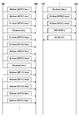
- FIG. 12 is a diagram for explaining an example of communication between the conventional transmission device 10 and the reception device 20.
- FIG. 13 is a diagram for describing an example of communication between the transmission device 100 and the reception device 200 according to an embodiment of the present disclosure.
- data communication is performed between the transmission device 10 and the reception device 20.
- a multicast frame addressed to the multicast group Group1, a multicast frame addressed to the multicast group Group2, and a multicast frame addressed to the multicast group Group1 are communicated.
- the multicast frame addressed to the multicast group Group1, the multicast frame addressed to the multicast group Group2, and the multicast frame addressed to the multicast group Group3 are communicated.
- the sequence number reaches 8, which is the upper limit. This is because the sequence number is shared by multicast communication and broadcast communication.
- the transmission device 10 transmits a BAR frame to each multicast group. For example, as illustrated in FIG. 12, the transmission apparatus 10 transmits a BAR frame for each of the multicast groups Group1 to Group3.
- the receiving device 20 that has received the BAR frame transmits a BA frame for each multicast group. For example, the receiving device 20 transmits a BA frame having bitmap information in which a sequence number of unreceived or received data is specified for a TID specified in the received BAR frame.
- the sequence number is initialized and the data communication is resumed. For example, as shown in FIG. 12, a broadcast frame, two multicast frames addressed to the multicast group Group1, and a multicast frame addressed to the multicast group Group2 are communicated. Subsequently, a multicast frame addressed to the multicast group Group3, a multicast frame addressed to the multicast group Group1, and a broadcast frame are communicated. Next, when a multicast frame addressed to the multicast group Group2 is communicated as the eighth frame, the sequence number reaches 8, which is the upper limit.
- the transmission device 10 transmits a BAR frame to each multicast group as in the previous case.
- the receiving device 20 that has received the BAR frame also transmits a BA frame for each multicast group, as in the previous time. Details are omitted.
- data communication is performed between the transmission device 100 and the reception device 200.
- a multicast frame having a multicast group TID1, a multicast frame having an MTID2, and a multicast frame having an MTID1 are communicated.
- a multicast frame having MTID1, a multicast frame having MTID2, and a multicast frame having MTID3 are communicated.
- a multicast frame having MTID1 is communicated as the eighth frame.
- sequence numbers are managed for each MTID. Therefore, if the sequence number does not reach the upper limit for any MTID, the exchange of BAR frames and BA frames does not occur, and data communication is continued. For example, as shown in FIG. 13, the sequence number for MTID1 is 4, which has not reached the upper limit. Therefore, when data communication is continued, a broadcast frame, two multicast frames having MTID1 and a multicast frame having MTID2 are communicated. Subsequently, a multicast frame having MTID3, a multicast frame having MTID1, and a broadcast frame are communicated. Next, a multicast frame having MTID2 is communicated as the 16th frame.
- BAR frames and BA frames are exchanged for the MTID for the sequence number that has reached the upper limit. For example, as illustrated in FIG. 13, when a multicast frame having MTID1 having an upper sequence number of 8 is communicated, a BAR frame for MTID1 is transmitted from transmitting apparatus 100. Then, the reception apparatus 200 transmits the bitmap information specifying the sequence number of the data not received or received for MTID1 and the BA frame having MTID1.
- the communication frequency for the confirmation response can be lowered as compared with the conventional case. Therefore, it is possible to suppress a decrease in the efficiency of multicast data communication.
- the BAR frame may be transmitted when the sequence number reaches the upper limit as described above, or may be transmitted after the sequence number reaches the upper limit.
- the reception device 200 includes the multicast group information and the first sequence number related to the data unit for the multicast group specified from the multicast group information. And sending a block acknowledgment with information.
- the transmitting apparatus 100 receives a block confirmation response including multicast group information and first sequence number information related to a data unit for the multicast group specified from the multicast group information.
- the transmission apparatus 100 and the reception apparatus 200 manage sequence numbers for each multicast group TID, a sequence number space can be secured for each multicast group TID. Therefore, BA frame communication can be performed only for the multicast group TID for the sequence number that has reached the upper limit, and the communication frequency of the BA frame can be reduced as compared with the conventional case. That is, the efficiency of multicast data communication can be improved. In particular, it is possible to suppress wasteful communication of BA frames for multicast frames whose communication frequency is lower than communication of other frames.
- the transmission device 100 transmits a block confirmation response request having multicast group information, and receives the block confirmation response as a response to the block confirmation response request.
- the receiving apparatus 200 receives a block confirmation response request having multicast group information, and transmits the block confirmation response as a response to the block confirmation response request. For this reason, a BA frame is communicated according to the request
- the BA frame is transmitted based on the reception of the BAR frame.
- the BA frame may be transmitted based on the sequence number.
- receiving apparatus 200 transmits a block confirmation response when the sequence number of the acquired data unit reaches the limit of the range used as the sequence number.
- the control unit 220 causes the data processing unit 210 to generate a BA frame for the multicast group TID for the sequence number that has reached the upper limit.
- the wireless communication unit 230 transmits the generated BA frame.
- the header having multicast group information may further include an error detection code.
- an error detection code for the header is stored in the header having the multicast group information and the sequence number information, and the receiving apparatus 200 performs header reception processing using the error detection code for the header.
- the process of the receiver 200 in this modification is demonstrated in detail.
- FIG. 14 is a diagram illustrating an example of a format of the first PDU transmitted by the transmission device 100 according to the second modification example of the embodiment of the present disclosure.
- the MAC header field of the first PDU according to this modification for example, a multicast frame, has an HCS (Header Check Sequence) field at the end.
- An error detection code is stored in the HCS field.
- the receiving apparatus 200 When the multicast frame of the above format is transmitted, the receiving apparatus 200 first receives only the header of the multicast frame using the header error detection code. Then, receiving apparatus 200 determines whether to receive a frame body based on the multicast group TID and sequence number stored in the header of the received multicast frame. When it is determined that the frame body is received, the receiving apparatus 200 receives the frame body subsequent to the header and acquires data from the frame body.
- the header having the sequence number information and the multicast group information has an error detection code.
- the receiving apparatus 200 can finish the first PDU receiving process only for the header receiving process for the first PDU that does not have the multicast group TID corresponding to the multicast group to which the receiving apparatus 200 belongs. Therefore, it is possible to reduce the load in the reception process of the first PDU.
- the first PDU transmitted by the transmission device 100 may be a PDU related to a combination of a plurality of data units.
- the first PDU transmitted by the transmission device 100 may be a subframe in the aggregation frame.
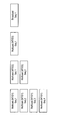
- FIG. 15 is a diagram illustrating an example of a format of the first PDU transmitted by the transmission device 100 according to the third modification example of the embodiment of the present disclosure.
- the frame transmitted by the transmission apparatus 100 may be an aggregation frame obtained by aggregating MPDUs as the first PDU. Note that all the MPDUs to be aggregated may be the first PDU, or only some of the MPDUs may be the first PDU.
- the first PDU transmitted by the transmission device 100 may be an aggregation frame obtained by concatenating a plurality of SDUs (Service Data Units).
- SDUs Service Data Units
- FIG. 16 is a diagram illustrating another example of the format of the first PDU transmitted by the transmission device 100 according to the third modification example of the embodiment of the present disclosure.
- the frame transmitted by transmitting apparatus 100 may be an aggregation frame having a frame body obtained by aggregating a plurality of MSDUs (MAC SDUs) and a MAC header.
- MAC SDUs MSDUs
- MAC header MAC header
- the first PDU includes a subframe in the aggregation frame. For this reason, the communication efficiency of the first PDU can be improved by communicating a plurality of first PDUs at a time.
- the first PDU includes an aggregation frame obtained by concatenating a plurality of SDUs. For this reason, when one sequence number is assigned to a plurality of SDUs, the sequence number can be saved. Therefore, the sequence number does not easily reach the upper limit, and the frequency of BA frame communication can be further reduced.
- the communication device 200 includes a smartphone, a tablet PC (Personal Computer), a notebook PC, a mobile terminal such as a portable game terminal or a digital camera, a fixed terminal such as a television receiver, a printer, a digital scanner, or a network storage, or a car You may implement
- the communication device 200 is a terminal (also referred to as an MTC (Machine Type Communication) terminal) that performs M2M (Machine To Machine) communication, such as a smart meter, a vending machine, a remote monitoring device, or a POS (Point Of Sale) terminal. It may be realized.
- the communication device 200 may be a wireless communication module (for example, an integrated circuit module configured by one die) mounted on these terminals.
- the communication device 100 may be realized as a wireless LAN access point (also referred to as a wireless base station) having a router function or not having a router function.
- Communication device 100 may be realized as a mobile wireless LAN router.
- the communication device 100 may be a wireless communication module (for example, an integrated circuit module configured by one die) mounted on these devices.
- FIG. 17 is a block diagram illustrating an example of a schematic configuration of a smartphone 900 to which the technology according to the present disclosure can be applied.
- the smartphone 900 includes a processor 901, a memory 902, a storage 903, an external connection interface 904, a camera 906, a sensor 907, a microphone 908, an input device 909, a display device 910, a speaker 911, a wireless communication interface 913, an antenna switch 914, an antenna 915, A bus 917, a battery 918, and an auxiliary controller 919 are provided.
- the processor 901 may be, for example, a CPU (Central Processing Unit) or a SoC (System on Chip), and controls the functions of the application layer and other layers of the smartphone 900.
- the memory 902 includes a RAM (Random Access Memory) and a ROM (Read Only Memory), and stores programs and data executed by the processor 901.
- the storage 903 can include a storage medium such as a semiconductor memory or a hard disk.
- the external connection interface 904 is an interface for connecting an external device such as a memory card or a USB (Universal Serial Bus) device to the smartphone 900.
- the camera 906 includes, for example, an image sensor such as a CCD (Charge Coupled Device) or a CMOS (Complementary Metal Oxide Semiconductor), and generates a captured image.
- the sensor 907 may include a sensor group such as a positioning sensor, a gyro sensor, a geomagnetic sensor, and an acceleration sensor.
- the microphone 908 converts sound input to the smartphone 900 into an audio signal.
- the input device 909 includes, for example, a touch sensor that detects a touch on the screen of the display device 910, a keypad, a keyboard, a button, or a switch, and receives an operation or information input from a user.
- the display device 910 has a screen such as a liquid crystal display (LCD) or an organic light emitting diode (OLED) display, and displays an output image of the smartphone 900.
- the speaker 911 converts an audio signal output from the smartphone 900 into audio.
- the wireless communication interface 913 supports one or more wireless LAN standards such as IEEE802.11a, 11b, 11g, 11n, 11ac, and 11ad, and performs wireless communication.
- the wireless communication interface 913 can communicate with other devices via a wireless LAN access point in the infrastructure mode. Further, the wireless communication interface 913 can directly communicate with other devices in an ad hoc mode or a direct communication mode such as Wi-Fi Direct (registered trademark). In Wi-Fi Direct, unlike the ad hoc mode, one of two terminals operates as an access point, but communication is performed directly between the terminals.
- the wireless communication interface 913 can typically include a baseband processor, an RF (Radio Frequency) circuit, a power amplifier, and the like.
- the wireless communication interface 913 may be a one-chip module in which a memory that stores a communication control program, a processor that executes the program, and related circuits are integrated.
- the wireless communication interface 913 may support other types of wireless communication methods such as a short-range wireless communication method, a proximity wireless communication method, or a cellular communication method in addition to the wireless LAN method.
- the antenna switch 914 switches the connection destination of the antenna 915 among a plurality of circuits (for example, circuits for different wireless communication schemes) included in the wireless communication interface 913.
- the antenna 915 includes a single antenna element or a plurality of antenna elements (for example, a plurality of antenna elements constituting a MIMO antenna), and is used for transmission and reception of radio signals by the radio communication interface 913.
- the smartphone 900 is not limited to the example in FIG. 17, and may include a plurality of antennas (for example, an antenna for a wireless LAN and an antenna for a proximity wireless communication method). In that case, the antenna switch 914 may be omitted from the configuration of the smartphone 900.
- the bus 917 connects the processor 901, memory 902, storage 903, external connection interface 904, camera 906, sensor 907, microphone 908, input device 909, display device 910, speaker 911, wireless communication interface 913, and auxiliary controller 919 to each other.
- the battery 918 supplies electric power to each block of the smartphone 900 shown in FIG. 17 through a power supply line partially shown by a broken line in the drawing.
- the auxiliary controller 919 operates the minimum necessary functions of the smartphone 900 in the sleep mode.
- the data processing unit 210, the control unit 220, and the wireless communication unit 230 described using FIG. 3 may be implemented in the wireless communication interface 913.
- at least a part of these functions may be implemented in the processor 901 or the auxiliary controller 919.
- the data processing unit 210 acquires a data unit from the multicast frame based on the sequence number information set for each multicast group stored in the multicast frame received by the wireless communication unit 130 and the multicast group information. . Thereby, it can prevent that the sequence number which concerns on a multicast frame becomes discontinuous in the smart phone 900. FIG. Therefore, it is possible to suppress a decrease in communication efficiency of the smartphone 900 in multicast communication.
- the smartphone 900 may operate as a wireless access point (software AP) when the processor 901 executes the access point function at the application level. Further, the wireless communication interface 913 may have a wireless access point function.
- FIG. 18 is a block diagram illustrating an example of a schematic configuration of a car navigation device 920 to which the technology according to the present disclosure can be applied.
- the car navigation device 920 includes a processor 921, a memory 922, a GPS (Global Positioning System) module 924, a sensor 925, a data interface 926, a content player 927, a storage medium interface 928, an input device 929, a display device 930, a speaker 931, and wireless communication.
- An interface 933, an antenna switch 934, an antenna 935, and a battery 938 are provided.
- the processor 921 may be a CPU or SoC, for example, and controls the navigation function and other functions of the car navigation device 920.
- the memory 922 includes RAM and ROM, and stores programs and data executed by the processor 921.
- the GPS module 924 measures the position (for example, latitude, longitude, and altitude) of the car navigation device 920 using GPS signals received from GPS satellites.
- the sensor 925 may include a sensor group such as a gyro sensor, a geomagnetic sensor, and an atmospheric pressure sensor.
- the data interface 926 is connected to the in-vehicle network 941 through a terminal (not shown), for example, and acquires data generated on the vehicle side such as vehicle speed data.
- the content player 927 reproduces content stored in a storage medium (for example, CD or DVD) inserted into the storage medium interface 928.
- the input device 929 includes, for example, a touch sensor, a button, or a switch that detects a touch on the screen of the display device 930, and receives an operation or information input from the user.
- the display device 930 has a screen such as an LCD or an OLED display, and displays a navigation function or an image of content to be reproduced.
- the speaker 931 outputs the navigation function or the audio of the content to be played back.
- the wireless communication interface 933 supports one or more wireless LAN standards such as IEEE802.11a, 11b, 11g, 11n, 11ac, and 11ad, and executes wireless communication.
- the wireless communication interface 933 can communicate with other devices via a wireless LAN access point in the infrastructure mode.
- the wireless communication interface 933 can directly communicate with other devices in an ad hoc mode or a direct communication mode such as Wi-Fi Direct.
- the wireless communication interface 933 may typically include a baseband processor, an RF circuit, a power amplifier, and the like.
- the wireless communication interface 933 may be a one-chip module in which a memory that stores a communication control program, a processor that executes the program, and related circuits are integrated.
- the wireless communication interface 933 may support other types of wireless communication systems such as a short-range wireless communication system, a proximity wireless communication system, or a cellular communication system.
- the antenna switch 934 switches the connection destination of the antenna 935 among a plurality of circuits included in the wireless communication interface 933.
- the antenna 935 includes a single antenna element or a plurality of antenna elements, and is used for transmission and reception of a radio signal by the radio communication interface 933.
- the car navigation device 920 may include a plurality of antennas without being limited to the example of FIG. In that case, the antenna switch 934 may be omitted from the configuration of the car navigation device 920.
- the battery 938 supplies power to each block of the car navigation apparatus 920 shown in FIG. 18 through a power supply line partially shown by a broken line in the figure. Further, the battery 938 stores electric power supplied from the vehicle side.
- the data processing unit 210, the control unit 220, and the wireless communication unit 230 described with reference to FIG. 3 may be implemented in the wireless communication interface 933. Further, at least a part of these functions may be implemented in the processor 921.
- the data processing unit 210 acquires a data unit from the multicast frame based on the sequence number information set for each multicast group stored in the multicast frame received by the wireless communication unit 130 and the multicast group information. . Thereby, it is possible to prevent the sequence number related to the multicast frame from becoming discontinuous in the car navigation device 920. Therefore, it is possible to suppress a decrease in communication efficiency of the car navigation device 920 in multicast communication.
- the wireless communication interface 933 may operate as the communication device 100 described above and provide a wireless connection to a terminal of a user who gets on the vehicle.
- the control unit 120 causes the data processing unit 110 to generate a multicast frame having sequence number information set for each multicast group and multicast group information.
- the wireless communication unit 130 transmits the generated multicast frame.
- the technology according to the present disclosure may be realized as an in-vehicle system (or vehicle) 940 including one or more blocks of the car navigation device 920 described above, an in-vehicle network 941, and a vehicle side module 942.
- vehicle-side module 942 generates vehicle-side data such as vehicle speed, engine speed, or failure information, and outputs the generated data to the in-vehicle network 941.
- FIG. 19 is a block diagram illustrating an example of a schematic configuration of a wireless access point 950 to which the technology according to the present disclosure can be applied.
- the wireless access point 950 includes a controller 951, a memory 952, an input device 954, a display device 955, a network interface 957, a wireless communication interface 963, an antenna switch 964, and an antenna 965.
- the controller 951 may be a CPU or a DSP (Digital Signal Processor), for example, and various functions (for example, access restriction, routing, encryption, firewall) of the IP (Internet Protocol) layer and higher layers of the wireless access point 950 And log management).
- the memory 952 includes a RAM and a ROM, and stores programs executed by the controller 951 and various control data (for example, a terminal list, a routing table, an encryption key, security settings, and a log).
- the input device 954 includes, for example, a button or a switch and receives an operation from the user.
- the display device 955 includes an LED lamp and the like, and displays the operation status of the wireless access point 950.
- the network interface 957 is a wired communication interface for connecting the wireless access point 950 to the wired communication network 958.
- the network interface 957 may have a plurality of connection terminals.
- the wired communication network 958 may be a LAN such as Ethernet (registered trademark), or may be a WAN (Wide Area Network).
- the wireless communication interface 963 supports one or more of wireless LAN standards such as IEEE802.11a, 11b, 11g, 11n, 11ac, and 11ad, and provides a wireless connection as an access point to nearby terminals.
- the wireless communication interface 963 may typically include a baseband processor, an RF circuit, a power amplifier, and the like.
- the wireless communication interface 963 may be a one-chip module in which a memory that stores a communication control program, a processor that executes the program, and related circuits are integrated.
- the antenna switch 964 switches the connection destination of the antenna 965 among a plurality of circuits included in the wireless communication interface 963.
- the antenna 965 includes a single antenna element or a plurality of antenna elements, and is used for transmission and reception of a radio signal by the radio communication interface 963.
- the data processing unit 110, the control unit 120, and the wireless communication unit 130 described using FIG. 3 may be implemented in the wireless communication interface 963.
- at least a part of these functions may be implemented in the controller 951.
- the control unit 120 causes the data processing unit 110 to generate a multicast frame having sequence number information set for each multicast group and multicast group information.
- the wireless communication unit 130 transmits the generated multicast frame. Thereby, it is possible to prevent the sequence number related to the multicast frame from becoming discontinuous in the terminal communicating with the wireless access point 950. Therefore, it is possible to suppress a decrease in communication efficiency between the wireless access point 950 and the terminal in multicast communication.
- the sequence number related to the multicast frame is successfully received even though all the multicast frames have been successfully received by the receiving apparatus 200. Can be prevented from becoming discontinuous. Therefore, it is possible to avoid waiting for reception of a frame that is not transmitted while securing the area of the reception buffer 215. Therefore, even when a plurality of multicast communications with different destination multicast groups are performed, the efficiency of wireless communication is improved. It becomes possible to improve.
- the multicast group information is set for each piece of information that specifies the type of communication traffic.
- the present technology is not limited to such an example.
- the multicast group information may be set for each piece of information specifying a service provided using PDU communication.
- a multicast group TID may be set for each service information in the communication upper layer.
- the content described for the first PDU may be applied to the second PDU.
- the frame format of the second PDU may be substantially the same as the frame format of the first PDU.
- a storage medium storing the computer program is also provided.
- a first PDU (Protocol) having first sequence number information specifying a first sequence number of a data unit set for each multicast group, multicast group information specifying a multicast group, and a data unit Data Unit), and A wireless communication unit that transmits the first PDU generated by the processing unit;
- a communication device comprising: (2) The first sequence number information and the multicast group information are stored in a header of the first PDU.
- the header has an error detection code;
- the multicast group information further includes information for specifying a communication method other than multicast communication.
- the communication device according to any one of (1) to (3).
- Communication methods other than the multicast communication include broadcast communication,
- the processing unit includes second sequence number information for specifying a second sequence number set for a broadcast data unit, the multicast group information for specifying broadcast communication, and a data unit. 2 PDUs,
- the wireless communication unit transmits the second PDU generated by the processing unit;
- the communication device according to any one of (1) to (4).
- the multicast group information includes the multicast group information set for each piece of information for which communication usage is specified.
- the information for specifying the communication use includes information for specifying the type of communication traffic.
- the wireless communication unit receives a block confirmation response having the multicast group information and the first sequence number information relating to a data unit for the multicast group specified from the multicast group information.
- the communication device according to any one of (1) to (7).
- the wireless communication unit transmits a block acknowledgment request having the multicast group information; Receiving the block acknowledgment as a response to the block acknowledgment request;
- the multicast group information is stored in a field in which division information for the first PDU is stored.
- the communication device according to any one of (1) to (9).
- the first PDU includes an aggregation frame obtained by concatenation of subframes or a plurality of SDUs (Service Data Units) in the aggregation frame.
- a first PDU (Protocol) having first sequence number information specifying a first sequence number of a data unit set for each multicast group, multicast group information specifying a multicast group, and a data unit
- a wireless communication unit that receives at least a part of the (Data Unit)
- a communication device comprising: (13) The processing unit, when the first sequence number specified from the first sequence number information does not match the sequence number of the acquired data unit belonging to the multicast group specified from the multicast group information Obtaining a data unit stored in the first PDU;
- the communication device according to (12).
- the wireless communication unit transmits a block confirmation response having the multicast group information and the first sequence number information relating to a data unit for the multicast group specified from the multicast group information.
- the wireless communication unit receives a block acknowledgment request having the multicast group information; Sending the block acknowledgment as a response to the block acknowledgment request;
- the wireless communication unit transmits the block confirmation response when the first sequence number of the acquired data unit reaches a limit of a range used as the first sequence number.
- a first PDU (Protocol) having first sequence number information specifying a first sequence number of a data unit set for each multicast group, multicast group information specifying a multicast group, and a data unit Data unit
- Transmitting the generated first PDU Including a communication method.
- a first PDU (Protocol) having first sequence number information specifying a first sequence number of a data unit set for each multicast group, multicast group information specifying a multicast group, and a data unit Receiving at least part of the Data Unit) Obtaining a data unit from the first PDU based on the first sequence number information and the multicast group information stored in at least a portion of the received first PDU; Including a communication method.
- a first PDU (Protocol) having first sequence number information specifying a first sequence number of a data unit set for each multicast group, multicast group information specifying a multicast group, and a data unit Data Unit) processing function, A wireless communication function for transmitting the first PDU generated by the processing function; A program to make a computer realize.
- a first PDU (Protocol) having first sequence number information specifying a first sequence number of a data unit set for each multicast group, multicast group information specifying a multicast group, and a data unit
- a wireless communication function that receives at least a part of the Data Unit
- a processing function for obtaining a data unit from the first PDU based on the first sequence number information and the multicast group information stored in at least a part of the first PDU received by the wireless communication function; ,
Landscapes
- Engineering & Computer Science (AREA)
- Computer Networks & Wireless Communication (AREA)
- Signal Processing (AREA)
- Multimedia (AREA)
- Mobile Radio Communication Systems (AREA)
Abstract
Description
1.本開示の一実施形態
1-1.通信システムの構成
1-2.通信装置の基本機能
1-3.通信装置の機能詳細
1-4.通信装置の処理
1-5.通信システムの動作例
1-6.本開示の一実施形態のまとめ
2.変形例
3.応用例
4.むすび
本開示の一実施形態に係る通信システムおよび通信装置について説明する。
まず、図1を参照して、本開示の一実施形態に係る通信システムについて説明する。図1は、本開示の一実施形態に係る通信システムの構成例を示す図である。
次に、本開示の一実施形態に係る通信装置としての送信装置100および受信装置200の基本機能について説明する。まず、図2を参照して、本開示の一実施形態に係る送信装置100および受信装置200の機能構成について説明する。図2は、本開示の一実施形態に係る送信装置100および受信装置200の概略的な機能構成の例を示すブロック図である。なお、送信装置100および受信装置200の基本機能は実質的に同一であるため、送信装置100についてのみ説明する。
続いて、図3を参照して、無線通信モジュール101の機能構成について説明する。図3は、本開示の一実施形態に係る無線通信モジュール101の概略的な機能構成の例を示すブロック図である。
データ処理部110は、処理部として、図3に示したように、インタフェース部111、送信バッファ112、送信フレーム構築部113、受信フレーム解析部114および受信バッファ115を備える。
制御部120は、処理部および取得部の一部として、図3に示したように、動作制御部121および信号制御部122を備える。
無線通信部130は、通信部として、図3に示したように、送信処理部131、受信処理部132およびアンテナ制御部133を備える。
次に、本開示の一実施形態に係る送信装置100および受信装置200の機能の詳細について説明する。
まず、送信装置100の機能について説明する。
送信装置100は、マルチキャスト通信が要求される場合、マルチキャスト関連情報を設定する。具体的には、制御部120は、通信上位層からマルチキャスト通信が要求されると、マルチキャストグループが特定されるマルチキャストグループ情報を設定する。マルチキャストグループ情報としては、通信用途が特定される情報毎に設定されるマルチキャストグループ情報がある。例えば、制御部120は、マルチキャストグループ情報として、通信トラフィックの種類が特定されるTID(Traffic Identifier)毎にマルチキャストグループに対応するID(以下、マルチキャストグループTIDとも称する。)を設定する。なお、マルチキャストグループ情報は、マルチキャスト通信の開始前に受信装置200と共有されてもよい。具体的には、マルチキャストグループ情報が設定されると、マルチキャスト通信の開始前に設定されたマルチキャストグループ情報を有するフレームが受信装置200へ送信されてよい。例えば、マルチキャスト通信を利用した映像配信サービスなどが提供される場合、当該映像配信サービスを提供し、送信装置100として動作するサーバは、当該映像配信サービスごとにマルチキャストグループ情報を設定する。そして、当該サーバは、受信装置200として動作するクライアントから特定の映像配信サービスが要求されると、要求についての承認を通知すると共に、当該特定の映像配信サービスについてのマルチキャストグループ情報を通知する。
送信装置100は、マルチキャスト関連情報を有するPDUを送信する。具体的には、データ処理部110は、マルチキャストグループ毎に設定されるシーケンス番号情報と、マルチキャストグループ情報と、データユニットと、を有するPDU(以下、第1のPDUとも称する。)を生成する。そして、無線通信部130は、生成された第1のPDUを送信する。さらに、図6および図7を参照して、送信装置100が送信する第1のPDUのフォーマットについて詳細に説明する。図6は、本開示の一実施形態に係る送信装置100が送信する第1のPDUのフォーマットの例を示す図である。また、図7は、本開示の一実施形態に係る送信装置100が送信する第1のPDUのフォーマットの他の例を示す図である。
送信装置100は、マルチキャスト通信の終了が通知されると、マルチキャスト関連情報を解除する。具体的には、制御部120は、通信上位層からマルチキャスト通信の終了が通知されると、通知に基づいて、終了するマルチキャスト通信に係るマルチキャストグループを選択する。次に、制御部120は、選択されたマルチキャストグループに対応するマルチキャストグループTIDおよび当該マルチキャストグループTIDについてのシーケンス番号を解放する。また、制御部120は、当該マルチキャストグループに係るデータが送信バッファ112に格納されている場合、当該データを送信バッファ112から破棄する。
続いて、受信装置200の機能について説明する。
受信装置200は、マルチキャスト通信が要求される場合、マルチキャスト関連情報を設定する。具体的には、制御部220は、通信上位層からマルチキャスト通信が要求されると、マルチキャストグループ情報および当該マルチキャストグループ情報についてのシーケンス番号を設定する。詳細については、送信装置100におけるマルチキャストグループ情報およびシーケンス番号情報の設定と同一であるため説明を省略する。なお、制御部220は、マルチキャスト通信の開始前に送信装置100と共有されたマルチキャストグループ情報を設定する。具体的には、マルチキャスト通信の開始前に、設定されたマルチキャストグループ情報を有するフレームが受信され、制御部220は、当該フレームの有するマルチキャストグループ情報を設定する。例えば、マルチキャスト通信を利用した映像配信サービスなどが送信装置100として動作するサーバから提供される場合、受信装置200として動作するクライアントは、特定の映像配信サービスを要求する。当該クライアントは、当該特定の映像配信サービスの要求についての承認が当該サーバから通知されると共に、通知されるマルチキャストグループ情報を設定する。
受信装置200は、上述した第1のPDUを受信する。具体的には、無線通信部230は、マルチキャストグループ毎に設定されるシーケンス番号情報と、マルチキャストグループ情報と、データユニットと、を有する第1のPDUの少なくとも一部を受信する。例えば、無線通信部230は、上述したようなMPDU全体を受信する。
受信装置200は、受信したデータを通信上位層に出力する。具体的には、データ処理部210は、受信バッファ215に格納されているデータを所定のタイミングで出力する。例えば、マルチキャストグループTID毎に格納される一連のデータがインタフェース部211を介して出力される。
受信装置200は、マルチキャスト通信の終了が通知されると、マルチキャスト関連情報を解除する。具体的には、制御部220は、通信上位層からマルチキャスト通信の終了が通知されると、通知に基づいて選択されるマルチキャストグループに対応するマルチキャストグループTIDおよび当該マルチキャストグループTIDについてのシーケンス番号を解放する。また、制御部220は、当該マルチキャストグループに係るデータが受信バッファ215に格納されている場合、当該データを受信バッファ215から破棄する。
次に、送信装置100および受信装置200の処理について説明する。
まず、図8を参照して、送信装置100の処理について説明する。図8は、本開示の一実施形態に係る送信装置100の処理の例を概念的に示すフローチャートである。
続いて、図9を参照して、受信装置200の処理について説明する。図9は、本開示の一実施形態に係る受信装置200の処理の例を概念的に示すフローチャートである。
以上、本開示の一実施形態に係る送信装置100および受信装置200の処理について説明した。続いて、送信装置100および受信装置200の動作例について、従来の送信装置10および受信装置20の動作例と対比した上で説明する。図10Aおよび図10Bは、従来の送信装置10と受信装置20との通信の例を説明するための図である。図11Aおよび図11Bは、本開示の一実施形態に係る送信装置100と受信装置200との通信の例を説明するための図である。
まず、図10Aおよび図10Bを参照して、従来の送信装置10および受信装置20の通信の例について説明する。
続いて、図11Aおよび図11Bを参照して、本開示の一実施形態に係る送信装置100および受信装置200の通信の例について説明する。
このように、本開示の一実施形態によれば、送信装置100は、マルチキャストグループ毎に設定されるデータユニットの第1のシーケンス番号が特定される第1のシーケンス番号情報と、マルチキャストグループが特定されるマルチキャストグループ情報と、データユニットと、を有する第1のPDUを生成する。そして、送信装置100は、生成された第1のPDUを送信する。また、受信装置200は、上記第1のPDUの少なくとも一部を受信し、受信された第1のPDUの少なくとも一部に格納される第1のシーケンス番号情報およびマルチキャストグループ情報に基づいて第1のPDUからデータユニットを取得する。
以上、本開示の一実施形態について説明した。なお、本開示の一実施形態は、上述の例に限定されない。以下に、本開示の一実施形態の第1~第4の変形例について説明する。
本開示の一実施形態の第1の変形例として、送信装置100および受信装置200は、マルチキャストグループ情報毎に管理されるシーケンス番号情報に基づいて確認応答を通信してもよい。具体的には、受信装置200は、マルチキャストグループ情報と、当該マルチキャストグループ情報から特定されるマルチキャストグループについてのデータユニットに係るシーケンス番号情報と、を有するブロック確認応答を送信する。また、送信装置100は、受信装置200から送信されるブロック確認応答を受信する。
先に、図12を参照して、従来の送信装置10および受信装置20の通信の例について説明する。なお、以下では、シーケンス番号の上限が8である場合を想定する。
続いて、図13を参照して、本開示の一実施形態の第1の変形例に係る送信装置100および受信装置200の通信の例について説明する。
本開示の一実施形態の第2の変形例として、マルチキャストグループ情報を有するヘッダは、さらに誤り検出符号を有してもよい。具体的には、マルチキャストグループ情報およびシーケンス番号情報を有するヘッダには、当該ヘッダについての誤り検出符号が格納され、受信装置200は、当該ヘッダについての誤り検出符号を用いてヘッダの受信処理を行う。さらに、図14を参照して、本変形例における受信装置200の処理について詳細に説明する。図14は、本開示の一実施形態の第2の変形例に係る送信装置100が送信する第1のPDUのフォーマットの例を示す図である。
本開示の一実施形態の第3の変形例として、送信装置100により送信される第1のPDUは、複数のデータユニットの結合に関するPDUであってもよい。具体的には、送信装置100により送信される第1のPDUは、アグリゲーションフレームにおけるサブフレームであってよい。さらに、図15を参照して、本変形例に係る第1のPDUについて詳細に説明する。図15は、本開示の一実施形態の第3の変形例に係る送信装置100が送信する第1のPDUのフォーマットの例を示す図である。
本開示に係る技術は、様々な製品へ応用可能である。例えば、通信装置200は、スマートフォン、タブレットPC(Personal Computer)、ノートPC、携帯型ゲーム端末若しくはデジタルカメラなどのモバイル端末、テレビジョン受像機、プリンタ、デジタルスキャナ若しくはネットワークストレージなどの固定端末、又はカーナビゲーション装置などの車載端末として実現されてもよい。また、通信装置200は、スマートメータ、自動販売機、遠隔監視装置又はPOS(Point Of Sale)端末などの、M2M(Machine To Machine)通信を行う端末(MTC(Machine Type Communication)端末ともいう)として実現されてもよい。さらに、通信装置200は、これら端末に搭載される無線通信モジュール(例えば、1つのダイで構成される集積回路モジュール)であってもよい。
図17は、本開示に係る技術が適用され得るスマートフォン900の概略的な構成の一例を示すブロック図である。スマートフォン900は、プロセッサ901、メモリ902、ストレージ903、外部接続インタフェース904、カメラ906、センサ907、マイクロフォン908、入力デバイス909、表示デバイス910、スピーカ911、無線通信インタフェース913、アンテナスイッチ914、アンテナ915、バス917、バッテリー918及び補助コントローラ919を備える。
図18は、本開示に係る技術が適用され得るカーナビゲーション装置920の概略的な構成の一例を示すブロック図である。カーナビゲーション装置920は、プロセッサ921、メモリ922、GPS(Global Positioning System)モジュール924、センサ925、データインタフェース926、コンテンツプレーヤ927、記憶媒体インタフェース928、入力デバイス929、表示デバイス930、スピーカ931、無線通信インタフェース933、アンテナスイッチ934、アンテナ935及びバッテリー938を備える。
図19は、本開示に係る技術が適用され得る無線アクセスポイント950の概略的な構成の一例を示すブロック図である。無線アクセスポイント950は、コントローラ951、メモリ952、入力デバイス954、表示デバイス955、ネットワークインタフェース957、無線通信インタフェース963、アンテナスイッチ964及びアンテナ965を備える。
以上、本開示の一実施形態によれば、マルチキャストグループ毎にシーケンス番号が設定されることにより、受信装置200においてマルチキャストフレームが全て成功裏に受信されたにも関わらず当該マルチキャストフレームに係るシーケンス番号が不連続となることを防止できる。従って、受信バッファ215の領域を確保しながら送信されないフレームの受信を待機することが回避されるため、宛先となるマルチキャストグループが異なる複数のマルチキャスト通信が行われる場合であっても無線通信の効率を向上させることが可能となる。
(1)
マルチキャストグループ毎に設定されるデータユニットの第1のシーケンス番号が特定される第1のシーケンス番号情報と、マルチキャストグループが特定されるマルチキャストグループ情報と、データユニットと、を有する第1のPDU(Protocol Data Unit)を生成する処理部と、
前記処理部により生成された前記第1のPDUを送信する無線通信部と、
を備える通信装置。
(2)
前記第1のシーケンス番号情報および前記マルチキャストグループ情報は、前記第1のPDUのヘッダに格納される、
前記(1)に記載の通信装置。
(3)
前記ヘッダは、誤り検出符号を有する、
前記(2)に記載の通信装置。
(4)
前記マルチキャストグループ情報は、さらにマルチキャスト通信以外の通信方式が特定される情報を有する、
前記(1)~(3)のいずれか1項に記載の通信装置。
(5)
前記マルチキャスト通信以外の通信方式は、ブロードキャスト通信を含み、
前記処理部は、ブロードキャストされるデータユニットについて設定される第2のシーケンス番号が特定される第2のシーケンス番号情報と、ブロードキャスト通信が特定される前記マルチキャストグループ情報と、データユニットと、を有する第2のPDUを生成し、
前記無線通信部は、前記処理部により生成された前記第2のPDUを送信する、
前記(1)~(4)のいずれか1項に記載の通信装置。
(6)
前記マルチキャストグループ情報は、通信用途が特定される情報毎に設定される前記マルチキャストグループ情報を含む、
前記(1)~(5)のいずれか1項に記載の通信装置。
(7)
前記通信用途が特定される情報は、通信トラフィックの種類が特定される情報を含む、
前記(6)に記載の通信装置。
(8)
前記無線通信部は、前記マルチキャストグループ情報と、前記マルチキャストグループ情報から特定されるマルチキャストグループについてのデータユニットに係る前記第1のシーケンス番号情報と、を有するブロック確認応答を受信する、
前記(1)~(7)のいずれか1項に記載の通信装置。
(9)
前記無線通信部は、前記マルチキャストグループ情報を有するブロック確認応答要求を送信し、
前記ブロック確認応答要求への応答として前記ブロック確認応答を受信する、
前記(8)に記載の通信装置。
(10)
前記マルチキャストグループ情報は、前記第1のPDUについての分割情報が格納されるフィールドに格納される、
前記(1)~(9)のいずれか1項に記載の通信装置。
(11)
前記第1のPDUは、アグリゲーションフレームにおけるサブフレームまたは複数のSDU(Service Data Unit)の連結により得られるアグリゲーションフレームを含む、
前記(1)~(10)のいずれか1項に記載の通信装置。
(12)
マルチキャストグループ毎に設定されるデータユニットの第1のシーケンス番号が特定される第1のシーケンス番号情報と、マルチキャストグループが特定されるマルチキャストグループ情報と、データユニットと、を有する第1のPDU(Protocol Data Unit)の少なくとも一部を受信する無線通信部と、
前記無線通信部により受信された前記第1のPDUの少なくとも一部に格納される前記第1のシーケンス番号情報および前記マルチキャストグループ情報に基づいて前記第1のPDUからデータユニットを取得する処理部と、
を備える通信装置。
(13)
前記処理部は、前記第1のシーケンス番号情報から特定される前記第1のシーケンス番号と、前記マルチキャストグループ情報から特定されるマルチキャストグループに属する取得済みのデータユニットのシーケンス番号と、が一致しない場合、前記第1のPDUに格納されるデータユニットを取得する、
前記(12)に記載の通信装置。
(14)
前記無線通信部は、前記マルチキャストグループ情報と、前記マルチキャストグループ情報から特定されるマルチキャストグループについてのデータユニットに係る前記第1のシーケンス番号情報と、を有するブロック確認応答を送信する、
前記(12)または(13)に記載の通信装置。
(15)
前記無線通信部は、前記マルチキャストグループ情報を有するブロック確認応答要求を受信し、
前記ブロック確認応答要求への応答として前記ブロック確認応答を送信する、
前記(14)に記載の通信装置。
(16)
前記無線通信部は、取得されたデータユニットの前記第1のシーケンス番号が前記第1のシーケンス番号として利用される範囲の限界に達すると、前記ブロック確認応答を送信する、
前記(14)または(15)に記載の通信装置。
(17)
プロセッサを用いて、
マルチキャストグループ毎に設定されるデータユニットの第1のシーケンス番号が特定される第1のシーケンス番号情報と、マルチキャストグループが特定されるマルチキャストグループ情報と、データユニットと、を有する第1のPDU(Protocol Data Unit)を生成することと、
生成された前記第1のPDUを送信することと、
を含む通信方法。
(18)
プロセッサを用いて、
マルチキャストグループ毎に設定されるデータユニットの第1のシーケンス番号が特定される第1のシーケンス番号情報と、マルチキャストグループが特定されるマルチキャストグループ情報と、データユニットと、を有する第1のPDU(Protocol Data Unit)の少なくとも一部を受信することと、
受信された前記第1のPDUの少なくとも一部に格納される前記第1のシーケンス番号情報および前記マルチキャストグループ情報に基づいて前記第1のPDUからデータユニットを取得することと、
を含む通信方法。
(19)
マルチキャストグループ毎に設定されるデータユニットの第1のシーケンス番号が特定される第1のシーケンス番号情報と、マルチキャストグループが特定されるマルチキャストグループ情報と、データユニットと、を有する第1のPDU(Protocol Data Unit)を生成する処理機能と、
前記処理機能により生成された前記第1のPDUを送信する無線通信機能と、
をコンピュータに実現させるためのプログラム。
(20)
マルチキャストグループ毎に設定されるデータユニットの第1のシーケンス番号が特定される第1のシーケンス番号情報と、マルチキャストグループが特定されるマルチキャストグループ情報と、データユニットと、を有する第1のPDU(Protocol Data Unit)の少なくとも一部を受信する無線通信機能と、
前記無線通信機能により受信された前記第1のPDUの少なくとも一部に格納される前記第1のシーケンス番号情報および前記マルチキャストグループ情報に基づいて前記第1のPDUからデータユニットを取得する処理機能と、
をコンピュータに実現させるためのプログラム。
110、210 データ処理部
120、220 制御部
130、230 無線通信部
200 受信装置
Claims (20)
- マルチキャストグループ毎に設定されるデータユニットの第1のシーケンス番号が特定される第1のシーケンス番号情報と、マルチキャストグループが特定されるマルチキャストグループ情報と、データユニットと、を有する第1のPDU(Protocol Data Unit)を生成する処理部と、
前記処理部により生成された前記第1のPDUを送信する無線通信部と、
を備える通信装置。 - 前記第1のシーケンス番号情報および前記マルチキャストグループ情報は、前記第1のPDUのヘッダに格納される、
請求項1に記載の通信装置。 - 前記ヘッダは、誤り検出符号を有する、
請求項2に記載の通信装置。 - 前記マルチキャストグループ情報は、さらにマルチキャスト通信以外の通信方式が特定される情報を有する、
請求項1に記載の通信装置。 - 前記マルチキャスト通信以外の通信方式は、ブロードキャスト通信を含み、
前記処理部は、ブロードキャストされるデータユニットについて設定される第2のシーケンス番号が特定される第2のシーケンス番号情報と、ブロードキャスト通信が特定される前記マルチキャストグループ情報と、データユニットと、を有する第2のPDUを生成し、
前記無線通信部は、前記処理部により生成された前記第2のPDUを送信する、
請求項1に記載の通信装置。 - 前記マルチキャストグループ情報は、通信用途が特定される情報毎に設定される前記マルチキャストグループ情報を含む、
請求項1に記載の通信装置。 - 前記通信用途が特定される情報は、通信トラフィックの種類が特定される情報を含む、
請求項6に記載の通信装置。 - 前記無線通信部は、前記マルチキャストグループ情報と、前記マルチキャストグループ情報から特定されるマルチキャストグループについてのデータユニットに係る前記第1のシーケンス番号情報と、を有するブロック確認応答を受信する、
請求項1に記載の通信装置。 - 前記無線通信部は、前記マルチキャストグループ情報を有するブロック確認応答要求を送信し、
前記ブロック確認応答要求への応答として前記ブロック確認応答を受信する、
請求項8に記載の通信装置。 - 前記マルチキャストグループ情報は、前記第1のPDUについての分割情報が格納されるフィールドに格納される、
請求項1に記載の通信装置。 - 前記第1のPDUは、アグリゲーションフレームにおけるサブフレームまたは複数のSDU(Service Data Unit)の連結により得られるアグリゲーションフレームを含む、
請求項1に記載の通信装置。 - マルチキャストグループ毎に設定されるデータユニットの第1のシーケンス番号が特定される第1のシーケンス番号情報と、マルチキャストグループが特定されるマルチキャストグループ情報と、データユニットと、を有する第1のPDU(Protocol Data Unit)の少なくとも一部を受信する無線通信部と、
前記無線通信部により受信された前記第1のPDUの少なくとも一部に格納される前記第1のシーケンス番号情報および前記マルチキャストグループ情報に基づいて前記第1のPDUからデータユニットを取得する処理部と、
を備える通信装置。 - 前記処理部は、前記第1のシーケンス番号情報から特定される前記第1のシーケンス番号と、前記マルチキャストグループ情報から特定されるマルチキャストグループに属する取得済みのデータユニットのシーケンス番号と、が一致しない場合、前記第1のPDUに格納されるデータユニットを取得する、
請求項12に記載の通信装置。 - 前記無線通信部は、前記マルチキャストグループ情報と、前記マルチキャストグループ情報から特定されるマルチキャストグループについてのデータユニットに係る前記第1のシーケンス番号情報と、を有するブロック確認応答を送信する、
請求項12に記載の通信装置。 - 前記無線通信部は、前記マルチキャストグループ情報を有するブロック確認応答要求を受信し、
前記ブロック確認応答要求への応答として前記ブロック確認応答を送信する、
請求項14に記載の通信装置。 - 前記無線通信部は、取得されたデータユニットの前記第1のシーケンス番号が前記第1のシーケンス番号として利用される範囲の限界に達すると、前記ブロック確認応答を送信する、
請求項14に記載の通信装置。 - プロセッサを用いて、
マルチキャストグループ毎に設定されるデータユニットの第1のシーケンス番号が特定される第1のシーケンス番号情報と、マルチキャストグループが特定されるマルチキャストグループ情報と、データユニットと、を有する第1のPDU(Protocol Data Unit)を生成することと、
生成された前記第1のPDUを送信することと、
を含む通信方法。 - プロセッサを用いて、
マルチキャストグループ毎に設定されるデータユニットの第1のシーケンス番号が特定される第1のシーケンス番号情報と、マルチキャストグループが特定されるマルチキャストグループ情報と、データユニットと、を有する第1のPDU(Protocol Data Unit)の少なくとも一部を受信することと、
受信された前記第1のPDUの少なくとも一部に格納される前記第1のシーケンス番号情報および前記マルチキャストグループ情報に基づいて前記第1のPDUからデータユニットを取得することと、
を含む通信方法。 - マルチキャストグループ毎に設定されるデータユニットの第1のシーケンス番号が特定される第1のシーケンス番号情報と、マルチキャストグループが特定されるマルチキャストグループ情報と、データユニットと、を有する第1のPDU(Protocol Data Unit)を生成する処理機能と、
前記処理機能により生成された前記第1のPDUを送信する無線通信機能と、
をコンピュータに実現させるためのプログラム。 - マルチキャストグループ毎に設定されるデータユニットの第1のシーケンス番号が特定される第1のシーケンス番号情報と、マルチキャストグループが特定されるマルチキャストグループ情報と、データユニットと、を有する第1のPDU(Protocol Data Unit)の少なくとも一部を受信する無線通信機能と、
前記無線通信機能により受信された前記第1のPDUの少なくとも一部に格納される前記第1のシーケンス番号情報および前記マルチキャストグループ情報に基づいて前記第1のPDUからデータユニットを取得する処理機能と、
をコンピュータに実現させるためのプログラム。
Priority Applications (4)
| Application Number | Priority Date | Filing Date | Title |
|---|---|---|---|
| BR112018071106A BR112018071106A2 (pt) | 2016-04-18 | 2017-02-21 | dispositivo e método de comunicação, e, programa. |
| US16/088,887 US10993145B2 (en) | 2016-04-18 | 2017-02-21 | Communication device, communication method, and program |
| AU2017252988A AU2017252988A1 (en) | 2016-04-18 | 2017-02-21 | Communication apparatus, communication method, and program |
| EP17785623.4A EP3448070A4 (en) | 2016-04-18 | 2017-02-21 | COMMUNICATION DEVICE, COMMUNICATION PROCESS AND PROGRAM |
Applications Claiming Priority (2)
| Application Number | Priority Date | Filing Date | Title |
|---|---|---|---|
| JP2016-082984 | 2016-04-18 | ||
| JP2016082984 | 2016-04-18 |
Publications (1)
| Publication Number | Publication Date |
|---|---|
| WO2017183278A1 true WO2017183278A1 (ja) | 2017-10-26 |
Family
ID=60116759
Family Applications (1)
| Application Number | Title | Priority Date | Filing Date |
|---|---|---|---|
| PCT/JP2017/006311 Ceased WO2017183278A1 (ja) | 2016-04-18 | 2017-02-21 | 通信装置、通信方法およびプログラム |
Country Status (5)
| Country | Link |
|---|---|
| US (1) | US10993145B2 (ja) |
| EP (1) | EP3448070A4 (ja) |
| AU (1) | AU2017252988A1 (ja) |
| BR (1) | BR112018071106A2 (ja) |
| WO (1) | WO2017183278A1 (ja) |
Cited By (1)
| Publication number | Priority date | Publication date | Assignee | Title |
|---|---|---|---|---|
| JP2024056461A (ja) * | 2022-10-11 | 2024-04-23 | トヨタ自動車株式会社 | 無線通信装置、無線通信システム、および無線通信方法 |
Citations (5)
| Publication number | Priority date | Publication date | Assignee | Title |
|---|---|---|---|---|
| JPS5317235B2 (ja) | 1974-08-19 | 1978-06-07 | ||
| JP2007228408A (ja) * | 2006-02-24 | 2007-09-06 | Toshiba Corp | 通信装置、通信方法および通信プログラム |
| US20090279470A1 (en) * | 2008-05-09 | 2009-11-12 | Yongho Seok | Device and method for multicast in wireless local access network |
| JP2014014092A (ja) * | 2008-03-26 | 2014-01-23 | Qualcomm Incorporated | 多重連結された複数のプロトコルデータユニットを含むバーストの改善された復号のための方法および装置 |
| JP2014222895A (ja) * | 2014-06-19 | 2014-11-27 | 株式会社東芝 | 無線端末および無線通信方法 |
Family Cites Families (17)
| Publication number | Priority date | Publication date | Assignee | Title |
|---|---|---|---|---|
| US7116641B2 (en) * | 2000-11-15 | 2006-10-03 | Lg Electronics Inc. | Multicast and broadcast transmission method and apparatus of a CDMA mobile communication network |
| KR100442425B1 (ko) | 2000-11-15 | 2004-07-30 | 엘지전자 주식회사 | 이동통신 시스템에서 인터넷 아이피멀티캐스팅/브로드캐스팅 방법 |
| KR100935933B1 (ko) * | 2002-10-15 | 2010-01-11 | 삼성전자주식회사 | 무선통신에서 무선단말 그룹화에 의한 신뢰성 있는멀티캐스트 데이터 재전송 방법 및 장치 |
| JP2008509622A (ja) * | 2004-08-12 | 2008-03-27 | サムスン エレクトロニクス カンパニー リミテッド | Ackフレーム伝送方法及び装置 |
| US7733835B2 (en) * | 2005-07-20 | 2010-06-08 | Interdigital Technology Corporation | Method and system for reducing power consumption of a wireless transmit/receive unit |
| TW200726168A (en) * | 2005-12-07 | 2007-07-01 | Interdigital Tech Corp | Method and apparatus for supporting fragmentation and defragmentation in a WLAN |
| US7978698B2 (en) * | 2006-03-16 | 2011-07-12 | Panasonic Corporation | Terminal for performing multiple access transmission suitable to a transmission path having varied characteristics |
| CN101461181A (zh) * | 2006-04-24 | 2009-06-17 | 诺基亚公司 | 无线网络中可靠的多播/广播 |
| US8295216B2 (en) * | 2006-12-21 | 2012-10-23 | Nokia Corporation | Broadcast and multicast transmission techniques for powersave devices in wireless networks |
| WO2008110894A2 (en) * | 2007-03-12 | 2008-09-18 | Nokia Corporation | Establishment of reliable multicast/broadcast in a wireless network |
| WO2009157901A1 (en) * | 2008-06-26 | 2009-12-30 | Thomson Licensing | Apparatus for requesting acknowledgement and transmitting acknowledgement of multicast data in wireless local area networks |
| CN102067497B (zh) | 2008-06-26 | 2015-02-04 | 汤姆逊许可公司 | 无线局域网络中组播数据的应答和重传的方法和装置 |
| JP5992295B2 (ja) * | 2012-11-02 | 2016-09-14 | 株式会社東芝 | 通信制御装置、通信装置およびプログラム |
| US10491533B1 (en) * | 2013-05-29 | 2019-11-26 | Amazon Technologies, Inc. | Dynamically configured overlay multicast |
| US9237025B2 (en) | 2013-08-15 | 2016-01-12 | Verizon Patent And Licensing Inc. | Source routing in multicast transmissions |
| US10256986B2 (en) * | 2014-09-29 | 2019-04-09 | Samsung Electronics Co., Ltd. | Recovering missed multimedia broadcast and multicast service data in a multicast broadcast single frequency network |
| US20160127233A1 (en) * | 2014-10-29 | 2016-05-05 | Qualcomm Incorporated | Methods and apparatus for multiple user communications in wireless networks |
-
2017
- 2017-02-21 WO PCT/JP2017/006311 patent/WO2017183278A1/ja not_active Ceased
- 2017-02-21 US US16/088,887 patent/US10993145B2/en not_active Expired - Fee Related
- 2017-02-21 BR BR112018071106A patent/BR112018071106A2/pt not_active Application Discontinuation
- 2017-02-21 AU AU2017252988A patent/AU2017252988A1/en not_active Abandoned
- 2017-02-21 EP EP17785623.4A patent/EP3448070A4/en not_active Withdrawn
Patent Citations (5)
| Publication number | Priority date | Publication date | Assignee | Title |
|---|---|---|---|---|
| JPS5317235B2 (ja) | 1974-08-19 | 1978-06-07 | ||
| JP2007228408A (ja) * | 2006-02-24 | 2007-09-06 | Toshiba Corp | 通信装置、通信方法および通信プログラム |
| JP2014014092A (ja) * | 2008-03-26 | 2014-01-23 | Qualcomm Incorporated | 多重連結された複数のプロトコルデータユニットを含むバーストの改善された復号のための方法および装置 |
| US20090279470A1 (en) * | 2008-05-09 | 2009-11-12 | Yongho Seok | Device and method for multicast in wireless local access network |
| JP2014222895A (ja) * | 2014-06-19 | 2014-11-27 | 株式会社東芝 | 無線端末および無線通信方法 |
Non-Patent Citations (4)
| Title |
|---|
| KAZUYUKI SAKODA ET AL.: "Further Study of 11ax Multicast", IEEE 802.11-15/1044R1, 14 September 2015 (2015-09-14), XP068098228, Retrieved from the Internet <URL:https://mentor.ieee.org/802.11/dcn/15/11-15-1044-01-00ax-further-study-of-11ax-multicast.pptx> * |
| KAZUYUKI SAKODA ET AL.: "Overall Protocol of UL MU BA for Multicast Transmission", IEEE 802.11- 15/1043R1, 14 September 2015 (2015-09-14), XP068098227, Retrieved from the Internet <URL:https://mentor.ieee.org/802.11/dcn/15/11-15-1043-01-00ax-overall-protocol-of-ul-mu-ba-for-multicast-transmission.pptx> * |
| MARCO HERNANDEZ ET AL.: "MAC frame format assignments", IEEE P802.15 WORKING GROUP FOR WIRELESS PERSONAL AREA NETWORKS (WPANS) IEEE P802.15-15-0867-00-0008, 9 November 2015 (2015-11-09), pages 1 - 10, XP055540411, Retrieved from the Internet <URL:https://mentor.ieee.org/802.15/dcn/15/15-15-0867-00-0008-mac-frame-format.doc> * |
| See also references of EP3448070A4 |
Cited By (3)
| Publication number | Priority date | Publication date | Assignee | Title |
|---|---|---|---|---|
| JP2024056461A (ja) * | 2022-10-11 | 2024-04-23 | トヨタ自動車株式会社 | 無線通信装置、無線通信システム、および無線通信方法 |
| JP7831222B2 (ja) | 2022-10-11 | 2026-03-17 | トヨタ自動車株式会社 | 無線通信システムおよび無線通信方法 |
| US12627407B2 (en) | 2022-10-11 | 2026-05-12 | Toyota Jidosha Kabushiki Kaisha | Wireless communication apparatus, wireless communication system, and wireless communication method |
Also Published As
| Publication number | Publication date |
|---|---|
| US10993145B2 (en) | 2021-04-27 |
| BR112018071106A2 (pt) | 2019-04-16 |
| US20190116522A1 (en) | 2019-04-18 |
| AU2017252988A1 (en) | 2018-09-27 |
| EP3448070A4 (en) | 2019-03-20 |
| EP3448070A1 (en) | 2019-02-27 |
Similar Documents
| Publication | Publication Date | Title |
|---|---|---|
| US11496271B2 (en) | Device that convey data for a block acknowledge (ACK) | |
| JP7593446B2 (ja) | 通信装置および通信方法 | |
| US11343050B2 (en) | Wireless communication apparatus | |
| US10574397B2 (en) | Information processing apparatus, communication system, information processing method and program | |
| JP2020167711A (ja) | 情報処理装置、通信システム、情報処理方法およびプログラム | |
| US10869218B2 (en) | Information processing devices and communication system for controlling transmission of acknowledgement and data | |
| CN113676307B (zh) | 通信设备和通信方法 | |
| US10812404B2 (en) | Transmission control device, transmission control method, reception control device, and reception control method | |
| TW201713099A (zh) | 通訊裝置及通訊方法 | |
| JP6962311B2 (ja) | 無線通信装置および無線通信方法 | |
| WO2017043195A1 (ja) | 無線通信装置、無線通信方法および無線通信システム | |
| US11012854B2 (en) | Communication device and communication method | |
| JPWO2017212807A1 (ja) | 無線通信装置 | |
| US10993145B2 (en) | Communication device, communication method, and program | |
| JP7084720B2 (ja) | 通信システム、および、通信システムの制御方法 | |
| US11201697B2 (en) | Information processing apparatus and communication system |
Legal Events
| Date | Code | Title | Description |
|---|---|---|---|
| ENP | Entry into the national phase |
Ref document number: 2017252988 Country of ref document: AU Date of ref document: 20170221 Kind code of ref document: A |
|
| NENP | Non-entry into the national phase |
Ref country code: DE |
|
| REG | Reference to national code |
Ref country code: BR Ref legal event code: B01A Ref document number: 112018071106 Country of ref document: BR |
|
| WWE | Wipo information: entry into national phase |
Ref document number: 2017785623 Country of ref document: EP |
|
| ENP | Entry into the national phase |
Ref document number: 2017785623 Country of ref document: EP Effective date: 20181119 |
|
| 121 | Ep: the epo has been informed by wipo that ep was designated in this application |
Ref document number: 17785623 Country of ref document: EP Kind code of ref document: A1 |
|
| REG | Reference to national code |
Ref country code: BR Ref legal event code: B01E Ref document number: 112018071106 Country of ref document: BR Free format text: REAPRESENTE A DECLARACAO REFERENTE AO DOCUMENTO DE PRIORIDADE DEVIDAMENTE ASSINADA, CONFORME ART. 408 C/C ART. 410, II, DO CODIGO DE PROCESSO CIVIL. |
|
| ENP | Entry into the national phase |
Ref document number: 112018071106 Country of ref document: BR Kind code of ref document: A2 Effective date: 20181011 |
|
| NENP | Non-entry into the national phase |
Ref country code: JP |