WO2017193080A1 - Checkpoint failure and methods therefor - Google Patents
Checkpoint failure and methods therefor Download PDFInfo
- Publication number
- WO2017193080A1 WO2017193080A1 PCT/US2017/031418 US2017031418W WO2017193080A1 WO 2017193080 A1 WO2017193080 A1 WO 2017193080A1 US 2017031418 W US2017031418 W US 2017031418W WO 2017193080 A1 WO2017193080 A1 WO 2017193080A1
- Authority
- WO
- WIPO (PCT)
- Prior art keywords
- pathway
- il4r
- immune
- signaling
- jak3
- Prior art date
- Legal status (The legal status is an assumption and is not a legal conclusion. Google has not performed a legal analysis and makes no representation as to the accuracy of the status listed.)
- Ceased
Links
Classifications
-
- C—CHEMISTRY; METALLURGY
- C12—BIOCHEMISTRY; BEER; SPIRITS; WINE; VINEGAR; MICROBIOLOGY; ENZYMOLOGY; MUTATION OR GENETIC ENGINEERING
- C12Q—MEASURING OR TESTING PROCESSES INVOLVING ENZYMES, NUCLEIC ACIDS OR MICROORGANISMS; COMPOSITIONS OR TEST PAPERS THEREFOR; PROCESSES OF PREPARING SUCH COMPOSITIONS; CONDITION-RESPONSIVE CONTROL IN MICROBIOLOGICAL OR ENZYMOLOGICAL PROCESSES
- C12Q1/00—Measuring or testing processes involving enzymes, nucleic acids or microorganisms; Compositions therefor; Processes of preparing such compositions
- C12Q1/68—Measuring or testing processes involving enzymes, nucleic acids or microorganisms; Compositions therefor; Processes of preparing such compositions involving nucleic acids
- C12Q1/6876—Nucleic acid products used in the analysis of nucleic acids, e.g. primers or probes
- C12Q1/6883—Nucleic acid products used in the analysis of nucleic acids, e.g. primers or probes for diseases caused by alterations of genetic material
- C12Q1/6886—Nucleic acid products used in the analysis of nucleic acids, e.g. primers or probes for diseases caused by alterations of genetic material for cancer
-
- G—PHYSICS
- G16—INFORMATION AND COMMUNICATION TECHNOLOGY [ICT] SPECIALLY ADAPTED FOR SPECIFIC APPLICATION FIELDS
- G16B—BIOINFORMATICS, i.e. INFORMATION AND COMMUNICATION TECHNOLOGY [ICT] SPECIALLY ADAPTED FOR GENETIC OR PROTEIN-RELATED DATA PROCESSING IN COMPUTATIONAL MOLECULAR BIOLOGY
- G16B20/00—ICT specially adapted for functional genomics or proteomics, e.g. genotype-phenotype associations
-
- G—PHYSICS
- G16—INFORMATION AND COMMUNICATION TECHNOLOGY [ICT] SPECIALLY ADAPTED FOR SPECIFIC APPLICATION FIELDS
- G16B—BIOINFORMATICS, i.e. INFORMATION AND COMMUNICATION TECHNOLOGY [ICT] SPECIALLY ADAPTED FOR GENETIC OR PROTEIN-RELATED DATA PROCESSING IN COMPUTATIONAL MOLECULAR BIOLOGY
- G16B30/00—ICT specially adapted for sequence analysis involving nucleotides or amino acids
-
- G—PHYSICS
- G16—INFORMATION AND COMMUNICATION TECHNOLOGY [ICT] SPECIALLY ADAPTED FOR SPECIFIC APPLICATION FIELDS
- G16B—BIOINFORMATICS, i.e. INFORMATION AND COMMUNICATION TECHNOLOGY [ICT] SPECIALLY ADAPTED FOR GENETIC OR PROTEIN-RELATED DATA PROCESSING IN COMPUTATIONAL MOLECULAR BIOLOGY
- G16B45/00—ICT specially adapted for bioinformatics-related data visualisation, e.g. displaying of maps or networks
-
- G—PHYSICS
- G16—INFORMATION AND COMMUNICATION TECHNOLOGY [ICT] SPECIALLY ADAPTED FOR SPECIFIC APPLICATION FIELDS
- G16B—BIOINFORMATICS, i.e. INFORMATION AND COMMUNICATION TECHNOLOGY [ICT] SPECIALLY ADAPTED FOR GENETIC OR PROTEIN-RELATED DATA PROCESSING IN COMPUTATIONAL MOLECULAR BIOLOGY
- G16B5/00—ICT specially adapted for modelling or simulations in systems biology, e.g. gene-regulatory networks, protein interaction networks or metabolic networks
-
- G—PHYSICS
- G16—INFORMATION AND COMMUNICATION TECHNOLOGY [ICT] SPECIALLY ADAPTED FOR SPECIFIC APPLICATION FIELDS
- G16B—BIOINFORMATICS, i.e. INFORMATION AND COMMUNICATION TECHNOLOGY [ICT] SPECIALLY ADAPTED FOR GENETIC OR PROTEIN-RELATED DATA PROCESSING IN COMPUTATIONAL MOLECULAR BIOLOGY
- G16B5/00—ICT specially adapted for modelling or simulations in systems biology, e.g. gene-regulatory networks, protein interaction networks or metabolic networks
- G16B5/20—Probabilistic models
-
- G—PHYSICS
- G16—INFORMATION AND COMMUNICATION TECHNOLOGY [ICT] SPECIALLY ADAPTED FOR SPECIFIC APPLICATION FIELDS
- G16H—HEALTHCARE INFORMATICS, i.e. INFORMATION AND COMMUNICATION TECHNOLOGY [ICT] SPECIALLY ADAPTED FOR THE HANDLING OR PROCESSING OF MEDICAL OR HEALTHCARE DATA
- G16H10/00—ICT specially adapted for the handling or processing of patient-related medical or healthcare data
- G16H10/60—ICT specially adapted for the handling or processing of patient-related medical or healthcare data for patient-specific data, e.g. for electronic patient records
-
- C—CHEMISTRY; METALLURGY
- C12—BIOCHEMISTRY; BEER; SPIRITS; WINE; VINEGAR; MICROBIOLOGY; ENZYMOLOGY; MUTATION OR GENETIC ENGINEERING
- C12Q—MEASURING OR TESTING PROCESSES INVOLVING ENZYMES, NUCLEIC ACIDS OR MICROORGANISMS; COMPOSITIONS OR TEST PAPERS THEREFOR; PROCESSES OF PREPARING SUCH COMPOSITIONS; CONDITION-RESPONSIVE CONTROL IN MICROBIOLOGICAL OR ENZYMOLOGICAL PROCESSES
- C12Q2600/00—Oligonucleotides characterized by their use
- C12Q2600/112—Disease subtyping, staging or classification
-
- C—CHEMISTRY; METALLURGY
- C12—BIOCHEMISTRY; BEER; SPIRITS; WINE; VINEGAR; MICROBIOLOGY; ENZYMOLOGY; MUTATION OR GENETIC ENGINEERING
- C12Q—MEASURING OR TESTING PROCESSES INVOLVING ENZYMES, NUCLEIC ACIDS OR MICROORGANISMS; COMPOSITIONS OR TEST PAPERS THEREFOR; PROCESSES OF PREPARING SUCH COMPOSITIONS; CONDITION-RESPONSIVE CONTROL IN MICROBIOLOGICAL OR ENZYMOLOGICAL PROCESSES
- C12Q2600/00—Oligonucleotides characterized by their use
- C12Q2600/136—Screening for pharmacological compounds
-
- C—CHEMISTRY; METALLURGY
- C12—BIOCHEMISTRY; BEER; SPIRITS; WINE; VINEGAR; MICROBIOLOGY; ENZYMOLOGY; MUTATION OR GENETIC ENGINEERING
- C12Q—MEASURING OR TESTING PROCESSES INVOLVING ENZYMES, NUCLEIC ACIDS OR MICROORGANISMS; COMPOSITIONS OR TEST PAPERS THEREFOR; PROCESSES OF PREPARING SUCH COMPOSITIONS; CONDITION-RESPONSIVE CONTROL IN MICROBIOLOGICAL OR ENZYMOLOGICAL PROCESSES
- C12Q2600/00—Oligonucleotides characterized by their use
- C12Q2600/154—Methylation markers
-
- C—CHEMISTRY; METALLURGY
- C12—BIOCHEMISTRY; BEER; SPIRITS; WINE; VINEGAR; MICROBIOLOGY; ENZYMOLOGY; MUTATION OR GENETIC ENGINEERING
- C12Q—MEASURING OR TESTING PROCESSES INVOLVING ENZYMES, NUCLEIC ACIDS OR MICROORGANISMS; COMPOSITIONS OR TEST PAPERS THEREFOR; PROCESSES OF PREPARING SUCH COMPOSITIONS; CONDITION-RESPONSIVE CONTROL IN MICROBIOLOGICAL OR ENZYMOLOGICAL PROCESSES
- C12Q2600/00—Oligonucleotides characterized by their use
- C12Q2600/158—Expression markers
-
- C—CHEMISTRY; METALLURGY
- C12—BIOCHEMISTRY; BEER; SPIRITS; WINE; VINEGAR; MICROBIOLOGY; ENZYMOLOGY; MUTATION OR GENETIC ENGINEERING
- C12Q—MEASURING OR TESTING PROCESSES INVOLVING ENZYMES, NUCLEIC ACIDS OR MICROORGANISMS; COMPOSITIONS OR TEST PAPERS THEREFOR; PROCESSES OF PREPARING SUCH COMPOSITIONS; CONDITION-RESPONSIVE CONTROL IN MICROBIOLOGICAL OR ENZYMOLOGICAL PROCESSES
- C12Q2600/00—Oligonucleotides characterized by their use
- C12Q2600/178—Oligonucleotides characterized by their use miRNA, siRNA or ncRNA
Definitions
- the field of the invention is computational analysis of various omics data to allow for treatment stratification for immune therapy, and especially pathway-based analysis to identify likely responders to checkpoint inhibitor treatment.
- Immune therapy with genetically modified viruses has become increasingly effective and attractive route for treatment of various cancers.
- several challenges remain to be resolved.
- the choice of suitable antigens to be expressed is non-trivial (see e.g., Nat Biotechnol. 2012; 30(7):658-70; and Nat Biotechnol. 2017;35(2): 79).
- epitopes will not guarantee a tumor-protective immune reaction in all patients.
- inhibitory factors in the tumor microenvironment may nevertheless prevent a therapeutically effective response.
- a sufficient immune response may be blunted or even prevented by Tregs ⁇ i.e., regulatory T cells) and/or MDSCs (myeloid derived suppressor cells).
- Tregs ⁇ i.e., regulatory T cells
- MDSCs myeloid derived suppressor cells
- Therapeutic compositions are known to block or silence immune checkpoints (e.g., Pembrolizumab or Nivolumab for the PD-1 system, or Ipilimumab for the CTLA-4 system).
- administration is not consistently effective to promote a durable and therapeutically useful response.
- cyclophosphamide may be used to suppress Tregs, however tends to mobilize MDSCs.
- a clear path to intervention in patients with low immune response to immune therapy is not apparent.
- a predictive model was proposed that used levels of tumor MHC class I expression as a positively correlated marker with overall tumor immunogenicity (see J Immunother 2013, Vol. 36, No 9, p477-489). The authors also noted a pattern where certain immune activating genes were up-regulated in strongly immunogenic tumors of some of the models, but advised that additional biomarkers should be found to help predict immunotherapy response.
- the inventive subject matter is directed to computational analysis of omics data to predict likely treatment success to immune therapy using checkpoint inhibitors.
- computational pathway analysis is performed on omics data obtained from a tumor sample (e.g., breast cancer tumor sample containing tumor infiltrating lymphocytes), wherein the pathway analysis uses a cluster of features and pathways that are associated with specific subsets of immune related genes.
- the features and pathways are associated with an up-regulated FOXM1 signaling pathway, with the presence and/or inhibition of tumor infiltrating lymphocytes, with a low (as compared to healthy tissue) Thl/Th2 ratio, and with a basal-like character.
- the inventors contemplate a method of predicting a likely therapeutic outcome for immune therapy of a cancer with a checkpoint inhibitor (e.g., CTLA-4 or a PD-1 inhibitor).
- Preferred methods comprise a step of obtaining omics data from a tumor of the patient, wherein the omics data comprise at least one of whole genome sequencing data and RNA sequencing data, and a further step of using pathway analysis to identify from the omics data a plurality of highly expressed genes in a plurality of immune related pathways having a plurality of respective pathway elements.
- the highly expressed genes are associated with a likely response of the cancer to treatment with the checkpoint inhibitor when the highly expressed genes are indicative of a
- a patient record is updated or generated record with an indication of the likely response of the cancer to treatment with the checkpoint inhibitor when the highly expressed genes are indicative of a Th2/humoral response and a low Thl/Th2 ratio.
- Preferred immune related pathways include an immune cell function pathway, a proinflammatory signaling pathway, and an immune suppression pathway, and/or the pathway element controls activity of Thl differentiation, Th2 differentiation, B cell differentiation, macrophage differentiation, T cell activation, and/or an immunoproteasome.
- the pathway element controls activity of Thl differentiation, Th2 differentiation, B cell differentiation, macrophage differentiation, T cell activation, and/or an immunoproteasome.
- other pathway elements include cytokines, and especially IL12 beta, IFNgamma, IL4, IL5, and IL10.
- Further contemplated pathway elements include one or more chemokines, including CCL17, CCL11, and CCL26.
- IL12B especially contemplated elements are selected form the group consisting of IL12B, IFNG, PSMA3, THY1, CCL17, PRKCQ, NFATC3, NFATC2, CCL11, CCL26, IFNAR2, SQSTM1, IRAK4, NFKBIA, IL6ST, MAP3K1, IRF1, IRF9, PTGS2, IL4, IL5, IGHG3, IL4R, IL13RA2, PIGR, IL13RA1, STAT6, FCER2, IGHG1, IL10, STAT5A, PRKCE, CSF1R, ARG1, LTA, SELP, FKBP3, LCP2, and DOK2.
- the pathway element is a complex
- especially contemplated complexes are selected form the group consisting of IFN-gamma/IRFl, STAT6
- the omics data may further comprise siRNA data, DNA methylation status data, transcription level data, and/or proteomics data.
- the pathway analysis comprises PARADIGM analysis, and/or the omics data are normalized against the same patient (before or after treatment).
- the cancer is a breast cancer, and the highly expressed genes will further include FOXM1.
- contemplated highly expressed genes may further include non-immune genes encoding a protein involved in at least one of mitogenic signaling, stress signaling, apoptosis, calcium/calmodulin signaling, G-protein signaling, PI3K/AKT signaling, RTK signaling, Wnt signaling, and cAMP signaling, non-immune genes encoding a protein involved in at least one of cell cycle control, DNA damage response, and chromatin remodeling, and/or non-immune genes selected from the group consisting of MAPKl, MAPK14, NRP2, HIFIA, CALM1, CREB1, CSNK1A1, CSNK1G3, CCNH, FANCE, FANCA, TFIIH, ITGB3, RASA1, GNG2, PDGFRB, AKT1, and PIK3R1.
- the likely therapeutic outcome is predicted prior to therapy with the checkpoint inhibitor, and/or the immune therapy may further comprise administration of at least one of a genetically modified virus and
- the inventors have discovered systems and methods of predicting a likely treatment outcome of cancer immune therapy by computational analysis of pathway signatures found in tumor tissue to identify the immune status of a tumor.
- positive treatment outcome with checkpoint inhibitors is predicted in breast cancer where a tumor has attributes of an up-regulated FOXM1 signaling pathway, with presence and/or inhibition of tumor infiltrating lymphocytes, with a low (as compared to healthy tissue) Thl/Th2 ratio, and with a basal-like character.
- contemplated systems and methods take advantage of differentially expressed genes (using mRNA quantity and copy number as the main contributors) in pathways versus the same genes in healthy tissue as predictor. Most typically, differentially expressed genes will be up-regulated relative to the same genes in healthy tissue, however, down-regulated genes are also contemplated (and often present in genes associated with Thl phenotype).
- pathway analysis e.g., using PARADIGM
- PARADIGM provides a significant advantage in such analysis identifies active pathways in subsets of patients that would otherwise be indistinguishable where genes are studied at a single level.
- Particularly preferred methods of pathway analysis make use of techniques from probabilistic graphical models to integrate functional genomics data onto a known pathway structure.
- Such analysis not only provides better discrimination of patients with respect to prognosis than any of the molecular levels studied separately, but also allows for identification of immune status of a tumor based on characteristics that are reflected in specific immune related pathway activities, and particularly with FOXM1 signaling pathway activity, activity of Thl and Th2 related pathways, pathway activity associated with innate immunity, and pathways associated with sub-type of cancer (e.g., luminal, basal). Indeed, clustering of results from pathway analysis revealed distinct groups of differential pathway activity as is discussed in more detail below.
- the inventors observed that all clusters that were associated with good outcome (increased survival time) were significantly enriched in genes associated with antitumor immunity at the expense of the Th2/humoral immune response, which is also consistent with a higher ratio of Thl/Th2 genes in these clusters.
- the cluster that was associated with poorer outcome (decreased survival time) was significantly enriched in Th2/humoral-related genes and had significantly lower Thl/Th2 ratios.
- the pathway activities in such cluster was also prognostic for treatment success with one or more checkpoint inhibitors.
- a tumor biopsy is obtained from a patient and that omics analysis is performed on the so obtained sample.
- the omics analysis includes whole genome and/or exome sequencing, RNA sequencing and/or quantification, and/or proteomics analysis.
- the omics analysis will also include obtaining information about copy number alterations, especially amplification of one or more genes.
- genomic analysis can be performed by any number of analytic methods, however, especially preferred analytic methods include next generation WGS (whole genome sequencing) and exome sequencing of both a tumor and a matched normal (healthy tissue of same patient) sample.
- WGS whole genome sequencing
- exome sequencing of both a tumor and a matched normal (healthy tissue of same patient) sample.
- the matched normal sample may also be replaced in the analysis by a reference sample (typically representative of healthy tissue).
- the matched normal or reference sample may be from the same tissue type as the tumor or from blood or other non-tumor tissue.
- sequence data may be performed in numerous manners. In most preferred methods, however, analysis is performed in silico by location-guided synchronous alignment of tumor and normal samples as, for example, disclosed in US 2012/0059670 and US 2012/0066001 using BAM files and BAM servers. Of course, alternative file formats (e.g., SAM, GAR, FASTA, etc.) are also expressly contemplated herein. Regardless of the manner of analysis, contemplated DNA omics data will preferably include information about copy number, patient- and tumor specific mutations, and genomic rearrangements, including translocations, inversions, amplifications, fusion with other genes, extrachromosomal arrangement (e.g., double minute chromosome), etc.
- RNA sequencing and/or quantification can be performed in all manners known in the art and may use various forms of RNA.
- preferred materials include mRNA and primary transcripts (hnRNA), and RNA sequence information may be obtained from reverse transcribed polyA + -RNA, which in turn obtained from a tumor sample and a matched normal (healthy) sample of the same patient.
- polyA + -RNA is typically preferred as a representation of the transcriptome
- other forms of RNA hn-RNA, non-polyadenylated RNA, siRNA, miRNA, etc. are also deemed suitable for use herein.
- RNA quantification and sequencing is performed using qPCR and/or rtPCR based methods, although other methods (e.g., solid phase hybridization-based methods) are also deemed suitable. Therefore, and viewed from another perspective, transcriptomic analysis may be suitable (alone or in combination with genomic analysis) not only for quantification of transcripts, but also to identify and quantify genes that have tumor- and patient specific mutations.
- proteomics analysis can be performed in numerous manners, and all known manners or proteomics analysis are contemplated herein. However, particularly preferred proteomics methods include antibody-based methods and mass spectroscopic methods.
- proteomics analysis may not only provide qualitative or quantitative information about the protein per se, but may also include protein activity data where the protein has catalytic or other functional activity.
- One example of technique for conducting proteomic assays includes U.S. patent 7,473,532 to Darfler et al. titled "Liquid Tissue Preparation from Histopathologically Processed Biological Samples, Tissues, and Cells" filed on March 10, 2004.
- Still other proteomics analyses include mass spectroscopic assays, and especially MS analyses based on selective reaction monitoring.
- omics data are then further processed to obtain pathway activity and other pathway relevant information using various systems and methods known in the art.
- particularly preferred systems and methods include those in which the pathway data are processed using probabilistic graphical models as described in WO 2011/139345 and WO 2013/062505, or other pathway models such as those described in WO 2017/033154, all incorporated by reference herein.
- pathway analysis for a patient may be performed from a single patient sample and matched control (once before treatment, or repeatedly, during and/or after treatment), which will significantly improve and refine analytic data as compared to single omics analysis that is compared against an external reference standard.
- the same analytic methods may further be refined with patient specific history data (e.g., prior omics data, current or past pharmaceutical treatment, etc.).
- pathway activity from the omics data of the tumor sample has been calculated, differentially activated pathways and pathway elements (e.g., relative to 'normal or patient- specific normal) in the output of the pathway analysis are then analyzed against a signature that is characteristic for an immune suppressed tumor.
- signature has the features and pathways that are associated with an up-regulated FOXM1 signaling pathway, with the presence and/or inhibition of tumor infiltrating lymphocytes, with a low (as compared to healthy tissue) Thl/Th2 ratio, and with a basal-like character.
- the signature of an immune suppressed tumor is based on the most significant portion (e.g., top 500 features, top 200 features, top 100 features) of pathway features from patient groups clusters identified in a machine learning environment.
- pathway analysis was performed for breast cancer patients in which one group (MicMa) had good outcome as evidenced by overall survival while another group (Chin/Naderi) had poor outcome as evidenced by overall survival.
- clusters can be used to differentiate likely treatment outcomes.
- suitable clusters may be based on specific tumor types, patient sub-populations, and may be larger or smaller.
- contemplated systems and methods may also be based on or include specific neoepitopes and/or T cell receptors with specificity to one more tumor related epitopes (e.g., neoepitopes or cancer associated epitopes).
- expression of a specific neoepitope especially a HLA-matched neoepitope
- T cell receptor that binds a specific epitope
- distribution e.g., between tumor and circulating blood
- expression of T cell receptors specific to a neoepitope may be used as an indicator for immunogenicity.
- expression of the patient's MHC-I may be ascertained and quantified to obtain a further measure of immunogenicity.
- this information can be readily obtained from the omics data and that omics analysis will advantageously eliminate the need for ex vivo immune staining protocols.
- the differential pathway activities of the patient are identified and compared against the signature that is indicative of an immune suppressed tumor (comprises features and pathway activities associated with an up-regulated FOXM1 signaling pathway, with the presence and/or inhibition of tumor infiltrating lymphocytes, with a low Thl/Th2 ratio, and with a basal-like character).
- Such comparison may include a comparison of one or more selected features that are representative of specific pathways (e.g., identification of expression level of selected genes encoding proteins that are part of a specific signaling pathway) or may include a comparison of a set of features, where a degree of similarity is identified (e.g., at least 50%, 60%, 70%, or 80% of overexpressed genes in tumor are also overexpressed in feature set of the signature.
- a degree of similarity e.g., at least 50%, 60%, 70%, or 80% of overexpressed genes in tumor are also overexpressed in feature set of the signature.
- the Mammographic Density and Genetics cohort including 120 healthy women with no malignant disease but some visible density on mammograms, referred to here as healthy women, was included in this study. Two breast biopsies and three blood samples were collected from each woman. The Chin validation set consisted of 113 tumor samples with both expression (GEO accession no. GSE6757) and CGH data (MIAMEExpress accession E-Ucon-1). The UNC validation dataset consisted of 78 tumor samples with both expression (44 K; Agilent Technologies) and SNP-CGH (109 K; Illumina).
- Data preprocessing and PARADIGM parameters were as follows: Copy number was segmented using circular binary segmentation (CBS) and then mapped to gene-level measurements by taking the median of all segments that span a RefSeq gene's coordinates in hgl8. For mRNA expression, measurements were first probe-normalized by subtracting the median expression value for each probe. The manufacturer's genomic location for each probe was converted from hgl7 to hgl8 using University of California, Santa Cruz liftOver tool. Per-gene measurements were then obtained by taking the median value of all probes overlapping a RefSeq gene. Methylation probes were matched to genes using the manufacturer's description.
- CBS circular binary segmentation
- PARADIGM was run as it previously described (Bioinformatics 26:i237ei245), by quantile-transforming each dataset separately, but data were discretized into bins of equal size rather than at the 5% and 95% quantiles.
- Pathway files were from the Pathway Interaction Database (Nucleic Acids Res 37: D674eD679) as previously parsed.
- HOPACH unsupervised clustering Clusters were derived using the HOPACH R implementation version 2.10 (J Stat Planning Inference 117:275e303) running on R version 2.12. The correlation distance metric was used with all data types, except for PARADIGM IPLs, which used cosangle because of the nonnormal distribution and prevalence of zero values. For any cluster of samples that contained fewer than five samples, each sample was mapped to the same cluster as the most similar sample in a larger cluster. PARADIGM clusters in the MicMa dataset were mapped to other data types by determining each cluster's mediod (using the median function) in the MicMa dataset and then assigning each sample in another dataset to whichever cluster mediod was closest by cosangle distance.
- the copy number was clustered on gene-level values rather than by probe.
- the values that went into the clustering are from the CBS segmentation of each sample.
- a single value was then generated for each gene by taking the median of all segments that overlap the gene.
- the samples were then clustered using these gene-level copy number estimates with an uncentered correlation metric in HOPACH. For display, the genes and samples were median-centered.
- PDGM1 had high FOXM1, high Thl/Th2 ratio, basal/ERBB2 character
- PDGM2 had high FOXM1, low Thl/Th2 ratio, and basal character
- PDGM3 had high FOXM1, innate immune genes, macrophage dominated and luminal character
- PDGM4 had high ERBB4, low angiopoietin signaling, and luminal character
- PDGM5 had low FOXMl, low macrophage signature, and luminal A character.
- Panel B of Figure 1 illustrates the corresponding Kaplan- Meier curves.
- PARADIGM2 exhibited a pathway activity signature that reflected an immune suppressed tumor. Consequently, where omics data and corresponding pathway activities are consistent with PARADIGM2 cluster, the inventors contemplate that tumors treated with checkpoint inhibitors will be responsive to such treatment and become more immunogenic.
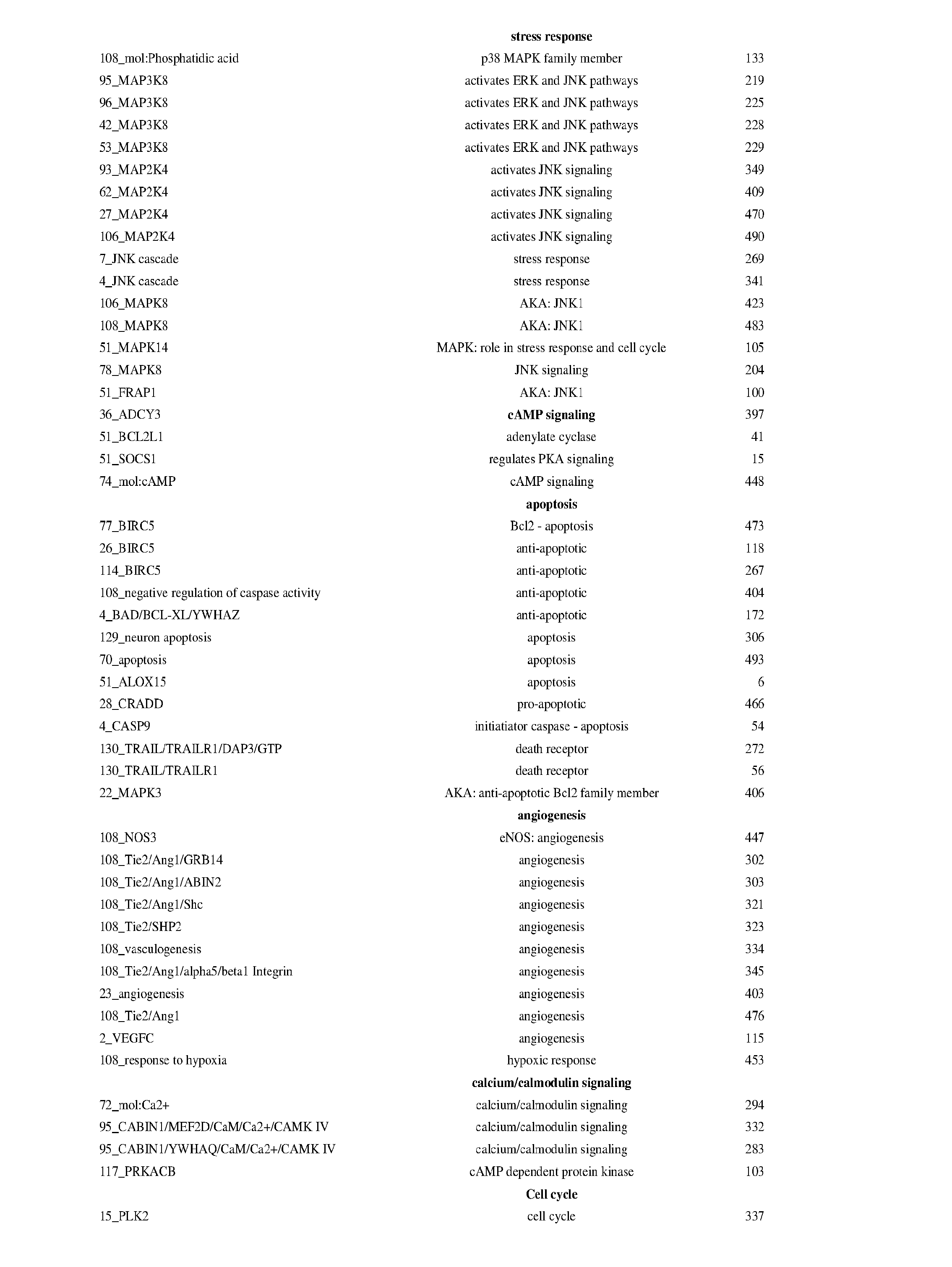
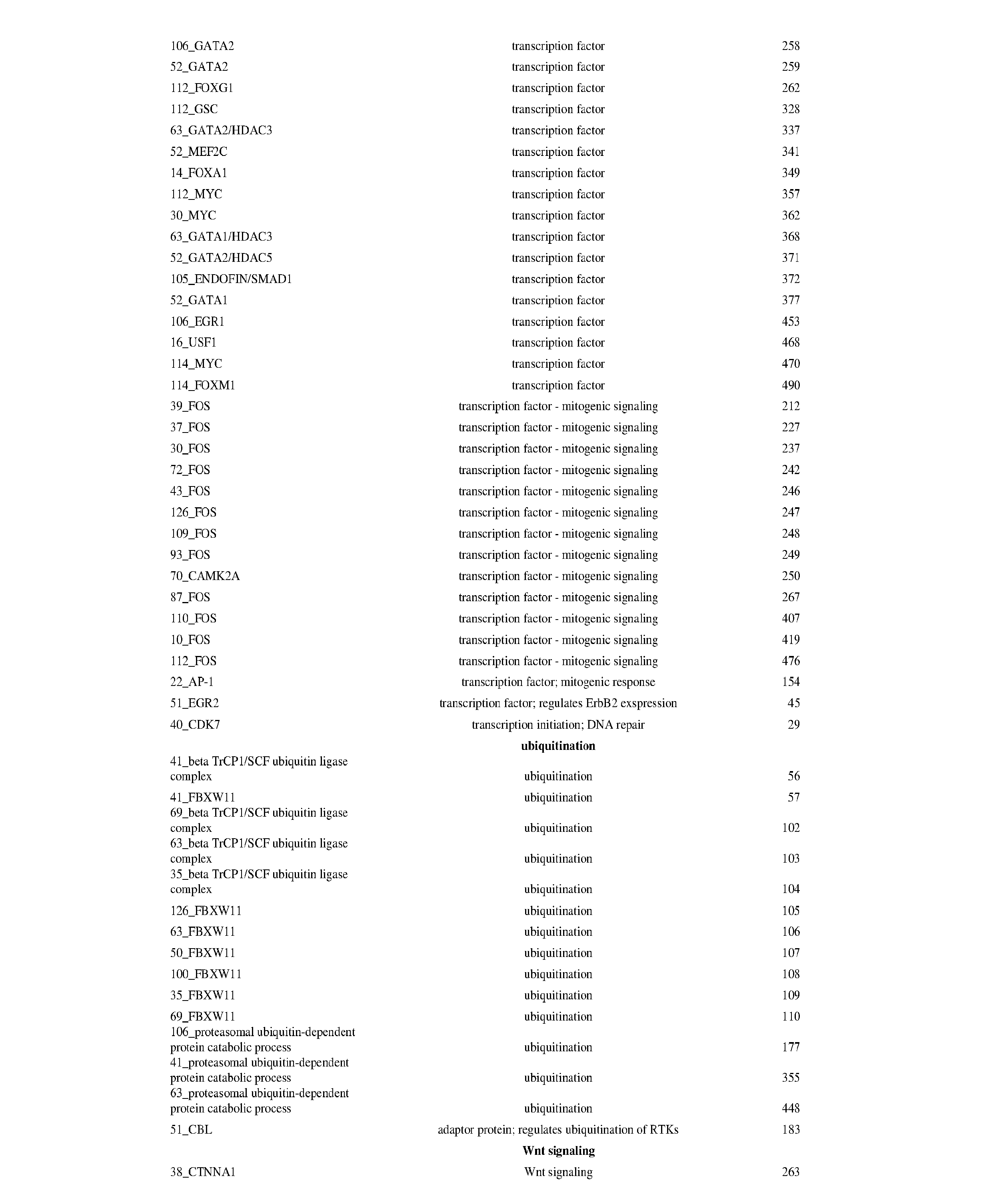
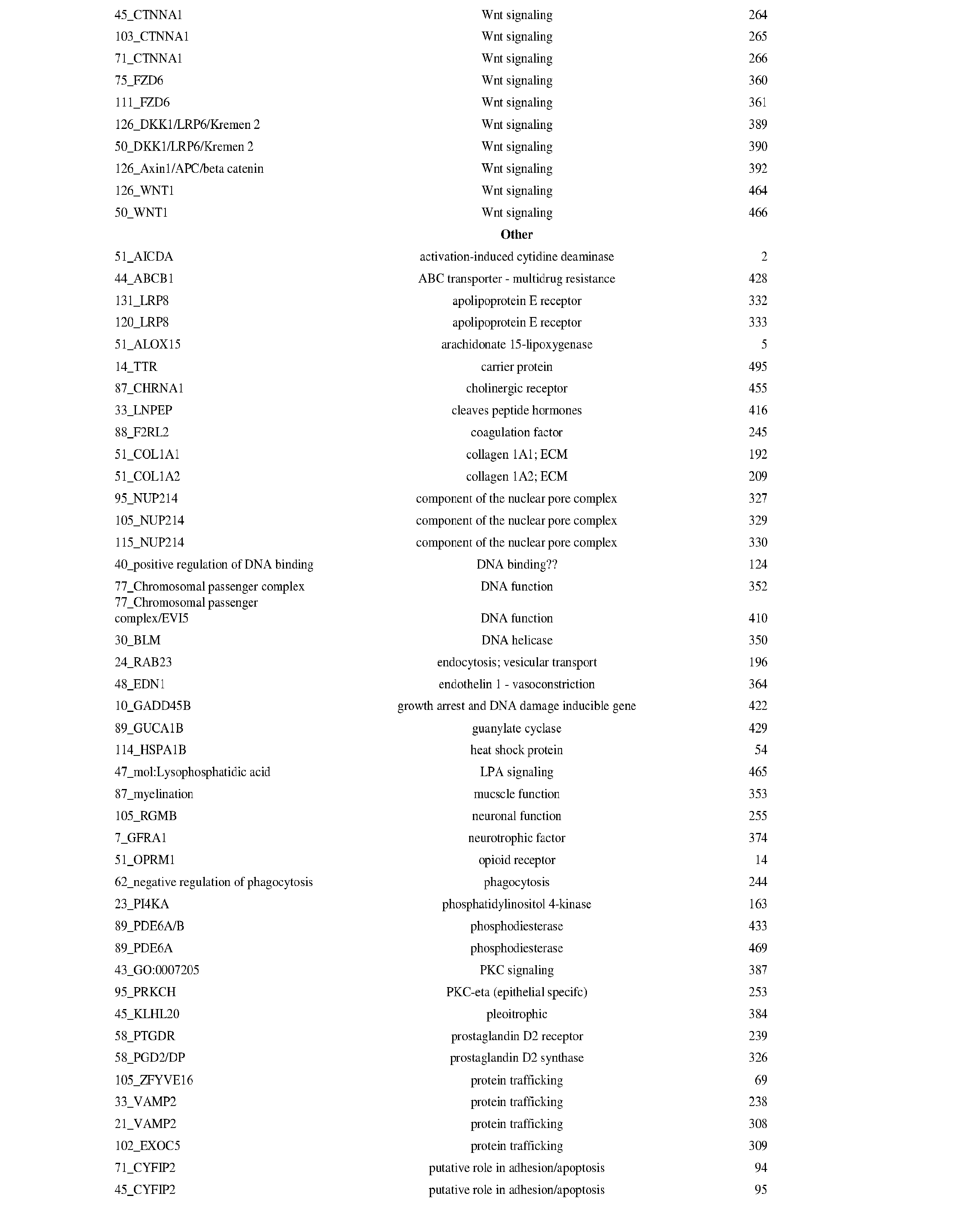
- Table 2 lists pathway entities (individual proteins or complexes) that are located in non-immune related pathways and that are differentially regulated relative to healthy tissue these entities are from a subgroup of positive outcome patients. These entities were from a subgroup of negative outcome patients.
- Table 3 lists pathway entities (individual proteins or complexes) that are located in immune related pathways and that are differentially regulated relative to healthy tissue. These entities were from a subgroup of positive outcome patients.
- Table 4 lists pathway entities (individual proteins or complexes) that are located in non-immune related pathways and that are differentially regulated relative to healthy tissue these entities are from a subgroup of positive outcome patients. These entities were from a subgroup of positive outcome patients.
- contemplated tests may also use specific genes of the genes/pathway entities listed in Tables 1-4, and especially one or more of pathway elements selected form the group consisting of IL12B, IFNG, PSMA3, THY1, CCL17, PRKCQ, NFATC3, NFATC2, CCL11, CCL26, IFNAR2, SQSTM1, IRAK4, NFKBIA, IL6ST, MAP3K1, IRF1, IRF9, PTGS2, IL4, IL5, IGHG3, IL4R, IL13RA2, PIGR, IL13RA1, STAT6, FCER2, IGHG1, IL10, STAT5A, PRKCE, CSF1R, ARG1, LTA, SELP, FKBP3, LCP2, and DOK2.
- pathway elements selected form the group consisting of IL12B, IFNG, PSMA3, THY1, CCL17, PRKCQ, NFATC3, NFATC2, CCL11, CCL26, IFNAR2, SQSTM1,
- such list may include at least two, at least three, at least four, at least five, at least ten, at least 15, or at least 20 of IL12B, IFNG, PSMA3, THY1, CCL17, PRKCQ, NFATC3, NFATC2, CCL11, CCL26, IFNAR2, SQSTM1, IRAK4, NFKBIA, IL6ST, MAP3K1, IRF1, IRF9, PTGS2, IL4, IL5, IGHG3, IL4R, IL13RA2, PIGR, IL13RA1, STAT6, FCER2, IGHG1, IL10, STAT5A, PRKCE, CSF1R, ARG1, LTA, SELP, FKBP3, LCP2, and DOK2.
- contemplated assays need not only be limited to single pathway elements, but may also include complexes of pathway elements, and especially one or more complexes selected from the group consisting of IFN-gamma/IRFl, STAT6 (dimer)/PARP14,
- IL4/IL4R/JAKl/IL2Rgamma/JAK3/DOK2 IL4/IL4R/JAKl/IL2Rgamma JAK3/SHIP
- IL4/IL4R/JAK1/IL13RA1/JAK2 IL4/IL4R/JAKl/IL2Rgamma/JAK3/SHC/SHIP
- IL4/IL4R/JAKl/IL2Rgamma JAK3/FES/IRS2 IL4/IL4R/JAKl/IL2Rgamma/JAK3, IL4/IL4R/JAKl/IL2Rgamma/JAK3/SHC/SHIP/GRB2
- differentially expressed genes may include highly expressed genes, and especially FOXM1. Still further contemplated differentially expressed genes include nonimmune genes that encode a protein involved in at least one of mitogenic signaling, stress signaling, apoptosis, calcium/calmodulin signaling, G-protein signaling, PI3K/AKT signaling, RTK signaling, Wnt signaling, and cAMP signaling, or non-immune genes encoding a protein that is involved in at least one of cell cycle control, DNA damage response, and chromatin remodeling as shown in Tables 2 and 4 above.
- suitable contemplated non-immune genes include at least one, at least two, at least three, at least four, at least five, at least ten MAPK1, MAPK14, NRP2, HIF1A, CALM1, CREB1, CSNK1A1, CSNK1G3, CCNH, FANCE, FANCA, TFIIH, ITGB3, RASA1, GNG2, PDGFRB, AKT1, and PIK3R1.
Landscapes
- Life Sciences & Earth Sciences (AREA)
- Health & Medical Sciences (AREA)
- Engineering & Computer Science (AREA)
- Physics & Mathematics (AREA)
- Bioinformatics & Cheminformatics (AREA)
- Chemical & Material Sciences (AREA)
- General Health & Medical Sciences (AREA)
- Biotechnology (AREA)
- Biophysics (AREA)
- Proteomics, Peptides & Aminoacids (AREA)
- Medical Informatics (AREA)
- Theoretical Computer Science (AREA)
- Bioinformatics & Computational Biology (AREA)
- Spectroscopy & Molecular Physics (AREA)
- Evolutionary Biology (AREA)
- Organic Chemistry (AREA)
- Molecular Biology (AREA)
- Analytical Chemistry (AREA)
- Genetics & Genomics (AREA)
- Pathology (AREA)
- Zoology (AREA)
- Wood Science & Technology (AREA)
- Immunology (AREA)
- Physiology (AREA)
- Hospice & Palliative Care (AREA)
- General Engineering & Computer Science (AREA)
- Microbiology (AREA)
- Oncology (AREA)
- Biochemistry (AREA)
- Data Mining & Analysis (AREA)
- Probability & Statistics with Applications (AREA)
- Primary Health Care (AREA)
- Epidemiology (AREA)
- Public Health (AREA)
- Measuring Or Testing Involving Enzymes Or Micro-Organisms (AREA)
- Medicines That Contain Protein Lipid Enzymes And Other Medicines (AREA)
- Medicines Containing Antibodies Or Antigens For Use As Internal Diagnostic Agents (AREA)
- Medicines Containing Material From Animals Or Micro-Organisms (AREA)
Abstract
Description





Claims
Priority Applications (8)
| Application Number | Priority Date | Filing Date | Title |
|---|---|---|---|
| CN201780027900.7A CN109416925A (en) | 2016-05-05 | 2017-05-05 | It checks point failure and makes the method for checking point failure |
| JP2018557769A JP2019514396A (en) | 2016-05-05 | 2017-05-05 | Checkpoint failure and methods related thereto |
| EP17793507.9A EP3452936A4 (en) | 2016-05-05 | 2017-05-05 | CHECKPOINT ERROR AND METHOD FOR THEM |
| KR1020187033004A KR20180126085A (en) | 2016-05-05 | 2017-05-05 | CHECKPOINT FAILURE AND METHODS THEREFOR |
| AU2017261353A AU2017261353A1 (en) | 2016-05-05 | 2017-05-05 | Checkpoint failure and methods therefor |
| CA3023265A CA3023265A1 (en) | 2016-05-05 | 2017-05-05 | Checkpoint failure and methods therefor |
| US16/098,611 US20190147976A1 (en) | 2016-05-05 | 2017-05-05 | Checkpoint failure and methods therefor |
| IL262732A IL262732A (en) | 2016-05-05 | 2018-11-01 | Checkpoint failure and methods therefor |
Applications Claiming Priority (2)
| Application Number | Priority Date | Filing Date | Title |
|---|---|---|---|
| US201662332047P | 2016-05-05 | 2016-05-05 | |
| US62/332,047 | 2016-05-05 |
Publications (1)
| Publication Number | Publication Date |
|---|---|
| WO2017193080A1 true WO2017193080A1 (en) | 2017-11-09 |
Family
ID=60203535
Family Applications (1)
| Application Number | Title | Priority Date | Filing Date |
|---|---|---|---|
| PCT/US2017/031418 Ceased WO2017193080A1 (en) | 2016-05-05 | 2017-05-05 | Checkpoint failure and methods therefor |
Country Status (9)
| Country | Link |
|---|---|
| US (1) | US20190147976A1 (en) |
| EP (1) | EP3452936A4 (en) |
| JP (2) | JP2019514396A (en) |
| KR (1) | KR20180126085A (en) |
| CN (1) | CN109416925A (en) |
| AU (1) | AU2017261353A1 (en) |
| CA (1) | CA3023265A1 (en) |
| IL (1) | IL262732A (en) |
| WO (1) | WO2017193080A1 (en) |
Cited By (4)
| Publication number | Priority date | Publication date | Assignee | Title |
|---|---|---|---|---|
| CN109355381A (en) * | 2018-09-14 | 2019-02-19 | 深圳市太空科技南方研究院 | For predicting the biomarker and method of PD1/L1 inhibitor curative effect |
| WO2020136667A1 (en) * | 2018-12-27 | 2020-07-02 | Srinivasan N A Mahalakshmi | Incorporating variant information into omics data |
| CN112639136A (en) * | 2018-08-30 | 2021-04-09 | 蒙特利尔大学 | Protein genomics-based method for identifying tumor-specific antigens |
| JP2022544529A (en) * | 2019-08-14 | 2022-10-19 | エバーハルト カール ウニヴェルジテート テュービンゲン メディツィニーシェ ファクルテート | Methods for Classifying Patient Responsiveness to Immune Checkpoint Inhibitor Therapy |
Families Citing this family (2)
| Publication number | Priority date | Publication date | Assignee | Title |
|---|---|---|---|---|
| CN111773380A (en) * | 2020-04-26 | 2020-10-16 | 郑州大学第一附属医院 | Application of PLPP1 in the preparation of T-cell immune tumor-related drugs |
| CN119384287A (en) * | 2022-06-16 | 2025-01-28 | 国立癌中心 | Pharmaceutical composition for cancer prevention or treatment comprising FOXM1 inhibitor and immune checkpoint inhibitor |
Citations (2)
| Publication number | Priority date | Publication date | Assignee | Title |
|---|---|---|---|---|
| US20090111128A1 (en) * | 2005-06-08 | 2009-04-30 | Hitachi Chemical Research Center Inc. | METHOD FOR PREDICTING IMMUNE RESPONSE TO NEOPLASTIC DISEASE BASED ON mRNA EXPRESSION PROFILE IN NEOPLASTIC CELLS AND STIMULATED LEUKOCYTES |
| US20140314814A1 (en) * | 2011-10-20 | 2014-10-23 | California Stem Cell, Inc. | Antigen presenting cancer vaccine |
Family Cites Families (12)
| Publication number | Priority date | Publication date | Assignee | Title |
|---|---|---|---|---|
| IL140537A0 (en) * | 2000-12-25 | 2002-02-10 | Hadasit Med Res Service | Educated nk t cells and their uses in the treatment of immune-related disorders |
| MX2007010073A (en) * | 2005-02-18 | 2007-10-10 | Astrazeneca Ab | METHOD FOR DETERMINING RESPONSIVENESS TO CHKl INHIBITORS. |
| US9408816B2 (en) * | 2006-12-26 | 2016-08-09 | Pharmacyclics Llc | Method of using histone deacetylase inhibitors and monitoring biomarkers in combination therapy |
| GB0917457D0 (en) * | 2009-10-06 | 2009-11-18 | Glaxosmithkline Biolog Sa | Method |
| WO2011139345A2 (en) * | 2010-04-29 | 2011-11-10 | The Regents Of The University Of California | Pathway recognition algorithm using data integration on genomic models (paradigm) |
| US10192641B2 (en) * | 2010-04-29 | 2019-01-29 | The Regents Of The University Of California | Method of generating a dynamic pathway map |
| EP2904115B1 (en) * | 2012-10-01 | 2018-08-08 | Millennium Pharmaceuticals, Inc. | Biomarkers and methods to predict response to inhibitors and uses thereof |
| EP2961419A4 (en) * | 2013-02-26 | 2016-12-21 | Rongfu Wang | Phf20 and jmjd3 compositions and methods of use in cancer immunotherapy |
| WO2014163684A1 (en) * | 2013-04-03 | 2014-10-09 | Ibc Pharmaceuticals, Inc. | Combination therapy for inducing immune response to disease |
| WO2014194293A1 (en) * | 2013-05-30 | 2014-12-04 | Amplimmune, Inc. | Improved methods for the selection of patients for pd-1 or b7-h4 targeted therapies, and combination therapies thereof |
| WO2015077414A1 (en) * | 2013-11-20 | 2015-05-28 | Dana-Farber Cancer Institute, Inc. | Kynurenine pathway biomarkers predictive of anti-immune checkpoint inhibitor response |
| US20160312295A1 (en) * | 2013-12-17 | 2016-10-27 | Merck Sharp & Dohme Corp. | Gene signature biomarkers of tumor response to pd-1 antagonists |
-
2017
- 2017-05-05 AU AU2017261353A patent/AU2017261353A1/en not_active Abandoned
- 2017-05-05 JP JP2018557769A patent/JP2019514396A/en active Pending
- 2017-05-05 EP EP17793507.9A patent/EP3452936A4/en not_active Ceased
- 2017-05-05 WO PCT/US2017/031418 patent/WO2017193080A1/en not_active Ceased
- 2017-05-05 CA CA3023265A patent/CA3023265A1/en not_active Abandoned
- 2017-05-05 KR KR1020187033004A patent/KR20180126085A/en not_active Withdrawn
- 2017-05-05 US US16/098,611 patent/US20190147976A1/en not_active Abandoned
- 2017-05-05 CN CN201780027900.7A patent/CN109416925A/en active Pending
-
2018
- 2018-11-01 IL IL262732A patent/IL262732A/en unknown
-
2020
- 2020-10-29 JP JP2020181541A patent/JP2021019631A/en active Pending
Patent Citations (2)
| Publication number | Priority date | Publication date | Assignee | Title |
|---|---|---|---|---|
| US20090111128A1 (en) * | 2005-06-08 | 2009-04-30 | Hitachi Chemical Research Center Inc. | METHOD FOR PREDICTING IMMUNE RESPONSE TO NEOPLASTIC DISEASE BASED ON mRNA EXPRESSION PROFILE IN NEOPLASTIC CELLS AND STIMULATED LEUKOCYTES |
| US20140314814A1 (en) * | 2011-10-20 | 2014-10-23 | California Stem Cell, Inc. | Antigen presenting cancer vaccine |
Non-Patent Citations (4)
| Title |
|---|
| SANTOS ET AL.: "Model-based genotype-phenotype mapping used to investigate gene signatures of immune sensitivity and resistance in melanoma micrometastasis", SCIENTIFIC REPORTS, vol. 6, no. 24967, 26 April 2016 (2016-04-26), pages 1 - 14, XP055437362 * |
| See also references of EP3452936A4 * |
| TASHNIZI ET AL.: "Th1 and Th2 cytokine gene expression in the peripheral blood of breast cancer patients compared to controls", MIDDLE EAST JOURNAL OF CANCER, vol. 5, no. 3, 2014, pages 119 - 127, XP055437360 * |
| Y UAN ET AL.: "Novel technologies and emerging biomarkers for personalized cancer immunotherapy", JOURNAL FOR IMMUNOTHERAPY OF CANCER, vol. 4, 19 January 2016 (2016-01-19), pages 1 - 25, XP021233391 * |
Cited By (4)
| Publication number | Priority date | Publication date | Assignee | Title |
|---|---|---|---|---|
| CN112639136A (en) * | 2018-08-30 | 2021-04-09 | 蒙特利尔大学 | Protein genomics-based method for identifying tumor-specific antigens |
| CN109355381A (en) * | 2018-09-14 | 2019-02-19 | 深圳市太空科技南方研究院 | For predicting the biomarker and method of PD1/L1 inhibitor curative effect |
| WO2020136667A1 (en) * | 2018-12-27 | 2020-07-02 | Srinivasan N A Mahalakshmi | Incorporating variant information into omics data |
| JP2022544529A (en) * | 2019-08-14 | 2022-10-19 | エバーハルト カール ウニヴェルジテート テュービンゲン メディツィニーシェ ファクルテート | Methods for Classifying Patient Responsiveness to Immune Checkpoint Inhibitor Therapy |
Also Published As
| Publication number | Publication date |
|---|---|
| CN109416925A (en) | 2019-03-01 |
| EP3452936A4 (en) | 2020-01-15 |
| KR20180126085A (en) | 2018-11-26 |
| IL262732A (en) | 2018-12-31 |
| US20190147976A1 (en) | 2019-05-16 |
| AU2017261353A1 (en) | 2018-11-08 |
| JP2019514396A (en) | 2019-06-06 |
| JP2021019631A (en) | 2021-02-18 |
| CA3023265A1 (en) | 2017-11-09 |
| EP3452936A1 (en) | 2019-03-13 |
Similar Documents
| Publication | Publication Date | Title |
|---|---|---|
| Lau et al. | Three-gene prognostic classifier for early-stage non–small-cell lung cancer | |
| WO2017193080A1 (en) | Checkpoint failure and methods therefor | |
| Tembe et al. | MicroRNA and mRNA expression profiling in metastatic melanoma reveal associations with BRAF mutation and patient prognosis | |
| AU2023241365B2 (en) | Dna methylation markers for noninvasive detection of cancer and uses thereof | |
| CA2737137A1 (en) | Method for diagnosing lung cancers using gene expression profiles in peripheral blood mononuclear cells | |
| Yu et al. | Development of a novel immune infiltration-based gene signature to predict prognosis and immunotherapy response of patients with cervical cancer | |
| Dumeaux et al. | Peripheral blood cells inform on the presence of breast cancer: A population‐based case–control study | |
| WO2020175903A1 (en) | Dna methylation marker for predicting recurrence of liver cancer, and use thereof | |
| US20260009083A1 (en) | Predictive mirnas for response to cancer therapy | |
| EP4073272A1 (en) | Analysis of cell signatures for disease detection | |
| Ye et al. | Metabolism-associated molecular classification of gastric adenocarcinoma | |
| Allione et al. | Blood cell DNA methylation biomarkers in preclinical malignant pleural mesothelioma: The EPIC prospective cohort | |
| Liu | A global immune gene expression signature for human cancers | |
| Liu et al. | Investigating the clinical role and prognostic value of genes related to insulin-like growth factor signaling pathway in thyroid cancer | |
| Xiao et al. | The involvement of homeobox-C 4 in predicting prognosis and unraveling immune landscape across multiple cancers via integrated analysis | |
| Panigoro et al. | DNA methylation profiles for breast cancer subtype classifications: A translational study from microarray to methylation-specific PCR (MSP) | |
| Cui et al. | Long non-coding RNA LINC02613 is a prognostic biomarker for breast cancer and correlates with the cell cycle and immune infiltration based on TCGA data | |
| US20220081723A1 (en) | Method of predicting for benefit from immune checkpoint inhibition therapy | |
| Zhu et al. | The expression of tyrosine kinase and threonine promotes the progression of lung adenocarcinoma and is linked to a negative prognosis | |
| Onieva et al. | Integrative Multi-Omic Profiling of cfDNA Methylation and EV-miRNAs Identifies Immunotherapy-Outcome Molecular Subtypes in NSCLC | |
| Suyal et al. | In silico screening of proteins targeting circulating miRNAs for improved diagnosis of multiple myeloma | |
| Zhou et al. | LAGE3 is a potential therapeutic target and prognostic factor in breast cancer: database mining for LAGE family members in human malignancies | |
| peng Huang et al. | A Pan-Cancer Study: The Immunological and Prognostic Significance of Aberrant SPP1 Expression on Tumors | |
| Jeanneret et al. | DNA methylation is a key determinant of response to targeted and immune checkpoint therapies in metastatic renal cell carcinoma | |
| Zhao et al. | Immune Cell Infiltration and Clinical Significance of Angiogenesis-related Genes in Lung Adenocarcinoma |
Legal Events
| Date | Code | Title | Description |
|---|---|---|---|
| DPE1 | Request for preliminary examination filed after expiration of 19th month from priority date (pct application filed from 20040101) | ||
| ENP | Entry into the national phase |
Ref document number: 2018557769 Country of ref document: JP Kind code of ref document: A Ref document number: 3023265 Country of ref document: CA |
|
| NENP | Non-entry into the national phase |
Ref country code: DE |
|
| ENP | Entry into the national phase |
Ref document number: 2017261353 Country of ref document: AU Date of ref document: 20170505 Kind code of ref document: A |
|
| ENP | Entry into the national phase |
Ref document number: 20187033004 Country of ref document: KR Kind code of ref document: A |
|
| 121 | Ep: the epo has been informed by wipo that ep was designated in this application |
Ref document number: 17793507 Country of ref document: EP Kind code of ref document: A1 |
|
| ENP | Entry into the national phase |
Ref document number: 2017793507 Country of ref document: EP Effective date: 20181205 |