WO2017200016A1 - Egfr-tki耐性を獲得した肺癌の治療薬 - Google Patents
Egfr-tki耐性を獲得した肺癌の治療薬 Download PDFInfo
- Publication number
- WO2017200016A1 WO2017200016A1 PCT/JP2017/018573 JP2017018573W WO2017200016A1 WO 2017200016 A1 WO2017200016 A1 WO 2017200016A1 JP 2017018573 W JP2017018573 W JP 2017018573W WO 2017200016 A1 WO2017200016 A1 WO 2017200016A1
- Authority
- WO
- WIPO (PCT)
- Prior art keywords
- egfr
- mutation
- brigatinib
- effect
- cell
- Prior art date
- Legal status (The legal status is an assumption and is not a legal conclusion. Google has not performed a legal analysis and makes no representation as to the accuracy of the status listed.)
- Ceased
Links
Images


Classifications
-
- A—HUMAN NECESSITIES
- A61—MEDICAL OR VETERINARY SCIENCE; HYGIENE
- A61K—PREPARATIONS FOR MEDICAL, DENTAL OR TOILETRY PURPOSES
- A61K31/00—Medicinal preparations containing organic active ingredients
- A61K31/33—Heterocyclic compounds
- A61K31/395—Heterocyclic compounds having nitrogen as a ring hetero atom, e.g. guanethidine or rifamycins
- A61K31/495—Heterocyclic compounds having nitrogen as a ring hetero atom, e.g. guanethidine or rifamycins having six-membered rings with two or more nitrogen atoms as the only ring heteroatoms, e.g. piperazine or tetrazines
- A61K31/505—Pyrimidines; Hydrogenated pyrimidines, e.g. trimethoprim
- A61K31/506—Pyrimidines; Hydrogenated pyrimidines, e.g. trimethoprim not condensed and containing further heterocyclic rings
-
- A—HUMAN NECESSITIES
- A61—MEDICAL OR VETERINARY SCIENCE; HYGIENE
- A61K—PREPARATIONS FOR MEDICAL, DENTAL OR TOILETRY PURPOSES
- A61K31/00—Medicinal preparations containing organic active ingredients
- A61K31/66—Phosphorus compounds
- A61K31/662—Phosphorus acids or esters thereof having P—C bonds, e.g. foscarnet, trichlorfon
-
- A—HUMAN NECESSITIES
- A61—MEDICAL OR VETERINARY SCIENCE; HYGIENE
- A61P—SPECIFIC THERAPEUTIC ACTIVITY OF CHEMICAL COMPOUNDS OR MEDICINAL PREPARATIONS
- A61P35/00—Antineoplastic agents
-
- C—CHEMISTRY; METALLURGY
- C12—BIOCHEMISTRY; BEER; SPIRITS; WINE; VINEGAR; MICROBIOLOGY; ENZYMOLOGY; MUTATION OR GENETIC ENGINEERING
- C12Q—MEASURING OR TESTING PROCESSES INVOLVING ENZYMES, NUCLEIC ACIDS OR MICROORGANISMS; COMPOSITIONS OR TEST PAPERS THEREFOR; PROCESSES OF PREPARING SUCH COMPOSITIONS; CONDITION-RESPONSIVE CONTROL IN MICROBIOLOGICAL OR ENZYMOLOGICAL PROCESSES
- C12Q1/00—Measuring or testing processes involving enzymes, nucleic acids or microorganisms; Compositions therefor; Processes of preparing such compositions
- C12Q1/68—Measuring or testing processes involving enzymes, nucleic acids or microorganisms; Compositions therefor; Processes of preparing such compositions involving nucleic acids
-
- G—PHYSICS
- G01—MEASURING; TESTING
- G01N—INVESTIGATING OR ANALYSING MATERIALS BY DETERMINING THEIR CHEMICAL OR PHYSICAL PROPERTIES
- G01N33/00—Investigating or analysing materials by specific methods not covered by groups G01N1/00 - G01N31/00
- G01N33/48—Biological material, e.g. blood, urine; Haemocytometers
- G01N33/50—Chemical analysis of biological material, e.g. blood, urine; Testing involving biospecific ligand binding methods; Immunological testing
- G01N33/53—Immunoassay; Biospecific binding assay; Materials therefor
- G01N33/575—Immunoassay; Biospecific binding assay; Materials therefor for cancer
-
- A—HUMAN NECESSITIES
- A61—MEDICAL OR VETERINARY SCIENCE; HYGIENE
- A61K—PREPARATIONS FOR MEDICAL, DENTAL OR TOILETRY PURPOSES
- A61K45/00—Medicinal preparations containing active ingredients not provided for in groups A61K31/00 - A61K41/00
- A61K45/06—Mixtures of active ingredients without chemical characterisation, e.g. antiphlogistics and cardiaca
Definitions
- the present invention relates to the treatment of cancer that has acquired resistance to EGFR-TKI (EGFR tyrosine kinase inhibitor) in the treatment of lung cancer having an EGFR (Epidmal Growth Factor Receptor) gene mutation.
- EGFR-TKI EGFR tyrosine kinase inhibitor
- osimertinib is also used for osimertinib
- the present invention relates to a therapeutic drug that is effective for cancer that has acquired resistance.
- Non-Patent Document 1 The predicted number of new cases of lung cancer in Japan in 2020 reported by Ono, Nakamura et al. In 2004 was about 91,000 males and about 34,000 females. According to the announcement from the Center, the number of new patients of 90,700 men and 42,800 women has already been estimated as of 2015 (Non-Patent Document 1), and it is feared that this forecast will be further exceeded as of 2020. Therefore, the development of therapeutic methods has become a major issue. Worldwide, the number of deaths from lung cancer is increasing. According to statistics from the International Union for Cancer (UICC), the number of deaths due to lung cancer is the highest among cancers, and it is said that it corresponds to 1/5 of all cancer deaths.
- UICC International Union for Cancer
- Non-small cell lung cancer accounts for about 80-85% of all lung cancer, and small cell lung cancer accounts for about 10-15%.
- chemoradiotherapy is standard when radical irradiation is possible, and chemotherapy is the standard treatment for stage IIIB and stage IV non-small cell lung cancer that cannot be radically irradiated.
- CDDP cisplatin
- BSC best support care
- the survival-prolonging effect is about half a year to a little less than one year from about one year of the survival-prolonging effect of the cytotoxic anticancer agents shown in the above-mentioned ECOG test and FACS test due to the appearance of pemetrexed and bevacizumab.
- further progress was scarce and was in a stepping state.
- EGFR-TKI is an agent that binds to the ATP binding site of EGFR tyrosine kinase in cells and inhibits EGFR autophosphorylation to inhibit EGFR signal transduction.
- EGFR-TKI product name: Iressa (registered trademark)
- erlotinib product name: Tarceva (registered trademark)
- afatinib product name: Giotrif (registered trademark)
- exon 19 deletion mutations are the tyrosine kinase region exon 18-21, exon 19 deletion mutation is 48%, and L858R (858th leucine substitution with arginine.
- the point mutation is the amino acid position below.
- sequence before and after substitution account for 43%, and other G719X and rare mutations account for about 15%.
- Exon 19 deletion mutations are most commonly simple deletion mutations centered on the 5 amino acids of ELREA 746-750, but there are many variations such as the number of deleted amino acids and those with amino acid substitutions. (Non-patent Document 8).
- gefitinib and carboplatin (CBDCA) / paclitaxel (PTX) combination therapy is selected for patients with clinical background (non-smokers, Asians, adenocarcinoma) where EGFR-TKI is expected to be effective IPASS (Iresa Pan Asia Study), which is a phase III study comparing the two, showed that PFS (progression-free survival, progression-free survival) was significantly prolonged in the gefitinib group (Non-patent Document 9) ).
- Non-Patent Document 10 which is a comparative phase III study of gefitinib and CBDCA + PTX conducted in Japan
- WJTOG 3405 study which is a comparative phase III study of gefitinib and CDDP + docetaxel (docetaxel, DTX) combination therapy.
- the subsequent reports showed that the median survival was 34.8 months for WJTOG3405 and 27.7 months for NEJ002, and the importance of administering EGFR-TKI to EGFR gene mutation-positive patients It became widespread.
- pulmonary adenocarcinoma has been discovered one after another for proto-oncogenes that are therapeutic targets such as EML4-ALK translocation fusion, RET translocation fusion, ROS1 translocation fusion, HER2 mutation, BRAF mutation, etc. Therefore, the development of corresponding therapeutic drugs has brought great benefits to patients with each disease.
- the benefits of accurately detecting the presence or absence of a proto-oncogene and the corresponding appropriate molecular targeted drug treatment were also reported by Kris et al. In 2014, and have now become an essential area for lung cancer treatment ( Non-patent document 12).
- the acquired resistance due to the appearance of the C797S mutation should be subtracted from the fact that the total number of third-generation resistant cases is not sufficiently accumulated, but refer to the frequency reported in 2015 WCLC (World Conference on Lung Cancer). For example, it is estimated to correspond to 4-5% of all lung cancers. The frequency is about the same as that of ALK positive lung cancer cases, and it can be said that it occupies a certain clinical specific gravity. Therefore, establishing a treatment for this population is a clinically important issue.
- EAI045 is effective as an allosteric inhibitor against EGFR mutants having mutations of L858R, T790M, and C797S.
- EAI045 has been shown to have a significant inhibitory effect on tumor growth in a mouse model when administered in combination with cetuximab, an anti-EGFR antibody drug (Non-patent Document 21).
- EAI045 is a developmental compound and cannot be used immediately in clinical practice.
- it is not effective for the exon 19 deletion mutant that accounts for about half of EGFR mutation-positive lung cancers. Therefore, there is no change in the current situation that there is a need for an effective therapeutic agent for the EGFR mutant having the C797S mutation.
- the present invention relates to the following medicines, methods for examining the effectiveness of medicines, and testing kits.
- An EGFR gene mutation-positive non-small cell lung cancer therapeutic agent comprising a compound represented by formula (I) or a pharmacologically acceptable salt thereof as an active ingredient.
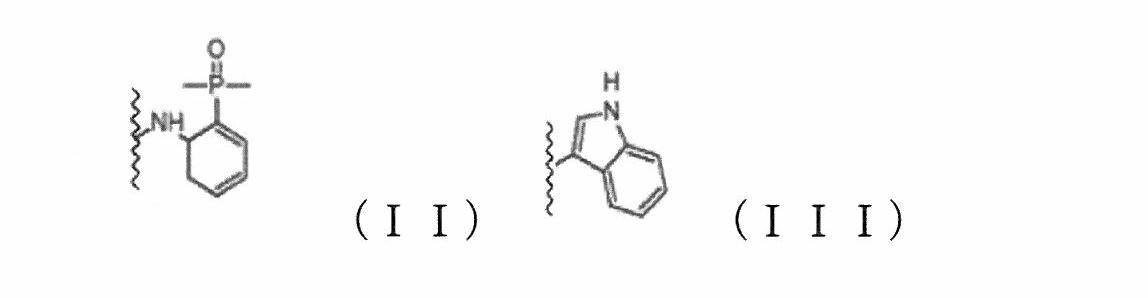
- R 1 is a group represented by the following formula (II) or (III):
- R 2 is —N (CH 3 ) 2 , —NH 2, or a group represented by the following formula (IV).
- R 1 is a group represented by the following formula (II) or (III):
- R 2 is —N (CH 3 ) 2 , —NH 2, or a group represented by the following formula (IV).
- (7) The method for examining the efficacy of a medicine according to (6), wherein the compound is brigatinib, an AP26113 analog, or AZD3463.
- a pharmaceutical efficacy test kit comprising as an active ingredient a compound represented by general formula (I) or a pharmacologically acceptable salt thereof, comprising a PCR primer for detecting a mutation at position 797 of EGFR, or an antibody.
- R 1 is a group represented by the following formula (II) or (III):
- R 2 is —N (CH 3 ) 2 , —NH 2, or a group represented by the following formula (IV).
- (11) The pharmaceutical efficacy test kit according to (10), wherein the compound is brigatinib, an AP26113 analog, or AZD3463.
- (12) The pharmaceutical efficacy test kit according to (10) or (11), further comprising a PCR primer or an antibody for detecting a deletion mutation in exon 19 of EGFR, a mutation in L858R, and a mutation in T790M.
- the present invention also relates to the following non-small cell lung cancer treatment methods.
- a therapeutic method comprising using a medicine as an active ingredient in combination with an anti-EGFR antibody.
- R 1 is a group represented by the following formula (II) or (III):
- R 2 is —N (CH 3 ) 2 , —NH 2, or a group represented by the following formula (IV).
- the treatment method wherein the compound is brigatinib, AP26113 analog, or AZD3463.
- EGFR gene mutation-positive non-small cell lung cancer is first treated with gefitinib, erlotinib, or afatinib. If treatment with these drugs renders refractory due to the T790M mutation in EGFR, treatment is performed with third-generation EGFR-TKI, such as osimertinib.
- a useful therapeutic effect can be obtained by using the therapeutic agent of the present invention for non-small cell lung cancer expressing triple mutant EGFR that has acquired the mutation of C797S, which is a mutation. Furthermore, a stronger effect can be obtained by using in combination with an anti-EGFR antibody.
- combined use with an anti-EGFR antibody is expected to be effective in treating lung cancer that has been shown to have a reduction effect on cancer in an in vivo test and has acquired resistance to a therapeutic agent.
- medical agent which inhibits the proliferation of the cell strain which expresses the C797S variant of EGFR The figure which shows the effect with respect to the cell viability of gefitinib, afatinib, osmeltinib, and brigatinib (brigatinib) with respect to the exon 19 deletion mutant expression cell of EGFR which makes Ba / F3 a parent strain.
- the figure which shows the effect with respect to the cell viability of the said compound with respect to the C797S / exon 19 deletion mutant expression cell of EGFR The figure which shows the effect with respect to the cell viability of the said compound with respect to the C797S / exon 19 deletion mutant expression cell of EGFR.
- the figure which shows the effect with respect to the cell viability of the said compound with respect to the triple mutant C797S / T790M / L858R mutant expression cell of EGFR The figure which analyzed the phosphorylation of the EGFR signaling system of afatinib, osmeltinib, and brigatinib in the EGFR L858R mutant expression cell which makes Ba / F3 a parent strain. The figure which analyzed the phosphorylation of the EGFR signal transduction system by the said compound in the T790M / L858R mutant expression cell of EGFR.
- mouth The figure which analyzed the phosphorylation of the EGFR signal transduction system of the brigatinib with respect to the said deletion mutant expression cell transplanted to the mouse
- the figure which analyzed the effect of brigatinib and cetuximab with respect to the EGFR signaling system of the said triple mutant cell strain The figure which examined the combined use effect of the panitumumab and a tyrosine kinase inhibitor with respect to the cell viability of the triple mutant expression cell which makes Ba / F3 a parent strain.
- non-small cell lung cancer having a point mutation of C797S the first generation EGFR-TKI represented by gefitinib
- the third generation EGFR-TKI represented by osmeltinib A compound having an effect on cancer that has acquired resistance, a method for examining the effectiveness of the compound, and a treatment method will be described.
- the present inventors have found that the ALK inhibitor brigatinib causes growth inhibition on cells having a C797S point mutation that appears after treatment with osimertinib.
- the present inventors focused on the fact that cells that have acquired resistance to osimertinib have a C797S mutation, and screened a large number of compounds using a cell line having both C797S and T790M mutations. As a result, it was found that an ALK inhibitor represented by the following general formula suppresses cell proliferation.
- R 1 is a group represented by the following formula (II) or (III):
- R 2 is —N (CH 3 ) 2 , —NH 2, or a group represented by the following formula (IV).
- the drug containing the above compound as an active ingredient is considered to be effective not only for the EGFR gene mutation-positive non-small cell lung cancer examined here but also for a tumor having the same mutation C797S in EGFR. .
- any anti-EGFR antibody may be used as long as it inhibits EGFR activity.
- examples of such antibodies include Nesitumumab approved as a treatment for non-small cell lung cancer (squamous cell lung cancer) by the US Food and Drug Administration (FDA), and Cetuximab and Panitumumab currently used for the treatment of colorectal cancer, etc.
- FDA US Food and Drug Administration
- Cetuximab and Panitumumab currently used for the treatment of colorectal cancer, etc.
- the present invention is not limited to this, and any antibody that inhibits EGFR activity may be used.
- Currently used antibodies are thought to bind to the extracellular domain of EGFR and inhibit binding to the ligand EGF (Non-patent Documents 22-24).
- the antibody used for the treatment may be an antibody having an epitope overlapping with these antibodies, or may recognize a different epitope.
- a case where a therapeutic drug containing the above compound as an active ingredient is effective is a case where a point mutation from cysteine to serine occurs at position 797 of EGFR. Therefore, the test for confirming the effectiveness of these drugs may be performed by any method as long as the mutation of EGFR C797S can be detected.
- any method for detecting a gene mutation can be used as long as it can confirm the sequence at position 797 of EGFR, such as a PCR-based test method or a direct sequencing method. If a mutation in the EGFR protein is to be detected, the mutation may be detected by a method such as tissue staining or ELISA using an antibody that specifically recognizes the C797S mutation.
- tissue staining or ELISA using an antibody that specifically recognizes the C797S mutation.
- any tumor tissue may be used as long as it contains tumor cells such as pleural effusion and other body cavity fluids, sputum, suction sputum, and blood.
- the present invention will be described with reference to data.
- EGFR gene mutation-positive non-small cell lung cancer is mostly exon 19 deletion or L858R mutation, and accounts for 80% or more of the total. Therefore, a cell line having a deletion mutation of exon 19 and an L858R point mutation was prepared and analyzed.
- Wild type EGFR was obtained from cDNA of A549 cell line.
- the EGFR mutant exon 19 deletion mutant is amplified by PCR from the HCC827 cell line
- the L858R mutant is amplified from a lung cancer specimen by PCR
- the pENTR vector (manufactured by Thermo Fisher Scientific) contains the active full-length EGFR.
- T790M and C797S were introduced into each EGFR by the QuikChange Site-Directed Mutagenesis Kit (manufactured by Agilent) as a single mutation or a double mutation, respectively, using the following primers.
- T790M F CCGTGCAGCTCATCATCCAGCTCATGCCCCTTC (SEQ ID NO: 1)
- T790M R GAAGGGCATGAGCTGCATGATGAGCTGCACGG
- C797S F CATGCCCCTTCGGCTCCCTCCTGGAGCTA (SEQ ID NO: 3)
- C797S R TAGTCCCAGGAGGAGCCGAAGGGCATG (SEQ ID NO: 4)
- the obtained EGFR mutant was inserted into a lentiviral vector, pLenti6.3 / V5-DEST (manufactured by Life Technologies) to construct each EGFR mutant.
- the EGFR mutant was introduced into mouse pro-B cell Ba / F3 by Vira-Power Lenticular Directional TOPO Expression System (manufactured by Life Technologies).
- Mutant strain (BaF3 T790M / del19) introduced with T790M, which is a mutation from threonine at position 790, which is a point mutation, to methionine, and cysteine, position 797, which is a point mutation that appears as resistance of the third generation medicine
- a mutant strain (BaF3 C797S / T790M / del19) further introduced with the C797S mutation mutated to, a drug that inhibits the growth of the cell line having the C797S mutation was screened.
- tyrosine kinase inhibitors were added to the above 4 types of Ba / F3 cell mutant strains to a concentration of 100 nM, and the effects were analyzed. After 72 hours, cell viability was analyzed by CellTiter-Glo assay (registered trademark, manufactured by Promega). Table 1 shows the tyrosine kinase inhibitors used and their sources.
- FIG. 1 shows the relative survival rate using DMSO added as a control.
- brigatinib and ponatinib showed an inhibitory effect of about 50% at a concentration of 100 nM against the deletion mutant of C797S / T790M / exon 19.
- ponatinib has a similar IC 50 to the parent strain Ba / F3, it is considered that ponatinib does not specifically have a growth inhibitory effect on the EGFR mutant having a mutation in C797S. It is done.
- brigatinib has a growth inhibitory effect on C797S mutant-expressing cells, so that gefitinib, afatinib, osimertinib and the present inventors are effective against the C797S mutation.
- the cell viability was determined by changing the concentration of brigatinib found.
- 2A to 2D show the survival rate of each mutant cell line by drug treatment, and Table 2 shows the IC 50 .
- Table 2 shows the IC 50 .
- afatinib, osmeltinib, and gefitinib showed cytostatic effects (FIG. 2A).
- Ba / F3 having a T790M mutation showed a high reactivity with oximertinib with an IC 50 of 6.7 nM, but with gefitinib an IC 50 of 5603 nM. Strong resistance was shown (Table 2).
- gefitinib and afatinib showed cell growth suppression for the cell line (C797S / del19) having a C797S point mutation (FIG. 2C).
- the triple mutant expressing cell line (C797S / T790M / del19) having point mutations at two positions 797 and 790, gefitinib, afatinib Neither osimertinib inhibited proliferation even when cells were treated at high concentrations, whereas brigatinib inhibited cell proliferation at low concentrations of IC 50 67.2 nM (FIG. 2D, Table 2). That is, brigatinib acts effectively on cells having a C797S mutation in addition to the exon 19 deletion mutation, the T790M mutation.
- Anti-phospho-EGFR antibody (Tyr1068, manufactured by Abcam, ab5644), anti-EGFR antibody (Cell Signaling Technology, # 4267), anti-phospho-Akt antibody (Ser473, Cell Signaling Technology, Anti-antibody # 40, manufactured by Anti- # 40) (Cell Signaling Technology, # 4691), anti-phospho-ERK antibody (Thr202 / Tyr204, Cell Signaling Technology, # 9101), anti-ERK1 / 2 antibody (Cell Signaling Technology, # 9, manufactured by Phosphorus # 9-102) S6 antibody (Ser240 / 244, Cell Signaling Tec nology Inc., # 5364), anti-S6 antibody (Cell Signaling Technology, Inc., # 2217), anti- ⁇ - actin antibody (Sigma - Aldrich, A5228) was performed using detection of the protein.
- aphatinib was found to suppress phosphorylation of EGFR when treated with 100 nM in T790M / del19 Ba / F3 cells, but was completely inhibited from phosphorylation in C797S / T790M / del19 Ba / F3 cells. I could't.
- brigatinib suppresses phosphorylation of EGFR and downstream signals in any cell.
- Akt, ERK, and S6 was observed only in brigatinib.
- gefitinib showed the same effect as afatinib on the phosphorylation of the EGFR signaling system.
- Ba / F3 (BaF3 L858R) in which leucine at position 858 is mutated to arginine, Ba / F3 (BaF3 T790M / L858R) having a duplicate mutation of T790M and L858R, Ba / F3 having a duplicate mutation of C797S and L858R Using F3 (BaF3 C797S / L858R) and Ba / F3 (BaF3 C797S / T790M / L858R) having the above three mutations, the effects of gefitinib, afatinib, osmeltinib, and brigatinib were analyzed.
- a Ba / F3 mutant was prepared in the same manner as described above, and the cell viability was determined by CellTiter-Glo assay. The results are shown in FIG.
- Afatinib, gefitinib, and osmeltinib inhibit the growth of cells with the L858R point mutation.
- afatinib was very strong against the L858R mutant strain and showed a cell growth inhibitory effect.
- brigatinib has a low cytostatic effect on cells having the L858R point mutation (FIG. 3A).
- osimertinib has a strong cell growth inhibitory effect (IC 50 5.8 nM), but afatinib has an IC 50 of 39.2 nM and gefitinib has an IC 50 of 5922 nM. With little effect.
- brigatinib has a remarkable cytostatic effect (IC 50 161.5 nM), but oximeltinib (IC 50 1171 nM), afatinib ( IC 50 804.2 nM), gefitinib (IC 50 > 10000 nM) shows little effect (FIG. 3D).
- EGFR and phosphorylation of the downstream signal transduction system were analyzed using the above four cell lines having the L858R mutation (FIGS. 4A to 4D).
- Afatinib strongly suppresses phosphorylation of EGFR and downstream signal transduction system in cells expressing L858R mutant, somewhat weaker effect in cells expressing C797S / L858R mutant, and very weak inhibitory effect in T790M / L858R
- T790M / L858R mutant-expressing cells almost no inhibitory effect was observed.
- Osimertinib is weaker than afatinib in L858R mutant-expressing cells, but has an inhibitory effect on phosphorylation of the signal transduction system, and T790M / L858R mutant-expressing cells have the strongest inhibitory effect.
- T790M / L858R mutant-expressing cells have the strongest inhibitory effect.
- osmeltinib hardly showed phosphorylation inhibitory effect.
- Bligatinib was observed to have a certain phosphorylation inhibitory effect on the EGFR signaling system even in cells expressing L858R, T790M / L858R, and C797S / L858R mutants. Further, brigatinib was the only compound that was found to have the effect of suppressing phosphorylation of the EGFR signaling system in cells expressing the C797S / T790M / L858R mutant. This result agrees very well with the results of cell viability shown in FIG. 3, and brigatinib is thought to suppress cell proliferation through suppression of the EGFR signal transduction system.
- brigatinib has a cell growth inhibitory effect on active EGFR having C797S / T790M overlapping point mutations.
- brigatinib has an effect of suppressing cell growth in the same manner regardless of whether the active EGFR mutation causing the cancer is a deletion mutation of exon 19 or a point mutation L858R.
- gefitinib showed a similar effect on EGFR signaling phosphorylation, although it was weaker than afatinib.
- ALK inhibitors are AP26113 analogs that are analogs thereof, AZD3463, TAE684, LDK378 (ceritinib), and ASP3026 (FIG. 5).
- brigatinib, AP26113 analog, and AZD3463 have the same effect in that they have a high cell growth inhibitory effect on the EGFR mutant cell line having a C797S mutation in addition to T790M.
- R 1 is a group represented by the following formula (II) or (III):
- R 2 is —N (CH 3 ) 2 , —NH 2, or a group represented by the following formula (IV). Since these compounds have the same skeleton as brigatinib, AP26113 analog, and AZD3463, it is considered that the same effect as brigatinib or the like is exhibited against the EGFR mutant.
- PC9 is a cell line derived from human non-small cell lung cancer having a deletion mutation in exon 19 of EGFR. EGFR mutant-expressing cells were similarly prepared using PC9, and the effects of these compounds were analyzed (FIG. 9).
- cells expressing EGFR having mutations of T790M and C797S / T790M were prepared, and gefitinib, osmeltinib and brigatinib were concentrated at concentrations from 0.3 nM to 10,000 nM in the parent strain PC9 (del19)
- the cell viability after 72 hours was determined by CellTiter-Glo assay in the same manner as described above.
- gefitinib and osmeltinib show cell growth inhibitory effects on the parent strain PC9 (exon 19 deletion mutation), whereas brigatinib is a very weak cell. Only a growth inhibitory effect was shown (FIG. 9A).
- a cell line T790M / del19 in which a T790M mutation was introduced into PC9
- osimertinib showed a very strong cell growth inhibitory effect
- brigatinib showed a weak cell growth inhibitory effect
- gefitinib showed almost a cell growth inhibitory effect.
- Figure 9B There was no ( Figure 9B).
- brigatinib and AP26113 analogs have an inhibitory effect on phosphorylation of EGFR and downstream signaling systems, whereas afatinib, osimertinib and gefitinib all inhibit EGFR phosphorylation No inhibitory effect was shown (FIG. 10C).
- AZD3463 was also analyzed for effects on these mutants (FIG. 10D).
- AZD3463 also had the effect of suppressing phosphorylation of the EGFR signal transduction system in PC9 triple mutant-expressing cells having mutations in C797S, similarly to brigatinib and AP26113 analogs.
- AZD3463 was found to suppress phosphorylation of EGFR and its downstream signal transduction system even in the EGFR mutant-expressing cells into which the parent strain PC9 and T790M mutation were introduced.
- ⁇ Effect of tyrosine kinase inhibitor in wild-type EGFR expressing cells The effect of brigachinib on cell proliferation was analyzed using cell lines having mutations other than EGFR point mutations and deletion mutations.
- the cell lines used were analyzed using A431 amplified by EGFR, A549 and H460 having mutations in K-ras.
- A431 is a human epidermoid carcinoma, and A549 and H460 are cell lines derived from human lung cancer.
- EGFR although A431 is amplified, there is no mutation, and no mutation is observed in EGFR for A549 and H460.
- Afatinib and osimertinib inhibit cell proliferation with respect to A431 in which EGFR is amplified.
- afatinib has a weak cell growth inhibitory effect on A549, others have little inhibitory effect on cell growth.
- brigatinib did not show a cell growth inhibitory effect against any cell line. This indicates that brigatinib does not inhibit cell growth against wild-type EGFR, that is, it targets only cancer cells and does not inhibit growth of normal cells.
- FIG. 12A shows the results of transplanting C797S / T790M / del19 mutant-expressing cells
- FIG. 12B shows the results of transplanting T790M / del19 mutant-expressing cells.
- brigatinib had a strong growth inhibitory effect on C797S / T790M / del19 having both C797S and T790M mutations (FIG. 12A). Moreover, the growth inhibitory effect was recognized also with respect to T790M / del19 (FIG. 12B). Osimertinib had an effect on T790M / del19, but showed almost no inhibitory effect on C797S / T790M / del19.
- brigatinib has an effect not only on cultured cells but also on EGFR mutations having C797S and T790M mutations in vivo.
- the survival curve based on the Kaplan-Meier method is shown in FIG. 13B. Both the osmeltinib administration group and the brigatinib administration group transplanted with PC9 expressing T790M survived during the observation period. One mouse that died in the brigatinib treatment group died accidentally at the time of oral administration on the 10th day.
- EGFR having a C797S / T790M / del19 mutation was expressed in PC9 cells and transplanted into Balb-c nu / nu in the same manner as described above, and the effects of osimertinib and brigatinib were examined (FIG. 14).
- Osimertinib had little effect on the EGFR triple mutation, whereas brigatinib showed a significant growth inhibitory effect on tumor growth (FIG. 14A).
- the EGFR in the tumor after mouse transplantation and the downstream signal transduction system were analyzed by Western blotting in the same manner as described above.
- brigatinib showed a clear phosphorylation-inhibiting effect on EGFR and downstream signal transduction systems, whereas the osimertinib-administered group showed almost no phosphorylation-inhibiting effect (FIG. 14B). .
- brigatinib exhibits a growth-inhibitory effect on cell proliferation at low concentrations against PC9 expressing EGFR having the C797S / T790M / del19 mutation, but osmeltinib must be treated at high concentrations. It has no effect on cell proliferation (see FIG. 9C).
- treatment with cetuximab was conducted to examine the effect on cell proliferation (FIG. 15A).
- PC9 expressing EGFR having a mutation of C797S / T790M / del19 was added to the culture solution at a concentration of 300 nM for brigatinib and osimertinib and 10 ⁇ g / ml for cetuximab, and after 72 hours, the cell viability was set in the same manner as described above. Analysis was by CellTiter-Glo assay. Cetuximab has no effect on cell proliferation at a concentration of 10 ⁇ g / ml. On the other hand, brigachinib, when treated at a concentration of 300 nM, has an inhibitory effect on cell proliferation even when alone, but when added in combination with cetuximab, cell viability was as strong as about 50%. . In contrast, Osimertinib was not effective against cell proliferation when used in combination with cetuximab.
- PC9 expressing EGFR having a C797S / T790M / del19 mutation was treated with brigatinib in the range of 0 to 1000 nM in the presence or absence of cetuximab, and phosphorylation of EGFR and downstream signaling system was performed. Analysis was performed by Western blotting (FIG. 15B). In cells treated with cetuximab and brigatinib in combination, EGFR and phosphorylation of downstream signaling proteins were more strongly suppressed than brigatinib alone. In particular, a stronger signal suppression effect was observed in the signal transduction system downstream of EGFR.
- PC9 expressing EGFR having a triple mutation was transplanted into mice in the same manner as described above, solvent alone, brigatinib alone, osimertinib alone, cetuximab alone, brigatinib and cetuximab in combination, and tumor cell growth was controlled by tumor volume It examined (FIG. 15C).
- Brigatinib was administered by gavage once daily at a dose of 75 mg / kg and osmeltinib at 50 mg / kg, and cetuximab was administered at a dose of 1 mg / mouse three times a week.
- brigatinib alone, osimertinib alone, and cetuximab alone showed a certain tumor growth inhibitory effect, but in the group that received brigatinib and cetuximab together, there was an obvious tumor A growth inhibitory effect was observed, and gradually regression of the tumor was observed (FIG. 15C).
- the EGFR in the tumor after mouse transplantation and the phosphorylation of the downstream signal transduction system were analyzed by Western blotting in the same manner as described above (FIG. 15D).
- FIG. 15C phosphorylation of EGFR and its downstream signal transduction system was remarkably suppressed in tumors obtained from the group administered with brigatinib and cetuximab in combination.
- the survival curve based on the Kaplan-Meier method is shown in FIG. 15E.
- administration of ocimertinib alone had little effect, whereas administration of brigatinib alone or cetuximab alone had a certain life-prolonging effect.
- all mice survived during the 60-day observation period. Therefore, it is desirable to administer brigatinib and cetuximab in combination for tumors expressing EGFR with a triple mutation.
- EGFR having a C797S / T790M / del19 mutation was expressed in Ba / F3 cells, and the combined effect with an anti-EGFR antibody was analyzed (FIG. 16).
- Cells were cultured in 30 nM brigatinib, 30 nM AP26113 analog, 100 nM AZD3463, 300 nM osimertinib in the presence or absence of 10 ⁇ g / ml cetuximab, and after 72 hours, cell viability was evaluated by CellTiter-Glo assay.
- Bligatinib, AP26113 analog, AZD3463, and osmeltinib alone have an effect of reducing cell viability, but cetuximab alone has no effect of reducing cell viability at a concentration of 10 ⁇ g / ml.
- cetuximab alone was not observed at a concentration of 10 ⁇ g / ml, a stronger effect on cell viability was observed when used in combination with brigatinib, AP26113 analog, and AZD3463.
- Ba / F3 cells expressing EGFR having a mutation of C797S / T790M / del19 were treated with brigatinib in the range of 0 to 1000 nM in the presence or absence of cetuximab, and EGFR and downstream signal transduction system Phosphorylation was analyzed by Western blotting (FIG. 16B).
- a stronger signal suppression effect was seen compared to brigatinib alone.
- a stronger signal suppression effect was observed in the signal transduction system downstream of EGFR.
- nM brigatinib 100 nM AP26113 analogs in the culture medium of Ba / F3 cells expressing EGFR having a mutation of C797S / T790M / del19 in the presence or absence of 20 ⁇ g / ml panitumumab (Panitumumab, Takeda Pharmaceutical) Cells or 300 nM osmeltinib were added, cells were cultured, and cell viability was assessed 72 hours later by CellTiter-Glo assay.
- panitumumab alone has no effect on cell viability, but when combined with brigatinib and AP26113 analogs, there is a significant decrease in cell viability. It was seen. Moreover, the combined use effect of panitumumab was not seen with respect to osimertinib (FIG. 17A).
- panitumumab The effect of panitumumab was similarly examined on cells in which EGFR having a C797S / T790M / del19 mutation was expressed in PC9 cells. 300 nM brigatinib or 300 nM osimertinib was added to the culture solution, and the cells were cultured in the presence or absence of 20 ⁇ g / ml panitumumab, and the cell viability was similarly evaluated 72 hours later. Similar to Ba / F3 cells expressing the EGFR triple mutant, brigatinib showed a combined effect with panitumumab, but osimertinib did not show the combined effect (FIG. 17B).
- panitumumab and brigatinib The effect of panitumumab and brigatinib on the EGFR signaling system in mice transplanted with PC9 expressing the triple mutant of EGFR was analyzed by Western blotting.
- PC9 expressing a triple mutant of EGFR was transplanted into mice, brigatinib was administered by oral gavage once a day at 75 mg / kg, panitumumab was administered intraperitoneally at a dose of 0.5 mg / mouse twice a week, Eight days later, tumors were taken from two mice in each group and analyzed by Western blotting.
- mice transplanted with PC9 expressing a triple mutant of EGFR the combined effect of brigatinib and anti-EGFR antibody was examined.
- tumor volume reached 200-300 mm 3
- solvent alone, brigatinib alone, panitumumab alone, brigatinib and cetuximab combination The tumor volume and survival rate were analyzed.
- brigatinib is administered by oral gavage once a day at a dose of 75 mg / kg or 37.5 mg / kg
- panitumumab is administered intraperitoneally twice a week at a dose of 0.5 mg / mouse
- cetuximab is 1 mg / mouse.
- the tumor volume and survival rate were analyzed over time (FIG. 18). It should be noted that administration of brigatinib at 37.5 mg / kg in mice corresponds to a dose slightly lower than that in humans.
- panitumumab alone has a certain effect on tumor growth but does not provide a complete tumor suppression effect as compared with the solvent-administered group as a control.
- brigatinib and panitumumab or cetuximab which is an anti-EGFR antibody, were administered in combination, not only a tumor growth effect was obtained, but also the result that the tumor gradually regressed was obtained (FIG. 18A).
- the JFCR-163 cell line is a cell line established from the pleural effusion of a patient refractory to osimertinib at the Cancer Society, and has an EGFR triple mutation (L858R / T790M / C797S). JFCR-163 cells were transplanted into two Balb-c nu / nu mice in the same manner as described above, and after the tumor volume reached about 100 mm 3 , the mice were randomly divided into two groups, one of which was treated, The other was a control group to which only the solvent was administered.
- brigatinib was orally administered once a day at a dose of 50 mg / kg
- panitumumab was intraperitoneally administered once a week at a dose of 0.5 mg / kg.
- an increase in tumor volume was observed in the control group to which only the solvent was administered, but no increase in tumor volume was observed in the group to which brigatinib and panitumumab were administered in combination.
- the compound represented by the general formula (I) represented by brigatinib, the AP26113 analog, and AZD3463 is an EGFR-TKI resistant tumor against the EGFR mutant having a mutation in C797S. And has a growth-inhibiting effect. Furthermore, a stronger effect can be obtained by using in combination with an anti-EGFR antibody such as cetuximab or panitumumab. Therefore, in EGFR gene mutation-positive non-small cell lung cancer, it can be an effective therapeutic agent for a third generation EGFR-TKI resistant tumor for which there is currently no effective treatment.
Landscapes
- Health & Medical Sciences (AREA)
- Life Sciences & Earth Sciences (AREA)
- Chemical & Material Sciences (AREA)
- General Health & Medical Sciences (AREA)
- Engineering & Computer Science (AREA)
- Organic Chemistry (AREA)
- Medicinal Chemistry (AREA)
- Immunology (AREA)
- Public Health (AREA)
- Pharmacology & Pharmacy (AREA)
- Veterinary Medicine (AREA)
- Animal Behavior & Ethology (AREA)
- Molecular Biology (AREA)
- Epidemiology (AREA)
- Proteomics, Peptides & Aminoacids (AREA)
- Wood Science & Technology (AREA)
- Zoology (AREA)
- Analytical Chemistry (AREA)
- Biochemistry (AREA)
- Physics & Mathematics (AREA)
- Biotechnology (AREA)
- Microbiology (AREA)
- Hematology (AREA)
- Urology & Nephrology (AREA)
- Biomedical Technology (AREA)
- Nuclear Medicine, Radiotherapy & Molecular Imaging (AREA)
- Chemical Kinetics & Catalysis (AREA)
- General Chemical & Material Sciences (AREA)
- General Engineering & Computer Science (AREA)
- Genetics & Genomics (AREA)
- Bioinformatics & Cheminformatics (AREA)
- Biophysics (AREA)
- Food Science & Technology (AREA)
- General Physics & Mathematics (AREA)
- Pathology (AREA)
- Cell Biology (AREA)
- Pharmaceuticals Containing Other Organic And Inorganic Compounds (AREA)
- Hospice & Palliative Care (AREA)
- Oncology (AREA)
- Measuring Or Testing Involving Enzymes Or Micro-Organisms (AREA)
Abstract
Description
(1)一般式(I)で示される化合物又はその薬理学的に許容される塩を有効成分とするEGFR遺伝子変異陽性の非小細胞肺癌治療薬。


(3)前記EGFR遺伝子変異陽性の非小細胞肺癌がEGFRの797位の変異を有する癌である(1)又は(2)記載の非小細胞肺癌治療薬。
(4)前記非小細胞肺癌がEGFRの797位、及び790位に変異を有する癌である(1)~(3)いずれか1つに記載の非小細胞肺癌治療薬。
(5)抗EGFR抗体と併用投与される(1)~(4)いずれか1つ記載の非小細胞肺癌治療薬。
(6)EGFR遺伝子変異陽性の非小細胞肺癌において、EGFRの797位の変異を検出する一般式(I)で示される化合物又はその薬理学的に許容される塩を有効成分とする医薬の有効性を検査する方法。


(8)前記EGFRの797位の変異の検出が、核酸、及び/又はタンパク質を検出するものであることを特徴とする(6)又は(7)記載の前記医薬の有効性を検査する方法。
(9)前記核酸の検出が、PCRによるものであり、前記タンパク質の検出が、抗体によるものである(8)記載の前記医薬の有効性を検査する方法。
(10)EGFRの797位の変異を検出するPCRプライマー、又は抗体を含む一般式(I)で示される化合物又はその薬理学的に許容される塩を有効成分とする医薬の有効性検査キット。


(12)EGFRのエクソン19の欠失変異、L858Rの変異、及びT790Mの変異を検出するPCRプライマー、又は抗体をさらに含む(10)又は(11)に記載する医薬の有効性検査キット。
また、以下の非小細胞肺癌の治療方法に関する。
(13)EGFR遺伝子変異陽性の非小細胞肺癌の治療方法であって、EGFRの797位の変異を検出し、下記一般式(I)で示される化合物又はその薬理学的に許容される塩を有効成分とする医薬と、抗EGFR抗体とを併用することを特徴とする治療方法。


(15)前記抗EGFR抗体が、セツキシマブ、パニツムマブ、又はネシツムマブである(13)又は(14)記載の非小細胞肺癌治療法。


以下、データを示しながら本発明について説明する。
≪EGFR変異体、及び変異体発現細胞株の作製≫
前述のように、EGFR遺伝子変異陽性の非小細胞肺癌は、エクソン19の欠失、あるいはL858Rの変異がほとんどであり、併せて全体の80%以上を占める。そこで、エクソン19の欠失変異、L858R点突然変異を有する細胞株を作製して解析を行った。
T790M R:GAAGGGCATGAGCTGCATGATGAGCTGCACGG(配列番号2)
C797S F:CATGCCCTTCGGCTCCCTCCTGGAGCTA(配列番号3)
C797S R:TAGTCCAGGAGGGAGCCGAAGGGCATG(配列番号4)
Ba/F3細胞に、肺癌と同様にEGFRのエクソン19に欠失変異を有し、さらにC797Sの変異を導入した細胞株(BaF3 C797S/del19)、また、第1世代の医薬の耐性として出現する点突然変異である790位のスレオニンからメチオニンへの変異であるT790Mを導入した変異株(BaF3 T790M/del19)、第3世代の医薬の耐性として出現する点突然変異である797位のシステインがセリンに変異したC797S変異をさらに導入した変異株(BaF3 C797S/T790M/del19)を用いて、C797S変異を有する細胞株の増殖を阻害する薬剤のスクリーニングを行った。

上記のスクリーニングの結果、ブリガチニブがC797S変異体発現細胞に対して増殖抑制効果を有することが明らかとなったので、ゲフィチニブ、アファチニブ、オシメルチニブ、本発明者らがC797S変異に対して有効であることを見出したブリガチニブの濃度を変えて処理を行い細胞の生存率を求めた。

肺癌においてEGFRエクソン19内のアミノ酸欠失変異とともに多く見られる変異として、EGFRの858位のアミノ酸であるロイシンがアルギニンへと置換された点突然変異L858Rがある。そこで、L858Rの変異に対する各薬剤の効果について解析を行った。

≪三重変異体に効果を奏する他のALK阻害剤の探索≫
ブリガチニブはALK阻害剤であることから、他のALK阻害剤が、ブリガチニブと同様の効果を有するか解析した。解析したALK阻害剤は、ブリガチニブに加えてその類縁体であるAP26113類縁体、AZD3463、TAE684、LDK378(ceritinib、セリチニブ)、ASP3026の6つの化合物である(図5)。


≪ヒト肺癌由来細胞株PC9を用いた解析≫
ブリガチニブの細胞増殖に対する効果をEGFRの点突然変異や欠失変異以外の変異を有する細胞株を用いて解析した。用いた細胞株はEGFRが増幅しているA431、K-rasに変異を有するA549、H460を用いて解析を行った。A431はヒト類上皮細胞癌、A549、H460はヒト肺癌由来の細胞株である。なお、EGFRについては、A431は増幅しているものの変異はなく、A549、H460についてもEGFRには変異は認められない。
≪EGFR変異体を発現するBa/F3を移植したマウスを用いた検討≫
培養細胞系を用いた実験で示したC797Sに変異を有するEGFRに対するブリガチニブの効果が、in vivoでも同様に生じるか解析を行った。
PC9を親株とする細胞株について、同様にin vivoでブリガチニブの効果の確認を行った(図13)。PC9細胞に、エクソン19の欠失に加えてさらにT790Mの変異を有するEGFRを発現する細胞をBalb-c nu/nu マウスの皮下に移植し、腫瘍容積が平均200mm3に達した後、溶媒のみ、50mg/kg オシメルチニブ、又は75mg/kg ブリガチニブの3群、各5匹にランダムに分け、1日1回、強制経口投与を行った。腫瘍容積は上記と同様にして計測した。オシメルチニブは、腫瘍増殖に対して顕著な効果が見られた。ブリガチニブは、オシメルチニブほどの顕著な効果は見られないものの、溶媒のみを投与した群に比べて、明らかな腫瘍増殖抑制効果が見られた(図13A)。
≪セツキシマブ併用の効果≫
抗EGFR抗体はEGFRのリン酸化を抑制することから、EGFRに変異を有し、恒常的に活性化している腫瘍に対して効果があることが知られている。ブリガチニブの効果が抗EGFR抗体と相乗効果があるか検討を行った。
ブリガチニブ等との併用効果がセツキシマブ特有のものではないことを確認するために、EGFRの活性を阻害する他の抗EGFR抗体を用いて同様の解析を行った(図17)。C797S/T790M/del19の変異を有するEGFRを発現させたBa/F3細胞の培養液に、20μg/mlパニツムマブ(Panitumumab、武田薬品工業製)存在下、又は非存在下で、100nM ブリガチニブ、100nM AP26113類縁体、又は300nM オシメルチニブを添加し、細胞を培養し72時間後に細胞の生存率をCellTiter-Gloアッセイにより評価した。セツキシマブで検討した結果と同様に、20μg/mlの濃度では、パニツムマブ単独では細胞生存率に対して効果が得られないものの、ブリガチニブ、AP26113類縁体と併用した場合に、細胞生存率の著しい減少が見られた。また、オシメルチニブに対してはパニツムマブの併用効果は見られなかった(図17A)。
Claims (12)
- 一般式(I)で示される化合物又はその薬理学的に許容される塩を有効成分とするEGFR遺伝子変異陽性の非小細胞肺癌治療薬。


- 前記化合物がブリガチニブ、AP26113類縁体、又はAZD3463である請求項1記載のEGFR遺伝子変異陽性の非小細胞肺癌治療薬。
- 前記EGFR遺伝子変異陽性の非小細胞肺癌がEGFRの797位の変異を有する癌である請求項1又は2記載の非小細胞肺癌治療薬。
- 前記非小細胞肺癌がEGFRの797位、及び790位に変異を有する癌である請求項1~3いずれか1項に記載の非小細胞肺癌治療薬。
- 抗EGFR抗体と併用投与される請求項1~4いずれか1項記載の非小細胞肺癌治療薬。
- EGFR遺伝子変異陽性の非小細胞肺癌において、
EGFRの797位の変異を検出する一般式(I)で示される化合物又はその薬理学的に許容される塩を有効成分とする医薬の有効性を検査する方法。


- 前記化合物がブリガチニブ、AP26113類縁体、又はAZD3463である請求項6に記載の医薬の有効性を検査する方法。
- 前記EGFRの797位の変異の検出が、
核酸、及び/又はタンパク質を検出するものであることを特徴とする請求項6又は7記載の前記医薬の有効性を検査する方法。 - 前記核酸の検出が、PCRによるものであり、
前記タンパク質の検出が、抗体によるものである請求項8記載の前記医薬の有効性を検査する方法。 - EGFRの797位の変異を検出するPCRプライマー、又は抗体を含む一般式(I)で示される化合物又はその薬理学的に許容される塩を有効成分とする医薬の有効性検査キット。


- 前記化合物がブリガチニブ、AP26113類縁体、又はAZD3463である請求項10記載の医薬の有効性検査キット。
- EGFRのエクソン19の欠失変異、L858Rの変異、及びT790Mの変異を検出するPCRプライマー、又は抗体をさらに含む請求項10又は11に記載する医薬の有効性検査キット。
Priority Applications (4)
| Application Number | Priority Date | Filing Date | Title |
|---|---|---|---|
| JP2018518334A JP6911019B2 (ja) | 2016-05-17 | 2017-05-17 | Egfr−tki耐性を獲得した肺癌の治療薬 |
| US16/302,207 US10813933B2 (en) | 2016-05-17 | 2017-05-17 | Therapeutic agent for lung cancer that has acquired EGFR-TKI resistance |
| EP17799440.7A EP3453392B1 (en) | 2016-05-17 | 2017-05-17 | Therapeutic agent for lung cancer that has acquired egfr-tki resistance |
| US17/014,011 US11419871B2 (en) | 2016-05-17 | 2020-09-08 | Therapeutic agent for lung cancer that has acquired EGFR-TKI resistance |
Applications Claiming Priority (4)
| Application Number | Priority Date | Filing Date | Title |
|---|---|---|---|
| JP2016098947 | 2016-05-17 | ||
| JP2016-098947 | 2016-05-17 | ||
| JP2016-239889 | 2016-12-09 | ||
| JP2016239889 | 2016-12-09 |
Related Child Applications (2)
| Application Number | Title | Priority Date | Filing Date |
|---|---|---|---|
| US16/302,207 A-371-Of-International US10813933B2 (en) | 2016-05-17 | 2017-05-17 | Therapeutic agent for lung cancer that has acquired EGFR-TKI resistance |
| US17/014,011 Division US11419871B2 (en) | 2016-05-17 | 2020-09-08 | Therapeutic agent for lung cancer that has acquired EGFR-TKI resistance |
Publications (1)
| Publication Number | Publication Date |
|---|---|
| WO2017200016A1 true WO2017200016A1 (ja) | 2017-11-23 |
Family
ID=60325230
Family Applications (1)
| Application Number | Title | Priority Date | Filing Date |
|---|---|---|---|
| PCT/JP2017/018573 Ceased WO2017200016A1 (ja) | 2016-05-17 | 2017-05-17 | Egfr-tki耐性を獲得した肺癌の治療薬 |
Country Status (4)
| Country | Link |
|---|---|
| US (2) | US10813933B2 (ja) |
| EP (1) | EP3453392B1 (ja) |
| JP (1) | JP6911019B2 (ja) |
| WO (1) | WO2017200016A1 (ja) |
Cited By (5)
| Publication number | Priority date | Publication date | Assignee | Title |
|---|---|---|---|---|
| WO2019199883A1 (en) * | 2018-04-09 | 2019-10-17 | G1 Therapeutics, Inc. | Treatment of cancers having driving oncogenic mutations |
| WO2020119739A1 (zh) * | 2018-12-12 | 2020-06-18 | 暨南大学 | 2-氨基嘧啶类化合物及其应用 |
| KR20200108838A (ko) * | 2017-12-13 | 2020-09-21 | 상하이테크 유니버시티 | Alk 단백질 분해제 및 암 치료에서의 이의 용도 |
| JP2021513517A (ja) * | 2018-02-12 | 2021-05-27 | アストラゼネカ・アクチエボラーグAstrazeneca Aktiebolag | 非小細胞肺がんの治療に使用するためのオシメルチニブ |
| JP2024506839A (ja) * | 2021-01-29 | 2024-02-15 | ボード オブ リージェンツ,ザ ユニバーシティ オブ テキサス システム | キナーゼ阻害剤を用いてがんを処置する方法 |
Families Citing this family (10)
| Publication number | Priority date | Publication date | Assignee | Title |
|---|---|---|---|---|
| US10813933B2 (en) * | 2016-05-17 | 2020-10-27 | Japanese Foundation For Cancer Research | Therapeutic agent for lung cancer that has acquired EGFR-TKI resistance |
| US11395821B2 (en) | 2017-01-30 | 2022-07-26 | G1 Therapeutics, Inc. | Treatment of EGFR-driven cancer with fewer side effects |
| BR112021016149A2 (pt) | 2019-02-26 | 2021-10-13 | Janssen Biotech, Inc. | Terapias de combinação e estratificação de pacientes com anticorpos biespecíficos anti-egfr/c-met |
| CA3133766A1 (en) * | 2019-03-29 | 2020-10-08 | Astrazeneca Ab | Osimertinib for use in the treatment of non-small cell lung cancer |
| US11879013B2 (en) | 2019-05-14 | 2024-01-23 | Janssen Biotech, Inc. | Combination therapies with bispecific anti-EGFR/c-Met antibodies and third generation EGFR tyrosine kinase inhibitors |
| US11850248B2 (en) | 2019-05-14 | 2023-12-26 | Yuhan Corporation | Therapies with 3rd generation EGFR tyrosine kinase inhibitors |
| US20220402948A1 (en) * | 2019-09-26 | 2022-12-22 | Betta Pharmaceuticals Co., Ltd. | Egfr inhibitor, composition and preparation method therefor |
| JP2023512181A (ja) * | 2020-01-30 | 2023-03-24 | オンターナル セラピューティクス,インク. | 癌を治療するためのegfr阻害剤とror1阻害剤の組み合わせ |
| JP7783182B2 (ja) | 2020-02-12 | 2025-12-09 | ヤンセン バイオテツク,インコーポレーテツド | c-METエクソン14スキッピング変異を有する患者の治療 |
| IL307327A (en) * | 2021-04-01 | 2023-11-01 | Therapex Co Ltd | Inhibitors of protein kinase with a pyrimidine skeleton, and preparations for treatment containing them |
Citations (3)
| Publication number | Priority date | Publication date | Assignee | Title |
|---|---|---|---|---|
| JP2013539795A (ja) * | 2010-10-14 | 2013-10-28 | アリアド・ファーマシューティカルズ・インコーポレイテッド | Egfr発動性がんの細胞増殖の阻害方法 |
| JP2014177456A (ja) * | 2013-03-14 | 2014-09-25 | Pfizer Inc | 非小細胞肺がんの治療のためのegfrt790m阻害剤およびegfr阻害剤の組合せ |
| WO2015097621A2 (en) * | 2013-12-23 | 2015-07-02 | Novartis Ag | Pharmaceutical combinations |
Family Cites Families (4)
| Publication number | Priority date | Publication date | Assignee | Title |
|---|---|---|---|---|
| ES2582652T3 (es) * | 2006-02-10 | 2016-09-14 | Genentech, Inc. | Anticuerpos anti-FGF19 y métodos de uso de los mismos |
| MX353308B (es) * | 2008-05-21 | 2018-01-08 | Ariad Pharma Inc | Derivados fosforosos como inhibidores de cinasa. |
| JP6845165B2 (ja) * | 2015-06-30 | 2021-03-17 | デイナ ファーバー キャンサー インスティチュート,インコーポレイテッド | Egfr阻害剤およびその使用方法 |
| US10813933B2 (en) * | 2016-05-17 | 2020-10-27 | Japanese Foundation For Cancer Research | Therapeutic agent for lung cancer that has acquired EGFR-TKI resistance |
-
2017
- 2017-05-17 US US16/302,207 patent/US10813933B2/en active Active
- 2017-05-17 JP JP2018518334A patent/JP6911019B2/ja active Active
- 2017-05-17 WO PCT/JP2017/018573 patent/WO2017200016A1/ja not_active Ceased
- 2017-05-17 EP EP17799440.7A patent/EP3453392B1/en active Active
-
2020
- 2020-09-08 US US17/014,011 patent/US11419871B2/en active Active
Patent Citations (3)
| Publication number | Priority date | Publication date | Assignee | Title |
|---|---|---|---|---|
| JP2013539795A (ja) * | 2010-10-14 | 2013-10-28 | アリアド・ファーマシューティカルズ・インコーポレイテッド | Egfr発動性がんの細胞増殖の阻害方法 |
| JP2014177456A (ja) * | 2013-03-14 | 2014-09-25 | Pfizer Inc | 非小細胞肺がんの治療のためのegfrt790m阻害剤およびegfr阻害剤の組合せ |
| WO2015097621A2 (en) * | 2013-12-23 | 2015-07-02 | Novartis Ag | Pharmaceutical combinations |
Non-Patent Citations (31)
| Title |
|---|
| BROWER, M.E. ET AL., FDA PHARMACOLOGY REVIEW(S, 2015 |
| CAMIDGE, D R ET AL.: "8031: First-in-human dose-finding study of the ALK/EGFR inhibitor AP 26113 in patients with advanced malignancies: Updated results", JOURNAL OF CLINICAL ONCOLOGY, vol. 31, no. 15, 2013, XP055598282 * |
| CROSS, D.A. ET AL., CANCER DISCOV., vol. 4, 2014, pages 1046 - 1061 |
| DREW, L ET AL.: "Abstract 4465: Concurrent roles for IGF1R and EGFR in driving acquired resistance to crizotinib and ability to overcome with a combination of the ALK/IGF1R inhibitor AZD3463 and Iressa", CANCER RES AACR 104TH ANNUAL MEETING, vol. 73, no. 8 Supp, April 2013 (2013-04-01), XP055598284 * |
| EBERLEIN, C.A. ET AL., CANCER RES., vol. 75, 2015, pages 2489 - 2500 |
| ERCAN D. ET AL., CLIN. CANCER RES., vol. 21, 2015, pages 3913 - 23 |
| JANJIGIAN, Y.Y. ET AL., CANCER DISCOV., vol. 4, 2014, pages 1036 - 45 |
| JANNE, P.A. ET AL., N. ENGL. J. MED., vol. 372, 2015, pages 1689 - 1699 |
| JIA, Y. ET AL., NATURE, vol. 534, 2016, pages 129 - 132 |
| KRIS M.G. ET AL., JAMA, vol. 311, 2014, pages 1998 - 2006 |
| LI, S. ET AL., CANCER CELL, vol. 7, 2005, pages 301 - 311 |
| LYNCH, T. J. ET AL., N. ENGL. J. MED., vol. 350, 2004, pages 2129 - 2139 |
| MAEMONDO, M. ET AL., N. ENGL. J. MED., vol. 362, 2010, pages 2380 - 2388 |
| MIRET J J ET AL.: "MO11.12 AP26113, A POTENT ALK INHIBITOR, IS ALSO ACTIVE AGAINST EGFR T790M", JOURNAL OF THORACIC ONCOLOGY, vol. 6, no. 6, 5 July 2011 (2011-07-05), pages S577 - S578, XP055598288 * |
| MITSUDOMI T. ET AL., THE FEBS J., vol. 277, 2010, pages 301 - 308 |
| MITSUDOMI, T. ET AL., LANCET ONCOL., vol. 11, 2010, pages 121 - 128 |
| MOK, T. S. ET AL., N. ENGL. J. MED., vol. 361, 2009, pages 947 - 957 |
| NIEDERST, M.J. ET AL., CLIN. CANCER RES., vol. 21, 2015, pages 3924 - 3933 |
| OHE Y. ET AL., ANN. ONCOL., vol. 8, 2007, pages 317 - 323 |
| OHNO YUKO; NAKAMURA TAKASHI ET AL.: "Prediction of cancer incidence in Japan - Projections up to 2020 based on the analyses using a Bayesian Poisson cohort model: Cancer Statistics - incidence/death/prognosis - 2004", 2004, SHINOHARA SHUPPAN |
| PAEZ, J.G. ET AL., SCIENCE, vol. 304, 2004, pages 1497 - 1500 |
| PAZ-ARES L.G. ET AL., J. CLIN. ONCOL., vol. 31, 2013, pages 2895 - 2902 |
| RIVERA, V M ET AL.: "AP 26113 is dual ALK/EGFR inhibitor: Characterization against EGFR T790M in cell and mouse models of NSCLC", CANCER RES, vol. 72, no. 8, March 2012 (2012-03-01), XP055598373 * |
| SANDLER, A. ET AL., N. ENGL. J. MED., vol. 355, 2006, pages 2542 - 2550 |
| See also references of EP3453392A4 |
| SHILLER, J. H. ET AL., N. ENGL. J. MED., vol. 346, 2002, pages 92 - 98 |
| SICKMIER, E. A. ET AL., PLOS ONE, 2016 |
| THRESS, K S ET AL.: "Acquired EGFR C795S mediates resistance to AZD9291 in advanced non-small cell lung cancer harboring EGFR T790M", NAT MED, vol. 21, no. 6, June 2015 (2015-06-01), pages 560 - 562, XP055598374 * |
| THRESS, K.S. ET AL., NAT. MED., vol. 21, no. 6, 2015, pages 560 - 562 |
| UCHIBORI, K ET AL.: "Brigatinib combined with anti-EGFR antibody overcomes osimertinib resistance in EGFR-muteted non-small- cell lung cancer", NAT COMMUN, vol. 8, no. 1, 13 March 2017 (2017-03-13), pages 1 - 16, XP055598376 * |
| YU, H.A. ET AL., CLIN. CANCER RES., vol. 19, 2013, pages 2240 - 2247 |
Cited By (13)
| Publication number | Priority date | Publication date | Assignee | Title |
|---|---|---|---|---|
| US11771709B2 (en) | 2017-12-13 | 2023-10-03 | Shanghaitech University | ALK protein degradation agent and anti-tumor application thereof |
| JP7594757B2 (ja) | 2017-12-13 | 2024-12-05 | 上海科技大学 | Alkタンパク質分解剤及びそれらの癌療法における使用 |
| KR20200108838A (ko) * | 2017-12-13 | 2020-09-21 | 상하이테크 유니버시티 | Alk 단백질 분해제 및 암 치료에서의 이의 용도 |
| JP2021506820A (ja) * | 2017-12-13 | 2021-02-22 | 上海科技大学Shanghai Tech University | Alkタンパク質分解剤及びそれらの癌療法における使用 |
| JP2022174114A (ja) * | 2017-12-13 | 2022-11-22 | 上海科技大学 | Alkタンパク質分解剤及びそれらの癌療法における使用 |
| KR102538307B1 (ko) * | 2017-12-13 | 2023-05-31 | 상하이테크 유니버시티 | Alk 단백질 분해제 및 암 치료에서의 이의 용도 |
| JP2021513517A (ja) * | 2018-02-12 | 2021-05-27 | アストラゼネカ・アクチエボラーグAstrazeneca Aktiebolag | 非小細胞肺がんの治療に使用するためのオシメルチニブ |
| CN112218634A (zh) * | 2018-04-09 | 2021-01-12 | G1治疗公司 | 具有驱动致癌突变的癌症的治疗 |
| WO2019199883A1 (en) * | 2018-04-09 | 2019-10-17 | G1 Therapeutics, Inc. | Treatment of cancers having driving oncogenic mutations |
| CN113166110A (zh) * | 2018-12-12 | 2021-07-23 | 暨南大学 | 2-氨基嘧啶类化合物及其应用 |
| CN113166110B (zh) * | 2018-12-12 | 2023-08-11 | 暨南大学 | 2-氨基嘧啶类化合物及其应用 |
| WO2020119739A1 (zh) * | 2018-12-12 | 2020-06-18 | 暨南大学 | 2-氨基嘧啶类化合物及其应用 |
| JP2024506839A (ja) * | 2021-01-29 | 2024-02-15 | ボード オブ リージェンツ,ザ ユニバーシティ オブ テキサス システム | キナーゼ阻害剤を用いてがんを処置する方法 |
Also Published As
| Publication number | Publication date |
|---|---|
| US20190160066A1 (en) | 2019-05-30 |
| EP3453392A1 (en) | 2019-03-13 |
| JP6911019B2 (ja) | 2021-07-28 |
| JPWO2017200016A1 (ja) | 2019-04-04 |
| US11419871B2 (en) | 2022-08-23 |
| US20200397786A1 (en) | 2020-12-24 |
| EP3453392A4 (en) | 2020-03-04 |
| EP3453392B1 (en) | 2025-10-22 |
| US10813933B2 (en) | 2020-10-27 |
Similar Documents
| Publication | Publication Date | Title |
|---|---|---|
| JP6911019B2 (ja) | Egfr−tki耐性を獲得した肺癌の治療薬 | |
| Zhao et al. | The clinical development of MEK inhibitors | |
| Rosell et al. | Randomized phase II study of cetuximab plus cisplatin/vinorelbine compared with cisplatin/vinorelbine alone as first-line therapy in EGFR-expressing advanced non-small-cell lung cancer | |
| EP3515446B1 (en) | Therapeutic combinations comprising a raf inhibitor and a erk inhibitor | |
| Korpanty et al. | Biomarkers that currently affect clinical practice in lung cancer: EGFR, ALK, MET, ROS-1, and KRAS | |
| TW202038957A (zh) | 抗體-藥物結合物與激酶抑制劑之組合 | |
| Foran et al. | A phase I and pharmacodynamic study of AT9283, a small-molecule inhibitor of aurora kinases in patients with relapsed/refractory leukemia or myelofibrosis | |
| Wang et al. | Molecular pathways, resistance mechanisms and targeted interventions in non-small-cell lung cancer | |
| Hata et al. | Erlotinib after gefitinib failure in relapsed non-small cell lung cancer: clinical benefit with optimal patient selection | |
| CN110325191A (zh) | 以较少的副作用治疗egfr-驱动的癌症 | |
| CN105873440A (zh) | 适用于治疗癌症的用于抑制tie2激酶的方法 | |
| JP6410795B2 (ja) | カルボキシアミドトリアゾールオロテートを使用する、先の化学療法薬および標的薬物に対する獲得耐性を持つ癌を治療するための方法および組成物 | |
| EP4065395A1 (en) | Combination therapy involving diaryl macrocyclic compounds | |
| JP2023500906A (ja) | キナーゼ阻害剤に対する獲得抵抗性を有するがんの処置方法 | |
| KR20220024821A (ko) | 악성 종양의 치료 방법 | |
| CN119384277A (zh) | 使用经取代的嘧啶-4(3h)-酮和索托拉西布的组合疗法 | |
| EP2754441B1 (en) | Composition for preventing and treating non-small cell lung cancer, containing pyrazino-triazine derivatives | |
| KR20210126654A (ko) | 암 치료 | |
| JP2021063014A (ja) | 白血病治療薬 | |
| Weiss et al. | Results of a Phase II Trial of Carboplatin, Pemetrexed, and Bevacizumab for the Treatment of Never or Former/Light Smoking Patients With Stage IV Non–Small Cell Lung Cancer | |
| WO2021025148A1 (ja) | 抗ccr4抗体抵抗性のがんの治療剤 | |
| WO2025033367A1 (ja) | 抗腫瘍剤併用療法 | |
| AU2008356312B2 (en) | Antitumor agent, kit, and method for treating cancer | |
| RU2774612C2 (ru) | Терапевтические комбинации, содержащие ингибитор raf и ингибитор erk | |
| WO2018065446A1 (en) | [6r]-mthf - an efficient folate alternative in 5-fluorouracil based chemotherapy |
Legal Events
| Date | Code | Title | Description |
|---|---|---|---|
| ENP | Entry into the national phase |
Ref document number: 2018518334 Country of ref document: JP Kind code of ref document: A |
|
| NENP | Non-entry into the national phase |
Ref country code: DE |
|
| 121 | Ep: the epo has been informed by wipo that ep was designated in this application |
Ref document number: 17799440 Country of ref document: EP Kind code of ref document: A1 |
|
| ENP | Entry into the national phase |
Ref document number: 2017799440 Country of ref document: EP Effective date: 20181203 |
|
| WWG | Wipo information: grant in national office |
Ref document number: 2017799440 Country of ref document: EP |