WO2018047477A1 - 積層体及び共重合体 - Google Patents
積層体及び共重合体 Download PDFInfo
- Publication number
- WO2018047477A1 WO2018047477A1 PCT/JP2017/026388 JP2017026388W WO2018047477A1 WO 2018047477 A1 WO2018047477 A1 WO 2018047477A1 JP 2017026388 W JP2017026388 W JP 2017026388W WO 2018047477 A1 WO2018047477 A1 WO 2018047477A1
- Authority
- WO
- WIPO (PCT)
- Prior art keywords
- rubber
- acid
- copolymer
- layer
- group
- Prior art date
- Legal status (The legal status is an assumption and is not a legal conclusion. Google has not performed a legal analysis and makes no representation as to the accuracy of the status listed.)
- Ceased
Links
Classifications
-
- B—PERFORMING OPERATIONS; TRANSPORTING
- B32—LAYERED PRODUCTS
- B32B—LAYERED PRODUCTS, i.e. PRODUCTS BUILT-UP OF STRATA OF FLAT OR NON-FLAT, e.g. CELLULAR OR HONEYCOMB, FORM
- B32B27/00—Layered products comprising a layer of synthetic resin
- B32B27/30—Layered products comprising a layer of synthetic resin comprising vinyl (co)polymers; comprising acrylic (co)polymers
- B32B27/304—Layered products comprising a layer of synthetic resin comprising vinyl (co)polymers; comprising acrylic (co)polymers comprising vinyl halide (co)polymers, e.g. PVC, PVDC, PVF, PVDF
-
- B—PERFORMING OPERATIONS; TRANSPORTING
- B32—LAYERED PRODUCTS
- B32B—LAYERED PRODUCTS, i.e. PRODUCTS BUILT-UP OF STRATA OF FLAT OR NON-FLAT, e.g. CELLULAR OR HONEYCOMB, FORM
- B32B25/00—Layered products comprising a layer of natural or synthetic rubber
- B32B25/04—Layered products comprising a layer of natural or synthetic rubber comprising rubber as the main or only constituent of a layer, which is next to another layer of the same or of a different material
- B32B25/08—Layered products comprising a layer of natural or synthetic rubber comprising rubber as the main or only constituent of a layer, which is next to another layer of the same or of a different material of synthetic resin
-
- B—PERFORMING OPERATIONS; TRANSPORTING
- B32—LAYERED PRODUCTS
- B32B—LAYERED PRODUCTS, i.e. PRODUCTS BUILT-UP OF STRATA OF FLAT OR NON-FLAT, e.g. CELLULAR OR HONEYCOMB, FORM
- B32B25/00—Layered products comprising a layer of natural or synthetic rubber
- B32B25/14—Layered products comprising a layer of natural or synthetic rubber comprising synthetic rubber copolymers
-
- B—PERFORMING OPERATIONS; TRANSPORTING
- B32—LAYERED PRODUCTS
- B32B—LAYERED PRODUCTS, i.e. PRODUCTS BUILT-UP OF STRATA OF FLAT OR NON-FLAT, e.g. CELLULAR OR HONEYCOMB, FORM
- B32B25/00—Layered products comprising a layer of natural or synthetic rubber
- B32B25/16—Layered products comprising a layer of natural or synthetic rubber comprising polydienes homopolymers or poly-halodienes homopolymers
-
- B—PERFORMING OPERATIONS; TRANSPORTING
- B32—LAYERED PRODUCTS
- B32B—LAYERED PRODUCTS, i.e. PRODUCTS BUILT-UP OF STRATA OF FLAT OR NON-FLAT, e.g. CELLULAR OR HONEYCOMB, FORM
- B32B27/00—Layered products comprising a layer of synthetic resin
- B32B27/32—Layered products comprising a layer of synthetic resin comprising polyolefins
- B32B27/322—Layered products comprising a layer of synthetic resin comprising polyolefins comprising halogenated polyolefins, e.g. PTFE
-
- B—PERFORMING OPERATIONS; TRANSPORTING
- B32—LAYERED PRODUCTS
- B32B—LAYERED PRODUCTS, i.e. PRODUCTS BUILT-UP OF STRATA OF FLAT OR NON-FLAT, e.g. CELLULAR OR HONEYCOMB, FORM
- B32B7/00—Layered products characterised by the relation between layers; Layered products characterised by the relative orientation of features between layers, or by the relative values of a measurable parameter between layers, i.e. products comprising layers having different physical, chemical or physicochemical properties; Layered products characterised by the interconnection of layers
- B32B7/04—Interconnection of layers
- B32B7/06—Interconnection of layers permitting easy separation
-
- C—CHEMISTRY; METALLURGY
- C08—ORGANIC MACROMOLECULAR COMPOUNDS; THEIR PREPARATION OR CHEMICAL WORKING-UP; COMPOSITIONS BASED THEREON
- C08F—MACROMOLECULAR COMPOUNDS OBTAINED BY REACTIONS ONLY INVOLVING CARBON-TO-CARBON UNSATURATED BONDS
- C08F214/00—Copolymers of compounds having one or more unsaturated aliphatic radicals, each having only one carbon-to-carbon double bond, and at least one being terminated by a halogen
- C08F214/18—Monomers containing fluorine
-
- C—CHEMISTRY; METALLURGY
- C08—ORGANIC MACROMOLECULAR COMPOUNDS; THEIR PREPARATION OR CHEMICAL WORKING-UP; COMPOSITIONS BASED THEREON
- C08F—MACROMOLECULAR COMPOUNDS OBTAINED BY REACTIONS ONLY INVOLVING CARBON-TO-CARBON UNSATURATED BONDS
- C08F214/00—Copolymers of compounds having one or more unsaturated aliphatic radicals, each having only one carbon-to-carbon double bond, and at least one being terminated by a halogen
- C08F214/18—Monomers containing fluorine
- C08F214/26—Tetrafluoroethene
- C08F214/262—Tetrafluoroethene with fluorinated vinyl ethers
-
- C—CHEMISTRY; METALLURGY
- C08—ORGANIC MACROMOLECULAR COMPOUNDS; THEIR PREPARATION OR CHEMICAL WORKING-UP; COMPOSITIONS BASED THEREON
- C08F—MACROMOLECULAR COMPOUNDS OBTAINED BY REACTIONS ONLY INVOLVING CARBON-TO-CARBON UNSATURATED BONDS
- C08F216/00—Copolymers of compounds having one or more unsaturated aliphatic radicals, each having only one carbon-to-carbon double bond, and at least one being terminated by an alcohol, ether, aldehydo, ketonic, acetal or ketal radical
- C08F216/12—Copolymers of compounds having one or more unsaturated aliphatic radicals, each having only one carbon-to-carbon double bond, and at least one being terminated by an alcohol, ether, aldehydo, ketonic, acetal or ketal radical by an ether radical
- C08F216/14—Monomers containing only one unsaturated aliphatic radical
-
- B—PERFORMING OPERATIONS; TRANSPORTING
- B32—LAYERED PRODUCTS
- B32B—LAYERED PRODUCTS, i.e. PRODUCTS BUILT-UP OF STRATA OF FLAT OR NON-FLAT, e.g. CELLULAR OR HONEYCOMB, FORM
- B32B2250/00—Layers arrangement
- B32B2250/24—All layers being polymeric
-
- B—PERFORMING OPERATIONS; TRANSPORTING
- B32—LAYERED PRODUCTS
- B32B—LAYERED PRODUCTS, i.e. PRODUCTS BUILT-UP OF STRATA OF FLAT OR NON-FLAT, e.g. CELLULAR OR HONEYCOMB, FORM
- B32B2270/00—Resin or rubber layer containing a blend of at least two different polymers
-
- B—PERFORMING OPERATIONS; TRANSPORTING
- B32—LAYERED PRODUCTS
- B32B—LAYERED PRODUCTS, i.e. PRODUCTS BUILT-UP OF STRATA OF FLAT OR NON-FLAT, e.g. CELLULAR OR HONEYCOMB, FORM
- B32B2307/00—Properties of the layers or laminate
- B32B2307/50—Properties of the layers or laminate having particular mechanical properties
-
- B—PERFORMING OPERATIONS; TRANSPORTING
- B32—LAYERED PRODUCTS
- B32B—LAYERED PRODUCTS, i.e. PRODUCTS BUILT-UP OF STRATA OF FLAT OR NON-FLAT, e.g. CELLULAR OR HONEYCOMB, FORM
- B32B2307/00—Properties of the layers or laminate
- B32B2307/50—Properties of the layers or laminate having particular mechanical properties
- B32B2307/546—Flexural strength; Flexion stiffness
-
- B—PERFORMING OPERATIONS; TRANSPORTING
- B32—LAYERED PRODUCTS
- B32B—LAYERED PRODUCTS, i.e. PRODUCTS BUILT-UP OF STRATA OF FLAT OR NON-FLAT, e.g. CELLULAR OR HONEYCOMB, FORM
- B32B2307/00—Properties of the layers or laminate
- B32B2307/70—Other properties
- B32B2307/724—Permeability to gases, adsorption
-
- B—PERFORMING OPERATIONS; TRANSPORTING
- B32—LAYERED PRODUCTS
- B32B—LAYERED PRODUCTS, i.e. PRODUCTS BUILT-UP OF STRATA OF FLAT OR NON-FLAT, e.g. CELLULAR OR HONEYCOMB, FORM
- B32B2307/00—Properties of the layers or laminate
- B32B2307/70—Other properties
- B32B2307/726—Permeability to liquids, absorption
-
- B—PERFORMING OPERATIONS; TRANSPORTING
- B32—LAYERED PRODUCTS
- B32B—LAYERED PRODUCTS, i.e. PRODUCTS BUILT-UP OF STRATA OF FLAT OR NON-FLAT, e.g. CELLULAR OR HONEYCOMB, FORM
- B32B2307/00—Properties of the layers or laminate
- B32B2307/70—Other properties
- B32B2307/726—Permeability to liquids, absorption
- B32B2307/7265—Non-permeable
-
- B—PERFORMING OPERATIONS; TRANSPORTING
- B32—LAYERED PRODUCTS
- B32B—LAYERED PRODUCTS, i.e. PRODUCTS BUILT-UP OF STRATA OF FLAT OR NON-FLAT, e.g. CELLULAR OR HONEYCOMB, FORM
- B32B2307/00—Properties of the layers or laminate
- B32B2307/70—Other properties
- B32B2307/732—Dimensional properties
-
- B—PERFORMING OPERATIONS; TRANSPORTING
- B32—LAYERED PRODUCTS
- B32B—LAYERED PRODUCTS, i.e. PRODUCTS BUILT-UP OF STRATA OF FLAT OR NON-FLAT, e.g. CELLULAR OR HONEYCOMB, FORM
- B32B2319/00—Synthetic rubber
-
- B—PERFORMING OPERATIONS; TRANSPORTING
- B32—LAYERED PRODUCTS
- B32B—LAYERED PRODUCTS, i.e. PRODUCTS BUILT-UP OF STRATA OF FLAT OR NON-FLAT, e.g. CELLULAR OR HONEYCOMB, FORM
- B32B2327/00—Polyvinylhalogenides
- B32B2327/12—Polyvinylhalogenides containing fluorine
- B32B2327/18—PTFE, i.e. polytetrafluoroethylene
-
- B—PERFORMING OPERATIONS; TRANSPORTING
- B32—LAYERED PRODUCTS
- B32B—LAYERED PRODUCTS, i.e. PRODUCTS BUILT-UP OF STRATA OF FLAT OR NON-FLAT, e.g. CELLULAR OR HONEYCOMB, FORM
- B32B2597/00—Tubular articles, e.g. hoses, pipes
-
- C—CHEMISTRY; METALLURGY
- C08—ORGANIC MACROMOLECULAR COMPOUNDS; THEIR PREPARATION OR CHEMICAL WORKING-UP; COMPOSITIONS BASED THEREON
- C08F—MACROMOLECULAR COMPOUNDS OBTAINED BY REACTIONS ONLY INVOLVING CARBON-TO-CARBON UNSATURATED BONDS
- C08F2800/00—Copolymer characterised by the proportions of the comonomers expressed
- C08F2800/10—Copolymer characterised by the proportions of the comonomers expressed as molar percentages
-
- F—MECHANICAL ENGINEERING; LIGHTING; HEATING; WEAPONS; BLASTING
- F16—ENGINEERING ELEMENTS AND UNITS; GENERAL MEASURES FOR PRODUCING AND MAINTAINING EFFECTIVE FUNCTIONING OF MACHINES OR INSTALLATIONS; THERMAL INSULATION IN GENERAL
- F16L—PIPES; JOINTS OR FITTINGS FOR PIPES; SUPPORTS FOR PIPES, CABLES OR PROTECTIVE TUBING; MEANS FOR THERMAL INSULATION IN GENERAL
- F16L11/00—Hoses, i.e. flexible pipes
- F16L11/04—Hoses, i.e. flexible pipes made of rubber or flexible plastics
Definitions
- the present invention relates to a laminate and a copolymer.
- Fluororesin is used for fuel transfer piping materials such as gasoline from the viewpoints of processability, rust prevention, weight reduction, economy, etc., and this fluororesin requires fuel crack resistance and fuel permeation resistance. It is done.
- Patent Document 1 as a fluorine-containing copolymer having fuel crack resistance and fuel permeation resistance, a polymer unit based on chlorotrifluoroethylene, a polymer unit based on tetrafluoroethylene, and a polymer based on monomer (A) Unit and a polymer unit based on the monomer (B), the polymer unit based on chlorotrifluoroethylene and the polymer unit based on tetrafluoroethylene are 80.0 to 99.8 mol% in total,
- the polymer unit based on the body (A) is 19.0 to 0.1 mol%
- the polymer unit based on the monomer (B) is 10.0 to 0.1 mol%
- CF 2 CF-ORf 1 (ii) (Wherein Rf 1 represents a perfluoroalkyl group having 1 or 2 carbon atoms), and is at least one monomer selected from the group consisting of perfluoro (alkyl vinyl ethers).
- the object of the present invention is to provide a laminate in which the fuel permeability of the fluororesin layer is small, solvent cracks are unlikely to occur in the fluororesin layer, and the fluororesin layer and the rubber layer are firmly bonded in view of the above situation. There is to do.
- the present invention is a laminate comprising a rubber layer (A) and a fluororesin layer (B), wherein the fluororesin layer (B) comprises chlorotrifluoroethylene units, tetrafluoroethylene units and perfluoroalkyl vinyl ether units.
- the copolymer contains 96.0 to 97.4 mol% of chlorotrifluoroethylene units and tetrafluoroethylene units with respect to all monomer units constituting the copolymer.
- a laminate comprising 2.6 to 4.0 mol% of the perfluoroalkyl vinyl ether unit with respect to all the monomer units constituting the copolymer.
- the rubber layer (A) preferably contains non-fluorine rubber.
- the rubber layer (A) is at least one non-selected material selected from the group consisting of acrylonitrile-butadiene rubber, hydride of acrylonitrile-butadiene rubber, epichlorohydrin rubber, acrylic rubber, and rubber obtained by blending two or more of them. It is preferable to contain fluororubber.
- the present invention also provides a copolymer used for producing the laminate, wherein 96.0 to 97.4 mol% of chlorotrimethyl is based on all monomer units constituting the copolymer.
- a fluoroethylene unit and a tetrafluoroethylene unit are included, and 2.6 to 4.0 mol% of the perfluoroalkyl vinyl ether unit is included with respect to all monomer units constituting the copolymer. It is also a copolymer.
- the laminate of the present invention has the above-described configuration, the fuel permeability of the fluororesin layer is small, solvent cracks are unlikely to occur in the fluororesin layer, and the rubber layer and the fluororesin layer are firmly bonded. ing.
- the copolymer of the present invention Since the copolymer of the present invention has the above-described configuration, if the copolymer of the present invention is used, it is a laminate of a rubber layer and a fluororesin layer, and the fuel permeability of the fluororesin layer Therefore, it is possible to realize a laminate in which a solvent crack is hardly generated in the fluororesin layer and the rubber layer and the fluororesin layer are firmly bonded.
- the laminate of the present invention includes a rubber layer (A) and a fluororesin layer (B).
- the fluororesin layer (B) is a layer containing a copolymer containing chlorotrifluoroethylene (CTFE) units, tetrafluoroethylene (TFE) units, and perfluoroalkyl vinyl ether units.
- CTFE chlorotrifluoroethylene
- TFE tetrafluoroethylene
- perfluoroalkyl vinyl ether units The copolymer contains 96.0 to 97.4 mol% of CTFE units and TFE units with respect to all monomer units constituting the copolymer, and all copolymers constituting the copolymer. 2.6 to 4.0 mol% of the perfluoroalkyl vinyl ether unit is included with respect to the monomer unit. That is, the copolymer is characterized in that it contains a specific amount of CTFE units, TFE units, and perfluoroalkyl vinyl ether units. Due to this feature, the fluororesin layer (B) has a small fuel permeability, a solvent crack. Is
- the copolymer contains 96.5 to 97.4 mol% of CTFE units and TFE units with respect to all monomer units constituting the copolymer, and includes all of the monomers constituting the copolymer. It is preferable that 2.6 to 3.5 mol% of the perfluoroalkyl vinyl ether unit is contained with respect to the monomer unit, since low fuel permeability, solvent crack resistance and adhesion are excellent. 7 to 97.4 mol% of CTFE units and TFE units, and 2.6 to 3.3 mol% of the perfluoroalkyl vinyl ether units with respect to all monomer units constituting the copolymer.
- it contains 96.7 to 97.3 mol% of CTFE units and TFE units, and 2.7 to 3.3 with respect to all the monomer units constituting the copolymer. Mole% of the above full It is more preferable that it contains a roalkyl vinyl ether unit, and it contains 96.8 to 97.3 mol% of CTFE units and TFE units, and 2.7% with respect to all the monomer units constituting the copolymer. Most preferably it contains ⁇ 3.2 mol% of the perfluoroalkyl vinyl ether units.
- the molar ratio of CTFE units to TFE units is preferably 15 to 90/85 to 10, more preferably 15 to 50/85 to 50, and more preferably 15 to 25/85. -75 is more preferred.
- the content of each monomer unit in the copolymer is determined by appropriately combining 19 F-NMR analysis, infrared spectrophotometer [IR], elemental analysis, and fluorescent X-ray analysis depending on the type of monomer. This is the value obtained.
- the copolymer is in the range of 0 to 1.4 mol%, preferably in the range of 0 to 0.8 mol%, based on the total monomer units constituting the copolymer, It can also contain units based on the body.
- At least one reactive functional group selected from the group consisting of a carbonyl group, a hydroxyl group, a heterocyclic group, and an amino group is introduced into the main chain terminal and / or side chain of the polymer. It may be.
- the “carbonyl group” is a carbon divalent group composed of a carbon-oxygen double bond, and is represented by —C ( ⁇ O) —.
- the reactive functional group containing the carbonyl group is not particularly limited.
- a carbonate group, a carboxylic acid halide group (halogenoformyl group), a formyl group, a carboxyl group, an ester bond (—C ( ⁇ O) O—), an acid Anhydride bond (—C ( ⁇ O) O—C ( ⁇ O) —), isocyanate group, amide group, imide group (—C ( ⁇ O) —NH—C ( ⁇ O) —), urethane bond (— NH—C ( ⁇ O) O—), carbamoyl group (NH 2 —C ( ⁇ O) —), carbamoyloxy group (NH 2 —C ( ⁇ O) O—), ureido group (NH 2 —C ( O) —NH—), oxamoy
- the hydrogen atom bonded to the nitrogen atom may be substituted with a hydrocarbon group such as an alkyl group, for example. .
- the reactive functional group is easy to introduce, the point that the copolymer has moderate heat resistance and good adhesion at a relatively low temperature, amide group, carbamoyl group, hydroxyl group, carboxyl group , A carbonate group, a carboxylic acid halide group, and an acid anhydride bond are preferable, and an amide group, a carbamoyl group, a hydroxyl group, a carbonate group, a carboxylic acid halide group, and an acid anhydride bond are more preferable.
- the copolymer may be composed of a polymer having a reactive functional group at either the main chain terminal or the side chain of the polymer, or a reactive functional group at both the main chain terminal and the side chain. You may consist of a polymer which has. When having a reactive functional group at the end of the main chain, it may be present at both ends of the main chain or only at one of the ends. When the reactive functional group also has an ether bond, it may further have the reactive functional group in the main chain.
- the copolymer is preferably composed of a polymer having a reactive functional group at the end of the main chain because it does not significantly reduce mechanical properties and chemical resistance, or because it is advantageous in terms of productivity and cost. .
- the number of the reactive functional groups may be appropriately selected depending on the type and shape of the rubber layer to be laminated, the purpose and application of adhesion, the required adhesive force and the adhesion method between the adjacent layers, and the like.
- the number of reactive functional groups at the main chain end and / or side chain end is preferably 3 to 800 per 1 ⁇ 10 6 main chain carbon atoms. Adhesiveness may fall that it is less than 3 per 1 ⁇ 10 6 main chain carbon atoms. A more preferred lower limit is 15, a further preferred lower limit is 30, a particularly preferred lower limit is 90, and a most preferred lower limit is 120.
- the upper limit of the number of reactive functional groups at the terminal is more preferably, for example, 200 from the viewpoint of productivity.
- the number of reactive functional groups at the terminal is a film having a thickness of 0.25 to 0.30 mm obtained by compression-molding the above-mentioned copolymer powder at a molding temperature 50 ° C. higher than its melting point and a molding pressure of 5 MPa.
- the sheet is subjected to infrared absorption spectrum analysis using an infrared spectrophotometer, and the characteristic absorption type of the reactive functional group is determined by comparison with the infrared absorption spectrum of a known film. The number to be calculated.
- the correction coefficient in Table 1 is a value determined from the infrared absorption spectrum of the model compound in order to calculate the terminal group per 1 ⁇ 10 6 main chain carbon atoms.
- a method for introducing the reactive functional group into the terminal of the main chain and / or side chain a method of introducing the reactive functional group-containing monomer ( ⁇ ) by copolymerization, having a reactive functional group, or A method of using the resulting compound as a polymerization initiator, a method of using a reactive functional group or a generated compound as a chain transfer agent, a method of introducing a reactive functional group into a fluoropolymer by a polymer reaction, a method of using these methods in combination Etc. can be exemplified.
- the reactive functional group-containing monomer ( ⁇ ) is a monomer that can be copolymerized with the monomer that gives the copolymer and the reactive functional group. If it has, it will not be restrict
- Examples of the first monomer ( ⁇ ) include aliphatic unsaturated carboxylic acids described in International Publication No. 2005/100420. Unsaturated carboxylic acids have at least one polymerizable carbon-carbon unsaturated bond in one molecule and at least one carbonyloxy group (—C ( ⁇ O) —O—) in one molecule. What has is preferable.
- the aliphatic unsaturated carboxylic acid may be an aliphatic unsaturated monocarboxylic acid or an aliphatic unsaturated polycarboxylic acid having two or more carboxyl groups.
- Examples of the aliphatic unsaturated monocarboxylic acid include unsaturated aliphatic monocarboxylic acids having 3 to 6 carbon atoms such as (meth) acrylic acid and crotonic acid.
- aliphatic unsaturated polycarboxylic acid examples include maleic acid, fumaric acid, itaconic acid, citraconic acid, mesaconic acid, aconitic acid, maleic anhydride, itaconic anhydride or citraconic anhydride. 6 unsaturated aliphatic polycarboxylic acids.
- the content of the reactive functional group-containing monomer ( ⁇ ) unit introduced by copolymerization is preferably 0.05 mol% or more, and more preferably 0.1 mol% or more. If the amount is too large, gelation or vulcanization reaction is likely to occur at the time of heating and melting. Therefore, the upper limit of the functional group-containing monomer is preferably 5 mol%, more preferably 3 mol%, and particularly preferably 1.4 mol%.
- the copolymer may have a heterocyclic group or an amino group at the main chain end or side chain end of the polymer.
- the heterocyclic group is a group having a hetero atom (for example, a nitrogen atom, a sulfur atom, an oxygen atom) in the ring of the heterocyclic portion, and may be a saturated ring or an unsaturated ring. It may be a single ring or a condensed ring.
- a heterocyclic group an oxazolyl group is preferable.
- An amino group is a monovalent functional group obtained by removing hydrogen from ammonia, primary or secondary amine.
- the formula: -NR 4 R 5 (Wherein R 4 and R 5 may be the same or different and are a hydrogen atom or a monovalent organic group having 1 to 20 carbon atoms).
- Specific examples of the amino group include —NH 2 , —NH (CH 3 ), —N (CH 3 ) 2 , —NH (CH 2 CH 3 ), —N (C 2 H 5 ) 2 , —NH (C 6 H 5 ).
- the copolymer can be obtained by a conventionally known polymerization method such as suspension polymerization, solution polymerization, emulsion polymerization, bulk polymerization and the like.
- a polymerization initiator and other additives can be appropriately set according to the composition and amount of the copolymer.
- the melting point of the copolymer is not particularly limited, but is preferably 160 to 270 ° C.
- the melting point of the copolymer is determined as a temperature corresponding to the maximum value in the heat of fusion curve when the temperature is raised at a rate of 10 ° C./min using a DSC apparatus (manufactured by Seiko).
- MFR uses a melt indexer (manufactured by Toyo Seiki Seisakusho Co., Ltd.) and measures the weight (g) of the polymer flowing out in a unit time (10 minutes) from a nozzle having a diameter of 2 mm and a length of 8 mm under a load of 5 kg at each temperature. .
- the molecular weight of the copolymer is preferably in a range where the resulting molded product can exhibit good mechanical properties, low fuel permeability, and the like.
- the MFR at an arbitrary temperature for example, 297 ° C.
- the MFR at an arbitrary temperature is 0.5 to It is preferable that it is 100 g / 10min.
- polymerization initiator examples include oil-soluble radical polymerization initiators typified by peroxycarbonates such as diisopropyl peroxydicarbonate (IPP) and di-n-propyl peroxydicarbonate (NPP); Water-soluble radical polymerization initiators such as persulfuric acid, perboric acid, perchloric acid, perphosphoric acid, ammonium percarbonate, potassium salt and sodium salt can be used. Of these, di-n-propyl peroxydicarbonate (NPP) is preferable.
- IPP diisopropyl peroxydicarbonate
- NPP di-n-propyl peroxydicarbonate
- NPP di-n-propyl peroxydicarbonate
- a water-soluble alcohol having 1 to 4 carbon atoms, a hydrocarbon having 1 to 4 carbon atoms, and a fluorination having 1 to 4 carbon atoms in that the dispersibility and uniformity are good in the reaction system is preferably at least one selected from the group consisting of hydrocarbons and persulfates.
- the chain transfer agent may be at least one selected from the group consisting of methane, ethane, n-butane, isobutane, methanol, n-propyl alcohol, HFC-134a, HFC-32, DSP, APS, and KPS. More preferred is at least one selected from the group consisting of n-propyl alcohol, methanol and isobutane.
- the fluororesin layer (B) may contain one type of the above copolymer or may contain two or more types.
- the fluororesin layer (B) preferably has a fuel permeability of 10 g ⁇ mm / m 2 / day or less, more preferably 1.0 g ⁇ mm / m 2 / day or less, and 0.6 g ⁇ mm. / M 2 / day or less is more preferable, and 0.5 g ⁇ mm / m 2 / day or less is most preferable.
- the fuel permeability is obtained by incorporating a sheet obtained from the measurement target resin into a fuel permeability measurement cup charged with an isooctane / toluene / ethanol mixed solvent in which isooctane, toluene and ethanol are mixed at a volume ratio of 45:45:10. It is a value calculated from the mass change measured at 60 ° C.
- a perhalopolymer is a polymer in which halogen atoms are bonded to all the carbon atoms constituting the main chain of the polymer.
- the fluororesin layer (B) is further blended with various fillers such as inorganic powder, glass fiber, carbon powder, carbon fiber, aramid fiber, and metal oxide within the range that does not impair the performance depending on the purpose and application. It may be what you did.
- smectite lamellar viscous minerals such as montmorillonite, beidellite, saponite, nontronite, hectorite, soconite, and stevensite, and fine layered minerals with high aspect ratio such as mica are used. It may be added.
- a conductive filler may be added.
- the conductive filler is not particularly limited, and examples thereof include conductive simple powder such as metal and carbon or conductive simple fiber; powder of conductive compound such as zinc oxide; surface conductive powder.
- conductive simple powder such as metal and carbon or conductive simple fiber
- powder of conductive compound such as zinc oxide
- surface conductive powder it is preferable to prepare a pellet in advance by melt-kneading.
- the conductive single powder or conductive single fiber is not particularly limited, and examples thereof include metal powders such as copper and nickel; metal fibers such as iron and stainless steel; carbon black, carbon fiber, and Japanese Patent Laid-Open No. 3-174018. Examples thereof include carbon fibrils and carbon nanotubes.
- the surface conductive treatment powder is a powder obtained by conducting a conductive treatment on the surface of a nonconductive powder such as glass beads or titanium oxide.
- the method for the surface conductive treatment is not particularly limited, and examples thereof include metal sputtering and electroless plating.
- carbon black is preferably used because it is advantageous in terms of economy and prevention of electrostatic charge accumulation.
- the volume resistivity of the fluororesin layer (B) formed by blending a conductive filler is preferably 1 ⁇ 10 0 to 1 ⁇ 10 9 ⁇ ⁇ cm.
- a more preferred lower limit is 1 ⁇ 10 2 ⁇ ⁇ cm
- a still more preferred lower limit is 1 ⁇ 10 6 ⁇ ⁇ cm
- a particularly preferred lower limit is 1 ⁇ 10 7 ⁇ ⁇ cm
- a most preferred upper limit is 1 ⁇ 10 8 ⁇ ⁇ cm.
- the rubber layer (A) is a layer containing at least rubber, and may contain fluororubber or non-fluororubber.
- the rubber is preferably obtained by crosslinking uncrosslinked rubber.
- non-fluorine rubber examples include acrylonitrile-butadiene rubber (NBR) or a hydride thereof (HNBR), styrene-butadiene rubber (SBR), chloroprene rubber (CR), butadiene rubber (BR), natural rubber (NR), and isoprene rubber. (IR) and other diene rubbers, ethylene-propylene-termonomer copolymer rubbers, silicone rubbers, butyl rubbers, epichlorohydrin rubbers, acrylic rubbers, and rubbers obtained by blending two or more thereof.
- NBR acrylonitrile-butadiene rubber
- HNBR hydride thereof
- SBR styrene-butadiene rubber
- CR chloroprene rubber
- BR butadiene rubber
- NR natural rubber
- IR isoprene rubber
- IR ethylene-propylene-termonomer copolymer rubbers
- silicone rubbers butyl rubbers
- the non-fluorine rubber is selected from the group consisting of diene rubber, epichlorohydrin rubber, acrylic rubber, and rubber obtained by blending two or more of them because of good heat resistance, oil resistance, weather resistance and extrusion moldability. And at least one non-fluorinated rubber selected from the group consisting of acrylonitrile-butadiene rubber, hydride of acrylonitrile-butadiene rubber, epichlorohydrin rubber, acrylic rubber, and rubber obtained by blending two or more of them.
- At least one non-fluorine rubber selected from the group consisting of acrylonitrile-butadiene rubber, epichlorohydrin rubber, acrylic rubber, and rubber obtained by blending two or more of them, and acrylonitrile-butadiene Arm, epichlorohydrin rubber, acrylic rubber and acrylonitrile - non fluororubber at least one selected from the group consisting of a blend of butadiene rubber and acrylic rubber is most preferred.
- the NBR acrylonitrile-butadiene rubber
- the NBR preferably has a bound acrylonitrile content of 18 to 50% by mass. More preferably, it is 25 to 50% by mass. If the bound acrylonitrile content is too small, the gasoline resistance may be insufficient, and if it is too large, the cost may be disadvantageous.
- the epichlorohydrin rubber is not particularly limited as long as it has polymerized units based on epichlorohydrin, and may be a unipolymer consisting essentially of polymerized units based on epichlorohydrin, or polymerized based on epichlorohydrin. It may be a binary or higher polymer composed of units and polymerized units based on monomers other than epichlorohydrin.
- the epichlorohydrin rubber is preferably a polymer having a polymer unit based on epichlorohydrin and a polymer unit based on ethylene oxide, based on a polymer unit based on epichlorohydrin, a polymer unit based on ethylene oxide, and an allyl glycidyl ether.
- a polymer having a polymer unit is more preferable.
- epichlorohydrin rubber examples include epichlorohydrin homopolymer, epichlorohydrin-ethylene oxide copolymer, epichlorohydrin-allyl glycidyl ether copolymer, epichlorohydrin-ethylene oxide-allyl glycidyl ether copolymer, epichlorohydrin-propylene oxide copolymer, At least one polymer selected from the group consisting of an epichlorohydrin-propylene oxide-allyl glycidyl ether copolymer and an epichlorohydrin-ethylene oxide-propylene oxide-allyl glycidyl ether quaternary copolymer is preferred.
- it is at least one polymer selected from the group consisting of epichlorohydrin-ethylene oxide copolymer and epichlorohydrin-ethylene oxide-allyl glycidyl ether copolymer. These can be used alone or in admixture of two or more.
- epichlorohydrin rubber it is preferable to contain 20 mol% or more of polymerization units based on epichlorohydrin from a heat resistant point, It is more preferable to contain 30 mol% or more, It is especially preferable to contain 40 mol% or more.
- the polymerization unit based on epichlorohydrin can be calculated from the chlorine content and the like.
- the chlorine content can be determined by potentiometric titration in accordance with the method described in JIS K7229.
- the rubber layer (A) is preferably formed from a rubber composition for vulcanization containing the uncrosslinked rubber (b1) of the rubber.
- Examples of the rubber composition for vulcanization include, for example, JP 2012-122015 A, International Publication No. 2011/001756, JP 2010-89479 A, JP 2012-61644 A, JP 2012-81682 A. Examples thereof include rubber compositions for vulcanization disclosed in Japanese Patent Application Publication No. 2012/063893, Japanese Patent Application Laid-Open No. 2013-176916, Japanese Patent Application Laid-Open No. 2013-099935, and International Publication No. 2013/0889200.
- the rubber composition for vulcanization contains unvulcanized rubber (b1), compound (b2) and acid acceptor (b3) as essential components, and further includes silica (b4) and vulcanizing agent as optional components. It is preferable to contain at least one of (b5) and metal salt (b6). In particular, when the rubber composition for vulcanization contains the vulcanizing agent (b5) and the metal salt (b6) in addition to the unvulcanized rubber (b1) and the compound (b2), it adheres more firmly to the adjacent layer. To do. Moreover, it is also preferable that an epoxy resin (b7) is included.
- the rubber composition for vulcanization may contain a resin in order to give the rubber layer (A) properties different from those of the unvulcanized rubber (b1).
- the resin include PVC, chlorinated polystyrene, chlorosulfonated polystyrene ethylene, ethylene-vinyl acetate copolymer and the like.
- the compounding amount of PVC is preferably 10 to 70 parts by mass with respect to 100 parts by mass of NBR.
- Compound (b2) includes 1,8-diazabicyclo (5.4.0) undecene-7 salt (DBU salt), 1,5-diazabicyclo (4.3.0) -nonene-5 salt (DBN salt), 1 , 8-diazabicyclo (5.4.0) undecene-7 (DBU) and at least one selected from the group consisting of 1,5-diazabicyclo (4.3.0) -nonene-5 (DBN) A compound is preferred. By including the compound (b2), the vulcanization characteristics of the rubber composition for vulcanization can be improved.
- DBU salt and DBN salt include DBU or DBN carbonate, long chain aliphatic carboxylate, aromatic carboxylate, orthophthalate, p-toluenesulfonate, phenol salt, phenol resin salt, naphthoate Octylate, oleate, formate, phenol novolac resin salt, etc., and 8-benzyl-1,8-diazabicyclo (5.4.0) -7-undecenium chloride (DBU-B), It is preferably at least one compound selected from the group consisting of naphthoate, orthophthalate, phenol salt, and formate.
- the compound (b2) comprises 1,8-diazabicyclo (5.4.0) undecene-7,1,5-diazabicyclo (4.3.0) nonene-5, 8-benzyl-1, 8-diazabicyclo (5.4.0) -7-undecenium chloride, 1,8-diazabicyclo (5.4.0) undecene-7 naphthoate, 1,8-diazabicyclo (5.4.0)
- Examples of the compound (b2) include 1,8-diazabicyclo (5.4.0) undecene-7, 1,5-diazabicyclo (4.3.0) nonene-5, 8-benzyl-1,8-diazabicyclo (5 4.0) -7-undecenium chloride, 1,8-diazabicyclo (5.4.0) undecene-7 phenol salt, 1,8-diazabicyclo (5.4.0) undecene-7 orthophthalic acid More preferably, it is at least one compound selected from the group consisting of a salt and a formate of 1,8-diazabicyclo (5.4.0) undecene-7.
- the compound (b2) is at least one compound selected from the group consisting of DBU-B, DBU phenol salt, DBU orthophthalate and DBU formate. is there.
- a compound (b2) exceeds 0.3 mass part with respect to 100 mass parts of unvulcanized rubber (b1), and is 5 mass parts or less.
- the compound (b2) is more preferably 0.5 parts by mass or more with respect to 100 parts by mass of the unvulcanized rubber (b1). If the amount of the compound (b2) is too small, the adhesive force may not be sufficient.
- the compound (b2) is more preferably 4 parts by mass or less, still more preferably 3.5 parts by mass or less, with respect to 100 parts by mass of the unvulcanized rubber (b1), and 3 parts by mass or less. It is particularly preferred that
- the rubber composition for vulcanization preferably contains an acid acceptor (b3).
- the acid acceptor (b3) include metal oxide, basic lead phosphite, Ca—Mg—Zn, Ba—Mg—Zn, Ca—Zn—Sn, Ba—Zn based composite stabilizer, fatty acid metal Examples include soaps, inorganic acid salts, organic tin compounds, hydrotalcite, hydrotalcite fired products, inorganic microporous crystals, and the like. These may be used alone or in combination of two or more.
- the acid acceptor (b3) is sodium stearate, potassium stearate, calcium stearate, Ca—Mg—Zn composite acid acceptor, Ba—Zn composite acid acceptor, hydrotalcite, oxidation Magnesium, zinc oxide, lead oxide, calcium carbonate, magnesium carbonate, calcium hydroxide, magnesium silicate, etc. can be used, and these may be used alone or in combination of two or more.
- the acid acceptor (b3) is preferably magnesium oxide.
- the blending amount of the acid acceptor (b3) is preferably from 0.1 to 50 parts by weight, particularly preferably from 1 to 20 parts by weight, based on 100 parts by weight of the unvulcanized rubber (b1), from the viewpoint of adhesiveness and rubber physical properties. Part.
- the laminated body which has the specific structure of this invention can have the outstanding adhesiveness by making an acid acceptor (b3) essential.
- the rubber composition for vulcanization preferably contains silica (b4).
- silica (b4) basic silica or acidic silica can be used, and from the viewpoint of adhesiveness, it is preferable to use basic silica.
- Examples of basic silica include Carplex 1120 (manufactured by DSL Japan).
- the amount is preferably 10 to 100 parts by mass, particularly preferably 15 to 70 parts by mass with respect to 100 parts by mass of the unvulcanized rubber (b1).
- a conventionally well-known thing can be used for a vulcanizing agent (b5) according to the vulcanization system of the rubber composition for vulcanization
- a vulcanizing agent (b5) By vulcanizing the unvulcanized rubber (b1), mechanical strength such as tensile strength of the obtained vulcanized rubber layer is improved, and good elasticity can be obtained.
- the vulcanization systems that can be used in the present invention include sulfur vulcanization systems, polyamine vulcanization systems, polyol vulcanization systems, peroxide vulcanization systems, imidazole vulcanization systems, triazine vulcanization systems, oxazole vulcanization systems, thiazole vulcanization systems. Any of the vulcanization systems can be used, but when the unvulcanized rubber contains vulcanizable groups (cure sites), it is appropriately selected depending on the type of cure sites or the properties and applications to be applied to the vulcanized laminate. That's fine.
- a sulfur vulcanizing vulcanizing agent a polyamine vulcanizing vulcanizing agent, a polyol vulcanizing vulcanizing agent, a peroxide vulcanizing vulcanizing agent, an imidazole vulcanizing agent are used in accordance with the vulcanizing system.
- a vulcanizing vulcanizing agent a triazine vulcanizing vulcanizing agent, an oxazole vulcanizing vulcanizing agent, and a thiazole vulcanizing vulcanizing agent may be employed, or they may be used alone or in combination.
- the unvulcanized rubber (b1) is a diene-based non-fluorinated rubber (NBR, SBR, BR, etc.)
- a sulfur vulcanization system and a peroxide vulcanization system are usually employed. It is preferably at least one selected from the group consisting of a vulcanizing vulcanizing agent and a peroxide vulcanizing agent.
- sulfur vulcanizing agents include powdered sulfur, precipitated sulfur, colloidal sulfur, surface-treated sulfur, insoluble sulfur, sulfur chloride, sulfur dichloride, disulfide compounds, polysulfide compounds, and the like.
- the compounding amount of the sulfur vulcanizing agent is preferably 0.1 to 10 parts by mass with respect to 100 parts by mass of the unvulcanized rubber (b1). If the amount is too small, the adhesiveness is insufficient, and if the amount is too large, it tends to be too hard.
- the peroxide vulcanizing agent an organic peroxide that easily generates a peroxy radical in the presence of heat or a redox system is preferable.
- organic peroxides examples include 1,1-bis (t-butylperoxy) -3,5,5-trimethylcyclohexane, 2,5-dimethylhexane-2,5-dihydroxyperoxide, and di-t-butyl.
- dialkyl compounds preferred are dialkyl compounds.
- the type and blending amount are selected from the amount of active —O ⁇ O—, the decomposition temperature, and the like.
- the amount is usually 0.1 to 15 parts by weight, preferably 0.3 to 5 parts by weight, based on 100 parts by weight of unvulcanized rubber.
- the vulcanizing agent (b5) is preferably at least one selected from the group consisting of a sulfur vulcanizing vulcanizing agent and a peroxide vulcanizing vulcanizing agent, and more preferably a sulfur vulcanizing vulcanizing agent.
- the addition amount is 0.5 to 5 parts by mass, particularly preferably 1.0 to 3 parts by mass with respect to 100 parts by mass of the unvulcanized rubber (b1).
- the metal salt (b6) is preferably at least one selected from the group consisting of carbamic acid metal salts and thiazole metal salts.
- Examples of the carbamic acid metal salt include zinc salt of dimethyldithiocarbamate (ZnMDC), zinc salt of diethyldithiocarbamate (ZnEDC), zinc salt of dibutyldithiocarbamate (ZnBDC), iron salt of dimethyldithiocarbamate (FeMDC), Zinc salt of ethylphenyldithiocarbamate (ZnEPDC), zinc salt of N-pentamethylenedithiocarbamate, zinc salt of dibenzyldithiocarbamate, sodium salt of dimethyldithiocarbamate (NaMDC), sodium salt of diethyldithiocarbamate (NaEDC), dibutyl Sodium salt of dithiocarbamate (NaBDC), copper salt of dimethyldithiocarbamate (CuMDC), nickel salt of dibutyldithiocarbamate (NiMDC), diethyldithiocarbamate Bameto of tell
- thiazole-based metal salt a zinc salt of mercaptobenzothiazole (ZnMBT) is preferably used.
- the compounding amount of the metal salt (b6) is preferably 0.01 to 5 parts by mass, more preferably 0.01 to 3 parts by mass, and particularly preferably 0.05 to 100 parts by mass of the unvulcanized rubber (a1). ⁇ 2 parts by mass. If the blending amount of the metal salt (b6) is too small, the physical property of the vulcanized rubber tends to deteriorate, and if it is too large, the unvulcanized physical property tends to deteriorate.
- the rubber composition for vulcanization preferably does not contain an amine compound because it inhibits the vulcanization characteristics or impairs the physical properties of the rubber.
- conventional additives blended in a general vulcanizing rubber composition such as fillers, processing aids, plasticizers, softeners, anti-aging agents, colorants, Stabilizer, adhesion aid, mold release agent, conductivity imparting agent, thermal conductivity imparting agent, surface non-adhesive agent, tackifier, flexibility imparting agent, heat resistance improver, flame retardant, ultraviolet absorber, oil resistance
- additives such as an improver, a foaming agent, a scorch inhibitor, a lubricant, and an epoxy resin can be blended.
- Fillers include metal oxides such as calcium oxide, titanium oxide, and aluminum oxide; metal hydroxides such as magnesium hydroxide, aluminum hydroxide, and calcium hydroxide; magnesium carbonate, aluminum carbonate, calcium carbonate, barium carbonate, etc. Carbonates; silicates such as magnesium silicate, calcium silicate, sodium silicate, and aluminum silicate; sulfates such as aluminum sulfate, calcium sulfate, and barium sulfate; synthetic hydrotalcite, molybdenum disulfide, iron sulfide, sulfide Metal sulfides such as copper; diatomaceous earth, asbestos, lithopone (zinc sulfide / barium sulfide), graphite, carbon black, carbon fluoride, calcium fluoride, coke, quartz fine powder, zinc white, talc, mica powder, wax Lastite, carbon fiber, aramid fiber Various whiskers, glass fiber, organic reinforcing agents, organic fillers and the like.
- metal oxides such
- higher fatty acids such as stearic acid, oleic acid, palmitic acid and lauric acid; higher fatty acid salts such as sodium stearate and zinc stearate; higher fatty acid amides such as stearic acid amide and oleic acid amide; oleic acid Higher fatty acid esters such as ethyl, higher aliphatic amines such as stearylamine and oleylamine; petroleum waxes such as carnauba wax and ceresin wax; polyglycols such as ethylene glycol, glycerin and diethylene glycol; aliphatic hydrocarbons such as petroleum jelly and paraffin; Silicone oil, silicone polymer, low molecular weight polyethylene, phthalates, phosphates, rosin, (halogenated) dialkylamine, (halogenated) dialkylsulfone, surfactant And the like.
- higher fatty acids such as stearic acid, oleic acid, palmitic acid and la
- plasticizers include phthalic acid derivatives and sebacic acid derivatives, softeners such as lubricating oil, process oil, coal tar, castor oil, calcium stearate, and anti-aging agents such as phenylenediamines and phosphates, Examples include quinolines, cresols, phenols, and dithiocarbamate metal salts.
- epoxy resin (b7) examples include bisphenol A type epoxy resin, bisphenol F type epoxy resin, and polyfunctional epoxy resin. Of these, bisphenol A type epoxy resin is preferable from the viewpoint of good chemical resistance and adhesion, and further, the formula (1):
- n is an average value, preferably 0.1 to 3, more preferably 0.1 to 0.5, and still more preferably 0.1 to 0.3.
- n is less than 0.1, the adhesive strength with an adjacent layer tends to decrease.
- n exceeds 3, the viscosity of the epoxy resin itself increases, and uniform dispersion in the rubber composition for vulcanization tends to be difficult.
- the content when the epoxy resin is blended is preferably 1 part by mass or more, more preferably 2 parts by mass or more with respect to 100 parts by mass of the unvulcanized rubber, from the viewpoint of further improving the adhesive strength with the adjacent layer. 3 parts by mass or more is particularly preferable. From the viewpoint of preventing the rubber layer from becoming too hard, the amount is preferably 25 parts by mass or less, more preferably 15 parts by mass or less, and particularly preferably 10 parts by mass or less with respect to 100 parts by mass of the unvulcanized rubber.
- the rubber composition for vulcanization comprises unvulcanized rubber (b1), compound (b2), and acid acceptor (b3), and if necessary, silica (b4), vulcanizer (b5), metal salt ( It is prepared by kneading b6) and other additives.
- the kneading can be performed using, for example, an open roll, a Banbury mixer, a pressure kneader, or the like at a temperature of 100 ° C. or lower.
- the rubber composition for vulcanization preferably has an optimum vulcanization time (T 90 ) of 18 minutes or less. More preferably, it is 15 minutes or less, More preferably, it is 13 minutes or less, Most preferably, it is 11 minutes or less.
- the lower limit of T 90 is not particularly limited, for example, at least 1 minute. Since the rubber composition for vulcanization has the above configuration, the vulcanization time can be shortened and the productivity can be improved.
- T 90 is a value obtained by measuring the maximum torque value (M H ) and the minimum torque value (M L ) at 160 ° C., and ⁇ (M H ) ⁇ (M L ) ⁇ ⁇ 0.9 + M L This is the value obtained by.
- M H and M L is the value measured according to JIS K 6300-2.
- the vulcanized rubber composition contains, as essential components, the epichlorohydrin rubber (b1-1), the compound (b2-1), the acid acceptor (b3-1), and Containing an epoxy resin (b7-1) and further containing at least one of silica (b4-1), zinc oxide (b8), and a vulcanizing agent (b5-1) as an optional component, or epichlorohydrin It preferably contains rubber (b1-1), compound (b2-1), epoxy resin (b7-1), and water-carrying substance (b9).
- the rubber composition for vulcanization contains the vulcanizing agent (b5-1) in addition to the epichlorohydrin rubber (b1-1) and the compound (b2-1), it can be bonded to an adjacent layer with high adhesive strength. .
- Examples of the epichlorohydrin rubber (b1-1) include epichlorohydrin homopolymer, epichlorohydrin-ethylene oxide copolymer, epichlorohydrin-allyl glycidyl ether copolymer, epichlorohydrin-ethylene oxide-allyl glycidyl ether copolymer, epichlorohydrin-propylene oxide. Preference is given to at least one polymer selected from the group consisting of copolymers, epichlorohydrin-propylene oxide-allyl glycidyl ether copolymers, and epichlorohydrin-ethylene oxide-propylene oxide-allyl glycidyl ether quaternary copolymers.
- it is at least one polymer selected from the group consisting of epichlorohydrin-ethylene oxide copolymer and epichlorohydrin-ethylene oxide-allyl glycidyl ether copolymer. These can be used alone or in admixture of two or more.
- Compound (b2-1) includes 1,8-diazabicyclo (5.4.0) undecene-7 salt (DBU salt), 1,5-diazabicyclo (4.3.0) -nonene-5 salt (DBN salt) 1,8-diazabicyclo (5.4.0) undecene-7 (DBU) and 1,5-diazabicyclo (4.3.0) -nonene-5 (DBN)
- DBU salt 1,8-diazabicyclo
- DBU 1,8-diazabicyclo
- DBU 1,8-diazabicyclo
- DBN 1,5-diazabicyclo
- DBN 1,5-diazabicyclo
- the compound (b2-1) includes 1,8-diazabicyclo (5.4.0) undecene-7 p-toluenesulfonate, 1,8-diazabicyclo (5.4.0) undecene-7 phenol. Salt, 1,8-diazabicyclo (5.4.0) undecene-7 phenol resin salt, 1,8-diazabicyclo (5.4.0) undecene-7 orthophthalate, 1,8-diazabicyclo (5.
- Compound (b2-1) comprises 1,8-diazabicyclo (5.4.0) undecene-7,8-benzyl-1,8-diazabicyclo (5.4.0) -7-undecenium chloride, P-Toluenesulfonate salt of 8-diazabicyclo (5.4.0) undecene-7, phenol salt of 1,8-diazabicyclo (5.4.0) undecene-7, 1,8-diazabicyclo (5.4.
- phenol resin salt of undecene-7 orthophthalate of 1,8-diazabicyclo (5.4.0) undecene-7, formate of 1,8-diazabicyclo (5.4.0) undecene-7, and And at least one compound selected from the group consisting of 1,8-diazabicyclo (5.4.0) undecene-7 octylate.
- the compound (b2-1) is a compound of 1,8-diazabicyclo (5.4.0) undecene-7,8-benzyl-1,8-diazabicyclo (5.4.0)- 7-undecenium chloride, 1,8-diazabicyclo (5.4.0) undecene-7 octylate, or 1,8-diazabicyclo (5.4.0) undecene-7 phenol salt, More preferred are orthophthalate of 8-diazabicyclo (5.4.0) undecene-7 and formate of 1,8-diazabicyclo (5.4.0) undecene-7.
- the rubber composition for vulcanization further contains a phosphonium salt.
- the adhesion can be further improved by using a phosphonium salt in combination.
- the compound (b2-1) is obtained from 1,8-diazabicyclo (5.4.0) undecene-7,8-benzyl-1,8-diazabicyclo (5.4.0) -7- Undecenium chloride, phenol salt of 1,8-diazabicyclo (5.4.0) undecene-7, orthophthalate of 1,8-diazabicyclo (5.4.0) undecene-7, 1,8-diazabicyclo ( 5.4.0) at least one compound selected from the group consisting of undecene-7 formate and 1,8-diazabicyclo (5.4.0) undecene-7 octylate, It is preferable that the rubber composition for sulfur further contains a phosphonium salt.
- the compound (b2-1) is most preferably a phenol salt of 1,8-diazabicyclo (5.4.0) undecene-7.
- the compound (b2-1) is preferably 0.5 parts by mass or more and 5 parts by mass or less with respect to 100 parts by mass of the epichlorohydrin rubber (b1-1) from the viewpoint of good adhesiveness. More preferably, it is 1 part by mass or more and 4 parts by mass or less. In addition, the compound (b2-1) is used in an amount of 1 part by mass or more and 3 parts by mass or less with respect to 100 parts by mass of the epichlorohydrin rubber (b1-1) from the viewpoint of good adhesiveness and good vulcanization characteristics. It is preferable that
- the rubber composition for vulcanization preferably contains an acid acceptor (b3-1).
- the blending amount of the acid acceptor (b3-1) is preferably from 3 to 20 parts by weight, particularly preferably from 5 to 15 parts by weight, based on 100 parts by weight of the epichlorohydrin rubber (b1-1), from the viewpoint of adhesiveness and rubber properties.
- the laminate having a specific structure of the present invention has excellent adhesiveness by making the acid acceptor (b3-1) essential.
- the acid acceptor (b3-1) the preferred acid acceptors mentioned for the acid acceptor (b3) are preferable.
- the rubber composition for vulcanization preferably contains silica (b4-1).
- silica (b4-1) basic silica or acidic silica can be used, and from the viewpoint of adhesiveness, it is preferable to use basic silica.
- Examples of basic silica include Carplex 1120 (manufactured by DSL Japan).
- the amount is preferably 5 to 40 parts by mass, particularly preferably 10 to 25 parts by mass with respect to 100 parts by mass of epichlorohydrin rubber (b1-1).
- the rubber composition for vulcanization preferably contains an epoxy resin (b7-1).
- examples of the epoxy resin (b7-1) include the same as the epoxy resin (b7) described above.
- the epoxy resin (b7-1) is preferably 0.1 to 5 parts by mass, and 0.3 to 3 parts by mass with respect to 100 parts by mass of the epichlorohydrin rubber (b1-1) from the viewpoint of further improving the adhesive strength. More preferred.
- the epoxy resin (b7-1) exceeds 0.5 parts by mass with respect to 100 parts by mass of the epichlorohydrin rubber (b1-1). Exceeding 1 part by mass is one of the preferred forms.
- the total of the compound (b2-1) and the epoxy resin (b7-1) may exceed 2 parts by mass with respect to 100 parts by mass of the epichlorohydrin rubber (b1-1).
- the epoxy resin (b7-1) may exceed 2 parts by mass with respect to 100 parts by mass of the epichlorohydrin rubber (b1-1).
- the rubber composition for vulcanization preferably further contains zinc oxide (b8).
- the blending amount of zinc oxide (b8) is preferably 1 to 20 parts by mass, particularly preferably 3 to 15 parts by mass with respect to 100 parts by mass of epichlorohydrin rubber (b1-1) from the viewpoint of adhesiveness and rubber physical properties. .
- the laminated body which has the specific structure of this invention will have more excellent adhesiveness by including a zinc oxide (b8).
- the rubber composition for vulcanization preferably contains a vulcanizing agent (b5-1).
- a vulcanizing agent (b5-1).
- a conventionally well-known thing can be used for a vulcanizing agent according to the vulcanization
- vulcanizing the epichlorohydrin rubber (b1-1) By vulcanizing the epichlorohydrin rubber (b1-1), mechanical strength such as tensile strength of the resulting vulcanized rubber layer is improved, and good elasticity can be obtained.
- vulcanizing agent (b5-1) known vulcanizing agents utilizing the reactivity of chlorine atoms, for example, polyamine vulcanizing agents, thiourea vulcanizing agents, thiadiazole vulcanizing agents, mercaptotriazine vulcanizing agents. Agents, pyrazine vulcanizing agents, quinoxaline vulcanizing agents, bisphenol vulcanizing agents and the like.
- Examples of known vulcanizing agents that utilize the reactivity of chlorine atoms include polyamine vulcanizing agents such as ethylenediamine, hexamethylenediamine, diethylenetriamine, triethylenetetramine, hexamethylenetetramine, p-phenylenediamine, cumenediamine, Examples thereof include N, N′-dicinnamylidene-1,6-hexanediamine, ethylenediamine carbamate, and hexamethylenediamine carbamate.
- thiourea vulcanizing agent examples include ethylene thiourea, 1,3-diethylthiourea, 1,3-dibutylthiourea, trimethylthiourea and the like.
- thiadiazole-based vulcanizing agents examples include 2,5-dimercapto-1,3,4-thiadiazole, 2-mercapto-1,3,4-thiadiazole-5-thiobenzoate and the like.
- Mercaptotriazine vulcanizing agents include 2,4,6-trimercapto-1,3,5-triazine, 1-methoxy-3,5-dimercaptotriazine, 1-hexylamino-3,5-dimercaptotriazine 1-diethylamino-3,5-dimercaptotriazine, 1-cyclohexaneamino-3,5-dimercaptotriazine, 1-dibutylamino-3,5-dimercaptotriazine, 2-anilino-4,6-dimercaptotriazine 1-phenylamino-3,5-dimercaptotriazine and the like.
- Examples of the pyrazine vulcanizing agent include 2,3-dimercaptopyrazine derivatives.
- 2,3-dimercaptopyrazine derivatives include pyrazine-2,3-dithiocarbonate, 5-methyl-2,3- Examples include dimercaptopyrazine, 5-ethylpyrazine-2,3-dithiocarbonate, 5,6-dimethyl-2,3-dimercaptopyrazine, 5,6-dimethylpyrazine-2,3-dithiocarbonate, and the like.
- Examples of quinoxaline-based vulcanizing agents include 2,3-dimercaptoquinoxaline derivatives, and examples of 2,3-dimercaptoquinoxaline derivatives include quinoxaline-2,3-dithiocarbonate, 6-methylquinoxaline-2,3. -Dithiocarbonate, 6-ethyl-2,3-dimercaptoquinoxaline, 6-isopropylquinoxaline-2,3-dithiocarbonate, 5,8-dimethylquinoxaline-2,3-dithiocarbonate and the like.
- bisphenol vulcanizing agent examples include 4,4′-dihydroxydiphenyl sulfoxide, 4,4′-dihydroxydiphenyl sulfone (bisphenol S), 1,1-cyclohexylidene-bis (4-hydroxybenzene), 2-chloro- 1,4-cyclohexylene-bis (4-hydroxybenzene), 2,2-isopropylidene-bis (4-hydroxybenzene) (bisphenol A), hexafluoroisopropylidene-bis (4-hydroxybenzene) (bisphenol AF) And 2-fluoro-1,4-phenylene-bis (4-hydroxybenzene).
- known vulcanization accelerators and retarders can be used as they are together with the vulcanizing agent in the present invention.
- vulcanization accelerators used in combination with known vulcanizing agents utilizing the reactivity of chlorine atoms include primary, secondary, tertiary amines, organic acid salts of these amines or their adducts, guanidine accelerators, Examples include thiuram accelerators and dithiocarbamic acid accelerators.
- the retarder include N-cyclohexanethiophthalimide and zinc salts of dithiocarbamic acids.
- primary, secondary and tertiary amines are particularly preferably primary, secondary or tertiary amines of aliphatic or cyclic fatty acids having 5 to 20 carbon atoms.
- Typical examples of the amine are n-hexylamine, octylamine, dibutylamine, tributylamine, hexamethylenediamine and the like.
- Examples of the organic acid that forms a salt with an amine include carboxylic acid, carbamic acid, 2-mercaptobenzothiazole, and dithiophosphoric acid.
- Examples of the substance that forms an adduct with the amine include alcohols and oximes.
- Specific examples of the organic acid salt or adduct of amine include n-butylamine / acetate, hexamethylenediamine / carbamate, dicyclohexylamine salt of 2-mercaptobenzothiazole, and the like.
- guanidine accelerators examples include diphenyl guanidine and ditolyl guanidine.
- thiuram vulcanization accelerator examples include tetramethyl thiuram disulfide, tetramethyl thiuram monosulfide, tetraethyl thiuram disulfide, tetrabutyl thiuram disulfide, dipentamethylene thiuram tetrasulfide and the like.
- dithiocarbamic acid accelerator examples include pentamethylenedithiocarbamic acid piperidine salt.
- the amount of vulcanization accelerator or retarder used in combination with a known vulcanizing agent utilizing the reactivity of chlorine atoms is preferably 0 to 10 parts by weight, more preferably 100 parts by weight of the rubber component. Is 0.1 to 5 parts by weight.
- the epichlorohydrin rubber (b1-1) is a polymer having a double bond such as an epichlorohydrin-allyl glycidyl ether copolymer or an epichlorohydrin-ethylene oxide-allyl glycidyl ether terpolymer, a nitrile rubber
- vulcanizing agents, vulcanization accelerators, vulcanization retarders, vulcanization accelerating aids, crosslinking auxiliaries and the like that are usually used for vulcanization of these can be used.
- vulcanizing agents include sulfur, morpholine disulfide, tetramethylthiuram disulfide, tetraethylthiuram disulfide, tetrabutylthiuram disulfide, N, N'-dimethyl-N, N'-diphenylthiuram disulfide, dipentanemethylenethiuram tetrasulfide, dipentane.
- Sulfur-based vulcanizing agents such as methylene thiuram tetrasulfide and dipentamethylene thiuram hexasulfide, tert-butyl hydroperoxide, p-menthane hydroperoxide, dicumyl peroxide, tert-butyl peroxide, 1,3-bis ( tert-butylperoxyisopropyl) benzene, 2,5-dimethyl-2,5-di (tert-butylperoxy) hexane, benzoyl peroxide, tert-butylperoxy
- peroxide vulcanizing agents such as benzoates, resin vulcanizing agents such as alkylphenol formaldehyde resins, quinone dioxime vulcanizing agents such as p-quinonedioxime and pp'-dibenzoylquinonedioxime, and the like.
- vulcanizing agents can be used alone or in admixture of two or more.
- vulcanization accelerators include aldehyde ammonia accelerators, aldehyde amine accelerators, thiourea accelerators, guanidine accelerators, and thiazole accelerators.
- vulcanization accelerators such as accelerators, sulfenamide accelerators, thiuram accelerators, dithiocarbamate accelerators, xanthogen sun salt accelerators, N-nitrosodiphenylamine, phthalic anhydride, N-cyclohexylthiophthalimide Vulcanization retarders such as zinc oxide, stearic acid, zinc stearate, etc., vulcanization accelerators, quinonedioxime crosslinking assistants, methacrylate crosslinking assistants, allyl crosslinking assistants, maleimide crosslinking assistants, etc. And various crosslinking aids.
- the vulcanizing agent may be a thiourea type vulcanizing agent, a quinoxaline type vulcanizing agent, a sulfur type vulcanizing agent.
- At least one vulcanizing agent (b5-1) selected from the group consisting of a vulcanizing agent, a peroxide-based vulcanizing agent, and a bisphenol-based vulcanizing agent is preferable, a thiourea-based vulcanizing agent, a quinoxaline-based vulcanizing agent, And at least one vulcanizing agent selected from the group consisting of bisphenol-based vulcanizing agents, more preferably quinoxaline-based vulcanizing agents.
- These vulcanizing agents can be used alone or in admixture of two or more.
- the rubber composition for vulcanization preferably contains 0.1 to 10 parts by weight of the vulcanizing agent (b5-1) with respect to 100 parts by weight of epichlorohydrin rubber (b1-1). More preferably, it is 0.5 to 5 parts by weight. If the vulcanizing agent is less than 0.1 part by weight, the crosslinking effect may be insufficient. If it exceeds 10 parts by weight, the molded product obtained by molding the laminate of the present invention becomes too rigid. Therefore, there is a possibility that practical rubber physical properties cannot be obtained.
- the rubber composition for vulcanization further includes a peroxide-based vulcanizing agent. It is also one of the preferable forms to contain a sulfurizing agent.
- a peroxide vulcanizing agent dicumyl peroxide is preferable.
- the peroxide vulcanizing agent is preferably 1 part by mass or more and more preferably 2 parts by mass or more with respect to 100 parts by mass of epichlorohydrin rubber (b1-1). Moreover, it is preferable that it is 5 mass parts or less.
- the rubber composition for vulcanization may further contain an acid acceptor.
- the acid acceptor include magnesium hydroxide, barium hydroxide, magnesium carbonate, barium carbonate, quicklime, slaked lime, calcium carbonate, calcium silicate, calcium stearate, zinc stearate, calcium phthalate, calcium phosphite, Examples thereof include tin oxide and basic tin phosphite.
- examples of the synthetic hydrotalcite represented by the general formula (2) include Mg 3 ZnAl 2 (OH) 12 CO 3 .wH 2 O.
- Mg 4.5 Al 2 (OH) 13 CO 3 ⁇ 3.5H 2 O, Mg 4.5 Al 2 (OH) 13 CO 3, Mg 4 Al 2 (OH) 12 CO 3 ⁇ 3.5H 2 O, Mg 6 Al 2 (OH) 16 CO 3 ⁇ 4H 2 O, Mg 3 Al 2 (OH) may be mentioned 10 CO 3 ⁇ 1.7H 2 O and the like.
- examples of the Li—Al-based inclusion compound represented by the general formula (C) include [Al 2 Li (OH) 6 ] 2 CO 3 .H 2 O.
- the anion species of the Li-Al inclusion compound include carbonic acid, sulfuric acid, perchloric acid, phosphoric acid oxyacid, acetic acid, propionic acid, adipic acid, benzoic acid, phthalic acid, terephthalic acid, maleic acid, fumaric acid.
- examples include acids, succinic acid, p-oxybenzoic acid, salicylic acid, and picric acid. These acid acceptors can be used alone or in admixture of two or more.
- acid acceptors from the viewpoint of the heat resistance of the epihalohydrin rubber, preferably used acid acceptors are metal oxides, metal hydroxides, and inorganic microporous crystals. These acid acceptors are blended in such an amount that does not impair the adhesive force with the adjacent layer.
- the rubber composition for vulcanization preferably does not contain an amine compound because it may impair the vulcanization characteristics or impair the physical properties of the rubber.
- the rubber composition for vulcanization also preferably contains a water-carrying substance (b9).
- the water-carrying substance (b9) is preferably at least one selected from water-absorbing substances and water-containing substances.
- Examples of the water-absorbing substance of the water-carrying substance (b9) include a water-absorbing substance formed by absorbing a polyether compound, a metal compound, or the like.
- the water absorption to the compound is carried out in contact with moisture (for example, impregnation) and is not particularly limited.
- polyether compound examples include polyethylene oxide and polyethylene glycol.
- metal compound examples include metal oxides, hydroxides, carbonates, hydrochlorides, sulfides, sulfates, silicates, and synthetic hydrotalsides.
- Examples of the metal hydroxide include aluminum hydroxide, magnesium hydroxide, calcium hydroxide, barium hydroxide, zinc hydroxide, iron hydroxide, copper hydroxide, and manganese hydroxide.
- Examples of the metal oxide include aluminum oxide, calcium oxide, magnesium oxide, titanium oxide, and copper oxide.
- Examples of the metal carbonate include aluminum carbonate, calcium carbonate, magnesium carbonate, barium carbonate, and copper carbonate.
- Examples of the metal hydrochloride include aluminum chloride, calcium chloride, magnesium chloride, and copper chloride.
- Examples of the metal sulfide include zinc sulfide, calcium sulfide, magnesium sulfide, copper sulfide, and zinc sulfide.
- metal sulfate examples include calcium sulfate, barium sulfate, aluminum sulfate, sodium sulfate, and copper sulfate.
- metal silicate examples include aluminum silicate, calcium silicate, magnesium silicate, sodium silicate, and copper silicate.
- the water-absorbing substance of the water-carrying substance (b9) is preferably a compound having a water absorption retention of 5% by mass or more. More preferably, it is a compound having a water absorption retention of 10% by mass or more.
- Examples of the water-containing substance of the water-carrying substance (b9) include metal salt hydrates.
- Metal salt hydrates include calcium, aluminum, zinc, manganese, lanthanum, titanium, zirconium, iron, cobalt, nickel, magnesium, copper, silicic acid, boric acid, phosphoric acid, hydrochloric acid, hydrogen sulfide, sulfuric acid, nitric acid, carbonic acid, etc.
- Inorganic acid salt hydrates, organic acid salt hydrates such as benzoic acid, phthalic acid, maleic acid, succinic acid, salicylic acid, citric acid and other carboxylic acids.
- a metal salt selected from calcium acetate, aluminum sulfate, sodium sulfate, calcium sulfate, magnesium sulfate, zinc sulfate, manganese sulfate, copper sulfate, lanthanum sulfate, titanium sulfate, zirconium sulfate, iron sulfate, cobalt sulfate and nickel sulfate
- it is a hydrate of a sulfate and / or acetate of a metal selected from calcium, magnesium, sodium and copper, and includes calcium sulfate dihydrate and sodium sulfate decahydrate. Copper (II) sulfate pentahydrate is more preferable, and calcium sulfate dihydrate and sodium sulfate decahydrate are particularly preferable.
- the amount of the water-carrying substance (b9) is 0.1 to 80 parts by weight, preferably 0.5 to 70 parts by weight, more preferably 1 to 50 parts by weight with respect to 100 parts by weight of the epichlorohydrin rubber (b1-1). Part by mass, particularly preferably 1 to 20 parts by mass. Within these ranges, a sufficient adhesive effect can be obtained, and the mechanical properties of the vulcanizate are not impaired, which is preferable.
- the rubber composition for vulcanization may also contain a copper salt.
- a copper salt an organic copper salt is preferable.
- Organic copper salts include copper salts of saturated carboxylic acids such as formic acid, acetic acid, butyric acid and stearic acid, copper salts of unsaturated carboxylic acids such as oleic acid and linoleic acid, and aromatic carboxylic acids such as salicylic acid, benzoic acid and phthalic acid.
- Copper salt of acid copper salt of dicarboxylic acid such as oxalic acid, succinic acid, adipic acid, maleic acid, fumaric acid, copper salt of hydroxy acid such as lactic acid, citric acid, copper salt of carbamic acid, copper dimethyldithiocarbamate
- examples thereof include copper salts of thiocarbamic acid such as copper diethyldithiocarbamate, copper dibutyldithiocarbamate, copper N-ethyl-N-phenyldithiocarbamate, copper N-pentamethylenedithiocarbamate, copper dibenzyldithiocarbamate, and sulfonic acid.
- a copper salt of a saturated carboxylic acid, a copper salt of an unsaturated carboxylic acid, a copper salt of an aromatic carboxylic acid, or a copper salt of thiocarbamic acid is preferable, and stearic acid copper, dimethyldithiocarbamic acid copper, diethyldithiocarbamic acid Copper and copper dibutyldithiocarbamate are more preferable.
- the compounding amount of the copper salt is 0.01 to 5 parts by mass, preferably 0.05 to 3 parts by mass with respect to 100 parts by mass of the epichlorohydrin rubber (b1-1). More preferably, it is 0.1 to 2 parts by mass. Within these ranges, a sufficient adhesive effect can be obtained, and the mechanical properties of the vulcanizate are not impaired, which is preferable.
- the rubber composition for vulcanization may further contain a resin other than the epoxy resin in order to give the layer (A) properties different from those of the epichlorohydrin rubber (b1-1).
- the resin include polymethyl methacrylate (PMMA) resin, polystyrene (PS) resin, polyurethane (PUR) resin, polyvinyl chloride (PVC) resin, ethylene-vinyl acetate (EVA) resin, and styrene-acrylonitrile (AS) resin.
- PMMA polymethyl methacrylate
- PS polystyrene
- PUR polyurethane
- PVC polyvinyl chloride
- EVA ethylene-vinyl acetate
- AS styrene-acrylonitrile
- PE Polyethylene
- PE chlorinated polystyrene
- chlorosulfonated polystyrene ethylene and the like the compounding amount of the resin is preferably 1 to 50 parts by mass with respect to 100 parts by mass of epic
- additives blended in a general vulcanizing rubber composition such as fillers, processing aids, plasticizers, softeners, anti-aging agents, colorants, Stabilizer, adhesion aid, mold release agent, conductivity imparting agent, thermal conductivity imparting agent, surface non-adhesive agent, tackifier, flexibility imparting agent, heat resistance improver, flame retardant, ultraviolet absorber, oil resistance
- additives such as an improver, a foaming agent, a scorch inhibitor, and a lubricant can be blended.
- these additives are blended in such an amount that does not impair the adhesive force with the layer (B).
- filler examples include those described above.
- the rubber composition for vulcanization comprises epichlorohydrin rubber (b1-1), compound (b2-1), acid acceptor (b3-1), epoxy resin (b7-1), and, if necessary, silica (b4 -1), zinc oxide (b8), vulcanizing agent (b5-1) and other additives are kneaded.
- the kneading can be performed, for example, using an open roll, a Banbury mixer, a pressure kneader, or the like at a temperature of 150 ° C. or lower.
- the laminated body of this invention can be manufactured by laminating
- the rubber layer (A) may be laminated on both sides of the fluororesin layer (B), or the fluororesin layer (B) may be laminated on both sides of the rubber layer (A). Good.
- the rubber layer (A) and the fluororesin layer (B) are laminated by forming the rubber layer (A) and the fluororesin layer (B) separately and then laminating them by means such as pressure bonding. Either a method of simultaneously molding and laminating the resin layer (B) or a method of applying the fluororesin layer (B) to the rubber layer (A) may be used.
- Molding of the rubber layer (A) can be carried out in various forms such as sheet and tube by heat compression molding, transfer molding, extrusion molding, injection molding, calendar molding, coating, etc.
- a shaped molded body can be obtained.
- the fluororesin layer (B) can be formed by a method such as heat compression molding, melt extrusion molding, injection molding, or coating (including powder coating).
- a method such as heat compression molding, melt extrusion molding, injection molding, or coating (including powder coating).
- fluoropolymer molding machines such as injection molding machines, blow molding machines, extrusion molding machines, and various coating devices can be used to produce laminates of various shapes such as sheets and tubes. Is possible.
- the melt extrusion molding method is preferred because of its excellent productivity.
- a molding method such as multilayer extrusion molding, multilayer blow molding, multilayer injection molding or the like can be applied. It can be set as multilayer molded articles, such as a hose and a multilayer tank.
- the rubber layer (A) and the fluororesin layer (B) can be molded and laminated at the same time as the rubber composition for vulcanization for forming the rubber layer (A) and the above-mentioned co-layer for forming the fluororesin layer (B).
- a method of laminating at the same time as molding by a method such as a multilayer compression molding method, a multilayer transfer molding method, a multilayer extrusion molding method, a multilayer injection molding method, or a doubling method is used.
- a step of closely adhering the rubber layer (A) and the fluororesin layer (B) is not particularly necessary. It is suitable for obtaining strong adhesion in the vulcanization process.
- an unvulcanized laminate in which the unvulcanized rubber layer (A) and the fluororesin layer (B) are laminated is obtained.
- the laminate of the present invention is preferably obtained by vulcanizing an unvulcanized laminate obtained by the above-described method.
- the laminate obtained by vulcanizing the above-mentioned unvulcanized laminate is obtained by vulcanizing and bonding the rubber layer (A) and the fluororesin layer (B) and having strong adhesiveness.
- vulcanization treatment conventionally known vulcanization methods and conditions for vulcanizing rubber compositions can be employed.
- a method of vulcanizing an unvulcanized laminate for a long time a heat treatment as a pretreatment for a non-vulcanized laminate for a relatively short time (vulcanization is also occurring), and then vulcanizing over a long time.
- a method in which the unvulcanized laminate is subjected to heat treatment as a pretreatment in a relatively short time and then vulcanized over a long time is obtained by pretreatment by the rubber layer (A) and the fluororesin layer (B).
- the rubber layer (A) has already been vulcanized in the pretreatment and the shape is stabilized, so various methods for holding the laminate in subsequent vulcanization can be selected. This is preferable.
- the conditions for the vulcanization treatment are not particularly limited and can be performed under ordinary conditions, but at 130 to 260 ° C. for 10 minutes to 80 hours, steam, press, oven, air bath, infrared, microwave,
- the treatment is preferably performed using lead vulcanization or the like. More preferably, it is carried out at 160 to 230 ° C. for 20 minutes to 80 hours.
- the heating conditions for the pretreatment are not particularly limited, but the treatment may be performed at 100 to 170 ° C. for 30 seconds to 1 hour using steam, press, oven, air bath, infrared ray, microwave, lead vulcanization, etc. preferable.
- the rubber layer (A) and the fluororesin layer (B) are vulcanized and bonded, and a strong interlayer adhesive force is generated.
- the laminate of the present invention may have a two-layer structure of a rubber layer (A) and a fluororesin layer (B), or (A)-(B)-(A) or (B)-(A)-(B) Such a three-layer structure may be used. Further, it may have a multilayer structure of three or more layers in which polymer layers (C) other than the rubber layer (A) and the fluororesin layer (B) are bonded.
- the polymer layer (C) may be a rubber layer (C1) other than the rubber layer (A), a resin layer (C2) other than the fluororesin layer (B), a fiber reinforced layer, or the like. Further, the rubber layer (A) and / or the fluororesin layer (B) may be further laminated via the polymer layer (C).
- Examples of the material for the rubber layer (C1) include rubbers other than the rubber used as the rubber layer (A) directly bonded to the fluororesin layer (B), and may be fluororubber or non-fluororubber. Specific examples include those given as examples of the unvulcanized rubber (a1).
- the material of the resin layer (C2) fluororesin (excluding the fluororesin layer (B)), polyamide resin, polyolefin resin, vinyl chloride resin, polyurethane resin, polyester resin, polyaramid resin, polyimide resin, Polyamideimide resin, polyphenylene oxide resin, polyacetal resin, polycarbonate resin, acrylic resin, styrene resin, acrylonitrile / butadiene / styrene resin (ABS), cellulose resin, polyetheretherketone resin (PEEK), polysulfone resin, polyether Resins with excellent mechanical strength such as sulfone resin (PES) and polyetherimide resin, resins made of ethylene / vinyl alcohol copolymer, polyphenylene sulfide resin, polybutylene naphthalate resin, poly Chi terephthalate resins, polyphthalamide (PPA), such as fuel or gas permeability is low resin (hereinafter sometimes referred to low permeability resin) and the like.
- the fuel pipe has a (A)-(B)-(C1) type structure, a non-fluororubber layer is provided as the rubber layer (A), and a fluororubber layer is provided as the rubber layer (C1).
- A non-fluororubber layer
- C1 fluororubber layer
- the shape is stabilized by arranging the resin layers on both sides. Moreover, it is suitable when chemical resistance is important. Further, when different mechanical characteristics are required on each side, the (B)-(A)-(C2) type may be used.
- an optional rubber layer (A) or (C1) or resin layer (B) or (C2) is laminated depending on the purpose. May be. Examples include (A)-(B)-(A)-(C1), (C1)-(A)-(B)-(A)-(C1), and the like.
- a layer such as a metal foil may be provided, an adhesive layer may be interposed in addition to the interlayer between the rubber layer (A) and the fluororesin layer (B), or surface treatment may be performed on the fluororesin layer. You may go.
- the laminate of the present invention is excellent in low fuel permeability, heat resistance, oil resistance, fuel oil resistance, LLC resistance, steam resistance, and can withstand use under severe conditions. It can be used for various purposes.
- automotive engine engines main motion systems, valve systems, lubrication / cooling systems, fuel systems, intake / exhaust systems, drive system transmission systems, chassis steering systems, brake systems, etc.
- Gaskets that require heat resistance, oil resistance, fuel oil resistance, LLC resistance, and steam resistance, and non-contact and contact type packings (self-sealing) such as basic electrical parts, control system electrical parts, and equipped electrical parts (Packing, piston ring, split ring type packing, mechanical seal, oil seal, etc.), etc., and suitable characteristics as bellows, diaphragm, hose, tube, electric wire, etc.
- gaskets such as general gaskets, seals such as O-rings, packing, timing belt cover gaskets, hoses such as control hoses, anti-vibration rubber for engine mounts, hydrogen Sealing material for high pressure valves in storage systems.
- Shaft seals such as crankshaft seals and camshaft seals for main motion systems.
- Fuel system fuel pump oil seal, diaphragm, valve, etc.
- Filler (neck) hose fuel supply hose, fuel return hose, fuel hose such as vapor (evaporation) hose, fuel tank in-tank hose, filler seal, tank
- carburetors such as packing, in-tank fuel pump mount, fuel pipe tube body and connector O-ring, fuel injector injector cushion ring, injector seal ring, injector O-ring, pressure regulator diaphragm, check valve, etc.
- CAC composite air control
- Transmission-related bearing seals oil seals, O-rings, packings, torque converter hoses, etc. AT transmission oil hoses, ATF hoses, O-rings, packings, etc.
- Brake oil seal O-ring, packing, brake oil hose, etc. Master back atmospheric valve, vacuum valve, diaphragm, etc. Master cylinder piston cup (rubber cup), caliper seal, boots, etc.
- Tubes for harness exterior parts such as electric wire (harness) insulators and sheaths for basic electrical components.
- Coating materials for various sensor wires for control system electrical components are Coating materials for various sensor wires for control system electrical components.
- O-rings In addition to automobiles, for example, oil, chemical, heat, steam, or weather resistant packings, O-rings, hoses, other sealing materials, diaphragms, valves, chemicals, etc. Similar packings in plants, O-rings, seals, diaphragms, valves, hoses, rolls, tubes, chemical coatings, linings, similar packings in food plant equipment and food equipment (including household products), O- Rings, hoses, seals, belts, diaphragms, valves, rolls, tubes, similar packings in nuclear power plant equipment, O-rings, hoses, seals, diaphragms, valves, tubes, similar packings in general industrial parts, O-ring, hose, sealing material, diaphragm Is suitable valves, rolls, tubes, linings, mandrels, electric wires, flexible joints, belts, rubber plates, weather strips, the application to a roll blade PPC copying machine.
- medical applications include medicine plugs, bottle cap seals, can seals, medicinal tapes, medicinal pads, syringe syringe packings, transdermal drug substrates, suckers for baby bottles, medical bags, catheters, infusions, etc.
- examples of the offshore molded product to which the laminate of the present invention can be applied include subsea oil field tubes or hoses (including injection tubes and crude oil transfer tubes).
- the laminate of the present invention is particularly preferably used for fuel piping from the viewpoint of heat resistance and low fuel permeability.
- the fuel pipe made of the laminate of the present invention can be produced by an ordinary method and is not particularly limited. Further, the fuel pipe includes a corrugated tube.
- the present invention relates to a copolymer used for producing the above-mentioned laminate, wherein 96.0 to 97.4 mol% of chlorotrimethyl is based on all monomer units constituting the copolymer.
- a fluoroethylene unit and a tetrafluoroethylene unit are included, and 2.6 to 4.0 mol% of the perfluoroalkyl vinyl ether unit is included with respect to all monomer units constituting the copolymer. It is also a copolymer.
- the preferred embodiment of the copolymer is as described above.
- the copolymer pellets having the composition shown in Table 2 were placed in a 120 mm diameter mold, set in a press machine heated to 300 ° C., and melt-pressed at a pressure of about 2.9 MPa. A sheet having a thickness of 0.15 mm was obtained. A sheet obtained in a fuel permeability measuring cup made of SUS316 having an inner diameter of 40 mm ⁇ and a height of 20 mm in which 18 mL of CE10 (a fuel obtained by mixing 10% by volume of ethanol with a 50:50 volume ratio of isooctane and toluene) was added. The mass change at 60 ° C. was measured up to 1000 hours. The fuel permeability (g ⁇ mm / m 2 / day) was calculated from the change in mass per hour, the surface area of the sheet in the wetted part, and the thickness of the sheet.
- CE10 a fuel obtained by mixing 10% by volume of ethanol with a 50:50 volume ratio of isooctane and toluene
- a 120 ⁇ m-thick extruded film molded using a solvent cracking extruder was punched into a JISK6301 No. 1 dumbbell, and a test piece was set on a jig. The entire test piece was immersed in CE10 together with the jig, and the test piece was stretched at a stretching speed of about 20 mm / min in CE10 immediately after immersion. After stretching for 15 minutes after stretching, the specimen was taken out and the elongation at which cracks occurred was visually confirmed. (Excluding cracks at the edge)
- Melt flow rate (MFR) Using a melt indexer (manufactured by Toyo Seiki Seisakusho Co., Ltd.), the mass (g) of the polymer flowing out from a nozzle having a diameter of 2 mm and a length of 8 mm at a temperature of 297 ° C. and a weight of 5.0 kg per unit time (10 minutes) was measured. .
- Production Examples 1-7 A copolymer pellet having the composition shown in Table 2 was used, and a fluororesin sheet was obtained using a ⁇ 30 mm single layer extruder.
- the extruder was set at a cylinder temperature of 275 to 285 ° C., a head temperature of 285 ° C., a die temperature of 290 to 295 ° C., a screw rotation speed of 33 rpm, a sheet take-up speed of 3 m / min, and a lip width of 1150 ⁇ m.
- Table 2 shows the MFR of each copolymer and the thickness of the fluororesin sheet obtained in each production example.
- PPVE represents perfluoro (propyl vinyl ether)
- HFP represents hexafluoropropylene.
- Examples 1 to 4 and Comparative Examples 1 to 2 A sheet of the rubber composition for vulcanization shown in Table 3 having a thickness of about 3 mm and a fluororesin sheet having a thickness shown in Table 2 are overlapped, and a resin film having a width of about 10 to 15 mm (with a thickness of 10 ⁇ m) at one end. Sheet) between the two sheets, and then inserted into a mold with a metal spacer so that the resulting sheet has a thickness of 2 mm, and pressed at 160 ° C. for 45 minutes to form a sheet-like laminate.
- Table 3 having a thickness of about 3 mm and a fluororesin sheet having a thickness shown in Table 2 are overlapped, and a resin film having a width of about 10 to 15 mm (with a thickness of 10 ⁇ m) at one end. Sheet) between the two sheets, and then inserted into a mold with a metal spacer so that the resulting sheet has a thickness of 2 mm, and pressed at 160 ° C. for 45
- the obtained laminate was cut into strips each having a width of 10 mm, a length of 40 mm, and a set of 3 pieces, and a release film was peeled off to prepare a test piece that was grasped.
- a test piece that was grasped.
- the test piece was 50 mm / min at 25 ° C.
- a peel test was performed at a tensile speed to measure the adhesive strength. Moreover, the peeling mode was observed and evaluated according to the following criteria. Table 4 shows the obtained results.
- Criterion for Adhesiveness Evaluation A layer formed from a sheet of a rubber composition for vulcanization or a fluororesin sheet was destroyed at the interface of the laminate and could not be peeled off at the interface.
- the adhesive strength when the adhesive evaluation is ⁇ is the strength at which the material having the lower strength of the resin layer or the rubber layer is broken.
- X The laminate was peelable at the interface, and the peel strength at the interface was 15 N / cm or less.
- Examples 5 to 8 and Comparative Examples 3 to 4 A sheet of the rubber composition for vulcanization shown in Table 5 having a thickness of about 3 mm and a fluororesin sheet having a thickness shown in Table 2 are overlapped, and a resin film having a width of about 10 to 15 mm (with a thickness of 10 ⁇ m) at one end. Sheet) between the two sheets, and then inserted into a mold with a metal spacer so that the resulting sheet has a thickness of 2 mm, and pressed at 160 ° C. for 45 minutes to form a sheet-like laminate.
- Table 5 having a thickness of about 3 mm and a fluororesin sheet having a thickness shown in Table 2 are overlapped, and a resin film having a width of about 10 to 15 mm (with a thickness of 10 ⁇ m) at one end. Sheet) between the two sheets, and then inserted into a mold with a metal spacer so that the resulting sheet has a thickness of 2 mm, and pressed at 160 ° C. for 45
- the obtained laminate was cut into strips each having a width of 10 mm, a length of 40 mm, and a set of 3 pieces, and a release film was peeled off to prepare a test piece that was grasped.
- a test piece that was grasped.
- the test piece was 50 mm / min at 25 ° C.
- a peel test was performed at a tensile speed to measure the adhesive strength. Moreover, the peeling mode was observed and evaluated according to the following criteria. The results obtained are shown in Table 6.
Landscapes
- Chemical & Material Sciences (AREA)
- Health & Medical Sciences (AREA)
- Chemical Kinetics & Catalysis (AREA)
- Medicinal Chemistry (AREA)
- Polymers & Plastics (AREA)
- Organic Chemistry (AREA)
- Laminated Bodies (AREA)
Abstract
Description
CX3X4=CX1(CF2)nX2 (i)
(式中、X1、X3及びX4は、同一若しくは異なって、水素原子又はフッ素原子を表し、X2は水素原子、フッ素原子又は塩素原子を表し、nは1又は2を表す。)で表されるフルオロオレフィン、及び、一般式(ii)
CF2=CF-ORf1 (ii)
(式中、Rf1は炭素数が1又は2のパーフルオロアルキル基を表す。)で表されるパーフルオロ(アルキルビニルエーテル)からなる群より選択される少なくとも1種の単量体であり、単量体(B)は、一般式(iii)
CX3X4=CX1(CF2)mX2 (iii)
(式中、X1、X3及びX4は、同一若しくは異なって、水素原子又はフッ素原子を表し、X2は水素原子、フッ素原子又は塩素原子を表し、mは3~10の整数を表す。)で表されるフルオロオレフィン、及び、一般式(iv)
CF2=CF-ORf2 (iv)
(式中、Rf2は炭素数が3~8のパーフルオロアルキル基を表す。)で表されるパーフルオロ(アルキルビニルエーテル)からなる群より選択される少なくとも1種の単量体であることを特徴とする含フッ素共重合体が記載されている。
CF2=CF-O-Rf
(式中、Rfは炭素数1~5のパーフルオロアルキル基を表す)で表されるものであることが好ましい。
CF2=CF-O-Rf
(式中、Rfは炭素数1~5のパーフルオロアルキル基を表す)で表されるものが好ましく、パーフルオロ(メチルビニルエーテル)、パーフルオロ(エチルビニルエーテル)及びパーフルオロ(プロピルビニルエーテル)からなる群より選択される少なくとも1種がより好ましく、パーフルオロ(プロピルビニルエーテル)が更に好ましい。
l:吸光度
K:補正係数
t:フィルム厚(mm)
対象となる末端反応性官能基の補正係数を表1に示す。

CX7 2=CY1-(Rf4)n-Z1
(式中、Z1は、前記反応性官能基;X7およびY1は、同一または異なって、水素原子もしくはフッ素原子;Rf4は、炭素数1~40のアルキレン基、炭素数1~40の含フッ素オキシアルキレン基、エーテル結合を有する炭素数2~40の含フッ素アルキレン基またはエーテル結合を有する炭素数2~40の含フッ素オキシアルキレン基;nは、0または1)で表される不飽和化合物があげられる。
-NR4R5
(式中、R4およびR5は、同じであっても異なっていてもよく、水素原子または炭素原子数1~20の1価の有機基である。)で示される基などが挙げられる。アミノ基の具体例としては、-NH2、―NH(CH3)、-N(CH3)2、―NH(CH2CH3)、―N(C2H5)2、―NH(C6H5)などがあげられる。
特に、加硫用ゴム組成物が未加硫ゴム(b1)及び化合物(b2)に加えて、加硫剤(b5)及び金属塩(b6)を含むものであると、隣接する層と一層強固に接着する。また、エポキシ樹脂(b7)を含むことも好ましい。
より具体的には、受酸剤(b3)は、ステアリン酸ナトリウム、ステアリン酸カリウム、ステアリン酸カルシウム、Ca-Mg-Zn系複合受酸剤、Ba-Zn系複合受酸剤、ハイドロタルサイト、酸化マグネシウム、酸化亜鉛、酸化鉛、炭酸カルシウム、炭酸マグネシウム、水酸化カルシウム、ケイ酸マグネシウム等を用いることができ、これらを単独で用いてもよく、2種以上を併用してもよい。受酸剤(b3)は、酸化マグネシウムであることが好ましい。
受酸剤(b3)の配合量は、接着性、ゴム物性の点から、未加硫ゴム(b1)100質量部に対して0.1~50質量部が好ましく、特に好ましくは1~20質量部である。本発明の特定の構造を有する積層体は、受酸剤(b3)を必須とすることによって優れた接着性を有することができる。

MgxZnyAlz(OH)2(x+y)+3z-2CO3・wH2O (2)
(xとyは0~10の実数、ただしx+y=1~10、zは1~5の実数、wは0~10の実数を表す。)で示される合成ハイドロタルサイト類、及び一般式(C):
〔Al2Li(OH)6〕nX・mH2O (C)
(式中Xは、無機又は有機のアニオンであり、nはアニオンXの価数であり、mは3以下の数である。)で示されるLi-Al系包接化合物が挙げられる。
MgxAly(OH)2x+3y-2CO3・wH2O (D)
(但しxは1~10、yは1~10、wは正の整数を表す)で表される化合物であってもよい。更に具体的に例示すれば、Mg4.5Al2(OH)13CO3・3.5H2O、Mg4.5Al2(OH)13CO3、Mg4Al2(OH)12CO3・3.5H2O、Mg6Al2(OH)16CO3・4H2O、Mg3Al2(OH)10CO3・1.7H2O等を挙げることができる。
水担持物質(b9)は、吸水物及び含水物から選択される少なくとも1種であることが好ましい。
金属酸化物としては、酸化アルミニウム、酸化カルシウム、酸化マグネシウム、酸化チタン、酸化銅などが挙げられる。
金属炭酸塩としては、炭酸アルミニウム、炭酸カルシウム、炭酸マグネシウム、炭酸バリウム、炭酸銅などが挙げられる。
金属塩酸塩としては、塩化アルミニウム、塩化カルシウム、塩化マグネシウム、塩化銅などが挙げられる。
金属硫化塩としては、硫化亜鉛、硫化カルシウム、硫化マグネシウム、硫化銅、硫化亜鉛などが挙げられる。
金属硫酸塩としては、硫酸カルシウム、硫酸バリウム、硫酸アルミニウム、硫酸ナトリウム、硫酸銅などが挙げられる。
金属珪酸塩としては、珪酸アルミニウム、珪酸カルシウム、珪酸マグネシウム、珪酸ナトリウム、珪酸銅などが挙げられる。
吸水保持率(質量%)=(吸水物が保持する水分量(質量))/吸水物(質量))×100
金属塩水和物としては、カルシウム、アルミニウム、亜鉛、マンガン、ランタン、チタン、ジルコニウム、鉄、コバルト、ニッケル、マグネシウム、銅といった金属の珪酸、硼酸、燐酸、塩酸、硫化水素、硫酸、硝酸、炭酸等の無機酸塩水和物、安息香酸、フタル酸、マレイン酸、コハク酸、サリチル酸、クエン酸等のカルボン酸といった有機酸塩水和物が挙げられる。好ましくは、酢酸カルシウム、硫酸アルミニウム、硫酸ナトリウム、硫酸カルシウム、硫酸マグネシウム、硫酸亜鉛、硫酸マンガン、硫酸銅、硫酸ランタン、硫酸チタン、硫酸ジルコニウム、硫酸鉄、硫酸コバルト及び硫酸ニッケルから選択される金属塩の水和物であり、カルシウム、マグネシウム、ナトリウム、銅から選択される金属の硫酸塩及び/又は酢酸塩の水和物であることが好ましく、硫酸カルシウム2水和物、硫酸ナトリウム10水和物、硫酸銅(II)5水和物であることがより好ましく、硫酸カルシウム2水和物、硫酸ナトリウム10水和物であることが特に好ましい。
銅塩としては、有機銅塩が好ましい。有機銅塩としては、蟻酸、酢酸、酪酸、ステアリン酸等の飽和カルボン酸の銅塩、オレイン酸、リノール酸等の不飽和カルボン酸の銅塩、サリチル酸、安息香酸、フタル酸等の芳香族カルボン酸の銅塩、シュウ酸、コハク酸、アジピン酸、マレイン酸、フマル酸等のジカルボン酸の銅塩、乳酸、クエン酸等のヒドロキシ酸の銅塩、カルバミン酸の銅塩、ジメチルジチオカルバミン酸銅、ジエチルジチオカルバミン酸銅、ジブチルジチオカルバミン酸銅、N-エチル-N-フェニルジチオカルバミン酸銅、N-ペンタメチレンジチオカルバミン酸銅、ジベンジルジチオカルバミン酸銅等のチオカルバミン酸、スルホン酸等の銅塩が挙げられる。有機銅塩としては、飽和カルボン酸の銅塩、不飽和カルボン酸の銅塩、芳香族カルボン酸の銅塩、チオカルバミン酸の銅塩が好ましく、ステアリン酸銅、ジメチルジチオカルバミン酸銅、ジエチルジチオカルバミン酸銅、ジブチルジチオカルバミン酸銅がより好ましい。
このような方法により未加硫のゴム層(A)とフッ素樹脂層(B)とが積層された未加硫の積層体が得られる。
基本構造であり、従来、フッ素樹脂層(B)とゴム層(A)を積層させるには、層間(フッ素樹脂層-ゴム層)の接着が不充分なため、樹脂側において表面処理を施したり、別途接着剤を層間に塗布したり、テープ状のフィルムを巻き付けて固定したりなどと工程が複雑になりがちであったが、そのような複雑な工程を組まずに、加硫することにより加硫接着が起こり化学的に強固な接着が得られる。
(A)-(B)-(A)および(A)-(B)-(C1)がある。シール性が要求される場合、たとえば燃料配管などの接合部は、シール性保持のためにゴム層を両側に配置することが望ましい。内外層のゴム層は同じ種類であっても、違う種類であっても良い。
(B)-(A)-(B)および(B)-(A)-(C2)がある。
内外層のゴム層は同じ種類であっても、違う種類であっても良い。
(2)~(5)の3層構造に加えて、さらに任意のゴム層(A)または(C1)、樹脂層(B)または(C2)を目的に応じて積層してもよい。例えば、(A)-(B)-(A)-(C1)、(C1)-(A)-(B)-(A)-(C1)等が挙げられる。また、金属箔などの層を設けてもよいし、ゴム層(A)とフッ素樹脂層(B)との層間以外には接着剤層を介在させてもよいし、フッ素樹脂層に表面処理を行ってもよい。
19F-NMR分析により測定した。
表2に記載の組成を有する共重合体のペレットを、それぞれ、直径120mmの金型に入れ、300℃に加熱したプレス機にセットし、約2.9MPaの圧力で溶融プレスして、厚さ0.15mmのシートを得た。CE10(イソオクタンとトルエンとの容量比50:50の混合物にエタノール10容量%を混合した燃料)を18mL投入した内径40mmφ、高さ20mmのSUS316製の燃料透過率測定用カップに得られたシートを設置し、60℃における質量変化を1000時間まで測定した。時間あたりの質量変化、接液部のシートの表面積およびシートの厚さから燃料透過率(g・mm/m2/day)を算出した。
押出機を使用して成形した120μm厚の押出フィルムを、JISK6301 1号ダンベルに打ち抜き、治具に試験片をセットした。CE10に治具と共に試験片全体を浸漬させ、浸漬直後よりCE10中で試験片を約20mm/minの延伸速度で延伸した。延伸後15分間静置した後、試験片を取り出しクラックが発生する伸度を目視にて確認した。(エッジ部分にあるクラックは除く)
メルトインデクサー(東洋精機製作所社製)を用い、温度297℃、加重5.0kgで、直径2mm、長さ8mmのノズルから単位時間(10分間)に流出するポリマーの質量(g)を測定した。
表2に記載の組成を有する共重合体のペレットを使用し、φ30mm単層押出機を用いて、フッ素樹脂シートを得た。押出機は、シリンダー温度を275~285℃、ヘッド温度を285℃、ダイス温度を290~295℃、スクリュー回転数を33rpm、シート引き取り速度を3m/min、リップ幅を1150μmに設定した。
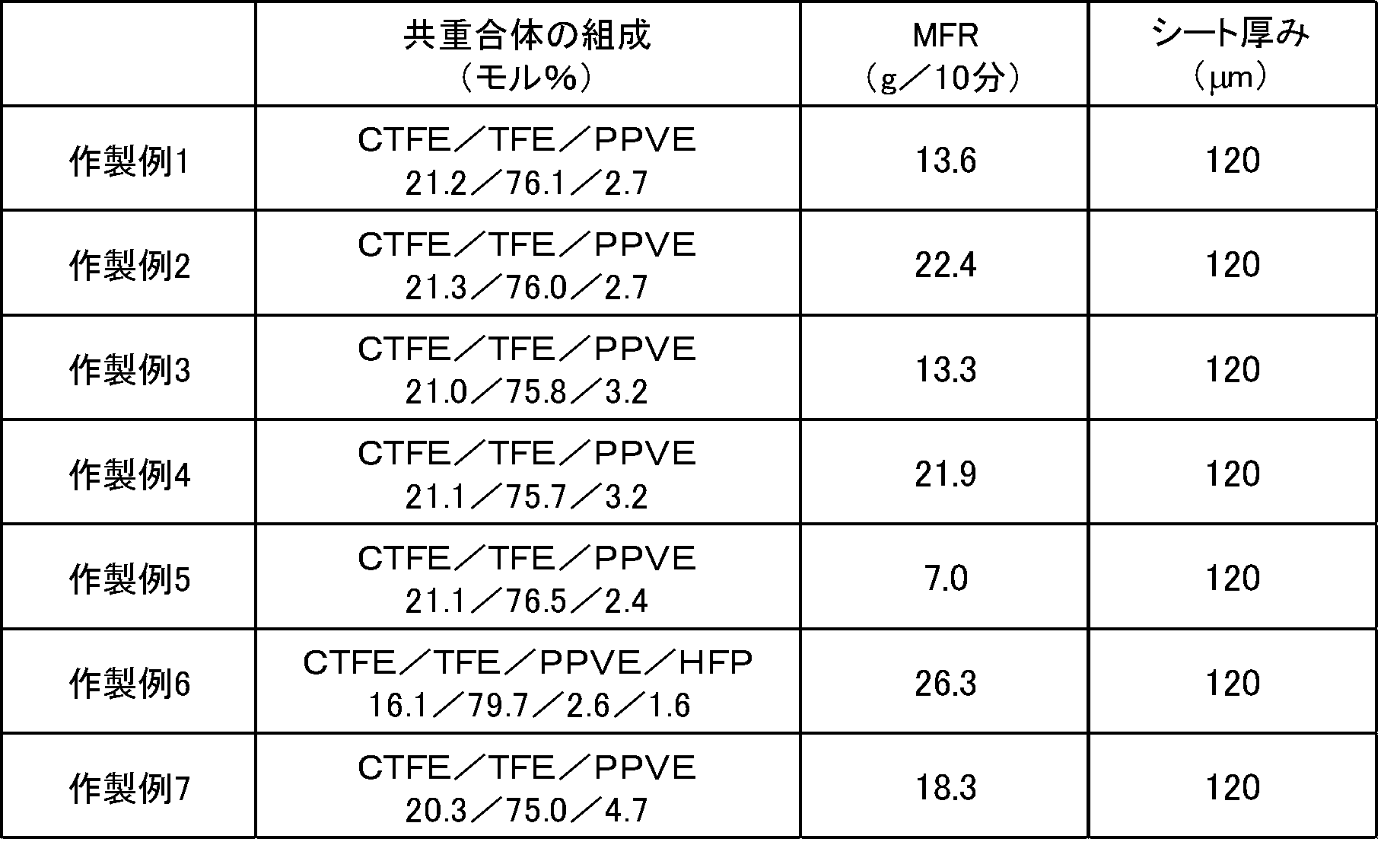
表3に示す材料を、40℃に温調した8インチオープンロールを用いて混練することにより、約3mm厚みのシート状の加硫用ゴム組成物を得た。なお、表3の各数値は質量部を表す。
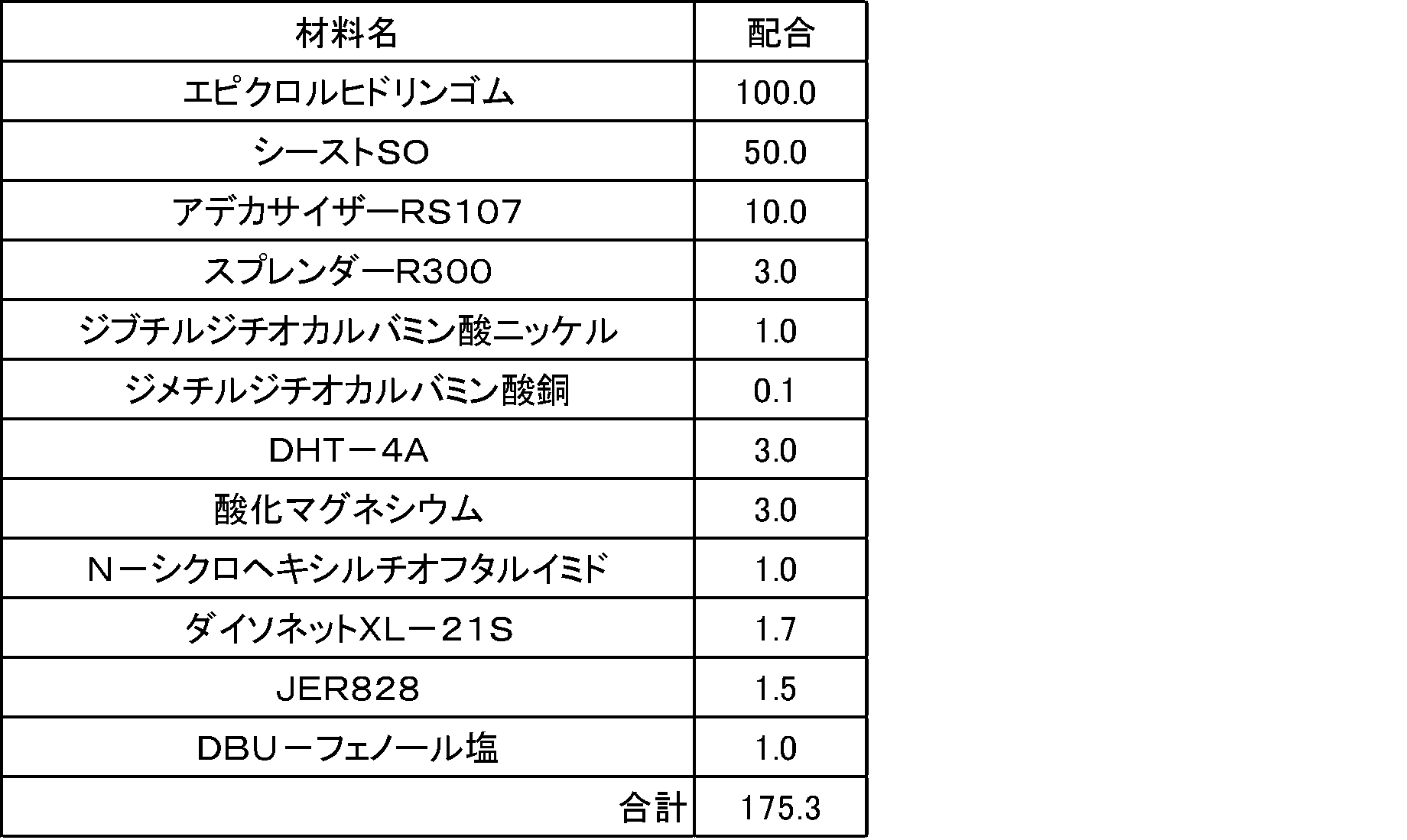
厚さ約3mmの表3に示す加硫用ゴム組成物のシートと、表2に示す厚みのフッ素樹脂シートを重ね合わせ、片方の端部に幅約10~15mmの樹脂フィルム(厚さ10μmの離形フィルム)を両シートの間に挟んだ後、得られるシートが厚み2mmになるよう金属製スペーサーを入れた金型に挿入し、160℃で45分間プレスすることにより、シート状の積層体を得た。得られた積層体を幅10mm×長さ40mm×3セットの短冊状に切断し、離形フィルムを剥がして掴みしろとした試験片を作製した。この試験片について、オートグラフ(島津製作所社製 AGS-J 5kN)を使用して、JIS-K-6256(架橋ゴムの接着試験方法)に記載の方法に準拠し、25℃において50mm/minの引張速度で剥離試験を行い、接着強度を測定した。また、剥離モードを観測し、以下の基準で評価した。得られた結果を表4に示す。
○:加硫用ゴム組成物のシート又はフッ素樹脂シートから形成された層が、積層体の界面で材料破壊し、界面で剥離するのが不可能であった。
なお、表中で接着性評価が○である場合の接着強度は、樹脂層又はゴム層のうち強度が弱い方の材料が破壊する強度である。
×:積層体が界面で剥離可能で、界面での剥離強度が15N/cm以下であった。
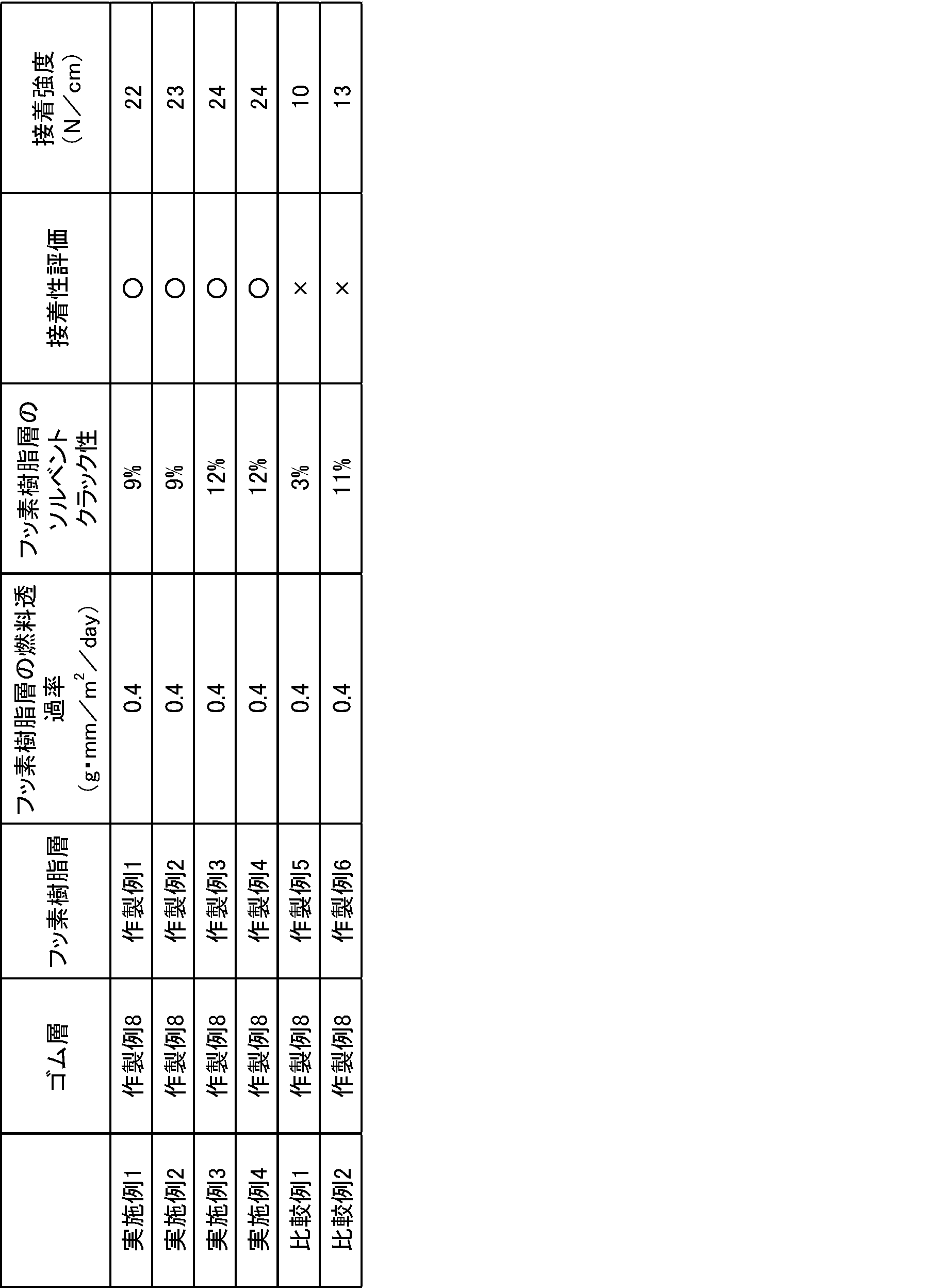
表5に示す材料を、40℃に温調した8インチオープンロールを用いて混練することにより、約3mm厚みのシート状の加硫用ゴム組成物を得た。なお、表5の各数値は質量部を表す。

厚さ約3mmの表5に示す加硫用ゴム組成物のシートと、表2に示す厚みのフッ素樹脂シートを重ね合わせ、片方の端部に幅約10~15mmの樹脂フィルム(厚さ10μmの離形フィルム)を両シートの間に挟んだ後、得られるシートが厚み2mmになるよう金属製スペーサーを入れた金型に挿入し、160℃で45分間プレスすることにより、シート状の積層体を得た。得られた積層体を幅10mm×長さ40mm×3セットの短冊状に切断し、離形フィルムを剥がして掴みしろとした試験片を作製した。この試験片について、オートグラフ(島津製作所社製 AGS-J 5kN)を使用して、JIS-K-6256(架橋ゴムの接着試験方法)に記載の方法に準拠し、25℃において50mm/minの引張速度で剥離試験を行い、接着強度を測定した。また、剥離モードを観測し、以下の基準で評価した。得られた結果を表6に示す。

Claims (5)
- ゴム層(A)とフッ素樹脂層(B)とを含む積層体であって、
フッ素樹脂層(B)は、クロロトリフルオロエチレン単位、テトラフルオロエチレン単位及びパーフルオロアルキルビニルエーテル単位を含む共重合体を含み、
前記共重合体は、前記共重合体を構成する全単量体単位に対して、96.0~97.4モル%のクロロトリフルオロエチレン単位及びテトラフルオロエチレン単位を含み、前記共重合体を構成する全単量体単位に対して、2.6~4.0モル%の前記パーフルオロアルキルビニルエーテル単位を含む
ことを特徴とする積層体。 - 前記パーフルオロアルキルビニルエーテルは、一般式:
CF2=CF-O-Rf
(式中、Rfは炭素数1~5のパーフルオロアルキル基を表す)で表されるものである請求項1記載の積層体。 - ゴム層(A)は、非フッ素ゴムを含む請求項1又は2記載の積層体。
- ゴム層(A)は、アクリロニトリル-ブタジエンゴム、アクリロニトリル-ブタジエンゴムの水素化物、エピクロルヒドリンゴム、アクリル系ゴムおよびそれらを2種類以上ブレンドしたゴムからなる群より選択される少なくとも1種の非フッ素ゴムを含む請求項1、2又は3記載の積層体。
- 請求項1、2、3又は4記載の積層体を製造するために使用する共重合体であって、
前記共重合体を構成する全単量体単位に対して、96.0~97.4モル%のクロロトリフルオロエチレン単位及びテトラフルオロエチレン単位を含み、前記共重合体を構成する全単量体単位に対して、2.6~4.0モル%の前記パーフルオロアルキルビニルエーテル単位を含む
ことを特徴とする共重合体。
Priority Applications (5)
| Application Number | Priority Date | Filing Date | Title |
|---|---|---|---|
| CN201780050971.9A CN109562607A (zh) | 2016-09-06 | 2017-07-21 | 层积体和共聚物 |
| KR1020197009621A KR20190042724A (ko) | 2016-09-06 | 2017-07-21 | 적층체 및 공중합체 |
| JP2018538262A JP6949035B2 (ja) | 2016-09-06 | 2017-07-21 | 積層体及び共重合体 |
| EP17848422.6A EP3486083B1 (en) | 2016-09-06 | 2017-07-21 | Laminate and copolymer |
| US16/325,465 US11110693B2 (en) | 2016-09-06 | 2017-07-21 | Laminate and copolymer |
Applications Claiming Priority (2)
| Application Number | Priority Date | Filing Date | Title |
|---|---|---|---|
| JP2016-173671 | 2016-09-06 | ||
| JP2016173671 | 2016-09-06 |
Publications (1)
| Publication Number | Publication Date |
|---|---|
| WO2018047477A1 true WO2018047477A1 (ja) | 2018-03-15 |
Family
ID=61562789
Family Applications (1)
| Application Number | Title | Priority Date | Filing Date |
|---|---|---|---|
| PCT/JP2017/026388 Ceased WO2018047477A1 (ja) | 2016-09-06 | 2017-07-21 | 積層体及び共重合体 |
Country Status (6)
| Country | Link |
|---|---|
| US (1) | US11110693B2 (ja) |
| EP (1) | EP3486083B1 (ja) |
| JP (1) | JP6949035B2 (ja) |
| KR (1) | KR20190042724A (ja) |
| CN (1) | CN109562607A (ja) |
| WO (1) | WO2018047477A1 (ja) |
Cited By (2)
| Publication number | Priority date | Publication date | Assignee | Title |
|---|---|---|---|---|
| JPWO2019220850A1 (ja) * | 2018-05-14 | 2021-06-17 | ダイキン工業株式会社 | 積層体およびチューブ |
| CN115612329A (zh) * | 2022-09-08 | 2023-01-17 | 江苏科技大学 | 一种含二维金属配位聚合物的防腐涂料及其制备方法 |
Families Citing this family (5)
| Publication number | Priority date | Publication date | Assignee | Title |
|---|---|---|---|---|
| CN110691698A (zh) * | 2017-05-31 | 2020-01-14 | 国立大学法人大阪大学 | 层叠体及其制备方法 |
| CN110669302A (zh) * | 2018-07-02 | 2020-01-10 | 清华大学 | 含氟树脂组合物及其制造方法 |
| JP7360883B2 (ja) * | 2019-09-30 | 2023-10-13 | 株式会社ブリヂストン | ゴム組成物、複合体、ホース、コンベヤベルト、クローラおよびタイヤ |
| JP7265192B2 (ja) * | 2021-07-21 | 2023-04-26 | ダイキン工業株式会社 | 粉体塗料組成物 |
| CN113528146B (zh) * | 2021-08-19 | 2022-01-28 | 河南大学 | 一种表面改性掺杂二氧化硅的硫化亚铁土壤重金属钝化剂的制备和应用 |
Citations (3)
| Publication number | Priority date | Publication date | Assignee | Title |
|---|---|---|---|---|
| WO2011099414A1 (ja) * | 2010-02-09 | 2011-08-18 | ダイキン工業株式会社 | 含フッ素共重合体 |
| JP2013099935A (ja) * | 2011-10-19 | 2013-05-23 | Daikin Industries Ltd | 積層体 |
| WO2013089200A1 (ja) * | 2011-12-16 | 2013-06-20 | ダイキン工業株式会社 | 積層体 |
Family Cites Families (7)
| Publication number | Priority date | Publication date | Assignee | Title |
|---|---|---|---|---|
| CN100455611C (zh) * | 2004-04-13 | 2009-01-28 | 大金工业株式会社 | 氯三氟乙烯共聚物 |
| KR101047259B1 (ko) * | 2006-06-09 | 2011-07-06 | 다이킨 고교 가부시키가이샤 | 적층체, 유동체 수송관, 튜브, 반도체 제조 장치 및 약액 공급 시스템 |
| JP5169942B2 (ja) * | 2008-03-27 | 2013-03-27 | ダイキン工業株式会社 | 積層体 |
| JP2015013432A (ja) * | 2013-07-05 | 2015-01-22 | ダイキン工業株式会社 | 積層体 |
| EP3069870B1 (en) * | 2013-11-15 | 2018-08-15 | Daikin Industries, Ltd. | Laminate, method for manufacturing same, and fluororubber composition |
| JP6357768B2 (ja) * | 2013-12-26 | 2018-07-18 | ダイキン工業株式会社 | 積層体 |
| JP2015231717A (ja) | 2014-06-10 | 2015-12-24 | ダイキン工業株式会社 | 積層体 |
-
2017
- 2017-07-21 EP EP17848422.6A patent/EP3486083B1/en active Active
- 2017-07-21 US US16/325,465 patent/US11110693B2/en active Active
- 2017-07-21 JP JP2018538262A patent/JP6949035B2/ja active Active
- 2017-07-21 KR KR1020197009621A patent/KR20190042724A/ko not_active Ceased
- 2017-07-21 CN CN201780050971.9A patent/CN109562607A/zh active Pending
- 2017-07-21 WO PCT/JP2017/026388 patent/WO2018047477A1/ja not_active Ceased
Patent Citations (3)
| Publication number | Priority date | Publication date | Assignee | Title |
|---|---|---|---|---|
| WO2011099414A1 (ja) * | 2010-02-09 | 2011-08-18 | ダイキン工業株式会社 | 含フッ素共重合体 |
| JP2013099935A (ja) * | 2011-10-19 | 2013-05-23 | Daikin Industries Ltd | 積層体 |
| WO2013089200A1 (ja) * | 2011-12-16 | 2013-06-20 | ダイキン工業株式会社 | 積層体 |
Non-Patent Citations (1)
| Title |
|---|
| See also references of EP3486083A4 * |
Cited By (9)
| Publication number | Priority date | Publication date | Assignee | Title |
|---|---|---|---|---|
| JPWO2019220850A1 (ja) * | 2018-05-14 | 2021-06-17 | ダイキン工業株式会社 | 積層体およびチューブ |
| EP3795353A4 (en) * | 2018-05-14 | 2022-01-26 | Daikin Industries, Ltd. | Layered body and tube |
| US11312115B2 (en) | 2018-05-14 | 2022-04-26 | Daikin Industries, Ltd. | Layered body and tube |
| JP2022173285A (ja) * | 2018-05-14 | 2022-11-18 | ダイキン工業株式会社 | 積層体およびチューブ |
| KR20230051720A (ko) * | 2018-05-14 | 2023-04-18 | 다이킨 고교 가부시키가이샤 | 적층체 및 튜브 |
| KR102535634B1 (ko) * | 2018-05-14 | 2023-05-26 | 다이킨 고교 가부시키가이샤 | 적층체 및 튜브 |
| JP7397372B2 (ja) | 2018-05-14 | 2023-12-13 | ダイキン工業株式会社 | 積層体およびチューブ |
| CN115612329A (zh) * | 2022-09-08 | 2023-01-17 | 江苏科技大学 | 一种含二维金属配位聚合物的防腐涂料及其制备方法 |
| CN115612329B (zh) * | 2022-09-08 | 2023-08-18 | 江苏科技大学 | 一种含二维金属配位聚合物的防腐涂料及其制备方法 |
Also Published As
| Publication number | Publication date |
|---|---|
| US11110693B2 (en) | 2021-09-07 |
| US20190210339A1 (en) | 2019-07-11 |
| KR20190042724A (ko) | 2019-04-24 |
| EP3486083B1 (en) | 2021-05-26 |
| JPWO2018047477A1 (ja) | 2019-03-07 |
| JP6949035B2 (ja) | 2021-10-13 |
| EP3486083A1 (en) | 2019-05-22 |
| EP3486083A4 (en) | 2020-02-12 |
| CN109562607A (zh) | 2019-04-02 |
Similar Documents
| Publication | Publication Date | Title |
|---|---|---|
| JP7397372B2 (ja) | 積層体およびチューブ | |
| JP6949035B2 (ja) | 積層体及び共重合体 | |
| JP5482790B2 (ja) | 積層体 | |
| JP5955222B2 (ja) | 積層体 | |
| JP5370564B2 (ja) | 積層体 | |
| TW202027999A (zh) | 含有乙烯.α-烯烴.非共軛多烯共聚合體組成物層之積層體及其用途 | |
| US20230001616A1 (en) | Layered body and extrusion-molded article | |
| CN103228440B (zh) | 层积体 | |
| JP6357768B2 (ja) | 積層体 | |
| JP2013043400A (ja) | 積層体及びその製造方法 | |
| JP5537358B2 (ja) | 積層体 | |
| JP5939099B2 (ja) | 積層体 | |
| JP5401954B2 (ja) | ゴム層とフッ素樹脂層からなる積層体および加硫用ゴム組成物 | |
| JP2017056599A (ja) | 積層体 | |
| JP2018058289A (ja) | 積層体 | |
| JP2014226853A (ja) | 積層体 | |
| JP2015013432A (ja) | 積層体 | |
| JP2012081682A (ja) | 積層体 | |
| JP2017145319A (ja) | ペレット及び積層体 | |
| WO2018066399A1 (ja) | 組成物及び成形品 |
Legal Events
| Date | Code | Title | Description |
|---|---|---|---|
| ENP | Entry into the national phase |
Ref document number: 2018538262 Country of ref document: JP Kind code of ref document: A |
|
| 121 | Ep: the epo has been informed by wipo that ep was designated in this application |
Ref document number: 17848422 Country of ref document: EP Kind code of ref document: A1 |
|
| ENP | Entry into the national phase |
Ref document number: 2017848422 Country of ref document: EP Effective date: 20190212 |
|
| NENP | Non-entry into the national phase |
Ref country code: DE |
|
| ENP | Entry into the national phase |
Ref document number: 20197009621 Country of ref document: KR Kind code of ref document: A |