WO2018121235A1 - 一种用于修复软骨和治疗骨关节炎的肽 - Google Patents
一种用于修复软骨和治疗骨关节炎的肽 Download PDFInfo
- Publication number
- WO2018121235A1 WO2018121235A1 PCT/CN2017/115532 CN2017115532W WO2018121235A1 WO 2018121235 A1 WO2018121235 A1 WO 2018121235A1 CN 2017115532 W CN2017115532 W CN 2017115532W WO 2018121235 A1 WO2018121235 A1 WO 2018121235A1
- Authority
- WO
- WIPO (PCT)
- Prior art keywords
- peptide
- cartilage
- medicament
- osteoarthritis
- treating osteoarthritis
- Prior art date
- Legal status (The legal status is an assumption and is not a legal conclusion. Google has not performed a legal analysis and makes no representation as to the accuracy of the status listed.)
- Ceased
Links
Images




Classifications
-
- C—CHEMISTRY; METALLURGY
- C07—ORGANIC CHEMISTRY
- C07K—PEPTIDES
- C07K14/00—Peptides having more than 20 amino acids; Gastrins; Somatostatins; Melanotropins; Derivatives thereof
- C07K14/435—Peptides having more than 20 amino acids; Gastrins; Somatostatins; Melanotropins; Derivatives thereof from animals; from humans
- C07K14/475—Growth factors; Growth regulators
- C07K14/51—Bone morphogenetic factor; Osteogenins; Osteogenic factor; Bone-inducing factor
-
- A—HUMAN NECESSITIES
- A61—MEDICAL OR VETERINARY SCIENCE; HYGIENE
- A61K—PREPARATIONS FOR MEDICAL, DENTAL OR TOILETRY PURPOSES
- A61K38/00—Medicinal preparations containing peptides
- A61K38/16—Peptides having more than 20 amino acids; Gastrins; Somatostatins; Melanotropins; Derivatives thereof
- A61K38/17—Peptides having more than 20 amino acids; Gastrins; Somatostatins; Melanotropins; Derivatives thereof from animals; from humans
- A61K38/18—Growth factors; Growth regulators
- A61K38/1875—Bone morphogenic factor; Osteogenins; Osteogenic factor; Bone-inducing factor
-
- A—HUMAN NECESSITIES
- A61—MEDICAL OR VETERINARY SCIENCE; HYGIENE
- A61K—PREPARATIONS FOR MEDICAL, DENTAL OR TOILETRY PURPOSES
- A61K47/00—Medicinal preparations characterised by the non-active ingredients used, e.g. carriers or inert additives; Targeting or modifying agents chemically bound to the active ingredient
- A61K47/30—Macromolecular organic or inorganic compounds, e.g. inorganic polyphosphates
- A61K47/36—Polysaccharides; Derivatives thereof, e.g. gums, starch, alginate, dextrin, hyaluronic acid, chitosan, inulin, agar or pectin
-
- A—HUMAN NECESSITIES
- A61—MEDICAL OR VETERINARY SCIENCE; HYGIENE
- A61K—PREPARATIONS FOR MEDICAL, DENTAL OR TOILETRY PURPOSES
- A61K9/00—Medicinal preparations characterised by special physical form
- A61K9/0012—Galenical forms characterised by the site of application
- A61K9/0019—Injectable compositions; Intramuscular, intravenous, arterial, subcutaneous administration; Compositions to be administered through the skin in an invasive manner
-
- A—HUMAN NECESSITIES
- A61—MEDICAL OR VETERINARY SCIENCE; HYGIENE
- A61P—SPECIFIC THERAPEUTIC ACTIVITY OF CHEMICAL COMPOUNDS OR MEDICINAL PREPARATIONS
- A61P19/00—Drugs for skeletal disorders
- A61P19/02—Drugs for skeletal disorders for joint disorders, e.g. arthritis, arthrosis
-
- A—HUMAN NECESSITIES
- A61—MEDICAL OR VETERINARY SCIENCE; HYGIENE
- A61P—SPECIFIC THERAPEUTIC ACTIVITY OF CHEMICAL COMPOUNDS OR MEDICINAL PREPARATIONS
- A61P19/00—Drugs for skeletal disorders
- A61P19/04—Drugs for skeletal disorders for non-specific disorders of the connective tissue
-
- A—HUMAN NECESSITIES
- A61—MEDICAL OR VETERINARY SCIENCE; HYGIENE
- A61K—PREPARATIONS FOR MEDICAL, DENTAL OR TOILETRY PURPOSES
- A61K38/00—Medicinal preparations containing peptides
-
- C—CHEMISTRY; METALLURGY
- C07—ORGANIC CHEMISTRY
- C07K—PEPTIDES
- C07K2319/00—Fusion polypeptide
Definitions
- the present invention relates generally to the field of peptides, and more particularly to peptides for repairing cartilage and/or treating osteoarthritis and medicaments comprising the same.
- Osteoarthritis is a common joint disease characterized by joint pain and stiffness. Cartilage damage is the main cause of osteoarthritis. The disease is more common after middle age, more women than men, the prevalence of 40-year-olds is 10%-17%, 50% over 60 years old, and up to 80% in people over 75 years old. The disease has a certain rate of disability. With the aging of the population, osteoarthritis will become an important issue affecting people's quality of life, and the market demand for osteoarthritis drugs will continue to expand.
- Non-specific therapeutic drugs are mainly analgesic and control symptoms, but have no protective effect on cartilage, such as non-steroidal anti-inflammatory drugs.
- Specific therapeutic drugs can protect articular cartilage and delay the progression of osteoarthritis, such as glucosamine, chondroitin sulfate, bisphosphonate, etc., but generally have a slower onset of action, require several weeks of treatment, and regenerate damaged cartilage. No effect. Therefore, the development of a new type of osteoarthritis treatment with good safety and outstanding efficacy has become a major goal in the medical field.
- Cartilage damage is the main cause of osteoarthritis, which is composed of a rich extracellular matrix (ECM) and a small number of chondrocytes embedded in it.
- ECM extracellular matrix
- chondrocytes The metabolism of chondrocytes is regulated by many cytokines.
- BMP bone morphogenetic protein
- Bone morphogenetic protein also known as bone morphogenetic protein, is an acidic peptide that induces bone and cartilage formation in ectopic bones.
- BMP is a hydrophobic acid glycoprotein with a molecular weight of 18000D and consists of more than 10 amino acids. It has stable performance under acidic conditions, and has a certain solubility in a solution with a pH of 7.2. The pH value is more than 8.5 and is completely inactivated.
- BMP is a multifunctional growth factor belonging to the TGF- ⁇ superfamily. It has been confirmed and described by more than 20 family members. A large number of literatures indicate that BMP can induce mesenchymal cell proliferation and differentiate into osteoblasts or chondrocytes. It plays a key role in the occurrence, induction and repair of bone, and can affect cell growth, differentiation and apoptosis. It can significantly promote the growth and maturation of cultured chondrocytes, and it plays a role in the development of various tissues. A key role.
- BMP-2 is an acidic polypeptide, and its ability to induce bone marrow mesenchymal stem cells to differentiate into osteoblasts is strongest in the BMP superfamily, but the half-life is relatively short, the therapeutic concentration is difficult to maintain, and it cannot act in an effective time. A large number of target cells, so the induction activity is difficult to fully play, and the clinical application of BMP-2 has caused great limitations.
- the BMP-2 drugs are mostly recombinant BMP-2. As mentioned above, such proteins have poor stability and short half-life, so it is urgent to develop a novel drug to overcome the defects of recombinant BMP-2.
- the present invention aims to develop a stable novel peptide which can be used for repairing cartilage and/or treating osteoarthritis by using the amino acid sequence of BMP-2 as a source.
- the present invention relates to a peptide (referred to as BM23 peptide) for repairing cartilage and/or treating osteoarthritis, which peptide is obtained by mutating and modifying a polypeptide fragment of native BMP-2, which comprises 23
- the amino acid sequence is GlnLeuLysHisArgAsnHarHisArgIleLysThrGlySerThrAsnHisGlyLeuValGlnSerLeu (SEQ ID NO: 1), wherein the amino acid at position 1 is D-type glutamine, the amino acid at position 7 is homoarginine, and the amino acid at position 23 is amidated leucine.
- the peptide can be used to repair cartilage and/or to treat osteoarthritis.
- the carboxy terminus of the peptide may be modified, including amidation or carbonylation, preferably amidation.
- the peptide is effective for the treatment of cartilage damage and/or osteoarthritis at an effective dose of 1-10 mg.
- the peptide can be modified to form a chimeric molecule comprising a fusion protein formed by fusion of the peptide with an immunoglobulin constant region (Fc) or human serum albumin (HSA).
- Fc immunoglobulin constant region
- HSA human serum albumin
- the peptide is used in combination with other drugs for treating osteoarthritis to treat osteoarthritis, including hyaluronic acid, non-steroidal anti-inflammatory drugs and the like.
- the invention in a second aspect, relates to a pharmaceutically acceptable salt of a BM23 peptide, including acetates, hydrochlorides, phosphates or acetates thereof, preferably acetates.
- the invention in a third aspect, relates to a medicament comprising a therapeutically effective amount of a BM23 peptide and a pharmaceutically acceptable carrier.
- the pharmaceutically acceptable carrier is a saline solution and the medicament is injectable.
- the pharmaceutically acceptable carrier is a colloidal solution comprising a hyaluronic acid gel, the medicament being injectable.
- the drug is administered by injection, including knee joint injection or subcutaneous injection.
- the invention relates to the use of a BM23 peptide for the manufacture of a medicament for the repair of cartilage and/or for the treatment of osteoarthritis.
- the present invention has the following advantages: the BM23 peptide of the present invention overcomes the disadvantages of BMP-2 drug instability and short half life, which has significantly improved stability and in vivo efficacy duration, and promotes intermixing. Stem cells It turns into chondrocytes and promotes the proliferation of chondrocytes, thereby promoting the repair of damaged cartilage and improving the symptoms of osteoarthritis.
- Figure 1 shows the HPLC detection of BM23 peptide solid phase synthesis.
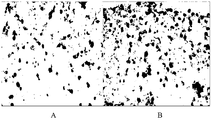
- FIG. 2 is a photomicrograph showing isolated cultured rat bone marrow mesenchymal stem cells (BMSCs), wherein A) is a primary isolated P0 culture of rat BMSCs (10 x 10 magnification); B) is a primary isolation of rat BMSCs after isolation Passage P1 culture (10 x 10 magnification).
- A is a primary isolated P0 culture of rat BMSCs (10 x 10 magnification)
- B) is a primary isolation of rat BMSCs after isolation Passage P1 culture (10 x 10 magnification).
- Figure 3 shows the effect of BM23 peptide on the expression of type II collagen (COL2A1) mRNA.
- the relative expression of COL2A1 mRNA was detected by quantitative PCR.
- PBS was used as a negative control and human insulin growth factor (IGF-1) was used as a positive control.
- IGF-1 human insulin growth factor
- Figure 4 shows the effect of BM23 peptide on proteoglycan (ACAN) mRNA expression.
- ACAN proteoglycan
- Figure 5 shows the results of COL2A1 immunohistochemistry of control group and BM23 peptide-treated mesenchymal stem cells, wherein A) is the PBS-treated group, immunohistochemical staining results of COL2A1; B) is treated with 1 ⁇ M BM23 peptide, immunohistochemical staining of COL2A1 result.
- Figure 6 shows the effect of BM23 peptide on rat chondrocyte proliferation.
- Cell proliferation was measured by MTS method, PBS was used as a negative control, and IGF-1 was a positive control.
- Figure 7 shows the results of COL2A1 immunohistochemistry of chondrocytes treated with control group and BM23 peptide group, wherein A) is the immunohistochemical staining result of COL2A1 in PBS treatment group; B) immunohistochemical staining of COL2A1 in 1 ⁇ M BM23 peptide treatment group result.
- Figure 8 is a general observation of the control group and the BM23 peptide high-dose group, in which A) is the PBS-treated group, 90 days after the first administration, and the cartilage repair is performed; B) is the BM23 peptide-treated group, 90 days after the first administration. , cartilage repair situation.
- Figure 9 is a gross observation score for treatment of the control and BM23 peptides in different dose groups.
- Figure 10 is a histopathological section of the control group and the high dose group of BM23 peptide, wherein A) is the PBS treatment group, histopathological section of cartilage 90 days after the first administration; B) is the BM23 peptide treatment group, 90 after the first administration Day, histopathological section of cartilage.
- Figure 11 is a histopathological score of treatments in the control and BM23 peptides in different dose groups.
- Figure 12 is a comparison of plasma stability of BM23 peptide and BMP-2.
- Figure 13 is a comparison of the plasma elimination half-life of BM23 peptide and BMP-2.
- BM23 peptide (SEQ ID NO: 1, in which the first, seventh and 23rd amino acids are D-type glutamine, homoarginine and amidated leucine, respectively), commissioned by Shanghai Zibo Biotechnology Co., Ltd.
- the company uses a conventional solid phase process to synthesize peptides with a purity of >98%, as shown in Figure 1.
- BMSCs mesenchymal stem cells
- the bone marrow solution was repeatedly washed with a syringe, and sequentially passed through No. 7 and No. 4 needles to prepare a single cell suspension.
- the single cell suspension was centrifuged (1500 r/min, 10 min) and the supernatant was discarded.
- DMEM-F12 complete medium containing 10% FBS was added, seeded in a culture flask at a density of 10 7 /mL, and cultured in a 37 ° C, 5% CO 2 incubator.
- the cells were purified by differential adherent culture.
- the culture solution was changed 48 hours after inoculation, and the culture solution was changed every 3 days to remove non-adherent hematopoietic cells.
- the cells were aged to 80%-90% and passaged: the culture solution was removed, and PBS was washed to remove residual serum. Aspirate the PBS.
- BMSCs digestive solution (0.25% trypsin + 0.02% EDTA solution) was gently shaken to just cover the bottom of the bottle, and the digestion time was about 5 minutes for passage.
- the cells were transferred to a centrifuge tube, centrifuged, 1500 rpm, 10 minutes, the supernatant was removed, and the cells were resuspended in complete culture medium containing mesenchymal stem cells, as shown in Figures 2A and B.
- the BM23 peptide was dissolved in phosphate buffered saline (PBS).
- PBS phosphate buffered saline
- chondrone medium purchased from Guangzhou Saiye Biotechnology Co., Ltd., Cat. No.: RASMX-90011
- BM23 peptide 0.1, 0.3 and 1 ⁇ M
- IGF-1 human insulin growth factor
- the treated BMSCs were incubated at 37 ° C under 5% CO 2 saturated humidity. The medium was changed every 2-3 days, and 0.5 mL of fresh complete chondrogenic medium was added to each tube.
- the samples can be taken after 28 days of continuous induction, and the cartilage balls can be subjected to formalin fixation and paraffin-embedded sections after alixin blue staining.
- RNA extraction cells were collected, total RNA was extracted by Trizol method, and cDNA was reverse transcribed. The reaction conditions were: incubation at 30 ° C for 10 minutes; incubation at 42 ° C for 60 minutes; incubation at 85 ° C for 10 minutes.
- Quantitative PCR was performed using cDNA as a template using the following primers:
- 1rat COL2A1-F1 5'GCGGAGACTACTGGATTGAT 3’
- Reaction conditions 50 ° C for 2 minutes; 95 ° C for 2 minutes; 95 ° C for 15 seconds, 60 ° C for 32 seconds to read the plate, 40 cycles.
- the xylene was dewaxed twice for 10 minutes each time. 100%, 95%, 85%, 75%, 50% ethanol and pure water, respectively, once every 5 minutes.
- BM23 peptide induced the expression of COL2A1 and ACAN mRNA, and showed obvious dose-effect relationship and time-effect relationship. Specifically, with the increase of BM23 peptide concentration, the mRNA expression of COL2A1 and ACAN increased correspondingly. Compared with PBS treatment, the treatment with 0.1 ⁇ M BM23 peptide was not significant, and the treatment effects of 0.3 and 1 ⁇ M BM23 peptide were significantly different. Moreover, the promotion effect of BM23 peptide on the mRNA expression of COL2A1 and ACAN increased with time, and the expression level of 21 days was higher than 7 days, as shown in Fig. 3 and Fig. 4.
- the asthmatic cartilage of New Zealand white rabbits of 2 months old was cut under sterile conditions, cut into 1 mm size, and digested at 37 ° C according to the following procedure:
- the 34 mg/ml type II collagenase was digested for 3 hours, washed and centrifuged (1500 r/min) for 5 minutes, and the precipitate was placed in a DMEM medium containing 15% fetal bovine serum for culture.
- Chondrocytes were seeded in 96-well plates at 2 ⁇ 10 4 cells/well, and different concentrations of BM23 peptide (0.1, 0.3, and 1 ⁇ M) were added, and PBS was used as a negative control group, and IGF-1 (1 ⁇ M) was used as a positive control group.
- Chondrocytes were seeded at 3.5 ⁇ 10 5 /ml in 6-well culture plates with coverslips, and different concentrations of BM23 peptide were added, and PBS was used as a negative control group, and IGF-1 was used as a positive control group.
- chondrocyte proliferation showed significant differences. Both the BM23 peptide and the positive control significantly promoted the proliferation of chondrocytes compared to the PBS group, see Figure 6.
- the defect was washed with saline and no other treatment was performed. After the humerus is reset, the muscle and skin incisions are sequentially sutured. Immediately after the animal, the penicillin sodium was intramuscularly injected once a day for 3 days to prevent infection.
- New Zealand rabbits with knee articular cartilage defects were divided into four groups: negative control group, low dose group (1 mg/only), medium dose group (3 mg/only) and high dose group (10 mg/only). , 12 / group, male and female.
- negative control group low dose group (1 mg/only)
- medium dose group 3 mg/only
- high dose group 10 mg/only
- 12 / group male and female.
- each group of animals was administered intra-articularly, and 1, 3, and 10 mg/body of the test substance were administered, respectively, and the administration volume was 0.2 ml.
- Grade 1 The superficial fibers of the cartilage surface are formed and are uneven.
- Grade 2 Cartilage surface is discontinuous, accompanied by cell proliferation, and increased or decreased in the II-III layer.
- Grade 3 cartilage splitting spreads to the III layer or erodes.
- Grade 4 cartilage erosion is aggravated and articular cartilage is damaged.
- the cartilage defect area is obvious and the surface is flat and complete. Peripheral cartilage can be seen crawling and growing, but dull, with a gross score of 4.3;
- the cartilage defect area is more obvious, the surface is relatively flat, the surrounding cartilage can be crawled and grown, but it is dull, and the gross observation score is 3.7 points;
- the cartilage defect area depression has no obvious height and normal surface, and the surface is flat and complete.
- the surrounding cartilage is covered, and the gloss is no different from normal cartilage.
- the gross observation score is 3.0 points;
- the cartilage defect area depression has no obvious height and normal surface, and the surface is flat and complete.
- the surrounding cartilage is covered, and the gloss is indistinguishable from normal cartilage.
- the gross observation score was 2.1 points.
- 6/6 cases of animal joint capsules were smooth and no abnormalities; 6/6 cases of cartilage defect area were mainly fibrous tissue hyperplasia, with a small amount of chondrocytes inside; there were fissures at the junction and poor integration at both ends.
- the pathological scores of articular cartilage in 6/6 animals were 4.3 points.
- the joint capsules of all animals were smooth and no abnormalities; 6/6 cases of cartilage defects in the surface of the cartilage were hyperplasia, a large number of chondrocytes and cartilage matrix were formed, the surface cells covered and continuous, the surface layer was irregular, there was no crack at the junction, and both ends were integrated. good.
- the pathological scores of articular cartilage in 6/6 animals were 3.0 points.
- the joint capsules of all animals were smooth and no abnormalities.
- the surface fibrous tissue of the cartilage defect area proliferated. There were a lot of chondrocyte proliferation and cartilage matrix formation. The surface cells covered and continuous, there was no crack at the junction, and the two ends were well integrated.
- the pathological scores of articular cartilage in 6/6 animals were 2.1 points.
- Plasma preparation Take 10 ml of anticoagulated whole blood from healthy volunteers, centrifuge at 2000 rpm for 10 minutes, and absorb the pale yellow supernatant as plasma;
- BM23 peptide and BMP-2 purchased from Beijing Yiqiao Shenzhou Biotechnology Co., Ltd. were incubated with human plasma at 37 ° C at a final concentration of 50 ug/ml.
- BM23 peptide concentration remained stable, while BMP-2 was incubated in plasma 30 After a minute, the concentration decreased significantly (Fig. 12), indicating that the stability of the BM23 peptide in plasma was superior to that of BMP-2.
- the plasma concentration was determined by LC/MSMS method, 100 ⁇ l of plasma was taken, 500 ⁇ l of a mixed solvent containing IS 2000 ng/ml acetonitrile:methanol (70:30) was added, shaken, centrifuged at 12000 rpm for 10 minutes, and the supernatant was injected into 20 ⁇ l for LC/ MSMS analysis, using 3P97 pharmacokinetic software to calculate the main pharmacokinetic parameters.
- the BM23 peptide of the present invention can promote the differentiation of mesenchymal stem cells into chondrocytes and stimulate the proliferation of chondrocytes in vitro; in vivo, BM23 peptide has obvious repairing effect on cartilage damage, and the effect is dose dependent. Relationship; and the BM23 peptide is more stable in plasma than BMP-2, and the in vivo plasma elimination half-life is also significantly longer than BMP-2. Therefore, the BM23 peptide of the present invention exhibits superior stability to BMP-2 and has a longer action time and can be used for the treatment of cartilage repair and/or osteoarthritis.
Landscapes
- Health & Medical Sciences (AREA)
- Chemical & Material Sciences (AREA)
- Life Sciences & Earth Sciences (AREA)
- Medicinal Chemistry (AREA)
- General Health & Medical Sciences (AREA)
- Pharmacology & Pharmacy (AREA)
- Veterinary Medicine (AREA)
- Public Health (AREA)
- Animal Behavior & Ethology (AREA)
- Organic Chemistry (AREA)
- Engineering & Computer Science (AREA)
- Epidemiology (AREA)
- Orthopedic Medicine & Surgery (AREA)
- Bioinformatics & Cheminformatics (AREA)
- Gastroenterology & Hepatology (AREA)
- Proteomics, Peptides & Aminoacids (AREA)
- Zoology (AREA)
- Physical Education & Sports Medicine (AREA)
- Chemical Kinetics & Catalysis (AREA)
- Dermatology (AREA)
- Nuclear Medicine, Radiotherapy & Molecular Imaging (AREA)
- Immunology (AREA)
- General Chemical & Material Sciences (AREA)
- Biophysics (AREA)
- Toxicology (AREA)
- Biochemistry (AREA)
- Genetics & Genomics (AREA)
- Molecular Biology (AREA)
- Biomedical Technology (AREA)
- Inorganic Chemistry (AREA)
- Rheumatology (AREA)
- Medicines That Contain Protein Lipid Enzymes And Other Medicines (AREA)
- Peptides Or Proteins (AREA)
Abstract
本发明提供了一种BM23肽,该肽由BMP-2经突变和修饰而成。所述BM23肽相对于BMP-2具有改善的稳定性和体内功效持续时间,能够促进骨髓间充质干细胞分化为软骨细胞和促进软骨细胞增殖的活性,可以用于软骨修复和/或治疗骨关节炎。
Description
本发明总体涉及肽领域,更具体而言,本发明涉及用于修复软骨和/或治疗骨关节炎的肽及包含所述肽的药物。
骨关节炎(osteoarthritis,OA)是一种常见的关节疾病,表现为关节疼痛、僵硬,软骨损伤是导致骨关节炎的主要成因。本病在中年以后多发,女性多于男性,40岁人群的患病率为10%-17%,60岁以上为50%,而在75岁以上人群则高达80%。该病有一定的致残率。而随着人口的日益老龄化,骨关节炎将成为影响人们生活质量的重要问题,骨关节炎药物市场需求将不断扩大。
目前临床上对于骨关节炎的治疗药物分为特异性治疗药物与非特异性治疗药物。非特异性治疗药物以镇痛和控制症状为主,但对软骨没有保护作用,如非甾体抗炎药等。特异性治疗药物可保护关节软骨,延缓骨关节炎进展,如氨基葡萄糖、硫酸软骨素、双膦酸盐等,但一般起效较慢,需治疗数周才见效,而且对受损软骨的再生没有作用。因此开发一种安全性好、疗效突出的新型骨关节炎治疗药物成为医学界的一大目标。
软骨损伤是导致骨关节炎的主要成因,关节软骨是由丰富的细胞外基质(ECM)和嵌于其中的少数软骨细胞所组成。软骨细胞的代谢受到许多细胞因子的调节,其中,骨形态发生蛋白(bone morphogenetic protein,BMP)对骨和软骨的合成和代谢具有重要的作用。
骨形态发生蛋白又称骨形成蛋白,是一类能在骨骼外异位诱导骨和软骨形成的酸性多肽。BMP是疏水性酸性糖蛋白,其分子量为18000D,由10余种氨基酸组成。在酸性条件下性能稳定,pH值7.2的溶液中有一定的溶解度,pH值大于8.5完全失活。
BMP是属于TGF-β超家族的一类多功能生长因子,现已有超过20个家族成员被证实和描述,大量文献指出,BMP可以诱导间充质细胞增殖、分化为成骨细胞或软骨细胞,在骨的发生、诱导、修复等方面发挥关键作用,能够影响细胞的生长、分化和凋亡,它能够明显促进培养的软骨细胞的生长和成熟,并且在多种组织的发生发育过程中起着关键作用。
BMP-2是一种酸性多肽,其诱导骨髓间充质干细胞向成骨定向分化的能力在BMP超家族中最强,但半衰期比较短,治疗浓度难以维持,不能在有效的时间内作用于更多的靶细胞,故其诱导活性难以得到充分的发挥,对BMP-2的临床应用造成了极大的局限。目前在研的
BMP-2类的药物,多为重组BMP-2,如前所述,此类蛋白稳定性不佳,半衰期短,因此急需开发一种新型药物克服重组BMP-2存在的缺陷。
发明内容
本发明旨在以BMP-2的氨基酸序列为来源,开发出一种稳定的可以用于修复软骨和/或治疗骨关节炎的新型肽。
本发明的目的通过以下技术方案来实现:
第一方面,本发明涉及一种用于修复软骨和/或治疗骨关节炎的肽(称为BM23肽),该肽通过对天然BMP-2的多肽片段进行突变和修饰而得,其包含23个氨基酸,氨基酸序列为GlnLeuLysHisArgAsnHarHisArgIleLysThrGlySerThrAsnHisGlyLeuValGlnSerLeu(SEQ ID NO:1),其中第1位氨基酸为D-型谷氨酰胺,第7位氨基酸为高精氨酸,第23位氨基酸为酰胺化的亮氨酸。
优选的,该肽可以用于修复软骨,和/或用于治疗骨关节炎。
优选的,该肽的羧基端可以经过修饰,包括酰胺化或羰基化,优选酰胺化。
优选的,该肽用于软骨损伤和/或骨关节炎的治疗的有效剂量为1-10mg。
优选的,该肽可以通过修饰来形成嵌合分子,所述嵌合分子包括所述肽与免疫球蛋白恒定区(Fc)或人血清白蛋白(HSA)融合形成的融合蛋白。
优选的,该肽与其它治疗骨关节炎的药物联用治疗骨关节炎,包括透明质酸、非甾体抗炎药等。
第二方面,本发明涉及BM23肽的药学上可接受的盐,包括其醋酸盐、盐酸盐、磷酸盐或乙酸盐,优选醋酸盐。
第三方面,本发明涉及一种药物,其特征在于,该药物含有治疗有效剂量的BM23肽和药学上可接受的载体。
优选的,所述药学上可接受的载体是盐水溶液,所述药物是可注射的。
优选的,所述药学上可接受的载体是胶体溶液,包括透明质酸凝胶,所述药物是可注射的。
优选的,所述药物的给药方式为注射给药,包括膝关节腔注射或皮下注射。
第四方面,本发明涉及BM23肽在制备用于修复软骨和/或治疗骨关节炎的药物中的用途。
与现有技术相比,本发明具有如下优点:本发明的BM23肽克服了BMP-2类药物不稳定、半衰期短的缺点,其具有显著改善的稳定性和体内功效持续时间,具有促进间充质干细胞分
化为软骨细胞和促进软骨细胞增殖的活性,由此可以促进受损软骨的修复,改善骨关节炎的症状。
图1为BM23肽固相合成的HPLC检测。
图2是显示分离培养的大鼠骨髓间充质干细胞(BMSCs)的显微镜照片,其中A)为大鼠BMSCs原代分离P0培养(10×10放大);B)为大鼠BMSCs原代分离后传代P1培养(10×10放大)。
图3为BM23肽对Ⅱ型胶原(COL2A1)mRNA表达的作用,通过定量PCR检测COL2A1mRNA的相对表达量,以PBS为阴性对照,人胰岛素生长因子(IGF-1)为阳性对照。
图4为BM23肽对蛋白多糖(ACAN)mRNA表达的作用,通过定量PCR检测ACAN mRNA的相对表达量,以PBS为阴性对照,IGF-1为阳性对照。
图5为对照组和BM23肽处理间充质干细胞的COL2A1免疫组化结果,其中A)为PBS处理组,COL2A1的免疫组化染色结果;B)为1μM BM23肽处理,COL2A1的免疫组化染色结果。
图6为BM23肽对大鼠软骨细胞增殖的作用,通过MTS法测量细胞增殖,以PBS为阴性对照,IGF-1为阳性对照。
图7为对照组和BM23肽组处理软骨细胞的COL2A1免疫组化结果,其中A)为PBS处理组,COL2A1的免疫组化染色结果;B)为1μM BM23肽处理组,COL2A1的免疫组化染色结果。
图8为对照组和BM23肽高剂量组治疗的大体观察结果,其中A)为PBS治疗组,首次给药后90天,软骨修复情况;B)为BM23肽治疗组,首次给药后90天,软骨修复情况。
图9为对照组和BM23肽不同剂量组治疗的大体观察评分。
图10为对照组和BM23肽高剂量组的组织病理切片,其中A)为PBS治疗组,首次给药后90天,软骨的组织病理切片;B)为BM23肽治疗组,首次给药后90天,软骨的组织病理切片。
图11为对照组和BM23肽不同剂量组治疗的组织病理评分。
图12为BM23肽和BMP-2的血浆稳定性比较。
图13为BM23肽和BMP-2的血浆清除半衰期比较。
下面结合具体实施例对本发明进行详细说明。以下实施例将有助于本领域的技术人员进一步理解本发明,但不以任何方式限制本发明。应当指出的,对本领域的技术人员来说,在不脱离本发明构思的前提下,可以做出许多变化和改进,这些都属于本发明的保护范围。
实施例1 BM23肽的固相合成
BM23肽(SEQ ID NO:1,其中第1位、第7位和第23位氨基酸分别采用D-型谷氨酰胺、高精氨酸和酰胺化的亮氨酸)委托上海翱博生物科技有限公司采用常规固相工艺合成,合成的肽纯度>98%,见图1。
实施例2 间充质干细胞(BMSCs)的分离和培养
8周龄SD大鼠3只,以脱臼法处死,70%乙醇消毒5分钟。然后以剪刀剪开腹壁各层,将切口拉至股骨,小心分离股骨上的肌肉。
将股骨中间剪断,用注射器吸取低糖DMEM培养液(含肝素1mL/L)反复冲洗骨髓腔,以冲出骨髓。
用注射器反复冲打骨髓液,依次通过7号和4号针头,制成单细胞悬液。
将单细胞悬液离心(1500r/分钟,10分钟),弃上清。加入含10%FBS的DMEM-F12完全培养基,以107个/mL的密度接种在培养瓶中,置37℃、5%CO2培养箱中培养。
利用差异贴壁培养法纯化细胞。于接种后48h更换培养液,以后每3d更换培养液,以除去不贴壁的造血细胞。
至细胞长满至80%-90%,进行传代:去除培养液,PBS洗涤以去除残留的血清。吸去PBS。
加BMSCs消化液(0.25%胰蛋白酶+0.02%EDTA液)轻轻摇动使至刚好盖过瓶底,消化时间约为5分钟,进行传代。
将细胞转移至离心管,离心,1500r/分钟,10分钟,去上清,加入间充质干细胞的完全培养液重悬细胞,见图2A、B。
实施例3 BM23肽体外对间充质干细胞分化的作用
成软骨诱导
将BM23肽用磷酸缓冲液(PBS)溶解。
用含不同浓度的BM23肽(0.1、0.3和1μM)的完全成软骨培养基(购自广州赛业生物科技有限公司,货号:RASMX-90011)重悬细胞,使得BMSCs的浓度为每毫升5.0×10⁵个细胞。并以PBS为阴性对照,1μM人胰岛素生长因子(IGF-1,购自北京义翘神州生物技术有
限公司)为阳性对照。
处理的BMSCs置于37℃,5%CO2饱和湿度条件下孵育。每2-3天更换培养基,每管加入0.5mL新鲜完全成软骨培养基。
一般持续诱导28天后可以收样,可对软骨球进行福尔马林固定和石蜡包埋切片后阿利新蓝染色。
定量PCR检测
总RNA抽提:收集细胞,Trizol法提取总RNA,逆转录得cDNA,反应条件为:30℃保温10分钟;42℃保温60分钟;85℃保温10分钟。
PCR:
以cDNA为模板,利用下列引物,进行定量PCR:
①rat COL2A1-F1:5’GCGGAGACTACTGGATTGAT 3’
②rat COL2A1-R1:5’CGTTCATGGTCTCTCCAAAC 3’
③ratACAN-F1:5’GAGTTCCCAGATCTGCATGG 3’
④ratACAN-R1:5’TGGTGCTGACGGTAACATTC 3’
反应条件:50℃2分钟;95℃2分钟;95℃15秒,60℃32秒读板,40个循环。
融解曲线分析:温度60℃-95℃。每个样重复3次。
组织石蜡包埋:
4%多聚甲醛固定24~36小时。
取出标本洗去固定液,切取合适大小材料(厚度0.2cm左右)进行包埋。
70%、80%、90%和95%乙醇各一次,每次60分钟;100%乙醇二次,每次50分钟。
1/2二甲苯-1/2无水乙醇一次,二甲苯两次,每次15分钟。石蜡(60℃)两次,每次60分钟。石蜡包埋。
免疫组化检测:
二甲苯脱蜡2次,每次10分钟。依次经100%,95%,85%,75%,50%乙醇和纯水各1次,每次5分钟。
PBS洗5分钟。过氧化氢室温湿盒孵育10分钟。PBS洗5分钟,3次。
于微波炉中高火加热至沸腾,低火维持沸腾继续加热8分钟(柠檬酸抗原修复液),待水温自然降至室温。PBS洗5分钟。
10%正常山羊血清室温湿盒封闭30分钟。一抗4℃孵育过夜。PBS洗5分钟,3次。二抗室温湿盒30分钟。PBS洗5分钟,3次。DAB显色。PBS洗5分钟,3次。苏木素复染。水洗去多余染液,分化数秒。水洗,返蓝。50%,75%,85%,95%和100%乙醇梯度脱水各
1次,二甲苯透明2次,每次5分钟。中性树胶封片。
结果
1.BM23肽对COL2A1和ACAN基因表达的诱导作用
不同浓度的BM23肽诱导COL2A1、ACAN的mRNA表达量发生变化,并表现出明显的量效关系和时效关系,具体而言,随BM23肽浓度的提高,COL2A1、ACAN的mRNA表达量相应提高,与PBS处理相比,0.1μM BM23肽处理作用不显著,0.3和1μM BM23肽处理作用差异显著。并且BM23肽对COL2A1、ACAN的mRNA表达量的促进作用随时间增加而增加,21天的表达量高于7天,见图3和图4。
2.COL2A1的免疫组化结果
见图5A、B,与PBS处理组相比,1μM BM23肽处理组的COL2A1免疫组化染色更加明显,表明COL2A1蛋白的表达量显著提高。
综合以上结果,作为软骨标志基因的COL2A1、ACAN表达量增加,说明BM23肽促进间充质干细胞向软骨细胞的分化。
实施例4软骨细胞分离和培养
无菌条件下切取2月龄新西兰大白兔关节软骨,剪成1mm大小,37℃下按下列程序依次消化:
①2mg/ml透明质酸酶消化45分钟;
②2mg/ml胰蛋白酶消化45分钟;
③4mg/mlⅡ型胶原酶消化3小时,冲洗离心(1500r/分钟)5分钟,将沉淀物置入含15%胎牛血清DMEM培养基中进行培养。
实施例5 BM23肽体外对软骨细胞增殖的作用
软骨细胞的鉴定:
取少量原代软骨细胞涂片后用I型胶原抗体SABC免疫检测,染成棕黄色,说明分泌I型胶原,证实为软骨细胞。
MTS法测软骨细胞增殖
软骨细胞按照2×10⁴个/孔接种于96孔板,加入不同浓度BM23肽(0.1、0.3和1μM),并以PBS为阴性对照组,IGF-1(1μM)为阳性对照组。
37℃、5%CO2的饱和水汽二氧化碳培养箱中培养5天。
每孔加20μl MTS混合液,继续培养3-4小时显色。
检测前摇晃培养板10秒钟,混匀颜色。在酶联检测仪上,波长570nm处检测各孔的光吸收值(OD)。
免疫组化测COL2A1
软骨细胞以3.5×10⁵/ml接种于放置有盖玻片的6孔培养板中,加入不同浓度BM23肽,并以PBS为阴性对照组,IGF-1为阳性对照组。
37℃、5%CO2的饱和水汽二氧化碳培养箱中培养5天。
按实施例3方法进行免疫组化染色。
结果
BM23肽对软骨细胞增殖的促进作用
不同浓度的BM23肽处理5天后,软骨细胞增殖显示出显著的差异。与PBS组相比,BM23肽和阳性对照均显著促进软骨细胞的增殖,见图6。
BM23肽对COL2A1表达的促进作用
与PBS处理组相比,1μM BM23肽处理组的COL2A1免疫组化染色更加明显,表明COL2A1蛋白表达量显著提高,见图7A、B。
综合以上结果,说明BM23肽在体外可以促进软骨细胞增殖。
实施例6兔软骨修复模型
动物:新西兰兔,2月龄,雌雄各半
造模:新西兰兔以6%戊巴比妥钠(0.7mL/kg)耳缘静脉麻醉。麻醉后,左侧后退膝关节内侧纵向切口,长约3cm,依次切开皮肤、皮下组织和关节囊,保持髌韧带完整性,将髌骨翻向外侧,显露股骨髁。用直径4.2mm钻头在膝关节屈曲90°时髌骨所对应股骨内、外侧髁间关节面中部钻出直径4.2mm、深3mm的关节软骨缺损区(以可见软骨下骨渗血为标准)。缺损部位用生理盐水冲洗,不作其他处理。将髌骨复位后,依次缝合肌肉和皮肤切口。动物术后立即肌肉注射青霉素钠,1次/天,连续3天,以防感染。
给药:将膝关节软骨缺损的新西兰兔分成四组,分别为阴性对照组、受试物低剂量组(1mg/只)、中剂量组(3mg/只)和高剂量组(10mg/只),12只/组,雌雄各半。各组动物于造模后的第6天,进行关节腔给药,分别给予受试物1、3、10mg/只,给药体积分别为0.2ml。
处死及观察:在首次给药后90天,每组分别取6只动物(雌雄各半)处死,解剖并观察膝关节软骨修复情况。
(1)大体观察:剖检时,剖开关节腔,暴露髌骨关节面,观察缺损填充边缘修复情况,软骨表面平整度,新生软骨颜色等。
并按照以下标准打分:
0分:关节面光整,色泽如常;
1分:关节面粗糙,有小的裂隙且色泽灰暗;
2分:软骨缺损深达软骨中层;
3分:关节面溃疡形成,软骨缺损深达软骨深层;
4分:软骨剥脱,软骨下骨质裸露。
(2)组织学病理观察:光镜下观察,根据ICRS病理学评分标准评分,
0级 软骨表面平整,软骨完整。
1级 软骨表面浅层纤维形成,且不均匀。
2级 软骨表面不连续,伴有细胞增殖,在Ⅱ-Ⅲ层异染物质增加或减少。
3级 软骨皲裂扩散至Ⅲ层或出现侵蚀。
4级 软骨侵蚀加重,关节软骨出现了损害。
5级 关节软骨剥脱。
6级 关节变形
(3)HE染色
动物经麻醉放血处死后,剥离关节软骨组织用10%中性福尔马林固定,经脱水、常规石蜡包埋制片及HE染色封片,光镜检查。
结果
给药90天后,兔膝关节缺损处大体观察
阴性对照组:
软骨缺陷区凹陷明显,表面较平坦、完整。周边软骨可见爬行生长,但无光泽,大体评分为4.3分;
低剂量组:
软骨缺陷区凹陷较明显,表面较平坦,周边软骨可见爬行生长,但无光泽,大体观察评分为3.7分;
中剂量组:
软骨缺陷区凹陷与正常区域无明显高低,表面较平坦、完整。周边软骨覆盖,光泽与正常软骨无差异。大体观察评分为3.0分;
高剂量组:
软骨缺陷区凹陷与正常区域无明显高低,表面平坦、完整。周边软骨覆盖,光泽与正常软骨无差别。大体观察评分为2.1分。
大体观察结果见图8,评分见图9。
组织病理学检查结果:
阴性对照组
6/6例动物关节囊腔光滑、未见异常;6/6例动物软骨缺损区以纤维组织增生为主,内有少量软骨细胞;交界处有裂隙,两端整合不良。6/6例动物关节软骨组织病理学评分均为4.3分。
低剂量组
全部例动物关节囊腔光滑、未见异常;软骨缺损区以纤维组织增生为主,内有一些软骨细胞;表层细胞覆盖,交界处无裂隙,两端整合良好;其中1/6例动物可见周边软骨爬行并可见少量软骨基质形成,1/6例动物缺损区略凹陷。6/6例动物关节软骨组织病理学评分均为3.7分。
中剂量组
全部动物关节囊腔光滑、未见异常;6/6例动物软骨缺损区表层纤维组织增生,多量软骨细胞及软骨基质形成,表层细胞覆盖并连续,表层不规则,交界处无裂隙,两端整合良好。6/6例动物关节软骨组织病理学评分均为3.0分。
高剂量组
全部动物关节囊腔光滑、未见异常;软骨缺损区表层纤维组织增生,内有多量软骨细胞增生及软骨基质形成,表层细胞覆盖并连续,交界处无裂隙,两端整合良好。6/6例动物关节软骨组织病理学评分均为2.1分。
组织病理切片见图10,评分见图11。
以上结果说明,BM23肽在体内对软骨损伤具有明显的修复作用,并且该作用显示剂量依赖关系。
实施例7血浆稳定性比较
血浆制备:取健康志愿者抗凝全血10ml,2000rpm离心10分钟,吸取淡黄色上清即为血浆;
将BM23肽、BMP-2(购自北京义翘神州生物技术有限公司)按照终浓度为50ug/ml分别与人血浆37℃孵育。
在10、30、60、120、240分钟分别取样20ul,采用HPLC分别检测血浆中BM23肽、BMP-2的含量,以相对峰面积(%)表示。
结果:在血浆中孵育直至4小时,BM23肽浓度保持稳定,而BMP-2在血浆中孵育30
分钟后,浓度即出现明显下降(图12),表明BM23肽在血浆中的稳定性优于BMP-2。
实施例8体内血浆清除半衰期的比较
为了证实合成的BM23肽具有较长的半衰期,利用LC/MSMS方法检测BM23肽和BMP-2在家兔体内的半衰期。
LC/MSMS方法学建立,Finnigan TSQ Discovery Max液质联用仪,配以Surveyor HPLC系统,检测限为1-1000ng/ml,回收率大于80%。
取6只新西兰兔,随机分成两组(每组3只),每组分别静脉注射0.5mg/kg BM23肽和BMP-2,并在5、10、15、30、60、120、180、300分钟分别取血样0.5ml于抗凝管中,2000rpm离心,去血浆-20℃保存至测定。
利用LC/MSMS法测定血药浓度,取血浆100μl,加入含IS 2000ng/ml乙腈:甲醇(70:30)的混合溶剂500μl,振荡,12000rpm离心10分钟,上清液进样20μl,进行LC/MSMS分析,采用3P97药代动力学软件计算主要药代动力学参数。
测定结果显示,BM23肽的半衰期为123±38分钟,BMP-2的半衰期为23±11分钟,BM23肽的半衰期显著高于BMP-2(图13)。BM23肽较长的半衰期有利于药物持久的发挥药效,降低给药次数。
由上述实施例可知,本发明BM23肽在体外可以促进间充质干细胞向软骨细胞分化,并刺激软骨细胞的增殖;在体内,BM23肽对软骨损伤具有明显的修复作用,且该作用成剂量依赖关系;并且BM23肽在血浆中稳定性优于BMP-2,体内血浆清除半衰期也明显长于BMP-2。因此,本发明的BM23肽呈现出优于BMP-2的稳定性,具有更长的作用时间,可用于软骨修复和/或骨关节炎的治疗中。

Claims (12)
- 一种肽,其特征在于,含有23个氨基酸,其序列为GlnLeuLysHisArgAsnHarHisArgIleLysThrGlySerThrAsnHisGlyLeuValGlnSerLeu(SEQ ID NO:1),其中第1位氨基酸为D-型谷氨酰胺,第7位氨基酸为高精氨酸,第23位氨基酸为酰胺化的亮氨酸。
- 权利要求1所述的肽,其特征在于,该肽可以用于修复软骨,和/或用于治疗骨关节炎。
- 权利要求1或2所述的肽,其特征在于,其羧基端可以经过修饰,包括酰胺化或羰基化,优选酰胺化。
- 权利要求1-3中任一项所述的肽,其特征在于,其用于软骨损伤和/或骨关节炎的治疗的有效剂量为1-10mg。
- 权利要求1-4中任一项所述的肽,其特征在于,其可以通过修饰形成嵌合分子,所述嵌合分子包括所述肽与免疫球蛋白恒定区(Fc)或人血清白蛋白(HSA)融合形成的融合蛋白。
- 权利要求1-5中任一项所述的肽,其特征在于,其与其它治疗骨关节炎的药物联用来治疗骨关节炎,所述其它治疗骨关节炎的药物包括透明质酸、非甾体抗炎药等。
- 权利要求1-6中任一项所述的肽的药学上可接受的盐,其特征在于,包括其醋酸盐、盐酸盐、磷酸盐或乙酸盐,优选醋酸盐。
- 一种药物,其特征在于,所述药物含有治疗有效剂量的权利要求1-6中任一项所述的肽和药学上可接受的载体。
- 如权利要求8所述的药物,其特征在于,所述药学上可接受的载体是盐水溶液,所述药物是可注射的。
- 如权利要求8所述的药物,其特征在于,所述药学上可接受的载体是胶体溶液,包括透明质酸凝胶,所述药物是可注射的。
- 权利要求8-10中任一项所述的药物,其特征在于,其给药方式为注射给药,包括膝关节腔注射或皮下注射。
- 权利要求1-6中任一项所述的肽在制备用于修复软骨和/或治疗骨关节炎的药物中的用途。
Priority Applications (3)
| Application Number | Priority Date | Filing Date | Title |
|---|---|---|---|
| ES17888703T ES2844048T3 (es) | 2016-12-29 | 2017-12-12 | Péptido para reparar cartílago y tratar la osteoartritis |
| US16/470,976 US10525105B2 (en) | 2016-12-29 | 2017-12-12 | Peptide for repairing cartilage and treating osteoarthritis |
| EP17888703.0A EP3553077B1 (en) | 2016-12-29 | 2017-12-12 | Peptide for repairing cartilage and treating osteoarthritis |
Applications Claiming Priority (2)
| Application Number | Priority Date | Filing Date | Title |
|---|---|---|---|
| CN201611243856.7 | 2016-12-29 | ||
| CN201611243856.7A CN106749606B (zh) | 2016-12-29 | 2016-12-29 | 一种用于修复软骨和/或治疗骨关节炎的肽 |
Publications (1)
| Publication Number | Publication Date |
|---|---|
| WO2018121235A1 true WO2018121235A1 (zh) | 2018-07-05 |
Family
ID=58927402
Family Applications (1)
| Application Number | Title | Priority Date | Filing Date |
|---|---|---|---|
| PCT/CN2017/115532 Ceased WO2018121235A1 (zh) | 2016-12-29 | 2017-12-12 | 一种用于修复软骨和治疗骨关节炎的肽 |
Country Status (5)
| Country | Link |
|---|---|
| US (1) | US10525105B2 (zh) |
| EP (1) | EP3553077B1 (zh) |
| CN (1) | CN106749606B (zh) |
| ES (1) | ES2844048T3 (zh) |
| WO (1) | WO2018121235A1 (zh) |
Cited By (2)
| Publication number | Priority date | Publication date | Assignee | Title |
|---|---|---|---|---|
| CN112342188A (zh) * | 2019-08-06 | 2021-02-09 | 中晶生物技术股份有限公司 | 一种人原代软骨细胞分离试剂盒 |
| CN120682378A (zh) * | 2025-06-25 | 2025-09-23 | 广东真漫生物技术研发有限公司 | 一种脐带间充质干细胞及其在治疗骨关节炎中的应用 |
Families Citing this family (12)
| Publication number | Priority date | Publication date | Assignee | Title |
|---|---|---|---|---|
| CN106749606B (zh) | 2016-12-29 | 2018-06-22 | 广州领晟医疗科技有限公司 | 一种用于修复软骨和/或治疗骨关节炎的肽 |
| CN114702551B (zh) * | 2018-09-18 | 2023-09-12 | 广州领晟医疗科技有限公司 | 促进肝细胞增殖和/或抑制肝细胞凋亡的多肽及其用途 |
| CN109593117B (zh) * | 2019-01-11 | 2021-12-31 | 广州领晟医疗科技有限公司 | 一种用于抑制血管新生的多肽cka18n及其应用 |
| CN110950927B (zh) * | 2019-12-04 | 2022-05-20 | 广州领晟医疗科技有限公司 | 一种促进软骨再生的肽ggs11及其应用 |
| CN110903381B (zh) * | 2019-12-04 | 2022-08-16 | 广州领晟医疗科技有限公司 | 一种促进软骨再生的肽kai 11及其应用 |
| CN111358937A (zh) * | 2020-02-27 | 2020-07-03 | 广州领晟医疗科技有限公司 | Fgf-2衍生多肽在制备促进软骨修复和/或治疗骨关节炎药物中的用途 |
| CN111214649B (zh) * | 2020-02-27 | 2023-06-27 | 广州领晟医疗科技有限公司 | Bm23肽在制备治疗缺血性脑血管疾病的药物中的应用 |
| CN111320682B (zh) * | 2020-02-27 | 2022-07-08 | 广州领晟医疗科技有限公司 | 多肽在制备促进软骨修复和/或治疗骨关节炎药物中的用途 |
| KR20240086941A (ko) * | 2022-12-09 | 2024-06-19 | (주)케어젠 | 연골 재생용 펩타이드 및 이의 용도 |
| KR20240086945A (ko) * | 2022-12-09 | 2024-06-19 | (주)케어젠 | 연골 재생용 펩타이드 및 이의 용도 |
| KR20240086944A (ko) * | 2022-12-09 | 2024-06-19 | (주)케어젠 | 연골 재생용 펩타이드 및 이의 용도 |
| CN118812659A (zh) * | 2024-07-02 | 2024-10-22 | 北京川晋生物科技有限公司 | 一种包含prp的组合物及其在治疗炎症中的用途 |
Citations (4)
| Publication number | Priority date | Publication date | Assignee | Title |
|---|---|---|---|---|
| CN1382803A (zh) * | 2001-04-21 | 2002-12-04 | 杭州华东医药集团公司 | 生产截短型重组人骨形态发生蛋白-2成熟肽的方法 |
| CN1752103A (zh) * | 2005-10-27 | 2006-03-29 | 华中科技大学同济医学院附属协和医院 | 骨形态发生蛋白2活性肽及制备方法和应用 |
| CN1951964A (zh) * | 2006-11-06 | 2007-04-25 | 上海瑞邦生物材料有限公司 | 长链型重组人骨形态发生蛋白-2及其制备方法和应用 |
| CN106749606A (zh) * | 2016-12-29 | 2017-05-31 | 广州领晟医疗科技有限公司 | 一种用于修复软骨和/或治疗骨关节炎的肽 |
Family Cites Families (2)
| Publication number | Priority date | Publication date | Assignee | Title |
|---|---|---|---|---|
| PH12013500294A1 (en) * | 2010-08-20 | 2017-08-23 | Wyeth Llc | Designer osteogenic proteins |
| US20140079753A1 (en) * | 2011-05-18 | 2014-03-20 | Affinergy, Llc | Bmp binding peptides |
-
2016
- 2016-12-29 CN CN201611243856.7A patent/CN106749606B/zh active Active
-
2017
- 2017-12-12 US US16/470,976 patent/US10525105B2/en active Active
- 2017-12-12 WO PCT/CN2017/115532 patent/WO2018121235A1/zh not_active Ceased
- 2017-12-12 ES ES17888703T patent/ES2844048T3/es active Active
- 2017-12-12 EP EP17888703.0A patent/EP3553077B1/en active Active
Patent Citations (4)
| Publication number | Priority date | Publication date | Assignee | Title |
|---|---|---|---|---|
| CN1382803A (zh) * | 2001-04-21 | 2002-12-04 | 杭州华东医药集团公司 | 生产截短型重组人骨形态发生蛋白-2成熟肽的方法 |
| CN1752103A (zh) * | 2005-10-27 | 2006-03-29 | 华中科技大学同济医学院附属协和医院 | 骨形态发生蛋白2活性肽及制备方法和应用 |
| CN1951964A (zh) * | 2006-11-06 | 2007-04-25 | 上海瑞邦生物材料有限公司 | 长链型重组人骨形态发生蛋白-2及其制备方法和应用 |
| CN106749606A (zh) * | 2016-12-29 | 2017-05-31 | 广州领晟医疗科技有限公司 | 一种用于修复软骨和/或治疗骨关节炎的肽 |
Non-Patent Citations (1)
| Title |
|---|
| LI, JINFENG ET AL.: "Repair of Rabbit Radial Bone Defects Using True Bone Ceramics Combined With BMP-2-Related Peptide and Type I Collagen", MATERIALS SCIENCE AND ENGINEERING C, vol. 30, no. 8, 12 October 2010 (2010-10-12), pages 1272 - 1279, XP027265954 * |
Cited By (2)
| Publication number | Priority date | Publication date | Assignee | Title |
|---|---|---|---|---|
| CN112342188A (zh) * | 2019-08-06 | 2021-02-09 | 中晶生物技术股份有限公司 | 一种人原代软骨细胞分离试剂盒 |
| CN120682378A (zh) * | 2025-06-25 | 2025-09-23 | 广东真漫生物技术研发有限公司 | 一种脐带间充质干细胞及其在治疗骨关节炎中的应用 |
Also Published As
| Publication number | Publication date |
|---|---|
| US10525105B2 (en) | 2020-01-07 |
| EP3553077A4 (en) | 2019-12-18 |
| CN106749606B (zh) | 2018-06-22 |
| EP3553077B1 (en) | 2020-11-18 |
| EP3553077A1 (en) | 2019-10-16 |
| CN106749606A (zh) | 2017-05-31 |
| US20190314453A1 (en) | 2019-10-17 |
| ES2844048T3 (es) | 2021-07-21 |
Similar Documents
| Publication | Publication Date | Title |
|---|---|---|
| WO2018121235A1 (zh) | 一种用于修复软骨和治疗骨关节炎的肽 | |
| CN102892776B (zh) | 新型肽及其用途 | |
| CA2674384C (en) | A peptide composition and a method of promoting cartilage formation | |
| CN102294016B (zh) | 治疗血管相关疾病的包含肽的药物组合物 | |
| CN111320682B (zh) | 多肽在制备促进软骨修复和/或治疗骨关节炎药物中的用途 | |
| MX2015001721A (es) | Uso de polipeptidos derivados de pedf para promover la regeneración de músculo o tendón o arteriogénesis. | |
| CN105848720A (zh) | 用于诱导葡萄糖摄取的方法 | |
| JP2021533820A (ja) | 細胞増殖と組織修復の促進方法及び組成物 | |
| CN110903381B (zh) | 一种促进软骨再生的肽kai 11及其应用 | |
| EP4417686A2 (en) | Polypeptides, nucleic acid molecules, cells, and related methods | |
| Hu et al. | Enhanced treatment of articular cartilage defect of the knee by intra‐articular injection of Bcl‐xL‐engineered mesenchymal stem cells in rabbit model | |
| AU2006235200A1 (en) | Use of Neuropeptide Y (NPY) and agonists and antagonists thereof for tissue regeneration | |
| WO2006041205A1 (ja) | 血管形成促進剤 | |
| CN115089610A (zh) | 骨骼干细胞在制备用于治疗骨关节炎的产品中的应用 | |
| CN111358937A (zh) | Fgf-2衍生多肽在制备促进软骨修复和/或治疗骨关节炎药物中的用途 | |
| CN101379082A (zh) | 治疗血管相关疾病的包含肽的药物组合物 | |
| US20250025508A1 (en) | Compositions and methods for treating exposure of surgical mesh | |
| CN118146347A (zh) | 一种多肽化合物及其在骨关节炎中的应用 | |
| CN117327167A (zh) | 一类pth1r激动剂及其在制备预防和治疗骨质疏松药物中的应用 | |
| CN117899115A (zh) | 用于软骨修复的组合物及其制备方法以及软骨细胞凋亡囊泡在制备软骨修复药物中的用途 | |
| CN120623280A (zh) | 一种靶向破骨细胞膜表面受体的抗骨破坏生物活性多肽及其应用 | |
| AU2012216342A1 (en) | Use of neuropeptide Y (NPY) and agonists and antagonists thereof for tissue regeneration |
Legal Events
| Date | Code | Title | Description |
|---|---|---|---|
| 121 | Ep: the epo has been informed by wipo that ep was designated in this application |
Ref document number: 17888703 Country of ref document: EP Kind code of ref document: A1 |
|
| NENP | Non-entry into the national phase |
Ref country code: DE |
|
| ENP | Entry into the national phase |
Ref document number: 2017888703 Country of ref document: EP Effective date: 20190729 |