WO2018137373A1 - 一种数据配置方法及数据配置装置 - Google Patents
一种数据配置方法及数据配置装置 Download PDFInfo
- Publication number
- WO2018137373A1 WO2018137373A1 PCT/CN2017/109369 CN2017109369W WO2018137373A1 WO 2018137373 A1 WO2018137373 A1 WO 2018137373A1 CN 2017109369 W CN2017109369 W CN 2017109369W WO 2018137373 A1 WO2018137373 A1 WO 2018137373A1
- Authority
- WO
- WIPO (PCT)
- Prior art keywords
- data
- node
- data node
- management model
- change
- Prior art date
- Legal status (The legal status is an assumption and is not a legal conclusion. Google has not performed a legal analysis and makes no representation as to the accuracy of the status listed.)
- Ceased
Links
Images




Classifications
-
- H—ELECTRICITY
- H04—ELECTRIC COMMUNICATION TECHNIQUE
- H04L—TRANSMISSION OF DIGITAL INFORMATION, e.g. TELEGRAPHIC COMMUNICATION
- H04L41/00—Arrangements for maintenance, administration or management of data switching networks, e.g. of packet switching networks
- H04L41/14—Network analysis or design
- H04L41/145—Network analysis or design involving simulating, designing, planning or modelling of a network
-
- G—PHYSICS
- G06—COMPUTING OR CALCULATING; COUNTING
- G06F—ELECTRIC DIGITAL DATA PROCESSING
- G06F3/00—Input arrangements for transferring data to be processed into a form capable of being handled by the computer; Output arrangements for transferring data from processing unit to output unit, e.g. interface arrangements
- G06F3/06—Digital input from, or digital output to, record carriers, e.g. RAID, emulated record carriers or networked record carriers
- G06F3/0601—Interfaces specially adapted for storage systems
- G06F3/0602—Interfaces specially adapted for storage systems specifically adapted to achieve a particular effect
- G06F3/0604—Improving or facilitating administration, e.g. storage management
- G06F3/0607—Improving or facilitating administration, e.g. storage management by facilitating the process of upgrading existing storage systems, e.g. for improving compatibility between host and storage device
-
- G—PHYSICS
- G06—COMPUTING OR CALCULATING; COUNTING
- G06F—ELECTRIC DIGITAL DATA PROCESSING
- G06F8/00—Arrangements for software engineering
- G06F8/60—Software deployment
- G06F8/65—Updates
- G06F8/658—Incremental updates; Differential updates
-
- G—PHYSICS
- G06—COMPUTING OR CALCULATING; COUNTING
- G06F—ELECTRIC DIGITAL DATA PROCESSING
- G06F16/00—Information retrieval; Database structures therefor; File system structures therefor
- G06F16/10—File systems; File servers
- G06F16/18—File system types
- G06F16/185—Hierarchical storage management [HSM] systems, e.g. file migration or policies thereof
-
- G—PHYSICS
- G06—COMPUTING OR CALCULATING; COUNTING
- G06F—ELECTRIC DIGITAL DATA PROCESSING
- G06F3/00—Input arrangements for transferring data to be processed into a form capable of being handled by the computer; Output arrangements for transferring data from processing unit to output unit, e.g. interface arrangements
- G06F3/06—Digital input from, or digital output to, record carriers, e.g. RAID, emulated record carriers or networked record carriers
-
- G—PHYSICS
- G06—COMPUTING OR CALCULATING; COUNTING
- G06F—ELECTRIC DIGITAL DATA PROCESSING
- G06F3/00—Input arrangements for transferring data to be processed into a form capable of being handled by the computer; Output arrangements for transferring data from processing unit to output unit, e.g. interface arrangements
- G06F3/06—Digital input from, or digital output to, record carriers, e.g. RAID, emulated record carriers or networked record carriers
- G06F3/0601—Interfaces specially adapted for storage systems
- G06F3/0628—Interfaces specially adapted for storage systems making use of a particular technique
- G06F3/0629—Configuration or reconfiguration of storage systems
- G06F3/0635—Configuration or reconfiguration of storage systems by changing the path, e.g. traffic rerouting, path reconfiguration
-
- G—PHYSICS
- G06—COMPUTING OR CALCULATING; COUNTING
- G06F—ELECTRIC DIGITAL DATA PROCESSING
- G06F3/00—Input arrangements for transferring data to be processed into a form capable of being handled by the computer; Output arrangements for transferring data from processing unit to output unit, e.g. interface arrangements
- G06F3/06—Digital input from, or digital output to, record carriers, e.g. RAID, emulated record carriers or networked record carriers
- G06F3/0601—Interfaces specially adapted for storage systems
- G06F3/0668—Interfaces specially adapted for storage systems adopting a particular infrastructure
- G06F3/067—Distributed or networked storage systems, e.g. storage area networks [SAN], network attached storage [NAS]
-
- G—PHYSICS
- G06—COMPUTING OR CALCULATING; COUNTING
- G06F—ELECTRIC DIGITAL DATA PROCESSING
- G06F8/00—Arrangements for software engineering
- G06F8/70—Software maintenance or management
- G06F8/72—Code refactoring
-
- H—ELECTRICITY
- H04—ELECTRIC COMMUNICATION TECHNIQUE
- H04L—TRANSMISSION OF DIGITAL INFORMATION, e.g. TELEGRAPHIC COMMUNICATION
- H04L41/00—Arrangements for maintenance, administration or management of data switching networks, e.g. of packet switching networks
- H04L41/08—Configuration management of networks or network elements
- H04L41/0803—Configuration setting
- H04L41/0813—Configuration setting characterised by the conditions triggering a change of settings
- H04L41/082—Configuration setting characterised by the conditions triggering a change of settings the condition being updates or upgrades of network functionality
Definitions
- the embodiments of the present invention relate to the field of network technologies, and in particular, to a data configuration method and a data configuration apparatus.
- the network configuration protocol (English: the network configuration protocol, referred to as NETCONF) solves many current network device configuration problems as a secure and efficient network configuration management technology. Among them, NETCONF uses yang model as the data management model for data management.
- the initial original configuration data of the network device is stored in the database of the network device.
- the original configuration data can be automatically copied from the database, and the network device is configured by using the original configuration data.
- the yang model is upgraded, if the yang model cannot guarantee backward compatibility, the new yang model does not match the original initial configuration data, and the new yang model cannot read the original configuration data, the network device cannot be configured.
- the configuration data must be reconfigured by the maintenance personnel or the customer to complete the configuration recovery of the network device to ensure the normal operation of the network device. In this way, the maintenance cost of the network device is greatly increased.
- the embodiment of the present invention provides a data configuration method and a data configuration device.
- the data management model is upgraded, the data node that is changed during the model upgrade can be automatically reconfigured according to the difference of the data management model before and after the upgrade.
- Manually reconfiguring data based on the upgraded model can, to a certain extent, avoid maintenance costs due to data management model upgrades.
- the embodiment of the present invention adopts the following technical solutions:
- a first aspect of the embodiments of the present invention provides a data configuration method, including:
- an upgrade description is determined according to the original data management model and the updated data management model, the upgrade description is used to indicate that each of the at least one change data node of the updated data management model relative to the original data management model is changed.
- the path information and the update operation of each of the at least one change data node may be changed, and the data corresponding to the change data node may be arranged.
- the method provided by the present application can generate an upgrade description according to the difference of the data management model before and after the upgrade.
- the upgrade specification defines the path information of the node that changed when the data management model is upgraded, and the update operation of the changed data node.
- the data corresponding to the changed node can be automatically reconfigured with reference to the upgrade instruction, without the maintenance personnel following the upgrade.
- the model reconfigures the data, reducing the maintenance costs due to the upgrade of the data management model, and enabling a smooth upgrade of the data management model.
- determining, according to the original data management model and the update data management model, the upgrade description specifically includes: managing the model according to the original data and updating the data management Model, obtaining a description of the difference; the difference description is used to indicate that the updated data management model deletes the first type of data node relative to the original data management model and the path information of the first type of data node in the original data management model, and/or updates the data The second type of data nodes added by the management model relative to the original data management model and the path information of the second type of data nodes in the updated data management model.
- the change data node includes a first type of data node and/or a second type of data node.
- an upgrade instruction may be generated. In the upgrade description, the update operation of the first type of data node is deleted, and the update operation of the second type of data node is increased.
- the changes of the data nodes are divided into two categories: deletion and addition.
- the upgrade description defines the path information of the original data model relative to the data node deleted by the updated data model in the original data management model. Therefore, the data corresponding to the deleted data node can be obtained according to the instruction of the upgrade instruction, and the data is deleted.
- the upgrade description defines the path information of the data node added to the updated data management model in relation to the updated data model. Therefore, the data corresponding to the added data node may be updated according to the indication of the upgrade instruction. storage. In this way, automatic update of configuration data can be implemented when the data management model is upgraded.
- the method further includes: if the first data node is the same as the second data node (the first data node herein) Is one of the first type of data nodes, and the second data node is one of the second type of data nodes), that is, the data node is deleted in the original data management model and is added in the updated data management model, that is, the data is The data corresponding to the node is migrated to the new path.
- the upgrade description adds a correspondence between the path information of the first data node in the original data management model and the path information of the second data node in the updated data management model.
- the data corresponding to the first data node can be migrated.
- the data is reconfigured under the second data node, that is, under the updated data management model, and the data configuration of the changed node is implemented.
- the method further includes: combining the first data node and the second data node in the upgrade description into a third The data node records the update operation corresponding to the third data node as migration, records the path information of the third data node as the path information of the third data node in the original data management model in the upgrade description, and updates the data management in the third data node.
- Path information in the model; the change data node also includes a third data node.
- the fourth method of the first aspect further includes: if the data corresponding to the third data node needs to be modified, recording the third data node as the fourth data in the upgrade description The node, and the data modification description of the fourth data is recorded in the upgrade description; the change data node further includes a fourth data node.
- the upgrade instructions can be further adjusted, and the changed data nodes recorded therein are divided into three categories: delete, add, migrate, and modify.
- "increase” here refers to an addition other than migration, where “delete” refers to deletions other than migration.
- the path information of the data node and the at least one change data node are changed according to each of the at least one change data node
- An update operation of the change data node, and configuring the data corresponding to each change data node specifically includes: determining that the change data node is the first type data node and not the third data node, according to the change data node in the original data management model
- the path information acquires data corresponding to the changed data node, and deletes data corresponding to the changed data node.
- the change data node defined by the upgrade description is traversed, and the data corresponding to the data node is directly deleted for the data node of the deleted class, and the deleted data can also be stored in a specific database for the user's reference. .
- the path information of the data node and the at least one change data node are changed according to each of the at least one change data node Changing the data node update operation, and configuring the data corresponding to each change data node specifically includes: determining that the change data node is the third data node and not the fourth data node, and then changing the path information of the data node in the original data management model according to the change Obtaining data corresponding to the change data node, and storing data corresponding to the data node according to the path information of the change data node in the update data management model; and/or,
- Determining that the change data node is the fourth data node acquiring data corresponding to the change data node according to the path information of the change data node in the original data management model, and corresponding to the change data node according to the data modification description corresponding to the fourth data node in the upgrade description
- the data is modified and the modified data is stored according to the path information of the change data node in the updated data management model; and/or,
- the data corresponding to the change data node is stored according to the path information of the change data node in the update data management model.
- the traversal of the change data node defined by the upgrade description, for the data node of the migration class, the data corresponding to the data node can be migrated according to the path information indicated in the upgrade description; for the data node of the modified class, according to the upgrade instruction
- the path information indicated in the data and the data modification description complete the modification of the data corresponding to the data node, and store the modified data; for the data node of the added class, the data corresponding to the data node may be stored according to the upgrade description.
- determining, according to the original data management model and the updated data management model Before the upgrade instruction the method further includes: determining version information of the original data management model and updating version information of the data management model; determining an upgrade instruction according to the original data management model and the updated data management model, including: determining version information of the original data management model In the case where the version information of the updated data management model is different, the upgrade description is determined based on the original data management model and the updated data management model.
- a second aspect of the embodiments of the present invention provides a data configuration apparatus, including: a determining unit, configured to determine an upgrade description according to an original data management model and an updated data management model; and an upgrade instruction is used to indicate that the updated data management model is relative to the original data.
- a determining unit configured to determine an upgrade description according to an original data management model and an updated data management model; and an upgrade instruction is used to indicate that the updated data management model is relative to the original data.
- Managing path information of each of the at least one change data node of the change model and update operation of each of the at least one change data node and a configuration unit configured to change data according to each of the at least one change data node Path information of the node and at least one change data
- Each of the nodes changes the data node update operation, and configures corresponding data for each change data node.
- the determining unit is specifically configured to: obtain a difference description according to the original data management model and the updated data management model; and the difference description is used to indicate the updated data management model
- the change data node includes the first type of data node and/or the second type of data node; and generating an upgrade instruction according to the difference description;
- the update operation of the first type of data node is deleted, and the update operation of the second type of data node is increased.
- the determining unit is further configured to: if the first data node is the same as the second data node, determine the change description;
- the change description is used to indicate a correspondence between the path information of the first data node in the original data management model and the path information of the second data node in the updated data management model; the first data node is in the first type of data node a second data node is one of the second type of data nodes;
- the determining unit is further configured to: add, according to the change description, the path information of the first data node in the original data management model and the update of the second data node in the upgrade description Correspondence between path information in the data management model.
- the determining unit is further configured to merge the first data node and the second data node into the third data node, Recording that the update operation corresponding to the third data node is migration, recording the path information of the third data node as the path information of the third data node in the original data management model in the upgrade description, and the third data node in the updated data management model Path information; the change data node further includes a third data node.
- the determining unit is further configured to: if the data corresponding to the third data node needs to be modified, record in the upgrade description
- the third data node is a fourth data node, and the data modification description of the fourth data node is recorded in the upgrade description; the change data node further includes a fourth data node.
- the determining unit is further configured to: determine that the change data node is the first type of data node and not the third data node The data corresponding to the changed data node is acquired according to the path information of the changed data node in the original data management model, and the data corresponding to the changed data node is deleted.
- the configuration unit is configured to: determine that the change data node is the third data node and is not the fourth data node And acquiring data corresponding to the third data node according to the path information of the third data node in the original data management model, and storing data corresponding to the third data node according to the path information of the third data node in the updated data management model; and Or, determining that the change data node is the fourth data node, acquiring data corresponding to the fourth data node according to the path information of the fourth data node in the original data management model, according to the data modification description corresponding to the fourth data node in the upgrade description Modifying data corresponding to the fourth data node, and storing the modified data according to the path information of the fourth data node in the updated data management model; and/or determining that the changed data node is the second type of data node and not the third data
- the node stores the change data according to the path information of the change
- an apparatus comprising a memory, a processor, a system bus, and a communication interface, the memory and the data are stored, the processor and the memory are connected by a system bus, and the processor runs the generation in the memory
- the code causing the device to perform the data configuration method provided by the first aspect or any of the possible implementations of the first aspect of the first aspect.
- a fourth aspect of the embodiments of the present invention provides a computer storage medium for storing computer software instructions for use in the data configuration apparatus, the computer software instructions including a program designed to execute the data configuration method.
- FIG. 1 is a data management model according to an embodiment of the present invention
- FIG. 2 is a schematic diagram of a data configuration method according to an embodiment of the present invention.
- FIG. 3 is a schematic diagram of a composition of a yang model according to an embodiment of the present invention.
- FIG. 4 is a flowchart of a data configuration method according to an embodiment of the present invention.
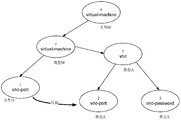
- FIG. 5 is a schematic diagram of a change of a data node according to an embodiment of the present invention.
- FIG. 6 is a schematic diagram of a difference tree according to an embodiment of the present invention.
- FIG. 7 is another schematic diagram of a difference tree according to an embodiment of the present invention.
- FIG. 8 is another schematic diagram of a difference tree according to an embodiment of the present invention.
- FIG. 9 is a schematic diagram of a target tree according to an embodiment of the present invention.
- FIG. 10 is a flowchart of a data configuration apparatus according to an embodiment of the present invention.
- FIG. 11 is a flowchart of another data configuration apparatus according to an embodiment of the present invention.
- FIG. 12 is a flowchart of still another data configuration apparatus according to an embodiment of the present invention.
- the NETCONF architecture enables secure and efficient configuration management of network devices.
- the NETCONF architecture usually uses the yang model as the modeling language.
- the original configuration data of the NETCONF architecture is stored in the startup database of the network device.
- the original configuration data is automatically copied from the startup database to the running database to configure the network device.
- the current network equipment is diversified and upgraded quickly, so the yang model is constantly being updated. After the yang model is upgraded, if the new yang model cannot guarantee backward compatibility, the new model cannot be used to obtain the original configuration data, and the configuration of the network device cannot be restored.
- the old configuration data before the update is referred to as the original configuration data
- the original configuration data may be the initial configuration data or the configuration data that has been updated at least once.
- Leaf vnc-port ⁇ // "node node” with node name “virtual machine port number” //
- the vnc password is added.
- the port number corresponding to the virtual machine and the vnc password are saved in the folder vnc.
- the save path is as follows:
- the maintenance personnel can delete the vnc-port field from the database, then configure the vnc, and store the port-number and password under the vnc. This leads to a huge amount of maintenance work.
- the yang model must be backward compatible in the RFC6020 protocol. If the yang model strictly adheres to the provisions of backward compatibility, in the upgrade process, it is necessary to add a new data structure based on the data structure of the original yang model. Thus, as the number of upgrades increases, the readability and logic of the yang model will become worse and worse, eventually losing the original features and advantages of the yang model, thereby affecting the configuration management of network devices.
- An embodiment of the present invention provides a method for updating configuration data.
- the basic principle is: after upgrading the data management model due to service requirements, determining a difference between the original data management model and the updated data management model, and further The upgrade description can be determined according to the difference description, and then the original configuration data can be automatically updated according to the upgrade instruction, and the updated configuration data can be matched with the updated data management model template, without manually reconfiguring the configuration data, to a certain extent Avoid maintenance costs due to data management model upgrades.
- a data management model is a data structure.
- the management configuration of the network device is implemented, and the configuration data and state data of the network device, such as a port number, are stored according to the data management model.
- the data management model may be a yang model.
- Data node is the bottom node in the data management model, used to define data, such as the leaf node in the tree data structure.
- leaf node corresponds to one data, and there are no child nodes in the schema tree, which is the lowest node in the schema tree.
- Path node is a node other than the data node in the data management model, which can be used to indicate the storage path of the data node in the data management model, such as: container node in the tree data structure, list Node and leaf list nodes.
- the structure of the data tree is defined by a schema tree. According to the data tree, it can be clarified how the data of the yang model is stored.
- the container node, the list node, the leaf list leaflist node, and the leaf node are nodes in the data tree.
- the container node, the list node, and the leaf list leaflist node may also be nodes in the schema tree.
- the container node is an internal node in the schema tree (or data tree), the container node has no data, and there are child nodes in the schema tree.
- the list node is an internal node in the schema tree, and the list node has no data. There are multiple child nodes of the same type in the schema tree, and different child nodes under the list node are identified by different key values.
- the leaflist node has child nodes of the leaf type in the schema tree, and different leaf nodes under the leaflist node are identified by different identifiers.
- the nodes in the schema tree are choice, case, uses, anyxml, and augment. These nodes are used to define the schema tree.
- the choice node is used to define the "branch structure" in the schema tree for Indicates that a node (such as: container node, list node, leaflist node) has child nodes.
- the case node is used to declare the branch structure of the choice node, such as a branch under the choice node.
- the anyxml node is an internal node of the schema tree and is used to define an unknown data block.
- the uses node is used to introduce the grouping node, and the grouping name is used to distinguish different grouping nodes.
- the augment node is used to add a new schema tree to the current schema tree.
- a folder B and a folder C are stored under the folder A
- a file D is stored under the folder B
- a file E is stored under the folder C.
- folders A, B, and C are path nodes
- file D and file E are data nodes.
- the storage path of file D is A-B-D
- the storage path of file E is A-C-E.
- FIG. 2 it is a schematic diagram of a data configuration method provided by an embodiment of the present invention.
- data A' i.e., data A'
- the upgrade description is determined, and the original configuration data is converted according to the upgrade instruction to obtain the updated configuration data, so that the configuration data is updated after the data management model is upgraded.
- the deleted configuration data is saved in a specific file, such as the unrecovered data file in FIG. 2, for reference by users and maintenance personnel.
- the updated configuration data is stored in a database (specifically, a database different from the original configuration data), and the original configuration data is overwritten when the save instruction issued by the user is received after the process of updating the configuration data is completed.
- the information corresponding to the data management model may include version information, configuration data, and the like.
- the yang model includes the following information: header information, linkage statements, type definition configuration data, operation data statement (operation data) Statement) and function notification statement (action¬ification statement), in which, after the yang model is upgraded, only the version information of the header information and the configuration data need to be concerned.
- the nodes that need attention are container, list, leaf list, and leaf.
- Table 1 shows the possible changes in the data management model when upgrading, and the corresponding processing methods for each change.
- the difference description includes a new data node of the original data management model relative to the updated data management model, a path of the newly added data node in the updated data model, and an original data management model relative to the updated data management model.
- the path node can be used to indicate the path of the data node. It should be noted that the node migration class change in Table 1 changes the path of the node (such as: container node, list node, leaflist node, leaf node) in the original data management model, because these nodes are container nodes and list nodes.
- the child nodes of the leaflist node have data, and the leaf nodes correspond to data. Therefore, the data corresponding to these nodes needs to be migrated to the new path (that is, the path in the data management model is updated).
- Template change that is, the structure of the schema tree changes, then the data is in the original The path in the data management model will change. Therefore, the data corresponding to the container node, list node, leaflist node, and leaf node needs to be migrated to the new path.
- the naming change is actually a migration of data from the source node to the new node (that is, the node after the naming change).
- the three types of changes, node migration, template change, and naming change appear in the difference description to remove the data node from the original data management model and increase it in the updated data management model.
- node migration, attribute change, and naming change are performed on nodes in the data tree. Therefore, changes in nodes such as choice, case, uses, anyxml, and augment are not involved in these three types of changes.
- a change description is also required, indicating the source path of the data node (the path of the data node in the original data management model) and the target path (the path of the data node in the updated data management model) Correspondence relationship, how to change the data node when the data management model is updated, and complete the migration of the data node by combining the difference description and the change description.
- the original configuration data can be updated after the data management model is upgraded.
- the data processing corresponding to the deletion action does not require the original data.
- the three types of changes such as upper node migration, template change, and naming change are the same. Both need to refer to the difference description and the change description to map the data from the original data node to the new data node.
- FIG. 4 is a flowchart of a data configuration method according to an embodiment of the present invention. As shown in FIG. 4, the method may include:
- the version information of the original data management model is acquired and the version information of the data management model is updated, and it is determined whether the version information of the original data management model is the same as the version information of the updated data management model. If it is determined that the version information of the original data management model is the same as the version information of the updated data management model, the process ends, that is, the version information of the data management model is unchanged, the data management model is not upgraded, and the pre-stored configuration data does not need to be reconfigured. . If it is determined that the version information of the original data management model is different from the version information of the updated data management model, it is proved that the version information of the data management model has changed, or the data management model has been upgraded, and the change according to the data management model is required. To reconfigure the data to the data node that changed when the data management model was upgraded, proceed to step 402.
- step 403 If the verification fails, the version information of the original data management model obtained in step 402 is not matched with the original data management model, and the version information is incorrect, and the process ends; if the verification is passed, step 403 is performed.
- the text code of the original data management model is acquired and the text code of the data management model is updated; the text code of the original data management model is compared and the text code of the data management model is updated to obtain a difference description.
- the difference description is used to indicate that the updated data management model deletes the first type of data node relative to the original data management model, the path information of the first type of data node in the original data management model, and the updated data management model relative to the original data management model.
- the added second type of data node and the second type of data node are updated with path information in the data management model. It should be noted that here we divide the upgrade of the data management model into deleting nodes and adding nodes.
- path information of the first type of data node and the second type of data node may be indicated by the path node.
- the change data node includes a first type of data node and a second type of data node.
- the operation information according to the first type of data node, the first type of data node, the path information of the first type of data node in the original data management model, the update operation of the second type of data node, the second type of data node, and the second type The data node generates an upgrade specification in the path information in the updated data management model.
- the update operation of the first type of data node is deleted, and the update operation of the second type of data node is increased.
- the update operation corresponding to the path node corresponding to the first type of data node may be modified or deleted, and the update operation corresponding to the path node corresponding to the second type of data node may be modified or added.
- the update operation of the path node is modified to indicate that the data node under the path node is modified, and the data node may be deleted or added; if the update operation of the path node is deleted, all nodes under the path node are deleted, including the path. Nodes and data nodes; if the update operation of the path node is increased, the node needs to be added under the path node, and may include a data node and a path node.
- the path of the data node does not change when the data model is upgraded. If a data node is included in the upgrade description, it indicates that the path of the data node changes when the data management model is upgraded, that is, the data node is changed, according to the path information corresponding to the data node in the upgrade description and the upgrade instruction.
- the update operation corresponding to the node updates the data node.
- Another database is built during the upgrade process. If the path of a data node has not changed, that is, the data node is not included in the upgrade specification, the data corresponding to the data node is directly copied to the other database.
- the updating the data node according to the path information corresponding to the data node in the upgrade description and the update operation corresponding to the data node in the upgrade description specifically includes: if the data node is changed to be the first type of data node, that is, the data in the upgrade description If the update operation of the node is deleted, the data corresponding to the data node is obtained according to the path information of the data node in the original data management model, and the data corresponding to the data node is deleted. At the same time, the data corresponding to the deleted data node can be stored in a specific file, such as: the data file is not restored.
- the data corresponding to the second type of data node is stored according to the path information of the second type of data node in the updated data management model.
- the text code of the original data management model and the text code of the updated data management model update the text code of the data management model and the text code of the original data management model (ie, the difference description) Is to delete a node (can be a data node or a path node) in the original data management model, and add a node in the update data management model, which requires that the data corresponding to the node deleted in the original data management model must be used in the update data management model.
- the upgrade description obtained according to the above comparison result cannot identify the correspondence between the original node and the new node. Therefore, you need to define a description of the change.
- Data migration class changes that may exist during the upgrade of the data management model include: naming changes and template changes. Among them, the naming change changes the name of the data node or path node, in which case the storage path of the data does not change. Template change, that is, change the storage path of the data, example, number According to the original data management model stored in file A, stored in file B under the update data management model, the data itself has not changed.
- the data management model is upgraded, the data corresponding to the data node can also be modified. When the data is modified, the path of the data node can be unchanged.
- the data node is not reflected in the upgrade description, and the data node needs to be performed.
- the data corresponding to the data node is read according to the path of the data node, the data is modified, and the modified data is stored according to the path.
- the path of the data node can also be changed.
- the data node is reflected in the upgrade description and belongs to the data migration.
- the mapping of the corresponding nodes before and after the change can be realized.
- the first data node in the first type of data node is the same as the second data node in the second type of data node, that is, when the data management model is upgraded, one data node is deleted in the original data management model. This data node is added to the update data management model.
- the change description is further determined; the change description may indicate a correspondence between the path information of the first data node in the original data management model and the path information of the second data node in the updated data management model.
- the correspondence between the path information of the first data node in the original data management model and the path information of the second data node in the updated data management model is added in the upgrade description.
- the data migration can be completed according to the upgrade instruction, that is, the data corresponding to the data node is obtained according to the path information of the data node in the original data management model, and the acquired data is stored according to the path information of the data node in the updated data management model.
- the same data node in the first type of data node and the second type of data node may be further defined as a third data node, and the update operation corresponding to the third data node is recorded as migration, and is upgraded.
- the path information of the third data node recorded in the description is the path of the third data node in the original data management model and the path of the third data node in the updated data management model.
- the third data node is recorded as the fourth data node in the upgrade description, and the data modification description of the fourth data node is recorded in the upgrade description.
- the data corresponding to the fourth data node is obtained according to the path information of the fourth data node in the original data management model, the acquired data is modified according to the data modification instruction, and the path information is stored in the updated data management model according to the fourth data node. Modified data.
- the update operation of the data node when the data management model is upgraded includes deletion and addition. Further, if a data node is deleted in the original data management model and the data node is added in the update data management model, indicating that the data corresponding to the data node needs to be migrated, the update operation of the data node may further include migration. Further, if the data needs to be modified during the data migration process, the update operation of the data node may further include modification.
- a tree data structure may be used to characterize the upgrade description, wherein the data node may be the bottommost leaf node in the tree data structure, and the path information of the data node is described by the path node.
- a path node may be a node other than a leaf node in a tree structure. It should be noted that, in the tree data structure, once the leaf node is modified (eg, added, deleted, migrated, modified), the update operation corresponding to the path node indicating the path is also modified.
- this tree data structure can be filtered.
- the update operation is a modified path node, and determining that the upper node of the path node in the tree data structure has only one child node of the path node, the upper node of the path node and the node are Path nodes are merged.
- the path node whose update operation is deleted in the tree data structure if the path node includes a child node, all lower nodes of the path node are deleted, and only the path node itself is reserved.
- Step 1 In the virtual machine service, in order to provide security for virtual machine access, the vnc password is added, so the upgrade needs to change the yang model.
- the storage path of the port number corresponding to the virtual machine is as follows:
- Leaf vnc-port ⁇ // "node node” with node name “virtual machine port number” //
- the vnc password (password) is added.
- the port number corresponding to the virtual machine and the vnc password are saved in the folder vnc.
- the save path is as follows:
- A represents an increase
- D represents deletion
- M represents modification
- Step 2 Analyze the difference description, and convert the difference description into the difference tree shown in FIG. 6.
- each node is indicated in the difference tree, and corresponding update operations of each node, such as: add, delete, migrate, and modify.
- update operations of each node such as: add, delete, migrate, and modify.
- addition here refers to an increase other than migration
- delete here refers to deletion other than migration.
- the added node (which may be a data node or a path node) is marked as a class A node in the difference tree
- the deleted node (which may be a data node or a path node) is marked as a class D in the difference tree.
- Nodes, modified nodes (which can be either data nodes or path nodes) are labeled as M-type nodes in the difference tree.
- the type of the superior node must be M.
- nodes 1, 2, and 3 are data nodes
- nodes 4, 5, and 6 are path nodes
- path nodes are Used to indicate the path of the data node in the yang model.
- the node 6 is a container class node
- the node name is "virtual-machine”
- the node 4 is a list class node
- the node name is "virtual-machine” (one of the folders of the same type under the node 6)
- the node 1 is a leaf.
- the class node, the data node has the node name "vnc-port”.
- Node 6->4->1 is the path of node 1 (ie "vnc-port") in the original yang model.
- Node 5 is a container class node with a node name of "vnc"; node 2 is a leaf class node, node name is "vnc-port”, node 3 is a leaf class node, node name is "vnc-password”, node 6-> 4->5->2 is the path of node 2 (ie vnc-port) in the update yang model, node 6->4->5->3 is node 3 (ie vnc-password) in the update yang model path.
- vnc-port is the deleted data node in the original yang model, and is the added data node in the update yang model.
- the vnc-port is migrated from the path of the original yang model to the updated yang model. Under the path.
- a description of the change needs to be determined, indicating the correspondence between the path of the data node under the original yang model and the path of the data node under the updated yang model.
- the change description is divided into a change header and a change body, wherein the change header describes a yang model namespace (English: namespace) for indexing a plurality of yang models, and the change body describes the source path and the change before the specific node change.
- the mapping relationship of the destination path is the path of the node in the original yang model, and the destination path is the path of the node in the updated yang model.
- the change header of a change description can be nm: "urn:ietf:params:xml:ns:yang:ietf-xx", which is used to define the namespace of the yang model, and distinguish different yangs by different namespaces. model. There can be more namespaces in a change description, which can be defined with different strings.
- the source path and the destination path indicating the node migration are described.
- the source path and the destination path include all paths from the root node to the changed node.
- Template combination that is, multiple change nodes are combined into one destination path to form a template.
- a template Here is the source path of each change node, and the same destination path corresponding to each change node.
- a reference relationship of the data is required. This reference relationship is optional and, if not provided by the user, is referenced in the default order.
- the data corresponding to the changed node is referenced by multiple templates, and different keys that reference the data can be distinguished by specifying a key.
- vnc-port is migrated from virtual-machine to vnc.
- Step 3 According to the change description, the migration path of the data node may be indicated in the difference tree.
- the migration direction of the data node is indicated by an arrow in the difference tree shown in FIG. 6, that is, the data corresponding to the node 1 is migrated to the node 2.
- Step 4 Filter the difference tree to obtain the target tree.
- filtering the difference tree that is, merging the nodes in the difference tree
- filtering the difference tree can be divided into the following two situations:
- Node migration According to the change description, the source node and the destination node of the node migration can be obtained, which are identified as two independent actions, addition and deletion in the difference tree.
- the data node deleted in the original yang model and the corresponding data node added in the updated yang model may be merged into one data node, and the update operation corresponding to the data node is recorded as migration (T type), and the path of the data node is recorded.
- the information is the path information of the data node in the original yang model and the path information of the data node in the updated yang model.
- the nodes 1, 2 in FIG. 7 are merged into the node 7 in FIG. 8, the node name is "vnc-port", and the update operation corresponding to the node 7 is added to the migration, and the path of the node 7 is recorded.
- the information is source path information and destination path information.
- Template update In fact, data migration is performed, and the path node of the data node migrated in the difference tree needs to be updated as well.
- the node in the difference tree contains the node of each related change, but the node of the type of container, list, choice, etc. (that is, the path node described in the embodiment of the present invention) does not have corresponding data, and their change is only used for the final indication leaf.
- the container node includes a set of child nodes, and the container node does not correspond to the data;
- the list node includes a group of child nodes of the same type, and different child nodes are indexed by different keys; the choice indicates a path that can be selected, and the cease node is combined. Choose a different branch. Therefore, path nodes of type M (ie, update operations are modified) can be filtered, leaving only leaf nodes.
- the path node can synthesize a node with its superior node, of type path. For example, as shown in FIG. 9, the nodes 6 and 8 in FIG. 8 are combined into the node 8 in FIG. 9, and the path of the node 8 is 6->4.
- the filtered difference tree forms the target tree.
- the target tree here is an implementation of the upgrade instructions described herein.
- the target tree contains update operations for data nodes, which can be add, delete, and migrate. And the target tree has no duplicate nodes.
- the entire mapping path of one data node ie, the path of the migration node
- the mapping of the data corresponding to the node 1 in FIG. 7 to the node 2 can be implemented.
- the newly added node 3 data it can be stored in the path of 8->5->3.
- Step 5 According to the original configuration data in the startup database, traversing the target tree, the data mapping can be completed.
- the data node is updated according to the path information corresponding to the data node in the target tree and the update operation corresponding to each node in the target tree.
- the data corresponding to the data node is obtained according to the source path of the data node in the original data management model, and the data corresponding to the data node is deleted.
- the data node is a T-type data node, and the data corresponding to the data node is obtained according to the data node source path, and the data corresponding to the data node is stored according to the destination path of the data node.
- the data node is a M-type data node, and the data corresponding to the data node is obtained according to the source path of the data node, and the data corresponding to the data node is modified according to the data modification instruction corresponding to the data node, and the modified data is stored according to the destination path of the data node.
- the data corresponding to the data node is stored according to the path information of the data node in the yang template.
- the data of the completed mapping is saved in the candidate database.
- the user After the user confirms that the service upgrade is normal, the user inputs the configuration save command, and the upgraded data is copied to the startup database to cover the original data to ensure that the previous process is completed. You can go back to the data before the upgrade.
- the data deleted during the upgrade process and the data that fails to be mapped are output to the data file for which the application fails, for the user's reference.
- the data configuration method provided by the embodiment of the present invention can generate an upgrade description according to the difference of the data management model before and after the upgrade after the data management model is upgraded.
- the upgrade specification defines the path information of the data node to be changed and the update operation of the data node when the data management model is upgraded, and the data corresponding to the data node can be automatically reconfigured with reference to the upgrade instruction, without the maintenance personnel according to the upgraded model. Reconfiguring data reduces maintenance costs due to data management model upgrades and enables smooth upgrades of data management models.
- An embodiment of the present invention provides a data configuration apparatus.
- the apparatus 100 includes: a determining unit 101 and a configuration unit 102.
- the determining unit 101 is configured to support the data configuration apparatus to perform step 401 in the data configuration method shown in FIG. 4.
- the configuration unit 102 is configured to support the data configuration apparatus to perform steps 401 to 404 in the data configuration method shown in FIG. 4.
- the configuration unit 102 is configured to support the data configuration apparatus to perform step 405 in the data configuration method shown in FIG.
- the data configuration apparatus provided by the embodiment of the present invention is configured to execute the foregoing data configuration method, so that the same effect as the above data configuration method can be achieved.
- FIG. 11 shows another possible composition diagram of the data configuration apparatus involved in the above embodiment.
- the data configuration apparatus 110 includes a processing module 112 and a communication module 113.
- the processing module 111 is configured to control and manage the actions of the data configuration device.
- the communication module 113 is for supporting communication of the data configuration device with other network entities.
- the data configuration apparatus may further include a storage module 111 for storing program codes and data of the data configuration apparatus.
- the processing module 112 can be a processor or a controller. It is possible to implement or carry out the various illustrative logical blocks, modules and circuits described in connection with the present disclosure.
- the processor can also be a combination of computing functions. For example, it includes one or more microprocessor combinations, a combination of a DSP and a microprocessor, and the like.
- the communication module 113 can be a transceiver, a transceiver circuit, a communication interface, or the like.
- the storage module 111 can be a memory.
- the data configuration apparatus may be the data configuration apparatus shown in FIG.
- the data configuration apparatus 120 includes a processor 122, a transceiver 123, a memory 121, and a bus 124.
- the communication interface 123, the processor 122, and the memory 121 are connected to each other through a bus 124.
- the bus 124 may be a peripheral component interconnect (PCI) bus or an extended industry standard architecture (EISA) bus. Wait.
- PCI peripheral component interconnect
- EISA extended industry standard architecture
- the bus can be divided into an address bus, a data bus, a control bus, and the like. For ease of representation, only one thick line is shown in Figure 12, but it does not mean that there is only one bus or one type of bus.
- the disclosed apparatus and method may be implemented in other manners.
- the device embodiments described above are merely illustrative.
- the division of the modules or units is only a logical function division.
- there may be another division manner for example, multiple units or components may be used.
- the combination may be integrated into another device, or some features may be ignored or not performed.
- the mutual coupling or direct coupling or communication connection shown or discussed may be an indirect coupling or communication connection through some interface, device or unit, and may be in an electrical, mechanical or other form.
- the units described as separate components may or may not be physically separated, and the components displayed as units may be one physical unit or multiple physical units, that is, may be located in one place, or may be distributed to multiple different places. . Some or all of the units may be selected according to actual needs to achieve the purpose of the solution of the embodiment.
- each functional unit in each embodiment of the present invention may be integrated into one processing unit, or each unit may exist physically separately, or two or more units may be integrated into one unit.
- the above integrated unit can be implemented in the form of hardware or in the form of a software functional unit.
- the integrated unit if implemented in the form of a software functional unit and sold or used as a standalone product, may be stored in a readable storage medium.
- the technical solution of the embodiments of the present invention may contribute to the prior art or all or part of the technical solution may be embodied in the form of a software product stored in a storage medium.
- a number of instructions are included to cause a device (which may be a microcontroller, chip, etc.) or a processor to perform all or part of the steps of the methods described in various embodiments of the present invention.
- the foregoing storage medium includes: a U disk, a mobile hard disk, a read-only memory (ROM), a random access memory (RAM), a magnetic disk, or an optical disk, and the like, which can store program code. .
Landscapes
- Engineering & Computer Science (AREA)
- Theoretical Computer Science (AREA)
- General Engineering & Computer Science (AREA)
- Physics & Mathematics (AREA)
- General Physics & Mathematics (AREA)
- Software Systems (AREA)
- Human Computer Interaction (AREA)
- Computer Networks & Wireless Communication (AREA)
- Signal Processing (AREA)
- Databases & Information Systems (AREA)
- Data Mining & Analysis (AREA)
- Computer Security & Cryptography (AREA)
- Information Retrieval, Db Structures And Fs Structures Therefor (AREA)
- Stored Programmes (AREA)
Abstract
一种数据配置方法及数据配置装置,涉及网络技术领域,能够根据升级前后的数据管理模型的差异,自动地对在模型升级时发生变更的配置数据进行配置,无需人工根据升级后的模型重新配置所有的配置数据,减少了由于数据管理模型升级带来的维护成本。该方法包括:根据原始数据管理模型以及更新数据管理模型确定升级说明(用于指示更新数据管理模型相对于原始数据管理模型的至少一个变更数据节点中的每一个变更数据节点的路径信息以及每一个变更数据节点的更新操作);根据每一个变更数据节点的路径信息以及每一个变更数据节点的更新操作,配置每一个变更数据节点对应的数据。
Description
本申请要求于2017年1月26日提交中国专利局、申请号为201710061740.X、发明名称为“一种数据配置方法及数据配置装置”的中国专利申请的优先权,其全部内容通过引用结合在本申请中。
本发明实施例涉及网络技术领域,尤其涉及一种数据配置方法及数据配置装置。
随着网络技术的发展和网络规模的不断扩大,对网络设备的管理和维护变的越来越重要。网络配置协议(英文:the network configuration protocol,简称:NETCONF)作为一种安全、高效的网络配置管理技术解决了很多当前的网络设备配置问题。其中,NETCONF以yang模型这一数据管理模型为基础进行数据管理。
NETCONF架构中,网络设备的初始原始配置数据保存在网络设备的数据库中,网络设备在启动时可以自动在从数据库中拷贝原始配置数据,并利用原始配置数据配置该网络设备。但在yang模型升级之后,如果yang模型不能保证向后兼容,新的yang模型与原始初始配置数据不匹配,新的yang模型无法读取到原始配置数据,则无法配置网络设备。这种情况下,必须由维护人员或者客户重新配置配置数据才能完成网络设备的配置恢复,保证网络设备后续的正常运行。如此,大大增加了网络设备的维护成本。
发明内容
本发明实施例提供一种数据配置方法及数据配置装置,在数据管理模型升级时,能够根据升级前后的数据管理模型的差异,自动地对在模型升级时发生变更的数据节点重新配置数据,无需人工根据升级后的模型重新配置数据,能够在一定程度上避免由于数据管理模型升级带来的维护成本。
为达到上述目的,本发明实施例采用如下技术方案:
本发明实施例的第一方面,提供一种数据配置方法,包括:
在数据管理模型升级以后,根据原始数据管理模型以及更新数据管理模型确定升级说明,该升级说明用于指示更新数据管理模型相对于原始数据管理模型的至少一个变更数据节点中的每一个变更数据节点的路径信息以及至少一个变更数据节点中每一个变更数据节点的更新操作。进而,针对每一个变更数据节点,可以该变更数据节点的路径信息以及该变更数据节点的更新操作,配置该变更数据节点对应的数据。
可见,在数据管理模型升级后,本申请提供的方法,能够根据升级前后的数据管理模型的差异,生成升级说明。该升级说明定义了在数据管理模型升级时发生变更的节点的路径信息以及变更数据节点的更新操作,进而可以参照升级说明自动地对变更的节点对应的数据进行重新配置,无需维护人员根据升级后的模型重新配置数据,减少了由于数据管理模型升级带来的维护成本,同时能够实现数据管理模型的平滑升级。
结合第一方面,在第一方面的第一种可能的实现方式中,根据原始数据管理模型以及更新数据管理模型确定升级说明具体包括:根据原始数据管理模型以及更新数据管理
模型,获得差异说明;差异说明用于指示更新数据管理模型相对于原始数据管理模型删除的第一类数据节点以及第一类数据节点在原始数据管理模型中的路径信息,和/或,更新数据管理模型相对于原始数据管理模型增加的第二类数据节点以及第二类数据节点在更新数据管理模型中的路径信息。此时,上述变更数据节点包括第一类数据节点和/或第二类数据节点。进一步,还可以根据差异说明,生成升级说明,升级说明中,第一类数据节点的更新操作为删除,第二类数据节点的更新操作为增加。
在此,可以将数据管理模型升级时,数据节点的变更分为两大类:删除、增加。升级说明中定义了原始数据模型相对于更新数据模型删除的数据节点在原始数据管理模型中的路径信息,因此,可以根据升级说明的指示获取删除的数据节点对应的数据,并删除该数据。另外,升级说明中定义了原始数据模型相对于更新数据模型增加的数据节点在更新数据管理模型中的路径信息,因此,可以根据升级说明的指示将增加的数据节点对应的数据按照更新后的路径存储。如此,可以在数据管理模型升级时,实现对配置数据的自动更新。
结合第一方面的第一种可能的实现方式,在第一方面的第二种可能的实现方式中,该方法还包括:若第一数据节点与第二数据节点相同(这里的第一数据节点是第一类数据节点中的一个,第二数据节点是第二类数据节点中的一个),即该数据节点在原始数据管理模型中删除且在更新数据管理模型中增加,也就是将该数据节点对应的数据迁移至新路径下。因此,需要确定变更说明,该变更说明用于指示第一数据节点在原始数据管理模型中的路径信息与第二数据节点在更新数据管理模型中的路径信息之间的对应关系;根据变更说明在升级说明中增加第一数据节点在原始数据管理模型中的路径信息与第二数据节点在更新数据管理模型中的路径信息之间的对应关系。
如此,根据升级说明中第一数据节点在原始数据管理模型中的路径信息与第二数据节点在更新数据管理模型中的路径信息之间的对应关系,就可以将第一数据节点对应的数据迁移至第二数据节点下,即在更新的数据管理模型下重新配置了该数据,实现了变更节点的数据配置。
结合第一方面的第二种可能的实现方式,在第一方面的第三种可能的实现方式中,该方法还包括:将升级说明中的第一数据节点与第二数据节点合并为第三数据节点,记录第三数据节点对应的更新操作为迁移,记录第三数据节点的路径信息为升级说明中的第三数据节点在原始数据管理模型中的路径信息以及第三数据节点在更新数据管理模型中的路径信息;变更数据节点还包括第三数据节点。
这里,可以对升级说明进行调整,将其中记录的变更数据节点分为三类:删除、增加、迁移。需要说明的是,这里的“增加”是指除迁移之外的增加,类似的,这里的“删除”是指除迁移之外的删除。
结合第一方面的第三种可能的实现方式,在第一方面的第四种方法还包括:若第三数据节点对应的数据需要修改,则在升级说明中记录第三数据节点为第四数据节点,并在升级说明中记录第四数据的数据修改说明;变更数据节点还包括第四数据节点。
也就是说,可以对升级说明进行进一步调整,将其中记录的变更数据节点分为三类:删除、增加、迁移、修改。同样,这里的“增加”是指除迁移之外的增加,这里的“删除”是指除迁移之外的删除。
结合第一方面的第三种可能的实现方式,在第一方面的第五种可能的实现方式中,根据至少一个变更数据节点中每一个变更数据节点的路径信息以及至少一个变更数据节点中每一个变更数据节点的更新操作,配置每一个变更数据节点对应的数据具体包括:确定变更数据节点为第一类数据节点且不为第三数据节点,则根据变更数据节点在原始数据管理模型中的路径信息获取变更数据节点对应的数据,并删除变更数据节点对应的数据。
也就是说,遍历升级说明定义的变更数据节点,对于删除类的数据节点,直接将该数据节点对应的数据删除,另外,还可以将删除的数据存储在一个特定的数据库中,可供用户参考。
结合第一方面的第四种可能的实现方式,在第一方面的第六种可能的实现方式,根据至少一个变更数据节点中每一个变更数据节点的路径信息以及至少一个变更数据节点中每一个变更数据节点的更新操作,配置每一个变更数据节点对应的数据具体包括:确定变更数据节点为第三数据节点且不为第四数据节点,则根据变更数据节点在原始数据管理模型中的路径信息获取变更数据节点对应的数据,并根据变更数据节点在更新数据管理模型中的路径信息存储数据节点对应的数据;和/或,
确定变更数据节点为第四数据节点,则根据变更数据节点在原始数据管理模型中的路径信息获取变更数据节点对应的数据,根据升级说明中第四数据节点对应的数据修改说明对变更数据节点对应的数据进行修改,并根据变更数据节点在更新数据管理模型中的路径信息存储修改后的数据;和/或,
确定变更数据节点为第二类数据节点且不为第三数据节点,则根据变更数据节点在更新数据管理模型中的路径信息存储变更数据节点对应的数据。
也就是说,遍历升级说明定义的变更数据节点,对于迁移类的数据节点,可以根据升级说明中指示的路径信息完成该数据节点对应的数据的迁移;对于修改类的数据节点,可以根据升级说明中指示的路径信息以及数据修改说明,完成该数据节点对应的数据的修改,并存储修改后的数据;对于增加类的数据节点,可以根据升级说明存储该数据节点对应的数据。
结合第一方面或第一方面的第一至第六种可能的实现方式中的任意一种,在第一方面的第七种可能的实现方式中,根据原始数据管理模型以及更新数据管理模型确定升级说明之前,方法还包括:确定原始数据管理模型的版本信息以及更新数据管理模型的版本信息;根据原始数据管理模型以及更新数据管理模型确定升级说明,包括:在确定原始数据管理模型的版本信息与更新数据管理模型的版本信息不同的情况下,根据原始数据管理模型以及更新数据管理模型确定升级说明。
也就是说,在确定数据管理模型的版本变更之后,可以确定数据管理模型已经升级,需要对在数据管理模型升级过程中发生变更的数据节点对应的数据进行重新配置。
本发明实施例的第二方面,提供一种数据配置装置,包括:确定单元,用于根据原始数据管理模型以及更新数据管理模型确定升级说明;升级说明用于指示更新数据管理模型相对于原始数据管理模型的至少一个变更数据节点中的每一个变更数据节点的路径信息以及至少一个变更数据节点中每一个变更数据节点的更新操作;配置单元,用于根据至少一个变更数据节点中每一个变更数据节点的路径信息以及至少一个变更数据
节点中每一个变更数据节点的更新操作,为每一个变更数据节点配置对应的数据。
结合第二方面,在第二方面的第一种可能的实现方式中,确定单元,具体用于:根据原始数据管理模型以及更新数据管理模型,获得差异说明;差异说明用于指示更新数据管理模型相对于原始数据管理模型删除的第一类数据节点以及第一类数据节点在原始数据管理模型中的路径信息,和/或,更新数据管理模型相对于原始数据管理模型增加的第二类数据节点以及第二类数据节点在更新数据管理模型中的路径信息;变更数据节点包括第一类数据节点和/或第二类数据节点;根据差异说明,生成升级说明;
其中,第一类数据节点的更新操作为删除,第二类数据节点的更新操作为增加。
结合第二方面的第一种可能的实现方式,在第一方面的第二种可能的实现方式中,确定单元,还用于若第一数据节点与第二数据节点相同,则确定变更说明;变更说明用于指示第一数据节点在原始数据管理模型中的路径信息与第二数据节点在更新数据管理模型中的路径信息之间的对应关系;第一数据节点是第一类数据节点中的一个,第二数据节点是第二类数据节点中的一个;确定单元还用于,根据变更说明在升级说明中增加第一数据节点在原始数据管理模型中的路径信息与第二数据节点在更新数据管理模型中的路径信息之间的对应关系。
结合第二方面的第二种可能的实现方式,在第一方面的第三种可能的实现方式中,确定单元还用于,将第一数据节点与第二数据节点合并为第三数据节点,记录第三数据节点对应的更新操作为迁移,记录第三数据节点的路径信息为升级说明中的第三数据节点在原始数据管理模型中的路径信息以及第三数据节点在更新数据管理模型中的路径信息;变更数据节点还包括第三数据节点。
结合第二方面的第三种可能的实现方式,在第一方面的第四种可能的实现方式中,确定单元还用于,若第三数据节点对应的数据需要修改,则在升级说明中记录第三数据节点为第四数据节点,并在升级说明中记录第四数据节点的数据修改说明;变更数据节点还包括第四数据节点。
结合第二方面的第二种可能的实现方式,在第一方面的第五种可能的实现方式中,确定单元还用于,确定变更数据节点为第一类数据节点且不为第三数据节点,根据变更数据节点在原始数据管理模型中的路径信息获取变更数据节点对应的数据,并删除变更数据节点对应的数据。
结合第二方面的第三种可能的实现方式,在第一方面的第六种可能的实现方式中,配置单元,具体用于:确定变更数据节点为第三数据节点且不为第四数据节点,则根据第三数据节点在原始数据管理模型中的路径信息获取第三数据节点对应的数据,并根据第三数据节点在更新数据管理模型中的路径信息存储第三数据节点对应的数据;和/或,确定变更数据节点为第四数据节点,则根据第四数据节点在原始数据管理模型中的路径信息获取第四数据节点对应的数据,根据升级说明中第四数据节点对应的数据修改说明修改第四数据节点对应的数据,并根据第四数据节点在更新数据管理模型中的路径信息存储修改后的数据;和/或,确定变更数据节点为第二类数据节点且不为第三数据节点,则根据变更数据节点在更新数据管理模型中的路径信息存储变更数据节点对应的数据。
第三方面,提供一种设备,该设备包括存储器、处理器、系统总线和通信接口,存储器中存储代码和数据,处理器与存储器通过系统总线连接,处理器运行存储器中的代
码,使得设备执行上述第一方面或者第一方面的第一方面的任一种可能的实现方式所提供的数据配置方法。
本发明实施例的第四方面,提供一种计算机存储介质,用于存储上述数据配置装置所用的计算机软件指令,该计算机软件指令包含用于执行上述数据配置方法所设计的程序。
图1为本发明实施例提供的一种数据管理模型;
图2为本发明实施例提供的数据配置方法的原理图;
图3为本发明实施例提供的yang模型的组成示意图;
图4为本发明实施例提供的一种数据配置方法的流程图;
图5为本发明实施例提供的数据节点的变更示意图;
图6为本发明实施例提供的差异树的示意图;
图7为本发明实施例提供的差异树的另一示意图;
图8为本发明实施例提供的差异树的另一示意图;
图9为本发明实施例提供的目标树的示意图;
图10为本发明实施例提供的一种数据配置装置的流程图;
图11为本发明实施例提供的另一种数据配置装置的流程图;
图12为本发明实施例提供的又一种数据配置装置的流程图。
目前,能够通过NETCONF架构实现对网络设备的安全、高效地配置管理。其中,NETCONF架构通常以yang模型为建模语言。NETCONF架构的原始配置数据保存在网络设备的startup数据库中,网络设备启动时自动将原始配置数据从startup数据库拷贝到running数据库,以配置网络设备。当前网络设备多样化,升级快,因此yang模型也在不断地被更新。在yang模型升级之后,如果新的yang模型不能保证向后兼容,那么无法使用该新模型获取原始配置数据,也就无法恢复网络设备的配置。这时,就需要维护人员或者客户根据新的yang模型重新配置配置数据,对维护人员的技能要求较高,维护工作量巨大,大大增加了网络设备的维护成本。其中,本申请中,将一次更新之前的旧的配置数据称为原始配置数据,原始配置数据可以是初始配置数据,也可以是经过至少一次更新的配置数据。
示例的,在虚拟机业务中,为了提供虚拟网络计算(英文:virtual network computing,vnc)访问的安全性,增加了vnc密码(password),需要升级yang模型。原始yang模型中,虚拟机对应的端口号(英文:port-number)的存储路径如下:
leaf vnc-port{ //节点名为“虚拟机端口号”的“叶节点”//
type int:port-number; //“虚拟机端口号”的数据类型//
}
升级后的yang模型中,增加了vnc密码,虚拟机对应的端口号以及vnc密码保存在文件夹vnc下,保存路径如下:


在yang模型进行升级时,维护人员可以通过先从数据库中删除vnc-port这个字段,然后再配置vnc,在vnc下存储port-number和password。这样,导致维护工作量巨大。
另外,在RFC6020协议中规定yang模型必须向后兼容。如果yang模型严格遵守向后兼容的规定,在升级过程中,需要在原始yang模型的数据结构基础上增加新的数据结构。如此,随着升级次数的增加,yang模型的可读性、逻辑性将会越来越差,最终失去yang模型本来的特性及优点,从而影响对网络设备的配置管理。
本发明实施例提供一种配置数据的更新方法,其基本原理是:当由于业务需求对数据管理模型进行升级后,确定原始的数据管理模型与更新后的数据管理模型之间的差异说明,进而可以根据该差异说明确定升级说明,然后可以根据升级说明对原始的配置数据自动进行更新,更新后的配置数据能够与更新的数据管理模型模板相匹配,无需人工重新配置配置数据,能够在一定程度上避免由于数据管理模型升级带来的维护成本。
首先,对本发明实施例涉及的术语做以下解释说明:
1.数据管理模型:是一种数据结构,在本发明实施例中用于实现对网络设备的管理配置,根据该数据管理模型存储网络设备的配置数据和状态数据,如:端口号等。本发明实施例中,数据管理模型可以是yang模型。
2.数据节点:是数据管理模型中最底端的节点,用于定义数据,如:树形数据结构中的叶子(leaf)节点。
所谓leaf节点对应一个数据,在模式(schema)树中没有子节点,是schema树中最底端的节点。
3.路径节点:是数据管理模型中除数据节点外的节点,可以用于指示数据节点在数据管理模型中的存储路径,如:树形数据结构中的容器(container)节点、列表(list)节点以及叶列表(leaflist)节点。
通常,通过模式(schema)树来定义数据树的结构,根据数据树可以明确yang模型的数据是如何存储的。
container节点、list节点、叶列表leaflist节点以及leaf节点是数据树中的节点。container节点、list节点、叶列表leaflist节点也可以是schema树中的节点。其中,container节点是schema树(或数据树)中的内部节点,container节点没有数据,在schema树中有子节点。list节点是schema树中的内部节点,list节点也没有数据,在schema树中有多个同类型的子节点,通过不同的键值标识list节点下不同的子节点。leaflist节点在schema树中有leaf类型的子节点,通过不同的标识符标识leaflist节点下不同的leaf节点。
另外,schema树中的节点还有choice、case、uses、anyxml以及augment。这些节点用于定义schema树。示例的,choice节点用于定义schema树中的“分支结构”,用于
指示某个节点(如:container节点、list节点、leaflist节点)下有子节点。case节点用于声明choice节点的分支结构,如:choice节点下的某一个分支。anyxml节点是schema树的内部节点,用来定义一个未知的数据块。uses节点用来引入grouping节点,通过grouping名区分不同的grouping节点。augment节点用于在当前schema树中增加一个新的schema树。
以图1所示的数据管理模型为例,文件夹A下存储有文件夹B以及文件夹C,文件夹B下存储有文件D,文件夹C下存储有文件E。其中,文件夹A、B和C为路径节点,文件D以及文件E为数据节点。文件D的存储路径为A-B-D,文件E的存储路径为A-C-E。
如图2所示,是本发明实施例提供的数据配置方法的原理图。具体地,参考图2,在数据管理模型从schema(模式)A升级为schema B时,需要将数据A’(即data A’)转换成符合schema B的data B’。根据schema A与schema B的差异确定升级说明,根据升级说明转换原始的配置数据得到更新后的配置数据,实现配置数据在数据管理模型升级后的更新。另外,在更新配置数据时,将删除的配置数据保存在一个特定的文件中,如图2中的未恢复数据文件,以便供用户和维护人员参考。将更新后的配置数据存储在一个数据库(具体可以是不同于存储原始配置数据的数据库)中,直至更新配置数据的过程完成后,接收到用户下发的保存指令时,才覆盖原始配置数据。
进一步地,数据管理模型对应的信息可以包括版本信息、配置数据等。以yang模型为例,参考图3,yang模型包括以下信息:头部版本信息(header information)、联动说明(linkage statements)、类型定义(type definition)配置数据(configuration)、操作数据声明(operation data statement)以及功能通知声明(action¬ification statement),其中,在yang模型升级后,只需要关注头部信息的版本信息以及配置数据。从数据管理模型角度来看,需要关注的节点有container、list、leaf list、leaf。
表1给出了数据管理模型进行升级时可能存在的几种变更情况,以及每种变更情况相应的处理方法。
表1


通过比较更新后的数据管理模型以及原始的数据管理模型,可以得出二者之间的差异说明。该差异说明包括原始数据管理模型相对于更新后的数据管理模型新增的数据节点、该新增的数据节点在更新后的数据模型中的路径、原始数据管理模型相对于更新后的数据管理模型删除的数据节点以及该删除的数据节点在原始数据管理模型中的路径。进一步地,可以用路径节点指示数据节点的路径。需要说明的是,表1中的节点迁移类变更,即改变了节点(如:container节点、list节点、leaflist节点、leaf节点)在原始数据管理模型中的路径,由于这些节点container节点、list节点、leaflist节点的子节点对应有数据,leaf节点对应有数据,因此需要将这些节点对应的数据迁移至新的路径下(即更新数据管理模型中的路径)。模板变更即schema树的结构发生变化,那么数据在原
始数据管理模型中的路径就会有所变化,因此需要将container节点、list节点、leaflist节点、leaf节点对应的数据迁移至新的路径下。命名变更,实际上是对将数据从源节点迁移至新节点(即命名变更后的节点)下,实际也是进行数据迁移。节点迁移、模板变更、命名变更这三类变更在差异说明中表现为将数据节点在原始数据管理模型删除并且在更新后的数据管理模型中增加。
另外,表1中节点迁移、属性变更、命名变更是对数据树中的节点进行迁移,因此,这三类变更中不涉及choice、case、uses、anyxml、augment等节点的变更。
对于上述对数据节点进行迁移的变更,还需要提供变更说明,指示数据节点的源路径(数据节点在原始数据管理模型中的路径)以及目标路径(数据节点在更新后的数据管理模型中的路径)的对应关系,以结合差异说明以及变更说明了解数据节点在数据管理模型进行更新时如何变更,完成数据节点的迁移。
进而,可以在数据管理模型升级后,对原始的配置数据进行更新。具体地:删除动作对应的数据处理就是不需要原始数据。上节点迁移、模板变更、命名变更这三类变更的处理方法是一样的,都是需要参考差异说明以及变更说明将数据从原始的数据节点映射至新的数据节点。增加数据节点时,不存在原始数据,直接根据新的数据管理模型存储新增的数据即可。
图4为本发明实施例提供的一种数据配置方法的流程图,如图4所示,该方法可以包括:
401、确定数据管理模型的版本信息是否改变。
具体地,获取原始数据管理模型的版本信息与更新数据管理模型的版本信息,并确定原始数据管理模型的版本信息与更新数据管理模型的版本信息是否相同。如果确定原始数据管理模型的版本信息与更新数据管理模型的版本信息相同,则结束流程,也就是说数据管理模型的版本信息未改变,数据管理模型未进行升级,无需重新配置预存储的配置数据。若确定所述原始数据管理模型的版本信息与所述更新数据管理模型的版本信息不同,则证明数据管理模型的版本信息已经改变,或者数据管理模型已经被升级,需要根据数据管理模型的变更,对在数据管理模型升级时发生变更的数据节点重新配置数据,即进行步骤402。
402、使用原始数据管理模型校验原始数据管理模型的版本信息。
若检验不通过,则证明步骤402获取的原始数据管理模型的版本信息与原始数据管理模型不匹配,该版本信息有误,结束流程;若校验通过,则执行步骤403。
403、比较原始数据管理模型以及更新数据管理模型,获得差异说明。
具体实现中,获取原始数据管理模型的文本代码以及更新数据管理模型的文本代码;比较原始数据管理模型的文本代码以及更新数据管理模型的文本代码,获得差异说明。
其中,差异说明用于指示更新数据管理模型相对于原始数据管理模型删除的第一类数据节点、第一类数据节点在原始数据管理模型中的路径信息、更新数据管理模型相对于原始数据管理模型增加的第二类数据节点以及第二类数据节点在更新数据管理模型中的路径信息。需要说明的是,这里我们把数据管理模型的升级分为删除节点、增加节点。另外,可以通过路径节点来指示第一类数据节点以及第二类数据节点的路径信息。
404、根据差异说明确定升级说明,该升级说明用于指示更新数据管理模型相对于原始数据管理模型的至少一个变更数据节点中的每一个变更数据节点的路径信息以及至少一个变更数据节点中每一个变更数据节点的更新操作。
具体地,上述变更数据节点包括第一类数据节点和第二类数据节点。可以根据第一类数据节点、第一类数据节点的更新操作、第一类数据节点在原始数据管理模型中的路径信息、第二类数据节点、第二类数据节点的更新操作以及第二类数据节点在更新数据管理模型中的路径信息生成升级说明。
升级说明中,第一类数据节点的更新操作为删除,第二类数据节点的更新操作为增加。进一步地,第一类数据节点对应的路径节点对应的更新操作可以是修改或删除,第二类数据节点对应的路径节点对应的更新操作可以是修改或增加。其中,路径节点的更新操作为修改,指示该路径节点下的数据节点有修改,可以是删除或增加数据节点;路径节点的更新操作为删除,则指示删除该路径节点下的所有节点,包括路径节点和数据节点;路径节点的更新操作为增加,则需要在该路径节点下增加节点,可以包括数据节点和路径节点。
405、根据升级说明为每一个变更数据节点配置对应的数据。
具体实现中,如果升级说明中不包括某个数据节点,说明在数据模型升级时,该数据节点的路径未发生变化。如果升级说明中包含了某个数据节点,则表明该数据节点的路径在数据管理模型升级时发生了变化,即为变更数据节点,则根据升级说明中该数据节点对应的路径信息以及升级说明中该节点对应的更新操作对所述数据节点进行更新。
另外,升级过程中另建一个数据库,如果一个数据节点的路径没有改变,即升级说明中不包括这个数据节点,则将这个数据节点对应的数据直接拷贝到另建的这个数据库中。
其中,根据升级说明中该数据节点对应的路径信息以及升级说明中该数据节点对应的更新操作对该数据节点进行更新具体包括:如果变更数据节点为第一类数据节点,即升级说明中该数据节点的更新操作为删除,则根据该数据节点在原始数据管理模型中的路径信息获取该数据节点对应的数据,并删除该数据节点对应的数据。同时,可以将删除的该数据节点对应的数据存储在一个特定的文件中,如:未恢复数据文件。
另外,针对升级说明中更新操作为增加的第二类数据节点,根据该第二类数据节点在更新数据管理模型中的路径信息存储第二类数据节点对应的数据。
进一步地,对于需要进行迁移的数据节点,原始数据管理模型的文本代码与更新数据管理模型的文本代码更新数据管理模型的文本代码与原始数据管理模型的文本代码的比较结果(即上述差异说明)是在原始数据管理模型中删除一个节点(可以是数据节点或路径节点),在更新数据管理模型中增加一个节点,这要求原始数据管理模型中删除的节点对应的数据必须用在更新数据管理模型中增加的节点上,而根据上述比较结果得到的升级说明识别不了原始节点和新节点的对应关系。因此,需要定义变更说明。在数据管理模型升级后,通过变更说明明确原始节点和新节点的对应关系,进而也可以根据这个对应关系完成数据的迁移。在数据管理模型的升级过程中可能存在的数据迁移类变更包括:命名变更和模板变更。其中,命名变更即更改数据节点或路径节点的名称,这种情况下数据的存储路径没有改变。模板变更,即改变数据的存储路径,示例的,数
据在原始数据管理模型中存储在文件A下,在更新数据管理模型中存储在文件B下,数据本身并没有改变。另外,在数据管理模型升级时,还可以修改数据节点对应的数据,在修改数据时,数据节点的路径可以不变,此时该数据节点不会体现在升级说明中,需要对该数据节点进行另外的处理,按照该数据节点的路径读取该数据节点对应的数据,对数据进行修改,并按照其路径存储修改后的数据。数据修改时,该数据节点的路径也可以改变,此时该数据节点会体现在升级说明中,属于数据迁移的情况。
通过上述变更说明,就可以实现变更前后对应节点的映射。具体实现中,若第一类数据节点中的第一数据节点与第二类数据节点中的第二数据节点相同,即在升级数据管理模型时,将一个数据节点在原始数据管理模型中删除,又在更新数据管理模型中增加了这个数据节点。则进一步确定变更说明;该变更说明可以指示该第一数据节点在原始数据管理模型中的路径信息与第二数据节点在更新数据管理模型中的路径信息之间的对应关系。根据变更说明在升级说明中增加第一数据节点在原始数据管理模型中的路径信息与第二数据节点在更新数据管理模型中的路径信息之间的对应关系。如此,就可以根据升级说明完成数据的迁移,即按照数据节点在原始数据管理模型中的路径信息获取数据节点对应的数据,再按照数据节点在更新数据管理模型中的路径信息存储获取到的数据。在一种可能的实现方式中,可以进一步将第一类数据节点与第二类数据节点中相同的数据节点定义为第三数据节点,记录第三数据节点对应的更新操作为迁移,并在升级说明中记录第三数据节点的路径信息为该第三数据节点在原始数据管理模型中的路径以及该第三数据节点在更新数据管理模型中的路径。
进一步地,若第三数据节点对应的数据需要修改,则在升级说明中记录第三数据节点为第四数据节点,并在升级说明中记录第四数据节点的数据修改说明。以便按照第四数据节点在原始数据管理模型中的路径信息获取第四数据节点对应的数据,根据数据修改说明修改获取到的数据,再按照第四数据节点在更新数据管理模型中的路径信息存储获修改后的数据。
如图5所示,数据管理模型升级时数据节点的更新操作包括删除和增加。进一步地,如果在原始数据管理模型中删除了一个数据节点,并在更新数据管理模型中增加该数据节点,则表明需要迁移该数据节点对应的数据,那么数据节点的更新操作还可以包括迁移。更进一步,如果在数据迁移过程中还需要对数据进行修改,那么数据节点的更新操作还可以包括修改。
在具体实现中,可以用树形数据结构来表征升级说明,其中,数据节点可以是树形数据结构中最底端的叶子节点,数据节点的路径信息通过路径节点来描述。路径节点可以是树形结构中除叶子节点之外的节点。需要说明的是,该树形数据结构中,一旦叶子节点有修改(如:增加、删除、迁移、修改),指示其路径的路径节点对应的更新操作也为修改。
进一步地,可以对这个树形数据结构进行过滤。具体地,针对树形数据结构中更新操作为修改的路径节点,确定该树形数据结构中该路径节点的上级节点仅有该路径节点这一个子节点,则将该路径节点的上级节点与该路径节点合并。另外,针对该树形数据结构中更新操作为删除的路径节点,若该路径节点包括子节点,则删除该路径节点的所有下级节点,仅保留这个路径节点本身。
以下以虚拟机业务(相应的数据管理模型为yang模型)为例介绍本发明实施例提供的数据配置方法:
步骤一、虚拟机业务中,为了提供虚拟机访问的安全性,增加了vnc密码,所以升级需要变更yang模型。原始yang模型中,虚拟机对应的端口号(port-number)的存储路径如下:
leaf vnc-port{ //节点名为“虚拟机端口号”的“叶节点”//
Type int:port-number; //“虚拟机端口号”的数据类型//
}
升级后的yang模型中,增加了vnc密码(password),虚拟机对应的端口号以及vnc密码保存在文件夹vnc下,保存路径如下:

进一步,可以生成如下的差异说明:

上述差异说明中,A代表增加,D代表删除,M代表修改。由于数据节点发生变更,其对应的路径节点在差异说明中的更新操作为修改。
步骤二、解析差异说明,把差异说明转换成图6所示的差异树。
参考图6,差异树中指示了每个节点的节点名,以及每个节点相应的更新操作,如:增加、删除、迁移、修改。需要说明的是,这里的“增加”是指除迁移之外的增加,类似的,这里的“删除”是指除迁移之外的删除。其中,增加的节点(可以是数据节点,也可以是路径节点)在差异树中标注为A类节点,删除的节点(可以是数据节点,也可以是路径节点)在差异树中标注为D类节点,修改的节点(可以是数据节点,也可以是路径节点)在差异树中标注为M类节点。另外,下级节点发生更改时,上级节点的类型一定是M。
具体地,参考图6,节点1、2、3为数据节点,节点4、5、6路径节点,路径节点
用于指示数据节点在yang模型中的路径。进一步,节点6为container类节点,节点名为“virtual-machine”,节点4为list类节点,节点名“virtual-machine”(节点6下类型相同的文件夹中的一个),节点1为leaf类节点,即数据节点,节点名为“vnc-port”。节点6->4->1为节点1(即“vnc-port”)在原始yang模型的路径。节点5为container类节点,节点名为“vnc”;节点2为leaf类节点,节点名为“vnc-port”,节点3为leaf类节点,节点名为“vnc-password”,节点6->4->5->2为节点2(即vnc-port)在更新yang模型中的路径,节点6->4->5->3为节点3(即vnc-password)在更新yang模型中的路径。
上述差异树中,vnc-port在原始yang模型中是删除的数据节点,在更新yang模型中是增加的数据节点,实际上就是将vnc-port从原始yang模型的路径下迁移至更新yang模型的路径下。对于迁移类的数据节点,需要确定变更说明,指示该数据节点在原始yang模型下的路径与该数据节点在更新yang模型下的路径之间的对应关系。
具体地,变更说明分为变更头部和变更体,其中变更头部描述yang模型的命名空间(英文:namespace),用于索引多个yang模型,变更体描述具体节点变更前的源路径与变更后的目的路径的映射关系。其中,源路径即节点在原始yang模型中的路径,目的路径即该节点在更新yang模型中的路径。
示例的,一个变更说明的变更头部可以是nm:"urn:ietf:params:xml:ns:yang:ietf-xx",用于定义yang模型的命名空间,通过不同的命名空间区分不同的yang模型。一个变更说明中可以多有个命名空间,可以用不同的字符串定义。
1)节点迁移类的变更体示例如下:
源路径:/nm:path_xx/nm:nodename_xx
目的路径:/nm:path_xx/nm:nodename_xx
说明了说明节点迁移的源路径和目的路径成,源路径、目的路径包括从根节点到变更节点的全部路径。
2)模板组合类的变更体示例如下:
源路径:/nm:path_1/nm:nodename_1
/nm:path_2/nm:nodename_2
…
/nm:path_n/nm:nodename_n
目的路径:/nm:path_xx/nm:nodename_xx
模板组合,即多个变更节点组合到一个目的路径下,形成一个模板。这里给出了各个变更节点的源路径,和各个变更节点对应的同一个目的路径。
3)模板数据引用类的变更体示例如下:
当一个模板对应多组数据时,需要数据的引用关系。这个引用关系是可选的,如果用户不提供,按默认顺序进行引用。
引用:nm:xx_key 被引用:nm:xx_key
在模板组合中,同一个变更节点被加入到多个模板中时,该变更节点对应的数据被多个模板引用,可以通过指定key来区别引用该数据的不同模板。
示例的,对于虚拟机增加vnc密码的例子,变更说明如下:
nm:“urn:huawei:params:xml:ns:yang:huawei-vm-management”命名空间
<source>nm:huawei-vm-management/virtual-machines
/virtual-machine/vnc-port变更节点“vnc-port”的源路径
<destination>nm:huawei-vm-management/virtual-machines
/virtual-machine/vnc/vnc-port 变更节点“vnc-port”的目的路径
即,vnc-port是从virtual-machine迁移至vnc。
步骤三、根据变更说明可以在差异树中指示数据节点的迁移路径。
示例的,如图7所示,在图6所示的差异树中通过箭头指示数据节点的迁移方向,即将节点1对应的数据迁移到节点2下。
步骤四、过滤差异树,得到目标树。
具体实现中,过滤差异树,即对差异树中的节点进行合并,可以分为以下两种情况进行:
1)节点迁移:根据变更说明,可以得到节点迁移的源节点和目的节点,它们在差异树中被识别成了两个独立的动作,增加和删除。可以将在原始yang模型中删除的数据节点与在更新yang模型中相应增加的数据节点的合并为一个数据节点,记录这个数据节点对应的更新操作为迁移(T类型),记录该数据节点的路径信息为该数据节点在原始yang模型中的路径信息以及该数据节点在更新yang模型中的路径信息。如图8所示,将图7中的中的节点1、2合并为图8中的节点7,节点名为“vnc-port”,增加节点7对应的更新操作为迁移,记录节点7的路径信息为源路径信息以及目的路径信息。
2)模板更新:实际上是进行数据迁移,同时需要将差异树中迁移的数据节点的路径节点也进行更新。
差异树里面包含了每个相关变化的节点,但是container、list、choice等类型的节点(即本发明实施例所述的路径节点)并不存在对应的数据,他们的变更只是用于最终指示叶子节点的路径。其中,container节点包括一组子节点,且container节点不对应数据;list节点包括一组同类型的子节点,通过不同的key来索引不同的子节点;choice表示一个可以选择的路径,结合cease节点选择不同的分支。因此,可以把类型为M(即更新操作为修改)的路径节点过滤,只保留叶子节点。当某个路径节点的上级节点在没有其他子节点的情况下,这个路径节点可以与其上级节点合成一个节点,类型为path。示例的,如图9所示,是将图8中的6、4节点合成图9中的节点8,节点8的路径为6->4。
另外,针对删除和增加两种动作的处理,其中增加动作我们需要保留最末端的叶子节点;由于一旦删除了某个节点,该节点下的子节点就不用再处理,因此动作为删除的只保留删除中的最高父节点。示例的,图7中节点1对应的更新操作为删除且节点1是差异树最底端的节点,假设节点1下面还有子节点,进行处理时也只保留节点1。
过滤后的差异树形成目标树。这里的目标树是本发明所述的升级说明的一种实现方式。目标树中包含数据节点的更新操作,可以是增加、删除、迁移。并且目标树没有重复节点。
通过末端节点(即数据节点)以及path类型的节点(即路径节点),就可以描述出一个数据节点的整个映射路径(即迁移节点的路径)。示例的,根据图9在中节点7的更新操作以及节点7对应的path类型的节点8,可以实现图7中节点1对应的数据到节点2的映射。对于新增的节点3的数据,可以按照8->5->3的路径进行存储。
步骤五、根据startup数据库中的原始配置数据,遍历目标树,即可完成数据映射。
具体实现中,若目标树中包括数据节点,则根据目标树中数据节点对应的路径信息以及目标树中每个节点对应的更新操作对数据节点进行更新。
例如,数据节点为D类节点,则根据数据节点在原始数据管理模型中的源路径获取数据节点对应的数据,并删除数据节点对应的数据。
数据节点为T类数据节点,则根据数据节点源路径获取数据节点对应的数据,并根据数据节点的目的路径存储数据节点对应的数据。
数据节点为M类数据节点,则根据数据节点的源路径获取数据节点对应的数据,根据数据节点对应的数据修改说明修改数据节点对应的数据,并根据数据节点的目的路径存储修改后的数据。
针对目标树中的A类数据节点,根据该数据节点在yang模板中的路径信息存储该数据节点对应的数据。
完成映射的数据保存在candidate数据库中,待用户确认业务升级正常后,用户输入保存配置的命令,升级后的数据才会被拷贝到startup数据库,以覆盖原始数据,以确保在之前的流程中都可以回到升级前的数据。同时,升级过程中删除的数据,及映射失败的数据会输出到申请失败的数据文件中,以供用户参考。
本发明实施例提供的数据配置方法,在数据管理模型升级之后,能够根据升级前后的数据管理模型的差异,生成升级说明。该升级说明定义了在数据管理模型升级时变更数据节点的路径信息以及变更数据节点的更新操作,进而可以参照升级说明自动地对重新配置变更数据节点对应的数据,无需维护人员根据升级后的模型重新配置数据,减少了由于数据管理模型升级带来的维护成本,同时能够实现数据管理模型的平滑升级。
本发明实施例提供一种数据配置装置,如图10所示,该装置100包括:确定单元101、配置单元102。
其中,确定单元101,用于支持数据配置装置执行图4所示的数据配置方法中的步骤401。配置单元102,用于支持数据配置装置执行图4所示的数据配置方法中的步骤401~404。配置单元102用于支持数据配置装置执行图4所示的数据配置方法中的步骤405。
需要说明的是,上述方法实施例涉及的各步骤的所有相关内容均可以援引到对应功能模块的功能描述,在此不再赘述。
本发明实施例提供的数据配置装置,用于执行上述数据配置方法,因此可以达到与上述数据配置方法相同的效果。
在采用集成的单元的情况下,图11示出了上述实施例中所涉及的数据配置装置的另一种可能的组成示意图。如图11所示,该数据配置装置110包括:处理模块112和通信模块113。
处理模块111用于对数据配置装置的动作进行控制管理。通信模块113用于支持数据配置装置与其他网络实体的通信。数据配置装置还可以包括存储模块111,用于存储数据配置装置的程序代码和数据。
其中,处理模块112可以是处理器或控制器。其可以实现或执行结合本发明公开内容所描述的各种示例性的逻辑方框,模块和电路。处理器也可以是实现计算功能的组合,
例如包含一个或多个微处理器组合,DSP和微处理器的组合等等。通信模块113可以是收发器、收发电路或通信接口等。存储模块111可以是存储器。
当处理模块112为处理器,通信模块113为收发器,存储模块111为存储器时,本发明实施例所涉及的数据配置装置可以为图12所示的数据配置装置。
参照图12所示,该数据配置装置120包括:处理器122、收发器123、存储器121以及总线124。其中,通信接口123、处理器122以及存储器121通过总线124相互连接;总线124可以是外设部件互连标准(peripheral component interconnect,PCI)总线或扩展工业标准结构(extended industry standard architecture,EISA)总线等。所述总线可以分为地址总线、数据总线、控制总线等。为便于表示,图12中仅用一条粗线表示,但并不表示仅有一根总线或一种类型的总线。
通过以上的实施方式的描述,所属领域的技术人员可以清楚地了解到,为描述的方便和简洁,仅以上述各功能模块的划分进行举例说明,实际应用中,可以根据需要而将上述功能分配由不同的功能模块完成,即将装置的内部结构划分成不同的功能模块,以完成以上描述的全部或者部分功能。
在本申请所提供的几个实施例中,应该理解到,所揭露的装置和方法,可以通过其它的方式实现。例如,以上所描述的装置实施例仅仅是示意性的,例如,所述模块或单元的划分,仅仅为一种逻辑功能划分,实际实现时可以有另外的划分方式,例如多个单元或组件可以结合或者可以集成到另一个装置,或一些特征可以忽略,或不执行。另一点,所显示或讨论的相互之间的耦合或直接耦合或通信连接可以是通过一些接口,装置或单元的间接耦合或通信连接,可以是电性,机械或其它的形式。
所述作为分离部件说明的单元可以是或者也可以不是物理上分开的,作为单元显示的部件可以是一个物理单元或多个物理单元,即可以位于一个地方,或者也可以分布到多个不同地方。可以根据实际的需要选择其中的部分或者全部单元来实现本实施例方案的目的。
另外,在本发明各个实施例中的各功能单元可以集成在一个处理单元中,也可以是各个单元单独物理存在,也可以两个或两个以上单元集成在一个单元中。上述集成的单元既可以采用硬件的形式实现,也可以采用软件功能单元的形式实现。
所述集成的单元如果以软件功能单元的形式实现并作为独立的产品销售或使用时,可以存储在一个可读取存储介质中。基于这样的理解,本发明实施例的技术方案本质上或者说对现有技术做出贡献的部分或者该技术方案的全部或部分可以以软件产品的形式体现出来,该软件产品存储在一个存储介质中,包括若干指令用以使得一个设备(可以是单片机,芯片等)或处理器(processor)执行本发明各个实施例所述方法的全部或部分步骤。而前述的存储介质包括:U盘、移动硬盘、只读存储器(read-only memory,ROM)、随机存取存储器(random access memory,RAM)、磁碟或者光盘等各种可以存储程序代码的介质。
以上所述,仅为本发明的具体实施方式,但本发明的保护范围并不局限于此,任何熟悉本技术领域的技术人员在本发明揭露的技术范围内,可轻易想到变化或替换,都应涵盖在本发明的保护范围之内。因此,本发明的保护范围应以所述权利要求的保护范围为准。
Claims (15)
- 一种数据配置方法,其特征在于,包括:根据原始数据管理模型以及更新数据管理模型确定升级说明;所述升级说明用于指示所述更新数据管理模型相对于所述原始数据管理模型的至少一个变更数据节点中的每一个变更数据节点的路径信息以及所述至少一个变更数据节点中每一个变更数据节点的更新操作;根据所述至少一个变更数据节点中每一个变更数据节点的路径信息以及所述至少一个变更数据节点中每一个变更数据节点的更新操作,为每一个变更数据节点配置对应的数据。
- 根据权利要求1所述的方法,其特征在于,所述根据原始数据管理模型以及更新数据管理模型确定升级说明具体包括:根据所述原始数据管理模型以及所述更新数据管理模型,获得差异说明;所述差异说明用于指示所述更新数据管理模型相对于所述原始数据管理模型删除的第一类数据节点以及所述第一类数据节点在所述原始数据管理模型中的路径信息,和/或,所述更新数据管理模型相对于所述原始数据管理模型增加的第二类数据节点以及所述第二类数据节点在所述更新数据管理模型中的路径信息;所述变更数据节点包括所述第一类数据节点和/或所述第二类数据节点;根据所述差异说明,生成所述升级说明;其中,所述第一类数据节点的更新操作为删除,所述第二类数据节点的更新操作为增加。
- 根据权利要求2所述的方法,其特征在于,所述方法还包括:若第一数据节点与第二数据节点相同,则确定变更说明;所述变更说明用于指示所述第一数据节点在所述原始数据管理模型中的路径信息与所述第二数据节点在所述更新数据管理模型中的路径信息之间的对应关系;所述第一数据节点是所述第一类数据节点中的一个,所述第二数据节点是所述第二类数据节点中的一个;根据所述变更说明在所述升级说明中增加所述第一数据节点在所述原始数据管理模型中的路径信息与所述第二数据节点在所述更新数据管理模型中的路径信息之间的对应关系。
- 根据权利要求3所述的方法,其特征在于,所述方法还包括:将所述第一数据节点与所述第二数据节点合并为第三数据节点,记录所述第三数据节点对应的更新操作为迁移,记录所述第三数据节点的路径信息为所述升级说明中的所述第三数据节点在所述原始数据管理模型中的路径信息以及所述第三数据节点在所述更新数据管理模型中的路径信息;所述变更数据节点还包括所述第三数据节点。
- 根据权利要求4所述的方法,其特征在于,所述方法还包括:若所述第三数据节点对应的数据需要修改,则在所述升级说明中记录所述第三数据节点为第四数据节点,并在所述升级说明中记录所述第四数据节点的数据修改说明;所述变更数据节点还包括所述第四数据节点。
- 根据权利要求4所述的方法,其特征在于,所述根据所述至少一个变更数据节 点中每一个变更数据节点的路径信息以及所述至少一个变更数据节点中每一个变更数据节点的更新操作,为每一个变更数据节点配置对应的数据具体包括:确定所述变更数据节点为所述第一类数据节点且不为所述第三数据节点,根据所述变更数据节点在所述原始数据管理模型中的路径信息获取所述变更数据节点对应的数据,并删除所述变更数据节点对应的数据。
- 根据权利要求5所述的方法,其特征在于,所述根据所述至少一个变更数据节点中每一个变更数据节点的路径信息以及所述至少一个变更数据节点中每一个变更数据节点的更新操作,为每一个变更数据节点配置对应的数据具体包括:确定所述变更数据节点为所述第三数据节点且不为所述第四数据节点,则根据所述第三数据节点在所述原始数据管理模型中的路径信息获取所述第三数据节点对应的数据,并根据所述第三数据节点在所述更新数据管理模型中的路径信息存储所述第三数据节点对应的数据;和/或,确定所述变更数据节点为所述第四数据节点,则根据所述第四数据节点在所述原始数据管理模型中的路径信息获取所述第四数据节点对应的数据,根据所述升级说明中所述第四数据节点对应的数据修改说明修改所述第四数据节点对应的数据,并根据所述第四数据节点在所述更新数据管理模型中的路径信息存储修改后的数据;和/或,确定所述变更数据节点为所述第二类数据节点且不为所述第三数据节点,则根据所述变更数据节点在所述更新数据管理模型中的路径信息存储所述变更数据节点对应的数据。
- 一种数据配置装置,其特征在于,包括:确定单元,用于根据原始数据管理模型以及更新数据管理模型确定升级说明;所述升级说明用于指示所述更新数据管理模型相对于所述原始数据管理模型的至少一个变更数据节点中的每一个变更数据节点的路径信息以及所述至少一个变更数据节点中每一个变更数据节点的更新操作;配置单元,用于根据所述至少一个变更数据节点中每一个变更数据节点的路径信息以及所述至少一个变更数据节点中每一个变更数据节点的更新操作,为每一个变更数据节点配置对应的数据。
- 根据权利要求8所述的装置,其特征在于,所述确定单元,具体用于:根据所述原始数据管理模型以及所述更新数据管理模型,获得差异说明;所述差异说明用于指示所述更新数据管理模型相对于所述原始数据管理模型删除的第一类数据节点以及所述第一类数据节点在所述原始数据管理模型中的路径信息,和/或,所述更新数据管理模型相对于所述原始数据管理模型增加的第二类数据节点以及所述第二类数据节点在所述更新数据管理模型中的路径信息;所述变更数据节点包括所述第一类数据节点和/或所述第二类数据节点;根据所述差异说明,生成所述升级说明;其中,所述第一类数据节点的更新操作为删除,所述第二类数据节点的更新操作为增加。
- 根据权利要求9所述的装置,其特征在于,所述确定单元,还用于若第一数据节点与第二数据节点相同,则确定变更说明;所 述变更说明用于指示所述第一数据节点在所述原始数据管理模型中的路径信息与所述第二数据节点在所述更新数据管理模型中的路径信息之间的对应关系;所述第一数据节点是所述第一类数据节点中的一个,所述第二数据节点是所述第二类数据节点中的一个;所述确定单元还用于,根据所述变更说明在所述升级说明中增加所述第一数据节点在所述原始数据管理模型中的路径信息与所述第二数据节点在所述更新数据管理模型中的路径信息之间的对应关系。
- 根据权利要求10所述的装置,其特征在于,所述确定单元还用于,将所述第一数据节点与所述第二数据节点合并为第三数据节点,记录所述第三数据节点对应的更新操作为迁移,记录所述第三数据节点的路径信息为所述升级说明中的所述第三数据节点在所述原始数据管理模型中的路径信息以及所述第三数据节点在所述更新数据管理模型中的路径信息;所述变更数据节点还包括所述第三数据节点。
- 根据权利要求11所述的装置,其特征在于,所述确定单元还用于,若所述第三数据节点对应的数据需要修改,则在所述升级说明中记录所述第三数据节点为第四数据节点,并在所述升级说明中记录所述第四数据节点的数据修改说明;所述变更数据节点还包括所述第四数据节点。
- 根据权利要求11所述的装置,其特征在于,所述配置单元,具体用于:确定所述变更数据节点为所述第一类数据节点且不为所述第三数据节点,根据所述变更数据节点在所述原始数据管理模型中的路径信息获取所述变更数据节点对应的数据,并删除所述变更数据节点对应的数据。
- 根据权利要求12所述的装置,其特征在于,所述配置单元,具体用于:确定所述变更数据节点为所述第三数据节点且不为所述第四数据节点,则根据所述第三数据节点在所述原始数据管理模型中的路径信息获取所述第三数据节点对应的数据,并根据所述第三数据节点在所述更新数据管理模型中的路径信息存储所述第三数据节点对应的数据;和/或,确定所述变更数据节点为所述第四数据节点,则根据所述第四数据节点在所述原始数据管理模型中的路径信息获取所述第四数据节点对应的数据,根据所述升级说明中所述第四数据节点对应的数据修改说明修改所述第四数据节点对应的数据,并根据所述第四数据节点在所述更新数据管理模型中的路径信息存储修改后的数据;和/或,确定所述变更数据节点为所述第二类数据节点且不为所述第三数据节点,则根据所述变更数据节点在所述更新数据管理模型中的路径信息存储所述变更数据节点对应的数据。
- 一种设备,其特征在于,所述设备包括存储器、处理器、系统总线和通信接口,所述存储器中存储代码和数据,所述处理器与所述存储器通过所述系统总线连接,所述处理器运行所述存储器中的代码,使得所述设备执行上述权利要求1-7任一项所述的数据配置方法。
Priority Applications (2)
| Application Number | Priority Date | Filing Date | Title |
|---|---|---|---|
| EP17894069.8A EP3564808B1 (en) | 2017-01-26 | 2017-11-03 | Data configuration method and data configuration apparatus |
| US16/522,166 US11163553B2 (en) | 2017-01-26 | 2019-07-25 | Data configuration method and data configuration apparatus |
Applications Claiming Priority (2)
| Application Number | Priority Date | Filing Date | Title |
|---|---|---|---|
| CN201710061740.XA CN108363545B (zh) | 2017-01-26 | 2017-01-26 | 一种数据配置方法及数据配置装置 |
| CN201710061740.X | 2017-01-26 |
Related Child Applications (1)
| Application Number | Title | Priority Date | Filing Date |
|---|---|---|---|
| US16/522,166 Continuation US11163553B2 (en) | 2017-01-26 | 2019-07-25 | Data configuration method and data configuration apparatus |
Publications (1)
| Publication Number | Publication Date |
|---|---|
| WO2018137373A1 true WO2018137373A1 (zh) | 2018-08-02 |
Family
ID=62979019
Family Applications (1)
| Application Number | Title | Priority Date | Filing Date |
|---|---|---|---|
| PCT/CN2017/109369 Ceased WO2018137373A1 (zh) | 2017-01-26 | 2017-11-03 | 一种数据配置方法及数据配置装置 |
Country Status (4)
| Country | Link |
|---|---|
| US (1) | US11163553B2 (zh) |
| EP (1) | EP3564808B1 (zh) |
| CN (1) | CN108363545B (zh) |
| WO (1) | WO2018137373A1 (zh) |
Families Citing this family (14)
| Publication number | Priority date | Publication date | Assignee | Title |
|---|---|---|---|---|
| CN109656585A (zh) * | 2018-09-27 | 2019-04-19 | 深圳壹账通智能科技有限公司 | 流程实例的升级方法、装置、设备及存储介质 |
| CN109947995B (zh) * | 2019-02-14 | 2020-12-15 | 烽火通信科技股份有限公司 | 一种高级模型与低级模型的自动映射方法及系统 |
| CN110287220B (zh) * | 2019-07-24 | 2021-08-24 | 新华三大数据技术有限公司 | 一种生成配置逆向文本化的方法及装置 |
| CN110784353B (zh) * | 2019-10-30 | 2022-06-28 | 中信科移动通信技术股份有限公司 | 网元设备配置数据迁移方法及装置 |
| CN112187525B (zh) * | 2019-10-31 | 2021-08-20 | 华为技术有限公司 | 设备管理方法、装置、系统、设备及存储介质 |
| CN111338624B (zh) * | 2020-02-12 | 2025-09-16 | 中国平安人寿保险股份有限公司 | 一种数据处理方法及相关设备 |
| CN111625598B (zh) * | 2020-05-15 | 2023-08-25 | 南京东垚建筑科技研究院有限公司 | 一种工程协作区块链数据结构及应用方法 |
| CN111652747B (zh) * | 2020-05-29 | 2023-08-29 | 泰康保险集团股份有限公司 | 电子保单处理方法、装置、设备及计算机可读存储介质 |
| CN111666091B (zh) * | 2020-06-12 | 2023-08-29 | 成都极米科技股份有限公司 | 系统更新方法、装置、电子设备和计算机可读存储介质 |
| EP4109846A1 (en) * | 2021-06-24 | 2022-12-28 | Juniper Networks, Inc. | Processing instructions to configure a network device |
| CN115701042B (zh) * | 2021-07-29 | 2025-06-06 | 华为技术有限公司 | 配置更新的方法、装置、系统及计算机可读存储介质 |
| CN113704917B (zh) * | 2021-08-27 | 2024-07-09 | 清华大学 | 基于本体的机械产品数字孪生模型演化管理方法及装置 |
| CN113961560A (zh) * | 2021-10-21 | 2022-01-21 | 广州宸祺出行科技有限公司 | 一种基于最短路径树技术实现数据血缘的批量检索和路径展示的方法及装置 |
| CN116719987A (zh) * | 2023-06-09 | 2023-09-08 | 阿里巴巴(中国)有限公司 | 针对网络设备的数据查询方法、装置及电子设备 |
Citations (4)
| Publication number | Priority date | Publication date | Assignee | Title |
|---|---|---|---|---|
| US20090106459A1 (en) * | 2007-10-17 | 2009-04-23 | Dell Products, Lp | Configuration identification tool and methods |
| CN104137065A (zh) * | 2011-11-28 | 2014-11-05 | 韦斯技术有限公司 | 在客户端设备上使用可扩展标记语言(xml)配置文件部署和更新应用和驱动 |
| US20150074561A1 (en) * | 2010-05-07 | 2015-03-12 | Google Inc. | Customizable themes for browsers and web content |
| CN106059922A (zh) * | 2016-05-26 | 2016-10-26 | 杭州华三通信技术有限公司 | 路由注入方法及装置 |
Family Cites Families (12)
| Publication number | Priority date | Publication date | Assignee | Title |
|---|---|---|---|---|
| AU2003273203A1 (en) * | 2003-10-01 | 2005-04-14 | Vibrasoft Pte. Ltd. | A method of updating a data source from transformed data |
| US20060041881A1 (en) * | 2004-08-19 | 2006-02-23 | Adkasthala Bheema P | Universal upgrade architecture |
| CN100407206C (zh) | 2006-02-20 | 2008-07-30 | 华为技术有限公司 | 不同版本的配置数据间进行转换的方法和系统 |
| US9678803B2 (en) * | 2007-06-22 | 2017-06-13 | Red Hat, Inc. | Migration of network entities to a cloud infrastructure |
| CN102012899A (zh) * | 2009-09-07 | 2011-04-13 | 中国移动通信集团公司 | 一种数据更新的方法、系统及设备 |
| CN102364894B (zh) * | 2011-10-21 | 2017-04-12 | 中兴通讯股份有限公司 | 一种配置数据文件的下发方法及网管设备 |
| CN102929745B (zh) * | 2012-09-26 | 2015-02-18 | 东软集团股份有限公司 | 一种虚拟设备状态数据的更新方法及装置 |
| CN103430178A (zh) * | 2013-01-30 | 2013-12-04 | 华为技术有限公司 | 数据更新方法及装置和产品 |
| US9887878B2 (en) * | 2014-06-06 | 2018-02-06 | Microsoft Technology Licensing, Llc | Dynamic scheduling of network updates |
| CN104317556B (zh) * | 2014-10-22 | 2018-03-16 | 华为技术有限公司 | 一种流式应用升级方法、主控节点及流计算系统 |
| US9712447B2 (en) * | 2014-12-29 | 2017-07-18 | Juniper Networks, Inc. | Point-to-multipoint path computation for wide area network optimization |
| US9686130B2 (en) * | 2015-06-29 | 2017-06-20 | Landis+Gyr Innovations, Inc. | Configuration management for nodes in a network |
-
2017
- 2017-01-26 CN CN201710061740.XA patent/CN108363545B/zh active Active
- 2017-11-03 WO PCT/CN2017/109369 patent/WO2018137373A1/zh not_active Ceased
- 2017-11-03 EP EP17894069.8A patent/EP3564808B1/en active Active
-
2019
- 2019-07-25 US US16/522,166 patent/US11163553B2/en active Active
Patent Citations (4)
| Publication number | Priority date | Publication date | Assignee | Title |
|---|---|---|---|---|
| US20090106459A1 (en) * | 2007-10-17 | 2009-04-23 | Dell Products, Lp | Configuration identification tool and methods |
| US20150074561A1 (en) * | 2010-05-07 | 2015-03-12 | Google Inc. | Customizable themes for browsers and web content |
| CN104137065A (zh) * | 2011-11-28 | 2014-11-05 | 韦斯技术有限公司 | 在客户端设备上使用可扩展标记语言(xml)配置文件部署和更新应用和驱动 |
| CN106059922A (zh) * | 2016-05-26 | 2016-10-26 | 杭州华三通信技术有限公司 | 路由注入方法及装置 |
Non-Patent Citations (1)
| Title |
|---|
| See also references of EP3564808A4 |
Also Published As
| Publication number | Publication date |
|---|---|
| EP3564808A1 (en) | 2019-11-06 |
| EP3564808A4 (en) | 2019-11-06 |
| US11163553B2 (en) | 2021-11-02 |
| EP3564808B1 (en) | 2022-09-28 |
| US20190347088A1 (en) | 2019-11-14 |
| CN108363545A (zh) | 2018-08-03 |
| CN108363545B (zh) | 2021-12-03 |
Similar Documents
| Publication | Publication Date | Title |
|---|---|---|
| WO2018137373A1 (zh) | 一种数据配置方法及数据配置装置 | |
| US11418409B2 (en) | System-on-chip (SoC) assembly, configurable IP generation and IP integration utilizing distributed computer systems | |
| CN110799960B (zh) | 数据库租户迁移的系统和方法 | |
| CN102664746B (zh) | 用于分布式数据中心各分量的在全局上健全且一致的配置管理 | |
| WO2017143844A1 (zh) | 数据操作方法和数据管理服务器 | |
| WO2009012696A1 (en) | A communication device batch configuration managing method and the apparatus thereof | |
| CN108234164A (zh) | 集群部署方法及装置 | |
| WO2010059443A2 (en) | Common configuration application programming interface | |
| WO2012083735A1 (zh) | 一种文档模板管理方法和系统 | |
| CN113918627B (zh) | 数据转换方法、装置和可读存储介质 | |
| WO2010059442A2 (en) | Creating cross-technology configuration settings | |
| CN117631996A (zh) | 故障域扩容方法、装置、计算机设备及存储介质 | |
| WO2022063161A1 (zh) | 云主机的云磁盘管理方法及装置、计算机设备、存储介质 | |
| CN105656665A (zh) | 一种交换机端口配置的方法和交换机 | |
| CN112905564A (zh) | 基于Atlas管理Oracle数据库元数据的方法及装置 | |
| CN115881283A (zh) | 基于动态模型及动态规则的医疗主索引管理系统及方法 | |
| CN113076086B (zh) | 元数据管理系统和使用其对模型对象进行建模的方法 | |
| CN115220697A (zh) | Api开发管理方法、装置、车辆及存储介质 | |
| CN117172206B (zh) | 测试用例生成方法、装置、电子设备及存储介质 | |
| CN115525534A (zh) | 基于swagger的接口测试的测试用例生成方法、生成平台 | |
| CN112445764A (zh) | 文件操作的方法、装置、存储介质及电子设备 | |
| CN114594986B (zh) | 协同项目的构件升级方法、装置及电子设备 | |
| CN117459381A (zh) | 一种生成配置文件的方法、装置、电子设备及存储介质 | |
| JP2019070972A (ja) | 情報処理システム、情報処理装置及びプログラム | |
| CN114791805A (zh) | 业务数据的处理方法及装置 |
Legal Events
| Date | Code | Title | Description |
|---|---|---|---|
| 121 | Ep: the epo has been informed by wipo that ep was designated in this application |
Ref document number: 17894069 Country of ref document: EP Kind code of ref document: A1 |
|
| NENP | Non-entry into the national phase |
Ref country code: DE |
|
| ENP | Entry into the national phase |
Ref document number: 2017894069 Country of ref document: EP Effective date: 20190802 |