WO2018191371A1 - Novel supercooling methods for preservation of biological samples - Google Patents
Novel supercooling methods for preservation of biological samples Download PDFInfo
- Publication number
- WO2018191371A1 WO2018191371A1 PCT/US2018/027095 US2018027095W WO2018191371A1 WO 2018191371 A1 WO2018191371 A1 WO 2018191371A1 US 2018027095 W US2018027095 W US 2018027095W WO 2018191371 A1 WO2018191371 A1 WO 2018191371A1
- Authority
- WO
- WIPO (PCT)
- Prior art keywords
- peptoid
- cells
- optionally substituted
- monomers
- group
- Prior art date
- Legal status (The legal status is an assumption and is not a legal conclusion. Google has not performed a legal analysis and makes no representation as to the accuracy of the status listed.)
- Ceased
Links
- HJQXOYZSPYHFOA-UHFFFAOYSA-N COCCOCCOCCNCC(O)=O Chemical compound COCCOCCOCCNCC(O)=O HJQXOYZSPYHFOA-UHFFFAOYSA-N 0.000 description 1
- ILRFLSQSYPNGSL-UHFFFAOYSA-N N=C1N(CCCNCC(O)=O)CCC1 Chemical compound N=C1N(CCCNCC(O)=O)CCC1 ILRFLSQSYPNGSL-UHFFFAOYSA-N 0.000 description 1
Classifications
-
- A—HUMAN NECESSITIES
- A01—AGRICULTURE; FORESTRY; ANIMAL HUSBANDRY; HUNTING; TRAPPING; FISHING
- A01N—PRESERVATION OF BODIES OF HUMANS OR ANIMALS OR PLANTS OR PARTS THEREOF; BIOCIDES, e.g. AS DISINFECTANTS, AS PESTICIDES OR AS HERBICIDES; PEST REPELLANTS OR ATTRACTANTS; PLANT GROWTH REGULATORS
- A01N1/00—Preservation of bodies of humans or animals, or parts thereof
- A01N1/10—Preservation of living parts
- A01N1/12—Chemical aspects of preservation
- A01N1/122—Preservation or perfusion media
- A01N1/125—Freeze protecting agents, e.g. cryoprotectants or osmolarity regulators
-
- A—HUMAN NECESSITIES
- A01—AGRICULTURE; FORESTRY; ANIMAL HUSBANDRY; HUNTING; TRAPPING; FISHING
- A01N—PRESERVATION OF BODIES OF HUMANS OR ANIMALS OR PLANTS OR PARTS THEREOF; BIOCIDES, e.g. AS DISINFECTANTS, AS PESTICIDES OR AS HERBICIDES; PEST REPELLANTS OR ATTRACTANTS; PLANT GROWTH REGULATORS
- A01N1/00—Preservation of bodies of humans or animals, or parts thereof
- A01N1/10—Preservation of living parts
- A01N1/16—Physical preservation processes
- A01N1/162—Temperature processes, e.g. following predefined temperature changes over time
-
- C—CHEMISTRY; METALLURGY
- C07—ORGANIC CHEMISTRY
- C07K—PEPTIDES
- C07K7/00—Peptides having 5 to 20 amino acids in a fully defined sequence; Derivatives thereof
- C07K7/04—Linear peptides containing only normal peptide links
- C07K7/06—Linear peptides containing only normal peptide links having 5 to 11 amino acids
-
- C—CHEMISTRY; METALLURGY
- C07—ORGANIC CHEMISTRY
- C07K—PEPTIDES
- C07K7/00—Peptides having 5 to 20 amino acids in a fully defined sequence; Derivatives thereof
- C07K7/04—Linear peptides containing only normal peptide links
- C07K7/08—Linear peptides containing only normal peptide links having 12 to 20 amino acids
Definitions
- cryopreservation A key bottleneck to be addressed in regenerative medicine is poor cryopreservation.
- cell and tissue therapies transition to pivotal trials and commercial manufacturing, the logistics of shipping fresh starting biological materials and final drug products has proven to be a critical hurdle.
- Hypothermic preservation (or cryopreservation) of cell and tissue therapies is necessary for early phase clinical trials, long-term storage prior to administration, and for late-phase therapies manufactured centrally and distributed over a large patient network.
- Such therapies administered as a cell suspension or grafted tissue demand the use of a cryopreservation solution as vehicle that is compatible with the cells, non-toxic to the recipient, and suitable for storage of the therapy for a sufficient time prior to administration with high viability and function.
- Cryopreservation technology is aged, toxic and ineffective with typical cell survival post-thaw below 50% and unreliable potency, which greatly hinders standardized shipping, batch manufacturing, scheduling, and final product release testing.
- cryoprotective agents such as DMSO
- CPAs cryoprotective agents
- DMSO cryoprotective agents
- DMSO fetal bovine serum
- FBS fetal bovine serum
- Other freezing media may contain protein that is unstable leading to reduced shelf-life, or polymers that are not chemically-defined as a single product.
- the FDA seeks to restrain the use of DMSO and serum via suitable alternatives, which are needed to enable a robust infrastructure for highly effective and off-the-shelf cell and tissue products.
- a method for cryopreserving a population of cells with improved cell viability comprising:
- the percent of the population of supercooled cells that survive after warming is calculated by comparing the number of cells that survive the cryopreservation method to the starting number of cells. In some embodiments, the percent of the population of supercooled cells that survive after warming is calculated by normalizing the number of cells that survive the cryopreservation method to a pre-determined cell count of non-frozen cells (e.g., the starting cell number). In certain embodiments, the percent of the population of supercooled cells is calculated by determining the number of cells that survive the cryopreservation method at about 1 day or less (e.g., about 4, 8, 12, 16, or 20 hours) after warming.
- the population of cells is cooled to a temperature of from about -5°C to about -20°C, about -6°C to about -20°C, about -7°C to about -20°C, about -10°C to about -20°C, or about -15°C to about -20°C. In other embodiments, the population of cells is cooled to a temperature of from 0°C to about -15°C, 0°C to about -10°C, or 0°C to about -5°C.
- the population of cells is cooled to a temperature of from about -5°C to about -15°C, about -5°C to about -10°C, about -6°C to about -15°C, about -7°C to about -15°C, or about -10°C to about -15°C.
- the population of cells is cooled to a temperature of about 0°C, -1°C, -2°C, -3°C, -4°C, -5°C, -6°C, -7°C, -8°C, -9°C, -10°C, -11°C, -12°C, -13°C, -14° C, -15°C, -16°C, -17°C, -18°C, -19°C, or -20°C.
- the cooled population of cells is unfrozen (e.g., in a liquid, ice-free suspension) at the temperature.
- the population of cells is cooled for a time period of at least about 4, 8, 12, 16, 20, 24, 28, 32, 36, 40, 44, 48, 52, 56, 60, 64, 68, 72, 76, 80, 84, 88, 92, 96, 100, 104, 108, 112, 116, or 120 hours.
- the population of cells is cooled for a time period of from about 1 to about 10 days, about 2 to about 10 days, about 3 to about 10 days, about 4 to about 10 days, about 5 to about 10 days, about 1 to about 8 days, about 2 to about 8 days, about 3 to about 8 days, about 4 to about 8 days, about 5 to about 8 days, about 1 to about 5 days, about 2 to about 5 days, about 3 to about 5 days, about 4 to about 5 days, about 2 to about 4 days, about 2 to about 3 days, or about 3 to about 4 days.
- the population of cells is cooled for a time period of at least about 5 days (e.g., at least about 6, 7, 8, 9, or 10 days).
- the population of cells is cooled for a time period of about 1, 2, 3, 4, 5, 6, 7, 8, 9, 10, 11, 12, 13, 14, 15, 16, 17, 18, 19, 20, 21, 22, 23, or 24 days.
- At least about 50% of the population of supercooled cells survive after warming to a temperature above about 5°C, 10°C, 15°C, 20°C, 25°C, 30°C, or 35°C. In other embodiments, at least about 50% of the population of supercooled cells survive after warming to a temperature of from about 1°C to about 37°C, about 5°C to about 37°C, about 10°C to about 37°C, about 15°C to about 37°C, about 20°C to about 37°C, about 25°C to about 37°C, about 30°C to about 37°C, about 35°C to about 37°C, about 1°C to about 35°C, about 10°C to about 35°C, about 20°C to about 35°C, about 30°C to about 35°C, about 1°C to about 30°C, about 10°C to about 30°C, about 20°C to about 30°C, about 1°C to about 25°C, about 10°C to about 25°C, about 20°C, 25°C, 30
- At least about 55% of the population of supercooled cells survive after warming. In some embodiments, at least about 60% of the population of supercooled cells survive after warming. In some embodiments, at least about 65% of the population of supercooled cells survive after warming. In some embodiments, at least about 70% of the population of supercooled cells survive after warming. In some embodiments, at least about 75% of the population of supercooled cells survive after warming. In some embodiments, at least about 80% of the population of supercooled cells survive after warming. In some embodiments, at least about 85% of the population of supercooled cells survive after warming. In some embodiments, at least about 90% of the population of supercooled cells survive after warming. In some embodiments, at least about 95% of the population of supercooled cells survive after warming.
- the improved cell viability comprises enhanced proliferation of the population of supercooled cells that survive after warming compared to a control population of supercooled cells.
- the control population of supercooled cells has not been contacted with the peptoid polymer (e.g., the control population was contacted with cryoprotectant solution only, a solution containing DMSO, or cell culture media only).
- the number of cells in the population of supercooled cells at a specific time point after warming is at least about 1-fold greater (e.g., at least about 1.5-fold, 2-fold, 2.5-fold, 3-fold, 4-fold, 5-fold, 6-fold, 7-fold, 8-fold, 9-fold, or 10-fold greater) than the number of cells in the control population of supercooled cells at that time point.
- the number of cells in the population of supercooled cells at about 3 days after warming can be at least about 1-fold greater than the number of cells in the control population of supercooled cells.
- the number of cells in the population of supercooled cells at about 6 days after warming can be at least about 2-fold greater than the number of cells in the control population of supercooled cells.
- a method for cryopreserving a population of cells with improved cell viability comprising:
- the improved cell viability comprises enhanced proliferation of the population of supercooled cells that survive after warming compared to a control population of supercooled cells.
- the control population of supercooled cells has not been contacted with the peptoid polymer (e.g., the control population was contacted with cryoprotectant solution only, a solution containing DMSO, or cell culture media only).
- the number of cells in the population of supercooled cells at a specific time point after warming is at least about 1-fold greater (e.g., at least about 1.5-fold, 2-fold, 2.5-fold, 3-fold, 4-fold, 5-fold, 6- fold, 7-fold, 8-fold, 9-fold, or 10-fold greater) than the number of cells in the control population of supercooled cells at that time point.
- the peptoid polymer is present in an amount sufficient to reduce or inhibit ice crystal formation at the temperature to which the population of cells is cooled. In certain instances, the peptoid polymer is present in amount between about 100 nM and about 1000 mM, e.g., between about 100 nM and about 100 mM.
- the population of cells comprises a tissue or an organ.
- the population of cells comprises primary cells.
- the population of cells is selected from the group consisting of heart cells, liver cells, lung cells, kidney cells, pancreatic cells, gastric cells, intestinal cells, muscle cells, skin cells, neural cells, blood cells, immune cells, fibroblasts, genitourinary cells, bone cells, stem cells, sperm cells, oocytes, embryonic cells, epithelial cells, endothelial cells, and a combination thereof.
- Non-limiting examples of genitourinary cells include corpus cavernosum cells such as, e.g., smooth muscle corpus cavernosum cells, epithelial corpus cavernosum cells, and combinations thereof.
- the method further comprises:
- the peptoid polymer comprises at least 2, 3, 4, 5, 6, 7, 8, 9, 10, 15, 20, 25, or more polar peptoid monomers.
- the polar peptoid monomers have independently selected side chains comprising a hydroxyl group.
- the independently selected side chains are optionally substituted Ci-ie hydroxy alkyl groups.
- the Ci-ie hydroxy alkyl groups are independently selected optionally substituted Ci-6 hydroxy alkyl groups.
- one or more or all of the side chains of the polar peptoid monomers have the following structure:
- Non-limiting examples of polar peptoid monomers include:
- subscript m is the number of repeat units and is between 1 and 10(e.g., m is 1, 2, 3, 4, 5, 6, 7, 8, 9, or 10).
- the repeating unit, m can be between 1 and 2, 1 and 3, 1 and 4, 1 and 5, 1 and 6, 1 and 7, 1 and 8, 1 and 9, or 1 and 10.
- the peptoid polymer further comprises at least 1, 2, 3, 4, 5, 6, 7, 8, 9, 10, 15, 20, 25, or more hydrophobic peptoid monomers.
- hydrophobic peptoid monomers include:
- the subscript m is the number of repeat units and is between 1 and 10 (e.g., m is 1, 2, 3, 4, 5, 6, 7, 8, 9, or 10).
- the repeating unit, m can be between 1 and 2, 1 and 3, 1 and 4, 1 and 5, 1 and 6, 1 and 7, 1 and 8, 1 and 9, or 1 and 10.
- the peptoid polymer is a peptoid-peptide hybrid or a salt thereof comprising the peptoid polymer and one or more amino acids, wherein the one or more amino acids are located at one or both ends of the peptoid polymer and/or between one or more peptoid monomers.
- the peptoid polymer has a structure of formula (I):
- each R 1 is independently selected from the group consisting of H, optionally substituted Ci-is alkyl, optionally substituted C2-18 alkenyl, optionally substituted C2-18 alkynyl, optionally substituted C1-18 hydroxy alkyl, optionally substituted alkoxy, optionally substituted Ci-is alkylamino, optionally substituted Ci-ie alkylthio, optionally substituted carboxyalkyl, C3-10 cycloalkyl, heterocycloalkyl, aryl, heteroaryl, (C3-10 cycloalkyl)alkyl, (heterocycloalkyl)alkyl, arylalkyl, and heteroarylalkyl;
- R 1 is Ci-is hydroxyalkyl
- any of the cycloalkyl, heterocycloalkyl, aryl, and heteroaryl groups is optionally and independently substituted with one or more R 3 groups;
- each R 2 is independently selected from the group consisting of H, optionally substituted Ci-is alkyl, optionally substituted C2-18 alkenyl, optionally substituted C2-18 alkynyl, optionally substituted C1-18 hydroxyalkyl, optionally substituted C1-18 alkylamino, optionally substituted Ci-is alkylthio, and optionally substituted carboxyalkyl;
- each R 3 is independently selected from the group consisting of halogen, oxo, thioxo, -OH, -SH, amino, Ci-8 alkyl, Ci-8 hydroxyalkyl, C 1-8 alkylamino, and C 1-8 alkylthio;
- X and Y are independently selected from the group consisting of H, optionally substituted Ci-8 alkyl, optionally substituted Ci-8 acyl, optionally substituted Ci-8 alkylamino, -OH, -SH, -NH2, acetyl, carboxy, optionally substituted Ci-8 hydroxy alkyl, optionally substituted Ci-8 alkylamino, optionally substituted C2-8 alkylthio, optionally substituted Ci-8 carboxyalkyl, and halogen, or
- X and Y are taken together to form a covalent bond; and the subscript n, representing the number of monomers in the polymer, is between 2 and 50.
- At least 2, 3, 4, 5, 6, 7, 8, 9, 10, 15, 20, 25, or more instances of R 1 are independently selected optionally substituted C1-18 hydroxy alkyl groups.
- the C1-18 hydroxyalkyl groups are independently selected optionally substituted Ci-6 hydroxyalkyl groups.
- one or a structure according to R lb is a structure according to R lb :
- each instance of R 1 in the peptoid polymer is selected from the group consisting of:
- n 1 and 8;
- R 3 is selected from the group consisting of H, Ci-8 alkyl, hydroxyl, thiol, nitro, amine, oxo, and thioxo.
- each instance of R 1 in the peptoid polymer is selected from the group consisting of:
- each instance of R 1 in the peptoid polymer is a C1-18 hydroxyalkyl group. In some embodiments, each instance of R 1 is a Ci-6 hydroxyalkyl group. In some embodiments, each instance of R 1 is the same C i-6 hydroxy alkyl group, embodiments, each instance of R 1 is:
- each instance of R 2 is H.
- the sequence length of the peptoid polymer, n is between 3 and 25. In some embodiments, the sequence length of the peptoid polymer, n, is between 5 and 25. In some embodiments, the sequence length of the peptoid polymer, n, is between 6 and 50. In some embodiments, the sequence length of the peptoid polymer, n, is between 6 and 25. In some embodiments, the sequence length of the peptoid polymer, n, is between 6 and 20. In some embodiments, the sequence length of the peptoid polymer, n, is between 8 and 50.
- sequence length of the peptoid polymer, n is between 8 and 25. In some embodiments, the sequence length of the peptoid polymer, n, is between 8 and 20. In some embodiments, the sequence length of the peptoid polymer, n, is between 10 and 25.
- X and Y are H, optionally substituted Ci-8 alkylamino, -OH, -SH, carboxy, optionally substituted Ci-8 hydroxyalkyl, optionally substituted Ci-8 alkylamino, optionally substituted C2-8 alkylthio, optionally substituted C i-8 carboxyalkyl, or halogen.
- X and Y of the peptoid polymer are taken together to form a covalent bond.
- the peptoid polymer is selected from the group of polymers set forth in Table 2, Table 3, Table 4, Table 5, Table 6, Table 7, Table 8, Table 9, or Table 10.
- the peptoid polymer comprises subunits comprising one or more first hydrophobic peptoid monomers H and one or more first polar peptoid monomers P arranged such that the peptoid polymer has the sequence [H a Pt>]n or [PbH a ]n, wherein:
- the subscript a representing the number of consecutive first hydrophobic peptoid monomers within a subunit, is between 1 and 10;
- the subscript b representing the number of consecutive first polar peptoid monomers within a subunit, is between 1 and 10; and the subscript n, representing the number of subunits within the peptoid polymer, is between 2 and 50.
- the peptoid polymer further comprises substituents X and Y such that the peptoid polymer has the sequence X-[H a Pt > ]n-Y or X-[PbH a ]n-Y, wherein:
- X and Y are independently selected from the group consisting of H, optionally substituted C i-8 alkyl, optionally substituted Ci-8 acyl, optionally substituted Ci-8 alkylamino, -OH, -SH, -NH2, carboxy, optionally substituted Ci-8 hydroxyalkyl, optionally substituted Ci-8 alkylamino, optionally substituted C2-8 alkylthio, optionally substituted C i-8 carboxyalkyl, and halogen, or
- the subunits further comprise a second hydrophobic peptoid monomer and/or a second polar peptoid monomer such that the peptoid polymer has the sequence [H a PbH c Pd]n or [PbH a PdH c ]n, wherein:
- the subscript c representing the number of consecutive second hydrophobic peptoid monomers within a subunit, is between 0 and 10;
- the subscript d representing the number of consecutive second polar peptoid monomers within a subunit, is between 0 and 10;
- the peptoid polymer further comprises substituents X and Y such that the peptoid polymer has the sequence X-[H a PbH c Pd]n-Y or X-[PbH a PdH c ]n-Y, wherein:
- X and Y are independently selected from the group consisting of H, optionally substituted C i-8 alkyl, optionally substituted Ci-8 acyl, optionally substituted Ci-8 alkylamino, -OH, -SH, -NH2, carboxy, optionally substituted Ci-8 hydroxyalkyl, optionally substituted Ci-8 alkylamino, optionally substituted C2-8 alkylthio, optionally substituted C i-8 carboxyalkyl, and halogen, or
- the peptoid polymer further comprises a sequence Z that comprises one or more hydrophobic peptoid monomers and/or one or more polar peptoid monomers, wherein Z is located before the first subunit, after the last subunit, and/or between one or more subunits.
- Z comprises one or more hydrophobic peptoid monomers.
- Z comprises one or more polar peptoid monomers.
- Z comprises one or more hydrophobic peptoid monomers and one or more polar peptoid monomers.
- the peptoid polymer comprises: (a) subunits comprising two first hydrophobic peptoid monomers H and two first polar peptoid monomers P, and (b) two second hydrophobic peptoid monomers located at the C-terminal end of the peptoid polymer, arranged such that the peptoid polymer has the sequence [H2P2]nH2 or [P2H2]nH2, wherein the subscript n, representing the number of subunits within the peptoid polymer, is between 1 and 50.
- the peptoid polymer comprises Compound 81.
- the peptoid polymer further comprises substituents X and Y such that the peptoid polymer has the sequence X-[H2P2]nH2-Y or X-[P2H2]nH2-Y, wherein X and Y are independently selected from the group consisting of H, optionally substituted Ci-8 alkyl, optionally substituted Ci-8 acyl, optionally substituted C i-8 alkylamino, -OH, -SH, -NH2, carboxy, optionally substituted Ci-8 hydroxyalkyl, optionally substituted Ci-8 alkylamino, optionally substituted C2-8 alkylthio, optionally substituted Ci-8 carboxyalkyl, and halogen, or altematively X and Y are taken together to form a covalent bond.
- n is between 1 and 10.
- the first and/or second hydrophobic peptoid monomers are independently selected from the hydrophobic peptoid monomers set forth above.
- the peptoid polymer comprises a polar peptoid monomer having a side chain that comprises a hydroxyl group.
- the first and/or second polar peptoid monomers are independently selected from the polar peptoid monomers set forth above.
- each of the first and/or second polar peptoid monomers comprise a side chain that is independently selected from the group consisting of (Ci-6 alkoxy)(Ci-6 alkylene), (oligo [ethylene glycol]), (4- to 10-membered heterocycloalkyl)(Ci-6 alkylene), and (5- to 10-membered heteroaryl)(Ci-6 alkylene).
- (4- to 10-membered heterocycloalkyl)(C i-6 alkylene) comprises a 4-6 membered heterocyclic ring, wherein at least one member is selected from the group consisting of O and N.
- (4- to 10-membered heterocycloalkyl)(Ci-6 alkylene) comprises a tetrahydrofuranyl or oxopyrrolidinyl moiety.
- the peptoid polymer In particular instances, all of the polar peptoid monomers are In some embodiments, the peptoid polymer comprises Compound 63, Compound 76, Compound 86, or Compound 87.
- (5- to 10-membered heteroaryl)(Ci-6 alkylene) comprises a 5-6 membered aromatic ring, wherein at least one ring member is selected from the group consisting of O and N.
- (5- to 10-membered heteroaryl)(Ci-6 alkylene) comprises a furanyl moiety.
- the peptoid polymer comprises .
- the peptoid polymer comprises Compound 73.
- the side chain comprises a methoxyethyl group.
- the peptoid polymer comprises . in particular instances, the peptoid polymer comprises Compound 62.
- the side chain comprises an oligo(ethylene glycol) moiety.
- the oligo(ethylene glycol) moiety is a 2-(2-(2- methoxyethoxy)ethoxy)ethyl moiety.
- the peptoid polymer comprises
- the peptoid polymer comprises Compound 67.
- n is between 2 and 10. In some embodiments, a is between 1 and 5. In some embodiments, b is between 1 and 5. In some embodiments, a is between 1 and 3 and b is between 1 and 3. In some embodiments, c is between 0 and 5. In some embodiments, d is between 0 and 5.
- about 10 percent of the peptoid monomers are hydrophobic. In some embodiments, about 20 percent of the peptoid monomers are hydrophobic. In some embodiments, about 30 percent of the peptoid monomers are hydrophobic. In some embodiments, about 40 percent of the peptoid monomers are hydrophobic. In some embodiments, about 50 percent of the peptoid monomers are hydrophobic. In some embodiments, about 60 percent of the peptoid monomers are hydrophobic. In some embodiments, about 70 percent of the peptoid monomers are hydrophobic. In some embodiments, about 80 percent of the peptoid monomers are hydrophobic. In some embodiments, about 90 percent of the peptoid monomers are hydrophobic.
- the peptoid polymer or peptoid-peptide hybrid is in the form of a salt.
- salts include the hydrochloride, acetate, sulfate, phosphate, maleate, citrate, mesylate, nitrate, tartrate, and gluconate salts of the peptoid polymers and peptoid-peptide hybrids described herein.
- the peptoid polymer and/or peptoid-peptide hybrid is formulated in a cryoprotectant solution.
- the cryoprotectant solution further comprises a compound selected from the group consisting of an ionic species, a penetrating cryoprotectant, a non-penetrating cryoprotectant, an antioxidant, a cell membrane stabilizing compound, an aquaporin or other channel forming compound, an alcohol, a sugar, a sugar derivative, a nonionic surfactant, a protein, dimethyl sulfoxide (DMSO), polyethylene glycol (PEG), polypropylene glycol (PPG), Ficoll ® , polyvinylpyrrolidone, polyvinyl alcohol, hyaluronan, formamide, a natural or synthetic hydrogel, and a combination thereof.
- DMSO dimethyl sulfoxide
- PEG polyethylene glycol
- PPG polypropylene glycol
- Ficoll ® polyvinylpyrrolidone,
- the cryoprotectant solution further comprises an alcohol selected from the group consisting of propylene glycol, ethylene glycol, glycerol, methanol, butylene glycol, adonitol, ethanol, trimethylene glycol, diethylene glycol, polyethylene oxide, erythritol, sorbitol, xythyritol, polypropylene glycol, 2-methyl-2,4-pentanediol (MPD), mannitol, inositol, dithioritol, 1 ,2-propanediol, and a combination thereof.
- an alcohol selected from the group consisting of propylene glycol, ethylene glycol, glycerol, methanol, butylene glycol, adonitol, ethanol, trimethylene glycol, diethylene glycol, polyethylene oxide, erythritol, sorbitol, xythyritol, polypropylene glycol, 2-methyl-2,4-p
- the cryoprotectant solution further comprises a sugar that is selected from the group consisting of a monosaccharide, a disaccharide, a polysaccharide, and a combination thereof.
- the sugar is a monosaccharide selected from the group consisting of glucose, galactose, arabinose, fructose, xylose, mannose, 3-O-Methyl- D-glucopyranose, and a combination thereof.
- the sugar is a disaccharide selected from the group consisting of sucrose, trehalose, lactose, maltose, and a combination thereof.
- the sugar is a polysaccharide selected from the group consisting of raffinose, dextran, and a combination thereof.
- the cryoprotectant solution further comprises a PEG or PPG that has an average molecular weight less than about 3,000 g/mol. In particular instances, the PEG or PPG has an average molecular weight between about 200 and 400 g/mol.
- the cryoprotectant solution further comprises a protein selected from the group consisting of bovine serum albumin, human serum albumin, gelatin, and a combination thereof.
- the cryoprotectant solution further comprises a natural or synthetic hydrogel that comprises chitosan, hyaluronic acid, or a combination thereof.
- the cryoprotectant solution further comprises a nonionic surfactant selected from the group consisting of polyoxyethylene lauryl ether, polysorbate 80, and a combination thereof.
- a population of supercooled cells with improved cell viability produced by any of the methods described herein.
- FIG. 1 illustrates a general protocol for the synthesis of peptoid oligomers using the "submonomer” approach.
- FIGS. 2 A and 2B show the results of a capillary tube freeze assay that was performed at -20 °C.
- FIG. 2A illustrates the assay in which Compounds 1 (1 eq.) and 10 (1 eq.) were dissolved in MilliQ water and subjected to subzero temperatures. Comparison was made to water alone and a solution of ethylene glycol (EG) (18 eq.).
- FIG. 2B displays normalized results of the assay depicted in FIG. 2A.
- FIGS. 3A-3D show x-ray diffraction (XRD) crystallography data.
- FIG. 3 A shows XRD data for a solution containing 5 mM Compound 12 and 17.5% (v/v) ethylene glycol (EG).
- FIG. 3B shows XRD data for a solution containing 30% (v/v) EG.
- FIG. 3C shows XRD data for a solution containing 17.5% (v/v) EG.
- FIG. 3 A shows XRD data for a solution containing 5 mM Compound 12 and 17.5% (v/v) ethylene glycol (EG).
- FIG. 3B shows XRD data for a solution containing 30% (v/v) EG.
- FIG. 3C shows XRD data for a solution containing 17.5% (v/v) EG.
- 3D shows ice ring scores for a number of solutions containing EG, Compound 2 (labeled as “B”; SEQ ID NO: 10), Compound 12 (labeled as “D”; SEQ ID NO: 8), and/or Compound 8 (labeled as "E”; SEQ ID NO: 9). For each different solution, two separate ice ring scores were determined.
- FIGS. 4A-4G show x-ray diffraction (XRD) crystallography data for solutions containing 5 mg/mL of Compound 10, Compound 12, Compound 8, Compound 13, Compound 11 , and Compound 58, compared to an ethylene glycol (EG) control. Each solution also contained 300 mM NaCl, 100 mM HEPES, 15% (v/v) ethylene glycol, and pH was adjusted to 7.2.
- FIG. 4A Compound 10 XRD crystallography pattern (left) and spectrum plot (right).
- FIG. 4B Compound 12 XRD crystallography partem (left) and spectrum plot (right).
- FIG. 4C Compound 8 XRD crystallography pattern (left) and spectrum plot (right).
- FIG. 4D Compound 13 XRD crystallography pattern (left) and spectrum plot (right).
- FIG. 4E Compound 11 XRD crystallography pattern (left) and spectrum plot (right).
- FIG. 4F Compound 58 XRD crystallography partem (left) and spectrum plot (right).
- FIG. 4G EG control XRD crystallography pattern (left) and spectrum plot (right). For XRD spectrum plots, intensity was plotted as a function of angle (2 ⁇ degrees).
- FIGS. 5A-5G show x-ray diffraction (XRD) crystallography data for solutions containing 1 mg/mL of Compound 10, Compound 12, Compound 8, Compound 13, Compound 11 , and Compound 58, compared to an ethylene glycol (EG) control. Each solution also contained 300 mM NaCl, 100 mM HEPES, 17.5% (v/v) ethylene glycol, and pH was adjusted to 7.2.
- FIG. 5A Compound 10 XRD crystallography pattern (left) and spectrum plot (right).
- FIG. 5B Compound 12 XRD crystallography partem (left) and spectrum plot (right).
- FIG. 5C Compound 8 XRD crystallography pattern (left) and spectrum plot (right).
- FIG. 5D Compound 13 XRD crystallography pattern (left) and spectrum plot (right).
- FIG. 5E Compound 11 XRD crystallography pattern (left) and spectrum plot (right).
- FIG. 5F Compound 58 XRD crystallography partem (left) and spectrum plot (right).
- FIG. 5G EG control XRD crystallography pattern (left) and spectrum plot (right). For XRD spectrum plots, intensity was plotted as a function of angle (2 ⁇ degrees).
- FIGS. 6A-6C show two solutions that were flash frozen, rewarmed, and subsequently refrozen.
- the control solution contained 22.5% (v/v) ethylene glycol (EG), while the test solution contained 22.5% EG and 5 mg/mL (0.5% (w/v)) Compound 12.
- FIG. 6A shows that during rapid freezing in liquid nitrogen, the solution containing Compound 12 vitrified while the control solution completely froze.
- FIG. 6B shows that during rewarming at 37 °C, the solution containing Compound 12 unfroze (within two seconds) while the control stayed frozen.
- FIG. 6C shows that after overnight in a -20 °C freezer, the Compound 12 solution remained unfrozen, unlike the control.
- FIG. 6A shows that during rapid freezing in liquid nitrogen, the solution containing Compound 12 vitrified while the control solution completely froze.
- FIG. 6B shows that during rewarming at 37 °C, the solution containing Compound 12 unfroze (within two seconds)
- FIG. 8 shows the results of a cryopreservation assay performed on HEK 293 cells, comparing a solution containing ethylene glycol (EG) to a solution containing EG and Compound 12. Cell viability was measured 12 hours post-thaw.
- EG ethylene glycol
- FIG. 9 shows the results of a cryopreservation assay performed on HEK 293 cells, comparing a solution containing 5 mg/mL of Compound 12 plus a mixture of glycols, disaccharides, and a general buffer to solutions containing VS2E or M22. Cell viability was measured 16 hours post-thaw. Cells were vitrified with liquid nitrogen (LN2).
- LN2 liquid nitrogen
- FIG. 10A shows an example of flow cytometric data collected after 72 hr storage of Jurkat cells at -20°C. Cell number was normalized to a non-frozen control for comparison.
- Formulas XT-SC3 and XT-SC4 contain HTK buffer, Compound 12, and other components. Both HTK buffer and DMEM+10% FBS showed little to no survival after 24 hr storage.
- XT- SC4 showed little to no cell death after 72 hrs and XT-SC3 showed only a slight decline in cell survival as time points extended.
- FIG. 10B shows a fluorescence viability assay after 72 hr storage of HEK293 cells at -20°C, corroborating flow cytometry results with Jurkat cells.
- HTK and DMEM/FBS provided no survival at -20°C and very poor survival at 4°C after 24 hrs.
- FIG. 11 shows a time course survival of rat corpus cavernosum (CC) endothelial cells stored in supercooling formula (XT-SC5 to 8) and HTK solution at -20°C for up to 48 hrs. After treatment with supercooling media, the cells were recovered into culture media (50X dilution) at 37°C for 24 hrs prior to staining with Calcein AM. Quantitative fluorescence signaling indicates cell survival in the bar chart and the correlated cell images are shown on the bottom.
- CC rat corpus cavernosum
- FIG. 12 shows the survival of SK-OV-3 cells cryopreserved for 3 days at -20°C in either XT Formula with 1% Compound 12, XT Formula only, 10% DMSO formula, or DMEM cell media only. Cell survival was measured 1 day post- warming.
- FIG. 13 shows the proliferation of SK-OV-3 cells cryopreserved for 3 days at -20°C in either XT Formula with 1% Compound 12, 10% DMSO formula, or DMEM cell media only. Cell viability was measured 3 days post-warming.
- FIG. 14 shows the proliferation of K562 cells cryopreserved for 3 days at -20°C in either XT Formula with 1% Compound 12, XT Formula only, 10% DMSO formula, or DMEM cell media only. Cell viability was measured 3 days post-warming.
- FIG. 15 shows the proliferation of K562 cells cryopreserved for 3 days at -20°C in either XT Formula with 1% Compound 12, XT Formula only, 10% DMSO formula, or DMEM cell media only. Cell viability was measured 6 days post-warming.
- FIG. 16 shows the proliferation of K562 cells cryopreserved for 3 days at -20°C in either XT Formula with 1% Compound 12, 27, 62, 74, or 76, 10% DMSO formula, or DMEM cell media only. Cell viability was measured 7 days post-warming.
- cryopreservation is typically performed with cryoprotective agents (CPAs), which are critical chemical additives such as dimethyl sulfoxide (DMSO), bovine serum albumin (BSA), and others.
- CPAs are used to improve the post-thaw viability of cryopreserved biological systems by preventing ice crystal nucleation and growth.
- DMSO dimethyl sulfoxide
- BSA bovine serum albumin
- the CPAs are used to improve the post-thaw viability of cryopreserved biological systems by preventing ice crystal nucleation and growth.
- these agents exhibit various levels of cytotoxicity at their effective concentrations and thus limit the success of cryopreservation, biobanking, and advanced regenerative medicine. This lack of an effective and safe CPA contributes to the widespread use of toxic CPAs.
- the present invention is based, in part, on the discovery that peptoid polymers comprising at least one polar peptoid monomer (e.g., having a polar side chain such as a hydroxyl group) can be used in ice-free supercooling methods that provide excellent cell survival and recovery when cell populations are cooled to supercooling temperatures (e.g., 0°C to -20°C) for a time period of at least about 3 hours, compared to control samples without peptoid polymers that suffer a complete loss of cell viability after 3-24 hrs.
- supercooling temperatures e.g., 0°C to -20°C
- DMF N, N'-dimethylformamide
- DIEA diisopropylethylamine
- DIC N, N'-diisopropylcarbodiimide
- ACN acetonitrile
- DCM methylene chloride
- HFIP hexafluoroisopropyl alcohol
- Fmoc 9- fluorenylmethoxycarbonyl
- Alkyl refers to a straight or branched, saturated, aliphatic radical having the number of carbon atoms indicated. Alkyl can include any number of carbons, such as C1-2, Ci-3, Ci-4, Ci-5, Ci-6, Ci-7, Ci-8, Ci-9, Ci-io, C 2- 3, C2-4, C 2- 5, C 2 -6, C3-4, C3-5, C 3 -6, C4-5, C4-6 and C5-6.
- Ci-6 alkyl includes, but is not limited to, methyl, ethyl, propyl, isopropyl, butyl, isobutyl, sec-butyl, tert-butyl, pentyl, isopentyl, hexyl, etc.
- Alkyl can also refer to alkyl groups having up to 30 carbons atoms, such as, but not limited to heptyl, octyl, nonyl, decyl, etc. Alkyl groups can be substituted or unsubstituted.
- Alkyl groups can be optionally substituted with one or more moieties selected from halo, hydroxy, amino, thiol, alkylamino, alkoxy, haloalkyl, carboxy, amido, nitro, oxo, thioxo, and cyano.
- Alkenyl refers to a straight chain or branched hydrocarbon having at least 2 carbon atoms and at least one double bond. Alkenyl can include any number of carbons, such as C 2 , C2-3, C2-4, C2-5, C2-6, C2-7, C2-8, C2-9, C2-10, C3, C3-4, C3-5, C3-6, C 4 , C4-5, C4-6, C5, C5-6, and Ce. Alkenyl groups can have any suitable number of double bonds, including, but not limited to, 1, 2, 3, 4, 5 or more.
- alkenyl groups include, but are not limited to, vinyl (ethenyl), propenyl, isopropenyl, 1 -butenyl, 2-butenyl, isobutenyl, butadienyl, 1 -pentenyl, 2-pentenyl, isopentenyl, 1 ,3-pentadienyl, 1 ,4-pentadienyl, 1-hexenyl, 2-hexenyl, 3-hexenyl, 1 ,3-hexadienyl, 1,4-hexadienyl, 1 ,5-hexadienyl, 2,4-hexadienyl, or 1 ,3,5-hexatrienyl.
- Alkenyl groups can be substituted or unsubstituted. Alkenyl groups can be optionally substituted with one or more moieties selected from halo, hydroxy, amino, thiol, alkylamino, alkoxy, haloalkyl, carboxy, amido, nitro, oxo, thioxo, and cyano.
- Alkynyl refers to either a straight chain or branched hydrocarbon having at least 2 carbon atoms and at least one triple bond. Alkynyl can include any number of carbons, such as C2, C2-3, C2-4, C2-5, C2-6, C2-7, C2-8, C2-9, C2-10, C3, C3-4, C3-5, C3-6, C 4 , C4-5, C4-6, C5, C5-6, and Ce.
- alkynyl groups include, but are not limited to, acetylenyl, propynyl, 1 -butynyl, 2-butynyl, isobutynyl, sec-butynyl, butadiynyl, 1 -pentynyl, 2-pentynyl, isopentynyl, 1 ,3-pentadiynyl, 1,4-pentadiynyl, 1-hexynyl, 2-hexynyl, 3-hexynyl, 1 ,3-hexadiynyl, 1,4-hexadiynyl, 1,5-hexadiynyl, 2,4-hexadiynyl, or 1,3,5-hexatriynyl.
- Alkynyl groups can be substituted or unsubstituted. Alkynyl groups can be optionally substituted with one or more moieties selected from halo, hydroxy, amino, thiol, alkylamino, alkoxy, haloalkyl, carboxy, amido, nitro, oxo, thioxo, and cyano.
- Alkylene refers to a straight or branched, saturated, aliphatic radical having the number of carbon atoms indicated, and linking at least two other groups, i.e., a divalent hydrocarbon radical. The two moieties linked to the alkylene can be linked to the same atom or different atoms of the alkylene group.
- a straight chain alkylene can be the bivalent radical of -(CH2) n -, where n is any number of suitable carbon atoms.
- Representative alkylene groups include, but are not limited to, methylene, ethylene, propylene, isopropylene, butylene, isobutylene, sec-butylene, pentylene and hexylene.
- Alkylene groups can be substituted or unsubstituted.
- Alkylene groups can be optionally substituted with one or more moieties selected from halo, hydroxy, amino, thiol, alkylamino, alkoxy, haloalkyl, carboxy, amido, nitro, oxo, thioxo, and cyano.
- Alkenylene refers to an alkenyl group, as defined above, linking at least two other groups, i.e., a divalent hydrocarbon radical.
- the two moieties linked to the alkenylene can be linked to the same atom or different atoms of the alkenylene.
- Alkenylene groups include, but are not limited to, ethenylene, propenylene, isopropenylene, butenylene, isobutenylene, sec-butenylene, pentenylene and hexenylene.
- Alkenylen groups can be substituted or unsubstituted.
- Alkenylene groups can be optionally substituted with one or more moieties selected from halo, hydroxy, amino, thiol, alkylamino, alkoxy, haloalkyl, carboxy, amido, nitro, oxo, thioxo, and cyano.
- Alkynylene refers to an alkynyl group, as defined above, linking at least two other groups, i.e., a divalent hydrocarbon radical.
- the two moieties linked to the alkynylene can be linked to the same atom or different atoms of the alkynylene.
- Alkynylene groups include, but are not limited to, ethynylene, propynylene, isopropynylene, butynylene, sec-butynylene, pentynylene and hexynylene. Alkynylene groups can be substituted or unsubstituted.
- Alkynylene groups can be optionally substituted with one or more moieties selected from halo, hydroxy, amino, thiol, alkylamino, alkoxy, haloalkyl, carboxy, amido, nitro, oxo, thioxo, and cyano.
- Halogen or "halo” refers to fluorine, chlorine, bromine and iodine.
- Amine or “amino” refers to an -N(R)2 group where the R groups can be hydrogen, alkyl, alkenyl, alkynyl, cycloalkyl, heterocycloalkyl, aryl, or heteroaryl, among others.
- the R groups can be the same or different.
- the amino groups can be primary (each R is hydrogen), secondary (one R is hydrogen) or tertiary (each R is other than hydrogen).
- alkyl, alkenyl, alkynyl, cycloalkyl, heterocycloalkyl, aryl, or heteroaryl groups can be optionally substituted with one or more moieties selected from halo, hydroxy, amino, thiol, alkylamino, alkoxy, haloalkyl, carboxy, amido, nitro, oxo, thioxo, and cyano.
- Hydroxyl or "hydroxy” refers to an -OH group.
- the hydroxyl can be at any suitable carbon atom.
- Thiol refers to an -SH group.
- the thiol group can be at any suitable carbon atom.
- the oxo group can be at any suitable carbon atom.
- the thioxo group can be at any suitable carbon atom.
- Niro refers to a -NO2 group.
- the nitro group can be at any suitable carbon atom.
- Carboxy refers to a carboxylic acid group of the formula -C(0)OH or -CO2H.
- Cycloalkyl refers to a saturated or partially unsaturated, monocyclic, fused bicyclic or bridged poly cyclic ring assembly containing from 3 to 12 ring atoms, or the number of atoms indicated. Cycloalkyl can include any number of carbons, such as C3-6, C4-6, C5-6, C3-8, C4-8, C5-8, Ce-8, C3-9, C3-10, C3-11, and C3-12. Saturated monocyclic cycloalkyl rings include, for example, cyclopropyl, cyclobutyl, cyclopentyl, cyclohexyl, and cyclooctyl.
- Saturated bicyclic and polycyclic cycloalkyl rings include, for example, norbornane, [2.2.2] bicyclooctane, decahydronaphthalene and adamantane. Cycloalkyl groups can also be partially unsaturated, having one or more double or triple bonds in the ring.
- Representative cycloalkyl groups that are partially unsaturated include, but are not limited to, cyclobutene, cyclopentene, cyclohexene, cyclohexadiene (1,3- and 1,4-isomers), cycloheptene, cycloheptadiene, cyclooctene, cyclooctadiene (1,3-, 1,4- and 1,5-isomers), norbornene, and norbomadiene.
- exemplary groups include, but are not limited to cyclopropyl, cyclobutyl, cyclopentyl, cyclohexyl, cycloheptyl and cyclooctyl.
- exemplary groups include, but are not limited to cyclopropyl, cyclobutyl, cyclopentyl, and cyclohexyl. Cycloalkyl groups can be substituted or unsubstituted.
- Cycloalkyl groups can be optionally substituted with one or more moieties selected from alkyl, alkenyl, alkynyl, halo, hydroxy, amino, alkylamino, alkoxy, haloalkyl, carboxy, amido, thiol, nitro, oxo, thioxo, and cyano.
- Heterocycloalkyl refers to a saturated ring system having from 3 to 12 ring members and from 1 to 4 heteroatoms of N, O and S.
- heteroatoms can also be useful, including, but not limited to, B, Al, Si and P.
- the heteroatoms can also be oxidized to form moietites including, but not limited to, -S(O)- and -S(0)2-.
- Heterocycloalkyl groups can include any number of ring atoms, such as, 3 to 6, 4 to 6, 5 to 6, 3 to 8, 4 to 8, 5 to 8, 6 to 8, 3 to 9, 3 to 10, 3 to 11, or 3 to 12 ring members. Any suitable number of heteroatoms can be included in the heterocycloalkyl groups, such as 1, 2, 3, or 4, or 1 to 2, 1 to 3, 1 to 4, 2 to 3, 2 to 4, or 3 to 4.
- the heterocycloalkyl group can include groups such as aziridine, azetidine, pyrrolidine, piperidine, azepane, azocane, quinuclidine, pyrazolidine, imidazolidine, piperazine (1,2-, 1,3- and 1,4-isomers), oxirane, oxetane, tetrahydrofuran, oxane (tetrahydropyran), oxepane, thiirane, thietane, thiolane (tetrahydrothiophene), thiane (tetrahydrothiopyran), oxazolidine, isoxazolidine, thiazolidine, isothiazolidine, dioxolane, dithiolane, morpholine, thiomorpholine, dioxane, or dithiane.
- groups such as aziridine, azetidine, pyrrolidine, piperidine, a
- heterocycloalkyl groups can also be fused to aromatic or non-aromatic ring systems to form members including, but not limited to, indoline.
- Heterocycloalkyl groups can be unsubstituted or substituted.
- Heterocycloalkyl groups can be optionally substituted with one or more moieties selected from alkyl, alkenyl, alkynyl, halo, hydroxy, amino, thiol, alkylamino, alkoxy, haloalkyl, carboxy, amido, nitro, oxo, thioxo, and cyano.
- the heterocycloalkyl groups can be linked via any position on the ring.
- aziridine can be 1- or 2-aziridine
- azetidine can be 1- or 2- azetidine
- pyrrolidine can be 1-, 2- or 3 -pyrrolidine
- piperidine can be 1-, 2-, 3- or 4-piperidine
- pyrazolidine can be 1-, 2-, 3-, or 4-pyrazolidine
- imidazolidine can be 1-, 2-, 3- or 4-imidazolidine
- piperazine can be
- tetrahydrofuran can be 1- or 2-tetrahydrofuran
- oxazolidine can be
- isoxazolidine can be 2-, 3-, 4- or 5-oxazolidine
- isoxazolidine can be 2-, 3-, 4- or 5-isoxazolidine
- thiazolidine can be 2-, 3-, 4- or 5 -thiazolidine
- isothiazolidine can be 2-, 3-, 4- or 5- isothiazolidine
- morpholine can be 2-, 3- or 4-morpholine.
- heterocycloalkyl includes 3 to 8 ring members and 1 to 3 heteroatoms
- representative members include, but are not limited to, pyrrolidine, piperidine, tetrahydrofuran, oxane, tetrahydrothiophene, thiane, pyrazolidine, imidazolidine, piperazine, oxazolidine, isoxazolidine, thiazolidine, isothiazolidine, morpholine, thiomorpholine, dioxane and dithiane.
- Heterocycloalkyl can also form a ring having 5 to 6 ring members and 1 to 2 heteroatoms, with representative members including, but not limited to, pyrrolidine, piperidine, tetrahydrofuran, tetrahydrothiophene, pyrazolidine, imidazolidine, piperazine, oxazolidine, isoxazolidine, thiazolidine, isothiazolidine, and morpholine.
- Aryl refers to an aromatic ring system having any suitable number of ring atoms and any suitable number of rings.
- Aryl groups can include any suitable number of ring atoms, such as, 6, 7, 8, 9, 10, 11, 12, 13, 14, 15 or 16 ring atoms, as well as from 6 to 10, 6 to 12, or 6 to 14 ring members.
- Aryl groups can be monocyclic, fused to form bicyclic or tricyclic groups, or linked by a bond to form a biaryl group.
- Representative aryl groups include phenyl, naphthyl and biphenyl. Other aryl groups include benzyl, having a methylene linking group.
- aryl groups have from 6 to 12 ring members, such as phenyl, naphthyl or biphenyl. Other aryl groups have from 6 to 10 ring members, such as phenyl or naphthyl. Some other aryl groups have 6 ring members, such as phenyl.
- Aryl groups can be substituted or unsubstituted. Aryl groups can be optionally substituted with one or more moieties selected from alkyl, alkenyl, alkynyl, halo, hydroxy, amino, thiol, alkylamino, alkoxy, haloalkyl, carboxy, amido, nitro, oxo, thioxo, and cyano.
- Heteroaryl refers to a monocyclic or fused bicyclic or tricyclic aromatic ring assembly containing 5 to 16 ring atoms, where from 1 to 5 of the ring atoms are a heteroatom such as N, O or S. Additional heteroatoms can also be useful, including, but not limited to, B, Al, Si and P. The heteroatoms can also be oxidized to form moieties including, but not limited to, -S(O)- and -S(0)2-. Heteroaryl groups can include any number of ring atoms, such as, 3 to 6, 4 to 6, 5 to 6, 3 to 8, 4 to 8, 5 to 8, 6 to 8, 3 to 9, 3 to 10, 3 to 11, or 3 to 12 ring members.
- heteroaryl groups can have from 5 to 8 ring members and from 1 to 4 heteroatoms, or from 5 to 8 ring members and from 1 to 3 heteroatoms, or from 5 to 6 ring members and from 1 to 4 heteroatoms, or from 5 to 6 ring members and from 1 to 3 heteroatoms.
- the heteroaryl group can include groups such as pyrrole, pyridine, imidazole, pyrazole, triazole, tetrazole, pyrazine, pyrimidine, pyridazine, triazine (1,2,3-, 1,2,4- and 1,3,5-isomers), thiophene, furan, thiazole, isothiazole, oxazole, and isoxazole.
- heteroaryl groups can also be fused to aromatic ring systems, such as a phenyl ring, to form members including, but not limited to, benzopyrroles such as indole and isoindole, benzopyridines such as quinoline and isoquinoline, benzopyrazine (quinoxaline), benzopyrimidine (quinazoline), benzopyridazines such as phthalazine and cinnoline, benzothiophene, and benzofuran.
- Other heteroaryl groups include heteroaryl rings linked by a bond, such as bipyridine. Heteroaryl groups can be substituted or unsubstituted.
- Heteroaryl groups can be optionally substituted with one or more moieties selected from alkyl, alkenyl, alkynyl, halo, hydroxy, amino, thiol, alkylamino, alkoxy, haloalkyl, carboxy, amido, nitro, oxo, thioxo, and cyano.
- the heteroaryl groups can be linked via any position on the ring.
- pyrrole includes 1 -, 2- and 3-pyrrole
- pyridine includes 2-, 3- and 4-pyridine
- imidazole includes 1 -, 2-, 4- and 5-imidazole
- pyrazole includes 1-, 3-, 4- and 5-pyrazole
- triazole includes 1 -, 4- and 5-triazole
- tetrazole includes 1- and 5-tetrazole
- pyrimidine includes 2-, 4-, 5- and 6- pyrimidine
- pyridazine includes 3- and 4-pyridazine
- 1 ,2,3-triazine includes 4- and 5-triazine
- 1 ,2,4-triazine includes 3-, 5- and 6-triazine
- furan includes 2- and 3-furan
- thiazole includes 2-, 4- and 5-thiazole
- isothiazole includes 3-, 4-
- heteroaryl groups include those having from 5 to 10 ring members and from 1 to 3 ring atoms including N, O or S, such as pyrrole, pyridine, imidazole, pyrazole, triazole, pyrazine, pyrimidine, pyridazine, triazine (1,2,3-, 1 ,2,4- and 1 ,3,5-isomers), thiophene, furan, thiazole, isothiazole, oxazole, isoxazole, indole, isoindole, quinoline, isoquinoline, quinoxaline, quinazoline, phthalazine, cinnoline, benzothiophene, and benzofuran.
- N, O or S such as pyrrole, pyridine, imidazole, pyrazole, triazole, pyrazine, pyrimidine, pyridazine, triazine (1,2,3-, 1
- heteroaryl groups include those having from 5 to 8 ring members and from 1 to 3 heteroatoms, such as pyrrole, pyridine, imidazole, pyrazole, triazole, pyrazine, pyrimidine, pyridazine, triazine (1 ,2,3-, 1 ,2,4- and 1,3,5-isomers), thiophene, furan, thiazole, isothiazole, oxazole, and isoxazole.
- heteroatoms such as pyrrole, pyridine, imidazole, pyrazole, triazole, pyrazine, pyrimidine, pyridazine, triazine (1 ,2,3-, 1 ,2,4- and 1,3,5-isomers), thiophene, furan, thiazole, isothiazole, oxazole, and isoxazole.
- heteroaryl groups include those having from 9 to 12 ring members and from 1 to 3 heteroatoms, such as indole, isoindole, quinoline, isoquinoline, quinoxaline, quinazoline, phthalazine, cinnoline, benzothiophene, benzofuran and bipyridine.
- heteroaryl groups include those having from 5 to 6 ring members and from 1 to 2 ring atoms including N, O or S, such as pyrrole, pyridine, imidazole, pyrazole, pyrazine, pyrimidine, pyridazine, thiophene, furan, thiazole, isothiazole, oxazole, and isoxazole.
- (Cycloalkyl)alkyl refers to a radical having an alkyl component and a cycloalkyl component, where the alkyl component links the cycloalkyl component to the point of attachment.
- the alkyl component is as defined above, except that the alkyl component is at least divalent, an alkylene, to link to the cycloalkyl component and to the point of attachment.
- the alkyl component can include any number of carbons, such as Ci-6, C1-2, C1-3, C1-4, C1-5, C2-3, C2-4, C2-5, C2-6, C3-4, C3-5, C3-6, C4-5, C4-6 and C5-6.
- the cycloalkyl component is as defined within.
- Exemplary (cycloalkyl)alkyl groups include, but are not limited to, methyl- cyclopropyl, methyl-cyclobutyl, methyl-cyclopentyl and methyl-cyclohexyl.
- (Heterocycloalkyl)alkyl refers to a radical having an alkyl component and a heterocycloalkyl component, where the alkyl component links the heterocycloalkyl component to the point of attachment.
- the alkyl component is as defined above, except that the alkyl component is at least divalent, an alkylene, to link to the heterocycloalkyl component and to the point of attachment.
- the alkyl component can include any number of carbons, such as Co-6, C1-2, C1-3, C1-4, C1-5, Ci-6, C2-3, C2-4, C2-5, C2-6, C3-4, C3-5, C3-6, C4-5, C4-6 and C5-6.
- the heterocycloalkyl component is as defined above. (Heterocycloalkyl)alkyl groups can be substituted or unsubstituted.
- Arylalkyl refers to a radical having an alkyl component and an aryl component, where the alkyl component links the aryl component to the point of attachment.
- the alkyl component is as defined above, except that the alkyl component is at least divalent, an alkylene, to link to the aryl component and to the point of attachment.
- the alkyl component can include any number of carbons, such as Co-6, C1-2, C1-3, C1-4, C1-5, Ci-6, C2-3, C2-4, C2-5, C2-6, C3-4, C3-5, C3-6, C4-5, C4-6 and C5-6.
- the aryl component is as defined above. Examples of arylalkyl groups include, but are not limited to, benzyl and ethyl-benzene. Arylalkyl groups can be substituted or unsubstituted.
- Heteroarylalkyl refers to a radical having an alkyl component and a heteroaryl component, where the alkyl component links the heteroaryl component to the point of attachment.
- the alkyl component is as defined above, except that the alkyl component is at least divalent, an alkylene, to link to the heteroaryl component and to the point of attachment.
- the alkyl component can include any number of carbons, such as Co-6, C1-2, C1-3, C1-4, C1-5, Ci-6, C2-3, C2-4, C2-5, C2-6, C3-4, C3-5, C3-6, C4-5, C4-6 and C5-6.
- the heteroaryl component is as defined within. Heteroarylalkyl groups can be substituted or unsubstituted.
- Carboxyalkyl refers to a carboxy group linked to an alkyl, as described above, and generally having the formula -Ci-8 alkyl-C(0)OH. Any suitable alkyl chain is useful. Carboxyalkyl groups can be optionally substituted with one or more moieties selected from halo, hydroxy, amino, thiol, alkylamino, alkoxy, haloalkyl, carboxy, amido, nitro, oxo, thioxo, and cyano.
- Acyl refers to an alkyl that contains an oxo substituted carbon at the point of attachment ( -C(O) -Ci-8 alkyl ). Any suitable alkyl chain is useful. Acyl groups can be optionally substituted with one or more moieties selected from halo, hydroxy, amino, thiol, alkylamino, alkoxy, haloalkyl, carboxy, amido, nitro, oxo, thioxo, and cyano.
- Hydroalkyl refers to an alkyl group, as defined above, where at least one of the hydrogen atoms is replaced with a hydroxy group.
- alkyl group hydroxyalkyl groups can have any suitable number of carbon atoms, such as Ci-6.
- Exemplary hydroxyalkyl groups include, but are not limited to, hydroxy-methyl, hydroxy ethyl (where the hydroxy is in the 1- or 2-position), hydroxypropyl (where the hydroxy is in the 1-, 2- or 3-position), hydroxybutyl (where the hydroxy is in the 1-, 2-, 3- or 4-position), hydroxypentyl (where the hydroxy is in the 1-, 2-, 3-, 4- or 5-position), hydroxyhexyl (where the hydroxy is in the 1-, 2-, 3-, 4-, 5- or 6-position), 1,2-dihydroxy ethyl, and the like.
- Hydroxyalkyl groups can be optionally substituted with one or more moieties selected from halo, thiol, amino, alkylamino, alkoxy, haloalkyl, carboxy, amido, nitro, oxo, thioxo, and cyano.
- moieties selected from halo, thiol, amino, alkylamino, alkoxy, haloalkyl, carboxy, amido, nitro, oxo, thioxo, and cyano.
- Alkoxy refers to an alkyl group having at least one bridging oxygen atom.
- the bridging oxygen atom can be anywhere within the alkyl chain (alkyl-O-alkyl) or the bridging oxygen atom can connect the alkyl group to the point of attachment (alkyl-O-). In some embodiments, the bridging oxygen atom is not present as a terminal hydroxy group (i.e., -OH). In some instances, the alkoxy contains 1, 2, 3, 4, or 5 bridging oxygen atoms.
- alkoxy groups can have any suitable number of carbon atoms, such as C1-2, Ci-4, and Ci-6.
- Alkoxy groups include, for example, methoxy, ethoxy, propoxy, iso-propoxy, methyloxy-ethyloxy-ethyl (C1-O-C2-O-C2- ), etc.
- One example of an alkoxy group is polyethylene glycol (PEG) wherein the polyethylene glycol chain can include between 2 to 20 ethylene glycol monomers.
- Alkoxy groups can be optionally substituted with one or more moieties selected from halo, hydroxy, amino, thiol, alkylamino, haloalkyl, carboxy, amido, nitro, oxo, thioxo, and cyano. Alkoxy groups can be substituted or unsubstituted.
- Alkylamino refers to an alkyl group as defined within, having one or more amino groups.
- the amino groups can be primary, secondary or tertiary.
- Alkylamino groups useful in the present invention include, but are not limited to, ethyl amine, propyl amine, isopropyl amine, ethylene diamine and ethanolamine.
- the amino group can link the alkylamino to the point of attachment with the rest of the compound, be at any position of the alkyl group, or link together at least two carbon atoms of the alkyl group.
- Alkylamino groups can be optionally substituted with one or more moieties selected from halo, hydroxy, thiol, alkylamino, alkoxy, haloalkyl, carboxy, amido, nitro, oxo, thioxo, and cyano.
- moieties selected from halo, hydroxy, thiol, alkylamino, alkoxy, haloalkyl, carboxy, amido, nitro, oxo, thioxo, and cyano.
- Alkylthio refers to an alkyl group as defined within, having one or more thiol groups.
- Alkylthio groups useful in the present invention include, but are not limited to, ethyl thiol, propyl thiol, and isopropyl thiol.
- the thiol group can link the alkylthio to the point of attachment with the rest of the compound, be at any position of the alkyl group, or link together at least two carbon atoms of the alkyl group.
- Alkylthio groups can be optionally substituted with one or more moieties selected from halo, hydroxy, amino, alkylamino, alkoxy, haloalkyl, carboxy, amido, nitro, oxo, thioxo, and cyano.
- moieties selected from halo, hydroxy, amino, alkylamino, alkoxy, haloalkyl, carboxy, amido, nitro, oxo, thioxo, and cyano.
- oxy ethyl refers to a divalent radical having the formula -OCH2CH2-.
- wavy line signifies the point of attachment of the substituent to the remainder of the molecule.
- the point of attachment can be to any suitable atom of the substituent.
- regenerative medicine refers to a branch of medicine that deals with the process of replacing, engineering or regenerating human cells, tissues, or organs to restore or establish normal function.
- regenerative medicine includes growing tissues and organs in the laboratory and safely implanting them when the body cannot heal itself.
- supercooling refers to the process of cooling a substance below a phase- transition temperature without the transition occurring.
- supercooling can refer to the process of lowering the temperature of a liquid below its freezing point without solidification or crystallization.
- bioengineered tissue refers to one or more synthetically created cells, tissues, or organs created for the purposes of regenerative medicine.
- bioengineered tissue refers to cells, tissues, or organs that were developed in the laboratory.
- bioengineered tissues refers to laboratory derived heart, liver, lung, kidney, pancreas, intestine, thymus, cornea, stem cells (e.g., human pluripotent stem cells, hematopoietic stem cells), lymphocytes, granulocytes, immune system cells, bone cells, organoids, embryonic cells, oocytes, sperm cells, blood platelets, nerve cells, or a combination thereof.
- cryoprotectant solution refers to a solution used to reduce or prevent freezing damage caused by ice crystal formation.
- the cryoprotectant solution comprises one or more peptoid polymers described herein.
- the cryoprotectant solution comprises one or more peptoid polymers and one or more peptoid-peptide hybrids described herein.
- the cryoprotectant solution protects a biological sample from freezing damage.
- the cryoprotectant solution protects a non-biological sample from ice crystal formation.
- the cryoprotectant solution preserves a biological sample for an amount of time longer than if the biological sample were not exposed to reduced temperatures.
- vitrification refers to the transformation of water into a glass without the formation of ice crystals, as opposed to ordinary freezing, which results in ice crystal formation. Vitrification is often achieved through very rapid cooling and/or the introduction of agents that suppress ice crystal formation.
- devitrify and “devitrification” refer to the process of crystallization in a previously crystal-free (amorphous) glass. In the context of water ice, devitrification can mean the formation of ice crystals as the previously non-crystalline amorphous solid undergoes melting.
- eptoid polymer refers to a poly amide of between about 2 and 1,000 (e.g., between about 2 and 1,000, 2 and 950, 2 and 900, 2 and 850, 2 and 800, 2 and 750, 2 and 700, 2 and 650, 2 and 600, 2 and 550, 2 and 500, 2 and 450, 2 and 400, 2 and 350, 2 and 300, 2 and 250, 2 and 200, 2 and 150, 2 and 100, 2 and 90, 2 and 80, 2 and 70, 2 and 60, 2 and 50, 2 and 40, 2 and 30, 2 and 20, 2 and 10, 2 and 9, 2 and 8, 2 and 7, 2 and 6, 2 and 5, 2 and 4, or 2 and 3) peptoid monomers having substituents "R 1 " on the amide nitrogen atoms.
- a second, independently selected, substituent "R 2 " can be attached to the carbon atom that is a- to the carbonyl group (i.e., attached to the a-carbon atom).
- R 2 can be, but is not limited to, H.
- a peptoid is a synthetic analog of a peptide wherein the side chains that would otherwise be attached to the ⁇ -carbon atoms are instead attached to the amide nitrogen atoms.
- peptoids are synthetic polymers with controlled monomer sequences and lengths that can be made by automated solid-phase organic synthesis to include a wide variety of side chains having different chemical functions.
- R 1 groups bonded to the amide nitrogen atoms in the peptoid monomers can include, but are not limited to, H, optionally substituted Ci-i8 alkyl, optionally substituted C2-18 alkenyl, optionally substituted C2-18 alkynyl, optionally substituted Ci-ie hydroxyalkyl, optionally substituted alkoxy, optionally substituted C1-18 alkylamino, optionally substituted Ci-ie alkylthio, optionally substituted carboxyalkyl, C3-10 cycloalkyl, heterocycloalkyl, aryl, heteroaryl, (C3-10 cycloalkyl)alkyl, (heterocycloalkyl)alkyl, arylalkyl, and heteroarylalkyl groups, wherein any of the cycloalkyl, heterocycloalkyl, aryl, or heteroaryl groups is optionally and independently substituted with one or more "R 3 " groups.
- Each R 3 group can be independently selected from halogen, oxo, thioxo, -OH, -SH, sulfonamide, amino, Ci-8 alkyl, Ci-8 hydroxyalkyl, Ci-8 alkylamino, or Ci-8 alkylthio groups.
- R 1 groups can comprise the side chain of any of the amino acids alanine (Ala), cysteine (Cys), aspartic acid (Asp), glutamic acid (Glu), phenylalanine (Phe), glycine (Gly), histidine (His), isoleucine (He), arginine (Arg), lysine (Lys), leucine (Leu), methionine (Met), asparagine (Asn), proline (Pro), glutamine (Gin), serine (Ser), threonine (Thr), valine (Val), tryptophan (Trp), or tyrosine (Tyr).
- the term includes free amine forms as well as salt forms.
- polar peptoid monomer and “peptoid monomer having a polar side chain” are used interchangeably to refer to peptoid monomers in which the substituent "R 1 " is a polar side chain, or both R 1 and the substituent “R 2 " are polar side chains.
- a polar side chain will comprise a hydroxy 1 group and/or an atom (e.g., sulfur, nitrogen, oxygen) that can participate in hydrogen bonding.
- a polar side chain includes atoms or groups that are more hydrophobic than polar in nature (e.g., aromatic rings). In these instances, the side chain also includes atoms or groups such that the entire side chain is more polar than hydrophobic.
- a polar side chain can contain an aromatic ring to which one or more hydroxyl groups are attached.
- the peptoid polymer comprises one or more polar peptoid monomers selected from the group consisting of Nop, Nhp, Nhe, ,Ndp, Nyp, Nep, Ndh, and a combination thereof.
- hydrophobic peptoid monomer and “peptoid monomer having a hydrophobic side chain” are used interchangeably to refer to peptoid monomers in which the substituent "R 1 " is a hydrophobic side chain (e.g., not polar), or both R 1 and the substituent "R 2 " are hydrophobic side chains.
- a hydrophobic side chain comprises an unsubstituted alkyl, unsubstituted cycloalkyl, or an unsubstituted aromatic group.
- the peptoid polymer comprises one or more hydrophobic peptoid monomers selected from the group consisting of Nsb, Nib, Nbu, Npr, Nip, Nme, and a combination thereof.
- eptoid-peptide hybrid refers to an oligomer that is composed of both peptoid monomer units and alpha amino acids (i.e., peptide units).
- alpha amino acids i.e., peptide units.
- the term includes free amine forms as well as salt forms.
- polypeptide As used interchangeably herein to refer to a polymer of amino acid residues, or an assembly of multiple polymers of amino acid residues.
- amino acid includes but is not limited to naturally-occurring a-amino acids and their stereoisomers.
- “Stereoisomers” of amino acids refers to mirror image isomers of the amino acids, such as L-amino acids or D-amino acids.
- a stereoisomer of a naturally-occurring amino acid refers to the mirror image isomer of the naturally-occurring amino acid (i.e., the D-amino acid).
- Naturally-occurring amino acids are those encoded by the genetic code, as well as those amino acids that are later modified (e.g., hydroxyproline, ⁇ -carboxyglutamate, and O- phosphoserine).
- Naturally-occurring a-amino acids include, without limitation, alanine (Ala), cysteine (Cys), aspartic acid (Asp), glutamic acid (Glu), phenylalanine (Phe), glycine (Gly), histidine (His), isoleucine (He), arginine (Arg), lysine (Lys), leucine (Leu), methionine (Met), asparagine (Asn), proline (Pro), glutamine (Gin), serine (Ser), threonine (Thr), valine (Val), tryptophan (Trp), tyrosine (Tyr), and combinations thereof.
- Stereoisomers of a naturally- occurring a-amino acids include, without limitation, D-alanine (D-Ala), D-cysteine (D-Cys), D-aspartic acid (D-Asp), D-glutamic acid (D-Glu), D-phenylalanine (D-Phe), D-histidine (D- His), D-isoleucine (D-Ile), D-arginine (D-Arg), D-lysine (D-Lys), D-leucine (D-Leu), D- methionine (D-Met), D-asparagine (D-Asn), D-proline (D-Pro), D-glutamine (D-Gln), D- serine (D-Ser), D-threonine (D-Thr), D-valine (D-Val), D-tryptophan (D-Trp), D-tyrosine (D- Tyr), and combinations thereof.
- D-alanine D-Ala
- Amino acids may be referred to herein by either their commonly known three letter symbols or by the one-letter symbols recommended by the IUPAC-IUB Biochemical Nomenclature Commission.
- an L-amino acid may be represented herein by its commonly known three letter symbol (e.g., Arg for L-arginine) or by an upper-case one-letter amino acid symbol (e.g., R for L-arginine).
- a D-amino acid may be represented herein by its commonly known three letter symbol (e.g., D-Arg for D-arginine) or by a lower-case one- letter amino acid symbol (e.g., r for D-arginine).
- the method comprises contacting a population of cells with a peptoid polymer comprising one or more polar peptoid monomers, and cooling the population of cells to a temperature of from 0°C to about -20°C for a desired time period, e.g., at least about 3 hours.
- the supercooling methods of the present invention advantageously provide excellent post-thaw cell survival and recovery of tissues and organs suitable for transplantation.
- each R 1 is independently selected from the group consisting of H, optionally substituted Ci-is alkyl, optionally substituted C2-18 alkenyl, optionally substituted C2-18 alkynyl, optionally substituted Ci-ie hydroxy alkyl, optionally substituted alkoxy, optionally substituted Ci-is alkylamino, optionally substituted Ci-ie alkylthio, optionally substituted carboxyalkyl, C3-10 cycloalkyl, heterocycloalkyl, aryl, heteroaryl, (C3-10 cycloalkyl)alkyl, (heterocycloalkyl)alkyl, arylalkyl, and heteroarylalkyl,
- R 1 is C1-18 hydroxyalkyl
- any of the cycloalkyl, heterocycloalkyl, aryl, and heteroaryl groups is optionally and independently substituted with one or more R 3 groups;
- each R 2 is independently selected from the group consisting of H, optionally substituted Ci-is alkyl, optionally substituted C2-18 alkenyl, optionally substituted C2-18 alkynyl, optionally substituted Ci-ie hydroxyalkyl, optionally substituted Ci-ie alkylamino, optionally substituted Ci-is alkylthio, and optionally substituted carboxyalkyl;
- each R 3 is independently selected from the group consisting of halogen, oxo, thioxo, -OH, -SH, amino, Ci-8 alkyl, C 1-8 hydroxyalkyl, Ci-8 alkylamino, and Ci-8 alkylthio;
- X and Y are independently selected from the group consisting of H, optionally substituted Ci-8 alkyl, optionally substituted Ci-8 acyl, optionally substituted Ci-8 alkylamino, -OH, -SH, -NH2, acetyl, carboxy, optionally substituted Ci-8 hydroxyalkyl, optionally substituted Ci-8 alkylamino, optionally substituted C2-8 alkylthio, optionally substituted Ci-8 carboxyalkyl, and halogen, or
- X and Y are taken together to form a covalent bond; and the subscript n, representing the number of monomers in the polymer, is between 2 and 50.
- each instance of R 1 in the peptoid polymer is selected from the group consisting of:
- R 3 is selected from the group consisting of H, Ci-8 alkyl, hydroxyl, thiol, nitro, amine, oxo, and thioxo.
- the repeating unit, m can be between 1 and 2, 1 and 3, 1 and 4, 1 and 5, 1 and 6, or 1 and 7.
- the repeating unit, m is 1, 2, 3, 4, 5, 6, 7, or 8.
- one or more R 1 monomers has a structure according to R
- each R la group is independently selected from
- a mixture of the two stereoisomers are chosen.
- only the R stereoisomer of the monomer is chosen.
- only the S stereoisomer of this monomer is chosen.
- one or more R 1 monomers has a structure according to R lb :
- each R lb group is independently selected from
- OH OH and OH a mixture of the two stereoisomers are chosen.
- only the R stereoisomer of the monomer is chosen.
- only the S stereoisomer of this monomer is chosen.
- one or more R 1 monomers has a structure according to R lc :
- each R lc group is independently selected from In some embodiments, a mixture of the two stereoisomers are chosen. In some embodiments, only the R stereoisomer of the monomer is chosen. In some embodiments, only the S stereoisomer of this monomer is chosen.
- one or more R 1 monomers has a structure according to R ld :
- each R ld group is independently selected from .
- a mixture of the two stereoisomers are chosen.
- only the R stereoisomer of the monomer is chosen.
- only the S stereoisomer of this monomer is chosen.
- one or more R 1 monomers has a structure according to R le :
- each R le group is independently selected from , and .
- a mixture of the two stereoisomers are chosen.
- only the R stereoisomer of the monomer is chosen.
- only the S stereoisomer of this monomer is chosen.
- any stereoisomer may be used.
- a mixture of the two stereoisomers are chosen.
- the ratio of R to S stereoisomer of the monomer in the peptoid polymer can range from about 95:5 to about 90: 10, from about 90: 10 to about 85: 15, from about 85: 15 to about 80:20, from about 80:20 to about 75:25, from about 75:25 to about 70:30, from about 70:30 to about 65:35, from about 65:35 to about 60:40, from about 60:40 to about 55:45, from about 55:45 to about 50:50, from about 50:50 to about 45:55, from about 45:55 to about 40:60, from about 40:60 to about 35:65, from about 35:65 to about 30:70, from about 30:70 to about 25:75, from about 25:75 to about 20:80, from about 20:80 to about 15:
- substantially free means at least 70% pure. In some embodiments, substantially free means at least 80% pure. In some embodiments, substantially free means at least 90% pure. In some embodiments, substantially free means at least 95% pure. In some embodiments, substantially free means at least 99% pure. In some embodiments, substantially free means at least 99.9% pure.
- each instance of R 1 in the peptoid polymer is selected from the group consisting of:
- At least 2, 3, 4, 5, 6, 7, 8, 9, 10, 11, 12, 13, 14, 15, 16, 17, 18, 19, 20, or more instances of R 1 in the peptoid polymer are independently selected Ci-ie hydroxyalkyl groups (e.g., independently selected Ci-6 hydroxyalkyl groups).
- each instance of R 1 in the peptoid polymer is a Ci-is hydroxyalkyl group.
- each instance of R 1 is a Ci-6 hydroxyalkyl group.
- each instance of R 1 is the same Ci-6 hydroxyalkyl group.
- each instance of R 1 is an hydroxyalkyl group where the length of the alkyl in each hydroxyalkyl group is selected from 1, 2, 3, 4, 5, 6, 7, 8, 9, 10, 11, 12, 13, 14, 15, 16, 17, 18 or more carbon atoms. In some embodiments the hydroxyalkyl group contains 1, 2, 3, 4, 5, 6, 7, or 8 hydroxy substitutions. In some embodiments, each instance of R 1 is:
- each instance of R 2 is H. In some embodiments, at least one R 2 is a halogen.
- the sequence length of the peptoid polymer, n is between 3 and 25. In some embodiments, the sequence length of the peptoid polymer, n, is between 5 and 25. In some embodiments, the sequence length of the peptoid polymer, n, is between 6 and 50. In some embodiments, the sequence length of the peptoid polymer, n, is between 6 and 25. In some embodiments, the sequence length of the peptoid polymer, n, is between 6 and 20. In some embodiments, the sequence length of the peptoid polymer, n, is between 8 and 50.
- sequence length of the peptoid polymer, n is between 8 and 25. In some embodiments, the sequence length of the peptoid polymer, n, is between 8 and 20. In some embodiments, the sequence length of the peptoid polymer, n, can be between from about 10 to about 28, from about 12 to about 26, from about 14 to about 24, from about 16 to about 22, or from about 18 to about 20. In some embodiments, the sequence length of the peptoid polymer, n, can be between from about 8 to about 50, from about 8 to about 45, from about 8 to about 40, from about 8 to about 35, from about 8 to about 30, from about 10 to about 25, from about 10 to about 20, or from about 10 to about 15.
- the sequence length of the peptoid polymer, n can be 2, 3, 4, 5, 6, 7, 8, 9, 10, 11, 12, 13 ,14 , 15, 16 , 17, 18, 19, 20, 21, 22, 23, 24, 25, 26, 27, 28, 29, 30, 31, 32, 33, 34, 35, 36, 37, 38, 39, 40, 41, 42, 43, 44, 45, 46, 47, 48, 49, or 50.
- X and Y are H, optionally substituted Ci-8 alkylamino, -OH, -SH, acetyl, carboxy, optionally substituted Ci-8 hydroxyalkyl, optionally substituted Ci-8 alkylamino, optionally substituted C2-8 alkylthio, optionally substituted Ci-8 carboxyalkyl, or halogen.
- X is an acetyl group.
- Y is carboxy.
- X and Y of the peptoid polymer are taken together to form a covalent bond.
- the peptoid polymer consists of monomer units selected from the group of monomers set forth in Table 1.
- a person of skill in the art will recognize that the bounds of this invention are not limited to the monomers listed in Table 1, and that any useful N-substituted substituent can be used as an N-substituted peptoid monomer.
- the N-substituted substituent on the N-substituted peptoid monomer is any of the side chains of the amino acids alanine (Ala), cysteine (Cys), aspartic acid (Asp), glutamic acid (Glu), phenylalanine (Phe), glycine (Gly), histidine (His), isoleucine (He), arginine (Arg), lysine (Lys), leucine (Leu), methionine (Met), asparagine (Asn), proline (Pro), glutamine (Gin), serine (Ser), threonine (Thr), valine (Val), tryptophan (Trp), or tyrosine
- the peptoid polymer is selected from the group of peptoid polymers set forth in Table 2, Table 3, Table 4, Table 5, Table 6, Table 7, Table 8, Table 9, or Table 10.
- the sequence length of the peptoid polymer, n is 10, and the peptoid polymer comprises: 10 Nsb monomers, 1 Nhp monomer and 9 Nsb monomers, 2 Nhp monomers and 8 Nsb monomers, 3 Nhp monomers and 7 Nsb monomers, 4 Nhp monomers and 6 Nsb monomers, 5 Nhp monomers and 5 Nsb monomers, 6 Nhp monomers and 4 Nsb monomers, 7 Nhp monomers and 3 Nsb monomers, 8 Nhp monomers and 2 Nsb monomers, 9 Nhp monomers and 1 Nsb monomer, or 10 Nhp monomers.
- the peptoid polymer has the sequence Nhp-Nhp-Nhp-Nhp-Nhp- Nhp-Nhp-Nhp-Nhp-Nhp-Nhp-Nhp-Nhp (SEQ ID NO: 2), wherein X is H or Ci-s acyl and Y is -OH or -NH2 or Ci-8alkyl.
- the peptoid polymer has the sequence Nsb-Nsb- Nhp-Nsb-Nsb-Nhp-Nsb-Nsb-Nhp-Nsb (SEQ ID NO: l), wherein X is H or Ci-s acyl and Y is -OH or -NH2 or Ci-8 alkyl.
- the peptoid polymer has the sequence Nsb-Nhp-Nhp-Nhp-Nsb-Nhp-Nhp-Nhp-Nhp-Nsb-Nhp (SEQ ID NO:7), wherein X is H or Ci-s acyl and Y is -OH or -NH2 or Ci-8 alkyl.
- the peptoid polymer has the sequence Nsb-Nsb-Nhp-Nhp-Nsb-Nsb-Nhp-Nhp-Nsb-Nsb (SEQ ID NO: 8), wherein X is H or Ci-8 acyl and Y is -OH or -NH2 or Ci-8 alkyl.
- the peptoid polymer has the sequence Nsb-Nhp-Nhp-Nhp-Nhp-Nhp-Nhp-Nsb-Nhp-Nhp-Nhp (SEQ ID NO: 9), wherein X is H or Ci-8 acyl and Y is -OH or -NH2 or Ci-8 alkyl.
- Y is a secondary amine or a tertiary amine.
- the sequence length of the peptoid polymer, n is 10, and the peptoid polymer comprises: 10 Nme monomers, 1 Nhp monomer and 9 Nme monomers, 2 Nhp monomers and 8 Nme monomers, 3 Nhp monomers and 7 Nme monomers, 4 Nhp monomers and 6 Nme monomers, 5 Nhp monomers and 5 Nme monomers, 6 Nhp monomers and 4 Nme monomers, 7 Nhp monomers and 3 Nme monomers, and 8 Nhp monomers and 2 Nme monomers, or 9 Nhp monomers and 1 Nme monomer.
- the sequence length of the peptoid polymer, n is 10, and the peptoid polymer comprises: 1 Nhe monomers and 9 Nsb monomers, 2 Nhe monomers and 8 Nsb monomers, 3 Nhe monomers and 7 Nsb monomers, 4 Nhe monomers and 6 Nsb monomers, 5 Nhe monomers and 5 Nsb monomers, 6 Nhe monomers and 4 Nsb monomers, 7 Nhe monomers and 3 Nsb monomers, 8 Nhe monomers and 2 Nsb monomers, 9 Nhe monomers and 1 Nsb monomers, or 10 Nhe monomers.
- the sequence length of the peptoid polymer, n is 10, and the peptoid polymer comprises: 10 Nbu monomers, 1 Nhp monomer and 9 Nbu monomers, 2 Nhp monomers and 8 Nbu monomers, 3 Nhp monomers and 7 Nbu monomers, 4 Nhp monomers and 6 Nbu monomers, 5 Nhp monomers and 5 Nbu monomers 6 Nhp monomers and 4 Nbu monomers, 7 Nhp monomers and 3 Nbu monomers, 8 Nhp monomers and 2 Nbu monomers, or 9 Nhp monomers and 1 Nbu monomer.
- the sequence length of the peptoid polymer, n is 10, and the peptoid polymer comprises: 10 Nib monomers, 1 Nhp monomer and 9 Nib monomers, 2 Nhp monomers and 8 Nib monomers, 3 Nhp monomers and 7 Nib monomers, 4 Nhp monomers and 6 Nib monomers, 5 Nhp monomers and 5 Nib monomers, 6 Nhp monomers and 4 Nib monomers, 7 Nhp monomers and 3 Nib monomers, 8 Nhp monomers and 2 Nib monomers, or 9 Nhp monomers and 1 Nib monomer.
- the sequence length of the peptoid polymer, n is 10, and the peptoid polymer comprises: 10 Npr monomers, 1 Nhp monomer and 9 Npr monomers, 2 Nhp monomers and 8 Npr monomers, 3 Nhp monomers and 7 Npr monomers, 4 Nhp monomers and 6 Npr monomers, 5 Nhp monomers and 5 Npr monomers, 6 Nhp monomers and 4 Npr monomers, 7 Nhp monomers and 3 Npr monomers, 8 Nhp monomers and 2 Npr monomers, or 9 Nhp monomers and 1 Npr monomer.
- the sequence length of the peptoid polymer, n is 10, and the peptoid polymer comprises: 10 Nip monomers, 1 Nhp monomer and 9 Nip monomers, 2 Nhp monomers and 8 Nip monomers, 3 Nhp monomers and 7 Nip monomers, 4 Nhp monomers and 6 Nip monomers, 5 Nhp monomers and 5 Nip monomers, 6 Nhp monomers and 4 Nip monomers, 7 Nhp monomers and 3 Nip monomers, 8 Nhp monomers and 2 Nip monomers , or 9 Nhp monomers and 1 Nip monomer.
- the sequence length of the peptoid polymer, n, is 14, and the peptoid polymer comprises: 6 Nhp monomers and 8 Nsb monomers, 7 Nhp monomers and 7 Nsb monomers, 8 Nhp monomers and 6 Nsb monomers, 10 Nhp monomers and 4 Nsb monomers, or 14 Nhp monomers.
- the sequence length of the peptoid polymer, n, is 14, and the peptoid polymer comprises: 6 Nhp monomers and 8 Nib monomers, 7 Nhp monomers and 7 Nib monomers, 8 Nhp monomers and 6 Nib monomers, 10 Nhp monomers and 4 Nib monomers, or 14 Nhp monomers.
- the sequence length of the peptoid polymer, n is 16, and the peptoid polymer comprises: 5 Nhp monomers and 11 Nsb monomers, 7 Nhp monomers and 9 Nsb monomers, 8 Nhp monomers and 8 Nsb monomers, 10 Nhp monomers and 6 Nsb monomers, 12 Nhp monomers and 4 Nsb monomers, or 16 Nhp monomers.
- the sequence length of the peptoid polymer, n, is 22, and the peptoid polymer comprises: 7 Nhp monomers and 15 Nsb monomers, 10 Nhp monomers and 12 Nsb monomers, 11 Nhp monomers and 11 Nsb monomers, 14 Nhp monomers and 8 Nsb monomers, 17 Nhp monomers and 5 Nsb monomers, or 22 Nhp monomers.
- a peptoid polymer comprising subunits comprising one or more first hydrophobic peptoid monomers H and one or more first polar peptoid monomers P arranged such that the peptoid polymer has the sequence [H a Pt>]n or [PbH a ]n, wherein the subscript a represents the number of consecutive first hydrophobic peptoid monomers within a subunit, the subscript b represents the number of consecutive first polar peptoid monomers within a subunit, and the subscript n represents the number of subunits within the peptoid polymer.
- a is between 1 and 10 (e.g., a is 1, 2, 3, 4, 5, 6, 7, 8, 9, or 10).
- b is between 1 and 10 (e.g., b is 1, 2, 3, 4, 5, 6, 7, 8, 9, or 10).
- a is between 1 and 5.
- b is between 1 and 5.
- a is between 1 and 3 and b is between 1 and 3.
- n is between 2 and 50 (e.g., n is 2, 3, 4, 5, 6, 7, 8, 9, 10, 11, 12, 13, 14, 15, 16, 17, 18, 19, 20, 21, 22, 23, 24, 25, 26, 27, 28, 29, 30, 31, 32, 33, 34, 35, 36, 37, 38, 39, 40, 41, 42, 43, 44, 45, 46, 47, 48, 49, or 50).
- n is between 2 and 10 (e.g., n is 2, 3, 4, 5, 6, 7, 8, 9, or 10).
- n is between 3 and 25.
- n is between 5 and 25.
- n is between 8 and 50.
- n is between 8 and 25.
- n is between 8 and 20.
- n can be between from about 10 to about 28, from about 12 to about 26, from about 14 to about 24, from about 16 to about 22, or from about 18 to about 20. In some embodiments, n can be between from about 8 to about 50, from about 8 to about 45, from about 8 to about 40, from about 8 to about 35, from about 8 to about 30, from about 10 to about 25, from about 10 to about 20, or from about 10 to about 15.
- the sequence length of the peptoid polymer is between 6 and 50. In some embodiments, the sequence length of the peptoid polymer is between 10 and 50. In some embodiments, the sequence length of the peptoid polymer is between 16 and 100. In some embodiments, the sequence length of the peptoid polymer is between 16 and 50. In some embodiments, the sequence length of the peptoid polymer is between 16 and 40. In some embodiments, the sequence length of the peptoid polymer can be between from about 20 to about 56, from about 24 to about 52, from about 28 to about 48, from about 32 to about 44, or from about 36 to about 40.
- sequence length of the peptoid polymer can be between from about 16 to about 100, from about 16 to about 90, from about 16 to about 80, from about 16 to about 70, from about 16 to about 60, from about 20 to about 50, from about 20 to about 40, or from about 20 to about 30.
- the sequence length of the peptoid polymer can be 4, 5, 6, 7, 8, 9, 10, 11, 12, 13 ,14 , 15, 16, 17, 18, 19, 20, 21, 22, 23, 24, 25, 26, 27, 28, 29, 30, 31, 32, 33, 34, 35, 36, 37, 38, 39, 40, 41, 42, 43, 44, 45, 46, 47, 48, 49, 50, 51, 52, 53, 54, 55, 56, 57, 58, 59, 60, 61, 62, 63, 64, 65, 66, 67, 68, 69, 70, 71, 72, 73, 74, 75, 76, 77, 78, 79, 80, 81, 82, 83, 84, 85, 86, 87, 88, 89, 90, 91, 92, 93, 94, 95, 96, 97, 98, 99, 100, or more.
- hydrophobic peptoid monomer When more than one hydrophobic peptoid monomer is present in a peptoid polymer, all of the hydrohpbic peptoid monomers can be the same, they can all be different, or a combination thereof. Similarly, when more than one polar peptoid monomer is present in a peptoid polymer, all of the polar peptoid monomers can be the same, they can all be different, or a combination thereof.
- the subunits further comprise a second hydrophobic peptoid monomer and/or a second polar peptoid monomer such that the peptoid polymer has the sequence [H a PbH c Pd]n or [PbH a PdH c ]n, wherein the subscript c represents the number of consecutive second hydrophobic peptoid monomers within a subunit and the subscript d represents the number of consecutive second polar peptoid monomers within a subunit.
- c is between 0 and 10 (e.g., c is 0, 1, 2, 3, 4, 5, 6, 7, 8, 9, or 10).
- d is between 0 and 10 (e.g., d is 0, 1, 2, 3, 4, 5, 6, 7, 8, 9, or 10). In particular embodiments, both c and d are not 0. In some instances, c is between 0 and 5. In other instances, d is between 0 and 5.
- a subunit of a peptoid polymer of the present invention can comprise the sequence HP, PH, HHPP, PPHH, HPHP, PHPH, HPPH, PHHP, HHP, PHH, HPP, PPH, HPPP, PPPH, HHPPHH, PPHHPP, HHHPPP, PPPHHH, HHHP, PHHH, HHHPPPHHH, or PPPHHHPPP.
- the subunit can comprise the sequence HP or PH.
- the subunit can comprise the sequence HHPP or PPHH.
- the subunit can comprise the sequence HPP or PPH.
- the subunit can comprise the sequence HHP or PHH.
- the subunit can comprise the sequence HPPP or PPPH.
- the subunit can comprise the sequence HHHP or PHHH.
- the subunit can comprise the sequence HHHPPP or PPPHHH.
- the subunit when a, b, c, and d are 1, the subunit can comprise the sequence HPHP or PHPH, although these sequences can also be represented by the formulas [ ⁇ and [PiHi]2, respectively, where n is 2.
- the subunit can comprise the sequence HPPH.
- the subunit can comprise the sequence PHHP (i.e., P1H2P1H0).
- the subunit can comprise the sequence HHPPHH.
- the subunit can comprise the sequence PPHHPP (i.e., P2H2P2H0).
- the subunit can comprise the sequence HHHPPPHHH.
- the subunit can comprise the sequence PPPHHHPPP (i.e., P3H3P3H0).
- the peptoid polymer further comprises substituents X and Y such that the peptoid polymer has the sequence X-[H a Pt>]n-Y, X-[PbH a ]n-Y, X-[H a PbH c Pd]n-Y, or X-[PbHaPdH c ]n-Y.
- X and Y are independently selected from the group consisting of H, optionally substituted Ci-8 alkyl, optionally substituted Ci-8 acyl, optionally substituted Ci-8 alkylamino, -OH, -SH, -NH2, acetyl, carboxy, optionally substituted Ci-8 hydroxy alkyl, optionally substituted Ci-8 alkylamino, optionally substituted C2-8 alkylthio, optionally substituted Ci-8 carboxyalkyl, and halogen.
- X is an acetyl group.
- Y is carboxy.
- X and Y are taken together to form a covalent bond.
- X and Y are H, optionally substituted Ci-8 alkylamino, -OH, -SH, acetyl, carboxy, optionally substituted Ci-8 hydroxyalkyl, optionally substituted Ci-8 alkylamino, optionally substituted C2-8 alkylthio, optionally substituted Ci-8 carboxyalkyl, or halogen.
- X or Y is a secondary amine or a tertiary amine.
- the peptoid polymer further comprises a sequence Z that comprises one or more hydrophobic peptoid monomers and/or one or more polar peptoid monomers.
- Z can be located before the first subunit, after the last subunit, and/or between one or more subunits.
- Z comprises one or more hydrophobic peptoid monomers.
- Z comprises one or more polar peptoid monomers.
- Z comprises one or more hydrophobic peptoid monomers and one or more polar peptoid monomers.
- Z can comprise a number of contiguous hydrophobic peptoid monomers followed by a number of contiguous polar peptoid monomers, or vice versa.
- Z can comprise a number of contiguous hydrophobic peptoid monomers followed by a number of contiguous polar peptoid monomers, followed by additional hydrophobic peptoid monomers, and so on.
- all of the hydrophobic peptoid monomers can be of the same type, they can each be different, or a combination thereof.
- the peptoid polymer comprises more than 1 (e.g., 2, 3, 4, 5, or more) instances of a sequence Z. In such cases, all instances of Z can be the same, they can each be different, or a combination thereof.
- a sequence Z comprises 1, 2, 3, 4, or more hydrophobic peptoid monomers. In yet other embodiments, a sequence Z comprises 1, 2, 3, 4, or more polar peptoid monomers.
- a peptoid polymer comprising: (a) subunits comprising two first hydrophobic peptoid monomers H and two first polar peptoid monomers P, and (b) two second hydrophobic peptoid monomers located at the C-terminal end of the peptoid polymer, arranged such that the peptoid polymer has the sequence [H2P2]nH2 or [P2H2]nH2, wherein the subscript n, representing the number of subunits within the peptoid polymer, is between 1 and 50.
- a peptoid polymer comprising: (a) subunits comprising two first hydrophobic peptoid monomers H and two first polar peptoid monomers P, and (b) two second polar peptoid monomers located at the C-terminal end of the peptoid polymer, arranged such that the peptoid polymer has the sequence [H2P2]nP2 or [P2H2]nP2, wherein the subscript n, representing the number of subunits within the peptoid polymer, is between 1 and 50.
- all of the hydrophobic peptoid monomers can be the same, they can all be different, or a combination thereof.
- all of the polar peptoid monomers can be the same, they can all be different, or a combination thereof.
- the peptoid polymer further comprises substituents X and Y such that the peptoid polymer has the sequence X-[H2P2]nH2-Y, X-[P2H2]nH2-Y, X-[H2P2]nP2- Y, or X-[P2H2]nP2-Y.
- X and Y are independently selected from the group consisting of H, optionally substituted Ci-8 alkyl, optionally substituted C i-8 acyl, optionally substituted Ci-8 alkylamino, -OH, -SH, -NH2, acetyl, carboxy, optionally substituted C i-8 hydroxyalkyl, optionally substituted Ci-8 alkylamino, optionally substituted C2-8 alkylthio, optionally substituted Ci-8 carboxyalkyl, and halogen.
- X and Y are taken together to form a covalent bond. The formation of a covalent bond between X and Y results in a circularized form of the peptoid polymer.
- X and Y are H, optionally substituted C i-8 alkylamino, -OH, -SH, acetyl, carboxy, optionally substituted Ci-8 hydroxyalkyl, optionally substituted Ci-8 alkylamino, optionally substituted C2-8 alkylthio, optionally substituted C i-8 carboxyalkyl, or halogen.
- X or Y is a secondary amine or a tertiary amine.
- n is between 1 and 50 (e.g., n is 1, 2, 3, 4, 5, 6, 7, 8, 9, 10, 11, 12, 13, 14, 15, 16, 17, 18, 19, 20, 21, 22, 23, 24, 25, 26, 27, 28, 29, 30, 31, 32, 33, 34, 35, 36, 37, 38, 39, 40, 41, 42, 43, 44, 45, 46, 47, 48, 49, or 50).
- n is between 1 and 10 (e.g., n is 1, 2, 3, 4, 5, 6, 7, 8, 9, or 10).
- n is between 1 and 25.
- n is between 3 and 25.
- n is between 5 and 25.
- n is between 8 and 50.
- n is between 8 and 25.
- n is between 8 and 20. In some embodiments, n can be from about 10 to about 28, from about 12 to about 26, from about 14 to about 24, from about 16 to about 22, or from about 18 to about 20. In some embodiments, n can be from about 8 to about 50, from about 8 to about 45, from about 8 to about 40, from about 8 to about 35, from about 8 to about 30, from about 10 to about 25, from about 10 to about 20, or from about 10 to about 15.
- the peptoid polymer comprises Compound 62, Compound 63, Compound 67, Compound 73, Compound 76, Compound 86, or Compound 87 (i.e., when n is 2). In some instances, the peptoid polymer comprises Compound 76. In other embodiments, the peptoid polymer comprises Compound 81 (i.e., when n is 1).
- the peptoid polymer comprises one or more of the hydrophobic peptoid monomers selected from the group of monomers set forth in Table 1 above. In some embodiments, the peptoid polymer comprises one or more of the polar peptoid monomers selected from the group of monomers set forth in Table 1 above. In some embodiments, the peptoid polymer comprises one or more of the hydrophobic peptoid monomers and one or more of the polar peptoid monomers selected from the group of monomers set forth in Table 1 above.
- the first and/or second hydrophobic peptoid monomers are independently selected from the group consisting of
- the subscript m is the number of repeat units and is between 1 and 10 (e.g., m is 1, 2, 3, 4, 5, 6, 7, 8, 9, or 10).
- the repeating unit, m can be between 1 and 2, 1 and 3, 1 and 4, 1 and 5, 1 and 6, 1 and 7, 1 and 8, 1 and 9, or 1 and 10.
- At least 1, 2, 3, 4, 5, 6, 7, 8, 9, 10, 11, 12, 13, 14, 15, 16, 17, 18, 19, 20, or more hydrophobic peptoid monomers in the peptoid polymer have a side chain (e.g., R 1 ) that comprises an independently selected alkyl group wherein the alkyl group has 1, 2, 3, 4, 5, 6, 7, 8, 9, 10, 11, 12, 13, 14, 15, 16, 17, 18, or more carbon atoms.
- the alkyl group has 5 carbon atoms.
- the 5-carbon alkyl group is a pentyl group.
- the 5-carbon alkyl group is a substituted butyl group (e.g., 1-methylbutyl, 2-methylbutyl, 3-methylbutyl, and the like).
- the 5-carbon alkyl group is a substituted propyl group (e.g., 1 -ethylpropyl, 1,2- dimethylpropyl, and the like).
- the first and/or second polar peptoid monomers are independently selected from the group consisting of
- the repeating unit, m can be between 1 and 2, 1 and 3, 1 and 4, 1 and 5, 1 and 6, 1 and 7, 1 and 8, 1 and 9, or 1 and 10.
- the first and/or second polar peptoid monomer has a side chain (e.g., R 1 ) that comprises a hydroxyl group.
- R 1 a side chain that comprises a hydroxyl group.
- at least 1, 2, 3, 4, 5, 6, 7, 8, 9, 10, 11, 12, 13, 14, 15, 16, 17, 18, 19, 20, or more polar peptoid monomers in the peptoid polymer have a side chain (e.g., R 1 ) that comprises an independently selected Ci-i8 hydroxyalkyl group (e.g., an independently selected Ci-6 hydroxyalkyl group).
- each Ci-i8 hydroxyalkyl group is a Ci-6 hydroxyalkyl group.
- each Ci-6 hydroxyalkyl group is the same Ci-6 hydroxyalkyl group.
- at least 1, 2, 3, 4, 5, 6, 7, 8, 9, 10, 11, 12, 13, 14, 15, 16, 17, 18, 19, 20, or more polar peptoid monomers in the peptoid polymer have a side chain (e.g., R 1 ) that comprises an independently selected hydroxyalkyl group where the length of the alkyl in the hydroxyalkyl group is selected from 1, 2, 3, 4, 5, 6, 7, 8, 9, 10, 11, 12, 13, 14, 15, 16, 17, 18, or more carbon atoms.
- the hydroxyalkyl group contains 1, 2, 3, 4, 5, 6, 7, or 8 hydroxy substitutions.
- none of the polar peptoid monomers comprise a side chain (e.g., R 1 ) that comprises an optionally substituted Ci-i8 hydroxyalkyl group.
- the side chain (e.g., R 1 ) of a polar peptoid monomer comprises a (4- to 10-membered heterocycloalkyl)(Ci-6 alkylene) group or a (5- to 10- membered heteroaryl)(Ci-6 alkylene) group.
- the alkylene moiety can be, for example, a straight-chain alkylene moiety such as methylene, ethylene, ⁇ -propylene (i.e., -CH2CH2CH2-), or ft-butylene (i.e., -CH2CH2CH2CH2-).
- the alkylene linker can also be branched, as in the case of seobutylene (i.e., -CH(C]3 ⁇ 4)CH2CH2-) or wo-butylene (i.e., -CH2CH(CH3)CH2-).
- the alkylene moiety is methylene (i.e., -CH2-).
- the alkylene moiety is ⁇ -propylene.
- at least one member of the 4-, 5-, 6-, 7-, 8-, 9-, or 10-membered ring is O.
- at least one member of the 4-, 5-, 6-, 7-, 8-, 9-, or 10-membered ring is N.
- the heterocycloalkyl moiety can be, but is not limited to, a 4- to 8-membered ring, a 4- to 6-membered ring, or a 5- to 6-membered ring.
- the heterocycloalkyl moiety can be, for example, azetidinyl, pyrrolidinyl, piperidinyl, azepanyl, azocanyl, pyrazolidinyl, imidazolidinyl, piperazinyl, tetrahydrofuranyl, tetrahydropyranyl, oxepanyl, tetrahydrothiophenyl, tetrahydrothiopyranyl, oxazolidinyl, isoxazolidinyl, thiazolidinyl, isothiazolidinyl, or morpholinyl.
- the heterocycloalkyl moiety is selected from pyrrolidin-l-yl, pyrrolidin-2-yl, pyrrolidin-3-yl, tetrahydrofuran-2-yl, and tetrahydrofuran-3-yl.
- the heterocycloalkyl moiety is pyrrolidin-l-yl.
- the heterocycloalkyl moiety is tetrahydrofuran-2-yl.
- one or more carbon ring members in pyrrolidinyl or tetrahydrofuranyl is substituted with oxo.
- the peptoid polymer comprises
- the peptoid polymer comprises Compound 63,
- peptoid monomers are . in other embodiments, all of the polar peptoid
- the peptoid polymer is N-(2-aminoethyl)-2-aminoethyl-N-(2-aminoethyl)-2-aminoethyl-N-(2-aminoethyl)-2-aminoethyl-N-(2-aminoethyl)-2-aminoethyl-N-(2-aminoethyl)-2-aminoethyl-N-oethyl
- the heteroaryl moiety can be, but is not limited to, a 5- to 10-membered ring, a 5- to 9-membered ring, or a 5- to 6-membered ring.
- the heteroaryl moiety can be, for example, indolyl, quinolinyl, quinoxalinyl, quinazolinyl, phthalazinyl, cinnolinyl, benzofuranyl, pyrrolyl, pyridinyl, imidazolyl, pyrazolyl, pyrazinyl, pyrimidinyl, pyridazinyl, thiophenyl, or furanyl.
- the heteroaryl moiety is selected from furan-2-yl, furan-3-yl, thiophen-2-yl, thiophen-3-yl, pyrrol- 1-yl, pyrrol-2-yl, and pyrrol-3-yl.
- the side chain (e.g., R 1 ) comprises a (2-oxopyrrolidin-l- yl)(Ci-4 alkylene) group. In some embodiments, the side chain (e.g., R 1 ) comprises a (tetrahydrofuran-2-yl)(Ci-4 alkylene) group. In some embodiments, the side chain (e.g., R 1 ) comprises a (furan-2-yl)(Ci-4 alkylene) group.
- the peptoid polymer compr In some embodiments, the peptoid polymer compr In
- all of the polar peptoid monomers are OH .
- the peptoid polymer is Compound 73.
- the side chain (e.g., R 1 ) of a polar peptoid monomer comprises a 2- to 20-membered alkoxy group.
- the side chain (e.g., R 1 ) can comprise, for example, a 2-12 membered alkoxy group having from 1-4 oxygen atoms, or 2-6 membered alkoxy having 1 or 2 oxygen atoms.
- the side chain (e.g., R 1 ) comprises -CH2CH2OR ' , wherein R ' is Ci-6 alkyl.
- the side chain (e.g., R 1 ) comprises -CH2CH20(CH2CH20) n R ' , wherein R ' is Ci-6 alkyl and subscript n is 1, 2, or 3.
- the side chain (e.g., R 1 ) comprises a (Ci-6 alkoxy)(Ci-6 alkylene) group.
- the side chain (e.g., R 1 ) comprises an (oligo [ethylene glycol]) or (oligo [propylene glycol]) group.
- the side chain (e.g., R 1 ) comprises a methoxyethyl group.
- the peptoid polymer comprises . in particular embodiments, all of the polar peptoid monomers are
- the peptoid polymer is Compound 62.
- the oligo(ethylene glycol) moiety is a 2-(2-(2- methoxyethoxy)ethoxy)ethyl moiety.
- the peptoid polymer comprises In particular embodiments, all of the polar peptoid monomers are
- the peptoid polymer is Compound 67.
- a peptoid polymer comprising one or more hydrophobic peptoid monomers and one or more polar peptoid monomers.
- none of the polar peptoid monomers comprise a side chain (e.g., R 1 ) that comprises an optionally substituted Ci-i8 hydroxy alkyl group.
- the side chain (e.g., R 1 ) of a polar peptoid monomer comprises a (4- to 10-membered heterocycloalkyl)(Ci-6 alkylene) group.
- the side chain (e.g., R 1 ) of a polar peptoid monomer comprises a (5- to 10-membered heteroaryl)(Ci-6 alkylene) group.
- the side chain (e.g., R 1 ) of a polar peptoid monomer comprises a 2- to 20-membered alkoxy group.
- the side chain (e.g., R 1 ) can comprise, for example, 2-12 membered alkoxy having from 1-4 oxygen atoms, or 2-6 membered alkoxy having 1 or 2 oxygen atoms.
- the side chain (e.g., R 1 ) comprises -CH2CH2OR ' , wherein R ' is Ci-6 alkyl.
- the side chain (e.g., R 1 ) comprises - CH2CH20(CH2CH20) n R ' , wherein R ' is C 1-6 alkyl and subscript n is 1, 2, or 3.
- the side chain (e.g., R 1 ) of a polar peptoid monomer comprises a (Ci-6 alkoxy)(Ci-6 alkylene) group.
- the side chain (e.g., R 1 ) of a polar peptoid monomer comprises an (oligo[ethylene glycol]) or (oligo [propylene glycol]) group.
- the alkylene moiety can be, for example, a straight-chain alkylene moiety such as methylene, ethylene, ⁇ -propylene (i.e., -CH2CH2CH2-), or w-butylene (i.e., -CH2CH2CH2CH2-).
- the alkylene linker can also be branched, as in the case of sec- butylene (i.e., -CH(CH 3 )CH 2 CH 2 -) or wo-butylene (i.e., -CH 2 CH(CH 3 )CH 2 -).
- the alkylene moiety is methylene (i.e., -CH2-).
- the alkylene moiety is ⁇ -propylene.
- at least one member of the 4-, 5-, 6-, 7-, 8-, 9-, or 10-membered ring is O.
- at least one member of the 4-, 5- , 6-, 7-, 8-, 9-, or 10-membered ring is N.
- the heterocycloalkyl moiety can be, but is not limited to, a 4- to 8-membered ring, a 4- to 6-membered ring, or a 5- to 6-membered ring.
- the heterocycloalkyl moiety can be, for example, azetidinyl, pyrrolidinyl, piperidinyl, azepanyl, azocanyl, pyrazolidinyl, imidazolidinyl, piperazinyl, tetrahydrofuranyl, tetrahydropyranyl, oxepanyl, tetrahydrothiophenyl, tetrahydrothiopyranyl, oxazolidinyl, isoxazolidinyl, thiazolidinyl, isothiazolidinyl, or morpholinyl.
- the heterocycloalkyl moiety is selected from pyrrolidin-l-yl, pyrrolidin-2-yl, pyrrolidin-3-yl, tetrahydrofuran-2-yl, and tetrahydrofuran-3-yl.
- the heterocycloalkyl moiety is pyrrolidin-l-yl.
- the heterocycloalkyl moiety is tetrahydrofuran-2-yl.
- one or more carbon ring members in pyrrolidinyl or tetrahydrofuranyl is substituted with oxo.
- the peptoid polymer comprises
- the peptoid polymer comprises Compound 63,
- peptoid monomers are in other embodiments, all of the polar peptoid
- the peptoid polymer is N-(2-aminoethyl)-2-aminoethyl-N-(2-aminoethyl)-2-aminoethyl-N-(2-aminoethyl)-2-aminoethyl-N-(2-aminoethyl)-2-aminoethyl-N-(2-aminoethyl)-2-aminoethyl-N-oethyl
- the heteroaryl moiety can be, but is not limited to, a 5- to 10-membered ring, a 5- to 9-membered ring, or a 5- to 6-membered ring.
- the heteroaryl moiety can be, for example, indolyl, quinolinyl, quinoxalinyl, quinazolinyl, phthalazinyl, cinnolinyl, benzofuranyl, pyrrolyl, pyridinyl, imidazolyl, pyrazolyl, pyrazinyl, pyrimidinyl, pyridazinyl, thiophenyl, or furanyl.
- the heteroaryl moiety is selected from furan-2-yl, furan-3-yl, thiophen-2-yl, thiophen-3-yl, pyrrol- 1-yl, pyrrol-2-yl, and pyrrol-3-yl.
- the side chain e.g., R 1
- the side chain comprises a (2-oxopyrrolidin-l- yl)(Ci-4 alkylene) group.
- the side chain (e.g., R 1 ) comprises a (tetrahydrofuran-2-yl)(Ci-4 alkylene) group.
- the side chain (e.g., R 1 ) comprises a (furan-2-yl)(Ci-4 alkylene).
- all of the polar peptoid monomers are .
- the peptoid polymer is Compound 73.
- the side chain (e.g., R 1 ) comprises a methoxyethyl group.
- the peptoid polymer comprises . in particular embodiments,
- the peptoid polymer is Compound 62.
- the oligo(ethylene glycol) moiety is a 2-(2-(2- methoxyethoxy)ethoxy)ethyl moiety.
- the peptoid polymer comprises
- all of the polar peptoid monomers are
- the peptoid polymer is Compound 67.
- each of the one or more hydrophobic peptoid monomers are
- subscript m is the number of repeat units and is between 1 and 10.
- each of the one or more polar peptoid monomers are
- the peptoid polymer further comprises substituents X and Y located at the N-terminal and C-terminal ends of the peptoid polymer, respectively.
- X and Y are independently selected from the group consisting of H, optionally substituted Ci-8 alkyl, optionally substituted Ci-8 acyl, optionally substituted Ci-8 alkylamino, -OH, -SH, -NH2, acetyl, carboxy, optionally substituted Ci-8 hydroxy alkyl, optionally substituted Ci-8 alkylamino, optionally substituted C2-8 alkylthio, optionally substituted Ci-8 carboxyalkyl, and halogen.
- X and Y are taken together to form a covalent bond. The formation of a covalent bond between X and Y results in a circularized form of the peptoid polymer.
- X and Y are H, optionally substituted Ci-8 alkylamino, -OH, -SH, acetyl, carboxy, optionally substituted Ci-8 hydroxyalkyl, optionally substituted Ci-8 alkylamino, optionally substituted C2-8 alkylthio, optionally substituted Ci-8 carboxyalkyl, or halogen.
- X or Y is a secondary amine or a tertiary amine.
- any peptoid monomer described herein does not indicate stereochemistry, any stereoisomer may be used. In some embodiments, a mixture of stereoisomers are chosen.
- stereoisomers of hydrophobic peptoid monomers and polar peptoid monomers as well as exemplary ratios of R to S stereoisomers of the peptoid monomers in the peptoid polymers are described above.
- between about 1 percent and about 99 percent are hydrophobic peptoid monomers.
- about 1, 2, 3, 4, 5, 6, 7, 8, 9, 10, 11, 12, 13, 14, 15, 16, 17, 18, 19, 20, 21, 22, 23, 24, 25, 26, 27, 28, 29, 30, 31, 32, 33, 34, 35, 36, 37, 38, 39, 40, 41, 42, 43, 44, 45, 46, 47, 48, 49, 50, 51, 52, 53, 54, 55, 56, 57, 58, 59, 60, 61, 62, 63, 64, 65, 66, 67, 68, 69, 70, 71, 72, 73, 74, 75, 76, 77, 78, 79, 80, 81, 82, 83, 84, 85, 86, 87, 88, 89, 90, 91, 92, 93, 94, 95, 96, 97, 98, or 99 percent) of the peptoid monomers in the peptoid polymer are hydrophobic peptoid monomers.
- between about 1 percent and about 99 percent are polar peptoid monomers.
- about 5 percent of the peptoid monomers in the peptoid polymer are hydrophobic and about 95 percent of the peptoid monomers are polar.
- about 10 percent of the peptoid monomers in the peptoid polymer are hydrophobic and about 90 percent of the peptoid monomers are polar.
- about 15 percent of the peptoid monomers in the peptoid polymer are hydrophobic and about 85 percent of the peptoid monomers are polar.
- about 20 percent of the peptoid monomers in the peptoid polymer are hydrophobic and about 80 percent of the peptoid monomers are polar.
- about 25 percent of the peptoid monomers in the peptoid polymer are hydrophobic and about 75 percent of the peptoid monomers are polar.
- about 30 percent of the peptoid monomers in the peptoid polymer are hydrophobic and about 70 percent of the peptoid monomers are polar.
- about 35 percent of the peptoid monomers in the peptoid polymer are hydrophobic and about 65 percent of the peptoid monomers are polar.
- about 40 percent of the peptoid monomers in the peptoid polymer are hydrophobic and about 60 percent of the peptoid monomers are polar.
- about 45 percent of the peptoid monomers in the peptoid polymer are hydrophobic and about 55 percent of the peptoid monomers are polar.
- about 50 percent of the peptoid monomers in the peptoid polymer are hydrophobic and about 50 percent of the peptoid monomers are polar.
- about 55 percent of the peptoid monomers in the peptoid polymer are hydrophobic and about 45 percent of the peptoid monomers are polar.
- about 60 percent of the peptoid monomers in the peptoid polymer are hydrophobic and about 40 percent of the peptoid monomers are polar.
- about 65 percent of the peptoid monomers in the peptoid polymer are hydrophobic and about 35 percent of the peptoid monomers are polar.
- about 70 percent of the peptoid monomers in the peptoid polymer are hydrophobic and about 30 percent of the peptoid monomers are polar.
- about 75 percent of the peptoid monomers in the peptoid polymer are hydrophobic and about 25 percent of the peptoid monomers are polar.
- about 80 percent of the peptoid monomers in the peptoid polymer are hydrophobic and about 20 percent of the peptoid monomers are polar.
- about 85 percent of the peptoid monomers in the peptoid polymer are hydrophobic and about 15 percent of the peptoid monomers are polar.
- about 90 percent of the peptoid monomers in the peptoid polymer are hydrophobic and about 10 percent of the peptoid monomers are polar.
- about 95 percent of the peptoid monomers in the peptoid polymer are hydrophobic and about 5 percent of the peptoid monomers are polar.
- the peptoid polymer comprises about 5, 10, 15, 20, 25, 30, 35, 40, 45, 50, 55, 60, 65, 70, 75, 80, 85, 90, or 95 percent hydrophobic peptoid monomers by mass. In other embodiments, the peptoid polymer comprises about 5, 10, 15, 20, 25, 30, 35, 40, 45, 50, 55, 60, 65, 70, 75, 80, 85, 90, or 95 percent polar peptoid monomers by mass.
- the peptoid polymer described herein forms a helical structure.
- the helical structure adopts a structure analogous to a polyproline helix.
- the peptoid polymer forms a polyproline I helix.
- the peptoid polymer forms a polyproline II helix.
- a helical structure is adopted when the peptoid polymer comprises at least one N-Aryl side chain.
- the N-Aryl side chain is a Nep monomer.
- the peptoid polymer reduces or inhibits ice crystal formation at a temperature within about 0°C to about -20°C. In other embodiments, the peptoid polymer reduces or inhibits ice crystal formation at a temperature within about -10°C to about -20°C. In certain embodiments, the peptoid polymer reduces or inhibits ice crystal formation at about -5°C, about -10°C, about -15°C, or about -20°C.
- the concentration of the peptoid polymer is between about 100 nM and about 1 M. In certain embodiments, the concentration of the peptoid polymer (e.g., present in a composition, formulation, or product such as a cryoprotectant solution) is between about 100 nM and about 250 nM, between about 250 nM and about 500 nM, between about 500 nM and about 750 nM, between about 750 nM and about 1 ⁇ , between about 1 ⁇ and about 5 ⁇ , between about 5 ⁇ and about 25 ⁇ , between about 25 ⁇ and about 50 ⁇ , between about 50 ⁇ and about 100 ⁇ , between about 100 ⁇ and about 250 ⁇ , between about 250 ⁇ and about 500 ⁇ , between about 500 ⁇ and about 750 ⁇ , between about 750 ⁇ and about 1 mM, between about 1 mM and about 10
- the concentration of the peptoid polymer is between about 100 nM and about 100 mM. In other embodiments, the concentration of the peptoid polymer (e.g., present in a composition, formulation, or product such as a cryoprotectant solution) is about 100 nM, about 500 nM, about 1 ⁇ , about 10 ⁇ , about 100 ⁇ , about 500 ⁇ , about 1 mM, about 10 mM, about 100 mM, about 500 mM, or about 1 M. In particular embodiments, the concentration of the peptoid polymer is between about 1 and 100 mM (e.g., about 1, 2, 3, 4, 5, 6, 7, 8, 9, 10, 20, 30, 40, 50, 60, 70, 80, 90, or 100 mM).
- concentration of the peptoid polymer is between about 1 and 100 mM (e.g., about 1, 2, 3, 4, 5, 6, 7, 8, 9, 10, 20, 30, 40, 50, 60, 70, 80, 90, or 100 mM).
- the invention provides a peptoid-peptide hybrid.
- the peptoid-peptide hybrid comprises a peptoid polymer described herein and one or more amino acids.
- the amino acids can be naturally-occurring amino acids or variants thereof.
- the peptoid-peptide hybrid comprises between about 1 and 10 amino acids (e.g., about 1, 2, 3, 4, 5, 6, 7, 8, 9, or 10 amino acids).
- the peptoid-peptide hybrid comprises between about 10 and 100 amino acids (e.g., about 10, 15, 20, 25, 30, 35, 40, 45, 50, 55, 60, 65, 70, 75, 80, 85, 90, 95, or 100 amino acids).
- the peptoid-peptide hybrid comprises more than about 100 amino acids. In other embodiments, the peptoid-peptide hybrid comprises between 2 and 50 peptoid monomers (e.g., 2, 3, 4, 5, 6, 7, 8, 9, 10, 11, 12, 13, 14, 15, 16, 17, 18, 19, 20, 21, 22, 23, 24, 25, 26, 27, 28, 29, 30, 31, 32, 33, 34, 35, 36, 37, 38, 39, 40, 41, 42, 42, 44, 45, 46, 47, 48, 49, or 50 peptoid monomers) and at least between about 1 and 100 amino acids (e.g., at least about 1, 2, 3, 4, 5, 6, 7, 8, 9, 10, 15, 20, 25, 30, 35, 40, 45, 50, 55, 60, 65, 70, 75, 80, 85, 90, 95, or 100 amino acids).
- peptoid monomers e.g., 2, 3, 4, 5, 6, 7, 8, 9, 10, 11, 12, 13, 14, 15, 16, 17, 18, 19, 20, 21, 22, 23, 24, 25, 26, 27, 28, 29, 30, 31, 32, 33, 34, 35, 36, 37, 38, 39, 40,
- the amino acids can be located at any position within the polymer, including at the N- and C-terminal ends and/or in between any of the peptoid monomers or subunits.
- the peptoid-peptide hybrid comprises two or more amino acids
- the amino acids may all be contiguous, or only a portion of them may be contiguous.
- all of the amino acids may be separated by one or more peptoid monomers or subunits.
- the amino acids are D-amino acids. In other embodiments, the amino acids are L-amino acids. In some other embodiments, the peptoid-peptide hybrid comprises a combination of D- and L- amino acids.
- the one or more amino acids are selected from the group consisting of alanine, cysteine, aspartic acid, glutamic acid, phenylalanine, glycine, histidine, isoleucine, arginine, lysine, leucine, methionine, asparagine, proline, glutamine, serine, threonine, valine, tryptophan, tyrosine, and a combination thereof. In some instances, the one or more amino acids are selected from the group consisting of isoleucine, threonine, alanine, and a combination thereof.
- one or more Nsb peptoid monomers in a peptoid polymer are replaced with one or more isoleucine amino acid residues to create a peptoid-peptide hybrid.
- the one or more isoleucine amino acids can be D-amino acids, L-amino acids, or a combination thereof.
- one or more Nhp peptoid monomers in a peptoid polymer are replaced with one or more threonine amino acid residues to create a peptoid- peptide hybrid.
- the one or more threonine amino acids can be D-amino acids, L-amino acids, or a combination thereof.
- one or more Nme peptoid monomers in a peptoid polymer are replaced with one or more alanine amino acid residues to create a peptoid-peptide hybrid.
- the one or more alanine amino acids can be D-amino acids, L-amino acids, or a combination thereof.
- the peptoid-peptide hybrid comprises the sequence:
- Nep-Nep-Xaa-Xaa-Xaa-Xaa-Nep-Nep-Nep-Nme-Nme (SEQ ID NO:3); wherein the Xaa amino acid residues are independently selected amino acids such as D- amino acids, L-amino acids, or a combination thereof. As a non-limiting example, all instances of Xaa are Arg, Ala, Val, and/or Ser amino acid residues.
- the peptoid-peptide hybrid comprises the sequence:
- the peptoid-peptide hybrid comprises the sequence:
- Nme-Nme-Xaa-Nme-Nme-Nme-Nme-Nme-Nme-Nme-Nme-Nme-Nme-Nme-Xaa-Xaa (SEQ ID NO:5); wherein the Xaa amino acid residues are independently selected amino acids such as D- amino acids, L-amino acids, or a combination thereof. As a non-limiting example, all instances of Xaa are Arg, Ala, Val, and/or Leu amino acid residues.
- the peptoid-peptide hybrid comprises the sequence:
- the peptoid-peptide hybrid comprises the structure set forth in Table 11.
- the invention herein provides a method of synthesizing a peptoid polymer or a peptoid-peptide hybrid.
- the peptoid polymers and peptoid-peptide hybrids of the invention can be prepared from readily available starting materials using the general methods and procedures described herein. It will be appreciated that where typical or preferred process conditions (i.e., reaction temperatures, times, mole ratios of reactants, solvents, pressures, etc.) are given, other process conditions can also be used unless otherwise stated. Optimum reaction conditions may vary with the particular reactants or solvent used, but such conditions can be determined by one skilled in the art by routine optimization procedures.
- peptoid polymers and peptoid-peptide hybrids of the invention may be prepared from known or commercially available starting materials and reagents by one skilled in the art of organic synthesis. Solvents and reagents are purchased from commercial sources and used without further purification.
- the submonomer approach (FIG. 1) is used for peptoid synthesis, where each N-substituted glycine monomer is assembled from two readily available "submonomers.”
- the synthesis of oligomeric peptoids is based on the robust chemistry of standard solid-phase methods, analogous to peptide synthesis. Each cycle of monomer addition consists of two steps, an acylation step and a nucleophilic displacement step.
- solid-phase assembly eliminates the need for N-protected monomers because there are no reactive side chain functionalities that need to be protected.
- solid-phase synthesis methods including automated, robotic synthesizers.
- the synthesizer used is the Symphony ® X Multiplex Peptide Synthesizer made by Protein Technologies, Inc. In some embodiments, the synthesizer used is the Overture Peptide Synthesizer made by Protein Technologies, Inc. In other embodiments, the peptoids are synthesized manually using traditional organic chemistry methods known in the art. By providing the appropriate amino acids in place of peptoid monomers at the appropriate times during synthesis, the same techniques or techniques similar to those described above can be applied to the synthesis of peptoid-peptide oligomers.
- peptoid polymers can be synthesized on 100 mg of Rink amide resin (NovaBiochem; 0.49 mmol/g).
- Rink amide resin 100 mg
- Rink amide resin 100 mg
- DCM 1,3-bis(trimethoxy)-2-aminoethyl-N-phenyl-N-phenyl-N-phenyl-N-phenyl-N-phenyl-N-phenyl-N-phenyl-N-phenyl-N-phenyl-N-phenyl-N-N-phenyl-N-N-phenyl-N-N-phenyl-N-N-phenyl-N-phenyl-N-phenyl-N-(trimethoxyethyl)-2-aminoethyl-N-phenyl-N-phenyl-N-phenyl-N-phenyl-N-phenyl-N-phenyl-N-phenyl-N-phenyl-N-phen
- the first monomer can be added manually by reacting 37 mg of bromoacetic acid (0.27 mmol; Sigma-Aldrich) and 189 of DIEA (1.08 mmol; Chem Impex International) in 2 mL of DCM on a shaker platform for 30 minutes at room temperature, followed by extensive washes with DCM (five times with 2 mL) and DMF (five times with 2 mL).
- Bromoacylated resin can be incubated with 2 mL of 1 M amine submonomer in DMF on a shaker platform for 30 minutes at room temperature, followed by extensive washes with DMF (five times with 2 mL).
- the first submonomer displacement step and all subsequent bromo acetylation and amine displacement steps can be performed by a robotic synthesizer until the desired oligomer length is obtained.
- the automated bromoacetylation step can be performed by adding 1660 of 1.2 M bromoacetic acid in DMF and 400 of DIC (Chem Impex International). The mixture can be agitated for 20 min, drained, and washed with DMF (three times with 2 mL). Next, 2 mL of a 1 M solution of submonomer (2 mmol) in DMF can be added to introduce the side chain by nucleophilic displacement of bromide.
- the mixture can be agitated for 20 min, drained, washed with DMF (three times with 2 mL) and washed with DCM (three times with 2 mL).
- the peptoid-resin can be cleaved in 2 mL of 20% HFIP (Alfa Aesar) in DCM (v/v) at room temperature.
- the cleavage can be conducted in a glass tube with constant agitation for 30 minutes.
- HFIP/DCM can be evaporated under a stream of nitrogen gas.
- the final product can be dissolved in 5 mL of 50% ACN in HPLC grade H2O and filtered with a 0.5 pm stainless steel fritted syringe tip filter (Upchurch Scientific).
- Peptoid oligomers can be analyzed on a Cie reversed-phase analytical HPLC column at room temperature (Peeke Scientific, 5 pm, 120 A., 2.0 x 50 mm) using a Beckman Coulter System Gold instrument. A linear gradient of 5-95% acetonitrile/water (0.1% TFA, Acros Organics) over 20 min can be used with a flow rate of 0.7 mL/min. In order to remove any traces of HFIP in the sample solution, linear precursors dissolved in 50% ACN/H2O can be freeze-dried overnight.
- Peptoid polymers and peptoid-peptide hybrids can be analyzed by electrospray ionization (ESI) mass spectrometry.
- ESI electrospray ionization
- 0.5-2 mL of 1-5 ⁇ of peptoid polymer or peptoid-peptide hybrid to be analyzed is prepared in a 50% deionized H2O/50% HPLC grade ACN with 1% of an organic acid such as trifluoroacetic acid.
- Prepared samples are ionized by bombardment with electrons causing the molecules to break into charged fragments.
- the ions are then separated according to their mass-to-charge ratio by accelerating the fragments and exposing them to an electrical or magnetic field.
- the ions are detected by a mechanism capable of detecting charged particles, such as an electron multiplier.
- Peptoids and peptoid- peptide hybrids are identified by correlating masses to the identified masses or through a characteristic fragmentation pattern.
- the present invention provides a cryoprotectant solution.
- the cryoprotectant solution comprises a peptoid polymer described herein, a peptoid-peptide hybrid described herein, or a combination thereof.
- the cryoprotectant solution further comprises a compound selected from the group consisting of an ionic species, a penetrating cryoprotectant, a non-penetrating cryoprotectant, an antioxidant, a cell membrane stabilizing compound, an aquaporin or other channel forming compound, an alcohol, a sugar, a sugar derivative, a nonionic surfactant, a protein, dimethyl sulfoxide (DMSO), polyethylene glycol (PEG), polypropylene glycol (PPG), Ficoll ® , polyvinylpyrrolidone, polyvinyl alcohol, hyaluronan, formamide, a natural or synthetic hydrogel, and a combination thereof.
- DMSO dimethyl sulfoxide
- PEG polyethylene glycol
- PPG polypropylene glycol
- Ficoll ® polyvinylpyrrolidone
- polyvinyl alcohol hyaluronan
- formamide a natural or synthetic hydrogel, and a combination thereof.
- the penetrating cryoprotectant penetrates the cell membrane and reduces the intracellular water concentration, thereby reducing the amount of ice formed at any temperature.
- the non-penetrating cryoprotectant induces changes in colloidal osmotic pressure and modifies cell membrane associations with extracellular water by induced ionic interaction.
- the cryoprotectant solution further comprises an alcohol that is selected from the group consisting of propylene glycol, ethylene glycol, glycerol, methanol, butylene glycol, adonitol, ethanol, trimethylene glycol, diethylene glycol, polyethylene oxide, erythritol, sorbitol, xythyritol, polypropylene glycol, 2-methyl-2,4-pentanediol (MPD), mannitol, inositol, dithioritol, 1 ,2-propanediol, and a combination thereof.
- an alcohol that is selected from the group consisting of propylene glycol, ethylene glycol, glycerol, methanol, butylene glycol, adonitol, ethanol, trimethylene glycol, diethylene glycol, polyethylene oxide, erythritol, sorbitol, xythyritol, polypropylene glycol, 2-methyl-2
- the cryoprotectant solution further comprises a sugar that is selected from the group consisting of a monosaccharide, a disaccharide, a polysaccharide, and a combination thereof.
- the sugar is selected from the group consisting of glucose, 3-O-Methyl-D-glucopyranose, galactose, arabinose, fructose, xylose, mannose, sucrose, trehalose, lactose, maltose, raffinose, dextran, and a combination thereof.
- the cryoprotectant solution further comprises PEG, PPG, or a plurality of different PEG or PPG compounds.
- at least one of the PEG or PPG compounds has an average molecular weight less than about 3,000 g/mol (e.g., less than about 3,000, 2,500, 2,000, 1,500, 1,000, 950, 900, 850, 800, 750, 700, 650, 600, 550, 500, 450, 400, 350, 300, 250, 200, 150, or 100 g/mol).
- the cryoprotectant solution comprises PEG or a plurality of PEG compounds selected from the group consisting of PEG 200, PEG 300, PEG 400, and a combination thereof.
- the cryoprotectant solution further comprises a protein that is selected from the group consisting of egg albumin, bovine serum albumin, human serum albumin, gelatin, and a combination thereof.
- the cryoprotectant solution further comprises a natural or synthetic hydrogel, wherein the natural or synthetic hydrogel comprises chitosan, hyaluronic acid, or a combination thereof.
- Non-limiting examples of various properties of the cryoprotectant solution such as effective concentration, viscosity, water solubility, and/or membrane permeability can be assessed using a model cell or tissue including, but not limited to, genitourinary cells (e.g., corpus cavernosum cells such as smooth muscle corpus cavemosum cells and/or epithelial corpus cavernosum cells), stem cells, liver tissue or hepatocytes, kidney, intestine, heart, pancreas, bone marrow, organoids, and other biological tissues for cryopreservation.
- genitourinary cells e.g., corpus cavernosum cells such as smooth muscle corpus cavemosum cells and/or epithelial corpus cavernosum cells
- stem cells e.g., liver tissue or hepatocytes, kidney, intestine, heart, pancreas, bone marrow, organoids, and other biological tissues for cryopreservation.
- the cryoprotectant solution reduces or inhibits ice crystal formation at a temperature within about 0°C to about -20°C. In other embodiments, the cryoprotectant solution reduces or inhibits ice crystal formation at a temperature within about -10°C to about -20°C. In certain embodiments, the cryoprotectant solution reduces or inhibits ice crystal formation at about -5°C, about -10°C, about -15°C, or about -20°C.
- the concentration of the peptoid polymer and/or peptoid- peptide hybrid in the cryoprotectant solution is between about 100 nM and about 1 M. In some embodiments, the concentration of peptoid polymer and/or peptoid-peptide hybrid in the cryoprotectant solution is between about 100 nM and about 250 nM, between about 250 nM and about 500 nM, between about 500 nM and about 750 nM, between about 750 nM and about 1 ⁇ , between about 1 ⁇ and about 5 ⁇ , between about 5 ⁇ and about 25 ⁇ , between about 25 ⁇ and about 50 ⁇ , between about 50 ⁇ and about 100 ⁇ , between about 100 ⁇ and about 250 ⁇ , between about 250 ⁇ and about 500 ⁇ , between about 500 ⁇ and about 750 ⁇ , between about 750 ⁇ and about 1 mM, between about 1 mM and about 10 mM, between about 10 mM and about 50 m
- the concentration of the peptoid polymer and/or peptoid-peptide hybrid in the cryoprotectant solution is between about 100 nM and about 100 mM. In other embodiments, the concentration of the peptoid polymer and/or peptoid-peptide hybrid in the cryoprotectant solution is about 100 nM, about 500 nM, about 1 ⁇ , about 10 ⁇ , about 100 ⁇ , about 500 ⁇ , about 1 mM, about 10 mM, about 100 mM, about 500 mM, or about 1 M.
- the concentration of the peptoid polymer and/or peptoid- peptide hybrid in the cryoprotectant solution is between about 1 and 100 mM (e.g., about 1, 2, 3, 4, 5, 6, 7, 8, 9, 10, 20, 30, 40, 50, 60, 70, 80, 90, or 100 mM).
- the biological sample possesses cellular composition.
- the biological sample is a cell.
- the biological sample comprises primary cells.
- the biological sample is a tissue or an organ.
- the biological sample comprises one or more cells, tissues, organs, or a combination thereof.
- the method comprises contacting the biological sample with a peptoid polymer described herein, a peptoid-peptide hybrid described herein, a cryoprotectant solution described herein, or a combination thereof.
- contacting the biological sample with the compositions or solutions can be accomplished in multiple steps.
- a biological sample can first be contacted with a peptoid polymer described herein, and then at a later point the biological sample can be contacted with a cryoprotectant solution described herein.
- the tissue is a bioengineered tissue.
- the biological sample is selected from the group consisting of heart, liver, lung, kidney, pancreas, intestine, thymus, cornea, nerve cells, blood platelets, sperm cells, oocytes, embryonic cells, stem cells, bone cells, and a combination thereof.
- the biological sample comprises a population of cells (e.g., primary cells) selected from the group consisting of heart cells, liver cells, lung cells, kidney cells, pancreatic cells, gastric cells, intestinal cells, muscle cells, skin cells, neural cells, blood cells, immune cells, fibroblasts, genitourinary cells, bone cells, stem cells, sperm cells, oocytes, embryonic cells, epithelial cells, endothelial cells, and a combination thereof.
- cells e.g., primary cells
- cells selected from the group consisting of heart cells, liver cells, lung cells, kidney cells, pancreatic cells, gastric cells, intestinal cells, muscle cells, skin cells, neural cells, blood cells, immune cells, fibroblasts, genitourinary cells, bone cells, stem cells, sperm cells, oocytes, embryonic cells, epithelial cells, endothelial cells, and a combination thereof.
- Cryoprotection of biological samples is useful for any number of purposes.
- Non-limiting examples include organoid preservation, stem cell preservation (e.g., hematopoietic stem cells, embryonic stem (ES) cells, pluripotent stem cells (PSCs), and induced pluripotent stem cells (iPSCs)), preservation of adult cells and cell lines (e.g., lymphocytes, granulocytes, immune system cells, bone cells), preservation of embryos, sperm, and oocytes, tissue preservation, and organ preservation.
- stem cell preservation e.g., hematopoietic stem cells, embryonic stem (ES) cells, pluripotent stem cells (PSCs), and induced pluripotent stem cells (iPSCs)
- adult cells and cell lines e.g., lymphocytes, granulocytes, immune system cells, bone cells
- embryos sperm
- oocytes tissue preservation
- tissue preservation e.g., oocytes, tissue preservation, and
- a method for preserving one or more biological macromolecules can be naturally or unnaturally occurring.
- biological macromolecules suitable for cryoprotection by the methods of the present invention include nucleic acids (e.g., DNA, RNA), amino acids, proteins, peptides, lipids, and composite structures (e.g., liposomes).
- the method comprises contacting the biological macromolecule with a peptoid polymer described herein, a peptoid-peptide hybrid described herein, a cryoprotectant solution described herein, or a combination thereof.
- the biological macromolecule is an isolated protein.
- the isolated protein is a protease protein.
- contacting the one or more biological macromolecules with the compositions or solutions can be accomplished in multiple steps.
- the one or more biological macromolecules can first be contacted with a peptoid polymer described herein, and then at a later point the biological sample can be contacted with a cryoprotectant solution described herein.
- Cryoprotection of biological macromolecules is useful for any number of purposes.
- Non-limiting examples of such purposes include the preservation of DNA (e.g., genomic DNA) and RNA samples, the preservation of stem cell growth factors, and the preservation of antibodies.
- Other useful purposes and applications of the present invention will be readily known by one of skill in the art.
- Biological samples and macromolecules suitable for cryoprotection according to the present invention can come from any biological kingdom (e.g., Animalia (including but not limited to humans and livestock animals), Plantae, Fungi (including but not limited to mushrooms), Protista, Archaea/Archaeabacteria, and Bacteria/Eubacteria).
- Animalia including but not limited to humans and livestock animals
- Plantae including but not limited to mushrooms
- Protista Archaea/Archaeabacteria
- Bacteria/Eubacteria Bacteria/Eubacteria
- the methods described herein are useful for cryopreservation during supercooling to high sub-zero temperatures (e.g., 0°C to -20°C).
- high sub-zero temperatures e.g., 0°C to -20°C.
- organs are typically cooled on ice (e.g., to 0°C to 4°C), which limits the transplantation window to about ten hours.
- cryoprotectants containing standard small molecule CPAs it has been possible to preserve organs for up to 96 hours at a temperature of -6°C.
- concentrations and compositions of the peptoid polymers, peptoid-peptide hybrids, and cryoprotectant solutions described herein can be modified depending on the particular biological sample and/or macromolecule being cryopreserved and the particular cryopreservation protocol being employed.
- the peptoid polymer, peptoid-peptide hybrid, and/or cryoprotectant solution is screened for lowering the freezing point of water using a polarized light microscope to detect ice crystal formation.
- Polarized light microscopy is an optical microscopy technique that uses polarized light as the light source. Image contrast arises from the interaction of plane-polarized light with a birefringent (or doubly -refracting) species to produce two individual wave components that are each polarized in mutually perpendicular planes. The velocities of these components, which are termed the ordinary and the extraordinary wavefronts, are different and vary with the propagation direction through the specimen.
- samples comprising the peptoid polymer, peptoid-peptide hybrid, and/or cryoprotectant solution are cooled to a desired temperature for a desired amount of time.
- samples while at the desired temperature, are placed under the polarized light microscope and visually inspected for formation of ice crystals.
- the peptoid polymer, peptoid-peptide hybrid, and/or cryoprotectant solution is screened for lowering the freezing point of an aqueous solution using differential scanning calorimetry to quantitate thermal hysteresis activity.
- Differential scanning calorimetry is a thermoanalytical technique in which the difference in the amount of heat required to increase the temperature of a sample and reference is measured as a function of temperature. When a physical transformation such as phase transition occurs, more or less heat will need to flow to the sample than the reference to maintain both at the same temperature. The difference in temperature between the phase transition of the reference and the sample reports on the sample's ability to reduce or inhibit ice crystal formation at sub 0°C temperatures.
- a sample comprising the peptoid polymer, peptoid- peptide hybrid, and/or cryoprotectant solution is compared to a reference that lacks the peptoid polymer, peptoid-peptide hybrid, and/or cryoprotectant solution.
- cell viability assays to test for the ability of the peptoid polymer, peptoid-peptide hybrid, and/or cryoprotectant solution to maintain cell viability (e.g., after storage) at reduced temperatures.
- alamarBlue® is the trade name of resazurin (7-Hydroxy-3H-phenoxazin-3-one 10-oxide) which is a non-toxic cell permeable compound that is blue in color and virtually non-fluorescent.
- resazurin Upon entering cells, resazurin is reduced to resorufin, a compound that is red in color and highly fluorescent.
- Viable cells continuously convert resazurin to resorufin, increasing the overall fluorescence and color of the media surrounding cells.
- Non- viable cells do not convert resazurin to resorufin, thus the overall fluorescence and color of the media surrounding the cells is an indication of the relative amount of viable cells in the sample.
- cells and the peptoid polymer, peptoid-peptide hybrid, and/or cryoprotectant solution are mixed in any suitable container. The mixture is then cooled to the desired sub 0°C temperature and held for the desired amount of time. Cells are then returned to ambient temperatures and the almarBlue® reagent is added, incubated, and measured following the Thermo Fisher protocol.
- direct readout of cell viability is determined by measuring the relative fluorescence of the samples at the wavelengths EX -560 nm/ ⁇ 590 nm.
- cell viability is tested using the LIVE/DEAD® Viability/Cytotoxicity Kit, for mammal cells provided by Thermo Fisher Scientific, Inc.
- This kit uses two indicator molecules: calcein AM and Ethidium homodoimer-1 (EthD-1).
- Live cells are distinguished by the presence of ubiquitous intracellular esterase activity, determined by the enzymatic conversion of the virtually nonfluorescent cell-permeant calcein AM to the intensely fluorescent calcein.
- the polyanionic dye calcein is well retained within live cells, producing an intense uniform green fluorescence in live cells ( EX -495 nm / EX -515 nm).
- EthD-1 enters cells with damaged membranes and undergoes a 40- fold enhancement of fluorescence upon binding to nucleic acids, thereby producing a bright red fluorescence in dead cells (3 ⁇ 4x -495 nm / ⁇ -635 nm).
- EthD-1 is excluded by the intact plasma membrane of live cells, so the determination of live and dead cells is easily distinguishable.
- Calcein and EthD-1 can be viewed simultaneously with a conventional fluorescein longpass filter. Alternatively, the fluorescence from these dyes may also be observed separately; calcein can be viewed with a standard fluorescein bandpass filter, and EthD-1 can be viewed with filters for propidium iodide or Texas Red® dye.
- cells and the peptoid polymer, peptoid-peptide hybrid, and/or cryoprotectant solution are mixed in any suitable container.
- the mixture is then cooled to the desired sub 0°C temperature, held at that temperature for the desired amount of time, and then returned to ambient temperatures.
- Subsequent steps involving the addition of the calcein AM and EthD- 1 reagents and measuring the assay results are performed as described in the Thermo Fisher protocol.
- direct readout of cell viability is determined by measuring the relative fluorescence at the above indicated wavelengths for both reagents.
- MTT assay is a colorimetric cell viability and proliferation assay that relies upon the reduction of yellow tetrazolium MTT (3-(4,5-dimethylthiazolyl-2)-2,5-diphenyltetrazolium bromide) to the insoluble formazan, which has a purple color. Tetrazolium dye reduction is dependent on NAD(P)H-dependent oxidoreductase enzymes, primarily located in the cytosolic compartment of metabolically active cells.
- the MTT assay is available, for example, from ATCC (www.atcc.org) or Sigma-Aldrich (www.sigmaaldrich.com).
- cells and the peptoid polymer, peptoid-peptide hybrid, and/or cryoprotectant solution are mixed in any suitable container.
- the mixture is then cooled to the desired sub 0°C temperature and held for the desired amount of time.
- Cells are then returned to ambient temperatures and the MTT reagent is added, incubated, and measured following the ATCC or Sigma-Aldrich protocol.
- absorbance of converted dye is measured at a wavelength of 570 nm with background subtraction at 630-690 nm. IV.
- This example illustrates the ice crystal inhibition properties of N-substituted peptoid polymers and peptoid-peptide hybrids at sub 0°C temperatures.
- FIGS. 3A, 3B, and 3C illustrate exemplary XRD data under conditions of complete vitrification, partial vitrification with the presence of cubic ice, and freezing (cubic ice crystals), respectively.
- XRD data for Compounds 8, 10, 11, 12, 13, and 58 is provided in FIGS. 4A-4G and FIGS. 5A-5G.
- FIG. 3D provides ice rings scores for a variety of EG concentrations and two concentrations of Compounds 2, 8, and 12.
- FIG. 3D shows the experimental results of some peptoid polymer solutions compared to EG.
- “IceRingl” and “IceRing2” refer to ice formation scores, which range between 0 (no ice formation) and 15 (large ice formation). Compounds 2, 12, and 8 and others significantly reduced necessary EG concentrations while preventing ice formation.
- compositions of the present invention provide the ability to preserve samples at below 0 °C temperatures for long periods of time without any ice formation. Furthermore, these experiments show that ice-free conditions can be reached with hypothermic cryopreservation, or by the supercooling method, at -20 °C as well as near vitrification to -80 °C by incorporating compounds of the present invention to significantly reduce the critical concentration of penetrating CPAs and mitigate cryopreservation toxicity.
- Compound 12 was found to prevent ice formation during vitrification in sub-milliliter volumes. In fact, the solutions were able to remain completely unfrozen at -20 °C and were also able to vitrify when flash frozen at -196 °C.
- standard human egg cell preservation techniques for in vitro fertilization are limited to solution volumes of less than 5 uL (often 0.5 to 2.5 ⁇ ) while using 50% or greater cryoprotectant concentrations.
- Compound 12 was able to prevent ice formation in a practical volume, with exceedingly less cryoprotectant, which makes it useful, for example, for preserving human oocytes for in vitro fertilization.
- compositions described herein have little to no cell toxicity and can achieve superior cryopreservation when compared to existing compounds, while reducing the necessary amount of CPAs and thus reducing CPA-associated toxicity.
- HEK 293 cell line which is a sturdy and robust stem cell line grown from human embryonic kidney cells in tissue culture.
- a Tecan Genesis Robotic Workstation was used to prepare solutions in 96- and 384-well plates. Solutions contained culture media, buffers, a cryoprotectant composition of the present invention (Compound 12) or DMSO. Solutions were adjusted to the desired pH. Serial dilutions were performed to obtain solutions containing various concentrations of Compound 12 and DMSO. Control experiments were performed using only culture media.
- compositions of the present invention were effective at ice- prevention even at concentrations where DMSO toxicity significantly reduced cell survival.
- HEK 293 cells were grown until 70% confluent, then treated with trypsin to remove adhesion proteins and yield free floating cells. Cells were counted using a hemocytometer and sample cell concentrations were adjusted to final concentrations of 10,000 cells per microliter. Cells were then compressed into tight pellets by centrifugation, and each sample was subsequently mixed with 20 of one of the sample solutions. Samples were then flash frozen by immersion in liquid nitrogen, followed by rewarming in a 37 °C water bath. After the freeze-thaw process, cells were suspended in a 400x volume of culture media for recovery. The positive control sample was treated with culture media at 37 °C and not subjected to the freeze-thaw process. The negative control sample was treated with culture media only during the freeze-thaw process. After recovery, cells were stained with Calcein AM for 30 minutes and cell viability was measured using a fluorescence plate reader.
- VS2E is a DMSO-free and serum-free solution containing non-chemically defined polymers (see, e.g., Nishigaki et al. Int. J. Dev. Biol. 55:3015-311 (2011)), and M22 is an organ vitrification solution available from 21 st Century Medicine.
- FIG. 9 shows that the formulation containing Compound 12 achieved superior cryopreservation, as cell survival was 72% and 51% for VS2E and M22, respectively. It should be noted that for the M22 sample, background fluorescence may have skewed this result, as a count of live cells in the image suggested that far fewer than 51% of the cells had survived.
- compositions of the present invention were highly effective at preventing ice formation in solutions containing significantly reduced ethylene glycol.
- low concentrations of the compositions e.g., 0.5% (w/v) were sufficient to block ice growth during vitrification and to keep solutions in a liquid, ice-free state on the 20 uL scale, which is a scale that is useful for the preservation of various types of cells.
- compositions of the present invention can achieve superior cryopreservation and reduce the necessary amount of CPAs, thus reducing cell toxicity that is associated with CPAs.
- the superior properties of the compositions of the present invention are especially useful for the treatment of particularly sensitive cell lines and/or when cells need to be cultured for longer time periods.
- Transporting preserved cells and tissue from lab to patient at high sub-zero temperature could result in: 1) increased cell survival and prolonged storage period (beyond 24 hrs) compared to 4°C storage; (2) reduced transport cost compared to cryopreservation by avoiding the use of LN2; and (3) avoidance of ice damage that occurs during water phase transitions in deep cooling storage protocols (e.g., -80°C and -196°C).
- Traditional penetrating CPAs are not able to reach cooler temperatures beyond -6°C during supercooled storage due to adverse toxicity. Storage at lower temperatures can provide longer metabolic suspension for longer cell storage periods and can also achieve the best practical use with integration in cold chain infrastructure for -20°C cooling/shipping.
- FIGS. 10A and 10B show that the methods of the present invention enabled supercooling of cells at -20°C.
- Formulas containing peptoid polymers such as Compound 12 had the unique ability to preserve cells at -20°C with significant viability after 72 hrs under supercooled conditions.
- HTK buffer at its proposed shipping/working temperature (4°C) an FDA approved organ preservation solution designed to ship human organs for transplant, only maintained cell survival less than 24 hrs at 4°C.
- Examples of human GU cell types include BJ (human fibroblast foreskin), PC-3 (human prostate adenocarcinoma), and SK-OV-3 (human ovary adenocarcinoma).
- Examples of primary GU cell types include primary corpus cavemosum (CC) cells such as smooth muscle and endothelial cells. In penile tissue, CC endothelial and smooth muscle cells provide the basic form and function. Cell preservation experiments can be performed using GU explants. Endothelial cells
- corpus cavernosum (CC) tissue was harvested, processed, digested and filtered to yield single endothelial cells which were then resuspended in cell medium followed by cultivation for 5 days. See, Chung et al. , Korean Journal of Urology, 53(8):556- 563 (2012). Confluent adherent endothelial cells were further processed, resuspended in RPMI medium and filtered through a 70 ⁇ nylon mesh. The cells were then incubated with biotinylated anti-rat CD146 antibody at 20°C for 30 min. After washing, cells were resuspended in buffer and were incubated with streptavidin coated magnetic beads. Magnetically labelled CD146 cells were isolated using a magnetic column. See, Weber et al , Pediatr Res, 70(3):236-41 (2011). The eluate was resuspended in EC medium and cultured.
- Cavernosal tissue was washed, processed and placed in a minimal volume of supplemented DMEM at 37°C in a humidified atmosphere of 95% air and 5% CC . See, Pilatz et al , European Urology, 47(5):710-719 (2005). After further processing, cells migrated out of the explants (4-10 days), the explants were removed, and the cells were allowed to achieve confluence with D-valine in culture medium to control the outgrowth of fibroblast cells without affecting smooth muscle cell morphology. Cells were examined for alpha smooth muscle actin (a-SMA) expression by immunostaining and fluorescence microscopy.
- a-SMA alpha smooth muscle actin
- a small amount of CC endothelial and smooth muscle cells were used at approximately 70% average confluence. Smaller volumes were necessitated for this experiment, so 1 of a prepared cell slurry was suspended in 19 (-250,000 cells/mL) of several formulas in a Biorad 96-well PCR plate. The well plate was placed in a -20°C freezer equipped with a Peltier plate for temperature stability and cells were sampled at designated time points. A 24-well tissue culture plate containing lmL of either Medium 199 with 20% FBS (primary cells) or DMEM+10% FBS (HEK293 control) were pre-equilibrated at 37°C with 5% CCh for 1 hour.
- cryopreserved cell solutions (20 ⁇ ) were pipetted into 24-well tissue culture plate and allowed to recover overnight followed by survival assay with calcein AM 24 hours post-warm.
- HEK293 cells served as an external cell counting standard and quantitated in high fidelity (R 2 >98).
- This example shows the successful preservation of genitourinary (GU) cells from a model human GU cell line using the supercooling formulas and methods described herein.
- Cryopreservation experiments were performed at -20°C. Survival, viability, and proliferation were examined. Cells were analyzed by fluorescence plate reading assays.
- the cell line SK-OV-3 (human ovary adenocarcinoma) was preserved as a model human genitourinary cell type at -20°C in various cryopreservation solutions containing a peptoid polymer (e.g., Compounds 1-8). Each solution had 4 identical replicas at 5 time points. At each time point, the cell numbers were quantitated with an external standard.
- a peptoid polymer e.g., Compounds 1-8
- FIG. 12 shows that the formula containing a peptoid polymer was effective at enhancing SK-OV-3 cell survival following the supercooling preservation methods described herein. In particular, at least 50% of the supercooled cells in the peptoid formula survived at
- FIG. 13 shows that the formula containing a peptoid polymer was effective at enhancing SK-OV-3 cell viability following the supercooling preservation methods described herein.
- the number of cells in the peptoid formula at 3 days post-warming was at least about 5 to 6-fold greater compared to the formula containing DMSO.
- Test tubes were placed on a shelf in the -20°C freezer and removed at designated time points. Samples were warmed in a 37°C water bath with gentle swirling and 2 of each (10,000 cells) was aliquoted into recovery wells containing 200 DMEM+10% FBS and placed in an incubator (37°C, 5% CO2). Cells were incubated for 3, 6, or 7 days, stained at various intervals, and analyzed by plate reader.
- FIGS. 14 and 15 show that the formula containing a peptoid polymer was effective at enhancing K562 cell viability following the supercooling preservation methods described herein.
- FIG. 14 shows that the number of cells in the peptoid formula with Compound 12 at 3 days post-warming was at least about 1 to 2-fold greater compared to the formula without the peptoid polymer or the DMSO formula.
- FIG. 15 shows that the number of cells in the peptoid formula with Compound 12 at 6 days post-warming was at least about
- FIG. 16 shows that numerous formulas containing various peptoid polymers were effective at enhancing K562 cell viability following the supercooling preservation methods described herein.
- the number of cells in the peptoid formula with Compound 12, 27, 62, 74, or 76 at 7 days post-warming was at least about 3 to 4-fold greater compared to the formula containing DMSO.
- a method for cryopreserving a population of cells with improved cell viability comprising:
- the population of cells is selected from the group consisting of primary cells, heart cells, liver cells, lung cells, kidney cells, pancreatic cells, gastric cells, intestinal cells, muscle cells, skin cells, neural cells, blood cells, immune cells, fibroblasts, genitourinary cells, bone cells, stem cells, sperm cells, oocytes, embryonic cells, epithelial cells, endothelial cells, and a combination thereof.
- peptoid polymer comprises at least 2, 3, 4, 5, 6, 7, 8, 9, 10, 15, 20, 25, or more polar peptoid monomers.
- Ci-ie hydroxyalkyl groups are independently selected optionally substituted Ci-6 hydroxyalkyl groups.
- peptoid polymer is a peptoid-peptide hybrid or a salt thereof comprising the peptoid polymer and one or more amino acids, wherein the one or more amino acids are located at one or both ends of the peptoid polymer and/or between one or more peptoid monomers.
- each R 1 is independently selected from the group consisting of H, optionally substituted Ci-ie alkyl, optionally substituted C2-18 alkenyl, optionally substituted C2-18 alkynyl, optionally substituted Ci-ie hydroxy alkyl, optionally substituted alkoxy, optionally substituted C1-18 alkylamino, optionally substituted Ci-ie alkylthio, optionally substituted carboxyalkyl, C3-10 cycloalkyl, heterocycloalkyl, aryl, heteroaryl, (C3-10 cycloalkyl)alkyl, (heterocycloalkyl)alkyl, arylalkyl, and heteroarylalkyl,
- R 1 is an optionally substituted Ci-ie hydroxyalkyl group
- any of the cycloalkyl, heterocycloalkyl, aryl, and heteroaryl groups is optionally and independently substituted with one or more R 3 groups;
- each R 2 is independently selected from the group consisting of H, optionally substituted C1-18 alkyl, optionally substituted C2-18 alkenyl, optionally substituted C2-18 alkynyl, optionally substituted C1-18 hydroxyalkyl, optionally substituted C1-18 alkylamino, optionally substituted C1-18 alkylthio, and optionally substituted carboxyalkyl;
- each R 3 is independently selected from the group consisting of halogen, oxo, thioxo, -OH, -SH, amino, Ci-8 alkyl, C 1-8 hydroxyalkyl, Ci-8 alkylamino, and Ci-8 alkylthio;
- X and Y are independently selected from the group consisting of H, optionally substituted Ci-8 alkyl, optionally substituted Ci-8 acyl, optionally substituted Ci-8 alkylamino, -OH, -SH, -NH2, acetyl, carboxy, optionally substituted Ci-8 hydroxyalkyl, optionally substituted Ci-8 alkylamino, optionally substituted C2-8 alkylthio, optionally substituted Ci-8 carboxyalkyl, and halogen, or
- X and Y are taken together to form a covalent bond; and the subscript n, representing the number of monomers in the polymer, is between 2 and 50.
- Ci-i8 hydroxyalkyl groups are independently selected optionally substituted Ci-6 hydroxyalkyl groups.
- n 1 and 8;
- R 3 is selected from the group consisting of H, Ci-8 alkyl, halogen, hydroxyl, thiol, nitro, amine, oxo, and thioxo.
- peptoid polymer comprises subunits comprising one or more first hydrophobic peptoid monomers H and one or more first polar peptoid monomers P arranged such that the peptoid polymer has the sequence [H a Pb]n or [PbH a ]n, wherein:
- the subscript a representing the number of consecutive first hydrophobic peptoid monomers within a subunit, is between 1 and 10;
- the subscript b representing the number of consecutive first polar peptoid monomers within a subunit, is between 1 and 10;
- n representing the number of subunits within the peptoid polymer, is between 2 and 50.
- X and Y are independently selected from the group consisting of H, optionally substituted Ci-8 alkyl, optionally substituted Ci-8 acyl, optionally substituted Ci-8 alkylamino, -OH, -SH, -NH2, carboxy, optionally substituted Ci-8 hydroxy alkyl, optionally substituted Ci-8 alkylamino, optionally substituted C2-8 alkylthio, optionally substituted Ci-8 carboxyalkyl, and halogen, or
- subunits further comprise a second hydrophobic peptoid monomer and/or a second polar peptoid monomer such that the peptoid polymer has the sequence [H a PbH c Pd]n or [PbH a PdH c ]n, wherein:
- the peptoid polymer has the sequence X-[H a PbH c Pd]n-Y or X-[PbH a PdH c ]n-Y, wherein:
- X and Y are independently selected from the group consisting of H, optionally substituted C i-8 alkyl, optionally substituted Ci-8 acyl, optionally substituted Ci-8 alkylamino, -OH, -SH, -NH2, carboxy, optionally substituted C i-8 hydroxy alkyl, optionally substituted Ci-8 alkylamino, optionally substituted C2-8 alkylthio, optionally substituted C i-8 carboxyalkyl, and halogen, or
- the peptoid polymer has the sequence [H2P2]nH2 or [P2H2]nH2, wherein the subscript n, representing the number of subunits within the peptoid polymer, is between 1 and 50.
- X and Y are independently selected from the group consisting of H, optionally substituted C i-8 alkyl, optionally substituted Ci-8 acyl, optionally substituted Ci-8 alkylamino, -OH, -SH, -NH2, carboxy, optionally substituted C i-8 hydroxy alkyl, optionally substituted Ci-8 alkylamino, optionally substituted C2-8 alkylthio, optionally substituted Ci-i carboxyalkyl, and halogen, or
- m is the number of repeat units and is between 1 and 10.
- each of the first and/or second polar peptoid monomers comprise a side chain that is independently selected from the group consisting of (Ci-6 alkoxy)(Ci-6 alkylene), oligo(ethylene glycol), (4- to 10-membered heterocycloalkyl)(Ci-6 alkylene), and (5- to 10-membered heteroaryl)(Ci-6 alkylene).
- (4- to 10-membered heterocycloalkyl)(Ci-6 alkylene) comprises a 4-6 membered heterocyclic ring, wherein at least one member is selected from the group consisting of O and N.
- peptoid polymer salt is selected from the group consisting of a hydrochloride salt, acetate salt, sulfate salt, phosphate salt, maleate salt, citrate salt, mesylate salt, nitrate salt, tartrate salt, gluconate salt, and a combination thereof.
- the peptoid polymer is formulated in a cryoprotectant solution.
- the cryoprotectant solution further comprises a compound selected from the group consisting of an ionic species, a penetrating cryoprotectant, a non-penetrating cryoprotectant, an antioxidant, a cell membrane stabilizing compound, an aquaporin or other channel forming compound, an alcohol, a sugar, a sugar derivative, a nonionic surfactant, a protein, dimethyl sulfoxide (DMSO), polyethylene glycol (PEG), polypropylene glycol (PPG), Ficoll®, polyvinylpyrrolidone, polyvinyl alcohol, hyaluronan, formamide, a natural or synthetic hydrogel, and a combination thereof.
- DMSO dimethyl sulfoxide
- PEG polyethylene glycol
- PPG polypropylene glycol
- Ficoll® polyvinylpyrrolidone
- polyvinyl alcohol hyaluronan
- a population of supercooled cells with improved cell viability produced by the method of any one of embodiments 1 to 71.
Landscapes
- Life Sciences & Earth Sciences (AREA)
- Chemical & Material Sciences (AREA)
- Health & Medical Sciences (AREA)
- General Health & Medical Sciences (AREA)
- Organic Chemistry (AREA)
- Environmental Sciences (AREA)
- Zoology (AREA)
- Wood Science & Technology (AREA)
- Dentistry (AREA)
- Engineering & Computer Science (AREA)
- Biophysics (AREA)
- Proteomics, Peptides & Aminoacids (AREA)
- Molecular Biology (AREA)
- Medicinal Chemistry (AREA)
- Genetics & Genomics (AREA)
- Biochemistry (AREA)
- Micro-Organisms Or Cultivation Processes Thereof (AREA)
- Agricultural Chemicals And Associated Chemicals (AREA)
- Peptides Or Proteins (AREA)
Abstract
Description


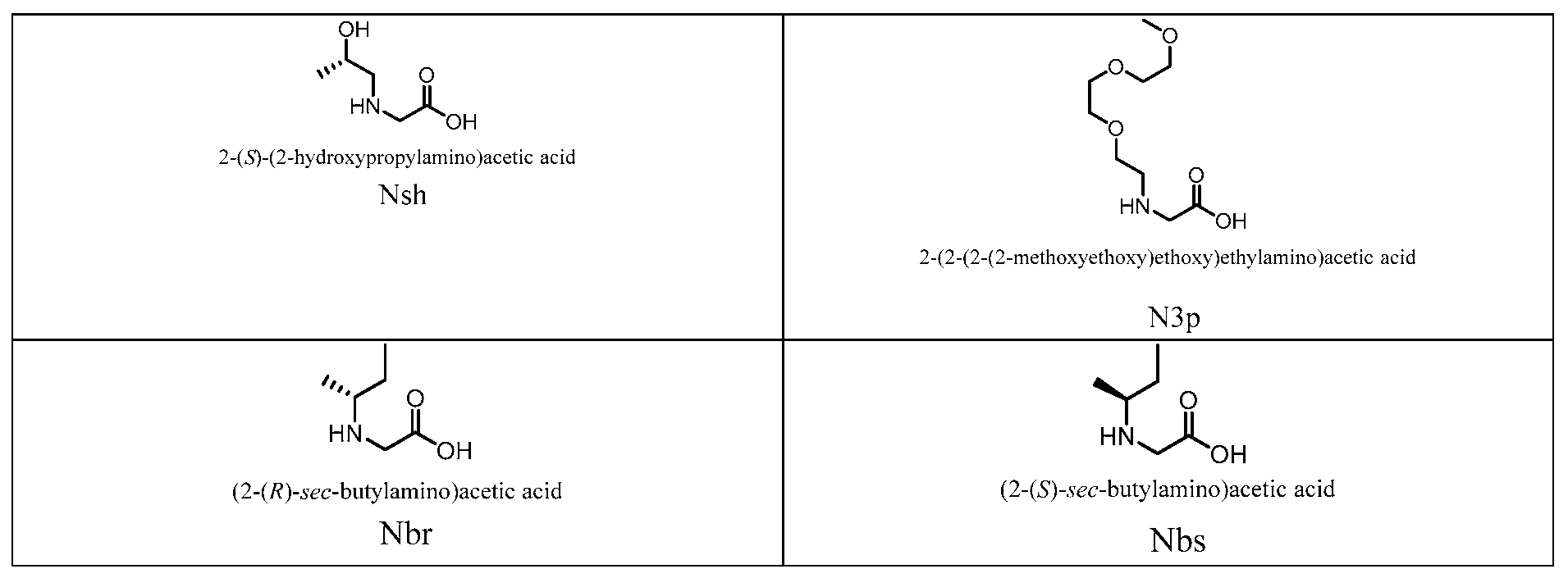


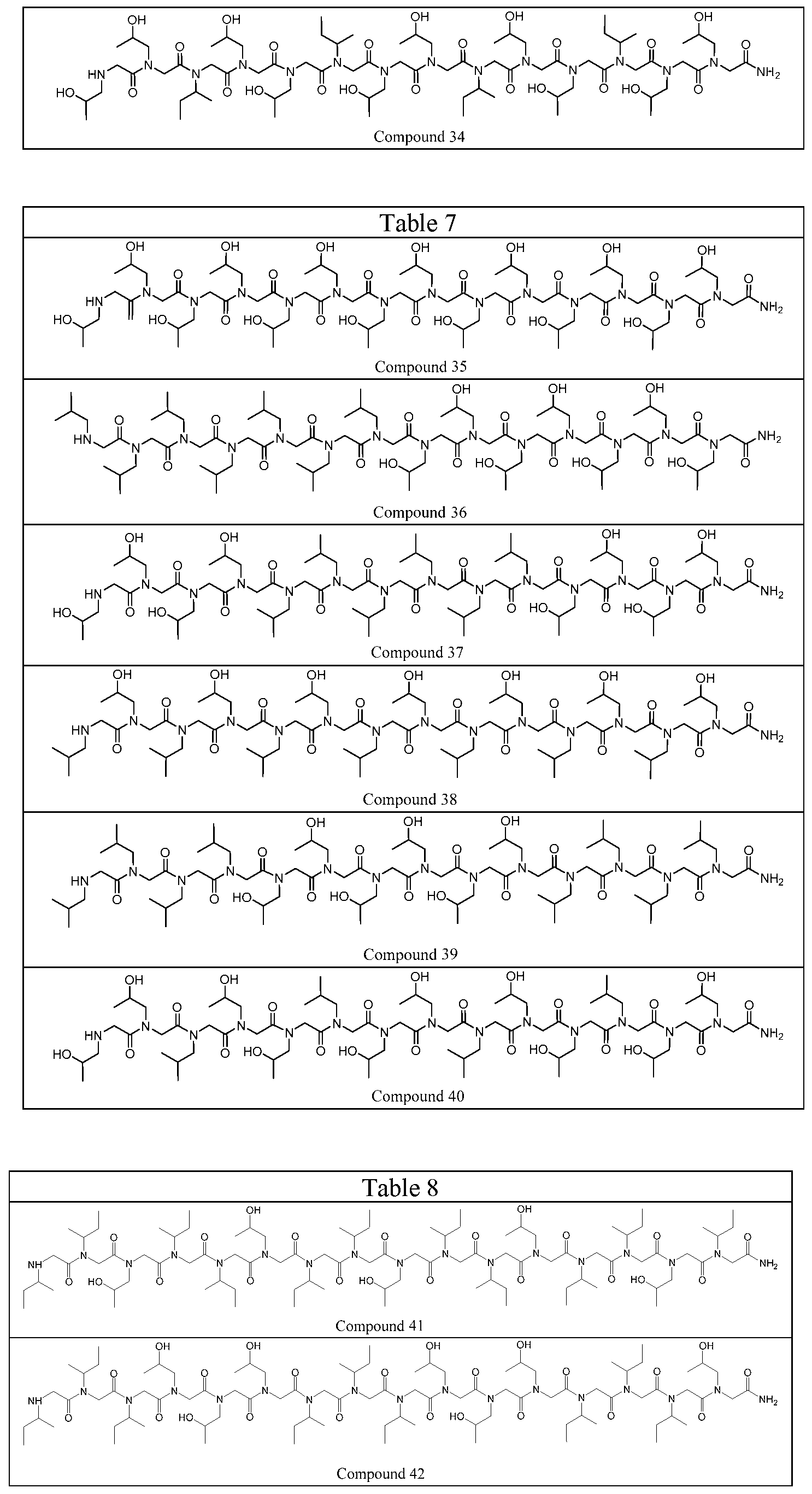





Claims


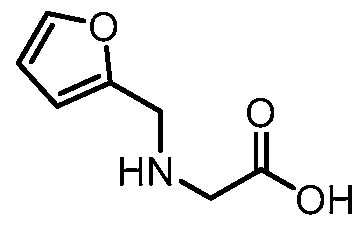


Priority Applications (9)
| Application Number | Priority Date | Filing Date | Title |
|---|---|---|---|
| CN202410627509.2A CN118680161A (en) | 2017-04-12 | 2018-04-11 | New supercooling method for preserving biological samples |
| EP18783980.8A EP3609324A4 (en) | 2017-04-12 | 2018-04-11 | NEW SUPER-COOLING PROCESS FOR THE PRESERVATION OF BIOLOGICAL SAMPLES |
| CN201880038857.9A CN110769689B (en) | 2017-04-12 | 2018-04-11 | New supercooling method for preserving biological samples |
| CA3057214A CA3057214A1 (en) | 2017-04-12 | 2018-04-11 | Novel supercooling methods for preservation of biological samples |
| JP2019555923A JP7253256B2 (en) | 2017-04-12 | 2018-04-11 | A novel supercooling method for the preservation of biological samples |
| AU2018250606A AU2018250606B2 (en) | 2017-04-12 | 2018-04-11 | Novel supercooling methods for preservation of biological samples |
| US16/583,895 US11564388B2 (en) | 2017-04-12 | 2019-09-26 | Supercooling methods for preservation of biological samples |
| US18/076,785 US12207647B2 (en) | 2017-04-12 | 2022-12-07 | Supercooling methods for preservation of biological samples |
| US18/984,135 US20250185646A1 (en) | 2017-04-12 | 2024-12-17 | Novel supercooling methods for preservation of biological samples |
Applications Claiming Priority (2)
| Application Number | Priority Date | Filing Date | Title |
|---|---|---|---|
| US201762484704P | 2017-04-12 | 2017-04-12 | |
| US62/484,704 | 2017-04-12 |
Related Child Applications (1)
| Application Number | Title | Priority Date | Filing Date |
|---|---|---|---|
| US16/583,895 Continuation US11564388B2 (en) | 2017-04-12 | 2019-09-26 | Supercooling methods for preservation of biological samples |
Publications (1)
| Publication Number | Publication Date |
|---|---|
| WO2018191371A1 true WO2018191371A1 (en) | 2018-10-18 |
Family
ID=63793524
Family Applications (1)
| Application Number | Title | Priority Date | Filing Date |
|---|---|---|---|
| PCT/US2018/027095 Ceased WO2018191371A1 (en) | 2017-04-12 | 2018-04-11 | Novel supercooling methods for preservation of biological samples |
Country Status (7)
| Country | Link |
|---|---|
| US (3) | US11564388B2 (en) |
| EP (1) | EP3609324A4 (en) |
| JP (1) | JP7253256B2 (en) |
| CN (2) | CN118680161A (en) |
| AU (1) | AU2018250606B2 (en) |
| CA (1) | CA3057214A1 (en) |
| WO (1) | WO2018191371A1 (en) |
Cited By (3)
| Publication number | Priority date | Publication date | Assignee | Title |
|---|---|---|---|---|
| CN109593044A (en) * | 2018-12-06 | 2019-04-09 | 盐城工学院 | A kind of alkyl fatty acid amide and preparation method thereof |
| US11564388B2 (en) | 2017-04-12 | 2023-01-31 | X-Therma, Inc. | Supercooling methods for preservation of biological samples |
| US11608414B2 (en) | 2017-04-12 | 2023-03-21 | X-Therma, Inc. | Peptoid polymers and methods of use |
Families Citing this family (4)
| Publication number | Priority date | Publication date | Assignee | Title |
|---|---|---|---|---|
| MX391259B (en) * | 2015-10-14 | 2025-03-21 | X Therma Inc | COMPOSITIONS AND METHODS FOR REDUCING ICE CRYSTAL FORMATION. |
| KR102142400B1 (en) * | 2018-06-19 | 2020-08-07 | 서울대학교산학협력단 | Medium composition for culturing porcine pluripotent stem cell |
| CN112471140A (en) * | 2020-12-22 | 2021-03-12 | 华中科技大学 | Protective solution for cell strain cryopreservation resuscitation and preparation method thereof |
| US20230408163A1 (en) * | 2022-06-09 | 2023-12-21 | Packaging Systems Cold Chain Llc | Cold supply chain packaging components and methods of transporting goods |
Citations (2)
| Publication number | Priority date | Publication date | Assignee | Title |
|---|---|---|---|---|
| US20130196369A1 (en) * | 2012-02-01 | 2013-08-01 | University Of Southern California | Methods of Culturing Retinal Pigmented Epithelium Cells, Including Xeno-Free Production, RPE Enrichment, and Cryopreservation |
| WO2017066454A2 (en) * | 2015-10-14 | 2017-04-20 | X-Therma, Inc. | Compositions and methods for reducing ice crystal formation |
Family Cites Families (9)
| Publication number | Priority date | Publication date | Assignee | Title |
|---|---|---|---|---|
| ES2117640T3 (en) * | 1990-01-17 | 1998-08-16 | Univ California | COMPOSITION TO IMPROVE THE SURVIVAL OF BIOLOGICAL MATERIALS. |
| US5358931A (en) * | 1990-01-17 | 1994-10-25 | The Regents Of The University Of California | Interaction of thermal hysteresis proteins with cells and cell membranes and associated applications |
| JP5726525B2 (en) | 2008-06-27 | 2015-06-03 | 株式会社バイオベルデ | Composition for cryopreservation of cells and tissues |
| WO2010017412A1 (en) * | 2008-08-06 | 2010-02-11 | The Regents Of The University Of California | Novel biomimetic peptoid polymers |
| GB201513444D0 (en) * | 2015-07-30 | 2015-09-16 | Univ Durham | Peptoid |
| JP6664738B2 (en) * | 2015-08-25 | 2020-03-13 | 国立研究開発法人産業技術総合研究所 | Peptides for biomaterial protection |
| CA3057150A1 (en) | 2017-04-12 | 2018-10-18 | X-Therma, Inc. | Novel peptoid polymers and methods of use |
| CN118680161A (en) | 2017-04-12 | 2024-09-24 | 先时迈纳米生物科技股份有限公司 | New supercooling method for preserving biological samples |
| WO2018232110A1 (en) | 2017-06-14 | 2018-12-20 | The General Hospital Corporation | High subzero cryopreservation |
-
2018
- 2018-04-11 CN CN202410627509.2A patent/CN118680161A/en active Pending
- 2018-04-11 CN CN201880038857.9A patent/CN110769689B/en active Active
- 2018-04-11 JP JP2019555923A patent/JP7253256B2/en active Active
- 2018-04-11 WO PCT/US2018/027095 patent/WO2018191371A1/en not_active Ceased
- 2018-04-11 EP EP18783980.8A patent/EP3609324A4/en active Pending
- 2018-04-11 CA CA3057214A patent/CA3057214A1/en active Pending
- 2018-04-11 AU AU2018250606A patent/AU2018250606B2/en active Active
-
2019
- 2019-09-26 US US16/583,895 patent/US11564388B2/en active Active
-
2022
- 2022-12-07 US US18/076,785 patent/US12207647B2/en active Active
-
2024
- 2024-12-17 US US18/984,135 patent/US20250185646A1/en active Pending
Patent Citations (2)
| Publication number | Priority date | Publication date | Assignee | Title |
|---|---|---|---|---|
| US20130196369A1 (en) * | 2012-02-01 | 2013-08-01 | University Of Southern California | Methods of Culturing Retinal Pigmented Epithelium Cells, Including Xeno-Free Production, RPE Enrichment, and Cryopreservation |
| WO2017066454A2 (en) * | 2015-10-14 | 2017-04-20 | X-Therma, Inc. | Compositions and methods for reducing ice crystal formation |
Non-Patent Citations (1)
| Title |
|---|
| HUANG ET AL.: "Biomimetic peptoid oligomers as dual-action antifreeze agents", PNAS, vol. 109, no. 49, 4 December 2012 (2012-12-04), pages 19922 - 19927, XP055225052 * |
Cited By (5)
| Publication number | Priority date | Publication date | Assignee | Title |
|---|---|---|---|---|
| US11564388B2 (en) | 2017-04-12 | 2023-01-31 | X-Therma, Inc. | Supercooling methods for preservation of biological samples |
| US11608414B2 (en) | 2017-04-12 | 2023-03-21 | X-Therma, Inc. | Peptoid polymers and methods of use |
| US12207647B2 (en) | 2017-04-12 | 2025-01-28 | X-Therma, Inc. | Supercooling methods for preservation of biological samples |
| US12391799B2 (en) | 2017-04-12 | 2025-08-19 | X-Therma, Inc. | Peptoid polymers and methods of use |
| CN109593044A (en) * | 2018-12-06 | 2019-04-09 | 盐城工学院 | A kind of alkyl fatty acid amide and preparation method thereof |
Also Published As
| Publication number | Publication date |
|---|---|
| AU2018250606B2 (en) | 2023-11-16 |
| EP3609324A1 (en) | 2020-02-19 |
| US20230292741A1 (en) | 2023-09-21 |
| AU2018250606A1 (en) | 2019-10-17 |
| JP7253256B2 (en) | 2023-04-06 |
| US11564388B2 (en) | 2023-01-31 |
| JP2020516652A (en) | 2020-06-11 |
| US20250185646A1 (en) | 2025-06-12 |
| EP3609324A4 (en) | 2021-02-17 |
| CN110769689B (en) | 2024-04-26 |
| US20200170241A1 (en) | 2020-06-04 |
| CA3057214A1 (en) | 2018-10-18 |
| US12207647B2 (en) | 2025-01-28 |
| CN118680161A (en) | 2024-09-24 |
| CN110769689A (en) | 2020-02-07 |
Similar Documents
| Publication | Publication Date | Title |
|---|---|---|
| US12137682B2 (en) | Compositions and methods for reducing ice crystal formation | |
| US12391799B2 (en) | Peptoid polymers and methods of use | |
| US12207647B2 (en) | Supercooling methods for preservation of biological samples | |
| HK1258922B (en) | Compositions and methods for reducing ice crystal formation |
Legal Events
| Date | Code | Title | Description |
|---|---|---|---|
| 121 | Ep: the epo has been informed by wipo that ep was designated in this application |
Ref document number: 18783980 Country of ref document: EP Kind code of ref document: A1 |
|
| ENP | Entry into the national phase |
Ref document number: 3057214 Country of ref document: CA |
|
| ENP | Entry into the national phase |
Ref document number: 2019555923 Country of ref document: JP Kind code of ref document: A |
|
| NENP | Non-entry into the national phase |
Ref country code: DE |
|
| ENP | Entry into the national phase |
Ref document number: 2018250606 Country of ref document: AU Date of ref document: 20180411 Kind code of ref document: A |
|
| ENP | Entry into the national phase |
Ref document number: 2018783980 Country of ref document: EP Effective date: 20191112 |