WO2018201898A1 - 资源调度方法及设备 - Google Patents
资源调度方法及设备 Download PDFInfo
- Publication number
- WO2018201898A1 WO2018201898A1 PCT/CN2018/083576 CN2018083576W WO2018201898A1 WO 2018201898 A1 WO2018201898 A1 WO 2018201898A1 CN 2018083576 W CN2018083576 W CN 2018083576W WO 2018201898 A1 WO2018201898 A1 WO 2018201898A1
- Authority
- WO
- WIPO (PCT)
- Prior art keywords
- resource
- indication information
- service data
- terminal device
- network device
- Prior art date
- Legal status (The legal status is an assumption and is not a legal conclusion. Google has not performed a legal analysis and makes no representation as to the accuracy of the status listed.)
- Ceased
Links
Images




Classifications
-
- H—ELECTRICITY
- H04—ELECTRIC COMMUNICATION TECHNIQUE
- H04W—WIRELESS COMMUNICATION NETWORKS
- H04W72/00—Local resource management
- H04W72/20—Control channels or signalling for resource management
- H04W72/21—Control channels or signalling for resource management in the uplink direction of a wireless link, i.e. towards the network
-
- H—ELECTRICITY
- H04—ELECTRIC COMMUNICATION TECHNIQUE
- H04W—WIRELESS COMMUNICATION NETWORKS
- H04W72/00—Local resource management
- H04W72/12—Wireless traffic scheduling
- H04W72/1263—Mapping of traffic onto schedule, e.g. scheduled allocation or multiplexing of flows
- H04W72/1268—Mapping of traffic onto schedule, e.g. scheduled allocation or multiplexing of flows of uplink data flows
-
- H—ELECTRICITY
- H04—ELECTRIC COMMUNICATION TECHNIQUE
- H04W—WIRELESS COMMUNICATION NETWORKS
- H04W72/00—Local resource management
- H04W72/04—Wireless resource allocation
-
- H—ELECTRICITY
- H04—ELECTRIC COMMUNICATION TECHNIQUE
- H04W—WIRELESS COMMUNICATION NETWORKS
- H04W72/00—Local resource management
- H04W72/12—Wireless traffic scheduling
-
- H—ELECTRICITY
- H04—ELECTRIC COMMUNICATION TECHNIQUE
- H04W—WIRELESS COMMUNICATION NETWORKS
- H04W72/00—Local resource management
- H04W72/12—Wireless traffic scheduling
- H04W72/1221—Wireless traffic scheduling based on age of data to be sent
-
- H—ELECTRICITY
- H04—ELECTRIC COMMUNICATION TECHNIQUE
- H04W—WIRELESS COMMUNICATION NETWORKS
- H04W72/00—Local resource management
- H04W72/20—Control channels or signalling for resource management
- H04W72/23—Control channels or signalling for resource management in the downlink direction of a wireless link, i.e. towards a terminal
-
- H—ELECTRICITY
- H04—ELECTRIC COMMUNICATION TECHNIQUE
- H04W—WIRELESS COMMUNICATION NETWORKS
- H04W72/00—Local resource management
- H04W72/50—Allocation or scheduling criteria for wireless resources
- H04W72/56—Allocation or scheduling criteria for wireless resources based on priority criteria
- H04W72/566—Allocation or scheduling criteria for wireless resources based on priority criteria of the information or information source or recipient
- H04W72/569—Allocation or scheduling criteria for wireless resources based on priority criteria of the information or information source or recipient of the traffic information
-
- H—ELECTRICITY
- H04—ELECTRIC COMMUNICATION TECHNIQUE
- H04W—WIRELESS COMMUNICATION NETWORKS
- H04W72/00—Local resource management
- H04W72/50—Allocation or scheduling criteria for wireless resources
- H04W72/56—Allocation or scheduling criteria for wireless resources based on priority criteria
- H04W72/566—Allocation or scheduling criteria for wireless resources based on priority criteria of the information or information source or recipient
Definitions
- the present application relates to communication technologies, and in particular, to a resource scheduling method and device.
- the Ultra Reliable Low Latency Communications (URLLC) service is introduced.
- the URLLC service is characterized by requiring a data transmission delay of less than 0.5 ms.
- the probability of successful data transmission is greater than or equal to 99.999%.
- the current 5G standard discusses a scheme for uplink transmission of data of a URLLC service by using an unlicensed Grant-free resource, which is a resource that enables a terminal device to perform data transmission in an arrive-and-go manner. .
- the network device pre-configures some Grant-free resources to the terminal device.
- the terminal device Once the terminal device has the URLLC service data, it will immediately transmit on the next Grant-free resource without sending a scheduling request to the network device (Scheduling Request, SR), the network device is not required to schedule the uplink resource for the terminal device and deliver the uplink scheduling grant UL grant.
- SR scheduling request
- a network device allocates a scheduling request (SR) resource to a terminal device, and the terminal device can send an uplink resource to the network device by sending an SR on the SR resource, and The network device sends Mobile Broadband (MBB) service data to the uplink resources allocated by the terminal device.
- SR scheduling request
- MBB Mobile Broadband
- the terminal device When the terminal device supports both the 5G communication system and the LTE communication system, the terminal device uses the Grant-free resource to apply for uplink resources or transmit data such as URLLC service data, MBB service data, etc., and the prior art does not provide a clear mechanism.
- the embodiment of the present invention provides a resource scheduling method and device, so as to implement a mechanism for a terminal device to apply for an uplink resource or transmit data by using a Grant-free resource.
- the application provides a resource scheduling method, where the method includes:
- the terminal device sends the first indication information to the network device by using the uplink pre-provisioning resource, where the first indication information is used to indicate the data volume of the data to be transmitted by the terminal device;
- the terminal device receives at least the second indication information sent by the network device, where the second indication information is used to indicate the uplink resource allocated by the network device to the terminal device, the to-be-transmitted data is sent on the uplink resource.
- the terminal device sends the first indication information to the network device by using the uplink provisioning resource, including:
- the terminal device sends the first information to the network device by using the uplink provisioning resource.
- An indication message If the buffer of the terminal device includes the first service data, and the uplink pre-provisioning resource corresponding to the terminal device is used to transmit the first indication information, the terminal device sends the first information to the network device by using the uplink provisioning resource. An indication message.
- the first indication information is used to indicate the amount of data of the first service data.
- the method further includes:
- the terminal device does not receive the second indication information sent by the network device before the next uplink provisioning resource of the uplink provisioning resource arrives, the first indication is sent again on the next uplink provisioning resource. information.
- the method further includes:
- the random access procedure is initiated.
- the second indication information sent by the network device is not received, and the random access procedure is initiated.
- the method further includes:
- the terminal device sends scheduling request information to the network device by using a scheduling request resource allocated by the network device;
- the terminal device does not receive the second indication information sent by the network device before the next uplink provisioning resource of the uplink provisioning resource arrives, the first indication is sent again on the next uplink provisioning resource. information;
- the scheduling request information is sent again on the next scheduling request resource.
- the method further includes:
- the scheduling request information allocated by the network device is sent to the network device to send scheduling request information
- the scheduling request resource allocated by the network device sends a scheduling to the network device. Request information.
- the method further includes:
- the scheduling request information is sent again on the next scheduling request resource
- the random access procedure is initiated.
- the second indication information sent by the network device is not received, and the random access procedure is initiated.
- the terminal device sends the first indication information to the network device by using the uplink provisioning resource, including:
- the terminal device sends the first indication information and part of the first service data to the network device by using an uplink provisioning resource.
- the terminal device receives at least the second indication information sent by the network device, sending the to-be-transmitted data on the uplink resource, including:
- the terminal device receives the acknowledgment feedback of the part of the first service data of the network device before receiving the second indication information sent by the network device, sending the remaining part of the first service data on the uplink resource;
- the terminal device does not receive the acknowledgment feedback of the first service data of the network device before receiving the second indication information sent by the network device, the first service data is sent on the uplink resource.
- the method further includes:
- the terminal device does not receive the second indication information sent by the network device before the next uplink provisioning resource of the uplink provisioning resource arrives, the first indication is sent again on the next uplink provisioning resource.
- Information and part of the first business data are
- the method further includes:
- the random access procedure is initiated.
- the terminal device sends the first indication information and the part of the first service data to the preset number of times, if the second indication information sent by the network device is not received, the random access procedure is initiated.
- the terminal device sends the first indication information to the network device by using the uplink provisioning resource, including:
- the terminal device sends the second service data and the first indication information to the network device by using the uplink provisioning resource, where the priority of the second service data is higher than the priority of the first service data.
- the method further includes:
- the terminal device If the terminal device does not receive the second indication information sent by the network device in the preset time period, the terminal device sends the scheduling request information to the network device by using the scheduling request resource allocated by the network device;
- the terminal device determines whether to send the second service data and the second information on the next uplink provisioning resource. An indication message.
- the terminal device determines whether to send the second service data and the first indication information again on the next uplink provisioning resource, including:
- the terminal device determines, according to the size of the second service data and the first indication information, and the delay budget of the second service data, whether to send the second service data and the first part on the next uplink provisioning resource.
- An indication message If the size of the second service data and the first indication information, and the delay budget of the second service data, whether to send the second service data and the first part on the next uplink provisioning resource.
- the terminal device determines, according to the size of the second service data and the first indication information, and the delay budget of the second service data, whether to send again on the next uplink provisioning resource.
- the second service data and the first indication information include:
- the size of the second service data and the first indication information is less than or equal to the size of the next uplink provisioning resource, determining to resend the second service data and the first indication on the next uplink provisioning resource information;
- the delay budget of the second service data is greater than a preset delay, determining the next uplink provisioning Sending part of the second service data and the first indication information on the resource;
- the size of the second service data and the first indication information is greater than the size of the next uplink provisioning resource, and the delay budget of the second service data is less than the preset delay, determining the next uplink provisioning The second service data is sent on the resource.
- the terminal device receives at least the second indication information sent by the network device, sending the to-be-transmitted data on the uplink resource, including:
- the terminal device receives the second indication information sent by the network device, and receives the second service data before the uplink resource indicated by the second indication information arrives, the second service data is sent on the uplink resource;
- the terminal device receives the second indication information sent by the network device, and does not receive the second service data before the uplink resource indicated by the second indication information arrives, the first service data is sent on the uplink resource.
- the method further includes:
- the random access procedure is initiated;
- the random access procedure is initiated.
- the first indication information is used to indicate the amount of data of the second service data.
- the terminal device sends the first indication information to the network device by using the uplink provisioning resource, including:
- the terminal device When the size of the uplink provisioning resource is smaller than the size of the second service data, the terminal device sends the first indication information and part of the second service data to the network device by using the uplink provisioning resource.
- the method further includes:
- the terminal device sends the second service data to the network device by using the uplink provisioning resource.
- the method further includes:
- the terminal device When the size of the uplink provisioning resource is smaller than the size of the second service data, the terminal device sends the remaining part to the network device by using the next uplink provisioning resource of the uplink provisioning resource or the next uplink resource of the uplink resource. Second business data.
- the first service data includes at least mobile bandwidth MBB service data
- the second service data includes at least ultra-high reliability low latency communication URL LC service data.
- the application provides a terminal device, including: a sending module and a receiving module;
- the sending module is configured to send, by using the uplink provisioning resource, the first indication information to the network device, where the first indication information is used to indicate the data volume of the data to be transmitted by the terminal device;
- the receiving module receives at least the second indication information sent by the network device
- the second indication information is used to indicate an uplink resource allocated by the network device to the terminal device
- the sending module is further configured to send the uplink resource. Data to be transmitted.
- the terminal device further includes: a storage module
- the sending module sends the first indication to the network device by using the uplink provisioning resource. information.
- the first indication information is used to indicate the amount of data of the first service data.
- the sending module if the receiving module does not receive the second indication information sent by the network device before the next uplink provisioning resource of the uplink provisioning resource arrives, the sending module is in the next uplink. The first indication information is sent again on the provisioning resource.
- the terminal device further includes: a processing module
- the processing module is configured to initiate a random access procedure by using the sending module
- the processing module is configured to initiate a random access procedure by using the sending module.
- the sending module after the sending module sends the first indication information to the network device by using the uplink provisioning resource, the sending module is further configured to send the scheduling request information to the network device by using the scheduling request resource allocated by the network device;
- the sending module is further configured to perform the next uplink provisioning resource again. Sending the first indication information
- the sending module is further configured to send the scheduling again on the next scheduling request resource. Request information.
- the sending module sends the scheduling request information to the network device by using the scheduling request resource allocated by the network device;
- the sending module sends the first indication information reaches the preset number of times, the receiving module does not receive the second indication information sent by the network device, and the sending module sends the scheduling request resource allocated by the network device to the network device. Send scheduling request information.
- the sending module is specifically configured to send the first indication information and part of the first service data to the network device by using an uplink provisioning resource.
- the sending module if the receiving module does not receive the second indication information sent by the network device before the next uplink provisioning resource of the uplink provisioning resource arrives, the sending module is in the next uplink. The first indication information and part of the first service data are sent again on the provisioning resource.
- the terminal device further includes: a processing module
- the processing module is configured to initiate a random access procedure by using the sending module
- the sending module sends the first indication information and the part of the first service data to the preset number of times
- the receiving module does not receive the second indication information sent by the network device, and the processing module is used to initiate by using the sending module. Random access process.
- the sending module is configured to send the second service data and the first indication information to the network device by using the uplink provisioning resource, where the priority of the second service data is higher than the priority of the first service data. level.
- the terminal device further includes: a processing module
- the sending module After the sending module sends the second service data and the first indication information to the network device by using the uplink provisioning resource, if the receiving module does not receive the second indication information sent by the network device within a preset time period, the sending module sends the module.
- the scheduling request resource allocated by the network device sends the scheduling request information to the network device; if the receiving module receives the next uplink provisioning resource of the uplink provisioning resource within a preset time period, the processing module determines whether to pass the The sending module sends the second service data and the first indication information again on the next uplink provisioning resource.
- the processing module initiates a random access procedure by using a sending module
- the processing module sends the The module initiates a random access procedure.
- the first indication information is used to indicate the amount of data of the second service data.
- the first service data includes at least mobile bandwidth MBB service data
- the second service data includes at least ultra-high reliability low latency communication URL LC service data.
- the application provides a terminal device, including: a transmitter and a receiver;
- the transmitter may be the transmitting module described in the above second aspect
- the receiver may be the receiving module described in the second aspect above.
- the terminal device further includes: a memory and a processor
- the memory may be the storage module described in the second aspect above, and the processor may be the processing module described in the second aspect above.
- Yet another aspect of the present application provides a computer readable storage medium having instructions stored therein that, when executed on a computer, cause the computer to perform the methods described in the above aspects.
- a further aspect of the present application provides a computer program product comprising instructions which, when run on a computer, cause the computer to perform the methods described in the various aspects above.
- the terminal device sends the first indication information to the network device by using the uplink provisioning resource, where the first indication information is used to indicate the data volume of the data to be transmitted by the terminal device, and when the terminal device supports the 5G communication system,
- the data to be transmitted may be MBB service data and/or URLLC service data
- the uplink provisioning resource may be a Grant-free resource
- the Grant-free resource may be used to transmit URLLC service data, when the data to be transmitted is
- the terminal device may also send the data volume of the MBB service data to the network device by using the Grant-free resource, so that the network device allocates the uplink resource to the terminal device according to the data volume of the MBB service data, and the terminal device sends the uplink resource through the uplink resource.
- MBB service data thereby realizing the mechanism for the terminal device to apply for uplink resources or transmit data by using Grant-free resources.
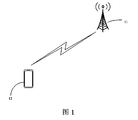
- FIG. 1 is a schematic diagram of a communication system according to an embodiment of the present application.
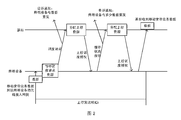
- FIG. 2 is a schematic diagram of a method for sending MBB service data according to an embodiment of the present disclosure
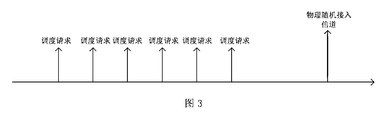
- FIG. 3 is a schematic diagram of another MBB service data sending method according to an embodiment of the present disclosure.
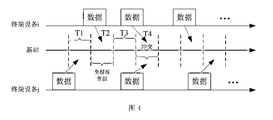
- FIG. 4 is a schematic diagram of a method for sending URLLC service data according to an embodiment of the present disclosure
- FIG. 5 is a schematic flowchart of a resource scheduling method according to an embodiment of the present disclosure.
- FIG. 6 is a schematic diagram of a scenario provided by an embodiment of the present application.
- FIG. 7 is a schematic flowchart diagram of another resource scheduling method according to an embodiment of the present disclosure.
- FIG. 8 is a schematic diagram of another scenario provided by an embodiment of the present application.
- FIG. 9 is a schematic flowchart of still another resource scheduling method according to an embodiment of the present application.
- FIG. 10 is a schematic diagram of still another scenario provided by an embodiment of the present application.
- FIG. 11 is a schematic flowchart diagram of still another resource scheduling method according to an embodiment of the present application.
- FIG. 12 is a schematic diagram of still another scenario provided by an embodiment of the present application.
- FIG. 13 is a schematic flowchart diagram of still another resource scheduling method according to an embodiment of the present application.
- FIG. 14 is a schematic diagram of still another scenario provided by an embodiment of the present application.
- FIG. 15 is a schematic flowchart diagram of still another resource scheduling method according to an embodiment of the present application.
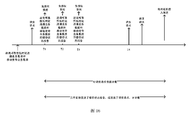
- FIG. 16 is a schematic diagram of still another scenario provided by an embodiment of the present application.
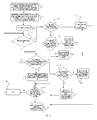
- FIG. 17 is a schematic flowchart diagram of still another resource scheduling method according to an embodiment of the present application.
- FIG. 18 is a schematic diagram of still another scenario provided by an embodiment of the present application.
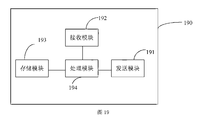
- FIG. 19 is a schematic structural diagram of a terminal device according to an embodiment of the present disclosure.
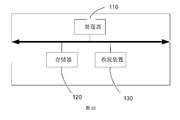
- FIG. 20 is a schematic structural diagram of another terminal device according to an embodiment of the present disclosure.
- FIG. 1 is a schematic diagram of a communication system according to an embodiment of the present disclosure, which includes a network device 11 and a user equipment (UE), where the network device 11 may be a network side device, for example, wireless fidelity (Wireless). -Fidelity, Wi-Fi) access point AP, base station for next generation communication, such as 5G gNB or small station, micro station, TRP, and may also be a relay station, an access point, an in-vehicle device, and the like.
- a network side device for example, wireless fidelity (Wireless).
- Wi-Fi Wi-Fi
- base station for next generation communication such as 5G gNB or small station, micro station, TRP, and may also be a relay station, an access point, an in-vehicle device, and the like.
- the terminal device 12 in this embodiment of the present application may refer to an access terminal, a subscriber unit, a subscriber station, a mobile station, a mobile station, a remote station, a remote terminal, a mobile device, a user terminal, a terminal, a user agent, or a user equipment.
- the access terminal may be a cellular phone, a cordless phone, a Session Initiation Protocol ("SSIP”) phone, a Wireless Local Loop (WLL) station, and a personal digital processing (Personal Digital) Assistant, referred to as "PDA"), a handheld device with wireless communication capabilities, a computing device or other processing device connected to a wireless modem, an in-vehicle device, a wearable device, a terminal in a 5G network, a station in a next-generation WIFI (Station) , STA) and so on.
- SSIP Session Initiation Protocol
- WLL Wireless Local Loop
- PDA Personal Digital Processing
- a network device allocates a scheduling request (SR) resource to a terminal device, and the terminal device can send an uplink scheduling resource to the network device by sending an SR on the SR resource, and The traditional Mobile Broadband (MBB) service data is sent on the uplink scheduling resource allocated by the network device to the terminal device.
- SR scheduling request
- MBB Mobile Broadband
- the Ultra Reliable Low Latency Communications (URLLC) service is introduced.
- the service requires a data transmission delay of less than 0.5 ms, and the probability of successful data transmission is greater than or equal to 99.999%. This requirement is much stricter than the existing Long Term Evolution (LTE) system.
- LTE Long Term Evolution
- the data of the URLLC service may be uplinked using the Grant-free resource.
- the prior art does not provide a clear mechanism for how the terminal device uses the Grant-free resource and the SR resource to transmit data or apply for uplink scheduling resources.
- the method for transmitting MBB service data in the LTE system and the method for transmitting the URLLC service data in the 5G network are specifically described below.
- FIG. 2 is a schematic diagram of a method for sending MBB service data according to an embodiment of the present disclosure.
- the UE starts to wait for a Scheduling Request (SR) resource, and the SR resource is a base station for each UE.
- SR Scheduling Request
- the SR period is configured by the sr-Config Index field of the IE:Scheduling Request Config, and the base station may send the SR resource on the physical uplink control channel (PUCCH) format 1 resource.
- the UE After receiving the SR resource sent by the base station, the UE sends an SR on the SR resource, and is used to notify the base station that the UE has data to send.
- PUCCH physical uplink control channel
- the base station After receiving the SR, the base station allocates a small amount of uplink resources to the UE. The resource is sufficient for the UE to send a Buffer Status Reports (BSR), and then the base station sends an uplink scheduling grant UL grant to the UE.
- the UL grant is used to indicate at which time and which carrier the UE can upload the BSR.
- the uplink resource indicated by the UL grant sends a BSR to the base station, and is used to inform the base station of how much data is to be sent by the base station.
- the base station After receiving the BSR, the base station allocates the uplink resource to the UE again, and sends a UL grant to the UE. In order to indicate at which time and which carrier the UE can upload the MBB service data, the UE sends the MBB service data to the base station according to the uplink resource indicated by the UL grant.
- the UE may continue to send the SR at the next SR timing until the SR sent by the UE reaches a certain number of times (for example, 6 times). If the UL grant is not received by the base station, the UE will initiate random access on the next Physical Random Access Channel (PRACH) resource. Random Access, RA) process.
- PRACH Physical Random Access Channel
- the time from when the UE receives the MBB service data to when the base station receives the MBB service data is the uplink transmission delay t.
- the delay requirement of the URLLC service may not be met.
- the current 5G standard discusses a scheme for uplink transmission of URLLC service data by using Grant-free resources. Grant-free transmission is to let the UE transmit data in an arrive-and-go manner. The base station first pre-configures the UE with some Grant-free resources. Once the UE has the URLLC service data arrives, the UE immediately transmits the next Grant-free resource without the need to initiate the SR to the base station or the base station as the UE. The uplink resource is scheduled and the UL grant is delivered. This transmission method greatly reduces the uplink transmission delay.
- multiple UEs can share the same Grant-free resource. If multiple UEs simultaneously transmit data on the same Grant-free resource, a collision occurs. In the event of a collision, the delay of the uplink transmission will increase.
- FIG. 4 is a schematic diagram of a method for sending URLLC service data according to an embodiment of the present disclosure.
- UEj and UEi share the same Grant-free resource.
- UEj and UEi do not transmit data on the same Grant-free resource.
- UEj and UEi are in the same block.
- Data is transmitted on the Grant-free resource, which causes a conflict.
- the Grant-free resource may be intensified. The delay of uplink transmission is intensified.
- the embodiment of the present application provides a resource scheduling method, and specifically provides the following embodiments. The following describes the embodiment in combination with specific scenarios:
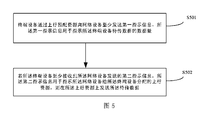
- FIG. 5 is a schematic flowchart diagram of a resource scheduling method according to an embodiment of the present disclosure.
- the method described in the embodiment of the present application is not only applicable to the 5G system, but the method described in the embodiment of the present application can be used as long as the uplink resource needs to be allocated by one of the two parties. As shown in FIG. 5, the method specifically includes the following steps:
- Step S501 The terminal device sends the first indication information to the network device by using the uplink provisioning resource, where the first indication information is used to indicate the data volume of the data to be transmitted by the terminal device.
- the terminal device takes the UE as an example, and the network device takes the base station as an example.
- the uplink provisioning resource may be an unauthorized resource, that is, a Grant-free resource, and the first indication information may be a buffer status report. Reports (BSR), the BSR is used to indicate the amount of data to be transmitted by the terminal device.
- BSR Reports
- the data to be transmitted is located in a cache of the terminal device, where the cache includes the first service data and/or the second service data, where the The first service data includes at least mobile bandwidth MBB service data, and the second service data includes at least ultra high reliability low latency communication URL LC service data.
- the UE sends the BSR to the base station by using the Grant-free resource, that is, the Grant-free resource can be used not only to transmit the URLLC service data, but also to transmit the BSR, where the BSR can indicate the data volume of the MBB service data, and can also indicate the URLLC.
- the amount of data of the service data may also indicate the amount of data of the MBB service data and the URLLC service data, and may also indicate the amount of data of all the data in the cache of the terminal device.
- the terminal device sends the first indication information to the network device by using the uplink provisioning resource
- the method is: if the buffer of the terminal device includes the first service data, and the uplink corresponding to the terminal device
- the pre-configured resource is used to transmit the first indication information
- the terminal device sends the first indication information to the network device by using the uplink provisioning resource.
- the UE sends the BSR to the mechanism by using the Grant-free resource.
- Whether the Grant-free resource can be used for transmitting the BSR may be pre-configured by the base station, may be determined by the UE, or may be specified by a communication protocol between the UE and the base station.
- Step S502 If the terminal device receives at least the second indication information sent by the network device, where the second indication information is used to indicate the uplink resource allocated by the network device to the terminal device, The to-be-transmitted data is sent on the resource.
- the second indication information may be an uplink scheduling grant UL grant
- the uplink resource may be an uplink scheduling resource.
- the base station After receiving the BSR sent by the UE, the base station allocates an uplink scheduling resource to the UE according to the BSR, and sends a UL grant to the UE.
- the UL grant is used to indicate the uplink scheduling resource allocated by the base station to the UE.
- the UE may send the MBB service data to the base station by using the uplink scheduling resource allocated by the base station to the UE; if the BSR indicates the data volume of the URLLC service data, the UE may send the URLLC service data to the base station by using the uplink scheduling resource allocated by the base station to the UE; if the BSR indicates For the data volume of the MBB service data and the URLLC service data, the UE may send the MBB service data and the URLLC service data to the base station by using the uplink scheduling resource allocated by the base station to the UE.
- the terminal device sends the first indication information to the network device by using the uplink provisioning resource, where the first indication information is used to indicate the data volume of the data to be transmitted by the terminal device, and when the terminal device supports the 5G communication system, the terminal device also supports
- the data to be transmitted may be MBB service data and/or URLLC service data
- the uplink provisioning resource may be a Grant-free resource, and the Grant-free resource may be used to transmit URLLC service data, when the data to be transmitted is MBB.
- the terminal device may also send the data volume of the MBB service data to the network device by using the Grant-free resource, so that the network device allocates the uplink resource to the terminal device according to the data volume of the MBB service data, and the terminal device sends the MBB by using the uplink resource.
- the service data implements a mechanism for the terminal device to apply for uplink resources or transmit data by using the Grant-free resource.
- the resource scheduling method may be divided into the following possible situations:
- One possible case is that the UE has only MBB service data.
- Another possibility is that the UE has both MBB service data and URLLC service data.
- Yet another possible scenario is that the UE has only URLLC service data.
- the following several possible situations are introduced separately in combination with specific scenarios.
- the first indication information is used to indicate the amount of data of the first service data, that is, the amount of data used by the BSR to indicate the MBB service data.
- the terminal device does not receive the second indication information sent by the network device before the next uplink provisioning resource of the uplink provisioning resource arrives, And transmitting the first indication information again on the next uplink provisioning resource.
- the random access procedure is initiated; or if the number of times the terminal device sends the first indication information reaches a preset number of times, The second indication information sent by the network device initiates a random access procedure. The details will be specifically described below with reference to FIGS. 6 and 7.
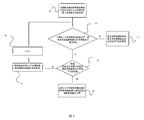
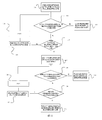
- FIG. 6 is a schematic diagram of a scenario provided by an embodiment of the present application.
- the BSR is sent by using the Grant-free resource, and after a certain number of times (for example, three times, the specific number of times in this embodiment is not limited), the RA process is initiated, or is sent. After a certain number of BSRs, if the UL grant sent by the base station has not been received, the RA process is initiated.
- the UE has only MBB service data, and the base station pre-configures the UE with a Grant-free resource, and the Grant-free resource may be shared by multiple UEs.
- the MBB service data reaches the UE side, the BSR that triggers the UE to generate the MBB service data is triggered.
- the subsequent process is as follows:
- Step 72 the UE determines whether the UE receives the UL grant delivered by the base station before the arrival of the i+1th Grant-free resource, if yes, step 73 is performed, otherwise step 74 is performed;
- Step 73 The UE sends MBB service data on an uplink scheduling resource indicated by the UL grant.
- Step 74 The UE determines whether the number of times the BSR has been sent is less than or equal to the preset number of times. If yes, step 75 is performed; otherwise, step 77 is performed;
- Step 75 The UE continues to send the BSR on the i+1th Grant-free resource.
- Step 77 The UE initiates an RA process on the PRACH resource that occurs after the i+1th Grant-free resource.
- the UE transmits the BSR of the MBB service data to the base station by using the Grant-free resource, and reduces the two steps of sending the SR and transmitting the BSR UL grant by the base station, thereby reducing the uplink transmission delay; Grant-free resources.
- the terminal device further includes: the terminal device passing the network.
- the scheduling request resource allocated by the device sends the scheduling request information to the network device; if the terminal device does not receive the first information sent by the network device before the next uplink provisioning resource of the uplink provisioning resource arrives And indicating, by the second indication information, the first indication information is sent again on the next uplink provisioning resource; if the terminal device does not receive the network before the next scheduling request resource of the scheduling request resource arrives And sending, by the device, the second indication information, the scheduling request information is sent again on the next scheduling request resource.
- the random access procedure is initiated; or if the terminal device sends the first indication information
- the second indication information sent by the network device is not received, and a random access procedure is initiated.
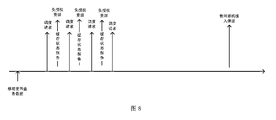
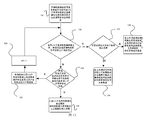
- FIG. 8 is a schematic diagram of another scenario provided by an embodiment of the present application.
- the SR is sent on the SR resource, and the BSR is sent on the Grant-free resource, and the two are uniformly counted.
- the RA process is initiated; or, After the number of times reaches a certain value, if the UL grant sent by the base station has not been received, the RA process is initiated.
- the UE has only MBB service data, and the base station pre-configured the UE with a Grant-free resource, and the Grant-free resource may be shared by multiple UEs.
- the MBB service data reaches the UE side, the UE generates a BSR for generating the MBB service data, and the subsequent process is as follows:
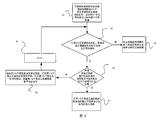
- step 92 the UE determines whether the UE receives the UL grant delivered by the base station before the arrival of the (i+1)th resource (the SR resource or the Grant-free resource). If yes, step 93 is performed; otherwise, step 94 is performed;
- Step 93 The UE sends the MBB service data on the uplink scheduling resource indicated by the UL grant.
- Step 94 the UE determines whether the total number of times the BSR and the SR have been sent is less than or equal to the preset number of times, if yes, step 95 is performed, otherwise step 97 is performed;
- Step 95 If the i+1th resource is an SR resource, continue to send the SR on the i+1th resource; if the i+1th resource is a Grant-free resource, continue on the i+1th resource. Send a BSR;
- Step 97 The UE initiates an RA process on the PRACH resource that occurs after the i+1th resource.
- the UE sends the BSR on the Grant-free resource by sending the SR of the MBB service data on the SR resource, so that the UE can apply for the uplink transmission resource on all available resources, thereby reducing the uplink transmission delay. At the same time, make full use of Grant-free resources.
- the network device does not receive the network device before the next uplink provisioning resource of the uplink provisioning resource arrives on the basis of the embodiment shown in FIG. Sending the second indication information, and sending the first indication information again on the next uplink provisioning resource. And if the number of times that the terminal device sends the first indication information reaches a preset number of times, sending, by using the scheduling request resource allocated by the network device, scheduling request information to the network device; or, if the terminal device sends the When the number of times of the first indication information reaches the preset number of times, the second indication information sent by the network device is not received, and the scheduling request information is sent to the network device by using the scheduling request resource allocated by the network device.
- the method further includes: if the terminal device does not receive the next scheduling request resource before the scheduling request resource arrives And sending, by the network device, the second indication information, the scheduling request information is sent again on the next scheduling request resource; if the number of times the terminal device sends the scheduling request information reaches a preset number of times, Or the random access process; or, if the number of times the terminal device sends the scheduling request information reaches a preset number of times, if the second indication information sent by the network device is not received, the random access procedure is initiated.
- the details will be specifically described below with reference to FIGS. 10 and 11.
- FIG. 10 is a schematic diagram of still another scenario provided by an embodiment of the present application.
- the BSR is sent on the Grant-free resource, and after a certain number of BSRs are sent, if the UL grant sent by the base station has not been received, the next SR resource is sent.
- the SR initiates an RA process after sending a certain number of SRs.
- the RA process is initiated.
- the UE has only MBB service data, and the base station pre-configured the UE with a Grant-free resource, and the Grant-free resource may be shared by multiple UEs.
- the BSR is triggered to generate the MBB service data. The subsequent process is as follows:
- Step 112 the UE determines whether the UE receives the UL grant delivered by the base station before the arrival of the i+1th Grant-free resource, if yes, step 113 is performed, otherwise step 114 is performed;
- Step 113 The UE sends MBB service data on an uplink scheduling resource indicated by the UL grant.
- Step 114 The UE determines whether the number of times the BSR has been sent is less than or equal to the preset number of times, if yes, step 115 is performed, otherwise step 117 is performed;
- Step 115 The UE continues to send the BSR on the i+1th Grant-free resource.
- Step 118 the UE determines whether the UE receives the UL grant delivered by the base station before the arrival of the j+1th SR resource, if yes, step 119 is performed; otherwise, step 120 is performed;
- Step 119 The UE sends the MBB service data on the uplink scheduling resource indicated by the UL grant.
- Step 120 The UE determines whether the number of times the SR has been sent is less than or equal to the preset number of times. If yes, step 121 is performed; otherwise, step 123 is performed;
- Step 121 The UE continues to send the SR on the j+1th SR resource.
- Step 122, j j+1, returning to step 118;
- Step 123 The UE initiates an RA process on the PRACH resource that occurs after the j+1 SR resources.
- the UE sends the BSR of the MBB service data on the Grant-free resource first, and if the UE cannot receive the UL grant due to the conflict on the Grant-free resource, the SR is further sent on the SR resource, and is reduced. Uplink transmission delay; also make full use of Grant-free resources.
- the terminal device sends the first indication information to the network device by using the uplink provisioning resource, including: the terminal device adopts uplink provisioning.
- the resource sends the first indication information and part of the first service data to the network device.
- the terminal device receives the second indication information that is sent by the network device, sending the to-be-transmitted data on the uplink resource, if the terminal device receives the network device and sends the Receiving the acknowledgment feedback of the part of the first service data by the network device, and transmitting the remaining part of the first service data on the uplink resource; if the terminal device is receiving the The second indication information sent by the network device does not receive the acknowledgement feedback of the part of the first service data by the network device, and the first service data is sent on the uplink resource. If the terminal device does not receive the second indication information sent by the network device before the next uplink provisioning resource of the uplink provisioning resource arrives, the terminal device again on the next uplink provisioning resource.
- FIG. 12 is a schematic diagram of still another scenario provided by an embodiment of the present application.
- the BSR and a small amount of MBB service data are sent on the Grant-free resource, and after the transmission reaches a certain number of times, the RA process is initiated; or, after the transmission reaches a certain number of times, if there is no
- the RA process is initiated.
- the UE has only MBB service data, and the base station pre-configures the UE with a Grant-free resource, and the Grant-free resource may be shared by multiple UEs.
- the MBB service data reaches the UE side, the BSR that triggers the UE to generate the MBB service data is triggered. The following process is as follows:
- step 132 the UE determines whether the UE receives the UL grant delivered by the base station before the arrival of the i+1th Grant-free resource, if yes, step 134 is performed, otherwise step 133 is performed;
- Step 133 the UE determines whether the number of times the BSR and the small amount of MBB service data have been sent is less than or equal to the preset number of times, if yes, step 135 is performed; otherwise, step 137 is performed;
- Step 134 The UE determines whether the ACK feedback sent by the base station is received, in addition to receiving the UL grant sent by the base station, if yes, step 138 is performed, otherwise step 139 is performed;
- Step 135 The UE continues to send the BSR and a small amount of MBB service data on the i+1th Grant-free resource.
- Step 137 Initiate an RA process on the PRACH resource that occurs after the i+1th Grant-free resource.
- Step 138 Send MBB service data remaining in addition to the foregoing small amount of MBB service data on an uplink scheduling resource indicated by the UL grant.
- the UE If the UE receives the ACK feedback in addition to the UL grant, the UE does not send the small amount of MBB service data previously sent on the Grant-free resource on the uplink scheduling resource indicated by the UL grant.
- Step 139 Send all MBB service data including the foregoing small amount of MBB service data on the uplink scheduling resource indicated by the UL grant.
- the UE If the UE receives only the UL grant and does not have ACK feedback, the UE also sends a small amount of MBB service data previously sent on the Grant-free resource on the uplink scheduling resource indicated by the UL grant.
- the UE reduces the uplink transmission delay by reducing the sending of the SR and the sending of the BSR UL grant by the base station by sending the BSR of the MBB service data and the small amount of the MBB service data on the Grant-free resource.
- the Grant-free resources are also fully utilized.
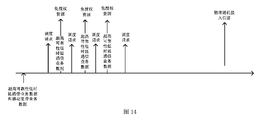
- FIG. 14 is a schematic diagram of still another scenario provided by an embodiment of the present application.
- the UE has both the URLLC service data and the MBB service data
- only the URLLC service data is sent on the Grant-free resource; the URLLC service data does not trigger the SR, and the MBB service data triggers the SR, and only counts the SR. If the UL grant has not been received after sending a certain number of SRs, the RA process is initiated.
- the UE has both the URLLC service data and the MBB service data.
- the base station pre-configured the UE with a Grant-free resource, and the Grant-free resource may be shared by multiple UEs.
- the UE sends URLLC service data and MBB service data as two relatively independent processes. The specific process is as follows:
- the UE When the URLLC service data arrives at the UE side, the UE sends the URL LC service data on the Grant-free resource that appears after receiving the URLLC service data. Specifically, the UE compares the size of one Grant-free resource currently present and the size of the URLLC service data. If the size of the URLLC service data is larger than the size of a currently-used Grant-free resource, the UE sends part of the URLLC service data on a currently-present Grant-free resource, and the remaining URLLC service data is sent on the next Grant-free resource. . If the size of the URLLC service data is less than or equal to the size of one Grant-free resource currently present, the UE sends all URLLC service data on one of the currently present Grant-free resources.
- the BSR and the SR that generate the MBB service data are triggered by the UE.
- the subsequent process is as follows:
- Step 152 The UE determines whether the UE receives the UL grant delivered by the base station before the arrival of the i+1th SR resource, if yes, step 153 is performed, otherwise step 154 is performed;
- Step 153 The UE sends MBB service data on an uplink scheduling resource indicated by the UL grant.
- Step 154 the UE determines whether the number of times the SR has been sent is less than or equal to the preset number of times, if yes, step 155 is performed, otherwise step 157 is performed;
- Step 155 The UE continues to send the SR on the i+1th SR resource.
- Step 157 The UE initiates an RA process on the PRACH resource that occurs after the i+1th SR resource.
- the UE sends the MBLC service data to the base station by using the SR+RA mode by sending the URLLC service data on the Grant-free resource, so that the data of the two services are respectively transmitted on different resources.
- the uplink transmission delay is reduced, and the Grant-free resources are also fully utilized.
- the terminal device sends the first indication information to the network device by using the uplink provisioning resource, including: the terminal, on the basis of the embodiment shown in FIG.
- the device sends the second service data and the first indication information to the network device by using the uplink provisioning resource, where the priority of the second service data is higher than the priority of the first service data.
- the method further includes: if the terminal device does not receive the information sent by the network device, within a preset time period The second indication information, the terminal device sends the scheduling request information to the network device by using the scheduling request resource allocated by the network device; if the terminal device receives the uplink provisioning resource within a preset time period The next uplink provisioning resource, the terminal device determines whether to send the second service data and the first indication information again on the next uplink provisioning resource.
- Determining, by the terminal device, that the second service data and the first indication information are sent again on the next uplink provisioning resource including: the terminal device according to the second service data and the first And indicating a size of the information, and a delay budget of the second service data, determining whether to send the second service data and the first indication information again on the next uplink provisioning resource. Determining, according to the size of the second service data and the first indication information, and the delay budget of the second service data, whether the terminal device sends the information again on the next uplink provisioning resource.
- the second service data and the first indication information if the size of the second service data and the first indication information is less than or equal to the size of the next uplink provisioning resource, determining that the next one is The second service data and the first indication information are sent again on the uplink provisioning resource; if the size of the second service data and the first indication information is greater than the size of the next uplink provisioning resource, and If the delay budget of the second service data is greater than the preset delay, determining to send part of the second service data and the first indication information on the next uplink provisioning resource; if the second service data and If the size of the first indication information is greater than the size of the next uplink provisioning resource, and the delay budget of the second service data is less than the preset delay, determining the next uplink provisioning Sending the second service data on the source.
- the terminal device receives the second indication information that is sent by the network device, sending the to-be-transmitted data on the uplink resource, if the terminal device receives the The second indication information, when the second service data is received before the uplink resource indicated by the second indication information arrives, the second service data is sent on the uplink resource; if the terminal device receives the The second indication information that is sent by the network device does not receive the second service data before the uplink resource indicated by the second indication information arrives, and sends the first service data on the uplink resource.
- a random access procedure is initiated if the total number of times the terminal device sends the first indication information and the number of times of the scheduling request information reaches a preset number of times; or, if the terminal device sends the first When the total number of times of indicating the number of times of information and the number of times of scheduling request information reaches a preset number of times, the second indication information sent by the network device is not received, and a random access procedure is initiated.
- the details will be specifically described below with reference to FIGS. 16 and 17.
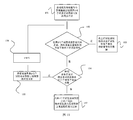
- FIG. 16 is a schematic diagram of still another scenario provided by an embodiment of the present application.
- the SR timer is started. For example, the SR timer is started at the time T1. If the UE uses the Grant-free resource to carry the BSR of the MBB service data again, the SR timer needs to be reset. For example, reset the SR timer at times T2 and T3.
- the SR is sent. For example, when the SR timer expires at time T4, and the UE has not received the UL grant, the SR is sent.
- the UE sends the URL of the URLLC service data and the MBB service data on the Grant-free resource depending on the size of the URL of the URLLC service data and the MBB service data and the delay budget of the URLLC service data, specifically, if the URLLC service data and the MBB If the size of the BSR of the service data is less than or equal to the size of the Grant-free resource, the BSR of the URLLC service data and the MBB service data is sent on the Grant-free resource.
- the delay budget of the URLLC service data needs to be further determined. If the URLLC service data is urgent, only the URLLC service data is sent on the Grant-free resource. If the URLLC service data is not urgent, the Grant-free resource is used. Send BSR and partial URLLC service data of MBB service data. If the BSR of the MBB service data is not carried on the Grant-free resource, the UE sends the SR as usual. If new URLLC uplink data arrives at the UE after the UE receives the UL grant, the newly arrived URLLC service data is sent on the uplink scheduling resource indicated by the UL grant, and the MBB service data is not sent.
- the UE has both the URLLC service data and the MBB service data.
- the base station pre-configured the UE with a Grant-free resource, and the Grant-free resource may be shared by multiple UEs.
- the specific process of the UE sending the URLLC service data and/or the MBB service data is as follows:
- Step 171 The UE does not send the BSR from the time when the URLLC service data is received to the time when the first SR resource occurs after the time, and then sends the SR on the first SR resource.
- Step 173 The UE starts an SR timer.
- Step 174 it is determined whether the SR timer expires, if it times out, step 175 is performed, otherwise step 180 is performed;
- Step 175 it is determined whether the UE receives the UL grant delivered by the base station, if yes, step 177 is performed, otherwise step 176 is performed;
- Step 176 the UE sends an SR to the base station in the SR resource; and step 185 is performed;
- Step 177 The UE determines whether the URL LC service data is received before the uplink scheduling resource indicated by the UL grant arrives. If yes, step 178 is performed; otherwise, step 179 is performed;
- Step 178 Send URLLC service data on an uplink scheduling resource indicated by the UL grant.
- Step 179 Send MBB service data on an uplink scheduling resource indicated by the UL grant.
- Step 180 Determine whether the size of the URLLC service data and the BSR is less than or equal to the size of the i+1th Grant-free resource, if yes, go to step 181, otherwise go to step 182;
- Step 181 Send the URLLC service data and the BSR again on the i+1th Grant-free resource; reset the SR timer.
- Step 182 determining whether the delay budget of the URLLC service data is less than the preset delay, if yes, executing step 184, otherwise performing step 183;
- Step 183 Send partial URLLC service data and BSR on the i+1th Grant-free resource; go to step 185;
- Step 184 Send only URLLC service data on the i+1th Grant-free resource; perform step 176;
- Step 185 the total number of times the UE has sent the BSR and the SR is less than or equal to the preset number of times, if yes, step 186 is performed, otherwise step 187 is performed;
- Step 187 Initiate an RA process on the PRACH resource that occurs after the i+1th Grant-free resource.
- the UE can not only send the URLLC service data but also the BSR of the MBB service data on the Grant-free resource, thereby reducing the uplink transmission delay and fully utilizing the Grant-free resource.
- the UE has only URLLC service data.
- the first indication information is used to indicate the amount of data of the second service data.
- the terminal device sends the first indication information to the network device by using the uplink pre-provisioning resource, where the terminal device passes the uplink pre-preparation when the size of the uplink pre-provisioning resource is smaller than the size of the second service data.
- the matching resource sends the first indication information and part of the second service data to the network device.
- the terminal device sends the second service data to the network device by using the uplink provisioning resource.
- the terminal device uses the next uplink provisioning resource of the uplink provisioning resource or the next uplink resource of the uplink resource to the network.
- the device transmits the remaining portion of the second service data.
- FIG. 18 is a schematic diagram of still another scenario provided by an embodiment of the present application. As shown in FIG. 18, when the UE has only URLLC service data, only the Grant-free resource is used for transmission.
- the URLLC service data can trigger the BSR or not, and the BSR is not triggered.
- the UE only has URLLC service data, and the base station pre-configures the UE with a Grant-free resource, and the Grant-free resource may be shared by multiple UEs.
- the URLLC service data arrives at the UE side, if the URLLC service data triggers the BSR, the UE sends the URLLC service data on the Grant-free resource that appears after receiving the URLLC service data. Specifically, the UE compares a currently present Grant-free resource. The size and the size of the URLLC service data. If the size of the URLLC service data is larger than the size of one Grant-free resource that currently appears, the UE sends part of the URLLC service data and the BSR on the currently present Grant-free resource, and the remaining URLLC.
- the BSR may be cancelled.
- the specific cancellation mode may be: the UE cancels the BSR after transmitting the transport block (TB) to the base station, or the UE sends the TB to the base station, and the UE cancels the acknowledgement feedback from the base station to the TB, and then cancels. BSR.
- the UE only has URLLC service data, and the base station pre-configures the UE with a Grant-free resource, and the Grant-free resource may be shared by multiple UEs.
- the URLLC service data arrives at the UE side, if the URLLC service data does not trigger the BSR, the UE sends the URLLC service data on the Grant-free resource that appears after receiving the URLLC service data. Specifically, the UE compares a currently present Grant-free. The size of the resource and the size of the URLLC service data. If the size of the URLLC service data is larger than the size of one of the currently present Grant-free resources, the UE sends part of the URLLC service data on a currently-present Grant-free resource, and the remaining URLLC service.
- the data is sent on the next Grant-free resource or the uplink scheduling resource indicated by the UL grant. If the size of the URLLC service data is less than or equal to the size of one Grant-free resource currently present, the UE sends all URLLC service data on one of the currently present Grant-free resources.
- the UE sends the URLLC service data on the Grant-free resource, whether the URLLC service data triggers the BSR, and the URLLC service data does not trigger the SR, which reduces the uplink transmission delay of the URLLC service data, and also fully utilizes Grant-free resources.
- the counting of the SR is performed by using the number of times of transmitting the SR.
- the counting manner of the SR is not limited. In other embodiments, the SR may be counted by the number of occurrences of the SR resource.
- the conditions for canceling the SR include the following possible cases:
- the BSR is sent, and the BSR contains the data volume information of the service that triggers the SR.
- the BSR is sent, and the BSR contains the data volume information of the service that triggers the SR, and receives the receiver confirmation feedback.
- Another possibility is to suspend the transmission of the SR when the following conditions are met:
- the BSR is sent, and the BSR contains the data volume information of the service that triggers the SR.
- FIG. 19 is a schematic structural diagram of a terminal device according to an embodiment of the present disclosure.
- the terminal device 190 includes a sending module 191 and a receiving module 192, where the sending module 191 is configured to send at least first indication information to the network device by using an uplink provisioning resource, where the first indication information is used to indicate the The amount of data to be transmitted by the terminal device; when the receiving module 192 receives at least the second indication information sent by the network device, the second indication information is used to indicate the uplink resource allocated by the network device to the terminal device, and the sending module 191 The method is further configured to send the to-be-transmitted data on the uplink resource.
- the terminal device further includes a storage module 193. If the first service data is stored in the storage module 193, and the uplink provisioning resource corresponding to the terminal device is used to transmit at least the first indication information, The module 191 sends the first indication information to the network device by using the uplink provisioning resource.
- the first indication information is used to indicate the amount of data of the first service data.
- the sending module 191 is in the next uplink pre- The first indication information is sent again on the matching resource.
- the terminal device further includes a processing module 194. If the number of times the sending module 191 sends the first indication information reaches a preset number of times, the processing module 194 is configured to initiate a random access procedure by using the sending module 191.
- the processing module 194 is configured to initiate a random connection by using the sending module 191, if the sending module 191 does not receive the second indication information sent by the network device. Into the process.
- the sending module 191 is configured to send the scheduling request information to the network device by using the scheduling request resource allocated by the network device after the first indication information is sent to the network device by using the uplink provisioning resource. And before the next uplink provisioning resource of the uplink provisioning resource arrives, the second indication information sent by the network device is not received, and the sending module 191 is further configured to send the second uplink resource on the next uplink provisioning resource.
- An indication information if the receiving module 192 does not receive the second indication information sent by the network device before the next scheduling request resource of the scheduling request resource arrives, the sending module 191 is further configured to request the resource in the next scheduling The scheduling request information is sent again.
- the sending module 191 if the number of times the sending the first indication information is sent by the sending module 191 reaches a preset number of times, the sending module 191 sends the scheduling request information to the network device by using the scheduling request resource allocated by the network device; or
- the sending module 191 sends the first indication information reaches the preset number of times, the receiving module 192 does not receive the second indication information sent by the network device, and the sending module 191 sends the scheduling request resource allocated by the network device to the The network device sends scheduling request information.
- the sending module 191 is specifically configured to send the first indication information and part of the first service data to the network device by using an uplink provisioning resource.
- the sending module 191 if the receiving module 192 does not receive the second indication information sent by the network device before the next uplink provisioning resource of the uplink provisioning resource arrives, the sending module 191 is in the next uplink pre- The first indication information and part of the first service data are sent again on the matching resource.
- the processing module 194 is configured to initiate a random access procedure by using the sending module 191, if the number of times the sending the first indication information and the part of the first service data is sent by the sending module 191 reaches a preset number of times.
- the processing module 194 is configured to pass the first indication information that is sent by the network device when the sending module 191 sends the first indication information and the part of the first service data to the preset number of times.
- the sending module 191 initiates a random access procedure.
- the sending module 191 is specifically configured to send the second service data and the first indication information to the network device by using the uplink provisioning resource, where the priority of the second service data is higher than the priority of the first service data.
- the sending module 191 sends the second service data and the first indication information to the network device by using the uplink provisioning resource
- the receiving module 192 does not receive the first information sent by the network device within a preset time period, The second indication information
- the sending module 191 sends the scheduling request information to the network device by using the scheduling request resource allocated by the network device; if the receiving module 192 receives the next uplink provisioning resource of the uplink provisioning resource within a preset time period
- the processing module 194 determines whether the second service data and the first indication information are sent again by the sending module 191 on the next uplink provisioning resource.
- the processing module 194 initiates a random access procedure by using the sending module 191.
- the receiving module 192 does not receive the second indication information sent by the network device, and the processing module The random access procedure is initiated by the transmitting module 191.
- the first indication information is used to indicate the amount of data of the second service data.
- the first service data includes at least mobile bandwidth MBB service data
- the second service data includes at least ultra-high reliability low latency communication URL LC service data.
- the terminal device of the embodiment shown in FIG. 19 can be used to perform the technical solution of the foregoing method embodiment, and the implementation principle and the technical effect are similar, and details are not described herein again.
- each module of the above terminal device is only a division of a logical function, and the actual implementation may be integrated into one physical entity in whole or in part, or may be physically separated.
- these units may all be implemented in the form of software by means of processing component calls; or may be implemented entirely in hardware; some units may be implemented by software in the form of processing component calls, and some units may be implemented in the form of hardware.
- the processing module 194 may be a separately set processing component, or may be integrated in a certain chip of the terminal device, or may be stored in a memory of the terminal device in the form of a program, and a processing component of the terminal device. Call and execute the functions of each of the above modules.
- the implementation of other units is similar.
- processing elements described herein can be an integrated circuit with signal processing capabilities.
- each step of the above method or each of the above modules may be completed by an integrated logic circuit of hardware in the processor element or an instruction in a form of software.
- the above units may be one or more integrated circuits configured to implement the above methods, such as one or more Application Specific Integrated Circuits (ASICs), or one or more microprocessors (digital) Singnal processor (DSP), or one or more Field Programmable Gate Array (FPGA).
- ASICs Application Specific Integrated Circuits
- DSP digital Singnal processor
- FPGA Field Programmable Gate Array
- the processing element can be a general purpose processor, such as a central processing unit (CPU) or other processor that can invoke the program.
- CPU central processing unit
- these units can be integrated and implemented in the form of a system-on-a-chip (SOC).
- SOC system-on-a-chip
- FIG. 20 is a schematic structural diagram of another terminal device according to an embodiment of the present disclosure.
- the terminal device 200 includes a processor 110, a memory 120, and a transceiver 130.
- the transceiver 130 can be coupled to an antenna.
- the transceiver 130 receives the information transmitted by the base station through the antenna, and transmits the information to the processor 110 for processing.
- the processor 110 processes the data of the terminal and transmits it to the base station through the transceiver 130.
- the memory 120 is used to store the program of the above method embodiment, or the modules of the embodiment shown in FIG. 19, and the processor 110 calls the program to perform the operations of the above method embodiments to implement the modules shown in FIG.
- part or all of the above modules may also be implemented by being embedded in a chip of the terminal in the form of an integrated circuit. And they can be implemented separately or integrated. That is, the above units may be configured to implement one or more integrated circuits of the above method, for example, one or more Application Specific Integrated Circuits (ASICs), or one or more microprocessors (digital singnal processor) , DSP), or one or more Field Programmable Gate Arrays (FPGAs).
- ASICs Application Specific Integrated Circuits
- microprocessors digital singnal processor
- FPGAs Field Programmable Gate Arrays
Landscapes
- Engineering & Computer Science (AREA)
- Computer Networks & Wireless Communication (AREA)
- Signal Processing (AREA)
- Mobile Radio Communication Systems (AREA)
Abstract
本申请实施例提供一种资源调度方法及设备。该方法包括:终端设备通过上行预配资源向网络设备至少发送第一指示信息,第一指示信息用于指示终端设备待传数据的数据量;若终端设备至少接收到网络设备发送的第二指示信息,第二指示信息用于指示网络设备给终端设备分配的上行资源,则在上行资源上发送待传数据。本申请实施例当待传数据是MBB业务数据时,终端设备可以通过Grant-free资源向网络设备发送MBB业务数据的数据量,以使网络设备给终端设备分配上行资源,终端设备通过该上行资源发送MBB业务数据,从而实现了终端设备利用Grant-free资源申请上行资源或传输数据的机制。
Description
本申请要求于2017年5月5日提交中国专利局、申请号为201710314147.1、申请名称为“资源调度方法及设备”的中国专利申请的优先权,其全部内容通过引用结合在本申请中。
本申请涉及通信技术,尤其涉及一种资源调度方法及设备。
第五代移动通信技术(5th Generation,5G)系统中,引入了超高可靠性低时延通信(Ultra Reliable Low Latency Communications,URLLC)业务,URLLC业务的特点是要求数据传输时延小于0.5ms,数据传输成功的概率大于等于99.999%。当前5G标准讨论已通过使用免授权Grant-free资源来对URLLC业务的数据进行上行传输的方案,Grant-free资源是指能让终端设备以一种arrive-and-go的方式进行数据传输的资源。网络设备给终端设备预先配置一些Grant-free资源,一旦终端设备有URLLC业务数据到达,就会立即在接下来的Grant-free资源上进行传输,而不需要向网络设备发起调度请求(Scheduling Request,SR),也不需要网络设备为终端设备调度上行资源并下发上行调度授权UL grant。
在长期演进(Long Term Evolution,LTE)系统中,网络设备给终端设备分配了调度请求(Scheduling Request,SR)资源,终端设备可通过在SR资源上发送SR以向网络设备申请上行资源,并在网络设备给终端设备分配的上行资源上发送移动宽带(Mobile Broad Band,MBB)业务数据。
当终端设备既支持5G通信系统,也支持LTE通信系统时,终端设备如何利用Grant-free资源申请上行资源或传输数据例如URLLC业务数据、MBB业务数据等,现有技术还没有提供明确的机制。
发明内容
本申请实施例提供一种资源调度方法及设备,以实现终端设备利用Grant-free资源申请上行资源或传输数据的机制。
第一方面,本申请提供一种资源调度方法,该方法包括:
终端设备通过上行预配资源向网络设备至少发送第一指示信息,该第一指示信息用于指示该终端设备待传数据的数据量;
若该终端设备至少接收到该网络设备发送的第二指示信息,该第二指示信息用于指示该网络设备给该终端设备分配的上行资源,则在该上行资源上发送该待传数据。
在一种可能的设计中,该终端设备通过上行预配资源向网络设备至少发送第一指示信息,包括:
若该终端设备的缓存中包括第一业务数据,且该终端设备对应的上行预配资源至少用于传输 该第一指示信息,则该终端设备通过该上行预配资源向该网络设备发送该第一指示信息。
在一种可能的设计中,该第一指示信息用于指示该第一业务数据的数据量。
在一种可能的设计中,该方法还包括:
若该终端设备在该上行预配资源的下一个上行预配资源到来之前,未接收到该网络设备发送的该第二指示信息,则在该下一个上行预配资源上再次发送该第一指示信息。
在一种可能的设计中,该方法还包括:
若该终端设备发送该第一指示信息的次数达到预设次数,则发起随机接入过程;或者
若该终端设备发送该第一指示信息的次数达到预设次数时,未接收到该网络设备发送的该第二指示信息,则发起随机接入过程。
在一种可能的设计中,该终端设备通过上行预配资源向网络设备至少发送第一指示信息之后,还包括:
该终端设备通过该网络设备分配的调度请求资源向该网络设备发送调度请求信息;
若该终端设备在该上行预配资源的下一个上行预配资源到来之前,未接收到该网络设备发送的该第二指示信息,则在该下一个上行预配资源上再次发送该第一指示信息;
若该终端设备在该调度请求资源的下一个调度请求资源到来之前,未接收到该网络设备发送的该第二指示信息,则在该下一个调度请求资源上再次发送该调度请求信息。
在一种可能的设计中,该方法还包括:
若该终端设备发送该第一指示信息的次数达到预设次数则通过该网络设备分配的调度请求资源向该网络设备发送调度请求信息;
或者,若该终端设备发送该第一指示信息的次数达到预设次数时,未接收到该网络设备发送的该第二指示信息,则通过该网络设备分配的调度请求资源向该网络设备发送调度请求信息。
在一种可能的设计中,该通过该网络设备分配的调度请求资源向该网络设备发送调度请求信息之后,还包括:
若该终端设备在该调度请求资源的下一个调度请求资源到来之前,未接收到该网络设备发送的该第二指示信息,则在该下一个调度请求资源上再次发送该调度请求信息;
若该终端设备发送该调度请求信息的次数达到预设次数,则发起随机接入过程;或者
若该终端设备发送该调度请求信息的次数达到预设次数时,未接收到该网络设备发送的该第二指示信息,则发起随机接入过程。
在一种可能的设计中,该终端设备通过上行预配资源向网络设备至少发送第一指示信息,包括:
该终端设备通过上行预配资源向网络设备发送该第一指示信息和部分第一业务数据。
在一种可能的设计中,该若该终端设备至少接收到该网络设备发送的第二指示信息,则在该上行资源上发送该待传数据,包括:
若该终端设备在接收到该网络设备发送的该第二指示信息之前接收到了该网络设备对部分第一业务数据的确认反馈,则在该上行资源上发送剩余部分的第一业务数据;
若该终端设备在接收到该网络设备发送的该第二指示信息之前没有接收到了该网络设备对部分第一业务数据的确认反馈,则在该上行资源上发送该第一业务数据。
在一种可能的设计中,该方法还包括:
若该终端设备在该上行预配资源的下一个上行预配资源到来之前,未接收到该网络设备发送 的该第二指示信息,则在该下一个上行预配资源上再次发送该第一指示信息和部分第一业务数据。
在一种可能的设计中,该方法还包括:
若该终端设备发送该第一指示信息和部分第一业务数据的次数达到预设次数,则发起随机接入过程;或者
若该终端设备发送该第一指示信息和部分第一业务数据的次数达到预设次数时,未接收到该网络设备发送的该第二指示信息,则发起随机接入过程。
在一种可能的设计中,该终端设备通过上行预配资源向网络设备至少发送第一指示信息,包括:
该终端设备通过上行预配资源向网络设备发送第二业务数据和该第一指示信息,该第二业务数据的优先级高于该第一业务数据的优先级。
在一种可能的设计中,该终端设备通过上行预配资源向网络设备发送第二业务数据和该第一指示信息之后,还包括:
若在预设时间段内该终端设备未接收到该网络设备发送的该第二指示信息,则该终端设备通过该网络设备分配的调度请求资源向该网络设备发送调度请求信息;
若在预设时间段内该终端设备接收到该上行预配资源的下一个上行预配资源,则该终端设备确定是否在该下一个上行预配资源上再次发送该第二业务数据和该第一指示信息。
在一种可能的设计中,该终端设备确定是否在该下一个上行预配资源上再次发送该第二业务数据和该第一指示信息,包括:
该终端设备根据该第二业务数据和该第一指示信息的大小,以及该第二业务数据的时延预算,确定是否在该下一个上行预配资源上再次发送该第二业务数据和该第一指示信息。
在一种可能的设计中,该终端设备根据该第二业务数据和该第一指示信息的大小,以及该第二业务数据的时延预算,确定是否在该下一个上行预配资源上再次发送该第二业务数据和该第一指示信息,包括:
若该第二业务数据和该第一指示信息的大小小于或等于该下一个上行预配资源的大小,则确定在该下一个上行预配资源上再次发送该第二业务数据和该第一指示信息;
若该第二业务数据和该第一指示信息的大小大于该下一个上行预配资源的大小,且该第二业务数据的时延预算大于预设时延,则确定在该下一个上行预配资源上发送部分第二业务数据和该第一指示信息;
若该第二业务数据和该第一指示信息的大小大于该下一个上行预配资源的大小,且该第二业务数据的时延预算小于预设时延,则确定在该下一个上行预配资源上发送该第二业务数据。
在一种可能的设计中,该若该终端设备至少接收到该网络设备发送的第二指示信息,则在该上行资源上发送该待传数据,包括:
若该终端设备接收到该网络设备发送的该第二指示信息,在该第二指示信息指示的上行资源到来之前接收到第二业务数据,则在该上行资源上发送该第二业务数据;
若该终端设备接收到该网络设备发送的该第二指示信息,在该第二指示信息指示的上行资源到来之前未接收到第二业务数据,则在该上行资源上发送该第一业务数据。
在一种可能的设计中,该方法还包括:
若该终端设备发送该第一指示信息的次数和该调度请求信息的次数的总次数达到预设次数,则发起随机接入过程;或者
若该终端设备发送该第一指示信息的次数和该调度请求信息的次数的总次数达到预设次数时,未接收到该网络设备发送的该第二指示信息,则发起随机接入过程。
在一种可能的设计中,该第一指示信息用于指示第二业务数据的数据量。
在一种可能的设计中,该终端设备通过上行预配资源向网络设备至少发送第一指示信息,包括:
当该上行预配资源的大小小于该第二业务数据的大小时,该终端设备通过该上行预配资源向网络设备发送该第一指示信息和部分第二业务数据。
在一种可能的设计中,该方法还包括:
若该上行预配资源的大小大于或等于该第二业务数据的大小,则该终端设备通过该上行预配资源向网络设备发送该第二业务数据。
在一种可能的设计中,该方法还包括:
当该上行预配资源的大小小于该第二业务数据的大小时,该终端设备通过该上行预配资源的下一个上行预配资源或该上行资源的下一个上行资源向网络设备发送剩余部分的第二业务数据。
在一种可能的设计中,该第一业务数据至少包括移动带宽MBB业务数据,该第二业务数据至少包括超高可靠性低时延通信URLLC业务数据。
第二方面,本申请提供一种终端设备,包括:发送模块和接收模块;
发送模块用于通过上行预配资源向网络设备至少发送第一指示信息,该第一指示信息用于指示该终端设备待传数据的数据量;
当该接收模块至少接收到该网络设备发送的第二指示信息时,该第二指示信息用于指示该网络设备给该终端设备分配的上行资源,发送模块还用于在该上行资源上发送该待传数据。
在一种可能的设计中,该终端设备还包括:存储模块;
若该存储模块中存储有第一业务数据,且该终端设备对应的上行预配资源至少用于传输该第一指示信息,则发送模块通过该上行预配资源向该网络设备发送该第一指示信息。
在一种可能的设计中,该第一指示信息用于指示该第一业务数据的数据量。
在一种可能的设计中,若该接收模块在该上行预配资源的下一个上行预配资源到来之前,未接收到该网络设备发送的该第二指示信息,则发送模块在该下一个上行预配资源上再次发送该第一指示信息。
在一种可能的设计中,该终端设备还包括:处理模块;
若发送模块发送该第一指示信息的次数达到预设次数,则该处理模块用于通过发送模块发起随机接入过程;或者
若发送模块发送该第一指示信息的次数达到预设次数时,该接收模块未接收到该网络设备发送的该第二指示信息,则该处理模块用于通过发送模块发起随机接入过程。
在一种可能的设计中,发送模块通过上行预配资源向网络设备至少发送第一指示信息之后,还用于通过该网络设备分配的调度请求资源向该网络设备发送调度请求信息;
若该接收模块在该上行预配资源的下一个上行预配资源到来之前,未接收到该网络设备发送的该第二指示信息,则发送模块还用于在该下一个上行预配资源上再次发送该第一指示信息;
若该接收模块在该调度请求资源的下一个调度请求资源到来之前,未接收到该网络设备发送的该第二指示信息,则发送模块还用于在该下一个调度请求资源上再次发送该调度请求信息。
在一种可能的设计中,若发送模块发送该第一指示信息的次数达到预设次数,则发送模块通 过该网络设备分配的调度请求资源向该网络设备发送调度请求信息;或者
若发送模块发送该第一指示信息的次数达到预设次数时,该接收模块未接收到该网络设备发送的该第二指示信息,则发送模块通过该网络设备分配的调度请求资源向该网络设备发送调度请求信息。
在一种可能的设计中,发送模块具体用于通过上行预配资源向网络设备发送该第一指示信息和部分第一业务数据。
在一种可能的设计中,若该接收模块在该上行预配资源的下一个上行预配资源到来之前,未接收到该网络设备发送的该第二指示信息,则发送模块在该下一个上行预配资源上再次发送该第一指示信息和部分第一业务数据。
在一种可能的设计中,该终端设备还包括:处理模块;
若发送模块发送该第一指示信息和部分第一业务数据的次数达到预设次数,则该处理模块用于通过发送模块发起随机接入过程;或者
若发送模块发送该第一指示信息和部分第一业务数据的次数达到预设次数时,该接收模块未接收到该网络设备发送的该第二指示信息,则该处理模块用于通过发送模块发起随机接入过程。
在一种可能的设计中,发送模块具体用于通过上行预配资源向网络设备发送第二业务数据和该第一指示信息,该第二业务数据的优先级高于该第一业务数据的优先级。
在一种可能的设计中,该终端设备还包括:处理模块;
发送模块通过上行预配资源向网络设备发送第二业务数据和该第一指示信息之后,若该接收模块在预设时间段内未接收到该网络设备发送的该第二指示信息,则发送模块通过该网络设备分配的调度请求资源向该网络设备发送调度请求信息;若该接收模块在预设时间段内接收到该上行预配资源的下一个上行预配资源,则该处理模块确定是否通过发送模块在该下一个上行预配资源上再次发送该第二业务数据和该第一指示信息。
在一种可能的设计中,若发送模块发送该第一指示信息的次数和该调度请求信息的次数的总次数达到预设次数,则该处理模块通过发送模块发起随机接入过程;或者
若发送模块发送该第一指示信息的次数和该调度请求信息的次数的总次数达到预设次数时,该接收模块未接收到该网络设备发送的该第二指示信息,则该处理模块通过发送模块发起随机接入过程。
在一种可能的设计中,该第一指示信息用于指示第二业务数据的数据量。
在一种可能的设计中,该第一业务数据至少包括移动带宽MBB业务数据,该第二业务数据至少包括超高可靠性低时延通信URLLC业务数据。
第三方面,本申请提供一种终端设备,包括:发送器和接收器;
该发送器可以是上述第二方面所述的发送模块,该接收器可以是上述第二方面所述的接收模块。
在一种可能的设计中,该终端设备还包括:存储器和处理器;
该存储器可以是上述第二方面所述的存储模块,该处理器可以是上述第二方面所述的处理模块。
本申请的又一方面提供了一种计算机可读存储介质,所述计算机可读存储介质中存储有指令,当其在计算机上运行时,使得计算机执行上述各方面所述的方法。
本申请的再一方面提供了一种包含指令的计算机程序产品,当其在计算机上运行时,使得计 算机执行上述各方面所述的方法。
可见,在以上各个方面,终端设备通过上行预配资源向网络设备至少发送第一指示信息,第一指示信息用于指示终端设备待传数据的数据量,当终端设备既支持5G通信系统,也支持LTE通信系统时,该待传数据可以是MBB业务数据和/或URLLC业务数据,上行预配资源具体可以是Grant-free资源,Grant-free资源可用于传输URLLC业务数据,当待传数据是MBB业务数据时,终端设备还可以通过Grant-free资源向网络设备发送MBB业务数据的数据量,以使网络设备根据MBB业务数据的数据量给终端设备分配上行资源,终端设备通过该上行资源发送MBB业务数据,从而实现了终端设备利用Grant-free资源申请上行资源或传输数据的机制。
图1为本申请实施例提供的一种通信系统示意图;
图2为本申请实施例提供的一种MBB业务数据发送方法的示意图;
图3为本申请实施例提供的另一种MBB业务数据发送方法的示意图;
图4为本申请实施例提供的一种URLLC业务数据发送方法的示意图;
图5为本申请实施例提供的一种资源调度方法的流程示意图;
图6为本申请实施例提供的一种场景示意图;
图7为本申请实施例提供的另一种资源调度方法的流程示意图;
图8为本申请实施例提供的另一种场景示意图;
图9为本申请实施例提供的再一种资源调度方法的流程示意图;
图10为本申请实施例提供的再一种场景示意图;
图11为本申请实施例提供的又一种资源调度方法的流程示意图;
图12为本申请实施例提供的又一种场景示意图;
图13为本申请实施例提供的又一种资源调度方法的流程示意图;
图14为本申请实施例提供的又一种场景示意图;
图15为本申请实施例提供的又一种资源调度方法的流程示意图;
图16为本申请实施例提供的又一种场景示意图;
图17为本申请实施例提供的又一种资源调度方法的流程示意图;
图18为本申请实施例提供的又一种场景示意图;
图19为本申请实施例提供的一种终端设备的结构示意图;
图20为本申请实施例提供的另一种终端设备的结构示意图。
本申请实施例可应用于各种类型的的通信系统。图1为本申请实施例提供的一种通信系统示意图,其中,包括网络设备11和终端设备12(User Equipment,UE),其中,网络设备11可以是网络侧设备,例如,无线保真(Wireless-Fidelity,Wi-Fi)的接入点AP、下一代通信的基站,如5G的gNB或小站、微站,TRP,还可以是中继站、接入点、车载设备等。本申请实施例中的终端设备12可以指接入终端、用户单元、用户站、移动站、移动台、远方站、远程终端、移动设备、用户终端、终端、用户代理或用户装置。接入终端可以是蜂窝电话、无绳电话、会话启动协议 (Session Initiation Protocol,简称为“SIP”)电话、无线本地环路(Wireless Local Loop,简称为“WLL”)站、个人数字处理(Personal Digital Assistant,简称为“PDA”)、具有无线通信功能的手持设备、计算设备或连接到无线调制解调器的其它处理设备、车载设备、可穿戴设备,5G网络中的终端,下一代WIFI中的站(Station,STA)等。
在长期演进(Long Term Evolution,LTE)系统中,网络设备给终端设备分配了调度请求(Scheduling Request,SR)资源,终端设备可通过在SR资源上发送SR以向网络设备申请上行调度资源,并在网络设备给终端设备分配的上行调度资源上发送传统的移动宽带(Mobile Broad Band,MBB)业务数据。
在5G网络中,引入了超高可靠性低时延通信(Ultra Reliable Low Latency Communications,URLLC)业务,该业务要求数据传输时延小于0.5ms,数据传输成功的概率大于等于99.999%。这个要求比现有的长期演进(Long Term Evolution,LTE)系统严格很多。为了满足URLLC业务的需求,可以使用Grant-free资源对URLLC业务的数据进行上行传输。
当终端设备既支持5G通信系统,也支持LTE通信系统时,终端设备如何利用Grant-free资源和SR资源传输数据或申请上行调度资源,现有技术还没有提供明确的机制。
下面具体介绍在LTE系统中MBB业务数据的发送方法,以及在5G网络中URLLC业务数据的发送方法。
图2为本申请实施例提供的一种MBB业务数据发送方法的示意图。如图2所示,当MBB业务数据到达UE的无线接入网(Radio Access Network,简称RAN)侧时,UE开始等待调度请求(Scheduling Request,简称SR)资源,SR资源是基站为每个UE分配的一个专用资源。SR的周期是通过IE:Scheduling Request Config的sr-Config Index字段配置的,基站可以在物理上行控制信道(Physical Uplink Control Channel,PUCCH)format 1资源上发送SR资源。当UE接收到基站下发的SR资源后,在SR资源上发送SR,用于告诉基站UE有数据要发送,基站接收到SR后,给UE先分配一少部分上行资源,该一少部分上行资源足够UE发送缓存状态报告(Buffer Status Reports,BSR),之后基站向UE下发上行调度授权UL grant,UL grant用于指示UE可以在哪个时间、哪个载波以哪种调制编码方式上传BSR,UE通过该UL grant指示的上行资源向基站发送BSR,用于告诉基站UE有多少数据要发送,基站接收到BSR后,再次给UE分配上行资源,并向UE下发UL grant,此时UL grant用于指示UE可以在哪个时间、哪个载波以哪种调制编码方式上传MBB业务数据,UE根据该UL grant指示的上行资源向基站发送MBB业务数据。
如图3所示,如果UE向基站发送了SR后,没有收到基站下发的UL grant,则UE可以在下一个SR时机继续发送SR,直到UE发送的SR达到了一定的次数(例如6次,本申请实施例不限定具体的次数)还没有收到基站下发的UL grant时,UE就会在接下来的物理随机接入信道(Physical Random Access Channel,PRACH)资源上发起随机接入(Random Access,RA)过程。
根据图2可知,从UE接收MBB业务数据到基站接收到MBB业务数据的时间是上行发送时延t。对于一个既有URLLC业务又有MBB业务的UE,如果只用如图3所示的SR+RA方式来申请上行资源进行上行传输,可能满足不了URLLC业务的时延需求。
当前5G标准讨论已通过使用Grant-free资源来对URLLC业务数据进行上行传输的方案。Grant-free传输方式就是让UE以一种arrive-and-go的方式进行数据传输。基站首先给UE预配一些Grant-free资源,一旦UE有URLLC业务数据到达,UE就会立即在接下来的Grant-free资源上进行传输,而不需要向基站发起SR,也不需要基站为UE调度上行资源并下发UL grant。通 过这种传输方式极大地减小了上行传输时延。
但是多个UE可以共用相同的Grant-free资源,如果多个UE同时在同一块Grant-free资源上进行数据传输,那么就会产生冲突。一旦发生冲突,上行传输的时延就会有所增加。
图4为本申请实施例提供的一种URLLC业务数据发送方法的示意图。如图4所示,UEj和UEi共用相同的Grant-free资源,在T1时刻和T2时刻,UEj和和UEi不在同一块Grant-free资源上传输数据,在T4时刻,UEj和和UEi在同一块Grant-free资源上传输数据,即产生冲突。对于一个既有URLLC业务又有MBB业务的UE,如果只采用如图4所示的Grant-free资源发送URLLC业务数据和/或MBB业务数据,可能会造成Grant-free资源上的冲突加剧,导致上行传输的时延加剧。
综上所述,对于一个既有URLLC业务又有MBB业务的UE,如果只用如图3所示的SR+RA方式来申请上行资源并上行传输URLLC业务数据和/或MBB业务数据,可能满足不了URLLC业务的时延需求;如果只用如图4所示的Grant-free资源发送URLLC业务数据和/或MBB业务数据,可能会造成Grant-free资源上的冲突加剧,导致上行传输的时延加剧,因此,需要同时利用Grant-free资源和SR资源传输数据或申请上行调度资源,但是,如何同时利用Grant-free资源和SR资源传输数据或申请上行调度资源,现有技术还没有提供明确的机制。为解决该问题,本申请实施例提供了一种资源调度方法,具体提供了如下几种实施例,下面结合具体场景对实施例进行说明:
图5为本申请实施例提供的一种资源调度方法的流程示意图。本申请实施例所述的方法不仅适用于5G系统,只要上行资源需要由通信双方的一方进行分配,均可使用本申请实施例所述的方法,下面以5G系统为例介绍资源调度方法,如图5所示,该方法具体包括如下步骤:
步骤S501、终端设备通过上行预配资源向网络设备至少发送第一指示信息,所述第一指示信息用于指示所述终端设备待传数据的数据量。在本申请实施例中,终端设备以UE为例,网络设备以基站为例,上行预配资源具体可以是免授权资源即Grant-free资源,第一指示信息具体可以是缓存状态报告(Buffer Status Reports,BSR),BSR用于指示终端设备待传数据的数据量,具体的,待传数据位于终端设备的缓存中,缓存中包括第一业务数据和/或第二业务数据,其中,所述第一业务数据至少包括移动带宽MBB业务数据,所述第二业务数据至少包括超高可靠性低时延通信URLLC业务数据。
具体的,UE通过Grant-free资源向基站发送BSR,即Grant-free资源不仅可以用于传输URLLC业务数据,还可以用于传输BSR,该BSR可以指示MBB业务数据的数据量,也可以指示URLLC业务数据的数据量,还可以指示MBB业务数据和URLLC业务数据的数据量,还可以指示终端设备的缓存中所有的数据的数据量。
在本申请实施例中,终端设备通过上行预配资源向网络设备至少发送第一指示信息的一种可实现的方式是:若终端设备的缓存中包括第一业务数据,且终端设备对应的上行预配资源至少用于传输第一指示信息,则终端设备通过上行预配资源向网络设备发送第一指示信息。具体的,当UE的缓存中包括MBB业务数据,且UE对应的Grant-free资源至少可以用于传输BSR,则UE通过Grant-free资源向机制发送BSR。其中,Grant-free资源是否可以用于传输BSR,可以是基站预先配置的,也可以是UE决定的,还可以是UE和基站之间的通信协议规定的。
步骤S502、若所述终端设备至少接收到所述网络设备发送的第二指示信息,所述第二指示信息用于指示所述网络设备给所述终端设备分配的上行资源,则在所述上行资源上发送所述待传数据。
在本申请实施例中,第二指示信息具体可以是上行调度授权UL grant,上行资源具体可以是上行调度资源。基站接收到UE发送的BSR后,根据BSR给UE分配上行调度资源,并向UE发送UL grant,UL grant用于指示基站给UE分配的上行调度资源,如果BSR指示MBB业务数据的数据量,则UE可通过基站给UE分配的上行调度资源向基站发送MBB业务数据;如果BSR指示URLLC业务数据的数据量,则UE可通过基站给UE分配的上行调度资源向基站发送URLLC业务数据;如果BSR指示MBB业务数据和URLLC业务数据的数据量,则UE可通过基站给UE分配的上行调度资源向基站发送MBB业务数据和URLLC业务数据。
本申请实施例中,终端设备通过上行预配资源向网络设备至少发送第一指示信息,第一指示信息用于指示终端设备待传数据的数据量,当终端设备既支持5G通信系统,也支持LTE通信系统时,该待传数据可以是MBB业务数据和/或URLLC业务数据,上行预配资源具体可以是Grant-free资源,Grant-free资源可用于传输URLLC业务数据,当待传数据是MBB业务数据时,终端设备还可以通过Grant-free资源向网络设备发送MBB业务数据的数据量,以使网络设备根据MBB业务数据的数据量给终端设备分配上行资源,终端设备通过该上行资源发送MBB业务数据,从而实现了终端设备利用Grant-free资源申请上行资源或传输数据的机制。
在本申请实施例中,资源调度方法可分为如下几种可能的情况:一种可能的情况是:UE只有MBB业务数据。另一种可能的情况是:UE既有MBB业务数据,也有URLLC业务数据。再一种可能的情况是:UE只有URLLC业务数据。下面结合具体场景分别对以上几种可能的情况进行介绍。
一种可能的情况是:UE只有MBB业务数据。在这种情况下,所述第一指示信息用于指示所述第一业务数据的数据量,即BSR用于指示MBB业务数据的数据量。在图5所示实施例的基础上,若所述终端设备在所述上行预配资源的下一个上行预配资源到来之前,未接收到所述网络设备发送的所述第二指示信息,则在所述下一个上行预配资源上再次发送所述第一指示信息。若所述终端设备发送所述第一指示信息的次数达到预设次数,则发起随机接入过程;或者若所述终端设备发送所述第一指示信息的次数达到预设次数时,未接收到所述网络设备发送的所述第二指示信息,则发起随机接入过程。下面结合图6和图7具体说明。
图6为本申请实施例提供的一种场景示意图。如图6所示,当UE只有MBB业务数据时,使用Grant-free资源发送BSR,发送一定次数(例如3次,本申请实施例不限定具体的次数)BSR后,发起RA过程,或者,发送一定次数BSR后,若还没有收到基站下发的UL grant,则发起RA过程。
在如图6所示的场景下,UE只有MBB业务数据,基站预先给UE配置有Grant-free资源,Grant-free资源可以是多个UE共用的。当MBB业务数据到达UE侧时,触发UE生成MBB业务数据的BSR,后续过程如图7所示的如下步骤:
步骤71、UE在接收到MBB业务数据后出现的第i=1个Grant-free资源上发送BSR;
步骤72、UE判断在第i+1个Grant-free资源到来之前,UE是否接收到基站下发的UL grant,如果是则执行步骤73,否则执行步骤74;
步骤73、UE在UL grant指示的上行调度资源上发送MBB业务数据;
步骤74、UE判断已发送BSR的次数是否小于或等于预设次数,如果是则执行步骤75,否则执行步骤77;
步骤75、UE在第i+1个Grant-free资源上继续发送BSR;
步骤76、i=i+1,返回到步骤72;
步骤77、UE在第i+1个Grant-free资源之后出现的PRACH资源上发起RA过程。
本申请实施例中,UE通过在Grant-free资源上向基站发送MBB业务数据的BSR,减少了发送SR以及基站下发BSR UL grant两个步骤,减小了上行传输时延;同时也充分利用了Grant-free资源。
在UE只有MBB业务数据的情况下,在图5所示实施例的基础上,终端设备通过上行预配资源向网络设备至少发送第一指示信息之后,还包括:所述终端设备通过所述网络设备分配的调度请求资源向所述网络设备发送调度请求信息;若所述终端设备在所述上行预配资源的下一个上行预配资源到来之前,未接收到所述网络设备发送的所述第二指示信息,则在所述下一个上行预配资源上再次发送所述第一指示信息;若所述终端设备在所述调度请求资源的下一个调度请求资源到来之前,未接收到所述网络设备发送的所述第二指示信息,则在所述下一个调度请求资源上再次发送所述调度请求信息。若所述终端设备发送所述第一指示信息的次数和所述调度请求信息的次数的总次数达到预设次数,则发起随机接入过程;或者若所述终端设备发送所述第一指示信息的次数和所述调度请求信息的次数的总次数达到预设次数时,未接收到所述网络设备发送的所述第二指示信息,则发起随机接入过程。下面结合图8和图9具体说明。
图8为本申请实施例提供的另一种场景示意图。如图8所示,当UE只有MBB业务数据时,在SR资源上发送SR,在Grant-free资源上发送BSR,两者统一计数,发送的次数达到一定值后,发起RA过程;或者,发送的次数达到一定值后,若还没有收到基站下发的UL grant,则发起RA过程。
在如图8所示的场景下,UE只有MBB业务数据,基站预先给UE配置有Grant-free资源,Grant-free资源可以是多个UE共用的。当MBB业务数据到达UE侧时,触发UE生成MBB业务数据的BSR,后续过程如图9所示的如下步骤:
步骤91、若在UE接收到MBB业务数据后出现的第i=1个资源是SR资源,则UE在SR资源上发送SR;若在UE接收到MBB业务数据后出现的第i=1个资源是Grant-free资源,则UE在Grant-free资源上发送BSR;
步骤92、UE判断在第i+1个资源(SR资源或Grant-free资源)到来之前,UE是否接收到基站下发的UL grant,如果是则执行步骤93,否则执行步骤94;
步骤93、UE在UL grant指示的上行调度资源上发送MBB业务数据;
步骤94、UE判断已发送BSR和SR的总次数是否小于或等于预设次数,如果是则执行步骤95,否则执行步骤97;
步骤95、如果第i+1个资源是SR资源,则在第i+1个资源上继续发送SR;如果第i+1个资源是Grant-free资源,则在第i+1个资源上继续发送BSR;
步骤96、i=i+1,返回到步骤92;
步骤97、UE在第i+1个资源之后出现的PRACH资源上发起RA过程。
本申请实施例中,UE通过在SR资源上发送MBB业务数据的SR,在Grant-free资源上发送BSR,使得UE能够在所有可用的资源上进行上行传输资源申请,减小了上行传输时延;同时也充分利用了Grant-free资源。
在UE只有MBB业务数据的情况下,在图5所示实施例的基础上,若所述终端设备在所述上行 预配资源的下一个上行预配资源到来之前,未接收到所述网络设备发送的所述第二指示信息,则在所述下一个上行预配资源上再次发送所述第一指示信息。若所述终端设备发送所述第一指示信息的次数达到预设次数,则通过所述网络设备分配的调度请求资源向所述网络设备发送调度请求信息;或者,若所述终端设备发送所述第一指示信息的次数达到预设次数时,未接收到所述网络设备发送的所述第二指示信息,则通过所述网络设备分配的调度请求资源向所述网络设备发送调度请求信息。所述通过所述网络设备分配的调度请求资源向所述网络设备发送调度请求信息之后,还包括:若所述终端设备在所述调度请求资源的下一个调度请求资源到来之前,未接收到所述网络设备发送的所述第二指示信息,则在所述下一个调度请求资源上再次发送所述调度请求信息;若所述终端设备发送所述调度请求信息的次数达到预设次数,则发起随机接入过程;或者,若所述终端设备发送所述调度请求信息的次数达到预设次数时,未接收到所述网络设备发送的所述第二指示信息,则发起随机接入过程。下面结合图10和图11具体说明。
图10为本申请实施例提供的再一种场景示意图。如图10所示,当UE只有MBB业务数据时,在Grant-free资源上发送BSR,发送一定次数的BSR后,若还没有收到基站下发的UL grant,在接下来的SR资源上发送SR,发送一定次数的SR后,发起RA过程;或者,发送一定次数的SR后,若还没有收到基站下发的UL grant,则发起RA过程。
在如图10所示的场景下,UE只有MBB业务数据,基站预先给UE配置有Grant-free资源,Grant-free资源可以是多个UE共用的。当MBB业务数据到达UE侧时,触发UE生成MBB业务数据的BSR,后续过程如图11所示的如下步骤:
步骤111、UE在接收到MBB业务数据后出现的第i=1个Grant-free资源上发送BSR;
步骤112、UE判断在第i+1个Grant-free资源到来之前,UE是否接收到基站下发的UL grant,如果是则执行步骤113,否则执行步骤114;
步骤113、UE在UL grant指示的上行调度资源上发送MBB业务数据;
步骤114、UE判断已发送BSR的次数是否小于或等于预设次数,如果是则执行步骤115,否则执行步骤117;
步骤115、UE在第i+1个Grant-free资源上继续发送BSR;
步骤116、i=i+1,返回到步骤112;
步骤117、UE在第i+1个Grant-free资源之后出现的第j=1个SR资源上发送SR;
步骤118、UE判断在第j+1个SR资源到来之前,UE是否接收到基站下发的UL grant,如果是则执行步骤119,否则执行步骤120;
步骤119、UE在UL grant指示的上行调度资源上发送MBB业务数据;
步骤120、UE判断已发送SR的次数是否小于或等于预设次数,如果是则执行步骤121,否则执行步骤123;
步骤121、UE在第j+1个SR资源上继续发送SR;
步骤122、j=j+1,返回步骤118;
步骤123、UE在j+1个SR资源之后出现的PRACH资源上发起RA过程。
本申请实施例中,UE通过在Grant-free资源上先发送MBB业务数据的BSR,若因Grant-free资源上的冲突导致UE不能接收到UL grant,则再在SR资源上发送SR,减小了上行传输时延;同时也充分利用了Grant-free资源。
在UE只有MBB业务数据的情况下,在图5所示实施例的基础上,所述终端设备通过上行预配资源向网络设备至少发送第一指示信息,包括:所述终端设备通过上行预配资源向网络设备发送所述第一指示信息和部分第一业务数据。所述若所述终端设备至少接收到所述网络设备发送的第二指示信息,则在所述上行资源上发送所述待传数据,包括:若所述终端设备在接收到所述网络设备发送的所述第二指示信息之前接收到了所述网络设备对部分第一业务数据的确认反馈,则在所述上行资源上发送剩余部分的第一业务数据;若所述终端设备在接收到所述网络设备发送的所述第二指示信息之前没有接收到了所述网络设备对部分第一业务数据的确认反馈,则在所述上行资源上发送所述第一业务数据。若所述终端设备在所述上行预配资源的下一个上行预配资源到来之前,未接收到所述网络设备发送的所述第二指示信息,则在所述下一个上行预配资源上再次发送所述第一指示信息和部分第一业务数据。若所述终端设备发送所述第一指示信息和部分第一业务数据的次数达到预设次数,则发起随机接入过程;或者,若所述终端设备发送所述第一指示信息和部分第一业务数据的次数达到预设次数时,未接收到所述网络设备发送的所述第二指示信息,则发起随机接入过程。下面结合图12和图13具体说明。
图12为本申请实施例提供的又一种场景示意图。如图12所示,当UE只有MBB业务数据时,在Grant-free资源上发送BSR以及少量的MBB业务数据,发送达到一定次数后,发起RA过程;或者,发送达到一定次数后,若还没有收到基站下发的UL grant,则发起RA过程。
在如图12所示的场景下,UE只有MBB业务数据,基站预先给UE配置有Grant-free资源,Grant-free资源可以是多个UE共用的。当MBB业务数据到达UE侧时,触发UE生成MBB业务数据的BSR,后续过程如图13所示的如下步骤:
步骤131、UE在接收到MBB业务数据后出现的第i=1个Grant-free资源上发送BSR以及少量的MBB业务数据;
步骤132、UE判断在第i+1个Grant-free资源到来之前,UE是否接收到基站下发的UL grant,如果是则执行步骤134,否则执行步骤133;
步骤133、UE判断已发送BSR和少量MBB业务数据的次数是否小于或等于预设次数,如果是则执行步骤135,否则执行步骤137;
步骤134、UE判断除了接收到接收到基站下发的UL grant之外,是否还接收到基站下发的ACK反馈,如果是则执行步骤138,否则执行步骤139;
步骤135、UE在第i+1个Grant-free资源上继续发送BSR以及少量的MBB业务数据;
步骤136、i=i+1,返回到步骤132;
步骤137、在第i+1个Grant-free资源之后出现的PRACH资源上发起RA过程;
步骤138、在UL grant指示的上行调度资源上发送除前述少量MBB业务数据之外剩余的MBB业务数据;
若UE除了UL grant还收到了ACK反馈,则在该UL grant所指示的上行调度资源上不发送前面在Grant-free资源上发送的少量MBB业务数据。
步骤139、在UL grant指示的上行调度资源上发送包括前述少量MBB业务数据的所有MBB业务数据。
若UE只收到了UL grant没有ACK反馈,则在该UL grant所指示的上行调度资源上也发送前面在Grant-free资源上发送的少量MBB业务数据。
本申请实施例中,UE通过在Grant-free资源上发送MBB业务数据的BSR以及少量的MBB业 务数据,减少了发送SR以及基站下发BSR UL grant两个步骤,减小了上行传输时延;同时也充分利用了Grant-free资源。
另一种可能的情况是:UE既有MBB业务数据,也有URLLC业务数据。图14为本申请实施例提供的又一种场景示意图。如图14所示,当UE既有URLLC业务数据又有MBB业务数据时,在Grant-free资源上仅发送URLLC业务数据;URLLC业务数据不触发SR,MBB业务数据触发SR,只对SR计数,发送一定次数的SR后若还没有收到UL grant,则发起RA过程。
在如图14所示的场景下,UE既有URLLC业务数据又有MBB业务数据,基站预先给UE配置有Grant-free资源,Grant-free资源可以是多个UE共用的。UE发送URLLC业务数据和MBB业务数据是两个相对独立的过程,具体过程如下:
当URLLC业务数据到达UE侧时,UE在接收到URLLC业务数据后出现的Grant-free资源上发送URLLC业务数据,具体的,UE比较当前出现的一个Grant-free资源的大小和URLLC业务数据的大小,如果URLLC业务数据的大小大于当前出现的一个Grant-free资源的大小,则UE在当前出现的一个Grant-free资源上发送部分URLLC业务数据,剩余的URLLC业务数据在下一个Grant-free资源上发送。如果URLLC业务数据的大小小于或等于当前出现的一个Grant-free资源的大小,则UE在当前出现的一个Grant-free资源上发送全部URLLC业务数据。
当MBB业务数据到达UE侧时,触发UE生成MBB业务数据的BSR和SR,后续过程如图15所示的如下步骤:
步骤151、UE在接收到MBB业务数据后出现的第i=1个SR资源上发送SR;
步骤152、UE判断在第i+1个SR资源到来之前,UE是否接收到基站下发的UL grant,如果是则执行步骤153,否则执行步骤154;
步骤153、UE在UL grant指示的上行调度资源上发送MBB业务数据;
步骤154、UE判断已发送SR的次数是否小于或等于预设次数,如果是则执行步骤155,否则执行步骤157;
步骤155、UE在第i+1个SR资源上继续发送SR;
步骤156、i=i+1,返回到步骤152;
步骤157、UE在第i+1个SR资源之后出现的PRACH资源上发起RA过程。
本申请实施例中,UE通过在Grant-free资源上发送URLLC业务数据,采用SR+RA的方式向基站发送MBB业务数据,使得两种业务的数据分别在不同的资源上进行传输。减小了上行传输时延,同时也充分利用了Grant-free资源。
对于UE既有MBB业务数据,也有URLLC业务数据的情况,在图5所示实施例的基础上,所述终端设备通过上行预配资源向网络设备至少发送第一指示信息,包括:所述终端设备通过上行预配资源向网络设备发送第二业务数据和所述第一指示信息,所述第二业务数据的优先级高于所述第一业务数据的优先级。所述终端设备通过上行预配资源向网络设备发送第二业务数据和所述第一指示信息之后,还包括:若在预设时间段内所述终端设备未接收到所述网络设备发送的所述第二指示信息,则所述终端设备通过所述网络设备分配的调度请求资源向所述网络设备发送调度请求信息;若在预设时间段内所述终端设备接收到所述上行预配资源的下一个上行预配资源,则所述终端设备确定是否在所述下一个上行预配资源上再次发送所述第二业务数据和所述第一指示信 息。所述终端设备确定是否在所述下一个上行预配资源上再次发送所述第二业务数据和所述第一指示信息,包括:所述终端设备根据所述第二业务数据和所述第一指示信息的大小,以及所述第二业务数据的时延预算,确定是否在所述下一个上行预配资源上再次发送所述第二业务数据和所述第一指示信息。所述终端设备根据所述第二业务数据和所述第一指示信息的大小,以及所述第二业务数据的时延预算,确定是否在所述下一个上行预配资源上再次发送所述第二业务数据和所述第一指示信息,包括:若所述第二业务数据和所述第一指示信息的大小小于或等于所述下一个上行预配资源的大小,则确定在所述下一个上行预配资源上再次发送所述第二业务数据和所述第一指示信息;若所述第二业务数据和所述第一指示信息的大小大于所述下一个上行预配资源的大小,且所述第二业务数据的时延预算大于预设时延,则确定在所述下一个上行预配资源上发送部分第二业务数据和所述第一指示信息;若所述第二业务数据和所述第一指示信息的大小大于所述下一个上行预配资源的大小,且所述第二业务数据的时延预算小于预设时延,则确定在所述下一个上行预配资源上发送所述第二业务数据。
所述若所述终端设备至少接收到所述网络设备发送的第二指示信息,则在所述上行资源上发送所述待传数据,包括:若所述终端设备接收到所述网络设备发送的所述第二指示信息,在所述第二指示信息指示的上行资源到来之前接收到第二业务数据,则在所述上行资源上发送所述第二业务数据;若所述终端设备接收到所述网络设备发送的所述第二指示信息,在所述第二指示信息指示的上行资源到来之前未接收到第二业务数据,则在所述上行资源上发送所述第一业务数据。
另外,若所述终端设备发送所述第一指示信息的次数和所述调度请求信息的次数的总次数达到预设次数,则发起随机接入过程;或者,若所述终端设备发送所述第一指示信息的次数和所述调度请求信息的次数的总次数达到预设次数时,未接收到所述网络设备发送的所述第二指示信息,则发起随机接入过程。下面结合图16和图17具体说明。
图16为本申请实施例提供的又一种场景示意图。如图16所示,当UE既有URLLC业务数据又有MBB业务数据时,在Grant-free资源上不仅发送URLLC业务数据还发送MBB业务数据的BSR,不发送SR,但SR保持触发状态。在Grant-free资源上携带MBB业务数据的BSR后,启动SR定时器,例如在T1时刻启动SR定时器,如果UE再次用Grant-free资源携带MBB业务数据的BSR,则需要重置SR定时器,例如在T2、T3时刻重置SR定时器。如果SR定时器超时UE还没有收到UL grant,就发SR,例如在T4时刻SR定时器超时,且UE还没有收到UL grant,就发SR。UE是否在Grant-free资源上发送URLLC业务数据和MBB业务数据的BSR,取决于URLLC业务数据和MBB业务数据的BSR的大小和URLLC业务数据的时延预算,具体的,如果URLLC业务数据和MBB业务数据的BSR的大小小于或等于Grant-free资源的大小,则在Grant-free资源上发送URLLC业务数据和MBB业务数据的BSR,如果URLLC业务数据和MBB业务数据的BSR的大小大于Grant-free资源的大小,则需要进一步判断URLLC业务数据的时延预算,如果URLLC业务数据较为紧急,则在Grant-free资源上只发送URLLC业务数据,如果URLLC业务数据不紧急,则在Grant-free资源上发送MBB业务数据的BSR和部分URLLC业务数据。如果Grant-free资源上不携带MBB业务数据的BSR,则UE照常发送SR。如果在UE收到UL grant之后又有新的URLLC上行数据到达UE,那么在UL grant所指示的上行调度资源上发送新到达的URLLC业务数据,而不发送MBB业务数据。
在如图16所示的场景下,UE既有URLLC业务数据又有MBB业务数据,基站预先给UE配置有Grant-free资源,Grant-free资源可以是多个UE共用的。UE发送URLLC业务数据和/或MBB业务数据的具体过程如图17所示的如下步骤:
步骤171、UE从接收到URLLC业务数据时刻开始到该时刻之后出现第一个SR资源的时间内未发送BSR,则在第一个SR资源上发送SR;
步骤172、UE在接收到MBB业务数据和URLLC业务数据后出现的第i=1个Grant-free资源上发送URLLC业务数据和MBB业务数据的BSR;
步骤173、UE启动SR定时器;
步骤174、判断SR定时器是否超时,如果超时则执行步骤175,否则执行步骤180;
步骤175、判断UE是否接收到基站下发的UL grant,如果是则执行步骤177,否则执行步骤176;
步骤176、UE在SR资源向基站发送SR;执行步骤185;
步骤177、UE判断在UL grant指示的上行调度资源到来之前,是否接收到URLLC业务数据,如果是则执行步骤178,否则执行步骤179;
步骤178、在UL grant指示的上行调度资源上发送URLLC业务数据;
步骤179、在UL grant指示的上行调度资源上发送MBB业务数据;
步骤180、判断URLLC业务数据和BSR的大小是否小于或等于第i+1个Grant-free资源的大小,如果是则执行步骤181,否则执行步骤182;
步骤181、在第i+1个Grant-free资源上再次发送URLLC业务数据和BSR;重置SR定时器;
步骤182、判断URLLC业务数据的时延预算是否小于预设时延,如果是则执行步骤184,否则执行步骤183;
步骤183、在第i+1个Grant-free资源上发送部分URLLC业务数据和BSR;执行步骤185;
步骤184、在第i+1个Grant-free资源上只发送URLLC业务数据;执行步骤176;
步骤185、UE已发送BSR和SR的总次数是否小于或等于预设次数,如果是则执行步骤186,否则执行步骤187;
步骤186、i=i+1,返回步骤174;
步骤187、在第i+1个Grant-free资源之后出现的PRACH资源上发起RA过程。
本申请实施例中,UE通过在Grant-free资源上不仅可以发送URLLC业务数据还可以发送MBB业务数据的BSR,减小了上行传输时延,同时也充分利用了Grant-free资源。
再一种可能的情况是:UE只有URLLC业务数据。这种情况下,所述第一指示信息用于指示第二业务数据的数据量。所述终端设备通过上行预配资源向网络设备至少发送第一指示信息,包括:当所述上行预配资源的大小小于所述第二业务数据的大小时,所述终端设备通过所述上行预配资源向网络设备发送所述第一指示信息和部分第二业务数据。若所述上行预配资源的大小大于或等于所述第二业务数据的大小,则所述终端设备通过所述上行预配资源向网络设备发送所述第二业务数据。当所述上行预配资源的大小小于所述第二业务数据的大小时,所述终端设备通过所述上行预配资源的下一个上行预配资源或所述上行资源的下一个上行资源向网络设备发送剩余部分的第二业务数据。下面结合图18具体说明。
图18为本申请实施例提供的又一种场景示意图。如图18所示,当UE只有URLLC业务数据时,仅仅使用Grant-free资源进行发送。URLLC业务数据可以触发BSR,也可以不触发BSR,下面分别进行介绍:
一种可能的情况是:URLLC业务数据触发BSR。
在如图18所示的场景下,UE只有URLLC业务数据,基站预先给UE配置有Grant-free资源,Grant-free资源可以是多个UE共用的。当URLLC业务数据到达UE侧时,如果URLLC业务数据触发BSR,则UE在接收到URLLC业务数据后出现的Grant-free资源上发送URLLC业务数据,具体的,UE比较当前出现的一个Grant-free资源的大小和URLLC业务数据的大小,如果URLLC业务数据的大小大于当前出现的一个Grant-free资源的大小,则UE在当前出现的一个Grant-free资源上发送部分URLLC业务数据和BSR,剩余的URLLC业务数据在下一个Grant-free资源上发送。如果URLLC业务数据的大小小于或等于当前出现的一个Grant-free资源的大小,则UE在当前出现的一个Grant-free资源上发送全部URLLC业务数据。其中,还可以取消BSR,具体的取消方式可以是:UE向基站发送传输块(Transport Block,TB)后取消BSR,也可以是UE向基站发送TB,UE接收到基站对TB的确认反馈后取消BSR。
另一种可能的情况是:URLLC业务数据不触发BSR。
在如图18所示的场景下,UE只有URLLC业务数据,基站预先给UE配置有Grant-free资源,Grant-free资源可以是多个UE共用的。当URLLC业务数据到达UE侧时,如果URLLC业务数据不触发BSR,则UE在接收到URLLC业务数据后出现的Grant-free资源上发送URLLC业务数据,具体的,UE比较当前出现的一个Grant-free资源的大小和URLLC业务数据的大小,如果URLLC业务数据的大小大于当前出现的一个Grant-free资源的大小,则UE在当前出现的一个Grant-free资源上发送部分URLLC业务数据,剩余的URLLC业务数据在下一个Grant-free资源或UL grant指示的上行调度资源上发送。如果URLLC业务数据的大小小于或等于当前出现的一个Grant-free资源的大小,则UE在当前出现的一个Grant-free资源上发送全部URLLC业务数据。
本申请实施例中,UE通过在Grant-free资源上发送URLLC业务数据,URLLC业务数据是否触发BSR可配,URLLC业务数据不触发SR,减小了URLLC业务数据上行传输时延,同时也充分利用了Grant-free资源。
需要说明的是,在图8、图9、图10、图11、图14、图15、图16、图17分别对应的实施例中,对SR的计数采用的是发送SR的次数,本实施例不限定对SR的计数方式,在其他实施例中,还可以采用SR资源出现的次数对SR进行计数。
在上述实施例中,取消SR的条件包括如下几种可能的情况:
一种可能的情况是:只有当满足下列任意一项条件时,才取消SR:
在无冲突的资源上,发送了BSR,并且BSR包含了触发SR的业务的数据量信息。
在冲突的资源上,发送了BSR,并且BSR包含了触发SR的业务的数据量信息,且收到接收方确认反馈。
另一种可能的情况是:当满足下列条件时,暂停SR的发送:
在冲突的资源上,发送了BSR,并且BSR包含了触发SR的业务的数据量信息。
图19为本申请实施例提供的一种终端设备的结构示意图。如图19所示,该终端设备190包括发送模块191和接收模块192,其中,发送模块191用于通过上行预配资源向网络设备至少发送第一指示信息,该第一指示信息用于指示该终端设备待传数据的数据量;当接收模块192至少接收到该网络设备发送的第二指示信息时,该第二指示信息用于指示该网络设备给该终端设备分配的上行资源,发送模块191还用于在该上行资源上发送该待传数据。
在图19中,进一步地,终端设备还包括存储模块193,若存储模块193中存储有第一业务数据,且该终端设备对应的上行预配资源至少用于传输该第一指示信息,则发送模块191通过该上 行预配资源向该网络设备发送该第一指示信息。
在上述实施例中,该第一指示信息用于指示该第一业务数据的数据量。
在上述实施例中,若接收模块192在该上行预配资源的下一个上行预配资源到来之前,未接收到该网络设备发送的该第二指示信息,则发送模块191在该下一个上行预配资源上再次发送该第一指示信息。
在图19中,进一步地,终端设备还包括处理模块194;若发送模块191发送该第一指示信息的次数达到预设次数,则处理模块194用于通过发送模块191发起随机接入过程。
或者,若发送模块191发送该第一指示信息的次数达到预设次数时,接收模块192未接收到该网络设备发送的该第二指示信息,则处理模块194用于通过发送模块191发起随机接入过程。
在上述实施例中,发送模块191通过上行预配资源向网络设备至少发送第一指示信息之后,还用于通过该网络设备分配的调度请求资源向该网络设备发送调度请求信息;若接收模块192在该上行预配资源的下一个上行预配资源到来之前,未接收到该网络设备发送的该第二指示信息,则发送模块191还用于在该下一个上行预配资源上再次发送该第一指示信息;若接收模块192在该调度请求资源的下一个调度请求资源到来之前,未接收到该网络设备发送的该第二指示信息,则发送模块191还用于在该下一个调度请求资源上再次发送该调度请求信息。
在上述实施例中,若发送模块191发送该第一指示信息的次数达到预设次数,则发送模块191通过该网络设备分配的调度请求资源向该网络设备发送调度请求信息;或者
若发送模块191发送该第一指示信息的次数达到预设次数时,接收模块192未接收到该网络设备发送的该第二指示信息,则发送模块191通过该网络设备分配的调度请求资源向该网络设备发送调度请求信息。
在上述实施例中,发送模块191具体用于通过上行预配资源向网络设备发送该第一指示信息和部分第一业务数据。
在上述实施例中,若接收模块192在该上行预配资源的下一个上行预配资源到来之前,未接收到该网络设备发送的该第二指示信息,则发送模块191在该下一个上行预配资源上再次发送该第一指示信息和部分第一业务数据。
在上述实施例中,若发送模块191发送该第一指示信息和部分第一业务数据的次数达到预设次数,则处理模块194用于通过发送模块191发起随机接入过程。
或者,若发送模块191发送该第一指示信息和部分第一业务数据的次数达到预设次数时,接收模块192未接收到该网络设备发送的该第二指示信息,则处理模块194用于通过发送模块191发起随机接入过程。
在上述实施例中,发送模块191具体用于通过上行预配资源向网络设备发送第二业务数据和该第一指示信息,该第二业务数据的优先级高于该第一业务数据的优先级。
在上述实施例中,发送模块191通过上行预配资源向网络设备发送第二业务数据和该第一指示信息之后,若接收模块192在预设时间段内未接收到该网络设备发送的该第二指示信息,则发送模块191通过该网络设备分配的调度请求资源向该网络设备发送调度请求信息;若接收模块192在预设时间段内接收到该上行预配资源的下一个上行预配资源,则处理模块194确定是否通过发送模块191在该下一个上行预配资源上再次发送该第二业务数据和该第一指示信息。
在上述实施例中,若发送模块191发送该第一指示信息的次数和该调度请求信息的次数的总次数达到预设次数,则处理模块194通过发送模块191发起随机接入过程。
或者,若发送模块191发送该第一指示信息的次数和该调度请求信息的次数的总次数达到预设次数时,接收模块192未接收到该网络设备发送的该第二指示信息,则处理模块194通过发送模块191发起随机接入过程。
在上述实施例中,该第一指示信息用于指示第二业务数据的数据量。
在上述实施例中,该第一业务数据至少包括移动带宽MBB业务数据,该第二业务数据至少包括超高可靠性低时延通信URLLC业务数据。
图19所示实施例的终端设备可用于执行上述方法实施例的技术方案,其实现原理和技术效果类似,此处不再赘述。
应理解以上终端设备的各个模块的划分仅仅是一种逻辑功能的划分,实际实现时可以全部或部分集成到一个物理实体上,也可以物理上分开。且这些单元可以全部以软件通过处理元件调用的形式实现;也可以全部以硬件的形式实现;还可以部分单元通过软件通过处理元件调用的形式实现,部分单元通过硬件的形式实现。例如,处理模块194可以为单独设立的处理元件,也可以集成在终端设备的某一个芯片中实现,此外,也可以以程序的形式存储于终端设备的存储器中,由终端设备的某一个处理元件调用并执行以上各个模块的功能。其它单元的实现与之类似。此外这些单元全部或部分可以集成在一起,也可以独立实现。这里所述的处理元件可以是一种集成电路,具有信号的处理能力。在实现过程中,上述方法的各步骤或以上各个模块可以通过处理器元件中的硬件的集成逻辑电路或者软件形式的指令完成。
例如,以上这些单元可以是被配置成实施以上方法的一个或多个集成电路,例如:一个或多个特定集成电路(Application Specific Integrated Circuit,ASIC),或,一个或多个微处理器(digital singnal processor,DSP),或,一个或者多个现场可编程门阵列(Field Programmable Gate Array,FPGA)等。再如,当以上某个单元通过处理元件调度程序的形式实现时,该处理元件可以是通用处理器,例如中央处理器(Central Processing Unit,CPU)或其它可以调用程序的处理器。再如,这些单元可以集成在一起,以片上系统(system-on-a-chip,SOC)的形式实现。
图20为本申请实施例提供的另一种终端设备的结构示意图。如图20所示,该终端设备200包括:处理器110、存储器120、收发装置130。收发装置130可以与天线连接。在下行方向上,收发装置130通过天线接收基站发送的信息,并将信息发送给处理器110进行处理。在上行方向上,处理器110对终端的数据进行处理,并通过收发装置130发送给基站。
该存储器120用于存储实现以上方法实施例,或者图19所示实施例各个模块的程序,处理器110调用该程序,执行以上方法实施例的操作,以实现图19所示的各个模块。
或者,以上各个模块的部分或全部也可以通过集成电路的形式内嵌于该终端的某一个芯片上来实现。且它们可以单独实现,也可以集成在一起。即以上这些单元可以被配置成实施以上方法的一个或多个集成电路,例如:一个或多个特定集成电路(Application Specific Integrated Circuit,ASIC),或,一个或多个微处理器(digital singnal processor,DSP),或,一个或者多个现场可编程门阵列(Field Programmable Gate Array,FPGA)等。
以上所述,仅为本发明的具体实施方式,但本发明的保护范围并不局限于此,任何熟悉本技术领域的技术人员在本发明揭露的技术范围内,可轻易想到变化或替换,都应涵盖在本发明的保护范围之内。因此,本发明的保护范围应以所述权利要求的保护范围为准。
Claims (30)
- 一种资源调度方法,其特征在于,包括:终端设备通过上行预配资源向网络设备至少发送第一指示信息,所述第一指示信息用于指示所述终端设备待传数据的数据量;若所述终端设备至少接收到所述网络设备发送的第二指示信息,所述第二指示信息用于指示所述网络设备给所述终端设备分配的上行资源,则在所述上行资源上发送所述待传数据。
- 根据权利要求1所述的方法,其特征在于,所述终端设备通过上行预配资源向网络设备至少发送第一指示信息,包括:若所述终端设备的缓存中包括第一业务数据,且所述终端设备对应的上行预配资源至少用于传输所述第一指示信息,则所述终端设备通过所述上行预配资源向所述网络设备发送所述第一指示信息。
- 根据权利要求2所述的方法,其特征在于,所述第一指示信息用于指示所述第一业务数据的数据量。
- 根据权利要求2或3所述的方法,其特征在于,还包括:若所述终端设备在所述上行预配资源的下一个上行预配资源到来之前,未接收到所述网络设备发送的所述第二指示信息,则在所述下一个上行预配资源上再次发送所述第一指示信息。
- 根据权利要求4所述的方法,其特征在于,还包括:若所述终端设备发送所述第一指示信息的次数达到预设次数,则发起随机接入过程。
- 根据权利要求2或3所述的方法,其特征在于,所述终端设备通过上行预配资源向网络设备至少发送第一指示信息之后,还包括:所述终端设备通过所述网络设备分配的调度请求资源向所述网络设备发送调度请求信息;若所述终端设备在所述上行预配资源的下一个上行预配资源到来之前,未接收到所述网络设备发送的所述第二指示信息,则在所述下一个上行预配资源上再次发送所述第一指示信息;若所述终端设备在所述调度请求资源的下一个调度请求资源到来之前,未接收到所述网络设备发送的所述第二指示信息,则在所述下一个调度请求资源上再次发送所述调度请求信息。
- 根据权利要求4所述的方法,其特征在于,还包括:若所述终端设备发送所述第一指示信息的次数达到预设次数,则通过所述网络设备分配的调度请求资源向所述网络设备发送调度请求信息。
- 根据权利要求2或3所述的方法,其特征在于,所述终端设备通过上行预配资源向网络设备至少发送第一指示信息,包括:所述终端设备通过上行预配资源向网络设备发送所述第一指示信息和部分第一业务数据。
- 根据权利要求8所述的方法,其特征在于,还包括:若所述终端设备在所述上行预配资源的下一个上行预配资源到来之前,未接收到所述网络设备发送的所述第二指示信息,则在所述下一个上行预配资源上再次发送所述第一指示信息和部分第一业务数据。
- 根据权利要求9所述的方法,其特征在于,还包括:若所述终端设备发送所述第一指示信息和部分第一业务数据的次数达到预设次数,则发起随机接入过程。
- 根据权利要求2或3所述的方法,其特征在于,所述终端设备通过上行预配资源向网络设备至少发送第一指示信息,包括:所述终端设备通过上行预配资源向网络设备发送第二业务数据和所述第一指示信息,所述第二业务数据的优先级高于所述第一业务数据的优先级。
- 根据权利要求11所述的方法,其特征在于,所述终端设备通过上行预配资源向网络设备发送第二业务数据和所述第一指示信息之后,还包括:若在预设时间段内所述终端设备未接收到所述网络设备发送的所述第二指示信息,则所述终端设备通过所述网络设备分配的调度请求资源向所述网络设备发送调度请求信息;若在预设时间段内所述终端设备接收到所述上行预配资源的下一个上行预配资源,则所述终端设备确定是否在所述下一个上行预配资源上再次发送所述第二业务数据和所述第一指示信息。
- 根据权利要求12所述的方法,其特征在于,还包括:若所述终端设备发送所述第一指示信息的次数和所述调度请求信息的次数的总次数达到预设次数,则发起随机接入过程。
- 根据权利要求1所述的方法,其特征在于,所述第一指示信息用于指示第二业务数据的数据量。
- 根据权利要求2-14任一项所述的方法,其特征在于,第一业务数据至少包括移动带宽MBB业务数据,第二业务数据至少包括超高可靠性低时延通信URLLC业务数据。
- 一种终端设备,其特征在于,包括:发送模块和接收器;所述发送模块用于通过上行预配资源向网络设备至少发送第一指示信息,所述第一指示信息用于指示所述终端设备待传数据的数据量;当所述接收器至少接收到所述网络设备发送的第二指示信息时,所述第二指示信息用于指示所述网络设备给所述终端设备分配的上行资源,所述发送模块还用于在所述上行资源上发送所述待传数据。
- 根据权利要求16所述的终端设备,其特征在于,还包括:存储器;若所述存储器中存储有第一业务数据,且所述终端设备对应的上行预配资源至少用于传输所述第一指示信息,则所述发送模块通过所述上行预配资源向所述网络设备发送所述第一指示信息。
- 根据权利要求17所述的终端设备,其特征在于,所述第一指示信息用于指示所述第一业务数据的数据量。
- 根据权利要求17或18所述的终端设备,其特征在于,若所述接收器在所述上行预配资源的下一个上行预配资源到来之前,未接收到所述网络设备发送的所述第二指示信息,则所述发送模块在所述下一个上行预配资源上再次发送所述第一指示信息。
- 根据权利要求19所述的终端设备,其特征在于,还包括:处理器;若所述发送模块发送所述第一指示信息的次数达到预设次数,则所述处理器用于通过所述发送模块发起随机接入过程。
- 根据权利要求17或18所述的终端设备,其特征在于,所述发送模块通过上行预配资源向网络设备至少发送第一指示信息之后,还用于通过所述网络设备分配的调度请求资源向所述网络设备发送调度请求信息;若所述接收器在所述上行预配资源的下一个上行预配资源到来之前,未接收到所述网络设备发送的所述第二指示信息,则所述发送模块还用于在所述下一个上行预配资源上再次发送所述第 一指示信息;若所述接收器在所述调度请求资源的下一个调度请求资源到来之前,未接收到所述网络设备发送的所述第二指示信息,则所述发送模块还用于在所述下一个调度请求资源上再次发送所述调度请求信息。
- 根据权利要求19所述的终端设备,其特征在于,若所述发送模块发送所述第一指示信息的次数达到预设次数,则所述发送模块通过所述网络设备分配的调度请求资源向所述网络设备发送调度请求信息。
- 根据权利要求17或18所述的终端设备,其特征在于,所述发送模块具体用于通过上行预配资源向网络设备发送所述第一指示信息和部分第一业务数据。
- 根据权利要求23所述的终端设备,其特征在于,若所述接收器在所述上行预配资源的下一个上行预配资源到来之前,未接收到所述网络设备发送的所述第二指示信息,则所述发送模块在所述下一个上行预配资源上再次发送所述第一指示信息和部分第一业务数据。
- 根据权利要求24所述的终端设备,其特征在于,还包括:处理器;若所述发送模块发送所述第一指示信息和部分第一业务数据的次数达到预设次数,则所述处理器用于通过所述发送模块发起随机接入过程。
- 根据权利要求17或18所述的终端设备,其特征在于,所述发送模块具体用于通过上行预配资源向网络设备发送第二业务数据和所述第一指示信息,所述第二业务数据的优先级高于所述第一业务数据的优先级。
- 根据权利要求26所述的终端设备,其特征在于,还包括:处理器;所述发送模块通过上行预配资源向网络设备发送第二业务数据和所述第一指示信息之后,若所述接收器在预设时间段内未接收到所述网络设备发送的所述第二指示信息,则所述发送模块通过所述网络设备分配的调度请求资源向所述网络设备发送调度请求信息;若所述接收器在预设时间段内接收到所述上行预配资源的下一个上行预配资源,则所述处理器确定是否通过所述发送模块在所述下一个上行预配资源上再次发送所述第二业务数据和所述第一指示信息。
- 根据权利要求27所述的终端设备,其特征在于,若所述发送模块发送所述第一指示信息的次数和所述调度请求信息的次数的总次数达到预设次数,则所述处理器通过所述发送模块发起随机接入过程。
- 根据权利要求16所述的终端设备,其特征在于,所述第一指示信息用于指示第二业务数据的数据量。
- 根据权利要求17-29任一项所述的终端设备,其特征在于,第一业务数据至少包括移动带宽MBB业务数据,第二业务数据至少包括超高可靠性低时延通信URLLC业务数据。
Priority Applications (2)
| Application Number | Priority Date | Filing Date | Title |
|---|---|---|---|
| EP18794615.7A EP3614765B1 (en) | 2017-05-05 | 2018-04-18 | Resource scheduling method and device |
| US16/673,205 US11178681B2 (en) | 2017-05-05 | 2019-11-04 | Resource scheduling method and device |
Applications Claiming Priority (2)
| Application Number | Priority Date | Filing Date | Title |
|---|---|---|---|
| CN201710314147.1 | 2017-05-05 | ||
| CN201710314147.1A CN108811129B (zh) | 2017-05-05 | 2017-05-05 | 资源调度方法及设备 |
Related Child Applications (1)
| Application Number | Title | Priority Date | Filing Date |
|---|---|---|---|
| US16/673,205 Continuation US11178681B2 (en) | 2017-05-05 | 2019-11-04 | Resource scheduling method and device |
Publications (1)
| Publication Number | Publication Date |
|---|---|
| WO2018201898A1 true WO2018201898A1 (zh) | 2018-11-08 |
Family
ID=64015827
Family Applications (1)
| Application Number | Title | Priority Date | Filing Date |
|---|---|---|---|
| PCT/CN2018/083576 Ceased WO2018201898A1 (zh) | 2017-05-05 | 2018-04-18 | 资源调度方法及设备 |
Country Status (4)
| Country | Link |
|---|---|
| US (1) | US11178681B2 (zh) |
| EP (1) | EP3614765B1 (zh) |
| CN (2) | CN111432485A (zh) |
| WO (1) | WO2018201898A1 (zh) |
Cited By (1)
| Publication number | Priority date | Publication date | Assignee | Title |
|---|---|---|---|---|
| WO2021046758A1 (zh) * | 2019-09-11 | 2021-03-18 | 华为技术有限公司 | 无线通信方法、装置及系统 |
Families Citing this family (9)
| Publication number | Priority date | Publication date | Assignee | Title |
|---|---|---|---|---|
| WO2020089219A1 (en) * | 2018-11-01 | 2020-05-07 | Sony Corporation | Telecommunications apparatus and methods |
| CN111629444B (zh) * | 2019-02-28 | 2022-03-29 | 华为技术有限公司 | 一种通信处理方法以及相关装置 |
| US11357026B2 (en) * | 2019-06-06 | 2022-06-07 | Qualcomm Incorporated | Signaling and medium access control options for preempted scheduling requests |
| CN110891318B (zh) * | 2019-11-22 | 2022-11-15 | 展讯半导体(南京)有限公司 | 通信方法、设备和存储介质 |
| US11658892B2 (en) * | 2020-03-31 | 2023-05-23 | Mavenir Networks, Inc. | Ping latency optimization |
| CN112332953B (zh) * | 2020-11-18 | 2022-10-18 | 紫光展锐(重庆)科技有限公司 | 一种数据发送的方法及相关装置 |
| CN114765831B (zh) * | 2021-01-12 | 2024-10-15 | 华为技术有限公司 | 上行资源预申请的方法及相关设备 |
| CN115334680A (zh) * | 2021-05-11 | 2022-11-11 | 半导体元件工业有限责任公司 | 用于自适应地选择上行链路持续时间的方法 |
| CN116347512A (zh) * | 2021-12-22 | 2023-06-27 | 展讯通信(上海)有限公司 | 数据传输方法和装置 |
Citations (2)
| Publication number | Priority date | Publication date | Assignee | Title |
|---|---|---|---|---|
| CN106231614A (zh) * | 2016-07-30 | 2016-12-14 | 深圳市金立通信设备有限公司 | 一种信号传输方法及相关网元 |
| CN106550439A (zh) * | 2015-09-23 | 2017-03-29 | 华为技术有限公司 | 一种非连续接收的方法以及终端设备 |
Family Cites Families (35)
| Publication number | Priority date | Publication date | Assignee | Title |
|---|---|---|---|---|
| KR20060105304A (ko) * | 2005-04-04 | 2006-10-11 | 삼성전자주식회사 | 이동통신 시스템에서 스케줄링을 효율적으로 하는 방법 및장치 |
| CN101489305B (zh) * | 2008-01-17 | 2011-11-16 | 电信科学技术研究院 | 上行数据传输方法、通信系统及装置 |
| EP2166804A1 (en) * | 2008-09-17 | 2010-03-24 | Panasonic Corporation | Deactivation of semi-persistent resource allocations in a mobile communication network |
| US9769805B2 (en) * | 2012-04-12 | 2017-09-19 | Telefonaktiebolaget L M Ericsson (Publ) | User equipment, a radio base station and respective method therein for managing uplink resources within a coverage area of the radio base station |
| US9635655B2 (en) * | 2014-02-24 | 2017-04-25 | Intel Corporation | Enhancement to the buffer status report for coordinated uplink grant allocation in dual connectivity in an LTE network |
| EP3188559B1 (en) * | 2014-09-30 | 2019-04-10 | Huawei Technologies Co., Ltd. | Data transmission method and device |
| US9872313B2 (en) * | 2014-10-02 | 2018-01-16 | Qualcomm Incorporated | Contention based uplink transmissions for latency reduction |
| US20160270102A1 (en) * | 2015-03-14 | 2016-09-15 | Qualcomm Incorporated | Distributed scheduling to control interference for data transactions using grant-less transmissions |
| US10356656B2 (en) * | 2015-04-07 | 2019-07-16 | Lg Electronics Inc. | Method and apparatus for performing buffer status reporting procedure for relaying in wireless communication system |
| CN104807763B (zh) * | 2015-04-17 | 2018-01-02 | 华南理工大学 | 一种适用于测定avs及sem的扩散‑吸收装置及方法 |
| US10542503B2 (en) * | 2016-04-01 | 2020-01-21 | Motorola Mobility Llc | Method and apparatus for scheduling uplink transmissions with reduced latency |
| JP2019518392A (ja) * | 2016-06-15 | 2019-06-27 | コンヴィーダ ワイヤレス, エルエルシー | 新しい無線のための許可不要アップリンク伝送 |
| CN112911712B (zh) * | 2016-08-29 | 2023-03-28 | 华为技术有限公司 | 一种下行传输方法及装置 |
| US10750410B2 (en) * | 2016-09-30 | 2020-08-18 | Huawei Technologies Co., Ltd. | Ultra reliable low latency connection support in radio access networks |
| CN108024366A (zh) * | 2016-11-04 | 2018-05-11 | 北京三星通信技术研究有限公司 | 一种基于免调度的数据传输方法和设备 |
| WO2018093103A1 (ko) * | 2016-11-15 | 2018-05-24 | 엘지전자 주식회사 | 가용 자원에 대한 정보를 전송하는 방법 및 이를 위한 장치 |
| KR102094421B1 (ko) * | 2016-11-25 | 2020-03-27 | 엘지전자 주식회사 | 무선 통신 시스템에서 nr을 위한 방송 채널을 설계하기 위한 방법 및 장치 |
| US20180176937A1 (en) * | 2016-12-16 | 2018-06-21 | Asustek Computer Inc. | Method and apparatus of handling multiple uplink resource collisions in a wireless communication system |
| US10869333B2 (en) * | 2016-12-16 | 2020-12-15 | Huawei Technologies Co., Ltd. | Systems and methods for mixed grant-free and grant-based uplink transmissions |
| CN108243457A (zh) * | 2016-12-26 | 2018-07-03 | 华为技术有限公司 | 免授权传输的方法、终端和网络设备 |
| CN108282876B (zh) * | 2017-01-06 | 2022-03-25 | 华为技术有限公司 | 一种上行传输方法、终端、网络侧设备 |
| CN108289331B (zh) * | 2017-01-09 | 2021-11-19 | 华为技术有限公司 | 一种上行传输方法、终端、网络侧设备 |
| US10863380B2 (en) * | 2017-03-16 | 2020-12-08 | Ofinno, Llc | Buffer status reporting procedure in a wireless device and wireless network |
| WO2018174473A1 (ko) * | 2017-03-19 | 2018-09-27 | 엘지전자 주식회사 | 무선 통신 시스템에서 상향링크 전송 블록을 전송하는 방법 및 장치 |
| CN108633102B (zh) * | 2017-03-24 | 2021-08-24 | 北京三星通信技术研究有限公司 | 上行数据的发送、接收方法和设备 |
| WO2018178075A1 (en) * | 2017-03-30 | 2018-10-04 | Sony Corporation | Wireless telecommunications apparatus and methods |
| CN108738135B (zh) * | 2017-04-13 | 2019-12-24 | 华为技术有限公司 | 上行信息发送方法、接收方法和装置 |
| TWI665897B (zh) * | 2017-04-26 | 2019-07-11 | 華碩電腦股份有限公司 | 無線通訊系統中請求控制單元傳送資源的方法和設備 |
| EP4344325A3 (en) * | 2017-05-04 | 2024-12-11 | Koninklijke Philips N.V. | Intra-group communication |
| US10601551B2 (en) * | 2017-05-04 | 2020-03-24 | Sharp Kabushiki Kaisha | Hybrid automatic repeat request for uplink ultra-reliable and low-latency communications |
| US10492151B2 (en) * | 2017-06-09 | 2019-11-26 | Qualcomm Incorporated | Power control in new radio systems |
| US10499386B2 (en) * | 2017-06-15 | 2019-12-03 | Sharp Kabushiki Kaisha | Procedure, base station and user equipment for uplink transmission without grant |
| US11026255B2 (en) * | 2017-06-30 | 2021-06-01 | Qualcomm Incorporated | Discontinuous scheduling |
| US10779328B2 (en) * | 2017-11-27 | 2020-09-15 | Qualcomm Incorporated | Reference signal and preempted resources collision handling |
| US11265865B2 (en) * | 2019-05-01 | 2022-03-01 | Qualcomm Incorporated | Dynamic physical downlink control channel (PDCCH) resource sharing between PDCCH monitoring and PDCCH transmission in a multi-hop network |
-
2017
- 2017-05-05 CN CN202010116435.8A patent/CN111432485A/zh active Pending
- 2017-05-05 CN CN201710314147.1A patent/CN108811129B/zh active Active
-
2018
- 2018-04-18 WO PCT/CN2018/083576 patent/WO2018201898A1/zh not_active Ceased
- 2018-04-18 EP EP18794615.7A patent/EP3614765B1/en active Active
-
2019
- 2019-11-04 US US16/673,205 patent/US11178681B2/en not_active Expired - Fee Related
Patent Citations (2)
| Publication number | Priority date | Publication date | Assignee | Title |
|---|---|---|---|---|
| CN106550439A (zh) * | 2015-09-23 | 2017-03-29 | 华为技术有限公司 | 一种非连续接收的方法以及终端设备 |
| CN106231614A (zh) * | 2016-07-30 | 2016-12-14 | 深圳市金立通信设备有限公司 | 一种信号传输方法及相关网元 |
Non-Patent Citations (2)
| Title |
|---|
| ASUSTEK: "Discussion on SR and BSR in NR", 3GPP TSG-RAN WG 2 MEETING #97 , R2-1701448, 17 February 2017 (2017-02-17), XP051212086 * |
| See also references of EP3614765A4 |
Cited By (1)
| Publication number | Priority date | Publication date | Assignee | Title |
|---|---|---|---|---|
| WO2021046758A1 (zh) * | 2019-09-11 | 2021-03-18 | 华为技术有限公司 | 无线通信方法、装置及系统 |
Also Published As
| Publication number | Publication date |
|---|---|
| EP3614765A1 (en) | 2020-02-26 |
| EP3614765B1 (en) | 2023-04-05 |
| CN111432485A (zh) | 2020-07-17 |
| CN108811129A (zh) | 2018-11-13 |
| US20200068601A1 (en) | 2020-02-27 |
| US11178681B2 (en) | 2021-11-16 |
| EP3614765A4 (en) | 2020-04-22 |
| CN108811129B (zh) | 2020-03-10 |
Similar Documents
| Publication | Publication Date | Title |
|---|---|---|
| WO2018201898A1 (zh) | 资源调度方法及设备 | |
| JP6683849B2 (ja) | スケジューリング方法及び基地局 | |
| CN111246590A (zh) | 数据传输方法及相关产品 | |
| EP3952426B1 (en) | Method and device for canceling scheduling requests to be processed | |
| CN108811152B (zh) | 资源申请方法及设备 | |
| WO2022006914A1 (zh) | 混合自动重传请求应答harq-ack的反馈方法和终端设备 | |
| WO2022061661A1 (zh) | 无线通信的方法、终端设备和网络设备 | |
| US10701737B2 (en) | Terminal device, base station device, wireless communication system, and scheduling request method | |
| CN109803428B (zh) | 处理用于逻辑信道的调度请求的装置及方法 | |
| WO2021056213A1 (zh) | 无线通信的方法和设备 | |
| CN116391411A (zh) | 传输方法和终端设备 | |
| WO2021026841A1 (zh) | 调度请求传输的方法和设备 | |
| CN108811158B (zh) | 处理用于逻辑信道的调度请求的装置及方法 | |
| CN116368760A (zh) | 无线通信的方法和终端设备 | |
| WO2022027460A1 (zh) | 无线通信方法、终端设备和网络设备 | |
| US12193051B2 (en) | Method for processing random access procedure, and terminal device | |
| CN115699864B (zh) | 无线通信方法、终端设备和网络设备 | |
| WO2019213893A1 (zh) | 通信方法和终端设备 | |
| CN115943582A (zh) | 传输方法和终端设备 | |
| CN116326015B (zh) | 传输方法和终端设备 | |
| CN115997439B (zh) | 无线通信的方法和终端设备 | |
| WO2019191883A1 (zh) | 调度请求触发方法和终端设备 | |
| JP2020025368A (ja) | 端末装置、基地局装置及びスケジューリングリクエスト方法 |
Legal Events
| Date | Code | Title | Description |
|---|---|---|---|
| 121 | Ep: the epo has been informed by wipo that ep was designated in this application |
Ref document number: 18794615 Country of ref document: EP Kind code of ref document: A1 |
|
| NENP | Non-entry into the national phase |
Ref country code: DE |
|
| ENP | Entry into the national phase |
Ref document number: 2018794615 Country of ref document: EP Effective date: 20191120 |