WO2019015641A1 - 模型的训练方法、数据相似度的确定方法、装置及设备 - Google Patents
模型的训练方法、数据相似度的确定方法、装置及设备 Download PDFInfo
- Publication number
- WO2019015641A1 WO2019015641A1 PCT/CN2018/096252 CN2018096252W WO2019015641A1 WO 2019015641 A1 WO2019015641 A1 WO 2019015641A1 CN 2018096252 W CN2018096252 W CN 2018096252W WO 2019015641 A1 WO2019015641 A1 WO 2019015641A1
- Authority
- WO
- WIPO (PCT)
- Prior art keywords
- user
- user data
- similarity
- feature
- data
- Prior art date
- Legal status (The legal status is an assumption and is not a legal conclusion. Google has not performed a legal analysis and makes no representation as to the accuracy of the status listed.)
- Ceased
Links
Images




Classifications
-
- G—PHYSICS
- G06—COMPUTING OR CALCULATING; COUNTING
- G06N—COMPUTING ARRANGEMENTS BASED ON SPECIFIC COMPUTATIONAL MODELS
- G06N20/00—Machine learning
- G06N20/20—Ensemble learning
-
- G—PHYSICS
- G06—COMPUTING OR CALCULATING; COUNTING
- G06F—ELECTRIC DIGITAL DATA PROCESSING
- G06F18/00—Pattern recognition
- G06F18/20—Analysing
- G06F18/21—Design or setup of recognition systems or techniques; Extraction of features in feature space; Blind source separation
- G06F18/214—Generating training patterns; Bootstrap methods, e.g. bagging or boosting
-
- G—PHYSICS
- G06—COMPUTING OR CALCULATING; COUNTING
- G06F—ELECTRIC DIGITAL DATA PROCESSING
- G06F18/00—Pattern recognition
- G06F18/20—Analysing
- G06F18/22—Matching criteria, e.g. proximity measures
-
- G—PHYSICS
- G06—COMPUTING OR CALCULATING; COUNTING
- G06N—COMPUTING ARRANGEMENTS BASED ON SPECIFIC COMPUTATIONAL MODELS
- G06N20/00—Machine learning
-
- G—PHYSICS
- G06—COMPUTING OR CALCULATING; COUNTING
- G06N—COMPUTING ARRANGEMENTS BASED ON SPECIFIC COMPUTATIONAL MODELS
- G06N20/00—Machine learning
- G06N20/10—Machine learning using kernel methods, e.g. support vector machines [SVM]
-
- G—PHYSICS
- G06—COMPUTING OR CALCULATING; COUNTING
- G06V—IMAGE OR VIDEO RECOGNITION OR UNDERSTANDING
- G06V10/00—Arrangements for image or video recognition or understanding
- G06V10/70—Arrangements for image or video recognition or understanding using pattern recognition or machine learning
- G06V10/74—Image or video pattern matching; Proximity measures in feature spaces
- G06V10/761—Proximity, similarity or dissimilarity measures
-
- G—PHYSICS
- G06—COMPUTING OR CALCULATING; COUNTING
- G06V—IMAGE OR VIDEO RECOGNITION OR UNDERSTANDING
- G06V10/00—Arrangements for image or video recognition or understanding
- G06V10/70—Arrangements for image or video recognition or understanding using pattern recognition or machine learning
- G06V10/764—Arrangements for image or video recognition or understanding using pattern recognition or machine learning using classification, e.g. of video objects
- G06V10/765—Arrangements for image or video recognition or understanding using pattern recognition or machine learning using classification, e.g. of video objects using rules for classification or partitioning the feature space
-
- G—PHYSICS
- G06—COMPUTING OR CALCULATING; COUNTING
- G06V—IMAGE OR VIDEO RECOGNITION OR UNDERSTANDING
- G06V10/00—Arrangements for image or video recognition or understanding
- G06V10/70—Arrangements for image or video recognition or understanding using pattern recognition or machine learning
- G06V10/77—Processing image or video features in feature spaces; using data integration or data reduction, e.g. principal component analysis [PCA] or independent component analysis [ICA] or self-organising maps [SOM]; Blind source separation
- G06V10/774—Generating sets of training patterns; Bootstrap methods, e.g. bagging or boosting
-
- G—PHYSICS
- G06—COMPUTING OR CALCULATING; COUNTING
- G06V—IMAGE OR VIDEO RECOGNITION OR UNDERSTANDING
- G06V40/00—Recognition of biometric, human-related or animal-related patterns in image or video data
- G06V40/10—Human or animal bodies, e.g. vehicle occupants or pedestrians; Body parts, e.g. hands
- G06V40/16—Human faces, e.g. facial parts, sketches or expressions
-
- G—PHYSICS
- G06—COMPUTING OR CALCULATING; COUNTING
- G06V—IMAGE OR VIDEO RECOGNITION OR UNDERSTANDING
- G06V40/00—Recognition of biometric, human-related or animal-related patterns in image or video data
- G06V40/10—Human or animal bodies, e.g. vehicle occupants or pedestrians; Body parts, e.g. hands
- G06V40/16—Human faces, e.g. facial parts, sketches or expressions
- G06V40/168—Feature extraction; Face representation
-
- G—PHYSICS
- G06—COMPUTING OR CALCULATING; COUNTING
- G06V—IMAGE OR VIDEO RECOGNITION OR UNDERSTANDING
- G06V40/00—Recognition of biometric, human-related or animal-related patterns in image or video data
- G06V40/10—Human or animal bodies, e.g. vehicle occupants or pedestrians; Body parts, e.g. hands
- G06V40/16—Human faces, e.g. facial parts, sketches or expressions
- G06V40/172—Classification, e.g. identification
-
- G—PHYSICS
- G10—MUSICAL INSTRUMENTS; ACOUSTICS
- G10L—SPEECH ANALYSIS TECHNIQUES OR SPEECH SYNTHESIS; SPEECH RECOGNITION; SPEECH OR VOICE PROCESSING TECHNIQUES; SPEECH OR AUDIO CODING OR DECODING
- G10L15/00—Speech recognition
- G10L15/02—Feature extraction for speech recognition; Selection of recognition unit
-
- G—PHYSICS
- G10—MUSICAL INSTRUMENTS; ACOUSTICS
- G10L—SPEECH ANALYSIS TECHNIQUES OR SPEECH SYNTHESIS; SPEECH RECOGNITION; SPEECH OR VOICE PROCESSING TECHNIQUES; SPEECH OR AUDIO CODING OR DECODING
- G10L15/00—Speech recognition
- G10L15/06—Creation of reference templates; Training of speech recognition systems, e.g. adaptation to the characteristics of the speaker's voice
- G10L15/063—Training
-
- G—PHYSICS
- G10—MUSICAL INSTRUMENTS; ACOUSTICS
- G10L—SPEECH ANALYSIS TECHNIQUES OR SPEECH SYNTHESIS; SPEECH RECOGNITION; SPEECH OR VOICE PROCESSING TECHNIQUES; SPEECH OR AUDIO CODING OR DECODING
- G10L15/00—Speech recognition
- G10L15/08—Speech classification or search
-
- G—PHYSICS
- G10—MUSICAL INSTRUMENTS; ACOUSTICS
- G10L—SPEECH ANALYSIS TECHNIQUES OR SPEECH SYNTHESIS; SPEECH RECOGNITION; SPEECH OR VOICE PROCESSING TECHNIQUES; SPEECH OR AUDIO CODING OR DECODING
- G10L17/00—Speaker identification or verification techniques
- G10L17/04—Training, enrolment or model building
-
- G—PHYSICS
- G06—COMPUTING OR CALCULATING; COUNTING
- G06N—COMPUTING ARRANGEMENTS BASED ON SPECIFIC COMPUTATIONAL MODELS
- G06N7/00—Computing arrangements based on specific mathematical models
- G06N7/01—Probabilistic graphical models, e.g. probabilistic networks
Definitions
- the present application relates to the field of computer technology, and in particular, to a training method for a model, a method, device, and device for determining data similarity.
- twins As a new type of identity verification method, face recognition has created new risks while providing convenience to users. For multiple users with very similar looks (such as twins), it is difficult to effectively distinguish different users through face recognition, which is very likely to cause risk of account misregistration due to inability to correctly identify accounts and misappropriation of account funds. Twins, especially identical twins, are very similar to the known looks, and because they are closely related to one another, it is very easy to produce the above risk behavior. How to determine the user data of twins from a large amount of data has become an important issue to be solved.
- the supervisory-based machine learning method constructs a recognition model using pre-selected sample data.
- the investigator conducts a social survey through questionnaires, prize-winning questions or manual observations, collects user data, and manually observes or The investigator asks about the relationship between the users obtained by the other methods or the twin relationship.
- the identification model is constructed using the corresponding user data as sample data by manually labeling associations or twin relationships.
- the above-mentioned identification model constructed by the supervised machine learning method requires manual labeling of the sample data, and the manual labeling process consumes a large amount of human resources, and also consumes a large amount of time for labeling, thereby making the model training inefficient. And the resource consumption is large.
- the purpose of the embodiments of the present application is to provide a training method for a model, a method, a device, and a device for determining data similarity, so as to achieve rapid completion of model training, improve model training efficiency, and reduce resource consumption.
- a training method for a model provided by an embodiment of the present application includes:
- the classification model is trained based on the sample data to obtain a similarity classification model.
- the acquiring the similarity of the user corresponding to each user data pair includes:
- the first user data pair is any user data pair of the plurality of user data pairs
- the biometric features a facial image feature
- determining the similarity of the user corresponding to the first user data pair according to the biometric characteristics of the user corresponding to the first user data including:
- the biometric features a voice feature
- determining the similarity of the user corresponding to the first user data pair according to the biometric characteristics of the user corresponding to the first user data including:
- the determining the sample data for training the classification model according to the corresponding user similarity and the multiple user data pairs of each user data pair including:
- the determining, according to the associated user feature between the two sets of user data in each user data pair and the corresponding user similarity of each user data pair determining a sample for training the classification model Data, including:
- the positive sample feature and the negative sample feature are used as sample data for training the classification model.
- the number of features included in the positive sample feature and the negative sample feature is the same.
- the method further includes:
- the user data to be tested is determined to be a twin.
- a training device for a model provided by the embodiment of the present application includes:
- a sample data determining module configured to determine sample data for training a preset classification model according to the corresponding user similarity and the plurality of user data pairs of each user data pair;
- the model training module is configured to train the classification model based on the sample data to obtain a similarity classification model.
- the similarity obtaining module includes:
- a biometric acquisition unit configured to acquire a biometric feature of the user corresponding to the first user data pair, wherein the first user data pair is any user data pair of the plurality of user data pairs;
- the similarity obtaining unit is configured to determine, according to the first user data, a similarity of the user corresponding to the first user data pair.
- the biometric features a facial image feature
- the biometric acquiring unit is configured to acquire a facial image of the user corresponding to the first user data pair, and perform feature extraction on the facial image to obtain a facial image feature;
- the similarity obtaining unit is configured to determine a similarity of the user corresponding to the first user data pair according to the facial image feature of the corresponding user according to the first user data.
- the biometric features a voice feature
- the biometric acquiring unit is configured to acquire voice data of a user corresponding to the first user data pair, and perform feature extraction on the voice data to obtain a voice feature.
- the similarity obtaining unit is configured to determine a similarity of the user corresponding to the first user data pair according to the voice feature of the corresponding user according to the first user data.
- the sample data determining module includes:
- a feature extraction unit configured to perform feature extraction on each of the plurality of user data pairs, to obtain an associated user feature between two sets of user data in each user data pair;
- a sample data determining unit configured to determine, according to an associated user feature between the two sets of user data in each user data pair and a corresponding user similarity of each user data pair, to determine a training classification model sample.
- the sample data determining unit is configured to select a positive sample feature from the corresponding user features of the plurality of user data pairs according to the corresponding user similarity and the predetermined similarity threshold for each user data pair. And negative sample features; the positive sample features and negative sample features are used as sample data for training the classification model.
- the user feature includes a household registration dimension feature, a name dimension feature, a social feature, and a hobby feature; the household registration dimension feature includes a feature of user identity information, and the name dimension feature includes a feature of the user name information and a user last name.
- a feature of the degree of scarcity, the social features including characteristics of the user's social relationship information.
- the number of features included in the positive sample feature and the negative sample feature is the same.
- the similarity classification model is a two-classifier model.
- An embodiment of the present application further provides a device for determining data similarity, the device comprising:
- the data acquisition module to be tested is used to obtain a pair of user data to be tested
- a feature extraction module configured to perform feature extraction on each group of user data to be tested in the user data pair to be tested, to obtain a user feature to be tested;
- a similarity determining module configured to determine, according to the user feature to be tested and the pre-trained similarity classification model, a similarity between users corresponding to two groups of user data to be tested in the pair of user data to be tested.
- the device further includes:
- a similarity classification module configured to determine, if the similarity between the users corresponding to the two groups of user data to be tested in the pair of user data to be tested is greater than a predetermined similarity classification threshold, determine the corresponding user data pair to be tested
- the users to be tested are twins.
- a training device for a model provided by the embodiment of the present application includes:
- a memory arranged to store computer executable instructions that, when executed, cause the processor to perform the following operations:
- a memory arranged to store computer executable instructions that, when executed, cause the processor to perform the following operations:
- the association relationship between the users corresponding to the user data is obtained, and the sample data for training the preset classification model is obtained, and the sample data can be obtained without manual labeling, which can realize the rapid completion of the model training and improve the training efficiency of the model. Reduce resource consumption.
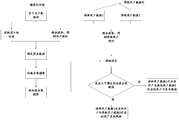
- 1 is an embodiment of a training method for a model of the present application
- FIG. 3 is a schematic diagram of an interface of a detection application according to the present application.
- FIG. 5 is a schematic diagram of processing of a process for determining data similarity according to the present application.
- FIG. 6 is an embodiment of a training device for a model of the present application
- FIG. 7 is a schematic diagram of an apparatus for determining data similarity according to the present application.
- FIG. 9 is a schematic diagram of an apparatus for determining data similarity according to the present application.
- the embodiment of the present application provides a training method for a model, a method, device, and device for determining data similarity.
- the embodiment of the present application provides a training method for a model.
- the execution body of the method may be a terminal device or a server, where the terminal device may be a personal computer, etc., and the server may be an independent server.
- a server cluster consisting of multiple servers.
- the execution body of the method is described in detail by taking a server as an example. The method may specifically include the following steps:
- step S102 a plurality of user data pairs are acquired, wherein the data fields of the two sets of user data in each user data pair have the same portion.
- Each user data pair may include user data of a plurality of different users.
- the plurality of user data pairs include a user data pair A and a user data pair B, wherein the user data pair A includes the user data 1 and the user.
- Data 2 user data pair B includes user data 3 and user data 4, and the like.
- the user data may be data related to a certain user, for example, the user's name, age, height, address, ID card number, social security card (ie, social security card) number and other identity information, and may also include the user's interests, purchases of goods. , tourism and other information.
- the data field may be a field or character capable of characterizing a user corresponding to two different sets of user data in the user data pair, and a relationship between the user, for example, a predetermined number of digits in the last name and the ID number (eg, The first 14 digits of the ID number), the social security card number or other ID number that can determine the identity or information of the user.
- a predetermined number of digits in the last name and the ID number eg, The first 14 digits of the ID number
- the social security card number or other ID number that can determine the identity or information of the user.
- the user data can be obtained in various ways, for example, the user data can be purchased from different users by means of purchase, or the information filled in when the user registers a website or an application, such as when the Alipay is registered.
- the information and the like, or the user data that the user actively uploads, and the like, in which the user data is obtained in a specific manner the embodiment of the present application does not limit this.
- the data fields included in the obtained user data may be compared, and the user data whose data fields have the same part is found, and the user data having the same part in the data field may be grouped into one group.
- a user data pair is obtained. In the above manner, multiple sets of user data pairs can be obtained, and each user data pair contains the same part of the data field.
- the data field can be set to the ID number and the last name, and the user's ID number and name can be found in the user data, considering A digit or multiple digits of the ID number can be used to characterize the relationship between two users, for example, the first 14 digits of the ID number.
- the first 14 digits of the ID number are used as the basis for determining whether the data field has the same part. Specifically, the first 14 digits and the last name of each user's ID number can be obtained and compared. The first 14 digits and last name of the ID number of the different user.
- Two sets of user data having the same last name and the same first 14 digits of the identity card number can be divided into the same user data pair.
- the user data pair may be stored in the form of a user pair, for example, ⁇ user 1 ID number, user 2 ID number, user 1 name, user 2 name, user 1 other data, user 2 other data ⁇ , and the like.
- the data fields of the two sets of user data have the same part, which can be understood as a part of the content in the data field, such as the first 14 digits of the 18-digit ID number in the above content, and can also be understood as a data field.
- the entire contents are the same.
- step S104 the user similarity corresponding to each user data pair is obtained, and the user similarity is the similarity between the users corresponding to the two sets of user data in each user data pair.
- the similarity threshold may be preset, such as 80% or 70%, and then, the user similarity of each user data pair may be compared with the similarity threshold respectively, and the user similarity may be greater than the similarity.
- the user data pairs of the threshold are divided into a group, and the user data pairs whose user similarity is less than the similarity threshold may be divided into a group, and a predetermined number (such as 40,000 or 50,000, etc.) of user data may be selected from each of the two groups. Right, and the selected user data pair is used as sample data for training the preset classification model.
- step S108 the classification model is trained based on the sample data to obtain a similarity classification model.
- the similarity classification model can be obtained by the above method, and the use of the similarity classification model can be referred to the following related content:
- the embodiment of the present application provides a method for determining a similarity.
- the execution entity of the method may be a terminal device or a server, where the terminal device may be a personal computer, etc., and the server may be an independent server. It can be a server cluster consisting of multiple servers.
- the method may specifically include the following steps:
- step S202 a pair of user data to be tested is acquired.
- the user data pair to be tested may be a user data pair composed of user data of two users to be detected.
- the detection application may include a button for uploading data.
- the button for uploading data may be clicked, and the detection application may pop up data.
- the data uploader can input the data of the user data pair to be tested in the prompt box.
- the confirmation button in the prompt box can be clicked, and the detection application can obtain the user to be tested input by the data uploader.
- the detection application may be installed on the terminal device or may be installed on the server.
- step S204 feature extraction is performed on each group of user data to be tested in the user data pair to be tested, to obtain a user feature to be tested.
- step S206 the similarity between the users corresponding to the two groups of user data to be tested in the pair of user data to be tested is determined according to the user characteristics to be tested and the pre-trained similarity classification model.
- the direct output result of the similarity classification model can be expressed in a percentage manner, for example, 90% or 40%, etc., in order to make the output result more intuitive to the user, the similarity can be similar according to the actual situation.
- the direct output of the degree classification model is further set, for example, to distinguish between identical twins and non-identical twins, or to distinguish between identical twins and fraternal twins.
- the classification threshold can be set if the result is directly output. If the threshold is greater than the classification threshold, it is determined that the users corresponding to the two groups of user data to be tested in the pair of user data to be tested are identical twins, and otherwise are non-identical twins or fraternal twins. In this way, through the pre-trained similarity classification model, the similarity between the users corresponding to the two groups of user data to be tested in the user data pair to be tested can be quickly determined, and the efficiency of determining the similarity between users is improved.
- the embodiment of the present application provides a method for determining data similarity.
- the execution body of the method may be a server or the method may be implemented by a terminal device and a server, where the terminal device may be a personal computer or the like.
- the server can be a standalone server or a server cluster consisting of multiple servers.
- the execution body of the method is described in detail by using a server as an example.
- the terminal device and the server are jointly implemented, refer to the following related content, and details are not described herein again.
- the method specifically includes the following contents:
- one user data pair (ie, the first user data pair) may be arbitrarily selected from the plurality of user data pairs.
- the user may upload one or more biometrics including the user to the server, and the server may store the biometric with the identifier of the user, where the identifier of the user may be the user.
- the user name or the user's name, etc., which are filled in at the time of registration, and the above-mentioned information stored in the server can be as shown in Table 1.
- the similarity calculation may be performed on the obtained biometrics respectively, thereby determining the degree of similarity between the corresponding two users (ie, the user The degree of similarity), wherein the similarity calculation may include multiple implementations, such as the implementation of the Euclidean distance between the feature vectors, etc., which is not limited by the embodiment of the present application.
- the foregoing processing procedure may be performed on other user data pairs of the plurality of user data pairs except the first user data, thereby obtaining the user similarity corresponding to each user data pair of the plurality of user data pairs.
- the obtained facial image may be separately extracted to obtain corresponding facial image features, and based on the extracted features of each facial image.
- the corresponding feature vector is obtained, and then the Euclidean distance between the feature vectors of any two of the face images can be calculated, and the degree of similarity between the corresponding two users can be determined by the magnitude of the Euclidean distance between the feature vectors ( That is, the user similarity), wherein the larger the value of the Euclidean distance between the feature vectors, the lower the user similarity; the smaller the value of the Euclidean distance between the feature vectors, the higher the user similarity.
- one user data pair may be arbitrarily selected from the plurality of user data pairs.
- a user logs in to the server through his terminal device, he or she can upload to the server a predetermined duration (such as 3 seconds or 5 seconds, etc.) and/or predetermined voice content (such as one or more words of voice or a sentence of voice, etc.).
- the server can store the voice data corresponding to the identifier of the user.
- the server After the server selects the first user data pair, the identifier of the user included in the first user data pair may be separately extracted, and then the corresponding voice data may be obtained through the identifier of the user, thereby obtaining the corresponding second user data pair. User's voice data.
- Step 2 Perform feature extraction on the voice data to obtain a voice feature, and determine a similarity of the user corresponding to the first user data pair according to the voice feature of the corresponding user according to the first user data.
- step S408 feature extraction is performed on each of the plurality of user data pairs to obtain an associated user feature between the two sets of user data in each user data pair.
- the name dimension feature includes features of the user's name information and characteristics of the user's last name's scarcity.
- name dimension feature based on NLP (Nature Language Processing) theory and social experience, usually, if two people's names look more like Zhang Jinlong and Zhang Jinhu, or have some semantic relationship, such as Zhang Meimei and Zhang Lili , think that there should be some connection between the two.
- a dictionary may be introduced to evaluate the relationship between two users in the name, and the user's registered personal information and demographic data are used to count the scarcity of the surname as a feature. In this way, the association between different users is determined by the user data whether the corresponding surnames of different users are consistent, the length of the name is consistent, the degree of synonym of the name, the combination of the name is the word and the degree of scarcity of the surname.
- the user features may also include multi-dimensional features such as e-commerce, travel, entertainment, etc.
- multi-dimensional features such as e-commerce, travel, entertainment, etc.
- e-commerce, tourism Relevant data of multi-dimensional features such as entertainment and entertainment can be obtained from a predetermined database or a website.
- the user data is used to determine the number of intersections of the corresponding shopping records between different users, whether there is a simultaneous travel, whether the hotel has been stayed at the same time, the similarity of the shopping tendency, and whether the delivery address is the same. The association.
- a threshold may be preset, and a user data pair whose user similarity is greater than the threshold may be selected from a plurality of user data pairs, and the user associated with the two sets of user data in the selected user data pair may be associated.
- the feature is used as the user feature of the training classification model, and the user similarity of the selected user feature and the selected user data pair may be determined as sample data for training the classification model.
- Step 1 Select a positive sample feature and a negative sample feature from the corresponding user features of the plurality of user data pairs according to the corresponding user similarity and the predetermined similarity threshold for each user data pair.
- the user similarity is calculated by the facial images of the two users. Therefore, it is determined whether the two users are identical twins.
- the similarity threshold may be preset, such as 80% or 70%, etc., and the user data pairs whose user similarity is greater than the similarity threshold may be determined as user data of identical twins. Yes, user data pairs whose user similarity is less than the similarity threshold can be determined as user data pairs of non-identical twins.
- the user data of the identical twins can be used as the positive sample feature of the similarity classification model.
- User data pairs for non-identical twins are used as negative sample features of the similarity classification model.
- the negative sample feature does not mean that the features contained therein are all user characteristics of fraternal twins. In practical applications, the user characteristics of fraternal twins may also have a very small proportion in the negative sample features, and may also The negative sample feature contains a small number of positive sample features, and this does not affect the training of the classification model, but will help to improve the robustness of the similarity classification model.
- step two the positive sample feature and the negative sample feature are used as sample data for training the classification model.
- the user characteristics and the corresponding user similarity data may be combined, and the combined data may be used as sample data for training the classification model.
- the positive sample feature can be separately input into the classification model for calculation, and the obtained calculation result can be compared with the user similarity corresponding to the positive sample feature. If the two match, the next positive sample feature or Negative sample features are input into the classification model for calculation. The obtained calculation result continues to match the user similarity matching corresponding to the positive sample feature. If the two do not match, the value of the relevant parameter in the classification model can be adjusted, and then the positive sample feature is input into the classification model for calculation, and the obtained calculation result is matched with the user similarity corresponding to the positive sample feature. , that is, repeat the above process until the two match. In the above manner, all the positive sample features and the negative sample features can be input into the classification model for calculation, thereby achieving the purpose of training the classification model, and the classification model obtained by the final training can be used as the similarity classification model.
- the similarity classification model can be used in the face recognition scenario.
- the similarity classification model can be used for individual risk control.
- step S414 a pair of user data to be tested is acquired.
- the content of the step S414 is the same as the content of the step S202 in the first embodiment.
- step S416 feature extraction is performed on each group of user data to be tested in the user data pair to be tested, to obtain a user feature to be tested.
- step S4108 according to the user characteristics to be tested and the pre-trained similarity classification model, the similarity between the users corresponding to the two groups of user data to be tested in the pair of user data to be tested is determined.
- the similarity classification threshold for example, 95% is used as a similarity classification threshold or 97% as a similarity classification threshold or the like.
- the trained similarity classification model is used to predict the user characteristics and output the score.
- the scoring process is to calculate the probability that the corresponding user data is a pair of users corresponding to the user data, for example, the probability is 80%, the score is 80 points, the probability is 90%, the score is 90 points, and the higher the score, the user The higher the probability that the data pair is a twin for the corresponding user.
- An embodiment of the present application provides a method for determining data similarity by using multiple user data pairs obtained, and the data fields of two sets of user data in each user data pair have the same part, and each user data acquired. Determining sample data for training the preset classification model for the corresponding user similarity, and then training the classification model based on the sample data to obtain a similarity classification model, so that the user to be tested can be determined by the similarity classification model. The similarity between the users corresponding to the two groups of user data to be tested in the data pair, so that multiple user data pairs are obtained only through the same data field, and two groups of users in each user data pair are determined by user similarity. The association relationship between the users corresponding to the data, the sample data for training the preset classification model is obtained, and the sample data can be obtained without manual labeling, which can realize the rapid completion of the model training, improve the model training efficiency and reduce the resources. Consumption.
- the training device of the model may be disposed in a server, and the device includes: a data acquisition module 601, a similarity acquisition module 602, a sample data determination module 603, and a model training module 604, wherein:
- the data obtaining module 601 is configured to acquire a plurality of user data pairs, wherein the data fields of the two sets of user data in each user data pair have the same part;
- the model training module 604 is configured to train the classification model based on the sample data to obtain a similarity classification model.
- the similarity obtaining module 602 includes:
- a biometric acquisition unit configured to acquire a biometric feature of the user corresponding to the first user data pair, wherein the first user data pair is any user data pair of the plurality of user data pairs;
- the similarity obtaining unit is configured to determine, according to the first user data, a similarity of the user corresponding to the first user data pair.
- the biometric feature includes a facial image feature.
- the biometric acquiring unit is configured to acquire a facial image of the user corresponding to the first user data pair, and perform feature extraction on the facial image to obtain a facial image feature;
- the similarity obtaining unit is configured to determine a similarity of the user corresponding to the first user data pair according to the facial image feature of the corresponding user according to the first user data.
- the biometric feature includes a voice feature.
- the similarity obtaining unit is configured to determine a similarity of the user corresponding to the first user data pair according to the voice feature of the corresponding user according to the first user data.
- the sample data determining module 603 includes:
- a feature extraction unit configured to perform feature extraction on each of the plurality of user data pairs, to obtain an associated user feature between two sets of user data in each user data pair;
- a sample data determining unit configured to determine, according to an associated user feature between the two sets of user data in each user data pair and a corresponding user similarity of each user data pair, to determine a training classification model sample.
- the user feature includes a household registration dimension feature, a name dimension feature, a social feature, and a hobby feature; the household registration dimension feature includes a feature of user identity information, and the name dimension feature includes a feature of the user name information.
- the number of features included in the positive sample feature and the negative sample feature is the same.
- the similarity classification model is a two-classifier model.
- the embodiment of the present application provides a model training device, which acquires multiple user data pairs, and the data fields of the two sets of user data in each user data pair have the same part, and each user data pair obtained is obtained.
- Corresponding user similarity determining sample data for training the preset classification model, and then training the classification model based on the sample data to obtain a similarity classification model, so that the user data pair to be tested can be determined by the similarity classification model
- the similarity between the two groups of user data to be tested, so that multiple user data pairs are obtained only through the same data field, and the two sets of user data in each user data pair are determined by the user similarity.
- the relationship between the users is obtained, and the sample data for training the preset classification model is obtained, and the sample data can be obtained without manual labeling, which can realize the rapid completion of the model training, improve the model training efficiency and reduce the resource consumption.
- the embodiment of the present application further provides a device for determining data similarity, as shown in FIG. 7 .
- the determining device for data similarity includes: a data to be tested module 701, a feature extraction module 702, and a similarity determining module 703, wherein:
- the data to be tested module 701 is configured to acquire a pair of user data to be tested.
- the feature extraction module 702 is configured to perform feature extraction on each group of user data to be tested in the user data pair to be tested, to obtain a user feature to be tested;
- the similarity determining module 703 is configured to determine, according to the user feature to be tested and the pre-trained similarity classification model, a similarity between users corresponding to two groups of user data to be tested in the pair of user data to be tested.
- the device further includes:
- a similarity classification module configured to determine, if the similarity between the users corresponding to the two groups of user data to be tested in the pair of user data to be tested is greater than a predetermined similarity classification threshold, determine the corresponding user data pair to be tested
- the users to be tested are twins.
- the embodiment of the present application provides a data similarity determining apparatus, which acquires multiple user data pairs, and the data fields of the two sets of user data in each user data pair have the same part, and each user data acquired Determining sample data for training the preset classification model for the corresponding user similarity, and then training the classification model based on the sample data to obtain a similarity classification model, so that the user to be tested can be determined by the similarity classification model
- the similarity between the users corresponding to the two groups of user data to be tested in the data pair so that multiple user data pairs are obtained only through the same data field, and two groups of users in each user data pair are determined by user similarity.
- the association relationship between the users corresponding to the data, the sample data for training the preset classification model is obtained, and the sample data can be obtained without manual labeling, which can realize the rapid completion of the model training, improve the model training efficiency and reduce the resources. Consumption.
- the embodiment of the present application further provides a model training device, as shown in FIG. 8.
- the training device of the model may be the server or the like provided by the above embodiment.
- the training device of the model may vary considerably depending on configuration or performance, and may include one or more processors 801 and memory 802 in which one or more storage applications or data may be stored.
- the memory 802 can be short-lived or persistent.
- An application stored in memory 802 may include one or more modules (not shown), each of which may include a series of computer executable instructions in a training device for the model.
- the processor 801 can be configured to communicate with the memory 802 to execute a series of computer executable instructions in the memory 802 on the training device of the model.
- the model training device may also include one or more power sources 803, one or more wired or wireless network interfaces 804, one or more input and output interfaces 805, one or more keyboards 806.
- the training device of the model includes a memory, and one or more programs, wherein one or more programs are stored in the memory, and one or more programs may include one or more modules, and each The modules can include a series of computer executable instructions in a training device of the model, and are configured to be executed by one or more processors.
- the one or more programs are included for performing the following computer executable instructions:
- the classification model is trained based on the sample data to obtain a similarity classification model.
- executable instructions when executed, may also cause the processor to:
- executable instructions when executed, may also cause the processor to:
- Feature extraction is performed on each of the plurality of user data pairs to obtain an associated user feature between the two sets of user data in each user data pair;
- the positive sample feature and the negative sample feature are used as sample data for training the classification model.
- the user feature includes a household registration dimension feature, a name dimension feature, a social feature, and a hobby feature; the household registration dimension feature includes a feature of user identity information, and the name dimension feature includes a feature of the user name information and a user last name.
- a feature of the degree of scarcity, the social features including characteristics of the user's social relationship information.
- the similarity classification model is a two-classifier model.
- the user data to be tested is determined to be a twin.
- the embodiment of the present application provides a data similarity determining device, which acquires multiple user data pairs, and the data fields of the two sets of user data in each user data pair have the same part, and each user data acquired Determining sample data for training the preset classification model for the corresponding user similarity, and then training the classification model based on the sample data to obtain a similarity classification model, so that the user to be tested can be determined by the similarity classification model
- the similarity between the users corresponding to the two groups of user data to be tested in the data pair so that multiple user data pairs are obtained only through the same data field, and two groups of users in each user data pair are determined by user similarity.
- the association relationship between the users corresponding to the data, the sample data for training the preset classification model is obtained, and the sample data can be obtained without manual labeling, which can realize the rapid completion of the model training, improve the model training efficiency and reduce the resources. Consumption.
- These computer program instructions can also be loaded onto a computer or other programmable data processing device such that a series of operational steps are performed on a computer or other programmable device to produce computer-implemented processing for execution on a computer or other programmable device.
- the instructions provide steps for implementing the functions specified in one or more of the flow or in a block or blocks of a flow diagram.
- a computing device includes one or more processors (CPUs), input/output interfaces, network interfaces, and memory.
- processors CPUs
- input/output interfaces network interfaces
- memory volatile and non-volatile memory
- the memory may include non-persistent memory, random access memory (RAM), and/or non-volatile memory in a computer readable medium, such as read only memory (ROM) or flash memory.
- RAM random access memory
- ROM read only memory
- Memory is an example of a computer readable medium.
- Computer readable media includes both permanent and non-persistent, removable and non-removable media.
- Information storage can be implemented by any method or technology.
- the information can be computer readable instructions, data structures, modules of programs, or other data.
- Examples of computer storage media include, but are not limited to, phase change memory (PRAM), static random access memory (SRAM), dynamic random access memory (DRAM), other types of random access memory (RAM), read only memory. (ROM), electrically erasable programmable read only memory (EEPROM), flash memory or other memory technology, compact disk read only memory (CD-ROM), digital versatile disk (DVD) or other optical storage, Magnetic tape cartridges, magnetic tape storage or other magnetic storage devices or any other non-transportable media can be used to store information that can be accessed by a computing device.
- computer readable media does not include temporary storage of computer readable media, such as modulated data signals and carrier waves.
- the application can be described in the general context of computer-executable instructions executed by a computer, such as a program module.
- program modules include routines, programs, objects, components, data structures, and the like that perform particular tasks or implement particular abstract data types.
- the present application can also be practiced in distributed computing environments where tasks are performed by remote processing devices that are connected through a communication network.
- program modules can be located in both local and remote computer storage media including storage devices.
Landscapes
- Engineering & Computer Science (AREA)
- Theoretical Computer Science (AREA)
- Physics & Mathematics (AREA)
- Computer Vision & Pattern Recognition (AREA)
- Health & Medical Sciences (AREA)
- General Physics & Mathematics (AREA)
- Multimedia (AREA)
- Software Systems (AREA)
- Artificial Intelligence (AREA)
- Evolutionary Computation (AREA)
- Computing Systems (AREA)
- Medical Informatics (AREA)
- General Health & Medical Sciences (AREA)
- Human Computer Interaction (AREA)
- Data Mining & Analysis (AREA)
- General Engineering & Computer Science (AREA)
- Oral & Maxillofacial Surgery (AREA)
- Databases & Information Systems (AREA)
- Audiology, Speech & Language Pathology (AREA)
- Acoustics & Sound (AREA)
- Mathematical Physics (AREA)
- Computational Linguistics (AREA)
- Life Sciences & Earth Sciences (AREA)
- Bioinformatics & Cheminformatics (AREA)
- Bioinformatics & Computational Biology (AREA)
- Evolutionary Biology (AREA)
- Management, Administration, Business Operations System, And Electronic Commerce (AREA)
- Information Retrieval, Db Structures And Fs Structures Therefor (AREA)
- Image Analysis (AREA)
- Complex Calculations (AREA)
Abstract
Description
| 用户的标识 | 生物特征 |
| 用户1 | 生物特征A |
| 用户2 | 生物特征B |
| 用户3 | 生物特征C |
| 用户的标识 | 包含用户面部的图像 |
| 用户1 | 图像A |
| 用户2 | 图像B |
| 用户3 | 图像C |
Claims (24)
- 一种模型的训练方法,其特征在于,所述方法包括:获取多个用户数据对,其中,所述每个用户数据对中的两组用户数据的数据字段有相同的部分;获取每个用户数据对所对应的用户相似度,所述用户相似度为每个用户数据对中的两组用户数据对应的用户之间的相似度;根据所述每个用户数据对所对应的用户相似度和所述多个用户数据对,确定用于训练预设的分类模型的样本数据;基于所述样本数据对所述分类模型进行训练,得到相似度分类模型。
- 根据权利要求1所述的方法,其特征在于,所述获取每个用户数据对所对应的用户相似度,包括:获取第一用户数据对所对应的用户的生物特征,其中,所述第一用户数据对为所述多个用户数据对中的任意用户数据对;根据所述第一用户数据对所对应的用户的生物特征,确定所述第一用户数据对所对应的用户相似度。
- 根据权利要求2所述的方法,其特征在于,所述生物特征包括面部图像特征,所述获取第一用户数据对所对应的用户的生物特征,包括:获取第一用户数据对所对应的用户的面部图像;对所述面部图像进行特征提取,得到面部图像特征;相应的,所述根据所述第一用户数据对所对应的用户的生物特征,确定所述第一用户数据对所对应的用户相似度,包括:根据所述第一用户数据对所对应的用户的面部图像特征,确定所述第一用户数据对所对应的用户相似度。
- 根据权利要求2所述的方法,其特征在于,所述生物特征包括语音特征,所述获取第一用户数据对所对应的用户的生物特征,包括:获取第一用户数据对所对应的用户的语音数据;对所述语音数据进行特征提取,得到语音特征;相应的,所述根据所述第一用户数据对所对应的用户的生物特征,确定所述第一用户数据对所对应的用户相似度,包括:根据所述第一用户数据对所对应的用户的语音特征,确定所述第一用户数据对所对应的用户相似度。
- 根据权利要求1所述的方法,其特征在于,所述根据所述每个用户数据对所对应的用户相似度和所述多个用户数据对,确定用于训练分类模型的样本数据,包括:对所述多个用户数据对中的每个用户数据对进行特征提取,得到每个用户数据对中的两组用户数据之间相关联的用户特征;根据所述每个用户数据对中用户数据之间相关联的用户特征和所述每个用户数据对所对应的用户相似度,确定用于训练分类模型的样本数据。
- 根据权利要求5所述的方法,其特征在于,所述根据所述每个用户数据对中的两组用户数据之间相关联的用户特征和所述每个用户数据对所对应的用户相似度,确定用于训练分类模型的样本数据,包括:根据每个用户数据对所对应的用户相似度和预定的相似度阈值,从所述多个用户数据对所对应的用户特征中选取正样本特征和负样本特征;将所述正样本特征和负样本特征作为用于训练分类模型的样本数据。
- 根据权利要求6所述的方法,其特征在于,所述用户特征包括户籍维度特征、姓名维度特征、社交特征和兴趣爱好特征;所述户籍维度特征包括用户身份信息的特征,所述姓名维度特征包括用户姓名信息的特征和用户姓氏的稀缺程度的特征,所述社交特征包括用户的社会关系信息的特征。
- 根据权利要求6所述的方法,其特征在于,所述正样本特征和负样本特征中包含的特征数目相同。
- 根据权利要求1-8中任一项所述的方法,其特征在于,所述相似度分类模型为二分类器模型。
- 一种数据相似度的确定方法,其特征在于,所述方法包括:获取待测用户数据对;对所述待测用户数据对中每组待测用户数据进行特征提取,得到待测用户特征;根据所述待测用户特征和预先训练的相似度分类模型,确定所述待测用户数据对中的两组待测用户数据对应的用户之间的相似度。
- 根据权利要求10所述的方法,其特征在于,所述方法还包括:如果所述待测用户数据对中的两组待测用户数据对应的用户之间的相似度大于预定相似度分类阈值,则确定所述待测用户数据对所对应的待测用户为双胞胎。
- 一种模型的训练装置,其特征在于,所述装置包括:数据获取模块,用于获取多个用户数据对,其中,所述每个用户数据对中的两组用户数据的数据字段有相同的部分;相似度获取模块,用于获取每个用户数据对所对应的用户相似度,所述用户相似度为每个用户数据对中的两组用户数据对应的用户之间的相似度;样本数据确定模块,用于根据所述每个用户数据对所对应的用户相似度和所述多个用户数据对,确定用于训练预设的分类模型的样本数据;模型训练模块,用于基于所述样本数据对所述分类模型进行训练,得到相似度分类模型。
- 根据权利要求12所述的装置,其特征在于,所述相似度获取模块,包括:生物特征获取单元,用于获取第一用户数据对所对应的用户的生物特征,其中,所述第一用户数据对为所述多个用户数据对中的任意用户数据对;相似度获取单元,用于根据所述第一用户数据对所对应的用户的生物特征,确定所述第一用户数据对所对应的用户相似度。
- 根据权利要求13所述的装置,其特征在于,所述生物特征包括面部 图像特征,所述生物特征获取单元,用于获取第一用户数据对所对应的用户的面部图像;对所述面部图像进行特征提取,得到面部图像特征;相应的,所述相似度获取单元,用于根据所述第一用户数据对所对应的用户的面部图像特征,确定所述第一用户数据对所对应的用户相似度。
- 根据权利要求13所述的装置,其特征在于,所述生物特征包括语音特征,所述生物特征获取单元,用于获取第一用户数据对所对应的用户的语音数据;对所述语音数据进行特征提取,得到语音特征;相应的,所述相似度获取单元,用于根据所述第一用户数据对所对应的用户的语音特征,确定所述第一用户数据对所对应的用户相似度。
- 根据权利要求12所述的装置,其特征在于,所述样本数据确定模块,包括:特征提取单元,用于对所述多个用户数据对中的每个用户数据对进行特征提取,得到每个用户数据对中的两组用户数据之间相关联的用户特征;样本数据确定单元,用于根据所述每个用户数据对中的两组用户数据之间相关联的用户特征和所述每个用户数据对所对应的用户相似度,确定用于训练分类模型的样本数据。
- 根据权利要求16所述的装置,其特征在于,所述样本数据确定单元,用于根据每个用户数据对所对应的用户相似度和预定的相似度阈值,从所述多个用户数据对所对应的用户特征中选取正样本特征和负样本特征;将所述正样本特征和负样本特征作为用于训练分类模型的样本数据。
- 根据权利要求17所述的装置,其特征在于,所述用户特征包括户籍维度特征、姓名维度特征、社交特征和兴趣爱好特征;所述户籍维度特征包括用户身份信息的特征,所述姓名维度特征包括用户姓名信息的特征和用户姓氏的稀缺程度的特征,所述社交特征包括用户的社会关系信息的特征。
- 根据权利要求17所述的装置,其特征在于,所述正样本特征和负样本特征中包含的特征数目相同。
- 根据权利要求12-19中任一项所述的装置,其特征在于,所述相似度分类模型为二分类器模型。
- 一种数据相似度的确定装置,其特征在于,所述装置包括:待测数据获取模块,用于获取待测用户数据对;特征提取模块,用于对所述待测用户数据对中每组待测用户数据进行特征提取,得到待测用户特征;相似度确定模块,用于根据所述待测用户特征和预先训练的相似度分类模型,确定所述待测用户数据对中的两组待测用户数据对应的用户之间的相似度。
- 根据权利要求21所述的装置,其特征在于,所述装置还包括:相似度分类模块,用于如果所述待测用户数据对中的两组待测用户数据对应的用户之间的相似度大于预定相似度分类阈值,则确定所述待测用户数据对所对应的待测用户为双胞胎。
- 一种模型的训练设备,所述设备包括:处理器;以及被安排成存储计算机可执行指令的存储器,所述可执行指令在被执行时使所述处理器执行以下操作:获取多个用户数据对,其中,所述每个用户数据对中的两组用户数据的数据字段有相同的部分;获取每个用户数据对所对应的用户相似度,所述用户相似度为每个用户数据对中的两组用户数据对应的用户之间的相似度;根据所述每个用户数据对所对应的用户相似度和所述多个用户数据对,确定用于训练预设的分类模型的样本数据;基于所述样本数据对所述分类模型进行训练,得到相似度分类模型。
- 一种数据相似度的确定设备,所述设备包括:处理器;以及被安排成存储计算机可执行指令的存储器,所述可执行指令在被执行时使所述处理器执行以下操作:获取待测用户数据对;对所述待测用户数据对中每组待测用户数据进行特征提取,得到待测用户特征;根据所述待测用户特征和预先训练的相似度分类模型,确定所述待测用户数据对中的两组待测用户数据对应的用户之间的相似度。
Priority Applications (8)
| Application Number | Priority Date | Filing Date | Title |
|---|---|---|---|
| EP18836065.5A EP3611657B1 (en) | 2017-07-19 | 2018-07-19 | Model training method and method, apparatus, and device for determining data similarity |
| SG11201907257SA SG11201907257SA (en) | 2017-07-19 | 2018-07-19 | Model training method, apparatus, and device, and data similarity determining method, apparatus, and device |
| KR1020197023923A KR102349908B1 (ko) | 2017-07-19 | 2018-07-19 | 모델 훈련 방법 및 데이터 유사성 결정 방법, 그 장치 및 디바이스 |
| MYPI2019004569A MY201891A (en) | 2017-07-19 | 2018-07-19 | Model training method, apparatus, and device, and data similarity determining method, apparatus and device |
| PH1/2019/501851A PH12019501851B1 (en) | 2017-07-19 | 2018-07-19 | Model training method, apparatus, and device, and data similarity determining method, apparatus, and device |
| JP2019543107A JP6883661B2 (ja) | 2017-07-19 | 2018-07-19 | モデル訓練方法、装置及びデバイス並びにデータ類似性決定方法、装置及びデバイス |
| US16/577,100 US20200012969A1 (en) | 2017-07-19 | 2019-09-20 | Model training method, apparatus, and device, and data similarity determining method, apparatus, and device |
| US16/777,659 US11288599B2 (en) | 2017-07-19 | 2020-01-30 | Model training method, apparatus, and device, and data similarity determining method, apparatus, and device |
Applications Claiming Priority (2)
| Application Number | Priority Date | Filing Date | Title |
|---|---|---|---|
| CN201710592780.7A CN107609461A (zh) | 2017-07-19 | 2017-07-19 | 模型的训练方法、数据相似度的确定方法、装置及设备 |
| CN201710592780.7 | 2017-07-19 |
Related Child Applications (1)
| Application Number | Title | Priority Date | Filing Date |
|---|---|---|---|
| US16/577,100 Continuation US20200012969A1 (en) | 2017-07-19 | 2019-09-20 | Model training method, apparatus, and device, and data similarity determining method, apparatus, and device |
Publications (1)
| Publication Number | Publication Date |
|---|---|
| WO2019015641A1 true WO2019015641A1 (zh) | 2019-01-24 |
Family
ID=61059789
Family Applications (1)
| Application Number | Title | Priority Date | Filing Date |
|---|---|---|---|
| PCT/CN2018/096252 Ceased WO2019015641A1 (zh) | 2017-07-19 | 2018-07-19 | 模型的训练方法、数据相似度的确定方法、装置及设备 |
Country Status (10)
| Country | Link |
|---|---|
| US (2) | US20200012969A1 (zh) |
| EP (1) | EP3611657B1 (zh) |
| JP (1) | JP6883661B2 (zh) |
| KR (1) | KR102349908B1 (zh) |
| CN (1) | CN107609461A (zh) |
| MY (1) | MY201891A (zh) |
| PH (1) | PH12019501851B1 (zh) |
| SG (1) | SG11201907257SA (zh) |
| TW (1) | TWI735782B (zh) |
| WO (1) | WO2019015641A1 (zh) |
Cited By (6)
| Publication number | Priority date | Publication date | Assignee | Title |
|---|---|---|---|---|
| CN110163655A (zh) * | 2019-04-15 | 2019-08-23 | 中国平安人寿保险股份有限公司 | 基于梯度提升树的坐席分配方法、装置、设备及存储介质 |
| CN111382403A (zh) * | 2020-03-17 | 2020-07-07 | 同盾控股有限公司 | 用户行为识别模型的训练方法、装置、设备及存储介质 |
| CN113516165A (zh) * | 2021-05-07 | 2021-10-19 | 北京惠朗时代科技有限公司 | 一种基于图像金字塔匹配后验的客户满意度判别方法 |
| CN115497633A (zh) * | 2022-10-19 | 2022-12-20 | 联仁健康医疗大数据科技股份有限公司 | 一种数据处理方法、装置、设备及存储介质 |
| CN115604027A (zh) * | 2022-11-28 | 2023-01-13 | 中南大学(Cn) | 网络指纹识别模型训练方法、识别方法、设备及存储介质 |
| CN116302784A (zh) * | 2022-12-15 | 2023-06-23 | 蓝卓数字科技有限公司 | 一种工业app运维监控方法及系统 |
Families Citing this family (33)
| Publication number | Priority date | Publication date | Assignee | Title |
|---|---|---|---|---|
| CN107609461A (zh) * | 2017-07-19 | 2018-01-19 | 阿里巴巴集团控股有限公司 | 模型的训练方法、数据相似度的确定方法、装置及设备 |
| CN108399389B (zh) * | 2018-03-01 | 2020-05-08 | 路志宏 | 机器视觉的多机监管系统、方法及客户机、服务器、存储介质 |
| CN108427767B (zh) * | 2018-03-28 | 2020-09-29 | 广州市创新互联网教育研究院 | 一种知识主题和资源文件的关联方法 |
| CN108732559B (zh) * | 2018-03-30 | 2021-09-24 | 北京邮电大学 | 一种定位方法、装置、电子设备及可读存储介质 |
| WO2019187107A1 (ja) * | 2018-03-30 | 2019-10-03 | 日本電気株式会社 | 情報処理装置、制御方法、及びプログラム |
| CN111027994B (zh) * | 2018-10-09 | 2023-08-01 | 百度在线网络技术(北京)有限公司 | 相似对象确定方法、装置、设备和介质 |
| CN111274811B (zh) * | 2018-11-19 | 2023-04-18 | 阿里巴巴集团控股有限公司 | 地址文本相似度确定方法以及地址搜索方法 |
| CN111325228B (zh) * | 2018-12-17 | 2021-04-06 | 上海游昆信息技术有限公司 | 一种模型训练方法及装置 |
| CN109934275B (zh) * | 2019-03-05 | 2021-12-14 | 深圳市商汤科技有限公司 | 图像处理方法及装置、电子设备和存储介质 |
| CN111797869A (zh) * | 2019-04-09 | 2020-10-20 | Oppo广东移动通信有限公司 | 模型训练方法、装置、存储介质及电子设备 |
| CN111797878B (zh) * | 2019-04-09 | 2024-06-07 | Oppo广东移动通信有限公司 | 数据处理方法、装置、存储介质及电子设备 |
| CN110543636B (zh) * | 2019-09-06 | 2023-05-23 | 出门问问创新科技有限公司 | 一种对话系统的训练数据选择方法 |
| CN112488140B (zh) * | 2019-09-12 | 2024-08-02 | 北京国双科技有限公司 | 一种数据关联方法及装置 |
| CN112541515B (zh) * | 2019-09-23 | 2024-12-03 | 北京京东乾石科技有限公司 | 模型训练方法、驾驶数据处理方法、装置、介质和设备 |
| CN110717484B (zh) * | 2019-10-11 | 2021-07-27 | 支付宝(杭州)信息技术有限公司 | 一种图像处理方法和系统 |
| CN110852881B (zh) * | 2019-10-14 | 2021-04-27 | 支付宝(杭州)信息技术有限公司 | 风险账户识别方法、装置、电子设备及介质 |
| CN110837869A (zh) * | 2019-11-11 | 2020-02-25 | 深圳市商汤科技有限公司 | 图像分类模型训练方法、图像处理方法及装置 |
| CN111046910A (zh) * | 2019-11-12 | 2020-04-21 | 北京三快在线科技有限公司 | 图像分类、关系网络模型训练、图像标注方法及装置 |
| CN110742595A (zh) * | 2019-11-12 | 2020-02-04 | 中润普达(十堰)大数据中心有限公司 | 基于认知云系统的异常血压监护系统 |
| CN111739517B (zh) * | 2020-07-01 | 2024-01-30 | 腾讯科技(深圳)有限公司 | 语音识别方法、装置、计算机设备及介质 |
| US11526552B2 (en) * | 2020-08-18 | 2022-12-13 | Lyqness Inc. | Systems and methods of optimizing the use of user questions to identify similarities among a large network of users |
| KR102859761B1 (ko) | 2020-08-21 | 2025-09-16 | 삼성전자주식회사 | 전자 장치 및 그 제어 방법 |
| EP4226285A4 (en) * | 2020-10-09 | 2024-09-04 | Aquasys LLC | Anonymous training of a learning model |
| CN112015749B (zh) * | 2020-10-27 | 2021-02-19 | 支付宝(杭州)信息技术有限公司 | 基于隐私保护更新业务模型的方法、装置及系统 |
| CN114429560A (zh) * | 2020-10-29 | 2022-05-03 | 中国移动通信有限公司研究院 | 一种人员结构识别方法及相关设备 |
| CN112347320B (zh) * | 2020-11-05 | 2024-08-06 | 杭州数梦工场科技有限公司 | 数据表字段的关联字段推荐方法及装置 |
| CN112269937B (zh) * | 2020-11-16 | 2024-02-02 | 加和(北京)信息科技有限公司 | 一种计算用户相似度的方法、系统及装置 |
| CN112988845B (zh) * | 2021-04-01 | 2021-11-16 | 湖南机械之家信息科技有限公司 | 在大数据业务场景下的数据信息处理方法及信息服务平台 |
| CN115206346B (zh) * | 2021-04-14 | 2025-05-09 | 阿呆科技(北京)有限公司 | 抑郁情绪状态数据获取装置、系统、方法和存储介质 |
| EP4099142B1 (en) | 2021-04-19 | 2026-01-21 | Samsung Electronics Co., Ltd. | Electronic device and operating method thereof |
| CN113408208B (zh) * | 2021-06-25 | 2023-06-09 | 成都欧珀通信科技有限公司 | 模型训练方法、信息提取方法、相关装置及存储介质 |
| CN114756677B (zh) * | 2022-03-21 | 2023-07-25 | 马上消费金融股份有限公司 | 样本生成方法、文本分类模型的训练方法及文本分类方法 |
| CN118469284B (zh) * | 2024-05-09 | 2024-11-26 | 杭州蛙云网络科技有限公司 | 一种用于智慧矿山的人工智能模型的训练方法与系统 |
Citations (4)
| Publication number | Priority date | Publication date | Assignee | Title |
|---|---|---|---|---|
| CN102129574A (zh) * | 2011-03-18 | 2011-07-20 | 北京中星微电子有限公司 | 一种人脸认证方法及系统 |
| CN103745242A (zh) * | 2014-01-30 | 2014-04-23 | 中国科学院自动化研究所 | 一种跨设备生物特征识别方法 |
| CN105488463A (zh) * | 2015-11-25 | 2016-04-13 | 康佳集团股份有限公司 | 基于人脸生物特征的直系亲属关系识别方法及系统 |
| CN107609461A (zh) * | 2017-07-19 | 2018-01-19 | 阿里巴巴集团控股有限公司 | 模型的训练方法、数据相似度的确定方法、装置及设备 |
Family Cites Families (29)
| Publication number | Priority date | Publication date | Assignee | Title |
|---|---|---|---|---|
| WO2004027685A2 (en) * | 2002-09-19 | 2004-04-01 | The Penn State Research Foundation | Prosody based audio/visual co-analysis for co-verbal gesture recognition |
| US7308581B1 (en) * | 2003-03-07 | 2007-12-11 | Traffic101.Com | Systems and methods for online identity verification |
| US20060117021A1 (en) * | 2004-11-29 | 2006-06-01 | Epic Systems Corporation | Shared account information method and apparatus |
| KR20070105826A (ko) * | 2006-04-27 | 2007-10-31 | 삼성전자주식회사 | 공개키 인증시스템 및 그 인증방법 |
| WO2008008913A2 (en) * | 2006-07-12 | 2008-01-17 | Arbitron Inc. | Monitoring usage of a portable user appliance |
| US20080106370A1 (en) * | 2006-11-02 | 2008-05-08 | Viking Access Systems, Llc | System and method for speech-recognition facilitated communication to monitor and control access to premises |
| US7696427B2 (en) * | 2006-12-01 | 2010-04-13 | Oracle America, Inc. | Method and system for recommending music |
| US20110047163A1 (en) * | 2009-08-24 | 2011-02-24 | Google Inc. | Relevance-Based Image Selection |
| US20170330029A1 (en) * | 2010-06-07 | 2017-11-16 | Affectiva, Inc. | Computer based convolutional processing for image analysis |
| TWI437501B (zh) * | 2010-11-26 | 2014-05-11 | Egis Technology Inc | 基於生物特徵之身分驗證裝置及其方法 |
| US20120142428A1 (en) * | 2010-12-01 | 2012-06-07 | Taktak Labs, Llc | Systems and methods for online, real-time, social gaming |
| US9489567B2 (en) * | 2011-04-11 | 2016-11-08 | Intel Corporation | Tracking and recognition of faces using selected region classification |
| CN102663370B (zh) * | 2012-04-23 | 2013-10-09 | 苏州大学 | 一种人脸识别的方法及系统 |
| US20140063237A1 (en) * | 2012-09-03 | 2014-03-06 | Transportation Security Enterprises, Inc.(TSE), a Delaware corporation | System and method for anonymous object identifier generation and usage for tracking |
| US20140250523A1 (en) * | 2012-10-11 | 2014-09-04 | Carnegie Mellon University | Continuous Authentication, and Methods, Systems, and Software Therefor |
| JP5284530B2 (ja) * | 2012-11-22 | 2013-09-11 | キヤノン株式会社 | 情報処理方法、情報処理装置 |
| US10249306B2 (en) * | 2013-01-17 | 2019-04-02 | Nec Corporation | Speaker identification device, speaker identification method, and recording medium |
| US9036876B2 (en) * | 2013-05-01 | 2015-05-19 | Mitsubishi Electric Research Laboratories, Inc. | Method and system for authenticating biometric data |
| US9788777B1 (en) * | 2013-08-12 | 2017-10-17 | The Neilsen Company (US), LLC | Methods and apparatus to identify a mood of media |
| US20150177842A1 (en) * | 2013-12-23 | 2015-06-25 | Yuliya Rudenko | 3D Gesture Based User Authorization and Device Control Methods |
| WO2015153480A1 (en) * | 2014-03-31 | 2015-10-08 | Ebay Inc. | Image-based retrieval and searching |
| US9846885B1 (en) * | 2014-04-30 | 2017-12-19 | Intuit Inc. | Method and system for comparing commercial entities based on purchase patterns |
| WO2017024172A1 (en) * | 2015-08-05 | 2017-02-09 | Cronvo Llc | Systems and methods for managing telecommunications |
| US10235589B2 (en) * | 2015-09-08 | 2019-03-19 | The Johns Hopkins University | Small maritime target detector |
| CN105224623B (zh) * | 2015-09-22 | 2019-06-18 | 北京百度网讯科技有限公司 | 数据模型的训练方法及装置 |
| US10027888B1 (en) * | 2015-09-28 | 2018-07-17 | Amazon Technologies, Inc. | Determining area of interest in a panoramic video or photo |
| CN105306495B (zh) * | 2015-11-30 | 2018-06-19 | 百度在线网络技术(北京)有限公司 | 用户识别方法和装置 |
| US10990658B2 (en) * | 2016-07-11 | 2021-04-27 | Samsung Electronics Co., Ltd. | Method and apparatus for verifying user using multiple biometric verifiers |
| US10074371B1 (en) * | 2017-03-14 | 2018-09-11 | Amazon Technologies, Inc. | Voice control of remote device by disabling wakeword detection |
-
2017
- 2017-07-19 CN CN201710592780.7A patent/CN107609461A/zh active Pending
-
2018
- 2018-05-15 TW TW107116424A patent/TWI735782B/zh active
- 2018-07-19 WO PCT/CN2018/096252 patent/WO2019015641A1/zh not_active Ceased
- 2018-07-19 KR KR1020197023923A patent/KR102349908B1/ko active Active
- 2018-07-19 JP JP2019543107A patent/JP6883661B2/ja active Active
- 2018-07-19 MY MYPI2019004569A patent/MY201891A/en unknown
- 2018-07-19 EP EP18836065.5A patent/EP3611657B1/en active Active
- 2018-07-19 PH PH1/2019/501851A patent/PH12019501851B1/en unknown
- 2018-07-19 SG SG11201907257SA patent/SG11201907257SA/en unknown
-
2019
- 2019-09-20 US US16/577,100 patent/US20200012969A1/en not_active Abandoned
-
2020
- 2020-01-30 US US16/777,659 patent/US11288599B2/en active Active
Patent Citations (4)
| Publication number | Priority date | Publication date | Assignee | Title |
|---|---|---|---|---|
| CN102129574A (zh) * | 2011-03-18 | 2011-07-20 | 北京中星微电子有限公司 | 一种人脸认证方法及系统 |
| CN103745242A (zh) * | 2014-01-30 | 2014-04-23 | 中国科学院自动化研究所 | 一种跨设备生物特征识别方法 |
| CN105488463A (zh) * | 2015-11-25 | 2016-04-13 | 康佳集团股份有限公司 | 基于人脸生物特征的直系亲属关系识别方法及系统 |
| CN107609461A (zh) * | 2017-07-19 | 2018-01-19 | 阿里巴巴集团控股有限公司 | 模型的训练方法、数据相似度的确定方法、装置及设备 |
Non-Patent Citations (1)
| Title |
|---|
| See also references of EP3611657A4 * |
Cited By (10)
| Publication number | Priority date | Publication date | Assignee | Title |
|---|---|---|---|---|
| CN110163655A (zh) * | 2019-04-15 | 2019-08-23 | 中国平安人寿保险股份有限公司 | 基于梯度提升树的坐席分配方法、装置、设备及存储介质 |
| CN110163655B (zh) * | 2019-04-15 | 2024-03-05 | 中国平安人寿保险股份有限公司 | 基于梯度提升树的坐席分配方法、装置、设备及存储介质 |
| CN111382403A (zh) * | 2020-03-17 | 2020-07-07 | 同盾控股有限公司 | 用户行为识别模型的训练方法、装置、设备及存储介质 |
| CN113516165A (zh) * | 2021-05-07 | 2021-10-19 | 北京惠朗时代科技有限公司 | 一种基于图像金字塔匹配后验的客户满意度判别方法 |
| CN113516165B (zh) * | 2021-05-07 | 2023-10-10 | 北京惠朗时代科技有限公司 | 一种基于图像金字塔匹配后验的客户满意度判别方法 |
| CN115497633A (zh) * | 2022-10-19 | 2022-12-20 | 联仁健康医疗大数据科技股份有限公司 | 一种数据处理方法、装置、设备及存储介质 |
| CN115497633B (zh) * | 2022-10-19 | 2024-01-30 | 联仁健康医疗大数据科技股份有限公司 | 一种数据处理方法、装置、设备及存储介质 |
| CN115604027A (zh) * | 2022-11-28 | 2023-01-13 | 中南大学(Cn) | 网络指纹识别模型训练方法、识别方法、设备及存储介质 |
| CN115604027B (zh) * | 2022-11-28 | 2023-03-14 | 中南大学 | 网络指纹识别模型训练方法、识别方法、设备及存储介质 |
| CN116302784A (zh) * | 2022-12-15 | 2023-06-23 | 蓝卓数字科技有限公司 | 一种工业app运维监控方法及系统 |
Also Published As
| Publication number | Publication date |
|---|---|
| US20200167693A1 (en) | 2020-05-28 |
| SG11201907257SA (en) | 2019-09-27 |
| KR20200014723A (ko) | 2020-02-11 |
| US11288599B2 (en) | 2022-03-29 |
| PH12019501851A1 (en) | 2020-06-29 |
| EP3611657B1 (en) | 2024-08-21 |
| EP3611657A4 (en) | 2020-05-13 |
| EP3611657A1 (en) | 2020-02-19 |
| US20200012969A1 (en) | 2020-01-09 |
| TW201909005A (zh) | 2019-03-01 |
| TWI735782B (zh) | 2021-08-11 |
| KR102349908B1 (ko) | 2022-01-12 |
| CN107609461A (zh) | 2018-01-19 |
| MY201891A (en) | 2024-03-22 |
| PH12019501851B1 (en) | 2024-02-28 |
| JP6883661B2 (ja) | 2021-06-09 |
| JP2020524315A (ja) | 2020-08-13 |
Similar Documents
| Publication | Publication Date | Title |
|---|---|---|
| TWI735782B (zh) | 模型的訓練方法、資料相似度的確定方法、裝置及設備 | |
| US12175504B2 (en) | Unsupervised embeddings disentanglement using a gan for merchant recommendations | |
| CN109408821B (zh) | 一种语料生成方法、装置、计算设备及存储介质 | |
| CN106874279B (zh) | 生成应用类别标签的方法及装置 | |
| WO2019084810A1 (zh) | 一种信息处理方法及终端、计算机存储介质 | |
| WO2019192261A1 (zh) | 一种支付方式推荐方法、装置及设备 | |
| WO2018072071A1 (zh) | 知识图谱构建系统及方法 | |
| CN113722583A (zh) | 推荐方法、推荐模型训练方法及相关产品 | |
| CN112015994B (zh) | 药物推荐方法、装置、设备及介质 | |
| WO2019128527A1 (zh) | 一种社交内容风险识别方法、装置以及设备 | |
| CN111198965B (zh) | 一种歌曲检索方法、装置、服务器及存储介质 | |
| CN109947903B (zh) | 一种成语查询方法及装置 | |
| CN117373698A (zh) | 基于会话交互的导医信息获取方法、装置和设备 | |
| US11182605B2 (en) | Search device, search method, search program, and recording medium | |
| CN109615009B (zh) | 一种学习内容推荐方法及电子设备 | |
| WO2017000341A1 (zh) | 一种信息处理方法、装置以及终端 | |
| CN113010573A (zh) | 一种关联关系提取方法、装置及电子设备 | |
| CN116468096A (zh) | 一种模型训练方法、装置、设备及可读存储介质 | |
| CN116956896A (zh) | 基于人工智能的文本分析方法、系统、电子设备及介质 | |
| CN108305629B (zh) | 一种场景学习内容获取方法、装置、学习设备及存储介质 | |
| CN114969253A (zh) | 市场主体与政策的匹配方法、装置、计算设备及介质 | |
| CN113139379B (zh) | 信息识别方法和系统 | |
| HK1249238A1 (zh) | 模型的训练方法、数据相似度的确定方法、装置及设备 | |
| CN115238193A (zh) | 金融产品推荐方法和装置、计算设备以及计算机存储介质 | |
| CN115408599A (zh) | 信息推荐方法、装置、电子设备及计算机可读存储介质 |
Legal Events
| Date | Code | Title | Description |
|---|---|---|---|
| 121 | Ep: the epo has been informed by wipo that ep was designated in this application |
Ref document number: 18836065 Country of ref document: EP Kind code of ref document: A1 |
|
| ENP | Entry into the national phase |
Ref document number: 2019543107 Country of ref document: JP Kind code of ref document: A |
|
| ENP | Entry into the national phase |
Ref document number: 20197023923 Country of ref document: KR Kind code of ref document: A |
|
| ENP | Entry into the national phase |
Ref document number: 2018836065 Country of ref document: EP Effective date: 20191111 |
|
| NENP | Non-entry into the national phase |
Ref country code: DE |