WO2019026421A1 - 無線通信装置、無線通信方法および無線通信システム - Google Patents
無線通信装置、無線通信方法および無線通信システム Download PDFInfo
- Publication number
- WO2019026421A1 WO2019026421A1 PCT/JP2018/022014 JP2018022014W WO2019026421A1 WO 2019026421 A1 WO2019026421 A1 WO 2019026421A1 JP 2018022014 W JP2018022014 W JP 2018022014W WO 2019026421 A1 WO2019026421 A1 WO 2019026421A1
- Authority
- WO
- WIPO (PCT)
- Prior art keywords
- transmission
- wireless communication
- reception
- data frame
- control unit
- Prior art date
- Legal status (The legal status is an assumption and is not a legal conclusion. Google has not performed a legal analysis and makes no representation as to the accuracy of the status listed.)
- Ceased
Links
Images













Classifications
-
- H—ELECTRICITY
- H04—ELECTRIC COMMUNICATION TECHNIQUE
- H04L—TRANSMISSION OF DIGITAL INFORMATION, e.g. TELEGRAPHIC COMMUNICATION
- H04L1/00—Arrangements for detecting or preventing errors in the information received
- H04L1/08—Arrangements for detecting or preventing errors in the information received by repeating transmission, e.g. Verdan system
-
- H—ELECTRICITY
- H04—ELECTRIC COMMUNICATION TECHNIQUE
- H04L—TRANSMISSION OF DIGITAL INFORMATION, e.g. TELEGRAPHIC COMMUNICATION
- H04L5/00—Arrangements affording multiple use of the transmission path
- H04L5/003—Arrangements for allocating sub-channels of the transmission path
- H04L5/0053—Allocation of signalling, i.e. of overhead other than pilot signals
- H04L5/0055—Physical resource allocation for ACK/NACK
-
- H—ELECTRICITY
- H04—ELECTRIC COMMUNICATION TECHNIQUE
- H04L—TRANSMISSION OF DIGITAL INFORMATION, e.g. TELEGRAPHIC COMMUNICATION
- H04L1/00—Arrangements for detecting or preventing errors in the information received
- H04L1/12—Arrangements for detecting or preventing errors in the information received by using return channel
- H04L1/16—Arrangements for detecting or preventing errors in the information received by using return channel in which the return channel carries supervisory signals, e.g. repetition request signals
- H04L1/1607—Details of the supervisory signal
- H04L1/1692—Physical properties of the supervisory signal, e.g. acknowledgement by energy bursts
-
- H—ELECTRICITY
- H04—ELECTRIC COMMUNICATION TECHNIQUE
- H04L—TRANSMISSION OF DIGITAL INFORMATION, e.g. TELEGRAPHIC COMMUNICATION
- H04L1/00—Arrangements for detecting or preventing errors in the information received
- H04L1/12—Arrangements for detecting or preventing errors in the information received by using return channel
- H04L1/16—Arrangements for detecting or preventing errors in the information received by using return channel in which the return channel carries supervisory signals, e.g. repetition request signals
- H04L1/18—Automatic repetition systems, e.g. Van Duuren systems
- H04L1/1829—Arrangements specially adapted for the receiver end
- H04L1/1854—Scheduling and prioritising arrangements
-
- H—ELECTRICITY
- H04—ELECTRIC COMMUNICATION TECHNIQUE
- H04L—TRANSMISSION OF DIGITAL INFORMATION, e.g. TELEGRAPHIC COMMUNICATION
- H04L1/00—Arrangements for detecting or preventing errors in the information received
- H04L1/12—Arrangements for detecting or preventing errors in the information received by using return channel
- H04L1/16—Arrangements for detecting or preventing errors in the information received by using return channel in which the return channel carries supervisory signals, e.g. repetition request signals
- H04L1/18—Automatic repetition systems, e.g. Van Duuren systems
- H04L1/1829—Arrangements specially adapted for the receiver end
- H04L1/1858—Transmission or retransmission of more than one copy of acknowledgement message
-
- H—ELECTRICITY
- H04—ELECTRIC COMMUNICATION TECHNIQUE
- H04W—WIRELESS COMMUNICATION NETWORKS
- H04W28/00—Network traffic management; Network resource management
- H04W28/02—Traffic management, e.g. flow control or congestion control
- H04W28/04—Error control
-
- H—ELECTRICITY
- H04—ELECTRIC COMMUNICATION TECHNIQUE
- H04W—WIRELESS COMMUNICATION NETWORKS
- H04W52/00—Power management, e.g. Transmission Power Control [TPC] or power classes
- H04W52/02—Power saving arrangements
-
- H—ELECTRICITY
- H04—ELECTRIC COMMUNICATION TECHNIQUE
- H04W—WIRELESS COMMUNICATION NETWORKS
- H04W52/00—Power management, e.g. Transmission Power Control [TPC] or power classes
- H04W52/02—Power saving arrangements
- H04W52/0209—Power saving arrangements in terminal devices
- H04W52/0212—Power saving arrangements in terminal devices managed by the network, e.g. network or access point is leader and terminal is follower
- H04W52/0216—Power saving arrangements in terminal devices managed by the network, e.g. network or access point is leader and terminal is follower using a pre-established activity schedule, e.g. traffic indication frame
-
- H—ELECTRICITY
- H04—ELECTRIC COMMUNICATION TECHNIQUE
- H04W—WIRELESS COMMUNICATION NETWORKS
- H04W72/00—Local resource management
- H04W72/04—Wireless resource allocation
- H04W72/044—Wireless resource allocation based on the type of the allocated resource
- H04W72/0446—Resources in time domain, e.g. slots or frames
-
- H—ELECTRICITY
- H04—ELECTRIC COMMUNICATION TECHNIQUE
- H04W—WIRELESS COMMUNICATION NETWORKS
- H04W72/00—Local resource management
- H04W72/04—Wireless resource allocation
- H04W72/044—Wireless resource allocation based on the type of the allocated resource
- H04W72/0453—Resources in frequency domain, e.g. a carrier in FDMA
-
- H—ELECTRICITY
- H04—ELECTRIC COMMUNICATION TECHNIQUE
- H04L—TRANSMISSION OF DIGITAL INFORMATION, e.g. TELEGRAPHIC COMMUNICATION
- H04L1/00—Arrangements for detecting or preventing errors in the information received
- H04L1/12—Arrangements for detecting or preventing errors in the information received by using return channel
- H04L2001/125—Arrangements for preventing errors in the return channel
Definitions
- the present disclosure relates to a wireless communication apparatus, a wireless communication method, and a wireless communication system.
- various methods may be used for a transmission source device of a wireless signal to obtain a success or failure of data communication from a transmission destination device of the wireless signal.
- the transmission source device can obtain the success or failure result of the data communication by receiving an acknowledgment signal from the transmission destination device.
- the acknowledgment signal includes, for example, an ACK (ACKnowledgement) indicating success of data communication, a NACK (Negative ACKnowledgement) indicating failure of data communication, or the like.
- Patent Document 1 discloses a technology for performing communication control using ACK or NACK in order to minimize power consumption in a mobile station in 3rd Generation Partnership Project (3GPP) LTE (Long Term Evolution). ing.
- 3GPP 3rd Generation Partnership Project
- LTE Long Term Evolution
- the present disclosure is a novel and improved wireless communication that can simultaneously achieve reducing the power consumption of a wireless communication device, reducing the effects of interference, and reducing the number of base stations.
- At least one of a reception control unit that controls reception of a plurality of data frames that include the same data mutually and that has been repeatedly transmitted by another device, and at least one of a data frame unit and the repetitive transmission unit.
- a wireless communication apparatus comprising: a transmission control unit that controls transmission of an acknowledgment signal to the other apparatus.
- At least one of controlling reception of a plurality of data frames containing the same data mutually and repeatedly transmitted by another device, and at least one of a data frame unit and the repetitive transmission unit A computer implemented wireless communication method is provided, comprising: controlling transmission of an acknowledgment signal to the other device.
- the transmission control unit that controls repeated transmission of a plurality of data frames including the same data to another device, and at least one of the data frame unit and the repeated transmission unit,
- a wireless communication device comprising: a reception control unit that controls reception of an acknowledgment signal from the device.
- a computer implemented wireless communication method is provided.
- a first wireless communication device and a second wireless communication device are provided, and the first wireless communication device repeatedly transmits by the second wireless communication device.
- An acknowledgment response signal to the second wireless communication apparatus in at least one of a first reception control unit that controls reception of a plurality of data frames including mutually identical data and a data frame unit or the repeated transmission unit
- a second transmission control unit that controls transmission of the data frame to the first wireless communication device, and the second wireless communication device controls the transmission of the data frame to the first wireless communication device
- a second reception control unit configured to control reception of the confirmation response signal from the first wireless communication device in at least one of a data frame unit and the repetitive transmission unit; Comprising a radio communication system is provided.
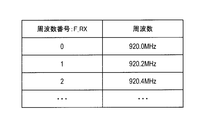
- FIG. 21 is a diagram showing an example of correspondence between frequencies and frequency numbers used for reception processing in the sixth embodiment.
- FIG. 21 is a diagram showing an example of correspondence between frequencies and frequency numbers used for transmission processing in the sixth embodiment.
- various methods may be used for a transmission source device of a wireless signal to obtain a success or failure of data communication from a transmission destination device of the wireless signal.
- the transmission source device can obtain the success or failure result of the data communication by receiving an acknowledgment signal from the transmission destination device.
- the acknowledgment signal includes, for example, an ACK indicating success of data communication, or NACK indicating failure of data communication.
- ACK is often employed. More specifically, in the case where the ACK is adopted, if the ACK communication fails, the transmission destination apparatus of the ACK can not successfully transmit the ACK because the data communication failed, or the data communication succeeds. However, it can not determine whether the own device has failed to receive the ACK. However, in any case, the device can realize data communication more reliably by performing retransmission or the like. On the other hand, when NACK is adopted, if the data communication fails and the subsequent NACK communication also fails, the NACK transmission destination device determines that the data communication is successful and does not retransmit, etc. Communication ends in failure. As described above, ACK is often employed rather than NACK.
- ACKs are used in various wireless communication systems.
- the ACK is used in a public network wireless communication system such as Long Term Evolution (LTE) or a wireless Local Area Network (LAN) system such as IEEE 802.11.
- LTE Long Term Evolution
- LAN wireless Local Area Network
- an ACK will be communicated after data communication is performed. That is, when one data communication is performed, the power required for data communication and the power required for ACK communication are consumed.
- an ACK of a kind of block ACK in which ACKs for these communications are put together is adopted.
- the data transmission source device stores data transmitted in multiple data communications, and block ACK does not indicate successful communication. More complex memory management is required in order to re-transmit data etc.
- IoT Internet of Things
- a wireless communication system that realizes IoT is required to include many terminals in the system in order to collect information on many places, people, or things.
- a wireless communication system In order for a wireless communication system to have many terminals, it is important to suppress interference caused by performing data communication simultaneously with a plurality of terminals.
- wireless communication systems are required to reduce the overall cost of the system in order to collect information on places, people or things that were difficult to collect due to cost constraints. Therefore, it is important to reduce the number of base stations that are expensive to install.
- As an implementation method there is a method in which information can be collected from a wide range while reducing the number of base stations by increasing the wireless communication distance between the terminal and the base station. Then, as one of the methods for increasing the wireless communication distance between the terminal and the base station, the terminal repeatedly transmits a plurality of data frames containing the same data, and the base station selects or adds these data frames. There is a method of improving the reception success probability by doing this.
- the wireless communication distance from the terminal to the base station is the number of times repeatedly transmitted (hereinafter referred to as “repeated transmission Dependent on the number of transmissions).
- the wireless communication distance from the terminal to the base station can be increased as the number of times of repeated transmission increases.
- the power required to receive the acknowledgment signal will increase as the number of repetitive transmissions increases.
- a method of communicating an acknowledgment signal only once after repeated transmission may be employed.
- all the terminals repeatedly transmit data frames for the upper limit number of transmissions repeatedly, so if data communication succeeds with the number of repeated transmissions less than the upper limit number, it is wasted after that. Data communication will be performed. In other words, this useless data communication causes power consumption and interference, which becomes more serious as the number of terminals increases.
- a radio signal transmitted from a terminal located in the vicinity of a base station becomes a large interference source at the base station, and has a greater influence on the base station receiving a radio signal transmitted from another terminal.
- the present disclosure person has come to create the first embodiment according to the present disclosure.
- the power consumption of the wireless communication apparatus can be reduced by using the first acknowledgment signal transmitted in units of repeatedly transmitted data frames and the second acknowledgment signal transmitted in units of repeated transmission. Reducing, reducing the effects of interference and reducing the number of base stations can be realized simultaneously.
- the first embodiment according to the present disclosure will be described in detail.
- this indication is a radio
- the object applied is not specifically limited.
- the present disclosure may be applied to a public network wireless communication system including LTE and the like, may be applied to a wireless LAN system defined by IEEE 802.11, and is applied to other wireless communication systems. It is also good.
- devices functioning as a transmitter and a receiver of the acknowledgment signal are not particularly limited.
- any of a master station (e.g., a base station, an access point, etc.) and a slave station (e.g., a terminal, a station, etc.) in these wireless communication systems can function as a transmitter and receiver of an acknowledgment signal.
- a base station functions as a transmission device of an acknowledgment signal
- a terminal functions as a reception device of an acknowledgment signal.
- the confirmation response signal may be a signal indicating the success or failure of any data communication, and the type of the confirmation response signal is not particularly limited.
- the case where ACK is adopted as the acknowledgment signal will be described.
- the wireless communication system includes a base station 100 and a terminal 200.
- the number of base stations 100 and terminals 200 is not particularly limited.
- the wireless communication system includes one base station 100 and a plurality of terminals 200 will be described.
- the terminal 200 is a wireless communication device (also referred to as a “second wireless communication device”) which is installed in various places, people, or objects and collects various information by various sensors provided in the own device. Also, the terminal 200 may collect various information from another device by performing wireless communication with the other device. Then, terminal 200 transmits a data frame including the collected information to base station 100.
- the type of sensor provided in the terminal 200 is not particularly limited.
- sensors included in the terminal 200 include an acceleration sensor, a gyro sensor, a geomagnetic sensor, an atmospheric pressure sensor, a temperature sensor, a vibration sensor, a voice sensor, a heart rate sensor, a pulse wave sensor, a proximity sensor, an illuminance sensor, a pressure sensor, a position sensor, Perspiration sensors, pH sensors, humidity sensors or infrared sensors etc may be included.
- the terminal 200 repeatedly transmits data frames in order to realize more reliable communication.
- the transmission interval in repeated transmission the upper limit number of repeated transmissions, the transmission power, the frame configuration, and the like are not particularly limited.
- Base station 100 is a wireless communication apparatus (also referred to as a “first wireless communication apparatus”) that provides various services using information provided from terminal 200.
- the base station 100 provides a user watching service using position information and heartbeat information collected by the terminal 200 attached to the user, or collected by the terminal 200 installed in a vehicle such as a bicycle.
- a vehicle rental service is provided using position information and the like, and a building strength monitoring service and the like are provided using vibration information and the like collected by the terminal 200 installed in the building.
- the base station 100 receives the data frame repeatedly transmitted from the terminal 200, and transmits an ACK as an acknowledgment signal to the terminal 200 when the reception processing is successful. Details of the ACK according to the first embodiment will be described later.
- LPWA low power wide area
- LPWA refers to a wireless communication technology that enables communication over longer distances (in kilometers) with lower power consumption.
- LPWA is particularly effective and reduces power consumption when communication with a large number of terminals 200 occurs as in a wireless communication system that realizes IoT, and the size of a data frame is relatively small. It is possible to Note that this is merely an example, and LPWA may not be applied.
- the base station 100 When the base station 100 succeeds in receiving the data frame repeatedly transmitted by the terminal 200, the base station 100 transmits an ACK to the terminal 200. At this time, the base station 100 transmits an ACK (hereinafter, referred to as “ACK1”), which is a first acknowledgment signal transmitted in data frame units that are repeatedly transmitted, and a second that is transmitted in repetitive transmission units.
- ACK1 an ACK
- ACK2 An ACK
- the base station 100 sets the frame length of ACK1 shorter than the frame length of ACK2. More specifically, the base station 100 shortens the ACK1 frame length to be shorter than the ACK2 frame length, thereby making the ACK1 reception time by the terminal 200 shorter than the ACK2 reception time, and the power required to receive the ACK1. Can be reduced.
- the base station 100 since the terminal 200 located in the vicinity of the base station 100 has a high possibility of success in reception processing even with the ACK 1 having a short frame length, the base station 100 transmits ACK 1 in data frame units that are repeatedly transmitted. Since the number of times of repeated transmission of data frames by the terminal 200 can be reduced, the occurrence of interference can be suppressed.
- the base station 100 fails to receive ACK1 by transmitting ACK2 having a frame length longer than that of ACK1 in the repeated transmission unit (in other words, after the data frame is transmitted by the upper limit number of repeated transmissions).
- the success of data frame communication can also be notified to the terminal 200 that has For example, when the terminal 200 is located far from the base station 100, ACK2 functions more effectively because there is a high possibility that the process of receiving ACK1 with a short frame length will fail.
- the description will be made using a terminal 200A located in the vicinity of the base station 100 and a terminal 200B located in the distance of the base station 100. Further, it is assumed that the upper limit number of the number of repeated transmissions is set to four.
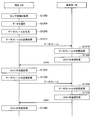
- FIG. 2 shows an example of wireless communication between the terminal 200A located in the vicinity of the base station 100 and the base station 100.
- the terminal 200A repeatedly transmits a data frame including the collected information (denoted as “UL (Up Link) Data frame” in the figure), and the base station 100 transmits the data for the second time.
- the reception process succeeds, and ACK1 is transmitted.
- the terminal 200A recognizes that the reception process of the data frame is successful by receiving the ACK1, and omits the third and fourth transmission processes.
- the terminal 200A can reduce the power required for the third and fourth transmission processes, and can also suppress the occurrence of interference.
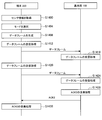
- FIG. 3 shows an example of wireless communication between the terminal 200 B located far from the base station 100 and the base station 100.
- the base station 100 succeeds in the reception process when it receives the fourth transmitted data frame, which is the upper limit number of repeated transmissions, and transmits ACK1. Furthermore, since the number of times of repeated transmission has reached the upper limit number, the base station 100 transmits ACK2 after transmission of ACK1.
- the terminal 200B fails to receive the ACK1 due to lack of reception sensitivity, and then succeeds to receive the ACK2 having a longer frame length, thereby recognizing that the data frame reception has succeeded.
- the base station 100 can successfully process the reception of ACK2 by the terminal 200B located far from the base station 100.
- the data frame generated by the terminal 200 includes “Preamble”, “UL (Up Link) PHY Header”, “UL (Up Link) MAC Header”, “Information”, and “Information”. And “CRC”.
- Preamble is a signal of a predetermined fixed pattern used for detection of a data frame.
- the base station 100 receiving the data frame obtains a correlation value between the signal of the same fixed pattern as that of the preamble and the received signal, and detects the data frame based on the fact that the correlation value larger than the predetermined value is obtained, Understand the reception timing.
- a fixed pattern used for Preamble a fixed pattern specific to the type of frame may be used, or a different fixed pattern may be used for each terminal 200. The case where different fixed patterns are used for each terminal 200 will be described in detail in "5. Fifth embodiment".
- the UL PHY Header is a field in which various parameters of the physical layer are described. For example, in the case where a plurality of modulation schemes of a portion after UL PHY Header are specified, the base station 100 that receives the data frame by including information on these modulation schemes in the UL PHY Header is a demodulation scheme. Correctly.
- the information contained in UL PHY Header is not specifically limited. Also, for example, in the case where only one type of modulation scheme is defined, the UL PHY Header may be omitted. The UL PHY Header can be omitted by deleting the field itself or replacing the field with fixed pattern information.
- the UL MAC Header is a field in which various parameters regarding control of the MAC layer are described.
- the various parameters described in UL MAC Header are not particularly limited.
- the address information of the terminal 200 which is the transmission source of the data frame or the transmission destination, the identification information of the Information of the latter stage, the information regarding the content of Information (for example, the content of Information is position data or temperature data) Information indicating that or data length information of Information may be described as a parameter.
- the mode regarding ACK may be described as a parameter.
- the detail of the mode regarding ACK is mentioned later.
- Information Information is a field in which information collected by a sensor or the like is stored.
- the information collected by the sensor provided in the terminal 200 may be stored as it is, or some processed information may be stored.
- the process may include, for example, a process of quantizing continuous data, a process of converting measurement data into abstract information such as “high” or “low”, or a filter process of removing noise. Not limited to these treatments.
- the CRC is redundant information used for error detection by the base station 100 that receives a data frame.
- the redundant information is generated by processing input data based on a predetermined CRC generation rule.
- the input data is, for example, UL MAC Header and Information.
- error correction techniques may be applied to each of the above fields.
- error correction techniques may be applied to UL MAC Header, Information, and CRC.
- error correction techniques to be applied include, but are not limited to, general techniques such as convolutional code or Low Density Parity Check (LDPC) code.
- LDPC Low Density Parity Check
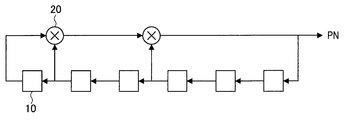
- the entire data frame may be spread or scrambled by a pseudo random sequence (for example, a PN (Pseudo Noise) sequence or the like).
- a pseudo random sequence for example, a PN (Pseudo Noise) sequence or the like.
- spreading refers to direct spreading (Direct Spectrum Spreading), etc., which is converted into N [symbol] by multiplying one [symbol] of a data frame by a pseudo random sequence having a sampling rate N times that of the data frame.
- the frame configuration of the data frame is not limited to the configuration shown in FIG.
- the frame configuration of the data frame may be the configuration shown in FIG.
- the UL PHY Header is omitted because one type of modulation scheme (for example, BPSK (Binary Phase-Shift Keying) modulation or the like) is determined.
- the UL MAC Header is configured by an ID that is identification information of the terminal 200 that is the transmission source, and an ACK mode that is mode information related to the ACK.
- terminal 200 and base station 100 can reduce the power required for data frame communication.
- the detail of the mode regarding ACK is mentioned later.
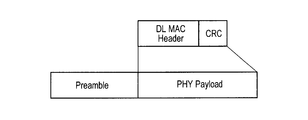
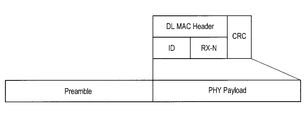
- ACK1 generated by the base station 100 includes “Preamble”, “DL (Down Link) MAC Header”, and “CRC”.
- Preamble is a signal of a predetermined fixed pattern used to detect ACK1.
- the terminal 200 that receives the ACK1 obtains the correlation value between the signal of the same fixed pattern as that of the preamble and the reception signal, detects the ACK1 based on the fact that the correlation value larger than the predetermined value is obtained, and the reception timing Understand
- a fixed pattern used for Preamble a fixed pattern specific to the type of frame may be used, or a different fixed pattern may be used for each terminal 200. The case where different fixed patterns are used for each terminal 200 will be described in detail in "5. Fifth embodiment".
- the correlation value increases as the data length of the preamble is longer, the noise resistance increases and the communicable distance increases.
- the longer the preamble data length the larger the power required for the reception process of the terminal 200.
- the main purpose of ACK1 is to reduce the power required for reception processing of the terminal 200 and to reduce the number of times of repeated transmission of the terminal 200 located in the vicinity of the base station 100, the data length of the preamble is It is set shorter than ACK2 described later.
- the DL MAC Header is a field in which various parameters regarding control of the MAC layer are described.
- the various parameters described in the DL MAC Header are not particularly limited. For example, address information or the like of the base station 100 that is the transmission source of the ACK 1 or the terminal 200 that is the transmission destination may be described as a parameter.
- the CRC is redundant information used for error detection by the terminal 200 that receives ACK1.
- the redundant information is generated by processing input data based on a predetermined CRC generation rule.
- the input data is, for example, a DL MAC Header.
- error correction techniques may be applied to each of the above fields.
- error correction techniques may be applied to the DL MAC Header and the CRC.
- the applied error correction techniques include, but are not limited to, general techniques such as convolutional codes or LDPC codes. When these error correction codes are applied, the data length becomes long according to the coding rate. The information after the error correction code is applied is stored in PHY Payload.
- ACK1 is mainly for reducing the power required for reception processing of terminal 200 and reducing the number of repeated transmissions of terminal 200 located in the vicinity of base station 100. Therefore, ACK1 is more redundant than ACK2 described later. A coding rate with little information is used.
- noise tolerance may be enhanced by repeatedly storing each piece of information in ACK1.
- DL MAC Header and CRC may be stored in PHY Payload repeatedly several times. The more the DL MAC Header and the CRC are stored repeatedly, the higher the noise resistance, and hence the longer the communicable distance.
- ACK 1 is mainly intended to reduce the power required for reception processing of terminal 200 and to reduce the number of repeated transmissions of terminal 200 located in the vicinity of base station 100, so DL MAC Header and CRC are used. The number of times of repeated storage is set smaller than ACK2 described later.
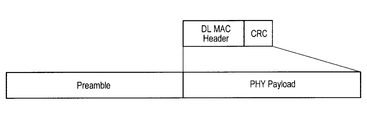
- ACK2 generated by the base station 100 includes “Preamble”, “DL MAC Header”, and “CRC”.
- Preamble is a signal of a predetermined fixed pattern used for detection of ACK2.
- the terminal 200 that receives the ACK2 finds the correlation value between the signal of the same fixed pattern as that of the preamble and the reception signal, detects the ACK2 based on the fact that the correlation value larger than the predetermined value is obtained, and the reception timing Understand
- a fixed pattern used for Preamble a fixed pattern specific to the type of frame may be used, or a different fixed pattern may be used for each terminal 200. The case where different fixed patterns are used for each terminal 200 will be described in detail in "5. Fifth embodiment".
- the data length of the preamble of ACK2 is set to be longer than the data length of the preamble of ACK1.
- the data length of the preamble of ACK2 may be set to a length similar to that of the preamble of the data frame generated by the terminal 200.
- the DL MAC Header is a field in which various parameters regarding control of the MAC layer are described.
- the various parameters described in the DL MAC Header are not particularly limited. For example, address information or the like of the base station 100 which is the transmission source of the ACK 2 or the terminal 200 which is the transmission destination may be described as a parameter.
- the CRC is redundant information used for error detection by the terminal 200 that receives ACK2.
- the redundant information is generated by processing input data based on a predetermined CRC generation rule.
- the input data is, for example, a DL MAC Header.
- error correction techniques may be applied to each of the above fields.
- error correction techniques may be applied to the DL MAC Header and the CRC.
- the applied error correction techniques include, but are not limited to, general techniques such as convolutional codes or LDPC codes.
- the information after the error correction code is applied is stored in PHY Payload.
- PHY Payload As described above, in ACK2, a coding rate with more redundant information than ACK1 is used.
- noise resistance is enhanced by repeatedly storing each information in ACK2, the number of times the DL MAC Header and the CRC are repeatedly stored is set to be higher than that in ACK1.
- the terminal 200 includes a sensor information acquisition unit 210, a mode selection unit 220, a data frame generation unit 230, a transmission control unit 240, a transmission unit 250, a reception unit 260, and a reception control unit. And 270.
- the sensor information acquisition unit 210 is a functional configuration that acquires various types of information from various sensors provided in the own device.
- the trigger or timing at which the sensor information acquisition unit 210 acquires various information is not particularly limited.
- the sensor information acquisition unit 210 may acquire various information based on a trigger provided by a predetermined application.
- the sensor information acquisition unit 210 may acquire various information at a predetermined cycle, immediately before transmission of a data frame.
- the sensor information acquisition unit 210 may acquire various types of information from another device by wireless communication with the other device.
- the sensor information acquisition unit 210 not only acquires information, but also processes the acquired information (for example, processing for quantizing continuous data, abstract information such as “high” or “low” of measurement data) Processing, or filtering processing for removing noise, etc.) may be performed.
- the sensor information acquisition unit 210 provides the acquired information to the data frame generation unit 230.
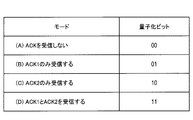
- the mode selection unit 220 is a functional configuration that selects a mode related to ACK. More specifically, the terminal 200 notifies the base station 100 of the information by including information regarding the necessity of ACK and the type of ACK as a mode related to ACK to the data frame, and the necessity of ACK and ACK You can specify the type. For example, as shown in FIG. 9, the mode selection unit 220 “(A) does not receive ACK (in other words, neither ACK1 nor ACK2 is received)”, “(B) only ACK1 is received”, “( C) It is possible to select either "receive only ACK2" or “receive (D) ACK1 and ACK2.” The details of the mode selection method will be described in “1-6. Mode selection method”. Further, FIG. 9 is merely an example, and the contents of the mode relating to ACK are not particularly limited. The mode selection unit 220 provides mode information on the selected ACK to the data frame generation unit 230 and the reception control unit 270.
- the data frame generation unit 230 generates a data frame based on the information (such as information collected by various sensors) provided from the sensor information acquisition unit 210 and the mode information on the ACK provided from the mode selection unit 220. It is a structure. For example, as shown in FIG. 5, the data frame generation unit 230 stores the information provided from the sensor information acquisition unit 210 in Information, and the mode information on the ACK provided from the mode selection unit 220 (for example, in FIG. 9). By storing the quantized bits of each mode in the ACK mode, a data frame is generated. The data frame generation unit 230 provides the generated data frame to the transmission control unit 240.
- the data frame generation unit 230 provides the generated data frame to the transmission control unit 240.
- the transmission control unit 240 is a functional configuration that controls transmission processing of the data frame generated by the data frame generation unit 230, and is also referred to as a second transmission control unit. More specifically, the transmission control unit 240 performs baseband transmission signal (for example, 50 [ksps] or the like) by performing encoding, interleaving, modulation, etc. on the data frame according to preset parameters and the like. Generate Then, the transmission control unit 240 provides the generated transmission signal of the baseband to the transmission unit 250. In addition, the transmission control unit 240 provides the reception control unit 270 with information on the number of times of transmission and the transmission timing.
- baseband transmission signal for example, 50 [ksps] or the like
- the transmission control unit 240 provides the generated transmission signal of the baseband to the transmission unit 250.
- the transmission control unit 240 provides the reception control unit 270 with information on the number of times of transmission and the transmission timing.
- the transmission control unit 240 performs control to repeatedly transmit data frames until the number of times of repeated transmission reaches the upper limit number or until ACK1 is received.
- the transmission timing of the data frame is not particularly limited.
- the transmission control unit 240 may control data frame transmission to be performed based on a trigger provided by a predetermined application, or may control data frame transmission to be performed at a predetermined cycle. May be
- the transmitting unit 250 performs upconversion on the baseband transmission signal provided by the transmission control unit 240 to convert it into a radio signal having a carrier frequency (for example, 920 [MHz] or the like), and transmits the radio signal. It is a functional configuration to transmit from an antenna.
- a carrier frequency for example, 920 [MHz] or the like
- the receiving unit 260 is a functional configuration that converts a radio signal having a carrier frequency obtained from a receiving antenna into a baseband received signal by performing analog processing and down conversion.
- the receiving unit 260 provides the reception control unit 270 with a baseband received signal.
- the reception control unit 270 controls reception processing such as ACK based on mode information on ACK provided from the mode selection unit 220 and information on the number of times of repeated transmission, transmission timing, etc. provided from the transmission control unit 240. Is also referred to as a second reception control unit. More specifically, when the mode selection unit 220 selects a mode in which ACK1 is received, the reception control unit 270 performs ACK1 reception processing at a predetermined time determined by transmission of each data frame. When the mode selection unit 220 selects a mode in which ACK2 is received, the reception control unit 270 performs ACK2 reception processing at a predetermined time determined by the transmission of the last data frame in repeated transmission. Further, when the mode selection unit 220 selects a mode in which ACK1 or ACK2 is not received, the reception control unit 270 omits the reception process of ACK1 or ACK2.
- the reception control unit 270 demodulates the baseband reception signal provided from the reception unit 260 in accordance with preset parameters and the like, and then extracts PHY Payload and performs error correction decoding.
- the reception control unit 270 confirms the presence or absence of an error in the data after decoding based on the CRC. If the reception control unit 270 determines that there is no error in the decoded data, the reception control unit 270 determines whether the ACK is addressed to the own apparatus based on the destination information included in the DL MAC Header. Then, when the destination device of the ACK is the own device, the reception control unit 270 shares, to the transmission control unit 240, the fact that the ACK addressed to the own device has been received.
- the base station 100 includes a receiving unit 110, a reception control unit 120, a sensor information acquisition unit 130, an ACK generation unit 140, a transmission control unit 150, and a transmission unit 160.
- the receiving unit 110 is a functional configuration that converts a radio signal having a carrier frequency obtained from a receiving antenna into a baseband received signal (for example, 50 [ksps] or the like) by performing analog processing and down conversion. .
- the receiving unit 110 provides the reception control unit 120 with a baseband received signal.
- the reception control unit 120 is a functional configuration that controls reception processing of data frames, and is also referred to as a first reception control unit. More specifically, the reception control unit 120 demodulates the baseband reception signal provided from the reception unit 110 in accordance with parameters set in advance, and then extracts PHY Payload and performs error correction decoding. The reception control unit 120 confirms the presence or absence of an error in the decoded data based on the CRC. If the reception control unit 120 determines that there is no error in the decoded data, it extracts the Information and the UL MAC Header, provides the Information to the sensor information acquisition unit 130, and together with the information on the number of times of reception of the data frame, the UL MAC Header. Are provided to the ACK generation unit 140.
- reception control unit 120 determines that there is an error in the decoded data, the reception control unit 120 discards or accumulates the received data frame.
- the reception control unit 120 may be able to restore an error-free data frame by adding and combining the received data frame and the data frame received before and after the received data frame.
- the reception control unit 120 can improve the success rate of the reception process with a smaller number of receptions.
- the sensor information acquisition unit 130 is a functional configuration that acquires sensor information from Information provided from the reception control unit 120. More specifically, the sensor information acquisition unit 130 may acquire the information included in the information as it is as sensor information according to the processing of the terminal 200 that has transmitted the data frame, or the sensor information acquisition unit 130 may process the information The sensor information may be acquired by restoring the information. For example, even if the sensor information acquisition unit 130 acquires sensor information by performing processing such as returning the quantized data to continuous data or returning the abstracted data to the data before abstraction. Good. In addition, if it is the information contained in Information, the content of the information which the sensor information acquisition part 130 acquires will not be specifically limited.
- the ACK generation unit 140 is a functional configuration that controls generation of ACK1 or ACK2 based on mode information on ACK included in the UL MAC Header provided from the reception control unit 120. More specifically, when “(A) Do not receive ACK” in FIG. 9 is selected, the ACK generation unit 140 can generate ACK1 and ACK2 even if the received data frame contains no error. Do not generate
- the ACK generation unit 140 when “(B) Receive only ACK1” or “(D) Receive ACK1 and ACK2” is selected, the ACK generation unit 140 generates ACK1 when no error is included in the received data frame. Generate In addition, the ACK generation unit 140 describes identification information of the terminal 200 that is the transmission source of the data frame, which is included in the UL MAC Header of the data frame, in the DL MAC Header in ACK1.
- the ACK generation unit 140 receives information on the number of times of reception of the data frame provided from the reception control unit 120. , Indicates an upper limit number of the number of times of repeated transmission, and when an error is not included in the received data frame, an ACK2 is generated.
- the ACK generation unit 140 describes identification information of the terminal 200 that is a transmission source of the data frame, which is included in the UL MAC Header of the data frame, in the DL MAC Header in the ACK2.
- the transmission control unit 150 is a functional configuration that controls transmission processing of ACK1 or ACK2 generated by the ACK generation unit 140, and is also referred to as a first transmission control unit. More specifically, transmission control section 150 performs baseband transmission signals (e.g., 50 [ksps] etc.) by performing encoding, interleaving, modulation, etc. according to preset parameters etc. for ACK1 or ACK2. Generate Then, the transmission control unit 150 provides the generated transmission signal of the baseband to the transmission unit 160.
- the signal whose transmission processing is controlled by the transmission control unit 150 is not limited to ACK1 or ACK2.
- the transmission control unit 150 may control transmission processing of any data frame.
- the transmission unit 160 performs upconversion on the baseband transmission signal provided by the transmission control unit 150 to convert it to a radio signal having a carrier frequency (for example, 920 [MHz] or the like), and transmits the radio signal. It is a functional configuration to transmit from an antenna.
- a carrier frequency for example, 920 [MHz] or the like
- the mode selection unit 220 can select the mode related to ACK in various ways. For example, the mode selection unit 220 may select a mode based on the content or type of data to be transmitted. For example, if the data to be transmitted is periodically transmitted data, and even if the communication fails, the base station 100 can be supplemented by data communicated in the past or data communicated in the future (for example, The mode selection unit 220 may select “(A) Do not receive ACK” when the data to be transmitted is part of data having continuity, and the like. As a result, the terminal 200 can omit the operation of receiving an ACK, so power consumption can be reduced, and the occurrence of interference can be suppressed.
- the mode selection unit 220 may select the mode based on the amount of remaining power of the terminal 200. For example, the mode selection unit 220 may select “(A) Do not receive ACK” when the remaining power amount is smaller than a predetermined value.
- the mode selection unit 220 may select the mode based on the communication status of the past data frame. For example, when the communication success probability of the data frame in the past is extremely high, the mode selection unit 220 may also predict that the subsequent communication success probability is also extremely high, and may select “(A) Do not receive ACK”. .
- the mode selection unit 220 may select the mode based on the past reception status of ACK1. For example, when the terminal 200 can receive ACK1 in the past (for example, at the time of the previous repeated transmission), the mode selection unit 220 can receive the ACK1 at a location where the terminal 200 can receive ACK1 (for example, in the base station 100). It may be determined that it is located in the vicinity etc., and "(B) ACK1 only is received" may be selected. As a result, the terminal 200 can omit the unnecessary communication of the ACK 2, so that the power consumption can be reduced, and the occurrence of interference can be suppressed.
- the mode selection unit 220 can not receive ACK1 at a place (for example, base station It may be determined that it is located at a distance of 100, etc., and "(C) ACK2 only received" may be selected. As a result, the terminal 200 can omit the unnecessary communication of the ACK 1, so that the power consumption can be reduced, and the occurrence of interference can be suppressed.
- the mode selection unit 220 may be configured if the communication result of the ACK or data frame in the past is absent or low, or if a time longer than a predetermined time has elapsed since the previous repeated transmission. It may be unclear whether or not the reception process of ACK1 succeeds, and "(D) ACK1 and ACK2 may be received" may be selected. By this means, terminal 200 can receive ACK more reliably.
- mode selection unit 220 is a terminal from a certain point in the past (for example, the point of the previous repeated transmission). Whether the change of the position of 200 is larger than a predetermined value, or (if the position of the base station 100 is known) is the separation distance between the terminal 200 and the base station 100 within a predetermined value or not You may consider the point. For example, when the change in the position of the terminal 200 from a certain point in the past (for example, the point in time of the previous repeated transmission) is larger than a predetermined value, the mode selection unit 220 determines that it is unclear whether the reception process of ACK1 succeeds. You may judge and select "(D) Receive ACK1 and ACK2". In addition, the selection method of said mode is also an example to the last, and is not specifically limited.
- GNSS Global Navigation Satellite System
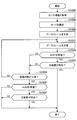
- the terminal 200 starts the operation illustrated in FIG. 11 with a trigger by a predetermined application, a predetermined cycle, or the like. Note that the start timing of the operation is not limited to these.
- the sensor information acquisition unit 210 acquires sensor information from various sensors. For example, the sensor information acquisition unit 210 acquires sensor information acquired by a GNSS sensor, a temperature sensor, an acceleration sensor, a gyro sensor, or the like.
- the mode selection unit 220 selects a mode related to ACK.
- the data frame generation unit 230 generates a data frame based on the sensor information provided from the sensor information acquisition unit 210 and the mode information on the ACK provided from the mode selection unit 220.
- step S1012 the transmission control unit 240 transmits the data frame generated by the data frame generation unit 230 to the base station 100.
- step S1016 when the reception process of ACK1 is required based on the mode related to ACK selected by the mode selection unit 220, the reception control unit 270 performs an ACK1 reception process. If the reception control unit 270 succeeds in the reception process of ACK1 (step S1016 / Yes), in step S1020, the reception control unit 270 sends ACK1 to the own apparatus based on the destination information included in the DL MAC Header of ACK1. It is determined whether or not
- step S1020 If ACK1 is addressed to the own apparatus (step S1020 / Yes), the reception control unit 270 recognizes that the base station 100 has successfully received the data frame, and the process ends.
- step S1016 when the reception process of ACK1 is not necessary based on the mode selected by the mode selection unit 220, or when the reception process of ACK1 fails (step S1016 / No), or ACK1 is not addressed to the own apparatus In the case (step S1020 / No), in step S1024, the transmission control unit 240 confirms whether the number of times of repeated transmission has reached the upper limit number.
- step S1024 / No If the number of repeated transmissions has not reached the upper limit number (step S1024 / No), the process returns to step S1012, and data frame transmission processing and ACK1 reception control are performed until the number of repeated transmissions reaches the upper limit number. If the number of times of repeated transmission has reached the upper limit number (step S1024 / Yes), in step S1028, if reception processing of ACK2 is necessary based on the mode selected by the mode selection unit 220, the reception control unit 270 The reception process of ACK2 is performed. When the reception control unit 270 succeeds in the reception process of ACK2 (step S1028 / Yes), in step S1032, the reception control unit 270 addresses the own apparatus based on the destination information included in the DL MAC Header of ACK2. It is determined whether or not
- step S1032 / Yes the reception control unit 270 recognizes that the base station 100 has successfully received the data frame, and the process ends.
- step S1028 if reception processing of ACK2 is not necessary based on the mode selected by mode selection unit 220, or if reception of ACK2 fails (step S1028 / No), or if ACK2 is not addressed to the own apparatus (Step S1032 / No), the process ends. In this case, the reception control unit 270 can not recognize whether the base station 100 has successfully received the data frame.
- terminal 200 is not limited to the above.
- mode selection unit 220 selects a mode for receiving at least one of ACK1 and ACK2, and when neither ACK1 nor ACK2 reception processing succeeds, transmission control unit 240 re-executes the data frame. It may be sent.
- step S1100 the reception control unit 120 clears a storage area for storing data frames received in the past for addition and synthesis.
- step S1104 the reception control unit 120 checks an elapsed time from the start timing of the reception process in order to leave the reception process (in other words, to time out) when the reception process does not end even after a predetermined time has elapsed.
- the upper limit of the timeout is set between the data frame end time when transmission processing of the upper limit number of repetitions is repeatedly performed and the start time of transmission of ACK2. It is not limited to this.
- step S1108 the reception control unit 120 calculates the correlation value between the fixed pattern used for preamble of the data frame and the reception signal, thereby the data frame Try to detect If it is determined that the reception control unit 120 detects a data frame based on the fact that the correlation value larger than the predetermined value is obtained (step S1108 / Yes), the reception control unit 120 determines that the data frame is received in step S1112. Store in storage area. If there is a data frame already stored in the storage area, the reception control unit 120 performs either an overwrite or addition / combination process. If the reception control unit 120 can not detect a data frame (step S1108 / No), the reception control unit 120 tries to detect a data frame until time-out is performed.
- step S1116 the reception control unit 120 performs signal processing on the PHY Payload portion of the data frame.
- the reception control unit 120 performs error correction using the corresponding technology.
- step S1120 the reception control unit 120 performs processing regarding the CRC included in the data frame to determine whether the decoding of the data frame has succeeded. If the reception control unit 120 determines that the decoding of the data frame is successful (step S1120 / Yes), it shifts to transmission control of ACK.
- step S1144 the reception control unit 120 compares the number of times of reception of the data frame with the upper limit number of repeated transmissions. I do. If the number of times of reception of the data frame has not reached the upper limit number of the number of times of repeated transmission (step S1144 / No), the process returns to step S1104 and the reception control unit 120 tries to detect the data frame until time out is performed. . If the number of times of reception of the data frame has reached the upper limit number of times of repeated transmission (step S1144 / Yes), the process ends.
- step S1124 the ACK generation unit 140 confirms the ACK mode included in the UL MAC Header of the data frame, and confirms whether ACK1 is requested from the terminal 200 or not. If ACK1 is requested (Yes at step S1124), the ACK generation unit 140 generates ACK1 at step S1128, and the transmission control unit 150 transmits ACK1 to the terminal 200. If ACK1 is not requested (No at Step S1124), generation and transmission of ACK1 at Step S1128 are not performed.
- step S1132 the reception control unit 120 compares the number of times of reception of the data frame with the upper limit number of the number of times of repeated transmission. If the number of times the data frame has been received has not reached the upper limit number of repeated transmissions (step S1132 / No), the process returns to step S1104 and the reception control unit 120 attempts to detect the data frame until a timeout occurs. . If the number of times of reception of the data frame has reached the upper limit number of repeated transmission times (step S1132 / Yes), the ACK generation unit 140 confirms the ACK mode included in the UL MAC Header of the data frame in step S1136. , And confirm whether ACK 2 is requested from the terminal 200 or not.
- ACK generation unit 140 If ACK2 is requested (Yes at step S1136), ACK generation unit 140 generates ACK2 at step S1140, and transmission control unit 150 transmits ACK2 to terminal 200. If ACK2 is not requested (No at Step S1136), generation and transmission of ACK2 at Step S1140 are not performed, and the process ends.
- step S1148 reception control unit 120 determines whether or not decoding of the data frame received in the past in the repeated transmission has succeeded. . If the reception control unit 120 determines that decoding of the data frame received in the past is successful in repeated transmission (step S1148 / Yes), the ACK generation unit 140 performs UL MAC Header of the data frame in step S1152. , And confirm whether ACK 2 is requested from the terminal 200 or not.
- step S1152 When ACK2 is requested (step S1152 / Yes), the ACK generation unit 140 and transmission control unit 150 wait until the transmission timing of ACK2 arrives, and when the transmission timing of ACK2 arrives (Yes at step S1156) At step S1160, ACK generation section 140 generates ACK2, and transmission control section 150 transmits ACK2 to terminal 200.
- step S1148 determines in step S1148 that the decoding of the data frame received in the past has not succeeded in repeated transmission (step S1148 / No), and ACK2 is requested in step S1152. If not (step S1152 / No), generation and transmission of ACK2 are not performed, and the process ends.
- FIGS. 13 to 16 are sequence diagrams showing operations corresponding to the respective modes relating to ACK shown in FIG.
- the upper limit number of the number of repeated transmissions is set to two for convenience.
- the terminal 200 can not detect ACK1 and fails reception processing of ACK1 (that is, ACK1 is transmitted for the upper limit number of times of repeated transmission).
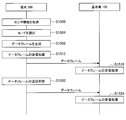
- FIG. 13 is a sequence diagram showing an operation corresponding to the case where “(D) ACK1 and ACK2 are received” in FIG. 9 is selected.
- step S1200 the sensor information acquisition unit 210 of the terminal 200 acquires sensor information from various sensors.
- the mode selection unit 220 selects a mode related to ACK.
- step S1208 the data frame generation unit 230 generates a data frame based on the sensor information provided from the sensor information acquisition unit 210 and the mode information on the ACK provided from the mode selection unit 220.
- step S1212 the transmission control unit 240 performs transmission processing of the data frame generated by the data frame generation unit 230.
- step S1216 the reception control unit 120 of the base station 100 succeeds in the process of receiving the data frame transmitted from the terminal 200.
- step S1220 the ACK generation unit 140 generates ACK1 and the transmission control unit 150 performs transmission processing of ACK1.
- step S1224 the reception control unit 270 of the terminal 200 fails in the reception process of ACK1.
- the transmission control unit 240 can not determine whether the reception process of the data frame by the base station 100 is successful or not, and thus performs the data frame transmission process again in step S1228.
- the processing of step S1232 to step S1240 is the same as the processing of step S1216 to step S1224, so the description will be omitted.
- step S1244 the ACK generation unit 140 of the base station 100 generates ACK2, and the transmission control unit 150 performs transmission processing of ACK2.
- step S1248 the reception control unit 270 of the terminal 200 succeeds in the reception process of ACK2, and the process ends.
- FIG. 14 is a sequence diagram showing an operation corresponding to the case where “(B) Receive only ACK1” in FIG. 9 is selected.
- the process related to ACK2 is not performed.
- the other points are the same as those in FIG.
- FIG. 15 is a sequence diagram showing an operation corresponding to the case where “(C) Receive only ACK2” in FIG. 9 is selected.
- the process related to ACK1 is not performed.
- the other points are the same as those in FIG.
- FIG. 16 is a sequence diagram showing an operation corresponding to the case where “(A) Do not receive ACK” in FIG. 9 is selected.
- the processes related to ACK1 and ACK2 are not performed.
- the other points are the same as those in FIG.
- Second embodiment> The first embodiment according to the present disclosure has been described above. Subsequently, a second embodiment according to the present disclosure will be described.
- the base station 100 performs communication with a plurality of terminals 200 in parallel.
- the processing of the flowchart shown in FIG. 12 is executed in parallel by at most the number of terminals 200.
- the transmission process of ACK1 or ACK2 to different terminals 200 may be performed at substantially the same timing.
- the base station 100 when the upper limit value is set to the transmission power for each frequency used for the transmission processing due to, for example, legal restriction, the base station 100 is substantially identical to the plurality of terminals 200 at substantially the same timing.
- the total transmission power needs to be equal to or less than the upper limit value.
- the base station 100 sets the total transmission power to the upper limit value or less, since the wireless communication distance of the ACK becomes short, there is a high possibility that the communication of the ACK to each terminal 200 fails.
- the base station 100 When transmitting an ACK to a plurality of terminals 200 using substantially the same frequency at substantially the same timing, the base station 100 according to the second embodiment gives priority to any one of the plurality of ACKs. Can be sent.
- the base station 100 preferentially transmits ACK2. More specifically, since the ACK1 is an ACK transmitted in data frame units that are repeatedly transmitted, the base station 100 is likely to have an opportunity to transmit the ACK1 again in the repetitive transmission. On the other hand, since the ACK2 is an ACK transmitted in a repeated transmission unit, the base station 100 can not obtain an opportunity to transmit the ACK2 again in the repeated transmission. In addition, since the terminal 200 which can not receive ACK2 repeatedly executes the entire transmission processing again, an increase in power consumption, an increase in interference, a decrease in communication efficiency, and the like occur because ACK2 is not transmitted. Therefore, the base station 100 can prevent the occurrence of these adverse effects by transmitting ACK2 preferentially to ACK1.
- the base station 100 determines the ACK1 to be preferentially transmitted based on the following viewpoints.
- base station 100 may determine ACK 1 to be preferentially transmitted based on the reception status of data frames from terminal 200. For example, the base station 100 may preferentially transmit ACK1 corresponding to a data frame with higher received power. The higher the received power of the data frame, the higher the possibility that the terminal 200 that has transmitted the data frame is located in the vicinity of the base station 100. Therefore, base station 100 can improve the probability of successful reception of ACK1 by terminal 200 by determining ACK1 to be preferentially transmitted based on the received power of the data frame. Also, the base station 100 may preferentially transmit ACK1 to the terminal 200 with a lower data frame transmission frequency (in other words, the terminal 200 with a lower frequency with which the base station 100 receives a data frame).
- base station 100 can perform communication with terminal 200 with a low frequency of data frame transmission more reliably.
- the base station 100 may determine ACK1 to be preferentially transmitted based on the transmission status of ACK. For example, the base station 100 may preferentially transmit ACK1 to the terminal 200 for which the number of times of transmission of ACK1 is smaller than that of the data frame being repeatedly transmitted. Although the base station 100 transmits ACK1 to the repeatedly transmitted data frame, the fact that the data frame is continuously received from the terminal 200 is located at a place where the terminal 200 can not receive ACK1. There is a high possibility of Therefore, the base station 100 improves the reception success probability of the ACK1 by the terminal 200 by determining the ACK1 to be preferentially transmitted based on the number of times of transmitting the ACK1 to the data frame being repeatedly transmitted. Can.
- the base station 100 may determine ACK1 to be preferentially transmitted by freely combining the above-described viewpoints. Also, the base station 100 may determine ACK1 to be preferentially transmitted based on viewpoints other than the above.
- the base station 100 determines the ACK 2 to be preferentially transmitted based on the following viewpoints.
- base station 100 may determine ACK 2 to be preferentially transmitted based on the reception status of data frames from terminal 200. For example, the base station 100 may preferentially transmit ACK2 corresponding to a data frame with higher received power. The higher the received power of the data frame, the higher the possibility that the terminal 200 that has transmitted the data frame is located in the vicinity of the base station 100. Therefore, base station 100 can improve the probability of successful reception of ACK 2 by terminal 200 by determining ACK 2 to be preferentially transmitted based on the reception power of the data frame. Also, the base station 100 may preferentially transmit ACK2 to the terminal 200 with a lower data frame transmission frequency (in other words, the terminal 200 with a lower frequency with which the base station 100 receives a data frame).
- base station 100 can perform communication with terminal 200 with a low frequency of data frame transmission more reliably.
- the base station 100 may determine ACK2 to be preferentially transmitted based on the transmission status of ACK. For example, the base station 100 may preferentially transmit the ACK2 to the terminal 200 to which the ACK1 was not transmitted by preferentially transmitting the ACK1 or the ACK2 to the other terminals 200. By this, the base station 100 can suppress the occurrence of the terminal 200 to which neither ACK1 nor ACK2 is transmitted while maintaining fairness.
- the base station 100 may determine ACK2 to be preferentially transmitted by freely combining the above-described viewpoints. Also, the base station 100 may determine ACK2 to be preferentially transmitted based on viewpoints other than the above.
- the transmission control unit 150 gives priority by the above method. Purposely determines an ACK to be transmitted, and controls transmission processing of the ACK. Also, the transmission control unit 150 may store information on ACKs that were not transmitted, and may use them for subsequent ACK transmission processing as described above (for example, to the terminal 200 to which ACK1 was not transmitted preferentially. On the other hand, after that, ACK2 is preferentially transmitted, etc.).
- the other functional configuration of the base station 100 and the functional configuration of the terminal 200 may be the same as in the first embodiment, and thus the description thereof will be omitted.
- base station 100 In transmission processing of ACK, it is determined whether transmission timing of ACK to a plurality of terminals 200 and frequency to be used are substantially the same. Do. Then, when the transmission timings of the ACKs to the plurality of terminals 200 and the frequencies to be used are substantially the same, the transmission control unit 150 determines an ACK to be preferentially transmitted by the above method, and transmits the ACK. Control.
- the operation of the terminal 200 may be the same as that of the first embodiment, and thus the description thereof is omitted.
- the base station 100 fails in the reception process of the data frame transmitted for the first time in the repeated transmission (for example, when it is determined that the decoded data has an error based on the CRC)
- the base station 100 fails in the reception process of the data frame transmitted for the first time in the repeated transmission (for example, when it is determined that the decoded data has an error based on the CRC)
- CRC NG is successfully received in the second transmission of the data frame (for example, addition synthesis of the first and second transmission data frames is successful).
- CRC OK the reception process of the data frame transmitted for the first time in the repeated transmission
- the base station 100 transmits ACK1 after successfully receiving the second-transmitted data frame, but the communicable distance of ACK1 is greater than the communication distance corresponding to the gain of two repeated transmissions of the data frame. Since the terminal 200 is short, the terminal 200 can not receive ACK1. Therefore, the terminal 200 that can not receive ACK1 performs data frame transmission processing up to four times, which is the upper limit number of the number of repeated transmissions, and the base station 100 performs reception processing for all these data frames. Thereafter, the terminal 200 recognizes that the base station 100 has succeeded in the data frame reception process by succeeding in the reception process of the ACK2 transmitted by the base station 100.
- the terminal 200 If the terminal 200 according to the third embodiment can determine that the base station 100 has successfully received the data frame, the terminal 200 stops the data frame transmission processing before the number of repeated transmissions reaches the upper limit number. can do.
- the terminal 200 may determine whether the reception process of the data frame by the base station 100 is successful based on the past communication state. For example, the number of times the base station 100 repeatedly receives a data frame until reception processing succeeds in reception processing of past data frames (in other words, a data frame that the base station 100 adds and combines until reception processing succeeds) Information (hereinafter referred to as “RX-N”) is included in ACK 2 and transmitted to the terminal 200.
- RX-N Information
- the DL MAC Header of ACK2 is configured of an ID, which is identification information of the terminal 200 that is the transmission destination of ACK2, and RX-N.
- the terminal 200 can recognize RX-N in the past communication state by receiving the ACK2, and is the base station 100 having successfully received the data frame based on the RX-N? It can be determined whether or not. For example, when terminal 200 repeatedly transmits the same number of times as RX-N corresponding to the previous repeated transmission, it determines that base station 100 has succeeded in data frame reception processing, and subsequent data frames The transmission process may be stopped.
- base station 100 and terminal 200 can reduce the waste of communication of data frame and ACK 1 while maintaining low possibility of failure of reception processing of data frame.
- the processing method is not limited to the above.
- the terminal 200 may perform the data frame reception process more surely by repeating the process more than the RX-N.
- the terminal 200 can not receive ACK2 including RX-N, the number of times of repeated transmission for stopping transmission processing may be increased or may be set to the upper limit value.
- the method by which the terminal 200 is notified of RX-N is not limited to the method by which RX-N is stored in ACK2.
- the reception control unit 120 provides RX-N to the ACK generation unit 140, and the ACK generation unit 140 generates ACK2 in which RX-N is included.
- the other functional configuration may be the same as that of the first embodiment, so the description will be omitted.
- the reception control unit 270 provides the transmission control unit 240 with RX-N included in ACK2 when ACK2 is received, and the transmission control unit 240 repeats based on RX-N. Control the number of transmissions.
- the other functional configuration may be the same as that of the first embodiment, so the description will be omitted.
- the upper limit number of repeated transmissions is set to four. Then, as shown in FIG. 3, after transmitting the fourth data frame, the terminal 200 B performs reception processing for ACK 1 and reception processing for subsequent ACK 2.
- the reception process for both ACK1 and ACK2 is redundant because the terminal 200B only needs to succeed in receiving either ACK1 or ACK2.
- the base station 100 omits the transmission control of ACK1 corresponding to the last reception processing after performing reception processing of data frames by the upper limit number of repeated transmissions, and only transmission control of ACK2. I do.
- base station 100 and terminal 200 can reduce power consumption by omitting communication of ACK1.
- the ACK generation unit 140 confirms whether the reception process of the data frame has been performed by the upper limit number of the repeated transmission number, when the reception process of the data frame is successful. Then, when the data frame reception process is performed by the upper limit number of the repeated transmission number, the ACK generation unit 140 omits the generation control of ACK1 corresponding to the last reception process, and performs only the generation control of ACK2.
- the other functional configuration may be the same as that of the first embodiment, so the description will be omitted.
- the reception control unit 270 omits the reception control of ACK1 corresponding to the last reception process based on the information on the number of times of repeated transmission and transmission timing provided by the transmission control unit 240, It performs only reception control of ACK2.
- the other functional configuration may be the same as that of the first embodiment, so the description will be omitted.
- Steps S1600 to S1612 are the same as steps S1000 to S1012 in FIG.
- step S1616 the reception control unit 270 confirms whether the number of times of repeated transmission has reached the upper limit number. If the number of times of repeated transmission has not reached the upper limit number (step S1616 / No), the reception control unit 270 performs reception control of ACK1 in steps S1620 and S1624. If the number of times of repeated transmission has reached the upper limit number (Yes at Step S1616), the reception control unit 270 performs reception control of ACK2 at Steps S1628 and S1632.
- Steps S1700 to S1716 are the same as steps S1100 to S1116 in FIG.
- step S1720 the reception control unit 120 performs processing related to the CRC included in the data frame to determine whether the decoding of the data frame has succeeded. If the reception control unit 120 determines that the decoding of the data frame is successful (Yes at step S1720), at step S1724, whether the ACK generation unit 140 has performed the data frame reception process for the upper limit number of times of repeated transmissions. Check if it is not. If the reception process of the data frame is not performed by the upper limit number of the repeated transmission number (step S1724 / No), the ACK generation unit 140 performs generation control of ACK1 in steps S1728 and S1732. If the data frame reception processing has been performed by the upper limit number of the repeated transmission number (step S1724 / Yes), the ACK generation unit 140 performs generation control of ACK2 in steps S1736 and S1740.
- steps S1744 to S1760 are the same as steps S1144 to S1160 in FIG.
- FIG. 21 is a sequence diagram showing an operation corresponding to the case where “(D) ACK1 and ACK2 are received” in FIG. 9 is selected.
- the upper limit number of the number of times of repeated transmission is set to two for convenience.
- the terminal 200 can not detect ACK1 and fails reception processing of ACK1 (that is, ACK1 is transmitted for the upper limit number of times of repeated transmission).
- step S1800 to step S1812 is the same as the processing of step S1200 to step S1212 of FIG.
- the ACK generation unit 140 performs the reception process of the data frame by the upper limit number of repeated transmissions.
- the ACK generation unit 140 generates ACK1 and the transmission control unit 150 performs transmission processing of ACK1.
- step S1824 and step S1828 are the same as the processes of step S1224 and step S1228 of FIG. Then, after the reception control unit 120 of the base station 100 succeeds in the reception process of the data frame transmitted from the terminal 200 in step S1832, the ACK generation unit 140 receives the data frames by the upper limit number of the repeated transmission number. By confirming that the process has been performed, in step S1836, the ACK generation unit 140 generates ACK2 instead of ACK1, and the transmission control unit 150 performs transmission processing of ACK2. In step S1840, the reception control unit 270 of the terminal 200 succeeds in the reception process of ACK2, and the process ends.
- the base station 100 stores destination information (e.g., ID and the like) in the DL MAC header of ACK1 and ACK2, so that the terminal 200 that has received these signals receives the destination information and its own information. By comparing with the identification information of the device, it is determined whether these signals are signals for the own device.
- the frame lengths of ACK1 and ACK2 be short also for the reduction of the power required for the process of receiving ACK1 and ACK2 by the terminal 200.
- the base station 100 When generating ACK1 and ACK2, the base station 100 according to the fifth embodiment omits the DL MAC Header and the CRC, and generates it based on the identification information (for example, ID etc.) of the terminal 200 which is the transmission destination. These signals are generated so as to include only different preambles for each terminal 200.
- the base station 100 may generate a preamble by inputting the identification information of the terminal 200 to a PN sequence generator which is a type of pseudo random sequence generator. Also, the base station 100 may hold a table in which different preambles for each terminal 200 are associated with identification information of each terminal 200, and may set the preamble based on the table.
- each terminal 200 detects ACK1 and ACK2 by generating a preamble for the own apparatus by the same method as that of the base station 100 (or by grasping the preamble for the own apparatus in advance). Can.
- the fifth embodiment shortens the frame lengths of ACK1 and ACK2 while shortening the frame lengths of ACK1 and ACK2 while maintaining a state in which the terminal 200 can properly detect ACK1 and ACK2, Power required for reception processing can be reduced.
- FIG. 22 is a diagram showing an example of a PN sequence generator.
- the PN sequence generator includes six delay elements 10 and two exclusive OR circuits 20.
- the ACK generation unit 140 of the base station 100 inputs the ID of the terminal 200 which is the transmission destination of the ACK as an initial value of the PN sequence generator shown in FIG. 22, that is, as an initial value of each delay element 10. Different Preambles are generated for each terminal 200.
- the reception control unit 270 When receiving an ACK, the reception control unit 270 is the same as the base station 100 by inputting its own ID as an initial value of the PN sequence generator shown in FIG. The preamble is generated and used for ACK reception processing.
- different preambles may be used for ACK1 and ACK2 by using different PN sequence generators when generating ACK1 and ACK2.
- PN sequence generators having different numbers of delay elements 10 may be used, or PN sequence generators having different arrangements of exclusive OR circuits 20 may be used.
- an M-sequence generator or a GOLD-sequence generator may be used as the pseudo random sequence generator.
- the terminal 200 when the terminal 200 receives an ACK addressed to another terminal 200, it calculates the correlation value between the preamble of the ACK and the preamble for the own apparatus, and the correlation value is larger than a predetermined value. It is required to recognize that the ACK is not a signal addressed to the own apparatus based on the absence (the correlation value is sufficiently small).
- the terminal 200 can appropriately determine whether the ACK is a signal addressed to the own apparatus.
- ACK1 can not make the frame length longer than ACK2
- only a part of the sequence generated by the PN sequence generator may be used to generate a preamble.
- the terminal 200 erroneously detects the ACK1 when the correlation value between preambles generated by different IDs becomes larger than a predetermined value (the correlation value does not become sufficiently small).
- the present disclosure person has come to create a modified example of the fifth embodiment.
- the base station 100 When generating ACK1, the base station 100 according to the modification not only generates a preamble based on the ID of the terminal 200, but also determines the transmission timing of the ACK1. More specifically, the base station 100 generates a preamble of ACK 1 by inputting a part of the ID of the destination terminal 200 to the PN sequence generator shown in FIG. A part is used to determine the transmission timing of ACK1.
- the method of generating the preamble and the method of determining the transmission timing in the modification will be described more specifically.
- the ID of the terminal 200 is assumed to be 8 bits.
- the base station 100 generates the preamble of ACK1 by inputting 0-3 [bit] of the ID of the terminal 200 into the PN sequence generator shown in FIG. Then, the base station 100 outputs the transmission timing of ACK1 (denoted as "dT” in the drawing) by inputting 4-7 bits of the ID into a predetermined program.
- the transmission timing of ACK1 is, as shown in FIG. 24, the time from the end of the data frame transmitted by the terminal 200 (denoted as “UL Data frame” in the figure) to the transmission of ACK1.
- the contents of the predetermined program used to output the transmission timing of ACK1 are not particularly limited, and any program may be used as long as it can output some value related to time based on the input ID. Also, any part of the ID may be used in the above process.
- the transmission timing of ACK1 is also determined based on the ID of the terminal 200, as shown in FIG. 24, the transmission timing (dT1) of ACK1 to the terminal 200A and the transmission timing (dT2) of ACK1 to the terminal 200B are different from each other. There is.
- the terminal 200 generates a preamble for detecting the ACK1 by the same method as the base station 100, and calculates the reception timing of the ACK1 (corresponding to the above transmission timing).
- the terminal 200 can determine whether or not the ACK1 is a signal addressed to the own apparatus based on not only the preamble but also the reception timing of the ACK1. That is, even if the correlation value between preambles generated by different IDs becomes larger than a predetermined value (the correlation value does not become sufficiently small), the terminal 200 generates ACK1 of ACK1 based on the reception timing of ACK1. False detection can be prevented.
- the base station 100 can only perform either the transmission process or the reception process, the ACK is transmitted. During processing, it is not possible to receive data frames from other terminals 200. Also, when the base station 100 can simultaneously perform transmission processing and reception processing, interference between the ACK and the data frame causes the base station 100 to fail reception processing of data frames from other terminals 200. there is a possibility.
- FDD Frequency Division Duplex
- frequency division duplex Frequency Division Duplex
- the frequencies used for transmission and reception should be different from each other by defining the frequency used for reception processing and the frequency used for transmission processing as a pair (one-to-one) Therefore, even if transmission and reception occur simultaneously, the influence of each other can be reduced.
- the base station 100 succeeds in the process of receiving data frames from a plurality of terminals 200 at substantially the same frequency and substantially the same timing.
- a data frame is spread by a pseudo random sequence (for example, a PN sequence or the like)
- data frames from a plurality of terminals 200 have substantially the same frequency.
- the base station 100 succeeds in the process of receiving these data frames due to the gain of spreading.
- the base station 100 since the frequencies used for reception processing are substantially the same as each other, by applying FDD, the base station 100 also uses substantially the same frequencies as each other for ACK transmission processing for different terminals 200. become. For example, when the upper limit value is set to the transmission power for each frequency used for transmission processing due to legal restrictions etc., the base station 100 transmits a plurality of terminals 200 at substantially the same frequency and at substantially the same timing. When transmitting an ACK, it is necessary to make the total transmission power equal to or less than the upper limit value. When the base station 100 sets the total transmission power to the upper limit value or less, since the wireless communication distance of the ACK becomes short, there is a high possibility that the communication of the ACK to each terminal 200 fails.
- the base station 100 can determine the frequency to be used for ACK transmission processing based on the frequency used for reception processing and the identification information (for example, ID etc.) of the terminal 200.
- the frequencies used for the reception process are assigned frequency numbers corresponding to the respective frequencies.
- the frequencies used for transmission processing are also assigned frequency numbers corresponding to the respective frequencies.
- the frequency number corresponding to the frequency used for the data frame reception process is F_RX
- the identification information of the terminal 200 that is the transmission destination of the ACK is an ID, which can be used for the transmission process by the base station 100.
- the base station 100 can determine F_TX, which is a frequency number corresponding to the frequency used for ACK transmission processing, using Equation 2 below.
- mod is an operator indicating the remainder of division. For example, (A) mod (B) indicates the remainder obtained by dividing A by B.
- the base station 100 transmits ACKs to the respective terminals 200.
- the base station 100 transmits ACKs to the respective terminals 200.
- the calculation formula of F_TX is not limited to Formula 2.
- the formula for calculating F_TX may be changed as appropriate depending on the method of defining identification information of terminal 200, the number of frequencies available for transmission processing by base station 100 (N-TXF), or the like. Further, the calculation formula of F_TX may be a formula in which N-TXF is not used.
- the terminal 200 after transmitting the data frame, when the terminal 200 receives the ACK, the terminal 200 receives the ACK by determining the frequency used for the reception process using Equation 2 as in the base station 100. Processing can be successful.
- the reception control unit 120 provides the transmission control unit 150 with F_RX and an ID when the data frame reception processing is successful. Then, transmission control section 150 calculates F_TX by inputting the above information and N-TXF into the above-mentioned equation 2, and performs transmission processing of ACK on the frequency corresponding to F_TX.
- the transmission control unit 240 provides the reception control unit 270 with a frequency number (frequency number corresponding to F_RX in the base station 100) corresponding to the frequency used for the data frame transmission process. . Then, the reception control unit 270 inputs the information, the ID of the own apparatus, and the N-TXF into the above equation 2 to obtain the frequency number corresponding to the frequency used for the ACK reception process (F_TX in the base station 100. And the reception process of ACK on the frequency corresponding to the frequency number.
- the power consumption of the wireless communication apparatus can be obtained by using ACK1 transmitted in units of repeatedly transmitted data frames and ACK2 transmitted in units of repeated transmissions. At the same time, reducing the impact of interference, and reducing the number of base stations can be realized.
- any of the plurality of ACKs. can be sent preferentially.
- base station 100 can improve the probability of successful reception of ACK 1 by terminal 200, and so on.
- the terminal 200 when the terminal 200 can determine that the base station 100 has successfully received the data frame, the data frame is received before the number of times of repeated transmission reaches the upper limit number. You can stop the sending process of As a result, the terminal 200 can reduce the waste of the data frame and the communication of the ACK 1 while maintaining low possibility of the reception process of the data frame failing.
- the base station 100 omits transmission control of ACK1 corresponding to the last reception processing after performing reception processing of the data frame by the upper limit number of times of repeated transmission, Only transmission control of ACK2 is performed. As a result, the base station 100 can reduce power consumption by omitting the communication of ACK1.
- the base station 100 when generating the ACK1 and the ACK2, the base station 100 omits the DL MAC Header and the CRC, and uses the identification information (for example, the ID etc.) of the terminal 200 as the transmission destination. These signals are generated so as to include only the different preambles generated for each terminal 200 based on that.
- base station 100 shortens the frame lengths of ACK1 and ACK2 while shortening the frame lengths of ACK1 and ACK2 while maintaining a state in which terminal 200 can appropriately detect ACK1 and ACK2, thereby achieving reception processing. Power required to
- the base station 100 when generating the ACK1, the base station 100 not only generates the preamble based on the ID of the terminal 200, but also determines the transmission timing of the ACK1. By this means, base station 100 can effectively prevent false detection of ACK 1 by terminal 200.
- the base station 100 determines the frequency used for ACK transmission processing based on the frequency used for reception processing and the identification information (for example, ID etc.) of the terminal 200. It can be decided. As a result, even if the base station 100 succeeds in receiving data frames from a plurality of terminals 200 at substantially the same frequency and at substantially the same timing, the base station 100 transmits ACKs to the respective terminals 200, The communication success probability of each ACK can be improved by using different frequencies.
- each step in the operation of each device does not necessarily have to be processed chronologically in the order described as the flowchart. That is, each step in the operation of base station 100 or terminal 200 may be processed in an order different from the order described as the flowchart or may be processed in parallel.
- a reception control unit that controls reception of a plurality of data frames including the same data mutually transmitted repeatedly by another device;
- a transmission control unit configured to control transmission of an acknowledgment signal to the other device in at least one of a data frame unit and the repetitive transmission unit;
- Wireless communication device
- the first acknowledgment signal transmitted in the data frame unit and the second acknowledgment signal transmitted in the repeated transmission unit have different frame lengths.
- the first acknowledgment signal has a shorter frame length than the second acknowledgment signal.
- the transmission control unit preferentially transmits one of the plurality of acknowledgment signals when the transmission timings of the plurality of acknowledgment signals are substantially the same.
- the wireless communication device may Preferentially transmitting the second acknowledgment signal, The wireless communication device according to (4).
- the transmission control unit preferentially transmits one of the plurality of acknowledgment signals based on the reception status of the data frame or the transmission status of the acknowledgment signal.
- the wireless communication device controls transmission of a signal including information on the number of times the reception control unit repeatedly receives the data frame until the reception process of the data frame is successful.
- the wireless communication device according to any one of (1) to (6).
- the transmission control unit does not transmit a first acknowledgment signal corresponding to the data frame transmitted at the end of the repetitive transmission.
- the wireless communication device according to any one of (1) to (7).
- the transmission control unit determines a preamble of the acknowledgment signal based on identification information of the other device.
- the wireless communication device according to any one of (1) to (8).
- the transmission control unit determines the transmission frequency of the acknowledgment signal based on the reception frequency of the data frame and the identification information of the other device.
- the wireless communication device according to any one of (1) to (9).
- (11) Controlling reception of a plurality of data frames that are repeatedly transmitted by another device and include identical data to each other; Controlling transmission of an acknowledgment signal to the other device in at least one of a data frame unit and the repetitive transmission unit.
- Wireless communication method implemented by a computer.
- a transmission control unit that controls repeated transmission of a plurality of data frames containing the same data to another device;
- a reception control unit configured to control reception of an acknowledgment signal from the other device in at least one of a data frame unit and the repetitive transmission unit;
- Wireless communication device The first acknowledgment signal received in data frame units and the second acknowledgment signal received in the repeat transmission unit have different frame lengths.
- the first acknowledgment signal has a shorter frame length than the second acknowledgment signal.
- the reception control unit controls reception of a signal including information on the number of times the other device repeatedly receives the data frame until the reception process of the data frame is successful,
- the transmission control unit determines the number of transmissions in the repetitive transmission based on the information.
- the wireless communication device according to any one of (12) to (14).
- the reception control unit does not receive a first acknowledgment signal transmitted corresponding to the data frame transmitted at the end of the repetitive transmission.
- the reception control unit determines, based on identification information of the own apparatus, a printable used to detect the acknowledgment signal.
- the reception control unit determines a reception frequency of the acknowledgment signal based on a transmission frequency of the data frame and identification information of the own apparatus.
- the wireless communication device according to any one of (12) to (17). (19) Controlling repeated transmission of a plurality of data frames containing the same data to another device; Controlling reception of an acknowledgment signal from the other device in at least one of a data frame unit and the repetitive transmission unit. Wireless communication method implemented by a computer.
- a first wireless communication device and a second wireless communication device The first wireless communication device is A first reception control unit that controls reception of a plurality of data frames that are repeatedly transmitted by the second wireless communication apparatus and that contain identical data to each other; A first transmission control unit configured to control transmission of an acknowledgment response signal to the second wireless communication device in at least one of a data frame unit and the repetitive transmission unit; The second wireless communication device is A second transmission control unit that controls repeated transmission of the data frame to the first wireless communication device; A second reception control unit configured to control reception of the confirmation response signal from the first wireless communication device in at least one of a data frame unit and the repetitive transmission unit; Wireless communication system.
- Reference Signs List 100 base station 110 reception unit 120 reception control unit 130 sensor information acquisition unit 140 ACK generation unit 150 transmission control unit 160 transmission unit 200 terminal 210 sensor information acquisition unit 220 mode selection unit 230 data frame generation unit 240 transmission control unit 250 transmission unit 260 Receiver 270 Reception controller
Landscapes
- Engineering & Computer Science (AREA)
- Signal Processing (AREA)
- Computer Networks & Wireless Communication (AREA)
- Mobile Radio Communication Systems (AREA)
Abstract
【課題】無線通信装置の消費電力を低減させること、干渉の影響を低減させること、および、基地局数を減少させることを同時に実現することを可能にする。 【解決手段】他装置によって繰り返し送信が行われた、互いに同一データが含まれる複数のデータフレームの受信を制御する受信制御部と、データフレーム単位または前記繰り返し送信単位の少なくともいずれか一方で、前記他装置に対する確認応答信号の送信を制御する送信制御部と、を備える、無線通信装置が提供される。
Description
本開示は、無線通信装置、無線通信方法および無線通信システムに関する。
無線通信システムにおいて、無線信号の送信元装置が、無線信号の送信先装置からデータ通信の成否結果を得るためには様々な方法が用いられ得る。例えば、送信元装置が、送信先装置から確認応答信号を受信することによってデータ通信の成否結果を得ることが可能である。当該確認応答信号には、例えば、データ通信の成功を示すACK(ACKnowledgement)、または、データ通信の失敗を示すNACK(Negative ACKnowledgement)等がある。
例えば、以下の特許文献1には、3GPP(Third Generation Partnership Project)LTE(Long Term Evolution)において、移動局における電力消費を最小化するためにACKまたはNACKを用いた通信制御を行う技術が開示されている。
ここで、上記の特許文献1等によっては、無線通信装置の消費電力を低減させること、干渉の影響を低減させること、および、基地局数を減少させることを同時に実現することが困難であった。そこで、本開示は、無線通信装置の消費電力を低減させること、干渉の影響を低減させること、および、基地局数を減少させることを同時に実現することが可能な、新規かつ改良された無線通信装置、無線通信方法および無線通信システムを提供する。
本開示によれば、他装置によって繰り返し送信が行われた、互いに同一データが含まれる複数のデータフレームの受信を制御する受信制御部と、データフレーム単位または前記繰り返し送信単位の少なくともいずれか一方で、前記他装置に対する確認応答信号の送信を制御する送信制御部と、を備える、無線通信装置が提供される。
また、本開示によれば、他装置によって繰り返し送信が行われた、互いに同一データが含まれる複数のデータフレームの受信を制御することと、データフレーム単位または前記繰り返し送信単位の少なくともいずれか一方で、前記他装置に対する確認応答信号の送信を制御することと、を有する、コンピュータにより実行される無線通信方法が提供される。
また、本開示によれば、互いに同一データが含まれる複数のデータフレームの、他装置に対する繰り返し送信を制御する送信制御部と、データフレーム単位または前記繰り返し送信単位の少なくともいずれか一方で、前記他装置からの確認応答信号の受信を制御する受信制御部と、を備える、無線通信装置が提供される。
また、本開示によれば、互いに同一データが含まれる複数のデータフレームの、他装置に対する繰り返し送信を制御することと、データフレーム単位または前記繰り返し送信単位の少なくともいずれか一方で、前記他装置からの確認応答信号の受信を制御することと、を有する、コンピュータにより実行される無線通信方法が提供される。
また、本開示によれば、第1の無線通信装置と、第2の無線通信装置と、を備え、前記第1の無線通信装置は、前記第2の無線通信装置によって繰り返し送信が行われた、互いに同一データが含まれる複数のデータフレームの受信を制御する第1の受信制御部と、データフレーム単位または前記繰り返し送信単位の少なくともいずれか一方で、前記第2の無線通信装置に対する確認応答信号の送信を制御する第1の送信制御部と、を備え、前記第2の無線通信装置は、前記データフレームの、前記第1の無線通信装置に対する繰り返し送信を制御する第2の送信制御部と、データフレーム単位または前記繰り返し送信単位の少なくともいずれか一方で、前記第1の無線通信装置からの前記確認応答信号の受信を制御する第2の受信制御部と、を備える、無線通信システムが提供される。
以上説明したように本開示によれば、無線通信装置の消費電力を低減させること、干渉の影響を低減させること、および、基地局数を減少させることを同時に実現することが可能となる。
なお、上記の効果は必ずしも限定的なものではなく、上記の効果とともに、または上記の効果に代えて、本明細書に示されたいずれかの効果、または本明細書から把握され得る他の効果が奏されてもよい。
以下に添付図面を参照しながら、本開示の好適な実施の形態について詳細に説明する。なお、本明細書及び図面において、実質的に同一の機能構成を有する構成要素については、同一の符号を付することにより重複説明を省略する。
なお、説明は以下の順序で行うものとする。
1.第1の実施例
1-1.背景
1-2.装置構成
1-3.機能概要
1-4.フレーム構成
1-5.機能構成
1-6.モード選択方法
1-7.動作
2.第2の実施例
2-1.背景
2-2.機能概要
2-3.機能構成および動作
3.第3の実施例
3-1.背景
3-2.機能概要
3-3.機能構成
4.第4の実施例
4-1.背景
4-2.機能概要
4-3.機能構成および動作
5.第5の実施例
5-1.背景
5-2.機能概要
5-3.機能構成
5-4.変形例
6.第6の実施例
6-1.背景
6-2.機能概要
6-3.機能構成
7.むすび
1.第1の実施例
1-1.背景
1-2.装置構成
1-3.機能概要
1-4.フレーム構成
1-5.機能構成
1-6.モード選択方法
1-7.動作
2.第2の実施例
2-1.背景
2-2.機能概要
2-3.機能構成および動作
3.第3の実施例
3-1.背景
3-2.機能概要
3-3.機能構成
4.第4の実施例
4-1.背景
4-2.機能概要
4-3.機能構成および動作
5.第5の実施例
5-1.背景
5-2.機能概要
5-3.機能構成
5-4.変形例
6.第6の実施例
6-1.背景
6-2.機能概要
6-3.機能構成
7.むすび
<1.第1の実施例>
まず、本開示に係る第1の実施例について説明する。
まず、本開示に係る第1の実施例について説明する。
(1-1.背景)
無線通信システムにおいて、無線信号の送信元装置が、無線信号の送信先装置からデータ通信の成否結果を得るためには様々な方法が用いられ得る。例えば、送信元装置が、送信先装置から確認応答信号を受信することによってデータ通信の成否結果を得ることが可能である。当該確認応答信号には、例えば、データ通信の成功を示すACK、または、データ通信の失敗を示すNACK等がある。
無線通信システムにおいて、無線信号の送信元装置が、無線信号の送信先装置からデータ通信の成否結果を得るためには様々な方法が用いられ得る。例えば、送信元装置が、送信先装置から確認応答信号を受信することによってデータ通信の成否結果を得ることが可能である。当該確認応答信号には、例えば、データ通信の成功を示すACK、または、データ通信の失敗を示すNACK等がある。
ここで、ACKおよびNACKのうち、より確実なデータ通信を実現するために、ACKが採用される場合が多い。ACKが採用された場合についてより具体的に説明すると、ACKの通信が失敗した場合、ACKの送信先装置は、データ通信が失敗したことによりACKが送信されなかったのか、データ通信が成功しACKも送信されたが、自装置がACKの受信に失敗したのか、を判断することができない。しかし、いずれの場合においても、当該装置は、再送等を行うことでデータ通信をより確実に実現することができる。一方、NACKが採用された場合、仮に、データ通信が失敗し、その後のNACKの通信も失敗すると、NACKの送信先装置は、データ通信が成功したと判断し、再送等を行わないため、データ通信が失敗に終わる。以上により、NACKよりもACKが採用される場合が多い。
また、ACKは、様々な無線通信システムで使用されている。例えば、ACKは、LTE(Long Term Evolution)等の公衆網無線通信システム、または、IEEE802.11等の無線LAN(Local Area Network)システム等で使用されている。
これらの無線通信システムにおいては、データ通信が行われた後にACKが通信されることになる。すなわち、1回のデータ通信が行われるにあたり、データ通信に要する電力およびACKの通信に要する電力が消費されることになる。また、無線LANシステム等においては、複数回のデータ通信が行われた後に、それらの通信に対するACKがまとめられたブロックACKという種類のACKが採用されている。これによって、ACKの通信に要する電力が削減される代りに、データの送信元装置は、複数回のデータ通信にて送信したデータを記憶しておき、ブロックACKにて通信の成功が示されなかったデータの再送等を行うため、より複雑なメモリ管理を求められる。
さて、近年、インターネットに接続可能な端末を、様々な場所、人または物に設置することで、当該端末が収集する情報を活用するIoT(Internet of Things)技術が盛んに開発されている。例えば、各種センサを備えた端末から、各種センシングデータを収集し、これらのデータを活用する技術が開発されている。
当該端末においては、端末自体の小型化の要請等により、バッテリーの小型化が求められている。また、バッテリーの充電作業等の運用コストを低減させるために、消費電力の低減が求められている。以上から、当該端末においては、無線通信に伴う消費電力の低減がより重要になっている。
また、IoTを実現する無線通信システムは、多くの場所、人または物に関する情報を収集するために、当該システム内に多くの端末を備えることが求められる。無線通信システムが多くの端末を備えるためには、複数の端末と同時にデータ通信を行うことによって生じる干渉を抑制することが重要である。
さらに、無線通信システムは、コストの制約により収集が困難であった、場所、人または物に関する情報を収集するために、システム全体のコストを削減することが求められている。そのため、設置コストが高い基地局の数を減らすことが重要である。実現方法としては、端末と基地局との無線通信距離を長くすることにより、基地局の数を減らしつつ広範囲から情報を収集可能にする方法が挙げられる。そして、端末と基地局との無線通信距離を長くする方法の一つとして、端末が、同一データを含む複数のデータフレームを繰り返して送信し、基地局が、これらのデータフレームを選択もしくは加算合成することで受信成功確率を向上させる方法が挙げられる。
しかし、無線通信システムが、上記の3つの要求(換言すると、無線通信装置の消費電力を低減させること、干渉の影響を低減させること、および、基地局数を減少させること)に対応しつつ、データ通信を確実に行うために確認応答信号を導入することは、以下の点で様々な困難を伴う。
まず、ACKの通信により消費電力が増加する点が挙げられる。より具体的に説明すると、上記のように、同一データを含む複数のデータフレームが繰り返して送信される場合、端末から基地局への無線通信距離は、繰り返して送信される回数(以降、「繰り返し送信回数」と呼称する)に依存する。換言すると、繰り返し送信回数が多くなるほど、端末から基地局への無線通信距離を長くすることができる。
一方、基地局から端末に送信される確認応答信号について、同程度の無線通信距離が実現されるためには、無線通信システムは、確認応答信号の受信感度を高くすることを求められる。例えば、端末が基地局へデータフレームを送信する際の繰り返し送信回数がN回である場合、基地局は、これらのデータフレームを加算合成することにより、以下の式1により算出されるだけの利得を得る。例えば、N=10とした場合、基地局は、10[dB]の利得を得る。

確認応答信号の通信が行われる場合、無線通信システムは、式1により算出される利得に相当するだけ確認応答信号の受信感度を高くすることが求められる。しかし、確認応答信号の送信電力が制限される場合、無線通信システムは、確認応答信号の通信時間を長くすることにより対応することになる。例えば、N=10とした場合、無線通信システムは、確認応答信号の通信時間を10倍にすることになる。これにより、端末が確認応答信号の受信に要する時間が長くなるため、結果的に端末の消費電力が増加することになる。
さらに、データフレームが繰り返して通信され、各通信の後に確認応答信号が通信される場合、確認応答信号の受信に要する電力は繰り返し送信回数が増加するにつれて増加する。これを回避するためには、例えば、繰り返し送信後に1度だけ確認応答信号を通信する方法が採用され得る。しかし、この場合、全ての端末が繰り返し送信回数の上限数だけのデータフレームの繰り返し送信を行うことになるため、上限数よりも少ない繰り返し送信回数でデータ通信が成功した場合には、その後に無駄なデータ通信が行われることになる。換言すると、この無駄なデータ通信により、消費電力および干渉が引き起こされ、端末数が増加するほど大きな問題となる。特に、基地局近傍に位置する端末から送信された無線信号は、基地局において大きな干渉源になり、基地局が他の端末から送信された無線信号を受信する上でより大きな影響を及ぼす。
本件の開示者は、上記事情に鑑みて本開示に係る第1の実施例を創作するに至った。第1の実施例は、繰り返し送信されるデータフレーム単位で送信される第1の確認応答信号および繰り返し送信単位で送信される第2の確認応答信号を用いることで、無線通信装置の消費電力を低減させること、干渉の影響を低減させること、および、基地局数を減少させることを同時に実現することができる。以降では、本開示に係る第1の実施例について詳細に説明していく。
なお、本開示は、無線通信システムであれば、適用される対象は特に限定されない。例えば、本開示は、LTE等を含む公衆網無線通信システムに適用されてもよいし、IEEE802.11によって規定される無線LANシステムに適用されてもよいし、その他の無線通信システムに適用されてもよい。
また、これらの無線通信システムにおいて、確認応答信号の送信装置および受信装置として機能する装置は特に限定されない。例えば、これらの無線通信システムにおける親局(例えば、基地局、アクセスポイント等)および子局(例えば、端末、ステーション等)のいずれも、確認応答信号の送信装置および受信装置として機能し得る。以降では、一例として、本開示が、IoTを実現する無線通信システムに適用され、基地局が確認応答信号の送信装置として機能し、端末が確認応答信号の受信装置として機能する場合について説明する。
また、確認応答信号は、何らかのデータ通信の成否を示す信号であればよく、確認応答信号の種類は特に限定されない。以降では、一例として、確認応答信号としてACKが採用される場合について説明する。
(1-2.装置構成)
上記では、第1の実施例の背景について説明した。続いて、図1を参照して、無線通信システムの装置構成について説明する。
上記では、第1の実施例の背景について説明した。続いて、図1を参照して、無線通信システムの装置構成について説明する。
図1に示すように、無線通信システムは、基地局100と、端末200と、を備える。基地局100および端末200の数は特に限定されない。以降では、一例として、無線通信システムが1台の基地局100と、複数の端末200と、を備える場合について説明する。
端末200は、様々な場所、人または物に設置され、自装置に備えられる各種センサによって各種情報を収集する無線通信装置(または、「第2の無線通信装置」とも呼称される)である。また、端末200は、他装置と無線通信を行うことで、他装置から各種情報を収集してもよい。そして、端末200は、収集した情報が含まれたデータフレームを基地局100へ送信する。ここで、端末200が備えるセンサの種類は特に限定されない。例えば、端末200が備えるセンサには、加速度センサ、ジャイロセンサ、地磁気センサ、気圧センサ、温度センサ、振動センサ、音声センサ、心拍センサ、脈波センサ、近接センサ、照度センサ、圧力センサ、位置センサ、発汗センサ、pHセンサ、湿度センサまたは赤外線センサ等が含まれ得る。
また、上記のとおり、端末200は、より確実な通信を実現するために、データフレームを繰り返して送信する。なお、繰り返し送信における送信間隔、繰り返し送信回数の上限数、送信電力、フレーム構成等は特に限定されない。
基地局100は、端末200から提供された情報を用いて各種サービスを提供する無線通信装置(または、「第1の無線通信装置」とも呼称される)である。例えば、基地局100は、ユーザに装着された端末200によって収集された位置情報および心拍情報等を用いてユーザの見守りサービスを提供したり、自転車等の乗り物に設置された端末200によって収集された位置情報等を用いて乗り物のレンタルサービスを提供したり、建築物に設置された端末200によって収集された振動情報等を用いて建築物の強度監視サービス等を提供したりする。
また、上記のとおり、基地局100は、端末200から繰り返して送信されたデータフレームを受信し、受信処理に成功した場合には、確認応答信号としてACKを端末200に対して送信する。第1の実施例に係るACKの詳細については後述する。
ここで、基地局100および端末200は、LPWA(Low Power Wide Area)を用いてIoTをより適切に実現する。LPWAとは、より低い消費電力によって、より遠い距離(キロメートル単位)への通信を可能にする無線通信技術を指す。LPWAは、IoTを実現する無線通信システムのように、多数の端末200との通信が発生し、かつ、データフレームのサイズが比較的に小さい場合において、特に効果を発揮し易く、消費電力を低減させることが可能である。なお、これはあくまで一例であり、LPWAは適用されなくてもよい。
(1-3.機能概要)
上記では、無線通信システムの装置構成について説明した。続いて、無線通信システムの機能概要について説明する。
上記では、無線通信システムの装置構成について説明した。続いて、無線通信システムの機能概要について説明する。
基地局100は、端末200によって繰り返して送信されたデータフレームの受信処理に成功した場合、当該端末200に対してACKを送信する。このとき、基地局100は、繰り返して送信されるデータフレーム単位で送信される第1の確認応答信号であるACK(以降、「ACK1」と呼称する)および、繰り返し送信単位で送信される第2の確認応答信号であるACK(以降、「ACK2」と呼称する)を用いる。
そして、基地局100は、ACK1のフレーム長をACK2のフレーム長よりも短く設定する。より具体的には、基地局100は、ACK1のフレーム長をACK2のフレーム長よりも短くすることで、端末200によるACK1の受信時間をACK2の受信時間よりも短くし、ACK1の受信に要する電力を低減させることができる。また、基地局100の近傍に位置する端末200は、フレーム長が短いACK1でも受信処理に成功する可能性が高いため、基地局100は、繰り返して送信されるデータフレーム単位でACK1を送信することで、端末200によるデータフレームの繰り返し送信回数を低減させることができるため、干渉の発生を抑制することができる。
また、基地局100は、繰り返し送信単位で(換言すると、繰り返し送信回数の上限数だけデータフレームが送信された後に)ACK1よりもフレーム長が長いACK2を送信することで、ACK1の受信処理に失敗した端末200に対しても、データフレームの通信の成功を通知することができる。例えば、端末200が、基地局100の遠方に位置する場合、フレーム長が短いACK1の受信処理に失敗する可能性が高いため、ACK2がより有効に機能する。
ここで、図2および図3を参照して、第1の実施例における基地局100および端末200の動作例について説明する。なお、図1に示すように、基地局100の近傍に位置する端末200Aと、基地局100の遠方に位置する端末200Bを用いて説明を行う。また、繰り返し送信回数の上限数が4回に設定されているとする。
図2は、基地局100の近傍に位置する端末200Aと、基地局100との無線通信の一例について示している。図2に示すように、端末200Aは、収集した情報を含めたデータフレーム(図中には「UL(Up Link) Data frame」と表記)を繰り返して送信し、基地局100は、2回目に送信されたデータフレームを受信した時点で受信処理に成功し、ACK1を送信する。端末200Aは、ACK1を受信することで、データフレームの受信処理が成功したことを認識するとともに、3回目および4回目の送信処理を省略する。これによって、端末200Aは、3回目および4回目の送信処理に要する電力を削減することができ、干渉の発生も抑制することができる。
図3は、基地局100の遠方に位置する端末200Bと、基地局100との無線通信の一例について示している。図3に示すように、基地局100は、繰り返し送信回数の上限数である4回目に送信されたデータフレームを受信した時点で受信処理に成功し、ACK1を送信する。さらに、繰り返し送信回数が上限数に達したため、基地局100は、ACK1の送信後に、ACK2を送信する。
端末200Bは、受信感度不足によりACK1の受信処理に失敗し、その後、より長いフレーム長を有するACK2の受信処理には成功することで、データフレームの受信処理が成功したことを認識する。このように、基地局100は、ACK2のフレーム長をACK1のフレーム長よりも長くすることで、基地局100から遠方に位置する端末200BによるACK2の受信処理を成功させることができる。
(1-4.フレーム構成)
上記では、無線通信システムの機能概要について説明した。続いて、無線通信システムにて通信されるフレームのフレーム構成について説明する。
上記では、無線通信システムの機能概要について説明した。続いて、無線通信システムにて通信されるフレームのフレーム構成について説明する。
(データフレームのフレーム構成)
まず、図4を参照して、端末200によって生成されるデータフレームのフレーム構成の一例について説明する。
まず、図4を参照して、端末200によって生成されるデータフレームのフレーム構成の一例について説明する。
図4に示すように、端末200によって生成されるデータフレームは、「Preamble」と、「UL(Up Link) PHY Header」と、「UL(Up Link) MAC Header」と、「Information」と、「CRC」と、を含む。
(Preamble)
Preambleは、データフレームの検出に用いられる、予め決められた固定パターンの信号である。データフレームを受信する基地局100は、Preambleと同一の固定パターンの信号と、受信信号との相関値を求め、所定値よりも大きな相関値が得られたことに基づいてデータフレームを検出し、受信タイミングを把握する。なお、Preambleに用いられる固定パターンは、フレームの種類に固有の固定パターンが用いられてもよいし、端末200毎に異なる固定パターンが用いられてもよい。端末200毎に異なる固定パターンが用いられる場合については「5.第5の実施例」にて詳細に説明する。
Preambleは、データフレームの検出に用いられる、予め決められた固定パターンの信号である。データフレームを受信する基地局100は、Preambleと同一の固定パターンの信号と、受信信号との相関値を求め、所定値よりも大きな相関値が得られたことに基づいてデータフレームを検出し、受信タイミングを把握する。なお、Preambleに用いられる固定パターンは、フレームの種類に固有の固定パターンが用いられてもよいし、端末200毎に異なる固定パターンが用いられてもよい。端末200毎に異なる固定パターンが用いられる場合については「5.第5の実施例」にて詳細に説明する。
(UL PHY Header)
UL PHY Headerは、物理層の各種パラメータが記載されるフィールドである。例えば、UL PHY Header以降の部分の変調方式が複数規定されている場合、UL PHY Headerに、これらの変調方式についての情報が含まれることによって、当該データフレームを受信する基地局100は、復調方式を正しく認識することができる。なお、UL PHY Headerに含まれる情報は特に限定されない。また、例えば、変調方式が1種類だけ規定されるような場合においては、UL PHY Headerが省略されてもよい。UL PHY Headerの省略方法は、当該フィールド自体を削除する方法、または、当該フィールドを固定パターンの情報に置き換える方法等が挙げられる。
UL PHY Headerは、物理層の各種パラメータが記載されるフィールドである。例えば、UL PHY Header以降の部分の変調方式が複数規定されている場合、UL PHY Headerに、これらの変調方式についての情報が含まれることによって、当該データフレームを受信する基地局100は、復調方式を正しく認識することができる。なお、UL PHY Headerに含まれる情報は特に限定されない。また、例えば、変調方式が1種類だけ規定されるような場合においては、UL PHY Headerが省略されてもよい。UL PHY Headerの省略方法は、当該フィールド自体を削除する方法、または、当該フィールドを固定パターンの情報に置き換える方法等が挙げられる。
(UL MAC Header)
UL MAC Headerは、MAC層の制御に関する各種パラメータが記載されるフィールドである。UL MAC Headerに記載される各種パラメータは特に限定されない。例えば、データフレームの送信元である端末200もしくは送信先である基地局100のアドレス情報、後段のInformationの識別情報、Informationの内容に関する情報(例えば、Informationの内容が位置データまたは温度データ等であることを示す情報)またはInformationのデータ長情報等がパラメータとして記載されてもよい。また、ACKに関するモードがパラメータとして記載されてもよい。なお、ACKに関するモードの詳細については後述する。
UL MAC Headerは、MAC層の制御に関する各種パラメータが記載されるフィールドである。UL MAC Headerに記載される各種パラメータは特に限定されない。例えば、データフレームの送信元である端末200もしくは送信先である基地局100のアドレス情報、後段のInformationの識別情報、Informationの内容に関する情報(例えば、Informationの内容が位置データまたは温度データ等であることを示す情報)またはInformationのデータ長情報等がパラメータとして記載されてもよい。また、ACKに関するモードがパラメータとして記載されてもよい。なお、ACKに関するモードの詳細については後述する。
(Information)
Informationは、センサ等により収集された情報が格納されるフィールドである。端末200に備えられるセンサにより収集された情報がそのまま格納されてもよいし、何らかの加工が施された情報が格納されてもよい。ここで、加工とは、例えば、連続データを量子化する処理、測定データを「高い」もしくは「低い」等の抽象情報に変換する処理、または、ノイズを除去するフィルタ処理等が含まれ得るが、これらの処理に限定されない。
Informationは、センサ等により収集された情報が格納されるフィールドである。端末200に備えられるセンサにより収集された情報がそのまま格納されてもよいし、何らかの加工が施された情報が格納されてもよい。ここで、加工とは、例えば、連続データを量子化する処理、測定データを「高い」もしくは「低い」等の抽象情報に変換する処理、または、ノイズを除去するフィルタ処理等が含まれ得るが、これらの処理に限定されない。
(CRC)
CRCは、データフレームを受信する基地局100による誤り検出に用いられる冗長情報である。当該冗長情報は、予め決められたCRC生成規則に基づいて入力データが処理されることで生成される。ここで、入力データとは、例えば、UL MAC HeaderおよびInformationである。
CRCは、データフレームを受信する基地局100による誤り検出に用いられる冗長情報である。当該冗長情報は、予め決められたCRC生成規則に基づいて入力データが処理されることで生成される。ここで、入力データとは、例えば、UL MAC HeaderおよびInformationである。
(PHY Payload)
上記の各フィールドに対して誤り訂正技術が適用されてもよい。例えば、UL MAC Header、InformationおよびCRCに対して誤り訂正技術が適用されてもよい。ここで、適用される誤り訂正技術は、畳み込み符号またはLDPC(Low Density Parity Check)符号等の一般的な技術を含み、これらに限定されない。これらの誤り訂正符号が適用されると、符号化率に応じて、データ長が長くなる。誤り訂正符号が適用された後の情報がPHY Payloadに格納される。
上記の各フィールドに対して誤り訂正技術が適用されてもよい。例えば、UL MAC Header、InformationおよびCRCに対して誤り訂正技術が適用されてもよい。ここで、適用される誤り訂正技術は、畳み込み符号またはLDPC(Low Density Parity Check)符号等の一般的な技術を含み、これらに限定されない。これらの誤り訂正符号が適用されると、符号化率に応じて、データ長が長くなる。誤り訂正符号が適用された後の情報がPHY Payloadに格納される。
なお、データフレーム全体が、疑似ランダム系列(例えば、PN(Pseudo Noise)系列等)により、拡散またはスクランブルされてもよい。ここで、拡散とは、データフレームの1[symbol]に対して、そのN倍のサンプリングレートを有する疑似ランダム系列を乗算することで、N[symbol]に変換する直接拡散(Direct Spectrum Spreading)等を含み、これに限定されない。データフレームを受信する基地局100は、同一の疑似ランダム系列を用いて逆拡散を行うことで、元の信号を取得することができる。なお、特に、N=1である場合の処理がスクランブルと称される。
なお、データフレームのフレーム構成は、図4に示す構成に限定されない。例えば、データフレームのフレーム構成は、図5に示す構成であってもよい。図5に示すフレーム構成においては、送信効率を向上させるために変調方式が1種類(例えば、BPSK(Binary Phase-Shift Keying)変調等)に決められることで、UL PHY Headerが省略されている。また、UL MAC Headerは、送信元である端末200の識別情報であるIDと、ACKに関するモード情報であるACK modeで構成されている。図5のフレーム構成が用いられることによって、端末200および基地局100は、データフレームの通信に要する電力を低減させることができる。なお、ACKに関するモードの詳細については後述する。
(ACK1のフレーム構成)
続いて、図6を参照して、基地局100によって生成されるACK1のフレーム構成の一例について説明する。
続いて、図6を参照して、基地局100によって生成されるACK1のフレーム構成の一例について説明する。
図6に示すように、基地局100によって生成されるACK1は、「Preamble」と、「DL(Down Link) MAC Header」と、「CRC」と、を含む。
(Preamble)
Preambleは、ACK1の検出に用いられる、予め決められた固定パターンの信号である。当該ACK1を受信する端末200は、Preambleと同一の固定パターンの信号と、受信信号との相関値を求め、所定値よりも大きな相関値が得られたことに基づいてACK1を検出し、受信タイミングを把握する。なお、Preambleに用いられる固定パターンは、フレームの種類に固有の固定パターンが用いられてもよいし、端末200毎に異なる固定パターンが用いられてもよい。端末200毎に異なる固定パターンが用いられる場合については「5.第5の実施例」にて詳細に説明する。
Preambleは、ACK1の検出に用いられる、予め決められた固定パターンの信号である。当該ACK1を受信する端末200は、Preambleと同一の固定パターンの信号と、受信信号との相関値を求め、所定値よりも大きな相関値が得られたことに基づいてACK1を検出し、受信タイミングを把握する。なお、Preambleに用いられる固定パターンは、フレームの種類に固有の固定パターンが用いられてもよいし、端末200毎に異なる固定パターンが用いられてもよい。端末200毎に異なる固定パターンが用いられる場合については「5.第5の実施例」にて詳細に説明する。
また、Preambleのデータ長が長いほど相関値が大きくなるため、雑音耐性が高くなり、通信可能な距離が長くなる。しかし、Preambleのデータ長が長いほど、端末200の受信処理に要する電力が大きくなる。ここで、ACK1は、端末200の受信処理に要する電力を低減させると共に、基地局100近傍に位置する端末200の繰り返し送信回数を低減させることを主な目的としているため、Preambleのデータ長は、後述するACK2よりも短く設定される。
(DL MAC Header)
DL MAC Headerは、MAC層の制御に関する各種パラメータが記載されるフィールドである。DL MAC Headerに記載される各種パラメータは特に限定されない。例えば、ACK1の送信元である基地局100もしくは送信先である端末200のアドレス情報等がパラメータとして記載されてもよい。
DL MAC Headerは、MAC層の制御に関する各種パラメータが記載されるフィールドである。DL MAC Headerに記載される各種パラメータは特に限定されない。例えば、ACK1の送信元である基地局100もしくは送信先である端末200のアドレス情報等がパラメータとして記載されてもよい。
(CRC)
CRCは、ACK1を受信する端末200による誤り検出に用いられる冗長情報である。当該冗長情報は、予め決められたCRC生成規則に基づいて入力データが処理されることで生成される。ここで、入力データとは、例えば、DL MAC Headerである。
CRCは、ACK1を受信する端末200による誤り検出に用いられる冗長情報である。当該冗長情報は、予め決められたCRC生成規則に基づいて入力データが処理されることで生成される。ここで、入力データとは、例えば、DL MAC Headerである。
(PHY Payload)
上記の各フィールドに対して誤り訂正技術が適用されてもよい。例えば、DL MAC HeaderおよびCRCに対して誤り訂正技術が適用されてもよい。ここで、適用される誤り訂正技術は、畳み込み符号またはLDPC符号等の一般的な技術を含み、これらに限定されない。これらの誤り訂正符号が適用されると、符号化率に応じて、データ長が長くなる。誤り訂正符号が適用された後の情報がPHY Payloadに格納される。
上記の各フィールドに対して誤り訂正技術が適用されてもよい。例えば、DL MAC HeaderおよびCRCに対して誤り訂正技術が適用されてもよい。ここで、適用される誤り訂正技術は、畳み込み符号またはLDPC符号等の一般的な技術を含み、これらに限定されない。これらの誤り訂正符号が適用されると、符号化率に応じて、データ長が長くなる。誤り訂正符号が適用された後の情報がPHY Payloadに格納される。
なお、符号化率は、R=1/3またはR=1/4のように表記されることが一般的であり、符号化率がR=1/3である場合、入力が1/R=3倍に変換されることを意味している。増えた情報が冗長情報であり、冗長情報が多ければ雑音耐性が高くなるため、通信可能な距離が長くなる。しかし、冗長情報が多いほど、端末200の受信処理に要する電力が大きくなる。ここで、ACK1は、端末200の受信処理に要する電力を低減させると共に、基地局100近傍に位置する端末200の繰り返し送信回数を低減させることを主な目的としているため、後述するACK2よりも冗長情報の少ない符号化率が用いられる。
また、ACK1にて、各情報が繰り返し格納されることで雑音耐性が高められてもよい。例えば、DL MAC HeaderおよびCRCが複数回繰り返して、PHY Payloadに格納されてもよい。DL MAC HeaderおよびCRCが繰り返して格納される回数が多いほど、雑音耐性が高くなるため、通信可能な距離が長くなる。しかし、DL MAC HeaderおよびCRCが繰り返して格納される回数が多いほど、端末200の受信処理に要する電力が大きくなる。ここで、ACK1は、端末200の受信処理に要する電力を低減させると共に、基地局100近傍に位置する端末200の繰り返し送信回数を低減させることを主な目的としているため、DL MAC HeaderおよびCRCが繰り返して格納される回数は、後述するACK2よりも少なく設定される。
(ACK2のフレーム構成)
続いて、図7を参照して、基地局100によって生成されるACK2のフレーム構成の一例について説明する。
続いて、図7を参照して、基地局100によって生成されるACK2のフレーム構成の一例について説明する。
図7に示すように、基地局100によって生成されるACK2は、「Preamble」と、「DL MAC Header」と、「CRC」と、を含む。
(Preamble)
Preambleは、ACK2の検出に用いられる、予め決められた固定パターンの信号である。当該ACK2を受信する端末200は、Preambleと同一の固定パターンの信号と、受信信号との相関値を求め、所定値よりも大きい相関値が得られたことに基づいてACK2を検出し、受信タイミングを把握する。なお、Preambleに用いられる固定パターンは、フレームの種類に固有の固定パターンが用いられてもよいし、端末200毎に異なる固定パターンが用いられてもよい。端末200毎に異なる固定パターンが用いられる場合については「5.第5の実施例」にて詳細に説明する。
Preambleは、ACK2の検出に用いられる、予め決められた固定パターンの信号である。当該ACK2を受信する端末200は、Preambleと同一の固定パターンの信号と、受信信号との相関値を求め、所定値よりも大きい相関値が得られたことに基づいてACK2を検出し、受信タイミングを把握する。なお、Preambleに用いられる固定パターンは、フレームの種類に固有の固定パターンが用いられてもよいし、端末200毎に異なる固定パターンが用いられてもよい。端末200毎に異なる固定パターンが用いられる場合については「5.第5の実施例」にて詳細に説明する。
また、上記のとおり、ACK2のPreambleのデータ長は、ACK1のPreambleのデータ長よりも長く設定される。例えば、ACK2のPreambleのデータ長は、端末200によって生成されるデータフレームのPreambleのデータ長と同程度の長さに設定され得る。
(DL MAC Header)
DL MAC Headerは、MAC層の制御に関する各種パラメータが記載されるフィールドである。DL MAC Headerに記載される各種パラメータは特に限定されない。例えば、ACK2の送信元である基地局100もしくは送信先である端末200のアドレス情報等がパラメータとして記載されてもよい。
DL MAC Headerは、MAC層の制御に関する各種パラメータが記載されるフィールドである。DL MAC Headerに記載される各種パラメータは特に限定されない。例えば、ACK2の送信元である基地局100もしくは送信先である端末200のアドレス情報等がパラメータとして記載されてもよい。
(CRC)
CRCは、ACK2を受信する端末200による誤り検出に用いられる冗長情報である。当該冗長情報は、予め決められたCRC生成規則に基づいて入力データが処理されることで生成される。ここで、入力データとは、例えば、DL MAC Headerである。
CRCは、ACK2を受信する端末200による誤り検出に用いられる冗長情報である。当該冗長情報は、予め決められたCRC生成規則に基づいて入力データが処理されることで生成される。ここで、入力データとは、例えば、DL MAC Headerである。
(PHY Payload)
ACK1と同様に、上記の各フィールドに対して誤り訂正技術が適用されてもよい。例えば、DL MAC HeaderおよびCRCに対して誤り訂正技術が適用されてもよい。ここで、適用される誤り訂正技術は、畳み込み符号またはLDPC符号等の一般的な技術を含み、これらに限定されない。誤り訂正符号が適用された後の情報がPHY Payloadに格納される。上記のとおり、ACK2においては、ACK1よりも冗長情報の多い符号化率が用いられる。また、ACK2にて、各情報が繰り返し格納されることで雑音耐性が高められる場合、DL MAC HeaderおよびCRCが繰り返して格納される回数がACK1よりも多く設定される。
ACK1と同様に、上記の各フィールドに対して誤り訂正技術が適用されてもよい。例えば、DL MAC HeaderおよびCRCに対して誤り訂正技術が適用されてもよい。ここで、適用される誤り訂正技術は、畳み込み符号またはLDPC符号等の一般的な技術を含み、これらに限定されない。誤り訂正符号が適用された後の情報がPHY Payloadに格納される。上記のとおり、ACK2においては、ACK1よりも冗長情報の多い符号化率が用いられる。また、ACK2にて、各情報が繰り返し格納されることで雑音耐性が高められる場合、DL MAC HeaderおよびCRCが繰り返して格納される回数がACK1よりも多く設定される。
(1-5.機能構成)
上記では、無線通信システムにて通信されるフレームのフレーム構成について説明した。続いて、端末200および基地局100の機能構成について説明する。
上記では、無線通信システムにて通信されるフレームのフレーム構成について説明した。続いて、端末200および基地局100の機能構成について説明する。
(端末200の機能構成)
まず、図8を参照して、端末200の機能構成について説明する。図8に示すように、端末200は、センサ情報取得部210と、モード選択部220と、データフレーム生成部230と、送信制御部240と、送信部250と、受信部260と、受信制御部270と、を備える。
まず、図8を参照して、端末200の機能構成について説明する。図8に示すように、端末200は、センサ情報取得部210と、モード選択部220と、データフレーム生成部230と、送信制御部240と、送信部250と、受信部260と、受信制御部270と、を備える。
(センサ情報取得部210)
センサ情報取得部210は、自装置に備えられる各種センサから各種情報を取得する機能構成である。センサ情報取得部210が各種情報を取得するトリガまたはタイミングは特に限定されない。例えば、センサ情報取得部210は、所定のアプリケーションから提供されたトリガに基づいて各種情報の取得を行ってもよい。また、センサ情報取得部210は、所定の周期、データフレームの送信直前のタイミングで各種情報の取得を行ってもよい。また、上記のとおり、センサ情報取得部210は、他装置との無線通信により他装置から各種情報を取得してもよい。また、センサ情報取得部210は、単に情報を取得するだけでなく、取得した情報に対して加工(例えば、連続データを量子化する処理、測定データを「高い」もしくは「低い」等の抽象情報に変換する処理、または、ノイズを除去するフィルタ処理等)を施してもよい。センサ情報取得部210は、取得した情報をデータフレーム生成部230に提供する。
センサ情報取得部210は、自装置に備えられる各種センサから各種情報を取得する機能構成である。センサ情報取得部210が各種情報を取得するトリガまたはタイミングは特に限定されない。例えば、センサ情報取得部210は、所定のアプリケーションから提供されたトリガに基づいて各種情報の取得を行ってもよい。また、センサ情報取得部210は、所定の周期、データフレームの送信直前のタイミングで各種情報の取得を行ってもよい。また、上記のとおり、センサ情報取得部210は、他装置との無線通信により他装置から各種情報を取得してもよい。また、センサ情報取得部210は、単に情報を取得するだけでなく、取得した情報に対して加工(例えば、連続データを量子化する処理、測定データを「高い」もしくは「低い」等の抽象情報に変換する処理、または、ノイズを除去するフィルタ処理等)を施してもよい。センサ情報取得部210は、取得した情報をデータフレーム生成部230に提供する。
(モード選択部220)
モード選択部220は、ACKに関するモードを選択する機能構成である。より具体的には、端末200は、ACKの要否およびACKの種類に関する情報をACKに関するモードとして、データフレームに含めることによって、当該情報を基地局100に通知し、ACKの要否およびACKの種類を指定することができる。例えば、モード選択部220は、図9に示すように、「(A)ACKを受信しない(換言すると、ACK1およびACK2のいずれも受信しない)」、「(B)ACK1のみ受信する」、「(C)ACK2のみ受信する」、「(D)ACK1とACK2を受信する」のいずれかを選択することができる。なお、モードの選択方法の詳細については「1-6.モード選択方法」にて説明する。また、図9はあくまで一例であり、ACKに関するモードの内容は特に限定されない。モード選択部220は、選択したACKに関するモード情報をデータフレーム生成部230および受信制御部270に提供する。
モード選択部220は、ACKに関するモードを選択する機能構成である。より具体的には、端末200は、ACKの要否およびACKの種類に関する情報をACKに関するモードとして、データフレームに含めることによって、当該情報を基地局100に通知し、ACKの要否およびACKの種類を指定することができる。例えば、モード選択部220は、図9に示すように、「(A)ACKを受信しない(換言すると、ACK1およびACK2のいずれも受信しない)」、「(B)ACK1のみ受信する」、「(C)ACK2のみ受信する」、「(D)ACK1とACK2を受信する」のいずれかを選択することができる。なお、モードの選択方法の詳細については「1-6.モード選択方法」にて説明する。また、図9はあくまで一例であり、ACKに関するモードの内容は特に限定されない。モード選択部220は、選択したACKに関するモード情報をデータフレーム生成部230および受信制御部270に提供する。
(データフレーム生成部230)
データフレーム生成部230は、センサ情報取得部210から提供された情報(各種センサによって収集された情報等)と、モード選択部220から提供されたACKに関するモード情報に基づいてデータフレームを生成する機能構成である。例えば、データフレーム生成部230は、図5に示すように、センサ情報取得部210から提供された情報をInformationへ格納し、モード選択部220から提供されたACKに関するモード情報(例えば、図9において、各モードを量子化したビット)をACK modeへ格納することで、データフレームを生成する。データフレーム生成部230は、生成したデータフレームを送信制御部240に提供する。
データフレーム生成部230は、センサ情報取得部210から提供された情報(各種センサによって収集された情報等)と、モード選択部220から提供されたACKに関するモード情報に基づいてデータフレームを生成する機能構成である。例えば、データフレーム生成部230は、図5に示すように、センサ情報取得部210から提供された情報をInformationへ格納し、モード選択部220から提供されたACKに関するモード情報(例えば、図9において、各モードを量子化したビット)をACK modeへ格納することで、データフレームを生成する。データフレーム生成部230は、生成したデータフレームを送信制御部240に提供する。
(送信制御部240)
送信制御部240は、データフレーム生成部230によって生成されたデータフレームの送信処理を制御する機能構成であり、第2の送信制御部とも呼称される。より具体的には、送信制御部240は、データフレームについて、予め設定されるパラメータ等に従って、符号化、インタリーブおよび変調等を行うことによりベースバンドの送信信号(例えば、50[ksps]等)を生成する。そして、送信制御部240は、生成したベースバンドの送信信号を送信部250に提供する。また、送信制御部240は、繰り返し送信回数および送信タイミング等に関する情報を受信制御部270に提供する。
送信制御部240は、データフレーム生成部230によって生成されたデータフレームの送信処理を制御する機能構成であり、第2の送信制御部とも呼称される。より具体的には、送信制御部240は、データフレームについて、予め設定されるパラメータ等に従って、符号化、インタリーブおよび変調等を行うことによりベースバンドの送信信号(例えば、50[ksps]等)を生成する。そして、送信制御部240は、生成したベースバンドの送信信号を送信部250に提供する。また、送信制御部240は、繰り返し送信回数および送信タイミング等に関する情報を受信制御部270に提供する。
また、送信制御部240は、繰り返し送信回数が上限数に至るまで、または、ACK1が受信されるまで、データフレームを繰り返して送信する制御を行う。なお、データフレームの送信タイミングは特に限定されない。例えば、送信制御部240は、所定のアプリケーションから提供されたトリガに基づいてデータフレームの送信が行われるように制御してもよいし、所定の周期でデータフレームの送信が行われるように制御してもよい。
(送信部250)
送信部250は、送信制御部240によって提供されるベースバンドの送信信号にアップコンバージョンを施すことで、搬送波周波数(例えば、920[MHz]等)を有する無線信号に変換し、当該無線信号を送信アンテナから送信する機能構成である。
送信部250は、送信制御部240によって提供されるベースバンドの送信信号にアップコンバージョンを施すことで、搬送波周波数(例えば、920[MHz]等)を有する無線信号に変換し、当該無線信号を送信アンテナから送信する機能構成である。
(受信部260)
受信部260は、受信アンテナから得られる、搬送波周波数を有する無線信号について、アナログ処理およびダウンコンバージョンを施すことで、ベースバンドの受信信号に変換する機能構成である。受信部260は、ベースバンドの受信信号を受信制御部270に提供する。
受信部260は、受信アンテナから得られる、搬送波周波数を有する無線信号について、アナログ処理およびダウンコンバージョンを施すことで、ベースバンドの受信信号に変換する機能構成である。受信部260は、ベースバンドの受信信号を受信制御部270に提供する。
(受信制御部270)
受信制御部270は、モード選択部220から提供された、ACKに関するモード情報、および、送信制御部240から提供された、繰り返し送信回数および送信タイミング等に関する情報に基づいてACK等の受信処理を制御する機能構成であり、第2の受信制御部とも呼称される。より具体的には、モード選択部220によってACK1が受信されるモードが選択された場合、受信制御部270は、各データフレームの送信時により決まる所定時間にACK1の受信処理を行う。また、モード選択部220によってACK2が受信されるモードが選択された場合、受信制御部270は、繰り返し送信における最後のデータフレームの送信時により決まる所定時間にACK2の受信処理を行う。また、モード選択部220によってACK1またはACK2が受信されないモードが選択された場合、受信制御部270は、ACK1またはACK2の受信処理を省略する。
受信制御部270は、モード選択部220から提供された、ACKに関するモード情報、および、送信制御部240から提供された、繰り返し送信回数および送信タイミング等に関する情報に基づいてACK等の受信処理を制御する機能構成であり、第2の受信制御部とも呼称される。より具体的には、モード選択部220によってACK1が受信されるモードが選択された場合、受信制御部270は、各データフレームの送信時により決まる所定時間にACK1の受信処理を行う。また、モード選択部220によってACK2が受信されるモードが選択された場合、受信制御部270は、繰り返し送信における最後のデータフレームの送信時により決まる所定時間にACK2の受信処理を行う。また、モード選択部220によってACK1またはACK2が受信されないモードが選択された場合、受信制御部270は、ACK1またはACK2の受信処理を省略する。
受信制御部270は、受信部260から提供されたベースバンドの受信信号について、予め設定されるパラメータ等に従って復調を行い、その後、PHY Payloadを取り出して誤り訂正復号を行う。受信制御部270は、CRCに基づいて、復号後のデータにおける誤りの有無を確認する。受信制御部270は、復号後のデータに誤りが無いと判断した場合、DL MAC Headerに含まれる宛先情報に基づいて、当該ACKが自装置宛てであるか否かを判断する。そして、ACKの宛先装置が自装置である場合、受信制御部270は、自装置宛てのACKを受信した旨を送信制御部240に共有する。
(基地局100の機能構成)
続いて、図10を参照して、基地局100の機能構成について説明する。図10に示すように、基地局100は、受信部110と、受信制御部120と、センサ情報取得部130と、ACK生成部140と、送信制御部150と、送信部160と、を備える。
続いて、図10を参照して、基地局100の機能構成について説明する。図10に示すように、基地局100は、受信部110と、受信制御部120と、センサ情報取得部130と、ACK生成部140と、送信制御部150と、送信部160と、を備える。
(受信部110)
受信部110は、受信アンテナから得られる、搬送波周波数を有する無線信号について、アナログ処理およびダウンコンバージョンを施すことで、ベースバンドの受信信号(例えば、50[ksps]等)に変換する機能構成である。受信部110は、ベースバンドの受信信号を受信制御部120に提供する。
受信部110は、受信アンテナから得られる、搬送波周波数を有する無線信号について、アナログ処理およびダウンコンバージョンを施すことで、ベースバンドの受信信号(例えば、50[ksps]等)に変換する機能構成である。受信部110は、ベースバンドの受信信号を受信制御部120に提供する。
(受信制御部120)
受信制御部120は、データフレームの受信処理を制御する機能構成であり、第1の受信制御部とも呼称される。より具体的には、受信制御部120は、受信部110から提供されたベースバンドの受信信号について、予め設定されるパラメータ等に従って復調を行い、その後、PHY Payloadを取り出して誤り訂正復号を行う。受信制御部120は、CRCに基づいて、復号後のデータにおける誤りの有無を確認する。受信制御部120は、復号後のデータに誤りが無いと判断した場合、InformationおよびUL MAC Headerを抽出し、Informationをセンサ情報取得部130に提供し、データフレームの受信回数に関する情報と共にUL MAC HeaderをACK生成部140に提供する。
受信制御部120は、データフレームの受信処理を制御する機能構成であり、第1の受信制御部とも呼称される。より具体的には、受信制御部120は、受信部110から提供されたベースバンドの受信信号について、予め設定されるパラメータ等に従って復調を行い、その後、PHY Payloadを取り出して誤り訂正復号を行う。受信制御部120は、CRCに基づいて、復号後のデータにおける誤りの有無を確認する。受信制御部120は、復号後のデータに誤りが無いと判断した場合、InformationおよびUL MAC Headerを抽出し、Informationをセンサ情報取得部130に提供し、データフレームの受信回数に関する情報と共にUL MAC HeaderをACK生成部140に提供する。
受信制御部120は、復号後のデータに誤りが有ると判断した場合、受信されたデータフレームを破棄するか、蓄積する。受信制御部120は、受信されたデータフレームを蓄積することによって、当該データフレームと、その前後に受信されたデータフレームとを加算合成することによって誤りの無いデータフレームを復元できる場合がある。これにより、受信制御部120は、より少ない受信回数で、受信処理の成功率を向上させることができる。
(センサ情報取得部130)
センサ情報取得部130は、受信制御部120から提供されたInformationからセンサ情報を取得する機能構成である。より具体的には、センサ情報取得部130は、データフレームを送信した端末200の処理に応じて、Informationに含まれる情報を、そのままセンサ情報として取得してもよいし、端末200によって加工された情報を復元することでセンサ情報を取得してもよい。例えば、センサ情報取得部130は、量子化されたデータを連続データに戻す処理、または、抽象化されたデータを抽象化前のデータに戻す処理等を行うことで、センサ情報を取得してもよい。なお、Informationに含まれる情報であれば、センサ情報取得部130が取得する情報の内容は特に限定されない。
センサ情報取得部130は、受信制御部120から提供されたInformationからセンサ情報を取得する機能構成である。より具体的には、センサ情報取得部130は、データフレームを送信した端末200の処理に応じて、Informationに含まれる情報を、そのままセンサ情報として取得してもよいし、端末200によって加工された情報を復元することでセンサ情報を取得してもよい。例えば、センサ情報取得部130は、量子化されたデータを連続データに戻す処理、または、抽象化されたデータを抽象化前のデータに戻す処理等を行うことで、センサ情報を取得してもよい。なお、Informationに含まれる情報であれば、センサ情報取得部130が取得する情報の内容は特に限定されない。
(ACK生成部140)
ACK生成部140は、受信制御部120から提供されたUL MAC Headerに含まれるACKに関するモード情報に基づいてACK1またはACK2の生成を制御する機能構成である。より具体的には、図9における「(A)ACKを受信しない」が選択された場合、ACK生成部140は、受信されたデータフレームに誤りが含まれない場合であっても、ACK1およびACK2を生成しない。
ACK生成部140は、受信制御部120から提供されたUL MAC Headerに含まれるACKに関するモード情報に基づいてACK1またはACK2の生成を制御する機能構成である。より具体的には、図9における「(A)ACKを受信しない」が選択された場合、ACK生成部140は、受信されたデータフレームに誤りが含まれない場合であっても、ACK1およびACK2を生成しない。
また、「(B)ACK1のみ受信する」または「(D)ACK1とACK2を受信する」が選択された場合、ACK生成部140は、受信されたデータフレームに誤りが含まれない場合、ACK1を生成する。なお、ACK生成部140は、ACK1におけるDL MAC Headerには、データフレームのUL MAC Headerに含まれる、データフレームの送信元である端末200の識別情報を記載する。
また、「(C)ACK2のみ受信する」または「(D)ACK1とACK2を受信する」が選択された場合、ACK生成部140は、受信制御部120から提供されたデータフレームの受信回数に関する情報が、繰り返し送信回数の上限数を示している場合、かつ、受信されたデータフレームに誤りが含まれない場合に、ACK2を生成する。なお、ACK生成部140は、ACK2におけるDL MAC Headerには、データフレームのUL MAC Headerに含まれる、データフレームの送信元である端末200の識別情報を記載する。
(送信制御部150)
送信制御部150は、ACK生成部140によって生成されたACK1またはACK2の送信処理を制御する機能構成であり、第1の送信制御部とも呼称される。より具体的には、送信制御部150は、ACK1またはACK2について、予め設定されるパラメータ等に従って、符号化、インタリーブおよび変調等を行うことによりベースバンドの送信信号(例えば、50[ksps]等)を生成する。そして、送信制御部150は、生成したベースバンドの送信信号を送信部160に提供する。なお、送信制御部150によって送信処理が制御される信号は、ACK1またはACK2に限定されない。例えば、送信制御部150は、任意のデータフレームの送信処理を制御してもよい。
送信制御部150は、ACK生成部140によって生成されたACK1またはACK2の送信処理を制御する機能構成であり、第1の送信制御部とも呼称される。より具体的には、送信制御部150は、ACK1またはACK2について、予め設定されるパラメータ等に従って、符号化、インタリーブおよび変調等を行うことによりベースバンドの送信信号(例えば、50[ksps]等)を生成する。そして、送信制御部150は、生成したベースバンドの送信信号を送信部160に提供する。なお、送信制御部150によって送信処理が制御される信号は、ACK1またはACK2に限定されない。例えば、送信制御部150は、任意のデータフレームの送信処理を制御してもよい。
(送信部160)
送信部160は、送信制御部150によって提供されるベースバンドの送信信号にアップコンバージョンを施すことで、搬送波周波数(例えば、920[MHz]等)を有する無線信号に変換し、当該無線信号を送信アンテナから送信する機能構成である。
送信部160は、送信制御部150によって提供されるベースバンドの送信信号にアップコンバージョンを施すことで、搬送波周波数(例えば、920[MHz]等)を有する無線信号に変換し、当該無線信号を送信アンテナから送信する機能構成である。
(1-6.モード選択方法)
上記では、端末200および基地局100の機能構成について説明した。続いて、端末200のモード選択部220によるACKに関するモードの選択方法の例について説明する。
上記では、端末200および基地局100の機能構成について説明した。続いて、端末200のモード選択部220によるACKに関するモードの選択方法の例について説明する。
モード選択部220は、様々な方法でACKに関するモードを選択することができる。例えば、モード選択部220は、送信されるデータの内容または種類に基づいてモードを選択してもよい。例えば、送信されるデータが、周期的に送信されるデータであり、仮に、通信が失敗したとしても、基地局100が過去に通信されたデータまたは将来通信されるデータにより補完可能な場合(例えば、送信されるデータが連続性を有するデータの一部である場合等)、モード選択部220は、「(A)ACKを受信しない」を選択してもよい。これによって、端末200は、ACKの受信動作を省略することができるため、消費電力を低減させることができ、干渉の発生を抑制することができる。
また、モード選択部220は、端末200の残電力量に基づいてモードを選択してもよい。例えば、モード選択部220は、残電力量が所定値よりも少ない場合、「(A)ACKを受信しない」を選択してもよい。
また、モード選択部220は、過去のデータフレームの通信状況に基づいてモードを選択してもよい。例えば、過去におけるデータフレームの通信成功確率が極めて高い場合、モード選択部220は、その後の通信成功確率も同様に極めて高いと予測し、「(A)ACKを受信しない」を選択してもよい。
また、モード選択部220は、過去のACK1の受信状況に基づいてモードを選択してもよい。例えば、端末200が、過去(例えば、前回の繰り返し送信時)に、ACK1を受信することができた場合、モード選択部220は、端末200がACK1を受信可能な場所(例えば、基地局100の近傍等)に位置していると判断し、「(B)ACK1のみ受信する」を選択してもよい。これによって、端末200は、無駄なACK2の通信を省略することができるため、消費電力を低減させることができ、干渉の発生を抑制することができる。
また、例えば、端末200が、過去(例えば、前回の繰り返し送信時)に、ACK1を受信することができなかった場合、モード選択部220は、端末200がACK1を受信できない場所(例えば、基地局100の遠方等)に位置していると判断し、「(C)ACK2のみ受信する」を選択してもよい。これによって、端末200は、無駄なACK1の通信を省略することができるため、消費電力を低減させることができ、干渉の発生を抑制することができる。
また、モード選択部220は、過去におけるACKまたはデータフレームの通信結果が無い場合もしくは少ない場合、または、前回の繰り返し送信時から所定時間よりも長い時間が経過している場合、モード選択部220は、ACK1の受信処理が成功するか否か不明であると判断し、「(D)ACK1とACK2を受信する」を選択してもよい。これによって、端末200は、より確実にACKを受信することができる。
なお、端末200がGNSS(Global Navigation Satellite System)センサ等の位置情報を取得可能なセンサを備えている場合、モード選択部220は、過去のある時点(例えば、前回の繰り返し送信時点)からの端末200の位置の変化が所定値よりも大きいか否か、または、(基地局100の位置が既知である場合には)端末200と基地局100との離隔距離が所定値以内であるか否かという点を考慮してもよい。例えば、過去のある時点(例えば、前回の繰り返し送信時点)からの端末200の位置の変化が所定値より大きい場合、モード選択部220は、ACK1の受信処理が成功するか否か不明であると判断し、「(D)ACK1とACK2を受信する」を選択してもよい。なお、上記のモードの選択方法もあくまで一例であり、特に限定されない。
(1-7.動作)
上記では、端末200のモード選択部220によるACKに関するモードの選択方法の例について説明した。続いて、端末200および基地局100の動作について説明する。
上記では、端末200のモード選択部220によるACKに関するモードの選択方法の例について説明した。続いて、端末200および基地局100の動作について説明する。
(端末200の動作)
まず、図11を参照して、端末200の動作の一例について説明する。端末200は、所定のアプリケーションによるトリガまたは事前に決められた周期等で図11に示す動作を開始する。なお、動作の開始タイミングは、これらに限定されない。
まず、図11を参照して、端末200の動作の一例について説明する。端末200は、所定のアプリケーションによるトリガまたは事前に決められた周期等で図11に示す動作を開始する。なお、動作の開始タイミングは、これらに限定されない。
ステップS1000では、センサ情報取得部210が各種センサからセンサ情報を取得する。例えば、センサ情報取得部210が、GNSSセンサ、温度センサ、加速度センサ、ジャイロセンサ等によって取得されたセンサ情報を取得する。ステップS1004では、モード選択部220がACKに関するモードを選択する。ステップS1008では、データフレーム生成部230が、センサ情報取得部210から提供されたセンサ情報と、モード選択部220から提供されたACKに関するモード情報に基づいてデータフレームを生成する。
ステップS1012では、送信制御部240が、データフレーム生成部230によって生成されたデータフレームを基地局100に対して送信する。ステップS1016では、モード選択部220によって選択された、ACKに関するモードに基づいてACK1の受信処理が必要な場合、受信制御部270は、ACK1の受信処理を行う。受信制御部270がACK1の受信処理に成功した場合(ステップS1016/Yes)、ステップS1020にて、受信制御部270は、ACK1のDL MAC Headerに含まれる宛先情報に基づいて、ACK1が自装置宛てであるか否かを判断する。
ACK1が自装置宛てである場合(ステップS1020/Yes)、受信制御部270は、基地局100がデータフレームの受信処理に成功したことを認識し、処理が終了する。ステップS1016にて、モード選択部220によって選択されたモードに基づいてACK1の受信処理が必要でない、または、ACK1の受信処理に失敗した場合(ステップS1016/No)、または、ACK1が自装置宛てでない場合(ステップS1020/No)、ステップS1024にて、送信制御部240が、繰り返し送信回数が上限数に達しているか否かを確認する。
繰り返し送信回数が上限数に達していない場合(ステップS1024/No)、処理がステップS1012に戻り、繰り返し送信回数が上限数に達するまで、データフレームの送信処理およびACK1の受信制御が行われる。繰り返し送信回数が上限数に達している場合(ステップS1024/Yes)、ステップS1028にて、モード選択部220によって選択されたモードに基づいてACK2の受信処理が必要な場合、受信制御部270は、ACK2の受信処理を行う。受信制御部270がACK2の受信処理に成功した場合(ステップS1028/Yes)、ステップS1032にて、受信制御部270は、ACK2のDL MAC Headerに含まれる宛先情報に基づいて、ACK2が自装置宛てであるか否かを判断する。
ACK2が自装置宛てである場合(ステップS1032/Yes)、受信制御部270は、基地局100がデータフレームの受信処理に成功したことを認識し、処理が終了する。ステップS1028にて、モード選択部220によって選択されたモードに基づいてACK2の受信処理が必要でない、または、ACK2の受信に失敗した場合(ステップS1028/No)、または、ACK2が自装置宛てでない場合(ステップS1032/No)、処理が終了する。この場合、受信制御部270は、基地局100がデータフレームの受信処理に成功したか否かを認識することができない。
なお、端末200の動作は上記に限定されない。例えば、モード選択部220が、ACK1またはACK2の少なくとも一方を受信するモードを選択した場合、かつ、ACK1およびACK2のいずれの受信処理も成功しなかった場合、送信制御部240は、データフレームを再送信してもよい。
(基地局100の動作)
続いて、図12を参照して、基地局100の動作の一例について説明する。
続いて、図12を参照して、基地局100の動作の一例について説明する。
ステップS1100では、受信制御部120は、加算合成のために過去に受信されたデータフレームを記憶しておく記憶領域をクリアする。ステップS1104では、受信制御部120が、一定時間が経過しても受信処理が終了しない場合に受信処理から抜ける(換言すると、タイムアウトする)ために、受信処理の開始タイミングからの経過時間を確認する。ここで、タイムアウトの上限は、繰り返し送信回数の上限数の送信処理が行われた場合のデータフレーム終了時刻と、ACK2の送信の開始時刻との間に設定されることを想定しているが、これに限定されない。
タイムアウトが行われていない場合(ステップS1104/No)、ステップS1108にて、受信制御部120がデータフレームのPreambleに使用される固定パターンと、受信信号との相関値を算出することにより、データフレームの検出を試みる。所定値よりも大きい相関値が得られたことに基づいて受信制御部120がデータフレームを検出したと判断した場合(ステップS1108/Yes)、ステップS1112にて、受信制御部120は、データフレームを記憶領域に格納する。既に記憶領域に格納されているデータフレームがある場合、受信制御部120は、上書きまたは加算合成のいずれかの処理を行う。受信制御部120がデータフレームを検出できない場合(ステップS1108/No)、タイムアウトが行われるまでは、受信制御部120がデータフレームの検出を試みる。
ステップS1116では、受信制御部120がデータフレームのPHY Payload部分の信号処理を行う。誤り訂正技術が適用されている場合には、受信制御部120が該当する技術により誤り訂正を行う。ステップS1120では、受信制御部120がデータフレームに含まれるCRCに関する処理を行うことで、データフレームの復号に成功したか否かを判断する。受信制御部120がデータフレームの復号に成功したと判断した場合(ステップS1120/Yes)、ACKの送信制御に移行する。
受信制御部120がデータフレームの復号に成功したと判断できない場合(ステップS1120/No)、ステップS1144にて、受信制御部120が、データフレームの受信回数と、繰り返し送信回数の上限数との比較を行う。データフレームの受信回数が、繰り返し送信回数の上限数に達していない場合(ステップS1144/No)、処理がステップS1104に戻り、タイムアウトが行われるまでは、受信制御部120がデータフレームの検出を試みる。データフレームの受信回数が、繰り返し送信回数の上限数に達している場合(ステップS1144/Yes)、処理が終了する。
ステップS1124では、ACK生成部140が、データフレームのUL MAC Headerに含まれるACK modeを確認し、ACK1が端末200から要求されているか否かを確認する。ACK1が要求されている場合(ステップS1124/Yes)、ステップS1128にて、ACK生成部140がACK1を生成し、送信制御部150がACK1を端末200に対して送信する。ACK1が要求されていない場合(ステップS1124/No)には、ステップS1128のACK1の生成および送信が行われない。
ステップS1132では、受信制御部120が、データフレームの受信回数と、繰り返し送信回数の上限数との比較を行う。データフレームの受信回数が、繰り返し送信回数の上限数に達していない場合(ステップS1132/No)、処理がステップS1104に戻り、タイムアウトが行われるまでは、受信制御部120がデータフレームの検出を試みる。データフレームの受信回数が、繰り返し送信回数の上限数に達している場合(ステップS1132/Yes)、ステップS1136にて、ACK生成部140が、データフレームのUL MAC Headerに含まれるACK modeを確認し、ACK2が端末200から要求されているか否かを確認する。
ACK2が要求されている場合(ステップS1136/Yes)、ステップS1140にて、ACK生成部140がACK2を生成し、送信制御部150がACK2を端末200に対して送信する。ACK2が要求されていない場合(ステップS1136/No)には、ステップS1140のACK2の生成および送信が行われず、処理が終了する。
ステップS1104にて、タイムアウトが行われた場合(ステップS1104/Yes)、ステップS1148にて、受信制御部120が、繰り返し送信において過去受信されたデータフレームの復号に成功しているか否かを判断する。受信制御部120が、繰り返し送信において過去受信されたデータフレームの復号に成功していると判断した場合(ステップS1148/Yes)、ステップS1152にて、ACK生成部140が、データフレームのUL MAC Headerに含まれるACK modeを確認し、ACK2が端末200から要求されているか否かを確認する。
ACK2が要求されている場合(ステップS1152/Yes)、ACK生成部140および送信制御部150は、ACK2の送信タイミングが到来するまで待機し、ACK2の送信タイミングが到来した場合(ステップS1156/Yes)、ステップS1160にて、ACK生成部140がACK2を生成し、送信制御部150がACK2を端末200に対して送信する。
ステップS1148にて、受信制御部120が、繰り返し送信において過去受信されたデータフレームの復号に成功していないと判断した場合(ステップS1148/No)、および、ステップS1152にて、ACK2が要求されていない場合(ステップS1152/No)には、ACK2の生成および送信が行われず、処理が終了する。
(端末200と基地局100の動作を示すシーケンス図)
続いて、図13~図16を参照して、端末200と基地局100の動作を示すシーケンス図について説明する。図13~図16は、図9で示したACKに関する各モードに対応する動作を示すシーケンス図である。なお、図13~図16においては、繰り返し送信回数の上限数が便宜的に2回に設定されている。また、端末200がACK1を検出できず、ACK1の受信処理に失敗する(すなわち、繰り返し送信回数の上限数だけACK1が送信される)こととする。
続いて、図13~図16を参照して、端末200と基地局100の動作を示すシーケンス図について説明する。図13~図16は、図9で示したACKに関する各モードに対応する動作を示すシーケンス図である。なお、図13~図16においては、繰り返し送信回数の上限数が便宜的に2回に設定されている。また、端末200がACK1を検出できず、ACK1の受信処理に失敗する(すなわち、繰り返し送信回数の上限数だけACK1が送信される)こととする。
図13は、図9における「(D)ACK1とACK2を受信する」が選択された場合に対応する動作を示すシーケンス図である。
ステップS1200では、端末200のセンサ情報取得部210が各種センサからセンサ情報を取得する。ステップS1204では、モード選択部220がACKに関するモードを選択する。ステップS1208では、データフレーム生成部230が、センサ情報取得部210から提供されたセンサ情報と、モード選択部220から提供された、ACKに関するモード情報に基づいてデータフレームを生成する。ステップS1212では、送信制御部240が、データフレーム生成部230によって生成されたデータフレームの送信処理を行う。
ステップS1216では、基地局100の受信制御部120が、端末200から送信されたデータフレームの受信処理に成功する。ステップS1220では、ACK生成部140がACK1を生成し、送信制御部150がACK1の送信処理を行う。
ステップS1224では、端末200の受信制御部270が、ACK1の受信処理に失敗する。送信制御部240は、基地局100によるデータフレームの受信処理が成功したか否かを判断することができないため、ステップS1228にて、再びデータフレームの送信処理を行う。ステップS1232~ステップS1240の処理は、ステップS1216~ステップS1224の処理と同一であるため、説明を省略する。
ステップS1244では、基地局100のACK生成部140が、ACK2を生成し、送信制御部150がACK2の送信処理を行う。ステップS1248では、端末200の受信制御部270が、ACK2の受信処理に成功して、処理が終了する。
図14は、図9における「(B)ACK1のみ受信する」が選択された場合に対応する動作を示すシーケンス図である。図14においては、図13の各処理のうち、ACK2に関する処理が行われない。それ以外は、図13と同一であるため、説明を省略する。
図15は、図9における「(C)ACK2のみ受信する」が選択された場合に対応する動作を示すシーケンス図である。図15においては、図13の各処理のうち、ACK1に関する処理が行われない。それ以外は、図13と同一であるため、説明を省略する。
図16は、図9における「(A)ACKを受信しない」が選択された場合に対応する動作を示すシーケンス図である。図16においては、図13の各処理のうち、ACK1およびACK2に関する処理が行われない。それ以外は、図13と同一であるため、説明を省略する。
<2.第2の実施例>
上記では、本開示に係る第1の実施例について説明した。続いて、本開示に係る第2の実施例について説明する。
上記では、本開示に係る第1の実施例について説明した。続いて、本開示に係る第2の実施例について説明する。
(2-1.背景)
まず、第2の実施例の背景について説明する。
まず、第2の実施例の背景について説明する。
上記のとおり、基地局100は、複数の端末200との通信を並行して行う。換言すると、図12に示すフローチャートの処理が、最大で端末200の台数だけ並列に実行されることになる。異なる端末200に対するACK1またはACK2の送信処理が略同一のタイミングに行われる場合がある。
ここで、例えば、法規制等により、送信処理に使用される周波数毎の送信電力に上限値が設定されている場合、基地局100が複数の端末200に対して略同一のタイミングで略同一の周波数を用いてACKを送信する際に、合計の送信電力を上限値以下にする必要がある。基地局100が、合計の送信電力を上限値以下にした場合、ACKの無線通信距離が短くなるため、各端末200へのACKの通信に失敗する可能性が高くなる。
そこで、本件の開示者は、上記事情に鑑みて第2の実施例を創作するに至った。以降では、第1の実施例と同一の内容の説明を極力省略し、特に差分について言及する。
(2-2.機能概要)
上記では、第2の実施例の背景について説明した。続いて、第2の実施例の機能概要について説明する。
上記では、第2の実施例の背景について説明した。続いて、第2の実施例の機能概要について説明する。
第2の実施例に係る基地局100は、複数の端末200に対して略同一のタイミングで略同一の周波数を用いてACKを送信する場合、これら複数のACKのうちのいずれかを優先的に送信することができる。
例えば、基地局100は、異なる端末200に対するACK1の送信タイミングとACK2の送信タイミングが略同一である場合、ACK2を優先的に送信する。より具体的に説明すると、ACK1は、繰り返して送信されるデータフレーム単位で送信されるACKであるため、基地局100は、当該繰り返し送信において再びACK1を送信する機会を得られる可能性が高い。一方、ACK2は、繰り返し送信単位で送信されるACKであるため、基地局100は、当該繰り返し送信において再びACK2を送信する機会を得られない。また、ACK2を受信できなかった端末200は、繰り返し送信処理全体を再び実行するため、ACK2が送信されないことによって、消費電力の増加、干渉の増加および通信効率の低下等が起きてしまう。したがって、基地局100は、ACK1よりもACK2を優先的に送信することで、これらの悪影響の発生を防止することができる。
また、基地局100は、異なる端末200に対する各ACK1の送信タイミングが略同一である場合、以下の観点に基づき優先的に送信するACK1を決定する。
まず、基地局100は、端末200からのデータフレームの受信状況に基づいて優先的に送信するACK1を決定してもよい。例えば、基地局100は、受信電力がより高いデータフレームに対応するACK1を優先的に送信してもよい。データフレームの受信電力が高いほど、当該データフレームを送信した端末200が基地局100の近傍に位置している可能性が高い。したがって、基地局100は、データフレームの受信電力に基づいて優先的に送信するACK1を決定することで、端末200によるACK1の受信成功確率を向上させることができる。また、基地局100は、データフレームの送信頻度がより少ない端末200(換言すると、基地局100がデータフレームを受信する頻度がより少ない端末200)に対するACK1を優先的に送信してもよい。データフレームの送信頻度が少ないほど、データフレームの再送等により基地局100がACK1を送信可能となる機会が少ないと考えられる。これによって、基地局100は、データフレームの送信頻度が少ない端末200との通信をより確実に実施することができる。
また、基地局100は、ACKの送信状況に基づいて優先的に送信するACK1を決定してもよい。例えば、基地局100は、繰り返して送信されているデータフレームに対してACK1を送信した回数が少ない端末200に対するACK1を優先的に送信してもよい。基地局100が、繰り返して送信されているデータフレームに対してACK1を送信したが、引き続き当該端末200からデータフレームを受信しているということは、当該端末200がACK1を受信できない場所に位置している可能性が高い。したがって、基地局100は、繰り返して送信されているデータフレームに対してACK1を送信した回数に基づいて優先的に送信するACK1を決定することで、端末200によるACK1の受信成功確率を向上させることができる。
なお、基地局100は、上記の観点を自由に組み合わせることで、優先的に送信するACK1を決定してもよい。また、基地局100は、上記以外の観点に基づいて優先的に送信するACK1を決定してもよい。
また、基地局100は、異なる端末200に対する各ACK2の送信タイミングが略同一である場合、以下の観点に基づき優先的に送信するACK2を決定する。
まず、基地局100は、端末200からのデータフレームの受信状況に基づいて優先的に送信するACK2を決定してもよい。例えば、基地局100は、受信電力がより高いデータフレームに対応するACK2を優先的に送信してもよい。データフレームの受信電力が高いほど、当該データフレームを送信した端末200が基地局100の近傍に位置している可能性が高い。したがって、基地局100は、データフレームの受信電力に基づいて優先的に送信するACK2を決定することで、端末200によるACK2の受信成功確率を向上させることができる。また、基地局100は、データフレームの送信頻度がより少ない端末200(換言すると、基地局100がデータフレームを受信する頻度がより少ない端末200)に対するACK2を優先的に送信してもよい。データフレームの送信頻度が少ないほど、データフレームの再送等により基地局100がACK2を送信可能となる機会が少ないと考えられる。これによって、基地局100は、データフレームの送信頻度が少ない端末200との通信をより確実に実施することができる。
また、基地局100は、ACKの送信状況に基づいて優先的に送信するACK2を決定してもよい。例えば、基地局100は、他の端末200に対するACK1またはACK2の送信が優先的に行われることによって、ACK1が送信されなかった端末200に対するACK2を優先的に送信してもよい。これによって、基地局100は、公平性を維持しつつ、ACK1およびACK2のいずれも送信されない端末200の発生を抑制することができる。
なお、基地局100は、上記の観点を自由に組み合わせることで、優先的に送信するACK2を決定してもよい。また、基地局100は、上記以外の観点に基づいて優先的に送信するACK2を決定してもよい。
(2-3.機能構成および動作)
上記では、第2の実施例の機能概要について説明した。続いて、第2の実施例に係る各装置の機能構成および動作について説明する。
上記では、第2の実施例の機能概要について説明した。続いて、第2の実施例に係る各装置の機能構成および動作について説明する。
基地局100の機能構成について説明すると、第2の実施例において、異なる端末200に対する各ACKの送信タイミングおよび使用される周波数が略同一である場合、送信制御部150は、上記の方法によって、優先的に送信するACKを決定し、当該ACKの送信処理を制御する。また、送信制御部150は、送信されなかったACKに関する情報を記憶し、上記のように、後のACK送信処理に使用してもよい(例えば、ACK1が優先的に送信されなかった端末200に対して、その後ACK2が優先的に送信される場合等)。なお、基地局100の他の機能構成および端末200の機能構成は第1の実施例と同一であり得るため、説明を省略する。
また、基地局100の動作について説明すると、送信制御部150は、ACKの送信処理において、複数の端末200に対するACKの送信タイミングおよび使用される周波数が略同一であるか否かを判断する処理を行う。そして、複数の端末200に対するACKの送信タイミングおよび使用される周波数が略同一である場合、送信制御部150は、上記の方法によって、優先的に送信するACKを決定し、当該ACKの送信処理を制御する。なお、端末200の動作は第1の実施例と同一であり得るため、説明を省略する。
<3.第3の実施例>
上記では、本開示に係る第2の実施例について説明した。続いて、本開示に係る第3の実施例について説明する。
上記では、本開示に係る第2の実施例について説明した。続いて、本開示に係る第3の実施例について説明する。
(3-1.背景)
まず、図17を参照して、第3の実施例の背景について説明する。なお、図17においては、繰り返し送信回数の上限数は4回に設定されているとする。
まず、図17を参照して、第3の実施例の背景について説明する。なお、図17においては、繰り返し送信回数の上限数は4回に設定されているとする。
図17に示すように、基地局100は、繰り返し送信において1回目に送信されたデータフレームの受信処理には失敗した(例えば、CRCに基づいて復号後のデータに誤りがあると判断された場合。図中には「CRC NG」と表記)が、2回目に送信されたデータフレームの受信処理には成功した場合(例えば、1回目および2回目に送信されたデータフレームの加算合成に成功した場合。図中には「CRC OK」と表記)について考える。
基地局100は、2回目に送信されたデータフレームの受信処理に成功した後に、ACK1を送信するが、ACK1の通信可能距離が、データフレームの繰り返し送信2回分の利得に相当する通信距離よりも短いため、端末200は、ACK1を受信することができないとする。そのため、ACK1を受信できない端末200は、繰り返し送信回数の上限数である4回までデータフレームの送信処理を行い、基地局100は、これら全てのデータフレームに対して受信処理を行う。その後、端末200は、基地局100により送信されたACK2の受信処理に成功することで、基地局100がデータフレームの受信処理に成功したことを認識する。
図17の例においては、基地局100が2回目に送信されたデータフレームの受信処理に成功しているため、3回目以降のデータフレームおよびACK1の通信は無駄であると言える。
そこで、本件の開示者は、上記事情に鑑みて第3の実施例を創作するに至った。以降では、第1の実施例と同一の内容の説明を極力省略し、特に差分について言及する。
(3-2.機能概要)
上記では、第3の実施例の背景について説明した。続いて、第3の実施例の機能概要について説明する。
上記では、第3の実施例の背景について説明した。続いて、第3の実施例の機能概要について説明する。
第3の実施例に係る端末200は、基地局100がデータフレームの受信処理に成功していると判断できる場合には、繰り返し送信回数が上限数に達する前に、データフレームの送信処理を停止することができる。
例えば、端末200は、過去の通信状態に基づいて、基地局100によるデータフレームの受信処理が成功しているか否かを判断してもよい。例えば、基地局100が、過去のデータフレームの受信処理において、受信処理が成功するまでにデータフレームを繰り返して受信した回数(換言すると、受信処理が成功するまで基地局100が加算合成したデータフレームの個数)に関する情報(以降、「RX-N」と呼称する)をACK2に含めて端末200に対して送信する。
ここで、図18を参照して、RX-Nが含まれるACK2のフレーム構成の一例について説明する。図18に示すように、ACK2のDL MAC Headerが、ACK2の送信先である端末200の識別情報であるIDと、RX-Nと、で構成されている。
そして、端末200は、当該ACK2を受信することによって、過去の通信状態におけるRX-Nを認識することができ、当該RX-Nに基づいて基地局100がデータフレームの受信処理に成功しているか否かを判断することができる。例えば、端末200は、直前の繰り返し送信に対応するRX-Nと同一数だけ繰り返し送信を行った場合、基地局100がデータフレームの受信処理に成功していると判断し、その後のデータフレームの送信処理を停止してもよい。
これによって、基地局100および端末200は、データフレームの受信処理が失敗する可能性を低く維持しつつ、データフレームおよびACK1の通信の無駄を削減することができる。
なお、処理方法は上記に限定されない。例えば、端末200は、RX-Nよりも多い回数にわたって繰り返し処理を行うことで、データフレームの受信処理がより確実に成功するようにしてもよい。また、端末200は、RX-Nが含まれるACK2を受信することができない場合、送信処理を停止する繰り返し送信回数を、増加させたり、上限値にしたりしてもよい。また、RX-Nが端末200に通知される方法は、RX-NがACK2に格納される方法に限定されない。
(3-3.機能構成)
上記では、第3の実施例の機能概要について説明した。続いて、第3の実施例に係る各装置の機能構成について説明する。
上記では、第3の実施例の機能概要について説明した。続いて、第3の実施例に係る各装置の機能構成について説明する。
基地局100の機能構成について説明すると、受信制御部120は、RX-NをACK生成部140に提供し、ACK生成部140は、RX-Nが含まれるACK2を生成する。他の機能構成は第1の実施例と同一であり得るため、説明を省略する。
端末200の機能構成について説明すると、受信制御部270は、ACK2を受信した場合、ACK2に含まれるRX-Nを送信制御部240に提供し、送信制御部240は、RX-Nに基づいて繰り返し送信回数を制御する。他の機能構成は第1の実施例と同一であり得るため、説明を省略する。
<4.第4の実施例>
上記では、本開示に係る第3の実施例について説明した。続いて、本開示に係る第4の実施例について説明する。
上記では、本開示に係る第3の実施例について説明した。続いて、本開示に係る第4の実施例について説明する。
(4-1.背景)
まず、第4の実施例の背景について説明する。
まず、第4の実施例の背景について説明する。
前段で説明した図3においては、繰り返し送信回数の上限数が4回に設定されている。そして、図3に示すように、端末200Bは、4回目のデータフレームを送信した後に、ACK1に対する受信処理と、その後のACK2に対する受信処理を行っている。端末200Bは、ACK1またはACK2のいずれか一方の受信処理に成功すればよいため、ACK1およびACK2の両方に対する受信処理は冗長である。
そこで、本件の開示者は、上記事情に鑑みて第4の実施例を創作するに至った。以降では、第1の実施例と同一の内容の説明を極力省略し、特に差分について言及する。
(4-2.機能概要)
上記では、第4の実施例の背景について説明した。続いて、第4の実施例の機能概要について説明する。
上記では、第4の実施例の背景について説明した。続いて、第4の実施例の機能概要について説明する。
第4の実施例に係る基地局100は、繰り返し送信回数の上限数だけデータフレームの受信処理を行った後において、最後の受信処理に対応するACK1の送信制御を省略し、ACK2の送信制御のみを行う。これによって、基地局100および端末200は、ACK1の通信を省略することで消費電力を低減させることができる。
(4-3.機能構成および動作)
上記では、第4の実施例の機能概要について説明した。続いて、第4の実施例に係る各装置の機能構成および動作について説明する。
上記では、第4の実施例の機能概要について説明した。続いて、第4の実施例に係る各装置の機能構成および動作について説明する。
基地局100の機能構成について説明すると、ACK生成部140は、データフレームの受信処理が成功した場合、繰り返し送信回数の上限数だけデータフレームの受信処理が行われたか否かを確認する。そして、繰り返し送信回数の上限数だけデータフレームの受信処理が行われた場合、ACK生成部140は、最後の受信処理に対応するACK1の生成制御を省略し、ACK2の生成制御のみを行う。他の機能構成は第1の実施例と同一であり得るため、説明を省略する。
端末200の機能構成について説明すると、受信制御部270は、送信制御部240によって提供される繰り返し送信回数および送信タイミングに関する情報に基づいて、最後の受信処理に対応するACK1の受信制御を省略し、ACK2の受信制御のみを行う。他の機能構成は第1の実施例と同一であり得るため、説明を省略する。
続いて、図19を参照して、端末200の動作について説明する。ステップS1600~ステップS1612は、図11のステップS1000~ステップS1012と同一であるため、説明を省略する。
ステップS1616では、受信制御部270が、繰り返し送信回数が上限数に達しているか否かを確認する。繰り返し送信回数が上限数に達していない場合(ステップS1616/No)、ステップS1620およびステップS1624にて、受信制御部270がACK1の受信制御を行う。繰り返し送信回数が上限数に達している場合(ステップS1616/Yes)、ステップS1628およびステップS1632にて、受信制御部270がACK2の受信制御を行う。
続いて、図20を参照して、基地局100の動作について説明する。ステップS1700~ステップS1716は、図12のステップS1100~ステップS1116と同一であるため、説明を省略する。
ステップS1720では、受信制御部120がデータフレームに含まれるCRCに関する処理を行うことで、データフレームの復号に成功したか否かを判断する。受信制御部120がデータフレームの復号に成功したと判断した場合(ステップS1720/Yes)、ステップS1724にて、ACK生成部140が、繰り返し送信回数の上限数だけデータフレームの受信処理が行われたか否かを確認する。繰り返し送信回数の上限数だけデータフレームの受信処理が行われていない場合(ステップS1724/No)、ステップS1728およびステップS1732にて、ACK生成部140がACK1の生成制御を行う。繰り返し送信回数の上限数だけデータフレームの受信処理が行われている場合(ステップS1724/Yes)、ステップS1736およびステップS1740にて、ACK生成部140がACK2の生成制御を行う。
なお、ステップS1744~ステップS1760は、図12のステップS1144~ステップS1160と同一であるため、説明を省略する。
続いて、図21を参照して、端末200と基地局100の動作を示すシーケンス図について説明する。図21は、図9における「(D)ACK1とACK2を受信する」が選択された場合に対応する動作を示すシーケンス図である。なお、図21においては、繰り返し送信回数の上限数が便宜的に2回に設定されている。また、端末200がACK1を検出できず、ACK1の受信処理に失敗する(すなわち、繰り返し送信回数の上限数だけACK1が送信される)こととする。
ステップS1800~ステップS1812の処理は、図13のステップS1200~ステップS1212の処理と同一であるため、説明を省略する。ステップS1816にて、基地局100の受信制御部120が、端末200から送信されたデータフレームの受信処理に成功した後、ACK生成部140が、繰り返し送信回数の上限数だけデータフレームの受信処理が行われていないことを確認することで、ステップS1820にて、ACK生成部140が、ACK1を生成し、送信制御部150がACK1の送信処理を行う。
ステップS1824およびステップS1828の処理は、図13のステップS1224およびステップS1228の処理と同一であるため、説明を省略する。そして、ステップS1832にて、基地局100の受信制御部120が、端末200から送信されたデータフレームの受信処理に成功した後、ACK生成部140が、繰り返し送信回数の上限数だけデータフレームの受信処理が行われたことを確認することで、ステップS1836にて、ACK生成部140が、ACK1ではなくACK2を生成し、送信制御部150がACK2の送信処理を行う。ステップS1840では、端末200の受信制御部270が、ACK2の受信処理に成功して、処理が終了する。
<5.第5の実施例>
上記では、本開示に係る第4の実施例について説明した。続いて、本開示に係る第5の実施例について説明する。
上記では、本開示に係る第4の実施例について説明した。続いて、本開示に係る第5の実施例について説明する。
(5-1.背景)
まず、第5の実施例の背景について説明する。
まず、第5の実施例の背景について説明する。
上記の実施例においては、基地局100は、ACK1およびACK2のDL MAC Headerに宛先情報(例えば、ID等)を格納することで、これらの信号を受信した端末200は、当該宛先情報と、自装置の識別情報とを比較することで、これらの信号が自装置宛ての信号であるか否かを判断していた。ここで、端末200によるACK1およびACK2の受信処理に要する電力の低減のためにも、ACK1およびACK2のフレーム長は、短い方が好ましい。
そこで、本件の開示者は、上記事情に鑑みて第5の実施例を創作するに至った。以降では、第1の実施例と同一の内容の説明を極力省略し、特に差分について言及する。
(5-2.機能概要)
上記では、第5の実施例の背景について説明した。続いて、第5の実施例の機能概要について説明する。
上記では、第5の実施例の背景について説明した。続いて、第5の実施例の機能概要について説明する。
第5の実施例に係る基地局100は、ACK1およびACK2を生成する際、DL MAC HeaderおよびCRCを省略し、送信先である端末200の識別情報(例えば、ID等)に基づいて生成した、端末200毎に異なるPreambleのみを含むように、これらの信号を生成する。
ここで、端末200毎に異なるPreambleの生成方法は特に限定されない。例えば、基地局100は、端末200の識別情報を、疑似ランダム系列発生器の一種であるPN系列発生器に入力することによって、Preambleを生成してもよい。また、基地局100は、端末200毎に異なるPreambleと、各端末200の識別情報とを対応付けたテーブルを保持し、当該テーブルに基づいてPreambleを設定してもよい。
そして、各端末200は、基地局100と同一の方法によって自装置用のPreambleを生成することで(または、予め自装置用のPreambleを把握しておくことで)、ACK1およびACK2を検出することができる。
以上により、第5の実施例は、端末200がACK1およびACK2を適切に検出可能な状態を維持しつつ、ACK1およびACK2のフレーム長を短くすることで、これらの信号の受信時間を短縮し、受信処理に要する電力を低減させることができる。
(5-3.機能構成)
上記では、第5の実施例の機能概要について説明した。続いて、第5の実施例に係る各装置の機能構成について説明する。
上記では、第5の実施例の機能概要について説明した。続いて、第5の実施例に係る各装置の機能構成について説明する。
図22を参照して、基地局100がPN系列発生器を用いてACK1およびACK2のPreambleを生成する場合における、基地局100の機能構成について説明する。図22は、PN系列発生器の一例を示す図であり、当該PN系列発生器は、6個の遅延素子10と、2個の排他的論理和回路20と、を備えている。
例えば、基地局100のACK生成部140は、ACKの送信先である端末200のIDを、図22に示すPN系列発生器の初期値、すなわち各遅延素子10の初期値として入力することで、端末200毎に異なるPreambleを生成する。
端末200の機能構成について説明すると、受信制御部270は、ACKを受信する際に、自装置のIDを、図22に示すPN系列発生器の初期値として入力することで、基地局100と同一のPreambleを生成し、当該PreambleをACKの受信処理に使用する。
なお、ACK1とACK2の生成の際、互いに異なるPN系列発生器が用いられることで、ACK1とACK2で互い異なるPreambleが使用されてもよい。例えば、ACK1とACK2の生成の際、遅延素子10の数が互いに異なるPN系列発生器が用いられてもよいし、排他的論理和回路20の配置が互いに異なるPN系列発生器が用いられてもよい。また、疑似ランダム系列発生器としてM系列発生器またはGOLD系列発生器等が用いられてもよい。
(5-4.変形例)
上記では、第5の実施例に係る各装置の機能構成について説明した。続いて、第5の実施例の変形例について説明する。
上記では、第5の実施例に係る各装置の機能構成について説明した。続いて、第5の実施例の変形例について説明する。
第5の実施例において、端末200は、他の端末200宛てのACKを受信した場合、当該ACKのPreambleと、自装置用のPreambleとの相関値を算出し、相関値が所定値よりも大きくないこと(相関値が十分小さいこと)に基づいて当該ACKが自装置宛ての信号ではないことを認識することが求められる。
ここで、図22のPN系列発生器により生成された、十分な長さの系列が使用されてPreambleが生成される場合には、異なるIDによって生成されたPreamble同士の相関値が十分小さくなるため、端末200は、ACKが自装置宛ての信号であるか否かを適切に判断することができる。しかし、ACK1は、ACK2に比べてフレーム長を長くすることができないため、PN系列発生器により生成された系列の一部だけが使用されてPreambleが生成される場合がある。この場合、異なるIDによって生成されたPreamble同士の相関値が所定値よりも大きくなること(相関値が十分小さくならないこと)によって、端末200がACK1を誤検知してしまう可能性がある。
そこで、本件の開示者は、上記事情に鑑みて第5の実施例の変形例を創作するに至った。当該変形例に係る基地局100は、ACK1を生成する際に、端末200のIDに基づいてPreambleを生成するだけでなくACK1の送信タイミングも決定する。より具体的には、基地局100は、宛先である端末200のIDの一部を、図22に示すPN系列発生器等に入力することによって、ACK1のPreambleを生成し、端末200のIDの一部を使用して、ACK1の送信タイミングを決定する。
ここで、図23および図24を参照して、変形例におけるPreambleの生成方法および送信タイミングの決定方法についてより具体的に説明する。なお、図23において、端末200のIDは8[bit]で構成されるとする。
例えば、基地局100は、端末200のIDの0-3[bit]を、図22に示すPN系列発生器等に入力することによって、ACK1のPreambleを生成する。そして、基地局100は、IDの4-7[bit]を所定のプログラムに入力することによってACK1の送信タイミング(図中には、「dT」と表記)を出力する。ここで、ACK1の送信タイミングとは、図24に示すように、端末200が送信したデータフレーム(図中には「UL Data frame」と表記)の終端から、ACK1が送信されるまでの時間を指す。また、ACK1の送信タイミングの出力に使用される所定のプログラムの内容は特に限定されず、入力されたIDに基づいて時間に関係する何らかの値を出力できればいかなるプログラムが用いられてもよい。また、IDのどの部分が上記の処理に用いられてもよい。
端末200のIDに基づいてACK1の送信タイミングも決定されることで、図24に示すように、端末200Aに対するACK1の送信タイミング(dT1)と端末200Bに対するACK1の送信タイミング(dT2)は互いに異なっている。
そして、端末200は、基地局100と同様の方法によって、ACK1を検出するためのPreambleを生成し、(上記の送信タイミングに対応する)ACK1の受信タイミングを算出する。これによって、端末200は、Preambleだけでなく、ACK1の受信タイミングにも基づいて、ACK1が自装置宛ての信号であるか否かを判断することができる。すなわち、仮に、異なるIDによって生成されたPreamble同士の相関値が所定値よりも大きくなった(相関値が十分小さくならなかった)としても、端末200は、ACK1の受信タイミングに基づいて、ACK1の誤検知を防ぐことができる。
<6.第6の実施例>
上記では、本開示に係る第5の実施例について説明した。続いて、本開示に係る第6の実施例について説明する。
上記では、本開示に係る第5の実施例について説明した。続いて、本開示に係る第6の実施例について説明する。
(6-1.背景)
まず、第6の実施例の背景について説明する。
まず、第6の実施例の背景について説明する。
上記のとおり、無線通信システムにおいては、多数の端末200が存在する。そのため、基地局100が端末200からデータフレームを受信し、当該データフレームに対するACKを送信する場合、当該ACKの送信処理と、他の端末200からのデータフレームの受信処理が同時に発生する場合がある。
ここで、ACKの送信処理とデータフレームの受信処理に使用される周波数が略同一であるとすると、基地局100が、送信処理または受信処理のいずれか一方しか行えない場合には、ACKの送信処理中には他の端末200からのデータフレームの受信処理を行うことができない。また、基地局100が、送信処理および受信処理を同時に行うことができる場合には、ACKおよびデータフレームが干渉することで、基地局100が他の端末200からのデータフレームの受信処理に失敗する可能性がある。
この事象に対応する方法として、送受信で互いに異なる周波数を使用するFDD(Frequency Division Duplex。「周波数分割複信」とも呼称される)という技術が存在する。一般的なFDDの方式は、受信処理に使用される周波数と、送信処理に使用される周波数をペア(1対1)で規定することで、送受信に使用される周波数を互いに異なるものとすることができるため、送受信が同時に発生しても互いの影響を低減させることができる。
しかし、仮にFDDが適用されたとしても、基地局100が略同一の周波数にて略同一のタイミングに複数の端末200からのデータフレームの受信処理に成功する場合がある。例えば、第1の実施例で説明したように、データフレームが疑似ランダム系列(例えば、PN系列等)により拡散された場合等においては、複数の端末200からのデータフレームが略同一の周波数にて略同一のタイミングに基地局100に到達した場合でも、拡散の利得によって、基地局100がこれらのデータフレームの受信処理に成功する場合がある。
この場合、受信処理に使用された周波数が互いに略同一であるため、FDDが適用されることによって、基地局100は、異なる端末200に対するACKの送信処理にも互いに略同一の周波数を使用することになる。例えば、法規制等により、送信処理に使用される周波数毎の送信電力に上限値が設定されている場合、基地局100が、略同一の周波数にて略同一のタイミングで複数の端末200に対してACKを送信する際に、合計の送信電力を上限値以下にする必要がある。基地局100が、合計の送信電力を上限値以下にした場合、ACKの無線通信距離が短くなるため、各端末200へのACKの通信に失敗する可能性が高くなる。
そこで、本件の開示者は、上記事情に鑑みて第6の実施例を創作するに至った。以降では、第1の実施例と同一の内容の説明を極力省略し、特に差分について言及する。
(6-2.機能概要)
上記では、第6の実施例の背景について説明した。続いて、第6の実施例の機能概要について説明する。
上記では、第6の実施例の背景について説明した。続いて、第6の実施例の機能概要について説明する。
第6の実施例に係る基地局100は、受信処理に使用された周波数および端末200の識別情報(例えば、ID等)に基づいてACKの送信処理に使用される周波数を決定することができる。
より具体的に説明すると、まず、図25に示すように、受信処理に使用される周波数には、各周波数に対応する周波数番号が付される。同様に、図26に示すように、送信処理に使用される周波数にも、各周波数に対応する周波数番号が付される。そして、例えば、データフレームの受信処理に使用された周波数に対応する周波数番号がF_RXであり、ACKの送信先である端末200の識別情報がIDであり、基地局100による送信処理に使用可能な周波数の数がN-TXFである場合、基地局100は、以下の式2を用いて、ACKの送信処理に使用される周波数に対応する周波数番号であるF_TXを決定することができる。なお、modは除算の余りを示す演算子である。例えば、(A)mod(B)は、AをBで割って得られる余りを示す。

これによって、例えば、基地局100が、識別情報が「11」(ID=11)と「20」(ID=20)である、互いに異なる端末200から、周波数番号が「2」(F_RX=2)に対応する周波数にて、略同一のタイミングでデータフレームを受信し、両方の受信処理に成功した場合について考える。基地局100による送信処理に使用可能な周波数の数が「10」(N-TXF=10)であるとすると、式2により、F_TX=3およびF_TX=2が算出される。
このように、基地局100は、略同一の周波数にて略同一のタイミングで複数の端末200からのデータフレームの受信処理に成功した場合であっても、各端末200へのACKの送信処理に、互いに異なる周波数を使用することで、各ACKの通信成功確率を向上させることができる。
なお、F_TXの算出式は、式2に限定されない。例えば、端末200の識別情報の規定方法または基地局100による送信処理に使用可能な周波数の数(N-TXF)等によって、F_TXの算出式は適宜変更され得る。また、F_TXの算出式は、N-TXFが用いられない式であってもよい。
また、端末200は、データフレームを送信した後、ACKを受信する際に、基地局100と同様に上記の式2を用いて、受信処理に使用される周波数を決定することで、ACKの受信処理を成功させることができる。
(6-3.機能構成)
上記では、第6の実施例の機能概要について説明した。続いて、第6の実施例に係る各装置の機能構成について説明する。
上記では、第6の実施例の機能概要について説明した。続いて、第6の実施例に係る各装置の機能構成について説明する。
基地局100の機能構成について説明すると、受信制御部120は、データフレームの受信処理に成功した場合、F_RXおよびIDを送信制御部150に提供する。そして、送信制御部150は、これらの情報およびN-TXFを上記の式2に入力することでF_TXを算出し、F_TXに対応する周波数でACKの送信処理を行う。
端末200の機能構成について説明すると、送信制御部240は、データフレームの送信処理に使用された周波数に対応する周波数番号(基地局100におけるF_RXに対応する周波数番号)を受信制御部270に提供する。そして、受信制御部270は、当該情報、自装置のIDおよびN-TXFを上記の式2に入力することで、ACKの受信処理に使用される周波数に対応する周波数番号(基地局100におけるF_TXに対応する周波数番号)を算出し、当該周波数番号に対応する周波数でACKの受信処理を行う。
<7.むすび>
以上で説明してきたように、本開示の第1の実施例は、繰り返し送信されるデータフレーム単位で送信されるACK1および繰り返し送信単位で送信されるACK2を用いることで、無線通信装置の消費電力を低減させること、干渉の影響を低減させること、および、基地局数を減少させることを同時に実現することができる。
以上で説明してきたように、本開示の第1の実施例は、繰り返し送信されるデータフレーム単位で送信されるACK1および繰り返し送信単位で送信されるACK2を用いることで、無線通信装置の消費電力を低減させること、干渉の影響を低減させること、および、基地局数を減少させることを同時に実現することができる。
また、本開示の第2の実施例において、基地局100は、複数の端末200に対して略同一のタイミングで略同一の周波数を用いてACKを送信する場合、これら複数のACKのうちのいずれかを優先的に送信することができる。これによって、基地局100は、端末200によるACK1の受信成功確率を向上させること等ができる。
また、本開示の第3の実施例において、端末200は、基地局100がデータフレームの受信処理に成功していると判断できる場合には、繰り返し送信回数が上限数に達する前に、データフレームの送信処理を停止することができる。これによって、端末200は、データフレームの受信処理が失敗する可能性を低く維持しつつ、データフレームおよびACK1の通信の無駄を削減することができる。
また、本開示の第4の実施例において、基地局100は、繰り返し送信回数の上限数だけデータフレームの受信処理を行った後において、最後の受信処理に対応するACK1の送信制御を省略し、ACK2の送信制御のみを行う。これによって、基地局100は、ACK1の通信を省略することで消費電力を低減させることができる。
また、本開示の第5の実施例において、基地局100は、ACK1およびACK2を生成する際、DL MAC HeaderおよびCRCを省略し、送信先である端末200の識別情報(例えば、ID等)に基づいて生成した、端末200毎に異なるPreambleのみを含むように、これらの信号を生成する。これによって、基地局100は、端末200がACK1およびACK2を適切に検出可能な状態を維持しつつ、ACK1およびACK2のフレーム長を短くすることで、これらの信号の受信時間を短縮し、受信処理に要する電力を低減させることができる。
また、第5の実施例の変形例において、基地局100は、ACK1を生成する際に、端末200のIDに基づいてPreambleを生成するだけでなくACK1の送信タイミングも決定する。これによって、基地局100は、端末200によるACK1の誤検知を効果的に防ぐことができる。
最後に、第6の実施例の変形例において、基地局100は、受信処理に使用された周波数および端末200の識別情報(例えば、ID等)に基づいてACKの送信処理に使用される周波数を決定することができる。これによって、基地局100は、略同一の周波数にて略同一のタイミングで複数の端末200からのデータフレームの受信処理に成功した場合であっても、各端末200へのACKの送信処理に、互いに異なる周波数を使用することで、各ACKの通信成功確率を向上させることができる。
以上、添付図面を参照しながら本開示の好適な実施形態について詳細に説明したが、本開示の技術的範囲はかかる例に限定されない。本開示の技術分野における通常の知識を有する者であれば、請求の範囲に記載された技術的思想の範疇内において、各種の変更例または修正例に想到し得ることは明らかであり、これらについても、当然に本開示の技術的範囲に属するものと了解される。
例えば、各装置の動作における各ステップは、必ずしもフローチャートとして記載された順序に沿って時系列に処理する必要はない。すなわち、基地局100または端末200の動作における各ステップは、フローチャートとして記載した順序と異なる順序で処理されても、並列的に処理されてもよい。
また、本明細書に記載された効果は、あくまで説明的または例示的なものであって限定的ではない。つまり、本開示に係る技術は、上記の効果とともに、または上記の効果に代えて、本明細書の記載から当業者には明らかな他の効果を奏しうる。
なお、以下のような構成も本開示の技術的範囲に属する。
(1)
他装置によって繰り返し送信が行われた、互いに同一データが含まれる複数のデータフレームの受信を制御する受信制御部と、
データフレーム単位または前記繰り返し送信単位の少なくともいずれか一方で、前記他装置に対する確認応答信号の送信を制御する送信制御部と、を備える、
無線通信装置。
(2)
前記データフレーム単位に送信される第1の確認応答信号と、前記繰り返し送信単位に送信される第2の確認応答信号は、互いに異なるフレーム長を有する、
前記(1)に記載の無線通信装置。
(3)
前記第1の確認応答信号は、前記第2の確認応答信号よりも短いフレーム長を有する、
前記(2)に記載の無線通信装置。
(4)
前記送信制御部は、複数の確認応答信号の送信タイミングが略同一である場合、前記複数の確認応答信号のうちのいずれかを優先的に送信する、
前記(1)から(3)のいずれか1項に記載の無線通信装置。
(5)
前記送信制御部は、前記データフレーム単位に送信される第1の確認応答信号の送信タイミング、および、前記繰り返し送信単位に送信される第2の確認応答信号の送信タイミングが略同一である場合、前記第2の確認応答信号を優先的に送信する、
前記(4)に記載の無線通信装置。
(6)
前記送信制御部は、前記データフレームの受信状況、または、前記確認応答信号の送信状況に基づいて、前記複数の確認応答信号のうちのいずれかを優先的に送信する、
前記(4)または(5)に記載の無線通信装置。
(7)
前記送信制御部は、前記データフレームの受信処理が成功するまでに、前記受信制御部が前記データフレームを繰り返して受信した回数に関する情報が含まれる信号の送信を制御する、
前記(1)から(6)のいずれか1項に記載の無線通信装置。
(8)
前記送信制御部は、前記繰り返し送信の最後に送信される前記データフレームに対応する第1の確認応答信号の送信を行わない、
前記(1)から(7)のいずれか1項に記載の無線通信装置。
(9)
前記送信制御部は、前記他装置の識別情報に基づいて前記確認応答信号のプリアンブルを決定する、
前記(1)から(8)のいずれか1項に記載の無線通信装置。
(10)
前記送信制御部は、前記データフレームの受信周波数および前記他装置の識別情報に基づいて前記確認応答信号の送信周波数を決定する、
前記(1)から(9)のいずれか1項に記載の無線通信装置。
(11)
他装置によって繰り返し送信が行われた、互いに同一データが含まれる複数のデータフレームの受信を制御することと、
データフレーム単位または前記繰り返し送信単位の少なくともいずれか一方で、前記他装置に対する確認応答信号の送信を制御することと、を有する、
コンピュータにより実行される無線通信方法。
(12)
互いに同一データが含まれる複数のデータフレームの、他装置に対する繰り返し送信を制御する送信制御部と、
データフレーム単位または前記繰り返し送信単位の少なくともいずれか一方で、前記他装置からの確認応答信号の受信を制御する受信制御部と、を備える、
無線通信装置。
(13)
前記データフレーム単位に受信される第1の確認応答信号と、前記繰り返し送信単位に受信される第2の確認応答信号は、互いに異なるフレーム長を有する、
前記(12)に記載の無線通信装置。
(14)
前記第1の確認応答信号は、前記第2の確認応答信号よりも短いフレーム長を有する、
前記(13)に記載の無線通信装置。
(15)
前記受信制御部は、前記データフレームの受信処理が成功するまでに、前記他装置が前記データフレームを繰り返して受信した回数に関する情報が含まれる信号の受信を制御し、
前記送信制御部は、前記情報に基づいて前記繰り返し送信における送信回数を決定する、
前記(12)から(14)のいずれか1項に記載の無線通信装置。
(16)
前記受信制御部は、前記繰り返し送信の最後に送信される前記データフレームに対応して送信される第1の確認応答信号の受信を行わない、
前記(12)から(15)のいずれか1項に記載の無線通信装置。
(17)
前記受信制御部は、自装置の識別情報に基づいて前記確認応答信号の検出に用いるプリンブルを決定する、
前記(12)から(16)のいずれか1項に記載の無線通信装置。
(18)
前記受信制御部は、前記データフレームの送信周波数および自装置の識別情報に基づいて前記確認応答信号の受信周波数を決定する、
前記(12)から(17)のいずれか1項に記載の無線通信装置。
(19)
互いに同一データが含まれる複数のデータフレームの、他装置に対する繰り返し送信を制御することと、
データフレーム単位または前記繰り返し送信単位の少なくともいずれか一方で、前記他装置からの確認応答信号の受信を制御することと、を有する、
コンピュータにより実行される無線通信方法。
(20)
第1の無線通信装置と、第2の無線通信装置と、を備え、
前記第1の無線通信装置は、
前記第2の無線通信装置によって繰り返し送信が行われた、互いに同一データが含まれる複数のデータフレームの受信を制御する第1の受信制御部と、
データフレーム単位または前記繰り返し送信単位の少なくともいずれか一方で、前記第2の無線通信装置に対する確認応答信号の送信を制御する第1の送信制御部と、を備え、
前記第2の無線通信装置は、
前記データフレームの、前記第1の無線通信装置に対する繰り返し送信を制御する第2の送信制御部と、
データフレーム単位または前記繰り返し送信単位の少なくともいずれか一方で、前記第1の無線通信装置からの前記確認応答信号の受信を制御する第2の受信制御部と、を備える、
無線通信システム。
(1)
他装置によって繰り返し送信が行われた、互いに同一データが含まれる複数のデータフレームの受信を制御する受信制御部と、
データフレーム単位または前記繰り返し送信単位の少なくともいずれか一方で、前記他装置に対する確認応答信号の送信を制御する送信制御部と、を備える、
無線通信装置。
(2)
前記データフレーム単位に送信される第1の確認応答信号と、前記繰り返し送信単位に送信される第2の確認応答信号は、互いに異なるフレーム長を有する、
前記(1)に記載の無線通信装置。
(3)
前記第1の確認応答信号は、前記第2の確認応答信号よりも短いフレーム長を有する、
前記(2)に記載の無線通信装置。
(4)
前記送信制御部は、複数の確認応答信号の送信タイミングが略同一である場合、前記複数の確認応答信号のうちのいずれかを優先的に送信する、
前記(1)から(3)のいずれか1項に記載の無線通信装置。
(5)
前記送信制御部は、前記データフレーム単位に送信される第1の確認応答信号の送信タイミング、および、前記繰り返し送信単位に送信される第2の確認応答信号の送信タイミングが略同一である場合、前記第2の確認応答信号を優先的に送信する、
前記(4)に記載の無線通信装置。
(6)
前記送信制御部は、前記データフレームの受信状況、または、前記確認応答信号の送信状況に基づいて、前記複数の確認応答信号のうちのいずれかを優先的に送信する、
前記(4)または(5)に記載の無線通信装置。
(7)
前記送信制御部は、前記データフレームの受信処理が成功するまでに、前記受信制御部が前記データフレームを繰り返して受信した回数に関する情報が含まれる信号の送信を制御する、
前記(1)から(6)のいずれか1項に記載の無線通信装置。
(8)
前記送信制御部は、前記繰り返し送信の最後に送信される前記データフレームに対応する第1の確認応答信号の送信を行わない、
前記(1)から(7)のいずれか1項に記載の無線通信装置。
(9)
前記送信制御部は、前記他装置の識別情報に基づいて前記確認応答信号のプリアンブルを決定する、
前記(1)から(8)のいずれか1項に記載の無線通信装置。
(10)
前記送信制御部は、前記データフレームの受信周波数および前記他装置の識別情報に基づいて前記確認応答信号の送信周波数を決定する、
前記(1)から(9)のいずれか1項に記載の無線通信装置。
(11)
他装置によって繰り返し送信が行われた、互いに同一データが含まれる複数のデータフレームの受信を制御することと、
データフレーム単位または前記繰り返し送信単位の少なくともいずれか一方で、前記他装置に対する確認応答信号の送信を制御することと、を有する、
コンピュータにより実行される無線通信方法。
(12)
互いに同一データが含まれる複数のデータフレームの、他装置に対する繰り返し送信を制御する送信制御部と、
データフレーム単位または前記繰り返し送信単位の少なくともいずれか一方で、前記他装置からの確認応答信号の受信を制御する受信制御部と、を備える、
無線通信装置。
(13)
前記データフレーム単位に受信される第1の確認応答信号と、前記繰り返し送信単位に受信される第2の確認応答信号は、互いに異なるフレーム長を有する、
前記(12)に記載の無線通信装置。
(14)
前記第1の確認応答信号は、前記第2の確認応答信号よりも短いフレーム長を有する、
前記(13)に記載の無線通信装置。
(15)
前記受信制御部は、前記データフレームの受信処理が成功するまでに、前記他装置が前記データフレームを繰り返して受信した回数に関する情報が含まれる信号の受信を制御し、
前記送信制御部は、前記情報に基づいて前記繰り返し送信における送信回数を決定する、
前記(12)から(14)のいずれか1項に記載の無線通信装置。
(16)
前記受信制御部は、前記繰り返し送信の最後に送信される前記データフレームに対応して送信される第1の確認応答信号の受信を行わない、
前記(12)から(15)のいずれか1項に記載の無線通信装置。
(17)
前記受信制御部は、自装置の識別情報に基づいて前記確認応答信号の検出に用いるプリンブルを決定する、
前記(12)から(16)のいずれか1項に記載の無線通信装置。
(18)
前記受信制御部は、前記データフレームの送信周波数および自装置の識別情報に基づいて前記確認応答信号の受信周波数を決定する、
前記(12)から(17)のいずれか1項に記載の無線通信装置。
(19)
互いに同一データが含まれる複数のデータフレームの、他装置に対する繰り返し送信を制御することと、
データフレーム単位または前記繰り返し送信単位の少なくともいずれか一方で、前記他装置からの確認応答信号の受信を制御することと、を有する、
コンピュータにより実行される無線通信方法。
(20)
第1の無線通信装置と、第2の無線通信装置と、を備え、
前記第1の無線通信装置は、
前記第2の無線通信装置によって繰り返し送信が行われた、互いに同一データが含まれる複数のデータフレームの受信を制御する第1の受信制御部と、
データフレーム単位または前記繰り返し送信単位の少なくともいずれか一方で、前記第2の無線通信装置に対する確認応答信号の送信を制御する第1の送信制御部と、を備え、
前記第2の無線通信装置は、
前記データフレームの、前記第1の無線通信装置に対する繰り返し送信を制御する第2の送信制御部と、
データフレーム単位または前記繰り返し送信単位の少なくともいずれか一方で、前記第1の無線通信装置からの前記確認応答信号の受信を制御する第2の受信制御部と、を備える、
無線通信システム。
100 基地局
110 受信部
120 受信制御部
130 センサ情報取得部
140 ACK生成部
150 送信制御部
160 送信部
200 端末
210 センサ情報取得部
220 モード選択部
230 データフレーム生成部
240 送信制御部
250 送信部
260 受信部
270 受信制御部
110 受信部
120 受信制御部
130 センサ情報取得部
140 ACK生成部
150 送信制御部
160 送信部
200 端末
210 センサ情報取得部
220 モード選択部
230 データフレーム生成部
240 送信制御部
250 送信部
260 受信部
270 受信制御部
Claims (20)
- 他装置によって繰り返し送信が行われた、互いに同一データが含まれる複数のデータフレームの受信を制御する受信制御部と、
データフレーム単位または前記繰り返し送信単位の少なくともいずれか一方で、前記他装置に対する確認応答信号の送信を制御する送信制御部と、を備える、
無線通信装置。 - 前記データフレーム単位に送信される第1の確認応答信号と、前記繰り返し送信単位に送信される第2の確認応答信号は、互いに異なるフレーム長を有する、
請求項1に記載の無線通信装置。 - 前記第1の確認応答信号は、前記第2の確認応答信号よりも短いフレーム長を有する、
請求項2に記載の無線通信装置。 - 前記送信制御部は、複数の確認応答信号の送信タイミングが略同一である場合、前記複数の確認応答信号のうちのいずれかを優先的に送信する、
請求項1に記載の無線通信装置。 - 前記送信制御部は、前記データフレーム単位に送信される第1の確認応答信号の送信タイミング、および、前記繰り返し送信単位に送信される第2の確認応答信号の送信タイミングが略同一である場合、前記第2の確認応答信号を優先的に送信する、
請求項4に記載の無線通信装置。 - 前記送信制御部は、前記データフレームの受信状況、または、前記確認応答信号の送信状況に基づいて、前記複数の確認応答信号のうちのいずれかを優先的に送信する、
請求項4に記載の無線通信装置。 - 前記送信制御部は、前記データフレームの受信処理が成功するまでに、前記受信制御部が前記データフレームを繰り返して受信した回数に関する情報が含まれる信号の送信を制御する、
請求項1に記載の無線通信装置。 - 前記送信制御部は、前記繰り返し送信の最後に送信される前記データフレームに対応する第1の確認応答信号の送信を行わない、
請求項1に記載の無線通信装置。 - 前記送信制御部は、前記他装置の識別情報に基づいて前記確認応答信号のプリアンブルを決定する、
請求項1に記載の無線通信装置。 - 前記送信制御部は、前記データフレームの受信周波数および前記他装置の識別情報に基づいて前記確認応答信号の送信周波数を決定する、
請求項1に記載の無線通信装置。 - 他装置によって繰り返し送信が行われた、互いに同一データが含まれる複数のデータフレームの受信を制御することと、
データフレーム単位または前記繰り返し送信単位の少なくともいずれか一方で、前記他装置に対する確認応答信号の送信を制御することと、を有する、
コンピュータにより実行される無線通信方法。 - 互いに同一データが含まれる複数のデータフレームの、他装置に対する繰り返し送信を制御する送信制御部と、
データフレーム単位または前記繰り返し送信単位の少なくともいずれか一方で、前記他装置からの確認応答信号の受信を制御する受信制御部と、を備える、
無線通信装置。 - 前記データフレーム単位に受信される第1の確認応答信号と、前記繰り返し送信単位に受信される第2の確認応答信号は、互いに異なるフレーム長を有する、
請求項12に記載の無線通信装置。 - 前記第1の確認応答信号は、前記第2の確認応答信号よりも短いフレーム長を有する、
請求項13に記載の無線通信装置。 - 前記受信制御部は、前記データフレームの受信処理が成功するまでに、前記他装置が前記データフレームを繰り返して受信した回数に関する情報が含まれる信号の受信を制御し、
前記送信制御部は、前記情報に基づいて前記繰り返し送信における送信回数を決定する、
請求項12に記載の無線通信装置。 - 前記受信制御部は、前記繰り返し送信の最後に送信される前記データフレームに対応して送信される第1の確認応答信号の受信を行わない、
請求項12に記載の無線通信装置。 - 前記受信制御部は、自装置の識別情報に基づいて前記確認応答信号の検出に用いるプリンブルを決定する、
請求項12に記載の無線通信装置。 - 前記受信制御部は、前記データフレームの送信周波数および自装置の識別情報に基づいて前記確認応答信号の受信周波数を決定する、
請求項12に記載の無線通信装置。 - 互いに同一データが含まれる複数のデータフレームの、他装置に対する繰り返し送信を制御することと、
データフレーム単位または前記繰り返し送信単位の少なくともいずれか一方で、前記他装置からの確認応答信号の受信を制御することと、を有する、
コンピュータにより実行される無線通信方法。 - 第1の無線通信装置と、第2の無線通信装置と、を備え、
前記第1の無線通信装置は、
前記第2の無線通信装置によって繰り返し送信が行われた、互いに同一データが含まれる複数のデータフレームの受信を制御する第1の受信制御部と、
データフレーム単位または前記繰り返し送信単位の少なくともいずれか一方で、前記第2の無線通信装置に対する確認応答信号の送信を制御する第1の送信制御部と、を備え、
前記第2の無線通信装置は、
前記データフレームの、前記第1の無線通信装置に対する繰り返し送信を制御する第2の送信制御部と、
データフレーム単位または前記繰り返し送信単位の少なくともいずれか一方で、前記第1の無線通信装置からの前記確認応答信号の受信を制御する第2の受信制御部と、を備える、
無線通信システム。
Priority Applications (3)
| Application Number | Priority Date | Filing Date | Title |
|---|---|---|---|
| US16/633,735 US11303415B2 (en) | 2017-08-04 | 2018-06-08 | Wireless communication device, wireless communication method, and wireless communication system |
| EP18841949.3A EP3664504B1 (en) | 2017-08-04 | 2018-06-08 | Wireless communication device, wireless communication method and wireless communication system |
| JP2019533933A JP7306266B2 (ja) | 2017-08-04 | 2018-06-08 | 無線通信装置、無線通信方法および無線通信システム |
Applications Claiming Priority (2)
| Application Number | Priority Date | Filing Date | Title |
|---|---|---|---|
| JP2017-151705 | 2017-08-04 | ||
| JP2017151705 | 2017-08-04 |
Publications (1)
| Publication Number | Publication Date |
|---|---|
| WO2019026421A1 true WO2019026421A1 (ja) | 2019-02-07 |
Family
ID=65233716
Family Applications (1)
| Application Number | Title | Priority Date | Filing Date |
|---|---|---|---|
| PCT/JP2018/022014 Ceased WO2019026421A1 (ja) | 2017-08-04 | 2018-06-08 | 無線通信装置、無線通信方法および無線通信システム |
Country Status (4)
| Country | Link |
|---|---|
| US (1) | US11303415B2 (ja) |
| EP (1) | EP3664504B1 (ja) |
| JP (1) | JP7306266B2 (ja) |
| WO (1) | WO2019026421A1 (ja) |
Cited By (2)
| Publication number | Priority date | Publication date | Assignee | Title |
|---|---|---|---|---|
| JP2021013060A (ja) * | 2019-07-04 | 2021-02-04 | 日本電気株式会社 | 無線通信基地局装置、無線通信システム、信号判定方法、及びプログラム |
| KR102428430B1 (ko) * | 2021-12-28 | 2022-08-02 | (주)에어포인트 | 전력소모를 절감하는 저전력광역 통신방법 |
Families Citing this family (2)
| Publication number | Priority date | Publication date | Assignee | Title |
|---|---|---|---|---|
| US11678358B2 (en) * | 2017-10-03 | 2023-06-13 | Commscope Technologies Llc | Dynamic downlink reuse in a C-RAN |
| KR102165806B1 (ko) * | 2018-08-16 | 2020-10-14 | 에스케이텔레콤 주식회사 | 전송장치 및 전송장치의 동작 방법 |
Citations (7)
| Publication number | Priority date | Publication date | Assignee | Title |
|---|---|---|---|---|
| JP2009526431A (ja) * | 2006-02-06 | 2009-07-16 | エルジー エレクトロニクス インコーポレイティド | 多重搬送波システムにおける無線資源割当方法 |
| JP2009165063A (ja) * | 2008-01-10 | 2009-07-23 | Mitsubishi Electric Corp | 再送制御方法、基地局、移動機および移動通信システム |
| JP2010537452A (ja) | 2007-08-13 | 2010-12-02 | シャープ株式会社 | 無線通信ネットワークにおける移動局による間欠受信(drx)の制御のための方法およびシステム |
| WO2011010468A1 (ja) * | 2009-07-22 | 2011-01-27 | パナソニック株式会社 | 通信方法 |
| JP2014504840A (ja) * | 2011-02-01 | 2014-02-24 | クゥアルコム・インコーポレイテッド | 複数のワイヤレス通信デバイスの確認応答 |
| WO2016015213A1 (en) * | 2014-07-29 | 2016-02-04 | Panasonic Intellectual Property Corporation Of America | Conveying number of required harq repetitions for coverage enhancement |
| WO2016153025A1 (ja) * | 2015-03-25 | 2016-09-29 | シャープ株式会社 | 端末装置、基地局装置、通信方法および集積回路 |
Family Cites Families (9)
| Publication number | Priority date | Publication date | Assignee | Title |
|---|---|---|---|---|
| US7334031B2 (en) | 2001-01-12 | 2008-02-19 | Siemens Medical Solutions Health Services Corporation | System and user interface supporting processing and activity management for concurrently operating applications |
| US7881711B2 (en) * | 2002-07-08 | 2011-02-01 | Qualcomm Incorporated | Feedback system using dynamic decoding |
| JP5203889B2 (ja) | 2008-10-28 | 2013-06-05 | シスメックス株式会社 | 検体分析装置及び検体分析方法 |
| US8855070B2 (en) * | 2011-12-14 | 2014-10-07 | Ixia | Methods, systems, and computer readable media for improved long term evolution (LTE) hybrid automatic repeat request (HARQ) processing |
| GB2507528A (en) * | 2012-11-02 | 2014-05-07 | Sony Corp | Telecommunications apparatus and methods |
| US9955370B2 (en) * | 2013-01-11 | 2018-04-24 | Lg Electronics Inc. | Method and apparatus for controlling interference in wireless communication system |
| US20170359159A1 (en) * | 2014-11-30 | 2017-12-14 | Lg Electronics Inc. | Method for transmitting and receiving acknowledgment signal for uplink multi-user data in wlan system and device therefor |
| EP3251254B1 (en) * | 2015-01-30 | 2023-03-08 | Telefonaktiebolaget LM Ericsson (publ) | Harq ack/nack bundling in downlink carrier aggregation |
| CN106797287B (zh) * | 2016-11-11 | 2020-06-02 | 北京小米移动软件有限公司 | 传输、获取上行harq反馈信息的方法及装置 |
-
2018
- 2018-06-08 EP EP18841949.3A patent/EP3664504B1/en active Active
- 2018-06-08 WO PCT/JP2018/022014 patent/WO2019026421A1/ja not_active Ceased
- 2018-06-08 JP JP2019533933A patent/JP7306266B2/ja active Active
- 2018-06-08 US US16/633,735 patent/US11303415B2/en active Active
Patent Citations (7)
| Publication number | Priority date | Publication date | Assignee | Title |
|---|---|---|---|---|
| JP2009526431A (ja) * | 2006-02-06 | 2009-07-16 | エルジー エレクトロニクス インコーポレイティド | 多重搬送波システムにおける無線資源割当方法 |
| JP2010537452A (ja) | 2007-08-13 | 2010-12-02 | シャープ株式会社 | 無線通信ネットワークにおける移動局による間欠受信(drx)の制御のための方法およびシステム |
| JP2009165063A (ja) * | 2008-01-10 | 2009-07-23 | Mitsubishi Electric Corp | 再送制御方法、基地局、移動機および移動通信システム |
| WO2011010468A1 (ja) * | 2009-07-22 | 2011-01-27 | パナソニック株式会社 | 通信方法 |
| JP2014504840A (ja) * | 2011-02-01 | 2014-02-24 | クゥアルコム・インコーポレイテッド | 複数のワイヤレス通信デバイスの確認応答 |
| WO2016015213A1 (en) * | 2014-07-29 | 2016-02-04 | Panasonic Intellectual Property Corporation Of America | Conveying number of required harq repetitions for coverage enhancement |
| WO2016153025A1 (ja) * | 2015-03-25 | 2016-09-29 | シャープ株式会社 | 端末装置、基地局装置、通信方法および集積回路 |
Non-Patent Citations (1)
| Title |
|---|
| See also references of EP3664504A4 |
Cited By (3)
| Publication number | Priority date | Publication date | Assignee | Title |
|---|---|---|---|---|
| JP2021013060A (ja) * | 2019-07-04 | 2021-02-04 | 日本電気株式会社 | 無線通信基地局装置、無線通信システム、信号判定方法、及びプログラム |
| JP7363133B2 (ja) | 2019-07-04 | 2023-10-18 | 日本電気株式会社 | 無線通信基地局装置、無線通信システム、信号判定方法、及びプログラム |
| KR102428430B1 (ko) * | 2021-12-28 | 2022-08-02 | (주)에어포인트 | 전력소모를 절감하는 저전력광역 통신방법 |
Also Published As
| Publication number | Publication date |
|---|---|
| JP7306266B2 (ja) | 2023-07-11 |
| US11303415B2 (en) | 2022-04-12 |
| EP3664504B1 (en) | 2022-07-27 |
| US20200213062A1 (en) | 2020-07-02 |
| EP3664504A4 (en) | 2020-08-12 |
| EP3664504A1 (en) | 2020-06-10 |
| JPWO2019026421A1 (ja) | 2020-06-18 |
Similar Documents
| Publication | Publication Date | Title |
|---|---|---|
| KR101281214B1 (ko) | Hsupa 및 hsdpa 채널과 관련된 무선링크 실패 인식 방법 및 장치 | |
| EP2229745B2 (en) | Status reporting for retransmission protocol | |
| KR101676377B1 (ko) | 기지국 및 이동국 사이에서 데이터를 교환하는 방법 | |
| EP1852996A2 (en) | Error detection and retransmission methods and devices for communication systems | |
| JP7306266B2 (ja) | 無線通信装置、無線通信方法および無線通信システム | |
| KR20110115615A (ko) | 무선 통신 시스템에서의 다중-액세스 호환성을 위해 데이터 전송의 성공적인 수신을 확인응답하기 위한 방법 및 장치 | |
| CA2518590A1 (en) | Wireless packet communication method | |
| CN101814982A (zh) | 用于实施借由h-arq辅助的arq的方法和系统 | |
| EP1700411B1 (en) | Method, system and device for arq data transmission | |
| WO2018081969A1 (zh) | 信息传输装置、方法以及通信系统 | |
| CN109964521A (zh) | 无线电信装置与方法 | |
| CN108347311A (zh) | 发送和接收反馈信息的方法、接入网设备和终端设备 | |
| JPWO2007052719A1 (ja) | 再送制御方法及び受信側装置 | |
| JP2007266733A (ja) | ランダムアクセス方法と無線端末並びに無線通信システム | |
| JP7215427B2 (ja) | 無線lan通信装置、無線lan通信方法および無線lan通信プログラム | |
| JP5258408B2 (ja) | 送信装置及び受信装置 | |
| JP2005094751A (ja) | 通信システムにおけるステータス報告欠落検出 | |
| CN101300771A (zh) | 增强专用信道的多帧控制信道检测 | |
| JP2008543126A (ja) | 移動通信システムの性能の改善 | |
| KR101028648B1 (ko) | 통신 에러 복원을 위한 레이턴시 감소 | |
| US11159277B2 (en) | Method for data transmission and HARQ retransmission | |
| KR101342647B1 (ko) | 동기식 하이브리드 에이알큐를 사용하는 상향 공유 채널에대한 하향 피드백 채널에서의 오류 처리 장치 및 방법 | |
| JP2007129673A (ja) | 再送制御方法及び受信側装置 | |
| De et al. | Channel-aware link layer ARQ strategies in wireless networks | |
| JPH10190635A (ja) | 誤り再送を行う通信システム、その通信制御装置および誤り再送方法 |
Legal Events
| Date | Code | Title | Description |
|---|---|---|---|
| 121 | Ep: the epo has been informed by wipo that ep was designated in this application |
Ref document number: 18841949 Country of ref document: EP Kind code of ref document: A1 |
|
| ENP | Entry into the national phase |
Ref document number: 2019533933 Country of ref document: JP Kind code of ref document: A |
|
| NENP | Non-entry into the national phase |
Ref country code: DE |
|
| ENP | Entry into the national phase |
Ref document number: 2018841949 Country of ref document: EP Effective date: 20200304 |