WO2019059134A1 - 通信品質調整システム - Google Patents
通信品質調整システム Download PDFInfo
- Publication number
- WO2019059134A1 WO2019059134A1 PCT/JP2018/034284 JP2018034284W WO2019059134A1 WO 2019059134 A1 WO2019059134 A1 WO 2019059134A1 JP 2018034284 W JP2018034284 W JP 2018034284W WO 2019059134 A1 WO2019059134 A1 WO 2019059134A1
- Authority
- WO
- WIPO (PCT)
- Prior art keywords
- receiver
- communication
- information
- environment
- reception mode
- Prior art date
- Legal status (The legal status is an assumption and is not a legal conclusion. Google has not performed a legal analysis and makes no representation as to the accuracy of the status listed.)
- Ceased
Links
Images

Classifications
-
- H—ELECTRICITY
- H04—ELECTRIC COMMUNICATION TECHNIQUE
- H04N—PICTORIAL COMMUNICATION, e.g. TELEVISION
- H04N21/00—Selective content distribution, e.g. interactive television or video on demand [VOD]
- H04N21/20—Servers specifically adapted for the distribution of content, e.g. VOD servers; Operations thereof
- H04N21/25—Management operations performed by the server for facilitating the content distribution or administrating data related to end-users or client devices, e.g. end-user or client device authentication, learning user preferences for recommending movies
- H04N21/251—Learning process for intelligent management, e.g. learning user preferences for recommending movies
-
- G—PHYSICS
- G06—COMPUTING OR CALCULATING; COUNTING
- G06N—COMPUTING ARRANGEMENTS BASED ON SPECIFIC COMPUTATIONAL MODELS
- G06N20/00—Machine learning
-
- G—PHYSICS
- G06—COMPUTING OR CALCULATING; COUNTING
- G06N—COMPUTING ARRANGEMENTS BASED ON SPECIFIC COMPUTATIONAL MODELS
- G06N3/00—Computing arrangements based on biological models
- G06N3/004—Artificial life, i.e. computing arrangements simulating life
- G06N3/006—Artificial life, i.e. computing arrangements simulating life based on simulated virtual individual or collective life forms, e.g. social simulations or particle swarm optimisation [PSO]
-
- H—ELECTRICITY
- H04—ELECTRIC COMMUNICATION TECHNIQUE
- H04N—PICTORIAL COMMUNICATION, e.g. TELEVISION
- H04N21/00—Selective content distribution, e.g. interactive television or video on demand [VOD]
- H04N21/20—Servers specifically adapted for the distribution of content, e.g. VOD servers; Operations thereof
- H04N21/23—Processing of content or additional data; Elementary server operations; Server middleware
- H04N21/234—Processing of video elementary streams, e.g. splicing of video streams or manipulating encoded video stream scene graphs
- H04N21/2343—Processing of video elementary streams, e.g. splicing of video streams or manipulating encoded video stream scene graphs involving reformatting operations of video signals for distribution or compliance with end-user requests or end-user device requirements
- H04N21/23439—Processing of video elementary streams, e.g. splicing of video streams or manipulating encoded video stream scene graphs involving reformatting operations of video signals for distribution or compliance with end-user requests or end-user device requirements for generating different versions
-
- H—ELECTRICITY
- H04—ELECTRIC COMMUNICATION TECHNIQUE
- H04N—PICTORIAL COMMUNICATION, e.g. TELEVISION
- H04N21/00—Selective content distribution, e.g. interactive television or video on demand [VOD]
- H04N21/40—Client devices specifically adapted for the reception of or interaction with content, e.g. set-top-box [STB]; Operations thereof
- H04N21/41—Structure of client; Structure of client peripherals
- H04N21/422—Input-only peripherals, i.e. input devices connected to specially adapted client devices, e.g. global positioning system [GPS]
- H04N21/42202—Input-only peripherals, i.e. input devices connected to specially adapted client devices, e.g. global positioning system [GPS] environmental sensors, e.g. for detecting temperature, luminosity, pressure, earthquakes
-
- H—ELECTRICITY
- H04—ELECTRIC COMMUNICATION TECHNIQUE
- H04N—PICTORIAL COMMUNICATION, e.g. TELEVISION
- H04N21/00—Selective content distribution, e.g. interactive television or video on demand [VOD]
- H04N21/40—Client devices specifically adapted for the reception of or interaction with content, e.g. set-top-box [STB]; Operations thereof
- H04N21/43—Processing of content or additional data, e.g. demultiplexing additional data from a digital video stream; Elementary client operations, e.g. monitoring of home network or synchronising decoder's clock; Client middleware
- H04N21/442—Monitoring of processes or resources, e.g. detecting the failure of a recording device, monitoring the downstream bandwidth, the number of times a movie has been viewed, the storage space available from the internal hard disk
-
- H—ELECTRICITY
- H04—ELECTRIC COMMUNICATION TECHNIQUE
- H04N—PICTORIAL COMMUNICATION, e.g. TELEVISION
- H04N21/00—Selective content distribution, e.g. interactive television or video on demand [VOD]
- H04N21/40—Client devices specifically adapted for the reception of or interaction with content, e.g. set-top-box [STB]; Operations thereof
- H04N21/43—Processing of content or additional data, e.g. demultiplexing additional data from a digital video stream; Elementary client operations, e.g. monitoring of home network or synchronising decoder's clock; Client middleware
- H04N21/442—Monitoring of processes or resources, e.g. detecting the failure of a recording device, monitoring the downstream bandwidth, the number of times a movie has been viewed, the storage space available from the internal hard disk
- H04N21/44209—Monitoring of downstream path of the transmission network originating from a server, e.g. bandwidth variations of a wireless network
-
- H—ELECTRICITY
- H04—ELECTRIC COMMUNICATION TECHNIQUE
- H04N—PICTORIAL COMMUNICATION, e.g. TELEVISION
- H04N21/00—Selective content distribution, e.g. interactive television or video on demand [VOD]
- H04N21/40—Client devices specifically adapted for the reception of or interaction with content, e.g. set-top-box [STB]; Operations thereof
- H04N21/45—Management operations performed by the client for facilitating the reception of or the interaction with the content or administrating data related to the end-user or to the client device itself, e.g. learning user preferences for recommending movies, resolving scheduling conflicts
- H04N21/4508—Management of client data or end-user data
- H04N21/4524—Management of client data or end-user data involving the geographical location of the client
-
- H—ELECTRICITY
- H04—ELECTRIC COMMUNICATION TECHNIQUE
- H04N—PICTORIAL COMMUNICATION, e.g. TELEVISION
- H04N21/00—Selective content distribution, e.g. interactive television or video on demand [VOD]
- H04N21/40—Client devices specifically adapted for the reception of or interaction with content, e.g. set-top-box [STB]; Operations thereof
- H04N21/45—Management operations performed by the client for facilitating the reception of or the interaction with the content or administrating data related to the end-user or to the client device itself, e.g. learning user preferences for recommending movies, resolving scheduling conflicts
- H04N21/466—Learning process for intelligent management, e.g. learning user preferences for recommending movies
- H04N21/4662—Learning process for intelligent management, e.g. learning user preferences for recommending movies characterized by learning algorithms
-
- H—ELECTRICITY
- H04—ELECTRIC COMMUNICATION TECHNIQUE
- H04N—PICTORIAL COMMUNICATION, e.g. TELEVISION
- H04N21/00—Selective content distribution, e.g. interactive television or video on demand [VOD]
- H04N21/40—Client devices specifically adapted for the reception of or interaction with content, e.g. set-top-box [STB]; Operations thereof
- H04N21/47—End-user applications
- H04N21/478—Supplemental services, e.g. displaying phone caller identification, shopping application
- H04N21/4784—Supplemental services, e.g. displaying phone caller identification, shopping application receiving rewards
-
- H—ELECTRICITY
- H04—ELECTRIC COMMUNICATION TECHNIQUE
- H04N—PICTORIAL COMMUNICATION, e.g. TELEVISION
- H04N21/00—Selective content distribution, e.g. interactive television or video on demand [VOD]
- H04N21/60—Network structure or processes for video distribution between server and client or between remote clients; Control signalling between clients, server and network components; Transmission of management data between server and client, e.g. sending from server to client commands for recording incoming content stream; Communication details between server and client
- H04N21/63—Control signaling related to video distribution between client, server and network components; Network processes for video distribution between server and clients or between remote clients, e.g. transmitting basic layer and enhancement layers over different transmission paths, setting up a peer-to-peer communication via Internet between remote STB's; Communication protocols; Addressing
- H04N21/637—Control signals issued by the client directed to the server or network components
- H04N21/6373—Control signals issued by the client directed to the server or network components for rate control, e.g. request to the server to modify its transmission rate
-
- H—ELECTRICITY
- H04—ELECTRIC COMMUNICATION TECHNIQUE
- H04N—PICTORIAL COMMUNICATION, e.g. TELEVISION
- H04N21/00—Selective content distribution, e.g. interactive television or video on demand [VOD]
- H04N21/60—Network structure or processes for video distribution between server and client or between remote clients; Control signalling between clients, server and network components; Transmission of management data between server and client, e.g. sending from server to client commands for recording incoming content stream; Communication details between server and client
- H04N21/65—Transmission of management data between client and server
- H04N21/654—Transmission by server directed to the client
- H04N21/6547—Transmission by server directed to the client comprising parameters, e.g. for client setup
-
- H—ELECTRICITY
- H04—ELECTRIC COMMUNICATION TECHNIQUE
- H04N—PICTORIAL COMMUNICATION, e.g. TELEVISION
- H04N21/00—Selective content distribution, e.g. interactive television or video on demand [VOD]
- H04N21/60—Network structure or processes for video distribution between server and client or between remote clients; Control signalling between clients, server and network components; Transmission of management data between server and client, e.g. sending from server to client commands for recording incoming content stream; Communication details between server and client
- H04N21/65—Transmission of management data between client and server
- H04N21/658—Transmission by the client directed to the server
- H04N21/6582—Data stored in the client, e.g. viewing habits, hardware capabilities, credit card number
-
- H—ELECTRICITY
- H04—ELECTRIC COMMUNICATION TECHNIQUE
- H04N—PICTORIAL COMMUNICATION, e.g. TELEVISION
- H04N21/00—Selective content distribution, e.g. interactive television or video on demand [VOD]
- H04N21/80—Generation or processing of content or additional data by content creator independently of the distribution process; Content per se
- H04N21/83—Generation or processing of protective or descriptive data associated with content; Content structuring
- H04N21/845—Structuring of content, e.g. decomposing content into time segments
- H04N21/8456—Structuring of content, e.g. decomposing content into time segments by decomposing the content in the time domain, e.g. in time segments
Definitions
- the present invention relates to a communication quality adjustment system.
- Patent Document 1 discloses a technique for adjusting the delivery speed of content delivered to a terminal.
- a plurality of areas divided according to the communication environment state of the mobile terminal are generated within the content distribution area. Then, from among the generated areas, the area to which the mobile terminal of the content distribution destination belongs is specified based on the position information of the terminal serving as the distribution destination. The content delivery speed to the content delivery destination is adjusted according to the communication environment state corresponding to the identified area.
- An object of the present invention is to provide a communication quality adjustment system capable of receiving, in a receiver, content with stable quality by suppressing stop of reproduction, occurrence of block noise and the like.
- the communication quality adjustment system is environment information indicating an environment in which the receiver is placed, and is acquired by an acquisition unit that acquires environment information that affects the communication state of the receiver, and the acquisition unit And a criterion determination unit that determines a criterion that associates the communication state of the receiver and the reception mode when the receiver receives the content according to the environmental information, and the criterion determined by the criterion determination unit. And a control unit configured to control the receiver to receive the moving image content in a reception mode corresponding to the communication state of the receiver.
- the reference that associates the communication state of the receiver with the reception form of the receiver is determined according to the environment information, and the receiver can receive the content in the reception form corresponding to the communication state. Since the reference is determined according to the environment information, the receiver can receive the moving image content in a reception form different depending on the environment even in the same communication state. Therefore, it is possible to suppress stop of reproduction, occurrence of block noise and the like, and allow the receiver to receive moving image content with stable quality.
- a communication quality adjustment system capable of receiving, with stable quality, the reception of content with suppression of reproduction stoppage, occurrence of block noise and the like in a receiver.
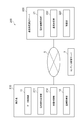
- FIG. 1 is a conceptual view of a content delivery system including a communication quality adjustment system according to an embodiment.
- the content delivery system 1 includes a content delivery server 3, a receiver 10, and a communication quality adjustment server (communication quality adjustment system) 20.
- the content distribution server 3, the receiver 10 and the communication quality adjustment server 20 are configured to be able to perform data communication with each other via the network 5.
- the content distribution server 3 and the communication quality adjustment server 20 are illustrated as separate devices in the illustrated example, the content distribution server 3 and the communication quality adjustment server 20 may be the same device.
- the content distribution server 3 is an information processing terminal such as a server computer, and is a server that distributes moving image content by streaming.
- the content distribution server 3 is configured of hardware such as a CPU, a memory, and a communication module.
- the content distribution server 3 is managed by a provider who provides a video viewing service via, for example, the Internet.
- the user of the receiver 10 can view the moving picture content on the receiver 10 by, for example, making a contract for using the moving picture viewing service with such a company.
- the content distribution server 3 holds a plurality of moving image data encoded to correspond to different image qualities.
- the content distribution server 3 holds a plurality of moving image contents, and for each moving image content, includes high-quality moving image data, medium-quality moving image data, and low-quality moving image data.
- High-quality video data is encoded at a high bit rate.
- Medium quality moving image data is encoded at a lower bit rate than high quality moving image data.
- Low quality video data is encoded at a lower bit rate than medium quality video data.
- the content distribution server 3 distributes moving image data corresponding to the bit rate requested from the receiver 10 to the receiver 10.
- the receiver 10 is a terminal device that can receive moving image data distributed from the content distribution server 3.
- the receiver 10 may be a smart phone, a mobile phone, a tablet terminal, a personal digital assistant (PDA), a personal computer, a television, a set top box, or the like.
- the receiver 10 is a device carried and used by a user, and has a function of performing wireless communication by connecting to a network 5 such as a mobile communication network.
- the receiver 10 is configured by hardware such as a CPU (Central Processing Unit), a memory, a communication module, a display, and a speaker. Although only one receiver 10 is shown in FIG. 1, a plurality of receivers 10 can be connected to the network 5 simultaneously.
- a CPU Central Processing Unit
- the receiver 10 includes a data acquisition unit 11, a reception control unit 12, and a quality acquisition unit 13.
- the data acquisition unit 11 can acquire data indicating an environment in which the receiver 10 is placed by various sensors or the like provided in the receiver 10.
- the data acquired by the data acquisition unit 11 includes position information of the receiver 10, acceleration information, and the like.
- the position information may be information indicating latitude and longitude by a GPS (Global Positioning System). Further, the position information may be position registration information based on information of a base station in the area where the receiver 10 is located, a Wi-Fi position based on a signal from a Wi-Fi (registered trademark) access point acquired by the receiver 10 It may be information or the like.
- the acceleration information may be acquired by an acceleration sensor provided in the receiver.
- the data acquisition unit 11 can acquire communication environment information indicating the communication environment in which the receiver 10 is placed.
- the communication environment information indicates the communication level of the receiver 10 in the network 5 to which the receiver 10 is connected. For example, when the network speed is set at a plurality of communication levels according to the radio wave intensity from the base station, etc. The network speed may be set for each receiver 10.
- the data acquisition unit 11 also acquires, separately from the communication environment information, communication speed information indicating the actual communication speed when the receiver 10 receives data via the network 5.
- the data acquisition unit 11 can also acquire time information indicating time when each data is acquired as part of data of the sensor.
- the data acquisition unit 11 may periodically detect sensor data.
- the data acquisition unit 11 may transmit the detected position information of the receiver 10, acceleration information, time information, communication environment information, and communication speed information to the communication quality adjustment server 20 as environment information.
- the data acquisition unit 11 may accumulate each acquired data for a predetermined period.
- the reception control unit 12 controls parameters related to the reception mode of data when receiving moving image content.
- the reception control unit 12 holds parameters such as a buffer size and a bit rate when the receiver 10 receives moving image content.
- the reception control unit 12 transmits to the content distribution server 3 a distribution request including the identification information of the user, the identification information of the content, the parameters related to the reception mode, etc. .
- the reception control unit 12 controls the process of moving image reproduction based on the parameters of the receiving mode.
- a known control method can be used to control the process of moving image reproduction.
- the quality acquisition unit 13 acquires the actual reproduction quality when the moving image content of the content distribution server 3 is reproduced by the receiver 10.
- the reproduction quality may be, for example, data relating to the amount of remaining data in the buffer, the presence or absence of video interruption, the degree (time, time) of video interruption, and the presence or absence of block noise.
- the quality acquisition unit 13 may hold each data indicating the reproduction quality as it is, or may convert each data indicating the reproduction quality to a numerical value according to the quality and hold it.
- the quality acquisition unit 13 transmits the acquired data on the reproduction quality to the communication quality adjustment server 20.
- the communication quality adjustment server 20 is an information processing terminal such as a server computer, and transmits to the receiver 10 information in a reception form capable of obtaining an optimum reproduction quality.
- the term "optimum” does not mean that it is most suitable in an absolute sense, but means that it is most suitable among predetermined conditions.
- the communication quality adjustment server 20 is configured of hardware such as a CPU, a memory, and a communication module.
- the communication quality adjustment server 20 includes an environment information acquisition unit 21, a reference determination unit 22, and a distribution unit (control unit) 23.
- the environmental information acquisition unit 21 is environmental information indicating an environment in which the receiver 10 is placed, and acquires environmental information that affects the communication state of the receiver 10.
- the environment information includes position information indicating the position of the receiver 10 and time information indicating the time at which the receiver 10 communicates.
- the environment information acquisition unit 21 acquires position information, acceleration information, time information, and communication environment information (network speed) transmitted from the data acquisition unit of the receiver 10 to the communication quality adjustment server 20. Do. Further, the environment information acquisition unit 21 acquires data on reproduction quality transmitted from the quality acquisition unit 13.
- the environmental information acquisition unit 21 may accumulate each acquired data for a predetermined period.
- the criterion determination unit 22 determines (generates a criterion that associates the communication state of the receiver 10 with the reception mode when the receiver 10 receives moving image content. ).
- the communication state is the communication quality when the receiver 10 receives moving image content, and may be, for example, the communication speed.
- the reception mode is a reception condition set when the receiver 10 receives moving image content, and may be parameters such as a buffer size and a bit rate.
- the reference associated with the communication state and the reception mode may be a pattern of a combination of the communication state and the reception mode.
- an algorithm is derived by machine learning to obtain a combination of a communication state and a reception mode that can obtain an optimal reproduction quality, using environmental information as an input. For example, when environmental information indicating that the moving speed of the receiver 10 is high is acquired, it is assumed that the communication state of the receiver 10 is likely to fluctuate. In this case, even if the communication state of the receiver 10 corresponds to the reception of a high bit rate, the deterioration of the communication state after that may make the receiver 10 unable to correspond to the reception of a high bit rate.
- the reference determining unit 22 may generate, for example, a combination of a communication state indicating a high communication speed and a reception mode indicating a low bit rate.
- the reference determination unit 22 may also generate a combination of a communication state indicating a high communication speed and a reception mode indicating a large buffer size as a reference.
- the reference determination unit 22 indicates a medium communication speed (1 Mbps or more and less than 2 Mbps) by combining a communication state indicating a high communication speed (2 Mbps or more) with a reception mode indicating a medium image quality bit rate (700 Kbps).
- Combination of communication state and reception form indicating low image quality bit rate (350 Kbps) combination of communication state indicating low communication speed (less than 1 Mbps) and reception state indicating low image quality bit rate (350 Kbps) and large buffer size Based on.
- the communication state of the receiver 10 is stable. In this case, if the communication state of the receiver 10 corresponds to the reception of a high bit rate, it is considered to continue to correspond to the reception of a high bit rate thereafter.
- the reference determination unit 22 combines a communication state indicating a high communication speed (2 Mbps or more) with a reception mode indicating a high image quality bit rate (1.5 Mbps), and a medium communication speed (1 Mbps or more)
- a communication state indicating less than 2 Mbps and a reception mode indicating a medium image quality bit rate (700 Kbps), a communication state indicating a low communication rate (less than 1 Mbps) and a reception mode indicating a low image quality bit rate (350 Kbps) Generate based on the combination.
- the reference may be switched according to the time zone. For example, in a time zone in which the network 5 is congested (for example, in the morning), further congestion of the network 5 may be suppressed by not selecting a high bit rate even if the communication speed is high.
- the reference determination unit 22 combines a communication state indicating a high communication speed (2 Mbps or more) and a reception mode indicating a medium image quality bit rate (700 Kbps), and a medium communication speed (1 Mbps or more and less than 2 Mbps).
- the combination of the communication state indicating low communication speed (less than 1 Mbps) and the reception mode indicating the low image quality bit rate (350 Kbps) may be generated.
- the combination of the communication state indicating low communication speed (less than 1 Mbps) and the reception mode indicating the low image quality bit rate (350 Kbps) may be generated.
- user satisfaction may be improved by selecting a high bit rate at a high communication speed.
- the reference determination unit 22 is a combination of a communication state indicating a high communication speed (2 Mbps or more) and a reception mode indicating a high image quality bit rate (1.5 Mbps), a medium communication speed (1 Mbps or more and less than 2 Mbps)
- the reference determination unit 22 improves the accuracy of the algorithm for generating the reference so that the reference in which the communication state of the receiver 10 and the reception mode of the receiver 10 are associated is optimized.
- the criterion determination unit 22 may improve the accuracy of the algorithm using a technique of machine learning (reinforcement learning). That is, the reference determination unit 22 outputs the combination of the communication state and the reception mode in accordance with the acquired environment information, and acquires the actual reproduction quality in the receiver 10.
- the reference determination unit 22 strengthens an algorithm for obtaining an optimal combination of the communication state and the reception mode corresponding to the environment information so that the reward is maximized when the reproduction quality is the reward.
- the distribution unit 23 transmits the reception mode to the receiver 10 based on the criteria determined by the criteria determination unit 22 so that the receiver 10 receives the moving image content in the reception mode corresponding to the communication state of the receiver 10.
- Distribute information including
- the distribution unit 23 refers to the reference determined by the reference determination unit 22 and transmits to the receiver 10 parameters (buffer size, bit rate) of the reception mode corresponding to the communication state of the receiver 10. To deliver.
- the distributed reception mode parameter is held in the reception control unit 12.
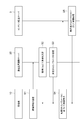
- FIG. 2 shows a sequence when the moving image content is distributed from the content distribution server 3 to the receiver 10.
- environment information is first transmitted from the receiver 10 to the communication quality adjustment server 20 (step S1).
- the trigger for this transmission may be, for example, when the content distribution server 3 is accessed from the receiver 10.
- the receiver 10 transmits the current communication state of the receiver 10 to the communication quality adjustment server 20 in addition to the environment information.
- the communication state of the receiver 10 and the reception form when the receiver 10 receives the content are associated according to the environmental information. It is determined (step S2).
- the distribution unit 23 determines parameters (bit rate, buffer size) of the optimum reception form for the communication state with reference to the reference. The determined parameter is transmitted to the receiver 10 by the distribution unit 23 (step S3).
- the parameters held by the reception control unit 12 are updated to the newly received parameters.
- the reception control unit 12 transmits a distribution request for moving image content to the content distribution server 3 based on the updated parameter (step S4).
- the trigger for this transmission may be, for example, an operation of the receiver 10 by the user.
- the content distribution server 3 having received the distribution request from the receiver 10 distributes the moving image data of the image quality corresponding to the parameter (bit rate) included in the distribution request to the receiver 10 (step S5). Thereby, viewing of the moving image content by the receiver 10 becomes possible.
- step S1 and the determination and transmission of reception mode parameters in step S2 and step S3 continue continuously even after the distribution of moving image content is started (for example, every second) May be performed).
- the parameter held by the reception control unit 12 is updated by this processing, the updated parameter is transmitted to the content distribution server 3.
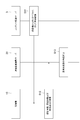
- FIG. 3 shows a sequence for improving the accuracy of the algorithm in the reference determination unit 22 of the communication quality adjustment server 20.
- the accuracy improvement of the algorithm in the reference determination unit 22 may be performed, for example, during delivery of moving image content shown in FIG. Further, accuracy improvement of the algorithm in the reference determination unit 22 may be performed when data transmitted from a plurality of receivers 10 is accumulated in the communication quality adjustment server 20 by a fixed amount.
- the moving image content is distributed from the content distribution server 3 to the receiver 10 (step S11).
- the environment information, the reception mode, the information indicating the actual communication state, and the information indicating the actual reproduction quality are periodically (for example, every one second) from the receiver 10 to the communication quality adjustment server 20.
- the criteria determination unit 22 of the communication quality adjustment server 20 receives the environment information, the reception mode, the information indicating the actual communication state, and the information indicating the actual reproduction quality as an input, and the optimum communication state and reception mode for the environment information
- An algorithm for obtaining a combination is derived based on a known machine learning technique and updated (step S13).
- the reference that associates the communication state of the receiver 10 with the reception mode of the receiver 10 is determined according to the environment information.
- the distribution unit 23 distributes the information including the reception mode to the receiver 10, the receiver 10 can receive the moving image content in the reception mode corresponding to the communication state. Since different criteria may be generated according to the acquired environment information, the receiver 10 can receive the moving image content in a reception form different depending on the environment even in the same communication state. Therefore, it is possible to suppress the stop of reproduction, the occurrence of block noise and the like, and allow the receiver 10 to receive the moving image content with stable quality.
- the environment information includes position information and time information of the receiver 10.
- the location information and the time information are included in the environment information, so that the feature of the congestion status for each location may be reflected in the reference in which the communication state and the reception mode are associated.
- the environmental information includes, as the state of the receiver 10, acceleration information of the receiver 10.
- the acceleration information can estimate the velocity of the receiver 10. That is, in the reference determination unit 22, the velocity information of the receiver 10 is acquired based on the acquired acceleration information. In this case, it is possible to generate a reference in which the communication state and the reception mode are associated according to not only the state of the network but also the fluctuation of the state of the receiver 10.
- the reference determination unit 22 machine-learns a combination of the communication state and the reception mode corresponding to the environment information so that the reward is maximized when the reproduction quality of the content received by the receiver 10 is regarded as the reward. Thereby, it is possible to flexibly cope with the fluctuation of the communication environment which is difficult to predict.
- position information, acceleration information, time information, communication environment information, communication speed information and the like are exemplified as environment information, but other information may be included in the environment information.
- the content delivery system in this embodiment is different from the content delivery system in the first embodiment in that the determination of the parameter of the reception mode is executed by the receiver.
- points different from the first embodiment will be described, and the same elements will be denoted by the same reference numerals and detailed descriptions thereof will be omitted.
- the content distribution system includes the content distribution server 3, the receiver 10, and the communication quality adjustment server 20 as in the first embodiment (see FIG. 1).
- the reference determination unit 22 in the communication quality adjustment server 20 associates the communication state of the receiver 10 with the reception mode when the receiver 10 receives the moving image content according to the environment information acquired by the environment information acquisition unit 21. Determine the criteria.
- the environment information is patterned, and a reference that associates the communication state with the reception mode is determined for each pattern. That is, a plurality of criteria corresponding to each of different environmental information are determined.
- the criterion determination unit 22 selects 6 o'clock to 10 o'clock on weekdays along A route.
- the environment information to be shown is stored in advance as one pattern, and a reference is determined in which the optimum communication state and the reception mode are associated with this pattern.
- the reference determination unit 22 sets environment information indicating 18:00 to 23:00 on weekdays along the A route as another pattern. It stores and determines a reference that associates the communication state and the reception mode that are optimal for this pattern.
- the network is congested in the 6 o'clock to 10 o'clock time zone on weekdays, the communication state of the receiver 10 tends to fluctuate, and the communication state tends to be stable in the 18 o'clock to 22 o'clock time zone on weekdays Suppose that there is. In this case, even if the communication state of the receiver 10 corresponds to the reception of a high bit rate in the time zone of 6 o'clock to 10 o'clock on weekdays, the receiver 10 has a high bit rate due to the subsequent deterioration of the communication state. It may not be possible to respond to reception.
- the reference determination unit 22 is a combination of a communication state indicating a high communication speed and a reception form indicating a medium image quality bit rate, and a communication state indicating a medium communication speed and a reception mode indicating a low image quality bit rate. It is generated on the basis of a combination of a communication state indicating a low communication speed and a reception mode indicating a low image quality bit rate and a large buffer size.
- a communication state indicating a low communication speed and a reception mode indicating a low image quality bit rate and a large buffer size.
- the reference determining unit 22 is a combination of a communication state indicating a high communication speed and a reception mode indicating a high image quality bit rate, and a communication state indicating a medium communication speed and a medium image quality bit rate It is generated on the basis of the combination with the form, the combination of the communication state indicating a low communication speed and the reception form indicating a low image quality bit rate.
- the distribution unit 23 transmits the pattern and the reference to the receiver 10.
- the reception control unit 12 of the receiver 10 holds the received pattern and reference, and determines the reception mode based on the pattern and reference.
- the reception control unit 12 acquires each data acquired by the data acquisition unit 11. Based on the acquired position information, time information and communication environment information, the reception control unit 12 selects a pattern that most closely matches the environment in which the receiver 10 is placed, from the held patterns.
- the reception control unit 12 determines the reception mode (bit rate, buffer size) corresponding to the acquired communication state (communication speed) based on the reference corresponding to the selected pattern.
- the reception control unit 12 can transmit, to the content distribution server 3, a distribution request including parameters and the like related to the reception mode.
- the receiver 10 After the receiver 10 receives the pattern and the reference from the communication quality adjustment server 20, only the receiver 10 can determine the optimum reception form. Therefore, the processing load on the communication quality adjustment server 20 can be reduced.
- the content delivery system in this embodiment is different from the content delivery system in the first embodiment in that the change in the environment of the receiver is predicted.
- points different from the first embodiment will be mainly described, and the same elements will be denoted by the same reference numerals and detailed descriptions thereof will be omitted.
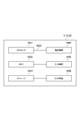
- the content distribution system 200 includes a content distribution server 3, a receiver 210, and a communication quality adjustment server 220.
- the receiver 210 includes a data acquisition unit 11, an environmental change estimation unit 211, a reception control unit 212, and a quality acquisition unit 13.
- the communication quality adjustment server 220 includes an environment information acquisition unit 21, a reference determination unit 222, and a distribution unit 223.
- the environmental change estimation unit 211 estimates a change in the communication environment based on the data accumulated in the past and the current data acquired by the data acquisition unit 11 over time. As data accumulated in the past, data accumulated by the data acquisition unit 11 or data accumulated by the environment information acquisition unit 21 can be used. When the environmental change estimation unit 211 acquires data accumulated in the past from the environmental information acquisition unit 21, not only data related to the own terminal but also data accumulated by other receivers are acquired together It is also good.
- the environmental change estimation unit 211 estimates the moving speed and the moving route based on the acceleration information, the history of position information, and the like, and estimates the moving destination of the receiver 210.
- known behavior estimation techniques may be used.
- the environmental change estimation unit 211 estimates the communication environment at the moving destination based on the estimated position information of the moving destination and the communication environment information accumulated in relation to the position information.
- the movement speed of the receiver 210 may be estimated to estimate the ease of fluctuation of the communication speed during movement.
- switching of the base station to which the receiver 210 is connected may be predicted, and fluctuations in the communication environment associated with this may be predicted.
- the environment change estimation unit 211 may estimate the communication environment after a predetermined time has elapsed at the current position of the receiver 210.
- the environmental information after change estimated by the environmental change estimation unit 211 is transmitted to the communication quality adjustment server 220.
- the reference determination unit 222 determines a reference that associates the communication state of the receiver 210 with the reception mode when the receiver receives moving image content. Further, in accordance with the post-change environmental information transmitted from the environmental change estimation unit 211, the reference determination unit 222 determines a reference that associates the post-change communication state with the reception mode.
- the distribution unit 223 transmits the reception mode to the receiver 210 based on the criteria determined by the criteria determination unit 222 so that the receiver 210 receives the moving image content in the reception mode corresponding to the communication state of the receiver 210.
- Distribute information including
- the distribution unit 223 distributes information including the reception mode determined according to the changed environment information to the receiver.
- the reception control unit 212 of the receiver 210 receives a parameter relating to the data reception mode at the time of receiving the moving image content so that the receiver 210 receives the moving image content in the reception mode according to the predicted changed environmental information. Control before the change of the environment of the receiver 210. For example, in the case where deterioration of the communication environment is estimated by the environment change estimation unit 211, the reception control unit 212 has a buffer size so that reproduction of moving image content can be continuously performed before and after the change of the communication environment. It is possible to increase, change the bit rate, etc. In addition, when it is predicted that communication with the network will be disconnected for a long time, the reception control unit 212 may store low bit rate content. In addition, when it is predicted that playback will be stopped, the reception control unit 212 may control display on the display so that a guidance such as “communication environment is getting worse. Please wait for a while” is displayed.
- a change in the environment in which the receiver 210 is placed is predicted, and environmental information in the predicted changed environment is acquired.
- By responding in advance to changes in the communication environment it is possible to suppress interruption of reproduction of moving image content being viewed by the user.
- the reception control unit 212 may acquire genre information of the moving image content being viewed and may determine the reception mode according to the genre information. For example, when the genre of the moving image content is live relaying, the reception control unit 212 may set the buffer size small in order to reduce the time lag. In addition, when the genre of the moving image content is sports, the reception control unit 212 may set the bit rate high and set the buffer size large so that players in the moving image can be easily recognized.
- the receiver may be a stationary terminal, for example a set top box.
- the data acquisition unit of the receiver may acquire the type of the line connected to the receiver as environment information.
- the data acquisition unit may acquire, as environmental information, information on whether the location where the receiver is installed is an apartment complex or a detached house.
- the reference determination unit can derive an algorithm for obtaining an optimal combination of the communication state and the reception mode by machine learning based on environment information and the like including the line type and the like.
- the communication quality adjustment server determines the reference that associates the communication state of the receiver and the reception mode when the receiver receives the content.
- the present invention is not limited thereto.
- the receiver may have the same function as the reference determination unit, and the reference may be determined (generated) by the receiver.
- each functional block is realized by any combination of hardware and / or software.
- the implementation method of each functional block is not particularly limited. That is, each functional block may be realized using one physically or logically combined device, or two or more physically or logically separated devices directly or indirectly (for example, , Wired, wireless, etc.), and may be realized using a plurality of these devices.
- the functional blocks may be realized by combining software in the one device or the plurality of devices.
- Functions include judgment, determination, determination, calculation, calculation, processing, derivation, survey, search, confirmation, reception, transmission, output, access, solution, selection, selection, establishment, comparison, assumption, expectation, consideration, There are broadcasting (notifying), communication (communicating), forwarding (forwarding), configuration (configuring), reconfiguration (reconfiguring), allocation (allocating, mapping), allocation (assigning), etc. I can not.
- the functional blocks (components) that make transmission work are referred to as transmitting units or transmitters. In any case, as described above, the implementation method is not particularly limited.
- the content distribution server 3, the receiver 10, and the communication quality adjustment server 20 in one embodiment of the present disclosure may function as a computer that performs the processing of the method of the present disclosure.
- FIG. 5 is a diagram illustrating an example of a hardware configuration of the content distribution server 3, the receiver 10, and the communication quality adjustment server 20 according to an embodiment of the present disclosure.
- the content distribution server 3, the receiver 10, and the communication quality adjustment server 20 described above physically include a processor 1001, a memory 1002, a storage 1003, a communication device 1004, an input device 1005, an output device 1006, a bus 1007 and the like. It may be configured as an apparatus.
- the term “device” can be read as a circuit, a device, a unit, or the like.
- the hardware configuration of the content distribution server 3, the receiver 10, and the communication quality adjustment server 20 may be configured to include one or more of the respective devices shown in the figure, or may not include some of the devices. It may be done.
- Each function in the content distribution server 3, the receiver 10, and the communication quality adjustment server 20 is calculated by causing the processor 1001 to read predetermined software (program) on hardware such as the processor 1001, the memory 1002, etc. This is realized by controlling communication by the device 1004 or controlling at least one of reading and writing of data in the memory 1002 and the storage 1003.
- the processor 1001 operates, for example, an operating system to control the entire computer.
- the processor 1001 may be configured by a central processing unit (CPU) including an interface with a peripheral device, a control device, an arithmetic device, a register, and the like.
- CPU central processing unit
- the functional units of the content distribution server 3, the receiver 10, and the communication quality adjustment server 20 described above may be realized by the processor 1001.
- the processor 1001 reads a program (program code), a software module, data, and the like from at least one of the storage 1003 and the communication device 1004 into the memory 1002, and executes various processing according to these.
- a program a program that causes a computer to execute at least a part of the operations described in the above-described embodiment is used.
- each functional unit of the content distribution server 3, the receiver 10, and the communication quality adjustment server 20 may be realized by a control program stored in the memory 1002 and operated in the processor 1001.
- the various processes described above have been described to be performed by one processor 1001, but may be performed simultaneously or sequentially by two or more processors 1001.
- the processor 1001 may be implemented by one or more chips.
- the program may be transmitted from the network via a telecommunication line.
- the memory 1002 is a computer readable recording medium, and includes, for example, at least one of a ROM (Read Only Memory), an EPROM (Erasable Programmable ROM), an EEPROM (Electrically Erasable Programmable ROM), and a RAM (Random Access Memory). It may be done.
- the memory 1002 may be called a register, a cache, a main memory (main storage device) or the like.
- the memory 1002 can store a program (program code), a software module, etc. that can be executed to implement the method according to an embodiment of the present disclosure.
- the storage 1003 is a computer readable recording medium, and for example, an optical disc such as a CD-ROM (Compact Disc ROM), a hard disc drive, a flexible disc, a magneto-optical disc (eg, a compact disc, a digital versatile disc, a Blu-ray A (registered trademark) disk, a smart card, a flash memory (for example, a card, a stick, a key drive), a floppy (registered trademark) disk, a magnetic strip, and the like may be used.
- the storage 1003 may be called an auxiliary storage device.
- the storage medium described above may be, for example, a database including at least one of the memory 1002 and the storage 1003, a server, or any other suitable medium.
- the communication device 1004 is hardware (transmission / reception device) for performing communication between computers via at least one of a wired network and a wireless network, and is also called, for example, a network device, a network controller, a network card, a communication module, or the like.
- the communication device 1004 includes, for example, a high frequency switch, a duplexer, a filter, a frequency synthesizer, etc. to realize at least one of frequency division duplex (FDD) and time division duplex (TDD). May be composed of
- the functional units of the content distribution server 3, the receiver 10, and the communication quality adjustment server 20 described above may be realized by the communication device 1004.
- the input device 1005 is an input device (for example, a keyboard, a mouse, a microphone, a switch, a button, a sensor, and the like) that receives an input from the outside.
- the output device 1006 is an output device (for example, a display, a speaker, an LED lamp, etc.) that performs output to the outside.
- the input device 1005 and the output device 1006 may be integrated (for example, a touch panel).
- each device such as the processor 1001 and the memory 1002 is connected by a bus 1007 for communicating information.
- the bus 1007 may be configured using a single bus, or may be configured using different buses between devices.
- the content distribution server 3, the receiver 10, and the communication quality adjustment server 20 are a microprocessor, a digital signal processor (DSP), an application specific integrated circuit (ASIC), a programmable logic device (PLD), and an FPGA (field). It may be configured to include hardware such as a programmable gate array), and part or all of each functional block may be realized by the hardware. For example, processor 1001 may be implemented using at least one of these hardware.
- notification of information is not limited to the aspect / embodiment described in the present disclosure, and may be performed using other methods.
- notification of information may be physical layer signaling (for example, Downlink Control Information (DCI), Uplink Control Information (UCI)), upper layer signaling (for example, Radio Resource Control (RRC) signaling, Medium Access Control (MAC) signaling, It may be implemented by broadcast information (MIB (Master Information Block), SIB (System Information Block)), other signals, or a combination thereof.
- RRC signaling may be referred to as an RRC message, and may be, for example, an RRC connection setup (RRC Connection Setup) message, an RRC connection reconfiguration (RRC Connection Reconfiguration) message, or the like.
- Each aspect / embodiment described in the present disclosure is LTE (Long Term Evolution), LTE-A (LTE-Advanced), SUPER 3G, IMT-Advanced, 4G (4th generation mobile communication system), 5G (5th generation mobile communication) system, FRA (Future Radio Access), NR (new Radio), W-CDMA (registered trademark), GSM (registered trademark), CDMA2000, UMB (Ultra Mobile Broadband), IEEE 802.11 (Wi-Fi (registered trademark) )), IEEE 802.16 (WiMAX (registered trademark)), IEEE 802.20, UWB (Ultra-WideBand), Bluetooth (registered trademark), a system utilizing other appropriate systems, and an extension based thereon It may be applied to at least one of the next generation systems. Also, a plurality of systems may be combined (for example, a combination of at least one of LTE and LTE-A with 5G, etc.).
- the specific operation performed by the base station in the present disclosure may be performed by the upper node in some cases.
- the various operations performed for communication with the terminals may be the base station and other network nodes other than the base station (eg, MME or It is clear that it can be performed by at least one of S-GW, etc., but is not limited thereto.
- MME mobile phone
- S-GW network node
- Information and the like may be output from the upper layer (or lower layer) to the lower layer (or upper layer). Input and output may be performed via a plurality of network nodes.
- the input / output information and the like may be stored in a specific place (for example, a memory) or may be managed using a management table. Information to be input or output may be overwritten, updated or added. The output information etc. may be deleted. The input information or the like may be transmitted to another device.
- the determination may be performed by a value (0 or 1) represented by one bit, may be performed by a true / false value (Boolean: true or false), or may be compared with a numerical value (for example, a predetermined value). Comparison with the value).
- notification of predetermined information is not limited to what is explicitly performed, but is performed by implicit (for example, not notifying of the predetermined information) It is also good.
- Software may be called software, firmware, middleware, microcode, hardware description language, or any other name, and may be instructions, instruction sets, codes, code segments, program codes, programs, subprograms, software modules. Should be interpreted broadly to mean applications, software applications, software packages, routines, subroutines, objects, executables, threads of execution, procedures, functions, etc.
- software, instructions, information, etc. may be sent and received via a transmission medium.
- the software may be a website using wired technology (coaxial cable, fiber optic cable, twisted pair, digital subscriber line (DSL), etc.) and / or wireless technology (infrared, microwave, etc.), When transmitted from a server or other remote source, at least one of these wired and wireless technologies is included within the definition of transmission medium.
- data, instructions, commands, information, signals, bits, symbols, chips etc may be voltage, current, electromagnetic waves, magnetic fields or particles, optical fields or photons, or any of these May be represented by a combination of
- At least one of the channel and the symbol may be a signal (signaling).
- the signal may be a message.
- a component carrier CC: Component Carrier
- CC Component Carrier
- system and “network” used in this disclosure are used interchangeably.
- the information, parameters, and the like described in the present disclosure may be represented using absolute values, may be represented using relative values from predetermined values, or may be represented using corresponding other information. It may be represented.
- the radio resource may be indicated by an index.
- base station Base Station
- radio base station fixed station
- NodeB NodeB
- eNodeB eNodeB
- gNodeB gNodeB
- Access point Transmission point, Reception point, Transmission / reception point, Cell, Sector, Cell group
- carrier carrier
- component carrier and the like may be used interchangeably.
- the base station may also be called in terms of macro cells, small cells, femto cells, pico cells, and so on.
- a base station can accommodate one or more (e.g., three) cells. If the base station accommodates multiple cells, the entire coverage area of the base station can be partitioned into multiple smaller areas, each smaller area being a base station subsystem (eg, a small base station for indoor use (RRH: Communication services may also be provided by Remote Radio Head, and the terms "cell” or “sector” refer to part or all of the coverage area of at least one of a base station and a base station subsystem providing communication services in this coverage.
- RRH Small base station for indoor use
- RRH Communication services may also be provided by Remote Radio Head
- MS Mobile Station
- UE User Equipment
- the mobile station may be a subscriber station, a mobile unit, a subscriber unit, a wireless unit, a remote unit, a mobile device, a wireless device, a wireless communication device, a remote device, a mobile subscriber station, an access terminal, a mobile terminal, a wireless terminal, by those skilled in the art. It may also be called a terminal, a remote terminal, a handset, a user agent, a mobile client, a client, or some other suitable term.
- At least one of the base station and the mobile station may be referred to as a transmitter, a receiver, a communication device, and the like.
- the base station and the mobile station may be a device mounted on the mobile unit, the mobile unit itself, or the like.
- the moving body may be a vehicle (for example, a car, an airplane, etc.) or an unmanned moving body (for example, a drone, an autonomous car, etc.), or a robot (manned type or unmanned type) ) May be.
- at least one of the base station and the mobile station also includes devices that do not necessarily move during communication operation.
- at least one of the base station and the mobile station may be an IoT (Internet of Things) device such as a sensor.
- IoT Internet of Things
- the base station in the present disclosure may be replaced with a user terminal.
- communication between a base station and a user terminal is replaced with communication between a plurality of user terminals (for example, may be called D2D (Device-to-Device), V2X (Vehicle-to-Everything), etc.)
- D2D Device-to-Device
- V2X Vehicle-to-Everything
- each aspect / embodiment of the present disclosure may be applied.
- the words “up” and “down” may be read as words (eg, “side”) corresponding to the communication between terminals.
- uplink channels, downlink channels, etc. may be read as side channels.
- determining may encompass a wide variety of operations.
- “Judgment” and “decision” are, for example, judging, calculating, calculating, processing, processing, deriving, investigating, looking up, search, inquiry This may include (eg, searching in a table, database, or other data structure), ascertaining as deemed “decision”, “decision”, etc.
- “determination” and “determination” are receiving (e.g. receiving information), transmitting (e.g. transmitting information), input (input), output (output), access (accessing) (for example, accessing data in a memory) may be regarded as “judged” or “decided”.
- judgement and “decision” are to be considered as “judgement” and “decision” that they have resolved (resolving), selecting (selecting), choosing (choosing), establishing (establishing), etc. May be included. That is, “judgment” “decision” may include considering that some action is “judged” “decision”. Also, “determination” may be read as “assuming”, “expecting”, “considering” or the like.
- connection means any direct or indirect connection or coupling between two or more elements, It can include the presence of one or more intermediate elements between two elements that are “connected” or “coupled”.
- the coupling or connection between elements may be physical, logical or a combination thereof.
- connection may be read as "access”.
- the two elements use at least one of one or more wires, cables and printed electrical connections, and as some non-limiting and non-exclusive examples, in the radio frequency domain It can be considered “connected” or “coupled” with one another using electromagnetic energy or the like having wavelengths in the microwave region and the light (both visible and invisible) regions.
- any reference to an element using the designation "first,” “second,” etc. as used in this disclosure does not generally limit the quantity or order of those elements. These designations may be used in the present disclosure as a convenient way of distinguishing between two or more elements. Thus, reference to the first and second elements does not mean that only two elements can be taken or that in any way the first element must precede the second element.
- a and B are different may mean “A and B are different from each other”.
- the term may also mean that “A and B are different from C, respectively”.
- Terms such as “leave”, “combined” and the like may be interpreted similarly as “different”.
Landscapes
- Engineering & Computer Science (AREA)
- Signal Processing (AREA)
- Multimedia (AREA)
- Databases & Information Systems (AREA)
- Computer Networks & Wireless Communication (AREA)
- Computing Systems (AREA)
- Theoretical Computer Science (AREA)
- Life Sciences & Earth Sciences (AREA)
- Physics & Mathematics (AREA)
- Software Systems (AREA)
- Ecology (AREA)
- Business, Economics & Management (AREA)
- Remote Sensing (AREA)
- Environmental Sciences (AREA)
- Environmental & Geological Engineering (AREA)
- Emergency Management (AREA)
- Biodiversity & Conservation Biology (AREA)
- Evolutionary Computation (AREA)
- General Physics & Mathematics (AREA)
- General Engineering & Computer Science (AREA)
- Mathematical Physics (AREA)
- Artificial Intelligence (AREA)
- Data Mining & Analysis (AREA)
- Molecular Biology (AREA)
- Health & Medical Sciences (AREA)
- Biomedical Technology (AREA)
- Computational Linguistics (AREA)
- Biophysics (AREA)
- General Health & Medical Sciences (AREA)
- Computer Vision & Pattern Recognition (AREA)
- Medical Informatics (AREA)
- Two-Way Televisions, Distribution Of Moving Picture Or The Like (AREA)
- Data Exchanges In Wide-Area Networks (AREA)
- Information Transfer Between Computers (AREA)
Abstract
受信機において、再生の停止、ブロックノイズの発生等を抑制し、安定した品質で動画コンテンツを受信させることができる通信品質調整システムを提供する。 通信品質調整システムは、受信機10がおかれた環境を示す環境情報であって、受信機10の通信状態に影響を与える環境情報を取得する環境情報取得部21と、環境情報取得部21によって取得された環境情報に応じて、受信機10の通信状態と受信機10がコンテンツを受信するときの受信形態とを関連付けた基準を決定する基準決定部22と、基準決定部22によって決定された基準に基づいて、受信機10の通信状態に対応した受信形態で受信機10が動画コンテンツを受信するように制御する配信部23と、を備える。
Description
本発明は、通信品質調整システムに関する。
特許文献1には、端末に配信されるコンテンツの配信速度を調整する技術が開示されている。この技術では、移動端末の通信環境状態に応じて区分けされた複数のエリアがコンテンツ配信圏内に生成される。そして、生成されたエリアの中から、配信先となる端末の位置情報に基づいてコンテンツ配信先の移動端末が属するエリアが特定される。特定されたエリアに対応する通信環境状態に応じて、コンテンツ配信先へのコンテンツ配信速度が調整される。
従来の技術のように、エリアに対応してコンテンツの配信速度を調整する場合、同じエリアに属するユーザごとの通信状態に対応するようにコンテンツの配信速度を調整することが困難である。そのため、ストリーミング等によって動画コンテンツを配信する場合、再生の停止、ブロックノイズの発生等が生じる虞がある。
本発明の一側面は、受信機において、再生の停止、ブロックノイズの発生等を抑制し、安定した品質でコンテンツを受信させることができる通信品質調整システムを提供することを目的とする。
本発明の一側面に係る通信品質調整システムは、受信機がおかれた環境を示す環境情報であって、受信機の通信状態に影響を与える環境情報を取得する取得部と、取得部によって取得された環境情報に応じて、受信機の通信状態と受信機がコンテンツを受信するときの受信形態とを関連付けた基準を決定する基準決定部と、基準決定部によって決定された基準に基づいて、受信機の通信状態に対応した受信形態で受信機が動画コンテンツを受信するように制御する制御部と、を備える。
この通信品質調整システムでは、受信機の通信状態と受信機の受信形態とを関連付けた基準が環境情報に応じて決定されており、受信機では通信状態に対応した受信形態でコンテンツを受信できる。環境情報に応じて基準が決定されるため、同様の通信状態であっても、受信機は環境によって異なる受信形態で動画コンテンツを受信することができる。したがって、再生の停止、ブロックノイズの発生等を抑制し、安定した品質で動画コンテンツを受信機に受信させることができる。
本発明の一形態によれば、受信機において、再生の停止、ブロックノイズの発生等を抑制し、安定した品質でコンテンツを受信させることができる通信品質調整システムを提供することができる。
以下、本発明に係る実施の形態について図面を参照しながら具体的に説明する。便宜上、実質的に同一の要素には同一の符号を付し、その説明を省略する場合がある。
[第1実施形態]
図1は、一実施形態に係る通信品質調整システムを含むコンテンツ配信システムの概念図である。コンテンツ配信システム1は、コンテンツ配信サーバ3と、受信機10と、通信品質調整サーバ(通信品質調整システム)20とを含んでいる。コンテンツ配信サーバ3、受信機10及び通信品質調整サーバ20は、ネットワーク5を介して相互にデータ通信を行うことが可能なように構成されている。なお、図示例では、コンテンツ配信サーバ3と通信品質調整サーバ20とが別々の装置として描かれているが、コンテンツ配信サーバ3と通信品質調整サーバ20とは同一の装置であってもよい。
図1は、一実施形態に係る通信品質調整システムを含むコンテンツ配信システムの概念図である。コンテンツ配信システム1は、コンテンツ配信サーバ3と、受信機10と、通信品質調整サーバ(通信品質調整システム)20とを含んでいる。コンテンツ配信サーバ3、受信機10及び通信品質調整サーバ20は、ネットワーク5を介して相互にデータ通信を行うことが可能なように構成されている。なお、図示例では、コンテンツ配信サーバ3と通信品質調整サーバ20とが別々の装置として描かれているが、コンテンツ配信サーバ3と通信品質調整サーバ20とは同一の装置であってもよい。
コンテンツ配信サーバ3は、サーバコンピュータなどの情報処理端末であり、動画コンテンツをストリーミング配信するサーバである。コンテンツ配信サーバ3は、CPU、メモリ、通信モジュールなどのハードウェアから構成されている。コンテンツ配信サーバ3は、例えばインターネットを介して動画視聴サービスを提供する事業者によって管理される。受信機10のユーザは、例えばこのような事業者と動画視聴サービスの利用契約を交わすことにより、受信機10上で動画コンテンツを視聴することができる。
コンテンツ配信サーバ3は、互いに異なる画質に対応するようにエンコードされた複数の動画データを保持している。例えば、コンテンツ配信サーバ3は、複数の動画コンテンツを保持しており、各動画コンテンツについて、高画質の動画データと、中画質の動画データと、低画質の動画データとを備えている。高画質の動画データは、高いビットレートでエンコードされている。中画質の動画データは、高画質の動画データよりも低いビットレートでエンコードされている。低画質の動画データは、中画質の動画データよりも更に低いビットレートでエンコードされている。コンテンツ配信サーバ3は、受信機10からリクエストされるビットレートに対応する動画データを受信機10に配信する。
受信機10は、コンテンツ配信サーバ3から配信される動画データを受信することができる端末装置である。例えば、受信機10は、スマートフォン、携帯電話、タブレット端末、PDA(Personal Digital Assistant)、パーソナルコンピュータ、テレビ、セットトップボックスなどであってよい。本実施形態では、受信機10は、ユーザによって携帯されて用いられる装置であり、移動体通信網などのネットワーク5に接続して無線通信を行う機能を有している。受信機10は、CPU(Central Processing Unit)、メモリ、通信モジュール、ディスプレイ、スピーカなどのハードウェアから構成されている。図1では、受信機10が1台のみ示されているが、ネットワーク5には受信機10が複数台同時に接続可能となっている。
受信機10は、データ取得部11、受信制御部12及び品質取得部13を含んでいる。データ取得部11は、受信機10に備えられた各種のセンサ等によって、受信機10がおかれた環境を示すデータを取得し得る。データ取得部11が取得するデータには、受信機10の位置情報、加速度情報等が含まれる。位置情報は、GPS(Global Positioning System)による緯度及び経度を示す情報であってもよい。また、位置情報は、受信機10が所在するエリアの基地局の情報に基づく位置登録情報、受信機10によって取得されるWi-Fi(登録商標)のアクセスポイントからの信号に基づくWi-Fi位置情報等であってもよい。加速度情報は、受信機に設けられた加速度センサによって取得され得る。
また、データ取得部11は、受信機10がおかれた通信環境を示す通信環境情報を取得し得る。通信環境情報は、受信機10が接続されたネットワーク5における受信機10の通信レベルを示し、例えば、基地局からの電波強度等に応じて複数の通信レベルでネットワーク速度が設定される場合には、受信機10ごとに設定されたネットワーク速度であってもよい。また、データ取得部11は、受信機10がネットワーク5を介してデータを受信したときの実際の通信速度を示す通信速度情報を通信環境情報とは別に取得する。
データ取得部11は、各データが取得された時刻を示す時刻情報もセンサのデータの一部として取得することができる。データ取得部11は、定期的にセンサのデータを検出してもよい。データ取得部11は、検出した受信機10の位置情報、加速度情報、時刻情報、通信環境情報、及び通信速度情報を環境情報として通信品質調整サーバ20に送信し得る。なお、データ取得部11は、取得した各データを所定期間にわたって蓄積していてよい。
受信制御部12は、動画コンテンツを受信する際のデータの受信形態に関するパラメータを制御する。例えば、受信制御部12は、受信機10が動画コンテンツを受信する際のバッファサイズ、ビットレート等のパラメータを保持している。受信機10を用いてユーザが動画コンテンツを視聴する場合、受信制御部12は、ユーザの識別情報、コンテンツの識別情報、受信形態に関するパラメータ等を含む配信リクエストをコンテンツ配信サーバ3に対して送信する。また、受信制御部12は、コンテンツ配信サーバ3から動画データを受信する際に、受信形態のパラメータに基づいて動画再生の処理を制御する。動画再生の処理の制御については、既知の制御方法を用いることができる。
品質取得部13は、受信機10によってコンテンツ配信サーバ3の動画コンテンツが再生されているときの、実際の再生品質を取得する。再生品質は、例えばバッファ内の残データ量、映像途切れの有無、映像途切れの程度(回数、時間)、ブロックノイズの有無などに関するデータであってよい。例えば、品質取得部13は、再生品質を示す各データをそのまま保持してもよいし、再生品質を示す各データを品質に応じた数値に変換して保持してもよい。品質取得部13は、取得した再生品質に関するデータを通信品質調整サーバ20に送信する。
通信品質調整サーバ20は、サーバコンピュータなどの情報処理端末であり、最適な再生品質を得ることができる受信形態の情報を受信機10に送信する。なお、最適とは、絶対的な意味において最も適していることを意味するものではなく、所定の条件の中で最も適していることを意味する。通信品質調整サーバ20は、CPU、メモリ、通信モジュールなどのハードウェアから構成されている。
通信品質調整サーバ20は、環境情報取得部21、基準決定部22及び配信部(制御部)23を備えている。環境情報取得部21は、受信機10がおかれた環境を示す環境情報であって、受信機10の通信状態に影響を与える環境情報を取得する。環境情報は、受信機10の位置を示す位置情報、及び、受信機10が通信を行う時刻を示す時刻情報を含む。本実施形態では、環境情報取得部21は、受信機10のデータ取得部から通信品質調整サーバ20に対して送信される位置情報、加速度情報、時刻情報、及び通信環境情報(ネットワーク速度)を取得する。また、環境情報取得部21は、品質取得部13から送信される再生品質に関するデータを取得する。環境情報取得部21は、取得した各データを所定期間にわたって蓄積していてよい。
基準決定部22は、環境情報取得部21によって取得された環境情報に応じて、受信機10の通信状態と受信機10が動画コンテンツを受信するときの受信形態とを関連付けた基準を決定(生成)する。通信状態とは、受信機10が動画コンテンツを受信しているときの通信品質であり、例えば通信速度であってよい。また、受信形態とは、受信機10が動画コンテンツを受信する際に設定される受信条件であり、バッファサイズ、ビットレート等のパラメータであってよい。通信状態と受信形態とが関連付いた基準とは、通信状態と受信形態との組合せのパターンであってよい。
基準決定部22では、環境情報を入力として、最適な再生品質を得ることができる通信状態と受信形態との組合せを求めるアルゴリズムが機械学習によって導出されている。例えば、受信機10の移動速度が大きいことを示す環境情報が取得された場合には、受信機10の通信状態が変動しやすいことが想定される。この場合、受信機10の通信状態が高いビットレートの受信に対応しているとしても、その後の通信状態の悪化によって、受信機10が高いビットレートの受信に対応できなくなることがある。そこで、受信機10の移動速度が大きい場合、基準決定部22は、例えば高い通信速度を示す通信状態と低いビットレートを示す受信形態との組合せを基準として生成し得る。また、基準決定部22は、高い通信速度を示す通信状態と大きいバッファサイズを示す受信形態との組合せを基準として生成してもよい。例えば、基準決定部22は、高い通信速度(2Mbps以上)を示す通信状態と中画質のビットレート(700Kbps)を示す受信形態との組合せ、中程度の通信速度(1Mbps以上且つ2Mbps未満)を示す通信状態と低画質のビットレート(350Kbps)を示す受信形態との組合せ、低い通信速度(1Mbps未満)を示す通信状態と低画質のビットレート(350Kbps)及び大きいバッファサイズを示す受信形態との組合せを基準として生成する。
一方、受信機10の位置の移動がなく、ネットワーク5が混雑していないことを示す環境情報が取得された場合、受信機10の通信状態が安定していることが想定される。この場合、受信機10の通信状態が高いビットレートの受信に対応していれば、その後も、高いビットレートの受信に対応し続けると考えられる。そこで、一例として、基準決定部22は、高い通信速度(2Mbps以上)を示す通信状態と高画質のビットレート(1.5Mbps)を示す受信形態との組合せ、中程度の通信速度(1Mbps以上且つ2Mbps未満)を示す通信状態と中画質のビットレート(700Kbps)を示す受信形態との組合せ、低い通信速度(1Mbps未満)を示す通信状態と低画質のビットレート(350Kbps)を示す受信形態との組合せを基準として生成する。
また、ネットワーク5が混雑している時間帯が予め分かっている場合には、時間帯に応じて基準を切り換えてもよい。例えば、ネットワーク5が混雑している時間帯(例えば朝)では、高い通信速度であったとしても高いビットレートを選択しないことによって、ネットワーク5の更なる混雑を抑制してもよい。一例として、基準決定部22は、高い通信速度(2Mbps以上)を示す通信状態と中画質のビットレート(700Kbps)を示す受信形態との組合せ、中程度の通信速度(1Mbps以上且つ2Mbps未満)を示す通信状態と中画質のビットレート(700Kbps)を示す受信形態との組合せ、低い通信速度(1Mbps未満)を示す通信状態と低画質のビットレート(350Kbps)を示す受信形態との組合せを基準として生成してもよい。一方、ネットワーク5が混雑していない時間帯(例えば夜)では、高い通信速度のときに高いビットレートを選択することによって、ユーザの満足度を向上させてもよい。一例として、基準決定部22は、高い通信速度(2Mbps以上)を示す通信状態と高画質のビットレート(1.5Mbps)を示す受信形態との組合せ、中程度の通信速度(1Mbps以上且つ2Mbps未満)を示す通信状態と中画質のビットレート(700Kbps)を示す受信形態との組合せ、低い通信速度(1Mbps未満)を示す通信状態と低画質のビットレート(350Kbps)を示す受信形態との組合せを基準として生成してもよい。
また、基準決定部22は、受信機10の通信状態と受信機10の受信形態とが関連付けられた基準が最適化されるように、基準を生成するアルゴリズムの精度を向上させる。例えば、基準決定部22は、機械学習(強化学習)の技術を用いてアルゴリズムの精度を向上させてもよい。すなわち、基準決定部22は、取得された環境情報に応じて通信状態と受信形態との組合せを出力し、受信機10における実際の再生品質を取得する。基準決定部22は、再生品質を報酬としたときに、報酬が最大化するように、環境情報に対応する通信状態と受信形態との最適な組合せを求めるアルゴリズムを強化する。
配信部23は、受信機10の通信状態に対応した受信形態で受信機10が動画コンテンツを受信するように、基準決定部22によって決定された基準に基づいて、受信機10に対して受信形態を含む情報を配信する。本実施形態では、配信部23は、基準決定部22によって決定された基準を参照して、受信機10の通信状態に対応した受信形態のパラメータ(バッファサイズ、ビットレート)を当該受信機10に配信する。受信機10では、配信された受信形態のパラメータが受信制御部12に保持される。
続いて、図2及び図3に示すシーケンスを参照して、通信品質調整サーバ20、受信機10及びコンテンツ配信サーバ3の動作について説明する。
図2は、コンテンツ配信サーバ3から受信機10に動画コンテンツが配信されるときのシーケンスを示す。ユーザが受信機10を用いて動画コンテンツを視聴しようとする場合、まず、受信機10から通信品質調整サーバ20に対して環境情報が送信される(ステップS1)。この送信の契機は、例えば、受信機10からコンテンツ配信サーバ3にアクセスがあった場合であってよい。また、本実施形態では、受信機10は環境情報に加えて、受信機10の現在の通信状態を通信品質調整サーバ20に送信する。
受信機10から環境情報及び通信状態を受信した通信品質調整サーバ20では、環境情報に応じて、受信機10の通信状態と受信機10がコンテンツを受信するときの受信形態とを関連付けた基準が決定される(ステップS2)。配信部23は、基準を参照して、通信状態に対する最適な受信形態のパラメータ(ビットレート、バッファサイズ)を決定する。決定されたパラメータは、配信部23によって受信機10に送信される(ステップS3)。
受信形態のパラメータを受信した受信機10では、受信制御部12で保持されているパラメータが新たに受信したパラメータに更新される。受信制御部12は、更新されたパラメータに基づいて、コンテンツ配信サーバ3に動画コンテンツの配信リクエストを送信する(ステップS4)。この送信の契機は、例えばユーザによる受信機10の操作であってよい。
受信機10からの配信リクエストを受信したコンテンツ配信サーバ3は、配信リクエストに含まれるパラメータ(ビットレート)に対応する画質の動画データを受信機10に配信する(ステップS5)。これにより、受信機10による動画コンテンツの視聴が可能となる。
ステップS1における環境情報及び通信状態の送信と、ステップS2及びステップS3における受信形態のパラメータの決定及び送信とは、動画コンテンツの配信が開始された後も継続して定期的(例えば1秒ごとであってもよい)に実行されてよい。この処理によって受信制御部12で保持されるパラメータが更新された場合には、更新されたパラメータがコンテンツ配信サーバ3に送信される。
図3は、通信品質調整サーバ20の基準決定部22におけるアルゴリズムの精度を向上させるシーケンスを示す。基準決定部22におけるアルゴリズムの精度向上は、例えば、図2に示される動画コンテンツの配信中に実行されてもよい。また、基準決定部22におけるアルゴリズムの精度向上は、複数の受信機10から送信されるデータが通信品質調整サーバ20に一定量蓄積されたときに実行されてもよい。
上述の通り、受信機10からの配信リクエストが送信されることによって、コンテンツ配信サーバ3から受信機10に動画コンテンツが配信される(ステップS11)。このとき、受信機10から、環境情報、受信形態、実際の通信状態を示す情報、及び、実際の再生品質を示す情報が通信品質調整サーバ20に対して定期的(例えば1秒ごとであってもよい)に送信されている(ステップS12)。通信品質調整サーバ20の基準決定部22では、環境情報、受信形態、実際の通信状態を示す情報、及び、実際の再生品質を示す情報を入力として、環境情報に対する通信状態と受信形態との最適な組合せを求めるアルゴリズムを既知の機械学習の技術に基づいて導出し、更新する(ステップS13)。
以上説明した通信品質調整サーバ20では、受信機10の通信状態と受信機10の受信形態とを関連付けた基準が環境情報に応じて決定される。配信部23が受信形態を含む情報を受信機10に配信することによって、受信機10では通信状態に対応した受信形態で動画コンテンツを受信することができる。取得された環境情報に応じて異なる基準が生成され得るので、受信機10は、同様の通信状態であっても、環境によって異なる受信形態で動画コンテンツを受信することができる。したがって、再生の停止、ブロックノイズの発生等を抑制し、安定した品質で動画コンテンツを受信機10に受信させることができる。
環境情報は、受信機10の位置情報及び時刻情報を含んでいる。ここで、移動体におけるネットワークの特徴として、位置によってネットワークが混雑する時間帯が異なっている点が挙げられる。本実施形態では、位置情報及び時刻情報が環境情報に含まれることによって、通信状態と受信形態とが関連付けられた基準に位置ごとの混雑状況の特徴が反映され得る。さらに、環境情報は、受信機10の状態として、受信機10の加速度情報を含んでいる。加速度情報によって受信機10の速度が推定可能である。すなわち、基準決定部22では、取得された加速度情報に基づいて受信機10の速度情報が取得される。この場合、ネットワークの状態のみならず、受信機10の状態の変動に応じて、通信状態と受信形態とが関連付けられた基準を生成することができる。
基準決定部22は、受信機10において受信されたコンテンツの再生品質を報酬としたときに、報酬が最大化するように、環境情報に対応する通信状態と受信形態との組合せを機械学習する。これにより、予測し難い通信環境の変動に柔軟に対応することができる。実施形態では、環境情報として位置情報、加速度情報、時刻情報、通信環境情報、通信速度情報等を例示したが、これら以外の情報を環境情報に含めてもよい。
[第2実施形態]
本実施形態におけるコンテンツ配信システムは、受信形態のパラメータの決定が受信機で実行される点で第1実施形態のコンテンツ配信システムと相違している。以下、第1実施形態と相違する点について説明し、同一の要素については同一の符号を付して詳しい説明を省略する。
本実施形態におけるコンテンツ配信システムは、受信形態のパラメータの決定が受信機で実行される点で第1実施形態のコンテンツ配信システムと相違している。以下、第1実施形態と相違する点について説明し、同一の要素については同一の符号を付して詳しい説明を省略する。
本実施形態に係るコンテンツ配信システムは、第1実施形態と同様に、コンテンツ配信サーバ3と、受信機10と、通信品質調整サーバ20とを含んでいる(図1参照)。通信品質調整サーバ20における基準決定部22は、環境情報取得部21によって取得された環境情報に応じて、受信機10の通信状態と受信機10が動画コンテンツを受信するときの受信形態とを関連付けた基準を決定する。本実施形態では、環境情報がパターン化されており、パターンごとに通信状態と受信形態とを関連付けた基準が決定される。すなわち、互いに異なる環境情報のそれぞれに対応する複数の基準が決定される。
例えば、ある路線の沿線(以下、A路線沿線という)における通信環境が、平日の6時~10時で類似している場合、基準決定部22は、A路線沿線の平日6時~10時を示す環境情報を1つのパターンとして予め記憶しており、このパターンに最適な通信状態と受信形態とを関連付けた基準を決定する。同様に、A路線沿線における通信環境が、平日の18時~23時で類似している場合、基準決定部22は、A路線沿線の平日18時~23時を示す環境情報を別のパターンとして記憶しており、このパターンに最適な通信状態と受信形態とを関連付けた基準を決定する。
A路線沿線では、平日の6時~10時の時間帯においてネットワークが混雑し、受信機10の通信状態が変動しやすく、平日の18時~22時の時間帯において通信状態が安定する傾向にあるとする。この場合、平日の6時~10時の時間帯において受信機10の通信状態が高いビットレートの受信に対応しているとしても、その後の通信状態の悪化によって、受信機10が高いビットレートの受信に対応できなくなることがある。そこで、基準決定部22は、高い通信速度を示す通信状態と中画質のビットレートを示す受信形態との組合せ、中程度の通信速度を示す通信状態と低画質のビットレートを示す受信形態との組合せ、低い通信速度を示す通信状態と低画質のビットレート及び大きいバッファサイズを示す受信形態との組合せを基準として生成する。一方、平日の18時~22時の時間帯においては、受信機10の通信状態が高いビットレートの受信に対応していれば、その後も、高いビットレートの受信に対応し続けると考えられる。そこで、一例として、基準決定部22は、高い通信速度を示す通信状態と高画質のビットレートを示す受信形態との組合せ、中程度の通信速度を示す通信状態と中画質のビットレートを示す受信形態との組合せ、低い通信速度を示す通信状態と低画質のビットレートを示す受信形態との組合せを基準として生成する。
配信部23は、パターン及び基準を受信機10に送信する。受信機10の受信制御部12は、受信したパターン及び基準を保持し、パターン及び基準に基づいて受信形態を決定する。本実施形態では、受信制御部12は、データ取得部11によって取得された各データを取得している。受信制御部12は、取得された位置情報、時刻情報及び通信環境情報に基づいて、保持しているパターンから受信機10のおかれている環境に最も合致するパターンを選択する。受信制御部12は、選択されたパターンに対応する基準に基づいて、取得された通信状態(通信速度)に対応する受信形態(ビットレート、バッファサイズ)を決定する。受信制御部12は、受信形態に関するパラメータ等を含む配信リクエストをコンテンツ配信サーバ3に対して送信し得る。
このような形態によれば、受信機10が通信品質調整サーバ20からパターン及び基準を受信した後は、受信機10のみによって最適な受信形態を決定することができる。そのため、通信品質調整サーバ20側での処理負担が軽減され得る。
[第3実施形態]
本実施形態におけるコンテンツ配信システムは、受信機の環境の変化を予測する点で第1実施形態のコンテンツ配信システムと相違している。以下、主として第1実施形態と相違する点について説明し、同一の要素については同一の符号を付して詳しい説明を省略する。
本実施形態におけるコンテンツ配信システムは、受信機の環境の変化を予測する点で第1実施形態のコンテンツ配信システムと相違している。以下、主として第1実施形態と相違する点について説明し、同一の要素については同一の符号を付して詳しい説明を省略する。
図4に示すように、コンテンツ配信システム200は、コンテンツ配信サーバ3と、受信機210と、通信品質調整サーバ220とを含んでいる。受信機210は、データ取得部11、環境変化推定部211、受信制御部212、及び品質取得部13を含んでいる。通信品質調整サーバ220は、環境情報取得部21、基準決定部222、及び配信部223を有している。
環境変化推定部211は、過去に蓄積されたデータと、データ取得部11によって経時的に取得されている現在のデータとに基づいて、通信環境の変化を推定する。過去に蓄積されたデータとしては、データ取得部11によって蓄積されているデータ、又は、環境情報取得部21によって蓄積されたデータを用いることができる。環境変化推定部211が環境情報取得部21から過去に蓄積されたデータを取得する場合には、自端末に関連するデータだけでなく、他の受信機によって蓄積されたデータを併せて取得してもよい。
例えば、環境変化推定部211は、加速度情報、位置情報の履歴等に基づいて、移動速度及び移動経路を推定し、受信機210の移動先を推定する。この場合、既知の行動推定の技術が利用されてもよい。環境変化推定部211は、推定された移動先の位置情報と当該位置情報に関連して蓄積された通信環境情報とに基づいて、移動先における通信環境を推定する。この場合、受信機210の移動速度が推定されることによって、移動中の通信速度の変動のしやすさが推定されてもよい。さらに、予測される移動先の位置情報に基づいて、受信機210が接続される基地局の切り替わりを予測し、これに伴う通信環境の変動が予測されてもよい。また、例えば、環境変化推定部211は、受信機210が移動していない場合に、現在の受信機210の位置における所定時間経過後の通信環境を推定してもよい。環境変化推定部211によって推定された変化後の環境情報は、通信品質調整サーバ220に送信される。
基準決定部222は、データ取得部11によって取得された環境情報に応じて、受信機210の通信状態と受信機が動画コンテンツを受信するときの受信形態とを関連付けた基準を決定する。また、基準決定部222は、環境変化推定部211から送信された変化後の環境情報に応じて、変化後の通信状態と受信形態とを関連付けた基準を決定する。
配信部223は、受信機210の通信状態に対応した受信形態で受信機210が動画コンテンツを受信するように、基準決定部222によって決定された基準に基づいて、受信機210に対して受信形態を含む情報を配信する。また、配信部223は、変化後の環境情報に応じて決定された受信形態を含む情報を受信機に配信する。
受信機210の受信制御部212は、予測された変化後の環境情報に応じた受信形態で受信機210が動画コンテンツを受信するように、動画コンテンツを受信する際のデータの受信形態に関するパラメータを受信機210の環境の変化前に制御する。例えば、環境変化推定部211によって通信環境の悪化が推定されている場合には、通信環境の変化の前後で連続して動画コンテンツの再生が可能となるように、受信制御部212はバッファサイズの増加、ビットレートの変更等をすることができる。また、長時間にわたってネットワークとの通信が切断されることが予測される場合には、受信制御部212は低ビットレートのコンテンツを蓄積してもよい。また、再生停止が予測される場合、受信制御部212は、「通信環境が悪くなっています。しばらくお待ちください」のような案内が表示されるように、ディスプレイの表示を制御してもよい。
上記のように、本実施形態では、受信機210がおかれた環境の変化が予測され、予測された変化後の環境における環境情報が取得される。通信環境の変化に事前に対応することによって、ユーザが視聴している動画コンテンツの再生が中断することが抑制される。
また、受信制御部212は、視聴されている動画コンテンツのジャンル情報を取得し、ジャンル情報に応じて受信形態を決定してもよい。例えば、動画コンテンツのジャンルがライブ中継である場合には、受信制御部212はタイムラグを小さくする観点からバッファサイズを小さく設定してもよい。また、動画コンテンツのジャンルがスポーツである場合には、動画中の選手を認識しやすいように、受信制御部212はビットレートを高く設定すると共に、バッファサイズを大きく設定してもよい。
以上、本発明の実施の形態について図面を参照して詳述したが、具体的な構成は上記実施形態に限られない。例えば、受信機が無線通信を行う携帯端末等である例を示したが、これに限定されない。受信機は、例えばセットトップボックスのような据え置き型の端末であってもよい。この場合、受信機のデータ取得部は、受信機に接続された回線の種別を環境情報として取得してもよい。また、データ取得部は、受信機が設置された場所が集合住宅であるか戸建て住宅であるかの情報を環境情報として取得してもよい。基準決定部では、回線種別等が含まれた環境情報等に基づいて、通信状態と受信形態との最適な組合せを求めるアルゴリズムを機械学習によって導出することができる。
また、受信機の通信状態と受信機がコンテンツを受信するときの受信形態とを関連付けた基準が通信品質調整サーバで決定される例を示したが、これに限定されない。例えば受信機が、基準決定部と同様の機能を備えており、受信機によって基準が決定(生成)されてもよい。
なお、上記実施形態の説明に用いたブロック図は、機能単位のブロックを示している。これらの機能ブロック(構成部)は、ハードウェア及びソフトウェアの少なくとも一方の任意の組み合わせによって実現される。また、各機能ブロックの実現方法は特に限定されない。すなわち、各機能ブロックは、物理的又は論理的に結合した1つの装置を用いて実現されてもよいし、物理的又は論理的に分離した2つ以上の装置を直接的又は間接的に(例えば、有線、無線などを用いて)接続し、これら複数の装置を用いて実現されてもよい。機能ブロックは、上記1つの装置又は上記複数の装置にソフトウェアを組み合わせて実現されてもよい。
機能には、判断、決定、判定、計算、算出、処理、導出、調査、探索、確認、受信、送信、出力、アクセス、解決、選択、選定、確立、比較、想定、期待、見做し、報知(broadcasting)、通知(notifying)、通信(communicating)、転送(forwarding)、構成(configuring)、再構成(reconfiguring)、割り当て(allocating、mapping)、割り振り(assigning)などがあるが、これらに限られない。たとえば、送信を機能させる機能ブロック(構成部)は、送信部(transmitting unit)又は送信機(transmitter)と呼称される。いずれも、上述したとおり、実現方法は特に限定されない。
例えば、本開示の一実施の形態におけるコンテンツ配信サーバ3、受信機10、通信品質調整サーバ20は、本開示の方法の処理を行うコンピュータとして機能してもよい。図5は、本開示の一実施の形態に係るコンテンツ配信サーバ3、受信機10、通信品質調整サーバ20のハードウェア構成の一例を示す図である。上述のコンテンツ配信サーバ3、受信機10、通信品質調整サーバ20は、物理的には、プロセッサ1001、メモリ1002、ストレージ1003、通信装置1004、入力装置1005、出力装置1006、バス1007などを含むコンピュータ装置として構成されてもよい。
なお、以下の説明では、「装置」という文言は、回路、デバイス、ユニットなどに読み替えることができる。コンテンツ配信サーバ3、受信機10、通信品質調整サーバ20のハードウェア構成は、図に示した各装置を1つ又は複数含むように構成されてもよいし、一部の装置を含まずに構成されてもよい。
コンテンツ配信サーバ3、受信機10、通信品質調整サーバ20における各機能は、プロセッサ1001、メモリ1002などのハードウェア上に所定のソフトウェア(プログラム)を読み込ませることによって、プロセッサ1001が演算を行い、通信装置1004による通信を制御したり、メモリ1002及びストレージ1003におけるデータの読み出し及び書き込みの少なくとも一方を制御したりすることによって実現される。
プロセッサ1001は、例えば、オペレーティングシステムを動作させてコンピュータ全体を制御する。プロセッサ1001は、周辺装置とのインターフェース、制御装置、演算装置、レジスタなどを含む中央処理装置(CPU:Central Processing Unit)によって構成されてもよい。例えば、上述のコンテンツ配信サーバ3、受信機10、通信品質調整サーバ20の各機能部は、プロセッサ1001によって実現されてもよい。
また、プロセッサ1001は、プログラム(プログラムコード)、ソフトウェアモジュール、データなどを、ストレージ1003及び通信装置1004の少なくとも一方からメモリ1002に読み出し、これらに従って各種の処理を実行する。プログラムとしては、上述の実施の形態において説明した動作の少なくとも一部をコンピュータに実行させるプログラムが用いられる。例えば、コンテンツ配信サーバ3、受信機10、通信品質調整サーバ20の各機能部は、メモリ1002に格納され、プロセッサ1001において動作する制御プログラムによって実現されてもよい。上述の各種処理は、1つのプロセッサ1001によって実行される旨を説明してきたが、2以上のプロセッサ1001により同時又は逐次に実行されてもよい。プロセッサ1001は、1以上のチップによって実装されてもよい。なお、プログラムは、電気通信回線を介してネットワークから送信されても良い。
メモリ1002は、コンピュータ読み取り可能な記録媒体であり、例えば、ROM(Read Only Memory)、EPROM(Erasable Programmable ROM)、EEPROM(Electrically Erasable Programmable ROM)、RAM(Random Access Memory)などの少なくとも1つによって構成されてもよい。メモリ1002は、レジスタ、キャッシュ、メインメモリ(主記憶装置)などと呼ばれてもよい。メモリ1002は、本開示の一実施の形態に係る方法を実施するために実行可能なプログラム(プログラムコード)、ソフトウェアモジュールなどを保存することができる。
ストレージ1003は、コンピュータ読み取り可能な記録媒体であり、例えば、CD-ROM(Compact Disc ROM)などの光ディスク、ハードディスクドライブ、フレキシブルディスク、光磁気ディスク(例えば、コンパクトディスク、デジタル多用途ディスク、Blu-ray(登録商標)ディスク)、スマートカード、フラッシュメモリ(例えば、カード、スティック、キードライブ)、フロッピー(登録商標)ディスク、磁気ストリップなどの少なくとも1つによって構成されてもよい。ストレージ1003は、補助記憶装置と呼ばれてもよい。上述の記憶媒体は、例えば、メモリ1002及びストレージ1003の少なくとも一方を含むデータベース、サーバその他の適切な媒体であってもよい。
通信装置1004は、有線ネットワーク及び無線ネットワークの少なくとも一方を介してコンピュータ間の通信を行うためのハードウェア(送受信デバイス)であり、例えばネットワークデバイス、ネットワークコントローラ、ネットワークカード、通信モジュールなどともいう。通信装置1004は、例えば周波数分割複信(FDD:Frequency Division Duplex)及び時分割複信(TDD:Time Division Duplex)の少なくとも一方を実現するために、高周波スイッチ、デュプレクサ、フィルタ、周波数シンセサイザなどを含んで構成されてもよい。例えば、上述のコンテンツ配信サーバ3、受信機10、通信品質調整サーバ20の各機能部は、通信装置1004によって実現されてもよい。
入力装置1005は、外部からの入力を受け付ける入力デバイス(例えば、キーボード、マウス、マイクロフォン、スイッチ、ボタン、センサなど)である。出力装置1006は、外部への出力を実施する出力デバイス(例えば、ディスプレイ、スピーカー、LEDランプなど)である。なお、入力装置1005及び出力装置1006は、一体となった構成(例えば、タッチパネル)であってもよい。
また、プロセッサ1001、メモリ1002などの各装置は、情報を通信するためのバス1007によって接続される。バス1007は、単一のバスを用いて構成されてもよいし、装置間ごとに異なるバスを用いて構成されてもよい。
また、コンテンツ配信サーバ3、受信機10、通信品質調整サーバ20は、マイクロプロセッサ、デジタル信号プロセッサ(DSP:Digital Signal Processor)、ASIC(Application Specific Integrated Circuit)、PLD(Programmable Logic Device)、FPGA(Field Programmable Gate Array)などのハードウェアを含んで構成されてもよく、当該ハードウェアにより、各機能ブロックの一部又は全てが実現されてもよい。例えば、プロセッサ1001は、これらのハードウェアの少なくとも1つを用いて実装されてもよい。
情報の通知は、本開示において説明した態様/実施形態に限られず、他の方法を用いて行われてもよい。例えば、情報の通知は、物理レイヤシグナリング(例えば、DCI(Downlink Control Information)、UCI(Uplink Control Information))、上位レイヤシグナリング(例えば、RRC(Radio Resource Control)シグナリング、MAC(Medium Access Control)シグナリング、報知情報(MIB(Master Information Block)、SIB(System Information Block)))、その他の信号又はこれらの組み合わせによって実施されてもよい。また、RRCシグナリングは、RRCメッセージと呼ばれてもよく、例えば、RRC接続セットアップ(RRC Connection Setup)メッセージ、RRC接続再構成(RRC Connection Reconfiguration)メッセージなどであってもよい。
本開示において説明した各態様/実施形態は、LTE(Long Term Evolution)、LTE-A(LTE-Advanced)、SUPER 3G、IMT-Advanced、4G(4th generation mobile communication system)、5G(5th generation mobile communication system)、FRA(Future Radio Access)、NR(new Radio)、W-CDMA(登録商標)、GSM(登録商標)、CDMA2000、UMB(Ultra Mobile Broadband)、IEEE 802.11(Wi-Fi(登録商標))、IEEE 802.16(WiMAX(登録商標))、IEEE 802.20、UWB(Ultra-WideBand)、Bluetooth(登録商標)、その他の適切なシステムを利用するシステム及びこれらに基づいて拡張された次世代システムの少なくとも一つに適用されてもよい。また、複数のシステムが組み合わされて(例えば、LTE及びLTE-Aの少なくとも一方と5Gとの組み合わせ等)適用されてもよい。
本開示において説明した各態様/実施形態の処理手順、シーケンス、フローチャートなどは、矛盾の無い限り、順序を入れ替えてもよい。例えば、本開示において説明した方法については、例示的な順序を用いて様々なステップの要素を提示しており、提示した特定の順序に限定されない。
本開示において基地局によって行われるとした特定動作は、場合によってはその上位ノード(upper node)によって行われることもある。基地局を有する1つ又は複数のネットワークノード(network nodes)からなるネットワークにおいて、端末との通信のために行われる様々な動作は、基地局及び基地局以外の他のネットワークノード(例えば、MME又はS-GWなどが考えられるが、これらに限られない)の少なくとも1つによって行われ得ることは明らかである。上記において基地局以外の他のネットワークノードが1つである場合を例示したが、複数の他のネットワークノードの組み合わせ(例えば、MME及びS-GW)であってもよい。
情報等は、上位レイヤ(又は下位レイヤ)から下位レイヤ(又は上位レイヤ)へ出力され得る。複数のネットワークノードを介して入出力されてもよい。
入出力された情報等は特定の場所(例えば、メモリ)に保存されてもよいし、管理テーブルを用いて管理してもよい。入出力される情報等は、上書き、更新、又は追記され得る。出力された情報等は削除されてもよい。入力された情報等は他の装置へ送信されてもよい。
判定は、1ビットで表される値(0か1か)によって行われてもよいし、真偽値(Boolean:true又はfalse)によって行われてもよいし、数値の比較(例えば、所定の値との比較)によって行われてもよい。
本開示において説明した各態様/実施形態は単独で用いてもよいし、組み合わせて用いてもよいし、実行に伴って切り替えて用いてもよい。また、所定の情報の通知(例えば、「Xであること」の通知)は、明示的に行うものに限られず、暗黙的(例えば、当該所定の情報の通知を行わない)ことによって行われてもよい。
以上、本開示について詳細に説明したが、当業者にとっては、本開示が本開示中に説明した実施形態に限定されるものではないということは明らかである。本開示は、請求の範囲の記載により定まる本開示の趣旨及び範囲を逸脱することなく修正及び変更態様として実施することができる。したがって、本開示の記載は、例示説明を目的とするものであり、本開示に対して何ら制限的な意味を有するものではない。
ソフトウェアは、ソフトウェア、ファームウェア、ミドルウェア、マイクロコード、ハードウェア記述言語と呼ばれるか、他の名称で呼ばれるかを問わず、命令、命令セット、コード、コードセグメント、プログラムコード、プログラム、サブプログラム、ソフトウェアモジュール、アプリケーション、ソフトウェアアプリケーション、ソフトウェアパッケージ、ルーチン、サブルーチン、オブジェクト、実行可能ファイル、実行スレッド、手順、機能などを意味するよう広く解釈されるべきである。
また、ソフトウェア、命令、情報などは、伝送媒体を介して送受信されてもよい。例えば、ソフトウェアが、有線技術(同軸ケーブル、光ファイバケーブル、ツイストペア、デジタル加入者回線(DSL:Digital Subscriber Line)など)及び無線技術(赤外線、マイクロ波など)の少なくとも一方を使用してウェブサイト、サーバ、又は他のリモートソースから送信される場合、これらの有線技術及び無線技術の少なくとも一方は、伝送媒体の定義内に含まれる。
本開示において説明した情報、信号などは、様々な異なる技術のいずれかを使用して表されてもよい。例えば、上記の説明全体に渡って言及され得るデータ、命令、コマンド、情報、信号、ビット、シンボル、チップなどは、電圧、電流、電磁波、磁界若しくは磁性粒子、光場若しくは光子、又はこれらの任意の組み合わせによって表されてもよい。
なお、本開示において説明した用語及び本開示の理解に必要な用語については、同一の又は類似する意味を有する用語と置き換えてもよい。例えば、チャネル及びシンボルの少なくとも一方は信号(シグナリング)であってもよい。また、信号はメッセージであってもよい。また、コンポーネントキャリア(CC:Component Carrier)は、キャリア周波数、セル、周波数キャリアなどと呼ばれてもよい。
本開示において使用する「システム」及び「ネットワーク」という用語は、互換的に使用される。
また、本開示において説明した情報、パラメータなどは、絶対値を用いて表されてもよいし、所定の値からの相対値を用いて表されてもよいし、対応する別の情報を用いて表されてもよい。例えば、無線リソースはインデックスによって指示されるものであってもよい。
上述したパラメータに使用する名称はいかなる点においても限定的な名称ではない。さらに、これらのパラメータを使用する数式等は、本開示で明示的に開示したものと異なる場合もある。様々なチャネル(例えば、PUCCH、PDCCHなど)及び情報要素は、あらゆる好適な名称によって識別できるので、これらの様々なチャネル及び情報要素に割り当てている様々な名称は、いかなる点においても限定的な名称ではない。
本開示においては、「基地局(BS:Base Station)」、「無線基地局」、「固定局(fixed station)」、「NodeB」、「eNodeB(eNB)」、「gNodeB(gNB)」、「アクセスポイント(access point)」、「送信ポイント(transmission point)」、「受信ポイント(reception point)、「送受信ポイント(transmission/reception point)」、「セル」、「セクタ」、「セルグループ」、「キャリア」、「コンポーネントキャリア」などの用語は、互換的に使用され得る。基地局は、マクロセル、スモールセル、フェムトセル、ピコセルなどの用語で呼ばれる場合もある。
基地局は、1つ又は複数(例えば、3つ)のセルを収容することができる。基地局が複数のセルを収容する場合、基地局のカバレッジエリア全体は複数のより小さいエリアに区分でき、各々のより小さいエリアは、基地局サブシステム(例えば、屋内用の小型基地局(RRH:Remote Radio Head)によって通信サービスを提供することもできる。「セル」又は「セクタ」という用語は、このカバレッジにおいて通信サービスを行う基地局及び基地局サブシステムの少なくとも一方のカバレッジエリアの一部又は全体を指す。
本開示においては、「移動局(MS:Mobile Station)」、「ユーザ端末(user terminal)」、「ユーザ装置(UE:User Equipment)」、「端末」などの用語は、互換的に使用され得る。
移動局は、当業者によって、加入者局、モバイルユニット、加入者ユニット、ワイヤレスユニット、リモートユニット、モバイルデバイス、ワイヤレスデバイス、ワイヤレス通信デバイス、リモートデバイス、モバイル加入者局、アクセス端末、モバイル端末、ワイヤレス端末、リモート端末、ハンドセット、ユーザエージェント、モバイルクライアント、クライアント、又はいくつかの他の適切な用語で呼ばれる場合もある。
基地局及び移動局の少なくとも一方は、送信装置、受信装置、通信装置などと呼ばれてもよい。なお、基地局及び移動局の少なくとも一方は、移動体に搭載されたデバイス、移動体自体などであってもよい。当該移動体は、乗り物(例えば、車、飛行機など)であってもよいし、無人で動く移動体(例えば、ドローン、自動運転車など)であってもよいし、ロボット(有人型又は無人型)であってもよい。なお、基地局及び移動局の少なくとも一方は、必ずしも通信動作時に移動しない装置も含む。例えば、基地局及び移動局の少なくとも一方は、センサなどのIoT(Internet of Things)機器であってもよい。
また、本開示における基地局は、ユーザ端末で読み替えてもよい。例えば、基地局及びユーザ端末間の通信を、複数のユーザ端末間の通信(例えば、D2D(Device-to-Device)、V2X(Vehicle-to-Everything)などと呼ばれてもよい)に置き換えた構成について、本開示の各態様/実施形態を適用してもよい。また、「上り」及び「下り」などの文言は、端末間通信に対応する文言(例えば、「サイド(side)」)で読み替えられてもよい。例えば、上りチャネル、下りチャネルなどは、サイドチャネルで読み替えられてもよい。
本開示で使用する「判断(determining)」、「決定(determining)」という用語は、多種多様な動作を包含する場合がある。「判断」、「決定」は、例えば、判定(judging)、計算(calculating)、算出(computing)、処理(processing)、導出(deriving)、調査(investigating)、探索(looking up、search、inquiry)(例えば、テーブル、データベース又は別のデータ構造での探索)、確認(ascertaining)した事を「判断」「決定」したとみなす事などを含み得る。また、「判断」、「決定」は、受信(receiving)(例えば、情報を受信すること)、送信(transmitting)(例えば、情報を送信すること)、入力(input)、出力(output)、アクセス(accessing)(例えば、メモリ中のデータにアクセスすること)した事を「判断」「決定」したとみなす事などを含み得る。また、「判断」、「決定」は、解決(resolving)、選択(selecting)、選定(choosing)、確立(establishing)、比較(comparing)などした事を「判断」「決定」したとみなす事を含み得る。つまり、「判断」「決定」は、何らかの動作を「判断」「決定」したとみなす事を含み得る。また、「判断(決定)」は、「想定する(assuming)」、「期待する(expecting)」、「みなす(considering)」などで読み替えられてもよい。
「接続された(connected)」、「結合された(coupled)」という用語、又はこれらのあらゆる変形は、2又はそれ以上の要素間の直接的又は間接的なあらゆる接続又は結合を意味し、互いに「接続」又は「結合」された2つの要素間に1又はそれ以上の中間要素が存在することを含むことができる。要素間の結合又は接続は、物理的なものであっても、論理的なものであっても、或いはこれらの組み合わせであってもよい。例えば、「接続」は「アクセス」で読み替えられてもよい。本開示で使用する場合、2つの要素は、1又はそれ以上の電線、ケーブル及びプリント電気接続の少なくとも一つを用いて、並びにいくつかの非限定的かつ非包括的な例として、無線周波数領域、マイクロ波領域及び光(可視及び不可視の両方)領域の波長を有する電磁エネルギーなどを用いて、互いに「接続」又は「結合」されると考えることができる。
本開示において使用する「に基づいて」という記載は、別段に明記されていない限り、「のみに基づいて」を意味しない。言い換えれば、「に基づいて」という記載は、「のみに基づいて」と「に少なくとも基づいて」の両方を意味する。
本開示において使用する「第1の」、「第2の」などの呼称を使用した要素へのいかなる参照も、それらの要素の量又は順序を全般的に限定しない。これらの呼称は、2つ以上の要素間を区別する便利な方法として本開示において使用され得る。したがって、第1及び第2の要素への参照は、2つの要素のみが採用され得ること、又は何らかの形で第1の要素が第2の要素に先行しなければならないことを意味しない。
本開示において、「含む(include)」、「含んでいる(including)」及びそれらの変形が使用されている場合、これらの用語は、用語「備える(comprising)」と同様に、包括的であることが意図される。さらに、本開示において使用されている用語「又は(or)」は、排他的論理和ではないことが意図される。
本開示において、例えば、英語でのa, an及びtheのように、翻訳により冠詞が追加された場合、本開示は、これらの冠詞の後に続く名詞が複数形であることを含んでもよい。
本開示において、「AとBが異なる」という用語は、「AとBが互いに異なる」ことを意味してもよい。なお、当該用語は、「AとBがそれぞれCと異なる」ことを意味してもよい。「離れる」、「結合される」などの用語も、「異なる」と同様に解釈されてもよい。
10…受信機、20…通信品質調整サーバ、21…環境情報取得部、22…基準決定部、23…配信部。
Claims (5)
- 受信機がおかれた環境を示す環境情報であって、前記受信機の通信状態に影響を与える前記環境情報を取得する取得部と、
前記取得部によって取得された前記環境情報に応じて、前記受信機の通信状態と前記受信機がコンテンツを受信するときの受信形態とを関連付けた基準を決定する基準決定部と、
前記基準決定部によって決定された前記基準に基づいて、前記受信機の通信状態に対応した前記受信形態で前記受信機が前記コンテンツを受信するように制御する制御部と、を備える、通信品質調整システム。 - 前記環境情報は、前記受信機の位置を示す位置情報、前記受信機が通信を行う時刻を示す時刻情報、及び前記受信機の速度情報を含む、請求項1に記載の通信品質調整システム。
- 前記基準決定部は、前記受信機において受信された前記コンテンツの再生品質を報酬としたときに、前記報酬が最大化するように、前記環境情報に対応する前記通信状態と前記受信形態との組合せを機械学習する、請求項1又は2に記載の通信品質調整システム。
- 前記基準決定部は、互いに異なる前記環境情報のそれぞれに対応する複数の前記基準を生成し、
前記制御部は、前記受信形態を含む情報として、前記複数の基準を前記受信機に対して配信する、請求項1~3のいずれか一項に記載の通信品質調整システム。 - 前記取得部は、前記受信機がおかれた環境の変化を予測し、予測された変化後の環境における前記環境情報を取得し、
前記基準決定部は、予測された変化後の前記環境情報に応じて、前記受信機の通信状態と前記受信機がコンテンツを受信するときの受信形態とを関連付けた前記基準を決定し、
前記制御部は、前記受信機の環境の変化前に、予測された変化後の前記環境情報に応じた前記受信形態で前記受信機がコンテンツを受信するように制御する、請求項1~4のいずれか一項に記載の通信品質調整システム。
Priority Applications (4)
| Application Number | Priority Date | Filing Date | Title |
|---|---|---|---|
| US16/648,024 US11190839B2 (en) | 2017-09-22 | 2018-09-14 | Communication quality adjusting system |
| EP18859448.5A EP3661219A4 (en) | 2017-09-22 | 2018-09-14 | COMMUNICATION QUALITY ADJUSTMENT SYSTEM |
| JP2019543620A JP6998020B2 (ja) | 2017-09-22 | 2018-09-14 | 通信品質調整システム |
| KR1020207010723A KR102341584B1 (ko) | 2017-09-22 | 2018-09-14 | 통신 품질 조정 시스템 |
Applications Claiming Priority (2)
| Application Number | Priority Date | Filing Date | Title |
|---|---|---|---|
| JP2017-182755 | 2017-09-22 | ||
| JP2017182755 | 2017-09-22 |
Publications (1)
| Publication Number | Publication Date |
|---|---|
| WO2019059134A1 true WO2019059134A1 (ja) | 2019-03-28 |
Family
ID=65810308
Family Applications (1)
| Application Number | Title | Priority Date | Filing Date |
|---|---|---|---|
| PCT/JP2018/034284 Ceased WO2019059134A1 (ja) | 2017-09-22 | 2018-09-14 | 通信品質調整システム |
Country Status (5)
| Country | Link |
|---|---|
| US (1) | US11190839B2 (ja) |
| EP (1) | EP3661219A4 (ja) |
| JP (1) | JP6998020B2 (ja) |
| KR (1) | KR102341584B1 (ja) |
| WO (1) | WO2019059134A1 (ja) |
Cited By (4)
| Publication number | Priority date | Publication date | Assignee | Title |
|---|---|---|---|---|
| KR20220031001A (ko) * | 2019-07-10 | 2022-03-11 | 마이크로소프트 테크놀로지 라이센싱, 엘엘씨 | 실시간 통신에서의 강화 학습 |
| JP2022122065A (ja) * | 2021-02-09 | 2022-08-22 | 日本放送協会 | レート制御サーバ、配信システム及びレート制御プログラム |
| JP2022552330A (ja) * | 2019-10-14 | 2022-12-15 | グーグル エルエルシー | 適応的バッファを使用してビデオコンテンツをストリーミングするための方法、システム、および媒体 |
| JPWO2023084632A1 (ja) * | 2021-11-10 | 2023-05-19 |
Families Citing this family (2)
| Publication number | Priority date | Publication date | Assignee | Title |
|---|---|---|---|---|
| WO2020080873A1 (en) * | 2018-10-19 | 2020-04-23 | Samsung Electronics Co., Ltd. | Method and apparatus for streaming data |
| US11720997B2 (en) | 2018-10-19 | 2023-08-08 | Samsung Electronics Co.. Ltd. | Artificial intelligence (AI) encoding device and operating method thereof and AI decoding device and operating method thereof |
Citations (2)
| Publication number | Priority date | Publication date | Assignee | Title |
|---|---|---|---|---|
| WO2008108379A1 (ja) * | 2007-02-28 | 2008-09-12 | Nec Corporation | メディア配信システム、配信サーバ装置及びそれらに用いるメディア配信方法並びにそのプログラム |
| JP2010081103A (ja) | 2008-09-24 | 2010-04-08 | Fujitsu Ltd | 配信速度制御装置および配信速度制御方法 |
Family Cites Families (16)
| Publication number | Priority date | Publication date | Assignee | Title |
|---|---|---|---|---|
| JP2009171427A (ja) * | 2008-01-18 | 2009-07-30 | Canon Inc | コンテンツ視聴システム、方法及びプログラム |
| KR101582605B1 (ko) | 2009-01-05 | 2016-01-05 | 에스케이이노베이션 주식회사 | 필름 웹의 에지 컬 제어를 위한 핀치롤이 구비된 광학필름 제조장치 및 이를 이용한 광학필름 제조방법 |
| WO2011097762A1 (en) * | 2010-02-12 | 2011-08-18 | Thomson Licensing | Method for synchronized content playback |
| US9615126B2 (en) * | 2011-06-24 | 2017-04-04 | Google Technology Holdings LLC | Intelligent buffering of media streams delivered over internet |
| US8930559B2 (en) * | 2012-06-01 | 2015-01-06 | Verizon Patent And Licensing Inc. | Adaptive hypertext transfer protocol (“HTTP”) media streaming systems and methods |
| US8949874B1 (en) * | 2013-06-25 | 2015-02-03 | Google Inc. | Evaluating media channels |
| US9836271B2 (en) * | 2013-07-17 | 2017-12-05 | Booktrack Holdings Limited | Delivery of synchronised soundtracks for electronic media content |
| US9736651B2 (en) * | 2013-10-10 | 2017-08-15 | Verizon Patent And Licensing Inc. | Method and system for providing dash optimization for mobile devices |
| US10028011B2 (en) * | 2014-01-22 | 2018-07-17 | Verizon and Redbox Digital Entertainment Services, LLC | Predictive storage of broadcast content |
| US10165028B2 (en) | 2014-03-25 | 2018-12-25 | Intel Corporation | Context-aware streaming of digital content |
| US9497243B1 (en) * | 2014-09-30 | 2016-11-15 | Amazon Technologies, Inc. | Content delivery |
| US20160142745A1 (en) * | 2014-11-18 | 2016-05-19 | KBA2 Inc. | Management system to predict signal strength and bit rate |
| US10470091B2 (en) * | 2016-09-07 | 2019-11-05 | Viasat, Inc. | Variable size linear video content buffers for uninterrupted handover in a multi-beam satellite system |
| US10148990B2 (en) * | 2016-12-22 | 2018-12-04 | Cisco Technology, Inc. | Video streaming resource optimization |
| US10491964B2 (en) * | 2017-01-23 | 2019-11-26 | Cisco Technology, Inc. | Assisted acceleration for video streaming clients |
| US10587670B2 (en) * | 2017-12-29 | 2020-03-10 | Dish Network L.L.C. | Coverage optimized content buffering |
-
2018
- 2018-09-14 WO PCT/JP2018/034284 patent/WO2019059134A1/ja not_active Ceased
- 2018-09-14 EP EP18859448.5A patent/EP3661219A4/en not_active Ceased
- 2018-09-14 KR KR1020207010723A patent/KR102341584B1/ko active Active
- 2018-09-14 JP JP2019543620A patent/JP6998020B2/ja not_active Expired - Fee Related
- 2018-09-14 US US16/648,024 patent/US11190839B2/en not_active Expired - Fee Related
Patent Citations (2)
| Publication number | Priority date | Publication date | Assignee | Title |
|---|---|---|---|---|
| WO2008108379A1 (ja) * | 2007-02-28 | 2008-09-12 | Nec Corporation | メディア配信システム、配信サーバ装置及びそれらに用いるメディア配信方法並びにそのプログラム |
| JP2010081103A (ja) | 2008-09-24 | 2010-04-08 | Fujitsu Ltd | 配信速度制御装置および配信速度制御方法 |
Non-Patent Citations (2)
| Title |
|---|
| MAO, HONGZI ET AL.: "Neural Adaptive Video Streaming with Pensieve,", SIGCOMM'17 PROCEEDINGS OF THE CONFERENCE OF THE ACM SPECIAL INTEREST GROUP ON DATA COMMUNICATION, 7 August 2017 (2017-08-07), pages 197 - 210, XP058370900 * |
| See also references of EP3661219A4 |
Cited By (14)
| Publication number | Priority date | Publication date | Assignee | Title |
|---|---|---|---|---|
| KR20220031001A (ko) * | 2019-07-10 | 2022-03-11 | 마이크로소프트 테크놀로지 라이센싱, 엘엘씨 | 실시간 통신에서의 강화 학습 |
| KR102821070B1 (ko) * | 2019-07-10 | 2025-06-13 | 마이크로소프트 테크놀로지 라이센싱, 엘엘씨 | 실시간 통신에서의 강화 학습 |
| JP2022540137A (ja) * | 2019-07-10 | 2022-09-14 | マイクロソフト テクノロジー ライセンシング,エルエルシー | リアルタイム通信における強化学習 |
| JP7635196B2 (ja) | 2019-07-10 | 2025-02-25 | マイクロソフト テクノロジー ライセンシング,エルエルシー | リアルタイム通信における強化学習 |
| JP7318123B2 (ja) | 2019-10-14 | 2023-07-31 | グーグル エルエルシー | 適応的バッファを使用してビデオコンテンツをストリーミングするための方法、システム、および媒体 |
| JP2023145562A (ja) * | 2019-10-14 | 2023-10-11 | グーグル エルエルシー | 適応的バッファを使用してビデオコンテンツをストリーミングするための方法、システム、および媒体 |
| US12015834B2 (en) | 2019-10-14 | 2024-06-18 | Google Llc | Methods, systems, and media for streaming video content using adaptive buffers |
| JP7559156B2 (ja) | 2019-10-14 | 2024-10-01 | グーグル エルエルシー | 適応的バッファを使用してビデオコンテンツをストリーミングするための方法、システム、および媒体 |
| JP2022552330A (ja) * | 2019-10-14 | 2022-12-15 | グーグル エルエルシー | 適応的バッファを使用してビデオコンテンツをストリーミングするための方法、システム、および媒体 |
| JP7630293B2 (ja) | 2021-02-09 | 2025-02-17 | 日本放送協会 | レート制御サーバ、配信システム及びレート制御プログラム |
| JP2022122065A (ja) * | 2021-02-09 | 2022-08-22 | 日本放送協会 | レート制御サーバ、配信システム及びレート制御プログラム |
| WO2023084632A1 (ja) * | 2021-11-10 | 2023-05-19 | 日本電信電話株式会社 | 通信システム、通信方法及びプログラム |
| JPWO2023084632A1 (ja) * | 2021-11-10 | 2023-05-19 | ||
| JP7747060B2 (ja) | 2021-11-10 | 2025-10-01 | Ntt株式会社 | 通信システム、通信方法、プログラム、及び制御装置 |
Also Published As
| Publication number | Publication date |
|---|---|
| KR20200077516A (ko) | 2020-06-30 |
| EP3661219A1 (en) | 2020-06-03 |
| JPWO2019059134A1 (ja) | 2020-12-03 |
| KR102341584B1 (ko) | 2021-12-20 |
| US11190839B2 (en) | 2021-11-30 |
| US20200280766A1 (en) | 2020-09-03 |
| EP3661219A4 (en) | 2020-07-15 |
| JP6998020B2 (ja) | 2022-02-10 |
Similar Documents
| Publication | Publication Date | Title |
|---|---|---|
| JP6998020B2 (ja) | 通信品質調整システム | |
| US9380508B2 (en) | System, apparatus and method for managing network device connectivity on heterogenous networks | |
| US12015926B2 (en) | Control apparatus and method for wireless communication system supporting cognitive radio | |
| JP2021141618A (ja) | ユーザ装置 | |
| US10645698B2 (en) | Radio communication terminal and base station assignment method | |
| US20150382348A1 (en) | Mobile communication apparatus and radio communication method | |
| CN107302764B (zh) | 无线通信方法和无线通信设备 | |
| KR20150026870A (ko) | 무선랜 통신 연결 방법 및 그 전자 장치 | |
| US20190150020A1 (en) | User equipment, base station, and measurement method | |
| WO2022117087A1 (zh) | 副链路sl上的定位方法、装置及终端 | |
| US10820337B2 (en) | Device in wireless communication system, and wireless communication method | |
| KR20180102623A (ko) | 네트워크 관리 측 및 사용자 장비 측을 위한 장치 및 방법과, 중앙 관리 장치 | |
| US9288701B2 (en) | Mobile radio apparatus and mobile communication system | |
| WO2020049868A1 (ja) | ランダムアクセス待機時間設定方法 | |
| AU2015251884A1 (en) | Apparatus | |
| CN115250168A (zh) | 传输块大小计算方法、装置及通信设备 | |
| JP7102424B2 (ja) | 基地局、測定動作制御方法及び無線通信システム | |
| EP3952458A1 (en) | Base station, terminal device, control method, and program | |
| US20260075436A1 (en) | Techniques to obtain optimum connection quality for a fixed wireless access device | |
| US10813013B1 (en) | Location-assisted inter-set roaming | |
| EP2140585B1 (en) | Method for managing wireless network and wireless device employing the same | |
| WO2022228442A1 (zh) | 信息识别方法、装置、及通信设备 | |
| JP2021153260A (ja) | 中継装置 | |
| WO2021066105A1 (ja) | 環境推定装置 |
Legal Events
| Date | Code | Title | Description |
|---|---|---|---|
| 121 | Ep: the epo has been informed by wipo that ep was designated in this application |
Ref document number: 18859448 Country of ref document: EP Kind code of ref document: A1 |
|
| ENP | Entry into the national phase |
Ref document number: 2019543620 Country of ref document: JP Kind code of ref document: A |
|
| ENP | Entry into the national phase |
Ref document number: 2018859448 Country of ref document: EP Effective date: 20200227 |
|
| NENP | Non-entry into the national phase |
Ref country code: DE |