WO2019112375A1 - 리튬 이차 전지용 양극 활물질 및 이를 포함하는 리튬 이차 전지 - Google Patents
리튬 이차 전지용 양극 활물질 및 이를 포함하는 리튬 이차 전지 Download PDFInfo
- Publication number
- WO2019112375A1 WO2019112375A1 PCT/KR2018/015537 KR2018015537W WO2019112375A1 WO 2019112375 A1 WO2019112375 A1 WO 2019112375A1 KR 2018015537 W KR2018015537 W KR 2018015537W WO 2019112375 A1 WO2019112375 A1 WO 2019112375A1
- Authority
- WO
- WIPO (PCT)
- Prior art keywords
- nickel
- active material
- metal oxide
- secondary battery
- lithium secondary
- Prior art date
- Legal status (The legal status is an assumption and is not a legal conclusion. Google has not performed a legal analysis and makes no representation as to the accuracy of the status listed.)
- Ceased
Links
Classifications
-
- H—ELECTRICITY
- H01—ELECTRIC ELEMENTS
- H01M—PROCESSES OR MEANS, e.g. BATTERIES, FOR THE DIRECT CONVERSION OF CHEMICAL ENERGY INTO ELECTRICAL ENERGY
- H01M4/00—Electrodes
- H01M4/02—Electrodes composed of, or comprising, active material
- H01M4/36—Selection of substances as active materials, active masses, active liquids
- H01M4/362—Composites
- H01M4/366—Composites as layered products
-
- C—CHEMISTRY; METALLURGY
- C01—INORGANIC CHEMISTRY
- C01G—COMPOUNDS CONTAINING METALS NOT COVERED BY SUBCLASSES C01D OR C01F
- C01G53/00—Compounds of nickel
- C01G53/40—Complex oxides containing nickel and at least one other metal element
- C01G53/42—Complex oxides containing nickel and at least one other metal element containing alkali metals, e.g. LiNiO2
- C01G53/44—Complex oxides containing nickel and at least one other metal element containing alkali metals, e.g. LiNiO2 containing manganese
- C01G53/50—Complex oxides containing nickel and at least one other metal element containing alkali metals, e.g. LiNiO2 containing manganese of the type (MnO2)n-, e.g. Li(NixMn1-x)O2 or Li(MyNixMn1-x-y)O2
-
- C—CHEMISTRY; METALLURGY
- C01—INORGANIC CHEMISTRY
- C01G—COMPOUNDS CONTAINING METALS NOT COVERED BY SUBCLASSES C01D OR C01F
- C01G53/00—Compounds of nickel
- C01G53/40—Complex oxides containing nickel and at least one other metal element
- C01G53/42—Complex oxides containing nickel and at least one other metal element containing alkali metals, e.g. LiNiO2
-
- H—ELECTRICITY
- H01—ELECTRIC ELEMENTS
- H01M—PROCESSES OR MEANS, e.g. BATTERIES, FOR THE DIRECT CONVERSION OF CHEMICAL ENERGY INTO ELECTRICAL ENERGY
- H01M10/00—Secondary cells; Manufacture thereof
- H01M10/05—Accumulators with non-aqueous electrolyte
- H01M10/052—Li-accumulators
-
- H—ELECTRICITY
- H01—ELECTRIC ELEMENTS
- H01M—PROCESSES OR MEANS, e.g. BATTERIES, FOR THE DIRECT CONVERSION OF CHEMICAL ENERGY INTO ELECTRICAL ENERGY
- H01M10/00—Secondary cells; Manufacture thereof
- H01M10/05—Accumulators with non-aqueous electrolyte
- H01M10/052—Li-accumulators
- H01M10/0525—Rocking-chair batteries, i.e. batteries with lithium insertion or intercalation in both electrodes; Lithium-ion batteries
-
- H—ELECTRICITY
- H01—ELECTRIC ELEMENTS
- H01M—PROCESSES OR MEANS, e.g. BATTERIES, FOR THE DIRECT CONVERSION OF CHEMICAL ENERGY INTO ELECTRICAL ENERGY
- H01M4/00—Electrodes
- H01M4/02—Electrodes composed of, or comprising, active material
- H01M4/13—Electrodes for accumulators with non-aqueous electrolyte, e.g. for lithium-accumulators; Processes of manufacture thereof
- H01M4/131—Electrodes based on mixed oxides or hydroxides, or on mixtures of oxides or hydroxides, e.g. LiCoOx
-
- H—ELECTRICITY
- H01—ELECTRIC ELEMENTS
- H01M—PROCESSES OR MEANS, e.g. BATTERIES, FOR THE DIRECT CONVERSION OF CHEMICAL ENERGY INTO ELECTRICAL ENERGY
- H01M4/00—Electrodes
- H01M4/02—Electrodes composed of, or comprising, active material
- H01M4/36—Selection of substances as active materials, active masses, active liquids
-
- H—ELECTRICITY
- H01—ELECTRIC ELEMENTS
- H01M—PROCESSES OR MEANS, e.g. BATTERIES, FOR THE DIRECT CONVERSION OF CHEMICAL ENERGY INTO ELECTRICAL ENERGY
- H01M4/00—Electrodes
- H01M4/02—Electrodes composed of, or comprising, active material
- H01M4/36—Selection of substances as active materials, active masses, active liquids
- H01M4/48—Selection of substances as active materials, active masses, active liquids of inorganic oxides or hydroxides
- H01M4/485—Selection of substances as active materials, active masses, active liquids of inorganic oxides or hydroxides of mixed oxides or hydroxides for inserting or intercalating light metals, e.g. LiTi2O4 or LiTi2OxFy
-
- H—ELECTRICITY
- H01—ELECTRIC ELEMENTS
- H01M—PROCESSES OR MEANS, e.g. BATTERIES, FOR THE DIRECT CONVERSION OF CHEMICAL ENERGY INTO ELECTRICAL ENERGY
- H01M4/00—Electrodes
- H01M4/02—Electrodes composed of, or comprising, active material
- H01M4/36—Selection of substances as active materials, active masses, active liquids
- H01M4/48—Selection of substances as active materials, active masses, active liquids of inorganic oxides or hydroxides
- H01M4/50—Selection of substances as active materials, active masses, active liquids of inorganic oxides or hydroxides of manganese
- H01M4/505—Selection of substances as active materials, active masses, active liquids of inorganic oxides or hydroxides of manganese of mixed oxides or hydroxides containing manganese for inserting or intercalating light metals, e.g. LiMn2O4 or LiMn2OxFy
-
- H—ELECTRICITY
- H01—ELECTRIC ELEMENTS
- H01M—PROCESSES OR MEANS, e.g. BATTERIES, FOR THE DIRECT CONVERSION OF CHEMICAL ENERGY INTO ELECTRICAL ENERGY
- H01M4/00—Electrodes
- H01M4/02—Electrodes composed of, or comprising, active material
- H01M4/36—Selection of substances as active materials, active masses, active liquids
- H01M4/48—Selection of substances as active materials, active masses, active liquids of inorganic oxides or hydroxides
- H01M4/52—Selection of substances as active materials, active masses, active liquids of inorganic oxides or hydroxides of nickel, cobalt or iron
- H01M4/525—Selection of substances as active materials, active masses, active liquids of inorganic oxides or hydroxides of nickel, cobalt or iron of mixed oxides or hydroxides containing iron, cobalt or nickel for inserting or intercalating light metals, e.g. LiNiO2, LiCoO2 or LiCoOxFy
-
- H—ELECTRICITY
- H01—ELECTRIC ELEMENTS
- H01M—PROCESSES OR MEANS, e.g. BATTERIES, FOR THE DIRECT CONVERSION OF CHEMICAL ENERGY INTO ELECTRICAL ENERGY
- H01M4/00—Electrodes
- H01M4/02—Electrodes composed of, or comprising, active material
- H01M4/62—Selection of inactive substances as ingredients for active masses, e.g. binders, fillers
-
- C—CHEMISTRY; METALLURGY
- C01—INORGANIC CHEMISTRY
- C01P—INDEXING SCHEME RELATING TO STRUCTURAL AND PHYSICAL ASPECTS OF SOLID INORGANIC COMPOUNDS
- C01P2002/00—Crystal-structural characteristics
- C01P2002/50—Solid solutions
- C01P2002/52—Solid solutions containing elements as dopants
-
- C—CHEMISTRY; METALLURGY
- C01—INORGANIC CHEMISTRY
- C01P—INDEXING SCHEME RELATING TO STRUCTURAL AND PHYSICAL ASPECTS OF SOLID INORGANIC COMPOUNDS
- C01P2004/00—Particle morphology
- C01P2004/10—Particle morphology extending in one dimension, e.g. needle-like
-
- C—CHEMISTRY; METALLURGY
- C01—INORGANIC CHEMISTRY
- C01P—INDEXING SCHEME RELATING TO STRUCTURAL AND PHYSICAL ASPECTS OF SOLID INORGANIC COMPOUNDS
- C01P2004/00—Particle morphology
- C01P2004/51—Particles with a specific particle size distribution
-
- C—CHEMISTRY; METALLURGY
- C01—INORGANIC CHEMISTRY
- C01P—INDEXING SCHEME RELATING TO STRUCTURAL AND PHYSICAL ASPECTS OF SOLID INORGANIC COMPOUNDS
- C01P2004/00—Particle morphology
- C01P2004/54—Particles characterised by their aspect ratio, i.e. the ratio of sizes in the longest to the shortest dimension
-
- C—CHEMISTRY; METALLURGY
- C01—INORGANIC CHEMISTRY
- C01P—INDEXING SCHEME RELATING TO STRUCTURAL AND PHYSICAL ASPECTS OF SOLID INORGANIC COMPOUNDS
- C01P2004/00—Particle morphology
- C01P2004/60—Particles characterised by their size
- C01P2004/61—Micrometer sized, i.e. from 1-100 micrometer
-
- C—CHEMISTRY; METALLURGY
- C01—INORGANIC CHEMISTRY
- C01P—INDEXING SCHEME RELATING TO STRUCTURAL AND PHYSICAL ASPECTS OF SOLID INORGANIC COMPOUNDS
- C01P2006/00—Physical properties of inorganic compounds
- C01P2006/40—Electric properties
-
- H—ELECTRICITY
- H01—ELECTRIC ELEMENTS
- H01M—PROCESSES OR MEANS, e.g. BATTERIES, FOR THE DIRECT CONVERSION OF CHEMICAL ENERGY INTO ELECTRICAL ENERGY
- H01M4/00—Electrodes
- H01M4/02—Electrodes composed of, or comprising, active material
- H01M2004/021—Physical characteristics, e.g. porosity, surface area
-
- H—ELECTRICITY
- H01—ELECTRIC ELEMENTS
- H01M—PROCESSES OR MEANS, e.g. BATTERIES, FOR THE DIRECT CONVERSION OF CHEMICAL ENERGY INTO ELECTRICAL ENERGY
- H01M4/00—Electrodes
- H01M4/02—Electrodes composed of, or comprising, active material
- H01M2004/026—Electrodes composed of, or comprising, active material characterised by the polarity
- H01M2004/028—Positive electrodes
-
- Y—GENERAL TAGGING OF NEW TECHNOLOGICAL DEVELOPMENTS; GENERAL TAGGING OF CROSS-SECTIONAL TECHNOLOGIES SPANNING OVER SEVERAL SECTIONS OF THE IPC; TECHNICAL SUBJECTS COVERED BY FORMER USPC CROSS-REFERENCE ART COLLECTIONS [XRACs] AND DIGESTS
- Y02—TECHNOLOGIES OR APPLICATIONS FOR MITIGATION OR ADAPTATION AGAINST CLIMATE CHANGE
- Y02E—REDUCTION OF GREENHOUSE GAS [GHG] EMISSIONS, RELATED TO ENERGY GENERATION, TRANSMISSION OR DISTRIBUTION
- Y02E60/00—Enabling technologies; Technologies with a potential or indirect contribution to GHG emissions mitigation
- Y02E60/10—Energy storage using batteries
Definitions
- An embodiment of the present invention relates to a cathode active material for a rewinder secondary battery, which has excellent output characteristics and life characteristics of a battery and resistance characteristics in a high temperature environment, and a lithium secondary battery comprising the same.
- the nickel-based lithium metal oxide becomes structurally unstable as the content of nickel () becomes higher, and the resistance is greatly increased when the charge-discharge cycle proceeds in a high temperature environment.
- the present invention provides a positive electrode active material for a lithium secondary battery and a lithium secondary battery including the same, which can realize both high capacity and structural stability at the same time, even under a high temperature environment.
- the cathode active material for a lithium secondary battery includes nickel-based lithium metal oxide particles doped with 3 ⁇ 4 and hour and a coating layer positioned on the surface of the nickel-based lithium metal oxide particles, wherein the nickel- , The core portion, and the concentration of nickel gradually decrease from the interface between the core portion and the core portion toward the outermost periphery 2019/112375 1 »(: 1 ⁇ 1 ⁇ 2018/015537
- a shell portion that forms a concentration gradient may include an oxyhydroxide of a rare earth element.
- the rare earth element may be one of cerium cobalt, cobalt (), tungsten (), lanthanum 0), hafnium () and selenium.
- the primary particles of the nickel-based lariate metal oxide particles may have a rod shape (aspect ratio: greater than 1).
- the nickel-based metal oxide particles including the core part and the shell part may have an average composition represented by the following formula (4).
- the molar ratio of Ni: to Li: Mn in the nickel-based lariate metal oxide particles may be from 15: 1 to 0.4: 1.
- the core part composition of the nickel-based lithium metal oxide particle may be represented by the following formula (5) in the whole region.
- Any element selected from the group containing X is any one element selected from the group consisting of I? And?, And 5, X 7 5 ,? 5 and ? 5 are 0 ⁇ 5 ⁇ 0.1, 0 ⁇ 5 ⁇ 0.1, 0 ⁇ 5 ⁇ 0.005, 0 ⁇ Gen 5 ⁇ 0.006, 0 ⁇ 2019/112375 1 »(: 1 ⁇ 1 ⁇ 2018/015537 5 +) (5 + 5 + ⁇ 5 ⁇ 0.2, 0 ⁇ p5 ⁇ 0.1 , and 015 is 0.95 ⁇ US 5 ⁇ 1.1 115 0.95 £ ⁇ 1.1.
- the nickel-based lithium metal oxide particle has a shell part composition represented by the formula (5) at the interface with the core part, and the shell part
- the outermost layer is represented by the following formula (6)
- the nickel-based lithium metal oxide particles may include an average particle diameter of 10 to 30, a phosphorus-1 compound, and 2 compounds having an average particle diameter of 1 to 6.
- the mixing weight ratio of the first compound and the second compound may be 60:40 to 90:10.
- the nickel-based lithium metal oxide particle may have a value of 50% or more of the following formula (3).
- Seed 2 is the radius of the core portion in the silver halide-based metal oxide particle and is the thickness of the shell portion in the nickel-based metal oxide particle.
- the value of the formula 3 may be 75% or more.
- a lyrium secondary battery includes a cathode, a cathode including a cathode active material for a lithium secondary battery according to an embodiment of the present disclosure, and an electrolyte .
- the positive electrode active material for a lithium secondary battery according to the embodiments has excellent resistance characteristics even in a high temperature environment and can minimize a rate of increase in resistance even after a charge / discharge cycle.
- the cathode active material according to the embodiments can simultaneously realize high capacity and structural stability by appropriately controlling the concentration gradient in the shell portion of the nickel-based lariate metal oxide particle.
- a nickel-based lithium-metal oxide particle including a core portion and a shell portion, and a coating layer disposed on the surface of the nickel-based lariate metal oxide particle,
- the positive electrode active material for a lithium secondary battery according to the present invention is characterized in that it contains an oxyhydroxide.
- the nickel-based lyrium metal oxide particle has a core portion and a concentration gradient in which the concentration of nickel gradually decreases from the interface between the core portion and the core portion toward the outer periphery
- a coating layer surrounding the outer surface of the shell portion is disposed on the surface of the nickel-based lariate metal oxide particle, and the coating layer may include an oxyhydroxide of a rare earth element.
- the rare earth element may be one of cerium (Ce), cobalt (Co), tungsten (W), lanthanum (La), hafnium (Hf) and selenium have.
- the rare earth element contained in the coating layer As described above, the rare earth element contained in the coating layer
- the oxyhydroxide can suppress the decomposition reaction by the electrolytic solution at the anode interface. Specifically, it is possible to suppress side reactions between Lewis acid present in the electrolyte and elements located at the anode interface. Accordingly, a cathode active material having remarkably improved resistance characteristics even in a high temperature environment can be realized.
- the nickel-based metal oxide has a disadvantage that the higher the content of nickel is, the higher the amount of nickel is structurally unstable.
- the cathode active material provided in one embodiment of the present invention has a core-shell gradient ( n CSG n ).
- the CSG type the average concentration of nickel is maintained at a certain level or more at a high concentration in the core portion, the concentration of nickel at the interface between the core portion and the shell portion is decreased, and then the concentration of nickel gradually increases from the interface to the outermost portion of the shell portion .
- the positive electrode active material is excellent in structural stability in spite of a high nickel content because it contains nickel-based lyrium metal oxide particles formed in CSG form.
- the molar content of nickel in the core portion is kept high
- the molar content of nickel in the shell portion is reduced while the molar content of the dissimilar metals (e.g., Mn, Co, Al, etc.) is increased while stabilizing the structure of the cathode active material.
- the dissimilar metals e.g., Mn, Co, Al, etc.
- the nickel-based lyrium metal oxide particle having the CSG type has an aspect ratio (ratio of major axis to minor axis) of 1 or more than 1 as the metal concentration varies in the shell portion It can have a large rod shape.
- the a-plane in the crystal structure is directed to the surface portion, and the movement of the electrolyte and the lithium ion of the cathode active material is facilitated.
- the positive electrode active material of the present embodiment is applied, ion conductivity and electric conductivity are high, which is advantageous for improving the initial efficiency and life characteristics of the battery. 2019/112375 1 »(: 1 ⁇ 1 ⁇ 2018/015537
- the nickel-based lithium metal oxide has a problem that the crystal size is changed according to the temperature at which the precursor is fired, and thus the primary characteristics (shape, size, etc.) are changed accordingly.
- the cathode active material provided in one embodiment of the present invention contains the nickel-based lithium metal oxide particles having the 050 shape and simultaneously co-doped, it is advantageous to appropriately control the crystal size and thus the primary characteristics Do. As a result, it is possible to improve the output characteristics and lifetime characteristics of the battery using the cathode active material of the present embodiment, and to minimize the increase rate of the 00-3 ⁇ 4 resistance during the high-temperature charge / discharge cycle.
- the molar ratio of the metal oxide in the nickel-based lyrium metal oxide particle may be 15: 1 to 0.4: 1, for example, 10: 1 to 2: 1.
- the doping amount at the time of doping with the above range is increased, particles having a reduced crystal size are obtained at the same firing temperature, whereby the primary particle size of the active material is decreased and its shape is more clearly controlled.
- the doping amount in the nickel-based lyrium metal oxide particle is 2,000 to 5,000 2,000 to 4,000 Specifically, 2,200 to 3,800 have.
- the amount of doping in the nickel-base Lyrium metal oxide particles is less than 200 ⁇ there is a problem that the discharge capacity is decreased if the deterioration of the cycle performance and exceeds 5003 ⁇ 4 111. Accordingly, when the doping amount of the cathode active material satisfies the above range, the secondary battery having excellent cycle performance without deterioration of the discharge capacity can be realized when the cathode active material according to this embodiment is applied.
- the amount of doping at the time of doping is from 100 to 1,500 100 to 500 Specifically, have.
- the doping amount in the nickel-based lithium metal oxide particles is less than 100 drops, the cycle performance is deteriorated and the discharge capacity is lowered when it exceeds 150) 1 ) 111 . Therefore, when the doping amount of the Si satisfies the above-mentioned range, there is a phenomenon.
- the cathode active material according to the present example is applied, the secondary battery having excellent discharge performance and excellent cycle performance can be realized.
- the nickel-based lyrium metal oxide particles may have a uniform internal composition (i.e., 050 form and doping amount) by particle size. That is, 2019/112375 1 »(: 1 ⁇ 1 ⁇ 2018/015537
- Two kinds of the nickel-based lithium metal oxide particles can be mixed at a certain ratio to increase the energy density of the anode.
- small particle size particles means methoxy size, a large amount of positive electrode active material integrated in the unit volume.
- the nickel-based lyrium metal oxide particles are provided. That is, according to the present embodiment, the nickel-based lyrium metal oxide particles
- 0.0 > 01 < / RTI > bar may be a mixture of two such nickel-based lithium metal oxide particles having different particle diameters.
- the mixture may include other first compound and second compound with an average particle size of 50 particle diameter.
- the first compound is, for example, an average particle diameter 50 particle diameter
- the 12 to 20 / pane substituted path is the number of days a nickel-based lithium metal oxide particles.
- the average particle diameter of the nickel metal-based lithium metal oxide particles is larger than the above-mentioned range, when the bimodal cathode active material is mixed with the fine particles, the density of the pellets increases. Therefore, when the cathode active material according to this embodiment is applied, The capacity of the battery can be improved.
- the second compound may be, for example, lysine metal oxide particles having an average particle diameter (addition particle size) of 1 to 6, more specifically, 4 to 6, phosphorus-particle size nickel-based.
- the cathode active material according to the present embodiment is applied The capacity of the secondary battery can be improved.
- the particle size of 50 refers to the particle size when the particles of active material particles having various particle sizes are distributed in a volume ratio of 50%.
- the mixing weight ratio of the nickel oxide-based lanthanum metal oxide particles and the small-particle-size nickel-based lithium metal oxide particles is preferably from 60:40 to 90: 1.
- the nickel-based lithium metal oxide particles according to the present embodiment may be in the form of a rod as a primary particle.
- the first compound has a latt ice parameter of
- the catt ice parameter can be 14.13A to 14.37A, more specifically 14.17A to 14.34A.
- the crystal size (Crystal 1 ine size) may be 60 nm to 200 nm, more specifically, 80 nm to 120 nm.
- the a- axis and c-axis crystallinity constants (latt i ce parameters) of the above range can be obtained. That is, with respect to the nickel-based lithium metal oxide particles of the present invention, when the Zr and Al are simultaneously doped, the a-axis and the c-axis
- the crystal size may be 60 nm to 200 nm, specifically 80 nm to 120 nm and 80 nm to 100 nm.
- the crystal size in the case of Zr-only doping may exceed 100 nm.
- the nickel-based lyrium metal oxide particles may have a uniform internal composition (i.e., CSG type and doping amount) for each particle size. Therefore, it is advantageous to realize the bimodal active material described above.
- the nickel-based lithium metal oxide particles may have a value of 50% or more and 90% or less, specifically 75% or more and 85% or less, according to the particle size. When it is more than 50%, electrochemical characteristics and thermal stability of the secondary battery using the cathode active material according to the present embodiment can be improved.
- And 2 is the thickness of the shell portion in the nickel-based metal oxide particle.
- the average composition of the nickel-based lariate metal oxide particles that is, the average composition of the nickel-based lithium metal oxide including the first compound and the second compound, may be represented by the following formula (4).
- composition of the core portion of the nickel-based lithium metal oxide particle that is, the composition of the core portion in the nickel-based tium metal oxide containing the first compound and the second compound, may be represented by the following formula (5).
- 0 6, 1, 2, 3, 4 and 5 are any elements selected from the group consisting of, and, 5, X 75, 25, and ? 5 are any elements selected from the group consisting of ,
- the composition of the shell portion of the nickel-based lithium metal oxide particle is represented by Formula 5 at the interface, and at the outermost angle,
- the molar amount of nickel (Ni), nickel (Ni), nickel (Ni), nickel (Ni), nickel (Ni), and nickel (Ni) may gradually change from the interface to the outermost portion of the shell portion. 2019/112375 1 »(: 1/10/06 018/015537
- X is any element selected from the group consisting of ratios and I 3
- X, 2 6, and ? 3 are any elements selected from the group consisting of ? 6 is 0 ⁇ 6 ⁇ 0.3
- the nickel-based lithium metal oxide particles according to this embodiment exhibit a high capacity according to the total composition of the formula (4) and the core composition of the formula (5), and may have a stable structure according to the shell composition of the formula (6).
- the positive electrode active material described above can be usefully used for the positive electrode of a lithium secondary battery. That is, the lithium secondary battery according to one embodiment includes a cathode and an electrolyte including the cathode active material together with the cathode.
- the lithium ion secondary battery according to an embodiment may include an electrode assembly including a cathode, a cathode, and a separator disposed between the anode and the cathode. Such an electrode assembly is wound or folded and housed in a case, whereby lithium constitutes a secondary battery.
- the case may have a cylindrical shape, a square shape, a thin film shape, or the like, and may be appropriately modified according to the type of device to be applied.
- the negative electrode may be prepared by preparing a composition for forming a negative electrode active material layer by mixing a negative electrode active material, a binder and optionally a conductive material, and then applying the composition to an anode current collector such as copper.
- the negative electrode active material a material capable of intercalating / deintercalating lyrium is used.
- the negative active material include lyrium metal, lithium alloy, coke, artificial graphite, natural graphite, organic polymer combustible material, use.
- the binder include polyvinyl alcohol,
- the binder may be mixed in an amount of 1% by weight to 30% by weight based on the total amount of the composition for forming the negative electrode active material layer.
- the conductive material is not particularly limited as long as it has electrical conductivity without causing chemical changes in the battery. Specific examples thereof include graphite such as natural graphite and artificial graphite; acetylene black, ketjen black, channel black, furnace black, lamp black, Carbon black such as summer black; Conductive fibers such as carbon fiber and metal fiber ; Metal powders such as carbon fluoride, aluminum and nickel powder, conductive whiskey such as zinc oxide and potassium titanate, conductive metal oxides such as titanium oxide, Conductive materials such as polyphenylene derivatives and the like can be used.
- the conductive material may be mixed in an amount of 0.1% by weight to 30% by weight based on the total amount of the composition for forming the negative electrode active material layer.
- the anode may include a cathode active material according to one embodiment. That is, the positive electrode active material, the binder, and optionally the transfer material may be mixed to prepare a composition for forming the positive electrode active material layer, and then the composition may be applied to a positive electrode current collector such as aluminum. Further, the conductive material, binder and solvent are used in the same manner as in the case of the above-mentioned anode.
- a non-aqueous electrolyte or a known solid electrolyte may be used, and a lithium salt dissolved therein may be used.
- the Li salt is, for example, 1 ⁇ 6, nimyo, you 3 ⁇ 4 6, nisyo 3 3 ⁇ 4, 11010 4, you 03 ⁇ 40 3, needle (0 0 2) ⁇ , you ⁇ you 3 ⁇ 43 ⁇ 4, Nishi 04, 1] is (1) , (1) , (1) , (2) and (1).
- Examples of the solvent of the non-aqueous electrolyte include cyclic carbonates such as ethylene carbonate, propylene carbonate, butylene carbonate, and vinylene carbonate; Chain carbonates such as dimethyl carbonate, methyl ethyl carbonate and diethyl carbonate; Methyl acetate, ethyl acetate, propyl acetate,
- Esters such as methyl propionate, ethyl propionate, and / -butyrolactone; 2019/112375 1 »(: 1 ⁇ 1 ⁇ 2018/015537
- Ethers such as 2-methyltetrahydrofuran
- Nitriles such as acetonitrile
- Amides such as dimethylformamide, and the like can be used, but the present invention is not limited thereto. These may be used singly or in combination. Particularly, a mixed solvent of cyclic carbonate and chain carbonate can be preferably used.
- a gel polymer electrolyte in which an electrolyte solution is impregnated with a polymer electrolyte such as polyethylene oxide, polyacrylonitrile, or the like, or an inorganic solid electrolyte such as Ni, Ni and the like can be used.
- a polymer electrolyte such as polyethylene oxide, polyacrylonitrile, or the like
- an inorganic solid electrolyte such as Ni, Ni and the like
- the separator may be an olefin-based polymer such as polypropylene, which is chemically resistant and hydrophobic; A sheet or a nonwoven fabric made of glass fiber, polyethylene or the like can be used.
- a solid electrolyte such as a polymer is used as the electrolytic solution, the solid electrolytic solution may also serve as a separation membrane.
- the nickel raw material is 4 ⁇ 20 0 and the cobalt raw material is
- a manganese starting material is 1 ⁇ 04 using _3 ⁇ 40,, 0 is 0, and the concentration was prepared in two different aqueous metal salt solution.
- the first metal salt aqueous solution for forming the core part is dissolved in distilled water
- the second metal salt aqueous solution for forming the shell part was prepared by mixing the respective starting materials in distilled water so as to satisfy the stoichiometric molar ratio of ( 0.64 0.233 ⁇ 4 ! 110.13) ( 011) 2 , 2.5 < / RTI >
- a coprecipitation reactor in which two metal salt aqueous solution supply tanks are connected in series is prepared, and the first metal salt aqueous solution and the second metal salt aqueous solution 2019/112375 1 »(: 1 ⁇ 1 ⁇ 2018/015537
- the second metal salt aqueous solution was charged.
- the charging time and the amount of each metal salt solution were controlled from the two metal salt aqueous solution supply tanks in the reactor in which the chelating agent was supplied in such a manner as to maintain the uniformity.
- the coprecipitation reaction was performed until the diameter of the precipitate became about 11.1, by adjusting the impeller speed of the reactor to 140 deg. C while introducing the first metal salt aqueous solution at 0.4 liter / hour. At this time, the flow rate was adjusted so that the average residence time of the solution in the reactor was about 10 hours. After the reaction reached a steady state, a steady state duration was given to the reactant to obtain a more dense coprecipitated compound.
- the total feed solution was fed at 0.4 liter / hour while changing the mixing ratio of the first metal salt aqueous solution and the second metal salt aqueous solution, the feed rate of the first metal salt aqueous solution was gradually decreased to 0.05 liter / hour , And the feed rate of the second metal salt aqueous solution was gradually increased to 0.35 liters / hour.
- the average residence time of the solution in the reactor was adjusted to 20 hours by adjusting the flow rate, and finally the coprecipitation reaction was performed until the diameter of the precipitate became 14.8.
- the precipitate obtained according to the series of coprecipitation steps was filtered, washed with water and then dried in an oven at 0 ° C for 24 hours to obtain particles
- a plurality of large diameter particles having an overall composition of ( 0.88 (: 00.095.41.0.025 ) (a) 2 and an average particle size of 15_ was obtained as the active material precursor of Production Example 1. 2019/112375 1 »(: 1 ⁇ 1 ⁇ 2018/015537
- a first metal salt aqueous solution and a second metal salt aqueous solution as in Production Example 1 were prepared.
- the impregnation rate of the reactor was adjusted to 140 marks, and the coprecipitation reaction was performed until the diameter of the precipitate became about 3.8 to 4.5.
- the flow rate was adjusted so that the average residence time of the solution in the reactor was about 10 hours. After the reaction reached a steady state, a steady state duration was given to the reactant to obtain a more dense coprecipitated compound.
- the total feed solution was fed at a rate of 0.4 liter / hour while changing the mixing ratio of the first metal salt aqueous solution and the sieve divalent metal salt aqueous solution, the feed rate of the first metal salt aqueous solution was gradually decreased to 0.05 liter / hour , And the feed rate of the second metal salt aqueous solution was gradually increased to 0.35 liters / hour.
- the average residence time of the solution in the reactor was adjusted to 15 hours by controlling the flow rate, and finally the coprecipitation reaction was performed until the diameter of the precipitate became 5.3 sun !.
- the precipitate obtained according to the series of coprecipitation steps was filtered, washed with water, And dried for 24 hours to obtain a plurality of small particle size particles having an overall particle size distribution of 0.88 (: 00.0951110.025) (0 2 and an average particle size of 5_ as the active material precursor of Production Example 2).
- Example 1 Bimodal cathode active material having a coating layer formed with a ratio of 60 :
- Lithium salt Li0H4O3 battery grade
- doped raw materials ZrO2 Aldrich, 4N
- A1 (OH) 3 Aldrich, 4N
- the molar ratio of the precursor to the lithium salt was 1: 1.05, and the total amount of Zr was 0.0037 mole and the amount of silica was 0.0005 mole.
- the mixture was charged into a tube furnace (inner diameter 50 ⁇ , length 1,000 ⁇ and fired while flowing oxygen at 200 ml / min.
- the weight of the large diameter sintered body: small diameter sintered body prepared in the above step (1) was 8: 2
- the residual lyrium on the surface was removed through a washing process.
- PVDF polyvinylidene fluoride, KF1100
- conductive black trade name: super p
- NMP N-Methyl-2-pyrrol idone
- the slurry was coated on A1 foil (A1 foil, thickness: 15 m) using a Doctor blade, dried and rolled to prepare a positive electrode.
- the amount of loading of the anode was 14.6 mg / cuf.
- a 2032 half cell was prepared according to a conventional preparation method using the anode, the electrolytic solution, a PP separator and a lithium anode (200 um, Honzo metal).
- Example 2 (CeOxOHy coating layer is bimodal cathode active material, 0.0037 mol of Zr and 0.001 mol of A1 are simultaneously doped)
- Lithium salt Li0H4O battery grade
- doping raw material ZrOjAldr ich, 4N doping raw material ZrOjAldr ich, 4N
- A1 (OH) 3 Aldrich, 4N
- the molar ratio of the precursor: lariate salt was 1: 1.05, the content in the total amount was 0.0037 mol, and the content in the time was 0.001 mol.
- the mixture was charged into a tube furnace (inner diameter: 50 mm, length: 1,000 mm), and oxygen was fired at a flow rate of 20 kL / min.
- the weight of the large diameter sintered body: small diameter sintered body prepared in the above step (1) was 8: 2
- a coin cell was prepared in the same manner as in Example 1.
- a cathode active material in which a coating layer was not formed was prepared in the same manner as described in 1) and 2) except for the coating layer formation step in 3) in Example 1.
- a coin cell was prepared in the same manner as in Example 1.
- a coin cell was prepared in the same manner as in Example 1.
- Lithium salt Li0H_4O battery grade
- a doping raw material ZrO ⁇ Aldr i ch a doping raw material ZrO ⁇ Aldr i ch
- a lithium salt a lithium salt, and the like were added to the charged precursor of the cathode active material precursor obtained in Preparation Example 1,
- the molar ratio of the precursor to the lithium salt was 1: 1.05, and the content of Zr in the total amount was 0.0037 mol.
- the mixture was charged into a tube furnace (inner diameter 50 mm, length 1,000 mm) Oxygen was introduced at a flow rate of 200 mL / min.
- the weight of the large diameter sintered body: small diameter sintered body prepared in the above step (1) was 8: 2
- Ce (0H) 4 Aldr ich
- a coin cell was prepared in the same manner as in Example 1.
- Lithium salt Li0H4O3 battery grade
- doped raw materials ZrO2 Aldrich, 4N
- A1 (OH) 3 Aldrich
- the molar ratio of the precursor to the lithium salt was 1: 1.05, and the total amount was 0.0005 mol.
- the mixture was charged into a tube furnace (inner diameter: 50 mm, length: 1,000 ⁇ ), and fired while introducing oxygen at 200 mL / min.
- the firing temperature was kept at 480 ° C for 5 hours, then maintained at 700 to 750 ° C for 16 hours, and the heating rate was 5 ° C / min.
- the composition of the entire particles was Li 0.05 ( Ni 0.88 CO 0.095 Mn 0.025) 0.9995 Al 0.000502 Lenticular particle size fired body powder was obtained independently.
- the weight of the large diameter sintered body: small diameter sintered body prepared in the above step (1) was 8: 2
- the residual lyrium on the surface was removed through a washing process.
- Ce (0H) 4 Aldr ich
- a coin cell was prepared in the same manner as in Example 1.
- Example 1 to give the 1) and 2) the same way material is residual lithium in the surface enhancement as that described in, and the Ce0 2, the surface of the mixture and a small wound about the process in a rough material, by the Ce0 2 dry mixing whooping heat treatment To prepare a cathode active material having a coating layer formed thereon.
- a coin cell was prepared in the same manner as in Example 1.
- Reference Example 1 (substituting around the positive electrode active material precursor. A1 and Zr doped. Ce coating) for the assignment If the positive electrode active material precursor obtained in Production Example 1, the Li salt LiOH3 ⁇ 4 ⁇ (Samchun chemistry, battery grade), the doping material Zr0 2 ( Aldrich, 4N) and Al (OH) 3 (Aldrich, 4N) were uniformly mixed.
- the molar ratio of the precursor to the lithium salt was 1: 1.05, and the total amount of Zr was 0.0037 mol and the content of Si was 0.0005 mol.
- the mixture was charged into a tube furnace (inner diameter: 50 mm, length: 1,000,) and fired while introducing oxygen at 200 mL / min.
- the liquefied sintered body with the residual lyrium removed from the surface was prepared.
- Ce (0H) 4 (Aldr i ch) for the dry mixing whooping heat treatment CeO x OH y (0 ⁇ x ⁇ 1, 0 ⁇ y ⁇ 1, x + y 1) was uniformly coated on the surface to prepare a cathode active material having a coating layer.
- Reference Example 2 (Small particle size cathode active material precursor, A1 and Zr doping, Ce coating) In the same manner as in Reference Example 1, except that the cathode active material precursor having a small particle size obtained in Production Example 2 was used,
- the sintered body was washed with water to remove residual lyrium on the surface.
- the lithium secondary batteries produced according to Examples 1 and 2 have excellent charging and discharging capacities as compared with the lithium secondary batteries produced according to Comparative Examples 1 and 2 and Reference Example 1, It can be seen that the coulomb efficiency is also excellent.
- the resistance (DC-IR) was measured.
Landscapes
- Chemical & Material Sciences (AREA)
- Chemical Kinetics & Catalysis (AREA)
- Electrochemistry (AREA)
- General Chemical & Material Sciences (AREA)
- Inorganic Chemistry (AREA)
- Engineering & Computer Science (AREA)
- Composite Materials (AREA)
- Organic Chemistry (AREA)
- Manufacturing & Machinery (AREA)
- Materials Engineering (AREA)
- Battery Electrode And Active Subsutance (AREA)
Abstract
본 개시는, 화학식 1로 표시되는 제 1 화합물 및 화학식 2로 표시되는 제 2화합물을 포함하고, 상기 제 1화합물의 함량은, 양극 활물질 100중량 %를 기준으로 65 중량 % 이상인 리튬 이차 전지용 양극 활물질 및 이를 포함하는 리륨 이차 전지에 관한 것이다. [화학식 1] Lia1Nib1Coc1Mnd1M1e1M2f1O2-f1 [화학식 2] Lia2Nib2Coc2Mnd2M3e2M4f2O2-f2 화학식 1 및 2의 각 조성 및 몰비는 명세서에서 정의한 바와 같다.
Description
2019/112375 1»(:1^1{2018/015537
【명세세
【발명의 명칭】
리튬이차전지용양극활물질및 이를포함하는리륨이차전지 【기술분야】
본발명의 구현예는전지의 출력 특성 및수명 특성과고온환경에서 저항특성이 우수한리툼이차전지용양극활물질및 이를포함하는리륨 이차전지에 관한것이다.
【발명의 배경이 되는기술】
리륨이차전지의 구성 요소중하나인 양극활물질은, 전지의 에너지 밀도를발현하는데직접 기여할뿐만아니라, 수명 특성 등을 결정하는요인이 된다.
이와관련하여, 층상구조의 니켈계 리튬금속산화물에 대한연구가 활발히 이루어지고있는바,니켈( )의 함량이 증가할수록고용량을발현할 수있기 때문이다.
그러나, 니켈계 리튬금속산화물은, 니켈( )의 함량이 높아질수록 구조적으로불안정해지고, 고온환경에서 충방전사이클을진행하는경우 저항이 크게증가하는문제점이 있다.
따라서, 높은니켈함량을가지면서도고온환경에서 저항특성이 우수하고구조적인안정성이 뛰어난양극활물질의 개발이 시급하다.
【발명의 내용】
【해결하고자하는과제】
실시예들은고온환경에서도저항특성이 우수하면서도고용량화및 구조안정화를동시에 구현할수있는리튬이차전지용양극활물질 및 이를포함하는리튬이차전지를제공하기 위한것이다.
【과제의 해결수단】
일실시예에 따른리툼이차전지용양극활물질은, ¾및시으로 도핑된니켈계 리튬금속산화물입자및상기 니켈계 리륨금속산화물 입자의 표면에 위치하는코팅층을포함하고, 상기 니켈계 리튬금속산화물 입자는, 코어부, 그리고상기 코어부를둘러싸고, 상기 코어부와의 경계면으로부터 외곽방향으로갈수록니켈의 농도가점진적으로감소하는
2019/112375 1»(:1^1{2018/015537
농도구배(奸크산 )를형성하는쉘부를포함하며, 상기 코팅층은, 희토류 원소의 옥시하이드록사이드를포함할수있다.
상기 희토류원소는세륨犯 , 코발트( ), 텅스텐 ), 란타늄0 ), 하프니움( )및 셀레니움比 중적어도하나일수있다.
또한,상기 니켈계 리륨금속산화물입자의 1차입자는,종횡비가 1 보다큰막대( 형상을가질수있다.
상기코어부및 쉘부를포함하는니켈계금속산화물입자는, 하기 화학식 4로표시되는평균조성을가질수있다.
[화학식 4]
11114 [ ^ 11-«4 - ¾4->4 - 4。(¾41付1쑈4]셌24¾1¾4]11402-p4Xp4

상기 니켈계 리륨금속산화물입자내 ¾ :시의 몰비는, 15:1내지 0.4:1일수있다.
상기 니켈계 리튬금속산화물입자의 코어부조성은, 전영역에서 하기 화학식 5로표시될수있다.
[화학식 5]
네 1 -쪄5 5-5 5〔:¾51)(51、125¾1325 ] 11502 - r5¾5
상기 화학식
 포함하는군에서 선택된어느하나의 원소이고
 X는, I?, 및 을 포함하는군에서 선택된어느하나의 원소이고,방5, X 75, å5, 및 ?5는, 각각, 0 <짜5 < 0.1, 0 < 5 < 0.1, 0 < 5 < 0.005, 0 <玄5 < 0.006, 0 <
2019/112375 1»(:1^1{2018/015537 5 + )(5 + 5 + å5 < 0.2, 0 < p5 < 0.1이고, 015는 0.95 <<미5 < < 1.1, 115는 0.95 £ £的 << 1.1이다.
X는, I?, 및 을 포함하는군에서 선택된어느하나의 원소이고,방5, X 75, å5, 및 ?5는, 각각, 0 <짜5 < 0.1, 0 < 5 < 0.1, 0 < 5 < 0.005, 0 <玄5 < 0.006, 0 <
2019/112375 1»(:1^1{2018/015537 5 + )(5 + 5 + å5 < 0.2, 0 < p5 < 0.1이고, 015는 0.95 <<미5 < < 1.1, 115는 0.95 £ £的 << 1.1이다.
상기 니켈계 리튬금속산화물입자의 쉘부조성은, 상기 상기 코어부와의 경계면에서 상기 화학식 5로표시되고, 상기 쉘부의
최외곽에서는하기 화학식 6으로표시되고, 상기 경계면으로부터 상기

0.95 <<的 << 1.1이다.
상기 니켈계 리튬금속산화물입자는, 평균입경이 10_내지 30 ,인제 1화합물, 그리고평균입경이 1_내지 6 인제 2화합물을포함할 수있다.
상기 제 1화합물및 제 2화합물의 혼합중량비는, 60: 40내지 90: 10일 수있다.
상기 니켈계 리튬금속산화물입자는, 하기 식 3의 값이 50%이상일 수있다.
[식 3]
1?2/(1?2+02 )*100%
상기 식 3에서,묘2은상기 니켈계금속산화물입자내코어부의 반경이고, 는상기 니켈계금속산화물입자내 쉘부의 두께이다.
상기 니켈계 리륨금속산화물입자는, 상기 식 3의 값이 75%이상일 수있다.
일실시예에 따른리륨이차전지는, 음극, 본개시의 일실시예에 따른리튬이차전지용양극활물질을포함하는양극및 전해질을포함할
수있다.
【발명의 효과】
실시예들에 따른리튬이차전지용양극활물질은, 고온환경에서도 우수한저항특성을가지며 , 충방전사이클진행후에도저항증가율을 최소화할수있다.
또한, 실시예들에 따른양극활물질은, 니켈계 리륨금속산화물 입자의 쉘부에서 농도구배를적절히 제어함으로써 고용량화및구조 안정화를동시에 구현할수있다.
【발명을실시하기 위한구체적인내용】
이하, 본발명의 여러 실시예들에 대하여 본발명이 속하는기술 분야에서 통상의 지식을가진자가용이하게실시할수있도록상세히 설명한다. 본발명은여러 가지 상이한형태로구현될수있으며 여기에서 설명하는실시예들에 한정되지 않는다.
또한, 명세서 전체에서, 어떤부분이 어떤구성요소를”포함’한다고 할때, 이는특별히 반대되는기재가없는한다른구성요소를제외하는 것이 아니라다른구성요소를더 포함할수있는것을의미한다.
본발명의 일구현 예에서는, 코어부및 쉘부를포함하는니켈계 리튬금속산화물입자및상기 니켈계 리륨금속산화물입자의 표면에 위치하는코팅층을포함하고, 상기 코팅층은, 희토류원소의
옥시하이드록사이드를포함하는것을특징으로하는리튬이차전지용양극 활물질을제공한다.
구체적으로, 상기 니켈계 리륨금속산화물입자는, 코어부, 그리고 상기 코어부를둘러싸고, 상기 코어부와의 경계면으로부터 외곽방향으로 갈수록니켈의농도가점진적으로감소하는농도구배 (gradient)를
형성하는쉘부를포함한다.
또한, 상기 니켈계 리륨금속산화물입자의 표면에는상기 쉘부의 외면을둘러싸는코팅층이 위치하고, 상기 코팅층은, 희토류원소의 옥시하이드록사이드를포함할수있다.
구체적으로, 상기 희토류원소는, 예를들면, 세륨 (Ce) , 코발트 (Co) , 텅스텐 (W), 란타늄 (La) , 하프니움 (Hf )및 셀레니움 (Se)중적어도하나일수
있다.
이와같이 , 상기 코팅층에 포함된희토류원소의
옥시하이드록사이드에 의해, 양극계면에서의 전해액에 의한분해 반응을 억제할수있다. 구체적으로, 전해액에존재하는루이스산 (Lewi s acid)과 양극계면에 위치하는원소들간의 부반응을억제할수있는것이다. 이에 따라고온환경에서도저항특성이 현저하게 향상된양극활물질을구현할 수있다.
한편, 전술한바와같이 , 니킬계금속산화물은, 니켈의 함량이 높아질수록고용량화는가능하는구조적으로불안정해지는단점이 있다. 그러나,본발명의 일구현예에서 제공되는양극활물질은코어-쉘 농도구배 (Core-Shel l Gradient , 이하 nCSGn )가형성된것이다. 상기 CSG 형태는, 코어부에서는니켈의 평균농도가일정 수준이상고농도로 유지되고, 코어부및 쉘부의 경계면에서 니켈의 농도가급강하된후상기 경계면에서 쉘부의 최외곽방향으로갈수록점진적으로니켈의 농도가 감소되는것을의미한다.
즉,상기 양극활물질은, CSG형태로구성된니켈계 리륨금속산화물 입자를포함하기 때문에 높은니켈함량에도불구하고구조적인안정성이 우수하다.
따라서, 코어부내 니켈의몰함량은높게유지하여
고용량화하면서도, 쉘부내니켈의 몰함량은감소시키되 이종금속 (예를 들어, Mn, Co, A1등)의 몰함량을증가시켜 양극활물질의 구조를안정화할 수있다.
나아가, 상기 CSG형태를가지는니켈계 리륨금속산화물입자는, 쉘 (shel l )부에서 금속농도가변함에 따라그 1차입자 (pr imary part i cle)가 종횡비 (장축대 단축의 비)가 1보다큰막대 (rod)형상을가질수있다. 이러한 1차입자형태를가지는경우, 결정 구조상 a면이표면부를 향하게 되어, 전해질과양극활물질간리륨 (Li ) 이온의 이동이 수월하게 이루어지는이점이 있다. 또한, 이온전도성 및 전기 전도성이 높아, 본 실시예에의 양극활물질을적용하는경우, 전지의 초기 효율, 수명 특성 등을향상시키는데유리한장점이 있다.
2019/112375 1»(:1^1{2018/015537
한편,니켈계 리튬금속산화물은,그전구체를소성하는온도에 따라 결정 크기가변화하고,그에 따라 1차입자특성(형태,크기 등)이 변화하는 문제가있다.
그러나, 본발명의 일구현예에서 제공되는양극활물질은, 상기 050 형태를가지면서도, 및시이 동시 도핑된니켈계 리튬금속산화물 입자를포함하기 때문에 결정 크기 및그에 따른 1차입자특성을적절히 제어하는데유리하다. 이를통해, 본실시예의 양극활물질을적용한 전지의 출력 특성 및수명 특성의 향상, 고온충방전사이클진행시 00- ¾ 저항증가율의 최소화등의 효과를구현할수있다.
구체적으로, 상기 니켈계 리륨금속산화물입자내 ¾ :사의 몰 비는, 15 : 1내지 0.4 : 1 예를들어 10 : 1내지 2 : 1일수있다. 상기 범위에서 와함께도핑되는시의 도핑량이 증가할수록, 동일한소성 온도에서 더욱결정 크기가감소된 입자가얻어지고, 그에 따라활물질의 1차입자크기는감소하며 그형태가보다뚜렷하게 제어된다.
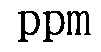
보다구체적으로, 상기 니켈계 리륨금속산화물입자내 의 도핑량은 2,000내지 5,000
 수있고, 2,000내지 4,000
 구체적으로 2,200내지 3,800
 있다. 니켈계 리륨금속산화물입자내의 도핑량이 200如 미만일경우싸이클성능이 저하되고 500¾ 111을초과하는 경우방전용량이 저하되는문제점이 있다. 따라서, 의 도핑량이 상기 범위를만족하는경우본실시예에 따른양극활물질을적용하는경우방전 용량저하가없고싸이클성능이 우수한이차전지를구현할수있다.
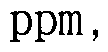
또한, 이와함께도핑되는시의 도핑량은 100내지 1,500
 100 내지 500
 구체적으로 120내지 320
 있다. 니켈계 리튬금속 산화물입자내의시도핑량이 100抑 미만일 경우싸이클성능이 저하되고 150¾)1)111을초과하는경우방전용량이 저하되는문제점이 있다. 따라서,시의 도핑량이 상기 범위를만족하는경우현상이 있지만상기 범위를만족하는 경우본실사예에 따른양극활물질을적용하는경우방전용량저하가 없고싸이클성능이 우수한이차전지를구현할수있다.
아울러 ,상기 니켈계 리륨금속산화물입자는,입자크기별로균일한 내부조성(즉, 050형태와도핑량)을가질수있다. 즉, 입자크기가다른
2019/112375 1»(:1^1{2018/015537
2종의 상기 니켈계 리튬금속산화물입자를일정 비율로섞어, 양극의 에너지 밀도를높일수있다.
이는, 이른바바이모달( -미0(뇨1)기술로, 크기가큰입자(이하,
"대입경 입자”라함)사이의 공극을, 크기가작은입자(이하, "소입경 입자"라함)로하여금메우게하여, 단위 부피 내에서 많은양의 양극 활물질을집적할수있는기술이다.
즉, 본실시예에 따른, 니켈계 리륨금속산화물입자는
복수 01바 )이며, 서로다른입경을가진 2종의 상기 니켈계 리튬금속 산화물입자의혼합물일수있다.
이는, 동일한
 및도핑 특성을가지지만, 서로다른입경을 가진니켈계 리륨금속산화물입자를혼합한것이다. 따라서, 대입경 입자 사이의 공극을소입경 입자가메움으로써,단위 부피 내에서 많은양의 양극 활물질을집적할수있다. 이에, 양극의 에너지 밀도를높이기 유리하다. 구체적으로, 상기혼합물은, 평균입경이50입경)이서로다른제 1 화합물및제 2화합물을포함할수있다.
제 1화합물은, 예를들면, 평균입경犯50입경)이

보다구체적으로, 12,내지 20 /패인대입경 니켈계 리튬금속산화물 입자일수있다. 대입경 니켈계 리튬금속산화물입자의 평균입경이 상기 범위를만족하는경우, 소립자와혼합하여 바이모달형태의 양극활물질을 제조하는경우펠렛밀도가증가하므로본실시예에 따른양극활물질을 적용하는경우이차전지의 용량을향상시킬수있다.
또한,제 2화합물은,예를들면,평균입경(加0입경)이 1 내지 6 _, 보다구체적으로 4,내지 6,인소입경 니켈계 리륨금속산화물입자일 수있다.
또한, 소입경 니켈계 리튬금속산화물입자의 평균입경이 상기 범위를만족하는경우, 대립자와혼합하여 바이모달형태의 양극활물질을 제조하는경우펠렛밀도가증가하므로본실시예에 따른양극활물질을 적용하는경우이차전지의 용량을향상시킬수있다.
본명세서에서 50입경은,다양한입자크기가분포되어 있는활물질 입자를부피비로 50%까지 입자를누적시켰을때의 입자크기를의미한다.
이 경우, 대입경 니켈계 리륨금속산화물입자및소입경 니켈계 리튬금속산화물입자의 혼합중량비는, 60 : 40내지 90: 1◦일수있다. 또한, 전술한바와같이, 본실시예에 따른상기 니켈계 리튬금속 산화물입자는, 1차입자형태가막대 (rod) 형태일수있다.
따라서, 상기 제 1화합물은, a축결정 상수 ( latt ice parameter)가
2.85A내지 2.88A, 보다구체적으로, 2.86A내지 2.88A일수있다. 또한, c죽결정 상수 ( latt ice parameter )는 14.13A내지 14.37A,보다구체적으로, 14.17A내지 14.34A일수있다. 아울러, 결정 크기 (Crystal 1 ine size)는 60 nm내지 200nm , 보다구체적으로, 80nm내지 120nm일수있다.
다만, 대입경 니켈계 리튬금속산화물입자에 Zr이 단독도핑된 경우도상기 범위의 a축및 c축결정 상수 ( latt i ce parameter )를가질수 있다. 즉, 대입경 니켈계 리튬금속산화물입자에 대해, Zr및 A1동시 도핑된경우, Zr단독도핑된경우에 대비하여 a축및 c축결정
상수 ( latt i ce parameter)에는큰변화가없다.
그러나, 대입경 니켈계 리튬금속산화물입자에 Zr및 A1동시 도핑된경우, Zr단독도핑된경우에 대비하여 결정 크기 (Crystal l ine si ze)에 큰변화가있다. 구체적으로, 대입경 니켈계 리튬금속산화물 입자에 Zr및 A1동시 도핑된경우의 결정크기는 60nm내지 200 nm , 구체적으로 80nm내지 120nm , 80nm내지 100 nm일수있다. 또한, Zr단독 도핑된경우의 결정 크기는 100nm를초과할수있다.
한편, 상기 니켈계 리륨금속산화물입자는, 입자크기별로균일한 내부조성 (즉, CSG형태와도핑량)을가질수있다. 이에, 앞서 설명한 바이모달활물질을구현하기에 유리하다.
상기 니켈계 리륨금속산화물입자는, 입자크기별로, 하기 식 3의 값이 50%이상 90%이하,구체적으로 75 %이상 85%이하일수있다.니켈계 리튬금속산화물입자가하기 식 3의 값이 50%이상을만족하는경우본 실시예에 따른양극활물질을적용한이차전지의 전기 화학특성 및 열 안전성을향상시킬수있다.
[삭 3] R2/CR2+D2 )*100%
상기 식 3에서, R2은상기 니켈계금속산화물입자내코어부의
2019/112375 1»(:1^1{2018/015537
반경이고, 2는상기 니켈계금속산화물입자내 쉘부의 두께이다.
상기 니켈계 리륨금속산화물입자의 평균조성,즉, 제 1화합물및 제 2화합물을포함하는니켈계 리튬금속산화물의 평균조성은, 하기 화학식 4로표시될수있다.
[화학식 4] Lim4[Nil-w4-c4-y4-z4Co«,4Mlc4M2y4M3z4]n4 () 2-p4Xp4

0일수있다.
또한, 상기 니켈계 리튬금속산화물입자의 코어부조성은,즉,제 1 화합물및제 2화합물을포함하는니켈계 리툼금속산화물에서 코어부의 조성는, 하기 화학식 5로표시될수있다.
[화학식 5]니 에115 -5 5 - 250¾5盤1此12^¾5]115 () 2 5 ?5
상기 화학식 5에서 , 은 111,
 06,
06,
 포함하는군에서 선택된어느하나의 원소이고, 1\12는 이고, !«3는시이며, 는, ,比및 을 포함하는군에서 선택된어느하나의 원소이고, 5, X 75, 25, 및 ?5는,

0.95 ££ 115 << 1.1이다.
보다구체적으로, 0.002 < 5 << 0.004, 0 < 5 << 0.0015, ?50일수 있다.
상기 니켈계 리튬금속산화물입자의 쉘부조성은, 즉, 제 1화합물 및 제 2화합물을포함하는니켈계 리튬금속산화물에서 쉘부의 조성은, 상기 경계면에서 상기 화학식 5로표시되고,상기 최외각에서는하기 화학식 6으로표시되며,상기 경계면으로부터 쉘부의 최외곽에 이르기까지 니켈 ( ), , 112및 !«3의 각몰함량이 점진적으로변화할수있다.
2019/112375 1»(:1/10公018/015537
[화학식 6 ] L 11))0 [N 1 ^-w6 - x6-y6 - z6COw6Mlc6M2yøM3z@] 1^602 - p6¾6
상기 화학식
 포함하는군에서 선택된어느하나의 원소이고, 2는 이고, 1«3는시이며 , X는, ,比및 I3을 포함하는군에서 선택된어느하나의 원소이고, 6, X , 26, 및 ?6는, 각각 0 < 6 < < 0.3,

¾必+ 6+ 6+26 < <0.5, 0 < < p6 < < 0.1이고, 1116는 0.95 < < 1116 < < 1.1, 116는 0.95 £ £ < < 1.1이다.
보다구체적으로, 0.002 < 6 << 0.0065 , 0 < 6 < < 0.002 , ¹ 0일수 있다.
따라서, 본실시예에 다른니켈계 리튬금속산화물입자는, 상기 화학식 4의 전체조성 및상기 화학식 5의 코어부조성에 따라고용량을 발현하면서도, 상기 화학식 6의 쉘부조성에 따라안정적인구조를가질수 있다.
전술한양극활물잘은리륨이차전지의 양극에 유용하게사용될수 있다. 즉, 일실시예에 따른리튬이차전지는음극과함께 전술한양극 활물질을포함하는양극및 전해질을포함한다.
일실시예에 따른리륨이차전지는, 양극, 음극, 그리고상기 양극 및음극사이에 배치된세퍼레이터를포함하는전극조립체를포함할수 있다. 이러한전극조립체는와인딩되거나접혀서 케이스에수용됨으로써 리튬이차전지를구성한다.
이때, 케이스는원통형, 각형, 박막형 등의 형태를가질수있으며, 적용하고자하는장치의 종류에 따라적절하게 변형할수있다.
상기 음극은, 음극활물질, 바인더 및선택적으로도전재를혼합하여 음극활물질층형성용조성물을제조한후, 이를구리 등의 음극집전체에 도포하여 제조될수있다.
상기 음극활물질로는, 리륨을인터칼레이션/디인터칼레이션할수 있는재료가사용되고, 예를들면, 리륨금속이나리튬합금, 코크스, 인조 흑연, 천연흑연, 유기 고분자화합물연소체, 탄소섬유등을사용한다. 상기 바인더로는폴리비닐알코올,
카르복시메틸셀룰로오스/스티텐-부타디엔러버 ,히드록시프로필렌셀룰로오스 ,
2019/112375 1»(:1^1{2018/015537
디아세틸렌셀룰로오스, 폴리비닐클로라이드, 폴리비닐피롤리돈,
폴리테트라플루오로에틸렌 , 폴리비닐리덴플루오라이드, 폴리에틸렌또는 폴리프로필렌등을사용할수있으나, 이에 한정되는것은아니다. 상기 바인더는상기 음극활물질층형성용조성물의총량에 대하여 1중량%내지 30중량%로혼합될수있다.
상기 도전재로는전지에 화학적 변화를유발하지 않으면서 도전성을 가진것이라면특별히 제한되는것은아니며, 구체적으로는천연흑연, 인조 흑연등의 흑연;아세틸렌블랙,케첸블랙,채널블랙,퍼네이스블랙,램프 블랙, 서머 블랙등의 카본블랙; 탄소섬유, 금속섬유등의 도전성 섬유; 불화카본, 알루미늄, 니켈분말등의 금속분말;산화아연, 티탄산칼륨 등의 도전성 위스키 ;산화티탄등의 도전성 금속산화물; 폴리페닐렌 유도체등의 도전성 소재등이 사용될수있다. 상기 도전재는상기 음극 활물질층형성용조성물의 총량에 대하여 0.1중량%내지 30중량%로혼합될 수있다.
상기 양극은, 일실시예에 따른양극활물질을포함할수있다. 즉, 전술한양극활물질, 바인더 및선택적으로도전재를혼합하여 양극활물질층형성용조성물을제조한후, 이 조성물을알루미늄등의 양극 집전체에 도포하여 제조할수있다. 또한, 도전재, 결합제 및용매는전술한 양극의 경우와동일하게사용된다.
상기 리튬이차전지에 충진되는전해질로는비수성 전해질또는 공지된고체 전해질등을사용할수있으며, 리륨염이 용해된것을사용할 수있다.
상기 리륨염은, 예를들면, 1 平6 ,니묘 ,니¾ 6 ,니쇼3¾, 110104 , 니0¾03 ,니(0 02)出,니 的 니¾¾,니시04 , 1]시(〕14 ,니이, 및니1로 이루어진군에서 선택된 1종이상을사용할수있다.
상기 비수성 전해질의 용매로는, 예를들면, 에틸렌카보네이트, 프로필렌카보네이트, 부틸렌카보네이트, 비닐렌카보네이트등의 환상 카보네이트; 디메틸카보네이트 , 메틸에틸카보네이트, 디에틸카보네이트등의 쇄상카보네이트 ; 아세트산메틸 , 아세트산에틸, 아세트산프로필,
프로피온산메틸, 프로피온산에틸,>/-부티로락톤등의 에스테르류;
2019/112375 1»(:1^1{2018/015537
1,2 -디메톡시에탄, 1,2 -디에톡시에탄, 테트라히드로푸란, 1,2 -디옥산,
2 -메틸테트라히드로푸란등의 에테르류; 아세토니트릴등의 니트릴류;
디메틸포름아미드등의 아미드류등을사용할수있으나, 이에 한정되는 것은아니다. 이들을단독또는복수개를조합하여 사용할수있다. 특히, 환상카보네이트와쇄상카보네이트와의 혼합용매를바람직하게사용할수 있다.
또한전해질로서,폴리에틸렌옥시드,폴리아크릴로니트릴등의 중합체 전해질에 전해액을함침한겔상중합체 전해질이나,니1,니出등의무기 고체 전해질이 가능하다.
상기 세퍼레이터는내화학성 및소수성의 폴리프로필렌등의 올레핀계폴리머; 유리섬유, 폴리에틸렌등으로만들어진시트나부직포 등이사용될수있다. 전해액으로폴리머 등의 고체 전해액이사용되는 경우고체 전해액이 분리막을겸할수도있다.
이하에서는실험예를통하여 본발명을좀더 상세하게 설명한다. 이러한실험예는단지 본발명을예시하기 위한것이며, 본발명이 여기에 한정되는것은아니다.
제조예 1 (대입경 양극활물질전구체)
1)금속염 용액의 제조
우선, 니켈원료물질로는 4·抑 20, 코발트원료물질로는
(:0304 .7¾0, 망간원료물질로는 1^04_¾0을이용하여 , , 00 , 및 농도가 서로다른두개의 금속염 수용액을제조하였다.
코어부형성을위한제 1금속염 수용액은, 증류수내에서
(1 0, 98 0().011]¾.01) (011)2의 화학양론적몰비를만족하도록상기 각원료 물질을혼합하되, 전체금속염의 몰농도가 2.5¾1이 되도록제조하였다. 이와독립적으로, 쉘부형성을위한제 2금속염 수용액은, 증류수 내에서 ( 0.64 0.23¾!110.13) (011)2의 화학양론적 몰비를만족하도록상기 각 원료물질을혼합하되, 전체금속염의 몰농도가 2.5¾1이 되도록제조하였다.
2)공침 공정
두개의 금속염 수용액공급탱크가직렬로연결된공침 반응기를 준비하고, 각각의 금속염 수용액공급탱크에 상기 제 1금속염 수용액 및
2019/112375 1»(:1^1{2018/015537
상기 제 2금속염 수용액을장입하였다.
상기 공침 반응기(용량 20ᄂ 회전모터의 출력 200的에 증류수 3 리터를넣은뒤,질소가스를 2리터/분의 속도로공급함으로써,용존산소를 제거하고반응기의 온도를 50。(:로유지시키면서 140 제으로교반하였다. 또한, 킬레이팅제로 14 !\1농도의■4(抑)을 0.06리터/시간으로, 조절제로 8 1농도의 3011용액을 0.1리터/시간으로, 각각반응기에 연속적으로투입하되, 공정의 진행중반응기 내 12로유지되도록그 투입량을적절히 제어하였다.
이처럼 가일정하게유지되며 킬레이팅제가공급되는반응기에, 상기 직렬연결된두개의 금속염 수용액공급탱크로부터 각금속염 용액의 투입 시간및투입량을조절하였다.
구체적으로,상기 제 1금속염 수용액을 0.4리터/시간으로투입하면서, 반응기의 임펠러 속도를 140 제으로조절하여, 침전물의 지름이 약 11.1 _ 가될때까지 공침 반응을수행하였다. 이때유량을조절하여 용액의 반응기 내의 평균체류시간은 10시간정도가되도록하였으며, 반응이 정상상태에 도달한후에 상기 반응물에 대해 정상상태지속시간을주어 좀더 밀도가 높은공침 화합물을얻도록하였다.
이어서, 상기 제 1금속염 수용액과상기 제 2금속염수용액의 혼합 비율을변경시키면서 , 전체공급용액을 0.4리터/시간으로투입하되 , 상기 제 1금속염 수용액의 공급속도는 0.05리터/시간으로점진적으로감소시키고, 상기 제 2금속염 수용액의 공급속도는 0.35리터/시간으로점진적으로 증가시켰다. 이때유량을조절하여 용액의 반응기 내의 평균체류시간은 20 시간이내가되도록하였으며, 최종적으로침전물의 지름이 14.8_가될 때까지 공침 반응을수행하였다.
3)후처리 공정
상기 일련의 공침 공정에 따라수득되는침전물을여과하고, 물로 세척한다음, 100。(:의 오븐(0래)에서 24시간동안건조시켜, 입자
전체에서의 조성이 ( 0.88(:00.095¾1¾.025)(에)2이고, 평균입경이 15_인 복수의 대입경 입자를제조예 1의 활물질 전구체로얻었다.
2019/112375 1»(:1^1{2018/015537
제조예 2 (소입경 양극활물질전구체)
1)금속염 용액의 제조
제조예 1과동일한제 1금속염 수용액 및제 2금속염 수용액을 제조하였다.
2)공침 공정
제조예 1과동일한반응기를이용하여, 다른조건은동일하게하되, 각금속염 용액의투입 시간및투입량을달리 하였다.
구체적으로,상기 제 1금속염 수용액을 0.4리터/시간으로투입하면서, 반응기의 임펠러 속도를 140印미으로조절하여 ,침전물의 지름이 약 3.8내지 4.5 가될때까지 공침 반응을수행하였다. 이때유량을조절하여 용액의 반응기 내의 평균체류시간은 10시간정도가되도록하였으며, 반응이 정상상태에 도달한후에 상기 반응물에 대해 정상상태지속시간을주어 좀더 밀도가높은공침 화합물을얻도록하였다.
이어서, 상기 제 1금속염 수용액과상기 체 2금속염수용액의 혼합 비율을변경시키면서, 전체공급용액을 0.4리터/시간으로투입하되, 상기 제 1금속염 수용액의 공급속도는 0.05리터/시간으로점진적으로감소시키고, 상기 제 2금속염 수용액의 공급속도는 0.35리터/시간으로점진적으로 증가시켰다. 이때유량을조절하여 용액의 반응기 내의 평균체류시간은 15 시간이내가되도록하였으며, 최종적으로침전물의 지름이 5.3썬!가될 때까지 공침 반응을수행하였다.
3)후처리 공정
상기 일련의 공침 공정에 따라수득되는침전물을여과하고, 물로 세척한다음, 100
 24시간동안건조시켜 , 입자 전체에서의 조성이 ( 0.88(:00.0951110.025) (0 2이고, 평균입경이 5_인 복수의 소입경 입자를제조예 2의 활물질 전구체로얻었다.
실시예 1比6 0取코팅층이 형성된바이모달양극활물질 ,쑈 :
0.0037몰및사: 0.0005몰동시도핑)
양극활물질의 제조
1)소성 공정
(1)제조예 1에서 얻어진대입경 양극활물질전구체에 대해,
리륨염인 Li0H¾0(삼전화학, battery grade) ,도핑 원료인 Zr02 (Aldr ich, 4N) 및 A1(0H)3 (Aldr ich, 4N)을균일하게혼합하였다.
상기 혼합시, 전구체: 리튬염의 몰비가 1: 1.05이 되도록하고, 총량 중 Zr의 함량은 0.0037몰,사의 함량은 0.0005몰이 되도록하였다.
상기 혼합물을 tube furnace (내경 50·, 길이 1,000·)에 장입하여 산소를 200mL/min로유입시키면서 소성하였다.
상기 소성 시, 480OC에서 5h유지한후, 700내지 750°C에서 16h 유지하였으며,승온속도는 5°C/min였다.이에 따라,입자전체에서의 조성이 Li i.05(Nio.88Coo.095Mno.025)(0.9958 )Zro.0037Al 0.0005O2인대입경 소성체분말을 독립적으로수득하였다.
(2)대입경 양극활물질 전구체 대신제조예 2에서 얻어진소입경 양극활물질전구체를사용한것을제외하고는상기 (1)과동일한방법으로 입자전체의 조성이 L 11.05 (Ni 0.88CO0.095Mno .025 ) (0.9958)Zro .0037A 1 0.0005O2인소입경 소성체분말을수득하였다.
2)혼합및소성 공정
상기 1)에서 제조된대입경 소성체 및상기 소입경 소성체를 혼합하되, 대입경 소성체: 소입경 소성체의 중량비는 8:2로하였다,
상기 혼합물의 소성 후수세과정을거쳐 표면의 잔류리륨을 제거하였다.
3)코팅 공정
상기혼합및소성 공정을거친물질에 대해, Ce(0H)4(Aldr ich)를 건식 혼합후후열처리하여 CeOxOHy (0 < x < 1, 0 < y < 1, x+y = 1)가표면에 균일하게코팅되도록하여 코팅층이 형성된양극활물질을제조하였다. 코인셀제조
상기와같이 제조된양극활물질에 대해, 바인더인
PVDF(Polyvinyl idene Fluor ide, KF1100) , 도전재인 덴카블랙 (상업명 : super p)을 92.5:3.5:4 (활물질: 바인더: 도전재)의 중량비로혼합하고,
NMP(N-Methyl-2-pyrrol idone)를첨가하여 슬러리 점도를조정하였다.
상기 슬러리는닥터 블레이드 (Doctor blade)를이용하여 A1포일 (A1 foi l , 두께: 15 m)상에 코팅하고, 건조한후압연하여 양극을제조하였다.
상기 양극의 로딩량은 14.6 mg/cuf이 되도록하였다.
전해액으로는, 1M UPF6 in EC:DMC:EMC=3:4:3(vol%)에 대해, 1.5 vol%의 VC를첨가한것을사용하였다. 상기 양극, 전해액, PP분리막과리튬 음극 (200um,Honzo metal)을사용하여 통상적인제조방법에 따라 2032반쪽 전지 (hal f coin cel l)를제조하였다.
실시예 2 (CeOxOHy코팅층이 바이모달양극활물질, Zr: 0.0037몰및 A1: 0.001몰동시도핑)
양극활물질의 제조
1)소성 공정
(1)제조예 1에서 얻어진대입경 양극활물질 전구체에 대해, 리튬염인 Li0H¾0(삼전화학, battery grade) ,도핑 원료인 ZrOjAldr i ch, 4N) 및 A1 (0H)3 (Aldr i ch, 4N)을균일하게혼합하였다.
상기 혼합시 , 전구체 : 리륨염의 몰비가 1 : 1.05이 되도록하고, 총량 중 의 함량은 0.0037몰,시의 함량은 0.001몰이 되도록하였다.
상기혼합물을 tube furnace (내경 50mm, 길이 1 , 000mm)에 장입하여 산소를 20(kL/min로유입시키면서 소성하였다.
상기 소성 시, 480°C에서 5h유지한후, 700내지 750°C에서 16h 유지하였으며,승온속도는 5°C/min였다.이에 따라,입자전체에서의 조성이 Li 1.05(Nio.88COo.095^0.025)0.09953Zro.0037Alo.001()2인대입경 소성체분말을 독립적으로수득하였다.
(2)대입경 양극활물질 전구체 대신제조예 2에서 얻어진소입경 양극활물질 전구체를사용한것을제외하고는상기 (1)과동일한방법으로 입자전체의 조성이 Li i.05(Nio.88Coo.095^0.025) 0.09953Zro.(X)37Alo.iXn02인소입경 소성체분말을수득하였다.
2)혼합및소성 공정
상기 1)에서 제조된 대입경 소성체 및상기 소입경 소성체를 혼합하되, 대입경 소성체: 소입경 소성체의 중량비는 8:2로하였다,
상기 혼합물의 소성 후수세과정을거쳐 표면의 잔류리튬을 제거하였다.
3)코팅 공정
상기혼합및소성 공정을거친물질에 대해, Ce(0H)4(Aldr ich)를 건식 혼합후후열처리하여 CeOxOHy (0 < x < 1, 0 < y < 1, x+y = 1)가표면에 균일하게코팅되도록하여 코팅층이 형성된양극활물질을제조하였다.
코인셀제조
실시예 1과동일한방법으로코인셀을제조하였다.
비교예 1 (코팅층이 형성되지 않은경우 _바이모달양극활물질) 양극활물질의 제조
실시예 1에서 3)코팅층형성 공정을제외하고, 1)및 2)에 기재된 것과동일한방법으로코팅층이 형성되지 않은양극활물질을제조하였다.
코인셀제조
실시예 1과동일한방법으로코인셀을제조하였다.
비교예 2 (보론이코팅된경우)
양극활물질의 제조
실시예 1과동일한방법으로 1)소성공정, 2)혼합및소성 공정을 거친후, 혼합및소성 공정을거친물질에 대해, 수세과정을거쳐 표면의 잔류리튬을제거하였다. H3B03분말을건식 혼합한후열처리하여, 각 소성체 입자표면에 B가균일하게코팅되도록하였다.
최종적으로, 코팅층전체를기준으로, B가 800 ppm코팅된양극 활물질로얻었다.
코인셀제조
실시예 1과동일한방법으로코인셀을제조하였다.
비교예 3 (바이모달양극활물질 Zr단독도핑 Ce코팅)
양극활물질의 제조
1)소성 공정
(1)제조예 1에서 얻어진대입경 양극활물질 전구체에 대해, 리튬염인 Li0H_¾0(삼전화학, battery grade) , 도핑 원료인 ZrO^Aldr i ch,
4N)을균일하게혼합하였다.
상기 혼합시, 전구체: 리튬염의 몰비가 1: 1.05이 되도록하고, 총량 중 Zr의 함량은 0.0037몰이 되도록하였다.
상기 혼합물을 tube furnace (내경 50mm, 길이 1,000mm)에 장입하여
산소를 200mL/min로유입시키면서 소성하였다.
상기 소성 시, 480°C에서 5h유지한후, 700내지 750°C에서 16h 유지하였으며,승온속도는 5°C/min였다.이에 따라,입자전체에서의 조성이 L i 1. os ( N i o .88C00. o9sMno .025 ) o .9963Zr 0.0037O2대입경 소성체분말을 독립적으로 수득하였다.
(2)대입경 양극활물질전구체 대신 제조예 2에서 얻어진소입경 양극활물질 전구체를사용한것을제외하고는상기 (1)과동일한방법으로 조성이 Li i.05(Nio.88Coo.095Mno.025)0.9963Zro.o037(V?I소입경 소성체분말을 수득하였다.
2)혼합및소성 공정
상기 1)에서 제조된대입경 소성체 및상기 소입경 소성체를 혼합하되, 대입경 소성체: 소입경 소성체의 중량비는 8:2로하였다,
상기 혼합물의 소성 후수세과정을거쳐 표면의 잔류리튬을 제거하였다.
3)코팅 공정
상기 혼합및소성 공정을거친물질에 대해, Ce(0H)4(Aldr ich)를 건식 혼합후후열처리하여 Ce0x0Hy(0 < x < 1, 0 < y < 1, x+y = 1)가표면에 균일하게코팅되도록하여 코팅층이 형성된 양극활물질을제조하였다. 코인셀제조
실시예 1과동일한방법으로코인 셀을제조하였다.
비교예 4 (바이모달양극활물질, A1단독도핑 . Ce코팅)
양극활물질의 제조
1)소성 공정
(1)제조예 1에서 얻어진대입경 양극활물질 전구체에 대해, 리튬염인 Li0H¾0(삼전화학, battery grade) ,도핑 원료인 Zr02 (Aldr i ch, 4N) 및 A1(0H)3 (Aldr ich, 4N)을균일하게혼합하였다.
상기 혼합시, 전구체: 리튬염의 몰비가 1: 1.05이 되도록하고, 총량 중사의 함량은 0.0005몰이 되도록하였다.
상기 혼합물을 tube furnace (내경 50mm, 길이 1,000·)에 장입하여 산소를 200mL/min로유입시키면서소성하였다.
상기 소성 시, 480°C에서 5h유지한후, 700내지 750°C에서 16h 유지하였으며,승온속도는 5°C/min였다.이에 따라,입자전체에서의 조성이 Li l.05(Ni0.88CO0.095Mn0.025)0.9995Al0.000502인대입경 소성체분말을독립적으로 수득하였다.
(2) 대입경 양극활물질 전구체 대신제조예 2에서 얻어진소입경 양극활물질전구체를사용한것을제외하고는상기 (1)과동일한방법으로 입자전체의조성이 Li i.05(Nio.88COo.095Mno.025)0.9995Alo._502인소입경 소성체 분말을수득하였다.
2)혼합및소성 공정
상기 1)에서 제조된대입경 소성체 및상기 소입경 소성체를 혼합하되, 대입경 소성체: 소입경 소성체의 중량비는 8:2로하였다,
상기 혼합물의 소성 후수세 과정을거쳐 표면의 잔류리륨을 제거하였다.
3)코팅 공정
상기 혼합및소성 공정을거친물질에 대해, Ce(0H)4(Aldr ich)를 건식 혼합후후열처리하여 Ce0x0Hy(0 < x < 1 , 0 < y < 1 , x+y = 1)가표면에 균일하게코팅되도록하여 코팅층이 형성된양극활물질을제조하였다.
코인셀제조
실시예 1과동일한방법으로코인셀을제조하였다.
비교예 5 (Ce02코팅층이 형성된양극활물질)
양극활물질의 제조
실시예 1에서 1) 및 2)에 기재된것과동일한방법으로표면의 잔류 리튬이 제고된물질을수득하고, 상기 혼합및소상공정을거친물질에 대해, Ce02를건식 혼합후후열처리하여 Ce02가표면에 균일하게코팅되도록 하여 코팅층이 형성된양극활물질을제조하였다.
코인셀제조
실시예 1과동일한방법으로코인셀을제조하였다.
참고예 1 (대입경 양극활물질전구체. A1및 Zr도핑. Ce코팅) 제조예 1에서 얻어진대입경 양극활물질 전구체에 대해, 리륨염인 LiOH¾◦(삼전화학, battery grade) , 도핑 원료인 Zr02(Aldr ich, 4N)및
A1 (0H)3 (Aldr i ch, 4N)을균일하게혼합하였다.
상기 혼합시, 전구체: 리튬염의 몰비가 1 : 1.05이 되도록하고, 총량 중 Zr의 함량은 0.0037몰,시의 함량은 0.0005몰이 되도록하였다.
상기 혼합물을 tube furnace (내경 50mm, 길이 1 , 000·)에 장입하여 산소를 200mL/min로유입시키면서 소성하였다.
상기 소성 시, 480°C에서 5h유지한후, 700내지 750°C에서 16h 유지하였으며,승온속도는 5°C/min였다.이에 따라,입자전체에서의 조성이 Li 1.05 (Nio.88Coo.095Mno.025)Zro.(x)37Al 0.0005()2이며, 평균입경이 15//D1인대입경 소성체분말을수득하였다.
소성 후수세과정을거쳐 표면의 잔류리륨이 제거된 대입경 소성체를제조하였다.
상기 표면잔류리튬이 제거된물질에 대해, Ce(0H)4(Aldr i ch)를건식 혼합후후열처리하여 CeOxOHy (0 < x < 1 , 0 < y < 1 , x+y = 1)가표면에 균일하게코팅되도록하여 코팅층이 형성된양극활물질을제조하였다.
참고예 2 (소입경 양극활물질전구체, A1및 Zr도핑. Ce코팅) 제조예 2에서 얻어진소입경 양극활물질 전구체를사용한것을 제외하고는참고예 1과동일한방법으로, 입자전체에서의 조성이
Li i.o5(Nio.88Coo.TO5Mno.o25)Zr 0.0037AI 0 0005()2이며 , 평균입경이 5//m인소입경 소성체분말을수득하였다.
소성후수세과정을거쳐 표면의 잔류리륨이 제거된소입경 소성체를제조하였다.
상기 표면잔류리튬이 제거된물질에 대해, Ce(0H)4(Aldrich)를건식 혼합후후열처리하여 Ce0x0Hy (0 < x < 1 , 0 < y < 1 , x+y = 1)가표면에 균일하게코팅되도록하여 코팅층이 형성된양극활물질을,제조하였다.
실험예 1 -충방전특성평가
실시예 1내지 2, 비교예 1내지 2및 참고예 1에 따라제조된리튬 이차전지에 대하여’
정전류-정전압으로 0.2C , 4.25V, 0.005C컷-오프조건으로충전및 정전류 0.2C, 2.5V컷-오프조건으로방전하여 충전용량및방전용량을 측정하였다.
결과는하기 표 1에 나타내었다.
【표 1]

표 1을참고하면, 실시예 1내지 2에 따라제조된리륨이차전지의 경우, 비교예 1, 2및 참고예 1에 따라제조된리튬이차전지와비교할때, 충전및방전용량이 우수하고, 이에 따라쿨롱효율도우수한것을알수 있다.
따라서 , 본실시예에 따른양극활물질을리륨이차전지에 적용하는 경우, 충방전특성을향상시킬수있음을확인할수있다.
실험예 2 -직류내부저항 (Direct Current , Internal resistance: DC-IR)측정
실시예 1내지 2, 비교예 1내지 5및 참고예 2에 따라제조된리륨 이차전지에 대하여, 실험예 2와같은조건으로충방전을실시하고, 각 사이클에서 방전초기 60초동안전압변동기준으로직류내부
저항 (DC-IR)을측정하였다.
Ist사이클에서의 DC- IR값및 30th사이클에서의 DC-m값을표시하고, 그증가량을계산하여 하기 표 2에 나타내었다.
【표 2】


표 2를참고하면 , 실시예 1내지 2에 따라제조된리튬이차전지의 경우, 충방전을 30회 진행후에도저항증가량이 크지 않은것을알수 있다.
이에 반해비교예 1내지 5및 참고예 2에 따라제조된리튬이차 전지의 경우 30사이클진행후에 저항증가량이 현저하게상승하였다. 따라서,본실시예에 따른양극활물질을적용하는경우,저항특성이 우수한리륨이차전지를구현할수있음을확인할수있다.
본발명은상기 실시예들에 한정되는것이 아니라서로다른다양한 형태로제조될수있으며, 본발명이속하는기술분야에서통상의 지식을 가진자는본발명의 기술적사상이나필수적인특징을변경하지 않고서 다른구체적인형태로실시될수있다는것을이해할수있을것이다. 그러므로이상에서 기술한실시예들은모든면에서 예시적인것이며 한정적이 아닌것으로이해해야만한다.
Claims
【청구항 1】
計및시으로도핑된니켈계 리륨금속산화물입자; 및 상기 니켈계 리튬금속산화물입자의 표면에 위치하는코팅층;
5 을포함하고,
상기 니켈계 리륨금속산화물입자는,
코어부, 그리고
상기 코어부를둘러싸고, 상기 코어부와의 경계면으로부터 외곽 방향으로갈수록니켈의 농도가점진적으로감소하는농도
10 구배( 크 근 !:)를형성하는쉘부를포함하며,
상기 코팅층은, 희토류원소의 옥시하이드록사이드를포함하는리튬 이차전지용양극활물질.
【청구항 2]
제 1항에 있어서,
15 상기 희토류원소는세륨 0¾), 코발트((:0), 텅스텐 ), 란타늄 ), 하프니움대0 및 셀레니움比 중적어도하나인리륨이차전지용양극 활물질.
【청구항 3]
제 1항에 있어서,
20 상기 니켈계 리튬금속산화물입자의 1차입자는, 종횡비가 1보다 큰막대( 형상을갖는리튬이차전지용양극활물질.
【청구항 4]
제 1항에 있어서,
상기 코어부및 쉘부를포함하는니켈계금속산화물입자는,
25 하기 화학식 4로표시되는평균조성을갖는리륨 이차전지용양극 활물질.
[화학식 4]
 2019/112375 1»(:1^1{2018/015537
하나의 원소이고,
¾12는 이고,
3는시이며,
는, 凡 및 I을포함하는군에서 선택된어느하나의 원소이고, 4, 4, 4, ¾4,
 각각, 0 < 4 < 0.2, 0 < 4 <0.2, 0 < 4
< 0.006, 0 < å4 £ 0.006, 0 < ¾4 + 4 + 4 + å4: <0.4, 0 < ^4: < 0.1이고, 미4는 0.95 < 014 < 1.1, 114는 0.95 < 114 £ 1.1임)
【청구항 5]
제 1항에 있어서,
상기 니켈계 리륨금속산화물입자내 의 도핑량은,
2,000
 5,000
5,000
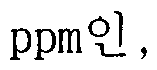
리튬이차전지용양극활물질.
【청구항 6】
제 1항에 있어서,
상기 니켈계 리륨금속산화물입자내시의 도핑량은,
100
 1,500
1,500

리륨이차전지용양극활물질 .
【청구항 7]
제 1항에 있어서,
상기 니켈계 리튬금속산화물입자내 :시의 몰비는,
15:1내지 0.4:1인리튬이차전지용양극활물질.
【청구항 8】
제 1항에 있어서,
상기 니켈계 리튬금속산화물입자의 코어부조성은,
전 영역에서 하기 화학식 5로 표시되는 리튬 이차 전지용 양극 활물질.
[화학식 5]
1_, 1 [1 1 l-w5 - x5-y5 - z5Co^^I5Mlc5M2y5M3z5 ] n502 - p5¾5
(상기 화학식 5에서,

하나의 원소이고,
2는 이고, ¾13는시이며,
표는,民 및 을포함하는군에서 선택된어느하나의 원소이고, 5, 5, 5, å5, 및 ?5는, 각각, 0 <방5 < 0.1, 0 < 5 < 0.1, 0 < 5 < 0.005,
 0.2
0.2
 0.1이고,
1115는 0.95 < <미5 < < 1.1, 115는 0.95 < < 115 << 1.1임)
【청구항 9]
제 8항에 있어서,
상기 니켈계 리튬금속산화물입자의 쉘부조성은,
상기 상기 코어부와의 경계면에서 상기 화학식 5로표시되고, 상기 쉘부의 최외곽에서는하기 화학식 6으로표시되고, 상기 경계면으로부터 상기 최외곽으로갈수록
 각몰함량이 점진적으로 변화하는리튬이차전지용양극활물질.
[화학식 6]
니!!16 [^11-¾6 -겄6->,6 -6(0¾161](6!\1261\1326]116()21)6 ?6
(상기 화학식 6에서,
¾11은加, ¾¾, ¾1, Ca, 06,
 포함하는군에서 선택된어느 하나의 원소이고,
¾松는 ¾이고, 1\13는시이며,
X는, 比 및 을포함하는군에서 선택된어느하나의 원소이고,
 각각, 0 < 6 < 0.3, 0 <乂6 <0.3, 0 < 6 <0.007,
 0.5,
0.5,
 0.1이고,
 0.95 << 016 << 1.1이고, 116은 0.95 ££ n6 ££ 1.1임)
【청구항 10】
제 1항에 있어서,
상기 니켈계 리를금속산화물입자는,
평균입경이 10_내지 30;■인제 1화합물, 그리고
평균입경이 1_내지 6 _인제 2화합물
을포함하는리륨이차전지용양극활물질.
【청구항 11】
2019/112375 1»(:1^1{2018/015537
제 10항에 있어서,
상기 제 1화합물및제 2화합물의 혼합중량비는,
60: 40내지 90 : 1◦인리튬이차전지용양극활물질.
【청구항 12]
제!항에 있어서,
상기 니켈계 리튬금속산화물입자는,
하기 식 3의 값이 50%이상인리튬이차전지용양극활물질:
[식 3]
1?2/(요2+02)*100%
상기 식 3에서, 1?2은상기 니켈계금속산화물입자내코어부의 반경아고, 는상기 니켈계금속산화물입자내 쉘부의 두께이다.
【청구항 13】
제 12항에 있어서,
상기 니켈계 리륨금속산화물입자는,
상기 식 3의 값이 75%이상인리튬이차전지용양극활물질 .
【청구항 14】
음극;
제 1항내지 제 13항중어느한항의 리튬이차전지용양극활물질을 포함하는양극; 및
전해질을포함하는리륨이차전지.
Priority Applications (4)
| Application Number | Priority Date | Filing Date | Title |
|---|---|---|---|
| US16/770,248 US11901552B2 (en) | 2017-12-08 | 2018-12-07 | Positive active material for lithium secondary battery and lithium secondary battery comprising same |
| JP2020531515A JP7065967B2 (ja) | 2017-12-08 | 2018-12-07 | リチウム二次電池用正極活物質およびこれを含むリチウム二次電池 |
| CN201880087192.0A CN111630692B (zh) | 2017-12-08 | 2018-12-07 | 锂二次电池正极活性材料及包括该材料的锂二次电池 |
| EP18885465.7A EP3723173A4 (en) | 2017-12-08 | 2018-12-07 | CATODE ACTIVE MATERIAL FOR A LITHIUM SECONDARY BATTERY AND LITHIUM SECONDARY BATTERY WITH IT |
Applications Claiming Priority (2)
| Application Number | Priority Date | Filing Date | Title |
|---|---|---|---|
| KR1020170168545A KR102041578B1 (ko) | 2017-12-08 | 2017-12-08 | 리튬 이차 전지용 양극 활물질 및 이를 포함하는 리튬 이차 전지 |
| KR10-2017-0168545 | 2017-12-08 |
Publications (1)
| Publication Number | Publication Date |
|---|---|
| WO2019112375A1 true WO2019112375A1 (ko) | 2019-06-13 |
Family
ID=66751683
Family Applications (1)
| Application Number | Title | Priority Date | Filing Date |
|---|---|---|---|
| PCT/KR2018/015537 Ceased WO2019112375A1 (ko) | 2017-12-08 | 2018-12-07 | 리튬 이차 전지용 양극 활물질 및 이를 포함하는 리튬 이차 전지 |
Country Status (6)
| Country | Link |
|---|---|
| US (1) | US11901552B2 (ko) |
| EP (1) | EP3723173A4 (ko) |
| JP (1) | JP7065967B2 (ko) |
| KR (1) | KR102041578B1 (ko) |
| CN (1) | CN111630692B (ko) |
| WO (1) | WO2019112375A1 (ko) |
Cited By (1)
| Publication number | Priority date | Publication date | Assignee | Title |
|---|---|---|---|---|
| EP4119503A4 (en) * | 2020-10-06 | 2023-11-22 | Lg Chem, Ltd. | METHOD FOR PRODUCING A MIXTURE OF LITHIUM COMPOSITE TRANSITION METAL OXIDE POSITIVE ELECTRODE ACTIVE MATERIAL PARTICLES WITH HIGH NICKEL CONTENT |
Families Citing this family (9)
| Publication number | Priority date | Publication date | Assignee | Title |
|---|---|---|---|---|
| WO2021107363A1 (ko) | 2019-11-27 | 2021-06-03 | 주식회사 엘지에너지솔루션 | 도핑 원소가 도핑된 리튬 니켈계 산화물을 포함하는 양극 활물질, 및 이를 포함하는 이차전지 |
| CN113130904B (zh) * | 2020-03-11 | 2025-09-02 | 宁德新能源科技有限公司 | 正极材料及使用其的电化学装置和电子装置 |
| EP4235860A4 (en) * | 2020-11-30 | 2024-05-15 | LG Energy Solution, Ltd. | CATHODE ACTIVE MATERIAL AND CATHODE AND LITHIUM SECONDARY BATTERY |
| KR102847215B1 (ko) * | 2021-06-02 | 2025-08-14 | 삼성에스디아이 주식회사 | 복합양극활물질, 그 제조방법, 이를 포함하는 양극 및 상기 양극을 함유한 리튬이차전지 |
| KR20220165540A (ko) * | 2021-06-08 | 2022-12-15 | 삼성에스디아이 주식회사 | 복합양극활물질, 이를 채용한 양극과 리튬전지 및 그 제조방법 |
| KR102885370B1 (ko) * | 2021-09-03 | 2025-11-11 | 포스코홀딩스 주식회사 | 리튬 이차 전지용 양극 활물질, 이의 제조방법 및 이를 포함하는 리튬 이차 전지 |
| CN116438685A (zh) * | 2021-10-15 | 2023-07-14 | 艾可普罗 Bm 有限公司 | 正极活性物质及包括其的锂二次电池 |
| US12438147B2 (en) * | 2022-05-11 | 2025-10-07 | GM Global Technology Operations LLC | Lithium-containing particle coatings for positive electroactive materials |
| KR20260021974A (ko) * | 2024-08-07 | 2026-02-19 | 주식회사 엘 앤 에프 | 단일체 활물질 입자 및 이를 포함하는 리튬 이차전지 |
Citations (5)
| Publication number | Priority date | Publication date | Assignee | Title |
|---|---|---|---|---|
| KR20020087627A (ko) * | 2001-05-15 | 2002-11-23 | 삼성에스디아이 주식회사 | 리튬 이차 전지용 양극 활물질 및 그의 제조 방법 |
| KR20130138073A (ko) * | 2012-06-08 | 2013-12-18 | 한양대학교 산학협력단 | 리튬 이차 전지용 양극활물질 전구체, 이를 이용하여 제조된 양극활물질 및 이를 포함하는 리튬 이차 전지 |
| KR20140085347A (ko) * | 2012-12-26 | 2014-07-07 | 한양대학교 산학협력단 | 리튬 이차전지용 양극활물질 |
| KR20150016125A (ko) * | 2013-07-31 | 2015-02-11 | 한양대학교 산학협력단 | 리튬 복합 산화물 및 이의 제조 방법 |
| KR20170063419A (ko) * | 2015-11-30 | 2017-06-08 | 주식회사 엘지화학 | 이차전지용 양극 활물질, 이의 제조방법, 및 이를 포함하는 리튬 이차전지 |
Family Cites Families (12)
| Publication number | Priority date | Publication date | Assignee | Title |
|---|---|---|---|---|
| KR100822012B1 (ko) * | 2006-03-30 | 2008-04-14 | 한양대학교 산학협력단 | 리튬 전지용 양극 활물질, 그 제조 방법 및 그를 포함하는리튬 이차 전지 |
| JP4989670B2 (ja) | 2008-09-30 | 2012-08-01 | 三洋電機株式会社 | 非水電解質二次電池用正極活物質、非水電解質二次電池用正極活物質の製造方法、非水電解質二次電池用正極及び非水電解質二次電池 |
| JP5747457B2 (ja) | 2010-01-06 | 2015-07-15 | 三洋電機株式会社 | リチウム二次電池 |
| KR102157479B1 (ko) | 2013-04-29 | 2020-10-23 | 한양대학교 산학협력단 | 리튬 이차 전지용 양극활물질 |
| CN106159255A (zh) | 2011-04-14 | 2016-11-23 | 户田工业株式会社 | Li‑Ni复合氧化物颗粒粉末以及非水电解质二次电池 |
| CN104685696B (zh) | 2012-09-28 | 2017-06-13 | 三洋电机株式会社 | 非水电解质二次电池 |
| JPWO2014147983A1 (ja) * | 2013-03-19 | 2017-02-16 | 三洋電機株式会社 | 非水電解質二次電池 |
| JP6104367B2 (ja) * | 2013-03-29 | 2017-03-29 | 三洋電機株式会社 | 非水電解質二次電池 |
| KR101746186B1 (ko) | 2015-06-11 | 2017-06-12 | 주식회사 포스코 | 리튬 이차 전지용 양극 활물질, 이의 제조 방법, 및 이를 포함하는 리튬 이차 전지 |
| KR101913906B1 (ko) * | 2015-06-17 | 2018-10-31 | 주식회사 엘지화학 | 이차전지용 양극활물질, 이의 제조방법 및 이를 포함하는 이차전지 |
| KR101982790B1 (ko) * | 2015-10-20 | 2019-05-27 | 주식회사 엘지화학 | 다층 구조의 리튬 금속 산화물들을 포함하는 리튬 이차전지용 양극 활물질 및 그것을 포함하는 양극 |
| CA3037214C (en) * | 2016-10-11 | 2022-01-04 | Grst International Limited | Cathode slurry for lithium ion battery |
-
2017
- 2017-12-08 KR KR1020170168545A patent/KR102041578B1/ko active Active
-
2018
- 2018-12-07 CN CN201880087192.0A patent/CN111630692B/zh active Active
- 2018-12-07 WO PCT/KR2018/015537 patent/WO2019112375A1/ko not_active Ceased
- 2018-12-07 JP JP2020531515A patent/JP7065967B2/ja active Active
- 2018-12-07 US US16/770,248 patent/US11901552B2/en active Active
- 2018-12-07 EP EP18885465.7A patent/EP3723173A4/en active Pending
Patent Citations (5)
| Publication number | Priority date | Publication date | Assignee | Title |
|---|---|---|---|---|
| KR20020087627A (ko) * | 2001-05-15 | 2002-11-23 | 삼성에스디아이 주식회사 | 리튬 이차 전지용 양극 활물질 및 그의 제조 방법 |
| KR20130138073A (ko) * | 2012-06-08 | 2013-12-18 | 한양대학교 산학협력단 | 리튬 이차 전지용 양극활물질 전구체, 이를 이용하여 제조된 양극활물질 및 이를 포함하는 리튬 이차 전지 |
| KR20140085347A (ko) * | 2012-12-26 | 2014-07-07 | 한양대학교 산학협력단 | 리튬 이차전지용 양극활물질 |
| KR20150016125A (ko) * | 2013-07-31 | 2015-02-11 | 한양대학교 산학협력단 | 리튬 복합 산화물 및 이의 제조 방법 |
| KR20170063419A (ko) * | 2015-11-30 | 2017-06-08 | 주식회사 엘지화학 | 이차전지용 양극 활물질, 이의 제조방법, 및 이를 포함하는 리튬 이차전지 |
Non-Patent Citations (1)
| Title |
|---|
| See also references of EP3723173A4 * |
Cited By (1)
| Publication number | Priority date | Publication date | Assignee | Title |
|---|---|---|---|---|
| EP4119503A4 (en) * | 2020-10-06 | 2023-11-22 | Lg Chem, Ltd. | METHOD FOR PRODUCING A MIXTURE OF LITHIUM COMPOSITE TRANSITION METAL OXIDE POSITIVE ELECTRODE ACTIVE MATERIAL PARTICLES WITH HIGH NICKEL CONTENT |
Also Published As
| Publication number | Publication date |
|---|---|
| CN111630692B (zh) | 2023-08-01 |
| JP2021506080A (ja) | 2021-02-18 |
| US20200388842A1 (en) | 2020-12-10 |
| EP3723173A1 (en) | 2020-10-14 |
| EP3723173A4 (en) | 2021-02-17 |
| KR102041578B1 (ko) | 2019-11-06 |
| JP7065967B2 (ja) | 2022-05-12 |
| CN111630692A (zh) | 2020-09-04 |
| US11901552B2 (en) | 2024-02-13 |
| KR20190068292A (ko) | 2019-06-18 |
Similar Documents
| Publication | Publication Date | Title |
|---|---|---|
| WO2019112375A1 (ko) | 리튬 이차 전지용 양극 활물질 및 이를 포함하는 리튬 이차 전지 | |
| JP7421039B2 (ja) | 正極活物質、その製造方法、およびこれを含むリチウム二次電池 | |
| JP7300792B2 (ja) | リチウム二次電池用正極活物質、その製造方法およびそれを含むリチウム二次電池 | |
| JP7047217B2 (ja) | リチウム二次電池 | |
| CN115529825B (zh) | 单粒子形式的富镍锂复合过渡金属氧化物正极活性材料、其固相合成方法、包含其的正极和锂二次电池 | |
| KR102327052B1 (ko) | 리튬 이차 전지용 양극 활물질 및 이를 포함하는 리튬 이차 전지 | |
| KR20190069367A (ko) | 양극 활물질, 이의 제조 방법, 및 상기 양극 활물질을 포함하는 리튬 이차 전지 | |
| WO2019132332A1 (ko) | 리튬 이차 전지용 양극 활물질, 이의 제조 방법, 및 이를 포함하는 리튬 이차 전지 | |
| JP2021506080A5 (ko) | ||
| JP5811269B2 (ja) | 非水電解液二次電池 | |
| JP2020513658A (ja) | リチウム二次電池用ニッケル系活物質前駆体、その製造方法、そこから形成されたリチウム二次電池用ニッケル系活物質、及びそれを含む正極を含むリチウム二次電池 | |
| JP7157249B2 (ja) | リチウム二次電池用正極活物質およびこれを含むリチウム二次電池 | |
| US20210376317A1 (en) | Positive pole active material for lithium secondary battery and manufacturing method thereof, lithium secondary battery | |
| JP2024511606A (ja) | 低効率正極を含む二次電池 | |
| JP6919250B2 (ja) | 非水系電解質二次電池用正極活物質とその前駆体、及びそれらの製造方法 | |
| CN102867948B (zh) | 复合物、其制法、负极活性材料、负极、及锂二次电池 | |
| CN120113064A (zh) | 钠二次电池用正极活性材料、其制备方法及包含其的钠二次电池 | |
| JP7441998B1 (ja) | リチウム金属複合酸化物、リチウム二次電池用正極活物質、リチウム二次電池用正極、および、リチウム二次電池 | |
| JP7441999B1 (ja) | リチウム金属複合酸化物、リチウム二次電池用正極活物質、リチウム二次電池用正極、および、リチウム二次電池 | |
| JP7815363B2 (ja) | ナトリウム二次電池用正極活物質、その製造方法、ナトリウム二次電池用正極、及びそれを含むナトリウム二次電池 | |
| KR102953585B1 (ko) | 리튬 이차전지용 양극 활물질의 제조방법, 이로부터 형성된 리튬 이차전지용 양극 활물질, 이를 포함하는 리튬 이차전지용 양극 및 리튬 이차전지 | |
| JP2025002428A (ja) | リチウム二次電池用正極活物質、リチウム二次電池用正極及びリチウム二次電池 | |
| KR20240023848A (ko) | 리튬 이차 전지용 양극 활물질용 전구체, 이를 포함하는 양극 활물질, 및 양극 활물질의 제조 방법 | |
| WO2024135203A1 (ja) | リチウム金属複合酸化物、リチウム二次電池用正極活物質、リチウム二次電池用正極及びリチウム二次電池 | |
| CN119943890A (zh) | 钠二次电池用正极活性物质、其制备方法以及包括该正极活性物质的钠二次电池 |
Legal Events
| Date | Code | Title | Description |
|---|---|---|---|
| 121 | Ep: the epo has been informed by wipo that ep was designated in this application |
Ref document number: 18885465 Country of ref document: EP Kind code of ref document: A1 |
|
| ENP | Entry into the national phase |
Ref document number: 2020531515 Country of ref document: JP Kind code of ref document: A |
|
| NENP | Non-entry into the national phase |
Ref country code: DE |
|
| ENP | Entry into the national phase |
Ref document number: 2018885465 Country of ref document: EP Effective date: 20200708 |