WO2019177152A1 - 免疫実体の効率的クラスタリング - Google Patents
免疫実体の効率的クラスタリング Download PDFInfo
- Publication number
- WO2019177152A1 WO2019177152A1 PCT/JP2019/010861 JP2019010861W WO2019177152A1 WO 2019177152 A1 WO2019177152 A1 WO 2019177152A1 JP 2019010861 W JP2019010861 W JP 2019010861W WO 2019177152 A1 WO2019177152 A1 WO 2019177152A1
- Authority
- WO
- WIPO (PCT)
- Prior art keywords
- immune
- disease
- disorder
- entities
- binding mode
- Prior art date
- Legal status (The legal status is an assumption and is not a legal conclusion. Google has not performed a legal analysis and makes no representation as to the accuracy of the status listed.)
- Ceased
Links
Images



Classifications
-
- G—PHYSICS
- G16—INFORMATION AND COMMUNICATION TECHNOLOGY [ICT] SPECIALLY ADAPTED FOR SPECIFIC APPLICATION FIELDS
- G16B—BIOINFORMATICS, i.e. INFORMATION AND COMMUNICATION TECHNOLOGY [ICT] SPECIALLY ADAPTED FOR GENETIC OR PROTEIN-RELATED DATA PROCESSING IN COMPUTATIONAL MOLECULAR BIOLOGY
- G16B15/00—ICT specially adapted for analysing two-dimensional [2D] or three-dimensional [3D] molecular structures, e.g. structural or functional relations or structure alignment
- G16B15/20—Protein or domain folding
-
- C—CHEMISTRY; METALLURGY
- C07—ORGANIC CHEMISTRY
- C07K—PEPTIDES
- C07K16/00—Immunoglobulins [IG], e.g. monoclonal or polyclonal antibodies
-
- A—HUMAN NECESSITIES
- A61—MEDICAL OR VETERINARY SCIENCE; HYGIENE
- A61K—PREPARATIONS FOR MEDICAL, DENTAL OR TOILETRY PURPOSES
- A61K39/00—Medicinal preparations containing antigens or antibodies
-
- A—HUMAN NECESSITIES
- A61—MEDICAL OR VETERINARY SCIENCE; HYGIENE
- A61K—PREPARATIONS FOR MEDICAL, DENTAL OR TOILETRY PURPOSES
- A61K39/00—Medicinal preparations containing antigens or antibodies
- A61K39/0005—Vertebrate antigens
- A61K39/0011—Cancer antigens
-
- A—HUMAN NECESSITIES
- A61—MEDICAL OR VETERINARY SCIENCE; HYGIENE
- A61P—SPECIFIC THERAPEUTIC ACTIVITY OF CHEMICAL COMPOUNDS OR MEDICINAL PREPARATIONS
- A61P37/00—Drugs for immunological or allergic disorders
- A61P37/02—Immunomodulators
-
- C—CHEMISTRY; METALLURGY
- C40—COMBINATORIAL TECHNOLOGY
- C40B—COMBINATORIAL CHEMISTRY; LIBRARIES, e.g. CHEMICAL LIBRARIES
- C40B40/00—Libraries per se, e.g. arrays, mixtures
- C40B40/04—Libraries containing only organic compounds
- C40B40/10—Libraries containing peptides or polypeptides, or derivatives thereof
-
- G—PHYSICS
- G01—MEASURING; TESTING
- G01N—INVESTIGATING OR ANALYSING MATERIALS BY DETERMINING THEIR CHEMICAL OR PHYSICAL PROPERTIES
- G01N33/00—Investigating or analysing materials by specific methods not covered by groups G01N1/00 - G01N31/00
- G01N33/48—Biological material, e.g. blood, urine; Haemocytometers
- G01N33/50—Chemical analysis of biological material, e.g. blood, urine; Testing involving biospecific ligand binding methods; Immunological testing
- G01N33/53—Immunoassay; Biospecific binding assay; Materials therefor
-
- G—PHYSICS
- G01—MEASURING; TESTING
- G01N—INVESTIGATING OR ANALYSING MATERIALS BY DETERMINING THEIR CHEMICAL OR PHYSICAL PROPERTIES
- G01N33/00—Investigating or analysing materials by specific methods not covered by groups G01N1/00 - G01N31/00
- G01N33/48—Biological material, e.g. blood, urine; Haemocytometers
- G01N33/50—Chemical analysis of biological material, e.g. blood, urine; Testing involving biospecific ligand binding methods; Immunological testing
- G01N33/53—Immunoassay; Biospecific binding assay; Materials therefor
- G01N33/569—Immunoassay; Biospecific binding assay; Materials therefor for microorganisms, e.g. protozoa, bacteria, viruses
- G01N33/56966—Animal cells
- G01N33/56972—White blood cells
-
- G—PHYSICS
- G01—MEASURING; TESTING
- G01N—INVESTIGATING OR ANALYSING MATERIALS BY DETERMINING THEIR CHEMICAL OR PHYSICAL PROPERTIES
- G01N33/00—Investigating or analysing materials by specific methods not covered by groups G01N1/00 - G01N31/00
- G01N33/48—Biological material, e.g. blood, urine; Haemocytometers
- G01N33/50—Chemical analysis of biological material, e.g. blood, urine; Testing involving biospecific ligand binding methods; Immunological testing
- G01N33/68—Chemical analysis of biological material, e.g. blood, urine; Testing involving biospecific ligand binding methods; Immunological testing involving proteins, peptides or amino acids
- G01N33/6803—General methods of protein analysis not limited to specific proteins or families of proteins
- G01N33/6845—Methods of identifying protein-protein interactions in protein mixtures
-
- G—PHYSICS
- G01—MEASURING; TESTING
- G01N—INVESTIGATING OR ANALYSING MATERIALS BY DETERMINING THEIR CHEMICAL OR PHYSICAL PROPERTIES
- G01N33/00—Investigating or analysing materials by specific methods not covered by groups G01N1/00 - G01N31/00
- G01N33/48—Biological material, e.g. blood, urine; Haemocytometers
- G01N33/50—Chemical analysis of biological material, e.g. blood, urine; Testing involving biospecific ligand binding methods; Immunological testing
- G01N33/68—Chemical analysis of biological material, e.g. blood, urine; Testing involving biospecific ligand binding methods; Immunological testing involving proteins, peptides or amino acids
- G01N33/6854—Immunoglobulins
-
- G—PHYSICS
- G01—MEASURING; TESTING
- G01N—INVESTIGATING OR ANALYSING MATERIALS BY DETERMINING THEIR CHEMICAL OR PHYSICAL PROPERTIES
- G01N33/00—Investigating or analysing materials by specific methods not covered by groups G01N1/00 - G01N31/00
- G01N33/48—Biological material, e.g. blood, urine; Haemocytometers
- G01N33/50—Chemical analysis of biological material, e.g. blood, urine; Testing involving biospecific ligand binding methods; Immunological testing
- G01N33/68—Chemical analysis of biological material, e.g. blood, urine; Testing involving biospecific ligand binding methods; Immunological testing involving proteins, peptides or amino acids
- G01N33/6878—Chemical analysis of biological material, e.g. blood, urine; Testing involving biospecific ligand binding methods; Immunological testing involving proteins, peptides or amino acids in epitope analysis
-
- G—PHYSICS
- G16—INFORMATION AND COMMUNICATION TECHNOLOGY [ICT] SPECIALLY ADAPTED FOR SPECIFIC APPLICATION FIELDS
- G16B—BIOINFORMATICS, i.e. INFORMATION AND COMMUNICATION TECHNOLOGY [ICT] SPECIALLY ADAPTED FOR GENETIC OR PROTEIN-RELATED DATA PROCESSING IN COMPUTATIONAL MOLECULAR BIOLOGY
- G16B15/00—ICT specially adapted for analysing two-dimensional [2D] or three-dimensional [3D] molecular structures, e.g. structural or functional relations or structure alignment
- G16B15/30—Drug targeting using structural data; Docking or binding prediction
-
- G—PHYSICS
- G16—INFORMATION AND COMMUNICATION TECHNOLOGY [ICT] SPECIALLY ADAPTED FOR SPECIFIC APPLICATION FIELDS
- G16B—BIOINFORMATICS, i.e. INFORMATION AND COMMUNICATION TECHNOLOGY [ICT] SPECIALLY ADAPTED FOR GENETIC OR PROTEIN-RELATED DATA PROCESSING IN COMPUTATIONAL MOLECULAR BIOLOGY
- G16B30/00—ICT specially adapted for sequence analysis involving nucleotides or amino acids
- G16B30/10—Sequence alignment; Homology search
-
- G—PHYSICS
- G16—INFORMATION AND COMMUNICATION TECHNOLOGY [ICT] SPECIALLY ADAPTED FOR SPECIFIC APPLICATION FIELDS
- G16B—BIOINFORMATICS, i.e. INFORMATION AND COMMUNICATION TECHNOLOGY [ICT] SPECIALLY ADAPTED FOR GENETIC OR PROTEIN-RELATED DATA PROCESSING IN COMPUTATIONAL MOLECULAR BIOLOGY
- G16B40/00—ICT specially adapted for biostatistics; ICT specially adapted for bioinformatics-related machine learning or data mining, e.g. knowledge discovery or pattern finding
- G16B40/20—Supervised data analysis
-
- G—PHYSICS
- G16—INFORMATION AND COMMUNICATION TECHNOLOGY [ICT] SPECIALLY ADAPTED FOR SPECIFIC APPLICATION FIELDS
- G16B—BIOINFORMATICS, i.e. INFORMATION AND COMMUNICATION TECHNOLOGY [ICT] SPECIALLY ADAPTED FOR GENETIC OR PROTEIN-RELATED DATA PROCESSING IN COMPUTATIONAL MOLECULAR BIOLOGY
- G16B40/00—ICT specially adapted for biostatistics; ICT specially adapted for bioinformatics-related machine learning or data mining, e.g. knowledge discovery or pattern finding
- G16B40/30—Unsupervised data analysis
-
- G—PHYSICS
- G16—INFORMATION AND COMMUNICATION TECHNOLOGY [ICT] SPECIALLY ADAPTED FOR SPECIFIC APPLICATION FIELDS
- G16B—BIOINFORMATICS, i.e. INFORMATION AND COMMUNICATION TECHNOLOGY [ICT] SPECIALLY ADAPTED FOR GENETIC OR PROTEIN-RELATED DATA PROCESSING IN COMPUTATIONAL MOLECULAR BIOLOGY
- G16B45/00—ICT specially adapted for bioinformatics-related data visualisation, e.g. displaying of maps or networks
-
- C—CHEMISTRY; METALLURGY
- C07—ORGANIC CHEMISTRY
- C07K—PEPTIDES
- C07K2299/00—Coordinates from 3D structures of peptides, e.g. proteins or enzymes
Definitions
- the present invention relates to a method for classifying immune entities such as antibodies based on epitopes, creation of epitope clusters, and applications thereof.
- Antibody is a protein that specifically binds to antigen with high affinity.
- Human antibodies consist of two macromolecular sequences called heavy and light chains. Each heavy chain and light chain is further divided into two regions, a variable region and a constant region. And this variable region has been found to provide important diversity in the physiological activity of antibodies. This variable region is further divided into a framework region and a complementarity determining region (CDR).
- An antibody is a molecule that binds as a target is called an antigen.
- Antibodies generally bind antigens specifically and with high affinity by the CDRs physically interacting with the antigen. A region that physically interacts with an antibody in an antigen is called an “epitope”.
- Antibodies are very diverse. Each individual can create antibodies with as many as 10 11 amino acid sequences. This diversity allows B cell repertoires to bind to various antigens, and also to different epitopes of the same antigen with different affinities.
- the amino acid sequence of the CDR region is a source of diversity.
- CDRs the third loop of the heavy chain (CDR-H3) is the most diverse. Very different antibodies of multiple amino acid sequences may bind to the same or very similar epitope. Due to this “sequence degeneracy”, it is very difficult to compare antibodies, particularly antibodies produced by different individuals, by antigen or epitope.
- Antibody is a commercially valuable molecule, and many of the most commercially successful drugs are antibody drugs. In addition, antibody drugs are the fastest growing field in the pharmaceutical industry. Antibodies make use of the characteristics of high affinity and specificity, and are widely used not only for medical purposes but also in industries other than basic research and pharmaceuticals.
- T cells also express a receptor (TCR) that is structurally similar to B cells.
- TCR receptor
- B cells produce antibodies that are soluble receptors and BCR bound to the cell membrane.
- T cells have been very well studied. In particular, cell destruction by cytotoxic T cells is important in the action against malignant tumors.
- An existing antigen identification method is a method in which an antibody or TCR interacts with one or a plurality of antigen candidates to experimentally identify the interaction (for example, surface plasmon resonance).
- Alternative technologies include protein chips and various library methods. These are relatively inexpensive and fast, but cannot be applied to proteins and peptides that have undergone important post-translational modifications in some diseases such as rheumatoid arthritis. In addition, identification of structural epitopes is difficult.
- Non-Patent Document 1 discloses a calculation method for predicting an antibody-specific B cell epitope using a residue pairing priority and a cross-blocking method.
- the present inventors do not define a function in advance, and usually treat an immune entity conjugate (antigen or epitope) individually as another “function (for example, whether it has specificity for antigen A)”. Assuming that specificity or binding mode is general, we found that immune entities can be classified by evaluating their similarity. Thereby, it is applicable also to the function (for example, antigen specificity or binding mode) which is not known conventionally. Accordingly, the present invention can be generalized by not previously specifying a function (eg, a specific antigen specificity or binding mode) that is usually referred to in an immune entity reaction such as an antibody antigen reaction. In preferred embodiments, the “function” is a specific antigen specificity or binding mode (antigen control ability). In the present invention, the fact that functions are not specified in advance can include those for various antigens in the learning set, which can be reflected in estimating the similarity for each function.
- the present invention provides the following. (1) (i) providing a feature quantity of at least two immune entities; (Ii) machine learning the analysis of the antigen specificity or binding mode of the immune entity without specifying the antigen specificity or binding mode based on the feature amount; (Iii) classifying or determining the antigen specificity or binding mode; A method of analyzing a collection of immune entities, including.
- a method for analyzing an assembly of immune entities comprising: (A) extracting features for at least one pair of members of the set of immune entities; (B) calculating a distance between antigen specificity or binding mode for the pair by machine learning using the feature amount, or determining whether the antigen specificity or binding mode matches; (C) clustering the set of immune entities based on the distance; (D) analyzing based on classification by the clustering as necessary The method of inclusion.
- a method for analyzing an assembly of immune entities comprising: (Aa) extracting features for each of at least one pair of sequences of members of the set of immune entities; (Bb) projecting the feature quantity into a high-dimensional vector space, wherein the distance of the member in space reflects the functional similarity of the member; (Cc) clustering the set of immune entities based on the distance; (Dd) analyzing based on the classification by the clustering as necessary, The method of inclusion.
- the feature amount includes sequence information, CDR1-3 sequence length, sequence identity, framework region sequence identity, total charge of molecule / hydrophilic / hydrophobic / aromatic amino acid, each CDR, Framework region charge / hydrophilic / hydrophobic / aromatic amino acid number, number of each amino acid, heavy chain-light chain combination, somatic mutation number, mutation position, presence / matching of amino acid motif, reference sequence
- the method according to any one of the preceding items, comprising at least one selected from the group consisting of a rarity to set and an odds ratio of bound HLA by reference sequence.
- the immune entity is an antibody, an antigen-binding fragment of an antibody, a B cell receptor, a fragment of a B cell receptor, a T cell receptor, a fragment of a T cell receptor, a chimeric antigen receptor (CAR), or these
- the method according to any one of the preceding items which is a cell comprising any or more.
- the calculation by the machine learning is performed by random forest or boosting with the feature quantity as input, and the clustering is performed by a simple threshold based on a coupling distance, hierarchical clustering, or non-hierarchical clustering. The method according to any one of the preceding items.
- the high-dimensional vector space calculation (bb) is performed by any of a supervised, semi-supervised (Siamese network), or unsupervised (Auto-encoder) method,
- the clustering (cc) is performed based on a simple threshold based on a distance in a high-dimensional space, hierarchical clustering, or non-hierarchical clustering.
- Method. The method according to any one of the above items, wherein the machine learning is selected from the group consisting of a recursive method, a neural network method, a support vector machine, and a machine learning algorithm such as a random forest.
- (11) A program for causing a computer to execute the method according to any one of the above items.
- (12) A recording medium storing a program for causing a computer to execute the method according to any one of the above items.
- a system including a program for causing a computer to execute the method according to any one of the above items (14) The method according to any one of the above items, comprising a step of associating the antigen specificity or binding mode with biological information.
- a cluster of antigen specificities or binding modes comprising the step of classifying immune entities having the same antigen specificity or binding mode into the same cluster using the method according to any one of the above items. How to generate.
- a disease, disorder or living body comprising a step of associating a carrier of the immune entity with a known disease, disorder or biological state based on the cluster generated by the method according to any one of the above items How to identify the state of.
- compositions for identification of biological information comprising an immune entity having an antigen specificity or a binding mode identified based on any one of the above items.
- a composition for diagnosing a disease or disorder or a biological state comprising an immune entity having an antigen specificity or binding mode identified based on the method according to any one of the above items.
- a composition for treating or preventing a disease or disorder or a biological condition comprising an immune entity against an epitope identified based on the method according to any one of the above items.
- the composition according to any one of the above items, wherein the composition comprises a vaccine.
- An immune entity eg, antibody
- epitope or immune entity conjugate eg, antigen having a structure having the antigen specificity or binding mode identified by the method according to any one of the above items.
- the method according to any of the preceding items comprising a step of associating the immune entity, epitope or immune entity conjugate with biological information.
- the method according to any one of the above items further comprising the step of identifying the clustered, classified or analyzed immune entity, epitope or immune entity conjugate.
- the identification includes at least one selected from the group consisting of determination of amino acid sequence, identification of three-dimensional structure, identification of structure other than three-dimensional structure, and identification of biological function The method as described in any one of.
- the identification comprises determining the structure of the immune entity, epitope or immune entity conjugate.
- a carrier of an immune entity, epitope or immune entity conjugate having an antigen specificity or binding mode identified on the basis of a cluster generated by the method according to any one of the above items is known disease or disorder or living body
- a disease or disorder comprising a step of evaluating a disease or disorder of a holder of the cluster or a state of a living body using one or a plurality of clusters generated by the method according to any one of the above items Or the identification method of the state of a living body.
- the evaluation is performed based on the rank order and / or abundance ratio of the plurality of clusters, or a certain number of B cells are examined, and whether there are similar / clusters to the BCR of interest.
- the method according to any one of the above items, wherein the method is performed using at least one index selected from the group consisting of quantitative analysis.
- the method according to any one of the above items, wherein the evaluation is performed using an index other than the cluster.
- the index other than the cluster includes at least one selected from a combination of a disease-related gene, a polymorphism of a disease-related gene, an expression profile of a disease-related gene, an epigenetic analysis, a TCR and a BCR cluster, The method according to any one of the preceding items.
- the identification of the disease or disorder or the state of the living body includes the diagnosis, prognosis, pharmacodynamics, prediction, determination of an alternative method, identification of patient layer, safety evaluation, toxicity
- the method according to any one of the preceding items comprising at least one selected from the group consisting of assessment and monitoring.
- An immune entity, epitope or immune entity conjugate having an antigen specificity or binding mode identified by the method according to any one of the preceding items, and / or the method according to any one of the preceding items A method for evaluating a biomarker, comprising the step of evaluating a biomarker that serves as an indicator of a disease or disorder or a biological state using one or a plurality of clusters generated in (1).
- Immune entity, epitope or immune entity conjugate having antigen specificity or binding mode identified by the method of any one of the preceding items, and / or the method of any one of the preceding items A method for identifying a biomarker, comprising the step of determining a biomarker by associating the biomarker with a disease or disorder or a biological state using one or more of the clusters generated in (1).
- a composition for identifying the biological information comprising an immune entity, an epitope or an immune entity against an immune entity conjugate having an antigen specificity or binding mode identified based on any one of the above items.
- compositions for identification of biological information comprising an immune entity, epitope or immune entity conjugate having an antigen specificity or binding mode identified based on any one of the preceding items, or an immune entity conjugate comprising the same (eg, antigen) A composition for identification of biological information.
- the disease or disorder according to any one of the preceding items comprising an immune entity, epitope or immune entity conjugate having an antigen specificity or binding mode identified based on any one of the preceding items A composition for diagnosing the state of a living body.
- the substance according to any one of the preceding items comprising a substance that targets an immune entity, epitope, or immune entity-binding substance having an antigen specificity or binding mode identified based on any one of the preceding items.
- a composition for diagnosing a disease or disorder or a state of a living body comprising an immune entity, epitope or immune entity conjugate having an antigen specificity or binding mode identified based on any one of the preceding items.
- a composition for diagnosing the state of a living body comprising an immune entity, epitope or immune entity conjugate having an antigen specificity or binding mode identified based on the method of any one of the preceding items.
- the immune entity is an antibody, an antigen-binding fragment of an antibody, a T cell receptor, a fragment of a T cell receptor, a B cell receptor, a fragment of a B cell receptor, a chimeric antigen receptor (CAR),
- the substance according to any one of the preceding items comprising a substance that targets an immune entity, epitope, or immune entity-binding substance having an antigen specificity or binding mode identified based on any one of the preceding items.
- the disease or disorder according to any one of the preceding items comprising an immune entity, epitope or immune entity conjugate having an antigen specificity or binding mode identified based on any one of the preceding items
- a composition for treating or preventing a biological condition comprising a vaccine.
- the composition according to any one of the above items, wherein the composition comprises a vaccine.
- For preventing or treating a disease or disorder or a biological condition comprising an immune entity, epitope or immune entity conjugate having an antigen specificity or binding mode identified based on any one of the above items A composition for evaluating a vaccine.
- a computer program for causing a computer to execute a method for analyzing a set of immune entities comprising: (I) providing a feature quantity of at least two immune entities; (Ii) machine learning the analysis of the antigen specificity or binding mode of the immune entity without specifying the antigen specificity or binding mode based on the feature amount; (Iii) classifying or differentiating the antigen specificity or binding mode; Including the program.
- a computer program for causing a computer to execute a method of analyzing a set of immune entities comprising: (A) extracting features for at least one pair of members of the set of immune entities; (B) calculating a distance between antigen specificity or binding mode for the pair by machine learning using the feature amount, or determining whether the antigen specificity or binding mode matches; (C) clustering the set of immune entities based on the distance; (D) A program including a step of analyzing based on classification by the clustering as necessary.
- a computer program for causing a computer to execute a method for analyzing a set of immune entities comprising: (Aa) extracting features for each of at least one pair of sequences of members of the set of immune entities; (Bb) projecting the feature quantity into a high-dimensional vector space, wherein the distance of the member in space reflects the functional similarity of the member; (Cc) clustering the set of immune entities based on the distance; (Dd) analyzing based on the classification by the clustering as necessary; Including the program. (50) The program according to any one of the above items, further including one or more features described in the items.
- a recording medium storing a computer program for causing a computer to execute a method for analyzing a set of immune entities, the method comprising: (I) providing a feature quantity of at least two immune entities; (Ii) machine learning the analysis of the antigen specificity or binding mode of the immune entity without specifying the antigen specificity or binding mode based on the feature amount; (Iii) classifying or differentiating the antigen specificity or binding mode; Including a recording medium.
- a recording medium storing a computer program for causing a computer to execute a method for analyzing a set of immune entities, the method comprising: (A) extracting features for at least one pair of members of the set of immune entities; (B) calculating a distance between antigen specificity or binding mode for the pair by machine learning using the feature amount, or determining whether the antigen specificity or binding mode matches; (C) clustering the set of immune entities based on the distance; (D) analyzing based on the classification by the clustering as necessary; Including a recording medium.
- a recording medium storing a computer program for causing a computer to execute a method for analyzing a set of immune entities, the method comprising: (Aa) extracting features for each of at least one pair of sequences of members of the set of immune entities; (Bb) projecting the feature quantity into a high-dimensional vector space, wherein the distance of the member in space reflects the functional similarity of the member; (Cc) clustering the set of immune entities based on the distance; (Dd) analyzing based on the classification by the clustering as necessary; Including a recording medium.
- the recording medium according to any one of the above items, further including one or more features described in the items.
- a system for analyzing a collection of immune entities comprising: (I) a feature amount providing unit that provides a feature amount of at least two immune entities; (II) a machine learning unit that performs machine learning to analyze the antigen specificity or binding mode of the immune entity without specifying the antigen specificity or binding mode based on the feature amount; (III) a classifying unit for classifying or determining the antigen specificity or binding mode; Including the system.
- a system for analyzing a set of immune entities comprising: (A) a feature amount providing unit that extracts a feature amount for at least one pair of members of the set of immune entities; (B) calculating a distance between the antigen specificity or the binding mode for the pair by machine learning using the feature quantity, or determining whether the antigen specificity or the binding mode matches; (C) a clustering unit that clusters the set of immune entities based on the distance; (D) an analysis unit that performs analysis based on the classification by the clustering as necessary; Including the system.
- a system for analyzing a collection of immune entities comprising: (A) a feature amount providing unit that extracts a feature amount for each of at least one pair of sequences of members of the set of immune entities; (B ′) projecting the feature amount into a high-dimensional vector space, wherein a distance on the member's space reflects the functional similarity of the member; (C) a clustering unit that clusters the set of immune entities based on the distance; (D) an analysis unit that performs analysis based on the classification by the clustering as necessary; Including the system. (58) The system of any one of the preceding items, further comprising one or more features described in the item.
- the step (i) or (I) excludes calculating features from a three-dimensional structural model of the at least two immune entities;
- the step (ii) or (A) excludes calculating a feature quantity from the at least one pair of three-dimensional structural models;
- the step (iii) or (A) excludes calculating a feature amount from a three-dimensional structural model of the immune entity of the at least one paired sequence Item 59.
- the method, program, recording medium, or system according to any one of Items 1 to 58.
- (A1) (i) providing a feature quantity of at least two immune entities, the step excluding calculating a feature quantity from a three-dimensional structural model of the at least two immune entities; Steps, (Ii) machine learning the analysis of the antigen specificity or binding mode of the immune entity without specifying the antigen specificity or binding mode based on the feature amount; (Iii) classifying or determining the antigen specificity or binding mode; A method of analyzing a collection of immune entities, including.
- a method for analyzing an assembly of immune entities comprising: (A) extracting features for at least one pair of members of the set of immune entities, the step excluding calculating the features from the at least one pair of three-dimensional structural models, When, (B) calculating a distance between antigen specificity or binding mode for the pair by machine learning using the feature amount, or determining whether the antigen specificity or binding mode matches; (C) clustering the set of immune entities based on the distance; (D) analyzing based on classification by the clustering as necessary The method of inclusion.
- a method for analyzing an assembly of immune entities comprising: (Aa) extracting a feature quantity for each of at least one pair of sequences of members of the set of immune entities, the step comprising: from a three-dimensional structural model of the immune entities of the at least one pair of sequences Excluding calculating features, steps, (Bb) projecting the feature quantity into a high-dimensional vector space, wherein the distance of the member in space reflects the functional similarity of the member; (Cc) clustering the set of immune entities based on the distance; (Dd) analyzing based on the classification by the clustering as necessary, The method of inclusion. (A4) The method according to any one of Items A1 to A3, further comprising one or more features according to Items 1 to 58.
- a recording medium storing a computer program for causing a computer to execute a method for analyzing a set of immune entities, the method comprising: (I) providing features of at least two immune entities, the step excluding calculating features from a three-dimensional structural model of the at least two immune entities; (Ii) machine learning the analysis of the antigen specificity or binding mode of the immune entity without specifying the antigen specificity or binding mode based on the feature amount; (Iii) classifying or differentiating the antigen specificity or binding mode; Including a recording medium.
- a recording medium storing a computer program for causing a computer to execute a method for analyzing a set of immune entities, the method comprising: (A) extracting features for at least one pair of members of the set of immune entities, the step excluding calculating the features from the at least one pair of three-dimensional structural models, When, (B) calculating a distance between antigen specificity or binding mode for the pair by machine learning using the feature amount, or determining whether the antigen specificity or binding mode matches; (C) clustering the set of immune entities based on the distance; (D) analyzing based on the classification by the clustering as necessary; Including a recording medium.
- a recording medium storing a computer program for causing a computer to execute a method for analyzing a set of immune entities, the method comprising: (Aa) extracting a feature quantity for each of at least one pair of sequences of members of the set of immune entities, the step comprising: from a three-dimensional structural model of the immune entities of the at least one pair of sequences Excluding calculating features, steps, (Bb) projecting the feature quantity into a high-dimensional vector space, wherein the distance of the member in space reflects the functional similarity of the member; (Cc) clustering the set of immune entities based on the distance; (Dd) analyzing based on the classification by the clustering as necessary; Including a recording medium.
- a system for analyzing a set of immune entities comprising: (I) A feature quantity providing unit that provides feature quantities of at least two immune entities, the feature quantity providing unit calculating feature quantities from a three-dimensional structural model of the at least two immune entities Excluding, the feature amount providing unit, (II) a machine learning unit that performs machine learning to analyze the antigen specificity or binding mode of the immune entity without specifying the antigen specificity or binding mode based on the feature amount; (III) a classifying unit for classifying or determining the antigen specificity or binding mode; Including the system.
- a system for analyzing a set of immune entities comprising: (A) A feature value providing unit that extracts a feature value for at least one pair of members of the set of immune entities, the feature value providing unit calculating a feature value from the three-dimensional structure model of the at least one pair A feature amount providing unit, excluding (B) calculating a distance between the antigen specificity or the binding mode for the pair by machine learning using the feature quantity, or determining whether the antigen specificity or the binding mode matches; (C) a clustering unit that clusters the set of immune entities based on the distance; (D) an analysis unit that performs analysis based on the classification by the clustering as necessary; Including the system.
- a system for analyzing a collection of immune entities comprising: (A) a feature quantity providing unit that extracts a feature quantity for each of at least one pair of sequences of members of the set of immune entities, the feature quantity providing section being an immune entity having the at least one pair of sequences A feature amount providing unit excluding calculating a feature amount from the three-dimensional structural model of (B ′) projecting the feature amount into a high-dimensional vector space, wherein a distance on the member's space reflects the functional similarity of the member; (C) a clustering unit that clusters the set of immune entities based on the distance; (D) an analysis unit that performs analysis based on the classification by the clustering as necessary; Including the system.
- (Section B2) A method of analyzing an assembly of immune entities, the method comprising: (A) extracting features for at least one pair of members of the set of immune entities; (B) calculating a distance between antigen specificity or binding mode for the pair by machine learning using the feature amount, or determining whether the antigen specificity or binding mode matches; (C) clustering the set of immune entities based on the distance; (D) analyzing based on classification by the clustering as necessary The method of inclusion.
- (Section B3) A method of analyzing an assembly of immune entities, the method comprising: (Aa) extracting features for each of at least one pair of sequences of members of the set of immune entities; (Bb) projecting the feature quantity into a high-dimensional vector space, wherein the distance of the member in space reflects the functional similarity of the member; (Cc) clustering the set of immune entities based on the distance; (Dd) analyzing based on the classification by the clustering as necessary, The method of inclusion.
- the feature amount includes sequence information, length of CDR1-3 sequence, sequence matching degree, sequence matching degree of framework region, total charge of molecule / hydrophilicity / hydrophobicity / number of aromatic amino acids, each CDR , Framework region charge / hydrophilic / hydrophobic / aromatic amino acid number, number of each amino acid, heavy chain-light chain combination, somatic mutation number, mutation position, presence / matching of amino acid motif, reference The method according to any one of the preceding clauses, comprising at least one selected from the group consisting of a rarity to sequence set and an odds ratio of bound HLA by reference sequence.
- the immune entity is an antibody, an antigen-binding fragment of an antibody, a B cell receptor, a fragment of a B cell receptor, a T cell receptor, a fragment of a T cell receptor, a chimeric antigen receptor (CAR), or these
- the calculation by the machine learning is performed by random forest or boosting with the feature quantity as input, The clustering is based on a simple threshold based on the coupling distance, hierarchical clustering, or non-hierarchical clustering. A method according to any one of the preceding clauses.
- (Item B7) The method according to any one of the preceding items, wherein the analysis includes one or more of identification of a biomarker, or identification of an immune entity to be treated or a cell containing the immune entity.
- (Item B8) The method according to any one of the above items, wherein the machine learning is selected from the group consisting of a recursive method, a neural network method, a support vector machine, and a machine learning algorithm such as a random forest.
- the feature amount includes sequence information, length of CDR1-3 sequence, sequence matching degree, sequence matching degree of framework region, total charge of molecule / hydrophilicity / hydrophobicity / number of aromatic amino acids, each CDR , Framework region charge / hydrophilic / hydrophobic / aromatic amino acid number, number of each amino acid, heavy chain-light chain combination, somatic mutation number, mutation position, presence / matching of amino acid motif, reference
- the method according to any one of the preceding clauses comprising at least one selected from the group consisting of a rarity to sequence set and an odds ratio of bound HLA by reference sequence.
- the immune entity is an antibody, an antigen-binding fragment of an antibody, a B cell receptor, a fragment of a B cell receptor, a T cell receptor, a fragment of a T cell receptor, a chimeric antigen receptor (CAR), or these
- the step (bb) of projecting into the high-dimensional vector space calculation is performed by any one of a supervised, semi-supervised (Siamese network), or unsupervised (Auto-encoder) method.
- the clustering step (cc) includes Based on simple thresholds based on distances in high dimensional space, hierarchical clustering, or non-hierarchical clustering methods, A method according to any one of the preceding clauses.
- the analysis includes one or more of identification of a biomarker, or identification of an immune entity to be treated or a cell containing the immune entity.
- (Claim B13) A program that causes a computer to execute the method according to any one of the above paragraphs.
- (Item B14) A recording medium storing a program that causes a computer to execute the method according to any one of the items above.
- (Section B15) A system including a program that causes a computer to execute the method according to any one of the above items.
- (Item B16) The method according to any one of the preceding items, comprising a step of associating the antigen specificity or binding mode with biological information.
- (Section B17) Using the method according to any one of the above paragraphs, classifying immune entities having the same antigen specificity or binding mode into the same cluster, comprising the step of classifying the antigen specificity or binding mode. How to generate a cluster.
- the method includes associating a carrier of the immune entity with a known disease or disorder, or a biological condition, A method for identifying the state of a living body.
- a composition for identification of biological information comprising an immune entity having an antigen specificity or binding mode identified based on the method according to any one of the above items.
- Item B20 A composition for diagnosing a disease or disorder or a state of a living body, comprising an immune entity having an antigen specificity or binding mode identified based on the method according to any one of the above items.
- compositions for treating or preventing a disease or disorder or a biological condition comprising an immune entity having the antigen specificity or binding mode identified based on the method according to any one of the above items .
- compositions for diagnosing a disease or disorder or a biological condition comprising an immune entity conjugate corresponding to an epitope identified based on the method according to any one of the above items.
- composition for treating or preventing a disease or disorder or a biological condition comprising an immune entity conjugate corresponding to an epitope identified based on the method according to any one of the preceding items.
- (Section B27) comprising diagnosing based on an immune entity having an antigen specificity or binding mode identified based on the method of any one of the preceding paragraphs, wherein said at least two immune entities or A method for diagnosing a disease or disorder or a biological condition, wherein the set of immune entities includes one derived from at least one healthy person.
- (Section B28) Treating a disease or disorder or a biological condition comprising the step of administering an effective amount of an immune entity having an antigen specificity or binding mode identified based on the method according to any one of the above items Or a way to prevent.
- (Item B29) A step of administering to a subject an effective amount of an immune entity having an antigen specificity or binding mode identified based on the method according to any one of the above items, wherein the subject is A method for treating or preventing a disease or disorder or a biological condition, excluding a subject determined to be able to cause an adverse event based on the method according to any one of the above. (Item B30) comprising administering an effective amount of an immune entity having an antigen specificity or binding mode identified based on the method according to any one of the preceding items, wherein the at least two immune entities Alternatively, the method for treating or preventing a disease or disorder or a biological condition, wherein the set of immune entities includes one derived from at least one healthy person.
- (Item B31) A method for diagnosing a disease or disorder or a state of a living body, comprising a step of diagnosing based on an immunological entity conjugate corresponding to an epitope identified based on the method according to any one of the above items Method.
- (Section B32) About a disease or disorder or a biological state, comprising a step of judging an adverse event based on an immune entity conjugate corresponding to an epitope identified based on the method according to any one of the above items A method for determining adverse events.
- (Item B33) comprising a step of diagnosing based on an immunological entity conjugate corresponding to the epitope identified based on the method according to any one of the above items, wherein the at least two immune entities or the immunity
- Treatment or prevention of a disease or disorder or a biological condition comprising the step of administering an effective amount of an immunological entity conjugate corresponding to an epitope identified based on the method according to any one of the above items How to do.
- (Item B35) A step of administering an effective amount of an immune entity conjugate corresponding to an epitope identified based on the method according to any one of the above items, wherein the subject is any one of the above items A method for treating or preventing a disease or disorder or a biological condition, excluding a subject who is determined to be able to cause an adverse event based on the method described in 1.
- (Item B36) comprising administering an effective amount of an immune entity conjugate corresponding to an epitope identified based on the method of any one of the preceding items, wherein the at least two immune entities or the A method for treating or preventing a disease or disorder or a condition of a living body, wherein the set of immune entities comprises one derived from at least one healthy person.
- (Item B37) The method according to any one of the preceding items, wherein the immune entity conjugate comprises a vaccine.
- (Section B38) (i) providing a characteristic quantity of at least two immune entities; (Ii) machine learning the analysis of the antigen specificity or binding mode of the immune entity without specifying the antigen specificity or binding mode based on the feature amount; (Iii) classifying or differentiating the antigen specificity or binding mode; (Iv) determining a disease or disorder or a state of a living body based on the immune entity classified or determined in (iii) A method for diagnosing a disease or disorder or a state of a living body.
- (Section B38A) The method of paragraph B38, further comprising one or more features described in the preceding paragraph.
- (Item B39) A method for diagnosing a disease or disorder or a state of a living body, the method comprising: (A) extracting features for at least one pair of members of the set of immune entities; (B) calculating a distance between antigen specificity or binding mode for the pair by machine learning using the feature amount, or determining whether the antigen specificity or binding mode matches; (C) clustering the set of immune entities based on the distance; (D) analyzing based on the classification by the clustering; (E) determining a disease or disorder or a biological state based on the immune entity analyzed in (d); The method of inclusion.
- (Item B39A) The method of item B39, further comprising one or more of the features described in the above item.
- (Item B40) A method for diagnosing a disease or disorder or a state of a living body, the method comprising: (Aa) extracting features for each of at least one pair of sequences of members of the set of immune entities; (Bb) projecting the feature quantity into a high-dimensional vector space, wherein the distance of the member in space reflects the functional similarity of the member; (Cc) clustering the set of immune entities based on the distance; (Dd) analyzing based on the classification by the clustering; (Ee) determining a disease or disorder or a state of a living body based on the immune entity analyzed in (dd) The method of inclusion.
- (Section B40A) The method of paragraph B40, further comprising one or more of the features described in the preceding paragraph.
- (Section B41) (i) providing features of at least two immunological entities; (Ii) machine learning the analysis of the antigen specificity or binding mode of the immune entity without specifying the antigen specificity or binding mode based on the feature amount; (Iii) classifying or differentiating the antigen specificity or binding mode; (Iv) administering the immune entity classified or determined in (iii) or an immune entity conjugate corresponding to the immune entity; A method for treating or preventing a disease or disorder or a biological condition.
- (Section B41A) The method of paragraph B41, further comprising one or more of the features described in the preceding paragraph.
- (Item B42) A method for treating or preventing a disease or disorder or a biological condition, wherein the method comprises: (A) extracting features for at least one pair of members of the set of immune entities; (B) calculating a distance between antigen specificity or binding mode for the pair by machine learning using the feature amount, or determining whether the antigen specificity or binding mode matches; (C) clustering the set of immune entities based on the distance; (D) analyzing based on the classification by the clustering as necessary; (E) administering the immune entity analyzed in (d) or an immune entity conjugate corresponding to the immune entity; The method of inclusion. (Section B42A) The method of paragraph B42, further comprising one or more of the features described in the preceding paragraph.
- (Item B43) A method for treating or preventing a disease or disorder or a biological condition, which method comprises: (Aa) extracting features for each of at least one pair of sequences of members of the set of immune entities; (Bb) projecting the feature quantity into a high-dimensional vector space, wherein the distance of the member in space reflects the functional similarity of the member; (Cc) clustering the set of immune entities based on the distance; (Dd) analyzing based on the classification by the clustering as necessary; (Ee) administering the immune entity analyzed in (dd) or an immune entity conjugate corresponding to the immune entity; The method of inclusion. (Section B43A) The method of paragraph B43, further comprising one or more of the features described in the preceding paragraph.
- (Section B44) (i) providing a characteristic quantity of at least two immune entities, wherein the at least two immune entities include those derived from at least one healthy person; (Ii) machine learning the analysis of the antigen specificity or binding mode of the immune entity without specifying the antigen specificity or binding mode based on the feature amount; (Iii) classifying or differentiating the antigen specificity or binding mode; (Iv) determining a disease or disorder or a state of a living body based on the immune entity classified or determined in (iii) A method for diagnosing a disease or disorder or a state of a living body. (Section B44A) The method of paragraph B44, further comprising one or more features described in the preceding paragraph.
- (Item B45) The method according to Item B44 or 44A, wherein the disease or disorder or the state of a living body includes an adverse event.
- (Section B46) A method for diagnosing a disease or disorder or a state of a living body, the method comprising: (A) extracting features for at least one pair of members of the set of immune entities, the set of immune entities comprising at least one healthy person; (B) calculating a distance between antigen specificity or binding mode for the pair by machine learning using the feature amount, or determining whether the antigen specificity or binding mode matches; (C) clustering the set of immune entities based on the distance; (D) analyzing based on the classification by the clustering; (E) determining a disease or disorder or a biological state based on the immune entity analyzed in (d); The method of inclusion.
- (Section B48A) The method of paragraph B48, further comprising one or more features described in the preceding paragraph.
- (Item B49) The method according to Item B48 or 48A, wherein the disease or disorder or biological condition includes an adverse event.
- (Section B50) (i) providing a characteristic quantity of at least two immune entities, wherein the at least two immune entities include those derived from at least one healthy person; (Ii) machine learning the analysis of the antigen specificity or binding mode of the immune entity without specifying the antigen specificity or binding mode based on the feature amount; (Iii) classifying or differentiating the antigen specificity or binding mode; (Iv) administering the immune entity classified or determined in (iii) or an immune entity conjugate corresponding to the immune entity; A method for treating or preventing a disease or disorder or a biological condition.
- a method for treating or preventing a disease or disorder or a biological condition which comprises: (A) extracting features for at least one pair of members of the set of immune entities, the set of immune entities comprising at least one healthy person; (B) calculating a distance between antigen specificity or binding mode for the pair by machine learning using the feature amount, or determining whether the antigen specificity or binding mode matches; (C) clustering the set of immune entities based on the distance; (D) analyzing based on the classification by the clustering as necessary; (E) administering the immune entity analyzed in (d) or an immune entity conjugate corresponding to the immune entity; The method of inclusion.
- (Item B54) A method for treating or preventing a disease or disorder or a condition of a living body, the method comprising: (Aa) extracting features for each of at least one paired sequence of members of the set of immune entities, the set of immune entities comprising at least one healthy person; and (Bb) projecting the feature quantity into a high-dimensional vector space, wherein the distance of the member in space reflects the functional similarity of the member; (Cc) clustering the set of immune entities based on the distance; (Dd) analyzing based on the classification by the clustering as necessary; (Ee) administering the immune entity analyzed in (dd) or an immune entity conjugate corresponding to the immune entity; The method of inclusion.
- (Section B54A) The method of paragraph B54, further comprising one or more features as described in the preceding paragraph.
- (Item B55) The method according to Item B54 or 54A, wherein the disease or disorder or the state of a living body includes an adverse event, or the treatment or prevention includes avoiding or treating an adverse event.
- (Item C19) A method for identification of the biological information, comprising using an immune entity having an antigen specificity or a binding mode identified based on the method according to any one of the above items.
- (Claim C20) Diagnosing a disease or disorder or a state of a living body, including a step of diagnosing using an immune entity having an antigen specificity or binding mode identified based on the method according to any one of the above items Way for.
- (Claim C21) A disease or disorder or a biological state comprising the step of administering to a subject in need an immune entity having an antigen specificity or binding mode identified based on the method according to any one of the above items A method for treating or preventing.
- (Item C22) A method for diagnosing a disease or disorder or a biological condition, comprising a step of diagnosing using an immunological entity conjugate corresponding to an epitope identified based on the method according to any one of the above items Method.
- (Section C23) Treating a disease or disorder or a biological condition comprising the step of administering to a subject in need an immune entity conjugate corresponding to an epitope identified based on the method according to any one of the preceding paragraphs Or a way to prevent.
- a computer program for causing a computer to execute a method for diagnosing a disease or disorder or a biological state comprising: (I) providing a feature quantity of at least two immune entities; (Ii) machine learning the analysis of the antigen specificity or binding mode of the immune entity without specifying the antigen specificity or binding mode based on the feature amount; (Iii) classifying or differentiating the antigen specificity or binding mode; (Iv) determining a disease or disorder or a state of a living body based on the immune entity classified or determined in (iii) Including the program.
- a computer program for causing a computer to execute a method for diagnosing a disease or disorder or a biological state comprising: (A) extracting features for at least one pair of members of the set of immune entities; (B) calculating a distance between antigen specificity or binding mode for the pair by machine learning using the feature amount, or determining whether the antigen specificity or binding mode matches; (C) clustering the set of immune entities based on the distance; (D) analyzing based on the classification by the clustering; (E) determining a disease or disorder or a biological state based on the immune entity analyzed in (d); Includes programs.
- (Item D39A) The program according to item D39, further including one or more features described in the above item.
- (Item D40) A computer program for causing a computer to execute a method for diagnosing a disease or disorder or a state of a living body, the method comprising: (Aa) extracting features for each of at least one pair of sequences of members of the set of immune entities; (Bb) projecting the feature quantity into a high-dimensional vector space, wherein the distance of the member in space reflects the functional similarity of the member; (Cc) clustering the set of immune entities based on the distance; (Dd) analyzing based on the classification by the clustering; (Ee) determining a disease or disorder or a state of a living body based on the immune entity analyzed in (dd) Includes programs.
- (Item D40A) The program according to item D40, further including one or more features described in the above item.
- (Item D41) A computer program for causing a computer to execute a method for treating or preventing a disease or disorder or a biological condition, wherein the method provides (i) a characteristic amount of at least two immunological entities. And steps to (Ii) machine learning the analysis of the antigen specificity or binding mode of the immune entity without specifying the antigen specificity or binding mode based on the feature amount; (Iii) classifying or differentiating the antigen specificity or binding mode; (Iv) administering the immune entity classified or determined in (iii) or an immune entity conjugate corresponding to the immune entity; Including the program.
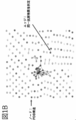
- FIG. 1 A computer program for causing a computer to execute a method for treating or preventing a disease or disorder or a biological condition, the method comprising: (A) extracting features for at least one pair of members of the set of immune entities; (B) calculating a distance between antigen specificity or binding mode for the pair by machine learning using the feature amount, or determining whether the antigen specificity or binding mode matches; (C) clustering the set of immune entities based on the distance; (D) analyzing based on the classification by the clustering as necessary; (E) administering the immune entity analyzed in (d) or an immune entity conjugate corresponding to the immune entity; Includes programs.
- a computer program for causing a computer to execute a method for treating or preventing a disease or disorder or a biological condition comprising: (Aa) extracting features for each of at least one pair of sequences of members of the set of immune entities; (Bb) projecting the feature quantity into a high-dimensional vector space, wherein the distance of the member in space reflects the functional similarity of the member; (Cc) clustering the set of immune entities based on the distance; (Dd) analyzing based on the classification by the clustering as necessary; (Ee) administering the immune entity analyzed in (dd) or an immune entity conjugate corresponding to the immune entity; Includes programs.
- (Item D44) A computer program for causing a computer to execute a method for diagnosing a disease or disorder or a state of a living body, the method comprising: (i) providing a characteristic amount of at least two immune entities The at least two immune entities comprise at least one healthy person, and (Ii) machine learning the analysis of the antigen specificity or binding mode of the immune entity without specifying the antigen specificity or binding mode based on the feature amount; (Iii) classifying or differentiating the antigen specificity or binding mode; (Iv) determining a disease or disorder or a state of a living body based on the immune entity classified or determined in (iii) Including the program.
- a computer program that causes a computer to execute a method for diagnosing a disease or disorder or a state of a living body, the method comprising: (A) extracting features for at least one pair of members of the set of immune entities, the set of immune entities comprising at least one healthy person; (B) calculating a distance between antigen specificity or binding mode for the pair by machine learning using the feature amount, or determining whether the antigen specificity or binding mode matches; (C) clustering the set of immune entities based on the distance; (D) analyzing based on the classification by the clustering; (E) determining a disease or disorder or a biological state based on the immune entity analyzed in (d); Includes programs.
- a computer program for causing a computer to execute a method for diagnosing a disease or disorder or a state of a living body comprising: (Aa) extracting features for each of at least one paired sequence of members of the set of immune entities, the set of immune entities comprising at least one healthy person; and (Bb) projecting the feature quantity into a high-dimensional vector space, wherein the distance of the member in space reflects the functional similarity of the member; (Cc) clustering the set of immune entities based on the distance; (Dd) analyzing based on the classification by the clustering; (Ee) determining a disease or disorder or a state of a living body based on the immune entity analyzed in (dd) Includes programs.
- (Item D48A) The program according to item D48, further including one or more features described in the above item.
- (Item D49) The program according to Item D48 or 48A, wherein the disease or disorder or the state of a living body includes an adverse event.
- (Item D50) A computer program for causing a computer to execute a method for treating or preventing a disease or disorder or a biological condition, wherein the method provides (i) a characteristic amount of at least two immunological entities.
- the at least two immune entities comprise at least one healthy person, and (Ii) machine learning the analysis of the antigen specificity or binding mode of the immune entity without specifying the antigen specificity or binding mode based on the feature amount; (Iii) classifying or differentiating the antigen specificity or binding mode; (Iv) administering the immune entity classified or determined in (iii) or an immune entity conjugate corresponding to the immune entity; Including the program.
- Item D50A The program according to item D50, further including one or more features described in the above item.
- (Item D51) The program according to Item D50 or 50A, wherein the disease or disorder or biological condition includes an adverse event, or the treatment or prevention includes avoiding or treating an adverse event.
- a computer program for causing a computer to execute a method for treating or preventing a disease or disorder or a biological condition comprising: (A) extracting features for at least one pair of members of the set of immune entities, the set of immune entities comprising at least one healthy person; (B) calculating a distance between antigen specificity or binding mode for the pair by machine learning using the feature amount, or determining whether the antigen specificity or binding mode matches; (C) clustering the set of immune entities based on the distance; (D) analyzing based on the classification by the clustering as necessary; (E) administering the immune entity analyzed in (d) or an immune entity conjugate corresponding to the immune entity; Includes programs.
- a computer program for causing a computer to execute a method for treating or preventing a disease or disorder or a biological condition comprising: (Aa) extracting features for each of at least one paired sequence of members of the set of immune entities, the set of immune entities comprising at least one healthy person; and (Bb) projecting the feature quantity into a high-dimensional vector space, wherein the distance of the member in space reflects the functional similarity of the member; (Cc) clustering the set of immune entities based on the distance; (Dd) analyzing based on the classification by the clustering as necessary; (Ee) administering the immune entity analyzed in (dd) or an immune entity conjugate corresponding to the immune entity; Includes programs.
- a recording medium storing a computer program for causing a computer to execute a method for diagnosing a disease or disorder or a biological state, the method comprising: (I) providing a feature quantity of at least two immune entities; (Ii) machine learning the analysis of the antigen specificity or binding mode of the immune entity without specifying the antigen specificity or binding mode based on the feature amount; (Iii) classifying or differentiating the antigen specificity or binding mode; (Iv) determining a disease or disorder or a state of a living body based on the immune entity classified or determined in (iii) Including recording media.
- the recording medium according to item E38 further including one or more features according to the above item.
- a recording medium storing a computer program for causing a computer to execute a method for diagnosing a disease or disorder or a state of a living body, the method comprising: (A) extracting features for at least one pair of members of the set of immune entities; (B) calculating a distance between antigen specificity or binding mode for the pair by machine learning using the feature amount, or determining whether the antigen specificity or binding mode matches; (C) clustering the set of immune entities based on the distance; (D) analyzing based on the classification by the clustering; (E) determining a disease or disorder or a biological state based on the immune entity analyzed in (d); Includes recording media.
- (Item E39A) The recording medium according to Item E39, further including one or more features according to the above item.
- (Section E40) A computer program for causing a computer to execute a method for diagnosing a disease or disorder or a biological state, the method comprising: (Aa) extracting features for each of at least one pair of sequences of members of the set of immune entities; (Bb) projecting the feature quantity into a high-dimensional vector space, wherein the distance of the member in space reflects the functional similarity of the member; (Cc) clustering the set of immune entities based on the distance; (Dd) analyzing based on the classification by the clustering; (Ee) determining a disease or disorder or a state of a living body based on the immune entity analyzed in (dd) Includes recording media.
- (Item E40A) The recording medium according to item E40, further including one or more features according to the above item.
- (Section E41) A computer program for causing a computer to execute a method for treating or preventing a disease or disorder or a biological condition, wherein the method provides (i) a characteristic amount of at least two immune entities. And steps to (Ii) machine learning the analysis of the antigen specificity or binding mode of the immune entity without specifying the antigen specificity or binding mode based on the feature amount; (Iii) classifying or differentiating the antigen specificity or binding mode; (Iv) administering the immune entity classified or determined in (iii) or an immune entity conjugate corresponding to the immune entity; Including recording media.
- a recording medium storing a computer program that causes a computer to execute a method for treating or preventing a disease or disorder or a biological condition, the method comprising: (A) extracting features for at least one pair of members of the set of immune entities; (B) calculating a distance between antigen specificity or binding mode for the pair by machine learning using the feature amount, or determining whether the antigen specificity or binding mode matches; (C) clustering the set of immune entities based on the distance; (D) analyzing based on the classification by the clustering as necessary; (E) administering the immune entity analyzed in (d) or an immune entity conjugate corresponding to the immune entity; Includes recording media.
- a recording medium storing a computer program for causing a computer to execute a method for treating or preventing a disease or disorder or a biological condition, the method comprising: (Aa) extracting features for each of at least one pair of sequences of members of the set of immune entities; (Bb) projecting the feature quantity into a high-dimensional vector space, wherein the distance of the member in space reflects the functional similarity of the member; (Cc) clustering the set of immune entities based on the distance; (Dd) analyzing based on the classification by the clustering as necessary; (Ee) administering the immune entity analyzed in (dd) or an immune entity conjugate corresponding to the immune entity; Includes recording media.
- a recording medium storing a computer program for causing a computer to execute a method for diagnosing a disease or disorder or a biological state, wherein the method is characterized by (i) characteristics of at least two immune entities (immunological entities) Providing an amount, wherein the at least two immune entities comprise from at least one healthy person; (Ii) machine learning the analysis of the antigen specificity or binding mode of the immune entity without specifying the antigen specificity or binding mode based on the feature amount; (Iii) classifying or differentiating the antigen specificity or binding mode; (Iv) determining a disease or disorder or a state of a living body based on the immune entity classified or determined in (iii) Including recording media.
- a recording medium storing a computer program that causes a computer to execute a method for diagnosing a disease or disorder or a state of a living body, the method comprising: (A) extracting features for at least one pair of members of the set of immune entities, the set of immune entities comprising at least one healthy person; (B) calculating a distance between antigen specificity or binding mode for the pair by machine learning using the feature amount, or determining whether the antigen specificity or binding mode matches; (C) clustering the set of immune entities based on the distance; (D) analyzing based on the classification by the clustering; (E) determining a disease or disorder or a biological state based on the immune entity analyzed in (d); Includes recording media.
- a recording medium storing a computer program for causing a computer to execute a method for diagnosing a disease or disorder or a state of a living body, the method comprising: (Aa) extracting features for each of at least one paired sequence of members of the set of immune entities, the set of immune entities comprising at least one healthy person; and (Bb) projecting the feature quantity into a high-dimensional vector space, wherein the distance of the member in space reflects the functional similarity of the member; (Cc) clustering the set of immune entities based on the distance; (Dd) analyzing based on the classification by the clustering; (Ee) determining a disease or disorder or a state of a living body based on the immune entity analyzed in (dd) Includes recording media.
- a recording medium storing a computer program for causing a computer to execute a method for treating or preventing a disease or disorder or a biological condition, the method comprising: (i) at least two immune entities The at least two immune entities comprise at least one healthy person, and (Ii) machine learning the analysis of the antigen specificity or binding mode of the immune entity without specifying the antigen specificity or binding mode based on the feature amount; (Iii) classifying or differentiating the antigen specificity or binding mode; (Iv) administering the immune entity classified or determined in (iii) or an immune entity conjugate corresponding to the immune entity; Including recording media.
- (Item E50A) The recording medium according to Item E50, further including one or more features according to the above item.
- (Item E51) The recording medium according to Item E50 or 50A, wherein the disease or disorder or the state of a living body includes an adverse event, or the treatment or prevention includes avoiding or treating an adverse event.
- a recording medium storing a computer program that causes a computer to execute a method for treating or preventing a disease or disorder or a biological condition, the method comprising: (A) extracting features for at least one pair of members of the set of immune entities, the set of immune entities comprising at least one healthy person; (B) calculating a distance between antigen specificity or binding mode for the pair by machine learning using the feature amount, or determining whether the antigen specificity or binding mode matches; (C) clustering the set of immune entities based on the distance; (D) analyzing based on the classification by the clustering as necessary; (E) administering the immune entity analyzed in (d) or an immune entity conjugate corresponding to the immune entity; Includes recording media.
- (Item E52A) The recording medium according to Item E52, further including one or more features according to the above item.
- (Item E53) The recording medium according to Item E52 or 52A, wherein the disease or disorder or the state of a living body includes an adverse event, or the treatment or prevention includes avoiding or treating an adverse event.
- a recording medium storing a computer program for causing a computer to execute a method for treating or preventing a disease or disorder or a biological condition, the method comprising: (Aa) extracting features for each of at least one paired sequence of members of the set of immune entities, the set of immune entities comprising at least one healthy person; and (Bb) projecting the feature quantity into a high-dimensional vector space, wherein the distance of the member in space reflects the functional similarity of the member; (Cc) clustering the set of immune entities based on the distance; (Dd) analyzing based on the classification by the clustering as necessary; (Ee) administering the immune entity analyzed in (dd) or an immune entity conjugate corresponding to the immune entity; Includes recording media.
- (Item E54A) The recording medium according to item E54, further including one or more features according to the above item.
- (Item E55) The recording medium according to Item E54 or 54A, wherein the disease or disorder or the state of a living body includes an adverse event, or the treatment or prevention includes avoiding or treating an adverse event.
- (Section F38) A system for diagnosing a disease or disorder or a biological condition, (I) a feature amount providing unit that provides a feature amount of at least two immune entities; (II) a machine learning unit that performs machine learning to analyze the antigen specificity or binding mode of the immune entity without specifying the antigen specificity or binding mode based on the feature amount; (III) a classifying unit for classifying or determining the antigen specificity or binding mode; (IV) a determination unit for determining a disease or disorder or a state of a living body based on the immune entity classified or determined in (III) Including the system. (Section F38A) The system of clause F38, further comprising one or more features described in the preceding clause.
- a system for diagnosing a disease or disorder or a state of a living body comprising: (A) a feature amount providing unit that extracts a feature amount for at least one pair of members of the set of immune entities; (B) calculating a distance between the antigen specificity or the binding mode for the pair by machine learning using the feature quantity, or determining whether the antigen specificity or the binding mode matches; (C) a clustering unit that clusters the set of immune entities based on the distance; (D) an analysis unit that performs analysis based on the classification by the clustering as necessary; (E) a biological state determination unit that determines a disease or disorder or a biological state based on the immune entity analyzed in (D) Including the system.
- (Section F40) A system for diagnosing a disease or disorder or a state of a living body, the system comprising: (A) a feature amount providing unit that extracts a feature amount for each of at least one pair of sequences of members of the set of immune entities; (B ′) projecting the feature amount into a high-dimensional vector space, wherein a distance on the member's space reflects the functional similarity of the member; (C) a clustering unit that clusters the set of immune entities based on the distance; (D) an analysis unit that performs analysis based on the classification by the clustering as necessary; (E) a biological state determination unit that determines a disease or disorder or a biological state based on the immune entity analyzed in (D) Including the system.
- (Section F41) A system for treating or preventing a disease or disorder or a biological condition, the system comprising: (I) a feature amount providing unit that provides a feature amount of at least two immune entities; (II) a machine learning unit that performs machine learning to analyze the antigen specificity or binding mode of the immune entity without specifying the antigen specificity or binding mode based on the feature amount; (III) a classification unit for performing classification or difference determination of the antigen specificity or binding mode; (IV) an administration unit for administering the immune entity classified or determined in (III) or an immune entity conjugate corresponding to the immune entity; Including the system.
- (Section F42) A system for treating or preventing a disease or disorder or a biological condition, the system comprising: (A) a feature amount providing unit that extracts a feature amount for at least one pair of members of the set of immune entities; (B) calculating a distance between the antigen specificity or the binding mode for the pair by machine learning using the feature quantity, or determining whether the antigen specificity or the binding mode matches; (C) a clustering unit that clusters the set of immune entities based on the distance; (D) an analysis unit that performs analysis based on the classification by the clustering as necessary; (E) an administration unit for administering the immune entity analyzed in (D) or an immune entity conjugate corresponding to the immune entity; Including the system.
- (Section F43) A system for treating or preventing a disease or disorder or a biological condition, the system comprising: (A) a feature amount providing unit that extracts a feature amount for each of at least one pair of sequences of members of the set of immune entities; (B ′) projecting the feature amount into a high-dimensional vector space, wherein a distance on the member's space reflects the functional similarity of the member; (C) a clustering unit that clusters the set of immune entities based on the distance; (D) an analysis unit that performs analysis based on classification by the clustering as necessary; (E) an administration unit for administering the immune entity analyzed in (D) or an immune entity conjugate corresponding to the immune entity; Including the system.
- (Section F43A) The system of clause F43, further comprising one or more features as described in the preceding section.
- (Item F44) A system for diagnosing a disease or disorder or a state of a living body, the system comprising: (I) a feature amount providing unit that provides a feature amount of at least two immune entities, wherein the at least two immune entities include at least one healthy person-derived feature amount; and (II) a machine learning unit that performs machine learning to analyze the antigen specificity or binding mode of the immune entity without specifying the antigen specificity or binding mode based on the feature amount; (III) a classifying unit for classifying or determining the antigen specificity or binding mode; (IV) an administration unit for administering the immune entity classified or determined in (III) or an immune entity conjugate corresponding to the immune entity; Including the system.
- (Section F46) A system for diagnosing a disease or disorder or a biological condition, the system comprising: (A) A feature amount providing unit for extracting a feature amount for at least one pair of members of the set of immune entities, wherein the set of immune entities includes one derived from at least one healthy person When, (B) calculating a distance between the antigen specificity or the binding mode for the pair by machine learning using the feature quantity, or determining whether the antigen specificity or the binding mode matches; (C) a clustering unit that clusters the set of immune entities based on the distance; (D) an analysis unit that performs analysis based on the classification by the clustering as necessary; (E) a biological state determination unit that determines a disease or disorder or a biological state based on the immune entity analyzed in (D) Including the system.
- a system for diagnosing a disease or disorder or a biological condition comprising: (A) a feature amount providing unit that extracts a feature amount for each of at least one pair of sequences of a member of the set of immune entities, the set of immune entities including one derived from at least one healthy person; A feature amount providing unit; (B ′) projecting the feature amount into a high-dimensional vector space, wherein a distance on the member's space reflects the functional similarity of the member; (C) a clustering unit that clusters the set of immune entities based on the distance; (D) an analysis unit that performs analysis based on classification by the clustering as necessary; (E) a biological state determination unit that determines a disease or disorder or a biological state based on the immune entity analyzed in (D) Including the system.
- (Item F50) A system for treating or preventing a disease or disorder or a biological condition, wherein the system comprises: (I) a feature amount providing unit that provides a feature amount of at least two immune entities, wherein the at least two immune entities include at least one healthy person-derived feature amount; and (II) a machine learning unit that performs machine learning to analyze the antigen specificity or binding mode of the immune entity without specifying the antigen specificity or binding mode based on the feature amount; (III) a classification unit for performing classification or difference determination of the antigen specificity or binding mode; (IV) an administration unit for administering the immune entity classified or determined in (III) or an immune entity conjugate corresponding to the immune entity; Including the system.
- a feature amount providing unit that provides a feature amount of at least two immune entities, wherein the at least two immune entities include at least one healthy person-derived feature amount
- a machine learning unit that performs machine learning to analyze the antigen specificity or binding mode of the immune entity without specifying the antigen specificity or binding mode
- (Item F52) A system for treating or preventing a disease or disorder or a biological condition, wherein the system: (A) A feature amount providing unit for extracting a feature amount for at least one pair of members of the set of immune entities, wherein the set of immune entities includes one derived from at least one healthy person When, (B) calculating a distance between the antigen specificity or the binding mode for the pair by machine learning using the feature quantity, or determining whether the antigen specificity or the binding mode matches; (C) a clustering unit that clusters the set of immune entities based on the distance; (D) an analysis unit that performs analysis based on the classification by the clustering as necessary; (E) an administration unit for administering the immune entity analyzed in (D) or an immune entity conjugate corresponding to the immune entity; Including the system.
- (Item F54) A system for treating or preventing a disease or disorder or a biological condition, wherein the system: (A) a feature amount providing unit that extracts a feature amount for each of at least one pair of sequences of a member of the set of immune entities, the set of immune entities including one derived from at least one healthy person; A feature amount providing unit; (B ′) projecting the feature amount into a high-dimensional vector space, wherein a distance on the member's space reflects the functional similarity of the member; (C) a clustering unit that clusters the set of immune entities based on the distance; (D) an analysis unit that performs analysis based on classification by the clustering as necessary; (E) an administration unit for administering the immune entity analyzed in (D) or an immune entity conjugate corresponding to the immune entity; Including the system.
- a feature amount providing unit that extracts a feature amount for each of at least one pair of sequences of a member of the set of immune entities, the set of immune entities including one derived from at least
- the technique of the present invention does not require prior knowledge of immune entity conjugates such as antigens.
- One of the attractive applications of the technology of the present invention is to use antibodies and TCR clusters as therapeutic biomarkers, identification of drug discovery target candidates, antibody drugs, and chimeric antigen receptors for genetically modified T cell therapy. is there. For example, it is known that BCR and TCR show typical sequence patterns in certain types of leukemia and lymphoma, and even if immune entity conjugates such as antigens are not known, the diagnosis can be made by identifying them. Can be used.
- Clustering antibodies and TCRs for each epitope actually has a great effect.
- the immune entity conjugate eg, antigen
- antigen specificity e.g., antigen
- binding mode e.g., antigen
- cluster divided by epitope itself is valuable even if no immune entity conjugate (eg, antigen) has been identified. Is.
- Such clustering has several direct benefits. For example, antibodies from different individuals, TCR repertoires can be compared (eg, donor X has more expression of cluster Z than donor Y).
- TCR repertoires can be compared (eg, donor X has more expression of cluster Z than donor Y).
- disease-specific, novel immune entity conjugates eg antigens
- epitopes e.g, antigens
- the discovery of new immune entity conjugates eg, antigens
- quantitative evaluation of antibodies against the epitope of interest is possible.
- N BCRs or TCRs By combining with existing protein chips, more quantitative, high resolution and high accuracy information can be obtained. Furthermore, downstream analysis can be facilitated and reduced in cost. For example, instead of screening N BCRs or TCRs, if N are included in an M cluster (N> M), M screenings can be completed. Furthermore, immune entity conjugates (eg, antigens) or antigen screening, BCR with known binding mode or epitope, virtual screening using TCR (immunity entity conjugates (eg, antigen) by similarity search, epitope estimation ) is possible. It can be said that the technology is complementary to experimental screening.
- immune entity conjugates eg, antigens
- virtual screening using TCR immuno entity conjugates (eg, antigen) by similarity search, epitope estimation )
- FIG. 1A is a flowchart illustrating an embodiment of the present invention.
- the left shows the case of evaluating for each pair, and the right shows the case of evaluating from the whole.
- Projection according to the type of data set if the distance between each sequence is known in advance, (learning) in advance (for example) distance between each sequence (in the sense of antigen specificity) in the left way
- the array is projected as a vector in a multidimensional space that reproduces the distance between the arrays (eg using an neural network).
- the feature quantity is arbitrarily extracted from each array and used as an input to the neural network.
- Prediction A prediction result is obtained by inputting the model learned above from which features are extracted from an array.
- a high-dimensional space in which positive sequence pairs of antigen specificity are close and false sequence pairs are close (using eg neural network) To project to.
- the input of the neural network is an arbitrary feature vector extracted from each array, and learning is performed according to the distance in the high-dimensional space between the arrays to constitute an optimal model.
- Prediction A prediction result can be obtained by inputting the model learned above from which features are extracted from an array.
- FIG. 1B shows the results of BCR clustering for the test set. The node represents each PDB structure, and as a result of the prediction, it is determined that the edges have the same antigen specificity.
- FIG. 2 shows the TCR clustering results that recognize 20 epitopes.
- FIG. 3 shows the EBV-derived epitope (FLRGRAYGL (SEQ ID NO: 1)) specific TCR clustering result (right) and the corresponding crystal structure (left: the structure obtained from PDB overwritten).
- FIG. 4 shows the clustering results of two types of HIV-derived peptide-specific TCRs and TCRs in the database.
- FIG. 5 is a schematic diagram of the system of the present invention.
- FIG. 6 is a schematic diagram of an example flowchart for carrying out the present invention. The left shows the case of evaluating for each pair, and the right shows the case of evaluating from the whole.
- FIG. 7 is a schematic diagram of breast cancer diagnosis using clustering by the TCR of the present invention.
- FIG. 8 is a schematic diagram of TCR clustering using the autoencoder of the present invention.
- Autoencoder schematic left
- DBSCAN clustering
- FIG. 9 is a schematic diagram of diagnosis combining biometric information of TCR / BCR significance of the present invention. Cohort compared (left) and Venn diagram showing the results (right)
- FIG. 10 shows a flowchart of the seventh embodiment.
- FIG. 11 shows the results of breast cancer diagnosis using clustering by TCR constructed using only clusters composed of a plurality of donors.
- FIG. 12 shows an exemplary diagram of the immune checkpoint inhibitor side effect prediction of the present invention.
- Immune entities refers to any substance responsible for an immune reaction.
- Immune entities include antibodies, antibody antigen-binding fragments, T cell receptors, T cell receptor fragments, B cell receptors, B cell receptor fragments, chimeric antigen receptors (CAR), any of these or A cell containing a plurality (for example, a T cell (CAR-T) containing a chimeric antigen receptor (CAR)) and the like are included.
- Immune entities can be considered widely and used for analysis of nanobodies produced by animals such as alpaca and phage display with artificial diversity (including scFv and nanobodies). Also included are immunologically related entities. Unless otherwise specified in this specification, descriptions of “first” and “second” and the like (“third”, etc.) indicate that they are mutually different entities.
- the term “antibody” is used in the same meaning as commonly used in the art, and is produced by the immune system when the antigen comes into contact with the immune system of the living body (antigen stimulation).
- the antibody against the epitope used in the present invention may be bound to a specific epitope, and its origin, type, shape, etc. are not limited.
- the antibodies described herein can be divided into framework regions and antigen binding regions (CDRs).
- T cell receptor is also referred to as a T cell receptor, a T cell antigen receptor, or a T cell antigen receptor.
- Good recognizes antigen.
- the TCR consisting of the former combination is called ⁇ TCR
- the TCR consisting of the latter combination is called ⁇ TCR
- the T cells having the respective TCRs are called ⁇ T cells and ⁇ T cells. It is structurally very similar to the Fab fragment of an antibody produced by B cells and recognizes antigen molecules bound to MHC molecules.
- TCR Since the TCR gene of a mature T cell has undergone gene rearrangement, one individual has a variety of TCRs and can recognize various antigens.
- the TCR further binds to an invariable CD3 molecule present in the cell membrane to form a complex.
- CD3 has an amino acid sequence called ITAM (immunoreceptor tyrosine-based activation motif) in the intracellular region, and this motif is considered to be involved in intracellular signal transduction.
- ITAM immunoimmunoreceptor tyrosine-based activation motif
- Each TCR chain is composed of a variable part (V) and a constant part (C), and the constant part penetrates through the cell membrane and has a short cytoplasmic part.
- the variable region exists outside the cell and binds to the antigen-MHC complex.
- the variable region has three regions called hypervariable regions or complementarity determining regions (CDRs), and these regions bind to the antigen-MHC complex.
- the three CDRs are called CDR1, CDR2, and CDR3, respectively.
- TCR gene rearrangement is similar to the process of the B cell receptor known as immunoglobulin. In the gene rearrangement of ⁇ TCR, first, VDJ rearrangement of ⁇ chain is performed, and then VJ rearrangement of ⁇ chain is performed. When the ⁇ chain is rearranged, the ⁇ chain gene is deleted from the chromosome, so that T cells having ⁇ TCR do not have ⁇ TCR at the same time. On the other hand, in T cells having ⁇ TCR, this TCR-mediated signal suppresses ⁇ -chain expression, so that T cells having ⁇ TCR do not have ⁇ TCR at the same time.
- B cell receptor is also called a B cell receptor, a B cell antigen receptor, or a B cell antigen receptor, and Ig ⁇ / Ig ⁇ associated with a membrane-bound immunoglobulin (mIg) molecule ( CD79a / CD79b) refers to those composed of heterodimers ( ⁇ / ⁇ ).
- the mIg subunit binds to the antigen and causes receptor aggregation, while the ⁇ / ⁇ subunit transmits a signal into the cell. Aggregation of BCR is said to rapidly activate Src family kinases Lyn, Blk, and Fyn, similar to tyrosine kinases Syk and Btk.
- the complexity of BCR signaling produces many different results, including survival, tolerance (anergy; lack of hypersensitivity to antigen) or apoptosis, cell division, differentiation into antibody-producing cells or memory B cells, etc. Is included.
- Hundreds of millions of T cells with different TCR variable region sequences are generated, and hundreds of millions of B cells with different BCR (or antibody) variable region sequences are generated.
- the antigen specificity of T cells and B cells can be determined by determining the TCR / BCR genomic sequence or mRNA (cDNA) sequence. You can get a clue.
- chimeric antigen receptor refers to a single chain antibody (scFv) in which a light chain (VL) and a heavy chain (VH) of a monoclonal antibody variable region specific for a tumor antigen are linked in series.
- VL light chain
- VH heavy chain
- TCR T cell receptor
- This is an artificial T cell receptor used in gene / cell therapy methods in which a gene is introduced into a cell and the T cell is amplified and cultured outside the body and then transfused into a patient (Dotti G, et al.
- Such CARs can be produced using epitopes identified or clustered according to the present invention, and gene cell therapy can be realized using the produced CARs or genetically modified T cells containing the CARs. (See Credit: Brentjens R, et al. “Driving CAR T cells forward.” Nat Rev Clin Oncol. 2016 13, 370-383, etc.).
- V region refers to a variable region (V) region of a variable region of an immune entity such as an antibody, TCR or BCR.
- D region refers to a D region of a variable region of an immune entity such as an antibody, TCR or BCR.
- J region refers to the J region of a variable region of an immune entity such as an antibody, TCR or BCR.
- C region refers to a constant region (C) region of an immune entity such as an antibody, TCR or BCR.
- variable region repertoire refers to a set of V (D) J regions arbitrarily created by gene rearrangement by TCR or BCR. Although it is used in idioms such as TCR repertoire and BCR repertoire, these may be referred to as T cell repertoire, B cell repertoire and the like.
- T cell repertoire refers to a collection of lymphocytes characterized by expression of a T cell receptor (TCR) that plays an important role in antigen recognition or immune entity conjugate recognition. Since changes in T cell repertoires provide significant indicators of immune status in physiological and disease states, T cell repertoire analysis identifies antigen-specific T cells involved in disease development and T lymphocyte abnormalities Has been done for diagnosis. TCR and BCR create various gene sequences by gene rearrangement of gene fragments of a plurality of V regions, D regions, J regions, and C regions existing on the genome.
- isotype refers to types that belong to the same type in IgM, IgA, IgG, IgE, IgD, etc., but have different sequences. Isotypes are displayed using various gene abbreviations and symbols.
- the “subtype” is a type within the types existing in IgA and IgG in the case of BCR, and IgG1, IgG2, IgG3 or IgG4 is present for IgG, and IgA1 or IgA2 is present for IgA.
- TCR is also known to exist in ⁇ and ⁇ chains, and TRBC1, TRBC2, TRGC1, and TRGC2, respectively.
- immunoentity conjugate refers to any substrate that can be specifically bound by an immune entity such as an antibody, TCR, or BCR.
- antigen may refer to an “immunity entity conjugate” in a broad sense, but in the art, “antigen” may be used in a narrow sense as a pair with an antibody.
- Antigen refers to any substrate capable of specific binding to an “antibody”.
- epitope refers to a site in an immune entity conjugate (eg, antigen) molecule to which an immune entity such as an antibody or lymphocyte receptor (TCR, BCR, etc.) binds.
- an immune entity such as an antibody or lymphocyte receptor (TCR, BCR, etc.
- TCR lymphocyte receptor
- BCR lymphocyte receptor
- a linear chain of amino acids may constitute an epitope (linear epitope), but a distant portion of the protein may constitute a three-dimensional structure and function as an epitope (conformational epitope).
- the epitopes targeted by the present invention are not limited to such detailed classification of epitopes. It is understood that an immune entity such as an antibody having another sequence can be used in the same manner as long as the epitope is the same for an immune entity such as an antibody.
- antigen specificity refers to the binding specificity with its binding partner (eg, antigen) when referring to an immune entity and binds to a specific binding partner, but with other binding partners. Refers to the property of not binding or binding with low affinity.
- binding mode refers to a three-dimensional mode (mode) of binding between an immune entity and its binding partner, and represents a physical concept. Without wishing to be bound by theory, it is generally thought that antigen specificity is formed when multiple binding modes are assembled, but is not limited thereto.
- an immune entity, epitope, immune entity conjugate, antigen specificity, or binding mode is “identical” or “different” is determined according to the classification based on the present invention (amino acid sequence, three-dimensional structure, antigen Specificity, binding mode, etc.). “Identical” does not mean that the chemical formula, amino acid sequence, etc. are completely identical, but means that the functions or three-dimensional structures are substantially the same. Or can be determined by the binding mode, and the immune entity, epitope, immune entity conjugate, antigen specificity, or binding mode belonging to the same immune entity, epitope, immune entity conjugate, antigen specificity, or cluster of binding modes is In the invention, it is determined as “identical”.
- a “different” immune entity, epitope, immune entity conjugate, antigen specificity, or binding mode is an immune entity, epitope, immune entity conjugate, antigen specificity, or that does not belong to the “identical” cluster. Refers to combined mode. In one embodiment, whether an immune entity, epitope, immune entity conjugate, antigen specificity, or binding mode belongs to the same cluster can be determined by “identical” or “different”. When performing a cluster analysis, one immune entity, epitope, immune entity conjugate, antigen specificity, or binding mode is compared to another immune entity, epitope, immune entity conjugate, antigen specificity, or binding mode.
- immune entities, epitopes, immune entity conjugates that bind to the same immune entity, epitope, immune entity conjugate, antigen specificity, or binding mode can be classified into the same cluster to generate clusters.
- an immune entity, epitope or immune entity conjugate is evaluated by evaluating at least one evaluation item selected from the group consisting of its characteristics and similarity to known immune entities, and an immune entity, epitope satisfying a predetermined criterion
- the cluster classification can be performed on immune entity conjugates.
- the immune entity, epitope, immune entity conjugate, antigen specificity, or binding mode may at least partially overlap or all overlap, or the amino acid sequence of the immune entity or epitope or immune entity conjugate (or responsible for antigen specificity or mode of binding) or other chemical moiety
- the structure may overlap at least partially or entirely.
- Clusters having a maximum distance that is less than a specific value can be regarded as the same cluster.
- Such values include less than 1, less than 0.95, less than 0.9, less than 0.85, less than 0.8, less than 0.75, less than 0.7, less than 0.65, less than 0.6, ⁇ 0.55, ⁇ 0.5, ⁇ 0.45, ⁇ 0.4, ⁇ 0.35, ⁇ 0.3, ⁇ 0.25, ⁇ 0.2, ⁇ 0.15, ⁇ 0.1, Although less than 0.05 can be mentioned, it is not limited to these.
- the clustering method is not limited to the hierarchical method, and a non-hierarchical method may be used.
- a “cluster” of immune entities, epitopes, immune entity conjugates, antigen specificities or binding modes generally refers to elements of a population (in this case immune entities or epitopes, immune entity conjugates, or antigen specifics).
- Gender, or binding mode is a collection of similarities from the distribution of elements in a multidimensional space, without specifying external criteria or number of groups.
- multiple immune entities, epitopes A collection of similar at least one of immune entity conjugates, antigen specificity, or binding modes.
- Similar antibodies bind to immune entities, epitopes, immune entity conjugates, antigen specificities, or binding modes belonging to the same cluster. Classification can be performed by multivariate analysis, and clusters can be constructed using various cluster analysis techniques.
- a cluster of immune entities, epitopes, immune entity conjugates, antigen specificities, or binding modes provided by the present invention indicates that it belongs to the cluster, thereby indicating an in vivo state (eg, disease, disorder or drug efficacy). , Especially immune status etc.).
- each cluster is regarded as a gene from the clustering result and used as a gene expression analysis.
- V / D / J gene, CDR length, hydrophilicity, hydrophobicity, conserved residues, etc. find characteristic quantities for each cluster.
- function antigen specificity or binding mode
- ELISPOT assay sorting by pMHC tetramer, etc.
- cell function Compare the clustering results obtained from cells of different subtypes, sorted and sequenced separately. 4).
- gene expression analysis omics analysis, bacterial flora, cytokines, correlation with the number of cell types, etc., or analysis up to 1-3 combined with them may be used as appropriate. It can be assumed that it can be done.
- machine learning is understood in the broadest sense used in the field, means that a machine (computer) learns, and has the same function as a learning ability naturally performed by humans. This is a technology / method to try to realize this with a computer.
- data that is a source of learning is used as an input value.
- a process for classifying and recognizing data is found through a process called “machine learning algorithm” for the input value.
- machine learning algorithm By using the learned process, it is possible to classify and identify data that has not been learned yet and is input after learning. Classification, recognition, identification, or regression (prediction) can be performed by machine learning.
- Machine learning includes supervised learning and unsupervised learning, and there is also a method called reinforcement learning.
- Deep learning is part of machine learning, and machine learning is part of artificial intelligence (AI).
- Machine learning refers to artificial intelligence that allows AI to analyze data and find rules and rules, that is, to perform a specific task by training, instead of the developer programming all the actions.
- Deep learning is a method of machine learning, which is an advanced form of neural networks and related technologies. Unlike conventional machine learning, deep learning is used to layer data by layering neural networks with reference to human nerves. Artificial intelligence that enhances analysis and learning.
- an immune entity array itself is projected as an input onto a high-dimensional vector space. That is, the auto encoder itself extracts the feature amount and projects it onto the high-dimensional vector space. The feature quantity becomes a high-dimensional vector space element as it is. Projections can be interpreted as including identity maps.
- classification refers to dividing into groups having the same properties of antigen specificity or binding mode based on a certain standard when referring to antigen specificity or binding mode.
- classification can be performed by clustering.
- difference refers to whether the antigen specificity or the binding mode has the same property or structure when referring to the antigen specificity or the binding mode.
- “specifying an antigen specificity or binding mode” refers to focusing on a specific antigen of interest or a binding mode belonging to an antigen. It can be said that the object of analysis is specified.
- antigen specificity or binding mode refers to antigen specificities or binding modes (preferably equal) to various antigens, not a specific antigen of interest or a binding mode belonging to an antigen. Say to handle in general.
- similarity refers to molecules such as immune entity conjugates (eg, antigens), immune entities, epitopes, antigen specificities, or binding modes, or a part thereof, or spatial arrangements formed by the molecules. The degree to which molecules are similar. Similarity can be determined based on differences in length, sequence similarity, and the like. While not wishing to be bound by theory, in some embodiments of the invention, the classification of immune entities, epitopes, immune entity conjugates, antigen specificities, or binding modes based on this similarity is identical. It will be understood that antibodies, TCR, BCR, etc. that bind to epitopes belonging to these clusters can be assigned to diseases, disorders, symptoms, physiological phenomena, etc. that fall within the same category.
- similarity score refers to a specific numerical value indicating similarity, and is also referred to as “similarity”. Depending on the technique used when the structural similarity is calculated, an appropriate score can be adopted as appropriate.
- the similarity score can be calculated using, for example, a recursive method, a neural network method, a machine learning algorithm such as a support vector machine or a random forest. Similarity scores can be used in the analysis of the present invention.
- the “feature amount” refers to an element that is considered to affect the result when performing analysis or calculation such as machine learning.
- Features useful in the analysis of immune entities include, for example, sequence information, CDR1-3 sequence length, sequence match, framework region sequence match, total charge of molecule / hydrophilicity / hydrophobicity / aromatic Number of amino acids, each CDR, framework region charge / hydrophilic / hydrophobic / aromatic amino acid number, number of each amino acid, heavy chain-light chain combination, somatic mutation number, mutation position, amino acid motif Existence / coincidence, rarity with respect to the reference sequence set, odds ratio of bound HLA by reference sequence, and the like can be used, but these can be used, but are not limited thereto.
- the feature quantity is used as an input of a machine learning algorithm as a feature vector.
- distance means determination of whether or not antigen specificity distances match antigen specificity.
- the “distance” can be set to an arbitrary numerical value. Specifically, when the “distance” is set to be predicted based on 0 or 1, clustering is simply a task of collecting 1s. On the other hand, when the distance is expressed by [0-1], the merit of clustering is not just a distance (pair relationship), but other parameters such as the density of pairs in the vicinity can be considered. In the present invention, both are possible.
- the information related to the distance is information that can be used to provide a feature amount.
- CDR complementarity determining region
- an immune entity conjugate eg, an antigen
- information on CDR is information that can be used to provide a feature amount.
- the CDRs are located on the Fv (including heavy chain variable region (VH) and light chain variable region (VL)) of the antibody and the molecule corresponding to the antibody (immune entity).
- VH heavy chain variable region
- VL light chain variable region
- there are CDR1, CDR2, and CDR3 consisting of about 5 to 30 amino acid residues.
- antigen-antibody reactions it is known that particularly heavy chain CDRs contribute to the binding of antibodies to antigens.
- CDR3 particularly CDR-H3 has the highest contribution in binding of an antibody to an antigen.
- Several methods have been reported for defining CDRs and their locations. For example, the definition of Kabat (Sequences of Proteins of Immunological Interest, 5th ed., Public Health Service, National Institute of Health, The. Of Th., Theth. , 1987; 196: 901-917). In one embodiment of the present invention, the Kabat definition is adopted as a preferred example, but the present invention is not necessarily limited thereto.
- the part including the can be a CDR, or can be determined according to IMGT or Honegger.
- IMGT IMGT
- Honegger As a specific example of such a method, Martin et al.'S method (Proc. Natl. Acad. Sci. Sci. A. 198, Sci. Aci. Sci. Sci. Sci. 198, Sci. Aci. 86: 9268-9272).
- the present invention can be implemented using such CDR information.
- CDR3 refers to a third complementarity-determining region (CDR), where CDR is a direct immune entity conjugate (eg, antigen) in the variable region. This region is in contact with the surface, and particularly changes greatly, and refers to this hypervariable region. There are three CDRs (CDR1 to CDR3) and four FRs (FR1 to FR4) surrounding the three CDRs in the light chain and heavy chain variable regions, respectively. Since the CDR3 region is said to exist across the V region, D region, and J region, it is said to hold the key to the variable region and is used as an analysis target.
- the “framework region” refers to a region of an Fv region other than a CDR, and is usually composed of FR1, FR2, FR3, and FR4 and is considered to be relatively well conserved among antibodies (Kabat et al. , "Sequence of Proteins of Immunological Interest” US Dept. Health and Human Services, 1983.). Therefore, in the present invention, a method of fixing a framework region when comparing each sequence can be adopted.
- information related to the framework area is information that can be used to provide a feature amount.
- gene region refers to each region such as a framework region and an antigen-binding region (CDR), a V region, a D region, a J region, and a C region.
- CDR antigen-binding region
- V region a region
- D region a region
- J region a region
- CDR antigen-binding region
- CDR antigen-binding region
- V region a region
- D region a region
- J region a J region
- CDR antigen-binding region
- CDR antigen-binding region
- identification refers to characterizing an amino acid sequence from a certain viewpoint, and refers to defining a region specified by a feature having one property. Identification includes, but is not limited to, specifying regions specifically containing amino acid numbers, linking features relating to these regions, and the like.
- dividing a region such as an amino acid sequence refers to characterizing an amino acid sequence and then distinguishing the regions defined by features having one property into separate regions. Such identification and partitioning can be performed using any technique used in the bioinformatics field, such as Kabat, Chotia, modified Chotia, IMGT, Honegger and the like.
- a conserved region exemplified by a framework or the like.
- a conserved region and a non-conserved region for example, It is also assumed that it is divided into CDR and the like.
- a part of the conserved region or non-conserved region of two or more immune entities is identified and superimposed, it is preferable that a part of each immune entity is substantially in a correspondence relationship.
- “corresponding relationship” refers to a conserved region, when considering the position of the three-dimensional structure of a part of the first immune entity and a part of the second immune entity.
- alignment in English, alignment (noun) or alignment (verb) is also referred to as alignment or alignment.
- alignment or alignment In bioinformatics, it is possible to identify similar regions of the primary structure of DNA, RNA, or protein. The ones arranged in Often it gives a hint to know the relationship of functional, structural or evolutionary sequences. Aligned sequences such as amino acid residues are typically represented as rows of a matrix, and gaps are inserted so that sequences having the same or similar properties are arranged in the same column. When two sequences are compared, it is referred to as pairwise sequence alignment, which is used to examine partial or total similarity in detail between alignments between two sequences. Typically, dynamic programming can be used for the alignment.
- Needleman-Wunsch method is used for global alignment
- Smith-Waterman method Smithsmith method
- Waterman method Waterman method
- global alignment is such that all residues in a sequence are aligned, and is effective for comparison between sequences of approximately the same length. Local alignment is useful when the sequences are not similar overall and you want to find partial similarities.
- mis refers to the presence of non-identical bases or amino acids when nucleic acid sequences, amino acid sequences, and the like are aligned.
- Gap refers to the presence of a base or amino acid in an alignment that is present on one side but not on the other.
- information relating to alignment is information that can be used to provide a feature amount.
- assignment refers to assigning information such as a specific gene name, function, characteristic region (eg, V region, J region, etc.) to a certain sequence (eg, nucleic acid sequence, protein sequence, etc.). . Specifically, this can be achieved by inputting or linking specific information to a certain array.
- specific refers to other sequences that bind to a sequence of interest, but at least all of the antibody, TCR or BCR sequences that are preferably present in the antibody, TCR or BCR pool of interest. Means low binding, preferably no binding.
- the specific sequence is preferably, but not necessarily limited to, perfectly complementary to the sequence of interest.
- protein protein
- polypeptide oligopeptide
- peptide refers to a polymer of amino acids having an arbitrary length.
- This polymer may be linear, branched, or cyclic.
- the amino acid may be natural or non-natural and may be a modified amino acid.
- the term can also encompass one assembled into a complex of multiple polypeptide chains.
- the term also encompasses natural or artificially modified amino acid polymers. Such modifications include, for example, disulfide bond formation, glycosylation, lipidation, acetylation, phosphorylation or any other manipulation or modification (eg, conjugation with a labeling component).
- This definition also includes, for example, polypeptides containing one or more analogs of amino acids (eg, including unnatural amino acids, etc.), peptide-like compounds (eg, peptoids) and other modifications known in the art. Is done.
- amino acid may be natural or non-natural as long as the object of the present invention is satisfied.
- polynucleotide As used herein, “polynucleotide”, “oligonucleotide”, and “nucleic acid” are used interchangeably herein and refer to a nucleotide polymer of any length. The term also includes “oligonucleotide derivatives” or “polynucleotide derivatives”. “Oligonucleotide derivatives” or “polynucleotide derivatives” refer to oligonucleotides or polynucleotides that include derivatives of nucleotides or that have unusual linkages between nucleotides, and are used interchangeably.
- oligonucleotide examples include, for example, 2′-O-methyl-ribonucleotide, an oligonucleotide derivative in which a phosphodiester bond in an oligonucleotide is converted to a phosphorothioate bond, and a phosphodiester bond in an oligonucleotide.
- oligonucleotide derivatives in which ribose and phosphodiester bond in oligonucleotide are converted to peptide nucleic acid bond uracil in oligonucleotide is C— Oligonucleotide derivatives substituted with 5-propynyluracil, oligonucleotide derivatives wherein uracil in the oligonucleotide is substituted with C-5 thiazole uracil, cytosine in the oligonucleotide is C-5 propynylcytosine Substituted oligonucleotide derivatives, oligonucleotide derivatives in which cytosine in the oligonucleotide is substituted with phenoxazine-modified cytosine, oligonucleotide derivatives in which the ribose in DNA is substituted with 2'-
- a particular nucleic acid sequence may also be conservatively modified (eg, degenerate codon substitutes) and complementary sequences, as well as those explicitly indicated. Is contemplated. Specifically, a degenerate codon substitute creates a sequence in which the third position of one or more selected (or all) codons is replaced with a mixed base and / or deoxyinosine residue. (Batzer et al., Nucleic Acid Res. 19: 5081 (1991); Ohtsuka et al., J. Biol. Chem. 260: 2605-2608 (1985); Rossolini et al., Cell. Probes 8: 91-98 (1994)).
- nucleic acid is also used interchangeably with gene, cDNA, mRNA, oligonucleotide, and polynucleotide.
- nucleotide may be natural or non-natural.
- gene refers to a factor that defines a genetic trait. Usually arranged in a certain order on the chromosome. A gene that defines the primary structure of a protein is called a structural gene, and a gene that affects its expression is called a regulatory gene. As used herein, “gene” may refer to “polynucleotide”, “oligonucleotide”, and “nucleic acid”. A “gene product” is a substance produced based on a gene and refers to a protein, mRNA, and the like.
- Amino acids may be referred to herein by either their commonly known three letter symbols or by the one-letter symbols recommended by the IUPAC-IUB Biochemical Nomenclature Commission. Nucleotides may also be referred to by a generally recognized one letter code.
- BLAST is a sequence analysis tool.
- the identity search can be performed using, for example, NCBI BLAST 2.2.28 (issued 2013.4.2).
- the identity value usually refers to a value when the BLAST is used and aligned under default conditions. However, if a higher value is obtained by changing the parameter, the highest value is set as the identity value. When identity is evaluated in a plurality of areas, the highest value among them is set as the identity value. Similarity is a numerical value calculated for similar amino acids in addition to identity.
- homology of a gene refers to the degree of identity of two or more gene sequences to each other, and generally “having homology” means that the degree of identity or similarity is high. Say. Therefore, the higher the homology between two genes, the higher the sequence identity or similarity. Whether two genes have homology can be examined by direct sequence comparison or, in the case of nucleic acids, hybridization methods under stringent conditions. When directly comparing two gene sequences, the DNA sequence between the gene sequences is typically at least 50% identical, preferably at least 70% identical, more preferably at least 80%, 90% , 95%, 96%, 97%, 98% or 99% are identical, the genes are homologous.
- a “homolog” or “homologous gene product” is a protein in another species, preferably a mammal, that performs the same biological function as the protein component of the complex further described herein. Means.
- a “purified” substance or biological factor refers to a substance from which at least a part of the factor naturally associated with the biological factor has been removed.
- the purity of a biological agent in a purified biological agent is higher (ie, enriched) than the state in which the biological agent is normally present.
- the term “purified” as used herein is preferably at least 75% by weight, more preferably at least 85% by weight, even more preferably at least 95% by weight, and most preferably at least 98% by weight, Means the presence of the same type of biological agent.
- the materials used in the present invention are preferably “purified” materials.
- isolated refers to a product obtained by removing at least one of the naturally associated substances, for example, when a specific gene sequence is taken out from a genomic sequence. It can be said.
- marker refers to a certain state (eg, normal cell state, transformed state, disease state, disordered state, proliferative ability, differentiation state level, presence / absence, etc. ) Or a substance that serves as an indicator for tracking whether there is a danger or not.
- detection, diagnosis, preliminary detection, prediction or pre-diagnosis for a certain condition is a drug, agent, factor or means specific for the marker associated with the condition, or It can be realized by using a composition, kit or system containing them.
- a certain condition eg, a disease such as differentiation disorder
- gene product refers to a protein or mRNA encoded by a gene.
- the “subject” refers to a target (for example, a human or other organism or an organ or cell taken out from the organism) that is a target of diagnosis or detection of the present invention.
- sample refers to any substance obtained from a subject or the like, and includes, for example, cells. Those skilled in the art can appropriately select a preferable sample based on the description of the present specification.
- drug drug
- drug may also be a substance or other element (eg energy such as light, radioactivity, heat, electricity).
- Such substances include, for example, proteins, polypeptides, oligopeptides, peptides, polynucleotides, oligonucleotides, nucleotides, nucleic acids (eg, DNA such as cDNA, genomic DNA, RNA such as mRNA), poly Saccharides, oligosaccharides, lipids, small organic molecules (for example, hormones, ligands, signaling substances, small organic molecules, molecules synthesized by combinatorial chemistry, small molecules that can be used as pharmaceuticals (for example, small molecule ligands, etc.)) , These complex molecules are included, but not limited thereto.
- a polynucleotide having a certain sequence homology to the sequence of the polynucleotide (for example, 70% or more sequence identity) and complementarity examples include, but are not limited to, a polypeptide such as a transcription factor that binds to the promoter region.
- Factors specific for a polypeptide typically include an antibody specifically directed against the polypeptide or a derivative or analog thereof (eg, a single chain antibody), and the polypeptide is a receptor.
- specific ligands or receptors in the case of ligands, and substrates thereof when the polypeptide is an enzyme include, but are not limited to.
- detection agent refers to any drug that can detect a target object in a broad sense.
- diagnosis agent refers to any drug that can diagnose a target condition (for example, a disease) in a broad sense.
- the detection agent of the present invention may be a complex or a complex molecule in which another substance (for example, a label or the like) is bound to a detectable moiety (for example, an antibody or the like).
- a detectable moiety for example, an antibody or the like.
- complex or “complex molecule” means any construct comprising two or more moieties.
- the other part may be a polypeptide or other substance (eg, sugar, lipid, nucleic acid, other hydrocarbon, etc.).
- two or more parts constituting the complex may be bonded by a covalent bond, or bonded by other bonds (for example, hydrogen bond, ionic bond, hydrophobic interaction, van der Waals force, etc.). May be.
- the “complex” includes a molecule formed by linking a plurality of molecules such as a polypeptide, a polynucleotide, a lipid, a sugar, and a small molecule.
- interaction refers to two substances, and forces (for example, intermolecular force (van der Waals force), hydrogen bond, hydrophobic interaction between one substance and the other substance. Etc.). Usually, two interacting substances are in an associated or bound state.
- bond means a physical or chemical interaction between two substances or a combination thereof. Bonds include ionic bonds, non-ionic bonds, hydrogen bonds, van der Waals bonds, hydrophobic interactions, and the like.
- a physical interaction can be direct or indirect, where indirect is through or due to the effect of another protein or compound. Direct binding refers to an interaction that does not occur through or due to the effects of another protein or compound and does not involve other substantial chemical intermediates. By measuring the binding or interaction, the degree of expression of the marker of the present invention can be measured.
- a “factor” (or drug, detection agent, etc.) that interacts (or binds) “specifically” to a biological agent such as a polynucleotide or a polypeptide is defined as that
- the affinity for a biological agent such as a nucleotide or polypeptide thereof is typically equal or greater than the affinity for other unrelated (especially less than 30% identity) polynucleotides or polypeptides. Includes those that are high or preferably significantly (eg, statistically significant). Such affinity can be measured, for example, by hybridization assays, binding assays, and the like.
- a first substance or factor interacts (or binds) “specifically” to a second substance or factor means that the first substance or factor has a relationship to the second substance or factor. Interact (or bind) with a higher affinity than a substance or factor other than the second substance or factor (especially other substances or factors present in the sample containing the second substance or factor) That means. Specific interactions (or bindings) for a substance or factor involve both nucleic acids and proteins, for example, ligand-receptor reactions, hybridization in nucleic acids, antigen-antibody reactions in proteins, enzyme-substrate reactions, etc.
- Examples include, but are not limited to, protein-lipid interaction, nucleic acid-lipid interaction, and the like, such as a reaction between a transcription factor and a binding site of the transcription factor.
- the first substance or factor “specifically interacts” with the second substance or factor means that the first substance or factor has the second substance Or having at least a part of complementarity to the factor.
- both substances or factors are proteins
- the fact that the first substance or factor interacts (or binds) “specifically” to the second substance or factor is, for example, by antigen-antibody reaction Examples include, but are not limited to, interaction by receptor-ligand reaction, enzyme-substrate interaction, and the like.
- the first substance or factor interacts (or binds) “specifically” to the second substance or factor by the transcription factor and its Interaction (or binding) between the transcription factor and the binding region of the nucleic acid molecule of interest is included.
- “detection” or “quantification” of polynucleotide or polypeptide expression uses suitable methods, including, for example, mRNA measurement and immunoassay methods, including binding or interaction with marker detection agents. In the present invention, it can be measured by the amount of PCR product.
- molecular biological measurement methods include Northern blotting, dot blotting, and PCR.
- immunological measurement methods include ELISA using a microtiter plate, RIA, fluorescent antibody method, luminescence immunoassay (LIA), immunoprecipitation (IP), immunodiffusion method (SRID), immunization. Examples are turbidimetry (TIA), Western blotting, immunohistochemical staining, and the like.
- Examples of the quantitative method include an ELISA method and an RIA method. It can also be performed by a gene analysis method using an array (eg, DNA array, protein array).
- the DNA array is widely outlined in (edited by Shujunsha, separate volume of cell engineering "DNA microarray and latest PCR method”).
- Examples of gene expression analysis methods include, but are not limited to, RT-PCR, RACE method, SSCP method, immunoprecipitation method, two-hybrid system, in vitro translation and the like.
- “means” refers to any tool that can achieve a certain purpose (for example, detection, diagnosis, treatment).
- a certain purpose for example, detection, diagnosis, treatment.
- “means for selective recognition (detection)” means capable of recognizing (detecting) a certain object differently from others.
- the result detected by the present invention is useful as an indicator of the state of the immune system.
- an indicator of the state of the immune system can be identified and used to know the state of the disease.
- diagnosis refers to identifying various parameters related to a disease, disorder, or condition in a subject and determining the current state or future of such a disease, disorder, or condition.
- conditions within the body can be examined, and such information can be used to formulate a disease, disorder, condition, treatment to be administered or prevention in a subject.
- various parameters such as methods can be selected.
- diagnosis in a narrow sense means diagnosis of the current state, but in a broad sense includes “early diagnosis”, “predictive diagnosis”, “preliminary diagnosis” and the like.
- the diagnostic method of the present invention is industrially useful because, in principle, the diagnostic method of the present invention can be used from the body and can be performed away from the hands of medical personnel such as doctors.
- diagnosis, prior diagnosis or diagnosis may be referred to as “support”.
- the prescription procedure as a medicine such as the diagnostic agent of the present invention is known in the art, and is described in, for example, the Japanese Pharmacopoeia, the US Pharmacopoeia, the pharmacopoeia of other countries, and the like. Accordingly, those skilled in the art can determine the amount to be used without undue experimentation as described herein.
- the present invention provides (i) providing characteristic quantities (eg, sequence information) of at least two immune entities, (ii) based on the characteristic quantities, Analyzing the antigen specificity or binding mode of an immune entity, comprising: machine learning an analysis of antigen specificity or binding mode; and (iii) classifying or determining the antigen specificity or binding mode.
- characteristic quantities eg, sequence information
- Analyzing the antigen specificity or binding mode of an immune entity comprising: machine learning an analysis of antigen specificity or binding mode; and (iii) classifying or determining the antigen specificity or binding mode.
- the present invention provides (i) providing feature quantities (eg, sequence information) of at least two immune entities, and (ii) based on the feature quantities, the immune entities. Analyzing the antigen specificity or binding mode (e.g., "epitope") of a machine without specifying the antigen specificity or binding mode; (iii) classifying or differentiating the antigen specificity or binding mode; And determining the antigen specificity or binding mode of the immune entity.
- feature quantities eg, sequence information
- the immune entities e.g., sequence information
- the invention relates to a method for assessing immune entities in pairs.
- the present invention is a method for analyzing a set of immune entities, the method comprising: (a) extracting features for at least one pair of members of the set of immune entities; Calculating the distance between the antigen specificity or binding mode for the pair by machine learning using the feature, or determining whether the antigen specificity or binding mode matches, (c) There is provided a method comprising clustering the set of immune entities based on distance, and (d) analyzing based on classification by clustering, if necessary. Regarding the calculation of the feature amount, calculation of the feature amount from the three-dimensional structure model may be omitted.
- the “distance” calculation method is typically as follows. First, learning data is constructed from known experimental data. The learning data typically includes amino acid sequence information and label information (information about whether the pair has the same epitope / binding mode or binds to the same antigen molecule) of the immune entity pair. . The label information obtained by the experimental method from which the learning data is obtained may differ. For example, in the X-ray crystal structure analysis, since molecular bond information is obtained at the atomic level, information on bond modes can be obtained. Next, using this experimental data, the machine learning is typically performed with 1 for the same epitope / binding mode / antigen and 0 for different ones. As a result of learning, machine learning returns the probability that a given immune entity pair will bind to the same binding mode / epitope / antigen. This probability is the distance. In the present invention, the calculation can be performed using another method similar to the illustrated method.
- the feature amount is used as a feature vector as an input of a machine learning algorithm.
- the present invention can analyze both antigen specificity and binding mode.
- Antigen specificity is a biological definition and binding mode is a physical definition, which can refer to substantially the same object. In the prediction method of the present invention, it is the physical binding modes that are grouped together, and the binding modes can be uniquely analyzed, but the antigen specificity that can include a plurality of binding modes is also analyzed as a result. can do.
- the clustering can be calculated based on the distance.
- the distance is calculated in step b).
- the distance between the antigen specificity or the binding mode means determining whether the antigen specificity or the binding mode matches.
- clustering is simply a task of collecting 1s.
- the merit of clustering is not just a distance (pair relationship), but also considers other parameters such as the density of pairs in the vicinity. it can.
- each cluster is regarded as a gene from the clustering result, and used as a gene expression analysis. Specifically, for example, When tracking changes over time, look at the increase or decrease of sequences belonging to a specific or multiple clusters. Look at the number of clusters that increase or decrease. Find characteristic quantities (V / D / J gene, CDR length, hydrophilicity, hydrophobicity, conserved residues, etc.) for each cluster. 2. If you are interested in a specific layer of multiple specimens, identify the clusters that predominate in the specific layer and increase or decrease. Look at the number of clusters that increase or decrease. Find characteristic quantities for each cluster. 3.
- function antigen specificity or binding mode
- ELISPOT assay sorting by pMHC tetramer, etc.
- cell function Compare the clustering results obtained from cells of different subtypes, sorted and sequenced separately. 4).
- one feature quantity vector is calculated in pairs, and in the “whole” embodiment described elsewhere in this specification, one feature quantity vector is calculated for one array. .
- the “step of extracting feature quantities for at least one pair of members of the set of immune entities” is typically performed as follows. That is, first, gene information and region information of each sequence is obtained; next, the sequence is divided into regions such as CDRs and frameworks; the feature amount of each sequence for each region or the whole is obtained; Find the matching, matching degree and difference of the features of each sequence; finally extract the features by combining the features obtained by a series of operations as one feature vector, and for each pair, One feature vector can be calculated in pairs.
- the “step of extracting feature quantities for each of at least one pair of sequences of members of a set of immune entities” is typically performed as follows. First, obtain gene information and region information for each sequence; then divide the sequence into regions such as CDRs and frameworks; obtain the features of each sequence for the whole region or each region; The feature values are extracted by combining the feature values as one feature vector, and in the case of the whole, one feature value vector can be calculated for one array and the entire feature value vector can be extracted as a total it can.
- the present invention provides the machine learning calculation in a pairwise analysis method.
- the step of “calculating the distance between the antigen specificity or the binding mode for the pair by machine learning using the feature amount” is typically performed as follows.
- the distance of the pair is calculated from the feature value (for example, the numerical value extracted in (a)) using a technique such as random forest or boosting.
- “determination” of “whether antigen specificity or binding mode matches” is set to a certain threshold value (for example, an appropriate numerical value such as 0.5, 0.6, etc.). It can be performed by any method such as determination based on the above.
- the “step of projecting the feature amount to the high-dimensional vector space” is typically performed as follows. That is, a technique called embedding can be used.
- embedding typically, a high-dimensional vector made up of each sequence is learned by machine learning so as to place the one that recognizes the same binding mode / epitope / antigen from learning data close and the other not so far away.
- the high-dimensional vector space is selected so that this arrangement is possible by machine learning.
- the distance in space of the member reflects the functional similarity of the member” means the following. That is, those that recognize the same binding mode / epitope / antigen from learning data by machine learning are placed near, and those that do not are placed far away. Thus, reflecting functional similarity means that sequences at closer distances are expected to have similar functions.
- This step can be performed based on a simple threshold based on coupling distance, hierarchical clustering, non-hierarchical clustering, or a combination thereof.
- the clustering can be performed in the same manner for the pair-wise mode or the overall mode.
- step of clustering the set of immune entities based on the distance”, typically, for example, based on the distance.
- Clustering result minimizes false positives in learning set, maximizes Land Index / Matthew correlation coefficient (MCC), maximizes Land Index / MCC while keeping false positives below a certain percentage
- MCC Land Index / Matthew correlation coefficient
- the optimal clustering parameters can be used so as to obtain a desired result according to the purpose and the type of correct label of the learning set (binding mode / epitope / antigen).
- the step of analyzing based on classification by clustering includes, for example, each cluster as a gene from the clustering result. It is considered to be used like gene expression analysis.
- each cluster As a gene from the clustering result. It is considered to be used like gene expression analysis.
- V / D / J gene, CDR length, hydrophilicity, hydrophobicity, conserved residues, etc. find characteristic quantities (V / D / J gene, CDR length, hydrophilicity, hydrophobicity, conserved residues, etc.) for each cluster. 2. If you are interested in a specific layer of multiple specimens, identify the clusters that predominate in the specific layer and increase or decrease. Look at the number of clusters that increase or decrease. Find characteristic quantities for each cluster. 3.
- the “analysis” performed “based on the classification by the clustering” typically includes identification of a biomarker or a therapeutic target immune entity or a cell containing the immune entity. Analysis including any one or more of the identification of, but not limited to. For example, using single or multiple clusters, statistically determine the presence, expression level, or expression pattern of an immune entity belonging to a sample of interest such as a patient, a cluster specific to a group of samples, or a group of clusters. Evaluation of the presence or diagnosis of disease, prognosis, prognosis, possibility of relapse, severity, vaccine efficacy, etc. or expression of pathogenic immune entities that are therapeutic targets such as autoimmune diseases Cell identification, and identification of immune entities to be targeted for cell therapy and vaccine development.
- an array of immune entities is input and projected onto a high-dimensional vector space.
- the auto encoder itself extracts the features and projects them into a high-dimensional vector space.
- the extracted feature amount becomes a high-dimensional vector space element as it is.
- the immune entity is an antibody, an antigen-binding fragment of an antibody, a B cell receptor, a fragment of a B cell receptor, a T cell receptor, a fragment of a T cell receptor, a chimeric antigen receptor (CAR), Or a cell containing any one or more of these.
- the present invention provides an analysis of a collection of immune entities in a global assessment.
- the present invention is a method for analyzing a set of immune entities, the method comprising: (aa) extracting a feature quantity for each of at least one pair of sequences of members of the set of immune entities. And (bb) projecting the feature quantity into a high-dimensional vector space, wherein the distance in space of the member reflects the functional similarity of the member, and (cc) based on the distance
- a method comprising clustering the set of immune entities and (dd) analyzing based on classification by the clustering as necessary.
- calculation of the feature amount calculation of the feature amount from the three-dimensional structure model may be omitted.
- the step of extracting features for each of at least one paired sequence of members of a set of immune entities can be performed in a manner similar to that performed for each pair, for example It can also be exemplified by providing by an auto encoder.
- the features are projected into a high-dimensional vector space, where the distance in the member's space reflects the functional similarity of the member, the step is performed pairwise Can be implemented in the same way as As described above, after clustering after obtaining the distance in space, it can be similarly performed for each pair or for the whole.
- the high-dimensional vector space calculation (b) when performed as a whole, is performed by any of a supervised, semi-supervised (Siamese network), and unsupervised (Auto-encoder) method, for example. This can be done, but is not limited to this.
- the step of clustering a set of immune entities based on the distance can be performed specifically as follows. For example, a method based on a simple threshold based on a distance in a high-dimensional space, a hierarchical clustering method, a non-hierarchical clustering method, or a combination thereof can be used.
- the clustering result minimizes false positives in the learning set, maximizes the Land index / Matthews correlation coefficient (MCC), and sets the land index / MCC to less than a certain percentage of false positives.
- MCC Land index / Matthews correlation coefficient
- Implemented by various procedures such as maximizing and using optimal clustering parameters to obtain the desired result according to the purpose and the correct label type (binding mode / epitope / antigen) of the learning set can do.
- the step of analyzing based on classification by clustering includes, for example, regarding each cluster as a gene from the clustering result and using it as in gene expression analysis. Specifically, When tracking changes over time, look at the increase or decrease of sequences belonging to a specific or multiple clusters. Look at the number of clusters that increase or decrease. Find characteristic quantities (V / D / J gene, CDR length, hydrophilicity, hydrophobicity, conserved residues, etc.) for each cluster. 2. If you are interested in a specific layer of multiple specimens, identify the clusters that predominate in the specific layer and increase or decrease. Look at the number of clusters that increase or decrease. Find characteristic quantities for each cluster. 3.
- the machine learning is selected from the group consisting of a machine learning algorithm such as a recursive technique, a neural network method, a support vector machine, and a random forest.
- a machine learning algorithm such as a recursive technique, a neural network method, a support vector machine, and a random forest.
- the evaluation step of the present invention can include these special cases in clustering as a special case where an immune entity conjugate (for example, an antigen) is known, or when knowing some antibody targets. That is, by using an immune entity (eg, an antibody) with an immune entity conjugate (eg, antigen) / epitope (antigen specificity or binding mode), an immune entity conjugate (eg, antibody) of the immune entity (eg, antibody) Antigen) / epitope (antigen specificity and binding mode) can be predicted.
- an immune entity conjugate eg, an antibody
- the cluster classified epitopes described in this specification can be associated with biological information.
- the antibody holder can be associated with a known disease or disorder or biological condition.
- the disease or disorder or biological state to which the present invention may relate include, for example, infectious states of foreign substances (for example, bacteria and viruses), as well as self-derived entities that are recognized as non-self (for example, new products ( Cancer, tumor) and autoimmune disease related entities).
- the immune system functions to distinguish molecules that are endogenous to the organism ("self” molecules) from substances that are exogenous or foreign to the organism ("non-self molecules”).
- the immune system has two types of adaptive responses (humoral and cellular responses) to foreign bodies based on the components that mediate the response. Humoral responses are mediated by antibodies, while cellular immunity involves cells that are classified as lymphocytes.
- Humoral responses are mediated by antibodies
- cellular immunity involves cells that are classified as lymphocytes.
- the classification and clustering techniques of the present invention can be applied in both humoral and cellular response strategies.
- the immune system functions through three stages (recognition, activation, and effector) in defense from foreign substances in the host.
- the immune system recognizes and recognizes the presence of foreign antigens or invaders in the body.
- the foreign antigen can be, for example, a foreign substance (such as a cell surface marker derived from a viral protein) or a cell surface marker of a cell (cancer cell) that can be recognized as non-self.
- the immune system recognizes an invader, the antigen-specific cells of the immune system proliferate and differentiate in response to invader-induced signals (activation stage).
- the effector cell of the immune system is an effector stage that responds to and neutralizes detected invaders. Effector cells are responsible for carrying out the immune response.
- effector cells examples include B cells, T cells, natural killer (NK) cells, and the like.
- B cells generate antibodies against invaders, which in combination with the complement system contain the specific target immune entity, epitope, antigen specificity or binding mode (including immune entity conjugates such as antigens). Or lead the cells or organisms involved to destruction.
- T cells include helper T cells, regulatory T cells, cytotoxic T cells (CTL cells), etc. Helper T cells secrete cytokines, stimulate proliferation of other cells, etc., and have an effective immune response Strengthen sex. Regulatory T cells down regulate the immune response. CTL cells are destroyed by directly lysing and thawing cells presenting foreign antigens on the surface.
- NK cells are supposed to recognize and destroy virus-infected cells and malignant tumor cells. Therefore, it is effective for treatment and diagnosis to classify immune entities, epitopes, antigen specificities or binding modes to which these effector cells are targeted or highly related, and to link these with diseases or disorders or biological conditions. It can be said that it plays a very important role in sex.
- T cells are antigen-specific immune cells that function in response to specific antigen signals.
- B lymphocytes and the antibodies they produce are also antigen-specific objects.
- the present invention classifies these specific immune entity conjugates (eg, antigens) using clusters of immune entities, epitopes, antigen specificities or binding modes to determine the final function (specific disease or disorder or biological It is possible to categorize and cluster by relationship).
- T cells respond to free or soluble antigens, but T cells do not respond to them.
- the antigen In order for T cells to respond to an antigen, the antigen must be processed into a peptide and bound to a presentation structure encoded by a tumor histocompatibility complex (MHC) (referred to as “MHC restriction”). .
- MHC tumor histocompatibility complex
- T cells distinguish autologous and non-self cells by this mechanism. T cells do not recognize an antigen signal if the antigen is not presented by a recognizable MHC molecule.
- T cells specific for peptides bound to a recognizable MHC molecule bind to the MHC peptide complex and the immune response proceeds.
- MHC Middle human HC
- CD4 + T cells interact preferentially with Class II MHC proteins
- cytotoxic T cells CD8 +
- MHC proteins of any class are transmembrane proteins whose most structures are contained on the outer surface of the cell, and there are peptide bond gaps on the outside. In this gap, both endogenous and exogenous protein fragments are bound and presented to the extracellular environment.
- pAPC professional antigen-presenting cells
- the immune entity, epitope, antigen specificity or binding mode classification and clustering technology of the present invention provides an application that cannot be conventionally provided for the treatment and diagnosis involving these MHCs.
- tumor-associated antigens TuAA
- a tumor-associated antigen can also be classified and clustered according to the technique of the present invention using the immune entity, epitope, antigen specificity or binding mode as an index.
- a tumor-associated antigen can be applied to an anti-cancer vaccine.
- a technique using whole activated tumor cells is disclosed in US Pat. No.
- PD-1 binds to PD-1 ligands (PD-L1 and PD-L2) expressed in antigen-presenting cells, transmits an inhibitory signal to lymphocytes, and negatively regulates the activation state of lymphocytes .
- PD-1 ligand is expressed in various human tumor tissues in addition to antigen-presenting cells, and there is a negative correlation between PD-L1 expression in excised tumor tissues and postoperative survival in malignant melanoma It is said that there is a relationship. Inhibition of the binding of PD-1 and PD-L1 with PD-1 antibody or PD-L1 antibody is said to recover its cytotoxic activity.
- Antigen-specific T cell activation and cytotoxicity against cancer cells A sustained antitumor effect can be shown by enhancing the activity (eg, nivolumab).
- the epitope classification and clustering method of the present invention can also be applied to such a mechanism that reverses the negative regulation mechanism of immune activity.
- the classification of immune entities, epitopes, immune entity conjugates, antigen specificities or binding modes, and clustering methods of the present invention can also be applied to viral diseases.
- vaccines against viruses in addition to live attenuated viruses, inactivated vaccines, subunit vaccines, and the like are used. Although the success rate of subunit vaccines is not high, successful cases of recombinant hepatitis B vaccines based on envelope proteins have been reported.
- the use of immune entities, epitopes, immune entity conjugates, antigen specificity or binding mode classification, and clustering methods of the present invention can appropriately correlate the state of a living body, so that it is also effective in subunit vaccines, etc. It is expected to rise.
- an immune entity, epitope, immune entity conjugate, classification of antigen specificity or binding mode of the invention an antibody, antigen binding fragment of an antibody, B cell receptor as an immune entity that can be used in clustering methods , B cell receptor fragment, T cell receptor, T cell receptor fragment, chimeric antigen receptor (CAR), cells containing any or more of these (eg, T containing chimeric antigen receptor (CAR)) Cell (CAR-T)) and the like.
- the present invention provides a method for generating clusters of immune entities, epitopes, immune entity conjugates, antigen specificities or binding modes classified according to the techniques of the present invention, wherein the method comprises:
- the method includes the step of classifying immune entities having the same epitope to bind into the same cluster.
- at least one endpoint selected from the group consisting of an immune entity, epitope or immune entity conjugate is selected from the group consisting of the characteristics and similarity to known immune entities, epitopes or immune entity conjugates.
- the cluster classification can be performed on immune entities, epitopes or immune entity conjugates that have been evaluated and fulfilled predetermined criteria.
- the three-dimensional structure of the immune entity, epitope, immune entity conjugate, antigen specificity or binding mode may overlap at least partially or entirely
- the amino acid sequences related to the immune entity, epitope, immune entity conjugate, antigen specificity or binding mode may overlap at least partly or entirely.
- the present invention relates to an immune entity, epitope, immune entity conjugate, antigen specificity, binding mode having an antigen specificity or binding mode identified by the method of the present invention or having a structure based thereon.
- Antigens or corresponding immune entity conjugates
- An immune entity, epitope, immune entity conjugate, antigen specificity, binding mode, antigen, etc. as defined herein may have any of the features described in ⁇ (Binding Mode Clustering Technology)> herein. Or have been identified, classified or clustered by those techniques.
- a process of classifying immune entities having the same epitope, immune entity conjugate, antigen specificity or binding mode into the same cluster, or binding immune entity, antigen specific may include the step of classifying epitopes or immune entity conjugates having the same sex or binding mode into the same cluster.
- the immune entity, epitope or immune entity conjugate is assessed for at least one endpoint selected from the group consisting of its properties and similarity to known immune entities, epitopes or immune entity conjugates, Cluster classification can be performed for immune entities that meet predetermined criteria.
- Criteria that can be adopted here include, for example, when the plurality of immune entities, epitopes, immune entity conjugate antigen specificities or binding modes are the same, the immune entities, epitopes, immune entity conjugate antigen specificities or bindings It is possible that the three-dimensional structure of the mode overlaps at least partly, or if the antigen specificity or binding mode of multiple said immune entities, epitopes, or immune entity conjugates are the same, the epitope or immune entity binding At least part of the amino acid sequence or chemical structure of the product may overlap.
- corresponding refers to an immune entity conjugate that sufficiently reflects the structure or characteristics of that epitope when a particular epitope is selected.
- the epitope is an amino acid sequence
- antigen peptides and proteins containing the sequence can be exemplified, and vaccines containing these are intended as representative examples.
- One embodiment of the present invention comprises a sorted immune entity, epitope, immune entity conjugate, antigen specificity or binding mode, or clustered immune entity, epitope, immune entity conjugate, antigen specificity or binding mode.
- immune entity conjugates eg, antigens
- polypeptides comprising or related to the immune entity, epitope, antigen specificity or mode of binding.
- the cluster of immune entities for example, antibodies
- epitopes or immune entity conjugates identified by the technique of the present invention recognize partners of the same immune entity, epitope, immune entity conjugate, etc. with high accuracy, or antigens
- Identification of immune entities, epitopes, immune entity conjugates, antigen specificities or binding modes recognized by the cluster as epitopes or immune entity conjugates (e.g., antigens) are considered to have specificity or binding mode.
- Immune entity conjugates mutant experiments, NMR chemical shifts, crystal structure analysis, immune entities involved in interactions, Tope, immunological entities conjugate, identification of antigen specificity or binding mode, or function evaluation by in vitro or in vivo experiments can be identified perform.
- the present invention provides a program for executing the method of the present invention.
- Any feature that can be employed herein can be any feature described in ⁇ Combined Mode Clustering Techniques> herein, or a combination thereof.
- a method of analyzing a collection of immune entities comprising: machine learning to analyze an antigen specificity or binding mode of an immune entity; and (iii) classifying or differentiating the antigen specificity or binding mode.
- a method of analyzing a collection of immune entities comprising: (A) extracting features for at least one pair of members of the set of immune entities; (B) calculating a distance between antigen specificity or binding mode for the pair by machine learning using the feature amount, or determining whether the antigen specificity or binding mode matches; (C) clustering the set of immune entities based on the distance; (D) A program for executing the method is provided, including a step of analyzing based on classification by the clustering as necessary. Regarding the calculation of the feature amount, calculation of the feature amount from the three-dimensional structure model may be omitted.
- a method of analyzing a collection of immune entities comprising: (Aa) extracting features for each of at least one pair of sequences of members of the set of immune entities; (Bb) projecting the feature quantity into a high-dimensional vector space, wherein the distance of the member in space reflects the functional similarity of the member; (Cc) clustering the set of immune entities based on the distance; (Dd) A program for executing the method is provided, including the step of analyzing based on the classification by the clustering as necessary. Regarding the calculation of the feature amount, calculation of the feature amount from the three-dimensional structure model may be omitted.
- any feature that can be adopted here can be any feature described in ⁇ Combined Mode Clustering Technology> or a combination thereof.
- the present invention provides a recording medium storing a program for executing the method of the present invention.
- the recording medium may be an external storage device such as a ROM, HDD, magnetic disk, or flash memory such as a USB memory that can be stored inside. Any feature that can be employed herein can be any feature described in ⁇ Combined Mode Clustering Techniques> herein, or a combination thereof.
- the recording medium of the present invention may store the program of the present invention.
- the present invention provides a system including a program for executing the method of the present invention. Any feature that can be employed herein can be any feature described in ⁇ Combined Mode Clustering Techniques> herein, or a combination thereof.
- the system of the present invention includes (I) a feature amount providing unit that provides feature amounts of at least two immune entities, and (II) antigen specificity or A machine learning unit that performs machine learning to analyze antigen specificity or binding mode of the immune entity without specifying a binding mode; and (III) a classification unit that performs classification or determination of the antigen specificity or binding mode.
- a system for analyzing a set of immune entities provided is provided.
- Any feature that can be employed herein can be any feature described in ⁇ Combined Mode Clustering Techniques> herein, or a combination thereof.
- Each of these units may be realized by separate components, and two or more of these units may be realized by one component.
- calculation of the feature amount calculation of the feature amount from the three-dimensional structure model may be omitted.
- the present invention provides (A) a feature amount extraction unit or a feature amount provision unit that extracts a feature amount for at least one pair of members of the set of immune entities, and (B) uses the feature amount. Calculating a distance between the antigen specificity or the binding mode for the pair by machine learning, or determining whether the antigen specificity or the binding mode matches, (C) based on the distance Provided is a system for analyzing an immune entity set, comprising: a clustering unit that clusters the set of immune entities; and (D) an analysis unit that analyzes based on classification based on the clustering as necessary.
- Any feature that can be employed herein can be any feature described in ⁇ Combined Mode Clustering Techniques> herein, or a combination thereof.
- Each of these units may be realized by separate components, and two or more of these units may be realized by one component.
- calculation of the feature amount calculation of the feature amount from the three-dimensional structure model may be omitted.
- the present invention provides a system for analyzing a set of immune entities, which (A) extracts a feature amount for each of a pair of sequences of at least one pair of members of the set of immune entities.
- B ′ projecting the feature amount onto a high-dimensional vector space, wherein a distance on the member's space reflects the functional similarity of the member.
- C a clustering unit that clusters the set of immune entities based on the distance
- D an analysis unit that analyzes based on classification based on the clustering as necessary.
- Any feature that can be employed herein can be any feature described in ⁇ Combined Mode Clustering Techniques> herein, or a combination thereof.
- Each of these units may be realized by separate components, and two or more of these units may be realized by one component.
- a system 1000 includes a CPU 1001 built in a computer system via a system bus 1020, a RAM 1003, an external storage device 1005 such as a flash memory such as a ROM, HDD, magnetic disk, or USB memory, and an input / output interface (I / F). ) 1025 is connected.
- An input device 1009 such as a keyboard and a mouse, an output device 1007 such as a display, and a communication device 1011 such as a modem are connected to the input / output I / F 1025.
- the external storage device 1005 includes an information database storage unit 1030 and a program storage unit 1040. Both are fixed storage areas secured in the external storage device 1005.
- the amino acid sequence of an immune entity (which may be an antibody, a B cell receptor, a T cell receptor, etc.) or equivalent information (eg, a nucleic acid sequence encoding it), etc.
- the feature amount may be input via the input device 1009, may be input via the communication I / F, the communication device 1011, or the like, or may be stored in the database storage unit 1030.
- the command can be executed by a software program installed in the external storage device 1005.
- the acquired data or the divided data may be output through the output device 1007 or stored in the external storage device 1005 such as the information database storage unit 1030.
- the data may be output through the output device 1007 or stored in an external storage device 1005 such as the information database storage unit 1030.
- these data, calculation results, or information acquired via the communication device 1011 or the like is written and updated as needed.
- the information belonging to the sample to be accumulated can be identified by the ID defined in each master table. It becomes possible to manage.
- the calculation result may be stored in association with known information such as a disease, a disorder, or biological information. Such association may be made with data available through a network (Internet, intranet, etc.) as it is or as a network link.
- a network Internet, intranet, etc.
- the computer program stored in the program storage unit 1040 configures the computer as a system that performs processing such as the above processing system, machine learning, analysis, projection, distance calculation, classification, division, or the like. To do.
- Each of these functions is an independent computer program, its module, routine, etc., and is executed by the CPU 1001 to configure the computer as each system or device. In the following, it is assumed that each function in each system cooperates to constitute each system.
- the present invention provides a method for analyzing an epitope of a subject or a cluster thereof using a database and / or treating based on a diagnosis or a diagnostic result.
- This method and methods that include one or more additional features described herein are also referred to herein as “efficient clustering of immune entities of the invention”.
- the system for realizing the repertoire analysis method of the present invention is also referred to as “the immune entity efficient clustering analysis system of the present invention”.
- FIG. 5 shows an efficient clustering system for immune entities according to the present invention, and an efficient clustering analysis system for immune entities according to the present invention, which is a specific algorithm, is illustrated in FIG.
- the feature amount is provided or extracted in S100 (step (1)).
- feature values are extracted for all pairs on the data set.
- all arrays on the data set are projected into a high-dimensional vector space (the distance in the space reflects the functional similarity between the arrays).
- step (1A) prediction is performed by machine learning when implemented in pairs. Here, it is determined whether the antigen specificity (binding mode) matches for all pairs on the data set.
- step (2) clustering is performed. For pairwise evaluation, clusters are created for all pairs on the data set according to the distance between predicted sequence pairs. In the whole case, clustering determines whether the antigen specificity (binding mode) matches for all pairs on the data set.
- step (3) analysis is performed.
- the provided data may be stored in the external storage device 1005, but can usually be acquired as a publicly provided database through the communication device 1011. Alternatively, it may be input using the input device 1009 and recorded in the RAM 1003 or the external storage device 1005 as necessary.
- a database including sequence information of immune entities and other feature quantities is provided. Sequence information and other features can also be obtained by determining the sequence of the actually obtained sample.
- RNA or DNA can be isolated from tumors and healthy tissues, poly A + RNA is isolated from each tissue, cDNA is prepared, and cDNA is sequenced using standard primers, and sequence information can be obtained. Such techniques are well known in the art. Also, sequencing of all or part of a patient's genome is well known in the art.
- High-throughput DNA sequencing methods include, for example, the MiSeq TM series of systems with Illumina® sequencing technology. This produces a high quality DNA sequence of billions of bases per treatment using a massively parallel SBS technique.
- the amino acid sequence of the antibody can be determined by mass spectrometry.
- the part that implements S100 in the system of the present invention is also called a feature amount providing unit.
- the present invention also includes, as embodiments, immune entities, epitopes, polypeptides, immune entity conjugates (for example, antigens; peptides containing epitopes, sugar chains, etc.) Antigens or binding modes that have substantial similarity to, or belong to, the same or immune entity or immune entity conjugate or cluster, including post-translational modifications, nucleic acids such as DNA / RNA, small molecules)
- a polypeptide related to Other preferred embodiments include polypeptides that have functional similarity to any of the above.
- the present invention relates to the above-described classified or clustered epitopes, polypeptides, immune entity conjugates (eg, antigens) or clusters, and polypeptides having substantial similarity thereto, the same Nucleic acids encoding polypeptides that are associated with antigen specificity or binding mode belonging to the cluster.
- Any feature that can be employed herein can be any feature described in ⁇ Binding Mode Clustering Techniques> herein, or combinations thereof, or those identified, categorized or clustered with those techniques.
- an immune entity, epitope or immune entity conjugate polypeptide of the invention, or an immune entity, epitope or immune entity conjugate, cluster or polypeptide comprising an antigen specificity or mode of binding comprising Can have an affinity for HLA-A2 molecules. Affinity can be determined by binding assays, epitope recognition restriction assays, prediction algorithms, and the like. Epitopes, clusters or polypeptides comprising them can have an affinity for HLA-B7, HLA-B51 molecules and the like.
- the invention provides immune entities, epitopes or immune entity conjugates, or immune entities, epitopes, or immune entity bindings that have the antigen specificity or binding mode, classified or clustered according to the invention.
- pharmaceutical compositions comprising a polypeptide, including a body, clusters or polypeptides comprising or related thereto, and pharmaceutically acceptable adjuvants, carriers, diluents, excipients, and the like.
- the adjuvant can be a polynucleotide.
- the polynucleotide can comprise dinutide.
- An adjuvant can be encoded by a polynucleotide.
- the adjuvant can be a cytokine.
- the present invention includes nucleic acids encoding polypeptides comprising immune entities, epitopes, antigen specificity, binding modes, or immune entity conjugates (eg, antigens) classified or clustered according to the present invention. It relates to a pharmaceutical composition comprising any of the nucleic acids described herein. Such compositions can include pharmaceutically acceptable adjuvants, carriers, diluents, excipients, and the like.
- the present invention specifically binds to at least one of the immune entities, epitopes, or immune entity conjugates classified or clustered in the present invention, or antigen specificity, binding that belongs to the same cluster
- An isolated and / or purified antibody, antigen-binding fragment or other immune entity having a mode eg B cell receptor, B cell receptor fragment, T cell receptor, T cell receptor fragment, Chimeric antigen receptor (CAR), or cells containing any one or more of these.
- the present invention specifically binds to at least one of the immune entities, epitopes classified or clustered according to the present invention, or has antigen specificity, binding mode belonging to the same cluster, Or relates to an isolated and / or purified antibody or other immune entity that specifically binds to a peptide-MHC protein complex comprising any other suitable epitope.
- the antibody from any embodiment may be a monoclonal antibody or a polyclonal antibody.
- compositions can include pharmaceutically acceptable adjuvants, carriers, diluents, excipients, and the like.
- the present invention specifically interacts with at least one of the immune entities, epitopes, or immune entity conjugates classified or clustered in the present invention, or antigen specificity belonging to the same cluster,
- An isolated protein molecule comprising a T cell receptor (TCR) and / or a B cell receptor (BCR) having a binding mode, a fragment thereof, or a binding domain thereof, or a repertoire of TCR and / or BCR, a chimeric antigen Receptor (CAR), or a cell containing any one or more of these (eg, a genetically modified T cell containing a chimeric antigen receptor (CAR) (also referred to as CAR-T cell)) or other immune entity.
- TCR T cell receptor
- BCR B cell receptor
- CAR chimeric antigen Receptor
- the invention is isolated and / or purified that specifically binds to a peptide-MHC protein complex comprising an epitope classified or clustered in the invention or any other suitable epitope.
- Antibody or other immune entity can include pharmaceutically acceptable adjuvants, carriers, diluents, excipients, and the like.
- the present invention relates to a disease or disorder or biological condition comprising the step of associating a carrier of said immune entity with a known disease or disorder or biological condition based on the cluster generated by the method of the present invention.
- the identification method is provided.
- the present invention relates to a disease or disorder comprising a step of evaluating a disease or disorder of a holder of the cluster or a state of a living body using one or a plurality of clusters generated by the method of the present invention.
- a method for identifying a state of a living body is provided.
- any feature that can be employed herein can be any feature described in ⁇ Binding Mode Clustering Techniques> herein, or combinations thereof, or those identified, categorized or clustered with those techniques.
- the evaluation is based on the ranking of the abundances of the plurality of clusters, the analysis based on the abundance ratio of the plurality of clusters, a certain number of B cells, and the ones / clusters similar to the BCR of interest. It can be made using at least one indicator selected from quantitative analysis of whether or not there is, but is not limited thereto.
- the evaluation is performed using an indicator other than the cluster (for example, a disease-related gene, a polymorphism of a disease-related gene, an expression profile of a disease-related gene, an epigenetic analysis, a combination of TCR and BCR clusters, etc. Can also be used).
- an indicator other than the cluster for example, a disease-related gene, a polymorphism of a disease-related gene, an expression profile of a disease-related gene, an epigenetic analysis, a combination of TCR and BCR clusters, etc. Can also be used.
- an indicator other than the cluster for example, a disease-related gene, a polymorphism of a disease-related gene, an expression profile of a disease-related gene, an epigenetic analysis, a combination of TCR and BCR clusters, etc.
- HLA allele HLA allele, etc.
- RNA-seq disease-related gene polymorphisms and gene expression profiles
- epigenetic analysis methyl
- the identification of a disease or disorder or biological condition that the present invention can identify includes diagnosis, prognosis, pharmacodynamics, prediction, alternative method determination, patient layer identification of said disease or disorder or biological condition Safety assessment, toxicity assessment, and monitoring of these.
- the present invention uses one or more of the epitopes, immune entity conjugates or purified clusters identified or classified according to the present invention to evaluate a biomarker that is an indicator of a disease or disorder or a biological state.
- a method for evaluation of the biomarker comprising the step of performing.
- the present invention includes the step of using one or more of the epitopes or purified clusters identified or classified according to the present invention to correlate with a disease or disorder or a biological state and determine the biomarker.
- the following methods can be used for the biomarker identification method. For example, the presence, size, occupancy, etc. of an interesting cluster of B cell repertoires read by a sequencer can be identified as markers and used.
- the present invention specifically interacts with at least one of the immune entities, epitopes, or immune entity conjugates classified or clustered in the present invention, or antigen specificity belonging to the same cluster, It relates to host cells that express the recombinant constructs described herein, including constructs that encode a polypeptide having a binding mode.
- Host cells can be dendritic cells, macrophages, tumor cells, tumor-derived cells, bacteria, fungi, protozoa, and the like.
- This embodiment also provides a pharmaceutical composition comprising such host cells, and pharmaceutically acceptable adjuvants, carriers, diluents, excipients and the like.
- the present invention relates to an immune entity, epitope, immune entity conjugate or an antigen or immune entity conjugate comprising antigen identity or binding mode comprising, or belonging to, the same cluster.
- a composition for identification of the biological information is provided.
- the present invention relates to immunity of an immune entity, epitope, antigen or the like comprising an immune entity, epitope, immune entity conjugate or an immune entity identified based on the present invention or having antigen specificity or binding mode belonging to the same cluster.
- the present invention provides a composition for diagnosing a disease or disorder or a biological condition comprising a substance targeting an immune entity against an epitope or immune entity conjugate identified based on the present invention.
- the present invention relates to immunity of an immune entity, epitope, antigen or the like comprising an immune entity, epitope, immune entity conjugate or an immune entity identified based on the present invention or having antigen specificity or binding mode belonging to the same cluster.
- a composition for diagnosing a disease or disorder or a biological condition comprising an entity conjugate. Any feature that can be employed herein can be any feature described in ⁇ Binding Mode Clustering Techniques> herein, or combinations thereof, or those identified, categorized or clustered with those techniques.
- immune entities include antibodies, antibody antigen-binding fragments, T cell receptors, T cell receptor fragments, B cell receptors, B cell receptor fragments, chimeric antigen receptors (CAR), and the like. Or a cell containing any one or more of the above (eg, a T cell containing a chimeric antigen receptor (CAR)).
- CAR chimeric antigen receptor
- the invention relates to a disease comprising an immune entity, epitope, immune entity conjugate or an immune entity identified according to the invention or having an antigen specificity or binding mode belonging to the same cluster
- a composition for treating or preventing a disorder or biological condition is provided.
- Any feature that can be employed herein can be any feature described in ⁇ Binding Mode Clustering Techniques> herein, or combinations thereof, or those identified, categorized or clustered with those techniques.
- immune entities include, but are not limited to, antibodies, antigen-binding fragments, chimeric antigen receptors (CAR), T cells containing chimeric antigen receptors (CAR), and the like.
- the invention targets immune entities, epitopes, immune entity conjugates or antigenic entities comprising or belonging to the same cluster identified according to the invention or having antigen specificity or binding mode
- a composition for preventing or treating a disease or disorder or a biological condition comprising a substance.
- Any feature that can be employed herein can be any feature described in ⁇ Binding Mode Clustering Techniques> herein, or combinations thereof, or those identified, categorized or clustered with those techniques.
- Substances that can be used include, but are not limited to, peptides, polypeptides, proteins, nucleic acids, sugars, small molecules, polymers, and metal ion complexes.
- the invention provides an immune entity, epitope, immune entity conjugate or an immune entity conjugate comprising antigen identity or binding mode comprising or belonging to the same cluster identified according to the invention (eg, , An antigen), and a composition for treating or preventing a disease or disorder or a biological condition.
- an immune entity, epitope, immune entity conjugate or an immune entity conjugate comprising antigen identity or binding mode comprising or belonging to the same cluster identified according to the invention (eg, An antigen), and a composition for treating or preventing a disease or disorder or a biological condition.
- Any feature that can be employed herein can be any feature described in ⁇ Binding Mode Clustering Techniques> herein, or combinations thereof, or those identified, categorized or clustered with those techniques.
- the invention relates to an immune entity, epitope, immune entity conjugate or an immune entity conjugate comprising antigen identity or binding mode comprising or belonging to the same cluster identified according to the invention (e.g. , Antigen) or polypeptide, a composition as described above and herein, a vaccine or immunotherapeutic composition comprising at least one component such as a T cell or a host cell as described above and herein About.
- an immune entity, epitope, immune entity conjugate or an immune entity conjugate comprising antigen identity or binding mode comprising or belonging to the same cluster identified according to the invention (e.g. , Antigen) or polypeptide, a composition as described above and herein, a vaccine or immunotherapeutic composition comprising at least one component such as a T cell or a host cell as described above and herein About.
- the present invention also relates to a diagnostic method or a therapeutic method.
- This method involves applying a pharmaceutical composition, such as an immune entity conjugate (eg, a vaccine) or an immunotherapeutic composition, including those disclosed herein, to an animal (including humans herein).
- Administering a step can be included.
- Administration can include delivery modalities such as transdermal, intranodal, peri-nodal, oral, intravenous, intradermal, intramuscular, intraperitoneal, mucosal, aerosol inhalation, instillation, and the like.
- the method can further include assaying to determine characteristics indicative of the state of the target cell.
- the method may further include a first assay step and a second assay step, wherein the first assay step is performed before the administration step of a therapeutic agent or the like, and the second assay step is performed as described above. It is performed after the administration step of a therapeutic agent or the like.
- the method may further include a step of comparing the characteristic determined in the first assay step with the characteristic determined in the second assay step, thereby obtaining a result.
- the result can be, for example, a sign of an immune response, a reduction in the number of target cells, a reduction in the mass or size of the tumor containing the target cells, a reduction in the number or concentration of intracellular parasite-infected target cells, etc., based on the present invention
- the determination can be made based on the identified immune entity, epitope or comprising it, or based on antigen specificity or binding mode.
- the present invention provides a composition for diagnosing a disease or disorder or a biological state, comprising an immune entity having an antigen specificity or binding mode identified based on the analysis method of the present invention. .
- the present invention also provides a method for diagnosing a disease or disorder or a biological condition, comprising the step of diagnosing based on an immune entity having an antigen specificity or binding mode identified based on the analysis method of the present invention. provide. Such a method can be applied, for example, as a diagnosis when performing antibody medicine, cell therapy, or the like.
- the present invention provides a method for diagnosing a disease or disorder or a biological condition, comprising diagnosing based on an immune entity having an antigen specificity or binding mode identified based on the method of the present invention.
- the present invention provides an adverse event for a disease or disorder or biological condition comprising determining an adverse event based on an immune entity having an antigen specificity or binding mode identified based on the method of the present invention.
- Method for judging. The invention also includes a step of diagnosing based on an immune entity having an antigen specificity or binding mode identified based on the method of the invention, wherein the at least two immune entities or collection of immune entities is Methods are provided for diagnosing a disease or disorder or biological condition, including those from at least one healthy person.
- the present invention can effectively identify an adverse event after including a healthy person in at least two immune entities or a set of immune entities to be analyzed. It can be said that it is a discovery.
- Diagnostic items targeted by the present invention may include, for example, the use of a cluster of immune entities as indicators of therapeutic efficacy, prognosis, side effect (adverse events, serious adverse events, etc.) risk, disease state, relapse, and the like.
- candidate selections include: 1. Significantly grouped in comparisons between groups of interest, for example patients with specific disease / healthy or other disease, drug responders / non-responders, with / without side effects, or It may be obtained as a cluster or a combination thereof including a sequence of an immune entity that has been shown to be associated with the above index (therapeutic efficacy, etc.) by an in vitro / ex vivo / in vivo test or the like.
- These indicators are other indicators such as peripheral cytokine amount, number of cancer cells, circulating DNA, HLA type, SNPs (gene mutation), gene expression, epigenome, metagenome and other indicators or specific cells. It can be combined with the number of types of cells, as well as indicators such as immune cell surface markers and gene expression. Combining here includes an indication of adaptive patient selection, simply considering in parallel with the immune entity cluster, and the purpose of limiting the cell types to be clustered. For example, when the amount / number of immune entities determined to be cancer-specific is greater than or equal to a certain number before treatment or after a certain period of treatment, or increases compared to before treatment, an index for judging treatment effectiveness is obtained.
- the risk is high when there is a certain number of sequences having a specific HLA type and / or having a T cell receptor / B cell receptor determined to be related to a specific side effect risk. Therefore, measures such as avoiding the treatment and reducing the dose can be considered.
- measures such as avoiding the treatment and reducing the dose can be considered.
- a cluster reflecting a disease state it is conceivable to examine the movement of the cluster during treatment as an index for determining treatment effectiveness. For example, when the cluster reflects the activity of an autoimmune disease, it may be determined that the disease has been ameliorated by the disappearance of the cluster by treatment.
- the disease or disorder targeted by the present invention or the state of the living body may include an adverse event.
- an adverse event By being able to determine an adverse event, it is possible to perform treatment avoiding side effects (adverse events, serious adverse events, etc.) in advance.
- a sample of a healthy person can be included in the analysis target.
- healthy people unexpectedly, it is possible to analyze in detail the characteristics of diseased persons (for example, breast cancer patients), and have obtained results that the analysis results are correct or very probable.
- the targeted disease or disorder or biological condition includes an adverse event.
- the present invention can determine adverse events and the probability of which can provide unexpectedly high results, the present invention can treat or treat diseases, disorders, and various symptoms in a high quality state. Can be prevented.
- the present invention provides a method for diagnosing a disease or disorder or a biological condition.
- the method comprises: (a) extracting features for at least one pair of members of the set of immune entities, the set of immune entities comprising from at least one healthy person, And (b) calculating a distance between the antigen specificity or binding mode for the pair by machine learning using the feature amount, or determining whether the antigen specificity or binding mode matches, (C) clustering the set of immune entities based on the distance; (d) analyzing based on classification by the clustering; and (e) disease based on the immune entities analyzed in (d). Or a step of determining a disorder or a state of a living body.
- the disease or disorder or biological state targeted by the present invention includes an adverse event.
- a method for diagnosing a disease or disorder or a biological condition comprises the steps of (aa) extracting a feature amount for each of at least one pair of sequences of the members of the immune entity, wherein the set of immune entities is derived from at least one healthy person (Bb) projecting the feature quantity into a high dimensional vector space, where the distance in space of the member reflects the functional similarity of the member; and (cc) the distance Clustering the set of immune entities based on: (dd) analyzing based on the classification by clustering; (ee) based on the immune entities analyzed in (dd) Determining a state.
- the disease or disorder or biological state targeted by the present invention includes an adverse event.
- the present invention provides a composition for treating or preventing a disease or disorder or a biological condition, comprising an immune entity having an antigen specificity or binding mode identified based on the analysis method of the present invention.
- the present invention also provides a method for treating or preventing a disease or disorder or a biological condition comprising the step of administering an effective amount of an immune entity having an antigen specificity or binding mode identified based on the analysis method of the present invention.
- Provide a method. Such a method can be applied to antibody drugs, cell therapy and the like.
- the invention treats or prevents a disease or disorder or a biological condition comprising administering an effective amount of an immune entity having an antigen specificity or binding mode identified based on the method of the invention.
- the present invention is a step of administering to a subject an effective amount of an immune entity having an antigen specificity or binding mode identified based on the method of the present invention, wherein the subject is harmful based on the method of the present invention.
- the invention comprises the step of administering an effective amount of an immune entity having the antigen specificity or binding mode identified according to the invention, wherein the at least two immune entities or the collection of immune entities is Methods are provided for treating or preventing a disease or disorder or biological condition, including those from at least one healthy person.
- the present invention can further effectively identify an adverse event after including a healthy person in at least two immune entities or a collection of immune entities to be analyzed, and provide effective treatment or prevention. It is also a surprising discovery that we can do it.
- immune entities for example, antibody drugs, cell drugs
- Specific clusters are found in disease responders, drug responders (including so-called exceptional responders: https://peopoweredmedine.org/neer), or at a significantly higher probability / ratio compared to any comparison cohort Select what you can find.
- the disease or disorder targeted by the present invention or the state of the living body may include an adverse event.
- an adverse event By being able to determine an adverse event, it is possible to perform treatment avoiding side effects (adverse events, serious adverse events, etc.) in advance.
- a sample of a healthy person can be included in the analysis target.
- healthy people unexpectedly, it is possible to analyze in detail the characteristics of diseased persons (for example, breast cancer patients), and have obtained results that the analysis results are correct or very probable.
- the present invention is a step of (i) providing a characteristic amount of at least two immune entities, wherein the at least two immune entities are derived from at least one healthy person. (Ii) machine learning analysis of the antigen specificity or binding mode of the immune entity without specifying the antigen specificity or binding mode based on the feature, and (iii) Classifying or differentiating the antigen specificity or binding mode, and administering the immune entity classified or determined in (iv) (iii) or an immune entity conjugate corresponding to the immune entity.
- a method for treating or preventing a disease or disorder or a condition of a living body is provided.
- the disease or disorder or biological state targeted by the present invention includes an adverse event, or the treatment or prevention includes treatment or prevention by avoiding the adverse event.
- the present invention provides a method for treating or preventing a disease or disorder or a biological condition.
- the method comprises the steps of: (a) extracting features for at least one pair of members of the set of immune entities, the set of immune entities comprising from at least one healthy person; (B) calculating a distance between the antigen specificity or binding mode for the pair by machine learning using the feature amount, or determining whether the antigen specificity or binding mode matches; ) Clustering the set of immune entities based on the distance; (d) analyzing based on classification based on the clustering if necessary; and (e) the immune entities analyzed in (d) or the immunity Administering an immune entity conjugate corresponding to the entity.
- the disease or disorder or biological state targeted by the present invention includes an adverse event, or the treatment or prevention includes treatment or prevention by avoiding the adverse event.
- the present invention provides a method for treating or preventing a disease or disorder or a biological condition.
- the method comprises the steps of (aa) extracting features for each of at least one paired sequence of members of the set of immune entities, the set of immune entities comprising at least one healthy person And (bb) projecting the feature quantity into a high dimensional vector space, where the distance in space of the member reflects the functional similarity of the member, and (cc) based on the distance (Dd) corresponding to the immune entity analyzed in (ee) or (dd), or a step of clustering the set of immune entities; Administering an immune entity conjugate.
- the disease or disorder or biological state targeted by the present invention includes an adverse event, or the treatment or prevention includes treatment or prevention by avoiding the adverse event.
- the present invention provides a composition for diagnosing a disease or disorder or a biological condition, comprising an immune entity conjugate corresponding to an epitope identified based on the analysis method of the present invention.
- the present invention also provides a method for diagnosing a disease or disorder or a biological condition, comprising a step of diagnosing based on an immune entity conjugate corresponding to an epitope identified based on the analysis method of the present invention.
- Such a method can be applied, for example, as a diagnosis when performing vaccine treatment.
- the present invention determines an adverse event for a disease or disorder or biological condition comprising determining an adverse event based on an immune entity conjugate corresponding to an epitope identified based on the method of the present invention.
- the invention also comprises diagnosing based on an immune entity conjugate corresponding to an epitope identified based on the method of the invention, wherein the at least two immune entities or the collection of immune entities is Methods are provided for diagnosing a disease or disorder or biological condition, including those from at least one healthy person.
- the present invention can effectively identify an adverse event after including a healthy person in at least two immune entities or a set of immune entities to be analyzed. It can be said that it is a discovery.
- a cluster of immune entities as an index for predicting efficacy before and after vaccination. For example, it can be used as an indicator of whether the vaccine can induce the target immunity before ingestion, and after the ingestion, whether the vaccine has induced the target immunity.
- Candidate cluster selection is as follows: Comparison between interested groups, for example, comparing vaccine response / non-response before and after taking the vaccine, which is significant in the vaccine response group, or 2. It is conceivable that the vaccine identified by an in vitro / ex vivo / in vivo test or the like can be obtained as a cluster or a combination thereof including a sequence of a useful useful immune entity.
- indicators are other indicators such as peripheral cytokine amount, number of cancer cells, circulating DNA, HLA type, SNPs (gene mutation), gene expression, epigenome, metagenome and other indicators or specific cells. It can be combined with the number of types of cells, as well as indicators such as immune cell surface markers and gene expression. Combining here includes an indication of adaptive patient selection, simply considering in parallel with the immune entity cluster, and the purpose of limiting the cell types to be clustered.
- an index for judging vaccine efficacy is used.
- a sample derived from a healthy person can be used during analysis, or an adverse event can be predicted or diagnosed and prevented or treated to avoid this beforehand.
- the present invention provides a composition for treating or preventing a disease or disorder or a biological condition, comprising an immune entity conjugate corresponding to an epitope identified based on the analysis method of the present invention. .
- the present invention also provides a method for treating or preventing a disease or disorder or a biological condition comprising the step of administering an effective amount of an immune entity conjugate corresponding to an epitope identified based on the analysis method of the present invention.
- immune entity conjugates include, but are not limited to, vaccines.
- the invention comprises administering an effective amount of an immune entity conjugate corresponding to an epitope identified based on the method of the invention, wherein the subject is detrimental based on the method of the invention.
- Methods are provided for treating or preventing a disease or disorder or a condition of a living organism, excluding subjects who are determined to be able to cause an event.
- the invention also includes the step of administering an effective amount of an immune entity conjugate corresponding to an epitope identified based on the method of the invention, wherein the at least two immune entities or the collection of immune entities is at least Provided are methods for treating or preventing a disease or disorder or biological condition, including those from one healthy person.
- the present invention can further effectively identify an adverse event after including a healthy person in at least two immune entities or a set of immune entities to be analyzed, and as a result, a highly effective treatment. It can also be said that it is a surprising discovery that a preventive effect can be achieved.
- Such a method is applicable, for example, when performing vaccine treatment.
- candidate selection of immune entity conjugates such as vaccines
- Specific clusters are found in disease responders, drug responders (including so-called exceptional responders: https://peopoweredmedine.org/neer), or at a significantly higher probability / ratio compared to any comparison cohort Select what you can find.
- a sample derived from a healthy person can be used during analysis, or an adverse event can be predicted or diagnosed and prevented or treated to avoid this beforehand.
- the present invention relates to an immune entity, an epitope, an immune entity conjugate identified according to the present invention, or a cluster having antigen specificity or binding mode belonging to the same, or an immune entity conjugate comprising this epitope (
- antigens) or polypeptides relate to methods of making passive / adoptive immunotherapeutics.
- the method can include combining T cells or host cells, such as those described elsewhere herein, with pharmaceutically acceptable adjuvants, carriers, diluents, excipients, and the like.
- Excipients can include buffers, binders, blasting agents, diluents, flavorings, lubricants, and the like.
- the present invention provides an immune entity, epitope, immune entity conjugate or an immune entity conjugate comprising antigen identity or binding mode comprising or belonging to the same cluster identified according to the present invention (eg, , Antigen) or polypeptide, etc., and a method for diagnosing a disorder, disease or biological condition.
- the method comprises contacting a subject tissue with at least one component including, for example, a T cell, a host cell, an antibody, a protein, including any of those described above and elsewhere herein. And diagnosing a disease based on the characteristics of the tissue or the component.
- the contacting step can be performed, for example, in vivo or in vitro.
- the invention further includes the step of identifying the classified epitope. Such identifying steps include determining its structure, including, for example, amino acid sequence determination, three-dimensional structure identification, other structural identification, biological function identification, etc. It is not limited to.
- the present invention relates to a method of making a vaccine.
- This method involves pharmaceutically synthesizing at least one component, including epitopes, immune entity conjugates, compositions, constructs, T cells, host cells, including any of those described elsewhere herein. Combinations with acceptable adjuvants, carriers, diluents, excipients and the like can be included.
- the present invention provides a clustering and classification method of the invention and the epitope, immune entity or immune entity conjugate identified thereby, or an epitope, immune entity or identified antigen specificity, binding mode or Immune entity conjugates can be used to evaluate or improve vaccines, identified epitopes or immune entity conjugates, identified binding modes or antigen specificities or immune entities, epitopes or immune entity bindings comprising them Or the cluster itself can be used to evaluate and / or create or improve biomarkers.
- “improvement” can be performed in parallel with normal experiments because it is possible to more appropriately evaluate the production of neutralizing antibodies at the time of vaccination by identifying the cluster whose antibody titer is to be increased by clustering. This means providing a method for improving vaccine performance.
- a cluster that can itself become a biomarker for example, a cluster that correlates with a disease state
- a simpler experiment eg, an ELISA binding assay
- Can be implemented. Can be used as an example to find out if you can follow the expected changes in the cluster appropriately. In this case, it is assumed that the cluster itself functions as a marker, but it can also be produced in a similar manner (reflecting the cluster information).
- the present invention also includes an immune entity, epitope, immune entity conjugate or an immune entity identified according to the present invention, or an immune entity having or against an antigen specificity or binding mode belonging to the same cluster.
- a composition for evaluating a vaccine for preventing or treating a biological condition is provided. These evaluations include, for example, influenza viruses, and these can be applied.
- the invention provides an immune entity, epitope, immune entity conjugate or an immune entity conjugate comprising antigen identity or binding mode comprising or belonging to the same cluster identified according to the invention (e.g. , Antigen) or a polypeptide or the like, and a method for treating or preventing a disease.
- This method comprises a method of treating an animal comprising administering to the animal a vaccine or immunotherapeutic composition as described elsewhere herein, such as radiation therapy, chemotherapy, biochemotherapy, surgery.
- at least one treatment modality comprising
- the present invention is also classified or clustered according to the present invention having an antigenic specificity, an epitope, an immunological entity binding or an antigenic entity binding or an antigen specificity or binding mode belonging to the same cluster identified according to the present invention.
- the present invention relates to a vaccine or an immunotherapeutic product containing an epitope, a cluster containing this epitope, an immune entity conjugate (for example, antigen) or a polypeptide having antigen specificity or binding mode belonging to the same cluster containing this epitope.
- an immune entity conjugate for example, antigen
- a polypeptide having antigen specificity or binding mode belonging to the same cluster containing this epitope relate to isolated polynucleotides that encode the polypeptides described elsewhere herein.
- Other embodiments relate to vaccines or immunotherapeutic products comprising these polynucleotides.
- the polynucleotide can be DNA, RNA or the like.
- the present invention also relates to a kit comprising a delivery device and any of the embodiments described elsewhere herein.
- the delivery device can be a catheter, syringe, internal or external pump, reservoir, inhaler, microinjector, patch, and any other similar device suitable for any route of delivery.
- the kit can also include any of the embodiments disclosed herein.
- the kit may comprise an isolated epitope, polypeptide, cluster, nucleic acid, immune entity conjugate (eg, antigen), pharmaceutical composition comprising any of the above, antibody, T cell, T cell receptor, epitope -MHC complexes, vaccines, immunotherapeutics, etc. can be included but are not limited to these.
- the kit can also include components such as detailed instructions for use and any other similar items.
- Vaccines that can be used in the present invention are effective in presenting epitopes, immune entity conjugates, or epitopes or immune entity conjugates that have been classified, identified or clustered in the present invention, or having the identified antigen specificity or binding mode. Containing the epitope or immune entity conjugate (eg, antigen) at various concentrations.
- the vaccine of the present invention can comprise a plurality of epitopes of the present invention or clusters thereof, optionally in combination with one or more immune epitopes.
- the vaccine formulations of the present invention contain peptides and / or nucleic acids at a concentration sufficient to cause the epitope to be presented to the target.
- the formulations of the present invention preferably contain the epitope or peptide comprising it at a total concentration of about 1 ⁇ g to 1 mg / (100 ⁇ l of vaccine preparation).
- Conventional dosages and dosing for peptide vaccines and / or nucleic acid vaccines can be used with the present invention and such dosing regimens are well understood in the art.
- a single dosage for an adult is about 1 to about 5000 ⁇ l of such a composition, such as once or multiple times, eg, for a week, two weeks, a month, or more.
- the dose is administered in two, three, four or more divided doses.
- the vaccines of the invention can include recombinant organisms such as viruses, bacteria or protozoa that have been genetically engineered to express epitopes in the host.
- an adjuvant can be added to the preparation in order to enhance the performance of the vaccine. Specifically, it can be designed to enhance epitope delivery and uptake.
- Adjuvants contemplated by the present invention are known to those skilled in the art and include, for example, GM-CSF, GCSF, IL-2, IL-12, BCG, tetanus toxoid, osteopontin, and ETA-1.
- the vaccine of the present invention can be administered by any appropriate technique.
- the vaccines of the invention are administered to patients in a manner consistent with standard vaccine delivery protocols known in the art.
- Epitope delivery methods include transdermal, intranodal, peri-nodal, oral, intravenous, intradermal, intramuscular, intraperitoneal, and mucosal administration, including delivery by injection, instillation, or inhalation. It is not limited to.
- Particularly useful methods of vaccine delivery to elicit CTL responses are described in Australian Patent No. 739189, issued on January 17, 2002, US Patent Application No. 09/380, filed on September 1, 1999, 534, and its co-pending US patent application Ser. No. 09 / 776,232, filed Feb. 2, 2001, which is incorporated herein by reference.
- the invention also provides immune entities, epitopes or immune entity conjugates classified, identified or clustered in the present invention, or immune entities, epitopes or immune entities having the identified antigen specificity or binding mode.
- a protein, an antibody, a cell capable of expressing these, specific, which specifically binds to an immune entity, epitope or immune entity conjugate containing it (eg, an antigen) at a concentration effective to present the conjugate B cells and T cells can be included.
- These reagents take the form of immunoglobulins, ie polyclonal sera or monoclonal antibodies whose methods of production are well known in the art.
- immunity with binding mode or antigen specificity at a concentration effective to present binding modes, antigen specificity, immune entities, epitopes or immune entity conjugates classified, identified or clustered in the present invention can be conjugated with enzymes, radiochemicals, fluorescent tags, and toxins.
- toxin conjugates can be administered to kill tumor cells, and radiolabeling facilitates imaging of positive tumors for binding mode, antigen specificity, immune entity, epitope or immune entity conjugate
- the enzyme conjugate can be used in an ELISA-like assay to diagnose cancer and confirm epitope expression in biopsy tissue.
- T cells as described above can be administered to a patient as an adoptive immunotherapy after proliferation achieved by binding mode, antigen specificity or stimulation by epitopes and / or cytokines.
- the invention has a binding mode or antigen specificity, or a complex of an epitope or immune entity conjugate with binding mode or antigen specificity classified or identified or clustered in the invention and an MHC, or a binding mode or antigen specificity.
- Peptide-MHC complexes as epitopes or immune entity conjugates are provided.
- the complexes are such as those described in US Pat. No. 5,635,363 (tetramer), or US Pat. No. 6,015,884 (Ig-dimer). It can be a soluble multimeric protein.
- Such reagents are useful in detecting and monitoring specific T cell responses and in purifying such T cells.
- a functional assay is performed using immune entities, epitopes or immune entity conjugates with binding modes or antigen specificity classified, identified or clustered according to the present invention to determine the endogenous level of immunity.
- the response to anatomical stimuli eg, vaccines
- any of these assays can be premised on a preliminary immunization step, either in vivo or in vitro, depending on the nature of the problem being addressed.
- Such immunization can be performed using various embodiments of the present invention, or with other forms of immunogens that can induce similar immunity.
- PCR and tetramer / Ig-dimer type analysis which can detect the expression of cognate TCRs
- these assays generally vary according to the present invention as described above to detect specific functional activities.
- Embodiments benefit from an in vitro antigenic stimulation process that can suitably be used (high cytolytic responses can sometimes be detected directly).
- detection of cytolytic activity requires substances with binding mode or antigen specificity belonging to the same cluster or epitope presenting target cells, which can be generated using various embodiments of the present invention. .
- the particular embodiment chosen for any particular process depends on the problem to be addressed, ease of use, cost, etc., but is one embodiment over another for any particular set of situations. The advantages will be apparent to those skilled in the art.
- an activation step or a reading step is associated with the binding mode or antigen specificity of the present invention or in the form of an immune entity, epitope, immune entity conjugate, or complex thereof with an MHC molecule. , Or both.
- Many assays of T cell function known in the art (detailed procedures can be found in standard immunological references such as Current Protocols in Immunology 1999 John Wiley & Sons Inc., NY) Of these, two categories can be performed: assays that measure cell pool responses and assays that measure individual cell responses. The former allows an overall measurement of response intensity, while the latter can determine the relative frequency of responding cells.
- assays that measure the overall response are cytotoxicity assays, ELISAs, and proliferation assays that detect cytokine secretion.
- Assays that measure the response of individual cells (or small clones derived from them) include limiting dilution analysis (LDA), ELISPOT, flow cytometric detection of unsecreted cytokines (US Pat. No. 5,445,939, US).
- Patents 5,656,446 and 5,843,689, and reagents for them are sold under the trade name “FASTIMMUNE” by Becton, Dickinson & Company), and above
- detection of specific TCR can be mentioned by tetramer or Ig-dimer (Yee, C. et al. Current Opinion in Immunology, 13: 141-146, 2001) See also).
- kits are a unit provided with a portion to be provided (eg, a test agent, a diagnostic agent, a therapeutic agent, an antibody, a label, an instruction, etc.) usually divided into two or more compartments.
- a portion to be provided eg, a test agent, a diagnostic agent, a therapeutic agent, an antibody, a label, an instruction, etc.
- This kit form is preferred when it is intended to provide a composition that should not be provided in admixture for stability or the like, but preferably used in admixture immediately before use.
- kits preferably include instructions or instructions that describe how to use the provided portion (eg, test agent, diagnostic agent, therapeutic agent) or how the reagent should be processed. It is advantageous to have a letter.
- the kit when a kit is used as a reagent kit, the kit usually includes instructions describing how to use test agents, diagnostic agents, therapeutic agents, antibodies, and the like.
- the present invention relates to a kit comprising: (a) a container containing the pharmaceutical composition of the present invention in solution or lyophilized form; and (b) selection A second container containing a diluent or reconstitution fluid for the lyophilized formulation, and (c) optionally (i) use of the solution or (ii) reconstitution of the lyophilized formulation and And / or instructions for use.
- the kit further comprises one or more (iii) buffer, (iv) diluent, (v) a filter, (vi) a needle, or (v) a syringe.
- the container is preferably a bottle, vial, syringe, or test tube and may be a versatile container.
- the pharmaceutical composition is preferably dried and frozen.
- the kit of the present invention preferably has the dry frozen formulation of the present invention and instructions regarding its reconstitution and / or use in a suitable container.
- suitable containers include, for example, bottles, vials (eg, dual chamber vials), syringes (such as dual chamber syringes), and test tubes.
- the container can be formed from a variety of materials such as glass or plastic.
- the kit and / or container includes instructions on how to reconstitute and / or use that are on or associated with the container.
- the label can indicate that the dried frozen formulation is reconstituted to the peptide concentration described above.
- the label can further indicate that the formulation is useful for or for subcutaneous injection.
- the container of the preparation may be a multipurpose vial that can be used for repeated administration (for example, 2 to 6 administrations).
- the kit can further include a second container having a suitable diluent (eg, a baking soda solution).
- the kit further includes other materials desirable from a commercial and user standpoint, including other buffers, diluents, filters, needles, syringes, and instructions inserted into the package. Can do.
- the kit of the present invention has a single container containing the formulation of the pharmaceutical composition of the present invention with or without other components (e.g., other compounds or pharmaceutical compositions of these other compounds). Or, each component can have a separate container.
- the kit of the invention comprises a co-administration of a second compound (adjuvant (eg GM-CSF), chemotherapeutic agent, natural product, hormone or antagonist, other medicament, etc.) or a pharmaceutical composition thereof.
- a second compound eg GM-CSF
- chemotherapeutic agent eg GM-CSF
- a pharmaceutical composition thereof e.g. a co-administration of a second compound (adjuvant (eg GM-CSF), chemotherapeutic agent, natural product, hormone or antagonist, other medicament, etc.) or a pharmaceutical composition thereof.
- a second compound eg GM-CSF
- chemotherapeutic agent eg GM-CSF
- natural product e.g., hormone or antagonist, other medicament, etc.
- a pharmaceutical composition thereof e.g., a pharmaceutical composition thereof.
- the components of the kit can be pre-made as a complex, or each component can be in a separate container until administered to a patient.
- the container of the therapy kit can be a vial, test tube, flask, bottle, syringe, or any other means of sealing a solid or liquid.
- the kit includes a second vial or other container so that it can be dispensed separately.
- the kit can also include another container for a pharmaceutically acceptable liquid.
- the treatment kit includes a device (eg, one or more needles, syringes, eye drops, pipettes, etc.) that allows administration of an agent of the invention that is a component of the kit.
- the pharmaceutical composition of the present invention administers the peptide by any acceptable route such as oral (enteral), nasal, ocular, subcutaneous, intradermal, intramuscular, intravenous, or transdermal. It is suitable for. Preferably, the administration is subcutaneous, most preferably intradermal. Administration can be performed by an infusion pump.
- the “instruction sheet” describes the method for using the present invention for a doctor or other user.
- This instruction manual includes a word indicating that the detection method of the present invention, how to use a diagnostic agent, or administration of a medicine or the like is given.
- the instructions may include a word indicating that the administration site is oral or esophageal administration (for example, by injection).
- This instruction is prepared in accordance with the format prescribed by the national supervisory authority (for example, the Ministry of Health, Labor and Welfare in Japan and the Food and Drug Administration (FDA) in the United States, etc. in the United States) where the present invention is implemented, and is approved by the supervisory authority. It is clearly stated that it has been received.
- the instruction sheet is a so-called package insert and is usually provided as a paper medium, but is not limited thereto, and is in the form of, for example, an electronic medium (for example, a home page or e-mail provided on the Internet). But it can be provided.
- Example 1 Antigen-specific clustering of antibodies
- Antibody sequences were clustered based on antigen epitope specificity from the crystal structure of the antibody-antigen complex.
- the antigen-antibody complex crystal structure list was downloaded from SAbDab (http://opig.stats.ox.ac.uk/webapps/sabdab-sabpred/Welcome.php, March 16, 2017 edition).
- the heavy atom of the antigen that is in contact with the antibody was searched with a threshold value of 3.5 ⁇ . Residues with an antigen residue length of 3 or more were left, and further, antigen-antibody sequence duplication was removed using CD-HIT.
- Example 2 Antigen-specific clustering of TCR
- TCR clustering is performed only from TCR-pMHC binding information, and it is shown that the clusters reflect different binding specificities (modes).
- TCR sequence data was acquired from the following three databases (October 2, 2017 data acquisition).
- ATLAS https://zlab.umassmed.edu/atlas/web/help.php
- VDJdb https: //vdjdb.cdr3.net/
- McPAS-TCR http://friedmanlab.weizmann.ac.il/McPAS-TCR/ Of these, only TCRs derived from humans and mice were extracted, duplicate entries (with the same V gene, J gene, CDR3 sequence) were deleted, resulting in 10727 unique TCR beta chain data sets (each with pMHC information).
- Inter-sequence distance Based on the multiple sequence alignment generated above for TCR-A and TCR-B, the BLOSUM62 substitution matrix (Henikoff, S., & Henikoff, J. G. (1992). Amino acid subscription matrixes from protein blocks. Proceedings of the National Academy of Sciences, 89 (22), 10915-10919. https: ///doi.org/10.1073/pnas.89.22.10915, based on R The inter-sequence distance for each of CDR2, CDR2.5, CDR3, FR1, FR2, FR3, and FR4) was calculated.
- Non-sequence feature amount Whether or not the charge of each region (CDR1, CDR2, CDR2.5, CDR3, FR1, FR2, FR3, FR4) has the same sign (+ or-) as a Boolean type feature amount. And the absolute value of the difference in hydrophobicity of the CDR3 region was considered.
- Machine learning prediction model An open source LightGBM gradient boosting framework (https://github.com/Microsoft/LightGBM) was used to learn whether a pair of TCRs bind to the same epitope. At this time, we optimized the following hyperparameters: the number of trees, the number of leaves per tree, the learning rate, and the relative weight of correctness.
- Clustering algorithm Clustering is performed by a hierarchical clustering method based on the prediction result. At this time, a threshold value of a fixed prediction value is set, but the threshold value is also optimized when the hyperparameter is optimized.
- ⁇ Scoring Predictive models created by learning based on various hyperparameter sets are applied to the test set for evaluation. The evaluation was performed using an MCC score, a deformation land index, and a homogeneity score. The learning, prediction, clustering, and evaluation were repeated 10 times. Among those with a uniformity score greater than 0.9, the one with the highest average MCC score was selected.
- the threshold for hierarchical clustering was set to 0.6.
- the optimized model was applied to a TCR recognizing an epitope derived from EBV (Epstein-Barr Virus) whose TCR-pMHC crystal structure is known. As a result, it was found that TCRs that recognize different positions even in the same pMHC are divided into different clusters, and the clustering result reflects the binding mode (FIG. 3).
- Example 3 Antigen peptide of HIV-derived antigen-specific TCR and prediction of displayed MHC
- clustering of the antigen unknown TCR sequence and the antigen known TCR sequence is performed, and it is shown that the antigen of the antigen unknown TCR sequence can be predicted from the information of the antigen known TCR sequence.
- Example 2 The machine learning model obtained using the optimal hyperparameters of Example 2 was applied to the data set.
- the threshold for hierarchical clustering is the same (0.6).
- the clustering result is shown in FIG. It can be seen that the peptide A specific sequence and the B specific sequence are separated.
- the antigen to be recognized was predicted from the pMHC information recognized by the TCR sequence in the cluster.
- Example 4 Breast cancer diagnosis using clustering by TCR
- a TCR characteristic of a breast cancer patient was extracted from information on peripheral CD8 + T cell TCR- ⁇ chain obtained from a breast cancer patient and a healthy person, and an immune response related to the breast cancer was found.
- Example 2 The machine learning model optimized in Example 2 was applied to the data set. Since the number of sequences for each sample (donor) was different, sampling was performed 100 times in accordance with the number of sequences of the minimum sample, and the number of expression of sequences belonging to each cluster was counted. Clusters with a low expression frequency (0-1 / 26) were excluded from the study. A vector was constructed using the obtained clusters.
- Example 5 TCR clustering using autoencoder
- feature amounts are extracted using autoencoder and clustering is performed.
- Examplementation Implementation was done using TensorFlow. Input was V gene sequence or amino acid sequence of CDR3 region (based on IMGT definition).
- the Autoencoder is composed of three symmetrical, fully-connected layers. Each hidden layer is composed of 100, 200, and 500 hidden units. For each hidden layer, batch normalization and ReLU type activation functions were used.
- the Embedding layer is composed of 50 linear units, and the tanh function is used as the activation function.
- the output layer is composed of linear units, and a softmax function is used as an activation function, and a probability distribution of 20 types of amino acids in each unit is output.
- the obtained Embedding layer was used as a high-dimensional vector expressing the TCR sequence, and the TCR sequence was clustered using the clustering algorithm DBSCAN to perform TCR antigen-specific clustering.
- VDJdb Evaluation was performed using entries included in VDJdb.
- the entry contains information on the TCR ⁇ chain sequence and the peptide-MHC complex it recognizes.
- VDJdb has entries that include an ⁇ chain, information on only the ⁇ chain was used.
- the optimal parameters for DBSCAN were obtained by grid search.
- Clustering evaluation was based on a modified RAND score with a uniformity score> 0.9.
- the uniformity score represents the ratio between the peptide recognized by the TCR included in the cluster and the maximum MHC.
- the resulting RAND score was 0.022.
- Example 6 Diagnosis combining biological information other than TCR / BCR
- the expression or mutation of a gene used for treatment selection can be linked to an immune response in the treatment of breast cancer.
- Example 4 The same data set as in Example 4 was used.
- the machine learning model optimized in Example 5 was applied.
- the patient group is divided into Cancer (all patients), HER2 + (HER2 + patients), ER + (ER + patients), PR + (PR + patients), including duplicates, and a cluster with statistically significant difference in expression from Health (healthy people) is statistically significant.
- the machine learning model optimized in Example 2 was applied, and the expression difference was estimated by Fisher's exact probability estimation (p ⁇ 0.05).
- the immune responses of cancer patients were divided into individual and common immune responses for each cancer patient group. (Fig. 9)
- Example 7 TCR clustering based on sequence similarity
- feature amounts were extracted using sequence similarity of CDR3, and clustering was performed.
- Peripheral blood CD8 + T cell receptor ⁇ chain sequence information in the data set was divided by the length of the V gene and CDR3.
- the V gene sequence and the amino acid sequence of the CDR3 region are based on the definition of IMGT.
- Clustering based on sequence homology by CD-HIT was performed on each divided data set.
- CD-HIT was applied to the CDR3 sequence, and the sequence homology threshold was set to 80%.
- a phylogenetic tree analysis was performed on each donor based on the cluster (FIG. 10).
- the phylogenetic tree analysis used UPGMA method. (Fig. 11)
- Example 8 Immune checkpoint inhibitor side effect prediction
- a TCR cluster peculiar to a specific side effect was identified by comparison with a healthy person sample, and side effect prediction and diagnosis were performed.
- the comparison set and lung cancer patient samples were clustered.
- the same clustering as that used in Example 5 was applied.
- the number of sequences in the side effect group and the healthy group included in each cluster was compared, and a cluster having significantly higher sequences in lung cancer patient samples was identified.
- Fisher's exact test was used for evaluation of the significant difference. As a result, 18 side effect group specific clusters were found (FIG. 12).
- Example 9 Identifying a pathogen from an immune cell receptor cluster obtained from a pathological sample suspected of infectious disease or a peripheral blood sample) (data set) Use B cell / T cell receptor sequence data (reference data) with known pathology or peripheral blood specimens suspected of infection and association with specific infections (binding to infectious disease virus antigens).
- infectious disease By simultaneously clustering the reference data and the sample-derived sequence, infectious disease can be identified by the presence of pathogen-specific immune cells in cases where pathogens cannot be identified using existing methods such as PCR. A diagnosis can be made.
- T cells infiltrating cancer are divided into those specific to cancer and those not. These are separated by T cell receptor clustering.
- TIL cancer infiltrating T cells
- Example 11 Evaluation of drug efficacy using cancer-specific T cells
- cancer-specific T cells identified in the above examples or other methods for example, sequences specific to cancer patients obtained experimentally or by comparison with healthy individuals
- immune checkpoints or other anti-tumor Evaluate the effectiveness of cancer drugs.
- the number of cancer-specific T cell clusters or the number of sequences after drug administration is measured using a T cell receptor sequence derived from a cancer tissue or peripheral blood obtained from a patient administered with a specific drug.
- a drug efficacy evaluation index can be constructed by associating the correlation between the drug effectiveness and the presence of a specific cluster, the number of cancer-specific T cell clusters, or the number of sequences.
- Immunity-related diseases can be clinically applied with high accuracy.
- SEQ ID NO: 1 EBV-derived epitope (FLRGRAYGL)
Landscapes
- Health & Medical Sciences (AREA)
- Life Sciences & Earth Sciences (AREA)
- Engineering & Computer Science (AREA)
- Chemical & Material Sciences (AREA)
- Immunology (AREA)
- Physics & Mathematics (AREA)
- General Health & Medical Sciences (AREA)
- Molecular Biology (AREA)
- Medicinal Chemistry (AREA)
- Biotechnology (AREA)
- Hematology (AREA)
- Biomedical Technology (AREA)
- Urology & Nephrology (AREA)
- Bioinformatics & Cheminformatics (AREA)
- Microbiology (AREA)
- Spectroscopy & Molecular Physics (AREA)
- Medical Informatics (AREA)
- Biophysics (AREA)
- Bioinformatics & Computational Biology (AREA)
- Biochemistry (AREA)
- Cell Biology (AREA)
- Public Health (AREA)
- Theoretical Computer Science (AREA)
- Evolutionary Biology (AREA)
- Analytical Chemistry (AREA)
- Epidemiology (AREA)
- Pharmacology & Pharmacy (AREA)
- Food Science & Technology (AREA)
- General Physics & Mathematics (AREA)
- Pathology (AREA)
- Data Mining & Analysis (AREA)
- Proteomics, Peptides & Aminoacids (AREA)
- Veterinary Medicine (AREA)
- Organic Chemistry (AREA)
- Animal Behavior & Ethology (AREA)
- Mycology (AREA)
- Crystallography & Structural Chemistry (AREA)
- Bioethics (AREA)
- Chemical Kinetics & Catalysis (AREA)
- Computer Vision & Pattern Recognition (AREA)
Abstract
Description
(1)(i)少なくとも2つの免疫実体(immunological entity)の特徴量を提供するステップと、
(ii)該特徴量に基づいて、抗原特異性または結合モードを特定せずに該免疫実体の抗原特異性または結合モードの分析を機械学習させるステップと、
(iii)該抗原特異性または結合モードの分類または異同の決定を行うステップとを
含む、免疫実体の集合を解析する方法。
(2)免疫実体の集合を解析する方法であって、該方法は:
(a)該免疫実体の集合のメンバーの少なくとも1つの対について特徴量を抽出するステップと、
(b)該特徴量を用いた機械学習により該対について抗原特異性または結合モードの間の距離を算出し、または該抗原特異性または結合モードが一致するかどうかを判定するステップと、
(c)該距離に基づいて該免疫実体の集合をクラスタリングするステップと、
(d)必要に応じて該クラスタリングによる分類に基づいて解析するステップとを
包含する、方法。
(3)免疫実体の集合を解析する方法であって、該方法は:
(aa)該免疫実体の集合のメンバーの少なくとも1つの対をなす配列それぞれについて特徴量を抽出するステップと、
(bb)該特徴量を高次元ベクトル空間に射影し、ここで、該メンバーの空間上の距離は該メンバーの機能類似性を反映する、ステップと、
(cc)該距離に基づいて該免疫実体の集合をクラスタリングするステップと、
(dd)必要に応じて該クラスタリングによる分類に基づいて解析するステップとを
包含する、方法。
(4)前記特徴量は配列情報、CDR1-3配列の長さ、配列一致度、フレームワーク領域の配列一致度、分子の全電荷/親水性/疎水性/芳香族アミノ酸の数、各CDR、フレームワーク領域の電荷/親水性/疎水性/芳香族アミノ酸の数、各アミノ酸の数、重鎖-軽鎖の組み合わせ、体細胞変異数、変異の位置、アミノ酸モチーフの存在/一致度、参照配列セットに対する希少度、および参照配列による結合HLAのオッズ比からなる群より選択される少なくとも1つを含む、前記項目のいずれか一項に記載の方法。
(5)前記免疫実体は抗体、抗体の抗原結合断片、B細胞受容体、B細胞受容体の断片、T細胞受容体、T細胞受容体の断片、キメラ抗原受容体(CAR)、またはこれらのいずれかまたは複数を含む細胞である、前記項目のいずれか一項に記載の方法。
(6)前記機械学習による計算は前記特徴量を入力とし、ランダムフォレストまたはブースティングで行い、前記クラスタリングは結合距離に基づく単純な閾値に基づくもの、階層的クラスタリング、あるいは非階層的クラスタリング法で行う、前記項目のいずれか一項に記載の方法。
(7)前記解析は、バイオマーカーの同定、あるいは治療ターゲットとなる免疫実体または該免疫実体を含む細胞の同定のいずれか1つまたは複数を含む、前記項目のいずれか一項に記載の方法。
(8)前記高次元ベクトル空間計算(bb)は教師あり、半教師あり(Siamese network)、または教師なし(Auto-encoder)のいずれかの方法で行い、
前記クラスタリング(cc)は高次元空間上の距離に基づく単純な閾値に基づくもの、階層的クラスタリング、あるいは非階層的クラスタリング法で行う、前記項目のいずれか一項に記載の方法。
(9)前記解析(dd)はバイオマーカーの同定、あるいは治療ターゲットとなる免疫実体または該免疫実体を含む細胞の同定のいずれか1つまたは複数を含む、前記項目のいずれか一項に記載の方法。
(10)前記機械学習は、回帰的な手法、ニューラルネットワーク法、サポートベクトルマシン、およびランダムフォレスト等の機械学習アルゴリズムからなる群より選択される、前記項目のいずれか一項に記載の方法。
(11)前記項目のいずれか一項に記載の方法をコンピュータに実行させるプログラム。
(12)前記項目のいずれか一項に記載の方法をコンピュータに実行させるプログラムを格納した記録媒体。
(13)前記項目のいずれか一項に記載の方法をコンピュータに実行させるプログラムを含むシステム
(14)前記抗原特異性または結合モードについて、生体情報と関連付ける工程を包含するステップを包含する、前記項目のいずれか一項に記載の方法。
(15)前記項目のいずれか一項に記載の方法を用いて、抗原特異性または結合モードが同一である免疫実体を同一のクラスターに分類する工程を包含する、抗原特異性または結合モードのクラスターを生成する方法。
(16)前記項目のいずれか一項に記載の方法で生成されたクラスターに基づき、前記免疫実体の保有者を既知の疾患または障害あるいは生体の状態と関連付ける工程を包含する、疾患または障害あるいは生体の状態を同定する方法。
(17)前記項目のいずれか一項に基づいて同定された抗原特異性または結合モードを有する免疫実体を含む、前記生体情報の同定のための組成物。
(18)前記項目のいずれか一項に記載の方法に基づいて同定された抗原特異性または結合モードを有する免疫実体を含む、疾患または障害あるいは生体の状態を診断するための組成物。
(19)前記項目のいずれか一項に記載の方法に基づいて同定されたエピトープに対する免疫実体を含む、疾患または障害あるいは生体の状態を治療または予防するための組成物。
(20)前記組成物はワクチンを含む、前記項目のいずれか一項に記載の組成物。
(21)前記項目のいずれか一項に記載の方法で同定された抗原特異性または結合モードを有する構造を有する免疫実体(例えば、抗体)、エピトープまたは免疫実体結合物(例えば、抗原)。
(22) 前記免疫実体、エピトープまたは免疫実体結合物について、生体情報と関連付ける工程を包含するステップを包含する、前記項目のいずれかに記載の方法。
(23)前記クラスタリング、分類または解析した免疫実体、エピトープまたは免疫実体結合物を同定する工程をさらに包含する、前記項目のいずれかに記載の方法。
(24)前記同定は、アミノ酸配列の決定、三次元構造の同定、三次元構造以外の構造上の同定、および生物学的機能の同定からなる群より選択される少なくとも1つを含む、前記項目のいずれか一項に記載の方法。
(25)前記同定は、前記免疫実体、エピトープまたは免疫実体結合物の構造を決定することを含む、前記項目のいずれか一項に記載の方法。
(26)前記項目のいずれか一項に記載の分類方法を用いて、抗原特異性または結合モードが同一である免疫実体、エピトープまたは免疫実体結合物を同一のクラスターに分類する工程を包含する、免疫実体、エピトープまたは免疫実体結合物のクラスターを生成する方法。
(27)前記免疫実体、エピトープまたは免疫実体結合物を、その特性および既知の免疫実体、エピトープまたは免疫実体結合物との類似性からなる群より選択される少なくとも1つの評価項目を評価し、所定の基準を満たした免疫実体を対象に前記クラスター分類を行うことを特徴とする、前記項目のいずれか一項に記載の方法。
(28)前記項目のいずれか一項に記載の方法で生成クラスターに基づき同定された抗原特異性または結合モードを有する免疫実体、エピトープまたは免疫実体結合物の保有者を既知の疾患または障害あるいは生体の状態と関連付ける工程を包含する、疾患または障害あるいは生体の状態の同定法。
(29)前記項目のいずれか一項に記載の方法で生成されたクラスターを一つまたは複数用いて、該クラスターの保有者の疾患または障害あるいは生体の状態を評価する工程を含む、疾患または障害あるいは生体の状態の同定法。
(30)前記評価は、前記複数のクラスターの存在量の順位および/または存在比に基づく分析、または一定数のB細胞を調べ、その中に興味あるBCRと類似のもの/クラスターがあるかどうかという定量による分析からなる群より選択される少なくとも1つの指標を用いてなされる、前記項目のいずれか一項に記載の方法。
(31)前記評価は、前記クラスター以外の指標も用いてなされる、前記項目のいずれか一項に記載の方法。
(32)前記クラスター以外の指標は、疾患関連遺伝子、疾患関連遺伝子の多型、疾患関連遺伝子の発現プロファイル、エピジェネティクス解析、TCRおよびBCRのクラスターの組合せから選択される少なくとも1つを含む、前記項目のいずれか一項に記載の方法。
(33)前記疾患または障害あるいは生体の状態の同定は、前記疾患または障害あるいは生体の状態の診断、予後、薬力学、予測、代替法の決定、患者層の特定、安全性の評価、毒性の評価、およびこれらのモニタリングからなる群より選択される少なくとも1つを含む、前記項目のいずれか一項のいずれかに記載の方法。
(34)前記項目のいずれか一項に記載の方法で同定された抗原特異性または結合モードを有する免疫実体、エピトープまたは免疫実体結合物、および/または前記項目のいずれか一項に記載の方法で生成されたクラスターを1つまたは複数用いて、疾患または障害あるいは生体の状態の指標となるバイオマーカーの評価を行う工程を含む、該バイオマーカーの評価のための方法。
(35)前記項目のいずれか一項に記載の方法で同定された抗原特異性または結合モードを有する免疫実体、エピトープまたは免疫実体結合物、および/または前記項目のいずれか一項に記載の方法で生成されたクラスターを1つまたは複数用いて、疾患または障害あるいは生体の状態との関連付け、バイオマーカーを決定する工程を含む、該バイオマーカーの同定のための方法。
(36)前記項目のいずれか一項に基づいて同定された抗原特異性または結合モードを有する免疫実体、エピトープまたは免疫実体結合物に対する免疫実体を含む、前記生体情報の同定のための組成物。
(37)前記項目のいずれか一項に基づいて同定された抗原特異性または結合モードを有する免疫実体、エピトープまたは免疫実体結合物またはそれを含む免疫実体結合物(例えば、抗原)を含む、前記生体情報の同定のための組成物。
(38)前記項目のいずれか一項に基づいて同定された抗原特異性または結合モードを有する免疫実体、エピトープまたは免疫実体結合物を含む、前記項目のいずれか一項に記載の疾患または障害あるいは生体の状態を診断するための組成物。
(39)前記項目のいずれか一項に基づいて同定された抗原特異性または結合モードを有する免疫実体、エピトープまたは免疫実体結合物を標的とする物質を含む、前記項目のいずれか一項に記載の疾患または障害あるいは生体の状態を診断するための組成物。
(40)前記項目のいずれか一項に基づいて同定された抗原特異性または結合モードを有する免疫実体、エピトープまたは免疫実体結合物を含む、前記項目のいずれか一項に記載の疾患または障害あるいは生体の状態を診断するための組成物。
(41)前記項目のいずれか一項のいずれかに記載の方法に基づいて同定された抗原特異性または結合モードを有する免疫実体、エピトープまたは免疫実体結合物を含む、前記項目のいずれか一項に記載の疾患または障害あるいは生体の状態を治療または予防するための組成物。
(42)前記免疫実体は、抗体、抗体の抗原結合断片、T細胞受容体、T細胞受容体の断片、B細胞受容体、B細胞受容体の断片、キメラ抗原受容体(CAR)、これらのいずれかまたは複数を含む細胞(例えば、キメラ抗原受容体(CAR)を含むT細胞)からなる群より選択される、前記項目のいずれか一項に記載の組成物。
(43)前記項目のいずれか一項に基づいて同定された抗原特異性または結合モードを有する免疫実体、エピトープまたは免疫実体結合物を標的とする物質を含む、前記項目のいずれか一項に記載の疾患または障害あるいは生体の状態を予防または治療するための組成物。
(44)前記項目のいずれか一項に基づいて同定された抗原特異性または結合モードを有する免疫実体、エピトープまたは免疫実体結合物を含む、前記項目のいずれか一項に記載の疾患または障害あるいは生体の状態を治療または予防するための組成物。
(45)前記組成物はワクチンを含む、前記項目のいずれか一項に記載の組成物。
(46)前記項目のいずれか一項に基づいて同定された抗原特異性または結合モードを有する免疫実体、エピトープまたは免疫実体結合物を含む、疾患または障害あるいは生体の状態を予防または治療するためのワクチンを評価するための組成物。
(47)免疫実体の集合を解析する方法をコンピュータに実行させるコンピュータプログラムであって、該方法は、
(i)少なくとも2つの免疫実体(immunological entity)の特徴量を提供するステップと、
(ii)該特徴量に基づいて、抗原特異性または結合モードを特定せずに該免疫実体の抗原特異性または結合モードの分析を機械学習させるステップと、
(iii)該抗原特異性または結合モードの分類または異同の決定を行うステップと
を包含する、プログラム。
(48)免疫実体の集合を解析する方法をコンピュータに実行させるコンピュータプログラムであって、該方法は、
(a)該免疫実体の集合のメンバーの少なくとも1つの対について特徴量を抽出するステップと、
(b)該特徴量を用いた機械学習により該対について抗原特異性または結合モードの間の距離を算出し、または該抗原特異性または結合モードが一致するかどうかを判定するステップと、
(c)該距離に基づいて該免疫実体の集合をクラスタリングするステップと、
(d)必要に応じて該クラスタリングによる分類に基づいて解析するステップとを包含する、プログラム。
(49)免疫実体の集合を解析する方法をコンピュータに実行させるコンピュータプログラムであって、該方法は、
(aa)該免疫実体の集合のメンバーの少なくとも1つの対をなす配列それぞれについて特徴量を抽出するステップと、
(bb)該特徴量を高次元ベクトル空間に射影し、ここで、該メンバーの空間上の距離は該メンバーの機能類似性を反映する、ステップと、
(cc)該距離に基づいて該免疫実体の集合をクラスタリングするステップと、
(dd)必要に応じて該クラスタリングによる分類に基づいて解析するステップと
を包含する、プログラム。
(50)前記項目に記載される1つまたは複数の特徴をさらに含む、前記項目のいずれか一項に記載のプログラム。
(51)免疫実体の集合を解析する方法をコンピュータに実行させるコンピュータプログラムを格納した記録媒体であって、該方法は、
(i)少なくとも2つの免疫実体(immunological entity)の特徴量を提供するステップと、
(ii)該特徴量に基づいて、抗原特異性または結合モードを特定せずに該免疫実体の抗原特異性または結合モードの分析を機械学習させるステップと、
(iii)該抗原特異性または結合モードの分類または異同の決定を行うステップと
を包含する、記録媒体。
(52)免疫実体の集合を解析する方法をコンピュータに実行させるコンピュータプログラムを格納した記録媒体であって、該方法は、
(a)該免疫実体の集合のメンバーの少なくとも1つの対について特徴量を抽出するステップと、
(b)該特徴量を用いた機械学習により該対について抗原特異性または結合モードの間の距離を算出し、または該抗原特異性または結合モードが一致するかどうかを判定するステップと、
(c)該距離に基づいて該免疫実体の集合をクラスタリングするステップと、
(d)必要に応じて該クラスタリングによる分類に基づいて解析するステップと
を包含する、記録媒体。
(53)免疫実体の集合を解析する方法をコンピュータに実行させるコンピュータプログラムを格納した記録媒体であって、該方法は、
(aa)該免疫実体の集合のメンバーの少なくとも1つの対をなす配列それぞれについて特徴量を抽出するステップと、
(bb)該特徴量を高次元ベクトル空間に射影し、ここで、該メンバーの空間上の距離は該メンバーの機能類似性を反映する、ステップと、
(cc)該距離に基づいて該免疫実体の集合をクラスタリングするステップと、
(dd)必要に応じて該クラスタリングによる分類に基づいて解析するステップと
を包含する、記録媒体。
(54)前記項目に記載される1つまたは複数の特徴をさらに含む、前記項目のいずれか一項に記載の記録媒体。
(55)免疫実体の集合を解析するシステムであって、該システムは、
(I)少なくとも2つの免疫実体(immunological entity)の特徴量を提供する特徴量提供部と、
(II)該特徴量に基づいて、抗原特異性または結合モードを特定せずに該免疫実体の抗原特異性または結合モードの分析を機械学習させる機械学習部と、
(III)該抗原特異性または結合モードの分類または異同の決定を行う分類部と
を包含する、システム。
(56)免疫実体の集合を解析するシステムであって、該システムは、
(A)該免疫実体の集合のメンバーの少なくとも1つの対について特徴量を抽出する特徴量提供部と、
(B)該特徴量を用いた機械学習により該対について抗原特異性または結合モードの間の距離を算出し、または該抗原特異性または結合モードが一致するかどうかを判定する判定部と、
(C)該距離に基づいて該免疫実体の集合をクラスタリングするクラスタリング部と、
(D)必要に応じて該クラスタリングによる分類に基づいて解析する解析部と
を包含する、システム。
(57)免疫実体の集合を解析するシステムであって、該システムは、
(A)該免疫実体の集合のメンバーの少なくとも1つの対をなす配列それぞれについて特徴量を抽出する特徴量提供部と、
(B’)該特徴量を高次元ベクトル空間に射影し、ここで、該メンバーの空間上の距離は該メンバーの機能類似性を反映する、射影部と、
(C)該距離に基づいて該免疫実体の集合をクラスタリングするクラスタリング部と、
(D)必要に応じて該クラスタリングによる分類に基づいて解析する解析部と
を包含する、システム。
(58)前記項目に記載される1つまたは複数の特徴をさらに含む、前記項目のいずれか一項に記載のシステム。
(59)
前記ステップ(i)または(I)が該少なくとも2つの免疫実体の三次元構造モデルから特徴量を計算することを除くか、
前記ステップ(ii)または(A)が該少なくとも1つの対の三次元構造モデルから特徴量を計算することを除くか、
前記ステップ(iii)または(A)が該少なくとも1つの対をなす配列の免疫実体の三次元構造モデルから特徴量を計算することを除く
ことを特徴とする、項1~58のいずれかに記載の方法、プログラム、記録媒体またはシステム。
(A1)(i)少なくとも2つの免疫実体(immunological entity)の特徴量を提供するステップであって、該ステップは該少なくとも2つの免疫実体の三次元構造モデルから特徴量を計算することを除く、ステップと、
(ii)該特徴量に基づいて、抗原特異性または結合モードを特定せずに該免疫実体の抗原特異性または結合モードの分析を機械学習させるステップと、
(iii)該抗原特異性または結合モードの分類または異同の決定を行うステップとを
含む、免疫実体の集合を解析する方法。
(A2)免疫実体の集合を解析する方法であって、該方法は:
(a)該免疫実体の集合のメンバーの少なくとも1つの対について特徴量を抽出するステップであって、該ステップは該少なくとも1つの対の三次元構造モデルから特徴量を計算することを除く、ステップと、
(b)該特徴量を用いた機械学習により該対について抗原特異性または結合モードの間の距離を算出し、または該抗原特異性または結合モードが一致するかどうかを判定するステップと、
(c)該距離に基づいて該免疫実体の集合をクラスタリングするステップと、
(d)必要に応じて該クラスタリングによる分類に基づいて解析するステップとを
包含する、方法。
(A3)免疫実体の集合を解析する方法であって、該方法は:
(aa)該免疫実体の集合のメンバーの少なくとも1つの対をなす配列それぞれについて特徴量を抽出するステップであって、該ステップは該少なくとも1つの対をなす配列の免疫実体の三次元構造モデルから特徴量を計算することを除く、ステップと、
(bb)該特徴量を高次元ベクトル空間に射影し、ここで、該メンバーの空間上の距離は該メンバーの機能類似性を反映する、ステップと、
(cc)該距離に基づいて該免疫実体の集合をクラスタリングするステップと、
(dd)必要に応じて該クラスタリングによる分類に基づいて解析するステップとを
包含する、方法。
(A4)項1~58に記載の1つまたは複数の特徴をさらに含む、項A1~A3のいずれか一項に記載の方法。
(A5)免疫実体の集合を解析する方法をコンピュータに実行させるコンピュータプログラムを格納した記録媒体であって、該方法は、
(i)少なくとも2つの免疫実体(immunological entity)の特徴量を提供するステップであって、該ステップは該少なくとも2つの免疫実体の三次元構造モデルから特徴量を計算することを除く、ステップと、
(ii)該特徴量に基づいて、抗原特異性または結合モードを特定せずに該免疫実体の抗原特異性または結合モードの分析を機械学習させるステップと、
(iii)該抗原特異性または結合モードの分類または異同の決定を行うステップと
を包含する、記録媒体。
(A6)免疫実体の集合を解析する方法をコンピュータに実行させるコンピュータプログラムを格納した記録媒体であって、該方法は、
(a)該免疫実体の集合のメンバーの少なくとも1つの対について特徴量を抽出するステップであって、該ステップは該少なくとも1つの対の三次元構造モデルから特徴量を計算することを除く、ステップと、
(b)該特徴量を用いた機械学習により該対について抗原特異性または結合モードの間の距離を算出し、または該抗原特異性または結合モードが一致するかどうかを判定するステップと、
(c)該距離に基づいて該免疫実体の集合をクラスタリングするステップと、
(d)必要に応じて該クラスタリングによる分類に基づいて解析するステップと
を包含する、記録媒体。
(A7)免疫実体の集合を解析する方法をコンピュータに実行させるコンピュータプログラムを格納した記録媒体であって、該方法は、
(aa)該免疫実体の集合のメンバーの少なくとも1つの対をなす配列それぞれについて特徴量を抽出するステップであって、該ステップは該少なくとも1つの対をなす配列の免疫実体の三次元構造モデルから特徴量を計算することを除く、ステップと、
(bb)該特徴量を高次元ベクトル空間に射影し、ここで、該メンバーの空間上の距離は該メンバーの機能類似性を反映する、ステップと、
(cc)該距離に基づいて該免疫実体の集合をクラスタリングするステップと、
(dd)必要に応じて該クラスタリングによる分類に基づいて解析するステップと
を包含する、記録媒体。
(A8)項1~58に記載の1つまたは複数の特徴をさらに含む、項A5~A7のいずれか一項に記載の記録媒体。
(A9)免疫実体の集合を解析するシステムであって、該システムは、
(I)少なくとも2つの免疫実体(immunological entity)の特徴量を提供する特徴量提供部であって、該特徴量提供部は該少なくとも2つの免疫実体の三次元構造モデルから特徴量を計算することを除く、特徴量提供部と、
(II)該特徴量に基づいて、抗原特異性または結合モードを特定せずに該免疫実体の抗原特異性または結合モードの分析を機械学習させる機械学習部と、
(III)該抗原特異性または結合モードの分類または異同の決定を行う分類部と
を包含する、システム。
(A10)免疫実体の集合を解析するシステムであって、該システムは、
(A)該免疫実体の集合のメンバーの少なくとも1つの対について特徴量を抽出する特徴量提供部であって、該特徴量提供部は該少なくとも1つの対の三次元構造モデルから特徴量を計算することを除く、特徴量提供部と、
(B)該特徴量を用いた機械学習により該対について抗原特異性または結合モードの間の距離を算出し、または該抗原特異性または結合モードが一致するかどうかを判定する判定部と、
(C)該距離に基づいて該免疫実体の集合をクラスタリングするクラスタリング部と、
(D)必要に応じて該クラスタリングによる分類に基づいて解析する解析部と
を包含する、システム。
(A11)免疫実体の集合を解析するシステムであって、該システムは、
(A)該免疫実体の集合のメンバーの少なくとも1つの対をなす配列それぞれについて特徴量を抽出する特徴量提供部であって、該特徴量提供部は該少なくとも1つの対をなす配列の免疫実体の三次元構造モデルから特徴量を計算することを除く、特徴量提供部と、
(B’)該特徴量を高次元ベクトル空間に射影し、ここで、該メンバーの空間上の距離は該メンバーの機能類似性を反映する、射影部と、
(C)該距離に基づいて該免疫実体の集合をクラスタリングするクラスタリング部と、
(D)必要に応じて該クラスタリングによる分類に基づいて解析する解析部と
を包含する、システム。
(A12)項1~58に記載の1つまたは複数の特徴をさらに含む、項A9~A11のいずれか一項に記載のシステム。
(項B1)(i)少なくとも2つの免疫実体(immunological entity)の特徴量を提供するステップと、
(ii)該特徴量に基づいて、抗原特異性または結合モードを特定せずに該免疫実体の抗原特異性または結合モードの分析を機械学習させるステップと、
(iii)該抗原特異性または結合モードの分類または異同の決定を行うステップとを
含む、免疫実体の集合を解析する方法。
(項B2)免疫実体の集合を解析する方法であって、該方法は:
(a)該免疫実体の集合のメンバーの少なくとも1つの対について特徴量を抽出するステップと、
(b)該特徴量を用いた機械学習により該対について抗原特異性または結合モードの間の距離を算出し、または該抗原特異性または結合モードが一致するかどうかを判定するステップと、
(c)該距離に基づいて該免疫実体の集合をクラスタリングするステップと、
(d)必要に応じて該クラスタリングによる分類に基づいて解析するステップとを
包含する、方法。
(項B3)免疫実体の集合を解析する方法であって、該方法は:
(aa)該免疫実体の集合のメンバーの少なくとも1つの対をなす配列それぞれについて特徴量を抽出するステップと、
(bb)該特徴量を高次元ベクトル空間に射影し、ここで、該メンバーの空間上の距離は該メンバーの機能類似性を反映する、ステップと、
(cc)該距離に基づいて該免疫実体の集合をクラスタリングするステップと、
(dd)必要に応じて該クラスタリングによる分類に基づいて解析するステップとを
包含する、方法。
(項B4)前記特徴量は配列情報、CDR1-3配列の長さ、配列一致度、フレームワーク領域の配列一致度、分子の全電荷/親水性/疎水性/芳香族アミノ酸の数、各CDR、フレームワーク領域の電荷/親水性/疎水性/芳香族アミノ酸の数、各アミノ酸の数、重鎖-軽鎖の組み合わせ、体細胞変異数、変異の位置、アミノ酸モチーフの存在/一致度、参照配列セットに対する希少度、および参照配列による結合HLAのオッズ比からなる群より選択される少なくとも1つを含む、上記項のいずれか一項に記載の方法。
(項B5)前記免疫実体は抗体、抗体の抗原結合断片、B細胞受容体、B細胞受容体の断片、T細胞受容体、T細胞受容体の断片、キメラ抗原受容体(CAR)、またはこれらのいずれかまたは複数を含む細胞である、上記項のいずれか一項に記載の方法。
(項B6)前記機械学習による計算は前記特徴量を入力とし、ランダムフォレストまたはブースティングで行い、
前記クラスタリングは結合距離に基づく単純な閾値に基づくもの、階層的クラスタリング、あるいは非階層的クラスタリング法で行う、
上記項のいずれか一項に記載の方法。
(項B7)前記解析はバイオマーカーの同定、あるいは治療ターゲットとなる免疫実体または該免疫実体を含む細胞の同定のいずれか1つまたは複数を含む、上記項のいずれか一項に記載の方法。
(項B8)前記機械学習は、回帰的な手法、ニューラルネットワーク法、サポートベクトルマシン、およびランダムフォレスト等の機械学習アルゴリズムからなる群より選択される、上記項のいずれか一項に記載の方法。
(項B9)前記特徴量は配列情報、CDR1-3配列の長さ、配列一致度、フレームワーク領域の配列一致度、分子の全電荷/親水性/疎水性/芳香族アミノ酸の数、各CDR、フレームワーク領域の電荷/親水性/疎水性/芳香族アミノ酸の数、各アミノ酸の数、重鎖-軽鎖の組み合わせ、体細胞変異数、変異の位置、アミノ酸モチーフの存在/一致度、参照配列セットに対する希少度、および参照配列による結合HLAのオッズ比からなる群より選択される少なくとも1つを含む、上記項のいずれか一項に記載の方法。
(項B10)前記免疫実体は抗体、抗体の抗原結合断片、B細胞受容体、B細胞受容体の断片、T細胞受容体、T細胞受容体の断片、キメラ抗原受容体(CAR)、またはこれらのいずれかまたは複数を含む細胞である、上記項のいずれか一項に記載の方法。
(項B11)前記高次元ベクトル空間計算に射影するステップ(bb)は教師あり、半教師あり(Siamese network)、または教師なし(Auto-encoder)のいずれかの方法で行い、
前記クラスタリングするステップ(cc)は
高次元空間上の距離に基づく単純な閾値に基づくもの、階層的クラスタリング、あるいは非階層的クラスタリング法で行う、
上記項のいずれか一項に記載の方法。
(項B12)前記解析はバイオマーカーの同定、あるいは治療ターゲットとなる免疫実体または該免疫実体を含む細胞の同定のいずれか1つまたは複数を含む、上記項のいずれか一項に記載の方法。
(項B13)上記項のいずれか一項のいずれか一項に記載の方法をコンピュータに実行させるプログラム。
(項B14)上記項のいずれか一項のいずれか一項に記載の方法をコンピュータに実行させるプログラムを格納した記録媒体。
(項B15)上記項のいずれか一項のいずれか一項に記載の方法をコンピュータに実行させるプログラムを含むシステム。
(項B16)前記抗原特異性または結合モードについて、生体情報と関連付ける工程を包含するステップを包含する、上記項のいずれか一項に記載の方法。
(項B17)上記項のいずれか一項に記載の方法を用いて、抗原特異性または結合モードが同一である免疫実体を同一のクラスターに分類する工程を包含する、抗原特異性または結合モードのクラスターを生成する方法。
(項B18)上記項のいずれか一項に記載の方法で生成されたクラスターに基づき、前記免疫実体の保有者を既知の疾患または障害あるいは生体の状態と関連付ける工程を包含する、疾患または障害あるいは生体の状態を同定する方法。
(項B19)上記項のいずれか一項に記載の方法に基づいて同定された抗原特異性または結合モードを有する免疫実体を含む、前記生体情報の同定のための組成物。
(項B20)上記項のいずれか一項に記載の方法に基づいて同定された抗原特異性または結合モードを有する免疫実体を含む、疾患または障害あるいは生体の状態を診断するための組成物。
(項B21)上記項のいずれか一項に記載の方法に基づいて同定された抗原特異性または結合モードを有する免疫実体を含む、疾患または障害あるいは生体の状態を治療または予防するための組成物。
(項B22)上記項のいずれか一項に記載の方法に基づいて同定されたエピトープに対応する免疫実体結合物を含む、疾患または障害あるいは生体の状態を診断するための組成物。
(項B23)上記項のいずれか一項に記載の方法に基づいて同定されたエピトープに対応する免疫実体結合物を含む、疾患または障害あるいは生体の状態を治療または予防するための組成物。
(項B24)前記組成物はワクチンを含む、上記項のいずれか一項に記載の組成物。
(項B25)上記項のいずれか一項に記載の方法に基づいて同定された抗原特異性または結合モードを有する免疫実体に基づいて診断する工程を含む、疾患または障害あるいは生体の状態を診断するための方法。
(項B26)上記項のいずれか一項に記載の方法に基づいて同定された抗原特異性または結合モードを有する免疫実体に基づいて、有害事象を判断する工程を含む、疾患または障害あるいは生体の状態について有害事象を判定するための方法。
(項B27)上記項のいずれか一項に記載の方法に基づいて同定された抗原特異性または結合モードを有する免疫実体に基づいて診断する工程を含み、ここで、前記少なくとも2つの免疫実体または前記免疫実体の集合は少なくとも1つの健常人由来のものを含む、疾患または障害あるいは生体の状態を診断するための方法。
(項B28)上記項のいずれか一項に記載の方法に基づいて同定された抗原特異性または結合モードを有する免疫実体の有効量を投与する工程を含む、疾患または障害あるいは生体の状態を治療または予防するための方法。
(項B29)上記項のいずれか一項に記載の方法に基づいて同定された抗原特異性または結合モードを有する免疫実体の有効量を被験者に投与する工程であって、該被験者は上記項のいずれか一項に記載の方法に基づいて有害事象が生じ得ると判断された被験者を除く、疾患または障害あるいは生体の状態を治療または予防するための方法。
(項B30)上記項のいずれか一項に記載の方法に基づいて同定された抗原特異性または結合モードを有する免疫実体の有効量を投与する工程を含み、ここで、前記少なくとも2つの免疫実体または前記免疫実体の集合は少なくとも1つの健常人由来のものを含む、疾患または障害あるいは生体の状態を治療または予防するための方法。
(項B31)上記項のいずれか一項に記載の方法に基づいて同定されたエピトープに対応する免疫実体結合物に基づいて診断する工程を含む、疾患または障害あるいは生体の状態を診断するための方法。
(項B32)上記項のいずれか一項に記載の方法に基づいて同定されたエピトープに対応する免疫実体結合物に基づいて、有害事象を判断する工程を含む、疾患または障害あるいは生体の状態について有害事象を判定するための方法。
(項B33)上記項のいずれか一項に記載の方法に基づいて同定されたエピトープに対応する免疫実体結合物に基づいて診断する工程を含み、ここで、前記少なくとも2つの免疫実体または前記免疫実体の集合は少なくとも1つの健常人由来のものを含む、疾患または障害あるいは生体の状態を診断するための方法。
(項B34)上記項のいずれか一項に記載の方法に基づいて同定されたエピトープに対応する免疫実体結合物の有効量を投与する工程を含む、疾患または障害あるいは生体の状態を治療または予防するための方法。
(項B35)上記項のいずれか一項に記載の方法に基づいて同定されたエピトープに対応する免疫実体結合物の有効量を投与する工程であって、該被験者は上記項のいずれか一項に記載の方法に基づいて有害事象が生じ得ると判断された被験者を除く、疾患または障害あるいは生体の状態を治療または予防するための方法。
(項B36)上記項のいずれか一項に記載の方法に基づいて同定されたエピトープに対応する免疫実体結合物の有効量を投与する工程を含み、ここで、前記少なくとも2つの免疫実体または前記免疫実体の集合は少なくとも1つの健常人由来のものを含む、疾患または障害あるいは生体の状態を治療または予防するための方法。
(項B37)前記免疫実体結合物はワクチンを含む、上記項のいずれか一項に記載の方法。
(項B38)(i)少なくとも2つの免疫実体(immunological entity)の特徴量を提供するステップと、
(ii)該特徴量に基づいて、抗原特異性または結合モードを特定せずに該免疫実体の抗原特異性または結合モードの分析を機械学習させるステップと、
(iii)該抗原特異性または結合モードの分類または異同の決定を行うステップと、
(iv)(iii)において分類または決定した該免疫実体に基づいて疾患または障害あるいは生体の状態を判定するステップとを
含む、疾患または障害あるいは生体の状態を診断するための方法。
(項B38A)上記項に記載の1つまたは複数の特徴をさらに含む、項B38に記載の方法。
(項B39)疾患または障害あるいは生体の状態を診断するための方法であって、該方法は:
(a)該免疫実体の集合のメンバーの少なくとも1つの対について特徴量を抽出するステップと、
(b)該特徴量を用いた機械学習により該対について抗原特異性または結合モードの間の距離を算出し、または該抗原特異性または結合モードが一致するかどうかを判定するステップと、
(c)該距離に基づいて該免疫実体の集合をクラスタリングするステップと、
(d)該クラスタリングによる分類に基づいて解析するステップと、
(e)(d)において解析した該免疫実体に基づいて疾患または障害あるいは生体の状態を判定するステップとを
包含する、方法。
(項B39A)上記項に記載の1つまたは複数の特徴をさらに含む、項B39に記載の方法。
(項B40)疾患または障害あるいは生体の状態を診断するための方法であって、該方法は:
(aa)該免疫実体の集合のメンバーの少なくとも1つの対をなす配列それぞれについて特徴量を抽出するステップと、
(bb)該特徴量を高次元ベクトル空間に射影し、ここで、該メンバーの空間上の距離は該メンバーの機能類似性を反映する、ステップと、
(cc)該距離に基づいて該免疫実体の集合をクラスタリングするステップと、
(dd)該クラスタリングによる分類に基づいて解析するステップと、
(ee)(dd)において解析した該免疫実体に基づいて疾患または障害あるいは生体の状態を判定するステップとを
包含する、方法。
(項B40A)上記項に記載の1つまたは複数の特徴をさらに含む、項B40に記載の方法。
(項B41)(i)少なくとも2つの免疫実体(immunological entity)の特徴量を提供するステップと、
(ii)該特徴量に基づいて、抗原特異性または結合モードを特定せずに該免疫実体の抗原特異性または結合モードの分析を機械学習させるステップと、
(iii)該抗原特異性または結合モードの分類または異同の決定を行うステップと、
(iv)(iii)において分類または決定した該免疫実体または該免疫実体に対応する免疫実体結合物を投与するステップとを
含む、疾患または障害あるいは生体の状態を治療または予防するための方法。
(項B41A)上記項に記載の1つまたは複数の特徴をさらに含む、項B41に記載の方法。
(項B42)疾患または障害あるいは生体の状態を治療または予防するための方法であって、該方法は:
(a)該免疫実体の集合のメンバーの少なくとも1つの対について特徴量を抽出するステップと、
(b)該特徴量を用いた機械学習により該対について抗原特異性または結合モードの間の距離を算出し、または該抗原特異性または結合モードが一致するかどうかを判定するステップと、
(c)該距離に基づいて該免疫実体の集合をクラスタリングするステップと、
(d)必要に応じて該クラスタリングによる分類に基づいて解析するステップと
(e)(d)において解析した該免疫実体または該免疫実体に対応する免疫実体結合物を投与するステップとを
包含する、方法。
(項B42A)上記項に記載の1つまたは複数の特徴をさらに含む、項B42に記載の方法。
(項B43)疾患または障害あるいは生体の状態を治療または予防するための方法であって、該方法は:
(aa)該免疫実体の集合のメンバーの少なくとも1つの対をなす配列それぞれについて特徴量を抽出するステップと、
(bb)該特徴量を高次元ベクトル空間に射影し、ここで、該メンバーの空間上の距離は該メンバーの機能類似性を反映する、ステップと、
(cc)該距離に基づいて該免疫実体の集合をクラスタリングするステップと、
(dd)必要に応じて該クラスタリングによる分類に基づいて解析するステップと、
(ee)(dd)において解析した該免疫実体または該免疫実体に対応する免疫実体結合物を投与するステップとを
包含する、方法。
(項B43A)上記項に記載の1つまたは複数の特徴をさらに含む、項B43に記載の方法。
(項B44)(i)少なくとも2つの免疫実体(immunological entity)の特徴量を提供するステップであって、該少なくとも2つの免疫実体は少なくとも1つの健常人由来のものを含む、ステップと、
(ii)該特徴量に基づいて、抗原特異性または結合モードを特定せずに該免疫実体の抗原特異性または結合モードの分析を機械学習させるステップと、
(iii)該抗原特異性または結合モードの分類または異同の決定を行うステップと、
(iv)(iii)において分類または決定した該免疫実体に基づいて疾患または障害あるいは生体の状態を判定するステップとを
含む、疾患または障害あるいは生体の状態を診断するための方法。
(項B44A)上記項に記載の1つまたは複数の特徴をさらに含む、項B44に記載の方法。
(項B45)前記疾患または障害あるいは生体の状態は、有害事象を含む、項B44または44Aに記載の方法。
(項B46)疾患または障害あるいは生体の状態を診断するための方法であって、該方法は:
(a)該免疫実体の集合のメンバーの少なくとも1つの対について特徴量を抽出するステップであって、該免疫実体の集合は少なくとも1つの健常人由来のものを含む、ステップと、
(b)該特徴量を用いた機械学習により該対について抗原特異性または結合モードの間の距離を算出し、または該抗原特異性または結合モードが一致するかどうかを判定するステップと、
(c)該距離に基づいて該免疫実体の集合をクラスタリングするステップと、
(d)該クラスタリングによる分類に基づいて解析するステップと、
(e)(d)において解析した該免疫実体に基づいて疾患または障害あるいは生体の状態を判定するステップとを
包含する、方法。
(項B46A)上記項に記載の1つまたは複数の特徴をさらに含む、項B46に記載の方法。
(項B47)前記疾患または障害あるいは生体の状態は、有害事象を含む、項B46または46Aに記載の方法。
(項B48)疾患または障害あるいは生体の状態を診断するための方法であって、該方法は:
(aa)該免疫実体の集合のメンバーの少なくとも1つの対をなす配列それぞれについて特徴量を抽出するステップであって、該免疫実体の集合は少なくとも1つの健常人由来のものを含む、ステップと、
(bb)該特徴量を高次元ベクトル空間に射影し、ここで、該メンバーの空間上の距離は該メンバーの機能類似性を反映する、ステップと、
(cc)該距離に基づいて該免疫実体の集合をクラスタリングするステップと、
(dd)該クラスタリングによる分類に基づいて解析するステップと、
(ee)(dd)において解析した該免疫実体に基づいて疾患または障害あるいは生体の状態を判定するステップとを
包含する、方法。
(項B48A)上記項に記載の1つまたは複数の特徴をさらに含む、項B48に記載の方法。
(項B49)前記疾患または障害あるいは生体の状態は、有害事象を含む、項B48または48Aに記載の方法。
(項B50)(i)少なくとも2つの免疫実体(immunological entity)の特徴量を提供するステップであって、該少なくとも2つの免疫実体は少なくとも1つの健常人由来のものを含む、ステップと、
(ii)該特徴量に基づいて、抗原特異性または結合モードを特定せずに該免疫実体の抗原特異性または結合モードの分析を機械学習させるステップと、
(iii)該抗原特異性または結合モードの分類または異同の決定を行うステップと、
(iv)(iii)において分類または決定した該免疫実体または該免疫実体に対応する免疫実体結合物を投与するステップとを
含む、疾患または障害あるいは生体の状態を治療または予防するための方法。
(項B50A)上記項に記載の1つまたは複数の特徴をさらに含む、項B50に記載の方法。
(項B51)前記疾患または障害あるいは生体の状態は、有害事象を含むか、または前記治療または予防は有害事象を回避して治療または予防することを含む、項B50または50Aに記載の方法。
(項B52)疾患または障害あるいは生体の状態を治療または予防するための方法であって、該方法は:
(a)該免疫実体の集合のメンバーの少なくとも1つの対について特徴量を抽出するステップであって、該免疫実体の集合は少なくとも1つの健常人由来のものを含む、ステップと、
(b)該特徴量を用いた機械学習により該対について抗原特異性または結合モードの間の距離を算出し、または該抗原特異性または結合モードが一致するかどうかを判定するステップと、
(c)該距離に基づいて該免疫実体の集合をクラスタリングするステップと、
(d)必要に応じて該クラスタリングによる分類に基づいて解析するステップと
(e)(d)において解析した該免疫実体または該免疫実体に対応する免疫実体結合物を投与するステップとを
包含する、方法。
(項B52A)上記項に記載の1つまたは複数の特徴をさらに含む、項B52に記載の方法。
(項B53)前記疾患または障害あるいは生体の状態は、有害事象を含むか、または前記治療または予防は有害事象を回避して治療または予防することを含む、項B52または52Aに記載の方法。
(項B54)疾患または障害あるいは生体の状態を治療または予防するための方法であって、該方法は:
(aa)該免疫実体の集合のメンバーの少なくとも1つの対をなす配列それぞれについて特徴量を抽出するステップであって、該免疫実体の集合は少なくとも1つの健常人由来のものを含む、ステップと、
(bb)該特徴量を高次元ベクトル空間に射影し、ここで、該メンバーの空間上の距離は該メンバーの機能類似性を反映する、ステップと、
(cc)該距離に基づいて該免疫実体の集合をクラスタリングするステップと、
(dd)必要に応じて該クラスタリングによる分類に基づいて解析するステップと、
(ee)(dd)において解析した該免疫実体または該免疫実体に対応する免疫実体結合物を投与するステップとを
包含する、方法。
(項B54A)上記項に記載の1つまたは複数の特徴をさらに含む、項B54に記載の方法。
(項B55)前記疾患または障害あるいは生体の状態は、有害事象を含むか、または前記治療または予防は有害事象を回避して治療または予防することを含む、項B54または54Aに記載の方法。
(項C19)上記項のいずれか一項に記載の方法に基づいて同定された抗原特異性または結合モードを有する免疫実体を用いる工程を含む、前記生体情報の同定のための方法。
(項C20)上記項のいずれか一項に記載の方法に基づいて同定された抗原特異性または結合モードを有する免疫実体を用いて診断する工程を含む、疾患または障害あるいは生体の状態を診断するための方法。
(項C21)上記項のいずれか一項に記載の方法に基づいて同定された抗原特異性または結合モードを有する免疫実体を必要とする被験者に投与する工程を含む、疾患または障害あるいは生体の状態を治療または予防するための方法。
(項C22)上記項のいずれか一項に記載の方法に基づいて同定されたエピトープに対応する免疫実体結合物を用いて診断する工程を含む、疾患または障害あるいは生体の状態を診断するための方法。
(項C23)上記項のいずれか一項に記載の方法に基づいて同定されたエピトープに対応する免疫実体結合物を必要とする被験者に投与する工程を含む、疾患または障害あるいは生体の状態を治療または予防するための方法。
(項C24)前記組成物はワクチンを含む、上記項のいずれか一項に記載の方法。
(項D38)疾患または障害あるいは生体の状態を診断するための方法をコンピュータに実行させるコンピュータプログラムであって、該方法は、
(i)少なくとも2つの免疫実体(immunological entity)の特徴量を提供するステップと、
(ii)該特徴量に基づいて、抗原特異性または結合モードを特定せずに該免疫実体の抗原特異性または結合モードの分析を機械学習させるステップと、
(iii)該抗原特異性または結合モードの分類または異同の決定を行うステップと、
(iv)(iii)において分類または決定した該免疫実体に基づいて疾患または障害あるいは生体の状態を判定するステップとを
含む、プログラム。
(項D38A)上記項に記載の1つまたは複数の特徴をさらに含む、項D38に記載のプログラム。
(項D39)疾患または障害あるいは生体の状態を診断するための方法をコンピュータに実行させるコンピュータプログラムであって、該方法は:
(a)該免疫実体の集合のメンバーの少なくとも1つの対について特徴量を抽出するステップと、
(b)該特徴量を用いた機械学習により該対について抗原特異性または結合モードの間の距離を算出し、または該抗原特異性または結合モードが一致するかどうかを判定するステップと、
(c)該距離に基づいて該免疫実体の集合をクラスタリングするステップと、
(d)該クラスタリングによる分類に基づいて解析するステップと、
(e)(d)において解析した該免疫実体に基づいて疾患または障害あるいは生体の状態を判定するステップとを
包含する、プログラム。
(項D39A)上記項に記載の1つまたは複数の特徴をさらに含む、項D39に記載のプログラム。
(項D40)疾患または障害あるいは生体の状態を診断するための方法をコンピュータに実行させるコンピュータプログラムであって、該方法は:
(aa)該免疫実体の集合のメンバーの少なくとも1つの対をなす配列それぞれについて特徴量を抽出するステップと、
(bb)該特徴量を高次元ベクトル空間に射影し、ここで、該メンバーの空間上の距離は該メンバーの機能類似性を反映する、ステップと、
(cc)該距離に基づいて該免疫実体の集合をクラスタリングするステップと、
(dd)該クラスタリングによる分類に基づいて解析するステップと、
(ee)(dd)において解析した該免疫実体に基づいて疾患または障害あるいは生体の状態を判定するステップとを
包含する、プログラム。
(項D40A)上記項に記載の1つまたは複数の特徴をさらに含む、項D40に記載のプログラム。
(項D41)疾患または障害あるいは生体の状態を治療または予防するための方法をコンピュータに実行させるコンピュータプログラムであって、該方法は(i)少なくとも2つの免疫実体(immunological entity)の特徴量を提供するステップと、
(ii)該特徴量に基づいて、抗原特異性または結合モードを特定せずに該免疫実体の抗原特異性または結合モードの分析を機械学習させるステップと、
(iii)該抗原特異性または結合モードの分類または異同の決定を行うステップと、
(iv)(iii)において分類または決定した該免疫実体または該免疫実体に対応する免疫実体結合物を投与するステップとを
含む、プログラム。
(項D41A)上記項に記載の1つまたは複数の特徴をさらに含む、項D41に記載のプログラム。
(項D42)疾患または障害あるいは生体の状態を治療または予防するための方法をコンピュータに実行させるコンピュータプログラムであって、該方法は:
(a)該免疫実体の集合のメンバーの少なくとも1つの対について特徴量を抽出するステップと、
(b)該特徴量を用いた機械学習により該対について抗原特異性または結合モードの間の距離を算出し、または該抗原特異性または結合モードが一致するかどうかを判定するステップと、
(c)該距離に基づいて該免疫実体の集合をクラスタリングするステップと、
(d)必要に応じて該クラスタリングによる分類に基づいて解析するステップと
(e)(d)において解析した該免疫実体または該免疫実体に対応する免疫実体結合物を投与するステップとを
包含する、プログラム。
(項D42A)上記項に記載の1つまたは複数の特徴をさらに含む、項D42に記載のプログラム。
(項D43)疾患または障害あるいは生体の状態を治療または予防するための方法をコンピュータに実行させるコンピュータプログラムであって、該方法は:
(aa)該免疫実体の集合のメンバーの少なくとも1つの対をなす配列それぞれについて特徴量を抽出するステップと、
(bb)該特徴量を高次元ベクトル空間に射影し、ここで、該メンバーの空間上の距離は該メンバーの機能類似性を反映する、ステップと、
(cc)該距離に基づいて該免疫実体の集合をクラスタリングするステップと、
(dd)必要に応じて該クラスタリングによる分類に基づいて解析するステップと、
(ee)(dd)において解析した該免疫実体または該免疫実体に対応する免疫実体結合物を投与するステップとを
包含する、プログラム。
(項D43A)上記項に記載の1つまたは複数の特徴をさらに含む、項D43に記載のプログラム。
(項D44)疾患または障害あるいは生体の状態を診断するための方法をコンピュータに実行させるコンピュータプログラムであって、該方法は(i)少なくとも2つの免疫実体(immunological entity)の特徴量を提供するステップであって、該少なくとも2つの免疫実体は少なくとも1つの健常人由来のものを含む、ステップと、
(ii)該特徴量に基づいて、抗原特異性または結合モードを特定せずに該免疫実体の抗原特異性または結合モードの分析を機械学習させるステップと、
(iii)該抗原特異性または結合モードの分類または異同の決定を行うステップと、
(iv)(iii)において分類または決定した該免疫実体に基づいて疾患または障害あるいは生体の状態を判定するステップとを
含む、プログラム。
(項D44A)上記項に記載の1つまたは複数の特徴をさらに含む、項D44に記載のプログラム。
(項D45)前記疾患または障害あるいは生体の状態は、有害事象を含む、項D44または44Aに記載のプログラム。
(項D46)疾患または障害あるいは生体の状態を診断するための方法をコンピュータに実行させるコンピュータプログラムであって、該方法は:
(a)該免疫実体の集合のメンバーの少なくとも1つの対について特徴量を抽出するステップであって、該免疫実体の集合は少なくとも1つの健常人由来のものを含む、ステップと、
(b)該特徴量を用いた機械学習により該対について抗原特異性または結合モードの間の距離を算出し、または該抗原特異性または結合モードが一致するかどうかを判定するステップと、
(c)該距離に基づいて該免疫実体の集合をクラスタリングするステップと、
(d)該クラスタリングによる分類に基づいて解析するステップと、
(e)(d)において解析した該免疫実体に基づいて疾患または障害あるいは生体の状態を判定するステップとを
包含する、プログラム。
(項D46A)上記項に記載の1つまたは複数の特徴をさらに含む、項D46に記載のプログラム。
(項D47)前記疾患または障害あるいは生体の状態は、有害事象を含む、項D46または46Aに記載のプログラム。
(項D48)疾患または障害あるいは生体の状態を診断するための方法をコンピュータに実行させるコンピュータプログラムであって、該方法は:
(aa)該免疫実体の集合のメンバーの少なくとも1つの対をなす配列それぞれについて特徴量を抽出するステップであって、該免疫実体の集合は少なくとも1つの健常人由来のものを含む、ステップと、
(bb)該特徴量を高次元ベクトル空間に射影し、ここで、該メンバーの空間上の距離は該メンバーの機能類似性を反映する、ステップと、
(cc)該距離に基づいて該免疫実体の集合をクラスタリングするステップと、
(dd)該クラスタリングによる分類に基づいて解析するステップと、
(ee)(dd)において解析した該免疫実体に基づいて疾患または障害あるいは生体の状態を判定するステップとを
包含する、プログラム。
(項D48A)上記項に記載の1つまたは複数の特徴をさらに含む、項D48に記載のプログラム。
(項D49)前記疾患または障害あるいは生体の状態は、有害事象を含む、項D48または48Aに記載のプログラム。
(項D50)疾患または障害あるいは生体の状態を治療または予防するための方法をコンピュータに実行させるコンピュータプログラムであって、該方法は(i)少なくとも2つの免疫実体(immunological entity)の特徴量を提供するステップであって、該少なくとも2つの免疫実体は少なくとも1つの健常人由来のものを含む、ステップと、
(ii)該特徴量に基づいて、抗原特異性または結合モードを特定せずに該免疫実体の抗原特異性または結合モードの分析を機械学習させるステップと、
(iii)該抗原特異性または結合モードの分類または異同の決定を行うステップと、
(iv)(iii)において分類または決定した該免疫実体または該免疫実体に対応する免疫実体結合物を投与するステップとを
含む、プログラム。
(項D50A)上記項に記載の1つまたは複数の特徴をさらに含む、項D50に記載のプログラム。
(項D51)前記疾患または障害あるいは生体の状態は、有害事象を含むか、または前記治療または予防は有害事象を回避して治療または予防することを含む、項D50または50Aに記載のプログラム。
(項D52)疾患または障害あるいは生体の状態を治療または予防するための方法をコンピュータに実行させるコンピュータプログラムであって、該方法は:
(a)該免疫実体の集合のメンバーの少なくとも1つの対について特徴量を抽出するステップであって、該免疫実体の集合は少なくとも1つの健常人由来のものを含む、ステップと、
(b)該特徴量を用いた機械学習により該対について抗原特異性または結合モードの間の距離を算出し、または該抗原特異性または結合モードが一致するかどうかを判定するステップと、
(c)該距離に基づいて該免疫実体の集合をクラスタリングするステップと、
(d)必要に応じて該クラスタリングによる分類に基づいて解析するステップと
(e)(d)において解析した該免疫実体または該免疫実体に対応する免疫実体結合物を投与するステップとを
包含する、プログラム。
(項D52A)上記項に記載の1つまたは複数の特徴をさらに含む、項D52に記載のプログラム。
(項D53)前記疾患または障害あるいは生体の状態は、有害事象を含むか、または前記治療または予防は有害事象を回避して治療または予防することを含む、項D52または52Aに記載のプログラム。
(項D54)疾患または障害あるいは生体の状態を治療または予防するための方法をコンピュータに実行させるコンピュータプログラムであって、該方法は:
(aa)該免疫実体の集合のメンバーの少なくとも1つの対をなす配列それぞれについて特徴量を抽出するステップであって、該免疫実体の集合は少なくとも1つの健常人由来のものを含む、ステップと、
(bb)該特徴量を高次元ベクトル空間に射影し、ここで、該メンバーの空間上の距離は該メンバーの機能類似性を反映する、ステップと、
(cc)該距離に基づいて該免疫実体の集合をクラスタリングするステップと、
(dd)必要に応じて該クラスタリングによる分類に基づいて解析するステップと、
(ee)(dd)において解析した該免疫実体または該免疫実体に対応する免疫実体結合物を投与するステップとを
包含する、プログラム。
(項D54A)上記項に記載の1つまたは複数の特徴をさらに含む、項D54に記載のプログラム。
(項D55)前記疾患または障害あるいは生体の状態は、有害事象を含むか、または前記治療または予防は有害事象を回避して治療または予防することを含む、項D54または54Aに記載のプログラム。
(項E38)疾患または障害あるいは生体の状態を診断するための方法をコンピュータに実行させるコンピュータプログラムを格納した記録媒体であって、該方法は、
(i)少なくとも2つの免疫実体(immunological entity)の特徴量を提供するステップと、
(ii)該特徴量に基づいて、抗原特異性または結合モードを特定せずに該免疫実体の抗原特異性または結合モードの分析を機械学習させるステップと、
(iii)該抗原特異性または結合モードの分類または異同の決定を行うステップと、
(iv)(iii)において分類または決定した該免疫実体に基づいて疾患または障害あるいは生体の状態を判定するステップとを
含む、記録媒体。
(項E38A)上記項に記載の1つまたは複数の特徴をさらに含む、項E38に記載の記録媒体。
(項E39)疾患または障害あるいは生体の状態を診断するための方法をコンピュータに実行させるコンピュータプログラムを格納した記録媒体であって、該方法は:
(a)該免疫実体の集合のメンバーの少なくとも1つの対について特徴量を抽出するステップと、
(b)該特徴量を用いた機械学習により該対について抗原特異性または結合モードの間の距離を算出し、または該抗原特異性または結合モードが一致するかどうかを判定するステップと、
(c)該距離に基づいて該免疫実体の集合をクラスタリングするステップと、
(d)該クラスタリングによる分類に基づいて解析するステップと、
(e)(d)において解析した該免疫実体に基づいて疾患または障害あるいは生体の状態を判定するステップとを
包含する、記録媒体。
(項E39A)上記項に記載の1つまたは複数の特徴をさらに含む、項E39に記載の記録媒体。
(項E40)疾患または障害あるいは生体の状態を診断するための方法をコンピュータに実行させるコンピュータプログラムであって、該方法は:
(aa)該免疫実体の集合のメンバーの少なくとも1つの対をなす配列それぞれについて特徴量を抽出するステップと、
(bb)該特徴量を高次元ベクトル空間に射影し、ここで、該メンバーの空間上の距離は該メンバーの機能類似性を反映する、ステップと、
(cc)該距離に基づいて該免疫実体の集合をクラスタリングするステップと、
(dd)該クラスタリングによる分類に基づいて解析するステップと、
(ee)(dd)において解析した該免疫実体に基づいて疾患または障害あるいは生体の状態を判定するステップとを
包含する、記録媒体。
(項E40A)上記項に記載の1つまたは複数の特徴をさらに含む、項E40に記載の記録媒体。
(項E41)疾患または障害あるいは生体の状態を治療または予防するための方法をコンピュータに実行させるコンピュータプログラムであって、該方法は(i)少なくとも2つの免疫実体(immunological entity)の特徴量を提供するステップと、
(ii)該特徴量に基づいて、抗原特異性または結合モードを特定せずに該免疫実体の抗原特異性または結合モードの分析を機械学習させるステップと、
(iii)該抗原特異性または結合モードの分類または異同の決定を行うステップと、
(iv)(iii)において分類または決定した該免疫実体または該免疫実体に対応する免疫実体結合物を投与するステップとを
含む、記録媒体。
(項E41A)上記項に記載の1つまたは複数の特徴をさらに含む、項E41に記載の記録媒体。
(項E42)疾患または障害あるいは生体の状態を治療または予防するための方法をコンピュータに実行させるコンピュータプログラムを格納した記録媒体であって、該方法は:
(a)該免疫実体の集合のメンバーの少なくとも1つの対について特徴量を抽出するステップと、
(b)該特徴量を用いた機械学習により該対について抗原特異性または結合モードの間の距離を算出し、または該抗原特異性または結合モードが一致するかどうかを判定するステップと、
(c)該距離に基づいて該免疫実体の集合をクラスタリングするステップと、
(d)必要に応じて該クラスタリングによる分類に基づいて解析するステップと
(e)(d)において解析した該免疫実体または該免疫実体に対応する免疫実体結合物を投与するステップとを
包含する、記録媒体。
(項E42A)上記項に記載の1つまたは複数の特徴をさらに含む、項E42に記載の記録媒体。
(項E43)疾患または障害あるいは生体の状態を治療または予防するための方法をコンピュータに実行させるコンピュータプログラムを格納した記録媒体であって、該方法は:
(aa)該免疫実体の集合のメンバーの少なくとも1つの対をなす配列それぞれについて特徴量を抽出するステップと、
(bb)該特徴量を高次元ベクトル空間に射影し、ここで、該メンバーの空間上の距離は該メンバーの機能類似性を反映する、ステップと、
(cc)該距離に基づいて該免疫実体の集合をクラスタリングするステップと、
(dd)必要に応じて該クラスタリングによる分類に基づいて解析するステップと、
(ee)(dd)において解析した該免疫実体または該免疫実体に対応する免疫実体結合物を投与するステップとを
包含する、記録媒体。
(項E43A)上記項に記載の1つまたは複数の特徴をさらに含む、項E43に記載の記録媒体。
(項E44)疾患または障害あるいは生体の状態を診断するための方法をコンピュータに実行させるコンピュータプログラムを格納した記録媒体であって、該方法は(i)少なくとも2つの免疫実体(immunological entity)の特徴量を提供するステップであって、該少なくとも2つの免疫実体は少なくとも1つの健常人由来のものを含む、ステップと、
(ii)該特徴量に基づいて、抗原特異性または結合モードを特定せずに該免疫実体の抗原特異性または結合モードの分析を機械学習させるステップと、
(iii)該抗原特異性または結合モードの分類または異同の決定を行うステップと、
(iv)(iii)において分類または決定した該免疫実体に基づいて疾患または障害あるいは生体の状態を判定するステップとを
含む、記録媒体。
(項E44A)上記項に記載の1つまたは複数の特徴をさらに含む、項E44に記載の記録媒体。
(項E45)前記疾患または障害あるいは生体の状態は、有害事象を含む、項44または44Aに記載の記録媒体。
(項E46)疾患または障害あるいは生体の状態を診断するための方法をコンピュータに実行させるコンピュータプログラムを格納した記録媒体であって、該方法は:
(a)該免疫実体の集合のメンバーの少なくとも1つの対について特徴量を抽出するステップであって、該免疫実体の集合は少なくとも1つの健常人由来のものを含む、ステップと、
(b)該特徴量を用いた機械学習により該対について抗原特異性または結合モードの間の距離を算出し、または該抗原特異性または結合モードが一致するかどうかを判定するステップと、
(c)該距離に基づいて該免疫実体の集合をクラスタリングするステップと、
(d)該クラスタリングによる分類に基づいて解析するステップと、
(e)(d)において解析した該免疫実体に基づいて疾患または障害あるいは生体の状態を判定するステップとを
包含する、記録媒体。
(項E46A)上記項に記載の1つまたは複数の特徴をさらに含む、項E46に記載の記録媒体。
(項E47)前記疾患または障害あるいは生体の状態は、有害事象を含む、項E46または46Aに記載の記録媒体。
(項E48)疾患または障害あるいは生体の状態を診断するための方法をコンピュータに実行させるコンピュータプログラムを格納した記録媒体であって、該方法は:
(aa)該免疫実体の集合のメンバーの少なくとも1つの対をなす配列それぞれについて特徴量を抽出するステップであって、該免疫実体の集合は少なくとも1つの健常人由来のものを含む、ステップと、
(bb)該特徴量を高次元ベクトル空間に射影し、ここで、該メンバーの空間上の距離は該メンバーの機能類似性を反映する、ステップと、
(cc)該距離に基づいて該免疫実体の集合をクラスタリングするステップと、
(dd)該クラスタリングによる分類に基づいて解析するステップと、
(ee)(dd)において解析した該免疫実体に基づいて疾患または障害あるいは生体の状態を判定するステップとを
包含する、記録媒体。
(項E48A)上記項に記載の1つまたは複数の特徴をさらに含む、項E48に記載の記録媒体。
(項E49)前記疾患または障害あるいは生体の状態は、有害事象を含む、項E48または48Aに記載の記録媒体。
(項E50)疾患または障害あるいは生体の状態を治療または予防するための方法をコンピュータに実行させるコンピュータプログラムを格納した記録媒体であって、該方法は(i)少なくとも2つの免疫実体(immunological entity)の特徴量を提供するステップであって、該少なくとも2つの免疫実体は少なくとも1つの健常人由来のものを含む、ステップと、
(ii)該特徴量に基づいて、抗原特異性または結合モードを特定せずに該免疫実体の抗原特異性または結合モードの分析を機械学習させるステップと、
(iii)該抗原特異性または結合モードの分類または異同の決定を行うステップと、
(iv)(iii)において分類または決定した該免疫実体または該免疫実体に対応する免疫実体結合物を投与するステップとを
含む、記録媒体。
(項E50A)上記項に記載の1つまたは複数の特徴をさらに含む、項E50に記載の記録媒体。
(項E51)前記疾患または障害あるいは生体の状態は、有害事象を含むか、または前記治療または予防は有害事象を回避して治療または予防することを含む、項E50または50Aに記載の記録媒体。
(項E52)疾患または障害あるいは生体の状態を治療または予防するための方法をコンピュータに実行させるコンピュータプログラムを格納した記録媒体であって、該方法は:
(a)該免疫実体の集合のメンバーの少なくとも1つの対について特徴量を抽出するステップであって、該免疫実体の集合は少なくとも1つの健常人由来のものを含む、ステップと、
(b)該特徴量を用いた機械学習により該対について抗原特異性または結合モードの間の距離を算出し、または該抗原特異性または結合モードが一致するかどうかを判定するステップと、
(c)該距離に基づいて該免疫実体の集合をクラスタリングするステップと、
(d)必要に応じて該クラスタリングによる分類に基づいて解析するステップと
(e)(d)において解析した該免疫実体または該免疫実体に対応する免疫実体結合物を投与するステップとを
包含する、記録媒体。
(項E52A)上記項に記載の1つまたは複数の特徴をさらに含む、項E52に記載の記録媒体。
(項E53)前記疾患または障害あるいは生体の状態は、有害事象を含むか、または前記治療または予防は有害事象を回避して治療または予防することを含む、項E52または52Aに記載の記録媒体。
(項E54)疾患または障害あるいは生体の状態を治療または予防するための方法をコンピュータに実行させるコンピュータプログラムを格納した記録媒体であって、該方法は:
(aa)該免疫実体の集合のメンバーの少なくとも1つの対をなす配列それぞれについて特徴量を抽出するステップであって、該免疫実体の集合は少なくとも1つの健常人由来のものを含む、ステップと、
(bb)該特徴量を高次元ベクトル空間に射影し、ここで、該メンバーの空間上の距離は該メンバーの機能類似性を反映する、ステップと、
(cc)該距離に基づいて該免疫実体の集合をクラスタリングするステップと、
(dd)必要に応じて該クラスタリングによる分類に基づいて解析するステップと、
(ee)(dd)において解析した該免疫実体または該免疫実体に対応する免疫実体結合物を投与するステップとを
包含する、記録媒体。
(項E54A)上記項に記載の1つまたは複数の特徴をさらに含む、項E54に記載の記録媒体。
(項E55)前記疾患または障害あるいは生体の状態は、有害事象を含むか、または前記治療または予防は有害事象を回避して治療または予防することを含む、項E54または54Aに記載の記録媒体。
(項F38)疾患または障害あるいは生体の状態を診断するためのシステムであって、
(I)少なくとも2つの免疫実体(immunological entity)の特徴量を提供する特徴量提供部と、
(II)該特徴量に基づいて、抗原特異性または結合モードを特定せずに該免疫実体の抗原特異性または結合モードの分析を機械学習させる機械学習部と、
(III)該抗原特異性または結合モードの分類または異同の決定を行う分類部と
(IV)(III)において分類または決定した該免疫実体に基づいて疾患または障害あるいは生体の状態を判定する判定部とを
含む、システム。
(項F38A)上記項に記載の1つまたは複数の特徴をさらに含む、項F38に記載のシステム。
(項F39)疾患または障害あるいは生体の状態を診断するためのシステムであって、該システムは:
(A)該免疫実体の集合のメンバーの少なくとも1つの対について特徴量を抽出する特徴量提供部と、
(B)該特徴量を用いた機械学習により該対について抗原特異性または結合モードの間の距離を算出し、または該抗原特異性または結合モードが一致するかどうかを判定する判定部と、
(C)該距離に基づいて該免疫実体の集合をクラスタリングするクラスタリング部と、
(D)必要に応じて該クラスタリングによる分類に基づいて解析する解析部と
(E)(D)において解析した該免疫実体に基づいて疾患または障害あるいは生体の状態を判定する生体状態判定部とを
包含する、システム。
(項F39A)上記項に記載の1つまたは複数の特徴をさらに含む、項F39に記載のシステム。
(項F40)疾患または障害あるいは生体の状態を診断するためのシステムであって、該システムは:
(A)該免疫実体の集合のメンバーの少なくとも1つの対をなす配列それぞれについて特徴量を抽出する特徴量提供部と、
(B’)該特徴量を高次元ベクトル空間に射影し、ここで、該メンバーの空間上の距離は該メンバーの機能類似性を反映する、射影部と、
(C)該距離に基づいて該免疫実体の集合をクラスタリングするクラスタリング部と、
(D)必要に応じて該クラスタリングによる分類に基づいて解析する解析部と
(E)(D)において解析した該免疫実体に基づいて疾患または障害あるいは生体の状態を判定する生体状態判定部とを
包含する、システム。
(項F40A)上記項に記載の1つまたは複数の特徴をさらに含む、項F40に記載のシステム。
(項F41)疾患または障害あるいは生体の状態を治療または予防するためのシステムであって、該システムは
(I)少なくとも2つの免疫実体(immunological entity)の特徴量を提供する特徴量提供部と、
(II)該特徴量に基づいて、抗原特異性または結合モードを特定せずに該免疫実体の抗原特異性または結合モードの分析を機械学習させる機械学習部と、
(III)該抗原特異性または結合モードの分類または異同の決定を行う分類部と、
(IV)(III)において分類または決定した該免疫実体または該免疫実体に対応する免疫実体結合物を投与する投与部とを
含む、システム。
(項F41A)上記項に記載の1つまたは複数の特徴をさらに含む、項F41に記載のシステム。
(項F42)疾患または障害あるいは生体の状態を治療または予防するためのシステムであって、該システムは:
(A)該免疫実体の集合のメンバーの少なくとも1つの対について特徴量を抽出する特徴量提供部と、
(B)該特徴量を用いた機械学習により該対について抗原特異性または結合モードの間の距離を算出し、または該抗原特異性または結合モードが一致するかどうかを判定する判定部と、
(C)該距離に基づいて該免疫実体の集合をクラスタリングするクラスタリング部と、
(D)必要に応じて該クラスタリングによる分類に基づいて解析する解析部と
(E)(D)において解析した該免疫実体または該免疫実体に対応する免疫実体結合物を投与する投与部とを
包含する、システム。
(項F42A)上記項に記載の1つまたは複数の特徴をさらに含む、項F42に記載のシステム。
(項F43)疾患または障害あるいは生体の状態を治療または予防するためのシステムであって、該システムは:
(A)該免疫実体の集合のメンバーの少なくとも1つの対をなす配列それぞれについて特徴量を抽出する特徴量提供部と、
(B’)該特徴量を高次元ベクトル空間に射影し、ここで、該メンバーの空間上の距離は該メンバーの機能類似性を反映する、射影部と、
(C)該距離に基づいて該免疫実体の集合をクラスタリングするクラスタリング部と、
(D)必要に応じて該クラスタリングによる分類に基づいて解析する解析部と、
(E)(D)において解析した該免疫実体または該免疫実体に対応する免疫実体結合物を投与する投与部とを
包含する、システム。
(項F43A)上記項に記載の1つまたは複数の特徴をさらに含む、項F43に記載のシステム。
(項F44)疾患または障害あるいは生体の状態を診断するためのシステムであって、該システムは
(I)少なくとも2つの免疫実体(immunological entity)の特徴量を提供する特徴量提供部であって、該少なくとも2つの免疫実体は少なくとも1つの健常人由来のものを含む、特徴量提供部と、
(II)該特徴量に基づいて、抗原特異性または結合モードを特定せずに該免疫実体の抗原特異性または結合モードの分析を機械学習させる機械学習部と、
(III)該抗原特異性または結合モードの分類または異同の決定を行う分類部と
(IV)(III)において分類または決定した該免疫実体または該免疫実体に対応する免疫実体結合物を投与する投与部とを
含む、システム。
(項F44A)上記項に記載の1つまたは複数の特徴をさらに含む、項F44に記載のシステム。
(項F45)前記疾患または障害あるいは生体の状態は、有害事象を含む、項F44または44Aに記載のシステム。
(項F46)疾患または障害あるいは生体の状態を診断するためのシステムであって、該システムは、
(A)該免疫実体の集合のメンバーの少なくとも1つの対について特徴量を抽出する特徴量提供部であって、該免疫実体の集合は少なくとも1つの健常人由来のものを含む、特徴量提供部と、
(B)該特徴量を用いた機械学習により該対について抗原特異性または結合モードの間の距離を算出し、または該抗原特異性または結合モードが一致するかどうかを判定する判定部と、
(C)該距離に基づいて該免疫実体の集合をクラスタリングするクラスタリング部と、
(D)必要に応じて該クラスタリングによる分類に基づいて解析する解析部と
(E)(D)において解析した該免疫実体に基づいて疾患または障害あるいは生体の状態を判定する生体状態判定部とを
包含する、システム。
(項F46A)上記項に記載の1つまたは複数の特徴をさらに含む、項F46に記載のシステム。
(項F47)前記疾患または障害あるいは生体の状態は、有害事象を含む、項F46または46Aに記載のシステム。
(項F48)疾患または障害あるいは生体の状態を診断するためのシステムであって、該システムは:
(A)該免疫実体の集合のメンバーの少なくとも1つの対をなす配列それぞれについて特徴量を抽出する特徴量提供部であって、該免疫実体の集合は少なくとも1つの健常人由来のものを含む、特徴量提供部と、
(B’)該特徴量を高次元ベクトル空間に射影し、ここで、該メンバーの空間上の距離は該メンバーの機能類似性を反映する、射影部と、
(C)該距離に基づいて該免疫実体の集合をクラスタリングするクラスタリング部と、
(D)必要に応じて該クラスタリングによる分類に基づいて解析する解析部と、
(E)(D)において解析した該免疫実体に基づいて疾患または障害あるいは生体の状態を判定する生体状態判定部とを
包含する、システム。
(項F48A)上記項に記載の1つまたは複数の特徴をさらに含む、項F48に記載のシステム。
(項F49)前記疾患または障害あるいは生体の状態は、有害事象を含む、項F48または48Aに記載のシステム。
(項F50)疾患または障害あるいは生体の状態を治療または予防するためのシステムであって、該システムは、
(I)少なくとも2つの免疫実体(immunological entity)の特徴量を提供する特徴量提供部であって、該少なくとも2つの免疫実体は少なくとも1つの健常人由来のものを含む、特徴量提供部と、
(II)該特徴量に基づいて、抗原特異性または結合モードを特定せずに該免疫実体の抗原特異性または結合モードの分析を機械学習させる機械学習部と、
(III)該抗原特異性または結合モードの分類または異同の決定を行う分類部と、
(IV)(III)において分類または決定した該免疫実体または該免疫実体に対応する免疫実体結合物を投与する投与部とを
含む、システム。
(項F50A)上記項に記載の1つまたは複数の特徴をさらに含む、項F50に記載のシステム。
(項F51)前記疾患または障害あるいは生体の状態は、有害事象を含むか、または前記治療または予防は有害事象を回避して治療または予防することを含む、項F50または50Aに記載のシステム。
(項F52)疾患または障害あるいは生体の状態を治療または予防するためのシステムであって、該システムは:
(A)該免疫実体の集合のメンバーの少なくとも1つの対について特徴量を抽出する特徴量提供部であって、該免疫実体の集合は少なくとも1つの健常人由来のものを含む、特徴量提供部と、
(B)該特徴量を用いた機械学習により該対について抗原特異性または結合モードの間の距離を算出し、または該抗原特異性または結合モードが一致するかどうかを判定する判定部と、
(C)該距離に基づいて該免疫実体の集合をクラスタリングするクラスタリング部と、
(D)必要に応じて該クラスタリングによる分類に基づいて解析する解析部と
(E)(D)において解析した該免疫実体または該免疫実体に対応する免疫実体結合物を投与する投与部とを
包含する、システム。
(項F52A)上記項に記載の1つまたは複数の特徴をさらに含む、項F52に記載のシステム。
(項F53)前記疾患または障害あるいは生体の状態は、有害事象を含むか、または前記治療または予防は有害事象を回避して治療または予防することを含む、項F52または52Aに記載のシステム。
(項F54)疾患または障害あるいは生体の状態を治療または予防するためのシステムであって、該システムは:
(A)該免疫実体の集合のメンバーの少なくとも1つの対をなす配列それぞれについて特徴量を抽出する特徴量提供部であって、該免疫実体の集合は少なくとも1つの健常人由来のものを含む、特徴量提供部と、
(B’)該特徴量を高次元ベクトル空間に射影し、ここで、該メンバーの空間上の距離は該メンバーの機能類似性を反映する、射影部と、
(C)該距離に基づいて該免疫実体の集合をクラスタリングするクラスタリング部と、
(D)必要に応じて該クラスタリングによる分類に基づいて解析する解析部と、
(E)(D)において解析した該免疫実体または該免疫実体に対応する免疫実体結合物を投与する投与部とを
包含する、システム。
(項F54A)上記項に記載の1つまたは複数の特徴をさらに含む、項F54に記載のシステム。
(項F55)前記疾患または障害あるいは生体の状態は、有害事象を含むか、または前記治療または予防は有害事象を回避して治療または予防することを含む、項F54または54Aに記載のシステム。
以下に本明細書において特に使用される用語の定義および/または基本的技術内容を適宜説明する。
以下に本発明の好ましい実施形態を説明する。以下に提供される実施形態は、本発明のよりよい理解のために提供されるものであり、本発明の範囲は以下の記載に限定されるべきでないことが理解される。従って、当業者は、本明細書中の記載を参酌して、本発明の範囲内で適宜改変を行うことができることは明らかである。これらの実施形態について、当業者は適宜、任意の実施形態を組み合わせ得る。
1つの局面において、本発明は、(i)少なくとも2つの免疫実体(immunological entity)の特徴量(例えば、配列情報)を提供するステップと、(ii)該特徴量に基づいて、該免疫実体の抗原特異性または結合モードの分析を機械学習させるステップと、(iii)該抗原特異性または結合モードの分類または異同の決定を行うステップとを含む、免疫実体の抗原特異性または結合モードを分析する方法を提供する。
さらに別の局面では、本発明は、本発明の方法で同定された抗原特異性または結合モードを有するかあるいはそれらに基づく構造を有する免疫実体、エピトープ、免疫実体結合物、抗原特異性、結合モード、抗原(またはそれに対応する免疫実体結合物)、あるいはそれらのクラスターを提供する。ここで定義される免疫実体、エピトープ、免疫実体結合物、抗原特異性、結合モード、抗原等は、本明細書の<(結合モードクラスター化技術)>に記載される任意の特徴を有し得、あるいはそれらの技術で同定、分類またはクラスター化されたものでありうる。ここで、クラスターを生成する方法としては、結合するエピトープ、免疫実体結合物、抗原特異性または結合モードが同一である免疫実体を同一のクラスターに分類する工程、あるいは、結合する免疫実体、抗原特異性または結合モードが同一であるエピトープまたは免疫実体結合物を同一のクラスターに分類する工程を包含することを挙げることができる。好ましい実施形態では、免疫実体、エピトープまたは免疫実体結合物を、その特性および既知の免疫実体、エピトープまたは免疫実体結合物との類似性からなる群より選択される少なくとも1つの評価項目を評価し、所定の基準を満たした免疫実体を対象にクラスター分類を行うことができる。ここで採用され得る基準としては、例えば、複数の前記免疫実体、エピトープ、免疫実体結合物抗原特異性または結合モードが同一である場合、該免疫実体、エピトープ、免疫実体結合物抗原特異性または結合モードの三次元構造が少なくとも一部重複することがあり得、あるいは、複数の前記免疫実体、エピトープ、または免疫実体結合物の抗原特異性または結合モードが同一である場合、該エピトープまたは免疫実体結合物のアミノ酸配列または化学構造の少なくとも一部が重複してもよい。
1つの局面では、本発明は、本発明の方法を実行させるプログラムを提供する。ここで採用され得る任意の特徴は本明細書の<結合モードクラスター化技術>に記載される任意の特徴またはその組み合わせでありうる。
(a)該免疫実体の集合のメンバーの少なくとも1つの対について特徴量を抽出するステップと、
(b)該特徴量を用いた機械学習により該対について抗原特異性または結合モードの間の距離を算出し、または該抗原特異性または結合モードが一致するかどうかを判定するステップと、
(c)該距離に基づいて該免疫実体の集合をクラスタリングするステップと、
(d)必要に応じて該クラスタリングによる分類に基づいて解析するステップと
を包含する、方法を実行させるプログラムを提供する。特徴量の計算について、三次元構造モデルから特徴量を計算することを除いてもよい。
(aa)該免疫実体の集合のメンバーの少なくとも1つの対をなす配列それぞれについて特徴量を抽出するステップと、
(bb)該特徴量を高次元ベクトル空間に射影し、ここで、該メンバーの空間上の距離は該メンバーの機能類似性を反映する、ステップと、
(cc)該距離に基づいて該免疫実体の集合をクラスタリングするステップと、
(dd)必要に応じて該クラスタリングによる分類に基づいて解析するステップと
を包含する、方法を実行させるプログラムを提供する。特徴量の計算について、三次元構造モデルから特徴量を計算することを除いてもよい。
本発明はまた、実施形態としては、上述の分類またはクラスター化された免疫実体、エピトープ、ポリペプチド、免疫実体結合物(例えば、抗原;抗原としては、エピトープを含むペプチド等の他、糖鎖等翻訳後修飾を含むもの、DNA/RNAといった核酸、低分子も含まれる)、免疫実体または免疫実体結合物またはクラスターに対して実質的類似性を有するか、同一クラスターに属する抗原特異性または結合モードに関連するポリペプチドを含む。他の好ましい実施形態としては、上記のいずれかに対して機能的類似性を有するポリペプチドを含む。さらなる実施形態は、本発明は、上述の分類またはクラスター化されたエピトープ、ポリペプチド、免疫実体結合物(例えば、抗原)、またはクラスター、ならびにそれらに対して実質的類似性を有するポリペプチド、同一クラスターに属する抗原特異性または結合モードに関連するポリペプチドをコードする核酸を含む。ここで採用され得る任意の特徴は本明細書の<結合モードクラスター化技術>に記載される任意の特徴またはその組み合わせ、あるいはそれらの技術で同定、分類またはクラスター化されたものでありうる。
一つの局面において、本発明は、本発明の解析方法に基づいて同定された抗原特異性または結合モードを有する免疫実体を含む、疾患または障害あるいは生体の状態を診断するための組成物を提供する。本発明はまた、本発明の解析方法に基づいて同定された抗原特異性または結合モードを有する免疫実体に基づいて診断するする工程を含む、疾患または障害あるいは生体の状態を診断するための方法を提供する。このような方法は、例えば、抗体医薬、細胞療法等を実施する際の診断などとして応用可能である。
別の局面において、本発明は、本発明の解析方法に基づいて同定された抗原特異性または結合モードを有する免疫実体を含む、疾患または障害あるいは生体の状態を治療または予防するための組成物を提供する。本発明はまた、本発明の解析方法に基づいて同定された抗原特異性または結合モードを有する免疫実体の有効量を投与する工程を含む、疾患または障害あるいは生体の状態を治療または予防するための方法を提供する。このような方法は、抗体医薬、細胞療法等に応用可能である。
(1)特定クラスタが疾患奏功者、薬剤応答患者(いわゆる例外的応答者を含む:https://peoplepoweredmedicine.org/neer)に見つかる、あるいは何らかの比較コホートと比較して有意に高い確率・割合で見つかるものを選択する。
(2)別の指標、例えば癌特異的とされる表面マーカー/遺伝子発現(CD103、CD39等)や免疫チェックポイント分子(PD-1、LAG3、CTLA-4、TIM-3等)のような特定の表面マーカー(またはその組み合わせ)を発現している細胞群の中で見つかる場合、あるいは逆に、同クラスタに含まれる細胞群においてそれらのマーカーの発現が有意に高い場合に、そのような結果を指標として選択する。
(3)クラスタの中から選択された配列がin vitro/ex vivo/in vivo実験等で抗原と結合する、細胞障害性を示す、炎症抑制を示す、等の確認がなされたものを選択する。
(4)(1)~(3)のいずれか2つ((1)および(2)、(2)および(3)ならびに(3)および(1))または(1)~(3)の3つを組み合わせた選択等。
別の局面において、本発明は、本発明の解析方法に基づいて同定されたエピトープに対応する免疫実体結合物を含む、疾患または障害あるいは生体の状態を診断するための組成物を提供する。本発明はまた、本発明の解析方法に基づいて同定されたエピトープに対応する免疫実体結合物に基づいて診断する工程を含む、疾患または障害あるいは生体の状態を診断するための方法を提供する。このような方法は、例えば、ワクチン治療を実施する際の診断などとして応用可能である。あるいは、本発明は、本発明の方法に基づいて同定されたエピトープに対応する免疫実体結合物に基づいて、有害事象を判断する工程を含む、疾患または障害あるいは生体の状態について有害事象を判定するための方法を提供する。あるいは、本発明はまた、本発明の方法に基づいて同定されたエピトープに対応する免疫実体結合物に基づいて診断する工程を含み、ここで、前記少なくとも2つの免疫実体または前記免疫実体の集合は少なくとも1つの健常人由来のものを含む、疾患または障害あるいは生体の状態を診断するための方法を提供する。ここで、本発明は、さらに、解析対象である少なくとも2つの免疫実体または免疫実体の集合に健常人を含めた上で、有害事象を有効に特定することができるようになったことも驚くべき発見であるといえる。
別の局面において、本発明は、本発明の解析方法に基づいて同定されたエピトープに対応する免疫実体結合物を含む、疾患または障害あるいは生体の状態を治療または予防するための組成物を提供する。本発明はまた、本発明の解析方法に基づいて同定されたエピトープに対応する免疫実体結合物の有効量を投与する工程を含む、疾患または障害あるいは生体の状態を治療または予防するための方法を提供する。免疫実体結合物としては、例えば、ワクチンを挙げることができるがこれに限定されない。
(1)特定クラスタが疾患奏功者、薬剤応答患者(いわゆる例外的応答者を含む:https://peoplepoweredmedicine.org/neer)に見つかる、あるいは何らかの比較コホートと比較して有意に高い確率・割合で見つかるものを選択する。
(2)別の指標、例えば癌特異的T細胞マーカー(CD103、CD39)や免疫チェックポイント分子のような特定の表面マーカー(またはその組み合わせ)を発現している細胞群の中で見つかる場合、あるいは逆に、同クラスタに含まれる細胞群においてそれらのマーカーの発現が有意に高い場合に、そのような結果を指標として選択する。
(3)クラスタの中から選択された配列がin vitro/ex vivo/in vivo実験等で抗原と結合する、細胞障害性を示す、炎症抑制を示す、誘導されやすい(エピトープが免疫原性が高い)等の確認がなされたものを選択する。
(4)(1)~(3)のいずれか2つ((1)および(2)、(2)および(3)ならびに(3)および(1))または(1)~(3)の3つを組み合わせた選択等。
な材料から形成することができる。好ましくは、該キットおよび/または容器は、該容器上にある、あるいは該容器に伴う、再構成および/または使用の方法を示す説明書を包含する。例えば、そのラベルは、該乾燥凍結製剤を再構成して上記のペプチド濃度にするという説明を示すことができる。該ラベルは、さらに、該製剤が皮下注射に有用であるもしくは皮下注射のためのものであるという説明を示すことができる。
本明細書において用いられる分子生物学的手法、生化学的手法、微生物学的手法、バイオインフォマティクスは、当該分野において公知であり、周知でありまたは慣用される任意のものが使用され得る。
抗体-抗原複合体の結晶構造から抗原エピトープ特異性に基づいて抗体配列をクラスタリングした。
SAbDab(http://opig.stats.ox.ac.uk/webapps/sabdab-sabpred/Welcome.php,2017年3月16日版)から抗原抗体複合体結晶構造リストをダウンロードした。閾値を3.5Åとして抗体と接触している抗原の重原子を探した。抗原の残基長さが3以上のものを残し、さらに、抗原抗体の配列の重複をCD-HITを用いて除いた。FASTA(デフォルト設定を使用)を用いて抗原配列のローカルアライメントを行い、一致部分を抜き出し、各抗原配列上の抗体配列との接触残基が65%以上保存されていて、5残基以上同一抗原残基に接触しているもので、かつ接触残基のRMSDが5.0A未満のものを同一エピトープを認識するとした。最後に、抗体の重鎖と軽鎖配列を繋げてCD-HITを用いて90%以上の配列相同性があるものは削除した。全体として23,220の対が得られ、そのうち465が正、残りが誤のデータセットとなった。ここから、ランダムに80%を学習セットに使い、残りの20%をテストセットに用いた。(表1、表2)。


それぞれに抗体の対に対して、重鎖と軽鎖それぞれ3つのCDRと4つのFR(フレームワーク)領域を同定した。上記の特徴量を各領域毎に得た。
・BLOSUM62に基づく配列相同性スコア
・アミノ酸配列の長さの差
・アライメントされた残基の個数。
pythonの機械学習用ライブラリである、sklearnのGridSearchCVを用いて、ランダムフォレストのtreeの数と各treeのleafの数を、5回交差検証の結果平均MCC(Matthews correlation coefficient)が最高となるようグリッド探索を行った。最高のMCCを与えるハイパーパラメータは(treeの数、treeのleafの数)=(9,60)となった。
抗体-抗原複合体の結晶構造から抗原エピトープ特異性に基づいて抗体配列をクラスタリングすることができることが判明した。
本実施例では、TCR-pMHC結合情報のみからTCRのクラスタリングを行い、クラスターが異なる結合特異性(モード)を反映していることを示す。
TCR配列データを下記の3つのデータベースから取得した(2017年10月2日データ取得)。
・ATLAS:https://zlab.umassmed.edu/atlas/web/help.php
・VDJdb:https://vdjdb.cdr3.net/
・McPAS-TCR:http://friedmanlab.weizmann.ac.il/McPAS-TCR/
これらのうち、ヒトとマウスに由来するTCRのみを抽出し、重複したエントリ(V遺伝子、J遺伝子、CDR3配列が同じもの)を削除し、結果として10727のユニークなTCRベータ鎖のデータセット(それぞれpMHCの情報があるもの)を作成した。
機械学習に用いる特徴量は以下のものを用いた。
(1) V-、J-遺伝子に基づく特徴量
ヒトおよびマウスのTRAV、TRBV、TRAJ、TRBJ遺伝子のアミノ酸配列情報をIMGT(http://www.imgt.org/vquest/refseqh.html)より取得し、各遺伝子ファミリーのグローバルアライメントを行い、多重配列アライメントを得た。IMGTの定義に基づくCDR1、CDR2、FR1、FR2、FR3、FR4を抜き出した。81番目から86番目(IMGTの定義に基づく)のアミノ酸で定義される、CDR2.5領域(Dash, P., Fiore-Gartland, A. J., Hertz, T., Wang, G. C., Sharma, S., Souquette, A., … Thomas, P. G. (2017). Quantifiable predictive features define epitope-specific T cell receptor repertoires. Nature. https://doi.org/10.1038/nature22383)も抜き出した。
CDR3領域(IMGTの定義に基づいて105番目から117番目のアミノ酸)の配列を抜き出した。データベースに記載してあるものは全長からではなくそのまま使用した。さらに削られたCDR3(CDR3の最初の3つのアミノ酸と最後の2つのアミノ酸を削ったもの)を得た。
個々の領域(CDR1,CDR2,CDR2.5,CDR3,FR1,FR2,FR3,FR4)ごとに、各領域に含まれる側鎖のph7.5における電荷を足し合わせた。
・CDR3領域の疎水性 Kyte&Doolittleの疎水性指数(index of hydrophobicity)を計算した。
(4)対の比較に基づく特徴量
上記のTCRごとの特徴量に加え、全てのTCRの対ごとの特徴量も計算した。
(1)機械学習予測モデル
オープンソースのLightGBM gradient boostingフレームワーク(https://github.com/Microsoft/LightGBM) を用いて、対のTCRが同じエピトープに結合するかどうかを学習させた。この時、以下のハイパーパラメータを最適化した:treeの数、treeごとのleafの数、学習レート、正誤の相対的重み。
予測結果に基づいて階層的クラスタリング法によってクラスタリングを行う。この時、固定された予測値の閾値を設定するが閾値もハイパーパラメータの最適化の際に最適化される。
データセットから生成した対の情報は、結合するエピトープに基づき、80%のエピトープが学習セットに、20%がテストセットに割り振る。この割り振りを10回繰り返す。
ハイパーパラメータは、(treeの数、treeごとのleafの数、学習レート、正誤の相対的重み)=(50,30,0.1,1.6)が最適であった。また階層的クラスタリングの閾値は0.6に設定された。(図2)最適化されたモデルをTCR-pMHC結晶構造が知られているEBV(Epstein-Barr Virus)由来のエピトープを認識するTCRに対して適用した。その結果、同じpMHCでも異なる位置を認識するTCRは別々のクラスターに分かれており、クラスタリング結果は結合モードを反映していることがわかった(図3)。
本実施例では、抗原未知TCRと抗原既知TCR配列とのクラスタリングを行い、抗原既知TCR配列の情報から、抗原未知TCR配列の抗原を予測できることを示す。
国立感染症研究所で得られた14例のヒト検体由来のHIV由来ペプチドA特異的TCR配列115本と、7例のヒト検体由来のHIV由来ペプチドB特異的TCR配列82本と、実施例2で用いたデータセットに含まれる236本の重複のないHIV抗原(7種類)特異的TCRを用いた。
データセットに実施例2の最適なハイパーパラメータを用いて得られた機械学習モデルを適用した。階層的クラスタリングの閾値も同様(0.6)である。クラスタリング結果を図4に示す。ペプチドA特異的配列とB特異的配列が分離していることがわかる。また、実施例2で用いたデータセットが含まれるクラスターはクラスター内のTCR配列が認識するpMHC情報から、認識する抗原が予測された。
本実施例では、乳がん患者と健常人から得られた末梢CD8+T細胞TCR-β鎖の情報から、乳がん患者に特徴的なTCRを抜き出し、乳がんに関連した免疫応答を見出した。
D.J.Munson,et al.,PNAS 113(29)8272-8277, 2016において報告され、Gene Expression Omnibus(GEO)databaseにアップロードされ公開されている乳がん患者20名、健常人6名の末梢血CD8+T細胞受容体β鎖配列情報を利用した。
データセットに実施例2で最適化された機械学習モデルを適用した。各サンプル(ドナー)ごとの配列数が異なるため、最小サンプルの配列数に合わせて100回のサンプリングを行い、各クラスターに属する配列の発現回数を数えた。発現回数の少ないクラスタ(0-1/26人)は検討から除いた。得られたクラスタを用いてベクトルを構築した。
本実施例では、autoencoderを用いて特徴量を抽出し、クラスタリングを行った。
autoencoderの実装にはR.O.Emerson,et al.,Nature Genetics,49(5),659-665,2017で用いられ、Adaptive Biotechnologies,IncのimmunoSEQにて公開されている末梢血T細胞受容体β鎖配列情報を用いた。用いた配列数は全体は1000万配列程度である。
TensorFlowを用いて実装を行なった。入力はV遺伝子配列またはCDR3領域のアミノ酸配列(IMGTの定義に基づく)であった。Autoencoderは対称な3層のfully-connected層から構成される。隠れ層はそれぞれ100,200,500の隠れユニットから構成される。各隠れ層についてbatch normalization、およびReLU型の活性化関数を用いた。Embedding層は50の線型ユニットから構成され、tanh関数を活性化関数に用いた。出力層は線型ユニットから構成され、softmax関数を活性化関数に用い、各ユニットにおける20種類のアミノ酸の確率分布を出力した。
DBSCANの最適なパラメータはgrid searchによって得られた。クラスタリングの評価は一様性スコアを>0.9としながらmodified RANDスコアに拠った。ここで一様性スコアは、クラスタに含まれるTCRの認識するペプチドとMHCの最大のものの割合を表す。得られたRANDスコアは0.022であった。(図8)
本実施例では、乳がん治療の際、治療選択に用いられる遺伝子の発現または変異と免疫応答を紐付けられることを示した。
実施例4と同じデータセットを使用した。実施例5で最適化された機械学習モデルを適用した。ただし、クラスタリングは下記の通り行った。まず、Scipyモジュールを用いて非加重結合法(UPGMA)により50次元のデータから連結行列(linkage matrix)を作成した。ここで、MetricはEuclidianを選択した。次に、連結行列から階層的クラスタリング(固定長: t=0.97を閾値とした)を行った。4サンプル以上からなるクラスタのみを後の計算に用いた。遺伝子に関連する情報は、D.J.Munson,et al.,PNAS 113(29)8272-8277, 2016のTable.1に記載されたHER2+、ER+、PR+の列を利用した。
患者群を、重複を含めCancer(全患者)、HER2+(HER2+患者)、ER+(ER+患者)、PR+(PR+患者)に分割し、Healthy(健常人)と発現差が統計的に有意なクラスターを探索した。実施例2で最適化された機械学習モデルを適用し、発現差をフィッシャーの正確確率推定で推定(p<0.05)した。その結果、がん患者の免疫応答は、各がん患者群に個別の免疫応答と、共通の免疫応答に分けられた。(図9)
本実施例では、実施例4の改変手法として、CDR3の配列類似性を用いて特徴量を抽出し、クラスタリングを行った。
実施例4と同じ、D.J.Munson,et al.,PNAS 113(29)8272-8277, 2016において報告され、Gene Expression Omnibus(GEO)databaseにアップロードされ公開されている乳がん患者20名、健常人6名の末梢血CD8+T細胞受容体β鎖配列情報を利用した。
データセットの末梢血CD8+T細胞受容体β鎖配列情報をV遺伝子、およびCDR3の長さで分割した。ここでV遺伝子配列およびCDR3領域のアミノ酸配列はIMGTの定義に基づく。分割されたデータセットそれぞれに対し、CD-HITによる配列相同性に基づくクラスタリングを行なった。ここで、CD-HITはCDR3配列に適用し、配列相同性の閾値は80%に設定した。クラスタのうち、4人以上のドナーに現れたクラスタのみを解析した。各ドナーをクラスタを基に系統樹解析した(図10)。ここで、系統樹解析はUPGMA法を用いた。(図11)
(診断への応用)
実施例6と同様の診断に本実施例の結果を適用したところ、実施例6と同様にがん患者の免疫応答は、各がん患者群に個別の免疫応答と、共通の免疫応答に分けられることが確認でき、本発明の汎用性が高いことが実証された。
本実施例では、健常人サンプルとの比較により特定の副作用に特有のTCRクラスタを同定し、副作用予測や診断を行った。
肺がん患者で免疫チェックポイント阻害剤適用がある患者に対して、免疫チェックポイント阻害剤を投与した。投与2週間後、またフォローアップとして1ヶ月または3ヶ月後に末梢血から単核球(PBMC)を取得した。その後2例の患者に特定の副作用が出たため、この2名の患者から得られた検体を用いた。また、比較として実施例4で利用したT細胞受容体β鎖配列を用いた。
2例の肺がん患者検体から患者HLAのタイピングを行なった。さらに、同様の副作用患者についての公知の文献を参照し、当該副作用との関連が疑われるHLAのsupertypeを特定した。次に、実施例4で参照したデータセットから同じHLA supertypeを有するドナーのデータを抜き出し、比較セットとした。当該ドナーは65例であった。
(データセット)
感染症疑いの病理または抹消血検体、および特定の感染症との関連(感染症ウイルス抗原との結合)が既知のB細胞/T細胞受容体配列データ(参照データ)を利用する。
参照データと当該検体由来配列を同時にクラスタリングすることにより、感染症が疑われるがPCR等による既存手法で病原体が同定できない例において、病原体特異的免疫細胞が存在することをもって感染源を特定し、確定診断を下すことができる。
ガンに浸潤したT細胞にはガンに特異的なものとそうでないものに分けられる。T細胞受容体クラスタリングにより、これらを分離する。
メラノーマ患者1例由来の癌浸潤T細胞(TIL)を1細胞シーケンシングし、各細胞ごとにT細胞受容体配列を得た。参照用データセットとして実施例4で用いたものを利用する。
癌患者のHLAタイピングを行い、参照用データセットから、最低1つのHLA supertypeが一致するドナーのデータを選択する。この結果、523例のデータが比較データセットとして得られる。比較データセットと癌患者由来T細胞受容体β鎖配列をクラスタリング解析する。クラスタリングは実施例5で用いたものと同じものを適用する。多くのクラスタは健常人由来の比較データセットとの重なりが見られる。ただし、それらのTILにおける細胞数は少なかい。一方で比較データセットとの重なりが小さいものはTIL中での細胞数も多く、癌特異的なものであることを示している。さらに同一患者末梢血由来TCRクラスタを調べ、末梢血にて相対的により増えているクラスタを除くことで、さらに癌特異的なものを絞り込むことができる。これにより、比較データセットを用いて、癌特異的T細胞を同定することができる。
上記実施例、あるいは別の方法(例えば実験的に、あるいは健常人との比較により得られた癌患者特有の配列)で特定された癌特異的T細胞を用いて、免疫チェックポイントあるいは他の抗がん剤の有効性を評価する。
特定の薬剤を投与された患者から得られた癌組織あるいは末梢血由来のT細胞受容体配列を用いて、薬剤投与後の癌特異的T細胞クラスタの数、または配列数を計測する。薬剤有効性と特定クラスタの存在との相関、癌特異的T細胞クラスタの数、または配列数とを紐付けることで、薬剤の有効性評価指標を構築することができる。
略語(Abbreviations)
TCR: T cellreceptor
ML: Machinelearning
CDR:Complementarity-determining region(s)
MCC: Matthewscorrelation coefficient
BLOSUM:BLOcksSUbstitution Matrixa.a. amino acid
(注記)
以上のように、本発明の好ましい実施形態を用いて本発明を例示してきたが、本発明は、特許請求の範囲によってのみその範囲が解釈されるべきであることが理解される。本明細書において引用した特許、特許出願および文献は、その内容自体が具体的に本明細書に記載されているのと同様にその内容が本明細書に対する参考として援用されるべきであることが理解される。本願は、日本国特許庁に2018年3月16日に出願された日本国特許出願特願2018-49440に対して優先権主張を伴うものであり、その出願の内容のすべてが本願において参考として援用され得る。
Claims (55)
- (i)少なくとも2つの免疫実体(immunological entity)の特徴量を提供するステップと、
(ii)該特徴量に基づいて、抗原特異性または結合モードを特定せずに該免疫実体の抗原特異性または結合モードの分析を機械学習させるステップと、
(iii)該抗原特異性または結合モードの分類または異同の決定を行うステップとを
含む、免疫実体の集合を解析する方法。 - 免疫実体の集合を解析する方法であって、該方法は:
(a)該免疫実体の集合のメンバーの少なくとも1つの対について特徴量を抽出するステップと、
(b)該特徴量を用いた機械学習により該対について抗原特異性または結合モードの間の距離を算出し、または該抗原特異性または結合モードが一致するかどうかを判定するステップと、
(c)該距離に基づいて該免疫実体の集合をクラスタリングするステップと、
(d)必要に応じて該クラスタリングによる分類に基づいて解析するステップとを
包含する、方法。 - 免疫実体の集合を解析する方法であって、該方法は:
(aa)該免疫実体の集合のメンバーの少なくとも1つの対をなす配列それぞれについて特徴量を抽出するステップと、
(bb)該特徴量を高次元ベクトル空間に射影し、ここで、該メンバーの空間上の距離は該メンバーの機能類似性を反映する、ステップと、
(cc)該距離に基づいて該免疫実体の集合をクラスタリングするステップと、
(dd)必要に応じて該クラスタリングによる分類に基づいて解析するステップとを
包含する、方法。 - 前記特徴量は配列情報、CDR1-3配列の長さ、配列一致度、フレームワーク領域の配列一致度、分子の全電荷/親水性/疎水性/芳香族アミノ酸の数、各CDR、フレームワーク領域の電荷/親水性/疎水性/芳香族アミノ酸の数、各アミノ酸の数、重鎖-軽鎖の組み合わせ、体細胞変異数、変異の位置、アミノ酸モチーフの存在/一致度、参照配列セットに対する希少度、および参照配列による結合HLAのオッズ比からなる群より選択される少なくとも1つを含む、請求項1または2に記載の方法。
- 前記免疫実体は抗体、抗体の抗原結合断片、B細胞受容体、B細胞受容体の断片、T細胞受容体、T細胞受容体の断片、キメラ抗原受容体(CAR)、またはこれらのいずれかまたは複数を含む細胞である、請求項1、2または4のいずれか一項に記載の方法。
- 前記機械学習による計算は前記特徴量を入力とし、ランダムフォレストまたはブースティングで行い、
前記クラスタリングは結合距離に基づく単純な閾値に基づくもの、階層的クラスタリング、あるいは非階層的クラスタリング法で行う、
請求項2に記載の方法。 - 前記解析はバイオマーカーの同定、あるいは治療ターゲットとなる免疫実体または該免疫実体を含む細胞の同定のいずれか1つまたは複数を含む、請求項2または6に記載の方法。
- 前記機械学習は、回帰的な手法、ニューラルネットワーク法、サポートベクトルマシン、およびランダムフォレスト等の機械学習アルゴリズムからなる群より選択される、請求項1~2および4~7のいずれか一項に記載の方法。
- 前記特徴量は配列情報、CDR1-3配列の長さ、配列一致度、フレームワーク領域の配列一致度、分子の全電荷/親水性/疎水性/芳香族アミノ酸の数、各CDR、フレームワーク領域の電荷/親水性/疎水性/芳香族アミノ酸の数、各アミノ酸の数、重鎖-軽鎖の組み合わせ、体細胞変異数、変異の位置、アミノ酸モチーフの存在/一致度、参照配列セットに対する希少度、および参照配列による結合HLAのオッズ比からなる群より選択される少なくとも1つを含む、請求項3に記載の方法。
- 前記免疫実体は抗体、抗体の抗原結合断片、B細胞受容体、B細胞受容体の断片、T細胞受容体、T細胞受容体の断片、キメラ抗原受容体(CAR)、またはこれらのいずれかまたは複数を含む細胞である、請求項3または9に記載の方法。
- 前記高次元ベクトル空間計算に射影するステップ(bb)は教師あり、半教師あり(Siamese network)、または教師なし(Auto-encoder)のいずれかの方法で行い、
前記クラスタリングするステップ(cc)は
高次元空間上の距離に基づく単純な閾値に基づくもの、階層的クラスタリング、あるいは非階層的クラスタリング法で行う、
で行う、請求項3、9または10に記載の方法。 - 前記解析はバイオマーカーの同定、あるいは治療ターゲットとなる免疫実体または該免疫実体を含む細胞の同定のいずれか1つまたは複数を含む、請求項3または9~11に記載の方法。
- 請求項1~12のいずれか一項に記載の方法をコンピュータに実行させるプログラム。
- 請求項1~12のいずれか一項に記載の方法をコンピュータに実行させるプログラムを格納した記録媒体。
- 請求項1~12のいずれか一項に記載の方法をコンピュータに実行させるプログラムを含むシステム。
- 前記抗原特異性または結合モードについて、生体情報と関連付ける工程を包含するステップを包含する、請求項1~2または4~7のいずれか一項に記載の方法。
- 請求項1~2または4~7のいずれか一項に記載の方法を用いて、抗原特異性または結合モードが同一である免疫実体を同一のクラスターに分類する工程を包含する、抗原特異性または結合モードのクラスターを生成する方法。
- 請求項17に記載の方法で生成されたクラスターに基づき、前記免疫実体の保有者を既知の疾患または障害あるいは生体の状態と関連付ける工程を包含する、疾患または障害あるいは生体の状態を同定する方法。
- 請求項16に記載の方法に基づいて同定された抗原特異性または結合モードを有する免疫実体を含む、前記生体情報の同定のための組成物。
- 請求項1~12のいずれか一項に記載の方法に基づいて同定された抗原特異性または結合モードを有する免疫実体を含む、疾患または障害あるいは生体の状態を診断するための組成物。
- 請求項1~12のいずれか一項に記載の方法に基づいて同定された抗原特異性または結合モードを有する免疫実体を含む、疾患または障害あるいは生体の状態を治療または予防するための組成物。
- 請求項1~12のいずれか一項に記載の方法に基づいて同定されたエピトープに対応する免疫実体結合物を含む、疾患または障害あるいは生体の状態を診断するための組成物。
- 請求項1~12のいずれか一項に記載の方法に基づいて同定されたエピトープに対応する免疫実体結合物を含む、疾患または障害あるいは生体の状態を治療または予防するための組成物。
- 前記組成物はワクチンを含む、請求項23に記載の組成物。
- 請求項1~12のいずれか一項に記載の方法に基づいて同定された抗原特異性または結合モードを有する免疫実体に基づいて診断する工程を含む、疾患または障害あるいは生体の状態を診断するための方法。
- 請求項1~12のいずれか一項に記載の方法に基づいて同定された抗原特異性または結合モードを有する免疫実体に基づいて、有害事象を判断する工程を含む、疾患または障害あるいは生体の状態について有害事象を判定するための方法。
- 請求項1~12のいずれか一項に記載の方法に基づいて同定された抗原特異性または結合モードを有する免疫実体に基づいて診断する工程を含み、ここで、前記少なくとも2つの免疫実体または前記免疫実体の集合は少なくとも1つの健常人由来のものを含む、疾患または障害あるいは生体の状態を診断するための方法。
- 請求項1~12のいずれか一項に記載の方法に基づいて同定された抗原特異性または結合モードを有する免疫実体の有効量を投与する工程を含む、疾患または障害あるいは生体の状態を治療または予防するための方法。
- 請求項1~12のいずれか一項に記載の方法に基づいて同定された抗原特異性または結合モードを有する免疫実体の有効量を被験者に投与する工程であって、該被験者は請求項1~12のいずれか一項に記載の方法に基づいて有害事象が生じ得ると判断された被験者を除く、疾患または障害あるいは生体の状態を治療または予防するための方法。
- 請求項1~12のいずれか一項に記載の方法に基づいて同定された抗原特異性または結合モードを有する免疫実体の有効量を投与する工程を含み、ここで、前記少なくとも2つの免疫実体または前記免疫実体の集合は少なくとも1つの健常人由来のものを含む、疾患または障害あるいは生体の状態を治療または予防するための方法。
- 請求項1~12のいずれか一項に記載の方法に基づいて同定されたエピトープに対応する免疫実体結合物に基づいて診断する工程を含む、疾患または障害あるいは生体の状態を診断するための方法。
- 請求項1~12のいずれか一項に記載の方法に基づいて同定されたエピトープに対応する免疫実体結合物に基づいて、有害事象を判断する工程を含む、疾患または障害あるいは生体の状態について有害事象を判定するための方法。
- 請求項1~12のいずれか一項に記載の方法に基づいて同定されたエピトープに対応する免疫実体結合物に基づいて診断する工程を含み、ここで、前記少なくとも2つの免疫実体または前記免疫実体の集合は少なくとも1つの健常人由来のものを含む、疾患または障害あるいは生体の状態を診断するための方法。
- 請求項1~12のいずれか一項に記載の方法に基づいて同定されたエピトープに対応する免疫実体結合物の有効量を投与する工程を含む、疾患または障害あるいは生体の状態を治療または予防するための方法。
- 請求項1~12のいずれか一項に記載の方法に基づいて同定されたエピトープに対応する免疫実体結合物の有効量を投与する工程であって、該被験者は請求項1~12のいずれか一項に記載の方法に基づいて有害事象が生じ得ると判断された被験者を除く、疾患または障害あるいは生体の状態を治療または予防するための方法。
- 請求項1~12のいずれか一項に記載の方法に基づいて同定されたエピトープに対応する免疫実体結合物の有効量を投与する工程を含み、ここで、前記少なくとも2つの免疫実体または前記免疫実体の集合は少なくとも1つの健常人由来のものを含む、疾患または障害あるいは生体の状態を治療または予防するための方法。
- 前記免疫実体結合物はワクチンを含む、請求項34~36のいずれか一項に記載の方法。
- (i)少なくとも2つの免疫実体(immunological entity)の特徴量を提供するステップと、
(ii)該特徴量に基づいて、抗原特異性または結合モードを特定せずに該免疫実体の抗原特異性または結合モードの分析を機械学習させるステップと、
(iii)該抗原特異性または結合モードの分類または異同の決定を行うステップと、
(iv)(iii)において分類または決定した該免疫実体に基づいて疾患または障害あるいは生体の状態を判定するステップとを
含む、疾患または障害あるいは生体の状態を診断するための方法。 - 疾患または障害あるいは生体の状態を診断するための方法であって、該方法は:
(a)該免疫実体の集合のメンバーの少なくとも1つの対について特徴量を抽出するステップと、
(b)該特徴量を用いた機械学習により該対について抗原特異性または結合モードの間の距離を算出し、または該抗原特異性または結合モードが一致するかどうかを判定するステップと、
(c)該距離に基づいて該免疫実体の集合をクラスタリングするステップと、
(d)該クラスタリングによる分類に基づいて解析するステップと、
(e)(d)において解析した該免疫実体に基づいて疾患または障害あるいは生体の状態を判定するステップとを
包含する、方法。 - 疾患または障害あるいは生体の状態を診断するための方法であって、該方法は:
(aa)該免疫実体の集合のメンバーの少なくとも1つの対をなす配列それぞれについて特徴量を抽出するステップと、
(bb)該特徴量を高次元ベクトル空間に射影し、ここで、該メンバーの空間上の距離は該メンバーの機能類似性を反映する、ステップと、
(cc)該距離に基づいて該免疫実体の集合をクラスタリングするステップと、
(dd)該クラスタリングによる分類に基づいて解析するステップと、
(ee)(dd)において解析した該免疫実体に基づいて疾患または障害あるいは生体の状態を判定するステップとを
包含する、方法。 - (i)少なくとも2つの免疫実体(immunological entity)の特徴量を提供するステップと、
(ii)該特徴量に基づいて、抗原特異性または結合モードを特定せずに該免疫実体の抗原特異性または結合モードの分析を機械学習させるステップと、
(iii)該抗原特異性または結合モードの分類または異同の決定を行うステップと、
(iv)(iii)において分類または決定した該免疫実体または該免疫実体に対応する免疫実体結合物を投与するステップとを
含む、疾患または障害あるいは生体の状態を治療または予防するための方法。 - 疾患または障害あるいは生体の状態を治療または予防するための方法であって、該方法は:
(a)該免疫実体の集合のメンバーの少なくとも1つの対について特徴量を抽出するステップと、
(b)該特徴量を用いた機械学習により該対について抗原特異性または結合モードの間の距離を算出し、または該抗原特異性または結合モードが一致するかどうかを判定するステップと、
(c)該距離に基づいて該免疫実体の集合をクラスタリングするステップと、
(d)必要に応じて該クラスタリングによる分類に基づいて解析するステップと
(e)(d)において解析した該免疫実体または該免疫実体に対応する免疫実体結合物を投与するステップとを
包含する、方法。 - 疾患または障害あるいは生体の状態を治療または予防するための方法であって、該方法は:
(aa)該免疫実体の集合のメンバーの少なくとも1つの対をなす配列それぞれについて特徴量を抽出するステップと、
(bb)該特徴量を高次元ベクトル空間に射影し、ここで、該メンバーの空間上の距離は該メンバーの機能類似性を反映する、ステップと、
(cc)該距離に基づいて該免疫実体の集合をクラスタリングするステップと、
(dd)必要に応じて該クラスタリングによる分類に基づいて解析するステップと、
(ee)(dd)において解析した該免疫実体または該免疫実体に対応する免疫実体結合物を投与するステップとを
包含する、方法。 - (i)少なくとも2つの免疫実体(immunological entity)の特徴量を提供するステップであって、該少なくとも2つの免疫実体は少なくとも1つの健常人由来のものを含む、ステップと、
(ii)該特徴量に基づいて、抗原特異性または結合モードを特定せずに該免疫実体の抗原特異性または結合モードの分析を機械学習させるステップと、
(iii)該抗原特異性または結合モードの分類または異同の決定を行うステップと、
(iv)(iii)において分類または決定した該免疫実体に基づいて疾患または障害あるいは生体の状態を判定するステップとを
含む、疾患または障害あるいは生体の状態を診断するための方法。 - 前記疾患または障害あるいは生体の状態は、有害事象を含む、請求項38または44に記載の方法。
- 疾患または障害あるいは生体の状態を診断するための方法であって、該方法は:
(a)該免疫実体の集合のメンバーの少なくとも1つの対について特徴量を抽出するステップであって、該免疫実体の集合は少なくとも1つの健常人由来のものを含む、ステップと、
(b)該特徴量を用いた機械学習により該対について抗原特異性または結合モードの間の距離を算出し、または該抗原特異性または結合モードが一致するかどうかを判定するステップと、
(c)該距離に基づいて該免疫実体の集合をクラスタリングするステップと、
(d)該クラスタリングによる分類に基づいて解析するステップと、
(e)(d)において解析した該免疫実体に基づいて疾患または障害あるいは生体の状態を判定するステップとを
包含する、方法。 - 前記疾患または障害あるいは生体の状態は、有害事象を含む、請求項39または46に記載の方法。
- 疾患または障害あるいは生体の状態を診断するための方法であって、該方法は:
(aa)該免疫実体の集合のメンバーの少なくとも1つの対をなす配列それぞれについて特徴量を抽出するステップであって、該免疫実体の集合は少なくとも1つの健常人由来のものを含む、ステップと、
(bb)該特徴量を高次元ベクトル空間に射影し、ここで、該メンバーの空間上の距離は該メンバーの機能類似性を反映する、ステップと、
(cc)該距離に基づいて該免疫実体の集合をクラスタリングするステップと、
(dd)該クラスタリングによる分類に基づいて解析するステップと、
(ee)(dd)において解析した該免疫実体に基づいて疾患または障害あるいは生体の状態を判定するステップとを
包含する、方法。 - 前記疾患または障害あるいは生体の状態は、有害事象を含む、請求項40または48に記載の方法。
- (i)少なくとも2つの免疫実体(immunological entity)の特徴量を提供するステップであって、該少なくとも2つの免疫実体は少なくとも1つの健常人由来のものを含む、ステップと、
(ii)該特徴量に基づいて、抗原特異性または結合モードを特定せずに該免疫実体の抗原特異性または結合モードの分析を機械学習させるステップと、
(iii)該抗原特異性または結合モードの分類または異同の決定を行うステップと、
(iv)(iii)において分類または決定した該免疫実体または該免疫実体に対応する免疫実体結合物を投与するステップとを
含む、疾患または障害あるいは生体の状態を治療または予防するための方法。 - 前記疾患または障害あるいは生体の状態は、有害事象を含むか、または前記治療または予防は有害事象を回避して治療または予防することを含む、請求項41または50に記載の方法。
- 疾患または障害あるいは生体の状態を治療または予防するための方法であって、該方法は:
(a)該免疫実体の集合のメンバーの少なくとも1つの対について特徴量を抽出するステップであって、該免疫実体の集合は少なくとも1つの健常人由来のものを含む、ステップと、
(b)該特徴量を用いた機械学習により該対について抗原特異性または結合モードの間の距離を算出し、または該抗原特異性または結合モードが一致するかどうかを判定するステップと、
(c)該距離に基づいて該免疫実体の集合をクラスタリングするステップと、
(d)必要に応じて該クラスタリングによる分類に基づいて解析するステップと
(e)(d)において解析した該免疫実体または該免疫実体に対応する免疫実体結合物を投与するステップとを
包含する、方法。 - 前記疾患または障害あるいは生体の状態は、有害事象を含むか、または前記治療または予防は有害事象を回避して治療または予防することを含む、請求項42または52に記載の方法。
- 疾患または障害あるいは生体の状態を治療または予防するための方法であって、該方法は:
(aa)該免疫実体の集合のメンバーの少なくとも1つの対をなす配列それぞれについて特徴量を抽出するステップであって、該免疫実体の集合は少なくとも1つの健常人由来のものを含む、ステップと、
(bb)該特徴量を高次元ベクトル空間に射影し、ここで、該メンバーの空間上の距離は該メンバーの機能類似性を反映する、ステップと、
(cc)該距離に基づいて該免疫実体の集合をクラスタリングするステップと、
(dd)必要に応じて該クラスタリングによる分類に基づいて解析するステップと、
(ee)(dd)において解析した該免疫実体または該免疫実体に対応する免疫実体結合物を投与するステップとを
包含する、方法。 - 前記疾患または障害あるいは生体の状態は、有害事象を含むか、または前記治療または予防は有害事象を回避して治療または予防することを含む、請求項53または54に記載の方法。
Priority Applications (4)
| Application Number | Priority Date | Filing Date | Title |
|---|---|---|---|
| EP19767188.6A EP3767629A4 (en) | 2018-03-16 | 2019-03-15 | EFFECTIVE GROUPING OF IMMUNOLOGICAL UNITS |
| US16/981,629 US20210012858A1 (en) | 2018-03-16 | 2019-03-15 | Effective clustering of immunological entities |
| JP2020506675A JP7097100B2 (ja) | 2018-03-16 | 2019-03-15 | 免疫実体の効率的クラスタリング |
| CN201980031770.3A CN112106141A (zh) | 2018-03-16 | 2019-03-15 | 免疫实体有效的聚类 |
Applications Claiming Priority (2)
| Application Number | Priority Date | Filing Date | Title |
|---|---|---|---|
| JP2018049440 | 2018-03-16 | ||
| JP2018-049440 | 2018-03-16 |
Publications (1)
| Publication Number | Publication Date |
|---|---|
| WO2019177152A1 true WO2019177152A1 (ja) | 2019-09-19 |
Family
ID=67907239
Family Applications (1)
| Application Number | Title | Priority Date | Filing Date |
|---|---|---|---|
| PCT/JP2019/010861 Ceased WO2019177152A1 (ja) | 2018-03-16 | 2019-03-15 | 免疫実体の効率的クラスタリング |
Country Status (6)
| Country | Link |
|---|---|
| US (1) | US20210012858A1 (ja) |
| EP (1) | EP3767629A4 (ja) |
| JP (1) | JP7097100B2 (ja) |
| CN (1) | CN112106141A (ja) |
| TW (1) | TW201939514A (ja) |
| WO (1) | WO2019177152A1 (ja) |
Cited By (3)
| Publication number | Priority date | Publication date | Assignee | Title |
|---|---|---|---|---|
| JP2023511760A (ja) * | 2020-01-31 | 2023-03-22 | ベクトン・ディキンソン・アンド・カンパニー | 蛍光フローサイトメータデータを分類するための方法およびシステム |
| JP2024050692A (ja) * | 2020-04-21 | 2024-04-10 | リジェネロン・ファーマシューティカルズ・インコーポレイテッド | 受容体相互作用の分析のための方法およびシステム |
| EP4082445A4 (en) * | 2019-12-27 | 2024-07-17 | Rainbow Inc. | INTEGRATED SYSTEM FOR CELL-FREE INTRACRANIAL DELIVERY |
Families Citing this family (4)
| Publication number | Priority date | Publication date | Assignee | Title |
|---|---|---|---|---|
| EP4396823A1 (en) * | 2021-08-31 | 2024-07-10 | University of Lausanne | Methods for predicting epitope specificity of t cell receptors |
| US12518851B2 (en) * | 2021-09-07 | 2026-01-06 | Nec Corporation | Binding peptide generation for MHC class I proteins with deep reinforcement learning for immunotherapy decision making |
| CN114242169B (zh) * | 2021-12-15 | 2023-10-20 | 河北省科学院应用数学研究所 | 一种用于b细胞的抗原表位预测方法 |
| CN119626432B (zh) * | 2025-02-17 | 2025-05-27 | 杭州艾替捷英科技有限公司 | 针对宠物过敏源检测结果大数据的云架构聚类管理方法 |
Citations (13)
| Publication number | Priority date | Publication date | Assignee | Title |
|---|---|---|---|---|
| US5445939A (en) | 1986-08-12 | 1995-08-29 | Anderson; Jeffrey E. | Method for assessment of the mononuclear leukocyte immune system |
| US5635363A (en) | 1995-02-28 | 1997-06-03 | The Board Of Trustees Of The Leland Stanford Junior University | Compositions and methods for the detection, quantitation and purification of antigen-specific T cells |
| US5830755A (en) | 1995-03-27 | 1998-11-03 | The United States Of America As Represented By The Secretary Of The Department Of Health And Human Services | T-cell receptors and their use in therapeutic and diagnostic methods |
| US5993828A (en) | 1989-11-03 | 1999-11-30 | Morton; Donald L. | Tumor associated antigen compositions and methods |
| US6015884A (en) | 1996-03-28 | 2000-01-18 | The Johns Hopkins University | Soluble divalent and multivalent heterodimeric analogs of proteins |
| AU739189B2 (en) | 1997-07-10 | 2001-10-04 | Mannkind Corporation | A method of inducing a CTL response |
| JP2002502064A (ja) * | 1998-01-29 | 2002-01-22 | イツサム・リサーチ・デイベロツプメント・カンパニー・オブ・ザ・ヒーブルー・ユニバーシテイ・オブ・エルサレム | 分子を分類する自動的方法 |
| US20040014069A1 (en) * | 2000-07-24 | 2004-01-22 | Cohen Irun R. | Identifying antigen clusters for monitoring a global state of an immune system |
| JP2005512044A (ja) * | 2001-12-03 | 2005-04-28 | アブジェニックス・インコーポレーテッド | 結合特性に基づく抗体分類 |
| JP2006236151A (ja) * | 2005-02-25 | 2006-09-07 | Dainippon Sumitomo Pharma Co Ltd | 機能性生体分子設計方法 |
| US20140032186A1 (en) * | 2003-08-01 | 2014-01-30 | Dna Twopointo, Inc. | Systems and methods for antibody engineering |
| WO2018052131A1 (ja) * | 2016-09-16 | 2018-03-22 | 国立大学法人大阪大学 | 免疫実体クラスタリングソフトウェア |
| JP2018049440A (ja) | 2016-09-21 | 2018-03-29 | 日本電気株式会社 | 精算システム、商品登録装置、精算方法およびプログラム |
Family Cites Families (5)
| Publication number | Priority date | Publication date | Assignee | Title |
|---|---|---|---|---|
| EP2361930A3 (en) * | 2007-03-26 | 2011-10-26 | Dako Denmark A/S | Multimers of MHC-peptide complexes and uses thereof in Borrelia infectious diseases |
| CN102060929A (zh) * | 2010-06-07 | 2011-05-18 | 夏书奇 | T细胞免疫平衡肽 |
| US9970936B2 (en) * | 2012-11-13 | 2018-05-15 | Mayo Foundation For Medical Education And Research | Methods and materials for assessing immune system profiles |
| EP3224753B1 (en) * | 2014-11-26 | 2024-04-10 | Biolojic Design Ltd. | Computer assisted antibody re-epitoping |
| EP3446119A1 (en) * | 2016-04-18 | 2019-02-27 | The Broad Institute Inc. | Improved hla epitope prediction |
-
2019
- 2019-03-15 WO PCT/JP2019/010861 patent/WO2019177152A1/ja not_active Ceased
- 2019-03-15 TW TW108108911A patent/TW201939514A/zh unknown
- 2019-03-15 US US16/981,629 patent/US20210012858A1/en not_active Abandoned
- 2019-03-15 JP JP2020506675A patent/JP7097100B2/ja not_active Expired - Fee Related
- 2019-03-15 EP EP19767188.6A patent/EP3767629A4/en not_active Withdrawn
- 2019-03-15 CN CN201980031770.3A patent/CN112106141A/zh active Pending
Patent Citations (15)
| Publication number | Priority date | Publication date | Assignee | Title |
|---|---|---|---|---|
| US5445939A (en) | 1986-08-12 | 1995-08-29 | Anderson; Jeffrey E. | Method for assessment of the mononuclear leukocyte immune system |
| US5656446A (en) | 1986-08-12 | 1997-08-12 | Anderson; Jeffrey E. | Method for the assessment of the mononuclear leukocyte immune system |
| US5843689A (en) | 1986-08-12 | 1998-12-01 | Anderson; Jeffrey E. | Method for the assesment of the mononuclear leukocyte immune system |
| US5993828A (en) | 1989-11-03 | 1999-11-30 | Morton; Donald L. | Tumor associated antigen compositions and methods |
| US5635363A (en) | 1995-02-28 | 1997-06-03 | The Board Of Trustees Of The Leland Stanford Junior University | Compositions and methods for the detection, quantitation and purification of antigen-specific T cells |
| US5830755A (en) | 1995-03-27 | 1998-11-03 | The United States Of America As Represented By The Secretary Of The Department Of Health And Human Services | T-cell receptors and their use in therapeutic and diagnostic methods |
| US6015884A (en) | 1996-03-28 | 2000-01-18 | The Johns Hopkins University | Soluble divalent and multivalent heterodimeric analogs of proteins |
| AU739189B2 (en) | 1997-07-10 | 2001-10-04 | Mannkind Corporation | A method of inducing a CTL response |
| JP2002502064A (ja) * | 1998-01-29 | 2002-01-22 | イツサム・リサーチ・デイベロツプメント・カンパニー・オブ・ザ・ヒーブルー・ユニバーシテイ・オブ・エルサレム | 分子を分類する自動的方法 |
| US20040014069A1 (en) * | 2000-07-24 | 2004-01-22 | Cohen Irun R. | Identifying antigen clusters for monitoring a global state of an immune system |
| JP2005512044A (ja) * | 2001-12-03 | 2005-04-28 | アブジェニックス・インコーポレーテッド | 結合特性に基づく抗体分類 |
| US20140032186A1 (en) * | 2003-08-01 | 2014-01-30 | Dna Twopointo, Inc. | Systems and methods for antibody engineering |
| JP2006236151A (ja) * | 2005-02-25 | 2006-09-07 | Dainippon Sumitomo Pharma Co Ltd | 機能性生体分子設計方法 |
| WO2018052131A1 (ja) * | 2016-09-16 | 2018-03-22 | 国立大学法人大阪大学 | 免疫実体クラスタリングソフトウェア |
| JP2018049440A (ja) | 2016-09-21 | 2018-03-29 | 日本電気株式会社 | 精算システム、商品登録装置、精算方法およびプログラム |
Non-Patent Citations (23)
| Title |
|---|
| "Cell Technology", article "DNA Microarray and Advanced PCR method" |
| "Current Protocols in Immunology", 1999, JOHN WILEY SONS INC. |
| AHARONI ET AL., NATURE, vol. 351, 1991, pages 147 - 150 |
| BATZER ET AL., NUCLEIC ACID RES., vol. 19, 1991, pages 5081 |
| BRENTJENS R ET AL.: "Driving CAR T cells forward", NAT REV CLIN ONCOL., vol. 13, 2016, pages 370 - 383, XP055542558, DOI: 10.1038/nrclinonc.2016.36 |
| CHOTHIA ET AL., J. MOL. BIOL., vol. 196, 1987, pages 901 - 917 |
| D. J. MUNSON ET AL., PNAS, vol. 113, no. 29, 2016, pages 8272 - 8277 |
| DASH, P.FIORE-GARTLAND, A. J.HERTZ, T.WANG, G. C.SHARMA, S.SOUQUETTE, ATHOMAS, P. G: "Quantifiable predictive features define epitope-specific T cell receptor repertoires", NATURE, 2017, Retrieved from the Internet <URL:https://doi.org/10.1038/nature22383> |
| DOTTI G ET AL., HUM GENE THER, vol. 20, 2009, pages 1229 - 1239 |
| EMERSON ET AL.: "Nature Genetics", vol. 49, 2017, IMMUNOSEQ OF ADAPTIVE BIOTECHNOLOGIES, INC, pages: 659 - 665 |
| HENIKOFF, S.HENIKOFF, J. G.: "Amino acid substitution matrices from protein blocks", PROCEEDINGS OF THE NATIONAL ACADEMY OF SCIENCES, vol. 89, no. 22, 1992, pages 10915 - 10919, XP002599751, Retrieved from the Internet <URL:https://doi.org/10.1073/pnas.89.22.10915> DOI: 10.1073/pnas.89.22.10915 |
| KABAT ET AL.: "Sequence of Proteins of Immunological Interest", 1983, US DEPT. HEALTH AND HUMAN SERVICES |
| KANZAKI, YOUJI: "AI technology that makes robots useful in business (2): How does artificial intelligence 'learn'? - Supervised learning, unsupervised learning", @IT > AI IOT > SMART & SOCIAL, 30 November 2016 (2016-11-30), pages 1 - 7, XP009523826, Retrieved from the Internet <URL:https://www.atmarkit.co.jp/ait/articles/1610/01/news002.html> * |
| KRISHNADAS DK ET AL., CANCER IMMUNOL IMMUNOTHER., vol. 64, no. 10, October 2015 (2015-10-01), pages 1251 - 60 |
| M. SHUGAY ET AL., NUCLEIC ACIDS RESEARCH, vol. 46, no. D1, 2018, pages D419 - D427 |
| MARTIN ET AL.: "using Oxford Molecular's AbM antibody modeling software", PROC. NATL. ACAD. SCI. USA, vol. 86, 1989, pages 9268 - 9272 |
| NAT GENET., vol. 32, December 2002 (2002-12-01), pages 526 - 32 |
| OHTSUKA ET AL., J. BIOL. CHEM., vol. 260, 1985, pages 2605 - 2608 |
| ROSSOLINI ET AL., MOL. CELL. PROBES, vol. 8, 1994, pages 91 - 98 |
| See also references of EP3767629A4 |
| SELA-CULANG I. ET AL., STRUCTURE, vol. 22, 2014, pages 646 - 657 |
| WILLY ET AL., BIOCHEMICAL AND BIOPHYSICAL RESEARCH COMMUNICATIONS, vol. 356, 27 April 2007 (2007-04-27), pages 124 - 128 |
| YEE, C. ET AL., CURRENT OPINION IN IMMUNOLOGY, vol. 13, 2001, pages 141 - 146 |
Cited By (6)
| Publication number | Priority date | Publication date | Assignee | Title |
|---|---|---|---|---|
| EP4082445A4 (en) * | 2019-12-27 | 2024-07-17 | Rainbow Inc. | INTEGRATED SYSTEM FOR CELL-FREE INTRACRANIAL DELIVERY |
| US12315148B2 (en) | 2019-12-27 | 2025-05-27 | Rainbow Inc. | Integrated system for safe intracranial administration of cells |
| JP2023511760A (ja) * | 2020-01-31 | 2023-03-22 | ベクトン・ディキンソン・アンド・カンパニー | 蛍光フローサイトメータデータを分類するための方法およびシステム |
| JP7667164B2 (ja) | 2020-01-31 | 2025-04-22 | ベクトン・ディキンソン・アンド・カンパニー | 蛍光フローサイトメータデータを分類するための方法およびシステム |
| JP2024050692A (ja) * | 2020-04-21 | 2024-04-10 | リジェネロン・ファーマシューティカルズ・インコーポレイテッド | 受容体相互作用の分析のための方法およびシステム |
| JP7827757B2 (ja) | 2020-04-21 | 2026-03-10 | リジェネロン・ファーマシューティカルズ・インコーポレイテッド | 受容体相互作用の分析のための方法およびシステム |
Also Published As
| Publication number | Publication date |
|---|---|
| TW201939514A (zh) | 2019-10-01 |
| JPWO2019177152A1 (ja) | 2021-03-11 |
| EP3767629A1 (en) | 2021-01-20 |
| EP3767629A8 (en) | 2021-04-28 |
| CN112106141A (zh) | 2020-12-18 |
| JP7097100B2 (ja) | 2022-07-07 |
| US20210012858A1 (en) | 2021-01-14 |
| EP3767629A4 (en) | 2022-01-19 |
Similar Documents
| Publication | Publication Date | Title |
|---|---|---|
| JP7097100B2 (ja) | 免疫実体の効率的クラスタリング | |
| JP6778932B2 (ja) | 免疫実体クラスタリングソフトウェア | |
| Sutton et al. | Atypical B cells are part of an alternative lineage of B cells that participates in responses to vaccination and infection in humans | |
| Awad et al. | Personalized neoantigen vaccine NEO-PV-01 with chemotherapy and anti-PD-1 as first-line treatment for non-squamous non-small cell lung cancer | |
| Gulhati et al. | Targeting T cell checkpoints 41BB and LAG3 and myeloid cell CXCR1/CXCR2 results in antitumor immunity and durable response in pancreatic cancer | |
| US20260038636A1 (en) | Methods of treating cancer | |
| Abbott et al. | Finding the keys to the CAR: identifying novel target antigens for T cell redirection immunotherapies | |
| JP6661107B2 (ja) | T細胞受容体およびb細胞受容体レパトアの解析のための方法およびそのためのソフトウェア | |
| Ruck et al. | Alemtuzumab in multiple sclerosis: mechanism of action and beyond | |
| Kaderbhaï et al. | The role of molecular profiling to predict the response to immune checkpoint inhibitors in lung cancer | |
| Phetsouphanh et al. | Improvement of immune dysregulation in individuals with long COVID at 24-months following SARS-CoV-2 infection | |
| Singh et al. | Enhancing T cell chemotaxis and infiltration in glioblastoma | |
| Vita et al. | Heterogeneity of cholangiocarcinoma immune biology | |
| Grywalska et al. | Chronic lymphocytic leukemia-induced humoral immunosuppression: a systematic review | |
| Vilariño et al. | Immune-driven pathogenesis of neurotoxicity after exposure of cancer patients to immune checkpoint inhibitors | |
| JP6500144B1 (ja) | 免疫実体の効率的クラスタリング | |
| US20250270307A1 (en) | Methods of classifying and treating patients | |
| Hsieh et al. | T cells in multisystem inflammatory syndrome in children (MIS-C) have a predominant CD4+ T helper response to SARS-CoV-2 peptides and numerous virus-specific CD4− CD8− double-negative T cells | |
| Wong et al. | Immunopathogenesis of immune checkpoint inhibitor induced myocarditis: insights from experimental models and treatment implications | |
| Valentini et al. | Identification of neoepitopes recognized by tumor-infiltrating lymphocytes (TILs) from patients with glioma | |
| Thomas et al. | The neonatal Fc receptor is elevated in monocyte-derived immune cells in pancreatic cancer | |
| WO2025133025A1 (en) | Methods and systems for identifying clinically relevant t-cell receptors | |
| Bodansky et al. | Unveiling the autoreactome: Proteome-wide immunological fingerprints reveal the promise of plasma cell depleting therapy | |
| Broséus et al. | VEGF121, is predictor for survival in activated B-cell-like diffuse large B-cell lymphoma and is related to an immune response gene signature conserved in cancers | |
| Ribeiro et al. | Two Different Immune Profiles Are Identified in Sentinel Lymph Nodes of Early-Stage Breast Cancer |
Legal Events
| Date | Code | Title | Description |
|---|---|---|---|
| 121 | Ep: the epo has been informed by wipo that ep was designated in this application |
Ref document number: 19767188 Country of ref document: EP Kind code of ref document: A1 |
|
| WWE | Wipo information: entry into national phase |
Ref document number: 2020506675 Country of ref document: JP |
|
| NENP | Non-entry into the national phase |
Ref country code: DE |
|
| ENP | Entry into the national phase |
Ref document number: 2019767188 Country of ref document: EP Effective date: 20201016 |
|
| WWW | Wipo information: withdrawn in national office |
Ref document number: 2019767188 Country of ref document: EP |