WO2019189861A1 - フッ素化有機化合物の製造方法 - Google Patents
フッ素化有機化合物の製造方法 Download PDFInfo
- Publication number
- WO2019189861A1 WO2019189861A1 PCT/JP2019/014277 JP2019014277W WO2019189861A1 WO 2019189861 A1 WO2019189861 A1 WO 2019189861A1 JP 2019014277 W JP2019014277 W JP 2019014277W WO 2019189861 A1 WO2019189861 A1 WO 2019189861A1
- Authority
- WO
- WIPO (PCT)
- Prior art keywords
- group
- polymer
- acid
- halogen atom
- substituents
- Prior art date
- Legal status (The legal status is an assumption and is not a legal conclusion. Google has not performed a legal analysis and makes no representation as to the accuracy of the status listed.)
- Ceased
Links
Classifications
-
- C—CHEMISTRY; METALLURGY
- C07—ORGANIC CHEMISTRY
- C07C—ACYCLIC OR CARBOCYCLIC COMPOUNDS
- C07C67/00—Preparation of carboxylic acid esters
- C07C67/30—Preparation of carboxylic acid esters by modifying the acid moiety of the ester, such modification not being an introduction of an ester group
- C07C67/307—Preparation of carboxylic acid esters by modifying the acid moiety of the ester, such modification not being an introduction of an ester group by introduction of halogen; by substitution of halogen atoms by other halogen atoms
-
- C—CHEMISTRY; METALLURGY
- C07—ORGANIC CHEMISTRY
- C07C—ACYCLIC OR CARBOCYCLIC COMPOUNDS
- C07C69/00—Esters of carboxylic acids; Esters of carbonic or haloformic acids
- C07C69/66—Esters of carboxylic acids having esterified carboxylic groups bound to acyclic carbon atoms and having any of the groups OH, O—metal, —CHO, keto, ether, acyloxy, groups, groups, or in the acid moiety
Definitions
- the present invention relates to a method for producing a fluorinated organic compound.
- Fluorinated organic compounds are extremely important compounds as various chemical products such as functional materials, medical and agrochemical compounds, and electronic materials, and intermediates thereof.
- Patent Document 1 discloses: Malonic acid ester derivatives in the presence of iodosylbenzene derivatives or in the presence of iodobenzene derivatives and oxidizing agents, A method for producing a monofluoromalonic acid derivative characterized by reacting with a hydrogen fluoride source has been proposed.
- An object of the present invention is to provide a method for producing a fluorinated organic compound capable of easily separating and recovering an iodosylbenzene derivative.
- a method for producing a fluorinated organic compound comprising: Organic compound (1) In the presence of an iodine-containing polymer (2ap) having one or more hypervalent iodoaromatic rings, The presence of one or more iodine-containing polymer having an iodine aromatic ring portion (2 bp), and the oxidizing agent the presence of a combination of (2bo), or one or more IF 2-substituted aromatic ring section iodine-containing polymer having a (2 cp) Below, Fluorine source (3) [The fluorine source (3) A fluorine source (3a) represented by the formula: MF n (wherein M is H, Group 1 metal of the periodic table, or Group 2 metal of the periodic table; and n is 1 or 2).
- the present invention includes the following aspects.
- a method for producing a fluorinated organic compound comprising: Organic compound (1) In the presence of an iodine-containing polymer (2ap) having one or more hypervalent iodoaromatic rings, The presence of one or more iodine-containing polymer having an iodine aromatic ring portion (2 bp), and the oxidizing agent the presence of a combination of (2bo), or one or more IF 2-substituted aromatic ring section iodine-containing polymer having a (2 cp) Below, Fluorine source (3) [The fluorine source (3) A fluorine source (3a) represented by the formula: MF n (wherein M is H, Group 1 metal of the periodic table, or Group 2 metal of the periodic table; and n is 1 or 2).
- the organic compound (1) is Item 2.
- the organic compound (1) is Formula (1a): [Where: A represents a hydrogen atom, an aromatic group optionally having one or more substituents, or an alkyl group optionally having one or more substituents, a halogen atom, —OR, or —NR 2.
- R 1 is a hydrogen atom, an organic group, or a halogen atom
- R 2 is a hydrogen atom, an organic group, or a halogen atom
- R is independently a hydrogen atom or an organic group at each occurrence.
- R 5 represents a hydrogen atom, an aromatic group optionally having one or more substituents, an alkyl group optionally having one or more substituents, a halogen atom, —OR, or —NR 2.
- R is independently a hydrogen atom or an organic group at each occurrence.
- Step A is The organic compound (1) In the presence of the polymer (2ap), It is a step A of reacting with the fluorine source (3) to fluorinate.
- Item 4. The production method according to any one of Items 1 to 3. Item 5.
- the polymer (2ap) having one or more hypervalent iodoaromatic rings is represented by the formula (2a1): [Where: Ar is an aromatic ring, R p1 is independently at each occurrence, An alkyl group, An alkoxy group, A group: —O— (CH 2 ) q —NR 3 X (wherein q is a number of 1 or more; R is H or a C 1 -C 20 alkyl group; and X is a halogen atom) An arylsulfonyloxy group or an alkylsulfonyloxy group).
- a halogen atom, A cyano group, A nitro group, a carboxylic acid group, or a sulfonic acid group, R p2 is independently at each occurrence, An alkyl group, An alkoxy group, A group: —O— (CH 2 ) q —NR 3 X (wherein q is a number of 1 or more; R is H or a C 1 -C 20 alkyl group; and X is a halogen atom) An arylsulfonyloxy group or an alkylsulfonyloxy group).
- a halogen atom, A cyano group, Nitro group, Carboxylic acid groups, A sulfonic acid group, a hydroxy group, or a phosphoryloxy group, or Two R p2 bonded to one iodine atom may be combined to form ⁇ O, n1 is a number of 0 or more; n2 is a number of 1 or more, The sum of n1 and n2 is in the range of 1-11, L is a bond or a linker, and * is a binding site.
- Item 5 The production method according to Item 4, which is a polymer having one or more hypervalent iodoaromatic rings represented by: Item 6.
- Item 5 wherein Ar is a benzene ring.
- Item 7. Item 7. The method according to Item 5 or 6, wherein R p1 is independently an alkyl group, an alkoxy group, or a halogen atom at each occurrence.
- R p2 is independently at each occurrence a halogen atom, acetic acid group, trifluoroacetic acid group, tosylic acid group, hydroxy group, phosphoryloxy group, trifluoromethanesulfonic acid group, propionic acid group, 3,3,3-trimethyl Item 8.
- Step A is The organic compound (1) In the presence of a combination of the polymer (2bp) and the oxidizing agent (2bo), It is a step A of reacting with the fluorine source (3) to fluorinate.
- Item 11 The polymer having two or more iodoaromatic rings (2 bp) Formula (2bp1): [Where: Ar is an aromatic ring, R p1 is independently at each occurrence, An alkyl group, An alkoxy group, A group: —O— (CH 2 ) q —NR 3 X (wherein q is a number of 1 or more; R is H or a C 1 -C 20 alkyl group; and X is a halogen atom) An arylsulfonyloxy group or an alkylsulfonyloxy group).
- Item 11 Item 11.
- the production method according to Item 10 which is a polymer having one or more iodoaromatic rings represented by: Item 12.
- Item 12. The production method according to Item 11, wherein Ar is a benzene ring.
- Item 13. Item 13.
- the polymer (2 bp) is Containing 1% by mass or more of the portion represented by the formula (2bp1), and having a mass average molecular weight in the range of 500 to 1,000,000; Item 14.
- the oxidizing agent (2bo) is (I) Formula: R X COOM (In the formula, R X is a hydrocarbon group which may have one or more substituents, and M is a hydrogen atom or a metal atom. ), A compound represented by (Ii) Formula: R X OOM (In the formula, R X is a hydrogen atom or a hydrocarbon group that may have one or more substituents, and M is a hydrogen atom or a metal atom. ) And (iii) one or more selected from the group consisting of metal oxides, Item 15. The production method according to any one of Items 10 to 14. Item 16.
- the oxidizing agent (2bo) is Metachloroperbenzoic acid, hydrogen peroxide, peracetic acid, perbenzoic acid, tert-butyl hydroperoxide, cumene hydroperoxide, potassium persulfate, potassium persulfate-potassium hydrogensulfate-potassium sulfate mixture, One or more selected from the group consisting of permanganic acid, nichromic acid, tungsten oxide, ruthenium oxide, antimony oxide, osmium oxide, and sulfur trioxide, Item 16. The production method according to Item 15. Item 17.
- Step A is The organic compound (1) Is reacted with one or more IF 2-substituted aromatic ring section iodine-containing polymer having a (2 cp) is a step A of fluorinated, Item 4.
- the production method according to any one of Items 1 to 3. Item 18.
- One or more IF 2-substituted aromatic ring section iodine-containing polymer having a (2 cp) has the formula (2cp1): [Where: Ar is an aromatic ring, The substituent R p1 is independently an alkyl group, an alkoxy group, a halogen atom, a cyano group, a nitro group, a carboxylic acid group, or a sulfonic acid group at each occurrence, n1 is a number of 0 or more; n2 is an integer of 1 to 5, L is a bond or a linker, and * is a binding site. ] In a polymer having one or more IF 2-substituted aromatic ring portion represented method according to claim 17. Item 19. Item 19.
- Item 20. The method according to Item 18 or 19, wherein R p1 is independently an alkyl group, an alkoxy group, or a halogen atom at each occurrence.
- Item 21. The one or more IF 2-substituted aromatic ring section iodine-containing polymer having a (2 cp) is, Containing 1% by mass or more of the portion represented by the formula (2cp1), and having a mass average molecular weight in the range of 500 to 1,000,000; Item 21.
- Item 22. Item 22.
- the oxidizing agent (C) is Metachloroperbenzoic acid, hydrogen peroxide, peracetic acid, perbenzoic acid, tert-butyl hydroperoxide, cumene hydroperoxide, potassium persulfate, potassium persulfate-potassium hydrogensulfate-potassium sulfate mixture, One or more selected from the group consisting of permanganic acid, nichromic acid, tungsten oxide, ruthenium oxide, antimony oxide, osmium oxide, and sulfur trioxide, Item 24. The method according to Item 23. Item 25.
- the oxidizing agent (C) is metachloroperbenzoic acid, hydrogen peroxide, peracetic acid, perbenzoic acid, tert-butyl hydroperoxide, cumene hydroperoxide, potassium persulfate, and potassium hydrogensulfate-potassium hydrogensulfate-sulfuric acid.
- Item 25 The method according to Item 24, wherein the method is one or more selected from the group consisting of potassium mixtures.
- a new method for producing a fluorinated organic compound capable of recovering a compound having an iodoaromatic ring is provided.
- the “organic compound” is understood in the ordinary meaning and can be a compound having one or more carbon atoms and one or more hydrogen atoms.
- the fluorinated organic compound means a compound that can be generated by fluorination of an organic compound, and does not need to contain a hydrogen atom.
- examples of “halo (group)” may include fluoro (group), chloro (group), bromo (group), and iodo (group).
- examples of “halogen (atom)” may include fluorine (atom), chlorine (atom), bromine (atom), and iodine (atom).
- aromatic ring examples include an aromatic carbocyclic ring and an aromatic heterocyclic ring.
- aromatic ring part means a part or group having one or more aromatic rings.
- examples of the “aromatic carbocycle” include aromatic hydrocarbon rings having 6 to 14 carbon atoms, and specific examples thereof include benzene, naphthalene, anthracene, phenanthrene, And biphenyl.
- aromatic heterocycle examples include 5- or 6-membered aromatic heterocycle, and specific examples thereof include furan ring, thiophene ring, pyrrole ring, oxazole ring.
- aromatic heterocycle examples include condensed rings of one or more of the 5- or 6-membered aromatic heterocycles and one or more of aromatic carbocycles. Is included.
- aromatic heterocycle examples include condensed rings of one or more of the 5- or 6-membered aromatic heterocycles and one or more of aromatic carbocycles. Is included.
- the “organic group” means a group containing one or more carbon atoms (or a group formed by removing one hydrogen atom from an organic compound).
- Examples of such “organic groups” An alkyl group optionally having one or more substituents, An alkenyl group optionally having one or more substituents, An alkynyl group optionally having one or more substituents, A cycloalkyl group optionally having one or more substituents, A cycloalkenyl group optionally having one or more substituents, A cycloalkadienyl group optionally having one or more substituents, An aryl group optionally having one or more substituents, An aralkyl group optionally having one or more substituents, A non-aromatic heterocyclic group optionally having one or more substituents, A heteroaryl group optionally having one or more substituents, A cyano group, An aldehyde group, R r O-, R r CO-, R r SO 2- , R r OCO- and R r OSO 2- (In these formulas, R r is independently An alkyl group optionally having one or more substituents, An
- the “organic group” is, for example, a hydrocarbon group which may have one or more substituents
- the hydrocarbon group includes —NR o —, ⁇ N—, —N ⁇ , —O—, —S—, —C ( ⁇ O) O—, —OC ( ⁇ O) —, —C ( ⁇ O) —, —S ( ⁇ O) —, —S ( ⁇ O) 2 —, —S ( ⁇ O) 2 —NR o —, —NR o —S ( ⁇ O) 2 —, —S ( ⁇ O) —NR o —, and —NR o —S ( ⁇ O) — (these formulas)
- R o is independently a hydrogen atom or an organic group.
- examples of the hydrocarbon group in which a hetero atom is inserted in this way can include a non-aromatic heterocyclic group and a heteroaryl group.
- the “hydrocarbon group” in the “hydrocarbon group optionally having one or more substituents” has, for example, 1 to 100, 1 to 80, 1 to 60, 1 to 40, 1-30, 1-20, or 1-10 (eg, 1, 2, 3, 4, 5, 6, 7, 8, 9, 10).
- the “substituent” in can include a halo group, a nitro group, a cyano group, an oxo group, a thioxo group, a sulfo group, a sulfamoyl group, a sulfinamoyl group, and a sulf
- examples of the “hydrocarbon group” are groups that are alkyl groups, alkenyl groups, alkynyl groups, cycloalkyl groups, cycloalkenyl groups, cycloalkadienyl groups, aryl groups, aralkyl groups, and combinations thereof. Can be included.
- alkyl group examples include methyl, ethyl, propyl, isopropyl, butyl, isobutyl, sec-butyl, tert-butyl, pentyl, isopentyl, neopentyl, hexyl, heptyl, octyl.
- Linear or branched C1-C10 alkyl groups such as, nonyl, and decyl can be included.
- the “fluoroalkyl group” is an alkyl group in which at least one hydrogen atom is substituted with a fluorine atom.
- the number of fluorine atoms of the “fluoroalkyl group” is 1 or more (eg, 1 to 3, 1 to 6, 1 to 12, or the maximum number that can be substituted from one). be able to.
- the suffix “perhalogeno” means that all hydrogen atoms have been replaced with halo groups.
- the suffix “perfluoro” means that all hydrogen atoms have been replaced with halo groups.
- Fluoroalkyl group includes perfluoroalkyl group.
- a “perfluoroalkyl group” is an alkyl group in which all hydrogen atoms are substituted with fluorine atoms. Specific examples of the perfluoroalkyl group include a trifluoromethyl group (CF 3 —) and a pentafluoroethyl group (C 2 F 5 —).
- fluoroalkyl group means, for example, carbon number 1 to 20, carbon number 1 to 12, carbon number 1 to 6, carbon number 1 to 4, carbon number 1 to 3, carbon number 6, carbon number It can be 5, a carbon number 4, a carbon number 3, a carbon number 2, or a carbon number 1 fluoroalkyl group.
- the “fluoroalkyl group” may be a linear or branched fluoroalkyl group.
- the “fluoroalkyl group” specifically includes, for example, a fluoromethyl group, a difluoromethyl group, a trifluoromethyl group (CF 3 —), a 2,2,2-trifluoroethyl group, pentafluoro Ethyl group (C 2 F 5 —), tetrafluoropropyl group (eg, HCF 2 CF 2 CH 2 —), hexafluoropropyl group (eg, (CF 3 ) 2 CH—), nonafluorobutyl group, octafluoropentyl A group (for example, HCF 2 CF 2 CF 2 CF 2 CH 2 —), a tridecafluorohexyl group, and the like.
- alkenyl group examples include vinyl, 1-propen-1-yl, 2-propen-1-yl, isopropenyl, 2-buten-1-yl, 4- Linear or branched, C2-10 alkenyl groups such as penten-1-yl and 5-hexen-1-yl can be included.
- alkynyl group examples include ethynyl, 1-propyn-1-yl, 2-propyn-1-yl, 4-pentyn-1-yl, 5-hexyne- It may include a linear or branched C2-C10 alkynyl group, such as 1-yl.
- examples of the “cycloalkyl group” can include C3-C7 cycloalkyl groups such as cyclopropyl, cyclobutyl, cyclopentyl, cyclohexyl, cycloheptyl and the like.
- examples of the “cycloalkenyl group” may include C3-C7 cycloalkenyl groups such as cyclopropenyl, cyclobutenyl, cyclopentenyl, cyclohexenyl, cycloheptenyl and the like.
- examples of the “cycloalkadienyl group” include cyclobutadienyl, cyclopentadienyl, cyclohexadienyl, cycloheptadienyl, cyclooctadienyl, cyclononadienyl. And C4-C10 cycloalkadienyl groups such as cyclodecadienyl.
- the “aryl group” may be monocyclic, bicyclic, tricyclic, or tetracyclic. In the present specification, unless otherwise specified, the “aryl group” may be a C6-C18 aryl group. In the present specification, unless otherwise specified, examples of the “aryl group” can include phenyl, 1-naphthyl, 2-naphthyl, 2-biphenyl, 3-biphenyl, 4-biphenyl, and 2-anthryl.
- examples of the “aralkyl group” include benzyl, phenethyl, diphenylmethyl, 1-naphthylmethyl, 2-naphthylmethyl, 2,2-diphenylethyl, 3-phenylpropyl, 4-phenyl Phenylbutyl, 5-phenylpentyl, 2-biphenylylmethyl, 3-biphenylylmethyl, and 4-biphenylylmethyl can be included.
- the “non-aromatic heterocyclic group” may be monocyclic, bicyclic, tricyclic, or tetracyclic.
- the “non-aromatic heterocyclic group” includes, for example, 1 to 4 ring atoms selected from an oxygen atom, a sulfur atom, and a nitrogen atom in addition to a carbon atom. It can be a non-aromatic heterocyclic group containing a heteroatom.
- the “non-aromatic heterocyclic group” may be saturated or unsaturated.
- non-aromatic heterocyclic group examples include tetrahydrofuryl, oxazolidinyl, imidazolinyl (eg, 1-imidazolinyl, 2-imidazolinyl, 4-imidazolinyl), aziridinyl (eg, 1 -Aziridinyl, 2-aziridinyl), azetidinyl (eg 1-azetidinyl, 2-azetidinyl), pyrrolidinyl (eg 1-pyrrolidinyl, 2-pyrrolidinyl, 3-pyrrolidinyl), piperidinyl (eg 1-piperidinyl, 2-piperidinyl, 3-piperidinyl), azepanyl (eg 1-azepanyl, 2-azepanyl, 3-azepanyl, 4-azepanyl), azocanil (eg 1-azocanyl, 2-azocanyl, 2-azocanyl, 2-azocanyl,
- heteroaryl group examples include a monocyclic aromatic heterocyclic group (eg, a 5- or 6-membered monocyclic aromatic heterocyclic group), and an aromatic condensed group.
- Heterocyclic groups eg, 5- to 18-membered aromatic fused heterocyclic groups can be included.
- examples of the “5- or 6-membered monocyclic aromatic heterocyclic group” include pyrrolyl (eg, 1-pyrrolyl, 2-pyrrolyl, 3-pyrrolyl), furyl (eg, : 2-furyl, 3-furyl), thienyl (eg, 2-thienyl, 3-thienyl), pyrazolyl (eg, 1-pyrazolyl, 3-pyrazolyl, 4-pyrazolyl), imidazolyl (eg, 1-imidazolyl, 2- Imidazolyl, 4-imidazolyl), isoxazolyl (eg: 3-isoxazolyl, 4-isoxazolyl, 5-isoxazolyl), oxazolyl (eg: 2-oxazolyl, 4-oxazolyl, 5-oxazolyl), isothiazolyl (eg: 3-isothiazolyl, 4 -Isothiazolyl, 5-isothiazolyl
- examples of the “5- to 18-membered aromatic fused heterocyclic group” include isoindolyl (eg, 1-isoindolyl, 2-isoindolyl, 3-isoindolyl, 4-isoindolyl, 5- Isoindolyl, 6-isoindolyl, 7-isoindolyl), indolyl (eg 1-indolyl, 2-indolyl, 3-indolyl, 4-indolyl, 5-indolyl, 6-indolyl, 7-indolyl), benzo [b] furanyl ( Examples: 2-benzo [b] furanyl, 3-benzo [b] furanyl, 4-benzo [b] furanyl, 5-benzo [b] furanyl, 6-benzo [b] furanyl, 7-benzo [b] furanyl Benzo [c] furanyl (eg, 1-benzo [c]
- Non-aromatic heterocyclic group optionally having one or more substituents and “Heteroaryl group optionally having one or more substituents”
- Examples of each “substituent” in 1 are hydrocarbon groups, halo groups, nitro groups, cyano groups, oxo groups, thioxo groups, sulfo groups, sulfamoyl groups, sulfinamoyl groups, which may have one or more substituents. And sulfenamoyl groups.
- the number of the substituents can be within a range from 1 to the maximum number that can be substituted (eg, 1, 2, 3, 4, 5, 6).
- the method for producing the fluorinated organic compound of the present invention comprises: Organic compound (1) In the presence of a polymer (2ap) having one or more hypervalent iodoaromatic rings, One or more iodo aromatic rings of the polymer having a (2 bp), and in the presence of an oxidizing agent the presence of a combination of (2bo), or one or more IF 2-substituted aromatic rings of the polymer having a (2 cp), Fluorine source (3) [The fluorine source (3) A fluorine source (3a) represented by the formula: MF n (wherein M is H, Group 1 metal of the periodic table, or Group 2 metal of the periodic table; and n is 1 or 2).
- organic compound (1) which is the substrate of the production method of the present invention is preferably It can be a carbonyl compound (1a) having a hydrogen atom or a compound having one or more unsaturated carbon-carbon bonds.
- the organic compound (1) may have one or more fluorine atoms.
- Suitable examples of the organic compound (1) are: Formula (1a): [Where: A represents a hydrogen atom, an aromatic group optionally having one or more substituents, or an alkyl group optionally having one or more substituents, a halogen atom, —OR, or —NR 2. And R 1 is a hydrogen atom, an organic group, or a halogen atom, R 2 is a hydrogen atom, an organic group, or a halogen atom, and R is independently a hydrogen atom or an organic group at each occurrence. ] [In this specification, it may be referred to as an organic compound (1a).
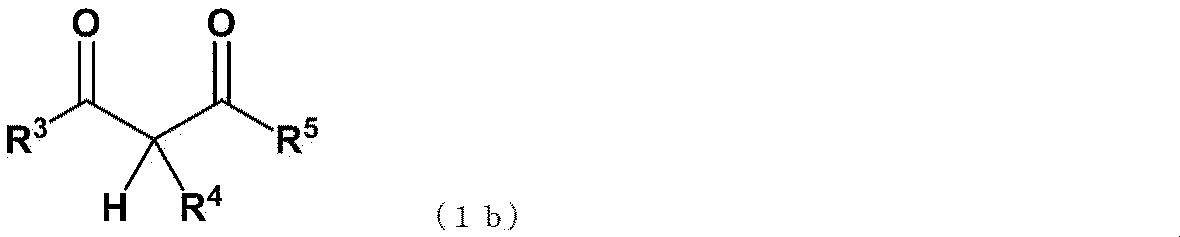
- R 3 represents a hydrogen atom, an aromatic group optionally having one or more substituents, an alkyl group optionally having one or more substituents, a halogen atom, —OR, or —NR 2.
- R 4 represents a hydrogen atom, an aromatic group optionally having one or more substituents, an alkyl group optionally having one or more substituents, a halogen atom, —OR, or —NR 2.
- R 5 represents a hydrogen atom, an aromatic group optionally having one or more substituents, an alkyl group optionally having one or more substituents, a halogen atom, —OR, or —NR 2.
- R is independently a hydrogen atom or an organic group at each occurrence.
- B is an aromatic group that may have one or more substituents, or an alkyl group that may have one or more substituents
- R 6 is a hydrogen atom, an organic group, or a halogen atom
- R 7 is a hydrogen atom, an organic group, or a halogen atom
- R 8 is a hydrogen atom, an organic group, or a halogen atom.
- B is an aromatic group that may have one or more substituents, or an alkyl group that may have one or more substituents
- R 6 is a hydrogen atom, an organic group, or a halogen atom
- R 7 is a hydrogen atom, an organic group, or a halogen atom
- R 8 is a hydrogen atom, an organic group, or a halogen atom.
- A is an aromatic group which may have one or more substituents
- R 1 is a hydrogen atom, a C1-C5 alkyl group which may have one or more substituents
- R 2 is a hydrogen atom, C1 which may have one or more substituents. -C5 alkyl group.
- R 3 is an aromatic group that may have one or more substituents, an alkyl group that may have one or more substituents, —OR, or —NR 2 ;
- R 4 is a hydrogen atom, a halogen atom, —OR, or —NR 2 ;
- R 5 is an aromatic group optionally having one or more substituents, an alkyl group optionally having one or more substituents, —OR, or —NR 2 , and R is Each independently is a hydrogen atom or an organic group.
- B is an aromatic group that may have one or more substituents;
- R 6 is a hydrogen atom or a C1-C5 alkyl group,
- R 7 is a hydrogen atom or a C1-C5 alkyl group, and
- R 8 is a hydrogen atom or a C1-C5 alkyl group.
- a fluorinated organic compound (1af) of the following formula is obtained corresponding to the organic compound (1a). [The symbols in the formula are the same as those in the formula (1a). ]
- polymers and oxidant step A Polymer having one or more hypervalent iodoaromatic rings [in this specification, the polymer may be referred to as a hypervalent iodoaromatic ring-containing polymer (2ap) or simply a polymer (2ap). ], Polymer having one or more iodoaromatic rings [in this specification, the polymer may be referred to as an iodoaromatic ring-containing polymer (2 bp) or simply a polymer (2 bp).
- the hypervalent iodoaromatic ring-containing polymer (2ap) can be suitably used in the absence of an oxidizing agent.
- the absence of an oxidizing agent can mean that the amount of the oxidizing agent in the reaction system of Step A is 0.1 mol or less with respect to 1 mol of the organic compound (1). .
- step A the iodoaromatic ring-containing polymer (2 bp) is used together with an oxidizing agent (2bo).
- an oxidizing agent (2bo) examples include each example of the oxidizing agent (C) described in the step C described later.
- the amount of the oxidizing agent (2bo) used in Step A can usually be in the range of 0.1 to 20 moles with respect to 1 mole of the organic compound (1).
- Polymer (2ap), polymer (2bp), polymer (2cp) In the polymer, respectively, one or more hypervalent iodo aromatic ring portion, one or more iodo aromatic ring unit, or IF 2-substituted aromatic ring portion, in the main chain, side chain, or in pendant groups Alternatively, it can be present as a side chain itself or as a pendant group itself.
- the hypervalent iodoaromatic ring-containing polymer (2ap) includes, for example, —CH—CR—, —CR—C—, —CR—R—, —R—, —CO—O—, —O—CO—, From the group consisting of —CO—NR—, —NR—CO—, —O—, —CO—, —S—, and —SO— (wherein R is a hydrogen atom or an organic group).
- a polymer containing one or more selected structural units and one or more structural units [provided that the polymer has one or more hypervalent iodoaromatic rings in one or more R parts. ].
- the iodoaromatic ring-containing polymer (2 bp) is, for example, —CH—CR—, —CR—C—, —CR—R—, —R—, —CO—O—, —O—CO—, —CO—.
- NR—, —NR—CO—, —O—, —CO—, —S—, and —SO— are selected from the group consisting of A polymer containing one or more structural units and one or more structural units [provided that the polymer has one or more iodoaromatic rings in one or more R parts. ].
- a polymer containing one or more structural units and one or more structural units [provided that the polymer has one or more iodoaromatic rings in one or more R parts. ].
- the hypervalent iodoaromatic ring-containing polymer (2ap) is, for example, polystyrene, polyester, polyamide, polyether, polycarbonate, or polythioether (preferably, each having one or more hypervalent iodoaromatic ring portions. Polystyrene).
- the iodoaromatic ring-containing polymer (2 bp) is, for example, polystyrene, polyester, polyamide, polyether, polycarbonate, or polythioether (preferably polystyrene) each having one or more iodoaromatic rings. Can do.
- the IF 2- substituted aromatic ring-containing polymer (2cp) is, for example, polystyrene, polyester, polyamide, polyether, polycarbonate, or polythioether (preferably polystyrene) each having one or more IF 2- substituted aromatic rings. ).
- the aromatic ring may be an aromatic ring that is essential for the name of the polymer (eg, a benzene ring in polystyrene).
- the hypervalent iodoaromatic ring part in the hypervalent iodoaromatic ring-containing polymer (2ap) is preferably, Formula (2ap1): [Where: Ar is an aromatic ring, R p1 is independently at each occurrence, An alkyl group, An alkoxy group, A group: —O— (CH 2 ) q —NR 3 X (wherein q is a number of 1 or more; R is H or a C 1 -C 20 alkyl group; and X is a halogen atom) An arylsulfonyloxy group or an alkylsulfonyloxy group).
- a halogen atom, A cyano group, A nitro group, a carboxylic acid group, or a sulfonic acid group, R p2 is independently at each occurrence, An alkyl group, An alkoxy group, A group: —O— (CH 2 ) q —NR 3 X (wherein q is a number of 1 or more; R is H or a C 1 -C 20 alkyl group; and X is a halogen atom) An arylsulfonyloxy group or an alkylsulfonyloxy group).
- a halogen atom, A cyano group, Nitro group, Carboxylic acid groups, A sulfonic acid group, a hydroxy group, or a phosphoryloxy group, or Two R p2 bonded to one iodine atom may be combined to form ⁇ O, n1 is a number of 0 or more; n2 is a number of 1 or more, The sum of n1 and n2 is in the range of 1-11, L is a bond or a linker, and * is a binding site.
- Ar is preferably a benzene ring.
- the iodoaromatic ring part in the hypervalent iodoaromatic ring-containing polymer (2bp) is preferably represented by the formula (2bp1): [Where: Ar is an aromatic ring, R p1 is independently at each occurrence, An alkyl group, An alkoxy group, A group: —O— (CH 2 ) q —NR 3 X (wherein q is a number of 1 or more; R is H or a C 1 -C 20 alkyl group; and X is a halogen atom) An arylsulfonyloxy group or an alkylsulfonyloxy group).
- Ar is a benzene ring.
- the IF 2-substituted aromatic ring portion of the IF 2-substituted aromatic ring unit-containing polymer (2 cp) is preferably formula (2cp1): [Where: Ar is an aromatic ring, R p1 is independently at each occurrence, An alkyl group, An alkoxy group, A group: —O— (CH 2 ) q —NR 3 X (wherein q is a number of 1 or more; R is H or a C 1 -C 20 alkyl group; and X is a halogen atom) An arylsulfonyloxy group or an alkylsulfonyloxy group).
- each occurrence here is not only for each occurrence in a formula, but also for each hypervalent iodoaromatic ring of a plurality of repeating units of the polymer. It is intended to include each occurrence.
- the molecular weight of each polymer molecule is, for example, It can be in the range of 500-1000000.
- the chain length of the main chain of the linker represented by the symbol L in each formula is, for example, 1 to 100, 1 to 70, 1 to 50, 1 to 30, 1 to 20, or 1 to 10, respectively. be able to.
- linkers represented by L are: Alkanediyl [this includes one or more (eg 1 to 2, 3 to 5, 6 to 10), (1) a divalent heteroatom-containing group, (2) a divalent group selected from the group consisting of 1,2-ethenediyl group optionally having one or more substituents (eg, alkyl group) and (3) 1,2-ethynediyl , May be inserted. ] Is included.
- divalent heteroatom-containing group examples include —O—, —CO—, —CO 2 —, —S—, —SO—, —SO 2 —, —SO 3 —, —N 2 —, And an imino group [this may have one substituent (eg, alkyl group). ] Is included.
- Each of the polymer organic compounds is preferably The portion represented by the formula (p1) is contained in an amount of 10% by mass or more, and has a mass average molecular weight in the range of 500 to 1,000,000, 500 to 100,000, 500 to 10,000, or 500 to 1,000.
- R p1 is preferably hydrogen, alkyl group, cycloalkyl group, alkoxy group, halogen atom, cyano group, nitro group, carboxylic acid group, and sulfonic acid group independently at each occurrence.
- R p2 is preferably independently at each occurrence a halogen atom, an acetic acid group, a trifluoroacetic acid group, a tosylic acid group, a hydroxy group, a phosphoryloxy group, a trifluoromethanesulfonic acid group, a propionic acid group, 3, 3, 3-trifluoropropionic acid group, perfluoropropionic acid group, perfluorobutyric acid group, or methanesulfonic acid group.
- the group name using the compound name such as the “acetic acid group” means a group derived from the compound, and in this specification, the group name is derived from the compound and can bind to hypervalent iodine. Means group.
- the polymers (2ap), (2bp), and (2cp) can be produced based on known production methods.
- the fluorine source (3) used in step A is Fluorine represented by the formula: M 1 F n (wherein M 1 is H, Group 1 metal of the periodic table, or Group 2 metal of the periodic table; and n is 1 or 2). It can be the source (3a), or the polymer (2cp), or a combination thereof. That is, when using the said IF 2 substituted aromatic ring containing polymer (2cp), the said polymer (2cp) can serve as a fluorine source (3).
- M 1 is Preferably, it can be H, Li, Na, K, Ca, or Cs, More preferably it can be H, Na, K or Ca, and even more preferably it can be H.
- the fluorine source can be preferably a hydrogen fluoride source.
- fluorine source examples include: Anhydrous hydrofluoric acid, Hydrofluoric acid aqueous solution (eg, hydrofluoric acid aqueous solution having a concentration of 10 to 70% by weight), Includes mixtures of hydrofluoric acid, organic bases, and inorganic bases.
- hydrofluoric acid and inorganic base are specifically, for example, HF-KF (KHF 2 ) Or can be derived from this.
- the said fluorine source can be used individually by 1 type or in combination of 2 or more types.
- the amount of the fluorine source used is, for example, As 1 mol of the organic compound which is the substrate of the production method of the present invention, as hydrogen fluoride, Usually in the range of 0.5 to 100 moles, preferably in the range of 1 to 50 moles, More preferably, it can be in the range of 2-30 moles, and even more preferably in the range of 3-25 moles.
- the substrate of Step A may be added to the reaction system of Step A at a time, may be added in several times, or may be continuously added.
- the reaction of step A can be carried out in the presence or absence of a solvent.
- the solvent may be a nonpolar solvent or a polar solvent.
- the solvent is ester, ketone, aromatic compound, alcohol, ether, amine, nitrogen-containing polar organic compound, nitrile, halogenated hydrocarbon, aliphatic hydrocarbon, fluorine-based solvent, carbonate, or other solvent, or these Can be a combination.
- esters as the solvent examples include ethyl acetate, butyl acetate, amyl acetate, ethylene glycol monomethyl ether acetate, propylene glycol monomethyl ether acetate, and suitable examples thereof include ethyl acetate.
- ketones as the solvent include acetone, methyl ethyl ketone, diethyl ketone, hexanone, methyl isobutyl ketone, heptanone, diisobutyl ketone, acetonyl acetone, methyl hexanone, and acetophenone, cyclohexanone, diacetone alcohol, and suitable Examples include acetone.
- aromatic compounds as the solvent include anisole, benzene, toluene, xylene, and ethylbenzene, and suitable examples include benzene and toluene.
- alcohols as the solvent examples include methanol, ethanol, n-propanol, isopropanol, n-butanol, pentanol, hexanol, ethylene glycol, diethylene glycol, triethylene glycol, tetraethylene glycol, polyethylene glycol, propylene glycol, dipropylene glycol. , Tripropylene glycol, polypropylene glycol, trimethylene glycol, and hexanetriol, and suitable examples thereof include methanol and ethanol.
- ethers as the solvent include diethyl ether, dibutyl ether, tetrahydrofuran, tetrahydropyran, dioxane, dimethoxyethane, diethylene glycol diethyl ether, ethylene glycol monomethyl ether, ethylene glycol monoethyl ether, diethylene glycol monomethyl ether, diethylene glycol monoethyl ether, propylene And includes glycol monomethyl ether (PGME; also known as 1-methoxy-2-propanol), propylene glycol monoethyl ether, triethylene glycol dimethyl ether, triethylene glycol diethyl ether, tetraethylene glycol dimethyl ether, and tetraethylene glycol diethyl ether
- PGME glycol monomethyl ether
- a preferred example is diethyl Ether, and including tetrahydrofuran.
- amines as the solvent examples include monoethanolamine, diethanolamine, and triethanolamine.
- nitrogen-containing polar organic compounds as the solvent include N, N-dimethylformamide, N, N-dimethylacetamide, N-methyl-2-pyrrolidone, 2-pyrrolidone, and 1,3-dimethyl-2-imidazolid
- suitable examples thereof include N, N-dimethylformamide, N, N-dimethylacetamide, and N-methyl-2-pyrrolidone.
- nitriles as the solvent include acetonitrile, propionitrile, butyronitrile, isobutyronitrile, benzonitrile, and adiponitrile, and suitable examples include acetonitrile.
- halogenated hydrocarbons examples include dichloromethane, dichloroethane, chloroform, carbon tetrachloride, tetrachloroethane, trichloroethane, chlorobenzene, dichlorobenzene, and chlorotoluene, and preferred examples include dichloromethane and chloroform. Include.
- aliphatic hydrocarbons examples include hexane, cyclohexane, heptane, octane, nonane, decane, undecane, dodecane, and mineral spirits, and suitable examples include cyclohexane and heptane.
- fluorinated solvent examples include perfluorobenzene, trifluorotoluene, ditrifluorobenzene, trifluoroethanol, and suitable examples thereof include perfluorobenzene and trifluoroethanol.
- carbonate as the solvent examples include tetralin dimethyl carbonate, methyl ethyl carbonate, diethyl carbonate, ethylene carbonate, and propylene carbonate, and suitable examples thereof include ethylene carbonate and propylene carbonate.
- Examples of said other solvents include acetic acid, pyridine, dimethyl sulfoxide, sulfolane, and water.
- the said solvent can be used individually by 1 type or in combination of 2 or more types.
- the amount of solvent used is, for example, For 1 part by mass of the organic compound that is the substrate of the production method of the present invention, Usually within the range of 0 to 200 parts by weight, preferably within the range of 0 to 100 parts by weight, and more preferably within the range of 0 to 50 parts by weight.
- the temperature of process A is Usually, it can be in the range of ⁇ 78 to 200 ° C., preferably in the range of ⁇ 10 to 100 ° C., and more preferably in the range of 0 to 100 ° C.
- a time is Usually within the range of 0.1 to 72 hours, preferably within the range of 0.1 to 48 hours, More preferably, it can be within the range of 0.1 to 36 hours, and even more preferably within the range of 0.1 to 24 hours.
- Process B In the method of the present invention, preferably, after the start of Step A, the hypervalent iodoaromatic ring portion in the polymer (2 bp) is changed to an iodoaromatic ring portion.
- the method of the present invention preferably separates the polymer (2ap), the polymer (2bp), or the polymer (2cp) [preferably the polymer (2ap)] from the reaction solution after the start of the step A. Step B is included.
- the separation may be usually performed after the start of the step A, and is not necessarily performed after the reaction of the step A is completely completed.
- the separation can be realized preferably by separating the polymer that is a solid from the product liquid and / or the reaction liquid that is a liquid according to the difference in form.
- a conventional method such as filtration can be employed.
- Process B conditions may be set as appropriate based on common general technical knowledge.
- the method of the present invention preferably includes a step C of oxidizing the polymer separated from the reaction solution in the step B [preferably the polymer (2ap)] with an oxidizing agent (C).
- the polymer subjected to step C may be subjected to another step (eg, washing) after the separation.
- the polymer oxidized in step C can be used in step A.
- the oxidizing agent (C) is preferably, for example, (I) Formula: R X COOM 2a (In the formula, R X is a hydrocarbon group optionally having one or more substituents, and M 2 is a hydrogen atom or a metal atom. ), A compound represented by (Ii) Formula: R X OOM 2b (In the formula, R X is a hydrogen atom, or a hydrocarbon group that may have one or more substituents, and M 2 is a hydrogen atom or a metal atom. ) And (iii) one or more selected from the group consisting of metal oxides.
- oxidizing agent (C) examples include Metachloroperbenzoic acid, hydrogen peroxide, peracetic acid, perbenzoic acid, tert-butyl hydroperoxide, cumene hydroperoxide, potassium persulfate, potassium hydrogen persulfate-potassium hydrogen sulfate-potassium sulfate mixture, permanganic acid, dichromic acid , Tungsten oxide, ruthenium oxide, antimony oxide, osmium oxide, and sulfur trioxide.
- Suitable examples of the oxidizing agent (C) are: Includes metachloroperbenzoic acid, hydrogen peroxide, peracetic acid, perbenzoic acid, tert-butyl hydroperoxide, cumene hydroperoxide, potassium persulfate, and potassium hydrogen sulfate-potassium hydrogen sulfate-potassium sulfate mixtures.
- More preferred examples of the oxidizing agent (C) include metachloroperbenzoic acid.
- the amount of oxidant used in Step C is For 1 part by weight of the polymer, Usually within the range of 0.1 to 100 parts by weight, preferably within the range of 0.4 to 50 parts by weight, and more preferably within the range of 0.6 to 20 parts by weight.
- Process C conditions may be set as appropriate based on common general technical knowledge.
- the desired fluorinated organic compound thus obtained is isolated, if desired, by a conventional method such as filtration, extraction, dissolution, concentration, precipitation, dehydration, adsorption, or chromatography, or a combination thereof. Or it can be purified.
- Example 1 (Synthesis 1 of ethyl 2-fluoro-3-oxo-3-phenylpropanoate) Mix ethyl 3-oxo-3-phenylpropanoate (0.2 mmol), poly [4- (diacetoxyiodo) styrene] (1.2 eq.), dichloromethane (1 ml), and Py ⁇ HF (10 eq. HF), and at 40 ° C. Stir with heating for 1 hour. The reaction solution was analyzed by F-NMR, and it was confirmed that the title target product was obtained in a yield of 4%. On the other hand, the polymer derived from the said polymer was collect
- Example 2 (Synthesis 2 of ethyl 2-fluoro-3-oxo-3-phenylpropanoate) Example 1 except that poly [4- (diacetoxyiodo) styrene] is changed to 2.0 eq., dichloromethane is changed to toluene, Py ⁇ HF is changed to Et3N ⁇ 5HF, and the reaction time is extended to 2 days.
- the target product was synthesized in the same manner, and it was confirmed that the title target product was obtained in a yield of 15%.
- the polymer derived from the said polymer was collect
- Example 3 Synthesis 1 of ethyl 2-fluoro-3-oxoheptanoate Ethyl 3-oxoheptanoate (0.2 mmol), poly [4- (diacetoxyiodo) styrene] (1.2 eq.), dichloromethane (1 ml), and Py ⁇ HF (10 eq. HF) were mixed, and heated and stirred at 40 ° C. for 17 hours. did. The reaction solution was analyzed by F-NMR, and it was confirmed that the title target product was obtained with a yield of 9%. On the other hand, the polymer derived from the said polymer was collect
Landscapes
- Chemical & Material Sciences (AREA)
- Organic Chemistry (AREA)
- Organic Low-Molecular-Weight Compounds And Preparation Thereof (AREA)
- Electrical Control Of Air Or Fuel Supplied To Internal-Combustion Engine (AREA)
Abstract
本発明は、ヨードシルベンゼン誘導体を容易に分離及び回収可能なフッ素化有機化合物の製造方法の提供を課題とする。 前記課題は、フッ素化有機化合物の製造方法であって、 有機化合物(1)を、 1個以上の超原子価ヨード芳香環部を有する含ヨウ素ポリマー(2ap)の存在下、 1個以上のヨード芳香環部を有する含ヨウ素ポリマー(2bp)、及び酸化剤(2bo)の組合せの存在下、又は 1個以上のIF2置換芳香環部を有する含ヨウ素ポリマー(2cp)の存在下で、 フッ素源(3) [当該フッ素源(3)は、 式:MFn(当該式中、Mは、H、周期表第一族金属、又は周期表第二族金属であり;及びnは、1又は2である。)で表されるフッ素源(3a)、又は 前記IF2置換芳香環部を有するポリマー(2cp)、或いは これらの組合せ である。] と反応させてフッ素化する工程A を含む、 製造方法 によって解決される。
Description
本発明は、フッ素化有機化合物の製造方法に関する。
フッ素化有機化合物は、機能性材料、医農薬化合物、電子材料等の各種化学製品、その中間体等として極めて重要な化合物である。
フッ素化有機化合物の製造方法として、例えば、特許文献1には、
マロン酸エステル誘導体を、ヨードシルベンゼン誘導体存在下、又は
ヨードベンゼン誘導体及び酸化剤の存在下で、
フッ化水素源と反応させることを特徴とするモノフルオロマロン酸誘導体の製造方法
が、提案されている。
フッ素化有機化合物の製造方法として、例えば、特許文献1には、
マロン酸エステル誘導体を、ヨードシルベンゼン誘導体存在下、又は
ヨードベンゼン誘導体及び酸化剤の存在下で、
フッ化水素源と反応させることを特徴とするモノフルオロマロン酸誘導体の製造方法
が、提案されている。
本発明者らは、特許文献1に記載の技術では、ヨードシルベンゼン誘導体が分離及び回収されていない点に、改善の余地を見出した。
本発明は、ヨードシルベンゼン誘導体を容易に分離及び回収可能なフッ素化有機化合物の製造方法の提供を課題とする。
本発明は、ヨードシルベンゼン誘導体を容易に分離及び回収可能なフッ素化有機化合物の製造方法の提供を課題とする。
本発明者らは、鋭意検討の結果、
フッ素化有機化合物の製造方法であって、
有機化合物(1)を、
1個以上の超原子価ヨード芳香環部を有する含ヨウ素ポリマー(2ap)の存在下、
1個以上のヨード芳香環部を有する含ヨウ素ポリマー(2bp)、及び酸化剤(2bo)の組合せの存在下、又は
1個以上のIF2置換芳香環部を有する含ヨウ素ポリマー(2cp)の存在下で、
フッ素源(3)
[当該フッ素源(3)は、
式:MFn(当該式中、Mは、H、周期表第一族金属、又は周期表第二族金属であり;及びnは、1又は2である。)で表されるフッ素源(3a)、又は
前記1個以上のIF2置換芳香環部を有する含ヨウ素ポリマー(2cp)、或いは
これらの組合せ
である。]
と反応させてフッ素化する工程A
を含む、
製造方法によって、前記課題が解決できることを見出し、本発明を完成するに至った。
フッ素化有機化合物の製造方法であって、
有機化合物(1)を、
1個以上の超原子価ヨード芳香環部を有する含ヨウ素ポリマー(2ap)の存在下、
1個以上のヨード芳香環部を有する含ヨウ素ポリマー(2bp)、及び酸化剤(2bo)の組合せの存在下、又は
1個以上のIF2置換芳香環部を有する含ヨウ素ポリマー(2cp)の存在下で、
フッ素源(3)
[当該フッ素源(3)は、
式:MFn(当該式中、Mは、H、周期表第一族金属、又は周期表第二族金属であり;及びnは、1又は2である。)で表されるフッ素源(3a)、又は
前記1個以上のIF2置換芳香環部を有する含ヨウ素ポリマー(2cp)、或いは
これらの組合せ
である。]
と反応させてフッ素化する工程A
を含む、
製造方法によって、前記課題が解決できることを見出し、本発明を完成するに至った。
本発明は、次の態様を含む。
項1.
フッ素化有機化合物の製造方法であって、
有機化合物(1)を、
1個以上の超原子価ヨード芳香環部を有する含ヨウ素ポリマー(2ap)の存在下、
1個以上のヨード芳香環部を有する含ヨウ素ポリマー(2bp)、及び酸化剤(2bo)の組合せの存在下、又は
1個以上のIF2置換芳香環部を有する含ヨウ素ポリマー(2cp)の存在下で、
フッ素源(3)
[当該フッ素源(3)は、
式:MFn(当該式中、Mは、H、周期表第一族金属、又は周期表第二族金属であり;及びnは、1又は2である。)で表されるフッ素源(3a)、又は
前記1個以上のIF2置換芳香環部を有する含ヨウ素ポリマー(2cp)、或いは
これらの組合せ
である。]
と反応させてフッ素化する工程A
を含む、
製造方法。
項2.
前記有機化合物(1)が、
水素原子を有するカルボニル化合物、又は
1個以上の不飽和炭素-炭素結合を有する化合物
である項1に記載の製造方法。
項3.
前記有機化合物(1)が、
式(1a):

[式中、
Aは、水素原子、1個以上の置換基を有していてもよい芳香族基、又は1個以上の置換基を有していてもよいアルキル基、ハロゲン原子、-OR、又は-NR2であり、
R1は、水素原子、有機基、又はハロゲン原子であり、
R2は、水素原子、有機基、又はハロゲン原子であり、及び
Rは、各出現において独立して、水素原子又は有機基である。]
で表される有機化合物;
式(1b):
[式中、
R3は、水素原子、1個以上の置換基を有していてもよい芳香族基、1個以上の置換基を有していてもよいアルキル基、ハロゲン原子、-OR、又は-NR2であり、
R4は、水素原子、1個以上の置換基を有していてもよい芳香族基、1個以上の置換基を有していてもよいアルキル基、ハロゲン原子、-OR、又は-NR2であり、
R5は、水素原子、1個以上の置換基を有していてもよい芳香族基、1個以上の置換基を有していてもよいアルキル基、ハロゲン原子、-OR、又は-NR2であり、及び
Rは、各出現において独立して、水素原子又は有機基である。]
で表される有機化合物;又は
式(1c):

[式中、
Bは、1個以上の置換基を有していてもよい芳香族基、又は1個以上の置換基を有していてもよいアルキル基であり、
R6は、水素原子、有機基、又はハロゲン原子であり、
R7は、水素原子、有機基、又はハロゲン原子であり、及び
R8は、水素原子、有機基、又はハロゲン原子である。]
で表される有機化合物
である、項1又は2に記載の製造方法。
項4.
前記工程Aが、
前記有機化合物(1)を、
前記ポリマー(2ap)の存在下で、
前記フッ素源(3)と反応させてフッ素化する工程Aである、
項1~3のいずれか一項に記載の製造方法。
項5.
前記1個以上の超原子価ヨード芳香環部を有するポリマー(2ap)が、式(2a1):

[式中、
Arは、芳香環であり、
Rp1は、各出現において独立して、
アルキル基、
アルコキシ基、
基:-O-(CH2)q-NR3X(当該式中、qは1以上の数であり;Rは、H、又はC1-C20アルキル基であり;及びXは、ハロゲン原子、アリールスルホニルオキシ基、又はアルキルスルホニルオキシ基である。)、
基:-(CH2)q-NR3X(当該式中、qは1以上の数であり;Rは、H、又はC1-C20アルキル基であり;及びXは、ハロゲン原子、アリールスルホニルオキシ基、又はアルキルスルホニルオキシ基である。)、
ハロゲン原子、
シアノ基、
ニトロ基、カルボン酸基、又は
スルホン酸基であり、
Rp2は、各出現において独立して、
アルキル基、
アルコキシ基、
基:-O-(CH2)q-NR3X(当該式中、qは1以上の数であり;Rは、H、又はC1-C20アルキル基であり;及びXは、ハロゲン原子、アリールスルホニルオキシ基、又はアルキルスルホニルオキシ基である。)、
基:-(CH2)q-NR3X(当該式中、qは1以上の数であり;Rは、H、又はC1-C20アルキル基であり;及びXは、ハロゲン原子、アリールスルホニルオキシ基、又はアルキルスルホニルオキシ基である。)、
ハロゲン原子、
シアノ基、
ニトロ基、
カルボン酸基、
スルホン酸基、ヒドロキシ基、又は
ホスホリルオキシ基
であるか、或いは、
1個のヨウ素原子に結合している2個のRp2が一緒になって、=Oを形成していてもよく、
n1は、0以上の数であり、
n2は、1以上の数であり、
n1及びn2の和は、1~11の範囲内であり、
Lは、結合手、又はリンカーであり、及び
*印は、結合部位である。]
で表される1個以上の超原子価ヨード芳香環部を有するポリマーである、項4に記載の製造方法。
項6.
Arは、ベンゼン環である項5に記載の製造方法。
項7.
Rp1が、各出現において独立して、アルキル基、アルコキシ基、又はハロゲン原子である、項5又は6に記載の方法。
項8.
Rp2が、各出現において独立して、ハロゲン原子、酢酸基、トリフルオロ酢酸基、トシル酸基、ヒドロキシ基、ホスホリルオキシ基、トリフルオロメタンスルホン酸基、プロピオン酸基、3,3,3-トリフルオロプロピオン酸基、パーフルオロプロピオン酸基、パーフルオロ酪酸基、又はメタンスルホン酸基である、項5~7のいずれか一項に記載の製造方法。
項9.
前記ポリマー(2ap)が、
前記式(2ap1)で表される部分を1質量%以上含有し、及び
500~1000000の範囲内の質量平均分子量を有する、
項4~8のいずれか一項に記載の製造方法。
項10.
前記工程Aが、
前記有機化合物(1)を、
前記ポリマー(2bp)及び前記酸化剤(2bo)の組み合わせの存在下で、
前記フッ素源(3)と反応させてフッ素化する工程Aである、
項1~3のいずれか一項に記載の製造方法。
項11.
前記1個以上のヨード芳香環部を有するポリマー(2bp)が、
式(2bp1):

[式中、
Arは、芳香環であり、
Rp1は、各出現において独立して、
アルキル基、
アルコキシ基、
基:-O-(CH2)q-NR3X(当該式中、qは1以上の数であり;Rは、H、又はC1-C20アルキル基であり;及びXは、ハロゲン原子、アリールスルホニルオキシ基、又はアルキルスルホニルオキシ基である。)、
基:-(CH2)q-NR3X(当該式中、qは1以上の数であり;Rは、H、又はC1-C20アルキル基であり;及びXは、ハロゲン原子、アリールスルホニルオキシ基、又はアルキルスルホニルオキシ基である。)、
ハロゲン原子、
シアノ基、
ニトロ基、カルボン酸基、又は
スルホン酸基であり、
n1は、0以上の数であり、
n2は、1以上の数であり、
n1及びn2の和は、1~11の範囲内であり、
Lは、結合手、又はリンカーであり、及び
*印は、前記結合部位である。]
で表される1個以上のヨード芳香環部を有するポリマーである、項10に記載の製造方法。
項12.
Arは、ベンゼン環である項11に記載の製造方法。
項13.
Rp1が、各出現において独立して、アルキル基、アルコキシ基、又はハロゲン原子である、項11又は12に記載の方法。
項14.
前記ポリマー(2bp)が、
前記式(2bp1)で表される部分を1質量%以上含有し、及び
500~1000000の範囲内の質量平均分子量を有する、
項10~13のいずれか一項に記載の製造方法。
項15.
前記酸化剤(2bo)が、
( i)式:RXCOOOM
(当該式中、
RXは、1個以上の置換基を有していてもよい炭化水素基であり、及び
Mは、水素原子、又は金属原子
る。)、
で表される化合物、
( ii)式:RXOOM
(当該式中、
RXは、水素原子、又は1個以上の置換基を有していてもよい炭化水素基であり、及び
Mは、水素原子、又は金属原子である。)
で表される化合物、及び
(iii)金属酸化物
からなる群より選択される1種以上である、
項10~14のいずれか一項に記載の製造方法。
項16.
前記酸化剤(2bo)が、
メタクロロ過安息香酸、過酸化水素、過酢酸、過安息香酸、tert-ブチルヒドロペルオキシド、クメンヒドロペルキシド、過硫酸カリウム、過硫酸水素カリウム-硫酸水素カリウム-硫酸カリウム混合物、
過マンガン酸、ニクロム酸、酸化タングステン、酸化ルテニウム、酸化アンチモン、酸化オスミウム、及び三酸化硫黄
からなる群より選択される1種以上である、
項15に記載の製造方法。
項17.
前記工程Aが、
前記有機化合物(1)を、
1個以上のIF2置換芳香環部を有する含ヨウ素ポリマー(2cp)と反応させてフッ素化する工程Aである、
項1~3のいずれか一項に記載の製造方法。
項18.
1個以上のIF2置換芳香環部を有する含ヨウ素ポリマー(2cp)が、式(2cp1):

[式中、
Arは、芳香環であり、
置換基Rp1は、各出現において独立して、アルキル基、アルコキシ基、ハロゲン原子、シアノ基、ニトロ基、カルボン酸基、又はスルホン酸基であり、
n1は、0以上の数であり、
n2は、1~5の整数であり、
Lは、結合手、又はリンカーであり、及び
*印は、結合部位である。]
で表される1個以上のIF2置換芳香環部を有するポリマーである、項17に記載の製造方法。
項19.
Arは、ベンゼン環である項18に記載の製造方法。
項20.
Rp1が、各出現において独立して、アルキル基、アルコキシ基、又はハロゲン原子である、項18又は19に記載の方法。
項21.
前記1個以上のIF2置換芳香環部を有する含ヨウ素ポリマー(2cp)が、
前記式(2cp1)で表される部分を1質量%以上含有し、及び
500~1000000の範囲内の質量平均分子量を有する、
項18~20のいずれか一項に記載の製造方法。
項22.
前記工程Aの開始後、前記ポリマー(2ap)、前記ポリマー(2bp)、又は前記ポリマー(2cp)を、反応液から分離する工程Bを含む、項1~21のいずれか一項に記載の方法。
項23.
前記工程Bで反応液から分離した前記ポリマー(2ap)、前記ポリマー(2bp)、又は前記ポリマー(2cp)を、酸化剤(C)で酸化する工程Cを含む、項22に記載の方法。
項24.
前記酸化剤(C)が、
メタクロロ過安息香酸、過酸化水素、過酢酸、過安息香酸、tert-ブチルヒドロペルオキシド、クメンヒドロペルキシド、過硫酸カリウム、過硫酸水素カリウム-硫酸水素カリウム-硫酸カリウム混合物、
過マンガン酸、ニクロム酸、酸化タングステン、酸化ルテニウム、酸化アンチモン、酸化オスミウム、及び三酸化硫黄
からなる群より選択される1種以上である、
項23に記載の製造方法。
項25.
前記酸化剤(C)が、メタクロロ過安息香酸、過酸化水素、過酢酸、過安息香酸、tert-ブチルヒドロペルオキシド、クメンヒドロペルキシド、過硫酸カリウム、及び過硫酸水素カリウム-硫酸水素カリウム-硫酸カリウム混合物からなる群より選択される1種以上である、項24に記載の方法。
フッ素化有機化合物の製造方法であって、
有機化合物(1)を、
1個以上の超原子価ヨード芳香環部を有する含ヨウ素ポリマー(2ap)の存在下、
1個以上のヨード芳香環部を有する含ヨウ素ポリマー(2bp)、及び酸化剤(2bo)の組合せの存在下、又は
1個以上のIF2置換芳香環部を有する含ヨウ素ポリマー(2cp)の存在下で、
フッ素源(3)
[当該フッ素源(3)は、
式:MFn(当該式中、Mは、H、周期表第一族金属、又は周期表第二族金属であり;及びnは、1又は2である。)で表されるフッ素源(3a)、又は
前記1個以上のIF2置換芳香環部を有する含ヨウ素ポリマー(2cp)、或いは
これらの組合せ
である。]
と反応させてフッ素化する工程A
を含む、
製造方法。
項2.
前記有機化合物(1)が、
水素原子を有するカルボニル化合物、又は
1個以上の不飽和炭素-炭素結合を有する化合物
である項1に記載の製造方法。
項3.
前記有機化合物(1)が、
式(1a):
Aは、水素原子、1個以上の置換基を有していてもよい芳香族基、又は1個以上の置換基を有していてもよいアルキル基、ハロゲン原子、-OR、又は-NR2であり、
R1は、水素原子、有機基、又はハロゲン原子であり、
R2は、水素原子、有機基、又はハロゲン原子であり、及び
Rは、各出現において独立して、水素原子又は有機基である。]
で表される有機化合物;
式(1b):
R3は、水素原子、1個以上の置換基を有していてもよい芳香族基、1個以上の置換基を有していてもよいアルキル基、ハロゲン原子、-OR、又は-NR2であり、
R4は、水素原子、1個以上の置換基を有していてもよい芳香族基、1個以上の置換基を有していてもよいアルキル基、ハロゲン原子、-OR、又は-NR2であり、
R5は、水素原子、1個以上の置換基を有していてもよい芳香族基、1個以上の置換基を有していてもよいアルキル基、ハロゲン原子、-OR、又は-NR2であり、及び
Rは、各出現において独立して、水素原子又は有機基である。]
で表される有機化合物;又は
式(1c):
Bは、1個以上の置換基を有していてもよい芳香族基、又は1個以上の置換基を有していてもよいアルキル基であり、
R6は、水素原子、有機基、又はハロゲン原子であり、
R7は、水素原子、有機基、又はハロゲン原子であり、及び
R8は、水素原子、有機基、又はハロゲン原子である。]
で表される有機化合物
である、項1又は2に記載の製造方法。
項4.
前記工程Aが、
前記有機化合物(1)を、
前記ポリマー(2ap)の存在下で、
前記フッ素源(3)と反応させてフッ素化する工程Aである、
項1~3のいずれか一項に記載の製造方法。
項5.
前記1個以上の超原子価ヨード芳香環部を有するポリマー(2ap)が、式(2a1):
Arは、芳香環であり、
Rp1は、各出現において独立して、
アルキル基、
アルコキシ基、
基:-O-(CH2)q-NR3X(当該式中、qは1以上の数であり;Rは、H、又はC1-C20アルキル基であり;及びXは、ハロゲン原子、アリールスルホニルオキシ基、又はアルキルスルホニルオキシ基である。)、
基:-(CH2)q-NR3X(当該式中、qは1以上の数であり;Rは、H、又はC1-C20アルキル基であり;及びXは、ハロゲン原子、アリールスルホニルオキシ基、又はアルキルスルホニルオキシ基である。)、
ハロゲン原子、
シアノ基、
ニトロ基、カルボン酸基、又は
スルホン酸基であり、
Rp2は、各出現において独立して、
アルキル基、
アルコキシ基、
基:-O-(CH2)q-NR3X(当該式中、qは1以上の数であり;Rは、H、又はC1-C20アルキル基であり;及びXは、ハロゲン原子、アリールスルホニルオキシ基、又はアルキルスルホニルオキシ基である。)、
基:-(CH2)q-NR3X(当該式中、qは1以上の数であり;Rは、H、又はC1-C20アルキル基であり;及びXは、ハロゲン原子、アリールスルホニルオキシ基、又はアルキルスルホニルオキシ基である。)、
ハロゲン原子、
シアノ基、
ニトロ基、
カルボン酸基、
スルホン酸基、ヒドロキシ基、又は
ホスホリルオキシ基
であるか、或いは、
1個のヨウ素原子に結合している2個のRp2が一緒になって、=Oを形成していてもよく、
n1は、0以上の数であり、
n2は、1以上の数であり、
n1及びn2の和は、1~11の範囲内であり、
Lは、結合手、又はリンカーであり、及び
*印は、結合部位である。]
で表される1個以上の超原子価ヨード芳香環部を有するポリマーである、項4に記載の製造方法。
項6.
Arは、ベンゼン環である項5に記載の製造方法。
項7.
Rp1が、各出現において独立して、アルキル基、アルコキシ基、又はハロゲン原子である、項5又は6に記載の方法。
項8.
Rp2が、各出現において独立して、ハロゲン原子、酢酸基、トリフルオロ酢酸基、トシル酸基、ヒドロキシ基、ホスホリルオキシ基、トリフルオロメタンスルホン酸基、プロピオン酸基、3,3,3-トリフルオロプロピオン酸基、パーフルオロプロピオン酸基、パーフルオロ酪酸基、又はメタンスルホン酸基である、項5~7のいずれか一項に記載の製造方法。
項9.
前記ポリマー(2ap)が、
前記式(2ap1)で表される部分を1質量%以上含有し、及び
500~1000000の範囲内の質量平均分子量を有する、
項4~8のいずれか一項に記載の製造方法。
項10.
前記工程Aが、
前記有機化合物(1)を、
前記ポリマー(2bp)及び前記酸化剤(2bo)の組み合わせの存在下で、
前記フッ素源(3)と反応させてフッ素化する工程Aである、
項1~3のいずれか一項に記載の製造方法。
項11.
前記1個以上のヨード芳香環部を有するポリマー(2bp)が、
式(2bp1):
Arは、芳香環であり、
Rp1は、各出現において独立して、
アルキル基、
アルコキシ基、
基:-O-(CH2)q-NR3X(当該式中、qは1以上の数であり;Rは、H、又はC1-C20アルキル基であり;及びXは、ハロゲン原子、アリールスルホニルオキシ基、又はアルキルスルホニルオキシ基である。)、
基:-(CH2)q-NR3X(当該式中、qは1以上の数であり;Rは、H、又はC1-C20アルキル基であり;及びXは、ハロゲン原子、アリールスルホニルオキシ基、又はアルキルスルホニルオキシ基である。)、
ハロゲン原子、
シアノ基、
ニトロ基、カルボン酸基、又は
スルホン酸基であり、
n1は、0以上の数であり、
n2は、1以上の数であり、
n1及びn2の和は、1~11の範囲内であり、
Lは、結合手、又はリンカーであり、及び
*印は、前記結合部位である。]
で表される1個以上のヨード芳香環部を有するポリマーである、項10に記載の製造方法。
項12.
Arは、ベンゼン環である項11に記載の製造方法。
項13.
Rp1が、各出現において独立して、アルキル基、アルコキシ基、又はハロゲン原子である、項11又は12に記載の方法。
項14.
前記ポリマー(2bp)が、
前記式(2bp1)で表される部分を1質量%以上含有し、及び
500~1000000の範囲内の質量平均分子量を有する、
項10~13のいずれか一項に記載の製造方法。
項15.
前記酸化剤(2bo)が、
( i)式:RXCOOOM
(当該式中、
RXは、1個以上の置換基を有していてもよい炭化水素基であり、及び
Mは、水素原子、又は金属原子
る。)、
で表される化合物、
( ii)式:RXOOM
(当該式中、
RXは、水素原子、又は1個以上の置換基を有していてもよい炭化水素基であり、及び
Mは、水素原子、又は金属原子である。)
で表される化合物、及び
(iii)金属酸化物
からなる群より選択される1種以上である、
項10~14のいずれか一項に記載の製造方法。
項16.
前記酸化剤(2bo)が、
メタクロロ過安息香酸、過酸化水素、過酢酸、過安息香酸、tert-ブチルヒドロペルオキシド、クメンヒドロペルキシド、過硫酸カリウム、過硫酸水素カリウム-硫酸水素カリウム-硫酸カリウム混合物、
過マンガン酸、ニクロム酸、酸化タングステン、酸化ルテニウム、酸化アンチモン、酸化オスミウム、及び三酸化硫黄
からなる群より選択される1種以上である、
項15に記載の製造方法。
項17.
前記工程Aが、
前記有機化合物(1)を、
1個以上のIF2置換芳香環部を有する含ヨウ素ポリマー(2cp)と反応させてフッ素化する工程Aである、
項1~3のいずれか一項に記載の製造方法。
項18.
1個以上のIF2置換芳香環部を有する含ヨウ素ポリマー(2cp)が、式(2cp1):
Arは、芳香環であり、
置換基Rp1は、各出現において独立して、アルキル基、アルコキシ基、ハロゲン原子、シアノ基、ニトロ基、カルボン酸基、又はスルホン酸基であり、
n1は、0以上の数であり、
n2は、1~5の整数であり、
Lは、結合手、又はリンカーであり、及び
*印は、結合部位である。]
で表される1個以上のIF2置換芳香環部を有するポリマーである、項17に記載の製造方法。
項19.
Arは、ベンゼン環である項18に記載の製造方法。
項20.
Rp1が、各出現において独立して、アルキル基、アルコキシ基、又はハロゲン原子である、項18又は19に記載の方法。
項21.
前記1個以上のIF2置換芳香環部を有する含ヨウ素ポリマー(2cp)が、
前記式(2cp1)で表される部分を1質量%以上含有し、及び
500~1000000の範囲内の質量平均分子量を有する、
項18~20のいずれか一項に記載の製造方法。
項22.
前記工程Aの開始後、前記ポリマー(2ap)、前記ポリマー(2bp)、又は前記ポリマー(2cp)を、反応液から分離する工程Bを含む、項1~21のいずれか一項に記載の方法。
項23.
前記工程Bで反応液から分離した前記ポリマー(2ap)、前記ポリマー(2bp)、又は前記ポリマー(2cp)を、酸化剤(C)で酸化する工程Cを含む、項22に記載の方法。
項24.
前記酸化剤(C)が、
メタクロロ過安息香酸、過酸化水素、過酢酸、過安息香酸、tert-ブチルヒドロペルオキシド、クメンヒドロペルキシド、過硫酸カリウム、過硫酸水素カリウム-硫酸水素カリウム-硫酸カリウム混合物、
過マンガン酸、ニクロム酸、酸化タングステン、酸化ルテニウム、酸化アンチモン、酸化オスミウム、及び三酸化硫黄
からなる群より選択される1種以上である、
項23に記載の製造方法。
項25.
前記酸化剤(C)が、メタクロロ過安息香酸、過酸化水素、過酢酸、過安息香酸、tert-ブチルヒドロペルオキシド、クメンヒドロペルキシド、過硫酸カリウム、及び過硫酸水素カリウム-硫酸水素カリウム-硫酸カリウム混合物からなる群より選択される1種以上である、項24に記載の方法。
本発明によれば、ヨード芳香環部を有する化合物を回収できる、フッ素化有機化合物の新たな製造方法が提供される。
用語
本明細書中の記号及び略号は、特に限定のない限り、本明細書の文脈に沿い、本発明が属する技術分野において通常用いられる意味に理解できる。
本明細書中、語句「含有する」は、語句「から本質的になる」、及び語句「からなる」を包含することを意図して用いられる。
特に限定されない限り、本明細書中に記載されている工程、処理、又は操作は、室温で実施され得る。
本明細書中、室温は、10~40℃の範囲内の温度を意味することができる。
本明細書中、表記「Cn-Cm」(ここで、n、及びmは、それぞれ、数である。)は、当業者が通常理解する通り、炭素数がn以上、且つm以下であることを表す。
本明細書中の記号及び略号は、特に限定のない限り、本明細書の文脈に沿い、本発明が属する技術分野において通常用いられる意味に理解できる。
本明細書中、語句「含有する」は、語句「から本質的になる」、及び語句「からなる」を包含することを意図して用いられる。
特に限定されない限り、本明細書中に記載されている工程、処理、又は操作は、室温で実施され得る。
本明細書中、室温は、10~40℃の範囲内の温度を意味することができる。
本明細書中、表記「Cn-Cm」(ここで、n、及びmは、それぞれ、数である。)は、当業者が通常理解する通り、炭素数がn以上、且つm以下であることを表す。
本明細書中、「有機化合物」とは、通常の意味に理解され、1個以上の炭素原子及び1個以上の水素原子を有する化合物であることができる。
本明細書中、フッ素化有機化合物は、有機化合物がフッ素化されて生じることができる化合物を意味し、水素原子を含有しなくてもよい。
本明細書中、特に限定の無い限り、「ハロ(基)」の例は、フルオロ(基)、クロロ(基)、ブロモ(基)、及びヨード(基)を包含できる。
本明細書中、特に限定の無い限り、「ハロゲン(原子)」の例は、フッ素(原子)、塩素(原子)、臭素(原子)、及びヨウ素(原子)を包含できる。
本明細書中、特に限定の無い限り、「ハロゲン(原子)」の例は、フッ素(原子)、塩素(原子)、臭素(原子)、及びヨウ素(原子)を包含できる。
本明細書中、「芳香環」の例は、芳香族炭素環、及び芳香族複素環を包含する。
本明細書中、「芳香環部」とは、1個以上の芳香環を有する部(moiety)又は基を意味する。
本明細書中、特に限定の無い限り、「芳香族炭素環」の例は、炭素数6~14の芳香族炭化水素環を包含し、及びその具体例は、ベンゼン、ナフタレン、アントラセン、フェナントレン、及びビフェニルを包含する。
本明細書中、特に限定の無い限り、「芳香族複素環」の例は、5又は6員芳香族複素環を包含し、及びその具体例は、フラン環、チオフェン環、ピロール環、オキサゾール環、イソオキサゾール環、チアゾール環、イソチアゾール環、イミダゾール環、ピラゾール環、1,2,3-オキサジアゾール環、1,2,4-オキサジアゾール環、1,3,4-オキサジアゾール環、フラザン環、1,2,3-チアジアゾール環、1,2,4-チアジアゾール環、1,3,4-チアジアゾール環、1,2,3-トリアゾール環、1,2,4-トリアゾール環、テトラゾール環、ピリジン環、ピリダジン環、ピリミジン環、ピラジン環、及びトリアジン環を包含する。
本明細書中、特に限定の無い限り、前記「芳香族複素環」の更なる例は、前記5又は6員芳香族複素環の1個以上と芳香族炭素環の1個以上との縮合環を包含する。
本明細書中、特に限定の無い限り、前記「芳香族複素環」の更なる例は、前記5又は6員芳香族複素環の1個以上と芳香族炭素環の1個以上との縮合環を包含する。
本明細書中、「有機基」とは、1個以上の炭素原子を含有する基(又は有機化合物から1個の水素原子を除去して形成される基)を意味する。
当該「有機基」の例は、
1個以上の置換基を有していてもよいアルキル基、
1個以上の置換基を有していてもよいアルケニル基、
1個以上の置換基を有していてもよいアルキニル基、
1個以上の置換基を有していてもよいシクロアルキル基、
1個以上の置換基を有していてもよいシクロアルケニル基、
1個以上の置換基を有していてもよいシクロアルカジエニル基、
1個以上の置換基を有していてもよいアリール基、
1個以上の置換基を有していてもよいアラルキル基、
1個以上の置換基を有していてもよい非芳香族複素環基、
1個以上の置換基を有していてもよいヘテロアリール基、
シアノ基、
アルデヒド基、
RrO-、
RrCO-、
RrSO2-、
RrOCO-、及び
RrOSO2-
(これらの式中、Rrは、独立して、
1個以上の置換基を有していてもよいアルキル基、
1個以上の置換基を有していてもよいアルケニル基、
1個以上の置換基を有していてもよいアルキニル基、
1個以上の置換基を有していてもよいシクロアルキル基、
1個以上の置換基を有していてもよいシクロアルケニル基、
1個以上の置換基を有していてもよいシクロアルカジエニル基、
1個以上の置換基を有していてもよいアリール基、
1個以上の置換基を有していてもよいアラルキル基、
1個以上の置換基を有していてもよい非芳香族複素環基、又は
1個以上の置換基を有していてもよいヘテロアリール基である)
を包含できる。
1個以上の置換基を有していてもよいアルキル基、
1個以上の置換基を有していてもよいアルケニル基、
1個以上の置換基を有していてもよいアルキニル基、
1個以上の置換基を有していてもよいシクロアルキル基、
1個以上の置換基を有していてもよいシクロアルケニル基、
1個以上の置換基を有していてもよいシクロアルカジエニル基、
1個以上の置換基を有していてもよいアリール基、
1個以上の置換基を有していてもよいアラルキル基、
1個以上の置換基を有していてもよい非芳香族複素環基、
1個以上の置換基を有していてもよいヘテロアリール基、
シアノ基、
アルデヒド基、
RrO-、
RrCO-、
RrSO2-、
RrOCO-、及び
RrOSO2-
(これらの式中、Rrは、独立して、
1個以上の置換基を有していてもよいアルキル基、
1個以上の置換基を有していてもよいアルケニル基、
1個以上の置換基を有していてもよいアルキニル基、
1個以上の置換基を有していてもよいシクロアルキル基、
1個以上の置換基を有していてもよいシクロアルケニル基、
1個以上の置換基を有していてもよいシクロアルカジエニル基、
1個以上の置換基を有していてもよいアリール基、
1個以上の置換基を有していてもよいアラルキル基、
1個以上の置換基を有していてもよい非芳香族複素環基、又は
1個以上の置換基を有していてもよいヘテロアリール基である)
を包含できる。
本明細書中、「有機基」は、例えば、1個以上の置換基を有していてもよい炭化水素基[当該炭化水素基には、-NRo-、=N-、-N=、-O-、-S-、-C(=O)O-、-OC(=O)-、-C(=O)-、-S(=O)-、-S(=O)2-、-S(=O)2-NRo-、-NRo-S(=O)2-、-S(=O)-NRo-、及び-NRo-S(=O)-(これらの式中、Roは、独立して、水素原子、又は有機基である。)からなる群より選択される1個以上の部分が挿入されていてもよい。]であることができる。
化学分野の常識に基づいて通常理解される通り、このようにヘテロ原子が挿入された炭化水素基の例は、非芳香族複素環基、及びヘテロアリール基を包含できる。
本明細書中、「1個以上の置換基を有していてもよい炭化水素基」における「炭化水素基」の炭素数は、例えば、1~100、1~80、1~60、1~40、1~30、1~20、又は1~10(例:1、2、3、4、5、6、7、8、9、10)であることができる。
本明細書中、
「1個以上の置換基を有していてもよい炭化水素基」、
「1個以上の置換基を有していてもよいアルキル基」、
「1個以上の置換基を有していてもよいアルケニル基」、
「1個以上の置換基を有していてもよいアルキニル基」、
「1個以上の置換基を有していてもよいシクロアルキル基」、
「1個以上の置換基を有していてもよいシクロアルケニル基」、
「1個以上の置換基を有していてもよいシクロアルカジエニル基」、
「1個以上の置換基を有していてもよいアリール基」、及び
「1個以上の置換基を有していてもよいアラルキル基」
における「置換基」の例は、それぞれ、ハロ基、ニトロ基、シアノ基、オキソ基、チオキソ基、スルホ基、スルファモイル基、スルフィナモイル基、及びスルフェナモイル基を包含できる。
当該置換基の数は、1個から置換可能な最大個数の範囲内(例:1個、2個、3個、4個、5個、6個)であることができる。
「1個以上の置換基を有していてもよい炭化水素基」、
「1個以上の置換基を有していてもよいアルキル基」、
「1個以上の置換基を有していてもよいアルケニル基」、
「1個以上の置換基を有していてもよいアルキニル基」、
「1個以上の置換基を有していてもよいシクロアルキル基」、
「1個以上の置換基を有していてもよいシクロアルケニル基」、
「1個以上の置換基を有していてもよいシクロアルカジエニル基」、
「1個以上の置換基を有していてもよいアリール基」、及び
「1個以上の置換基を有していてもよいアラルキル基」
における「置換基」の例は、それぞれ、ハロ基、ニトロ基、シアノ基、オキソ基、チオキソ基、スルホ基、スルファモイル基、スルフィナモイル基、及びスルフェナモイル基を包含できる。
当該置換基の数は、1個から置換可能な最大個数の範囲内(例:1個、2個、3個、4個、5個、6個)であることができる。
本明細書中、「炭化水素基」の例は、アルキル基、アルケニル基、アルキニル基、シクロアルキル基、シクロアルケニル基、シクロアルカジエニル基、アリール基、アラルキル基、及びこれらの組合せである基を包含できる。
本明細書中、特に限定の無い限り、「アルキル基」の例は、メチル、エチル、プロピル、イソプロピル、ブチル、イソブチル、sec-ブチル、tert-ブチル、ペンチル、イソペンチル、ネオペンチル、ヘキシル、ヘプチル、オクチル、ノニル、及びデシル等の、直鎖状又は分枝鎖状の、C1-C10アルキル基を包含できる。
本明細書中、「フルオロアルキル基」は、少なくとも1個の水素原子がフッ素原子で置換されたアルキル基である。
本明細書中、「フルオロアルキル基」が有するフッ素原子の数は、1個以上(例:1~3個、1~6個、1~12個、1個から置換可能な最大数)であることができる。
本明細書中、「フルオロアルキル基」が有するフッ素原子の数は、1個以上(例:1~3個、1~6個、1~12個、1個から置換可能な最大数)であることができる。
当業者が通常理解する通り、接尾語「パーハロゲノ」は全ての水素原子がハロ基に置換されていることを意味する。
当業者が通常理解する通り、接尾語「パーフルオロ」は全ての水素原子がハロ基に置換されていることを意味する。
当業者が通常理解する通り、接尾語「パーフルオロ」は全ての水素原子がハロ基に置換されていることを意味する。
「フルオロアルキル基」は、パーフルオロアルキル基を包含する。
「パーフルオロアルキル基」は、全ての水素原子がフッ素原子で置換されたアルキル基である。当該パーフルオロアルキル基の具体例は、トリフルオロメチル基(CF3-)、及びペンタフルオロエチル基(C2F5-)を包含する。
本明細書中、「フルオロアルキル基」は、例えば、炭素数1~20、炭素数1~12、炭素数1~6、炭素数1~4、炭素数1~3、炭素数6、炭素数5、炭素数4、炭素数3、炭素数2、又は炭素数1のフルオロアルキル基であることができる。
本明細書中、「フルオロアルキル基」は、直鎖状、又は分枝鎖状のフルオロアルキル基であることができる。
本明細書中、「フルオロアルキル基」として、具体的には、例えば、フルオロメチル基、ジフルオロメチル基、トリフルオロメチル基(CF3-)、2,2,2-トリフルオロエチル基、ペンタフルオロエチル基(C2F5-)、テトラフルオロプロピル基(例:HCF2CF2CH2-)、ヘキサフルオロプロピル基(例:(CF3)2CH-)、ノナフルオロブチル基、オクタフルオロペンチル基(例:HCF2CF2CF2CF2CH2-)、及びトリデカフルオロヘキシル基等が挙げられる。
本明細書中、「フルオロアルキル基」として、具体的には、例えば、フルオロメチル基、ジフルオロメチル基、トリフルオロメチル基(CF3-)、2,2,2-トリフルオロエチル基、ペンタフルオロエチル基(C2F5-)、テトラフルオロプロピル基(例:HCF2CF2CH2-)、ヘキサフルオロプロピル基(例:(CF3)2CH-)、ノナフルオロブチル基、オクタフルオロペンチル基(例:HCF2CF2CF2CF2CH2-)、及びトリデカフルオロヘキシル基等が挙げられる。
本明細書中、特に限定の無い限り、「アルケニル基」の例は、ビニル、1-プロペン-1-イル、2-プロペン-1-イル、イソプロペニル、2-ブテン-1-イル、4-ペンテン-1-イル、及び5-へキセン-1-イル等の、直鎖状又は分枝鎖状の、C2-10アルケニル基を包含できる。
本明細書中、特に限定の無い限り、「アルキニル基」の例は、エチニル、1-プロピン-1-イル、2-プロピン-1-イル、4-ペンチン-1-イル、5-へキシン-1-イル等の、直鎖状又は分枝鎖状の、C2-C10アルキニル基を包含できる。
本明細書中、特に限定の無い限り、「シクロアルキル基」の例は、シクロプロピル、シクロブチル、シクロペンチル、シクロヘキシル、シクロヘプチル等のC3-C7シクロアルキル基を包含できる。
本明細書中、特に限定の無い限り、「シクロアルケニル基」の例は、シクロプロペニル、シクロブテニル、シクロペンテニル、シクロヘキセニル、シクロヘプテニル等のC3-C7シクロアルケニル基を包含できる。
本明細書中、特に限定の無い限り、「シクロアルカジエニル基」の例は、シクロブタジエニル、シクロペンタジエニル、シクロヘキサジエニル、シクロヘプタジエニル、シクロオクタジエニル、シクロノナジエニル、シクロデカジエニル等のC4-C10シクロアルカジエニル基を包含できる。
本明細書中、特に限定の無い限り、「アリール基」は、単環性、2環性、3環性、又は4環性であることができる。
本明細書中、特に限定の無い限り、「アリール基」は、C6-C18アリール基であることができる。
本明細書中、特に限定の無い限り、「アリール基」の例は、フェニル、1-ナフチル、2-ナフチル、2-ビフェニル、3-ビフェニル、4-ビフェニル、及び2-アンスリルを包含できる。
本明細書中、特に限定の無い限り、「アリール基」は、C6-C18アリール基であることができる。
本明細書中、特に限定の無い限り、「アリール基」の例は、フェニル、1-ナフチル、2-ナフチル、2-ビフェニル、3-ビフェニル、4-ビフェニル、及び2-アンスリルを包含できる。
本明細書中、特に限定の無い限り、「アラルキル基」の例は、ベンジル、フェネチル、ジフェニルメチル、1-ナフチルメチル、2-ナフチルメチル、2,2-ジフェニルエチル、3-フェニルプロピル、4-フェニルブチル、5-フェニルペンチル、2-ビフェニリルメチル、3-ビフェニリルメチル、及び4-ビフェニリルメチルを包含できる。
本明細書中、特に限定の無い限り、「非芳香族複素環基」は、単環性、2環性、3環性、又は4環性であることができる。
本明細書中、特に限定の無い限り、「非芳香族複素環基」は、例えば、環構成原子として、炭素原子に加えて酸素原子、硫黄原子、及び窒素原子から選ばれる1~4個のヘテロ原子を含有する非芳香族複素環基であることができる。
本明細書中、特に限定の無い限り、「非芳香族複素環基」は、飽和、又は不飽和であることができる。
本明細書中、特に限定の無い限り、「非芳香族複素環基」の例は、テトラヒドロフリル、オキサゾリジニル、イミダゾリニル(例:1-イミダゾリニル、2-イミダゾリニル、4-イミダゾリニル)、アジリジニル(例:1-アジリジニル、2-アジリジニル)、アゼチジニル(例:1-アゼチジニル、2-アゼチジニル)、ピロリジニル(例:1-ピロリジニル、2-ピロリジニル、3-ピロリジニル)、ピペリジニル(例:1-ピペリジニル、2-ピペリジニル、3-ピペリジニル)、アゼパニル(例:1-アゼパニル、2-アゼパニル、3-アゼパニル、4-アゼパニル)、アゾカニル(例:1-アゾカニル、2-アゾカニル、3-アゾカニル、4-アゾカニル)、ピペラジニル(例:1,4-ピペラジン-1-イル、1,4-ピペラジン-2-イル)、ジアゼピニル(例:1,4-ジアゼピン-1-イル、1,4-ジアゼピン-2-イル、1,4-ジアゼピン-5-イル、1,4-ジアゼピン-6-イル)、ジアゾカニル(例:1,4-ジアゾカン-1-イル、1,4-ジアゾカン-2-イル、1,4-ジアゾカン-5-イル、1,4-ジアゾカン-6-イル、1,5-ジアゾカン-1-イル、1,5-ジアゾカン-2-イル、1,5-ジアゾカン-3-イル)、テトラヒドロピラニル(例:テトラヒドロピラン-4-イル)、モルホリニル(例:4-モルホリニル)、チオモルホリニル(例:4-チオモルホリニル)、2-オキサゾリジニル、ジヒドロフリル、ジヒドロピラニル、及びジヒドロキノリル等を包含できる。
本明細書中、特に限定の無い限り、「非芳香族複素環基」は、例えば、環構成原子として、炭素原子に加えて酸素原子、硫黄原子、及び窒素原子から選ばれる1~4個のヘテロ原子を含有する非芳香族複素環基であることができる。
本明細書中、特に限定の無い限り、「非芳香族複素環基」は、飽和、又は不飽和であることができる。
本明細書中、特に限定の無い限り、「非芳香族複素環基」の例は、テトラヒドロフリル、オキサゾリジニル、イミダゾリニル(例:1-イミダゾリニル、2-イミダゾリニル、4-イミダゾリニル)、アジリジニル(例:1-アジリジニル、2-アジリジニル)、アゼチジニル(例:1-アゼチジニル、2-アゼチジニル)、ピロリジニル(例:1-ピロリジニル、2-ピロリジニル、3-ピロリジニル)、ピペリジニル(例:1-ピペリジニル、2-ピペリジニル、3-ピペリジニル)、アゼパニル(例:1-アゼパニル、2-アゼパニル、3-アゼパニル、4-アゼパニル)、アゾカニル(例:1-アゾカニル、2-アゾカニル、3-アゾカニル、4-アゾカニル)、ピペラジニル(例:1,4-ピペラジン-1-イル、1,4-ピペラジン-2-イル)、ジアゼピニル(例:1,4-ジアゼピン-1-イル、1,4-ジアゼピン-2-イル、1,4-ジアゼピン-5-イル、1,4-ジアゼピン-6-イル)、ジアゾカニル(例:1,4-ジアゾカン-1-イル、1,4-ジアゾカン-2-イル、1,4-ジアゾカン-5-イル、1,4-ジアゾカン-6-イル、1,5-ジアゾカン-1-イル、1,5-ジアゾカン-2-イル、1,5-ジアゾカン-3-イル)、テトラヒドロピラニル(例:テトラヒドロピラン-4-イル)、モルホリニル(例:4-モルホリニル)、チオモルホリニル(例:4-チオモルホリニル)、2-オキサゾリジニル、ジヒドロフリル、ジヒドロピラニル、及びジヒドロキノリル等を包含できる。
本明細書中、特に限定の無い限り、「ヘテロアリール基」の例は、単環性芳香族複素環基(例:5又は6員の単環性芳香族複素環基)、及び芳香族縮合複素環基(例:5~18員の芳香族縮合複素環基)を包含できる。
本明細書中、特に限定の無い限り、「5又は6員の単環性芳香族複素環基」の例は、ピロリル(例:1-ピロリル、2-ピロリル、3-ピロリル)、フリル(例:2-フリル、3-フリル)、チエニル(例:2-チエニル、3-チエニル)、ピラゾリル(例:1-ピラゾリル、3-ピラゾリル、4-ピラゾリル)、イミダゾリル(例:1-イミダゾリル、2-イミダゾリル、4-イミダゾリル)、イソオキサゾリル(例:3-イソオキサゾリル、4-イソオキサゾリル、5-イソオキサゾリル)、オキサゾリル(例:2-オキサゾリル、4-オキサゾリル、5-オキサゾリル)、イソチアゾリル(例:3-イソチアゾリル、4-イソチアゾリル、5-イソチアゾリル)、チアゾリル(例:2-チアゾリル、4-チアゾリル、5-チアゾリル)、トリアゾリル(例:1,2,3-トリアゾール-4-イル、1,2,4-トリアゾール-3-イル)、オキサジアゾリル(例:1,2,4-オキサジアゾール-3-イル、1,2,4-オキサジアゾール-5-イル)、チアジアゾリル(例:1,2,4-チアジアゾール-3-イル、1,2,4-チアジアゾール-5-イル)、テトラゾリル、ピリジル(例:2-ピリジル、3-ピリジル、4-ピリジル)、ピリダジニル(例:3-ピリダジニル、4-ピリダジニル)、ピリミジニル(例:2-ピリミジニル、4-ピリミジニル、5-ピリミジニル)、ピラジニル等を包含できる。
本明細書中、特に限定の無い限り、「5~18員の芳香族縮合複素環基」の例は、イソインドリル(例:1-イソインドリル、2-イソインドリル、3-イソインドリル、4-イソインドリル、5-イソインドリル、6-イソインドリル、7-イソインドリル)、インドリル(例:1-インドリル、2-インドリル、3-インドリル、4-インドリル、5-インドリル、6-インドリル、7-インドリル)、ベンゾ[b]フラニル(例:2-ベンゾ[b]フラニル、3-ベンゾ[b]フラニル、4-ベンゾ[b]フラニル、5-ベンゾ[b]フラニル、6-ベンゾ[b]フラニル、7-ベンゾ[b]フラニル)、ベンゾ[c]フラニル(例:1-ベンゾ[c]フラニル、4-ベンゾ[c]フラニル、5-ベンゾ[c]フラニル)、ベンゾ[b]チエニル、(例:2-ベンゾ[b]チエニル、3-ベンゾ[b]チエニル、4-ベンゾ[b]チエニル、5-ベンゾ[b]チエニル、6-ベンゾ[b]チエニル、7-ベンゾ[b]チエニル)、ベンゾ[c]チエニル(例:1-ベンゾ[c]チエニル、4-ベンゾ[c]チエニル、5-ベンゾ[c]チエニル)、インダゾリル(例:1-インダゾリル、2-インダゾリル、3-インダゾリル、4-インダゾリル、5-インダゾリル、6-インダゾリル、7-インダゾリル)、ベンゾイミダゾリル(例:1-ベンゾイミダゾリル、2-ベンゾイミダゾリル、4-ベンゾイミダゾリル、5-ベンゾイミダゾリル)、1,2-ベンゾイソオキサゾリル(例:1,2-ベンゾイソオキサゾール-3-イル、1,2-ベンゾイソオキサゾール-4-イル、1,2-ベンゾイソオキサゾール-5-イル、1,2-ベンゾイソオキサゾール-6-イル、1,2-ベンゾイソオキサゾール-7-イル)、ベンゾオキサゾリル(例:2-ベンゾオキサゾリル、4-ベンゾオキサゾリル、5-ベンゾオキサゾリル、6-ベンゾオキサゾリル、7-ベンゾオキサゾリル)、1,2-ベンゾイソチアゾリル(例:1,2-ベンゾイソチアゾール-3-イル、1,2-ベンゾイソチアゾール-4-イル、1,2-ベンゾイソチアゾール-5-イル、1,2-ベンゾイソチアゾール-6-イル、1,2-ベンゾイソチアゾール-7-イル)、ベンゾチアゾリル(例:2-ベンゾチアゾリル、4-ベンゾチアゾリル、5-ベンゾチアゾリル、6-ベンゾチアゾリル、7-ベンゾチアゾリル)、イソキノリル(例:1-イソキノリル、3-イソキノリル、4-イソキノリル、5-イソキノリル)、キノリル(例:2-キノリル、3-キノリル、4-キノリル、5-キノリル、8-キノリル)、シンノリニル(例:3-シンノリニル、4-シンノリニル、5-シンノリニル、6-シンノリニル、7-シンノリニル、8-シンノリニル)、フタラジニル(例:1-フタラジニル、4-フタラジニル、5-フタラジニル、6-フタラジニル、7-フタラジニル、8-フタラジニル)、キナゾリニル(例:2-キナゾリニル、4-キナゾリニル、5-キナゾリニル、6-キナゾリニル、7-キナゾリニル、8-キナゾリニル)、キノキサリニル(例:2-キノキサリニル、3-キノキサリニル、5-キノキサリニル、6-キノキサリニル、7-キノキサリニル、8-キノキサリニル)、ピラゾロ[1,5-a]ピリジル(例:ピラゾロ[1,5-a]ピリジン-2-イル、ピラゾロ[1,5-a]ピリジン-3-イル、ピラゾロ[1,5-a]ピリジン-4-イル、ピラゾロ[1,5-a]ピリジン-5-イル、ピラゾロ[1,5-a]ピリジン-6-イル、ピラゾロ[1,5-a]ピリジン-7-イル)、イミダゾ[1,2-a]ピリジル(例:イミダゾ[1,2-a]ピリジン-2-イル、イミダゾ[1,2-a]ピリジン-3-イル、イミダゾ[1,2-a]ピリジン-5-イル、イミダゾ[1,2-a]ピリジン-6-イル、イミダゾ[1,2-a]ピリジン-7-イル、イミダゾ[1,2-a]ピリジン-8-イル)等を包含できる。
本明細書中、特に限定の無い限り、
「1個以上の置換基を有していてもよい非芳香族複素環基」、及び
「1個以上の置換基を有していてもよいヘテロアリール基」
における各「置換基」の例は、1個以上の置換基を有していてもよい炭化水素基、ハロ基、ニトロ基、シアノ基、オキソ基、チオキソ基、スルホ基、スルファモイル基、スルフィナモイル基、及びスルフェナモイル基を包含できる。
当該置換基の数は、1個から置換可能な最大個数の範囲内(例:1個、2個、3個、4個、5個、6個)であることができる。
「1個以上の置換基を有していてもよい非芳香族複素環基」、及び
「1個以上の置換基を有していてもよいヘテロアリール基」
における各「置換基」の例は、1個以上の置換基を有していてもよい炭化水素基、ハロ基、ニトロ基、シアノ基、オキソ基、チオキソ基、スルホ基、スルファモイル基、スルフィナモイル基、及びスルフェナモイル基を包含できる。
当該置換基の数は、1個から置換可能な最大個数の範囲内(例:1個、2個、3個、4個、5個、6個)であることができる。
工程A
本発明のフッ素化有機化合物の製造方法は、
有機化合物(1)を、
1個以上の超原子価ヨード芳香環部を有するポリマー(2ap)の存在下、
1個以上のヨード芳香環部を有するポリマー(2bp)、及び酸化剤(2bo)の組合せの存在下、又は
1個以上のIF2置換芳香環部を有するポリマー(2cp)の存在下で、
フッ素源(3)
[当該フッ素源(3)は、
式:MFn(当該式中、Mは、H、周期表第一族金属、又は周期表第二族金属であり;及びnは、1又は2である。)で表されるフッ素源(3a)、又は
前記1個以上のIF2置換芳香環部を有する含ヨウ素ポリマー(2cp)、或いは
これらの組合せ
である。]
と反応させてフッ素化する工程A
を含む。
当該本発明の製造方法の基質である前記有機化合物と、本発明の製造方法の目的物であるフッ素化有機化合物とを区別して、本明細書中、前者を「有機化合物」と称し、及び後者を「フッ素化有機化合物」と称する場合がある。
本発明のフッ素化有機化合物の製造方法は、
有機化合物(1)を、
1個以上の超原子価ヨード芳香環部を有するポリマー(2ap)の存在下、
1個以上のヨード芳香環部を有するポリマー(2bp)、及び酸化剤(2bo)の組合せの存在下、又は
1個以上のIF2置換芳香環部を有するポリマー(2cp)の存在下で、
フッ素源(3)
[当該フッ素源(3)は、
式:MFn(当該式中、Mは、H、周期表第一族金属、又は周期表第二族金属であり;及びnは、1又は2である。)で表されるフッ素源(3a)、又は
前記1個以上のIF2置換芳香環部を有する含ヨウ素ポリマー(2cp)、或いは
これらの組合せ
である。]
と反応させてフッ素化する工程A
を含む。
当該本発明の製造方法の基質である前記有機化合物と、本発明の製造方法の目的物であるフッ素化有機化合物とを区別して、本明細書中、前者を「有機化合物」と称し、及び後者を「フッ素化有機化合物」と称する場合がある。
基質:有機化合物(1)、及び
生成物:フッ素化有機化合物
本発明の製造方法の基質である前記有機化合物(1)は、好適に、
水素原子を有するカルボニル化合物(1a)、又は
1個以上の不飽和炭素-炭素結合を有する化合物
であることができる。
生成物:フッ素化有機化合物
本発明の製造方法の基質である前記有機化合物(1)は、好適に、
水素原子を有するカルボニル化合物(1a)、又は
1個以上の不飽和炭素-炭素結合を有する化合物
であることができる。
念のために述べるに過ぎないが、前記有機化合物(1)は、1個以上のフッ素原子を有していてもよい。
前記有機化合物(1)の好適な例は、
式 (1a):

[式中、
Aは、水素原子、1個以上の置換基を有していてもよい芳香族基、又は1個以上の置換基を有していてもよいアルキル基、ハロゲン原子、-OR、又は-NR2であり、
R1は、水素原子、有機基、又はハロゲン原子であり、
R2は、水素原子、有機基、又はハロゲン原子であり、及び
Rは、各出現において独立して、水素原子又は有機基である。]
で表される化合物[本明細書中、有機化合物(1a)と称する場合がある。];
式(1b):

[式中、
R3は、水素原子、1個以上の置換基を有していてもよい芳香族基、1個以上の置換基を有していてもよいアルキル基、ハロゲン原子、-OR、又は-NR2であり、
R4は、水素原子、1個以上の置換基を有していてもよい芳香族基、1個以上の置換基を有していてもよいアルキル基、ハロゲン原子、-OR、又は-NR2であり、
R5は、水素原子、1個以上の置換基を有していてもよい芳香族基、1個以上の置換基を有していてもよいアルキル基、ハロゲン原子、-OR、又は-NR2であり、及び
Rは、各出現において独立して、水素原子又は有機基である。]
で表される化合物[本明細書中、有機化合物(1b)と称する場合がある。];又は
式(1c):
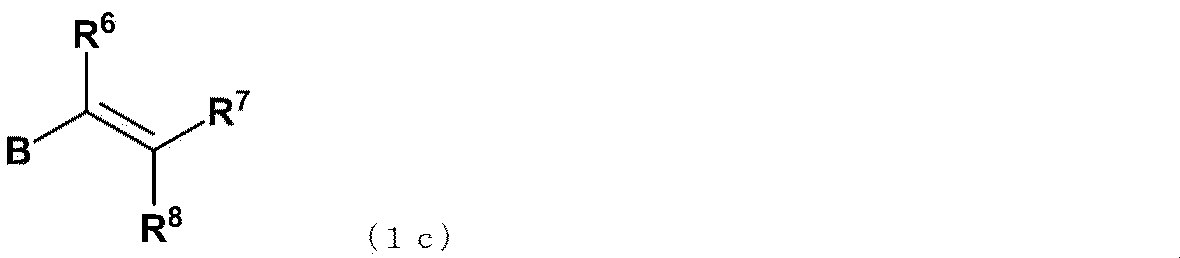
[式中、
Bは、1個以上の置換基を有していてもよい芳香族基、又は1個以上の置換基を有していてもよいアルキル基であり、
R6は、水素原子、有機基、又はハロゲン原子であり、
R7は、水素原子、有機基、又はハロゲン原子であり、及び
R8は、水素原子、有機基、又はハロゲン原子である。
で表される化合物[本明細書中、有機化合物(1c)と称する場合がある。]
を包含する。
式 (1a):
Aは、水素原子、1個以上の置換基を有していてもよい芳香族基、又は1個以上の置換基を有していてもよいアルキル基、ハロゲン原子、-OR、又は-NR2であり、
R1は、水素原子、有機基、又はハロゲン原子であり、
R2は、水素原子、有機基、又はハロゲン原子であり、及び
Rは、各出現において独立して、水素原子又は有機基である。]
で表される化合物[本明細書中、有機化合物(1a)と称する場合がある。];
式(1b):
R3は、水素原子、1個以上の置換基を有していてもよい芳香族基、1個以上の置換基を有していてもよいアルキル基、ハロゲン原子、-OR、又は-NR2であり、
R4は、水素原子、1個以上の置換基を有していてもよい芳香族基、1個以上の置換基を有していてもよいアルキル基、ハロゲン原子、-OR、又は-NR2であり、
R5は、水素原子、1個以上の置換基を有していてもよい芳香族基、1個以上の置換基を有していてもよいアルキル基、ハロゲン原子、-OR、又は-NR2であり、及び
Rは、各出現において独立して、水素原子又は有機基である。]
で表される化合物[本明細書中、有機化合物(1b)と称する場合がある。];又は
式(1c):
Bは、1個以上の置換基を有していてもよい芳香族基、又は1個以上の置換基を有していてもよいアルキル基であり、
R6は、水素原子、有機基、又はハロゲン原子であり、
R7は、水素原子、有機基、又はハロゲン原子であり、及び
R8は、水素原子、有機基、又はハロゲン原子である。
で表される化合物[本明細書中、有機化合物(1c)と称する場合がある。]
を包含する。
前記有機化合物(1a)において、好ましく、例えば、
Aは、1個以上の置換基を有していてもよい芳香族基であり、
R1は、水素原子、1個以上の置換基を有していてもよいC1-C5アルキル基であり、及び
R2は、水素原子、1個以上の置換基を有していてもよいC1-C5アルキル基である。
Aは、1個以上の置換基を有していてもよい芳香族基であり、
R1は、水素原子、1個以上の置換基を有していてもよいC1-C5アルキル基であり、及び
R2は、水素原子、1個以上の置換基を有していてもよいC1-C5アルキル基である。
前記有機化合物(1b)において、好ましくは、例えば、
R3は、1個以上の置換基を有していてもよい芳香族基、1個以上の置換基を有していてもよいアルキル基、-OR、又は-NR2であり、
R4は、水素原子、ハロゲン原子、-OR、又は-NR2であり、
R5は、1個以上の置換基を有していてもよい芳香族基、1個以上の置換基を有していてもよいアルキル基、-OR、又は-NR2であり、及び
Rは、各出現において独立して、水素原子又は有機基である。
R3は、1個以上の置換基を有していてもよい芳香族基、1個以上の置換基を有していてもよいアルキル基、-OR、又は-NR2であり、
R4は、水素原子、ハロゲン原子、-OR、又は-NR2であり、
R5は、1個以上の置換基を有していてもよい芳香族基、1個以上の置換基を有していてもよいアルキル基、-OR、又は-NR2であり、及び
Rは、各出現において独立して、水素原子又は有機基である。
前記有機化合物(1c)において、好ましくは、例えば、
Bは、1個以上の置換基を有していてもよい芳香族基であり、
R6は、水素原子、又はC1-C5アルキル基であり、
R7は、水素原子、又はC1-C5アルキル基であり、及び
R8は、水素原子、又はC1-C5アルキル基である。
Bは、1個以上の置換基を有していてもよい芳香族基であり、
R6は、水素原子、又はC1-C5アルキル基であり、
R7は、水素原子、又はC1-C5アルキル基であり、及び
R8は、水素原子、又はC1-C5アルキル基である。
本発明の製造方法により、前記有機化合物(1a)に対応して、次式のフッ素化有機化合物(1af)が得られる。

[当該式中の記号は、前記式(1a)における記号と同じである。]
本発明の製造方法により、前記有機化合物(1b)に対応して、次式のフッ素化有機化合物(1af)が得られる。

[当該式中の記号は、前記式(1b)における記号と同じである。]
本発明の製造方法により、前記有機化合物(1c)に対応して、次式のフッ素化有機化合物(1c)が得られる。
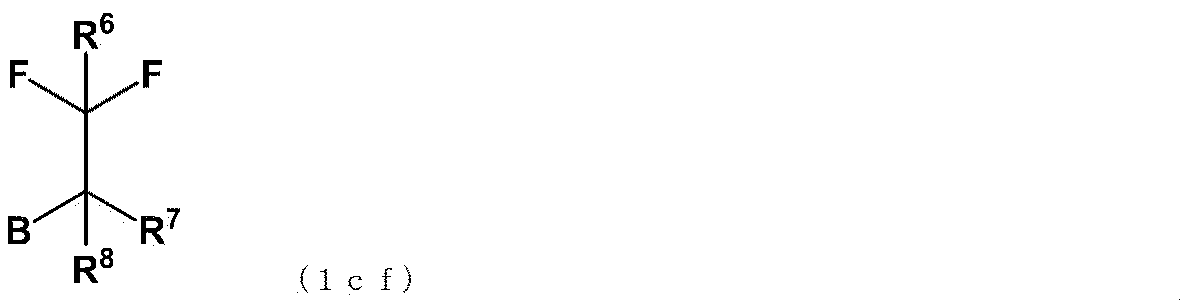
[当該式中の記号は、前記式(1c)における記号と同じである。]
ポリマー類、及び酸化剤
工程Aでは、
1個以上の超原子価ヨード芳香環部を有するポリマー[本明細書中、当該ポリマーを超原子価ヨード芳香環含有ポリマー(2ap)、又は単にポリマー(2ap)と称する場合がある。]、
1個以上のヨード芳香環部を有するポリマー[本明細書中、当該ポリマーをヨード芳香環含有ポリマー(2bp)、又は単にポリマー(2bp)と称する場合がある。]、及び酸化剤(2bo)の組合せ;又は
1個以上のIF2置換芳香環部を有する含ヨウ素ポリマー[本明細書中、当該ポリマーをIF2置換芳香環含有ポリマー(2cp)、又は単にポリマー(2cp)と称する場合がある。]を用いる。
工程Aでは、
1個以上の超原子価ヨード芳香環部を有するポリマー[本明細書中、当該ポリマーを超原子価ヨード芳香環含有ポリマー(2ap)、又は単にポリマー(2ap)と称する場合がある。]、
1個以上のヨード芳香環部を有するポリマー[本明細書中、当該ポリマーをヨード芳香環含有ポリマー(2bp)、又は単にポリマー(2bp)と称する場合がある。]、及び酸化剤(2bo)の組合せ;又は
1個以上のIF2置換芳香環部を有する含ヨウ素ポリマー[本明細書中、当該ポリマーをIF2置換芳香環含有ポリマー(2cp)、又は単にポリマー(2cp)と称する場合がある。]を用いる。
酸化剤(2bo)
工程Aにおいて、前記超原子価ヨード芳香環含有ポリマー(2ap)は、好適に、酸化剤の不存在下で用いられ得る。
ここで、酸化剤の不存在下とは、前記有機化合物(1)の1モルに対して、工程Aの反応系における酸化剤の量が0.1モル以下であることを意味することができる。
工程Aにおいて、前記超原子価ヨード芳香環含有ポリマー(2ap)は、好適に、酸化剤の不存在下で用いられ得る。
ここで、酸化剤の不存在下とは、前記有機化合物(1)の1モルに対して、工程Aの反応系における酸化剤の量が0.1モル以下であることを意味することができる。
工程Aにおいて、前記ヨード芳香環含有ポリマー(2bp)は、酸化剤(2bo)と共に用いられる。
当該酸化剤(2bo)の例、好適な例、及びより好適な例は、後記工程Cで説明する酸化剤(C)の各例を包含する。
工程Aで用いられる酸化剤(2bo)の量は、前記有機化合物(1)の1モルに対して、通常0.1~20モルの範囲内であることができる。
当該酸化剤(2bo)の例、好適な例、及びより好適な例は、後記工程Cで説明する酸化剤(C)の各例を包含する。
工程Aで用いられる酸化剤(2bo)の量は、前記有機化合物(1)の1モルに対して、通常0.1~20モルの範囲内であることができる。
ポリマー(2ap)、ポリマー(2bp)、ポリマー(2cp)
前記ポリマーにおいては、それぞれ、1個以上の超原子価ヨード芳香環部、1個以上のヨード芳香環部、又はIF2置換芳香環部が、主鎖中、側鎖中、又はペンダント基中に、或いは側鎖自体、又はペンダント基自体として、存在し得る。
前記ポリマーにおいては、それぞれ、1個以上の超原子価ヨード芳香環部、1個以上のヨード芳香環部、又はIF2置換芳香環部が、主鎖中、側鎖中、又はペンダント基中に、或いは側鎖自体、又はペンダント基自体として、存在し得る。
前記超原子価ヨード芳香環含有ポリマー(2ap)は、例えば、-CH-CR-、-CR-C-、-CR-R-、-R-、-CO-O-、-O-CO-、-CO-NR-、-NR-CO-、-O-、-CO-、-S-、及び-SO-(これらの式中、Rは水素原子、又は有機基である。)からなる群より選択される1種以上且つ1個以上の構成単位を含有するポリマー[但し、当該ポリマーは、1個以上のR部中に、1個以上の前記超原子価ヨード芳香環を有する。]であることができる。
前記ヨード芳香環含有ポリマー(2bp)は、例えば、-CH-CR-、-CR-C-、-CR-R-、-R-、-CO-O-、-O-CO-、-CO-NR-、-NR-CO-、-O-、-CO-、-S-、及び-SO-(これらの式中、Rは水素原子、又は有機基である。)からなる群より選択される1種以上且つ1個以上の構成単位を含有するポリマー[但し、当該ポリマーは、1個以上のR部中に、1個以上の前記ヨード芳香環を有する。]であることができる。
前記IF2置換芳香環含有ポリマー(2cp)は、例えば、-CH-CR-、-CR-C-、-CR-R-、-R-、-CO-O-、-O-CO-、-CO-NR-、-NR-CO-、-O-、-CO-、-S-、及び-SO-(これらの式中、Rは水素原子、又は有機基である。)からなる群より選択される1種以上且つ1個以上の構成単位を含有するポリマー[但し、当該ポリマーは、1個以上のR部中に、1個以上の前記ヨード芳香環を有する。]であることができる。
前記ヨード芳香環含有ポリマー(2bp)は、例えば、-CH-CR-、-CR-C-、-CR-R-、-R-、-CO-O-、-O-CO-、-CO-NR-、-NR-CO-、-O-、-CO-、-S-、及び-SO-(これらの式中、Rは水素原子、又は有機基である。)からなる群より選択される1種以上且つ1個以上の構成単位を含有するポリマー[但し、当該ポリマーは、1個以上のR部中に、1個以上の前記ヨード芳香環を有する。]であることができる。
前記IF2置換芳香環含有ポリマー(2cp)は、例えば、-CH-CR-、-CR-C-、-CR-R-、-R-、-CO-O-、-O-CO-、-CO-NR-、-NR-CO-、-O-、-CO-、-S-、及び-SO-(これらの式中、Rは水素原子、又は有機基である。)からなる群より選択される1種以上且つ1個以上の構成単位を含有するポリマー[但し、当該ポリマーは、1個以上のR部中に、1個以上の前記ヨード芳香環を有する。]であることができる。
超原子価ヨード芳香環含有ポリマー(2ap)は、例えば、1個以上の超原子価ヨード芳香環部をそれぞれ有する、ポリスチレン、ポリエステル、ポリアミド、ポリエーテル、ポリカルボナート、又はポリチオエーテル(好ましくは、ポリスチレン)であることができる。
前記ヨード芳香環含有ポリマー(2bp)は、例えば、1個以上のヨード芳香環部をそれぞれ有する、ポリスチレン、ポリエステル、ポリアミド、ポリエーテル、ポリカルボナート、又はポリチオエーテル(好ましくは、ポリスチレン)であることができる。
前記IF2置換芳香環含有ポリマー(2cp)は、例えば、1個以上のIF2置換芳香環部をそれぞれ有する、ポリスチレン、ポリエステル、ポリアミド、ポリエーテル、ポリカルボナート、又はポリチオエーテル(好ましくは、ポリスチレン)であることができる。
念のために記載するに過ぎないが、前記芳香環は、そのポリマーの名称に関して必須である芳香環(例:ポリスチレン中のベンゼン環)であってもよい。
前記ヨード芳香環含有ポリマー(2bp)は、例えば、1個以上のヨード芳香環部をそれぞれ有する、ポリスチレン、ポリエステル、ポリアミド、ポリエーテル、ポリカルボナート、又はポリチオエーテル(好ましくは、ポリスチレン)であることができる。
前記IF2置換芳香環含有ポリマー(2cp)は、例えば、1個以上のIF2置換芳香環部をそれぞれ有する、ポリスチレン、ポリエステル、ポリアミド、ポリエーテル、ポリカルボナート、又はポリチオエーテル(好ましくは、ポリスチレン)であることができる。
念のために記載するに過ぎないが、前記芳香環は、そのポリマーの名称に関して必須である芳香環(例:ポリスチレン中のベンゼン環)であってもよい。
前記超原子価ヨード芳香環含有ポリマー(2ap)における前記超原子価ヨード芳香環部は、好ましくは、
式(2ap1):

[式中、
Arは、芳香環であり、
Rp1は、各出現において独立して、
アルキル基、
アルコキシ基、
基:-O-(CH2)q-NR3X(当該式中、qは1以上の数であり;Rは、H、又はC1-C20アルキル基であり;及びXは、ハロゲン原子、アリールスルホニルオキシ基、又はアルキルスルホニルオキシ基である。)、
基:-(CH2)q-NR3X(当該式中、qは1以上の数であり;Rは、H、又はC1-C20アルキル基であり;及びXは、ハロゲン原子、アリールスルホニルオキシ基、又はアルキルスルホニルオキシ基である。)、
ハロゲン原子、
シアノ基、
ニトロ基、カルボン酸基、又は
スルホン酸基であり、
Rp2は、各出現において独立して、
アルキル基、
アルコキシ基、
基:-O-(CH2)q-NR3X(当該式中、qは1以上の数であり;Rは、H、又はC1-C20アルキル基であり;及びXは、ハロゲン原子、アリールスルホニルオキシ基、又はアルキルスルホニルオキシ基である。)、
基:-(CH2)q-NR3X(当該式中、qは1以上の数であり;Rは、H、又はC1-C20アルキル基であり;及びXは、ハロゲン原子、アリールスルホニルオキシ基、又はアルキルスルホニルオキシ基である。)、
ハロゲン原子、
シアノ基、
ニトロ基、
カルボン酸基、
スルホン酸基、ヒドロキシ基、又は
ホスホリルオキシ基
であるか、或いは、
1個のヨウ素原子に結合している2個のRp2が一緒になって、=Oを形成していてもよく、
n1は、0以上の数であり、
n2は、1以上の数であり、
n1及びn2の和は、1~11の範囲内であり、
Lは、結合手、又はリンカーであり、及び
*印は、結合部位である。]
で表される超原子価ヨード芳香環部である。
式(2ap1):
Arは、芳香環であり、
Rp1は、各出現において独立して、
アルキル基、
アルコキシ基、
基:-O-(CH2)q-NR3X(当該式中、qは1以上の数であり;Rは、H、又はC1-C20アルキル基であり;及びXは、ハロゲン原子、アリールスルホニルオキシ基、又はアルキルスルホニルオキシ基である。)、
基:-(CH2)q-NR3X(当該式中、qは1以上の数であり;Rは、H、又はC1-C20アルキル基であり;及びXは、ハロゲン原子、アリールスルホニルオキシ基、又はアルキルスルホニルオキシ基である。)、
ハロゲン原子、
シアノ基、
ニトロ基、カルボン酸基、又は
スルホン酸基であり、
Rp2は、各出現において独立して、
アルキル基、
アルコキシ基、
基:-O-(CH2)q-NR3X(当該式中、qは1以上の数であり;Rは、H、又はC1-C20アルキル基であり;及びXは、ハロゲン原子、アリールスルホニルオキシ基、又はアルキルスルホニルオキシ基である。)、
基:-(CH2)q-NR3X(当該式中、qは1以上の数であり;Rは、H、又はC1-C20アルキル基であり;及びXは、ハロゲン原子、アリールスルホニルオキシ基、又はアルキルスルホニルオキシ基である。)、
ハロゲン原子、
シアノ基、
ニトロ基、
カルボン酸基、
スルホン酸基、ヒドロキシ基、又は
ホスホリルオキシ基
であるか、或いは、
1個のヨウ素原子に結合している2個のRp2が一緒になって、=Oを形成していてもよく、
n1は、0以上の数であり、
n2は、1以上の数であり、
n1及びn2の和は、1~11の範囲内であり、
Lは、結合手、又はリンカーであり、及び
*印は、結合部位である。]
で表される超原子価ヨード芳香環部である。
当該式中、Arは、好ましくは、ベンゼン環
である。
である。
前記超原子価ヨード芳香環含有ポリマー(2bp)における前記ヨード芳香環部は、好ましくは、式(2bp1):

[式中、
Arは、芳香環であり、
Rp1は、各出現において独立して、
アルキル基、
アルコキシ基、
基:-O-(CH2)q-NR3X(当該式中、qは1以上の数であり;Rは、H、又はC1-C20アルキル基であり;及びXは、ハロゲン原子、アリールスルホニルオキシ基、又はアルキルスルホニルオキシ基である。)、
基:-(CH2)q-NR3X(当該式中、qは1以上の数であり;Rは、H、又はC1-C20アルキル基であり;及びXは、ハロゲン原子、アリールスルホニルオキシ基、又はアルキルスルホニルオキシ基である。)、
ハロゲン原子、
シアノ基、
ニトロ基、
カルボン酸基、又は
スルホン酸基であり、
n1は、0以上の数であり、
n2は、1以上の数であり、
n1及びn2の和は、1~11の範囲内であり、
Lは、結合手、又はリンカーであり、及び
*印は、結合部位である。]
で表されるヨード芳香環部である。
Arは、芳香環であり、
Rp1は、各出現において独立して、
アルキル基、
アルコキシ基、
基:-O-(CH2)q-NR3X(当該式中、qは1以上の数であり;Rは、H、又はC1-C20アルキル基であり;及びXは、ハロゲン原子、アリールスルホニルオキシ基、又はアルキルスルホニルオキシ基である。)、
基:-(CH2)q-NR3X(当該式中、qは1以上の数であり;Rは、H、又はC1-C20アルキル基であり;及びXは、ハロゲン原子、アリールスルホニルオキシ基、又はアルキルスルホニルオキシ基である。)、
ハロゲン原子、
シアノ基、
ニトロ基、
カルボン酸基、又は
スルホン酸基であり、
n1は、0以上の数であり、
n2は、1以上の数であり、
n1及びn2の和は、1~11の範囲内であり、
Lは、結合手、又はリンカーであり、及び
*印は、結合部位である。]
で表されるヨード芳香環部である。
当該式中、Arは、ベンゼン環
である。
である。
前記IF2置換芳香環部含有ポリマー(2cp)における前記IF2置換芳香環部は、好ましくは、式(2cp1):

[式中、
Arは、芳香環であり、
Rp1は、各出現において独立して、
アルキル基、
アルコキシ基、
基:-O-(CH2)q-NR3X(当該式中、qは1以上の数であり;Rは、H、又はC1-C20アルキル基であり;及びXは、ハロゲン原子、アリールスルホニルオキシ基、又はアルキルスルホニルオキシ基である。)、
基:-(CH2)q-NR3X(当該式中、qは1以上の数であり;Rは、H、又はC1-C20アルキル基であり;及びXは、ハロゲン原子、アリールスルホニルオキシ基、又はアルキルスルホニルオキシ基である。)、
ハロゲン原子、
シアノ基、
ニトロ基、
カルボン酸基、又は
スルホン酸基であり、
n1は、0以上の数であり、
n2は、1以上の数であり、
n1及びn2の和は、1~11の範囲内であり、及び
*印は、結合部位である。]
で表されるヨード芳香環部である。
である。
Arは、芳香環であり、
Rp1は、各出現において独立して、
アルキル基、
アルコキシ基、
基:-O-(CH2)q-NR3X(当該式中、qは1以上の数であり;Rは、H、又はC1-C20アルキル基であり;及びXは、ハロゲン原子、アリールスルホニルオキシ基、又はアルキルスルホニルオキシ基である。)、
基:-(CH2)q-NR3X(当該式中、qは1以上の数であり;Rは、H、又はC1-C20アルキル基であり;及びXは、ハロゲン原子、アリールスルホニルオキシ基、又はアルキルスルホニルオキシ基である。)、
ハロゲン原子、
シアノ基、
ニトロ基、
カルボン酸基、又は
スルホン酸基であり、
n1は、0以上の数であり、
n2は、1以上の数であり、
n1及びn2の和は、1~11の範囲内であり、及び
*印は、結合部位である。]
で表されるヨード芳香環部である。
である。
念のために述べるに過ぎないが、ここでの「各出現」なる表現は、一つの式中の各出現のみならず、ポリマーの複数個の繰り返し単位が有する各超原子価ヨード芳香環部における各出現をも含むことを意図して用いられている。
前記各ポリマー分子の分子量は、それぞれ、例えば、
500~1000000の範囲内であることができる。
500~1000000の範囲内であることができる。
前記各式中の記号Lで表されるリンカーの主鎖の鎖長は、それぞれ、例えば、1~100、1~70、1~50、1~30、1~20、又は1~10であることができる。
Lで表されるリンカーの例は、
アルカンジイル
[これには、1個以上(例:1~2個、3~5個、6~10個)の、
(1)2価ヘテロ原子含有基、
(2)1個以上の置換基(例:アルキル基)を有していてもよい1,2-エテンジイル基、及び
(3)1,2-エチンジイル
からなる群より選択される2価の基が、挿入されていてもよい。]
を包含する。
当該「2価のヘテロ原子含有基」の例は、-O-、-CO-、-CO2-、-S-、-SO-、-SO2-、-SO3-、-N2-、及びイミノ基[これは1個の置換基(例:アルキル基)を有していてもよい。]を包含する。
Lで表されるリンカーの例は、
アルカンジイル
[これには、1個以上(例:1~2個、3~5個、6~10個)の、
(1)2価ヘテロ原子含有基、
(2)1個以上の置換基(例:アルキル基)を有していてもよい1,2-エテンジイル基、及び
(3)1,2-エチンジイル
からなる群より選択される2価の基が、挿入されていてもよい。]
を包含する。
当該「2価のヘテロ原子含有基」の例は、-O-、-CO-、-CO2-、-S-、-SO-、-SO2-、-SO3-、-N2-、及びイミノ基[これは1個の置換基(例:アルキル基)を有していてもよい。]を包含する。
前記各ポリマー有機化合物は、好ましくは、
前記式(p1)で表される部分を10質量%以上含有し、及び
500~1000000、500~100000、500~10000、又は500~1000の範囲内の質量平均分子量を有する。
Rp1は、好ましくは、各出現において独立して、水素、アルキル基、シクロアルキル基、アルコキシ基、ハロゲン原子、シアノ基、ニトロ基、カルボン酸基、及びスルホン酸基である。
前記式(p1)で表される部分を10質量%以上含有し、及び
500~1000000、500~100000、500~10000、又は500~1000の範囲内の質量平均分子量を有する。
Rp1は、好ましくは、各出現において独立して、水素、アルキル基、シクロアルキル基、アルコキシ基、ハロゲン原子、シアノ基、ニトロ基、カルボン酸基、及びスルホン酸基である。
Rp2は、好ましくは、各出現において独立して、ハロゲン原子、酢酸基、トリフルオロ酢酸基、トシル酸基、ヒドロキシ基、ホスホリルオキシ基、トリフルオロメタンスルホン酸基、プロピオン酸基、3,3,3-トリフルオロプロピオン酸基、パーフルオロプロピオン酸基、パーフルオロ酪酸基、又はメタンスルホン酸基である。
当該「酢酸基」のような化合物名を用いた基名は、当該化合物に由来する基を意味し、特に、本明細書中では、当該化合物に由来し、且つ超原子価ヨウ素に結合し得る基を意味する。
前記ポリマー(2ap)、(2bp)、及び(2cp)は、それぞれ公知の製造方法に基づいて製造できる。
フッ素源(3)
工程Aで用いられるフッ素源(3)は、
式:M1Fn(当該式中、M1は、H、周期表第一族金属、又は周期表第二族金属であり;及びnは、1又は2である。)で表されるフッ素源(3a)、又は
前記ポリマー(2cp)、或いは
これらの組合せ
であることができる。
すなわち、前記IF2置換芳香環含有ポリマー(2cp)を使用する場合、当該ポリマー(2cp)は、フッ素源(3)を兼ねることができる。
工程Aで用いられるフッ素源(3)は、
式:M1Fn(当該式中、M1は、H、周期表第一族金属、又は周期表第二族金属であり;及びnは、1又は2である。)で表されるフッ素源(3a)、又は
前記ポリマー(2cp)、或いは
これらの組合せ
であることができる。
すなわち、前記IF2置換芳香環含有ポリマー(2cp)を使用する場合、当該ポリマー(2cp)は、フッ素源(3)を兼ねることができる。
M1は、
好適に、H、Li、Na、K、Ca、又はCsであることができ、
より好適に、H、Na、K、又はCaであることができ、及び
更に好適に、Hであることができる。
好適に、H、Li、Na、K、Ca、又はCsであることができ、
より好適に、H、Na、K、又はCaであることができ、及び
更に好適に、Hであることができる。
当該フッ素源は、好適に、フッ化水素源であることができる。
前記フッ素源の例は、
無水フッ化水素酸、
フッ化水素酸水溶液(例:濃度10~70重量%のフッ化水素酸水溶液)、
フッ化水素酸、有機塩基、及び無機塩基の混合物
を包含する。
当該混合物中、フッ化水素酸及び有機塩基は、具体的には、例えば、
フッ化水素-トリエチルアミン塩[Et3N・nHF(n=1~5)]、
フッ化水素-ピリジン塩[Py・nHF(n=1~10)]、及び
フッ化水素-テトラエチルアンモニウムフルオリド塩[Et4NF・nHF(n=1~10)]
などの塩であるか、又はこれに由来できる。
当該混合物中、フッ化水素酸及び無機塩基は、具体的には、例えば、
HF-KF(KHF2)
などであるか、又はこれに由来できる。
当該フッ素源は、1種を単独で、又は2種以上を組み合わせて使用できる。
無水フッ化水素酸、
フッ化水素酸水溶液(例:濃度10~70重量%のフッ化水素酸水溶液)、
フッ化水素酸、有機塩基、及び無機塩基の混合物
を包含する。
当該混合物中、フッ化水素酸及び有機塩基は、具体的には、例えば、
フッ化水素-トリエチルアミン塩[Et3N・nHF(n=1~5)]、
フッ化水素-ピリジン塩[Py・nHF(n=1~10)]、及び
フッ化水素-テトラエチルアンモニウムフルオリド塩[Et4NF・nHF(n=1~10)]
などの塩であるか、又はこれに由来できる。
当該混合物中、フッ化水素酸及び無機塩基は、具体的には、例えば、
HF-KF(KHF2)
などであるか、又はこれに由来できる。
当該フッ素源は、1種を単独で、又は2種以上を組み合わせて使用できる。
当該フッ素源の使用量は、例えば、
本発明の製造方法の基質である有機化合物の1モルに対して、フッ化水素として、
通常0.5~100モルの範囲内
好ましくは1~50モルの範囲内、
より好ましくは2~30モルの範囲内、及び
より更に好ましくは3~25モルの範囲内
であることができる。
本発明の製造方法の基質である有機化合物の1モルに対して、フッ化水素として、
通常0.5~100モルの範囲内
好ましくは1~50モルの範囲内、
より好ましくは2~30モルの範囲内、及び
より更に好ましくは3~25モルの範囲内
であることができる。
工程Aの基質は、工程Aの反応系に、一度に投入されてもよく、数回に分けて投入されてもよく、又は連続的に投入されてもよい。
工程Aの反応は、溶媒の存在下又は不存在下で実施できる。
当該溶媒は、非極性溶媒、又は極性溶媒のいずれでもよい。
当該溶媒は、エステル、ケトン、芳香族化合物、アルコール、エーテル、アミン、含窒素極性有機化合物、ニトリル、ハロゲン化炭化水素、脂肪族炭化水素、フッ素系溶剤、カーボネイト、又はその他の溶媒、或いはこれらの組合せであることができる。
当該溶媒は、非極性溶媒、又は極性溶媒のいずれでもよい。
当該溶媒は、エステル、ケトン、芳香族化合物、アルコール、エーテル、アミン、含窒素極性有機化合物、ニトリル、ハロゲン化炭化水素、脂肪族炭化水素、フッ素系溶剤、カーボネイト、又はその他の溶媒、或いはこれらの組合せであることができる。
前記溶媒としてのエステルの例は、酢酸エチル、酢酸ブチル、酢酸アミル、エチレングリコールモノメチルエーテルアセテート、プロピレングリコールモノメチルエーテルアセテートを包含し、及びその好適な例は、酢酸エチルを包含する。
前記溶媒としてのケトンの例は、アセトン、メチルエチルケトン、ジエチルケトン、ヘキサノン、メチルイソブチルケトン、ヘプタノン、ジイソブチルケトン、アセトニルアセトン、メチルヘキサノン、及びアセトフェノン、シクロヘキサノン、ジアセトンアルコールを包含し、及びその好適な例は、アセトンを包含する。
前記溶媒としての芳香族化合物の例は、アニソール、ベンゼン、トルエン、キシレン、及びエチルベンゼンを包含し、及びその好適な例は、ベンゼン、及びトルエンを包含する。
前記溶媒としてのアルコールの例は、メタノール、エタノール、n-プロパノール、イソプロパノール、n-ブタノール、ペンタノール、ヘキサノール、エチレングリコール、ジエチレングリコール、トリエチレングリコール、テトラエチレングリコール、ポリエチレングリコール、プロピレングリコール、ジプロピレングリコール、トリプロピレングリコール、ポリプロピレングリコール、トリメチレングリコール、及びヘキサントリオールを包含し、及びその好適な例は、メタノール、及びエタノールを包含する。
前記溶媒としてのエーテルの例は、ジエチルエーテル、ジブチルエーテル、テトラヒドロフラン、テトラヒドロピラン、ジオキサン、ジメトキシエタン、ジエチレングリコールジエチルエーテル、エチレングリコールモノメチルエーテル、エチレングリコールモノエチルエーテル、ジエチレングリコールモノメチルエーテル、ジエチレングリコールモノエチルエーテル、プロピレングリコールモノメチルエーテル(PGME;別名1-メトキシ-2-プロパノール)、プロピレングリコールモノエチルエーテル、トリエチレングリコールジメチルエーテル、トリエチレングリコールジエチルエーテル、テトラエチレングリコールジメチルエーテル、及びテトラエチレングリコールジエチルエーテルを包含し、及びその好適な例は、ジエチルエーテル、及びテトラヒドロフランを包含する。
前記溶媒としてのアミンの例は、モノエタノールアミン、ジエタノールアミン、及びトリエタノールアミンを包含する。
前記溶媒としての含窒素極性有機化合物の例は、N,N-ジメチルホルムアミド、N,N-ジメチルアセトアミド、N-メチル-2-ピロリドン、2-ピロリドン、及び1,3―ジメチル-2-イミダゾリジノンを包含し、及びその好適な例は、N,N-ジメチルホルムアミド、N,N-ジメチルアセトアミド、及びN-メチル-2-ピロリドンを包含する。
前記溶媒としてのニトリルの例は、アセトニトリル、プロピオニトリル、ブチロニトリル、イソブチロニトリル、ベンゾニトリル、及びアジポニトリルを包含し、及びその好適な例はアセトニトリルを包含する。
前記溶媒としてのハロゲン化炭化水素の例は、ジクロロメタン、ジクロロエタン、クロロホルム、四塩化炭素、テトラクロロエタン、トリクロロエタン、クロロベンゼン、ジクロロベンゼン、及びクロロトルエンを包含し、及びその好適な例はジクロロメタン、及びクロロホルムを包含する。
前記溶媒としての脂肪族炭化水素の例は、ヘキサン、シクロヘキサン、ヘプタン、オクタン、ノナン、デカン、ウンデカン、ドデカン、及びミネラルスピリットを包含し、及びその好適な例はシクロヘキサン、ヘプタンを包含する。
前記フッ素系溶剤の例は、パーフルオロベンゼン、トリフルオロトルエン、ジトリフルオロベンゼン、トリフルオロエタノールを包含し、及びその好適な例は、パーフルオロベンゼン、及びトリフルオロエタノールを包含する。
前記溶媒としてのカーボネイトの例は、テトラリンジメチルカーボネート、メチルエチルカーボネート、ジエチルカーボネート、エチレンカーボネート、及びプロピレンカーボネートを包含し、及びその好適な例は、エチレンカーボネート、及びプロピレンカーボネートを包含する。
前記その他の溶媒の例は、酢酸、ピリジン、ジメチルスルホキシド、スルホラン、及び水を包含する。
当該溶媒は、1種を単独で、又は2種以上を組み合わせて使用できる。
当該溶媒は、1種を単独で、又は2種以上を組み合わせて使用できる。
溶媒の使用量は、例えば、
本発明の製造方法の基質である有機化合物の1質量部に対して、
通常0~200質量部の範囲内
好ましくは、0~100質量部の範囲内、及び
より好ましくは0~50質量部の範囲内
であることができる。
本発明の製造方法の基質である有機化合物の1質量部に対して、
通常0~200質量部の範囲内
好ましくは、0~100質量部の範囲内、及び
より好ましくは0~50質量部の範囲内
であることができる。
工程Aの温度は、
通常-78~200℃の範囲内
好ましくは、-10~100℃の範囲内、及び
より好ましくは0~100℃の範囲内
であることができる。
通常-78~200℃の範囲内
好ましくは、-10~100℃の範囲内、及び
より好ましくは0~100℃の範囲内
であることができる。
工程Aの時間は、
通常0.1~72時間の範囲内
好ましくは、0.1~48時間の範囲内、
より好ましくは、0.1~36時間の範囲内、及び
更に好ましくは0.1~24時間の範囲内
であることができる。
通常0.1~72時間の範囲内
好ましくは、0.1~48時間の範囲内、
より好ましくは、0.1~36時間の範囲内、及び
更に好ましくは0.1~24時間の範囲内
であることができる。
工程B
本発明の方法においては、好ましくは、前記工程Aの開始後、前記ポリマー(2bp)中の前記超原子価ヨード芳香環部は、ヨード芳香環部に変化していく。
本発明の方法は、好ましくは、前記工程Aの開始後、前記ポリマー(2ap)、前記ポリマー(2bp)、又は前記ポリマー(2cp)[好ましくは、前記ポリマー(2ap)]を、反応液から分離する工程Bを含む。
本発明の方法においては、好ましくは、前記工程Aの開始後、前記ポリマー(2bp)中の前記超原子価ヨード芳香環部は、ヨード芳香環部に変化していく。
本発明の方法は、好ましくは、前記工程Aの開始後、前記ポリマー(2ap)、前記ポリマー(2bp)、又は前記ポリマー(2cp)[好ましくは、前記ポリマー(2ap)]を、反応液から分離する工程Bを含む。
当該分離は、通常、前記工程Aの開始後に実施されればよく、必ずしも工程Aの反応が完全に完了した後に実施されることは必要とされない。
当該分離は、好適に、固体である当該ポリマーと、液体である生成液及び/又は反応液とを、その形態の違いによって分離することで、実現できる。
当該分離の手段としては、例えば、濾過等の慣用の方法を採用し得る。
当該分離の手段としては、例えば、濾過等の慣用の方法を採用し得る。
工程Bの条件は、技術常識に基づき、適宜設定すればよい。
工程C
本発明の方法は、好ましくは、前記工程Bで反応液から分離した前記ポリマー[好ましくは、前記ポリマー(2ap)]を、酸化剤(C)で酸化する工程Cを含む。
工程Cに供される前記ポリマーは、前記分離の後に、他の工程(例:洗浄)に付されていてもよい。
工程Cで酸化された前記ポリマーは、工程Aに使用できる。
本発明の方法は、好ましくは、前記工程Bで反応液から分離した前記ポリマー[好ましくは、前記ポリマー(2ap)]を、酸化剤(C)で酸化する工程Cを含む。
工程Cに供される前記ポリマーは、前記分離の後に、他の工程(例:洗浄)に付されていてもよい。
工程Cで酸化された前記ポリマーは、工程Aに使用できる。
前記酸化剤(C)は、好ましくは、例えば、
( i)式:RXCOOOM2a
(当該式中、
RXは、1個以上の置換基を有していてもよい炭化水素基であり、及び
M2は、水素原子、又は金属原子
る。)、
で表される化合物、
( ii)式:RXOOM2b
(当該式中、
RXは、水素原子、又は1個以上の置換基を有していてもよい炭化水素基であり、及び
M2は、水素原子、又は金属原子である。)
で表される化合物、及び
(iii)金属酸化物
からなる群より選択される1種以上であるであることができる。
( i)式:RXCOOOM2a
(当該式中、
RXは、1個以上の置換基を有していてもよい炭化水素基であり、及び
M2は、水素原子、又は金属原子
る。)、
で表される化合物、
( ii)式:RXOOM2b
(当該式中、
RXは、水素原子、又は1個以上の置換基を有していてもよい炭化水素基であり、及び
M2は、水素原子、又は金属原子である。)
で表される化合物、及び
(iii)金属酸化物
からなる群より選択される1種以上であるであることができる。
前記酸化剤(C)の例は、
メタクロロ過安息香酸、過酸化水素、過酢酸、過安息香酸、tert-ブチルヒドロペルオキシド、クメンヒドロペルキシド、過硫酸カリウム、過硫酸水素カリウム-硫酸水素カリウム-硫酸カリウム混合物、過マンガン酸、ニクロム酸、酸化タングステン、酸化ルテニウム、酸化アンチモン、酸化オスミウム、及び三酸化硫黄
を包含する。
前記酸化剤(C)の好適な例は、
メタクロロ過安息香酸、過酸化水素、過酢酸、過安息香酸、tert-ブチルヒドロペルオキシド、クメンヒドロペルキシド、過硫酸カリウム、及び過硫酸水素カリウム-硫酸水素カリウム-硫酸カリウム混合物
を包含する。
メタクロロ過安息香酸、過酸化水素、過酢酸、過安息香酸、tert-ブチルヒドロペルオキシド、クメンヒドロペルキシド、過硫酸カリウム、過硫酸水素カリウム-硫酸水素カリウム-硫酸カリウム混合物、過マンガン酸、ニクロム酸、酸化タングステン、酸化ルテニウム、酸化アンチモン、酸化オスミウム、及び三酸化硫黄
を包含する。
前記酸化剤(C)の好適な例は、
メタクロロ過安息香酸、過酸化水素、過酢酸、過安息香酸、tert-ブチルヒドロペルオキシド、クメンヒドロペルキシド、過硫酸カリウム、及び過硫酸水素カリウム-硫酸水素カリウム-硫酸カリウム混合物
を包含する。
前記酸化剤(C)のより好適な例は、メタクロロ過安息香酸を包含する。
これらは、1種を単独で、又は2種以上を組み合わせて用いられ得る。
工程Cで用いられる酸化剤の量は、
前記ポリマーの1質量部に対して、
通常0.1~100質量部の範囲内
好ましくは、0.4~50質量部の範囲内、及び
より好ましくは0.6~20質量部の範囲内
であることができる。
前記ポリマーの1質量部に対して、
通常0.1~100質量部の範囲内
好ましくは、0.4~50質量部の範囲内、及び
より好ましくは0.6~20質量部の範囲内
であることができる。
工程Cの条件は、技術常識に基づき、適宜設定すればよい。
このようにして得られた目的のフッ素化有機化合物は、所望により、濾過、抽出、溶解、濃縮、析出、脱水、吸着、又はクロマトグラフィー等の慣用の方法、或いはこれらの組合せにより、単離、又は精製できる。
以下、実施例によって本発明を更に詳細に説明するが、本発明はこれに限定されるものではない。
実施例中の記号及び略号の意味を以下に示す。
Py:ピリジン
Py:ピリジン
実施例1(ethyl 2-fluoro-3-oxo-3-phenylpropanoateの合成1)
ethyl 3-oxo-3-phenylpropanoate(0.2mmol)、poly[4-(diacetoxyiodo)styrene] (1.2eq.)、ジクロロメタン(1ml)、及びPy・HF(10eq. HF)を混合し、及び40℃で一時間加熱撹拌した。反応液をF-NMRで分析し、収率4%で標題の目的物が得られることを確認した。
一方、反応生成液を濾過することで前記ポリマーに由来するポリマーを90%の回収量(モル換算)で回収した。
ethyl 3-oxo-3-phenylpropanoate(0.2mmol)、poly[4-(diacetoxyiodo)styrene] (1.2eq.)、ジクロロメタン(1ml)、及びPy・HF(10eq. HF)を混合し、及び40℃で一時間加熱撹拌した。反応液をF-NMRで分析し、収率4%で標題の目的物が得られることを確認した。
一方、反応生成液を濾過することで前記ポリマーに由来するポリマーを90%の回収量(モル換算)で回収した。
実施例2(ethyl 2-fluoro-3-oxo-3-phenylpropanoateの合成2)
poly[4-(diacetoxyiodo)styrene]を2.0eq.に変更し、ジクロロメタンをトルエンに変更し、Py・HFをEt3N・5HFに変更し、及び反応時間を2日間に延長する以外は実施例1と同様にして目的物の合成を実施し、収率15%で標題の目的物が得られることを確認した。
一方、反応生成液を濾過することで前記ポリマーに由来するポリマーを90%の回収量(モル換算)で回収した。
実施例3(ethyl 2-fluoro-3-oxoheptanoateの合成1)
ethyl 3-oxoheptanoate(0.2mmol)、poly[4-(diacetoxyiodo)styrene] (1.2eq.)、ジクロロメタン(1ml)、及びPy・HF(10eq. HF)を混合し、及び40℃で17時間加熱撹拌した。反応液をF-NMRで分析し、収率9%で標題の目的物が得られることを確認した。
一方、反応生成液を濾過することで前記ポリマーに由来するポリマーを90%の回収量(モル換算)で回収した。
poly[4-(diacetoxyiodo)styrene]を2.0eq.に変更し、ジクロロメタンをトルエンに変更し、Py・HFをEt3N・5HFに変更し、及び反応時間を2日間に延長する以外は実施例1と同様にして目的物の合成を実施し、収率15%で標題の目的物が得られることを確認した。
一方、反応生成液を濾過することで前記ポリマーに由来するポリマーを90%の回収量(モル換算)で回収した。
実施例3(ethyl 2-fluoro-3-oxoheptanoateの合成1)
ethyl 3-oxoheptanoate(0.2mmol)、poly[4-(diacetoxyiodo)styrene] (1.2eq.)、ジクロロメタン(1ml)、及びPy・HF(10eq. HF)を混合し、及び40℃で17時間加熱撹拌した。反応液をF-NMRで分析し、収率9%で標題の目的物が得られることを確認した。
一方、反応生成液を濾過することで前記ポリマーに由来するポリマーを90%の回収量(モル換算)で回収した。
Claims (25)
- フッ素化有機化合物の製造方法であって、
有機化合物(1)を、
1個以上の超原子価ヨード芳香環部を有する含ヨウ素ポリマー(2ap)の存在下、
1個以上のヨード芳香環部を有する含ヨウ素ポリマー(2bp)、及び酸化剤(2bo)の組合せの存在下、又は
1個以上のIF2置換芳香環部を有する含ヨウ素ポリマー(2cp)の存在下で、
フッ素源(3)
[当該フッ素源(3)は、
式:MFn(当該式中、Mは、H、周期表第一族金属、又は周期表第二族金属であり;及びnは、1又は2である。)で表されるフッ素源(3a)、又は
前記1個以上のIF2置換芳香環部を有する含ヨウ素ポリマー(2cp)、或いは
これらの組合せ
である。]
と反応させてフッ素化する工程A
を含む、
製造方法。 - 前記有機化合物(1)が、
水素原子を有するカルボニル化合物、又は
1個以上の不飽和炭素-炭素結合を有する化合物
である請求項1に記載の製造方法。 - 前記有機化合物(1)が、
式(1a):

Aは、水素原子、1個以上の置換基を有していてもよい芳香族基、又は1個以上の置換基を有していてもよいアルキル基、ハロゲン原子、-OR、又は-NR2であり、
R1は、水素原子、有機基、又はハロゲン原子であり、
R2は、水素原子、有機基、又はハロゲン原子であり、及び
Rは、各出現において独立して、水素原子又は有機基である。]
で表される有機化合物;
式(1b):

R3は、水素原子、1個以上の置換基を有していてもよい芳香族基、1個以上の置換基を有していてもよいアルキル基、ハロゲン原子、-OR、又は-NR2であり、
R4は、水素原子、1個以上の置換基を有していてもよい芳香族基、1個以上の置換基を有していてもよいアルキル基、ハロゲン原子、-OR、又は-NR2であり、
R5は、水素原子、1個以上の置換基を有していてもよい芳香族基、1個以上の置換基を有していてもよいアルキル基、ハロゲン原子、-OR、又は-NR2であり、及び
Rは、各出現において独立して、水素原子又は有機基である。]
で表される有機化合物;又は
式(1c):
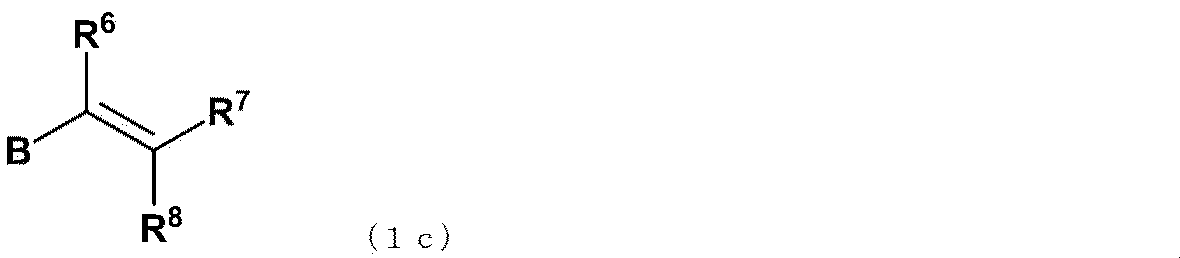
Bは、1個以上の置換基を有していてもよい芳香族基、又は1個以上の置換基を有していてもよいアルキル基であり、
R6は、水素原子、有機基、又はハロゲン原子であり、
R7は、水素原子、有機基、又はハロゲン原子であり、及び
R8は、水素原子、有機基、又はハロゲン原子である。]
で表される有機化合物
である、請求項1又は2に記載の製造方法。 - 前記工程Aが、
前記有機化合物(1)を、
前記ポリマー(2ap)の存在下で、
前記フッ素源(3)と反応させてフッ素化する工程Aである、
請求項1~3のいずれか一項に記載の製造方法。 - 前記1個以上の超原子価ヨード芳香環部を有するポリマー(2ap)が、式(2a1):

Arは、芳香環であり、
Rp1は、各出現において独立して、
アルキル基、
アルコキシ基、
基:-O-(CH2)q-NR3X(当該式中、qは1以上の数であり;Rは、H、又はC1-C20アルキル基であり;及びXは、ハロゲン原子、アリールスルホニルオキシ基、又はアルキルスルホニルオキシ基である。)、
基:-(CH2)q-NR3X(当該式中、qは1以上の数であり;Rは、H、又はC1-C20アルキル基であり;及びXは、ハロゲン原子、アリールスルホニルオキシ基、又はアルキルスルホニルオキシ基である。)、
ハロゲン原子、
シアノ基、
ニトロ基、カルボン酸基、又は
スルホン酸基であり、
Rp2は、各出現において独立して、
アルキル基、
アルコキシ基、
基:-O-(CH2)q-NR3X(当該式中、qは1以上の数であり;Rは、H、又はC1-C20アルキル基であり;及びXは、ハロゲン原子、アリールスルホニルオキシ基、又はアルキルスルホニルオキシ基である。)、
基:-(CH2)q-NR3X(当該式中、qは1以上の数であり;Rは、H、又はC1-C20アルキル基であり;及びXは、ハロゲン原子、アリールスルホニルオキシ基、又はアルキルスルホニルオキシ基である。)、
ハロゲン原子、
シアノ基、
ニトロ基、
カルボン酸基、
スルホン酸基、ヒドロキシ基、又は
ホスホリルオキシ基
であるか、或いは、
1個のヨウ素原子に結合している2個のRp2が一緒になって、=Oを形成していてもよく、
n1は、0以上の数であり、
n2は、1以上の数であり、
n1及びn2の和は、1~11の範囲内であり、
Lは、結合手、又はリンカーであり、及び
*印は、結合部位である。]
で表される1個以上の超原子価ヨード芳香環部を有するポリマーである、請求項4に記載の製造方法。 - Arは、ベンゼン環である請求項5に記載の製造方法。
- Rp1が、各出現において独立して、アルキル基、アルコキシ基、又はハロゲン原子である、請求項5又は6に記載の方法。
- Rp2が、各出現において独立して、ハロゲン原子、酢酸基、トリフルオロ酢酸基、トシル酸基、ヒドロキシ基、ホスホリルオキシ基、トリフルオロメタンスルホン酸基、プロピオン酸基、3,3,3-トリフルオロプロピオン酸基、パーフルオロプロピオン酸基、パーフルオロ酪酸基、又はメタンスルホン酸基である、請求項5~7のいずれか一項に記載の製造方法。
- 前記ポリマー(2ap)が、
前記式(2ap1)で表される部分を1質量%以上含有し、及び
500~1000000の範囲内の質量平均分子量を有する、
請求項4~8のいずれか一項に記載の製造方法。 - 前記工程Aが、
前記有機化合物(1)を、
前記ポリマー(2bp)及び前記酸化剤(2bo)の組み合わせの存在下で、
前記フッ素源(3)と反応させてフッ素化する工程Aである、
請求項1~3のいずれか一項に記載の製造方法。 - 前記1個以上のヨード芳香環部を有するポリマー(2bp)が、
式(2bp1):

Arは、芳香環であり、
Rp1は、各出現において独立して、
アルキル基、
アルコキシ基、
基:-O-(CH2)q-NR3X(当該式中、qは1以上の数であり;Rは、H、又はC1-C20アルキル基であり;及びXは、ハロゲン原子、アリールスルホニルオキシ基、又はアルキルスルホニルオキシ基である。)、
基:-(CH2)q-NR3X(当該式中、qは1以上の数であり;Rは、H、又はC1-C20アルキル基であり;及びXは、ハロゲン原子、アリールスルホニルオキシ基、又はアルキルスルホニルオキシ基である。)、
ハロゲン原子、
シアノ基、
ニトロ基、カルボン酸基、又は
スルホン酸基であり、
n1は、0以上の数であり、
n2は、1以上の数であり、
n1及びn2の和は、1~11の範囲内であり、
Lは、結合手、又はリンカーであり、及び
*印は、前記結合部位である。]
で表される1個以上のヨード芳香環部を有するポリマーである、請求項10に記載の製造方法。 - Arは、ベンゼン環である請求項11に記載の製造方法。
- Rp1が、各出現において独立して、アルキル基、アルコキシ基、又はハロゲン原子である、請求項11又は12に記載の方法。
- 前記ポリマー(2bp)が、
前記式(2bp1)で表される部分を1質量%以上含有し、及び
500~1000000の範囲内の質量平均分子量を有する、
請求項10~13のいずれか一項に記載の製造方法。 - 前記酸化剤(2bo)が、
( i)式:RXCOOOM
(当該式中、
RXは、1個以上の置換基を有していてもよい炭化水素基であり、及び
Mは、水素原子、又は金属原子
る。)、
で表される化合物、
( ii)式:RXOOM
(当該式中、
RXは、水素原子、又は1個以上の置換基を有していてもよい炭化水素基であり、及び
Mは、水素原子、又は金属原子である。)
で表される化合物、及び
(iii)金属酸化物
からなる群より選択される1種以上である、
請求項10~14のいずれか一項に記載の製造方法。 - 前記酸化剤(2bo)が、
メタクロロ過安息香酸、過酸化水素、過酢酸、過安息香酸、tert-ブチルヒドロペルオキシド、クメンヒドロペルキシド、過硫酸カリウム、過硫酸水素カリウム-硫酸水素カリウム-硫酸カリウム混合物、
過マンガン酸、ニクロム酸、酸化タングステン、酸化ルテニウム、酸化アンチモン、酸化オスミウム、及び三酸化硫黄
からなる群より選択される1種以上である、
請求項15に記載の製造方法。 - 前記工程Aが、
前記有機化合物(1)を、
1個以上のIF2置換芳香環部を有する含ヨウ素ポリマー(2cp)と反応させてフッ素化する工程Aである、
請求項1~3のいずれか一項に記載の製造方法。 - 1個以上のIF2置換芳香環部を有する含ヨウ素ポリマー(2cp)が、式(2cp1):

Arは、芳香環であり、
置換基Rp1は、各出現において独立して、アルキル基、アルコキシ基、ハロゲン原子、シアノ基、ニトロ基、カルボン酸基、又はスルホン酸基であり、
n1は、0以上の数であり、
n2は、1~5の整数であり、
Lは、結合手、又はリンカーであり、及び
*印は、結合部位である。]
で表される1個以上のIF2置換芳香環部を有するポリマーである、請求項17に記載の製造方法。 - Arは、ベンゼン環である請求項18に記載の製造方法。
- Rp1が、各出現において独立して、アルキル基、アルコキシ基、又はハロゲン原子である、請求項18又は19に記載の方法。
- 前記1個以上のIF2置換芳香環部を有する含ヨウ素ポリマー(2cp)が、
前記式(2cp1)で表される部分を1質量%以上含有し、及び
500~1000000の範囲内の質量平均分子量を有する、
請求項18~20のいずれか一項に記載の製造方法。 - 前記工程Aの開始後、前記ポリマー(2ap)、前記ポリマー(2bp)、又は前記ポリマー(2cp)を、反応液から分離する工程Bを含む、請求項1~21のいずれか一項に記載の方法。
- 前記工程Bで反応液から分離した前記ポリマー(2ap)、前記ポリマー(2bp)、又は前記ポリマー(2cp)を、酸化剤(C)で酸化する工程Cを含む、請求項22に記載の方法。
- 前記酸化剤(C)が、
メタクロロ過安息香酸、過酸化水素、過酢酸、過安息香酸、tert-ブチルヒドロペルオキシド、クメンヒドロペルキシド、過硫酸カリウム、過硫酸水素カリウム-硫酸水素カリウム-硫酸カリウム混合物、
過マンガン酸、ニクロム酸、酸化タングステン、酸化ルテニウム、酸化アンチモン、酸化オスミウム、及び三酸化硫黄
からなる群より選択される1種以上である、
請求項23に記載の製造方法。 - 前記酸化剤(C)が、メタクロロ過安息香酸、過酸化水素、過酢酸、過安息香酸、tert-ブチルヒドロペルオキシド、クメンヒドロペルキシド、過硫酸カリウム、及び過硫酸水素カリウム-硫酸水素カリウム-硫酸カリウム混合物からなる群より選択される1種以上である、請求項24に記載の方法。
Priority Applications (5)
| Application Number | Priority Date | Filing Date | Title |
|---|---|---|---|
| EP19774411.3A EP3778547B1 (en) | 2018-03-30 | 2019-03-29 | Fluorinated organic compound production method |
| CN201980023881.XA CN112004792B (zh) | 2018-03-30 | 2019-03-29 | 氟化有机化合物的制造方法 |
| JP2020509336A JP7054098B2 (ja) | 2018-03-30 | 2019-03-29 | フッ素化有機化合物の製造方法 |
| US17/041,731 US11827594B2 (en) | 2018-03-30 | 2019-03-29 | Fluorinated organic compound production method |
| RU2020135057A RU2764719C1 (ru) | 2018-03-30 | 2019-03-29 | Способ получения фторированных органических соединений |
Applications Claiming Priority (2)
| Application Number | Priority Date | Filing Date | Title |
|---|---|---|---|
| JP2018-067377 | 2018-03-30 | ||
| JP2018067377 | 2018-03-30 |
Publications (1)
| Publication Number | Publication Date |
|---|---|
| WO2019189861A1 true WO2019189861A1 (ja) | 2019-10-03 |
Family
ID=68060580
Family Applications (1)
| Application Number | Title | Priority Date | Filing Date |
|---|---|---|---|
| PCT/JP2019/014277 Ceased WO2019189861A1 (ja) | 2018-03-30 | 2019-03-29 | フッ素化有機化合物の製造方法 |
Country Status (7)
| Country | Link |
|---|---|
| US (1) | US11827594B2 (ja) |
| EP (1) | EP3778547B1 (ja) |
| JP (1) | JP7054098B2 (ja) |
| CN (1) | CN112004792B (ja) |
| HU (1) | HUE068617T2 (ja) |
| RU (1) | RU2764719C1 (ja) |
| WO (1) | WO2019189861A1 (ja) |
Families Citing this family (2)
| Publication number | Priority date | Publication date | Assignee | Title |
|---|---|---|---|---|
| JP6963979B2 (ja) * | 2016-12-14 | 2021-11-10 | 住友化学株式会社 | 樹脂、レジスト組成物及びレジストパターンの製造方法 |
| ES2968877T3 (es) * | 2018-03-30 | 2024-05-14 | Daikin Ind Ltd | Método de producción de compuestos orgánicos fluorados |
Citations (2)
| Publication number | Priority date | Publication date | Assignee | Title |
|---|---|---|---|---|
| JP2003113131A (ja) * | 2001-09-28 | 2003-04-18 | Tokyo Kasei Kogyo Kk | アルコール類の新規酸化法 |
| JP2015157788A (ja) | 2014-02-25 | 2015-09-03 | 国立大学法人佐賀大学 | モノフルオロマロン酸誘導体の製造方法 |
Family Cites Families (3)
| Publication number | Priority date | Publication date | Assignee | Title |
|---|---|---|---|---|
| JP4802367B2 (ja) * | 1999-03-23 | 2011-10-26 | 旭硝子株式会社 | 液相フッ素化による含フッ素化合物の製造方法 |
| DE112007000356T5 (de) * | 2006-02-14 | 2009-01-02 | Sumitomo Chemical Co. Ltd. | Verfahren zur Herstellung von aromatischem Polymer |
| RU2619108C2 (ru) * | 2011-06-27 | 2017-05-12 | Релипса, Инк. | Фторирование эфиров акриловой кислоты и их производных |
-
2019
- 2019-03-29 WO PCT/JP2019/014277 patent/WO2019189861A1/ja not_active Ceased
- 2019-03-29 RU RU2020135057A patent/RU2764719C1/ru active
- 2019-03-29 EP EP19774411.3A patent/EP3778547B1/en active Active
- 2019-03-29 JP JP2020509336A patent/JP7054098B2/ja active Active
- 2019-03-29 CN CN201980023881.XA patent/CN112004792B/zh active Active
- 2019-03-29 HU HUE19774411A patent/HUE068617T2/hu unknown
- 2019-03-29 US US17/041,731 patent/US11827594B2/en active Active
Patent Citations (2)
| Publication number | Priority date | Publication date | Assignee | Title |
|---|---|---|---|---|
| JP2003113131A (ja) * | 2001-09-28 | 2003-04-18 | Tokyo Kasei Kogyo Kk | アルコール類の新規酸化法 |
| JP2015157788A (ja) | 2014-02-25 | 2015-09-03 | 国立大学法人佐賀大学 | モノフルオロマロン酸誘導体の製造方法 |
Non-Patent Citations (6)
| Title |
|---|
| KITAMURA, T. ET AL.: "A Convenient Synthesis of 2-Fluoro- and 2-Chloromalonic Esters Mediated by Hypervalent Iodine", SYNTHESIS, vol. 47, no. 20, 12 August 2015 (2015-08-12), pages 3241 - 3245, XP055639169, ISSN: 1437-210X * |
| KITAMURA, T. ET AL.: "A Practical and Convenient Fluorination of 1,3-Dicarbonyl Compounds Using Aqueous HF in the Presence of Iodosylbenzene", ORGANIC LETTERS, vol. 13, no. 9, 10 March 2011 (2011-03-10), pages 2392 - 2394, XP002688137, ISSN: 1523-7052 * |
| KITAMURA, T. ET AL.: "Facile synthesis of 2-fluoro-1, 3-dicarbonyl compounds with aqueous hydrofluoric acid mediated by iodosylarenes", SYNTHESIS, vol. 45, no. 22, 29 August 2013 (2013-08-29), pages 3125 - 3130, XP055639163, ISSN: 0039-7881 * |
| NASH, T. J. ET AL.: "Apparent Electrophilic Fluorination of 1,3-Dicarbonyl Compounds Using Nucleophilic Fluoride Mediated by PhI(OAc)2", EUROPEAN JOURNAL OF ORGANIC CHEMISTRY, vol. 2015, no. 17, 5 May 2015 (2015-05-05) - 1 June 2015 (2015-06-01), pages 3779 - 3786, XP055639172, ISSN: 1099-0690 * |
| See also references of EP3778547A4 |
| YAMADA, Y. ET AL.: "Syntheses and reactions of functional polymers. LXIII", SYNTHESES OF PHENYL POLYSTYRYLIODONIUM SALTS, MAKROMOLEKULARE CHEMIE, 1972, pages 153 - 162, XP008108142, ISSN: 0025-116X * |
Also Published As
| Publication number | Publication date |
|---|---|
| JP7054098B2 (ja) | 2022-04-13 |
| EP3778547A1 (en) | 2021-02-17 |
| CN112004792A (zh) | 2020-11-27 |
| CN112004792B (zh) | 2023-05-12 |
| EP3778547B1 (en) | 2024-07-31 |
| HUE068617T2 (hu) | 2025-01-28 |
| RU2764719C1 (ru) | 2022-01-19 |
| US20210114966A1 (en) | 2021-04-22 |
| JPWO2019189861A1 (ja) | 2021-01-07 |
| EP3778547A4 (en) | 2022-03-02 |
| US11827594B2 (en) | 2023-11-28 |
Similar Documents
| Publication | Publication Date | Title |
|---|---|---|
| EP3778547B1 (en) | Fluorinated organic compound production method | |
| JP7704380B2 (ja) | フッ素化有機化合物の製造方法 | |
| JP7244789B2 (ja) | 環状カーボネート化合物、及びその製造方法 | |
| JP7129070B2 (ja) | フッ素化有機化合物の製造方法 | |
| JP7437712B2 (ja) | フッ素化有機化合物の製造方法 | |
| JP7373809B2 (ja) | フッ化化合物 | |
| JP7231162B2 (ja) | フルオロメチル誘導体の製造方法 | |
| RU2795917C2 (ru) | Способ получения фторметилпроизводного | |
| RU2795917C9 (ru) | Способ получения фторметилпроизводного | |
| US11261148B2 (en) | Method for producing carbonyl compound | |
| JP2018150264A (ja) | 環状カーボネート化合物、及びその製造方法 | |
| JP2017202979A (ja) | ハロゲン化含フッ素有機化合物の製造方法 | |
| JP2018150263A (ja) | 環状カーボネート化合物、及びその製造方法 |
Legal Events
| Date | Code | Title | Description |
|---|---|---|---|
| 121 | Ep: the epo has been informed by wipo that ep was designated in this application |
Ref document number: 19774411 Country of ref document: EP Kind code of ref document: A1 |
|
| ENP | Entry into the national phase |
Ref document number: 2020509336 Country of ref document: JP Kind code of ref document: A |
|
| WWE | Wipo information: entry into national phase |
Ref document number: 2019774411 Country of ref document: EP |