WO2019218088A1 - Surfaces resistant to bacterial adhesion - Google Patents
Surfaces resistant to bacterial adhesion Download PDFInfo
- Publication number
- WO2019218088A1 WO2019218088A1 PCT/CA2019/050683 CA2019050683W WO2019218088A1 WO 2019218088 A1 WO2019218088 A1 WO 2019218088A1 CA 2019050683 W CA2019050683 W CA 2019050683W WO 2019218088 A1 WO2019218088 A1 WO 2019218088A1
- Authority
- WO
- WIPO (PCT)
- Prior art keywords
- compound
- polymeric surface
- base polymer
- xxi
- formulas
- Prior art date
- Legal status (The legal status is an assumption and is not a legal conclusion. Google has not performed a legal analysis and makes no representation as to the accuracy of the status listed.)
- Ceased
Links
- 0 CC(C)OC(N*(C)(C)C)=O Chemical compound CC(C)OC(N*(C)(C)C)=O 0.000 description 11
- JYYUAKLPQLNPFA-UHFFFAOYSA-N CC(C)CCCCN(C)C Chemical compound CC(C)CCCCN(C)C JYYUAKLPQLNPFA-UHFFFAOYSA-N 0.000 description 1
- ZNQFZPCFVNOXJQ-UHFFFAOYSA-N CC(N(C)C(C)=O)=O Chemical compound CC(N(C)C(C)=O)=O ZNQFZPCFVNOXJQ-UHFFFAOYSA-N 0.000 description 1
Classifications
-
- A—HUMAN NECESSITIES
- A61—MEDICAL OR VETERINARY SCIENCE; HYGIENE
- A61L—METHODS OR APPARATUS FOR STERILISING MATERIALS OR OBJECTS IN GENERAL; DISINFECTION, STERILISATION OR DEODORISATION OF AIR; CHEMICAL ASPECTS OF BANDAGES, DRESSINGS, ABSORBENT PADS OR SURGICAL ARTICLES; MATERIALS FOR BANDAGES, DRESSINGS, ABSORBENT PADS OR SURGICAL ARTICLES
- A61L15/00—Chemical aspects of, or use of materials for, bandages, dressings or absorbent pads
- A61L15/16—Bandages, dressings or absorbent pads for physiological fluids such as urine or blood, e.g. sanitary towels, tampons
- A61L15/22—Bandages, dressings or absorbent pads for physiological fluids such as urine or blood, e.g. sanitary towels, tampons containing macromolecular materials
- A61L15/24—Macromolecular compounds obtained by reactions only involving carbon-to-carbon unsaturated bonds; Derivatives thereof
-
- A—HUMAN NECESSITIES
- A61—MEDICAL OR VETERINARY SCIENCE; HYGIENE
- A61L—METHODS OR APPARATUS FOR STERILISING MATERIALS OR OBJECTS IN GENERAL; DISINFECTION, STERILISATION OR DEODORISATION OF AIR; CHEMICAL ASPECTS OF BANDAGES, DRESSINGS, ABSORBENT PADS OR SURGICAL ARTICLES; MATERIALS FOR BANDAGES, DRESSINGS, ABSORBENT PADS OR SURGICAL ARTICLES
- A61L15/00—Chemical aspects of, or use of materials for, bandages, dressings or absorbent pads
- A61L15/16—Bandages, dressings or absorbent pads for physiological fluids such as urine or blood, e.g. sanitary towels, tampons
- A61L15/42—Use of materials characterised by their function or physical properties
-
- A—HUMAN NECESSITIES
- A61—MEDICAL OR VETERINARY SCIENCE; HYGIENE
- A61L—METHODS OR APPARATUS FOR STERILISING MATERIALS OR OBJECTS IN GENERAL; DISINFECTION, STERILISATION OR DEODORISATION OF AIR; CHEMICAL ASPECTS OF BANDAGES, DRESSINGS, ABSORBENT PADS OR SURGICAL ARTICLES; MATERIALS FOR BANDAGES, DRESSINGS, ABSORBENT PADS OR SURGICAL ARTICLES
- A61L15/00—Chemical aspects of, or use of materials for, bandages, dressings or absorbent pads
- A61L15/16—Bandages, dressings or absorbent pads for physiological fluids such as urine or blood, e.g. sanitary towels, tampons
- A61L15/42—Use of materials characterised by their function or physical properties
- A61L15/46—Deodorants or malodour counteractants, e.g. to inhibit the formation of ammonia or bacteria
-
- A—HUMAN NECESSITIES
- A61—MEDICAL OR VETERINARY SCIENCE; HYGIENE
- A61L—METHODS OR APPARATUS FOR STERILISING MATERIALS OR OBJECTS IN GENERAL; DISINFECTION, STERILISATION OR DEODORISATION OF AIR; CHEMICAL ASPECTS OF BANDAGES, DRESSINGS, ABSORBENT PADS OR SURGICAL ARTICLES; MATERIALS FOR BANDAGES, DRESSINGS, ABSORBENT PADS OR SURGICAL ARTICLES
- A61L27/00—Materials for grafts or prostheses or for coating grafts or prostheses
- A61L27/28—Materials for coating prostheses
-
- A—HUMAN NECESSITIES
- A61—MEDICAL OR VETERINARY SCIENCE; HYGIENE
- A61L—METHODS OR APPARATUS FOR STERILISING MATERIALS OR OBJECTS IN GENERAL; DISINFECTION, STERILISATION OR DEODORISATION OF AIR; CHEMICAL ASPECTS OF BANDAGES, DRESSINGS, ABSORBENT PADS OR SURGICAL ARTICLES; MATERIALS FOR BANDAGES, DRESSINGS, ABSORBENT PADS OR SURGICAL ARTICLES
- A61L27/00—Materials for grafts or prostheses or for coating grafts or prostheses
- A61L27/28—Materials for coating prostheses
- A61L27/34—Macromolecular materials
-
- A—HUMAN NECESSITIES
- A61—MEDICAL OR VETERINARY SCIENCE; HYGIENE
- A61L—METHODS OR APPARATUS FOR STERILISING MATERIALS OR OBJECTS IN GENERAL; DISINFECTION, STERILISATION OR DEODORISATION OF AIR; CHEMICAL ASPECTS OF BANDAGES, DRESSINGS, ABSORBENT PADS OR SURGICAL ARTICLES; MATERIALS FOR BANDAGES, DRESSINGS, ABSORBENT PADS OR SURGICAL ARTICLES
- A61L27/00—Materials for grafts or prostheses or for coating grafts or prostheses
- A61L27/50—Materials characterised by their function or physical properties, e.g. injectable or lubricating compositions, shape-memory materials, surface modified materials
-
- A—HUMAN NECESSITIES
- A61—MEDICAL OR VETERINARY SCIENCE; HYGIENE
- A61L—METHODS OR APPARATUS FOR STERILISING MATERIALS OR OBJECTS IN GENERAL; DISINFECTION, STERILISATION OR DEODORISATION OF AIR; CHEMICAL ASPECTS OF BANDAGES, DRESSINGS, ABSORBENT PADS OR SURGICAL ARTICLES; MATERIALS FOR BANDAGES, DRESSINGS, ABSORBENT PADS OR SURGICAL ARTICLES
- A61L27/00—Materials for grafts or prostheses or for coating grafts or prostheses
- A61L27/50—Materials characterised by their function or physical properties, e.g. injectable or lubricating compositions, shape-memory materials, surface modified materials
- A61L27/54—Biologically active materials, e.g. therapeutic substances
-
- A—HUMAN NECESSITIES
- A61—MEDICAL OR VETERINARY SCIENCE; HYGIENE
- A61L—METHODS OR APPARATUS FOR STERILISING MATERIALS OR OBJECTS IN GENERAL; DISINFECTION, STERILISATION OR DEODORISATION OF AIR; CHEMICAL ASPECTS OF BANDAGES, DRESSINGS, ABSORBENT PADS OR SURGICAL ARTICLES; MATERIALS FOR BANDAGES, DRESSINGS, ABSORBENT PADS OR SURGICAL ARTICLES
- A61L29/00—Materials for catheters, medical tubing, cannulae, or endoscopes or for coating catheters
- A61L29/08—Materials for coatings
-
- A—HUMAN NECESSITIES
- A61—MEDICAL OR VETERINARY SCIENCE; HYGIENE
- A61L—METHODS OR APPARATUS FOR STERILISING MATERIALS OR OBJECTS IN GENERAL; DISINFECTION, STERILISATION OR DEODORISATION OF AIR; CHEMICAL ASPECTS OF BANDAGES, DRESSINGS, ABSORBENT PADS OR SURGICAL ARTICLES; MATERIALS FOR BANDAGES, DRESSINGS, ABSORBENT PADS OR SURGICAL ARTICLES
- A61L29/00—Materials for catheters, medical tubing, cannulae, or endoscopes or for coating catheters
- A61L29/08—Materials for coatings
- A61L29/085—Macromolecular materials
-
- A—HUMAN NECESSITIES
- A61—MEDICAL OR VETERINARY SCIENCE; HYGIENE
- A61L—METHODS OR APPARATUS FOR STERILISING MATERIALS OR OBJECTS IN GENERAL; DISINFECTION, STERILISATION OR DEODORISATION OF AIR; CHEMICAL ASPECTS OF BANDAGES, DRESSINGS, ABSORBENT PADS OR SURGICAL ARTICLES; MATERIALS FOR BANDAGES, DRESSINGS, ABSORBENT PADS OR SURGICAL ARTICLES
- A61L29/00—Materials for catheters, medical tubing, cannulae, or endoscopes or for coating catheters
- A61L29/14—Materials characterised by their function or physical properties, e.g. lubricating compositions
-
- A—HUMAN NECESSITIES
- A61—MEDICAL OR VETERINARY SCIENCE; HYGIENE
- A61L—METHODS OR APPARATUS FOR STERILISING MATERIALS OR OBJECTS IN GENERAL; DISINFECTION, STERILISATION OR DEODORISATION OF AIR; CHEMICAL ASPECTS OF BANDAGES, DRESSINGS, ABSORBENT PADS OR SURGICAL ARTICLES; MATERIALS FOR BANDAGES, DRESSINGS, ABSORBENT PADS OR SURGICAL ARTICLES
- A61L29/00—Materials for catheters, medical tubing, cannulae, or endoscopes or for coating catheters
- A61L29/14—Materials characterised by their function or physical properties, e.g. lubricating compositions
- A61L29/16—Biologically active materials, e.g. therapeutic substances
-
- A—HUMAN NECESSITIES
- A61—MEDICAL OR VETERINARY SCIENCE; HYGIENE
- A61L—METHODS OR APPARATUS FOR STERILISING MATERIALS OR OBJECTS IN GENERAL; DISINFECTION, STERILISATION OR DEODORISATION OF AIR; CHEMICAL ASPECTS OF BANDAGES, DRESSINGS, ABSORBENT PADS OR SURGICAL ARTICLES; MATERIALS FOR BANDAGES, DRESSINGS, ABSORBENT PADS OR SURGICAL ARTICLES
- A61L31/00—Materials for other surgical articles, e.g. stents, stent-grafts, shunts, surgical drapes, guide wires, materials for adhesion prevention, occluding devices, surgical gloves, tissue fixation devices
- A61L31/08—Materials for coatings
-
- A—HUMAN NECESSITIES
- A61—MEDICAL OR VETERINARY SCIENCE; HYGIENE
- A61L—METHODS OR APPARATUS FOR STERILISING MATERIALS OR OBJECTS IN GENERAL; DISINFECTION, STERILISATION OR DEODORISATION OF AIR; CHEMICAL ASPECTS OF BANDAGES, DRESSINGS, ABSORBENT PADS OR SURGICAL ARTICLES; MATERIALS FOR BANDAGES, DRESSINGS, ABSORBENT PADS OR SURGICAL ARTICLES
- A61L31/00—Materials for other surgical articles, e.g. stents, stent-grafts, shunts, surgical drapes, guide wires, materials for adhesion prevention, occluding devices, surgical gloves, tissue fixation devices
- A61L31/08—Materials for coatings
- A61L31/10—Macromolecular materials
-
- A—HUMAN NECESSITIES
- A61—MEDICAL OR VETERINARY SCIENCE; HYGIENE
- A61L—METHODS OR APPARATUS FOR STERILISING MATERIALS OR OBJECTS IN GENERAL; DISINFECTION, STERILISATION OR DEODORISATION OF AIR; CHEMICAL ASPECTS OF BANDAGES, DRESSINGS, ABSORBENT PADS OR SURGICAL ARTICLES; MATERIALS FOR BANDAGES, DRESSINGS, ABSORBENT PADS OR SURGICAL ARTICLES
- A61L31/00—Materials for other surgical articles, e.g. stents, stent-grafts, shunts, surgical drapes, guide wires, materials for adhesion prevention, occluding devices, surgical gloves, tissue fixation devices
- A61L31/14—Materials characterised by their function or physical properties, e.g. injectable or lubricating compositions, shape-memory materials, surface modified materials
-
- A—HUMAN NECESSITIES
- A61—MEDICAL OR VETERINARY SCIENCE; HYGIENE
- A61L—METHODS OR APPARATUS FOR STERILISING MATERIALS OR OBJECTS IN GENERAL; DISINFECTION, STERILISATION OR DEODORISATION OF AIR; CHEMICAL ASPECTS OF BANDAGES, DRESSINGS, ABSORBENT PADS OR SURGICAL ARTICLES; MATERIALS FOR BANDAGES, DRESSINGS, ABSORBENT PADS OR SURGICAL ARTICLES
- A61L31/00—Materials for other surgical articles, e.g. stents, stent-grafts, shunts, surgical drapes, guide wires, materials for adhesion prevention, occluding devices, surgical gloves, tissue fixation devices
- A61L31/14—Materials characterised by their function or physical properties, e.g. injectable or lubricating compositions, shape-memory materials, surface modified materials
- A61L31/16—Biologically active materials, e.g. therapeutic substances
-
- B—PERFORMING OPERATIONS; TRANSPORTING
- B05—SPRAYING OR ATOMISING IN GENERAL; APPLYING FLUENT MATERIALS TO SURFACES, IN GENERAL
- B05D—PROCESSES FOR APPLYING FLUENT MATERIALS TO SURFACES, IN GENERAL
- B05D5/00—Processes for applying liquids or other fluent materials to surfaces to obtain special surface effects, finishes or structures
- B05D5/08—Processes for applying liquids or other fluent materials to surfaces to obtain special surface effects, finishes or structures to obtain an anti-friction or anti-adhesive surface
-
- C—CHEMISTRY; METALLURGY
- C09—DYES; PAINTS; POLISHES; NATURAL RESINS; ADHESIVES; COMPOSITIONS NOT OTHERWISE PROVIDED FOR; APPLICATIONS OF MATERIALS NOT OTHERWISE PROVIDED FOR
- C09D—COATING COMPOSITIONS, e.g. PAINTS, VARNISHES OR LACQUERS; FILLING PASTES; CHEMICAL PAINT OR INK REMOVERS; INKS; CORRECTING FLUIDS; WOODSTAINS; PASTES OR SOLIDS FOR COLOURING OR PRINTING; USE OF MATERIALS THEREFOR
- C09D175/00—Coating compositions based on polyureas or polyurethanes; Coating compositions based on derivatives of such polymers
- C09D175/04—Polyurethanes
-
- C—CHEMISTRY; METALLURGY
- C09—DYES; PAINTS; POLISHES; NATURAL RESINS; ADHESIVES; COMPOSITIONS NOT OTHERWISE PROVIDED FOR; APPLICATIONS OF MATERIALS NOT OTHERWISE PROVIDED FOR
- C09D—COATING COMPOSITIONS, e.g. PAINTS, VARNISHES OR LACQUERS; FILLING PASTES; CHEMICAL PAINT OR INK REMOVERS; INKS; CORRECTING FLUIDS; WOODSTAINS; PASTES OR SOLIDS FOR COLOURING OR PRINTING; USE OF MATERIALS THEREFOR
- C09D5/00—Coating compositions, e.g. paints, varnishes or lacquers, characterised by their physical nature or the effects produced; Filling pastes
-
- C—CHEMISTRY; METALLURGY
- C09—DYES; PAINTS; POLISHES; NATURAL RESINS; ADHESIVES; COMPOSITIONS NOT OTHERWISE PROVIDED FOR; APPLICATIONS OF MATERIALS NOT OTHERWISE PROVIDED FOR
- C09D—COATING COMPOSITIONS, e.g. PAINTS, VARNISHES OR LACQUERS; FILLING PASTES; CHEMICAL PAINT OR INK REMOVERS; INKS; CORRECTING FLUIDS; WOODSTAINS; PASTES OR SOLIDS FOR COLOURING OR PRINTING; USE OF MATERIALS THEREFOR
- C09D5/00—Coating compositions, e.g. paints, varnishes or lacquers, characterised by their physical nature or the effects produced; Filling pastes
- C09D5/14—Paints containing biocides, e.g. fungicides, insecticides or pesticides
-
- C—CHEMISTRY; METALLURGY
- C09—DYES; PAINTS; POLISHES; NATURAL RESINS; ADHESIVES; COMPOSITIONS NOT OTHERWISE PROVIDED FOR; APPLICATIONS OF MATERIALS NOT OTHERWISE PROVIDED FOR
- C09D—COATING COMPOSITIONS, e.g. PAINTS, VARNISHES OR LACQUERS; FILLING PASTES; CHEMICAL PAINT OR INK REMOVERS; INKS; CORRECTING FLUIDS; WOODSTAINS; PASTES OR SOLIDS FOR COLOURING OR PRINTING; USE OF MATERIALS THEREFOR
- C09D7/00—Features of coating compositions, not provided for in group C09D5/00; Processes for incorporating ingredients in coating compositions
- C09D7/40—Additives
- C09D7/60—Additives non-macromolecular
- C09D7/63—Additives non-macromolecular organic
-
- C—CHEMISTRY; METALLURGY
- C09—DYES; PAINTS; POLISHES; NATURAL RESINS; ADHESIVES; COMPOSITIONS NOT OTHERWISE PROVIDED FOR; APPLICATIONS OF MATERIALS NOT OTHERWISE PROVIDED FOR
- C09D—COATING COMPOSITIONS, e.g. PAINTS, VARNISHES OR LACQUERS; FILLING PASTES; CHEMICAL PAINT OR INK REMOVERS; INKS; CORRECTING FLUIDS; WOODSTAINS; PASTES OR SOLIDS FOR COLOURING OR PRINTING; USE OF MATERIALS THEREFOR
- C09D7/00—Features of coating compositions, not provided for in group C09D5/00; Processes for incorporating ingredients in coating compositions
- C09D7/40—Additives
- C09D7/65—Additives macromolecular
-
- A—HUMAN NECESSITIES
- A61—MEDICAL OR VETERINARY SCIENCE; HYGIENE
- A61L—METHODS OR APPARATUS FOR STERILISING MATERIALS OR OBJECTS IN GENERAL; DISINFECTION, STERILISATION OR DEODORISATION OF AIR; CHEMICAL ASPECTS OF BANDAGES, DRESSINGS, ABSORBENT PADS OR SURGICAL ARTICLES; MATERIALS FOR BANDAGES, DRESSINGS, ABSORBENT PADS OR SURGICAL ARTICLES
- A61L2300/00—Biologically active materials used in bandages, wound dressings, absorbent pads or medical devices
- A61L2300/40—Biologically active materials used in bandages, wound dressings, absorbent pads or medical devices characterised by a specific therapeutic activity or mode of action
- A61L2300/404—Biocides, antimicrobial agents, antiseptic agents
-
- A—HUMAN NECESSITIES
- A61—MEDICAL OR VETERINARY SCIENCE; HYGIENE
- A61L—METHODS OR APPARATUS FOR STERILISING MATERIALS OR OBJECTS IN GENERAL; DISINFECTION, STERILISATION OR DEODORISATION OF AIR; CHEMICAL ASPECTS OF BANDAGES, DRESSINGS, ABSORBENT PADS OR SURGICAL ARTICLES; MATERIALS FOR BANDAGES, DRESSINGS, ABSORBENT PADS OR SURGICAL ARTICLES
- A61L2300/00—Biologically active materials used in bandages, wound dressings, absorbent pads or medical devices
- A61L2300/60—Biologically active materials used in bandages, wound dressings, absorbent pads or medical devices characterised by a special physical form
- A61L2300/606—Coatings
-
- A—HUMAN NECESSITIES
- A61—MEDICAL OR VETERINARY SCIENCE; HYGIENE
- A61L—METHODS OR APPARATUS FOR STERILISING MATERIALS OR OBJECTS IN GENERAL; DISINFECTION, STERILISATION OR DEODORISATION OF AIR; CHEMICAL ASPECTS OF BANDAGES, DRESSINGS, ABSORBENT PADS OR SURGICAL ARTICLES; MATERIALS FOR BANDAGES, DRESSINGS, ABSORBENT PADS OR SURGICAL ARTICLES
- A61L2420/00—Materials or methods for coatings medical devices
- A61L2420/02—Methods for coating medical devices
-
- B—PERFORMING OPERATIONS; TRANSPORTING
- B05—SPRAYING OR ATOMISING IN GENERAL; APPLYING FLUENT MATERIALS TO SURFACES, IN GENERAL
- B05D—PROCESSES FOR APPLYING FLUENT MATERIALS TO SURFACES, IN GENERAL
- B05D7/00—Processes, other than flocking, specially adapted for applying liquids or other fluent materials to particular surfaces or for applying particular liquids or other fluent materials
- B05D7/02—Processes, other than flocking, specially adapted for applying liquids or other fluent materials to particular surfaces or for applying particular liquids or other fluent materials to macromolecular substances, e.g. rubber
-
- B—PERFORMING OPERATIONS; TRANSPORTING
- B05—SPRAYING OR ATOMISING IN GENERAL; APPLYING FLUENT MATERIALS TO SURFACES, IN GENERAL
- B05D—PROCESSES FOR APPLYING FLUENT MATERIALS TO SURFACES, IN GENERAL
- B05D7/00—Processes, other than flocking, specially adapted for applying liquids or other fluent materials to particular surfaces or for applying particular liquids or other fluent materials
- B05D7/22—Processes, other than flocking, specially adapted for applying liquids or other fluent materials to particular surfaces or for applying particular liquids or other fluent materials to internal surfaces, e.g. of tubes
- B05D7/222—Processes, other than flocking, specially adapted for applying liquids or other fluent materials to particular surfaces or for applying particular liquids or other fluent materials to internal surfaces, e.g. of tubes of pipes
- B05D7/225—Coating inside the pipe
Definitions
- the invention features surfaces resistant to bacterial adhesion.
- Bacteria generally exist in one of two types of populations: planktonic, freely existing in bulk solution, and sessile, as a unit attached to a surface or within the confines of a biofilm.
- a biofilm is attached to a substrate and consists of many bacteria co-adhered by means of physical appendages and extracellular polymeric substances. Bacterial biofilms are the root cause of biofouling in most biomedical and industrial systems.
- Implantable or insertable medical devices frequently occlude due to microbial colonization and adhesion. This problem is particularly prevalent with medical devices that are adapted to remain implanted for a relatively long-term, i.e., from about 30 days to about 12 months or longer.
- Microbes such as bacteria, often colonize on and around the medical device and, upon attaching to surfaces of the device, proliferate and form aggregates within a complex matrix consisting of extracellular polymeric substances, typically polysaccharides.
- the mass of attached microorganisms and the associated extracellular polymeric substances is commonly referred to as a biofilm or slime.
- Antimicrobial agents have difficulty penetrating biofilms and killing and/or inhibiting the proliferation of the microorganisms within the biofilm.
- the colonization of the microbes on and around the device and the synthesis of the biofilm barrier eventually result in encrustation, occlusion, failure of the device, and local or systemic infection.
- the present invention provides methods and defined compositions useful to substantially inhibit bacterial adhesion to a surface and to control biofouling of a system.
- the invention features methods for reducing bacterial adhesion to surfaces.
- the invention features a method of reducing bacterial adhesion to a polymeric surface.
- the method includes admixing a base polymer with a compound of any formulas (l)-(XXI) to form the polymeric surface, where bacterial adhesion is reduced by at least 50% relative to the surface formed from the base polymer in the absence of the compound, (e.g., 55%, 60%, 65%, 70%, 75%, 80%, 85%, 90%, 95%, or 99%).
- the invention features a method of reducing bacterial adhesion to a polymeric surface under flow conditions.
- the method includes (i) providing the polymeric surface formed from an admixture comprising a base polymer admixed with a compound of any formulas (l)-(XXI), and (ii) subjecting the polymeric surface to flow conditions, where bacterial adhesion is reduced by at least 50% under flow conditions relative to the surface formed from the base polymer in the absence of the compound (e.g., 55%, 60%, 65%, 70%, 75%, 80%, 85%, 90%, 95%, or 99%).
- the flow conditions include an aqueous solution having a shear rate of from 1 s 1 to 3500 s -1 (e.g., from 1 s -1 to 15 s -1 , from 5 s -1 to 100 s -1 , from 50 s -1 to 500 s -1 , from 500 s 1 to 1000 s -1 , or from 950 s -1 to 3500 s- 1 ).
- 1 s 1 to 3500 s -1 e.g., from 1 s -1 to 15 s -1 , from 5 s -1 to 100 s -1 , from 50 s -1 to 500 s -1 , from 500 s 1 to 1000 s -1 , or from 950 s -1 to 3500 s- 1 ).
- the invention features a method of reducing bacterial adhesion to a polymeric surface under static aqueous conditions.
- the method includes (i) providing the polymeric surface formed from an admixture comprising a base polymer admixed with a compound of any formulas (l)-(XXI), and (ii) subjecting the polymeric surface to static aqueous conditions, where bacterial adhesion is reduced by at least 50% under static aqueous conditions relative to the surface formed from the base polymer in the absence of the compound (e.g., at least 55%, 60%, 65%, 70%, 75%, 80%, 85%, 90%, 95%, or 99%).
- the method includes reducing bacterial adhesion while contacting the polymeric surface with a protein-containing aqueous mixture.
- the invention features a method of reducing bacterial adhesion to a polymeric surface exposed to ambient air.
- the method includes (i) providing the polymeric surface formed from an admixture comprising a base polymer admixed with a compound of any formulas (l)-(XXI), and (ii) subjecting the polymeric surface to ambient air conditions, where bacterial adhesion is reduced by at least 50% under ambient air conditions relative to the surface formed from the base polymer in the absence of the compound (e.g., at least 55%, 60%, 65%, 70%, 75%, 80%, 85%, 90%, 95%, or 99%).
- the invention features a method of reducing bacterial adhesion to a blood dwelling polymeric surface.
- the method includes (i) providing the polymeric surface formed from an admixture comprising a base polymer admixed with a compound of any formulas (l)-(XXI), and (ii) contacting said polymeric surface with blood, where bacterial adhesion is reduced by at least 50% under blood dwelling conditions relative to the surface formed from the base polymer in the absence of the compound (e.g., at least 55%, 60%, 65%, 70%, 75%, 80%, 85%, 90%, 95%, or 99%).
- the invention features a method of reducing bacterial adhesion to a urine dwelling polymeric surface.
- the method includes (i) providing the polymeric surface formed from an admixture comprising a base polymer admixed with a compound of any formulas (l)-(XXI), and (ii) contacting said polymeric surface with urine, where bacterial adhesion is reduced by at least 50% under urine dwelling conditions relative to the surface formed from the base polymer in the absence of the compound (e.g., at least 55%, 60%, 65%, 70%, 75%, 80%, 85%, 90%, 95%, or 99%).
- the invention features a method of reducing bacteria mediated salt formation on a polymeric surface of a urine dwelling device.
- the method includes (i) providing the polymeric surface formed from an admixture comprising a base polymer admixed with a compound of any formulas (l)-(XXI), and (ii) contacting said polymeric surface with urine, where salt deposition is reduced by at least 20% under urine dwelling conditions relative to the surface formed from the base polymer in the absence of the compound (e.g., at least 25%, 30%, 35%, 40%, 45%, 50%, 55%, 60%, 65%, 70%, 75%, 80%, 85%, 90%, 95%, or 99%).
- the invention features a method of reducing bacterial biofilm formation on a polymeric surface.
- the method includes providing the polymeric surface formed from an admixture comprising a base polymer admixed with a compound of any formulas (l)-(XXI), where bacterial biofilm formation is reduced by at least 20% relative to the surface formed from the base polymer in the absence of the compound (e.g., at least 25%, 30%, 35%, 40%, 45%, 50%, 55%, 60%, 65%, 70%, 75%, 80%, 85%, 90%, 95%, or 99%).
- the invention features a method of reducing the bacterial bioburden on a polymeric surface.
- the method includes admixing a base polymer with a compound of any formulas (l)-(XXI) to form the polymeric surface, where bacterial bioburden is reduced by at least 20% relative to the surface formed from the base polymer in the absence of the compound (e.g., at least 25%, 30%, 35%, 40%, 45%, 50%, 55%, 60%, 65%, 70%, 75%, 80%, 85%, 90%, 95%, or 99%).
- the invention features a method of reducing bacterial growth rate on a surface, the method including (i) providing a surface including a base polymer admixed with a compound of any formulas (l)-(XXI), and (ii) contacting the surface with an antimicrobial, antiseptic, or disinfectant, wherein the bacterial growth rate is reduced by at least 50% (e.g., at least 55%, 60%, 65%, 70%, 75%, 80%, 85%, 90%, 95%, or 99%) relative to the surface formed from the base polymer in the absence of the compound.
- an antimicrobial, antiseptic, or disinfectant e.g., at least 55%, 60%, 65%, 70%, 75%, 80%, 85%, 90%, 95%, or 99%
- the bacterial growth rate is reduced by at least 50% (e.g., at least 55%, 60%, 65%, 70%, 75%, 80%, 85%, 90%, 95%, or 99%) relative to the surface formed from the base polymer in the absence of the compound.
- the invention features a method of reducing bacterial adhesion on a surface, the method including (i) providing a surface including a base polymer admixed with a compound of any formulas (l)-(XXI), and (ii) contacting the surface with an antimicrobial, antiseptic, or disinfectant, wherein the bacterial adhesion is reduced by at least 50% (e.g., at least 55%, 60%, 65%, 70%, 75%, 80%, 85%, 90%, 95%, or 99%) relative to the surface formed from the base polymer in the absence of the compound.
- an antimicrobial, antiseptic, or disinfectant e.g., at least 55%, 60%, 65%, 70%, 75%, 80%, 85%, 90%, 95%, or 99%
- the bacterial adhesion is reduced by at least 50% (e.g., at least 55%, 60%, 65%, 70%, 75%, 80%, 85%, 90%, 95%, or 99%) relative to the surface formed from the base polymer in the absence of the compound.
- the invention features a method for reducing the rate of biofilm formation on a polymeric surface, the method including (i) providing a surface including a base polymer admixed with a compound of any formulas (l)-(XXI); and (ii) contacting the surface with an antimicrobial agent, antiseptic or disinfectant, wherein the rate of biofilm formation is reduced by at least 20% (e.g., at least 25%, 30%, 35%, 40%, 45%, 50%, 55%, 60%, 65%, 70%, 75%, 80%, 85%, 90%, 95%, or 99%) relative to the surface formed from the base polymer in the absence of the compound.
- an antimicrobial agent, antiseptic or disinfectant e.g., at least 25%, 30%, 35%, 40%, 45%, 50%, 55%, 60%, 65%, 70%, 75%, 80%, 85%, 90%, 95%, or 99%
- the rate of biofilm formation is reduced by at least 20% (e.g., at least 25%, 30%, 35%, 40%, 45%, 50%, 55%, 60%, 65%, 70%, 75%, 80%, 85%, 90%, 95%, or 99%) relative to the surface formed from the base polymer in the absence of the compound.
- the polymeric surface can be in an ex vivo environment.
- the polymeric surface can be a surface on a cooling tower, pump, heat exchanger, pipeline, heating system, fuel tank, pharmaceutical equipment, waste water treatment system, water purification system, cooling system, bioreactor, food processing system, scrubbing system, metal working fluid, papermaking equipment, ship hull, or textile manufacture equipment.
- the polymeric surface can be in an in vivo environment.
- the polymeric surface can be a surface of a medical device.
- the polymeric surface of the medical device can further include a filler, a radiopaque material (e.g., barium sulfate), a colorant, or an antimicrobial agent.
- a radiopaque material e.g., barium sulfate
- the polymeric surface of the medical device can include from 1 % to 45% (w/w) (e.g., 1 % to 10% (w/w), 10% to 30% (w/w), 20% to 40% (w/w), 25% to 45% (w/w), 20% to 35% (w/w), 25% to 40% (w/w), 30% to 45%
- the polymeric surface of the medical device does not include barium sulfate filler.
- the antimicrobial agent can be any antimicrobial agent described herein.
- the invention features a method for reducing the amount of bacterial adhesion on a polymeric surface of an implanted medical device, the method including inserting into the subject a medical device, wherein the medical device includes a surface including (i) an antimicrobial agent and (ii) a base polymer admixed with a compound of any formulas (l)-(XXI), wherein at least 24 hours following step (ii), the amount of bacterial adhesion is reduced by at least 50% relative to the surface formed from the base polymer in the absence of the compound.
- the invention features a method for reducing the amount of bacterial adhesion on a polymeric surface of an implanted medical device, the method including (i) administering to the subject an antimicrobial agent; and (ii) inserting into the subject a medical device, wherein the medical device includes a surface including a base polymer admixed with a compound of any formulas (l)-(XXI), wherein at least 6 hours, 12 hours, or 24 hours (e.g., 36 hours, 48 hours, or 72 hours) following step (ii), the amount of bacterial adhesion is reduced by at least 50% (e.g., at least 55%, 60%, 65%, 70%, 75%, 80%, 85%, 90%, 95%, or 99%) relative to the surface formed from the base polymer in the absence of the compound.
- the medical device includes a surface including a base polymer admixed with a compound of any formulas (l)-(XXI), wherein at least 6 hours, 12 hours, or 24 hours (e
- the invention features a method for reducing the amount of bacteria adhesion on a polymeric surface of an implanted medical device, the method including (i) providing a subject that is undergoing treatment with an antimicrobial agent; and (ii) inserting into the subject a medical device, wherein the medical device includes a surface including a base polymer admixed with a compound of any formulas (l)-(XXI), wherein at least 6 hours, 12 hours, or 24 hours (e.g., 36 hours, 48 hours, or 72 hours) hours following step (ii), the amount of bacterial adhesion is reduced by at least 50% (e.g., at least 55%, 60%, 65%, 70%, 75%, 80%, 85%, 90%, 95%, or 99%) relative to the surface formed from the base polymer in the absence of the compound.
- a compound of any formulas (l)-(XXI) wherein at least 6 hours, 12 hours, or 24 hours (e.g., 36 hours, 48 hours, or 72 hours)
- the polymeric surface is a coating on a substrate.
- the substrate is a medical device.
- the medical device can be partially or fully implanted, or contacted with the body of a subject for a limited period of time (e.g., fewer than 48 hours,
- the polymeric surface is a surface on a medical or biotechnology product such as wound dressings, bandages, gauzes, tapes, pads, sponges, blood oxygenators, ventilators, pumps, tubing, wiring, electrodes, contraceptive devices, feminine hygiene products, endoscopes, dialysis membranes, guide wires, fluid collection bags, drug delivery bags and tubing, feeding tubes, blood bags, and tissue regeneration or cell culture devices.
- a medical or biotechnology product such as wound dressings, bandages, gauzes, tapes, pads, sponges, blood oxygenators, ventilators, pumps, tubing, wiring, electrodes, contraceptive devices, feminine hygiene products, endoscopes, dialysis membranes, guide wires, fluid collection bags, drug delivery bags and tubing, feeding tubes, blood bags, and tissue regeneration or cell culture devices.
- the polymeric surface can be blood dwelling, urine dwelling, and/or the polymeric surface can be in contact with a proteinaceous environment.
- the medical device can be selected from medical instruments, dental devices, dental implants, drug delivery devices, grafts, stents, pacemakers, implantable cardioverter- defibrillators, cardiac resynchronization therapy devices, cardiovascular device leads, ventricular assist devices and drivelines, heart valves, vena cava filters, endovascular coils, catheters, catheter connectors, catheter valves, intravenous delivery lines, intravenous delivery manifolds, shunts, wound drains, drainage catheters, infusion ports, cochlear implants, endotracheal tubes, tracheostomy tubes, ventilator breathing tubes and circuits, implantable sensors, ophthalmic devices, orthopedic devices, dental implants, periodontal implants, breast implants, penile implants, maxillofacial implants, cosmetic implants, valves, appliances, scaffolding, suturing material
- the polymeric surface is in a subject that is undergoing treatment with less than a standard regimen of the antimicrobial agent, and (ii) the polymeric surface and the antimicrobial are each present in an amount that together is sufficient to reduce bacterial adhesion on the polymeric surface relative to the subject receiving the antimicrobial treatment in the presence of a polymeric surface that does not contain the compound.
- the subject is receiving antimicrobial therapy as prophylaxis against infection in conjunction with a medical procedure (e.g., insertion of a medical device), and the risk of infection is reduced by including the compound in the polymeric surface.
- the polymeric surface is in a subject that is undergoing treatment with less than a standard regimen of the antimicrobial agent, and (ii) the polymeric surface and the antimicrobial are each present in an amount that together is sufficient to reduce the risk of infection in the subject relative to the subject receiving the antimicrobial treatment in the presence of a polymeric surface that does not contain the compound.
- the subject is receiving antimicrobial therapy as prophylaxis against infection in conjunction with a medical procedure (e.g., insertion of a medical device), and the risk of infection is reduced by including the compound in the polymeric surface.
- the polymeric surface is a surface of an article, material or device, medical or not, which is to maintain a human or animal health-safe unfouled state of cleanliness over a period of time.
- the article, material or device can be any article, material or device described herein.
- the antimicrobial is silver, penicillin G, penicillin V, methicillin, oxacillin, cloxacillin, dicloxacillin, nafcillin, ampicillin, amoxicillin, carbenicillin, ticarcillin, mezlocillin, piperacillin, azlocillin, temocillin, cepalothin, cephapirin, cephradine, cephaloridine, cefazolin, cefamandole, cefuroxime, cephalexin, cefprozil, cefaclor, loracarbef, cefoxitin, cefmatozole, cefotaxime, ceftizoxime, ceftriaxone, cefoperazone, ceftazidime, cefixime, cefpodoxime, ceftibuten, cefdinir, cefpirome, cefepime, BAL5788, BAL9141 , imipenem, ertap
- the disinfectant or antiseptic is formaldehyde, glutaraldehyde, ortho- phthalaldehyde, hydrogen peroxide, peracetic acid, hydrogen peroxide/peracetic acid combination, sodium hypochlorite, iodophors (e.g., povidone iodine), chlorhexidine, isopropyl alcohol, phenols, quaternary ammonium compounds, or combinations thereof.
- the compound is any one of compounds 1-57 (as depicted in the Figures), or the compound has the formula of any one of SMM 1 - SMM 16 (as described in Table 1).
- the polymeric surface can include from 0.05% (w/w) to 15% (w/w) (e.g., from 0.1 % (w/w) to 15% (w/w), from 0.5% (w/w) to 15% (w/w), from 1 % (w/w) to 15% (w/w), from 0.1 % (w/w) to 5% (w/w), from 0.5% (w/w) to 5% (w/w), or from 1 % (w/w) to 5% (w/w)) of the compound of any formulas (l)-(XXI), e.g., any one of compounds 1 -57 and/or a compound having the formula of any one of SMM 1 - SMM 16.
- the base polymer is selected from the group including silicone, polyolefin, polyester, polycarbonate, polysulfone, polyamide, polyether, polyurea, polyurethane (PU), polyetherimide, polystyrene, cellulosic polymer, polypropylene (PP), polyethylene (PE), polyvinylchloride (PVC), polyvinyl alcohol (PVA), polyvinylpyrrolidone (PVP), polyacrylamide (PAAM), polyethylene oxide (PEO), polyethylene oxide)-b-poly(propylene oxide)-b-poly(ethylene oxide), poly(hydroxyethylmethacrylate) (polyHEMA), polyethylene terephthalate (PET), polybutylene terephthalate (PBT), polymethylmethacrylate (PMMA), polyether ether ketone (PEEK), polyether-b- polyamide, a cyclic olefin polymer (COP), a cyclic olefin polymer (COP), a
- the base polymer is a polyurethane (PU).
- the PU base polymer can be any PU base polymer described herein.
- the base polymer is silicone (SI).
- SI silicone base polymer
- the invention features a medical device including a surface including (i) an antimicrobial agent and (ii) a base polymer admixed with a compound of any formulas (l)-(XXI).
- the compound is any one of compounds 1 -57.
- the compound has the formula of any one of SMM 1 - SMM 16.
- the surface can include from 0.05% (w/w) to 15% (w/w) (e.g., from 0.1 % (w/w) to 15% (w/w), from 0.5% (w/w) to 15% (w/w), from 1 % (w/w) to 15% (w/w), from 0.1 % (w/w) to 5% (w/w), from 0.5% (w/w) to 5% (w/w), or from 1 % (w/w) to 5% (w/w)) of the compound of any formulas (l)-(XXI), e.g., any one of compounds 1-57 and/or a compound having the formula of any one of SMM 1 - SMM 16.
- 0.05% (w/w) to 15% (w/w) e.g., from 0.1 % (w/w) to 15% (w/w), from 0.5% (w/w) to 15% (w/w), from 0.1 % (w/w) to 5% (w/w), from 0.5% (w
- the base polymer is selected from any base polymer described in the above methods or described herein.
- the antimicrobial agent is selected from any antimicrobial agent described in the above methods or described herein.
- the medical device is an implantable medical device (e.g., a catheter) or a wound dressing.
- the medical device can contain a polymeric surface of the invention that further includes silver, triclosan, rifampin, minocycline, or a combination thereof.
- the compound of any formulas (l)-(XXI) has the formula of SMM 1 and the base polymer is PU or SI (e.g., wherein the compound is compound 40, 45, or 54).
- the compound of any formulas (l)-(XXI) has the formula of SMM 2 the base polymer is PU or SI (e.g., wherein the compound is compound 56).
- the compound of any formulas (l)-(XXI) has the formula of SMM 3 the base polymer is PU or SI (wherein the compound is compound 57).
- the compound of any formulas (l)-(XXI) has the formula of SMM 4 the base polymer is PU or SI (e.g., wherein the compound is compound 2).
- the compound of any formulas (l)-(XXI) has the formula of SMM 5 the base polymer is PU or SI (e.g., wherein the compound is compound 37 or 38).
- the compound of any formulas (l)-(XXI) has the formula of SMM 6 the base polymer is PU or SI (e.g., wherein the compound is compound 1 1).
- the compound of any formulas (l)-(XXI) has the formula of SMM 7 the base polymer is PU or SI (e.g., wherein the compound is compound 1).
- the compound of any formulas (l)-(XXI) has the formula of SMM 8 the base polymer is PU or SI (e.g., wherein the compound is compound 44). In yet other embodiments, the compound of any formulas (l)-(XXI) has the formula of SMM 9 the base polymer is PU or SI (e.g., wherein the compound is compound 21).
- the compound of any formulas (I)- (XXI) has the formula of SMM 10 the base polymer is PU or SI (e.g., wherein the compound is compound 22 or 39).
- the compound of any formulas (l)-(XXI) has the formula of SMM 1 1 the base polymer is PU or SI (e.g., wherein the compound is compound 24).
- the compound of any formulas (l)-(XXI) has the formula of SMM 12 the base polymer is PU or SI (e.g., wherein the compound is compound 18).
- the compound of any formulas (l)-(XXI) has the formula of SMM 13 the base polymer is PU or SI (e.g., wherein the compound is compound 20).
- the compound of any formulas (l)-(XXI) has the formula of SMM 14 the base polymer is PU or SI (e.g., wherein the compound is compound 13).
- the compound of any formulas (I)- (XXI) has the formula of SMM 15 the base polymer is PU or SI (e.g., wherein the compound is compound 55). In some embodiments, the compound of any formulas (l)-(XXI) has the formula of SMM 16 the base polymer is PU or SI (e.g., wherein the compound is compound 43).
- FT can be a polyfluoroorgano group having a theoretical molecular weight of from 100 Da to 1 ,500 Da.
- FT is CF3(CF 2 )r(CH 2 CH 2 )p- wherein p is 0 or 1 , r is 2-20, and CF 3 (CF 2 ) S (CH 2 CH 2 0) x , where c is from 0 to 10 and s is from 1 to 20.
- FT may also be CHmFp- m)(CF 2 )rCH 2 CH2- or CHmF(3-m)(CF 2 )s(CH 2 CH 2 0)x-, where m is 0, 1 , 2, or 3; c is an integer from 0 to 10; r is an integer from 2 to 20; and s is an integer from 1 to 20.
- FT is 1 H,1 H,2H,2H- perfluoro-1-decanol; 1 H,1 H,2H,2H-perfluoro-1 -octanol; 1 H,1 H,5H-perfluoro-1-pentanol; or 1 H,1 H- perfluoro-1 -butanol, or a mixture thereof.
- the polymeric surface includes from 0.05% (w/w) to 15% (w/w) (e.g., from 0.1 % (w/w) to 15% (w/w), from 0.5% (w/w) to 15% (w/w), from 1 % (w/w) to 15% (w/w), from 0.1 % (w/w) to 5% (w/w), from 0.5% (w/w) to 5% (w/w), or from 1 % (w/w) to 5% (w/w)) of the compound of any formulas (l)-(XXI), e.g., any one of compounds 1-57 and/or a compound having the formula of any one of SMM 1 - SMM 16.
- the invention features a composition including a base polymer admixed with a compound of any one of formulas (l)-(XXI), wherein the composition is useful (e.g., for reducing bacterial adhesion) in the methods of the invention.
- the composition includes 0.05% (w/w) to 15% (w/w) (e.g., from 0.1 % (w/w) to 15% (w/w), from 0.5% (w/w) to 15% (w/w), from 1 % (w/w) to 15% (w/w), from 0.1 % (w/w) to 5% (w/w), from 0.5% (w/w) to 5% (w/w), or from 1 % (w/w) to 5% (w/w)) of the compound of any formulas (l)-(XXI), e.g., any one of compounds 1 -57 and/or a compound having the formula of any one of SMM 1 - SMM 16.
- 0.05% (w/w) to 15% (w/w) e.g., from 0.1 % (w/w) to 15% (w/w), from 0.5% (w/w) to 15% (w/w), from 0.1 % (w/w) to 5% (w/w), from 0.5% (w
- a medical device is selected from medical instruments, dental devices, dental implants, drug delivery devices, grafts, stents, pacemakers, implantable cardioverter-defibrillators, cardiac resynchronization therapy devices, cardiovascular device leads, ventricular assist devices and drivelines, heart valves, vena cava filters, endovascular coils, catheters, catheter connectors, catheter valves, intravenous delivery lines, intravenous delivery manifolds, shunts, wound drains, drainage catheters, infusion ports, cochlear implants, endotracheal tubes, tracheostomy tubes, ventilator breathing tubes and circuits, implantable sensors, ophthalmic devices, orthopedic devices, dental implants, periodontal implants, breast implants, penile implants, maxillofacial implants, cosmetic implants, valves, appliances, scaffolding, suturing material, needles, hernia repair meshes, tension-free vaginal tape and vaginal
- the article can be a catheter, a drainage catheter, a stent, a shunt, an infusion port, an intravenous delivery line, a dental device, a blood bag, a breast implant, a penile implant, a wound drain, a feeding tube, an endotracheal tube, a breathing tube, an ear tube, an endoscope, or a feminine hygiene product.
- the article of the invention is a catheter comprising a base polymer that is PU, SI, or polyvinyl chloride, where the base polymer is admixed with a compound of the invention.
- the article of the invention is an infusion port comprising a base polymer that is PU or SI, where the base polymer is admixed with a compound of the invention.
- the article of the invention is a stent comprising a base polymer that is PU, SI, or polyethylene, where the base polymer is admixed with a compound of the invention.
- the article of the invention is a shunt comprising a base polymer that is PU or SI, where the base polymer is admixed with a compound of the invention.
- the article of the invention is a tube (e.g., an ear tube, endotracheal tube, breathing tube, or feeding tube) comprising a base polymer that is PU, SI, polyethylene, or polyvinylchloride, where the base polymer is admixed with a compound of the invention.
- the article of the invention is an intravenous delivery line comprising a base polymer that is PU, where the base polymer is admixed with a compound of the invention.
- the article of the invention is a blood bag comprising a base polymer that is polyvinylchloride, polyethylene, or polypropylene, where the base polymer is admixed with a compound of the invention.
- the article of the invention is a prosthetic implant (e.g., a breast implant or a penile implant) comprising a base polymer that is SI, where the base polymer is admixed with a compound of the invention.
- the article of the invention is an orthodontic aligner or orthodontic appliance comprising a base polymer that is PU or a polyacrylate, where the base polymer is admixed with a compound of the invention.
- the article of the invention is a wound drain comprising a base polymer that is PU, SI, or polyvinylchloride, where the base polymer is admixed with a compound of the invention.
- the article of the invention is an endoscope comprising a base polymer that is PU or polyethylene, where the base polymer is admixed with a compound of the invention.
- the article of the invention is a feminine hygiene product comprising a base polymer that is PU or SI, where the base polymer is admixed with a compound of the invention.
- the article of the invention is a metallic stent coated with a base polymer (e.g., a base polymer that is PU, SI, or polyethylene), where the base polymer is admixed with a compound of the invention in the coating on the metallic stent (e.g., a coronary, ureteral, renal, biliary, colorectal, esophageal, pulmonary, urethral, or vascular stent).
- a base polymer e.g., a base polymer that is PU, SI, or polyethylene
- a compound of the invention in the coating on the metallic stent e.g., a coronary, ureteral, renal, biliary, colorectal, esophageal, pulmonary, urethral, or vascular stent.
- the base polymer can be admixed with a compound of any one of formulas (l)-(XXI), wherein the composition includes 0.05% (w/w) to 15% (w/w) (e.g., from 0.1 % (w/w) to 15% (w/w), from 0.5% (w/w) to 15% (w/w), from 1 % (w/w) to 15% (w/w), from 0.1 % (w/w) to 5% (w/w), from 0.5% (w/w) to 5% (w/w), or from 1 % (w/w) to 5% (w/w)) of the compound of any formulas
- the invention features a method of forming an article of the invention, wherein the method includes (i) preparing a composition including a base polymer admixed with a compound of any one of formulas (l)-(XXI), and (ii) processing (e.g., extruding, injection molding, calendaring, mixing, spraying, dipping, solution fiber spinning, electrospinning, or casting) the composition to form or to coat the article.
- processing e.g., extruding, injection molding, calendaring, mixing, spraying, dipping, solution fiber spinning, electrospinning, or casting
- additive refers to a segmented compound of any one of formulae (I),
- Certain additives can have a theoretical molecular weight of less than or equal to 20 kDa (e.g., less than or equal to 10 kDa). Certain additives can have a theoretical molecular weight of greater than or equal to 200 Da (e.g., greater than or equal to 300 Da).
- Non-limiting examples of additives include those having a theoretical molecular weight of from 500 to 10,000 Daltons, from 500 to 9,000 Daltons, from 500 to 5,000 Daltons, from 1 ,000 to 10,000 Daltons, from 1 ,000 to 6,000 Daltons, or from 1 ,500 to 8,000 Daltons.
- additives include those having a theoretical molecular weight of from 500 to 10,000 Daltons, from 500 to 9,000 Daltons, from 500 to 5,000 Daltons, from 1 ,000 to 10,000 Daltons, from 1 ,000 to 6,000 Daltons, or from 1 ,500 to 8,000 Daltons.
- the segments are reacted in specific stoichiometries to furnish an additive as a distribution of molecules having varying ratios of segments. Accordingly, the variable n in formulae (l)-(XXI) indicates the theoretical stoichiometry of the segments.
- ambient air refers to atmospheric air in its natural state, not contaminated by air-borne pathogens.
- bacterial adhesion refers to a process that allows bacteria to attach or adhere to other cells and surfaces. Adhesion is an important step for colonization of a new host or environment and can contribute to bacterial pathogenesis.
- the methods of the present invention can reduce bacterial adhesion on a polymeric surface by at least 50%, e.g., at least 55%, 60%, 65%, 70%, 75%, 80%, 85%, 90%, 95%, or 99%.
- base polymer refers to a polymer having a theoretical molecular weight of greater than or equal to 20 kDa (e.g., greater than or equal to 50 kDa, greater than or equal to 75 kDa, greater than or equal to 100 kDa, greater than or equal to 150 kDa, or greater than 200 kDa).
- base polymers include: silicone, polyolefin, polyester, polycarbonate, polysulfone, polyamide, polyether, polyurea, polyurethane, polyetherimide, cellulosic polymer, and copolymers thereof, and blends thereof.
- the base polymers include polypropylene (PP), polyethylene (PE), polyvinylchloride (PVC), polyvinyl alcohol (PVA),
- polyvinylpyrrolidone PVP
- polyacrylamide PAAM
- PEO polyethylene oxide
- PEO polyethylene oxide
- PEO polyethylene oxide
- PEO polyethylene oxide
- PEO polyethylene oxide
- PEO polyethylene oxide
- PEO polyethylene oxide
- PEO polyethylene oxide
- PEO polyethylene oxide
- PEO polyethylene oxide
- PEO polyethylene oxide
- PEO polyethylene oxide
- PEO polyethylene oxide
- PEO polyethylene oxide
- PEO polyethylene oxide
- PEO polyethylene oxide
- PEO polyethylene oxide
- PEO polyethylene oxide
- PEO polyethylene oxide
- PEO polyethylene oxide
- PEG poly(propylene oxide)-b-poly(ethylene oxide)
- PEGEMA poly(hydroxyethylmethacrylate)
- PTT polyethylene terephthalate
- PBT polybutylene terephthalate
- PMMA polymethylmethacrylate
- PEEK polyether ether ketone
- PEBAX polyether-b-polyamide
- bioburden refers to a degree or amount of microbial contamination or microbial load on a surface.
- the methods of the present invention can reduce bacterial bioburden on a polymeric surface by at least 20%, e.g., at least 25%, 30%, 35%, 40%, 45%, 50%, 55%, 60%, 65%, 70%, 75%,
- biofilm refers to the mass of microorganisms attached to a surface, such as a surface of a medical device, and the associated extracellular substances produced by one or more of the attached microorganisms.
- the extracellular substances are typically polymeric substances and commonly include a matrix of complex polysaccharides, proteinaceous substances and glycopeptides.
- the methods of the present invention can reduce bacterial biofilm formation on a polymeric surface by at least 20%, e.g., at least 25%, 30%, 35%, 40%, 45%, 50%, 55%, 60%, 65%, 70%, 75%, 80%, 85%, 90%, 95%, or 99%.
- blood dwelling polymeric surface refers to a polymeric surface that is in contact with blood, e.g., surgical, medical, diagnostic, or dental instruments, dental devices or implants, tubing, wiring, feminine hygiene products, grafts (including small diameter ⁇ 6 mm), stents (including coronary, ureteral, renal, biliary, colorectal, esophageal, pulmonary, urethral, and vascular), stent grafts (including abdominal, thoracic, and peripheral vascular), pacemakers, implantable cardioverter-defibrillators, cardiac resynchronization therapy devices, cardiovascular device leads, ventricular assist devices and drivelines, heart valves, vena cava filters, endovascular coils, catheters, intravenous delivery lines and manifolds, shunts, (internal or external including ventricular, ventriculoatrial, ventriculoperitoneal, and lumboperitoneal), wound drains, drainage catheters, dialysis membranes, infusion
- chain terminating groups include monofunctional groups containing an amine, alcohol, or carboxylic acid functionality.
- carbonate linkage refers to an ester of carbonic acid.
- flow conditions refers to conditions under which a polymeric surface is subjected to flow of a liquid, e.g., urine or blood, at a rate of at least 0.1 mL/min (e.g., 0.2 mL/min, 0.3 mL/min, 0.4 mL/min, 0.5 mL/min, 0.6 mL/min, 0.7 mL/min, 0.8 mL/min, 0.9 mL/min, or 1.0 mL/min). Testing and evaluation can be conducted under flow conditions as described in Example 12.
- a liquid e.g., urine or blood
- LinkB refers to a coupling segment linking two oligomeric segments and a surface-active group.
- LinkB has a molecular weight ranging from 40 to 700.
- LinkB can be selected from the group of functionalized diamines, diisocyanates, disulfonic acids, dicarboxylic acids, diacid chlorides, and dialdehydes, where the functionalized component has secondary functional group, through which a surface-active group is attached.
- Such secondary functional groups can be esters, carboxylic acid salts, sulfonic acid salts, phosphonic acid salts, thiols, vinyls, and primary or secondary amines.
- Terminal hydroxyls, amines, or carboxylic acids of an oligomeric segment intermediate can react with a diamine to form an oligo-amide; react with a diisocyanate to form an oligo- urethane, an oligo-urea, or an oligo-amide; react with a disulfonic acid to form an oligo-sulfonate or an oligo-sulfonamide; react with a dicarboxylic acid to form an oligo-ester or an oligo-amide; react with a diacyl dichloride to form an oligo-ester or an oligo-amide; or react with a dicarboxaldehyde to form an oligo-acetal or an oligo-imine.
- linker with two terminal carbonyls refers to a divalent group having a molecular weight of between 56 Da and 1 ,000 Da, in which the first valency belongs to a first carbonyl, and a second valency belongs to a second carbonyl. Within this linker, the first carbonyl is bonded to a first carbon atom, and the second carbonyl is bonded to a second carbon atom.
- the linker with two terminal carbonyls can be a small molecule dicarbonyl (e.g., norbornene-dicarbonyl, benzene-dicarbonyl, biphenyl-dicarbonyl, alkylene-dicarbonyl (e.g., succinoyl, glutaryl, adipoyl, pimeloyl, suberoyl, etc.)
- dicarbonyl e.g., norbornene-dicarbonyl, benzene-dicarbonyl, biphenyl-dicarbonyl, alkylene-dicarbonyl (e.g., succinoyl, glutaryl, adipoyl, pimeloyl, suberoyl, etc.)
- the term“molecular weight,” as used herein, refers to a theoretical weight of an Avogadro number of molecules of identical composition. As preparation of an additive can involve generation of a distribution of compounds, the term“molecular weight” refers to a molar mass of an idealized structure determined by the stoichiometry of the reactive ingredients. Thus, the term“molecular weight,” as used herein, refers to a theoretical molecular weight.
- the term“oligomeric linker,” as used herein, refers to a divalent group containing from two to fifty bonded to each other identical chemical moieties. The chemical moiety can be an alkylene oxide (e.g., ethylene oxide).
- oligomeric segment refers to a relatively short length of a repeating unit or units, generally less than about 50 monomeric units and theoretical molecular weights less than 10,000 Daltons, but preferably ⁇ 7,000 Daltons and in some examples, ⁇ 5,000 Daltons.
- oligo is selected from the group consisting of polyurethane, polyurea, polyamide, polyalkylene oxide, polycarbonate, polyester, polylactone, polysilicone, polyethersulfone, polyolefin, polyvinyl, polypeptide, polysaccharide, and ether and amine linked segments thereof.
- oxycarbonyl bond refers to a bond connecting an oxygen atom to a carbonyl group.
- exemplary oxycarbonyl bonds can be found in esters and urethanes.
- the oxycarbonyl bond is a bond in an ester.
- polysulfone refers to a class of polymers that include as a repeating subunit the moiety -aryl-S0 2 -aryl-.
- Polysulfones include, without limitation, polyethersulfones and poly(oxy-1 ,4-phenylene sulfonyl-1 ,4-phenyleneoxy-1 ,4-phenyleneisopropylidene-1 ,4-phenylene).
- polyalkylene when used herein in reference to a base polymer, refers to a base polymer composed of linear or branched alkylene repeating units having from 2 to 4 carbon atoms and/or optionally a cyclic olefin of 3 to 10 carbon atoms (e.g., norbornene or tetracyclododecene). Each alkylene repeating unit is optionally substituted with one substituent selected from the group consisting of chloro, methoxycarbonyl, ethoxycarbonyl, hydroxyethoxycarbonyl, pyrrolidone, hydroxy, acetoxy, cyano, and phenyl.
- Non-limiting examples of polyalkylene base polymers include polystyrene, a cyclic olefin polymer (COP), a cyclic olefin copolymer (COC), methylmethacrylate acrylonitrile butadiene styrene (MABS), styrene acrylonitrile (SAN), styrene methyl methacrylate (SMMA), methacrylate butadiene styrene (MBS), styrene butadiene (SB), and polyacrylate (e.g., PMMA).
- COP cyclic olefin polymer
- COC cyclic olefin copolymer
- MABS methylmethacrylate acrylonitrile butadiene styrene
- SAN styrene acrylonitrile
- SMMA styrene methyl methacrylate
- MFS methacrylate butadiene st
- polyfluoroorgano group refers to a hydrocarbon group that may be optionally interrupted by one, two, or three non-contiguous oxygen atoms, in which from two to fifty-nine hydrogen atoms were replaced with fluorine atoms.
- the polyfluoroorgano group contains one to thirty carbon atoms.
- the polyfluoroorgano group can contain linear alkyl, branched alkyl, or aryl groups, or any combination thereof.
- the polyfluoroorgano group (e.g., polyfluoroalkyl) can be a“polyfluoroacyl,” in which the carbon atom, through which the polyfluoroorgano group (e.g., polyfluoroalkyl) is attached to the rest of the molecule, is substituted with oxo.
- the alkyl chain within polyfluoroorgano group (e.g., polyfluoroalkyl) can be interrupted by up to nine oxygen atoms, provided that two closest oxygen atoms within polyfluoroorgano are separated by at least two carbon atoms.
- polyfluoroalkyl group When the polyfluoroorgano consists of a linear or branched alkyl optionally substituted with oxo and/or optionally interrupted with oxygen atoms, as defined herein, such group can be called a polyfluoroalkyl group.
- Some polyfluoroorgano groups e.g., polyfluoroalkyl
- a polyfluoroalkyl can be CF3(CF 2 )r(CH 2 CH 2 ) P -, where p is 0 or 1 , r is from 2 to 20, or CF3(CF 2 )s(CH 2 CH 2 0) -, where c is from 0 to 10, and s is from 1 to 20.
- polyfluoroalkyl can be CHmF(3-m)(CF2)rCH2CH2- or CHmF(3-m)(CF 2 )s(CH 2 CH 2 0)x-, where m is 0, 1 , 2, or 3; c is from 0 to 10; r is an integer from 2 to 20; and s is an integer from 1 to 20. In particular embodiments, c is 0.
- polyfluoroalkyl is formed from 1 H,1 H,2H,2H-perfluoro-1-decanol; 1 H,1 H,2H,2H-perfluoro-1 -octanol; 1 H,1 H,5H-perfluoro-1- pentanol; or I H,I H, perfluoro-1 -butanol, and mixtures thereof.
- polyfluoroalkyl is perfluoroheptanoyl.
- polyfluoroalkyl is (CF3)(CF 2 )5CH 2 CH 2 0-,
- the polyfluoroalkyl group is (CF3)(CF2) 5 -, e.g., where the polyfluoroalkyl group is bonded to a carbonyl of an ester group.
- the term“rate of biofilm formation” refers to a growth rate of a mass of microorganisms attached to a surface.
- the rate of biofilm formation can be reduced by at least 20% relative to the surface formed from the base polymer in the absence of the compound, e.g., at least 25%, at least 30%, at least 35%, at least 40%, at least 45%, at least 50%, at least 55%, at least 60%, at least 65%, at least 70%, at least 75%, at least 80%, at least 85%, at least 90%, at least 95%, or at least 99%.
- salt formation refers to salt formation and deposition on a surface that is in contact with urine, e.g., sodium chloride, calcium phosphate, magnesium ammonium phosphate, etc.
- the term“less than a standard regimen” refers to the use of the surfaces and methods of the invention in subjects receiving antimicrobial therapy, where the amount of the antimicrobial administered to the subject is less than 80%, 70%, 60%, 50%, 40%, or 30% of the amount otherwise indicated on the package insert (e.g., either by reducing the dosing level, reducing the dosing frequency, and/or reducing the period of time during which a subject undergoes antimicrobial therapy) for the use of the antimicrobial in the treatment and/or prophylaxis of an infection.
- static aqueous conditions refers to conditions under which a polymeric surface is subjected to an aqueous environment, e.g., urine or blood, in which no flow is present.
- surface-active group refers to a hydrophobic group bonded to a segment of an additive.
- the surface-active group can be positioned to cap two, three, or four termini of the central, segmented polymeric portion of the additive and/or can be attached to one or more side chains present in the central polymeric portion of the surface modifier.
- surface- active groups include, without limitation, polydimethylsiloxanes, hydrocarbons, polyfluoroalkyl, fluorinated polyethers, and combinations thereof.
- Urine dwelling polymeric surface refers to a polymeric surface that is in contact with urine, e.g., catheters (including dialysis access, urinary, diagnostic, drug delivery, etc.), and catheter connectors and valves (including needleless connectors).
- FIGS. 1 A-1 G show structures of: FIG. 1A compound 1 ; FIG. 1 B compound 2; FIG. 1 C compound 3; FIG. 1 D compound 4; FIG. 1 E compound 5; FIG. 1 F compound 6; and FIG. 1 G compound 7.
- FIGS. 2A-2E show structures of: FIG. 2A compound 8; FIGS. 2B compound 9; FIG. 2C compound 10; FIG. 2D compound 11 ; and FIG. 2E compound 12.
- FIGS. 3A-3C show structures of: FIG. 3A compound 13; FIG. 3B compound 14; and FIG. 3C compound 15.
- FIGS. 4A-4C show structures of: FIG. 4A compound 16; FIG. 4B compound 17; and FIG. 4C compound 18.
- FIGS. 5A-5C show structures of: FIG. 5A compound 19; FIG. 5B compound 20; and FIG. 5C compound 21 .
- FIGS. 6A-6C show structures of: FIG. 6A compound 22; FIG. 6B compound 23; and FIG. 6C compound 24.
- FIGS. 7A-7C show structures of: FIG. 7A compound 25; FIG. 7B compound 26; and FIG. 7C compound 27.
- FIGS. 8A-8D show structures of: FIG. 8A compound 28; FIG. 8B compound 29; FIG. 8C compound 30; and FIG. 8D compound 31 .
- FIGS. 9A-9D show structures of: FIG. 9A compound 32; FIG. 9B compound 33; FIG. 9C compound 34; and FIG. 9D compound 35.
- FIGS. 10A-10D show structures of: FIG. 10A compound 36; FIG. 10B compound 37; FIG. 10C compound 38; and FIG. 10D compound 39.
- FIGS. 1 1 A-1 1 D show structures of: FIG. 11 A compound 40; FIG. 11 B compound 42; FIG. 11 C compound 43; and FIG. 1 1 D compound 44.
- FIGS. 12A-12E show structures of: FIG. 12A compound 45; FIG. 12B compound 46; FIG. 12C compound 47; FIG. 12D compound 48; and FIG. 12E compound 49.
- FIGS. 13A-13H show structures of: FIG. 13A compound 50; FIG. 13B compound 51 ; FIG. 13C compound 52; FIG. 13D compound 53; FIG. 13E compound 54; FIG. 13F compound 55; FIG. 13G compound 56; and FIG. 13H compound 57.
- FIGS. 14A-14D are a series of graphs showing bacterial adhesion on polyurethane (PU) rods after 2 h incubation in PBS.
- FIGS. 15A-15D are a series of graphs showing bacterial and fungi adhesion on PU rods after 2 h incubation in PBS.
- FIG. 16 is a graph showing a summary of microbial adhesion on PU rods after 2 h of incubation in
- FIG. 17 is a graph showing a summary of microbial adhesion on PU rods after 2 h of incubation in
- FIG. 18 is a series of SEM Images showing S. aureus adhesion on PU rods with compound 41 after 2 h incubation in PBS.
- FIGS. 19A-19E are a series of graphs showing bacterial adhesion on PU rods after 2 h incubation in PBS.
- FIG. 20 is a summary graph showing bacterial adhesion on PU rods with compound 22 after 2 h incubation in PBS.
- FIGS. 21 A-21 B are a series of graphs showing bacterial adhesion on PU rods with compound 22 after 2 h incubation in artificial urine or human pooled urine.
- FIG. 22 is a graph showing E.coli adhesion on PU rods after 12 h incubation in human pooled urine.
- FIG. 23 is a graph showing extended E.coli adhesion (up to 7 days) on PU rods with compound 22 in human pooled urine.
- FIG. 24 is a graph showing extended E.coli adhesion (8 days) on PU rods with compound 22 in human pooled urine and Mueller Hinton Broth.
- FIG. 25 is a series of SEM mages showing E. coli adhesion on PU rods with compound 22 after 24 h incubation in human pooled urine.
- FIG. 26 is a graph showing bacterial adhesion on PU catheter tubing with compound 22 after 24 h incubation in clinical urine.
- FIG. 27 is a graph showing bacterial adhesion on PU catheter tubing with compound 22 after 24 h incubation in artificial urine and human pooled urine.
- FIG. 28 is a diagram depicting the re-circulating flow system for investigating bacterial adhesion under flow conditions.
- FIG. 29 is a graph showing bacterial adhesion on PU catheter tubing with compound 22 after 24 h in artificial urine under static and flow conditions.
- FIG. 30 is an image depicting ureteral stent prototypes tested in in-vivo rabbit study.
- FIG. 31 is a graph showing E. coli adhesion on PU rods with compound 22 after 7 day incubation in Mueller Hinton Broth followed by 24 h ciprofloxacin antibiotic exposure.
- FIGS. 32A-32B are a series of graphs showing S. epidermidis and S. aureus adhesion on Si rods after 2 h incubation in PBS.
- FIGS. 33A-33B are a series of graphs showing uropathogen adhesion on Si rods after 2 h incubation in human pooled urine.
- FIGS. 34A-34B are a series of graphs showing P. aeruginosa and E. faecalis adhesion on Si rods after up to 24 h incubation in human pooled urine
- FIG. 35 is a graph showing E. coli adhesion on Si rods after up to 3 days incubation in human pooled urine.
- FIG. 36 is a summary graph showing bacterial adhesion on Si rods with compound 43.
- FIG. 37 is a graph showing S. aureus adhesion on PU rods in diluted plasma or serum.
- FIG. 38 is a graph showing E. coli adhesion on PU catheter tubing with compound 22 at different flow / shear rates.
- FIG. 39 is a diagram depicting the non-circulating flow system for investigating bacterial adhesion under flow conditions.
- FIG. 40 is a graph showing E. coli adhesion on PU catheter tubing with compound 22 over 7 days of AU flow.
- FIG. 41 are photographs showing biofouling and E. coli biofilm formation on PU catheter tubing over 7 days of AU flow as seen visually and through Crystal Violet staining.
- FIG. 42 is a series of SEM images showing E. coli biofilm on PU catheter tubing over 7 days of
- FIG. 43 is a graph showing adhesion of various bacterial species on PU catheter tubing with compound 22 after 24h of flow.
- FIG. 44 is a series of graphs showing uropathogen adhesion on PU tubing compared to commerical ureteral stent tubing after 24h incubation in human pooled urine or artificial urine.
- FIG. 45 is a graph showing E. coli adhesion on PU tubing under flow conditions in comparison to commerical ureteral stent tubing.
- FIG. 46 is a graph showing mass of encrustation deposits on PU tubing with compound 22 after 2 week incubation in artificial urine with P. mirabilis bacteria.
- FIG. 47 is a series of graphs showing S. aureus and S. epidermidis adhesion on PU rods after 2h incubation in PBS.
- FIG. 48 is a graph showing E. coli adhesion on PU rods after 24h incubation in human pooled urine.
- FIG. 49 is a series of graphs showing bacterial adhesion on PU rods with and without radiopaque BaS04 filler.
- FIG. 50 is a series of graphs showing bacterial adhesion on PU rods with compounds 54 and 55 after 2h incubation in PBS or human pooled urine.
- the invention features surfaces formed from a base polymer admixed with an additive of the invention.
- the surfaces can be resistant to bacterial adhesion.
- the surfaces of the invention can be applied to: (a) any medical device or material that is implanted in or juxtaposed to a human or animal tissue or body fluid, in vivo or ex vivo, permanently or for a short period, and (b) any useful article, material or device, medical or not, which is to maintain a human or animal health-safe unfouled state of cleanliness over a period of time.
- undesirable fouling phenomenon can take place which might harm a patient, user or consumer of the compromised device, equipment or material processed by, transported or stored in contamination prone articles, equipment or environments.
- Such fouling phenomena include biofilm development and bacterial colony development. Such fouling can cause irritation and swelling, allergic reactions, toxic reactions, poisoning or infections, as well as deterioration or destruction of the function of the article.
- Articles of the invention can be prepared, at least in part, from a base polymer using a process requiring a high temperature processing, melt processing, or solution processing (e.g., extruding, injection molding, calendaring, mixing, spraying, dipping, solution fiber spinning, electrospinning, or casting).
- Solution spinning can be performed, e.g., at 100 °C.
- PU and PVC are processed at 180 °C.
- COC and COP often require processing temperatures of greater than 200 °C (e.g., greater than or equal to 250 °C or greater than or equal to 300 °C).
- the additives described herein can be thermally stable (e.g., can have a thermal degradation temperature of greater than or equal to 200 °C (e.g., greater than or equal to 250 °C or greater than or equal to 300 °C). Accordingly, articles of the invention can be formed from an admixture of a base polymer and an additive at a temperature of greater than 200 °C (e.g., greater than or equal to 250 °C or greater than or equal to 300 °C).
- Articles of the invention can be manufactured (e.g., through high temperature processing, melt processing, or solution processing) from an admixture of a base polymer and an additive.
- the additive can be added prior to melt processing of the base polymer to produce an article of the invention.
- the additive can be, for example, mixed with pelletized or powdered polymer and then melt processed by known methods such as, for example, molding or melt extrusion.
- the additive can be mixed directly with the polymer in the melt condition or can first be pre-mixed with the polymer in the form of a concentrate of the additive/polymer admixture in a brabender mixer. If desired, an organic solution of the additive can be mixed with powdered or pelletized base polymer, followed by evaporation of the solvent and then by melt processing. Alternatively, the additive can be injected into a molten polymer stream to form an admixture immediately prior to extrusion into the desired shape.
- an annealing step can be carried out to enhance the development of advantageous properties described herein in the base polymer.
- the melt processed combination can also be embossed between two heated rolls, one or both of which can be patterned.
- An annealing step typically is conducted below the melt temperature of the polymer (e.g., at from about 50 °C to about 220 °C).
- An admixture can also be formed by solution processing, such as coating, micro printing, emulsion processing, dot printing, micropatterning, fiber spinning, solvent blow molding, electrospraying, and electrospinning. Electrospraying can be performed, e.g., by dissolving the admixture in a solvent and electrospraying to form micro- and nanobeads, or loading the solution into a syringe and injecting onto a stationary collection plate. Between the needle and collecting surface, a potential difference can be maintained.
- Electrospinning can be performed, e.g., by dissolving the admixture in a solvent and injecting the solution from a syringe at a particular rate onto a cylindrical mandrel rotating at a particular rotational speed to obtain aligned fibers, or onto a stationary collector surface to obtain unaligned fibers.
- a potential difference can be maintained between the needle and collecting surface for aligned and random fibers.
- the additive is added to a base polymer in amounts sufficient to achieve the desired surface properties for a particular application.
- the amount of additive used is in the range of 0.05-15% (w/w) of the admixture.
- the amounts can be determined empirically and can be adjusted , as necessary or desired, to achieve the desired surface properties without compromising other physical properties of the base polymer.
- the base polymer utilized in the methods and articles of the invention can be a silicone, polyolefin, polyester, polycarbonate, polysulfone, polyamide, polyether, polyurea, polyurethane (PU, e.g., Carbothane 85A (CB)), polyetherimide, or cellulosic polymer, or a copolymer thereof or a blend thereof (e.g., polypropylene (PP), polyethylene (PE), polyvinylchloride (PVC), polyvinyl alcohol (PVA), polyvinylpyrrolidone (PVP), polyacrylamide (PAAM), polyethylene oxide (PEO), polyethylene oxide)-£>- poly(propylene oxide)-b-poly(ethylene oxide), poly(hydroxyethylmethacrylate) (polyHEMA), polyethylene terephthalate (PET), polybutylene terephthalate (PBT), polymethylmethacrylate (PMMA), polyether ether ketone (PEEK), a
- the base polymer utilized in the methods and articles of the invention can be a thermoplastic polyurethane.
- Thermoplastic polyurethanes encompass many different types of materials as well as materials of different durometers. Initial selection of a polyurethane may be based on the performance of the material.
- Thermoplastic polyurethanes are available with Shore Durometers from 60A to 85D.
- Thermoplastic polyurethanes come in a variety of different chemical structures, which are selected based upon how the base polymer is being used, and for how long.
- Polyurethanes useful for the methods and articles of the invention include, but are not limited to, polyether-based polyurethanes (e.g., TECOFLEX®, QUADRA-FLEX®), polycarbonate-based polyurethanes (e.g., CARBOTHANE®, BIONATE®, QUADRATHANETM), aromatic polyester or polyether polyurethanes (e.g., PELLETHANE®, TECOTHANE®), aliphatic or aromatic polyester or polyether polyurethanes (e.g., ELASTOLLAN®), hydrophilic polyurethanes (e.g., TECOPHILIC®,
- polyether-based polyurethanes e.g., TECOFLEX®, QUADRA-FLEX®
- polycarbonate-based polyurethanes e.g., CARBOTHANE®, BIONATE®, QUADRATHANETM
- aromatic polyester or polyether polyurethanes e.
- HYDROTHANE® silicone-polyurethane copolymers
- the polyurethane may have a durometer of 80A, 85A, 88A, 90A, 95A, 55D, or 75D.
- TECOFLEX® medical grade thermoplastic polyurethanes are a group of aliphatic, polyether based resins that have established credentials for implants including having passed the following standard screening tests: MEM Elution, Hemolysis, USP Class VI, 30 Day Implant, and Ames Mutagenicity.
- TECOFLEX® EG-80A is a medical-grade, aliphatic, polyether-based thermoplastic polyurethane elastomer with a durometer value of 72A.
- TECOFLEX® EG-85A is a medical-grade, aliphatic, polyether- based thermoplastic polyurethane elastomer with a durometer value of 71 A.
- CARBOTHANE® PC-3575A is a medical-grade, aliphatic, polycarbonate-based thermoplastic polyurethane elastomer with a durometer value of 73A.
- CARBOTHANE® PC-3585A is a medical-grade, aliphatic, polycarbonate-based thermoplastic polyurethane elastomer with a durometer value of 84A.
- PELLETHANE® polyurethanes are polyether-based thermoplastic polyurethane elastomers.
- thermoplastic polycarbonate polyurethanes are a family of thermoplastic elastomers formed as a reaction product of a hydroxyl terminated polycarbonate, an aromatic diisocyanate and a low molecular weight glycol to form the soft segment.
- Additional exemplary polycarbonate urethanes that may be included in the admixtures of the invention include, without limitation, CHRONOFLEX® AL (aliphatic), CHRONOFLEX® AR (aromatic), and CHRONOFLEX® C (aromatic), in a variety of durometers 80A, 85A, 88A, 90A, 95A, 55D, and 75D.
- silicones such as medical grade silicone elastomers.
- silicone polymers such as MED- 4780, MED-4765, MED3-6320, MED-6340, MED-6345, MED-6350 from NusilTM.
- Silastic® family of products such as Q7-4780 or Dow Corning® family of products such as C6-235.
- the admixtures of the invention can be used with a polyethylene base polymer, e.g., for biliary or ureteral stents.
- the admixtures of the invention may also be used with a PVC base polymer, e.g., for urinary catheters or medical tubing.
- the admixtures of the invention may be used with poly(styrene-block -isobutylene-block -styrene) (SIBS) base polymers, e.g., for ureteral stents.
- SIBS poly(styrene-block -isobutylene-block -styrene)
- Polyamide base polymers e.g., Nylon 6, Nylon 6-6, Nylon 11 , Nylon 12, polyether block amide (PEBA), VESTAMID®, PEBAX®
- PEBA polyether block amide
- Polypropylene base polymers may be used with the admixtures of the invention, e.g., for platelet bags and mesh implants.
- the admixtures of the invention may also be used with ethylene-vinyl acetate (EVA) base polymers, e.g., for ureteral stents.
- EVA ethylene-vinyl acetate
- the additives used in the articles, devices, and surfaces of the invention may be described by the structure of any one of formulae (I), (II), (III), (IV), (V), (VI), (VII), (VIII), (IX), (X), (XI), (XII), (XIII), (XIV), (XV), (XVI), (XVII), (XVIII), (XIX), (XX), and (XXI) shown below.
- A includes hydrogenated polybutadiene, poly((2,2-dimethyl)-1 ,3-propylene carbonate), polybutadiene, poly(diethylene glycol) adipate, poly(hexamethylene carbonate), poly(ethylene-co- butylene), (neopentyl glycol-ortho phthalic anhydride) polyester, (diethylene glycol-ortho phthalic anhydride) polyester, (1 ,6-hexanediol-ortho phthalic anhydride) polyester, or bisphenol A ethoxylate;
- B is a segment including a urethane
- FT is a polyfluoroorgano group
- n is an integer from 1 to 10.
- A includes polypropylene oxide, polyethylene oxide, or polytetramethylene oxide
- FT is a polyfluoroorgano group
- n is an integer from 1 to 10.
- A is an oligomeric segment containing an ether linkage, an ester linkage, a carbonate linkage, or a polyalkylene and having a theoretical molecular weight of from 500 to 3,500 Daltons (e.g., from 500 to 2,000 Daltons, from 1 ,000 to 2,000 Daltons, or from 1 ,000 to 3,000 Daltons);
- B is a segment including a isocyanurate trimer or biuret trimer; B’, when present, is a segment including a urethane;
- each FT is a polyfluoroorgano group
- n is an integer between 0 to 10.
- A is an oligomeric segment including polypropylene oxide, polyethylene oxide, or polytetramethylene oxide and having a theoretical molecular weight of from 500 to 3,000 Daltons (e g., from 500 to 2,000 Daltons, from 1 ,000 to 2,000 Daltons, or from 1 ,000 to 3,000 Daltons);
- (ii) B is a segment formed from a diisocyanate
- FT is a polyfluoroorgano group
- n is an integer from 1 to 10.
- A is an oligomeric segment including polyethylene oxide, polypropylene oxide,
- polytetramethylene oxide or a mixture thereof, and having a theoretical molecular weight of from 500 to 3,000 Daltons (e.g., from 500 to 2,000 Daltons, from 1 ,000 to 2,000 Daltons, or from 1 ,000 to 3,000 Daltons);
- B is a segment including an isocyanurate trimer or biuret trimer
- FT is a polyfluoroorgano group
- n is an integer from 0 to 10.
- A is a polycarbonate polyol having a theoretical molecular weight of from 500 to 3,000 Daltons (e.g., from 500 to 2,000 Daltons, from 1 ,000 to 2,000 Daltons, or from 1 ,000 to 3,000 Daltons);
- (ii) B is a segment formed from a diisocyanate
- FT is a polyfluoroorgano group
- n is an integer from 1 to 10.
- A is an oligomeric segment including a polycarbonate polyol having a theoretical
- molecular weight of from 500 to 3,000 Daltons e.g., from 500 to 2,000 Daltons, from 1 ,000 to 2,000 Daltons, or from 1 ,000 to 3,000 Daltons;
- B is a segment including an isocyanurate trimer or biuret trimer
- FT is a polyfluoroorgano group
- n is an integer from 0 to 10.
- A includes a first block segment selected from polypropylene oxide, polyethylene oxide, polytetramethylene oxide, or a mixture thereof, and a second block segment including a polysiloxane or polydimethylsiloxane, where A has a theoretical molecular weight of from 1 ,000 to 5,000 Daltons (e.g., from 1 ,000 to 3,000 Daltons, from 2,000 to 5,000 Daltons, or from 2,500 to 5,000 Daltons);
- B is a segment including an isocyanurate trimer or biuret trimer
- FT is a polyfluoroorgano group
- n is an integer from 0 to 10.
- A is a segment selected from the group consisting of hydrogenated polybutadiene (e.g., HLBH), polybutadiene (e.g., LBHP), hydrogenated polyisoprene (e.g., HHTPI), polysiloxane-polyethylene glycol block copolymer, and polystyrene and has a theoretical molecular weight of from 750 to 3,500 Daltons (e.g., from 750 to 2,000 Daltons, from
- (ii) B is a segment formed from a diisocyanate
- FT is a polyfluoroorgano group
- A is hydrogenated polybutadiene (e.g., HLBH), polybutadiene (e.g., LBHP),
- HHTPI hydrogenated polyisoprene
- polystyrene has a theoretical molecular weight of from 750 to 3,500 Daltons (e.g., from 750 to 2,000 Daltons, from 1 ,000 to 2,500 Daltons, or from 1 ,000 to 3,500 Daltons);
- B is a segment including an isocyanurate trimer or biuret trimer
- FT is a polyfluoroorgano group
- n is an integer from 0 to 10.
- A is a polyester having a theoretical molecular weight of from 500 to 3,500 Daltons (e.g., from 500 to 2,000 Daltons, from 1 ,000 to 2,000 Daltons, or from 1 ,000 to 3,000 Daltons);
- B is a segment including an isocyanurate trimer or biuret trimer
- FT is a polyfluoroorgano group
- n is an integer from 0 to 10.
- FT is a polyfluoroorgano group and A is an oligomeric segment.
- FT is a polyfluoroorgano group covalently attached to LinkB;
- C is a chain terminating group;
- A is an oligomeric segment
- LinkB is a coupling segment
- (v) a is an integer greater than 0.
- each FT is independently a surface-active group selected from polydimethylsiloxanes, hydrocarbons, and polyfluoroorgano groups, and combinations thereof (e.g., each FT is independently a polyfluoroorgano);
- Xi is H, CH 3 , or CH 2 CH 3 ;
- each of X 2 and X 3 is independently H, CH 3 , CH 2 CH 3 , or FT;
- each of Li and l_ 2 is independently a bond, an oligomeric linker, or a linker with two
- n is an integer from 5 to 50.
- each FT is independently a surface-active group (e.g., a polyfluoroorgano);
- each of Xi , X 2 , and X 3 is independently H, CH 3 , CH 2 CH 3 , or FT;
- each of Li and l_ 2 is independently a bond, an oligomeric linker, a linker with two terminal carbonyls, or is formed from a diisocyanate;
- each of n1 and n2 is independently an integer from 5 to 50.
- each A comprises hydrogenated polybutadiene, poly ((2,2-dimethyl)-1 ,3-propylene carbonate), polybutadiene, poly (diethylene glycol)adipate, poly (h exam ethylene carbonate), poly (ethylene-co-butylene), (diethylene glycol-ortho phthalic anhydride) polyester, (1 ,6-hexanediol- ortho phthalic anhydride) polyester, (neopentyl glycol-ortho phthalic anhydride) polyester, a polysiloxane, or bisphenol A ethoxylate;
- each B is independently a bond, an oligomeric linker, or a linker with two terminal carbonyls;
- each G is H or a polyfluoroograno, provided that at least one G is a polyfluoroorgano;
- n is an integer from 1 to 10;
- A comprises a soft segment and is covalently bound to B via a carbonate linkage
- B comprises a polyalkylene oxide or a moiety described by the formula:
- FT is a surface active group comprising a polyfluoroorgano group, wherein FT is covalently bound to B via a carbonate linkage;
- n is an integer from 1 to 10.
- A comprises a soft segment
- FT is a surface active group comprising a polyfluoroorgano group
- n is an integer from 1 to 10.
- FT is a polyfluoroorgano group
- each of Xi and X2 is, independently, is H, CH3, or CH2CH3;
- (iii) B comprises a polyalkylene oxide
- (v) n is an integer from 5 to 100.
- each FT is a polyfluoroorgano
- each of Xi and X2 is, independently, H, CH3, or CFhCI-b;
- (iii) B comprises a polyalkylene oxide
- each of n1 and n2 is independently an integer from 5 to 50.
- the additive of formula (I) can include B formed from a diisocyanate (e.g., 3-isocyanatomethyl- 3,5,5-trimethyl-cyclohexylisocyanate; 4,4’-methylene bis(cyclohexyl isocyanate); 4,4’-methylene bis(phenyl isocyanate); toluene-2, 4-diisocyanate; m-tetramethylxylene diisocyanate; or hexamethylene diisocyanate).
- the variable n may be 1 or 2.
- the articles, devices, and surfaces of the invention may include a surfacecontaining a base polymer and the additive of formula (I).
- the additive of formulae (III) and (IV) can include A that is an oligomeric segment containing hydrogenated polybutadiene (HLBH), poly((2,2-dimethyl)-1 , 3-propylene carbonate) (PCN), polybutadiene (LBHP), polytetramethylene oxide (PTMO), polypropylene oxide (PPO), (diethyleneglycol-orthophthalic anhydride) polyester (PDP), hydrogenated polyisoprene (HHTPI), poly(hexamethylene carbonate), poly((2-butyl-2-ethyl)-1 , 3-propylene carbonate), or hydroxylterminated polydimethylsiloxane (C22).
- HLBH hydrogenated polybutadiene
- PCN poly((2,2-dimethyl)-1 , 3-propylene carbonate)
- LBHP polybutadiene
- PTMO polytetramethylene oxide
- PPO polypropylene oxide
- PDP diethyleneglycol-ortho
- B is formed by reacting a triisocyanate (e.g., hexamethylene diisocyanate (HDI) biuret trimer, isophorone diisocyanate (IPDI) trimer, or hexamethylene diisocyanate (HDI) trimer) with a diol including the oligomeric segment A.
- a triisocyanate e.g., hexamethylene diisocyanate (HDI) biuret trimer, isophorone diisocyanate (IPDI) trimer, or hexamethylene diisocyanate (HDI) trimer
- the articles, devices, and surfaces of the invention may include a surface containing a base polymer and the additive of formula (III).
- the articles, devices, and surfaces of the invention may include a surface containing a base polymer and the additive of formula (IV).
- B may be a segment formed from 3-isocyanatomethyl-3,5,5- trimethyl-cyclohexylisocyanate; 4,4’-methylene bis(cyclohexyl isocyanate); 4,4’-methylene bis(phenyl isocyanate); toluene-2, 4-diisocyanate; m-tetramethylxylene diisocyanate; and hexamethylene diisocyanate.
- segment A can be polyethylene oxide)-b-poly(propylene oxide)-b-poly(ethylene oxide).
- the variable n may be an integer from 1 to 3.
- the articles, devices, and surfaces of the invention may include a surface containing a base polymer and the additive of formula (V).
- B is a segment formed by reacting a triisocyanate with a diol of A.
- the triisocyanate may be hexamethylene diisocyanate (HDI) biuret trimer, isophorone diisocyanate (IPDI) trimer, or hexamethylene diisocyanate (HDI) trimer.
- segment A can be polyethylene oxide)-b-poly(propylene oxide)-b-poly(ethylene oxide).
- the variable n may be 0, 1 , 2, or 3.
- the articles, devices, and surfaces of the invention may include a surface containing a base polymer and the additive of formula (VI).
- A can include poly((2,2-dimethyl)-1 ,3-propylene carbonate) (PCN).
- PCN poly((2,2-dimethyl)-1 ,3-propylene carbonate)
- B may be a segment formed from 3-isocyanatomethyl-3,5,5-trimethyl-cyclohexylisocyanate; 4,4’- methylene bis(cyclohexyl isocyanate); 4,4’-methylene bis(phenyl isocyanate); toluene-2, 4-diisocyanate; m-tetramethylxylene diisocyanate; and hexamethylene diisocyanate.
- the variable n may be 1 , 2, or 3.
- the articles, devices, and surfaces of the invention may include a surface containing a base polymer and the additive of formula (VII).
- B is a segment formed by reacting a triisocyanate with a diol of A (e.g., the oligomeric segment).
- the triisocyanate may be hexamethylene diisocyanate (HDI) biuret trimer, isophorone diisocyanate (IPDI) trimer, or hexamethylene diisocyanate (HDI) trimer.
- the segment A can include poly((2,2-dimethyl)-1 ,3-propylene carbonate) (PCN) or poly(hexamethylene carbonate) (PHCN).
- the variable n may be 0, 1 , 2, or 3.
- the articles, devices, and surfaces of the invention may include a surface containing a base polymer and the additive of formula (VIII).
- B is a segment formed by reacting a triisocyanate with a diol of A.
- the number of first block segments and second block segments can be any integer or noninteger to provide the approximate theoretical molecule weight of the segment.
- the segment A can include polypropylene oxide and polydimethylsiloxane.
- the triisocyanate may be hexamethylene diisocyanate (HDI) biuret trimer, isophorone diisocyanate (IPDI) trimer, or hexamethylene diisocyanate (HDI) trimer.
- the variable n may be 0, 1 , 2, or 3.
- the articles, devices, and surfaces of the invention may include a surface containing a base polymer and the additive of formula (IX).
- B is a segment formed from a diisocyanate.
- the segment A can include hydrogenated polybutadiene.
- the segment A can include polysiloxane-polyethylene glycol block copolymer (e.g., PEG-PDMS-PEG).
- the segment B may be formed from 3- isocyanatomethyl-3,5,5-trimethy-cyclohexylisocyanate; 4,4’-methylene bis(cyclohexyl isocyanate); 4,4’- methylene bis(phenyl isocyanate); toluene-2, 4-diisocyanate; m-tetramethylxylene diisocyanate; and hexamethylene diisocyanate.
- the variable n may be 1 , 2, or 3.
- the articles, devices, and surfaces of the invention may include a surface containing a base polymer and the additive of formula (X).
- B is a segment formed by reacting a triisocyanate with a diol of A.
- the segment A may be hydrogenated polybutadiene (HLBH) or hydrogenated polyisoprene (HHTPI).
- the triisocyanate may be hexamethylene diisocyanate (HDI) biuret trimer, isophorone diisocyanate (IPDI) trimer, or hexamethylene diisocyanate (HDI) trimer.
- the variable n may be 0, 1 , 2, or 3.
- the articles, devices, and surfaces of the invention may include a surface containing a base polymer and the additive of formula (XI).
- B is a segment formed by reacting a triisocyanate with a diol of A (e.g., polyester).
- the segment A may be poly(diethylene glycol)adipate, (neopentyl glycol-ortho phthalic anhydride) polyester, (diethylene glycol-ortho phthalic) anhydride polyester, or (1 ,6-hexanediol-ortho phthalic anhydride) polyester.
- the triisocyanate may be hexamethylene diisocyanate (HDI) biuret trimer, isophorone diisocyanate (IPDI) trimer, and hexamethylene diisocyanate (HDI) trimer.
- the variable n may be 0, 1 , 2, or 3.
- the articles, devices, and surfaces of the invention may include a surface containing a base polymer and the additive of formula (XII).
- the additive of formula (XIII) can include a segment A that is a branched or non-branched oligomeric segment of fewer than 20 repeating units (e.g., from 2 to 15 units, from 2 to 10 units, from 3 to 15 units, and from 3 to 10 units).
- the additive of formula (XIII) include an oligomeric segment selected from polyurethane, polyurea, polyamide, polyalkylene oxide, polycarbonate, polyester, polylactone, polysilicone, polyethersulfone, polyolefin, polyvinyl derivative, polypeptide, polysaccharide, polysiloxane, polydimethylsiloxane, polyethylene-butylene, polyisobutylene, polybutadiene, polypropylene oxide, polyethylene oxide, polytetramethylene oxide, or
- the articles, devices, and surfaces of the invention may include a surface containing a base polymer and the additive of formula (XIII).
- the additive of formula (XIV) can include a segment A that is a branched or non-branched oligomeric segment of fewer than 20 repeating units (e.g., from 2 to 15 units, from 2 to 10 units, from 3 to 15 units, and from 3 to 10 units).
- the additive of formula (XIV) include an oligomeric segment selected from polyurethane, polyurea, polyamide, polyalkylene oxide, polycarbonate, polyester, polylactone, polysilicone, polyethersulfone, polyolefin, polyvinyl derivative, polypeptide, polysaccharide, polysiloxane, polydimethylsiloxane, polyethylene-butylene, polyisobutylene, polybutadiene, polypropylene oxide, polyethylene oxide, or polytetramethylene oxide.
- the articles, devices, and surfaces of the invention may include a surface containing a base polymer and the additive of formula (XIV).
- the additive of formula (XV) can include a segment L 1 that is an oligomeric linker (e.g., of fewer than 50 repeating units (e.g., from 2 to 40 units, from 2 to 30 units, from 3 to 20 units, or from 3 to 10 units)).
- L2 is an oligomeric linker (e.g., of fewer than 50 repeating units (e.g., from 2 to 40 units, from 2 to 30 units, from 3 to 20 units, or from 3 to 10 units)).
- each of Li and L2 is a bond.
- the additive includes an oligomeric segment (e.g., in any one of Li and L2) selected from the group consisting of polyurethane, polyurea, polyamide, polyalkylene oxide (e.g., polypropylene oxide, polyethylene oxide, or polytetramethylene oxide), polyester, polylactone, polysilicone, polyethersulfone, polyolefin, polyvinyl derivative, polypeptide, polysaccharide, polysiloxane, polydimethylsiloxane, poly(ethylene-co-butylene), polyisobutylene, and polybutadiene.
- the additive is a compound of formula (XV-A):
- each of ml and m2 is independently an integer from 0 to 50.
- ml is 5, 6, 7, 8, 9, or 10 (e.g., ml is 6).
- m2 is 5, 6, 7, 8, 9, or 10 (e.g., m2 is 6).
- X 2 is FT.
- X 2 is CH3 or CH 2 CH3.
- X3 is FT.
- n is an integer from 5 to 40 (e.g., from 5 to 20, such as from 5, 6, 7, 8, 9, or 10).
- each FT includes (CF 2 ) 5 CF3.
- the articles, devices, and surfaces of the invention may include a surface containing a base polymer and the additive of formula (XV).
- the articles, devices, and surfaces of the invention may include a surface containing a base polymer and the additive of formula (XV-A).
- the additive of formula (XVI) can include a segment Li that is an oligomeric linker (e.g., of fewer than 50 repeating units (e.g., from 2 to 40 units, from 2 to 30 units, from 3 to 20 units, or from 3 to 10 units)).
- L 2 is an oligomeric linker (e.g., of fewer than 50 repeating units (e.g., from 2 to 40 units, from 2 to 30 units, from 3 to 20 units, or from 3 to 10 units)).
- each of Li and L 2 is a bond.
- the additive includes an oligomeric segment (e.g., in any one of Li and L 2 ) selected from polyurethane, polyurea, polyamide, polyalkylene oxide (e.g., polypropylene oxide, polyethylene oxide, or polytetramethylene oxide), polyester, polylactone, polysilicone, polyethersulfone, polyolefin, polyvinyl derivative, polypeptide, polysaccharide, polysiloxane, polydimethylsiloxane, poly(ethylene-co-butylene), polyisobutylene, or polybutadiene.
- the additive is a compound of formula (XVI-A):
- each of ml and m2 is independently an integer from 0 to 50.
- ml is 5, 6, 7, 8, 9, or 10 (e.g., ml is 6).
- m2 is 5, 6, 7, 8, 9, or 10 (e.g., m2 is 6).
- X2 is FT.
- X2 is CH3 or CH2CH3.
- X3 is FT.
- each FT includes (CF 2 ) 5 CF3.
- the articles, devices, and surfaces of the invention may include a surface containing a base polymer and the additive of formula (XVI).
- the articles, devices, and surfaces of the invention may include a surface containing a base polymer and the additive of formula (XVI-A).
- m is 1 .
- the additive of formula (XVII) can be a compound of formula (XVII-A):
- m is 0.
- the additive of formula (XVII) can be a compound of formula (XVII-B):
- each B is a linker with two terminal carbonyls.
- each B is a bond.
- the bond connecting G and B is an oxycarbonyl bond (e.g., an oxycarbonyl bond in an ester).
- n is 1 or 2.
- the additive of formula (XVII) can be a compound of formula (XVII-C):
- G can be a polyfluoroorgano group (e.g., a polyfluoroalkyl).
- each FT includes (CF 2 )5CF3.
- the articles, devices, and surfaces of the invention may include a surface containing a base polymer and the additive of formula (XVII).
- the articles, devices, and surfaces of the invention may include a surface containing a base polymer and the additive of formula (XVII-A).
- the articles, devices, and surfaces of the invention may include a surface containing a base polymer and the additive of formula (XVII-B).
- the articles, devices, and surfaces of the invention may include a surface containing a base polymer and the additive of formula (XVII-C).
- B can contain polypropylene oxide, polyethylene oxide, or polytetramethylene oxide.
- B can be formed from triethylene glycol, tetraethylene glycol, or bisphenol A.
- A can contain hydrogenated polybutadiene (HLBH), hydrogenated polyisoprene (HHTPI), poly((2,2-dimethyl)-1 ,3-propylene carbonate), polybutadiene, poly(diethylene glycol)adipate (PEGA), poly(hexamethylene carbonate) (PHCN), poly(ethylene-co-butylene), (diethylene glycol-ortho phthalic anhydride) polyester, (1 ,6-hexanediol-ortho phthalic anhydride) polyester, (neopentyl glycol-ortho phthalic anhydride) polyester (PDP), a polysiloxane, bisphenol A ethoxylate, polyethylene oxide)-b-poly(propylene oxide)-b-poly(ethylene oxide) (PLN), polyethylene oxide (PEO), polypropylene oxide (PPO), or polytetramethylene oxide (PTMO).
- HLBH hydrogenated polybutadiene
- HHTPI hydrogenated
- A includes no ester linkages.
- A includes hydrogenated polybutadiene (HLBH), hydrogenated polyisoprene (HHTPI), poly((2,2-dimethyl)- 1 , 3-propylene carbonate), polybutadiene, poly(ethylene-co-butylene), a polysiloxane, bisphenol A ethoxylate, polyethylene oxide)-b-poly(propylene oxide)-b-poly(ethylene oxide) (PLN), polyethylene oxide (PEO), polypropylene oxide (PPO), or polytetramethylene oxide (PTMO).
- HLBH hydrogenated polybutadiene
- HHTPI hydrogenated polyisoprene
- PEO poly(2,2-dimethyl)- 1 , 3-propylene carbonate)
- PBN polyethylene oxide
- PEO polyethylene oxide
- PPO polypropylene oxide
- PTMO polytetramethylene oxide
- A can contain a triblock copolymer PPO-b-PEO-b-(polysiloxane)-b-PEO-b-PPO (PLNSi).
- A can contain hydrogenated polyisoprene (HHTPI) or hydrogenated polybutadiene (HLBH).
- HHTPI hydrogenated polyisoprene
- HLBH hydrogenated polybutadiene
- A can contain polypropylene oxide (PPO) or polytetramethylene oxide (PTMO).
- A can contain polyethylene oxide (PEO).
- A can contain diethylene glycol-ortho phthalic anhydride.
- A can contain polyethylene oxide)-b-poly(propylene oxide)-b-poly(ethylene oxide) (PLN).
- B can contain polypropylene oxide, polyethylene oxide, or
- B can be formed from triethylene glycol or tetraethylene glycol.
- B can be polyethylene oxide, Xi is ethyl, and X2 is H (YmerOH- 1226-PCT-PC).
- B can be polyethylene oxide, X1 is ethyl, and X2 is methyl (Ymer-1226- PCT-PC).
- B can be polyethylene oxide, X1 is H, and X2 is H (Xmer-1226-PCT-PC).
- the compound in formula (XVIII), (XIX), (XX), or (XXI), the compound can have a theoretical molecular weight of less than 10,000 Da.
- the diisocyanate may be 3- isocyanatomethyl-3,5,5-trimethyl-cyclohexylisocyanate; 4,4’-methylene bis(cyclohexyl isocyanate)
- HMDI 2,2’-, 2,4’-, and 4,4’-methylene bis(phenyl isocyanate)
- MDI toluene-2, 4-diisocyanate
- aromatic aliphatic isocyanate such 1 ,2-, 1 ,3-, and 1 ,4-xylene diisocyanate
- m-TMXDI meta-tetramethylxylene diisocyanate
- p-TMXDI para-tetramethylxylene diisocyanate
- HDI hexamethylene diisocyanate
- the isocyanate trimer can be hexamethylene diisocyanate (HDI) biuret or trimer, isophorone diisocyanate (IPDI) trimer, hexamethylene diisocyanate (HDI) trimer; 2, 2, 4-trimethyl-1 ,6-hexane diisocyanate (TMDI) trimer; a trimerized isocyanurate of any isocyanates described herein, such as isocyanurate of toluene diisocyanate, trimer of diphenylmethane diisocyanate, trimer of tetramethylxylene diisocyanate, or a mixture thereof; a trimerized biuret of any isocyanates described herein; modified isocyanates derived from the above diisocyanates; or a substituted or isomeric mixture thereof.
- HDI hexamethylene diisocyanate
- IPDI isophorone diisocyanate
- HDI hexamethylene diis
- the additive can include the group FT that is a polyfluoroorgano group having a theoretical molecular weight of from 100 Da to 1 ,500 Da.
- FT may be CF3(CF 2 )r(CH 2 CH 2 )p- wherein p is 0 or 1 , r is 2-20, and CF3(CF 2 )s(CH 2 CH 2 0) x , where c is from 0 to 10 and s is from 1 to 20.
- FT may be CF3(CF 2 )r(CH 2 CH 2 )p- wherein p is 0 or 1 , r is 2-20, and CF3(CF 2 )s(CH 2 CH 2 0) x , where c is from 0 to 10 and s is from 1 to 20.
- CF3(CF 2 )r(CH 2 CH 2 )p- wherein p is 0 or 1 , r is 2-20
- FT may be CH m F(3-m)(CF2)rCH2CH2- or CH m F(3-m)(CF2)s(CH2CH20)x-, where m is 0, 1 , 2, or 3; c is an integer from 0 to 10; r is an integer from 2 to 20; and s is an integer from 1 to 20.
- FT is 1 H,1 H,2H,2H-perfluoro-1-decanol; 1 H,1 H,2H,2H-perfluoro-1 -octanol; 1 H,1 H,5H-perfluoro-1- pentanol; or 1 H,1 H-perfluoro-1 -butanol, or a mixture thereof.
- FT is 1 H,1 H,2H,2H-perfluoro-1-decanol; 1 H,1 H,2H,2H-perfluoro-1 -octanol; 1 H,1 H,5H-perfluor
- polyfluoroalkyl group is (CF3)(CF2) 5 -, e.g., where the polyfluoroalkyl group is bonded to a carbonyl of an ester group.
- the additive is a structure described by any one of formulae (l)-(XXI). In certain embodiments, the additive is any one of compounds 1 -57. The theoretical structures of compounds 1 -57 are illustrated in FIGS. 1 -13.
- the additive of any one of formulae (l)-(XXI) is a linear surface modifying molecule (SMM) of formula (A) or a branched SMM of formula (B1 or B2):
- B is a hard segment; A is a soft segment; FT is a polyfluoroorgano group; and n is an integer from 1 to 10, or
- A is a soft segment
- B is a branched hard segment
- B’ when present, is linear hard segment
- each FT is a polyfluoroorgano group
- n is an integer between 0 to 10, and includes the soft and hard segments of any one of the exemplary additives provided in Table 1 below, where the hard and soft segments are defined in the Examples;
- FT is a polyfluoroorgano group
- each of Xi, X2, and X3 is, independently, H, CH3, CH2CH3, or FT
- Y is H, CH3, or CI- CI-b
- each of Li and L2 is, independently, a bond, an oligomeric linker, a linker with two terminal carbonyls, or is formed from a diisocyanate
- each of and n2 is, independently, an integer from 5 to 50.
- PLN has a theoretical molecular weight of about 1 ,000 Da - 15,000 Da (e g., about 1 ,900 Da, about 3,000 Da); PEGA has a theoretical molecular weight of about 1 ,000 Da - 10,000 Da (e.g., about 2,500 Da); PDP has a theoretical molecular weight of about 1 ,000 Da - 10,000 Da (e.g., about 2,000 Da); HLBH has a theoretical molecular weight of about 1 ,000 Da - 10,000 Da (e.g., about 2,000 Da); C10 (diol) has a theoretical molecular weight of about 1 ,000 Da - 10,000 Da; PPO has theoretical molecular weight of about 1 ,000 Da - 10,000 Da (e.g., about 1 ,000 Da); and polyethylene glycol) has a theoretical molecular weight of about 1 ,000 Da - 10,000 Da (e.g., about 2,000 Da).
- PEGA has a theoretical molecular weight of about 1 ,000 Da
- FT is a polyfluoroorgano group having a theoretical molecular weight of from 100 Da to 1 ,500 Da.
- FT may be
- CF3(CF2)r(CH 2 CH2)p- wherein p is 0 or 1 , r is 2-20, and CF3(CF2)s(CH2CH20) x , where c is from 0 to 10 and s is from 1 to 20.
- FT may be CHmF(3-m)(CF2)rCH2CH2- or CH m F(3-m)(CF2)s(CH2CH20) x -, where m is 0, 1 , 2, or 3; c is an integer from 0 to 10; r is an integer from 2 to 20; and s is an integer from 1 to 20.
- FT is 1 H,1 H,2H,2H-perfluoro-1-decanol; 1 H,1 H,2H,2H-perfluoro-1 -octanol; 1 H,1 H,5H-perfluoro-1-pentanol; or 1 H,I H-perfluoro-1 -butanol, or a mixture thereof.
- FT is (CF3)(CF 2 ) 5 CH 2 CH 2 0-, (CF3)(CF 2 )7CH 2 CH 2 0-, (CF3)(CF 2 )5CH 2 CH 2 0-,
- polyfluoroalkyl group is (CF3)(CF 2 )5-, e.g., where the polyfluoroalkyl group is bonded to a carbonyl of an ester group.
- the FT moieties can be formed from C6-FOH, C8- FOH, C6-C8 FOH, C10-FOH, C8-C10 FOH, C5-FOH, C4-FOH, and/or C3-FOH (as defined in the Examples).
- any of formulations SMM 1 - SMM 16 is admixed with a base polymer to produce a surface resistant to bacterial adhesion.
- the base polymer is selected from the group including silicone, polyolefin, polyester, polycarbonate, polysulfone, polyamide, polyether, polyurea, polyurethane (PU), polyetherimide, polystyrene, cellulosic polymer, polypropylene (PP), polyethylene (PE), polyvinylchloride (PVC), polyvinyl alcohol (PVA), polyvinylpyrrolidone (PVP), polyacrylamide (PAAM), polyethylene oxide (PEO), polyethylene oxide)-b-poly(propylene oxide)-b- poly(ethylene oxide), poly(hydroxyethylmethacrylate) (polyHEMA), polyethylene terephthalate (PET), polybutylene terephthalate (PBT), polymethylmethacrylate (PMMA), polyether ether ketone
- any of SMM 1 - SMM 16 is admixed with a polyurethane (PU) base polymer.
- the PU base polymer can be any PU base polymer described herein, e.g., a polyether-based polyurethane (e.g., TECOFLEX®, QUADRA-FLEX®), a polycarbonate-based polyurethane (e.g., CARBOTHANE®, BIONATE®,
- a polyether-based polyurethane e.g., TECOFLEX®, QUADRA-FLEX®
- a polycarbonate-based polyurethane e.g., CARBOTHANE®, BIONATE®
- QUADRATHANETM an aromatic polyester or polyether polyurethanes (e.g., PELLETHANE®,
- TECOTHANE® an aliphatic or aromatic polyester or polyether polyurethanes (e.g., ELASTOLLAN®), a hydrophilic polyurethanes (e.g., TECOPHILIC®, HYDROTHANE®), or a silicone-polyurethane copolymers (e.g., CARBOSIL®, ELASTEONTM).
- ELASTOLLAN® an aliphatic or aromatic polyester or polyether polyurethanes
- hydrophilic polyurethanes e.g., TECOPHILIC®, HYDROTHANE®
- silicone-polyurethane copolymers e.g., CARBOSIL®, ELASTEONTM
- any of SMM 1 - SMM 16 can be admixed with CARBOTHANE®, CHRONOFLEX® AL (aliphatic), CHRONOFLEX® AR (aromatic), CHRONOFLEX® C (aromatic), CARBOSIL® and BIONATE® (aromatic), TECOFLEX®, PELLETHANE®, and ELASTOLLAN®, in a variety of durometers 80A, 85A, 88A, 90A, 95A, 55D, and 75D.
- any of SMM 1 - SMM 16 is admixed with a silicone base polymer.
- the silicone base polymer can be any silicone base polymer described herein.
- any of SMM 1 - SMM 16 can be admixed with medical grade silicone elastomers, such as MED-4780, MED-4765, MED3-6320, MED- 6340, MED-6345, MED-6350 from NusilTM, or Silastic® Q7-4780 or Dow Corning® C6-235.
- any of SMM 1 - SMM 16 is admixed with a polyethylene base polymer, a PVC base polymer, a SIBS base polymer, a polyamide base polymer, a polypropylene base polymer, or an EVA base polymer.
- the invention features methods and articles, devices, and surfaces that may increase the susceptibility of bacteria present on the polymeric surface to an antimicrobial that may be present in the surrounding environment.
- Antimicrobial agents that can be applicable in the methods and articles, devices, and surfaces of the invention include, without limitation, silver, penicillin G, penicillin V, methicillin, oxacillin, cloxacillin, dicloxacillin, nafcillin, ampicillin, amoxicillin, carbenicillin, ticarcillin, mezlocillin, piperacillin, azlocillin, temocillin, cepalothin, cephapirin, cephradine, cephaloridine, cefazolin, cefamandole, cefuroxime, cephalexin, cefprozil, cefaclor, loracarbef, cefoxitin, cefmatozole, cefotaxime, ceftizoxime, ceftriaxone, cefoperazone, ce
- the antimicrobial agents are in a disinfectant form.
- disinfectants are aldehydes (e.g., formaldehyde, or glutaraldehyde, ortho-phthalaldehyde), hydrogen peroxide, peracetic acid, hydrogen peroxide/peracetic acid combination, chlorine-based agents (e.g., sodium hypochlorite), iodophors (e.g., iodine, or povidone iodine), chlorhexidine, alcohols (e.g., isopropyl alcohol, or phenols), or quaternary ammonium compounds.
- aldehydes e.g., formaldehyde, or glutaraldehyde, ortho-phthalaldehyde
- hydrogen peroxide peracetic acid
- hydrogen peroxide/peracetic acid combination hydrogen peroxide/peracetic acid combination
- chlorine-based agents e.g., sodium hypochlorite
- iodophors e.g
- the polymeric surfaces of the invention can include other materials, such as radiopaque materials (e.g., as powders or other particulates).
- Suitable radiopaque additives include bismuth subcarbonate, bismuth oxychloride, bismuth trioxide, tungsten, and preferably barium sulfate (e.g., from 1 % to 45% (w/w) (e.g., 1 % to 10% (w/w), 10% to 30% (w/w), 20% to 40% (w/w), 25% to 45% (w/w), 20% to 35% (w/w), 25% to 40% (w/w), 30% to 45% (w/w), or 35% to 45% (w/w)) radiopaque material).
- Other additives used in the present invention include colorants such as pigments, dyes, or other suitable colorant materials.
- Articles that can formed from, or coated with, the admixtures of the invention include films, packaging materials, particles, fibers (wound dressings, bandages, gauze, tape, pads, sponges, including woven and non-woven sponges and those designed specifically for dental or ophthalmic surgeries), surgical, medical or dental instruments, dental devices or implants, blood oxygenators, ventilators, pumps, drug delivery devices, tubing, wiring, electrodes, contraceptive devices, feminine hygiene products, endoscopes, grafts (including small diameter ⁇ 6 mm), stents (including coronary, ureteral, renal, biliary, colorectal, esophageal, pulmonary, urethral, and vascular), stent grafts (including abdominal, thoracic, and peripheral vascular), pacemakers, implantable cardioverter-defibrillators, cardiac resynchronization therapy devices, cardiovascular device leads, ventricular assist devices and drivelines, heart valves, vena cava filters, endovascular coils, catheters (
- the article is a vascularly inserted device such as a peripherally inserted central catheter (PICC), central venous catheter (CVC), hemodialysis catheter, or venous valve.
- the substrate is a vascularly inserted catheter formed from a medical grade silicone or polyurethane, such as CARBOTHANE®, or formed from a material coated with a medical grade silicone or polyurethane.
- the admixtures of the invention can also be added to coatings and filters to prevent mildew, bacterial contamination, and in other applications where it is desirable to prevent bacteria mediated fouling, such as marine applications (e g., exterior surfaces of marine vessels including ships and associated bilge tanks, gray water tanks, and water inlet/outlet pipes), airline industry, furniture industry (e.g., children’s cribs, handles on exercise equipment, or exercise equipment), transportation industry (e.g., ambulances, buses, or public transit), swimming pools, fuel tanks, oil pipelines, industrial piping, pharmaceutical equipment, drug delivery devices such as inhalers, contact lenses, dental implants, coatings for in vivo sensors, textiles such as hospital drapes, gowns, or bedding, ventilation conduits, doorknobs, devices for waste water treatment, water purification, bioreactors, and food processing.
- marine applications e g., exterior surfaces of marine vessels including ships and associated bilge tanks, gray water tanks, and water inlet/outlet pipes
- furniture industry e.g., children’
- Articles that can be formed from, or coated with, the admixtures of the invention can also include consumer and/or consumable products, e.g., clothing/protective personal wear, personal care product containers, food containers, food and preparation surfaces, general storage containers, contraceptive devices, feminine hygiene products, electronic devices, adult toys (e.g., silicone adult toys), and office supplies (e.g., paper, pens, file folders, notes, notebooks, and toner or ink cartridges).
- consumer and/or consumable products e.g., clothing/protective personal wear, personal care product containers, food containers, food and preparation surfaces, general storage containers, contraceptive devices, feminine hygiene products, electronic devices, adult toys (e.g., silicone adult toys), and office supplies (e.g., paper, pens, file folders, notes, notebooks, and toner or ink cartridges).
- the additives used in the articles of the invention can be prepared using methods known in the art from the appropriately selected reagents, such as diisocyanates, triisocyanates, dicarboxylic acids, diols, perfluorinated acid chlorides, bischloroformates, and fluorinated alcohols to form a wide range of additives.
- the reagents include but are not limited to the component reagents mentioned below.
- IPDI isophorone diisocyanate
- TMXDI m-tetramethylenexylene diisocyanate
- Desmodur N3200 or Desmodur N-3200 hexamethylene diisocyanate (HDI) biuret trimer
- Desmodur Z4470A or Desmodur Z-4470A isophorone diisocyanate (IPDI) trimer
- Desmodur N3300 hexamethylene diisocyanate (HDI) trimer
- HLBH hydrogenated-hydroxyl terminated polybutadiene
- PCN poly(2,2-dimethyl-1 -3-propylenecarbonate) diol
- PHCN poly(hexamethylene carbonate)diol
- PEB poly(ethylene-co-butylene)diol
- PEGA poly(diethylene glycol)adipate
- PTMO poly(tetramethylene oxide) diol
- PDP diethylene glycol-ortho phthalic anhydride polyester polyol
- HHTPI hydrogenated hydroxyl-terminated polyisoprene
- C25 (diol) hydroxy-terminated polydimethylsiloxane (ethylene oxide-PDMS-ethylene oxide) block copolymer
- C10 (diol) hydroxy-terminated polydimethylsiloxane (ethylene oxide-PDMS-ethylene oxide) block copolymer
- PLN polyethylene glycol)-block -poly(propylene glycol))-b/oc/c-poly(ethylene glycol) polymer (PEO-PPO- PEO pluronic polymers)
- PLN-Si hydroxyl-terminated (PPO-PEO-PDMS-PEO-PPO) pluronic-siloxane copolymers
- PLN3K polyethylene glycol)-Jb/oc/c-poly(propylene glycol))-block -poly(ethylene glycol) polymer (PEO-
- SPN neopentyl glycol-ortho phthalic anhydride polyester polyol
- Ymer (diol) hydroxy-terminated polyethylene glycol monomethyl ether
- C6-C8 FOH (CF3)(CF 2 )7CH 2 CH 2 OH and (CF3)(CF 2 )5CH 2 CH 2 0H (mixtures of C6-FOH and C8-FOH; also designated as BAL-D)
- C8-C10 FOH mixtures of C8-FOH and C10-FOH
- Bi348 bismuth carboxylate type 1
- B ⁇ 221 bismuth carboxylate type 2
- B ⁇ 601 bismuth carboxylate type 3
- the bismuth catalysts listed above can be purchased from King Industries (Norwalk CT). Any bismuth catalyst known in the art can be used to synthesize the additives described herein. Also, tin- based catalysts useful in the synthesis of polyurethanes may be used instead of the bismuth-based catalysts for the synthesis of the additives described herein.
- Compound 1 was synthesized with PPO diol of molecular weight 1000 Da, 1 ,6-hexamethylene diisocyanate (HDI), and the low boiling fraction of the fluoroalcohol (BA-L).
- the conditions of the synthesis were as follows: 10 g of PPO were reacted with 3.36 g of HDI for 2 h, and then 5 g of BA-L (low boiling fraction) were added to the reaction.
- the mixture was reacted with 42.5 mg of the catalyst, dibutyltin dilaurate, in 130 mL of dimethylacetamide, and the reaction temperature for the prepolymer step was maintained within 60-70 °C.
- the polystyrene equivalent weight average molecular weight is 1.6+/- 0.2x10 4 and its total fluorine content is 18.87+/-2.38% by weight.
- Thermal transitions for compound 1 are detectable by differential scanning calorimetry. Two higher order thermal transitions at approximately 14 °C and 85 °C were observed. The theoretical chemical structure of the compound 1 is shown FIG. 1A.
- HMDI hydrogen-dioxide-dioxide-dioxide
- a degassed 250 ml_ flask equipped with a stir bar To this flask was added 150 ml_ of anhydrous toluene from a degassed, N2 purged 250 ml_ septa-sealed cylinder also using a double- edged needle and the mixture was stirred to dissolve the HMDI in the solvent.
- To a degassed 50 mL round bottom flask was added 8.75 g (5.00% w/w based on diol) of the bismuth carboxylate catalyst followed by 26 mL of toluene to dissolve the catalyst.
- the HMDI solution was transferred to the 1000 mL flask containing the polyol.
- the bismuth catalyst solution was added (20 mL) immediately following the addition of the HMDI.
- the reaction mixture was allowed to stir for 5 h at 70 °C to produce a HMDI-HLBH prep
- the prepolymer was capped with 3.64 g (10 mmol) of 1 H, 1 H, 2H, 2H-perfluoro-1-octanol (C8-FOH) to form compound 4.
- the couplings were carried out in the presence of bismuth carboxylate catalyst, and the compound 4 was washed similarly to compound 2 and dried prior to use.
- the theoretical chemical structure of compound 4 is shown in FIG. 1 D.
- the prepolymer was end-capped with 1 .4 g (6.0 mmol) of 1 H,1 H,5H- perfluoro-1-pentanol (C5-FOH) to form compound 6 as a white amorphous solid.
- the couplings were carried out in the presence of bismuth carboxylate catalyst, and compound 6 was washed similarly to compound 5 and dried prior to use.
- the theoretical chemical structure of compound 6 is shown in FIG. 1 F.
- the prepolymer was capped with 46.31 g (127.18 mmol) of 1 H,1 H,2H,2H-perfluoro-1-octanol (C8-FOH) to form compound 8 as an off-white opaque viscous liquid.
- HMDI 4,4’-methylene- bis(cyclohexyl isocyanate)
- the prepolymer was capped with 2.14 g (5.88 mmol) of 1 H, 11-1,21-1, 2H-perfluoro-1-octanol (C8-FOH) to form compound 9 as an off-white opaque viscous liquid.
- the couplings were carried out in the presence of bismuth carboxylate catalyst, and compound 9 was washed similarly to compound 5 and dried prior to use.
- the theoretical chemical structure of compound 9 is shown in FIG. 2B.
- the conditions of the synthesis were as follows: 10 g of PTMO were reacted with 3.36 g of HDI for two h and then 9 g of BA-L (low boiling fraction) were added to the reaction.
- the mixture was reacted with 60 mL of the catalyst, dibutyltin dilaurate, in 70 mL of dimethyl-acetamide (DMAc), and the reaction temperature for the prepolymer step was maintained within 60-70 °C.
- the polystyrene equivalent weight average molecular weight is 3.0x10 4 and its total fluorine content is 7.98% by weight.
- the theoretical chemical structure of compound 1 1 is shown in FIG. 2D.
- Compounds 12-26 Compounds 12-26
- Surface modifiers of the invention such as compound 15 and compound 17 may be synthesized by a 2-step convergent method according to the schemes depicted in schemes 1 and 2.
- the polyisocyanate such as Desmodur N3200 or Desmodur 4470 is reacted drop-wise with the surface-active group (e.g., a fluoroalcohol) in an organic solvent (e.g., anhydrous THF or dimethylacetamide (DMAc)) in the presence of a catalyst at 25 °C for 2 h.
- an organic solvent e.g., anhydrous THF or dimethylacetamide (DMAc)
- stirring is continued for 1 h at 50 °C and for a further 1 h at 70 °C.
- THF 300 mL of THF (or DMAc) was then added to the Desmodur N3300 contaning vessel, and the mixture was stirred to dissolve the polyisocyanate. Similarly, 622 mL of THF was added to the HLBH polyol, and the mixture was stirred to dissolve the polyol. Likewise, 428 mL of THF (or DMAC) was added to the perfluorinated alcohol and the mixture was stirred to dissolve. Similarly, for K-Kat 348 which was dissolved in 77 mL of THF or DMAC. Stirring was continued to ensure all the reagents were dissolved in their respective vessels.
- a diol such as Ymer diol, hydroxyl terminated polydimethylsiloxane, or polyols such as trimethylolpropane ethoxylate or pentaerythritol ethoxylate are reacted in a one-step reaction with a surface-active group precursor (e.g., perfluoroheptanoyl chloride) at 40 °C in a chlorinated organic solvent e.g., chloroform or methylene chloride in the presence of an acid scavenger like pyridine or triethylamine for 24 h.
- a surface-active group precursor e.g., perfluoroheptanoyl chloride
- a chlorinated organic solvent e.g., chloroform or methylene chloride
- an acid scavenger like pyridine or triethylamine
- THF tetrahydrofuran
- This flask was fitted with an addition funnel and the C25-diol- pyridine solution in CHCI 3 was transferred via a cannula into the addition funnel. N2 flow through the reactor was adjusted to a slow and steady rate. Continuous drop-wise addition of C25-diol-pyridine solution to the acid chloride solution was started at room temperature, and was continued over a period of ⁇ 4 h. Stirring was maintained at a sufficient speed to achieve good mixing of reagents. After completing addition of the C25-diol-pyridine solution, the addition funnel was replaced with an air condenser, and the 2-neck flask was immersed in an oil bath placed on a heater fitted with a thermocouple unit. The temperature was raised to 40 °C, and the reaction continued at this temperature under N2 for 24 h.
- the product was purified by evaporating CHCI 3 in a rotary evaporator, and by filtering the pyridine salts after addition of THF.
- the crude product was then precipitated in isopropanol/hexanes mixture twice.
- the oil from the IPA/hexanes that precipitated was subjected to further washing with hot hexanes as follows. About 500 mL of hexanes was added to the oil in a 1 L beaker with a stir bar. The mixture was stirred while the hexanes was heated to boiling. The heating was turned off, and the mixture was allowed to cool for 5 min. The oil settled at the bottom, at which point the hexane top layer was decanted.
- the isolated oil was further dissolved in THF, transferred to a round bottom flask, and then the solvents were rotary evaporated. The oil was finally dried in a vacuum oven at 40 °C for 24 h.
- the purified product (a mixture of di- and mono-substituted products) was characterized by GPC (molecular weight based on polystyrene standards), Elemental Analysis for fluorine, 19 F NMR, 1 H NMR and FTIR.
- the remaining solution was added to 10 L of Dl water in a 22 L flask equipped with mechanical stirrer to form a precipitate. Stirring was maintained for 10 min, and then stopped to allow for the precipitate to settle. The supernatant was decanted off, and the polymer was dissolved in 1500 g of isopropanol at 64 °C.
- the crude polymer was treated with 100 mL of EDTA solution (pH ⁇ 9) at 65 °C with stirring for 30 min, after which an additional 100 g of EDTA was added, and the stirring continued for 30 min at room temperature. Stirring was stopped and the solution was precipitated in 10 L of Dl water in a 22 L flask with a mechanical stirrer.
- the CHCI 3 was transferred to the 2-neck flask via a cannula, and the diol was stirred vigorously to dissolve in the solvent.
- Anhydrous pyridine (0.53 g, 7 mmol) was then added to the C22-diol solution using a plastic syringe, and the resulting mixture was stirred to dissolve all materials.
- Another oven-dried 2-neck 250 mL flask was charged with 3.19 g (8 mmol) perfluoroheptanoyl chloride. The flask was then sealed with a rubber septum, and the mixture in the flask was degassed for 5 min, and purged with N2.
- the funnel was shaken, and the product was extracted into CHCI 3 .
- the bottom CHCI 3 layer containing product was then washed in a separatory funnel sequentially with water, 5 mL of 5% (w/v) NaHC03 solution to neutralize any remaining HCI, and with distilled water.
- the CHCI 3 layer was separated and concentrated by rotary evaporation to obtain crude product, which was then dissolved in 10 mL of isopropanol.
- the resulting solution was added drop-wise to a 1 L beaker containing 200 mL of Dl water with 1 % (v/v) MeOH with continuous stirring.
- the product separated out as oil, at which time the solution was kept in an ice bath for 20 min, and the top aqueous layer was decanted.
- the oil was dissolved in THF and transferred into a 200 mL round bottom flask. The volatiles were removed by rotary evaporation at a maximum of 80 °C and 4 mbar to remove residual solvents
- the resulting product was dried in a vacuum oven at 60 °C for 24 h to give a purified product as a light yellow, clear oil ( ⁇ 64% yield).
- the theoretical chemical structure of compound 29 is shown in FIG. 8B.
- the addition funnel was replaced with an air condenser, and the 250-mL 2-neck flask was immersed in an oil bath placed on a heater fitted with a thermocouple unit. The temperature was raised to 50 °C, and the reaction continued at this temperature under N2 for 24 h.
- the funnel was shaken, and the product was extracted into CHCI 3 .
- the bottom CHCI 3 layer containing product was isolated and washed in a separatory funnel with water (5 mL of 5% NaHC03 solution were added to neutralize any remaining HCI).
- the organic layer was then washed once more with plain distilled water.
- Isolated CHCI 3 layer was concentrated by rotary evaporation to obtain crude product.
- the crude product was dissolved in 10 mL of isopropanol (IPA) and was then added drop-wise to a beaker containing 200 mL of Dl water containing 1 % (v/v) MeOH with continuous stirring. Product separated out as an oil. The mixture was kept in ice bath for 20 min, and the top water layer was decanted.
- IPA isopropanol
- the oil was dissolved in THF and transferred into 200 mL round bottom flask. THF was removed by rotary evaporation at a maximum temperature of 80 °C and 4 mbar to remove all residual solvents. The resulting product was dried in a vacuum oven at 60 °C for 24 h to give a purified product as a viscous oil ( ⁇ 55% yield).
- the theoretical chemical structure of compound 30 is shown in FIG. 8C.
- HLBH diol hydrogenated-hydroxyl terminated polybutadiene
- the CHCI 3 was transferred to the 2-neck flask via a cannula, and the diol was stirred vigorously to dissolve in the solvent. At this time, anhydrous pyridine (0.95 g, 12 mmol) was added to the HLBH diol solution using a plastic syringe, and the resulting mixture was stirred to dissolve all materials.
- Another oven-dried 2-neck 100 mL flask was charged with terephthaloyl chloride (2.57 g, 13 mmol), sealed with rubber septa, degassed for 5 min, and then purged with N2.
- the addition funnel was replaced with an air condenser, and the 250 mL 2-neck flask was immersed in an oil bath placed on a heater fitted with a thermocouple unit. The temperature was raised to 50 °C, and the reaction continued at this temperature under N2 for 24 h.
- the funnel was shaken, and the product was extracted into CHCI 3 .
- the bottom CHCI 3 layer containing product was isolated and washed in a separatory funnel with water (5 mL of 5% NaHCOs solution were added to neutralize any remaining HCI).
- the organic layer was then washed once more with plain distilled water.
- Isolated CHCI 3 layer was concentrated by rotary evaporation to obtain crude product.
- the crude product was dissolved in 10 mL of isopropanol (IPA), and was then added drop-wise to a beaker containing 200 mL of Dl water containing 1 % (v/v) MeOH with continuous stirring.
- the product separated out as an oil.
- the mixture was kept in ice bath for 20 min, and the top water layer was decanted.
- the oil was dissolved in THF, and transferred into 200 mL round bottom flask. THF was removed by rotary evaporation at a maximum temperature of 80 °C and 4 mbar to remove all residual solvents. The resulting product was dried in a vacuum oven at 60 °C for 24 h to give a purified product as a viscous oil ( ⁇ 87% yield).
- the purified product (a mixture of di- and mono-substituted products) was characterized by GPC and Elemental Analysis for fluorine. Appearance: off-white viscous liquid. Weight average molecular weight
- HHTPI diol hydrogenated- hydroxyl terminated polyisoprene
- the CHCI 3 was transferred to the 2-neck flask via a cannula, and the diol was stirred vigorously to dissolve in the solvent. At this time, excess anhydrous pyridine (0.75 g, 9 mmol) was added to the HHTPI diol solution using a plastic syringe, and the resulting mixture was stirred to dissolve all materials.
- Another oven-dried 2-neck 250 mL flask was charged with perfluoroheptanoyl chloride (4.51 g, 12 mmol), sealed with rubber septa, degassed for 5 min, and then purged with N2. At this time, 22 mL of anhydrous CHCI 3 was added using a graduated cylinder and a cannula to transfer the solvent to the 250 mL 2-neck flask containing the perfluoroheptanoyl chloride.
- the funnel was shaken, and the product was extracted into CHCI 3 .
- the bottom CHCI 3 layer containing product was isolated and washed in separatory funnel with water (5 mL of 5% NaHC03 solution were added to neutralize any remaining HCI).
- the organic layer was then washed once more with plain distilled water.
- Isolated CHCI 3 layer was concentrated by rotary evaporation to obtain crude product.
- the crude product was dissolved in 10 mL of isopropanol (IPA) and was added drop-wise to a 1 L beaker containing 200 mL of Dl water containing 1 % (v/v) MeOH with continuous stirring. Product separated out as an oil. The mixture was kept in ice bath for 20 min, and the top water layer was decanted.
- IPA isopropanol
- the oil was dissolved in THF, and transferred into 200 mL round bottom flask. THF was removed by rotary evaporation at a maximum temperature of 80 °C and 4 mbar to remove all residual solvents. The resulting product was dried in a vacuum oven at 60 °C for 24 h to give a purified product as a colorless viscous oil (-99.9% yield).
- the addition funnel was replaced with an air condenser, and the 2-neck flask was immersed in an oil bath on a heater fitted with a thermocouple unit. The temperature was raised to 50 °C, and the reaction continued at this temperature under N2 for 24 h.
- the funnel was shaken, and the product was extracted into CHCI 3 .
- the bottom CHCI 3 layer containing product was isolated, and washed in a separatory funnel with water (20 mL of 5% NaHCC solution were added to neutralize any remaining HCI).
- the organic layer was then washed once more with plain distilled water.
- Isolated CHCI 3 layer was concentrated by rotary evaporation to obtain crude product.
- the crude product was dissolved in 20 mL of THF and was then added drop-wise to a 4 L beaker containing 1200 mL of Dl water containing 1 % (v/v) MeOH with continuous stirring.
- the product separated out as an oil.
- the mixture was kept in ice bath for 20 min, and the top hexane layer was decanted.
- the oil was dissolved in THF and transferred into 500 mL round bottom flask. THF was removed by rotary evaporation at a maximum temperature of 80 °C and 4 mbar to remove all residual solvents. The resulting product was dried in a vacuum oven at 60 °C for 24 h to give a purified product as a yellow viscous oil ( ⁇ 80% yield).
- the addition funnel was replaced with an air condenser, and the 2-neck flask was immersed in an oil bath placed on a heater fitted with a thermocouple unit. The temperature was raised to 40 °C, and the reaction continued at this temperature under N2 for 24 h.
- the resulting crude product was dissolved in a minimum quantity of Isopropanol (IPA), and this solution was added to 700 mL of hexanes in a beaker with a stir bar. An oil separated out. The top layer was decanted and washed once with 200 mL of hexanes. The residue was then dissolved in 200 mL of THF and transferred to a 500 mL round bottom flask. Rotary evaporation of the solvents at a maximum temperature of 75 °C and 4 mbar vacuum furnished an oil, which was then transferred to a wide mouth jar.
- IPA Isopropanol
- the resulting product was purified in a similar manner to compound 7 described above.
- the purification involved rotary evaporation of CHCI 3 , addition of THF, and separation of the pyridine salts by filtration.
- the product was then precipated in isopropanol (IPA)/hexanes, washed as described above for compound 7, and dried at 75 °C and 4 mbar. Final drying was also done under vacuum at 60 °C for 24 h to yield an oil (78.2% yield).
- the purified product was characterized by GPC (molecular weight based on polystyrene standards), Elemental Analysis for fluorine, 19 F NMR, 1 H NMR, and FTIR. Appearance: light yellow, viscous oil.
- Weight average molecular weight (polystyrene equivalent) 2321g/mol. PD: 1.06. Elemental Analysis: F: 35.13%. 19 F NMR (CDCb, 400 MHz, ppm): d ppm - 81 .30 (m, CF 3 ), -118.90 (m, CF 2 ), -122.27 (m, CF 2 ), -123.07 (m, CF 2 ), -126.62 (m, CF 2 ).
- Compound 36 was prepared according to a procedure similar to that used for the preparation of compound 34.
- the addition funnel was replaced with an air condenser, and the 2-neck flask was immersed in an oil bath placed on a heater fitted with a thermocouple unit. The temperature was raised to 40 °C, and the reaction continued at this temperature under N2 for 24 h.
- the resulting product was purified in a similar manner to compound 7 described above, where the CHCI 3 was removed by rotary evaporation, addition of THF, and the separation of pyridine salts by filtration after adding THF.
- the product was then precipitated in isopropanol (IPA)/hexanes, washed as described for compound 7, and dried at 75 °C and 4 mbar. Final drying was also done under vacuum at 60 °C for 24 h to yield an oil (80.9% yield).
- the purified product was characterized by GPC (molecular weight based on polystyrene standards), Elemental Analysis for fluorine, 19 F NMR, 1 H NMR, FTIR, and TGA. Appearance: light yellow, viscous oil.
- the fluoroalcohol was dissolved in THF, and a further 24 mg of bismuth carboxylate catalyst in THF was added. This mixture was then added to the prepolymer reaction vessel via syringe. After the addition was completed, the reaction mixture was allowed to react overnight at 45 °C under a N2 atmosphere. After the reaction, the THF solvent was removed on a rotary evaporator, and the crude residue was dissolved in isopropanol (IPA). The bismuth catalyst residues were extracted using EDTA solution (pH ⁇ 9). The solution containing EDTA was precipitated in 1 % methanol solution in distilled water mixture to form a viscous oil.
- the water layer was decanted and the residue dried in a rotary evaporator to give the product as an amber viscous liquid. Final drying was done under vacuum at 60 °C for 24 h to yield a viscous oil (74 % yield).
- Compound 38 is synthesized flowing a procedure similar to that used in the preparation of compound 37 with some modifications in the purification process. 25.01 g (10.2 mmol) of C10-diol was reacted with 4.29 g (16.3 mmol) of HMDI in THF, in the presence of bismuth carboxylate catalyst to form a prepolymer. The prepolymer was then endcapped with 6.50 g (17.9 mmol) Capstone C6-FOH
- Compound 39 was synthesized by a 2-step convergent method according to scheme 2. Briefly, the polyisocyanate desmodur 4470 (11.45 g, 11 mmol) was reacted with capstone C6-FOH (7.65 g, 21 mmol) in anhydrous THF in the presence of bismuth carboxylate catalyst at 25 °C for 10 min. After the drop-wise addition of the fluoroalcohol to the polyisocyanate, stirring was continued for 4 h at 40 °C.
- the THF solvent was evaporated on a rotary evaporator to yield the crude product.
- the product was purified by dissolving in chloroform and adding the EDTA solution (pH ⁇ 9.0). The mixture was then transferred to a separatory funnel, and the catalyst residues were separated with the aqueous layer. The organic layer was concentrated, and the product was dissolved in isopropanol and precipitated in hexanes to yield a white chunky solid which was dried under vacuum (66% yield).
- the purified product was characterized by GPC (molecular weight based on polystyrene standards),
- Compound 40 was synthesized following a procedure similar to that which was used in the preparation of compound 37.
- 50.0 g (5.7 mmol) of PLN8K diol were reacted with 4.5 g (17.1 mmol) of HMDI in THF in the presence of bismuth carboxylate catalyst to form the prepolymer.
- the prepolymer was then endcapped with 7.28 g (20 mmol) capstone C6-FOH (fluoroalcohol) to yield the crude product.
- the EDTA washes to eliminate the catalyst residues were similar.
- Final purification was performed by dissolving in isopropanol and precipitating with hexanes to yield a white solid (86% yield).
- TEG bis chloroformate was stirred to dissolve in the solvent. It was then cooled under an ice bath for 15 min.
- To a 50 mL addition funnel was added 28.73 g (0.079 mol) of Capstone 62-AL fluoroalcohol (1 H,1 H,2H,2H-perfluoro-1 -octanol), then degassed for 15 min and purged with dry N2.
- To this addition funnel were added 21 mL of anhydrous toluene, followed by 7 g of anhydrous pyridine, and the funnel was shaken to dissolve all reagents.
- the addition funnel was attached to the reaction flask and a drop-wise addition of Capstone 62-AL to the cooled solution of TEG bis chloroformate was started until completion in ⁇ 2 h. During addition, the stirring was kept to a minimum. During addition, pyridine salts precipitated out. The temperature was maintained at ice bath conditions, and the reaction was allowed to proceed for additional 10 min under N2 to form a partially fluorinated TEG bis chloroformate- Capstone 62-AL intermediate.
- anhydrous toluene (125 mL) was added to the flask containing the YmerOH triol via a cannula, followed by 6 g of anhydrous pyridine, and the mixture was stirred to dissolve the YmerOH triol.
- a 250 mL addition funnel was attached to the 500 mL 2-neck flask containing the partially fluorinated TEG bis chloroformate-Capstone 62-AL intermediate and the YmerOH-triol solution was transferred via cannula to the funnel.
- the YmerOH-triol solution was added to the 500 mL vessel at ice bath conditions in a slow continuous stream until all the YmerOH-triol was added.
- the mixture was allowed to stir at room temperature under N2 for 1 h, then the temperature was raised to 50 °C, and the reaction allowed to proceed for 24 h with stirring.
- the reaction generated a large quantity of white pyridine salts, which precipitated during the reaction. All additions and transfers were conducted under a dry N2 atmosphere to avoid any contact with air.
- the purification involved vacuum filtration of the pyridine salts using a Whatman filter paper (No 4), followed by rotary evaporation of the toluene.
- the product was treated with 1 N HCI, and was extracted in dichloromethane-water mixture to remove excess pyridine, then neutralized with 5 %
- the reaction vessel was fitted with an air condenser, and the mixture was heated to 50 °C. 20 mg of DBTDL was dissolved in 1 mL THF, and half of the solution was transferred to the reaction mixture when the temperature reached 50 °C. The reaction mixture was allowed to proceed at 65 °C for 4 h. FOH (fluoroalcohol) (1 1 .91 g, 32.7 mmol) was degassed for 30 min and purged with N2. After 4 h, the reaction temperature was cooled to 45 °C. The FOH was dissolved in 12 mL THF, and added to the reaction mixture. The other half of the DBTDL solution was also added to the reaction mixture. The reaction was allowed to react at 45 °C overnight.
- FOH fluoroalcohol
- the reaction vessel was fitted with an air condenser, and the mixture was heated to 50 °C. 20 mg of DBTDL was dissolved in 1 mL THF, half of the solution was transferred to the reaction mixture when the temperature reached 50 °C. The reaction mixture was allowed to proceed at 65 °C for 4 h. FOH (fluoroalcohol) (15.27 g, 41 .9 mmol) was degassed for 30 min and purged with N2. After 4 h reaction, the reaction temperature was cooled at 45 °C. The FOH was dissolved in THF, and added to the reaction mixture. The other half of the DBTDL solution was also added to the reaction mixture. The reaction was allowed to react at 45 °C overnight.
- FOH fluoroalcohol
- TEG triethylene glycol
- Capstone 62-AL fluoroalcohol (1 H,1 H,2H,2H-perfluoro-1-octanol), then degassed for 15 min and purged with dry N2.
- 314 mL of anhydrous CHCI 3 followed by 28 g of pyridine.
- the flask was stirred to dissolve all the reagents.
- the Capstone 62-AL fluoroalcohol solution was transferred to a 500 mL addition funnel that was previously degassed and purged with N2 using a cannula.
- the addition funnel was attached to the 1 L reaction vessel containing the TEG bis chloroformate solution that was cooled in an ice bath.
- the addition of the fluoroalcohol was done dropwise under N2 for 1 h. Stirring was kept to a minimum during the reaction to form a partially fluorinated TEG bis chloroformate-Capstone 62-AL fluoroalcohol intermediate.
- the Ymer diol solution was transferred to the 1 L reaction vessel using a 20 gauge cannula in a slow continuous stream while the reaction vessel was cooled under an ice bath until all of the Ymer diol solution had been added. The ice bath was removed and the reaction was allowed to proceed at room temperature for additional 10 min. The temperature was then raised to 50 °C and the reaction was allowed to run overnight. All additions and transfers were conducted under a dry N2 atmosphere to avoid any contact with air.
- the crude product was purified by first removing the CHCI 3 solvent on a rotary evaporator, dissolving the crude product in minimum THF, and cooling with ice bath for 20 min to precipitate the pyridine salts.
- the solution was vacuum filtered and the THF was evaporated using a rotary evaporator.
- the product was treated with 1 N HCI and extracted in dichloromethane-water mixture to remove excess pyridine, then neutralized with 1 N NaOH solution.
- the bottom organic layer was collected, washed twice with distilled water, and then rotary evaporated. Finally, the product was dissolved in minimum isopropyl alcohol (IPA), precipitated out in hexanes, washed 2x with hexanes, and dried under vacuum.
- IPA isopropyl alcohol
- the product was dried overnight at 60 °C in a vacuum oven to yield the product as a viscous liquid (59% yield).
- the TEG bis chloroformate was stirred to dissolve in the solvent.
- To a 50 mL addition funnel was added 15 g (0.033 mol) of Capstone 62-AL fluoroalcohol (1 H,1 H,2H,2H-perfluoro-1-octanol), and degassed for 15 min and purged with dry N2.
- To this addition funnel was added 20 mL of anhydrous CHCI 3 followed by 3 g of anhydrous pyridine, and the flask shaken to dissolve all reagents.
- the addition funnel was attached to the 500 mL reaction flask which was cooled in ice and dropwise addition of Capstone 62-AL fluoroalcohol to the TEG bis chloroformate was performed.
- the Xmer tetraol solution was transferred to the 500 mL reaction vessel using a 20 gauge cannula in a slow continuous stream, while the reaction vessel was cooled in an ice bath until all of the Xmer tetraol solution had been added. The ice bath was removed and the reaction was allowed to proceed at room temperature for additional 10 min. The temperature was then raised to 50 °C and the reaction was allowed to run overnight. All additions and transfers were conducted under a dry N2 atmosphere to avoid any contact with air.
- the purification involved rotary evaporation of CHCI 3 from the reaction mixture, addition of THF, and separation of the pyridine salts by vacuum filtration.
- the product was treated with 1 N HCI and extracted in dichloromethane-water mixture to remove excess pyridine, then neutralized with 1 N NaOH solution. The bottom organic layer was collected, further washed twice with distilled water and then rotary evaporated. Finally, the product was dissolved in minimum isopropyl alcohol (IPA), precipitated out in hexanes, washed 2x with hexanes, and dried under vacuum. The product was dried overnight at 60 °C in a vacuum oven to yield the product as a viscous liquid (59% yield).
- IPA isopropyl alcohol
- the purified product was characterized by GPC (molecular weight based on polystyrene standards), and elemental analysis for fluorine.
- the average molecular weight (polystyrene equivalent) was 2322 g/mol.
- the chemical structure of compound 47 is shown in FIG. 13C.
- the product was extracted into the organic layer neutralized with 1 N NaOH solution and washed 2x with Dl water.
- the organic layer was dried over anhydrous Na2S04.
- the solvent was removed on a rotary evaporator, the solid residue was dissolved in THF, and precipitated in a 3:1 water/methanol mixture.
- the product was dried in a vacuum oven (30 mbar) for 2 days to yield a solid.
- Example 2 Bacterial adhesion on polyurethane (PU) rods after 2 h incubation in PBS
- Polyurethane rods containing 1 -2 wt% compounds of the invention for bacterial adhesion assays were prepared using a laboratory microcompounder. Specifically, Carbothane 3585A (CB 85A) polyurethane resin from Lubrizol was dried in a vacuum oven at 60 °C for 4 h. The resin was blended with different compounds of the invention using a 15 mL DSM twin-screw microcompounder in batch mode, with a cycle time of 3-5 min (after resin load) and melt temperatures between 215-225 °C. The blend was extruded into rods approximately 3.5 mm in diameter by opening the mixing chamber valve to release the molten polymer. The resulting rods were quenched in a water bath and air dried.
- CB 85A Carbothane 3585A polyurethane resin from Lubrizol was dried in a vacuum oven at 60 °C for 4 h. The resin was blended with different compounds of the invention using a 15 mL DSM twin-screw microcompound
- Rod samples were cut into 1.5 cm segments, ethylene oxide sterilized, and placed in sterile microcentrifuge tubes.
- Bacterial strains were grown overnight in Brain Heart Infusion (BHI) broth at 37 °C with shaking. To prepare bacterial inoculum solution the bacterial cultures were centrifuged at 4,000 rpm for 10 min, washed with PBS, and re-suspended in PBS at a concentration of 10 8 colony forming units/mL (CFU/mL).
- CFU/mL colony forming units/mL
- the following bacterial strains were used for testing: S. epidermidis 3399, S. aureus Newman, E. faecalis 33186, E. coli GR-12, K. pneumoniae 280, P.
- T esting was also conducted with a fungal strain, C. albicans ATCC 28367, which was grown overnight in BHI at 30 °C with shaking and washed/re-suspended in PBS as described above. All microbial strains were obtained from Lawson Health Research Institute (London, Ontario), and all strains except S. epidermidis and E. faecalis were clinical isolates from human infections (blood, urinary tract or other).
- FIGS. 14-15 Bacterial counts are presented in log format and error bars represent standard error. Additive-modified samples having statistically significant differences (t-test with p ⁇ 0.05) in adhesion relative to unmodified controls are denoted with a (*) symbol.
- FIG. 16 is a summary graph showing the cumulative data from FIGS. 14 and 15.
- FIG. 17 is a summary graph showing the cumulative data from FIGS. 14 and 15 but with average adhesion on additive-modified samples normalized to average adhesion on the controls. This graph allows for easy viewing of percent reductions in adhesion on additive-modified samples. Reductions in bacterial adhesion on additive modified samples relative to unmodified controls ranged from 0 to approximately 3 log (99.9%), depending on the additive formulation and bacterial species tested.
- Example 3 S. aureus adhesion on PU rods with compound 41 after 2 h incubation in PBS
- Rods were prepared and incubated with S. aureus Newman inoculum solution for 2 h at 37 °C as described in Example 2. After 2 h, the samples were washed 3x with 500 mL PBS to remove loosely adhered bacteria. The samples were then transferred to microcentrifuge tubes containing 2% glutaraldehyde in cacodylate buffer and fixed at 4 °C overnight. After fixing, the samples were dehydrated in graded ethanol solutions (e.g., 50%, 70%, 90%, and 100%) for 10 min, dried by immersion in hexamethyldisilazane for 10 min, followed by air drying overnight.
- graded ethanol solutions e.g. 50%, 70%, 90%, and 100%
- Dried samples were mounted in triplicate on aluminum SEM stubs using double sided adhesive carbon tabs, sputter-coated with gold, and imaged on a Hitachi SU3500 SEM with a secondary electron detector. An accelerating voltage of 10 kV, a spot intensity of 30, and a working distance of 15 mm were used. Representative images at 500x magnification of three replicate rods of unmodified PU control and PU modified with 1 % of Compound 41 are shown in FIG. 18. High concentrations of adhered S. aureus (light gray spherical-shaped structures) were visible on the unmodified PU controls samples, present either as independent bacteria or aggregates. In contrast, very few S. aureus bacteria were observed on the additive-modified surfaces.
- Polyurethane rods with additional compounds to those presented in Example 2 were prepared using the method described in Example 2.
- Rod samples were cut into 1.5 cm segments, ethylene oxide sterilized, and placed in sterile microcentrifuge tubes.
- Bacterial strains were grown overnight in Tryptic Soy Broth (TSB) at 37 °C with shaking. To prepare the bacterial inoculum solution the bacterial culture was centrifuged at 4,500 rpm for 10 min, washed with PBS, and re-suspended in PBS at a concentration of 10 8 CFU/mL.
- the following bacterial strains were used for testing: S. epidermidis 3399, S. aureus Newman, E. coli 67, P. aeruginosa AK-1 , and P. mirabilis 296. All microbial strains were obtained from Lawson Health Research Institute (London, Ontario), and all strains except S. epidermidis were clinical isolates from human infections (blood, urinary tract or other).
- the adhesion data for PU rods with compound 22 from FIGS. 14, 15 and 19 is cumulated in a summary graph in FIG. 20, with error bars representing standard error.
- This graph shows the broad spectrum efficacy of additive compound 22 in reducing adhesion of both gram positive and gram negative bacterial species as well as fungal microbes.
- Example 5 Bacterial adhesion on PU rods with compound 22 after 2 h incubation in artificial urine and human pooled urine
- AU Artificial urine
- Human urine HU was collected and pooled from three healthy volunteers. Both AU and HU were filter-sterilized, stored at 4 °C, and used within a week of preparation or collection.
- Bacterial adhesion testing was conducted using the methods described in Example 4, with bacterial inoculum solutions prepared at 10 8 CFU/mL in AU or HU.
- Bacterial strains representative of pathogens prevalent in urinary tract infections E. coli 67, E. faecalis 33186, and P. mirabilis 296) were employed for testing.
- Example 6 E. coli adhesion on PU rods after 12 h incubation in human pooled urine
- Polyurethane rods with 2 wt% of additive compounds 22, 38 and 39 were prepared as described in Example 2.
- HU Human urine
- HU Human urine
- E. coli 67 Clinical uropathogenic E. coli strain
- Example 7 Extended E. coli adhesion studies (up to 7 days) on PU rods with compound 22 in human pooled urine
- Polyurethane rods with 2 wt% of additive compound 22 were prepared as described in Example 2. Rod samples for testing were cut into 1.5 cm segments, ethylene oxide sterilized, and placed in sterile microcentrifuge tubes.
- Human urine (HU) for bacterial adhesion experiments was collected and pooled from three healthy volunteers. The HU was filter-sterilized, stored at 4 °C, and used within a week of collection.
- An inoculum of a clinical uropathogenic E.coli strain (E.coli 67) was prepared at 10 6 CFU/ml_ in HU using the methods described in Example 4.
- One millilitre (1 mL) of inoculum solution was added to the microcentrifuge tubes containing the samples and the samples were incubated for 24 h at 37 °C with minimal agitation. After 24 h, the samples were washed 3x with 750 mL PBS and transferred to new microcentrifuge tubes with 1 mL sterile HU. The incubation was continued up to 7 days with daily sample washes and HU exchanges. Bacterial adhesion to the samples was determined after 1 , 3 and 7 days using the methods described in Example 4.
- Example 8 Extended E. coli adhesion studies (8 days) on PU rods with compound 22 in human pooled urine versus Meuller Hinton Broth
- Polyurethane rods with 2 wt% of additive compound 22 were prepared as described in Example 2. Rod samples for testing were cut into 1.5 cm segments, ethylene oxide sterilized, and placed in sterile microcentrifuge tubes. Human urine (HU) for bacterial adhesion experiments was collected and pooled from three healthy volunteers. The HU was filter-sterilized, stored at 4 °C, and used within a week of collection. An inoculum of a clinical uropathogenic E.coli strain ( E.coli 67) was prepared at 10 6 CFU/mL in either HU or Meuller Hinton Broth (MHB) bacterial growth media using the methods described in Example 4.
- E.coli 67 Clinical uropathogenic E.coli strain
- Example 9 SEM imaging of E. coli adhesion PU rods with compound 22 after 24 h incubation in human pooled urine
- Polyurethane rods with 2 wt% of additive compound 22 were prepared as described in Example 2. Rod samples for testing were cut into 1.5 cm segments, ethylene oxide sterilized, and placed in sterile microcentrifuge tubes.
- Human urine (HU) for bacterial adhesion experiments was collected and pooled from three healthy volunteers.
- the HU was filter-sterilized, stored at 4 °C, and used within a week of collection.
- An inoculum of a clinical uropathogenic E.coli strain (E.coli 67) was prepared of 10 6 CFU/mL in HU using the methods described in Example 4.
- One millilitre (1 mL) of inoculum solution was added to the microcentrifuge tubes containing the samples and the samples were incubated for 12 h at 37 °C with minimal agitation. After 12 h, the samples were washed 3x with 750 ⁇ L PBS and transferred to new microcentrifuge tubes with 1 mL of sterile HU.
- the samples were further incubated for another 12 h at 37 °C. Afterwards, the samples were washed 3x with 750 ⁇ L PBS and transferred to microcentrifuge tubes containing 2% glutaraldehyde in cacodylate buffer for overnight fixation at 4 °C. After fixing, the samples were dehydrated in graded ethanol solutions (e.g., 50%, 70%, 90%, and 100%) for 10 min, then dried by immersion in hexamethyldisilazane for 10 min, followed by air drying overnight.
- graded ethanol solutions e.g. 50%, 70%, 90%, and 100%
- Dried samples were mounted in triplicate on aluminum SEM stubs using double sided adhesive carbon tabs, sputter coated with gold, and imaged on a Hitachi SU3500 SEM with a secondary electron detector. An accelerating voltage of 10 kV and a working distance of 5 mm were used. Representative images at 500x magnification of three replicate rods of unmodified PU control and PU modified with 2% of Compound 22 are shown in FIG. 25. High concentrations of adhered E. coli (light gray rod-shaped structures) were visible on the unmodified PU controls samples, present either as independent bacteria or aggregates. In contrast, very few E. coli were observed on the additive-modified surfaces.
- Example 10 Bacterial adhesion on PU catheter tubing with compound 22 after 24 h incubation in clinical urine
- CB 95A Carbothane 3595A
- Clinical urine samples were collected from patients with indwelling ureteral stents and were stored at 4 °C until use. Five hundred (500 mL) of each sample was incubated at 37 °C for 24 h with shaking and then culture plated to enumerate total planktonic bacteria. Urine samples showing bacterial growth (> 2.0 x 10 3 CFU/mL) were used for bacterial adhesion testing with polyurethane tubing samples. Several of the urine samples contained multiple bacterial strains as observed from the culture plates.
- Tubing samples were cut into 1 .0 cm segments, ethylene oxide sterilized, and placed in sterile microcentrifuge tubes. Five hundred (500 mL) of clinical urine was added to the microcentrifuge tubes containing the samples and the samples were incubated for 24 h at 37 °C with minimal agitation. After 24 h, bacterial adhesion to the samples was quantified using the methods described in Example 4.
- Example 11 E. coli adhesion on PU catheter tubing with compound 22 after 24 h incubation in artificial urine and human pooled urine
- CB 95A Carbothane 3595A
- AU Artificial urine
- Human urine HU was collected and pooled from three healthy volunteers. Both AU and HU were filter-sterilized, stored at 4 °C, and used within a week of preparation or collection.
- Bacterial adhesion testing was conducted using the methods described in Example 4, with tubing samples 1.5 cm in length and bacterial inoculum solutions prepared at 10 6 CFU/mL in AU or HU.
- Example 12 E. coli adhesion on PU catheter tubing with compound 22 under flow conditions
- CB 95A Carbothane 3595A
- a re-circulating system was set-up for bacterial adhesion testing under flow as depicted in FIG. 28.
- the system consisted of a reservoir containing the inoculum solution which was circulated through test circuits using a peristaltic pump.
- the inlet tubing tip of each circuit was submerged in the inoculum solution, while the outlet tip was suspended above the inoculum solution.
- the reservoir was maintained in a 37 °C water bath and kept sealed to the environment.
- One unmodified control tubing circuit and one additive-modified tubing circuit was tested per experiment and both circuits were fed from the same inoculum reservoir.
- a reservoir with sterile AU was connected to the flow system and sterile AU was circulated through the test circuits at 0.5 mL/min for 10 min to pre-condition the tubing and confirm the flow rate.
- the clean AU reservoir was replaced with a reservoir containing 300 mL of E. coli inoculum solution that was continuously stirred using a magnetic stir bar.
- the inoculum solution was circulated through the test circuits at 0.5 mL/min for 24 h. After 24 h, the pump was stopped and the inoculum solution was drained from the circuits.
- Example 13 In vivo rabbit study on PU ureteral stent prototypes with compound 22
- a preliminary in vivo study was conducted to evaluate the potential of medical device surface modification with an example additive of the invention to prevent establishment of an infection after bacterial exposure.
- a rabbit urinary tract infection model was used for the study with ureteral stents (tubing inserted into the ureter to prevent or treat obstruction of urine flow from the kidneys) as model devices.
- Outcome measures included urine bacterial counts throughout the study and bacterial adhesion to the device surfaces upon explantation.
- a rabbit uropathogenic E-coli strain (WE 6933) was used to initiate infection in the rabbits.
- TLB Tryptic Soy Broth
- the bacterial culture was then centrifuged at 4,500 rpm for 10 min, washed, and re-suspended in saline at a concentration of 10 7 CFU/mL.
- Stent-curls were inserted transurethrally into bladders of New Zealand White rabbits under general anaesthesia. Specifically, a 6Fr catheter was guided into the bladder via ultrasound, with a flexible tip guidewire tunneled through. The catheter was withdrawn and the stent-curl segment was placed over the guidewire and inserted into the bladder using the catheter as a pusher. The guidewire was removed, the bladder was drained, and 1.5 mL of the bacterial inoculum was injected in the bladder through the catheter followed by a 0.5 mL sterile saline flush. The catheter was withdrawn and ultrasound was used to confirm location of the stent-curl in the bladder. The rabbits were recovered from anaesthesia and housed in individual cages for the duration of the study (7 days) with standard diet and water provided ad libitum.
- each stent-curl was sectioned into 1 cm pieces and the encrustation deposits from each piece were gently flaked / scraped off into microcentrifuge tubes; and (2) remaining tubing pieces were placed into separate microcentrifuge tubes.
- One mL of PBS was added to each microcentrifuge tube and the samples were sonicated to break up encrustation deposits and detach adhered/aggregated bacteria.
- the solutions were further processed for CFU counts using the methods described in Example 4.
- Example 14 Bacterial adhesion on PU rods with compound 22 after external antibiotic exposure (in vitro testing of antibiotic susceptibility)
- Implanted medical devices are often used in combination with locally or systemically delivered antibiotics in clinical practice to prevent the onset or persistence of bacterial infection. It was of interest to evaluate if additive-modified surfaces could impact the levels of externally applied antibiotics required to control the growth and adhesion of bacteria and biofilm, and therefore play a role in helping to limit clinical infection rates.
- Polyurethane rods with 2% of additive formulation 22 were prepared using the method described in Example 2. Rod samples were cut into 1.5 cm segments, ethylene oxide sterilized, and placed in sterile microcentrifuge tubes.
- E. coli 67 A clinical uropathogenic E. coli strain (E. coli 67) was grown overnight in Meuller Hinton Broth (MHB) at 37 °C with shaking.
- MHB Meuller Hinton Broth
- One ml_ of inoculum solution was added to the microcentrifuge tubes with the samples and the samples were incubated for 24 h at 37 °C with minimal agitation. After 24 h, the samples were washed 3x with 750 mL PBS and transferred to new microcentrifuge tubes with 1 ml_ of sterile MHB.
- Silicone rod prototypes for bacteria adhesion testing were prepared in the laboratory using a method that simulates commercial silicone extrusion or molding processes. Medical grade 2-part curing silicone elastomers MED-4780 and MED-4765 were obtained from Nusil. Equal amounts of supplied Part A and Part B compounds were independently softened using either a Teflon-coated rolling pin on a glass surface or a two-roll mill. The same equipment was then used to blend additive compounds into Part A by repeated kneading motions. The Part A blend was then further blended with equal mass of Part B until a thoroughly mixed resin was produced containing a loading of 2 or 4 wt% additive (depending on formulation used).
- the blends were filled into a plastic syringe and mock extruded into a cylindrical rod structure using a syringe pump at a speed of 0.2-0.3 mL/min.
- the extruded rods were cured in an air flow oven at 116 °C for 20 min.
- Rod samples were cut into 1.5 cm segments and tested for bacterial adhesion in either PBS or human pooled urine (HU) using the methods described in Example 4.
- the HU for experiments was collected and pooled from three healthy volunteers, filter-sterilized, stored at 4 °C, and used within a week of collection.
- the following bacterial strains were used for testing: S. epidermidis ATCC 35984, S. aureus Newman, E. faecalis 33186, E. coli 67, P. aeruginosa AK-1 , K. pneumoniae 280, and P. mirabilis 296. All microbial strains were obtained from Lawson Health Research Institute (London, Ontario), and all strains except E.
- faecalis were clinical isolates from human infections (blood, urinary tract or other). Inoculum solutions were prepared at concentration of either 10 8 CFU/mL (2 h experiments) or 10 6 CFU/mL (>24 h experiments). For experiments extending past 24 h, sample washes and media exchanges were conducted every 24 h as described in Example 7.
- FIG. 36 depicts a cumulative graph showing bacterial adhesion at 2 h for compound 43. This graph demonstrates the broad spectrum efficacy of additive compound 43 in reducing adhesion of both gram positive and gram negative bacterial species on silicone surfaces.
- Example 16 S. aureus adhesion on PU rods with compound 22 after 24h incubation in diluted plasma or serum
- Certain medical devices are in contact with biological fluids containing various amount of proteins (for example intravascular catheters in contact with blood), that can adhere to the device surface and influence bacterial adhesion. Therefore, it was of interest to evaluate if additive-modified surfaces could resist bacterial adhesion in the presence of protein-containing fluids.
- plasma or serum diluted in PBS and supplemented with TSB growth media was used to represent blood as it contains the same proteins.
- Polyurethane rods with 2% of additive compound 22 were prepared using the method described in Example 2. Rod samples were cut into 1.5 cm segments, ethylene oxide sterilized, and tested in a 24h bacterial adhesion assay using the methods described in Example 4. S. aureus Newman strain was obtained from Lawson Health Research Institute (London, Ontario). Fresh human plasma (pooled from at least 3 donors and anticoagulated with ACD or Na Citrate) and fresh pooled serum were obtained from Biochemed Services (Winchester, VA). Inoculum solutions were prepared to contain 10 6 cfu/ml bacteria in a mixture of 50% PBS, 25% TSB growth media and 25% plasma or serum. Rod samples were preconditioned by incubating in 100% plasma for 2h to allow protein adhesion prior to transferring to the inoculum solutions for 24h incubation.
- Example 17 E.coli adhesion on PU catheter tubing with compound 22 under flow conditions at different flow / shear rates
- Example 12 The methods described in Example 12 were used evaluate E. coli 67 adhesion to unmodified and additive-modified 7F polyurethane catheter tubing containing 2% of compound 22 over 24h of artificial urine flow, but using a higher flow rate of 4.5 ml/min (corresponding to a luminal wall shear rate of 226 S 1 ).
- One experiment was conducted, and four 1 .5 cm long samples from the flow circuits were analyzed for bacterial adhesion.
- the data is presented in FIG. 38 alongside the analogous data from Example 12 utilizing a 0.5 ml/min flow rate (corresponding to a luminal wall shear rate of 25 s 1 ).
- Bacterial counts are presented in log format and error bars represent standard error. Additive-modified samples having statistically significant differences (t-test with p ⁇ 0.05) in adhesion relative to unmodified controls are denoted with a (*) symbol.
- Example 18 E. coli adhesion and biofilm formation on PU catheter tubing with compound 22 under flow conditions over extended timeframe (7 days)
- a non-circulating flow system was design to allow supply of fresh media and removal of bacterial waste, thereby enabling continuous biofilm growth and more closely simulating in- vivo conditions.
- the system is depicted in FIG. 39, and consisted of a flow circuit composed of test tubing connected to silicone peristaltic pump tubing and feeding from a 5L sterile artificial urine (AU) reservoir.
- the lengths of the test tubing segments totaled 59” (proximal and distal of pump) while the silicone pump tubing segment was 18” long.
- Unmodified and additive modified 7F polyurethane tubing containing 2% of Compound 22 were manufactured as described in Example 12. Two circuits were set-up simultaneously, one with unmodified control test tubing and one with additive-modified test tubing. All components of the system were sterilized either by autoclave or ethylene oxide. Artificial urine and bacterial inoculum solution containing 10 8 cfu/ml E.coli 67 were also prepared as described in Example 12.
- circuits were primed with sterile AU flow for 10 min.
- the circuit feed tubing (without inline filter) was then inserted into a flask with inoculum solution maintained under stirring in a 37°C water bath.
- the inoculum was pumped through the circuits for 2h to seed bacteria on the intraluminal surfaces of the tubing. After 2h, the pump was stopped and fluid was locked in the main portion of the circuits using an in-line stopcock and tubing clamps.
- the inoculum flask was replaced with a 5L sterile AU feed reservoir, and the feed tubing segment previously immersed in the inoculum solution was discarded and replaced with a new tubing segment connected to a 0.45 pm filter assembly to prevent backflow or migration of bacteria from the seeded circuit into the sterile AU feed reservoir.
- the new tubing segment and filter were primed with sterile AU through the stopcock to prevent introduction of air bubbles into the circuit.
- the pump was re-started and stopcock / clamps opened to resume flow at 0.5 ml/min.
- the pump was stopped and the distal tubing was clamped ⁇ 15 cm upstream from the waste flask stopper.
- the fluid downstream of the clamp was drained and three 1 .5 cm tubing samples were cut for bacterial counts, along with samples for SEM and crystal violet (CV) staining to image biofilm formation.
- the distal tip of the remaining circuit was reinserted into the waste flask and flow was restarted and continued until day 3 and 7, when additional samples were taken.
- Samples for bacterial counts were rinsed and processed as described in Example 4.
- Samples for SEM were rinsed, processed and imaged as described in Example 9, using a FEI XL30 ESEM operating with a secondary electron detector.
- Intraluminal E.coli adhesion on the test tubing over 7 days is shown in FIG. 40.
- Bacterial counts are presented in log format and error bars represent standard error.
- Additive-modified samples having statistically significant differences (t-test with p ⁇ 0.05) in adhesion relative to unmodified controls are denoted with a (*) symbol.
- Significant reductions in E. coli adhesion were observed on modified tubing compared to controls at all time points: 5 log (99.999%) up to day 3 and 3 log (99.9%) at day 7.
- Example 19 Bacterial adhesion on PU catheter tubing with compound 22 under flow conditions with different bacterial species
- polyurethane catheter tubing with 2% of compound 22 was investigated with the non-circulating flow system using the methods described in Example 18.
- the following bacterial strains were used for testing: P. mirabilis 296, S. aureus Newman, S. epidermidis 35984 and E. faecalis 33186. All microbial strains were obtained from Lawson Health Research Institute (London, Ontario). Artificial urine was used for experiments with the P. mirabilis 296 uropathogen, while a mixture of 75% PBS / 25% TSB (Tryptic Soy Broth) was used for experiments with all other bacteria. Bacterial strains were grown overnight in TSB at 37 °C with shaking.
- bacterial inoculum solution To prepare bacterial inoculum solution the bacterial culture was centrifuged at 4,500 rpm for 10 min, washed, and resuspended at 10 8 cfu/ml in the experimental media. A flow rate of 0.5 ml/min was used and four 1 .5 cm long samples from the distal portion of each circuit were analyzed for bacterial adhesion after 24h as described in Example 18.
- Bacterial adhesion to the tubing after 24h of flow is shown in FIG. 43 along with E. coli data from Example 18. Bacterial counts are presented in log format and error bars represent standard error.
- Example 20 Uropathogen adhesion on PU tubing with compound 22 in comparison to commercial ureteral stent products
- Adhesion of uropathogens to unmodified control and additive modified 7F polyurethane tubing with 2% of compound 22 was investigated in comparison to commercially available 7F ureteral stent tubing from leading manufacturers.
- the methods described in Example 11 were employed, with the exception of the artificial urine recipe, where a recipe based on Brooks T. et al,“A simple artificial urine for the growth of urinary pathogens.” Letters in Applied Microbiology 1997, Vol. 24(3):203-6, was used.
- E. coli 67, E. faecalis 33186 and P. mirabilis 296) were obtained from Lawson Health Research Institute (London, Ontario).
- E. coli and E. faecalis adhesion was evaluated after 24h incubation in human pooled urine (HU), while P. mirabilis adhesion was evaluated in artificial urine (AU) because this species can increase the pH or urine and requires a buffered media to maintain viability in a static in-vitro system.
- FIG. 44 Bacterial adhesion to the tubing samples after 24h is shown in FIG. 44. Bacterial counts are presented in log format and error bars represent standard error. Tubing modified with 2% Compound 22 showed significant reductions in adhesion (t-test with p ⁇ 0.05) for all 3 bacteria tested compared to unmodified controls and all commercial products. Hydrophilic or lubricious coatings present on certain commercial products did not appear to impact bacterial adhesion in these experiments.
- Example 21 E. coli adhesion on PU tubing with compound 22 under flow conditions in comparison to a commercial ureteral stent product
- E. coli adhesion on unmodified control and additive modified 7F polyurethane tubing with 2% of compound 22 under flow was investigated in comparison to a commercial ureteral stent product - the Inlay Optima manufactured by C. R. Bard Inc.
- the methods described in Example 12 were used, with some modification to the circuit design to accommodate the ureteral stent product.
- the Bard Inlay Optima has drainage holes spaced ⁇ 2 cm apart along the length of the catheter shaft, all test circuits were composed of 7F polyurethane control tubing with four 2 cm segments of the test tubing connected in series downstream of the pump using polypropylene connectors. The same set-up was used for all test groups evaluated.
- E. coli adhesion to the tubing samples after 24h of flow is shown in FIG. 45.
- Bacterial counts are presented in log format and error bars represent standard error.
- Tubing modified with 2% Compound 22 showed ⁇ 3 log (99.9%) reduction in adhesion (t-test with p ⁇ 0.05) compared to the unmodified control tubing or the Bard Inlay Optima stent tubing.
- Example 22 Bacteria-mediated encrustation of PU tubing with compound 22 after 2 weeks' incubation in artificial urine
- Certain bacterial species can promote encrustation or precipitation of salts from biological fluids on device surfaces. This can affect device function leading to device failure (for example blockage of ureteral stents affecting drainage), as well as having a negative impact on patient comfort and leading to other complications and co-morbidities.
- P. mirabilis is a bacterial species found in human urine that is frequently associated with encrustation on urological devices due to its ability to cleave urea, thereby releasing ammonia which raises the pH of urine. This in turn initiates the precipitation of polyvalent ions present in urine, leading to the formation of struvite (MgNH3P0 4 ) or apatite (CaPO 4 ) crystals on stent or catheter surfaces.
- Example 23 Bacterial adhesion on PU rods with compounds 43, 44, 45, and 38 after 2h incubation in PBS
- Polyurethane rods with additional compounds to those presented in Example 2 or 4 were prepared using the method described in Example 2.
- S. aureus Newman and S. epidermidis 35984 adhesion on unmodified control and additive-modified rods was assessed using the methods described in Example 4 and the results are shown in FIG. 47.
- Bacterial counts are presented in log format and error bars represent standard error.
- Additive-modified samples having statistically significant differences (t-test with p ⁇ 0.05) in adhesion relative to unmodified controls are denoted with a (*) symbol.
- Reductions in S. aureus and S. epidermidis adhesion on additive modified samples relative to unmodified controls ranged from ⁇ 1.5 to 2.5 log (>99%), depending on the additive formulation and bacterial species tested.
- Example 24 E.coli adhesion on PU rods with compounds 43, 44, 45, 38, and 11 after 24h incubation in Human Pooled Urine
- Polyurethane rods with additional compounds to those presented in Example 1 or 4 were prepared using the method described in Example 2.
- Human urine (HU) was collected and pooled from three healthy volunteers. The HU was filter-sterilized, stored at 4 °C, and used within a week of preparation or collection.
- E. coli 67 adhesion testing was conducted using the methods described in Example 4, with rod samples 1 .5 cm in length, bacterial inoculum solutions prepared at 10 6 CFU/mL in HU, and incubation times of 24h.
- Example 25 Bacterial adhesion on PU rods with compounds 22, 45, and 38 and radiopaque filler
- Polyurethane rods with 2% compounds 22, 45 and 38 were prepared using the methods described in Example 2 and Carbothane PC3585A resin with and without 20% BaSCU radiopaque filler. Both resins were obtained from a medical polyurethane supplier (LUBRIZOL®). Bacterial adhesion testing was conducted using the methods described in Example 4. S. aureus Newman and S.
- epidermidis 35984 adhesion was assessed after 2h incubation in PBS.
- E. coli 67 adhesion was assessed after 2h incubation in human pooled urine (HU).
- the HU was collected and pooled from three healthy volunteers, filter-sterilized, stored at 4 °C, and used within a week of collection. The results are shown in FIG. 49. Bacterial counts are presented in log format and error bars represent standard error. Additive-modified samples having statistically significant differences (t-test with p ⁇ 0.05) in adhesion relative to the respective unmodified controls are denoted with a (*) symbol.
- Reductions in bacterial adhesion on additive modified samples relative to the respective controls ranged from ⁇ 1.5 to 3 log (99.9%), depending on the additive formulation and bacterial species tested.
- Example 26 Bacterial adhesion on PU rods with compounds 54 and 55 after 2h incubation in PBS or Human Pooled Urine
- Polyvinyl chloride (PVC) rods containing 0.05-15% (w/w) of one of compounds 1 -57 or a compound having the formula of one of SMM 1 - SMM 16 are prepared according to the method of Example 2.
- the PVC rods are tested for bacterial adhesion according to the method of Example 4.
- the formulation including any one of compounds 1 -57 or a compound having the formula of any one of SMM 1 - SMM 16 exhibits resistance to bacterial adhesion compared to the control.
- polyethylene rods containing 0.05-15% (w/w) of one of compounds 1-57 or a compound having the formula of one of SMM 1 - SMM 16 are prepared and tested for bacterial adhesion.
- the formulation including any one of compounds 1 -57 or a compound having the formula of any one of SMM 1 - SMM 16 exhibits resistance to bacterial adhesion compared to the control.
- Nylon rods e.g., Nylon 6, Nylon 6-6, Nylon 11 , or Nylon 12
- containing 0.05- 15% (w/w) of one of compounds 1 -57 or a compound having the formula of one of SMM 1 - SMM 16 are prepared and tested for bacterial adhesion.
- the formulation including any one of compounds 1-57 or a compound having the formula of any one of SMM 1 - SMM 16 exhibits resistance to bacterial adhesion compared to the control.
- Ethylene-vinyl acetate (EVA) rods containing 0.05-15% (w/w) of one of compounds 1-57 or a compound having the formula of one of SMM 1 - SMM 16 are similarly prepared and tested for bacterial adhesion.
- the formulation including any one of compounds 1-57 or a compound having the formula of any one of SMM 1 - SMM 16 exhibits resistance to bacterial adhesion compared to the control.
- polypropylene rods containing 0.05-15% (w/w) of one of compounds 1-57 or a compound having the formula of one of SMM 1 - SMM 16 are prepared and tested for bacterial adhesion.
- the formulation including any one of compounds 1 -57 or a compound having the formula of any one of SMM 1 - SMM 16 exhibits resistance to bacterial adhesion compared to the control.
- poly(styrene-block-isobutylene-block -styrene) (SIBS) rods containing 0.05-15% (w/w) of one of compounds 1-57 or a compound having the formula of one of SMM 1 - SMM 16 are prepared and tested for bacterial adhesion.
- the formulation including any one of compounds 1 -57 or a compound having the formula of any one of SMM 1 - SMM 16 exhibits resistance to bacterial adhesion compared to the control.
- SIBS poly(styrene-block-isobutylene-block -styrene)
Landscapes
- Health & Medical Sciences (AREA)
- Life Sciences & Earth Sciences (AREA)
- Chemical & Material Sciences (AREA)
- Epidemiology (AREA)
- Veterinary Medicine (AREA)
- Public Health (AREA)
- General Health & Medical Sciences (AREA)
- Animal Behavior & Ethology (AREA)
- Engineering & Computer Science (AREA)
- Medicinal Chemistry (AREA)
- Materials Engineering (AREA)
- Wood Science & Technology (AREA)
- Biomedical Technology (AREA)
- Molecular Biology (AREA)
- Dermatology (AREA)
- Oral & Maxillofacial Surgery (AREA)
- Transplantation (AREA)
- Organic Chemistry (AREA)
- Vascular Medicine (AREA)
- Surgery (AREA)
- Heart & Thoracic Surgery (AREA)
- Hematology (AREA)
- Chemical Kinetics & Catalysis (AREA)
- Plant Pathology (AREA)
- Materials For Medical Uses (AREA)
- Polyesters Or Polycarbonates (AREA)
- Polyurethanes Or Polyureas (AREA)
- Agricultural Chemicals And Associated Chemicals (AREA)
- Compositions Of Macromolecular Compounds (AREA)
- Organic Low-Molecular-Weight Compounds And Preparation Thereof (AREA)
- Paints Or Removers (AREA)
Abstract
Description


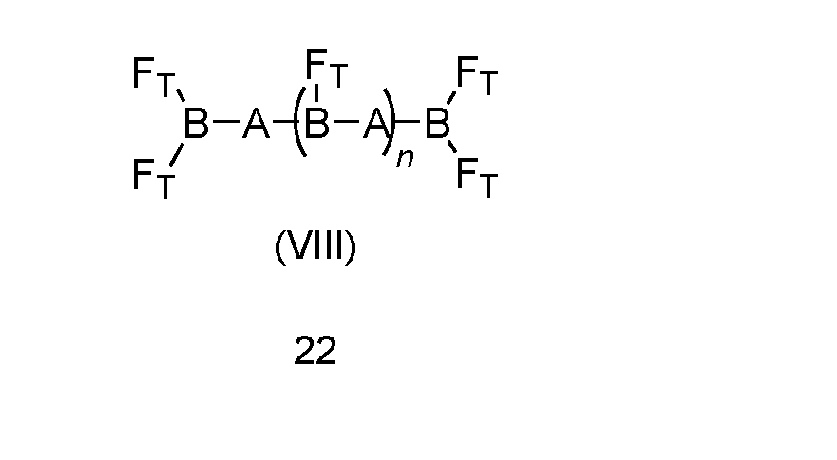


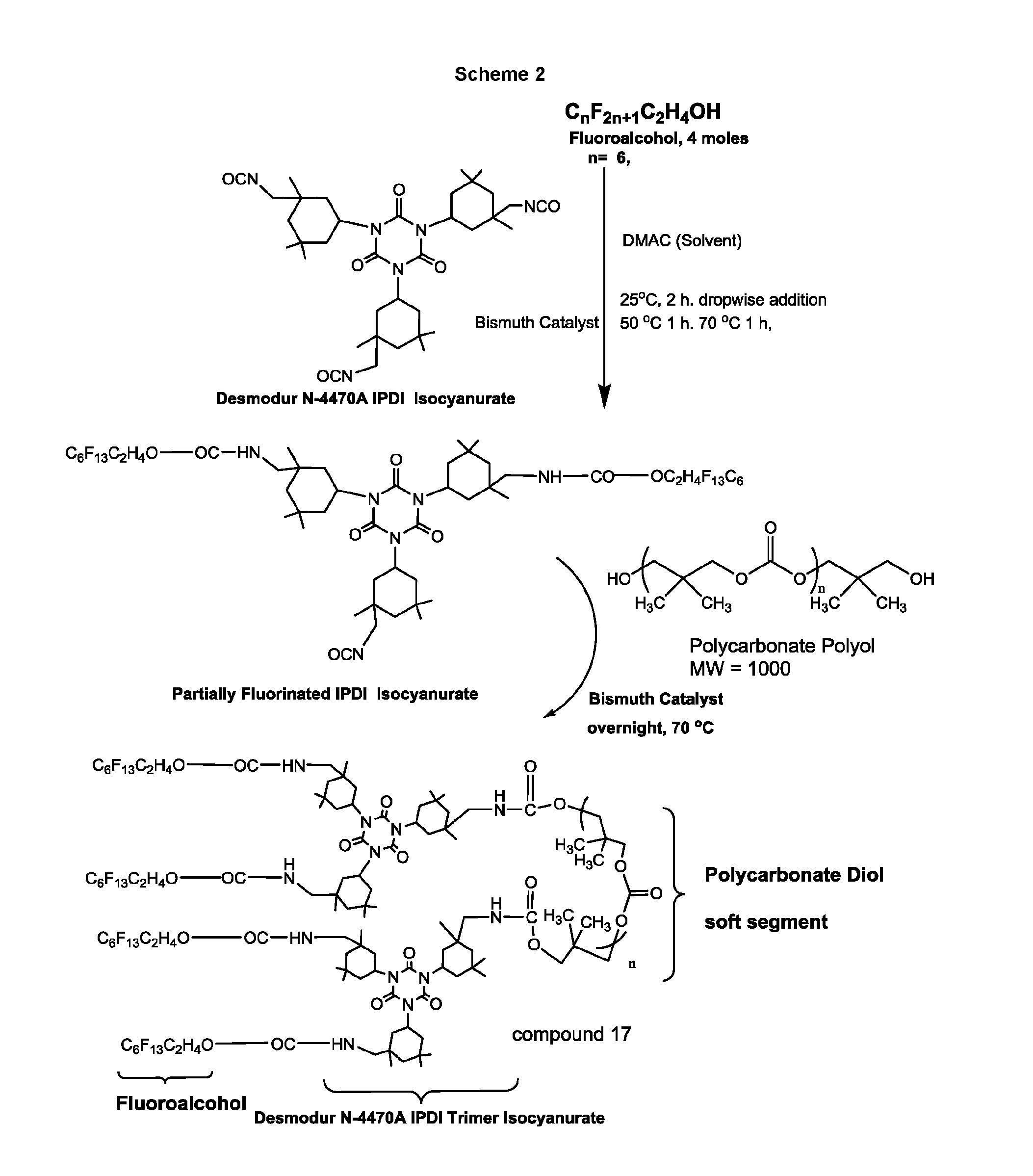

Claims
Priority Applications (15)
| Application Number | Priority Date | Filing Date | Title |
|---|---|---|---|
| MX2020012372A MX2020012372A (en) | 2018-05-18 | 2019-05-17 | Surfaces resistant to bacterial adhesion. |
| EP19803564.4A EP3794079B1 (en) | 2018-05-18 | 2019-05-17 | Surfaces resistant to bacterial adhesion |
| DK19803564.4T DK3794079T3 (en) | 2018-05-18 | 2019-05-17 | SURFACES RESISTANT TO BACTERIAL ADHESION |
| JP2020564630A JP7522663B2 (en) | 2018-05-18 | 2019-05-17 | Surfaces that are resistant to bacterial adhesion |
| KR1020207036104A KR102811286B1 (en) | 2018-05-18 | 2019-05-17 | Surface resistant to bacterial attachment |
| SG11202011310XA SG11202011310XA (en) | 2018-05-18 | 2019-05-17 | Surfaces resistant to bacterial adhesion |
| CN201980033515.2A CN112135882A (en) | 2018-05-18 | 2019-05-17 | Surfaces resistant to bacterial adhesion |
| ES19803564T ES2993044T3 (en) | 2018-05-18 | 2019-05-17 | Surfaces resistant to bacterial adhesion |
| FIEP19803564.4T FI3794079T3 (en) | 2018-05-18 | 2019-05-17 | Surfaces resistant to bacterial adhesion |
| CA3100223A CA3100223A1 (en) | 2018-05-18 | 2019-05-17 | Surfaces resistant to bacterial adhesion |
| US17/056,415 US20210268543A1 (en) | 2018-05-18 | 2019-05-17 | Surfaces resistant to bacterial adhesion |
| CN202311569061.5A CN117586659A (en) | 2018-05-18 | 2019-05-17 | Anti-bacterial adhesion surface |
| AU2019271439A AU2019271439B2 (en) | 2018-05-18 | 2019-05-17 | Surfaces resistant to bacterial adhesion |
| BR112020023530-0A BR112020023530A2 (en) | 2018-05-18 | 2019-05-17 | bacterial adhesion resistant surfaces |
| IL278708A IL278708B2 (en) | 2018-05-18 | 2019-05-17 | Surfaces resistant to bacterial adhesion |
Applications Claiming Priority (2)
| Application Number | Priority Date | Filing Date | Title |
|---|---|---|---|
| US201862673490P | 2018-05-18 | 2018-05-18 | |
| US62/673,490 | 2018-05-18 |
Publications (1)
| Publication Number | Publication Date |
|---|---|
| WO2019218088A1 true WO2019218088A1 (en) | 2019-11-21 |
Family
ID=68540634
Family Applications (1)
| Application Number | Title | Priority Date | Filing Date |
|---|---|---|---|
| PCT/CA2019/050683 Ceased WO2019218088A1 (en) | 2018-05-18 | 2019-05-17 | Surfaces resistant to bacterial adhesion |
Country Status (15)
| Country | Link |
|---|---|
| US (1) | US20210268543A1 (en) |
| EP (1) | EP3794079B1 (en) |
| JP (1) | JP7522663B2 (en) |
| KR (1) | KR102811286B1 (en) |
| CN (2) | CN112135882A (en) |
| AU (1) | AU2019271439B2 (en) |
| BR (1) | BR112020023530A2 (en) |
| CA (1) | CA3100223A1 (en) |
| DK (1) | DK3794079T3 (en) |
| ES (1) | ES2993044T3 (en) |
| FI (1) | FI3794079T3 (en) |
| IL (1) | IL278708B2 (en) |
| MX (1) | MX2020012372A (en) |
| SG (1) | SG11202011310XA (en) |
| WO (1) | WO2019218088A1 (en) |
Cited By (10)
| Publication number | Priority date | Publication date | Assignee | Title |
|---|---|---|---|---|
| WO2022061465A1 (en) * | 2020-09-25 | 2022-03-31 | Evonik Canada Inc. | Surfaces having lubricious or low friction properties |
| JP2023518819A (en) * | 2020-03-20 | 2023-05-08 | ケベンティブ、エルエルシー | Dental implant device and method |
| US11709155B2 (en) | 2017-09-18 | 2023-07-25 | Waters Technologies Corporation | Use of vapor deposition coated flow paths for improved chromatography of metal interacting analytes |
| US11709156B2 (en) | 2017-09-18 | 2023-07-25 | Waters Technologies Corporation | Use of vapor deposition coated flow paths for improved analytical analysis |
| US11918936B2 (en) | 2020-01-17 | 2024-03-05 | Waters Technologies Corporation | Performance and dynamic range for oligonucleotide bioanalysis through reduction of non specific binding |
| US12181452B2 (en) | 2017-09-18 | 2024-12-31 | Waters Technologies Corporation | Use of vapor deposition coated flow paths for improved chromatography of metal interacting analytes |
| US12180581B2 (en) | 2017-09-18 | 2024-12-31 | Waters Technologies Corporation | Use of vapor deposition coated flow paths for improved chromatography of metal interacting analytes |
| US12352734B2 (en) | 2020-09-24 | 2025-07-08 | Waters Technologies Corporation | Chromatographic hardware improvements for separation of reactive molecules |
| US12415908B2 (en) | 2019-12-20 | 2025-09-16 | Church & Dwight Co., Inc. | Polymer compositions and products formed therewith |
| US12528936B2 (en) | 2019-12-20 | 2026-01-20 | Church & Dwight Co., Inc. | Polymer compositions and products formed therewith |
Families Citing this family (14)
| Publication number | Priority date | Publication date | Assignee | Title |
|---|---|---|---|---|
| MX2018013276A (en) | 2016-05-26 | 2019-03-28 | Kimberly Clark Co | Anti-adherent compositions and methods of inhibiting the adherence of microbes to a surface. |
| KR102687882B1 (en) * | 2018-03-09 | 2024-07-25 | 에보닉 캐나다 인크. | Carbonate-linked surface-modifying macromolecules |
| WO2020196638A1 (en) * | 2019-03-26 | 2020-10-01 | デンカ株式会社 | Resin sheet having hair-like bodies and molded article thereof |
| WO2021034807A1 (en) * | 2019-08-19 | 2021-02-25 | Pfm Medical, Inc. | Antimicrobial body access system |
| IT202000026879A1 (en) * | 2020-11-10 | 2022-05-10 | Maflon S P A | COMPOUND, ITS USE AND METHOD OF PREPARATION |
| CN112827775A (en) * | 2021-01-05 | 2021-05-25 | 安徽郁金香新能源科技有限公司 | Novel efficient biological bacteria deposition preventing method for buried pipe of ground source heat pump |
| CN113069664B (en) * | 2021-03-19 | 2023-03-28 | 青岛大学 | Electroactive antibacterial healing-promoting catheter and preparation method thereof |
| CN113214645A (en) * | 2021-04-16 | 2021-08-06 | 湖北华强药用制盖有限公司 | Automatic injector sealing cover rubber material and preparation process thereof |
| WO2023054499A1 (en) * | 2021-09-30 | 2023-04-06 | 東亞合成株式会社 | Medical coating agent and medical device |
| JP2023081761A (en) * | 2021-12-01 | 2023-06-13 | 第一工業製薬株式会社 | Medical equipment |
| CN114438665B (en) * | 2022-01-28 | 2023-04-25 | 广东粤港澳大湾区国家纳米科技创新研究院 | Antibacterial non-woven fabric and preparation method thereof |
| CN116196482B (en) * | 2023-03-13 | 2024-07-16 | 昆明理工大学 | Antibacterial bone cement modified with dimethylaminotriclosan methacrylate |
| CN117398529A (en) * | 2023-06-30 | 2024-01-16 | 富纳德科技(北京)有限公司 | Antibacterial ureteral stent |
| WO2025170968A1 (en) | 2024-02-05 | 2025-08-14 | Evonik Canada Inc. | Medical device with antibiotic and anti-adherence properties |
Citations (4)
| Publication number | Priority date | Publication date | Assignee | Title |
|---|---|---|---|---|
| CA2228505A1 (en) * | 1995-08-03 | 1997-02-20 | Paul J. Santerre | Fluoroligomer surface modifiers for polymers and articles made therefrom |
| CA2672593A1 (en) * | 2006-12-14 | 2008-06-26 | Interface Biologics Inc. | Surface modifying macromolecules with high degradation temperatures and uses thereof |
| CA2971113A1 (en) | 2014-12-16 | 2016-06-23 | Interface Biologics, Inc. | Ester-linked surface modifying macromolecules |
| WO2017195035A1 (en) | 2016-05-10 | 2017-11-16 | Interface Biologics, Inc. | Implantable glucose sensors having a biostable surface |
Family Cites Families (6)
| Publication number | Priority date | Publication date | Assignee | Title |
|---|---|---|---|---|
| US6716895B1 (en) * | 1999-12-15 | 2004-04-06 | C.R. Bard, Inc. | Polymer compositions containing colloids of silver salts |
| EP1868664A2 (en) * | 2005-04-15 | 2007-12-26 | Interface Biologics Inc. | Methods and compositions for the delivery of biologically active agents |
| CA2735442C (en) * | 2008-08-28 | 2018-09-11 | Evonik Canada Inc. | Thermally stable biuret and isocyanurate based surface modifying macromolecules and uses thereof |
| PT2295132T (en) * | 2009-05-15 | 2016-11-15 | Interface Biologics Inc | Antithrombogenic hollow fiber membranes, potting material and blood tubing |
| US9764884B2 (en) * | 2014-10-06 | 2017-09-19 | Interface Biologics, Inc. | Packaging materials including a barrier film |
| EP3630212B1 (en) * | 2017-05-30 | 2026-02-11 | Evonik Canada Inc. | Vascular grafts having a modified surface |
-
2019
- 2019-05-17 CN CN201980033515.2A patent/CN112135882A/en active Pending
- 2019-05-17 KR KR1020207036104A patent/KR102811286B1/en active Active
- 2019-05-17 CN CN202311569061.5A patent/CN117586659A/en active Pending
- 2019-05-17 CA CA3100223A patent/CA3100223A1/en active Pending
- 2019-05-17 AU AU2019271439A patent/AU2019271439B2/en active Active
- 2019-05-17 JP JP2020564630A patent/JP7522663B2/en active Active
- 2019-05-17 BR BR112020023530-0A patent/BR112020023530A2/en not_active Application Discontinuation
- 2019-05-17 DK DK19803564.4T patent/DK3794079T3/en active
- 2019-05-17 WO PCT/CA2019/050683 patent/WO2019218088A1/en not_active Ceased
- 2019-05-17 SG SG11202011310XA patent/SG11202011310XA/en unknown
- 2019-05-17 MX MX2020012372A patent/MX2020012372A/en unknown
- 2019-05-17 ES ES19803564T patent/ES2993044T3/en active Active
- 2019-05-17 EP EP19803564.4A patent/EP3794079B1/en active Active
- 2019-05-17 FI FIEP19803564.4T patent/FI3794079T3/en active
- 2019-05-17 US US17/056,415 patent/US20210268543A1/en active Pending
- 2019-05-17 IL IL278708A patent/IL278708B2/en unknown
Patent Citations (4)
| Publication number | Priority date | Publication date | Assignee | Title |
|---|---|---|---|---|
| CA2228505A1 (en) * | 1995-08-03 | 1997-02-20 | Paul J. Santerre | Fluoroligomer surface modifiers for polymers and articles made therefrom |
| CA2672593A1 (en) * | 2006-12-14 | 2008-06-26 | Interface Biologics Inc. | Surface modifying macromolecules with high degradation temperatures and uses thereof |
| CA2971113A1 (en) | 2014-12-16 | 2016-06-23 | Interface Biologics, Inc. | Ester-linked surface modifying macromolecules |
| WO2017195035A1 (en) | 2016-05-10 | 2017-11-16 | Interface Biologics, Inc. | Implantable glucose sensors having a biostable surface |
Non-Patent Citations (4)
| Title |
|---|
| BROOKS T ET AL.: "A simple artificial urine for the growth of urinary pathogens", LETTERS IN APPLIED MICROBIOLOGY, vol. 24, no. 3, 1997, pages 203 - 6 |
| MCCLOSKEY ET AL.: "Effect of Fluorinated Surface-Modifying Macromolecules on the Molecular Surface Structure of a Polyether Poly(urethane urea", MACROMOLECULES, vol. 35, 2002, pages 924 - 933, XP055653380 * |
| MCLEAN RJ ET AL.: "An in vitro ultrastructural study of infectious kidney stone genesis", INFECTION AND IMMUNITY, vol. 49, no. 3, 1985, pages 805 - 811 |
| See also references of EP3794079A4 |
Cited By (15)
| Publication number | Priority date | Publication date | Assignee | Title |
|---|---|---|---|---|
| US11709155B2 (en) | 2017-09-18 | 2023-07-25 | Waters Technologies Corporation | Use of vapor deposition coated flow paths for improved chromatography of metal interacting analytes |
| US11709156B2 (en) | 2017-09-18 | 2023-07-25 | Waters Technologies Corporation | Use of vapor deposition coated flow paths for improved analytical analysis |
| US12510520B2 (en) | 2017-09-18 | 2025-12-30 | Waters Technologies Corporation | Use of vapor deposition coated flow paths for improved analytical analysis |
| US12181452B2 (en) | 2017-09-18 | 2024-12-31 | Waters Technologies Corporation | Use of vapor deposition coated flow paths for improved chromatography of metal interacting analytes |
| US12180581B2 (en) | 2017-09-18 | 2024-12-31 | Waters Technologies Corporation | Use of vapor deposition coated flow paths for improved chromatography of metal interacting analytes |
| US12416607B2 (en) | 2017-09-18 | 2025-09-16 | Waters Technologies Corporation | Use of vapor deposition coated flow paths for improved chromatography of metal interacting analytes |
| US12415908B2 (en) | 2019-12-20 | 2025-09-16 | Church & Dwight Co., Inc. | Polymer compositions and products formed therewith |
| US12528936B2 (en) | 2019-12-20 | 2026-01-20 | Church & Dwight Co., Inc. | Polymer compositions and products formed therewith |
| US12509572B2 (en) | 2019-12-20 | 2025-12-30 | Church & Dwight Co., Inc. | Polymer compositions and products formed therewith |
| US11918936B2 (en) | 2020-01-17 | 2024-03-05 | Waters Technologies Corporation | Performance and dynamic range for oligonucleotide bioanalysis through reduction of non specific binding |
| JP2023518819A (en) * | 2020-03-20 | 2023-05-08 | ケベンティブ、エルエルシー | Dental implant device and method |
| US12352734B2 (en) | 2020-09-24 | 2025-07-08 | Waters Technologies Corporation | Chromatographic hardware improvements for separation of reactive molecules |
| WO2022061465A1 (en) * | 2020-09-25 | 2022-03-31 | Evonik Canada Inc. | Surfaces having lubricious or low friction properties |
| EP4217415A4 (en) * | 2020-09-25 | 2024-10-30 | Evonik Canada Inc. | SURFACES WITH LUBRICANT OR LOW-FRICTION PROPERTIES |
| JP2023543013A (en) * | 2020-09-25 | 2023-10-12 | エボニック カナダ インク. | Surfaces with lubricious or low friction properties |
Also Published As
| Publication number | Publication date |
|---|---|
| IL278708B1 (en) | 2025-11-01 |
| KR102811286B1 (en) | 2025-05-26 |
| DK3794079T3 (en) | 2024-11-11 |
| KR20210013582A (en) | 2021-02-04 |
| JP2021523796A (en) | 2021-09-09 |
| BR112020023530A2 (en) | 2021-02-09 |
| CA3100223A1 (en) | 2019-11-21 |
| FI3794079T3 (en) | 2024-11-06 |
| JP7522663B2 (en) | 2024-07-25 |
| IL278708A (en) | 2021-03-01 |
| EP3794079B1 (en) | 2024-08-21 |
| SG11202011310XA (en) | 2020-12-30 |
| AU2019271439A1 (en) | 2021-01-14 |
| EP3794079A4 (en) | 2022-02-23 |
| AU2019271439B2 (en) | 2025-04-17 |
| US20210268543A1 (en) | 2021-09-02 |
| CN117586659A (en) | 2024-02-23 |
| MX2020012372A (en) | 2021-02-09 |
| IL278708B2 (en) | 2026-03-01 |
| EP3794079A1 (en) | 2021-03-24 |
| CN112135882A (en) | 2020-12-25 |
| ES2993044T3 (en) | 2024-12-20 |
Similar Documents
| Publication | Publication Date | Title |
|---|---|---|
| EP3794079B1 (en) | Surfaces resistant to bacterial adhesion | |
| JP5264925B2 (en) | Antibacterial coating for medical devices and methods for making and using the same | |
| JP7129987B2 (en) | Non-thrombogenic polymer composition with antimicrobial properties | |
| US6929818B2 (en) | Methods and clinical devices for the inhibition or prevention of mammalian cell growth | |
| JPH05507953A (en) | Polyurethane or polyurethaneurea elastomer composition | |
| RU2010142603A (en) | MEDICAL DEVICES WITH HYDROPHILIC COATINGS | |
| CN105431181A (en) | Surface modification | |
| AU2002233502A1 (en) | Methods and clinical devices for the inhibition or prevention of mammalian cell growth | |
| CN105457092A (en) | Polyurethane (PU) composition with adjustable elasticity modulus and application of PU composition in medical implant materials | |
| TW201002371A (en) | Medical devices with hydrophilic coatings | |
| EP1809348A1 (en) | Antimicroboial active ingredient-containing silicone elastomers | |
| CN102665778B (en) | Use of polymeric active ingredients or oligomeric active ingredients for medical products | |
| ES2442177T3 (en) | Use of polyoxyalkylenediamine-based poliguanidine derivatives for medical articles | |
| US9669135B2 (en) | Mixed-phase biomaterials | |
| HK40039242A (en) | Surfaces resistant to bacterial adhesion | |
| HK40039242B (en) | Surfaces resistant to bacterial adhesion | |
| Cuddy | Characterisation and development of a novel silicone biomimetic biomaterial for urinary device use. |
Legal Events
| Date | Code | Title | Description |
|---|---|---|---|
| 121 | Ep: the epo has been informed by wipo that ep was designated in this application |
Ref document number: 19803564 Country of ref document: EP Kind code of ref document: A1 |
|
| ENP | Entry into the national phase |
Ref document number: 3100223 Country of ref document: CA |
|
| ENP | Entry into the national phase |
Ref document number: 2020564630 Country of ref document: JP Kind code of ref document: A |
|
| NENP | Non-entry into the national phase |
Ref country code: DE |
|
| REG | Reference to national code |
Ref country code: BR Ref legal event code: B01A Ref document number: 112020023530 Country of ref document: BR |
|
| ENP | Entry into the national phase |
Ref document number: 20207036104 Country of ref document: KR Kind code of ref document: A |
|
| WWE | Wipo information: entry into national phase |
Ref document number: 2019803564 Country of ref document: EP |
|
| ENP | Entry into the national phase |
Ref document number: 2019271439 Country of ref document: AU Date of ref document: 20190517 Kind code of ref document: A |
|
| ENP | Entry into the national phase |
Ref document number: 112020023530 Country of ref document: BR Kind code of ref document: A2 Effective date: 20201118 |
|
| WWG | Wipo information: grant in national office |
Ref document number: 278708 Country of ref document: IL |