WO2019222944A1 - Npr锚杆钢材料及其生产方法 - Google Patents
Npr锚杆钢材料及其生产方法 Download PDFInfo
- Publication number
- WO2019222944A1 WO2019222944A1 PCT/CN2018/088060 CN2018088060W WO2019222944A1 WO 2019222944 A1 WO2019222944 A1 WO 2019222944A1 CN 2018088060 W CN2018088060 W CN 2018088060W WO 2019222944 A1 WO2019222944 A1 WO 2019222944A1
- Authority
- WO
- WIPO (PCT)
- Prior art keywords
- steel material
- npr anchor
- npr
- hot
- anchor steel
- Prior art date
- Legal status (The legal status is an assumption and is not a legal conclusion. Google has not performed a legal analysis and makes no representation as to the accuracy of the status listed.)
- Ceased
Links
Images


Classifications
-
- C—CHEMISTRY; METALLURGY
- C22—METALLURGY; FERROUS OR NON-FERROUS ALLOYS; TREATMENT OF ALLOYS OR NON-FERROUS METALS
- C22C—ALLOYS
- C22C38/00—Ferrous alloys, e.g. steel alloys
- C22C38/18—Ferrous alloys, e.g. steel alloys containing chromium
- C22C38/40—Ferrous alloys, e.g. steel alloys containing chromium with nickel
- C22C38/42—Ferrous alloys, e.g. steel alloys containing chromium with nickel with copper
-
- C—CHEMISTRY; METALLURGY
- C21—METALLURGY OF IRON
- C21D—MODIFYING THE PHYSICAL STRUCTURE OF FERROUS METALS; GENERAL DEVICES FOR HEAT TREATMENT OF FERROUS OR NON-FERROUS METALS OR ALLOYS; MAKING METAL MALLEABLE, e.g. BY DECARBURISATION OR TEMPERING
- C21D6/00—Heat treatment of ferrous alloys
- C21D6/005—Heat treatment of ferrous alloys containing Mn
-
- C—CHEMISTRY; METALLURGY
- C21—METALLURGY OF IRON
- C21D—MODIFYING THE PHYSICAL STRUCTURE OF FERROUS METALS; GENERAL DEVICES FOR HEAT TREATMENT OF FERROUS OR NON-FERROUS METALS OR ALLOYS; MAKING METAL MALLEABLE, e.g. BY DECARBURISATION OR TEMPERING
- C21D8/00—Modifying the physical properties of ferrous metals or ferrous alloys by deformation combined with, or followed by, heat treatment
- C21D8/02—Modifying the physical properties of ferrous metals or ferrous alloys by deformation combined with, or followed by, heat treatment during manufacturing of plates or strips
- C21D8/0221—Modifying the physical properties of ferrous metals or ferrous alloys by deformation combined with, or followed by, heat treatment during manufacturing of plates or strips characterised by the working steps
- C21D8/0226—Hot rolling
-
- C—CHEMISTRY; METALLURGY
- C21—METALLURGY OF IRON
- C21D—MODIFYING THE PHYSICAL STRUCTURE OF FERROUS METALS; GENERAL DEVICES FOR HEAT TREATMENT OF FERROUS OR NON-FERROUS METALS OR ALLOYS; MAKING METAL MALLEABLE, e.g. BY DECARBURISATION OR TEMPERING
- C21D8/00—Modifying the physical properties of ferrous metals or ferrous alloys by deformation combined with, or followed by, heat treatment
- C21D8/02—Modifying the physical properties of ferrous metals or ferrous alloys by deformation combined with, or followed by, heat treatment during manufacturing of plates or strips
- C21D8/0221—Modifying the physical properties of ferrous metals or ferrous alloys by deformation combined with, or followed by, heat treatment during manufacturing of plates or strips characterised by the working steps
- C21D8/0236—Cold rolling
-
- C—CHEMISTRY; METALLURGY
- C21—METALLURGY OF IRON
- C21D—MODIFYING THE PHYSICAL STRUCTURE OF FERROUS METALS; GENERAL DEVICES FOR HEAT TREATMENT OF FERROUS OR NON-FERROUS METALS OR ALLOYS; MAKING METAL MALLEABLE, e.g. BY DECARBURISATION OR TEMPERING
- C21D8/00—Modifying the physical properties of ferrous metals or ferrous alloys by deformation combined with, or followed by, heat treatment
- C21D8/06—Modifying the physical properties of ferrous metals or ferrous alloys by deformation combined with, or followed by, heat treatment during manufacturing of rods or wires
-
- C—CHEMISTRY; METALLURGY
- C21—METALLURGY OF IRON
- C21D—MODIFYING THE PHYSICAL STRUCTURE OF FERROUS METALS; GENERAL DEVICES FOR HEAT TREATMENT OF FERROUS OR NON-FERROUS METALS OR ALLOYS; MAKING METAL MALLEABLE, e.g. BY DECARBURISATION OR TEMPERING
- C21D9/00—Heat treatment, e.g. annealing, hardening, quenching or tempering, adapted for particular articles; Furnaces therefor
- C21D9/0093—Heat treatment, e.g. annealing, hardening, quenching or tempering, adapted for particular articles; Furnaces therefor for screws; for bolts
-
- C—CHEMISTRY; METALLURGY
- C22—METALLURGY; FERROUS OR NON-FERROUS ALLOYS; TREATMENT OF ALLOYS OR NON-FERROUS METALS
- C22C—ALLOYS
- C22C38/00—Ferrous alloys, e.g. steel alloys
- C22C38/02—Ferrous alloys, e.g. steel alloys containing silicon
-
- C—CHEMISTRY; METALLURGY
- C22—METALLURGY; FERROUS OR NON-FERROUS ALLOYS; TREATMENT OF ALLOYS OR NON-FERROUS METALS
- C22C—ALLOYS
- C22C38/00—Ferrous alloys, e.g. steel alloys
- C22C38/04—Ferrous alloys, e.g. steel alloys containing manganese
-
- E—FIXED CONSTRUCTIONS
- E21—EARTH OR ROCK DRILLING; MINING
- E21D—SHAFTS; TUNNELS; GALLERIES; LARGE UNDERGROUND CHAMBERS
- E21D21/00—Anchoring-bolts for roof, floor in galleries or longwall working, or shaft-lining protection
- E21D21/0006—Anchoring-bolts for roof, floor in galleries or longwall working, or shaft-lining protection characterised by the bolt material
Definitions
- the invention relates to the technical field of mining equipment materials, and in particular, to an NPR anchor steel material and a production method thereof.
- coal mine roadways in China are growing at a speed of 8000km / year, of which about 80% are supported by bolts, and hundreds of millions of bolts are used each year to support the surrounding rock of the roadway.
- these anchors belong to the traditional Poisson's ratio material, that is, plastic hardened material, with small deformation, low strength, elongation and scalability, and can no longer adapt to the nonlinear large-scale deformation and failure characteristics of the surrounding rock in deep roadways.
- the anchor strength is broken and the anchor failure occurs, and the bearing protection ability is lost.
- the roadway is repeatedly repaired, the steel frame is distorted, and the pouring concrete cracks.
- Two-point anchors such as expansion shell anchors
- full-length anchors such as rebar, rebar, which have high support resistance, but small deformation and cannot Adapt to roadway surrounding rock deformation and failure due to tensile failure
- friction anchors adapt to the elastoplastic deformation of surrounding rock through the friction between the rod body and the hole wall, but the bearing capacity is small and cannot provide sufficient support resistance
- an ideal roadway support system should not only have sufficient strength, but also have a large amount of deformation to accommodate the nonlinear large-scale deformation and failure characteristics of the surrounding rock in deep roadways.
- energy absorption anchors include: cone bolts, Garford anchors, Roffex anchors (constant resistance 80-90kN, maximum deformation 300mm), MCB conebolt (the maximum extension can reach up to 180mm), D-type anchor (constant resistance 100-210kN, deformation 110-167mm), etc.
- the material problems of anchor steel in the prior art lead to low tensile strength and low effective elongation of the anchor in the prior art.
- the prior art anchor rods cannot meet the requirements of large deformation of surrounding rocks, and the anchor rods may break during use.
- An embodiment of the present invention provides an NPR anchor steel material and a production method thereof to solve the problems of low tensile strength and low effective elongation of the anchor in the prior art.
- the present invention provides an NPR anchor steel material.
- the components and weight percentage content of the NPR anchor steel material are: C: 0.4 to 0.7%, and Mn: 15 to 20%, Si: ⁇ 0.1%, Cu: ⁇ 0.03%, Cr: ⁇ 0.01%, Ni: ⁇ 0.02%, S: ⁇ 0.001%, P: ⁇ 0.001%, and the rest are Fe and unavoidable impurity elements.
- the NPR anchor steel material has a hot-rolled yield strength of 500 MPa-1100 MPa, a tensile strength of 950 MPa-1200 MPa, a uniform elongation rate of ⁇ 10-80%, and a Poisson's ratio of the NPR anchor steel material is: 0.003-0.01.
- a method for producing an NPR anchor steel material is provided.
- the NPR anchor steel material is a hot-rolled round steel, and the NPR anchor steel material is a hot-rolled round steel or a cold-rolled state.
- the strength is 500MPa-1100MPa, the tensile strength is 950MPa-1200MPa, the uniform elongation is ⁇ 10-80%, and the Poisson ratio of the NPR anchor steel material is 0.003-0.01;
- NPR anchor steel materials are:
- the steps of the production method include:
- Intermediate frequency smelting process adding alloy elements of NPR anchor steel material group distribution ratio, smelting through intermediate frequency steelmaking process, adding active lime and fluorite during smelting to adjust slag copying, after completion, perform on-line composition testing and supplement alloying elements , Adjust the proportion of molten steel to the design proportion, and carry out deoxidation, desulfurization, dephosphorization;
- Refining process The molten steel smelted in the intermediate frequency furnace is hoisted into the refining furnace, and the bottom is blown with argon to refine the slag.
- the amount of argon gas is 3-60L / min. , Desulfurization, dephosphorization; after completion, online composition analysis and fine-tuning of molten steel chemical composition;
- Continuous die casting process The tapping temperature of molten steel after refining furnace is controlled to 1560-1590 ° C, and the molten steel after refining is introduced into the tundish, and the temperature of the pre-insulation of the steel mold is controlled to 200-250 ° C for die casting. After natural cooling, demould;
- Heating furnace heating process The ingot after the mold casting process is cold-packed into the heating furnace and kept at the temperature of 1200 ° C for 2-4 hours;
- the hot rolling process is performed on the slab.
- the rolling temperature is controlled at 1050 °C ⁇ 50 °C
- the final rolling temperature is controlled at 850 °C ⁇ 50 °C
- the rolling speed is controlled at 8-10m / s
- the slab is hot rolled. After the treatment, it was naturally cooled to room temperature.
- Continuous cold rolling process Continuous cold rolling of hot-rolled round steel, according to different yield strength and elongation requirements, different annealing temperatures for 1 hour, natural cooling treatment outside the furnace.
- the method further includes: a billet inspection step: detecting surface defects of the billet according to a surface inspection method of the billet.
- the refining furnace is an LF refining furnace.
- the NPR anchor steel material of the present invention has the technical advantage that the yield strength of the NPR anchor steel material is 500MPa-1100MPa, The tensile strength is 950MPa-1200MPa, the uniform elongation is ⁇ 10-80%, and the Poisson's ratio of the NPR anchor steel material is 0.003-0.01.
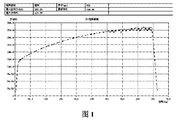
- FIG. 1 is a schematic diagram of an experimental curve of a NPR anchor steel material for hot-rolled round steel according to an embodiment of the present invention.
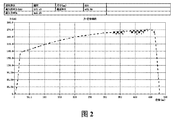
- FIG. 2 is a schematic diagram of an experimental curve of stretching an NPR anchor steel material according to an embodiment of the present invention after hot rolling, cold rolling, and continuous annealing at 600 ° C. for 1 hour.
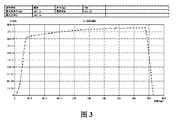
- FIG. 3 is a schematic diagram of an experimental curve of a PR anchor steel material according to an embodiment of the present invention after being hot-rolled, cold-rolled, and continuously annealed at 580 ° C for 1 hour.
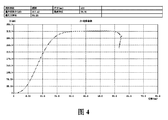
- FIG. 4 is a schematic diagram of an experimental curve of stretching an NPR anchor steel material according to an embodiment of the present invention after hot rolling, cold rolling, and continuous annealing at 550 ° C for 1 hour.
- FIG. 5 is a schematic diagram of a negative Poisson's ratio effect of an NPR anchor steel material according to an embodiment of the present invention.
- FIG. 6 is a schematic flowchart of a method for producing an NPR anchor steel material according to an embodiment of the present invention.
- FIG. 7 is a schematic diagram of an experimental curve of stretching of an ordinary anchor rod in the prior art.
- an NPR anchor steel material is provided.
- NPR refers to a negative Poisson's ratio material (Negative Poisson ’s ratio).
- the components and weight percentage content of the NPR anchor steel material are:
- Mn It is mainly dissolved in ferrite to improve the strength of the material. It is also a good deoxidizer and desulfurizer. Containing a certain amount of manganese can eliminate or weaken the brittleness caused by sulfur, thereby improving the workability of steel.
- Si Does not form carbides in steel, exists in the form of solid solution in ferrite or austenite, significantly improves the elastic limit, yield strength and yield ratio of steel, so the content is low, so the range of Si is selected 0.1% or less.
- trace copper The addition of trace copper can increase the strength and yield ratio of steel.
- Chromium can increase the strength and hardness of the carbon steel in the rolled state, reduce the elongation and reduction of area, and contains a certain amount of chromium, which can improve the strength of the steel.
- Nickel can improve the strength, toughness, and hardenability of steel. With a certain amount of nickel, it can improve strength and toughness.
- P, S As harmful elements, the lower the content, the better. If the content of S is too high, a large amount of MnS inclusions will be formed, which will reduce the ductility and toughness of the steel. Therefore, the lower the content, the better. Therefore, the range of S is selected to be ⁇ 0.001%. The impact performance is greatly reduced, so the lower the content, the better, so the range for selecting P is ⁇ 0.001%.
- FIG. 2 shows an experimental curve of drawing with the NPR anchor steel material provided by the present invention. It can be seen from FIG. 2 that after hot rolling, cold rolling, and continuous annealing at 600 degrees for one hour, the NPR anchor steel material is pulled. Tensile-displacement curve before and after stretching, its yield strength is 17 tons (170KN, 600MPa), tensile strength is 27.3 tons (273KN, 963MPa), the length of NPR anchor steel material before stretching is 810mm, and the final elongation distance is 463.98mm , Uniform elongation ⁇ 57%.
- FIG. 7 is a schematic diagram of a tensile test curve of an ordinary anchor rod currently used in a large area in the prior art, which has a yield strength of 520 MPa (200 KN), a tensile strength of 700 MPa (272 KN), and an elongation of 15%.
- the NPR anchor steel material of the present invention not only has the above advantages, but also exhibits a significant negative Poisson's ratio effect.
- the test value of the dynamic Poisson's ratio of the ordinary anchor and the dynamic Poisson's ratio of the NPR anchor material is shown in the figure; the shaded area is the NPR anchor material (the present Invented NPR anchor steel material) negative Poisson's ratio effect zone; its Poisson's ratio value is 0.003, compared with the ordinary anchor Poisson's ratio 0.03, showing a significant negative Poisson's ratio effect.
- the hot-rolled yield strength of NPR anchor steel materials is 500MPa-1100MPa, tensile strength is 950MPa-1200MPa, uniform elongation is ⁇ 10-80%, and the Poisson ratio of NPR anchor steel materials is 0.003- 0.01.
- the present invention also provides an embodiment of a method for producing an NPR anchor steel material.
- the NPR anchor steel material is a hot-rolled round steel, and the NPR anchor steel material has a hot-rolled yield strength ⁇ 600 MPa, tensile strength ⁇ 950 MPa, uniform elongation ⁇ 57%, and the Poisson's ratio of the NPR anchor steel material is 0.003.
- the NPR anchor steel material of the present invention has higher yield strength, tensile strength, elongation, uniform extension, and no obvious necking. Its performance is much better than ordinary anchors. Rod material.
- the components and weight percentage content of the NPR anchor steel material are:
- the steps of the production method include:
- Intermediate frequency smelting process S10 adding the alloy elements of the NPR anchor steel material group distribution ratio, smelting through the intermediate frequency steelmaking process, adding active lime and fluorite to adjust the slag during the smelting process, and performing online component analysis after completion, Add alloy elements, adjust the proportion of molten steel to the design proportion, and perform deoxidation, desulfurization, and dephosphorization.
- Refining process S20 The molten steel smelted by the intermediate frequency furnace is suspended in the LF refining furnace, and slag is refined by blowing argon at the bottom with an argon gas amount of 3-60L / min. Further carry out deoxidation, desulfurization and dephosphorization; after completion, perform on-line composition analysis and fine-tune the chemical composition of molten steel.
- Continuous mold casting process S30 The tapping temperature of molten steel after LF refining furnace is controlled to 1560-1590 ° C, and the molten steel after refining is introduced into the tundish.
- the temperature of the steel mold pre-heating is controlled to 200-250 ° C. After casting and natural cooling, it is demoulded.
- Billet inspection process S40 According to the surface inspection method of the billet, the surface defects are detected.
- Heating furnace heating step S50 The ingot after the die casting process is cold-packed into a heating furnace and kept at a furnace temperature of 1200 ° C for 2-4 hours.
- Continuous hot rolling process S60 The steel slab is subjected to a hot rolling treatment, in which the rolling temperature is controlled at 1050 ° C ⁇ 50 ° C, the final rolling temperature is controlled at 850 ° C ⁇ 50 ° C, and the rolling speed is controlled at 8-10 m / s. After the rolling treatment, it was naturally cooled to room temperature.
- Continuous cold rolling process S70 Continuous cold rolling of hot-rolled round steel, according to the requirements of different yield strength and elongation, heat preservation at different annealing temperatures for 1 hour, natural cooling treatment outside the furnace.
- the above NPR anchor steel material production method has simple smelting composition, stable control, high production cost effect and low production cost.
- the problems of complex procedures, high production cost and low production efficiency in the prior art anchor rod production method or production process are solved.
- the technical advantage of the NPR anchor steel material obtained according to the above production method is that the yield strength of the NPR anchor steel material can reach 600 MPa and the tensile strength 950 MPa and 57% elongation while maintaining high strength.
- the NPR anchor steel material of the present invention has the following advantages: according to the requirements of different yield strength and elongation, the deformation amount can be controlled within 20%, and the NPR anchor steel material yield strength Adjustable in the range of 500-1100MPa and adjustable in the elongation rate of 10-80%, see Figures 1 to 4 for details.
- FIG. 1 is a tension-displacement curve of a NPR anchor steel material before and after drawing of a hot-rolled round steel. The NPR anchor steel material is in a hot-rolled state and does not undergo cold-rolled annealing treatment.
- FIG. 1 is a tension-displacement curve of a NPR anchor steel material before and after drawing of a hot-rolled round steel.
- the NPR anchor steel material is in a hot-rolled state and does not undergo cold-rolled annealing treatment.
- FIG. 1 is a tension-displacement curve of a NPR anchor steel material before and after drawing of a hot-rolled round steel.
- the NPR anchor steel material is in a
- FIG. 2 is a schematic diagram of an experimental curve of a NPR anchor steel material that is hot-rolled round steel + cold-rolled + 600 ° C. continuously annealed for 1 hour according to an embodiment of the present invention.
- FIG. 3 is a schematic diagram of an experimental curve of a NPR anchor steel material that is hot-rolled round steel + cold-rolled + 580 ° C. continuously annealed for 1 hour according to an embodiment of the present invention.
- FIG. 4 is a schematic diagram of an experimental curve of a NPR anchor steel material that is hot-rolled round steel + cold-rolled + 550 ° C. continuously annealed for 1 hour according to an embodiment of the present invention.
Landscapes
- Chemical & Material Sciences (AREA)
- Engineering & Computer Science (AREA)
- Metallurgy (AREA)
- Organic Chemistry (AREA)
- Mechanical Engineering (AREA)
- Materials Engineering (AREA)
- Physics & Mathematics (AREA)
- Crystallography & Structural Chemistry (AREA)
- Thermal Sciences (AREA)
- Mining & Mineral Resources (AREA)
- Manufacturing & Machinery (AREA)
- Structural Engineering (AREA)
- Life Sciences & Earth Sciences (AREA)
- General Life Sciences & Earth Sciences (AREA)
- Geochemistry & Mineralogy (AREA)
- Geology (AREA)
- Heat Treatment Of Steel (AREA)
- Continuous Casting (AREA)
- Treatment Of Steel In Its Molten State (AREA)
Abstract
一种NPR锚杆钢材料及其生产方法,其中,NPR锚杆钢材料的组分及重量百分比含量为:C:0.4~0.7%,Mn:15~20%,Si:≤0.1%,Cu:≤0.03%,Cr:≤0.01%,Ni:≤0.02%,S:≤0.001%,P:≤0.001%,其余为Fe和不可避免的杂质元素,该NPR锚杆钢材料及其生产方法有效地解决了现有技术中的锚杆抗拉强度低、有效延伸率低问题,该NPR锚杆钢材料屈服强度在500-1100MPa范围内可调,延伸率在10-80%可调。
Description
本发明涉及采矿设备材料技术领域,具体而言,涉及一种NPR锚杆钢材料及其生产方法。
随着经济建设对能源需求量的增加,以及开采强度的不断加大,浅部资源日益枯竭,国内外矿山相继进入深部开采状态。目前世界上许多金属矿上开采深度已超过1000米,如瑞士,加拿大,澳大利亚,南非等国家的大部分金属矿开采深度已超过1000米,有的甚至超过3000米。在中国,部分金属及有色金属矿山开采深度在800-1000米范围。预计未来20年,我国许多煤矿开采深度将达到1000-2000米。进入深部开采,受高地应力、高地温、高岩溶水压和采矿扰动(“三高一扰动”)等复杂地质条件的影响,工程岩体大都表现为软岩大变形力学状态,工程开挖后,巷道围岩都表现出大变形破坏的特点,具体表现为软岩大变形、岩爆大变形、瓦斯突出大变形等。目前,国内外矿山煤层巷道广泛采用传统锚杆、锚索、U型钢可缩支架等传统材料为基础的支护方式。据统计,我国煤矿巷道以8000km/年的速度增长,其中锚杆支护约占80%,每年数以亿计的锚杆应用于巷道围岩支护。但是,这些锚杆均属于传统泊松比材料,即为塑性硬化材料,变形量小,强度、延伸率及可伸缩量等性能均较低,已经不能适应深部巷道围岩非线性大变形破坏特征,在受到冲击载荷作用下瞬间达到其屈服强度出现锚杆破断失效,而失去承载防护能力,从而造成巷道多次返修、钢架扭曲变形、浇注混凝土开裂等破坏现象。因此,矿山开采深度的不断增加也给深部巷道支护材料的研究提出了严峻的挑战,现已成为国内外岩土力学与地下工程领域研究的热点。传统锚杆材料可分为三类:两点锚固锚杆(如膨胀壳锚杆)、全长锚固锚杆(如螺纹钢,螺纹钢,具有较高的支护阻力,但变形量小,不能适应巷道围岩大变形破坏而被拉断 失效)、摩擦型锚杆(通过杆体与孔壁之间的摩擦作用适应围岩弹塑性变形,但承载力较小,无法提供足够的支护阻力)。因此,理想的巷道支护体系不但应当具有足够的强度,还应具有较大的变形量以适应深部巷道围岩非线性大变形破坏特征。近20多年以来,为了控制巷道围岩大变形破坏,国内外研究者开始致力于能量吸收型锚杆的研究。目前,世界上主要的能量吸收型锚杆包括:锥形锚杆(Cone bolt),Garford锚杆,Roffex锚杆(恒阻力80-90kN,最大变形量300mm),MCB conebolt(延伸量最大可达180mm),D型锚杆(恒阻力100-210kN,变形量110-167mm)等。但是由于这些能量吸收锚杆主要通过改变杆体材料或者通过摩擦结构来达到其支护性能,无法同时提供高恒阻力和大变形量,仍无法在实际工程应用中控制深部巷道软岩大变形、岩爆大变形等工程灾害。
综上所述,现有技术中锚杆钢存在的材料问题,导致现有技术中的锚杆抗拉强度低、有效延伸率低。在巷道支撑过程中,现有技术的锚杆不能满足围岩大变形的要求,在使用过程中会出现锚杆断裂的情况。
发明内容
本发明实施例中提供一种NPR锚杆钢材料及其生产方法,以解决现有技术中的锚杆抗拉强度低、有效延伸率低问题。
为解决上述技术问题,根据本发明的一个方面,本发明提供了一种NPR锚杆钢材料,NPR锚杆钢材料的组分及重量百分比含量为:C:0.4~0.7%,Mn:15~20%,Si:≤0.1%,Cu:≤0.03%,Cr:≤0.01%,Ni:≤0.02%,S:≤0.001%,P:≤0.001%,其余为Fe和不可避免的杂质元素。
进一步地,所述NPR锚杆钢材料的热轧态屈服强度500MPa-1100MPa、抗拉强度950MPa-1200MPa、均匀延伸率≥10-80%,并且,所述NPR锚杆钢材料的泊松比值为0.003-0.01。
根据本发明的另一个方面,提供了一种NPR锚杆钢材料的生产方法,NPR锚杆钢材料为热轧圆钢,所述NPR锚杆钢材料为热轧圆钢或冷轧态,屈服强度500MPa-1100MPa、抗拉强度950MPa-1200MPa、均 匀延伸率≥10-80%,并且,所述NPR锚杆钢材料的泊松比值为0.003-0.01;
NPR锚杆钢材料的组分及重量百分比含量为:
C:0.4~0.7%,Mn:15~20%,Si:≤0.1%,Cu:≤0.03%,Cr:≤0.01%,Ni:≤0.02%,S:≤0.001%,P:≤0.001%,其余为Fe和不可避免的杂质元素;
生产方法的步骤包括:
中频冶炼工序:加入NPR锚杆钢材料组分配比的合金元素,通过中频炼钢工艺进行冶炼,在冶炼过程中加入活性石灰、萤石进行调整抄渣,完成后进行在线成分化验、补充合金元素,调整钢水的比例为设计比例,并进行脱氧、脱硫、脱磷;
精炼工序:将中频炉冶炼的钢水吊入精炼炉中,采用底部吹氩精炼造渣,氩气量为3-60L/min,向精炼炉中加入氟化钙、石灰、脱渣剂,进一步进行脱氧、脱硫、脱磷;完成后进行在线成分分析、微调钢水化学成分;
连续模铸工序:将经过精炼炉精炼后钢水的出钢温度控制在1560-1590℃,并将精炼后的钢水导入中间包,钢模预先保温的温度控制在200-250℃,进行模铸,自然冷却后,脱模;
加热炉加热工序:将模铸工序后的铸锭冷装放入加热炉里,在1200℃的炉内温度下保温2-4小时;
连续热轧工序:对钢坯进行热轧处理,其中,开轧温度控制在1050℃±50℃,终轧温度控制在850℃±50℃,轧制速度控制在8-10m/s,钢坯热轧处理后自然冷却至室温。
连续冷轧工序:对热轧圆钢进行连续冷轧,根据不同的屈服强度和延伸率的要求,进行不同的退火温度保温1小时,炉外自然冷却处理。
进一步地,在连续模铸工序之后、加热炉加热工序之前,还包括:钢坯检查工序:按照钢坯的表面检测方法,检测其表面缺陷。
进一步地,所述精炼炉为LF精炼炉。
应用本发明的技术方案,本发明的NPR锚杆钢材料相对于现有技术中传统的NPR锚杆钢材料来说,本发明的技术优点在于,NPR锚杆 钢材料的屈服强度500MPa-1100MPa、抗拉强度950MPa-1200MPa、均匀延伸率≥10-80%,并且,所述NPR锚杆钢材料的泊松比值为0.003-0.01。
图1是本发明实施例的热轧圆钢的NPR锚杆钢材料进行拉伸的实验曲线示意图。
图2是本发明实施例NPR锚杆钢材料在热轧、冷轧以及600℃连续退火1小时后进行拉伸的实验曲线示意图。
图3是本发明实施例PR锚杆钢材料在热轧、冷轧以及580℃连续退火1小时后进行拉伸的实验曲线示意图。
图4是本发明实施例NPR锚杆钢材料在热轧、冷轧以及550℃连续退火1小时后进行拉伸的实验曲线示意图。
图5是本发明实施例的NPR锚杆钢材料的负泊松比效应示意图。
图6是本发明实施例的NPR锚杆钢材料的生产方法的流程示意图。
图7是现有技术中普通锚杆的拉伸的实验曲线示意图。
下面结合附图和具体实施例对本发明作进一步详细描述,但不作为对本发明的限定。
根据本发明的实施例,提供了一种NPR锚杆钢材料,NPR是指基于负泊松比材料(Negative Poisson’s ratio),所述NPR锚杆钢材料的组分及重量百分比含量为:
C:0.4~0.7%,Mn:15~20%,Si:≤0.1%,Cu:≤0.03%,Cr:≤0.01%,Ni:≤0.02%,S:≤0.001%,P:≤0.001%,其余为Fe和不可避免的杂质元素。
C:是提高钢材强度最有效的元素,选择0.4~0.7%使其塑性和韧性保持原有水平,保证冲击性能恶化。
Mn:主要是固溶于铁素体中提高材料的强度,其又是良好的脱氧剂和脱硫剂,含有一定量的锰可以消除或减弱因硫引起的脆性,从而改善钢的加工性能。
Si:在钢中不形成碳化物,是以固溶体的形态存在于铁素体或者奥 氏体中,显著提高钢的弹性极限、屈服强度和屈强比,故含量偏低,所以选择Si的范围在≤0.1%。
Cu:微量铜的加入可以提高钢的强度和屈强比。
Cr:铬能提高碳素钢轧制状态的强度和硬度,降低伸长率和断面收缩率,含一定量的铬,可以提高钢的强度。
Ni:镍能提高钢的强度、韧性、淬透性,含一定量的镍,可以改善强度和韧性。
P、S:作为有害元素,其含量越低越好。S含量过高,会形成大量的MnS夹杂,降低钢材的延展性和韧性,因此含量越低越好,所以选择S的范围在≦0.001%;P易在晶界偏析,增加钢的脆性,使冲击性能大幅降低,因此含量越低越好,所以选择P的范围在≦0.001%。
图2示出了以本发明提供的NPR锚杆钢材料进行拉伸的实验曲线,可以从图2中看出,热轧、冷轧、以及600度连续退火一小时后NPR锚杆钢材料拉伸前后的拉力-位移曲线,其屈服强度17吨(170KN,600MPa),抗拉强度27.3吨(273KN,963MPa),拉伸前的NPR锚杆钢材料长度为810mm,最后伸长距离为463.98mm,均匀延伸率≥57%。由此可见,本发明的NPR锚杆钢材料相对于现有技术中传统的NPR锚杆钢材料来说,本发明的技术优点在于,NPR锚杆钢材料的屈服强度可达到600MPa,抗拉强度950MPa,而且在保持高强度的情况下,还具备57%的延伸率。图7是现有技术中目前大面积使用的普通锚杆的拉伸的实验曲线示意图,其屈服强度520MPa(200KN),抗拉强度700MPa(272KN),延伸率15%。
另外,本发明的NPR锚杆钢材料不仅有如上的优点,还能表现出明显的负泊松比效应。参见图5所示,普通锚杆的动态泊松比值,与NPR锚杆材料(即本发明NPR锚杆钢材料)动态泊松比值的测试值;图中阴影区为NPR锚杆材料(即本发明NPR锚杆钢材料)的负泊松比效应区;其泊松比值为0.003,相对于普通锚杆泊松比0.03,表现出明显的负泊松比效应。
综上所述,NPR锚杆钢材料的热轧态屈服强度500MPa-1100MPa、抗拉强度950MPa-1200MPa、均匀延伸率≥10-80%,并且,NPR锚杆钢材料的泊松比值为0.003-0.01。
本发明还提供了一种NPR锚杆钢材料的生产方法的实施例,参见图6,所述NPR锚杆钢材料为热轧圆钢,所述NPR锚杆钢材料的热轧态屈服强度≥600MPa、抗拉强度≥950MPa、均匀延伸率≥57%,并且,所述NPR锚杆钢材料的泊松比值为0.003。图6与图7对比可以看出本发明的NPR锚杆钢材料具有更高的屈服强度、抗拉强度、延伸率、以及均匀延伸、无明显颈缩等特点,其性能大大优于普通的锚杆材料。
所述NPR锚杆钢材料的组分及重量百分比含量为:
C:0.4~0.7%,Mn:15~20%,Si:≤0.1%,Cu:≤0.03%,Cr:≤0.01%,Ni:≤0.02%,S:≤0.001%,P:≤0.001%,其余为Fe和不可避免的杂质元素;
所述生产方法的步骤包括:
中频冶炼工序S10:加入所述NPR锚杆钢材料组分配比的合金元素,通过中频炼钢工艺进行冶炼,在冶炼过程中加入活性石灰、萤石进行调整抄渣,完成后进行在线成分化验、补充合金元素,调整钢水的比例为设计比例,并进行脱氧、脱硫、脱磷。
精炼工序S20:将中频炉冶炼的钢水吊入LF精炼炉中,采用底部吹氩精炼造渣,氩气量为3-60L/min,向LF精炼炉中加入氟化钙、石灰、脱渣剂,进一步进行脱氧、脱硫、脱磷;完成后进行在线成分分析、微调钢水化学成分。
连续模铸工序S30:将经过LF精炼炉精炼后钢水的出钢温度控制在1560-1590℃,并将精炼后的钢水导入中间包,钢模预先保温的温度控制在200-250℃,进行模铸,自然冷却后,脱模。
钢坯检查工序S40:按照钢坯的表面检测方法,检测其表面缺陷。
加热炉加热工序S50:将模铸工序后的铸锭冷装放入加热炉里,在1200℃的炉内温度下保温2-4小时。
连续热轧工序S60:对钢坯进行热轧处理,其中,开轧温度控制在1050℃±50℃,终轧温度控制在850℃±50℃,轧制速度控制在8-10m/s,钢坯热轧处理后自然冷却至室温。
连续冷轧工序S70:对热轧圆钢进行连续冷轧,根据不同的屈服强度和延伸率的要求,进行不同的退火温度保温1小时,炉外自然冷却处理。
上述的NPR锚杆钢材料生产方法,冶炼成分简单,控制稳定,而且生产成本效果高、生产成本低。解决了现有技术中锚杆生产方法或者生产工艺中程序复杂、生产成本高、生产效率低下的问题。根据上述生产方法得到的NPR锚杆钢材料,相对于现有技术中传统的NPR锚杆钢材料来说,本发明的技术优点在于,NPR锚杆钢材料的屈服强度可达到600MPa,抗拉强度950MPa,而且在保持高强度的情况下,还具备57%的延伸率。而且,基于提供的NPR锚杆钢材料,本发明的还NPR锚杆钢材料具有如下优点:可以根据不同屈服强度和延伸率的要求,变形量控制在20%以内,NPR锚杆钢材料屈服强度在500-1100MPa范围内可调,延伸率在10-80%可调,具体参见图1至图4。其中,图1为热轧圆钢的NPR锚杆钢材料的拉伸前后的拉力-位移曲线,该NPR锚杆钢材料为热轧状态,不经过冷轧退火处理。图2是本发明实施例热轧圆钢+冷轧+600℃连续退火1小时的NPR锚杆钢材料进行拉伸的实验曲线示意图。图3是本发明实施例热轧圆钢+冷轧+580℃连续退火1小时的NPR锚杆钢材料进行拉伸的实验曲线示意图。图4是本发明实施例的热轧圆钢+冷轧+550℃连续退火1小时的NPR锚杆钢材料进行拉伸的实验曲线示意图。根据图1至图4可以看出,在直径可调的NPR锚杆钢材料以及冷轧后不同退火温度的,NPR锚杆钢材料屈服强度还能保持在500-1100MPa范围内,而且还能将NPR锚杆钢材料的延伸率保持在10-80%。需要注意的是,这里所使用的术语仅是为了描述具体实施方式,而非意图限制根据本申请的示例性实施方式。如在这里所使用的,除非上下文另外明确指出,否则单数形式也意图包括复数形式,此外,还应当理解的是,当在本说明书中使用术语“包含”和/或“包括”时,其指明存在特征、步骤、工作、器件、组件和/或它们的组合。
需要说明的是,本申请的说明书和权利要求书及上述附图中的术语“第一”、“第二”等是用于区别类似的对象,而不必用于描述特定的顺序或先后次序。应该理解这样使用的数据在适当情况下可以互换,以便这里描述的本申请的实施方式能够以除了在这里图示或描述的那些以外的顺序实施。
当然,以上是本发明的优选实施方式。应当指出,对于本技术领 域的普通技术人员来说,在不脱离本发明基本原理的前提下,还可以做出若干改进和润饰,这些改进和润饰也视为本发明的保护范围。
Claims (5)
- 一种NPR锚杆钢材料,其特征在于,所述NPR锚杆钢材料的组分及重量百分比含量为:C:0.4~0.7%,Mn:15~20%,Si:≤0.1%,Cu:≤0.03%,Cr:≤0.01%,Ni:≤0.02%,S:≤0.001%,P:≤0.001%,其余为Fe和不可避免的杂质元素。
- 根据权利要求1所述的生产方法,其特征在于,所述NPR锚杆钢材料的热轧态屈服强度500MPa-1100MPa、抗拉强度950MPa-1200MPa、均匀延伸率≥10-80%,并且,所述NPR锚杆钢材料的泊松比值为0.003-0.01。
- 一种NPR锚杆钢材料的生产方法,其特征在于,所述NPR锚杆钢材料为热轧圆钢或冷轧态,所述NPR锚杆钢材料的热轧态屈服强度500MPa-1100MPa、抗拉强度950MPa-1200MPa、均匀延伸率≥10-80%,并且,所述NPR锚杆钢材料的泊松比值为0.003-0.01;所述NPR锚杆钢材料的组分及重量百分比含量为:C:0.4~0.7%,Mn:15~20%,Si:≤0.1%,Cu:≤0.03%,Cr:≤0.01%,Ni:≤0.02%,S:≤0.001%,P:≤0.001%,其余为Fe和不可避免的杂质元素;所述生产方法的步骤包括:中频冶炼工序(S10):加入所述NPR锚杆钢材料组分配比的合金元素,通过中频炼钢工艺进行冶炼,在冶炼过程中加入活性石灰、萤石进行调整抄渣,完成后进行在线成分化验、补充合金元素,调整钢水的比例为设计比例,并进行脱氧、脱硫、脱磷;精炼工序(S20):将中频炉冶炼的钢水吊入精炼炉中,采用底部吹氩精炼造渣,氩气量为3-60L/min,向精炼炉中加入氟化钙、石灰、脱渣剂,进一步进行脱氧、脱硫、脱磷;完成后进行在线成分分析、微调钢水化学成分;连续模铸工序(S30):将经过精炼炉精炼后钢水的出钢温度控制在1560-1590℃,并将精炼后的钢水导入中间包,钢模预先保温的温度控制在200-250℃,进行模铸,自然冷却后,脱模;加热炉加热工序(S50):将模铸工序后的铸锭冷装放入加热炉里, 在1200℃的炉内温度下保温2-4小时;连续热轧工序(S60):对钢坯进行热轧处理,其中,开轧温度控制在1050℃±50℃,终轧温度控制在850℃±50℃,轧制速度控制在8-10m/s,钢坯热轧处理后自然冷却至室温;连续冷轧工序(S70):对热轧圆钢进行连续冷轧,根据不同的屈服强度和延伸率的要求,进行不同的退火温度保温1小时,炉外自然冷却处理。
- 根据权利要求3所述的生产方法,其特征在于,在所述连续模铸工序(S30)之后、所述加热炉加热工序(S50)之前,还包括:钢坯检查工序(S40):按照钢坯的表面检测方法,检测其表面缺陷。
- 根据权利要求3所述的生产方法,其特征在于,所述精炼炉为LF精炼炉。
Priority Applications (4)
| Application Number | Priority Date | Filing Date | Title |
|---|---|---|---|
| PCT/CN2018/088060 WO2019222944A1 (zh) | 2018-05-23 | 2018-05-23 | Npr锚杆钢材料及其生产方法 |
| JP2020545412A JP6998468B2 (ja) | 2018-05-23 | 2018-05-23 | ロックボルト用npr鋼材料及びその生産方法 |
| EP18919421.0A EP3686310B1 (en) | 2018-05-23 | 2018-05-23 | Npr anchor rod steel material and production method therefor |
| US15/733,052 US11427899B2 (en) | 2018-05-23 | 2018-05-23 | NPR steel material for rock bolt and production method thereof |
Applications Claiming Priority (1)
| Application Number | Priority Date | Filing Date | Title |
|---|---|---|---|
| PCT/CN2018/088060 WO2019222944A1 (zh) | 2018-05-23 | 2018-05-23 | Npr锚杆钢材料及其生产方法 |
Publications (1)
| Publication Number | Publication Date |
|---|---|
| WO2019222944A1 true WO2019222944A1 (zh) | 2019-11-28 |
Family
ID=68616228
Family Applications (1)
| Application Number | Title | Priority Date | Filing Date |
|---|---|---|---|
| PCT/CN2018/088060 Ceased WO2019222944A1 (zh) | 2018-05-23 | 2018-05-23 | Npr锚杆钢材料及其生产方法 |
Country Status (4)
| Country | Link |
|---|---|
| US (1) | US11427899B2 (zh) |
| EP (1) | EP3686310B1 (zh) |
| JP (1) | JP6998468B2 (zh) |
| WO (1) | WO2019222944A1 (zh) |
Cited By (4)
| Publication number | Priority date | Publication date | Assignee | Title |
|---|---|---|---|---|
| CN112522630A (zh) * | 2020-11-20 | 2021-03-19 | 何满潮 | Npr新材料板坯转炉连铸的生产方法 |
| CN113502371A (zh) * | 2021-07-08 | 2021-10-15 | 刘平亮 | 一种lod炉及应用于中频炉炼钢的精炼方法 |
| JP2022539480A (ja) * | 2020-11-16 | 2022-09-09 | 中国▲鉱▼▲業▼大学(北京) | 岩質傾斜面崩壊災害のnprアンカーロッドの監視及び制御システム並びに方法 |
| CN118148685A (zh) * | 2024-05-09 | 2024-06-07 | 山西省交通建设工程质量检测中心(有限公司) | 一种用于软岩隧道安全的npr加固和监测装置 |
Families Citing this family (5)
| Publication number | Priority date | Publication date | Assignee | Title |
|---|---|---|---|---|
| CN113123335A (zh) * | 2021-04-23 | 2021-07-16 | 中国矿业大学(北京) | 一种可复用式npr锚索及回收方法 |
| CN113652523B (zh) * | 2021-08-17 | 2022-11-15 | 莱芜钢铁集团银山型钢有限公司 | 一种lf精炼过程钢水脱磷的方法 |
| US11771183B2 (en) | 2021-12-16 | 2023-10-03 | Joon Bu Park | Negative Poisson's ratio materials for fasteners |
| CN116201574B (zh) * | 2023-05-06 | 2023-07-25 | 中国矿业大学(北京) | 岩爆主动防控系统 |
| CN116201573B (zh) * | 2023-05-06 | 2023-06-27 | 中国矿业大学(北京) | 一种用于岩爆隧道防控系统的施工方法 |
Citations (6)
| Publication number | Priority date | Publication date | Assignee | Title |
|---|---|---|---|---|
| KR20110071515A (ko) * | 2009-12-21 | 2011-06-29 | 주식회사 포스코 | 표면품질이 우수한 스테인리스 냉연강판의 제조방법 |
| CN102286704A (zh) * | 2011-08-26 | 2011-12-21 | 三一重型装备有限公司 | 耐磨抗腐蚀高锰钢及其制备方法 |
| CN102851624A (zh) * | 2012-09-29 | 2013-01-02 | 莱芜钢铁集团有限公司 | 超高强度热轧树脂锚杆钢筋及其生产方法 |
| CN103154291A (zh) * | 2010-09-29 | 2013-06-12 | 新日铁住金不锈钢株式会社 | 奥氏体系高Mn不锈钢及其制造方法和使用该钢的构件 |
| CN103628002A (zh) * | 2013-12-05 | 2014-03-12 | 诸暨斯贝达机械有限公司 | 奥氏体无磁钢以及平衡块 |
| CN103849820A (zh) * | 2014-03-19 | 2014-06-11 | 武汉钢铁(集团)公司 | 高强度耐腐蚀含Cr钢筋及其轧制工艺 |
Family Cites Families (10)
| Publication number | Priority date | Publication date | Assignee | Title |
|---|---|---|---|---|
| JPS5931569B2 (ja) * | 1979-01-30 | 1984-08-02 | 日本鋼管株式会社 | 低熱膨脹率高降状点非磁性鋼の製造方法 |
| JPS6032706B2 (ja) * | 1978-12-29 | 1985-07-30 | 新日本製鐵株式会社 | 部分的形状記憶効果を有する鋼 |
| JPS59215464A (ja) * | 1983-05-20 | 1984-12-05 | Daido Steel Co Ltd | 高強度・高膨張ボルト |
| JPH04259325A (ja) * | 1991-02-13 | 1992-09-14 | Sumitomo Metal Ind Ltd | 加工性に優れた高強度熱延鋼板の製造方法 |
| JP3428628B2 (ja) * | 1998-11-25 | 2003-07-22 | 住友金属工業株式会社 | ステンレス鋼の脱硫精錬方法 |
| KR100711361B1 (ko) * | 2005-08-23 | 2007-04-27 | 주식회사 포스코 | 가공성이 우수한 고망간형 고강도 열연강판 및 그 제조방법 |
| US20120128524A1 (en) * | 2010-11-22 | 2012-05-24 | Chun Young Soo | Steel wire rod having excellent cold heading quality and hydrogen delayed fracture resistance, method of manufacturing the same, and mehod of manufacturing bolt using the same |
| KR101665810B1 (ko) * | 2014-12-24 | 2016-10-13 | 주식회사 포스코 | 표면경도가 우수한 오스테나이트계 강재 및 이의 제조방법 |
| KR101714922B1 (ko) * | 2015-12-18 | 2017-03-10 | 주식회사 포스코 | 인성 및 내부품질이 우수한 내마모 강재 및 그 제조방법 |
| CN107779575A (zh) * | 2016-08-26 | 2018-03-09 | 陈书宇 | 一种高强韧高锰钢板的制备方法 |
-
2018
- 2018-05-23 WO PCT/CN2018/088060 patent/WO2019222944A1/zh not_active Ceased
- 2018-05-23 JP JP2020545412A patent/JP6998468B2/ja active Active
- 2018-05-23 EP EP18919421.0A patent/EP3686310B1/en active Active
- 2018-05-23 US US15/733,052 patent/US11427899B2/en active Active
Patent Citations (6)
| Publication number | Priority date | Publication date | Assignee | Title |
|---|---|---|---|---|
| KR20110071515A (ko) * | 2009-12-21 | 2011-06-29 | 주식회사 포스코 | 표면품질이 우수한 스테인리스 냉연강판의 제조방법 |
| CN103154291A (zh) * | 2010-09-29 | 2013-06-12 | 新日铁住金不锈钢株式会社 | 奥氏体系高Mn不锈钢及其制造方法和使用该钢的构件 |
| CN102286704A (zh) * | 2011-08-26 | 2011-12-21 | 三一重型装备有限公司 | 耐磨抗腐蚀高锰钢及其制备方法 |
| CN102851624A (zh) * | 2012-09-29 | 2013-01-02 | 莱芜钢铁集团有限公司 | 超高强度热轧树脂锚杆钢筋及其生产方法 |
| CN103628002A (zh) * | 2013-12-05 | 2014-03-12 | 诸暨斯贝达机械有限公司 | 奥氏体无磁钢以及平衡块 |
| CN103849820A (zh) * | 2014-03-19 | 2014-06-11 | 武汉钢铁(集团)公司 | 高强度耐腐蚀含Cr钢筋及其轧制工艺 |
Non-Patent Citations (1)
| Title |
|---|
| See also references of EP3686310A4 * |
Cited By (6)
| Publication number | Priority date | Publication date | Assignee | Title |
|---|---|---|---|---|
| JP2022539480A (ja) * | 2020-11-16 | 2022-09-09 | 中国▲鉱▼▲業▼大学(北京) | 岩質傾斜面崩壊災害のnprアンカーロッドの監視及び制御システム並びに方法 |
| JP7218982B2 (ja) | 2020-11-16 | 2023-02-07 | 中国▲鉱▼▲業▼大学(北京) | 岩質傾斜面崩壊災害の監視及び制御システム並びに方法 |
| CN112522630A (zh) * | 2020-11-20 | 2021-03-19 | 何满潮 | Npr新材料板坯转炉连铸的生产方法 |
| CN113502371A (zh) * | 2021-07-08 | 2021-10-15 | 刘平亮 | 一种lod炉及应用于中频炉炼钢的精炼方法 |
| CN118148685A (zh) * | 2024-05-09 | 2024-06-07 | 山西省交通建设工程质量检测中心(有限公司) | 一种用于软岩隧道安全的npr加固和监测装置 |
| CN118148685B (zh) * | 2024-05-09 | 2024-07-19 | 山西省交通建设工程质量检测中心(有限公司) | 一种用于软岩隧道安全的npr加固和监测装置 |
Also Published As
| Publication number | Publication date |
|---|---|
| US11427899B2 (en) | 2022-08-30 |
| EP3686310A1 (en) | 2020-07-29 |
| EP3686310B1 (en) | 2021-09-22 |
| US20210062311A1 (en) | 2021-03-04 |
| JP6998468B2 (ja) | 2022-01-18 |
| EP3686310A4 (en) | 2020-08-19 |
| JP2021503559A (ja) | 2021-02-12 |
Similar Documents
| Publication | Publication Date | Title |
|---|---|---|
| CN108754339B (zh) | Npr锚杆钢材料的生产方法 | |
| EP3686310B1 (en) | Npr anchor rod steel material and production method therefor | |
| US11434558B2 (en) | NPR non-magnetic steel material for rock bolt and production method thereof | |
| CN108754305B (zh) | Npr无磁性锚杆钢材料及其生产方法 | |
| CN103667953B (zh) | 一种低环境裂纹敏感性超高强韧性海洋系泊链钢及其制造方法 | |
| CN112501498A (zh) | 一种2300MPa预应力钢绞线用盘条及其生产方法 | |
| CN101586450A (zh) | 具有高强度和高韧性石油套管及其制造方法 | |
| CN110408845A (zh) | 一种钒微合金化热轧700MPa级高强度钢筋及其制备方法 | |
| CN101892443A (zh) | 屈服强度170~180ksi钢级的高强高韧性石油套管及其制造方法 | |
| CN104087850B (zh) | 一种抗h2s腐蚀的矿山用锚杆钢及生产方法 | |
| CN110468350A (zh) | 一种高强高耐候建筑用q420gjnhez35钢板及其生产方法 | |
| CN110396643A (zh) | 一种低成本热轧700MPa级热轧高强抗震钢筋及其制备方法 | |
| CN109321833B (zh) | 一种热轧400MPa级锚杆钢筋及其生产方法 | |
| CN105950997A (zh) | 一种高韧性高强度厚钢板及其生产方法 | |
| WO2022099680A1 (zh) | Npr锚杆或锚索新材料转炉及连铸小方坯的生产方法 | |
| CN104073720A (zh) | 一种屈强比≤0.8的矿山用锚杆钢及生产方法 | |
| CN104630655A (zh) | 强韧性匹配优良的特厚焊接结构钢板及其生产工艺 | |
| CN104131238A (zh) | 高成型高耐候极薄规格热轧钢板及其csp生产工艺 | |
| CN105200315B (zh) | 一种锚杆钢的生产方法 | |
| CN107400826A (zh) | 稀土微合金化抗震热轧h型钢及其制备方法 | |
| CN110656287B (zh) | 一种高强度钻杆用无缝钢管及其制造方法 | |
| CN119899981A (zh) | 一种稀土抗应力腐蚀高强螺栓钢及其制备方法和应用 | |
| CN101838769A (zh) | 抗拉强度≥600MPa的热轧U型钢板桩用钢及其生产方法 | |
| CN112647027A (zh) | Npr锚杆或锚索新材料转炉及连铸小方坯的生产方法 | |
| CN112481554A (zh) | Npr锚杆或锚索新材料转炉及连铸大方坯的生产方法 |
Legal Events
| Date | Code | Title | Description |
|---|---|---|---|
| 121 | Ep: the epo has been informed by wipo that ep was designated in this application |
Ref document number: 18919421 Country of ref document: EP Kind code of ref document: A1 |
|
| ENP | Entry into the national phase |
Ref document number: 2018919421 Country of ref document: EP Effective date: 20200327 |
|
| ENP | Entry into the national phase |
Ref document number: 2020545412 Country of ref document: JP Kind code of ref document: A |
|
| NENP | Non-entry into the national phase |
Ref country code: DE |