WO2020031191A1 - Microorganism mixtures, molecules derived therefrom, and methods of use thereof - Google Patents
Microorganism mixtures, molecules derived therefrom, and methods of use thereof Download PDFInfo
- Publication number
- WO2020031191A1 WO2020031191A1 PCT/IL2019/050903 IL2019050903W WO2020031191A1 WO 2020031191 A1 WO2020031191 A1 WO 2020031191A1 IL 2019050903 W IL2019050903 W IL 2019050903W WO 2020031191 A1 WO2020031191 A1 WO 2020031191A1
- Authority
- WO
- WIPO (PCT)
- Prior art keywords
- tryptophol
- derivative
- microorganism
- disease
- acetate
- Prior art date
- Legal status (The legal status is an assumption and is not a legal conclusion. Google has not performed a legal analysis and makes no representation as to the accuracy of the status listed.)
- Ceased
Links
Classifications
-
- A—HUMAN NECESSITIES
- A23—FOODS OR FOODSTUFFS; TREATMENT THEREOF, NOT COVERED BY OTHER CLASSES
- A23C—DAIRY PRODUCTS, e.g. MILK, BUTTER OR CHEESE; MILK OR CHEESE SUBSTITUTES; PREPARATION THEREOF
- A23C9/00—Milk preparations; Milk powder or milk powder preparations
- A23C9/12—Fermented milk preparations; Treatment using microorganisms or enzymes
- A23C9/1203—Addition of, or treatment with, enzymes or microorganisms other than lactobacteriaceae
-
- A—HUMAN NECESSITIES
- A23—FOODS OR FOODSTUFFS; TREATMENT THEREOF, NOT COVERED BY OTHER CLASSES
- A23C—DAIRY PRODUCTS, e.g. MILK, BUTTER OR CHEESE; MILK OR CHEESE SUBSTITUTES; PREPARATION THEREOF
- A23C9/00—Milk preparations; Milk powder or milk powder preparations
- A23C9/12—Fermented milk preparations; Treatment using microorganisms or enzymes
- A23C9/127—Fermented milk preparations; Treatment using microorganisms or enzymes using microorganisms of the genus lactobacteriaceae and other microorganisms or enzymes, e.g. kefir, koumiss
-
- A—HUMAN NECESSITIES
- A23—FOODS OR FOODSTUFFS; TREATMENT THEREOF, NOT COVERED BY OTHER CLASSES
- A23C—DAIRY PRODUCTS, e.g. MILK, BUTTER OR CHEESE; MILK OR CHEESE SUBSTITUTES; PREPARATION THEREOF
- A23C9/00—Milk preparations; Milk powder or milk powder preparations
- A23C9/12—Fermented milk preparations; Treatment using microorganisms or enzymes
- A23C9/13—Fermented milk preparations; Treatment using microorganisms or enzymes using additives
-
- A—HUMAN NECESSITIES
- A23—FOODS OR FOODSTUFFS; TREATMENT THEREOF, NOT COVERED BY OTHER CLASSES
- A23L—FOODS, FOODSTUFFS OR NON-ALCOHOLIC BEVERAGES, NOT OTHERWISE PROVIDED FOR; PREPARATION OR TREATMENT THEREOF
- A23L33/00—Modifying nutritive qualities of foods; Dietetic products; Preparation or treatment thereof
- A23L33/10—Modifying nutritive qualities of foods; Dietetic products; Preparation or treatment thereof using additives
- A23L33/135—Bacteria or derivatives thereof, e.g. probiotics
-
- A—HUMAN NECESSITIES
- A23—FOODS OR FOODSTUFFS; TREATMENT THEREOF, NOT COVERED BY OTHER CLASSES
- A23L—FOODS, FOODSTUFFS OR NON-ALCOHOLIC BEVERAGES, NOT OTHERWISE PROVIDED FOR; PREPARATION OR TREATMENT THEREOF
- A23L33/00—Modifying nutritive qualities of foods; Dietetic products; Preparation or treatment thereof
- A23L33/10—Modifying nutritive qualities of foods; Dietetic products; Preparation or treatment thereof using additives
- A23L33/14—Yeasts or derivatives thereof
-
- A—HUMAN NECESSITIES
- A23—FOODS OR FOODSTUFFS; TREATMENT THEREOF, NOT COVERED BY OTHER CLASSES
- A23L—FOODS, FOODSTUFFS OR NON-ALCOHOLIC BEVERAGES, NOT OTHERWISE PROVIDED FOR; PREPARATION OR TREATMENT THEREOF
- A23L33/00—Modifying nutritive qualities of foods; Dietetic products; Preparation or treatment thereof
- A23L33/40—Complete food formulations for specific consumer groups or specific purposes, e.g. infant formula
-
- A—HUMAN NECESSITIES
- A61—MEDICAL OR VETERINARY SCIENCE; HYGIENE
- A61K—PREPARATIONS FOR MEDICAL, DENTAL OR TOILETRY PURPOSES
- A61K31/00—Medicinal preparations containing organic active ingredients
- A61K31/045—Hydroxy compounds, e.g. alcohols; Salts thereof, e.g. alcoholates
- A61K31/05—Phenols
-
- A—HUMAN NECESSITIES
- A61—MEDICAL OR VETERINARY SCIENCE; HYGIENE
- A61K—PREPARATIONS FOR MEDICAL, DENTAL OR TOILETRY PURPOSES
- A61K31/00—Medicinal preparations containing organic active ingredients
- A61K31/13—Amines
- A61K31/135—Amines having aromatic rings, e.g. ketamine, nortriptyline
- A61K31/137—Arylalkylamines, e.g. amphetamine, epinephrine, salbutamol, ephedrine or methadone
-
- A—HUMAN NECESSITIES
- A61—MEDICAL OR VETERINARY SCIENCE; HYGIENE
- A61K—PREPARATIONS FOR MEDICAL, DENTAL OR TOILETRY PURPOSES
- A61K31/00—Medicinal preparations containing organic active ingredients
- A61K31/185—Acids; Anhydrides, halides or salts thereof, e.g. sulfur acids, imidic, hydrazonic or hydroximic acids
- A61K31/19—Carboxylic acids, e.g. valproic acid
- A61K31/192—Carboxylic acids, e.g. valproic acid having aromatic groups, e.g. sulindac, 2-aryl-propionic acids, ethacrynic acid
-
- A—HUMAN NECESSITIES
- A61—MEDICAL OR VETERINARY SCIENCE; HYGIENE
- A61K—PREPARATIONS FOR MEDICAL, DENTAL OR TOILETRY PURPOSES
- A61K31/00—Medicinal preparations containing organic active ingredients
- A61K31/21—Esters, e.g. nitroglycerine, selenocyanates
- A61K31/215—Esters, e.g. nitroglycerine, selenocyanates of carboxylic acids
- A61K31/22—Esters, e.g. nitroglycerine, selenocyanates of carboxylic acids of acyclic acids, e.g. pravastatin
-
- A—HUMAN NECESSITIES
- A61—MEDICAL OR VETERINARY SCIENCE; HYGIENE
- A61K—PREPARATIONS FOR MEDICAL, DENTAL OR TOILETRY PURPOSES
- A61K31/00—Medicinal preparations containing organic active ingredients
- A61K31/21—Esters, e.g. nitroglycerine, selenocyanates
- A61K31/215—Esters, e.g. nitroglycerine, selenocyanates of carboxylic acids
- A61K31/22—Esters, e.g. nitroglycerine, selenocyanates of carboxylic acids of acyclic acids, e.g. pravastatin
- A61K31/222—Esters, e.g. nitroglycerine, selenocyanates of carboxylic acids of acyclic acids, e.g. pravastatin with compounds having aromatic groups, e.g. dipivefrine, ibopamine
-
- A—HUMAN NECESSITIES
- A61—MEDICAL OR VETERINARY SCIENCE; HYGIENE
- A61K—PREPARATIONS FOR MEDICAL, DENTAL OR TOILETRY PURPOSES
- A61K31/00—Medicinal preparations containing organic active ingredients
- A61K31/21—Esters, e.g. nitroglycerine, selenocyanates
- A61K31/215—Esters, e.g. nitroglycerine, selenocyanates of carboxylic acids
- A61K31/235—Esters, e.g. nitroglycerine, selenocyanates of carboxylic acids having an aromatic ring attached to a carboxyl group
-
- A—HUMAN NECESSITIES
- A61—MEDICAL OR VETERINARY SCIENCE; HYGIENE
- A61K—PREPARATIONS FOR MEDICAL, DENTAL OR TOILETRY PURPOSES
- A61K31/00—Medicinal preparations containing organic active ingredients
- A61K31/33—Heterocyclic compounds
- A61K31/395—Heterocyclic compounds having nitrogen as a ring hetero atom, e.g. guanethidine or rifamycins
- A61K31/40—Heterocyclic compounds having nitrogen as a ring hetero atom, e.g. guanethidine or rifamycins having five-membered rings with one nitrogen as the only ring hetero atom, e.g. sulpiride, succinimide, tolmetin, buflomedil
- A61K31/403—Heterocyclic compounds having nitrogen as a ring hetero atom, e.g. guanethidine or rifamycins having five-membered rings with one nitrogen as the only ring hetero atom, e.g. sulpiride, succinimide, tolmetin, buflomedil condensed with carbocyclic rings, e.g. carbazole
- A61K31/404—Indoles, e.g. pindolol
-
- A—HUMAN NECESSITIES
- A61—MEDICAL OR VETERINARY SCIENCE; HYGIENE
- A61K—PREPARATIONS FOR MEDICAL, DENTAL OR TOILETRY PURPOSES
- A61K35/00—Medicinal preparations containing materials or reaction products thereof with undetermined constitution
- A61K35/66—Microorganisms or materials therefrom
- A61K35/74—Bacteria
-
- A—HUMAN NECESSITIES
- A61—MEDICAL OR VETERINARY SCIENCE; HYGIENE
- A61K—PREPARATIONS FOR MEDICAL, DENTAL OR TOILETRY PURPOSES
- A61K35/00—Medicinal preparations containing materials or reaction products thereof with undetermined constitution
- A61K35/66—Microorganisms or materials therefrom
- A61K35/74—Bacteria
- A61K35/741—Probiotics
- A61K35/744—Lactic acid bacteria, e.g. enterococci, pediococci, lactococci, streptococci or leuconostocs
-
- A—HUMAN NECESSITIES
- A61—MEDICAL OR VETERINARY SCIENCE; HYGIENE
- A61K—PREPARATIONS FOR MEDICAL, DENTAL OR TOILETRY PURPOSES
- A61K35/00—Medicinal preparations containing materials or reaction products thereof with undetermined constitution
- A61K35/66—Microorganisms or materials therefrom
- A61K35/74—Bacteria
- A61K35/741—Probiotics
- A61K35/744—Lactic acid bacteria, e.g. enterococci, pediococci, lactococci, streptococci or leuconostocs
- A61K35/747—Lactobacilli, e.g. L. acidophilus or L. brevis
-
- A—HUMAN NECESSITIES
- A61—MEDICAL OR VETERINARY SCIENCE; HYGIENE
- A61K—PREPARATIONS FOR MEDICAL, DENTAL OR TOILETRY PURPOSES
- A61K36/00—Medicinal preparations of undetermined constitution containing material from algae, lichens, fungi or plants, or derivatives thereof, e.g. traditional herbal medicines
- A61K36/06—Fungi, e.g. yeasts
- A61K36/062—Ascomycota
- A61K36/064—Saccharomycetales, e.g. baker's yeast
-
- A—HUMAN NECESSITIES
- A61—MEDICAL OR VETERINARY SCIENCE; HYGIENE
- A61K—PREPARATIONS FOR MEDICAL, DENTAL OR TOILETRY PURPOSES
- A61K47/00—Medicinal preparations characterised by the non-active ingredients used, e.g. carriers or inert additives; Targeting or modifying agents chemically bound to the active ingredient
- A61K47/46—Ingredients of undetermined constitution or reaction products thereof, e.g. skin, bone, milk, cotton fibre, eggshell, oxgall or plant extracts
-
- A—HUMAN NECESSITIES
- A61—MEDICAL OR VETERINARY SCIENCE; HYGIENE
- A61K—PREPARATIONS FOR MEDICAL, DENTAL OR TOILETRY PURPOSES
- A61K9/00—Medicinal preparations characterised by special physical form
- A61K9/0012—Galenical forms characterised by the site of application
- A61K9/0053—Mouth and digestive tract, i.e. intraoral and peroral administration
- A61K9/0056—Mouth soluble or dispersible forms; Suckable, eatable, chewable coherent forms; Forms rapidly disintegrating in the mouth; Lozenges; Lollipops; Bite capsules; Baked products; Baits or other oral forms for animals
-
- A—HUMAN NECESSITIES
- A61—MEDICAL OR VETERINARY SCIENCE; HYGIENE
- A61P—SPECIFIC THERAPEUTIC ACTIVITY OF CHEMICAL COMPOUNDS OR MEDICINAL PREPARATIONS
- A61P1/00—Drugs for disorders of the alimentary tract or the digestive system
-
- A—HUMAN NECESSITIES
- A61—MEDICAL OR VETERINARY SCIENCE; HYGIENE
- A61P—SPECIFIC THERAPEUTIC ACTIVITY OF CHEMICAL COMPOUNDS OR MEDICINAL PREPARATIONS
- A61P25/00—Drugs for disorders of the nervous system
- A61P25/28—Drugs for disorders of the nervous system for treating neurodegenerative disorders of the central nervous system, e.g. nootropic agents, cognition enhancers, drugs for treating Alzheimer's disease or other forms of dementia
-
- A—HUMAN NECESSITIES
- A61—MEDICAL OR VETERINARY SCIENCE; HYGIENE
- A61P—SPECIFIC THERAPEUTIC ACTIVITY OF CHEMICAL COMPOUNDS OR MEDICINAL PREPARATIONS
- A61P29/00—Non-central analgesic, antipyretic or antiinflammatory agents, e.g. antirheumatic agents; Non-steroidal antiinflammatory drugs [NSAID]
-
- A—HUMAN NECESSITIES
- A61—MEDICAL OR VETERINARY SCIENCE; HYGIENE
- A61P—SPECIFIC THERAPEUTIC ACTIVITY OF CHEMICAL COMPOUNDS OR MEDICINAL PREPARATIONS
- A61P31/00—Antiinfectives, i.e. antibiotics, antiseptics, chemotherapeutics
- A61P31/04—Antibacterial agents
-
- C—CHEMISTRY; METALLURGY
- C07—ORGANIC CHEMISTRY
- C07K—PEPTIDES
- C07K14/00—Peptides having more than 20 amino acids; Gastrins; Somatostatins; Melanotropins; Derivatives thereof
-
- A—HUMAN NECESSITIES
- A23—FOODS OR FOODSTUFFS; TREATMENT THEREOF, NOT COVERED BY OTHER CLASSES
- A23V—INDEXING SCHEME RELATING TO FOODS, FOODSTUFFS OR NON-ALCOHOLIC BEVERAGES AND LACTIC OR PROPIONIC ACID BACTERIA USED IN FOODSTUFFS OR FOOD PREPARATION
- A23V2002/00—Food compositions, function of food ingredients or processes for food or foodstuffs
-
- A—HUMAN NECESSITIES
- A23—FOODS OR FOODSTUFFS; TREATMENT THEREOF, NOT COVERED BY OTHER CLASSES
- A23V—INDEXING SCHEME RELATING TO FOODS, FOODSTUFFS OR NON-ALCOHOLIC BEVERAGES AND LACTIC OR PROPIONIC ACID BACTERIA USED IN FOODSTUFFS OR FOOD PREPARATION
- A23V2200/00—Function of food ingredients
- A23V2200/30—Foods, ingredients or supplements having a functional effect on health
- A23V2200/32—Foods, ingredients or supplements having a functional effect on health having an effect on the health of the digestive tract
- A23V2200/3204—Probiotics, living bacteria to be ingested for action in the digestive tract
-
- A—HUMAN NECESSITIES
- A23—FOODS OR FOODSTUFFS; TREATMENT THEREOF, NOT COVERED BY OTHER CLASSES
- A23V—INDEXING SCHEME RELATING TO FOODS, FOODSTUFFS OR NON-ALCOHOLIC BEVERAGES AND LACTIC OR PROPIONIC ACID BACTERIA USED IN FOODSTUFFS OR FOOD PREPARATION
- A23V2200/00—Function of food ingredients
- A23V2200/30—Foods, ingredients or supplements having a functional effect on health
- A23V2200/324—Foods, ingredients or supplements having a functional effect on health having an effect on the immune system
-
- A—HUMAN NECESSITIES
- A61—MEDICAL OR VETERINARY SCIENCE; HYGIENE
- A61K—PREPARATIONS FOR MEDICAL, DENTAL OR TOILETRY PURPOSES
- A61K2300/00—Mixtures or combinations of active ingredients, wherein at least one active ingredient is fully defined in groups A61K31/00 - A61K41/00
Definitions
- the present invention is in the field of microbiology.
- Gram-negative bacteria use acylated homoserine lactones (AHLs) as autoinducers
- Gram-positive bacteria use processed oligo-peptides (DPD). Additionally, data suggesting that bacterial autoinducers also activate specific biological responses of the host organism is mounting.
- AHLs acylated homoserine lactones
- DPD processed oligo-peptides
- the present invention is directed to a composition comprising derivatives of Tryptophol and/or 4-Ethyl-Phenol, such as for reducing biofilm production.
- the present invention is further directed to a microorganism mixture comprising the yeast Kluyveromyces marxianus and at least one probiotic microorganism and use thereof.
- composition comprising: (1) a Tryptophol derivative; and (2) 4-Ethyl-Phenol derivative; and at least one pharmaceutically acceptable carrier, wherein the Tryptophol derivative and the 4-Ethyl- Phenol derivative are in a ratio of 10:1 - 1:10 w/w ratio.
- a microorganism mixture comprising: (1) K. marxianus; and (2) at least one probiotic microorganism, wherein the microorganism mixture comprises at least 3% K. marxianus.
- a method for treating a disease selected from the group consisting of: an inflammatory disease, an infectious disease, and an amyloid aggregates-related disease, in a subject in need thereof comprising: administering to the subject a therapeutically effective amount of a pharmaceutical composition comprising any one of: at least one molecule selected from a Tryptophol derivative and a 4 -Ethyl-Phenol derivative, and the herein disclosed microorganism mixture.
- the Tryptophol derivative and 4-Ethyl-Phenol derivative are each present at a concentration of at least 1 mM within the composition.
- the Tryptophol derivative is at a concentration of at least 0.1 mM within the composition.
- the Tryptophol derivative and the 4-Ethyl-Phenol derivative are in w/w ratio ranging from 2:1 (w/w) - 1:2 (w/w).
- the Tryptophol derivative is Tryptophol acetate.
- the 4-Ethyl-Phenol derivative is selected from the group consisting of: Tyrosol acetate, dopamine HC1, and caffeic acid.
- the composition further comprises Kluyveromyces marxianus; and at least one probiotic microorganism. [015] In some embodiments, the composition is for use in any one of reducing microbial activity, treating an inflammatory disease, and an amyloid aggregates-related disease.
- the probiotic microorganism is a probiotic bacterium.
- the probiotic bacterium is selected form the group consisting of: Lactobacillus, Propionibacterium, Lactococcus, and Leuconostoc.
- the mixture is suspended in a medium.
- the medium is milk.
- the mixture is kefir.
- the mixture further comprises a Tryptophol derivative, a 4-Ethyl-Phenol derivative, or a combination thereof.
- the Tryptophol derivative and the 4-Ethyl-Phenol derivative are produced by K. marxianus.
- the microorganism mixture is for use in foodstuff.
- the microorganism mixture is for use in any one of reducing microbial activity, treating an inflammatory disease, and an amyloid aggregates-related disease.
- the infectious disease comprises a load of a microorganism, a biofilm derived therefrom, or both.
- the microorganism is selected from the group consisting of: a virus, a fungus, a parasite, a yeast, a bacterium, and a protozoon.
- the fungus belongs to a genus selected from the group consisting of: Botrytis, Penicillium and Sclerotinia.
- the bacterium belongs to a genus selected form the group consisting of: Vibrio, Salmonella, Staphylococcus, and Pseudomonas.
- the composition has a half maximal inhibitory concentration (IC50) of 0.1-500 mM.
- the subject is afflicted with at least one disease selected from the group consisting of: an inflammatory disease, an infectious disease, and an amyloid-related disease.
- the inflammatory disease is an inflammatory bowel disease.
- the inflammatory bowel disease is ulcerative colitis or Crohn's disease.
- the amyloid aggregates -related disease is a neurodegenerative disease.
- Figs. 1A-1C are identification of microorganism mixture in a probiotic yogurt.
- (1A) is distribution pie chart of microorganisms in a probiotic yogurt based on a BLAST comparison in the One Codex data platform for applied microbial genomics.
- IB and (1C) are light microscope images of a Kluyveromyces marxianus in a monoculture and from a probiotic yogurt, respectively.
- Figs. 2A-2E describe the portions of microorganism subpopulations in a probiotic yogurt.
- (2A) is a scatterplot of auto fluorescence intensity vs. BF detail intensity of population R5 (19,539 events). Distinct subpopulations R3, R6, and R7 are visible including additional composite subpopulation R8.
- (2B-2E) are micrographs showing cells of populations R3, R6, R7 and R8, respectively.
- Figs. 3A-3B are liquid chromatography -mass spectrometry (LC-MS) chromatograms of (3A) milk extract and (3B) probiotic yogurt.
- LC-MS liquid chromatography -mass spectrometry
- Figs. 4A-4B are LC-MS chromatograms of (4A) Kluyveromyces marxianus culture medium and (4B) Kluyveromyces marxianus crude. The 180 and 203 molecules are present only in the Kluyveromyces marxianus crude and are encircled.
- Figs. 5A-5B are LC-MS chromatograms of Kluyveromyces marxianus crude extract fractions after separation (5A) the 180 molecule and (5B) the 203 molecule.
- Figs. 6A-6C show weight and structural analysis of synthetic Tyrosol acetate.
- (6A and 6B) are LC-MS (orbitrap) chromatograms of the molecule having a mass of 180.
- (6A) is the retention time spectra and (6B) is the m/z spectra.
- Figs. 7A-7C show weight and structural analysis of the synthetic Tryptophol acetate.
- (7A and 7B) are LC-MS (orbitrap) chromatograms of the molecule having a mass of 203.
- (7A) is the retention time spectra and (7B) is the m/z spectra.
- Figs. 8A-8E are vertical bar graphs showing bioluminescence screening of quorum sensing (QS) inhibition or activation in the presence of synthetic Tryptophol acetate. The assay was performed using mutant bacteria lacking genes encoding autoinducers. Bacteria were also cloned with a bioluminescence reporter plasmid.
- QS quorum sensing
- N- acyl Homoserine Lactone was used for activation (agonist) or inhibition (antagonist) of the following bacteria: Agrobacterium tumefaciens, which responds to the C8 autoinducer (AI), Vibrio cholerae responds to the CAI1 autoinducer, Pseudomonas aeruginosa RhlA responds to the C4 AI and Pseudomonas aeruginosa LasR responds to the C12 AI.
- Agrobacterium tumefaciens which responds to the C8 autoinducer (AI)
- Vibrio cholerae responds to the CAI1 autoinducer
- Pseudomonas aeruginosa RhlA responds to the C4 AI
- Pseudomonas aeruginosa LasR responds to the C12 AI.
- 8A shows Tryptophol acetate inhibits QS in A. tumefaciens.
- Fig. 9 is vertical bar graphs showing Tyrosol acetate activates QS in low volume and totally inhibits QS in high volume with an IC50 of 24.4 ⁇ 2.4 mM in V. cholera.
- Fig. 10 is the calibration curve of the synthetic Tryptophol acetate used to quantify the material secreted in the probiotic yogurt crude extract showing a concentration of 213 mM in probiotic yogurt (measured in a batch of 800 ml).
- Figs. 11A-11B are confocal laser scanning microscopy (CLSM) images describing P. aeruginosa in the absence (11A, control with 1% DMSO) or presence (11B, 20 pM) of Tryptophol acetate. No influence was observed on biofilm formation.
- CLSM confocal laser scanning microscopy
- Figs. 12A-12B are CLSM images describing Salmonella in the absence (12A, control with 1% DMSO) or presence (12B, 50 pM) of Tryptophol acetate. A significant influence was observed on biofilm formation.
- Figs. 13A-13B are CLSM images describing Staphylococcus aureus in the absence (13A, control with 1% DMSO) or presence (13B, 50 pM) of Tryptophol acetate. A significant influence was observed on biofilm formation.
- Figs. 14A-14D are images describing bioactivity of a probiotic yogurt towards fungal growth.
- Probiotic yogurt inhibited growth of Sclerotinia sclerotiorum on potato dextrose agar plates for as long as (14A-14B) 12 days or (14C-14D) 19 days.
- Inhibited plates comprising probiotic yogurt extract (14B and 14D) and control plates showing S. sclerotium growth (14A and 14C) are presented.
- Figs. 15A-15B are images describing bioactivity of a probiotic yogurt extract towards fungal growth.
- FIGs. 16A-16B are images describing bioactivity of a probiotic yogurt extract towards fungal growth.
- Figs. 17A-17B are graphs showing the synergistic effect of Tryptophol acetate and Tyrosol acetate on activation of QS in V. cholera.
- (17A) is a graph showing the effect of a composition of Tryptophol acetate and Tyrosol acetate administered together at a ratio of 1 : 1 , with an IC50 of 11.6 ⁇ 0.9 mM.
- (17B) is a vertical bar graph showing the comparative effect of each of Tryptophol acetate and Tyrosol acetate and a composition of both at the same concentration range as described in (17A).
- Figs. 18A-18H are CLSM images describing biofilm modulation activity of a composition of Tryptophol acetate and Tyrosol acetate examined in a mutated MM920 V. cholerae strain (ACqsA AluxQ). V.
- cholerae CqsA mutant biofilms (18A and 18E) are much thicker and denser than the respective biofilms generated upon addition of the autoinducer alone (18B and 18F; which promotes quorum sensing, thus disrupts biofilm formation), Tryptophol acetate and Tyrosol acetate (18D and 18H), and particularly the three compounds together (18C and 18G) demonstrated a significant synergistic effect in disruption of normal biofilm growth - resulting in a different biofilm morphology.
- Upper row comprises top images and lower row comprises their corresponding 3D images.
- Fig. 19 is a vertical bar graph showing quantification of V. cholerae toxins in the absence (0, control with 1% (v/v) DMSO) or presence in different concentrations of Tryptophol acetate (25, 50, 100, and 200 mM).
- Fig. 20 is a vertical bar graph showing cell-viability assays in the absence or presence of the crude kefir extract. The results confirmed that the crude kefir extract did not adversely impact bacterial cell growth.
- Figs. 21A-21D are an image and vertical bar graphs showing the effect of Tyrosol acetate in concentration of 100 mM on Vibrio Cholera.
- 21A Representative biofilm formation obtained from confocal z-stacks using IMARIS software. Scale bar, 50 pm.
- 21B Quantitative biofilm volume obtained through Crystal violet assay using VC1 strain (the wild type) and the bioassay strain MM920.
- 21C Effect of tyrosol acetate on the expression of QS genes in a wild type strain assessed by RT-qPCR.
- 21D Quantification of Cholerae toxins by GM1 -ELISA.
- Figs. 22A-22D are vertical bar graphs showing quorum sensing effects of probiotic yogurt biomass crude extract.
- 22A-22C QS Inhibition/ Activation of Vibrio cholerae (22A), Agrobacterium tumefaciens (22B), and Vibrio harveyi (22C) reporter strain bioluminescence by the yogurt biomass crude extract.
- Figs. 23A-23C are micrographs and vertical bar graphs showing the effect of Tryptophol acetate on Vibrio cholerae.
- (23Ai-23Av) are representative images of biofilm formation obtained from confocal z-stacks using IMARIS software. Scale bar, 50 mhi.
- 23Aii V. cholerae VC1 in presence of 100 mM tryptophol acetate;
- 23Aiii V. cholerae MM920 alone;
- cholerae MM920 with 900 nM CAI-l and (23Av) V. cholerae MM920 with 900 nM CAI-l and in the presence of 100 mM tryptophol acetate.
- 23Avi a bar graph showing biofilm volume per area quantities corresponding to the biofilm shown in 23Ai-23Av.
- 23B a vertical bar graph demonstrating V. cholerae quantitative biofilm volume obtained through crystal violet staining at different concentrations of Tryptophol acetate (0, 12.5, 25, 50, 100 and 200 pM) for 24 hr in microtiter plate. Error bars indicate the standard deviations of 4 measurements.
- Figs. 24A-24B are vertical bar graphs showing that the herein disclosed probiotic yogurt and molecules identified therein reduce weight loss in a murine inflammatory bowel disease (IBD) model.
- (24A) shows experiment repetition number 2
- (24B) shows experiment repetition number 3.
- Weight loss was calculated as the percentage change compared with the body weight before initiation of the experiment. Significant results were observed in body weight loss between Y+DSS+Y; DSS+Y and DSS+Mole (either at 25 pM, or 50 pM) compared to DSS+W. In addition, there was no significant body weight loss effect in the group receiving commercial yogurt (Yc+DSS+Yc or DSS+Yc).
- Figs. 25A-25D are an illustration, images and vertical bar graphs showing that the herein disclosed probiotic yogurt and molecules identified therein reduce colon shortening in a murine IBD model.
- 25A an illustration of a murine large intestine tract, comprising: Caecum, proximal colon, mid colon, distal colon, rectum and anus.
- 25B lengths of colons after 7 days of DSS treatment. Images are selected representatives of one out of the 6 experiments performed.
- (25C) shows measurements on day 10 of experiment repetition number 2
- (25D) shows measurements on day 10 of experiment repetition number 3. Colon length were measured from the rectum to the caecum at the endpoint of the experiment.
- Figs. 26A-26B are vertical bar graphs showing the effect of the herein disclosed probiotic yogurt and of molecules identified therein on disease activity index (DAI) determined in experiment repetition 2 (26A) and experiment repetition 3 (26B). DAI was determined based on measured stool consistency and blood in the stool. Clinical signs were recorded every other day. The results showed significant decrease in the clinical score in mice treated with yogurt before DSS (Y+DSS+Y) in repetition 2 (26A) and molecules identified in the herein disclosed probiotic yogurt in concentration of 50 mM (DSS + Molec) in repetition 3 (26B). Experimental groups were as in Figs. 24- 25
- Figs. 27A-27D are micrographs of colon histological sections.
- (27A) revealed intensive tissue damage with loss of crypt cells from the gut lining and infiltration of inflammatory cells into the colon in all DSS-treated mice.
- (27D) is control colon (e.g., healthy colon).
- Figs. 28A-28K are image depicting the healing of Leishmaniosis ulcers after application of the herein disclosed probiotic yogurt.
- the probiotic yogurt was applied topically (twice a day, e.g., in the morning and in the evening).
- (28A, 28G) day 0, (28B, 28H) day 1, (28C, 281) day 2, (28D) day 4, (28J) day 5, (28E) day 6, (28F) day 11, and (28K) day 14 after application of the probiotic yogurt commenced. Accelerated healing of cutaneous leishmaniosis were evident on day 11 and day 14 onwards (Figs. 28F, and 28K, respectively).
- Figs. 29A-29E are images showing wounds healing after application of the herein disclosed probiotic yogurt. Infected wounds were evident on day 0 (29A, and 29C). In (29A) sutures were required for the fusion of the incision, but as they were not performed because more than 24 hours have passed since the injury, the herein disclosed probiotic yogurt was topically applied, and the wound healed after four days (29B). Growth of new tissue was evident two days after application of the probiotic yogurt had commenced (29D), and onwards. (29E) day 0, (29B) day 4, (29D) day 2, and (29E) day 7, after application of the probiotic yogurt commenced.
- Figs. 30A-30B are vertical bar graphs showing an anti-inflammatory effect induced by molecules identified in the herein disclosed probiotic yogurt.
- Production of IL-6 (30A) and IL-la (30B) cytokines by macrophages were dramatically reduced in presence of Tryptophol acetate and 4-Ethyl-Phenol derivatives (e.g., Tyrosol acetate, dopamine HC1, and caffeic acid).
- LPS Lipopolysaccharides
- Fig. 31 is a graph showing the results of thioflavin T (ThT) assay examining the effect of a mixture of molecules extracted from the herein disclosed probiotic yogurt (e.g., kefir), and tryptophol acetate on amyloid beta (ab 1-42) fibrillation. Results show that both the molecules extracted from the herein disclosed probiotic yogurt (e.g., kefir), and tryptophol acetate in varying concentrations reduced ab 1-42 fibrillation. Mix - a mixture of molecules extracted from the yogurt; OM - tryptophol acetate.
- Figs. 32A-32B are graphs showing ab 1-42 fibrillation in the absence or presence of tryptophol acetate.
- (32A) a graph of surface plasmon resonance (SPR) showing fibrillation degree of 30 mM ab 1-42 alone (L1A1-2 - AmyloidB), 30 mM ab 1-42 suspended in PBS (L1A3-4 - bf); or 30 mM ab 1-42 in the presence of 50 mM tryptophol acetate (L1A5-6 - AmyloidB + 203).
- (32B) a graph of SPR showing fibrillation degree of 30 mM ab 1-42 in the presence of several tryptophol acetate concentrations (6 mM, 12 mM, 25 mM, 100 mM, and 200 mM).
- Figs. 33A-33D are micrographs of transmission electron microscopy (TEM). ab 1-42 was incubated in 37 °C for 24 hr either alone (33A), or in presence of 5m1 of the herein disclosed probiotic yogurt crude extract (33B), 25 mM of tryptophol acetate (33C), or 50 mM of tryptophol acetate (33D).
- TEM transmission electron microscopy
- the present invention is directed to antimicrobial molecules selected from derivatives of Tryptophol and/or 4-Ethyl-Phenol, compositions and devices comprising same, and methods of use thereof including but not limited to inhibition of biofilm formation.
- the present invention is directed to a method for treating a disease selected from the group consisting of: an inflammatory disease, an infectious disease, and an amyloid aggregates-related disease, in a subject in need thereof, by administering to the subject a therapeutically effective amount of a pharmaceutical composition comprising any one of: at least one of a Tryptophol derivative, a 4-Ethyl- Phenol derivative, and a microorganism mixture comprising: K. marxianus; and at least one probiotic microorganism, wherein at least 3% of cells in the microorganism mixture are K. marxianus.
- a pharmaceutical composition comprising any one of: at least one of a Tryptophol derivative, a 4-Ethyl- Phenol derivative, and a microorganism mixture comprising: K. marxianus; and at least one probiotic microorganism, wherein at least 3% of cells in the microorganism mixture are K. marxianus.
- the present invention is directed to a method for inhibiting or reducing amyloid (e.g., amyloid beta) aggregates, the method comprising contacting a surface or a cell with an effective amount of any one of: Tryptophol derivative, 4- Ethyl-Phenol derivative, and the microorganism mixture described herein.
- amyloid aggregation comprises amyloid fibrillation, amyloid oligomerization, or a combination thereof.
- reducing the load of an organic-based contaminant comprises inhibiting or reducing amyloid.
- amyloid aggregates and “amyloid aggregation” refers to aggregates or clumps of an amyloid protein which refold into conformations allowing multiple copies to aggregate, thereby yielding aggregations, fibrils, oligomers, or any combination thereof.
- Types of protein featured in amyloids would be apparent to one of ordinary skill in the art.
- an amyloid comprises beta amyloid.
- any one of the molecules of the invention, or the microorganism mixture (e.g., kefir) of the invention have any one of: antimicrobial activity, anti-inflammatory activity, and anti-amyloid aggregation activity.
- anti-amyloid aggregation activity refers to the ability to prevent or reduce amyloid dimerization, amyloid oligomerization, amyloid aggregation, amyloid sedimentation, amyloid unfolding, amyloid non-native folding, or any combination thereof.
- antimicrobial activity refers to the ability to inhibit, prevent, reduce or retard bacterial growth, fungal growth, biofilm formation, amyloid aggregation, e.g., amyloid beta, or eradicate living bacterial cells, or their spores, or fungal cells or viruses in a suspension, on a surface or in a moist environment.
- inhibiting or reducing or retarding the formation of load of a microorganism refers to inhibiting reducing or retarding growth of microorganisms, biofilm production by microorganisms, production or aggregation of amyloids, e.g., amyloid beta, and/or eradicating a portion or all of an existing population of microorganisms.
- an inflammatory response refers to the ability to inhibit, prevent, reduce or retard inflammatory response of the body, including cytokine production, secretion, or both, immune cell priming, homing, activation, recruitment, or any combination thereof.
- an inflammatory response comprises an autoinflammatory response.
- the invention is based, in part, on the finding that derivatives of Tryptophol and/or 4-Ethyl-Phenol (e.g., Tryptophol acetate and Tyrosol acetate, respectively), modified microorganisms' quorum sensing (both bacteria and fungi), and reduced biofilm production and fungal growth.
- the anti-biofilm effect, as well as the anti- inflammatory, and anti-amyloid aggregation effect was demonstrated using Tryptophol and/or Tyrosol derivatives obtained from the microorganism culture described herein as well as synthetic Tryptophol and/or Tyrosol derivatives.
- the term "compound or molecule of the invention” refers to any Tryptophol derivative or 4-Ethyl-Phenol derivative, as described herein below, having any one of antimicrobial activity, anti-inflammatory activity, and anti-amyloid aggregation activity.
- a Tryptophol derivative of the invention has the structure:
- Ri are selected from the group consisting of: methyl (CH 3 ), ethyl (CH 3 CH 2 ), propyl (CH 3 CH 2 CH 2 ) and butyl (CH 3 CH 2 CH 2 CH 2 ) ;
- n is a carbon chain comprising: one, two, three or four carbons
- m is selected from the group consisting of: methyl (CH 3 ), ethyl (CH 3 CH 2 ), propyl (CH 3 CH 2 CH 2 ) and butyl (CH 3 CH 2 CH 2 CH 2 ) .
- the Tryptophol derivative is Tryptophol acetate.
- Tryptophol acetate is known in the art as having the structure:
- a 4-Ethyl-Phenol derivative of the invention has the structure:
- each R is independently selected from the group consisting of: hydroxyl, hydrogen, methyl (CH 3 ), ethyl (CH3CH2), propyl (CH3CH2CH2) and butyl (CH3CH2CH2CH2);
- Ri comprises a heteroatom or is absent
- X is selected from the group consisting of: a carboxylic acid derivative, an alkyl, and hydrogen.
- a 4-Ethyl-Phenol derivative of the invention has the structure:
- each R is independently selected from the group consisting of: hydroxyl, and hydrogen.
- Ri is selected from O, NH, and NH 2 .
- 4-Ethyl-Phenol derivative is a dopamine derivative represented by formula:
- a dopamine derivative is represented by formula:
- X is hydrogen
- 4-Ethyl-Phenol derivative is dopamine or a salt thereof.
- a 4-Ethyl-Phenol derivative of the invention has the structure:
- each R is independently selected from the group consisting of: hydroxyl, and hydrogen; and X is selected from the group consisting of: a carboxylic acid derivative, an alkyl, and hydrogen.
- X is II >3 ⁇ 4, wherein R 2 is selected from the group consisting of: -OH, -SH, -NH 2 , thioalkyl, oxyalkyl, aminoalkyl, hydrogen, alkyl, substituted alkyl.
- R 2 is hydrogen or an alkyl.
- R 2 is a C1-C5 alkyl.
- R 2 is hydrogen
- the 4-Ethyl-Phenol is a derivative of Tyrosol acetate.
- a 4 -Ethyl-Phenol derivative is a derivative of caffeic acid having the structure:
- each R is independently selected from the group consisting of: hydroxyl, hydrogen, methyl (CH 3 ), ethyl (CH 3 CH 2 ), propyl (CH CH 2 CH 2 ) and butyl (CH CH 2 CH 2 CH 2 ) ;
- n represents a bond selected from the group consisting of: sp3 single C-C bond, sp2 double C-C bond, sp triple C-C bond;
- X is selected from the group consisting of: a carboxylic acid derivative, an alkyl, and hydrogen.
- each R is independently selected from the group consisting of: hydroxyl, and hydrogen.
- X is selected from the group consisting of: a carboxylic acid derivative, and hydrogen.
- the derivative of caffeic acid has the structure:
- the derivative of caffeic acid has the structure:
- R is as defined hereinabove, and R 3 is selected from the group consisting of: hydrogen, -OH, -SH, -NH 2 , thioalkyl, oxyalkyl, aminoalkyl, hydrogen, alkyl, substituted alkyl.
- R is selected from the group consisting of: hydrogen, - OH, and alkyl.
- the derivative of caffeic acid has the structure:
- R 3 is as defined hereinabove.
- the term“carboxylic acid derivative” encompasses carboxy, amide, carbonyl, anhydride, carbonate ester, and carbamate.
- the term “derivative” encompasses any compound having antimicrobial activity that is generated from a similar compound by a chemical reaction, or any compound produced from another compound by substitution of one or more atoms. In some embodiments, the derivative comprises a structural analog.
- the compound of the invention is obtained by any chemical modification of Tryptophol or 4-Ethyl-Phenol, as long as it has antimicrobial activity.
- Tryptophol or 4-Ethyl-Phenol are chemically modified by adding at least one chemical group selected from: acetylation, methylation, phosphorylation, amidation or others.
- a chemical modification comprises substitution.
- the modification comprises the addition of an acetate group to Tryptophol or 4-Ethyl-Phenol.
- a Tryptophol acetate or Tyrosol acetate further comprises at least one chemical group as described above.
- the compound of the invention does not comprise Tryptophol or Tyrosol.
- the disclosed invention is directed to a composition
- a composition comprising at least one molecule selected from: a Tryptophol derivative, and a 4-Ethyl- Phenol derivative, and at least one pharmaceutically acceptable carrier or diluent.
- the composition comprises Tryptophol acetate, or Tyrosol acetate, or any combination thereof and at least one pharmaceutically acceptable carrier or diluent.
- the compound of the invention is chemically synthesized or biosynthesized. Methods of biosynthesis are well known within the art, and can include, but are not limited to: production in a cell culture or enzymatic cell-free production.
- the compound of the invention is biosynthesized using a cell culture comprising Kluyveromyces marxianus.
- the culture comprising K. marxianus is a mono- or poly-culture.
- the compound of the invention is biosynthesized by K. marxianus.
- Tryptophol acetate or Tyrosol acetate are biosynthesized by K. marxianus according to the method of the present invention.
- the present invention is directed to a composition comprising a mixture of microorganisms.
- the composition comprises probiotic microorganisms.
- a probiotic microorganism comprises yeasts.
- the majority of microorganisms within the mixture of the disclosed invention is of probiotic yeast.
- the probiotic yeast of the disclosed invention is Kluyveromyces marxianus.
- K. marxianus is K. marxianus strain HA 63 [NRRL Y-8281, CBS 712]
- probiotic refers to any substance and/or a microorganism that promotes growth, especially of microorganisms with beneficial properties (e.g., intestinal flora).
- a microorganism content (%) within the mixture of the present invention is quantified according to the portion of the microorganism's DNA out of the total DNA of the mixture.
- DNA quantification is based directly on the amount of DNA extracted.
- DNA quantification further comprises enzymatic reaction, including but not limited to restriction, ligation, amplification, sequencing, or any combination thereof.
- DNA quantification is based on next generation sequencing.
- DNA quantification is based on the ratio of the amount of microorganism-specific DNA reads compared to the total number of DNA reads of the microorganism mixture.
- a microorganism content within the mixture of the present invention comprises the number of cells of the microorganism per volume of the mixture culture (e.g., colony forming unit [CFU]). In some embodiments, a microorganism content within the mixture of the present invention comprises the number of cells of the microorganism compared to the total number of cells in the mixture. In some embodiments, a microorganism content within the mixture of the invention comprises the CFU of the microorganism.
- CFU colony forming unit
- At least 1%, at least 3%, at least 5%, at least 7%, at least 10%, at least 15%, at least 20%, at least 30%, at least 35%, at least 40%, at least 45%, at least 50%, at least 55%, at least 60%, at least 65%, or at least 70% of cells in the microorganism mixture are K. marxianus cells.
- 1-4%, 2-5%, 4- 7%, 6-11%, 10-16%, 15-22%, 20-32%, 30-35%, 32-40%, 38-48%, 45-55%, 50-60%, or 55-75%, 60-80%, 65-90%, or 80-100% of cells in the microorganism mixture are K. marxianus cells.
- Each possibility represents a separate embodiment of the invention.
- the composition of the disclosed invention comprises at least one probiotic bacterium.
- a probiotic bacterium is selected from the genus Lactobacillus.
- a probiotic bacterium is selected from the genus Propionibacterium.
- a probiotic bacterium is selected from the genus.
- a probiotic bacterium is selected from the genus Lactococcus.
- a probiotic bacterium is selected from the genus Leuconostoc.
- At least one probiotic bacterium is at least two, at least three, at least four, at least five, at least six, at least seven, at least eight, at least nine or at least ten probiotic bacteria. In some embodiments, 30% at most, 25% at most, 20% at most, 15% at most, 10% at most, 5% at most, or 1% at most, of cells in the microorganism mixture are probiotic bacteria. In some embodiments, 1-5%, 4-10%, 8- 18%, 12-20%, 17-25%, or 22-30% of cells in the microorganism mixture are probiotic bacteria. Each possibility represents a separate embodiment of the invention.
- the microorganism mixture of the disclosed invention further comprises other types of microorganisms.
- the other microorganisms are not probiotic microorganisms, such as yeast or bacteria.
- 15% at most, 13% at most, 11% at most, 10% at most, 9% at most, 7% at most, 5% at most, 4% at most, 3% at most, 2% at most, or 1% at most of cells in the microorganism mixture belong to a microorganism type other than a probiotic yeast and at least one probiotic bacteria.
- the microorganism mixture comprises no other type of microorganism except probiotic yeast and at least one probiotic bacteria.
- the microorganism mixture is suspended in a medium.
- the microorganism mixture is grown in the medium.
- the medium is a cell culture medium suitable for growth and maintenance of the microorganism mixture.
- the cell culture medium is optimized for microorganism growth, such as milk.
- cell culture medium refers to any medium, liquid or solid, which enables cells proliferation.
- Cell culture media are known in the art and can be selected depending of the type of cell to be grown.
- a cell culture medium for use in growing cells is Luria-Bertani broth (LB; Miller’s broth).
- microorganism mixture is cultured under effective conditions, which allow for increased yield of production from the culture microorganism mixture.
- effective culture conditions include, but are not limited to, effective media, bioreactor, temperature, pH and oxygen conditions that permit for increased production yield.
- an effective medium refers to any medium in which a microorganism mixture is cultured to produce a compound of the present invention.
- a cell culture medium typically includes an aqueous solution having assimilable carbon, nitrogen and phosphate sources, and appropriate salts, minerals, metals and other nutrients, such as vitamins.
- microorganism mixture of the present invention can be cultured in conventional fermentation bioreactors, shake flasks, test tubes, microtiter dishes and petri plates.
- culturing is carried out at a temperature, pH and oxygen content appropriate for a probiotic microorganism, such as a yeast or bacteria.
- culturing conditions are within the expertise of one of ordinary skill in the art.
- a non-limiting example for a process of culturing a microorganism mixture of the present invention comprises culturing the microorganism mixture in milk at 28 °C for about 24 hours.
- the process of culturing comprises culturing the microorganism mixture for a period of 12-16 hours, 14-18 hours, 12-24 hours, 16-24 hours, 18-28 hours, 10-20 hours, 22-36 hours.
- Each possibility represents a separate embodiment of the invention.
- the process of culturing comprises culturing the microorganism mixture at a temperature of 20-26 °C, 24-28 °C, 22-34 °C, 26-34 °C, 28- 38 °C, 20-30 °C, 32-46 °C.
- a microorganism mixture of the invention is cultured in milk.
- a microorganism mixture cultured in milk yields a fermented milk product.
- the fermented milk product is selected from: yogurt, probiotic yogurt or kefir.
- the fermented milk product of the present invention comprises a microorganism mixture, Tryptophol derivative, or Tyrosol derivative or any combination thereof.
- the fermented milk product of the present invention is for human foodstuff consumption. In some embodiments, the fermented milk product of the present invention is consumed by a subject as part of a daily consumption. In one embodiment, the fermented milk product is consumed by a subject as part of a dietary consumption. In some embodiments, the fermented milk product can be used to treat skin lesions. In some embodiments, the fermented milk product is applied topically to a subject.
- the present invention provides a method for producing or obtaining the herein disclosed microorganism mixture.
- the method comprises culturing K. marxianus as described herein.
- the method further comprises a step of determining that the herein disclosed microorganism mixture was obtained or produced.
- determining comprises determining that at least 3% of the cells in the mixture are K. marxianus.
- determining comprises determining that a tryptophol derivative or a 4-Ethyl-Phenol derivative is produced.
- determining comprises determining that a tryptophol derivative and a 4-Ethyl-Phenol derivative are produced.
- determining comprises determining that at least 3% of the cells in the mixture are K. marxianus and a tryptophol derivative or a 4-Ethyl-Phenol derivative are produced in sufficient amounts. In some embodiments, determining comprises determining that at least 3% of the cells in the mixture are K. marxianus and a tryptophol derivative and a 4-Ethyl-Phenol derivative are produced in sufficient amounts.
- sufficient amounts comprises therapeutically effective amounts as described herein, such as having or eliciting anti-inflammatory response, antimicrobial activity, anti-amyloid aggregation activity, or a combination thereof.
- a method for a disease selected from the group consisting of: an inflammatory disease, an infectious disease, and an amyloid aggregates-related disease, in a subject in need thereof comprising administering to said subject a therapeutically effective amount of a pharmaceutical composition comprising any one of: at least one molecule selected from a Tryptophol derivative and a 4-Ethyl-Phenol derivative, and a microorganism mixture as disclosed herein.
- the infectious disease comprises an organic-based contaminant.
- the organic -based contaminant comprises a biofilm.
- an organic-based contaminant comprises amyloid aggregation, e.g., amyloid beta.
- organic refers to any one of: a compound comprising carbon, a matter produced or derived from an organism, an organ, and an organism.
- contacting is administering. In some embodiments, contacting is incorporating. In some embodiment, contacting is administering to a subject. In some embodiments, contacting is incorporating to a surface. In some embodiments, contacting is contacting a cell. In some embodiments, a cell is a unicellular microorganism. In some embodiments, a cell is a cell of a subject. In some embodiments, a cell is a cell of the nerve system. In some embodiments, a cell of the nerve system is a neuron cell.
- the organic-based contaminant is on or within a surface, an article, a cell, or a subject.
- the subject comprises the cell.
- the cell is an endogenous cell or an exogenous cell.
- a method for treating a biofilm-related infectious disease or a symptom thereof in a subject in need thereof comprising administering to a subject a therapeutically effective amount of pharmaceutical composition comprising at least one molecule selected from Tryptophol derivative or a 4-Ethyl Phenol derivative, or a microorganism mixture as disclosed herein, and at least one pharmaceutically acceptable carrier.
- organic-based contaminant-related infectious disease refers to any disease or disorder caused to a subject by an increased load of a microorganism, and/or a formation of a biofilm or biofouling.
- an organic -based contaminant-related infectious disease inducing organism is selected from the group consisting of: bacteria, viruses, fungi or parasites.
- Non-limiting examples for symptoms of an infectious disease include, but are not limited to, fever, diarrhea, fatigue, muscle aches and coughing.
- infectious diseases include urinary tract infection, gastrointestinal infection, enteritis, salmonellosis, diarrhea, nontuberculous mycobacterial infections, legionnaires' disease, hospital-acquired pneumonia, skin infection, cholera, septic shock, periodontitis, infection, inflammatory bowel disease, ulcerative colitis (UC), Crohn's disease, and sinusitis.
- the infection induces a condition selected from the group consisting of: bacteremia, skin infections, neonatal infections, pneumonia, endocarditis, osteomyelitis, toxic shock syndrome, scalded skin syndrome, and food poisoning.
- subject refers to an animal, more particularly to non human mammals and human organism.
- Non-human animal subjects may also include prenatal forms of animals, such as, e.g., embryos or fetuses.
- Non-limiting examples of non-human animals include: horse, cow, camel, goat, sheep, dog, cat, non-human primate, mouse, rat, rabbit, hamster, guinea pig, and pig.
- the subject is a human. Human subjects may also include fetuses.
- treatment encompasses alleviation of at least one symptom thereof, a reduction in the severity thereof, or inhibition of the progression thereof. Treatment need not mean that the disease, disorder, or condition is totally cured.
- a useful composition herein needs only to reduce the severity of a disease, disorder, or condition, reduce the severity of symptoms associated therewith, or provide improvement to a patient or subject’s quality of life.
- prevention of a disease, disorder, or condition encompasses the delay, prevention, suppression, or inhibition of the onset of a disease, disorder, or condition.
- prevention relates to a process of prophylaxis in which a subject is exposed to the presently described peptides prior to the induction or onset of the disease/disorder process. This could be done where an individual has a genetic pedigree indicating a predisposition toward occurrence of the disease/disorder to be prevented. For example, this might be true of an individual whose ancestors show a predisposition toward certain types of, for example, inflammatory disorders.
- suppression is used to describe a condition wherein the disease/disorder process has already begun but obvious symptoms of the condition have yet to be realized.
- the cells of an individual may have the disease/disorder, but no outside signs of the disease/disorder have yet been clinically recognized.
- prophylaxis can be applied to encompass both prevention and suppression.
- treatment refers to the clinical application of active agents to combat an already existing condition whose clinical presentation has already been realized in a patient.
- condition includes anatomic and physiological deviations from the normal that constitute an impairment of the normal state of the living animal or one of its parts, that interrupts or modifies the performance of the bodily functions.
- a composition as disclosed herein is directed to killing microorganisms in a living tissue or on or in an article or reducing the formation of microorganisms on or in an article.
- the present invention is directed to a method of inhibiting or reducing a formation of load of organic -based contaminant on or within an article, comprising incorporating or coating the composition comprising at least one molecule selected from Tryptophol derivative and 4-Ethyl Phenol derivative, or a microorganism mixture as disclosed herein, and an acceptable carrier, on and/or within an article.
- the load of organic -based contaminant is a load of a microorganism, and/or a formation of a biofilm or biofouling in and/or on an article.
- the microorganism is selected form the group consisting of: a virus, a fungus, a parasite, a yeast, a bacterium, and a protozoa.
- the method comprises treating or ameliorating an organic-based contaminant-related infectious disease or a symptom thereof in a subject in need thereof, comprising administering to the subject any one of: the compound of the invention or a pharmaceutical composition comprising thereof; or the microorganism mixture as disclosed herein, or a fermented milk product comprising thereof.
- a use of a composition comprising an effective amount of the compound of the invention, or a microorganism mixture of the invention, in the preparation of a medicament for the treatment, amelioration, reduction, or prevention of an organic -based contaminant-related infectious disease or a symptom thereof in a subject in need thereof.
- the invention provides use of a composition comprising an effective amount of one or more of the molecules or any derivative thereof, or a microorganism mixture as disclosed herein, in the preparation of a medicament for the treatment of an infectious disease or a symptom thereof in a subject in need thereof.
- the compound of the invention, or the microorganism mixture of the invention is provided to the subject per se. In one embodiment, one or more of the compounds of the invention are provided to the subject per se. In one embodiment, the compound of the invention, or the microorganism mixture of the invention is provided to the subject as part of a pharmaceutical composition where it is mixed with a pharmaceutically acceptable carrier. In one embodiment, one or more of the compounds of the invention are provided to the subject as part of a pharmaceutical composition where they are mixed with a pharmaceutically acceptable carrier.
- QS quorum sensing
- molecules of the present invention or any derivative thereof are used in a method for inhibiting QS. Any method known in the art can be used for evaluating the effect of a molecule on QS.
- a non-limiting example for QS examination comprises the use of a bioluminescence assay based on engineered bacteria lacking an active autoinducer gene and further cloned with a DNA vector comprising a fluorescent reporter gene.
- biofilm refers to a group of microorganisms adhering to one another, which are embedded within self -produced and self-secreted extracellular polymer comprising DNA, proteins and polysaccharides.
- a biofilm adheres to a surface on a living host.
- a biofilm adheres to a non-living surface.
- QS activity correlates with level of biofilm formation.
- any one of the compositions, fermented milk product or method of the present invention modifies QS activity by at least 1%, at least 5%, at least 10%, at least 20%, at least 30, at least 40%, at least 50%, at least 60%, at least 70%, at least 80%, at least 90%, or at least 100%, compared to control, or any value and range therebetween.
- modifying QS activity is by 1-5%, 3-6%, 4-10%, 8-20%, 15-30, 28- 40%, 35-50%, 45-60%, 50-70%, 65-80%, 70-90%, or 90-100%, compared to control.
- modifying QS activity is by at least 2-fold, at least 3 -fold, at least 4- fold, at least 5-fold, at least 6-fold, at least 7-fold, at least 8-fold, at least 9-fold, or at least lO-fold, compared to control.
- Each possibility represents a separate embodiment of the invention.
- any one of the: compositions, fermented milk product or method of the present invention reduce biofilm production by at least 1%, at least 5%, at least 10%, at least 20%, at least 30, at least 40%, at least 50%, at least 60%, at least 70%, at least 80%, at least 90%, or at least 100%, compared to control, or any value and range therebetween.
- biofilm production is reduced by 1-5%, 3-6%, 4-10%, 8-20%, 15- 30%, 28-40%, 35-50%, 45-60%, 50-70%, 65-80%, 70-90%, or 90-100%, compared to control.
- biofilm production is reduced by at least 2-fold, at least 3-fold, at least 4-fold, at least 5-fold, at least 6-fold, at least 7-fold, at least 8-fold, at least 9-fold, or at least lO-fold, compared to control, or any value and range therebetween.
- Each possibility represents a separate embodiment of the invention.
- a control is a non-fermented milk product.
- a control is a fermented milk product having a different microorganism mixture compared to the microorganism mixture of the disclosed invention.
- a control is a fermented or non-fermented milk product devoid of K. marxianus.
- a control is a fermented or non-fermented milk product comprising a microorganism mixture comprising 2% or less K. marxianus.
- a control is a fermented or non-fermented milk product comprising a microorganism mixture comprising inactivated K. marxianus.
- Non-limiting example of inactivation is heat-inactivation.
- a control comprises Tyrosol, or Tryptophol, or any combination thereof, as disclosed above.
- a control does not comprise Tyrosol derivative or Tryptophol derivative, or a combination thereof.
- the invention is directed to a composition comprising as an active ingredient an effective amount of the compound of the invention, and an acceptable carrier and/or diluent.
- the invention is directed to a composition comprising as an active ingredient an effective amount of Tryptophol acetate, Tyrosol acetate, dopamine HCL, caffeic acid, or any combination thereof.
- the acceptable carrier facilitates incorporation or coating of the active ingredient a substrate.
- a composition further comprises a substrate.
- a composition comprising at least one of: Tryptophol derivative or 4-Ethyl Phenol derivative is incorporated in and/or on at least a portion of the substrate.
- the invention is directed to a composition
- a composition comprising a substrate having incorporated in and/or on at least a portion thereof, at least one of: Tryptophol derivative or 4-Ethyl Phenol derivative.
- a portion thereof refers to, for example, a surface or a portion thereof, and/or a body or a portion thereof, of solid or semi-solid substrates; or a volume or a part thereof, of liquid, gel, foams and other non-solid substrates.
- Substrates of widely different chemical nature can be successfully utilized for incorporating (e.g., depositing on a surface thereof) at least one of: Tryptophol derivative or 4-Ethyl Phenol, or a composition comprising thereof, thereon, as described herein.
- the term “successfully utilized” refers to an outcome meaning that: (i) at least one of: Tryptophol derivative or Tyrosol derivative, or a composition comprising thereof, successfully formed a uniform and homogenously coating on the substrate’s surface; and (ii) the resulting coating imparts long-lasting desired properties (e.g., antimicrobial properties) to the substrate’s surface.
- Substrate usable according to some embodiments of the present invention can therefore be hard (rigid) or soft, solid, semi-solid, or liquid substrates, and may take a form of a foam, a solution, an emulsion, a lotion, a gel, a cream or any mixture thereof.
- Substrate usable according to some embodiments of the present invention can have, for example, organic or inorganic surfaces, including, but not limited to, glass surfaces; porcelain surfaces; ceramic surfaces; silicon or organosilicon surfaces, metallic surfaces (e.g., stainless steel); mica, polymeric surfaces such as, for example, plastic surfaces, rubbery surfaces, paper, wood, polymer, a metal, carbon, a biopolymer, silicon mineral (rock or glass), surfaces, wool, silk, cotton, hemp, leather, fur, feather, skin (hide, pelt or pelage) surfaces, plastic surfaces and surfaces comprising or made of polymers such as but not limited to polypropylene (PP), polycarbonate (PC), polyethylene (PET), high-density polyethylene (HDPE), low-density polyethylene (LDPE), polyester (PE), unplasticized polyvinyl chloride (PVC), and fluoropolymers including but not limited to polytetrafluoroethylene (PTFE, Teflon®); or can comprise or be made of any combination of poly
- the substrate incorporating at least one of: Tryptophol derivative or 4-Ethyl Phenol derivative, or a composition comprising thereof, as described herein is or forms a part of an article.
- an article e.g., an article-of-manufacturing
- a substrate incorporating in and/or on at least a portion thereof at least one of: Tryptophol derivative or 4-Ethyl Phenol derivative or a composition comprising thereof.
- the article can be any article which can benefit from the antimicrobial and/or anti-biofilm formation activities of Tryptophol derivative or 4-Ethyl Phenol derivative.
- Non-limiting examples of articles include, but are not limited to, medical devices, organic waste processing device, fluidic device, an agricultural device, a package, a sealing article, a fuel container, a water and cooling system device and a construction element.
- Non-limiting examples of devices which can incorporate at least one of: Tryptophol derivative or 4-Ethyl Phenol derivative or a composition comprising thereof, as described herein, beneficially, include tubing, pumps, drain or waste pipes, screw plates, and the like.
- Non-limiting example of an article include but is not limited to an element used in water treatment systems (such as for containing and/or transporting and/or treating aqueous media or water), devices, containers, filters, tubes, solutions and gases and the likes.
- Non-limiting example of an article include but is not limited to an element in organic waste treatment systems (such as for containing and/or disposing and/or transporting and/or treating organic waste), devices, containers, filters, tubes, solutions and gases and the likes.
- the invention is directed to a pharmaceutical composition comprising as an active ingredient a therapeutically effective amount of the compound of the invention or the microorganism mixture of the invention, and a pharmaceutically acceptable carrier and/or diluent.
- the invention is directed to a pharmaceutical composition comprising as an active ingredient a therapeutically effective amount of Tryptophol acetate, or Tyrosol acetate, or any combination thereof.
- the pharmaceutically acceptable carrier facilitates administration of the compound of the invention to an organism.
- the term "pharmaceutically acceptable" can mean approved by a regulatory agency of the Federal or a state government or listed in the U.S. Pharmacopeia or other generally recognized pharmacopeia for use in animals, and more particularly in humans.
- the disclosed invention is directed to a composition for use in modifying pathogenic activity, microbial growth, microbial activity, modifying inflammatory response, modifying amyloid aggregation, or any combination thereof.
- modifying encompasses increasing or decreasing, depending on the desired outcome.
- pathogenic activity comprises microbial activity.
- microbial activity comprises any activity selected from: proliferation, antibiotic resistance, cell communication or quorum sensing, biofilm production, amyloid aggregation, fibrillation or oligomerization, or any combination thereof, toxin production or secretion, or combination thereof.
- Microbial activity can be assayed using any known method, non-limiting examples include, but are not limited to, spectrophotometry, drug resistance assays using selective substrates, bioluminescence assay, liquid chromatography and mass -spectrometry or others, some of which are exemplified herein below, and all of which are well known to one of ordinary skill in art.
- the disclosed invention is directed to a method for treating an inflammatory disease, an infectious disease, an amyloid aggregation-related disease, or a combination thereof.
- amyloid aggregation-related disease encompasses any pathogenic condition comprising amyloid involvement as part of the disease pathogenesis or pathophysiology.
- amyloid-related disease comprises any one of: elevated amyloid aggregation, elevated amyloid production rates, elevated amyloid fibrillation rates, elevated amyloid oligomerization rates, amyloid- induced toxicity, amyloid-induced apoptosis, amyloid-induced cell death, and any combination thereof.
- the amyloid aggregation-related disease is a neurodegenerative disease.
- neurodegenerative disease may also include neuro-muscular degenerative diseases. None limiting examples include autonomic neuropathies, Horner syndrome, multiple system atrophy, pure autonomic failure, delirium, dementia, Alzheimer's disease, chronic traumatic encephalopathy, frontotemporal dementia, Lewy body dementia, Parkinson disease, multiple sclerosis, neuromyelitis optica, Huntington's disease, progressive supranuclear palsy, neuro- ophthalomologic and cranial nerve disorder, Isaacs Syndrome, Stiff-Person syndrome, Guillain-Barre syndrome (GBS), chronic inflammatory demyelinating polyneuropathy (CIDP), hereditary neuropathies, hereditary motor neuropathy with liability to pressure palsies (HNPP), amyotrophic lateral sclerosis (ALS) and other motor neuron diseases (MNDs), myasthenia gravis, nerve root disorders, herni
- HNPP hereditary motor neuropathy
- modifying is by at least 5%, at least 15%, at least 25%, at least 40%, at least 50%, at least 65%, at least 75%, at least 85%, at least 90%, at least 95%, or at least 99%, or any value and range therebetween.
- modifying is by 1-5%, 7-15%, 10-25%, 20-40%, 35-50%, 45-65%, 55-75%, 70-85%, 80-90%, 87-95%, or 92- 100%.
- modifying is by 1-5%, 7-15%, 10-25%, 20-40%, 35-50%, 45-65%, 55-75%, 70-85%, 80-90%, 87-95%, or 92- 100%.
- Each possibility represents a separate embodiment of the invention.
- reducing is by at least 5%, at least 15%, at least 25%, at least 40%, at least 50%, at least 65%, at least 75%, at least 85%, at least 90%, at least 95%, or at least 99%, or any value and range therebetween.
- reducing is by 1-5%, 7- 15%, 10-25%, 20-40%, 35-50%, 45-65%, 55-75%, 70-85%, 80-90%, 87-95%, or 92- 100%.
- reducing is by 1-5%, 7- 15%, 10-25%, 20-40%, 35-50%, 45-65%, 55-75%, 70-85%, 80-90%, 87-95%, or 92- 100%.
- Each possibility represents a separate embodiment of the invention.
- enhancing is by at least 5%, at least 15%, at least 25%, at least 40%, at least 50%, at least 65%, at least 75%, at least 85%, at least 90%, at least 95%, or at least 99%, or any value and range therebetween.
- enhancing is by 1-5%, 7-15%, 10-25%, 20-40%, 35-50%, 45-65%, 55-75%, 70-85%, 80-90%, 87-95%, or 92- 100%.
- the composition described herein comprises Tryptophol derivative or 4-Ethyl Phenol derivative in 1:15 to 15: 1 w/w ratio.
- the composition described herein comprises Tryptophol derivative or 4-Ethyl Phenol derivative in 1: 14 to 14: 1 w/w ratio. In some embodiments, the composition described herein comprises Tryptophol derivative or 4-Ethyl Phenol derivative in 1: 13 to 13: 1 w/w ratio. In some embodiments, the composition described herein comprises Tryptophol derivative or 4-Ethyl Phenol derivative in 1:12 to 12: 1 w/w ratio. In some embodiments, the composition described herein comprises Tryptophol derivative or 4-Ethyl Phenol derivative in 1: 11 to 11: 1 w/w ratio.
- the composition described herein comprises Tryptophol derivative or 4-Ethyl Phenol derivative in 1 : 10 to 10: 1 w/w ratio. In some embodiments, the composition described herein comprises Tryptophol derivative or 4-Ethyl Phenol derivative in 1:9 to 9: 1 w/w ratio. In some embodiments, the composition described herein comprises Tryptophol derivative or 4-Ethyl Phenol derivative in 1:8 to 8:1 w/w ratio. In some embodiments, the composition described herein comprises Tryptophol derivative or 4-Ethyl Phenol derivative in 1:7 to 7: 1 w/w ratio.
- the composition described herein comprises Tryptophol derivative or 4-Ethyl Phenol derivative in 1:6 to 6: 1 w/w ratio. In some embodiments, the composition described herein comprises Tryptophol derivative or 4-Ethyl Phenol derivative in 1:5 to 5:1 w/w ratio. In some embodiments, the composition described herein comprises Tryptophol derivative or 4-Ethyl Phenol derivative in 1:4 to 4: 1 w/w ratio. In some embodiments, the composition described herein comprises Tryptophol derivative or 4-Ethyl Phenol derivative in 1:3 to 3: 1 w/w ratio.
- the composition described herein comprises Tryptophol derivative or 4-Ethyl Phenol derivative in 1:2 to 2:1 w/w ratio. In some embodiments, the composition described herein comprises Tryptophol derivative or 4-Ethyl Phenol derivative in 1: 1 to 1: 1 w/w ratio. Each possibility represents a separate embodiment of the present invention.
- Tryptophol derivative or 4-Ethyl Phenol derivative are present at a concentration of at least 1 mM, at least 2 pM, at least 5 pM, at least 10 pM, at least 15 pM, at least 20 pM, at least 30 pM, at least 40 pM, at least 50 pM, at least 75 pM, at least 100 pM, at least 150 pM, at least 200 pM, at least 225 pM, or at least 350 pM, within the composition, or any value and range therebetween.
- Each possibility represents a separate embodiment of the invention.
- Tryptophol derivative or 4-Ethyl Phenol derivative are present at a concentration of 1-10 pM, 5-20 pM, 10-30 pM, 20-40 pM, 25-50 pM, 30-60 pM, 40-70 pM, 50-80 pM, 65-90 pM, 70- 100 mM, 80-110 mM, 90-120 mM, 110-160 mM, 150-275 mM, or 250-500 mM within the composition.
- Each possibility represents a separate embodiment of the invention.
- the composition or the microorganism mixture comprise each of Tryptophol derivative and 4-Ethyl Phenol derivative at a concentration of at least 50 nM, at least 100 nM, at least 1 mM, at least 2 mM, at least 5 mM, at least 10 mM, at least 15 mM, at least 20 mM, at least 30 mM, at least 40 mM, at least 50 mM, at least 75 mM, at least 100 mM, at least 150 mM, at least 200 mM, at least 225 mM, or at least 350 mM, within the composition, or any value and range therebetween.
- Each possibility represents a separate embodiment of the invention.
- the composition or the microorganism mixture comprise each of Tryptophol derivative and 4-Ethyl Phenol derivative at a concentration of 10-50 nM, 40-100 nM, 75-500 nM, 450- 900 nM, 0.75-1.5 mM, 1-10 mM, 5-20 mM, 10-30 mM, 20-40 mM, 25-50 mM, 30-60 mM, 40-70 mM, 50-80 mM, 65-90 mM, 70-100 mM, 80-110 mM, 90-120 mM, 110-160 mM, 150-275 mM, or 250-500 mM within the composition.
- Each possibility represents a separate embodiment of the invention.
- IC50 half maximal inhibitory concentration
- a composition e.g., a pharmaceutical composition
- a tryptophol derivative, a 4-Ethyl Phenol derivative, or any combination thereof has an IC50 at the micromolar level.
- a composition comprising a microorganism mixture as disclosed herein has an IC50 at the micromolar level.
- micromolar level comprises 1,000 mM at most, 900 mM at most, 800 mM at most, 700 mM at most, 600 mM at most, 500 mM at most, 400 mM at most, 300 mM at most, 200 mM at most, 100 mM at most, 75 mM at most, 50 mM at most, 35 mM at most, 20 mM at most, 15 mM at most, 10 mM at most, 5 mM at most, or 1 mM at most, or any value and range therebetween.
- Each possibility represents a separate embodiment of the invention.
- micromolar level comprises 1-10 mM, 5-20 mM, 15-30 mM, 25-500 mM, 40-75 mM, 70-120 mM, 100- 200 mM, 150-300 mM, 250-400 mM, 375-500 mM, 400-650 mM, 600-850 mM, or 800- 1,000 mM.
- Each possibility represents a separate embodiment of the invention.
- carrier refers to a diluent, adjuvant, excipient, or vehicle with which the active compound is administered.
- Such carriers can be sterile liquids, such as water-based and oils, including those of petroleum, animal, vegetable or synthetic origin, such as peanut oil, soybean oil, mineral oil, sesame oil and the like, polyethylene glycols, glycerin, propylene glycol or other synthetic solvents.
- Water may be used as a carrier such as when the active compound is comprised by a pharmaceutical composition being administered intravenously.
- Saline solutions and aqueous dextrose and glycerol solutions can also be employed as liquid carriers, particularly for injectable solutions.
- Suitable pharmaceutical excipients include starch, glucose, lactose, sucrose, gelatin, malt, rice, flour, chalk, silica gel, sodium stearate, glycerol monostearate, talc, sodium chloride, dried skim milk, glycerol, propylene glycol, water, ethanol and the like.
- composition if desired, can also contain minor amounts of wetting or emulsifying agents, or pH buffering agents such as acetates, citrates or phosphates.
- Antibacterial agents such as benzyl alcohol or methyl parabens; antioxidants such as ascorbic acid or sodium bisulfite; and agents for the adjustment of tonicity such as sodium chloride or dextrose are also envisioned.
- the carrier may comprise, in total, from about 0.1% to about 99.99999% by weight of the compositions presented herein.
- An embodiment of the invention relates to molecules of the present invention or derivative thereof, presented in unit dosage form and prepared by any of the methods well known in the art of pharmacy.
- the unit dosage form is in the form of a tablet, capsule, lozenge, wafer, patch, ampoule, vial or pre-filled syringe.
- in vitro assays may optionally be employed to help identify optimal dosage ranges.
- the precise dose to be employed in the formulation will also depend on the route of administration, and the nature of the disease or disorder, and should be decided according to the judgment of the practitioner and each patient's circumstances. Effective doses can be extrapolated from dose-response curves derived from in-vitro or in-vivo animal model test bioassays or systems.
- the composition of the present invention is administered in the form of a pharmaceutical composition comprising at least one of the active components of this invention (e.g., Tryptophol derivative, or 4-Ethyl Phenol derivative) together with a pharmaceutically acceptable carrier or diluent.
- the composition of the invention can be administered either individually or together in any conventional oral, parenteral or transdermal dosage form.
- the terms“administering”,“administration”, and like terms refer to any method which, in sound medical practice, delivers a composition containing an active agent to a subject in such a manner as to provide a therapeutic effect.
- the pharmaceutical composition comprising the compound of the invention, or any derivative or combination thereof, or the microorganism mixture of the invention, is administered via oral (i.e., enteral), rectal, vaginal, topical, nasal, ophthalmic, transdermal, subcutaneous, intramuscular, intraperitoneal or intravenous routes of administration.
- oral i.e., enteral
- vaginal topical
- nasal ophthalmic
- transdermal subcutaneous
- intramuscular intraperitoneal or intravenous routes of administration.
- the route of administration of the pharmaceutical composition will depend on the disease or condition to be treated. Suitable routes of administration include, but are not limited to, parenteral injections, e.g., intradermal, intravenous, intramuscular, intralesional, subcutaneous, intrathecal, and any other mode of injection as known in the art.
- intraventricular injection may be facilitated by an intraventricular catheter, for example, attached to a reservoir.
- Pulmonary administration can also be employed, e.g., by use of an inhaler or nebulizer.
- the compound of the invention, or any derivative or combination thereof, or the microorganism mixture of the invention can be combined with a pharmaceutically acceptable carrier so that an effective dosage is delivered, based on the desired activity.
- a pharmaceutically acceptable carrier can be in the form of, for example, and not by way of limitation, an ointment, cream, gel, paste, foam, aerosol, suppository, pad or gelled stick.
- the pharmaceutical composition may be in the form of tablets or capsules, which can contain any of the following ingredients, or compounds of a similar nature: a binder such as microcrystalline cellulose, gum tragacanth or gelatin; an excipient such as starch or lactose; a disintegrating agent such as alginic acid, Primogel, or com starch; a lubricant such as magnesium stearate; or a glidant such as colloidal silicon dioxide.
- a liquid carrier such as fatty oil.
- dosage unit forms can contain various other materials which modify the physical form of the dosage unit, for example, coatings of sugar, shellac, or other enteric agents.
- the tablets of the invention can further be film coated.
- oral application of the pharmaceutical composition may be in the form of drinkable liquid.
- oral application of the pharmaceutical composition may be in the form of an edible product.
- Non-limiting examples for oral carriers include, but are not limited to: milk, yogurt, probiotic yogurt, kefir, fermented milk or others.
- solutions in sesame or peanut oil or in aqueous propylene glycol can be employed, as well as sterile aqueous solutions of the corresponding water-soluble salts.
- aqueous solutions may be suitably buffered, if necessary, and the liquid diluent first rendered isotonic with sufficient saline or glucose.
- aqueous solutions are especially suitable for intravenous, intramuscular, subcutaneous and intraperitoneal injection purposes.
- compositions also include incorporation of the active material into or onto particulate preparations of polymeric compounds such as polylactic acid, polglycolic acid, hydrogels, etc., or onto liposomes, microemulsions, micelles, unilamellar or multilamellar vesicles, erythrocyte ghosts, or spheroplasts.
- polymeric compounds such as polylactic acid, polglycolic acid, hydrogels, etc.
- liposomes such as polylactic acid, polglycolic acid, hydrogels, etc.
- Such compositions will influence the physical state, solubility, stability, rate of in vivo release, and rate of in vivo clearance.
- the present invention provides combined preparations.
- “a combined preparation” defines especially a“kit of parts” in the sense that the combination partners as defined above can be dosed independently or by use of different fixed combinations with distinguished amounts of the combination partners i.e., simultaneously, concurrently, separately or sequentially.
- the parts of the kit of parts can then, e.g., be administered simultaneously or chronologically staggered, that is at different time points and with equal or different time intervals for any part of the kit of parts.
- the ratio of the total amounts of the combination partners in some embodiments, can be administered in the combined preparation.
- the combined preparation can be varied, e.g., in order to cope with the needs of a patient subpopulation to be treated or the needs of the single patient which different needs can be due to a particular disease, severity of a disease, age, sex, or body weight as can be readily made by a person skilled in the art.
- the molecules of the present invention, or any derivative or combination thereof, or the microorganism mixture of the invention can be provided to the individual with additional active agents to achieve an improved therapeutic effect as compared to treatment with each agent by itself.
- measures e.g., dosing and selection of the complementary agent
- dosing can be of a single or a plurality of administrations, with course of treatment lasting from several days to several weeks or until cure is affected or diminution of the disease state is achieved.
- the composition of the preset invention is administered in a therapeutically safe and effective amount.
- safe and effective amount refers to the quantity of a component which is sufficient to yield a desired therapeutic response without undue adverse side effects (such as toxicity, irritation, or allergic response) commensurate with a reasonable benefit/risk ratio when used in the presently described manner.
- a therapeutically effective amount of the molecules, or any derivative or combination thereof is the amount of the mentioned herein molecules necessary for the in vivo measurable expected biological effect.
- the actual amount administered, and the rate and time-course of administration, will depend on the nature and severity of the condition being treated. Prescription of treatment, e.g.
- preparation of effective amount or dose can be estimated initially from in vitro assays.
- a dose can be formulated in animal models and such information can be used to more accurately determine useful doses in humans.
- toxicity and therapeutic efficacy of the active ingredients described herein can be determined by standard pharmaceutical procedures in vitro, in cell cultures or experimental animals.
- the data obtained from these in vitro and cell culture assays and animal studies can be used in formulating a range of dosage for use in human.
- the dosages vary depending upon the dosage form employed and the route of administration utilized.
- the exact formulation, route of administration and dosage can be chosen by the individual physician in view of the patient's condition. [See e.g., Fingl, et ah, (1975) "The Pharmacological Basis of Therapeutics", Ch. 1 p.l].
- compositions containing the molecules of the present invention, or any derivative or combination thereof, or the microorganism mixture of the present invention, as the active ingredient can be prepared according to conventional pharmaceutical compounding techniques. See, for example, Remington's Pharmaceutical Sciences, l8 th Ed., Mack Publishing Co., Easton, Pa. (1990). See also, Remington: The Science and Practice of Pharmacy, 2lst Ed., Lippincott Williams & Wilkins, Philadelphia, Pa. (2005).
- compositions including the preparation of the present invention formulated in a compatible pharmaceutical carrier are prepared, placed in an appropriate container, and labeled for treatment of an indicated condition.
- compositions of the present invention are presented in a pack or dispenser device, such as an FDA approved kit, which contains, one or more unit dosages forms containing the active ingredient.
- the pack for example, comprises metal or plastic foil, such as a blister pack.
- the pack or dispenser device is accompanied by instructions for administration.
- the pack or dispenser is accommodated by a notice associated with the container in a form prescribed by a governmental agency regulating the manufacture, use or sale of pharmaceuticals, which notice is reflective of approval by the agency of the form of the compositions or human or veterinary administration.
- a notice associated with the container in a form prescribed by a governmental agency regulating the manufacture, use or sale of pharmaceuticals, which notice is reflective of approval by the agency of the form of the compositions or human or veterinary administration.
- Such notice is labeling approved by the U.S. Food and Drug Administration for prescription drugs or of an approved product insert.
- concentration ranges, percentage range, or ratio range recited herein are to be understood to include concentrations, percentages or ratios of any integer within that range and fractions thereof, such as one tenth and one hundredth of an integer, unless otherwise indicated.
- each of the verbs, “comprise,”“include” and“have” and conjugates thereof, are used to indicate that the object or objects of the verb are not necessarily a complete listing of components, elements or parts of the subject or subjects of the verb.
- DNAS DNA Services
- UAC University of Illinois at Chicago
- the probiotic yogurt e.g., kefir
- ImageStreamX Mk II Amnis Corporation, Seattle, WA, USA.
- a default mask of the (Bright field) BF was used to identify the microorganisms in focus and plot the Gradient root mean square (RMS).
- RMS Gradient root mean square
- IR Infra-red
- the produced probiotic yogurt (e.g., kefir) was centrifuged at 4,000 rpm for 10 min to separate the sediment and supernatant. Five hundred (500) ml of the supernatant were then moved to separating funnel and mixed with 500 ml of Ethyl acetate. The organic phase was separated from the supernatant and moved to a round bottom flask to evaporate all the solvent until a solid residue was obtained, containing the organic molecules from the probiotic yogurt.
- the produced probiotic yogurt e.g., kefir
- Bioluminescence assay was performed with mutant bacteria lacking the nucleotide sequences encoding the relevant autoinducers (AI). Additionally, the bacteria were cloned with bioluminescence reporter plasmids in order to measure their luminescence intensity when quorum sensing gene expression occurs.
- bioluminescence reporter plasmids were used to assess AI activation (agonist) or inhibition (antagonist) of the following bacteria: Agrobacterium tumefaciens, which responds to the C8 autoinducer, and both Vibrio cholerae and Vibrio harveyi, which respond to the (S)-4,5-dihydroxy-2,3-pentanedione (DPD) autoinducer to communicate.
- Agrobacterium tumefaciens A136 pCF2l8 pMV26 culture was grown in Luria-Bertani broth (LB; Miller’s broth) supplemented with 25 pg/ml of kanamycin and 4.5 pg/ml of tetracycline at 28-30 °C for 24 h. Both Vibrio harveyi and Vibrio cholerae strains were grown in LB Broth (Lennox) supplemented with tetracycline at 30 °C for 24 h. The overnight cultures were diluted to an absorbance density (ODeoo) of 0.05 by fresh LB medium.
- ODeoo absorbance density
- probiotic yogurt e.g., kefir
- probiotic yogurt e.g., kefir
- competition assay in the absence (activation/agonist) or presence (inhibition/antagonist) of 400 pM 3-oxo-C8-HSL (A. tumefaciens A136 pCF2l8 pMV26) CAI1 (Vibrio Cholerae MM920) 200 nM DPD (Vibrio harveyi MM30) and the ODeoo of 0.05 by fresh LB medium.
- a clear bottom 96- well microliter plate was prepared with wells containing test compounds serially diluted into the LB medium (triplicates). A total of 100 pl of the diluted cells were added to each well.
- the control sample contained the bacteria and specific AI molecules without the yogurt extracted molecules. Luminescence was measured every 20 min for 19 h with continuous shaking at 30 °C, using a Microtiter Plate Reader (Varioskan Flash, Thermo). Average luminescence values divided by ODeoo values were plotted against the added compound concentration.
- K. marxianus strain HA 63 [NRRL Y-8281, CBS 712] was cultured in 300 ml of yeast and malt LB and grown at 28 °C for 24 h and agitation at 100 rpm. The culture was centrifuged at 4,000 rpm for 10 min, and the supernatant was collected. The supernatant was then moved to a separating funnel and mixed with an equivalent volume of Ethyl acetate for the extraction. The blend was shaken for 10 min, the organic phase was transferred to a new tube, and the extraction was repeated three times. Next, the extracts were evaporated to remove all fluids and finally dried at the lyophilizer to avoid water presence.
- K. marxianus crude extract was injected to LC-MS to identify metabolites originating from the yeast.
- the chromatograph of the K. marxianus crude extract was compared to that of a medium crude extract in order to identify molecules specifically linked to K. marxianus metabolism.
- Molecules molecular weights were determined by MS using an LTQ XL Orbitrap with a static nano-spray in positive ion mode (Waters Acquity QDA with PDA and QDA detectors).
- V. cholerae strain MM920 ACqsA AluxQ
- Vibrio harveyi strain MM30 LuxS, Tn5
- CAI1 V. cholerae autoinducer 1
- the bacteria were grown in presence of: 900 nM CAI1 (Vibrio Cholerae MM920), 900 nM CAI1, 200 pM Tryptophol acetate and 200 pM Tyrosol acetate, and 200 pM Tryptophol acetate and 200 pM Tyrosol acetate.
- Salmonella Enteritidis was provided. Staphylococcus aureus group IV strain, RN8242. Pseudomonas aeruginosa PA01, Salmonella and Staphylococcus aureus strains were incubated for 24 h in LB broth medium at 37 °C.
- Biofilms were grown under shaking conditions at 30 °C in 96-well plate (Thermo Scientific, Rochester, NY, USA). The usage of the synthesized molecules did not impact cell growth, visualized as described above. The stained cells were washed twice with PBS. Biofilm images were taken by CLSM (Plan-Apochromat 20x/0.8 M27, Zeiss LSM880, Germany).
- Antifungal activity was estimated using three types of fungi (Sclerotinia,
- Fungi were grown in Potato Dextrose Broth (PDB) medium by taking a piece of agar from a plate on which the fungus was found into a Falcon containing 30 ml PDB and incubated at 22 °C until it produced mycelium.
- the fungal suspension was diluted 1: 1 with fresh PDB and incubated at 22 °C for ⁇ 48 hours with 75 pl of probiotic yogurt (e.g., kefir) crude extract dissolved in DMSO, or with DMSO as a control (refreshment sample). After 48 hours the fungal suspension was filtered and 10 m ⁇ of the filtrate was transferred to the center of a Potato Dextrose Agar (PDA) plate containing either 1.5% (v/v) of probiotic yogurt crude extract or DMSO as a control.
- PDA Potato Dextrose Agar
- Kefir biomass crude extract molecules were measured as described by Brenier et al. (2008).
- the overnight culture was diluted to an absorbance density (ODeoo) of 0.05 by fresh LB medium.
- ODeoo absorbance density
- a clear bottom 96-well microliter plate was prepared with wells containing test compounds serially diluted into the LB medium (triplicates).
- a total of 100 pL of the diluted cells was added to each well.
- the control sample contained the bacteria and specific autoinducer molecules without the kefir crude extracted molecules.
- Luminescence was measured every 20 min for 19 h with continuous shaking at 30 °C, using a Microtiter Plate Reader (Varioskan Flash, Thermo). Two types of experiments were performed: a competition assay in the presence of 400 pM 3-oxo-C8-HSL (A. tumefaciens A136), CAI-l (V. Cholerae MM920) 200 nM DPD (V. harveyi MM30) and the other in the absence of these A s to measure agonistic activity of the crude extracted molecules. Average luminescence values divided by ODeoo values were plotted against the added compound concentration.
- P. aeruginosa PA01, Salmonella and Staphylococcus aureus strains were incubated for 24 hr at 37 °C.
- the bacterial suspension was diluted 1:10 with fresh LB and incubated for 3 h with the kefir biomass crude extract molecules or with DMSO as a control (refreshment sample).
- DMSO concentration was up to 1% (v/v).
- 200 pl of the broth medium mix with yogurt extract or with DMSO as control were placed in each well of a 96-well plate (Thermo Scientific, Rochester, NY, USA). 2 m ⁇ refreshment samples were added to each suitable well. The plate incubated for 24 hr at 37 °C.
- V. cholerae strain MM920 was diluted 1: 10 in fresh LB medium containing a final concentration of 100 mM from each Tryptophol acetate and Tyrosol acetate or DMSO (up to 1%) as control.
- the inventors analyzed two type of samples. One in absence of the V. cholerae autoinducer (CAI-l) and the other one in presence of 900 nM CAI- 1. Biofilms were grown under non- shaking conditions at 37 °C in 96-well plate (Thermo Scientific, Rochester, NY, USA).
- RT-PCR Quantitative Real-time PCR
- RT-PCR was performed in a 96-well plate (Bio-Rad) in triplicate in a 20-pl volume.
- the mdh gene was used as an endogenous loading control for the reactions.
- the amount of transcript was analyzed with StepOnePlus Software V2.3 (Applied Biosystems Carlsbad, CA).
- Mdh forward primer 5'-CTGGCGGCATTGGTCAAGCCC- 3' SEQ ID NO: 1
- Mdh reverse primer 5'-ACCCGGTGTGACAGGCGCAA-3' SEQ ID NO: 2
- vpsT forward primer 5'-CGCAGTATTCAGATGCTGGTG-3' SEQ ID NO: 3
- vpsT reverse primer 5'-GACCTCTTTCGCATCAGGACA-3' SEQ ID NO: 4
- ctxA forward primer 5'-AGCAGTCAGGTGGTCTTATGC-3' SEQ ID NO: 5
- ctxA reverse primer 5'-CCCGTCTGAGTTCCTCTTGC-3' SEQ ID NO: 6
- aphA forward primer 5'- ACCGGGT ACGAT AT AACC AAAGAG-3 ' SEQ ID NO: 7
- aphA reverse primer 5'- GATGGCTGGCTTTCCAGAAG-3' SEQ ID NO: 8
- RNA-Seq RNA-Seq kit
- SR 50 bp barcode Raw data quality values phred+33. the amount and percentage of reads that passed the sequencer's automated quality filter, control mapping value, error rate, and per-base quality scores indicate that the sequencing was of high quality.
- GM1 -enzyme-linked immunosorbent assay (ELISA) Cholerae Toxin Detection Assay
- GM1 (monosialotetrahexosylganglioside) was seeded and immobilized on a 96- well white/clear bottom microtiter plate (Greiner) microtiter plates with the following procedure: GM1 stock solution (2 mg/mL in PBS) was diluted with PBS (final cone. 10 pg/mL). 200 pL of the GM1 solution was added to each well and incubated at 37 °C without shaking for 4-16 hours. The plates were washed with PBS (x3). Bovine serum albumin (BSA) was dissolved in PBS (final cone.
- BSA Bovine serum albumin
- the plates were washed with PBS (x3), 200 pL of the IgG solution were added to each well and the plate was incubated at 37 °C with gentle shaking for at least 30 min. Meanwhile luminol working solution was prepared by making two stock solutions.
- the plates were washed with PBS (x3) and quickly equal volumes of stock A and B were mixed making the luminol working solution. 100 pL of the luminol working solution were added to each well, the plate was shaken for 1.5-2 minutes and the luminescence was measured using a Microtiter Plate Reader (Varioskan Flash, Thermo). Luminescence values were normalized to the control.
- Peritoneal macrophages were harvested using the protocol as described previously (Zhang et ah, 2008). Elicited macrophages were harvested from WT mice which had received a 2.5 ml intraperitoneal administration of 3% Brewer thioglycolate broth (Sigma, UK) 72 hr prior collection.
- Peritoneal macrophages cells (5 x l0 5 /ml) were cultured with 0.1 pg/ml Lipopolysaccharides (LPS -Escherichia coli serotype 0l27:B8, Sigma-Aldrich) and in the presence of 100 pM: tryptophol acetate, tyrosol acetate, dopamine HC1, caffeic acid, or combination of tryptophol acetate and tyrosol acetate, for 24 hr. Following culture, supernatants were collected and stored at -20 °C for the detection of the IL-6 cytokine. For IL-la detection, the inventors induced macrophages lysis by adding fresh RPMI medium and thawing three times.
- IL-la and IL-6 levels were measured in peritoneal exudate fluids and LPS- stimulated culture supernatants by ELISA.
- a R&D ELISA kit (Catalog # MLA00 and DY406 , respectively) was used as per the manufacturer’s instructions.
- a standard curve was constructed using serial dilutions of purified IL-la or IL-6 starting at a concentration of 15 ng/ml.
- TEM grids were prepared after 24 hr incubation at 37 °C of samples containing 30 pM ap( 1 -42) in the absence or presence of tryptophol acetate in different concentrations.
- a significant finding in the sequencing analysis, and different than other reported probiotic yogurts (such as kefirs) was the identification of the probiotic yeast Kluyveromyces marxianus which was found to be a dominant species in the disclosed probiotic yogurt (59.04%) (Fig. 1A). The morphology of this yeast in the probiotic yogurt was found to be similar to its monoculture morphology (Figs. IB and 1C).
- composition of microorganism subpopulation in a probiotic yogurt e.g., kefir
- FIG. 2A were the populations defined as aggregation of both fungal and bacteria (7.58%; Fig. 2D).
- R8 (maroon dots; Fig. 2A) population were larger aggregates (Fig. 2E) and therefore were defined as a sub-population of R7.
- a K. marxianus monoculture crude extract was injected to LC-MS to identify molecules which originated from the yeast's metabolism.
- the chromatograph of the crude extract was compared to medium crude extract to examine which molecules were specifically connected to K. marxianus metabolism.
- Two molecules were identified only in the K. marxianus crude extract chromatogram (Fig. 4B) and not in the medium extract chromatogram (Fig. 4A), with retention time (RT) of 11.68 and 13.84 min.
- the molecular weights were determined by MS and were dominated by m/z peaks of 180 and 203, respectively.
- both peaks were observed in a LC-MS chromatogram of a crude extract of a probiotic yogurt (e.g., kefir) comprising the K. marxianus (Fig. 3B). These peaks were not observed in the extract of the milk which was used in fermentation for producing the probiotic yogurt (Fig. 3A).
- QS activation activity was calculated through normalization to the inducer bioluminescence signal alone.
- the crude extract comprising the 203 molecule activated QS in A. tumefaciens (Fig. 8A), and P. aeruginosa (Fig. 8B).
- the crude extracted 203 molecule activated QS in low volume and inhibited QS in high volume (Figs. 8C and 8D).
- the 180 molecule activated QS in low volume and totally inhibited QS in high volume, in V. cholera. (Fig. 9 ) with an IC50 of 24.4 ⁇ 2.4 mM.
- probiotic yogurt e.g., kefir
- Probiotic yogurt was supplemented to potato dextrose agar plates on which the fungus Sclerotinia sclerotiorum was cultured.
- S. sclerotiorum cultured on the probiotic yogurt- supplemented agar plates were shown to be inhibited for as long as 12 days (Fig. 14A) or 19 days (Fig. 14B).
- a similar inhibitory effect was observed for as long as 22 days post seeding in Botrytis (Fig. 15), and Penicillium (Fig. 16) yet to a lower extent.
- the inventors examined the effects of a synthetic Tryptophol acetate on the formation of biofilm by several types of bacteria. Tryptophol acetate did not seem to affect biofilm formation in P. aeruginosa when provided at 20 mM (Fig. 11). On the contrary, 50 pM of Tryptophol acetate had a significant influence on biofilm formation in both Salmonella (Fig. 12) and Staphylococcus aureus (Fig. 13).
- the inventors then examined whether the synthetic Tryptophol acetate affects production levels of the V. cholerae toxin. Indeed, the synthetic Tryptophol acetate was found to reduce V. cholerae toxin levels in a dose dependent manner (Fig. 19).
- the inventors examined the effects of a synthetic Tyrosol acetate on Vibrio Cholera. Tyrosol acetate was found to inhibit V. cholerae biofilm and toxin productions. Further, Tyrosol acetate was shown affect QS-related genes' expression (Fig. 21).
- probiotic yogurt e.g., kefir
- kefir extract had a concentration-dependent QSI effect upon Agrobacterium tumefaciens A136, in which the QS pathway was induced by the 3- oxo-octanyl autoinducer (Fig. 22B).
- the results of Vibrio harveyi MM30 bioluminescence assay utilizing the DPD autoinducer appeared to show that the kefir crude extract induced a quorum sensing activation (QSA) effect at all dilutions (Fig. 22C).
- QSA quorum sensing activation
- the inventors further investigated whether the kefir extract influences formation of biofilm matrixes assembled by pathogenic bacteria. Indeed, it was revealed that the crude kefir extract significantly inhibited biofilms production of the prominent pathogenic bacteria Pseudomonas aeruginosa, Salmonella enteritidis, and Staphylococcus aureus (Fig. 22D). Specifically, the results showed that the biofilm volumes of each bacterial species, which were calculated through image analyses of the three-dimensional confocal microscopy images of the biofilm layers, were reduced by about 30% to 40% when the bacteria we co-incubated with the kefir extract, compared to untreated bacteria (Fig. 22D). Importantly, cell- viability assays confirmed that the kefir crude extract did not adversely impact bacterial cell proliferation and viability (Fig. 20), thus pointing to disruption of cell-cell communication as the likely factor contributing to reduction of biofilm development by the kefir.
- the inventors examined the effect of tryptophol acetate on the biofilm of V. cholerae - the crucial component in its proliferation and pathogenicity, using MM920, a luminescent V. cholerae reporter strain lacking the oligonucleotide sequence encoding for the QS autoinducer C AI- 1.
- Biofilm matrixes of V. cholerae VC1 WT (Figs. 23Ai and 23Aii), and the V. cholerae MM920 mutant (Figs. 23Aiii and 23Aiv) were grown for 24 hours with or without tryptophol acetate in the growth medium, and stained using the BacLight® Dead/Live Kit to distinguish viable cells.
- the fluorescence microscopy analyses attested to the significant impact of tryptophol acetate upon biofilm morphology and organization, consistent with the anti-QS effect of the compound (e.g., Fig.l7B). Specifically, in case of V.
- RT-qPCR real time-quantitative PCR
- hapA Repression of hapA may in fact point to potential therapeutic benefits of the herein disclosed probiotic yogurt (e.g., kefir) as hapA is associated with varied pathogenic effects induced by V. cholera , such as fluid generation and diarrhea.
- V. cholera a probiotic yogurt
- mimicking low cell density for V. cholerae by tryptophol acetate is expected to promote genetic cascades leading to enhanced virulence.
- the RT- qPCR experiment demonstrated upregulation of aphA, associated with V. cholerae toxin production (Fig. 23C).
- Probiotic yogurt e.g., kefir
- Probiotic yogurt in the treatment of inflammatory bowel disease
- DSS Dextran Sodium Sulfate
- test items probiotic yogurt, or a mixture of both molecules (Tyrosol acetate and tryptophol acetate) in final concentration of either 25 mM (repetition 2) or 50 pM (repetition 3) were delivered in oral route (gavage) as described below, once daily from day 1 until day 7.
- the inventors showed that the herein disclosed probiotic yogurt and molecules identified therein reduce weight loss in a murine inflammatory bowel disease (IBD) model. Significantly reduced body weight loss were observed in mice treated with Y+DSS+Y; DSS+Y and DSS+Mole (either at 25 mM, or 50 mM) compared to DSS+W (Fig. 24). In addition, there was no significant body weight loss effect in the group receiving commercial yogurt (Yc+DSS+Yc or DSS+Yc). [0258] The inventor showed that the herein disclosed probiotic yogurt and molecules identified therein reduce colon shortening in a murine IBD model (Fig. 25). Colon length were measured from the rectum to the caecum at the endpoint of the experiment.
- IBD murine inflammatory bowel disease
- the inventors further examined the effect of the herein disclosed probiotic yogurt and of molecules identified therein on disease activity index (DAI).
- DAI disease activity index
- probiotic yogurt e.g., kefir
- the inventors showed that Leishmaniosis ulcers can be treated using the probiotic yogurt disclosed herein. Briefly, healing was observed after application of the yogurt mixture, wherein the application followed a three-month conventional treatment which failed to assist the patient.
- the conventional treatment included PENTOSTAM injection after local anesthesia with ESRACAIN injection.
- the patient smeared SALIKAREN.
- the patient applied the probiotic yogurt over all of his ulcers, and bandaged the ulcers twice a day (morning and evening). The results showed accelerated healing of cutaneous leishmaniosis after 11-14 days of treatment (Fig. 28).
- the inventors showed that the production of both proinflammatory cytokines, IL-la and IL-6, were dramatically reduced in macrophages which were cultured in presence of tryptophol acetate, tyrosol acetate, or both (Fig. 30).
- the inventors examined the activity of a composition comprising tryptophol acetate in a common in vitro neurodegenerative model. Both a mixture of molecules extracted from the probiotic yogurt disclosed herein, and tryptophol acetate, were shown to effectively reduced amyloid beta fibrillation (Fig. 31) after 12 hours of incubation. Further, inhibition of amyloid beta by tryptophol acetate, was shown to be in a dose dependent manner (Fig. 32).
- the inventors further examined the effect of either a crude extract of the probiotic yogurt disclosed herein or tryptophol acetate on amyloid beta fibrillation after an incubation period of 24 hr.
- fibrillation formation was completely inhibited (Fig. 33B).
- Fibrillation was also significantly inhibited in the presence of tryptophol acetate, in a dose dependent manner (Figs. 33C-33D).
Landscapes
- Health & Medical Sciences (AREA)
- Life Sciences & Earth Sciences (AREA)
- Chemical & Material Sciences (AREA)
- Veterinary Medicine (AREA)
- Medicinal Chemistry (AREA)
- General Health & Medical Sciences (AREA)
- Pharmacology & Pharmacy (AREA)
- Animal Behavior & Ethology (AREA)
- Public Health (AREA)
- Engineering & Computer Science (AREA)
- Microbiology (AREA)
- Epidemiology (AREA)
- Mycology (AREA)
- Food Science & Technology (AREA)
- Polymers & Plastics (AREA)
- Organic Chemistry (AREA)
- Nuclear Medicine, Radiotherapy & Molecular Imaging (AREA)
- Chemical Kinetics & Catalysis (AREA)
- General Chemical & Material Sciences (AREA)
- Bioinformatics & Cheminformatics (AREA)
- Nutrition Science (AREA)
- Molecular Biology (AREA)
- Biomedical Technology (AREA)
- Neurology (AREA)
- Neurosurgery (AREA)
- Emergency Medicine (AREA)
- Natural Medicines & Medicinal Plants (AREA)
- Botany (AREA)
- Rheumatology (AREA)
- Pain & Pain Management (AREA)
- Hospice & Palliative Care (AREA)
- Psychiatry (AREA)
- Alternative & Traditional Medicine (AREA)
- Oncology (AREA)
- Communicable Diseases (AREA)
- Biotechnology (AREA)
- Medical Informatics (AREA)
- Zoology (AREA)
- Physiology (AREA)
- Pediatric Medicine (AREA)
Abstract
Description


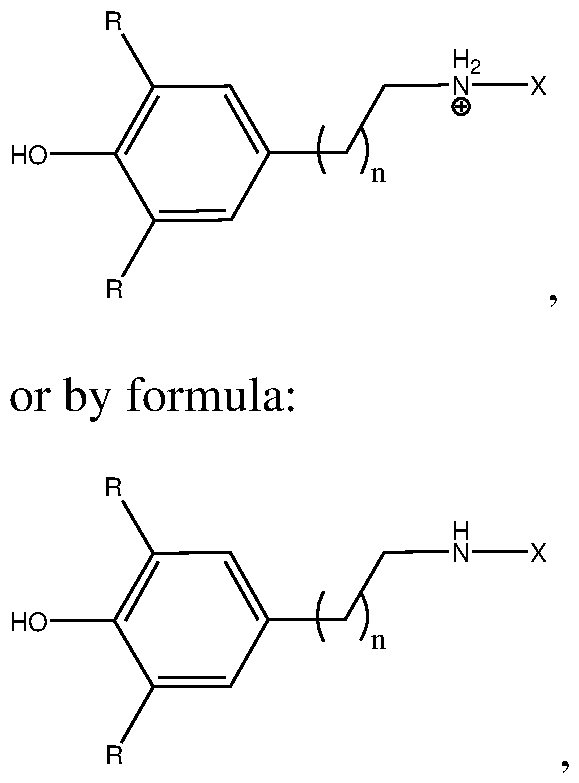


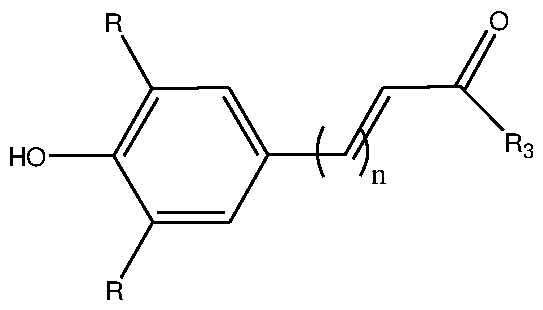


Claims
Priority Applications (8)
| Application Number | Priority Date | Filing Date | Title |
|---|---|---|---|
| EP19846452.1A EP3833366B1 (en) | 2018-08-08 | 2019-08-08 | Microorganism mixtures, molecules derived therefrom, and methods of use thereof |
| IL280728A IL280728B1 (en) | 2018-08-08 | 2019-08-08 | Microorganism mixtures, molecules derived therefrom, and methods of use thereof |
| AU2019317821A AU2019317821A1 (en) | 2018-08-08 | 2019-08-08 | Microorganism mixtures, molecules derived therefrom, and methods of use thereof |
| KR1020217006841A KR20210091689A (en) | 2018-08-08 | 2019-08-08 | Microbial mixtures, molecules derived therefrom and methods of use thereof |
| US17/266,717 US20210299096A1 (en) | 2018-08-08 | 2019-08-08 | Microorganism mixtures, molecules derived therefrom, and methods of use thereof |
| JP2021506307A JP2021533151A (en) | 2018-08-08 | 2019-08-08 | Microbial mixtures, molecules derived from them, and how to use them |
| CN201980066090.5A CN112839650A (en) | 2018-08-08 | 2019-08-08 | Microbial mixtures, molecules derived therefrom, and methods of use |
| US17/534,483 US20220160680A1 (en) | 2018-08-08 | 2021-11-24 | Microorganism mixtures, molecules derived therefrom, and methods of use thereof |
Applications Claiming Priority (2)
| Application Number | Priority Date | Filing Date | Title |
|---|---|---|---|
| US201862715875P | 2018-08-08 | 2018-08-08 | |
| US62/715,875 | 2018-08-08 |
Related Child Applications (2)
| Application Number | Title | Priority Date | Filing Date |
|---|---|---|---|
| US17/266,717 A-371-Of-International US20210299096A1 (en) | 2018-08-08 | 2019-08-08 | Microorganism mixtures, molecules derived therefrom, and methods of use thereof |
| US17/534,483 Continuation-In-Part US20220160680A1 (en) | 2018-08-08 | 2021-11-24 | Microorganism mixtures, molecules derived therefrom, and methods of use thereof |
Publications (1)
| Publication Number | Publication Date |
|---|---|
| WO2020031191A1 true WO2020031191A1 (en) | 2020-02-13 |
Family
ID=69414243
Family Applications (1)
| Application Number | Title | Priority Date | Filing Date |
|---|---|---|---|
| PCT/IL2019/050903 Ceased WO2020031191A1 (en) | 2018-08-08 | 2019-08-08 | Microorganism mixtures, molecules derived therefrom, and methods of use thereof |
Country Status (8)
| Country | Link |
|---|---|
| US (1) | US20210299096A1 (en) |
| EP (1) | EP3833366B1 (en) |
| JP (1) | JP2021533151A (en) |
| KR (1) | KR20210091689A (en) |
| CN (1) | CN112839650A (en) |
| AU (1) | AU2019317821A1 (en) |
| IL (1) | IL280728B1 (en) |
| WO (1) | WO2020031191A1 (en) |
Cited By (2)
| Publication number | Priority date | Publication date | Assignee | Title |
|---|---|---|---|---|
| WO2021229566A1 (en) * | 2020-05-11 | 2021-11-18 | B. G. Negev Technologies And Applications Ltd., At Ben-Gurion University | Compositions of tryptophol derivatives and 4-ethyl-phenol derivatives, and methods of using same |
| WO2022137239A1 (en) * | 2020-12-24 | 2022-06-30 | B. G. Negev Technologies And Applications Ltd., At Ben-Gurion University | Methods for modulating microbial populations |
Families Citing this family (6)
| Publication number | Priority date | Publication date | Assignee | Title |
|---|---|---|---|---|
| US20220160680A1 (en) * | 2018-08-08 | 2022-05-26 | B. G. Negev Technologies And Applications Ltd., At Ben-Gurion University | Microorganism mixtures, molecules derived therefrom, and methods of use thereof |
| WO2023018664A1 (en) | 2021-08-09 | 2023-02-16 | Quantum Dynamics Enterprises, Inc. | Apparatus and process for conversion of energy |
| CN113832167B (en) * | 2021-11-01 | 2023-04-21 | 昆明理工大学 | Gene and application thereof in increasing yield of phenethyl alcohol and tryptophane |
| EP4561550A1 (en) * | 2022-07-31 | 2025-06-04 | B.G. Negev Technologies and Applications Ltd., at Ben-Gurion University | Therapeutic effect of molecules derived from probiotic milk-based fermentation microbial consortium ("kefir") on wounds healing |
| CN116421600B (en) * | 2023-05-29 | 2024-08-23 | 重庆医科大学 | Application of tryptophane in preparation of medicine for treating anxiety |
| CN118530158A (en) * | 2024-05-27 | 2024-08-23 | 扬州大学 | Preparation of 2-(1H-indol-3-yl)-ethyl acetate and its application in controlling Penicillium expansum |
Citations (3)
| Publication number | Priority date | Publication date | Assignee | Title |
|---|---|---|---|---|
| KR20070005937A (en) * | 2005-06-14 | 2007-01-11 | 한국생명공학연구원 | Composition containing caper powder or extract thereof having anti-allergic, anti-inflammatory and anti-asthmatic activity |
| KR20100062450A (en) * | 2008-12-02 | 2010-06-10 | 한국생명공학연구원 | Composition comprising kluyveromyces marxianus for prevention and treatment of allergy, inflammation or asthma diseases |
| KR20110119609A (en) * | 2011-10-19 | 2011-11-02 | 한국생명공학연구원 | Composition comprising Kluyveromyces marxianus for prevention and treatment of allergy,inflammation or asthma diseases |
Family Cites Families (11)
| Publication number | Priority date | Publication date | Assignee | Title |
|---|---|---|---|---|
| US4847283A (en) * | 1983-01-10 | 1989-07-11 | Harendza Harinxma Alfred J | Ointment and method for treating skin lesions due to herpes virus |
| CN1091977A (en) * | 1993-03-08 | 1994-09-14 | 杭州市整形医院 | A kind of scar-leveling cream and production technology thereof |
| NZ534884A (en) * | 2002-02-13 | 2007-05-31 | Creagri Inc | Method and composition for treatment of inflammation and AIDS-associated neurological disorders |
| JP5048246B2 (en) * | 2003-08-26 | 2012-10-17 | 日本ケフィア株式会社 | Internal composition for skin care |
| US20130089530A1 (en) * | 2011-10-11 | 2013-04-11 | Microbes, Inc. | Methods and compositions for treating parasitic worm infections in a mammal |
| WO2009151020A1 (en) * | 2008-06-10 | 2009-12-17 | 株式会社フィス | Novel fermented milk product and use thereof |
| US20180027833A1 (en) * | 2009-04-24 | 2018-02-01 | Nestec S.A. | Shelf-stable fermented dairy products and methods of making same |
| KR101776467B1 (en) * | 2016-03-15 | 2017-09-07 | 건국대학교 산학협력단 | Primer set for detecting and enumerating Kluyveromyces marxianus, and Kluyveromyces marxianus detection and enumeration method using the same |
| US20220160680A1 (en) * | 2018-08-08 | 2022-05-26 | B. G. Negev Technologies And Applications Ltd., At Ben-Gurion University | Microorganism mixtures, molecules derived therefrom, and methods of use thereof |
| EP4149458A4 (en) * | 2020-05-11 | 2024-06-05 | B.G. Negev Technologies and Applications Ltd., at Ben-Gurion University | COMPOSITIONS OF TRYPTOPHOL DERIVATIVES AND 4-ETHYL-PHENOL DERIVATIVES, AND METHODS OF USE THEREOF |
| EP4267120A4 (en) * | 2020-12-24 | 2024-11-20 | B.G. Negev Technologies and Applications Ltd., at Ben-Gurion University | METHODS FOR MODULATION OF MICROBIAL POPULATIONS |
-
2019
- 2019-08-08 EP EP19846452.1A patent/EP3833366B1/en active Active
- 2019-08-08 KR KR1020217006841A patent/KR20210091689A/en not_active Ceased
- 2019-08-08 IL IL280728A patent/IL280728B1/en unknown
- 2019-08-08 WO PCT/IL2019/050903 patent/WO2020031191A1/en not_active Ceased
- 2019-08-08 CN CN201980066090.5A patent/CN112839650A/en active Pending
- 2019-08-08 US US17/266,717 patent/US20210299096A1/en active Pending
- 2019-08-08 AU AU2019317821A patent/AU2019317821A1/en not_active Abandoned
- 2019-08-08 JP JP2021506307A patent/JP2021533151A/en active Pending
Patent Citations (3)
| Publication number | Priority date | Publication date | Assignee | Title |
|---|---|---|---|---|
| KR20070005937A (en) * | 2005-06-14 | 2007-01-11 | 한국생명공학연구원 | Composition containing caper powder or extract thereof having anti-allergic, anti-inflammatory and anti-asthmatic activity |
| KR20100062450A (en) * | 2008-12-02 | 2010-06-10 | 한국생명공학연구원 | Composition comprising kluyveromyces marxianus for prevention and treatment of allergy, inflammation or asthma diseases |
| KR20110119609A (en) * | 2011-10-19 | 2011-11-02 | 한국생명공학연구원 | Composition comprising Kluyveromyces marxianus for prevention and treatment of allergy,inflammation or asthma diseases |
Non-Patent Citations (4)
| Title |
|---|
| PATRICIA ARACLI BOLLA , PAULA CARASI . MARIA DE LOS ANGELES SERRADELL , GRACIELA LILIANA DE ANTONI: "Kefir-isolated Lactococcus lactis subsp . lactis inhibits the cytotoxic effect of Clostridium difficile in vitro", vol. 80, no. 1, 10 December 2012 (2012-12-10), pages 96 - 102, XP055683594, Retrieved from the Internet <URL:https://www.cambridge.org/core/journals/journal-of-dairy-research/article/kefirisolated-lactococcus-lactis-subsp-lactis-inhibits-the-cytotoxic-effect-of-clostridium-difficile-in-vitro/579FE02B0A97BC7F46406F52DFB36EBB> [retrieved on 20191127] * |
| ROMANIN D E , LLOPIS S , GENOVES S , MARTORELL P , RAMON V D , GARROTE G L , RUMBO M : "Probiotic yeast Kluyveromyces marxianus CIDCA 8154 shows anti- inflammatory and anti-oxidative stress properties in in vivo models", BENEFICIAL MICROBES, vol. 7, no. 1, 13 November 2015 (2015-11-13), pages 83 - 93, XP009526211, ISSN: 1876-2883, DOI: 10.3920/BM2015.0066 * |
| See also references of EP3833366A4 * |
| XING-FU CAI , YOUNG-WON CHIN , SEI-RYAN OH , OK-KYUNG KWON , KYUNG-SEOP AHN , HYEONG-KYU LEE: "Anti-inflammatory constituents from Solanum nigrum", BULLETIN OF THE KOREAN CHEMICAL SOCIETY, vol. 31, no. 1, 20 January 2010 (2010-01-20), pages 199 - 201, XP055683590, DOI: 10.5012/bkcs.2010.31.01.199 * |
Cited By (3)
| Publication number | Priority date | Publication date | Assignee | Title |
|---|---|---|---|---|
| WO2021229566A1 (en) * | 2020-05-11 | 2021-11-18 | B. G. Negev Technologies And Applications Ltd., At Ben-Gurion University | Compositions of tryptophol derivatives and 4-ethyl-phenol derivatives, and methods of using same |
| US12478610B2 (en) | 2020-05-11 | 2025-11-25 | Orit MALKA | Compositions of tryptophol derivatives and 4-ethyl-phenol derivatives, and methods of using same |
| WO2022137239A1 (en) * | 2020-12-24 | 2022-06-30 | B. G. Negev Technologies And Applications Ltd., At Ben-Gurion University | Methods for modulating microbial populations |
Also Published As
| Publication number | Publication date |
|---|---|
| EP3833366A4 (en) | 2022-05-18 |
| KR20210091689A (en) | 2021-07-22 |
| US20210299096A1 (en) | 2021-09-30 |
| CN112839650A (en) | 2021-05-25 |
| EP3833366B1 (en) | 2025-12-03 |
| AU2019317821A1 (en) | 2021-03-11 |
| EP3833366A1 (en) | 2021-06-16 |
| IL280728A (en) | 2021-03-25 |
| IL280728B1 (en) | 2026-04-01 |
| JP2021533151A (en) | 2021-12-02 |
Similar Documents
| Publication | Publication Date | Title |
|---|---|---|
| EP3833366B1 (en) | Microorganism mixtures, molecules derived therefrom, and methods of use thereof | |
| JP7740720B2 (en) | Modification of the gut microbiome to treat psychiatric disorders or diseases of the central nervous system | |
| van Leeuwen et al. | Interspecies interactions between Clostridium difficile and Candida albicans | |
| Qu et al. | In vitro activity and In vivo efficacy of Isoliquiritigenin against Staphylococcus xylosus ATCC 700404 by IGPD target | |
| Zhang et al. | Mechanisms of Baicalin alleviates intestinal inflammation: role of M1 macrophage polarization and lactobacillus amylovorus | |
| Ma et al. | Anti-inflammation of epicatechin mediated by TMEM35A and TMPO in bovine mammary epithelial cell line cells and mouse mammary gland | |
| Jang et al. | Cell‐free culture supernatant of Lactobacillus curvatus Wikim38 inhibits RANKL‐induced osteoclast differentiation and ameliorates bone loss in ovariectomized mice | |
| Li et al. | Bifidobacterium breve synergizes with Akkermansia muciniphila and Bacteroides ovatus to antagonize Clostridioides difficile | |
| Jung et al. | Coumarin derivatives ameliorate the intestinal inflammation and pathogenic gut microbiome changes in the model of infectious colitis through antibacterial activity | |
| Kang et al. | Potential role of host defense antimicrobial peptide resistance in increased virulence of health care-associated MRSA strains of sequence type (ST) 5 versus livestock-associated and community-associated MRSA strains of ST72 | |
| Boopathi et al. | Quorum quenching potentials of probiotic Enterococcus durans LAB38 against methicillin resistant Staphylococcus aureus | |
| Sun et al. | Mechanism analysis of improved glucose homeostasis and cholesterol metabolism in high-fat-induced obese mice treated with La-SJLH001 via transcriptomics and culturomics | |
| WO2022137239A1 (en) | Methods for modulating microbial populations | |
| Oh et al. | Comparison of Cell‐Free Extracts from Three Newly Identified Lactobacillus plantarum Strains on the Inhibitory Effect of Adipogenic Differentiation and Insulin Resistance in 3T3‐L1 Adipocytes | |
| de Carvalho Maquiné et al. | In vitro probiotic potential of lactic acid bacteria isolated from the intestines of Muscovy ducks | |
| US20220160680A1 (en) | Microorganism mixtures, molecules derived therefrom, and methods of use thereof | |
| Adeniyi et al. | Gut Microbiome derived lactic acid Bacteria (GM-d-LAB) from Dwarf goats (Capra Aegagrus hircus) inhibit the resident multiple antibiotics resistance bacterial pathogens | |
| Pan et al. | Bacillus safensis from sauerkraut alleviates acute lung injury induced by methicillin-resistant staphylococcus aureus through the regulation of M2 macrophage polarization via its metabolite esculin | |
| KR20230093087A (en) | Novel strain having antibiotic activity against proteus mirabilis and use thereof | |
| Gatasheh | Isolation, Characterization and Probiotic Properties of Levilactobacillus brevis FS1 from Fermented Food and Its Impact on Differentiation and Fat Deposition | |
| Wang et al. | Multi-omics Analysis of Klebsiella pneumoniae Revealed Opposing Effects of Rutin and Luteolin on Strain Growth | |
| Zhang et al. | Sigma factor RpoS positively affects the spoilage activity of Shewanella baltica and negatively regulates its adhesion effect | |
| Qu et al. | In Vitro activity and | |
| Song et al. | The potential application of isoxanthohumol in inhibiting Clostridium perfringens infection by targeting the type IV pili | |
| Li et al. | Phenotypic and genomic analyses of the probiotic Enterococcus casseliflavus SHAMU-QH-02 |
Legal Events
| Date | Code | Title | Description |
|---|---|---|---|
| 121 | Ep: the epo has been informed by wipo that ep was designated in this application |
Ref document number: 19846452 Country of ref document: EP Kind code of ref document: A1 |
|
| ENP | Entry into the national phase |
Ref document number: 2021506307 Country of ref document: JP Kind code of ref document: A |
|
| NENP | Non-entry into the national phase |
Ref country code: DE |
|
| ENP | Entry into the national phase |
Ref document number: 20217006841 Country of ref document: KR Kind code of ref document: A |
|
| ENP | Entry into the national phase |
Ref document number: 2019317821 Country of ref document: AU Date of ref document: 20190808 Kind code of ref document: A |
|
| ENP | Entry into the national phase |
Ref document number: 2019846452 Country of ref document: EP Effective date: 20210309 |
|
| WWG | Wipo information: grant in national office |
Ref document number: 2019846452 Country of ref document: EP |