WO2020054879A1 - 予測データを計算する情報処理装置など - Google Patents
予測データを計算する情報処理装置など Download PDFInfo
- Publication number
- WO2020054879A1 WO2020054879A1 PCT/JP2019/037155 JP2019037155W WO2020054879A1 WO 2020054879 A1 WO2020054879 A1 WO 2020054879A1 JP 2019037155 W JP2019037155 W JP 2019037155W WO 2020054879 A1 WO2020054879 A1 WO 2020054879A1
- Authority
- WO
- WIPO (PCT)
- Prior art keywords
- user
- prediction
- information processing
- log data
- application program
- Prior art date
- Legal status (The legal status is an assumption and is not a legal conclusion. Google has not performed a legal analysis and makes no representation as to the accuracy of the status listed.)
- Ceased
Links
Images



Classifications
-
- A—HUMAN NECESSITIES
- A63—SPORTS; GAMES; AMUSEMENTS
- A63F—CARD, BOARD, OR ROULETTE GAMES; INDOOR GAMES USING SMALL MOVING PLAYING BODIES; VIDEO GAMES; GAMES NOT OTHERWISE PROVIDED FOR
- A63F13/00—Video games, i.e. games using an electronically generated display having two or more dimensions
- A63F13/60—Generating or modifying game content before or while executing the game program, e.g. authoring tools specially adapted for game development or game-integrated level editor
- A63F13/67—Generating or modifying game content before or while executing the game program, e.g. authoring tools specially adapted for game development or game-integrated level editor adaptively or by learning from player actions, e.g. skill level adjustment or by storing successful combat sequences for re-use
-
- G—PHYSICS
- G06—COMPUTING OR CALCULATING; COUNTING
- G06Q—INFORMATION AND COMMUNICATION TECHNOLOGY [ICT] SPECIALLY ADAPTED FOR ADMINISTRATIVE, COMMERCIAL, FINANCIAL, MANAGERIAL OR SUPERVISORY PURPOSES; SYSTEMS OR METHODS SPECIALLY ADAPTED FOR ADMINISTRATIVE, COMMERCIAL, FINANCIAL, MANAGERIAL OR SUPERVISORY PURPOSES, NOT OTHERWISE PROVIDED FOR
- G06Q30/00—Commerce
- G06Q30/02—Marketing; Price estimation or determination; Fundraising
- G06Q30/0241—Advertisements
- G06Q30/0251—Targeted advertisements
- G06Q30/0269—Targeted advertisements based on user profile or attribute
-
- A—HUMAN NECESSITIES
- A63—SPORTS; GAMES; AMUSEMENTS
- A63F—CARD, BOARD, OR ROULETTE GAMES; INDOOR GAMES USING SMALL MOVING PLAYING BODIES; VIDEO GAMES; GAMES NOT OTHERWISE PROVIDED FOR
- A63F13/00—Video games, i.e. games using an electronically generated display having two or more dimensions
- A63F13/60—Generating or modifying game content before or while executing the game program, e.g. authoring tools specially adapted for game development or game-integrated level editor
- A63F13/61—Generating or modifying game content before or while executing the game program, e.g. authoring tools specially adapted for game development or game-integrated level editor using advertising information
-
- A—HUMAN NECESSITIES
- A63—SPORTS; GAMES; AMUSEMENTS
- A63F—CARD, BOARD, OR ROULETTE GAMES; INDOOR GAMES USING SMALL MOVING PLAYING BODIES; VIDEO GAMES; GAMES NOT OTHERWISE PROVIDED FOR
- A63F13/00—Video games, i.e. games using an electronically generated display having two or more dimensions
- A63F13/70—Game security or game management aspects
- A63F13/79—Game security or game management aspects involving player-related data, e.g. identities, accounts, preferences or play histories
- A63F13/792—Game security or game management aspects involving player-related data, e.g. identities, accounts, preferences or play histories for payment purposes, e.g. monthly subscriptions
-
- G—PHYSICS
- G06—COMPUTING OR CALCULATING; COUNTING
- G06N—COMPUTING ARRANGEMENTS BASED ON SPECIFIC COMPUTATIONAL MODELS
- G06N20/00—Machine learning
-
- G—PHYSICS
- G06—COMPUTING OR CALCULATING; COUNTING
- G06N—COMPUTING ARRANGEMENTS BASED ON SPECIFIC COMPUTATIONAL MODELS
- G06N3/00—Computing arrangements based on biological models
- G06N3/02—Neural networks
- G06N3/04—Architecture, e.g. interconnection topology
- G06N3/0499—Feedforward networks
-
- G—PHYSICS
- G06—COMPUTING OR CALCULATING; COUNTING
- G06N—COMPUTING ARRANGEMENTS BASED ON SPECIFIC COMPUTATIONAL MODELS
- G06N3/00—Computing arrangements based on biological models
- G06N3/02—Neural networks
- G06N3/08—Learning methods
-
- G—PHYSICS
- G06—COMPUTING OR CALCULATING; COUNTING
- G06N—COMPUTING ARRANGEMENTS BASED ON SPECIFIC COMPUTATIONAL MODELS
- G06N3/00—Computing arrangements based on biological models
- G06N3/02—Neural networks
- G06N3/08—Learning methods
- G06N3/09—Supervised learning
-
- G—PHYSICS
- G06—COMPUTING OR CALCULATING; COUNTING
- G06Q—INFORMATION AND COMMUNICATION TECHNOLOGY [ICT] SPECIALLY ADAPTED FOR ADMINISTRATIVE, COMMERCIAL, FINANCIAL, MANAGERIAL OR SUPERVISORY PURPOSES; SYSTEMS OR METHODS SPECIALLY ADAPTED FOR ADMINISTRATIVE, COMMERCIAL, FINANCIAL, MANAGERIAL OR SUPERVISORY PURPOSES, NOT OTHERWISE PROVIDED FOR
- G06Q30/00—Commerce
- G06Q30/02—Marketing; Price estimation or determination; Fundraising
- G06Q30/0241—Advertisements
- G06Q30/0251—Targeted advertisements
- G06Q30/0253—During e-commerce, i.e. online transactions
-
- G—PHYSICS
- G06—COMPUTING OR CALCULATING; COUNTING
- G06Q—INFORMATION AND COMMUNICATION TECHNOLOGY [ICT] SPECIALLY ADAPTED FOR ADMINISTRATIVE, COMMERCIAL, FINANCIAL, MANAGERIAL OR SUPERVISORY PURPOSES; SYSTEMS OR METHODS SPECIALLY ADAPTED FOR ADMINISTRATIVE, COMMERCIAL, FINANCIAL, MANAGERIAL OR SUPERVISORY PURPOSES, NOT OTHERWISE PROVIDED FOR
- G06Q30/00—Commerce
- G06Q30/02—Marketing; Price estimation or determination; Fundraising
- G06Q30/0241—Advertisements
- G06Q30/0251—Targeted advertisements
- G06Q30/0254—Targeted advertisements based on statistics
-
- G—PHYSICS
- G06—COMPUTING OR CALCULATING; COUNTING
- G06Q—INFORMATION AND COMMUNICATION TECHNOLOGY [ICT] SPECIALLY ADAPTED FOR ADMINISTRATIVE, COMMERCIAL, FINANCIAL, MANAGERIAL OR SUPERVISORY PURPOSES; SYSTEMS OR METHODS SPECIALLY ADAPTED FOR ADMINISTRATIVE, COMMERCIAL, FINANCIAL, MANAGERIAL OR SUPERVISORY PURPOSES, NOT OTHERWISE PROVIDED FOR
- G06Q30/00—Commerce
- G06Q30/02—Marketing; Price estimation or determination; Fundraising
- G06Q30/0241—Advertisements
- G06Q30/0251—Targeted advertisements
- G06Q30/0255—Targeted advertisements based on user history
-
- G—PHYSICS
- G06—COMPUTING OR CALCULATING; COUNTING
- G06Q—INFORMATION AND COMMUNICATION TECHNOLOGY [ICT] SPECIALLY ADAPTED FOR ADMINISTRATIVE, COMMERCIAL, FINANCIAL, MANAGERIAL OR SUPERVISORY PURPOSES; SYSTEMS OR METHODS SPECIALLY ADAPTED FOR ADMINISTRATIVE, COMMERCIAL, FINANCIAL, MANAGERIAL OR SUPERVISORY PURPOSES, NOT OTHERWISE PROVIDED FOR
- G06Q30/00—Commerce
- G06Q30/02—Marketing; Price estimation or determination; Fundraising
- G06Q30/0241—Advertisements
- G06Q30/0251—Targeted advertisements
- G06Q30/0255—Targeted advertisements based on user history
- G06Q30/0256—User search
-
- H—ELECTRICITY
- H04—ELECTRIC COMMUNICATION TECHNIQUE
- H04L—TRANSMISSION OF DIGITAL INFORMATION, e.g. TELEGRAPHIC COMMUNICATION
- H04L67/00—Network arrangements or protocols for supporting network services or applications
- H04L67/50—Network services
- H04L67/535—Tracking the activity of the user
-
- A—HUMAN NECESSITIES
- A63—SPORTS; GAMES; AMUSEMENTS
- A63F—CARD, BOARD, OR ROULETTE GAMES; INDOOR GAMES USING SMALL MOVING PLAYING BODIES; VIDEO GAMES; GAMES NOT OTHERWISE PROVIDED FOR
- A63F2300/00—Features of games using an electronically generated display having two or more dimensions, e.g. on a television screen, showing representations related to the game
- A63F2300/50—Features of games using an electronically generated display having two or more dimensions, e.g. on a television screen, showing representations related to the game characterized by details of game servers
- A63F2300/53—Features of games using an electronically generated display having two or more dimensions, e.g. on a television screen, showing representations related to the game characterized by details of game servers details of basic data processing
- A63F2300/535—Features of games using an electronically generated display having two or more dimensions, e.g. on a television screen, showing representations related to the game characterized by details of game servers details of basic data processing for monitoring, e.g. of user parameters, terminal parameters, application parameters, network parameters
Definitions
- the present invention relates to an information processing apparatus, an information processing method, a program, and an information processing method for calculating, based on log data indicating a history of use of an application program by one user, prediction data relating to future actions in the application program of the one user.
- the present invention relates to a marketing information processing device that selects an optimal advertisement for one user.
- Patent Literature 1 relates to a demand prediction system and the like that can appropriately predict product demand in a store.
- the prediction unit 103 predicts a traffic route, a traffic volume, and the number of visits of a person, and appropriately predicts a demand for goods that fluctuates accordingly.
- the invention described in Patent Literature 1 is another field different from the present invention, which is demand prediction of a product, and in prediction, the prediction unit 103 uses a past event in which the type and the attribute match or are similar to the target event. In this regard, the actual information of events was used as a reference, and in this regard, future predictions were made in lump units.
- Patent Literature 2 relates to a demand forecasting system and the like that can easily and accurately predict the demand for individual products that a consumer intends to purchase.
- the invention described in Patent Literature 2 is a field different from the present invention, which is demand forecasting of a product, and does not use machine learning.
- the company that operates the application program has log data on actions performed by many users in the application program.
- this log data includes enormous and irrelevant data, the log data holding company It was not easy to analyze log data and make predictions in the future.
- the present invention generates a learning model by machine learning using an enormous amount of log data, and applies the learning model to a specific user.
- the purpose is to predict with high accuracy what action will be taken in the future.
- the present invention also provides an information processing device that selects an appropriate advertisement for the specific one user based on the predicted probability.
- An information processing apparatus a log data acquisition unit that acquires log data indicating a use history of an application program by one user, By analyzing the log data using a learning model generated by machine learning, a prediction processing unit that calculates prediction data that is a prediction result regarding the use of the application program by the one user, An output unit that outputs the prediction data generated by the prediction processing unit, It is characterized by having.
- a prediction data acquisition unit that acquires the prediction data generated by the information processing device according to the present invention
- a marketing processing unit that selects an advertisement for the one user using the prediction data; It is characterized by having.
- the information processing method includes: A first step of acquiring log data indicating a use history of an application program by one user; Analyzing the log data using a learning model generated by machine learning to calculate prediction data that is a prediction result regarding the use of the application program by the one user; A third step of outputting the prediction data generated by the prediction processing unit; It is characterized by having.
- the program according to the present invention includes: On the computer, A first process of acquiring log data indicating a use history of an application program by one user; Analyzing the log data using a learning model generated by machine learning to calculate prediction data that is a prediction result regarding the use of the application program by the one user; A third process of outputting the prediction data generated by the prediction processing unit; Is executed.
- the present invention it is possible to provide an information processing apparatus or the like that predicts what action a specific user will take in the application program in the future with high accuracy. Further, according to the present invention, it is possible to provide an information processing apparatus that selects an appropriate advertisement for the specific one user based on the prediction data.
- FIG. 1 is a functional block diagram illustrating an information processing device 1 according to an embodiment of the present invention.
- FIG. 9 is a functional block diagram showing an information processing device 1 according to another embodiment of the present invention. It is a functional block diagram showing marketing information processor 2 concerning one embodiment of the present invention.
- 5 is a flowchart illustrating an example of a learning process executed by a machine learning processing unit 22. 5 is a flowchart illustrating an example of a prediction process performed by a prediction processing unit 12.
- FIG. 1 is a functional block diagram showing an information processing apparatus 1 according to one embodiment of the present invention.
- the information processing device 1 includes a log data acquisition unit 11, a prediction processing unit 12, and an output unit 13.
- the log data storage unit 21, the machine learning processing unit 22, and the learning model storage unit 23, which are illustrated as being outside the information processing apparatus 1, are for providing a learning model to the prediction processing unit 12, and are essential for the present invention. Is not a component. However, these may be provided in the information processing device 1.
- the log data acquisition unit 11 acquires log data indicating the usage history of the application program, and transmits the log data to the prediction processing unit 12.
- the acquired log data may be transmitted to the log data storage unit 21.
- Log data is usually held as a database by the company that runs the application program.
- the log data acquisition unit 11 can acquire log data by reading log data from its own database.
- the application program operating company may request log data to a third-party data analysis company for prediction.
- the data analysis company uses the information processing device of the present invention.
- the data analysis company can acquire log data from the application program operating company in the log data acquisition unit 11 via, for example, a network.
- the use history of the application program in general, for example, a user ID, a use start date / use end date of the application program, a use frequency, a login date / time, time, what kind of action has been taken when using the application program, When a product or the like is purchased through an application program, log data and the like regarding details of the purchase amount and the like are included.
- the application program is an EC site that deals with e-commerce, in particular, the number of page views / time, the number of search executions, search keywords, e-mail magazine opening, the number of image views, the number of additions to the cart, and the number of page transitions until the cart is added , Number of coupons acquired / expired, number of recommended product taps / number of purchases, number of featured page views / number of purchases, number of payment method registrations, number of transitions to payment method registration, number of same product purchases, first purchase products, purchased products
- the number of browsing and the like can be cited as log data.
- the application program is a social networking service (so-called SNS)
- SNS social networking service
- the number of sent / received messages the type of sent / received stamp (positive stamp or negative stamp)
- the time until opening of the received message the number of sent / received per day
- the log data includes the number of users who sent and received the first time, the number and period of sending and receiving with the user who exchanged the most, the number of reactions and comments on others and their own posts, the number of posts, the number of clicks on links and advertisements, and the elapsed time until returning. No.
- the application program is a game, in particular, the charging status in the game (charging date and time, charging target (purchase of items / characters, purchase of in-game currency, etc.), charging amount, charging frequency, etc.), use of the game Status (date of game download, number of days elapsed since download, login date and time, login time, number of days elapsed since last use of the game, etc.), character enhancement status in the game (date and time of character enhancement) , Number of times, character type, etc.), how items are used in the game (type of items possessed, number of items possessed, date and time of item use, number of items used, etc.) The task being cleared, the number of times the task has been challenged), the status of the user in the game (the player's level ) The log data and the like related to such.
- the prediction processing unit 12 extracts the log data of one user from the log data received from the log data acquisition unit 11 and executes the learning model (algorithm) stored in the learning model storage unit 23 to execute the learning. Calculate the prediction data which is the prediction result regarding the use of one user's application program.
- the prediction data for example, the probability that the one user will continue to use the application program for a certain period in the future (constant period continuation rate), the probability that the user will stop using the application program within a certain period in the future (leaving rate within a certain period) And the probability of purchasing a product or the like in the application program for a certain period in the future (charging rate within a certain period).
- the prediction data includes, in particular, the probability that the one user will be charged within a certain period in the future (charging rate), the probability of playing continuously in the future (game continuation rate), The probability of stopping playing (game exit rate) is important.
- the output unit 13 outputs the prediction data generated by the prediction processing unit 12.
- the output may be output as electronic data or may be output by printing out, regardless of the method.
- the log data storage unit 21 stores a huge amount of log data indicating the use history of the application program acquired by the log data acquisition unit 11. This log data is used as teacher data (training data) for generating a learning model. This log data can also be transmitted to the prediction processing unit 12 as log data to be subjected to prediction processing.
- the machine learning processing unit 22 generates a learning model executed by the prediction processing unit 12 using machine learning. At that time, the enormous amount of log data stored in the log data storage unit 21 serves as input / output pair teacher data.
- ⁇ ⁇ ⁇ As a model handled in machine learning, all known models such as a decision tree, inductive inference, a neural network, and deep learning are used. Specific examples include CNN, RNN, SVM, logistic regression, random forest, Xgboost, and the like. In order to construct a learning model with higher accuracy, it is preferable to use deep learning using a neural network as machine learning.
- ⁇ ⁇ Variables included in the learning model can be appropriately selected and set as those related to the generation of prediction data. In order to calculate highly accurate prediction data, many variables are usually used.
- variables of the application program include, for example, numerical values relating to the use status, action details, and billing status of the application program.
- variables include the following.
- ⁇ Numerical value related to purchasing currency in the game eg, billing amount
- Numerical value related to lottery generally called “gacha” that consumes in-game currency to obtain items, characters, etc.
- Numerical value related to item consumption in the game eg, number of items consumed
- Numerical value related to the action that improves the status of the character in the game e.g, the number of lessons taken
- Values related to character enhancement in the game e.g, the number of times characters are combined
- Numerical value related to the status of the user in the game eg, player level
- Numerical value related to the user's task in the game eg, the number of times the task was challenged
- What machine learning is performed as input / output pairs as teacher data can vary depending on what is predicted. For example, if one user who has been using the application program for three days after installation and wants to calculate the probability of continuing to use it for the next seven days (seven-day continuation rate) as the prediction data, the application data is input as the teacher data. The data obtained by extracting the log data indicating the usage history of the user who has been using the program for three days after the installation is used, and whether or not the data has been used for seven days is used as the output data to be paired. By causing the machine learning processing unit 22 to read a large amount of this teacher data as an input / output pair, a learning model can be constructed.
- examples of the prediction menu include the following. -Probability that one user who installed the application program will continue to use it for the next 14 days (14-day continuation rate) -Probability that one user who has not used the application program for a certain period of time and has started using it after a long time will continue to use it for the next seven days (continuation rate for seven days after returning) ⁇ Probability that one user who is currently using the application program will not use it at all after the next week (withdrawal rate) -Probability that one user who is actually charging the application program will not charge at all after the next month (charge-out rate) -Probability that one user who has installed the application program will charge within 30 days (charge rate) Probability that one user who has not used the application program for a certain period of time and has started using it after a long time will be charged within 30 days (charge rate after return)
- the learning model storage unit 23 stores the learning model generated by the machine learning processing unit 22. Then, in response to the request of the prediction processing unit 12, the learning model necessary for calculating the prediction data is provided to the prediction processing unit 12.
- FIG. 2 is a functional block diagram showing an information processing apparatus 1 according to another embodiment of the present invention.
- the information processing apparatus 1 includes a storage unit 14 and a marketing processing unit 15 in addition to the log data acquisition unit 11, the prediction processing unit 12, and the output unit 13. Further, the information processing apparatus 1 includes a log data storage unit 21, a machine learning processing unit 22, and a learning model storage unit 23 illustrated outside the information processing apparatus 1 in FIG.
- the storage unit 14 acquires prediction data from the output unit 13 and stores it. Further, the storage unit 14 also serves as a database of advertisements for users, and may store a plurality of advertisements. Further, the storage unit 14 may store a program executed when the processing is performed by the marketing processing unit 15.
- the marketing processing unit 15 acquires the prediction data from the storage unit 14 and selects an advertisement considered to be optimal for the one user, or selects not to advertise to the one user.
- the prediction data includes, for example, a probability (charging rate) that the one user will charge within a certain period in the future, and a probability that the item purchased by the one user next is A (for each item). Purchase rate).
- the processing unit 15 selects an advertisement related to the item A from a plurality of advertisements stored in the storage unit 14.
- the application program operating company according to this determination of the marketing processing unit 15, places an advertisement on the one user, thereby enabling highly effective marketing.
- the charging rate of the one user is 5%, it can be said that the one user has a low probability of purchasing any item, so the marketing processing unit 15 determines that the one user is not to advertise. do.
- the application program operating company can determine that the advertisement is not to be issued to the one user according to the determination of the marketing processing unit 15, so that unnecessary costs can be saved.
- the marketing processing unit 15 can acquire prediction data from the storage unit 14 and, when a target advertisement has already been determined, can select a user to whom the advertisement should be put. .
- the target advertisement is an advertisement for an item
- the marketing processing unit 15 can select a user whose billing rate in the prediction data is equal to or higher than a certain value, and can select the user to whom the advertisement should be displayed.
- FIG. 3 is a functional block diagram showing the marketing information processing apparatus 2 according to one embodiment of the present invention.
- the marketing information processing device 2 includes a prediction data acquisition unit 16, a storage unit 14, and a marketing processing unit 15.
- the marketing information processing device 2 is provided outside the information processing device 1.
- the prediction data acquisition unit 16 acquires prediction data from the output unit 13 of the information processing device 1 (a part is omitted in FIG. 3).
- the prediction data acquisition unit 16 transmits the acquired prediction data to the storage unit 14, and the marketing processing unit 15 selects an advertisement.
- the processing is as described above.
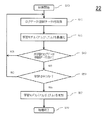
- FIG. 4 is a flowchart illustrating an example of a learning process performed by the machine learning processing unit 22.
- step S20 the machine learning processing unit 22 acquires log data, that is, teacher data of an input / output pair.
- the acquired data is not suitable for machine learning teacher data, it is necessary to perform preprocessing for machine learning, such as deleting unnecessary data or organizing the data.
- This preprocessing can be automatically performed by using a macro function of spreadsheet software. Since the teacher data is enormous, such automatic processing is indispensable for efficient work.
- step S30 the machine learning processing unit 22 optimizes the learning model (also referred to as parameter adjustment or tuning) using the acquired teacher data. Specifically, the machine learning processing unit 22 reads the learning model from the learning model storage unit 23 and reconstructs the learning model by inputting teacher data as an input / output pair. For example, in the present invention, when deep learning using a neural network is used, parameters between nodes constituting the neural network are adjusted.
- step S40 the machine learning processing unit 22 determines whether there is unlearned log data (teacher data). If there is unlearned log data (teacher data) (YES in step S40), the process proceeds to step S20. Thereby, the learning of the learning model is repeatedly performed, and the accuracy of the prediction data calculation is improved. On the other hand, if there is no unlearned log data (teacher data) (NO in step S40), the process proceeds to step S50.
- step S50 the machine learning processing unit 22 determines whether or not learning has been sufficiently performed. For example, as a determination test, the machine learning processing unit 22 appropriately picks up some teacher data (a pair of input data and output data) and executes a learning model on the input data to correctly output data. It is possible to confirm whether or not prediction was possible. When the correct answer rate is equal to or larger than a preset threshold, it is determined that sufficient learning has been performed. When it is determined that the learning is sufficient (YES in step S50), the process proceeds to step S60. On the other hand, if it is determined that the learning is not sufficient (NO in step S50), the processes in and after step S20 are repeated.
- the machine learning processing unit 22 determines whether or not learning has been sufficiently performed. For example, as a determination test, the machine learning processing unit 22 appropriately picks up some teacher data (a pair of input data and output data) and executes a learning model on the input data to correctly output data. It is possible to confirm whether or not prediction was possible. When the correct answer rate is equal to or
- step S60 the machine learning processing unit 22 updates the learning model stored in the learning model storage unit 23 based on the learning result.
- FIG. 5 is a flowchart illustrating an example of a prediction process performed by the prediction processing unit 12.
- step S102 the prediction processing unit 12 acquires log data of one user from the log data acquisition unit 11.
- step S103 the prediction processing unit 12 inputs the log data of one user and executes the learning model.
- step S104 the prediction processing unit 12 outputs prediction data as a result of executing the learning model.
Landscapes
- Engineering & Computer Science (AREA)
- Business, Economics & Management (AREA)
- Theoretical Computer Science (AREA)
- Physics & Mathematics (AREA)
- Accounting & Taxation (AREA)
- Finance (AREA)
- Strategic Management (AREA)
- Development Economics (AREA)
- Multimedia (AREA)
- General Physics & Mathematics (AREA)
- General Business, Economics & Management (AREA)
- Economics (AREA)
- Game Theory and Decision Science (AREA)
- Marketing (AREA)
- Entrepreneurship & Innovation (AREA)
- Software Systems (AREA)
- General Engineering & Computer Science (AREA)
- Evolutionary Computation (AREA)
- Computing Systems (AREA)
- Artificial Intelligence (AREA)
- Data Mining & Analysis (AREA)
- Mathematical Physics (AREA)
- Computational Linguistics (AREA)
- General Health & Medical Sciences (AREA)
- Molecular Biology (AREA)
- Biophysics (AREA)
- Biomedical Technology (AREA)
- Life Sciences & Earth Sciences (AREA)
- Health & Medical Sciences (AREA)
- Computer Security & Cryptography (AREA)
- Medical Informatics (AREA)
- Computer Vision & Pattern Recognition (AREA)
- Computer Hardware Design (AREA)
- Probability & Statistics with Applications (AREA)
- Computer Networks & Wireless Communication (AREA)
- Signal Processing (AREA)
- Management, Administration, Business Operations System, And Electronic Commerce (AREA)
Abstract
アプリケーションプログラム内において、特定の一のユーザが、将来どのような行動をとるかを高精度で予測する。 情報処理装置1は、膨大なアプリケーションプログラムの利用履歴を示すログデータを利用して機械学習により学習モデルを生成し、その学習モデルを特定のユーザのアプリケーションの利用履歴を示すログデータに適用することで、特定の一のユーザが、アプリケーションプログラム内において、将来どのような行動をとるかを高精度で予測する。また、情報処理装置1は、予測された確率に基づいて、当該特定の一のユーザに対して適切な広告を選択する。
Description
本発明は、一のユーザによるアプリケーションプログラムの利用履歴を示すログデータに基づいて、当該一のユーザのアプリケーションプログラムにおける将来的な行動に関する予測データを計算する情報処理装置、情報処理方法、プログラム及び当該一のユーザに対して最適な広告を選択するマーケティング情報処理装置に関する。
アプリケーションプログラム内において、ある特定のユーザが将来どのような行動をとるかは、アプリケーションプログラムを運営する会社にとって非常に大きな関心事である。例えば、多数存在するユーザの中で、将来課金する可能性の高いユーザがいれば、その特定のユーザに対して、その特定のユーザに特化した形の課金を促す効率的な広告をすることができるからである。
これまでに、過去のアプリケーションプログラムの利用履歴を示すログデータに基づいて、ひとかたまりの複数ユーザ単位で将来の行動予測することは知られていた。例えば、20代男性のユーザの課金率がいくらかなどの予測である。
しかしながら、このような複数ユーザ単位での将来行動予測は、確率の精度が高いものではなかった。そして、精度の低い確率に基づいた広告は、効率が悪いという点でも問題があった。
なお、ある特定のユーザに着目して将来の行動予測をすることは、従来においても不可能ではなかったが、ログデータが膨大になると分析の作業負担が大きくなり、現実的ではなかった。
特許文献1は、店舗における商品需要を適切に予測することができる需要予測システム等に関するものである。予測部103は、人の通行経路、通行量、来店数を予測し、それによって変動する商品需要を適切に予測する。
しかしながら、特許文献1記載の発明は、商品の需要予測という本発明とは別の分野であり、かつ、予測に当たっては、予測部103は、対象事象と種別および属性等が一致又は類似する過去の事象の実績情報を参考としており、この点で、ひとかたまりの単位で将来予測するものであった。
しかしながら、特許文献1記載の発明は、商品の需要予測という本発明とは別の分野であり、かつ、予測に当たっては、予測部103は、対象事象と種別および属性等が一致又は類似する過去の事象の実績情報を参考としており、この点で、ひとかたまりの単位で将来予測するものであった。
特許文献2は、消費者が購入しようとしている個々の商品についての需要を高精度で容易に予測することが可能な需要予測システム等に関するものである。
しかしながら、特許文献2記載の発明は、商品の需要予測という本発明とは別の分野であり、かつ、機械学習を用いたものでもなかった。
しかしながら、特許文献2記載の発明は、商品の需要予測という本発明とは別の分野であり、かつ、機械学習を用いたものでもなかった。
上記の通り、従来は、アプリケーションプログラムにおいて、一のユーザのアプリケーションプログラムにおける将来的な行動を予測することは知られていなかった。
また、アプリケーションプログラムを運営する会社は、多くのユーザがアプリケーションプログラム内において行った行動に関してログデータを保有しているが、このログデータは膨大かつ関連性の薄いデータも含むため、ログデータ保有会社がログデータを分析して将来予測につなげることは容易ではなかった。
本発明は、膨大なログデータを利用して機械学習により学習モデルを生成し、その学習モデルを特定のユーザに適用することで、(複数ユーザ単位ではなく)特定の一のユーザが、アプリケーションプログラム内において将来どのような行動をとるかを高精度で予測することを目的とする。
また、本発明は、予測された確率に基づいて、当該特定の一のユーザに対して適切な広告を選択する情報処理装置を提供する。
本発明に係る情報処理装置は、一のユーザによるアプリケーションプログラムの利用履歴を示すログデータを取得するログデータ取得部と、
機械学習により生成された学習モデルを用いて前記ログデータを解析することにより、前記一のユーザによる前記アプリケーションプログラムの利用に関する予測結果である予測データを計算する予測処理部と、
前記予測処理部が生成した前記予測データを出力する出力部と、
を備えることを特徴とする。
機械学習により生成された学習モデルを用いて前記ログデータを解析することにより、前記一のユーザによる前記アプリケーションプログラムの利用に関する予測結果である予測データを計算する予測処理部と、
前記予測処理部が生成した前記予測データを出力する出力部と、
を備えることを特徴とする。
本発明に係るマーケティング情報処理装置は、
本発明に係る情報処理装置によって生成された前記予測データを取得する予測データ取得部と、
前記予測データを用いて前記一のユーザに対する広告を選択するマーケティング処理部と、
を備えることを特徴とする。
本発明に係る情報処理装置によって生成された前記予測データを取得する予測データ取得部と、
前記予測データを用いて前記一のユーザに対する広告を選択するマーケティング処理部と、
を備えることを特徴とする。
本発明に係る情報処理方法は、
一のユーザによるアプリケーションプログラムの利用履歴を示すログデータを取得する第1工程と、
機械学習により生成された学習モデルを用いて前記ログデータを解析することにより、前記一のユーザによる前記アプリケーションプログラムの利用に関する予測結果である予測データを計算する第2工程と、
前記予測処理部が生成した前記予測データを出力する第3工程と、
を備えることを特徴とする。
一のユーザによるアプリケーションプログラムの利用履歴を示すログデータを取得する第1工程と、
機械学習により生成された学習モデルを用いて前記ログデータを解析することにより、前記一のユーザによる前記アプリケーションプログラムの利用に関する予測結果である予測データを計算する第2工程と、
前記予測処理部が生成した前記予測データを出力する第3工程と、
を備えることを特徴とする。
本発明に係るプログラムは、
コンピュータに、
一のユーザによるアプリケーションプログラムの利用履歴を示すログデータを取得する第1処理と、
機械学習により生成された学習モデルを用いて前記ログデータを解析することにより、前記一のユーザによる前記アプリケーションプログラムの利用に関する予測結果である予測データを計算する第2処理と、
前記予測処理部が生成した前記予測データを出力する第3処理と、
を実行させることを特徴とする。
コンピュータに、
一のユーザによるアプリケーションプログラムの利用履歴を示すログデータを取得する第1処理と、
機械学習により生成された学習モデルを用いて前記ログデータを解析することにより、前記一のユーザによる前記アプリケーションプログラムの利用に関する予測結果である予測データを計算する第2処理と、
前記予測処理部が生成した前記予測データを出力する第3処理と、
を実行させることを特徴とする。
本発明によれば、アプリケーションプログラム内において、特定のユーザが、将来どのような行動をとるかを高精度で予測する情報処理装置等を提供することができる。また、本発明によれば、予測データに基づいて、当該特定の一のユーザに対して適切な広告を選択する情報処理装置を提供することができる。
以下、本発明の実施の形態を、図面を参照して詳細に説明する。
図1は、本発明の一実施の形態に係る情報処理装置1を示す機能ブロック図である。情報処理装置1は、ログデータ取得部11、予測処理部12及び出力部13を備える。情報処理装置1の外部として図示しているログデータ記憶部21、機械学習処理部22及び学習モデル記憶部23は、学習モデルを予測処理部12に提供するためのものであり、本発明の必須の構成要素ではない。ただし、これらを情報処理装置1内に設けても差し支えない。
ログデータ取得部11は、アプリケーションプログラムの利用履歴を示すログデータを取得し、予測処理部12に送信する。取得したログデータは、ログデータ記憶部21に送信しても良い。
ログデータは、通常は、アプリケーションプログラムを運営する会社がデータベースとして保有している。アプリケーションプログラム運営会社が本発明の情報処理装置等を利用する場合には、自社のデータベースからログデータを読み出すことによってログデータ取得部11がログデータを取得することができる。
別の態様として、アプリケーションプログラム運営会社は、第三者であるデータ分析会社にログデータを渡して予測を依頼することもある。この場合は、データ分析会社が本発明の情報処理装置等を利用することになる。データ分析会社は、アプリケーションプログラム運営会社から、例えばネットワークを介して、ログデータをログデータ取得部11において取得することができる。
アプリケーションプログラムの利用履歴としては、一般的には、例えば、ユーザID、アプリケーションプログラムの利用開始日・利用終了日、利用頻度、ログイン日時・時間、アプリケーションプログラムの利用に際してどのような行動を起こしたか、アプリケーションプログラムを通じて商品等を購入した場合は購入額等の詳細に関するログデータなどが挙げられる。
アプリケーションプログラムが電子商取引を扱うECサイトの場合は、特に、ページの閲覧回数・時間、検索実行回数、検索キーワード、メルマガ開封、画像の閲覧回数、カートへの追加回数、カート追加までのページ遷移数、クーポン獲得数・失効数、お勧め商品タップ数・購入数、特集ページ閲覧数・購入数、決済手段登録数、決済手段登録までの遷移数、同一商品購入数、初購入商品、購入済み商品閲覧数などがログデータとして挙げられる。
アプリケーションプログラムがソーシャルネットワーキングサービス(いわゆるSNS)の場合は、送受信メッセージ数、送受信スタンプの種類(ポジティブなスタンプかネガティブなスタンプか)、受信メッセージの開封までの時間、一日当たりの送受信数、一日当たりの初送受信ユーザ数、もっともやり取りしてるユーザとの送受信数・期間、他人・自分の投稿へのリアクション数・コメント数、投稿数、リンク・広告のクリック数・戻るまでの経過時間などがログデータとして挙げられる。
アプリケーションプログラムがゲームの場合は、特に、ゲーム内での課金状況(課金日時、課金対象(アイテム・キャラクター等の購入、ゲーム内通貨の購入など)、課金額、課金の頻度など)、ゲームの利用状況(ゲームをダウンロードした日、ダウンロードしてからの経過日数、ログイン日時、ログイン時間、ゲームを最後に利用してからの経過日数など)、ゲーム内でのキャラクターの強化状況(キャラクターを強化した日時、回数、キャラクターの種類など)、ゲーム内でのアイテムの使用状況(所持するアイテムの種類、所持するアイテムの個数、アイテムの使用日時、アイテムの使用個数など)、ゲームの進行状況(ゲーム中で課される課題のクリア状況、課題への挑戦回数)、ゲーム内のユーザのステータス(プレイヤのレベル)などに関するログデータが挙げられる。
予測処理部12は、ログデータ取得部11から受信したログデータから一のユーザのログデータを抽出して、学習モデル記憶部23に保管されている学習モデル(アルゴリズム)を実行することにより、当該一のユーザのアプリケーションプログラムの利用に関する予測結果である予測データを計算する。
予測データとしては、例えば、当該一のユーザが、今後一定期間アプリケーションプログラムを利用し続ける確率(一定期間継続率)、今後一定期間内にアプリケーションプログラムの利用を終了する確率(一定期間内離脱率)、今後一定期間アプリケーションプログラムにおいて商品等を購入する確率(一定期間内課金率)などである。
アプリケーションプログラムがゲームの場合は、予測データとしては、特に、当該一のユーザが、今後一定期間内に課金する確率(課金率)、今後継続的にプレイする確率(ゲーム継続率)、今後ゲームのプレイをやめてしまう確率(ゲーム離脱率)が重要である。
出力部13は、予測処理部12で生成された予測データを出力する。出力は、電子データとして出力してもよいし、プリントアウトすることによって出力してもよく、その方法を問わない。
ログデータ記憶部21は、ログデータ取得部11で取得したアプリケーションプログラムの利用履歴を示す膨大なログデータを保管する。このログデータは、学習モデルを生成するための教師データ(訓練データ)として用いられる。このログデータは、予測処理の対象となるログデータとして予測処理部12に送信することもできる。
機械学習処理部22は、予測処理部12で実行される学習モデルを、機械学習を用いて生成する。その際、ログデータ記憶部21に保管された膨大なログデータは、入出力ペアの教師データとなる。
機械学習で扱われるモデルとしては、決定木、帰納推論、ニューラルネットワーク、ディープラーニングなどあらゆる公知のモデルが用いられる。具体例としては、CNN、RNN、SVM、ロジスティック回帰、ランダムフォレスト、Xgboostなどが挙げられる。より精度の高い学習モデルを構築するためにも、機械学習として、ニューラルネットワークを利用したディープラーニングを使用することが好ましい。
学習モデルに含まれる変数は、予測データの生成に関連があるものを適宜選択して設定することができる。精度の高い予測データを計算するためには、通常は多くの変数を使用することになる。
アプリケーションプログラムの変数の例としては、例えば、アプリケーションプログラムの利用状況、行動内容、課金状況に関する数値が挙げられる。
アプリケーションプログラムがゲームの場合は、変数の例として、次のようなものが挙げられる。
・ゲーム内の通貨を購入する行為に関する数値(例:課金額)
・ゲーム内の通貨を消費してアイテムやキャラクター等を入手する抽選(一般的に「ガチャ」と呼ばれる)に関する数値(例:ガチャ回数)
・ゲーム内におけるアイテム消費に関する数値(例:特定のアイテムの消費個数)
・ゲーム内のキャラクターのステータスを向上させる行動に関する数値(例:レッスンを受けた回数)
・ゲーム内のキャラクターの強化に関する数値(例:キャラクター同士の合成回数)
・ユーザのゲーム内におけるステータスに関する数値(例:プレイヤーのレベル)
・ゲーム内におけるユーザの課題に関する数値(例:課題に挑戦した回数)
・ゲーム内の通貨を購入する行為に関する数値(例:課金額)
・ゲーム内の通貨を消費してアイテムやキャラクター等を入手する抽選(一般的に「ガチャ」と呼ばれる)に関する数値(例:ガチャ回数)
・ゲーム内におけるアイテム消費に関する数値(例:特定のアイテムの消費個数)
・ゲーム内のキャラクターのステータスを向上させる行動に関する数値(例:レッスンを受けた回数)
・ゲーム内のキャラクターの強化に関する数値(例:キャラクター同士の合成回数)
・ユーザのゲーム内におけるステータスに関する数値(例:プレイヤーのレベル)
・ゲーム内におけるユーザの課題に関する数値(例:課題に挑戦した回数)
教師データとして、何を入出力ペアとして機械学習させるかは、何を予測するかで変わり得る。例えば、予測データとして、アプリケーションプログラムをインストール後に3日間利用し続けてきた一のユーザが、今後7日間利用し続ける確率(7日間継続率)を算出したい場合は、教師データの入力データとして、アプリケーションプログラムをインストール後に3日間利用し続けてきたユーザの利用履歴を示すログデータを抽出したデータを使用し、ペアとする出力データとして、7日間継続したかどうかを使用することになる。この教師データを入出力ペアとして機械学習処理部22に大量に読み込ませることによって、学習モデルを構築することができる。
予測メニューとしては、上記の他、例えば、以下のものが挙げられる。
・アプリケーションプログラムをインストールした一のユーザが、今後14日間利用し続ける確率(14日間継続率)
・アプリケーションプログラムを一定期間使用せず、その後久しぶりに利用を開始した一のユーザが、今後7日間利用し続ける確率(復帰後7日間継続率)
・アプリケーションプログラムを現に利用している一のユーザが、翌週以降に全く利用しなくなる確率(離脱率)
・アプリケーションプログラムを現に課金している一のユーザが、翌月以降に全く課金しなくなる確率(課金離脱率)
・アプリケーションプログラムをインストールした一のユーザが、30日以内に課金する確率(課金率)
・アプリケーションプログラムを一定期間使用せず、その後久しぶりに利用を開始した一のユーザが、30日以内に課金する確率(復帰後課金率)
・アプリケーションプログラムをインストールした一のユーザが、今後14日間利用し続ける確率(14日間継続率)
・アプリケーションプログラムを一定期間使用せず、その後久しぶりに利用を開始した一のユーザが、今後7日間利用し続ける確率(復帰後7日間継続率)
・アプリケーションプログラムを現に利用している一のユーザが、翌週以降に全く利用しなくなる確率(離脱率)
・アプリケーションプログラムを現に課金している一のユーザが、翌月以降に全く課金しなくなる確率(課金離脱率)
・アプリケーションプログラムをインストールした一のユーザが、30日以内に課金する確率(課金率)
・アプリケーションプログラムを一定期間使用せず、その後久しぶりに利用を開始した一のユーザが、30日以内に課金する確率(復帰後課金率)
学習モデル記憶部23は、機械学習処理部22で生成された学習モデルを保管する。そして、予測処理部12の求めに応じて、予測データの算出に必要な学習モデルを予測処理部12に提供する。
図2は、本発明の別の実施の形態に係る情報処理装置1を示す機能ブロック図である。ここでは、情報処理装置1は、ログデータ取得部11、予測処理部12、出力部13に加えて、記憶部14及びマーケティング処理部15を備える。更に、情報処理装置1は、図1において、情報処理装置1の外部として図示していた、ログデータ記憶部21、機械学習処理部22及び学習モデル記憶部23を備える。
記憶部14は、出力部13から予測データを取得して記憶する。また、記憶部14は、ユーザ向け広告のデータベースともなっており、複数の広告を記憶していてもよい。更に、記憶部14は、マーケティング処理部15にて処理する際に実行されるプログラムを記憶していてもよい。
マーケティング処理部15は、記憶部14から予測データを取得して、当該一のユーザに最適だと思われる広告を選択する、又は当該一のユーザに対しては広告しないということを選択する。
アプリケーションプログラムがゲームの場合、予測データは、例えば、当該一のユーザが今後一定期間内に課金する確率(課金率)や、当該一のユーザが次に購入するアイテムがAである確率(アイテム毎の購入率)となる。
当該一のユーザの課金率が95%、アイテムAの購入率が他のアイテムの購入率に比べて最も高い場合、当該一のユーザがアイテムAを購入する確率が非常に高いといえるので、マーケティング処理部15は、記憶部14に記憶されている複数の広告の中から、アイテムAに関する広告を選択する。アプリケーションプログラム運営会社は、マーケティング処理部15のこの判断に従って、当該一のユーザに広告を打つことで、効果の高いマーケティングが可能となる。
当該一のユーザの課金率が5%である場合、当該一のユーザはいずれのアイテムを購入する確率も少ないといえるので、マーケティング処理部15は、当該一のユーザに広告を打たないという判断をする。アプリケーションプログラム運営会社は、マーケティング処理部15のこの判断に従って、当該一のユーザに対しては広告しないと判断できるので、無駄な費用を節約できる。
また、マーケティング処理部15は、類似する別の処理として、記憶部14から予測データを取得して、既に対象となる広告が決まっている場合に、当該広告を出すべきユーザを選定することができる。例えば、対象広告がアイテムの広告である場合、マーケティング処理部15は、予測データの中の課金率が一定値以上のユーザを選び出し、広告を出すべきユーザとして選定することができる。
図3は、本発明の一の実施の形態に係るマーケティング情報処理装置2を示す機能ブロック図である。マーケティング情報処理装置2は、予測データ取得部16、記憶部14及びマーケティング処理部15を備える。マーケティング情報処理装置2は、情報処理装置1の外部に設けられている。
予測データ取得部16は、情報処理装置1(図3では一部以外は省略)の出力部13から予測データを取得する。予測データ取得部16は、取得した予測データを記憶部14に送信し、マーケティング処理部15では広告が選択されるが、その処理については上記の通りである。
図4は、機械学習処理部22が実行する学習処理の一例を示すフローチャートである。
ステップS20において、機械学習処理部22は、ログデータ、すなわち入出力ペアの教師データを取得する。
取得したデータが機械学習の教師データに適していない状態であれば、不要なデータを削除したり、データを整理したりするなど、機械学習のための前処理をする必要がある。この前処理は、表計算ソフトのマクロ機能を用いるなどして自動的に処理することができる。教師データは膨大であるので、このような自動処理は作業の効率化に不可欠である。
ステップS30において、機械学習処理部22は、取得した教師データを使用して、学習モデルを最適化(パラメータ調整又はチューニングともいう)する。具体的には、機械学習処理部22は、学習モデル記憶部23から学習モデルを読み出して、入出力ペアである教師データを入力することにより、学習モデルを再構築する。例えば、本発明において、ニューラルネットワークを利用したディープラーニングを使用する場合には、ニューラルネットワークを構成するノード間のパラメータが調整される。
ステップS40において、機械学習処理部22は、未学習のログデータ(教師データ)があるか否かを判定する。未学習のログデータ(教師データ)がある場合(ステップS40でYES)、ステップS20の処理に移行する。これにより、学習モデルの学習が繰り返し行われることになり、予測データ算出の精度が向上する。一方、未学習のログデータ(教師データ)がない場合(ステップS40でNO)、ステップS50の処理に移行する。
ステップS50において、機械学習処理部22は、学習が十分に行われたか否かを判定する。例えば、判定テストとして、機械学習処理部22は、教師データ(入力データと出力データのペア)をいくつか適当にピックアップして、入力データに対して学習モデルを実行することで、正しく出力データを予測できたかどうかを確認することが可能となる。この正答率が、あらかじめ設定した閾値以上である場合に十分な学習が行われたと判断する。学習が十分であると判断された場合(ステップS50でYES)、ステップS60の処理に移行する。一方、学習が十分でないと判断された場合(ステップS50でNO)、ステップS20以降の処理を繰り返す。
ステップS60において、機械学習処理部22は、学習結果に基づいて、学習モデル記憶部23に保管されている学習モデルを更新する。
図5は、予測処理部12が実行する予測処理の一例を示すフローチャートである。
ステップS102において、予測処理部12は、ログデータ取得部11から、一のユーザのログデータを取得する。
ステップS103において、予測処理部12は、一のユーザのログデータを入力して、学習モデルを実行する。
ステップS104において、予測処理部12は、学習モデルを実行した結果としての予測データを出力する。
以上、図面を参照して実施形態について述べたが、これらは本発明の例示であり、上記以外の様々な構成を採用することもできる。
1 情報処理装置
11 ログデータ取得部
12 予測処理部
13 出力部
14 記憶部
15 マーケティング処理部
16 予測データ取得部
21 ログデータ記憶部
22 機械学習処理部
23 学習モデル記憶部
11 ログデータ取得部
12 予測処理部
13 出力部
14 記憶部
15 マーケティング処理部
16 予測データ取得部
21 ログデータ記憶部
22 機械学習処理部
23 学習モデル記憶部
Claims (12)
- 一のユーザによるアプリケーションプログラムの利用履歴を示すログデータを取得するログデータ取得部と、
一のユーザの過去の前記ログデータを、所定の期間ごとに分割することなく、読み込んで機械学習させる機械学習処理部と、
前記機械学習処理部によって生成された学習モデルを用いて前記ログデータを解析することにより、前記一のユーザによる前記アプリケーションプログラムの利用に関する予測結果である7日間以上の一定期間内の予測データを計算する予測処理部と、
前記予測処理部が生成した前記予測データを出力する出力部と、
を備える情報処理装置。 - 前記機械学習が、ニューラルネットワークを利用したディープラーニングであることを特徴とする請求項1記載の情報処理装置。
- 前記アプリケーションプログラムがゲームである請求項1又は2記載の情報処理装置。
- 前記予測結果が、前記一のユーザの課金率、ゲーム継続率、ゲーム離脱率であることを特徴とする請求項3記載の情報処理装置。
- 前記出力部から出力された前記予測データを記憶する記憶部と、
前記記憶部に記憶された前記予測データを用いて前記一のユーザに対する広告を選択するマーケティング処理部と、
を備えることを特徴とする請求項1~4のいずれか一項に記載の情報処理装置。 - 前記出力部から出力された複数の前記一のユーザに関する前記予測データを記憶する記憶部と、
前記記憶部に記憶された複数の前記予測データを用いて対象となる広告を出すべき前記一のユーザを、閾値を設定することにより選定するマーケティング処理部と、
を備えることを特徴とする請求項1~5のいずれか一項に記載の情報処理装置。 - 請求項1~6のいずれか一項に記載の情報処理装置によって生成された前記予測データを取得する予測データ取得部と、
前記予測データを用いて前記一のユーザに対する広告を選択するマーケティング処理部と、
を備えるマーケティング情報処理装置。 - コンピュータが行う情報処理方法であって、
一のユーザによるアプリケーションプログラムの利用履歴を示すログデータを取得する第1工程と、
一のユーザの過去の前記ログデータを、所定の期間ごとに分割することなく、読み込んで機械学習させる第2工程と、
前記第2工程によって生成された学習モデルを用いて前記ログデータを解析することにより、前記一のユーザによる前記アプリケーションプログラムの利用に関する予測結果である7日間以上の一定期間内の予測データを計算する第3工程と、
前記第3工程で計算された前記予測データを出力する第4工程と、
を備える情報処理方法。 - 前記機械学習が、ニューラルネットワークを利用したディープラーニングであることを特徴とする請求項8記載の情報処理方法。
- 前記アプリケーションプログラムがゲームである請求項8又は9記載の情報処理方法。
- 前記予測結果が、前記一のユーザの課金率、ゲーム継続率、ゲーム離脱率であることを特徴とする請求項10記載の情報処理方法。
- コンピュータに、
一のユーザによるアプリケーションプログラムの利用履歴を示すログデータを取得する第1処理と、
一のユーザの過去の前記ログデータを、所定の期間ごとに分割することなく、読み込んで機械学習させる第2処理と、
前記第2処理によって生成された学習モデルを用いて前記ログデータを解析することにより、前記一のユーザによる前記アプリケーションプログラムの利用に関する予測結果である7日間以上の一定期間内の予測データを計算する第3処理と、
前記第3処理で計算された前記予測データを出力する第4処理と、
を実行させることを特徴とするプログラム。
Priority Applications (3)
| Application Number | Priority Date | Filing Date | Title |
|---|---|---|---|
| KR1020207022473A KR20200129090A (ko) | 2018-09-10 | 2019-09-10 | 예측 데이터를 계산하는 정보처리장치 등 |
| CN201980013525.XA CN111727451A (zh) | 2018-09-10 | 2019-09-10 | 用于计算预测数据的信息处理装置等 |
| EP19860203.9A EP3764303A4 (en) | 2018-09-10 | 2019-09-10 | Information processing device, etc. for calculating prediction data |
Applications Claiming Priority (2)
| Application Number | Priority Date | Filing Date | Title |
|---|---|---|---|
| JP2018168962A JP6573205B2 (ja) | 2018-09-10 | 2018-09-10 | 一のユーザによるアプリケーションプログラムの利用に関する予測データを計算する情報処理装置、情報処理方法、プログラム及びマーケティング情報処理装置 |
| JP2018-168962 | 2018-09-10 |
Publications (1)
| Publication Number | Publication Date |
|---|---|
| WO2020054879A1 true WO2020054879A1 (ja) | 2020-03-19 |
Family
ID=66544239
Family Applications (1)
| Application Number | Title | Priority Date | Filing Date |
|---|---|---|---|
| PCT/JP2019/037155 Ceased WO2020054879A1 (ja) | 2018-09-10 | 2019-09-10 | 予測データを計算する情報処理装置など |
Country Status (5)
| Country | Link |
|---|---|
| EP (1) | EP3764303A4 (ja) |
| JP (1) | JP6573205B2 (ja) |
| KR (1) | KR20200129090A (ja) |
| CN (1) | CN111727451A (ja) |
| WO (1) | WO2020054879A1 (ja) |
Cited By (2)
| Publication number | Priority date | Publication date | Assignee | Title |
|---|---|---|---|---|
| CN112651570A (zh) * | 2020-12-31 | 2021-04-13 | 长安大学 | 高速公路服务区交通量预测模型构建、预测方法及装置 |
| JP2021165941A (ja) * | 2020-04-07 | 2021-10-14 | 澪標アナリティクス株式会社 | 行動予測システム、行動予測方法、及び行動予測プログラム |
Families Citing this family (9)
| Publication number | Priority date | Publication date | Assignee | Title |
|---|---|---|---|---|
| JP6734453B1 (ja) | 2019-08-29 | 2020-08-05 | グリー株式会社 | ゲーム装置、ゲーム方法、及びゲームプログラム |
| JP7203788B2 (ja) * | 2020-05-01 | 2023-01-13 | グリー株式会社 | 情報処理プログラム、情報処理装置及び情報処理方法 |
| KR102612004B1 (ko) * | 2020-11-10 | 2023-12-08 | 다겸 주식회사 | 마케팅 정보 제공 방법 및 마케팅 정보 제공 장치 |
| JP7571520B2 (ja) * | 2020-12-17 | 2024-10-23 | トヨタ自動車株式会社 | 情報処理方法、情報処理装置、及び、プログラム |
| KR102517835B1 (ko) * | 2021-01-06 | 2023-04-05 | (주)지엔에이컴퍼니 | Ai 기반의 사용자 게임 플레이 예측 시스템 |
| WO2023157994A1 (ko) * | 2022-02-21 | 2023-08-24 | (주)지엔에이컴퍼니 | Ai 기반의 사용자 게임 플레이 예측 시스템 |
| JP7436889B2 (ja) * | 2022-04-14 | 2024-02-22 | 株式会社カプコン | ゲームプログラム、ゲーム装置及びゲームシステム |
| WO2024176291A1 (ja) * | 2023-02-20 | 2024-08-29 | 日本電気株式会社 | 配信支援システム、配信支援方法、および記録媒体 |
| CN116484293B (zh) * | 2023-06-19 | 2023-08-29 | 北京化工大学 | 一种基于svm算法的平台用户付费行为预测方法 |
Citations (7)
| Publication number | Priority date | Publication date | Assignee | Title |
|---|---|---|---|---|
| JP2007193427A (ja) * | 2006-01-17 | 2007-08-02 | Yafoo Japan Corp | 評価情報管理システム、評価情報管理プログラム、および、評価情報管理方法 |
| US20110295648A1 (en) * | 2010-05-27 | 2011-12-01 | Marty Nicholas | Computer and Computer Program for Evaluating the Sales Force Effectiveness of a Selected Business |
| JP2014119971A (ja) | 2012-12-17 | 2014-06-30 | Hitachi Systems Ltd | 需要予測システムおよび需要予測方法 |
| US20170259177A1 (en) * | 2016-03-08 | 2017-09-14 | Electronic Arts Inc. | Dynamic difficulty adjustment |
| JP2017176690A (ja) * | 2016-03-31 | 2017-10-05 | 株式会社バンダイナムコエンターテインメント | サーバシステム |
| JP2018045316A (ja) * | 2016-09-12 | 2018-03-22 | 東芝テック株式会社 | 販売促進情報提供システム及び販売促進情報提供プログラム |
| JP2018092267A (ja) | 2016-11-30 | 2018-06-14 | パナソニックIpマネジメント株式会社 | 需要予測システムおよび需要予測方法 |
Family Cites Families (10)
| Publication number | Priority date | Publication date | Assignee | Title |
|---|---|---|---|---|
| US20110295649A1 (en) * | 2010-05-31 | 2011-12-01 | International Business Machines Corporation | Automatic churn prediction |
| KR102054288B1 (ko) | 2013-04-01 | 2019-12-11 | 웅진코웨이 주식회사 | 전기 탈이온 방식 살균 정수기 및 전기 탈이온 방식 정수기의 살균 방법 |
| JP5961670B2 (ja) * | 2014-08-18 | 2016-08-02 | ヤフー株式会社 | 学習装置、学習方法及び学習プログラム |
| US10586252B2 (en) * | 2016-05-09 | 2020-03-10 | Facebook, Inc. | Selecting content for presentation to a group of online system users based on temporal, spatial, interest, and purpose information of the group |
| KR101733458B1 (ko) * | 2016-11-01 | 2017-05-10 | 주식회사 코어사이트 | 게임 로그 분석 방법 |
| US10313461B2 (en) * | 2016-11-17 | 2019-06-04 | Facebook, Inc. | Adjusting pacing of notifications based on interactions with previous notifications |
| KR20180063912A (ko) * | 2016-11-29 | 2018-06-14 | 한국전자통신연구원 | 온라인 게임 서비스의 운영 결과를 예측하는 방법 및 그 장치 |
| KR102047781B1 (ko) | 2017-02-08 | 2019-11-22 | 최명근 | 환자용 배변처리기 및 그 이용방법 |
| CN107423442B (zh) * | 2017-08-07 | 2020-09-25 | 火烈鸟网络(广州)股份有限公司 | 基于用户画像行为分析的应用推荐方法及系统,储存介质及计算机设备 |
| CN107609708B (zh) * | 2017-09-25 | 2021-03-26 | 广州赫炎大数据科技有限公司 | 一种基于手机游戏商店的用户流失预测方法及系统 |
-
2018
- 2018-09-10 JP JP2018168962A patent/JP6573205B2/ja not_active Ceased
-
2019
- 2019-09-10 CN CN201980013525.XA patent/CN111727451A/zh active Pending
- 2019-09-10 EP EP19860203.9A patent/EP3764303A4/en not_active Withdrawn
- 2019-09-10 WO PCT/JP2019/037155 patent/WO2020054879A1/ja not_active Ceased
- 2019-09-10 KR KR1020207022473A patent/KR20200129090A/ko not_active Ceased
Patent Citations (7)
| Publication number | Priority date | Publication date | Assignee | Title |
|---|---|---|---|---|
| JP2007193427A (ja) * | 2006-01-17 | 2007-08-02 | Yafoo Japan Corp | 評価情報管理システム、評価情報管理プログラム、および、評価情報管理方法 |
| US20110295648A1 (en) * | 2010-05-27 | 2011-12-01 | Marty Nicholas | Computer and Computer Program for Evaluating the Sales Force Effectiveness of a Selected Business |
| JP2014119971A (ja) | 2012-12-17 | 2014-06-30 | Hitachi Systems Ltd | 需要予測システムおよび需要予測方法 |
| US20170259177A1 (en) * | 2016-03-08 | 2017-09-14 | Electronic Arts Inc. | Dynamic difficulty adjustment |
| JP2017176690A (ja) * | 2016-03-31 | 2017-10-05 | 株式会社バンダイナムコエンターテインメント | サーバシステム |
| JP2018045316A (ja) * | 2016-09-12 | 2018-03-22 | 東芝テック株式会社 | 販売促進情報提供システム及び販売促進情報提供プログラム |
| JP2018092267A (ja) | 2016-11-30 | 2018-06-14 | パナソニックIpマネジメント株式会社 | 需要予測システムおよび需要予測方法 |
Non-Patent Citations (1)
| Title |
|---|
| See also references of EP3764303A4 |
Cited By (2)
| Publication number | Priority date | Publication date | Assignee | Title |
|---|---|---|---|---|
| JP2021165941A (ja) * | 2020-04-07 | 2021-10-14 | 澪標アナリティクス株式会社 | 行動予測システム、行動予測方法、及び行動予測プログラム |
| CN112651570A (zh) * | 2020-12-31 | 2021-04-13 | 长安大学 | 高速公路服务区交通量预测模型构建、预测方法及装置 |
Also Published As
| Publication number | Publication date |
|---|---|
| EP3764303A1 (en) | 2021-01-13 |
| JP2019075094A (ja) | 2019-05-16 |
| CN111727451A (zh) | 2020-09-29 |
| EP3764303A4 (en) | 2021-12-29 |
| KR20200129090A (ko) | 2020-11-17 |
| JP6573205B2 (ja) | 2019-09-11 |
Similar Documents
| Publication | Publication Date | Title |
|---|---|---|
| JP6573205B2 (ja) | 一のユーザによるアプリケーションプログラムの利用に関する予測データを計算する情報処理装置、情報処理方法、プログラム及びマーケティング情報処理装置 | |
| US20160210657A1 (en) | Real-time marketing campaign stimuli selection based on user response predictions | |
| CN102156932A (zh) | 一种客户再次购买意向预测方法及装置 | |
| WO2013052500A1 (en) | Incentive optimization for social media marketing campaigns | |
| Chyrun et al. | Heterogeneous Data with Agreed Content Aggregation System Development. | |
| US12079817B2 (en) | Agent awareness modeling for agent-based modeling systems | |
| JP2019215862A (ja) | 行動履歴データを用いた行動分析システム及びそのプログラム | |
| US10304077B1 (en) | Method, apparatus, and computer program product for providing real time incentives | |
| US20160292706A1 (en) | Systems and methods for offer selection and reward distribution learning | |
| Adel et al. | A multi-agent reinforcement learning risk management model for distributed agile software projects | |
| US20130110481A1 (en) | Agent Generation for Agent-Based Modeling Systems | |
| JP4878621B2 (ja) | 広告に対する予想課金額をキーワード別に算出する方法およびこの方法を実行するシステム | |
| CN118134553B (zh) | 一种电商爆款多平台协同推送系统、方法、设备及介质 | |
| Zutshi et al. | Simulation and forecasting of digital pricing models for an e-procurement platform using an agent-based simulation model | |
| CN111784091B (zh) | 用于处理信息的方法和装置 | |
| WO2013067241A1 (en) | Auto-calibration for agent-based purchase modeling systems | |
| Balogh et al. | Profit Forecast Model Using Monte Carlo Simulation in Excel | |
| CN118172141A (zh) | 营销活动的推荐方法、装置、电子设备和介质 | |
| JP2020107293A (ja) | 情報提供装置、情報提供方法、および情報提供プログラム | |
| JP2015215848A (ja) | モデル推定装置、行動予測装置、方法、及びプログラム | |
| CN115203538A (zh) | 一种活动信息推送方法及装置 | |
| Matoulek | Data analytical way to identify an appropriate attribution model for digital marketing | |
| Kuzmenko et al. | Developing a simulation system for modelling the product life cycle using anylogic | |
| Peters et al. | Apple iOS 14: Mobile Gaming Advertising in the post-IDFA world | |
| CN121860680A (zh) | 一种防价格歧视的价格监测方法和系统 |
Legal Events
| Date | Code | Title | Description |
|---|---|---|---|
| 121 | Ep: the epo has been informed by wipo that ep was designated in this application |
Ref document number: 19860203 Country of ref document: EP Kind code of ref document: A1 |
|
| ENP | Entry into the national phase |
Ref document number: 2019860203 Country of ref document: EP Effective date: 20201009 |
|
| NENP | Non-entry into the national phase |
Ref country code: DE |