WO2020110265A1 - 認証サーバ及び認証方法 - Google Patents
認証サーバ及び認証方法 Download PDFInfo
- Publication number
- WO2020110265A1 WO2020110265A1 PCT/JP2018/044045 JP2018044045W WO2020110265A1 WO 2020110265 A1 WO2020110265 A1 WO 2020110265A1 JP 2018044045 W JP2018044045 W JP 2018044045W WO 2020110265 A1 WO2020110265 A1 WO 2020110265A1
- Authority
- WO
- WIPO (PCT)
- Prior art keywords
- authentication
- vehicle
- processor
- biometric
- mobile terminal
- Prior art date
- Legal status (The legal status is an assumption and is not a legal conclusion. Google has not performed a legal analysis and makes no representation as to the accuracy of the status listed.)
- Ceased
Links
Images




Classifications
-
- H—ELECTRICITY
- H04—ELECTRIC COMMUNICATION TECHNIQUE
- H04L—TRANSMISSION OF DIGITAL INFORMATION, e.g. TELEGRAPHIC COMMUNICATION
- H04L63/00—Network architectures or network communication protocols for network security
- H04L63/08—Network architectures or network communication protocols for network security for authentication of entities
- H04L63/0892—Network architectures or network communication protocols for network security for authentication of entities by using authentication-authorization-accounting [AAA] servers or protocols
-
- H—ELECTRICITY
- H04—ELECTRIC COMMUNICATION TECHNIQUE
- H04L—TRANSMISSION OF DIGITAL INFORMATION, e.g. TELEGRAPHIC COMMUNICATION
- H04L67/00—Network arrangements or protocols for supporting network services or applications
- H04L67/2866—Architectures; Arrangements
- H04L67/30—Profiles
- H04L67/306—User profiles
-
- G—PHYSICS
- G06—COMPUTING OR CALCULATING; COUNTING
- G06F—ELECTRIC DIGITAL DATA PROCESSING
- G06F21/00—Security arrangements for protecting computers, components thereof, programs or data against unauthorised activity
- G06F21/30—Authentication, i.e. establishing the identity or authorisation of security principals
- G06F21/31—User authentication
- G06F21/32—User authentication using biometric data, e.g. fingerprints, iris scans or voiceprints
-
- H—ELECTRICITY
- H04—ELECTRIC COMMUNICATION TECHNIQUE
- H04L—TRANSMISSION OF DIGITAL INFORMATION, e.g. TELEGRAPHIC COMMUNICATION
- H04L63/00—Network architectures or network communication protocols for network security
- H04L63/08—Network architectures or network communication protocols for network security for authentication of entities
- H04L63/0861—Network architectures or network communication protocols for network security for authentication of entities using biometrical features, e.g. fingerprint, retina-scan
Definitions
- the disclosed technology relates to the authentication server and the authentication method.
- biometric authentication technology for personal authentication using biometric information is becoming widespread.
- biometric authentication for example, there is one in which personal authentication is performed using biometric information such as a fingerprint pattern or a palm vein pattern.
- biometric authentication could not be performed on devices such as refueling machines and vehicles that do not have a guidance function related to biometric authentication.
- the disclosed technology has been made in view of the above, and its purpose is to enable biometric authentication with a device that does not have a guidance function related to biometric authentication.
- the authentication server has a memory and a processor.
- the memory stores a template in which a plurality of pieces of first biometric information are registered.
- the processor performs guidance relating to biometric authentication using a screen transmitted to a mobile terminal, and second biometric information and the plurality of first biometric information received according to the guidance from a device to which a biometric sensor is connected.
- the biometric authentication is performed by collating.
- biometric authentication with a device that does not have a guidance function related to biometric authentication.
- FIG. 1 is a diagram illustrating a configuration example of the biometric authentication system according to the first embodiment.
- FIG. 2 is a diagram illustrating a configuration example of the authentication server according to the first embodiment.
- FIG. 3 is a diagram illustrating an example of a processing sequence of the biometric authentication system according to the first embodiment.
- FIG. 4 is a diagram illustrating an example of the device information table according to the first embodiment.
- FIG. 5 is a diagram illustrating an example of a processing sequence of the biometric authentication system according to the first embodiment.
- FIG. 6 is a diagram illustrating a configuration example of the biometric authentication system according to the second embodiment.
- FIG. 7 is a diagram illustrating an example of a processing sequence of the biometric authentication system according to the second embodiment.
- FIG. 1 is a diagram illustrating a configuration example of the biometric authentication system according to the first embodiment.
- FIG. 2 is a diagram illustrating a configuration example of the authentication server according to the first embodiment.
- FIG. 3 is a diagram illustrating
- FIG. 8 is a diagram illustrating an example of the device information table according to the second embodiment.
- FIG. 9 is a diagram illustrating an example of the management table according to the second embodiment.
- FIG. 10 is a diagram illustrating an example of a processing sequence of the biometric authentication system according to the second embodiment.
- FIG. 1 is a diagram illustrating a configuration example of the biometric authentication system according to the first embodiment.
- the biometric authentication system 1 includes an authentication server 10-1, a mobile terminal 20, a fuel dispenser 31, a vein sensor 32, and a payment server 40.
- the authentication server 10-1 and the mobile terminal 20 wirelessly communicate with each other. Examples of the mobile terminal 20 include smart devices such as smartphones and tablets.
- the authentication server 10-1 and the payment server 40 are connected via a WAN (Wide Area Network) 50.
- the authentication server 10-1 and the fuel dispenser 31 are connected via the WAN 50.
- the refueling machine 31 is installed at a service station and supplies engine fuel such as gasoline or light oil to the vehicle.
- a palm vein pattern (hereinafter sometimes referred to as a “vein pattern”) is taken as an example of biometric information
- a vein sensor 32 is taken as an example of a biosensor.
- the refueling machine 31 will be described as an example of a device to which the biosensor is connected.
- a vein sensor 32 is connected to the fuel dispenser 31 using a USB (Universal Serial Bus).
- the vein sensor 32 acquires an image of a vein of the palm (hereinafter sometimes referred to as “vein image”) by scanning the palm of the user, and outputs the acquired vein image to the fuel dispenser 31.
- the fuel dispenser 31 transmits the vein image acquired by the vein sensor 32 to the authentication server 10-1 using the USB redirector.
- the USB redirector it is not necessary to install a device driver specific to the vein sensor 32, which is a USB device, in the refueling machine 31, and the vein sensor 32 uses the device driver installed in the authentication server 10-1. And can work.
- FIG. 2 is a diagram illustrating a configuration example of the authentication server according to the first embodiment.
- the authentication server 10-1 has a processor 10a, a memory 10b, and a network interface module 10c.
- the processor 10a include a CPU (Central Processing Unit), a DSP (Digital Signal Processor), and an FPGA (Field Programmable Gate Array).
- the memory 10b include RAM (Random Access Memory) such as SDRAM (Synchronous Dynamic Random Access Memory), ROM (Read Only Memory), and flash memory.
- the processor 10a uses the network interface module 10c to communicate with the mobile terminal 20, the fuel dispenser 31, and the payment server 40.
- An authentication server 10-2 according to a second embodiment described later also has the same configuration as the authentication server 10-1 (FIG. 2).
- FIG. 3 and 5 are diagrams illustrating an example of a processing sequence of the biometric authentication system according to the first embodiment.
- FIG. 3 shows a processing sequence at the time of generating the device information table
- FIG. 5 shows a processing sequence at the time of biometric authentication.
- the processing sequence for generating the device information table and the processing sequence for biometric authentication will be described separately.
- step S101 the processor 10a of the authentication server 10-1 transmits a device information acquisition request to the fuel dispenser 31.
- step S103 the refueling machine 31 responds to the device information acquisition request received in step S101, and the serial number of the vein sensor 32 connected to the refueling machine 31 (hereinafter may be referred to as “vein sensor serial number”). ) From the vein sensor 32.
- the refueling machine 31 determines the vein sensor serial number, the name of the service station in which the refueling machine 31 is installed (hereinafter may be referred to as “SS name”), and the device number of the refueling machine 31 (hereinafter, referred to as “SS name”). , which may be referred to as a "fueling machine number”), and transmits the generated device information to the authentication server 10-1. Since the plurality of fuel fillers 31 are connected to the authentication server 10-1 via the WAN, the authentication server 10-1 receives the device information from each of the plurality of fuel fillers 31.
- SS name the name of the service station in which the refueling machine 31 is installed
- SS name the device number of the refueling machine 31
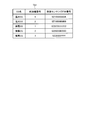
- step S107 the processor 10a generates the device information table TA1 shown in FIG. 4 based on the received device information, and stores the generated device information table TA1 in the memory 10b.
- FIG. 4 is a diagram illustrating an example of the device information table according to the first embodiment.
- the device information table TA1 shows associations between SS names, refueling machine numbers, and vein sensor serial numbers.
- Each vein sensor 32 has a unique vein sensor serial number for each vein sensor 32, and each vein sensor 32 can be uniquely identified by the vein sensor serial number.
- each refueling machine 31 can be uniquely specified by the combination of the SS name and the refueling machine number.
- step S201 the mobile terminal 20 transmits an authentication request to the authentication server 10-1.
- an authentication request screen in which the membership number, SS name, refueling machine number, and oil type can be specified is displayed on the touch panel of the mobile terminal 20.
- a confirmation button is displayed on the touch panel of the mobile terminal 20. Then, when the confirmation button is touched after the user specifies each of these items, the mobile terminal 20 authenticates the authentication request including the specified member number, SS name, refueling machine number, and oil type. It is transmitted to the server 10-1.
- the processor 10a of the authentication server 10-1 carries the guidance screen DA that prompts the user to hold his/her palm over the vein sensor 32 in response to the authentication request received from the mobile terminal 20. It is transmitted to the terminal 20. As a result, the guide screen DA is displayed on the touch panel of the mobile terminal 20, and the user holds the palm over the vein sensor 32 according to the guide screen DA.
- step S205 the vein sensor 32 acquires a vein image and outputs the acquired vein image to the fuel dispenser 31 together with the vein sensor serial number.
- the vein image is an example of a biometric image.
- step S207 the refueling machine 31 sends the vein image and the vein sensor serial number input from the vein sensor 32 to the authentication server 10-1 together with the SS name where the refueling machine 31 is installed and the refueling machine number of the refueling machine 31. Send.
- step S209 as a first confirmation, the processor 10a confirms whether or not the combination of the SS name and the refueling machine number received in step S201 exists in the device information table TA1. Further, as the second confirmation, the processor 10a confirms whether or not the combination of the SS name, the fuel dispenser number, and the vein sensor serial number received in step S207 exists in the device information table TA1. In addition, as the third confirmation, the processor 10a confirms whether or not the SS name and the fuel dispenser number received in step S201 match the SS name and the fuel dispenser number received in step S207.
- the processor 10a has confirmed all the first, second, and third confirmations (step S209: OK)
- the process proceeds to step S211.
- the processor 10a cannot confirm any of the first, second, and third step S209: NG
- the processor 10a ends the process.
- step S211 the processor 10a confirms the vein image received from the refueling machine 31 and determines whether the vein image has been successfully acquired. For example, when the vein image of the entire palm is acquired, the processor 10a determines that the acquisition of the vein image is successful, while when the vein image in which a part of the palm is missing is acquired, the processor 10a determines the vein image. It is determined that the acquisition of has failed.
- step S211 If it is determined in step S211 that acquisition of the vein image has failed (step S211: failure), the process returns to step S203.
- the processor 10a prompts the user to align the center of the palm with the center of the sensor surface of the vein sensor 32.
- the guidance screen DB for prompting is transmitted to the mobile terminal 20, and the guidance screen DB is displayed on the touch panel of the mobile terminal 20.
- the processor 10a synthesizes the image of the center of the sensor surface of the vein sensor 32 with the vein image received in step S207 to thereby display a guidance screen DB indicating the relative positional relationship of the palm with respect to the center of the sensor surface.
- the user adjusts the position of the palm with respect to the vein sensor 32 so that the center of the palm coincides with the center of the sensor surface of the vein sensor 32.
- step S211 When it is determined that the acquisition of the vein image is successful in step S211 as a result of the guidance by the first process or the second or subsequent process in step S203 (step S211: success), the processor 10a determines in step S213. A vein pattern is generated from the vein image. Then, the processor 10a performs biometric authentication by matching the plurality of vein patterns registered in the template stored in the memory 10b with the vein pattern generated from the vein image received in step S207.
- step S215 the processor 10a transmits the collation result obtained in step S213 to the mobile terminal 20.
- the processor 10a sets the matching result to “OK” (authentication). OK).
- the processor 10a sets the matching result to “NG” ( Authentication NG).
- the verification result is displayed on the touch panel of the mobile terminal 20, thereby notifying the user that biometric authentication has failed.
- step S217 the processor 10a determines the collation result in step S213.
- the processor 10a ends the process.
- the processor 10a waits for the reception of the confirmation result from the mobile terminal 20 for the collation result.
- the touch panel of the mobile terminal 20 inquires of the user whether or not to agree to pay the refueling charge with the credit card registered in advance in the payment server 40.
- a confirmation screen is displayed.
- a confirmation button is displayed on the touch panel of the mobile terminal 20.
- the mobile terminal 20 transmits the confirmation result to the authentication server 10-1 in step S219.
- step S221 the processor 10a that has received the confirmation result in step S219 inserts the fueling nozzle corresponding to the oil type included in the authentication request received in step S201 into the fueling port of the vehicle among the fueling nozzles that the fueling machine 31 has.
- a guidance screen DC that prompts the user to do so is transmitted to the mobile terminal 20, and the guidance screen DC is displayed on the touch panel of the mobile terminal 20. According to the guidance screen DC displayed on the touch panel of the mobile terminal 20, the user starts refueling the vehicle.
- the refueling machine 31 transmits the refueling result including the oil type, the refueling amount, and the refueling price to the authentication server 10-1 in step S223.
- the processor 10a receiving the refueling result in step S223 transmits a settlement request including the member number received in step S201 and the refueling fee received in step S223 to the settlement server 40 in step S225.
- the payment server 40 stores a payment table in which a membership number and a credit card number are set in association with each other.
- the payment server 40 that has received the payment request in step S225 identifies the credit card number corresponding to the member number included in the payment request from the payment table in step S227, and the refueling included in the payment request for the identified credit card number. Settle the price.
- FIG. 6 is a diagram illustrating a configuration example of the biometric authentication system according to the second embodiment.
- the biometric authentication system 2 has an authentication server 10-2, a mobile terminal 20, a vehicle 61, a fingerprint sensor 62, and a vehicle management server 70.
- the authentication server 10-2 and the mobile terminal 20 wirelessly communicate with each other.
- the authentication server 10-2 and the vehicle 61 wirelessly communicate with each other.
- the vehicle management server 70 and the vehicle 61 wirelessly communicate with each other.
- the authentication server 10-2 and the vehicle management server 70 are connected via the WAN 50.
- a fingerprint pattern will be described as an example of biometric information
- a fingerprint sensor 62 will be described as an example of a biometric sensor.
- the vehicle 61 will be described as an example of a device to which the biosensor is connected.
- a fingerprint sensor 62 is connected to the vehicle 61 using a USB.
- the fingerprint sensor 62 is installed on the door handle of the vehicle 61.
- the fingerprint sensor 62 acquires a fingerprint image (hereinafter may be referred to as “fingerprint image”) by scanning the user's finger, and outputs the acquired fingerprint image to the vehicle 61.
- the vehicle 61 transmits the fingerprint image acquired by the fingerprint sensor 62 to the authentication server 10-2 using the USB redirector.
- the USB redirector it is not necessary to install a device driver specific to the fingerprint sensor 62, which is a USB device, in the vehicle 61.
- the fingerprint sensor 62 uses the device driver installed in the authentication server 10-2. Can work.
- the authentication server 10-2 of the second embodiment has the same configuration as the authentication server 10-1 of the first embodiment (FIG. 2).
- the processor 10a communicates with the mobile terminal 20, the vehicle 61, and the vehicle management server 70 using the network interface module 10c.
- FIG. 7 and 10 are diagrams illustrating an example of a processing sequence of the biometric authentication system according to the second embodiment.
- FIG. 7 shows a processing sequence at the time of generating the device information table
- FIG. 10 shows a processing sequence at the time of biometric authentication.
- the processing sequence for generating the device information table and the processing sequence for biometric authentication will be described separately.
- step S301 the processor 10a of the authentication server 10-2 transmits a device information acquisition request to the vehicle 61.
- step S303 the vehicle 61 determines the serial number of the fingerprint sensor 62 connected to the vehicle 61 (hereinafter, referred to as "fingerprint sensor serial number") in response to the device information acquisition request received in step S301. It is acquired from the fingerprint sensor 62.
- step S305 the vehicle 61 generates device information formed from the fingerprint sensor serial number and the vehicle registration number unique to the vehicle 61, and transmits the generated device information to the authentication server 10-2. Since the plurality of vehicles 61 are wirelessly connected to the authentication server 10-2, the authentication server 10-2 receives the device information from each of the plurality of vehicles 61.
- step S307 the processor 10a generates the device information table TA2 shown in FIG. 8 based on the received device information, and stores the generated device information table TA2 in the memory 10b.
- FIG. 8 is a diagram illustrating an example of the device information table according to the second embodiment. As shown in FIG. 8, the device information table TA2 shows the correspondence between the vehicle registration number and the fingerprint sensor serial number. Each fingerprint sensor 62 has a unique fingerprint sensor serial number for each fingerprint sensor 62, and each fingerprint sensor 62 can be uniquely identified by the fingerprint sensor serial number. Further, each vehicle 61 can be uniquely identified by the automobile registration number.
- the vehicle management server 70 also stores a management table TA3 shown in FIG.
- FIG. 9 is a diagram illustrating an example of the management table according to the second embodiment.
- the management table TA3 shows the association of the membership number, the vehicle registration number, and the vehicle position.
- the membership number is a unique number for each user, and each user can be uniquely identified by the membership number.
- the vehicle position indicates the current position of each vehicle 61, and the current position of each vehicle 61 is specified by the latitude and longitude.
- the management table TA3 shows a case where the user with the membership number 1476953 and the user with the membership number 8763028 each own one vehicle 61, and the user with the membership number 5237209 owns two vehicles 61. Has been done.
- the management table TA3 is updated when the door of the vehicle 61 whose ignition is turned off is locked. That is, in FIG. 7, in step S401, the vehicle 61 determines whether the ignition of the vehicle 61 is turned off and the door of the vehicle 61 is locked. The vehicle 61 repeats the process of step S401 at predetermined time intervals until the door is locked when the ignition is turned off (step S401: No).
- step S401: Yes When the ignition is turned off and the door is locked in the vehicle 61 (step S401: Yes), in the step S403, the current vehicle position (latitude, longitude) is displayed together with the vehicle registration number of the vehicle 61 in the authentication server 10. -2 to send.
- the vehicle 61 acquires the current vehicle position by using, for example, a GPS (Global Positioning System) mounted on the vehicle 61.
- GPS Global Positioning System
- step S405 the authentication server 10-2 transfers the vehicle registration number and vehicle position received in step S403 to the vehicle management server 70.
- step S407 the vehicle management server 70 searches the management table TA3 using the vehicle registration number received in step S405 as a key, and in the management table TA3, the vehicle position corresponding to the key vehicle registration number is determined in step S405. Update according to the received vehicle position.
- step S501 the mobile terminal 20 transmits an authentication request to the authentication server 10-2.
- an authentication request screen in which the member number can be designated is displayed on the touch panel of the mobile terminal 20.
- a confirmation button is displayed on the touch panel of the mobile terminal 20. Then, when the confirmation button is touched after the user specifies the membership number, the mobile terminal 20 transmits an authentication request including the specified membership number to the authentication server 10-2.
- step S503 the processor 10a of the authentication server 10-2 extracts the member number included in the authentication request received in step S501 from the authentication request, and transmits a search request including the extracted member number to the vehicle management server 70.
- step S505 the vehicle management server 70 searches the management table TA3 (FIG. 9) using the member number included in the search request as a key, in response to the search request received in step S503, and responds to the keyed member number.
- the vehicle registration number and the vehicle position to be acquired are acquired from the management table TA3.
- step S507 the vehicle management server 70 transmits the search result including the vehicle registration number and the vehicle position acquired from the management table TA3 to the authentication server 10-2.
- the vehicle management server 70 sends the search result including the plurality of vehicle registration numbers and the plurality of vehicle positions to the authentication server 10-2. Send.
- step S509 the processor 10a extracts the vehicle registration number included in the search result received in step S507 from the search result, and transmits to the mobile terminal 20 the selection screen DD from which any of the extracted vehicle registration numbers can be selected. ..
- the selection screen DD is displayed on the touch panel of the mobile terminal 20.
- the selection screen DD also includes a confirm button.
- step S511 when the user selects the vehicle registration number of the vehicle 61 that desires to unlock the door on the selection screen DD and then touches the enter button, the mobile terminal 20 causes the mobile terminal 20 to select the vehicle registration number and the mobile terminal 20. And the current position (hereinafter, may be referred to as “terminal position”) of the selection result are transmitted to the authentication server 10-2.
- the terminal position is specified from the latitude and longitude, like the vehicle position.
- the mobile terminal 20 acquires the terminal position by using, for example, GPS installed in the mobile terminal 20.
- step S513 the processor 10a determines whether, among the vehicle positions received in step S507, the vehicle position corresponding to the vehicle registration number received in step S511 matches the terminal position received in step S511. .. When the vehicle position and the terminal position do not match (step S513: No), the processor 10a ends the process. On the other hand, when the vehicle position and the terminal position match (step S513: Yes), the process proceeds to step S515.
- step S515 the processor 10a transmits to the mobile terminal 20 a guide screen DE that prompts the user to bring his or her finger pad into contact with the fingerprint sensor 62.
- the guide screen DE is displayed on the touch panel of the mobile terminal 20, and the user brings the finger pad into contact with the fingerprint sensor 62 according to the guide screen DE.
- the fingerprint sensor 62 acquires a fingerprint image and outputs the acquired fingerprint image to the vehicle 61 together with the fingerprint sensor serial number.
- the fingerprint image is an example of a biometric image.
- step S519 vehicle 61 transmits the fingerprint image and fingerprint sensor serial number input from fingerprint sensor 62 to authentication server 10-2 together with the vehicle registration number of vehicle 61.
- step S521 as the first confirmation, the processor 10a confirms whether or not the combination of the vehicle registration number and the fingerprint sensor serial number received in step S519 exists in the device information table TA2. Further, as the second confirmation, the processor 10a confirms whether or not the vehicle registration number received in step S511 matches the vehicle registration number received in step S519. Then, when the processor 10a has obtained the first and second confirmations (step S521: OK), the process proceeds to step S523. On the other hand, when the processor 10a cannot confirm either the first or the second (step S521: NG), the processor 10a ends the process.
- step S523 the processor 10a confirms the fingerprint image received from the vehicle 61 and determines whether the acquisition of the fingerprint image is successful. For example, when the fingerprint image of the entire finger pad is acquired, the processor 10a determines that the acquisition of the fingerprint image is successful, while the fingerprint image in which a part of the finger pad is missing is acquired. Determines that acquisition of the fingerprint image has failed.
- step S523 If it is determined in step S523 that acquisition of the fingerprint image has failed (step S523: failure), the process returns to step S515.
- step S515 the processor 10a adjusts the center of the finger pad to the center of the sensor surface of the fingerprint sensor 62.
- the guidance screen DF that prompts the user is transmitted to the mobile terminal 20, and the guidance screen DF is displayed on the touch panel of the mobile terminal 20.
- the processor 10a synthesizes the image representing the center of the sensor surface of the fingerprint sensor 62 with the fingerprint image received in step S519 to guide the relative position of the finger pad relative to the center of the sensor surface. Generate the screen DF.
- the user adjusts the position of the finger pad with respect to the fingerprint sensor 62 so that the center of the finger pad coincides with the center of the sensor surface of the fingerprint sensor 62.
- step S523 When it is determined that the acquisition of the fingerprint image is successful in step S523 as a result of the guidance in the first process or the second and subsequent processes in step S515 (step S532: success), the processor 10a determines in step S525 that A fingerprint pattern is generated from the fingerprint image. Then, the processor 10a performs biometric authentication by matching the plurality of fingerprint patterns registered in advance in the template stored in the memory 10b with the fingerprint pattern generated from the fingerprint image received in step S519.
- step S527 the processor 10a transmits the collation result obtained in step S525 to the mobile terminal 20.
- the processor 10a sets the matching result to “OK” (authentication). OK).
- the processor 10a sets the matching result to “NG” ( Authentication NG).
- the verification result is displayed on the touch panel of the mobile terminal 20, thereby notifying the user that biometric authentication has failed.
- step S529 the processor 10a determines the matching result in step S525.
- the processor 10a ends the process.
- the processor 10a waits for reception of the confirmation result from the mobile terminal 20 for the collation result.
- the user can confirm on the touch panel of the mobile terminal 20 whether or not to agree to unlock the door of the vehicle 61 having the vehicle registration number selected in step S511.
- a confirmation screen will be displayed.
- a confirmation button is displayed on the touch panel of the mobile terminal 20. Then, when the confirmation button is touched by the user, the mobile terminal 20 transmits the confirmation result to the authentication server 10-2 in step S531.
- the processor 10a receiving the confirmation result in step S531 transmits the unlock request including the vehicle registration number received in step S519 to the vehicle management server 70 in step S533.
- the vehicle management server 70 that has received the unlock request in step S533 sends an unlock instruction to the vehicle 61 having the vehicle registration number received in step S533 in step S535.
- the vehicle 61 that has received the unlocking instruction in step S535 unlocks the door of the vehicle 61 in step S537.
- the processor 10a performs the guidance related to biometric authentication using the screen transmitted to the mobile terminal 20, and connects the plurality of biometric information registered in the template with the biometric sensor.
- Biometric authentication is performed by collating biometric information received from the device according to the guidance.
- biometric authentication since guidance related to biometric authentication can be performed using the screen displayed on the mobile terminal 20, it is possible to perform biometric authentication on a device that does not have a guidance function related to biometric authentication. For example, settlement of the refueling fee when refueling is performed by the refueling machine 31 that does not have the biometric authentication guidance function can be performed using biometric authentication. Further, for example, the unlocking of the door of the vehicle 61 that does not have the guidance function related to biometric authentication can be performed using biometric authentication.
- the processor 10a guides the biometric authentication until the biometric sensor, which is the generation source of the biometric information, is successfully acquired by the biometric sensor. By doing so, biometric authentication can be reliably performed.
Landscapes
- Engineering & Computer Science (AREA)
- Computer Security & Cryptography (AREA)
- Computer Networks & Wireless Communication (AREA)
- Signal Processing (AREA)
- General Engineering & Computer Science (AREA)
- Computer Hardware Design (AREA)
- Theoretical Computer Science (AREA)
- Computing Systems (AREA)
- Biomedical Technology (AREA)
- General Health & Medical Sciences (AREA)
- Software Systems (AREA)
- Physics & Mathematics (AREA)
- General Physics & Mathematics (AREA)
- Health & Medical Sciences (AREA)
- Business, Economics & Management (AREA)
- Accounting & Taxation (AREA)
- Collating Specific Patterns (AREA)
Abstract
生体認証に係る誘導機能を持たない機器での生体認証を可能にすることができる認証サーバ。認証サーバ(10-1,10-2)は、メモリ(10b)とプロセッサ(10a)とを有する。メモリ(10b)は、複数の第一の生体情報が登録されたテンプレートを記憶する。プロセッサ(10a)は、携帯端末(20)へ送信する画面を用いて生体認証に係る誘導を行い、生体センサ(32,62)が接続された機器から誘導に従って受信される第二の生体情報と複数の第一の生体情報とを照合することにより生体認証を行う。
Description
開示の技術は、認証サーバ及び認証方法に関する。
生体情報を用いて個人認証を行う生体認証の技術が広く普及してきている。生体認証としては、例えば、指紋パターンや掌の静脈パターン等の生体情報を用いて個人認証を行うものがある。
しかし、例えば給油機や車両等、生体認証に係る誘導機能を持たない機器では、生体認証を行うことができなかった。
開示の技術は、上記に鑑みてなされたものであって、生体認証に係る誘導機能を持たない機器での生体認証を可能にすることを目的とする。
開示の態様では、認証サーバは、メモリと、プロセッサとを有する。前記メモリは、複数の第一の生体情報が登録されたテンプレートを記憶する。前記プロセッサは、携帯端末へ送信する画面を用いて生体認証に係る誘導を行い、生体センサが接続された機器から前記誘導に従って受信される第二の生体情報と前記複数の第一の生体情報とを照合することにより前記生体認証を行う。
開示の態様によれば、生体認証に係る誘導機能を持たない機器での生体認証を可能にすることができる。
以下に、本願の開示する認証サーバ及び認証方法の実施例を図面に基づいて詳細に説明する。なお、この実施例により本願の開示する認証サーバ及び認証方法が限定されるものではない。また、以下の実施例において、同一の機能を有する構成、及び、同一の処理を行うステップには同一の符号を付し、重複する説明を省略する。
[実施例1]
<生体認証システムの構成>
図1は、実施例1の生体認証システムの構成例を示す図である。図1において、生体認証システム1は、認証サーバ10-1と、携帯端末20と、給油機31と、静脈センサ32と、決済サーバ40とを有する。認証サーバ10-1と携帯端末20とは相互に無線通信する。携帯端末20の一例として、スマートフォンやタブレット等のスマートデバイスが挙げられる。認証サーバ10-1と決済サーバ40とはWAN(Wide Area Network)50を介して接続される。同様に、認証サーバ10-1と給油機31とはWAN50を介して接続される。給油機31は、サービスステーションに設置され、ガソリンや軽油等のエンジン用燃料を車両に供給する。
<生体認証システムの構成>
図1は、実施例1の生体認証システムの構成例を示す図である。図1において、生体認証システム1は、認証サーバ10-1と、携帯端末20と、給油機31と、静脈センサ32と、決済サーバ40とを有する。認証サーバ10-1と携帯端末20とは相互に無線通信する。携帯端末20の一例として、スマートフォンやタブレット等のスマートデバイスが挙げられる。認証サーバ10-1と決済サーバ40とはWAN(Wide Area Network)50を介して接続される。同様に、認証サーバ10-1と給油機31とはWAN50を介して接続される。給油機31は、サービスステーションに設置され、ガソリンや軽油等のエンジン用燃料を車両に供給する。
実施例1では、生体情報の一例として、掌の静脈パターン(以下では「静脈パターン」と呼ぶことがある)を挙げ、生体センサの一例として、静脈センサ32を挙げて説明する。また実施例1では、生体センサが接続される機器の一例として、給油機31を挙げて説明する。
給油機31には、静脈センサ32がUSB(Universal Serial Bus)を用いて接続される。静脈センサ32は、ユーザの掌をスキャニングすることによって掌の静脈の画像(以下では「静脈画像」と呼ぶことがある)を取得し、取得した静脈画像を給油機31へ出力する。給油機31は、静脈センサ32により取得された静脈画像をUSBリダイレクタを用いて認証サーバ10-1へ送信する。USBリダイレクタが用いられることにより、USBデバイスである静脈センサ32に固有のデバイスドライバが給油機31にインストールされる必要はなく、静脈センサ32は、認証サーバ10-1にインストールされたデバイスドライバを利用して動作することができる。
<認証サーバの構成>
図2は、実施例1の認証サーバの構成例を示す図である。図2において、認証サーバ10-1は、プロセッサ10aと、メモリ10bと、ネットワークインタフェースモジュール10cとを有する。プロセッサ10aの一例として、CPU(Central Processing Unit)、DSP(Digital Signal Processor)、FPGA(Field Programmable Gate Array)等が挙げられる。メモリ10bの一例として、SDRAM(Synchronous Dynamic Random Access Memory)等のRAM(Random Access Memory)、ROM(Read Only Memory)、フラッシュメモリ等が挙げられる。プロセッサ10aは、ネットワークインタフェースモジュール10cを用いて、携帯端末20、給油機31、及び、決済サーバ40と通信する。後述する実施例2の認証サーバ10-2も、認証サーバ10-1と同一の構成を採る(図2)。
図2は、実施例1の認証サーバの構成例を示す図である。図2において、認証サーバ10-1は、プロセッサ10aと、メモリ10bと、ネットワークインタフェースモジュール10cとを有する。プロセッサ10aの一例として、CPU(Central Processing Unit)、DSP(Digital Signal Processor)、FPGA(Field Programmable Gate Array)等が挙げられる。メモリ10bの一例として、SDRAM(Synchronous Dynamic Random Access Memory)等のRAM(Random Access Memory)、ROM(Read Only Memory)、フラッシュメモリ等が挙げられる。プロセッサ10aは、ネットワークインタフェースモジュール10cを用いて、携帯端末20、給油機31、及び、決済サーバ40と通信する。後述する実施例2の認証サーバ10-2も、認証サーバ10-1と同一の構成を採る(図2)。
<生体認証システムの処理>
図3及び図5は、実施例1の生体認証システムの処理シーケンスの一例を示す図である。図3には、機器情報テーブル生成時の処理シーケンスを示し、図5には、生体認証時の処理シーケンスを示す。以下、機器情報テーブル生成時の処理シーケンスと、生体認証時の処理シーケンスとに分けて説明する。
図3及び図5は、実施例1の生体認証システムの処理シーケンスの一例を示す図である。図3には、機器情報テーブル生成時の処理シーケンスを示し、図5には、生体認証時の処理シーケンスを示す。以下、機器情報テーブル生成時の処理シーケンスと、生体認証時の処理シーケンスとに分けて説明する。
<機器情報テーブル生成時の処理シーケンス>
図3において、ステップS101では、認証サーバ10-1のプロセッサ10aは、機器情報取得要求を給油機31へ送信する。
図3において、ステップS101では、認証サーバ10-1のプロセッサ10aは、機器情報取得要求を給油機31へ送信する。
ステップS103では、給油機31は、ステップS101で受信した機器情報取得要求に応じて、給油機31に接続されている静脈センサ32のシリアル番号(以下では「静脈センサシリアル番号」と呼ぶことがある)を静脈センサ32から取得する。
ステップS105では、給油機31は、静脈センサシリアル番号と、給油機31が設置されているサービスステーションの名称(以下では「SS名」と呼ぶことがある)と、給油機31の機器番号(以下では「給油機番号」と呼ぶことがある)とから形成される機器情報を生成し、生成した機器情報を認証サーバ10-1へ送信する。認証サーバ10-1には複数の給油機31がWANを介して接続されているため、認証サーバ10-1は、複数の給油機31の各々から機器情報を受信する。
ステップS107では、プロセッサ10aは、受信した機器情報に基づいて、図4に示す機器情報テーブルTA1を生成し、生成した機器情報テーブルTA1をメモリ10bに格納する。図4は、実施例1の機器情報テーブルの一例を示す図である。図4に示すように、機器情報テーブルTA1には、SS名と、給油機番号と、静脈センサシリアル番号との対応付けが示される。各静脈センサ32は、静脈センサ32毎に固有の静脈センサシリアル番号を有し、静脈センサシリアル番号により各静脈センサ32を一意に特定可能である。また、SS名と給油機番号との組合せにより各給油機31を一意に特定可能である。
<生体認証時の処理シーケンス>
図5において、ステップS201では、携帯端末20は、認証要求を認証サーバ10-1へ送信する。例えば、会員番号、SS名、給油機番号、及び、油種の各項目を指定可能な認証要求画面が、携帯端末20が有するタッチパネルに表示される。また、携帯端末20が有するタッチパネルには確定ボタンが表示される。そして、これらの各項目がユーザにより指定された後、確定ボタンがタッチされると、携帯端末20は、指定された会員番号、SS名、給油機番号、及び、油種を含む認証要求を認証サーバ10-1へ送信する。
図5において、ステップS201では、携帯端末20は、認証要求を認証サーバ10-1へ送信する。例えば、会員番号、SS名、給油機番号、及び、油種の各項目を指定可能な認証要求画面が、携帯端末20が有するタッチパネルに表示される。また、携帯端末20が有するタッチパネルには確定ボタンが表示される。そして、これらの各項目がユーザにより指定された後、確定ボタンがタッチされると、携帯端末20は、指定された会員番号、SS名、給油機番号、及び、油種を含む認証要求を認証サーバ10-1へ送信する。
ステップS203の1回目の処理では、認証サーバ10-1のプロセッサ10aは、携帯端末20から受信した認証要求に応じ、掌を静脈センサ32の上に翳すことをユーザに促す誘導画面DAを携帯端末20へ送信する。これにより、携帯端末20のタッチパネルに誘導画面DAが表示され、誘導画面DAに従って、ユーザは、掌を静脈センサ32の上に翳す。
ステップS205では、静脈センサ32は、静脈画像を取得し、取得した静脈画像を静脈センサシリアル番号とともに給油機31へ出力する。静脈画像は、生体画像の一例である。
ステップS207では、給油機31は、静脈センサ32から入力された静脈画像及び静脈センサシリアル番号を、給油機31が設置されているSS名及び給油機31の給油機番号とともに認証サーバ10-1へ送信する。
ステップS209では、プロセッサ10aは、第一の確認として、ステップS201で受信したSS名と給油機番号との組合せが機器情報テーブルTA1に存在するか否かを確認する。また、プロセッサ10aは、第二の確認として、ステップS207で受信したSS名と給油機番号と静脈センサシリアル番号との組合せが機器情報テーブルTA1に存在するか否かを確認する。また、プロセッサ10aは、第三の確認として、ステップS201で受信したSS名及び給油機番号と、ステップS207で受信したSS名及び給油機番号とが一致するか否かを確認する。そして、プロセッサ10aが第一、第二及び第三のすべての確認がとれた場合には(ステップS209:OK)、処理はステップS211へ進む。一方で、プロセッサ10aが第一、第二または第三の何れかの確認がとれなかった場合には(ステップS209:NG)、プロセッサ10aは、処理を終了する。
ステップS211では、プロセッサ10aは、給油機31から受信した静脈画像を確認し、静脈画像の取得の成否を判断する。例えば、プロセッサ10aは、掌全体の静脈画像が取得された場合は、静脈画像の取得が成功したと判断する一方で、掌の一部が欠けている静脈画像が取得された場合は、静脈画像の取得が失敗したと判断する。
ステップS211で静脈画像の取得が失敗したと判断される場合は(ステップS211:失敗)、処理はステップS203へ戻る。ステップS203の2回目以降の処理(つまり、静脈画像の取得が失敗したと判断される場合の処理)では、プロセッサ10aは、静脈センサ32のセンサ面の中心に掌の中心を合わせることをユーザに促す誘導画面DBを携帯端末20へ送信し、携帯端末20のタッチパネルに誘導画面DBが表示される。例えば、プロセッサ10aは、静脈センサ32のセンサ面の中心を表す画像に、ステップS207で受信された静脈画像を合成することにより、センサ面の中心に対する掌の相対的な位置関係を示す誘導画面DBを生成する。携帯端末20のタッチパネルに表示された誘導画面DBに従って、ユーザは、掌の中心が静脈センサ32のセンサ面の中心に一致するように、静脈センサ32に対する掌の位置を調節する。
ステップS203での1回目の処理または2回目以降の処理による誘導の結果、ステップS211で静脈画像の取得が成功したと判断される場合は(ステップS211:成功)、ステップS213において、プロセッサ10aは、静脈画像から静脈パターンを生成する。そして、プロセッサ10aは、メモリ10bに記憶されているテンプレートに予め登録されている複数の静脈パターンと、ステップS207で受信した静脈画像から生成した静脈パターンとを照合することにより生体認証を行う。
次いで、ステップS215では、プロセッサ10aは、ステップS213での照合結果を携帯端末20へ送信する。例えば、プロセッサ10aは、ステップS207で受信した静脈画像から生成した静脈パターンが、テンプレートに予め登録されている複数の静脈パターンの何れかに合致する場合には照合結果を“OK”とする(認証OKとする)。一方で、プロセッサ10aは、ステップS207で受信した静脈画像から生成した静脈パターンが、テンプレートに予め登録されている複数の静脈パターンの何れにも合致しない場合には照合結果を“NG”とする(認証NGとする)。“NG”の照合結果を受信した携帯端末20では、携帯端末20が有するタッチパネルに照合結果が表示され、これにより、生体認証が失敗したことがユーザに通知される。
次いで、ステップS217では、プロセッサ10aは、ステップS213での照合結果を判断する。照合結果が“NG”の場合は(ステップS217:No)、プロセッサ10aは、処理を終了する。一方で、照合結果が“OK”の場合は(ステップS217:Yes)、プロセッサ10aは、照合結果に対する携帯端末20からの確認結果の受信を待つ。
“OK”の照合結果を受信した携帯端末20では、携帯端末20が有するタッチパネルに、決済サーバ40に予め登録されたクレジットカードで給油代金の支払いを行うことに同意するか否かをユーザに問い合わせる確認画面が表示される。また、携帯端末20が有するタッチパネルには、確認ボタンが表示される。そして、ユーザにより確認ボタンがタッチされると、ステップS219において、携帯端末20は、確認結果を認証サーバ10-1へ送信する。
ステップS219で確認結果を受信したプロセッサ10aは、ステップS221において、給油機31が有する給油ノズルのうち、ステップS201で受信した認証要求に含まれる油種に対応する給油ノズルを車両の給油口に差し込むことをユーザに促す誘導画面DCを携帯端末20へ送信し、携帯端末20のタッチパネルに誘導画面DCが表示される。携帯端末20のタッチパネルに表示された誘導画面DCに従って、ユーザは、車両への給油を開始する。
給油完了後、給油ノズルが給油機31に戻されると、ステップS223において、給油機31は、油種と、給油量と、給油代金とを含む給油結果を認証サーバ10-1へ送信する。
ステップS223で給油結果を受信したプロセッサ10aは、ステップS225において、ステップS201で受信した会員番号と、ステップS223で受信した給油代金とを含む決済要求を決済サーバ40へ送信する。
決済サーバ40は、会員番号とクレジットカード番号とが対応付けて設定されている決済テーブルを記憶する。ステップS225で決済要求を受信した決済サーバ40は、ステップS227において、決済要求に含まれる会員番号に対応するクレジットカード番号を決済テーブルから特定し、特定したクレジットカード番号について、決済要求に含まれる給油代金を決済する。
以上、実施例1について説明した。
[実施例2]
<生体認証システムの構成>
図6は、実施例2の生体認証システムの構成例を示す図である。図2において、生体認証システム2は、認証サーバ10-2と、携帯端末20と、車両61と、指紋センサ62と、車両管理サーバ70とを有する。認証サーバ10-2と携帯端末20とは相互に無線通信する。また、認証サーバ10-2と車両61とは相互に無線通信する。また、車両管理サーバ70と車両61とは相互に無線通信する。認証サーバ10-2と車両管理サーバ70とはWAN50を介して接続される。
<生体認証システムの構成>
図6は、実施例2の生体認証システムの構成例を示す図である。図2において、生体認証システム2は、認証サーバ10-2と、携帯端末20と、車両61と、指紋センサ62と、車両管理サーバ70とを有する。認証サーバ10-2と携帯端末20とは相互に無線通信する。また、認証サーバ10-2と車両61とは相互に無線通信する。また、車両管理サーバ70と車両61とは相互に無線通信する。認証サーバ10-2と車両管理サーバ70とはWAN50を介して接続される。
実施例2では、生体情報の一例として、指紋パターンを挙げ、生体センサの一例として、指紋センサ62を挙げて説明する。また実施例2では、生体センサが接続される機器の一例として、車両61を挙げて説明する。
車両61には、指紋センサ62がUSBを用いて接続される。例えば、指紋センサ62は、車両61が有するドアハンドルに設置される。指紋センサ62は、ユーザの指をスキャニングすることによって指紋の画像(以下では「指紋画像」と呼ぶことがある)を取得し、取得した指紋画像を車両61へ出力する。車両61は、指紋センサ62により取得された指紋画像をUSBリダイレクタを用いて認証サーバ10-2へ送信する。USBリダイレクタが用いられることにより、USBデバイスである指紋センサ62に固有のデバイスドライバが車両61にインストールされる必要はなく、指紋センサ62は、認証サーバ10-2にインストールされたデバイスドライバを利用して動作することができる。
<認証サーバの構成>
実施例2の認証サーバ10-2は、実施例1の認証サーバ10-1と同一の構成を採る(図2)。認証サーバ10-2において、プロセッサ10aは、ネットワークインタフェースモジュール10cを用いて、携帯端末20、車両61、及び、車両管理サーバ70と通信する。
実施例2の認証サーバ10-2は、実施例1の認証サーバ10-1と同一の構成を採る(図2)。認証サーバ10-2において、プロセッサ10aは、ネットワークインタフェースモジュール10cを用いて、携帯端末20、車両61、及び、車両管理サーバ70と通信する。
<生体認証システムの処理>
図7及び図10は、実施例2の生体認証システムの処理シーケンスの一例を示す図である。図7には、機器情報テーブル生成時の処理シーケンスを示し、図10には、生体認証時の処理シーケンスを示す。以下、機器情報テーブル生成時の処理シーケンスと、生体認証時の処理シーケンスとに分けて説明する。
図7及び図10は、実施例2の生体認証システムの処理シーケンスの一例を示す図である。図7には、機器情報テーブル生成時の処理シーケンスを示し、図10には、生体認証時の処理シーケンスを示す。以下、機器情報テーブル生成時の処理シーケンスと、生体認証時の処理シーケンスとに分けて説明する。
<機器情報テーブル生成時の処理シーケンス>
図7において、ステップS301では、認証サーバ10-2のプロセッサ10aは、機器情報取得要求を車両61へ送信する。
図7において、ステップS301では、認証サーバ10-2のプロセッサ10aは、機器情報取得要求を車両61へ送信する。
ステップS303では、車両61は、ステップS301で受信した機器情報取得要求に応じて、車両61に接続されている指紋センサ62のシリアル番号(以下では「指紋センサシリアル番号」と呼ぶことがある)を指紋センサ62から取得する。
ステップS305では、車両61は、指紋センサシリアル番号と、車両61に固有の自動車登録番号とから形成される機器情報を生成し、生成した機器情報を認証サーバ10-2へ送信する。認証サーバ10-2には複数の車両61が無線接続されているため、認証サーバ10-2は、複数の車両61の各々から機器情報を受信する。
ステップS307では、プロセッサ10aは、受信した機器情報に基づいて、図8に示す機器情報テーブルTA2を生成し、生成した機器情報テーブルTA2をメモリ10bに格納する。図8は、実施例2の機器情報テーブルの一例を示す図である。図8に示すように、機器情報テーブルTA2には、自動車登録番号と指紋センサシリアル番号との対応付けが示される。各指紋センサ62は、指紋センサ62毎に固有の指紋センサシリアル番号を有し、指紋センサシリアル番号により各指紋センサ62を一意に特定可能である。また、自動車登録番号により各車両61を一意に特定可能である。
また、車両管理サーバ70は、図9に示す管理テーブルTA3を記憶する。図9は、実施例2の管理テーブルの一例を示す図である。図9に示すように、管理テーブルTA3には、会員番号と、自動車登録番号と、車両位置との対応付けが示される。会員番号は各ユーザに固有の番号であり、会員番号により各ユーザを一意に特定可能である。車両位置は、各車両61の現在位置を示し、各車両61の現在位置は緯度と経度とから特定される。管理テーブルTA3には、一例として、会員番号1479653のユーザ及び会員番号8763028のユーザはそれぞれ1台の車両61を所有し、会員番号5237209のユーザは2台の車両61を所有している場合が示されている。
管理テーブルTA3は、イグニッションがオフにされている車両61のドアの施錠時に更新される。すなわち、図7において、ステップS401では、車両61は、車両61のイグニッションがオフにされ、かつ、車両61のドアが施錠されたか否かを判断する。車両61は、イグニッションがオフにされているときに、ドアが施錠されるまで、所定の時間間隔でステップS401の処理を繰り返す(ステップS401:No)。
車両61は、イグニッションがオフにされ、かつ、ドアが施錠されると(ステップS401:Yes)、ステップS403において、現在の車両位置(緯度,経度)を、車両61の自動車登録番号とともに認証サーバ10-2へ送信する。車両61は、例えば車両61に搭載されているGPS(Global Positioning System)を用いて、現在の車両位置を取得する。
ステップS405では、認証サーバ10-2は、ステップS403で受信した自動車登録番号及び車両位置を車両管理サーバ70へ転送する。
ステップS407では、車両管理サーバ70は、ステップS405で受信した自動車登録番号をキーにして管理テーブルTA3を検索し、管理テーブルTA3において、キーとした自動車登録番号に対応する車両位置を、ステップS405で受信した車両位置によって更新する。
<生体認証時の処理シーケンス>
図10において、ステップS501では、携帯端末20は、認証要求を認証サーバ10-2へ送信する。例えば、会員番号を指定可能な認証要求画面が、携帯端末20が有するタッチパネルに表示される。また、携帯端末20が有するタッチパネルには確定ボタンが表示される。そして、会員番号がユーザにより指定された後、確定ボタンがタッチされると、携帯端末20は、指定された会員番号を含む認証要求を認証サーバ10-2へ送信する。
図10において、ステップS501では、携帯端末20は、認証要求を認証サーバ10-2へ送信する。例えば、会員番号を指定可能な認証要求画面が、携帯端末20が有するタッチパネルに表示される。また、携帯端末20が有するタッチパネルには確定ボタンが表示される。そして、会員番号がユーザにより指定された後、確定ボタンがタッチされると、携帯端末20は、指定された会員番号を含む認証要求を認証サーバ10-2へ送信する。
ステップS503では、認証サーバ10-2のプロセッサ10aは、ステップS501で受信した認証要求に含まれる会員番号を認証要求から抽出し、抽出した会員番号を含む検索要求を車両管理サーバ70へ送信する。
ステップS505では、車両管理サーバ70は、ステップS503で受信した検索要求に応じて、検索要求に含まれる会員番号をキーにして管理テーブルTA3(図9)を検索し、キーとした会員番号に対応する自動車登録番号及び車両位置を管理テーブルTA3から取得する。
ステップS507では、車両管理サーバ70は、管理テーブルTA3から取得した自動車登録番号及び車両位置を含む検索結果を認証サーバ10-2へ送信する。管理テーブルTA3において、1つの会員番号に対応する自動車登録番号が複数存在する場合には、車両管理サーバ70は、複数の自動車登録番号及び複数の車両位置を含む検索結果を認証サーバ10-2へ送信する。
ステップS509では、プロセッサ10aは、ステップS507で受信した検索結果に含まれる自動車登録番号を検索結果から抽出し、抽出した自動車登録番号の何れかを選択可能な選択画面DDを携帯端末20へ送信する。これにより、携帯端末20のタッチパネルに選択画面DDが表示される。選択画面DDには、確定ボタンも含まれる。
ステップS511では、ユーザが選択画面DDにおいてドアの解錠を希望する車両61の自動車登録番号を選択した後、確定ボタンをタッチすると、携帯端末20は、選択された自動車登録番号と、携帯端末20の現在の位置(以下では「端末位置」と呼ぶことがある)とを含む選択結果を認証サーバ10-2へ送信する。端末位置は、車両位置と同様に、緯度と経度とから特定される。携帯端末20は、例えば携帯端末20に搭載されているGPSを用いて端末位置を取得する。
ステップS513では、プロセッサ10aは、ステップS507で受信した車両位置のうち、ステップS511で受信した自動車登録番号に対応する車両位置と、ステップS511で受信した端末位置とが一致するか否かを判断する。車両位置と端末位置とが一致しない場合には(ステップS513:No)、プロセッサ10aは、処理を終了する。一方で、車両位置と端末位置とが一致する場合には(ステップS513:Yes)、処理はステップS515へ進む。
ステップS515の1回目の処理では、プロセッサ10aは、指の腹を指紋センサ62に接触させることをユーザに促す誘導画面DEを携帯端末20へ送信する。これにより、携帯端末20のタッチパネルに誘導画面DEが表示され、誘導画面DEに従って、ユーザは、指の腹を指紋センサ62に接触させる。
ステップS517では、指紋センサ62は、指紋画像を取得し、取得した指紋画像を指紋センサシリアル番号とともに車両61へ出力する。指紋画像は、生体画像の一例である。
ステップS519では、車両61は、指紋センサ62から入力された指紋画像及び指紋センサシリアル番号を、車両61の自動車登録番号とともに認証サーバ10-2へ送信する。
ステップS521では、プロセッサ10aは、第一の確認として、ステップS519で受信した自動車登録番号と指紋センサシリアル番号との組合せが機器情報テーブルTA2に存在するか否かを確認する。また、プロセッサ10aは、第二の確認として、ステップS511で受信した自動車登録番号と、ステップS519で受信した自動車登録番号とが一致するか否かを確認する。そして、プロセッサ10aが第一及び第二の確認がとれた場合には(ステップS521:OK)、処理はステップS523へ進む。一方で、プロセッサ10aが第一または第二の何れかの確認がとれなかった場合には(ステップS521:NG)、プロセッサ10aは、処理を終了する。
ステップS523では、プロセッサ10aは、車両61から受信した指紋画像を確認し、指紋画像の取得の成否を判断する。例えば、プロセッサ10aは、指の腹全体の指紋画像が取得された場合は、指紋画像の取得が成功したと判断する一方で、指の腹の一部が欠けている指紋画像が取得された場合は、指紋画像の取得が失敗したと判断する。
ステップS523で指紋画像の取得が失敗したと判断される場合は(ステップS523:失敗)、処理はステップS515へ戻る。ステップS515の2回目以降の処理(つまり、指紋画像の取得が失敗したと判断される場合の処理)では、プロセッサ10aは、指紋センサ62のセンサ面の中心に指の腹の中心を合わせることをユーザに促す誘導画面DFを携帯端末20へ送信し、携帯端末20のタッチパネルに誘導画面DFが表示される。例えば、プロセッサ10aは、指紋センサ62のセンサ面の中心を表す画像に、ステップS519で受信された指紋画像を合成することにより、センサ面の中心に対する指の腹の相対的な位置関係を示す誘導画面DFを生成する。携帯端末20のタッチパネルに表示された誘導画面DFに従って、ユーザは、指の腹の中心が指紋センサ62のセンサ面の中心に一致するように、指紋センサ62に対する指の腹の位置を調節する。
ステップS515での1回目の処理または2回目以降の処理による誘導の結果、ステップS523で指紋画像の取得が成功したと判断される場合は(ステップS532:成功)、ステップS525において、プロセッサ10aは、指紋画像から指紋パターンを生成する。そして、プロセッサ10aは、メモリ10bに記憶されているテンプレートに予め登録されている複数の指紋パターンと、ステップS519で受信した指紋画像から生成した指紋パターンとを照合することにより生体認証を行う。
次いで、ステップS527では、プロセッサ10aは、ステップS525での照合結果を携帯端末20へ送信する。例えば、プロセッサ10aは、ステップS519で受信した指紋画像から生成した指紋パターンが、テンプレートに予め登録されている複数の指紋パターンの何れかに合致する場合には照合結果を“OK”とする(認証OKとする)。一方で、プロセッサ10aは、ステップS519で受信した指紋画像から生成した指紋パターンが、テンプレートに予め登録されている複数の指紋パターンの何れにも合致しない場合には照合結果を“NG”とする(認証NGとする)。“NG”の照合結果を受信した携帯端末20では、携帯端末20が有するタッチパネルに照合結果が表示され、これにより、生体認証が失敗したことがユーザに通知される。
次いで、ステップS529では、プロセッサ10aは、ステップS525での照合結果を判断する。照合結果が“NG”の場合は(ステップS529:No)、プロセッサ10aは、処理を終了する。一方で、照合結果が“OK”の場合は(ステップS529:Yes)、プロセッサ10aは、照合結果に対する携帯端末20からの確認結果の受信を待つ。
“OK”の照合結果を受信した携帯端末20では、携帯端末20が有するタッチパネルに、ステップS511で選択された自動車登録番号を有する車両61のドアを解錠することに同意するか否かをユーザに問い合わせる確認画面が表示される。また、携帯端末20が有するタッチパネルには、確認ボタンが表示される。そして、ユーザにより確認ボタンがタッチされると、ステップS531において、携帯端末20は、確認結果を認証サーバ10-2へ送信する。
ステップS531で確認結果を受信したプロセッサ10aは、ステップS533において、ステップS519で受信した自動車登録番号を含む解錠要求を車両管理サーバ70へ送信する。
ステップS533で解錠要求を受信した車両管理サーバ70は、ステップS535において、ステップS533で受信した自動車登録番号を有する車両61へ解錠指示を送信する。
ステップS535で解錠指示を受信した車両61は、ステップS537において、車両61のドアを解錠する。
以上、実施例2について説明した。
以上のように、実施例1,2では、プロセッサ10aは、携帯端末20へ送信する画面を用いて生体認証に係る誘導を行い、テンプレートに登録された複数の生体情報と、生体センサが接続された機器から誘導に従って受信される生体情報とを照合することにより生体認証を行う。
こうすることで、生体認証に係る誘導を携帯端末20に表示される画面を用いて行うことができるため、生体認証に係る誘導機能を持たない機器での生体認証を可能にすることができる。例えば、生体認証に係る誘導機能を持たない給油機31で給油が行われる際の給油代金の決済を、生体認証を用いて行うことができる。また例えば、生体認証に係る誘導機能を持たない車両61のドアの解錠を生体認証を用いて行うことができる。
また、実施例1,2では、プロセッサ10aは、生体情報の生成元である生体画像の生体センサによる取得が成功するまで生体認証に係る誘導を行う。こうすることで、生体認証を確実に行うことができる。
1,2 生体認証システム
10-1,10-2 認証サーバ
10a プロセッサ
10b メモリ
10c ネットワークインタフェースモジュール
20 携帯端末
31 給油機
32 静脈センサ
40 決済サーバ
50 WAN
61 車両
62 指紋センサ
70 車両管理サーバ
10-1,10-2 認証サーバ
10a プロセッサ
10b メモリ
10c ネットワークインタフェースモジュール
20 携帯端末
31 給油機
32 静脈センサ
40 決済サーバ
50 WAN
61 車両
62 指紋センサ
70 車両管理サーバ
Claims (3)
- 複数の第一の生体情報が登録されたテンプレートを記憶するメモリと、
携帯端末へ送信する画面を用いて生体認証に係る誘導を行い、生体センサが接続された機器から前記誘導に従って受信される第二の生体情報と前記複数の第一の生体情報とを照合することにより前記生体認証を行うプロセッサと、
を具備する認証サーバ。 - 前記プロセッサは、前記第二の生体情報の生成元である生体画像の前記生体センサによる取得が成功するまで前記誘導を行う、
請求項1に記載の認証サーバ。 - プロセッサが、
携帯端末へ送信する画面を用いて生体認証に係る誘導を行い、
テンプレートに登録された複数の第一の生体情報と、生体センサが接続された機器から前記誘導に従って受信される第二の生体情報とを照合することにより前記生体認証を行う、
認証方法。
Priority Applications (5)
| Application Number | Priority Date | Filing Date | Title |
|---|---|---|---|
| CN201880099659.3A CN113168434A (zh) | 2018-11-29 | 2018-11-29 | 认证服务器和认证方法 |
| EP18941489.9A EP3889811A4 (en) | 2018-11-29 | 2018-11-29 | AUTHENTICATION SERVER AND AUTHENTICATION PROCEDURES |
| PCT/JP2018/044045 WO2020110265A1 (ja) | 2018-11-29 | 2018-11-29 | 認証サーバ及び認証方法 |
| JP2020557486A JPWO2020110265A1 (ja) | 2018-11-29 | 2018-11-29 | 認証サーバ及び認証方法 |
| US17/318,825 US20210266320A1 (en) | 2018-11-29 | 2021-05-12 | Authentication server and authentication method |
Applications Claiming Priority (1)
| Application Number | Priority Date | Filing Date | Title |
|---|---|---|---|
| PCT/JP2018/044045 WO2020110265A1 (ja) | 2018-11-29 | 2018-11-29 | 認証サーバ及び認証方法 |
Related Child Applications (1)
| Application Number | Title | Priority Date | Filing Date |
|---|---|---|---|
| US17/318,825 Continuation US20210266320A1 (en) | 2018-11-29 | 2021-05-12 | Authentication server and authentication method |
Publications (1)
| Publication Number | Publication Date |
|---|---|
| WO2020110265A1 true WO2020110265A1 (ja) | 2020-06-04 |
Family
ID=70854169
Family Applications (1)
| Application Number | Title | Priority Date | Filing Date |
|---|---|---|---|
| PCT/JP2018/044045 Ceased WO2020110265A1 (ja) | 2018-11-29 | 2018-11-29 | 認証サーバ及び認証方法 |
Country Status (5)
| Country | Link |
|---|---|
| US (1) | US20210266320A1 (ja) |
| EP (1) | EP3889811A4 (ja) |
| JP (1) | JPWO2020110265A1 (ja) |
| CN (1) | CN113168434A (ja) |
| WO (1) | WO2020110265A1 (ja) |
Cited By (1)
| Publication number | Priority date | Publication date | Assignee | Title |
|---|---|---|---|---|
| JP2023059554A (ja) * | 2021-10-15 | 2023-04-27 | トヨタ自動車株式会社 | 情報処理装置および情報処理方法 |
Citations (3)
| Publication number | Priority date | Publication date | Assignee | Title |
|---|---|---|---|---|
| JP2005092614A (ja) * | 2003-09-18 | 2005-04-07 | Toda Constr Co Ltd | 生体認証システム、プログラムおよび情報記憶媒体 |
| JP2010238158A (ja) | 2009-03-31 | 2010-10-21 | Nec Corp | ユーザ認証システムおよびユーザ認証用補助プログラムとユーザ認証方法 |
| JP2018151838A (ja) * | 2017-03-13 | 2018-09-27 | 株式会社A−スタイル | 入場管理システム |
Family Cites Families (6)
| Publication number | Priority date | Publication date | Assignee | Title |
|---|---|---|---|---|
| JP4813133B2 (ja) * | 2005-09-20 | 2011-11-09 | 富士通株式会社 | 生体認証方法及び生体認証システム |
| JP2010020712A (ja) * | 2008-07-14 | 2010-01-28 | Canon Inc | 情報処理装置、情報処理装置の制御方法、記憶媒体及びプログラム |
| JP2010244365A (ja) * | 2009-04-07 | 2010-10-28 | Sony Corp | サービス提供装置、サービス提供方法、生体情報認証サーバ、生体情報認証方法、プログラムおよびサービス提供システム |
| EP2823438A4 (en) * | 2012-03-05 | 2015-05-06 | Visa Int Service Ass | AUTHENTICATION USING BIOMETRIC TECHNOLOGY USING A CONSUMER DEVICE |
| US9503894B2 (en) * | 2014-03-07 | 2016-11-22 | Cellco Partnership | Symbiotic biometric security |
| US9847997B2 (en) * | 2015-11-11 | 2017-12-19 | Visa International Service Association | Server based biometric authentication |
-
2018
- 2018-11-29 CN CN201880099659.3A patent/CN113168434A/zh active Pending
- 2018-11-29 EP EP18941489.9A patent/EP3889811A4/en not_active Withdrawn
- 2018-11-29 WO PCT/JP2018/044045 patent/WO2020110265A1/ja not_active Ceased
- 2018-11-29 JP JP2020557486A patent/JPWO2020110265A1/ja active Pending
-
2021
- 2021-05-12 US US17/318,825 patent/US20210266320A1/en not_active Abandoned
Patent Citations (3)
| Publication number | Priority date | Publication date | Assignee | Title |
|---|---|---|---|---|
| JP2005092614A (ja) * | 2003-09-18 | 2005-04-07 | Toda Constr Co Ltd | 生体認証システム、プログラムおよび情報記憶媒体 |
| JP2010238158A (ja) | 2009-03-31 | 2010-10-21 | Nec Corp | ユーザ認証システムおよびユーザ認証用補助プログラムとユーザ認証方法 |
| JP2018151838A (ja) * | 2017-03-13 | 2018-09-27 | 株式会社A−スタイル | 入場管理システム |
Non-Patent Citations (1)
| Title |
|---|
| See also references of EP3889811A4 |
Cited By (2)
| Publication number | Priority date | Publication date | Assignee | Title |
|---|---|---|---|---|
| JP2023059554A (ja) * | 2021-10-15 | 2023-04-27 | トヨタ自動車株式会社 | 情報処理装置および情報処理方法 |
| JP7694327B2 (ja) | 2021-10-15 | 2025-06-18 | トヨタ自動車株式会社 | 情報処理装置および情報処理方法 |
Also Published As
| Publication number | Publication date |
|---|---|
| JPWO2020110265A1 (ja) | 2021-05-20 |
| CN113168434A (zh) | 2021-07-23 |
| EP3889811A1 (en) | 2021-10-06 |
| EP3889811A4 (en) | 2021-11-24 |
| US20210266320A1 (en) | 2021-08-26 |
Similar Documents
| Publication | Publication Date | Title |
|---|---|---|
| EP3988402A1 (en) | Control method and device | |
| US10957166B2 (en) | System and method for providing automated teller service using mobile terminal | |
| EP3525181B1 (en) | Identity validity verification method and electronic terminal | |
| EP3476669A1 (en) | Key information management device, key information management method, and computer readable medium storing key information management program | |
| US11173875B2 (en) | Delivery assistance device, delivery assistance method, and recording medium | |
| JP2002527836A (ja) | 人物の生物測定学的な識別装置および方法 | |
| CN106331138A (zh) | 控制方法、移动终端、服务器及控制系统 | |
| KR20110038565A (ko) | 생체인식 카드를 활용한 공용시설물에 대한 대여 서비스 방법 및 시스템 | |
| KR20140000050A (ko) | 이동통신단말을 이용한 차량 임대 서비스 제공 방법 및 시스템 | |
| WO2013088867A1 (ja) | 認証方法、認証システム及び認証プログラム | |
| JP2013162346A (ja) | 遠隔操作システム、操作端末、及び操作端末の管理方法 | |
| WO2020110265A1 (ja) | 認証サーバ及び認証方法 | |
| JP2010108112A (ja) | 生体情報認証方法及び生体情報認証システム | |
| CN112116740A (zh) | 一种车辆解锁方法、装置、设备及车辆 | |
| CN111071204A (zh) | 移动体控制系统、移动体控制装置、以及移动体控制方法 | |
| US20190156287A1 (en) | Information processing device, information processing method, and non-transitory computer-readable medium storing information processing program | |
| CN112562202A (zh) | 共享单车的租赁方法及装置、存储介质及电子设备 | |
| US20240367660A1 (en) | Methods, mobile apparatus, and electronic device for controlling vehicle, computer program, and storage medium | |
| JP6638998B2 (ja) | 給油所システム及び情報処理方法 | |
| CN106713601A (zh) | 一种利用通讯录请求获取车辆控制权限的方法、系统及通讯录 | |
| JP2018144665A (ja) | 車両制御装置 | |
| WO2021183677A1 (en) | Method of securing a voting transaction | |
| WO2002071238A1 (en) | Secure smart-id palmtop docking module | |
| US12368470B2 (en) | Placement of mobile wireless device on a display panel with a hidden antenna | |
| CN113486318A (zh) | 生物识别认证系统及方法、设备、介质 |
Legal Events
| Date | Code | Title | Description |
|---|---|---|---|
| 121 | Ep: the epo has been informed by wipo that ep was designated in this application |
Ref document number: 18941489 Country of ref document: EP Kind code of ref document: A1 |
|
| ENP | Entry into the national phase |
Ref document number: 2020557486 Country of ref document: JP Kind code of ref document: A |
|
| NENP | Non-entry into the national phase |
Ref country code: DE |
|
| ENP | Entry into the national phase |
Ref document number: 2018941489 Country of ref document: EP Effective date: 20210629 |