WO2020118178A1 - Monomethyl fumarate-carrier conjugates and methods of their use - Google Patents
Monomethyl fumarate-carrier conjugates and methods of their use Download PDFInfo
- Publication number
- WO2020118178A1 WO2020118178A1 PCT/US2019/064926 US2019064926W WO2020118178A1 WO 2020118178 A1 WO2020118178 A1 WO 2020118178A1 US 2019064926 W US2019064926 W US 2019064926W WO 2020118178 A1 WO2020118178 A1 WO 2020118178A1
- Authority
- WO
- WIPO (PCT)
- Prior art keywords
- acyl
- conjugate
- disease
- level
- pharmaceutically acceptable
- Prior art date
- Legal status (The legal status is an assumption and is not a legal conclusion. Google has not performed a legal analysis and makes no representation as to the accuracy of the status listed.)
- Ceased
Links
- DLISEVRIZOZMFQ-LUYYDFFQSA-N CCC(OCC([C@@H](C(COC(CC)=O)O[C@@H]1OC(/C=C/C(OC)=O)=O)OC(CC)=O)[C@H]1OC(CC)=O)=O Chemical compound CCC(OCC([C@@H](C(COC(CC)=O)O[C@@H]1OC(/C=C/C(OC)=O)=O)OC(CC)=O)[C@H]1OC(CC)=O)=O DLISEVRIZOZMFQ-LUYYDFFQSA-N 0.000 description 1
- GKAUXQRRPXPWCE-BHUZXCAFSA-N CCC(OCC([C@@H]1OC(CC)=O)[C@H](OC(/C=C/C(OC)=O)=O)O[C@@H](C)[C@H]1OC(CC)=O)=O Chemical compound CCC(OCC([C@@H]1OC(CC)=O)[C@H](OC(/C=C/C(OC)=O)=O)O[C@@H](C)[C@H]1OC(CC)=O)=O GKAUXQRRPXPWCE-BHUZXCAFSA-N 0.000 description 1
- PYYUIJAELQCUJP-IUZHMMTPSA-N CCC(OC[C@H]([C@H](C([C@H]1N)OC(CC)=O)OC(CC)=O)O[C@H]1OC(/C=C/C(OC)=O)=O)=O Chemical compound CCC(OC[C@H]([C@H](C([C@H]1N)OC(CC)=O)OC(CC)=O)O[C@H]1OC(/C=C/C(OC)=O)=O)=O PYYUIJAELQCUJP-IUZHMMTPSA-N 0.000 description 1
- SQDRSVAIBXSLKG-UFTOWEAHSA-N CCC(OC[C@H]([C@H]([C@@H]([C@H]1OC(CC)=O)OC(CC)=O)OC(CC)=O)O[C@H]1OC(/C=C/C(OC)=O)=O)=O Chemical compound CCC(OC[C@H]([C@H]([C@@H]([C@H]1OC(CC)=O)OC(CC)=O)OC(CC)=O)O[C@H]1OC(/C=C/C(OC)=O)=O)=O SQDRSVAIBXSLKG-UFTOWEAHSA-N 0.000 description 1
- HLSHBGJLZZJAMU-VOFHSODFSA-N CCC(O[C@H](COC([C@@H]1OC(CC)=O)OC(/C=C/C(OC)=O)=O)[C@H]1OC(CC)=O)=O Chemical compound CCC(O[C@H](COC([C@@H]1OC(CC)=O)OC(/C=C/C(OC)=O)=O)[C@H]1OC(CC)=O)=O HLSHBGJLZZJAMU-VOFHSODFSA-N 0.000 description 1
- HLSHBGJLZZJAMU-MXVLMGDCSA-N CCC(O[C@H](CO[C@@H]([C@@H]1OC(CC)=O)OC(/C=C/C(OC)=O)=O)[C@H]1OC(CC)=O)=O Chemical compound CCC(O[C@H](CO[C@@H]([C@@H]1OC(CC)=O)OC(/C=C/C(OC)=O)=O)[C@H]1OC(CC)=O)=O HLSHBGJLZZJAMU-MXVLMGDCSA-N 0.000 description 1
- IZTYTLKUJULBPP-VYHANHQGSA-N CCCC(O[C@@H](C(COC(CCC)=O)[C@H]1OC(CCC)=O)O[C@H](COC(/C=C/C(OC)=O)=O)[C@@H]1OC(CCC)=O)=N Chemical compound CCCC(O[C@@H](C(COC(CCC)=O)[C@H]1OC(CCC)=O)O[C@H](COC(/C=C/C(OC)=O)=O)[C@@H]1OC(CCC)=O)=N IZTYTLKUJULBPP-VYHANHQGSA-N 0.000 description 1
- HFVFKFQJIUGQMT-NSCUHMNNSA-N COC(/C=C/C([N+]([O-])=O)=O)=O Chemical compound COC(/C=C/C([N+]([O-])=O)=O)=O HFVFKFQJIUGQMT-NSCUHMNNSA-N 0.000 description 1
Classifications
-
- A—HUMAN NECESSITIES
- A61—MEDICAL OR VETERINARY SCIENCE; HYGIENE
- A61K—PREPARATIONS FOR MEDICAL, DENTAL OR TOILETRY PURPOSES
- A61K31/00—Medicinal preparations containing organic active ingredients
- A61K31/21—Esters, e.g. nitroglycerine, selenocyanates
- A61K31/215—Esters, e.g. nitroglycerine, selenocyanates of carboxylic acids
- A61K31/22—Esters, e.g. nitroglycerine, selenocyanates of carboxylic acids of acyclic acids, e.g. pravastatin
- A61K31/225—Polycarboxylic acids
-
- A—HUMAN NECESSITIES
- A61—MEDICAL OR VETERINARY SCIENCE; HYGIENE
- A61K—PREPARATIONS FOR MEDICAL, DENTAL OR TOILETRY PURPOSES
- A61K47/00—Medicinal preparations characterised by the non-active ingredients used, e.g. carriers or inert additives; Targeting or modifying agents chemically bound to the active ingredient
- A61K47/50—Medicinal preparations characterised by the non-active ingredients used, e.g. carriers or inert additives; Targeting or modifying agents chemically bound to the active ingredient the non-active ingredient being chemically bound to the active ingredient, e.g. polymer-drug conjugates
- A61K47/51—Medicinal preparations characterised by the non-active ingredients used, e.g. carriers or inert additives; Targeting or modifying agents chemically bound to the active ingredient the non-active ingredient being chemically bound to the active ingredient, e.g. polymer-drug conjugates the non-active ingredient being a modifying agent
- A61K47/54—Medicinal preparations characterised by the non-active ingredients used, e.g. carriers or inert additives; Targeting or modifying agents chemically bound to the active ingredient the non-active ingredient being chemically bound to the active ingredient, e.g. polymer-drug conjugates the non-active ingredient being a modifying agent the modifying agent being an organic compound
-
- A—HUMAN NECESSITIES
- A61—MEDICAL OR VETERINARY SCIENCE; HYGIENE
- A61K—PREPARATIONS FOR MEDICAL, DENTAL OR TOILETRY PURPOSES
- A61K31/00—Medicinal preparations containing organic active ingredients
- A61K31/185—Acids; Anhydrides, halides or salts thereof, e.g. sulfur acids, imidic, hydrazonic or hydroximic acids
- A61K31/19—Carboxylic acids, e.g. valproic acid
- A61K31/191—Carboxylic acids, e.g. valproic acid having two or more hydroxy groups, e.g. gluconic acid
-
- A—HUMAN NECESSITIES
- A61—MEDICAL OR VETERINARY SCIENCE; HYGIENE
- A61K—PREPARATIONS FOR MEDICAL, DENTAL OR TOILETRY PURPOSES
- A61K31/00—Medicinal preparations containing organic active ingredients
- A61K31/185—Acids; Anhydrides, halides or salts thereof, e.g. sulfur acids, imidic, hydrazonic or hydroximic acids
- A61K31/19—Carboxylic acids, e.g. valproic acid
- A61K31/194—Carboxylic acids, e.g. valproic acid having two or more carboxyl groups, e.g. succinic, maleic or phthalic acid
-
- A—HUMAN NECESSITIES
- A61—MEDICAL OR VETERINARY SCIENCE; HYGIENE
- A61K—PREPARATIONS FOR MEDICAL, DENTAL OR TOILETRY PURPOSES
- A61K31/00—Medicinal preparations containing organic active ingredients
- A61K31/21—Esters, e.g. nitroglycerine, selenocyanates
- A61K31/215—Esters, e.g. nitroglycerine, selenocyanates of carboxylic acids
- A61K31/22—Esters, e.g. nitroglycerine, selenocyanates of carboxylic acids of acyclic acids, e.g. pravastatin
-
- A—HUMAN NECESSITIES
- A61—MEDICAL OR VETERINARY SCIENCE; HYGIENE
- A61K—PREPARATIONS FOR MEDICAL, DENTAL OR TOILETRY PURPOSES
- A61K31/00—Medicinal preparations containing organic active ingredients
- A61K31/70—Carbohydrates; Sugars; Derivatives thereof
- A61K31/7004—Monosaccharides having only carbon, hydrogen and oxygen atoms
-
- A—HUMAN NECESSITIES
- A61—MEDICAL OR VETERINARY SCIENCE; HYGIENE
- A61K—PREPARATIONS FOR MEDICAL, DENTAL OR TOILETRY PURPOSES
- A61K31/00—Medicinal preparations containing organic active ingredients
- A61K31/70—Carbohydrates; Sugars; Derivatives thereof
- A61K31/7008—Compounds having an amino group directly attached to a carbon atom of the saccharide radical, e.g. D-galactosamine, ranimustine
-
- A—HUMAN NECESSITIES
- A61—MEDICAL OR VETERINARY SCIENCE; HYGIENE
- A61K—PREPARATIONS FOR MEDICAL, DENTAL OR TOILETRY PURPOSES
- A61K47/00—Medicinal preparations characterised by the non-active ingredients used, e.g. carriers or inert additives; Targeting or modifying agents chemically bound to the active ingredient
- A61K47/50—Medicinal preparations characterised by the non-active ingredients used, e.g. carriers or inert additives; Targeting or modifying agents chemically bound to the active ingredient the non-active ingredient being chemically bound to the active ingredient, e.g. polymer-drug conjugates
- A61K47/51—Medicinal preparations characterised by the non-active ingredients used, e.g. carriers or inert additives; Targeting or modifying agents chemically bound to the active ingredient the non-active ingredient being chemically bound to the active ingredient, e.g. polymer-drug conjugates the non-active ingredient being a modifying agent
- A61K47/54—Medicinal preparations characterised by the non-active ingredients used, e.g. carriers or inert additives; Targeting or modifying agents chemically bound to the active ingredient the non-active ingredient being chemically bound to the active ingredient, e.g. polymer-drug conjugates the non-active ingredient being a modifying agent the modifying agent being an organic compound
- A61K47/542—Carboxylic acids, e.g. a fatty acid or an amino acid
-
- A—HUMAN NECESSITIES
- A61—MEDICAL OR VETERINARY SCIENCE; HYGIENE
- A61K—PREPARATIONS FOR MEDICAL, DENTAL OR TOILETRY PURPOSES
- A61K47/00—Medicinal preparations characterised by the non-active ingredients used, e.g. carriers or inert additives; Targeting or modifying agents chemically bound to the active ingredient
- A61K47/50—Medicinal preparations characterised by the non-active ingredients used, e.g. carriers or inert additives; Targeting or modifying agents chemically bound to the active ingredient the non-active ingredient being chemically bound to the active ingredient, e.g. polymer-drug conjugates
- A61K47/51—Medicinal preparations characterised by the non-active ingredients used, e.g. carriers or inert additives; Targeting or modifying agents chemically bound to the active ingredient the non-active ingredient being chemically bound to the active ingredient, e.g. polymer-drug conjugates the non-active ingredient being a modifying agent
- A61K47/54—Medicinal preparations characterised by the non-active ingredients used, e.g. carriers or inert additives; Targeting or modifying agents chemically bound to the active ingredient the non-active ingredient being chemically bound to the active ingredient, e.g. polymer-drug conjugates the non-active ingredient being a modifying agent the modifying agent being an organic compound
- A61K47/549—Sugars, nucleosides, nucleotides or nucleic acids
-
- A—HUMAN NECESSITIES
- A61—MEDICAL OR VETERINARY SCIENCE; HYGIENE
- A61K—PREPARATIONS FOR MEDICAL, DENTAL OR TOILETRY PURPOSES
- A61K47/00—Medicinal preparations characterised by the non-active ingredients used, e.g. carriers or inert additives; Targeting or modifying agents chemically bound to the active ingredient
- A61K47/50—Medicinal preparations characterised by the non-active ingredients used, e.g. carriers or inert additives; Targeting or modifying agents chemically bound to the active ingredient the non-active ingredient being chemically bound to the active ingredient, e.g. polymer-drug conjugates
- A61K47/51—Medicinal preparations characterised by the non-active ingredients used, e.g. carriers or inert additives; Targeting or modifying agents chemically bound to the active ingredient the non-active ingredient being chemically bound to the active ingredient, e.g. polymer-drug conjugates the non-active ingredient being a modifying agent
- A61K47/54—Medicinal preparations characterised by the non-active ingredients used, e.g. carriers or inert additives; Targeting or modifying agents chemically bound to the active ingredient the non-active ingredient being chemically bound to the active ingredient, e.g. polymer-drug conjugates the non-active ingredient being a modifying agent the modifying agent being an organic compound
- A61K47/55—Medicinal preparations characterised by the non-active ingredients used, e.g. carriers or inert additives; Targeting or modifying agents chemically bound to the active ingredient the non-active ingredient being chemically bound to the active ingredient, e.g. polymer-drug conjugates the non-active ingredient being a modifying agent the modifying agent being an organic compound the modifying agent being also a pharmacologically or therapeutically active agent, i.e. the entire conjugate being a codrug
-
- A—HUMAN NECESSITIES
- A61—MEDICAL OR VETERINARY SCIENCE; HYGIENE
- A61K—PREPARATIONS FOR MEDICAL, DENTAL OR TOILETRY PURPOSES
- A61K47/00—Medicinal preparations characterised by the non-active ingredients used, e.g. carriers or inert additives; Targeting or modifying agents chemically bound to the active ingredient
- A61K47/50—Medicinal preparations characterised by the non-active ingredients used, e.g. carriers or inert additives; Targeting or modifying agents chemically bound to the active ingredient the non-active ingredient being chemically bound to the active ingredient, e.g. polymer-drug conjugates
- A61K47/51—Medicinal preparations characterised by the non-active ingredients used, e.g. carriers or inert additives; Targeting or modifying agents chemically bound to the active ingredient the non-active ingredient being chemically bound to the active ingredient, e.g. polymer-drug conjugates the non-active ingredient being a modifying agent
- A61K47/56—Medicinal preparations characterised by the non-active ingredients used, e.g. carriers or inert additives; Targeting or modifying agents chemically bound to the active ingredient the non-active ingredient being chemically bound to the active ingredient, e.g. polymer-drug conjugates the non-active ingredient being a modifying agent the modifying agent being an organic macromolecular compound, e.g. an oligomeric, polymeric or dendrimeric molecule
- A61K47/59—Medicinal preparations characterised by the non-active ingredients used, e.g. carriers or inert additives; Targeting or modifying agents chemically bound to the active ingredient the non-active ingredient being chemically bound to the active ingredient, e.g. polymer-drug conjugates the non-active ingredient being a modifying agent the modifying agent being an organic macromolecular compound, e.g. an oligomeric, polymeric or dendrimeric molecule obtained otherwise than by reactions only involving carbon-to-carbon unsaturated bonds, e.g. polyureas or polyurethanes
- A61K47/60—Medicinal preparations characterised by the non-active ingredients used, e.g. carriers or inert additives; Targeting or modifying agents chemically bound to the active ingredient the non-active ingredient being chemically bound to the active ingredient, e.g. polymer-drug conjugates the non-active ingredient being a modifying agent the modifying agent being an organic macromolecular compound, e.g. an oligomeric, polymeric or dendrimeric molecule obtained otherwise than by reactions only involving carbon-to-carbon unsaturated bonds, e.g. polyureas or polyurethanes the organic macromolecular compound being a polyoxyalkylene oligomer, polymer or dendrimer, e.g. PEG, PPG, PEO or polyglycerol
-
- A—HUMAN NECESSITIES
- A61—MEDICAL OR VETERINARY SCIENCE; HYGIENE
- A61P—SPECIFIC THERAPEUTIC ACTIVITY OF CHEMICAL COMPOUNDS OR MEDICINAL PREPARATIONS
- A61P25/00—Drugs for disorders of the nervous system
-
- A—HUMAN NECESSITIES
- A61—MEDICAL OR VETERINARY SCIENCE; HYGIENE
- A61P—SPECIFIC THERAPEUTIC ACTIVITY OF CHEMICAL COMPOUNDS OR MEDICINAL PREPARATIONS
- A61P25/00—Drugs for disorders of the nervous system
- A61P25/28—Drugs for disorders of the nervous system for treating neurodegenerative disorders of the central nervous system, e.g. nootropic agents, cognition enhancers, drugs for treating Alzheimer's disease or other forms of dementia
-
- A—HUMAN NECESSITIES
- A61—MEDICAL OR VETERINARY SCIENCE; HYGIENE
- A61P—SPECIFIC THERAPEUTIC ACTIVITY OF CHEMICAL COMPOUNDS OR MEDICINAL PREPARATIONS
- A61P37/00—Drugs for immunological or allergic disorders
- A61P37/02—Immunomodulators
-
- A—HUMAN NECESSITIES
- A61—MEDICAL OR VETERINARY SCIENCE; HYGIENE
- A61P—SPECIFIC THERAPEUTIC ACTIVITY OF CHEMICAL COMPOUNDS OR MEDICINAL PREPARATIONS
- A61P37/00—Drugs for immunological or allergic disorders
- A61P37/02—Immunomodulators
- A61P37/06—Immunosuppressants, e.g. drugs for graft rejection
Definitions
- the present invention relates to conjugates of monomethyl fumarate and a carrier or aminocarrier group.
- the present invention also features compositions containing the conjugates and methods of using the conjugates.
- the mammalian microbiota can engage in a bidirectional communication with the mammalian host system. While therapeutic approaches taking advantage of the mammalian microbiota have so far largely focused on probiotics (e.g., live microorganisms) as the active agents, combinations of small molecules leveraging the bidirectional communication remain largely underutilized.
- probiotics e.g., live microorganisms
- the present invention provides conjugates consisting of monomethyl fumarate and a carrier group or aminocarrier group, pharmaceutical compositions containing them, and methods of modulating an autoimmunity marker in a subject or of treating an autoimmunity disorder in a subject.
- the invention provides a conjugate, or a pharmaceutically acceptable salt thereof, of monomethyl fumarate covalently bonded to a carrier group or amino carrier group.
- the conjugate includes monomethyl fumarate acyl covalently bonded to the carrier group or the aminocarrier group through a carbon-oxygen bond that is cleavable in vivo.
- the carrier group or the aminocarrier group includes at least one short chain fatty acid acyl, at least one tryptophan analogue, at least one ketone body, or at least one pre-ketone body.
- the cleavable in vivo carbon-oxygen bond is an ester bond or a glycosidic bond.
- the cleavable in vivo carbon-oxygen bond is an ester bond.
- the carbon-oxygen bond that is cleavable in vivo is a glycosidic bond attached to the anomeric carbon atom of the C5-6 pyranose.
- the carbon-oxygen bond that is cleavable in vivo is a bond attached to position 4 of the Cs-e pyranose.
- the carbon-oxygen bond that is cleavable in vivo is a bond attached to position 6 of the C5-6 pyranose.
- the conjugate includes a carrier group including a core with one or more hydroxyls independently substituted with an acyl.
- the acyl is a fatty acid acyl.
- the conjugate includes a fatty acid acyl that is a short chain fatty acid acyl (e.g., propionyl or butyryl).
- the conjugate includes a fatty acid acyl that is a medium chain fatty acyl.
- the core is peracylated.
- the carrier group is monosaccharide, sugar alcohol, or sugar acid having one or more hydroxyls independently substituted with an alkyl, short chain fatty acid acyl, monomethyl fumarate acyl, tryptophan analogue acyl, ketone body acyl, optionally acylated ketone body, pre-ketone body acyl, or optionally acylated pre-ketone body; provided that at least one hydroxyl is substituted with a short chain fatty acid acyl, tryptophan analogue acyl, ketone body acyl, optionally acylated ketone body, pre-ketone body acyl, or optionally acylated pre-ketone body.
- the substituted hydroxyl comprises an alcohol oxygen atom
- the hydroxyl is substituted with an alkyl, short chain fatty acid acyl, monomethyi fumarate acyl, tryptophan analogue acyl, ketone body acyl, or pre-ketone body acyl, provided that at least one hydroxyl is substituted with a short chain fatty acid acyl, tryptophan analogue acyl, ketone body acyl, or pre-ketone body acyl, and when the substituted hydroxyl comprises a carboxylate oxygen atom, the hydroxyl is substituted with an alkyl, optionally acylated ketone body, or optionally acylated pre-ketone body.
- the core is a monosaccharide.
- the monosaccharide is selected from a group consisting of arabinose, fucose, galactose, glucose, mannose, rhamnose, ribose, tagatose, and xylose.
- the monosaccharide is glucose or ribose.
- the core is a C5-6 pyranose.
- the C5-6 pyranose is an alpha-anomer.
- the C5-6 pyranose core is a beta-anomer.
- the carrier group is a monosaccharide having one or more hydroxyls independently substituted with an alkyl, short chain fatty acid acyl, monomethyl fumarate acyl, tryptophan analogue acyl, ketone body acyl, or pre-ketone body acyl; provided that at least one hydroxyl is substituted with a short chain fatty acid acyl, tryptophan analogue acyl, ketone body acyl, or pre-ketone body acyl.
- the monosaccharide is arabinose, xylose, fructose, galactose, glucose, ribose, tagatose, fucose, or rhamnose.
- the carrier group is a sugar acid having one or more hydroxyls independently substituted with an alkyl, short chain fatty acid acyl, monomethyl fumarate acyl, tryptophan analogue acyl, ketone body acyl, optionally acylated ketone body, pre-ketone body acyl, or optionally acylated pre-ketone body; provided that at least one hydroxyl is substituted with a short chain fatty acid acyl, tryptophan analogue acyl, ketone body acyl, optionally acylated ketone body, pre-ketone body acyl, or optionally acylated pre-ketone body.
- the substituted hydroxyl comprises an alcohol oxygen atom
- the hydroxyl is substituted with an alkyl, short chain fatty acid acyl, monomethyl fumarate acyl, tryptophan analogue acyl, ketone body acyl, or pre-ketone body acyl; provided that at least one hydroxyl is substituted with a short chain fatty acid acyl, tryptophan analogue acyl, ketone body acyl, or pre-ketone body acyl
- the substituted hydroxyl comprises a carboxylate oxygen atom
- the hydroxyl is substituted with an alkyl, optionally acylated ketone body, or optionally acylated pre-ketone body.
- the sugar acid is aldonic acid, ulosonic acid, uronic acid, aldaric acid, xylonic acid, gluconic acid, glucuronic acid, galacturonic acid, tartaric acid, saccharic acid, or mucic acid.
- the core is an acid monosaccharide.
- the acid monosaccharide is glucuronic acid.
- sugar alcohol having one or more hydroxyls independently substituted with an alkyl, short chain fatty acid acyl, monomethyl fumarate acyl, tryptophan analogue acyl, ketone body acyl, or pre-ketone body acyl; provided that at least one hydroxyl is substituted with a short chain fatty acid acyl, tryptophan analogue acyl, ketone body acyl, or pre-ketone body acyl.
- the sugar alcohol is glycerol, erythritol, threitol, arabitol, xylitol, tibitol, mannitol, sorbitol, galactitol, fucitol, iditol, or inositol.
- the conjugate is a conjugate of monomethyl fumarate and a carrier group, or a pharmaceutically acceptable salt thereof, where monomethyl fumarate acyl is covalently bonded to the carrier group through a carbon-oxygen bond that is cleavable in vivo, where
- the carrier group includes a sugar alcohol core of the following structure:
- HOCH 2 (CHOH) n CH 2 OH where n is 1 , 2, 3, or 4; and one or more of the hydroxyl groups is independently substituted with an alkyl, acyl, or a bond to monomethyl fumarate.
- n is 1.
- the sugar alcohol core has one or more hydroxyls independently substituted with a short chain fatty acyl (e.g., propionyl or butyryl).
- the conjugate includes an aminocarrier group including a core that is an aminomonosaccharide.
- the aminomonosaccharide is glucosamine.
- the carrier group is an acylated aminomonosaccharide (e.g. , an acylated aminomonosaccharide including glucosamine or galactosamine).
- an acylated aminomonosaccharide e.g. , an acylated aminomonosaccharide including glucosamine or galactosamine.
- the carrier group comprises an anomeric carbon atom bonded to monomethyl fumarate through a glycosidic bond.
- the carrier group comprises an oxygen atom bonded to monomethyl fumarate through an ester bond.
- the carrier group includes a Cs-6 pyranose or a C5-6 aminopyranose core.
- the oxygen atom bonded to monomethyl fumarate is covalently bonded to position 4 of the core.
- the oxygen atom bonded to monomethyl fumarate is covalently bonded to position 6 of the core.
- the carrier group is a stilbenoid having one or more hydroxyls independently substituted with an alkyl, short chain fatty acid acyl, monomethyl fumarate acyl, tryptophan analogue acyl, ketone body acyl, or pre-ketone body acyl; provided that at least one hydroxyl is substituted with a short chain fatty acid acyl, tryptophan analogue acyl, ketone body acyl, or pre-ketone body acyl.
- the stilbenoid is resveratrol.
- the carrier group is a catechin polyphenol having one or more hydroxyls independently substituted with an alkyl, short chain fatty acid acyl, monomethyl fumarate acyl, tryptophan analogue acyl, ketone body acyl, or pre-ketone body acyl; provided that at least one hydroxyl is substituted with a short chain fatty acid acyl, tryptophan analogue acyl, ketone body acyl, or pre-ketone body acyl.
- the catechin polyphenol is quercetin.
- the conjugate is a conjugate of monomethyl fumarate and a carrier group, or a pharmaceutically acceptable salt thereof, where monomethyl fumarate acyl is covalently bonded to the carrier group through a carbon-oxygen bond that is cleavable in vivo, where the carrier group includes a catechin polyphenol core.
- the conjugate is a compound of the following structure:
- Q is -CH 2 - or -C(O)-;
- each R 1 and each R 3 is independently H, halogen, -OR A ;
- R 2 is H or -OR A ;
- each R A is independently H, alkyl, short chain fatty acid acyl, monomethyl fumarate acyl, or benzoyl optionally substituted with 1 , 2, 3, or 4 substituents independently selected from the group consisting of H, hydroxy, halogen, optionally substituted alkyl, alkoxy, short chain fatty acid acyl, or monomethyl fumarate acyl; and
- each of n and m is independently 1 , 2, 3, or 4.
- each R 1 and each R 3 is independently H or -OR A .
- each R A is independently H or monomethy! fumarate acyl.
- n is 2.
- m is 1 or 2.
- the carrier group is a ketone body or a pre-ketone body having one or more hydroxyls substituted with a short chain fatty acid acyl, monomethyl fumarate acyl, tryptophan analogue acyl, ketone body acyl, or pre-ketone body acyl.
- the carrier group is a bile acid having one or more hydroxyls substituted with an alkyl, short chain fatty acid acyl, monomethyl fumarate acyl, tryptophan analogue acyl, ketone body acyl, optionally acylated ketone body, pre-ketone body acyl, or optionally acylated pre ketone body; provided that at least one hydroxyl is substituted with a short chain fatty acid acyl, tryptophan analogue acyl, ketone body acyl, optionally acylated ketone body, pre-ketone body acyl, or optionally acylated pre-ketone body.
- the substituted hydroxyl comprises an alcohol oxygen atom
- the hydroxyl is substituted with an alkyl, short chain fatty acid acyl, monomethyl fumarate acyl, tryptophan analogue acyl, ketone body acyl, or pre-ketone body acyl; provided that at least one hydroxyl is substituted with a short chain fatty acid acyl, tryptophan analogue acyl, ketone body acyl, or pre-ketone body acyl
- the substituted hydroxyl comprises a carboxylate oxygen atom
- the hydroxyl is substituted with an alkyl, optionally acylated ketone body, or optionally acylated pre-ketone body.
- the bile acid is obeticholic acid in some embodiments, each short chain fatty acid acyl is independently propionyl or butyryl.
- the carrier group includes propionyl. In further embodiments, the carrier group includes butyryl.
- the carrier group comprises one or more tryptophan analogue acyls.
- each tryptophan analogue acyl is independently indole3-acetic acid acyl, indole-3- acrylic acid acyl, indole-3-pyruvic acid acyl.
- the carrier group is a tryptophan analogue.
- the tryptophan analogue is indole-3-carbinol.
- the conjugate is of the following structure:
- the conjugate is of the following structure:
- the conjugate is of the following structure:
- the conjugate is of the following structure:
- the conjugate is of the following structure:
- the invention provides a pharmaceutical composition consisting of a conjugate described herein, or a pharmaceutically acceptable salt thereof.
- conjugates include monomethyl fumarate covalently bonded to a carrier group having at least one short chain fatty acid acyl, at least one tryptophan analogue, at least one ketone body, or at least one pre-ketone body, through a carbon-oxygen bond that is cleavable in vivo, and a pharmaceutically acceptable carrier.
- the invention provides a method of treating a subject in need thereof by administering to the subject in need thereof a therapeutically effective amount of a conjugate of the invention, a pharmaceutically acceptable salt thereof, or a pharmaceutical composition having a conjugate of the invention and a pharmaceutically acceptable carrier.
- the subject is suffering from an autoimmune disorder.
- the autoimmune disorder is multiple sclerosis, psoriasis, psoriatic arthritis, rheumatoid arthritis, systemic lupus erythematosus, Crohn's disease, Sjogren's syndrome, Behcet’s disease, ulcerative colitis, or Guillain-Barre syndrome.
- the subject is suffering from multiple sclerosis, e.g., primary progressive multiple sclerosis, secondary progressive multiple sclerosis, or relapsing-remitting multiple sclerosis.
- the subject is suffering from primary progressive multiple sclerosis.
- the subject is suffering from secondary progressive multiple sclerosis.
- the subject is suffering from obstructive sleep apnea, chronic lymphocytic leukemia, small lymphocytic leukemia, systemic sclerosis-pulmonary hypertension, glioblastoma multiforme, cutaneous T cell lymphoma, or progressive multifocal leukoencephalopathy.
- the subject is suffering from adrenoleukodystrophy, AGE-induced genome damage, Alexander's disease, Alper's disease, Alzheimer's disease, amyotrophic lateral sclerosis, angina pectoris, arthritis, asthma, balo concentric sclerosis, Canavan disease, cardiac insufficiency including left ventricular insufficiency, central nervous system vasculitis, Charcott-Marie- Tooth Disease, childhood ataxia with central nervous system hypomyelination, chronic idiopathic peripheral neuropathy, chronic obstructive pulmonary disease, diabetic retinopathy, graft-versus-host- disease, hepatitis C viral infection, herpes simplex viral infection, human immunodeficiency viral infection, Huntington's disease, irritable bowel syndrome, ischemia, Krabbe disease, lichen planus, macular degeneration, mitochondria!
- encephalomyopathy monomelic amyotrophy, myocardial infarction, neurodegeneration with brain iron accumulation, neuromyelitis optica, neurosarcoidosis, optic neuritis, paraneoplastic syndrome, Parkinson's disease, Pelizaeus-Merzbacher disease, primary lateral sclerosis, progressive supranuclear palsy, reperfusion injury, retinopathia pigmentosa, Schilder’s disease, subacute necrotizing myelopathy, susac syndrome, transverse myelitis, Zellweger's syndrome, granuloma annulare, pemphigus, bollus pemphigoid, contact dermatitis, acute dermatitis, chronic dermatitis, alopecia areata (totalis or universalis), sarcoidosis, cutaneous sarcoidosis, pyoderma gangrenosum, cutaneous lupus, or cutaneous Crohn's disease.
- the subject is suffering from polyarthritis, juvenile-onset diabetes, type II diabetes, Hashimoto's thyroiditis, Grave's disease, pernicious anaemia, autoimmune hepatitis, or neurodermatitis.
- the subject is suffering from retinopathia pigmentosa or forms of mitochondrial encephalomyopathy, progressive systemic sclerodermia, osteochondritis syphilitica (Wegener's disease), cutis marmorata (livedo reticularis), panarteriitis, vasculitis, osteoarthritis, gout, arteriosclerosis, Reiter's disease, pulmonary granulomatosis, endotoxic shock (septic-toxic shock), sepsis, pneumonia, encephalomyelitis, anorexia nervosa, acute hepatitis, chronic hepatitis, toxic hepatitis, alcohol-induced hepatitis, viral hepatitis, liver insufficiency, cytomegaloviral hepatitis, Rennert T- lymphomatosis, mesangial nephritis, post-angioplastic restenosis, reperfusion syndrome, cytomegalovi
- insufficiency myocardial infarct, angina pectoris, asthma, chronic obstructive pulmonary diseases, PDGF induced thymidine uptake of bronchial smooth muscle cells, bronchial smooth muscle cell proliferation, alcoholism, Alexander's disease, Alper's disease, Alzheimer's disease, ataxia telangiectasia,
- Batten disease also known as Spielmeyer-Vogt-Sjogren-Batten disease
- encephalopathy Cerebral palsy, Cockayne syndrome, corticobasal degeneration, Creutzfeldt- Jakob disease, familial fatal insomnia, frontotemporal lobar degeneration, Huntington's disease, HIV- associated dementia, Kennedy's disease, Krabbe's disease, Lewy body dementia, neuroborreliosis, Machado-Joseph disease (Spinocerebellar ataxia type 3), multiple system atrophy, narcolepsy, Niemann Pick disease, Pelizaeus-Merzbacher disease, Pick's disease, primary lateral sclerosis, prion disease, progressive supranuclear palsy, Refsum's disease, Sandhoff disease, subacute combined degeneration of spinal cord secondary to pernicious anaemia, spinocerebellar ataxia, spinal muscular atrophy, Steele- Richardson-Olszewski disease, Tabes dorsalis, toxic encephalopathy, LHON (Leber's Heredit
- the invention provides a method of modulating an autoimmunity marker in a subject in need thereof by administering to the subject in need thereof a therapeutically effective amount of a conjugate of the invention, a pharmaceutically acceptable salt thereof, or a pharmaceutical composition having a conjugate of the invention and a pharmaceutically acceptable carrier.
- autoimmunity marker is for multiple sclerosis, psoriasis, psoriatic arthritis, rheumatoid arthritis, systemic lupus erythematosus, Crohn’s disease, Sjogren's syndrome,
- Behcet s disease, ulcerative colitis, or Guillain-Barre syndrome.
- a CYP1A1 mRNA level, intestinal motility, CD4 + CD25 + Treg cell count, short chain fatty acids level, or mucus secretion is increased following the administration step.
- an interleukin-8 (SL8) level macrophage inflammatory protein 1a (MIP-1a) level, macrophage inflammatory protein 1 b (MIP-1 b) level, NFKB level, inducible nitric oxide synthase (iNOS) level, matrix metallopeptidase 9 (MMP9) level, interferon g (IFNy) level, interleukin-17 (IL17) level, intercellular adhesion molecule (ICAM) level, CXCL13 level, 8-iso- prostaglandin Fia (8-iso-PGF2a) level IgA level, calprotectin level, !ipocalin-2 level, or indoxyl sulfate level is reduced following the administration step.
- SL8 (SL8) level macrophage inflammatory protein 1a (MIP-1a) level, macrophage inflammatory protein 1 b (MIP-1 b) level, NFKB level, inducible nitric oxide synthase (iNOS) level, matrix
- an interleukin-8 (IL8) level, macrophage inflammatory protein 1a (MIP- 1a) level, or macrophage inflammatory protein 1b (MIP-1 b) level is reduced following the administration step.
- the invention provides a method of modulating a multiple sclerosis marker in a subject in need thereof by administering to the subject in need thereof a therapeutically effective amount of a conjugate of the invention, a pharmaceutically acceptable salt thereof, or a pharmaceutical composition having a conjugate of the invention and a pharmaceutically acceptable carrier.
- an Nrf2 expression level, citric acid level, serotonin level, b- hydroxybutyric acid level, docosahexaenoic acid level, putrescine level, N-methyl nicotinic acid level, lauric acid level, or arachidonic acid level is increased following the administration step.
- the invention provides a method of delivering a monomethyl fumarate moiety to a target site in a subject in need thereof by administering to the subject the conjugate described herein, or a pharmaceutically acceptable salt thereof, or the composition described herein.
- the target site is a small intestine (e.g., a proximal small intestine or a distal small intestine) of the subject. In some embodiments, the target site is a cecum of the subject. In some embodiments, the target site is a colon (e.g., a proximal colon or a distal colon) of the subject.
- a conjugate of the invention is administered to a subject in need there of orally or subcutaneously. In particular embodiments, a conjugate of the invention is administered to a subject in need thereof orally.
- acid monosaccharide represents a sugar acid in its cyclic form (e.g., pyranose or furanose).
- a carrier group is an acid monosaccharide
- each hydroxyl and acid group of the acid monosaccharide can be independently substituted.
- An acid monosaccharide that is an oxidized C5-6 pyranose is a C5-6 acid pyranose.
- Non-limiting examples of acid monosaccharides include glucuronic acid.
- acyl represents a chemical substituent of formula -C(0)-R, where R is alkyl, alkenyl, aryl, ary!alkyl, cycloalkyl, heterocycly!, heterocyclyl alkyl, heteroaryl, or heteroary! alkyl, or R combines with the carbonyl to which it is attached to form fatty acid acyl, ketone body acyl, pre-ketone body acyl, tryptophan analogue acyl, or monomethyl fumarate acyl.
- acylated aminomonosaccharide refers to a compound or a monovalent group that is an aminomonosaccharide having one or more hydroxyls substituted with an alkyl, acyl (e.g., a fatty acid acyl, ketone body acyl, pre-ketone body acyl, tryptophan analogue acyl, or monomethyl fumarate acyl), optionally acylated ketone body, or optionally acylated pre-ketone body, provided that at least one of the hydroxyls is substituted with an acyl, optionally acylated ketone body, or optionally acylated pre-ketone body.
- acyl e.g., a fatty acid acyl, ketone body acyl, pre-ketone body acyl, tryptophan analogue acyl, or monomethyl fumarate acyl
- optionally acylated ketone body e.g., a fatty acid
- the fatty acid acyl is a short chain fatty acid acyl (e.g., propionyl or butyryl).
- acylated sugar is a monovalent group
- the valency is (i) on an oxygen atom of the aminomonosaccharide, or (ii) on an anomeric carbon atom of the aminomonosaccharide.
- acylated sugar refers to a compound or a monovalent group that is a monosaccharide, sugar acid, or sugar alcohol having one or more hydroxyls substituted with an alkyl, acyl (e.g., a fatty acid acyl, ketone body acyl, pre-ketone body acyl, tryptophan analogue acyl, or monomethyl fumarate acyl), optionally acylated ketone body, or optionally acylated pre-ketone body, provided that at least one of the hydroxyls is substituted with an acyl, optionally acylated ketone body, or optionally acylated pre-ketone body.
- acyl e.g., a fatty acid acyl, ketone body acyl, pre-ketone body acyl, tryptophan analogue acyl, or monomethyl fumarate acyl
- optionally acylated ketone body e.g., a fatty acid
- the fatty acid acyl is a short chain fatty acid acyl (e.g., propionyl or butyryl).
- acylated sugar is a monovalent group
- the valency is (i) on an oxygen atom of the monosaccharide, sugar acid, or sugar alcohol, or (ii) on an anomeric carbon atom of the monosaccharide or sugar acid.
- acyloxy represents a chemical substituent of formula -OR, where R is acyl.
- alcohol oxygen atom refers to a divalent oxygen atom bonded to at least one sp 3 -hybridized carbon atom.
- a hydroxyl including an alcohol oxygen atom is an alcohol hydroxyl group.
- aldonyl refers to a monovalent substituent that is aldonic acid in which a carboxylate hydroxyl is replaced with a valency.
- alkanoyl represents a chemical substituent of formula -C(0)-R, where R is alkyl.
- R is alkyl.
- An optionally substituted alkanoyl is an alkanoyl that is optionally substituted as described herein for alkyl.
- alkenyl represents acyclic monovalent straight or branched chain hydrocarbon groups containing one, two, or three carbon-carbon double bonds. Alkenyl, when unsubstituted, has from 2 to 22 carbons, unless otherwise specified. In certain preferred embodiments, alkenyl, when unsubstituted, has from 2 to 12 carbon atoms (e.g., 1 to 8 carbons).
- Non-limiting examples of the alkenyl groups include ethenyl, prop-1-enyl, prop-2-enyl, 1-methylethenyl, but-1-enyl, but-2-enyl, but-3-enyl, 1-methylprop-1-enyl, 2-methylprop-1-enyl, and 1-methylprop-2-enyl.
- Alkenyl groups may be optionally substituted as defined herein for alkyl.
- alkoxy represents a chemical substituent of formula -OR, where R is a Ci-6 alkyl group, unless otherwise specified.
- An optionally substituted alkoxy is an alkoxy group that is optionally substituted as defined herein for alkyl.
- alkyl refers to an acyclic straight or branched chain saturated hydrocarbon group, which, when unsubstituted, has from 1 to 22 carbons (e.g., 1 to 20 carbons), unless otherwise specified. In certain preferred embodiments, alkyl, when unsubstituted, has from 1 to 12 carbons (e.g., 1 to 8 carbons).
- Alkyl groups are exemplified by methyl; ethyl; n- and iso-propyl; n-, sec- iso- and tert-butyl; neopentyl, and the like, and may be optionally substituted, valency permitting, with one, two, three, or, in the case of alkyl groups of two carbons or more, four or more substituents independently selected from the group consisting of: alkoxy; acyloxy; alkylsulfenyl; alkyisulfinyl;
- alkylsulfonyl amino; aryl; aryloxy; azido; cycloalkyl; cycloalkoxy; halo; heterocyclyl; heteroaryl;
- alkylated aminomonosaccharide refers to a compound or a monovalent group that is an aminomonosaccharide having one or more hydroxyls substituted with an alkyl, acyl (e.g., a fatty acid acyl, ketone body acyl, pre-ketone body acyl, tryptophan analogue acyl, or monomethy! fumarate acyl), optionally acylated ketone body, or optionally acy!ated pre-ketone body, provided that at least one of the hydroxyls is substituted with an alkyl.
- acyl e.g., a fatty acid acyl, ketone body acyl, pre-ketone body acyl, tryptophan analogue acyl, or monomethy! fumarate acyl
- optionally acylated ketone body optionally acy!ated pre-ketone body, provided that at least one of the hydroxyls is substituted with an alky
- alkylated sugar refers to a compound or a monovalent group that is a monosaccharide, sugar acid, or sugar alcohol having one or more hydroxyls substituted with an alkyl, acyl (e.g., a fatty acid acyl, ketone body acyl, pre-ketone body acyl, tryptophan analogue acyl, or monomethyl fumarate acyl), optionally acylated ketone body, or optionally acylated pre-ketone body, provided that at least one of the hydroxyls is substituted with an alkyl.
- acyl e.g., a fatty acid acyl, ketone body acyl, pre-ketone body acyl, tryptophan analogue acyl, or monomethyl fumarate acyl
- optionally acylated ketone body e.g., a fatty acid acyl, ketone body acyl, pre-ketone body acyl, tryptophan
- the valency is (i) on an oxygen atom of the monosaccharide, sugar acid, or sugar alcohol, or (ii) on an anomeric carbon atom of the monosaccharide or sugar acid.
- aminocarrier represents a carrier group, in which at least one hydroxyl is substituted with -NR2, where each R is independently H or acyl.
- a non-limiting example of an aminocarrier group is an acylated aminomonosaccharide.
- aminonomonosaccharide represents a monosaccharide (e.g., a pyranose or furanose), in which at least one hydroxyl is replaced with -NR2, where each R is
- aminomonosaccharide that is a Cs-e pyranose, in which at least one hydroxyl is replaced with -NR2, is a C5-6 aminopyranose.
- the aminomonosaccharide may be an aldose or ketose.
- Non-limiting examples of aminomonosaccharides are glucosamine and galactosamine.
- the carrier group is an acylated aminomonosaccharide (e.g., acylated
- one or more hydroxyls in the acylated aminomonosaccharide may be independently substituted with an alkyl, short chain fatty acid acyl, monomethyl fumarate acyl, tryptophan analogue acyl, ketone body acyl, or pre-ketone body acyl, and one and only one hydroxyl is substituted with a bond to monomethyl fumarate acyl, and one or more of the remaining hydroxyls are independently substituted as described herein.
- the hydroxyl substituted with a bond to monomethyl fumarate acyl is attached to an anomeric carbon atom of the monosaccharide.
- the hydroxyl substituted with a bond to monomethyl fumarate acyl may be attached to position 4 or 6 of the aminomonosaccharide.
- aryl is a monovalent or multivalent group consisting of one ring of carbon atoms or two, three, or four fused rings of carbon atoms, provided that at least one of the rings in aryl is p-aromatic.
- An unsubstituted aryl group typically contains from six to eighteen carbon atoms (e.g., from six to ten carbon atoms).
- An aryl group may be optionally substituted with 1 , 2, 3, 4, or 5 substituents, where each of the substituents is independently alkyl, hydroxyl, protected hydroxyl, alkoxy, amino, protected amino, or heteroaryl.
- aryl alkyl represents an alkyl group substituted with an aryl group.
- An optionally substituted aryl alkyl is an aryl alkyl, in which aryl and alkyl portions may be optionally substituted as the individual groups as described herein.
- aryloxy represents a group -OR, where R is aryl.
- Aryloxy may be an optionally substituted aryloxy.
- An optionally substituted aryloxy is aryloxy that is optionally substituted as described herein for aryl.
- autoimmune disorder refers to a group of diseases resulting from one’s own immune system incorrectly attacking one’s own tissue.
- Non-limiting examples of autoimmune disorders include multiple sclerosis, psoriasis, psoriatic arthritis, rheumatoid arthritis, systemic lupus erythematosus, Crohn's disease, Sjogren's syndrome, Behcet’s disease, ulcerative colitis, and Guillain- Barre syndrome.
- autoimmunity marker is an observable indication of the presence, absence, or risk of an autoimmune disorder (e.g., multiple sclerosis, psoriasis, psoriatic arthritis, rheumatoid arthritis, systemic lupus erythematosus, Crohn's disease, Sjogren's syndrome,
- an autoimmune disorder e.g., multiple sclerosis, psoriasis, psoriatic arthritis, rheumatoid arthritis, systemic lupus erythematosus, Crohn's disease, Sjogren's syndrome
- Behcet s disease, ulcerative colitis, or Guillain-Barre syndrome.
- the level of an autoimmunity marker may directly or inversely correlate with an autoimmune disorder state.
- the autoimmunity markers are a CYP1 A1 mRNA level, intestinal motility, CD4 + CD25 + Treg cell (e.g. , CD4 + CD25 + Foxp3 + Treg cell) count, mucus secretion, T h 1 cell count, interleukin-8 (IL8) level, macrophage inflammatory protein 1 a (MIP-1 a) level, macrophage inflammatory protein 1 b (MIR-1 b) level, NFKB level, inducible nitric oxide synthase (iNOS) level, matrix
- MMP9 metallopeptidase 9
- IFNy interferon g
- IL17 interleukin-17
- IAM intercellular adhesion molecule
- CXCL13 CXCL13
- 8-iso-prostaglandin F2a 8-iso-PGF2a
- IgA IgA level
- calprotectin level lipocalin-2 level
- short chain fatty acids level short chain fatty acids level
- indoxyl sulfate level indoxyl sulfate level.
- Autoimmunity markers may be measured using methods known in the art.
- blood sample analyses may be used to measure a CD4 + CD25 + Treg cell (e.g., CD4 + CD25 + Foxp3 + Treg cell) count, Th1 cell count, NFKB level, inducible nitric oxide synthase (iNOS) level, matrix metallopeptidase 9 (MMP9) level, interferon g (IFNY) level, interleukin-17 (IL17) level, intercellular adhesion molecule (ICAM) level, CXCL13 level, and 8-iso-prostaglandin F ⁇ a (8-iso-PGF2a) level.
- Stool sample analyses may be performed to measure an IgA level, calprotectin level, lipocalin-2 level, and short chain fatty acids level.
- Urine sample analysis may be performed to measure an indoxyl sulfate level.
- Bile acid represents a compound or monovalent group of formula:
- each of R 1 and R 2 is independently H, an alkyl, a bond to monomethyl fumarate acyl, short chain fatty acid acyl, monomethyl fumarate acyl, tryptophan analogue acyl, ketone body acyl, or pre-ketone body acyl;
- R 3 is H or alkyl (e.g., ethyl).
- R 4 is hydroxyl, alkoxy, optionally acylated ketone body, or optionally acylated pre-ketone body.
- the carrier group is bile acid having one or more hydroxyls independently substituted with an alkyl, short chain fatty acid acyl, monomethyl fumarate acyl, tryptophan analogue acyl, optionally acylated ketone body, ketone body acyl, pre-ketone body acyl, or optionally acylated pre-ketone body; one and only one of R 1 and R 2 is a bond to monomethyl fumarate acyl, and the remaining one of R 1 and R 2 groups is independently an alkyl, short chain fatty acid acyl, monomethyl fumarate acyl, tryptophan analogue acyl, ketone body acyl, or pre-ketone body acyl, and/or one or both R B groups are
- a non-limiting example of bile acid is obeticholic acid.
- carbonate linker refers to a group R 1 -(CO)-R 2 , where R 1 and R 2 are bonds to two different oxygen atoms.
- carbonyl refers to a divalent group -C(O)-.
- carboxylate refers to a group -COOH or a salt thereof.
- carboxylate oxygen atom refers to a divalent oxygen atom having one and only one valency bonded to the carbon atom of a carbonyl group.
- a hydroxyl including a carboxylate oxygen atom is a carboxylic hydroxyl group.
- carrier group refers to (i) a monovalent group having a core and one or more substituents covalently bonded to the core, where each substituent is independently an acyl, alkyl, optionally acylated ketone body, optionally acylated pre-ketone body, or tryptophan analogue; provided that at least one substituent is an acyl, optionally acylated ketone body, optionally acylated preketone body, or tryptophan analogue, or (ii) a tryptophan analogue having an alcohol oxygen atom substituted with a valency.
- the valency of the carrier group is on a carbon atom of a carbonyl group, on an anomeric carbon atom, on an alcohol oxygen atom, on a phenolic oxygen atom, or on a carboxylate oxygen atom.
- the core is a carbohydrate (e.g., monosaccharide), sugar acid, sugar alcohol, catechin polyphenol, ellagic acid, ellagic acid analogue, stilbenoid, curcuminoid, chalconoid, pyridoxine, bile acid, ketone body, or pre-ketone body.
- the core is a monosaccharide.
- the one or more acyl groups are independently bonded to the core through a carbonate linker, ester bond, or glycosidic bond.
- each substituent may be independently an alkyl, short chain fatty acid acyl, tryptophan analogue acyl, ketone body acyl, or pre-ketone body acyl.
- the core is peracylated, i.e , all available hydroxyls on the core are substituted with acyls.
- the carrier group is an acylated sugar.
- a carrier group having a fatty acid acyl substituent is a group containing a short chain fatty acid.
- a carrier group having a tryptophan analogue acyl substituent is a group containing a tryptophan analogue.
- a carrier group having a ketone body core, a pre-ketone body core, a ketone body acyl substituent, pre-ketone body acyl substituent, optionally acylated ketone body, or optionally acylated preketone body is a group containing a ketone body or pre-ketone body.
- catechin polyphenol refers to a compound, a carrier group, or a core of formula:
- Q is -CH2- or -C(O)-:
- each R 1 and each R 3 is independently H, halogen, -OR A ;
- R z is H or -OR A ;
- each R A is independently H, alkyl, a bond to monomethyl fumarate acyl, short chain fatty acid acyl, monomethyl fumarate acyl, tryptophan analogue acyl, ketone body acyl, pre-ketone body acyl, or benzoyl optionally substituted with 1 , 2, 3, or 4 substituents independently selected from the group consisting of H, hydroxy, halogen, optionally substituted alkyl, alkoxy, a bond to monomethyl fumarate acyl, short chain fatty acid acyl, monomethyl fumarate acyl, tryptophan analogue acyl, ketone body acyl, or pre-ketone body acyl; and
- each of n and m is independently 1 , 2, 3, or 4.
- n is 2.
- m is 2 or 3
- Non-limiting examples of catechin polyphenols include epigallocatechin gallate, apigenin, naringenin, genistein, quercetin, luteolin, daidzein, equol, or hesperetin.
- the carrier group is a catechin polyphenol having one or more hydroxyls independently substituted with an alkyl, short chain fatty acid acyl, monomethyl fumarate acyl, tryptophan analogue acyl, ketone body acyl, or pre-ketone body acyl
- one and only one R A is a bond to monomethyl fumarate acyl
- one or more of the remaining R A groups are independently an alkyl, short chain fatty acid acyl, monomethyl fumarate acyl, tryptophan analogue acyl, ketone body acyl, or pre-ketone body acyl.
- chalconoid refers to a compound or monovalent group of the structure:
- each of n and m is independently 0, 1 , 2, or 3;
- each R 1 is independently H, hydroxy, alkoxy, a bond to monomethyl fumarate acyl, short chain fatty acid acyl, monomethyl fumarate acyl, tryptophan analogue acyl, ketone body acyl, or pre-ketone body acyl;
- the carrier group is a chalconoid having one or more hydroxyls independently substituted with an alkyl, short chain fatty acid acyl, monomethyl fumarate acyl, tryptophan analogue acyl, ketone body acyl, or pre-ketone body acyl
- one and only one R 1 is a bond to monomethyl fumarate acyl
- one or more of the remaining R 1 groups are independently an alkyl, short chain fatty acid acyl, monomethyl fumarate acyl, tryptophan analogue acyl, ketone body acyl, or pre-ketone body acyl.
- a non-limiting example of a chalconoid is:
- cleavable in vivo refers to a property of a compound or a bond within a compound that is broken down in vivo to produce at least two separate compounds in some embodiments, the cleavage process is hydrolysis.
- a compound that is cleavable in vivo may be a compound hydrolyzable in vivo.
- Cleavage of a compound or bond can be mediated by an enzyme or may proceed spontaneously under conditions present in a given in vivo compartment (e.g., a portion of the gastrointestinal tract (e.g., the duodenum)).
- conjugate of monomethyl fumarate refers to a compound of the following formula:
- Group is a monovalent substituent bonded to the monomethyl fumarate acyl through a carbon-oxygen bond as described herein.
- curcuminoid refers to a compound or monovalent group of the structure:
- each or a and b is independently a single or a double bond
- each of X 1 and X 2 together with the carbon atom to which each is attached, is independently a carbonyl or -(CH(OR A ))-;
- each R A is independently H, a bond to monomethyl fumarate acyl, short chain fatty acid acyl, monomethyl fumarate acyl, tryptophan analogue acyl, ketone body acyl, or pre-ketone body acyl; and each R 1 is independently H or OMe.
- the carrier group is a curcuminoid having one or more hydroxyls independently substituted with an alkyl, short chain fatty acid acyl, monomethyl fumarate acyl, tryptophan analogue acyl, ketone body acyl, or pre-ketone body acyl
- one and only one R A is a bond to monomethyl fumarate acyl
- one or more of the remaining R A groups are independently an alkyl, short chain fatty acid acyl, monomethyl fumarate acyl, tryptophan analogue acyl, ketone body acyl, or pre-ketone body acyl.
- curcuminoids include:
- ellagic acid and“ellagic acid analogue,” as used herein, collectively refer to a compound or monovalent group of the structure:
- each of R 2 , R 3 , and R 4 is independently H or -OR A ;
- R 6 is H or -(CO)-R 5B ;
- R 1A is H or -OR A
- R 5A is -OH or -OR B
- R 1A and R 5A combine to form -0-;
- R 1B is H or -OR A , and R 5B is absent, -OH, or -OR B ; or R 1B and R 5B combine to form -0-;
- each R A is independently H, O-protecting group, a bond to monomethyl fumarate acyl, short chain fatty acid acyl, monomethyl fumarate acyl, tryptophan analogue acyl, ketone body acyl, or preketone body acyl;
- each R B is independently H, alkyl, optionally acylated ketone body, or optionally acylated preketone body.
- the carrier group is an ellagic acid or an analogue thereof having one or more hydroxyls independently substituted with an alkyl, short chain fatty acid acyl, monomethyl fumarate acyl, tryptophan analogue acyl, optionally acylated ketone body, ketone body acyl, pre-ketone body acyl, or optionally acylated pre-ketone body; one and only one R A is a bond to monomethyl fumarate acyl, and one or more of the remaining R A groups are independently an alkyl, short chain fatty acid acyl, monomethyl fumarate acyl, tryptophan analogue acyl, ketone body acyl, or pre-ketone body acyl, and/or one or both R B groups are independently alkyl, optionally acylated ketone body, or optionally acylated pre-ketone body.
- the term“ellagic acid analogue,” refers to the compounds and groups of the above structure that are not
- Non-limiting examples of ellagic acid analogues include urolithin A, urolithin B, urolithin C, urolithin D, urolithin E, and urolith in M5.
- ester bond refers to a covalent bond between an alcohol or phenolic oxygen atom and the carbon atom of carbonyl group that is further bonded to a carbon atom.
- fatty acid refers to a short-chain fatty acid, a medium chain fatty acid, a long chain fatty acid, a very long chain fatty acid, or an unsaturated analogue thereof, or a phenyl- substituted analogue thereof.
- Short chain fatty acids contain from 1 to 6 carbon atoms
- medium chain fatty acids contain from 7 to 13 carbon atoms
- long-chain fatty acids contain from 14 to 22 carbon atoms
- a very long-chain fatty acid contains 23 to 26 carbon atoms.
- Fatty acids described herein are saturated fatty acids.
- Non-limiting examples of short-chain fatty acids include propionic acid and butyric acid.
- fatty acid includes isotopical!y enriched fatty acids, e.g., fatty acids, in which one or more hydrogen atom positions carries deuterium.
- deuterated short-chain fatty acids include deuterated propionic acid (e.g., d3-propionic acid) and deuterated butyric acid (e.g., d5-butyric acid).
- D3-propionic acid is of the following structure:
- D5-butyric acid is of the following structure:
- fatty acid acyl refers to a fatty acid, in which the carboxyl hydroxyl group is replaced with a valency.
- short-chain fatty acid acyls include propionyl and butyryl.
- deuterated short-chain fatty acid acyls include deuterated propionyl (e.g., d3-propionyl) and deuterated butyryl (e.g., d5-butyryl).
- D3-propionyl is of the following structure:
- D5-butyryl is of the following structure:
- fatty acid acyloxy refers to group -OR, where R is a fatty acid acyl.
- glycosidic bond refers to a covalent bond between an oxygen atom and an anomeric carbon atom in a pyranose ring or furanose ring. In some embodiments, the anomeric carbon is in position 1.
- halogen represents a halogen selected from bromine, chlorine, iodine, and fluorine.
- heteroaryl represents a monocyclic 5-, 6-, 7-, or 8-membered ring system, or a fused or bridging bicyclic, tricyclic, or tetracyclic ring system; the ring system contains one, two, three, or four heteroatoms independently selected from the group consisting of nitrogen, oxygen, and sulfur; and at least one of the rings is an aromatic ring.
- heteroaryl groups include benzimidazolyl, benzofuryl, benzothiazolyl, benzothienyl, benzoxazolyl, furyl, imidazolyl, indolyl, isoindazolyl, isoquinolinyl, isothiazolyl, isothiazolyl, isoxazolyl, oxadiazolyi, oxazolyl, purinyl, pyrrolyl, pyridinyl, pyrazinyl, pyrimidinyl, qunazolinyl, quinolinyl, thiadiazolyl (e.g., 1 ,3,4-thiadiazole), thiazolyl, thienyl, triazolyl, tetrazolyl, dihydroindolyl, tetrahydroquinolyl, tetrahydroisoquinolyl, etc.
- bicyclic, tricyclic, and tetracyclic heteroaryls include at least one ring having at least one heteroatom as described above and at least one aromatic ring.
- a ring having at least one heteroatom may be fused to one, two, or three carbocyclic rings, e.g., an aryl ring, a cyclohexane ring, a cyclohexene ring, a cyclopentane ring, a cyclopentene ring, or another monocyclic heterocyclic ring.
- fused heteroaryls examples include 1 ,2,3,5,8,8a-hexahydroindolizine; 2,3-dihydrobenzofuran; 2,3-dihydroindole; and 2,3- dihydrobenzothiophene.
- heteroaryl alkyl represents an alkyl group substituted with a heteroaryl group.
- An optionally substituted heteroaryl alkyl is a heteroaryl alkyl, in which heteroaryl and alkyl portions may be optionally substituted as the individual groups as described herein.
- heteroaryloxy refers to a structure -OR, in which R is heteroaryl. Heteroaryloxy can be optionally substituted as defined for heteroaryl.
- heterocyclyl represents a monocyclic, bicyclic, tricyclic, or tetracyclic non-aromatic ring system having fused or bridging 4-, 5-, 6-, 7-, or 8-membered rings, unless otherwise specified, the ring system containing one, two, three, or four heteroatoms independently selected from the group consisting of nitrogen, oxygen, and sulfur.
- Non-aromatic 5-membered heterocyclyl has zero or one double bonds
- non-aromatic 6- and 7-membered heterocyclyl groups have zero to two double bonds
- non-aromatic 8-membered heterocyclyl groups have zero to two double bonds and/or zero or one carbon- carbon triple bond.
- Heterocyclyl groups have a carbon count of 1 to 16 carbon atoms unless otherwise specified. Certain heterocyclyl groups may have a carbon count up to 9 carbon atoms.
- Non-aromatic heterocyclyl groups include pyrrolinyl, pyrrolldinyl, pyrazolinyl, pyrazolidinyl, imidazolinyl, imidazolidinyl, piperidinyl, homopiperidinyl, piperazinyl, pyridazinyl, oxazolidinyi, isoxazolidiniyl, morpholinyl, thiomorpholinyl, thiazolidinyi, isothiazolidinyl, thiazolidinyl, tetrahydrofuranyi, dihydrofuranyi, tetrahydrothienyl, dihydrothieny!, pyranyl, dihydropyranyl, dithiazolyl, etc.
- heterocyclyl also represents a heterocyclic compound having a bridged multicyclic structure in which one or more carbons and/or heteroatoms bridges two non-adjacent members of a monocyclic ring, e.g., quinuclidine, tropanes, or diaza-bicyclo[2.2.2]octane.
- heterocyclyl includes bicyclic, tricyclic, and tetracyclic groups in which any of the above heterocyclic rings is fused to one, two, or three carbocyclic rings, e.g., a cyclohexane ring, a cyclohexene ring, a cyclopentane ring, a cyclopentene ring, or another heterocyclic ring.
- fused heterocyclyls include 1 ,2,3,5,8,8a-hexahydroindoiizine; 2,3-dihydrobenzofuran; 2,3-dihydroindole; and 2,3-dihydrobenzothiophene.
- the heterocyclyl group may be unsubstituted or substituted with one, two, three, four or five substituents independently selected from the group consisting of: alkyl; alkenyl; alkoxy; acyloxy; alkylsulfenyl; alkylsulfinyl; alkylsulfonyl; aryloxy; amino; arylalkoxy; cycloalkyl; cycloalkoxy; halogen; heterocyclyl; heterocyclyl alkyl; heteroaryl; heteroaryl alkyl;
- heterocyclyl alkyl represents an alkyl group substituted with a heterocyclyl group.
- the heterocyclyl and alkyl portions of an optionally substituted heterocyclyl alkyl are optionally substituted as the described for heterocyclyl and alkyl, respectively.
- heterocyclylene represents a heterocyclyl, in which one hydrogen atom is replaced with a valency.
- An optionally substituted heterocyclylene is a heterocyclylene that is optionally substituted as described herein for heterocyclyl.
- heterocyclyloxy refers to a structure -OR, in which R is heterocyclyl. Heterocyclyloxy can be optionally substituted as described for heterocyclyl.
- hydroxyl and“hydroxy,” as used interchangeably herein, represent -OH.
- a hydroxyl substituted with an acyl is an acyloxy.
- a hydroxyl substituted with an alkyl is an alkoxy.
- a protected hydroxyl is a hydroxyl in which the hydrogen atom is replaced with an O-protecting group.
- ketone body refers to (i) b-hydroxybutyric acid, or (ii) a group that is b-hydroxybutyric acid, where at least one hydroxyl hydrogen atom is replaced with a valency or a carboxylate -OH is replaced with a valency.
- An optionally acylated ketone body has an alcohol hydroxyl optionally substituted with short chain fatty acid acyl, monomethyl fumarate acyl, or tryptophan analogue acyl.
- ketone body acyl refers to a b-hydroxybutyric acid, in which the carboxylate -OH group is replaced with a valency.
- R 1 is optionally substituted Ci-s alkyl (e.g., methyl).
- modulating refers to an observable change, for example, in the level of a marker in a subject, as measured using techniques and methods known in the art for such a measurement. Modulating the marker level in a subject may result in a change of at least 1 % relative to prior to administration (e.g., at least 5%, 10%, 15%, 20%, 25%, 30%, 35%, 40%, 45%, 50%, 55%, 60%, 65%, 70%, 75%, 80%, 85%, 90%, 95% or at least 98% or more relative to prior to administration; e.g., up to 100% relative to prior to administration). In some embodiments, modulating is increasing the level of a marker in a subject.
- Increasing the marker level in a subject may result in an increase of at least 1% relative to prior to administration (e.g., at least 5%, 10%, 15%, 20%, 25%, 30%, 35%, 40%, 45%, 50%, 55%, 60%, 65%, 70%, 75%, 80%, 85%, 90%, 95% or at least 98% or more relative to prior to
- modulating is decreasing the level of a marker in a subject. Decreasing the marker level in a subject may result in a decrease of at least 1% relative to prior to administration (e.g., at least 5%, 10%, 15%, 20%, 25%, 30%, 35%, 40%, 45%, 50%, 55%, 60%, 65%, 70%, 75%, 80%, 85%, 90%, 95% or at least 98% or more relative to prior to administration; e.g., up to 100% relative to prior to administration).
- the increase or decrease may take place and/or be detectable within a range of time following the administration (e.g., within six hours, 24 hours, 3 days, a week or longer), and may take place and/or be detectable after one or more administrations (e.g., after 2, 3, 4, 5, 6, 7, 8, 9, 10 or more administrations, e.g., as part of a dosing regimen for the subject).
- the term“monosaccharide,” as used herein, represents C5-6 pyranoses and C4-6 furanoses.
- the monosaccharide may be an aldose (e.g., an aldopyranose) or ketose (e.g., a ketopyranose).
- aldose e.g., an aldopyranose
- ketose e.g., a ketopyranose
- Non-limiting examples of monosaccharides are arabinose, xylose, fructose, galactose, glucose, ribose, tagatose, fucose, mannose, and rhamnose.
- the monosaccharide is L-arabinose, D-xylose, fructose, galactose, D-glucose, D-ribose, D-tagatose, L-fucose, or L-rhamnose.
- the core of a carrier group is a monosaccharide, each hydroxyl group of the monosaccharide can be independently substituted.
- the carrier group is a monosaccharide having one or more hydroxyls independently substituted with an alkyl, short chain fatty acid acyl, monomethyl fumarate acyl, tryptophan analogue acyl, ketone body acyl, or pre-ketone body acyl
- one and only one hydroxyl is substituted with a bond to monomethyl fumarate acyl
- one or more of the remaining hydroxyls are independently substituted with an alkyl, short chain fatty acid acyl, monomethyl fumarate acyl, tryptophan analogue acyl, ketone body acyl, or pre-ketone body acyl.
- the hydroxyl substituted with a bond to monomethyl fumarate acyl is attached to an anomeric carbon atom of the monosaccharide.
- the hydroxyl substituted with a bond to monomethyl fumarate acyl may be attached to, e.g., position 4 or 6 of the monosaccharide.
- position enumeration in monosaccharides that are pyranoses is as follows: where position 2 designates an anomeric carbon atom.
- multiple sclerosis marker is an observable indication of the presence, absence, or risk of multiple sclerosis (e.g., primary progressive multiple sclerosis, secondary progressive multiple sclerosis, or relapsing-remitting multiple sclerosis).
- Non-limiting examples of multiple sclerosis markers include an Nrf2 expression level, citric acid level, serotonin level, b-hydroxybutyric acid level, docosahexaenoic acid level, a L-citrulline level, picolinic acid level, quinolinic acid level, 2-ketoglutaric acid level, L-kynurenine/L-tryptophan ratio, kyunurenic acid level, prostaglandin E2 level, leukotriene B4, linolenic acid level, linoleic acid level, CD8 + T cell count, memory B cell count, CD4 + EM cell count, cumulative number of new Gd+ lesions, L-phenylalanine level, hippuric acid level, eicosapentaenoic acid level, putrescine level, N-methyl nicotinic acid level, lauric acid level, arachidonic acid level, and 2- hydroxyisovaleric acid level.
- 2-hydroxyisovaleric acid level may increase or decrease.
- reduction of the 2-hydroxyisovaleric acid level in subject’s urine is an improvement in the multiple sclerosis marker.
- Increase in the 2-hydroxyisovaleric acid level in subject’s cerebrospinal fluid is also an improvement in the multiple sclerosis marker.
- the level of 2-hydroxyisovaleric acid in subject’s urine is typically measured using gas chromatography, and the level of 2-hydroxyisovaleric acid in subject’s cerebrospinal fluid is measured using NMR.
- compositions represents a composition containing a compound described herein, formulated with a pharmaceutically acceptable excipient, and manufactured or sold with the approval of a governmental regulatory agency as part of a therapeutic regimen for the treatment of disease in a mammal.
- Pharmaceutical compositions can be formulated, for example, for oral administration in unit dosage form (e.g., a tablet, capsule, caplet, gelcap, or syrup); for topical administration (e.g., as a cream, gel, lotion, or ointment); for intravenous administration (e.g., as a sterile solution free of particulate emboli and in a solvent system suitable for intravenous use); or in any other formulation described herein.
- salts which are, within the scope of sound medical judgment, suitable for use in contact with the tissues of humans and animals without undue toxicity, irritation, allergic response and the like and are commensurate with a reasonable benefit/risk ratio.
- Pharmaceutically acceptable salts are well known in the art. For example, pharmaceutically acceptable salts are described in: Berge et a!., J. Pharmaceutical Sciences 66:1-19, 1977 and in Pharmaceutical Salts: Properties, Selection, and Use, (Eds. P.H. Stahl and C.G. Wermuth), Wiley-VCH, 2008.
- the salts can be prepared in situ during the final isolation and purification of the compounds described herein or separately by reacting the free base group with a suitable organic acid.
- Representative acid addition salts include acetate, adipate, alginate, ascorbate, aspartate,
- benzenesulfonate benzoate, bisulfate, borate, butyrate, camphorate, camphorsulfonate, citrate, cyclopentanepropionate, digluconate, dodecylsulfate, ethanesulfonate, fumarate, glucoheptonate, glycerophosphate, hemisulfate, heptonate, hexanoate, hydrobromide, hydrochloride, hydroiodide, 2- hydroxy-ethanesulfonate, lactobionate, lactate, laurate, lauryl sulfate, malate, maleate, malonate, methanesulfonate, 2-naphthalenesulfonate, nicotinate, nitrate, oleate, oxalate, pa Imitate, pamoate, pectinate, persulfate, 3-phenylpropionate, phosphate, picrate, pival
- alkali or alkaline earth metal salts include sodium, lithium, potassium, calcium, magnesium, and the like, as well as nontoxic ammonium, quaternary ammonium, and amine cations, including, but not limited to ammonium, tetramethylammonium, tetraethylammonium, methylamine, dimethylamine, trimethylamine, triethylamine, ethylamine, and the like.
- phenolic oxygen atom refers to a divalent oxygen atom bonded to an sp 2 -hybridized carbon atom within a p-aromatic ring.
- the phenolic oxygen may be further bonded to an sp 3 -hybridized carbon atom or an sp 2 -hybridized carbon atom.
- pre-ketone body represents (i) a ketone body having hydroxymethyl instead of a carboxylate, or (ii) a group that is a ketone body having hydroxymethyl instead of a carboxylate, where at least one hydroxyl is replaced with -OR, where R is a valency.
- a non-limiting example of a pre-ketone body is butane-1 , 3-diol or 4-hydroxybutan-2-one.
- pre-ketone body also represents (4-methyl-1 ,3-dioxan-2-yl)-(alkylene)n-CO-R A , where n is 0 or 1 , and R A is -OH, if the pre-ketone body is not part of a conjugate, or a valency if the pre-ketone body is part of a group including a pre-ketone body (e.g., a pre-ketone body acyl).
- a non-limiting example of a pre-ketone body is butane-1 , 3-diol or 4-hydroxybutan-2-one.
- An optionally acylated pre-ketone body has an alcohol hydroxyl optionally substituted with short chain fatty acid acyl, monomethyl fumarate acyl, or tryptophan analogue acyl.
- pre-ketone body acyl refers to a pre-ketone body, in which the carboxylate -OH group is replaced with a valency.
- subject represents a human or non-human animal (e.g., a mammal) that is suffering from, or is at risk of, disease, disorder, or condition, as determined by a qualified professional (e.g., a doctor or a nurse practitioner) with or without known in the art laboratory test(s) of sample(s) from the subject.
- a qualified professional e.g., a doctor or a nurse practitioner
- Non-limiting examples of diseases, disorders, and conditions include autoimmune disorders (e.g., multiple sclerosis, psoriasis, psoriatic arthritis, rheumatoid arthritis, systemic lupus erythematosus, Crohn's disease, Sjogren's syndrome, Behcet’s disease, ulcerative colitis, or Guillain-Barre syndrome), adrenoleukodystrophy, AGE-induced genome damage, Alexander's disease, Alper's disease, Alzheimer's disease, amyotrophic lateral sclerosis, angina pectoris, arthritis, asthma, balo concentric sclerosis, Canavan disease, cardiac insufficiency including left ventricular insufficiency, central nervous system vasculitis, Charcott-Marie-Tooth Disease, childhood ataxia with central nervous system hypomyelination, chronic idiopathic peripheral neuropathy, chronic obstructive autoimmune disorders (e.g., multiple sclerosis, psoriasis
- pulmonary disease diabetic retinopathy, graft-versus-host-disease, hepatitis C viral infection, herpes simplex viral infection, human immunodeficiency viral infection, Huntington's disease, irritable bowel syndrome, ischemia, Krabbe disease, lichen planus, macular degeneration, mitochondrial
- encephalomyopathy monomelic amyotrophy, myocardial infarction, neurodegeneration with brain iron accumulation, neuromyelitis optica, neurosarcoidosis, optic neuritis, paraneoplastic syndrome,
- Parkinson's disease Pelizaeus-Merzbacher disease, primary lateral sclerosis, progressive supranuclear palsy, reperfusion injury, retinopathia pigmentosa, Schilder’s disease, subacute necrotizing myelopathy, susac syndrome, transverse myelitis, Zellweger's syndrome, granuloma annulare, pemphigus, bollus pemphigoid, contact dermatitis, acute dermatitis, chronic dermatitis, alopecia areata (totalis or universalis), sarcoidosis, cutaneous sarcoidosis, pyoderma gangrenosum, cutaneous lupus, cutaneous Crohn’s disease, obstructive sleep apnea, chronic lymphocytic leukemia, small lymphocytic leukemia, systemic sclerosis-pulmonary hypertension, glioblastoma multiforme, cutaneous T cell lymphoma, progressive multifocal
- sclerodermia osteochondritis syphilitica (Wegener's disease), cutis marmorata (livedo reticularis), panarteriitis, vasculitis, osteoarthritis, gout, arteriosclerosis, Reiter's disease, pulmonary granulomatosis, endotoxic shock (septic-toxic shock), sepsis, pneumonia, encephalomyelitis, anorexia nervosa, acute hepatitis, chronic hepatitis, toxic hepatitis, alcohol-induced hepatitis, viral hepatitis, liver insufficiency, cytomegaloviral hepatitis, Rennert T-lymphomatosis, mesangial nephritis, post-angioplastic restenosis, reperfusion syndrome, cytomegaloviral retinopathy, adenoviral cold, adenoviral pharyngoconjunctival fever, adenoviral
- pulmonary diseases PDGF induced thymidine uptake of bronchial smooth muscle cells, bronchial smooth muscle cell proliferation, alcoholism, Alexander's disease, Alper's disease, Alzheimer's disease, ataxia telangiectasia, Batten disease (also known as Spielmeyer-Vogt-Sjogren-Batten disease), bovine spongiform encephalopathy (BSE), Cerebral palsy, Cockayne syndrome, corticobasal degeneration, Creutzfe!dt-Jakob disease, familial fatal insomnia, frontotemporal lobar degeneration,
- MERRF Myoclonic Epilepsy; Ragged Red Fibers
- PEG Progressive External Opthalmoplegia
- Leigh's Syndrome MNGIE (Myopathy and external ophthalmoplegia; Neuropathy; Gastro-lntestinal; Encephalopathy), Kearns-Sayre Syndrome (KSS), NARP, hereditary spastic paraparesis, mitochondrial myopathy, Friedreich Ataxia, optic neuritis, acute inflammatory demyelinating polyneuropathy (AIDP), chronic inflammatory demyelinating polyneuropathy (C!DP), acute transverse myelitis, acute disseminated encephalomyelitis (ADEM), and Leber's optic atrophy.
- AIDP acute inflammatory demyelinating polyneuropathy
- C!DP chronic inflammatory demyelinating polyneuropathy
- ADAM acute transverse myelitis
- ADAM acute disseminated encephalomyelitis
- sugar acid refers to an oxidized monosaccharide having a carboxylic acid moiety.
- sugar acids have a carbon count of three to six. There are four classes of sugar acids: aldonic acid, ulosonic acid, uronic acid, and aldaric acid.
- aldonic acid ulosonic acid
- uronic acid uronic acid
- aldaric acid Non-limiting examples of sugar acids include xylonic acid, gluconic acid, glucuronic acid, galacturonic acid, tartaric acid, saccharic acid, or mucic acid.
- each hydroxyl group of the sugar acid can be independently substituted.
- the carrier group is a sugar acid having one or more hydroxyls independently substituted with an alkyl, short chain fatty acid acyl, monomethyl fumarate acyl, tryptophan analogue acyl, optionally acylated ketone body, ketone body acyl, pre-ketone body acyl, or optionally acylated pre-ketone body; one and only one alcohol hydroxyl group is substituted with a bond to monomethyl fumarate acyl, and one or more of the remaining alcohol hydroxyl groups are independently an alkyl, short chain fatty acid acyl, monomethyl fumarate acyl, tryptophan analogue acyl, ketone body acyl, or pre-ketone body acyl, and/or one or more of the carboxylic hydroxyl groups are independently alkyl, optionally acylated ketone body, or optionally acylated pre-ketone body.
- sugar acid acyl refers to a monovalent group that is a sugar acid having a carboxylate, in which -OH is replaced with a valency.
- sucgar alcohol refers to inositol or a compound of formula
- Non-limiting examples of sugar alcohols include glycerol, erythritol, threitol, arabitol, xylitol, tibitol, mannitol, sorbitol, galactitol, fucitol, iditol, and inositol.
- sugar alcohols include glycerol, erythritol, threitol, arabitol, xylitol, tibitol, mannitol, sorbitol, galactitol, fucitol, iditol, and inositol.
- each hydroxyl group of the sugar alcohol can be independently substituted.
- the carrier group is a sugar alcohol having one or more hydroxyls independently substituted with an alkyl, short chain fatty acid acyl, monomethyl fumarate acyl, tryptophan analogue acyl, ketone body acyl, or pre-ketone body acyl
- one and only one hydroxyl is substituted with a bond to monomethyi fumarate acyl, and one or more of the remaining hydroxyls are independently substituted with an alkyl, short chain fatty acid acyl, monomethyl fumarate acyl, tryptophan analogue acyl, ketone body acyl, or pre-ketone body acyl.
- sulfate represents group -OSChH or a salt thereof.
- Treatment and “treating,” as used herein, refer to the medical management of a subject with the intent to improve, ameliorate, stabilize, prevent or a disease, disorder, or condition (e.g., an autoimmune disorder).
- This term includes active treatment (treatment directed to improve the multiple sclerosis); causal treatment (treatment directed to the cause of the associated multiple sclerosis); palliative treatment (treatment designed for the relief of symptoms of the multiple sclerosis); preventative treatment (treatment directed to minimizing or partially or completely inhibiting the development of the associated multiple sclerosis); and supportive treatment (treatment employed to supplement another therapy).
- tryptophan analogues include indole-3-carbinol, indole-3-acetic acid, indole-3-propionic acid, indole-3- butyric acid, indole-3-acrylic acid, and indole-3-pyruvic acid.
- tryptophan analogue acyl refers to a monovalent group that is a tryptophan analogue having a carboxylate (n is 1 ), in which -OH is replaced with a valency.
- the compounds described herein encompass isotopically enriched compounds (e.g., deuterated compounds), tautomers, and all stereoisomers and conformers (e.g.
- FIG. 1 is a series of mass spectra presenting the biotransformation and detection of monomethyl fumarate in vitro.
- the release of monomethyl fumaric acid was monitored at 0 h and 2 h timepoints and was compared to neat solutions of monomethyl fu marie acid. The presence of monomethyl fumaric acid is seen at the 2 h timepoint.
- FIG. 2A is a graph depicting the results of a treatment course of propionate or butyrate in an autoimmune encephalomyelitis (EAE) model of multiple sclerosis in mice. Data are shown on a 5-point score scale and each treatment group contained 10-12 mice. Mice treated with 200 mM propionate (down arrow) and 200 mM butyrate (diamond) received lower EAE scores when compared to control (vehicle only) mice.
- EAE autoimmune encephalomyelitis
- FIG. 2C is a graph depicting the results of a treatment course using dimethyl fumarate, compound 1 , compound 6, compound 15, or compound 20 in an autoimmune encephalomyelitis (EAE) model of multiple sclerosis in mice. Data are shown on a 5-point score scale. Mice treated with compound 1 , 6, 15, or 20 received lower EAE scores when compared to control (vehicle only) mice.
- EAE autoimmune encephalomyelitis
- FIG. 2D is a graph depicting the results of a treatment course using dimethyl fumarate, compound 3, or compound 24 in an autoimmune encephalomyelitis (EAE) model of multiple scierosis in mice. Data are shown on a 5-point score scale. Mice treated with compound 3 or 24 received lower EAE scores when compared to control (vehicle only) mice. Mice treated with compound 3 received lower or similar EAE scores when compared to mice treated with dimethyl fumarate.
- EAE autoimmune encephalomyelitis
- FIG. 3A is a graph depicting mean monomethyl fumarate concentration (ng/mL) measured in blood samples from rats collected at 15 min, 30 min, 1 h, 2 h, 4 h, or 8 h following administration of dimethyl fumarate, compound 1 , compound 6, compound 10, or compound 15.
- FIG. 3B Is a graph depicting mean monomethyl fumarate concentration (ng/mL) measured in blood samples from rats collected at 15 min, 30 min, 1 h, 2 h, 4 h, and 8 h following administration of dimethyl fumarate, compound 3, compound 11 , compound 20, compound 27, or compound 28.
- FIG. 3C is a graph depicting mean monomethyl fumarate concentration (ng/mL) measured in blood samples from rats collected at 15 min, 30 min, 1 h, 2 h, 4 h, and 8 h following administration of dimethyl fumarate, compound 7, compound 24, compound 25, or compound 26.
- FIG. 3D is a graph depicting mean monomethyl fumarate concentration (ng/mL) measured in blood samples from rats collected at 15 min, 30 min, 1 h, 2 h, 4 h, and 8 h following administration of dimethyl fumarate, compound 22, compound 23, compound 29, or diroximel fumarate.
- FIG. 3E is a graph depicting mean deuterated propionate (d3) concentration (mM) measured in blood samples from rats collected at 15 min, 30 min, 1 h, 2 h, 4 h, and 8 h following administration of sodium propionate-d3, compound 1-d9, compound 6-d9, or compound 2Q-d9.
- d3 mean deuterated propionate
- FIG. 3F is a graph depicting mean deuterated butyrate (d5) concentration (pM) measured in blood samples from rats collected at 15 min, 30 min, 1 h, 2 h, 4 h, and 8 h following administration of sodium butyrate-d5 or compound 15-d15.
- d5 deuterated butyrate
- FIG. 3G is a graph depicting mean deuterated propionate (d3) concentration (pM) measured in blood samples from rats collected at 15 min, 30 min, 1 h, 2 h, 4 h, and 8 h following administration of sodium propionate-dS or compound 3-d12.
- FIG. 3H is a graph depicting mean deuterated butyrate (d5) concentration (mM) measured in blood samples from rats collected at 15 min, 30 min, 1 h, 2 h, 4 h, and 8 h following administration of sodium butyrate-d5 or compound 24-d15.
- FIG. 4A is a graph depicting deuterated propionate (d3) concentration (nmol/g) measured in stomach tissue from mice collected at 15 min, 30 min, 1 h, 2 h, 4 h, 8 h, and 12 h following administration of sodium propionate-d3, compound 3-d12, or compound 6-d9.
- FIG. 4B is a graph depicting deuterated propionate (d3) concentration (nmol/g) measured in proximal small intestine tissue from mice collected at 15 min, 30 min, 1 h, 2 h, 4 h, 8 h, and 12 h following administration of sodium propionate-d3, compound 3-d12, or compound 6-d9.
- d3 deuterated propionate
- FIG. 4C is a graph depicting deuterated propionate (d3) concentration (nmol/g) measured in distal small intestine tissue from mice collected at 15 min, 30 min, 1 h, 2 h, 4 h, 8 h, and 12 h following administration of sodium propionate-d3, compound 3-d 12, or compound 6-d9.
- FIG. 4D is a graph depicting deuterated propionate (d3) concentration (nmol/g) measured in distal cecum tissue from mice collected at 15 min, 30 min, 1 h, 2 h, 4 h, 8 h, and 12 h following administration of sodium propionate-d3, compound 3-d12, or compound 6-d9.
- FIG. 4E is a graph depicting deuterated propionate (d3) concentration (nmol/g) measured in proximal colon tissue from mice collected at 15 min, 30 min, 1 h, 2 h, 4 h, 8 h, and 12 h following administration of sodium propionate-d3, compound 3-d 12, or compound 6-d9.
- FIG. 4F is a graph depicting deuterated propionate (d3) concentration (nmol/g) measured in distal colon tissue from mice collected at 15 min, 30 min, 1 h, 2 h, 4 h, 8 h, and 12 h following administration of sodium propionate-d3, compound 3-d12, or compound 6-d9.
- FIG. 4G is a graph depicting deuterated propionate (d3) concentration (nmol/g) measured in blood plasma from mice collected at 15 min, 30 min, 1 h, 2 h, 4 h, 8 h, and 12 h following administration of sodium propionate-d3, compound 3-d12, or compound 6-d9.
- FIG. 4H is a graph depicting deuterated propionate (d3) concentration (nmol/g) measured in brain tissue from mice collected at 15 min, 30 min, 1 h, 2 h, 4 h, 8 h, and 12 h following administration of sodium propionate-d3, compound 3-d12, or compound 6-d9.
- FIG. 5A is a graph depicting deuterated propionate (d3) concentration (nmol/g) measured in stomach, proximal small intestine, distal small intestine, cecum, proximal colon, and distal colon tissues from mice collected at 15 min, 30 min, 1 h, 2 h, 4 h, 8 h, and 12 h following administration of sodium propionate-d3.
- d3 deuterated propionate
- FIG. 5B is a graph depicting deuterated propionate (d3) concentration (nmol/g) measured in stomach, proximal small intestine, distal small intestine, cecum, proximal colon, and distal colon tissues from mice collected at 15 min, 30 min, 1 h, 2 h, 4 h, 8 h, and 12 h following administration of compound 3- d12.
- d3 deuterated propionate
- FIG. 5C is a graph depicting deuterated propionate (d3) concentration (nmol/g) measured in stomach, proximal small intestine, distal small intestine, cecum, proximal colon, and distal colon tissues from mice collected at 15 min, 30 min, 1 h, 2 h, 4 h, 8 h, and 12 h following administration of compound 6- d9.
- d3 deuterated propionate
- FIG. 6A is a graph depicting deuterated propionate (d3) concentration (nmol/g) and monomethyl fumarate concentration (nmol/g) measured in stomach tissue from mice collected at 15 min, 30 min, 1 h,
- FIG. 6B is a graph depicting deuierated propionate (d3) concentration (nmol/g) and monomethyl fumarate concentration (nmol/g) measured in proximal small intestine tissue from mice collected at 15 min, 30 min, 1 h, 2 h, 4 h, 8 h, and 12 h following administration of compound 3-d12.
- FIG. 6C is a graph depicting deuterated propionate (d3) concentration (nmol/g) and monomethyl fumarate concentration (nmol/g) measured in distal small intestine tissue from mice collected at 15 min,
- FIG. 6D is a graph depicting deuterated propionate (d3) concentration (nmol/g) and monomethyl fumarate concentration (nmol/g) measured in distal cecum tissue from mice collected at 15 min, 30 min, 1 h, 2 h, 4 h, 8 h, and 12 h following administration of compound 3-d12.
- FIG. 6E is a graph depicting deuterated propionate (d3) concentration (nmol/g) and monomethyl fumarate concentration (nmol/g) measured in proximal colon tissue from mice collected at 15 min, 30 min, 1 h, 2 h, 4 h, 8 h, and 12 h following administration of compound 3-d12.
- FIG. 6F is a graph depicting deuterated propionate (d3) concentration (nmol/g) and monomethyl fumarate concentration (nmol/g) measured in distal colon tissue from mice collected at 15 min, 30 min, 1 h, 2 h, 4 h, 8 h, and 12 h following administration of compound 3-d12.
- FIG. 7 A is a graph depicting monomethyl fumarate concentration (nmol/g) measured in stomach tissue from mice collected at 15 min, 30 min, 1 h, 2 h, 4 h, 8 h, and 12 h following administration of compound 3-d12, compound 6-d9, dimethyl fumarate, or diroximel fumarate.
- FIG. 7B is a graph depicting monomethyl fumarate concentration (nmol/g) measured in proximal small intestine tissue from mice collected at 15 min, 30 min, 1 h, 2 h, 4 h, 8 h, and 12 h following administration of compound 3-d12, compound 6-d9, dimethyl fumarate, or diroximel fumarate.
- FIG. 7C is a graph depicting monomethyl fumarate concentration (nmol/g) measured in distal small intestine tissue from mice collected at 15 min, 30 min, 1 h, 2 h, 4 h, 8 h, and 12 h following administration of compound 3-d 12, compound 6-d9, dimethyl fumarate, or diroximel fumarate.
- FIG. 7D is a graph depicting monomethyl fumarate concentration (nmol/g) measured in distal cecum tissue from mice collected at 15 min, 30 min, 1 h, 2 h, 4 h, 8 h, and 12 h following administration of compound 3-d12, compound 6-d9, dimethyl fumarate, or diroximel fumarate.
- FIG. 7E is a graph depicting monomethyl fumarate concentration (nmol/g) measured in proximal colon tissue from mice collected at 15 min, 30 min, 1 h, 2 h, 4 h, 8 h, and 12 h following administration of compound 3-d12, compound 6-d9, dimethyl fumarate, or diroximel fumarate.
- FIG. 7F is a graph depicting monomethyl fumarate concentration (nmol/g) measured in distal colon tissue from mice collected at 15 min, 30 min, 1 h, 2 h, 4 h, 8 h, and 12 h following administration of compound 3-d12, compound 6-d9, dimethyl fumarate, or diroximel fumarate.
- a conjugate contains monomethyl fumarate covalently linked to a carrier group through a carbon-oxygen bond which is cleavable in vivo.
- the carrier group includes a core having one or more hydroxyls independently substituted with at least one acyl (e.g., at least one short chain fatty acid acyl, at least one tryptophan analogue, at least one ketone body, or at least one pre-ketone body).
- conjugates that are stable under a range of physiological pH levels and cleaved selectively at a desired site of absorption/action (for example, in the Gl tract (e g., in the stomach, small intestine, or large intestine)) can increase bioavailability and produce beneficial effects in subjects having a disease, disorder, or condition described herein.
- an acylated carrier group e.g., short chain fatty acid acyl
- monomethyl fumarate may act synergistically to modulate an autoimmunity marker, e.g. , upon hydrolysis in the Gl tract of the subject receiving the conjugate.
- the conjugates disclosed herein may have superior organoleptic properties (e.g., palatability). This provides an important advantage as the individual components (e.g. , monomethyl fumarate or short chain fatty acid acyl) may exhibit less desirable organoleptic properties (e.g., palatability). Improved organoleptic properties facilitate oral administration, and are particularly advantageous for delivery of high unit dosages.
- organoleptic properties e.g., palatability
- conjugates disclosed herein in addition to delivering a therapeutically active moiety (e.g., monomethyl fumarate), may deliver a second therapeutically active moiety (e.g. , short chain fatty acid) to the brain to impart superior bioavailability of the active for the treatment of, e.g., multiple sclerosis (e.g., primary or secondary progressive multiple sclerosis).
- a therapeutically active moiety e.g., monomethyl fumarate
- a second therapeutically active moiety e.g. , short chain fatty acid
- compounds of the invention are conjugates of monomethyl fumarate (MMF) and a carrier group, or a pharmaceutically acceptable salt thereof, wherein monomethyl fumarate is covalently bonded to the carrier group through a carbon-oxygen bond that is cleavable in vivo.
- MMF monomethyl fumarate
- a carrier group includes a core and one or more substituents covalently bonded to the core, where each substituent is independently an acyl.
- a core is selected from the group consisting of: monosaccharide, aminomonosaccharide, acid monosaccharide, catechin polyphenol, sugar alcohol, and sugar acid.
- a core is monosaccharide.
- a monosaccharide core is a C5-6 pyranose core.
- a monosaccharide core is a C4-5 furanose core.
- a C5-6 pyranose is the alpha-anomer of the C5-6 pyranose.
- a C5-6 pyranose is the beta-anomer of the C5-6 pyranose.
- a monosaccharide core is selected from the group consisting of: arabinose, fucose, galactose, glucose, mannose, rhamnose, ribose, tagatose, and xylose.
- a monosaccharide core is selected from either glucose or ribose.
- a monosaccharide is glucose.
- a core is aminomonosaccharide. In some embodiments, an
- aminomonosaccharide core is a C5-6 aminopyranose core.
- a C5-6 aminopyranose is the alpha-anomer of the C5-6 aminopyranose.
- a Cs-e aminopyranose is the beta- anomer of the C5-6 aminopyranose.
- an aminomonosaccharide core is
- a core is an acid monosaccharide.
- an acid monosaccharide core is a C5-6 acid pyranose core.
- a C5-6 acid pyranose is the alpha-anomer of the C5-6 acid pyranose.
- a C5-6 acid pyranose is the beta-anomer of the C5-6 acid pyranose.
- an acid monosaccharide core is glucuronic acid.
- the in vivo cleavable carbon- oxygen bond between monomethyl fumarate and C5-6 pyranose includes an oxygen atom bonded to the anomeric carbon (i.e. the 1 carbon) of Cs-s pyranose.
- the in vivo cleavable carbon-oxygen bond between monomethyl fumarate and C5-6 pyranose includes an oxygen atom bonded to the 2 carbon of C5-6 pyranose.
- the in vivo carbon-oxygen bond between monomethyl fumarate and C5-6 pyranose includes an oxygen atom bonded to the 3 carbon of C5-6 pyranose. In some embodiments, the in vivo cleavable carbon-oxygen bond between monomethyl fumarate and C5-6 pyranose includes an oxygen atom bonded to the 4 carbon of Cs-6 pyranose. In some embodiments, the in vivo cleavable carbon-oxygen bond between monomethyl fumarate and C5-6 pyranose includes an oxygen atom bonded to the 5 carbon of Cs-e pyranose. In some embodiments, the in vivo cleavable carbon-oxygen bond between monomethyl fumarate and C6 pyranose includes an oxygen atom bonded to the 6 carbon of Ob pyranose.
- a core is a sugar alcohol of the following structure:
- HOCH 2 (CHOH)nCH 2 OH where n is 1 , 2, 3, or 4, and one or more of the hydroxyl groups is independently substituted with an alkyl, acyl, or a bond to monomethyl fumarate.
- n 1
- a core or a conjugate is a catechin polyphenol of the following structure:
- !l is a single carbon-carbon bond or double carbon-carbon bond
- Q is -CH2- or -C(G)-
- each R 1 and each R 3 is independently H, halogen, or -OR A ;
- R 2 is H or— OR A ;
- each R A is independently H, alkyl, short chain fatty acid acyl, monomethyl fumarate acyl, a bond to monomethyl fumarate acyl, or benzoyl optionally substituted with i , 2, 3, or 4 substituents
- each of n and m is independently 1 , 2, 3, or 4.
- each R 1 and each R 3 is independently H or -OR A .
- each R A is independently H or monomethyl fumarate acyl.
- n is 1. In some embodiments, n is 2. In some embodiments, m is 1 or 2. In some embodiments, m is 1. In some embodiments, m is 2. Acyls
- a core is peracylated, i.e., all available hydroxyls on the core are substituted with acyls. In some embodiments, a core is not peracylated. !n some embodiments, the carrier group is an acylated sugar. In some embodiments, the carrier group is an alkylated sugar.
- each hydroxyl group of the monosaccharide can be independently substituted as described herein.
- each hydroxyl and amine group of the aminomonosaccharide can be independently substituted.
- each hydroxyl group of the aminomonosaccharide can be independently substituted as described herein.
- each hydroxyl and acid group of the acid monosaccharide can be independently substituted.
- each hydroxyl group of the acid monosaccharide can be independently substituted as described herein.
- acylated sugar e.g. acylated monosaccharide, acid monosaccharide, or sugar alcohol
- the acylated sugar includes one or more hydroxyls independently substituted with fatty acid acyl group.
- an acylated sugar includes one or more hydroxyls independently substituted with fatty acid acyl.
- an acylated sugar includes one or more hydroxyls independently substituted with short chain fatty acid acyl.
- an acylated sugar includes one or more hydroxyls independently substituted with propionyl.
- an acylated sugar includes one or more hydroxyls independently substituted with butyryl.
- an acylated sugar includes one or more hydroxyls independently substituted with medium chain fatty acid.
- each catechin hydroxyl group of the catechin polyphenol can be independently substituted.
- each hydroxyl group can be independently substituted with monomethyl fumarate acyl or fatty acyl.
- each hydroxyl group can be independently substituted with monomethyl fumarate acyl.
- the conjugates described herein, or pharmaceutically acceptable salts thereof contain monomethyl fumarate bonded through a carbon-oxygen bond to a carrier group.
- the carbon-oxygen bond may be cleavable in vivo.
- the carbon-oxygen bond may be an ester bond or a glycosidic bond.
- the conjugate may be, e.g., a compound of formula (A):
- n 0 or 1 ;
- group B is a monosaccharide, aminomonosaccharide, sugar acid (e.g., acid monosaccharide), sugar alcohol, catechin polyphenol, ellagic acid, ellagic acid analogue, stilbenoid, curcuminoid, chaiconoid, pyridoxine, bile acid, ketone body, or pre-ketone body;
- each R' is independently an alkyl or acyl (e.g., short chain fatty acid acyl, tryptophan analogue acyl, ketone body acyl, or pre-ketone body acyl); and
- n is an integer from 0 to the total number of available hydroxyl groups in group B (e.g., 0, 1 , 2, 3,
- group B is bonded to the monomethyl fumarate acyl through a carbon-oxygen bond.
- a conjugate of monomethyl fumarate and an acylated sugar may be a compound of formula (A), in which group B is a monosaccharide, sugar acid (e.g., acid monosaccharide), or sugar alcohol, and at least one R’ is acyl.
- a conjugate of monomethyl fumarate and an acylated sugar may be a compound of formula (A), in which group B is an aminomonosaccharide, and at least one R’ is an alkyl.
- group B is a monosaccharide, sugar acid, sugar alcohol, catechin polyphenol, ellagic acid, ellagic acid analogue, stilbenoid, curcuminoid, chaiconoid, pyridoxine, bile acid, ketone body, or pre-ketone body. In some embodiments, group B is a monosaccharide,
- each R’ is alkyl, short chain fatty acid acyl, tryptophan analogue acyl, ketone body acyl, or pre-ketone body acyl.
- each R’ is independently a short chain fatty acid acyl in some embodiments, when B is a catechin polyphenol, each R’ is independently a monomethyl fumarate acyl or a short chain fatty acid acyl. In some embodiments, when B is a catechin polyphenol, each R’ is independently a monomethyl fumarate acyl.
- the group of formula (A) includes at least one fatty acid acyl.
- the fatty acid acyl(s) are individually short chain fatty acid acyls (e.g., acetyl, propionyl, butyryl, or valeryl).
- Non-limiting examples of a carrier group include:
- n 1 , 2, 3, or 4 (e.g., n is 1);
- R is H, -CH 3 , -CH 2 OR fa , or -COOR c ;
- each R FA is independently H, a fatty acid acyl (e.g., a short chain fatty acid acyl or medium chain fatty acid acyl), a ketone body acyl (e.g., b-hydroxybutyrate acyl), a pre-ketone body acyl, or a tryptophan analogue acyl (e.g., indole-3-acetyl, indole-3-acyloyl, or indole-3-pyruvyl);
- a fatty acid acyl e.g., a short chain fatty acid acyl or medium chain fatty acid acyl
- ketone body acyl e.g., b-hydroxybutyrate acyl
- pre-ketone body acyl e.g., a pre-ketone body acyl
- a tryptophan analogue acyl e.g., indole-3-acetyl, indole
- each of R 3A and R 3B is independently H, OR A , CH2R B , or -COOR c ;
- each R A is independently H, alkyl, a fatty acid acyl, a ketone body acyl, a pre-ketone body acyl, or a tryptophan analogue acyl;
- each R B is independently H, OR A , or a bond to the monomethylfumarate moiety
- each R c is independently H or alkyl
- the carrier group of formula (iii) includes a bond to the monomethylfumarate moiety and OR A .
- the carrier group is a group of formula (i). In particular embodiments, the carrier group is a group of formula (ii). In other embodiments, the carrier group is a group of formula (iii).
- At least one R FA is a fatty acid acyl, a ketone body acyl, a pre-ketone body acyl, or a tryptophan analogue acyl. In some embodiments of a group containing a fatty acid acyl, at least one R FA is a fatty acid acyl. In some embodiments of a group containing a ketone body or a pre-ketone body, at least one R FA is a ketone body acyl a pre-ketone body acyl. In some embodiments of a group containing an amino acid metabolite acyl, at least one R FA is a tryptophan analogue acyl. In some embodiments, one of R 3A and R 3B is H.
- the carrier group may be, e.g., a monosaccharide having one or more hydroxyls independently substituted with an alkyl, short chain fatty acid acyl, monomethyl fumarate acyl, tryptophan analogue acyl, ketone body acyl, or pre-ketone body acyl; provided that at least one hydroxyl is substituted with a short chain fatty acid acyl, tryptophan analogue acyl, ketone body acyl, or pre-ketone body acyl.
- the monosaccharide may be, e.g., arabinose, xylose, fructose, galactose, glucose, ribose, tagatose, fucose, or rhamnose.
- the carrier group may be, e.g., a sugar acid having one or more hydroxyls independently substituted with an alkyl, short chain fatty acid acyl, monomethyl fumarate acyl, tryptophan analogue acyl, ketone body acyl, optionally acylated ketone body, pre-ketone body acyl, or optionally acylated preketone body; provided that at least one hydroxyl is substituted with a short chain fatty acid acyl, tryptophan analogue acyl, ketone body acyl, optionally acylated ketone body, pre-ketone body acyl, or optionally acylated pre-ketone body.
- the substituted hydroxyl includes an alcohol oxygen atom
- the hydroxyl is substituted with an alkyl, short chain fatty acid acyl, monomethyl fumarate acyl, tryptophan analogue acyl, ketone body acyl, or pre-ketone body acyl; provided that at least one hydroxyl is substituted with a short chain fatty acid acyl, tryptophan analogue acyl, ketone body acyl, or pre-ketone body acyl.
- the substituted hydroxyl includes a carboxylate oxygen atom
- the hydroxyl is substituted with an alkyl, optionally acylated ketone body, or optionally acylated pre-ketone body.
- the sugar acid may be, e.g., aldonic acid, ulosonic acid, uronic acid, or aldaric acid.
- the sugar acid may be, e.g., xylonic acid, gluconic acid, glucuronic acid, galacturonic acid, tartaric acid, saccharic acid, or mucic acid.
- the carrier group may be, e.g., a sugar alcohol having one or more hydroxyls independently substituted with an alkyl, short chain fatty acid acyl, monomethyl fumarate acyl, tryptophan analogue acyl, ketone body acyl, or pre-ketone body acyl; provided that at least one hydroxyl is substituted with a short chain fatty acid acyl, tryptophan analogue acyl, ketone body acyl, or pre-ketone body acyl.
- the sugar alcohol may be, e g., glycerol, erythritol, threitol, arabitol, xylitol, tibitol, mannitol, sorbitol, galactitol, fucitol, iditol, or inositol.
- the conjugate may be, e.g. , a compound of formula (B):
- each of R 3A and R 3B is independently H, OR A , ChbR 5 , or -COOR c ;
- each R A is independently H, alkyl, a fatty acid acyl, a ketone body acyl, a pre-ketone body acyl, or a tryptophan analogue acyl;
- each R B is independently H, OR A , or a bond to the monomethylfumarate moiety
- each R c is independently H or alkyl
- the compound of formula (B) includes a bond to monomethylfumarate moiety
- compounds of the invention are selected from the group consisting of: methyl ((2S,3S,4R,5R,6S)-6-methyl-3,4,5-tris(propionyloxy ⁇ tetrahydro-2H-pyran-2-yl) fumarate, methyl ((2S,3R,4R,5S,6S)-6-methyl-3,4,5-tris(propionyloxy)tetrahydro-2H-pyran-2-yl) fumarate, methyl
- (2R,3R,4S,5R,6R)-6-(hydroxymethyl)-3,4,5-tris(propanoyloxy)oxan-2-yl 1 -methyl (2E)-but-2-enedioate, 1- methyl 4-[(2R,3S,4S,5R,6R)-3,4,5,6-tetrakis(butanoyloxy)oxan-2-yl]methyl (2E)-but-2-enedioate, 1 -methyl (2S,3R,4S,5S,6R)-3,4,5-tris(butanoyloxy)-6-(hydroxymethyl)oxan-2-yl (2E)-but-2-enedioate, 1-methyl (2R,3R,4S,5S,6R)-3,4,5-tris(butanoyloxy)-6-(hydroxymethyl)oxan-2-yl (2E)-but-2-enedioate,
- compounds of the invention are selected from the group consisting of: 04-[2-[(E)-4-methoxy-4-oxo- but-2-enoyl]oxy-4-[(2R,3R)-3,5,7-tris[[(E)-4-methoxy-4-oxo-but-2- enoyl]oxy]chroman-2-yl]phenyl] 01-methyl (E)-but-2-enedioate, 01-methyl 04-[4-[3,5,7-tris[[(E)-4- methoxy-4-oxo-but-2- enoyl]oxy]-4-oxo-chromen-2-yl]phenyl] (E)-but-2-enedioate, 04-[2-[(E)-4-methoxy- 4-oxo-but-2-enoyl]oxy-4-[3,5,7-tris[[(E)-4- methoxy-4-oxo-but-2-enoyl]oxy]-4-oxo-o-chro
- the conjugates described herein may be used to treat a disease, disorder, or condition (e.g., an autoimmune disorder) in a subject in need thereof.
- a disease, disorder, or condition e.g., an autoimmune disorder
- metabolic products of the microbiome can interact with the host’s immune system in several ways.
- the metabolites can have effects remote to the
- gastrointestinal tract for example, through bidirectional interactions with the central nervous system.
- Examples include SCFA interacting with free fatty acid reporters.
- Short-chain fatty acids may impact autoimmunity by expanding regulatory T cells and by suppressing the JNK1/P38 pathway.
- a conjugate described herein can biodegrade, for example, in the distal small intestine or colon, thereby providing high levels of monomethyl fumarate and fatty acids (e.g., short chain fatty acids) in the distal gut, where these compounds can interact with the immune system.
- a method of treating multiple sclerosis in a subject in need thereof may include administering a conjugate described herein (e.g., a pharmaceutical composition containing the conjugate) to a subject in need thereof.
- a conjugate described herein e.g., a pharmaceutical composition containing the conjugate
- multiple sclerosis include primary progressive multiple sclerosis, secondary progressive multiple sclerosis, or relapsing-remitting multiple sclerosis.
- multiple sclerosis is primary progressive multiple sclerosis.
- a method of treating an autoimmune disorder in a subject in need thereof may include administering a conjugate described herein (e.g., a pharmaceutical composition containing the conjugate) to a subject in need thereof.
- diseases, disorders, and conditions include autoimmune disorders, as described herein, e.g., autoimmune disorders (e.g., multiple sclerosis, psoriasis, psoriatic arthritis, rheumatoid arthritis, systemic lupus erythematosus, Crohn's disease, Sjogren's syndrome, Behcet’s disease, ulcerative colitis, or Guillain-Barre syndrome),
- Alzheimer's disease amyotrophic lateral sclerosis, angina pectoris, arthritis, asthma, balo concentric sclerosis, Canavan disease, cardiac insufficiency including left ventricular insufficiency, central nervous system vasculitis, Charcott-Marie-Tooth Disease, childhood ataxia with central nervous system hypomyelination, chronic idiopathic peripheral neuropathy, chronic obstructive pulmonary disease, diabetic retinopathy, g raft-versus-host-disease , hepatitis C viral infection, herpes simplex viral infection, human immunodeficiency viral infection, Huntington's disease, irritable bowel syndrome, ischemia,
- Krabbe disease lichen planus, macuiar degeneration, mitochondrial encephalomyopathy, monomelic amyotrophy, myocardial infarction, neurodegeneration with brain iron accumulation, neuromyelitis optica, neurosarcoidosis, optic neuritis, paraneoplastic syndrome, Parkinson's disease, Pelizaeus- Merzbacher disease, primary lateral sclerosis, progressive supranuclear palsy, reperfusion injury, retinopathia pigmentosa, Schilder’s disease, subacute necrotizing myelopathy, susac syndrome, transverse myelitis, Zellweger's syndrome, granuloma annulare, pemphigus, bollus pemphigoid, contact dermatitis, acute dermatitis, chronic dermatitis, alopecia areata (totalis or universalis), sarcoidosis, cutaneous sarcoidosis, pyoderma gangrenosum, cutaneous lupus,
- insufficiency myocardial infarct, angina pectoris, asthma, chronic obstructive pulmonary diseases, PDGF induced thymidine uptake of bronchial smooth muscle cells, bronchial smooth muscle cell proliferation, alcoholism, Alexander's disease, Alper's disease, Alzheimer's disease, ataxia telangiectasia,
- Batten disease also known as Spielmeyer-Vogt-Sjogren-Batten disease
- encephalopathy Cerebral palsy, Cockayne syndrome, corticobasal degeneration, Creutzfeldt- Jakob disease, familial fatal insomnia, frontotemporal lobar degeneration, Huntington's disease, HIV- associated dementia, Kennedy's disease, Krabbe's disease, Lewy body dementia, neuroborreliosis, Machado-Joseph disease (Spinocerebellar ataxia type 3), multiple system atrophy, narcolepsy, Niemann Pick disease, Pelizaeus-Merzbacher disease, Pick's disease, primary lateral sclerosis, prion disease, progressive supranuclear palsy, Refsum's disease, Sandhoff disease, subacute combined degeneration of spinal cord secondary to pernicious anaemia, spinocerebellar ataxia, spinal muscular atrophy, Steele- Richardson-Olszewski disease, Tabes dorsalis, toxic encephalopathy, LHON (Leber's Heredit
- the components of the conjugate may act synergistically to treat a disease, disorder, or condition (e.g., multiple sclerosis), e.g., upon hydrolysis in the Gl tract of the subject receiving the conjugate.
- a disease, disorder, or condition e.g., multiple sclerosis
- conjugates described herein may be used for modulating an autoimmunity marker in a subject in need thereof.
- a method of modulating an autoimmunity marker in a subject in need thereof may include administering a conjugate described herein (e.g., a pharmaceutical composition containing the conjugate) to a subject in need thereof.
- Non-limiting examples of autoimmunity markers include markers for an inflammatory bowel disease, Addison’s disease, alopecia areata, ankylosing spondylitis, antiphospholipid syndrome, hemolytic anemia, autoimmune hepatitis, Behcet’s disease, Berger’s disease, bullous pemphigoid, cardiomyopathy, celiac sprue, chronic fatigue immune dysfunction syndrome (CFIDS), chronic inflammatory demyelinating polyneuropathy, Churg-Strauss syndrome, cicatricial pemphigoid, cold agglutinin disease, type 1 diabetes, discoid lupus, essential mixed cryoglobulinemia, Graves' disease, Guillain-Barre syndrome, Hashimoto's thyroiditis, hypothyroidism, autoimmune lymphoproliferative syndrome (ALPS), idiopathic pulmonary fibrosis, idiopathic thrombocytopenia purpura (ITP), juvenile arthritis, lichen planus
- the autoimmunity markers include, for example, a CYP1 A1 mRNA level, intestinal motility, mucus secretion, CD4 + CD25 + Treg cell (e.g. , CD4 + CD25 + Foxp3 + Treg) count, Th1 cell count, interleukin-8 (IL8) level, macrophage inflammatory protein 1 a (MIP-1 a) level, macrophage inflammatory protein 1 b (M!R-1 b) level, NFKB level, inducible nitric oxide synthase (iNOS) level, matrix metallopeptidase 9 (MMP9) level, interferon g (IFNy) level, interleukin-17 (IL17) level, intercellular adhesion molecule (ICAM) level, CXCL13 level, 8-iso-prostaglandin z a (8-iso-PGF2a) level, IgA level, calprotectin level, lipocalin-2 level, short chain fatty acids level, and ind
- the autoimmunity markers can be measured in a sample from a subject using methods known in the art. For example, CD4 + CD25 + Treg cell (e.g., CD4 + CD25 + Foxp3 + Treg) count and Thi cell count are measured via routine blood test, followed by flow cytometry analysis of cell markers and/or cytokines (e.g., CD4, CD25, Foxp3, IFNy, IL2, and/or IL4). NFKB and iNOS levels can be measured using routine blood tests. Stool sample analyses may be performed to measure an IgA level, calprotectin level, lipocalin-2 level, and short chain fatty acids level. Urine sample analysis may be performed to measure an indoxyl sulfate level.
- cytokines e.g., CD4, CD25, Foxp3, IFNy, IL2, and/or IL4
- NFKB and iNOS levels can be measured using routine blood tests.
- Stool sample analyses may be performed to measure an IgA
- Mucus secretion can be assessed through biopsy or by analysis of fecal matter content. Mucus secretion can be measured using HT-29 cell counts or by measuring mucin gene expression in biopsy samples, e.g., by PCR (Recio, The impact of Food Bioactive on Health: In vitro and ex vivo models, Chapter 1 1 , HT29 Cell line, (2015)). Intestinal motility can be assessed using gastrointestinal scintigrapghy (e.g., wireless pH and motility capsules) or by examining effect of a test article on its ability to improve transepithelial electrical resistance (TEER) in either a cell line (e.g.
- TEER transepithelial electrical resistance
- Gastrointestinal permeability can be measured using a dual sugar absorption test known in the art. For example, dual sugar absorption test involves administering a predetermined amount of a drink containing lactulose and mannitol, and measuring absorption of these two sugars over six hours.
- Gastrointestinal bleeding may be assessed by the presence or absence of blood in a stool sample from a subject.
- Gastrointestinal inflammation can be assessed by biopsy.
- a conjugate described herein upon administration to a subject in need thereof, increases an autoimmunity marker, e.g. , intestinal motility, CD4 + CD25 + Treg cell count, short chain fatty acids level, or mucus secretion in a subject (e.g., at least 5%, 10%, 15%, 20%, 25%, 30%, 35%, 40%, 45%, 50%, 55%, 60%, 65%, 70%, 75%, 80%, 85%, 90%, 95% or 98% or more relative to prior to administration).
- an autoimmunity marker e.g., intestinal motility, CD4 + CD25 + Treg cell count, short chain fatty acids level, or mucus secretion in a subject (e.g., at least 5%, 10%, 15%, 20%, 25%, 30%, 35%, 40%, 45%, 50%, 55%, 60%, 65%, 70%, 75%, 80%, 85%, 90%, 95% or 98% or more relative to prior to administration).
- a conjugate described herein upon administration to a subject in need thereof, increases an autoimmunity marker, e.g., a CYP1 A1 mRNA level in a subject (e.g., at least 5%, 10%, 15%, 20%, 25%, 30%, 35%, 40%, 45%, 50%, 55%, 60%, 65%, 70%, 75%, 80%, 85%, 90%, 95% or 98% or more relative to prior to administration).
- an autoimmunity marker e.g., a CYP1 A1 mRNA level in a subject (e.g., at least 5%, 10%, 15%, 20%, 25%, 30%, 35%, 40%, 45%, 50%, 55%, 60%, 65%, 70%, 75%, 80%, 85%, 90%, 95% or 98% or more relative to prior to administration).
- a conjugate described herein decreases an autoimmunity marker, e.g., iNOS, MMP9, IFNy, IL17, ICAM, CXCL13, 8-iso-PGF2a in a subject (e.g., at least 5%, 10%, 15%, 20%, 25%, 30%, 35%, 40%, 45%, 50%, 55%, 60%, 65%, 70%, 75%, 80%, 85%, 90%, 95% or 98% or more relative to prior to administration).
- an autoimmunity marker e.g., iNOS, MMP9, IFNy, IL17, ICAM, CXCL13, 8-iso-PGF2a in a subject (e.g., at least 5%, 10%, 15%, 20%, 25%, 30%, 35%, 40%, 45%, 50%, 55%, 60%, 65%, 70%, 75%, 80%, 85%, 90%, 95% or 98% or more relative to prior to administration).
- a conjugate described herein decreases an interleukin-8 (IL8) level in a subject (e.g., at least 5%, 10%, 15%, 20%, 25%, 30%, 35%, 40%, 45%, 50%, 55%, 60%, 65%, 70%, 75%, 80%, 85%, 90%, 95% or 98% or more relative to prior to administration).
- IL8 interleukin-8
- a conjugate described herein decreases a macrophage inflammatory protein 1 a (MIP-1 a) level in a subject (e.g, at least 5%, 10%, 15%, 20%, 25%, 30%, 35%, 40%, 45%, 50%, 55%, 60%, 65%, 70%, 75%, 80%, 85%, 90%, 95% or 98% or more relative to prior to administration).
- MIP-1 a macrophage inflammatory protein 1 a
- a conjugate described herein decreases macrophage inflammatory protein 1 b (MIP-1 b) level in a subject (e.g., at least 5%, 10%, 15%, 20%, 25%, 30%, 35%, 40%, 45%, 50%, 55%, 60%, 65%, 70%, 75%, 80%, 85%, 90%, 95% or 98% or more relative to prior to administration).
- MIP-1 b macrophage inflammatory protein 1 b
- a conjugate described herein modulates (increases or decreases) an autoimmunity marker, e.g., Th1 cell count in a subject (e.g., at least 5%, 10%, 15%, 20%, 25%, 30%, 35%, 40%, 45%, 50%, 55%, 60%, 65%, 70%, 75%, 80%, 85%, 90%, 95% or 98% or more relative to prior to administration).
- Th1 cell count e.g., Th1 cell count in a subject
- the T h 1 cell count increase or decrease may be desirable depending on the particular condition and its state. An attendant doctor or nurse practitioner can determine whether an increase or a decrease in the Th1 cell count is desired.
- a conjugate described herein decreases gastrointestinal inflammation (upper intestine, cecum, ileum, colon, rectum) in a subject (e.g., at least 5%, 10%, 15%, 20%, 25%, 30%, 35%, 40%, 45%, 50%, 55%, 60%, 65%, 70%, 75%, 80%, 85%, 90%, 95% or 98% or more relative to prior to administration)).
- a conjugate described herein decreases abdominal pain (e.g., incidence and/or intensity) in a subject (e.g, at least 5%, 10%, 15%, 20%, 25%, 30%, 35%, 40%, 45%, 50%, 55%, 60%, 65%, 70%, 75%, 80%, 85%, 90%, 95% or 98% or more relative to prior to administration).
- a conjugate described herein decreases gastrointestinal permeability in a subject (e.g., at least 5%, 10%, 15%, 20%, 25%, 30%, 35%, 40%, 45%, 50%, 55%,
- a conjugate described herein increases intestinal motility or frequency of bowel movements in a subject (e.g., at least 5%, 10%, 15%, 20%, 25%, 30%, 35%, 40%, 45%, 50%, 55%, 60%, 65%, 70%, 75%, 80%, 85%, 90%, 95% or 98% or more relative to prior to administration).
- a conjugate described herein decreases intestinal motility or frequency of bowel movements in a subject (e.g., at least 5%, 10%, 15%, 20%, 25%, 30%, 35%, 40%, 45%, 50%, 55%, 60%, 65%, 70%, 75%, 80%, 85%, 90%, 95% or 98% or more relative to prior to administration).
- a conjugate described herein decreases gastrointestinal bleeding in a subject (e.g., at least 5%, 10%, 15%, 20%, 25%, 30%, 35%, 40%, 45%, 50%, 55%, 60%, 65%, 70%, 75%, 80%, 85%, 90%, 95% or 98% or more relative to prior to administration).
- a conjugate described herein decreases or increases mucus secretion or improves mucosal health in a gastrointestinal cell, tissue or in a subject (e.g., at least 5%, 10%, 15%, 20%, 25%, 30%, 35%, 40%, 45%, 50%, 55%, 60%, 65%, 70%, 75%, 80%, 85%, 90%, 95% or 98% or more relative to prior to administration).
- conjugates described herein may be used for modulating a multiple sclerosis marker in a subject in need thereof.
- a method of modulating a multiple sclerosis marker in a subject in need thereof may include administering a conjugate described herein (e.g., a pharmaceutical composition containing the conjugate) to a subject in need thereof.
- Non-limiting examples of multiple sclerosis markers include an Nrf2 expression level, citric acid level, serotonin level, b-hydroxy butyric acid level, docosahexaenoic acid level, a L-citrulline level, picolinic acid level, quinolinic acid level, 2-ketoglutaric acid level, L-kynurenine/L-tryptophan ratio, kyunurenic acid level, prostaglandin E2 level, leukotriene B4, linolenic acid level, linoleic acid level, CD8 + T cell count, memory B cell count, CD4 + EM cell count, cumulative number of new Gd+ lesions, L-phenylalanine level, hippuric acid level, eicosapentaenoic acid level, putrescine level, N-methyl nicotinic acid level, lauric acid level, and arachidonic acid level.
- Nrf2 expression level citric acid level, serotonin level, b-hydroxy
- a conjugate described herein increases a multiple sclerosis marker in a subject, e.g., an Nrf2 expression level, citric acid level, serotonin level, b-hydroxybutyric acid level, or docosahexaenoic acid level (e.g., at least 5%, 10%, 15%, 20%, 25%, 30%, 35%, 40%, 45%, 50%, 55%, 60%, 65%, 70%, 75%, 80%, 85%, 90%, 95% or 98% or more relative to prior to administration).
- a multiple sclerosis marker e.g., an Nrf2 expression level, citric acid level, serotonin level, b-hydroxybutyric acid level, or docosahexaenoic acid level (e.g., at least 5%, 10%, 15%, 20%, 25%, 30%, 35%, 40%, 45%, 50%, 55%, 60%, 65%, 70%, 75%, 80%, 85%, 90%, 95% or 98% or more relative to prior to administration).
- an conjugate described herein decreases a multiple sclerosis in a subject, e.g., a L-citrulline level, picolinic acid level, quinolinic acid level, 2-ketoglutaric acid level, L-kynurenine/L- tryptophan ratio, kyunurenic acid level, prostaglandin E2 level, leukotriene B4, linolenic acid level, linoleic acid level, CD8 + T cell count, memory B cell count, CD4 + EM cell count, or cumulative number of new Gd+ lesions (e.g., at least 5%, 10%, 15%, 20%, 25%, 30%, 35%, 40%, 45%, 50%, 55%, 60%, 65%, 70%, 75%, 80%, 85%, 90%, 95% or 98% or more relative to prior to administration)).
- a multiple sclerosis in a subject e.g., a L-citrulline level, picolinic acid level, quinolinic acid level, 2-keto
- the conjugates disclosed herein may be formulated into pharmaceutical compositions for administration to human subjects in a biologically compatible form suitable for administration in vivo.
- Pharmaceutical compositions typically include a conjugate as described herein and a physiologically acceptable excipient (e.g., a pharmaceutically acceptable excipient).
- the conjugate described herein can also be used in the form of the free acid/base, in the form of salts, zwitterions, or as solvates. All forms are within the scope of the invention.
- the conjugates, salts, zwitterions, solvates, or pharmaceutical compositions thereof may be administered to a subject in a variety of forms depending on the selected route of administration, as will be understood by those skilled in the art.
- the conjugates described herein may be administered, for example, by oral, parenteral, buccal, sublingual, nasal, rectal, patch, pump, or transdermal administration, and the pharmaceutical compositions formulated accordingly.
- Parenteral administration includes intravenous, intraperitoneal, subcutaneous, intramuscular, transepithelial, nasal, intrapulmonary, intrathecal, rectal, and topical modes of administration. Parenteral administration may be by continuous infusion over a selected period of time.
- a conjugate disclosed herein can be administered alone or in admixture with a pharmaceutical carrier selected regarding the intended route of administration and standard pharmaceutical practice.
- Pharmaceutical compositions for use in accordance with the present invention thus can be formulated in a conventional manner using one or more physiologically acceptable carriers having excipients and auxiliaries that facilitate processing of conjugates disclosed herein into
- compositions which can contain one or more physiologically acceptable carriers.
- the active ingredient is typically mixed with an excipient, diluted by an excipient or enclosed within such a carrier in the form of, for example, a capsule, sachet, paper, or other container.
- the excipient serves as a diluent, it can be a solid, semisolid, or liquid material (e.g., normal saline), which acts as a vehicle, carrier or medium for the active ingredient.
- the compositions can be in the form of tablets, powders, lozenges, sachets, cachets, elixirs, suspensions, emulsions, solutions, syrups, and soft and hard gelatin capsules.
- the type of diluent can vary depending upon the intended route of administration.
- the resulting compositions can include additional agents, e.g., preservatives.
- excipient or carrier is selected on the basis of the mode and route of administration.
- Suitable pharmaceutical carriers, as well as pharmaceutical necessities for use in pharmaceutical formulations, are described in Remington: The Science and Practice of Pharmacy, 21st Ed., Gennaro, Ed., Lippencott Williams & Wilkins (2005), a well-known reference text in this field, and in the USP/NF (United States Pharmacopeia and the National Formulary).
- excipients examples include lactose, dextrose, sucrose, sorbitol, mannitol, starches, gum acacia, calcium phosphate, alginates, tragacanth, gelatin, calcium silicate, microcrystalline cellulose, polyvinylpyrrolidone, cellulose, water, syrup, and methyl cellulose.
- the formulations can additionally include: lubricating agents, e.g., talc, magnesium stearate, and mineral oil; wetting agents; emulsifying and suspending agents; preserving agents, e.g., methyl- and propylhydroxy-benzoates; sweetening agents; and flavoring agents.
- lubricating agents e.g., talc, magnesium stearate, and mineral oil
- wetting agents emulsifying and suspending agents
- preserving agents e.g., methyl- and propylhydroxy-benzoates
- sweetening agents and flavoring agents.
- compositions can be manufactured in a conventional manner, e.g., by conventional mixing, dissolving, granulating, dragee-making, levigating, emulsifying, encapsulating, entrapping, or lyophilizing processes.
- Methods well known in the art for making formulations are found, for example, in Remington: The Science and Practice of Pharmacy, 21st Ed., Gennaro, Ed., Lippencott Williams & Wilkins (2005), and Encyclopedia of Pharmaceutical Technology, eds. J. Swarbrick and J. C. Boylan, 1988-1999, Marcel Dekker, New York. Proper formulation is dependent upon the route of administration chosen.
- the formulation and preparation of such compositions is well-known to those skilled in the art of pharmaceutical formulation.
- the conjugates can be milled to provide the appropriate particle size prior to combining with the other ingredients. If the conjugate is substantially insoluble, it can be milled to a particle size of less than 200 mesh. If the conjugate is substantially water soluble, the particle size can be adjusted by milling to provide a substantially uniform distribution in the formulation, e.g., about 40 mesh.
- the dosage of the conjugate used in the methods described herein, or pharmaceutically acceptable salts or prodrugs thereof, or pharmaceutical compositions thereof can vary depending on many factors, e.g., the pharmacodynamic properties of the conjugate; the mode of administration; the age, health, and weight of the recipient; the nature and extent of the symptoms; the frequency of the treatment, and the type of concurrent treatment, if any; and the clearance rate of the conjugate in the subject to be treated.
- One of skill in the art can determine the appropriate dosage based on the above factors.
- the conjugates used in the methods described herein may be administered initially in a suitable dosage that may be adjusted as required, depending on the clinical response.
- a suitable daily dose of a conjugate disclosed herein will be that amount of the conjugate that is the lowest dose effective to produce a therapeutic effect. Such an effective dose will generally depend upon the factors described above.
- a conjugate disclosed herein may be administered to the subject in a single dose or in multiple doses. When multiple doses are administered, the doses may be separated from one another by, for example, 1-24 hours, 1-7 days, or 1-4 weeks.
- the conjugate may be administered according to a schedule, or the conjugate may be administered without a predetermined schedule. It is to be understood that, for any particular subject, specific dosage regimes should be adjusted over time according to the individual need and the professional judgment of the person administering or supervising the
- the unit dosage form may be an oral unit dosage form (e.g., a tablet, capsule, suspension, liquid solution, powder, crystals, lozenge, sachet, cachet, elixir, syrup, and the like) or a food product serving (e.g., the active agents may be included as food additives or dietary ingredients).
- an oral unit dosage form e.g., a tablet, capsule, suspension, liquid solution, powder, crystals, lozenge, sachet, cachet, elixir, syrup, and the like
- a food product serving e.g., the active agents may be included as food additives or dietary ingredients.
- the dosage form is designed for administration of at least one conjugate disclosed herein, where the total amount of an administered conjugate is from 0.1 g to 10 g (e.g., 0.5 g to 9 g, 0.5 g to 8 g, 0.5 g to 7 g, 0.5 g to 6 g, 0.5 g to 5 g, 0.5 g to 1 g, 0.5 g to 1.5 g, 0.5 g to 2 g, 0.5 g to 2.5 g, 1 g to 1.5 g, 1 g to 2 g, 1 g to 2.5 g, 1.5 g to 2 g, 1.5 g to 2.5 g, or 2 g to 2.5 g).
- 0.1 g to 10 g e.g., 0.5 g to 9 g, 0.5 g to 8 g, 0.5 g to 7 g, 0.5 g to 6 g, 0.5 g to 5 g, 0.5 g to 1 g, 0.5 g to 1.5 g, 0.5
- the conjugate is consumed at a rate of 0.1 g to 10 g per day (e.g., 0.5 g to 9 g, 0.5 g to 8 g, 0.5 g to 7 g, 0.5 g to 6 g, 0.5 g to 5 g, 0.5 g to 1 g per day, 0.5 g to 1.5 g per day, 0.5 g to 2 g per day, 0.5 g to 2.5 g per day, 1 g to 1.5 g per day, 1 g to 2 g per day, 1 g to 2.5 g per day, 1.5 g to 2 g per day, 1.5 g to 2.5 g per day, or 2 g to 2.5 g per day) or more.
- 0.1 g to 10 g per day e.g., 0.5 g to 9 g, 0.5 g to 8 g, 0.5 g to 7 g, 0.5 g to 6 g, 0.5 g to 5 g, 0.5 g to 1 g per day,
- an effective amount of the conjugate disclosed herein may be, for example, a total daily dosage of, e.g., between 0.5 g and 5 g (e.g., 0.5 to 2.5 g) of any of the conjugate described herein.
- the dosage amount can be calculated using the body weight of the subject.
- the dosage of the conjugate may be divided across two or three daily administration events.
- the time period during which multiple doses of a conjugate disclosed herein are administered to a subject can vary.
- doses of the conjugates are administered to a subject over a time period that is 1-7 days; 1-12 weeks; or 1-3 months.
- the conjugates are administered to the subject over a time period that is, for example, 4-1 1 months or 1-30 years.
- the conjugates disclosed herein are administered to a subject at the onset of symptoms.
- the amount of the conjugate that is administered may vary during the time period of administration. When a conjugate is administered daily, administration may occur, for example, 1 , 2, 3, or 4 times per day.
- Formulations A conjugate described herein may be administered to a subject with a pharmaceutically acceptable diluent, carrier, or excipient, in unit dosage form.
- Conventional pharmaceutical practice may be employed to provide suitable formulations or compositions to administer the conjugate to subjects suffering from a disorder. Administration may begin before the subject is symptomatic.
- Exemplary routes of administration of the conjugates disclosed herein or pharmaceutical compositions thereof, used in the present invention include oral, sublingual, buccal, transdermal, intradermal, intramuscular, parenteral, intravenous, intra-arterial, intracranial, subcutaneous, intraorbital, intraventricular, intraspinal, intraperitoneal, intranasal, inhalation, and topical administration.
- the conjugates desirably are administered with a physiologically acceptable carrier (e.g. , a pharmaceutically acceptable carrier).
- Pharmaceutical formulations of the conjugates described herein formulated for treatment of the disorders described herein are also part of the present invention.
- the conjugates disclosed herein are administered to a subject orally.
- the conjugates disclosed herein are administered to a subject topically.
- oral dosage forms can be, for example, in the form of tablets, capsules, a liquid solution or suspension, a powder, or liquid or solid crystals, which contain the active ingredient(s) in a mixture with physiologically acceptable excipients (e g., pharmaceutically acceptable excipients).
- excipients may be, for example, inert diluents or fillers (e.g., sucrose, sorbitol, sugar, mannitol, microcrystalline cellulose, starches including potato starch, calcium carbonate, sodium chloride, lactose, calcium phosphate, calcium sulfate, or sodium phosphate); granulating and disintegrating agents (e.g., cellulose derivatives including microcrystalline cellulose, starches including potato starch, croscarmellose sodium, alginates, or alginic acid); binding agents (e.g., sucrose, glucose, sorbitol, acacia, alginic acid, sodium alginate, gelatin, starch, pregelatinized starch, microcrystalline cellulose, magnesium aluminum silicate, carboxymethylcellulose sodium, methylcellulose, hydroxypropyl methylcellulose, ethylcellulose, polyvinylpyrrolidone, or polyethylene glycol); and lubricating agents, glidants, and antiad
- Formulations for oral administration may also be presented as chewable tablets, as hard gelatin capsules where the active ingredient is mixed with an inert solid diluent (e.g., potato starch, lactose, microcrystalline cellulose, calcium carbonate, calcium phosphate or kaolin), or as soft gelatin capsules where the active ingredient is mixed with water or an oil medium, for example, peanut oil, liquid paraffin, or olive oil.
- an inert solid diluent e.g., potato starch, lactose, microcrystalline cellulose, calcium carbonate, calcium phosphate or kaolin
- water or an oil medium for example, peanut oil, liquid paraffin, or olive oil.
- Powders, granulates, and pellets may be prepared using the ingredients mentioned above under tablets and capsules in a conventional manner using, e.g., a mixer, a fluid bed apparatus or a spray drying equipment.
- Controlled release compositions for oral use may be constructed to release the active drug by controlling the dissolution and/or the diffusion of the active drug substance. Any of a number of strategies can be pursued in order to obtain controlled release and the targeted plasma concentration versus time profile.
- controlled release is obtained by appropriate selection of various formulation parameters and ingredients, including, e.g., various types of controlled release compositions and coatings. Examples include single or multiple unit tablet or capsule compositions, oil solutions, suspensions, emulsions, microcapsules, microspheres, nanoparticles, patches, and liposomes.
- compositions include biodegradable, pH, and/or temperature-sensitive polymer coatings.
- Dissolution or diffusion controlled release can be achieved by appropriate coating of a tablet, capsule, pellet, or granulate formulation of conjugates, or by incorporating the conjugate into an appropriate matrix.
- a controlled release coating may include one or more of the coating substances mentioned above and/or, e.g., shellac, beeswax, glycowax, castor wax, carnauba wax, stearyl alcohol, glyceryl monostearate, glyceryl distearate, glycerol palmitostearate, ethylcellulose, acrylic resins, dl- polylactic acid, cellulose acetate butyrate, polyvinyl chloride, polyvinyl acetate, vinyl pyrrolidone, polyethylene, polymethacrylate, methylmethacrylate, 2-hydroxymethacrylate, methacrylate hydrogels, 1 ,3 butylene glycol, ethylene glycol methacrylate, and/or polyethylene glycols.
- the matrix material may also include, e.g, hydrated methylcellulose, carnauba wax and stearyl alcohol, carbopol 934, silicone, glyceryl tristearate, methyl acrylate-methyl methacrylate, polyvinyl chloride, polyethylene, and/or halogenated fluorocarbon.
- liquid forms in which the conjugates and compositions of the present invention can be incorporated for administration orally include aqueous solutions, suitably flavored syrups, aqueous or oil suspensions, and flavored emulsions with edible oils, e.g, cottonseed oil, sesame oil, coconut oil, or peanut oil, as well as elixirs and similar pharmaceutical vehicles.
- aqueous solutions suitably flavored syrups, aqueous or oil suspensions, and flavored emulsions with edible oils, e.g, cottonseed oil, sesame oil, coconut oil, or peanut oil, as well as elixirs and similar pharmaceutical vehicles.
- Dosages for buccal or sublingual administration typically are 0.1 to 500 mg per single dose as required.
- the physician determines the actual dosing regimen which is most suitable for an individual subject, and the dosage varies with the age, weight, and response of the particular subject.
- compositions may take the form of tablets, lozenges, etc.
- Liquid drug formulations suitable for use with nebulizers and liquid spray devices and electrohydrodynamic (EHD) aerosol devices will typically include a conjugate disclosed herein with a pharmaceutically acceptable carrier.
- the pharmaceutically acceptable carrier is a liquid, e.g., alcohol, water, polyethylene glycol, or a perfluorocarbon.
- another material may be added to alter the aerosol properties of the solution or suspension of conjugates disclosed herein. Desirably, this material is liquid, e.g., an alcohol, glycol, polyglycol, or a fatty acid.
- the conjugates may also be formulated for nasal administration.
- Compositions for nasal administration also may conveniently be formulated as aerosols, drops, gels, and powders.
- the formulations may be provided in a single or multidose form.
- dosing may be achieved by the subject administering an appropriate, predetermined volume of the solution or suspension.
- this may be achieved, for example, by means of a metering atomizing spray pump.
- the conjugates may further be formulated for aerosol administration, particularly to the respiratory tract by inhalation and including intranasal administration.
- the conjugates for nasal or inhalation administration will generally have a small particle size for example on the order of five (5) microns or less. Such a particle size may be obtained by means known in the art, for example by micronization.
- the active ingredient is provided in a pressurized pack with a suitable propellant, e.g., a chlorofluorocarbon (CFC), for example, dichlorodifluoromethane, trichlorofluoromethane, or
- the aerosol may conveniently also contain a surfactant, e.g., lecithin.
- the dose of drug may be controlled by a metered valve.
- the active ingredients may be provided in a form of a dry powder, e.g., a powder mix of the conjugate in a suitable powder base, e.g., lactose, starch, and starch derivatives, e.g., hydroxypropylmethyl cellulose, and polyvinylpyrrolidine (PVP).
- the powder carrier will form a gel in the nasal cavity.
- the powder composition may be presented in unit dose form for example in capsules or cartridges of e.g., gelatin or blister packs from which the powder may be administered by means of an inhaler.
- Aerosol formulations typically include a solution or fine suspension of the active substance in a physiologically acceptable aqueous or non-aqueous solvent and are usually presented in single or multidose quantities in sterile form in a sealed container, which can take the form of a cartridge or refill for use with an atomizing device.
- the sealed container may be a unitary dispensing device, e.g., a single dose nasal inhaler or an aerosol dispenser fitted with a metering valve which is intended for disposal after use.
- the dosage form comprises an aerosol dispenser, it will contain a propellant, which can be a compressed gas, e.g., compressed air or an organic propellant, e.g.,
- the aerosol dosage forms can also take the form of a pump-atomizer.
- the conjugates described herein for use in the methods of the invention can be administered in a pharmaceutically acceptable parenteral (e.g., intravenous or intramuscular) formulation as described herein.
- the pharmaceutical formulation may also be administered parenterally (intravenous, intramuscular, subcutaneous or the like) in dosage forms or formulations containing conventional, nontoxic pharmaceutically acceptable carriers and adjuvants.
- formulations suitable for parenteral administration include aqueous and non-aqueous sterile injection solutions which may contain anti-oxidants, buffers, bacteriostats, and solutes which render the formulation isotonic with the blood of the intended recipient; and aqueous and non-aqueous sterile suspensions which may include suspending agents and thickening agents.
- the conjugates disclosed herein may be dissolved or suspended in a parenterally acceptable liquid vehicle.
- acceptable vehicles and solvents water, water adjusted to a suitable pH by addition of an appropriate amount of hydrochloric acid, sodium hydroxide or a suitable buffer, 1 ,3-butanediol, Ringer’s solution and isotonic sodium chloride solution.
- the aqueous formulation may also contain one or more preservatives, for example, methyl, ethyl or n-propyl p-hydroxybenzoate. Additional information regarding parenteral formulations can be found, for example, in the United States Pharmacopeia-National
- USP-NF Formulary (USP-NF), herein incorporated by reference.
- the parenteral formulation can be any of the five general types of preparations identified by the USP-NF as suitable for parenteral administration:
- liquid preparation that is a drug substance (e.g., a conjugate disclosed herein or a solution thereof);
- drug for Injection the drug substance (e.g., a conjugate disclosed herein) as a dry solid that will be combined with the appropriate sterile vehicle for parenteral administration as a drug injection;
- “Drug Injectable Emulsion” a liquid preparation of the drug substance (e.g., a conjugate disclosed herein) that is dissolved or dispersed in a suitable emulsion medium;
- “Drug Injectable Suspension” a liquid preparation of the drug substance (e.g., a conjugate disclosed herein) suspended in a suitable liquid medium;
- “Drug for Injectable Suspension” the drug substance (e.g., a conjugate disclosed herein) as a dry solid that will be combined with the appropriate sterile vehicle for parenteral administration as a drug injectable suspension.
- Exemplary formulations for parenteral administration include solutions of the conjugates prepared in water suitably mixed with a surfactant, e.g., hydroxypropylcellulose.
- Dispersions can also be prepared in glycerol, liquid polyethylene glycols, DMSO and mixtures thereof with or without alcohol, and in oils. Under ordinary conditions of storage and use, these preparations may contain a preservative to prevent the growth of microorganisms.
- Conventional procedures and ingredients for the selection and preparation of suitable formulations are described, for example, in Remington: The Science and Practice of Pharmacy, 21st Ed., Gennaro, Ed., Lippencott Williams & Wilkins (2005) and in The United States Pharmacopeia: The National Formulary (USP 36 NF31), published in 2013.
- Formulations for parenteral administration may, for example, contain excipients, sterile water, or saline, polyalkylene glycols, e.g., polyethylene glycol, oils of vegetable origin, or hydrogenated napthalenes.
- polyalkylene glycols e.g., polyethylene glycol, oils of vegetable origin, or hydrogenated napthalenes.
- polyoxyethylene-polyoxypropylene copolymers may be used to control the release of the conjugates or biologically active agents within the conjugates.
- Other potentially useful parenteral delivery systems for conjugates include ethylene-vinyl acetate copolymer particles, osmotic pumps, implantable infusion systems, and liposomes.
- Formulations for inhalation may contain excipients, for example, lactose, or may be aqueous solutions containing, for example, polyoxyethylene-9-lauryl ether, g!ycocholate and deoxycholate, or may be oily solutions for administration in the form of nasal drops, or as a gel.
- parenteral formulation can be formulated for prompt release or for sustained/extended release of the conjugate.
- parenteral release of the conjugate include:
- aqueous solutions powders for reconstitution, cosolvent solutions, oil/water emulsions, suspensions, oil- based solutions, liposomes, microspheres, and polymeric gels.
- a polyacylated sugar, compound 1 where n represents an integer from 1 to 3, m represents an integer from 0 to 1 , R is equal to C 1-10 alkyl is treated with monomethyl fumarate compound 2, in an appropriate solvent, optionally in the presence of a catalyst.
- Suitable catalysts include pyridine, dimethylaminopyridine, trimethylamine and the like. The catalyst can be used in quantities ranging from 0.01 to 1.1 equivalents, relative to compound 2.
- Suitable solvents include methylene chloride, ethyl acetate, diethyl ether, tetrahydrofuran, 1 ,4-dioxane, 1 ,2-dimethoxyethane, toluene, combinations thereof and the like.
- Reaction temperatures range from -10° C to the boiling point of the solvent used; reaction completion times range from 1 to 96 h.
- the monomethyl fumarate can be used in quantities ranging from 0.5 to 15 equivalents relative to compound 1.
- the product, compound 3 can be purified by methods known to those of skill in the art
- a polyacylated sugar, compound 1 where n represents an integer from 1 to 3, m represents an integer from 0 to 1 , R is equal to C1-10 alkyl is treated with triphenylphosphine and a diazo compound such as diethylazodicarboxylate (DEAD) and the like in an appropriate solvent.
- Suitable solvents include methylene chloride, THF, acetonitrile, toluene, diethyl ether, combinations thereof and the like.
- Reaction temperatures range from -10° C to the boiling point of the solvent used; reaction completion times range from 1 to 96 h. After a time range compound 2 is added in the same solvent used in the prior transformation. Reaction temperatures range from -10° C to the boiling point of the solvent used; reaction completion times range from 1 to 96 h.
- the product, compound 3 can be purified by methods known to those of skill in the art.
- Step compound 1 is treated with an compound 2, in an appropriate solvent, optionally in the presence of a catalyst.
- Suitable catalysts include pyridine, dimethylaminopyridine, trimethylamine and the like. The catalyst can be used in quantities ranging from 0.01 to 1.1 equivalents, relative to compound 2.
- Suitable solvents include methylene chloride, ethyl acetate, diethyl ether, tetrahydrofuran, 1 ,4-dioxane, 1 ,2-dimethoxyethane, toluene, combinations thereof and the like. Reaction temperatures range from -10° C to the boiling point of the solvent used; reaction completion times range from 1 to 96 h.
- a suitable acylating agent may also be generated in situ by a reaction of a carboxylic acid with an activating reagent such as EDC, DCC, or EEDQ or the like.
- the acylating agents can be used in quantities ranging from 0.5 to 15 equivalents relative to compound 1.
- a polyphenolic compound, compound 1 where n represents an integer from 1 to 15, is treated with an acylating agent, compound 2, in an appropriate solvent, optionally in the presence of a catalyst.
- Suitable catalysts include pyridine, dimethylaminopyridine, trimethylamine and the like. The catalyst can be used in quantities ranging from 0.01 to 1.1 equivalents, relative to compound 2.
- Suitable solvents include methylene chloride, ethyl acetate, diethyl ether, tetrahydrofuran, 1 ,4-dioxane, 1 ,2- dimethoxyethane, toluene, combinations thereof and the like.
- Reaction temperatures range from -10° C to the boiling point of the solvent used; reaction completion times range from 1 to 96 h.
- Suitable acylating agents include acyl chlorides, acyl fluorides, acyl bromides, carboxylic acid anhydrides whether symmetrical or not.
- a suitable acylating agent may also be generated in situ by prior reaction of a carboxylic acid with an activating reagent such as EDC or EEDQ or the like.
- the acylating agents can be used in quantities ranging from 0.5 to 15 equivalents relative to compound 1.
- the product, compound 3 can be purified by methods known to those of skill in the art.
- the polyphenolic compound 1 may contain a functional group, Y, required to remain un reacted in the course of ester formation. In this case, it is appropriate to protect the functional group, Y, in the polyphenolic compound from acylation.
- This functional group may be an amino group or a hydroxyl group or other functionality with a labile hydrogen attached to a heteroatom.
- Such polyphenol esters can be prepared according to Scheme 5.
- Step 1 compound 1 , a polyphenolic compound containing a functional group Y with a labile hydrogen in need of protection, is treated with a protecting reagent such as BOC anhydride, benzyoxycarbonyl chloride, FMOC chloride, benzyl bromide and the like in an appropriate solvent, optionally in the presence of a catalyst to provide compound 2 scheme 2.
- a protecting reagent such as BOC anhydride, benzyoxycarbonyl chloride, FMOC chloride, benzyl bromide and the like
- Compound 2 can be purified by methods known to those of skill in the art.
- Step 2 compound 2 is treated with an acylating agent, compound 3, in an appropriate solvent, optionally in the presence of a catalyst.
- Suitable catalysts include pyridine, dimethylaminopyridine, trimethylamine and the like. The catalyst can be used in quantities ranging from 0.01 to 1.1 equivalents, relative to compound 2.
- Suitable solvents include methylene chloride, ethyl acetate, diethyl ether, tetrahydrofuran, 1,4-dioxane, 1 ,2-dimethoxyethane, toluene, combinations thereof and the like. Reaction temperatures range from -10° C to the boiling point of the solvent used; reaction completion times range from 1 to 96 h.
- Suitable acylating agents include acyl chlorides, acyl fluorides, acyl bromides, carboxylic acid anhydrides whether symmetrical or not.
- a suitable acylating agent may also be generated in situ by prior reaction of a carboxylic acid with an activating reagent such as EDC or EEDQ or the like.
- the acylating agents can be used in quantities ranging from 0.5 to 15 equivalents, relative to compound 3.
- Compound 4 can be purified by methods known to those of skill in the art.
- Suitable acids include trifluoroacetic acid, hydrochloric acid, p-toluenesulfonic acid and the like.
- the protecting group of compound 4 is removed under basic conditions to give compound 5 of the invention.
- Suitable bases include piperidine, triethylamine and the like.
- Suitable solvents include DMF, NMP dichoromethane and the like.
- the FMOC group is also removed under non-basic conditions such as by treatment with tetrabutylammonium fluoride tri ydrate in a suitable solvent such as DMF.
- the FMOC group is also removed by catalytic hydrogenation.
- Suitable catalysts for hydrogenation include 10% palladium-on-charcoal and palladium (II) acetate and the like.
- Suitable solvents for hydrogenation include DMF, ethanol, and the like
- Suitable catalysts for hydrogenation include 10% Palladium-on-charcoal and Palladium acetate and the like.
- Suitable solvents for hydrogenation include DMF, ethanol, methanol, ethyl acetate, and the like.
- the product, compound 5, can be purified by methods known to those of skill in the art.
- Step 1 compound 1 , an acyl compound containing a functional group Y with a labile hydrogen in need on protection, is treated with a protecting reagent such as BOC anhydride, benzyoxycarbonyl chloride, FMOC chloride, benzyl bromide and the like in an appropriate solvent, optionally in the presence of a catalyst to provide compound 2 scheme 3.
- a protecting reagent such as BOC anhydride, benzyoxycarbonyl chloride, FMOC chloride, benzyl bromide and the like
- Compound 2 can be purified by methods known to those of skill in the art.
- the polyphenol compound 4 is treated with the activated acyl compound 3, in an appropriate solvent, optionally in the presence of a catalyst.
- Suitable catalysis include pyridine, dimethylaminopyridine, trimethylamine and the like to generate compound 5.
- the catalyst can be used in quantities ranging from 0.01 to 1.1 equivalents, relative to compound 3.
- Suitable solvents include methylene chloride, ethyl acetate, diethyl ether, tetrahydrofuran, 1 ,4-dioxane, 1 ,2-dimethoxyethane, toluene, combinations thereof and the like.
- Reaction temperatures range from -10° C to the boiling point of the solvent used; reaction completion times range from 1 to 96 h.
- the activated acyl compound 3 can be used in quantities ranging from 0.5 to 15 equivalents relative to compound 4.
- Step 1 a poly-ol compound, compound 1 , where R represents a non-aromatic cyclic or acyclic moiety and n represents an integer from 1 to 15, is treated with an acylating agent, compound 2, in an appropriate solvent, optionally in the presence of a catalyst.
- Suitable catalysts include pyridine, dimethylaminopyridine, trimethylamine and the like. The catalyst can be used in quantities ranging from 0.01 to 1.1 equivalents, relative to compound 2.
- Suitable solvents include methylene chloride, ethyl acetate, diethyl ether, tetrahydrofuran, 1 ,4-dioxane, 1 ,2-dimethoxyethane, toluene, combinations thereof and the like.
- Reaction temperatures range from -10° C to the boiling point of the solvent used; reaction completion times range from 1 to 96 h.
- Suitable acylating agents include acyl chlorides, acyl fluorides, acyl bromides, carboxylic acid anhydrides whether symmetrical or not.
- a suitable acylating agent may also be generated in situ by prior reaction of a carboxylic acid with an activating reagent such as EDC or EEDQ or the like.
- the acylating agents can be used in quantities ranging from 0.5 to 15 equivalents, relative to compound 1.
- the product, compound 3, can be purified by methods known to those of skill in the art.
- a ketone compound, compound 1 where R and R1 represent non-aromatic cyclic or acyclic moieties, is treated with a peroxide or peroxyacid agent, such as meta-chloroperbenzoic acid, performic acid, peracetic acid, hydrogen peroxide, tert-butyl hydroperoxide and the like in an appropriate solvent, optionally in the presence of a catalyst.
- a peroxide or peroxyacid agent such as meta-chloroperbenzoic acid
- Suitable solvents include methylene chloride, diethyl ether, combinations thereof and the like.
- Suitable catalysts include BF3, carboxylic acids and the like. Reaction temperatures range from -10° C to the boiling point of the solvent used; reaction completion times range from 1 to 96 h.
- the product, compound 2 can be purified by methods known to those of skill in the art.
- the R and R1 groups of compound 1 in Scheme 5 may optionally include additional ketone functionality that can undergo reaction in addition the
- Step 1 a mixture of an alcohol compound, compound 1 , where R represents a non aromatic cyclic or acyclic moiety, and a carboxylic acid, compound 2 where R1 represents an alkanoyl group optionally substituted with one or more protected hydroxyl groups or oxo is treated with tripheny!phosphine and a iazo compound such as diethylazodicarboxylate (DEAD) and the like in an appropriate solvent.
- Suitable solvents include methylene chloride, THF, acetonitrile, toluene, diethyl ether, combinations thereof and the like. Reaction temperatures range from -10° C to the boiling point of the solvent used; reaction completion times range from 1 to 96 h.
- the product, compound 3 can be purified by methods known to those of skill in the art.
- Step 1 a chloroformate compound, compound 1 , where R represents an aromatic moiety or a non-aromatic cyclic or acyclic moiety, is treated, in an appropriate solvent, with an organometallic compound, compound 2 where R1 represents an alkyl group optionally substituted with one or more protected hydroxyl groups and X represents a metal such as Cu, Zn, Mg which is optionally coordinated by one or more counterions, such as chloride.
- Suitable solvents include methylene chloride, THF, acetonitrile, toluene, diethyl ether, combinations thereof, and the like. Reaction temperatures range from -10° C to the boiling point of the solvent used; reaction completion times range from 1 to 96 h.
- the product, compound 3 can be purified by methods known to those of skill in the art.
- Compound 1 can be prepared from the corresponding alcohol or polyol compounds by standard methods familiar to one skilled in the art.
- step 1 compound 1 , an acyl compound containing a hydroxyl group to be acylated, is treated with a protecting reagent such as benzyl bromide and the like in an appropriate solvent, optionally in the presence of a catalyst to provide compound 2 scheme 8.
- a protecting reagent such as benzyl bromide and the like
- Compound 2 can be purified by methods known to those of skill in the art.
- Suitable catalysts include pyridine, dimethylaminopyridine, trimethylamine and the like.
- the catalyst can be used in quantities ranging from 0.01 to 1.1 equivalents, relative to compound 2.
- Suitable solvents include methylene chloride, ethyl acetate, diethyl ether, tetrahydrofuran, 1 ,4-dioxane, 1 ,2-dimethoxyethane, toluene, combinations thereof and the like.
- Reaction temperatures range from -10° C to the boiling point of the solvent used; reaction completion times range from 1 to 96 h.
- Suitable acylating agents include acyl chlorides, acyl fluorides, acyl bromides, carboxylic acid anhydrides whether symmetrical or not.
- a suitable acylating agent may also be generated in situ by a reaction of a carboxylic acid with an activating reagent such as EDC or EEDQ or the like.
- the acylating agents can be used in quantities ranging from 0.5 to 15 equivalents relative to compound 1.
- PG In the case of a benzyl protecting group, the protecting group of compound 3 is removed by hydrogenation to give compound 4.
- Suitable catalysts for hydrogenation include 10% palladium-on- charcoal and palladium acetate and the like.
- Suitable solvents for hydrogenation include, DMF, ethanol, methanol, ethyl acetate and the like.
- the product, compound 4 can be purified by methods known to those of skill in the art.
- Suitable solvents include methylene chloride, ethyl acetate, diethyl ether, tetrahydrofuran, 1 ,4-dioxane, 1 ,2-dimethoxyethane, toluene, combinations thereof and the like.
- Reaction temperatures range from -10° C to the boiling point of the solvent used; reaction completion times range from 1 to 96 h.
- the activated acyl compound 5 can be used in quantities ranging from 0.5 to 15 equivalents relative to compound 6.
- the product, compound 7 can be purified by methods known in the art.
- Compound 3-d 12 was synthesized in a similar manner as described herein, with the exception that d3-propionic acid was used in combination with the EDCI coupling conditions.
- D-(+)-glucose was dissolved to 0.5M in a mixture of dichloromethane and pyridine (50% mixture) and butyric anhydride (7 equiv.) was added to the solution at 0°C. The mixture was stirred at room temperature for 8 h. The mixture was neutralized with 1 M HCI and purified by flash column
- Compound 15-d15 was synthesized in a similar manner as described herein, with the exception that d5-butyric acid was used in combination with, e.g., the EDCI coupling conditions.
- the reaction mixture was diluted with H2O (15 mL) and extracted with EtOAc (5 mL * 4). The combined organic layers were washed with brine (5 mL), dried over Na2S04, filtered and concentrated under reduced pressure to give a residue.
- the residue was purified by prep-HPLC (column: Phenomenex Luna C18 200 x 40mm 10 pm; mobile phase: water + 0.1 % (v/v) TFA/ACN; B%: 50%-70%,10 min). Then the residue was separated by SFC (column: DAICEL CHIRALPAK AD-H 250mm x 30mm, 5 pm; B%: 15%-15%, 3.1 min).
- Compound 2Q-d9 was synthesized in a similar manner as described herein, with the exception that d3-propionic acid was used in combination with, e g., the EDCI coupling conditions.
- L-fucopyranose was dissolved to form a 0.5 M mixture of dichloromethane and pyridine (50% mixture), and then propionic anhydride (6 equiv.) was added to the solution at 0 °C. The mixture was stirred at room temperature for 8 h. The resulting mixture was neutralized with 1 M HCI and purified by flash column chromatography. The resulting oil was dissolved in 0.1 M dry THF and treated with 1.5 equiv. of methyl amine in THF. The mixture was stirred at room temperature for 5 h, concentrated in vacuo and was purified by column chromatography over silica gel using ethyl acetate-n-hexane (50 : 50) as eluent. The resulting viscus oil was dissolved in dry tetrahydrofuran (THF), and then
- D-(-)-ribose was dissolved to provide a 0.5 M mixture in dichloromethane and pyridine (50/50 mixture), and then propionic anhydride (6 equiv.) was added to the solution at 0 °C. The mixture was stirred at room temperature for 8 h. The resulting mixture was neutralized with 1 M HCI and purified by flash column chromatography. The resulting oil was dissolved in dry THF and treated with 1.5 equiv. of methyl amine in THF. The mixture was stirred at room temperature for 5 h, concentrated in vacuo, and purified over silica gel using ethyl acetate/n-hexane (50/50) as eluent.
- viscus oil was dissolved in dichloromethane and pyridine (50/50) mixture and then 2 equiv. of MMF was added and the mixture cooled to 0 °C. 2 equiv. of N-(3-dimethylaminopropyl)-N'-ethylcarbodiimide hydrochloride (EDCI) was added to the solution followed by the addition of 0.1 equiv. DMAP and the mixture was stirred at room temperature for 5 h. The resulting mixture was filtered and concentrated in vacuo.
- EDCI N-(3-dimethylaminopropyl)-N'-ethylcarbodiimide hydrochloride
- Compound 24-d15 was synthesized in a similar manner as described herein, with the exception that d5-butyric acid was used in combination with, e.g., the EDCI coupling conditions.
- N-Boc-D-glucosamine was dissolved in a 50/50 mixture of dichloromethane and pyridine, and propionic anhydride ( ⁇ 6 equiv.) was added to the solution at 0 °C. The mixture was stirred at room temperature for 8 h. The resulting mixture was neutralized with 1 M HCI and purified by flash column chromatography. The resulting oil was dissolved in 0.1 M dry THF and treated with 1.5 eq of methyl amine in THF The mixture was stirred at room temperature for 5 h, concentrated in vacuo, and purified by column chromatography over silica gel using ethyl acetate/n-hexane (50/50) as eluent.
- N-Boc-D-glucosamine was dissolved in a 50/50 mixture of dichloromethane and pyridine. Butyric anhydride ( ⁇ 6 equiv.) was added to the solution at 0 °C. The mixture was stirred at room temperature for 8 h. The resulting mixture was neutralized with 1 M HCI and purified by flash column chromatography. The resulting oil was dissolved in 0.1 M dry THF and treated with 1.5 eq of methyl amine in THF. The mixture was stirred at room temperature for 5 h, concentrated in vacuo and purified by column chromatography over silica gel using ethyl acetate/n-hexane (50/50) as eluent. The resulting viscus oil was dissolved in dry THF, and then DMAP and MMF were added and the mixture cooled to 0 °C.
- Dicyclohexylcarbodiimide (DCC, 1.2 eq mmol) was added to the solution followed by stirring at room temperature for 5 h. The resulting mixture was filtered and concentrated in vacuo. The crude product was purified by column chromatography over silica gel using ethyl acetate/n-hexane (40/60) as eluent.
- D-(+)-glucosamine hydrochloride was dissolved in a 50/50 mixture of dichloromethane and pyridine. Propionic anhydride ( ⁇ 6 equiv.) and DMAP (0.1 equiv.) were added to the solution at 0 °C. The mixture was stirred at room temperature for 8 h. The resulting mixture was neutralized by 1 M HCI and purified by flash column chromatography. The resulting oil was dissolved in 0.1 M dry THF and treated with 2 equiv. of methyl amine in THF.
- D-(-)-tagatose was dissolved in 50/50 mixture of dichloromethane and pyridine. Butyric anhydride ( ⁇ 6 equiv.) and DMAP (0.1 equiv.) was added to the solution at 0 °C. The mixture was stirred at room temperature for 8 h. The resulting mixture was neutralized by 1 M HCI and purified by flash column chromatography. The resulting oil was dissolved in dry THF and treated with 2 equiv. of methyl amine in THF. The mixture was stirred at room temperature for 5 h, concentrated in vacuo, and purified by column chromatography over silica gel using ethyl acetate/n-hexane (50/50) as eluent.
- hemiaceial was dissolved in dry DCM and pyridine. MMF was then added and the mixture 0 °C. N-(3- dimethylaminopropyl)-N'-ethylcarbodiimide hydrochloride (EDCI) was added to the solution followed by the addition of DMAP and the mixture was stirred at room temperature for 5 h. The resulting mixture was filtered and concentrated in vacuo.
- EDCI N-(3- dimethylaminopropyl)-N'-ethylcarbodiimide hydrochloride
- the crude product was purified by column chromatography over silica gel using ethyl acetate/n-hexane (40/60) to obtain the targeted compound methyl ((2S,3R,4R,5S)-3,4,5- tris(butyryloxy)-2-((butyryloxy)methyl)tetrahydro-2H-pyran-2-yl) fumarate as a waxy solid.
- D-(+)-mannose was dissolved in a 50/50 mixture of dichloromethane and pyridine. Butyric anhydride ( ⁇ 6 equiv.) and DMAP (0.1 equiv.) was added to the solution at 0 °C. The mixture was stirred at room temperature for 8 h. The resulting mixture was neutralized by 1 M HCI and purified by flash column chromatography. The resulting oil was dissolved in 0.1 M dry THF and treated with 2 eq of methyl amine in THF. The mixture was stirred at room temperature for 5 h, concentrated in vacuo, and purified by column chromatography over silica gel using ethyl acetate/n-hexane (50/50) as eluent.
- the crude product was purified by column chromatography over silica gel using ethyl acetate/n-hexane (40/60) to obtain the targeted compound methyl ((2R,3S,4S,5R,6R)-3,4,5-tris(butyryloxy)-6-((butyryloxy)methyl)tetrahydro-2H-pyran-2- yl) fumarate as a waxy solid.
- D-(+)-galactose was dissolved in a 50/50 mixture of dichloromethane and pyridine. Butyric anhydride ( ⁇ 6 equiv.) and DMAP (0.1 equiv.) was added to the solution at 0 °C. The mixture was stirred at room temperature for 8 h. The resulting mixture was neutralized by 1 M HCI and purified by flash column chromatography. The resulting oil was dissolved in 0.1 M dry THF and treated with 2 eq of methyl amine in THF.
- D-(+)-glucosamine hydrochloride was dissolved in a 50/50 mixture of dichloromethane and pyridine. Butyric anhydride ( ⁇ 6 equiv.) and DMAP (0.1 equiv.) was added to the solution at 0 °C. The mixture was stirred at room temperature for 8 h. The resulting mixture was neutralized by 1 M HCI and purified by flash column chromatography. The resulting oil was dissolved in 0.1 M dry THF and treated with 2 equiv. of methyl amine in THF.
- D-(+)-galactose was dissolved in a 50/50 mixture of dichloromethane and pyridine. Propionic anhydride ( ⁇ 6 equiv.) and DMAP (0.1 equiv.) was added to the solution at 0 °C. The mixture was stirred at room temperature for 8 h. The resulting mixture was neutralized by 1 M HCI and purified by flash column chromatography. The resulting oil was dissolved in 0.1 M dry THF and treated with 2 equiv. of methyl amine in THF.
- D-(+)-mannose was dissolved in a 50/50 mixture of dichloromethane and pyridine.
- Propionic anhydride ⁇ 6 equiv.
- DMAP 0.1 equiv.
- the mixture was stirred at room temperature for 8 h.
- the resulting mixture was neutralized by 1 M HCI and purified by flash column chromatography.
- the resulting oil was dissolved in 0.1 M dry THF and treated with 2 equiv. of methyl amine in THF.
Landscapes
- Health & Medical Sciences (AREA)
- Life Sciences & Earth Sciences (AREA)
- Chemical & Material Sciences (AREA)
- Medicinal Chemistry (AREA)
- Pharmacology & Pharmacy (AREA)
- Animal Behavior & Ethology (AREA)
- General Health & Medical Sciences (AREA)
- Public Health (AREA)
- Veterinary Medicine (AREA)
- Engineering & Computer Science (AREA)
- Bioinformatics & Cheminformatics (AREA)
- Epidemiology (AREA)
- Immunology (AREA)
- Chemical Kinetics & Catalysis (AREA)
- General Chemical & Material Sciences (AREA)
- Nuclear Medicine, Radiotherapy & Molecular Imaging (AREA)
- Organic Chemistry (AREA)
- Biomedical Technology (AREA)
- Neurology (AREA)
- Neurosurgery (AREA)
- Molecular Biology (AREA)
- Biochemistry (AREA)
- Emergency Medicine (AREA)
- Transplantation (AREA)
- Hospice & Palliative Care (AREA)
- Psychiatry (AREA)
- Pharmaceuticals Containing Other Organic And Inorganic Compounds (AREA)
- Medicines That Contain Protein Lipid Enzymes And Other Medicines (AREA)
- Acyclic And Carbocyclic Compounds In Medicinal Compositions (AREA)
- Medicinal Preparation (AREA)
- Saccharide Compounds (AREA)
Abstract
Description


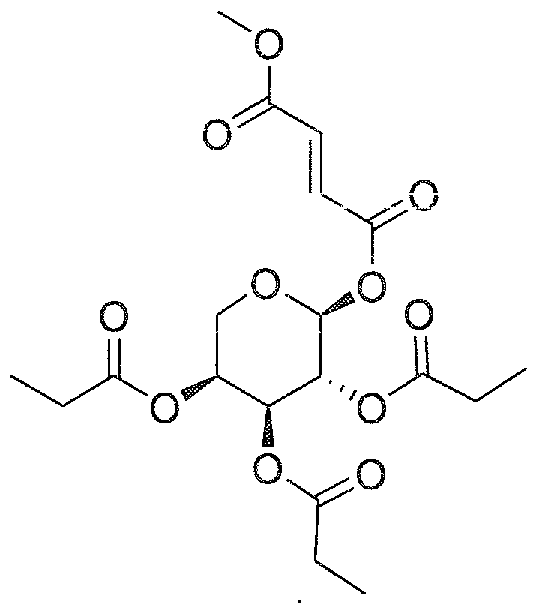


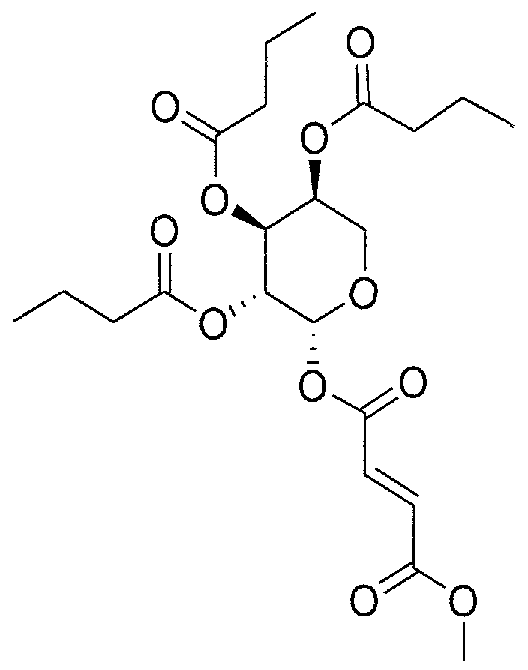


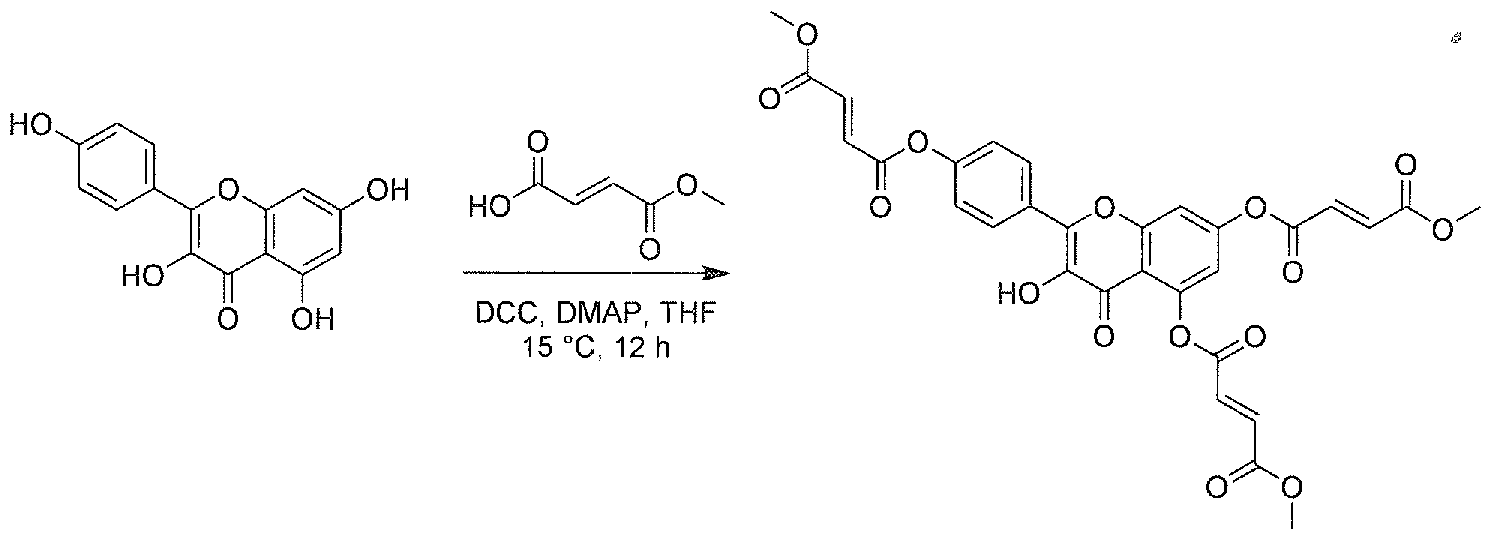


Claims


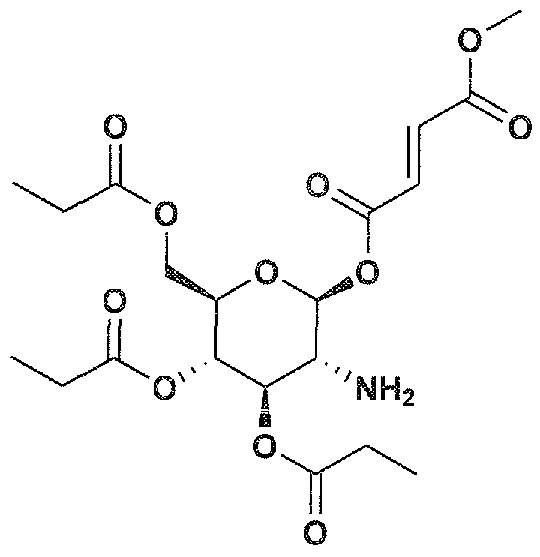
Priority Applications (13)
| Application Number | Priority Date | Filing Date | Title |
|---|---|---|---|
| JP2021531994A JP2022513723A (en) | 2018-12-06 | 2019-12-06 | Monomethyl fumarate-carrier conjugate and how to use it |
| CA3122066A CA3122066A1 (en) | 2018-12-06 | 2019-12-06 | Monomethyl fumarate-carrier conjugates and methods of their use |
| MX2021006684A MX2021006684A (en) | 2018-12-06 | 2019-12-06 | MONOMETHYL FUMARATE CARRIER CONJUGATES AND METHODS FOR THEIR USE. |
| SG11202105525YA SG11202105525YA (en) | 2018-12-06 | 2019-12-06 | Monomethyl fumarate-carrier conjugates and methods of their use |
| BR112021010893-9A BR112021010893A2 (en) | 2018-12-06 | 2019-12-06 | CARRIER MONOMETHYL FUMARATE CONJUGATES AND METHODS FOR THEIR USE |
| AU2019392784A AU2019392784A1 (en) | 2018-12-06 | 2019-12-06 | Monomethyl fumarate-carrier conjugates and methods of their use |
| EP19892710.5A EP3890721A4 (en) | 2018-12-06 | 2019-12-06 | MONOMETHYL FUMARATE AND CARRIER CONJUGATES AND METHODS OF USE THEREOF |
| CN201980091378.8A CN113490489A (en) | 2018-12-06 | 2019-12-06 | Monomethyl fumarate-carrier conjugates and methods of use thereof |
| KR1020217019235A KR20210100120A (en) | 2018-12-06 | 2019-12-06 | Monomethyl fumarate-carrier conjugate and method of use thereof |
| PH12021551226A PH12021551226A1 (en) | 2018-12-06 | 2021-05-27 | Monomethyl fumarate-carrier conjugates and methods of their use |
| IL283662A IL283662A (en) | 2018-12-06 | 2021-06-02 | Monomethyl fumarate conjugates - carrier and methods of using them |
| US17/337,595 US20210299079A1 (en) | 2018-12-06 | 2021-06-03 | Monomethyl fumarate-carrier conjugates and methods of their use |
| US19/172,883 US20250295624A1 (en) | 2018-12-06 | 2025-04-08 | Monomethyl fumarate-carrier conjugates and methods of their use |
Applications Claiming Priority (4)
| Application Number | Priority Date | Filing Date | Title |
|---|---|---|---|
| US201862776430P | 2018-12-06 | 2018-12-06 | |
| US62/776,430 | 2018-12-06 | ||
| US201962938610P | 2019-11-21 | 2019-11-21 | |
| US62/938,610 | 2019-11-21 |
Related Child Applications (1)
| Application Number | Title | Priority Date | Filing Date |
|---|---|---|---|
| US17/337,595 Continuation US20210299079A1 (en) | 2018-12-06 | 2021-06-03 | Monomethyl fumarate-carrier conjugates and methods of their use |
Publications (2)
| Publication Number | Publication Date |
|---|---|
| WO2020118178A1 true WO2020118178A1 (en) | 2020-06-11 |
| WO2020118178A8 WO2020118178A8 (en) | 2020-07-16 |
Family
ID=70973533
Family Applications (1)
| Application Number | Title | Priority Date | Filing Date |
|---|---|---|---|
| PCT/US2019/064926 Ceased WO2020118178A1 (en) | 2018-12-06 | 2019-12-06 | Monomethyl fumarate-carrier conjugates and methods of their use |
Country Status (13)
| Country | Link |
|---|---|
| US (2) | US20210299079A1 (en) |
| EP (1) | EP3890721A4 (en) |
| JP (1) | JP2022513723A (en) |
| KR (1) | KR20210100120A (en) |
| CN (1) | CN113490489A (en) |
| AU (1) | AU2019392784A1 (en) |
| BR (1) | BR112021010893A2 (en) |
| CA (1) | CA3122066A1 (en) |
| IL (1) | IL283662A (en) |
| MX (1) | MX2021006684A (en) |
| PH (1) | PH12021551226A1 (en) |
| SG (1) | SG11202105525YA (en) |
| WO (1) | WO2020118178A1 (en) |
Cited By (2)
| Publication number | Priority date | Publication date | Assignee | Title |
|---|---|---|---|---|
| CN112494472A (en) * | 2021-02-04 | 2021-03-16 | 清华大学 | Use of 3-hydroxybutyric acid and derivatives thereof for the treatment or prevention of immune system mediated diseases |
| WO2021252915A1 (en) * | 2020-06-11 | 2021-12-16 | University Of Massachusetts | Gasdermin d (gsdmd) succination for the treatment of inflammatory disease |
Families Citing this family (2)
| Publication number | Priority date | Publication date | Assignee | Title |
|---|---|---|---|---|
| WO2023225107A1 (en) * | 2022-05-17 | 2023-11-23 | Emory University | Diroximel fumarate, inhalation administration methods, pharmaceutical uses and compositions |
| CN119837845B (en) * | 2024-11-28 | 2025-09-26 | 中山大学附属第一医院广西医院 | Application of R-1, 3-butanediol in preparation of medicines for preventing or treating inflammatory bowel disease |
Citations (10)
| Publication number | Priority date | Publication date | Assignee | Title |
|---|---|---|---|---|
| US5112598A (en) | 1988-05-04 | 1992-05-12 | Hermes Fabrik Pharmazeutischer Preparate Franz Gradinger Gmbh & Co. Kg | Vitamin a aerosol-inhalate preparations |
| US20100144651A1 (en) | 2005-07-07 | 2010-06-10 | Aditech Pharma Ab | Novel glucopyranose esters and glucofuranose esters of alkyl- fumarates and their pharmaceutical use |
| US20110172240A1 (en) | 2010-01-08 | 2011-07-14 | Milne Jill C | Fatty acid fumarate derivatives and their uses |
| US8785443B2 (en) * | 2008-08-19 | 2014-07-22 | Xenoport, Inc. | Methods of using prodrugs of methyl hydrogen fumarate and pharmaceutical compositions thereof |
| US20140364604A1 (en) * | 2013-06-07 | 2014-12-11 | Xenoport, Inc. | Method of making monomethyl fumarate |
| US20150190360A1 (en) * | 2013-03-15 | 2015-07-09 | Xenoport, Inc. | Methods of administering monomethyl fumarate |
| US20170231933A1 (en) | 2014-10-17 | 2017-08-17 | Flexopharm Brain Gmbh & Co. Kg | Supporting immunomodulatory agent |
| US20180064673A1 (en) * | 2013-03-14 | 2018-03-08 | Alkermes Pharma Ireland Limited | Prodrugs of fumarates and their use in treating various diseases |
| WO2018226732A1 (en) | 2017-06-05 | 2018-12-13 | Flagship Pioneering Innovations V, Inc. | Multibiotic agents and methods of using the same |
| WO2019236772A1 (en) | 2018-06-05 | 2019-12-12 | Flagship Pioneering Innovations V, Inc. | Acylated active agents and methods of their use for the treatment of autoimmune disorders |
Family Cites Families (2)
| Publication number | Priority date | Publication date | Assignee | Title |
|---|---|---|---|---|
| EP2557079A1 (en) * | 2011-08-09 | 2013-02-13 | Nestec S.A. | Synthesis of catechin and epicatechin conjugates |
| WO2014087323A2 (en) * | 2012-12-06 | 2014-06-12 | Mahesh Kandula | Compositions and methods for the treatment of autoimmune and chronic metabolic diseases |
-
2019
- 2019-12-06 AU AU2019392784A patent/AU2019392784A1/en not_active Abandoned
- 2019-12-06 KR KR1020217019235A patent/KR20210100120A/en not_active Withdrawn
- 2019-12-06 CA CA3122066A patent/CA3122066A1/en active Pending
- 2019-12-06 EP EP19892710.5A patent/EP3890721A4/en active Pending
- 2019-12-06 WO PCT/US2019/064926 patent/WO2020118178A1/en not_active Ceased
- 2019-12-06 MX MX2021006684A patent/MX2021006684A/en unknown
- 2019-12-06 SG SG11202105525YA patent/SG11202105525YA/en unknown
- 2019-12-06 BR BR112021010893-9A patent/BR112021010893A2/en not_active Application Discontinuation
- 2019-12-06 JP JP2021531994A patent/JP2022513723A/en active Pending
- 2019-12-06 CN CN201980091378.8A patent/CN113490489A/en active Pending
-
2021
- 2021-05-27 PH PH12021551226A patent/PH12021551226A1/en unknown
- 2021-06-02 IL IL283662A patent/IL283662A/en unknown
- 2021-06-03 US US17/337,595 patent/US20210299079A1/en not_active Abandoned
-
2025
- 2025-04-08 US US19/172,883 patent/US20250295624A1/en active Pending
Patent Citations (11)
| Publication number | Priority date | Publication date | Assignee | Title |
|---|---|---|---|---|
| US5112598A (en) | 1988-05-04 | 1992-05-12 | Hermes Fabrik Pharmazeutischer Preparate Franz Gradinger Gmbh & Co. Kg | Vitamin a aerosol-inhalate preparations |
| US5556611A (en) | 1988-05-04 | 1996-09-17 | Hermes Fabrik Pharmazeutischer Praparate | Vitamin A aerosol-inhalant preparations and method |
| US20100144651A1 (en) | 2005-07-07 | 2010-06-10 | Aditech Pharma Ab | Novel glucopyranose esters and glucofuranose esters of alkyl- fumarates and their pharmaceutical use |
| US8785443B2 (en) * | 2008-08-19 | 2014-07-22 | Xenoport, Inc. | Methods of using prodrugs of methyl hydrogen fumarate and pharmaceutical compositions thereof |
| US20110172240A1 (en) | 2010-01-08 | 2011-07-14 | Milne Jill C | Fatty acid fumarate derivatives and their uses |
| US20180064673A1 (en) * | 2013-03-14 | 2018-03-08 | Alkermes Pharma Ireland Limited | Prodrugs of fumarates and their use in treating various diseases |
| US20150190360A1 (en) * | 2013-03-15 | 2015-07-09 | Xenoport, Inc. | Methods of administering monomethyl fumarate |
| US20140364604A1 (en) * | 2013-06-07 | 2014-12-11 | Xenoport, Inc. | Method of making monomethyl fumarate |
| US20170231933A1 (en) | 2014-10-17 | 2017-08-17 | Flexopharm Brain Gmbh & Co. Kg | Supporting immunomodulatory agent |
| WO2018226732A1 (en) | 2017-06-05 | 2018-12-13 | Flagship Pioneering Innovations V, Inc. | Multibiotic agents and methods of using the same |
| WO2019236772A1 (en) | 2018-06-05 | 2019-12-12 | Flagship Pioneering Innovations V, Inc. | Acylated active agents and methods of their use for the treatment of autoimmune disorders |
Non-Patent Citations (10)
| Title |
|---|
| "Encyclopedia of Pharmaceutical Technology", 1988, MARCEL DEKKER |
| "Handbook of Pharmaceutical Excipients", 2009, PHARMACEUTICAL PRESS |
| "Pharmaceutical Salts: Properties, Selection, and Use", 2008, WILEY-VCH |
| "Remington: The Science and Practice of Pharmacy", 2005, LIPPENCOTT WILLIAMS & WILKINS |
| "The United States Pharmacopeia: The National Formulary", 2013 |
| BERGE ET AL., J. PHARMACEUTICAL SCIENCES, vol. 66, 1977, pages 1 - 19 |
| KICKMAN, J. LAB. AUTOM., vol. 20, 2015, pages 107 - 126 |
| MROWIETZ ET AL.: "The Pharmacokinetics of Fumaric Acid Esters Reveal Their In Vivo Effects", TRENDS IN PHARMACOLOGICAL SCIENCES, vol. 39, no. 1, pages 1 - 12 |
| See also references of EP3890721A4 |
| YOO BRYAN B ET AL.: "The Enteric Network: Interactions between the Immune and Nervous Systems of the Gut", IMMUNITY, vol. 46, 20 June 2017 (2017-06-20), pages 910 - 926, XP085094630, DOI: 10.1016/j.immuni.2017.05.011 |
Cited By (3)
| Publication number | Priority date | Publication date | Assignee | Title |
|---|---|---|---|---|
| WO2021252915A1 (en) * | 2020-06-11 | 2021-12-16 | University Of Massachusetts | Gasdermin d (gsdmd) succination for the treatment of inflammatory disease |
| CN112494472A (en) * | 2021-02-04 | 2021-03-16 | 清华大学 | Use of 3-hydroxybutyric acid and derivatives thereof for the treatment or prevention of immune system mediated diseases |
| CN112494472B (en) * | 2021-02-04 | 2021-07-20 | 清华大学 | Use of 3-hydroxybutyric acid and derivatives thereof for the treatment or prevention of immune system mediated diseases |
Also Published As
| Publication number | Publication date |
|---|---|
| KR20210100120A (en) | 2021-08-13 |
| MX2021006684A (en) | 2021-09-10 |
| EP3890721A1 (en) | 2021-10-13 |
| US20210299079A1 (en) | 2021-09-30 |
| BR112021010893A2 (en) | 2021-08-31 |
| AU2019392784A1 (en) | 2021-06-10 |
| SG11202105525YA (en) | 2021-06-29 |
| PH12021551226A1 (en) | 2021-11-08 |
| US20250295624A1 (en) | 2025-09-25 |
| JP2022513723A (en) | 2022-02-09 |
| IL283662A (en) | 2021-07-29 |
| CN113490489A (en) | 2021-10-08 |
| CA3122066A1 (en) | 2020-06-11 |
| EP3890721A4 (en) | 2022-12-28 |
| WO2020118178A8 (en) | 2020-07-16 |
Similar Documents
| Publication | Publication Date | Title |
|---|---|---|
| US20250295624A1 (en) | Monomethyl fumarate-carrier conjugates and methods of their use | |
| EP0694558B1 (en) | Novel sphingoglycolipid and use thereof | |
| US12115178B2 (en) | Acylated active agents and methods of their use for the treatment of autoimmune disorders | |
| US6197752B1 (en) | Glycomimetics as selectin antagonists and pharmaceuticals having antiinflammatory activity prepared therefrom | |
| CA2193645A1 (en) | Hydroxyalkylammonium-pyrimidines or purines and nucleoside derivatives, useful as inhibitors of inflammatory cytokines | |
| US20220409650A1 (en) | Compositions and methods for ascaroside modification of mammalian microbiota | |
| CN103781472B (en) | Synthesis and application of propofol side derivatives | |
| WO2014002039A1 (en) | Amphetamine prodrugs | |
| CN103702670A (en) | Synthesis and use of glycoside pro-drug analogs | |
| US6770629B2 (en) | Administration of a sulfopyranosylacylglycerol to treat certain cancers | |
| US20090131343A1 (en) | Use of bridged macrolides or tylosin derivatives in treating inflammatory bowel diseases | |
| WO2008041131A2 (en) | Anticoagulant compounds | |
| CN114599643B (en) | A kind of aryl glucoside derivative | |
| AU2022395776A1 (en) | Photodynamic therapy and diagnosis | |
| JP4328323B2 (en) | Ribofuranose derivatives | |
| KR20250114390A (en) | Novel chlorin E6 analogues | |
| JP3755019B2 (en) | Radiation damage protection agent containing ribofuranose derivative | |
| Foote | Structural modification of E. Coli lipid A and KDO-lipid IVA | |
| WO2003044033A1 (en) | Novel immunosuppressants |
Legal Events
| Date | Code | Title | Description |
|---|---|---|---|
| 121 | Ep: the epo has been informed by wipo that ep was designated in this application |
Ref document number: 19892710 Country of ref document: EP Kind code of ref document: A1 |
|
| ENP | Entry into the national phase |
Ref document number: 3122066 Country of ref document: CA |
|
| ENP | Entry into the national phase |
Ref document number: 2021531994 Country of ref document: JP Kind code of ref document: A |
|
| NENP | Non-entry into the national phase |
Ref country code: DE |
|
| ENP | Entry into the national phase |
Ref document number: 2019392784 Country of ref document: AU Date of ref document: 20191206 Kind code of ref document: A |
|
| REG | Reference to national code |
Ref country code: BR Ref legal event code: B01A Ref document number: 112021010893 Country of ref document: BR |
|
| ENP | Entry into the national phase |
Ref document number: 20217019235 Country of ref document: KR Kind code of ref document: A |
|
| ENP | Entry into the national phase |
Ref document number: 2019892710 Country of ref document: EP Effective date: 20210706 |
|
| ENP | Entry into the national phase |
Ref document number: 112021010893 Country of ref document: BR Kind code of ref document: A2 Effective date: 20210604 |