WO2020138257A1 - 情報処理装置、情報処理方法及び情報処理プログラム - Google Patents
情報処理装置、情報処理方法及び情報処理プログラム Download PDFInfo
- Publication number
- WO2020138257A1 WO2020138257A1 PCT/JP2019/051058 JP2019051058W WO2020138257A1 WO 2020138257 A1 WO2020138257 A1 WO 2020138257A1 JP 2019051058 W JP2019051058 W JP 2019051058W WO 2020138257 A1 WO2020138257 A1 WO 2020138257A1
- Authority
- WO
- WIPO (PCT)
- Prior art keywords
- transfer function
- related transfer
- user
- head
- information processing
- Prior art date
- Legal status (The legal status is an assumption and is not a legal conclusion. Google has not performed a legal analysis and makes no representation as to the accuracy of the status listed.)
- Ceased
Links
Images




Classifications
-
- H—ELECTRICITY
- H04—ELECTRIC COMMUNICATION TECHNIQUE
- H04S—STEREOPHONIC SYSTEMS
- H04S1/00—Two-channel systems
- H04S1/002—Non-adaptive circuits, e.g. manually adjustable or static, for enhancing the sound image or the spatial distribution
- H04S1/005—For headphones
-
- H—ELECTRICITY
- H04—ELECTRIC COMMUNICATION TECHNIQUE
- H04L—TRANSMISSION OF DIGITAL INFORMATION, e.g. TELEGRAPHIC COMMUNICATION
- H04L67/00—Network arrangements or protocols for supporting network services or applications
- H04L67/01—Protocols
- H04L67/10—Protocols in which an application is distributed across nodes in the network
-
- H—ELECTRICITY
- H04—ELECTRIC COMMUNICATION TECHNIQUE
- H04L—TRANSMISSION OF DIGITAL INFORMATION, e.g. TELEGRAPHIC COMMUNICATION
- H04L67/00—Network arrangements or protocols for supporting network services or applications
- H04L67/34—Network arrangements or protocols for supporting network services or applications involving the movement of software or configuration parameters
-
- H—ELECTRICITY
- H04—ELECTRIC COMMUNICATION TECHNIQUE
- H04S—STEREOPHONIC SYSTEMS
- H04S7/00—Indicating arrangements; Control arrangements, e.g. balance control
- H04S7/30—Control circuits for electronic adaptation of the sound field
- H04S7/301—Automatic calibration of stereophonic sound system, e.g. with test microphone
-
- H—ELECTRICITY
- H04—ELECTRIC COMMUNICATION TECHNIQUE
- H04S—STEREOPHONIC SYSTEMS
- H04S7/00—Indicating arrangements; Control arrangements, e.g. balance control
- H04S7/30—Control circuits for electronic adaptation of the sound field
- H04S7/302—Electronic adaptation of stereophonic sound system to listener position or orientation
- H04S7/303—Tracking of listener position or orientation
- H04S7/304—For headphones
-
- H—ELECTRICITY
- H04—ELECTRIC COMMUNICATION TECHNIQUE
- H04S—STEREOPHONIC SYSTEMS
- H04S7/00—Indicating arrangements; Control arrangements, e.g. balance control
- H04S7/30—Control circuits for electronic adaptation of the sound field
- H04S7/308—Electronic adaptation dependent on speaker or headphone connection
-
- H—ELECTRICITY
- H04—ELECTRIC COMMUNICATION TECHNIQUE
- H04S—STEREOPHONIC SYSTEMS
- H04S2420/00—Techniques used stereophonic systems covered by H04S but not provided for in its groups
- H04S2420/01—Enhancing the perception of the sound image or of the spatial distribution using head related transfer functions [HRTF's] or equivalents thereof, e.g. interaural time difference [ITD] or interaural level difference [ILD]
Definitions
- the present disclosure relates to an information processing device, an information processing method, and an information processing program. Specifically, it relates to the use of head related transfer functions.
- a technology is used that stereoscopically reproduces the sound image in headphones, etc., by using the head-related transfer function that mathematically expresses how the sound reaches the ear from the sound source.
- a three-dimensional digital model of the head (hereinafter referred to as a “3D model”) is generated based on an image of the user's auricle, and the head-related transfer function of the user is calculated from the generated 3D model.
- the technology is known.
- the head related transfer function calculated individually for each user can be used for information processing, so that the localization of the sound image can be enhanced.
- the present disclosure proposes an information processing device, an information processing method, and an information processing program that can appropriately use the head related transfer function.
- Embodiment 1-1 Example of Configuration of Information Processing System and Information Processing According to Embodiment 1-2.
- Configuration of information processing apparatus according to embodiment 1-3 Information processing procedure according to the embodiment 2.
- Modification 2-1 Aspect of information processing system 2-2.
- Mode of sound source reproduction 2-3 Use of parameters 2-4.
- Other Embodiments 4. Effect of information processing apparatus according to the present disclosure Hardware configuration
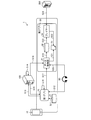
- FIG. 1 is a diagram showing an information processing system 1 according to an embodiment of the present disclosure.
- the information processing according to the embodiment of the present disclosure is realized by the information processing system 1 illustrated in FIG. 1.
- the information processing system 1 includes a user terminal 10, headphones 50, a cloud server 100, and a service server 200.
- the devices included in the information processing system 1 communicate with each other using a wired or wireless network (not shown). Note that the number of each device that configures the information processing system 1 is not limited to the illustrated one.
- the headphone 50 is an example of an audio device used by a user.
- the headphones 50 have a communication function such as Bluetooth (registered trademark) and establish wireless communication with the user terminal 10. Then, the headphones 50 output the sound or the like transmitted from the user terminal 10 according to the operation of the user.
- the service server 200 is a server device that provides the user terminal 10 with a sound source such as music.
- the service server 200 provides a streaming sound source or the like to the user terminal 10 via the network according to the control of the music reproduction application or the like installed in the user terminal 10.
- the user terminal 10 executes information processing using the HRTF.
- the HRTF expresses, as a transfer function, a change in sound caused by a peripheral object including the shape of the human auricle (auricle) or the head.
- the measurement data for obtaining the HRTF is acquired by measuring a sound signal for measurement using a microphone or a dummy head microphone that a person wears in the auricle.
- the cloud server 100 acquires an image including the shape of the user's ear captured by the user terminal 10, and calculates the user's individual HRTF based on the acquired image. Then, the cloud server 100 transmits the calculated HRTF to the user terminal 10. As a result, the user terminal 10 can reproduce the sound in which the 3D sound is reproduced by using the user's individual HRTF, or can reproduce the moving image with a sense of reality.
- the user terminal 10 includes various applications such as an application having a function of transmitting and managing the HRTF (hereinafter, simply referred to as “app”), an application for playing music, an application for playing video, and the like. Run the app developed by.
- HRTF data may not be exchanged between the HRTF management application and the music playback application, for example, due to restrictions of the OS (Operating System).
- the HRTF can be calculated regardless of the acoustic device (headphone 50 or the like) actually used by the user, but in order to exert a more effective acoustic effect, an output value matched with the impedance of the device, It is desirable to use it together with variables (parameters) such as delay time based on the shape of the output part of the device.
- variables such as delay time based on the shape of the output part of the device.
- the HRTF may be used in an unintended usage mode by the cloud server 100 or the application that manages the HRTF.
- the user terminal 10 solves the above problem by the information processing of the present disclosure described below.
- an outline of information processing according to the present disclosure will be described along the flow with reference to FIGS. 1 and 2.
- the user terminal 10 has already installed the first application 20 and the second application 30.
- the first application 20 is, for example, an application provided by a company that manages the cloud server 100.
- the first application 20 has a function of capturing an image including the user's ear, transmitting the captured image to the cloud server 100, and managing the HRTF transmitted from the cloud server 100.
- the first application 20 captures an image including the user's ear and acquires the image including the ear according to the user's operation (step S1). Subsequently, the first application 20 transmits the image including the ear to the cloud server 100 (step S2). It should be noted that the first application 20 performs, as preprocessing for transmitting the image to the cloud server 100, a process of detecting an image of the user's ear included in the image, and cutting out the range of the detected image of the ear from the image. May be.
- the cloud server 100 acquires the image transmitted from the user terminal 10. Then, the cloud server 100 calculates the user's HRTF from the image (step S3).
- Various methods may be adopted as a method for the cloud server 100 to calculate the HRTF.
- the cloud server 100 may calculate the HRTF using a model learned to output the HRTF corresponding to the ear when a two-dimensional image including the image of the ear is input.
- the cloud server 100 may generate a 3D model of the user's head from a two-dimensional image including the image of the ear and calculate the HRTF from the generated 3D model.
- the HRTF calculated according to the individual user may be referred to as a personalized HRTF (personal HRTF), and may be distinguished from a general HRTF.
- the cloud server 100 transmits the generated personalized BRIR to the user terminal 10 (step S4).
- the first application 20 acquires the personalized BRIR (step S5). In this way, the user can acquire his/her personalized BRIR by photographing his/her profile and transmitting the image to the cloud server 100. Then, the first application 20 stores the received personalized BRIR in the storage area 21 (step S6).
- the first application 20 acquires the personalized BRIR stored in the storage area 21 in response to the operation of activating the first application 20 from the user (step S11). Further, the first application 20 recognizes the device connected to the user terminal 10. In the example of FIG. 2, the first application 20 recognizes the headphones 50 that have established communication with the user terminal 10 through a wireless connection such as Bluetooth.
- the first application 20 acquires information about the headphones 50 that are the connected devices (step S12). For example, the first application 20 acquires an identifier that identifies a device.
- the identifier is, for example, when the device has a Bluetooth function, a character string for identifying the device such as a BT device name, a unique character string for identifying each device, or the like. Further, the identifier may be a model name of a device uniquely given by the manufacturer.
- the first application 20 may also acquire information such as whether or not the connected device has a communication function. For example, if the device does not have a communication function such as Bluetooth, the device may not be able to transmit information such as an identifier. In this case, the first application 20 acquires information indicating that the device connected to the user terminal 10 cannot recognize the device. Such information is distinguished by, for example, whether the device type is Active (has a communication function) or Passive (has no communication function). That is, the first application 20 acquires information indicating whether the connected device is Active or Passive. In the example of FIG. 2, since the headphones 50 have a communication function, the first application 20 acquires information that the headphones 50 that are the connected devices are “Active”.
- the first application 20 associates the personalized BRIR with the identifier of the headphones 50, which is a device used by the user.
- the association means for example, that the device currently connected to the user terminal 10 is the headphones 50, and therefore the second application 30 to be described later provides control information for controlling reproduction by devices other than the headphones 50. Granting, etc. More specifically, the association is control information for controlling a variable for optimizing a certain device (hereinafter, referred to as “device optimization parameter”) so as not to be used by another device by mistake. Is to give.
- the first application 20 transmits (uploads) information about the personalized BRIR and the headphones 50 to the cloud server 100 (step S13). This process is performed in order to enable the personalized BRIR to be passed through the cloud server 100 because the data cannot be directly passed from the first application 20 to the second application 30.
- the cloud server 100 acquires information about the personalized BRIR and the headphones 50. Then, the cloud server 100 specifies the device optimization parameter of the headphone 50 among the information held, based on the identifier of the headphone 50.
- the cloud server 100 issues a one-time URL that is an acquisition address for the device optimization parameter of the headphones 50.
- the first application 20 acquires the acquisition address of the personalized BRIR transmitted from the cloud server 100 and the acquisition address of the device optimization parameter of the headphones 50 (step S16).
- the first application 20 may associate the personalized BRIR with the identifier of the headphones 50 at the timing of step S16.
- the second application 30 is an application for playing a sound source or a moving image.
- the second application 30 is provided to the user by the same company as the company that manages the service server 200 that provides the streaming sound source.
- the second application 30 has a processing unit called a data control unit 31 and a player 34, and the data control unit 31 is provided as a shared library by the business operator who provides the first application 20. It may be one. That is, the business operator managing the service server 200 may provide only the function corresponding to the player 34 in the second application 30.
- the data control unit 31 stores the acquired personalized BRIR and device optimization parameters of the headphones 50 in the storage area 32 (step S19).
- the data control unit 31 updates the configuration file (Config File) 33 in which the settings for the reproduction of the second application 30 are held. Specifically, the data control unit 31 writes in the setting file 33 that the acquired personalized BRIR and the device optimization parameter are used (validated) in the reproduction process.
- the data control unit 31 acquires the acquired personalized BRIR. Write so that the device optimization parameters are not activated.
- the data control unit 31 compares the identifier (BT device name or the like) passed from the first application 20 with the identifier of the headphone 50 that is currently connected and compares the personalized BRIR used for reproducing the sound source or Determine equipment optimization parameters. Then, the data control unit 31 updates the setting file 33 according to the determined content (step S21).
- the identifier BT device name or the like
- the data control unit 31 updates the setting file 33 according to the determined content (step S21).
- the data control unit 31 uses the personalized BRIR and the device optimization parameter provided from the cloud server 100 when the actually used device (headphone 50) is changed. Restrict. That is, the data control unit 31 includes the step of determining the device identifier in the second application 30 which is actually played back, so that the device optimization parameters of different devices are applied when the music is played back. It is possible to prevent inappropriate reproduction from being performed.
- the second application 30 executes the function of the player 34 when the user desires to play music.
- the player 34 is a processing unit that reproduces music or a moving image based on a sound source such as a music file and the information set in the setting file 33.
- the player 34 reads the setting file 33 and recognizes that the personalized BRIR is used for reproduction and the device optimization parameter of the headphones 50 is used (step S22).
- the player 34 acquires the personalized BRIR and the device optimization parameter from the storage area 32 based on the information set in the setting file 33 (step S23).
- the player 34 accesses the service server 200 that provides a streaming sound source, etc., and acquires the sound source (step S24).
- the player 34 plays the sound source while convolving the personalized BRIR and the device optimization parameter with the sound source.
- the player 34 can perform reproduction using a transfer function matched to the shape of the user's individual ear and parameters optimized for the reproduction environment such as the headphones 50.
- the user terminal 10 provides not only the personalized BRIR but also the identifier of the device connected in the environment where the personalized BRIR is used. In this way, the user terminal 10 optimizes the environment of the user by providing the reproduction environment (the second application 30 or the like) with information such as what device the user is using to use the personalized BRIR. The replay can be performed.
- the user terminal 10 acquires the personalized BRIR corresponding to the user and the identifier associated with the personalized BRIR, and the identifier associated with the personalized BRIR and the identifier for identifying the device used by the user. Is determined. Then, the user terminal 10 sets to activate the personalized BRIR when the identifier associated with the personalized BRIR and the identifier for identifying the device used by the user match.
- the user terminal 10 identifies the currently connected device in the environment where the personalized BRIR is about to be used, and thus the personalized BRIR and the device optimization parameter provided from the cloud server 100. To determine whether to use. As a result, the user terminal 10 can prevent inappropriate use of the personalized BRIR during reproduction or erroneous application of different device optimization parameters. As a result, the user terminal 10 can perform reproduction optimized for the user's environment.
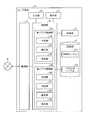
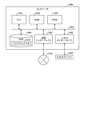
- FIG. 3 is a diagram illustrating a configuration example of the user terminal 10 according to the embodiment of the present disclosure.
- the user terminal 10 includes a communication unit 11, an input unit 12, a display unit 13, a detection unit 14, a storage unit 15, and a control unit 16.
- the communication unit 11 is realized by, for example, a NIC (Network Interface Card) or the like.
- the communication unit 11 is connected to a network N (Internet or the like) by wire or wirelessly, and transmits/receives information to/from the cloud server 100, the service server 200, the headphones 50, or the like via the network N.
- a network N Internet or the like
- the input unit 12 is an input device that receives various operations from the user.
- the input unit 12 is realized by an operation key or the like included in the user terminal 10.
- the display unit 13 is a display device for displaying various information.
- the display unit 13 is realized by a liquid crystal display or the like. When a touch panel is used for the user terminal 10, a part of the input unit 12 and the display unit 13 are integrated.
- the detection unit 14 is a general term for various sensors, and detects various information regarding the user terminal 10. Specifically, the detection unit 14 detects a user's operation on the user terminal 10, position information of the user terminal 10, information about a device connected to the user terminal 10, an environment of the user terminal 10, and the like. To do.
- the detection unit 14 has, as an example of a sensor, a lens for taking an image and an image sensor. That is, the detection unit 14 exerts a function as a camera, for example, when the user activates an application that operates the photographing function.
- the storage unit 15 is realized by, for example, a semiconductor memory device such as a RAM (Random Access Memory) or a flash memory (Flash Memory), or a storage device such as a hard disk or an optical disk.
- the storage unit 15 stores various data used for information processing.
- the storage unit 15 includes a data table such as a BRIR table 151 and a parameter table 152.
- the BRIR table 151 corresponds to the storage area 21 shown in FIG. 2, for example.
- the parameter table 152 corresponds to the storage area 32 shown in FIG. 2, for example.
- the BRIR table 121 stores information about the personalized BRIR generated by the cloud server 100.
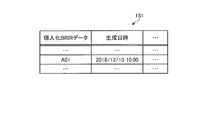
- FIG. 4 shows an example of the BRIR table 151 according to the embodiment of the present disclosure.
- FIG. 4 is a diagram showing an example of the BRIR table 151 according to the embodiment.
- the BRIR table 151 has items such as “personalized BRIR data” and “generation date and time”.
- “Generation date and time” indicates the date and time when the personalized BRIR data was generated.
- the user terminal 10 may retain only the latest personalized BRIR in the BRIR table 151, or may retain the plurality of personalized BRIRs in the BRIR table 151. May be.
- the parameter table 122 stores information about parameters used when reproducing a sound source or a moving image.
- FIG. 5 shows an example of the parameter table 152 according to the embodiment of the present disclosure.
- FIG. 5 is a diagram showing an example of the parameter table 152 according to the embodiment.
- the parameter table 152 has items such as “setting ID”, “personalized BRIR data”, “device optimization parameter”, and “acquisition date and time”.
- “Setting ID” indicates identification information that identifies the setting indicating that the personalized BRIR and the device optimization parameter are associated with each other.
- “Personalized BRIR data” corresponds to the same items shown in FIG.
- the “device optimization parameter” indicates the data of the device optimization parameter acquired from the cloud server 100. In FIG. 5, the device optimization parameter is conceptually described as “C01”, but in reality, a specific numerical value or the like indicating the device optimization parameter is stored in the item.
- “Acquisition date and time” indicates the date and time when the personalized BRIR and the device optimization parameter are acquired from the cloud server 100.
- the user terminal 10 may hold only the latest personalized BRIR and the device optimization parameter in the parameter table 152, or may store a plurality of the latest personalized BRIR and the device optimization parameter.
- the personalized BRIR and device optimization parameters may be held in the BRIR table 151.
- the control unit 16 is a program (for example, an information processing program according to the present disclosure) stored in the user terminal 10 by, for example, a CPU (Central Processing Unit), MPU (Micro Processing Unit), GPU (Graphics Processing Unit), or the like. Is implemented by using RAM (Random Access Memory) as a work area.
- the control unit 16 is a controller, and may be realized by an integrated circuit such as an ASIC (Application Specific Integrated Circuit) or an FPGA (Field Programmable Gate Array).
- the control unit 16 has a first application control unit 161 and a second application control unit 165, and realizes or executes the functions and actions of information processing described below.
- the first application control unit 161 includes a generation unit 162, an execution unit 163, and a provision unit 164.
- the second application control unit 165 includes an acquisition unit 166, a determination unit 167, a setting unit 168, and a reproduction unit 169.
- the acquisition unit 166, the determination unit 167, and the setting unit 168 correspond to the data control unit 31 illustrated in FIG.
- the reproducing unit 169 corresponds to the player 34 shown in FIG.
- the internal configuration of the control unit 16 is not limited to the configuration shown in FIG. 3 and may be another configuration as long as it is a configuration for performing information processing described later.
- the generation unit 162 controls processing related to generation of the HRTF and the personalized BRIR. Specifically, the generation unit 162 controls processing related to shooting of a side face including the user's ear. Further, the generation unit 162 controls a process of transmitting an image obtained by photographing to the cloud server 100 and a process of acquiring the personalized BRIR generated by the cloud server 100.
- the generation unit 162 appropriately stores the image obtained by shooting and the acquired personalized BRIR in the storage unit 15.
- the generation unit 162 does not transmit the image captured by the user terminal 10 to the cloud server 100, but acquires an image captured by an external camera or the like and transmits the acquired image to the cloud server 100. May be.
- the generation unit 162 does not send the image to the cloud server 100, and the personalized HRTF or the personalized HRTF. Only the process of acquiring the functionalized BRIR may be controlled. That is, the process in which the generation unit 162 acquires the personalized HRTF and the personalized BRIR is not limited to a specific method.
- the execution unit 163 associates the personalized HRTF or personalized BRIR corresponding to the user with the identifier for identifying the device used by the user.
- the execution unit 163 acquires the personalized BRIR stored in the BRIR table 151 when the user activates the first application.
- the execution unit 163 also acquires, from the headphones 50, an identifier that identifies the headphones 50 that are connected when the first application is activated. Then, the execution unit 163 associates the personalized BRIR with the identifier of the headphones 50, and uploads the personalized BRIR to the cloud server 100 together with the associated information.
- the execution unit 163 acquires the personalized BRIR issued by the cloud server 100 and the one-time URL for acquiring the headphones 50. Note that the execution unit 163 may associate the personalized BRIR with the identifier of the headphones 50 at the time of acquiring the one-time URL for acquisition.
- the providing unit 164 provides the personalized BRIR and the identifier associated with the personalized BRIR to the provision destination to which the personalized BRIR corresponding to the user is provided.
- the provision destination is, for example, an application (a second application in the embodiment) different from the first application installed in the user terminal 10.
- the providing destination is not limited to the second application, and may be another external device (for example, another information processing terminal capable of mutually communicating with the user terminal 10) or the like.
- the providing unit 164 provides the personalized BRIR to the provision destination by transmitting the one-time URL for the provision destination to acquire the personalized BRIR to the provision destination.
- the providing unit 164 provides the personalized BRIR to the providing destination via the one-time URL.
- the providing unit 164 can provide the personalized BRIR even to the second application that cannot be directly delivered due to, for example, the restrictions of the OS.
- the providing unit 164 may provide a variable (device optimization parameter) according to the device used with the personalized BRIR, together with the identifier, to the providing destination.
- the providing unit 164 provides the device optimization parameter to the provider by transmitting the one-time URL for the provider to acquire the device optimization parameter to the provider. That is, the providing unit 164 provides the device optimization parameter to the providing destination via the one-time URL, similarly to the personalized BRIR. As a result, the providing unit 164 can provide the device optimization parameter even to the second application that cannot be directly passed due to, for example, the restrictions of the OS.
- the providing unit 164 may provide the device optimization parameter to the providing destination when the communication among the user terminal 10, the information processing device, and the headphones 50 is established. That is, the providing unit 164 does not provide the device optimization parameter to the second application when the communication with the headphones 50 is disconnected, for example, at the timing of providing the device optimization parameter to the second application. May be. As a result, the providing unit 164 can prevent a discrepancy between the device that the user intends to use and the passed optimization parameter.
- the acquisition unit 166 acquires the personalized BRIR corresponding to the user and the identifier associated with the personalized BRIR.
- the acquisition unit 166 acquires the personalized BRIR from the cloud server 100 via the one-time URL provided by the provision unit 164. Specifically, the acquisition unit 166 acquires the personalized BRIR by accessing the access destination indicated by the one-time URL and making a request to acquire the personalized BRIR to the cloud server 100.
- the acquisition unit 166 may acquire the device optimization parameter according to the device when used with the personalized BRIR together with the device identifier.
- the acquisition unit 166 acquires the device optimization parameter from the cloud server 100 via the one-time URL provided by the provision unit 164. Specifically, the acquisition unit 166 acquires the device optimization parameter by accessing the access destination indicated by the one-time URL and requesting the cloud server 100 to acquire the device optimization parameter.
- the acquisition unit 166 appropriately stores the acquired information in the storage unit 15.
- the acquisition unit 166 stores the acquired personalized BRIR and device optimization parameter in the parameter table 152 in association with each other.
- the determination unit 167 determines whether the identifier associated with the personalized BRIR matches the identifier for identifying the device used by the user.
- the determination unit 167 provides the identifier such as the BT device name provided by the providing unit 164 and associated with the personalized BRIR, and the identifier such as the BT device name of the device currently used by the user. Is determined.
- the determination unit 167 determines that the device with which communication with the user terminal 10 is established is the device used by the user. For example, the determination unit 167 identifies the device with which the communication with the user terminal 10 is established by detecting the device connected to the user terminal 10 by using the function (library or the like) of the OS. You can
- the determination unit 167 identifies the device used by the user and the identifier associated with the personalized BRIR when the device currently used by the user cannot be detected or when the device identifier cannot be acquired. It may be determined that and do not match. For example, when the device currently used by the user is Passive and the device does not have the function of transmitting the identifier, the determination unit 167 determines that the identifier associated with the personalized BRIR and the identifier of the device are It is determined that they do not match.
- the setting unit 168 sets that the personalized BRIR acquired from the cloud server 100 can be used when the identifier associated with the personalized BRIR and the identifier for identifying the device used by the user match.
- the reproduction unit 169 described below can perform reproduction using the personalized BRIR stored in the parameter table 152.
- the setting unit 168 sets not to activate the personalized BRIR or the device optimization parameter when the identifier associated with the personalized BRIR does not match the identifier for identifying the device used by the user. May be.
- the setting unit 168 may impair the user experience, such as the optimum sound source reproduction not being performed due to the personalized BRIR or the device optimization parameter being mistakenly used in an environment where the reproduction situation is unknown. Etc. can be prevented.
- the setting unit 168 may be set so that neither the personalized BRIR nor the device optimization parameter is validated, or the personalized BRIR may be validated and the device optimization parameter may not be validated. ..
- the setting unit 168 When the setting unit 168 is set not to enable the personalized BRIR, the setting unit 168 writes in the setting file such that the average BRIR averaged by a plurality of users is used instead of the personalized BRIR in reproducing the sound source.
- the setting unit 168 sets not to use the device optimization parameter but to use a standard parameter commonly applied to all devices in reproducing the sound source. Write to file
- the playback unit 169 plays a sound source or a moving image.
- the reproduction unit 169 reads the setting file and specifies the BRIR and parameters used for reproduction. Then, the reproducing unit 169 acquires the personalized BRIR and the device optimization parameter written in the setting file from the parameter table 152 and reproduces them.
- the reproducing unit 169 accesses the service server 200, acquires streaming data, and reproduces the acquired streaming data.
- the reproducing unit 169 may reproduce not only the streaming data but also the sound source and the moving image stored in the storage unit 15.
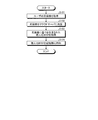
- FIG. 6 is a flowchart (1) showing a procedure of information processing according to the embodiment.
- the user terminal 10 acquires the user's ear image through the photographing process and the like (step S101). Subsequently, the user terminal 10 transmits the ear image to the cloud server 100 (step S102).
- the user terminal 10 acquires the personalized BRIR generated based on the ear image (step S103). Then, the user terminal 10 stores the acquired personalized BRIR in the storage unit 15 (BRIR table 151) (step S104).
- the user terminal 10 does not have to associate the device identifier with the personalized BRIR.
- the case where the device optimization parameter acquisition address has not been acquired means, for example, that the device is Passive and the identifier cannot be acquired in step S202, or the cloud server 100 holds the device optimization parameter. For example, when there is no such item.
- the user terminal 10 provides the information such as the acquisition address acquired from the cloud server 100 to the second application (step S207).
- FIG. 8 is a flowchart (3) showing the procedure of information processing according to the embodiment.
- the information processing apparatus determines the match between the device associated at the time of acquiring the head-related transfer function and the device that is actually connected, and based on the result, Set the activation of the head related transfer function. Accordingly, the information processing device can prevent the head related transfer function from being applied to an inappropriate device during reproduction.
- the acquisition unit acquires the head related transfer function via the one-time URL for acquiring the head related transfer function.
- the information processing apparatus can acquire the head related transfer function even when there is a constraint such as the OS.
- the ROM 1300 stores a boot program such as a BIOS (Basic Input Output System) executed by the CPU 1100 when the computer 1000 starts up, a program dependent on the hardware of the computer 1000, and the like.
- BIOS Basic Input Output System
- the HDD 1400 is a computer-readable recording medium that non-temporarily records a program executed by the CPU 1100, data used by the program, and the like. Specifically, the HDD 1400 is a recording medium that records an information processing program according to the present disclosure, which is an example of the program data 1450.
- the communication interface 1500 is an interface for connecting the computer 1000 to an external network 1550 (for example, the Internet).
- the CPU 1100 receives data from another device or transmits the data generated by the CPU 1100 to another device via the communication interface 1500.
- the input/output interface 1600 is an interface for connecting the input/output device 1650 and the computer 1000.
- the CPU 1100 receives data from an input device such as a keyboard or a mouse via the input/output interface 1600.
- the CPU 1100 also transmits data to an output device such as a display, a speaker, a printer, etc. via the input/output interface 1600.
- the input/output interface 1600 may function as a media interface for reading a program or the like recorded in a predetermined recording medium (medium).
- a head-related transfer function corresponding to the user and an execution unit that executes association between an identifier that identifies a device used by the user, Information processing including a head-related transfer function and a providing unit that provides the head-related transfer function and the identifier associated with the head-related transfer function to a destination to which the head-related transfer function corresponding to the user is provided.
- the providing unit is The one-time URL (One-Time URL) for the provision destination to acquire the head related transfer function is transmitted to the provision destination, thereby providing the head related transfer function to the provision destination.
- the providing unit is The information processing apparatus according to (1) or (2), which provides the provision destination with a variable according to the device when used together with the head related transfer function together with the identifier.
- the providing unit is The information processing device according to (3), wherein the provision destination provides the variable to the provision destination by transmitting a one-time URL for acquiring the variable (One-Time URL) to the provision destination.
- the providing unit is The information processing device according to (3) or (4), wherein the variable is provided to the provision destination when communication between the information processing device and the device is established.
- the setting unit When the identifier associated with the head related transfer function does not match the identifier for identifying the device used by the user, the head related transfer function or the variable is set not to be activated (10) The information processing apparatus according to any one of to (12).
- (14) Computer Acquiring a head related transfer function corresponding to the user and an identifier associated with the related head related transfer function, Determining a match between an identifier associated with the head related transfer function and an identifier for identifying a device used by the user, An information processing method, wherein when the identifier associated with the head related transfer function and the identifier for identifying the device used by the user match, the head related transfer function is set to be valid.
- An acquisition unit that acquires a head-related transfer function corresponding to the user and an identifier associated with the head-related transfer function, An identifier associated with the head related transfer function, and a determination unit that determines a match between an identifier for identifying a device used by the user, An identifier associated with the head related transfer function and a setting unit for setting the head related transfer function to be activated when the identifier for identifying the device used by the user matches.
- Information processing program that acquires a head-related transfer function corresponding to the user and an identifier associated with the head-related transfer function, An identifier associated with the head related transfer function, and a determination unit that determines a match between an identifier for identifying a device used by the user, An identifier associated with the head related transfer function and a setting unit for setting the head related transfer function to be activated when the identifier for identifying the device used by the user matches.
Landscapes
- Engineering & Computer Science (AREA)
- Signal Processing (AREA)
- Physics & Mathematics (AREA)
- Acoustics & Sound (AREA)
- Computer Networks & Wireless Communication (AREA)
- Information Transfer Between Computers (AREA)
- Stereophonic System (AREA)
Abstract
Description
1.実施形態
1-1.実施形態に係る情報処理システムの構成と情報処理の一例
1-2.実施形態に係る情報処理装置の構成
1-3.実施形態に係る情報処理の手順
2.変形例
2-1.情報処理システムの態様
2-2.音源の再生の態様
2-3.パラメータの利用
2-4.機器の態様
3.その他の実施形態
4.本開示に係る情報処理装置の効果
5.ハードウェア構成
[1-1.実施形態に係る情報処理システムの構成と情報処理の一例]
まず、図1及び図2を用いて、本開示に係る情報処理システム1の構成、及び、情報処理システム1によって実行される情報処理の概要を説明する。図1は、本開示の実施形態に係る情報処理システム1を示す図である。本開示の実施形態に係る情報処理は、図1に示す情報処理システム1によって実現される。図1に示すように、情報処理システム1は、ユーザ端末10と、ヘッドホン50と、クラウドサーバ100と、サービスサーバ200とを含む。情報処理システム1に含まれる各装置は、図示しない有線又は無線ネットワークを用いて相互に通信を行う。なお、情報処理システム1を構成する各装置の台数は、図示したものに限られない。
図3を用いて、本開示に係る情報処理装置の一例であるユーザ端末10の構成について説明する。図3は、本開示の実施形態に係るユーザ端末10の構成例を示す図である。図3に示すように、ユーザ端末10は、通信部11と、入力部12と、表示部13と、検知部14と、記憶部15と、制御部16とを有する。
次に、図6乃至図9を用いて、第1の実施形態に係る情報処理の手順について説明する。図6では、ユーザ端末10が個人化BRIRを取得するまでの処理の手順について説明する。図6は、実施形態に係る情報処理の手順を示すフローチャート(1)である。
上述した情報処理システム1は、上記実施形態以外にも種々の異なる形態にて実施されてよい。そこで、以下では、実施形態の変形例について説明する。
実施形態では、個人化BRIRや機器最適化パラメータの取得用アドレスとしてワンタイムURLを例に挙げたが、この例に限られず、第2アプリがクラウドサーバ100からデータを取得可能な手法であれば、いずれの手法を用いてもよい。また、クラウドサーバ100は、ワンタイムURLを介して個人化BRIRをユーザ端末10に提供したのち、提供した個人化BRIRを削除してもよいし、一定期間保持していてもよい。
クラウドサーバ100は、ユーザの個人化BRIRや機器最適化パラメータを保持しない場合、複数のユーザの平均的なBRIRや、特定の機器に依存しない標準的なパラメータをユーザ端末10に送信してもよい。
ユーザ端末10は、機器最適化パラメータを再生のたびに取得するのではなく、予め複数の機器にそれぞれ対応した機器最適化パラメータを取得していてもよい。この場合、ユーザ端末10は、接続された機器の識別子に基づいて、当該機器の最適化パラメータを特定し、特定したパラメータを利用して再生等を行うことができる。また、ユーザ端末10は、例えば所有する機器パラメータのリストをユーザに提示し、ユーザにパラメータを選択させてもよい。これにより、例えばPassiveのヘッドホンしか所有していないユーザであっても、自身の個人化BRIRと、機器最適化パラメータとを利用した再生を行わせることができる。
実施形態では、ヘッドホン50は、Bluetoothを利用してユーザ端末10とせ接続する例を示した。しかし、ヘッドホン50等の機器は、Bluetoothに限らず、種々の通信規格で接続を行ってもよい。
上述した各実施形態に係る処理は、上記各実施形態以外にも種々の異なる形態にて実施されてよい。
上述してきたように、本開示に係る情報処理装置(実施形態ではユーザ端末10)は、実行部(実施形態では実行部163)と、提供部(実施形態では提供部164)とを備える。実行部は、ユーザに対応した頭部伝達関数(実施形態では個人化HRTFや個人化BRIR)と、ユーザが利用する機器を識別する識別子との対応付けを実行する。提供部は、ユーザに対応した頭部伝達関数が提供される提供先に対して、頭部伝達関数と、頭部伝達関数に対応付けられた識別子とを提供する。
上述してきた各実施形態に係るユーザ端末10やヘッドホン50やクラウドサーバ100やサービスサーバ200等の情報機器は、例えば図11に示すような構成のコンピュータ1000によって実現される。以下、実施形態に係るユーザ端末10を例に挙げて説明する。図11は、ユーザ端末10の機能を実現するコンピュータ1000の一例を示すハードウェア構成図である。コンピュータ1000は、CPU1100、RAM1200、ROM(Read Only Memory)1300、HDD(Hard Disk Drive)1400、通信インターフェイス1500、及び入出力インターフェイス1600を有する。コンピュータ1000の各部は、バス1050によって接続される。
(1)
ユーザに対応した頭部伝達関数と、当該ユーザが利用する機器を識別する識別子との対応付けを実行する実行部と、
前記ユーザに対応した頭部伝達関数が提供される提供先に対して、当該頭部伝達関数と、当該頭部伝達関数に対応付けられた前記識別子とを提供する提供部と
を備えた情報処理装置。
(2)
前記提供部は、
前記提供先が前記頭部伝達関数を取得するためのワンタイムURL(One-Time URL)を当該提供先に送信することにより、当該頭部伝達関数を当該提供先に提供する
前記(1)に記載の情報処理装置。
(3)
前記提供部は、
前記識別子とともに、前記頭部伝達関数とともに利用される際の前記機器に応じた変数を前記提供先に提供する
前記(1)又は(2)に記載の情報処理装置。
(4)
前記提供部は、
前記提供先が前記変数を取得するためのワンタイムURL(One-Time URL)を当該提供先に送信することにより、当該変数を当該提供先に提供する
前記(3)に記載の情報処理装置。
(5)
前記提供部は、
前記情報処理装置と前記機器との通信が確立されている場合に、前記変数を前記提供先に提供する
前記(3)又は(4)に記載の情報処理装置。
(6)
コンピュータが、
ユーザに対応した頭部伝達関数と、当該ユーザが利用する機器を識別する識別子との対応付けを実行し、
前記ユーザに対応した頭部伝達関数が提供される提供先に対して、当該頭部伝達関数と、当該頭部伝達関数に対応付けられた前記識別子とを提供する
情報処理方法。
(7)
コンピュータを、
ユーザに対応した頭部伝達関数と、当該ユーザが利用する機器を識別する識別子との対応付けを実行する実行部と、
前記ユーザに対応した頭部伝達関数が提供される提供先に対して、当該頭部伝達関数と、当該頭部伝達関数に対応付けられた前記識別子とを提供する提供部と
として機能させるための情報処理プログラム。
(8)
ユーザに対応した頭部伝達関数と、当該頭部伝達関数に対応付けられた識別子とを取得する取得部と、
前記頭部伝達関数に対応付けられた識別子と、前記ユーザが利用する機器を識別する識別子との一致を判定する判定部と、
前記頭部伝達関数に対応付けられた識別子と、前記ユーザが利用する機器を識別する識別子とが一致する場合に、当該頭部伝達関数を有効化するよう設定する設定部と
を備えた情報処理装置。
(9)
前記取得部は、
前記頭部伝達関数を取得するためのワンタイムURL(One-Time URL)を介して、当該頭部伝達関数を取得する
前記(8)に記載の情報処理装置。
(10)
前記取得部は、
前記識別子とともに、前記頭部伝達関数とともに利用される際の前記機器に応じた変数を取得する
前記(8)又は(9)に記載の情報処理装置。
(11)
前記取得部は、
前記変数を取得するためのワンタイムURL(One-Time URL)を介して、当該変数を取得する
前記(10)に記載の情報処理装置。
(12)
前記判定部は、
前記情報処理装置との通信が確立している機器を前記ユーザが利用する機器と判定し、
前記設定部は、
前記頭部伝達関数に対応付けられた識別子と、前記ユーザが利用する機器を識別する識別子とが一致する場合に、前記変数を有効化するよう設定する
前記(10)又は(11)に記載の情報処理装置。
(13)
前記設定部は、
前記頭部伝達関数に対応付けられた識別子と、前記ユーザが利用する機器を識別する識別子とが一致しない場合には、前記頭部伝達関数又は前記変数を有効化しないよう設定する
前記(10)~(12)のいずれかに記載の情報処理装置。
(14)
コンピュータが、
ユーザに対応した頭部伝達関数と、当該頭部伝達関数に対応付けられた識別子とを取得し、
前記頭部伝達関数に対応付けられた識別子と、前記ユーザが利用する機器を識別する識別子との一致を判定し、
前記頭部伝達関数に対応付けられた識別子と、前記ユーザが利用する機器を識別する識別子とが一致する場合に、当該頭部伝達関数を有効化するよう設定する
情報処理方法。
(15)
コンピュータを、
ユーザに対応した頭部伝達関数と、当該頭部伝達関数に対応付けられた識別子とを取得する取得部と、
前記頭部伝達関数に対応付けられた識別子と、前記ユーザが利用する機器を識別する識別子との一致を判定する判定部と、
前記頭部伝達関数に対応付けられた識別子と、前記ユーザが利用する機器を識別する識別子とが一致する場合に、当該頭部伝達関数を有効化するよう設定する設定部と
として機能させるための情報処理プログラム。
10 ユーザ端末
11 通信部
12 入力部
13 表示部
14 検知部
15 記憶部
151 BRIRテーブル
152 パラメータテーブル
16 制御部
161 第1アプリ制御部
162 生成部
163 実行部
164 提供部
165 第2アプリ制御部
166 取得部
167 判定部
168 設定部
169 再生部
50 ヘッドホン
100 クラウドサーバ
200 サービスサーバ
Claims (15)
- ユーザに対応した頭部伝達関数と、当該ユーザが利用する機器を識別する識別子との対応付けを実行する実行部と、
前記ユーザに対応した頭部伝達関数が提供される提供先に対して、当該頭部伝達関数と、当該頭部伝達関数に対応付けられた前記識別子とを提供する提供部と
を備えた情報処理装置。 - 前記提供部は、
前記提供先が前記頭部伝達関数を取得するためのワンタイムURL(One-Time URL)を当該提供先に送信することにより、当該頭部伝達関数を当該提供先に提供する
請求項1に記載の情報処理装置。 - 前記提供部は、
前記識別子とともに、前記頭部伝達関数とともに利用される際の前記機器に応じた変数を前記提供先に提供する
請求項1に記載の情報処理装置。 - 前記提供部は、
前記提供先が前記変数を取得するためのワンタイムURL(One-Time URL)を当該提供先に送信することにより、当該変数を当該提供先に提供する
請求項3に記載の情報処理装置。 - 前記提供部は、
前記情報処理装置と前記機器との通信が確立されている場合に、前記変数を前記提供先に提供する
請求項3に記載の情報処理装置。 - コンピュータが、
ユーザに対応した頭部伝達関数と、当該ユーザが利用する機器を識別する識別子との対応付けを実行し、
前記ユーザに対応した頭部伝達関数が提供される提供先に対して、当該頭部伝達関数と、当該頭部伝達関数に対応付けられた前記識別子とを提供する
情報処理方法。 - コンピュータを、
ユーザに対応した頭部伝達関数と、当該ユーザが利用する機器を識別する識別子との対応付けを実行する実行部と、
前記ユーザに対応した頭部伝達関数が提供される提供先に対して、当該頭部伝達関数と、当該頭部伝達関数に対応付けられた前記識別子とを提供する提供部と
として機能させるための情報処理プログラム。 - ユーザに対応した頭部伝達関数と、当該頭部伝達関数に対応付けられた識別子とを取得する取得部と、
前記頭部伝達関数に対応付けられた識別子と、前記ユーザが利用する機器を識別する識別子との一致を判定する判定部と、
前記頭部伝達関数に対応付けられた識別子と、前記ユーザが利用する機器を識別する識別子とが一致する場合に、当該頭部伝達関数を有効化するよう設定する設定部と
を備えた情報処理装置。 - 前記取得部は、
前記頭部伝達関数を取得するためのワンタイムURL(One-Time URL)を介して、当該頭部伝達関数を取得する
請求項8に記載の情報処理装置。 - 前記取得部は、
前記識別子とともに、前記頭部伝達関数とともに利用される際の前記機器に応じた変数を取得する
請求項8に記載の情報処理装置。 - 前記取得部は、
前記変数を取得するためのワンタイムURL(One-Time URL)を介して、当該変数を取得する
請求項10に記載の情報処理装置。 - 前記判定部は、
前記情報処理装置との通信が確立している機器を前記ユーザが利用する機器と判定し、
前記設定部は、
前記頭部伝達関数に対応付けられた識別子と、前記ユーザが利用する機器を識別する識別子とが一致する場合に、前記変数を有効化するよう設定する
請求項10に記載の情報処理装置。 - 前記設定部は、
前記頭部伝達関数に対応付けられた識別子と、前記ユーザが利用する機器を識別する識別子とが一致しない場合には、前記頭部伝達関数又は前記変数を有効化しないよう設定する
請求項10に記載の情報処理装置。 - コンピュータが、
ユーザに対応した頭部伝達関数と、当該頭部伝達関数に対応付けられた識別子とを取得し、
前記頭部伝達関数に対応付けられた識別子と、前記ユーザが利用する機器を識別する識別子との一致を判定し、
前記頭部伝達関数に対応付けられた識別子と、前記ユーザが利用する機器を識別する識別子とが一致する場合に、当該頭部伝達関数を有効化するよう設定する
情報処理方法。 - コンピュータを、
ユーザに対応した頭部伝達関数と、当該頭部伝達関数に対応付けられた識別子とを取得する取得部と、
前記頭部伝達関数に対応付けられた識別子と、前記ユーザが利用する機器を識別する識別子との一致を判定する判定部と、
前記頭部伝達関数に対応付けられた識別子と、前記ユーザが利用する機器を識別する識別子とが一致する場合に、当該頭部伝達関数を有効化するよう設定する設定部
として機能させるための情報処理プログラム。
Priority Applications (9)
| Application Number | Priority Date | Filing Date | Title |
|---|---|---|---|
| CN202510423786.6A CN120282087A (zh) | 2018-12-28 | 2019-12-26 | 信息处理装置、信息处理方法和信息处理程序 |
| JP2020562388A JP7661698B2 (ja) | 2018-12-28 | 2019-12-26 | 情報処理装置、情報処理方法及び情報処理プログラム |
| KR1020217016853A KR102713875B1 (ko) | 2018-12-28 | 2019-12-26 | 정보 처리 장치, 정보 처리 방법 및 정보 처리 프로그램 |
| CN201980084879.3A CN113228711B (zh) | 2018-12-28 | 2019-12-26 | 信息处理装置、信息处理方法和信息处理程序 |
| KR1020247032664A KR20240151251A (ko) | 2018-12-28 | 2019-12-26 | 정보 처리 장치, 정보 처리 방법 및 정보 처리 프로그램 |
| EP19904561.8A EP3905725B1 (en) | 2018-12-28 | 2019-12-26 | Information processing device, information processing method, and information processing program |
| US17/416,631 US11956621B2 (en) | 2018-12-28 | 2019-12-26 | Information processing apparatus, information processing method, and information processing program |
| US18/591,170 US12395811B2 (en) | 2018-12-28 | 2024-02-29 | Information processing apparatus, information processing method, and information processing program |
| JP2025061613A JP7845543B2 (ja) | 2018-12-28 | 2025-04-03 | 情報処理方法、情報処理プログラム、情報処理システム及び情報処理サーバ |
Applications Claiming Priority (2)
| Application Number | Priority Date | Filing Date | Title |
|---|---|---|---|
| JP2018-246622 | 2018-12-28 | ||
| JP2018246622 | 2018-12-28 |
Related Child Applications (2)
| Application Number | Title | Priority Date | Filing Date |
|---|---|---|---|
| US17/416,631 A-371-Of-International US11956621B2 (en) | 2018-12-28 | 2019-12-26 | Information processing apparatus, information processing method, and information processing program |
| US18/591,170 Continuation US12395811B2 (en) | 2018-12-28 | 2024-02-29 | Information processing apparatus, information processing method, and information processing program |
Publications (1)
| Publication Number | Publication Date |
|---|---|
| WO2020138257A1 true WO2020138257A1 (ja) | 2020-07-02 |
Family
ID=71128751
Family Applications (1)
| Application Number | Title | Priority Date | Filing Date |
|---|---|---|---|
| PCT/JP2019/051058 Ceased WO2020138257A1 (ja) | 2018-12-28 | 2019-12-26 | 情報処理装置、情報処理方法及び情報処理プログラム |
Country Status (7)
| Country | Link |
|---|---|
| US (2) | US11956621B2 (ja) |
| EP (1) | EP3905725B1 (ja) |
| JP (2) | JP7661698B2 (ja) |
| KR (2) | KR102713875B1 (ja) |
| CN (2) | CN120282087A (ja) |
| TW (1) | TWI859173B (ja) |
| WO (1) | WO2020138257A1 (ja) |
Cited By (2)
| Publication number | Priority date | Publication date | Assignee | Title |
|---|---|---|---|---|
| WO2022113638A1 (ja) * | 2020-11-25 | 2022-06-02 | ソニーグループ株式会社 | 情報処理装置、情報処理方法 |
| WO2023176191A1 (ja) * | 2022-03-16 | 2023-09-21 | ソニーグループ株式会社 | プログラム、制御装置、補聴器、通信デバイス、補聴器システムおよび制御方法 |
Families Citing this family (2)
| Publication number | Priority date | Publication date | Assignee | Title |
|---|---|---|---|---|
| TWI859173B (zh) | 2018-12-28 | 2024-10-21 | 日商索尼股份有限公司 | 資訊處理裝置、資訊處理方法及資訊處理程式 |
| CN114902695A (zh) * | 2020-01-07 | 2022-08-12 | 索尼集团公司 | 信号处理装置和方法、声学再现装置和程序 |
Citations (3)
| Publication number | Priority date | Publication date | Assignee | Title |
|---|---|---|---|---|
| JP2003153398A (ja) * | 2001-11-09 | 2003-05-23 | Nippon Hoso Kyokai <Nhk> | ヘッドホンによる前後方向への音像定位装置およびその方法 |
| JP2010118978A (ja) * | 2008-11-14 | 2010-05-27 | Victor Co Of Japan Ltd | 音像定位制御装置および音像定位制御方法 |
| US9544706B1 (en) | 2015-03-23 | 2017-01-10 | Amazon Technologies, Inc. | Customized head-related transfer functions |
Family Cites Families (11)
| Publication number | Priority date | Publication date | Assignee | Title |
|---|---|---|---|---|
| JP2006500818A (ja) * | 2002-09-23 | 2006-01-05 | コーニンクレッカ フィリップス エレクトロニクス エヌ ヴィ | 音再生システム、プログラム、及びデータ担体 |
| GB2416058B (en) * | 2004-07-09 | 2008-01-23 | Tricerion Ltd | A method of secure data communication |
| WO2007096808A1 (en) * | 2006-02-21 | 2007-08-30 | Koninklijke Philips Electronics N.V. | Audio encoding and decoding |
| US9112863B2 (en) * | 2009-12-14 | 2015-08-18 | International Business Machines Corporation | Method, program product and server for controlling a resource access to an electronic resource stored within a protected data environment |
| HUE028661T2 (en) * | 2010-01-07 | 2016-12-28 | Deutsche Telekom Ag | Procedure and equipment for producing customizable binary audio signals |
| CN103329576B (zh) | 2011-01-05 | 2016-12-07 | 皇家飞利浦电子股份有限公司 | 音频系统及其操作方法 |
| US20130177166A1 (en) * | 2011-05-27 | 2013-07-11 | Sony Ericsson Mobile Communications Ab | Head-related transfer function (hrtf) selection or adaptation based on head size |
| US9973591B2 (en) * | 2012-02-29 | 2018-05-15 | Razer (Asia-Pacific) Pte. Ltd. | Headset device and a device profile management system and method thereof |
| JP6050625B2 (ja) * | 2012-06-28 | 2016-12-21 | サターン ライセンシング エルエルシーSaturn Licensing LLC | 情報処理装置及び情報処理方法、コンピューター・プログラム、並びに情報通信システム |
| CN104240695A (zh) * | 2014-08-29 | 2014-12-24 | 华南理工大学 | 一种优化的基于耳机重放的虚拟声合成方法 |
| TWI859173B (zh) | 2018-12-28 | 2024-10-21 | 日商索尼股份有限公司 | 資訊處理裝置、資訊處理方法及資訊處理程式 |
-
2019
- 2019-12-18 TW TW108146418A patent/TWI859173B/zh active
- 2019-12-26 JP JP2020562388A patent/JP7661698B2/ja active Active
- 2019-12-26 CN CN202510423786.6A patent/CN120282087A/zh active Pending
- 2019-12-26 US US17/416,631 patent/US11956621B2/en active Active
- 2019-12-26 CN CN201980084879.3A patent/CN113228711B/zh active Active
- 2019-12-26 KR KR1020217016853A patent/KR102713875B1/ko active Active
- 2019-12-26 EP EP19904561.8A patent/EP3905725B1/en active Active
- 2019-12-26 KR KR1020247032664A patent/KR20240151251A/ko active Pending
- 2019-12-26 WO PCT/JP2019/051058 patent/WO2020138257A1/ja not_active Ceased
-
2024
- 2024-02-29 US US18/591,170 patent/US12395811B2/en active Active
-
2025
- 2025-04-03 JP JP2025061613A patent/JP7845543B2/ja active Active
Patent Citations (3)
| Publication number | Priority date | Publication date | Assignee | Title |
|---|---|---|---|---|
| JP2003153398A (ja) * | 2001-11-09 | 2003-05-23 | Nippon Hoso Kyokai <Nhk> | ヘッドホンによる前後方向への音像定位装置およびその方法 |
| JP2010118978A (ja) * | 2008-11-14 | 2010-05-27 | Victor Co Of Japan Ltd | 音像定位制御装置および音像定位制御方法 |
| US9544706B1 (en) | 2015-03-23 | 2017-01-10 | Amazon Technologies, Inc. | Customized head-related transfer functions |
Cited By (5)
| Publication number | Priority date | Publication date | Assignee | Title |
|---|---|---|---|---|
| WO2022113638A1 (ja) * | 2020-11-25 | 2022-06-02 | ソニーグループ株式会社 | 情報処理装置、情報処理方法 |
| JPWO2022113638A1 (ja) * | 2020-11-25 | 2022-06-02 | ||
| JP7771977B2 (ja) | 2020-11-25 | 2025-11-18 | ソニーグループ株式会社 | 情報処理装置、情報処理方法 |
| US12495265B2 (en) | 2020-11-25 | 2025-12-09 | Sony Group Corporation | Information processing device and information processing method |
| WO2023176191A1 (ja) * | 2022-03-16 | 2023-09-21 | ソニーグループ株式会社 | プログラム、制御装置、補聴器、通信デバイス、補聴器システムおよび制御方法 |
Also Published As
| Publication number | Publication date |
|---|---|
| US20240205633A1 (en) | 2024-06-20 |
| KR20240151251A (ko) | 2024-10-17 |
| TW202041053A (zh) | 2020-11-01 |
| CN113228711B (zh) | 2025-04-29 |
| EP3905725A1 (en) | 2021-11-03 |
| EP3905725B1 (en) | 2025-12-17 |
| KR20210106992A (ko) | 2021-08-31 |
| US20220060841A1 (en) | 2022-02-24 |
| US12395811B2 (en) | 2025-08-19 |
| CN113228711A (zh) | 2021-08-06 |
| JP7661698B2 (ja) | 2025-04-15 |
| JP7845543B2 (ja) | 2026-04-14 |
| TWI859173B (zh) | 2024-10-21 |
| EP3905725A4 (en) | 2022-03-16 |
| JPWO2020138257A1 (ja) | 2021-11-04 |
| KR102713875B1 (ko) | 2024-10-08 |
| CN120282087A (zh) | 2025-07-08 |
| JP2025102934A (ja) | 2025-07-08 |
| US11956621B2 (en) | 2024-04-09 |
Similar Documents
| Publication | Publication Date | Title |
|---|---|---|
| JP7845543B2 (ja) | 情報処理方法、情報処理プログラム、情報処理システム及び情報処理サーバ | |
| JP7617875B2 (ja) | オーディオ処理アルゴリズム及びデータベース | |
| US11785413B2 (en) | Media content playback based on an identified geolocation of a target venue | |
| US11075609B2 (en) | Transforming audio content for subjective fidelity | |
| CN106576203B (zh) | 确定和使用房间优化传输函数 | |
| US10003905B1 (en) | Personalized end user head-related transfer function (HRTV) finite impulse response (FIR) filter | |
| TW201339957A (zh) | 頭戴式耳機裝置與裝置設定檔管理系統及方法 | |
| US11683654B2 (en) | Audio content format selection | |
| JP7827110B2 (ja) | 音響処理方法、音響処理システム、および音響処理プログラム | |
| US11113092B2 (en) | Global HRTF repository | |
| KR20260042280A (ko) | 분산 미디어 콘텐츠 이력 및 선호 설정 유지를 위한 시스템 및 방법 | |
| EP3350790B1 (en) | System and method for determining proximity of a controller to a media rendering device | |
| TW201817248A (zh) | 聲音播放方法、系統及其非暫態電腦可讀取紀錄媒體 | |
| US11523242B1 (en) | Combined HRTF for spatial audio plus hearing aid support and other enhancements |
Legal Events
| Date | Code | Title | Description |
|---|---|---|---|
| 121 | Ep: the epo has been informed by wipo that ep was designated in this application |
Ref document number: 19904561 Country of ref document: EP Kind code of ref document: A1 |
|
| ENP | Entry into the national phase |
Ref document number: 2020562388 Country of ref document: JP Kind code of ref document: A |
|
| ENP | Entry into the national phase |
Ref document number: 20217016853 Country of ref document: KR Kind code of ref document: A |
|
| NENP | Non-entry into the national phase |
Ref country code: DE |
|
| ENP | Entry into the national phase |
Ref document number: 2019904561 Country of ref document: EP Effective date: 20210728 |
|
| WWG | Wipo information: grant in national office |
Ref document number: 201980084879.3 Country of ref document: CN |
|
| WWG | Wipo information: grant in national office |
Ref document number: 2019904561 Country of ref document: EP |