WO2020144606A1 - Preparative crystallization of recombinant human insulin - Google Patents
Preparative crystallization of recombinant human insulin Download PDFInfo
- Publication number
- WO2020144606A1 WO2020144606A1 PCT/IB2020/050135 IB2020050135W WO2020144606A1 WO 2020144606 A1 WO2020144606 A1 WO 2020144606A1 IB 2020050135 W IB2020050135 W IB 2020050135W WO 2020144606 A1 WO2020144606 A1 WO 2020144606A1
- Authority
- WO
- WIPO (PCT)
- Prior art keywords
- human insulin
- recombinant human
- crystallization
- settling
- crystallization solution
- Prior art date
- Legal status (The legal status is an assumption and is not a legal conclusion. Google has not performed a legal analysis and makes no representation as to the accuracy of the status listed.)
- Ceased
Links
Classifications
-
- C—CHEMISTRY; METALLURGY
- C07—ORGANIC CHEMISTRY
- C07K—PEPTIDES
- C07K1/00—General methods for the preparation of peptides, i.e. processes for the organic chemical preparation of peptides or proteins of any length
- C07K1/14—Extraction; Separation; Purification
- C07K1/30—Extraction; Separation; Purification by precipitation
- C07K1/306—Extraction; Separation; Purification by precipitation by crystallization
-
- C—CHEMISTRY; METALLURGY
- C07—ORGANIC CHEMISTRY
- C07K—PEPTIDES
- C07K14/00—Peptides having more than 20 amino acids; Gastrins; Somatostatins; Melanotropins; Derivatives thereof
- C07K14/435—Peptides having more than 20 amino acids; Gastrins; Somatostatins; Melanotropins; Derivatives thereof from animals; from humans
- C07K14/575—Hormones
- C07K14/62—Insulins
-
- C—CHEMISTRY; METALLURGY
- C30—CRYSTAL GROWTH
- C30B—SINGLE-CRYSTAL GROWTH; UNIDIRECTIONAL SOLIDIFICATION OF EUTECTIC MATERIAL OR UNIDIRECTIONAL DEMIXING OF EUTECTOID MATERIAL; REFINING BY ZONE-MELTING OF MATERIAL; PRODUCTION OF A HOMOGENEOUS POLYCRYSTALLINE MATERIAL WITH DEFINED STRUCTURE; SINGLE CRYSTALS OR HOMOGENEOUS POLYCRYSTALLINE MATERIAL WITH DEFINED STRUCTURE; AFTER-TREATMENT OF SINGLE CRYSTALS OR A HOMOGENEOUS POLYCRYSTALLINE MATERIAL WITH DEFINED STRUCTURE; APPARATUS THEREFOR
- C30B29/00—Single crystals or homogeneous polycrystalline material with defined structure characterised by the material or by their shape
Definitions
- the present invention relates to a method for peptide crystallization, particularly preparing recombinant human insulin crystal.
- Diabetes is a common endocrine and metabolic disorder. It’s a long-term condition that causes high blood sugar levels.
- type 1 Diabetes the body does not produce Insulin, also referred to as Insulin-dependent diabetes, juvenile diabetes, or early-onset diabetes.
- type 2 Diabetes the body does not produce enough insulin for proper function, or the cells in the body do not react to Insulin (Insulin resistance).
- Type 1 diabetes are treated with regular insulin injections along with a special diet and exercise.
- Patients with Type 2 diabetes are treated with tablets, exercise and a special diet, but sometimes insulin injections are also required.
- “Insulin therapy’ has always been considered as an important means for treating diabetes and controlling blood sugar level. Purification of recombinant Human Insulin achieved by multiple downstream unit operations that involve a combination of crystallization, enzyme catalysis and chromatography. The requirement of the highest purity of Human Insulin is to ensure the patients do not develop immunogenic or toxic responses to the drug product.
- Recombinant Human Insulin crystallization occurs in two phases.
- the first phase is nucleation, the appearance of a crystalline phase from either a super cooled liquid or a supersaturated solvent.
- the second phase is crystal growth, which is the increase in the size of particles and leads to a crystalline state.
- the crystal form of recombinant Human Insulin is a better form, since it has a uniform and steady solid molecular form and small sediment volume, and is easy to separate from the supernatant, the time for centrifugation and freeze-drying is short, and the production efficiency is relatively high. It is thus desirable to prepare recombinant Human Insulin crystals and then apply the crystals to Insulin pharmaceutical preparations.
- Commercial Insulin manufacturing processes typically include a crystallization step to convert soluble purified Insulin into solid form, providing increased stability for bulk storage prior to formulation and filling.
- Classical Insulin crystallization process as disclosed in U.S. Pat. No. 2910014 includes preparation of an acidic solution containing organic acid (acetic or citric), approximately 2 g/L Insulin, and zinc and adjustment of the solution pH to near the isoelectric point of insulin (pH 5.5-6.0), which initiated crystal formation.
- Insulin may be crystallized in the presence of zinc ions, resulting in a crystalline preparation with significant benefits over amorphous, un crystallized Insulin with regard to stability, storage, formulation, and/or administration.
- zinc human insulin self-assembles into stable hexameric structures.
- Zinc content plays an important role in chemical and physical stability of pharmaceutical insulin formulations.
- Crystallization-3 is a potential step, which is a final step of crystallization, where the chances of formation of aggregates (HMWP) and other related impurities are imminent. Improper settling during the neat settling step was observed during this final crystallization stage(s). This suboptimal performance leads to the lower decantation percentage at neat and wash-1 stage resulting in suboptimal freeze- drying performance. Therefore, there is a need to control the level of these impurities at the appropriate downstream step.
- HMWP aggregates
- An object of the present invention is to overcome the various key process challenges observed during the final crystallization & freeze drying stages of recombinant Human Insulin preparation and accordingly modify the process.
- Another object of the present invention of preparative peptide crystallization is to obtain consistent crystal geometry and size of recombinant Human Insulin at preparative scale.
- the present invention provides a method for preparing recombinant Human Insulin crystal comprising the steps of:
- pH was adjusted to 4.8 to 5.2 ;
- the crystallization solution maintained at ambient temperature-before freeze-drying.
- the present invention provides a method comprising the steps of:
- Figure 1 represents flow chart of the process of crystallization of present invention.
- Figure 2 represents flow chart of the process of crystallization followed prior to present invention.
- Figure 3 represents the fishbone diagram of parameters studied in crystallization process of present invention.
- Figure 4 represents the observations on reagent addition strategy 1.
- the red line indicates the bed height.
- Figure 5A represents the observations on reagent addition strategy 2.
- Figure 5B represents the observations on reagent addition strategy 2.
- Figure 6 represents the observations of impact of IP A content in FFC.
- Figure 7A represents the observations of impact of rate of pH adjustment.
- Figure 7B represents the observations of impact of rate of pH adjustment.
- Figure 8 represents RP-HPLC 3 dynamic binding capacity study flow chart.
- Figure 9 represents the crystal size 15 pm -30 pm and 40x images of recombinant human insulin at various concentrations in FFC upon scale-up.
- Figure 10A represents the recombinant Human Insulin crystals prepared by traditional process wherein only zinc chloride is used.
- Figure 10B represents the recombinant Human Insulin crystals prepared by process of present invention wherein mixture of zinc chloride and sodium chloride is used.
- Figure IOC represents the recombinant Human Insulin- drug substance crystals.
- ambient temperature refers to the air temperature of an environment or object or surrounding an equipment.
- Room Temperature is generally defined as the ambient air temperature. In present invention, ambient temperatures or room temperature can range between 20 and 26 °C.
- crystallization refers to the solid-liquid separation and purification technique in which mass transfer occurs from the liquid solution to a pure solid crystalline phase.
- Insulin refers to a hormone secreted by the islets of Langerhans in the pancreas; regulates storage of glycogen in the liver and accelerates oxidation of sugar in cells.
- recombinant Human Insulin and‘rHF refer to a form of insulin made from recombinant DNA that is identical to human insulin.
- the present inventors studied the process deviations for multiple batches at final crystallization and freeze-drying step and found that all deviations were due to the poor neat settling during the final crystallization process (also corroborated by the smaller crystal size i.e. ⁇ 1 pm). After a thorough root cause analysis (elaborated through the examples below), following factors have been identified to be affecting the crystal size and subsequent settling-
- freeze drying failure improved product drying was primarily due to the cascading effect of the suboptimal settling in preceding crystallization step. This resulted in higher slurry volume post wash decantation that was almost 12% higher than the expected volume. This led to the loading of each freeze-drying tray with higher bed height and lower slurry percentage (5%). It was found that lower ambient temperature resulted in poor settling while higher hold duration would lead to increase in aggregates (HMWP). It was further observed that at lower slurry percentage higher bed height is detrimental for efficient product drying.
- Figure 1 describes the process of recombinant Insulin crystallization followed in present invention whereas figure 2 describes the old process of Insulin crystallization followed prior to the present invention.
- the present invention provides an improved method for preparing recombinant Human Insulin crystal comprising the steps of crystallizing the recombinant Human Insulin in a crystallization solution containing recombinant Human Insulin, an organic solvent, a zinc compound, a salt, such that, the mixture of zinc compound and the salt are added together in crystallization solution followed by a pH adjustment to 4.8 to 5.2, preferably 5.0.
- the present invention particularly provides an improved crystallization-3 process with FFC targeting 21 million IPA content (ppm).
- the concentration of the recombinant human insulin in the crystallization solution is 5.0 ⁇ 0.2 g/L.
- the organic solvent is selected from acetonitrile, ethanol, n- propanol and isopropyl alcohol, preferably isopropyl alcohol.
- the concentration of isopropyl alcohol is from 19 to 25 million ppm, preferably 21 million ppm.
- the zinc compound is selected from zinc chloride, zinc oxide, zinc acetate, zinc bromide and zinc sulfate.
- the salt is selected from sodium chloride, sodium acetate and sodium citrate.
- the solution contains 4% zinc chloride at a concentration of 0.3-0.5 ml per gram of recombinant Human Insulin and 0.5M sodium chloride, which is added as a solution to the crystallization solution.
- the pH of the crystallization solution was adjusted in the range of 4.8 to 5.2 using 3M acetic acid within 5 minutes after addition of mixture of zinc chloride and sodium chloride mixture in the crystallization solution.
- the crystallization solution is held at the ambient temperature of 24 ⁇ 3°C for 2.5 to 4 hours for neat settling, upon which, the chilling of neat settling is achieved at 2-8°C for 10-12 hours. Further, the slurry is held at 2-8°C for another 16 hours. The slurry obtained therein is freeze dried.
- Elution pool of HPLC was diluted by WFI and IPA followed by addition of solution of ZnCh+NaCl mixture.
- the adjustment of 5.0 pH was achieved within 5 minutes of such addition. It was surprisingly found that the faster rate of pH adjustment and the maintenance of ambient/ room temperature is vital for protein crystallization, settling and consistent crystal size.
- the steps of neat settling and complete wash are performed at cold temperature (5 ⁇ 3°C), which adds to the process robustness and better control of critical quality attributes at final drug substance stage.
- the 1.1 cm bed height of loading tray used during freeze-drying step for efficient product drying.
- the present invention provides a method comprising steps of: a) diluting HPLC elution pool by water for irrigation and isopropyl alcohol till solution contains 5 g/L of recombinant human insulin and targeting 21 million ppm of isopropanol; thereto adding solution mixture of 4% zinc chloride and 0.5M sodium chloride at 0.006 volume per volume per minute under stirring condition at a tip speed of 0.42-0.52 m/s;
- the present method yields recombinant Human Insulin having a consistent crystal size of about 15pm -30pm. It also reduces the time required for sedimentation at manufacturing scale to about 12 hours compared to traditional process wherein the sedimentation step requires 24-60 hours whereas the present invention achieves the same in 12 hours. Materials and method
- Table 1 elaborates the material and the grade of material used for the altering of crystallization-3 process for crystallizing recombinant human insulin.
- Table 2 elaborates the reagents and method of its preparation used for the present invention of altering of crystallization-3 process for crystallizing recombinant human insulin.
- Table 3 elaborates the analytical method(s) used for the altering of crystallization-3 process for crystallizing recombinant human insulin.
- the table also elaborates the stage of process during which the particular method been used.
- Table 3 Analytical methods and stage of process where it has been used
- Table 4 elaborates the name and model of the equipment used for the altering of crystallization-3 process for crystallizing recombinant human insulin.
- Table 5 elaborates the preparative and analytical columns used for the altering of crystallization-3 process for crystallizing recombinant human insulin.
- Table 6 elaborates revised crystallization-3 process parameters and ranges followed in present invention related to the altering of crystallization-3 process for crystallizing recombinant human insulin.
- Example 1 The impact of reagent addition chronology and temperature of neat settling
- Strategy 1 Addition of 0.5M NaCl post pH adjustment of the crystallization mixture.
- Strategy 2 Addition of 4% ZnCh+0.5M NaCl mixture to the FFC at 5.0g/L.
- the Strategy 1 is Addition of 0.5M NaCl post pH adjustment of the crystallization mixture elaborated as follows in table 8 and 9.
- Table 8 elaborates the details of the reagent addition performed in strategy 1.
- strategy 1 the RP-HPLC 3 elution pool (EP) of 8.70g/L concentration was diluted to 5.0g/L with WFI. This dilution was followed by addition of ZnCh, which was immediately followed by pH adjustment to 5.0 ⁇ 0.1. NaCl was added to the mixture and it was held at 24 ⁇ 3°C until neat settling.
- Table 9 elaborates the details of the observations on reagent addition of strategy 1.
- the Strategy 2 is Addition of 4%ZnC12+0.5M NaCl mixture to the FFC at 5.0g/L elaborated as follows in table 10 and 11.
- Table 12 elaborates the RP-HPLC3 EP dilution by targeting IPA content (ppm) in FFC whereas table 13 and figure 6 elaborate the observations of the impact of IPA content in FFC.
- the IPA content (ppm) in FFC is vital for achieving desired settling and crystal size.
- the repetition of IPA content target experiments did not result in the similar crystal size. This observation led to study the rate of pH adjustment as one of the key factor that might influence crystal size.
- the IPA content targeted to 21 million in FFC.
- the addition of 3M acetic acid for attaining the crystallization pH to 5.0 ⁇ 0.1 has to be 0.1 vvm irrespective of the scale of crystallization (refer Table 15).
- Example 4 The impact of RP-HPLC3 product binding capacity on crystallization
- DBC product dynamic binding capacity
- RP-HPLC3 trials were performed at two different DBCs, one at 23g/L and another one at 50g/L to accommodate and propose the wider range of DBC at manufacturing scale unlike the current control limit for RP-HPLC 3 DBC (25 to 40.0g/L).
- Figure 8 shows the RP-HPLC 3 DBC study flow chart.
- RP-HPLC 2 load was procured from the manufacturing facility and RP-HPLC 2 and RP- HPLC 3 steps were performed at pilot lab as per insulin biosimilar process. All the individual fractions (after RPHPLC3) were adjusted to 7.35 ⁇ 0.1 after the elution. After pooling the fractions, pH of RPHPLC3 bulk EP was checked and adjusted to 7.4 ⁇ 0.1. Individual fractions pH essentially were not less than 7.3, as it may trigger protein precipitation.
- Table 16 elaborate the RP-HPLC3 Load purity profile wherein table 17 elaborate RP- HPLC3 process performance and quality attributes at different DBC.
- Example 6 The Sub-optimal freeze-drying during Insulin biosimilar batch
- Table 22 elaborates the summary of final drug substance from revised crystallization process whereas table 23 elaborates the list of critical process parameter and its impact observed during the trails conducted (referred in example 1-6).
- FIG. 10 contains three comparative images of human insulin crystals.
- 10A represent the recombinant Human Insulin crystals prepared by traditional process wherein only zinc chloride is used while 10B represents the recombinant Human Insulin crystals prepared by process of present invention wherein mixture of zinc chloride and sodium chloride is used.
- IOC represents the recombinant Human Insulin drug substance crystals.
Landscapes
- Chemical & Material Sciences (AREA)
- Health & Medical Sciences (AREA)
- Organic Chemistry (AREA)
- Life Sciences & Earth Sciences (AREA)
- General Health & Medical Sciences (AREA)
- Molecular Biology (AREA)
- Proteomics, Peptides & Aminoacids (AREA)
- Medicinal Chemistry (AREA)
- Biochemistry (AREA)
- Biophysics (AREA)
- Genetics & Genomics (AREA)
- Crystallography & Structural Chemistry (AREA)
- Endocrinology (AREA)
- Toxicology (AREA)
- Zoology (AREA)
- Gastroenterology & Hepatology (AREA)
- Diabetes (AREA)
- Analytical Chemistry (AREA)
- Engineering & Computer Science (AREA)
- Materials Engineering (AREA)
- Metallurgy (AREA)
- Peptides Or Proteins (AREA)
- Medicines That Contain Protein Lipid Enzymes And Other Medicines (AREA)
Abstract
The present invention discloses a method for crystallizing recombinant Human Insulin at lab and manufacturing scale in the presence of zinc chloride and sodium chloride mixture, higher concentration of organic solvent (IPA-19 to 25 million) and adjusting the pH to 5.0 at a faster rate (≤5 minutes).The method further comprises adopting procedures wherein the settling time is reduced and the holding temperature is altered in order to facilitate consistent protein crystal formation between 15µm -30µm and to increase the robustness of the process.
Description
PREPARATIVE CRYSTALLIZATION OF RECOMBINANT
HUMAN INSULIN
FIELD OF INVENTION
The present invention relates to a method for peptide crystallization, particularly preparing recombinant human insulin crystal.
BACKGROUND OF INVENTION
Diabetes is a common endocrine and metabolic disorder. It’s a long-term condition that causes high blood sugar levels. In type 1 Diabetes, the body does not produce Insulin, also referred to as Insulin-dependent diabetes, juvenile diabetes, or early-onset diabetes. In type 2 Diabetes, the body does not produce enough insulin for proper function, or the cells in the body do not react to Insulin (Insulin resistance). Presently patients with type 1 diabetes are treated with regular insulin injections along with a special diet and exercise. Patients with Type 2 diabetes are treated with tablets, exercise and a special diet, but sometimes insulin injections are also required.
‘Insulin therapy’ has always been considered as an important means for treating diabetes and controlling blood sugar level. Purification of recombinant Human Insulin achieved by multiple downstream unit operations that involve a combination of crystallization, enzyme catalysis and chromatography. The requirement of the highest purity of Human Insulin is to ensure the patients do not develop immunogenic or toxic responses to the drug product.
Recombinant Human Insulin crystallization occurs in two phases. The first phase is nucleation, the appearance of a crystalline phase from either a super cooled liquid or a supersaturated solvent. The second phase is crystal growth, which is the increase in the size of particles and leads to a crystalline state. The crystal form of recombinant Human Insulin is a better form, since it has a uniform and steady solid molecular form and small sediment volume, and is easy to separate from the supernatant, the time for centrifugation and freeze-drying is short, and the production efficiency is relatively high. It is thus
desirable to prepare recombinant Human Insulin crystals and then apply the crystals to Insulin pharmaceutical preparations.
Commercial Insulin manufacturing processes typically include a crystallization step to convert soluble purified Insulin into solid form, providing increased stability for bulk storage prior to formulation and filling. Classical Insulin crystallization process as disclosed in U.S. Pat. No. 2910014 includes preparation of an acidic solution containing organic acid (acetic or citric), approximately 2 g/L Insulin, and zinc and adjustment of the solution pH to near the isoelectric point of insulin (pH 5.5-6.0), which initiated crystal formation.
It is well known in the art that Insulin may be crystallized in the presence of zinc ions, resulting in a crystalline preparation with significant benefits over amorphous, un crystallized Insulin with regard to stability, storage, formulation, and/or administration. In the presence of zinc, human insulin self-assembles into stable hexameric structures. Zinc content plays an important role in chemical and physical stability of pharmaceutical insulin formulations.
The use of ZnCh for crystallization of recombinant Human Insulin (rHI) is an established and well published technique, however, a similar knowledge is not available for crystallizing HI at a preparative scale. Traditional recombinant Human Insulin downstream purification process involves three crystallization steps termed as crystallization- 1, crystallization-2 and crystallization-3, respectively as per the order of the operation. Controlling the level of aggregates, residual zinc and other related impurities during drug preparation is a critical quality requirement to make the final drug product complying with the specifications of the innovator. In the recent manufacturing batches of the biosimilar Insulin process, it was noted that level of high molecular weight protein (HMWP) and other related impurities were on the higher level. Crystallization-3 is a potential step, which is a final step of crystallization, where the chances of formation of aggregates (HMWP) and other related impurities are imminent. Improper settling during the neat settling step was observed during this final crystallization stage(s). This suboptimal performance leads to the lower decantation percentage at neat and wash-1 stage resulting in suboptimal freeze- drying performance.
Therefore, there is a need to control the level of these impurities at the appropriate downstream step.
OBJECT OF INVENTION
An object of the present invention is to overcome the various key process challenges observed during the final crystallization & freeze drying stages of recombinant Human Insulin preparation and accordingly modify the process.
Another object of the present invention of preparative peptide crystallization is to obtain consistent crystal geometry and size of recombinant Human Insulin at preparative scale.
SUMMARY OF INVENTION
In one aspect the present invention provides a method for preparing recombinant Human Insulin crystal comprising the steps of:
crystallizing the recombinant Human Insulin in a crystallization solution containing recombinant Human Insulin, an organic solvent, a zinc compound, a salt, such that, mixture of the zinc compound and salt was added together to the solution;
pH was adjusted to 4.8 to 5.2 ; and
the crystallization solution maintained at ambient temperature-before freeze-drying.
In another aspect the present invention provides a method comprising the steps of:
1) diluting HPLC elution pool by water for irrigation and isopropyl alcohol till solution contains 5 g/L of recombinant human insulin and targeting 21 million ppm of isopropanol; thereto adding mixture of 4% zinc chloride and 0.5M sodium chloride at 0.006 volume per volume per minute under stirring condition at a tip speed of 0.42-0.52 m/s;
2) adjusting the pH to 5.0 using 3M acetic acid within 5 minutes at 0.1 volume per volume per minute under stirring condition at a tip speed of 0.42-0.52 m/s, wherein, post pH adjustment agitation is continued for 15-20 minutes at 0.21 m/s;
3) adjusting the temperature of the above crystallization solution to 23±3°C upon stopping agitation to allow neat settling for 2.5 to 4.0 hours; then allow the neat settling at 2-8°C for 10-12 hours;
4) decanting about 85-90% of the supernatant, adding the chilled water to slurry in agitated state at a tip speed of 0.21 m/s for up to 5 minutes, then keeping at 2-8°C for 16 hours;
5) decanting the supernatant and keeping slurry into the freeze dryer for drying.
BRIEF DESCRIPTION OF DRAWINGS
Figure 1 represents flow chart of the process of crystallization of present invention.
Figure 2 represents flow chart of the process of crystallization followed prior to present invention.
Figure 3 represents the fishbone diagram of parameters studied in crystallization process of present invention.
Figure 4 represents the observations on reagent addition strategy 1. The red line indicates the bed height.
Figure 5A represents the observations on reagent addition strategy 2.
Figure 5B represents the observations on reagent addition strategy 2.
Figure 6 represents the observations of impact of IP A content in FFC.
Figure 7A represents the observations of impact of rate of pH adjustment.
Figure 7B represents the observations of impact of rate of pH adjustment.
Figure 8 represents RP-HPLC 3 dynamic binding capacity study flow chart.
Figure 9 represents the crystal size 15 pm -30 pm and 40x images of recombinant human insulin at various concentrations in FFC upon scale-up.
Figure 10A represents the recombinant Human Insulin crystals prepared by traditional process wherein only zinc chloride is used.
Figure 10B represents the recombinant Human Insulin crystals prepared by process of present invention wherein mixture of zinc chloride and sodium chloride is used.
Figure IOC represents the recombinant Human Insulin- drug substance crystals.
DETAILED DESCRIPTION OF INVENTION
Definitions
Unless otherwise defined herein; the scientific and technical terms used in connection with the present invention shall have the meanings that are, commonly understood by those of ordinary skill in the art. Further, unless otherwise required by context, singular terms shall include pluralities and plural terms shall include the singular. The methods and techniques of the present invention are generally performed according to conventional methods well known in the art. The nomenclatures used in connection with, and techniques described herein are those commonly used in the art. The methods and techniques of the present invention are generally performed according to conventional methods well known in the art.
The term‘ambient temperature’ refers to the air temperature of an environment or object or surrounding an equipment. Room Temperature (RT) is generally defined as the ambient air temperature. In present invention, ambient temperatures or room temperature can range between 20 and 26 °C.
The term‘crystallization’ refers to the solid-liquid separation and purification technique in which mass transfer occurs from the liquid solution to a pure solid crystalline phase.
The term‘Insulin’ refers to a hormone secreted by the islets of Langerhans in the pancreas; regulates storage of glycogen in the liver and accelerates oxidation of sugar in cells.
The term‘recombinant Human Insulin’ and‘rHF refer to a form of insulin made from recombinant DNA that is identical to human insulin.
The present inventors studied the process deviations for multiple batches at final crystallization and freeze-drying step and found that all deviations were due to the poor neat settling during the final crystallization process (also corroborated by the smaller crystal size i.e. <1 pm). After a thorough root cause analysis (elaborated through the examples below), following factors have been identified to be affecting the crystal size and subsequent settling-
• IP A content in final FFC (feed for crystallization)
• Chronology of reagent addition (NaCl first, followed by ZnCh)
• Insufficient ambient temperature (24±3°C) incubation after final pH (5±0.1) adjustment
• Rate of addition of acetic acid (3M) for pH adjustment
Further, freeze drying failure (improper product drying) was primarily due to the cascading effect of the suboptimal settling in preceding crystallization step. This resulted in higher slurry volume post wash decantation that was almost 12% higher than the expected volume. This led to the loading of each freeze-drying tray with higher bed height and lower slurry percentage (5%). It was found that lower ambient temperature resulted in poor settling while higher hold duration would lead to increase in aggregates (HMWP). It was further observed that at lower slurry percentage higher bed height is detrimental for efficient product drying.
Figure 1 describes the process of recombinant Insulin crystallization followed in present invention whereas figure 2 describes the old process of Insulin crystallization followed prior to the present invention. To mitigate the above mentioned factors affecting crystal size and subsequent settling, the observations made at manufacturing scale wherein process parameters as captured in figure 3 were studied.
In order to mitigate the problems of the old process, the present invention provides an improved method for preparing recombinant Human Insulin crystal comprising the steps of crystallizing the recombinant Human Insulin in a crystallization solution containing recombinant Human Insulin, an organic solvent, a zinc compound, a salt, such that, the mixture of zinc compound and the salt are added together in crystallization solution followed by a pH adjustment to 4.8 to 5.2, preferably 5.0.
The present invention, particularly provides an improved crystallization-3 process with FFC targeting 21 million IPA content (ppm)..
The concentration of the recombinant human insulin in the crystallization solution is 5.0±0.2 g/L.
In the present invention, the organic solvent is selected from acetonitrile, ethanol, n- propanol and isopropyl alcohol, preferably isopropyl alcohol. The concentration of isopropyl alcohol is from 19 to 25 million ppm, preferably 21 million ppm.
The zinc compound is selected from zinc chloride, zinc oxide, zinc acetate, zinc bromide and zinc sulfate. The salt is selected from sodium chloride, sodium acetate and sodium citrate. Preferably, the solution contains 4% zinc chloride at a concentration of 0.3-0.5 ml per gram of recombinant Human Insulin and 0.5M sodium chloride, which is added as a solution to the crystallization solution.
The pH of the crystallization solution was adjusted in the range of 4.8 to 5.2 using 3M acetic acid within 5 minutes after addition of mixture of zinc chloride and sodium chloride mixture in the crystallization solution.
In a preferred embodiment, the crystallization solution is held at the ambient temperature of 24±3°C for 2.5 to 4 hours for neat settling, upon which, the chilling of neat settling is achieved at 2-8°C for 10-12 hours. Further, the slurry is held at 2-8°C for another 16 hours. The slurry obtained therein is freeze dried.
Elution pool of HPLC was diluted by WFI and IPA followed by addition of solution of ZnCh+NaCl mixture. The adjustment of 5.0 pH was achieved within 5 minutes of such addition. It was surprisingly found that the faster rate of pH adjustment and the maintenance of ambient/ room temperature is vital for protein crystallization, settling and consistent crystal size. The steps of neat settling and complete wash are performed at cold temperature (5±3°C), which adds to the process robustness and better control of critical quality attributes at final drug substance stage. The 1.1 cm bed height of loading tray used during freeze-drying step for efficient product drying.
In a particular embodiment, the present invention provides a method comprising steps of: a) diluting HPLC elution pool by water for irrigation and isopropyl alcohol till solution contains 5 g/L of recombinant human insulin and targeting 21 million ppm
of isopropanol; thereto adding solution mixture of 4% zinc chloride and 0.5M sodium chloride at 0.006 volume per volume per minute under stirring condition at a tip speed of 0.42-0.52 m/s;
b) adjusting the pH to 5.0 using 3M acetic acid within 5 minutes at 0.1 volume per volume per minute under stirring condition at a tip speed of 0.42-0.52 m/s, wherein, post pH adjustment agitation is continued for 15-20 minutes at 0.21 m/s;
c) adjusting the temperature of the above crystallization solution to 23±3°C upon stopping agitation to allow neat settling for 2.5 to 4.0 hours; then allow the neat settling at 2-8°C for 10-12 hours;
d) decanting about 85-90% of the supernatant, adding the chilled water to slurry in agitated state at a tip speed of 0.21m/s for up to 5 minutes, then keeping at 2-8°C for 16 hours;
e) decanting the supernatant and keeping slurry into the freeze dryer for drying. The present method yields recombinant Human Insulin having a consistent crystal size of about 15pm -30pm. It also reduces the time required for sedimentation at manufacturing scale to about 12 hours compared to traditional process wherein the sedimentation step requires 24-60 hours whereas the present invention achieves the same in 12 hours. Materials and method
Table 1 elaborates the material and the grade of material used for the altering of crystallization-3 process for crystallizing recombinant human insulin.


Table 1 : Material and its grade
Table 2 elaborates the reagents and method of its preparation used for the present invention of altering of crystallization-3 process for crystallizing recombinant human insulin.


Table 2: Reagents and its method of preparation
Table 3 elaborates the analytical method(s) used for the altering of crystallization-3 process for crystallizing recombinant human insulin. The table also elaborates the stage of process during which the particular method been used.

Table 3: Analytical methods and stage of process where it has been used
Table 4 elaborates the name and model of the equipment used for the altering of crystallization-3 process for crystallizing recombinant human insulin.

Table 4: Equipment details
Table 5 elaborates the preparative and analytical columns used for the altering of crystallization-3 process for crystallizing recombinant human insulin.


Table 5: List of Preparative and Analytical columns
Table 6 elaborates revised crystallization-3 process parameters and ranges followed in present invention related to the altering of crystallization-3 process for crystallizing recombinant human insulin.


*ppm - refers to“pg” of IP A per“g” of Human Insulin in FFC
Table 6: Revised crystallization process parameter and ranges
Parts per million (ppm) calculations used for measuring small concentrations in a solution. In present invention, it was required to prepare an accurate of amount blank buffer (L) for dilution of RP-HPLC3 Elution Pool (EP) (5.0±0.2 g/L) based on the formula elaborated in table 7 below.


Table 7: Formulae for IPA content calculations
The present invention is further elaborated with the help of following examples. However, these examples should not be construed to limit the scope of present invention.
Example 1: The impact of reagent addition chronology and temperature of neat settling
Haziness was observed in the FFC (feed for crystallization) upon NaCl addition during the satellite trials conducted at the laboratory. NaCl used to hasten the rate of settling during the crystallization process. Thus, based on this attributed purpose of NaCl, experiments were performed to understand whether the change in chronology of NaCl addition would mitigate the haziness observed in the FFC of the batch.
The reagent addition chronology was studied in two strategies viz.
Strategy 1: Addition of 0.5M NaCl post pH adjustment of the crystallization mixture. Strategy 2: Addition of 4% ZnCh+0.5M NaCl mixture to the FFC at 5.0g/L.
The Strategy 1 is Addition of 0.5M NaCl post pH adjustment of the crystallization mixture elaborated as follows in table 8 and 9.
Table 8 elaborates the details of the reagent addition performed in strategy 1. In strategy 1, the RP-HPLC 3 elution pool (EP) of 8.70g/L concentration was diluted to 5.0g/L with WFI. This dilution was followed by addition of ZnCh, which was immediately followed by pH adjustment to 5.0±0.1. NaCl was added to the mixture and it was held at 24±3°C until neat settling. Table 9 elaborates the details of the observations on reagent addition of strategy 1.
From the trial experiments T5, T6, T20 & T21 (shown in figure 4) it was observed that reverse chronology (i.e. addition of NaCl at the very last) did not result in a consistent settling. However, the necessity of ambient hold (24±3°C) was evident. This observation of ambient hold (subjective to settling observation) was thus maintained constant for all the successive experiments.


Table 8: Details of strategy- 1 reagent addition


Table 9: observations on reagent addition strategy 1
The Strategy 2 is Addition of 4%ZnC12+0.5M NaCl mixture to the FFC at 5.0g/L elaborated as follows in table 10 and 11.
Strategy 2 was explored due to the inconsistent results of the strategy 1. Table 10 elaborates the details of the reagent addition performed for strategy 2. In this strategy, experiments were performed by mixing the required amount of 4% ZnCh and 0.5M NaCl mixture and in turn added to the prepared FFC at 5.0g/L. Following which crystallization-3 was performed by adjusting the pH with 3.0M Acetic acid to 5.0±0.1. Table 11 elaborates the details of the observations on reagent addition of strategy 1. From the trial strategy 2 experiments (shown in figure 5 A and 5B), it was observed that the % of IPA in crystallization mixture remains same, but the IPA content (ppm) was varied. This resulted in a varied ambient hold temperature duration required to achieve similar settling across all the experiments. To normalize the IPA content in FFC, next set of trials were performed.


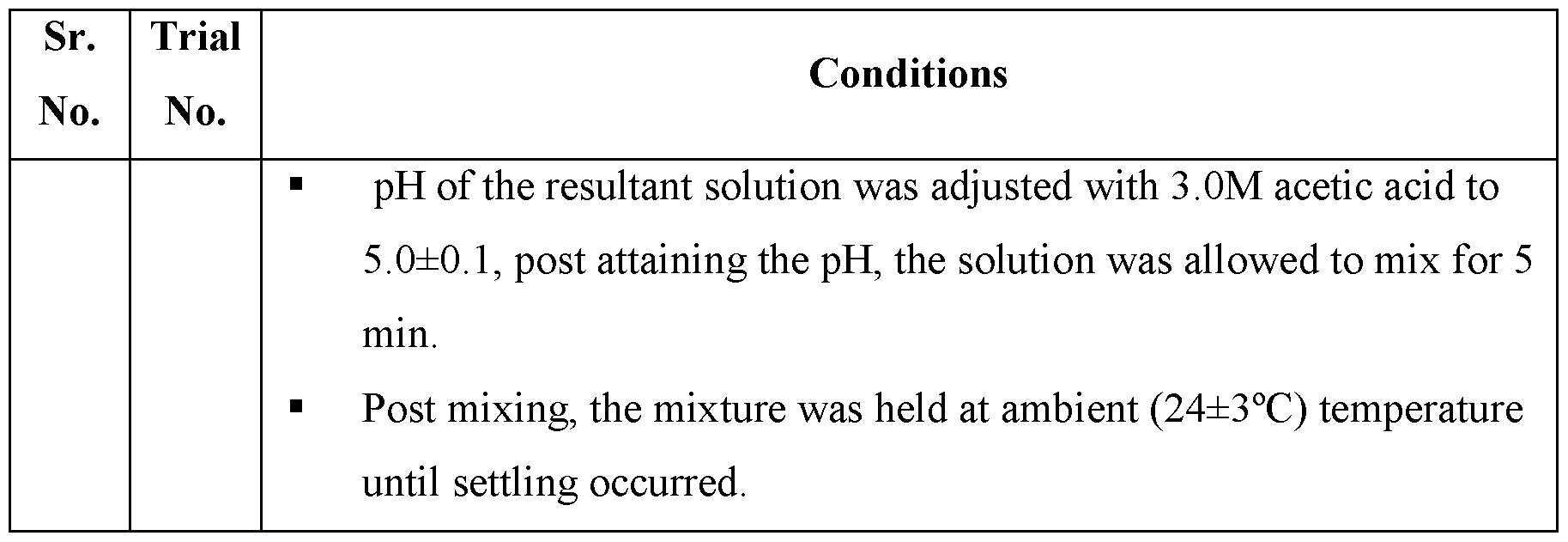
Table 10: Details of strategy-2 reagent addition


Table 11 : Observations on reagent addition strategy 2
Example 2: Impact and the role of IP A content in FFC
Based on the observations in reagent addition chronology experiments and the observed variation in IPA content (ppm) in FFC; trials were performed by normalizing the IPA content (ppm) in FFC to hasten the settling rate during neat settling.
Table 12 elaborates the RP-HPLC3 EP dilution by targeting IPA content (ppm) in FFC whereas table 13 and figure 6 elaborate the observations of the impact of IPA content in FFC.
The IPA content (ppm) in FFC is vital for achieving desired settling and crystal size. However, the repetition of IPA content target experiments did not result in the similar crystal size. This observation led to study the rate of pH adjustment as one of the key factor that might influence crystal size.


Table 12: RP-HPLC3 EP dilution by targeting IP A content (ppm) in FFC


Example 3: The impact of rate of pH adjustment
Based on the varying crystal sizes (pm) observed despite appropriate addition of reagents (NaCl+ZnCh) (discussed in example 1) and targeting IPA (ppm) in FFC (discussed in example 2), experiments elaborated in table 14 were performed to understand the impact of rate of pH adjustment.
The IPA content targeted to 21 million in FFC. The addition of 3M acetic acid for attaining the crystallization pH to 5.0±0.1 has to be 0.1 vvm irrespective of the scale of crystallization (refer Table 15).


Table 14: Details for rate of pH adjustment


Table 15: Matrix of pH adjustment data and observation
Example 4: The impact of RP-HPLC3 product binding capacity on crystallization To challenge the RP-HPLC3 product binding capacity as well as to understand the impact of RP-HPLC 3 product dynamic binding capacity (DBC) at final crystallization satge, RP- HPLC3 trials were performed at two different DBCs, one at 23g/L and another one at 50g/L to accommodate and propose the wider range of DBC at manufacturing scale unlike the current control limit for RP-HPLC 3 DBC (25 to 40.0g/L). Figure 8 shows the RP-HPLC 3 DBC study flow chart.
RP-HPLC 2 load was procured from the manufacturing facility and RP-HPLC 2 and RP- HPLC 3 steps were performed at pilot lab as per insulin biosimilar process. All the individual fractions (after RPHPLC3) were adjusted to 7.35±0.1 after the elution. After pooling the fractions, pH of RPHPLC3 bulk EP was checked and adjusted to 7.4±0.1. Individual fractions pH essentially were not less than 7.3, as it may trigger protein precipitation.
Table 16 elaborate the RP-HPLC3 Load purity profile wherein table 17 elaborate RP- HPLC3 process performance and quality attributes at different DBC.
Quality attributes of RP-HPLC3 EP, which was generated at different DBC were comparable with control specifications. The same RP-HPLC 3 EP was utilized for crystallization-3 experiments, found no impact on crystallization process.
RP-HPLC3 EP was used for scale up trial.

*0.95+0.96 RRT was out of specification for RP-HPLC 3 Loac .
Table 16: RP-HPLC3 Load purity profile

* Higher level of 0.95/0.96 RRT was observed due to the higher level of the same at RP- HPLC3 Load stage, though the values are within the specification.
Table 17: RP HPLC3 process performance and quality attributes at different DBC
Example 5: Scale-up trial
From the various earlier trials (referred in example 1-4), it was observed that the reagent addition chronology, IPA content (ppm), pH adjustment rate and ambient hold temperature are vital for crystallization-3 process.
Based on the understanding, gained from various experiments, scale up trials were designed while keeping following process parameters under check (Table 18). Table 19 elaborates the scale up performance with respect to process & quality wherein figure 9 shows the images of crystals obtained upon scale-up.

Table 18: Process parameters that were under check during scale-up of crystallization-3


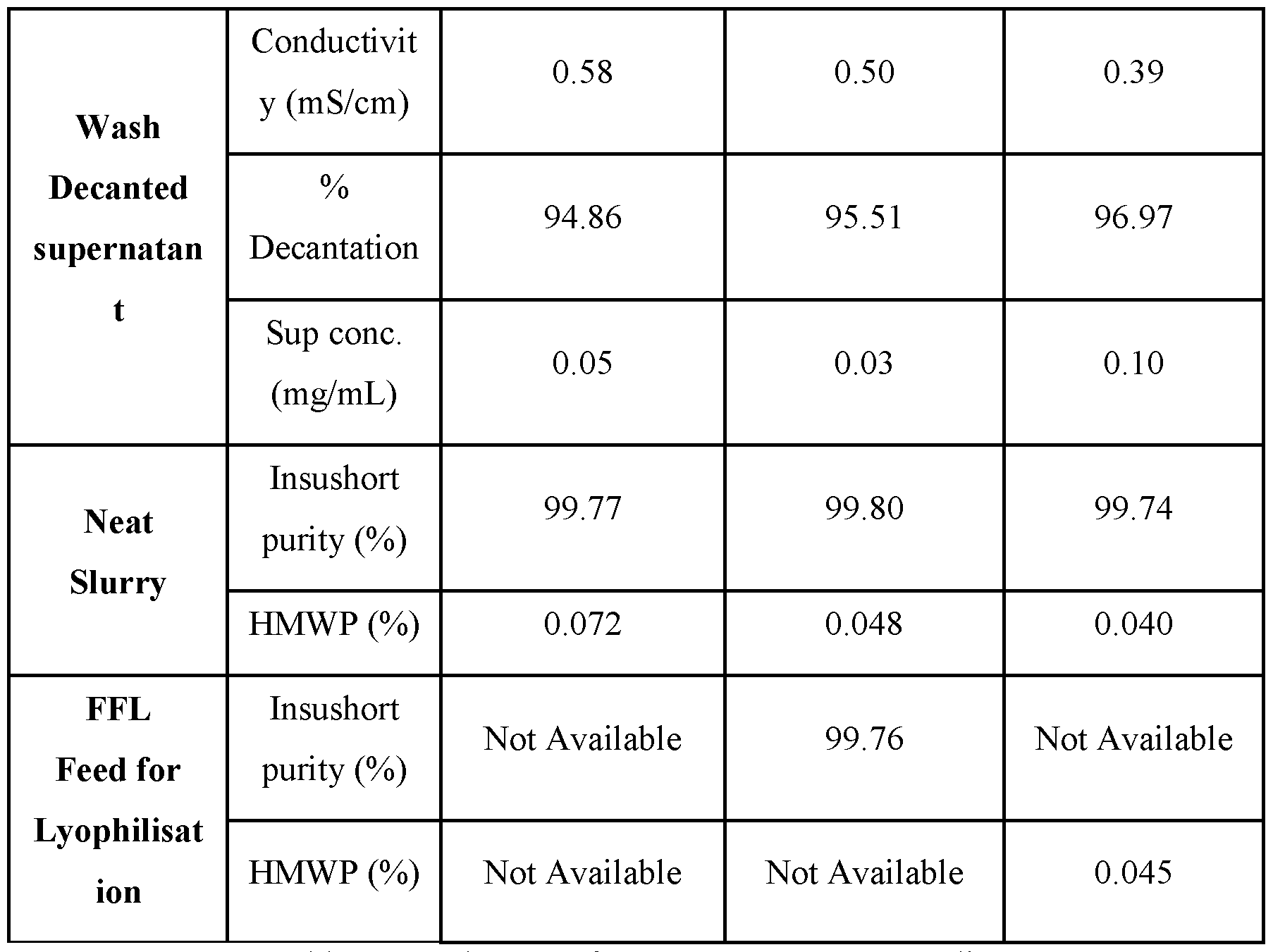
Table 19: Scale up performance - process & quality
Example 6: The Sub-optimal freeze-drying during Insulin biosimilar batch
Due to the poor settling at neat settling stage during the Crystallization 3 stage of Insulin biosimilar process, lower decantation was performed at each stage (neat and wash). As per the general trend (data obtained upon following old process mentioned in figure 2), volume for freeze-drying is observed to be in the range of 30±2 Litres but it was found to be 34.46 Litres in this batch. As per the BMR limit, maximum volume, which could be loaded on each tray, should be 1.28 Litre (which corresponds to the 1.1 cm bed height) but due to the higher volume after wash decantation, average volumetric distribution of slurry in each tray was 1.436 Litre, which corresponds to the 1.23 cm bed height). In addition, the observed slurry percentage, which was loaded in each tray, was approximately 5%.
To understand the impact of Slurry percentage and bed height on Freeze-drying efficiency, the following trial elaborated in table 20 was designed. Manufacturing slurry (re-dissolved slurry) was procured to understand the impact of bed height & slurry percentage on freeze drying efficiency (Table 21).
From the results, it was quite evident that, at lower slurry percentage (4-5%), increase in bed height can impact on the moisture content (LOD value). Higher the bed height (with lower slurry percentage) in freeze drying tray would result in inefficient drying and sublimation.

Table 20: Freeze-drying trial

Table 21 : Freeze drying process outcome
Summary of Final Drug Substance Quality Attributes (3 scale up experiments)
For a particular crystallization condition (as captured in the‘condition’ section of each table), observations are captured pertaining to each unique experiment. Table 22 elaborates the summary of final drug substance from revised crystallization process whereas table 23 elaborates the list of critical process parameter and its impact observed during the trails conducted (referred in example 1-6).

Summary of Final drug substance from revised crystallization process


Conclusion
Based on the above data, it’s evident that performing crystallization-3 process with FFC targeting 21 million IP A content (ppm), followed by addition of ZnCh+NaCl mixture, & comparatively faster rate of pH adjustment and ambient temperature hold are vital for protein crystallization, settling and consistent crystal size. Performing remaining neat settling and complete wash, both at cold temperature (5±3°C) can certainly add up to the process robustness and better control of critical quality attributes at final drug substance stage.
The process thus reduced time for sedimentation at manufacturing scale. In traditional process, the sedimentation used to take up to 24-60 hours whereas the present invention achieves the same result in 12 hours. The results are shown in Figure 10 which contains
three comparative images of human insulin crystals. 10A represent the recombinant Human Insulin crystals prepared by traditional process wherein only zinc chloride is used while 10B represents the recombinant Human Insulin crystals prepared by process of present invention wherein mixture of zinc chloride and sodium chloride is used. The consistent crystal size between 15pm -30pm is noticeable in 10B. IOC represents the recombinant Human Insulin drug substance crystals.
Claims
1. A method for preparing recombinant Human Insulin crystal comprising the steps of:
a. crystallizing the recombinant Human Insulin in a solution containing a recombinant Human Insulin, an organic solvent, and a mixture of Zinc chloride and salt;
b. adjusting the pH of crystallization solution in the range of 4.8 to 5.2;
c. neat settling of crystallization solution at room temperature followed by neat settling at chilling temperature; and
d. freeze drying of slurry and obtaining recombinant Human Insulin crystal.
2. The method according to claim 1, wherein the concentration of the recombinant Human Insulin in the crystallization solution is 5.0±0.2 g/L.
3. The method according to claim 1, wherein the organic solvent is selected from acetonitrile, ethanol, n-propanol and isopropyl alcohol.
4. The method according to claim 3, wherein the preferable organic solvent is isopropyl alcohol.
5. The method according to claim 4, wherein concentration of isopropyl alcohol is 19- 25 million ppm, preferably 21 million ppm.
6. The method according to claim 1, wherein the concentration of the zinc chloride is 0.3-0.5 ml per gram of recombinant human insulin.
7. The method according to claim 1, wherein the salt is selected from sodium chloride, sodium acetate and sodium citrate.
8. The method according to claim 7, wherein the salt is preferably sodium chloride.
9. The method according to claim 8, wherein the concentration of sodium chloride in the crystallization solution is 0.5M.
10. The method according to claim 1, wherein the pH of the crystallization solution is adjusted to 5.0 using 3M acetic acid.
11. The method according to claim 10, wherein the pH is adjusted within 5 minutes following addition of mixture of zinc chloride and sodium chloride in the crystallization solution.
12. The method according to claim 1, wherein the crystallization solution is allowed to settle during neat settling for 2.5 to 4 hours at temperature between 21°C to 27°C.
13. The method according to claim 1, wherein the crystallization solution is further allowed to settle for 10 to 12 hours at temperature between 2°C to 8°C.
14. The method according to preceding claims, wherein the bed height of freeze-drying tray is 1.1 cm.
15. The method according to claim 1, comprising the steps of:
1) preparing a crystallization solution containing 5.0 g/L of recombinant human insulin, 21 million ppm of isopropyl alcohol, 4% zinc chloride, 0.5M of sodium chloride;
2) adjusting pH value of the crystallization solution to 5.0 using acetic acid;
3) holding the solution at temperature 24±3°C for 2.5 to 4 hours for neat settling;
4) cooling the crystallization solution to a temperature of 2-8°C for 10-16 hours; and
5) freeze drying and thereby obtaining the recombinant human insulin crystal.
16. The method according to claim 1, comprising the steps of:
1) diluting HPLC elution pool by water for irrigation and isopropyl alcohol till solution contains 5 g/L of recombinant human insulin and targeting 21 million ppm of isopropanol; thereto adding mixture of 4% zinc chloride and 0.5M sodium chloride at 0.006 volume per volume per minute under stirring condition at a tip speed of 0.42-0.52 m/s;
2) adjusting the pH to 5.0 using 3M acetic acid within 5 minutes at 0.1 volume per volume per minute under stirring condition at a tip speed of 0.42-0.52 m/s, wherein, post pH adjustment agitation is continued for 15-20 minutes at 0.21 m/s;
3) adjusting the temperature of the above crystallization solution to 23±3°C upon stopping agitation to allow neat settling for 2.5 to 4.0 hours; then allow the neat settling at 2-8°C for 10-12 hours;
4) decanting 85-90% of the supernatant, adding the chilled water to slurry in agitated state at a tip speed of 0.21 m/s for up to 5 minutes, then keeping at 2- 8°C for 16 hours; and
5) decanting the supernatant and keeping slurry into the freeze dryer for drying.
17. The method according to preceding claims, wherein consistent crystal geometry and size of recombinant Human Insulin is obtained between 15 pm -30pm.
Priority Applications (2)
| Application Number | Priority Date | Filing Date | Title |
|---|---|---|---|
| US17/415,092 US12509488B2 (en) | 2019-01-10 | 2020-01-09 | Preparative crystallization of recombinant human insulin |
| EP20738103.9A EP3908599A4 (en) | 2019-01-10 | 2020-01-09 | PREPARATIVE CRYSTALLIZATION OF RECOMBINANT HUMAN INSULIN |
Applications Claiming Priority (2)
| Application Number | Priority Date | Filing Date | Title |
|---|---|---|---|
| IN201941001190 | 2019-01-10 | ||
| IN201941001190 | 2019-01-10 |
Publications (1)
| Publication Number | Publication Date |
|---|---|
| WO2020144606A1 true WO2020144606A1 (en) | 2020-07-16 |
Family
ID=71521441
Family Applications (1)
| Application Number | Title | Priority Date | Filing Date |
|---|---|---|---|
| PCT/IB2020/050135 Ceased WO2020144606A1 (en) | 2019-01-10 | 2020-01-09 | Preparative crystallization of recombinant human insulin |
Country Status (3)
| Country | Link |
|---|---|
| US (1) | US12509488B2 (en) |
| EP (1) | EP3908599A4 (en) |
| WO (1) | WO2020144606A1 (en) |
Cited By (1)
| Publication number | Priority date | Publication date | Assignee | Title |
|---|---|---|---|---|
| US12509488B2 (en) | 2019-01-10 | 2025-12-30 | Biocon Limited | Preparative crystallization of recombinant human insulin |
Citations (2)
| Publication number | Priority date | Publication date | Assignee | Title |
|---|---|---|---|---|
| US7875700B2 (en) * | 2004-07-19 | 2011-01-25 | Biocon Limited | Cation complexes of insulin compound conjugates, formulation and uses thereof |
| CN102219851A (en) * | 2011-05-09 | 2011-10-19 | 甘李药业有限公司 | Preparation method for insulin glargine crystals |
Family Cites Families (8)
| Publication number | Priority date | Publication date | Assignee | Title |
|---|---|---|---|---|
| US2910014A (en) | 1956-03-16 | 1959-10-27 | Pullman Standard Car Mfg Co | Suspension system saddle support |
| DE2933946A1 (en) | 1979-08-22 | 1981-03-12 | Hoechst Ag, 6000 Frankfurt | INSULIN CRYSTAL SUSPENSION AND METHOD FOR THEIR PRODUCTION. |
| US20010041786A1 (en) | 1995-06-07 | 2001-11-15 | Mark L. Brader | Stabilized acylated insulin formulations |
| US7666259B2 (en) * | 2005-08-08 | 2010-02-23 | Cornell Research Foundation, Inc. | Screening and crystallization plates for manual and high-throughput protein crystal growth |
| WO2008065138A1 (en) | 2006-11-29 | 2008-06-05 | Novo Nordisk A/S | Novel insulin crystal and method for preparing the crystal |
| RU2495131C2 (en) | 2008-02-19 | 2013-10-10 | Байокон Лимитид | Method to produce recombinant insulin glargine |
| US9822158B2 (en) | 2013-12-04 | 2017-11-21 | Merck Sharp & Dohme Corp. | Method for preparing crystalline insulin |
| WO2020144606A1 (en) | 2019-01-10 | 2020-07-16 | Biocon Limited | Preparative crystallization of recombinant human insulin |
-
2020
- 2020-01-09 WO PCT/IB2020/050135 patent/WO2020144606A1/en not_active Ceased
- 2020-01-09 EP EP20738103.9A patent/EP3908599A4/en active Pending
- 2020-01-09 US US17/415,092 patent/US12509488B2/en active Active
Patent Citations (2)
| Publication number | Priority date | Publication date | Assignee | Title |
|---|---|---|---|---|
| US7875700B2 (en) * | 2004-07-19 | 2011-01-25 | Biocon Limited | Cation complexes of insulin compound conjugates, formulation and uses thereof |
| CN102219851A (en) * | 2011-05-09 | 2011-10-19 | 甘李药业有限公司 | Preparation method for insulin glargine crystals |
Non-Patent Citations (1)
| Title |
|---|
| See also references of EP3908599A4 * |
Cited By (1)
| Publication number | Priority date | Publication date | Assignee | Title |
|---|---|---|---|---|
| US12509488B2 (en) | 2019-01-10 | 2025-12-30 | Biocon Limited | Preparative crystallization of recombinant human insulin |
Also Published As
| Publication number | Publication date |
|---|---|
| EP3908599A4 (en) | 2022-11-09 |
| US20220064213A1 (en) | 2022-03-03 |
| EP3908599A1 (en) | 2021-11-17 |
| US12509488B2 (en) | 2025-12-30 |
Similar Documents
| Publication | Publication Date | Title |
|---|---|---|
| JPH0892126A (en) | Insulin analogue preparation | |
| JP2001506272A (en) | Zinc-free insulin crystals for use in pulmonary compositions | |
| EP2854831B1 (en) | Manufacture of degarelix | |
| Puhl et al. | Recent advances in crystalline and amorphous particulate protein formulations for controlled delivery | |
| CN103342746A (en) | Method for preparing stable insulin aspart crystal | |
| WO2019154237A1 (en) | Co-crystal of calcifediol and vitamin d3, preparation method therefor and use thereof | |
| JP2001518915A (en) | Preparation of therapeutic powder by co-precipitation of insulin and absorption enhancer | |
| CN105520942B (en) | Preparation method for ampicillin sodium and sulbactam sodium pharmaceutical composition | |
| WO2020144606A1 (en) | Preparative crystallization of recombinant human insulin | |
| EP3185887B1 (en) | Method for preparing crystalline insulin or insulin analog compositions | |
| WO2022178737A1 (en) | Treatment method for stable liraglutide pharmaceutical preparation | |
| EP3077414B1 (en) | Method for preparing crystalline insulin | |
| CN102512384B (en) | Novel freeze-dried preparation-type protein composition and preparation method thereof | |
| CN114933647B (en) | Preparation method of insulin crystal and product | |
| EP1711511B1 (en) | Method for crystallization of proteins using polysaccharides | |
| CN109957001B (en) | Preparation method of insulin crystal of glargine | |
| JP2002519437A (en) | Seeds for preparing peptides and proteins | |
| CN105585628A (en) | Preparation method of insulin glargine and insulin glargine prepared by same | |
| CN105535942A (en) | Insulin lispro-protamine sulfate preparation and preparation method thereof | |
| CN114569700B (en) | Ganirelix acetate injection and preparation method thereof | |
| CN113425835B (en) | Growth hormone crude drug solution, water injection and preparation method thereof | |
| CN104860839B (en) | Aceglutamide crystal and preparation | |
| WO2024131944A1 (en) | Pharmaceutical composition, and preparation method therefor and use thereof | |
| HK40111407A (en) | Degarelix drug product | |
| CN121695078A (en) | A polypeptide injection and its preparation method |
Legal Events
| Date | Code | Title | Description |
|---|---|---|---|
| 121 | Ep: the epo has been informed by wipo that ep was designated in this application |
Ref document number: 20738103 Country of ref document: EP Kind code of ref document: A1 |
|
| NENP | Non-entry into the national phase |
Ref country code: DE |
|
| ENP | Entry into the national phase |
Ref document number: 2020738103 Country of ref document: EP Effective date: 20210810 |
|
| WWG | Wipo information: grant in national office |
Ref document number: 17415092 Country of ref document: US |