WO2020154520A1 - Methods of treating epilepsy via phosphodiesterase 4 (pde4) inhibition - Google Patents

Methods of treating epilepsy via phosphodiesterase 4 (pde4) inhibition Download PDF

Info

Publication number
WO2020154520A1
WO2020154520A1 PCT/US2020/014819 US2020014819W WO2020154520A1 WO 2020154520 A1 WO2020154520 A1 WO 2020154520A1 US 2020014819 W US2020014819 W US 2020014819W WO 2020154520 A1 WO2020154520 A1 WO 2020154520A1
Authority
WO
WIPO (PCT)
Prior art keywords
pde4
epilepsy
inhibitor
pde4b
syndrome
Prior art date
Legal status (The legal status is an assumption and is not a legal conclusion. Google has not performed a legal analysis and makes no representation as to the accuracy of the status listed.)
Ceased
Application number
PCT/US2020/014819
Other languages
French (fr)
Inventor
Deborah M. Kurrasch
Kingsley IBHAZEHIEBO
Current Assignee (The listed assignees may be inaccurate. Google has not performed a legal analysis and makes no representation or warranty as to the accuracy of the list.)
PATH THERAPEUTICS Inc
Original Assignee
PATH THERAPEUTICS Inc
Priority date (The priority date is an assumption and is not a legal conclusion. Google has not performed a legal analysis and makes no representation as to the accuracy of the date listed.)
Filing date
Publication date
Application filed by PATH THERAPEUTICS Inc filed Critical PATH THERAPEUTICS Inc
Priority to CN202080013929.1A priority Critical patent/CN113490739A/en
Priority to CA3127357A priority patent/CA3127357A1/en
Priority to US17/424,055 priority patent/US20220098257A1/en
Priority to EP20744495.1A priority patent/EP3914701B1/en
Priority to JP2021543315A priority patent/JP2022518292A/en
Publication of WO2020154520A1 publication Critical patent/WO2020154520A1/en
Anticipated expiration legal-status Critical
Priority to JP2025009888A priority patent/JP2025081323A/en
Ceased legal-status Critical Current

Links

Classifications

    • CCHEMISTRY; METALLURGY
    • C07ORGANIC CHEMISTRY
    • C07KPEPTIDES
    • C07K14/00Peptides having more than 20 amino acids; Gastrins; Somatostatins; Melanotropins; Derivatives thereof
    • C07K14/435Peptides having more than 20 amino acids; Gastrins; Somatostatins; Melanotropins; Derivatives thereof from animals; from humans
    • C07K14/46Peptides having more than 20 amino acids; Gastrins; Somatostatins; Melanotropins; Derivatives thereof from animals; from humans from vertebrates
    • C07K14/47Peptides having more than 20 amino acids; Gastrins; Somatostatins; Melanotropins; Derivatives thereof from animals; from humans from vertebrates from mammals
    • C07K14/4701Peptides having more than 20 amino acids; Gastrins; Somatostatins; Melanotropins; Derivatives thereof from animals; from humans from vertebrates from mammals not used
    • C07K14/4702Regulators; Modulating activity
    • C07K14/4703Inhibitors; Suppressors
    • CCHEMISTRY; METALLURGY
    • C12BIOCHEMISTRY; BEER; SPIRITS; WINE; VINEGAR; MICROBIOLOGY; ENZYMOLOGY; MUTATION OR GENETIC ENGINEERING
    • C12QMEASURING OR TESTING PROCESSES INVOLVING ENZYMES, NUCLEIC ACIDS OR MICROORGANISMS; COMPOSITIONS OR TEST PAPERS THEREFOR; PROCESSES OF PREPARING SUCH COMPOSITIONS; CONDITION-RESPONSIVE CONTROL IN MICROBIOLOGICAL OR ENZYMOLOGICAL PROCESSES
    • C12Q1/00Measuring or testing processes involving enzymes, nucleic acids or microorganisms; Compositions therefor; Processes of preparing such compositions
    • C12Q1/34Measuring or testing processes involving enzymes, nucleic acids or microorganisms; Compositions therefor; Processes of preparing such compositions involving hydrolase
    • C12Q1/44Measuring or testing processes involving enzymes, nucleic acids or microorganisms; Compositions therefor; Processes of preparing such compositions involving hydrolase involving esterase
    • AHUMAN NECESSITIES
    • A61MEDICAL OR VETERINARY SCIENCE; HYGIENE
    • A61KPREPARATIONS FOR MEDICAL, DENTAL OR TOILETRY PURPOSES
    • A61K31/00Medicinal preparations containing organic active ingredients
    • A61K31/275Nitriles; Isonitriles
    • A61K31/277Nitriles; Isonitriles having a ring, e.g. verapamil
    • AHUMAN NECESSITIES
    • A61MEDICAL OR VETERINARY SCIENCE; HYGIENE
    • A61KPREPARATIONS FOR MEDICAL, DENTAL OR TOILETRY PURPOSES
    • A61K31/00Medicinal preparations containing organic active ingredients
    • A61K31/33Heterocyclic compounds
    • AHUMAN NECESSITIES
    • A61MEDICAL OR VETERINARY SCIENCE; HYGIENE
    • A61KPREPARATIONS FOR MEDICAL, DENTAL OR TOILETRY PURPOSES
    • A61K31/00Medicinal preparations containing organic active ingredients
    • A61K31/33Heterocyclic compounds
    • A61K31/395Heterocyclic compounds having nitrogen as a ring hetero atom, e.g. guanethidine or rifamycins
    • A61K31/40Heterocyclic compounds having nitrogen as a ring hetero atom, e.g. guanethidine or rifamycins having five-membered rings with one nitrogen as the only ring hetero atom, e.g. sulpiride, succinimide, tolmetin, buflomedil
    • A61K31/4015Heterocyclic compounds having nitrogen as a ring hetero atom, e.g. guanethidine or rifamycins having five-membered rings with one nitrogen as the only ring hetero atom, e.g. sulpiride, succinimide, tolmetin, buflomedil having oxo groups directly attached to the heterocyclic ring, e.g. piracetam, ethosuximide
    • AHUMAN NECESSITIES
    • A61MEDICAL OR VETERINARY SCIENCE; HYGIENE
    • A61KPREPARATIONS FOR MEDICAL, DENTAL OR TOILETRY PURPOSES
    • A61K31/00Medicinal preparations containing organic active ingredients
    • A61K31/33Heterocyclic compounds
    • A61K31/395Heterocyclic compounds having nitrogen as a ring hetero atom, e.g. guanethidine or rifamycins
    • A61K31/435Heterocyclic compounds having nitrogen as a ring hetero atom, e.g. guanethidine or rifamycins having six-membered rings with one nitrogen as the only ring hetero atom
    • A61K31/4353Heterocyclic compounds having nitrogen as a ring hetero atom, e.g. guanethidine or rifamycins having six-membered rings with one nitrogen as the only ring hetero atom ortho- or peri-condensed with heterocyclic ring systems
    • A61K31/437Heterocyclic compounds having nitrogen as a ring hetero atom, e.g. guanethidine or rifamycins having six-membered rings with one nitrogen as the only ring hetero atom ortho- or peri-condensed with heterocyclic ring systems the heterocyclic ring system containing a five-membered ring having nitrogen as a ring hetero atom, e.g. indolizine, beta-carboline
    • AHUMAN NECESSITIES
    • A61MEDICAL OR VETERINARY SCIENCE; HYGIENE
    • A61KPREPARATIONS FOR MEDICAL, DENTAL OR TOILETRY PURPOSES
    • A61K31/00Medicinal preparations containing organic active ingredients
    • A61K31/33Heterocyclic compounds
    • A61K31/395Heterocyclic compounds having nitrogen as a ring hetero atom, e.g. guanethidine or rifamycins
    • A61K31/435Heterocyclic compounds having nitrogen as a ring hetero atom, e.g. guanethidine or rifamycins having six-membered rings with one nitrogen as the only ring hetero atom
    • A61K31/44Non condensed pyridines; Hydrogenated derivatives thereof
    • AHUMAN NECESSITIES
    • A61MEDICAL OR VETERINARY SCIENCE; HYGIENE
    • A61KPREPARATIONS FOR MEDICAL, DENTAL OR TOILETRY PURPOSES
    • A61K31/00Medicinal preparations containing organic active ingredients
    • A61K31/33Heterocyclic compounds
    • A61K31/395Heterocyclic compounds having nitrogen as a ring hetero atom, e.g. guanethidine or rifamycins
    • A61K31/495Heterocyclic compounds having nitrogen as a ring hetero atom, e.g. guanethidine or rifamycins having six-membered rings with two or more nitrogen atoms as the only ring heteroatoms, e.g. piperazine or tetrazines
    • A61K31/505Pyrimidines; Hydrogenated pyrimidines, e.g. trimethoprim
    • A61K31/519Pyrimidines; Hydrogenated pyrimidines, e.g. trimethoprim ortho- or peri-condensed with heterocyclic rings
    • A61K31/52Purines, e.g. adenine
    • A61K31/522Purines, e.g. adenine having oxo groups directly attached to the heterocyclic ring, e.g. hypoxanthine, guanine, acyclovir
    • AHUMAN NECESSITIES
    • A61MEDICAL OR VETERINARY SCIENCE; HYGIENE
    • A61KPREPARATIONS FOR MEDICAL, DENTAL OR TOILETRY PURPOSES
    • A61K31/00Medicinal preparations containing organic active ingredients
    • A61K31/33Heterocyclic compounds
    • A61K31/395Heterocyclic compounds having nitrogen as a ring hetero atom, e.g. guanethidine or rifamycins
    • A61K31/53Heterocyclic compounds having nitrogen as a ring hetero atom, e.g. guanethidine or rifamycins having six-membered rings with three nitrogens as the only ring hetero atoms, e.g. chlorazanil, melamine
    • AHUMAN NECESSITIES
    • A61MEDICAL OR VETERINARY SCIENCE; HYGIENE
    • A61KPREPARATIONS FOR MEDICAL, DENTAL OR TOILETRY PURPOSES
    • A61K31/00Medicinal preparations containing organic active ingredients
    • A61K31/69Boron compounds
    • AHUMAN NECESSITIES
    • A61MEDICAL OR VETERINARY SCIENCE; HYGIENE
    • A61KPREPARATIONS FOR MEDICAL, DENTAL OR TOILETRY PURPOSES
    • A61K31/00Medicinal preparations containing organic active ingredients
    • A61K31/70Carbohydrates; Sugars; Derivatives thereof
    • A61K31/7088Compounds having three or more nucleosides or nucleotides
    • A61K31/7105Natural ribonucleic acids, i.e. containing only riboses attached to adenine, guanine, cytosine or uracil and having 3'-5' phosphodiester links
    • AHUMAN NECESSITIES
    • A61MEDICAL OR VETERINARY SCIENCE; HYGIENE
    • A61PSPECIFIC THERAPEUTIC ACTIVITY OF CHEMICAL COMPOUNDS OR MEDICINAL PREPARATIONS
    • A61P25/00Drugs for disorders of the nervous system
    • A61P25/08Antiepileptics; Anticonvulsants
    • CCHEMISTRY; METALLURGY
    • C12BIOCHEMISTRY; BEER; SPIRITS; WINE; VINEGAR; MICROBIOLOGY; ENZYMOLOGY; MUTATION OR GENETIC ENGINEERING
    • C12NMICROORGANISMS OR ENZYMES; COMPOSITIONS THEREOF; PROPAGATING, PRESERVING, OR MAINTAINING MICROORGANISMS; MUTATION OR GENETIC ENGINEERING; CULTURE MEDIA
    • C12N9/00Enzymes; Proenzymes; Compositions thereof; Processes for preparing, activating, inhibiting, separating or purifying enzymes
    • C12N9/14Hydrolases (3)
    • C12N9/16Hydrolases (3) acting on ester bonds (3.1)
    • CCHEMISTRY; METALLURGY
    • C12BIOCHEMISTRY; BEER; SPIRITS; WINE; VINEGAR; MICROBIOLOGY; ENZYMOLOGY; MUTATION OR GENETIC ENGINEERING
    • C12YENZYMES
    • C12Y301/00Hydrolases acting on ester bonds (3.1)
    • C12Y301/04Phosphoric diester hydrolases (3.1.4)
    • C12Y301/040173',5'-Cyclic-nucleotide phosphodiesterase (3.1.4.17)
    • CCHEMISTRY; METALLURGY
    • C12BIOCHEMISTRY; BEER; SPIRITS; WINE; VINEGAR; MICROBIOLOGY; ENZYMOLOGY; MUTATION OR GENETIC ENGINEERING
    • C12YENZYMES
    • C12Y301/00Hydrolases acting on ester bonds (3.1)
    • C12Y301/04Phosphoric diester hydrolases (3.1.4)
    • C12Y301/040353',5'-Cyclic-GMP phosphodiesterase (3.1.4.35)
    • CCHEMISTRY; METALLURGY
    • C12BIOCHEMISTRY; BEER; SPIRITS; WINE; VINEGAR; MICROBIOLOGY; ENZYMOLOGY; MUTATION OR GENETIC ENGINEERING
    • C12YENZYMES
    • C12Y301/00Hydrolases acting on ester bonds (3.1)
    • C12Y301/04Phosphoric diester hydrolases (3.1.4)
    • C12Y301/040533',5'-Cyclic-AMP phosphodiesterase (3.1.4.53)
    • AHUMAN NECESSITIES
    • A61MEDICAL OR VETERINARY SCIENCE; HYGIENE
    • A61KPREPARATIONS FOR MEDICAL, DENTAL OR TOILETRY PURPOSES
    • A61K38/00Medicinal preparations containing peptides
    • GPHYSICS
    • G01MEASURING; TESTING
    • G01NINVESTIGATING OR ANALYSING MATERIALS BY DETERMINING THEIR CHEMICAL OR PHYSICAL PROPERTIES
    • G01N2333/00Assays involving biological materials from specific organisms or of a specific nature
    • G01N2333/90Enzymes; Proenzymes
    • G01N2333/914Hydrolases (3)
    • G01N2333/916Hydrolases (3) acting on ester bonds (3.1), e.g. phosphatases (3.1.3), phospholipases C or phospholipases D (3.1.4)
    • GPHYSICS
    • G01MEASURING; TESTING
    • G01NINVESTIGATING OR ANALYSING MATERIALS BY DETERMINING THEIR CHEMICAL OR PHYSICAL PROPERTIES
    • G01N2500/00Screening for compounds of potential therapeutic value
    • G01N2500/04Screening involving studying the effect of compounds C directly on molecule A (e.g. C are potential ligands for a receptor A, or potential substrates for an enzyme A)
    • GPHYSICS
    • G01MEASURING; TESTING
    • G01NINVESTIGATING OR ANALYSING MATERIALS BY DETERMINING THEIR CHEMICAL OR PHYSICAL PROPERTIES
    • G01N2800/00Detection or diagnosis of diseases
    • G01N2800/28Neurological disorders
    • G01N2800/2857Seizure disorders; Epilepsy

Definitions

  • Dravet syndrome is a childhood epilepsy that usually appears in the first year of life in an otherwise healthy baby as a febrile seizure lasting more than five minutes (often longer than 30 minutes). Most cases of DS are due to loss-of-function mutations in the Scnla gene encoding brain voltage-gated sodium channel type-l, Nav1.1 . Despite its genetics being understood, DS remains highly pharmacoresistant and thousands of children struggle through numerous ineffective therapies.
  • CBD cannabidiol
  • the methods include administering to an individual having epilepsy a therapeutically effective amount of a phosphodiesterase 4 (PDE4) inhibitor. Also provided are methods of identifying an anti-seizure agent. Such methods include contacting a PDE4 polypeptide with a candidate agent in a PDE4 activity assay, where inhibition of activity of the PDE4 polypeptide by the candidate agent identifies the candidate agent as an anti-epileptic agent.
  • PDE4 phosphodiesterase 4
  • FIG. 1 An overview of a representative PDE4 gene structure.
  • FIG. 2 Amino acid sequence alignment of human PDE4A polypeptides that may be inhibited according to embodiments of the present disclosure.
  • FIG. 3 Amino acid sequence alignment of human PDE4B polypeptides that may be inhibited according to embodiments of the present disclosure.
  • FIG. 4 Amino acid sequence alignment of human PDE4C polypeptides that may be inhibited according to embodiments of the present disclosure.
  • FIG. 5 Amino acid sequence alignment of human PDE4D polypeptides that may be inhibited according to embodiments of the present disclosure.
  • FIG. 6 Panel A: data demonstrating that an example PDE4 inhibitor (AN2728) dose-dependently restores bioenergetics to baseline levels in scnllab mutant zebrafish.
  • Panel B data demonstrating that a variety of PDE4 inhibitors (in this example, Rolipram, Cilomilast, Roflumilast, Ibudilast, Theophylline, Drotaverine, and Irsogladine) are effective in restoring bioenergetics to baseline levels in scnllab mutant zebrafish.
  • PDE4 inhibitors in this example, Rolipram, Cilomilast, Roflumilast, Ibudilast, Theophylline, Drotaverine, and Irsogladine
  • FIG. 7 Data demonstrating that PDE4B-, 4C- and 4D-morpholinos are effective in restoring bioenergetics to baseline levels in scnllab mutant zebrafish.
  • FIG 8 Data demonstrating that two examples of PDE4 inhibitors (Roflumilast and Theophylline) restore bioenergetics in a kcnal model of generalizable epilepsy.
  • FIG. 9 Panels A and B: Data demonstrating that an example PDE4 inhibitor (AN2728) blocks seizure-like hyperexcitability to baseline levels in scnllab zebrafish, including decreases in seizure frequency and peak amplitude.
  • PDE4 inhibitor AN2728
  • FIG. 10 Panels A and B: Data demonstrating that a PDE4B morpholino is effective in blocking seizure-like hyperexcitability to baseline levels in scnllab zebrafish.
  • FIG. 11 Data demonstrating that an example PDE4 inhibitor (AN2728) decreases hyperexcitability in mouse Scnla mutant brain ex vivo slices.
  • FIG. 12 Data demonstrating that an example PDE4 inhibitor (AN2728) protects against induction of seizures in a 6Hz-induction mouse model.
  • FIG. 13 Data demonstrating that an example PDE4 inhibitor (AN2728) protects against hyperthermia-induced seizures in Scnla mutant mice.
  • FIG. 14 Data demonstrating that a two-fold selective PDE4B inhibitor (rolipram) is effective in protecting against hyperthermia-induced seizures in Scnla mutant mice.
  • FIG 15 Data demonstrating that three examples of PDE4 inhibitors (AN2728, Rolipram, Roflumilast) partially or fully block seizures in Scnla mutant mice.
  • the methods include administering to an individual having epilepsy a therapeutically effective amount of a phosphodiesterase 4 (PDE4) inhibitor. Also provided are methods of identifying an anti-epileptic agent. Such methods include contacting a PDE4 polypeptide with a candidate agent in a PDE4 activity assay, where inhibition of activity of the PDE4 polypeptide by the candidate agent identifies the candidate agent as an anti-epileptic agent.
  • PDE4 phosphodiesterase 4
  • the present disclosure provides methods of treating epilepsy.
  • the methods of treating epilepsy include administering to an individual having epilepsy a therapeutically effective amount of a phosphodiesterase 4 (PDE4) inhibitor.
  • PDE4 inhibition blocks a bioenergetics and hyperexcitable neuronal phenotype in both zebrafish and mouse models of epilepsy; protects against hyperthermia-induced seizures in a mouse model of epilepsy; and blocks seizures using a 6Hz test - the entry-point model of the NIH-backed Epilepsy Therapy Screening Program.
  • Cyclic nucleotide phosphodiesterases catalyze the hydrolysis of the cyclic nucleotide second messengers - cyclic adenosine monophosphate (cAMP) and cyclic guanosine monophosphate (cGMP).
  • the PDE4 family is one of three cAMP-specific PDE families. PDE4s have been shown to regulate several cellular physiological processes, including protein phosphorylation via cAMP-dependent protein kinase A (PKA), gene transcription through cAMP response elements, and cyclic nucleotide gated ion channels. These processes have been linked to cognitive function, depression, schizophrenia, hypertension, and cardiomyocyte contractility.
  • the PDE4 gene family is composed of four gene isoforms: PDE4A, PDE4B, PDE4C, and PDE4D.
  • the isoforms arose via a gene duplication event in a common eukaryotic ancestor before the separation of sponges and eumetazoans. Transcripts from all four PDE4 gene isoforms have been detected in mammalian species.
  • An overview of a representative PDE4 gene structure is provided in FIG. 1 .
  • PDE4 genes are composed of multiple exons connected by either a dashed line (facultative exons), or solid line (constitutive exons).
  • the PDE4 long form amino-termini specifying exons (1 ), are located in the upstream region of the genes, each under different promoter control.
  • the upstream conserved region-1 (UCR1 ) is composed of three exons (UCR1 a, UCR1 b, and UCR1 c).
  • the PDE4 short form amino termini specifying exon(s) (1 a) are located downstream of the linker region 1 (LR1 ) exon.
  • Upstream conserved region 2 (UCR2) is composed of three exons (UCR2a, UCR2b and UCR2c), which are interrupted by the super-short form amino- terminus specifying exon (1 b).
  • a PDE4 polypeptide inhibited according to the methods of the present disclosure is a PDE4 polypeptide provided in FIG. S1 of Johnson et al. (2010) BMC Evol Biol. 10:247.
  • Non-limiting examples of PDE4 polypeptides which may be inhibited (alone or in any combination) according to the methods of the present disclosure are provided in Table 1 .
  • a“PDE4 inhibitor” or an“inhibitor of PDE4” is an agent that inhibits (e.g., reduces or abolishes) phosphodiesterase activity of one or more PDE4 isoforms as compared to the phosphodiesterase activity of the one or more PDE4 isoforms in the absence of the agent.
  • the inhibitor results in the phosphodiesterase activity of at least one of the one or more PDE4 isoforms being 80% or less, 75% or less, 70% or less, 65% or less, 60% or less, 55% or less, 50% or less, 45% or less, 40% or less, 35% or less, 30% or less, 25% or less, 20% or less, 15% or less, 10% or less, 5% or less, 4% or less, 3% or less, 2% or less, or 1 % or less, as compared to the phosphodiesterase activity of the at least one of the one or more PDE4 isoforms in the absence of the inhibitor.
  • PDE4A is expressed in the CNS, including in the cortex, hippocampus, and cerebellum.
  • PDE4B is widely expressed in the CNS, including in the striatum, amygdala, thalamus, and hypothalamus.
  • PDE4C is not widely expressed in the CNS, although expression has been observed in the olfactory bulb with limited expression in the cortex.
  • PDE4D is expressed in the CNS, including in the hippocampus and elsewhere.
  • the methods include administering a PDE4 inhibitor that inhibits one or more of PDE4A, PDE4B, PDE4C and PDE4D. In certain embodiments, the PDE4 inhibitor inhibits two, three, or each of PDE4A, PDE4B, PDE4C and PDE4D. The methods may include administering a PDE4 inhibitor that exhibits selectivity among PDE4A, PDE4B, PDE4C, and PDE4D.
  • the PDE4 inhibitor either: exclusively inhibits PDE4A, PDE4B, PDE4C, or PDE4D; or inhibits two or more of PDE4A, PDE4B, PDE4C, and PDE4D, where the inhibition of at least one of the two or more PDE4 isoforms is greater than the inhibition of a different isoform among the two or more PDE4 isoforms inhibited by the inhibitor.
  • the PDE4 inhibitor is selective for a PDE4 isoform.
  • a PDE4 inhibitor is“selective for” a PDE4 isoform when the inhibitor either: exclusively inhibits the PDE4 isoform (PDE4A, PDE4B, PDE4C, or PDE4D); or inhibits the PDE4 isoform to a greater extent than at least one other PDE4 isoform.
  • the PDE4 inhibitor is selective for PDE4B such that the inhibition of PDE4B is greater than the inhibition of a second PDE4 isoform, e.g., greater than the inhibition of PDE4D.
  • the PDE4 inhibitor does not inhibit (or does not substantially inhibit) one, two, or three of PDE4A, PDE4B, PDE4C, and PDE4D.
  • an inhibitor does not“substantially inhibit” the activity of a PDE4 isoform when contacting the PDE4 isoform with the inhibitor does not inhibit the activity of the isoform by more than 20%, 15%, 10%, 5%, 4%, 3%, 2%, or 1%, as compared to the activity of the isoform in the absence of the inhibitor.
  • the methods include administering a PDE4B inhibitor that does not inhibit (or does not substantially inhibit) PDE4D.
  • the PDE4 inhibitor acts by binding to the catalytic domain (e.g., the active site) of PDE4.
  • the PDE4 inhibitor acts by allosterically inhibiting PDE4 activity. All eleven PDE superfamily members (PDE1 -1 1 ) exhibit a high degree of sequence conservation across the catalytic domain, making PDE families distinguished instead by motifs that encode unique regulatory domains. Traditional strategies to target PDEs have largely focused on ligands that bind the catalytic domain, thereby leading to complete inhibition of cAMP hydrolysis and associated toxicities, as well as a narrow therapeutic range due to nonselective binding.
  • PDE4A, PDE4B, PDE4C, and PDE4D each contain three signature regulatory domains: upstream conserved regions 1 (UCR1 ) and 2 (UCR2) forming a regulatory module, and a control region (CR3) domain at the C-terminus.
  • UCR1 upstream conserved regions 1
  • UR2 upstream conserved regions 2
  • CR3 control region at the C-terminus.
  • PDE4B and PDE4D crystal structures show that phosphodiesterase activity is regulated by UCR2 allosteric control of the catalytic active site. Allosteric modulation of PDE4s is therefore an underappreciated approach to selectively interfere with PDE4 activity. Indeed, small molecule PDE4D allosteric modulators are potent in cellular and in vivo assays.
  • the UCR2 of PDE4B has been shown to intimately interact in trans with the active site in the catalytic domain.
  • the methods include administering an inhibitor that selectively inhibits PDE4B (e.g., versus PDE4D), e.g., by binding to PDE4B in a manner in which the UCR2 closes over the active site, thereby preventing access by cAMP.
  • the PDE4 inhibitor is an allosteric modulator that selectively inhibits PDE4A, PDE4B, and/or PDE4C (e.g., versus PDE4D) by capture of the C-terminal regulatory helix (CR3) across the active site in a conformation that closes access by cAMP.
  • small molecules can interact with different residues along the CR3 helix resulting in multiple“closed” conformations.
  • the CR3 helix can adopt slightly different orientations across the active site, each with unique helical registries.
  • allosteric inhibitors that exhibit selectivity for PDE4B versus PDE4D and may be administered according to the methods of the present disclosure are known and include the 2-arylpyrimidine derivative compound A-33 (as described in Hagan et al. (2014) Bioorg Med Chem Lett. 24(16):4031 -4 and Fox et al. (2014) Cell Signal. 26(3):657-63)) and the triazine compounds described in Hagan et al. (2014) Bioorg Med Chem Lett. 24(16):4031 -4.
  • the PDE4 inhibitor is a small molecule.
  • small molecule is meant a compound having a molecular weight of 1000 atomic mass units (amu) or less. In some embodiments, the small molecule is 750 amu or less, 500 amu or less, 400 amu or less, 300 amu or less, or 200 amu or less. In certain embodiments, the small molecule is not made of repeating molecular units such as are present in a polymer. Small molecule allosteric modulators of PDE4 activity which may be administered according to the methods of the present disclosure are known and include those described in Gurney et al. (201 1 ) Handb Exp Pharmacol.
  • the PDE4 inhibitor when the PDE4 inhibitor is a small molecule, is selected from AN2728 (5-(4-cyanophenoxy)-2,3-dihydro-1 -hydroxy-2,1 -benzoxaborole), drotaverine, ibudilast, irsogladine, piclamilast, roflumilast, rolipram, theophylline, apremilast, compound A-33 (as described in Hagan et al.
  • the PDE4 inhibitor when the PDE4 inhibitor is a small molecule, the PDE4 inhibitor is AN2728. According to some embodiments, the PDE4 inhibitor is not rolipram. In certain embodiments, the PDE4 inhibitor is not rolipram and exhibits a selectivity among PDE4A, PDE4B, PDE4C and PDE4D which is different from the selectivity of rolipram. In some embodiments, the methods employ a PDE4 inhibitor that exhibits less inhibition of PDE4D than rolipram.
  • the PDE4 inhibitor inhibits expression of PDE4.
  • the PDE4 inhibitor may inhibit expression of one, two, three, or each of PDE4A, PDE4B, PDE4C, and PDE4D.
  • the PDE4 inhibitor when the PDE4 inhibitor inhibits expression of PDE4, is a nucleic acid-based inhibitor.
  • nucleic acid-based inhibitor is meant a polymer of two or more linked nucleotides, where the polymer may include naturally occurring nucleotides, non-naturally occurring nucleotides (e.g., nucleotide analogs such as LNA, FANA, 2’-0-Me RNA, 2’-fluoro RNA, and/or the like), or a combination thereof.
  • nucleotide analogs such as LNA, FANA, 2’-0-Me RNA, 2’-fluoro RNA, and/or the like
  • a nucleic acid-based PDE4 inhibitor includes a region complementary to a portion of a messenger RNA (mRNA) that encodes PDE4A, a mRNA that encodes PDE4B, a mRNA that encodes PDE4C, a mRNA that encodes PDE4D, or any combination thereof.
  • mRNA messenger RNA
  • the term “complementary” as used herein refers to a nucleotide sequence that base-pairs by non-covalent bonds to all or a region of a target nucleic acid.
  • adenine (A) forms a base pair with thymine (T), as does guanine (G) with cytosine (C) in DNA.
  • RNA thymine is replaced by uracil (U).
  • U uracil
  • A is complementary to T and G is complementary to C.
  • RNA A is complementary to U and vice versa.
  • “complementary” refers to a nucleotide sequence that is at least partially complementary.
  • the term“complementary” may also encompass duplexes that are fully complementary such that every nucleotide in one strand is complementary to every nucleotide in the other strand in corresponding positions.
  • a nucleotide sequence may be partially complementary to a target, in which not all nucleotides are complementary to every nucleotide in the target nucleic acid in all the corresponding positions.
  • a primer may be perfectly (i.e., 100%) complementary to the target nucleic acid, or the primer and the target nucleic acid may share some degree of complementarity which is less than perfect (e.g., 70%, 75%, 85%, 90%, 95%, 99%).
  • the nucleotide sequence of a nucleic acid-based PDE4 inhibitor is selected/designed such that the nucleic acid-based PDE4 inhibitor is selective for a PDE4 isoform.
  • the nucleotide sequence of a nucleic acid- based PDE4 inhibitor may be selected/designed such that the inhibitor selectively inhibits expression of PDE4A, PDE4B, and/or PDE4C (e.g., versus PDE4D).
  • the nucleotide sequence is selected/designed such that the inhibitor selectively inhibits PDE4B expression, e.g., selectively inhibits PDE4B expression versus PDE4D expression.
  • Non-limiting examples of nucleic acid-based inhibitors that may be employed when practicing the methods of the present disclosure include short interfering RNAs (siRNA), microRNAs (miRNA), morpholinos, and/or the like.
  • siRNA short interfering RNAs
  • miRNA microRNAs
  • morpholinos and/or the like.
  • PDE4A NCBI Gene ID: 5141 for human PDE4A
  • PDE4B NCBI Gene ID: 5142 for human PDE4B
  • PDE4C NCBI Gene ID: 5143 for human PDE4C
  • PDE4D NCBI Gene ID: 5144 for human PDE4C
  • nucleic acid- based inhibitors such as siRNAs, miRNAs, morpholinos, etc.
  • siRNA Wizard from Invivogen
  • siDESIGN Center from Dharmacon
  • BLOCK-iTTM RNAi Designer from Invitrogen
  • miR-Synth available at microrna.osumc.edu/mir-synth
  • WMD3 - Web MicroRNA Designer a morpholino design tool provided by Gene Tools, etc.
  • Approaches for designing and delivering siRNAs, miRNAs, morpholinos, etc. for targeting a particular mRNA are known and described, e.g., in Chakraborty et al. (2017) Mol Ther Nucleic Acids 8:132-143; Ahmadzada et al. (2016) Biophys Rev.
  • aspects of the present disclosure include treating epilepsy (sometimes referred to as“seizure disorder”) by administering to an individual having epilepsy (e.g., an individual diagnosed as having epilepsy) a therapeutically effective amount of a PDE4 inhibitor.
  • the PDE4 inhibitor is any PDE4 inhibitor described elsewhere herein, including any PDE4 inhibitor identified using the methods of identifying anti-epileptic agents of the present disclosure.
  • the older established anti epileptic drugs (AEDs) phenytoin, carbamazepine, clonazepam, ethosuximide, valproic acid and barbiturates are widely prescribed but suffer from a range of side effects.
  • the individual has an epilepsy selected from benign Rolandic epilepsy, frontal lobe epilepsy, infantile spasms, juvenile myoclonic epilepsy (JME), juvenile absence epilepsy, childhood absence epilepsy, pyknolepsy, febrile seizures, progressive myoclonus epilepsy of Lafora, Lennox-Gastaut syndrome, Landau-Kleffner syndrome, Dravet syndrome (DS), Generalized Epilepsy with Febrile Seizures (GEFS+), Severe Myoclonic Epilepsy of Infancy (SMEI), Benign Neonatal Familial Convulsions (BFNC), West Syndrome, Ohtahara Syndrome, early myoclonic encephalopathy, migrating partial epilepsy, infantile epileptic encephalopathies, Tuberous Sclerosis Complex (TSC), focal cortical dysplasia, Type I Lissencephaly, Miller-Dieker Syndrome, Angelman's syndrome, Fragile X syndrome, epilepsy in autism spectrum
  • JME
  • the individual has Dravet syndrome (DS).
  • the individual has an epilepsy caused by a genetic mutation.
  • the individual has an epilepsy having a non-genetic etiology, non-limiting examples of which include epilepsies caused by concussion, brain injury, and/or the like.
  • the individual has been diagnosed as having epilepsy based on the individual having had two or more unprovoked seizures.
  • the individual’s epilepsy may include generalized seizures or partial (e.g., focal) seizures.
  • a variety of individuals are treatable according to the subject methods.
  • individuals are“mammals” or“mammalian,” where these terms are used broadly to describe organisms which are within the class mammalia, including the orders carnivore (e.g., dogs and cats), rodentia (e.g., mice, guinea pigs, and rats), and primates (e.g., humans, chimpanzees, and monkeys).
  • the individual is a human.
  • treat or “treatment” is meant at least an amelioration of the symptoms associated with the pathological condition afflicting the individual, where amelioration is used in a broad sense to refer to at least a reduction in the magnitude of a parameter, e.g., symptom, associated with the pathological condition being treated, such as disease or disorder associated with PDE4 activity (e.g., epilepsy), where inhibiting PDE4 activity in the individual is beneficial.
  • a parameter e.g., symptom
  • treatment also includes situations where the pathological condition (e.g., epilepsy), or at least symptoms associated therewith, are completely inhibited, e.g., prevented from happening, or stopped, e.g.
  • an individual having epilepsy is treated by the present methods when one or more administrations of the PDE4 inhibitor results in the frequency and/or severity of seizures experienced by the individual being 90% or less, 80% or less, 70% or less, 60% or less, 50% or less, 40% or less, 30% or less, 20% or less, 10% or less, 5% or less, or 1 % or less, as compared to the frequency and/or severity of seizures experienced by the individual in the absence of the one or more administrations of the PDE4 inhibitor.
  • Dosing is dependent on severity and responsiveness of the disease state to be treated.
  • Optimal dosing schedules can be calculated from measurements of PDE4 inhibitor accumulation in the body of the individual.
  • the administering physician can determine optimum dosages, dosing methodologies and repetition rates.
  • Optimum dosages may vary depending on the relative potency of the PDE4 inhibitor, and can generally be estimated based on ECsos found to be effective in in vitro and in vivo animal models, etc. In general, dosage is from 0.01 pg to 100 g per kg of body weight, and may be given once or more daily, weekly, monthly or yearly.
  • the treating physician can estimate repetition rates for dosing based on measured residence times and concentrations of the PDE4 inhibitor in bodily fluids or tissues.
  • the subject undergo maintenance therapy to prevent the recurrence of the disease state, where the PDE4 inhibitor is administered in maintenance doses, once or more daily, to once every several months, once every six months, once every year, or at any other suitable frequency.
  • the therapeutic methods of the present disclosure may include administering a single type of PDE4 inhibitor to an individual, or may include administering two or more types of PDE4 inhibitors to an individual, e.g., a cocktail of different PDE4 inhibitors.
  • a PDE4 inhibitor is administered to the individual in combination with a second therapeutic agent as part of a combination therapy.
  • the methods of the present disclosure may include administering to an individual having epilepsy a therapeutically effective amount of a PDE4 inhibitor in combination with a second anti-epileptic drug.
  • Non-limiting examples of a second anti-epileptic drug which may be used in combination with a PDE4 inhibitor include acetazolamide, diazepam, benzodiazepine, cannabadiol, carbamazepine, clobazam, clonazepam, eslicarbazepine acetate, ethosuximide, ethotoin, felbamate, fenfluramine, fosphenytoin, gabapentin, ganaxolone, huperzine A, lacosamide, lamotrigine, levetiracetam, lorazepam, nitrazepam, oxcarbazepine, perampanel, piracetam, phenobarbital, phenytoin, potassium bromide, pregabalin, primidone, retigabine, rufinamide, sodium valproate, stiripentol, tiagabine, topiramate,
  • the PDE4 inhibitor may be administered to the individual using any available method and route suitable for drug delivery, including in vivo and ex vivo methods, as well as systemic and localized routes of administration.
  • Conventional and pharmaceutically acceptable routes of administration include intranasal, intramuscular, intra-tracheal, subcutaneous, intradermal, topical application, ocular, intravenous, intra-arterial, nasal, oral, and other enteral and parenteral routes of administration. Routes of administration may be combined, if desired, or adjusted depending upon the PDE4 inhibitor and/or the desired effect.
  • the PDE4 inhibitor may be administered in a single dose or in multiple doses.
  • the PDE4 inhibitor is administered by oral, parenteral, intranasal, intrathecal, intracranial, or transdermal administration. In some embodiments, the PDE4 inhibitor is administered orally. In some embodiments, the PDE4 inhibitor is administered locally. In some embodiments, the PDE4 inhibitor is administered ocularly. In some embodiments, the PDE4 inhibitor is administered intracranially. In some embodiments, the PDE4 inhibitor is administered intravenously. In some embodiments, the PDE4 inhibitor is administered by injection, e.g., for systemic delivery (e.g., intravenous infusion) or to a local site. In some embodiments, the PDE4 inhibitor is administered via an inhalational route.
  • the PDE4 inhibitor is administered intranasally. In some embodiments, the PDE4 inhibitor does not readily cross the blood-brain barrier (BBB), and the PDE4 inhibitor is administered intranasally to bypass the BBB. Further details regarding bypassing the BBB by intranasal administration may be found, e.g., in Mohanty et al. (2015) Curr Pharm Des. 21 (31 ):4606-13, and elsewhere.
  • BBB blood-brain barrier
  • aspects of the present disclosure include methods of identifying anti-epileptic agents.
  • the methods of identifying an anti-epileptic agent include contacting a PDE4 polypeptide with a candidate agent in a PDE4 activity assay, where inhibition of activity of the PDE4 polypeptide by the candidate agent identifies the candidate agent as an anti-epileptic agent.
  • the PDE4 polypeptide contacted with the candidate agent may be any PDE4 polypeptide of interest.
  • the PDE4 polypeptide is PDE4A, PDE4B, PDE4C, or PDE4D, including any PDE4 polypeptide provided in FIGs. 2-5 or Table 1 above, or a functional variant thereof having phosphodiesterase activity.
  • a functional variant is meant a PDE4 polypeptide having phosphodiesterase activity that includes one or more amino acid substitutions, deletions, insertions, or combination thereof, relative to the corresponding wild-type PDE4 polypeptide.
  • a functional variant of PDE4B may be a PDE4B polypeptide that includes one or more amino acid substitutions, deletions, insertions, or combination thereof, relative to wild-type PDE4B.
  • a functional variant may include 70% or greater, 75% or greater, 80% or greater, 85% or greater, 90% or greater, 95% or greater, or 99% or greater, amino acid sequence homology or identity across 40% or greater, 50% or greater, 60% or greater, 70% or greater, 80% or greater, 90% or greater, or 95% or greater, of the length of the corresponding wild-type PDE4 polypeptide.
  • the PDE4 polypeptide or functional variant thereof may be fused to a heterologous domain.
  • heterologous domains include linker domains (e.g., a glycine- serine linker, or other suitable linker domain), domains that find use in detecting the PDE4 polypeptide (e.g., a luciferase domain, or other suitable detectable domain), domains that find use in purifying the PDE4 polypeptide (e.g., a HIS tag, or other suitable purification tag), and/or the like.
  • linker domains e.g., a glycine- serine linker, or other suitable linker domain
  • domains that find use in detecting the PDE4 polypeptide e.g., a luciferase domain, or other suitable detectable domain
  • domains that find use in purifying the PDE4 polypeptide e.g., a HIS tag, or other suitable purification tag
  • the PDE4 activity assay may be performed using any suitable reagents (e.g., PDE4 substrates, etc.) and formats for assaying phosphodiesterase activity.
  • the PDE4 activity assay includes detecting the cleavage of cAMP or cGMP by the PDE4 polypeptide. Detection of PDE4 phosphodiesterase activity may be colorimetric-based, luminescence-based, fluorescence-based, radioactivity-based, and/or the like.
  • the assay is performed in a single tube, single well, multi tube, multi-well (e.g., 24-well, 48-well, 96-well, 384-well, or other well format), or other suitable format.
  • PDE4 activity assays are amenable to high-throughput formats such that large numbers of candidate agents (e.g., small molecules of a small molecule library) may be readily contacted with PDE4 polypeptides in parallel, e.g., separate wells.
  • candidate agents e.g., small molecules of a small molecule library
  • the contacting includes combining the PDE4 polypeptide and the candidate agent in a cell-free PDE4 activity assay.
  • Cell-free assay reagents and kits for assessing phosphodiesterase activity and inhibition thereof that may be employed when practicing the methods of the present disclosure are known and include the PDE Activity Assay Kit ( 96-well colorimetric) available from Abeam, the PDE-GloTM Phosphodiesterase Assay Kit (1 -tube to 1536-well luminescence) available from Promega, the PDEase Kit available from FabGennix, the Bridge-lt® cAMP-Phosphodiesterase Assay Kit available from Mediomics, and the like. Additional approaches for assessing phosphodiesterase activity and inhibition thereof in cell-free format are described, e.g., in Rybalkin et al. (2013) Methods Mol Biol. 1020:51 -62.
  • the contacting includes combining the PDE4 polypeptide and the candidate agent in a cell- based PDE4 activity assay.
  • cell-based is meant the PDE4 polypeptide and the candidate agent are contacted within a cell.
  • the PDE4 polypeptide is expressed by the cell in which the contacting occurs.
  • Cell-based assay reagents and kits for assessing phosphodiesterase activity and inhibition thereof that may be employed when practicing the methods of the present disclosure are known and include the ACTOne PDE Assay Kit available from eEnzyme, the Cell-Based PDE Assay Kit available from SB Drug Discovery, the K927-Total Phosphodiesterase Activity Assay Kit available from Biovision, and the like. Additional approaches for assessing phosphodiesterase activity and inhibition thereof in cell-free format are described, e.g., in Titus et al. (2008) J Biomol Screen.
  • the PDE4 activity assay further includes contacting the PDE4 polypeptide with a positive control agent known to inhibit PDE4 activity.
  • positive control agents include AN2728, drotaverine, ibudilast, irsogladine, piclamilast, roflumilast, rolipram, theophylline, apremilast, and any combination thereof.
  • the candidate agent may be any type of candidate agent of interest.
  • the candidate agent is a small molecule.
  • the small molecule was selected as a candidate agent based on an in silico screen for PDE4 inhibitors.
  • the in silico screen may have been a screen for a PDE4 inhibitor that is selective among PDE4A, PDE4B, PDE4C, and PDE4D.
  • the in silico screen may have been an in silico screen for a PDE4 inhibitor that selectively inhibits PDE4A, PDE4B, and/or PDE4C (e.g., versus PDE4D).
  • the small molecule was selected as a candidate agent based on an in silico screen for inhibitors that are selective for PDE4B versus PDE4D. Accordingly, in some embodiments, the methods may further include - when the candidate agent is determined to inhibit activity of the PED4 polypeptide - determining whether the candidate agent exhibits selective inhibition among PDE4A, PDE4B, PDE4C, and PDE4D. In some embodiments, when the candidate agent is a small molecule, the small molecule is part of a library of small molecule candidate agents. In some embodiments, the methods include contacting a library of small molecule candidate agents with PDE4 polypeptides in high-throughput format, e.g., 96-well, 384-well, 1536-well, or other high throughput format.
  • high-throughput format e.g., 96-well, 384-well, 1536-well, or other high throughput format.
  • compositions find use, e.g., in practicing the methods of the present disclosure.
  • composition of the present disclosure includes any of the PDE4 inhibitors described elsewhere herein, including any anti-epileptic agent identified by the methods of identifying anti-epileptic agents of the present disclosure.
  • a composition of the present disclosure includes the PDE4 inhibitor (and optionally, a second anti-epileptic agent) present in a liquid medium.
  • the liquid medium may be an aqueous liquid medium, such as water, a buffered solution, or the like.
  • One or more additives such as a salt (e.g., NaCI, MgCh, KCI, MgS0 4 ), a buffering agent (a Tris buffer, N-(2-Hydroxyethyl)piperazine-N'-(2-ethanesulfonic acid) (HEPES), 2- (N-Morpholino)ethanesulfonic acid (MES), 2-(N-Morpholino)ethanesulfonic acid sodium salt (MES), 3-(N-Morpholino)propanesulfonic acid (MOPS), N-tris[Hydroxymethyl]methyl-3- aminopropanesulfonic acid (TAPS), etc.), a solubilizing agent, a detergent (e.g., a non-ionic detergent such as Tween-20, etc.), a nuclease inhibitor, a protease inhibitor, glycerol, a chelating agent, and the like may be present in such compositions.
  • compositions are also provided.
  • the pharmaceutical compositions of the present disclosure include a PDE4 inhibitor and a pharmaceutically acceptable carrier. Any pharmaceutical composition of the present disclosure may include - in addition to the PDE4 inhibitor - a second anti-epileptic agent.
  • pharmaceutical compositions that include a PDE4 inhibitor and a second anti-epileptic agent.
  • Non-limiting examples of second anti-epileptic agents which may be provided in a pharmaceutical composition of the present disclosure include acetazolamide, diazepam, benzodiazepine, cannabadiol, carbamazepine, clobazam, clonazepam, eslicarbazepine acetate, ethosuximide, ethotoin, felbamate, fenfluramine, fosphenytoin, gabapentin, ganaxolone, huperzine A, lacosamide, lamotrigine, levetiracetam, lorazepam, nitrazepam, oxcarbazepine, perampanel, piracetam, phenobarbital, phenytoin, potassium bromide, pregabalin, primidone, retigabine, rufinamide, sodium valproate, stiripentol, tiagabine, topiramate, val
  • the PDE4 inhibitor (and optionally, a second anti-epileptic agent) can be incorporated into a variety of formulations for administration to an individual. More particularly, the PDE4 inhibitor can be formulated into pharmaceutical compositions by combination with appropriate, pharmaceutically acceptable excipients or diluents, and may be formulated into preparations in solid, semi-solid, liquid or gaseous forms, such as tablets, capsules, powders, granules, ointments, solutions, injections, inhalants and aerosols.
  • Formulations of the PDE4 inhibitor suitable for administration to an individual are generally sterile and may further be free of detectable pyrogens or other contaminants contraindicated for administration to an individual according to a selected route of administration.
  • the PDE4 inhibitor in pharmaceutical dosage forms, can be administered alone or in appropriate association, as well as in combination, with a pharmaceutically active compound, e.g., a second anti-epileptic agent.
  • a pharmaceutically active compound e.g., a second anti-epileptic agent.
  • the PDE4 inhibitor can be used alone or in combination with appropriate additives to make tablets, powders, granules or capsules, for example, with conventional additives, such as lactose, mannitol, corn starch or potato starch; with binders, such as crystalline cellulose, cellulose derivatives, acacia, corn starch or gelatins; with disintegrators, such as corn starch, potato starch or sodium carboxymethylcellulose; with lubricants, such as talc or magnesium stearate; and if desired, with diluents, buffering agents, moistening agents, preservatives and flavoring agents.
  • conventional additives such as lactose, mannitol, corn starch or potato starch
  • binders such as crystalline cellulose, cellulose derivatives, acacia, corn starch or gelatins
  • disintegrators such as corn starch, potato starch or sodium carboxymethylcellulose
  • lubricants such as talc or magnesium stearate
  • the PDE4 inhibitor can be formulated for parenteral (e.g., intravenous, intra-arterial, intraosseous, intramuscular, intracerebral, intracerebroventricular, intracranial, intrathecal, subcutaneous, etc.) administration.
  • parenteral e.g., intravenous, intra-arterial, intraosseous, intramuscular, intracerebral, intracerebroventricular, intracranial, intrathecal, subcutaneous, etc.
  • the PDE4 inhibitor is formulated for oral, parenteral, intranasal, intrathecal, intracranial, intracerebral, intracerebroventricular, or transdermal administration.
  • the PDE4 inhibitor is formulated for injection by dissolving, suspending or emulsifying the PDE4 inhibitor in an aqueous or non-aqueous solvent, such as vegetable or other similar oils, synthetic aliphatic acid glycerides, esters of higher aliphatic acids or propylene glycol; and if desired, with conventional additives such as solubilizers, isotonic agents, suspending agents, emulsifying agents, stabilizers and preservatives.
  • compositions that include the PDE4 inhibitor may be prepared by mixing the PDE4 inhibitor having the desired degree of purity with optional physiologically acceptable carriers, excipients, stabilizers, surfactants, buffers and/or tonicity agents.
  • Acceptable carriers, excipients and/or stabilizers are nontoxic to recipients at the dosages and concentrations employed, and include buffers such as phosphate, citrate, and other organic acids; antioxidants including ascorbic acid, glutathione, cysteine, methionine and citric acid; preservatives (such as ethanol, benzyl alcohol, phenol, m-cresol, p-chlor-m- cresol, methyl or propyl parabens, benzalkonium chloride, or combinations thereof); amino acids such as arginine, glycine, ornithine, lysine, histidine, glutamic acid, aspartic acid, isoleucine, leucine, alanine, phenylalanine, tyrosine
  • the pharmaceutical composition may be in a liquid form, a lyophilized form or a liquid form reconstituted from a lyophilized form, wherein the lyophilized preparation is to be reconstituted with a sterile solution prior to administration.
  • the standard procedure for reconstituting a lyophilized composition is to add back a volume of pure water (typically equivalent to the volume removed during lyophilization); however solutions comprising antibacterial agents may be used for the production of pharmaceutical compositions for parenteral administration.
  • An aqueous formulation of the PDE4 inhibitor may be prepared in a pH-buffered solution, e.g., at pH ranging from about 4.0 to about 7.0, or from about 5.0 to about 6.0, or alternatively about 5.5.
  • buffers that are suitable for a pH within this range include phosphate-, histidine-, citrate-, succinate-, acetate-buffers and other organic acid buffers.
  • the buffer concentration can be from about 1 mM to about 100 mM, or from about 5 mM to about 50 mM, depending, e.g., on the buffer and the desired tonicity of the formulation.
  • a tonicity agent may be included in the formulation to modulate the tonicity of the formulation.
  • Example tonicity agents include sodium chloride, potassium chloride, glycerin and any component from the group of amino acids, sugars as well as combinations thereof.
  • the aqueous formulation is isotonic, although hypertonic or hypotonic solutions may be suitable.
  • the term "isotonic" denotes a solution having the same tonicity as some other solution with which it is compared, such as physiological salt solution or serum.
  • Tonicity agents may be used in an amount of about 5 mM to about 350 mM, e.g., in an amount of 100 mM to 350 mM.
  • a surfactant may also be added to the formulation to reduce aggregation and/or minimize the formation of particulates in the formulation and/or reduce adsorption.
  • Example surfactants include polyoxyethylensorbitan fatty acid esters (Tween), polyoxyethylene alkyl ethers (Brij), alkylphenylpolyoxyethylene ethers (Triton-X), polyoxyethylene- polyoxypropylene copolymer (Poloxamer, Pluronic), and sodium dodecyl sulfate (SDS).
  • suitable polyoxyethylenesorbitan-fatty acid esters are polysorbate 20, (sold under the trademark Tween 20TM) and polysorbate 80 (sold under the trademark Tween 80TM).
  • Suitable polyethylene-polypropylene copolymers are those sold under the names Pluronic® F68 or Poloxamer 188TM.
  • suitable Polyoxyethylene alkyl ethers are those sold under the trademark BrijTM.
  • Example concentrations of surfactant may range from about 0.001 % to about 1 % w/v.
  • a lyoprotectant may also be added in order to protect the PDE4 inhibitor against destabilizing conditions during a lyophilization process.
  • known lyoprotectants include sugars (including glucose and sucrose); polyols (including mannitol, sorbitol and glycerol); and amino acids (including alanine, glycine and glutamic acid). Lyoprotectants can be included in an amount of about 10 mM to 500 nM.
  • the pharmaceutical composition includes the PDE4 inhibitor, and one or more of the above-identified agents (e.g., a surfactant, a buffer, a stabilizer, a tonicity agent) and is essentially free of one or more preservatives, such as ethanol, benzyl alcohol, phenol, m-cresol, p-chlor-m-cresol, methyl or propyl parabens, benzalkonium chloride, and combinations thereof.
  • a preservative is included in the formulation, e.g., at concentrations ranging from about 0.001 to about 2% (w/v).
  • kits find use, e.g., in practicing the methods of the present disclosure.
  • kits of the present disclosure includes any of the PDE4 inhibitors described elsewhere herein, including any anti-epileptic agent identified by the methods of identifying anti-epileptic agents of the present disclosure.
  • kits of the present disclosure includes a pharmaceutical composition including a PDE4 inhibitor and a pharmaceutically acceptable carrier.
  • kits that include any of the pharmaceutical compositions of the present disclosure, including any of the pharmaceutical compositions described in the Compositions section hereinabove.
  • a kit of the present disclosure includes a pharmaceutical composition that - in addition to a PDE4 inhibitor - further includes a second anti-epileptic agent.
  • a kit that finds use in methods of treating epilepsy may include a pharmaceutical composition that includes a PDE4 inhibitor and a second anti-epileptic agent.
  • a kit of the present disclosure further includes a second anti-epileptic agent provided in a pharmaceutical composition separate from the pharmaceutical composition comprising the PDE4 inhibitor.
  • second anti-epileptic agents which may be provided in a kit of the present disclosure (in the same or different pharmaceutical composition as the PDE4 inhibitor) include acetazolamide, diazepam, benzodiazepine, cannabadiol, carbamazepine, clobazam, clonazepam, eslicarbazepine acetate, ethosuximide, ethotoin, felbamate, fenfluramine, fosphenytoin, gabapentin, ganaxolone, huperzine A, lacosamide, lamotrigine, levetiracetam, lorazepam, nitrazepam, oxcarbazepine, perampanel, piracetam, phenobarbital,
  • Kits for practicing the subject methods may include a quantity of the PDE4 inhibitor (and optionally, a second anti-epileptic agent), present in unit dosages, e.g., ampoules, or a multi-dosage format.
  • the kits may include one or more (e.g., two or more) unit dosages (e.g., ampoules) of a pharmaceutical composition that includes the PDE4 inhibitor (and optionally, a second anti-epileptic agent) and/or one or more (e.g., two or more) unit dosages (e.g., ampoules) of a pharmaceutical composition that includes a second anti-epileptic agent.
  • unit dosage refers to physically discrete units suitable as unitary dosages for human and animal subjects, each unit containing a predetermined quantity of the composition calculated in an amount sufficient to produce the desired effect.
  • the amount of the unit dosage depends on various factors, such as the particular PDE4 inhibitor employed, the effect to be achieved, and the pharmacodynamics associated with the PDE4 inhibitor, in the individual.
  • the kits may include a single multi dosage amount of a composition including the PDE4 inhibitor (and optionally, a second anti-epileptic agent).
  • kits may be present in separate containers, or multiple components may be present in a single container.
  • the PDE4 inhibitor and the second anti epileptic agent may be provided in the same composition (e.g., in one or more containers) or may be provided in separate compositions in separate containers.
  • Suitable containers include individual tubes (e.g., vials), ampoules, or the like.
  • kits of the present disclosure may further include instructions.
  • a kit that includes a PDE4 inhibitor may include instructions for administering the PDE4 inhibitor to an individual in need thereof.
  • the instructions include instructions for administering the PDE4 inhibitor to an individual having epilepsy, including one or more of any type of epilepsy described elsewhere herein.
  • the instructions may be recorded on a suitable recording medium.
  • the instructions may be printed on a substrate, such as paper or plastic, etc.
  • the instructions may be present in the kits as a package insert, in the labeling of the container of the kit or components thereof (i.e., associated with the packaging or sub-packaging) etc.
  • the instructions are present as an electronic storage data file present on a suitable computer readable storage medium, e.g., portable flash drive, DVD, CD-ROM, diskette, etc.
  • the actual instructions are not present in the kit, but means for obtaining the instructions from a remote source, e.g. via the internet, are provided.
  • An example of this embodiment is a kit that includes a web address where the instructions can be viewed and/or from which the instructions can be downloaded.
  • the means for obtaining the instructions is recorded on a suitable substrate.
  • a method of treating epilepsy comprising administering to an individual having epilepsy a therapeutically effective amount of a phosphodiesterase 4 (PDE4) inhibitor.
  • PDE4 phosphodiesterase 4
  • PDE4 inhibitor is selected from the group consisting of: AN2728, drotaverine, ibudilast, irsogladine, piclamilast, roflumilast, rolipram, theophylline, apremilast, and any combination thereof.
  • the PDE4 inhibitor is a nucleic acid-based inhibitor comprising a region complementary to a portion of a messenger RNA (mRNA) that encodes PDE4A, a mRNA that encodes PDE4B, a mRNA that encodes PDE4C, a mRNA that encodes PDE4D, or any combination thereof.
  • mRNA messenger RNA
  • the nucleic acid-based inhibitor selectively hybridizes to an mRNA that encodes PDE4A, PDE4B, PDE4C, or PDE4D.
  • nucleic acid-based inhibitor selectively hybridizes to an mRNA that encodes PDE4B.
  • nucleic acid-based inhibitor is a morpholino, a short interfering RNA (siRNA), or a microRNA (miRNA).
  • an epilepsy selected from the group consisting of: benign Rolandic epilepsy, frontal lobe epilepsy, infantile spasms, juvenile myoclonic epilepsy (JME), juvenile absence epilepsy, childhood absence epilepsy, pyknolepsy, febrile seizures, progressive myoclonus epilepsy of Lafora, Lennox-Gastaut syndrome, Landau-Kleffner syndrome, Dravet syndrome (DS), Generalized Epilepsy with Febrile Seizures (GEFS+), Severe Myoclonic Epilepsy of Infancy (SMEI), Benign Neonatal Familial Convulsions (BFNC), West Syndrome, Ohtahara Syndrome, early myoclonic encephalopathy, migrating partial epilepsy, infantile epileptic encephalopathies, Tuberous Sclerosis Complex (TSC), focal cortical dysplasia, Type I Lissencephaly, Miller-Dieker Syndrome, Angelman'
  • a method of identifying an anti-epileptic agent comprising contacting a phosphodiesterase 4 (PDE4) polypeptide with a candidate agent in a PDE4 activity assay, wherein inhibition of activity of the PDE4 polypeptide by the candidate agent identifies the candidate agent as an anti-epileptic agent.
  • PDE4 phosphodiesterase 4
  • the contacting comprises combining the PDE4 polypeptide and the candidate agent in a cell-based PDE4 activity assay.
  • the PDE4 activity assay further comprises contacting the PDE4 polypeptide with a positive control agent known to inhibit PDE4 activity.
  • the positive control agent is selected from the group consisting of: AN2728, drotaverine, ibudilast, irsogladine, piclamilast, roflumilast, rolipram, theophylline, apremilast, and any combination thereof.
  • a pharmaceutical composition comprising an anti-epileptic agent identified by the method according to any one of embodiments 16 to 24.
  • a method comprising administering to an individual having epilepsy a therapeutically effective amount of anti-epileptic agent identified by the method according to any one of embodiments 16 to 24.
  • Example 1 - PDE4 inhibition restores bioenerqetics to baseline levels in scnllab and kcnal mutant zebrafish
  • FIG. 6 panel A is data demonstrating that an example PDE4 inhibitor (AN2728) dose-dependently restores bioenergetics to baseline levels in scnllab mutant zebrafish (in FIGs. 6-8, “ Scnla” mutant zebrafish are scnllab mutant zebrafish).
  • the scnllab mutant zebrafish employed in this Experimental section are homozygous, loss-of- function mutants.
  • living zebrafish further details of which may be found in Ibhazehiebo et al.
  • zebrafish larvae (5 days post-fertilization, dpf) were seeded into 24-well islet capture microplates (Agilent) and pre-exposed to vehicle or drug for 20 minutes prior to the start of the assay.
  • Oxygen consumption rates were measured using the Seahorse Bioanalyzer (Agilent).
  • scnllab mutant zebrafish larvae displayed depressed OCR relative to wild-type (WT) control, indicating that mitochondrial respiration is decreased in the scnllab mutant background.
  • FIG. 6 panel B is data demonstrating that a variety of PDE4 inhibitors (in this example, Rolipram, Cilomilast, Roflumilast, Ibudilast, Theophylline, Drotaverine, and Irsogladine) are effective in restoring bioenergetics to baseline levels in scnllab mutant zebrafish.
  • PDE4 inhibitors in this example, Rolipram, Cilomilast, Roflumilast, Ibudilast, Theophylline, Drotaverine, and Irsogladine
  • scnllab mutants are exposed to a 40 mM dose of a range of PDE4 inhibitors.
  • FIG. 7 Shown in FIG. 7 is data demonstrating that PDE4B-, 4C- and 4D-morpholinos are effective in restoring bioenergetics to baseline levels in scnllab mutant zebrafish.
  • scnllab mutant zebrafish embryos were injected at the one cell stage with an ATG- and/or a splice blocking morpholino (Gene-Tools, Philomath, OR) designed to knockdown specific PDE4 isoforms in the genetic background of an epileptic zebrafish. Due to gene duplication in the zebrafish genome, many genes that have a single ortholog in humans have two isoforms in zebrafish. Morpholinos were designed to block each zebrafish isoform singly.
  • Morpholino- injected scnllab mutant zebrafish were sorted at 24hpf and viable embryos were seeded into islet microplates for bioenergetics assay (Seahorse bioanalyzer) at 5dpf.
  • Morpholinos targeting PDE4Ba, PDE4Bb, PDE4Cb, and PDE4D restored OCR response to WT baseline levels in the epileptic background, indicating that knockdown of PDE4 signaling alleviates the decrease in mitochondrial function observed in the scnllab mutants.
  • FIG. 8 Shown in FIG. 8 is data demonstrating that two example PDE4 inhibitors (Roflumilast and Theophylline) restore bioenergetics in a kcnal mutant zebrafish back to baseline levels observed in a wild-type fish kcnal mutants are a model for generalizable epilepsy and also sudden unexpected death in epilepsy (SUDEP), indicating that inhibiting PDE4 is likely to elicit effective anti-seizure properties across epilepsy conditions more broadly.
  • two example PDE4 inhibitors Roslumilast and Theophylline
  • Example 2 - PDE4 inhibition blocks seizure-like hyperexcitabilitv to baseline levels in scnllab zebrafish
  • FIG. 9 Shown in FIG. 9 is data demonstrating that an example PDE4 inhibitor (AN2728) blocks seizure-like hyperexcitability to baseline levels in scnllab zebrafish.
  • an example PDE4 inhibitor AN2728
  • 6 dpf zebrafish WT and scnllab mutants
  • oc-bungarotoxin 1 mg/ml, Tocris
  • the dorsal side of the zebrafish was exposed to the agarose gel surface and a glass microelectrode was placed into the tectum opticum of zebrafish and electrophysiological measurements were recorded.
  • FIG. 10 Shown in FIG. 10 is data demonstrating that a PDE4B morpholino is effective in blocking seizure-like hyperexcitability to baseline levels in scnllab zebrafish.
  • PDE4Ca-, PDE4Cb-, and PDE4D-morpholinos all partially blocked this seizure-like activity, whereas PDE4A- morpholino had no effect and perhaps even exacerbated the hyperexcitable phenotype.
  • FIG. 1 1 provides EEG data demonstrating that an example PDE4 inhibitor (AN2728) decreases hyperexcitability in mouse Scnla mutant brain ex vivo slices.
  • the mouse Scnla mutants employed in this Experimental section were heterozygous mutants (Scnla-/- mice die early postnatally).
  • adult Scnla mutant brains were rapidly removed and sectioned for electrophysiological assays.
  • extracellular field recordings were conducted to measure baseline electrophysiological activity, prior to the addition of PDE4 inhibitor (AN2728, 40 mM). A decrease in hyperexcitable amplitude and frequency was measured in the presence of AN2728.
  • Example 4 a 6Hz-induction mouse model
  • FIG. 12 Provided in FIG. 12 is data demonstrating that an example PDE4 inhibitor (AN2728) protects against induction of seizures in a 6Hz-induction mouse model.
  • AN2728 an example PDE4 inhibitor
  • 6Hz psychomotor model that represents therapy-resistant limbic seizures was employed (White et al., 1995; Barton et al., 2001 ).
  • compounds were screened for their ability to block psychomotor seizures induced by a low-frequency (6 Hz), long-duration (3 sec) stimulus delivered through corneal electrodes. These seizures are believed to model partial seizures observed in humans.
  • 6 Hz low-frequency
  • 3 sec long-duration
  • Example 5 PDE4 inhibition protects against hyperthermia-induced seizures in Scnla mutant mice
  • an example PDE4 inhibitor (AN2728) protects against hyperthermia-induced seizures in Scn la mutant mice.
  • AN2728 a Scnla mutant animal’s core temperature is raised using an external heat source and consequently, brain temperature is raised and this leads to hyperthermic seizures.
  • These hyperthermic seizures are thought to represent febrile seizures.
  • seizures begin around 41 °C, whereas in the WT seizures are rarely detected even at temperatures as high as 43°C.
  • FIG12B is the same data graphed differently.
  • FIG. 14 Shown in FIG. 14 is data demonstrating that a two-fold selective PDE4B inhibitor (rolipram) is effective in protecting against hyperthermia-induced seizures in Scnla mutant mice.
  • a two-fold selective PDE4B inhibitor (rolipram) is effective in protecting against hyperthermia-induced seizures in Scnla mutant mice.
  • a different PDE4B inhibitor (rolipram, 3 mg/kg) was also neuroprotective against hyperthermia-induced seizures, raising not only the temperature required to induce a seizure (panel A) but also the severity of the seizure from mostly 4-5 level seizure to level 3, as measured using the Racine scale (panel B).
  • FIG. 14 Shown in FIG.
  • FIG. 15 is data comparing the effects of three example PDE4 inhibitors (AN2728, Rolipram, Roflumilast) in blocking seizures using the mouse Scnla hyperthermia model described above.
  • a partial block in seizures is noted when the temperature required to induce a seizure is statistically different than wildtype and a full block in seizures occurs when no seizure is elicited following pre-treatment with the PDE4 inhibitor.

Landscapes

  • Health & Medical Sciences (AREA)
  • Chemical & Material Sciences (AREA)
  • Life Sciences & Earth Sciences (AREA)
  • General Health & Medical Sciences (AREA)
  • Organic Chemistry (AREA)
  • Medicinal Chemistry (AREA)
  • Veterinary Medicine (AREA)
  • Pharmacology & Pharmacy (AREA)
  • Public Health (AREA)
  • Animal Behavior & Ethology (AREA)
  • Engineering & Computer Science (AREA)
  • Epidemiology (AREA)
  • Zoology (AREA)
  • Bioinformatics & Cheminformatics (AREA)
  • Biochemistry (AREA)
  • Genetics & Genomics (AREA)
  • Wood Science & Technology (AREA)
  • General Engineering & Computer Science (AREA)
  • Molecular Biology (AREA)
  • Biomedical Technology (AREA)
  • Proteomics, Peptides & Aminoacids (AREA)
  • Biophysics (AREA)
  • General Chemical & Material Sciences (AREA)
  • Chemical Kinetics & Catalysis (AREA)
  • Neurosurgery (AREA)
  • Neurology (AREA)
  • Pain & Pain Management (AREA)
  • Nuclear Medicine, Radiotherapy & Molecular Imaging (AREA)
  • Biotechnology (AREA)
  • Microbiology (AREA)
  • Toxicology (AREA)
  • Gastroenterology & Hepatology (AREA)
  • Physics & Mathematics (AREA)
  • Analytical Chemistry (AREA)
  • Immunology (AREA)
  • Medicines That Contain Protein Lipid Enzymes And Other Medicines (AREA)
  • Pharmaceuticals Containing Other Organic And Inorganic Compounds (AREA)
  • Investigating Or Analysing Biological Materials (AREA)
  • Measuring Or Testing Involving Enzymes Or Micro-Organisms (AREA)

Abstract

Provided are methods of treating epilepsy. The methods include administering to an individual having epilepsy a therapeutically effective amount of a phosphodiesterase 4 (PDE4) inhibitor. Also provided are methods of identifying an anti-epileptic agent. Such methods include contacting a PDE4 polypeptide with a candidate agent in a PDE4 activity assay, where inhibition of activity of the PDE4 polypeptide by the candidate agent identifies the candidate agent as an anti-epileptic agent.

Description

METHODS OF T REATING EPILEPSY VIA PHOSPHODIESTERASE 4 (PDE4) INHIBITION
CROSS-REFERENCE TO RELATED APPLICATIONS
This application claims the benefit of U.S. Provisional Patent Application No. 62/796,002, filed January 23, 2019, which application is incorporated herein by reference in its entirety.
INTRODUCTION
Tens of millions of people suffer from epilepsy. Despite nearly eight decades of research and the advent of many new drugs, the efficacy rates for seizure relief have not significantly changed. Drugs are the mainstay treatment for epilepsy but a stubborn 30- 40% of epileptic patients are refractory to current medications and will have unremitting recurrent seizures and attendant life-long health problems. By way of example, Dravet syndrome (DS) is a childhood epilepsy that usually appears in the first year of life in an otherwise healthy baby as a febrile seizure lasting more than five minutes (often longer than 30 minutes). Most cases of DS are due to loss-of-function mutations in the Scnla gene encoding brain voltage-gated sodium channel type-l, Nav1.1 . Despite its genetics being understood, DS remains highly pharmacoresistant and thousands of children struggle through numerous ineffective therapies.
Following DS diagnosis, families are shuffled in and out of clinics and ERs with the kids having repeated EEGs, CTs, MRIs, and spinal taps as clinicians try to understand the disease and assess treatment strategies. This means young children (and their families) are put through the gruelling task of trying various primarily adult antiseizure therapies singly and in combination (n=8 drugs and/or surgery and/or the ketogenic diet) in the hopes of finding an efficacious strategy. Given that it can take 8-10 weeks to test one strategy, only 5-6 combinations might be tested in a year and multiple years are often required to identify a treatment strategy - and all the while the children continue to have uncontrolled seizures and visits to the emergency room.
In June 2018, the FDA approved cannabidiol (CBD; Epidiolex) as the first antiseizure medication for DS. While an important step forward, CBD only reduces seizure frequency in 43% of patients and fewer than 5% achieved full seizure freedom (the ultimate goal). Thus, there remains a significant unmet need for efficacious anti-epileptic agents. SUMMARY
Provided are methods of treating epilepsy. The methods include administering to an individual having epilepsy a therapeutically effective amount of a phosphodiesterase 4 (PDE4) inhibitor. Also provided are methods of identifying an anti-seizure agent. Such methods include contacting a PDE4 polypeptide with a candidate agent in a PDE4 activity assay, where inhibition of activity of the PDE4 polypeptide by the candidate agent identifies the candidate agent as an anti-epileptic agent.
BRIEF DESCRI PTION OF THE FIGURES
FIG. 1 : An overview of a representative PDE4 gene structure.
FIG. 2: Amino acid sequence alignment of human PDE4A polypeptides that may be inhibited according to embodiments of the present disclosure.
FIG. 3: Amino acid sequence alignment of human PDE4B polypeptides that may be inhibited according to embodiments of the present disclosure.
FIG. 4: Amino acid sequence alignment of human PDE4C polypeptides that may be inhibited according to embodiments of the present disclosure.
FIG. 5: Amino acid sequence alignment of human PDE4D polypeptides that may be inhibited according to embodiments of the present disclosure.
FIG. 6: Panel A: data demonstrating that an example PDE4 inhibitor (AN2728) dose-dependently restores bioenergetics to baseline levels in scnllab mutant zebrafish. Panel B: data demonstrating that a variety of PDE4 inhibitors (in this example, Rolipram, Cilomilast, Roflumilast, Ibudilast, Theophylline, Drotaverine, and Irsogladine) are effective in restoring bioenergetics to baseline levels in scnllab mutant zebrafish.
FIG. 7: Data demonstrating that PDE4B-, 4C- and 4D-morpholinos are effective in restoring bioenergetics to baseline levels in scnllab mutant zebrafish.
FIG 8: Data demonstrating that two examples of PDE4 inhibitors (Roflumilast and Theophylline) restore bioenergetics in a kcnal model of generalizable epilepsy.
FIG. 9: Panels A and B: Data demonstrating that an example PDE4 inhibitor (AN2728) blocks seizure-like hyperexcitability to baseline levels in scnllab zebrafish, including decreases in seizure frequency and peak amplitude.
FIG. 10: Panels A and B: Data demonstrating that a PDE4B morpholino is effective in blocking seizure-like hyperexcitability to baseline levels in scnllab zebrafish.
FIG. 11 : Data demonstrating that an example PDE4 inhibitor (AN2728) decreases hyperexcitability in mouse Scnla mutant brain ex vivo slices.
FIG. 12: Data demonstrating that an example PDE4 inhibitor (AN2728) protects against induction of seizures in a 6Hz-induction mouse model. FIG. 13: Data demonstrating that an example PDE4 inhibitor (AN2728) protects against hyperthermia-induced seizures in Scnla mutant mice.
FIG. 14: Data demonstrating that a two-fold selective PDE4B inhibitor (rolipram) is effective in protecting against hyperthermia-induced seizures in Scnla mutant mice.
FIG 15: Data demonstrating that three examples of PDE4 inhibitors (AN2728, Rolipram, Roflumilast) partially or fully block seizures in Scnla mutant mice.
DETAILED DESCRIPTION
Provided are methods of treating epilepsy. The methods include administering to an individual having epilepsy a therapeutically effective amount of a phosphodiesterase 4 (PDE4) inhibitor. Also provided are methods of identifying an anti-epileptic agent. Such methods include contacting a PDE4 polypeptide with a candidate agent in a PDE4 activity assay, where inhibition of activity of the PDE4 polypeptide by the candidate agent identifies the candidate agent as an anti-epileptic agent.
Before the methods of the present disclosure are described in greater detail, it is to be understood that the methods are not limited to particular embodiments described, as such may, of course, vary. It is also to be understood that the terminology used herein is for the purpose of describing particular embodiments only, and is not intended to be limiting, since the scope of the methods will be limited only by the appended claims.
Where a range of values is provided, it is understood that each intervening value, to the tenth of the unit of the lower limit unless the context clearly dictates otherwise, between the upper and lower limit of that range and any other stated or intervening value in that stated range, is encompassed within the methods. The upper and lower limits of these smaller ranges may independently be included in the smaller ranges and are also encompassed within the methods, subject to any specifically excluded limit in the stated range. Where the stated range includes one or both of the limits, ranges excluding either or both of those included limits are also included in the methods.
Certain ranges are presented herein with numerical values being preceded by the term“about.” The term“about” is used herein to provide literal support for the exact number that it precedes, as well as a number that is near to or approximately the number that the term precedes. In determining whether a number is near to or approximately a specifically recited number, the near or approximating unrecited number may be a number which, in the context in which it is presented, provides the substantial equivalent of the specifically recited number. Unless defined otherwise, all technical and scientific terms used herein have the same meaning as commonly understood by one of ordinary skill in the art to which the methods belong. Although any methods similar or equivalent to those described herein can also be used in the practice or testing of the methods, representative illustrative methods are now described.
All publications and patents cited in this specification are herein incorporated by reference as if each individual publication or patent were specifically and individually indicated to be incorporated by reference and are incorporated herein by reference to disclose and describe the materials and/or methods in connection with which the publications are cited. The citation of any publication is for its disclosure prior to the filing date and should not be construed as an admission that the present methods are not entitled to antedate such publication, as the date of publication provided may be different from the actual publication date which may need to be independently confirmed.
It is noted that, as used herein and in the appended claims, the singular forms“a”, “an”, and“the” include plural referents unless the context clearly dictates otherwise. It is further noted that the claims may be drafted to exclude any optional element. As such, this statement is intended to serve as antecedent basis for use of such exclusive terminology as“solely,”“only” and the like in connection with the recitation of claim elements, or use of a“negative” limitation.
It is appreciated that certain features of the methods, which are, for clarity, described in the context of separate embodiments, may also be provided in combination in a single embodiment. Conversely, various features of the methods, which are, for brevity, described in the context of a single embodiment, may also be provided separately or in any suitable sub-combination. All combinations of the embodiments are specifically embraced by the present disclosure and are disclosed herein just as if each and every combination was individually and explicitly disclosed, to the extent that such combinations embrace operable processes and/or compositions. In addition, all sub-combinations listed in the embodiments describing such variables are also specifically embraced by the present methods and are disclosed herein just as if each and every such sub-combination was individually and explicitly disclosed herein.
As will be apparent to those of skill in the art upon reading this disclosure, each of the individual embodiments described and illustrated herein has discrete components and features which may be readily separated from or combined with the features of any of the other several embodiments without departing from the scope or spirit of the present methods. Any recited method can be carried out in the order of events recited or in any other order that is logically possible. METHODS OF T REATMENT
As summarized above, the present disclosure provides methods of treating epilepsy. The methods of treating epilepsy include administering to an individual having epilepsy a therapeutically effective amount of a phosphodiesterase 4 (PDE4) inhibitor. The methods are based in part on the unexpected findings described herein that PDE4 inhibition: blocks a bioenergetics and hyperexcitable neuronal phenotype in both zebrafish and mouse models of epilepsy; protects against hyperthermia-induced seizures in a mouse model of epilepsy; and blocks seizures using a 6Hz test - the entry-point model of the NIH-backed Epilepsy Therapy Screening Program.
Cyclic nucleotide phosphodiesterases (PDEs) catalyze the hydrolysis of the cyclic nucleotide second messengers - cyclic adenosine monophosphate (cAMP) and cyclic guanosine monophosphate (cGMP). The PDE4 family is one of three cAMP-specific PDE families. PDE4s have been shown to regulate several cellular physiological processes, including protein phosphorylation via cAMP-dependent protein kinase A (PKA), gene transcription through cAMP response elements, and cyclic nucleotide gated ion channels. These processes have been linked to cognitive function, depression, schizophrenia, hypertension, and cardiomyocyte contractility.
The PDE4 gene family is composed of four gene isoforms: PDE4A, PDE4B, PDE4C, and PDE4D. The isoforms arose via a gene duplication event in a common eukaryotic ancestor before the separation of sponges and eumetazoans. Transcripts from all four PDE4 gene isoforms have been detected in mammalian species. An overview of a representative PDE4 gene structure is provided in FIG. 1 . PDE4 genes are composed of multiple exons connected by either a dashed line (facultative exons), or solid line (constitutive exons). The PDE4 long form amino-termini specifying exons (1 ), are located in the upstream region of the genes, each under different promoter control. The upstream conserved region-1 (UCR1 ) is composed of three exons (UCR1 a, UCR1 b, and UCR1 c). The PDE4 short form amino termini specifying exon(s) (1 a) are located downstream of the linker region 1 (LR1 ) exon. Upstream conserved region 2 (UCR2) is composed of three exons (UCR2a, UCR2b and UCR2c), which are interrupted by the super-short form amino- terminus specifying exon (1 b). The amino-terminus of truncated super-short PDE4 splice variants is found within the UCR2b exon (1 c). The enzymatic core of PDE4 is encoded by several constitutive exons (found in all isoforms) located in the farthest downstream regions of the gene. Further details regarding the gene structure and splice variants of the PDE4 isoforms are found, e.g., in Johnson et al. (2010) BMC Evol Biol. 10:247, the disclosure of which incorporated herein by reference in its entirety for all purposes. In some embodiments, a PDE4 polypeptide inhibited according to the methods of the present disclosure is a PDE4 polypeptide provided in FIG. S1 of Johnson et al. (2010) BMC Evol Biol. 10:247.
Non-limiting examples of PDE4 polypeptides which may be inhibited (alone or in any combination) according to the methods of the present disclosure are provided in Table 1 . Table 1 - Example Human PDE4 target polypeptides
Figure imgf000007_0001
Figure imgf000008_0001
Figure imgf000009_0001
Figure imgf000010_0001
Figure imgf000011_0001
Figure imgf000012_0001
Figure imgf000013_0001
As used herein, a“PDE4 inhibitor” or an“inhibitor of PDE4” is an agent that inhibits (e.g., reduces or abolishes) phosphodiesterase activity of one or more PDE4 isoforms as compared to the phosphodiesterase activity of the one or more PDE4 isoforms in the absence of the agent. In certain embodiments, the inhibitor results in the phosphodiesterase activity of at least one of the one or more PDE4 isoforms being 80% or less, 75% or less, 70% or less, 65% or less, 60% or less, 55% or less, 50% or less, 45% or less, 40% or less, 35% or less, 30% or less, 25% or less, 20% or less, 15% or less, 10% or less, 5% or less, 4% or less, 3% or less, 2% or less, or 1 % or less, as compared to the phosphodiesterase activity of the at least one of the one or more PDE4 isoforms in the absence of the inhibitor.
PDE4A is expressed in the CNS, including in the cortex, hippocampus, and cerebellum. PDE4B is widely expressed in the CNS, including in the striatum, amygdala, thalamus, and hypothalamus. PDE4C is not widely expressed in the CNS, although expression has been observed in the olfactory bulb with limited expression in the cortex. PDE4D is expressed in the CNS, including in the hippocampus and elsewhere.
In some embodiments, the methods include administering a PDE4 inhibitor that inhibits one or more of PDE4A, PDE4B, PDE4C and PDE4D. In certain embodiments, the PDE4 inhibitor inhibits two, three, or each of PDE4A, PDE4B, PDE4C and PDE4D. The methods may include administering a PDE4 inhibitor that exhibits selectivity among PDE4A, PDE4B, PDE4C, and PDE4D. By “selectivity” is meant the PDE4 inhibitor either: exclusively inhibits PDE4A, PDE4B, PDE4C, or PDE4D; or inhibits two or more of PDE4A, PDE4B, PDE4C, and PDE4D, where the inhibition of at least one of the two or more PDE4 isoforms is greater than the inhibition of a different isoform among the two or more PDE4 isoforms inhibited by the inhibitor. In some embodiments, the PDE4 inhibitor is selective for a PDE4 isoform. As used herein, a PDE4 inhibitor is“selective for” a PDE4 isoform when the inhibitor either: exclusively inhibits the PDE4 isoform (PDE4A, PDE4B, PDE4C, or PDE4D); or inhibits the PDE4 isoform to a greater extent than at least one other PDE4 isoform. For example, in certain embodiments, the PDE4 inhibitor is selective for PDE4B such that the inhibition of PDE4B is greater than the inhibition of a second PDE4 isoform, e.g., greater than the inhibition of PDE4D.
In some embodiments, the PDE4 inhibitor does not inhibit (or does not substantially inhibit) one, two, or three of PDE4A, PDE4B, PDE4C, and PDE4D. As used herein, an inhibitor does not“substantially inhibit” the activity of a PDE4 isoform when contacting the PDE4 isoform with the inhibitor does not inhibit the activity of the isoform by more than 20%, 15%, 10%, 5%, 4%, 3%, 2%, or 1%, as compared to the activity of the isoform in the absence of the inhibitor. In certain embodiments, the methods include administering a PDE4B inhibitor that does not inhibit (or does not substantially inhibit) PDE4D.
In some embodiments, the PDE4 inhibitor acts by binding to the catalytic domain (e.g., the active site) of PDE4. In other embodiments, the PDE4 inhibitor acts by allosterically inhibiting PDE4 activity. All eleven PDE superfamily members (PDE1 -1 1 ) exhibit a high degree of sequence conservation across the catalytic domain, making PDE families distinguished instead by motifs that encode unique regulatory domains. Traditional strategies to target PDEs have largely focused on ligands that bind the catalytic domain, thereby leading to complete inhibition of cAMP hydrolysis and associated toxicities, as well as a narrow therapeutic range due to nonselective binding. PDE4A, PDE4B, PDE4C, and PDE4D each contain three signature regulatory domains: upstream conserved regions 1 (UCR1 ) and 2 (UCR2) forming a regulatory module, and a control region (CR3) domain at the C-terminus. PDE4B and PDE4D crystal structures show that phosphodiesterase activity is regulated by UCR2 allosteric control of the catalytic active site. Allosteric modulation of PDE4s is therefore an underappreciated approach to selectively interfere with PDE4 activity. Indeed, small molecule PDE4D allosteric modulators are potent in cellular and in vivo assays. Further, the UCR2 of PDE4B has been shown to intimately interact in trans with the active site in the catalytic domain. In some embodiments, the methods include administering an inhibitor that selectively inhibits PDE4B (e.g., versus PDE4D), e.g., by binding to PDE4B in a manner in which the UCR2 closes over the active site, thereby preventing access by cAMP. In some embodiments, the PDE4 inhibitor is an allosteric modulator that selectively inhibits PDE4A, PDE4B, and/or PDE4C (e.g., versus PDE4D) by capture of the C-terminal regulatory helix (CR3) across the active site in a conformation that closes access by cAMP. For example, small molecules can interact with different residues along the CR3 helix resulting in multiple“closed” conformations. Fox et al. (2014) Cell Signal. 26(3):657-63. The CR3 helix can adopt slightly different orientations across the active site, each with unique helical registries. Examples of allosteric inhibitors that exhibit selectivity for PDE4B versus PDE4D and may be administered according to the methods of the present disclosure are known and include the 2-arylpyrimidine derivative compound A-33 (as described in Hagan et al. (2014) Bioorg Med Chem Lett. 24(16):4031 -4 and Fox et al. (2014) Cell Signal. 26(3):657-63)) and the triazine compounds described in Hagan et al. (2014) Bioorg Med Chem Lett. 24(16):4031 -4.
Any suitable type of PDE4 inhibitor may be employed when practicing the methods of the present disclosure. In some embodiments, the PDE4 inhibitor is a small molecule. By“small molecule” is meant a compound having a molecular weight of 1000 atomic mass units (amu) or less. In some embodiments, the small molecule is 750 amu or less, 500 amu or less, 400 amu or less, 300 amu or less, or 200 amu or less. In certain embodiments, the small molecule is not made of repeating molecular units such as are present in a polymer. Small molecule allosteric modulators of PDE4 activity which may be administered according to the methods of the present disclosure are known and include those described in Gurney et al. (201 1 ) Handb Exp Pharmacol. 204:167-92; Burgin et al. (2010) Nat Biotechnol. 28(1 ):63-70; Fox et al. (supra), Hagan et al. (supra), and elsewhere. In some embodiments, when the PDE4 inhibitor is a small molecule, the PDE4 inhibitor is selected from AN2728 (5-(4-cyanophenoxy)-2,3-dihydro-1 -hydroxy-2,1 -benzoxaborole), drotaverine, ibudilast, irsogladine, piclamilast, roflumilast, rolipram, theophylline, apremilast, compound A-33 (as described in Hagan et al. (2014) Bioorg Med Chem Lett. 24(16):4031 -4 and Fox et al. (2014) Cell Signal. 26(3):657-63), a triazine compound as described in Hagan et al. (2014) Bioorg Med Chem Lett. 24(16):4031 -4, and any combination thereof. In certain embodiments, when the PDE4 inhibitor is a small molecule, the PDE4 inhibitor is AN2728. According to some embodiments, the PDE4 inhibitor is not rolipram. In certain embodiments, the PDE4 inhibitor is not rolipram and exhibits a selectivity among PDE4A, PDE4B, PDE4C and PDE4D which is different from the selectivity of rolipram. In some embodiments, the methods employ a PDE4 inhibitor that exhibits less inhibition of PDE4D than rolipram.
According to some embodiments, the PDE4 inhibitor inhibits expression of PDE4. For example, the PDE4 inhibitor may inhibit expression of one, two, three, or each of PDE4A, PDE4B, PDE4C, and PDE4D. In certain embodiments, when the PDE4 inhibitor inhibits expression of PDE4, the PDE4 inhibitor is a nucleic acid-based inhibitor. By“nucleic acid-based inhibitor” is meant a polymer of two or more linked nucleotides, where the polymer may include naturally occurring nucleotides, non-naturally occurring nucleotides (e.g., nucleotide analogs such as LNA, FANA, 2’-0-Me RNA, 2’-fluoro RNA, and/or the like), or a combination thereof.
In some embodiments, a nucleic acid-based PDE4 inhibitor includes a region complementary to a portion of a messenger RNA (mRNA) that encodes PDE4A, a mRNA that encodes PDE4B, a mRNA that encodes PDE4C, a mRNA that encodes PDE4D, or any combination thereof. The term “complementary” as used herein refers to a nucleotide sequence that base-pairs by non-covalent bonds to all or a region of a target nucleic acid. In the canonical Watson-Crick base pairing, adenine (A) forms a base pair with thymine (T), as does guanine (G) with cytosine (C) in DNA. In RNA, thymine is replaced by uracil (U). As such, A is complementary to T and G is complementary to C. In RNA, A is complementary to U and vice versa. Typically,“complementary” refers to a nucleotide sequence that is at least partially complementary. The term“complementary” may also encompass duplexes that are fully complementary such that every nucleotide in one strand is complementary to every nucleotide in the other strand in corresponding positions. In certain cases, a nucleotide sequence may be partially complementary to a target, in which not all nucleotides are complementary to every nucleotide in the target nucleic acid in all the corresponding positions. For example, a primer may be perfectly (i.e., 100%) complementary to the target nucleic acid, or the primer and the target nucleic acid may share some degree of complementarity which is less than perfect (e.g., 70%, 75%, 85%, 90%, 95%, 99%). The percent identity of two nucleotide sequences can be determined by aligning the sequences for optimal comparison purposes (e.g., gaps can be introduced in the sequence of a first sequence for optimal alignment). The nucleotides at corresponding positions are then compared, and the percent identity between the two sequences is a function of the number of identical positions shared by the sequences (i.e., % identity= # of identical positions/total # of positionsx100). When a position in one sequence is occupied by the same nucleotide as the corresponding position in the other sequence, then the molecules are identical at that position. A non-limiting example of such a mathematical algorithm is described in Karlin et al., Proc. Natl. Acad. Sci. USA 90:5873-5877 (1993). Such an algorithm is incorporated into the NBLAST and XBLAST programs (version 2.0) as described in Altschul et al., Nucleic Acids Res. 25:389-3402 (1997). When utilizing BLAST and Gapped BLAST programs, the default parameters of the respective programs (e.g., NBLAST) can be used. In one aspect, parameters for sequence comparison can be set at score=100, wordlength=12, or can be varied (e.g., wordlength=5 or wordlength=20). According to some embodiments, the nucleotide sequence of a nucleic acid-based PDE4 inhibitor is selected/designed such that the nucleic acid-based PDE4 inhibitor is selective for a PDE4 isoform. For example, the nucleotide sequence of a nucleic acid- based PDE4 inhibitor may be selected/designed such that the inhibitor selectively inhibits expression of PDE4A, PDE4B, and/or PDE4C (e.g., versus PDE4D). In some embodiments, the nucleotide sequence is selected/designed such that the inhibitor selectively inhibits PDE4B expression, e.g., selectively inhibits PDE4B expression versus PDE4D expression.
Non-limiting examples of nucleic acid-based inhibitors that may be employed when practicing the methods of the present disclosure include short interfering RNAs (siRNA), microRNAs (miRNA), morpholinos, and/or the like. Based on the available sequence information for PDE4A (NCBI Gene ID: 5141 for human PDE4A), PDE4B (NCBI Gene ID: 5142 for human PDE4B), PDE4C (NCBI Gene ID: 5143 for human PDE4C) and PDE4D (NCBI Gene ID: 5144 for human PDE4C), and the corresponding transcripts, nucleic acid- based inhibitors such as siRNAs, miRNAs, morpholinos, etc. may be designed using available tools, e.g., siRNA Wizard from Invivogen, siDESIGN Center from Dharmacon, BLOCK-iT™ RNAi Designer from Invitrogen, miR-Synth available at microrna.osumc.edu/mir-synth, WMD3 - Web MicroRNA Designer, a morpholino design tool provided by Gene Tools, etc. Approaches for designing and delivering siRNAs, miRNAs, morpholinos, etc. for targeting a particular mRNA are known and described, e.g., in Chakraborty et al. (2017) Mol Ther Nucleic Acids 8:132-143; Ahmadzada et al. (2018) Biophys Rev. 10(1 ):69-86; Zheng et al. (2018) Trends Biotechnol. 36(5):562-575; Mohanty et al. (2015) Curr Pharm Des. 21 (31 ):4606-13; Gomes et al. (2015) Ageing Res Rev. 21 :43- 54; Gustincich et al. (2017) Prog Neurobiol. 155:194-21 1 ; Monsoori et al. (2014) Adv Pharm Bull. 4(4):313-321 ; and Xin et al. (2017) Mol Cancer 16:134.
As summarized above, aspects of the present disclosure include treating epilepsy (sometimes referred to as“seizure disorder”) by administering to an individual having epilepsy (e.g., an individual diagnosed as having epilepsy) a therapeutically effective amount of a PDE4 inhibitor. In some embodiments, the PDE4 inhibitor is any PDE4 inhibitor described elsewhere herein, including any PDE4 inhibitor identified using the methods of identifying anti-epileptic agents of the present disclosure. The older established anti epileptic drugs (AEDs) phenytoin, carbamazepine, clonazepam, ethosuximide, valproic acid and barbiturates are widely prescribed but suffer from a range of side effects. In addition, there is a significant group of patients (30-40%) that are resistant to the currently available therapeutic agents. Several more recent drugs have been launched, including felbamate, gabapentin, lamotrigine, oxcarbazepine, tiagabine, topiramate, vigabartrin, zonisamide and levetiracetam. While some such more recent drugs show improved efficacies and side-effect profiles, about 30% of patients with epilepsy remain untreated.
In view of the unexpected findings described herein that PDE4 inhibition blocks a bioenergetics and hyperexcitable neuronal phenotype in both zebrafish and mouse models of epilepsy, protects against hyperthermia-induced seizures in a mouse model of epilepsy, and blocks seizures using a 6Hz test, it will be appreciated that the methods find use in treating a wide variety of epilepsies. In certain embodiments, the individual has an epilepsy selected from benign Rolandic epilepsy, frontal lobe epilepsy, infantile spasms, juvenile myoclonic epilepsy (JME), juvenile absence epilepsy, childhood absence epilepsy, pyknolepsy, febrile seizures, progressive myoclonus epilepsy of Lafora, Lennox-Gastaut syndrome, Landau-Kleffner syndrome, Dravet syndrome (DS), Generalized Epilepsy with Febrile Seizures (GEFS+), Severe Myoclonic Epilepsy of Infancy (SMEI), Benign Neonatal Familial Convulsions (BFNC), West Syndrome, Ohtahara Syndrome, early myoclonic encephalopathy, migrating partial epilepsy, infantile epileptic encephalopathies, Tuberous Sclerosis Complex (TSC), focal cortical dysplasia, Type I Lissencephaly, Miller-Dieker Syndrome, Angelman's syndrome, Fragile X syndrome, epilepsy in autism spectrum disorders, subcortical band heterotopia, Walker-Warburg syndrome, Alzheimer's disease epilepsy, posttraumatic epilepsy, progressive myoclonus epilepsy, reflex epilepsy, Rasmussen's syndrome, temporal lobe epilepsy, limbic epilepsy, status epilepticus, abdominal epilepsy, massive bilateral myoclonus, catamenial epilepsy, Jacksonian seizure disorder, Unverricht-Lundborg disease, and photosensitive epilepsy. According to some embodiments, the individual has Dravet syndrome (DS). In certain embodiments, the individual has an epilepsy caused by a genetic mutation. In some embodiments, the individual has an epilepsy having a non-genetic etiology, non-limiting examples of which include epilepsies caused by concussion, brain injury, and/or the like. According to some embodiments, the individual has been diagnosed as having epilepsy based on the individual having had two or more unprovoked seizures. The individual’s epilepsy may include generalized seizures or partial (e.g., focal) seizures.
A variety of individuals are treatable according to the subject methods. Generally such individuals are“mammals” or“mammalian,” where these terms are used broadly to describe organisms which are within the class mammalia, including the orders carnivore (e.g., dogs and cats), rodentia (e.g., mice, guinea pigs, and rats), and primates (e.g., humans, chimpanzees, and monkeys). In some embodiments, the individual is a human.
By “treat” or “treatment” is meant at least an amelioration of the symptoms associated with the pathological condition afflicting the individual, where amelioration is used in a broad sense to refer to at least a reduction in the magnitude of a parameter, e.g., symptom, associated with the pathological condition being treated, such as disease or disorder associated with PDE4 activity (e.g., epilepsy), where inhibiting PDE4 activity in the individual is beneficial. As such, treatment also includes situations where the pathological condition (e.g., epilepsy), or at least symptoms associated therewith, are completely inhibited, e.g., prevented from happening, or stopped, e.g. terminated, such that the individual no longer suffers from the pathological condition, or at least the symptoms that characterize the pathological condition. In some embodiments, an individual having epilepsy is treated by the present methods when one or more administrations of the PDE4 inhibitor results in the frequency and/or severity of seizures experienced by the individual being 90% or less, 80% or less, 70% or less, 60% or less, 50% or less, 40% or less, 30% or less, 20% or less, 10% or less, 5% or less, or 1 % or less, as compared to the frequency and/or severity of seizures experienced by the individual in the absence of the one or more administrations of the PDE4 inhibitor.
Dosing is dependent on severity and responsiveness of the disease state to be treated. Optimal dosing schedules can be calculated from measurements of PDE4 inhibitor accumulation in the body of the individual. The administering physician can determine optimum dosages, dosing methodologies and repetition rates. Optimum dosages may vary depending on the relative potency of the PDE4 inhibitor, and can generally be estimated based on ECsos found to be effective in in vitro and in vivo animal models, etc. In general, dosage is from 0.01 pg to 100 g per kg of body weight, and may be given once or more daily, weekly, monthly or yearly. The treating physician can estimate repetition rates for dosing based on measured residence times and concentrations of the PDE4 inhibitor in bodily fluids or tissues. Following successful treatment, it may be desirable to have the subject undergo maintenance therapy to prevent the recurrence of the disease state, where the PDE4 inhibitor is administered in maintenance doses, once or more daily, to once every several months, once every six months, once every year, or at any other suitable frequency.
The therapeutic methods of the present disclosure may include administering a single type of PDE4 inhibitor to an individual, or may include administering two or more types of PDE4 inhibitors to an individual, e.g., a cocktail of different PDE4 inhibitors.
In certain aspects, a PDE4 inhibitor is administered to the individual in combination with a second therapeutic agent as part of a combination therapy. For example, the methods of the present disclosure may include administering to an individual having epilepsy a therapeutically effective amount of a PDE4 inhibitor in combination with a second anti-epileptic drug. Non-limiting examples of a second anti-epileptic drug which may be used in combination with a PDE4 inhibitor include acetazolamide, diazepam, benzodiazepine, cannabadiol, carbamazepine, clobazam, clonazepam, eslicarbazepine acetate, ethosuximide, ethotoin, felbamate, fenfluramine, fosphenytoin, gabapentin, ganaxolone, huperzine A, lacosamide, lamotrigine, levetiracetam, lorazepam, nitrazepam, oxcarbazepine, perampanel, piracetam, phenobarbital, phenytoin, potassium bromide, pregabalin, primidone, retigabine, rufinamide, sodium valproate, stiripentol, tiagabine, topiramate, valproic acid, vigabatrin, or zonisamide. According to embodiments in which a PDE4 inhibitor and a second therapeutic agent are administered in combination, the PDE4 inhibitor and the second therapeutic agent may be administered concurrently or sequentially.
The PDE4 inhibitor may be administered to the individual using any available method and route suitable for drug delivery, including in vivo and ex vivo methods, as well as systemic and localized routes of administration. Conventional and pharmaceutically acceptable routes of administration include intranasal, intramuscular, intra-tracheal, subcutaneous, intradermal, topical application, ocular, intravenous, intra-arterial, nasal, oral, and other enteral and parenteral routes of administration. Routes of administration may be combined, if desired, or adjusted depending upon the PDE4 inhibitor and/or the desired effect. The PDE4 inhibitor may be administered in a single dose or in multiple doses. In some embodiments, the PDE4 inhibitor is administered by oral, parenteral, intranasal, intrathecal, intracranial, or transdermal administration. In some embodiments, the PDE4 inhibitor is administered orally. In some embodiments, the PDE4 inhibitor is administered locally. In some embodiments, the PDE4 inhibitor is administered ocularly. In some embodiments, the PDE4 inhibitor is administered intracranially. In some embodiments, the PDE4 inhibitor is administered intravenously. In some embodiments, the PDE4 inhibitor is administered by injection, e.g., for systemic delivery (e.g., intravenous infusion) or to a local site. In some embodiments, the PDE4 inhibitor is administered via an inhalational route. In some embodiments, the PDE4 inhibitor is administered intranasally. In some embodiments, the PDE4 inhibitor does not readily cross the blood-brain barrier (BBB), and the PDE4 inhibitor is administered intranasally to bypass the BBB. Further details regarding bypassing the BBB by intranasal administration may be found, e.g., in Mohanty et al. (2015) Curr Pharm Des. 21 (31 ):4606-13, and elsewhere.
METHODS OF I DENTIFYING ANTI-EPILEPTIC AGENTS
As summarized above, aspects of the present disclosure include methods of identifying anti-epileptic agents. The methods of identifying an anti-epileptic agent include contacting a PDE4 polypeptide with a candidate agent in a PDE4 activity assay, where inhibition of activity of the PDE4 polypeptide by the candidate agent identifies the candidate agent as an anti-epileptic agent. The PDE4 polypeptide contacted with the candidate agent may be any PDE4 polypeptide of interest. In some embodiments, the PDE4 polypeptide is PDE4A, PDE4B, PDE4C, or PDE4D, including any PDE4 polypeptide provided in FIGs. 2-5 or Table 1 above, or a functional variant thereof having phosphodiesterase activity. By“functional variant” is meant a PDE4 polypeptide having phosphodiesterase activity that includes one or more amino acid substitutions, deletions, insertions, or combination thereof, relative to the corresponding wild-type PDE4 polypeptide. For example, a functional variant of PDE4B may be a PDE4B polypeptide that includes one or more amino acid substitutions, deletions, insertions, or combination thereof, relative to wild-type PDE4B. A functional variant may include 70% or greater, 75% or greater, 80% or greater, 85% or greater, 90% or greater, 95% or greater, or 99% or greater, amino acid sequence homology or identity across 40% or greater, 50% or greater, 60% or greater, 70% or greater, 80% or greater, 90% or greater, or 95% or greater, of the length of the corresponding wild-type PDE4 polypeptide. The PDE4 polypeptide or functional variant thereof may be fused to a heterologous domain. Non-limiting examples of heterologous domains include linker domains (e.g., a glycine- serine linker, or other suitable linker domain), domains that find use in detecting the PDE4 polypeptide (e.g., a luciferase domain, or other suitable detectable domain), domains that find use in purifying the PDE4 polypeptide (e.g., a HIS tag, or other suitable purification tag), and/or the like.
The PDE4 activity assay may be performed using any suitable reagents (e.g., PDE4 substrates, etc.) and formats for assaying phosphodiesterase activity. In some embodiments, the PDE4 activity assay includes detecting the cleavage of cAMP or cGMP by the PDE4 polypeptide. Detection of PDE4 phosphodiesterase activity may be colorimetric-based, luminescence-based, fluorescence-based, radioactivity-based, and/or the like. In some embodiments, the assay is performed in a single tube, single well, multi tube, multi-well (e.g., 24-well, 48-well, 96-well, 384-well, or other well format), or other suitable format. PDE4 activity assays are amenable to high-throughput formats such that large numbers of candidate agents (e.g., small molecules of a small molecule library) may be readily contacted with PDE4 polypeptides in parallel, e.g., separate wells.
In some embodiments, in the methods of identifying anti-epileptic agents, the contacting includes combining the PDE4 polypeptide and the candidate agent in a cell-free PDE4 activity assay. Cell-free assay reagents and kits for assessing phosphodiesterase activity and inhibition thereof that may be employed when practicing the methods of the present disclosure are known and include the PDE Activity Assay Kit ( 96-well colorimetric) available from Abeam, the PDE-Glo™ Phosphodiesterase Assay Kit (1 -tube to 1536-well luminescence) available from Promega, the PDEase Kit available from FabGennix, the Bridge-lt® cAMP-Phosphodiesterase Assay Kit available from Mediomics, and the like. Additional approaches for assessing phosphodiesterase activity and inhibition thereof in cell-free format are described, e.g., in Rybalkin et al. (2013) Methods Mol Biol. 1020:51 -62.
In some embodiments, in the methods of identifying anti-epileptic agents, the contacting includes combining the PDE4 polypeptide and the candidate agent in a cell- based PDE4 activity assay. By“cell-based” is meant the PDE4 polypeptide and the candidate agent are contacted within a cell. In some embodiments, the PDE4 polypeptide is expressed by the cell in which the contacting occurs. Cell-based assay reagents and kits for assessing phosphodiesterase activity and inhibition thereof that may be employed when practicing the methods of the present disclosure are known and include the ACTOne PDE Assay Kit available from eEnzyme, the Cell-Based PDE Assay Kit available from SB Drug Discovery, the K927-Total Phosphodiesterase Activity Assay Kit available from Biovision, and the like. Additional approaches for assessing phosphodiesterase activity and inhibition thereof in cell-free format are described, e.g., in Titus et al. (2008) J Biomol Screen. 13(7):609-618 (describing a cell-based PDE4 assay in 1536-well plate format for high throughput screening involving a constitutively active GPCR as a driving force for cAMP production and a cyclic nucleotide gated (CNG) cation channel as a biosensor in 1536-well plates); Allen et al. (1999) Biochem Pharmacol. 57(12):1375-82; and Qiu et al. (2003) Eur J Pharmacol. 472(1 -2):73-80.
In some embodiments, the PDE4 activity assay further includes contacting the PDE4 polypeptide with a positive control agent known to inhibit PDE4 activity. Non-limiting examples of positive control agents that may be employed include AN2728, drotaverine, ibudilast, irsogladine, piclamilast, roflumilast, rolipram, theophylline, apremilast, and any combination thereof.
The candidate agent may be any type of candidate agent of interest. In some embodiments, the candidate agent is a small molecule. In some embodiments, the small molecule was selected as a candidate agent based on an in silico screen for PDE4 inhibitors. The in silico screen may have been a screen for a PDE4 inhibitor that is selective among PDE4A, PDE4B, PDE4C, and PDE4D. For example, the in silico screen may have been an in silico screen for a PDE4 inhibitor that selectively inhibits PDE4A, PDE4B, and/or PDE4C (e.g., versus PDE4D). In some embodiments, the small molecule was selected as a candidate agent based on an in silico screen for inhibitors that are selective for PDE4B versus PDE4D. Accordingly, in some embodiments, the methods may further include - when the candidate agent is determined to inhibit activity of the PED4 polypeptide - determining whether the candidate agent exhibits selective inhibition among PDE4A, PDE4B, PDE4C, and PDE4D. In some embodiments, when the candidate agent is a small molecule, the small molecule is part of a library of small molecule candidate agents. In some embodiments, the methods include contacting a library of small molecule candidate agents with PDE4 polypeptides in high-throughput format, e.g., 96-well, 384-well, 1536-well, or other high throughput format.
COMPOSITIONS
Aspects of the present disclosure include compositions. In some embodiments, the compositions find use, e.g., in practicing the methods of the present disclosure.
In some embodiments, a composition of the present disclosure includes any of the PDE4 inhibitors described elsewhere herein, including any anti-epileptic agent identified by the methods of identifying anti-epileptic agents of the present disclosure.
In certain aspects, a composition of the present disclosure includes the PDE4 inhibitor (and optionally, a second anti-epileptic agent) present in a liquid medium. The liquid medium may be an aqueous liquid medium, such as water, a buffered solution, or the like. One or more additives such as a salt (e.g., NaCI, MgCh, KCI, MgS04), a buffering agent (a Tris buffer, N-(2-Hydroxyethyl)piperazine-N'-(2-ethanesulfonic acid) (HEPES), 2- (N-Morpholino)ethanesulfonic acid (MES), 2-(N-Morpholino)ethanesulfonic acid sodium salt (MES), 3-(N-Morpholino)propanesulfonic acid (MOPS), N-tris[Hydroxymethyl]methyl-3- aminopropanesulfonic acid (TAPS), etc.), a solubilizing agent, a detergent (e.g., a non-ionic detergent such as Tween-20, etc.), a nuclease inhibitor, a protease inhibitor, glycerol, a chelating agent, and the like may be present in such compositions.
Pharmaceutical compositions are also provided. The pharmaceutical compositions of the present disclosure include a PDE4 inhibitor and a pharmaceutically acceptable carrier. Any pharmaceutical composition of the present disclosure may include - in addition to the PDE4 inhibitor - a second anti-epileptic agent. For example, provided are pharmaceutical compositions that include a PDE4 inhibitor and a second anti-epileptic agent. Non-limiting examples of second anti-epileptic agents which may be provided in a pharmaceutical composition of the present disclosure include acetazolamide, diazepam, benzodiazepine, cannabadiol, carbamazepine, clobazam, clonazepam, eslicarbazepine acetate, ethosuximide, ethotoin, felbamate, fenfluramine, fosphenytoin, gabapentin, ganaxolone, huperzine A, lacosamide, lamotrigine, levetiracetam, lorazepam, nitrazepam, oxcarbazepine, perampanel, piracetam, phenobarbital, phenytoin, potassium bromide, pregabalin, primidone, retigabine, rufinamide, sodium valproate, stiripentol, tiagabine, topiramate, valproic acid, vigabatrin, or zonisamide. The PDE4 inhibitor (and optionally, a second anti-epileptic agent) can be incorporated into a variety of formulations for administration to an individual. More particularly, the PDE4 inhibitor can be formulated into pharmaceutical compositions by combination with appropriate, pharmaceutically acceptable excipients or diluents, and may be formulated into preparations in solid, semi-solid, liquid or gaseous forms, such as tablets, capsules, powders, granules, ointments, solutions, injections, inhalants and aerosols.
Formulations of the PDE4 inhibitor suitable for administration to an individual (e.g., suitable for human administration) are generally sterile and may further be free of detectable pyrogens or other contaminants contraindicated for administration to an individual according to a selected route of administration.
In pharmaceutical dosage forms, the PDE4 inhibitor can be administered alone or in appropriate association, as well as in combination, with a pharmaceutically active compound, e.g., a second anti-epileptic agent. The following methods and carriers/excipients are merely examples and are in no way limiting.
For oral preparations, the PDE4 inhibitor can be used alone or in combination with appropriate additives to make tablets, powders, granules or capsules, for example, with conventional additives, such as lactose, mannitol, corn starch or potato starch; with binders, such as crystalline cellulose, cellulose derivatives, acacia, corn starch or gelatins; with disintegrators, such as corn starch, potato starch or sodium carboxymethylcellulose; with lubricants, such as talc or magnesium stearate; and if desired, with diluents, buffering agents, moistening agents, preservatives and flavoring agents.
The PDE4 inhibitor can be formulated for parenteral (e.g., intravenous, intra-arterial, intraosseous, intramuscular, intracerebral, intracerebroventricular, intracranial, intrathecal, subcutaneous, etc.) administration. In some embodiments, the PDE4 inhibitor is formulated for oral, parenteral, intranasal, intrathecal, intracranial, intracerebral, intracerebroventricular, or transdermal administration. In some embodiments, the PDE4 inhibitor is formulated for injection by dissolving, suspending or emulsifying the PDE4 inhibitor in an aqueous or non-aqueous solvent, such as vegetable or other similar oils, synthetic aliphatic acid glycerides, esters of higher aliphatic acids or propylene glycol; and if desired, with conventional additives such as solubilizers, isotonic agents, suspending agents, emulsifying agents, stabilizers and preservatives.
Pharmaceutical compositions that include the PDE4 inhibitor may be prepared by mixing the PDE4 inhibitor having the desired degree of purity with optional physiologically acceptable carriers, excipients, stabilizers, surfactants, buffers and/or tonicity agents. Acceptable carriers, excipients and/or stabilizers are nontoxic to recipients at the dosages and concentrations employed, and include buffers such as phosphate, citrate, and other organic acids; antioxidants including ascorbic acid, glutathione, cysteine, methionine and citric acid; preservatives (such as ethanol, benzyl alcohol, phenol, m-cresol, p-chlor-m- cresol, methyl or propyl parabens, benzalkonium chloride, or combinations thereof); amino acids such as arginine, glycine, ornithine, lysine, histidine, glutamic acid, aspartic acid, isoleucine, leucine, alanine, phenylalanine, tyrosine, tryptophan, methionine, serine, proline and combinations thereof; monosaccharides, disaccharides and other carbohydrates; low molecular weight (less than about 10 residues) polypeptides; proteins, such as gelatin or serum albumin; chelating agents such as EDTA; sugars such as trehalose, sucrose, lactose, glucose, mannose, maltose, galactose, fructose, sorbose, raffinose, glucosamine, N-methylglucosamine, galactosamine, and neuraminic acid; and/or non-ionic surfactants such as Tween, Brij Pluronics, Triton-X, or polyethylene glycol (PEG).
The pharmaceutical composition may be in a liquid form, a lyophilized form or a liquid form reconstituted from a lyophilized form, wherein the lyophilized preparation is to be reconstituted with a sterile solution prior to administration. The standard procedure for reconstituting a lyophilized composition is to add back a volume of pure water (typically equivalent to the volume removed during lyophilization); however solutions comprising antibacterial agents may be used for the production of pharmaceutical compositions for parenteral administration.
An aqueous formulation of the PDE4 inhibitor may be prepared in a pH-buffered solution, e.g., at pH ranging from about 4.0 to about 7.0, or from about 5.0 to about 6.0, or alternatively about 5.5. Examples of buffers that are suitable for a pH within this range include phosphate-, histidine-, citrate-, succinate-, acetate-buffers and other organic acid buffers. The buffer concentration can be from about 1 mM to about 100 mM, or from about 5 mM to about 50 mM, depending, e.g., on the buffer and the desired tonicity of the formulation.
A tonicity agent may be included in the formulation to modulate the tonicity of the formulation. Example tonicity agents include sodium chloride, potassium chloride, glycerin and any component from the group of amino acids, sugars as well as combinations thereof. In some embodiments, the aqueous formulation is isotonic, although hypertonic or hypotonic solutions may be suitable. The term "isotonic" denotes a solution having the same tonicity as some other solution with which it is compared, such as physiological salt solution or serum. Tonicity agents may be used in an amount of about 5 mM to about 350 mM, e.g., in an amount of 100 mM to 350 mM.
A surfactant may also be added to the formulation to reduce aggregation and/or minimize the formation of particulates in the formulation and/or reduce adsorption. Example surfactants include polyoxyethylensorbitan fatty acid esters (Tween), polyoxyethylene alkyl ethers (Brij), alkylphenylpolyoxyethylene ethers (Triton-X), polyoxyethylene- polyoxypropylene copolymer (Poloxamer, Pluronic), and sodium dodecyl sulfate (SDS). Examples of suitable polyoxyethylenesorbitan-fatty acid esters are polysorbate 20, (sold under the trademark Tween 20™) and polysorbate 80 (sold under the trademark Tween 80™). Examples of suitable polyethylene-polypropylene copolymers are those sold under the names Pluronic® F68 or Poloxamer 188™. Examples of suitable Polyoxyethylene alkyl ethers are those sold under the trademark Brij™. Example concentrations of surfactant may range from about 0.001 % to about 1 % w/v.
A lyoprotectant may also be added in order to protect the PDE4 inhibitor against destabilizing conditions during a lyophilization process. For example, known lyoprotectants include sugars (including glucose and sucrose); polyols (including mannitol, sorbitol and glycerol); and amino acids (including alanine, glycine and glutamic acid). Lyoprotectants can be included in an amount of about 10 mM to 500 nM.
In some embodiments, the pharmaceutical composition includes the PDE4 inhibitor, and one or more of the above-identified agents (e.g., a surfactant, a buffer, a stabilizer, a tonicity agent) and is essentially free of one or more preservatives, such as ethanol, benzyl alcohol, phenol, m-cresol, p-chlor-m-cresol, methyl or propyl parabens, benzalkonium chloride, and combinations thereof. In other embodiments, a preservative is included in the formulation, e.g., at concentrations ranging from about 0.001 to about 2% (w/v).
KITS
Also provided by the present disclosure are kits. In some embodiments, the kits find use, e.g., in practicing the methods of the present disclosure.
In some embodiments, a kit of the present disclosure includes any of the PDE4 inhibitors described elsewhere herein, including any anti-epileptic agent identified by the methods of identifying anti-epileptic agents of the present disclosure.
In some embodiments, a kit of the present disclosure includes a pharmaceutical composition including a PDE4 inhibitor and a pharmaceutically acceptable carrier. For example, provided are kits that include any of the pharmaceutical compositions of the present disclosure, including any of the pharmaceutical compositions described in the Compositions section hereinabove. In some embodiments, a kit of the present disclosure includes a pharmaceutical composition that - in addition to a PDE4 inhibitor - further includes a second anti-epileptic agent. For example, a kit that finds use in methods of treating epilepsy may include a pharmaceutical composition that includes a PDE4 inhibitor and a second anti-epileptic agent. In some embodiments, a kit of the present disclosure further includes a second anti-epileptic agent provided in a pharmaceutical composition separate from the pharmaceutical composition comprising the PDE4 inhibitor. Non-limiting examples of second anti-epileptic agents which may be provided in a kit of the present disclosure (in the same or different pharmaceutical composition as the PDE4 inhibitor) include acetazolamide, diazepam, benzodiazepine, cannabadiol, carbamazepine, clobazam, clonazepam, eslicarbazepine acetate, ethosuximide, ethotoin, felbamate, fenfluramine, fosphenytoin, gabapentin, ganaxolone, huperzine A, lacosamide, lamotrigine, levetiracetam, lorazepam, nitrazepam, oxcarbazepine, perampanel, piracetam, phenobarbital, phenytoin, potassium bromide, pregabalin, primidone, retigabine, rufinamide, sodium valproate, stiripentol, tiagabine, topiramate, valproic acid, vigabatrin, or zonisamide.
Kits for practicing the subject methods may include a quantity of the PDE4 inhibitor (and optionally, a second anti-epileptic agent), present in unit dosages, e.g., ampoules, or a multi-dosage format. As such, in certain embodiments, the kits may include one or more (e.g., two or more) unit dosages (e.g., ampoules) of a pharmaceutical composition that includes the PDE4 inhibitor (and optionally, a second anti-epileptic agent) and/or one or more (e.g., two or more) unit dosages (e.g., ampoules) of a pharmaceutical composition that includes a second anti-epileptic agent.
The term“unit dosage”, as used herein, refers to physically discrete units suitable as unitary dosages for human and animal subjects, each unit containing a predetermined quantity of the composition calculated in an amount sufficient to produce the desired effect. The amount of the unit dosage depends on various factors, such as the particular PDE4 inhibitor employed, the effect to be achieved, and the pharmacodynamics associated with the PDE4 inhibitor, in the individual. In yet other embodiments, the kits may include a single multi dosage amount of a composition including the PDE4 inhibitor (and optionally, a second anti-epileptic agent).
Components of the kits may be present in separate containers, or multiple components may be present in a single container. For example, in a kit that includes both a PDE4 inhibitor and a second anti-epileptic agent, the PDE4 inhibitor and the second anti epileptic agent may be provided in the same composition (e.g., in one or more containers) or may be provided in separate compositions in separate containers. Suitable containers include individual tubes (e.g., vials), ampoules, or the like.
A kit of the present disclosure may further include instructions. For example, a kit that includes a PDE4 inhibitor may include instructions for administering the PDE4 inhibitor to an individual in need thereof. In some embodiments, the instructions include instructions for administering the PDE4 inhibitor to an individual having epilepsy, including one or more of any type of epilepsy described elsewhere herein. The instructions may be recorded on a suitable recording medium. For example, the instructions may be printed on a substrate, such as paper or plastic, etc. As such, the instructions may be present in the kits as a package insert, in the labeling of the container of the kit or components thereof (i.e., associated with the packaging or sub-packaging) etc. In other embodiments, the instructions are present as an electronic storage data file present on a suitable computer readable storage medium, e.g., portable flash drive, DVD, CD-ROM, diskette, etc. In yet other embodiments, the actual instructions are not present in the kit, but means for obtaining the instructions from a remote source, e.g. via the internet, are provided. An example of this embodiment is a kit that includes a web address where the instructions can be viewed and/or from which the instructions can be downloaded. As with the instructions, the means for obtaining the instructions is recorded on a suitable substrate.
Notwithstanding the appended claims, the present disclosure is also defined by the following embodiments:
1 . A method of treating epilepsy, comprising administering to an individual having epilepsy a therapeutically effective amount of a phosphodiesterase 4 (PDE4) inhibitor.
2. The method according to embodiment 1 , wherein the PDE4 inhibitor is a small molecule.
3. The method according to embodiment 2, wherein the PDE4 inhibitor is selected from the group consisting of: AN2728, drotaverine, ibudilast, irsogladine, piclamilast, roflumilast, rolipram, theophylline, apremilast, and any combination thereof.
4. The method according to embodiment 2, wherein the PDE4 inhibitor is AN2728.
5. The method according to embodiment 1 , wherein the PDE4 inhibitor inhibits one or more of PDE4A, PDE4B, PDE4C, or PDE4D.
6. The method according to embodiment 1 , wherein the PDE4 inhibitor exhibits selectivity among PDE4A, PDE4B, PDE4C, and PDE4D.
7. The method according to embodiment 6, wherein the PDE4 inhibitor is selective for PDE4B.
8. The method according to any one of embodiments 1 to 7, wherein the administering is by oral, parenteral, intranasal, intrathecal, intracranial, or transdermal administration.
9. The method according to embodiment 1 , wherein the PDE4 inhibitor inhibits expression of PDE4.
10. The method according to embodiment 9, wherein the PDE4 inhibitor is a nucleic acid-based inhibitor comprising a region complementary to a portion of a messenger RNA (mRNA) that encodes PDE4A, a mRNA that encodes PDE4B, a mRNA that encodes PDE4C, a mRNA that encodes PDE4D, or any combination thereof. 1 1 . The method according to embodiment 10, wherein the nucleic acid-based inhibitor selectively hybridizes to an mRNA that encodes PDE4A, PDE4B, PDE4C, or PDE4D.
12. The method according to embodiment 1 1 , wherein the nucleic acid-based inhibitor selectively hybridizes to an mRNA that encodes PDE4B.
13. The method according to any one of embodiments 10 to 12, wherein the nucleic acid-based inhibitor is a morpholino, a short interfering RNA (siRNA), or a microRNA (miRNA).
14. The method according to any one of embodiments 1 to 13, wherein the individual has an epilepsy selected from the group consisting of: benign Rolandic epilepsy, frontal lobe epilepsy, infantile spasms, juvenile myoclonic epilepsy (JME), juvenile absence epilepsy, childhood absence epilepsy, pyknolepsy, febrile seizures, progressive myoclonus epilepsy of Lafora, Lennox-Gastaut syndrome, Landau-Kleffner syndrome, Dravet syndrome (DS), Generalized Epilepsy with Febrile Seizures (GEFS+), Severe Myoclonic Epilepsy of Infancy (SMEI), Benign Neonatal Familial Convulsions (BFNC), West Syndrome, Ohtahara Syndrome, early myoclonic encephalopathy, migrating partial epilepsy, infantile epileptic encephalopathies, Tuberous Sclerosis Complex (TSC), focal cortical dysplasia, Type I Lissencephaly, Miller-Dieker Syndrome, Angelman's syndrome, Fragile X syndrome, epilepsy in autism spectrum disorders, subcortical band heterotopia, Walker-Warburg syndrome, Alzheimer's disease epilepsy, posttraumatic epilepsy, progressive myoclonus epilepsy, reflex epilepsy, Rasmussen's syndrome, temporal lobe epilepsy, limbic epilepsy, status epilepticus, abdominal epilepsy, massive bilateral myoclonus, catamenial epilepsy, Jacksonian seizure disorder, Unverricht-Lundborg disease, and photosensitive epilepsy.
15. The method according to any one of embodiments 1 to 13, wherein the individual has an epilepsy caused by a genetic mutation.
16. A method of identifying an anti-epileptic agent, comprising contacting a phosphodiesterase 4 (PDE4) polypeptide with a candidate agent in a PDE4 activity assay, wherein inhibition of activity of the PDE4 polypeptide by the candidate agent identifies the candidate agent as an anti-epileptic agent.
17. The method according to embodiment 16, wherein the contacting comprises combining the PDE4 polypeptide and the candidate agent in a cell-free PDE4 activity assay.
18. The method according to embodiment 16, wherein the contacting comprises combining the PDE4 polypeptide and the candidate agent in a cell-based PDE4 activity assay. 19. The method according to any one of embodiments 16 to 18, wherein the PDE4 activity assay further comprises contacting the PDE4 polypeptide with a positive control agent known to inhibit PDE4 activity.
20. The method according to embodiment 19, wherein the positive control agent is selected from the group consisting of: AN2728, drotaverine, ibudilast, irsogladine, piclamilast, roflumilast, rolipram, theophylline, apremilast, and any combination thereof.
21 . The method according to any one of embodiments 16 to 20, wherein the candidate agent is a small molecule.
22. The method according to any one of embodiments 16 to 21 , wherein the PDE4 polypeptide is PDE4A, PDE4B, PDE4C, or PDE4D.
23. The method according to embodiment 22, wherein the PDE4 polypeptide is PDE4B.
24. The method according to any one of embodiments 16 to 23, further comprising, when the candidate agent is determined to inhibit activity of the PED4 polypeptide, determining whether the candidate agent exhibits selective inhibition among PDE4A, PDE4B, PDE4C, and PDE4D.
25. A pharmaceutical composition comprising an anti-epileptic agent identified by the method according to any one of embodiments 16 to 24.
26. A method comprising administering to an individual having epilepsy a therapeutically effective amount of anti-epileptic agent identified by the method according to any one of embodiments 16 to 24.
The following examples are offered by way of illustration and not by way of limitation.
EXPERIMENTAL
Example 1 - PDE4 inhibition restores bioenerqetics to baseline levels in scnllab and kcnal mutant zebrafish
Shown in FIG. 6 (panel A) is data demonstrating that an example PDE4 inhibitor (AN2728) dose-dependently restores bioenergetics to baseline levels in scnllab mutant zebrafish (in FIGs. 6-8, “ Scnla” mutant zebrafish are scnllab mutant zebrafish). The scnllab mutant zebrafish employed in this Experimental section are homozygous, loss-of- function mutants. To measure bioenergetics in whole, living zebrafish (further details of which may be found in Ibhazehiebo et al. (2018) Brain 141 (3):744-761 ), zebrafish larvae (5 days post-fertilization, dpf) were seeded into 24-well islet capture microplates (Agilent) and pre-exposed to vehicle or drug for 20 minutes prior to the start of the assay. Oxygen consumption rates (OCR) were measured using the Seahorse Bioanalyzer (Agilent). In this example, scnllab mutant zebrafish larvae displayed depressed OCR relative to wild-type (WT) control, indicating that mitochondrial respiration is decreased in the scnllab mutant background. In the presence of AN2728, a dose-dependent restoration of bioenergetics was observed, with 1 mM and 10mM fully restoring OCR response to WT levels (FIG. 6, panel A). The 1 nM-1 OOnM doses were ineffective and the 100mM dose was toxic as demonstrated by the drop if OCR response below that of the mutant levels.
Shown in FIG. 6 (panel B) is data demonstrating that a variety of PDE4 inhibitors (in this example, Rolipram, Cilomilast, Roflumilast, Ibudilast, Theophylline, Drotaverine, and Irsogladine) are effective in restoring bioenergetics to baseline levels in scnllab mutant zebrafish. In a similar assay to that described above, scnllab mutants are exposed to a 40 mM dose of a range of PDE4 inhibitors. Rolipram, cilomilast, roflumilast, ibudilast all restored OCR response to baseline levels observed in the WT larvae, indicating that inhibition of PDE4 by these drugs reversed the decrease in bioenergetics demonstrated in the scnllab mutant zebrafish when exposed to vehicle.
Shown in FIG. 7 is data demonstrating that PDE4B-, 4C- and 4D-morpholinos are effective in restoring bioenergetics to baseline levels in scnllab mutant zebrafish. scnllab mutant zebrafish embryos were injected at the one cell stage with an ATG- and/or a splice blocking morpholino (Gene-Tools, Philomath, OR) designed to knockdown specific PDE4 isoforms in the genetic background of an epileptic zebrafish. Due to gene duplication in the zebrafish genome, many genes that have a single ortholog in humans have two isoforms in zebrafish. Morpholinos were designed to block each zebrafish isoform singly. Morpholino- injected scnllab mutant zebrafish were sorted at 24hpf and viable embryos were seeded into islet microplates for bioenergetics assay (Seahorse bioanalyzer) at 5dpf. Morpholinos targeting PDE4Ba, PDE4Bb, PDE4Cb, and PDE4D restored OCR response to WT baseline levels in the epileptic background, indicating that knockdown of PDE4 signaling alleviates the decrease in mitochondrial function observed in the scnllab mutants.
Shown in FIG. 8 is data demonstrating that two example PDE4 inhibitors (Roflumilast and Theophylline) restore bioenergetics in a kcnal mutant zebrafish back to baseline levels observed in a wild-type fish kcnal mutants are a model for generalizable epilepsy and also sudden unexpected death in epilepsy (SUDEP), indicating that inhibiting PDE4 is likely to elicit effective anti-seizure properties across epilepsy conditions more broadly.
Example 2 - PDE4 inhibition blocks seizure-like hyperexcitabilitv to baseline levels in scnllab zebrafish
Shown in FIG. 9 is data demonstrating that an example PDE4 inhibitor (AN2728) blocks seizure-like hyperexcitability to baseline levels in scnllab zebrafish. Briefly, 6 dpf zebrafish (WT and scnllab mutants) were paralyzed (oc-bungarotoxin, 1 mg/ml, Tocris) and embedded in agarose. The dorsal side of the zebrafish was exposed to the agarose gel surface and a glass microelectrode was placed into the tectum opticum of zebrafish and electrophysiological measurements were recorded. After 20 min of baseline recording, drugs (final concentration 20 mM) were added directly to the embryo media and continued recordings in the same zebrafish were captured over the next 20 min. Care was taken not to disrupt the pipette or move the fish in any manner. Seizure like activity was defined by high-frequency, large amplitude spikes, as defined elsewhere (Baraban et al, 2013). Both itcal (>1000 ms in duration) and inter-ictal (<300 ms in duration) activity was observed upon zooming in on a section of the EEG trace (data not shown), consistent with epileptiform events. Exposure to PDE inhibitor (AN2728, 40 mM) blocked this seizure-like activity to baseline levels. Quantification of these hyperexcitable events across multiple scnllab mutant zebrafish (n=6-10) (FIG. 9, panel B) shows a decrease in seizure frequency and peak amplitude in the mutants following treatment with AN2728.
Shown in FIG. 10 is data demonstrating that a PDE4B morpholino is effective in blocking seizure-like hyperexcitability to baseline levels in scnllab zebrafish. As described above, injection of PDE4 isoform-specific morpholinos targeting PDE4Ba and PDE4Bb blocked the hyperexcitable phenotype observed in scnllab mutants. PDE4Ca-, PDE4Cb-, and PDE4D-morpholinos all partially blocked this seizure-like activity, whereas PDE4A- morpholino had no effect and perhaps even exacerbated the hyperexcitable phenotype. Quantification of these hyperexcitable events in scnllab mutant zebrafish (n=6-10) that had been injected with a PDE4 isoform-targeting morpholino shows a decrease in seizure frequency and amplitude for PDE4B-, PDE4C-, and PDE4D-morpolinos when compared to scnllab levels shown in FIG. 9, panel B.
Figure imgf000032_0001
mouse Scnla mutant brain ex vivo slices
FIG. 1 1 provides EEG data demonstrating that an example PDE4 inhibitor (AN2728) decreases hyperexcitability in mouse Scnla mutant brain ex vivo slices. The mouse Scnla mutants employed in this Experimental section were heterozygous mutants (Scnla-/- mice die early postnatally). As shown, EEG recordings in Scnla mutant mouse ex vivo showed that AN2728 decreased a hyperexcitable phenotype (n = 3). In this assay, adult Scnla mutant brains were rapidly removed and sectioned for electrophysiological assays. Here, extracellular field recordings were conducted to measure baseline electrophysiological activity, prior to the addition of PDE4 inhibitor (AN2728, 40 mM). A decrease in hyperexcitable amplitude and frequency was measured in the presence of AN2728.
Example 4 -
Figure imgf000033_0001
a 6Hz-induction mouse model
Provided in FIG. 12 is data demonstrating that an example PDE4 inhibitor (AN2728) protects against induction of seizures in a 6Hz-induction mouse model. To examine the acute effect of PDE4 inhibition on seizures, the 6Hz psychomotor model that represents therapy-resistant limbic seizures was employed (White et al., 1995; Barton et al., 2001 ). Briefly, compounds were screened for their ability to block psychomotor seizures induced by a low-frequency (6 Hz), long-duration (3 sec) stimulus delivered through corneal electrodes. These seizures are believed to model partial seizures observed in humans. When the animals were dosed 30 min prior to the 6 Hz test, only 1 animal responded at the highest dose (300 mg/kg). However, when treated with AN2728 two hours prior to the 6 Hz test, three out of four animals responded.
Example 5 - PDE4 inhibition protects against hyperthermia-induced seizures in Scnla mutant mice
As shown in FIG. 13 (panels A and B), an example PDE4 inhibitor (AN2728) protects against hyperthermia-induced seizures in Scn la mutant mice. In this model, a Scnla mutant animal’s core temperature is raised using an external heat source and consequently, brain temperature is raised and this leads to hyperthermic seizures. These hyperthermic seizures are thought to represent febrile seizures. In the Scnla mutants, seizures begin around 41 °C, whereas in the WT seizures are rarely detected even at temperatures as high as 43°C. Following treatment with a PDE4 inhibitor (AN2728), Scnla mutants are protected against hyperthermia-induced seizures, whereas some animals do not ever experience a seizure (n=3) and the rest only experience a seizure at higher temperatures (e.g., 42°C). FIG12B is the same data graphed differently.
Shown in FIG. 14 is data demonstrating that a two-fold selective PDE4B inhibitor (rolipram) is effective in protecting against hyperthermia-induced seizures in Scnla mutant mice. Using the hyperthermia-induction assay described above, treatment of Scnla mutant mice with a different PDE4B inhibitor (rolipram, 3 mg/kg) was also neuroprotective against hyperthermia-induced seizures, raising not only the temperature required to induce a seizure (panel A) but also the severity of the seizure from mostly 4-5 level seizure to level 3, as measured using the Racine scale (panel B). Shown in FIG. 15 is data comparing the effects of three example PDE4 inhibitors (AN2728, Rolipram, Roflumilast) in blocking seizures using the mouse Scnla hyperthermia model described above. A partial block in seizures is noted when the temperature required to induce a seizure is statistically different than wildtype and a full block in seizures occurs when no seizure is elicited following pre-treatment with the PDE4 inhibitor.
Accordingly, the preceding merely illustrates the principles of the present disclosure. It will be appreciated that those skilled in the art will be able to devise various arrangements which, although not explicitly described or shown herein, embody the principles of the invention and are included within its spirit and scope. Furthermore, all examples and conditional language recited herein are principally intended to aid the reader in understanding the principles of the invention and the concepts contributed by the inventors to furthering the art, and are to be construed as being without limitation to such specifically recited examples and conditions. Moreover, all statements herein reciting principles, aspects, and embodiments of the invention as well as specific examples thereof, are intended to encompass both structural and functional equivalents thereof. Additionally, it is intended that such equivalents include both currently known equivalents and equivalents developed in the future, i.e., any elements developed that perform the same function, regardless of structure. The scope of the present invention, therefore, is not intended to be limited to the exemplary embodiments shown and described herein.
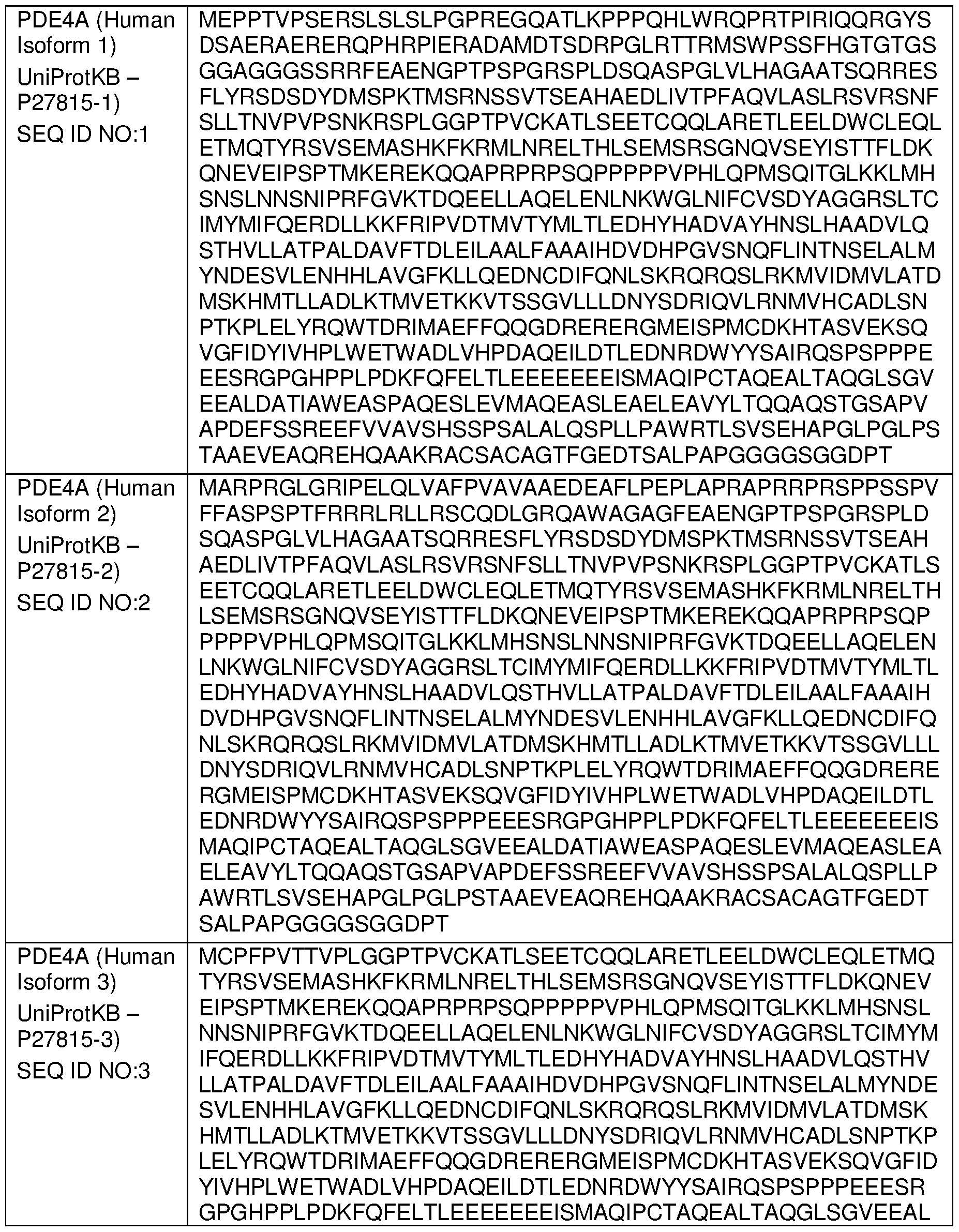
Claims

WHAT IS CLAIMED IS:
1 . A method of treating epilepsy, comprising administering to an individual having epilepsy a therapeutically effective amount of a phosphodiesterase 4 (PDE4) inhibitor.
2. The method according to claim 1 , wherein the PDE4 inhibitor is a small molecule.
3. The method according to claim 2, wherein the PDE4 inhibitor is selected from the group consisting of: AN2728, drotaverine, ibudilast, irsogladine, piclamilast, roflumilast, rolipram, theophylline, apremilast, and any combination thereof.
4. The method according to claim 2, wherein the PDE4 inhibitor is AN2728.
5. The method according to claim 1 , wherein the PDE4 inhibitor inhibits one or more of PDE4A, PDE4B, PDE4C, or PDE4D.
6. The method according to claim 1 , wherein the PDE4 inhibitor exhibits selectivity among PDE4A, PDE4B, PDE4C, and PDE4D.
7. The method according to claim 6, wherein the PDE4 inhibitor is selective for PDE4B.
8. The method according to any one of claims 1 to 7, wherein the administering is by oral, parenteral, intranasal, intrathecal, intracranial, or transdermal administration.
9. The method according to claim 1 , wherein the PDE4 inhibitor inhibits expression of PDE4.
10. The method according to claim 9, wherein the PDE4 inhibitor is a nucleic acid- based inhibitor comprising a region complementary to a portion of a messenger RNA (mRNA) that encodes PDE4A, a mRNA that encodes PDE4B, a mRNA that encodes PDE4C, a mRNA that encodes PDE4D, or any combination thereof.
1 1 . The method according to claim 10, wherein the nucleic acid-based inhibitor selectively hybridizes to an mRNA that encodes PDE4A, PDE4B, PDE4C, or PDE4D.
12. The method according to claim 1 1 , wherein the nucleic acid-based inhibitor selectively hybridizes to an mRNA that encodes PDE4B.
13. The method according to any one of claims 10 to 12, wherein the nucleic acid- based inhibitor is a morpholino, a short interfering RNA (siRNA), or a microRNA (miRNA).
14. The method according to any one of claims 1 to 13, wherein the individual has an epilepsy selected from the group consisting of: benign Rolandic epilepsy, frontal lobe epilepsy, infantile spasms, juvenile myoclonic epilepsy (JME), juvenile absence epilepsy, childhood absence epilepsy, pyknolepsy, febrile seizures, progressive myoclonus epilepsy of Lafora, Lennox-Gastaut syndrome, Landau-Kleffner syndrome, Dravet syndrome (DS), Generalized Epilepsy with Febrile Seizures (GEFS+), Severe Myoclonic Epilepsy of Infancy (SMEI), Benign Neonatal Familial Convulsions (BFNC), West Syndrome,
Ohtahara Syndrome, early myoclonic encephalopathy, migrating partial epilepsy, infantile epileptic encephalopathies, Tuberous Sclerosis Complex (TSC), focal cortical dysplasia, Type I Lissencephaly, Miller-Dieker Syndrome, Angelman's syndrome, Fragile X syndrome, epilepsy in autism spectrum disorders, subcortical band heterotopia, Walker- Warburg syndrome, Alzheimer's disease epilepsy, posttraumatic epilepsy, progressive myoclonus epilepsy, reflex epilepsy, Rasmussen's syndrome, temporal lobe epilepsy, limbic epilepsy, status epilepticus, abdominal epilepsy, massive bilateral myoclonus, catamenial epilepsy, Jacksonian seizure disorder, Unverricht-Lundborg disease, and photosensitive epilepsy.
15. The method according to any one of claims 1 to 13, wherein the individual has an epilepsy caused by a genetic mutation.
16. A method of identifying an anti-epileptic agent, comprising contacting a
phosphodiesterase 4 (PDE4) polypeptide with a candidate agent in a PDE4 activity assay, wherein inhibition of activity of the PDE4 polypeptide by the candidate agent identifies the candidate agent as an anti-epileptic agent.
17. The method according to claim 16, wherein the contacting comprises combining the PDE4 polypeptide and the candidate agent in a cell-free PDE4 activity assay.
18. The method according to claim 16, wherein the contacting comprises combining the PDE4 polypeptide and the candidate agent in a cell-based PDE4 activity assay.
19. The method according to any one of claims 16 to 18, wherein the PDE4 activity assay further comprises contacting the PDE4 polypeptide with a positive control agent known to inhibit PDE4 activity.
20. The method according to claim 19, wherein the positive control agent is selected from the group consisting of: AN2728, drotaverine, ibudilast, irsogladine, piclamilast, roflumilast, rolipram, theophylline, apremilast, and any combination thereof.
21 . The method according to any one of claims 16 to 20, wherein the candidate agent is a small molecule.
22. The method according to any one of claims 16 to 21 , wherein the PDE4 polypeptide is PDE4A, PDE4B, PDE4C, or PDE4D.
23. The method according to claim 22, wherein the PDE4 polypeptide is PDE4B.
24. The method according to any one of claims 16 to 23, further comprising, when the candidate agent is determined to inhibit activity of the PED4 polypeptide, determining whether the candidate agent exhibits selective inhibition among PDE4A, PDE4B, PDE4C, and PDE4D.
25. A pharmaceutical composition comprising an anti-epileptic agent identified by the method according to any one of claims 16 to 24.
26. A method comprising administering to an individual having epilepsy a
therapeutically effective amount of anti-epileptic agent identified by the method according to any one of claims 16 to 24.
PCT/US2020/014819 2019-01-23 2020-01-23 Methods of treating epilepsy via phosphodiesterase 4 (pde4) inhibition Ceased WO2020154520A1 (en)

Priority Applications (6)

Application Number Priority Date Filing Date Title
CN202080013929.1A CN113490739A (en) 2019-01-23 2020-01-23 Method for treating epilepsy by phosphodiesterase 4(PDE4) inhibition
CA3127357A CA3127357A1 (en) 2019-01-23 2020-01-23 Methods of treating epilepsy via phosphodiesterase 4 (pde4) inhibition
US17/424,055 US20220098257A1 (en) 2019-01-23 2020-01-23 Methods of Treating Epilepsy via Phosphodiesterase 4 (PDE4) Inhibition
EP20744495.1A EP3914701B1 (en) 2019-01-23 2020-01-23 Methods of treating epilepsy via phosphodiesterase 4 b (pde4) inhibition
JP2021543315A JP2022518292A (en) 2019-01-23 2020-01-23 Treatment of epilepsy by inhibition of phosphodiesterase 4 (PDE4)
JP2025009888A JP2025081323A (en) 2019-01-23 2025-01-23 Methods of treating epilepsy via phosphodiesterase 4 (pde4) inhibition

Applications Claiming Priority (2)

Application Number Priority Date Filing Date Title
US201962796002P 2019-01-23 2019-01-23
US62/796,002 2019-01-23

Publications (1)

Publication Number Publication Date
WO2020154520A1 true WO2020154520A1 (en) 2020-07-30

Family

ID=71735544

Family Applications (1)

Application Number Title Priority Date Filing Date
PCT/US2020/014819 Ceased WO2020154520A1 (en) 2019-01-23 2020-01-23 Methods of treating epilepsy via phosphodiesterase 4 (pde4) inhibition

Country Status (6)

Country Link
US (1) US20220098257A1 (en)
EP (1) EP3914701B1 (en)
JP (2) JP2022518292A (en)
CN (1) CN113490739A (en)
CA (1) CA3127357A1 (en)
WO (1) WO2020154520A1 (en)

Cited By (2)

* Cited by examiner, † Cited by third party
Publication number Priority date Publication date Assignee Title
WO2021028698A1 (en) * 2019-08-14 2021-02-18 Healx Ltd Treatment of fragile x syndrome
EP4249607A1 (en) * 2022-03-21 2023-09-27 Warszawski Uniwersytet Medyczny Panel of markers for prediction of epilepsy recurrence in patients with tuberous sclerosis and the uses thereof

Families Citing this family (2)

* Cited by examiner, † Cited by third party
Publication number Priority date Publication date Assignee Title
EP4001923B1 (en) 2020-11-23 2024-06-05 Roche Diagnostics GmbH Laboratory sample distribution system and laboratory automation system
CN121022847B (en) * 2025-10-31 2026-02-06 温州医科大学附属眼视光医院 A knockout sgRNA of zebrafish pde6a and its application in visual diseases

Citations (7)

* Cited by examiner, † Cited by third party
Publication number Priority date Publication date Assignee Title
US20050164275A1 (en) * 2002-10-18 2005-07-28 Incyte Corporation Phosphodiesterases
US20060106085A1 (en) * 2004-10-28 2006-05-18 Zeldis Jerome B Methods and compositions using PDE4 modulators for treatment and management of central nervous system injury
US20110230504A1 (en) 2008-09-15 2011-09-22 The Regents Of The University Of California Office Of Technology ALLEVIATING DISORDERS WITH COMBINING AGENTS THAT INCREASE EPOXYGENATED FATTY ACIDS AND AGENTS THAT INCREASE cAMP
US20130178498A1 (en) * 2006-07-07 2013-07-11 Kalypsys, Inc. Bicyclic heteroaryl inhibitors of pde4
US20140349969A1 (en) * 2010-11-11 2014-11-27 Akron Molecules Ag Compounds and methods for treating pain
US20150232857A1 (en) * 2001-07-10 2015-08-20 Lakewood-Amedex, Inc. Oligonucleotide-containing pharmacological compositions and their use
WO2017145013A1 (en) * 2016-02-23 2017-08-31 Pfizer Inc. 6,7-dihydro-5h-pyrazolo[5,1-b][1,3]oxazine-2-carboxamide compounds

Family Cites Families (5)

* Cited by examiner, † Cited by third party
Publication number Priority date Publication date Assignee Title
US20090186896A1 (en) * 2005-09-29 2009-07-23 Bayer Healthcare Ag PDE Inhibitors and Combinations Thereof for the Treatment of Urological Disorders
US20130065936A1 (en) * 2010-05-14 2013-03-14 The Regents Of The University Of California Modulation of bioactive epoxy-fatty acid levels by phosphodiesterase inhibitors
US8865723B2 (en) * 2012-10-25 2014-10-21 Tetra Discovery Partners Llc Selective PDE4 B inhibition and improvement in cognition in subjects with brain injury
EP2925364A1 (en) * 2012-11-30 2015-10-07 Leo Pharma A/S A method of inhibiting the expression of il-22 in activated t-cells
EP3766885B1 (en) * 2015-06-17 2022-05-25 Pfizer Inc. Tricyclic compounds and their use as phosphodiesterase inhibitors

Patent Citations (7)

* Cited by examiner, † Cited by third party
Publication number Priority date Publication date Assignee Title
US20150232857A1 (en) * 2001-07-10 2015-08-20 Lakewood-Amedex, Inc. Oligonucleotide-containing pharmacological compositions and their use
US20050164275A1 (en) * 2002-10-18 2005-07-28 Incyte Corporation Phosphodiesterases
US20060106085A1 (en) * 2004-10-28 2006-05-18 Zeldis Jerome B Methods and compositions using PDE4 modulators for treatment and management of central nervous system injury
US20130178498A1 (en) * 2006-07-07 2013-07-11 Kalypsys, Inc. Bicyclic heteroaryl inhibitors of pde4
US20110230504A1 (en) 2008-09-15 2011-09-22 The Regents Of The University Of California Office Of Technology ALLEVIATING DISORDERS WITH COMBINING AGENTS THAT INCREASE EPOXYGENATED FATTY ACIDS AND AGENTS THAT INCREASE cAMP
US20140349969A1 (en) * 2010-11-11 2014-11-27 Akron Molecules Ag Compounds and methods for treating pain
WO2017145013A1 (en) * 2016-02-23 2017-08-31 Pfizer Inc. 6,7-dihydro-5h-pyrazolo[5,1-b][1,3]oxazine-2-carboxamide compounds

Non-Patent Citations (22)

* Cited by examiner, † Cited by third party
Title
AHMADZADA ET AL., BIOPHYS REV., vol. 10, no. 1, 2018, pages 69 - 86
ALLEN ET AL., BIOCHEM PHARMACOL., vol. 57, no. 12, 1999, pages 1375 - 82
ALTSCHUL ET AL., NUCLEIC ACIDS RES., vol. 25, 1997, pages 389 - 3402
BURGIN ET AL., NAT BIOTECHNOL., vol. 28, no. 1, 2010, pages 63 - 70
CHAKRABORTY ET AL., MOL THER NUCLEIC ACIDS, vol. 8, 2017, pages 132 - 143
FOX ET AL., CELL SIGNAL, vol. 26, no. 3, 2014, pages 657 - 63
FOX ET AL., CELL SIGNAL., vol. 26, no. 3, 2014, pages 657 - 63
GOMES ET AL., AGEING RES REV., vol. 21, 2015, pages 43 - 54
GURNEY ET AL., HANDB EXP PHARMACOL., vol. 204, 2011, pages 167 - 92
GUSTINCICH ET AL., PROG NEUROBIOL., vol. 155, 2017, pages 194 - 211
HAGAN ET AL., BIOORG MED CHEM LETT., vol. 24, no. 16, 2014, pages 4031 - 4
JOHNSON ET AL., BMC EVOL BIOL., vol. 10, 2010, pages 247
KARLIN ET AL., PROC. NATL. ACAD. SCI. USA, vol. 90, 1993, pages 5873 - 5877
LBHAZEHIEBO ET AL., BRAIN, vol. 141, no. 3, 2018, pages 744 - 761
MOHANTY ET AL., CURR PHARM DES., vol. 21, no. 31, 2015, pages 4606 - 13
MONSOORI ET AL., ADV PHARM BULL., vol. 4, no. 4, 2014, pages 313 - 321
QIU ET AL., EUR J PHARMACOL., vol. 472, pages 73 - 80
RYBALKIN ET AL., METHODS MOL BIOL., vol. 1020, 2013, pages 51 - 62
See also references of EP3914701A4
TITUS ET AL., J BIOMOL SCREEN., vol. 13, no. 7, 2008, pages 609 - 618
XIN ET AL., MOL CANCER, vol. 16, 2017, pages 134
ZHENG ET AL., TRENDS BIOTECHNOL., vol. 36, no. 5, 2018, pages 562 - 575

Cited By (2)

* Cited by examiner, † Cited by third party
Publication number Priority date Publication date Assignee Title
WO2021028698A1 (en) * 2019-08-14 2021-02-18 Healx Ltd Treatment of fragile x syndrome
EP4249607A1 (en) * 2022-03-21 2023-09-27 Warszawski Uniwersytet Medyczny Panel of markers for prediction of epilepsy recurrence in patients with tuberous sclerosis and the uses thereof

Also Published As

Publication number Publication date
EP3914701A1 (en) 2021-12-01
EP3914701A4 (en) 2022-10-19
EP3914701B1 (en) 2025-12-03
CN113490739A (en) 2021-10-08
CA3127357A1 (en) 2020-07-30
JP2025081323A (en) 2025-05-27
US20220098257A1 (en) 2022-03-31
JP2022518292A (en) 2022-03-14

Similar Documents

Publication Publication Date Title
EP3914701B1 (en) Methods of treating epilepsy via phosphodiesterase 4 b (pde4) inhibition
US8007790B2 (en) Methods for treating polycystic kidney disease (PKD) or other cyst forming diseases
JP6012591B2 (en) Aptamers to β-NGF and their use in the treatment of β-NGF mediated diseases and disorders
JP6681422B2 (en) Regulation of apolipoprotein C-III (APOCIII) expression in lipoprotein lipase deficient (LPLD) population
JP2025526712A (en) Oligonucleotide compositions and methods thereof
US10696972B2 (en) Method for improving learning
TW201641691A (en) TAU antisense oligomers and uses thereof
JP2026048892A (en) Antisense oligomers for the treatment of conditions and diseases
US20230383292A1 (en) Targeting xist and rna methylation for x reactivation therapy
Lei et al. PARP (Poly ADP‐ribose Polymerase) Family in Health and Disease
JP2026507323A (en) Antisense oligomer formulations
Zhang et al. STING-mediated neuroinflammation: a therapeutic target in neurodegenerative diseases
US20200181620A1 (en) Inhibitors of dek protein and related methods
Woo et al. Amlexanox ameliorates traumatic brain injury by restoring autophagy-lysosomal function via cAMP signaling modulation
US10077446B2 (en) Glucan-encapsulated siRNA for treating type 2 diabetes mellitus
US20150086509A1 (en) Compositions and methods for treating cancer using interferon and mapk pathway inhibitor
US11045456B2 (en) Compositions and methods for treating COPD and other inflammatory conditions
US20250136980A1 (en) Modulation of microrna-335-5p for the treatment of sodium channelopathies
KR20260055532A (en) Treatment methods for pathology and diseases
JP2025540914A (en) NLRP12 AND NLRC5 MODULATORS AND METHODS OF USING THEM TO MODULATE DISEASE - Patent application
US20220265607A1 (en) Methods and compositions for unsilencing imprinted genes
US20230374505A1 (en) Human XIST Antisense Oligonucleotides for X Reactivation Therapy
WO2024187097A2 (en) Compositions and methods for modulating sptlc1

Legal Events

Date Code Title Description
121 Ep: the epo has been informed by wipo that ep was designated in this application

Ref document number: 20744495

Country of ref document: EP

Kind code of ref document: A1

ENP Entry into the national phase

Ref document number: 3127357

Country of ref document: CA

ENP Entry into the national phase

Ref document number: 2021543315

Country of ref document: JP

Kind code of ref document: A

NENP Non-entry into the national phase

Ref country code: DE

ENP Entry into the national phase

Ref document number: 2020744495

Country of ref document: EP

Effective date: 20210823

WWG Wipo information: grant in national office

Ref document number: 2020744495

Country of ref document: EP
