WO2020174480A1 - Coating comprising anti-microbial particles, methods of preparation and uses thereof - Google Patents
Coating comprising anti-microbial particles, methods of preparation and uses thereof Download PDFInfo
- Publication number
- WO2020174480A1 WO2020174480A1 PCT/IL2020/050231 IL2020050231W WO2020174480A1 WO 2020174480 A1 WO2020174480 A1 WO 2020174480A1 IL 2020050231 W IL2020050231 W IL 2020050231W WO 2020174480 A1 WO2020174480 A1 WO 2020174480A1
- Authority
- WO
- WIPO (PCT)
- Prior art keywords
- microbial
- another embodiment
- alkyl
- substrate
- particles
- Prior art date
- Legal status (The legal status is an assumption and is not a legal conclusion. Google has not performed a legal analysis and makes no representation as to the accuracy of the status listed.)
- Ceased
Links
- 0 CC*CN(CC1)*1=CCC Chemical compound CC*CN(CC1)*1=CCC 0.000 description 9
Classifications
-
- A—HUMAN NECESSITIES
- A61—MEDICAL OR VETERINARY SCIENCE; HYGIENE
- A61L—METHODS OR APPARATUS FOR STERILISING MATERIALS OR OBJECTS IN GENERAL; DISINFECTION, STERILISATION OR DEODORISATION OF AIR; CHEMICAL ASPECTS OF BANDAGES, DRESSINGS, ABSORBENT PADS OR SURGICAL ARTICLES; MATERIALS FOR BANDAGES, DRESSINGS, ABSORBENT PADS OR SURGICAL ARTICLES
- A61L27/00—Materials for grafts or prostheses or for coating grafts or prostheses
- A61L27/28—Materials for coating prostheses
- A61L27/34—Macromolecular materials
-
- A—HUMAN NECESSITIES
- A61—MEDICAL OR VETERINARY SCIENCE; HYGIENE
- A61L—METHODS OR APPARATUS FOR STERILISING MATERIALS OR OBJECTS IN GENERAL; DISINFECTION, STERILISATION OR DEODORISATION OF AIR; CHEMICAL ASPECTS OF BANDAGES, DRESSINGS, ABSORBENT PADS OR SURGICAL ARTICLES; MATERIALS FOR BANDAGES, DRESSINGS, ABSORBENT PADS OR SURGICAL ARTICLES
- A61L31/00—Materials for other surgical articles, e.g. stents, stent-grafts, shunts, surgical drapes, guide wires, materials for adhesion prevention, occluding devices, surgical gloves, tissue fixation devices
- A61L31/08—Materials for coatings
- A61L31/10—Macromolecular materials
-
- A—HUMAN NECESSITIES
- A01—AGRICULTURE; FORESTRY; ANIMAL HUSBANDRY; HUNTING; TRAPPING; FISHING
- A01N—PRESERVATION OF BODIES OF HUMANS OR ANIMALS OR PLANTS OR PARTS THEREOF; BIOCIDES, e.g. AS DISINFECTANTS, AS PESTICIDES OR AS HERBICIDES; PEST REPELLANTS OR ATTRACTANTS; PLANT GROWTH REGULATORS
- A01N25/00—Biocides, pest repellants or attractants, or plant growth regulators, characterised by their forms, or by their non-active ingredients or by their methods of application, e.g. seed treatment or sequential application; Substances for reducing the noxious effect of the active ingredients to organisms other than pests
- A01N25/08—Biocides, pest repellants or attractants, or plant growth regulators, characterised by their forms, or by their non-active ingredients or by their methods of application, e.g. seed treatment or sequential application; Substances for reducing the noxious effect of the active ingredients to organisms other than pests containing solids as carriers or diluents
- A01N25/10—Macromolecular compounds
-
- A—HUMAN NECESSITIES
- A01—AGRICULTURE; FORESTRY; ANIMAL HUSBANDRY; HUNTING; TRAPPING; FISHING
- A01N—PRESERVATION OF BODIES OF HUMANS OR ANIMALS OR PLANTS OR PARTS THEREOF; BIOCIDES, e.g. AS DISINFECTANTS, AS PESTICIDES OR AS HERBICIDES; PEST REPELLANTS OR ATTRACTANTS; PLANT GROWTH REGULATORS
- A01N55/00—Biocides, pest repellants or attractants, or plant growth regulators, containing organic compounds containing elements other than carbon, hydrogen, halogen, oxygen, nitrogen and sulfur
-
- A—HUMAN NECESSITIES
- A61—MEDICAL OR VETERINARY SCIENCE; HYGIENE
- A61K—PREPARATIONS FOR MEDICAL, DENTAL OR TOILETRY PURPOSES
- A61K31/00—Medicinal preparations containing organic active ingredients
- A61K31/185—Acids; Anhydrides, halides or salts thereof, e.g. sulfur acids, imidic, hydrazonic or hydroximic acids
- A61K31/205—Amine addition salts of organic acids; Inner quaternary ammonium salts, e.g. betaine, carnitine
-
- A—HUMAN NECESSITIES
- A61—MEDICAL OR VETERINARY SCIENCE; HYGIENE
- A61K—PREPARATIONS FOR MEDICAL, DENTAL OR TOILETRY PURPOSES
- A61K31/00—Medicinal preparations containing organic active ingredients
- A61K31/33—Heterocyclic compounds
- A61K31/395—Heterocyclic compounds having nitrogen as a ring hetero atom, e.g. guanethidine or rifamycins
- A61K31/435—Heterocyclic compounds having nitrogen as a ring hetero atom, e.g. guanethidine or rifamycins having six-membered rings with one nitrogen as the only ring hetero atom
- A61K31/44—Non condensed pyridines; Hydrogenated derivatives thereof
- A61K31/4425—Pyridinium derivatives, e.g. pralidoxime, pyridostigmine
-
- A—HUMAN NECESSITIES
- A61—MEDICAL OR VETERINARY SCIENCE; HYGIENE
- A61K—PREPARATIONS FOR MEDICAL, DENTAL OR TOILETRY PURPOSES
- A61K31/00—Medicinal preparations containing organic active ingredients
- A61K31/695—Silicon compounds
-
- A—HUMAN NECESSITIES
- A61—MEDICAL OR VETERINARY SCIENCE; HYGIENE
- A61K—PREPARATIONS FOR MEDICAL, DENTAL OR TOILETRY PURPOSES
- A61K6/00—Preparations for dentistry
- A61K6/60—Preparations for dentistry comprising organic or organo-metallic additives
- A61K6/69—Medicaments
-
- A—HUMAN NECESSITIES
- A61—MEDICAL OR VETERINARY SCIENCE; HYGIENE
- A61L—METHODS OR APPARATUS FOR STERILISING MATERIALS OR OBJECTS IN GENERAL; DISINFECTION, STERILISATION OR DEODORISATION OF AIR; CHEMICAL ASPECTS OF BANDAGES, DRESSINGS, ABSORBENT PADS OR SURGICAL ARTICLES; MATERIALS FOR BANDAGES, DRESSINGS, ABSORBENT PADS OR SURGICAL ARTICLES
- A61L15/00—Chemical aspects of, or use of materials for, bandages, dressings or absorbent pads
- A61L15/16—Bandages, dressings or absorbent pads for physiological fluids such as urine or blood, e.g. sanitary towels, tampons
- A61L15/42—Use of materials characterised by their function or physical properties
- A61L15/44—Medicaments
-
- A—HUMAN NECESSITIES
- A61—MEDICAL OR VETERINARY SCIENCE; HYGIENE
- A61L—METHODS OR APPARATUS FOR STERILISING MATERIALS OR OBJECTS IN GENERAL; DISINFECTION, STERILISATION OR DEODORISATION OF AIR; CHEMICAL ASPECTS OF BANDAGES, DRESSINGS, ABSORBENT PADS OR SURGICAL ARTICLES; MATERIALS FOR BANDAGES, DRESSINGS, ABSORBENT PADS OR SURGICAL ARTICLES
- A61L15/00—Chemical aspects of, or use of materials for, bandages, dressings or absorbent pads
- A61L15/16—Bandages, dressings or absorbent pads for physiological fluids such as urine or blood, e.g. sanitary towels, tampons
- A61L15/42—Use of materials characterised by their function or physical properties
- A61L15/46—Deodorants or malodour counteractants, e.g. to inhibit the formation of ammonia or bacteria
-
- A—HUMAN NECESSITIES
- A61—MEDICAL OR VETERINARY SCIENCE; HYGIENE
- A61L—METHODS OR APPARATUS FOR STERILISING MATERIALS OR OBJECTS IN GENERAL; DISINFECTION, STERILISATION OR DEODORISATION OF AIR; CHEMICAL ASPECTS OF BANDAGES, DRESSINGS, ABSORBENT PADS OR SURGICAL ARTICLES; MATERIALS FOR BANDAGES, DRESSINGS, ABSORBENT PADS OR SURGICAL ARTICLES
- A61L27/00—Materials for grafts or prostheses or for coating grafts or prostheses
- A61L27/14—Macromolecular materials
- A61L27/16—Macromolecular materials obtained by reactions only involving carbon-to-carbon unsaturated bonds
-
- A—HUMAN NECESSITIES
- A61—MEDICAL OR VETERINARY SCIENCE; HYGIENE
- A61L—METHODS OR APPARATUS FOR STERILISING MATERIALS OR OBJECTS IN GENERAL; DISINFECTION, STERILISATION OR DEODORISATION OF AIR; CHEMICAL ASPECTS OF BANDAGES, DRESSINGS, ABSORBENT PADS OR SURGICAL ARTICLES; MATERIALS FOR BANDAGES, DRESSINGS, ABSORBENT PADS OR SURGICAL ARTICLES
- A61L27/00—Materials for grafts or prostheses or for coating grafts or prostheses
- A61L27/14—Macromolecular materials
- A61L27/18—Macromolecular materials obtained otherwise than by reactions only involving carbon-to-carbon unsaturated bonds
-
- A—HUMAN NECESSITIES
- A61—MEDICAL OR VETERINARY SCIENCE; HYGIENE
- A61L—METHODS OR APPARATUS FOR STERILISING MATERIALS OR OBJECTS IN GENERAL; DISINFECTION, STERILISATION OR DEODORISATION OF AIR; CHEMICAL ASPECTS OF BANDAGES, DRESSINGS, ABSORBENT PADS OR SURGICAL ARTICLES; MATERIALS FOR BANDAGES, DRESSINGS, ABSORBENT PADS OR SURGICAL ARTICLES
- A61L27/00—Materials for grafts or prostheses or for coating grafts or prostheses
- A61L27/14—Macromolecular materials
- A61L27/26—Mixtures of macromolecular compounds
-
- A—HUMAN NECESSITIES
- A61—MEDICAL OR VETERINARY SCIENCE; HYGIENE
- A61L—METHODS OR APPARATUS FOR STERILISING MATERIALS OR OBJECTS IN GENERAL; DISINFECTION, STERILISATION OR DEODORISATION OF AIR; CHEMICAL ASPECTS OF BANDAGES, DRESSINGS, ABSORBENT PADS OR SURGICAL ARTICLES; MATERIALS FOR BANDAGES, DRESSINGS, ABSORBENT PADS OR SURGICAL ARTICLES
- A61L27/00—Materials for grafts or prostheses or for coating grafts or prostheses
- A61L27/40—Composite materials, i.e. containing one material dispersed in a matrix of the same or different material
- A61L27/44—Composite materials, i.e. containing one material dispersed in a matrix of the same or different material having a macromolecular matrix
-
- A—HUMAN NECESSITIES
- A61—MEDICAL OR VETERINARY SCIENCE; HYGIENE
- A61L—METHODS OR APPARATUS FOR STERILISING MATERIALS OR OBJECTS IN GENERAL; DISINFECTION, STERILISATION OR DEODORISATION OF AIR; CHEMICAL ASPECTS OF BANDAGES, DRESSINGS, ABSORBENT PADS OR SURGICAL ARTICLES; MATERIALS FOR BANDAGES, DRESSINGS, ABSORBENT PADS OR SURGICAL ARTICLES
- A61L27/00—Materials for grafts or prostheses or for coating grafts or prostheses
- A61L27/50—Materials characterised by their function or physical properties, e.g. injectable or lubricating compositions, shape-memory materials, surface modified materials
- A61L27/54—Biologically active materials, e.g. therapeutic substances
-
- A—HUMAN NECESSITIES
- A61—MEDICAL OR VETERINARY SCIENCE; HYGIENE
- A61L—METHODS OR APPARATUS FOR STERILISING MATERIALS OR OBJECTS IN GENERAL; DISINFECTION, STERILISATION OR DEODORISATION OF AIR; CHEMICAL ASPECTS OF BANDAGES, DRESSINGS, ABSORBENT PADS OR SURGICAL ARTICLES; MATERIALS FOR BANDAGES, DRESSINGS, ABSORBENT PADS OR SURGICAL ARTICLES
- A61L29/00—Materials for catheters, medical tubing, cannulae, or endoscopes or for coating catheters
- A61L29/08—Materials for coatings
- A61L29/085—Macromolecular materials
-
- A—HUMAN NECESSITIES
- A61—MEDICAL OR VETERINARY SCIENCE; HYGIENE
- A61L—METHODS OR APPARATUS FOR STERILISING MATERIALS OR OBJECTS IN GENERAL; DISINFECTION, STERILISATION OR DEODORISATION OF AIR; CHEMICAL ASPECTS OF BANDAGES, DRESSINGS, ABSORBENT PADS OR SURGICAL ARTICLES; MATERIALS FOR BANDAGES, DRESSINGS, ABSORBENT PADS OR SURGICAL ARTICLES
- A61L29/00—Materials for catheters, medical tubing, cannulae, or endoscopes or for coating catheters
- A61L29/14—Materials characterised by their function or physical properties, e.g. lubricating compositions
- A61L29/16—Biologically active materials, e.g. therapeutic substances
-
- A—HUMAN NECESSITIES
- A61—MEDICAL OR VETERINARY SCIENCE; HYGIENE
- A61L—METHODS OR APPARATUS FOR STERILISING MATERIALS OR OBJECTS IN GENERAL; DISINFECTION, STERILISATION OR DEODORISATION OF AIR; CHEMICAL ASPECTS OF BANDAGES, DRESSINGS, ABSORBENT PADS OR SURGICAL ARTICLES; MATERIALS FOR BANDAGES, DRESSINGS, ABSORBENT PADS OR SURGICAL ARTICLES
- A61L31/00—Materials for other surgical articles, e.g. stents, stent-grafts, shunts, surgical drapes, guide wires, materials for adhesion prevention, occluding devices, surgical gloves, tissue fixation devices
- A61L31/14—Materials characterised by their function or physical properties, e.g. injectable or lubricating compositions, shape-memory materials, surface modified materials
- A61L31/16—Biologically active materials, e.g. therapeutic substances
-
- A—HUMAN NECESSITIES
- A61—MEDICAL OR VETERINARY SCIENCE; HYGIENE
- A61P—SPECIFIC THERAPEUTIC ACTIVITY OF CHEMICAL COMPOUNDS OR MEDICINAL PREPARATIONS
- A61P31/00—Antiinfectives, i.e. antibiotics, antiseptics, chemotherapeutics
- A61P31/04—Antibacterial agents
-
- C—CHEMISTRY; METALLURGY
- C09—DYES; PAINTS; POLISHES; NATURAL RESINS; ADHESIVES; COMPOSITIONS NOT OTHERWISE PROVIDED FOR; APPLICATIONS OF MATERIALS NOT OTHERWISE PROVIDED FOR
- C09D—COATING COMPOSITIONS, e.g. PAINTS, VARNISHES OR LACQUERS; FILLING PASTES; CHEMICAL PAINT OR INK REMOVERS; INKS; CORRECTING FLUIDS; WOODSTAINS; PASTES OR SOLIDS FOR COLOURING OR PRINTING; USE OF MATERIALS THEREFOR
- C09D5/00—Coating compositions, e.g. paints, varnishes or lacquers, characterised by their physical nature or the effects produced; Filling pastes
- C09D5/14—Paints containing biocides, e.g. fungicides, insecticides or pesticides
-
- C—CHEMISTRY; METALLURGY
- C09—DYES; PAINTS; POLISHES; NATURAL RESINS; ADHESIVES; COMPOSITIONS NOT OTHERWISE PROVIDED FOR; APPLICATIONS OF MATERIALS NOT OTHERWISE PROVIDED FOR
- C09D—COATING COMPOSITIONS, e.g. PAINTS, VARNISHES OR LACQUERS; FILLING PASTES; CHEMICAL PAINT OR INK REMOVERS; INKS; CORRECTING FLUIDS; WOODSTAINS; PASTES OR SOLIDS FOR COLOURING OR PRINTING; USE OF MATERIALS THEREFOR
- C09D7/00—Features of coating compositions, not provided for in group C09D5/00; Processes for incorporating ingredients in coating compositions
- C09D7/40—Additives
- C09D7/60—Additives non-macromolecular
- C09D7/61—Additives non-macromolecular inorganic
- C09D7/62—Additives non-macromolecular inorganic modified by treatment with other compounds
-
- C—CHEMISTRY; METALLURGY
- C09—DYES; PAINTS; POLISHES; NATURAL RESINS; ADHESIVES; COMPOSITIONS NOT OTHERWISE PROVIDED FOR; APPLICATIONS OF MATERIALS NOT OTHERWISE PROVIDED FOR
- C09D—COATING COMPOSITIONS, e.g. PAINTS, VARNISHES OR LACQUERS; FILLING PASTES; CHEMICAL PAINT OR INK REMOVERS; INKS; CORRECTING FLUIDS; WOODSTAINS; PASTES OR SOLIDS FOR COLOURING OR PRINTING; USE OF MATERIALS THEREFOR
- C09D7/00—Features of coating compositions, not provided for in group C09D5/00; Processes for incorporating ingredients in coating compositions
- C09D7/40—Additives
- C09D7/65—Additives macromolecular
-
- A—HUMAN NECESSITIES
- A61—MEDICAL OR VETERINARY SCIENCE; HYGIENE
- A61L—METHODS OR APPARATUS FOR STERILISING MATERIALS OR OBJECTS IN GENERAL; DISINFECTION, STERILISATION OR DEODORISATION OF AIR; CHEMICAL ASPECTS OF BANDAGES, DRESSINGS, ABSORBENT PADS OR SURGICAL ARTICLES; MATERIALS FOR BANDAGES, DRESSINGS, ABSORBENT PADS OR SURGICAL ARTICLES
- A61L2300/00—Biologically active materials used in bandages, wound dressings, absorbent pads or medical devices
- A61L2300/20—Biologically active materials used in bandages, wound dressings, absorbent pads or medical devices containing or releasing organic materials
- A61L2300/204—Biologically active materials used in bandages, wound dressings, absorbent pads or medical devices containing or releasing organic materials with nitrogen-containing functional groups, e.g. aminoxides, nitriles, guanidines
-
- A—HUMAN NECESSITIES
- A61—MEDICAL OR VETERINARY SCIENCE; HYGIENE
- A61L—METHODS OR APPARATUS FOR STERILISING MATERIALS OR OBJECTS IN GENERAL; DISINFECTION, STERILISATION OR DEODORISATION OF AIR; CHEMICAL ASPECTS OF BANDAGES, DRESSINGS, ABSORBENT PADS OR SURGICAL ARTICLES; MATERIALS FOR BANDAGES, DRESSINGS, ABSORBENT PADS OR SURGICAL ARTICLES
- A61L2300/00—Biologically active materials used in bandages, wound dressings, absorbent pads or medical devices
- A61L2300/40—Biologically active materials used in bandages, wound dressings, absorbent pads or medical devices characterised by a specific therapeutic activity or mode of action
- A61L2300/404—Biocides, antimicrobial agents, antiseptic agents
-
- A—HUMAN NECESSITIES
- A61—MEDICAL OR VETERINARY SCIENCE; HYGIENE
- A61L—METHODS OR APPARATUS FOR STERILISING MATERIALS OR OBJECTS IN GENERAL; DISINFECTION, STERILISATION OR DEODORISATION OF AIR; CHEMICAL ASPECTS OF BANDAGES, DRESSINGS, ABSORBENT PADS OR SURGICAL ARTICLES; MATERIALS FOR BANDAGES, DRESSINGS, ABSORBENT PADS OR SURGICAL ARTICLES
- A61L2300/00—Biologically active materials used in bandages, wound dressings, absorbent pads or medical devices
- A61L2300/60—Biologically active materials used in bandages, wound dressings, absorbent pads or medical devices characterised by a special physical form
- A61L2300/606—Coatings
-
- A—HUMAN NECESSITIES
- A61—MEDICAL OR VETERINARY SCIENCE; HYGIENE
- A61L—METHODS OR APPARATUS FOR STERILISING MATERIALS OR OBJECTS IN GENERAL; DISINFECTION, STERILISATION OR DEODORISATION OF AIR; CHEMICAL ASPECTS OF BANDAGES, DRESSINGS, ABSORBENT PADS OR SURGICAL ARTICLES; MATERIALS FOR BANDAGES, DRESSINGS, ABSORBENT PADS OR SURGICAL ARTICLES
- A61L2420/00—Materials or methods for coatings medical devices
- A61L2420/02—Methods for coating medical devices
-
- A—HUMAN NECESSITIES
- A61—MEDICAL OR VETERINARY SCIENCE; HYGIENE
- A61L—METHODS OR APPARATUS FOR STERILISING MATERIALS OR OBJECTS IN GENERAL; DISINFECTION, STERILISATION OR DEODORISATION OF AIR; CHEMICAL ASPECTS OF BANDAGES, DRESSINGS, ABSORBENT PADS OR SURGICAL ARTICLES; MATERIALS FOR BANDAGES, DRESSINGS, ABSORBENT PADS OR SURGICAL ARTICLES
- A61L2420/00—Materials or methods for coatings medical devices
- A61L2420/06—Coatings containing a mixture of two or more compounds
-
- C—CHEMISTRY; METALLURGY
- C08—ORGANIC MACROMOLECULAR COMPOUNDS; THEIR PREPARATION OR CHEMICAL WORKING-UP; COMPOSITIONS BASED THEREON
- C08K—Use of inorganic or non-macromolecular organic substances as compounding ingredients
- C08K9/00—Use of pretreated ingredients
- C08K9/04—Ingredients treated with organic substances
-
- C—CHEMISTRY; METALLURGY
- C08—ORGANIC MACROMOLECULAR COMPOUNDS; THEIR PREPARATION OR CHEMICAL WORKING-UP; COMPOSITIONS BASED THEREON
- C08K—Use of inorganic or non-macromolecular organic substances as compounding ingredients
- C08K9/00—Use of pretreated ingredients
- C08K9/04—Ingredients treated with organic substances
- C08K9/06—Ingredients treated with organic substances with silicon-containing compounds
Definitions
- This invention relates to coatings comprising anti-microbial particles, methods of preparation and uses thereof.
- Biofilms formed on tissues outside and inside the organism are the major cause of infectious diseases.
- biofilm formed on dental hard or soft tissue are the major cause of caries and periodontal disease (Sbordone L., Bortolaia C., Clin Oral Investig 2003;7: 181-8).
- Bacterial biofilm forms on both natural and artificial surfaces.
- dental materials with the following antibiofilm properties are sought after: (1) inhibition of initial binding of microorganisms (2) preventing bio film growth, (3) affecting microbial metabolism in the biofilm, (4) killing biofilm bacteria, and (5) detaching biofilm (Busscher HI, Rinastiti M, Siswomihardjo W, van der Mei HC., J Dent Res, 2010;89:657-65; Marsh PD. J Dent, 2010;38).
- Resin-based composites are complex dental materials that consist of a hydrophobic resin matrix and less hydrophobic filler particles, which implies that a resin-based composite surface is never a homogeneous interface but rather one that produces matrix-rich and filler-poor areas, as well as matrix-poor and filler-rich areas (Ionescu A, Wutscher E, Brambilla E, Schneider-Feyrer S, Giessibl FJ, Hahnel S.; Eur J Oral Sci 2012;120:458-65).
- Biofilms on composites can cause surface deterioration. Polishing, as well as differences in the composition of the resin-based composite, may have an impact on biofilm formation on the resin-based composite surface (Ono M. et al., Dent Mater J, 2007;26:613-22). Surface degradation of resin composites driven by polishing leads to increased roughness, changes in micro hardness, and filler particle exposure upon exposure to biofilms in vitro. Furthermore, biofilms on composites can cause surface deterioration.
- this invention provides a coating comprising anti-microbial particles and a matrix, wherein the particles comprise:
- anti-microbial active unit is connected directly (via a bond) or indirectly (via a third linker) to the core;
- the anti-microbial active unit comprises a monomeric unit comprising an anti microbial active group
- the number of the anti-microbial active groups per each anti-microbial active unit is between 1-200.
- the particles are represented by structure (1) or (I): anti-microbial active unit
- the core is an organic polymer or an inorganic material
- Li is a first linker or a bond
- L 2 is a second linker
- L 3 is a third linker or a bond
- Ri and Ri’ are each independently alkyl, terpenoid, cycloalkyl, aryl, heterocycle, alkenyl, alkynyl or any combination thereof;
- R2 and R2’ are each independently alkyl, terpenoid, cycloalkyl, aryl, heterocycle, alkenyl, alkynyl or any combination thereof;
- R3 and R3’ are each independently nothing, hydrogen, alkyl, terpenoid moiety, cycloalkyl, aryl, heterocycle, a conjugated alkyl, alkenyl, alkynyl or any combination thereof; wherein if R3 or R3’ are nothing, the nitrogen is not charged;
- Xi and X 2 is each independently a bond, alkylene, alkenylene, or alkynylene;
- p defines the number of anti-microbial active units per one sq nm (nm 2 ) of the core surface, wherein said density is of between 0.01-30 anti-microbial units per one sq nm (nm 2 ) of the core surface of the particle;
- P2 is each independently an integer between 0 to 200;
- n is an integer between 1 to 200 and the repeating unit is the same or different;
- the core is an organic polymer or an inorganic material
- L,4 is a first linker or a bond
- L5 is a second linker
- Le is a third linker or a bond
- R8 and Rs’ are each independently H, alkyl, terpenoid moiety, cycloalkyl, aryl, heterocycle, a conjugated alkyl, alkenyl, alkynyl or any combination thereof;
- Rii and Rn’ are each independently H, alkyl, terpenoid moiety, cycloalkyl, aryl, heterocycle, a conjugated alkyl, alkenyl, alkynyl or any combination thereof;
- X3 and X4 are each independently a bond, alkylene, arylene, alkenylene, alkynylene or any combination thereof;
- R is alkyl, aryl, cycloalkyl, heterocycle or any combination thereof;
- p defines the number of anti-microbial active unit per one sq nm (nm 2 ) of the core surface, wherein said density is of between 0.01-30 anti-microbial units per one sq nm (nm 2 ) of the core surface of the particle;
- P2 is each independently an integer between 0 to 200;
- n is an integer between 1 to 200 and the repeating unit is the same or different.
- this invention provides a coated substrate comprising a matrix, anti-microbial particles and a substrate.
- this invention provides a process of preparing a coated substrate wherein said process comprises:
- this invention provides a process of preparing a coated substrate, the process comprises:
- this invention provides a process of preparing a coated substrate , the process comprises:
- said dry anti-microbial composition comprises said anti-microbial particles and said matrix.
- this invention provides a process of preparing a coated substrate, the process comprises:
- said dry matrix composition comprises said matrix.
- this invention provides a coated substrate prepared according to any of the processes described hereinabove.
- this invention provides a method for inhibiting or preventing biofilm formation or growth, comprising applying onto a susceptible or infected surface or a medical device a coating comprising anti-microbial particles and a matrix.
- this invention provides a method for inhibition of bacteria, comprising contacting the bacteria with a coated substrate comprising a matrix, anti-microbial particles and a substrate.
- this invention provides a medical device comprising a coated substrate comprising a matrix, anti-microbial particles and a substrate.
- Figures 1A-1C depict anti-microbial active particle scheme.
- Figure 1A an oligomeric/polymeric backbone per one anti-microbial active unit
- Figure IB a monomeric backbone per one anti-microbial active unit
- Figure 1C detailed monomeric unit scheme.
- Figure 2 depicts a representative scheme for the preparation of standard particles according to this invention wherein the anti-microbial active group is a tertiary amine or a quaternary ammonium group comprising at least one terpenoid moiety and the anti-microbial unit has one monomeric unit (a monomeric backbone, as presented in Figure IB); the circles represent the organic or inorganic core; and lC-Y- R 1 is a C 1 -C 4 alkyl and Y is a leaving group such as halogen or sulfonate.
- the anti-microbial active group is a tertiary amine or a quaternary ammonium group comprising at least one terpenoid moiety and the anti-microbial unit has one monomeric unit (a monomeric backbone, as presented in Figure IB); the circles represent the organic or inorganic core; and lC-Y- R 1 is a C 1 -C 4 alkyl and Y is a leaving group such as halogen or
- Figure 3 depicts a representative scheme for the preparation of a standard particle of this invention having cinnamyl groups with a core (represented by a circle) via amino-functional linker wherein the anti-microbial unit has one monomeric unit (a monomeric backbone, as presented in Figure IB).
- Conversion of the tertiary amine to the quaternary ammonium group is optional, and involves reaction of the tertiary amine with a group R ! -Y wherein R 1 is a C1-C4 alkyl and Y is a leaving group such as halogen or sulfonate.
- Figures 4A-4C depicts a representative scheme of three pathways for the preparation of quaternary ammonium salts (QAS) functionalized standard particle wherein the anti-microbial unit has one monomeric unit (a monomeric backbone, as presented in Figure IB); the circles represents organic or inorganic core.
- Figure 4A) by reductive amination to achieve tertiary amine, followed by an alkylation reaction;
- Figure 4B by stepwise alkylation reactions;
- a linker functionalized with a leaving group e.g., Cl or other halogen
- R 1 and R 2 represent C 1 -C 4 alkyls such as methyl, ethyl, propyl or isopropyl. R 1 and R 2 may be different or the same group.
- Y represents any leaving group, for example Cl, Br or I, or a sulfonate (e.g., mesyl, tosyl).
- Figures 5A-5C depicts a representative scheme of three pathways for the preparation of quaternary ammonium salts (QAS) functionalized particle with enhanced thermal stability wherein the anti-microbial unit has one monomeric unit (a monomeric backbone, as presented in Figure IB); the circles represents organic or inorganic core.
- Figure 5A by alkylation with Ri- Y/R2-Y to achieve tertiary amine, followed by an benzylation reaction;
- Figure 5B) by a similar pathway as in A), done in the reversed order;
- a linker functionalized with a leaving group e.g., Cl or other halogen
- Figure6 depicts schemes of solid support and solution methods for the preparation of standard particles of this invention wherein the anti-microbial unit has one monomeric unit (a monomeric backbone, as presented in Figure IB).
- the circles represent an organic or inorganic core.
- Q 1 , Q 2 and Q 3 are independently selected from the group consisting of ethoxy, methoxy, methyl, ethyl, hydrogen, sulfonate and halide, wherein at least one of Q 1 , Q 2 and Q 3 is a leaving group selected from ethoxy, methoxy, sulfonate (e.g., mesyl, tosyl) and halide.
- Figure 7 depicts a representative scheme for the preparation of standard particles having di-cinnamyl groups with core particle (represented as a circle) functionalized utilizing a 12- ( triethoxy silyl)-dodecan-l -amine linker by both solid support method and solution method, wherein the anti-microbial part has one monomeric unit (a monomeric backbone, as presented in Figure IB) n is an integer of 1 to 16.
- Figure 8 depicts a representative scheme for the preparation of standard particles by a solid support method, wherein the anti-microbial unit has an oligomeric or polymeric backbone (more than one monomeric unit).
- the circles represent a core.
- the starting material is a core terminated on the surface with hydroxyl groups; Q 101 , Q 102 and Q 103 and independently alkoxy, alkyl or aryl; LG is Cl, Br, I, mesylate, tosylate or triflate; Hal is Cl, Br or I; q, q 1 , q 2 and q 3 are independently an integer between 0-16;
- R 1 and R 2 are each independently alkyl, terpenoid, cycloalkyl, aryl, heterocycle, a conjugated alkyl, alkenyl or any combination thereof; and
- R 3 is nothing, hydrogen, alkyl, terpenoid moiety, cycloalkyl, aryl, heterocycle, alkenyl, alkynyl or
- Figure 9 depicts a representative scheme for the preparation of particles with enhanced thermal stability by a solid support method, wherein the anti-microbial unit has an oligomeric or polymeric backbone (more than one monomeric unit).
- the circles represent a core.
- the starting material is a core terminated on the surface with hydroxyl groups;
- Q 101 , Q 102 and Q 103 are each independently alkoxy, alkyl or aryl;
- LG is Cl, Br, I, mesylate, tosylate or triflate;
- Hal is Cl, Br or I;
- q, q 1 , q 2 and q 3 are each independently an integer between 0-16;
- Figures 10A-10C depict self-polymerization of trialkoxy silane linker of a standard particle.
- Figure 10A self-polymerization of trialkoxy silane linker via solid support method
- Figure 10B self-polymerization of trialkoxy silane linker in solution
- Figure IOC comparison of polymerization of the silane groups versus simple silanization.
- Figures 11A-11C depict self-polymerization of trialkoxy silane linker of a particle with enhanced thermal stability.
- Figure 11A self-polymerization of trialkoxy silane linker via solid support method
- Figure 11B self-polymerization of trialkoxy silane linker in solution
- Figure 11C comparison of polymerization of the silane groups versus simple silanization.
- Figure 12 depicts a representative scheme for the preparation of standard particles in a solution method, wherein the anti-microbial unit has more than one monomeric unit (i.e has an oligomeric or polymeric backbone).
- the circles represent a core.
- the starting material is a core terminated on the surface with hydroxyl groups; Q 101 , Q 102 and Q 103 and independently alkoxy, alkyl or aryl; LG is Cl, Br, I, mesylate, tosylate or triflate; Hal is Cl, Br or I; q, q 1 , q 2 and q 3 are independently an integer between 0-16;
- R 1 and R 2 are each independently alkyl, terpenoid, cycloalkyl, aryl, heterocycle, a conjugated alkyl, alkenyl or any combination thereof; and
- R 3 is nothing, hydrogen, alkyl, terpenoid moiety, cycloalkyl, aryl, heterocycle, alkenyl, alkyn
- Figure 13 depicts a representative scheme for the preparation of particles with enhanced thermal stability in a solution method, wherein the anti-microbial unit has more than one monomeric unit (i.e has an oligomeric or polymeric backbone).
- the circles represent a core.
- Figure 14 depicts a scheme for the preparation of silica based anti-microbial standard particles comprising dimethylethylammonium as the anti-microbial active group, in a solid support method, wherein the anti-microbial unit has more than one monomeric unit (i.e has an oligomeric or polymeric backbone).
- Figure 15 depicts a scheme for the preparation of silica based anti-microbial standard particles comprising dimethylethylammonium as the anti-microbial active group, in a solution method, wherein the anti-microbial unit has more than one monomeric unit (i.e has an oligomeric or polymeric backbone).
- Figure 16 depicts a scheme for the preparation of silica based anti-microbial particles with enhanced thermal stability comprising dimethylbenzylammonium as the anti-microbial active group, in a solid support method, wherein the anti-microbial unit has more than one monomeric unit (i.e has an oligomeric or polymeric backbone).
- Figure 17 depicts a scheme for the preparation of silica based anti-microbial particles with enhanced thermal stability comprising dimethylbenzylammonium as the anti-microbial active group, in a solution method, wherein the anti-microbial unit has more than one monomeric unit (i.e has an oligomeric or polymeric backbone).
- Figure 18 depicts anti-microbial activity of glass coated with PVA containing 2% 2QA- POSS particles against E.faecalis when compared to glass coated with untreated PVA.
- Figure 19 depicts anti-microbial activity of acrylonitrile butadiene styrene (ABS) coated with ABS containing 2QA-POSS particles against E.faecalis when compared to untreated ABS.
- ABS acrylonitrile butadiene styrene
- Figure 20 depicts calibration curve, representing growing curves of E.faecalis that was used in the DCT test and performed simultaneously at serial dilutions of acrylonitrile butadiene styrene (ABS) coated with ABS containing 2QA-POSS particles.
- ABS acrylonitrile butadiene styrene
- Figure 21 depicts serial dilutions of E.faecalis that was used to test acrylonitrile butadiene styrene (ABS) coated with polymerized epoxy-amine blend containing 2QA-POSS particles.
- ABS acrylonitrile butadiene styrene
- Figure 22 depicts bacteria colonies growth after being imprinted from control (untreated) acrylonitrile butadiene styrene (ABS) fragments.
- ABS acrylonitrile butadiene styrene
- Figure 23 depicts imprints duplicated (F and C) from epoxy-amine blend coated ABS fragments with 2QA-POSS particles.
- Figure 24 depicts bacteria growth inhibition observed for polyvinylchloride (PVC) samples dip-coated with PVC+2QA-POSS particles when compared to untreated PVC tube fragments.
- PVC polyvinylchloride
- Figure 25 depicts E. faecalis normal growth curve at X9 dilutions as measured in the microtiter plate shown in Figure 24.
- Figure 26 depicts bacteria growth inhibition obtained for methylmethacrylate acrylonitrile butadiene styrene (MABS) samples coated with MABS and 2QA-POSS particles when compared to untreated PVC tube fragments.
- MABS methylmethacrylate acrylonitrile butadiene styrene
- Figure 27 depicts E. faecalis normal growth curve at X9 dilutions as measured in the micro titer plate shown in Figure 26.
- Figure 28 depicts direct contact test (DCT) diagram of bacterial growth of E.faecalis on acrylonitrile-butadiene- styrene (ABS) coupons coated with epoxy with and without 2QA POSS particles (without initial dispersion).
- DCT direct contact test
- “DETA” is diethylenetriamine
- “PPG-PEG-PPG” is polypropylene glycol-polyethylene glycol-polypropylene glycol diamine.
- Ratios in the legend refer to diglycidyl ether of bisphenol A (DGEBA) to PEG 400 Diglycidyl ether weight ratios.
- Figure 29 depicts direct contact test (DCT) diagram of bacterial growth of E.faecalis on ABS coupons coated with epoxy with and without 2QA POSS particles (with initial dispersion of the particles in ethanol).
- DETA is diethylenetriamine
- PPG-PEG-PPG is polypropylene glycol-polyethylene glycol-polypropylene glycol diamine. Ratios in the legend refer to diglycidyl ether of bisphenol A (DGEBA) to PEG 400 Diglycidyl ether weight ratios.
- Figure 30 depicts calibration curve for the direct contact test (DCT) illustrated in Figures 28-29 where the name of each curve (“1”,“1.3E-01”7) corresponds to E.faecalis relative concentration.
- Figure 31 depicts direct contact test (DCT) diagram of bacterial growth of E.faecalis on ABS coupons coated with epoxy with and without 2QA POSS particles (with initial dispersion of the particles in ethanol and dilution with ethyl acetate).“DETA” is diethylenetriamine. Ratios in the legend refer to diglycidyl ether of bisphenol A (DGEBA) to PEG 400 Diglycidyl ether weight ratios.
- DCT direct contact test
- FIG 32 depicts calibration curve for the direct contact test (DCT) illustrated in Figure 31 where the name of each curve (“1”, “1.3E-01”7) corresponds to E.faecalis relative concentration.
- this invention provides a coating comprising anti-microbial particles and a matrix.
- this invention provides a a coated substrate , comprising matrix, anti-microbial particles and substrate.
- the matrix comprises a matrix material and the substrate comprises a substrate material. .
- the matrix material and substrate material are the same.
- the matrix material and substrate material are different.
- the anti-microbial particles are embedded within the matrix.
- anti-microbial particles are described in further detail hereinbelow.
- the anti-microbial particles are represented by structure (1).
- the anti-microbial particles are represented by formula (I).
- the anti-microbial particles are a mixture of different particles (having different structures, e.g. one of structure (1) and one of structure (I); see below particles section for details). Each possibility represents a separate embodiment of this invention.
- the substrate material and the matrix material are each independently selected from organic (e.g. thermoplastic or thermoset) or inorganic polymers.
- the organic polymers are selected from the following non-limiting list: hydrogels, polyolefins such as polyvinylchloride (PVC), polyacrylonitrile (PAN), polyvinylidene fluoride (PVDF), polyethylene, polystyrene, polyacrylonitrile-butadiene-styrene (ABS), and polypropylene, epoxy resins, acrylate resins such as poly methyl methacrylate, polyurethane or any combination thereof.
- the inorganic polymers are selected from the following non-limiting list:
- silicone polymers such as polydimethylsiloxane (PDMS), ceramics, metals or any combination thereof.
- the hydrogel is poloxamer or alginate.
- the commercial poloxamer is used or it is formed by a reaction between a polymer and other reagent.
- the polymer is poly(ethylene glycol) (PEG) with reactive end groups (such as epoxides in PEG-diglycidyl ether or diglycidyl ether of bisphenol A (DGEB A)) and the reagent has multiple reactive sites (e.g. diethylenetriamine or polypropylene glycol- polyethylene glycol-polypropylene glycol (PPG-PEG-PPG) diamine).
- another polymer material to be used in the context of this invention is resins used in dental, surgical, chirurgical and orthopedic composite materials.
- anti-microbial particles could be first dispersed within the resin part or added simultaneously with filler or any other solid ingredients (if any).
- Most of these resins are acrylic or epoxy type monomers that undergo polymerization in-vivo. Each possibility represents a separate embodiment of this invention.
- the weight ratio of the particles to the whole coating is between 0.25 and 10 %. In another embodiment, the weight ratio is between 0.5 and 2 %. In another embodiment, the weight ratio is between 1 and 5 %. In another embodiment, the weight ratio is between 5 and 10%.
- the weight ratio is between 0.25 and 10 %. In another embodiment, the weight ratio is between 0.5 and 2 %. In another embodiment, the weight ratio is between 1 and 5 %. In another embodiment, the weight ratio is between 5 and 10%.
- the particles interact weakly or physically (mechanically) with the matrix.
- the anti-microbial particles are mechanically embedded within the matrix.
- these particles are three dimensionally“locked” between the molecular/polymeric/oligomeric chains of the matrix material, preventing them from migrating out from the complex network.
- the strong hydrophobic nature of these particles also plays a role in preventing the particles from moving into the hydrophilic surrounds such as in the case of physiological, dental, orthopedic or other medical applications.
- the matrix (and material thereof) is inert to the particles and does not react with them.
- the particles comprise functional groups, capable of reacting with molecular moieties of the matrix material.
- the particles interact chemically with the matrix (and material thereof). Each possibility represents a separate embodiment of this invention.
- the coating further comprises at least one pharmaceutically active ingredient.
- pharmaceutically active ingredients include Analgesics, Antibiotics, Anticoagulants, Antidepressants, Anticancers, Antiepileptics, Antipsycho tics, Antivirals, Sedatives and Antidiabetics.
- Analgesics include paracetamol, non-steroidal anti-inflammatory drugs (NSAIDs), morphine and oxycodone.
- non-limiting examples of Antibiotics include penicillin, cephalosporin, ciprofolxacin and erythromycin.
- non-limiting examples of Anticoagulants include warfarin, dabigatran, apixaban and rivaroxaban .
- non-limiting examples of Antidepressants include sertraline, fluoxetine, citalopram and paroxetine.
- non-limiting examples of Anticancers include Capecitabine, Mitomycin, Etoposide and Pembrolizumab.
- non-limiting examples of Antiepileptics include Acetazolamide, Clobazam, Ethosuximide and lacosamide.
- non-limiting examples of Antipsycho tics include Risperidone, Ziprasidone, Paliperidone and Lurasidone.
- non-limiting examples of Antivirals include amantadine , rimantadine, oseltamivir and zanamivir.
- non-limiting examples of Sedatives include Alprazolam , Clorazepate , Diazepam and Estazolam.
- non-limiting examples of Antidiabetics include glimepiride , gliclazide, glyburide and glipizide. Each possibility represents a separate embodiment of this invention.
- the coating further comprises excipients.
- the excipient comprises binders, coatings, lubricants, flavors, preservatives, sweeteners, vehicles and disintegrants.
- binders include saccharides, gelatin, polyvinylpyrolidone (PVP) and polyethylene glycol (PEG).
- non-limiting examples of coatings include hydroxypropylmethylcellulose, polysaccharides and gelatin.
- non-limiting examples of lubricants include talc, stearin, silica and magnesium stearate.
- non-limiting examples of disintegrants include crosslinked polyvinylpyrolidone, crosslinked sodium carboxymethyl cellulose (croscarmellose sodium) and modified starch sodium starch glycolate. Each possibility represents a separate embodiment of this invention.
- non-limiting shapes of the substrates include thick or thin films, surfaces, pallets, tubes and artificial or replacement joints. Each possibility represents a separate embodiment of this invention.
- the thickness of the coating ranges between 5 nm and 1000 nm. In another embodiment, the thickness is between 10 and 50 nm. In another embodiment, the thickness is between 10 and 50 nm. In another embodiment, the thickness is between 50 and 100 nm. In another embodiment, the thickness is between 100 and 500 nm. In another embodiment, the thickness is between 500 and 1000 nm. Each possibility represents a separate embodiment of this invention.
- the substrate is completely covered with the coating.
- the substrate is partially covered with the coating, i.e. for example in a pallet having two sides, only one side is covered with the coating; or one side is covered not completely.
- the substrate has outer and inner surfaces - both surfaces or only one of them are covered with the coating.
- the substrate (before or after coating) is smooth or rough.
- the substrate has a solid uniform morphology with low porosity or a porous morphology having pore size diameter of between about 1 to about 30 nm.
- the substrate is pre-treated before coating to afford a specific morphology of the bulk and/or surface.
- the substrate is pre-treated to afford chemical functionalization (e.g. HO- or H-termination) of the surface thereof.
- this invention provides processes of preparing the coated substrates as described hereinabove.
- the coated substrate comprises anti-microbial particles as described hereinbelow and a matrix as described hereinabove.
- this invention is directed to a process of preparing a coated substrate having an anti-microbial coating, wherein the coating comprises anti-microbial particles and a matrix; and the process comprises:
- the coating is performed by: a. dipping a substrate into the solution followed by solvent elimination ;
- Abrasive blasting (more commonly known as sandblasting) refers herein to the operation of forcibly propelling a stream of abrasive material (the coating of this invention) against a surface under high air (or any gas) pressure (to smooth a rough surface, roughen a smooth surface), shape a surface or remove surface contaminants. Using this method the particles are forced and embedded into the surface and stay there for a long period of time.
- the substrate before the coating is a tube.
- a tube having anti-microbial particles is prepared by the following process:
- a tube having anti-microbial particles is prepared by the following process:
- this invention is directed to a process of preparing a substrate having an anti-microbial coating, wherein the coating comprises anti-microbial particles and a matrix; and the process comprises:
- the coating is performed by:
- non limiting examples of monomers, oligomers or a pre polymerized substances that can undergo polymerization, cross linking and/or vulcanization include: epoxy-amine blend, acrylic/methacrylic resin blend with photo/chemical polymerization initiators and silicone based polymers/monomers/oligomers that undergo curing.
- polymerizing, cross linking and/or vulcanizing is performed via chemical reagents such as initiators, cross-linkers and/or via curing done with lamps or via exposure of the pre-polymerized substance to ambient light and/or air.
- this invention is directed to a process of preparing a substrate having an anti-microbial coating, wherein the coating comprises anti-microbial particles and a matrix;
- the process comprises:
- said dry anti-microbial composition comprises anti-microbial particles and a matrix.
- melting is done via extrusion.
- the extrusion is a compounding extrusion, i.e. where additives are added to the components to be extruded.
- the anti-microbial particles are embedded within the matrix.
- the matrix comprises a matrix material and the matrix material is described hereinabove.
- this invention is directed to a process of preparing a substrate having an anti-microbial coating, wherein the coating comprises anti-microbial particles and a matrix; and the process comprises:
- said dry matrix composition comprises a matrix
- melting is done via extrusion.
- the extrusion is a compounding extrusion, i.e. where additives are added to the components to be extruded.
- the anti-microbial particles are embedded within the matrix of the provided coated substrate.
- the matrix is comprises a matrix material and the matrix material is described hereinabove.
- solvent elimination done within the processes of this invention is accomplished via vacuum, heat, removing by another liquid , distillation or any combination thereof. In one embodiment, the solvent is eliminated by vacuum and heat.
- the anti-microbial particles within the processes of this invention are as described hereinbelow; and the matrix materials and the substrates within the processes are as described hereinabove. Each possibility represents a separate embodiment of this invention.
- the process of coating a substrate is being repeated more than once. In another embodiment, the process of coating a substrate is repeated two, three, four, five times or more.
- coated substrates are prepared according to any one of the processes as described hereinabove.
- this invention is directed to anti-microbial particles, wherein the particles comprise:
- anti-microbial active unit is connected directly (via a bond) or indirectly (via a third linker) to the core;
- the anti-microbial active unit comprises a monomeric unit comprising an anti microbial active group
- the number of the anti-microbial active groups per each anti-microbial active unit is between 1-200.
- the anti-microbial particles comprise (i) an inorganic or organic core; and (ii) an anti-microbial active part chemically bound to the core.
- the anti-microbial active part comprises one monomeric unit.
- the anti-microbial active part comprises more than one monomeric unit.
- the anti-microbial active part with the more than one monomeric unit comprises more than one linker.
- the anti-microbial active unit has between 2-200 monomeric units.
- the anti-microbial active unit has between 2-5 monomeric units.
- the anti-microbial active unit has between 5-10 monomeric units.
- the anti-microbial active unit has between 10-20 monomeric units.
- the anti-microbial active unit has between 20-50 monomeric units. In another embodiment, the anti-microbial active unit has between 50-100 monomeric units. In another embodiment, the anti-microbial active unit has between 100-200 monomeric units. [0087] In one embodiment, the anti-microbial active unit comprises more than one monomeric unit. In another embodiment, the monomeric units are connected to each other via a first linker, a second linker or both. In another embodiment, each monomeric unit comprises an anti-microbial active group. In another embodiment, an anti-microbial active unit comprises at least one anti-microbial active group. In another embodiment, an anti-microbial active unit comprises at least two anti-microbial active groups. In another embodiment, Figure 1A, IB and 1C illustrate schematically the anti-microbial active particles of this invention ( Figure 1A: more than one monomer; Figure IB: one monomeric unit and Figure 1C: detailed scheme of one monomer).
- the anti-microbial particles are presented by structure (1):
- the core is an organic polymer or an inorganic material
- Li is a first linker or a bond
- L2 is a second linker
- L 3 is a third linker or a bond
- Ri and Ri’ are each independently alkyl, terpenoid, cycloalkyl, aryl, heterocycle, alkenyl, alkynyl or any combination thereof;
- R2 and R2’ are each independently alkyl, terpenoid, cycloalkyl, aryl, heterocycle, alkenyl, alkynyl or any combination thereof;
- R3 and R3’ are each independently nothing, hydrogen, alkyl, terpenoid moiety, cycloalkyl, aryl, heterocycle, a conjugated alkyl, alkenyl, alkynyl or any combination thereof; wherein if R3 or R3’ are nothing, the nitrogen is not charged;
- Xi and X2 is each independently a bond, alkylene, alkenylene, or alkynylene;
- p defines the number of anti-microbial active units per one sq nm (nm 2 ) of the core surface, wherein said density is of between 0.01-30 anti-microbial units per one sq nm (nm 2 ) of the core surface of the particle;
- P2 is each independently an integer between 0 to 200;
- n is an integer between 1 to 200 and the repeating unit is the same or different.
- the anti-microbial particles are represented by structure (2):
- the core is an organic polymer or an inorganic material
- Li is a first linker or a bond
- L2 is a second linker
- L 3 is a third linker or a bond
- Ri and Ri’ are each independently alkyl, terpenoid, cycloalkyl, aryl, heterocycle, alkenyl, alkynyl or any combination thereof;
- R2 and R2’ are each independently alkyl, terpenoid, cycloalkyl, aryl, heterocycle, alkenyl, alkynyl or any combination thereof;
- Xi and X 2 is each independently a bond, alkylene, alkenylene, or alkynylene; p defines the number of anti-microbial active units per one sq nm (nm 2 ) of the core surface, wherein said density is of between 0.01-30 anti-microbial units per one sq nm (nm 2 ) of the core surface of the particle; is each independently an integer between 0 to 200;
- P2 is each independently an integer between 0 to 200;
- n is an integer between 1 to 200 and the repeating unit is the same or different.
- the anti-microbial particles are represented by structure (3):
- the core is an organic polymer or an inorganic material
- Li is a first linker or a bond
- L2 is a second linker
- L 3 is a third linker or a bond
- Ri and Ri’ are each independently alkyl, terpenoid, cycloalkyl, aryl, heterocycle, alkenyl, alkynyl or any combination thereof;
- R2 and R2’ are each independently alkyl, terpenoid, cycloalkyl, aryl, heterocycle, alkenyl, alkynyl or any combination thereof;
- Xi and X 2 is each independently a bond, alkylene, alkenylene, or alkynylene; p defines the number of anti-microbial active units per one sq nm (nm 2 ) of the core surface, wherein said density is of between 0.01-30 anti-microbial units per one sq nm (nm 2 ) of the core surface of the particle; is each independently an integer between 0 to 200;
- P2 is each independently an integer between 0 to 200;
- n is an integer between 1 to 200 and the repeating unit is the same or different.
- the particles of structures (1) to (3) comprise one monomeric unit per one anti-microbial active unit. In another embodiment, the particles of structures (1) to (3) comprise more than one anti-microbial active group per one anti-microbial active unit.
- the anti-microbial particles are represented by structure (4):
- the core is an organic polymer or an inorganic material
- Li is a first linker or a bond
- L3 is a third linker or a bond
- Ri is alkyl, terpenoid, cycloalkyl, aryl, heterocycle, alkenyl, alkynyl or any combination thereof
- R 2 is alkyl, terpenoid, cycloalkyl, aryl, heterocycle, alkenyl, alkynyl or any combination thereof
- R 3 is nothing, hydrogen, alkyl, terpenoid moiety, cycloalkyl, aryl, heterocycle, alkenyl, alkynyl or any combination thereof; wherein if R 3 or R 3 ’ are nothing, the nitrogen is not charged;
- X is a bond, alkyl, alkenyl, or alkynyl
- X’ is nothing or hydrogen
- p defines the number of anti-microbial active units per one sq nm (nm 2 ) of the core surface, wherein said density is of between 0.01-30 anti-microbial units per one sq nm (nm 2 ) of the core surface of the particle;
- the anti-microbial particles are represented by structure (5):
- the core is an organic polymeric material or an inorganic material
- Li is a first linker or a bond
- L 3 is a third linker or a bond
- Ri is alkyl, terpenoid, cycloalkyl, aryl, heterocycle, alkenyl, alkynyl or any combination thereof;
- R2 is alkyl, terpenoid, cycloalkyl, aryl, heterocycle, alkenyl, alkynyl or any combination thereof;
- X is a bond, alkyl, alkenyl or alkynyl; X’ is nothing or hydrogen;
- p defines the number of anti-microbial active units per one sq nm (nm 2 ) of the core surface, wherein said density is of between 0.01-30 anti-microbial units per one sq nm (nm 2 ) of the core surface of the particle;
- the anti-microbial particles are represented by structure (6):
- the core is an organic polymeric material or an inorganic material
- Li is a first linker or a bond
- L3 is a third linker or a bond
- Ri is alkyl, terpenoid, cycloalkyl, aryl, heterocycle, alkenyl, alkynyl or any combination thereof;
- R2 is alkyl, terpenoid, cycloalkyl, aryl, heterocycle, alkenyl, alkynyl or any combination thereof;
- X is a bond, alkyl, alkenyl, or alkynyl;
- X’ is nothing or hydrogen
- p defines the number of anti-microbial active units per one sq nm (nm 2 ) of the core surface, wherein said density is of between 0.01-30 anti-microbial units per one sq nm (nm 2 ) of the core surface of the particle;
- anti-microbial particles of this invention include:
- n 1-200;“SNP” refers to the a silica core of the particles of this invention; and p defines the number of anti-microbial active units per one sq nm (nm 2 ) of the core surface, wherein said density is of between 0.01-30 anti-microbial units per one sq nm (nm 2 ) of the core surface of the particle.
- n l-3.
- n 3-20.
- n 20-50.
- n 50-100.
- n 100-200.
- anti-microbial active group and the term “monomeric anti-microbial active group” refer to the same and comprise a protonated tertiary amine, a tertiary amine or a quaternary ammonium, as represented by the following formulas:
- Ri is alkyl, terpenoid, cycloalkyl, aryl, heterocycle, alkenyl, alkynyl or any combination thereof;
- R2 is alkyl, terpenoid, cycloalkyl, aryl, heterocycle, alkenyl, alkynyl or any combination thereof;
- R3 is nothing, hydrogen, alkyl, terpenoid moiety, cycloalkyl, aryl, heterocycle, alkenyl, alkynyl or any combination thereof; wherein if R3 or R3’ are nothing, the nitrogen is not charged.
- At least one of Ri, R2 or R3 is hydrophobic.
- the particles of structures (4) to (6) comprise one monomeric unit per one anti-microbial active unit.
- the particles of structures (1) to (3) comprise one or more than one anti-microbial active group per one anti microbial active unit.
- the particle of structures (1) to (6) has an inorganic core.
- the particle of structure (1) to (6) has an organic core.
- the organic core is a polymeric organic core.
- the core is inert.
- the particles of this invention represented by structures (1)- (3) comprise an anti-microbial active group of - + N(RI)(R2)(R3), - + NH(RI)(R2), -N(RI)(R2) - + N(RI’)(R 2 ’)(R3’), - + NH(RI’)(R 2 ’) or -N(RI’)(R 2 ’).
- Ri and/or Ri’, R 2 and/or R 2 ’ and R 3 and/or R 3 ’ are the same or different and are independently alkyl, terpenoid, cycloalkyl, aryl, heterocycle, alkenyl, alkynyl or any combination thereof.
- Ri, R 2 and R 3 are independently an alkyl.
- Ri and/or Ri’, R 2 and/or R 2 ’ and R 3 and/or R 3 ’ are independently a terpenoid.
- Ri and/or Ri’, R 2 and/or R 2 ’ and R 3 and/or R 3 ’ are independently a cycloalkyl.
- Ri and/or Ri’, R 2 and/or R 2 ’ and R 3 and/or R 3 ’ are independently an aryl. In another embodiment, Ri and/or Ri’, R 2 and/or R 2 ’ and R 3 and/or R 3 ’ are independently a heterocycle. In another embodiment, Ri and/or Ri’, R 2 and/or R 2 ’ and R 3 and/or R 3 ’ are independently an alkenyl. In another embodiment, Ri and/or Ri’, R 2 and/or R 2 ’ and R 3 and/or R 3 ’ are independently an alkynyl. In another embodiment, R 3 is nothing. In another embodiment, R 3 and/or R 3 ’ is hydrogen.
- At least one of Ri and/or Ri’, R 2 and/or R 2 ’ and R 3 and/or R 3 ’ is hydrophobic alkyl, terpenoid, cycloalkyl, aryl, heterocycle, alkenyl, alkynyl or any combination thereof.
- Ri and Ri’ are the same. In another embodiment R 2 and R 2 ’ are the same. In another embodiment R 3 and R 3 ’ are the same. In another embodiment Ri and Ri’ are different. In another embodiment R 2 and R 2 ’ are different. In another embodiment R 3 and R 3 ’ are different.
- At least one of Ri, R 2 and R 3 and/or at least one of Ri’, R 2 ‘and R 3 ‘of structure (1) is hydrophobic.
- at least one of Ri and R 2 and/or at least one of Ri’ and R 2 ‘of structures (2) and (3) is hydrophobic.
- the term“hydrophobic” refers to an alkyl, alkenyl or alkynyl having at least four carbons, or the term hydrophobic refers to terpenoid, to cycloalkyl, aryl or heterocycle having at least six carbons. Each possibility represents a separate embodiment of this invention
- At least one of Ri, R 2 and R 3 and/or at least one of Ri’, R 2 ‘and R 3 ‘of structure (1) is a C 4 -C 24 alkyl, C 4 -C 24 alkenyl, C 4 -C 24 alkynyl or a terpenoid.
- at least one of Ri and R 2 and/or at least one of Ri’ and R 2 ‘of structures (2) and (3) is a C 4 -C 24 alkyl, C 4 -C 24 alkenyl, C 4 -C 24 alkynyl or a terpenoid.
- At least one of Ri, R2 and R 3 and/or at least one of Ri’, R2‘and R 3 ‘of structure (1) is a C4-C8 alkyl, C4-C8 alkenyl, C4-C8 alkynyl or a terpenoid.
- at least one of Ri and R2 and/or at least one of Ri’ and R2‘of structures (2) and (3) is a C4-C8 alkyl, C4-C8 alkenyl, C4-C8 alkynyl or a terpenoid.
- Ri and/or Ri’of structures (1) to (6) is a terpenoid.
- Ri and/or Ri’ is a terpenoid and R2 and/or R2’ is a C 1 -C 4 alkyl.
- the core is an organic polymeric core, R 3 and/or R 3 ’ is nothing and Ri and/or Ri’ is a terpenoid.
- the core is an organic polymeric core, R 3 and/or R 3 ’ is a hydrogen and Ri and/or Ri’ is a terpenoid.
- the core is an inorganic core, R 3 and/or R 3 ’ is nothing and Ri and/or Ri’ is a terpenoid.
- the core is an inorganic core, R 3 and/or R 3 ’ is a hydrogen and Ri and/or Ri’ is a terpenoid.
- the core is an inorganic core, R 3 and/or R 3 ’ is a C 1 -C 24 alkyl, terpenoid, cycloalkyl, aryl, heterocycle, a conjugated C 1 -C 24 alkyl, C 1 -C 24 alkenyl, C 1 -C 24 alkynyl or any combination thereof and Ri and/or Ri’ is a terpenoid.
- the particles of this invention comprise an anti-microbial active unit and an inert core, wherein the anti-microbial active unit and the core are linked indirectly.
- Li, L 2 or L 3 is each independently the same or a different linker.
- Li, L2 and Li are connected to each other, in any possible way.
- L 3 is nothing and Li or L 2 is connected to the core covalently.
- L 3 is connected to the core covalently and Li or L 2 IS connected to L 3 .
- Li is connected to X, X’ and L 3 or core.
- a“linker” comprises any possible chemical moiety capable of connecting at least two other chemical moieties which are adjacent to such linker.
- the monomeric unit of the anti-microbial active unit comprises a first and/or second linker/s (Li or L2) and an anti-microbial group.
- Li and/or L2 are/is the backbone of the anti-microbial active unit.
- the linker comprises a functional group.
- the linker comprises two (same or different) functional groups.
- the functional group comprises phosphate, phosphonate, siloxane, silane, ether acetal, amide, amine, anhydride, ester, ketone, or aromatic ring or rings functionalized with any of the preceding moieties. Each possibility represents a separate embodiment of this invention.
- Li or L2 is a Cl to C18 alkylene, alkenylene, alkynylene or aryl substituted with at least one carboxyl moiety, wherein the carboxyl end is attached to the core.
- This linker may be derived from a Cl to C18 alkylene substituted with at least one carboxyl moiety and having an amino end which is modified to anti-microbiial active group [- + N(RI)(R 2 )(R 3 ), - + NH(RI)(R 2 ), -N(RI)(R 2 ) - + N(RI’)(R 2 ’)(R3’), - + NH(RI’)(R 2 ’) or -N(RI’)(R 2 ’) (defined in structures (1) to (6))] .
- This linker may be derived from an amino acid of natural or synthetic source having a chain length of between 2 and 18 carbon atoms (polypeptide), or an acyl halide of said amino acid.
- Non-limiting examples for such amino acids are 18-amino octadecanoic acid and 18-amino stearic acid.
- Li or L2 is a Cl to C18 alkylene substituted with at least one amine or amide moiety.
- Li, L2, L3 or any combination thereof is a Cl to C18 alkylene, alkenylene, alkynylene or aryl.
- This linker may be derived from a di-halo alkylene, which is functionalized at each end with the core and anti-microbial active group, respectively, by replacement of the halogen moiety to a functional group that binds to the core and replacement of the halogen moiety to obtain [- + N(RI)(R 2 )(R 3 ), - + NH(RI)(R 2 ), -N(RI)(R 2 ) - + N(RI’)(R 2 ’)(R3’), - + NH(RT)(R 2 ’) or -N(RT)(R 2 ’) (defined in structures (1) to (6))]
- Li, L2, L3 or any combination thereof is an aromatic group derived from non-limiting examples of 4,4-biphenol, dibenzoic acid, dibenzoic halides, dibenzoic sulphonates, terephthalic acid, tetrphthalic halides, and terephthalic sulphonates.
- This linker is functionalized with the core and anti-microbial active group, respectively, through the functional group thereof (i.e., hydroxyl, carboxy or sulfonate).
- this linker is directly attached to the core at one end or indirectly, via a third linker (L3) and is modified at the other end to anti-microbial active group [- + N(RI)(R2)(R3), - + NH(RI)(R2), -N(RI)(R2) - + N(RT)(R 2 ’)(R3’), - + NH(RT)(R 2 ’) or -N(RT)(R 2 ’) (defined in structures (1) to (6))].
- Li, L 2 , L3 or any combination thereof is a siloxane or silane group derived and/or selected from non-limiting examples of trialkoxyalkylsilane, trialkoxyarylsilane, trihaloalkylsilane, trihaloarylsilane, 3-aminopropyltriethoxysilane (APTES) and N -2-aminoethyl-3-aminopropyl trimethoxy silane.
- This linker is functionalized with the core and anti-microbial active group, respectively, through the functional group thereof (i.e., hydroxyl, siloxane, carboxy, amide or sulfonate).
- this linker is directly attached to the core at one end directly or indirectly, via a third linker (L3) and is modified at the other end to anti-microbial active group [- + N(RI)(R 2 )(R 3 ), - + NH(RI)(R 2 ), -N(RI)(R 2 ) - + N(RI’)(R 2 ’)(R3’), - + NH(R I ’)(R 2 ’) or -N(R I ’)(R 2 ’) (defined in structures (1) to (6))].
- the anti-microbial active group of this invention may be selected from: (a) a tertiary amine (i.e. R3 and/or R3’ is nothing) or tertiary ammonium (i.e. R3 and/or R3’ is hydrogen) comprising at least one terpenoid moiety (b) a quaternary ammonium group comprising at least one terpenoid moiety (c) a quaternary ammonium group, comprising at least one alkyl group having from 4 to 24 carbon atoms; and (d) a tertiary amine (i.e. R3 and/or R3’ is nothing) or tertiary ammonium (i.e. R3 and/or R3’ is hydrogen) comprising at least one alkyl group having from 4 to 24 carbon atoms.
- a tertiary amine i.e. R3 and/or R3’ is nothing
- tertiary ammonium i.e. R3
- This linker is functionalized with the core and anti-microbial active group, respectively, through the functional group thereof (i.e., hydroxyl, siloxane, carboxy, amide or sulfonate).
- this linker is directly attached to the core at one end or indirectly, via a third linker (L3) and is modified at the other end to anti-microbial active group [- + N(R I )(R 2 )(R 3 ), - + NH(R I )(R 2 ), -N(R I )(R 2 ) - + N(R I ’)(R 2 ’)(R 3 ’), - + NH(R I ’)(R 2 ’) or -N(R I ’)(R 2 ’) (defined in structures (1) to (6))] .
- a monomeric unit (as described in e.g. Figures 1B-1C and formulas 1-6) within the anti-microbial active unit of this invention is represented by the structure of formula IA:
- Ri and R2 are independently linear or branched alkyl, terpenoid, cycloalkyl, aryl, heteroaryl, alkenyl, alkynyl or any combination thereof;
- R 3 is nothing, linear or branched alkyl, terpenoid, cycloalkyl, aryl, heteroaryl, alkenyl, alkynyl or any combination thereof; wherein if R 3 is nothing, the nitrogen is not charged
- q is an integer between 0 and 16;
- a monomeric unit (as described in e.g. Figures 1B-1C and formulas 1-6) within the anti-microbial active unit of this invention is represented by the structure of formula IB:
- Ri and R2 are independently linear or branched alkyl, terpenoid, cycloalkyl, aryl, heteroarylalkenyl, alkynyl or any combination thereof;
- R 3 is nothing, linear or branched alkyl, terpenoid, cycloalkyl, aryl, heteroaryl, alkenyl, alkynyl or any combination thereof; wherein if R 3 in nothing, the nitrogen is not charged
- q and q 1 are independently an integer between 0 and 16;
- a linker molecule which may be used in the processes of preparing the anti-microbial particles of this invention is represented by the structure of formula
- Q 201 , Q 202 and Q 203 are independently selected from the group consisting of alkoxy, methyl, ethyl, hydrogen, sulfonate and halide, wherein at least one of Q 201 , Q 202 and Q 203 is selected from ethoxy, methoxy, sulfonate (e.g., mesyl, tosyl) and halide; and q is an integer between 0 and 16; the linker molecule is capable of being chemically bound to the surface of the inorganic core through the silicon atom; and the anti-microbial active group is introduced by functionalizing the primary amine to obtain an anti-microbial active tertiary amine or quaternary ammonium group containing at least one terpenoid group, as described above.
- a linker molecule which may be used in the processes of preparing the anti-microbial particles of this invention is represented by the structure of formula
- Q 201 , Q 202 and Q 203 are independently selected from the group consisting of alkoxy, methyl, ethyl, hydrogen, sulfonate and halide, wherein at least one of Q 201 , Q 202 and Q 203 is selected from ethoxy, methoxy, sulfonate (e.g., mesyl, tosyl) and halide;
- W is selected from the group consisting of Nth, halide, sulfonate and hydroxyl; and q is an integer between 0 and 16;
- said linker is capable of being chemically bound to the surface of said inorganic core through the silicon atom; and the anti-microbial active group is introduced by substituting the group W with an anti-microbial active group, or converting the group W to an anti-microbial active group.
- the particles of this invention demonstrate an enhanced anti-microbial activity. Without being bound by any theory or mechanism, it can be postulated that such activity originates from the presence of closely packed anti-microbial groups on a given core's surface, as well as high density of particles packed on the surface of a host material. This density increases as each anti-microbial active unit in the particles of this invention comprise increasing number of anti-microbial active groups and it yields a high local concentration of active functional groups, which results in high effective concentration of the anti-microbial active groups and enables the use of a relatively small amount of particles to achieve effective bacterial annihilation.
- the close packing of the anti-microbial groups is due to, inter alia, numerous anti-microbial active units protruding from each particle surface.
- the anti-microbial groups cover large fraction of the particle’s available surface area (width dimension covering the surface).
- the surface density of the anti-microbial group results in high effective concentration promoting anti microbial inhibitory effect.
- high surface density dictates high anti-microbial efficiency.
- Anti-microbial active groups comprising one long alkyl group.
- the anti-microbial active group of this invention [- + N(RI)(R 2 )(R 3 ), - + NH(RI)(R 2 ), -N(RI)(R 2 ) - + N(RI’)(R 2 ’)(R 3 ’), - + NH(RI’)(R 2 ’) or - N(R I ’)(R 2 ’) (defined in structures (1) to (6))] is a quaternary ammonium group, a tertiary amine or a tertiary ammonium, the nitrogen atom of each amine/ammonium group having at least one bond Xi or X 2 , at least one bond to an alkyl group having from 4 to 24 carbon atoms (Ri and/or Ri’).
- an ammonium group is positively charged, its charge should be balanced with an anion. Any of the counter-ions described above may be used to counter-balance the quaternary ammonium group.
- the nitrogen atom of each quaternary ammonium or tertiary ammonium group has (i) at least one bond to Xi or X 2 ; and (ii) at least one bond to the alkyl group having from 4 to 24 carbon atoms.
- the anti-microbial active group of formula (1) to (6) is selected from: (a) a tertiary amine (R 3 and/or R 3 ’ is nothing) or tertiary ammonium (R 3 and/or R 3 ’ is H), wherein the nitrogen atom of each tertiary amine/ammonium having at least one bond to Xi or X 2 and one bond to the alkyl group having from 4 to 24 carbon atoms;(b) a tertiary amine (R 3 and/or R 3 ’ is nothing), or tertiary ammonium (R 3 and/or R 3 ’ is H), wherein the nitrogen atom of each tertiary amine/ammonium having one bond to Xi or X 2 and two bonds to alkyl groups having from 4 to 24 carbon atoms which may be the same or different from each other, or a salt of said tertiary amine; (c) a quaternary ammonium
- quaternary ammonium group refers to a group of atoms consisting of a nitrogen atom with four substituents (different than hydrogen) attached thereto.
- a“quaternary ammonium group” refers to a group of atoms consisting of a nitrogen atom with four groups wherein each of the group is attached to the nitrogen through a carbon atom.
- long alkyl group or chain refers to such an alkyl group or chain which is substituted on the nitrogen atom of the quaternary ammonium group and which has between 4 and 24 carbon atoms.
- the alkyl group is an alkyl group having 4 to 18 carbon atoms.
- the alkyl group is an alkyl group having 4 to 8 carbon atoms. In some currently preferred embodiments, the alkyl group is an alkyl group having 4 to 10 carbon atoms. In other currently preferred embodiments, the alkyl group is an alkyl group having 6, 7, or 8 carbon atoms, with each possibility representing a separate embodiment of this invention.
- the anti-microbially particle is represented by structure (I):
- the core is an organic polymer or an inorganic material
- L 4 is a first linker or a bond
- L 5 is a second linker
- Le is a third linker or a bond
- R9 and R9’ are each independently H, alkyl, terpenoid moiety, cycloalkyl, aryl, heterocycle, a conjugated alkyl, alkenyl, alkynyl or any combination thereof;
- Rio and Rio’ are each independently H, alkyl, terpenoid moiety, cycloalkyl, aryl, heterocycle, a conjugated alkyl, alkenyl, alkynyl or any combination thereof;
- R 11 and Rn’ are each independently H, alkyl, terpenoid moiety, cycloalkyl, aryl, heterocycle, a conjugated alkyl, alkenyl, alkynyl or any combination thereof;
- X3 and X4 are each independently a bond, alkylene, arylene, alkenylene, alkynylene or any combination thereof;
- R is alkyl, aryl, cycloalkyl, heterocycle or any combination thereof; p defines the number of anti-microbial active unit per one sq nm (nm 2 ) of the core surface, wherein said density is of between 0.01-30 anti-microbial units per one sq nm (nm 2 ) of the core surface of the particle; is each independently an integer between 0 to 200;
- P2 is each independently an integer between 0 to 200;
- n is an integer between 1 to 200 and the repeating unit is the same or different.
- Zi or Z2 comprises an ammonium nitrogen
- the anti-microbially particle is represented by structure
- the core is an organic polymer or an inorganic material
- L4 is a first linker or a bond
- Le is a third linker or a bond
- R 8 is H, alkyl, terpenoid moiety, cycloalkyl, aryl, heterocycle, a conjugated alkyl, alkenyl, alkynyl or any combination thereof;
- R9 is H, alkyl, terpenoid moiety, cycloalkyl, aryl, heterocycle, a conjugated alkyl, alkenyl, alkynyl or any combination thereof;
- Rio is H, alkyl, terpenoid moiety, cycloalkyl, aryl, heterocycle, a conjugated alkyl, alkenyl, alkynyl or any combination thereof;
- R11 is H, alkyl, terpenoid moiety, cycloalkyl, aryl, heterocycle, a conjugated alkyl, alkenyl, alkynyl or any combination thereof;
- X 3 is a bond, alkylene, arylene, alkenylene, alkynylene or any combination thereof;
- R is alkyl, aryl, cycloalkyl, heterocycle or any combination thereof; and p defines the number of anti-microbial active unit per one sq nm (nm 2 ) of the core surface, wherein said density is of between 0.01-30 anti-microbial units per one sq nm (nm 2 ) of the core surface of the particle.
- Zi comprises an ammonium nitrogen (not pyridinium) - in each of the anti-microbial active units only one moiety on the ammonium may have beta hydrogens available for hofmann elimination.
- Zi or Z 2 comprises an ammonium nitrogen (not pyridinium) - in each of the anti-microbial active units two moieties on the ammonium may have beta hydrogens available for hofmann elimination.
- the anti-microbially particle is represented by structure
- the core is an organic polymer or an inorganic material
- L4 is a first linker or a bond
- L5 is a second linker
- he is a third linker or a bond
- R 8 and Rs’ are each independently H, alkyl, terpenoid moiety, cycloalkyl, aryl, heterocycle, a conjugated alkyl, alkenyl, alkynyl or any combination thereof;
- R9 and R9’ are each independently H, alkyl, terpenoid moiety, cycloalkyl, aryl, heterocycle, a conjugated alkyl, alkenyl, alkynyl or any combination thereof;
- Rio and Rio’ are each independently H, alkyl, terpenoid moiety, cycloalkyl, aryl, heterocycle, a conjugated alkyl, alkenyl, alkynyl or any combination thereof;
- R 11 and Rn’ are each independently H, alkyl, terpenoid moiety, cycloalkyl, aryl, heterocycle, a conjugated alkyl, alkenyl, alkynyl or any combination thereof;
- X3 and X4 are each independently a bond, alkylene, arylene, alkenylene, alkynylene or any combination thereof;
- R is alkyl, aryl, cycloalkyl, heterocycle or any combination thereof; p defines the number of anti-microbial active unit per one sq nm (nm 2 ) of the core surface, wherein said density is of between 0.01-30 anti-microbial units per one sq nm (nm 2 ) of the core surface of the particle; is each independently an integer between 0 to 200;
- P2 is each independently an integer between 0 to 200;
- P3 and P4 are each independently 0 or 1 ;
- n is an integer between 1 to 200 and the repeating unit is the same or different.
- each of the anti-microbial active units only one moiety on the ammonium may have beta hydrogens available for hofmann elimination.
- the anti-microbially particle is represented by structure
- the core is an organic polymer or an inorganic material
- L4 is a first linker or a bond
- L5 is a second linker
- Le is a third linker or a bond
- X3 and X4 are each independently a bond, alkylene, arylene, alkenylene, alkynylene or any combination thereof;
- p defines the number of anti-microbial active unit per one sq nm (nm 2 ) of the core surface, wherein said density is of between 0.01-30 anti-microbial units per one sq nm (nm 2 ) of the core surface of the particle;
- P2 is each independently an integer between 0 to 200;
- n is an integer between 1 to 200 and the repeating unit is the same or different.
- the anti-microbially particle is represented by structure
- the core is an organic polymer or an inorganic material
- L4 is a first linker or a bond
- L5 is a second linker
- Le is a third linker or a bond
- X3 and X4 are each independently a bond, alkylene, arylene, alkenylene, alkynylene or any combination thereof;
- p defines the number of anti-microbial active unit per one sq nm (nm 2 ) of the core surface, wherein said density is of between 0.01-30 anti-microbial units per one sq nm (nm 2 ) of the core surface of the particle;
- P2 is each independently an integer between 0 to 200;
- n is an integer between 1 to 200 and the repeating unit is the same or different.
- the anti-microbially particle is represented by structure
- the core is an organic polymer or an inorganic material
- L4 is a first linker or a bond
- L5 is a second linker
- Le is a third linker or a bond
- X3 and X4 are each independently a bond, alkylene, arylene, alkenylene, alkynylene or any combination thereof;
- p defines the number of anti-microbial active unit per one sq nm (nm 2 ) of the core surface, wherein said density is of between 0.01-30 anti-microbial units per one sq nm (nm 2 ) of the core surface of the particle;
- P2 is each independently an integer between 0 to 200;
- n is an integer between 1 to 200 and the repeating unit is the same or different.
- the anti-microbially particle is represented by structure
- the core is an organic polymer or an inorganic material
- L4 is a first linker or a bond
- L5 is a second linker
- Le is a third linker or a bond
- X3 and X4 are each independently a bond, alkylene, arylene, alkenylene, alkynylene or any combination thereof;
- p defines the number of anti-microbial active unit per one sq nm (nm 2 ) of the core surface, wherein said density is of between 0.01-30 anti-microbial units per one sq nm (nm 2 ) of the core surface of the particle;
- P2 is each independently an integer between 0 to 200;
- n is an integer between 1 to 200 and the repeating unit is the same or different.
- the anti-microbially particle is represented by structure
- the core is an organic polymer or an inorganic material
- L4 is a first linker or a bond
- L5 is a second linker
- Le is a third linker or a bond
- X3 and X4 are each independently a bond, alkylene, arylene, alkenylene, alkynylene or any combination thereof; p defines the number of anti-microbial active unit per one sq nm (nm 2 ) of the core surface, wherein said density is of between 0.01-30 anti-microbial units per one sq nm (nm 2 ) of the core surface of the particle; is each independently an integer between 0 to 200;
- P2 is each independently an integer between 0 to 200;
- n is an integer between 1 to 200 and the repeating unit is the same or different.
- anti-microbial active group and the term “monomeric anti-microbial active group” refer to the same and comprise a quaternary ammonium and/or a pyridinium, as represented by the following formulas:
- R 4 - R 11 and R 4 ’ - R 11 ’ are as described hereinabove.
- the particles of structure (IE) comprise one monomeric unit per one anti-microbial active unit.
- the particles of structures (I) and (II) to (VII) comprise one or more than one anti-microbial active group per one anti-microbial active unit.
- the anti-microbial active groups of this invention are chemically bound to the core at a surface density of at least one anti-microbial active group per 10 sq. nm of the core surface. In another embodiment at least 1 anti-microbial group per 1 sq nm of the core surface. In another embodiment between 0.001-300 anti-microbial groups per sq nm of the core surface. In another embodiment between 0.001-250 anti-microbial groups per sq nm of the core surface. In another embodiment between 0.001-200 anti-microbial groups per sq nm of the core surface. In another embodiment between 0.001-150 anti-microbial groups per sq nm of the core surface. In another embodiment between 0.001-100 anti-microbial groups per sq nm of the core surface.
- between 100-150 anti-microbial groups per sq nm of the core surface In another embodiment between 100-150 anti-microbial groups per sq nm of the core surface. In another embodiment between 150-200 anti-microbial groups per sq nm of the core surface. In another embodiment between 200-250 anti-microbial groups per sq nm of the core surface. In another embodiment between 250-300 anti-microbial groups per sq nm of the core surface. In another embodiment between 1-4 anti-microbial groups per sq nm of the core surface. In another embodiment between 1-6 anti-microbial groups per sq nm of the core surface. In another embodiment between 1-20 anti-microbial groups per sq nm of the core surface. In another embodiment between 1-10 anti-microbial groups per sq nm of the core surface. In another embodiment between 1-15 anti-microbial groups per sq nm of the core surface.
- the number of the anti-microbial active groups [(ni+n2)xm] per each anti-microbial active unit is between 1-200. In another embodiment, the number of the anti-microbial active groups per each anti-microbial active unit is betweenl-150. In another embodiment, the number of the anti-microbial active groups per each anti-microbial active unitis between 1-100. In another embodiment, the number of the anti-microbial active groups per each anti-microbial active unit is between 1-50. In another embodiment, the number of the anti microbial active groups per each anti-microbial active unit is between 1-30. In another embodiment, the number of the anti-microbial active groups per each anti-microbial active unit is between 1-20.
- the number of the anti-microbial active groups per each anti-microbial active unit is between 1-10. In another embodiment, the number of the anti microbial active groups per each anti-microbial active unit is between 50-100. In another embodiment, the number of the anti-microbial active groups per each anti-microbial active unit is between 100-150. In another embodiment, the number of the anti-microbial active unit per each anti-microbial active unit is between 150-200.
- the number of the monomeric units per each anti-microbial active unit is between 1-200. In another embodiment, the number of the monomeric units per each anti-microbial active unit is between 1-150. In another embodiment, the number of the monomeric units per each anti-microbial active unit is between 1-100. In another embodiment, the number of the monomeric units per each anti-microbial active unit is between 1-50. In another embodiment, the number of the monomeric units per each anti-microbial active unit is between 1-30. In another embodiment, the number of monomeric units per each anti-microbial active unit is between 1-20. In another embodiment, the number of the monomeric units per each anti microbial active unit is between 1-10.
- the number of the monomeric units per each anti-microbial active unit is between 50-100. In another embodiment, the number of the monomeric units per each anti-microbial active unit is between 100-150. In another embodiment, the number of the monomeric units per each anti-microbial active unit is between 150-200.
- the particle of structures (I), (IE) and (II)-(VII) has an inorganic core.
- the particle of structure (I), (IE) and (II)-(VII) has an organic core.
- the organic core is a polymeric organic core.
- the core is inert.
- Rii are as described hereinbelow. Each possibility represents a separate embodiment of this invention.
- R 4 -R 11’ are as described hereinbelow. Each possibility represents a separate embodiment of this invention.
- Rs and/or Rs’, R9 and/or R9’, Rio and/or Rio’ and Rn and/or Rn’ are the same or different and are independently H, alkyl, terpenoid moiety, cycloalkyl, aryl, heterocycle, a conjugated alkyl, alkenyl, alkynyl or any combination thereof.
- R9 and/or R9’, Rio and/or Rio’ and Rn and/or Rn’ are the same or different and are independently H, alkyl, terpenoid moiety, cycloalkyl, aryl, heterocycle, a conjugated alkyl, alkenyl, alkynyl or any combination thereof.
- X3 and/or X4 are the same or different and are independently a bond, alkylene, arylene, alkenylene, alkynylene or any combination thereof. Each possibility represents a separate embodiment of this invention.
- Each possibility represents a separate embodiment of this invention.
- R is alkyl, aryl, cycloalkyl, heterocycle or any combination thereof. Each possibility represents a separate embodiment of this invention.
- R 4 and R 4 ’ are the same.
- R 5 and R 5 ’ are the same.
- R 6 and Re’ are the same.
- R 7 and R 7 ’ are the same.
- Rs and Rs’ are the same.
- R 9 and R 9 ’ are the same.
- Rio and Rio’ are the same.
- Rn and Rn’ are the same.
- X 3 and X 4 are the same.
- X 5 and Cb are the same.
- R 4 and R 4 ’ are different.
- R 5 and R 5 ’ are different.
- R 6 and Re’ are different.
- R 7 and R 7 ’ are different.
- an alkyl refers to any linear- or branched-chain alkyl group containing up to about 24 carbons unless otherwise specified.
- an alkyl includes C 1 -C 3 carbons.
- an alkyl includes C 1 -C 4 carbons.
- an alkyl includes C 1 -C 5 carbons.
- an alkyl includes C 1 -C 6 carbons. In another embodiment, an alkyl includes Ci-Cs carbons. In another embodiment, an alkyl includes C 1 -C 10 carbons. In another embodiment, an alkyl includes C 1 -C 12 carbons. In another embodiment, an alkyl includes C 4 -C 8 carbons. In another embodiment, an alkyl includes C 4 -C 10 carbons. In another embodiment, an alkyl include C 4 -C 18 carbons. In another embodiment, an alkyl include C 4 -C 24 carbons. In another embodiment, an alkyl includes Ci-Cis carbons. In another embodiment, an alkyl includes C 2 -C 18 carbons.
- branched alkyl is an alkyl substituted by alkyl side chains of 1 to 5 carbons.
- the alkyl group may be unsubstituted.
- the alkyl group may be substituted by a halogen, haloalkyl, hydroxyl, alkoxy, carbonyl, amido, alkylamido, dialkylamido, cyano, nitro, CO 2 H, amino, alkylamino, dialkylamino, carboxyl, thio and/or thioalkyl.
- the alkyl is a 2,2-disubstituted C 3 -C 20 alkyl.
- the alkyl is a 2,2-disubstituted C 3 -C 8 alkyl.
- the alkyl is a 2,2-disubstituted C 3 -C 10 alkyl. In another embodiment, the alkyl is a 2,2-disubstituted C 3 -C 12 alkyl. In another embodiment, the alkyl is a 2,2-disubstituted C 3 -C 18 alkyl.
- alkylene is a 2,2-disubstituted C 2 - C 20 alkylene.
- 2,2-disubstituted C 2 -C 20 alkylene refers to similar moiety as "2,2- disubstituted C 3 -C 20 alkyl" but with alkylene as described herein which has between 2 and 20 carbons.
- the alkylene is a 2,2-disubstituted C 2 -C 8 alkylene.
- the alkylene is a 2,2-disubstituted C 2 -C 10 alkylene. In another embodiment, the alkylene is a 2,2- disubstituted C 2 -C 12 alkylene. In another embodiment, the alkylene is a 2,2-disubstituted C 2 -C 18 alkylene.
- 2,2-disubstituted C 2 -C 8 alkylene refers to similar moiety as “2,2-disubstituted C 2 -C 20 alkylene” but with C 2 -Cs , C 2 -Cio , C 2 -Ci 2 and C 2 -C 18 alkylene, respectively.
- the alkyl is a 2,2,2-trisubstituted ethyl.
- hydrophobic alkyl refers to an alkyl having at least four carbons. In another embodiment hydrophobic alkyl refers to a C 4 -C 24 alkyl.
- hydrophobic alkyl refers to a C 4 -C 8 alkyl. In another embodiment hydrophobic alkyl refers to a C 4 alkyl. In another embodiment hydrophobic alkyl refers to a C 5 alkyl. In another embodiment hydrophobic alkyl refers to a Ce alkyl. In another embodiment hydrophobic alkyl refers to a C 7 alkyl. In another embodiment hydrophobic alkyl refers to a Cs alkyl.
- the term“aryl” refers to any aromatic ring that is directly bonded to another group and can be either substituted or unsubstituted.
- the term“Arylene” refers to the same where it is directly bonded to two groups (i.e. arylene is e.g. phenylene, -C 6 H 4 - ). In another embodiment, it can be directly bonded to more than two groups.
- the aryl or arylene group can be a sole substituent, or it can be a component of a larger substituent, such as in an arylalkyl, arylamino, arylamido, etc.
- Exemplary aryl (and similarly, arylene) groups include, without limitation, phenyl, tolyl, xylyl, furanyl, naphthyl, pyridinyl, pyrimidinyl, pyridazinyl, pyrazinyl, triazinyl, thiazolyl, oxazolyl, isooxazolyl, pyrazolyl, imidazolyl, thiophene-yl, pyrrolyl, phenylmethyl, phenylethyl, phenylamino, phenylamido, etc.
- Substitutions include but are not limited to: F, Cl, Br, I, C1-C5 linear or branched alkyl, C1-C5 linear or branched haloalkyl, C1-C5 linear or branched alkyl or alkoxy, C1-C5 linear or branched haloalkyl or haloalkoxy, CF3, CN, NO2, -CH2CN, NH 2 , NH-alkyl, N(alkyl) 2 , hydroxyl, -0C(0)CF 3 , -OCH 2 Ph, -NHCO-alkyl, COOH, -C(0)Ph, C(0)0-alkyl, C(0)H, or -C(0)NH 2 .
- hydrophobic aryl or arylene refers to aryl or arylene having at least six carbons.
- the term“benzyl” refers to the -CH 2 -C 6 H 5 moiety and can be unsubstituted or substituted with the following non-limiting list of substituents: F, Cl, Br, I, Ci- C 5 linear or branched alkyl, C 1 -C 5 linear or branched haloalkyl, C 1 -C 5 linear or branched alkyl or alkoxy, C 1 -C 5 linear or branched haloalkyl or haloalkoxy, CF 3 , CN, NO 2 , -CFhCN, NFh, NH- alkyl, N(alkyl) 2 , hydroxyl, -OC(0)CF 3 , -OCH 2 Ph, -NHCO-alkyl, COOH, -C(0)Ph, C(0)0-alkyl, C(0)H, or -C(0)NH 2 .
- “benzylene” refers to the -CH 2 -C 6
- haloalkyl refers to alkyl as described hereinabove and substituted at least once by halide (i.e. F, Cl, Br or I). In one embodiment, all of the alkyl is substituted by halides, i.e. no hydrogens are found in the haloalkyl, and is termed“perhaloalkyl” (e.g. CF3: perfluoromethyl or CCb: perchloromethyl). In one embodiment, only part of the alkyl is substituted by halides (e.g. CH2CF3). In another embodiment, non limiting examples of haloalkyls include: CF 3 , CCb, CH2CF3, CF2CF3, CCI2CCI3 and CI 3 .
- alkenyl or“alkenylene” refer to a substance that includes at least two carbon atoms and at least one double bond.
- the term “3-alkenyl” or “3-alkenylene” refers to the same, where the double bond is on the third carbon (from the connection point).
- the alkenyl has 2-7 carbon atoms.
- the alkenyl has 2-12 carbon atoms. In another embodiment, the alkenyl has 2-10 carbon atoms. In another embodiment, the alkenyl has 3-6 carbon atoms. In another embodiment, the alkenyl has 2-4 carbon atoms. In another embodiment, the alkenyl has 4-8 carbon atoms. In another embodiment hydrophobic alkenyl refers to alkenyl having at least four carbons. In another embodiment hydrophobic alkenyl refers to a Gr-Cs alkenyl. [00161] The term "alkynyl" or“alkynylene” refers to a substance that includes at least two carbon atoms and at least one triple bond.
- 1 -alkynyl or “ 1 -alkynylene” refers to the same, where the triple bond is on the first carbon (from the connection point).
- 2- alkynyl or “2-alkynylene” refers to the same, where the triple bond is on the second carbon (from the connection point).
- 3--alkynyl or “3-alkynylene” refers to the same, where the triple bond is on the third carbon (from the connection point).
- the alkynyl has 2- 7 carbon atoms.
- the alkynyl has 2-12 carbon atoms.
- the alkynyl has 2-10 carbon atoms.
- the alkynyl has 3-6 carbon atoms. In another embodiment, the alkynyl has 2-4 carbon atoms. In another embodiment, the alkynyl has 3-6 carbon atoms. In another embodiment, the alkynyl has 4-8 carbon atoms. In another embodiment hydrophobic alkynyl refers to alkynyl having at least four carbons. In another embodiment hydrophobic alkynyl refers to a C4-C8 alkenyl.
- alkoxy refers in one embodiment to an alky as defined above bonded to an oxygen.
- alkoxy groups include: methoxy, ethoxy and isopropoxy.
- A“cycloalkyl” group refers, in one embodiment, to a ring structure comprising carbon atoms as ring atoms, which may be either saturated or unsaturated, substituted or unsubstituted; and is directly bonded to one group (e.g. cyclohexyl-, O d Hp-).
- the cycloalkyl is a 3-12 membered ring.
- the cycloalkyl is a 6 membered ring.
- the cycloalkyl is a 5-7 membered ring.
- the cycloalkyl is a 3-8 membered ring.
- the cycloalkyl group may be unsubstituted or substituted by a halogen, alkyl, haloalkyl, hydroxyl, alkoxy, carbonyl, amido, alkylamido, dialkylamido, cyano, nitro, CO2H, amino, alkylamino, dialkylamino, carboxyl, thio and/or thioalkyl.
- the cycloalkyl ring may be fused to another saturated or unsaturated cycloalkyl or heterocyclic 3-8 membered ring.
- the cycloalkyl ring is a saturated ring.
- the cycloalkyl ring is an unsaturated ring.
- a cycloalkyl group comprise cyclohexyl, cyclohexenyl, cyclopropyl, cyclopropenyl, cyclopentyl, cyclopentenyl, cyclobutyl, cyclobutenyl, cycloctyl, cycloctadienyl (COD), cycloctaene (COE) etc.
- hydrophobic cycloalkyl refers to a cycloalkyl having at least six carbons.
- A“cycloalkylene” group refers, in one embodiment, to the same definitions above of “cycloalkyl”, however the cycloalkylene is directly bonded to two groups (e.g. -cyclohexylene-, -O d Hio-). In another embodiment, it is directly bonded to more than two groups.
- a “heterocycle” group refers, in one embodiment, to a ring structure comprising in addition to carbon atoms, sulfur, oxygen, nitrogen or any combination thereof, as part of the ring. In another embodiment the heterocycle is a 3-12 membered ring. In another embodiment the heterocycle is a 6 membered ring. In another embodiment the heterocycle is a 5-7 membered ring.
- the heterocycle is a 3-8 membered ring.
- the heterocycle group may be unsubstituted or substituted by a halogen, alkyl, haloalkyl, hydroxyl, alkoxy, carbonyl, amido, alkylamido, dialkylamido, cyano, nitro, CO2H, amino, alkylamino, dialkylamino, carboxyl, thio and/or thioalkyl.
- the heterocycle ring may be fused to another saturated or unsaturated cycloalkyl or heterocyclic 3-8 membered ring.
- the heterocyclic ring is a saturated ring.
- the heterocyclic ring is an unsaturated ring.
- Non limiting examples of a heterocyclic rings comprise pyridine, piperidine, morpholine, piperazine, thiophene, pyrrole, benzodioxole, or indole.
- hydrophobic heterocyclic group refers to a heterocycle having at least six carbons.
- the heterocycle is directly bonded to one group (e.g. pyridinyl,
- At least one of R 4 , R 5 and R 6 and/or at least one of RT, RT and R 6 ‘ of structure (I) is/are hydrophobic.
- hydrophobic refers to an alkyl, alkenyl or alkynyl having at least four carbons, or the term hydrophobic refers to terpenoid, to cycloalkyl, aryl or heterocycle having at least six carbons. Each possibility represents a separate embodiment of this invention.
- At least one of R 6 , Rs- R11 and X5 and/or at least one of Re ⁇ , Rs - Rir and Xeof structure (I) is a terpenoid.
- R 6 , Rs- R11 and X5 and/or at least one of Re ⁇ , Rs - Rir and Xeof structure (I) is a terpenoid.
- “p” defines the surface density of the anti-microbial active units per 1 sq nm of the core surface. In another embodiment“p” is, between 0.01-30 anti-microbial active units per 1 sq nmof the core surface. In another embodiment“p” is, between 0.01-20 anti microbial active units per 1 sq nm of the core surface. In another embodiment“p” is, between 0.01-10 anti-microbial active units per 1 sq nm of the core surface. In another embodiment“p” is, between 0.01-15 anti-microbial active units per 1 sq nm of the core surface. In another embodiment“p” is, between 0.01-5 anti-microbial active units per 1 sq nm of the core surface. Each possibility represents a separate embodiment of this invention.
- m is between 0-200. In another embodiment, m is between 0-10. In another embodiment, m is between 10-20. In another embodiment, m is between 20-30. In another embodiment, m is between 30-40. In another embodiment, m is between 40-50. In another embodiment, m is between 50-60. In another embodiment, m is between 60-70. In another embodiment, m is between 70-80. In another embodiment, m is between 80-90. In another embodiment, m is between 90-100. In another embodiment, m is between 100-110. In another embodiment, m is between 110-120. In another embodiment, m is between 120-130. In another embodiment, m is between 130-140. In another embodiment, m is between 140-150.
- m is between 150-160. In another embodiment, m is between 160-170. In another embodiment, m is between 170-180. In another embodiment, m is between 180-190. In another embodiment, m is between 190-200. Each possibility represents a separate embodiment of this invention.
- [00170] is between 0-200. In another embodiment, m is between 0-10. In another embodiment, m is between 10-20. In another embodiment, m is between 20-30. In another embodiment, is between 30-40. In another embodiment, is between 40-50. In another embodiment, m is between 50-60. In another embodiment, m is between 60-70. In another embodiment, m is between 70-80. In another embodiment, m is between 80-90. In another embodiment, m is between 90-100. In another embodiment, m is between 100-110. In another embodiment, m is between 110-120. In another embodiment, m is between 120-130. In another embodiment, m is between 130-140. In another embodiment, m is between 140-150.
- m is between 150-160. In another embodiment, m is between 160-170. In another embodiment, m is between 170-180. In another embodiment, m is between 180-190. In another embodiment, m is between 190-200. Each possibility represents a separate embodiment of this invention.
- m and of structure (II) are each independently 0 or 1. Each possibility represents a separate embodiment of this invention.
- m is between 1-200. In another embodiment, m is between 1-10. In another embodiment, m is between 10-20. In another embodiment, m is between 20-30. In another embodiment, m is between 30-40. In another embodiment, m is between 40-50. In another embodiment, m is between 50-60. In another embodiment, m is between 60-70. In another embodiment, m is between 70-80. In another embodiment, m is between 80-90. In another embodiment, m is between 90-100. In another embodiment, m is between 100-110. In another embodiment, m is between 110-120. In another embodiment, m is between 120-130. In another embodiment, m is between 130-140. In another embodiment, m is between 140-150.
- m is between 150-160. In another embodiment, m is between 160-170. In another embodiment, m is between 170-180. In another embodiment, m is between 180-190. In another embodiment, m is between 190-200. Each possibility represents a separate embodiment of this invention.
- the anti-microbial active group of this invention may be selected from: (a) a quaternary ammonium group comprising at least one terpenoid moiety or one hydrophobic group; and (b) a pyridinium group.
- a quaternary ammonium group comprising at least one terpenoid moiety or one hydrophobic group
- a pyridinium group may be selected from: (a) a quaternary ammonium group comprising at least one terpenoid moiety or one hydrophobic group.
- the particles of this invention represented by structures (I)- (VII) comprise an anti-microbial active unit and an inert core, wherein the anti-microbial active unit and the core are linked directly or indirectly.
- L4, L5 o Le is each independently the same or a different linker.
- L4, L5 and Le are connected to each other, in any possible way.
- Le is nothing and L4 or L5 is connected to the core covalently.
- Le is connected to the core covalently and L4 or L5 is connected to Le.
- L4 is connected to X3, L5 and Le or core.
- a“linker” comprises any possible chemical moiety capable of connecting at least two other chemical moieties which are adjacent to such linker.
- the monomeric unit of the anti-microbial active unit comprises a first and/or second linker/s (L4 or L5) and an anti-microbial group.
- L4 and/or L5 are/is the backbone (they are e.g. alkylene, polypeptide or oligosiloxane (-Si(OH) 2 -0- or -Si(CH 3 ) 2 -0-) moicticsjof the anti-microbial active unit.
- the linker comprises a functional group.
- the linker comprises two (same or different) functional groups.
- the functional group comprises phosphate, phosphonate, siloxane, silane, ether, acetal, hydroxyl, amide, amine, anhydride, ester, ketone, or aromatic ring or rings functionalized with any of the preceding moieties.
- L 4 , L5 , L 6 , X3, X 4 , X5, C d or any combination thereof is a Cl to C18 alkylene, alkenylene, alkynylene or aryl substituted with at least one carboxyl moiety, wherein the carboxyl end is attached to the core. It may be derived from a Cl to C18 alkylene substituted with at least one carboxyl moiety and having an amino end which is modified to anti-microbial
- This linker may be derived from an amino acid of natural or synthetic source having a chain length of between 2 and 18 carbon atoms (polypeptide), or an acyl halide of said amino acid.
- Non-limiting examples for such amino acids are 18-amino octadecanoic acid and 18-amino stearic acid.
- L 4 , L5 , Le, X3, X 4 , X5, C d or any combination thereof is a Cl to C18 alkylene substituted with at least one
- L 4 , L 5, L , X 3 , X 4 , X 5 , C d or any combination thereof is a Cl to C18 alkylene, alkenylene, alkynylene, arylene or aryl.
- This linker may be derived from a di-halo alkylene or di-haloarylene, which is functionalized at each end with the core and anti microbial active group, respectively, by replacement of the halogen moiety to a functional group that binds to the core and replacement of the halogen moiety to obtain - + N(R 4 )(R 5 )(R 6 ) or - + N(R 4 ’)(R 5 ’)(R 6 ’), which aredefined in structures (I) to (II).
- L 4 , L5 , Le, X3, X 4 , X5, C d or any combination thereof is an aromatic group derived from non-limiting examples of 4,4-biphenol, dibenzoic acid, dibenzoic halides, dibenzoic sulphonates, terephthalic acid, tetrphthalic halides, and terephthalic sulphonates.
- This linker is functionalized with the core and anti-microbial active group, respectively, through the functional group thereof (i.e., hydroxyl, carboxy or sulfonate).
- this linker is directly attached to the core at one end or indirectly, via a third linker (L6) and is modified at the other end to anti-microbial active group [- + N(R 4 )(R 5 )(R 6 ), -
- L4, L5 , Le, X3, X4, X5, C d or any combination thereof is a siloxane or silane group derived and/or selected from non-limiting examples of trialkoxyalkylsilane, trialkoxyarylsilane, trihaloalkylsilane, trihaloarylsilane, 3- aminopropyltriethoxy silane (APTES), (3-glycidyloxypropyl)trimethoxysilane and N -2- aminoethyl-3-aminopropyl trimethoxysilane.
- APTES aminopropyltriethoxy silane
- This linker is functionalized with the core and anti microbial active group, respectively, through the functional group thereof (i.e., hydroxyl, siloxane, carboxy, amide or sulfonate).
- this linker is directly attached to the core at one end directly or indirectly, via a third linker (L 6 ) and is modified at the other end
- This linker is functionalized with the core and anti-microbial active group, respectively, through the functional group thereof (i.e., hydroxyl, siloxane, carboxy, amide or sulfonate).
- this linker is directly attached to the core at one end or indirectly, via a third linker (L 6 ) and is modified at the other end to anti-microbial active [- + N(R 4 )(R 5 )(R 6 ), - + N(R 4 ’ )(R 5 ’ )(R 6 ’ ), defined in structures (I) and (IE)].
- a monomeric unit (as described in e.g. Figures 1B-1C and formulas IE and I- VII) within the anti-microbial active unit of this invention is represented by the structure of formula IF1 or IF2:
- R is alkyl, aryl, cycloalkyl, heterocycle or any combination thereof;
- q is an integer between 0 and 16;
- a monomeric unit within the anti-microbial active unit of this invention is represented by the structure of formula IG1 or IG2:
- R4-R6 are as described hereinabove;
- q and q 1 are independently an integer between 0 and 16;
- linker molecule which may be used in the processes of preparing the anti-microbial particles of this invention is represented by the structure of formula
- Q 201 , Q 202 and Q 203 are independently selected from the group consisting of alkoxy, methyl, ethyl, hydrogen, sulfonate and halide, wherein at least one of Q 201 , Q 202 and Q 203 is selected from ethoxy, methoxy, sulfonate (e.g., mesyl, tosyl) and halide; q is an integer between 0 and 16; the linker molecule is capable of being chemically bound to the surface of the inorganic core through the silicon atom; and the anti-microbial active group is introduced by functionalizing the primary amine to obtain an anti-microbial active quaternary ammonium group as described above.
- a linker molecule which may be used in the processes of preparing the anti-microbial particles of this invention is represented by the structure of formula
- Q 201 , Q 202 and Q 203 are independently selected from the group consisting of alkoxy, methyl, ethyl, hydrogen, sulfonate and halide, wherein at least one of Q 201 , Q 202 and Q 203 is selected from ethoxy, methoxy, sulfonate (e.g., mesyl, tosyl) and halide;
- Wi is selected from the group consisting of arylene-Nth, benzylene-Nth, halide, sulfonate and hydroxyl;
- q is an integer between 0 and 16;
- said linker is capable of being chemically bound to the surface of said inorganic core through the silicon atom; and the anti-microbial active group is introduced by substituting the group W with an anti-microbial active group, or converting the group W to an anti-microbial active group.
- the particles of this invention demonstrate an enhanced anti-microbial activity. Without being bound by any theory or mechanism, it can be postulated that such activity originates from the presence of closely packed anti-microbial groups on a given core's surface, as well as high density of particles packed on the surface of a host material. This density increases as each anti-microbial active unit in the particles of this invention comprise increasing number of anti-microbial active groups and it yields a high local concentration of active functional groups, which results in high effective concentration of the anti-microbial active groups and enables the use of a relatively small amount of particles to achieve effective bacterial annihilation.
- the close packing of the anti-microbial groups is due to, inter alia, numerous anti-microbial active units protruding from each particle surface.
- the anti-microbial groups cover large fraction of the particle’s available surface area (width dimension covering the surface).
- the surface density of the anti-microbial group results in high effective concentration promoting anti microbial inhibitory effect.
- high surface density dictates high anti-microbial efficiency.
- nanoparticle refers to a particle having a diameter of less than about 1,000 nm.
- microparticle refers to a particle having a diameter of about 1,000 nm or larger.
- the anti-microbial particles of this invention are characterized by having a diameter between about 5 to about 100,000 nm, and thus encompass both nanoparticulate and microparticulate compositions.
- Preferred are particles between about 10 to about 50,000 nm.
- the particles are more than 1,000 nm in diameter.
- the particles are more than 10,000 nm in diameter.
- the particles are between 1,000 and 50,000 nm in diameter.
- the particles are between 5 and 250 nm in diameter.
- the particles are between 5 and 500 nm in diameter.
- the particles are between 5 and 1000 nm in diameter. It is apparent to a person of skill in the art that other particles size ranges are applicable and are encompassed within the scope of this invention.
- Anti-microbial active groups comprising terpenoid groups
- the anti-microbial active group of this invention contains at least one terpenoid group.
- the anti-microbial active group is selected from: (a) a tertiary amine (R 3 and/or R 3 ’ is nothing) or tertiary ammonium (R 3 and/or R 3 ’ is H) comprising at least one terpenoid moiety; and (b) a quaternary ammonium group comprising at least one terpenoid moiety.
- the anti-microbial active group of this invention contains at least one terpenoid group and/or Ri, R 2 , R 3 and/or RT, R 2 ’, R 3 ’ of the anti microbial active groups as defined hereinabove are terpenoid moieties - the core of the particles of this invention is a polyhedral oligomeric silsesquioxane (POSS).
- PES polyhedral oligomeric silsesquioxane
- the anti-microbial active group of formula (1) to (6) is selected from: (a) a tertiary amine (R 3 and/or R 3 ’ is nothing) or tertiary ammonium (R 3 and/or R 3 ’ is H), wherein the nitrogen atom of each tertiary amine/ammonium having at least one bond to Xi or X 2 and one bond to a terpenoid moiety;(b) a tertiary amine (R 3 and/or R 3 ’ is nothing), or tertiary ammonium (R 3 and/or R 3 ’ is H), the nitrogen atom of each tertiary amine/ammonium having one bond to Xi or X 2 and two bonds to terpenoid moieties which may be the same or different from each other, or a salt of said tertiary amine; (c) a quaternary ammonium group the nitrogen atom of each quaternary ammonium
- the anti-microbial active group of this invention contains at least one terpenoid group and/or R 6, Rs-Rn, R 6’ and/or Rs -Rii of the anti-microbial active groups as defined hereinabove are terpenoid moieties - the core of the particles of this invention is a polyhedral oligomeric silsesquioxane (POSS).
- PES polyhedral oligomeric silsesquioxane
- terpenoid also known as“isoprenoid” refers to a large class of naturally occurring compounds that are derived from five-carbon isoprene units.
- A“terpenoid moiety” is derived from a terpenoid.
- the terpenoid moiety is a“terpenoidyl”, i.e. directly bonded to
- the terpenoid moiety is a cinammyl or cinnamylene group derived from cinnamaldehyde, cinnamic acid, curcumin, viscidone or cinnamyl alcohol.
- the terpenoid moiety is a bornyl or a bornylene group derived from camphor, bornyl halide or bornyl alcohol.
- the terpenoid moiety is derived from citral.
- the terpenoid moiety is derived from perilaldehyde.
- Cinnamaldehyde is a natural aldehyde extracted from the genus Cinnamomum. It is known for its low toxicity and its effectiveness against various bacteria and fungi.
- Camphor is found in the wood of the camphor laurel ( Cinnamomum camphora), and also of the kapur tree. It also occurs in some other related trees in the laurel family, for example O cotea usambarensis, as well as other natural sources. Camphor can also be synthetically produced from oil of turpentine. Camphor can be found as an R or S enantiomer, a mixture of enantiomers and a racemic mixture. Each possibility represents a separate embodiment of this invention.
- Citral or 3,7-dimethyl-2,6-octadienal or lemonal, is a mixture of two diastereomeric terpenoids. The two compounds are double bond isomers.
- the E-isomer is known as geranial or citral A.
- the Z-isomer is known as neral or citral B.
- Citral is known to have anti-microbial activity.
- Perillaldehyde also known as perilla aldehyde, is a natural terpenoid found most in the annual herb perilla, as well as in a wide variety of other plants and essential oils.
- terpenoids include, but are not limited to: curcuminoids found in turmeric and mustard seed, citronellal found in Cymbopogon (lemon grass) and carvacrol, found in Origanum vulgare (oregano), thyme, pepperwort, wild bergamot and Lippia graveolens. Each possibility represents a separate embodiment of this invention.
- the anti-microbial active terpenoid moieties are selected from the group consisting of:
- Non-limiting examples of anti-microbial active quaternary ammonium groups in accordance with the principles of this invention are:
- R 2 is alkyl, terpenoid, cycloalkyl, aryl, heterocycle, alkenyl, alkynyl or any combination thereof;
- R 3 is alkyl, terpenoid moiety, cycloalkyl, aryl, heterocycle, alkenyl, alkynyl or any combination thereof;
- R is alkyl, aryl, cycloalkyl, heterocycle or any combination thereof.
- Non-limiting examples of functional anti-microbial active tertiary amine groups or its protonated form in accordance with the principles of this invention are:
- R 2 is alkyl, terpenoid, cycloalkyl, aryl, heterocycle, alkenyl, alkynyl or any combination thereof.
- the anti-microbial active group of this invention may be in the form of a quaternary ammonium or pyridinium salt, as described hereinabove. Since an such groups are positively charged, their charge is balanced with an anion.
- anions include: a halide, e.g. fluoride, chloride, bromide or iodide and fluoride, bicarbonate, nitrate, phosphate, acetate, fumarate, succinate, mesylate, triflate, tosylate, tetrafluoroborate, hexafluorophosphate and sulfate. Each possibility represents a separate embodiment of this invention.
- Anti-microbial active groups comprising one long alkyl group.
- the anti-microbial active group of this invention contains one alkyl group which have from 4 to 24 carbon atoms as Rs-Rn and/or Rs -Rir of the anti-microbial
- quaternary ammonium group refers to a group of atoms consisting of a nitrogen atom with four substituents (different than hydrogen) attached thereto.
- a“quaternary ammonium group” refers to a group of atoms consisting of a nitrogen atom with four groups wherein each of the group is attached to the nitrogen through a carbon atom.
- long alkyl group or chain refers to such an alkyl group or chain which is substituted on the nitrogen atom of the quaternary ammonium group or found as substituent to the pyridinum and which has between 4 and 24 carbon atoms.
- the alkyl group is an alkyl group having 4 to 18 carbon atoms. In some currently preferred embodiments, the alkyl group is an alkyl group having 4 to 8 carbon atoms. In some currently preferred embodiments, the alkyl group is an alkyl group having 4 to 10 carbon atoms. In other currently preferred embodiments, the alkyl group is an alkyl group having 6, 7, or 8 carbon atoms, with each possibility representing a separate embodiment of this invention.
- the core of the anti-microbial particles is an organic polymeric core.
- the organic core comprises at least one aliphatic polymer.
- An "aliphatic polymer" as used within the scope of this invention refers to a polymer made of aliphatic monomers that may be substituted with various side groups, including (but not restricted to) aromatic side groups. Aliphatic polymers that may be included in particles according to this invention comprise nitrogen atoms (as well as other heteroatoms) as part of the polymeric backbone.
- the core of the particles is an organic polymeric core including an amine which can be substituted with Ri, R 2 and/or R 3 as defined for structure 1; or including an imine which is chemically modified to amine and then substituted with Ri, R 2 and/or R 3 as defined for structure 1.
- the core of the particles is an organic polymeric core including amines which can be substituted with R 4 , R 5 , R 6 , R 4 , R . v and/or R 6 as defined for structure I; or including an imine which is chemically modified to amine and then substituted with R 4 , R 5 , R 6 , R 4 , R 5' and/or R 6 as defined for structure I.
- Non-limiting examples of aliphatic polymers are polystyrene (PS), polyvinylchloride (PVC), polyethylene imine (PEI), polyvinyl amine (PVA), poly(allyl amine) (PAA), poly(aminoethyl acrylate), polypeptides with pending alkyl-amino groups, and chitosan.
- PS polystyrene
- PVC polyvinylchloride
- PEI polyethylene imine
- PVA polyvinyl amine
- PAA poly(allyl amine)
- PA poly(aminoethyl acrylate)
- polypeptides with pending alkyl-amino groups and chitosan.
- the polymer is polyethylene imine (PEI).
- the organic core comprises at least one aromatic polymer selected from the following group: polystyrene, aminomethylated styrene polymers, aromatic polyesters, preferably polyethylene terephthalate, and polyvinyl pyridine.
- the polymeric core may be linked to anti-microbial active part directly (i.e. in structures (l)-(3): L3 is a bond) or via a linker.
- the polymeric core may be linked to anti-microbial active part directly (i.e. in structures (I), (IE) and (II)-(VII): Le is a bond) or via a linker.
- the organic polymeric core includes a combination of two or more different organic polymers. In another embodiment, the organic polymeric core includes a copolymer.
- anti-microbial active unit is linked to the organic polymeric core directly (L 3 or Le is a bond) or via a linker (L or he).
- the linker may be selected from:
- a Cl to C18 alkylene substituted with at least one carboxyl moiety may be derived from an alkylene substituted with at least one carboxyl moiety and at least one amino moiety, wherein the carboxyl end is attached to the core and the amino end is modified to anti microbial active group [- + N(R I )(R 2 )(R 3 ), - + NH(R I )(R 2 ), -N(R I )(R 2 ) - + N(RT)(R 2 ’)(R 3 ’), - + NH(RT)(R 2 ’) or -N(RT)(R 2 ’) (defined in structures (1) to (6); or - + N(R 4 )(R 5 )(R 6 ), -
- This linker may be derived from an amino acid of natural or synthetic source having a chain length of between 2 and 18 carbon atoms, or an acyl halide of said amino acid.
- Non-limiting examples for such amino acids are 18-amino octadecanoic acid and 18-amino stearic acid;
- This linker may be derived from a di-halo alkylene, which is functionalized at each end with the core and anti-microbial active group, respectively, by replacement of the halogen moiety to a functional group that will bind to the core and replacement of the halogen moiety to obtain [- + N(RI)(R 2 )(R 3 ), - + NH(RI)(R 2 ), -N(RI)(R 2 ) - + N(RT)(R 2 ’)(R 3 ’), - + NH(RT)(R 2 ’) or -N(RT)(R 2 ’) (defined in structures (1) to (6); or - + N(R 4 )(R 5 )(R 6 ) or - + N(R 4 ’)(R 5 ’)(R 6 ’), defined in structures (I) and (IE)]; and
- This linker is functionalized with the core and anti-microbial active group, respectively, through the functional group thereof (i.e., hydroxyl, carboxy or sulfonate).
- this linker is attached to the core at one end and is modified at the other end to anti-microbial active group [- + N(RI)(R 2 )(R 3 ), - + NH(
- the linker comprises alkyl, alkenyl, alkyl phosphate, alkyl siloxanes, carboxylate, epoxy, acylhalides and anhydrides, or combination thereof, wherein the functional group is attached to the core.
- Various polymeric chains may provide a range of properties that themselves may be an accumulation of the various polymer properties, and may even provide unexpected synergistic properties.
- mixed polyamine particles include: crosslinking of aliphatic and aromatic polyamines such as polyethyleneimine and poly(4-vinyl pyridine) via a dihaloalkane; mixture of linear short chain and branched high molecular weight polyethyleneimines; interpenetrating compositions of polyamine within a polyamine scaffold such as polyethyleneimine embedded within crosslinked polyvinyl pyridine particles, or even interpenetrating a polyamine into a low density non-amine scaffold such as polystyrene particles.
- polyamine combinations for the purpose of forming particles, either by chemical crosslinking or physical crosslinking (interpenetrating networks) may afford structures of varying properties (such as being able to better kill one bacteria vs. another type of bacteria). Such properties may be additive or synergistic in nature.
- the organic polymeric core is cross-linked with a cross- linking agent.
- the preferred degree of cross-linking is from 1% to 20%, when crosslinking of from about 2% to about 5% is preferable.
- the crosslinking may prevent unfolding of the polymer and separation of the various polymeric chains that form the particle.
- Crosslinking may be affected by various agents and reactions that are per se known in the art.
- crosslinking may be affected by alkylating the polymer chains with dihaloalkane such as dibromoethane, dibromocyclohexane, or bis-bromomethylbenzene.
- dihaloalkane such as dibromoethane, dibromocyclohexane, or bis-bromomethylbenzene.
- crosslinking by reductive amination may be used. In this method a polyamine with primary amines is reacted with a diketone or with an alkane dialdehyde to form an imine crosslinker which is then further hydrogenated to the corresponding amine.
- This amine is further reacted to form an antimicrobial effective quaternary ammonium group.
- dihaloalkanes or dialdehydes tri or polyhaloalkanes or polyaldehydes or polyketones are used.
- the preferred polymers useful for making the polymeric core according to this invention are those having chains made of 30 monomer units, preferably 100 monomer units that may be crosslinked using less than 10% of crosslinking agent. The longer the polymers are, the fewer crosslinking bonds are needed to afford an insoluble core. Branched polymers are preferred for crosslinking as small amount of crosslinking is required to form insoluble core.
- At least about 10% of the amine groups in the organic polymeric core are the anti-microbial active tertiary amine/ammonium or quaternary ammonium groups or salts thereof, as described herein.
- the anti-microbial particles according to this invention have functional groups that are capable of reacting with a host polymer or with monomers thereof. Such functional groups are designed to allow the particles to be bound chemically to a hosting material.
- the core of the anti-microbial particles of this invention is an inorganic core comprising one or more inorganic materials.
- Inorganic cores have a few advantages over organic polymeric cores: 1) higher stability at elevated temperature; 2) higher chemical stability towards various solvent and reagents; 3) improved mechanical strength; 4) better handling qualities in composites due to their amphipathic nature; and 5) lower cost.
- inorganic cores relate to the insertion of the functionalized particles into a polymeric material within a polymeric matrix (host).
- organic cores which are produced by radical polymerization (e.g . acrylate resins)
- inorganic cores do not interfere with the polymerization process and hence do not jeopardize the mechanical properties of the finalized substrate, as opposed to organic polymeric cores which tend to interfere with the polymerization reaction.
- silica dioxide, glass powder, ceramics or polymer material [00218]
- the inorganic core comprises silica, glass, glass powder, metal, metal oxide, ceramic material or a zeolite. Each possibility represents a separate embodiment of this invention.
- the core of the particles of this invention comprises silica (SiCE).
- the silica may be in any form known in the art, non-limiting examples of which include polyhedral oligomeric silsesquioxane (POSS), amorphous silica, dense silica, aerogel silica, porous silica, mesoporous silica and fumed silica.
- PES polyhedral oligomeric silsesquioxane
- amorphous silica dense silica
- aerogel silica porous silica
- mesoporous silica mesoporous silica and fumed silica.
- the core of the particles of this invention comprises glasses or ceramics of silicate (SiCV 4 ).
- silicates include aluminosilicate, borosilicate, barium silicate, barium borosilicate and strontium borosilicate.
- the core of the particles of this invention comprises surface activated metals selected from the group of: silver, gold, platinum, palladium, copper, zinc and iron.
- the core of the particles of this invention comprises metal oxides selected from the group of: zirconium dioxide, titanium dioxide, vanadium dioxide, zinc oxide, copper oxide and magnetite.
- the inorganic core typically has a solid uniform morphology with low porosity or a porous morphology having pore size diameter of between about 1 to about 30 nm.
- the core of the particles of this invention comprises natural or artificial Zeolites.
- non-limiting examples of ceramic materials include: oxides (e.g. zinc oxide, boron oxide, zirconium oxide), carbides (e.g. silicon carbide, titanium carbide), nitrides (e.g. titanium nitride, boron nitride) and borides (e.g. magnesium diboride)
- oxides e.g. zinc oxide, boron oxide, zirconium oxide
- carbides e.g. silicon carbide, titanium carbide
- nitrides e.g. titanium nitride, boron nitride
- borides e.g. magnesium diboride
- the core may be attached to the anti-microbial unit directly (i.e. in structures (l)-(3): L 3 is a bond or in structures (I), (IE) and (II)-(VII): Le is a bond), or via a linker (L 3 or he).
- a silica (S1O2) based inorganic core may be attached to the anti microbial part through a linker (L 3 or he), while glasses or ceramicas of silicate (SiQf 4 ), metals or metal oxides may be attached to anti-microbial unit directly (i.e.
- the inorganic core is directly (i.e. in structures (l)-(3): L3 is a bond or in structures (I), (IE) and (II)-(VII): Le is a bond) attached to the anti-microbial unit.
- the inorganic core is attached to the anti-microbial unit through a linker.
- the linker is selected from the following groups: a Cl to C18 alkylene; a Cl to C18 alkylene substituted with at least one silane or alkoxysliane moiety; a Cl to C18 alkylene substituted with at least one phosphate moiety; a Cl to C18 alkylene substituted with at least one anhydride moiety; a Cl to C18 alkylene substituted with at least one carboxylate moiety; and a Cl to C18 alkylene substituted with at least one glycidyl moiety.
- a Cl to C18 alkylene a Cl to C18 alkylene substituted with at least one silane or alkoxysliane moiety
- a Cl to C18 alkylene substituted with at least one phosphate moiety a Cl to C18 alkylene substituted with at least one anhydride moiety
- a Cl to C18 alkylene substituted with at least one carboxylate moiety and a Cl to C18 alkylene substituted with at least one g
- the inorganic core of the particle as described above may generally be in a form selected from a sphere, amorphous polygonal, shallow flake-like and a rod.
- the inorganic core is spherical and has a diameter between about 5 to about 100,000 nm. In some representative embodiments, the inorganic core is spherical and has a diameter between about 1000-100,000 nm. . In some representative embodiments, the inorganic core is spherical and has a diameter between about 100-1000 nm with pore diameter of about 1 to about 100 nm. In another embodiment, the inorganic spherical core has a pore diameter of about 1 to about 50 nm.
- the inorganic spherical core has a pore diameter of about 1 to about 30 nm.
- the inorganic particle is in a form of a rod, having a diameter of between about 5 to about 1,000 nm and length between about 10 to about 1,000,000 nm. In another embodiment, a length of between 50 to 100,000 nm. In another embodiment, a length of between 100 to 250,000 nm. In another embodiment, a length of between 200 to 500,000 and a pore diameter of about 1 to about 50 nm. Each possibility represents a separate embodiment of this invention.
- anti-microbial particles comprising one monomeric unit per one anti-microbial active part
- the particles of this invention may be prepared in accordance to a variety of processes, depending on the nature of the core, the anti-microbial active group, and the presence or absence of linkers. Some non-limiting examples of preparation methods are provided below. [00230] In one embodiment, this invention provides processes for preparing anti-microbial particles, wherein the particles comprise one monomeric unit per one anti-microbial active unit. In the following, such processes will be presented in detail.
- a representative method for preparing particles according to this invention wherein the anti-microbial active group is a tertiary amine or a quaternary ammonium group comprising at least one terpenoid moiety is represented in Figure 2, for standard particles.
- a core as defined herein is functionalized with a primary amine.
- the primary amine reacts with an aldehyde to yield initially an imine (Schiff base) intermediate of formula (A’), which is then reacted with a second aldehyde under reductive amination conditions to yield a tertiary amine of formula (B’).
- Conversion of the tertiary amine to the quaternary ammonium group is optional, and involves reaction of the tertiary amine with a group R ! -Y wherein R 1 is a C 1 -C 4 alkyl and Y is a leaving group such as halogen or sulfonate.
- the exemplified reaction ( Figure 2) may be a "one pot synthesis", or it may include two sequential reactions with isolation of an intermediate formed in the first step.
- the first step is the formation of intermediate (A’), which is an imine (Schiff base), by reacting an amine functionalized core with a terpenoid moiety in the presence of a reducing agent, in this case cinnamyl in the presence of NaBth.
- a reducing agent in this case cinnamyl in the presence of NaBth.
- the imine functionalized core can be isolated at this stage if desired.
- further reacting intermediate (A’) with a terpenoid moiety in the presence of a reducing agent yields a tertiary amine comprising two terpenoid moieties (B’).
- this invention provides a particle comprising (i) an inorganic core or an organic polymeric core; and (ii) an imine moiety chemically bound to the core, preferably at a surface density of at least one imine group per 10 sq. nm, wherein the imine group comprises a terpenoid moiety.
- the imine moiety is generally represented by the structure of formula (B’) in Figure 2.
- a more specific embodiment is the structure of formula (B) in Figure 3. It is understood by a person of skill in the art that other imine intermediate compounds comprising other terpenoids groups as described herein, are also encompassed by this invention.
- FIG. 4A-4C A representative method for preparing standard particles wherein the anti-microbial active group is a quaternary ammonium group containing one alkyl group having 4 to 18 carbon atoms is presented in Figures 4A-4C.
- the method includes three pathways to prepare quaternary ammonium salts (QAS) functionalized particle.
- Figure 4A) by first utilizing reductive amination to achieve tertiary amine, followed by an alkylation reaction, Figure 4B) by stepwise alkylation reactions; and Figure 4C) by reacting a linker functionalized with a leaving group (e.g., Cl or other halogen) with tertiary amine.
- a leaving group e.g., Cl or other halogen
- R 1 and R 2 represent C 1 -C 4 alkyls such as methyl, ethyl, propyl or isopropyl. R 1 and R 2 may be different or the same group.
- Y represents any leaving group, for example Cl, Br or I, or a sulfonate (e.g., mesyl, tosyl). [00236] It is understood that that the group has any one of the meanings as described above for Figures 2 and 3.
- FIG. 5A-5C Similar method of preparing particles with enhanced thermal stability is represented in Figures 5A-5C.
- the method includes three pathways to prepare quaternary ammonium salts (QAS) functionalized particle.
- Figures 5A) by reaction with R1-Y/R2-Y to achieve tertiary amine, followed by benzylation reaction;
- Figures 5B) by a similar pathway as in Figures 5A), done in the reversed order;
- a linker functionalized with a leaving group e.g., Cl or other halogen
- Y represents any leaving group, for example Cl, Br or I, or a sulfonate (e.g., mesyl, tosyl).
- Core functionalization can occur by a solid support method, or a solution method
- Solid support as method of preparation of anti-microbial particles comprising one monomeric unit per one anti-microbial active part
- the circles in Figure 6 represent an organic or inorganic core
- Q 1 , Q 2 and Q 3 are independently selected from the group consisting of ethoxy, methoxy, methyl, ethyl, hydrogen, sulfonate and halide, wherein at least one of Q 1 , Q 2 and Q 3 is a leaving group selected from ethoxy, methoxy, sulfonate (e.g., mesyl, tosyl) and halide
- W is selected from the group consisting of NFh, halide, sulfonate and hydroxyl
- n is an integer between 1 and 16.
- Solution method as method of preparation of anti-microbial particles comprising one monomeric unit per one anti-microbial active part
- the linker molecule is first functionalized with antimicrobial active group to give an intermediate of formula ( Figure 6, F’).
- intermediate (F') is allowed to settle onto particle's solid surface (surface functionalization) to give a functionalized particle of formula ( Figure 6, E').
- anti-microbial particles comprising more than one monomeric unit per one anti microbial active unit
- this invention provides processes for preparing particles of the composites of this invention, wherein the particles comprise more than one monomeric unit per one anti-microbial active unit. In the following, such processes will be presented in detail.
- Solid support as method of preparation of anti-microbial particles comprising more than one monomeric unit per one anti-microbial active unit
- the solid support method comprises a few stages.
- such consecutive addition is optionally repeated for 1-10 times.
- the anti-microbial active group (usually attached to an alkylene chain) is grafted to resulting attached and elongated linker.
- grafting is accomplished when amines on the attached and elongated linker attack acyl halide moiety of the molecule of the anti-microbial active group which is grafted ( Figure 8, step 4). Similar process is presented for particles with enhanced thermal stability ( Figure 9), where the ammonium end of the anti microbial active group is replaced with an anilinium end and R' -R 3 are replaced with R 4 -R 6 .
- R 1 and R 2 are each independently alkyl, terpenoid, cycloalkyl, aryl, heterocycle, a conjugated alkyl, alkenyl or any combination thereof; and R 3 is nothing, hydrogen, alkyl, terpenoid moiety, cycloalkyl, aryl, heterocycle, alkenyl, alkynyl or any combination thereof.
- the same trialkoxy silane linker molecule (of Figures 8-9) is used initially, however in a higher concentration (>10% by wt) and it initially self-polymerizes ( Figures 10A and 11A for standard and thermally stable enhanced particles, respectively) under basic catalysis. Functionalization of the solid supported linker progresses similarly as in the procedures described hereinabove for particles that comprise one monomeric unit per one anti microbial active unit ( Figures 2-7).
- Solution method as method of preparation of anti-microbial particles comprising more than one monomeric unit per one anti-microbial active unit [00246]
- the solution method comprises a few stages.
- the first step involves elongation of the linker molecule. In another embodiment, this step is achieved synthetically via one step or more.
- elongation is achieved by consecutive addition of difunctionalized alkane and diaminoalkane wherein amines (of linker and diaminoalkane) attack electrophilic centers of the difunctionalized alkane ( Figures 12 and 13 for standard and thermally stable enhanced particles, respectively: steps 1 and 2). In another embodiment, such consecutive addition is optionally repeated for 1-10 times.
- the anti-microbial active group (usually attached to an alkylene chain) is grafted to resulting elongated linker.
- grafting is accomplished when amines on the elongated linker attack acyl halide moiety of the molecule of the anti-microbial active group which is grafted ( Figures 12 and 13, step 3).
- the elongated, anti-microbial active linker is attached to the core via functionalization thereof.
- the linker molecule dilute solutions of a few percent
- the same trialkoxy silane linker molecule is used initially, however in a higher concentration (>10% by weight ) and it initially self-polymerizes (Figure 10B and 11B for standard and thermally stable enhanced particles, respectively) under basic catalysis. Functionalization of the linker progresses similarly as in the procedures described hereinabove for particles that comprise one monomeric unit per one anti-microbial active part( Figures 2-7).
- the particles of the composites of this invention which comprise one or more monomeric units per one anti-microbial active part comprise cores which are prepared according to the following.
- Porous silica materials can be prepared by reaction of SiCU with alcohol or water, followed by drying using centrifugation and/or heating utilizing airflow or under vacuum conditions. Dense fumed silica particles (pyrogenic) were prepared by pyrolysis of SiCU.
- An alternative preparation method of silica core material can be carried by the hydrolysis of tetraethylorthosilicate (TEOS) or tetramethyl orthosilicate (TMS) in the presence of alcohol or water solution and under basic (Stober) or acidic catalytic conditions.
- TEOS tetraethylorthosilicate
- TMS tetramethyl orthosilicate
- Mesoporous silica particles can be prepared by hydrolysis of TEOS or TMS at low temperatures, preferably in a temperature not exceeding 60 °C, followed by dehydration by centrifugation and/or evaporation under airflow or vacuum conditions.
- Dense particles can be prepared utilizing intense heating in a process called calcination. Typically, such process takes place at high temperatures at about 250 °C.
- a method for inhibition of bacteria comprising contacting the bacteria with a coated substrate of this invention, comprising the anti-microbail particle(s) described hereinabove.
- the term "inhibition” is referred to destruction, i.e.
- this invention provides coated substrates, for use in a method for inhibition of bacteria, as described above.
- biofilm refers to a population of biological species (bacteria) attached to a solid surface.
- the inhibition is achieved by contacting the bacteria with a coated substrate according to this invention which contains up to 5% w/w or more preferably up to 1% particles .
- the invention is directed to a packaging composition comprising a coated substrate of this invention.
- the coating of the coated substrate is a thermoplastic polymer and/or hydrogel embedded with anti-microbial particles.
- the thermoplastic polymer and/or hydrogel is embedded with a mixture of two or more different particles.
- the packaging composition is used in the packaging of food, beverage, pharmaceutical ingredients, medical devices, surgical equipment before operation, pre operation equipment, cosmetics, and sterilized equipment/materials. Each possibility represents a separate embodiment of this invention.
- the packaging composition comprises a coated substrate which comprises thermoplastic polymer and/or hydrogel embedded with the particles as referred hereinabove.
- the thermoplastic polymer is polyvinylchloride (PVC), polyethylene, polypropylene, silicone, epoxy resin or acrylic polymers.
- the thermoplastic polymer is poly methylmethacrylate or polyurethane.
- the packaging composition further comprises binders, coatings, lubricants and disintegrants.
- binders include saccharides, gelatin, polyvinylpyrolidone (PVP) and polyethylene glycol (PEG).
- non-limiting examples of coatings include hydroxypropylmethylcellulose, polysaccharides and gelatin.
- non-limiting examples of lubricants include talc, stearin, silica and magnesium stearate.
- non-limiting examples of disintegrants include crosslinked polyvinylpyrolidone, crosslinked sodium carboxymethyl cellulose (croscarmellose sodium) and modified starch sodium starch glycolate. Each possibility represents a separate embodiment of this invention.
- the packaging composition is used for packaging pharmaceutical ingredients.
- pharmaceutical ingredients include analgesics, antibiotics, anticoagulants, antidepressants, anti-cancers, antiepileptics, antipsycho tics, antivirals, Sedatives and antidiabetics.
- analgesics include paracetamol, non-steroidal anti-inflammatory drugs (NSAIDs), morphine and oxycodone.
- non-limiting examples of antibiotics include penicillin, cephalosporin, ciprofloxacin and erythromycin.
- non-limiting examples of anticoagulants include warfarin, dabigatran, apixaban and rivaroxaban.
- non-limiting examples of Antidepressants include sertraline, fluoxetine, citalopram and paroxetine.
- non-limiting examples of anti-cancers include Capecitabine, Mitomycin, Etoposide and Pembrolizumab.
- non limiting examples of antiepileptics include Acetazolamide, Clobazam, Ethosuximide and lacosamide.
- non-limiting examples of antipsycho tics include Risperidone, Ziprasidone, Paliperidone and Lurasidone.
- non-limiting examples of antivirals include amantadine, rimantadine, oseltamivir and zanamivir.
- non-limiting examples of sedatives include Alprazolam, Clorazepate, Diazepam and Estazolam.
- non-limiting examples of antidiabetics include glimepiride, gliclazide, glyburide and glipizide. Each possibility represents a separate embodiment of this invention.
- the packaging composition is used in the packaging of food ingredients.
- food ingredients packaged with the packaging material of the invention include fresh food, preservatives, sweeteners, color additives, flavors and spices, nutrients, emulsifiers, binders and thickeners.
- non-limiting examples of fresh food include: meat, poultry, fish, dairy products, fruits and vegetables.
- preservatives include Ascorbic acid, citric acid, sodium benzoate, calcium propionate, sodium erythorbate, butylated hydroxy toluene (BHT), silver, chlorhexidine, trichlozan and sodium nitrite.
- non-limiting examples of sweeteners include Sucrose (sugar), glucose, fructose, sorbitol, mannitol and corn syrup.
- non-limiting examples of color additives include Orange B, Citrus Red No. 2, annatto extract, beta-carotene, grape skin extract, cochineal extract or carmine and paprika oleoresin.
- non-limiting examples of flavors and spices include monosodium glutamate, glycine slats, inosinic acid, isoamyl acetate, and limonene and allyl hexanoate.
- non-limiting examples of nutrients include Thiamine hydrochloride, riboflavin (Vitamin B2), niacin, niacinamide, folate or folic acid.
- non-limiting examples of emulsifiers include Soy lecithin, mono- and diglycerides, egg yolks, polysorbates and sorbitan monostearate.
- non-limiting examples of binders and thickeners include Gelatin, pectin, guar gum, carrageenan, xanthan gum and whey. Each possibility represents a separate embodiment of this invention.
- this invention provides a method for inhibiting or preventing biofilm formation or growth, comprising applying onto a susceptible or infected surface or a medical device a coated substrate of this invention.
- this invention provides a method for inhibiting or preventing biofilm formation or growth, comprising applying onto a susceptible or infected surface or a medical device a coating comprising anti-microbial particles and a matrix.
- this invention provides a coating of this invention for use in inhibiting or preventing a biofilm formation.
- this invention provides a method for inhibiting or preventing biofilm formation or growth comprising placing a medical device of this invention (comprising a coated substrate of this invention as referred hereinabove) on the surface to be treated.
- the medical device is a wound dressing.
- the wound dressing comprises/is the coated substrate which comprises the anti-microbial particles as described above and polymers and/or biopolymers.
- non-limiting examples of the polymers and/or biopolymers include: carboxy methyl cellulose (CMC), cotton fibres, alginic acid and salts thereof (e.g. Ca/Na), gelatin, collagen, polyesters, nylons and fibres thereof, synthetic hydrogels, poloxamers, polyethylene glycol and polypropylene glycol.
- this invention provides a medical device of this invention (comprising a coated substrate of this invention as referred hereinabove) for use in inhibiting or preventing biofilm formation or growth.
- this invention provides a method for inhibition of bacteria, the method comprising the step of contacting the bacteria with the packaging composition (comprising a coated substrate of this invention as referred hereinabove) of this invention.
- this invention provides a packaging composition (comprising a coated substrate of this invention as referred hereinabove) for use in inhibiting bacteria.
- this invention provides a method for treating, breaking down or killing biofilm or bacteria within, comprising applying onto a susceptible or infected surface or a medical device the packaging composition (comprising a coated substrate of this invention as referred hereinabove) of this invention.
- this invention provides packaging composition (comprising a coated substrate of this invention as referred hereinabove) of this invention for use in treating, breaking down or killing biofilm or bacteria within.
- Applications out of the medical field may for example be in clothing (e.g. for sports or outdoor activity; to prevent bacteria-induced sweat odor), athlete shoes or the inner part of a shoe wherein bacteria tend to collect, sportswear and clothing for outdoor activity, tooth brushes and any brush that are in contact with the human body, air and water filters, water treatment and distribution systems, pet cages as well as other veterinary items, etc.
- clothing e.g. for sports or outdoor activity; to prevent bacteria-induced sweat odor
- substrate coated with a smooth coating is prepared by providing the coated substrate, melting the coating (only), spreading the melted coating on top of the substrate and cooling it to afford a substrate coated with a smooth coating.
- the anti-microbial coated substrates of this invention affect annihilation of at least about 99% of the contacted bacteria, preferably, at least about 99.99% of the contacted bacteria.
- compositions/coated substrates/medical devices of this invention maintain high anti-microbial properties over time without leaching out and with no alteration of the properties of the hosting matrix.
- Such particles demonstrate enhanced anti-bacterial activity originating from the presence of closely packed anti bacterial groups on a given particle's surface.
- this invention further provides a medical device comprising a coated substrate of this invention.
- medical devices of this invention are catheters, stents, surgical mesh, breast implants, joint replacements, artificial bones, artificial blood vessels, artificial heart valves (cardiology), artificial skin, plastic surgery implants or prostheses, intra uterin devices (gynecology), neurosurgical shunts, contact lenses (ophthalmology), intraocular lenses, ocular prosthesis, uretral stents, coating for subcutaneous (such as orthopedic or dental) implants, insulin pumps, contraceptives, pacemakers, tubing and canulas used for intra venous infusion, tubing and canulas used for dialysis, surgical drainage tubing, urinary catheters, endotracheal tubes, wound covering (dressing and adhesive bandage) and treatment (e.g.
- the wound dressing comprises/is the coated substrate which comprises the anti-microbial particles as described above and polymers and/or biopolymers.
- non-limiting examples of the polymers and/or biopolymers include: carboxy methyl cellulose (CMC), cotton fibres, alginic acid and salts thereof (e.g. Ca/Na), gelatin, collagen, polyesters, nylons and fibres thereof, synthetic hydrogels, poloxamers, polyethylene glycol and polypropylene glycol.
- this invention further provides a medical device comprising a dental appliance.
- this invention further provides a medical device comprising an orthodontic appliance.
- the dental appliance and the orthodontal appliance comprise the coated substrates of this invention.
- the orthodontal appliance include an aligner for accelerating the tooth aligning, a bracket, a dental attachment, a bracket auxiliary, a ligature tie, a pin, a bracket slot cap, a wire, a screw, a micro staple, cements for bracket and attachments and other orthodontic appliances, a denture, a partial denture, a dental implant, a periodontal probe, a periodontal chip, a film, or a space between teeth.
- the dental appliance include a mouth guard, used to prevent tooth grinding (bruxer, Bruxism), night guard, an oral device used for treatment / prevention sleep apnea, teeth guard used in sport activities.
- this invention further provides a trans dermal medical device such as orthopedic external fixation screws and wires used for bone fixations and stabilization and trans mucosal elements used in dental implants such as healing caps, abutments (such as multiunit), for screw retained or for cement retained dental prosthesis.
- a trans dermal medical device such as orthopedic external fixation screws and wires used for bone fixations and stabilization and trans mucosal elements used in dental implants such as healing caps, abutments (such as multiunit), for screw retained or for cement retained dental prosthesis.
- this invention further provides a medical device comprising an endoscope (rigid and flexible), including, and not limited to a colonoscope, gastroscope, duodenoscope, bronchoscope, cystoscope, ENT scopes, laporoscope, laryngoscope and similar instruments for examination or treatment the inside of the patient’s body, including any parts thereof, as well as accessories and other devices used in the procedure which either come in contact with body tissue or fluids; tubes, pumps, containers and connectors (used inside or outside the body) through which fluids, air or gas may be pumped into or suctioned out from the patient and could become contaminated by the patient or transfer contaminants from other patients; items such as brushes, trays, covers, tubes, connectors cabinets and bags used for reprocessing, cleaning, transporting and storing such equipment and can transmit or host biological contaminants, as well as filters for air or water used in dental or medical procedures, hospital surfaces (such as floors, tabletops), drapes, curtains, linen, handles and the like.
- an endoscope including, and not limited to
- the antimicrobial property may protect the patient and the medical staff from cross contamination from patient to patient or from patient to the examiner. Self-sterilizing packaging for medicines and items that enter the operation room are also beneficial.
- PVA polyvinyl alcohol
- Nobio Nobio 2QA POSS particles
- Control Initial bacteria concentration that was used in this experiment was 2X10 7 CFU in 10m1. Uncountable dense bacteria growth was observed for the control samples, while only few CFU detected at the Nobio side of the agar plate as shown in Figure 18. The bacteria reduction for 2% Nobio particles in PVA was at least 6 logs.
- PVDF polyvinylidene fluoride
- NMP N-Methyl-2-pyrrolidone
- ABS acrylonitrile butadiene styrene
- ABS acrylonitrile butadiene styrene
- 2QA POSS particles see Example 1 solution in dichloromethane (DCM). Than, all the DCM was evaporated, leaving thin layer of ABS coating with 2QA POSS particles.
- Coated ABS and untreated ABS (control) samples were tested for antibacterial characteristics according to the direct contact test (DCT) protocol (Weiss El, S. M. F. Z., 1996. Assessment of antibacterial activity of endodontic sealers by a direct contact test.. Endod Dent TraumatoL, pp. 179-184). The results are represented in Figures 19-20. Bacteria growth inhibition of at least 5 logs observed for coated ABS samples. Zero inhibition was observed for control samples.
- Results are depicted in Figure 24.
- PVC dip-coated with PVC+2QA-POSS particles demonstrated complete inhibition of bacteria growth for approximately 8hrs, correlating to at least 6 log reductions, according to the calibration curves ( Figure 25). Growth after 8hrs was observed only on 2 out of 8 samples (graph depicts average for all 8 samples).
- MABS methylmethacrylate acrylonitrile butadiene styrene
- MABS Methylmethacrylate acrylonitrile butadiene styrene pellets were extruded using twin-cone compounder at 25 RPM, 220°C. Next, short fragments of obtained strand were press-molded to thin DCT specimens. Eight specimens were dipped in solution of MABS with 2QA-POSS particles in dichloromethane and then the solvent was evaporated at 120°C and thin transparent layer of MABS containing 2QA-POSS particles (MABS+2QA-POSS) over the original MABS specimen was obtained. Eight untreated specimens were used as control group. Bacteria growth inhibition was examined by the DCT against E. faecalis. Untreated MABS and Polystyrene (the polymer of the microtiter plate), served as control surfaces. The inoculum size was at least 5X10 6 CFU of E. faecalis.
- Epoxy resin was produced by a reaction between two components: one part consists an amine functional group and the other part consists an epoxy functional group. When the two components reacted together, the epoxy ring was opened by a nucleophilic attach of the amine to produce a crosslinked network.
- 2QA POSS particles as described in Example 1 were dispersed once in diethylenetriamine (DETA) and in a different experiment, in triblock copolymer of polypropylene glycol-polyethylene glycol-polypropylene glycol (PPG-PEG-PPG) diamine.
- 2QA POSS particles were dispersed in ethanol. After full dispersion, diethylenetriamine was added to the dispersion. A mixture of DGEBA and PEG 400 Diglycidyl ether in the ratio of 3:1 was added to the dispersion afterwards and in another experiment in a ratio of 1:1. The mixtures were diluted in ethyl acetate for easier application. The mixtures were then coated on ABS coupons and tested in the DCT method for antimicrobial activity. It can be seen in Figure 31 that the neat sample (without 2QA POSS particles) shows a classic logarithmic bacteria growth while samples containing 2QA POSS demonstrate a complete inhibition of bacterial growth.
Landscapes
- Health & Medical Sciences (AREA)
- Life Sciences & Earth Sciences (AREA)
- Chemical & Material Sciences (AREA)
- General Health & Medical Sciences (AREA)
- Animal Behavior & Ethology (AREA)
- Veterinary Medicine (AREA)
- Public Health (AREA)
- Epidemiology (AREA)
- Medicinal Chemistry (AREA)
- Engineering & Computer Science (AREA)
- Oral & Maxillofacial Surgery (AREA)
- Dermatology (AREA)
- Transplantation (AREA)
- Pharmacology & Pharmacy (AREA)
- Materials Engineering (AREA)
- Molecular Biology (AREA)
- Biomedical Technology (AREA)
- Surgery (AREA)
- Vascular Medicine (AREA)
- Heart & Thoracic Surgery (AREA)
- Wood Science & Technology (AREA)
- Organic Chemistry (AREA)
- Hematology (AREA)
- Chemical Kinetics & Catalysis (AREA)
- Plant Pathology (AREA)
- Composite Materials (AREA)
- Zoology (AREA)
- Agronomy & Crop Science (AREA)
- Environmental Sciences (AREA)
- Dentistry (AREA)
- Pest Control & Pesticides (AREA)
- Communicable Diseases (AREA)
- Oncology (AREA)
- General Chemical & Material Sciences (AREA)
- Nuclear Medicine, Radiotherapy & Molecular Imaging (AREA)
- Toxicology (AREA)
- Inorganic Chemistry (AREA)
- Agricultural Chemicals And Associated Chemicals (AREA)
- Paints Or Removers (AREA)
- Materials For Medical Uses (AREA)
Abstract
Description


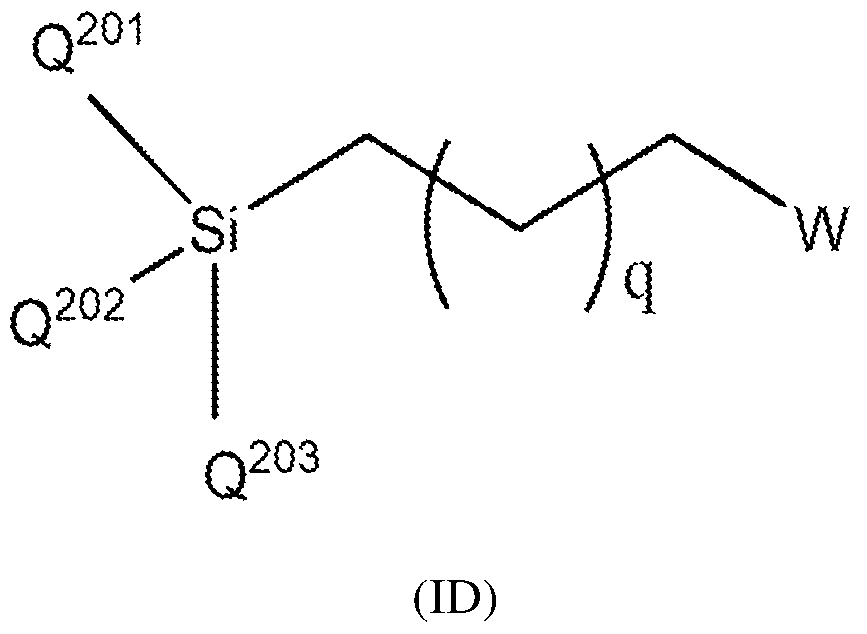
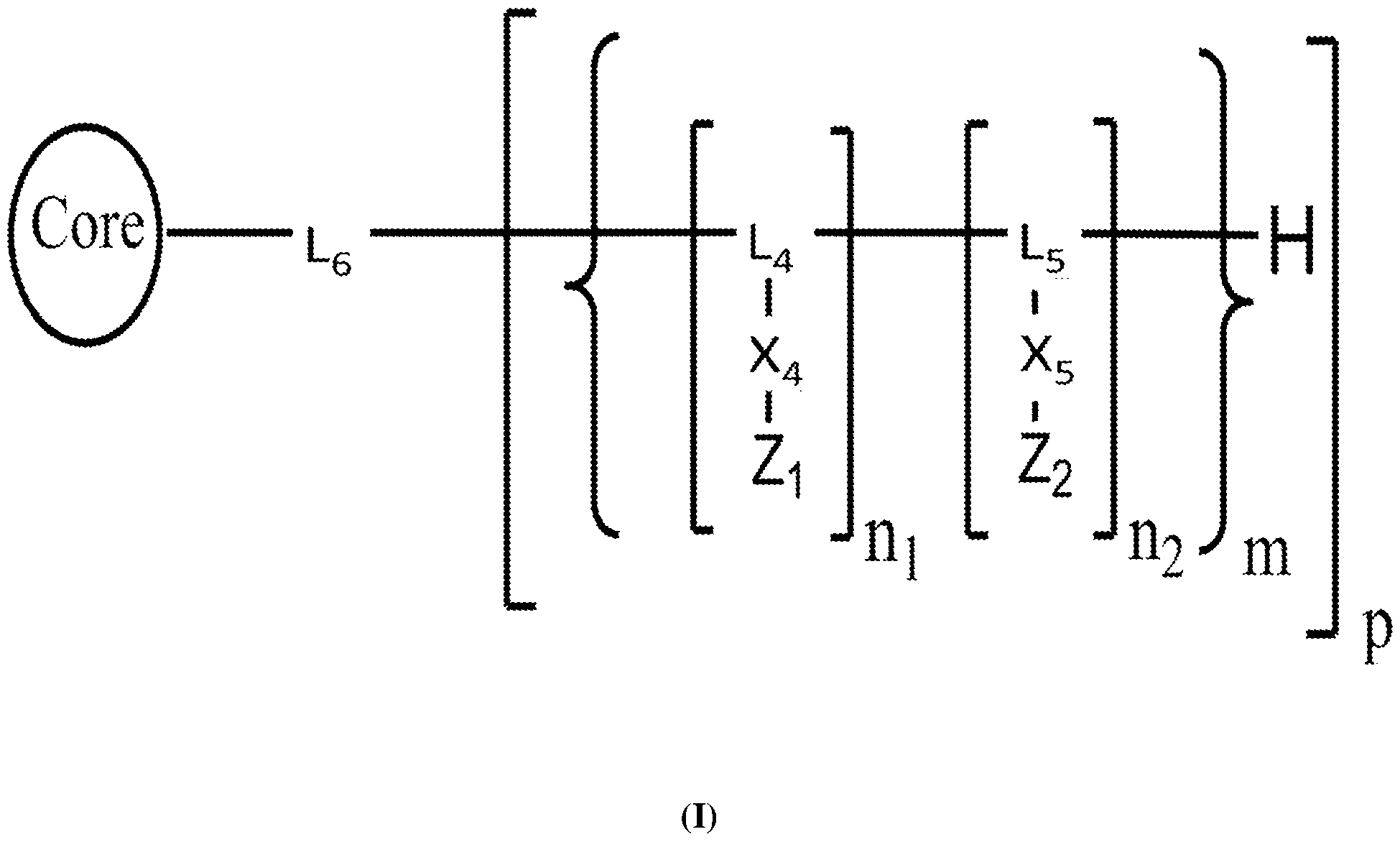


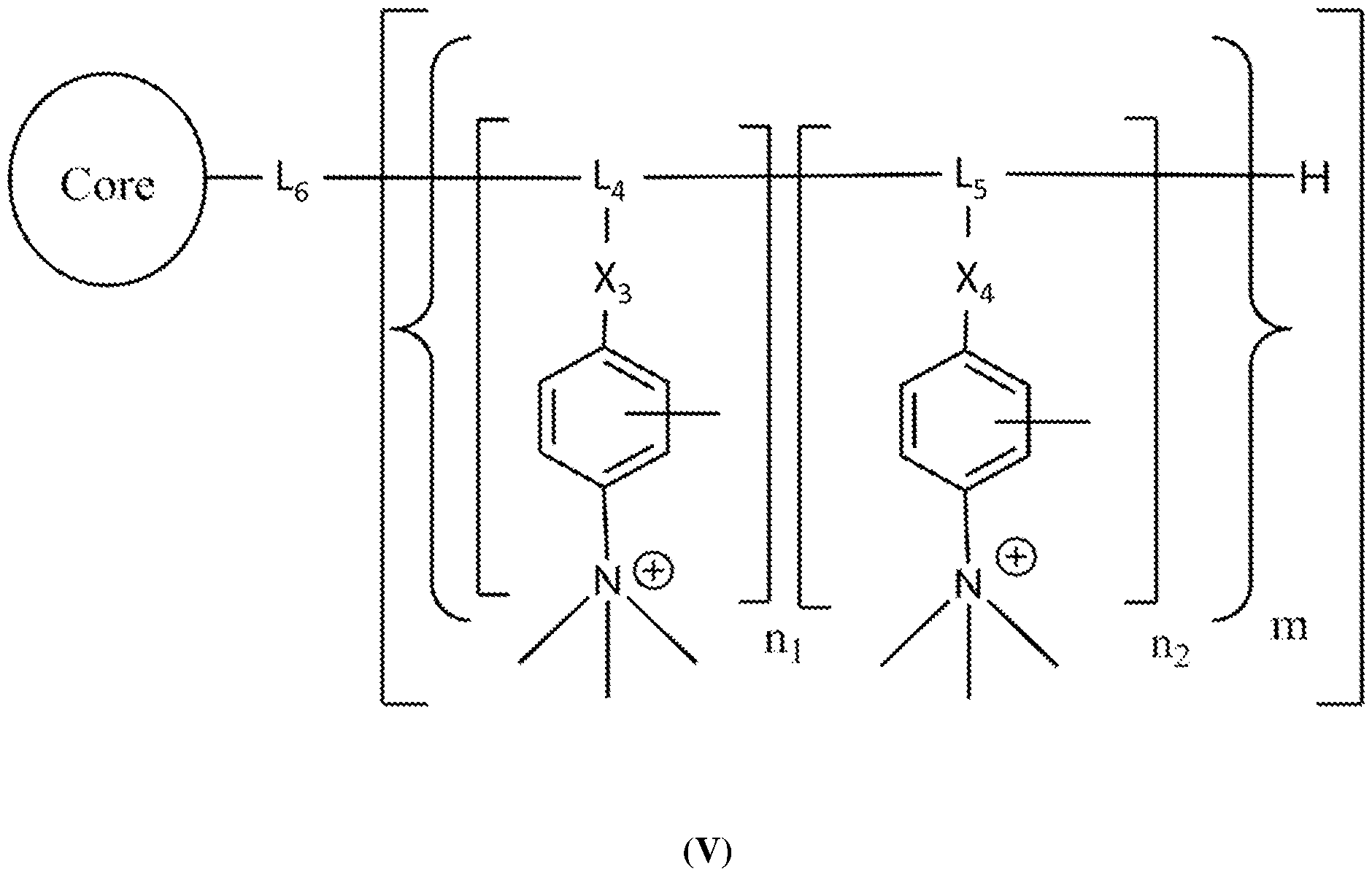


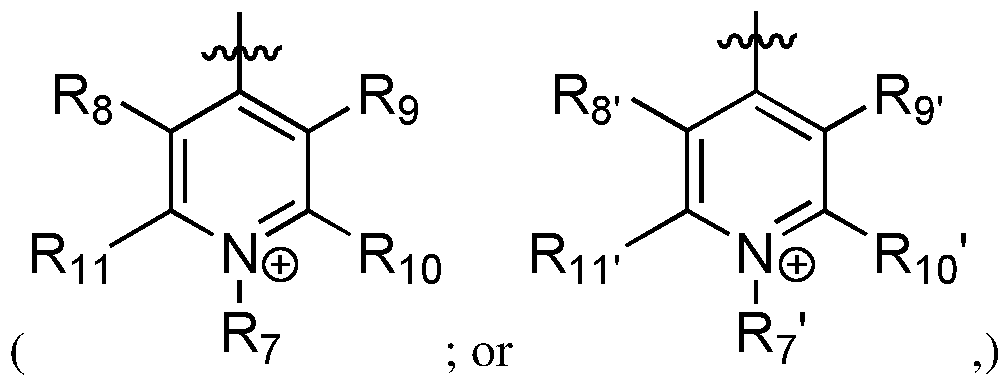


Claims


Priority Applications (7)
| Application Number | Priority Date | Filing Date | Title |
|---|---|---|---|
| KR1020217030970A KR20210145151A (en) | 2019-02-27 | 2020-02-27 | Coatings comprising anti-microbial particles, methods of making and uses thereof |
| BR112021016980A BR112021016980A2 (en) | 2019-02-27 | 2020-02-27 | Coating comprising antimicrobial particles, preparation methods, substrates and uses thereof |
| JP2021550119A JP2022523527A (en) | 2019-02-27 | 2020-02-27 | Coatings containing antibacterial particles, preparation methods and their use |
| EP20762388.5A EP3930698A4 (en) | 2019-02-27 | 2020-02-27 | Coating comprising anti-microbial particles, methods of preparation and uses thereof |
| CN202080027624.6A CN113710240A (en) | 2019-02-27 | 2020-02-27 | Coating comprising antimicrobial particles, method for the production thereof and use thereof |
| US17/434,203 US20220168466A1 (en) | 2019-02-27 | 2020-02-27 | Coating comprising anti-microbial particles, methods of preparation and uses thereof |
| IL285883A IL285883A (en) | 2019-02-27 | 2021-08-25 | Coating comprising anti-microbial particles, methods of preparation and uses thereof |
Applications Claiming Priority (2)
| Application Number | Priority Date | Filing Date | Title |
|---|---|---|---|
| US201962811083P | 2019-02-27 | 2019-02-27 | |
| US62/811,083 | 2019-02-27 |
Publications (1)
| Publication Number | Publication Date |
|---|---|
| WO2020174480A1 true WO2020174480A1 (en) | 2020-09-03 |
Family
ID=72239506
Family Applications (1)
| Application Number | Title | Priority Date | Filing Date |
|---|---|---|---|
| PCT/IL2020/050231 Ceased WO2020174480A1 (en) | 2019-02-27 | 2020-02-27 | Coating comprising anti-microbial particles, methods of preparation and uses thereof |
Country Status (8)
| Country | Link |
|---|---|
| US (1) | US20220168466A1 (en) |
| EP (1) | EP3930698A4 (en) |
| JP (1) | JP2022523527A (en) |
| KR (1) | KR20210145151A (en) |
| CN (1) | CN113710240A (en) |
| BR (1) | BR112021016980A2 (en) |
| IL (1) | IL285883A (en) |
| WO (1) | WO2020174480A1 (en) |
Families Citing this family (1)
| Publication number | Priority date | Publication date | Assignee | Title |
|---|---|---|---|---|
| JP2025505704A (en) * | 2022-02-13 | 2025-02-28 | ノビオ リミテッド | Functionalized Antimicrobial Particles |
Citations (2)
| Publication number | Priority date | Publication date | Assignee | Title |
|---|---|---|---|---|
| US8535645B2 (en) * | 2004-12-30 | 2013-09-17 | Hadasit Medical Research Services & Development Limited | Antimicrobial nanoparticulate additives forming non-leachable sustained antimicrobial polymeric compositions |
| WO2017145142A1 (en) * | 2016-02-25 | 2017-08-31 | Nobio Ltd. | Micro and nanoparticulate compositions comprising anti-microbially active groups |
Family Cites Families (5)
| Publication number | Priority date | Publication date | Assignee | Title |
|---|---|---|---|---|
| US20100004202A1 (en) * | 2008-02-15 | 2010-01-07 | Ndsu Research Foundation | Quaternary ammonium-functionalized-POSS compounds |
| GB0914307D0 (en) * | 2009-08-15 | 2009-09-30 | Dow Corning | Antimicrobial quarternary ammonium silane compositions |
| JP6771324B2 (en) * | 2016-06-30 | 2020-10-21 | クラレノリタケデンタル株式会社 | Organic Silicon Compound and Dental Restoration Composition |
| WO2018231437A1 (en) * | 2017-06-16 | 2018-12-20 | California Institute Of Technology | Anti-microbial coating materials |
| ES2982745T3 (en) * | 2017-08-30 | 2024-10-17 | Nobio Ltd | Antimicrobial particles and methods of their use |
-
2020
- 2020-02-27 US US17/434,203 patent/US20220168466A1/en active Pending
- 2020-02-27 EP EP20762388.5A patent/EP3930698A4/en active Pending
- 2020-02-27 JP JP2021550119A patent/JP2022523527A/en active Pending
- 2020-02-27 KR KR1020217030970A patent/KR20210145151A/en not_active Ceased
- 2020-02-27 CN CN202080027624.6A patent/CN113710240A/en active Pending
- 2020-02-27 BR BR112021016980A patent/BR112021016980A2/en unknown
- 2020-02-27 WO PCT/IL2020/050231 patent/WO2020174480A1/en not_active Ceased
-
2021
- 2021-08-25 IL IL285883A patent/IL285883A/en unknown
Patent Citations (2)
| Publication number | Priority date | Publication date | Assignee | Title |
|---|---|---|---|---|
| US8535645B2 (en) * | 2004-12-30 | 2013-09-17 | Hadasit Medical Research Services & Development Limited | Antimicrobial nanoparticulate additives forming non-leachable sustained antimicrobial polymeric compositions |
| WO2017145142A1 (en) * | 2016-02-25 | 2017-08-31 | Nobio Ltd. | Micro and nanoparticulate compositions comprising anti-microbially active groups |
Non-Patent Citations (9)
| Title |
|---|
| GUO F ET AL.: "A review of the synthesis and applications of polymer-nanoclay composites", APPL. SCI., vol. 8, no. 9, 19 September 2018 (2018-09-19), pages 1696, XP055734397, Retrieved from the Internet <URL:https://pdfs.semanticscholar.org/17a9/b8cdfca45207b759f9672a4a500287f40ea5.pdf?_ga=2.112363332.1147304749.1591026739-1780704932.1589285772> * |
| MICHAILIDIS M ET AL.: "Modified mesoporous silica nanoparticles with a dual synergetic antibacterial effect", ACS APPLIED MATERIALS & INTERFACES, vol. 9, no. 44, 8 November 2017 (2017-11-08), pages 38364 - 72, XP055734389, Retrieved from the Internet <URL:https://livrepository.liverpool.ac.uk/3010444/1/ACS%20AMI_Modified%20Mesoporous%20Silica%20Nanoparticles%20with%20Dual%20Synergetic%20Antibacterial%20Effect.pdf> [retrieved on 20171108] * |
| REINHARDT NME: "Chemical surface modification of silica nanoparticles for the labeling of DNA in lipoplexes", THESE DOCTORALE. UNIVERSITE SCIENCES ET TECHNOLOGIES - BORDEAUX I, 2 October 2015 (2015-10-02), XP029147906, Retrieved from the Internet <URL:<https://tel.archives-ouvertes.fr/tel-01208139/file/These_Reinhardt_Nora_2013.pdf> * |
| SAVAS LA ET AL.: "Montmorillonite reinforced polymer nanocomposite antibacterial film", APPLIED CLAY SCIENCE, vol. 108, 1 May 2015 (2015-05-01), pages 40 - 4, XP029147906, Retrieved from the Internet <URL:https://www.researchgate.net/profile/Lemiye_Atabek_savas/publication/279402194_Montmorillonite_reinforced_polymer_nanocomposite_antibacterial_film/links/5592599708aeIelf9bb02ea7.pdf> DOI: 10.1016/j.clay.2015.02.021 * |
| See also references of EP3930698A4 * |
| TU Q ET AL.: "Quantum dots modified with quaternized poly(dimethylaminoethyl methacrylate) for selective recognition and killing of bacteria over mammalian cells", ANALYST, vol. 141, no. 11, 13 April 2016 (2016-04-13), pages 3328 - 3336, XP055734394 * |
| VOO R ET AL.: "Properties of epoxy nanocomposite thin films prepared by spin coating technique", JOURNAL OF PLASTIC FILM& SHEETING, vol. 27, no. 4, 31 October 2011 (2011-10-31), pages 331 - 46, XP035436369, Retrieved from the Internet <URL:http://citeseerx.ist.psu.edu/viewdoc/download?doi=10.1.1.852.1512&rep=repl&type=pdf> * |
| XU Q. ET AL.: "Antimicrobial silica particles synthesized via ring-opening grafting of cationic amphiphilic cyclic carbonates: Effects of hyrodphobicity and structure", POLYMER CHEMISTRY, vol. 7, no. 12, 28 February 2016 (2016-02-28), pages 2192 - 201, XP035436369 * |
| YAHIAOUI F ET AL.: "Development of antimicrobial PCL/nanoclay nanocomposite films with enhanced mechanical and water vapor barrier properties for packaging applications", POLYMER BULLETIN, vol. 72, no. 2, 1 February 2015 (2015-02-01), pages 235 - 54, XP035436369, Retrieved from the Internet <URL:https://www.researchgate.net/profile/Ferfera_Harrar_Hafida/publication/318865196Article_assia-hafida_polym_bull_final/data/59822445aca272a370f57e34/Arucle-assia-hafida-polym-bull-final.pdf> [retrieved on 20150201], DOI: 10.1007/s00289-014-1269-0 * |
Also Published As
| Publication number | Publication date |
|---|---|
| IL285883A (en) | 2021-10-31 |
| CN113710240A (en) | 2021-11-26 |
| EP3930698A4 (en) | 2022-12-07 |
| JP2022523527A (en) | 2022-04-25 |
| BR112021016980A2 (en) | 2021-11-30 |
| EP3930698A1 (en) | 2022-01-05 |
| KR20210145151A (en) | 2021-12-01 |
| US20220168466A1 (en) | 2022-06-02 |
Similar Documents
| Publication | Publication Date | Title |
|---|---|---|
| US20220046915A1 (en) | Compositions and medical devices comprising anti-microbial particles | |
| US12317892B2 (en) | Micro and nanoparticulate compositions comprising anti-microbially active groups | |
| JP2024138356A (en) | Thermally stable antibacterial quaternary ammonium nanoparticles | |
| WO2020174480A1 (en) | Coating comprising anti-microbial particles, methods of preparation and uses thereof | |
| US20260115107A1 (en) | Functionalized anti-microbial particles | |
| HK40122910A (en) | Functionalized anti-microbial particles |
Legal Events
| Date | Code | Title | Description |
|---|---|---|---|
| 121 | Ep: the epo has been informed by wipo that ep was designated in this application |
Ref document number: 20762388 Country of ref document: EP Kind code of ref document: A1 |
|
| ENP | Entry into the national phase |
Ref document number: 2021550119 Country of ref document: JP Kind code of ref document: A |
|
| NENP | Non-entry into the national phase |
Ref country code: DE |
|
| REG | Reference to national code |
Ref country code: BR Ref legal event code: B01A Ref document number: 112021016980 Country of ref document: BR |
|
| ENP | Entry into the national phase |
Ref document number: 2020762388 Country of ref document: EP Effective date: 20210927 |
|
| ENP | Entry into the national phase |
Ref document number: 112021016980 Country of ref document: BR Kind code of ref document: A2 Effective date: 20210827 |
|
| WWR | Wipo information: refused in national office |
Ref document number: 1020217030970 Country of ref document: KR |
|
| WWW | Wipo information: withdrawn in national office |
Ref document number: 285883 Country of ref document: IL |