WO2020175377A1 - 窒化ホウ素凝集粉末、放熱シート及び半導体デバイス - Google Patents
窒化ホウ素凝集粉末、放熱シート及び半導体デバイス Download PDFInfo
- Publication number
- WO2020175377A1 WO2020175377A1 PCT/JP2020/007124 JP2020007124W WO2020175377A1 WO 2020175377 A1 WO2020175377 A1 WO 2020175377A1 JP 2020007124 W JP2020007124 W JP 2020007124W WO 2020175377 A1 WO2020175377 A1 WO 2020175377A1
- Authority
- WO
- WIPO (PCT)
- Prior art keywords
- powder
- less
- resin
- present
- sheet
- Prior art date
- Legal status (The legal status is an assumption and is not a legal conclusion. Google has not performed a legal analysis and makes no representation as to the accuracy of the status listed.)
- Ceased
Links
Classifications
-
- C—CHEMISTRY; METALLURGY
- C01—INORGANIC CHEMISTRY
- C01B—NON-METALLIC ELEMENTS; COMPOUNDS THEREOF; METALLOIDS OR COMPOUNDS THEREOF NOT COVERED BY SUBCLASS C01C
- C01B21/00—Nitrogen; Compounds thereof
- C01B21/06—Binary compounds of nitrogen with metals, with silicon, or with boron, or with carbon, i.e. nitrides; Compounds of nitrogen with more than one metal, silicon or boron
- C01B21/064—Binary compounds of nitrogen with metals, with silicon, or with boron, or with carbon, i.e. nitrides; Compounds of nitrogen with more than one metal, silicon or boron with boron
-
- C—CHEMISTRY; METALLURGY
- C09—DYES; PAINTS; POLISHES; NATURAL RESINS; ADHESIVES; COMPOSITIONS NOT OTHERWISE PROVIDED FOR; APPLICATIONS OF MATERIALS NOT OTHERWISE PROVIDED FOR
- C09K—MATERIALS FOR MISCELLANEOUS APPLICATIONS, NOT PROVIDED FOR ELSEWHERE
- C09K5/00—Heat-transfer, heat-exchange or heat-storage materials, e.g. refrigerants; Materials for the production of heat or cold by chemical reactions other than by combustion
- C09K5/08—Materials not undergoing a change of physical state when used
- C09K5/14—Solid materials, e.g. powdery or granular
-
- C—CHEMISTRY; METALLURGY
- C01—INORGANIC CHEMISTRY
- C01B—NON-METALLIC ELEMENTS; COMPOUNDS THEREOF; METALLOIDS OR COMPOUNDS THEREOF NOT COVERED BY SUBCLASS C01C
- C01B21/00—Nitrogen; Compounds thereof
- C01B21/06—Binary compounds of nitrogen with metals, with silicon, or with boron, or with carbon, i.e. nitrides; Compounds of nitrogen with more than one metal, silicon or boron
- C01B21/064—Binary compounds of nitrogen with metals, with silicon, or with boron, or with carbon, i.e. nitrides; Compounds of nitrogen with more than one metal, silicon or boron with boron
- C01B21/0648—After-treatment, e.g. grinding, purification
-
- C—CHEMISTRY; METALLURGY
- C08—ORGANIC MACROMOLECULAR COMPOUNDS; THEIR PREPARATION OR CHEMICAL WORKING-UP; COMPOSITIONS BASED THEREON
- C08J—WORKING-UP; GENERAL PROCESSES OF COMPOUNDING; AFTER-TREATMENT NOT COVERED BY SUBCLASSES C08B, C08C, C08F, C08G or C08H
- C08J5/00—Manufacture of articles or shaped materials containing macromolecular substances
- C08J5/18—Manufacture of films or sheets
-
- C—CHEMISTRY; METALLURGY
- C08—ORGANIC MACROMOLECULAR COMPOUNDS; THEIR PREPARATION OR CHEMICAL WORKING-UP; COMPOSITIONS BASED THEREON
- C08K—Use of inorganic or non-macromolecular organic substances as compounding ingredients
- C08K3/00—Use of inorganic substances as compounding ingredients
- C08K3/38—Boron-containing compounds
-
- C—CHEMISTRY; METALLURGY
- C08—ORGANIC MACROMOLECULAR COMPOUNDS; THEIR PREPARATION OR CHEMICAL WORKING-UP; COMPOSITIONS BASED THEREON
- C08L—COMPOSITIONS OF MACROMOLECULAR COMPOUNDS
- C08L101/00—Compositions of unspecified macromolecular compounds
-
- H—ELECTRICITY
- H10—SEMICONDUCTOR DEVICES; ELECTRIC SOLID-STATE DEVICES NOT OTHERWISE PROVIDED FOR
- H10W—GENERIC PACKAGES, INTERCONNECTIONS, CONNECTORS OR OTHER CONSTRUCTIONAL DETAILS OF DEVICES COVERED BY CLASS H10
- H10W40/00—Arrangements for thermal protection or thermal control
- H10W40/20—Arrangements for cooling
- H10W40/25—Arrangements for cooling characterised by their materials
-
- H—ELECTRICITY
- H10—SEMICONDUCTOR DEVICES; ELECTRIC SOLID-STATE DEVICES NOT OTHERWISE PROVIDED FOR
- H10W—GENERIC PACKAGES, INTERCONNECTIONS, CONNECTORS OR OTHER CONSTRUCTIONAL DETAILS OF DEVICES COVERED BY CLASS H10
- H10W40/00—Arrangements for thermal protection or thermal control
- H10W40/20—Arrangements for cooling
- H10W40/25—Arrangements for cooling characterised by their materials
- H10W40/251—Organics
-
- H—ELECTRICITY
- H10—SEMICONDUCTOR DEVICES; ELECTRIC SOLID-STATE DEVICES NOT OTHERWISE PROVIDED FOR
- H10W—GENERIC PACKAGES, INTERCONNECTIONS, CONNECTORS OR OTHER CONSTRUCTIONAL DETAILS OF DEVICES COVERED BY CLASS H10
- H10W40/00—Arrangements for thermal protection or thermal control
- H10W40/20—Arrangements for cooling
- H10W40/25—Arrangements for cooling characterised by their materials
- H10W40/259—Ceramics or glasses
-
- C—CHEMISTRY; METALLURGY
- C01—INORGANIC CHEMISTRY
- C01P—INDEXING SCHEME RELATING TO STRUCTURAL AND PHYSICAL ASPECTS OF SOLID INORGANIC COMPOUNDS
- C01P2004/00—Particle morphology
- C01P2004/01—Particle morphology depicted by an image
- C01P2004/03—Particle morphology depicted by an image obtained by SEM
-
- C—CHEMISTRY; METALLURGY
- C01—INORGANIC CHEMISTRY
- C01P—INDEXING SCHEME RELATING TO STRUCTURAL AND PHYSICAL ASPECTS OF SOLID INORGANIC COMPOUNDS
- C01P2004/00—Particle morphology
- C01P2004/50—Agglomerated particles
-
- C—CHEMISTRY; METALLURGY
- C01—INORGANIC CHEMISTRY
- C01P—INDEXING SCHEME RELATING TO STRUCTURAL AND PHYSICAL ASPECTS OF SOLID INORGANIC COMPOUNDS
- C01P2004/00—Particle morphology
- C01P2004/60—Particles characterised by their size
- C01P2004/61—Micrometer sized, i.e. from 1-100 micrometer
-
- C—CHEMISTRY; METALLURGY
- C01—INORGANIC CHEMISTRY
- C01P—INDEXING SCHEME RELATING TO STRUCTURAL AND PHYSICAL ASPECTS OF SOLID INORGANIC COMPOUNDS
- C01P2006/00—Physical properties of inorganic compounds
- C01P2006/11—Powder tap density
-
- C—CHEMISTRY; METALLURGY
- C01—INORGANIC CHEMISTRY
- C01P—INDEXING SCHEME RELATING TO STRUCTURAL AND PHYSICAL ASPECTS OF SOLID INORGANIC COMPOUNDS
- C01P2006/00—Physical properties of inorganic compounds
- C01P2006/32—Thermal properties
-
- C—CHEMISTRY; METALLURGY
- C08—ORGANIC MACROMOLECULAR COMPOUNDS; THEIR PREPARATION OR CHEMICAL WORKING-UP; COMPOSITIONS BASED THEREON
- C08J—WORKING-UP; GENERAL PROCESSES OF COMPOUNDING; AFTER-TREATMENT NOT COVERED BY SUBCLASSES C08B, C08C, C08F, C08G or C08H
- C08J2300/00—Characterised by the use of unspecified polymers
-
- C—CHEMISTRY; METALLURGY
- C08—ORGANIC MACROMOLECULAR COMPOUNDS; THEIR PREPARATION OR CHEMICAL WORKING-UP; COMPOSITIONS BASED THEREON
- C08J—WORKING-UP; GENERAL PROCESSES OF COMPOUNDING; AFTER-TREATMENT NOT COVERED BY SUBCLASSES C08B, C08C, C08F, C08G or C08H
- C08J2363/00—Characterised by the use of epoxy resins; Derivatives of epoxy resins
- C08J2363/02—Polyglycidyl ethers of bis-phenols
-
- C—CHEMISTRY; METALLURGY
- C08—ORGANIC MACROMOLECULAR COMPOUNDS; THEIR PREPARATION OR CHEMICAL WORKING-UP; COMPOSITIONS BASED THEREON
- C08K—Use of inorganic or non-macromolecular organic substances as compounding ingredients
- C08K3/00—Use of inorganic substances as compounding ingredients
- C08K3/38—Boron-containing compounds
- C08K2003/382—Boron-containing compounds and nitrogen
- C08K2003/385—Binary compounds of nitrogen with boron
-
- C—CHEMISTRY; METALLURGY
- C08—ORGANIC MACROMOLECULAR COMPOUNDS; THEIR PREPARATION OR CHEMICAL WORKING-UP; COMPOSITIONS BASED THEREON
- C08K—Use of inorganic or non-macromolecular organic substances as compounding ingredients
- C08K2201/00—Specific properties of additives
- C08K2201/001—Conductive additives
-
- C—CHEMISTRY; METALLURGY
- C08—ORGANIC MACROMOLECULAR COMPOUNDS; THEIR PREPARATION OR CHEMICAL WORKING-UP; COMPOSITIONS BASED THEREON
- C08K—Use of inorganic or non-macromolecular organic substances as compounding ingredients
- C08K2201/00—Specific properties of additives
- C08K2201/002—Physical properties
- C08K2201/003—Additives being defined by their diameter
-
- C—CHEMISTRY; METALLURGY
- C08—ORGANIC MACROMOLECULAR COMPOUNDS; THEIR PREPARATION OR CHEMICAL WORKING-UP; COMPOSITIONS BASED THEREON
- C08K—Use of inorganic or non-macromolecular organic substances as compounding ingredients
- C08K2201/00—Specific properties of additives
- C08K2201/002—Physical properties
- C08K2201/005—Additives being defined by their particle size in general
Definitions
- the present invention relates to a boron nitride agglomerated powder that is preferably used for a heat dissipation sheet for semiconductor devices, a heat dissipation sheet containing the boron nitride agglomerated powder, and a semiconductor device using this heat dissipation sheet.
- Boron nitride (Min 1 ⁇ 1) is an insulative ceramic and has a diamond structure __!! ⁇ 1, a graphite structure __!! ⁇ 1, and a disordered layer structure __! Various crystal types such as ⁇ 1, 13-3 1 ⁇ 1 are known.
- _Mi 1 ⁇ 1 has the same layered structure as graphite and is characterized by relatively easy synthesis and excellent thermal conductivity, solid lubricity, chemical stability, and heat resistance. Therefore, it is widely used in the fields of electrical and electronic materials.
- II__ has a plate-like particle shape, and has high thermal conductivity (usually, a thermal conductivity of 40% in the plate surface direction (in the 3 plane or in the (0 0 2) plane)). ⁇ / ⁇ ! However, it shows only low thermal conductivity (usually about 2 to 3 ⁇ // in terms of thermal conductivity) in the plate thickness direction ( ⁇ 3 axis direction). For this reason,
- the II-Mizu 1 ⁇ 1 is mixed with the resin to make a Mizo 1 ⁇ 1 particle-containing resin composition.
- the plate-shaped II__ is the molding 1 ⁇ 1 Particle-containing resin
- the composition is oriented in the sheet surface direction of the sheet-shaped molded product, which is the flow direction of the composition, and the obtained sheet-shaped molded product has excellent thermal conductivity in the plate surface direction, but in the thickness direction. Shows low thermal conductivity. ⁇ 2020/175377 2 (: 170? 2020/007124
- II__ 1 ⁇ 1 In order to improve the anisotropy of thermal conductivity of particles, even if filled with a resin, the orientation is small as described above, and it has a shape other than the scale plate shape. Aggregated particles made by aggregating Tami 1 ⁇ 1 have been studied.
- Patent Document 1 describes aggregate 1 ⁇ 1 agglomerated particles having a purity of 93% and a porosity (porosity) of 50% by volume or less.
- Patent Document 2 the porosity is 50 to 70% by volume, and the crush strength is 1.0 to 4.
- Patent Document 3 aggregated particle diameter (0 5 ⁇ ) is 2-2 0 0, the tap density is 0.5 to 1. Remi 1 ⁇ 1 agglomerated particles are listed. Patent Document 3 does not describe the particle void volume that is affected by the orientation of the primary particles constituting the aggregated particles and the shape of the aggregated particles, and the thermal conductivity is also determined by relative evaluation when used for a heat dissipation sheet of a semiconductor device. The withstand voltage was also insufficient.
- Patent Document 1 International Publication No. 2 0 1 2/0 7 0 2 8 9
- Patent Document 2 Japanese Patent Laid-Open No. 20 17-8 2 0 9 1
- Patent Document 3 Japanese Patent Laid-Open No. 2 0 1 1-9 8 8 8 2 Publication Summary of Invention
- the present invention relates to a boron nitride agglomerated powder capable of improving the thermal conductivity of a heat radiating sheet and also having good withstand voltage characteristics, a heat radiating sheet containing this boron nitride agglomerate powder, and this heat radiating sheet. It is an object to provide a semiconductor device using the.
- the present inventor can achieve high thermal conductivity and withstand voltage characteristics when used in a heat dissipation sheet if the boron nitride agglomerated powder has tap density and particle void volume within specific ranges. Found. ⁇ 2020/175377 3 (: 170? 2020/007124
- the gist of the present invention is as follows.
- the tap density is the ⁇ . On 6 9 / ⁇ . Less than 8 9 / I, the particle interstitial volume ⁇ . A boron nitride agglomerated powder that is.
- the particle clearance volume is below ⁇ . 9 9 / Rei_1 ⁇ , nitriding boric agglomerated powder according to [1].
- the boron nitride concentrated powder according to any one of [1] to [3], which is 0% or more and 60% or less.
- the boron nitride agglomerated powder of the present invention it is possible to provide a heat dissipation sheet having excellent thermal conductivity and also excellent withstand voltage characteristics.
- the heat dissipation sheet containing the boron nitride agglomerated powder of the present invention it is possible to realize a highly reliable power semiconductor module having good heat dissipation performance, high quality and excellent thermal conductivity.
- the boron nitride agglomerated powder of the present invention (hereinafter, may be simply referred to as "the present invention ! ⁇ 1 agglomerated powder”) has a tap density of 0.69/111 or more and less than 0.989/111 or less. Yes, the particle void volume is 0.5 I or more. ⁇ 2020/175 377 4 ⁇ (: 170? 2020 /007124
- the boron nitride agglomerated powder refers to a powder that is an aggregate of boron nitride agglomerated particles (hereinafter, may be simply referred to as “M1 1 ⁇ 1 agglomerated particles”).
- the tap density is also related to the growth and growth mode of the primary 1 ⁇ 1 _ secondary particles that make up the primary 1 ⁇ 1 agglomerated particles, and cannot be expressed in terms of porosity. It is a concept that also includes quantity.
- the particle void volume is 0.
- the present invention taps as a comprehensive index of physical properties such as porosity of 1 ⁇ 1 agglomerated particles, particle size distribution, particle shape, particle strength, secondary particle size, and amount of closed pores.
- Snake 1 ⁇ 1 tap density of the agglomerated powder is ⁇ . on 6 9 / ⁇ . It is in a very narrow range of less than, and furthermore, the particle void volume is 0.50! I / 9 ⁇ 2020/175377 5 ⁇ (: 170? 2020 /007124
- the tap density in the present invention is the density of powder that is tapped into a measurement container and filled, which is measured by the method described in the section of Examples below.
- This tap density is considered to be related to the porosity of the aggregated particles described in Patent Documents 1 and 2 at first glance, but not only the porosity of the aggregated particles, but also the particle size distribution, the shape of the particles, the strength of the particles,
- the tap density changes depending on the size of primary particles and the amount of closed pores.
- the particle void volume in the present invention represents the cumulative volume at the divided diameter of the particle pore diameter of 201 or more, that is, the amount of voids formed between the particles when the particles are filled, in the mercury penetration measurement.
- the particle void volume is measured by the method shown in the Examples section below.
- the method for collecting the measurement powder from the 1 ⁇ 1 agglomerated powder is not particularly limited, but it is preferable to collect the powder after uniformly mixing the powder.
- Minami agglomerated powder of the present invention is a primary particle, preferably _ is a set of aggregate 1 ⁇ 1 aggregated particles formed by the aggregate primary particles, as long as the effect of the present invention is not impaired,
- the agglomerated particles may contain components other than the primary 1 ⁇ 1_ primary particles.
- Components other than 1 ⁇ 1 _ secondary particles include binder-, surfactant-, and solvent-derived components that may be added to the slurry described in [Method for producing 1 ⁇ 1 agglomerated powder] below.
- the shape of the Min 1 ⁇ 1 agglomerated particles in the Min 1 ⁇ 1 agglomerated powder of the present invention is not particularly limited.
- aggregated particles of any shape such as spherical, ellipsoidal, columnar, and hexagonal columns can be produced by aggregating primary particles.
- the force-dwelling type 1/1 aggregated particles have a force-dwelling structure.
- the force house structure is described, for example, in Ceramics 4 3 N 0.2 (published by the Ceramic Society of Japan in 2008). ⁇ 2020/175 377 6 ⁇ (: 170? 2020 /007124
- the structure is such that the plate-like particles are stacked in a complicated manner without being oriented.
- the 1 ⁇ 1 agglomerated particles having a forced house structure are aggregates of the 1 ⁇ 1_ secondary particles, and the flat and end faces of the 1 ⁇ 1_ secondary particles are in contact with each other. It is an aggregate of 1 ⁇ 1 aggregated particles having a structure which is preferably spherical. Further, it is preferable that the forced house structure has the same structure inside the particles. The aggregate morphology and internal structure of these 1 ⁇ 1 aggregate particles can be confirmed by a scanning electron microscope (3 days IV!).
- Snake agglomerated powder of the present invention is tap density ⁇ . On 6 9 / Rei_1 ⁇ . It is characterized by being less than ⁇ .
- Tap density is 0.69/111 or more.0.89 If it is out of the range below the range, the problem of the present invention that the thermal conductivity and the withstand voltage characteristics are improved cannot be solved.
- the tap density of the 1 ⁇ 1 agglomerated powder of the present invention is ⁇ . It is more than ⁇ , preferably 0.6 1 Is the ⁇ , more preferably ⁇ . 63 was on 9 / Rei_1 ⁇ , more preferably from the ⁇ . 65 9 / Rei_1 ⁇ . Further, it is less than 0.98/ ⁇ I, preferably less than or equal to 0.799/ ⁇ , and more preferably 0.789/ ⁇ . In addition, 0. Less than the 0.89 / ⁇ , preferably ⁇ . 6 1 9 / Rei_1 ⁇ . 79 ⁇ , more preferably 0. 63 to 0. 78 It is a scholar. When the tap density is in the above range, thermal conductivity and withstand voltage characteristics tend to be further improved.
- the agglomerated powder of the present invention is characterized by having a particle void volume of 0.5 ⁇ ⁇ /9 or more.
- the particle void volume is at least the above lower limit, improvement in thermal conductivity and voltage resistance can be obtained.
- the particle void volume of the agglomerated powder of the present invention is 0.50! I / 9 or more, preferably 0.50.51 1 / 9 or more, and more preferably 0.508.
- 1 ⁇ / 9 is the following, further preferably ⁇ . 6_Rei_1 ⁇ / 9 or more. Also preferably ⁇ 2020/175 377 7 ⁇ (: 170? 2020 /007124
- the particle void volume is in the above range, the amount of resin between the agglomerated particles when formed into a sheet becomes appropriate, the voids (voids) in the sheet are suppressed, and the thermal conductivity and withstand voltage characteristics are improved. It tends to improve.
- the volume average particle diameter of snake 1 ⁇ 1 agglomerated powder of the present invention (0 5 0) is not particularly limited, preferably at least 2_Rei, more preferably 2 5 or more, more preferably is 2 6 or more , Particularly preferably 30 or more, and most preferably 40 or more.
- Snake 1 ⁇ 1 0 5 0 agglomerated powder is preferably 2 0 0 or less, more preferably 1 5 0 or less, more preferably 1 hundred or less, particularly preferably 8 0 or less.
- Snake 1 ⁇ ! 0 5 ⁇ of agglomerated powder is less than the above-described lower limit, the contact resistance between the snake!
- ⁇ 1 agglomerated particles is suppressed upon a heat radiation sheet, the heat conductivity of the snake agglomerated powder itself becomes high And so on. Further, ⁇ 5 0 in or less the upper limit improves the smoothness of the surface upon the heat dissipation sheet, by such gaps between snake aggregated particles is appropriate, there is a tendency that thermal conductivity is improved ..
- snake 1 ⁇ 1 The volume average particle size of the aggregated powder (0 5 0), just the cumulative volume when the picture then the cumulative curve the volume of powder was subjected to measurement as 1 0 0 percent It means the particle size when it reaches 50%.
- a method of measurement using a particle size distribution analyzer or the like can be used.
- As a dry measurement method A method of measurement using the company's "1 ⁇ /1 ⁇ "1100 ⁇ ⁇ 9 ⁇ " can be mentioned.
- the internal porosity of the Min 1 ⁇ 1 agglomerated particles contained in the Min 1/1 agglomerated powder of the present invention is not particularly limited, but is preferably 40% or more, and more preferably 45% or more. Further, it is preferably 60% or less, and more preferably 55% or less. When the porosity in the particles is within the above range, there is a tendency that a heat dissipation sheet excellent in withstand voltage can be stably manufactured. ⁇ 2020/175 377 8 ⁇ (: 170? 2020 /007124
- the internal particle porosity of 1 ⁇ 1 aggregated particles is determined by measuring the powder density, total pore volume, and particle pore volume with a mercury porosimeter and subtracting the particle pore volume from the total pore volume Obtain the volume, and define the ratio of the pore volume in the particle to the volume of the powder (1/powder density) as the porosity in the particle.
- the average circularity of the N 1 ⁇ 1 agglomerated powder of the present invention is not particularly limited, but is preferably 0.8 or more, and more preferably 0.85 or more.
- the upper limit of the average circularity is not particularly limited and may be 1. When the average circularity is in the above range, the particle void volume is in an appropriate range, and the effect of the present invention tends to be easily exhibited.
- the average circularity of the 1 ⁇ 1 agglomerated powder is It can be obtained from image analysis by using the mohloghi ⁇ 33 manufactured by n company and dispersing the !1 aggregated powder using the pressure pulse sample dispersion unit.
- the compressive fracture strength of the 1 1! aggregated powder of the present invention is not particularly limited, but is preferably 20 ⁇ 9 a or less, more preferably 15 IV! 3 or less, further preferably the following, and particularly preferably Is less than 9 IV! 3. Further, the compressive crush strength is preferably 1 IV! 3 or more, more preferably 2 IV! 3 or more, and further preferably 3 IV! 3 or more. When the compressive fracture strength is within the above range, the 1 ⁇ 1 agglomerated powder can be appropriately deformed, and when a heat dissipation sheet is produced, the heat conductivity of the heat dissipation sheet tends to be improved.
- the compressive fracture strength of agglomerated powder is Shimadzu Corporation's Shimadzu micro compression tester 1 ⁇ /1 ⁇ -510, and the test force is 9880 /11 ⁇ 1, load. Measured at room temperature (20 to 30 ° ) using a flat surface of ⁇ 100 as the upper presser indenter at a speed of 4.8400 1 ⁇ 1/360. For the measurement, one aggregate of 1 ⁇ 1 agglomerated particles with a particle size of around 50 is selected and tested, and this is performed 5 times, and the average value of 5 times is used to determine the compressive fracture strength. Compressive fracture strength is calculated using the following formula.
- the elastic modulus of the 1 1 ⁇ 1 agglomerated powder of the present invention is not particularly limited, but is preferably 40 IV! 3 or more, more preferably 4 51 1/13 or more, and further preferably 50 IV! 3 or more.
- the elastic modulus is preferably 100 IV! 3 or less, more preferably 90 IV! 3 or more.
- the elastic modulus of the 1 ⁇ 1 agglomerated powder can be determined by referring to Physical Properties Research, Ryomi Tanaka, 85 (4), 499-518, 2006, and the compression test of the !!1 agglomerated particles (Shimadzu micro compression tester Compression test, measured at room temperature (20 to 30° ⁇ )), and calculated from the following formula using the test force (1 ⁇ 1), compression displacement (), and particle size (01 01) It
- V Poisson's ratio (Poisson's ratio is set to 0.13)
- raw material 1 ⁇ 1 powder boron nitride as a raw material
- a crushing step of (1) it is granulated by aggregating in the granulating step, and a heating step of further heat treatment is performed.
- the raw material 1 ⁇ 1 powder is once dispersed in a medium to form a slurry of the raw material 1 ⁇ 1 powder (hereinafter, may be referred to as “the primary 1 ⁇ 1 slurry").
- a pulverization treatment is performed, and then the obtained slurry is used to granulate into spherical particles, and a heat treatment is performed in order to crystallize the granulated 1 1 ⁇ 1 granulated powder.
- Raw BN powders are commercially available h-BN, commercially available a and / S-BN, BN produced by the reduction nitriding method of boron compounds and ammonia, BN synthesized from boron compounds and nitrogen-containing compounds such as melamine. Any of these can be used without limitation.
- h BN is particularly preferably used because the effect of the present invention can be effectively emitted.
- the raw material BN powder As a morphology of the raw material BN powder, powdery BN particles having a wide half-width of the peak obtained by powder X-ray diffraction measurement and low crystallinity are preferable. That is, it is possible to use plate-like h — B N as a raw material, but non-plate-like nanoparticles are also preferably used.
- the peak full width at half maximum of the (002) plane obtained from powder X-ray diffraction measurement at an angle of 20 is usually 0.4° or more, preferably 0.45° or more, and more preferably 0.5 or more. ° or more.
- the peak half width of the (00 2) plane is usually 2.0° or less, preferably 1.5° or less, and more preferably 1 ° or less.
- the peak half width of the (002) plane is less than or equal to the above upper limit, crystallite growth tends to be facilitated and productivity tends to be sufficiently improved.
- the peak full width at half maximum of the (002) plane is not less than the above lower limit, the crystallinity is in an appropriate range, crystal growth is facilitated, and dispersion stability during slurry preparation tends to be improved.
- the method for producing the raw material BN powder is not particularly limited, and examples thereof include the method described in Microstructural development with crystallization of hexagonal boron nitride (TSUYOSHI etc. JOURNAL OF MATERIALS SCIENCE LETTERS 16 (1997) 7 95-798). To be
- the total oxygen concentration in the raw BN powder is preferably 1% by weight or more, more preferably 2% by weight or more, further preferably 3% by weight or more, particularly preferably 4% by weight or more, and preferably 1% by weight or more. It is 0% by weight or less, more preferably 9% by weight or less.
- the total oxygen concentration is not more than the above upper limit, the residual oxygen after the heat treatment is suppressed, and the effect of improving the thermal conductivity tends to be high. If the total oxygen concentration is above the above lower limit, the crystallinity will not become excessive. ⁇ 2020/175377 11 ⁇ (: 170? 2020/007124
- the synthesis temperature at the time of synthesis is 1 500° ⁇ or less, and the method of heat treating the raw material powder 1 ⁇ 1 in an oxidizing atmosphere at a low temperature of 500 to 90 000.
- the total oxygen concentration of the raw material powder ! ⁇ 1 powder can be measured by an inert gas melting-infrared absorption method using an oxygen/nitrogen analyzer manufactured by Horiba Ltd.
- the total pore volume of the raw material 1 ⁇ 1 powder is preferably 1. It is the following. When the total pore volume is 1.50/ 3 /9 or less, since the raw material 1 ⁇ 1 powder is dense, granulation with high sphericity is possible.
- the lower limit of the total pore volume is not particularly limited, but is preferably ⁇ . Above, more preferably
- Raw material The above is preferable because it is possible to reduce the dispersed particle size in the 1:1 slurry used in spheroidizing by granulation. It is preferable that the specific surface area of the raw material 1 ⁇ 1 powder is not more than 100 2 /9 since it can suppress an increase in slurry viscosity.
- the total pore volume of the raw material 1 ⁇ 1 powder can be measured by the nitrogen adsorption method and the mercury porosimetry method.
- the specific surface area of the raw material 1 ⁇ 1 powder can be measured by the method of 1 point of the Tamimicho (adsorption gas: nitrogen).
- the nitrogen adsorption method shall be performed in accordance with “38830”, and the measurement temperature shall be 1 96 ° ⁇ (liquid nitrogen temperature).
- the mercury injection method is'' 13
- the surface tension of 1 ⁇ 1 is 485 Son.
- the medium used for the preparation of the 1 ⁇ 1 slurry has a viscosity of the 1 ⁇ 1 slurry of 200 to 50. It is preferable to add an amount of 3.
- the viscosity of the 1 ⁇ 1 slurry represents the viscosity when the slurry temperature is between 10 ° and 0 ° and 60 ° and below, preferably 15 ° ° and above 50 ° ° and below, more preferably 15 ° ° and above. It is preferable that the viscosity is 40° or less, more preferably 15° or more and 35° or less.
- the amount of the medium used for the preparation of the Mitsumi 1 ⁇ 1 slurry is preferably 10% by weight or more, more preferably 20% by weight or more, and further preferably 30% by weight, based on the Mitsumi 1 ⁇ 1 slurry. % Or more, preferably 70% by weight or less, more preferably 65% by weight or less, and further preferably 60% by weight or less. If the amount of the medium used is less than or equal to the above upper limit, the viscosity of the slurry does not become too low, so sedimentation and the like are suppressed, and the homogeneity of the 1:1 slurry tends to be obtained. For this reason, the tap density of the obtained Ag 1!! aggregated particles tends to fall within a desired range. When the amount of the medium used is at least the above lower limit, the viscosity of the slurry does not become excessively high, and granulation tends to be easy.
- various surfactants may be added to the 1 ⁇ 1 slurry from the viewpoint of dispersion stability (coagulation suppression) of the raw material! ⁇ 1 powder in the slurry.
- an anionic surfactant As the surfactant, an anionic surfactant, a cationic surfactant, a nonionic surfactant and the like can be used. These may be used alone or in combination of two or more.
- the surfactant can change the viscosity of the slurry. Therefore, when the surfactant is added to the 1 ⁇ 1 slurry, the amount of the surfactant is adjusted so that the viscosity of the 1 ⁇ 1 slurry is 200 to 500000.
- the viscosity of the 1 1 ⁇ 1 slurry is described in the medium used for preparing the 1 1 ⁇ 1 slurry described above. ⁇ 2020/175 377 13 ⁇ (: 170? 2020 /007124
- the amount of the anionic surfactant is usually used as an active ingredient, and is preferably at least 0.01% by weight, more preferably at least 0.01% by weight based on the total amount of the slurry.
- 0.5 wt% or more more preferably 0. 1 wt% or more, preferably 10 wt% or less, more preferably 7 wt% or less, further preferably 5 wt% or less, particularly preferably 3 wt% or less. ..
- the amount added is less than or equal to the above upper limit, a decrease in slurry viscosity is suppressed, and at the same time, the carbon components derived from the surfactant tend to be less likely to remain in the generated Ag 1 ⁇ 1 agglomerated particles.
- the addition amount is at least the above lower limit, the slurry viscosity is suppressed from becoming excessively high, and the granulation tends to be easy.
- the mill 1 ⁇ 1 slurry may contain a binder in order to effectively granulate the raw material mill 1 ⁇ 1 powder into particles.
- the binder binds the 1_1_ primary particles tightly and acts to stabilize the granulated particles.
- the binder used in the 1 1 ⁇ 1 slurry may be any binder as long as it can enhance the adhesion between the 1 1 ⁇ 1 particles.
- a binder having heat resistance to high temperature conditions in this heat treatment step is preferable.
- metal oxides such as aluminum oxide, magnesium oxide, yttrium oxide, calcium oxide, silicon oxide, boron oxide, cerium oxide, zirconium oxide and titanium oxide are preferably used.
- aluminum oxide and yttrium oxide are preferable from the viewpoints of thermal conductivity and heat resistance as an oxide, and the bonding force for bonding the 1:1 particles.
- a liquid binder such as alumina sol may be used as the binder, and it may be one that reacts during heat treatment to be converted into another inorganic component. ⁇ 2020/175 377 14 ⁇ (: 170? 2020 /007124
- binders may be used alone or in combination of two or more.
- the binder may or may not be included, and may be 0% by weight based on the raw material 1 ⁇ 1 powder in the slurry 1 ⁇ 1.
- the amount used when a binder is included is preferably 0.1% by weight, based on the raw material 1 1 powder in the slurry 1 1 As described above, more preferably 0.5% by weight or more, still more preferably 1.0% by weight or more, preferably 30% by weight or less, more preferably 20% by weight or less, further preferably 15% by weight or less. Is.
- the amount of the binder used is less than or equal to the above upper limit, crystal growth is obtained, and when used as a thermally conductive filler, the thermal conductivity improving effect tends to be obtained.
- the method for preparing the 1 ⁇ 1 slurry should be a method in which the raw material 1 ⁇ 1 powder and medium, and, if necessary, the binder and the surfactant are evenly dispersed and adjusted to a desired viscosity range. Not limited.
- the raw material 1 ⁇ 1 powder and medium, and if necessary, when using a binder and a surfactant, the raw material 1 ⁇ 1 slurry is preferably prepared as follows.
- a predetermined amount of the raw material 1 ⁇ 1 powder is weighed in a resin bottle, and then a binder is added in a predetermined amount. Furthermore, after adding a predetermined amount of a surfactant, a ceramic ball made of zirconia is added, and the mixture is stirred on a pot mill rotary table for about 0.5 to 5 hours until the desired viscosity is obtained.
- the order of addition is not particularly limited, but when a large amount of raw material 1 ⁇ 1 powder is slurried, agglomerates such as lumps are easily formed, and thus an aqueous solution obtained by adding a surfactant and a binder to water is used. After preparing the above, it is possible to add a predetermined amount of the raw material powder ! ⁇ 1 powder little by little, add ceramic balls made of zirconia to this, and disperse and slurry on a pot mill rotary table.
- a dispersion device such as a bead mill or a planetary mixer may be used in addition to the pot mill. ⁇ 2020/175 377 15 ⁇ (: 170? 2020 /007124
- the temperature of the slurry is preferably 10°C or more and 60°C or less.
- the slurry temperature is above the above lower limit, there is a tendency to suppress the increase of slurry viscosity, and when it is below the above upper limit, it is possible to suppress the decomposition of raw material 1 ⁇ 1 powder into ammonia in the slurry. It is in.
- the temperature of the slurry is more preferably not less than 15 ° ⁇ and not more than 50 ° ⁇ , even more preferably not less than 15 ° ⁇ and not more than 40 ° ⁇ , particularly preferably not less than 15 ° ⁇ and not more than 35 ° ⁇ It is the following.
- a general granulation method such as a spray drying method, a rolling method, a fluidized bed method, or a stirring method can be used.
- the spray dry method is preferable.
- the desired size of granulation is obtained by the concentration of the raw material slurry, the amount of liquid fed per unit time into the device, and the compressed air pressure and compressed air when spraying the fed slurry. It is possible to produce a powder. It is also possible to obtain spherical granulated powder by the spray dry method.
- Volume-based average particle size of granulated powder ⁇ 5 Is, for example, “!_8 920” manufactured by HORIBA, Ltd. in the wet type, and in the dry type 1” etc. can be measured.
- the above-mentioned 1 1/1 granulated powder can be further heat-treated in a non-oxidizing gas atmosphere to produce a coagulated powder.
- the non-oxidizing gas atmosphere is an atmosphere of nitrogen gas, helium gas, argon gas, ammonia gas, hydrogen gas, methane gas, propane gas, carbon monoxide gas, or the like.
- nitrogen gas or a mixed gas of nitrogen gas and other gas is preferably used.
- heat treatment temperature is preferably 1 6 0 0 ° ⁇ As, more preferably 1 8 0 0 ° ⁇ than on, preferably 2 3 0 0 ° ⁇ less, more preferably 2 2 0 0 ° ⁇ less Is.
- the heat treatment temperature is at least the above lower limit, the average crystallite growth of the primary particles can be sufficiently obtained, and the thermal conductivity of the !1 aggregated powder tends to increase.
- the heat treatment temperature is at most the above upper limit, the decomposition of [Minami 1 ⁇ ] agglomerated powder tends to be suppressed.
- the heat treatment time is preferably 5 hours or more and 20 hours or less, more preferably 5 hours or more and 15 hours or less.
- the heat treatment time is at least the above lower limit, crystal growth can be sufficiently obtained.
- the heat treatment time is less than or equal to the above upper limit, the decomposition of Mami 1 ⁇ 1 tends to be suppressed.
- the inside of the baking oven is usually evacuated using a vacuum pump, and then the desired temperature is maintained while introducing the non-oxidizing gas. And heat up.
- the inside of the firing furnace can be sufficiently replaced with the non-oxidizing gas, the temperature may be raised by heating while introducing the non-oxidizing gas under normal pressure.
- firing furnaces include batch furnaces such as muffle furnaces, tubular furnaces, atmosphere furnaces, and mouth tally kilns, screw conveyor furnaces, tunnel furnaces, belt furnaces, pusher furnaces, and vertical continuous furnaces. It can be used according to the purpose.
- the granulated powder to be heat-treated is put in a circular graphite crucible with a lid and fired in order to reduce the non-uniformity of the composition during firing.
- a graphite partition may be added for the purpose of suppressing the non-uniformity of the composition and suppressing the sintering of the Tami 1 ⁇ 1 agglomerated particles due to firing.
- the number of divisions by partitions is such that sintering can be suppressed. ⁇ 2020/175 377 17 ⁇ (: 170? 2020/007124
- the number of divisions is usually 2 or more and 16 or less.
- the number of divisions is more than the above upper limit, sintering is suppressed, and crystals of II__ primary particles tend to grow sufficiently.
- the number of divisions is at least the above lower limit, there is a tendency that the progress of sintering can be suppressed.
- the above-mentioned heat-treated Min 1 ⁇ 1 agglomerated powder is preferably subjected to a classification treatment in order to reduce the particle size distribution and suppress an increase in viscosity when blended with the Min 1/1 agglomerated powder-containing resin composition.
- This classification is usually performed after the heat treatment of the granulated powder, but it may be performed on the granulated powder before the heat treatment and then subjected to the heat treatment.
- the classification may be either wet or dry, but dry classification is preferable from the viewpoint of suppressing the decomposition of Tami 1 ⁇ 1.
- dry classification is preferably used when the binder is water-soluble.
- Dry classification includes classification using a sieve and air classification that classifies by the difference in centrifugal force and fluid drag. Dry classification can also be performed using a classifier such as a swirling airflow classifier, a forced vortex centrifugal classifier, and a semi-free vortex centrifugal classifier. These classifiers use swirling airflow classifiers to classify small particles in the submicron to single-micron range, and semi-free vortex centrifugal classifiers to classify larger particles. It may be used properly depending on the particle size of the particles to be classified.
- a classifier such as a swirling airflow classifier, a forced vortex centrifugal classifier, and a semi-free vortex centrifugal classifier.
- the inner side of the crucible (area separated from the inner wall of the crucible) tends to be less affected by the crucible material and the heating furnace material. Therefore, from the vicinity of the center of the crucible, it tends to be possible to obtain the agglomerated particles having a dup density within the specified range of the present invention.
- the tap density and the pore volume of the particles of the 1 ⁇ 1 agglomerated powder change according to the growth of the 1 ⁇ 1 _ primary particles and the shape of the 1 ⁇ 1 agglomerated particles.
- the particle growth of particles and the shape of agglomerated particles change depending on the oxygen concentration in the raw material. Therefore, the heat treatment while controlling the oxygen concentration makes it possible to adjust the tap density and the particle void volume within the specified ranges of the present invention.
- a method of heating in the presence of carbon as a reducing agent and a method of adjusting the oxygen concentration under reduced pressure can be mentioned.
- a resin composition containing at least the agglomerated powder of the present invention as an inorganic filler, and a resin hereinafter, referred to as “the present invention "1 ⁇ 1 Aggregated powder-containing composition” or “composition of the present invention”.
- the prepared composition of the present invention is formed into a sheet to release heat from the present invention.
- the 1/1 agglomerated powder-containing composition of the present invention will be described.
- the resin composition containing the !1 aggregated powder of the present invention is usually a resin component, preferably a thermosetting resin component, and an inorganic filler containing the aggregated powder of the present invention, a curing agent, and a hardener.
- the composition of the present invention improves the adhesion to a metal. ⁇ 2020/175 377 19 ⁇ (: 170? 2020 /007124
- thermosetting resin contained in the composition of the present invention is not particularly limited as long as it can be cured in the presence of a curing agent or a curing catalyst.
- specific examples of the thermosetting resin include epoxy resin, phenol resin, polycarbonate resin, unsaturated polyester resin, urethane resin, melamine resin, and urea resin.
- epoxy resins are preferable from the viewpoint of viscosity, heat resistance, hygroscopicity, and handleability.
- epoxy resins include epoxy group-containing silicon compounds, aliphatic epoxy resins, bisphenol octa or epoxy resins, novolac epoxy resins, cycloaliphatic epoxy resins, glycidyl ester epoxy resins, and polyfunctional epoxy resins. Examples thereof include epoxy resin and polymer type epoxy resin.
- Epoxy resin is a general term for compounds having at least one oxirane ring (epoxy group) in the molecule.
- the oxirane ring (epoxy group) contained in the epoxy resin may be either an alicyclic epoxy group or a glycidyl group, but a glycidyl group is more preferable from the viewpoint of reaction rate or heat resistance.
- the epoxy resin used in the present invention may be an aromatic oxirane ring (epoxy group)-containing compound.
- Specific examples thereof include bisphenol-8, bisphenol, bisphenol-80, bisphenol-3, tetramethylbisphenol-8, tetramethylbisphenol, tetramethylbisphenol-8-neck, tetramethylbisphenol-3, tetrafluorobis Glycidylation of divalent phenols such as bisphenol-type epoxy resin obtained by glycidylating bisphenols such as phenol-8, biphenyl-type epoxy resin, dihydroxynaphthalene and 9,9-bis(4-hydroxyphenyl)fluorene. ⁇ 2020/175 377 20 (: 170? 2020 /007124
- Epoxy resin 1, 1, 1, 1-tris (4-hydroxyphenyl) methane and other trisphenols glycidylated epoxy resin, 1, 1, 2,
- Glycidyl novolaks such as epoxy resins, phenol novolacs, cresol novolacs, bisphenol octanovolacs, brominated bisphenol octanovolacs, etc.
- 2-tetrakis (4-hydroxyphenyl) ethane and other tetrakisphenols examples include modified novolac type epoxy resins.
- the "organic group” includes any group as long as it contains a carbon atom, and examples thereof include an alkyl group, an alkenyl group and an aryl group. These may be substituted with a halogen atom, a group having a hetero atom, or another hydrocarbon group.
- structure (1) a structure represented by the following structural formula (1)
- structure (2) a structure represented by the following structural formula (2)
- structure (3) an epoxy resin having a structure represented by the following structural formula (3) (hereinafter, sometimes referred to as "structure (3)”) is mentioned.
- At least one of and 2 represents an organic group having a molecular weight of 16 or more, preferably a molecular weight of 16 to 100.
- the organic group having a molecular weight of 16 or more include an alkyl group such as an ethyl group, a propyl group, a butyl group, a pentyl group, a hexyl group, and a heptyl group, a phenyl group, a tolyl group, a xylyl group, a naphthyl group, and a fluorenyl group. And other aryl groups.
- Both and 2 may be an organic group having a molecular weight of 16 or more, one may be an organic group having a molecular weight of 16 or more, and the other may be an organic group having a molecular weight of 15 or less or a hydrogen atom.
- the other is an organic group having a molecular weight of 15 or less.
- 3 is a divalent cyclic organic group, which may be an aromatic ring structure such as a benzene ring structure, a naphthalene ring structure, or a fluorene ring structure, or an aliphatic ring structure such as cyclobutane, cyclopentane, or cyclohexane. You can have it. In addition, they independently have a hydrocarbon group, or a substituent such as a halogen atom. ⁇ 2020/175 377 22 ⁇ (: 170? 2020 /007124
- the divalent bond may be a divalent group at a single carbon atom or a divalent group at a different carbon atom.
- Preferred are a divalent aromatic group having 6 to 100 carbon atoms and a group derived from a cycloalkane having 2 to 100 carbon atoms such as cyclopropane and cyclohexane.
- the 3,3,5-trimethyl-1,1,1-cyclohexylene group represented by the following structural formula (4) is preferable from the viewpoint of controllability of handleability such as resin viscosity and strength of cured product.
- the specific epoxy resin is, in particular, an epoxy resin containing one of the structures (1) and (2) and the structure (3). It is preferable from the viewpoint of both reduction of the strength and performance of maintaining strength.
- Such a specific epoxy resin contains a large amount of hydrophobic hydrocarbons and aromatic structures, as compared with a general epoxy resin having a bisphenol-8 or bisphenol skeleton. By doing so, it is possible to reduce the amount of moisture absorption of the heat radiation sheet that is the obtained cured product.
- the specific epoxy resin preferably contains a large amount of the structures (1), (2), and (3) which are hydrophobic structures. Specifically, the specific weight average molecular weight is 1 It is preferable that the epoxy resin is ⁇ , ⁇ or more. ⁇ 2020/175 377 23 ⁇ (: 170? 2020 /007124
- the epoxy resin has a weight average molecular weight of 20,000 or more, and a weight average molecular weight of 30,000 or more, for example, 30,000 to 40,
- the specific epoxy resin is preferably more hydrophobic, and specifically, the epoxy equivalent of the specific epoxy component is preferably large, preferably 5,0009/equivalent or more, 7,0009/equivalent or more. , For example, 8,000 to 15,900/equivalent is more preferable.
- the weight average molecular weight of the epoxy resin is a polystyrene-equivalent value measured by gel permeation chromatography.
- Epoxy equivalent is defined as “weight of epoxy resin containing one equivalent of epoxy group”, and can be measured according to “3 ⁇ 7236”.
- a polyfunctional epoxy resin is an epoxy resin having three or more oxirane rings (epoxy groups) per molecule.
- the number of molecules in the molecule is 2 or more.
- An epoxy resin having an oxirane ring (epoxy group) is preferable, an epoxy resin having 3 or more oxirane rings (epoxy group) in the molecule is more preferable, and an epoxy resin having 4 or more glycidyl groups in the molecule is even more preferable. preferable.
- the crosslink density of the cured product is improved, and the resulting heat-dissipating sheet, which is a cured product, has higher strength.
- the heat dissipation sheet does not deform or break, and the shape is maintained, resulting in voids such as voids in the heat dissipation sheet. Can be suppressed. ⁇ 2020/175 377 24 ⁇ (: 170? 2020 /007124
- the molecular weight of the polyfunctional epoxy resin is preferably 100 or less, and particularly 100 to 800. Preferably.
- thermosetting resin composition By the other hand, the introduction of a polyfunctional epoxy resin tends to increase the hygroscopicity of the thermosetting resin composition, but by improving the reactivity of the oxirane ring (epoxy group), It is possible to reduce the amount of hydroxyl groups during the reaction and suppress an increase in hygroscopicity. Further, by producing the thermosetting resin composition by combining the above-mentioned specific epoxy resin and polyfunctional epoxy resin, it is possible to achieve both high elasticity and low moisture absorption of the heat dissipation sheet obtained.
- polyfunctional epoxy resin specifically, an epoxy resin having three or more epoxy groups is preferable, and for example, manufactured by Nagase Chemtex Co., Ltd., 3 2 1 !_, 0 1 _ ⁇ 30 1, mouth !_ ⁇ 402 etc. can be used.
- These polyfunctional epoxy resins may be used alone or in combination of two or more.
- the composition of the present invention contains a thermosetting resin component in an amount of 5% by weight or more, particularly 50% by weight or more and 99% by weight or less in 100% by weight of the composition of the present invention excluding a solvent and an inorganic filler. In particular, it is preferable that the content is 98% by weight or less. When the content of the thermosetting resin component is at least the above lower limit, the moldability will be good. Curable resin component ⁇ 2020/175 377 25 ⁇ (: 170? 2020 /007124
- the content of is less than or equal to the above upper limit, the content of other components can be secured, and the thermal conductivity can be enhanced.
- thermosetting resin component contains an epoxy resin in an amount of 20 to 100% by weight, particularly 45 to 100% by weight.
- the composition of the present invention comprises the above-mentioned specific epoxy resin, which is a suitable epoxy resin, in an amount of 50% by weight or less, particularly 40% by weight or less, 5% by weight or more, particularly It is preferable that the content of O is not less than 0% by weight.
- the content of the specific epoxy resin is equal to or more than the above lower limit, the above-mentioned effects of containing the specific epoxy resin can be effectively obtained. If the amount of the specific epoxy resin is too large, the crosslink density will decrease and the cured product will become brittle.
- the content of the specific epoxy resin is a suitable epoxy resin, in an amount of 50% by weight or less, particularly 40% by weight or less, 5% by weight or more, particularly It is preferable that the content of O is not less than 0% by weight.
- the composition of the present invention contains a polyfunctional epoxy resin, which is a suitable epoxy resin as described above, in an amount of 5% by weight or more, particularly 10% by weight or more, and 50% by weight or less, particularly 4% by weight, based on the total epoxy resin. It is preferably contained in an amount of 0% by weight or less.
- a polyfunctional epoxy resin which is a suitable epoxy resin as described above, in an amount of 5% by weight or more, particularly 10% by weight or more, and 50% by weight or less, particularly 4% by weight, based on the total epoxy resin. It is preferably contained in an amount of 0% by weight or less.
- the content of the polyfunctional epoxy resin is equal to or more than the above lower limit, the above-mentioned effects due to the polyfunctional epoxy resin being contained can be effectively obtained.
- the content of the polyfunctional epoxy resin is not more than the above upper limit, the hygroscopicity of the cured product can be suppressed, and the strength performance of the cured product can be made excellent, and both performances can be
- the composition of the present invention preferably contains, as an epoxy resin, both a specific epoxy resin and a polyfunctional epoxy resin in order to obtain both high elasticity and low moisture absorption of the obtained cured product.
- the epoxy resin other than the specific epoxy resin and the polyfunctional epoxy resin contained in the composition of the present invention is not particularly limited, and examples thereof include bisphenol 8-type epoxy resin and bisphenol-type epoxy resin. Glycidylated various bisphenol type epoxy resins and biphenyls are glycidized ⁇ 2020/175 377 26 ⁇ (: 170? 2020 /007124
- Glycidylated epoxy resin such as 1-tris(4-hydroxyphenyl)methane, and glycidylated tetrakisphenol such as 1,1,1,2,2-tetrakis(4-hydroxyphenyl)ethane Resins, phenol novolacs, cresol novolacs, bisphenol octanovolacs, brominated bisphenol octanovolacs and other novolak epoxy resins obtained by glycidylating novolacs, and silicone-containing epoxy resins. preferable.
- nitrogen-containing heterocyclic compound The compound having a heterocyclic structure containing a nitrogen atom (hereinafter, sometimes referred to as “nitrogen-containing heterocyclic compound”) has the effect of improving the adhesion between the cured product of the composition of the present invention and a metal. Play.
- the nitrogen-containing heterocyclic compound improves the adhesion between the composition of the present invention and the metal by being located at the interface between the composition of the present invention and the metal when complexed. From this viewpoint, it is more preferable that the nitrogen-containing heterocyclic compound has a low molecular weight so that the nitrogen-containing heterocyclic compound is easily retained at the interface between the composition of the present invention and the metal.
- the molecular weight of the nitrogen-containing heterocyclic compound is preferably 100 or less, more preferably 500 or less.
- heterocyclic structure of the nitrogen-containing heterocyclic compound examples include structures derived from imidazole, triazine, triazole, pyrimidine, pyrazine, pyridine, and azole.
- the imidazole-based compound and the triazine-based compound are preferable from the viewpoint of improving the properties and the adhesion to the metal.
- Preferred imidazole-based compounds and triazine-based compounds include, for example, 2-ethyl-4-methylimidazole, 2-phenylimidazole, 1-benzylu-2-methylimidazole, 1-benzyl-2-phenylimidazole. ⁇ 2020/175 377 27 ⁇ (: 170? 2020 /007124
- the high resin compatibility and the high reaction activation temperature make it possible to easily adjust the curing rate and the physical properties after curing, whereby the storage stability of the composition of the present invention is improved.
- those having a structure derived from imidazole and those having a structure derived from triazine are preferable, because they can improve the adhesiveness and further improve the adhesive strength after thermoforming, and especially those derived from triazine are preferable.
- those having a structure having As the heterocyclic structure of the nitrogen-containing heterocyclic compound a structure derived from 1,3,5-triazine is particularly preferable.
- the nitrogen-containing heterocyclic compound may have a plurality of the structural parts exemplified above.
- the nitrogen-containing heterocyclic compound may contain a curing catalyst described later. Therefore, the composition of the present invention may include a nitrogen-containing heterocyclic compound as a curing catalyst.
- the nitrogen-containing heterocyclic compound may be used alone or in combination of two or more. ⁇ 2020/175 377 28 ⁇ (: 170? 2020 /007124
- the nitrogen-containing heterocyclic compound may simultaneously have a plurality of iodine ring structures in one molecule.
- the nitrogen-containing heterocyclic compound is contained in the composition of the present invention excluding the solvent and the inorganic filler in an amount of 0.001% by weight or more, particularly 0.1% by weight or more, and 10% by weight or more. It is particularly preferable that the content is 5% by weight or less.
- the curing catalyst described later is contained in the nitrogen-containing heterocyclic compound due to its molecular structure, it is preferable that the total amount including the contents thereof be included in the above range.
- the content of the nitrogen-containing heterocyclic compound is at least the above lower limit, the above effects due to the inclusion of this compound can be sufficiently obtained.
- the content of the nitrogen-containing heterocyclic compound is at most the above upper limit, the reaction effectively proceeds, the crosslink density can be improved, the strength can be increased, and the storage stability will be further improved.
- the curing agent is not particularly limited, but a preferable curing agent is a phenol resin, an acid anhydride having an aromatic skeleton or an alicyclic skeleton, or a hydrogenation product of the acid anhydride or a modified product of the acid anhydride. is there.
- a preferable curing agent is a phenol resin, an acid anhydride having an aromatic skeleton or an alicyclic skeleton, or a hydrogenation product of the acid anhydride or a modified product of the acid anhydride. is there.
- a preferable curing agent is a phenol resin, an acid anhydride having an aromatic skeleton or an alicyclic skeleton, or a hydrogenation product of the acid anhydride or a modified product of the acid anhydride. is there.
- the curing agent only one kind may be used, or two or more kinds may be used in combination.
- the phenol resin is not particularly limited. Specific examples of the phenol resin include phenol novolac, ⁇ -cresol novolac, _cresol novolac, 1: _butylphenol novolak, dicyclopentadiene cresol, polyparavinylphenol, bisphenol octanovolac, xylylene-modified nopolak, Decalin-modified novolac, poly(di_O-hydroxyphenyl)methane, poly(di01-hydroxyphenyl)methane, poly(dihydroxyphenyl)methane, etc. may be mentioned.
- thermosetting resin composition in order to improve the flexibility and flame retardancy of the thermosetting resin composition, and to improve the mechanical properties and heat resistance of the cured resin composition, a novolac type phenolic resin or triazine having a rigid main chain skeleton is used. Phenolic resins having a skeleton are preferred. Uncured thermoset ⁇ 2020/175 377 29 ⁇ (: 170? 2020 /007124
- a phenol resin having an allyl group is preferable for improving the flexibility of the resin composition and the toughness of the cured resin composition.
- the acid anhydride having an aromatic skeleton, the water addition product of the acid anhydride, or the modified product of the acid anhydride is not particularly limited. Specific examples include 31 ⁇ /1 eight resin 30 and 31 ⁇ /1 eight resin 60 (all of which are manufactured by Sartmer Japan Co., Ltd.), 0 0 81 1 ⁇ /1, and eight (all of these). (Manufactured by Manac Co., Ltd.), Rikajito 1 ⁇ /1cho Yaichi 110, Rikajito Ding IV! Dingha, Rikajiting Ding IV! Mitsu ⁇ -200, Ricagito Ding IV! Mitsu ⁇ -500, Jamaicagit Ding IV ! ⁇ ⁇ -3, Ricagit ' G 1 to 1, Jamaicagit IV!
- An acid anhydride having an alicyclic skeleton, a water additive of the acid anhydride or a modified product of the acid anhydride is an acid anhydride having a polyalicyclic skeleton, and a water addition of the acid anhydride.
- a modified product of the acid anhydride, or an acid anhydride having an alicyclic skeleton obtained by an addition reaction of a terpene compound and maleic anhydride, a water additive of the acid anhydride or a compound of the acid anhydride It is preferably a modified product.
- curing agent the compositions of the present invention except the solvent and the inorganic filler 1 00% by weight in the ⁇ _ ⁇ 7 ⁇ wt%, is preferably contained particularly ⁇ _ ⁇ 55 wt%.
- the content is at least the above lower limit, sufficient curing performance can be obtained.
- the content of the curing agent is at most the above upper limit, the reaction effectively proceeds, the crosslinking density can be improved, the strength can be increased, and the film-forming property can be further improved.
- composition of the present invention preferably contains a curing catalyst together with the curing agent in order to adjust the curing rate and the physical properties of the cured product.
- the curing catalyst is not particularly limited, but is appropriately selected depending on the types of the thermosetting resin component and the curing agent used.
- Specific examples of the curing catalyst include linear or cyclic tertiary amines, organic phosphorus compounds, quaternary phosphonium salts or diazabicycloalkenes such as organic acid salts.
- organometallic compounds, quaternary ammonium salts, metal halides and the like can also be used.
- the organometallic compounds include zinc octylate, tin octylate, and aluminum acetylacetone complex.
- the curing catalyst is preferably contained in an amount of 0.1 to 10% by weight, particularly 0.1 to 5% by weight, in 100% by weight of the composition of the present invention excluding the solvent and the inorganic filler.
- the content of the curing catalyst is at least the above lower limit, the progress of the curing reaction can be sufficiently promoted and the curing can be satisfactorily performed.
- the content of the curing catalyst is less than or equal to the above upper limit, the curing rate will not be too fast, and therefore the storage stability of the composition of the present invention can be improved.
- composition of the present invention may contain other components other than the above as components other than the organic filler within a range that does not impair the effects of the present invention.
- Other components include a surface treatment agent such as a silane coupling agent and a reducing agent which improve the interfacial adhesion strength between the inorganic filler and the resin component when a resin cured product is produced using the composition of the present invention.
- the composition of the present invention containing a dispersant makes it possible to form a uniform resin cured product, and improves the thermal conductivity and insulation breakdown characteristics of the resulting resin cured product. You may be able to.
- the composition of the present invention contains an organic filler and a thermoplastic resin, thereby imparting appropriate extensibility to the composition, relieving the generated stress, and suppressing the occurrence of cracks in a temperature cycle test. Sometimes you can.
- the dispersant preferably has a functional group containing a hydrogen atom having a hydrogen bonding property.
- the dispersant has a hydrogen atom-containing functional group having hydrogen bonding properties, it is possible to further enhance the thermal conductivity and dielectric breakdown characteristics of the heat dissipation sheet that is a cured product obtained.
- ⁇ 3 of the functional group containing a hydrogen atom having hydrogen bonding property is preferably in the range of 2 to 10, more preferably in the range of 3 to 9.
- p Ka is 2 or more
- the acidity of the dispersant is in an appropriate range, and the reaction of the epoxy resin in the thermosetting resin component may be easily suppressed. Therefore, when the uncured molded product is stored, the storage stability tends to be improved.
- the functional group containing a hydrogen atom having hydrogen bonding properties is preferably a carboxyl group or a phosphoric acid group. These functional groups can further enhance the thermal conductivity and dielectric breakdown characteristics of the heat dissipation sheet.
- dispersant examples include polyester carboxylic acids, polyether carboxylic acids, polyacrylic carboxylic acids, aliphatic carboxylic acids, polysiloxane carboxylic acids, polyester phosphoric acids, and polyether carboxylic acids.
- polysiloxane-based phenol and the like can be mentioned.
- the dispersant only one kind may be used, or two or more kinds may be used in combination.
- thermoplastic resin any generally known thermoplastic resin can be used.
- thermoplastic resins may be uniform in the resin phase of the heat-dissipating sheet, or may be phase-separated and their shapes are recognized. In the case of phase separation, the shape of the thermoplastic resin in the heat dissipation sheet may be particulate or fibrous.
- the thermoplastic resin may be recognized as an organic filler.
- the organic filler refers to natural substances such as wood powder, cellulose that may be modified, starch, various organic pigments and the like, and the thermoplastic resin is not included in the organic filler.
- thermoplastic resin or an organic filler By containing a thermoplastic resin or an organic filler, it may be possible to impart appropriate extensibility to the composition, relax the generated stress, and suppress the occurrence of cracks in the temperature cycle test. is there.
- thermoplastic resin or the organic filler is insoluble in the thermosetting resin
- the viscosity of the composition of the present invention is prevented from increasing and, for example, when the composition is formed into a sheet as described below, the surface of the sheet is smoothed. It is possible to improve the sex. In this case, heat curing ⁇ 2020/175 377 33 ⁇ (: 170? 2020 /007124
- thermoplastic resin is preferably a polyamide resin such as nylon or a cellulose resin, and particularly preferably a polyamide resin such as nylon.
- the upper limit of the average particle diameter is preferably 100 or less, and more preferably 5 or less. ⁇ or less, more preferably 30 or less.
- the average particle diameter of the particulate thermoplastic resin is determined by observing the cross section of the cured product and averaging the longest diameter of any 20 particles.
- composition of the present invention may contain an organic solvent, for example, in order to improve the coating property when the sheet-shaped cured product is molded through the coating step.
- Examples of the organic solvent that can be contained in the composition of the present invention include methyl ethyl ketone, cyclohexanone, propylene glycol monomethyl ether acetate, butyl acetate, isoptyl acetate, propylene glycol monomethyl ether and the like. These organic solvents may be used alone or in combination of two or more.
- the content thereof is appropriately determined according to the handling property at the time of producing the heat dissipation sheet and the like.
- the organic solvent has a solid content (total of components other than solvent) concentration of 10% by weight or more, particularly 40% by weight or more, 90% by weight or less, particularly 80% by weight in the composition of the present invention. It is preferable to use it as follows.
- composition of the present invention comprises at least the agglomerated powder of the present invention as an inorganic filler. ⁇ 2020/175 377 34 ⁇ (: 170? 2020 /007124
- the composition of the present invention may contain an inorganic filler other than the agglomerated 1 ⁇ 1 powder of the present invention.
- a spherical filler is preferably used as the inorganic filler other than the M 1/1 agglomerated powder of the present invention.
- the spherical filler used together with the M 1 ⁇ 1 agglomerated powder of the present invention has a thermal conductivity of preferably 10 / ⁇ or more, more preferably 1 ⁇ or more, more preferably 20/ ⁇ or more.
- the spherical filler used together with the M 1/1 agglomerated powder of the present invention has a new Mohs hardness of preferably 3.1 or more, more preferably 5 or more.
- the spherical filler to be used together with the N 1 ⁇ 1 agglomerated powder of the present invention has a thermal conductivity of 20 to 30/ ⁇ and a new Mohs hardness of 5 to 10.
- spherical may be anything that is generally recognized as a sphere, for example, an average circularity of 0.4 or more may be spherical, and 0.6 or more may be spherical. Good. Usually, the upper limit of the average circularity is 1.
- the circularity can be measured by image processing the projected image. The circularity can be measured by, for example, the Sysmex Co., Ltd.'s Eight series.
- the spherical filler is preferably at least one selected from the group consisting of alumina, synthetic magnetite, crystalline silica, aluminum nitride, silicon nitride, silicon carbide, zinc oxide and magnesium oxide.
- the average particle size of the spherical filler is preferably in the range of 0.5 or more and 40 or less.
- the average particle size is 0.5 or more, it is considered that the resin and the filler can easily flow during heat molding, and the interfacial adhesive strength in the heat dissipation sheet can be increased.
- the average particle size is 40 or less, it becomes easy to maintain the dielectric breakdown characteristics of the heat dissipation sheet. ⁇ 2020/175 377 35 ⁇ (: 170? 2020 /007124
- an electrically insulating one can be used, and at least one kind of particles selected from the group consisting of carbon, metal carbide, metal oxide and metal nitride can be mentioned.
- carbon include diamond.
- the metal carbide include silicon carbide, titanium carbide, tungsten carbide, and the like.
- metal oxides are ceramics composed of magnesium oxide, aluminum oxide, silicon oxide, calcium oxide, zinc oxide, yttrium oxide, zirconium oxide, cerium oxide, ytterbium oxide, sialon (silicon, aluminum, oxygen, nitrogen). ) And the like.
- the metal nitride include boron nitride, aluminum nitride, silicon nitride, etc. other than the aggregated particles of the present invention.
- inorganic fillers are not limited in shape, and may be in the form of particles, whiskers, fibers, plates, or aggregates thereof.
- These inorganic fillers may be surface-treated with a surface-treating agent.
- a surface treatment agent a known surface treatment agent can be used.
- inorganic fillers may be used alone or in a combination of two or more in any combination and ratio.
- the content of the inorganic filler in the composition of the present invention is preferably 30% by weight or more, and more preferably 40% by weight or more in 100% by weight of the composition of the present invention excluding the solvent. , 50% by weight or more is more preferable. Further, the content of the inorganic filler is preferably 99% by weight or less, more preferably 90% by weight or less, and further preferably 80% by weight or less.
- the content of the inorganic filler is at least the above lower limit, it is possible to sufficiently obtain the effect of improving the thermal conductivity and the effect of controlling the linear expansion coefficient by including the inorganic filler.
- the content of the inorganic filler is not more than the above upper limit, the moldability of the cured product and the interfacial adhesiveness in the composite molded article described below tend to be obtained.
- the agglomerated powder of the present invention When the 1 ⁇ 1 agglomerated powder of the present invention and a spherical filler such as alumina are used together as an inorganic filler, the agglomerated powder of the present invention ! ⁇ 1 in the composition of the present invention and the spherical filler are combined.
- the content ratio is not particularly limited, but it is 90:10 to 10:90 by weight ratio. ⁇ 2020/175 377 36 ⁇ (: 170? 2020 /007124
- the amount is 80:20 to 20:80.
- the 1 ⁇ 1 agglomeration of the present invention 30% by weight or more, particularly 40% by weight or more of the inorganic filler to be used is the 1 ⁇ 1 agglomeration of the present invention. It is preferably a powder.
- the inorganic filler it is preferable to use only the Tami 1 ⁇ 1 agglomerated powder of the present invention or only the Tami 1 ⁇ 1 agglomerated powder of the present invention and the above spherical filler.
- the composition of the present invention is obtained by uniformly mixing the inorganic filler containing the agglomerated powder of the present invention, a resin component such as a thermosetting resin, and other components added as necessary by stirring or kneading. Can be obtained by doing.
- a general kneading device such as a mixer, a doubler, a single-screw or twin-screw kneader can be used. When mixing, you may heat as needed.
- thermosetting resin component is mixed and dissolved in an organic solvent (for example, methyl ethyl ketone).
- organic solvent for example, methyl ethyl ketone.
- To prepare a resin liquid add a mixture of inorganic filler and other components to the obtained resin liquid, mix them, and then add an organic solvent to adjust the viscosity and mix, then further cure.
- Examples of the method include adding an agent, a curing accelerator, or an additive such as a dispersant and mixing them.
- the sheet-shaped cured product can be produced by a commonly used method. For example, it can be obtained by molding the composition of the present invention into a sheet and curing it.
- composition of the present invention into a sheet shape
- a generally used method can be used.
- the composition of the present invention when the composition of the present invention has plasticity or fluidity, it is formed by curing the composition in a desired shape, for example, in a state of being housed in a mold. ⁇ 2020/175 377 37 ⁇ (: 170? 2020 /007124
- injection molding injection compression molding, extrusion molding, compression molding, and vacuum compression molding can be used.
- the solvent in the composition of the present invention can be removed by a known heating method such as a hot plate, a hot air oven, a heating oven, a vacuum dryer, and a high-frequency heater.
- the sheet-shaped cured product can also be obtained by shaving the cured product of the composition of the present invention into a desired shape.
- the sheet-like cured product is also prepared by forming a slurry of the composition of the present invention (hereinafter referred to as "sheet slurry") into a sheet by a method such as a doctor blade method, a solvent casting method or an extrusion film forming method. It can also be obtained by
- a coating film is formed on the surface of the base material with the sheet slurry.
- the slurry for a sheet is used to form a coating film on a substrate by a dip method, a spin coating method, a spray coating method, a blade method, or any other method.
- a coating device such as a spin coater, a slit coater, a die coater, or a blade coater can be used for coating the sheet slurry. With these devices, it is possible to uniformly form a coating film with a predetermined film thickness on the substrate.
- a copper foil or a knife film described later is generally used as the base material, but the base material is not limited thereto.
- the drying time is usually 5 minutes to 10 days, preferably 10 minutes to 3 days, more preferably 20 minutes to 1 day, and particularly preferably 30 minutes to 4 hours.
- the drying time is at least the above lower limit, the solvent can be sufficiently removed, and the residual solvent tends to be suppressed from becoming voids in the sheet-shaped cured product.
- productivity tends to be improved and manufacturing cost tends to be suppressed.
- a pressure process may be performed for the purpose of joining the inorganic fillers together to form a heat path, for the purpose of eliminating voids and voids in the sheet, and for the purpose of improving adhesion with the substrate.
- the pressurizing step is more than 1% for dry film on the substrate. Preferably More preferably
- the heating temperature is preferably 4 0 ° ⁇ As, more preferably 5 0 ° ⁇ As, more preferably at 6 0 ° ⁇ As, preferably 3 0 0 ° ⁇ less, more preferably 2 5 0 ° ⁇ less, More preferably, it is 200° or less, and particularly preferably, 180° or less.
- the Caro heat temperature is not higher than the above upper limit, there is no risk of decomposition of organic components or vaporization of residual solvent, which is preferable, which is preferable.
- the time of the pressurizing step is usually 30 seconds or more, preferably 1 minute or more, more preferably ⁇ 2020/175 377 39 ⁇ (: 170? 2020 /007124
- the pressurizing time is not more than the above upper limit, the production time of the sheet-shaped cured product can be suppressed, and the production cost tends to be shortened.
- the pressurizing time is at least the above lower limit, voids and voids in the sheet-shaped cured product can be sufficiently removed, and heat transfer performance and withstand voltage characteristics tend to be improved.
- the curing step for performing the complete curing reaction may be performed under pressure or without pressure.However, when pressure is applied, for the same reason as above, the same conditions as in the above pressure step are used. It is desirable to do in. You may perform a pressurization process and a hardening process simultaneously.
- the sheet forming step that includes the pressurizing step and the curing step, it is preferable to apply the weight within the above range to perform the pressurizing and curing.
- the thickness of the heat-dissipating sheet of the present invention which is a sheet-shaped cured product thus formed, but is preferably 50 or more, more preferably 100 or more, and preferably 4 or more. It is 0 0 or less, more preferably 300 or less.
- the thickness of the heat-dissipating sheet is not less than the above lower limit, the withstand voltage characteristic is obtained, and the breakdown voltage tends to be improved.
- the thickness of the heat dissipation sheet is less than or equal to the above upper limit, the device can be made smaller and thinner, and the thermal resistance of the resulting heat dissipation sheet tends to be suppressed.
- Heat radiation sheet of the present invention can be used as a composite molded article obtained by laminating _ embody the heat radiation sheet and the metal portion of the present invention.
- the metal part may be provided on only one surface of the heat dissipation sheet of the present invention, or may be provided on two or more surfaces.
- the heat dissipation sheet of the present invention may have a metal part on only one surface, or may have a metal part on both surfaces. Further, the metal part may be patterned.
- Such a composite molded article uses a metal part as the above-mentioned base material, and ⁇ 2020/175 377 40 ⁇ (: 170? 2020 /007124
- the composite molded article can also be produced by peeling a sheet-like material formed on a base material different from the metal part from the base material and then thermocompression-bonding it onto the metal member to be the metal part. it can.
- this sheet-like article made of the composition of the present invention in the same manner as above except that it is applied on a substrate such as Mita, which may be treated with a release agent, this sheet-like article
- the sheet-like material may be peeled off from the base material, placed on another metal plate, or pressed between two metal plates to be pressed into a body.
- the metal plate a metal plate made of copper, aluminum, nickel-plated metal or the like and having a thickness of about 10 to 100,000 can be used.
- the surface of the metal plate may be physically roughened, or may be chemically treated with a surface treatment agent or the like. From the viewpoint of adhesion between the resin composition and the metal plate, it is more preferable that these treatments are performed.
- the semiconductor device of the present invention is one in which the heat dissipation sheet of the present invention is mounted as a heat dissipation substrate. Due to its high heat conductivity, heat dissipation effect and withstand voltage characteristics, high reliability, high output, Higher density is possible.
- conventionally known members can be appropriately employed as the members other than the heat dissipation sheet of the present invention, such as aluminum wiring, encapsulating material, package material, heat sink, thermal paste, and solder.
- the values of various conditions and evaluation results in the following examples show the preferable range of the invention of the present application, like the preferable range of the embodiment of the present invention.
- the preferred range of the present invention includes the preferred range in the above-mentioned embodiment and the following examples. Can be determined in consideration of the range indicated by the value of or the combination of values of the examples.
- the sample after heating and firing was classified by wind power to prepare a powder sample having a volume average particle size of less than 100 Mm.
- the tap density was calculated by placing this sample in a 1 Om I graduated cylinder, manually tapping until the sample volume became constant, and dividing the weight of the sample by the volume after tapping.
- the above method was carried out according to J S R 1628 except that a 1 Om I female cylinder was used.
- the interparticle pore volume was obtained by subtracting the interparticle volume from the total pore volume, and the intraparticle porosity was defined as the ratio of the intraparticle pore volume to the powder volume (1/powder density).
- the mercury intrusion measurement was carried out by the method according to J. SR 1 655, and the surface tension of BN was 485 dyn/cm 2 , the contact angle was 140°, and the measurement temperature was 23 to 26°C.
- the plane was used as the upper presser indenter.
- One particle with a particle size of about 50 and 1 1/1 agglomerated particles was selected and tested, and this was carried out 5 times, and the compressive rupture strength was calculated from the average value of 5 times.
- the breaking strength was calculated using the following formula.
- the thermal conductivity of the heat dissipation sheet is measured by measuring the thermal resistance values of four sheets with different thicknesses under the following equipment and conditions. The rate was measured (according to 8 3 1// 1 0 5 4 7 0).
- the voltage was increased by 500 V every minute in insulating oil, and the voltage at which the sample was destroyed was determined.
- the Ag 1 ⁇ 1 agglomerated particles used in the following Examples and Comparative Examples were prepared by the following method and evaluated. ⁇ 2020/175 377 43 ⁇ (: 170? 2020 /007124
- Binder (Takiserum IV! 1 60 !_ manufactured by Taki Chemical Co., Ltd., solid content concentration 21% by weight): 1 1 4969
- Raw material _Mizu 1 ⁇ ! Powder was weighed in a predetermined amount in a resin bottle, and then a predetermined amount of binder was added. Furthermore, after adding a predetermined amount of a surfactant, ceramic balls made of zirconia were added and stirred for 1 hour on a pot mill rotary table to prepare a slurry.
- the granulation from the 1 ⁇ 1 slurry was carried out using a spray dryer 260 manufactured by Bliss Co., Ltd. at a disk rotation speed of 15,000 to 20000 ", and a drying temperature of 85° ⁇ .
- the outer part of the sample (8) is more than the sample (eight) part, and the inner layer part is more than the sample (m) and the sample (m) part.
- the layer portion was used as a sample ( ⁇ 3) and each was divided and set aside.
- Sample ( ⁇ ) is the part 2 inside from the inner wall surface side (upper layer, side peripheral layer, lower layer) of the graphite crucible. ⁇ 2020/175 377 44 ⁇ (: 170? 2020 /007124
- the heat-treated Mimi 1 ⁇ 1 agglomerated powder which was divided and set aside, was subjected to air classification.
- Wind power classification was performed using Nisshin Engineering Co., Ltd. 80_15, and each of the divided samples (8), (M), ( ⁇ ) had less than 100 particles and 100 or more particles. The particles were classified.
- the raw materials used are as follows.
- Weight average molecular weight in terms of polystyrene 30, 000
- Resin component 2 Bisphenol type solid epoxy resin manufactured by Mitsubishi Chemical Corporation
- Weight average molecular weight in terms of polystyrene 60,000
- Resin component 3 Bisphenol type liquid epoxy resin manufactured by Mitsubishi Chemical Co., Ltd.
- Resin component 4 Nagase Chemtex Co., Ltd. multifunctional epoxy resin containing a structure having 4 or more glycidyl groups per molecule.
- Resin component 5 Mitsubishi Chemical's hydrogenated bisphenol type liquid epoxy resin
- Resin component 6 Mitsubishi Chemical's _ aminophenol type liquid epoxy resin [0210] ⁇ Curing agent component>
- Curing agent 1 Mewa Kasei Co., Ltd. “ME H-8000 H”
- Curing catalyst 1 Shikoku Kasei Co., Ltd. "2Mimi 41 ⁇ /12_Hachi"
- Curing catalyst 2 Shikoku Kasei "01 1 10"
- Inorganic filler 1 Min! ⁇ 1 Aggregated powder ( ⁇ _ 1 ⁇ ( ⁇ _5
- Inorganic filler 2 Minami! ⁇ 1 Aggregated powder (Minami) _ 1
- Inorganic filler 3 Minami! ⁇ 1 Aggregated powder () _ 1 ⁇ () _2
- Inorganic filler 4 Spherical alumina particles manufactured by Admatechs
- Resin component 1 7.02% by weight, resin component 3: 7.02% by weight, resin component 4: 6.67% by weight, curing agent 1: 7.37% by weight, curing by using an orbital stirring device
- methyl ethyl ketone and cyclohexanone were used in amounts of 18.6% by weight so that the mixture was 62.8% by weight (solid content concentration) in the coating slurry.
- the obtained coating slurry (slurry for sheet) was applied to a Mending base material by the doctor blade method and dried by heating at 60° ⁇ for 120 minutes, and then at 42° ⁇ , 1500 was performed to obtain a sheet-shaped molded body having a thickness of 150/X.
- the total content of methyl ethyl ketone and cyclohexanone in the sheet-shaped compact was 1% by weight or less.
Landscapes
- Chemical & Material Sciences (AREA)
- Organic Chemistry (AREA)
- Engineering & Computer Science (AREA)
- Chemical Kinetics & Catalysis (AREA)
- Health & Medical Sciences (AREA)
- Medicinal Chemistry (AREA)
- Polymers & Plastics (AREA)
- Inorganic Chemistry (AREA)
- Materials Engineering (AREA)
- Manufacturing & Machinery (AREA)
- Physics & Mathematics (AREA)
- Combustion & Propulsion (AREA)
- Thermal Sciences (AREA)
- Cooling Or The Like Of Semiconductors Or Solid State Devices (AREA)
- Compositions Of Macromolecular Compounds (AREA)
- Ceramic Products (AREA)
- Ceramic Engineering (AREA)
Abstract
タップ密度が0.6g/ml以上0.8g/ml未満であり、粒子間隙容積が0.5ml/g以上である窒化ホウ素凝集粉末。この窒化ホウ素凝集粉末を含む放熱シート。放熱シートの熱伝導性を向上させると同時に耐電圧特性も良好なものとすることができる窒化ホウ素凝集粉末と、この窒化ホウ素凝集粉末を含む放熱シート、及びこの放熱シートを用いた半導体デバイスが提供される。
Description
\¥0 2020/175377 1 ?<:17 2020 /007124 明 細 書
発明の名称 :
窒化ホウ素凝集粉末、 放熱シート及び半導体デバイス
技術分野
[0001 ] 本発明は、 半導体デバイス用の放熱シートに好適に用いられる窒化ホウ素 凝集粉末と、 該窒化ホウ素凝集粉末を含む放熱シートと、 この放熱シートを 用いた半導体デバイスに関する。
背景技術
[0002] 窒化ホウ素 (巳1\1) は、 絶縁性のセラミックであり、 ダイヤモンド構造を 持つ〇_巳!\1、 黒鉛構造をもつ _巳!\1、 乱層構造を持つ《_巳!\1、 13 - 3 1\1など様々な結晶型が知られている。
これらの中で、 _巳1\1は、 黒鉛と同じ層状構造を有し、 合成が比較的容 易でかつ熱伝導性、 固体潤滑性、 化学的安定性、 耐熱性に優れるという特徴 を備えていることから、 電気 ·電子材料分野で多く利用されている。
[0003] 近年、 特に電気 ·電子分野では集積回路の高密度化に伴う発熱が大きな問 題となっており、 いかに熱を放熱するかが緊急の課題となっている。 II
 1\1は、 絶縁性であるにもかかわらず、 高い熱伝導性を有するという特徴を活 かして、 このような放熱部材用熱伝導性フイラーとして注目を集めている。
[0004] しかしながら、 II _巳 は板状の粒子形状であり、 その板面方向 ( 3匕面 内あるいは (0 0 2) 面内) には高い熱伝導性 (通常、 熱伝導率として 4 0 〇 /〇!
 程度) を示すものの、 板厚方向 (<3軸方向) には低い熱伝導性 (通常、 熱伝導率として 2〜 3 \^// 程度) しか示さない。 このため、
II -巳 1\1を樹脂に配合して巳 1\1粒子含有樹脂組成物とし、 例えば、 板状のシ -卜状成形体を成形した場合、 板状の II _巳 が成形時の巳 1\1粒子含有樹脂 組成物の流動方向であるシート状成形体の板面方向に配向することとなり、 得られるシート状成形体は、 板面方向には熱伝導率に優れるものの、 厚み方 向には低熱伝導率しか示さない。
〇 2020/175377 2 卩(:170? 2020 /007124
[0005] II _巳1\1粒子の熱伝導性の異方性を改良するために、 樹脂に充填しても上 記のような配向が少ない、 鱗片板状以外の形状を有する、 11 _巳1\1を凝集さ せた凝集粒子が検討されてきた。
[0006] 特許文献 1 には、 純度 9 3 %で、 空孔率 (空隙率) が 5 0体積%以下であ る巳 1\1凝集粒子が記載されている。 特許文献 1 には、 タップ密度の記載はな く、 半導体デバイスの放熱シートに用いた場合の熱伝導性も耐電圧も未だ不 十分であった。
[0007] 特許文献 2には、 空隙率が 5 0〜 7 0体積%で、 圧壊強度が 1 . 〇〜 4 .
0 1\/1 3の巳1\1凝集粒子が記載されている。 特許文献 2には、 タップ密度の 記載はなく、 熱伝導性も、 半導体デバイスの放熱シートに用いた場合の耐電 圧も未だ不十分であった。
[0008] 特許文献 3には、 凝集粒子径 (0 5〇) が 2〜 2 0 0 、 タップ密度が 0 . 5〜 1 .
 丨の巳 1\1凝集粒子が記載されている。 特許文献 3には、 凝集粒子を構成する一次粒子の配向や凝集粒子の形状が影響する粒子間隙容 積の記載はなく、 熱伝導性も、 半導体デバイスの放熱シートに用いた場合の 相対評価による耐電圧も不十分であった。
[0009] 特許文献 1 :国際公開第 2 0 1 2 / 0 7 0 2 8 9号
特許文献 2 :特開 2 0 1 7 - 8 2 0 9 1号公報
特許文献 3 :特開 2 0 1 1 - 9 8 8 8 2号公報 発明の概要
[0010] 本発明は、 放熱シートの熱伝導性を向上させると同時に耐電圧特性も良好 なものとすることができる窒化ホウ素凝集粉末と、 この窒化ホウ素凝集粉末 を含む放熱シート、 及びこの放熱シートを用いた半導体デバイスを提供する ことを課題とする。
課題を解決するための手段
[001 1 ] 本発明者は、 タップ密度と粒子間隙容積が特定の範囲内にある窒化ホウ素 凝集粉末であれば、 放熱シートに用いた場合に高い熱伝導性と耐電圧特性を 実現し得ることを見出した。
〇 2020/175377 3 卩(:170? 2020 /007124
[0012] 即ち、 本発明は以下を要旨とする。
[0013] [1 ] タップ密度が〇. 69/ 丨以上〇. 89/ I未満であり、 粒子 間隙容積が〇.
 である窒化ホウ素凝集粉末。
[0014] [2] 前記粒子間隙容積が〇. 99/〇1 丨以下である、 [1 ] に記載の窒 化ホウ凝集粉末。
[0015] [3] 前記窒化ホウ凝集粉末の平均粒子径が、 20 以上 200 以 下である [1 ] 又は [2] に記載の窒化ホウ凝集粉末。
[0016] [4] 前記窒化ホウ凝集粉末に含まれる巳 1\1凝集粒子の粒子内空隙率が 4
0%以上 60%以下である、 [1 ] 〜 [3] のいずれかに記載の窒化ホウ凝 集粉末。
[0017] [5] 前記窒化ホウ凝集粉末が力ードハウス構造である、 [1 ] 〜 [4] のいずれかにに記載の窒化ホウ凝集粉末。
[0018] [6] [ 1 ] 〜 [5] のいずれかにに記載の窒化ホウ素凝集粉末を含む放 熱シート。
[0019] [7] [6] に記載の放熱シートを用いた半導体デバイス。
発明の効果
[0020] 本発明の窒化ホウ素凝集粉末によれば、 熱伝導性に優れると共に耐電圧特 性にも優れた放熱シートを提供することができる。 本発明の窒化ホウ素凝集 粉末を含む放熱シートを用いて良好な放熱性能を有し、 高品質で熱伝導性に 優れた、 信頼性の高いパワー半導体モジュールを実現することができる。 発明を実施するための形態
[0021] 以下に、 本発明の実施の形態を詳細に説明するが、 本発明は以下の実施の 形態に限定されるものではなく、 その要旨の範囲内で種々に変形して実施す ることができる。
[0022] 〔窒化ホウ素凝集粉末〕
本発明の窒化ホウ素凝集粉末 (以下、 単に 「本発明の巳 !\1凝集粉末」 と称 す場合がある。 ) は、 タップ密度が〇. 69/111 丨以上〇. 89/111 丨未満 であり、 粒子間隙容積が〇. 5 I 以上であることを特徴とする。
〇 2020/175377 4 卩(:170? 2020 /007124
本発明において窒化ホウ素凝集粉末とは、 窒化ホウ素凝集粒子 (以下、 単 に 「巳1\1凝集粒子」 と称す場合がある。 ) の集合である粉末を表す。
[0023] [メカニズム]
本発明の巳 1\1凝集粉末により熱伝導性及び耐電圧特性に優れた放熱シート を得ることができるメカニズムの詳細は明らかではないが、 以下のように推 定される。
[0024] タップ密度が〇. 6 9 / 丨 より小さい場合、 巳 1\1凝集粉末中の粒子間の 空隙率 (粒子間隙容積) が大きくなる傾向にある。 粒子間の空隙率が大きく なりすぎると樹脂が充填されない領域が発生する確率も高くなる。 巳 1\1凝集 粉末を含む樹脂シートを作製し、 電圧をかけると、 この樹脂未充填領域で電 流がリークし、 耐電圧性が悪化する。
タップ密度が〇. 8 9 / 1以上の場合、 巳 1\1凝集粉末中の粒子間の空隙 率は小さくなるが、 粒子間の空隙率が小さくなりすぎると樹脂が充填されに くくなる。 このため巳 1\1凝集粉末内に微細な空隙が残りやすくなり、 巳1\1凝 集粉末を含む樹脂シートを作製し電圧をかけると、 この樹脂未充填領域で電 流がリークし、 耐電圧性が悪化する。
本発明において、 タップ密度は、 巳1\1凝集粒子を構成する巳1\1 _次粒子の 成長や成長様式とも関連し、 気孔率では表現できない巳 1\1凝集粒子内の閉気 孔の量をも含む概念である。
[0025] 粒子間隙容積が 0 .

粉末を含有する樹脂シートを作製する場合、 粒子間隙容積に対して樹脂成分 が多くなり、 樹脂中に残存するボイ ドの除去が難しくなる。 このため、 得ら れた樹脂シートに電圧をかけるとボイ ド部分で電流がリークし、 耐電圧性が 悪化する。
[0026] 本発明は、 巳 1\1凝集粒子の空隙率、 粒径分布、 粒子の形状、 粒子の強度、 —次粒子の大きさ、 閉気孔の量などの物性の総合的な指標としてタップ密度 をとらえ、 巳 1\1凝集粉末のタップ密度が〇. 6 9 / 丨以上〇.
 未満という非常に狭い範囲にあり、 さらに、 粒子間隙容積が〇. 5〇! I / 9
〇 2020/175377 5 卩(:170? 2020 /007124
未満という非常に狭い範囲にあり、 さらに、 粒子間隙容積が〇. 5〇! I / 9
〇 2020/175377 5 卩(:170? 2020 /007124
以上であるものが、 放熱シートとしたときの熱伝導性及び耐電圧特性に優れ ることを見出すことにより達成された。
[0027] 本発明におけるタップ密度は、 後掲の実施例の項に示される方法で測定さ れる、 測定容器にタップして充填した紛体の密度である。 このタップ密度は 、 特許文献 1 , 2に記載される凝集粒子の空隙率と一見関係するように考え られるが、 凝集粒子の空隙率だけではなく、 粒径分布、 粒子の形状、 粒子の 強度、 一次粒子の大きさ、 閉気孔の量などによってもタップ密度は変わるも のである。
[0028] 本発明における粒子間隙容積は、 水銀圧入測定において、 粒子細孔径 2 01以上の分割径での積算容積、 すなわち粒子を充填した際の粒子間にできる 隙間の量を表す。 粒子間隙容積は、 後掲の実施例の項に示される方法で測定 される。
[0029] 巳 1\1凝集粉末のなかから測定粉末を採取する方法は特に限定されないが、 粉末を均一に混合した後採取することが好ましい。
[0030] [ 8 1\1凝集粉末]
本発明の巳 凝集粉末は、 巳 一次粒子、 好ましくは _巳 一次粒子が 凝集して形成された巳 1\1凝集粒子の集合であり、 本発明の効果を損なわない 範囲で、 巳 1\1凝集粒子は巳 1\1 _次粒子以外の成分を含有してもよい。
 1\1 _次粒子以外の成分としては、 後記の [巳 1\1凝集粉末の製造方法] で述べ る、 スラリーに添加してもよいバインダー、 界面活性剤、 溶媒に由来する成 分が挙げられる。
[0031 ] <巳1\1凝集粉末中の巳1\1凝集粒子の形状>
本発明の巳 1\1凝集粉末中の巳 1\1凝集粒子の形状は特に限定されない。 例え ば、 球状、 楕円体状、 円柱状、 六角柱状など巳 1\1 _次粒子を凝集させて作製 できるいかなる形状の凝集粒子であって良い。
[0032] 特に、 高い熱伝導性を得るために力ードハウス構造を有する力ードハウス 型巳 1\1凝集粒子であることが好ましい。 力ードハウス構造とは、 例えばセラ ミックス 4 3 N 0 . 2 (2 0 0 8年 日本セラミックス協会発行) に記
〇 2020/175377 6 卩(:170? 2020 /007124
載されており、 板状粒子が配向せずに複雑に積層したような構造である。 よ り具体的には、 力ードハウス構造を有する巳 1\1凝集粒子とは、 巳1\1_次粒子 の集合体であって、 巳 1\1_次粒子の平面部と端面部が接触している構造を有 する巳 1\1凝集粒子であり、 好ましくは球状である。 また、 力ードハウス構造 は粒子の内部においても同様の構造であることが好ましい。 これらの巳 1\1凝 集粒子の凝集形態及び内部構造は走査型電子顕微鏡 (3日 IV!) により確認す ることができる。
[0033] <巳1\1凝集粉末の物性>
(タップ密度)
本発明の巳 凝集粉末はタップ密度が〇. 69/〇1 丨以上〇.
 \ 未満であることを特徴とする。
タップ密度が〇. 69/111 丨以上〇. 89
 丨未満の範囲外であると熱 伝導性及び耐電圧特性の向上という本発明の課題を解決し得ない。
[0034] 本発明の巳 1\1凝集粉末のタップ密度は、 〇.
 丨以上であり、 好ま しくは〇. 6 1
 丨以上であり、 より好ましくは〇. 639/〇1 丨以上 であり、 さらに好ましくは〇. 659/〇1 丨以上である。 また、 〇. 89 / ^ I未満であり、 好ましくは〇. 799/^ \以下であり、 より好ましくは 0. 789 / 丨である。 さらに、 0.
 丨以上 0. 89 / 丨未満 であり、 好ましくは〇. 6 1 9/〇1 丨〜〇. 79
 丨であり、 より好ま しくは〇. 63〜〇. 78
 丨である。 タップ密度が上記範囲であるこ とで、 熱伝導性及び耐電圧特性がより向上する傾向にある。
[0035] (粒子間隙容積)
本発明の巳 凝集粉末は粒子間隙容積が〇. 5 ^ \ /9以上であることを 特徴とする。 粒子間隙容積が上記下限以上であることで、 熱伝導性及び耐電 圧特性の向上が得られる。
[0036] 本発明の巳 凝集粉末の粒子間隙容積は、 〇. 5〇! I /9以上であり、 好 ましくは〇. 55〇1 丨 /9以上であり、 より好ましくは〇. 58〇1 丨 /9以 上であり、 さらに好ましくは〇. 6〇1 丨 /9以上である。 また、 好ましくは
〇 2020/175377 7 卩(:170? 2020 /007124
〇. 9〇1 丨 / 9以下であり、 より好ましくは〇. 8〇1 丨 / 9以下である。 粒 子間隙容積が上記範囲であることで、 シート化した際の巳 凝集粒子間の樹 脂量が適切となり、 シート内の空隙 (ボイ ド) が抑制され、 熱伝導性及び耐 電圧特性がより向上する傾向にある。
[0037] (体積平均粒子径 (〇5 0) )
本発明の巳 1\1凝集粉末の体積平均粒子径 (0 5 0) は、 特に限定されないが 、 2〇 以上であることが好ましく、 より好ましくは 2 5 以上、 更に 好ましくは 2 6 以上であり、 特に好ましくは 3〇 以上、 最も好まし くは 4 0 以上である。 一方、 巳1\1凝集粉末の 0 5 0は好ましくは 2 0 0 以下、 より好ましくは 1 5 0 以下、 更に好ましくは 1 〇〇 以下、 特に好ましくは 8 0 以下である。 巳 1\!凝集粉末の 0 5〇が上記下限以上で あることで、 放熱シートとした際に巳 !\1凝集粒子間の接触抵抗が抑制され、 巳 凝集粉末自体の熱伝導性が高くなる等の傾向がある。 また、 〇5 0が上記 上限以下であることで、 放熱シートとした際に表面の平滑性が向上し、 巳 凝集粒子間の間隙が適切となる等により、 熱伝導性が向上する傾向がある。
[0038] ここで、 巳 1\1凝集粉末の体積平均粒子径 (0 5 0) とは、 測定に供した粉末 の体積を 1 0 0 %として累積曲線を描かせた際に丁度累積体積が 5 0 %とな る時の粒子径を意味する。 口5 0の測定方法は、 湿式測定法としては、 分散安 定剤としてヘキサメタリン酸ナトリウムを含有する純水媒体中に巳 1\1凝集粉 末を分散させた試料に対して、 レーザ回折/散乱式粒度分布測定装置などを 用いて測定する方法が挙げられる。 乾式測定法としては、
 社 製 「1\/1〇 「 11〇 丨 〇 9 丨」 を用いて測定する方法が挙げられる。
[0039] (粒子内空隙率)
本発明の巳 1\1凝集粉末に含まれる巳 1\1凝集粒子の粒子内空隙率は特に限定 されないが、 好ましくは 4 0 %以上であり、 より好ましくは 4 5 %以上であ る。 また、 好ましくは 6 0 %以下であり、 より好ましくは 5 5 %以下である 。 粒子内空隙率が上記範囲であることで、 耐電圧性に優れた放熱シートを安 定して製造できる傾向にある。
〇 2020/175377 8 卩(:170? 2020 /007124
[0040] 巳 1\1凝集粒子の粒子内空隙率は、 水銀ポロシメーターで粉密度、 全細孔容 積、 粒子間隙容積を測定し、 全細孔容積から粒子間隙容積を差し引いて粒子 内細孔容積を求め、 粉の体積 (1 /粉密度) に対する粒子内細孔容積の割合 を粒子内空隙率とする。
[0041 ] (平均円形度)
本発明の巳 1\1凝集粉末の平均円形度は特に限定されないが、 好ましくは 0 . 8以上であり、 より好ましくは〇. 8 5以上である。 平均円形度の上限は 特に限定されず 1でもよい。 平均円形度が上記範囲であることで、 粒子間隙 容積が適切な範囲となり、 本発明の効果を奏しやすい傾向にある。
[0042] 巳 1\1凝集粉末の平均円形度は、
 n社製モホロギ◦ 3 3を用い 、 巳 !\1凝集粉末を加圧パルス試料分散ユニッ トを用いて分散させ、 画像解析 から求められる。
[0043] (圧縮破壊強度)
本発明の巳 1\!凝集粉末の圧縮破壊強度は特に限定されないが、 好ましくは 2 0 ^\ 9 a以下であり、 より好ましくは 1 5 IV! 3以下、 さらに好ましくは 以下であり、 特に好ましくは 9 IV! 3以下である。 また、 圧縮破 壊強度は、 好ましくは 1 IV! 3以上であり、 より好ましくは 2 IV! 3以上で あり、 さらに好ましくは 3 IV! 3以上である。 圧縮破壊強度が上記範囲であ ることで、 巳 1\1凝集粉末は適度な変形が可能で、 放熱シートを作製した場合 、 放熱シートの熱伝導率が向上する傾向にある。
[0044] 巳 !\1凝集粉末の圧縮破壊強度は、 株式会社島津社製 島津微小圧縮試験機 1\/1〇丁- 5 1 0を使用し、 試験力 9 8〇1 1\1、 負荷速度 4 . 8 4〇1 1\1 / 3 6〇、 上部加圧圧子に平面 ø 1 0 0 を使用し、 室温 (2 0〜 3 0 °〇) にて測定 される。 測定には粒子径 5〇 前後の巳 1\1凝集粒子 1粒を選別して試験を 行い、 これを 5回実施し、 5回の平均値で圧縮破壊強度を求める。 圧縮破壊 強度は下記の式を用いて算出される。
0 3 = 2 . 4 8 / % 6 2
〇 3 :圧縮破壊強度〇\/1 3)
〇 2020/175377 9 卩(:170? 2020 /007124
:破壊試験力(1\1)
:粒子径(〇1〇〇
[0045] (弾性率)
本発明の巳 1\1凝集粉末の弾性率は特に限定されないが、 好ましくは 4 0 IV! 3以上であり、 より好ましくは 4 5 1\/1 3以上であり、 さらに好ましくは 5 0 IV! 3以上である。 また、 弾性率は、 好ましくは 1 0 0 IV! 3以下であ り、 より好ましくは 9 0 IV! 3以上である。 弾性率が上記範囲であることで 、 巳 1\1凝集粒子は適度な変形が可能で、 放熱シートを作製した場合、 放熱シ -卜の熱伝導率が向上する傾向にある。
[0046] 巳 1\1凝集粉末の弾性率は、 物性研究, 田中良巳, 85(4), 499-518, 2006を 参考に、 巳 !\1凝集粒子の圧縮試験 (島津微小圧縮試験機による圧縮試験、 室 温 (2 0〜 3 0 °〇) において測定) から得られた試験力 (1\1) 、 圧縮変位( )、 粒子径 (01 01) を用いて下記の式から算出される。
£ = 3 X ( 1 - V 2) X 9 / 4 X (6 / 2) 1 /2 丫3/2
V :ポアソン比 (ポアソン比は〇. 1 3とした)
:試験力 (1\〇
:粒子径 (01 01)
丫 :圧縮変位 (〇! 01)
[0047] [巳 凝集粉末の製造方法]
本発明の巳 1\1凝集粉末を製造する方法には制限はないが、 特に、 原料とな る窒化ホウ素 (以下、 これを粉砕したものとともに 「原料巳1\1粉末」 と記す ることがある。 ) を粉砕工程で粉砕した後、 造粒工程で凝集させることによ り造粒し、 更に加熱処理する加熱工程を経ることが好ましい。 より具体的に は、 原料巳 1\1粉末を一旦媒体中に分散させて原料巳 1\1粉末のスラリー (以下 、 「巳1\1スラリー」 と記することがある。 ) とした後、 粉砕処理を施し、 そ の後得られたスラリーを用いて球形の粒子に造粒し、 造粒した巳 1\1造粒粉末 の結晶化を行うために加熱処理を施すことが好ましい。
[0048] <原料巳1\1粉末>
原料 BN粉末としては、 市販の h— BN、 市販の aおよび/ S— B N、 ホウ 素化合物とアンモニアの還元窒化法により作製された B N、 ホウ素化合物と メラミンなどの含窒素化合物から合成された B Nなど何れも制限なく使用で きる。 原料 BN粉末としては、 特に h _BNが本発明の効果をより有効に発 揮する点で好ましく用いられる。
[0049] 原料 B N粉末の形態としては、 粉末 X線回折測定により得られるピークの 半値幅が広く、 結晶性が低い粉末状の B N粒子が好適である。 即ち、 板状の h _B Nを原料として使用することも可能であるが、 板状でないナノ粒子も 好適に用いられる。 結晶性の目安として、 粉末 X線回折測定から得られる ( 002) 面のピーク半値幅が、 20の角度で、 通常 0. 4° 以上、 好ましく は 0. 45° 以上、 より好ましくは 0. 5° 以上である。 また、 この (00 2) 面のピーク半値幅は、 通常 2. 0° 以下、 好ましくは 1. 5° 以下、 更 に好ましくは 1 ° 以下である。 (002) 面のピーク半値幅が上記上限以下 であることで、 結晶子の成長が容易となり生産性が十分に向上する傾向があ る。 (002) 面のピーク半値幅が上記下限以上であることで、 結晶性が適 当な範囲となり、 結晶成長が容易となると共に、 スラリー作製時の分散安定 性が向上する傾向がある。
[0050] 原料 B N粉末の製造方法は特に限定されないが、 例えば、 Microstructural development with crystallization of hexagonal boron nitride ( TSUYOSHI etc. JOURNAL OF MATERIALS SCIENCE LETTERS 16 (1997) 7 95-798) 等に記載の方法が挙げられる。
[0051] BN結晶成長の観点からは、 原料 BN粉末中に酸素原子がある程度存在す ることが好ましい。 本発明では、 原料 B N粉末中の全酸素濃度は、 好ましく は 1重量%以上、 より好ましくは 2重量%以上、 さらに好ましくは 3重量% 以上、 特に好ましくは 4重量%以上であり、 好ましくは 1 0重量%以下、 よ り好ましくは 9重量%以下である。 全酸素濃度が上記上限以下であることで 、 熱処理後の酸素の残存が抑制され、 熱伝導性の改善効果が高くなる傾向が ある。 全酸素濃度が上記下限以上であることで、 結晶性が過剰になり過ぎず
〇 2020/175377 11 卩(:170? 2020 /007124
、 結晶成長が得られる傾向にある。
[0052] 原料巳 1\1粉末の全酸素濃度を上記範囲に調整する方法としては、 例えば巳
!\!合成時の合成温度を 1 500°◦以下の低温で行う方法、 500〜 90〇〇 の低温の酸化雰囲気中で原料巳 1\1粉末を熱処理する方法などが挙げられる。
[0053] 原料巳 !\1粉末の全酸素濃度は、 不活性ガス融解一赤外線吸収法により、 株 式会社堀場製作所製の酸素 ·窒素分析計を用いて測定することができる。
[0054] 原料巳 1\1粉末の全細孔容積は好ましくは 1.
 以下である。 全細 孔容積が 1. 5〇 3/ 9以下であることにより、 原料巳 1\1粉末が密になって いるために、 球形度の高い造粒が可能となる。 全細孔容積の下限は特に限定 されないが、 好ましくは〇.
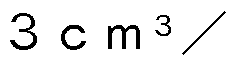 以上、 より好ましくは〇. 5〇

/ 9以上である。
[0055]
 以上、 より好ましくは 6
0 2/ 9以上、 さらに好ましくは 70012/9以上で、 好ましくは 1 000 2/ 9以下、 より好ましくは 500012/9以下、 さらに好ましくは 300 2/9以下である。 原料巳
 以上であること により、 造粒による球形化の際に用いる巳1\1スラリー中の分散粒子径を小さ くすることができるため好ましい。 原料巳 1\1粉末の比表面積が 1 〇〇〇 2/ 9以下であることにより、 スラリー粘度の増加を抑制することができるため 好ましい。
[0056] 原料巳 1\1粉末の全細孔容積は、 窒素吸着法および水銀圧入法で測定するこ とができる。
原料巳 1\1粉末の比表面積は、 巳巳丁 1点法 (吸着ガス:窒素) で測定する ことができる。 なお、 窒素吸着法は」 丨 3 8830に準拠した方法で実 施し、 測定温度は一 1 96°〇 (液体窒素温度) とする。 また、 水銀圧入法は 」 1 3
 に準拠した方法で実施し、 巳 1\1の表面張力 485 ソ n
/〇 2、 接触角 1 40° 、 測定温度は 23〜 26°〇とする。
[0057] <媒体>
巳 !\1スラリーの調製に用いる媒体としては特に制限はなく、 水及び/又は
〇 2020/175377 12 卩(:170? 2020 /007124
各種の有機溶媒を用いることができる。 噴霧乾燥の容易さ、 装置の簡素化な どの観点から、 媒体としては水を用いることが好ましく、 純水がより好まし い。
[0058] 巳 1\1スラリーの調製に用いる媒体は、 巳 1\1スラリーの粘度が 2 0 0〜 5 0
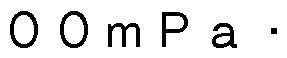 3となる量を加えることが好ましい。 巳1\1スラリーの粘度は、 スラリー温度が 1 〇 °〇以上 6 0 °〇以下の場合の粘度を表し、 好ましくは 1 5 °〇以上 5 0 °〇以下、 より好ましくは 1 5 °〇以上 4 0 °〇以下、 更に好ましくは 1 5 °〇以上 3 5 °〇以下で上記の粘度であることが好ましい。
具体的には巳 1\1スラリーの調製に用いる媒体の使用量は、 巳 1\1スラリーに 対して好ましくは 1 0重量%以上、 より好ましくは 2 0重量%以上、 さらに 好ましくは 3 0重量%以上であり、 好ましくは 7 0重量%以下、 より好まし くは 6 5重量%以下、 さらに好ましくは 6 0重量%以下である。 媒体の使用 量が上記上限以下であると、 スラリー粘度が低くなりすぎないため、 沈降な どが抑制され、 巳 1\1スラリーの均一性が得られる傾向にある。 そのため、 得 られる巳 1\!凝集粒子のタツプ密度が所望の範囲となる傾向がある。 媒体の使 用量が上記下限以上であることで、 スラリー粘度が過度に高くならず、 造粒 が容易になる傾向がある。
[0059] <界面活性剤>
巳1\1スラリーには、 スラリーの粘度を調節すると共に、 スラリー中の原料 巳 !\1粉末の分散安定性 (凝集抑制) の観点から、 種々の界面活性剤を添加し てもよい。
[0060] 界面活性剤としては、 アニオン系界面活性剤、 カチオン系界面活性剤、 非 イオン性界面活性剤等を用いることができる。 これらは 1種を単独で用いて もよく、 2種以上を混合して用いてもよい。
[0061 ] 一般に、 界面活性剤はスラリーの粘度を変化させることが可能である。 従 つて、 巳 1\1スラリーに界面活性剤を添加する場合、 その量は、 巳1\1スラリー の粘度が 2 0 0〜 5 0 0 0 3 3となるような量に調整する。 なお、 該 巳 1\1スラリーの粘度は、 上述の巳 1\1スラリーの調製に用いる媒体にて述べた
〇 2020/175377 13 卩(:170? 2020 /007124
温度範囲の粘度を表す。
例えば、 原料巳1\1として、 粉末乂線回折測定により得られる (0 0 2) 面 ピークの半値幅 2 0が〇. 6 7 ° 、 全酸素濃度が 7 . 5重量%である巳1\1を 用いて固形分 5 0重量%のスラリーを調製する場合、 通常、 陰イオン性界面 活性剤を有効成分として、 スラリー全量に対し、 好ましくは〇. 0 1重量% 以上、 より好ましくは〇. 0 5重量%以上、 さらに好ましくは〇. 1重量% 以上で、 好ましくは 1 0重量%以下、 より好ましくは 7重量%以下、 さらに 好ましくは 5重量%以下、 特に好ましくは 3重量%以下添加する。 この添加 量が上記上限以下であることで、 スラリー粘度の低下が抑制されるとともに 、 生成した巳 1\1凝集粒子中に界面活性剤由来の炭素成分が残存しにくくなる 傾向がある。 添加量が上記下限以上であることで、 スラリー粘度が過度に高 くなることが抑制され、 造粒が容易になる傾向がある。
[0062] <バインダ _>
巳1\1スラリーは、 原料巳 1\1粉末を効果的に粒子状に造粒するために、 バイ ンダーを含んでもよい。 バインダーは、 巳 1\1 _次粒子を強固に結びつけ、 造 粒粒子を安定化するために作用する。
[0063] 巳 1\1スラリーに用いるバインダーとしては、 巳 1\1粒子同士の接着性を高め ることができるものであればよい。 本発明においては、 造粒粒子は粒子化後 に加熱処理されるため、 この加熱処理工程における高温条件に対する耐熱性 を有するバインダーが好ましい。
[0064] このようなバインダーとしては、 酸化アルミニウム、 酸化マグネシウム、 酸化イッ トリウム、 酸化カルシウム、 酸化珪素、 酸化ホウ素、 酸化セリウム 、 酸化ジルコニウム、 酸化チタンなどの金属の酸化物などが好ましく用いら れる。 これらの中でも、 酸化物としての熱伝導性と耐熱性、 巳1\1粒子同士を 結合する結合力などの観点から、 酸化アルミニウム、 酸化イッ トリウムが好 適である。
バインダーはアルミナゾルのような液状バインダーを用いてもよく、 加熱 処理中に反応して、 他の無機成分に変換されるものであってもよい。
〇 2020/175377 14 卩(:170? 2020 /007124
これらのバインダーは、 1種を単独で用いてもよく、 2種以上を混合して 用いてもよい。
[0065] バインダーは含んでもいても含んでいなくてもよく、 巳1\1スラリー中の原 料巳1\1粉末に対して 0重量%であってもよい。 また、 バインダーを含む場合 の使用量 (液状バインダーの場合は、 固形分としての使用量) は、 巳1\1スラ リー中の原料巳 1\1粉末に対して、 好ましくは〇. 1重量%以上、 より好まし くは 0 . 5重量%以上、 さらに好ましくは 1 . 0重量%以上で、 好ましくは 3 0重量%以下、 より好ましくは 2 0重量%以下、 さらに好ましくは 1 5重量 %以下である。 バインダーの使用量が上記上限以下であることで、 結晶成長 が得られ、 熱伝導性のフィラーとして用いた場合に熱伝導性改善効果が得ら れる傾向にある。
[0066] <巳1\1スラリー調製方法>
巳 1\1スラリーの調製方法は、 原料巳 1\1粉末及び媒体、 更に必要により、 バ インダー、 界面活性剤が均一に分散し、 所望の粘度範囲に調整される方法で あればよく、 特に限定されない。 原料巳 1\1粉末及び媒体、 更に必要により、 バインダー、 界面活性剤を用いる場合、 巳 1\1スラリーは、 好ましくは以下の ように調製する。
[0067] 原料巳 1\1粉末を樹脂製のボトルに所定量計量し、 次いで、 バインダーを所 定量添加する。 さらに、 界面活性剤を所定量添加した後、 ジルコニァ製のセ ラミックボールを加えて、 ポッ トミル回転台で所望の粘度になるまで 0 . 5 〜 5時間程度撹拌する。
[0068] 添加の順番は特に制限はないが、 大量の原料巳 1\1粉末をスラリー化する場 合、 ダマなどの凝集物ができやすくなるため、 水に界面活性剤とバインダー を加えた水溶液を作製した後、 所定量の原料巳 !\1粉末を少量ずつ添加し、 こ こにジルコニア製のセラミックボールを加えて、 ポッ トミル回転台で分散、 スラリー化してもよい。
[0069] 分散に際しては、 ポッ トミルのほかに、 ビーズミル、 プラネタリーミキサ 一などの分散装置を使用してもよい。
〇 2020/175377 15 卩(:170? 2020 /007124
[0070] スラリー化に際して、 スラリーの温度は、 好ましくは 1 0 °〇以上 6 0 °〇以 下で行う。 スラリー温度が上記下限以上であることで、 スラリー粘度の上昇 を抑制できる傾向にあり、 上記上限以下であることで、 原料巳1\1粉末がスラ リー中でアンモニアに分解することを抑制できる傾向にある。
[0071 ] スラリーの温度は、 より好ましくは 1 5 °〇以上 5 0 °〇以下、 さらに好まし くは 1 5 °〇以上 4 0 °〇以下、 特に好ましくは 1 5 °〇以上 3 5 °〇以下である。
[0072] <造粒>
巳 1\1スラリーから造粒粉末を得るには、 スプレードライ法、 転動法、 流動 層法、 撹拌法などの一般的な造粒方法を用いることができる。 この中でもス プレードライ法が好ましい。
[0073] スプレードライ法では、 原料となるスラリーの濃度、 装置に導入する単位 時間当たりの送液量と送液したスラリーを噴霧する際の圧空圧力及び圧空量 により、 所望の大きさの造粒粉末を製造することが可能である。 スプレード ライ法では、 球状の造粒粉末を得ることも可能である。
[0074] 使用するスプレードライ装置に制限はないが、 より大きな球状の造粒粉末 とするためには、 回転式ディスクによるものが最適である。 このような装置 としては、 大川原化工機社製スプレードライヤー シリーズ、 藤崎電機社製 スプレードライヤー
 、 ブリス社製スプレードライヤー
「 2 6 0」 などが挙げられる。
[0075] 造粒により得られた造粒粉末の平均粒子径は、 本発明の巳 1\!凝集粉末の体 積基準の平均粒子径 0 5 0の範囲を 2 0 以上 2 0 0 以下とする場合に は、 体積基準の平均粒子径口 5 0で好ましくは 1 〇 以上、 より好ましくは 1 5 以上で、 好ましくは 1 5 0 以下、 より好ましくは 1 0 0 以 下であることが好ましい。
造粒粉末の体積基準の平均粒子径〇5。は、 例えば、 湿式では堀場製作所製 「 !_八 9 2 0」 、 乾式では
 1」 な どで測定することができる。
[0076] <加熱処理>
〇 2020/175377 16 卩(:170? 2020 /007124
上記の巳 1\1造粒粉末は、 更に非酸化性ガス雰囲気下で加熱処理することで 巳 凝集粉末を製造することができる。
[0077] 非酸化性ガス雰囲気とは、 窒素ガス、 ヘリウムガス、 アルゴンガス、 アン モニアガス、 水素ガス、 メタンガス、 プロパンガス、 一酸化炭素ガスなどの 雰囲気である。 ここで用いる雰囲気ガスの種類により巳 1\1凝集粒子の結晶化 速度が異なるものとなる。 結晶化を短時間で行うためには特に窒素ガス、 も しくは窒素ガスと他のガスを併用した混合ガスが好適に用いられる。
[0078] 加熱処理温度は好ましくは 1 6 0 0 °〇以上、 より好ましくは 1 8 0 0 °〇以 上で、 好ましくは 2 3 0 0 °〇以下、 より好ましくは 2 2 0 0 °〇以下である。 加熱処理温度が上記下限以上であることで、 巳 一次粒子の平均結晶子の成 長が十分得られ、 巳 !\1凝集粉末の熱伝導率が大きくなる傾向にある。 加熱処 理温度が上記上限以下であることで、 巳 1\]凝集粉末の分解などが抑制される 傾向にある。
[0079] 加熱処理時間は、 好ましくは 5時間以上 2 0時間以下、 より好ましくは 5 時間以上 1 5時間以下である。 加熱処理時間が上記下限以上であることで、 結晶成長が十分えられる。 加熱処理時間が上記上限以下であることで巳 1\1の 分解を抑制できる傾向にある。
[0080] 加熱処理は、 非酸化性ガス雰囲気下で行うために、 好ましくは、 通常、 焼 成炉内を真空ポンプを用いて排気した後、 非酸化性ガスを導入しながら、 所 望の温度まで加熱して昇温する。 焼成炉内が十分に非酸化性ガスで置換でき る場合は、 常圧下で非酸化性ガスを導入しながら加熱昇温してもよい。 焼成 炉としては、 マッフル炉、 管状炉、 雰囲気炉などのバッチ式炉や口ータリー キルン、 スクリューコンべヤ炉、 トンネル炉、 ベルト炉、 プッシャー炉、 竪 型連続炉などの連続炉が挙げられ、 目的に応じて使い分けられる。
[0081 ] 通常、 加熱処理する造粒粉末は、 焼成時の組成の不均一性を低減するため に、 円形の黒鉛製蓋付きルツボに入れて加熱焼成される。 この際、 組成の不 均一性の低減に加えて、 焼成による巳 1\1凝集粒子同士の焼結を抑制する目的 で、 黒鉛製の仕切りを入れてもよい。 仕切りによる分割数は、 焼結が抑制で
〇 2020/175377 17 卩(:170? 2020 /007124
きれば特に制限はないが、 通常 2分割以上 1 6分割以下である。 分割数が上 記上限以上であることで、 焼結が抑制され、 II _巳 一次粒子の結晶が十分 に成長する傾向にある。 分割数が上記下限以上であることで、 焼結の進行を 抑制できる傾向にある。
[0082] く分級 ñ
上記加熱処理後の巳 1\1凝集粉末は、 粒子径分布を小さく し、 巳1\1凝集粉末 含有樹脂組成物に配合したときの粘度上昇を抑制するために、 好ましくは分 級処理する。 この分級は、 通常、 造粒粉末の加熱処理後に行われるが、 加熱 処理前の造粒粉末に対して行い、 その後加熱処理に供してもよい。
[0083] 分級は湿式、 乾式のいずれでもよいが、 巳 1\1の分解を抑制するという観点 からは、 乾式の分級が好ましい。 特に、 バインダーが水溶性を有する場合に は乾式分級が好ましく用いられる。
[0084] 乾式の分級には、 篩による分級のほか、 遠心力と流体抗力の差によって分 級する風力分級などがある。 乾式の分級は、 旋回気流式分級機、 強制渦遠心 式分級機、 半自由渦遠心式分級機などの分級機を用いて行うこともできる。 これらの分級機は、 サブミクロンからシングルミクロン領域の小さな微粒子 を分級するには旋回気流式分級機を用い、 それ以上の比較的大きな粒子を分 級するには半自由渦遠心式分級機などを用いるというように、 分級する粒子 の粒子径に応じて適宜使い分ければよい。
[0085] <本発明の巳 1\1凝集粉末を得るための工夫>
タップ密度が〇. 6 9 / 丨以上〇.
 粒子間隙容積が
〇.
 以上である本発明の巳 1\1凝集粉末を製造する方法としては、 特に制限はないが、 以下のような方法が挙げられる。
[0086] 本発明の巳 1\1凝集粉末を得る方法としては、 加熱処理後、 ルツボの内壁面 側ではなく、 ルツボ内壁面から離隔した内側の部分の加熱処理粉末を分取す る方法が挙げられる。
[0087] ルツボの内壁面近傍は、 ルツボの材質、 加熱炉材質の影響を大きく受ける 傾向にあるので、 タップ密度が本発明の規定範囲を超えて大きな巳 1\1凝集粒
〇 2020/175377 18 卩(:170? 2020 /007124
子が得られる傾向にある。
—方、 ルツボの内側 (ルツボ内壁から離隔した領域) はルツボ材質、 加熱 炉材質の影響が小さい傾向にある。 このため、 ルツボの中央付近からは、 夕 ップ密度が本発明の規定範囲内の巳 凝集粒子を得ることができる傾向があ る。
[0088] また、 巳 1\1凝集粉末のタップ密度と粒子間隙容積は、 巳1\1 _次粒子の成長 と巳 1\1凝集粒子の形状などにより変化するが、 巳 1\1 _次粒子の粒子成長や巳 1\1凝集粒子の形状は巳 1\1原料に含まれる酸素濃度で変化する。 このため、 酸 素濃度を制御しながら加熱処理することで、 タップ密度と粒子間隙容積を本 発明の規定範囲内に調整することができる。 具体的には、 還元剤として炭素 共存下で加熱することや、 減圧下で酸素濃度を調整する方法などが挙げられ る。
さらに、 上記以外の酸素濃度制御方法としては、 加熱処理のステップを複 数設け、 巳 1\1 _次粒子の結晶成長温度域で長時間保持した後、 結晶成長温度 域よりも高温で加熱処理する方法などが挙げられる。
[0089] 上記の方法はは、 単独でも、 組み合わせて用いても良い。
[0090] 〔 8 凝集粉末含有樹脂組成物〕
本発明の巳 1\1凝集粉末を含む本発明の放熱シートを製造するには、 通常、 無機フィラーとして少なくとも本発明の巳 凝集粉末と、 樹脂とを含有する 樹脂組成物 (以下、 「本発明の巳 1\1凝集粉末含有組成物」 又は 「本発明の組 成物」 と称す場合がある。 ) を調製し、 調製した本発明の組成物をシート成 形することにより、 本発明の放熱シートとする。 以下に、 本発明の巳1\1凝集 粉末含有組成物について説明する。
[0091 ] 本発明の巳 !\1凝集粉末含有樹脂組成物は、 通常、 樹脂成分、 好ましくは熱 硬化性樹脂成分と、 本発明の巳 !\1凝集粉末を含む無機フィラー、 硬化剤、 硬 化触媒、 必要に応じて用いられるその他の成分、 塗布スラリーとするための 溶剤等で構成される。
後述の複合成形体とする場合、 本発明の組成物は、 金属との密着性向上の
〇 2020/175377 19 卩(:170? 2020 /007124
観点から、 更に窒素原子を含有する複素環構造を有する化合物を含むことが 好ましい。
[0092] [無機フィラー以外の成分]
<熱硬化性樹脂成分>
本発明の組成物に含まれる熱硬化性樹脂としては、 硬化剤や硬化触媒の存 在下で硬化するものであればよく、 特に限定されない。 熱硬化性樹脂として は、 具体的には、 エポキシ樹脂、 フエノール樹脂、 ポリカーボネート樹脂、 不飽和ポリエステル樹脂、 ウレタン樹脂、 メラミン樹脂、 ユリア樹脂等が挙 げられる。 これらの中で、 粘度、 耐熱性、 吸湿性、 取扱い性の観点から、 エ ポキシ樹脂が好ましい。 エポキシ樹脂としては、 例えば、 エポキシ基含有ケ イ素化合物、 脂肪族型エポキシ樹脂、 ビスフエノール八または 型エポキシ 樹脂、 ノボラック型エポキシ樹脂、 脂環式エポキシ樹脂、 グリシジルエステ ル型エポキシ樹脂、 多官能型エポキシ樹脂、 高分子型エポキシ樹脂等が挙げ られる。
[0093] (エポキシ樹脂)
エポキシ樹脂とは、 分子内に 1個以上のオキシラン環 (エポキシ基) を有 する化合物の総称である。
エポキシ樹脂に含まれるオキシラン環 (エポキシ基) は脂環式エポキシ基 、 グリシジル基のどちらでもよいが、 反応速度もしくは耐熱性の観点から、 グリシジル基であることがより好ましい。
[0094] 本発明で用いるエポキシ樹脂は、 芳香族オキシラン環 (エポキシ基) 含有 化合物であってもよい。 その具体例としては、 ビスフエノール八、 ビスフエ ノール 、 ビスフエノール八〇、 ビスフエノール 3、 テトラメチルビスフエ ノール八、 テトラメチルビスフエノール 、 テトラメチルビスフエノール八 口、 テトラメチルビスフエノール 3、 テトラフルオロビスフエノール八など のビスフエノール類をグリシジル化したビスフエノール型エポキシ樹脂、 ビ フエニル型のエポキシ樹脂、 ジヒドロキシナフタレン、 9 , 9 -ビス (4 - ヒドロキシフエニル) フルオレンなどの 2価のフエノール類をグリシジル化
〇 2020/175377 20 卩(:170? 2020 /007124
したエポキシ樹脂、 1 , 1 , 1 -トリス (4 -ヒドロキシフエニル) メタン などのトリスフエノール類をグリシジル化したエポキシ樹脂、 1 , 1 , 2 ,
2—テトラキス (4—ヒドロキシフエニル) エタンなどのテトラキスフエノ —ル類をグリシジル化したエポキシ樹脂、 フエノールノボラック、 クレゾー ルノボラック、 ビスフエノール八ノボラック、 臭素化ビスフエノール八ノボ ラックなどのノボラック類をグリシジル化したノボラック型エポキシ樹脂な どが挙げられる。
[0095] 以下に本発明で用いるエポキシ樹脂として好適なエポキシ樹脂 (以下、 「 特定エポキシ樹脂」 と称す場合がある。 ) と、 この特定エポキシ樹脂と好ま しく併用される多官能エポキシ樹脂について説明する。
[0096] 以下において、 「有機基」 とは、 炭素原子を含む基であれば如何なる基で も含むものであり、 例えば、 アルキル基、 アルケニル基、 アリール基等が挙 げられる。 これらはハロゲン原子や、 ヘテロ原子を有する基や、 他の炭化水 素基で置換されていてもよい。
[0097] (特定エポキシ樹脂)
特定エポキシ樹脂としては、 下記構造式 (1) で表される構造 (以下、 「 構造 (1) 」 と称す場合がある。 ) および下記構造式 (2) で表される構造 (以下、 「構造 (2) 」 と称す場合がある。 ) から選ばれる少なくとも一つ の構造を有するエポキシ樹脂が挙げられる。
[0098] [化 1 ]

[0099] 式 (1) 中、
 および はそれぞれ有機基を表し、 少なくとも一方は分 子量 1 6以上の有機基である。 式 (2) 中、
 の環状有機基を表す。
[0100] また、 特定エポキシ樹脂として、 下記構造式 (3) で表される構造 (以下 、 「構造 (3) 」 と称す場合がある。 ) を有するエポキシ樹脂が挙げられる
[0101 ] [化 2]

[0102] 式 (3) 中、
 それぞれ分子量 1 5以上の有機基を 表す。
[0103] 上記式 (1) において、
 および 2のうちの少なくとも一方は、 分子量 が 1 6以上、 好ましくは分子量 1 6〜 1 0 0 0の有機基を表す。 分子量 1 6 以上の有機基としては、 例えば、 エチル基、 プロピル基、 プチル基、 ペンチ ル基、 ヘキシル基、 ヘプチル基等のアルキル基やフエニル基、 トリル基、 キ シリル基、 ナフチル基、 フルオレニル基等のアリール基が挙げられる。
 お よび 2は共に分子量 1 6以上の有機基であってもよく、 一方が分子量 1 6以 上の有機基で、 他方が分子量 1 5以下の有機基又は水素原子であってもよい 。 好ましくは、
 以上の有機基で他方が分子 量 1 5以下の有機基である。 特に および 2のいずれか一方がメチル基で 、 他方がフエニル基であることが、 樹脂粘度等の取扱い性の制御が容易にな ることや、 硬化物の強度の観点から好ましい。
[0104] 式 (2) において、
 3は 2価の環状有機基であり、 ベンゼン環構造、 ナフ タレン環構造、 フルオレン環構造等の芳香族環構造であってもよいし、 シク ロブタン、 シクロペンタン、 シクロヘキサン等の脂肪族環構造であってもよ い。 また、 それらは独立に、 炭化水素基、 又はハロゲン原子等の置換基を有
〇 2020/175377 22 卩(:170? 2020 /007124
3は 2価の環状有機基であり、 ベンゼン環構造、 ナフ タレン環構造、 フルオレン環構造等の芳香族環構造であってもよいし、 シク ロブタン、 シクロペンタン、 シクロヘキサン等の脂肪族環構造であってもよ い。 また、 それらは独立に、 炭化水素基、 又はハロゲン原子等の置換基を有
〇 2020/175377 22 卩(:170? 2020 /007124
していてもよい。 2価の結合部は、 単一の炭素原子にある 2価基であっても よいし、 異なる炭素原子にある 2価基であってもよい。 好ましくは、 炭素数 6〜 1 0 0の 2価の芳香族基、 シクロプロパンやシクロヘキサンのような炭 素数 2〜 1 0 0のシクロアルカンに由来する基が挙げられる。
 特に下 記構造式 ( 4) で表される 3 , 3 , 5—トリメチルー 1 , 1 —シクロへキシ レン基が、 樹脂粘度等の取扱い性の制御や硬化物の強度の観点から好ましい
[0105] [化 3]

[0106] 式 (3) において、 [¾ 4、 [¾ 5、 [¾ 6、
 それぞれ分子量 1 5以上の有 機基であるが、 好ましくは分子量 1 5〜 1 0 0 0のアルキル基である。 特に
 7のすべてがメチル基であることが、 樹脂粘度等の取扱い 性の制御や硬化物の強度の観点から好ましい。
[0107] 特定エポキシ樹脂は、 特に構造 (1) および構造 (2) のいずれか一方と 、 構造 (3) とを含むエポキシ樹脂であることが、 得られる硬化物である放 熱シートの吸湿性の低減と強度保持の性能の両立の観点から好ましい。
[0108] このような特定エポキシ樹脂は、 一般的なビスフエノール八、 ビスフエノ _ル 骨格を有するエポキシ樹脂と比較して、 疎水性の炭化水素および芳香 族構造を多く含むため、 特定エポキシ樹脂を配合することにより、 得られる 硬化物である放熱シートの吸湿量を低減することができる。
[0109] 吸湿量を低減するという観点から、 特定エポキシ樹脂は疎水性構造である 構造 (1) 、 (2) 、 (3) を多く含むものが好ましく、 具体的には重量平 均分子量が 1 〇, 〇〇〇以上のエポキシ樹脂であることが好ましく、 また重
〇 2020/175377 23 卩(:170? 2020 /007124
量平均分子量が 20, 000以上のエポキシ樹脂であることがより好ましく 、 さらに重量平均分子量が 30, 000以上、 例えば 30, 000〜 40,
000のエポキシ樹脂であることがより一層好ましい。
[0110] 特定エポキシ樹脂はより疎水性であることが好ましく、 具体的には特定エ ポキシ成分のエポキシ当量は大きい方がよく、 5, 0009/当量以上が好 ましく、 7, 0009/当量以上、 例えば 8, 000〜 1 5, 0009/当 量がより好ましい。
[0111] ここで、 エポキシ樹脂の重量平均分子量とは、 ゲルパーミエーシヨンクロ マトグラフィーにより測定されたポリスチレン換算の値である。
エポキシ当量とは、 「 1当量のエポキシ基を含むエポキシ樹脂の重量」 と 定義され、 」 丨 3 < 7236に準じて測定することができる。
[0112] このような特定エポキシ樹脂は、 1種のみを用いてもよく、 2種以上を併 用してもよい。
[0113] (多官能エポキシ樹脂)
多官能エポキシ樹脂とは、 一分子あたりに 3個以上のオキシラン環 (エポ キシ基) を有するエポキシ樹脂である。
[0114] 熱硬化後の硬化物の貯蔵弾性率を高くする、 特にパワー半導体など発熱量 の多い場合に重要になる高温時の貯蔵弾性率を高くする観点からは、 分子内 に 2個以上のオキシラン環 (エポキシ基) を有するエポキシ樹脂が好ましく 、 分子内に 3個以上のオキシラン環 (エポキシ基) を有するエポキシ樹脂が さらに好ましく、 分子内に 4個以上のグリシジル基を有するエポキシ樹脂が より一層好ましい。
[0115] 分子内に複数のオキシラン環 (エポキシ基) 、 特にグリシジル基を有する ことで、 硬化物の架橋密度が向上し、 得られる硬化物である放熱シートがよ り高強度となる。 それにより、 吸湿リフロー試験において放熱シートに内部 応力が発生した際に、 放熱シートが変形したり、 破壊したりせずに、 形態を 保持することで、 放熱シート内にボイ ド等の空隙が発生するのを抑制するこ とができる。
〇 2020/175377 24 卩(:170? 2020 /007124
[01 16] 熱硬化後の放熱シートの貯蔵弾性率を高くするという観点から、 多官能エ ポキシ樹脂の分子量は 1 , 0 0 0以下であることが好ましく、 特に 1 0 0〜 8 0 0であることが好ましい。
[01 17] 多官能エポキシ樹脂を添加することにより、 極性の高いオキシラン環 (エ ポキシ基) を高密度で導入することが可能であり、 それにより、 ファンデル ヮールスカや水素結合といった物理的相互作用の効果が増し、 後述の複合成 形体における金属と樹脂硬化物である本発明の放熱シートとの密着性を向上 させることができる。 また、 多官能エポキシ樹脂を添加することにより、 熱 硬化後の放熱シートの貯蔵弾性率を高くすることができ、 それにより被着体 である金属の凹凸に熱硬化性樹脂組成物の硬化物が入り込んだ後、 強固なァ ンカー効果を発現し、 金属と放熱シートとの密着性を向上させることができ る。
[01 18] —方で、 多官能エポキシ樹脂を導入することにより、 熱硬化性樹脂組成物 の吸湿性が高くなる傾向にあるが、 オキシラン環 (エポキシ基) の反応性を 向上させることで、 反応途中の水酸基量を減らし、 吸湿性の増加を抑制する ことができる。 また、 前述した特定エポキシ樹脂と多官能エポキシ樹脂を組 み合わせて熱硬化性樹脂組成物を製造することにより、 得られる放熱シート の高弾性化と低吸湿化を両立することが可能となる。
[01 19] 多官能エポキシ樹脂としては、 具体的にはエポキシ基を 3つ以上有するエ ポキシ樹脂が好ましく、 例えばナガセケムテックス社製の、 巳乂3 2 1 !_、 0 1_〇3 0 1、 口 !_〇4 0 2等を用いることができる。
これらの多官能エポキシ樹脂は 1種のみを用いてもよく、 2種以上を併用 してもよい。
[0120] (含有量)
本発明の組成物は、 熱硬化性樹脂成分を、 溶剤及び無機フィラーを除く本 発明の組成物 1 〇 0重量%中に 5重量%以上、 特に 5 0重量%以上で、 9 9 重量%以下、 特に 9 8重量%以下含有することが好ましい。 熱硬化性樹脂成 分の含有量が上記下限以上であると、 成形性が良好となる。 硬化性樹脂成分
〇 2020/175377 25 卩(:170? 2020 /007124
の含有量が上記上限以下であると、 他の成分の含有量を確保することができ 、 熱伝導性を高めることができる。
[0121 ] 本発明の組成物は、 熱硬化性樹脂成分中に、 エポキシ樹脂を 2 0〜 1 0 0 重量%、 特に 4 5〜 1 0 0重量%含むことが好ましい。
[0122] 本発明の組成物は、 前述の好適なエポキシ樹脂である特定エポキシ樹脂を 、 全エポキシ樹脂中に 5 0重量%以下、 特に 4 0重量%以下で、 5重量%以 上、 特に 1 〇重量%以上含有することが好ましい。 特定エポキシ樹脂の含有 量が上記下限以上であると、 特定エポキシ樹脂を含有することによる前述の 効果を有効に得ることができる。 特定エポキシ樹脂が多過ぎると架橋密度が 低下し硬化物が脆くなる。 特定エポキシ樹脂の含有量を上記上限以下とする ことで、 硬化物の吸湿性を抑制し、 且つ硬化物の強度性能を優れたものにし 、 それらの性能を両立することが可能となる。
[0123] 本発明の組成物は、 前述の好適なエポキシ樹脂である多官能エポキシ樹脂 を、 全エポキシ樹脂中に 5重量%以上、 特に 1 0重量%以上で、 5 0重量% 以下、 特に 4 0重量%以下含有することが好ましい。 多官能エポキシ樹脂の 含有量が上記下限以上であると、 多官能エポキシ樹脂を含有することによる 前述の効果を有効に得ることができる。 多官能エポキシ樹脂の含有量が上記 上限以下であることにより、 硬化物の吸湿性を抑制し、 且つ硬化物の強度性 能を優れたものにし、 それらの性能を両立することが可能となる。
[0124] 本発明の組成物は、 エポキシ樹脂として、 特定エポキシ樹脂と多官能エポ キシ樹脂とを共に含有することが、 得られる硬化物の高弾性化と低吸湿化を 共に得る上で好ましい。 その場合、 特定エポキシ樹脂と多官能エポキシ樹脂 との含有量比は、 特定エポキシ樹脂:多官能エポキシ樹脂 = 1 0〜 9 0 : 9 〇〜 1 0、 特に 2 0〜 8 0 : 8 0〜 2 0 (重量比) であることが好ましい。
[0125] 本発明の組成物に含まれる特定エポキシ樹脂および多官能エポキシ樹脂以 外のエポキシ樹脂としては、 特に制限はないが、 例えばビスフエノール八型 エポキシ樹脂、 ビスフエノール 型エポキシ樹脂等のビスフエノール類をグ リシジル化した各種ビスフエノール型エポキシ樹脂、 ビフエニル類をグリシ
〇 2020/175377 26 卩(:170? 2020 /007124
ジル化した各種ビフエニル型のエポキシ樹脂、 ジヒドロキシナフタレン、 9 , 9 -ビス (4 -ヒドロキシフエニル) フルオレンなどの 2つの水酸基を有 する芳香族性を有する化合物類をグリシジル化したエポキシ樹脂、 1 , 1 ,
1 —トリス (4—ヒドロキシフエニル) メタンなどのトリスフエノール類を グリシジル化したエポキシ樹脂、 1 , 1 , 2 , 2 -テトラキス (4 -ヒドロ キシフエニル) エタンなどのテトラキスフエノール類をグリシジル化したエ ポキシ樹脂、 フエノールノボラック、 クレゾールノボラック、 ビスフエノー ル八ノボラック、 臭素化ビスフエノール八ノボラックなどのノボラック類を グリシジル化したノボラック型エポキシ樹脂、 およびシリコーン含有エポキ シ樹脂から選ばれる等の 1種又は 2種以上が好ましい。
[0126] <窒素原子を含有する複素環構造を有する化合物>
窒素原子を含有する複素環構造を有する化合物 (以下、 「窒素含有複素環 化合物」 と称す場合がある。 ) は、 本発明の組成物の硬化物と金属との密着 性を向上させる作用効果を奏する。
窒素含有複素環化合物は、 本発明の組成物と金属と複合化する際に、 それ らの界面に位置することで、 本発明の組成物と金属との密着性を向上させる 。 この観点から、 窒素含有複素環化合物を本発明の組成物と金属の界面に滞 在しやすくするために、 低分子量であることがより好ましい。 窒素含有複素 環化合物の分子量は 1 , 0 0 0以下であることが好ましく、 5 0 0以下であ ることがより好ましい。
[0127] 窒素含有複素環化合物の有する複素環構造としては、 例えば、 イミダゾー ル、 トリアジン、 トリアゾール、 ピリミジン、 ピラジン、 ピリジン、 アゾー ルから誘導される構造があるが、 熱硬化性樹脂組成物の絶縁性、 金属との密 着性の向上の観点からイミダゾール系化合物やトリアジン系化合物が好まし い。
[0128] 好ましいイミダゾール系化合物、 トリアジン系化合物としては、 例えば 2 —エチルー 4—メチルイミダゾール、 2—フエニルイミダゾール、 1 —ベン ジルー 2—メチルイミダゾール、 1 —ベンジルー 2—フエニルイミダゾール
〇 2020/175377 27 卩(:170? 2020 /007124
、 1 —シアノエチルー 2—ウンデシルイミダゾール、 1 —シアノエチルー 2 —エチルー 4—メチルイミダゾール、 2—フエニルー 4—メチルイミダゾー ル、 1 —シアノエチルー 2—フエニルイミダゾリウムトリメリテイ ト、 2 ,
4—ジアミノー 6— [ 2, ーメチルイミダゾリルー (1, ) ] —エチルー 3 —トリアジン、 2 , 4—ジアミノー 6— [ 2, ーウンデシルイミダゾリルー (1, ) ] —エチルー 3 _トリアジン、 2 , 4—ジアミノー 6— [ 2, ーエ チルー 4, メチルイミダゾリルー (1, ) ] —エチルー 3 _トリアジン、 2 , 4—ジアミノー 6— [ 2, ーメチルイミダゾリルー (1, ) ] —エチルー 3 - トリアジンイソシアヌル酸付加物、 2 -フエニルイミダゾールイソシア ヌル酸付加物、 2 -フエニルー 4 , 5 -ジヒドロキシメチルイミダゾール、
2—フエニルー 4—メチルー 5—ヒドロキシメチルイミダゾール、 2 , 4 - ジアミノー 6—ビニルー 3—トリアジン、 2 , 4—ジアミノー 6—ビニルー 3 _トリアジンイソシアヌル酸付加物、 2 , 4 -ジアミノー 6 -メタクリロ イルオキシエチルー 3 _トリアジン、 2 , 4—ジアミノー 6—メタクリロイ ルオキシエチルー 3 -トリアジンイソシアヌル酸付加物等が挙げられる。
[0129] これらの中でも、 樹脂相溶性が高く、 かつ反応活性化温度が高いことで、 硬化速度や硬化後の物性を容易に調整することができ、 これにより、 本発明 の組成物の保存安定性向上や加熱成形後の接着強度の更なる向上を実現でき ることから、 特にイミダゾールから誘導される構造を有するもの、 トリアジ ンから誘導される構造を有するものが好ましく、 とりわけトリアジンから誘 導される構造を有するものが好ましい。 窒素含有複素環化合物の有する複素 環構造としては、 1 , 3 , 5—トリアジンから誘導される構造が特に好まし い。 窒素含有複素環化合物は、 上記例示された構造部分を複数有するもので あってもよい。
[0130] 窒素含有複素環化合物には、 構造によっては後述する硬化触媒が含まれる 場合がある。 従って、 本発明の組成物は硬化触媒として窒素含有複素環化合 物を含んでいてもよい。
[0131 ] 窒素含有複素環化合物は 1種のみを用いてもよく、 2種以上を併用しても
〇 2020/175377 28 卩(:170? 2020 /007124
よい。 窒素含有複素環化合物は、 1分子中に複数の復素環構造を同時に有し ていてもよい。
[0132] 窒素含有複素環化合物は、 溶剤及び無機フィラーを除く本発明の組成物 1 〇〇重量%中に〇. 0 0 1重量%以上、 特に 0 . 1重量%以上で、 1 0重量 %以下、 特に 5重量%以下含まれることが好ましい。 後述する硬化触媒がそ の分子構造からして窒素含有複素環化合物に含まれる場合は、 それらの含有 量も含めた全量が上記範囲に含まれることが好ましい。 窒素含有複素環化合 物の含有量が上記下限以上であると、 この化合物を含むことによる上記効果 を十分に得ることができる。 窒素含有複素環化合物の含有量が上記上限以下 であると反応が効果的に進行し、 架橋密度を向上させ、 強度を増すことがで き、 さらに保管安定性が向上する。
[0133] <硬化剤>
硬化剤としては特に限定されないが、 好ましい硬化剤は、 フェノール樹脂 、 芳香族骨格もしくは脂環式骨格を有する酸無水物、 又は該酸無水物の水添 加物もしくは該酸無水物の変性物である。 これらの好ましい硬化剤の使用に より、 耐熱性、 耐湿性および電気物性のバランスに優れた樹脂硬化物を得る ことができる。 硬化剤は、 1種のみを用いてもよく、 2種以上を併用しても よい。
[0134] フェノール樹脂は、 特に限定されない。 フェノール樹脂の具体例としては 、 フェノールノボラック、 〇—クレゾールノボラック、 _クレゾールノボ ラック、 1: _プチルフェノールノボラック、 ジシクロペンタジェンクレゾー ル、 ポリパラビニルフェノール、 ビスフェノール八型ノボラック、 キシリレ ン変性ノポラック、 デカリン変性ノボラック、 ポリ (ジ _〇—ヒドロキシフ ェニル) メタン、 ポリ (ジー 01—ヒドロキシフェニル) メタン、 又はポリ ( ジー ーヒドロキシフェニル) メタン等が挙げられる。 なかでも、 熱硬化性 樹脂組成物の柔軟性および難燃性をより _層の向上、 樹脂硬化物の力学物性 および耐熱性向上のためには剛直な主鎖骨格を持つノボラック型フェノール 樹脂やトリアジン骨格を有するフェノール樹脂が好ましい。 未硬化の熱硬化
〇 2020/175377 29 卩(:170? 2020 /007124
性樹脂組成物の柔軟性および樹脂硬化物の靭性向上のためにはアリル基を有 するフエノール樹脂が好ましい。
[0135] フエノール樹脂の市販品としては、 1\/1巳 1~1-8005、 1\/1巳 1~1-8000
1~1および 巳 1~1-801 5 (以上いずれも明和化成社製) 、 丫!_ 1~1903 ( 三菱ケミカル社製) 、 !_八一7052、 !_八一 7054、 1_八一 775 1、
!_八_ 1 356および !_八_301 8— 50 (以上いずれも大日本インキ 社製) 、 並びに 31\/16200、 363 1 3および 36492 (群栄化 学工業社製) 等が挙げられる。
[0136] 芳香族骨格を有する酸無水物、 該酸無水物の水添加物又は該酸無水物の変 性物は、 特に限定されない。 具体的な例としては、 31\/1八レジン巳 30お よび 31\/1八レジン巳 60 (以上いずれもサートマー ·ジャパン社製) 、 〇 0 八一1\/1および 巳 八 (以上いずれもマナック社製) 、 リカジッ ト 1\/1丁 八一 1 0、 リカジッ ト丁 IV!丁八、 リカジッ ト丁 IV!巳◦ - 200、 リカジッ ト 丁 IV!巳◦ - 500、 リカジッ ト丁 IV!巳◦ - 3、 リカジッ ト' G 1~1、 リカジッ ト IV! 1~1 - 700、 リカジッ ト IV!丁一 500、 リカジッ トロ 30八およびリカジ ッ ト丁0八一 1 00 (以上いずれも新日本理化社製) 、 巳 丨 〇 !_〇 巳 4400、 および巳 丨 〇し〇 6570 (以上いずれも大日本インキ化 学社製) などが挙げられる。
[0137] 脂環式骨格を有する酸無水物、 該酸無水物の水添加物又は該酸無水物の変 性物は、 多脂環式骨格を有する酸無水物、 該酸無水物の水添加物もしくは該 酸無水物の変性物、 又はテルペン系化合物と無水マレイン酸との付加反応に より得られる脂環式骨格を有する酸無水物、 該酸無水物の水添加物又は該酸 無水物の変性物であることが好ましい。 具体的な例としては、 リカジッ ト 1~1 八およびリカジッ ト 1~1 八_ 1 00 (以上いずれも新日本理化社製) 、 並 びにエピキュア丫 1~1306およびエピキュア丫 1~1309 (以上いずれも三菱 ケミカル社製) 等が挙げられる。
[0138] 硬化剤は、 溶剤及び無機フィラーを除く本発明の組成物 1 00重量%中に 〇〜 7〇重量%、 特に〇〜 55重量%含まれることが好ましい。 硬化剤の含
〇 2020/175377 30 卩(:170? 2020 /007124
有量が上記下限以上であると、 十分な硬化性能を得ることができる。 硬化剤 の含有量が上記上限以下であれば反応が効果的に進行し、 架橋密度を向上さ せ、 強度を増すことができ、 さらに製膜性が向上する。
[0139] <硬化触媒>
本発明の組成物は、 硬化速度や硬化物の物性などを調整するために、 上記 硬化剤と共に硬化触媒を含有することが好ましい。
[0140] 硬化触媒は特に限定されないが、 用いる熱硬化性樹脂成分や硬化剤の種類 に応じて適宜に選ばれる。 硬化触媒の具体例としては、 鎖状または環状の 3 級アミン、 有機リン系化合物、 4級ホスホニウム塩類又は有機酸塩等のジア ザビシクロアルケン類等が挙げられる。 硬化触媒としては、 有機金属化合物 類、 4級アンモニウム塩類又は金属ハロゲン化物等を用いることもできる。 上記有機金属化合物類としては、 オクチル酸亜鉛、 オクチル酸錫又はアルミ ニウムアセチルアセトン錯体等が挙げられる。
これらは 1種を単独で用いてもよく、 2種以上を混合して用いてもよい。
[0141 ] 硬化触媒は、 溶剤及び無機フイラーを除く本発明の組成物 1 0 0重量%中 に〇. 1〜 1 0重量%、 特に〇. 1〜 5重量%含まれることが好ましい。 硬 化触媒の含有量が上記下限以上であると、 硬化反応の進行を十分に促進して 良好に硬化させることができる。 硬化触媒の含有量が上記上限以下であると 、 硬化速度が速すぎることがなく、 従って、 本発明の組成物の保存安定性を 良好なものとすることができる。
[0142] <その他の成分>
本発明の組成物には、 本発明の効果を損なうことのない範囲において、 無 機フイラー以外の成分として上記以外のその他の成分が含まれていてもよい 。 その他の成分としては、 本発明の組成物を用いて樹脂硬化物を製造する際 に、 無機フイラーと樹脂成分との界面接着強度を改善するシランカップリン グ剤などの表面処理剤、 還元剤等の絶縁性炭素成分、 粘度調整剤、 分散剤、 チキソ性付与剤、 難燃剤、 着色剤、 有機フイラー、 有機溶剤、 熱可塑性樹脂 が挙げられる。
〇 2020/175377 31 卩(:170? 2020 /007124
[0143] これらのうち、 本発明の組成物は分散剤を含むことで、 均一な樹脂硬化物 を形成することが可能となり、 得られる樹脂硬化物の熱伝導性および絶縁破 壊特性を向上させることができる場合がある。 また、 本発明の組成物は有機 フィラーや熱可塑性樹脂を含むことで、 組成物に適度な伸び性を付与し、 発 生する応力を緩和し、 温度サイクル試験でのクラックの発生を押さえること ができる場合がある。
[0144] 分散剤は、 水素結合性を有する水素原子を含む官能基を有することが好ま しい。 分散剤が水素結合性を有する水素原子を含む官能基を有することで、 得られる硬化物である放熱シートの熱伝導性および絶縁破壊特性をより一層 高めることができる。 上記水素結合性を有する水素原子を含む官能基として は、 例えば、 カルボキシル基 ( < 3 = 4) 、 リン酸基 ( < 3 = 7) 、 又 はフエノール基 ( < 3 = 1 0) 等が挙げられる。
[0145] 水素結合性を有する水素原子を含む官能基の < 3は、 2〜 1 0の範囲内 にあることが好ましく、 3〜 9の範囲内にあることがより好ましい。 p K a が 2以上であることで、 分散剤の酸性度が適当な範囲となり、 熱硬化性樹脂 成分中のエポキシ樹脂の反応が抑制されやすくなる場合がある。 従って、 未 硬化状態の成形物が貯蔵された場合に、 貯蔵安定性が向上する傾向にある。
3が1 0以下であることで、 分散剤としての機能が充分に果たされ、 得 られる硬化物である放熱シートの熱伝導性および絶縁破壊特性が充分に高め られる傾向にある。
[0146] 水素結合性を有する水素原子を含む官能基は、 カルボキシル基又はリン酸 基であることが好ましい。 これらの官能基であれば、 放熱シートの熱伝導性 および絶縁破壊特性をより一層高めることができる。
[0147] 分散剤としては、 具体的には、 ポリエステル系カルボン酸、 ポリエーテル 系カルボン酸、 ポリアクリル系カルボン酸、 脂肪族系カルボン酸、 ポリシロ キサン系カルボン酸、 ポリエステル系リン酸、 ポリエーテル系リン酸、 ポリ アクリル系リン酸、 脂肪族系リン酸、 ポリシロキサン系リン酸、 ポリエステ ル系フエノール、 ポリエーテル系フエノール、 ポリアクリル系フエノール、
〇 2020/175377 32 卩(:170? 2020 /007124
又はポリシロキサン系フエノール等が挙げられる。 分散剤は、 1種のみが用 いられてもよく、 2種以上が併用されてもよい。
[0148] 熱可塑性樹脂としては、 一般的に知られる如何なる熱可塑性樹脂も使用す ることが可能である。 例えば、 ポリエチレン、 ポリプロピレン、 ポリスチレ ン、 ポリ塩化ビニル、 (メタ) アクリル樹脂、 エチレンー酢酸ビニル共重合 体、 エチレンービニルアルコール共重合体などのビニル系ポリマー、 ポリ乳 酸樹脂、 ポリエチレンテレフタレート、 ポリプチレンテレフタレートなどの ポリエステル、 ナイロン、 ポリアミ ドアミンなどのポリアミ ド、 ポリビニル アセトアセタール、 ポリビニルベンザール、 ポリビニルプチラール樹脂など のポリビニルアセタール樹脂、 アイオノマー樹脂、 ポリフエニレンエーテル 、 ポリフエニレンサルファイ ド、 ポリカ _ボネ _卜、 ポリエ _テルエーテル ケトン、 ポリアセタール、 八巳 3樹脂、 !_〇 (液晶ポリマー) 、 フッ素樹 月旨、 ウレタン樹脂、 シリコーン樹脂、 各種エラストマー、 またはこれらの樹 脂の変性品等が挙げられる。
[0149] これらの熱可塑性樹脂としては、 放熱シートの樹脂相中で、 均一になるも のであってもよいし、 相分離してその形状が認識されるものであってもよい 。 相分離するものである場合、 放熱シートにおける熱可塑性樹脂の形状は、 粒子状であってもよいし、 繊維状であってもよい。 放熱シートにおいて熱可 塑性樹脂の形状が認識される場合、 熱可塑性樹脂が有機フィラーと認識され ることもありえる。 しかし、 本発明において有機フィラーとは、 木粉等の天 然物、 変性されていてもよいセルロース、 デンプン、 各種有機顔料などを指 し、 熱可塑性樹脂は有機フィラーには含まれない。
[0150] 熱可塑性樹脂や有機フィラーが含まれていることで、 組成物に適度な伸び 性を付与し、 発生する応力を緩和し、 温度サイクル試験でのクラックの発生 を押さえることができる場合がある。
[0151 ] 熱可塑性樹脂や有機フィラーが熱硬化性樹脂に不溶である場合、 本発明の 組成物の粘度が上がることを防ぎ、 例えば後述のようにシート状に成形する 場合に、 シート表面の平滑性を向上させることができる。 この場合、 熱硬化
〇 2020/175377 33 卩(:170? 2020 /007124
性樹脂に不溶な熱可塑性樹脂、 有機フィラーを、 大量の無機フィラーと同時 に混合することで、 熱可塑性で伸びのよくなる成分相を効率よく硬化物中に 分散させることができ、 応力を緩和しやすい。 従って、 硬化物の弾性率を下 げることなく、 硬化物にクラックが発生することを抑制することができる。 これらの理由から、 熱可塑性樹脂として、 ナイロンなどのポリアミ ド樹脂、 セルロース樹脂などが好ましく、 特にナイロンなどのポリアミ ド樹脂が好ま しい。
[0152] 硬化物である放熱シートにおいて観察することができる熱可塑性樹脂の形 状が粒子状である場合、 その平均粒子径の上限は、 好ましくは 1 0 0 以 下であり、 より好ましくは 5〇 以下であり、 さらに好ましくは 3 0 以下である。 平均粒子径を上記上限以下にすることで、 熱伝導率の低下の恐 れなしに様々な厚さのシート状硬化物を作成することができる。 粒子状の熱 可塑性樹脂の平均粒子径は、 硬化物の断面を観察し、 任意の 2 0個の粒子の 最長径の平均値により定める。
[0153] 本発明の組成物は、 例えば、 塗布工程を経てシート状硬化物を成形する際 の塗布性の向上のために、 有機溶剤を含有していてもよい。
[0154] 本発明の組成物が含有し得る有機溶剤の例としては、 メチルェチルケトン 、 シクロへキサノン、 プロピレングリコールモノメチルエーテルアセテート 、 酢酸プチル、 酢酸イソプチル、 プロピレングリコールモノメチルエーテル などが挙げられる。 これらの有機溶剤は、 1種のみを用いてもよく、 2種以 上を併用してもよい。
[0155] 本発明の組成物が有機溶剤を含有する場合、 その含有量は、 放熱シート作 製時の取り扱い性等に応じて適宜決定される。 通常、 有機溶剤は、 本発明の 組成物中の固形分 (溶剤以外の成分の合計) 濃度が 1 〇重量%以上、 特に 4 0重量%以上で、 9 0重量%以下、 特に 8 0重量%以下となるように用いる ことが好ましい。
[0156] [無機フィラー]
本発明の組成物は、 無機フィラーとして少なくとも本発明の巳 凝集粉末
〇 2020/175377 34 卩(:170? 2020 /007124
を含む。
[0157] 本発明の組成物は、 本発明の巳 1\1凝集粉末以外の無機フイラーを含有して いてもよい。 その場合、 本発明の巳 1\1凝集粉末以外の無機フイラーとして好 ましいものに球状フイラーが挙げられる。
[0158] 本発明の巳 1\1凝集粉末と共に用いる球状フイラーは、 熱伝導率が好ましく は 1 〇 / <以上であり、 より好ましくは 1
 <以上であり、 さらに好ましくは 2〇 / <以上である。 本発明の巳 1\1凝集粉末と共に 用いる球状フイラーは、 新モース硬度が好ましくは 3 . 1以上であり、 より 好ましくは 5以上である。 特に、 本発明の巳 1\1凝集粉末と共に用いる球状フ イラーは、 熱伝導率が 2 0〜 3〇 / <であり、 新モース硬度が 5〜 1 0であるものが好ましい。 このような球状フイラーを本発明の巳 1\1凝集粉末 と併用することにより、 得られる放熱シートの金属に対する接着力および放 熱性を高めることができる。
[0159] ここで 「球状」 とは、 一般的に球形であると認識されるものであればよく 、 例えば、 平均円形度が〇. 4以上を球状としてもよく、 〇. 6以上を球形 としてもよい。 通常平均円形度の上限は 1である。 円形度の測定はその投影 画像を画像処理することによって測定することができる。 円形度は、 例えば シスメックス社の 丨 八シリーズ等で測定することができる。
[0160] 球状フイラーは、 アルミナ、 合成マグネサイ ト、 結晶性シリカ、 窒化アル ミニウム、 窒化ケイ素、 炭化ケイ素、 酸化亜鉛および酸化マグネシウムから なる群から選択された少なくとも 1種であることが好ましい。 これらの好ま しい球状フイラーの使用により、 得られる放熱シートの放熱性をより _層高 めることができる。
[0161 ] 球状フイラーの平均粒子径は、 〇. 5 以上、 4 0 以下の範囲内に あることが好ましい。 平均粒子径が〇. 5 以上であることで、 加熱成形 時に樹脂およびフイラーが容易に流動することが可能となり、 放熱シートに おける界面接着力を高めることができると考えられる。 平均粒子径が 4 0 以下であることで、 放熱シートの絶縁破壊特性を維持しやすくなる。
〇 2020/175377 35 卩(:170? 2020 /007124
[0162] その他の無機フイラーとしては、 電気絶縁性のものを使用することができ 、 炭素、 金属炭化物、 金属酸化物および金属窒化物からなる群から選ばれる 少なくとも 1種の粒子が挙げられる。 炭素の例としては、 ダイヤモンドなど が挙げられる。 金属炭化物の例としては、 炭化ケイ素、 炭化チタン、 炭化夕 ングステンなどが挙げられる。 金属酸化物の例としては、 酸化マグネシウム 、 酸化アルミニウム、 酸化ケイ素、 酸化カルシウム、 酸化亜鉛、 酸化イッ ト リウム、 酸化ジルコニウム、 酸化セリウム、 酸化イッテルビウム、 サイアロ ン (ケイ素、 アルミニウム、 酸素、 窒素からなるセラミックス) 等が挙げら れる。 金属窒化物の例としては、 本発明の巳 1\1凝集粒子以外の窒化ホウ素、 窒化アルミニウム、 窒化ケイ素等が挙げられる。
[0163] その他の無機フイラーの形状について制限はなく、 粒子状、 ウイスカー状 、 繊維状、 板状、 またはそれらの凝集体であってもよい。
[0164] これらの無機フイラーは、 表面処理剤により表面処理がされていてもよい 。 表面処理剤は、 公知の表面処理剤を用いることができる。
[0165] これらの無機フイラーは、 1種を単独で用いてもよく、 2種以上を任意の 組み合わせおよび比率で混合して用いてもよい。
[0166] 本発明の組成物における無機フイラーの含有量は、 溶剤を除く本発明の組 成物 1 0 0重量%中に 3 0重量%以上が好ましく、 4 0重量%以上がより好 ましく、 5 0重量%以上がさらに好ましい。 また、 無機フイラーの含有量は 、 9 9重量%以下が好ましく、 9 0重量%以下がより好ましく、 8 0重量% 以下がさらに好ましい。
無機フイラーの含有量が上記下限以上であることで、 無機フイラーを含有 することによる熱伝導性の向上効果や、 線膨張係数の制御効果を十分に得る ことができる。 無機フイラーの含有量が上記上限以下であることで、 硬化物 の成形性や後述の複合成形体における界面接着性が得られる傾向にある。
[0167] 無機フイラーとして、 本発明の巳1\1凝集粉末とアルミナ等の球状フイラー とを併用する場合、 本発明の組成物中の本発明の巳 !\1凝集粉末と球状フイラ 一との含有量比は特に限定されないが、 重量比で 9 0 : 1 0〜 1 0 : 9 0で
〇 2020/175377 36 卩(:170? 2020 /007124
あることが好ましく、 8 0 : 2 0 ~ 2 0 : 8 0であることが好ましい。
[0168] 本発明の巳 1\1凝集粉末を用いることによる効果を有効に得る上で、 用いる 無機フイラー中の 3 0重量%以上、 特に 4 0重量%以上は本発明の巳 1\1凝集 粉末であることが好ましい。 本発明においては、 無機フイラーとして、 本発 明の巳 1\1凝集粉末のみ又は、 本発明の巳 1\1凝集粉末と上記の球状フイラーの みを用いることが好ましい。
[0169] <本発明の組成物の製造方法>
本発明の組成物は、 本発明の巳 !\1凝集粉末を含む無機フイラー、 熱硬化性 樹脂等の樹脂成分、 および必要に応じて添加されるその他の成分を撹拌や混 練によって均一に混合することによって得ることができる。 混合には、 例え ば、 ミキサー、 二ーダー、 単軸又は二軸混練機等の一般的な混練装置を用い ることができる。 混合に際しては、 必要に応じて加熱してもよい。
[0170] 各配合成分の混合順序も、 反応や沈殿物が発生するなど特段の問題がない 限り任意であるが、 例えば熱硬化性樹脂成分を有機溶剤 (例えば、 メチルェ チルケトン) に混合 ·溶解させて樹脂液を作成し、 得られた樹脂液に、 無機 フイラー、 その他の成分を十分混合したものを加えて混合し、 その後、 粘度 調整用として更に有機溶剤を加えて混合した後に、 更に、 硬化剤や硬化促進 剤、 或いは、 分散剤等の添加剤を加えて混合する方法が挙げられる。
[0171 ] 〔放熱シート〕
本発明の組成物を用いてシート状硬化物として本発明の放熱シートを製造 する方法を以下に説明する。
シート状硬化物は通常用いられる方法により製造することができる。 例え ば、 本発明の組成物をシート状に成形して硬化させることにより得ることが できる。
[0172] 本発明の組成物を、 シート状に成形する方法は一般に用いられる方法を用 いることができる。
例えば、 本発明の組成物が可塑性や流動性を有する場合、 該組成物を所望 の形状で、 例えば型へ収容した状態で硬化させることによって成形すること
〇 2020/175377 37 卩(:170? 2020 /007124
ができる。 この場合、 射出成形、 射出圧縮成形、 押出成形、 圧縮成形、 真空 圧縮成形を利用することができる。
[0173] 本発明の組成物中の溶剤は、 ホッ トプレート、 熱風炉、 丨 加熱炉、 真空 乾燥機、 高周波加熱機など公知の加熱方法で除去することができる。
また、 シート状硬化物は、 本発明の組成物の硬化物を所望の形状に削り出 すことによっても得ることができる。
[0174] シート状硬化物はまた、 本発明の組成物のスラリー (以下 「シート用スラ リー」 と称す。 ) をドクターブレード法、 溶剤キャスト法又は押し出し成膜 法等の方法でシート状に成形することにより得ることもできる。
[0175] 以下に、 このシート用スラリーを用いたシート状硬化物の製造方法の一例 について説明する。
[0176] <塗布工程>
まず基材の表面に、 シート用スラリーで塗膜を形成する。
即ち、 シート用スラリーを用いて、 ディップ法、 スピンコート法、 スプレ —コート法、 ブレード法、 その他の任意の方法で基材上に塗膜を形成する。 シート用スラリーの塗布には、 スピンコーター、 スリッ トコーター、 ダイコ —夕一、 ブレードコーターなどの塗布装置を用いることができる。 これらの 装置により、 基材上に所定の膜厚の塗膜を均一に形成することが可能である
[0177] 基材としては、 後述の銅箔や 巳丁フィルムが一般的に用いられるが、 何 ら限定されるものではない。
[0178] <乾燥工程>
シート用スラリーを塗布することにより形成された塗膜を、 溶剤や低分子 成分の除去のために、 通常 1 0〜 1 5 0 °〇、 好ましくは 2 5〜 1 2 0 °〇、 よ り好ましくは 3 0〜 1 1 0 °〇の温度で乾燥する。
乾燥温度が上記上限以下であることで、 スラリー中の熱硬化性樹脂の硬化 が抑制され、 その後のプレスプロセスで樹脂が流れ、 ボイ ドを除去しやすく なる傾向にある。 乾燥温度が上記下限以上であると、 効果的に溶剤を取り除
〇 2020/175377 38 卩(:170? 2020 /007124
くことができる。
[0179] 乾燥時間は、 通常 5分〜 1 0日間、 好ましくは 1 0分〜 3日間、 より好ま しくは 2 0分〜 1 日間、 特に好ましくは 3 0分〜 4時間である。 乾燥時間が 上記下限以上であることで、 十分に溶剤を除去でき、 残留溶剤がシート状硬 化物内のボイ ドとなることを抑制できる傾向にある。 乾燥時間が上記上限以 下であることで、 生産性が向上し、 製造コストを抑制できる傾向にある。
[0180] <加圧工程>
乾燥工程の後には、 無機フイラー同士を接合させヒートパスを形成する目 的、 シート内のボイ ドや空隙をなくす目的、 基材との密着性を向上させる目 的等から加圧工程を行うことが望ましい。 加圧工程は、 基材上の乾燥膜に 1 まし
 好 ましくは
 より好ましくは

2、 さらに好ましくは
 加圧時の加重を上記 上限以下とすることにより、 無機フイラーの二次粒子が破壊することなく、 シート中に空隙などがない高い熱伝導性を有するシートを得ることができる 。 加圧時の加重を上記下限以上とすることにより、 無機フイラー間の接触が 良好となり、 熱伝導パスを形成しやすくなるため、 高い熱伝導性を有するシ —卜を得ることができる。
[0181 ] 加圧工程では、 基板上の乾燥膜を 2 5 °〇以上で加熱することが望ましい。
この加熱温度は好ましくは 4 0 °〇以上、 より好ましくは 5 0 °〇以上、 さらに 好ましくは 6 0 °〇以上で、 好ましくは 3 0 0 °〇以下、 より好ましくは 2 5 0 °〇以下、 さらに好ましくは 2 0 0 °〇以下、 特に好ましくは 1 8 0 °〇以下であ る。 この温度範囲で加圧工程を行うことにより、 塗膜中の樹脂の溶融粘度を 低下させることができ、 シート内のボイ ドや空隙をなくすことができる。 カロ 熱温度が上記上限以下であることで、 有機成分が分解する恐れや残留溶剤が 蒸気となり、 ボイ ドを形成する恐れがなく、 好ましい。
[0182] 加圧工程の時間は、 通常 3 0秒以上、 好ましくは 1分以上、 より好ましく
〇 2020/175377 39 卩(:170? 2020 /007124
は 3分以上、 さらに好ましくは 5分以上で、 好ましくは 4時間以下、 より好 ましくは 2時間以下、 さらに好ましくは 1時間以下、 特に好ましくは 4 5分 以下である。 加圧時間が上記上限以下であることで、 シート状硬化物の製造 時間が抑制でき、 生産コストを短縮できる傾向にある。 一方、 加圧時間が上 記下限以上であることで、 シート状硬化物内の空隙やボイ ドを十分に取り除 くことができ、 熱伝達性能や耐電圧特性を向上できる傾向にある。
[0183] <硬化工程>
完全に硬化反応を行わせる硬化工程は、 加圧下で行ってもよく、 無加圧で 行ってもよいが、 加圧する場合は、 上記と同様の理由から、 上記の加圧工程 と同様の条件で行うことが望ましい。 加圧工程と硬化工程を同時に行っても よい。
特に加圧工程と硬化工程を経るシート化工程においては、 上記の範囲の加 重をかけて、 加圧、 硬化を行うことが好ましい。
[0184] このようにして形成されるシート状硬化物である本発明の放熱シートの厚 さについては特に制限はないが、 好ましくは 5 0 以上、 より好ましくは 1 0 0 以上で、 好ましくは 4 0 0 以下、 より好ましくは 3 0 0 以下である。 放熱シートの厚さが上記下限以上であることで、 耐電圧特性が 得られ、 絶縁破壊電圧が向上する傾向にある。 放熱シートの厚さが上記上限 以下であることで、 デバイスの小型化や薄型化が達成でき、 得られる放熱シ -卜の熱抵抗を抑制できる傾向にある。
[0185] 〔複合成形体〕
本発明の放熱シートは、 本発明の放熱シートと金属部とを積層 _体化した 複合成形体として用いることができる。 この場合、 金属部は、 本発明の放熱 シートの一つの面にのみ設けられていてもよく、 2以上の面に設けられても よい。 例えば、 本発明の放熱シートの一方の面にのみ金属部を有するもので あってもよく、 両面に金属部を有するものであってもよい。 また、 金属部は 、 パターニングされていてもよい。
[0186] このような複合成形体は、 金属部を上記基材として用い、 この基材上に、
〇 2020/175377 40 卩(:170? 2020 /007124
上記の方法に従って、 本発明の組成物よりなるシート状物を形成することで 製造することができる。
[0187] 複合成形体はまた、 金属部とは別の基材上に形成したシート状物を基材か ら剥した後、 金属部となる金属部材上に加熱圧着することにより製造するこ ともできる。
この場合は、 剥離剤により処理されていてもよい 巳丁等の基材上に塗布 すること以外は上記と同様にして本発明の組成物よりなるシート状物を形成 した後、 このシート状物を基材から剥し取り、 このシート状物を別の金属板 上に載置し、 或いは 2枚の金属板間に挟んだ状態で、 プレスすることにより _体化すればよい。
[0188] 金属板としては、 銅、 アルミニウム、 ニッケルメッキされた金属等よりな る厚さ 1 〇〜 1 0 0 0 0 程度の金属板を用いることができる。 また金属 板の表面は物理的に粗化処理がなされていてもよいし、 化学的に表面処理剤 等で処理されていてもよい。 樹脂組成物と金属板の密着の観点から、 これら の処理がなされていることがより好ましい。
[0189] 〔半導体デバイス〕
本発明の半導体デバイスは、 本発明の放熱シートが放熱基板として実装さ れたものであり、 その高い熱伝導性による放熱効果と耐電圧特性で、 高い信 頼性のもとに、 高出力、 高密度化が可能である。 半導体デバイスにおいて、 本発明の放熱シート以外のアルミ配線、 封止材、 パッケージ材、 ヒートシン ク、 サーマルべースト、 はんだというような部材は従来公知の部材を適宜採 用できる。
実施例
[0190] 以下、 実施例により本発明を更に詳細に説明するが、 本発明はその要旨を 超えない限り以下の実施例に限定されるものではない。
下記の実施例における各種の条件や評価結果の値は、 本発明の実施態様に おける好ましい範囲同様に、 本願発明の好ましい範囲を示すものである。 本 発明の好ましい範囲は前記した実施態様における好ましい範囲と下記実施例
の値または実施例同士の値の組合せにより示される範囲を勘案して決めるこ とができる。
[0191] [測定条件]
以下の実施例及び比較例における各種特性や物性は以下に記載の方法で測 定した。
[0192] <BN凝集粉末の体積平均粒子径 (D5Q) >
Ma l v e r n社製 「Mo r p h o l o g i」 を用いて B N凝集粉末の D 5 〇 (M m) を測定した。
[0193] <BN凝集粉末のタップ密度 >
加熱焼成後の試料を風力分級し、 体積平均粒子径で 1 00 Mm未満の粉末 試料を準備した。 この試料を 1 Om I メスシリンダーに入れ、 試料体積が一 定になるまで、 手動にてタッピングを行い、 試料の重量をタッピング後の体 積で除すことにより、 タップ密度を算出した。 上記方法は 1 Om I メスシリ ンダーを用いる以外は J 丨 S R 1 628に準じる方法で行った。
[0194] <B N凝集粉末の粒子間隙容積, B N凝集粒子の粒子内空隙率 >
水銀ポロシメーターを用いた水銀圧入測定から求めた。 マイクロメリテッ クス社製 ·オートポア IVを用いて、 試料を減圧下 (50 1~19以下) で1 0分間減圧処理をした後、 粉密度、 全細孔容積を求め、 また、 水銀圧入退出 曲線を測定した。 細孔を円筒と仮定して、 その細孔径 2. 0 Mm以上の領域 (分割径) の細孔容積を粒子間隙容積として算出した。
全細孔容積から粒子間隙容積を差し引いて粒子内細孔容積を求め、 粉の体 積 ( 1 /粉密度) に対する粒子内細孔容積の割合を粒子内空隙率とした。 なお、 水銀圧入測定は J 丨 S R 1 655に準拠した方法で実施し、 BN の表面張力 485 d y n/c m2、 接触角 1 40° 、 測定温度は 23〜 26 °C とした。
[0195] <BN凝集粉末の圧縮破壊強度 >
株式会社島津社製 島津微小圧縮試験機 MCT— 5 1 0を使用し、 室温 (2 〇〜 30°C) において、 試験力 98m N、 負荷速度 4. 84mN/s e c、
〇 2020/175377 42 卩(:170? 2020 /007124
上部加圧圧子に平面 0 1 〇〇 を使用して行った。 粒子径 5 0 前後の 巳 1\1凝集粒子 1粒を選別して試験を行い、 これを 5回実施し、 5回の平均値 で圧縮破壊強度を求めた。 破壊強度は下記の式を用いて算出した。
0 3 = 2 . 4 8 / 71 6 2
〇 3 :圧縮破壊強度

:破壊試験力 (1\1)
:粒子径 (01 01)
[0196] <シ_卜状成形体の厚み方向熱伝導率>
放熱シートの熱伝導率は、 以下の装置と条件で、 厚みの異なる 4つのシー 卜の熱抵抗値を測定し、 シートの厚みに対する熱抵抗値で表される傾きから 、 定常法での熱伝導率を測定した (八3丁1\/1 0 5 4 7 0準拠) 。

丁 丨 IV!を用いた際のプレス圧力を 3 4 0 0 1< 3としたときの厚み ( )
( 2) 測定面積
 丁3 3 ㊀ 「—口
V n I I IV!を用いた際の、 熱を伝達する部分の面積 (〇 2)
( 3) 熱抵抗値
 丁3 3 ㊀ 「—口
V n I I IV!を用いて、 プレス圧力 3 4 0 0 1< 3で押したときの熱抵抗値 (
(4) 熱伝導率:厚みの異なる 4つのシートの熱抵抗値を測定し、 下記の式 から熱伝導率 ( / [<) を算出した。
式:熱伝導率 ( / [<) = 1 / ( (傾き (熱抵抗値/厚み) /
〇1) ) X (面積: 〇〇! 2) ) X I 0 ~ 2
[0197] <シ_卜状成形体の耐電圧特性>
厚さ 1 5 0 のシート状成形体について、 絶縁油中にて、 1分ごとに 5 0 0 Vずつ昇圧していき、 サンプルが破壊される電圧を求めた。
[0198] [巳 1\1スラリーからの巳 1\1凝集粉末の作製 ·評価]
以下の実施例及び比較例で用いた巳 1\1凝集粒子は以下の方法で作製し、 評 価した。
〇 2020/175377 43 卩(:170? 2020 /007124
[0199] <巳1\1スラリーの調製>
(原料)
原料 _巳1\1粉末 (粉末 X線回折測定により得られる (002) 面ピーク の半値幅が 20 = 0. 67° 、 全酸素濃度 =7. 5重量%、 比表面積 1 1 6 2/ 9、 全細孔容積〇. 754〇〇13/9) : 1 00009
バインダー (多木化学 (株) 製 「タキセラム IV! 1 60 !_」 、 固形分濃度 2 1重量%) : 1 1 4969
界面活性剤 (花王 (株) 製界面活性剤 「アンモニウムラウリルサルフエー 卜」 、 固形分濃度 1 4重量%) : 2509
[0200] (スラリーの調製)
原料 _巳 1\!粉末を樹脂製のボトルに所定量計量し、 次いでバインダーを 所定量添加した。 さらに、 界面活性剤を所定量添加した後、 ジルコニア製の セラミックボールを添加して、 ポッ トミル回転台で 1時間撹拌し、 スラリー を調製した。
[0201] <造粒>
巳 1\1スラリーからの造粒は、 株式会社ブリス社製スプレードライヤー 2 60を用いて、 ディスク回転数 1 5000〜 20000 「 、 乾燥温度 8 5 °〇で実施した。
[0202] <巳1\1凝集粒子の作製>
上記巳 1\1造粒粉末を、 蓋付き黒鉛ルツボに入れ、 窒素ガスを導入しながら 2000°〇まで 63°〇/時で昇温し、 2000°〇到達後、 そのままの温度を 維持し、 窒素ガスを導入しながら 5時間保持した。 その後、 室温まで冷却し 、 加熱処理済みの試料を得た。
黒鉛ルツボ内の加熱済み試料を、 黒鉛ルツボ内壁面側 (上層、 側周層、 下 層) から、 1
 の外部分をサンプル (八) 、 サンプル (八) 部分よりも 1 〇 01内層部分をサンプル (巳) 、 サンプル (巳) 部分からさらに
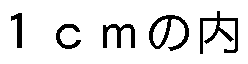 層部分をサンプル (<3) として、 それぞれを分割して取り分けた。 サンプル (〇) は、 黒鉛ルツボ内壁面側 (上層、 側周層、 下層) から 2 内側の部
〇 2020/175377 44 卩(:170? 2020 /007124
層部分をサンプル (<3) として、 それぞれを分割して取り分けた。 サンプル (〇) は、 黒鉛ルツボ内壁面側 (上層、 側周層、 下層) から 2 内側の部
〇 2020/175377 44 卩(:170? 2020 /007124
分である。
[0203] く分級 ñ
上記分割して取り分けた加熱処理済みの巳 1\1凝集粉末を、 風力分級した。 風力分級は、 日清エンジニアリング (株) 製八〇_ 1 5を用いて行い、 各分 割サンプル (八) , (巳) 、 (〇 それぞれについて、 1 0 0 未満の粒 子と 1 0 0 以上の粒子に分級した。
[0204] <評価>
分級後、 1 0 0 未満の粒子について、 上記方法に従い、 タップ密度、 粒子間隙容積、 粒子内空隙率及び圧縮破壊強度の測定を行った。 また、 平均 粒子径を測定した。 各分割サンプル (八) , (巳) 、 (〇 をそれぞれサン プル N 0 . (八) 一 1〜 (八) 一2、 (巳) 一 1、 (〇 — 1〜 (〇) - 5 とし、 測定結果を表 1 に示す。
[0205] [表 1 ]

[0206] なお、 サンプル 1\1〇. (八) _ 1〜 (八) _ 2、 (巳) _ 1及び (〇) 一
1〜 (〇 _ 5の巳1\1凝集粉末は、 いずれも力ードハウス構造を有すること を、 3巳 IV!観察により確認した。
[0207] [シート状成形体の作製と評価]
以下の実施例及び比較例では、 上記で得られた ( ) _ 1〜 ( ) _ 2、
〇 2020/175377 45 卩(:170? 2020 /007124
(巳) _ 1、 (〇 _ 1〜 (〇 _ 5の巳 1\1凝集粉末をそれぞれ無機フィラ 一として用いて、 以下の方法で巳 !\1凝集粉末含有樹脂組成物を調製し、 シー 卜状成形体を製造した。
[0208] <巳 !\1凝集粉末含有樹脂組成物の調製>
用いた原材料は以下の通りである。
[0209] <熱硬化性樹脂成分>
樹脂成分 1 :特開 2006 _ 1 76658号公報の実施例に開示されるエポ キシ樹脂の製造方法に準拠して製造した、 構造 (2) ( =構造 (4) ) お よび構造 (3)
 を有する特定エポキシ樹 脂
ポリスチレン換算の重量平均分子量: 30 , 000
エポキシ当量: 9, 0009/当量
樹脂成分 2 :三菱ケミカル社製 ビスフエノール 型固形エポキシ樹脂
ポリスチレン換算の重量平均分子量: 60 , 000
樹脂成分 3 :三菱ケミカル社製 ビスフエノール 型液状エポキシ樹脂 樹脂成分 4 :ナガセケムテックス社製 一分子当たりグリシジル基を 4個以 上有する構造を含む多官能エポキシ樹脂
樹脂成分 5 :三菱ケミカル社製 水添ビスフエノール 型液状エポキシ樹脂 樹脂成分 6 :三菱ケミカル社製 _アミノフエノール型液状エポキシ樹脂 [0210] <硬化剤成分>
硬化剤 1 :明和化成社製 「ME H-8000 H」
フエノール樹脂系硬化剤
[0211] <硬化触媒成分>
硬化触媒 1 :四国化成社製 「2巳41\/12_八」
2, 4—ジアミノー 6— [2, ーエチルー 4, ーメチルイミダ ゾリルー (1 7, ) ] —エチルー トリアジン
(窒素原子を含有する複素環構造としてトリアジン環を有する 化合物)
〇 2020/175377 46 卩(:170? 2020 /007124
分子量 = 247
硬化触媒 2 :四国化成社製 「01 1 一〇 」
1 —シアノエチルー 2—ウンデシルイミダゾール
分子量 = 275
[0212] <無機フィラー成分 >
無機フィラー 1 : 巳!\1凝集粉末 (〇 _ 1〜 (〇 _5
無機フィラー 2 : 巳!\1凝集粉末 (巳) _ 1
無機フィラー 3 : 巳!\1凝集粉末 ( ) _ 1〜 ( ) _2
無機フィラー 4 : アドマテックス社製、 球状アルミナ粒子
新モース硬度: 9
体積平均粒子径: 6. 5
熱伝導率

[0213] <実施例 1 >
自転公転式撹拌装置を用いて、 樹脂成分 1 : 7. 02重量%、 樹脂成分 3 : 7. 02重量%、 樹脂成分 4 : 6. 67重量%、 硬化剤 1 : 7. 37重量 %、 硬化触媒 1 : 〇. 42重量%、 無機フィラー 1 = 5 1. 1 4重量%、 無 機フィラー 4 = 20. 35重量%となるように混合物を調製した。 また上記 混合物を調製する際、 上記混合物が塗布スラリーのうち、 62. 8重量% ( 固形分濃度) となるように、 メチルエチルケトンとシクロへキサノンを各 1 8. 6重量%ずつ用いた。
得られた塗布スラリー (シート用スラリー) をドクターブレード法で 巳 丁製基材に塗布し、 60°〇で 1 20分間加熱乾燥を行った後に、 42°〇、 1 500
 レスを行い、 厚さ 1 50 /X のシート状成 形体を得た。 シート状成形体中のメチルエチルケトンおよびシクロへキサノ ンの合計の含有量は 1重量%以下であった。
[0214] 得られたシート状成形体の熱伝導率と耐電圧特性を測定し、 結果を表 2に ^した。
[0215] <実施例 2〜 6、 比較例·!〜 2>
\¥0 2020/175377 47 卩(:17 2020 /007124 実施例 1の方法に準拠し、 表 2に示す組成にて、 それぞれシート状成形体 を作製し、 その評価を行った。 結果を表 2に示した。
[0216]
〔谢 |-2|

有機溶媒を除く
鄰 〔 1谢^ 4睡羅聪¾雜酣理钟屮7 ^ <¾ 8880—2728\一。1
〇 2020/175377 49 卩(:170? 2020 /007124
粉末を用いることにより、 熱伝導性と耐電圧特性に優れた放熱シートを実現 できることが分かる。
[0218] 本発明を特定の態様を用いて詳細に説明したが、 本発明の意図と範囲を離 れることなく様々な変更が可能であることは当業者に明らかである。
本出願は、 2 0 1 9年 2月 2 7日付で出願された日本特許出願 2 0 1 9— 0 3 4 5 1 8に基づいており、 その全体が引用により援用される。
Claims
[請求項 1 ] タップ密度が〇. 6 9 / 丨以上〇. 8 9 / I未満であり、 粒子 間隙容積が〇. 5 丨
 以上である窒化ホウ素凝集粉末。
[請求項 2] 前記粒子間隙容積が〇. 9
 I以下である、 請求項 1 に記載の 窒化ホウ凝集粉末。
[請求項 3] 前記窒化ホウ凝集粉末の平均粒子径が、 2 0 以上 2 0 0 以 下である、 請求項 1又は 2に記載の窒化ホウ凝集粉末。
[請求項 4] 前記窒化ホウ凝集粉末に含まれる巳 1\!凝集粒子の粒子内空隙率が 4
0 %以上 6 0 %以下である、 請求項 1〜 3のいずれか 1項に記載の窒 化ホウ凝集粉末。
[請求項 5] 前記窒化ホウ凝集粉末が力ードハウス構造である、 請求項 1〜 4の いずれか 1項に記載の窒化ホウ凝集粉末。
[請求項 6] 請求項 1〜 5のいずれか 1項に記載の窒化ホウ素凝集粉末を含む放 熱シート。
[請求項 7] 請求項 6に記載の放熱シートを用いた半導体デバイス。
Priority Applications (8)
| Application Number | Priority Date | Filing Date | Title |
|---|---|---|---|
| JP2021502200A JP7517323B2 (ja) | 2019-02-27 | 2020-02-21 | 窒化ホウ素凝集粉末、放熱シート及び半導体デバイス |
| CN202411982587.0A CN119841284A (zh) | 2019-02-27 | 2020-02-21 | 氮化硼聚集粉末、散热片及半导体装置 |
| EP20762346.3A EP3932857A4 (en) | 2019-02-27 | 2020-02-21 | BORONITRIDE AGGREGATE POWDER, HEAT DISSIPATION COATING AND SEMICONDUCTOR DEVICE |
| KR1020217025712A KR102788617B1 (ko) | 2019-02-27 | 2020-02-21 | 질화붕소 응집 분말, 방열 시트 및 반도체 디바이스 |
| CN202080013457.XA CN113412235A (zh) | 2019-02-27 | 2020-02-21 | 氮化硼聚集粉末、散热片及半导体装置 |
| US17/444,201 US12275888B2 (en) | 2019-02-27 | 2021-08-02 | Agglomerated boron nitride powder, heat dissipation sheet, and semiconductor device |
| JP2024096072A JP7786500B2 (ja) | 2019-02-27 | 2024-06-13 | 窒化ホウ素凝集粉末、放熱シート及び半導体デバイス |
| JP2025188445A JP2026016795A (ja) | 2019-02-27 | 2025-11-07 | 窒化ホウ素凝集粉末、放熱シート及び半導体デバイス |
Applications Claiming Priority (2)
| Application Number | Priority Date | Filing Date | Title |
|---|---|---|---|
| JP2019034518 | 2019-02-27 | ||
| JP2019-034518 | 2019-02-27 |
Related Child Applications (1)
| Application Number | Title | Priority Date | Filing Date |
|---|---|---|---|
| US17/444,201 Continuation US12275888B2 (en) | 2019-02-27 | 2021-08-02 | Agglomerated boron nitride powder, heat dissipation sheet, and semiconductor device |
Publications (1)
| Publication Number | Publication Date |
|---|---|
| WO2020175377A1 true WO2020175377A1 (ja) | 2020-09-03 |
Family
ID=72239542
Family Applications (1)
| Application Number | Title | Priority Date | Filing Date |
|---|---|---|---|
| PCT/JP2020/007124 Ceased WO2020175377A1 (ja) | 2019-02-27 | 2020-02-21 | 窒化ホウ素凝集粉末、放熱シート及び半導体デバイス |
Country Status (7)
| Country | Link |
|---|---|
| US (1) | US12275888B2 (ja) |
| EP (1) | EP3932857A4 (ja) |
| JP (3) | JP7517323B2 (ja) |
| KR (1) | KR102788617B1 (ja) |
| CN (2) | CN119841284A (ja) |
| TW (1) | TWI832978B (ja) |
| WO (1) | WO2020175377A1 (ja) |
Cited By (8)
| Publication number | Priority date | Publication date | Assignee | Title |
|---|---|---|---|---|
| JP2022055740A (ja) * | 2020-09-29 | 2022-04-08 | 三菱ケミカル株式会社 | 熱伝導性樹脂シート、積層放熱シート、放熱性回路基板およびパワー半導体デバイス |
| WO2022203031A1 (ja) * | 2021-03-25 | 2022-09-29 | 三菱ケミカル株式会社 | 熱伝導性樹脂組成物、熱伝導性樹脂シート、積層放熱シート、放熱性回路基板およびパワー半導体デバイス |
| WO2022202825A1 (ja) * | 2021-03-25 | 2022-09-29 | デンカ株式会社 | 窒化ホウ素粉末及び樹脂組成物 |
| JP2022149288A (ja) * | 2021-03-25 | 2022-10-06 | 三菱ケミカル株式会社 | 熱伝導性樹脂組成物、熱伝導性樹脂シート、積層放熱シート、放熱性回路基板およびパワー半導体デバイス |
| JPWO2022210686A1 (ja) * | 2021-03-29 | 2022-10-06 | ||
| JP2023083333A (ja) * | 2020-08-20 | 2023-06-15 | デンカ株式会社 | 窒化ホウ素粒子、窒化ホウ素粉末、樹脂組成物、及び樹脂組成物の製造方法 |
| WO2023127729A1 (ja) * | 2021-12-27 | 2023-07-06 | デンカ株式会社 | 窒化ホウ素粒子及び放熱シート |
| WO2026070594A1 (ja) * | 2024-09-30 | 2026-04-02 | デンカ株式会社 | 熱伝導性シート |
Families Citing this family (3)
| Publication number | Priority date | Publication date | Assignee | Title |
|---|---|---|---|---|
| KR102751783B1 (ko) | 2022-03-29 | 2025-01-09 | 주식회사 아모텍 | 고열전도 방열 복합체 조성물, 이로부터 제조한 고열전도 복합 방열 필름, 그 제조방법, 및 상기 방열 필름을 방열 수단으로 포함하는 전자기기 봉지재 |
| WO2023204139A1 (ja) * | 2022-04-21 | 2023-10-26 | デンカ株式会社 | 窒化ホウ素粉末、及び、放熱シート、並びに、窒化ホウ素粉末の製造方法 |
| TWI905450B (zh) * | 2022-08-23 | 2025-11-21 | 財團法人紡織產業綜合研究所 | 隔熱膜材的製備方法 |
Citations (8)
| Publication number | Priority date | Publication date | Assignee | Title |
|---|---|---|---|---|
| JP2006176658A (ja) | 2004-12-22 | 2006-07-06 | Japan Epoxy Resin Kk | ポリエーテルポリオール樹脂、硬化性樹脂組成物及びその硬化物 |
| WO2012070289A1 (ja) | 2010-11-26 | 2012-05-31 | 三菱電機株式会社 | 熱伝導性シート及びパワーモジュール |
| WO2014136959A1 (ja) * | 2013-03-07 | 2014-09-12 | 電気化学工業株式会社 | 窒化ホウ素粉末及びこれを含有する樹脂組成物 |
| WO2016092952A1 (ja) * | 2014-12-08 | 2016-06-16 | 昭和電工株式会社 | 六方晶窒化ホウ素粉末、その製造方法、樹脂組成物及び樹脂シート |
| JP2017036190A (ja) * | 2015-08-12 | 2017-02-16 | 三菱化学株式会社 | 窒化ホウ素凝集粒子組成物、bn凝集粒子含有樹脂組成物及びそれらの成形体、並びに窒化ホウ素凝集粒子の製造方法、 |
| JP2018020932A (ja) * | 2016-08-03 | 2018-02-08 | デンカ株式会社 | 六方晶窒化ホウ素一次粒子凝集体及び樹脂組成物とその用途 |
| WO2018123571A1 (ja) * | 2016-12-26 | 2018-07-05 | 株式会社トクヤマ | 六方晶窒化ホウ素粉末及びその製造方法 |
| JP2019034518A (ja) | 2017-08-21 | 2019-03-07 | 京セラドキュメントソリューションズ株式会社 | アドレス帳表示システム、電子機器、アドレス帳表示プログラム |
Family Cites Families (12)
| Publication number | Priority date | Publication date | Assignee | Title |
|---|---|---|---|---|
| JPH1160215A (ja) * | 1997-08-04 | 1999-03-02 | Shin Etsu Chem Co Ltd | 高充填性窒化ホウ素粉末造粒物及びその製造方法並びに等方性窒化ホウ素成形体の製造方法 |
| US20060121068A1 (en) * | 1999-08-31 | 2006-06-08 | General Electric Company | Boron nitride particles of spherical geometry and process for making thereof |
| US7976941B2 (en) * | 1999-08-31 | 2011-07-12 | Momentive Performance Materials Inc. | Boron nitride particles of spherical geometry and process for making thereof |
| US20070241303A1 (en) * | 1999-08-31 | 2007-10-18 | General Electric Company | Thermally conductive composition and method for preparing the same |
| US6713088B2 (en) * | 1999-08-31 | 2004-03-30 | General Electric Company | Low viscosity filler composition of boron nitride particles of spherical geometry and process |
| US6645612B2 (en) * | 2001-08-07 | 2003-11-11 | Saint-Gobain Ceramics & Plastics, Inc. | High solids hBN slurry, hBN paste, spherical hBN powder, and methods of making and using them |
| US7494635B2 (en) * | 2003-08-21 | 2009-02-24 | Saint-Gobain Ceramics & Plastics, Inc. | Boron nitride agglomerated powder |
| KR101261064B1 (ko) * | 2004-08-23 | 2013-05-06 | 제너럴 일렉트릭 캄파니 | 열 전도성 조성물 및 그의 제조 방법 |
| CN102574684B (zh) * | 2009-10-09 | 2015-04-29 | 水岛合金铁株式会社 | 六方氮化硼粉末及其制备方法 |
| TWI616398B (zh) * | 2011-11-29 | 2018-03-01 | Mitsubishi Chemical Corporation | 含有氮化硼之組成物、以及具有由該組成物所構成的層之三維積體電路 |
| JP6794613B2 (ja) | 2014-02-05 | 2020-12-02 | 三菱ケミカル株式会社 | 窒化ホウ素凝集粒子、窒化ホウ素凝集粒子の製造方法、該窒化ホウ素凝集粒子含有樹脂組成物、及び成形体 |
| JP6612584B2 (ja) | 2015-10-28 | 2019-11-27 | デンカ株式会社 | エポキシ樹脂組成物、エポキシ樹脂シート、およびそれを用いた金属ベース回路基板 |
-
2020
- 2020-02-21 CN CN202411982587.0A patent/CN119841284A/zh active Pending
- 2020-02-21 JP JP2021502200A patent/JP7517323B2/ja active Active
- 2020-02-21 KR KR1020217025712A patent/KR102788617B1/ko active Active
- 2020-02-21 CN CN202080013457.XA patent/CN113412235A/zh active Pending
- 2020-02-21 EP EP20762346.3A patent/EP3932857A4/en active Pending
- 2020-02-21 WO PCT/JP2020/007124 patent/WO2020175377A1/ja not_active Ceased
- 2020-02-27 TW TW109106433A patent/TWI832978B/zh active
-
2021
- 2021-08-02 US US17/444,201 patent/US12275888B2/en active Active
-
2024
- 2024-06-13 JP JP2024096072A patent/JP7786500B2/ja active Active
-
2025
- 2025-11-07 JP JP2025188445A patent/JP2026016795A/ja active Pending
Patent Citations (8)
| Publication number | Priority date | Publication date | Assignee | Title |
|---|---|---|---|---|
| JP2006176658A (ja) | 2004-12-22 | 2006-07-06 | Japan Epoxy Resin Kk | ポリエーテルポリオール樹脂、硬化性樹脂組成物及びその硬化物 |
| WO2012070289A1 (ja) | 2010-11-26 | 2012-05-31 | 三菱電機株式会社 | 熱伝導性シート及びパワーモジュール |
| WO2014136959A1 (ja) * | 2013-03-07 | 2014-09-12 | 電気化学工業株式会社 | 窒化ホウ素粉末及びこれを含有する樹脂組成物 |
| WO2016092952A1 (ja) * | 2014-12-08 | 2016-06-16 | 昭和電工株式会社 | 六方晶窒化ホウ素粉末、その製造方法、樹脂組成物及び樹脂シート |
| JP2017036190A (ja) * | 2015-08-12 | 2017-02-16 | 三菱化学株式会社 | 窒化ホウ素凝集粒子組成物、bn凝集粒子含有樹脂組成物及びそれらの成形体、並びに窒化ホウ素凝集粒子の製造方法、 |
| JP2018020932A (ja) * | 2016-08-03 | 2018-02-08 | デンカ株式会社 | 六方晶窒化ホウ素一次粒子凝集体及び樹脂組成物とその用途 |
| WO2018123571A1 (ja) * | 2016-12-26 | 2018-07-05 | 株式会社トクヤマ | 六方晶窒化ホウ素粉末及びその製造方法 |
| JP2019034518A (ja) | 2017-08-21 | 2019-03-07 | 京セラドキュメントソリューションズ株式会社 | アドレス帳表示システム、電子機器、アドレス帳表示プログラム |
Non-Patent Citations (3)
| Title |
|---|
| BUSSEI KENKYUYOSHIMI TANAKA, RESEARCH ON PHYSICAL PROPERTIES, vol. 85, no. 4, 2006, pages 499 - 518 |
| See also references of EP3932857A4 |
| TSUYOSHI, JOURNAL OF MATERIALS SCIENCE LETTERS, vol. 16, 1997, pages 795 - 798 |
Cited By (15)
| Publication number | Priority date | Publication date | Assignee | Title |
|---|---|---|---|---|
| JP2023083333A (ja) * | 2020-08-20 | 2023-06-15 | デンカ株式会社 | 窒化ホウ素粒子、窒化ホウ素粉末、樹脂組成物、及び樹脂組成物の製造方法 |
| JP7606559B2 (ja) | 2020-08-20 | 2024-12-25 | デンカ株式会社 | 窒化ホウ素粒子、窒化ホウ素粉末、樹脂組成物、及び樹脂組成物の製造方法 |
| JP7581740B2 (ja) | 2020-09-29 | 2024-11-13 | 三菱ケミカル株式会社 | 熱伝導性樹脂シート、積層放熱シート、放熱性回路基板およびパワー半導体デバイス |
| JP2022055740A (ja) * | 2020-09-29 | 2022-04-08 | 三菱ケミカル株式会社 | 熱伝導性樹脂シート、積層放熱シート、放熱性回路基板およびパワー半導体デバイス |
| JPWO2022202825A1 (ja) * | 2021-03-25 | 2022-09-29 | ||
| JP2022149288A (ja) * | 2021-03-25 | 2022-10-06 | 三菱ケミカル株式会社 | 熱伝導性樹脂組成物、熱伝導性樹脂シート、積層放熱シート、放熱性回路基板およびパワー半導体デバイス |
| JP7303950B2 (ja) | 2021-03-25 | 2023-07-05 | デンカ株式会社 | 窒化ホウ素粉末及び樹脂組成物 |
| WO2022202825A1 (ja) * | 2021-03-25 | 2022-09-29 | デンカ株式会社 | 窒化ホウ素粉末及び樹脂組成物 |
| WO2022203031A1 (ja) * | 2021-03-25 | 2022-09-29 | 三菱ケミカル株式会社 | 熱伝導性樹脂組成物、熱伝導性樹脂シート、積層放熱シート、放熱性回路基板およびパワー半導体デバイス |
| JP7655035B2 (ja) | 2021-03-25 | 2025-04-02 | 三菱ケミカル株式会社 | 熱伝導性樹脂組成物、熱伝導性樹脂シート、積層放熱シート、放熱性回路基板およびパワー半導体デバイス |
| JPWO2022210686A1 (ja) * | 2021-03-29 | 2022-10-06 | ||
| JP7806785B2 (ja) | 2021-03-29 | 2026-01-27 | 三菱ケミカル株式会社 | 樹脂組成物、シート硬化物、複合成形体及び半導体デバイス |
| WO2023127729A1 (ja) * | 2021-12-27 | 2023-07-06 | デンカ株式会社 | 窒化ホウ素粒子及び放熱シート |
| JP7357180B1 (ja) * | 2021-12-27 | 2023-10-05 | デンカ株式会社 | 窒化ホウ素粒子及び放熱シート |
| WO2026070594A1 (ja) * | 2024-09-30 | 2026-04-02 | デンカ株式会社 | 熱伝導性シート |
Also Published As
| Publication number | Publication date |
|---|---|
| CN119841284A (zh) | 2025-04-18 |
| TW202043140A (zh) | 2020-12-01 |
| CN113412235A (zh) | 2021-09-17 |
| TWI832978B (zh) | 2024-02-21 |
| US12275888B2 (en) | 2025-04-15 |
| JP2024123080A (ja) | 2024-09-10 |
| KR20210135997A (ko) | 2021-11-16 |
| EP3932857A4 (en) | 2022-04-20 |
| JP7786500B2 (ja) | 2025-12-16 |
| JPWO2020175377A1 (ja) | 2021-12-23 |
| US20210363399A1 (en) | 2021-11-25 |
| JP7517323B2 (ja) | 2024-07-17 |
| EP3932857A1 (en) | 2022-01-05 |
| JP2026016795A (ja) | 2026-02-03 |
| KR102788617B1 (ko) | 2025-03-28 |
Similar Documents
| Publication | Publication Date | Title |
|---|---|---|
| WO2020175377A1 (ja) | 窒化ホウ素凝集粉末、放熱シート及び半導体デバイス | |
| JP7207384B2 (ja) | 窒化ホウ素凝集粒子、窒化ホウ素凝集粒子の製造方法、該窒化ホウ素凝集粒子含有樹脂組成物、成形体、及びシート | |
| TWI598291B (zh) | Hexagonal boron nitride powder, a method for producing the same, a resin composition and a resin sheet | |
| JP6822836B2 (ja) | 六方晶窒化ホウ素粉末、その製造方法、樹脂組成物及び樹脂シート | |
| JP2019116401A (ja) | 六方晶窒化ホウ素粉末及びその製造方法、並びにそれを用いた組成物及び放熱材 | |
| TW201722848A (zh) | 六方晶體氮化硼粉末、其製造方法、樹脂組成物及樹脂薄片 | |
| JP7467980B2 (ja) | 窒化ホウ素凝集粉末、放熱シート及び半導体デバイスの製造方法 | |
| JP7772151B2 (ja) | 樹脂組成物、樹脂硬化物および複合成形体 | |
| JP6379579B2 (ja) | 窒化ホウ素シート | |
| JP2015189609A (ja) | 窒化ホウ素シートの製造方法 | |
| JP2020063438A (ja) | 樹脂組成物、樹脂硬化物および複合成形体 | |
| JP2024152598A (ja) | 窒化ホウ素凝集粉末、放熱シート及び半導体デバイスモジュール | |
| JP2025112957A (ja) | 窒化ホウ素凝集粉末、樹脂組成物、放熱シート及び半導体デバイス | |
| JP2026066214A (ja) | 窒化ホウ素凝集粉末、樹脂組成物、放熱シート及び半導体デバイス | |
| JP2025129462A (ja) | 樹脂シート、複合成形体及び半導体デバイス |
Legal Events
| Date | Code | Title | Description |
|---|---|---|---|
| 121 | Ep: the epo has been informed by wipo that ep was designated in this application |
Ref document number: 20762346 Country of ref document: EP Kind code of ref document: A1 |
|
| ENP | Entry into the national phase |
Ref document number: 2021502200 Country of ref document: JP Kind code of ref document: A |
|
| NENP | Non-entry into the national phase |
Ref country code: DE |
|
| ENP | Entry into the national phase |
Ref document number: 2020762346 Country of ref document: EP Effective date: 20210927 |