WO2020203635A1 - ホエイの製造方法及びホエイ - Google Patents
ホエイの製造方法及びホエイ Download PDFInfo
- Publication number
- WO2020203635A1 WO2020203635A1 PCT/JP2020/013637 JP2020013637W WO2020203635A1 WO 2020203635 A1 WO2020203635 A1 WO 2020203635A1 JP 2020013637 W JP2020013637 W JP 2020013637W WO 2020203635 A1 WO2020203635 A1 WO 2020203635A1
- Authority
- WO
- WIPO (PCT)
- Prior art keywords
- whey
- casein
- milk
- temperature
- protein
- Prior art date
- Legal status (The legal status is an assumption and is not a legal conclusion. Google has not performed a legal analysis and makes no representation as to the accuracy of the status listed.)
- Ceased
Links
Images
Classifications
-
- C—CHEMISTRY; METALLURGY
- C12—BIOCHEMISTRY; BEER; SPIRITS; WINE; VINEGAR; MICROBIOLOGY; ENZYMOLOGY; MUTATION OR GENETIC ENGINEERING
- C12G—WINE; PREPARATION THEREOF; ALCOHOLIC BEVERAGES; PREPARATION OF ALCOHOLIC BEVERAGES NOT PROVIDED FOR IN SUBCLASSES C12C OR C12H
- C12G1/00—Preparation of wine or sparkling wine
-
- A—HUMAN NECESSITIES
- A23—FOODS OR FOODSTUFFS; TREATMENT THEREOF, NOT COVERED BY OTHER CLASSES
- A23C—DAIRY PRODUCTS, e.g. MILK, BUTTER OR CHEESE; MILK OR CHEESE SUBSTITUTES; PREPARATION THEREOF
- A23C21/00—Whey; Whey preparations
-
- A—HUMAN NECESSITIES
- A23—FOODS OR FOODSTUFFS; TREATMENT THEREOF, NOT COVERED BY OTHER CLASSES
- A23C—DAIRY PRODUCTS, e.g. MILK, BUTTER OR CHEESE; MILK OR CHEESE SUBSTITUTES; PREPARATION THEREOF
- A23C9/00—Milk preparations; Milk powder or milk powder preparations
- A23C9/14—Milk preparations; Milk powder or milk powder preparations in which the chemical composition of the milk is modified by non-chemical treatment
- A23C9/142—Milk preparations; Milk powder or milk powder preparations in which the chemical composition of the milk is modified by non-chemical treatment by dialysis, reverse osmosis or ultrafiltration
- A23C9/1422—Milk preparations; Milk powder or milk powder preparations in which the chemical composition of the milk is modified by non-chemical treatment by dialysis, reverse osmosis or ultrafiltration by ultrafiltration, microfiltration or diafiltration of milk, e.g. for separating protein and lactose; Treatment of the UF permeate
-
- A—HUMAN NECESSITIES
- A23—FOODS OR FOODSTUFFS; TREATMENT THEREOF, NOT COVERED BY OTHER CLASSES
- A23J—PROTEIN COMPOSITIONS FOR FOODSTUFFS; WORKING-UP PROTEINS FOR FOODSTUFFS; PHOSPHATIDE COMPOSITIONS FOR FOODSTUFFS
- A23J1/00—Obtaining protein compositions for foodstuffs; Bulk opening of eggs and separation of yolks from whites
- A23J1/20—Obtaining protein compositions for foodstuffs; Bulk opening of eggs and separation of yolks from whites from milk, e.g. casein; from whey
- A23J1/205—Obtaining protein compositions for foodstuffs; Bulk opening of eggs and separation of yolks from whites from milk, e.g. casein; from whey from whey, e.g. lactalbumine
-
- A—HUMAN NECESSITIES
- A23—FOODS OR FOODSTUFFS; TREATMENT THEREOF, NOT COVERED BY OTHER CLASSES
- A23J—PROTEIN COMPOSITIONS FOR FOODSTUFFS; WORKING-UP PROTEINS FOR FOODSTUFFS; PHOSPHATIDE COMPOSITIONS FOR FOODSTUFFS
- A23J3/00—Working-up of proteins for foodstuffs
- A23J3/04—Animal proteins
- A23J3/08—Dairy proteins
-
- A—HUMAN NECESSITIES
- A23—FOODS OR FOODSTUFFS; TREATMENT THEREOF, NOT COVERED BY OTHER CLASSES
- A23L—FOODS, FOODSTUFFS OR NON-ALCOHOLIC BEVERAGES, NOT OTHERWISE PROVIDED FOR; PREPARATION OR TREATMENT THEREOF
- A23L2/00—Non-alcoholic beverages; Dry compositions or concentrates therefor; Preparation or treatment thereof
- A23L2/52—Adding ingredients
- A23L2/66—Proteins
Definitions
- the present invention relates to a method for producing whey and whey.
- the present application claims priority based on Japanese Patent Application No. 2019-06545 filed in Japan on March 29, 2019, the contents of which are incorporated herein by reference.
- Whey protein concentrate Whey Protein Concentrate
- WPC Whey Protein Concentrate
- Whey protein Isolate (hereinafter, also referred to as “WPI”) is used as a protein source in nutritional supplements and the like.
- WPI Whey Protein Isolate
- cheese whey produced as a by-product during cheese production and acid whey obtained by allowing acid to act on milk to precipitate casein are often used, but milk such as defatted milk and raw milk is used.
- Whey obtained as a membrane permeation fraction by membrane treatment (hereinafter, also referred to as “milk-derived whey”) may be used.
- WPC and WPI made from cheese whey include fermented products produced as a by-product during cheese production.
- WPC and WPI made from acid whey have a bad flavor, and waste liquid containing an acid and an acid compound is generated at the time of production, so that the burden on the environment is large.
- milk-derived whey does not contain impurities such as fermented products and does not use acid, so it has a good flavor. No waste liquid containing acids and acid compounds is generated.
- Casein forms micellar structures, so-called casein micelles (sometimes referred to as "micellar casein") in milk.
- casein micelles sometimes referred to as "micellar casein”
- the casein content particularly ⁇ -casein
- soluble phase supernatant
- the skim milk is cooled to 10 ° C or higher.
- the casein content in the soluble phase decreases when heated with (Non-Patent Document 1).
- Non-Patent Document 2 It has been reported that when skim milk is fractionated using a ceramic MF membrane at 10 ° C. or 50 ° C., a membrane opaque fraction with a higher casein content is obtained at 50 ° C. compared to 10 ° C.
- Patent Document 1 A method for producing a ⁇ -casein-containing composition from milk is to preheat milk to at least 20 ° C., treat it with an MF membrane, cool the obtained membrane permeation fraction to 0 to 15 ° C., and treat it with an MF membrane. It has been proposed (Patent Document 2).
- milk-derived whey In the production of milk-derived whey, an MF membrane that does not permeate casein micelles is used for the MF membrane treatment that is usually carried out at a low temperature, and the milk-derived whey obtained as the membrane-permeating fraction is used for cheese whey or acid whey. Contains casein in a relatively high proportion. It is considered that this is because casein dissociated from casein micelles permeates the MF membrane. Since milk-derived whey contains casein, WPC and WPI obtained by concentrating milk-derived whey also contain casein. WPC and WPI obtained from milk-derived whey have a higher content of casein than WPC and WPI obtained from cheese whey, and therefore have low solubility in water. In addition, when it is added to an acidic beverage or the like, casein coagulates with acid, which limits its use.
- Non-Patent Document 2 it is considered that maintaining the milk at a high temperature of about 50 ° C. and treating it with an MF membrane is effective in reducing the mixing of casein into the membrane permeation fraction.
- the MF membrane treatment is performed at a high temperature as described above, the following problems are concerned. Therefore, the MF membrane treatment is performed at a low temperature (less than 20 ° C, further 10 ° C or less). Is desirable. -Aggregation of whey protein due to long-term exposure to high temperature, and fouling of MF membrane associated with the aggregation. In addition, manufacturing capacity, product quality, and yield are reduced due to fouling. ⁇ Growth of high temperature bacteria.
- One aspect of the present invention provides a method for producing whey capable of producing milk-derived whey having a low casein contamination rate by treating raw milk with an MF membrane at a low temperature, and providing whey derived from milk but having a low casein contamination rate. The purpose.
- a method for producing whey which comprises a step of microfiltering the raw milk cooled to the temperature T 1 to obtain whey as a membrane permeation fraction.
- milk-derived whey having a low casein contamination rate can be produced by treating raw milk with an MF membrane at a low temperature.
- the whey of the present invention is derived from milk, it has a low casein contamination rate.
- the fat content (% by mass) is measured by the Reese-Gott Kunststoff method.
- the protein content (% by mass) is measured by the combustion method.
- the ash content (% by mass) is measured by the direct ashing method.
- the water content (% by mass) is measured by the direct heat drying method. Specifically, the weight loss when the sample is dried in a thermostat at 99 ° C. for 4 hours ((mass of sample before drying (g) -mass of sample after drying (g)) / sample before drying Let the mass (g) x 100) be the water content (mass%).
- the carbohydrate content (% by mass) is determined by subtracting the total of the above four components (fat, protein, ash and water) from the total of all components (calculation formula: 100- (four components of fat, protein, ash and water). Total value of)).
- the content (%) of casein in the protein is measured by SDS-PAGE (sodium dodecyl sulfate-polyacrylamide gel electrophoresis) " ⁇ -casein, ⁇ -casein, ⁇ -casein, ⁇ -lactoglobulin and ⁇ -lactoglobulin".
- casein contamination rate the content of casein in the protein in whey is also referred to as "casein contamination rate”.
- the content (%) of whey protein in the protein is measured by SDS-PAGE (sodium dodecyl sulfate-polyacrylamide gel electrophoresis) " ⁇ -casein, ⁇ -casein, ⁇ -casein, ⁇ -lactoglobulin and ⁇ - It is calculated as the ratio of the total band intensity of " ⁇ -lactoglobulin and ⁇ -lactalbumin" to the total band intensity of "lactalbumin”.
- the method for producing whey of the present invention includes a step of heating raw milk containing casein and whey protein under heating conditions having an F WORK value of 1.0 ⁇ 10-9 or more (heating step), and heating under the heating conditions.
- the method for producing whey of the present invention can include a step of cooling the raw milk to a temperature T 0 of 10 ° C. or lower (pre-heating cooling step) before the heating step.
- Raw milk contains at least casein and whey protein as proteins.
- Raw milk contains water as well as protein and is liquid.
- the raw material milk can contain fat, ash (minerals such as calcium and sodium), carbohydrates (lactose and the like) and the like.
- An example of the composition of raw milk is shown below. In the following composition, the content of each component is the ratio to the total mass of the raw milk.
- Moisture content 50-99.8% by mass (further 75-98% by mass), Protein content: 0.03 to 30% by weight (further 0.1 to 15% by weight), Fat content: 0-40% by mass (further 0-20% by mass), Ash content: 0.04 to 10% by mass (further 0.2 to 5% by mass), Carbohydrate content: 0.1-20% by weight (and 1-10% by weight).
- the solid content concentration of the raw material milk is, for example, 0.2 to 50% by mass (further, 2 to 25% by mass) with respect to the total mass of the raw material milk.
- the content of casein in the protein is, for example, 15 to 99.9% (further, 50 to 95%), and the content of whey protein in the protein is, for example, 0.1 to 85% (furthermore). Is 5 to 50%).
- the raw milk may be milk containing casein and whey protein as proteins, and examples thereof include raw milk and skim milk.
- raw milk may be defatted, or skim milk powder may be dissolved in water.
- the skim milk may be concentrated or desalted.
- the raw milk is preferably derived from a mammal, more preferably from a cow, sheep or goat, and even more preferably from a cow.
- casein in the feed milk typically forms micelles. That is, the raw milk typically contains casein micelles. Casein micelles are preferably not denatured, i.e. have a native structure. Casein micelles may contain calcium phosphate. That is, the casein micelle may be a micelle composed of casein and calcium phosphate. Some of the casein in the raw milk does not have to form micelles.
- the raw milk is cooled to a temperature T 0 of 10 ° C. or lower.
- the temperature T 0 is preferably 7 ° C. or lower, more preferably 4 ° C. or lower.
- the lower limit of the temperature T 0 is, for example, 2 ° C.
- the temperature T 0 may be 2 to 10 ° C, 2 to 7 ° C, or 2 to 4 ° C.
- the temperature of the raw milk before cooling to the temperature T 0 is, for example, more than 10 ° C and 50 ° C or less.
- the time (retention time) for holding the raw milk at the temperature T 0 is not particularly limited, but for example, 1 minute or more, 1 hour or more, 5 hours or more, 12 hours or more, 1 day or more, 2 days or more, 3 days or less, 5 days or less, or 7 days or less.
- the retention time may be 1 minute or more and 3 days or less, 1 hour or more and 3 days or less, 5 hours or more and 5 days or less, 12 hours or more and 5 days or less, 1 day or more and 7 days or less, or 2 days or more and 7 days or less. ..
- casein such as ⁇ -casein dissociates from casein micelles.
- Dissociated casein generally permeates the MF membrane to increase the casein contamination rate of whey.
- the content of casein that does not form micelles can be reduced in the subsequent heating step.
- the raw milk is heated under heating conditions having an F adopted value of 1.0 ⁇ 10-9 or more.
- the F adopted value is preferably 1.0 ⁇ 10 -8 to 1.0 ⁇ 10 -3 , more preferably 1.0 ⁇ 10 -8 to 1.0 ⁇ 10 -5 , and 1.0 ⁇ 10 -8 to 1.0 ⁇ 10-6 is more preferable.
- the F réelle value is within the above range, the non-micelle-forming casein in the raw milk reassociates with the casein micelle, and the content of the non-micelle-forming casein is reduced.
- casein that permeates the MF membrane can be reduced in the subsequent MF step, and milk-derived whey having a low casein contamination rate can be obtained.
- the F ire value is the F value when the Z value is 10 ° C.
- the F value is an index used to convert the heating temperature in the sterilization treatment into a reference temperature (121 ° C.) and evaluate the sterilization treatment, and is calculated by the following formula (1). Therefore, the F adopted value is calculated by the following equation (2).
- F value t ⁇ 10 (T-121) / Z ...
- F blaze value t ⁇ 10 (T-121) / 10 ... (2) t indicates the heating time (minutes)
- T indicates the heating temperature (° C.)
- Z indicates the Z value (° C.).
- the lower limit of the heating temperature T of the raw milk is preferably 35 ° C. or higher, more preferably 45 ° C. or higher, and even more preferably 50 ° C. or higher.
- the upper limit of the heating temperature T the is not particularly limited as long as it satisfies the F 0 value, preferably at 120 ° C. or less, more preferably 100 ° C. or less, still more preferably 75 ° C. or less , 65 ° C. or lower is even more preferable.
- the range of the heating temperature T may be 35 to 120 ° C. or 35 to 100 ° C., but is preferably 35 ° C. to 75 ° C., more preferably 45 to 65 ° C., and 50. It is more preferably ⁇ 60 ° C.
- the heating time t of the raw material milk can be appropriately set according to the F réelle value and the heating temperature T.
- An example of the combination of the heating temperature T and the heating time t is shown below.
- Combination example 1 The heating temperature T is 50 ° C., and the heating time t is 8 ⁇ 10 -1 to 7.6 ⁇ 10 for 5 seconds.
- Combination example 2 The heating temperature T is 55 ° C., and the heating time t is 2.4 ⁇ 10 -1 to 2.4 ⁇ 10 for 5 seconds.
- Combination example 3 The heating temperature T is 75 ° C., and the heating time t is 2.4 ⁇ 10 -3 to 2.4 ⁇ 10 for 3 seconds.
- a conventional heating method for example, a heating method used for heat sterilization can be used.
- the heating method can be either a batch method or a continuous method, and any method such as a plate heat exchange method, an infusion method, or an injection method can be used in the continuous method.
- the raw milk heated in the heating step is cooled to a temperature T 1 of less than 20 ° C.
- the temperature T 1 is less than 20 ° C.
- the growth of high temperature bacteria and the fouling of the MF membrane in the MF step can be suppressed.
- the MF step can be performed using the organic film as the MF film.
- the temperature T 1 is preferably 15 ° C. or lower, more preferably 10 ° C. or lower.
- the lower limit of the temperature T 1 is, for example, 2 ° C., further 3 ° C.
- the temperature T 1 may be 2 ° C. or higher and lower than 20 ° C., 2 to 15 ° C., 2 to 10 ° C., or 3 to 10 ° C.
- the raw milk After cooling the raw milk to the temperature T 1 in the post-heating cooling step, the raw milk can be kept at the temperature T 1 before being subjected to the MF step.
- the time for holding the raw milk at the temperature T 1 that is, the time from cooling the raw milk to the temperature T 1 until the MF membrane treatment is performed is preferably 3600 seconds or less, more preferably 1800 seconds or less, and further preferably 1200 seconds or less. preferable. The shorter this time, the less casein dissociates from casein micelles.
- MF process In the MF step, the raw milk cooled in the cooling step after heating is treated with an MF membrane.
- MF membranes do not permeate casein micelles, but permeate whey protein and casein that does not form micelles. Therefore, when raw milk is treated with MF membrane, the casein content is reduced in the membrane permeation fraction ( Permeate) is obtained.
- the obtained membrane permeation fraction can be used as it is, or diluted or concentrated with water as needed to obtain whey.
- the pore size of the MF membrane is, for example, 0.01 ⁇ m to 1 ⁇ m, preferably 0.02 ⁇ m to 0.6 ⁇ m, more preferably 0.05 ⁇ m to 0.2 ⁇ m, and even more preferably 0.1 ⁇ m to 0.2 ⁇ m.
- the separation characteristics are measured using a method by microscopic observation such as an electron microscope, a mercury injection method, a filtration rate method, a gas adsorption method, a flow potential method, a positron annihilation lifetime method, and particles having a known particle size.
- the temperature of the raw milk during the MF membrane treatment is T 1 .
- the pressure during the MF membrane treatment may be controlled within a range in which a membrane permeation fraction can be obtained via the MF membrane.
- the inlet pressure of the membrane can be set to 0.01 to 1 MPa.
- the treatment time of the MF membrane treatment is not particularly limited, but is, for example, 0.01 hours or more and 24 hours or less, and further 0.5 hours or more and 15 hours or less.
- the MF membrane treatment can be carried out using a known MF membrane treatment apparatus.
- the whey of the present invention contains a microfiltration membrane permeation fraction of raw milk. Further, the whey of the present invention may consist of a microfiltration membrane permeation fraction of raw milk. As described above, since the MF membrane permeates whey protein, the whey of the present invention contains at least whey protein as a protein. The whey of the present invention may contain only whey protein as a protein, or may further contain other proteins. Examples of other proteins include casein, glycomacropeptide, whey protein-derived peptide, casein-derived peptide, amino acid, non-protein nitrogen and the like.
- the content of casein in the protein (casein contamination rate) is less than 13%, preferably 10% or less, more preferably 9% or less, further preferably 8% or less, and 7%. The following is even more preferable.
- the content of casein is less than 13%, the solubility of WPC and WPI obtained from the whey of the present invention is excellent.
- the WPC and WPI can be used in a wide range of applications including acidic beverages.
- the lower limit of the content of casein in the protein is not particularly limited and may be 0%, but 0.1% or more is preferable from the viewpoint of ease of production.
- the content of whey protein in the protein is, for example, 70% or more, and further 80% or more.
- the whey of the present invention can further contain water, fat, ash (minerals such as calcium and sodium), carbohydrates (lactose and the like) and the like.
- water, fat, ash (minerals such as calcium and sodium), carbohydrates (lactose and the like) and the like An example of the composition of the whey of the present invention is shown below. In the composition below, the content of each component is a percentage of the total mass of whey.
- Moisture content 84-99.6% by mass (further 90-97.5% by mass), Protein content: 0.03 to 1.5% by weight (further 0.2 to 0.8% by weight), Fat content: 0-0.5% by mass (further 0-0.3% by mass), Ash content: 0.04 to 1.7% by mass (further 0.3 to 1% by mass), Carbohydrate content: 0.3-12% by weight (and 2-8% by weight).
- cheese whey and acid whey are often used as raw materials for WPC and WPI, as described above.
- Cheese whey contains milk-clotting enzymes such as rennet (the main component is a protease called chymosin), which is an additive necessary for cheese production.
- Acid whey contains non-milk-derived components such as pH regulators.
- the microfiltration membrane permeation fraction of the raw milk does not contain a milk-clotting enzyme and is different from cheese whey in this respect.
- the whey of the present invention also preferably does not contain a milk-clotting enzyme.
- “Does not contain milk-clotting enzyme” means that the content of milk-clotting enzyme is the detection limit (lower limit) when a normal quantitative analysis is performed on a sample (microfiltration fraction of raw milk or whey of the present invention). ) Indicates less than. Further, in the whey of the present invention, the microfiltration membrane permeation fraction of raw milk does not contain components that are not derived from milk, and is different from acid whey in this respect. The whey of the present invention also preferably does not contain components that are not derived from milk. "Does not contain non-milk-derived components” specifically means that the sample (microfiltration membrane permeation fraction of raw milk or whey of the present invention) is not derived from milk when a normal quantitative analysis is performed.
- Preferred embodiments of the whey of the present invention include the following [1] to [7].
- Whey which contains a microfiltration fraction of raw milk, does not contain milk-clotting enzymes and non-milk-derived components, and has a casein content of less than 13% in protein.
- Whey that contains a microfiltration membrane permeation fraction of raw milk does not contain chymosin and non-milk-derived components, and has a casein content of less than 13% in protein.
- Whey, which contains at least whey protein as a protein does not contain milk-clotting enzymes and non-milk-derived components, and has a casein content of less than 13% in the protein.
- Whey which contains at least whey protein as a protein, does not contain chymosin and non-milk-derived components, and has a casein content of less than 13% in the protein.
- the whey of the present invention can be produced, for example, by the method for producing whey of the present invention described above.
- the use of the whey of the present invention is not particularly limited, and it can be used for the same purposes as the conventional whey.
- WPC or WPI can be obtained by subjecting the whey of the present invention to an ultrafiltration (UF) membrane treatment and drying and pulverizing the obtained protein concentrated fraction (retentate).
- UF ultrafiltration
- whey protein does not permeate the UF membrane, and other components smaller in size (lactose, minerals, water, etc.) permeate the UF membrane. Therefore, by treating the whey with the UF membrane, A protein-enriched fraction with an increased protein content is obtained.
- the pore size of the UF membrane is, for example, 100 nm or less, preferably 1 to 100 nm, and more preferably 1 to 10 nm.
- a drying method a known drying method such as a spray drying method can be appropriately adopted.
- the drying temperature is, for example, 150 to 200 ° C.
- the WPC or WPI obtained from the whey of the present invention has a lower casein contamination rate than the WPC or WPI obtained from the conventional milk-derived whey. Therefore, it has excellent solubility in water and is easy to be blended in transparent beverages. In addition, since the casein mixing rate is low, it does not easily coagulate even when blended in acidic beverages and the like, and can be blended in various foods and drinks. Therefore, the whey of the present invention is suitable as a raw material for WPC or WPI.
- the fat content (% by mass) was measured by the Reese-Gott Kunststoff method.
- the protein content (% by mass) was measured by the combustion method.
- the ash content (% by mass) was measured by the direct ashing method.
- the water content (% by mass) was measured by the direct heat drying method.
- the carbohydrate content (% by mass) was determined by subtracting the total of the above four components (fat, protein, ash and water) from the total of all components (calculation formula: 100- (four components of fat, protein, ash and water). Total value of)).
- the F schreib value was calculated by the above equation (2).
- SDS-PAGE was subjected to electrophoresis according to the Q-PAGE system (TEFCO) using a 5-14% Q-PAGE mini (TEFCO) separation gel.
- the electrophoresis tank and power supply used were manufactured by ATTO.
- the electrophoresis was performed for 1 hour under the conditions of a voltage of 200 V and a current of 40 mA.
- the separated gel was removed, and the gel was stained with Ezstein AQUA (ATTO) for 3 hours. Then, the gel was decolorized with distilled water for 4 hours.
- the stained and decolorized gel was subjected to Gel DOC TM EZ Imager (BIORAD), and the staining intensity of each stained band in the gel was measured.
- Example 1 In this test, the effects of the presence or absence of heating before MF membrane treatment and the heating conditions (F presently value) on the casein contamination rate were investigated.
- the skim milk that had been heat-treated under the heating conditions of Examples 1 to 8 shown in Table 1 was subjected to MF membrane treatment by the following method.
- Example 9 shown in Table 1 the heat treatment was not carried out by the following method.
- skim milk separated from raw milk was stored at 4 ° C for 2 days. Then, using a tubular sterilizer, the skim milk was heat-treated under the heating conditions shown in Table 1, and then cooled to 10 ° C.
- the skim milk was subjected to MF membrane treatment within 600 seconds after cooling.
- MF membrane treatment 330 g of skim milk was circulated while maintaining 10 ° C. with a small MF apparatus (manufactured by IDEX corporation, pore diameter of MF membrane 0.2 ⁇ m) at a pressure of 0.1 MPa. After circulating for 30 minutes and confirming that the solid content concentration of the membrane-permeable fraction was constant, the membrane separation treatment was continued for 1 hour, and then a sample of the membrane-permeable fraction was separated.
- Example 2 to 8 in which the raw milk was heat-treated under the heating conditions where the F reconsider value was 1.0 ⁇ 10-9 or more before the MF membrane treatment, the raw milk was heat-treated while the MF membrane treatment was performed at a low temperature. The casein contamination rate was reduced as compared with Example 9 which was not carried out. In Example 1 in which the raw milk was heat-treated under the heating conditions where the F reconsider value was less than 1.0 ⁇ 10-9 before the MF membrane treatment, the casein contamination rate was higher than in Example 9.
Landscapes
- Life Sciences & Earth Sciences (AREA)
- Chemical & Material Sciences (AREA)
- Engineering & Computer Science (AREA)
- Food Science & Technology (AREA)
- Polymers & Plastics (AREA)
- Biochemistry (AREA)
- Health & Medical Sciences (AREA)
- Nutrition Science (AREA)
- Zoology (AREA)
- Organic Chemistry (AREA)
- Water Supply & Treatment (AREA)
- Bioinformatics & Cheminformatics (AREA)
- General Engineering & Computer Science (AREA)
- General Health & Medical Sciences (AREA)
- Genetics & Genomics (AREA)
- Wood Science & Technology (AREA)
- Dairy Products (AREA)
- Coloring Foods And Improving Nutritive Qualities (AREA)
Abstract
本発明の一態様に係るホエイの製造方法は、カゼインとホエイタンパク質とを含む原料乳を、Fо値が1.0×10⁻⁹以上の加熱条件で加熱する工程と、前記加熱条件で加熱した前記原料乳を20℃未満の温度T1に冷却する工程と、前記温度T1に冷却した前記原料乳を精密ろ過膜処理し、膜透過画分としてホエイを得る工程を有する。
Description
本発明は、ホエイの製造方法及びホエイに関する。
本願は、2019年3月29日に、日本に出願された特願2019-065450号に基づき優先権を主張し、その内容をここに援用する。
本願は、2019年3月29日に、日本に出願された特願2019-065450号に基づき優先権を主張し、その内容をここに援用する。
ホエイからカゼイン等を除去してホエイタンパク質を濃縮したホエイタンパク質濃縮物(Whey Protein Concentrate)(以下、「WPC」とも記す。)及びホエイからカゼイン等を除去してホエイタンパク質を単離したホエイタンパク質単離物(Whey Protein Isolate)(以下、「WPI」とも記す。)は、タンパク質源として栄養補助食品等に用いられる。
WPC及びWPIの原料のホエイとしては、チーズ製造時に副生するチーズホエイや乳に酸を作用させてカゼインを沈殿させて得る酸ホエイが用いられることが多いが、脱脂乳、生乳等の乳を精密ろ過(以下、「MF」とも記す。)膜処理して膜透過画分として得られるホエイ(以下、「乳由来ホエイ」とも記す。)を用いることもある。チーズホエイを原料としたWPC及びWPIには、チーズ製造時に副生する発酵産物等が含まれる。酸ホエイを原料としたWPC及びWPIは風味が悪く、また製造時に酸及び酸の化合物を含む廃液が生じるため、環境への負荷が大きい。一方で乳由来ホエイは発酵産物など不純物を含まず、酸を用いていないため風味も良い。酸及び酸の化合物を含む廃液も生じない。
WPC及びWPIの原料のホエイとしては、チーズ製造時に副生するチーズホエイや乳に酸を作用させてカゼインを沈殿させて得る酸ホエイが用いられることが多いが、脱脂乳、生乳等の乳を精密ろ過(以下、「MF」とも記す。)膜処理して膜透過画分として得られるホエイ(以下、「乳由来ホエイ」とも記す。)を用いることもある。チーズホエイを原料としたWPC及びWPIには、チーズ製造時に副生する発酵産物等が含まれる。酸ホエイを原料としたWPC及びWPIは風味が悪く、また製造時に酸及び酸の化合物を含む廃液が生じるため、環境への負荷が大きい。一方で乳由来ホエイは発酵産物など不純物を含まず、酸を用いていないため風味も良い。酸及び酸の化合物を含む廃液も生じない。
カゼインは乳中においてミセル構造、いわゆるカゼインミセル(「ミセル性カゼイン」と称される場合もある)を形成する。
脱脂乳を7℃以下に冷却すると、カゼインミセルの解離により、遠心分離後の上清(可溶相)中のカゼイン含量(特にβ-カゼイン)が増加すること、及び、脱脂乳を10℃以上で加熱すると可溶相中のカゼイン含量が減少することが報告されている(非特許文献1)。
脱脂乳を、セラミック製のMF膜を用い10℃又は50℃を維持して分画すると、50℃では、10℃と比較してカゼイン含有量の高い膜不透過画分が得られることが報告されている(非特許文献2)。
脱脂乳を7℃以下に冷却すると、カゼインミセルの解離により、遠心分離後の上清(可溶相)中のカゼイン含量(特にβ-カゼイン)が増加すること、及び、脱脂乳を10℃以上で加熱すると可溶相中のカゼイン含量が減少することが報告されている(非特許文献1)。
脱脂乳を、セラミック製のMF膜を用い10℃又は50℃を維持して分画すると、50℃では、10℃と比較してカゼイン含有量の高い膜不透過画分が得られることが報告されている(非特許文献2)。
乳からβ-カゼインを回収する方法として、β-カゼインがミセルから解離する温度に乳を冷却し、MF膜処理し、得られた膜透過画分を脱塩処理する方法が提案されている(特許文献1)。
乳からβ-カゼイン含有組成物を製造する方法として、乳を少なくとも20℃に予熱し、MF膜処理し、得られた膜透過画分を0~15℃に冷却し、MF膜処理する方法が提案されている(特許文献2)。
乳からβ-カゼイン含有組成物を製造する方法として、乳を少なくとも20℃に予熱し、MF膜処理し、得られた膜透過画分を0~15℃に冷却し、MF膜処理する方法が提案されている(特許文献2)。
Ali E. Ali et.al., J. Dairy Research(1980),47,371-382
Shane V. Crowley et.al.,International Dairy J.(2018),81,72-79
乳由来ホエイの製造において、通常低温で実施されるMF膜処理には、カゼインミセルを透過しないMF膜が用いられるが、その膜透過画分として得られる乳由来ホエイは、チーズホエイや酸ホエイに比べて高い割合でカゼインを含む。これは、カゼインミセルから解離したカゼインがMF膜を透過するためと考えられる。
乳由来ホエイがカゼインを含むので、乳由来ホエイを濃縮して得られるWPC及びWPIもカゼインを含む。乳由来ホエイから得られるWPC及びWPIは、チーズホエイから得られるWPC及びWPIに比べて、カゼインの含量が多いので、水への溶解性が低い。
また、酸性飲料等に配合するとカゼインが酸で凝固するため、用途が制限される。
乳由来ホエイがカゼインを含むので、乳由来ホエイを濃縮して得られるWPC及びWPIもカゼインを含む。乳由来ホエイから得られるWPC及びWPIは、チーズホエイから得られるWPC及びWPIに比べて、カゼインの含量が多いので、水への溶解性が低い。
また、酸性飲料等に配合するとカゼインが酸で凝固するため、用途が制限される。
非特許文献2に記載のように、乳を50℃程度の高温に維持してMF膜処理することは、膜透過画分へのカゼインの混入低減に有効であると考えられる。
しかし、乳由来ホエイの製造では、MF膜処理を上記のような高温で行うと以下のような問題が懸念されるため、MF膜処理を低温(20℃未満、さらには10℃以下)で行うことが望ましい。
・高温に長時間曝されることによるホエイタンパク質の凝集、及び当該凝集に伴うMF膜のファウリング。またファウリングに伴う製造能力、製品品質、及び歩留りの低下。
・高温菌の増殖。
・MF膜として有機膜を使用する場合のMF膜の劣化(一般的に有機膜の許容温度は50℃~55℃程度であるが、高温で長時間使用することで劣化が促進する)。
・MF膜として一般的に耐熱性が高い無機膜(セラミック膜)を使用する場合のコスト高(一般的に無機膜は、耐熱性は高いが有機膜より高価である。)。
非特許文献1~2及び特許文献1~2のいずれの文献においても、MF膜処理を低温で行いつつカゼイン混入率を低減することについては検討されていない。
しかし、乳由来ホエイの製造では、MF膜処理を上記のような高温で行うと以下のような問題が懸念されるため、MF膜処理を低温(20℃未満、さらには10℃以下)で行うことが望ましい。
・高温に長時間曝されることによるホエイタンパク質の凝集、及び当該凝集に伴うMF膜のファウリング。またファウリングに伴う製造能力、製品品質、及び歩留りの低下。
・高温菌の増殖。
・MF膜として有機膜を使用する場合のMF膜の劣化(一般的に有機膜の許容温度は50℃~55℃程度であるが、高温で長時間使用することで劣化が促進する)。
・MF膜として一般的に耐熱性が高い無機膜(セラミック膜)を使用する場合のコスト高(一般的に無機膜は、耐熱性は高いが有機膜より高価である。)。
非特許文献1~2及び特許文献1~2のいずれの文献においても、MF膜処理を低温で行いつつカゼイン混入率を低減することについては検討されていない。
本発明の一態様は、原料乳を低温でMF膜処理してカゼイン混入率の低い乳由来ホエイを製造できるホエイの製造方法、及び乳由来でありながらカゼイン混入率が低いホエイを提供することを目的とする。
[1]カゼインとホエイタンパク質とを含む原料乳を、Fо値が1.0×10⁻⁹以上の加熱条件で加熱する工程と、
前記加熱条件で加熱した前記原料乳を20℃未満の温度T1に冷却する工程と、
前記温度T1に冷却した前記原料乳を精密ろ過膜処理し、膜透過画分としてホエイを得る工程を有する、ホエイの製造方法。
[2]前記加熱が、35℃以上の加熱条件で行われる、[1]のホエイの製造方法。
[3]前記原料乳を加熱する前に、前記原料乳を10℃以下の温度T0に冷却する工程を有する、[1]又は[2]のホエイの製造方法。
[4]原料乳の精密ろ過膜透過画分を含み、タンパク質中のカゼインの含量が13%未満である、ホエイ。
前記加熱条件で加熱した前記原料乳を20℃未満の温度T1に冷却する工程と、
前記温度T1に冷却した前記原料乳を精密ろ過膜処理し、膜透過画分としてホエイを得る工程を有する、ホエイの製造方法。
[2]前記加熱が、35℃以上の加熱条件で行われる、[1]のホエイの製造方法。
[3]前記原料乳を加熱する前に、前記原料乳を10℃以下の温度T0に冷却する工程を有する、[1]又は[2]のホエイの製造方法。
[4]原料乳の精密ろ過膜透過画分を含み、タンパク質中のカゼインの含量が13%未満である、ホエイ。
本発明のホエイの製造方法によれば、原料乳を低温でMF膜処理してカゼイン混入率の低い乳由来ホエイを製造できる。
本発明のホエイは、乳由来でありながらカゼイン混入率が低い。
本発明のホエイは、乳由来でありながらカゼイン混入率が低い。
本発明においては、以下の測定方法を用いる。
脂肪含量(質量%)は、レーゼ・ゴットリーブ法により測定する。
タンパク質含量(質量%)は、燃焼法により測定する。
灰分含量(質量%)は、直接灰化法により測定する。
水分含量(質量%)は、直接加熱乾燥法により測定する。具体的には、試料を99℃の恒温器にて4時間乾燥したときの減量分((乾燥前の試料の質量(g)-乾燥後の試料の質量(g))/乾燥前の試料の質量(g)×100)を水分含量(質量%)とする。
炭水化物含量(質量%)は、全ての成分の合計から前記4成分(脂肪、タンパク質、灰分及び水分)の合計を減じて決定する(算出式:100-(脂肪、タンパク質、灰分及び水分の4成分の合計値))。
固形分濃度(質量%)は、水分含量以外の含量として、直接加熱乾燥法により測定された水分含量から算出する(算出式:100-水分含量=固形分濃度)。
タンパク質中のカゼインの含量(%)は、SDS-PAGE(ドデシル硫酸ナトリウム-ポリアクリルアミドゲル電気泳動)により測定される「α-カゼイン、β-カゼイン、κ-カゼイン、β-ラクトグロブリン及びα-ラクトアルブミン」のバンド強度合計値に対する「α-カゼイン、β-カゼイン及びκ-カゼイン」のバンド強度合計値の比として求める。本明細書においては、ホエイにおけるタンパク質中のカゼインの含量を「カゼイン混入率」とも記す。
タンパク質中のホエイタンパク質の含量(%)は、SDS-PAGE(ドデシル硫酸ナトリウム-ポリアクリルアミドゲル電気泳動)により測定される「α-カゼイン、β-カゼイン、κ-カゼイン、β-ラクトグロブリン及びα-ラクトアルブミン」のバンド強度合計値に対する「β-ラクトグロブリン及びα-ラクトアルブミン」のバンド強度合計値の比として求める。
脂肪含量(質量%)は、レーゼ・ゴットリーブ法により測定する。
タンパク質含量(質量%)は、燃焼法により測定する。
灰分含量(質量%)は、直接灰化法により測定する。
水分含量(質量%)は、直接加熱乾燥法により測定する。具体的には、試料を99℃の恒温器にて4時間乾燥したときの減量分((乾燥前の試料の質量(g)-乾燥後の試料の質量(g))/乾燥前の試料の質量(g)×100)を水分含量(質量%)とする。
炭水化物含量(質量%)は、全ての成分の合計から前記4成分(脂肪、タンパク質、灰分及び水分)の合計を減じて決定する(算出式:100-(脂肪、タンパク質、灰分及び水分の4成分の合計値))。
固形分濃度(質量%)は、水分含量以外の含量として、直接加熱乾燥法により測定された水分含量から算出する(算出式:100-水分含量=固形分濃度)。
タンパク質中のカゼインの含量(%)は、SDS-PAGE(ドデシル硫酸ナトリウム-ポリアクリルアミドゲル電気泳動)により測定される「α-カゼイン、β-カゼイン、κ-カゼイン、β-ラクトグロブリン及びα-ラクトアルブミン」のバンド強度合計値に対する「α-カゼイン、β-カゼイン及びκ-カゼイン」のバンド強度合計値の比として求める。本明細書においては、ホエイにおけるタンパク質中のカゼインの含量を「カゼイン混入率」とも記す。
タンパク質中のホエイタンパク質の含量(%)は、SDS-PAGE(ドデシル硫酸ナトリウム-ポリアクリルアミドゲル電気泳動)により測定される「α-カゼイン、β-カゼイン、κ-カゼイン、β-ラクトグロブリン及びα-ラクトアルブミン」のバンド強度合計値に対する「β-ラクトグロブリン及びα-ラクトアルブミン」のバンド強度合計値の比として求める。
<ホエイの製造方法>
本発明のホエイの製造方法は、カゼインとホエイタンパク質とを含む原料乳を、Fо値が1.0×10⁻⁹以上の加熱条件で加熱する工程(加熱工程)と、前記加熱条件で加熱した前記原料乳を20℃未満の温度T1に冷却する工程(加熱後冷却工程)と、前記温度T1に冷却した前記原料乳をMF膜処理し、膜透過画分としてホエイを得る工程(MF工程)を有する。
本発明のホエイの製造方法は、必要に応じて、加熱工程の前に、前記原料乳を10℃以下の温度T0に冷却する工程(加熱前冷却工程)を有することができる。
本発明のホエイの製造方法は、カゼインとホエイタンパク質とを含む原料乳を、Fо値が1.0×10⁻⁹以上の加熱条件で加熱する工程(加熱工程)と、前記加熱条件で加熱した前記原料乳を20℃未満の温度T1に冷却する工程(加熱後冷却工程)と、前記温度T1に冷却した前記原料乳をMF膜処理し、膜透過画分としてホエイを得る工程(MF工程)を有する。
本発明のホエイの製造方法は、必要に応じて、加熱工程の前に、前記原料乳を10℃以下の温度T0に冷却する工程(加熱前冷却工程)を有することができる。
(原料乳)
原料乳は、タンパク質として少なくともカゼインとホエイタンパク質とを含む。
原料乳は、タンパク質のほか、水分を含み、液状である。
原料乳は、脂肪、灰分(カルシウム、ナトリウム等のミネラル)、炭水化物(乳糖等)等を含むことができる。
原料乳の組成の一例を以下に示す。以下の組成において、各成分の含量は、原料乳の総質量に対する割合である。
水分含量:50~99.8質量%(さらには75~98質量%)、
タンパク質含量:0.03~30質量%(さらには0.1~15質量%)、
脂肪含量:0~40質量%(さらには0~20質量%)、
灰分含量:0.04~10質量%(さらには0.2~5質量%)、
炭水化物含量:0.1~20質量%(さらには1~10質量%)。
原料乳の固形分濃度は、原料乳の総質量に対し、例えば0.2~50質量%(さらには2~25質量%)である。
また、原料乳において、タンパク質中のカゼインの含量は、例えば15~99.9%(さらには50~95%)であり、タンパク質中のホエイタンパク質の含量は、例えば0.1~85%(さらには5~50%)である。
原料乳は、タンパク質として少なくともカゼインとホエイタンパク質とを含む。
原料乳は、タンパク質のほか、水分を含み、液状である。
原料乳は、脂肪、灰分(カルシウム、ナトリウム等のミネラル)、炭水化物(乳糖等)等を含むことができる。
原料乳の組成の一例を以下に示す。以下の組成において、各成分の含量は、原料乳の総質量に対する割合である。
水分含量:50~99.8質量%(さらには75~98質量%)、
タンパク質含量:0.03~30質量%(さらには0.1~15質量%)、
脂肪含量:0~40質量%(さらには0~20質量%)、
灰分含量:0.04~10質量%(さらには0.2~5質量%)、
炭水化物含量:0.1~20質量%(さらには1~10質量%)。
原料乳の固形分濃度は、原料乳の総質量に対し、例えば0.2~50質量%(さらには2~25質量%)である。
また、原料乳において、タンパク質中のカゼインの含量は、例えば15~99.9%(さらには50~95%)であり、タンパク質中のホエイタンパク質の含量は、例えば0.1~85%(さらには5~50%)である。
原料乳としては、タンパク質としてカゼインとホエイタンパク質とを含む乳であればよく、例えば生乳、脱脂乳が挙げられる。脱脂乳としては、生乳を脱脂したものでもよく、脱脂粉乳を水に溶解したものでもよい。脱脂乳は、濃縮処理や脱塩処理が施されていてもよい。
原料乳は、哺乳動物由来であることが好ましく、ウシ、ヒツジ又はヤギ由来であることがより好ましく、ウシ由来であることがさらに好ましい。
原料乳は、哺乳動物由来であることが好ましく、ウシ、ヒツジ又はヤギ由来であることがより好ましく、ウシ由来であることがさらに好ましい。
原料乳中のカゼインの少なくとも一部は、典型的には、ミセルを形成している。すなわち原料乳は、典型的には、カゼインミセルを含む。
カゼインミセルは、変性していないこと、すなわちネイティブな構造を有することが好ましい。
カゼインミセルはリン酸カルシウムを含んでいてもよい。すなわち、カゼインミセルは、カゼインとリン酸カルシウムとから構成されるミセルであってもよい。
原料乳中のカゼインの一部は、ミセルを形成していなくてもよい。
カゼインミセルは、変性していないこと、すなわちネイティブな構造を有することが好ましい。
カゼインミセルはリン酸カルシウムを含んでいてもよい。すなわち、カゼインミセルは、カゼインとリン酸カルシウムとから構成されるミセルであってもよい。
原料乳中のカゼインの一部は、ミセルを形成していなくてもよい。
(加熱前冷却工程)
加熱前冷却工程では、原料乳を10℃以下の温度T0に冷却する。これにより、原料乳の劣化、微生物の増殖を抑制できる。温度T0は、7℃以下が好ましく、4℃以下がより好ましい。温度T0の下限は、例えば2℃である。温度T0は、2~10℃、2~7℃、又は2~4℃であってよい。
なお、温度T0に冷却する前の原料乳の温度は、例えば10℃超50℃以下である。
加熱前冷却工程では、原料乳を10℃以下の温度T0に冷却する。これにより、原料乳の劣化、微生物の増殖を抑制できる。温度T0は、7℃以下が好ましく、4℃以下がより好ましい。温度T0の下限は、例えば2℃である。温度T0は、2~10℃、2~7℃、又は2~4℃であってよい。
なお、温度T0に冷却する前の原料乳の温度は、例えば10℃超50℃以下である。
加熱前冷却工程において原料乳を温度T0に冷却した後、加熱工程に供する前に、原料乳を温度T0に保持することができる。原料乳を温度T0に保持する時間(保持時間)は、特に限定されないが、例えば1分間以上、1時間以上、5時間以上、12時間以上、1日間以上、2日間以上、3日間以下、5日間以下、又は7日間以下である。保持時間は、1分間以上3日間以下、1時間以上3日間以下、5時間以上5日間以下、12時間以上5日間以下、1日間以上7日間以下、又は2日間以上7日間以下であってよい。
なお、加熱前冷却工程では、β-カゼイン等の一部のカゼインが、カゼインミセルから解離する。解離したカゼインは一般に、MF膜を透過してホエイのカゼイン混入率を高める。しかし、本発明のホエイの製造方法では、この後の加熱工程で、ミセルを形成していないカゼインの含量を低減できる。
(加熱工程)
加熱工程では、原料乳を、Fо値が1.0×10⁻⁹以上の加熱条件で加熱する。Fо値は、1.0×10⁻⁸~1.0×10⁻³であることが好ましく、1.0×10⁻⁸~1.0×10⁻⁵がより好ましく、1.0×10⁻⁸~1.0×10⁻⁶がさらに好ましい。
Fо値が前記範囲内であれば、原料乳中のミセルを形成していないカゼインがカゼインミセルと再会合し、ミセルを形成していないカゼインの含量が低減される。結果、この後のMF工程でMF膜を透過するカゼインを低減でき、カゼイン混入率の低い乳由来ホエイが得られる。
加熱工程では、原料乳を、Fо値が1.0×10⁻⁹以上の加熱条件で加熱する。Fо値は、1.0×10⁻⁸~1.0×10⁻³であることが好ましく、1.0×10⁻⁸~1.0×10⁻⁵がより好ましく、1.0×10⁻⁸~1.0×10⁻⁶がさらに好ましい。
Fо値が前記範囲内であれば、原料乳中のミセルを形成していないカゼインがカゼインミセルと再会合し、ミセルを形成していないカゼインの含量が低減される。結果、この後のMF工程でMF膜を透過するカゼインを低減でき、カゼイン混入率の低い乳由来ホエイが得られる。
Fо値は、Z値が10℃の場合のF値である。
F値は、殺菌処理での加熱温度を基準温度(121℃)に換算してその殺菌処理を評価するのに用いられている指標であり、下記式(1)により算出される。したがって、Fо値は、下記式(2)により算出される。
F値=t×10(T-121)/Z ・・・(1)
Fо値=t×10(T-121)/10 ・・・(2)
tは加熱時間(分)を示し、Tは加熱温度(℃)を示し、ZはZ値(℃)を示す。
F値は、殺菌処理での加熱温度を基準温度(121℃)に換算してその殺菌処理を評価するのに用いられている指標であり、下記式(1)により算出される。したがって、Fо値は、下記式(2)により算出される。
F値=t×10(T-121)/Z ・・・(1)
Fо値=t×10(T-121)/10 ・・・(2)
tは加熱時間(分)を示し、Tは加熱温度(℃)を示し、ZはZ値(℃)を示す。
ある微生物細胞を所定の温度(℃)で加熱したときの、生残菌数の常用対数と加熱時間との関係を示すグラフの直線部分において、生残菌数を1/10にするために必要な時間(分)をD値という。温度(℃)に対してD値(分)の対数値をプロットしたTDT曲線(Thermal Death Time curve)においてD値が1/10となる温度変化量をZ値という。一般にZ値はおよそ10℃であることが多く、Z値が10℃の場合のF値を特にFоという(藤川,日本食品工学会誌(2002),3(3),pp.65-78、又はR.Y.Murphy等,Journal of food protection(2003),66(2),pp.242-248参照)。
原料乳の加熱温度Tの下限値は、35℃以上が好ましく、45℃以上がより好ましく、50℃以上がさらに好ましい。加熱温度Tの上限値は、前記F0値を満たす限りにおいて特に制限はされないが、120℃以下であることが好ましく、100℃以下であることがより好ましく、75℃以下であることがさらに好ましく、65℃以下であることがよりさらに好ましい。加熱温度Tの範囲は、35~120℃あってもよく、35~100℃であってもよいが、35℃~75℃であることが好ましく、45~65℃であることがより好ましく、50~60℃であることがさらに好ましい。
原料乳の加熱時間tは、Fо値及び加熱温度Tに応じて適宜設定できる。
加熱温度Tと加熱時間tとの組み合わせ例を以下に示す。
組み合わせ例1:加熱温度Tが50℃、加熱時間tが8×10⁻¹~7.6×10⁵秒間。
組み合わせ例2:加熱温度Tが55℃、加熱時間tが2.4×10⁻¹~2.4×10⁵秒間。
組み合わせ例3:加熱温度Tが75℃、加熱時間tが2.4×10⁻³~2.4×10³秒間。
原料乳の加熱時間tは、Fо値及び加熱温度Tに応じて適宜設定できる。
加熱温度Tと加熱時間tとの組み合わせ例を以下に示す。
組み合わせ例1:加熱温度Tが50℃、加熱時間tが8×10⁻¹~7.6×10⁵秒間。
組み合わせ例2:加熱温度Tが55℃、加熱時間tが2.4×10⁻¹~2.4×10⁵秒間。
組み合わせ例3:加熱温度Tが75℃、加熱時間tが2.4×10⁻³~2.4×10³秒間。
加熱方法としては、常法による加熱方法、例えば加熱殺菌に用いられている加熱方法を用いることができる。加熱の方式は、バッチ式、連続式いずれも可能であり、連続式においてもプレート熱交換方式、インフュージョン方式、インジェクション方式等、いずれの方式も用いることができる。
(加熱後冷却工程)
加熱後冷却工程では、加熱工程で加熱した原料乳を20℃未満の温度T1に冷却する。温度T1が20℃未満であれば、MF工程での高温菌の増殖やMF膜のファウリングを抑制できる。また、温度T1は有機膜の許容温度であるので、MF膜として有機膜を用いてMF工程を行うことができる。
温度T1は、15℃以下が好ましく、10℃以下がより好ましい。温度T1の下限は、例えば2℃、さらには3℃である。温度T1は、2℃以上20℃未満、2~15℃、2~10℃、又は3~10℃であってよい。
加熱後冷却工程では、加熱工程で加熱した原料乳を20℃未満の温度T1に冷却する。温度T1が20℃未満であれば、MF工程での高温菌の増殖やMF膜のファウリングを抑制できる。また、温度T1は有機膜の許容温度であるので、MF膜として有機膜を用いてMF工程を行うことができる。
温度T1は、15℃以下が好ましく、10℃以下がより好ましい。温度T1の下限は、例えば2℃、さらには3℃である。温度T1は、2℃以上20℃未満、2~15℃、2~10℃、又は3~10℃であってよい。
加熱後冷却工程において原料乳を温度T1に冷却した後、MF工程に供する前に、原料乳を温度T1に保持することができる。
原料乳を温度T1に保持する時間、つまり原料乳を温度T1に冷却した後、MF膜処理するまでの時間は、3600秒間以下が好ましく、1800秒間以下がより好ましく、1200秒間以下がさらに好ましい。この時間が短いほど、カゼインミセルから解離するカゼインの量が少なくなる。
原料乳を温度T1に保持する時間、つまり原料乳を温度T1に冷却した後、MF膜処理するまでの時間は、3600秒間以下が好ましく、1800秒間以下がより好ましく、1200秒間以下がさらに好ましい。この時間が短いほど、カゼインミセルから解離するカゼインの量が少なくなる。
(MF工程)
MF工程では、加熱後冷却工程で冷却した原料乳をMF膜処理する。
MF膜は、一般的にはカゼインミセルを透過せず、ホエイタンパク質、ミセルを形成していないカゼインを透過するので、原料乳をMF膜処理すると、カゼインの含量が低減された膜透過画分(パーミエイト)が得られる。得られた膜透過画分は、そのまま、又は必要に応じて水で希釈若しくは濃縮して、ホエイとすることができる。
MF工程では、加熱後冷却工程で冷却した原料乳をMF膜処理する。
MF膜は、一般的にはカゼインミセルを透過せず、ホエイタンパク質、ミセルを形成していないカゼインを透過するので、原料乳をMF膜処理すると、カゼインの含量が低減された膜透過画分(パーミエイト)が得られる。得られた膜透過画分は、そのまま、又は必要に応じて水で希釈若しくは濃縮して、ホエイとすることができる。
MF膜処理では、原料乳とMF膜とを接触させる。
MF膜の孔径は、例えば0.01μm~1μm、好ましくは0.02μm~0.6μm、より好ましくは0.05μm~0.2μm、さらに好ましくは0.1μm~0.2μmである。MF膜の孔径は、例えば電子顕微鏡等の顕微鏡観察による方法、水銀圧入法、濾過速度法、ガス吸着法、流動電位法、陽電子消滅寿命法、粒子径が既知の粒子を用いて分離特性を測定する方法等により測定される。
MF膜処理時の原料乳の温度はT1である。
MF膜処理時の圧力は、MF膜を介して膜透過画分が得られる範囲で制御すればよい。例えば膜の入口圧を0.01~1MPaに設定することができる。
MF膜処理の処理時間は、特に限定されないが、例えば0.01時間以上、24時間以下、さらには0.5時間以上、15時間以下である。
MF膜処理は、公知のMF膜処理装置を用いて実施できる。
MF膜の孔径は、例えば0.01μm~1μm、好ましくは0.02μm~0.6μm、より好ましくは0.05μm~0.2μm、さらに好ましくは0.1μm~0.2μmである。MF膜の孔径は、例えば電子顕微鏡等の顕微鏡観察による方法、水銀圧入法、濾過速度法、ガス吸着法、流動電位法、陽電子消滅寿命法、粒子径が既知の粒子を用いて分離特性を測定する方法等により測定される。
MF膜処理時の原料乳の温度はT1である。
MF膜処理時の圧力は、MF膜を介して膜透過画分が得られる範囲で制御すればよい。例えば膜の入口圧を0.01~1MPaに設定することができる。
MF膜処理の処理時間は、特に限定されないが、例えば0.01時間以上、24時間以下、さらには0.5時間以上、15時間以下である。
MF膜処理は、公知のMF膜処理装置を用いて実施できる。
<ホエイ>
本発明のホエイは、原料乳の精密ろ過膜透過画分を含む。また、本発明のホエイは、原料乳の精密ろ過膜透過画分からなるものであってもよい。
前記したとおり、MF膜はホエイタンパク質を透過するので、本発明のホエイは、タンパク質として少なくともホエイタンパク質を含む。
本発明のホエイは、タンパク質としてホエイタンパク質のみを含んでいてもよく、他のタンパク質をさらに含んでいてもよい。他のタンパク質としては、例えばカゼイン、グリコマクロペプチド、ホエイタンパク質由来のペプチド、カゼイン由来のペプチド、アミノ酸、非タンパク態窒素等が挙げられる。
本発明のホエイは、原料乳の精密ろ過膜透過画分を含む。また、本発明のホエイは、原料乳の精密ろ過膜透過画分からなるものであってもよい。
前記したとおり、MF膜はホエイタンパク質を透過するので、本発明のホエイは、タンパク質として少なくともホエイタンパク質を含む。
本発明のホエイは、タンパク質としてホエイタンパク質のみを含んでいてもよく、他のタンパク質をさらに含んでいてもよい。他のタンパク質としては、例えばカゼイン、グリコマクロペプチド、ホエイタンパク質由来のペプチド、カゼイン由来のペプチド、アミノ酸、非タンパク態窒素等が挙げられる。
タンパク質中のカゼインの含量(カゼイン混入率)は、13%未満であり、10%以下であることが好ましく、9%以下であることがより好ましく、8%以下であることがさらに好ましく、7%以下であることがよりさらに好ましい。カゼインの含量が13%未満であれば、本発明のホエイから得られるWPC及びWPIの溶解性が優れる。また、このWPC及びWPIは、酸性飲料を含む幅広い用途に利用できる。タンパク質中のカゼインの含量の下限は特に限定されず、0%であってもよいが、製造しやすさの点では、0.1%以上が好ましい。
タンパク質中のホエイタンパク質の含量は、例えば70%以上であり、さらには80%以上である。
本発明のホエイは、タンパク質のほか、水分、脂肪、灰分(カルシウム、ナトリウム等のミネラル)、炭水化物(乳糖等)等をさらに含むことができる。
本発明のホエイの組成の一例を以下に示す。以下の組成において、各成分の含量は、ホエイの総質量に対する割合である。
水分含量:84~99.6質量%(さらには90~97.5質量%)、
タンパク質含量:0.03~1.5質量%(さらには0.2~0.8質量%)、
脂肪含量:0~0.5質量%(さらには0~0.3質量%)、
灰分含量:0.04~1.7質量%(さらには0.3~1質量%)、
炭水化物含量:0.3~12質量%(さらには2~8質量%)。
本発明のホエイの組成の一例を以下に示す。以下の組成において、各成分の含量は、ホエイの総質量に対する割合である。
水分含量:84~99.6質量%(さらには90~97.5質量%)、
タンパク質含量:0.03~1.5質量%(さらには0.2~0.8質量%)、
脂肪含量:0~0.5質量%(さらには0~0.3質量%)、
灰分含量:0.04~1.7質量%(さらには0.3~1質量%)、
炭水化物含量:0.3~12質量%(さらには2~8質量%)。
従来、WPC及びWPIの原料としては、前記したように、チーズホエイや酸ホエイが用いられることが多い。チーズホエイは、チーズ製造に必要な添加物であるレンネット(主成分はキモシンというプロテアーゼ)等の凝乳酵素を含む。酸ホエイは、pH調整剤等の乳由来ではない成分を含む。
本発明のホエイにおいて、原料乳の精密ろ過膜透過画分は、凝乳酵素を含まず、この点でチーズホエイと相違する。本発明のホエイも、凝乳酵素を含まないことが好ましい。「凝乳酵素を含まない」とは、試料(原料乳の精密ろ過膜透過画分又は本発明のホエイ)について通常の定量分析を行ったときに、凝乳酵素の含有量が検出限界(下限)未満であることを示す。
また、本発明のホエイにおいて、原料乳の精密ろ過膜透過画分は、乳由来ではない成分を含まず、この点で酸ホエイと相違する。本発明のホエイも、乳由来ではない成分を含まないことが好ましい。「乳由来ではない成分を含まない」とは、具体的には、試料(原料乳の精密ろ過膜透過画分又は本発明のホエイ)について通常の定量分析を行ったときに、乳由来ではない成分の含有量が検出限界(下限)未満であることを示す。
本発明のホエイの好ましい態様として、以下の[1]~[7]が挙げられる。
[1]原料乳の精密ろ過膜透過画分を含み、凝乳酵素を含まず、かつタンパク質中のカゼインの含量が13%未満である、ホエイ。
[2]原料乳の精密ろ過膜透過画分を含み、キモシンを含まず、かつタンパク質中のカゼインの含量が13%未満である、ホエイ。
[3]原料乳の精密ろ過膜透過画分を含み、乳由来ではない成分を含まず、かつタンパク質中のカゼインの含量が13%未満である、ホエイ。
[4]原料乳の精密ろ過膜透過画分を含み、凝乳酵素及び乳由来ではない成分を含まず、かつタンパク質中のカゼインの含量が13%未満である、ホエイ。
[5]原料乳の精密ろ過膜透過画分を含み、キモシン及び乳由来ではない成分を含まず、かつタンパク質中のカゼインの含量が13%未満である、ホエイ。
[6]タンパク質として少なくともホエイタンパク質を含み、凝乳酵素及び乳由来ではない成分を含まず、かつタンパク質中のカゼインの含量が13%未満である、ホエイ。
[7]タンパク質として少なくともホエイタンパク質を含み、キモシン及び乳由来ではない成分を含まず、かつタンパク質中のカゼインの含量が13%未満である、ホエイ。
本発明のホエイにおいて、原料乳の精密ろ過膜透過画分は、凝乳酵素を含まず、この点でチーズホエイと相違する。本発明のホエイも、凝乳酵素を含まないことが好ましい。「凝乳酵素を含まない」とは、試料(原料乳の精密ろ過膜透過画分又は本発明のホエイ)について通常の定量分析を行ったときに、凝乳酵素の含有量が検出限界(下限)未満であることを示す。
また、本発明のホエイにおいて、原料乳の精密ろ過膜透過画分は、乳由来ではない成分を含まず、この点で酸ホエイと相違する。本発明のホエイも、乳由来ではない成分を含まないことが好ましい。「乳由来ではない成分を含まない」とは、具体的には、試料(原料乳の精密ろ過膜透過画分又は本発明のホエイ)について通常の定量分析を行ったときに、乳由来ではない成分の含有量が検出限界(下限)未満であることを示す。
本発明のホエイの好ましい態様として、以下の[1]~[7]が挙げられる。
[1]原料乳の精密ろ過膜透過画分を含み、凝乳酵素を含まず、かつタンパク質中のカゼインの含量が13%未満である、ホエイ。
[2]原料乳の精密ろ過膜透過画分を含み、キモシンを含まず、かつタンパク質中のカゼインの含量が13%未満である、ホエイ。
[3]原料乳の精密ろ過膜透過画分を含み、乳由来ではない成分を含まず、かつタンパク質中のカゼインの含量が13%未満である、ホエイ。
[4]原料乳の精密ろ過膜透過画分を含み、凝乳酵素及び乳由来ではない成分を含まず、かつタンパク質中のカゼインの含量が13%未満である、ホエイ。
[5]原料乳の精密ろ過膜透過画分を含み、キモシン及び乳由来ではない成分を含まず、かつタンパク質中のカゼインの含量が13%未満である、ホエイ。
[6]タンパク質として少なくともホエイタンパク質を含み、凝乳酵素及び乳由来ではない成分を含まず、かつタンパク質中のカゼインの含量が13%未満である、ホエイ。
[7]タンパク質として少なくともホエイタンパク質を含み、キモシン及び乳由来ではない成分を含まず、かつタンパク質中のカゼインの含量が13%未満である、ホエイ。
本発明のホエイは、例えば、前記した本発明のホエイの製造方法により製造できる。
(用途)
本発明のホエイの用途は特に限定されず、従来のホエイと同様の用途に利用できる。
例えば本発明のホエイを限外ろ過(UF)膜処理し、得られたタンパク質濃縮画分(リテンテート)を乾燥して粉末化することにより、WPC又はWPIが得られる。
UF膜を用いる場合、ホエイタンパク質はUF膜を透過せず、それよりもサイズの小さい他の成分(乳糖、ミネラル、水分等)はUF膜を透過するので、ホエイをUF膜処理することで、タンパク質含量が高められたタンパク質濃縮画分が得られる。UF膜の孔径は、例えば100nm以下であり、好ましくは1~100nmであり、より好ましくは1~10nmである。乾燥方法としては、噴霧乾燥法等の公知の乾燥法を適宜採用できる。乾燥温度は、例えば150~200℃である。
本発明のホエイの用途は特に限定されず、従来のホエイと同様の用途に利用できる。
例えば本発明のホエイを限外ろ過(UF)膜処理し、得られたタンパク質濃縮画分(リテンテート)を乾燥して粉末化することにより、WPC又はWPIが得られる。
UF膜を用いる場合、ホエイタンパク質はUF膜を透過せず、それよりもサイズの小さい他の成分(乳糖、ミネラル、水分等)はUF膜を透過するので、ホエイをUF膜処理することで、タンパク質含量が高められたタンパク質濃縮画分が得られる。UF膜の孔径は、例えば100nm以下であり、好ましくは1~100nmであり、より好ましくは1~10nmである。乾燥方法としては、噴霧乾燥法等の公知の乾燥法を適宜採用できる。乾燥温度は、例えば150~200℃である。
本発明のホエイから得られるWPC又はWPIは、従来の乳由来ホエイから得られるWPC又はWPIに比べて、カゼイン混入率が低い。そのため、水への溶解性に優れ、透明飲料に配合しやすい。また、カゼイン混入率が低いので、酸性飲料等に配合しても凝固しにくく、多様な飲食品に配合できる。したがって、本発明のホエイは、WPC又はWPIの原料として好適である。
以下に、実施例を用いて本発明をさらに詳しく説明する。ただし本発明はこれら実施例に限定されるものではない。
<測定方法>
脂肪含量(質量%)は、レーゼ・ゴットリーブ法により測定した。
タンパク質含量(質量%)は、燃焼法により測定した。
灰分含量(質量%)は、直接灰化法により測定した。
水分含量(質量%)は、直接加熱乾燥法により測定した。
炭水化物含量(質量%)は、全ての成分の合計から前記4成分(脂肪、タンパク質、灰分及び水分)の合計を減じて決定した(算出式:100-(脂肪、タンパク質、灰分及び水分の4成分の合計値))。
固形分濃度(質量%)は、水分含量以外の含量として、直接加熱乾燥法により測定された水分含量から算出した(算出式:100-水分含量=固形分濃度)。
Fо値は、前記式(2)により算出した。
SDS-PAGEは、5-14% Q-PAGE mini(TEFCO社)の分離ゲルを用いて、Q-PAGE system(TEFCO社)に従って電気泳動に供した。電気泳動槽及びパワーサプライはATTO社製を使用した。電気泳動は電圧200V、電流40mAの条件で1時間行った。電気泳動後、分離ゲルをとりはずし、Ezstain AQUA(ATTO社)を用いてゲルの染色を3時間行った。その後蒸留水を用いてゲルの脱色を4時間行った。染色及び脱色したゲルをGel DOCTM EZ Imager(BIORAD社)に供し、ゲル中の染色された各バンドの染色強度を測定した。
脂肪含量(質量%)は、レーゼ・ゴットリーブ法により測定した。
タンパク質含量(質量%)は、燃焼法により測定した。
灰分含量(質量%)は、直接灰化法により測定した。
水分含量(質量%)は、直接加熱乾燥法により測定した。
炭水化物含量(質量%)は、全ての成分の合計から前記4成分(脂肪、タンパク質、灰分及び水分)の合計を減じて決定した(算出式:100-(脂肪、タンパク質、灰分及び水分の4成分の合計値))。
固形分濃度(質量%)は、水分含量以外の含量として、直接加熱乾燥法により測定された水分含量から算出した(算出式:100-水分含量=固形分濃度)。
Fо値は、前記式(2)により算出した。
SDS-PAGEは、5-14% Q-PAGE mini(TEFCO社)の分離ゲルを用いて、Q-PAGE system(TEFCO社)に従って電気泳動に供した。電気泳動槽及びパワーサプライはATTO社製を使用した。電気泳動は電圧200V、電流40mAの条件で1時間行った。電気泳動後、分離ゲルをとりはずし、Ezstain AQUA(ATTO社)を用いてゲルの染色を3時間行った。その後蒸留水を用いてゲルの脱色を4時間行った。染色及び脱色したゲルをGel DOCTM EZ Imager(BIORAD社)に供し、ゲル中の染色された各バンドの染色強度を測定した。
<試験例1>
この試験では、MF膜処理前の加熱の有無及び加熱条件(Fо値)がカゼイン混入率に与える影響について検討した。表1に記載した例1~8の加熱条件で加熱処理をした脱脂乳について、以下の方法によりMF膜処理を行った。一方、表1に記載の例9では、以下の方法において加熱処理を実施しなかった。
この試験では、MF膜処理前の加熱の有無及び加熱条件(Fо値)がカゼイン混入率に与える影響について検討した。表1に記載した例1~8の加熱条件で加熱処理をした脱脂乳について、以下の方法によりMF膜処理を行った。一方、表1に記載の例9では、以下の方法において加熱処理を実施しなかった。
森永乳業株式会社にて、生乳より分離して得られた脱脂乳を4℃で2日間保存した。次いで、チューブラー殺菌機を用い、表1に示す加熱条件で前記脱脂乳を加熱処理し、その後、10℃に冷却した。前記脱脂乳を冷却してから600秒間以内にMF膜処理に供した。MF膜処理では、脱脂乳330gを、10℃を維持したまま、小型MF装置(IDEX corporation社製、MF膜の孔径0.2μm)にて圧力0.1MPaで維持しながら循環させた。30分間循環させ、膜透過画分の固形分濃度が一定となったことを確認してから1時間膜分離処理を継続した後、膜透過画分のサンプルを分取した。
分取した膜透過画分のサンプルについてSDS-PAGE(ドデシル硫酸ナトリウム-ポリアクリルアミドゲル電気泳動)を行った。SDS-PAGE後、「α-カゼイン、β-カゼイン、κ-カゼイン、β-ラクトグロブリン及びα-ラクトアルブミン」のバンド強度合計値(全タンパク質に相当)に対する「α-カゼイン、β-カゼイン及びκ-カゼイン」のバンド強度合計値の比としてカゼイン混入率(タンパク質中のカゼインの含量)を求めた。
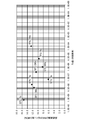
表1に分取した膜透過画分のカゼイン混入率を示す。また、図1に、Fо値と、分取した膜透過画分のカゼイン混入率との関係を示す。表1及び図1中、Fо値の「1.0E-08」は1.0×10⁸を意味する。他のFо値も同様である。
表2に、例5で得た膜透過画分の組成を示す。また、「α-カゼイン、β-カゼイン、κ-カゼイン、β-ラクトグロブリン及びα-ラクトアルブミン」のバンド強度合計値に対する「β-ラクトグロブリン及びα-ラクトアルブミン」のバンド強度合計値の比としてタンパク質中のホエイタンパク質の含量を求めたところ、93.8%であった。
表1に分取した膜透過画分のカゼイン混入率を示す。また、図1に、Fо値と、分取した膜透過画分のカゼイン混入率との関係を示す。表1及び図1中、Fо値の「1.0E-08」は1.0×10⁸を意味する。他のFо値も同様である。
表2に、例5で得た膜透過画分の組成を示す。また、「α-カゼイン、β-カゼイン、κ-カゼイン、β-ラクトグロブリン及びα-ラクトアルブミン」のバンド強度合計値に対する「β-ラクトグロブリン及びα-ラクトアルブミン」のバンド強度合計値の比としてタンパク質中のホエイタンパク質の含量を求めたところ、93.8%であった。


MF膜処理前にFо値が1.0×10⁻⁹以上となる加熱条件で原料乳の加熱処理をした例2~8では、MF膜処理を低温で行いながらも原料乳の加熱処理を実施しなかった例9に比べてカゼイン混入率が低減されていた。
MF膜処理前にFо値が1.0×10⁻⁹未満となる加熱条件で原料乳の加熱処理をした例1では、例9よりもカゼイン混入率が高くなっていた。
MF膜処理前にFо値が1.0×10⁻⁹未満となる加熱条件で原料乳の加熱処理をした例1では、例9よりもカゼイン混入率が高くなっていた。
Claims (4)
- カゼインとホエイタンパク質とを含む原料乳を、Fо値が1.0×10⁻⁹以上の加熱条件で加熱する工程と、
前記加熱条件で加熱した前記原料乳を20℃未満の温度T1に冷却する工程と、
前記温度T1に冷却した前記原料乳を精密ろ過膜処理し、膜透過画分としてホエイを得る工程を有する、ホエイの製造方法。 - 前記加熱が、35℃以上の加熱条件で行われる、請求項1に記載のホエイの製造方法。
- 前記原料乳を加熱する前に、前記原料乳を10℃以下の温度T0に冷却する工程を有する、請求項1又は2に記載のホエイの製造方法。
- 原料乳の精密ろ過膜透過画分を含み、タンパク質中のカゼインの含量が13%未満である、ホエイ。
Priority Applications (2)
| Application Number | Priority Date | Filing Date | Title |
|---|---|---|---|
| JP2021511914A JPWO2020203635A1 (ja) | 2019-03-29 | 2020-03-26 | |
| EP20782446.7A EP3949740A4 (en) | 2019-03-29 | 2020-03-26 | PROCESS FOR PRODUCTION OF WHEY AND WHEY |
Applications Claiming Priority (2)
| Application Number | Priority Date | Filing Date | Title |
|---|---|---|---|
| JP2019-065450 | 2019-03-29 | ||
| JP2019065450 | 2019-03-29 |
Publications (1)
| Publication Number | Publication Date |
|---|---|
| WO2020203635A1 true WO2020203635A1 (ja) | 2020-10-08 |
Family
ID=72668053
Family Applications (1)
| Application Number | Title | Priority Date | Filing Date |
|---|---|---|---|
| PCT/JP2020/013637 Ceased WO2020203635A1 (ja) | 2019-03-29 | 2020-03-26 | ホエイの製造方法及びホエイ |
Country Status (3)
| Country | Link |
|---|---|
| EP (1) | EP3949740A4 (ja) |
| JP (1) | JPWO2020203635A1 (ja) |
| WO (1) | WO2020203635A1 (ja) |
Cited By (1)
| Publication number | Priority date | Publication date | Assignee | Title |
|---|---|---|---|---|
| CN117397732A (zh) * | 2023-09-11 | 2024-01-16 | 新希望乳业股份有限公司 | 一种发酵乳乳清产品及其制备方法 |
Citations (5)
| Publication number | Priority date | Publication date | Assignee | Title |
|---|---|---|---|---|
| JP2001017078A (ja) * | 1999-05-25 | 2001-01-23 | Novatreat Oy | 初乳を処理する方法 |
| WO2007055932A1 (en) | 2005-11-09 | 2007-05-18 | Wisconsin Alumni Research Foundation | Purification of beta casein from milk |
| WO2013068653A2 (en) | 2011-11-11 | 2013-05-16 | Valio Ltd | Method for producing a milk product |
| JP2014514929A (ja) * | 2011-04-26 | 2014-06-26 | フリーズランド ブランズ ビー.ブイ. | 乳タンパク質組成物を製造する方法 |
| JP2019065450A (ja) | 2017-09-28 | 2019-04-25 | 東レ株式会社 | シート状物 |
Family Cites Families (2)
| Publication number | Priority date | Publication date | Assignee | Title |
|---|---|---|---|---|
| HUT77043A (hu) * | 1994-09-16 | 1998-03-02 | New Zealand Dairy Board | Kazein és savófehérjék fizikai elválasztása |
| WO2020159356A1 (en) * | 2019-02-01 | 2020-08-06 | N.V. Nutricia | Native whey protein for improving intestinal maturation |
-
2020
- 2020-03-26 JP JP2021511914A patent/JPWO2020203635A1/ja active Pending
- 2020-03-26 WO PCT/JP2020/013637 patent/WO2020203635A1/ja not_active Ceased
- 2020-03-26 EP EP20782446.7A patent/EP3949740A4/en active Pending
Patent Citations (5)
| Publication number | Priority date | Publication date | Assignee | Title |
|---|---|---|---|---|
| JP2001017078A (ja) * | 1999-05-25 | 2001-01-23 | Novatreat Oy | 初乳を処理する方法 |
| WO2007055932A1 (en) | 2005-11-09 | 2007-05-18 | Wisconsin Alumni Research Foundation | Purification of beta casein from milk |
| JP2014514929A (ja) * | 2011-04-26 | 2014-06-26 | フリーズランド ブランズ ビー.ブイ. | 乳タンパク質組成物を製造する方法 |
| WO2013068653A2 (en) | 2011-11-11 | 2013-05-16 | Valio Ltd | Method for producing a milk product |
| JP2019065450A (ja) | 2017-09-28 | 2019-04-25 | 東レ株式会社 | シート状物 |
Non-Patent Citations (6)
| Title |
|---|
| ALI E. ALI, J. DAIRY RESEARCH, vol. 47, 1980, pages 371 - 382 |
| FUJIKAWA, JAPAN JOURNAL OF FOOD ENGINEERING, vol. 3, no. 3, 2002, pages 65 - 78 |
| R. Y. MURPHY ET AL., JOURNAL OF FOOD PROTECTION, vol. 66, no. 2, 2003, pages 242 - 248 |
| See also references of EP3949740A4 |
| SHANE V. CROWLEY, INTERNATIONAL DAIRY J., vol. 81, 2018, pages 72 - 79 |
| ZULEWSKA JUSTYNA, BARBANO DAVID M.: "Influence of casein on flux and passage of serum proteins during microfiltration using polymeric spiral-wound membranes at 50° C", J. DIARY SCI., vol. 96, no. 4, 2013, pages 2048 - 2060, XP055746755, DOI: 10.3168/jds.2012-6032 * |
Cited By (1)
| Publication number | Priority date | Publication date | Assignee | Title |
|---|---|---|---|---|
| CN117397732A (zh) * | 2023-09-11 | 2024-01-16 | 新希望乳业股份有限公司 | 一种发酵乳乳清产品及其制备方法 |
Also Published As
| Publication number | Publication date |
|---|---|
| EP3949740A1 (en) | 2022-02-09 |
| EP3949740A4 (en) | 2022-12-07 |
| JPWO2020203635A1 (ja) | 2020-10-08 |
Similar Documents
| Publication | Publication Date | Title |
|---|---|---|
| Meena et al. | Milk protein concentrates: opportunities and challenges | |
| KR102044567B1 (ko) | 유제품의 제조방법 | |
| JP7467364B2 (ja) | ベータ-ラクトグロブリン単離物を製造するためのプロセス、並びに関連する方法及び使用 | |
| KR102482040B1 (ko) | 우유 단백질 및 우유 당류를 함유하는 개선된 영양 제품의 제조 방법 및 상기 방법에 의해 수득된 제품 | |
| CN111194824B (zh) | 一种浓缩牛奶蛋白液及其制备方法 | |
| RU2671085C1 (ru) | Способ производства продукта на основе молока | |
| Liu et al. | Membrane-based fractionation, enzymatic dephosphorylation, and gastrointestinal digestibility of β-casein enriched serum protein ingredients | |
| CN107809909B (zh) | 特别适用于有机食品业的去矿物质化乳蛋白质组合物的生产方法以及去矿物质化乳蛋白质组合物 | |
| WO2020203634A1 (ja) | ホエイの製造方法 | |
| JPH02502517A (ja) | ミルクの溶解成分と不溶解成分との分離法 | |
| KR20150114968A (ko) | 베타-카제인 조성물의 제조 방법 및 관련 제품들 | |
| CN112931677B (zh) | 一种高活性乳清蛋白及制备方法 | |
| WO2020203635A1 (ja) | ホエイの製造方法及びホエイ | |
| US11206846B2 (en) | High purity alpha lactalbumin and methods of making | |
| CN107920541A (zh) | 纤溶酶活性降低的乳制品的制备方法 | |
| US20200305453A1 (en) | Methods For Reducing Viscosity And Delaying Onset Of Cold Gelation Of High Solids Concentrated Milk Products | |
| CN101267740B (zh) | 改进发酵乳质感的方法 | |
| CN113826694A (zh) | 高品质奶及其制备方法 | |
| CN102753024A (zh) | 用于减少含有脂滴的目的食物和/或生物介质中的细菌含量的方法 | |
| CN116897996B (zh) | 一种液体乳制品及其制备方法 | |
| US20110130472A1 (en) | Proteose peptone fraction | |
| Outinen et al. | Pre-treatment methods of Edam cheese milk. Effect on the whey composition | |
| JPH09507029A (ja) | 未変性ホエータンパク質濃縮物の製造法 | |
| RU2713275C1 (ru) | Способ производства сывороточного изолята для изготовления адаптированных молочных смесей и заменителей грудного молока | |
| CN104582508B (zh) | 制备血清蛋白质浓缩物的方法 |
Legal Events
| Date | Code | Title | Description |
|---|---|---|---|
| 121 | Ep: the epo has been informed by wipo that ep was designated in this application |
Ref document number: 20782446 Country of ref document: EP Kind code of ref document: A1 |
|
| ENP | Entry into the national phase |
Ref document number: 2021511914 Country of ref document: JP Kind code of ref document: A |
|
| NENP | Non-entry into the national phase |
Ref country code: DE |
|
| ENP | Entry into the national phase |
Ref document number: 2020782446 Country of ref document: EP Effective date: 20211029 |