WO2020210027A1 - Immunomodulatory oligosaccharides for the treatment of pain - Google Patents
Immunomodulatory oligosaccharides for the treatment of pain Download PDFInfo
- Publication number
- WO2020210027A1 WO2020210027A1 PCT/US2020/024621 US2020024621W WO2020210027A1 WO 2020210027 A1 WO2020210027 A1 WO 2020210027A1 US 2020024621 W US2020024621 W US 2020024621W WO 2020210027 A1 WO2020210027 A1 WO 2020210027A1
- Authority
- WO
- WIPO (PCT)
- Prior art keywords
- pain
- unsubstituted
- substituted
- syndrome
- neuralgia
- Prior art date
- Legal status (The legal status is an assumption and is not a legal conclusion. Google has not performed a legal analysis and makes no representation as to the accuracy of the status listed.)
- Ceased
Links
Classifications
-
- A—HUMAN NECESSITIES
- A61—MEDICAL OR VETERINARY SCIENCE; HYGIENE
- A61K—PREPARATIONS FOR MEDICAL, DENTAL OR TOILETRY PURPOSES
- A61K31/00—Medicinal preparations containing organic active ingredients
- A61K31/70—Carbohydrates; Sugars; Derivatives thereof
- A61K31/702—Oligosaccharides, i.e. having three to five saccharide radicals attached to each other by glycosidic linkages
-
- A—HUMAN NECESSITIES
- A61—MEDICAL OR VETERINARY SCIENCE; HYGIENE
- A61K—PREPARATIONS FOR MEDICAL, DENTAL OR TOILETRY PURPOSES
- A61K31/00—Medicinal preparations containing organic active ingredients
- A61K31/70—Carbohydrates; Sugars; Derivatives thereof
- A61K31/7016—Disaccharides, e.g. lactose, lactulose
-
- A—HUMAN NECESSITIES
- A61—MEDICAL OR VETERINARY SCIENCE; HYGIENE
- A61P—SPECIFIC THERAPEUTIC ACTIVITY OF CHEMICAL COMPOUNDS OR MEDICINAL PREPARATIONS
- A61P25/00—Drugs for disorders of the nervous system
- A61P25/04—Centrally acting analgesics, e.g. opioids
-
- A—HUMAN NECESSITIES
- A61—MEDICAL OR VETERINARY SCIENCE; HYGIENE
- A61P—SPECIFIC THERAPEUTIC ACTIVITY OF CHEMICAL COMPOUNDS OR MEDICINAL PREPARATIONS
- A61P29/00—Non-central analgesic, antipyretic or antiinflammatory agents, e.g. antirheumatic agents; Non-steroidal antiinflammatory drugs [NSAID]
-
- C—CHEMISTRY; METALLURGY
- C07—ORGANIC CHEMISTRY
- C07H—SUGARS; DERIVATIVES THEREOF; NUCLEOSIDES; NUCLEOTIDES; NUCLEIC ACIDS
- C07H3/00—Compounds containing only hydrogen atoms and saccharide radicals having only carbon, hydrogen, and oxygen atoms
- C07H3/06—Oligosaccharides, i.e. having three to five saccharide radicals attached to each other by glycosidic linkages
Definitions
- the disclosure providesfor immunomodulatory oligosaccharides, and therapeutic uses thereof for the treatment of pain.
- Neuropathic pain is a recognized type of pathological pain where nociceptive responses persist beyond the resolution of damage to the nerve or its surrounding tissue. Very often, neuropathic pain is disproportionately enhanced in intensity (hyperalgesia) or altered in modality (hyperpathia or allodynia) in relation to the stimuli. Animal models of neuropathic pain based on various types of nerve injuries (peripheral versus spinal nerve, ligation versus chronic constrictive injury) have persistently implicated a pivotal role for TNF-a at both peripheral and central levels of sensitization.
- Chronic macrophage inflammation plays a key role in the development and progression of persistent, chronic pain.
- the data presented herein indicate that 3'-sialyllactose (3'SL) and 6’- sialyllactose (6’SL) based oligosaccharides and purified preparations comprising or consisting of 3’SL and/or 6’SL attenuate macrophage inflammation and suppress the secretion of pro- inflammatory cytokines, like interleukin (IL)-lbeta and IL-6.
- IL interleukin
- the disclosure provides a method for treating a subject having or suspected of having pain with an inflammatory component, comprising administering to the subject an effective amount of an oligosaccharide, or a pharmaceutical composition comprising the oligosaccharide, wherein the oligosaccharide comprises a structure of Formula 1, 1(a) or II:
- R1 -R1 ⁇ are independently selected from H, D, a halo, an unsubstituted or substituted (Cl-C6)alkyl, an unsubstituted or substituted (C 1 -C6)heteroalky 1, an unsubstituted or substituted (C2- C6)alkenyl, an unsubstituted or substituted (C2-C6)heteroalkenyl, an unsubstituted or substituted (C3-C6)alkynyl, an unsubstituted or substituted (C3-C6)heteroalkynyl, an unsubstituted or substituted (C4-C8)cycloalkyl, an unsubstituted or substituted heterocycle, an unsubstituted or substituted aryl, -ROR', -RN(R')2, -RSSR', -SH, - RS
- RCN is absent or a (Cl-C5)alkyl
- R 1 is independently selected from H, D, an unsubstituted or substituted (C 1 -C6) alkyl, an unsubstituted or substituted (C 1 - C6)heteroalkyl, an unsubstituted or substituted (C2-C6)alkenyl, an unsubstituted or substituted (C2-C6)heteroalkenyl, an unsubstituted or substituted (C3-C6)alkyny
- the disclosure also provides a method for treating a subject suffering from a persistent or chronic pain, comprising administering to the subject an effective amount of an oligosaccharide, or a pharmaceutical composition comprising the oligosaccharide, wherein the oligosaccharide comprises a structure of Formula 1(b) or 1(c):
- R! -R6 are independently selected from H, D, a halo, an unsubstituted or substituted (Cl-C6)alkyl, an unsubstituted or substituted (Cl-C6)heteroalkyl, an unsubstituted or substituted (C2- C6)alkenyl, an unsubstituted or substituted (C2-C6)heteroalkenyl, an unsubstituted or substituted (C3-C6)alkynyl, an unsubstituted or substituted (C3-C6)heteroalkynyl, an unsubstituted or substituted (C4-C8)cycloalkyl, an unsubstituted or substituted heterocycle, an unsubstituted or substituted aryl, -ROR', -RN(R')2, -RSSR', -SH, -SR'
- the disclosure further provides a method for treating a subject having persistent or chronic pain, comprising administering to the subject an effective amount of an oligosaccharide, or a pharmaceutical composition comprising the oligosaccharide, wherein the oligosaccharide comprises a structure of Formula 1(d), 1(e) orll(a):
- a method disclosed herein comprises orally administering an oligosaccharide of the disclosure or a pharmaceutical composition comprising an oligosaccharide of the disclosure to a subject.
- a method disclosed herein comprises orally administering to a subject a nutritional composition comprising at least one oligosaccharide of the disclosure.
- the nutritional composition comprises or consists of 3’SL, 6’SL or a combination of 3’SL and 6’SL.
- the nutritional composition comprise or consists of 3’SL, 6’SL or a combination thereof at 145 mg/L or greater of 3’SL, 6’SL or a combination of 3’SL and 6’SL.
- the nutritional composition comprises at least 9% ( e.g ., 10, 15, 20, 25, 30, 35, 40, 45, 50, 55, 60, 65, 70, 75, 80, 85, 90, 95, or 100%; or any value between any of the foregoing) 3’SL, 6’SL or a combination thereof of the total oligosaccharides in the composition.
- a pharmaceutical composition comprising the oligosaccharide of the disclosure is formulated as a tablet or a capsule.
- the persistent and chronic pain may be (a) central neuropathic pain; (b) peripheral neuropathic pain; (c) nociceptive pain; (d) mixed pain syndromes; (e) dysfunctional pain; or (f) neuropathic, nociceptive or mixed headaches.
- the pain is chronic central neuropathic pain; chronic peripheral neuropathic pain; or chronic nociceptive pain.
- a method of treating a patient with chronic or acute pain comprising administering to the patient a compound described herein.
- the pain is a nociceptive pain, a neuropathic pain and/or a dysfunctional pain.
- the pain is chronic nociceptive pain, chronic neuropathic pain and/or chronic dysfunctional pain.
- the pain may be (a) central neuropathic pain; (b) peripheral neuropathic pain; (c) nociceptive pain; (d) mixed pain syndromes; (e) dysfunctional pain; or (f) neuropathic, nociceptive or mixed headaches.
- the pain is chronic central neuropathic pain; chronic peripheral neuropathic pain; or chronic nociceptive pain.
- the central neuropathic pain is preferably selected from the group consisting of multiple sclerosis pain, spinal cord injury pain (SCI; Paraplegia), Parkinson's disease related pain, painful epileptic attacks, post stroke pain, deafferentation pain, trigeminal neuralgia, glossopharyngeal neuralgia, thalamic pain, borreliosis pain, phantom pain, and painful restless legs syndrome.
- SCI spinal cord injury pain
- Parkinson's disease related pain painful epileptic attacks
- post stroke pain post stroke pain
- deafferentation pain trigeminal neuralgia, glossopharyngeal neuralgia, thalamic pain, borreliosis pain, phantom pain, and painful restless legs syndrome.
- peripheral neuropathic pain is preferably selected from the group consisting of brachialgia paraesthetica, carpal tunnel syndrome, erythromelalgia, facial neuralgia, postherpetic neuralgia, postoperative neuralgia, posttraumatic neuralgia, sciatica, causalgia, mononeuropathy, nerve
- entrapment syndromes nerve injuries, neuritis pain, occipital neuralgia, trigeminal neuropathy, allodynia and hyperalgesia, sulcus ulnaris syndrome, tarsal tunnel syndrome, radiculopathy, Fabry disease related pain, polyneuropathy, posttraumatic neuropathy, postamputation pain, stump pain and notalgia paraesthetica.
- the nociceptive pain is preferably selected from the group consisting of visceral pain; ischemic pain ; Raynaud syndrome related pain; degenerative joint pain such as osteoarthritis pain or arthritic pain;
- tendinitis associated pain such as epicondylitis, achillodynia, fasciitis pain, keel spur pain; frozen shoulder; arthritis; degenerative vertebral pain; degenerative cervical pain; inflammatory pain; myofascial pain syndrome; muscular trigger points and myalgia.
- the mixed pain syndrome is preferably selected from the group consisting of cervical syndrome, cancer pain, low back pain, abdominal pain, complex regional pain syndrome (CRPS, also referred to as algodystrophy, reflex dystrophy, Sudeck's atrophy), postamputation pain, anal pain, disc herniation and degeneration, degenerative spinal pain, failed back surgery syndrome (FBS) and acute and chronic postsurgical pain (CPSP).
- CRPS complex regional pain syndrome
- FBS failed back surgery syndrome
- CPSP acute and chronic postsurgical pain
- the dysfunctional pain is preferably selected from the group consisting of soft tissue rheumatism, fibromyalgia, chronic pelvic pain syndrome (CPPS), chronic cystitis pain, chronic prostatitis pain, coccygodynia, irritable bowel syndrome, chronic pain of the gut, orofacial pain, proctodynia, vulvodynia, Dercum's disease related pain, widespread pain and craniomandibular dysfunction.
- CPPS chronic pelvic pain syndrome
- chronic cystitis pain chronic prostatitis pain
- coccygodynia chronic irritable bowel syndrome
- chronic pain of the gut orofacial pain
- proctodynia vulvodynia
- Dercum's disease related pain widespread pain and craniomandibular dysfunction.
- the headache is preferably selected from the group consisting of cluster headache, migraine, tension type headache, hemicrania, trigeminal autonomic cephalalgia, SUNCT syndrome, nummular headache, occipital neuralgia and trigeminal neuralgia and neuropathy.
- the compounds described herein according to the uses and the methods of the invention is to be administered topically or systemically, preferably topically, more preferably dermally.
- the sialyllactose or a salt thereof is to be administered topically and the pain is a peripheral neuropathic pain, preferably a localized peripheral neuropathic pain, or the pain is a degenerative joint pain or tendinitis associated pain.
- the disclosure also provides a method for treating a subject having or suspected of having an inflammatory disease or an autoimmune disorder, comprising administering to the subject an effective amount of an oligosaccharide disclosed herein, or a pharmaceutical composition comprising the oligosaccharide disclosed herein, with another therapeutic agent.
- thedisclosure also provides a method for treating a subject having or suspected of having an inflammatory disease or an autoimmune disorder, comprising administering to the subject an effective amount of an oligosaccharide disclosed herein, or a pharmaceutical composition comprising the oligosaccharide disclosed herein, with a nonsteroidal anti-inflammatory drug, a glucocorticoid, a biologic response modifier or anopioid.
- nonsteroidal anti-inflammatory drugs examples include, but are not limited to,
- Aminophenazone Ampyrone, Azapropazone, Clofezone, Difenamizole, Famprofazone, Feprazone, Kebuzone, Metamizole, Mofebutazone, Morazone, Nifenazone,
- Aceclofenac Acemetacin, Alclofenac, Amfenac, Bendazac, Bromfenac, Bumadizone, Bufexamac, Diclofenac, Difenpiramide, Etodolac, Felbinac, Fenclozic acid, Fentiazac, Indomethacin, Indomethacin farnesil, Isoxepac, Ketorolac, Lonazolac, Oxametacin, Prodolic acid, Proglumetacin, Sulindac, Tiopinac, Tolmetin, Zomepirac, Ampiroxicam, Droxicam, Isoxicam, Lornoxicam, Meloxicam, Piroxicam, Tenoxicam, Alminoprofen, Benoxaprofen, Carprofen, Dexibuprofen, Dexketoprofen, Fenbufen, Fenoprofen, Flunoxaprofen, Flurbiprofen, Ibuprofen, Ibuproxam
- Cimicoxib Deracoxib, Etoricoxib, Firocoxib, Lumiracoxib, Mavacoxib, Parecoxib, Robenacoxib, Rofecoxib, Yaldecoxib, Aminopropionitrile, Benzydamine, Chondroitin sulfate, Diacerein, Fluproquazone,Glucosamine,Glycosaminoglycan,
- glucocorticoids include but are limited to betamethasone and prednisone.
- biological response modifiers include but are not limited to hydroxychloroquine, leflunomide, methotrexate, tofacitinib, abatacept, adalimumab, adalimumab-atto, anakinra, etanercept, etanercept-szzs,rituximab, infliximab-dyyb,golimumab, certolizumab pegol, tocilizumab,and sarilumab.
- opioidsin include but are not limited to tramadol, oxycontin, oxycodone, fentanyl, morphine, codeine, dihydrocodeine, and actiq.
- the disclosure provides for a method to attenuate macrophage inflammation and/or suppress the secretion of pro-inflammatory cytokines in a subject suffering from pain, comprising administering to the subject an effective amount of an oligosaccharide, or a pharmaceutical composition comprising the oligosaccharide, wherein the oligosaccharide comprises a structure of Formula 1, 1(a) orll:
- R1 -III 8 are independently selected from H, D, a halo, an unsubstituted or substituted (Cl-C6)alkyl, an unsubstituted orsubstituted (C 1 -C6)heteroalky 1, an unsubstituted or substituted (C2-
- RCN is absent or a (Cl-C5)alkyl
- R 1 is independently selected from H, D, an unsubstituted or substituted (C 1 -C6) alkyl, an unsubstituted or substituted (C 1 - C6)heteroalkyl, an unsubstituted or substituted (C2-C6)alkenyl, an unsubstituted or substituted (C2-C6)heteroalkenyl, an unsubstituted or substituted (C3-C6)alkyny
- the disclosure provides for a method to attenuate macrophage inflammation and/or suppress the secretion of pro-inflammatory cytokines in a subject in need thereof, comprising administering to the subject an effective amount of an oligosaccharide, or a pharmaceutical composition comprising the oligosaccharide, wherein the oligosaccharide comprises a structure of Formula 1(b) orl(c):
- R1-R6 are independently selected from H, D, a halo, an unsubstituted or substituted (Cl-C6)alkyl, an unsubstituted or substituted (Cl-C6)heteroalkyl, an unsubstituted or substituted (C2- C6)alkenyl, an unsubstituted or substituted (C2-C6)heteroalkenyl, an unsubstituted or substituted (C3-C6)alkynyl, an unsubstituted or substituted (C3-C6)heteroalkynyl, an unsubstituted or substituted (C4-C8)cycloalkyl, an unsubstituted or substituted
- the disclosure provides for a method to attenuate macrophage inflammation and/or suppress the secretion of pro-inflammatory cytokines in a subject in need thereof, comprising administering to the subject an effective amount of an oligosaccharide, or a pharmaceutical composition comprising the oligosaccharide, wherein the oligosaccharide comprises a structure of Formula 1(d), 1(e) or 11(a):
- the pro-inflammatory cytokines comprise interleukin (IL)-ipand IL-6.
- IL interleukin
- an oligosaccharide of disclosure, or a pharmaceutical composition comprising the oligosaccharide of disclosure is
- a human subject that is 5 years of age or older (e.g ., 6, 7, 8, 9, 10, 11, 12 years of age or older).
- composition comprising the oligosaccharide(s) are administered to a subject less than 5 years of age.
- an oligosaccharide of disclosure or a pharmaceutical composition comprising the oligosaccharide of disclosure, is administered to a human subject that is 18 years of age or older.
- Figure 1A-C demonstrates that 3’-sialyllactose (3’SL) reduces IL-6 and IL- 1 b mRNA expression in LPS-activated macrophages.
- RAW246.7 cells were exposed to LPS either alone or in combination with either pooled human milk oligosaccharides (HMOs), or 3’- sialyllactose (3’SL) or2’-fucosyllactose (2’FL).
- HMOs pooled human milk oligosaccharides
- 3’- sialyllactose (3’SL) or2’-fucosyllactose (2’FL 2’FL.
- HMOs are a group of more thanl 50 different structurally distinct oligosaccharides and their composition follows a basic structural blueprint (C), containing five monosaccharide building blocks: glucose (dark gray circle), galactose (light gray circle), N-acetylglucosamine (dark gray square), fucose (gray triangle) and sialic acid (gray diamond).
- C basic structural blueprint
- 3’SL contains lactose with sialic acid at the terminal end
- 2’FL contains lactose with fucose at the terminal end.
- FIG. 2A-C shows that 3’-sialyllactose (3’SL) alleviates paw swelling and cartilage damage in CAIA mouse model.
- Oral gavage of 3’SL (20 mg thrice daily, beginning at the time of LPS trigger) reduces baseline- corrected ankle swelling (A) and clinical pathology score 28 (B) over the course of the study.
- 3’SL exposure also significantly reduced hind paw joint inflammation, erosion and cartilage damage measured by histology scores (C). (*p ⁇ 0.05, **p ⁇ 0.01,***p ⁇ 0.001).
- an oligosaccharide includes a plurality of such oligosaccharides and reference to “the therapeutic agent” includes reference to one or more therapeutic agents and equivalents thereof known to those skilled in the art, and h.
- alkenyl refers to an organic group that is comprised of carbon and hydrogen atoms that contains at least one double covalent bond betweentwo carbons.
- an "alkenyl” as used in this disclosure refers to organic group that contains 2, 3, 4, 5, 6, 7, 8,
- an alkenyl group of three or more carbons can contain more than one double bond.
- the alkenyl group will be conjugated, in other cases an alkenyl group will not be conjugated, and yet other cases the alkenyl group may have stretches of conjugation and stretches of non-conjugation.
- the carbons may be connected in a linear manner, or alternatively if there are more than 3 carbons then the carbons may also be linked in a branched fashion so that the parent chain contains one or more secondary, tertiary, orquaternary carbons.
- An alkenyl may be substituted or unsubstituted, unless stated otherwise.
- alkyl refers to an organic group that is comprised of carbon and hydrogen atoms that contains single covalent bonds between carbons.
- an "alkyl” as used in this disclosure refers to an organic group that contains 1, 2, 3, 4, 5, 6, 7, 8, 9, 10, 1 1, 12, 13, 14, 15, 16, 17, 18, 19, 20, or 30 carbon atoms, or any range of carbon atoms between or including any two of the foregoing values.
- the carbons may be connected in a linear manner, or alternatively if there are more than 2 carbons then the carbons may also be linked in a branched fashion so that the parent chain contains one or more secondary, tertiary, orquaternary carbons.
- An alkyl may be substituted or unsubstituted, unless stated otherwise.
- alkynyl refers to an organic group that is comprised of carbon and hydrogen atoms that contains a triple covalent bond betweentwo carbons.
- an "alkynyl” as used in this disclosure refers to organic group that contains that contains 2, 3, 4, 5, 6, 7, 8, 9, 10, 11, 12, 13, 14, 15, 16, 17, 18,19, 20, or 30 carbon atoms, or any range of carbon atoms between or including any two of theforegoing values. While aC2-alkynyl can form a triple bond to a carbon of a parent chain, an alkynyl group of four or more carbons can contain more than one triple bond.
- the carbons may be connected in a linear manner, or alternatively if there are more than 4 carbons then the carbons may also be linked in a branched fashion so that the parent chain contains one or more secondary, tertiary, or quaternary carbons.
- An alkynyl may be substituted or unsubstituted, unless statedotherwise.
- aryl refers to a conjugated planar ring system with delocalized pi electron clouds that contain only carbon asring atoms.
- An "aryl” forthe purposes of this disclosure encompass from 1 to 4 aryl rings wherein when the aryl is greater than 1 ring the aryl rings are joined so that they are linked, fused, or a
- An aryl may be substituted or unsubstituted, or in the case of more than one aryl ring, one or more rings may be unsubstituted, one or more rings may be substituted, or a combination thereof.
- cycloalkyl refers to an alkyl that contains at least 3 carbon atoms but no more than 12 carbon atoms connected so that it forms a ring.
- a "cycloalkyl” for the purposes of this disclosure encompasses from 1 to 4 cycloalkyl rings, wherein when the cycloalkyl is greater than 1 ring, then the cycloalkyl rings are joined so that they are linked, fused, or acombination thereof.
- a cycloalkyl may besubstituted or unsubstituted, or in the case of more than one cycloalkyl ring, one or more rings may be unsubstituted, one or more rings may be substituted, or a combination thereof.
- hetero- when used as a prefix, such as, hetero-alkyl, hetero-alkenyl, hetero- alkynyl, or hetero-hydrocarbon, for the purpose of this disclosure refers to the specified hydrocarbon having one or more carbon atoms replaced by non-carbon atoms as part of the parent chain.
- non-carbon atoms include, but are not limited to, N, O, S, Si, Al, B, and P. If there is more than one non-carbon atom in the hetero-based parent chain then this atom may be the same element or may be a combination of different elements, such as Nand O.
- a “hetero "-hydrocarbon e.g ., alkyl, alkenyl, alkynyl
- a hydrocarbon that has from 1 to 3 C, N and/or S atoms as part of the parent chain.
- heterocycle refers to ring structures that contain at least 1 noncarbon ring atom.
- a “heterocycle” for the purposes of this disclosure encompass from 1 to 4 heterocycle rings, wherein when the heterocycle is greater than 1 ring the
- heterocycle rings are joined so that they are linked, fused, or a combination thereof.
- a heterocycle may be aromatic or nonaromatic, or in the case of more than one heterocycle ring, one or more rings may be nonaromatic, one or more rings may be aromatic, or a combination thereof.
- a heterocycle may besubstituted or unsubstituted, or in the case of more than one heterocycle ring one or more rings may be unsubstituted, one or more rings may be substituted, or acombination thereof.
- the noncarbon ring atom is N, O, S, Si, Al, B, or P. In the case where there is more than one noncarbon ring atom, these noncarbon ring atoms can either be the same element, or combination of different elements, such as N and O.
- heterocycles include, butare not limited to: a monocyclic heterocycle such as, aziridine, oxirane, thiirane, azetidine, oxetane, thietane, pyrrolidine, pyrroline, imidazolidine, pyrazolidine, pyrazoline, dioxolane, sulfolane 2,3- dihydrofuran, 2,5- dihydrofuran tetrahydrofuran, thiophane, piperidine, 1,2,3,6-tetrahydro-pyridine, piperazine, morpholine, thiomorpholine,pyran,thiopyran,2,3-dihydropyran,
- a monocyclic heterocycle such as, aziridine, oxirane, thiirane, azetidine, oxetane, thietane, pyrrolidine, pyrroline, imidazolidine, pyrazolidine, pyrazoline
- heterocycle includes polycyclic heterocycles wherein the ring fusion between two or more rings includes more than one bond common to both rings and more than two atoms common to both rings.
- bridged heterocycles include quinuclidine, diazabicyclo[2.2.1]heptaneand7- oxabicyclo[2.2.1]heptane.
- heterocyclic group refers to a heterocycle that has had one or more hydrogens removedtherefrom.
- hydrocarbons refers to groups of atoms that contain only carbonand hydrogen. Examples of hydrocarbonsthat can be used in this disclosure include, but are not limited to, alkanes, alkenes, alkynes, arenes, and benzyls.
- non-release controlling excipient refers to an excipient whose primary function do not include modifying the duration or place of release of the active substance from a dosage form as compared with a conventional immediate release dosage form.
- optionally substituted refers to afunctional group, typically a hydrocarbon or heterocycle, where one or more hydrogen atoms may be replaced with a substituent.
- optionally substituted refers to a functional group that is substituted, in that one or more hydrogen atoms are replaced with a substituent, or unsubstituted, in that the hydrogen atoms are not replaced with a substituent.
- an optionally substituted hydrocarbon group refers to an unsubstituted hydrocarbon group or a
- pharmaceuticallyacceptable carrier refers to a pharmaceutically-acceptable material, composition, or vehicle, such as a liquid or solid filler, diluent, excipient, solvent, or encapsulating material.
- a pharmaceutically-acceptable material such as a liquid or solid filler, diluent, excipient, solvent, or encapsulating material.
- Each component must be “pharmaceutically acceptable” in the sense of being compatible with the other ingredients of a pharmaceutical formulation. It must also be suitable for use in contact with the tissue or organ of humans and animals without excessive toxicity, irritation, allergic response, immunogenicity, or other problems or complications, commensurate with a reasonable benefit/risk ratio.
- release controlling excipient refers to an excipient whose primary function is to modify the duration or place of release of the active substance from a dosage form as compared with a conventional immediate release dosage form.
- subject refers to an animal, including, but not limited to, a primate (e.g ., human, monkey, chimpanzee, gorilla, and the like), rodents (e.g ., rats, mice, gerbils, hamsters, ferrets, and the like), lagomorphs, swine (e.g., pig, miniature pig), equine, canine, feline, and the like.
- primate e.g ., human, monkey, chimpanzee, gorilla, and the like
- rodents e.g ., rats, mice, gerbils, hamsters, ferrets, and the like
- lagomorphs e.g., pig, miniature pig
- swine e.g., pig, miniature pig
- equine canine
- feline feline
- substantially pure as used herein in reference to a given oligosaccharide means that the oligosaccharide is substantially free from other biological macromolecules.
- the substantially pure oligosaccharide is at least 75% (e.g, at least 80, 85, 95, or 99%) pure by dry weight. Purity can be measured by any appropriate standard method, for example, by column chromatography, polyacrylamide gel electrophoresis, or HPLC analysis.
- substituted refers to an atom or group of atoms substituted in place of a hydrogen atom.
- a substituent would include deuterium atoms.
- substituted with respect to hydrocarbons, heterocycles, and the like, refers to structures wherein the parent chain contains one or more substituents.
- terapéuticaally acceptable refers to those compounds (or salts, prodrugs, tautomers, zwitterionic forms, etc.) which are suitable for use in contact with the tissues of patients without excessive toxicity, irritation, allergic response, immunogenicity, are commensurate with a reasonable benefit/risk ratio, and are effective for their intended use.
- treat refers to ameliorating symptoms associated with a disease or disorder (e.g., arthritis), including preventing or delaying the onset of the disease or disorder symptoms, and/or lessening the severity or frequency of symptoms of the disease or disorder.
- a disease or disorder e.g., arthritis
- active ingredient and“active substance” refer to an oligosaccharide or compound, which is administered, alone or in combination with one or more
- drug refers to a compound, or a pharmaceutical composition thereof, which is administered to a subject for treating, preventing, or ameliorating one or more symptoms of adisorder.
- disorder as used herein is intended to be generally synonymous, and is used interchangeably with, the terms“disease,”“syndrome” and“condition” (as in medical condition), in that all reflect an abnormal condition of the body or of one of its parts that impairs normal functioning and is typically manifested by distinguishing signs and symptoms.
- RA Rheumatoid arthritis
- RA Rheumatoid arthritis
- Some anti-rheumatic drugs can cross the placenta and harm the fetus and/or are transferred into breast milk and harm the breastfed baby.
- Teratogenic compounds like methotrexate and leflunamide are to be avoided and high dose steroids may be associated with a premature rupture of the membranes. The high risk of drugtransfer into breast milk often leads to the
- 3 and/or 6’- sialyllactose have anti-inflammatory effects in macrophages and alleviates paw swelling and cartilage damage in mice.
- 3’- and/or6’- sialyllactose (3’SL and 6’SL, respectively) were found to be an anti inflammatory agent that reduced pro-inflammatory cytokine expression in activated macrophages in vitro and when given orally, alleviate paw swelling and cartilage damage in the collagen antibody-induced arthritis (CA1A) mouse model in vivo.
- CA1A collagen antibody-induced arthritis
- Oral administration of the oligosaccharides of the disclosure provide for systemic circulation of the oligosaccharides both in infants and adults.
- the oligosaccharides described herein can not only be administered to treat a disease or disorder in an adult subject, but can also be administered to pregnant females, infants, and subjects who have impaired organ function (e.g., liver disfunction, kidney failure).
- the efficacy of oligosaccharides of disclosure as therapy for treating RA is demonstrated herein. Due to the oligosaccharides of the disclosure having little to no adverse effects in humans, this form of therapy could be used as a preventive, as a first line therapy option, or as an adjunct to existing therapies that would be well tolerated by patients of eithersex.
- the disclosure provides for an oligosaccharide having the structure of Formula 1, 1(a) or II:
- RI -R are independently selected from H, D, a halo, an unsubstituted or substituted (C 1 - C6)alkyl, an unsubstituted or substituted (Cl-C6)heteroalkyl, an unsubstituted or substituted (C2- C6)alkeny 1, an unsubstituted or substituted (C2-C6)heteroalkeny 1, an unsubstituted or substituted (C3-C6)alkynyl, an unsubstituted or substituted (C3- C6)heteroalkynyl, an unsubstituted or substituted (C4-C8)cycloalkyl, an unsubstituted or substituted heterocycle, an unsubstituted or substituted aryl, -ROR', -RN(R')2, -RSSR', - SH, - RSOR', -RS02R', -RS02H, -RS03H, -RC(
- R' is independently selected from H, D, an unsubstituted or substituted (C1-C6) alkyl, an unsubstituted or substituted (Cl- C6)heteroalkyl, an unsubstituted or substituted (2- C6)alkenyl, an unsubstituted or substituted (C2-C6)heteroalkenyl, an unsubstituted or substituted (C3-C6)alkynyl, an unsubstituted or substituted (C3- C6)heteroalkynyl, an unsubstituted or substituted (C4-C8)cycloalkyl an unsubstituted or substituted heterocycle, and an unsubstituted or substituted aryl.
- the disclosure provides for an oligosaccharide having the structure of Formula 1(b) or 1(c):
- RI -R are independently selected from H, D, a halo, an unsubstituted or substituted (C 1 - C6)alkyl, an unsubstituted or substituted (Cl-C6)heteroalkyl, an unsubstituted or substituted (C2- C6)alkenyl, an unsubstituted or substituted (C2-C6)heteroalkenyl, an unsubstituted or substituted (C3-C6)alkynyl, an unsubstituted or substituted (C3- C6)heteroalkynyl, an unsubstituted or substituted (C4-C8)cycloalkyl, an unsubstituted or substituted heterocycle, an unsubstituted or substituted aryl, -ROR', -RN(R')2, -RSSR', - SH, - RSOR', -RS02R', -RS02H, -RSO3H,
- C6heteroalkyl an unsubstituted or substituted (C2-C6)alkenyl, an unsubstituted or substituted (C2-C6)heteroalkenyl, an unsubstituted or substituted (C3-C6)alkynyl, an unsubstituted or substituted (C3- C6)heteroalkynyl, an unsubstituted or substituted (C4- C8)cycloalkyl, an unsubstituted or substituted heterocycle, and an unsubstituted or substituted aryl.
- the disclosure provides for a method disclosed herein which comprises administering a 3’- sialyllactose (3’SL)-based oligosaccharide disclosed herein or a pharmaceutical composition comprising a 3’-sialyllactose (3’SL)- based
- the disclosure also provides for a method disclosed herein which comprises administering one or more oligosaccharides having the structure of Formula I,
- R1.R18 are independently selected from H, D, a halo, an unsubstituted or substituted (Cl-C6)alkyl, an unsubstituted or substituted (Cl-C6)heteroalkyl, an unsubstituted or substituted (C2- C6)alkenyl, an unsubstituted or substituted (C2- C6)heteroalkenyl, an unsubstituted or substituted (C3-C6)alkynyl, an unsubstituted or substituted (C3-C6)heteroalkynyl, an unsubstituted or substituted (C4-C8)cycloalkyl, an unsubstituted or substituted heterocycle, an unsubstituted or substituted aryl, -ROR', - RN(R')2, -RSSR', -SH, - RSOR’, -RS02R', -RS02H, -RS03H, -RC
- R is absent or a(Cl-C5)alkyl;
- R' is independently selected from H, D, an unsubstituted or substituted (C1-C6) alkyl, an unsubstituted or substituted (Cl- C6)heteroalkyl, an unsubstituted or substituted (C2- C6)alkenyl, an unsubstituted or substituted (C2-C6)heteroalkenyl, an unsubstituted or substituted (C3-C6)alkynyl, an unsubstituted or substituted (C3- C6)heteroalkynyl, an unsubstituted or substituted (C4-C8)cycloalkyl, an unsubstituted or substituted heterocycle, and an unsubstituted or substituted aryl.
- the disclosure further provides for a method disclosed herein which comprises administering a pharmaceutical composition which comprises one or more oligosaccharides having the structures of Formula 1, 1(a) and/or II or a pharmaceutically acceptable salt, solvate, or prodrug thereof.
- the disclosure also provides for a method disclosed herein which comprises administering one or more oligosaccharides having the structure of Formula 1(b) and/or 1(c):
- R1 -R are independently selected from H, D, a halo, an unsubstituted or substituted (C 1 - C6)alkyl, an unsubstituted or substituted (Cl-C6)heteroalkyl, an unsubstituted or substituted (C2- C6)alkenyl, an unsubstituted or substituted (C2-C6)heteroalkenyl, an unsubstituted or substituted (C3-C6)alkynyl, an unsubstituted or substituted (C3- C6)heteroalkynyl, an unsubstituted or substituted (C4-C8)cycloalkyl, an unsubstituted or substituted heterocycle, an unsubstituted or substituted aryl, -ROR', -RN(R')2, -RSSR', - SH, - RSOR', -RS02R', -RS02H, -RS03H, -
- R is absent or a(Cl-C5)alkyl
- R' is independently selected from H, D, an unsubstituted or substituted (C1-C6) alkyl, an unsubstituted or substituted (Cl - C6)heteroalkyl, an unsubstituted or substituted (C2- C6)alkenyl, an unsubstituted or substituted (C2-C6)heteroalkenyl, an unsubstituted or substituted (C3-C6)alkynyl, an unsubstituted or substituted (C3- C6)heteroalkynyl, an unsubstituted or substituted (C4-C8)cycloalkyl, an unsubstituted or substituted
- the disclosure further provides for a method disclosed herein which comprises administering a pharmaceutical composition which comprises one or more oligosaccharides having the structure of Formula 1(b) and/or 1(c) or a pharmaceutically acceptable salt, solvate, or prodrug thereof.
- the disclosure provides for a method disclosed herein which comprises administering one or more oligosaccharide having the structures of Formula 1(d), 1(e) and/or 11(a):
- the disclosure also provides for a method disclosed herein which comprises administering a pharmaceutical composition which comprises one or more oligosaccharides of Formula 1(d), 1(e) and/or 11(a) or a pharmaceutically acceptable salt, solvate, or prodrug thereof.
- said oligosaccharide is substantially a single enantiomer, a mixture of about 90% or more by weight of the (-)-enantiomer and about 10% or less by weight of the (+)-enantiomer, a mixture of about 90% or more by weight of the (+)- enantiomer and about 10% or less by weight of the (-)-enantiomer, substantially an individual diastereomer, or a mixture of about 90% or more by weight of an individual diastereomer and about 10% or less by weight of any other diastereomer.
- the oligosaccharides disclosed herein may be enantiomerically pure, such as a single enantiomer or a single diastereomer, or be stereoisomeric mixtures, such as a mixture of enantiomers, a racemic mixture, or a diastereomeric mixture.
- administration of an oligosaccharide in its (R) form is equivalent, for oligosaccharides that undergo epimerization in vivo , to administration of the oligosaccharide in its (S) form.
- oligosaccharide disclosed herein contains an acidic or basic moiety, it may also be disclosed as a pharmaceutically acceptable salt (See, Berge et al. , J. Pharm. Sci. 1977, 66, 1-19; and“Handbook of Pharmaceutical Salts, Properties, and Use,” Stah and
- Suitable acids for use in the preparation of pharmaceutically acceptable salts include, but are not limited to, acetic acid, 2,2-dichloroacetic acid, acylated amino acids, adipic acid, alginic acid, ascorbic acid, L-aspartic acid, benzenesulfonic acid, benzoic acid, 4- acetamidobenzoic acid, boric acid, (+)- camphoric acid, camphorsulfonic acid, (+)-(lS)- camphor-10-sulfonic acid, capric acid, caproic acid, caprylic acid, cinnamic acid, citric acid, cyclamic acid, cyclohexanesulfamic acid, dodecylsulfuric acid, ethane- 1,2- disulfonic acid, ethanesulfonic acid, 2-hydroxy-ethanesulfonic acid, formic acid, fumaric acid, galactaric acid, gentisic acid, glucoheptonic acid,
- Suitable bases for use in the preparation of pharmaceutically acceptable salts including, but not limited to, inorganic bases, such as magnesium hydroxide, calcium hydroxide, potassium hydroxide, zinc hydroxide, or sodium hydroxide; and organic bases, such as primary, secondary, tertiary, and quaternary, aliphatic and aromatic amines, including L- arginine, benethamine, benzathine, choline, deanol, diethanolamine, diethylamine, dimethylamine, dipropylamine, diisopropylamine, 2-(diethylamino)- ethanol, ethanolamine, ethylamine, ethylenediamine, isopropylamine, N-methyl-glucamine, hydrabamine, lH-imidazole,L-ly sine, morpholine, 4-(2-hydroxyethyl)-morpholine, methylamine, piperidine, piperazine, propylamine, pyrrolidine, 1 -(2-hydroxy
- the oligosaccharide as disclosed herein may also be designed as a prodrug, which is a functional derivative of the oligosaccharide as disclosed herein and is readily convertible into the parent oligosaccharide/ ⁇ vivo.
- Prodrugs are often useful because, in some situations, they may be easier to administer than the parent oligosaccharide. They may, for instance, be bioavailable by oral administration whereas the parent oligosaccharide is not.
- the prodrug may also have enhanced solubility in pharmaceutical compositions over the parent oligosaccharide.
- a prodrug may be converted into the parent drug by various mechanisms, including enzymatic processes and metabolic hydrolysis. See Harper, Progress in Drug Research 1962, 4, 221-294; Morozowich et al. in“Design of
- the oligosaccharide may be produced by biotechnological means using enzyme-based fermentation technology (recombinant or natural enzymes) or microbialfermentation technology .
- microbes may either express their natural enzymes and substrates or may be engineered to produce respective substrates and enzymes.
- Single microbial cultures and/or mixed cultures may be used.
- the oligosaccharides may be produced by chemical synthesis from lactose and other substrates.
- Biotechnological approaches have made it possible for the large scale, cost-efficient production of target oligosaccharides.
- the oligosaccharides disclosed herein can be produced in high yields in aqueous media by fermentation of genetically modified bacteria, yeasts or other microorganisms. See, for example, W0200104341;W02007101862,W02010070104;W02010142305; WO2012112777; Priem et al. , Glycobiology 12:235 (2002); Drouillard etal., Angew.
- the oligosaccharides of the disclosure can be synthesized based upon methods described in WO2011100980A1; W02012007588A1;W02012127410A1;
- sialylated oligosaccharides can be made as described in WO 2012/113404 and mixtures of human milk oligosaccharides can be made as described inWO 2012/113405.
- sialylated oligosaccharides can be made as described in WO 2012/007588, fucosylated
- oligosaccharides can be made as described in WO 2012/127410. With a regard to biotechnological methods, WO 2001/04341 and WO 2007/101862 describe how to make oligosaccharides optionally substituted by fucose or sialic acid using genetically modified E.coli.
- the disclosure provides for a nutritional composition that comprises one or more oligosaccharides (e.g ., 3’SL and/or 6’SL or derivatives thereof) disclosed herein along with one or more foodgrade agents.
- the nutritional composition comprises or consists of 3’SL, 6’SL or a combination of 3’SLand 6’SL.
- the nutritional composition comprise or consists of 3’SL, 6’SL or a combination thereof at 145 mg/L or greater of 3’SL, 6’SL or a combination of 3’SL and 6’SL.
- the nutritional composition comprises at least 9% (e.g. , 10, 15, 20, 25, 30, 35, 40, 45, 50, 55, 60, 65, 70, 75, 80, 85, 90, 95, or 100%; or any value between any of the foregoing) 3’SL, 6’SL or a combination thereof of the total oligosaccharides inthe composition.
- Examples of foodgrade agents that can be used with the oligosaccharides disclosed herein, include, but are not limited to, milk (e.g, cow's milk, almond milk, soy milk), yogurt, maltodextrin, milk protein concentrate, Sucromalt, glycerine, cocoa powder, soy protein isolate, fructose, vegetable or animal oils (e.g, high oleic safflower oil, soy oil, canola oil), plant sterol esters, HMSs/HMOs, soy lecithin, carrageenan, taurine, L-carnitine, vitamins and/or minerals (e.g, sodium ascorbate, potassium citrate, sodium phosphate, calcium citrate, choline chloride, potassium chloride, sodium citrate, magnesium oxide, alpha-tocopheryl acetate, zinc sulfate, ferrous sulfate, niacinamide, calcium pantothenate, vitamin A palmitate, citric acid, manganese sulf
- compositions comprising one or more
- oligosaccharides of the disclosure e.g, 3’SL and/or 6’SL or derivatives thereof
- a pharmaceutically acceptable salt, solvate, or prodrug thereof as an active ingredient, combined with a pharmaceutically acceptable vehicle, carrier, diluent, or excipient, or a mixture thereof; in combination with one or more pharmaceutically acceptable excipients or carriers.
- compositions in modified release dosage forms which comprise one or more oligosaccharides (e.g, 3’SL and/or 6’SL or derivatives thereof) of the disclosure, or a pharmaceutically acceptable salt, solvate, or prodrug thereof; and one or more release controlling excipients or carriers as described herein.
- Suitable modifiedrelease dosage vehicles include, but are not limited to, hydrophilic or hydrophobic matrix devices, water-soluble separating layer coatings, enteric coatings, osmotic devices, multiparticulate devices, and combinationsthereof.
- the pharmaceutical compositions may also comprise non-release controlling excipients or carriers.
- compositions in enteric coated dosage forms which comprise one or more oligosaccharides (e.g ., 3’SL and/or 6’SL or derivatives thereof) as disclosed herein, or a pharmaceutically acceptable salt, solvate, or prodrug thereof; and one or more release controlling excipients or carriers for use in an enteric coated dosage form.
- the pharmaceutical compositions may also comprise non-release controlling excipients orcarriers.
- compositions in effervescent dosage forms which comprise one or more oligosaccharides (e.g., 3’SL and/or 6’SL or derivatives thereof) as disclosed herein in substantially pure form (e.g, lacking other
- compositions may also comprise non release controlling excipients or carriers.
- compositions in a dosage form that has an instant releasing component and at least one delayed releasing component, and is capable of giving a discontinuous release of one or more oligosaccharides (e.g, 3’SL and/or 6’SL or derivatives thereof) disclosed herein in the form of at least two consecutive pulses separated in time (e.g, separated in time from 0.1 up to 24 hours or a few days).
- the pharmaceutical compositions comprise an oligosaccharide as disclosed herein, or a pharmaceutically acceptable salt, solvate, or prodrug thereof; and one or more release controlling and non-release controlling excipients or carriers, such as those excipients or carriers suitable for a disruptable semi-permeable membrane and as swellable substances.
- compositions in a dosage form for oral administration to a subject which comprise one or more oligosaccharides (e.g, 3’SL and/or 6’SL or derivative thereof) as disclosed herein, or a pharmaceutically acceptable salt, solvate, or prodrug thereof; and one or more pharmaceutically acceptable excipients or carriers, enclosed in an intermediate reactive layer comprising a gastric juice-resistant polymeric layered material partially neutralized with alkali and having cation exchange capacity and a gastric juice-resistant outer layer.
- compositions that comprise about 0.1 to about 1000 mg or up to 2000 mg or up to 3000 mg (or any value between 0.1 - 3000 mg), about 1 to about 500 mg, about 2 to about 100 mg, about 1 mg, about 2 mg, about 3 mg, about 5 mg, about 10 mg, about 15 mg, about 20 mg, about 30 mg, about 40 mg, about 50 mg, about 100 mg, about 500 mg of one or more oligosaccharides as disclosed herein, in the form of immediate release tablets for oral administration.
- the pharmaceutical compositions further comprise inactive ingredients such as flavoring agents, copovidone, ethylcellulose, magnesium stearate, mannitol, and silicondioxide.
- compositions that comprise about 0. 1 to about 1000 mg or up to 2000 mg or up to 3000 mg (or any value there between), about 1 to about 500 mg, about 2 to about 100 mg, about 1 mg, about 2 mg, about 3 mg, about 5 mg, about 10 mg, about 15 mg, about 20 mg, about 30 mg, about 40 mg, about 50 mg, about 100 mg, about 500 mg of one or more oligosaccharides as disclosed herein, in the form of extended release tablets for oral administration.
- the pharmaceutical compositions further comprise inactive ingredients such as ethylcellulose, dibutyl sebacate, polyvinyl pyrroliodone, sodium stearyl fumarate, colloidal silicon dioxide, and polyvinylalcohol.
- compositions disclosed herein may be disclosed in unit-dosage forms or multiple-dosage forms.
- Unit-dosage forms refer to physically discrete units suitable for administration to human and animal subjects and packaged individually as is known in the art. Each unit-dose contains a predetermined quantity of the oligosaccharide sufficient to produce the desired therapeutic effect, in association with the required pharmaceutical carriers or excipients. Examples of unit-dosage forms include ampoules, syringes, and individually packaged to capsules. Unit-dosage forms may be administered in fractions or multiples thereof.
- a multiple-dosage form is a plurality of identical unit-dosage forms packaged in a single container to be administered in segregated unit-dosage form.
- Examples of multiple- dosage forms include vials, bottles of tablets or capsules, or bottles of pints orgallons.
- the oligosaccharides as disclosed herein may be administered alone, or in combination with one or more other oligosaccharides disclosed herein, and/or one or more other active ingredients.
- the pharmaceutical compositions that comprise an oligosaccharide disclosed herein may be formulated in various dosage forms for oral, parenteral, and topical administration.
- the pharmaceutical compositions may also be formulated as a modified release dosage form, including delayed-, extended-, prolonged-, sustained-, pulsatile-, controlled-, accelerated- and fast-, targeted-, programmed-release, and gastric retention dosage forms.
- compositions disclosed herein may be administered at once, or multiple times at intervals of time. It is understood that the precise dosage and duration of treatment may vary with the age, weight, and condition of the patient being treated, and may be determined empirically using known testing protocols or by extrapolation from in vivo or in vitro test or diagnostic data. It is further understood that for any particular individual, specific dosage regimens should be adjusted over time according to the individual need and the professional judgment of the person administering or supervising the administration of the formulations.
- the administration of the oligosaccharides may be administered chronically, that is, for an extended period of time, including throughout the duration of the patient's life in order to ameliorate or otherwise control or limit the symptoms of the patient's disease or condition.
- the administration of the oligosaccharides may be given continuously or temporarily suspended for a certain length of time (i.e., a“drug holiday”).
- a maintenance dose is administered if necessary. Subsequently, the dosage or the frequency of administration, or both, can be reduced, as a function of the symptoms, to a level at which the improved disease, disorder or condition is retained. Patients can, however, require intermittent treatment on a long-term basis upon any recurrence ofsymptoms.
- oral administration also includes buccal, lingual, and sublingual administration.
- Suitable oral dosage forms include, but are not limited to, tablets, capsules, pills, troches, lozenges, pastimes, cachets, pellets, medicated chewing gum, granules, bulk powders, effervescent or non-effervescent powders or granules, solutions, emulsions, suspensions, solutions, wafers, sprinkles, elixirs, and syrups.
- the pharmaceutical compositions may contain one or more pharmaceutically acceptable carriers or excipients, including, but not limited to, binders, fillers, diluents, disintegrants, wetting agents, lubricants, glidants, coloring agents, dye-migration inhibitors, sweetening agents, and flavoring agents.
- pharmaceutically acceptable carriers or excipients including, but not limited to, binders, fillers, diluents, disintegrants, wetting agents, lubricants, glidants, coloring agents, dye-migration inhibitors, sweetening agents, and flavoring agents.
- Binders or granulators impart cohesiveness to a tablet to ensure the tablet remaining intact after compression.
- Suitable binders or granulators include, but are not limited to, starches, such as corn starch, potato starch, and pre-gelatinized starch ( e.g ., STARCH 1500); gelatin; sugars, such as sucrose, glucose, dextrose, molasses, and lactose; natural and synthetic gums, such as acacia, alginic acid, alginates, extract of Irish moss, Panwar gum, ghatti gum, mucilage of isabgol husks, carboxymethyl cellulose, methylcellulose, polyvinylpyrrolidone (PVP), Yeegum, larch arabogalactan, powdered tragacanth, and guar gum; celluloses, such as ethyl cellulose, cellulose acetate, carboxymethyl cellulose calcium, sodium carboxymethyl cellulose, methyl cellulose,
- microcrystalline celluloses such as AYICEL-PH- 101, AVICEL-PH- 103 , AVICEL RC- 581, AVICEL-PH-105(FMC Corp., Marcus Hook, Pa.); and mixtures thereof.
- Suitable fillers include, but are not limited to, talc, calcium carbonate, microcrystalline cellulose, powdered cellulose, dextrates, kaolin, mannitol, silicic acid, sorbitol, starch, pre gelatinized starch, and mixtures thereof.
- the binder or filler may be present from about 50 to about 99% by weight in the pharmaceutical compositions disclosedherein.
- Suitable diluents include, but are not limited to, dicalcium phosphate, calcium sulfate, lactose, sorbitol, sucrose, inositol, cellulose, kaolin, mannitol, sodium chloride, dry starch, and powdered sugar.
- Certain diluents, such asmannitol, lactose, sorbitol, sucrose, and inositol when present in sufficient quantity, can impart properties to some compressed tablets that permit disintegration in the mouth by chewing. Such compressed tablets can be used as chewable tablets.
- Suitable disintegrants include, but are not limited to, agar; bentonite; celluloses, such as methylcellulose and carboxymethylcellulose; wood products; natural sponge; cation- exchange resins; alginic acid; gums, such as guar gum and Yeegum HY; citrus pulp; cross- linked celluloses, such as croscarmellose; cross- linked polymers, such as crospovidone; cross-linked starches; calcium carbonate; microcrystalline cellulose, such as sodium starch glycolate; polacrilin potassium; starches, such as corn starch, potato starch, tapioca starch, and pre-gelatinized starch; clays; aligns; and mixtures thereof.
- the amount of disintegrant in the pharmaceutical compositions disclosed herein varies upon the type of formulation, and is readily discernible to those of ordinary skill in the art.
- compositions disclosed herein may contain from about 0.5 to about 15% or from about 1 to about 5% by weight of adisintegrant.
- Suitable lubricants include, but are not limited to, calcium stearate; magnesium stearate; mineral oil; light mineral oil; glycerin; sorbitol; mannitol; glycols, such as glycerol behenate and polyethylene glycol (PEG); stearic acid; sodium lauryl sulfate; talc;
- hydrogenated vegetable oil including peanut oil, cottonseed oil, sunflower oil, sesame oil, olive oil, corn oil, and soybean oil; zinc stearate; ethyl oleate; ethyl laureate; agar; starch; lycopodium; silica or silica gels, such as AEROSIL® 200 (W.R. Grace Co., Baltimore, Md.) and CAB-O-SIL® (Cabot Co. of Boston, Mass.); and mixtures thereof.
- the pharmaceutical compositions disclosed herein may contain about 0. 1 to about 5% by weight of alubricant.
- Suitable glidants include colloidal silicon dioxide, CAB- O-SIL® (Cabot Co. of Boston, Mass.), and asbestos-free talc.
- Coloring agents include any of the approved, certified, water soluble FD&C dyes, and water insoluble FD&C dyes suspended on alumina hydrate, and color lakes and mixtures thereof.
- a color lake is the combination by adsorption of a water-soluble dye to a hydrous oxide of a heavy metal, resulting in an insoluble form of the dye.
- Flavoring agents include natural flavors extracted from plants, such as fruits, and synthetic blends of compounds which produce a pleasant taste sensation, such as peppermint and methyl salicylate.
- Sweetening agents include sucrose, lactose, mannitol, syrups, glycerin, and artificial sweeteners, such as saccharin and aspartame.
- Suitable emulsifying agents include gelatin, acacia, tragacanth, bentonite, and surfactants, such as polyoxyethylene sorbitan monooleate (TWEEN® 20), polyoxyethylene sorbitan monooleate 80 (TWEEN® 80), and triethanolamine oleate.
- Suspending and dispersing agents include sodium carboxymethylcellulose, pectin, tragacanth, Yeegum, acacia, sodium
- Preservatives include glycerin, methyl and propylparaben, benzoic add, sodium benzoate and alcohol.
- Wetting agents include propylene glycol monostearate, sorbitan monooleate, diethylene glycol monolaurate, and polyoxyethylenelauryl ether.
- Solvents include glycerin, sorbitol, ethyl alcohol,and syrup. Examples of non- aqueous liquids utilized in emulsions include mineral oil and cottonseed oil.
- Organic acids include citric and tartaric acid. Sources of carbon dioxide include sodium bicarbonate and sodium carbonate.
- compositions disclosed herein may be formulated as compressed tablets, tablet triturates, chewable lozenges, rapidly dissolving tablets, multiple compressed tablets, or enteric-coating tablets, sugar-coated, or film-coated tablets.
- Enteric-coated tablets are compressed tablets coated with substances that resist the action of stomach acid but dissolve or disintegrate in the intestine, thus protecting the active ingredients from the acidic environment ofthe stomach.
- Enteric-coatings include, but are not limited to, fatty acids, fats, phenylsalicylate, waxes, shellac, ammoniated shellac, and cellulose acetate phthalates.
- Sugar-coated tablets are compressed tablets surrounded by a sugar coating, which may be beneficial in covering up objectionable tastes or odors and in protecting the tablets from oxidation.
- Film-coated tablets are compressed tablets that are covered with a thin layer or film of awater-soluble material.
- Film coatings include, but are not limited to, hydroxy ethylcellulose, sodium carboxymethylcellulose, polyethylene glycol 4000, and cellulose acetate phthalate. Film coating imparts the same general characteristics as sugar coating.
- Multiple compressed tablets are compressed tablets made by more than one compression cycle, including layered tablets, and press-coated or dry-coated tablets.
- the tablet dosage forms may be prepared from the active ingredient in powdered, crystalline, or granular forms, alone or in combination with one or more carriers or excipients described herein, including binders, disintegrants, controlled-release polymers, lubricants, diluents, and/or colorants. Flavoring and sweetening agents are especially useful in the formation of chewable tablets andlozenges.
- compositions disclosed herein may be formulated as soft or hard capsules, which can be made from gelatin, methylcellulose, starch, orcalcium alginate.
- the hard gelatin capsule also known as the dry-filled capsule (DFC)
- the soft elastic capsule is a soft, globular shell, such as a gelatin shell, which is plasticized by the addition of glycerin, sorbitol, or a similar polyol.
- the soft gelatin shells may contain a preservative to prevent the growth of microorganisms. Suitable
- preservatives are thoseas described herein, including methyl- and propyl-parabens, and sorbic acid.
- the liquid, semisolid, and solid dosage forms disclosed herein may be encapsulated in a capsule.
- Suitable liquid andsemisolid dosage forms include solutions and suspensions in propylene carbonate, vegetable oils, or triglycerides. Capsules containing such solutions can be prepared as described in U.S. Pat. Nos. 4,328,245;
- the capsules may also be coated as known by those of skill in the art in order to modify or sustain dissolution of the active ingredient.
- compositions disclosed herein may be formulated in liquid and semisolid dosage forms, including emulsions, solutions, suspensions, elixirs, and syrups.
- An emulsion is a two-phase system, in which one liquid is dispersed in the form of small globules throughout another liquid, which can be oil-in- water or water-in-oil.
- Emulsions may include a pharmaceutically acceptable non-aqueous liquids or solvent, emulsifying agent, and preservative.
- Suspensions may include a pharmaceutically acceptable suspending agentand preservative.
- Aqueous alcoholicsolutions may include a pharmaceutically acceptable acetal, such as a di(lower alkyl) acetal of a lower alkyl aldehyde (the term“lower” means an alkyl having between 1 and 6 carbon atoms), e.g ., acetaldehyde diethyl acetal; and a water-miscible solvent having one or more hydroxyl groups, such as propylene glycol and ethanol.
- Elixirs are clear, sweetened, and hydroalcoholic solutions.
- Syrups are concentrated aqueous solutions of a sugar, for example, sucrose, and may also contain a preservative.
- a solution in a polyethylene glycol may be diluted with a sufficient quantity of a pharmaceutically acceptable liquid carrier, e.g, water, to be measured conveniently for administration.
- liquid and semisolid dosage forms include, but are not limited to, those containing the active ingredient(s) disclosed herein, and a dialkylated mono- or poly - alkylene glycol.
- compositions disclosed herein for oral administration may be also formulated in the forms of liposomes, micelles, microspheres, or nano systems.
- Micellar dosage forms can be prepared as described inU.S. Pat. No. 6,350,458.
- compositions disclosed herein may be formulated as non-effervescent or effervescent, granules and powders, to be reconstituted into a liquid dosage form.
- Pharmaceutically acceptable carriers and excipients used in the non- effervescent granules or powders may include diluents, sweeteners, and wetting agents.
- Pharmaceutically acceptable carriers and excipients used in the effervescent granules or powders may include organic acids and a source of carbon dioxide.
- Coloring and flavoring agents can be used in all of the above dosageforms.
- compositions disclosed herein can be formulated as an oralnutritional composition.
- An oral nutritional composition can contain sources of protein, lipids and/or digestible carbohydrates and can be in solid, powdered or liquid forms.
- the composition can be designed to be the sole source of nutrition or a nutritional supplement.
- Suitable protein sources include intact, hydrolyzed, and partially hydrolyzed protein, which can be derived from any suitable source such as milk (e.g, casin, whey), animal (e.g, meat, fish), cereal (e.g, rice, corn), and vegetable (e.g, soy, potato, pea), insect (e.g, locust) and combinations of these sources.
- suitable source of protein include whey protein concentrates, whey protein isolates, whey protein hydrolysates, andacid.
- compositions disclosed herein may be formulated as immediate or modified release dosage forms, including delayed-, sustained, pulsed-, controlled, targeted-, and programmed- release forms.
- compositions disclosed herein may be co-formulated with other active ingredients which do not impair the desired therapeutic action, or with substances that supplement the desired action.
- compositions disclosed herein may be administered parenterally by injection, infusion, or implantation, for local or systemic administration.
- Parenteral administration include intravenous, intraarterial, intraperitoneal, intrathecal, intraventricular, intraurethral, intrasternal, intracranial, intramuscular, intrasynovial, and subcutaneous administration.
- compositions disclosed herein may be formulated in any dosage forms that are suitable for parenteral administration, including solutions, suspensions, emulsions, micelles, liposomes, microspheres, nanosystems, and solid forms suitable for solutions or suspensions in liquid prior to injection.
- dosage forms can be prepared according to conventional methods known to those skilled in the art of pharmaceutical science (see, Remington: The Science and Practice of Pharmacy, supra).
- compositions intended for parenteral administration may include one or more pharmaceutically acceptable carriers and excipients, including, but not limited to, aqueous vehicles, water-miscible vehicles, non-aqueous vehicles, antimicrobial agents or preservatives against the growth of microorganisms, stabilizers, solubility enhancers, isotonic agents, buffering agents, antioxidants, local anesthetics, suspending and dispersing agents, wetting or emulsifying agents, complexing agents, sequestering or chelating agents, cryoprotectants, lyoprotectants, thickening agents, pH adjusting agents, and inert gases.
- aqueous vehicles water-miscible vehicles
- non-aqueous vehicles non-aqueous vehicles
- antimicrobial agents or preservatives against the growth of microorganisms stabilizers, solubility enhancers, isotonic agents, buffering agents, antioxidants, local anesthetics, suspending and dispersing agents, wetting or emuls
- Suitable aqueous vehicles include, but are not limited to, water, saline, physiological saline or phosphate buffered saline (PBS), sodium chloride injection, Ringers injection, isotonic dextrose injection, sterile water injection, dextrose and lactated Ringers injection.
- Non- aqueous vehicles include, but are not limited to, fixed oils of vegetable origin, castor oil, corn oil, cottonseed oil, olive oil, peanut oil, peppermint oil, safflower oil, sesame oil, soybean oil, hydrogenated vegetable oils, hydrogenated soybean oil, and medium-chain triglycerides of coconut oil, and palm seed oil.
- Water-miscible vehicles include, but are not limited to, ethanol, 1,3-butanediol, liquid polyethylene glycol (e.g ., polyethylene glycol 300 and polyethylene glycol 400), propylene glycol, glycerin, /V-methyl-2- pyrrolidone, dimethylacetamide, and dimethylsulfoxide.
- compositions disclosed herein may be formulated for single or multiple dosage administration.
- the single dosage formulations are packaged in an ampule, a vial, or a syringe.
- the multiple dosage parenteral formulations must contain an antimicrobial agent at bacteriostatic or fungistatic concentrations. All parenteral formulations must be sterile, as known and practiced in the art.
- the pharmaceutical compositions may be formulated as a suspension, solid, semi-solid, or thixotropic liquid, for administration as an implanted depot.
- the pharmaceutical compositions disclosed herein are dispersed in a solid inner matrix, which is surrounded by an outer polymeric membrane that is insoluble in body fluids but allows the active ingredient in the pharmaceutical compositions diffuse through.
- Suitable inner matrixes include polymethylmethacrylate, polybutylmethacrylate, plasticized or unplasticized polyvinylchloride, plasticized nylon, plasticized
- polyethyleneterephthalate natural rubber, polyisoprene, polyisobutylene,polybutadiene, polyethylene, ethylene- vinylacetate copolymers, siliconerubbers,polydimethylsiloxanes, silicone carbonate copolymers, hydrophilic polymers, such as hydrogels of esters of acrylic and methacrylic acid, collagen, cross-linked poly vinylalcohol, and cross-linked partially hydrolyzed polyvinyl acetate.
- Suitable outer polymeric membranes include polyethylene, polypropylene,
- ethylene/vinylacetate copolymers silicone rubbers, polydimethyl siloxanes, neoprene rubber, chlorinated polyethylene, polyvinylchloride, vinylchloride copolymers with vinyl acetate, vinylidene chloride, ethylene and propylene, ionomer polyethylene terephthalate, butyl rubber epichlorohydrin rubbers, ethylene/vinyl alcohol copolymer, ethylene/vinyl acetate/vinyl alcohol terpolymer, and ethy lene/viny loxy ethanol copolymer.
- compositions disclosed herein may be administered topically to the skin, orifices, or mucosa.
- topical administration include (intra)dermal, conjunctival, intracorneal, intraocular, ophthalmic, auricular, transdermal, nasal, vaginal, ureteral, respiratory, and rectal administration.
- compositions disclosed herein may be formulated in any dosage forms that are suitable for topical administration for local or systemic effect, including emulsions, solutions, suspensions, creams, gels, hydrogels, ointments, dusting powders, dressings, elixirs, lotions, suspensions, tinctures, pastes, foams, films, aerosols, irrigations, sprays, suppositories, bandages, dermal patches.
- the topical formulation of the pharmaceutical compositions disclosed herein may also comprise liposomes, micelles, microspheres, nanosystems, and mixtures thereof.
- Pharmaceutically acceptable carriersand excipients suitable for use in the topical formulations disclosed herein include, but are not limited to, aqueous vehicles, water- miscible vehicles, non-aqueous vehicles, antimicrobial agents or preservatives against the growth of microorganisms, stabilizers, solubility enhancers, isotonic agents, buffering agents, antioxidants, local anesthetics, suspending and dispersing agents, wetting or emulsifying agents, complexing agents, sequestering or chelating agents, penetration enhancers, cryoprotectants, lyoprotectants, thickening agents, and inert gases.
- compositions disclosed herein may be administered rectally, urethrally, vaginally, or perivaginally in the forms of suppositories, pessaries, bougies, poultices or cataplasm, pastes, powders, dressings, creams, plasters, contraceptives, ointments, solutions, emulsions, suspensions, tampons, gels, foams, sprays, or enemas.
- These dosage forms can be manufactured using conventional processes as described in Remington: The Science and Practice of Pharmacy, supra.
- compositions disclosed herein may be administered ophthalmically in the forms of solutions, suspensions, ointments, emulsions, gel-forming solutions, powders for solutions, gels, ocular inserts, andimplants.
- the pharmaceutical compositions disclosed herein may be administered intranasally or by inhalation to the respiratory tract.
- the pharmaceutical compositions may be formulated in the form of an aerosol or solution for delivery using a pressurized container, pump, spray, atomizer, such as an atomizer using electrohydrodynamics to produce a fine mist, or nebulizer, alone or in combination with a suitable propellant, such as 1, 1,1,2- tetrafluoroethane or 1,1,1,2,3,3,3-heptafluoropropane.
- a suitable propellant such as 1, 1,1,2- tetrafluoroethane or 1,1,1,2,3,3,3-heptafluoropropane.
- the pharmaceutical compositions may also be formulated as a dry powder for insufflation, alone or in combination with an inert carrier such as lactose or phospholipids; and nasal drops.
- the powder may comprise a bioadhesive agent, including chitosan or cyclodextr
- compositions disclosed herein may be formulated as a modified release dosage form.
- modified release refers to a dosage form in which the rate or place of release of the active ingredient(s) is different from that of an immediate dosage form when administered by the same route.
- Modified release dosage forms include delayed-, extended-, prolonged-, sustained-, pulsatile-, controlled-, accelerated- and fast-, targeted-, programmed-release, and gastric retention dosage forms.
- the pharmaceutical compositions in modified release dosage forms can be prepared using a variety of modified release devices and methods known to those skilled in the art, including, but not limited to, matrix controlled release devices, osmotic controlled release devices, multiparticulate controlled release devices, ion- exchange resins, enteric coatings, multilayered coatings, microspheres, liposomes, and combinations thereof.
- the release rate of the active ingredient(s) can also be modified by varying the particle sizes and polymorphism of the active ingredient(s).
- modified release include, but are not limited to, those described in U.S. Pat. Nos. 3,845,770; 3,916,899; 3,536,809; 3,598,123; 4,008,719; 5,674,533; 5,059,595;
- compositions disclosed herein in a modified release dosage form may be prepared by methods known to those skilled in the art, including direct compression, dry or wet granulation followed by compression, melt-granulation followed by
- compositions disclosed herein may also be formulated to be targeted to a particular tissue, receptor, or other area of the body of the subject to be treated, including liposome-, resealed erythrocyte-, and antibody-based delivery systems.
- Examples include, but are not limited to, U.S. Pat. Nos.6,316,652; 6,274,552; 6,271,359; 6,253,872; 6,139,865; 6,131,570; 6,120,751; 6,071,495; 6,060,082; 6,048,736;
- immunomodulatory oligosaccharides that provide for the modulation of a subject's immune system.
- the oligosaccharides as disclosed herein can be used for immunotherapy.
- Immunotherapy is the treatment of disease, disorder, or medical condition by either inducing, enhancing, or suppressing an immune response.
- Immunomodulatory regimens often havefewer side effects than existing drugs, including less potential for creating resistance when treatingmicrobial disease.
- components of human breast milk, human milk oligosaccharides can be an effective modulation of inflammatory cytokines, therefore these compounds and derivatives thereof have the potential to treat pain conditions.
- the disclosure provides methods for treating, preventing, or ameliorating one or more symptoms of an inflammatory disorder or pain comprising administering to a subject having or being suspected of having such a disorder, a therapeutically effective amount of an oligosaccharide as disclosed herein, or a pharmaceutically acceptable salt, solvate, or prodrug thereof.
- the amount of an oligosaccharide disclosed herein required to be administered to the person can vary depending upon factors such as the risk and condition severity, the age of the person, the form of the composition, and other medications being administered to the person. It would be expected that an oligosaccharide described herein should be well tolerated irrespective of the age and condition of the subject.
- the dosage of oligosaccharide to be administered can readily be set by a medical practitioner and would generally be in the range from about 10 mg to about 20 g per day, in certain embodiments from about 10 mg to about 15 g per day, from about 100 mg to about 10 g per day, in certain embodiments from about 500 mg to about 10 g per day, in certain embodiments from about 1 g to about 7.5 g per day.
- An appropriate dose can be determined based on several factors, including, for example, the body weight and/or condition of the patient being treated, the severity of the condition, being treated, other ailments and/or diseases of the person, the incidence and/or severity of side effects and the manner of
- the dosing can be higher (for example 200 mg to 20 g per day, preferably 500 mg to 15 g per day, more preferably 1 g to 10 g per day, in certain embodiments 2.5 g to 7.5 g per day).
- the dosing can be reduced (for example, 10 mg to 10 g per day, preferably 100 mg to 7.5 g per day, more preferably 500 mg to 5 g per day, in certain embodiments 1 g to 2.5 g per day).
- adjuvants and vehicles appropriate for each route of administration.
- the dose may be in the form of one, two, three, four, five, six, or more sub-doses that are administered at appropriate intervals per day.
- the dose or sub-doses can be administered in the form of dosage units containing from about 0.01 to about 2 grams, from about 0.05 to about 1 gram, or from about 10 to about 500 milligrams active ingredient(s) per dosage unit.
- an appropriate dosage level is about 0.01 to about 5 g/kg patient body weight per day (mg/kg per day), about 0.01 to about 1 g/kg per day, about 0.01 to about .5 g/kg per day, or about 0.1 to about 500 mg/kg per day, which may be
- a suitable dosage level may be about 0.1 to about 500 mg/kg per day, about 0.1 to about 250 mg/kg per day, or about 0.1 to about 100 mg/kg per day. Within this range the dosage may be about 0.01 to about 0.1, about 0.1 to about 1.0, about 1.0 to about 10, or about 10 to about 100 mg/kg per day.
- the oligosaccharides disclosed herein may also be combined or used in combination with other agents useful in the treatment, prevention, or amelioration of one or more symptoms of an autoimmune disorder and/or inflammatory disorder.
- the therapeutic effectiveness of one of the oligosaccharides described herein may be enhanced by administration of an adjuvant (i.e., by itself the adjuvant may only have minimal therapeutic benefit, but in combination with another therapeutic agent, the overall therapeutic benefit to the patient is enhanced).
- an adjuvant i.e., by itself the adjuvant may only have minimal therapeutic benefit, but in combination with another therapeutic agent, the overall therapeutic benefit to the patient is enhanced.
- Such other agents, adjuvants, or drugs may be administered, by a route and in an amount commonly used therefore, simultaneously or sequentially with an oligosaccharide as disclosed herein.
- a pharmaceutical composition containing such other drugs in addition to an oligosaccharide disclosed herein may be utilized, but is not required.
- the pharmaceutical compositions disclosed herein include those that also contain one or more other active ingredients or therapeutic agents, in addition to an oligosaccharide disclosed herein.
- an oligosaccharide disclosed herein can be combined with one or more anti-inflammatories known in the art, including, but not limited to, nonsteroidal anti-inflammatory drugs (e.g ., Aminophenazone, Ampyrone, Azapropazone, Clofezone, Difenamizole, Famprofazone, Feprazone, Kebuzone, Metamizole, Mofebutazone, Morazone, Nifenazone, Oxyphenbutazone, Phenazone, Phenylbutazone,
- nonsteroidal anti- inflammatory drugs e.g ., Aminophenazone, Ampyrone, Azapropazone, Clofezone, Difenamizole, Famprofazone, Feprazone, Kebuzone, Metamizole, Mofebutazone, Morazone, Nifenazone, Oxyphenbutazone, Phenazone, Phenylbutazone,
- Carbasalate calcium Diflunisal, Dipyrocetyl, Ethenzamide, Guacetisal, Magnesium salicylate, Methyl salicylate, Salsalate, Salicin, Salicylamide, Salicylic acid (salicylate), Sodium salicylate, Aceclofenac, Acemetacin, Alclofenac, Amfenac, Bendazac,
- biologic response modifiers e.g ., hydroxychloroquine, leflunomide, methotrexate, tofacitin
- opioids e.g., tramadol, oxycontin, oxycodone, fentanyl, morphine, codeine,
- a sialyllactose can be administered to a patient that is contraindicated for NS AID treatment either in place of an NS AID described herein or to reduce the dose of NSAIDs used to treat such patient’s signs and symptoms of inflammatory pain.
- patients who are contraindicated for NS AID treatment are patients with hypertension, cardiovascular disease, ulcers, platelet disorders (von Willebrand disease, abnormal platelet function from uremia and thrombocytopenia), patients preparing for surgery, patients on anti-clotting medications (warfarin, heparin), cyclosporin, patients who have fluid retention, kidney disease, a history of urticaria, or patients who are pregnant or breastfeeding.
- Improvement in pain or reduction of pain through therapeutic intervention in patients are often measured by patient reported outcome measures.
- patients with inflammatory pain including pain associate with osteoarthritis can be measured by one or more of the following patient reported outcome measures: Western Ontario McMaster Osteoarthritis Index (WOMAC), Medical Outcome Studies Short Form 36 (SF-36), Knee Disability and Osteoarthritis Outcome Score (KOOS), Oxford Knee Score (OKS), Disabilities of the Arm, Shoulder and Hand (DASH), EUROQoL (EQ5-D), Medical Outcomes Study Short Form 12-Item (SF-12), Hip Disability and Osteoarthritis Outcome Score (HOOS), Pain Catastrophizing PROM (PCS) or Oxford Hip Score (OHS).
- WOMAC Western Ontario McMaster Osteoarthritis Index
- SF-36 Medical Outcome Studies Short Form 36
- KOOS Knee Disability and Osteoarthritis Outcome Score
- OOS Pain Catastrophizing PROM
- OLS Oxford Hip Score
- kits and articles of manufacture are also described herein.
- Such kits can comprise a carrier, package, or container that is compartmentalized to receive one or more containers such as vials, tubes, and the like, each of the contained s) comprising one of the separate elements to be used in a method described herein.
- Suitable containers include, for example, bottles, vials, syringes, and test tubes.
- the containers can be formed from a variety of materials such as glass orplastic.
- the container(s) can comprise one or more oligosaccharides described herein, optionally in a composition or in combination with another agent as disclosed herein.
- the container(s) optionally have a sterile access port (for example the container can be an intravenous solution bag or a vial having a stopper pierceable by a hypodermic injection needle).
- kits optionally comprise an oligosaccharide with an identifying description or label or instructions relating to its use in the methods described herein.
- a container consists of 3’SL, 6’SL or a combination of 3’SLand 6’SL.
- the container comprises or consists of 3’SL, 6’SL or a combination thereof at 145 mg/L or greater.
- the container comprises a composition that is at least 9% ( e.g ., 10, 15, 20, 25, 30, 35, 40, 45, 50, 55, 60, 65, 70, 75, 80, 85, 90, 95, or 100%; or any value between any of the foregoing) 3’SL,
- a kit will typically comprise one or more additional containers, each with one or more of various materials (such as reagents, optionally in concentrated form, and/or devices) desirable from a commercial and user standpoint for use of an oligosaccharide described herein.
- materials include, but are not limited to, buffers, diluents, filters, needles, syringes; carrier, package, container, vial and/or tube labels listing contents and/or instructions for use, and package insert with instructions for use.
- a set of instructions will also typically be included.
- a label can be on or associated with the container.
- a label can be on a container when letters, numbers or other characters forming the label are attached, molded or etched into the container itself; a label can be associated with a container when it is present within a receptacle or carrier that also holds the container, e.g., as a package insert.
- a label can be used to indicate that the contents are to be used for a specific therapeutic application.
- the label can also indicate directions for use of the contents, such as in the methods described herein.
- These other therapeutic agents may be used, for example, in the amounts indicated in the Physicians' Desk Reference (PDR) or as otherwise determined by one of ordinary skill in the art.
- PDR Physicians' Desk Reference
- HMOs Oligosaccharides Reduce Pro-Inflammatory Cytokine mRNA Expression inStimulated Macrophages. HMOs were firstisolated and purified from pooled human donor milk (pHMO) by using polymixin B affinity chromatography to remove any
- LPS lipopolysaccharide
- 3’SL reduced pro-inflammatory cytokine expression not only in the murine cell line (RAW 264.7), but also in primary mouse cells (bone marrow derived macrophages) and notably in the human THP-1 monocytic cell line, indicating that the effects are not merely a mouse cell line artifact. Accordingly, the results with 3'SL translate to primary cells as well as to human macrophages.
- 3’SL significantly reduced IL-6 and IL-Ib expression in activated macrophages in vitro asoutlined above.
- 3’SL efficacy in a collagen antibody-induced arthritis (CAIA) model was tested in mice.
- CAIA collagen antibody-induced arthritis
- LPS endotoxin
- mice were injected with 25 pg of LPS. Beginning with the time of LPS administration and followed for the next 1 1 consecutive days, mice were orally gavaged thrice daily with either 3’SL (20 mg in saline) or saline alone as control.
- 3’SL (20 mg in saline) or saline alone as control.
- arthritis in each limb was determined once per day. Disease incidence was scoredby assigning each affected wrist or ankle a score of 2 cumulatively to each anatomic joint that showed evidence of arthritis, and a score of 1 was assigned to each digit. By adding together, the scoresof all four limbs, the maximum score per mouseis 28.
- a caliper was placed across the ankle joint at the widest point to measure ankle thickness in both hind limbs daily.
- mice 14 days after antibody cocktail administration, mice were euthanized, and hind paws collected and processedfor histology .
- H&E- as well as Toluidine blue-stained sections were scored from 0 to 4 for inflammation, bone erosion and cartilage depletion based on a previously validated scoring system.
- mice are pretreated with sialyllactose (3’SL, 6’SL or a mixture thereof) by oral or intravenous administration prior to acetic acid treatment according to the methods described in Yin et al.
- mice are pretreated with sialyllactose (3’SL, 6’SL or a mixture thereof) by oral or intravenous administration prior to formalin injection.
- the time that the animals spend biting and licking of the injected paw is measured in each group. Less time spent biting and licking the injected paw is a sign of an improvement of nociceptive pain.
- sialyllactose to ameliorate pain in osteoarthritis is evaluated in several animal models of OA associated pain, including spontaneous and induced models of disease described in Kuyinu et al. J. Orthop. Surg. Res. (2016)1 1 : 19.
Landscapes
- Health & Medical Sciences (AREA)
- Life Sciences & Earth Sciences (AREA)
- Chemical & Material Sciences (AREA)
- General Health & Medical Sciences (AREA)
- Medicinal Chemistry (AREA)
- Pharmacology & Pharmacy (AREA)
- Animal Behavior & Ethology (AREA)
- Public Health (AREA)
- Veterinary Medicine (AREA)
- Organic Chemistry (AREA)
- Molecular Biology (AREA)
- Epidemiology (AREA)
- Engineering & Computer Science (AREA)
- Chemical Kinetics & Catalysis (AREA)
- Nuclear Medicine, Radiotherapy & Molecular Imaging (AREA)
- General Chemical & Material Sciences (AREA)
- Pain & Pain Management (AREA)
- Rheumatology (AREA)
- Biochemistry (AREA)
- Biotechnology (AREA)
- Genetics & Genomics (AREA)
- Bioinformatics & Cheminformatics (AREA)
- Biomedical Technology (AREA)
- Neurology (AREA)
- Neurosurgery (AREA)
- Pharmaceuticals Containing Other Organic And Inorganic Compounds (AREA)
Abstract
Description


Claims


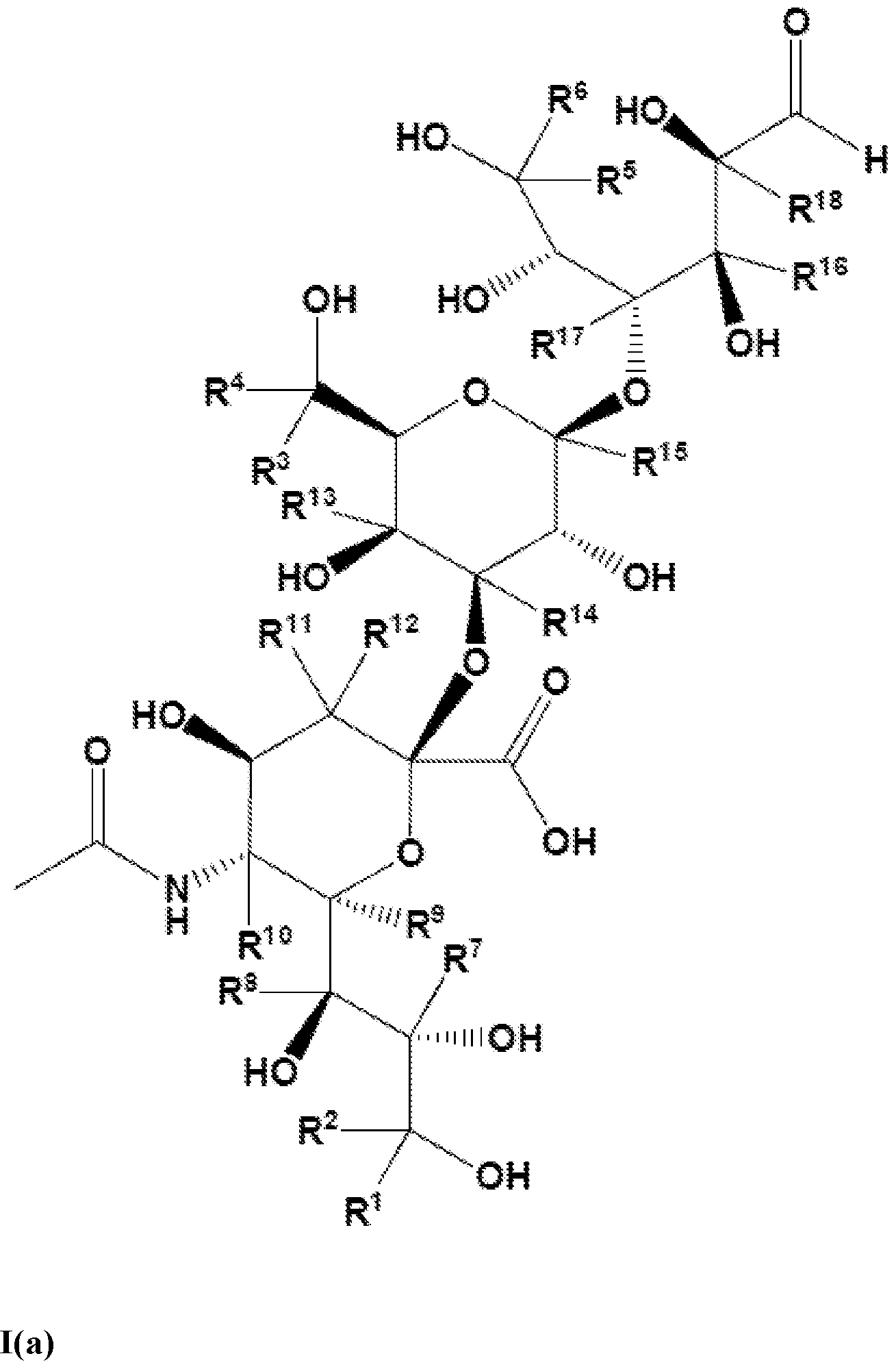
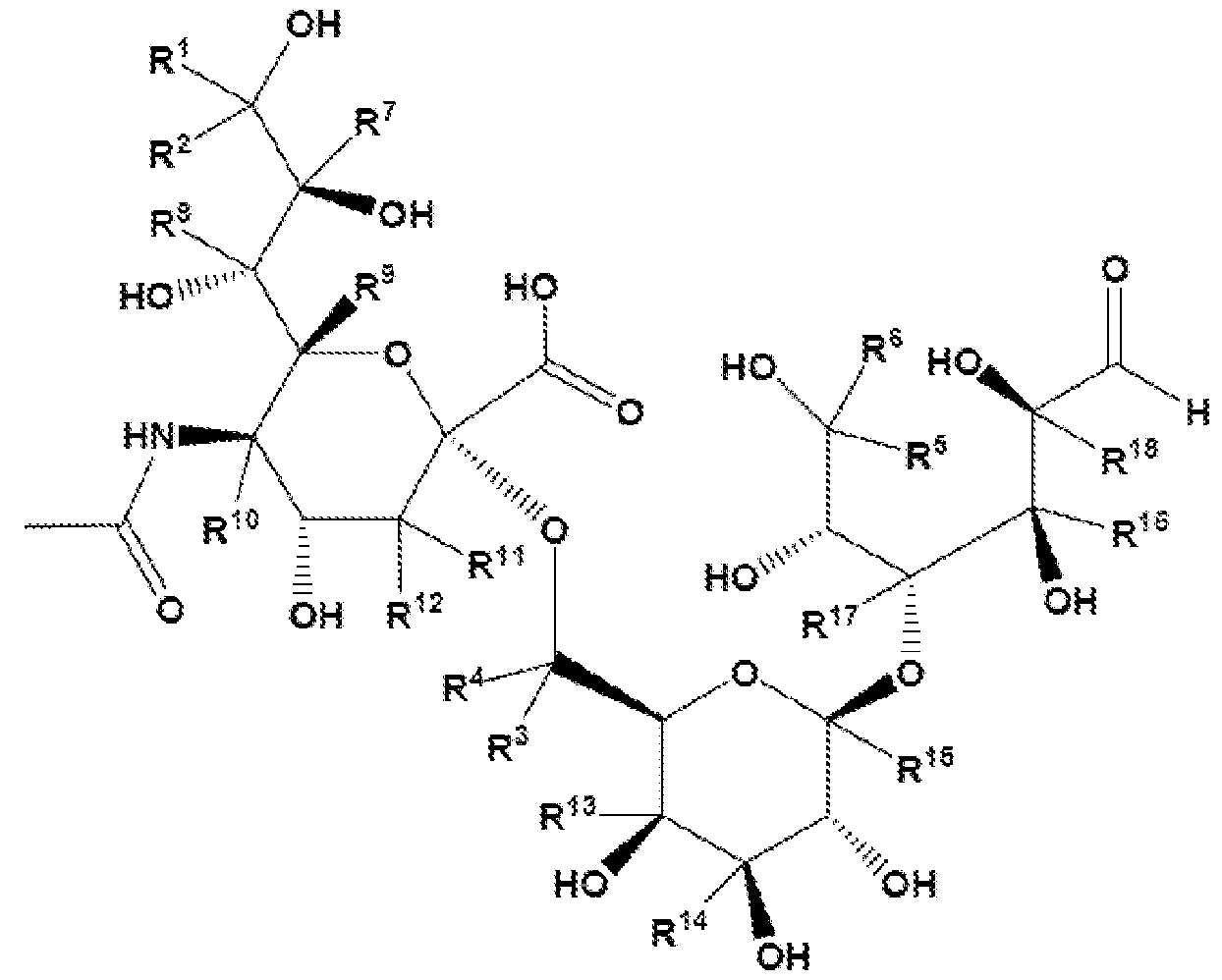
Priority Applications (6)
| Application Number | Priority Date | Filing Date | Title |
|---|---|---|---|
| KR1020217036437A KR20220005482A (en) | 2019-04-09 | 2020-03-25 | Immunomodulatory Oligosaccharides for Pain Treatment |
| CN202080041004.8A CN113924101A (en) | 2019-04-09 | 2020-03-25 | Immunomodulatory oligosaccharides for the treatment of pain |
| EP20787659.0A EP3952882A4 (en) | 2019-04-09 | 2020-03-25 | Immunomodulatory oligosaccharides for the treatment of pain |
| US17/606,149 US12383569B2 (en) | 2019-04-09 | 2020-03-25 | Immunomodulatory oligosaccharides for the treatment of pain |
| CA3135177A CA3135177A1 (en) | 2019-04-09 | 2020-03-25 | Immunomodulatory oligosaccharides for the treatment of pain |
| AU2020272575A AU2020272575A1 (en) | 2019-04-09 | 2020-03-25 | Immunomodulatory oligosaccharides for the treatment of pain |
Applications Claiming Priority (4)
| Application Number | Priority Date | Filing Date | Title |
|---|---|---|---|
| US201962831245P | 2019-04-09 | 2019-04-09 | |
| US62/831,245 | 2019-04-09 | ||
| US201962931386P | 2019-11-06 | 2019-11-06 | |
| US62/931,386 | 2019-11-06 |
Publications (1)
| Publication Number | Publication Date |
|---|---|
| WO2020210027A1 true WO2020210027A1 (en) | 2020-10-15 |
Family
ID=72750676
Family Applications (1)
| Application Number | Title | Priority Date | Filing Date |
|---|---|---|---|
| PCT/US2020/024621 Ceased WO2020210027A1 (en) | 2019-04-09 | 2020-03-25 | Immunomodulatory oligosaccharides for the treatment of pain |
Country Status (7)
| Country | Link |
|---|---|
| US (1) | US12383569B2 (en) |
| EP (1) | EP3952882A4 (en) |
| KR (1) | KR20220005482A (en) |
| CN (1) | CN113924101A (en) |
| AU (1) | AU2020272575A1 (en) |
| CA (1) | CA3135177A1 (en) |
| WO (1) | WO2020210027A1 (en) |
Cited By (2)
| Publication number | Priority date | Publication date | Assignee | Title |
|---|---|---|---|---|
| WO2022115353A1 (en) * | 2020-11-25 | 2022-06-02 | Intrinsic Medicine, Inc. | Methods of reducing exercise-induced injury or enhancing muscle recovery after exercise |
| WO2023101428A1 (en) * | 2021-12-01 | 2023-06-08 | 한국화학연구원 | Composition for protecting cartilage comprising human milk oligosaccharide 3'-sialyllactose and 6'-sialyllactose as active ingredients |
Families Citing this family (2)
| Publication number | Priority date | Publication date | Assignee | Title |
|---|---|---|---|---|
| KR102389889B1 (en) * | 2021-11-23 | 2022-04-25 | (주)에이피테크놀로지 | Composition for improvement, prevention and treatment of muscular atrophy or sarcopenia with 2'-fucosyllactose |
| KR102527378B1 (en) | 2022-04-28 | 2023-05-02 | (주)에이피테크놀로지 | Composition for improvement, prevention and treatment of diseases caused by a decrease in dopamine with 2'-fucosyllactose |
Citations (2)
| Publication number | Priority date | Publication date | Assignee | Title |
|---|---|---|---|---|
| US20110257222A1 (en) * | 2008-12-23 | 2011-10-20 | Aquilus Pharmaceuticals, Inc. | Compounds and methods for the treatment of pain and other diseases |
| US20190030054A1 (en) * | 2017-01-23 | 2019-01-31 | Ajou University Industry-Academic Cooperation Foundation | Composition for inhibiting immune cell proliferation comprising sialyllactose or derivative thereof and method thereof |
Family Cites Families (8)
| Publication number | Priority date | Publication date | Assignee | Title |
|---|---|---|---|---|
| ES2651067T3 (en) | 2009-07-06 | 2018-01-24 | Children's Hospital Medical Center | Inhibition of inflammation with milk oligosaccharides |
| EP2465509A1 (en) * | 2010-11-23 | 2012-06-20 | Nestec S.A. | Oligosaccharide composition for treating acute respiratory tract infections |
| ES2924137T3 (en) | 2016-05-05 | 2022-10-04 | Glycom As | Composition comprising HMOS for use in the treatment of hypersensitivity and/or visceral pain mediated by mast cells |
| CN111356461A (en) | 2017-10-04 | 2020-06-30 | 加利福尼亚大学董事会 | Immunomodulatory oligosaccharides |
| US11602545B2 (en) | 2017-12-05 | 2023-03-14 | Glycom A/S | Human milk oligosaccharides for treating migraine |
| WO2019123316A1 (en) | 2017-12-22 | 2019-06-27 | Glycom A/S | Composition comprising hmos for preventing or reducing nociception |
| CN118452467A (en) | 2017-12-22 | 2024-08-09 | 雀巢产品有限公司 | Compositions for use in reducing the nociception in infants and young children |
| US11234992B2 (en) | 2018-02-28 | 2022-02-01 | The Regents Of The University Of California | Methods and therapies for treating atherosclerosis and/or hyperlipidemia using oligosaccharides |
-
2020
- 2020-03-25 EP EP20787659.0A patent/EP3952882A4/en not_active Withdrawn
- 2020-03-25 AU AU2020272575A patent/AU2020272575A1/en not_active Abandoned
- 2020-03-25 CN CN202080041004.8A patent/CN113924101A/en active Pending
- 2020-03-25 US US17/606,149 patent/US12383569B2/en active Active
- 2020-03-25 CA CA3135177A patent/CA3135177A1/en active Pending
- 2020-03-25 KR KR1020217036437A patent/KR20220005482A/en not_active Withdrawn
- 2020-03-25 WO PCT/US2020/024621 patent/WO2020210027A1/en not_active Ceased
Patent Citations (2)
| Publication number | Priority date | Publication date | Assignee | Title |
|---|---|---|---|---|
| US20110257222A1 (en) * | 2008-12-23 | 2011-10-20 | Aquilus Pharmaceuticals, Inc. | Compounds and methods for the treatment of pain and other diseases |
| US20190030054A1 (en) * | 2017-01-23 | 2019-01-31 | Ajou University Industry-Academic Cooperation Foundation | Composition for inhibiting immune cell proliferation comprising sialyllactose or derivative thereof and method thereof |
Non-Patent Citations (5)
| Title |
|---|
| ARANDA-VILLALOBOS, P ET AL.: "Normalization of Widespread Pressure Pain Hypersensitivity After Total Hip Replacement in Patients With Hip Osteoarthritis Is Associated With Clinical and Functional Improvements", ARTHRITIS & RHEUMATISM, vol. 65, no. 5, 2013, pages 1262 - 1270, XP055108575, DOI: 10.1002/art.37884 * |
| DE MARTINO, M ET AL.: "Working Towards an Appropriate Use of Ibuprofen in Children: An Evidence-Based Appraisal", DRUGS, vol. 77, no. 12, 2017, pages 1295 - 1311, XP055748131, DOI: 10.1007/s40265-017-0751-z * |
| PATRICK HENRIET, MON KHIN SU, MARBAIX ETIENNE: "Review: Are matrix metalloproteinases and their inhibitors reliable diagnosis biomarkers and attractive therapeutic targets in endometriosis?", METALLOPROTEINASES IN MEDICINE, vol. 2016, no. 3, 7 December 2016 (2016-12-07), pages 81 - 92, XP055748138, DOI: 10.2147/MNM.S102209 * |
| See also references of EP3952882A4 * |
| WALDRON, AL ET AL.: "Oxidative stress-dependent MMP-13 activity underlies glucose neurotoxicity", JOURNAL OF DIABETES AND ITS COMPLICATIONS, vol. 32, no. 3, 2018, pages 249 - 257, XP055748128, DOI: 10.1016/j.jdiacomp.2017.11.012 * |
Cited By (2)
| Publication number | Priority date | Publication date | Assignee | Title |
|---|---|---|---|---|
| WO2022115353A1 (en) * | 2020-11-25 | 2022-06-02 | Intrinsic Medicine, Inc. | Methods of reducing exercise-induced injury or enhancing muscle recovery after exercise |
| WO2023101428A1 (en) * | 2021-12-01 | 2023-06-08 | 한국화학연구원 | Composition for protecting cartilage comprising human milk oligosaccharide 3'-sialyllactose and 6'-sialyllactose as active ingredients |
Also Published As
| Publication number | Publication date |
|---|---|
| US20220193099A1 (en) | 2022-06-23 |
| KR20220005482A (en) | 2022-01-13 |
| CA3135177A1 (en) | 2020-10-15 |
| CN113924101A (en) | 2022-01-11 |
| EP3952882A1 (en) | 2022-02-16 |
| US12383569B2 (en) | 2025-08-12 |
| EP3952882A4 (en) | 2023-01-18 |
| AU2020272575A1 (en) | 2021-11-18 |
Similar Documents
| Publication | Publication Date | Title |
|---|---|---|
| US20230201228A1 (en) | Immunomodulatory oligosaccharides | |
| US12383569B2 (en) | Immunomodulatory oligosaccharides for the treatment of pain | |
| WO2021195011A1 (en) | Immunomodulatory oligosaccharides for the treatment of viral respiratory infection | |
| US20240180939A1 (en) | Immunomodulatory oligosaccharides for the enhancement of anti-tumor efficacy of immuno-oncology agents | |
| US20240148040A1 (en) | Methods of reducing exercise-induced injury or enhancing muscle recovery after exercise | |
| WO2023192161A2 (en) | Methods and compositions for attenuating immune response associated with rna therapeutics | |
| TW202406538A (en) | Pharmaceutical compositions comprising phenylsulfonamides, and their therapeutic applications | |
| US20240041908A1 (en) | Immunomodulatory oligosaccharides for the treatment of autism spectrum disorder | |
| US20240165137A1 (en) | Methods for improving muscle strength and mobility | |
| US11896603B2 (en) | Oligosaccharide as therapeutic agent for alcohol associated liver disease | |
| HK40020723A (en) | Immunomodulatory oligosaccharides | |
| US20240299430A1 (en) | Methods and compositions for treating long covid-19 | |
| US20240216406A1 (en) | Methods and compositions for supporting human health during space travel |
Legal Events
| Date | Code | Title | Description |
|---|---|---|---|
| 121 | Ep: the epo has been informed by wipo that ep was designated in this application |
Ref document number: 20787659 Country of ref document: EP Kind code of ref document: A1 |
|
| NENP | Non-entry into the national phase |
Ref country code: DE |
|
| ENP | Entry into the national phase |
Ref document number: 3135177 Country of ref document: CA |
|
| ENP | Entry into the national phase |
Ref document number: 2020272575 Country of ref document: AU Date of ref document: 20200325 Kind code of ref document: A |
|
| ENP | Entry into the national phase |
Ref document number: 2020787659 Country of ref document: EP Effective date: 20211109 |
|
| WWG | Wipo information: grant in national office |
Ref document number: 17606149 Country of ref document: US |