WO2020210481A1 - Heterocyclic compounds as kinase inhibitors for therapeutic uses - Google Patents

Heterocyclic compounds as kinase inhibitors for therapeutic uses Download PDF

Info

Publication number
WO2020210481A1
WO2020210481A1 PCT/US2020/027453 US2020027453W WO2020210481A1 WO 2020210481 A1 WO2020210481 A1 WO 2020210481A1 US 2020027453 W US2020027453 W US 2020027453W WO 2020210481 A1 WO2020210481 A1 WO 2020210481A1
Authority
WO
WIPO (PCT)
Prior art keywords
compound
cancer
inhibitor
alkyl
amino
Prior art date
Legal status (The legal status is an assumption and is not a legal conclusion. Google has not performed a legal analysis and makes no representation as to the accuracy of the status listed.)
Ceased
Application number
PCT/US2020/027453
Other languages
French (fr)
Other versions
WO2020210481A8 (en
Inventor
Hsing-Pang Hsieh
Kun-Hung Lee
Wen-Hsing Lin
Chuan Shih
Current Assignee (The listed assignees may be inaccurate. Google has not performed a legal analysis and makes no representation or warranty as to the accuracy of the list.)
Nation Health Research Institutes
Original Assignee
Nation Health Research Institutes
Priority date (The priority date is an assumption and is not a legal conclusion. Google has not performed a legal analysis and makes no representation as to the accuracy of the date listed.)
Filing date
Publication date
Application filed by Nation Health Research Institutes filed Critical Nation Health Research Institutes
Priority to EP20787959.4A priority Critical patent/EP3952865A4/en
Priority to CN202080024676.8A priority patent/CN114025755B/en
Priority to US17/603,273 priority patent/US20220213064A1/en
Priority to JP2021560707A priority patent/JP7568641B2/en
Priority to KR1020217032764A priority patent/KR102913995B1/en
Priority to AU2020271855A priority patent/AU2020271855B2/en
Priority to CA3132855A priority patent/CA3132855A1/en
Publication of WO2020210481A1 publication Critical patent/WO2020210481A1/en
Publication of WO2020210481A8 publication Critical patent/WO2020210481A8/en
Anticipated expiration legal-status Critical
Ceased legal-status Critical Current

Links

Classifications

    • CCHEMISTRY; METALLURGY
    • C07ORGANIC CHEMISTRY
    • C07DHETEROCYCLIC COMPOUNDS
    • C07D401/00Heterocyclic compounds containing two or more hetero rings, having nitrogen atoms as the only ring hetero atoms, at least one ring being a six-membered ring with only one nitrogen atom
    • C07D401/14Heterocyclic compounds containing two or more hetero rings, having nitrogen atoms as the only ring hetero atoms, at least one ring being a six-membered ring with only one nitrogen atom containing three or more hetero rings
    • AHUMAN NECESSITIES
    • A61MEDICAL OR VETERINARY SCIENCE; HYGIENE
    • A61KPREPARATIONS FOR MEDICAL, DENTAL OR TOILETRY PURPOSES
    • A61K31/00Medicinal preparations containing organic active ingredients
    • A61K31/21Esters, e.g. nitroglycerine, selenocyanates
    • A61K31/255Esters, e.g. nitroglycerine, selenocyanates of sulfoxy acids or sulfur analogues thereof
    • AHUMAN NECESSITIES
    • A61MEDICAL OR VETERINARY SCIENCE; HYGIENE
    • A61KPREPARATIONS FOR MEDICAL, DENTAL OR TOILETRY PURPOSES
    • A61K31/00Medicinal preparations containing organic active ingredients
    • A61K31/33Heterocyclic compounds
    • A61K31/335Heterocyclic compounds having oxygen as the only ring hetero atom, e.g. fungichromin
    • A61K31/337Heterocyclic compounds having oxygen as the only ring hetero atom, e.g. fungichromin having four-membered rings, e.g. taxol
    • AHUMAN NECESSITIES
    • A61MEDICAL OR VETERINARY SCIENCE; HYGIENE
    • A61KPREPARATIONS FOR MEDICAL, DENTAL OR TOILETRY PURPOSES
    • A61K31/00Medicinal preparations containing organic active ingredients
    • A61K31/33Heterocyclic compounds
    • A61K31/395Heterocyclic compounds having nitrogen as a ring hetero atom, e.g. guanethidine or rifamycins
    • A61K31/495Heterocyclic compounds having nitrogen as a ring hetero atom, e.g. guanethidine or rifamycins having six-membered rings with two or more nitrogen atoms as the only ring heteroatoms, e.g. piperazine or tetrazines
    • A61K31/505Pyrimidines; Hydrogenated pyrimidines, e.g. trimethoprim
    • A61K31/517Pyrimidines; Hydrogenated pyrimidines, e.g. trimethoprim ortho- or peri-condensed with carbocyclic ring systems, e.g. quinazoline, perimidine
    • AHUMAN NECESSITIES
    • A61MEDICAL OR VETERINARY SCIENCE; HYGIENE
    • A61KPREPARATIONS FOR MEDICAL, DENTAL OR TOILETRY PURPOSES
    • A61K31/00Medicinal preparations containing organic active ingredients
    • A61K31/69Boron compounds
    • AHUMAN NECESSITIES
    • A61MEDICAL OR VETERINARY SCIENCE; HYGIENE
    • A61KPREPARATIONS FOR MEDICAL, DENTAL OR TOILETRY PURPOSES
    • A61K45/00Medicinal preparations containing active ingredients not provided for in groups A61K31/00 - A61K41/00
    • A61K45/06Mixtures of active ingredients without chemical characterisation, e.g. antiphlogistics and cardiaca
    • AHUMAN NECESSITIES
    • A61MEDICAL OR VETERINARY SCIENCE; HYGIENE
    • A61PSPECIFIC THERAPEUTIC ACTIVITY OF CHEMICAL COMPOUNDS OR MEDICINAL PREPARATIONS
    • A61P19/00Drugs for skeletal disorders
    • AHUMAN NECESSITIES
    • A61MEDICAL OR VETERINARY SCIENCE; HYGIENE
    • A61PSPECIFIC THERAPEUTIC ACTIVITY OF CHEMICAL COMPOUNDS OR MEDICINAL PREPARATIONS
    • A61P35/00Antineoplastic agents
    • AHUMAN NECESSITIES
    • A61MEDICAL OR VETERINARY SCIENCE; HYGIENE
    • A61PSPECIFIC THERAPEUTIC ACTIVITY OF CHEMICAL COMPOUNDS OR MEDICINAL PREPARATIONS
    • A61P37/00Drugs for immunological or allergic disorders
    • CCHEMISTRY; METALLURGY
    • C07ORGANIC CHEMISTRY
    • C07DHETEROCYCLIC COMPOUNDS
    • C07D239/00Heterocyclic compounds containing 1,3-diazine or hydrogenated 1,3-diazine rings
    • C07D239/70Heterocyclic compounds containing 1,3-diazine or hydrogenated 1,3-diazine rings condensed with carbocyclic rings or ring systems
    • CCHEMISTRY; METALLURGY
    • C07ORGANIC CHEMISTRY
    • C07DHETEROCYCLIC COMPOUNDS
    • C07D239/00Heterocyclic compounds containing 1,3-diazine or hydrogenated 1,3-diazine rings
    • C07D239/70Heterocyclic compounds containing 1,3-diazine or hydrogenated 1,3-diazine rings condensed with carbocyclic rings or ring systems
    • C07D239/72Quinazolines; Hydrogenated quinazolines
    • CCHEMISTRY; METALLURGY
    • C07ORGANIC CHEMISTRY
    • C07DHETEROCYCLIC COMPOUNDS
    • C07D239/00Heterocyclic compounds containing 1,3-diazine or hydrogenated 1,3-diazine rings
    • C07D239/70Heterocyclic compounds containing 1,3-diazine or hydrogenated 1,3-diazine rings condensed with carbocyclic rings or ring systems
    • C07D239/72Quinazolines; Hydrogenated quinazolines
    • C07D239/86Quinazolines; Hydrogenated quinazolines with hetero atoms directly attached in position 4
    • C07D239/88Oxygen atoms
    • CCHEMISTRY; METALLURGY
    • C07ORGANIC CHEMISTRY
    • C07DHETEROCYCLIC COMPOUNDS
    • C07D401/00Heterocyclic compounds containing two or more hetero rings, having nitrogen atoms as the only ring hetero atoms, at least one ring being a six-membered ring with only one nitrogen atom
    • C07D401/02Heterocyclic compounds containing two or more hetero rings, having nitrogen atoms as the only ring hetero atoms, at least one ring being a six-membered ring with only one nitrogen atom containing two hetero rings
    • C07D401/04Heterocyclic compounds containing two or more hetero rings, having nitrogen atoms as the only ring hetero atoms, at least one ring being a six-membered ring with only one nitrogen atom containing two hetero rings directly linked by a ring-member-to-ring-member bond
    • CCHEMISTRY; METALLURGY
    • C07ORGANIC CHEMISTRY
    • C07DHETEROCYCLIC COMPOUNDS
    • C07D401/00Heterocyclic compounds containing two or more hetero rings, having nitrogen atoms as the only ring hetero atoms, at least one ring being a six-membered ring with only one nitrogen atom
    • C07D401/02Heterocyclic compounds containing two or more hetero rings, having nitrogen atoms as the only ring hetero atoms, at least one ring being a six-membered ring with only one nitrogen atom containing two hetero rings
    • C07D401/12Heterocyclic compounds containing two or more hetero rings, having nitrogen atoms as the only ring hetero atoms, at least one ring being a six-membered ring with only one nitrogen atom containing two hetero rings linked by a chain containing hetero atoms as chain links
    • CCHEMISTRY; METALLURGY
    • C07ORGANIC CHEMISTRY
    • C07DHETEROCYCLIC COMPOUNDS
    • C07D403/00Heterocyclic compounds containing two or more hetero rings, having nitrogen atoms as the only ring hetero atoms, not provided for by group C07D401/00
    • C07D403/02Heterocyclic compounds containing two or more hetero rings, having nitrogen atoms as the only ring hetero atoms, not provided for by group C07D401/00 containing two hetero rings
    • C07D403/04Heterocyclic compounds containing two or more hetero rings, having nitrogen atoms as the only ring hetero atoms, not provided for by group C07D401/00 containing two hetero rings directly linked by a ring-member-to-ring-member bond
    • CCHEMISTRY; METALLURGY
    • C07ORGANIC CHEMISTRY
    • C07DHETEROCYCLIC COMPOUNDS
    • C07D403/00Heterocyclic compounds containing two or more hetero rings, having nitrogen atoms as the only ring hetero atoms, not provided for by group C07D401/00
    • C07D403/02Heterocyclic compounds containing two or more hetero rings, having nitrogen atoms as the only ring hetero atoms, not provided for by group C07D401/00 containing two hetero rings
    • C07D403/12Heterocyclic compounds containing two or more hetero rings, having nitrogen atoms as the only ring hetero atoms, not provided for by group C07D401/00 containing two hetero rings linked by a chain containing hetero atoms as chain links
    • CCHEMISTRY; METALLURGY
    • C07ORGANIC CHEMISTRY
    • C07DHETEROCYCLIC COMPOUNDS
    • C07D405/00Heterocyclic compounds containing both one or more hetero rings having oxygen atoms as the only ring hetero atoms, and one or more rings having nitrogen as the only ring hetero atom
    • C07D405/02Heterocyclic compounds containing both one or more hetero rings having oxygen atoms as the only ring hetero atoms, and one or more rings having nitrogen as the only ring hetero atom containing two hetero rings
    • C07D405/12Heterocyclic compounds containing both one or more hetero rings having oxygen atoms as the only ring hetero atoms, and one or more rings having nitrogen as the only ring hetero atom containing two hetero rings linked by a chain containing hetero atoms as chain links
    • CCHEMISTRY; METALLURGY
    • C07ORGANIC CHEMISTRY
    • C07DHETEROCYCLIC COMPOUNDS
    • C07D413/00Heterocyclic compounds containing two or more hetero rings, at least one ring having nitrogen and oxygen atoms as the only ring hetero atoms
    • C07D413/14Heterocyclic compounds containing two or more hetero rings, at least one ring having nitrogen and oxygen atoms as the only ring hetero atoms containing three or more hetero rings
    • CCHEMISTRY; METALLURGY
    • C07ORGANIC CHEMISTRY
    • C07DHETEROCYCLIC COMPOUNDS
    • C07D417/00Heterocyclic compounds containing two or more hetero rings, at least one ring having nitrogen and sulfur atoms as the only ring hetero atoms, not provided for by group C07D415/00
    • C07D417/02Heterocyclic compounds containing two or more hetero rings, at least one ring having nitrogen and sulfur atoms as the only ring hetero atoms, not provided for by group C07D415/00 containing two hetero rings
    • C07D417/12Heterocyclic compounds containing two or more hetero rings, at least one ring having nitrogen and sulfur atoms as the only ring hetero atoms, not provided for by group C07D415/00 containing two hetero rings linked by a chain containing hetero atoms as chain links
    • CCHEMISTRY; METALLURGY
    • C07ORGANIC CHEMISTRY
    • C07DHETEROCYCLIC COMPOUNDS
    • C07D417/00Heterocyclic compounds containing two or more hetero rings, at least one ring having nitrogen and sulfur atoms as the only ring hetero atoms, not provided for by group C07D415/00
    • C07D417/14Heterocyclic compounds containing two or more hetero rings, at least one ring having nitrogen and sulfur atoms as the only ring hetero atoms, not provided for by group C07D415/00 containing three or more hetero rings
    • CCHEMISTRY; METALLURGY
    • C07ORGANIC CHEMISTRY
    • C07DHETEROCYCLIC COMPOUNDS
    • C07D473/00Heterocyclic compounds containing purine ring systems
    • CCHEMISTRY; METALLURGY
    • C07ORGANIC CHEMISTRY
    • C07DHETEROCYCLIC COMPOUNDS
    • C07D487/00Heterocyclic compounds containing nitrogen atoms as the only ring hetero atoms in the condensed system, not provided for by groups C07D451/00 - C07D477/00
    • C07D487/02Heterocyclic compounds containing nitrogen atoms as the only ring hetero atoms in the condensed system, not provided for by groups C07D451/00 - C07D477/00 in which the condensed system contains two hetero rings
    • AHUMAN NECESSITIES
    • A61MEDICAL OR VETERINARY SCIENCE; HYGIENE
    • A61KPREPARATIONS FOR MEDICAL, DENTAL OR TOILETRY PURPOSES
    • A61K2300/00Mixtures or combinations of active ingredients, wherein at least one active ingredient is fully defined in groups A61K31/00 - A61K41/00

Definitions

  • Colony-stimulating factor-1 receptor (CSF1R) is a member of tyrosine kinase class III. It plays an important role in cell proliferation, differentiation, migration, and survival. See
  • CSF1R is related to differentiation of tumor-associated macrophages (TAMs).
  • TAMs express, on their surfaces, CSF1R, which forms a signaling axis with an active ligand, i.e., colony stimulating factor-1 (CSF1).
  • CSF1R/CSF1 signaling axis promotes proliferation of monocytes, differentiation of the monocytes into TAMs, and survival of the TAMs.
  • TAMs modify tumor microenvironment to render it more conducive to cancer cell growth, angiogenesis, and metastasis. Further, they can cause localized immunosuppression in tumor tissues, resulting in resistance to cancer therapy. As such, inhibiting the CSF1R/CSF1 signaling axis presents an attractive avenue for treating cancers associated with overexpression of CSF1.
  • the present invention is based on unexpected discoveries that certain heterocyclic compounds effectively inhibit colony-stimulating factor-1 receptor (CSF1R).
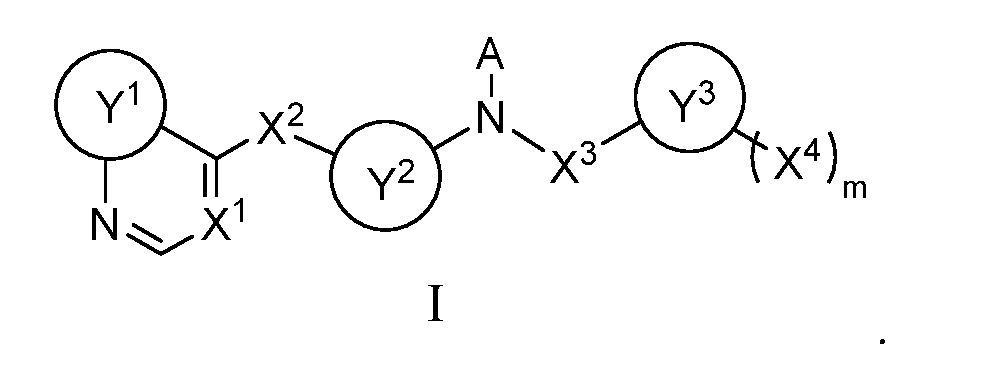
  • this invention relates to these heterocyclic compounds and other heterocyclic compounds analogous thereto covered by formula I:
  • R 1 in (R 1 )n, n being 0-4, is, independently, F, Cl, Br, NO 2 , CN, amino, C 1 -C 6 alkyl, C 1 -C 6 haloalkyl, C 2 -C 6 alkenyl, C 2 -C 6 alkynyl, C 3 -C 8 cycloalkyl, C 5 -C 15 heterocycloalkyl, aryl, heteroaryl, carbonyl, thionyl, iminyl, or spiroamino; and R 2 in (R 2 )o, o
  • each of Q 1 , Q 2 , Q 3 , Q 4 , Q 5 , Q 6 , Q 7 , and Q 8 is, independently, N or CR 4 , R 4 being H, F, Cl, Br, CN, amino, C 1 -C 6 alkyl, C 1 -C 6 haloalkyl, or C 1 -C 6 alkoxyl;
  • Z 1 is O, S, or NRr;
  • Z 2 is O, S, or NRr;
  • G and H are, respectively, C or N and N or C;
  • X 3 is deleted, CH 2 , ( CH 2 ) 2 , or
  • Y 3 is C 1 -C 6 alkyl, aryl, heteroaryl, C 3 -C 8 cycloalkyl, or C 5 -C 6 heterocycloalkyl having one heteroatom, in which the one heteroatom is O or N; and
  • alkyl refers to a straight or branched monovalent hydrocarbon moiety containing 1-20 carbon atoms, e.g., methyl, ethyl, n-propyl, i-propyl, n-butyl, i-butyl, and t-butyl.
  • haloalkyl refers to an alkyl group substituted with one or more halogen atoms.
  • alkenyl refers to a straight or branched monovalent or bivalent hydrocarbon containing 2- 20 carbon atoms and one or more double bonds, e.g., ethenyl, propenyl, propenylene, allyl, and 1,4-butadienyl.
  • alkynyl refers to a straight or branched monovalent or bivalent hydrocarbon containing 2-20 carbon atoms and one or more triple bonds, e.g., ethynyl, ethynylene, 1-propynyl, 1- and 2-butynyl, and 1 -methyl-2-butynyl.
  • aryl refers to a monovalent 6-carbon monocyclic, 10-carbon bicyclic, 14-carbon tricyclic aromatic ring system, e.g., phenyl, naphthyl, and anthracenyl.
  • heteroaryl refers to a monovalent aromatic 5-8 membered monocyclic, 8-12 membered bicyclic, or 11-14 membered tricyclic ring system having one or more heteroatoms (such as O, N, S, or Se), e.g., imidazolyl, pyrazoyl, oxazolyl, isoxazolyl, thiazolyl, isothiazolyl, pyridyl, pyrazinyl, pyrimidyl, pyridazinyl, furyl, and thienyl.
  • heteroatoms such as O, N, S, or Se
  • cycloalkyl refers to a monovalent or bivalent saturated hydrocarbon ring system having 3 to 30 carbon atoms (e.g., C3-C12), e.g., cyclopropyl, cyclobutyl, cyclopentyl, cyclopentenyl, cyclohexyl, 1,4-cyclohexylene, cycloheptyl, and cyclooctyl.
  • C3-C12 carbon atoms
  • cycloalkenyl refers to a monovalent or bivalent non-aromatic hydrocarbon ring system having 3 to 30 carbons (e.g., C3-C12) and one or more double bonds, e.g., cyclopentenyl, cyclohexenyl, and cycloheptenyl.
  • heterocycloalkyl refers to a monovalent or bivalent nonaromatic 5-8 membered monocyclic, 8-12 membered bicyclic, or 11-14 membered tricyclic ring system having one or more heteroatoms (such as O, N, S, or Se), e.g., piperidinyl, piperazinyl, pyrrolidinyl, dioxanyl, morpholinyl, tetrahydrofuranyl, and tetrahydropyranyl.
  • heteroatoms such as O, N, S, or Se
  • heterocycloalkenyl refers to a monovalent or bivalent nonaromatic 5-8 membered monocyclic, 8-12 membered bicyclic, or 11-14 membered tricyclic ring system having one or more heteroatoms (such as O, N, S, or Se) and one or more double bonds.
  • amino refers to a -NRR' moiety, in which R and R' are, independently, H, alkyl, alkenyl, alkynyl, cycloalkyl, cycloalkenyl, heterocycloalkyl, heterocycloalkenyl, aryl, heteroaryl, aralkyl, or heteroarakyl.
  • carbonyl refers to a -C(0)R moiety, in which R is H, alkyl, alkenyl, alkynyl, cycloalkyl, cycloalkenyl, heterocycloalkyl, heterocycloalkenyl, alkoxyl, amino, aryl, or heteroaryl.
  • thionyl refers to a -S(0)R moiety, in which R is H, alkyl, alkenyl, alkynyl, cycloalkyl, cycloalkenyl, heterocycloalkyl, heterocycloalkenyl, alkoxyl, amino, aryl, or heteroaryl.
  • aminospiroamino refers to a monovalent 7-11 membered bicyclic spiro moiety containing one N or a monovalent 10-16 membered tricyclic spiro moiety containing one N.
  • alkyl, alkenyl, alkynyl, aryl, heteroaryl, cycloalkyl, cycloalkenyl, heterocycloalkyl, heterocycloalkenyl, and alkoxyl can be substituted or unsubstituted.
  • the compounds of formula I include the compounds themselves, as well as their salts, their stereoisomers, their solvates, their tautomers, their deuterated analogues, and their prodrugs, if applicable.
  • a salt for example, can be formed between an anion and a positively charged group (e.g., ammonium) on a heterocyclic compound of this invention.
  • Suitable anions include chloride, bromide, iodide, sulfate, bisulfate, sulfamate, nitrate, phosphate, citrate,
  • a salt can also be formed between a cation and a negatively charged group (e.g., carboxylate) on a heterocyclic compound. Suitable cations include sodium ion, potassium ion, magnesium ion, calcium ion, and an ammonium cation such as tetramethylammonium ion.
  • the salts of the heterocyclic compounds of this invention can also contain quaternary nitrogen atoms.
  • prodrugs include esters and other pharmaceutically acceptable derivatives, which, upon administration to a subject, are capable of providing active heterocyclic compounds.
  • a solvate refers to a complex formed between an active heterocyclic compound and a pharmaceutically acceptable solvent, e.g., water, ethanol, isopropanol, ethyl acetate, acetic acid, and ethanolamine.
  • An additional aspect of this invention relates to a pharmaceutical composition containing one or more of the heterocyclic compounds covered by formula I.
  • the pharmaceutical composition can be used for treatment of a CSF1R modulated condition.
  • a method of treating a CSF1R modulated condition e.g., a cancer, an inflammatory disorder, a bone disorder, or an autoimmune disease.
  • the method includes administering to a subject in need thereof an effective amount of one or more of the above-described heterocyclic compounds.
  • treatment refers to administering one or more heterocyclic compounds of this invention to a subject who has a CSF1R modulated condition, a symptom of such a condition, or a predisposition toward it, with the purpose of conferring a therapeutic or prophylactic effect.
  • An effective amount refers to the amount of an active compound that is required to confer such effect. Effective doses will vary, as recognized by those skilled in the art, depending on the types of disease treated, route of administration, excipient usage, and the possibility of co-usage with other therapeutic treatment.
  • a pharmaceutical composition of this invention can be administered parenterally, orally, nasally, rec tally, topically, or buccally.
  • parenteral refers to subcutaneous, intracutaneous, intravenous, intraperitoneal, intramuscular, intraarticular, intraarterial, intrasynovial, intrastemal, intrathecal, intralesional, or intracranial injection, as well as any suitable infusion technique.
  • a sterile injectable composition can be a solution or suspension in a non-toxic parenterally acceptable diluent or solvent, such as a solution in 1,3-butanediol.
  • a non-toxic parenterally acceptable diluent or solvent such as a solution in 1,3-butanediol.
  • acceptable vehicles and solvents that can be employed are mannitol, water, Ringer’s solution, and isotonic sodium chloride solution.
  • fixed oils are conventionally employed as a solvent or suspending medium (e.g., synthetic mono- or di-glycerides).
  • Fatty acids, such as oleic acid and its glyceride derivatives are useful in preparation of injectables, as are natural pharmaceutically acceptable oils, such as olive oil and castor oil, especially in their
  • oil solutions or suspensions can also contain a long chain alcohol diluent or dispersant, carboxymethyl cellulose, or similar dispersing agents.
  • Other commonly used surfactants such as Tweens and Spans or other similar emulsifying agents or bioavailability enhancers which are commonly used in the manufacture of pharmaceutically acceptable solid, liquid, or other dosage forms can also be used for the purpose of formulation.
  • a composition for oral administration can be any orally acceptable dosage form including capsules, tablets, emulsions and aqueous suspensions, dispersions, and solutions.
  • commonly used carriers include lactose and com starch.
  • Lubricating agents such as magnesium stearate, are also typically added.
  • useful diluents include lactose and dried com starch.
  • a nasal composition can be prepared according to techniques well known in the art of pharmaceutical formulation.
  • such a composition can be prepared as a solution in saline, employing benzyl alcohol or other suitable preservatives, absorption promoters to enhance bioavailability, fluorocarbons, and/or other solubilizing or dispersing agents known in the art.
  • a pharmaceutical composition of this invention can also be administered in the form of a suppository for rectal administration.
  • the carrier in a pharmaceutical composition must be“acceptable” in the sense that it is compatible with the active ingredient of the composition and, preferably, capable of stabilizing the active ingredient, and not deleterious to the subject to be treated.
  • One or more solubilizing agents can be utilized as pharmaceutical excipients for delivery of an active heterocyclic compound of this invention.
  • examples of other carriers include colloidal silicon oxide, magnesium stearate, cellulose, sodium lauryl sulfate, and D&C Yellow #10.
  • A, Y 1 , X 1 , X 2 , Y 2 , X 3 , Y 3 , X 4 , and m are defined in the SUMMARY section above.
  • the compounds of formula I have Y 1 being phenyl substituted with (R1 )n, 5-membered heteroaryl substituted with (R 2 ) 0 , or 5-membered heterocycloalkenyl substituted with (R 2 )o, in which R 1 in (R 1 )n is, independently, F, Cl, Br, NO 2 , CN, C 1 -C 6 alkyl, C 1 -C 6 haloalkyl, C 2 -C 6 alkynyl, C 3 -C 8 cycloalkyl, C 5 -C 15 heterocycloalkyl, aryl, heteroaryl, carbonyl, thionyl, iminyl, or spiroamino; and R 2 in (R 2 ) 0 is, independently, F, Cl, Br, NO 2 , CN, amino, C 1 -C 6 alkyl, C 1 -C 6 haloalkyl, C 2 -C 6 alkynyl,
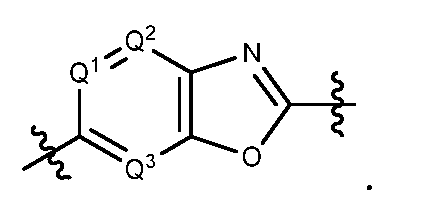
  • the compounds of formula I have Y 2 being
  • Z 2 is O or NRr.
  • the compounds of formula I have Y 2 being Y 3 being pyridyl, and R 1 being amino.
  • R 1 is amino or C 5 -C 15 heterocycloalkyl.
  • the compounds of formula la have Y 2 being Y 3 being pyridyl; X 3 being CH 2 ; X 4 being CH 3 , CH 2 F, CHF 2 , CF 3 , or OCH 3 ; m being 1; and R 1 preferably being amino.
  • the compounds have Y 2 being Y 3 being phenyl; X 3 being CH 2 ; each of X 4 being, independently, F, Cl, Br, CN, SO 2 NH 2 , CH 3 , CH 2 F, CHF 2 , CF 3 , OCF 3 , C 1 -C 6 alkoxyl, or amino; and m being 0-2.
  • the compounds have Y 2 being Y 3 being phenyl; X 3 being deleted; each of X 4 being, independently, F, Cl, Br, CN, SO 2 NH 2 , CH 3 , CH 2 F, CHF 2 , CF 3 , OCF 3 , C 1 -C 6 alkoxyl, or amino; and m being 0-2.
  • Formula la includes compounds in which Y 2 is Y 3
  • Y 2 is
  • Formula la further includes compounds in which Y 2 is
  • Y 3 is phenyl or pyridyl, and X 3 is CH 2 .
  • Y 2 is
  • heterocyclic compounds of this invention are covered by formula lb:
  • a subset of compounds of formula lb have Y 1 being Y 3 being phenyl or
  • Y 3 being phenyl or pyridyl; and X 3 being deleted or CH 2 , in which Q 9 is N or CR 5 , R 5 being H, F, Cl, Br, CN, amino, C 1 -C 6 alkyl, C 1 -C 6 haloalkyl, or C 1 -C 6 alkoxyl.
  • the compounds of formula lb have each of X 4 being, independently, CH 3 , CH 2 F, CHF 2 , CF 3 , or OCH 3 and m being 0-2.
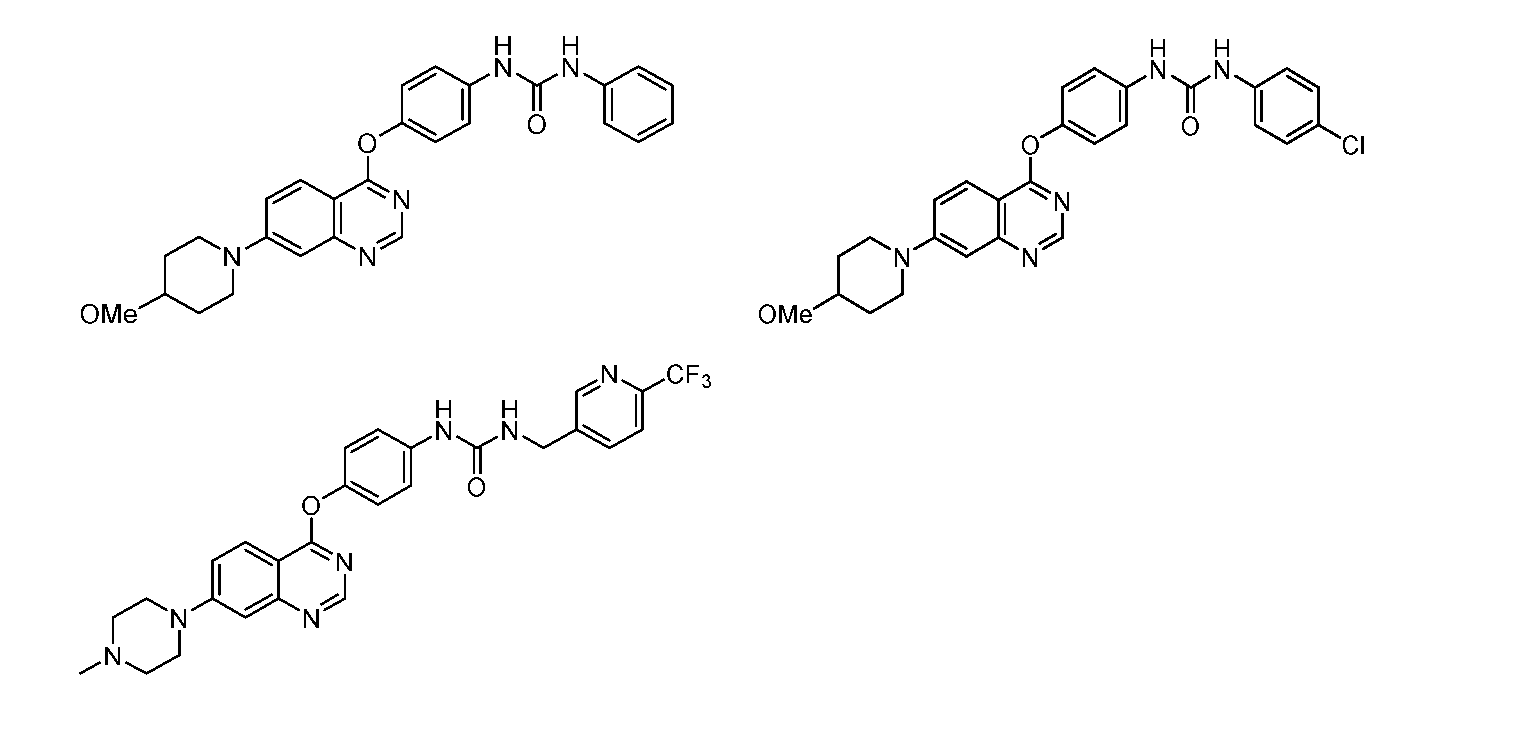
  • Exemplary compounds of formula I include, but are not limited to, the following compounds:
  • the compounds of formula I can be prepared according to methods well known in the field. See, for example, R. Larock, Comprehensive Organic Transformations (2nd Ed., VCH Publishers 1999); P. G. M. Wuts and T. W. Greene, Greene’s Protective Groups in Organic Synthesis (4th Ed., John Wiley and Sons 2007); L. Fieser and M. Fieser, Fieser and Fieser’s Reagents for Organic Synthesis (John Wiley and Sons 1994); L. Paquette, ed., Encyclopedia of Reagents for Organic Synthesis (2nd ed., John Wiley and Sons 2009); and G. J. Yu et al., J. Med. Chem. 2008, 51, 6044-6054.
  • compositions containing one or more of the heterocyclic compounds of formula I are also within the scope of this invention.
  • the pharmaceutical composition is used for treating a CSF1R modulated condition.
  • the pharmaceutical composition further contains one of the following therapeutic agents: an anti-proliferative agent, an anti-inflammatory agent, an immunomodulatory agent, and an immunosuppressive agent.
  • the pharmaceutical composition further contains one of the following therapeutic agents: an alkylating agent, e.g., adozelesin, altretamine, bizelesin, busulfan, carboplatin, carboquone, carmustine, chlorambucil, cisplatin, cyclophosphamide, dacarbazine, estramustine, fotemustine, hepsulfam, ifosfamide, improsulfan, irofulven, lomustine, mechlorethamine, melphalan, oxaliplatin, piposulfan, semustine, streptozocin, temozolomide, thiotepa, and treosulfan; an antibody, e.g., alemtuzumab, bevacizumab, cetuximab, galiximab, gemtuzumab, nivolumab, panitumumab, pembrolizum
  • the condition can be a cancer, e.g., acute myeloid leukemia, bladder cancer, breast cancer, cervical cancer, colon cancer, gastric cancer, gastrointestinal stromal tumor, glioblastoma multiforme, hepatocellular carcinoma, Hodgkin’s lymphoma, kidney cancer, liver cancer, lung cancer, melanoma, metastatic tumor, ovarian cancer, pancreatic cancer, pigmented villondular synovitis, prostate cancer, tenosynovial giant cell tumors, endometrial cancer, multiple myeloma, myelocytic leukemia, bone cancer, renal cancer, brain cancer, myeloproliferative disorder, esophageal cancer, squamous cell carcinoma, uveal melanoma, follicular lymphoma, colorectal cancer, head
  • a cancer e.g., acute myeloid leukemia, bladder cancer, breast cancer, cervical cancer, colon cancer, gastric cancer, gastrointestinal strom
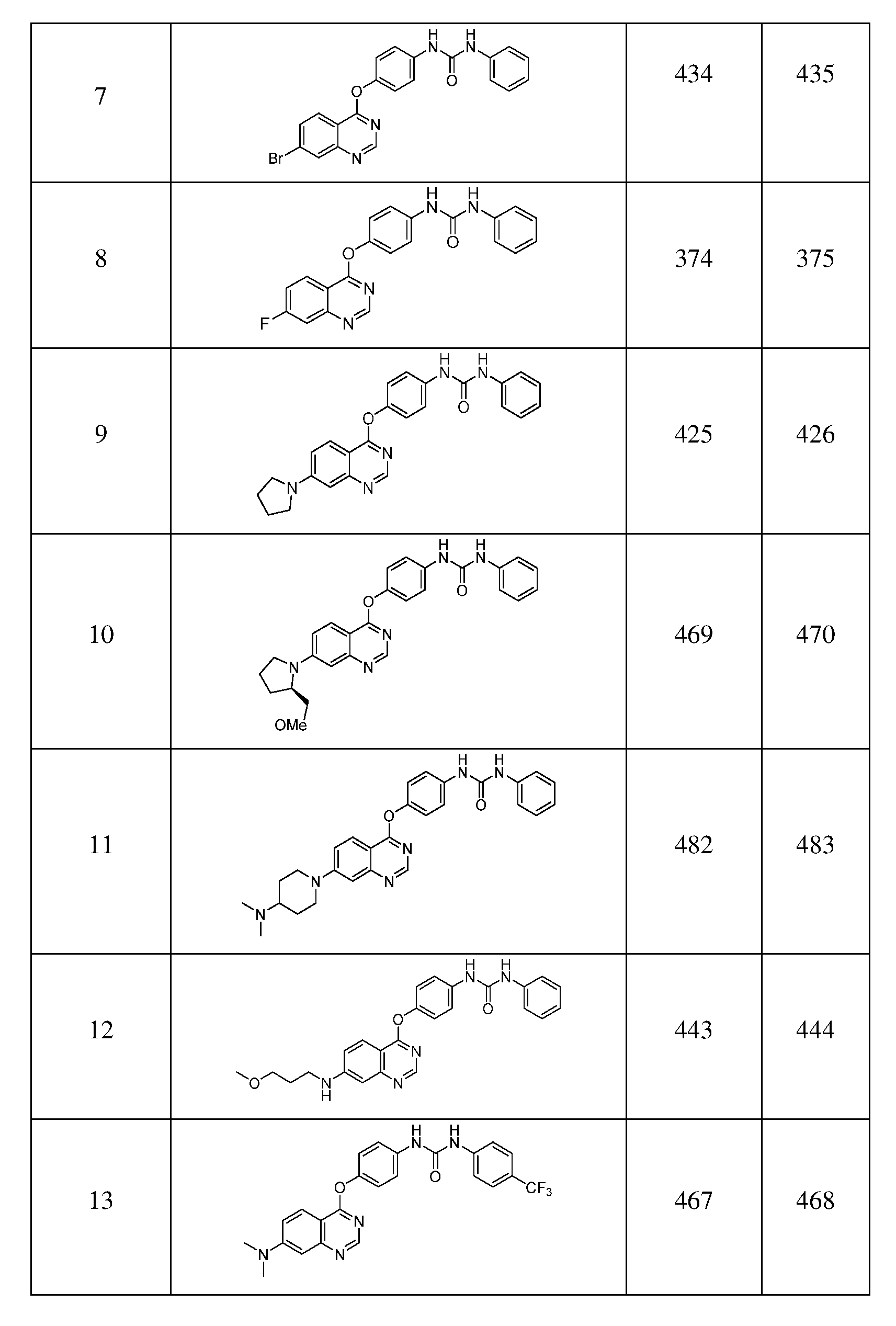
  • Table 1 Exemplary compounds of this invention, shown in Table 1 below, were prepared by procedures shown in Scheme 1, Scheme 2, Scheme 3, or Scheme 4.
  • Table 1 includes mass spectral data for the compounds.
  • LCMS Liquid chromatography mass spectrometry
  • SOCk is thionylchloride
  • DMF is dimethylformamide
  • PhMe is toluene
  • tBuOK is potassium tert-butoxide
  • THF is tetrahydrofuran
  • DMSO is dimethylsulfoxide
  • CH 2 CI 2 is methylene chloride.
  • Scheme 3 Among the listed reagents, solvents and catalysts in Scheme 3, SOCl 2 is thionylchloride, RuPhos Pd G3 is (2-dicyclohexylphosphino-2',6'-diisopropoxy-1, 1' -biphenyl) [2-2 , -amino-l,V- biphenyl]] palladium(II) methanesulfonate, RuPhos is 2-dicyclohexylphosphino-2',6'- diisopropoxybiphenyl, and Cs 2 CO 3 is cesium carbonate.
  • POCl 3 is phosphoryl chloride
  • Cul is copper iodide
  • 1,10-phen is 1,10-phenanthroline
  • K2CO3 is potassium carbonate
  • fBuOH is tert-butanol.
  • CSF1R Kinase-Glo assay Activity of CSF1R kinase was determined using a CSF1R Kinase-Glo assay.
  • Recombinant N-terminal GST-CSF1R (CSF1R residues L534-C972) containing the CSFIR kinase domain was expressed in Sf9 insect cells and purified.
  • the kinase assay was carried out in 96-well plates at 30 °C for 180 min with the tested compounds in a final volume of 50 ml including the following components: 25 mM Tris-HCl pH 7.4, 4 mM MnCl 2 , 10 mM MgCl 2 , 0.01% BSA, 0.5 mM Na 3 VO 4 , 0.02% Triton X-100, 40mM ATP, 2 mM DTT and 20mM poly(Glu.Tyr) 4:1 peptide, and 600 ng recombinant GST-CSF1R.
  • the cell lines M-NFS-60 (ATOC ® CRL-1838TM) and BaF3-CSFlR-1600 were obtained from American Type Culture Collection (ATCC, Manassas, VA, USA).
  • the stable BaF3- CSF1R-1600 cell line expresses ETV6-CSF1R fusion protein consisting of N-terminal ETS- variant gene 6 protein (ETV6 residues M1-G337) and CSF1R tyrosine kinase (CSF1R residues L533-C972).
  • the M-NSF-60 and BaF3-CSFlR-1600 cells were cultured in RPMI1640 medium supplemented with 10% fetal bovine serum, 0.05 mM 2-ME, 10 U/ml penicillin, and 10 g/ml streptomycin at 37 °C and 5% CO 2 .
  • M-NFS-60 and BaF3-CSFlR-1600 cells were seeded in 96-well plates at a density of 10000 cells/100 ml and 8000 cells/100 ml per well, respectively, for 16 h and treated with vehicle or various concentrations of test compounds in medium for 72 h.
  • Viable cells were quantified using the MTS method (Promega, Madison, WI, USA) according to manufacturer’s recommended protocol. The results were determined by measuring absorbance at 490 nm using a plate reader (Victor 2).
  • the GI50 value was defined as the amount of compound that caused 50% reduction in cell viability in comparison with DMSO-treated (vehicle) control and was calculated using Prism GraphPad Prism version 6 software (GraphPad).
  • CSF1R kinase A study was conducted to determine kinase selectivity of compounds 27 and 67. More specifically, each compound was tested for inhibitory activity of CSF1R kinase, as compared to that of seven other kinases, i.e., Aurora A, Aurora B, tyrosine-protein kinase Kit (c-Kit), fins-like tyrosine kinase 3 (FLT3), platelet-derived growth factor receptor (PDGFR) A, PDGFR B, and discoidin domain receptor tyrosine kinase 1 (DDR1). Results from this study are shown in Table 3 below.
  • c-Kit tyrosine-protein kinase Kit
  • FLT3 fins-like tyrosine kinase 3
  • PDGFR platelet-derived growth factor receptor
  • DDR1 discoidin domain receptor tyrosine kinase 1
  • kinase activity was determined as the percentage of the remaining kinase activity in a test sample compared to a vehicle (DMSO) reaction.
  • IC50 value and a dose-response curve for each compound against each kinase were obtained using Prism (Graph Pad Software). Selectivity, expressed as an IC50 ratio, was determined by dividing the IC50 value of a kinase, e.g., Aurora A, by that of CSF1R.

Landscapes

  • Chemical & Material Sciences (AREA)
  • Organic Chemistry (AREA)
  • Health & Medical Sciences (AREA)
  • Life Sciences & Earth Sciences (AREA)
  • Veterinary Medicine (AREA)
  • Public Health (AREA)
  • General Health & Medical Sciences (AREA)
  • Medicinal Chemistry (AREA)
  • Animal Behavior & Ethology (AREA)
  • Pharmacology & Pharmacy (AREA)
  • Epidemiology (AREA)
  • Chemical Kinetics & Catalysis (AREA)
  • Nuclear Medicine, Radiotherapy & Molecular Imaging (AREA)
  • General Chemical & Material Sciences (AREA)
  • Bioinformatics & Cheminformatics (AREA)
  • Engineering & Computer Science (AREA)
  • Physical Education & Sports Medicine (AREA)
  • Immunology (AREA)
  • Emergency Medicine (AREA)
  • Pharmaceuticals Containing Other Organic And Inorganic Compounds (AREA)
  • Nitrogen Condensed Heterocyclic Rings (AREA)
  • Plural Heterocyclic Compounds (AREA)
  • Acyclic And Carbocyclic Compounds In Medicinal Compositions (AREA)
  • Pyridine Compounds (AREA)

Abstract

Heterocyclic compounds of formula I shown below and pharmaceutical compositions containing one of such compounds: Also disclosed is a method of treating a condition modulated by the colony-stimulating factor-1 receptor with one of the heterocyclic compounds.

Description
HETEROCYCLIC COMPOUNDS AS
KINASE INHIBITORS FOR THERAPEUTIC USES BACKGROUND
Colony-stimulating factor-1 receptor (CSF1R) is a member of tyrosine kinase class III. It plays an important role in cell proliferation, differentiation, migration, and survival. See
Cannarile et al., J. Immunother. Cancer, 2017, 5:53. Deregulation of this tyrosine kinase is associated with various disorders and diseases, such as inflammatory disorders, neurological disorders, cardiovascular diseases, bone-related diseases, and cancers.
Recent studies have shown that CSF1R is related to differentiation of tumor-associated macrophages (TAMs). See El-Gamal et al., J. Med. Chem., 2018, 61, 5450-5466. Specifically, TAMs express, on their surfaces, CSF1R, which forms a signaling axis with an active ligand, i.e., colony stimulating factor-1 (CSF1). When activated, the CSF1R/CSF1 signaling axis promotes proliferation of monocytes, differentiation of the monocytes into TAMs, and survival of the TAMs.
Overexpression of CSF1 in several forms of cancer has been associated with activation and recruitment of TAMs to tumor sites. TAMs modify tumor microenvironment to render it more conducive to cancer cell growth, angiogenesis, and metastasis. Further, they can cause localized immunosuppression in tumor tissues, resulting in resistance to cancer therapy. As such, inhibiting the CSF1R/CSF1 signaling axis presents an attractive avenue for treating cancers associated with overexpression of CSF1.
Thus, there is a need to provide compounds that selectively inhibit CSF1R, demonstrate favorable safety profiles, and also exhibit high in vivo efficacy in treating cancers associated with CSF1R. SUMMARY
The present invention is based on unexpected discoveries that certain heterocyclic compounds effectively inhibit colony-stimulating factor-1 receptor (CSF1R).
In one aspect, this invention relates to these heterocyclic compounds and other heterocyclic compounds analogous thereto covered by formula I:
Figure imgf000003_0001
in which A is H, C1-6 alkyl, or ORr, Rr being H or C1-6 alkyl; Y1 is phenyl substituted with (R1)n, 5-membered heteroaryl substituted with (R2)o, 5-membered heterocycloalkenyl substituted with (R2)O, or alkenyl substituted with (R2)o, in which R1 in (R1)n, n being 0-4, is, independently, F, Cl, Br, NO2, CN, amino, C1-C6 alkyl, C1-C6 haloalkyl, C2-C6 alkenyl, C2-C6 alkynyl, C3-C8 cycloalkyl, C5-C15 heterocycloalkyl, aryl, heteroaryl, carbonyl, thionyl, iminyl, or spiroamino; and R2 in (R2)o, o being 0-5, is, independently, F, Cl, Br, NO2, CN, amino, C1-C6 alkyl, C1-C6 haloalkyl, C2-C6 alkenyl, C2-C6 alkynyl, C3-C8 cycloalkyl, C5-C15 heterocycloalkyl, aryl, heteroaryl, carbonyl, thionyl, iminyl, spiroamino, or C1-C6 alkoxyl; X1 is N or CR3, R3 being H, F, Cl, Br, CN, C1-C6 alkyl, C1-C6 haloalkyl, or C1-C6 alkoxyl; X2 is O, S, NH, or CH2; Y2 is
Figure imgf000003_0002
in which each of Q1, Q2, Q3, Q4, Q5, Q6, Q7, and Q8 is, independently, N or CR4, R4 being H, F, Cl, Br, CN, amino, C1-C6 alkyl, C1-C6 haloalkyl, or C1-C6 alkoxyl; Z1 is O, S, or NRr; Z2 is O, S, or NRr; and G and H are, respectively, C or N and N or C; X3 is deleted, CH2, ( CH2)2, or
CH(CºCH); Y3 is C1-C6 alkyl, aryl, heteroaryl, C3-C8 cycloalkyl, or C5-C6 heterocycloalkyl having one heteroatom, in which the one heteroatom is O or N; and X4 in (X4)m, m being 0-5, is, independently, F, Cl, Br, CN, SO2NH2, amino, C1-C6 alkyl, or C1-C6 alkoxyl.
The term“alkyl” refers to a straight or branched monovalent hydrocarbon moiety containing 1-20 carbon atoms, e.g., methyl, ethyl, n-propyl, i-propyl, n-butyl, i-butyl, and t-butyl. The term“haloalkyl” refers to an alkyl group substituted with one or more halogen atoms. The term“alkenyl” refers to a straight or branched monovalent or bivalent hydrocarbon containing 2- 20 carbon atoms and one or more double bonds, e.g., ethenyl, propenyl, propenylene, allyl, and 1,4-butadienyl. The term“alkynyl” refers to a straight or branched monovalent or bivalent hydrocarbon containing 2-20 carbon atoms and one or more triple bonds, e.g., ethynyl, ethynylene, 1-propynyl, 1- and 2-butynyl, and 1 -methyl-2-butynyl. The term“aryl” refers to a monovalent 6-carbon monocyclic, 10-carbon bicyclic, 14-carbon tricyclic aromatic ring system, e.g., phenyl, naphthyl, and anthracenyl. The term“heteroaryl” refers to a monovalent aromatic 5-8 membered monocyclic, 8-12 membered bicyclic, or 11-14 membered tricyclic ring system having one or more heteroatoms (such as O, N, S, or Se), e.g., imidazolyl, pyrazoyl, oxazolyl, isoxazolyl, thiazolyl, isothiazolyl, pyridyl, pyrazinyl, pyrimidyl, pyridazinyl, furyl, and thienyl. The term“cycloalkyl” refers to a monovalent or bivalent saturated hydrocarbon ring system having 3 to 30 carbon atoms (e.g., C3-C12), e.g., cyclopropyl, cyclobutyl, cyclopentyl, cyclopentenyl, cyclohexyl, 1,4-cyclohexylene, cycloheptyl, and cyclooctyl. The term
“cycloalkenyl” refers to a monovalent or bivalent non-aromatic hydrocarbon ring system having 3 to 30 carbons (e.g., C3-C12) and one or more double bonds, e.g., cyclopentenyl, cyclohexenyl, and cycloheptenyl. The term "heterocycloalkyl" refers to a monovalent or bivalent nonaromatic 5-8 membered monocyclic, 8-12 membered bicyclic, or 11-14 membered tricyclic ring system having one or more heteroatoms (such as O, N, S, or Se), e.g., piperidinyl, piperazinyl, pyrrolidinyl, dioxanyl, morpholinyl, tetrahydrofuranyl, and tetrahydropyranyl. The term
"heterocycloalkenyl" refers to a monovalent or bivalent nonaromatic 5-8 membered monocyclic, 8-12 membered bicyclic, or 11-14 membered tricyclic ring system having one or more heteroatoms (such as O, N, S, or Se) and one or more double bonds. The term“amino” refers to a -NRR' moiety, in which R and R' are, independently, H, alkyl, alkenyl, alkynyl, cycloalkyl, cycloalkenyl, heterocycloalkyl, heterocycloalkenyl, aryl, heteroaryl, aralkyl, or heteroarakyl.
The term“carbonyl” refers to a -C(0)R moiety, in which R is H, alkyl, alkenyl, alkynyl, cycloalkyl, cycloalkenyl, heterocycloalkyl, heterocycloalkenyl, alkoxyl, amino, aryl, or heteroaryl. The term“thionyl” refers to a -S(0)R moiety, in which R is H, alkyl, alkenyl, alkynyl, cycloalkyl, cycloalkenyl, heterocycloalkyl, heterocycloalkenyl, alkoxyl, amino, aryl, or heteroaryl. The term“iminyl” refers to a -C(NR)R', in which R is H or C1-C6 alkyl and R' is H, alkyl, alkenyl, alkynyl, cycloalkyl, cycloalkenyl, heterocycloalkyl, heterocycloalkenyl, alkoxyl, amino, aryl, or heteroaryl. The term“spiroamino” refers to a monovalent 7-11 membered bicyclic spiro moiety containing one N or a monovalent 10-16 membered tricyclic spiro moiety containing one N.
In addition, alkyl, alkenyl, alkynyl, aryl, heteroaryl, cycloalkyl, cycloalkenyl, heterocycloalkyl, heterocycloalkenyl, and alkoxyl can be substituted or unsubstituted. Possible substituents include, but are not limited to, D, CN, NO2, halo, C1-C20 alkyl, C2-C20 alkenyl, C2- C20 alkynyl, C1-C10 alkoxyl, C3-C30 cycloalkyl, C3-C30 cycloalkenyl, C3-C30 heterocycloalkyl, C3-C30 heterocycloalkenyl, aryl, aryloxyl, heteroaryl, heteroaryloxyl, amino, halo, oxo (0=), thioxo (S=), thio, silyl, C1-C10 alkylthio, arylthio, C1-C10 alkylsulfonyl, arylsulfonyl, acylamino, aminoacyl, aminothioacyl, amidino, mercapto, amido, thioureido, thiocyanato, sulfonamido, guanidine, ureido, acyl, thioacyl, acyloxy, carbamido, carbamyl, carboxyl, and carboxylic ester.
The compounds of formula I include the compounds themselves, as well as their salts, their stereoisomers, their solvates, their tautomers, their deuterated analogues, and their prodrugs, if applicable. A salt, for example, can be formed between an anion and a positively charged group (e.g., ammonium) on a heterocyclic compound of this invention. Suitable anions include chloride, bromide, iodide, sulfate, bisulfate, sulfamate, nitrate, phosphate, citrate,
methanesulfonate, trifluoroacetate, glutamate, glucuronate, glutarate, malate, maleate, succinate, fumarate, tartrate, tosylate, salicylate, lactate, naphthalenesulfonate, and acetate. Likewise, a salt can also be formed between a cation and a negatively charged group (e.g., carboxylate) on a heterocyclic compound. Suitable cations include sodium ion, potassium ion, magnesium ion, calcium ion, and an ammonium cation such as tetramethylammonium ion. The salts of the heterocyclic compounds of this invention can also contain quaternary nitrogen atoms. Examples of prodrugs include esters and other pharmaceutically acceptable derivatives, which, upon administration to a subject, are capable of providing active heterocyclic compounds. A solvate refers to a complex formed between an active heterocyclic compound and a pharmaceutically acceptable solvent, e.g., water, ethanol, isopropanol, ethyl acetate, acetic acid, and ethanolamine.
An additional aspect of this invention relates to a pharmaceutical composition containing one or more of the heterocyclic compounds covered by formula I. The pharmaceutical composition can be used for treatment of a CSF1R modulated condition.
Also within the scope of this invention is a method of treating a CSF1R modulated condition, e.g., a cancer, an inflammatory disorder, a bone disorder, or an autoimmune disease. The method includes administering to a subject in need thereof an effective amount of one or more of the above-described heterocyclic compounds.
The term“treatment” or“treating” refers to administering one or more heterocyclic compounds of this invention to a subject who has a CSF1R modulated condition, a symptom of such a condition, or a predisposition toward it, with the purpose of conferring a therapeutic or prophylactic effect.“An effective amount” refers to the amount of an active compound that is required to confer such effect. Effective doses will vary, as recognized by those skilled in the art, depending on the types of disease treated, route of administration, excipient usage, and the possibility of co-usage with other therapeutic treatment.
A pharmaceutical composition of this invention can be administered parenterally, orally, nasally, rec tally, topically, or buccally. The term“parenteral” as used herein refers to subcutaneous, intracutaneous, intravenous, intraperitoneal, intramuscular, intraarticular, intraarterial, intrasynovial, intrastemal, intrathecal, intralesional, or intracranial injection, as well as any suitable infusion technique.
A sterile injectable composition can be a solution or suspension in a non-toxic parenterally acceptable diluent or solvent, such as a solution in 1,3-butanediol. Among the acceptable vehicles and solvents that can be employed are mannitol, water, Ringer’s solution, and isotonic sodium chloride solution. In addition, fixed oils are conventionally employed as a solvent or suspending medium (e.g., synthetic mono- or di-glycerides). Fatty acids, such as oleic acid and its glyceride derivatives, are useful in preparation of injectables, as are natural pharmaceutically acceptable oils, such as olive oil and castor oil, especially in their
polyoxyethylated versions. These oil solutions or suspensions can also contain a long chain alcohol diluent or dispersant, carboxymethyl cellulose, or similar dispersing agents. Other commonly used surfactants such as Tweens and Spans or other similar emulsifying agents or bioavailability enhancers which are commonly used in the manufacture of pharmaceutically acceptable solid, liquid, or other dosage forms can also be used for the purpose of formulation.
A composition for oral administration can be any orally acceptable dosage form including capsules, tablets, emulsions and aqueous suspensions, dispersions, and solutions. In the case of tablets, commonly used carriers include lactose and com starch. Lubricating agents, such as magnesium stearate, are also typically added. For oral administration in a capsule form, useful diluents include lactose and dried com starch. When aqueous suspensions or emulsions are administered orally, the active ingredient can be suspended or dissolved in an oily phase combined with emulsifying or suspending agents. If desired, certain sweetening, flavoring, or coloring agents can be added.
A nasal composition can be prepared according to techniques well known in the art of pharmaceutical formulation. For example, such a composition can be prepared as a solution in saline, employing benzyl alcohol or other suitable preservatives, absorption promoters to enhance bioavailability, fluorocarbons, and/or other solubilizing or dispersing agents known in the art.
A pharmaceutical composition of this invention can also be administered in the form of a suppository for rectal administration.
The carrier in a pharmaceutical composition must be“acceptable” in the sense that it is compatible with the active ingredient of the composition and, preferably, capable of stabilizing the active ingredient, and not deleterious to the subject to be treated. One or more solubilizing agents can be utilized as pharmaceutical excipients for delivery of an active heterocyclic compound of this invention. Examples of other carriers include colloidal silicon oxide, magnesium stearate, cellulose, sodium lauryl sulfate, and D&C Yellow #10.
The details of the invention are set forth in the description below. Other features, objects, and advantages of the invention will be apparent from the following detailed description of several embodiments, and also from the appending claims.
DETAILED DESCRIPTION
Disclosed first in detail are heterocyclic compounds of formula I:
Figure imgf000007_0001
A, Y1, X1, X2, Y2, X3, Y3, X4, and m are defined in the SUMMARY section above.
In one embodiment, the compounds of formula I have Y1 being phenyl substituted with (R1)n, 5-membered heteroaryl substituted with (R2)0, or 5-membered heterocycloalkenyl substituted with (R2)o, in which R1 in (R1)n is, independently, F, Cl, Br, NO2, CN, C1-C6 alkyl, C1-C6 haloalkyl, C2-C6 alkynyl, C3-C8 cycloalkyl, C5-C15 heterocycloalkyl, aryl, heteroaryl, carbonyl, thionyl, iminyl, or spiroamino; and R2 in (R2)0 is, independently, F, Cl, Br, NO2, CN, amino, C1-C6 alkyl, C1-C6 haloalkyl, C2-C6 alkynyl, C3-C8 cycloalkyl, C5-C15 heterocycloalkyl, aryl, heteroaryl, carbonyl, thionyl, iminyl, spiroamino, or C1-C6 alkoxyl. In one subset of this embodiment, the compounds of formula I have Y2 being Y3 being pyridyl, and R1 being C5-C15 heterocycloalkyl.
Figure imgf000008_0001
In another embodiment, the compounds of formula I have Y2 being
Figure imgf000008_0002
Figure imgf000008_0003
in which Z2 is O or NRr.
In one subset of this embodiment, the compounds of formula I have Y2 being
Figure imgf000008_0004
Y3 being pyridyl, and R1 being amino.
In still another embodiment, the compounds of formula I are those covered by formula la:
Figure imgf000008_0005
in which R1 is amino or C5-C15 heterocycloalkyl.
In one subset of this embodiment, the compounds of formula la have Y2 being
Figure imgf000008_0006
Y3 being pyridyl; X3 being CH2; X4 being CH3, CH2F, CHF2, CF3, or OCH3; m being 1; and R1 preferably being amino.
In another subset, the compounds have Y2 being
Figure imgf000008_0007
Y3 being phenyl; X3 being CH2; each of X4 being, independently, F, Cl, Br, CN, SO2NH2, CH3, CH2F, CHF2, CF3, OCF3, C1-C6 alkoxyl, or amino; and m being 0-2. In a third subset, the compounds have Y2 being
Figure imgf000009_0001
Y3 being phenyl; X3 being deleted; each of X4 being, independently, F, Cl, Br, CN, SO2NH2, CH3, CH2F, CHF2, CF3, OCF3, C1-C6 alkoxyl, or amino; and m being 0-2.
Formula la includes compounds in which Y2 is
Figure imgf000009_0002
Y3
is phenyl or pyridyl, and X3 is CH2. As an example, Y2 is
Figure imgf000009_0006
Formula la further includes compounds in which Y2 is
Figure imgf000009_0003
Y3 is phenyl or pyridyl, and X3 is CH2. For instance, Y2 is
Figure imgf000009_0004
In a fourth embodiment, the heterocyclic compounds of this invention are covered by formula lb:
Figure imgf000009_0005
A subset of compounds of formula lb have Y1 being Y3 being phenyl or
Figure imgf000009_0007
pyridyl; and X3 being deleted or CH2. In a different subset, compounds of formula lb have Y1 being
Figure imgf000010_0001
Figure imgf000010_0002
Y3 being phenyl or pyridyl; and X3 being deleted or CH2, in which Q9 is N or CR5, R5 being H, F, Cl, Br, CN, amino, C1-C6 alkyl, C1-C6 haloalkyl, or C1-C6 alkoxyl.
In another subset, compounds of this formula have Y1 being Y3
Figure imgf000010_0003
being phenyl or pyridyl; and X3 being deleted or CH2.
Typically, the compounds of formula lb have each of X4 being, independently, CH3, CH2F, CHF2, CF3, or OCH3 and m being 0-2.
Exemplary compounds of formula I include, but are not limited to, the following compounds:
Figure imgf000010_0004
Figure imgf000011_0001
The compounds of formula I can be prepared according to methods well known in the field. See, for example, R. Larock, Comprehensive Organic Transformations (2nd Ed., VCH Publishers 1999); P. G. M. Wuts and T. W. Greene, Greene’s Protective Groups in Organic Synthesis (4th Ed., John Wiley and Sons 2007); L. Fieser and M. Fieser, Fieser and Fieser’s Reagents for Organic Synthesis (John Wiley and Sons 1994); L. Paquette, ed., Encyclopedia of Reagents for Organic Synthesis (2nd ed., John Wiley and Sons 2009); and G. J. Yu et al., J. Med. Chem. 2008, 51, 6044-6054.
Also within the scope of this invention is a pharmaceutical composition containing one or more of the heterocyclic compounds of formula I. The pharmaceutical composition is used for treating a CSF1R modulated condition.
In certain embodiments, the pharmaceutical composition further contains one of the following therapeutic agents: an anti-proliferative agent, an anti-inflammatory agent, an immunomodulatory agent, and an immunosuppressive agent.
In other embodiments, the pharmaceutical composition further contains one of the following therapeutic agents: an alkylating agent, e.g., adozelesin, altretamine, bizelesin, busulfan, carboplatin, carboquone, carmustine, chlorambucil, cisplatin, cyclophosphamide, dacarbazine, estramustine, fotemustine, hepsulfam, ifosfamide, improsulfan, irofulven, lomustine, mechlorethamine, melphalan, oxaliplatin, piposulfan, semustine, streptozocin, temozolomide, thiotepa, and treosulfan; an antibody, e.g., alemtuzumab, bevacizumab, cetuximab, galiximab, gemtuzumab, nivolumab, panitumumab, pembrolizumab, pertuzumab, rituximab, tositumomab, trastuzumab, and 90 Y ibritumomab tiuxetan; a targeted signal transduction inhibitor, e.g., bortezomib, geldanamycin, and rapamycin; a kinase inhibitor, e.g., erlotinib, gefitinib, flavopiridol, imatinib mesylate, lapatinib, sorafenib, sunitinib malate, AEE- 788, AG-013736, AMG 706, AMN107, BMS-354825, BMS-599626, 7-hydroxystaurosporine, vemurafenib, dabrafenib, trametinib, cobimetinib, selumetinib, and vatalanib; a taxane, e.g., DJ- 927, docetaxel, TPI 287, paclitaxel, and DHA-paclitaxel; a retinoid, e.g., alitretinoin, bexarotene, fenretinide, isotretinoin, and tretinoin; an alkaloid, e.g., etoposide, homoharringtonine, teniposide, vinblastine, vincristine, vindesine, and vinorelbine; an antibiotic, e.g., bleomycin, dactinomycin, daunorubicin, doxorubicin, epirubicin, idarubicin, menogaril, mitomycin, mitoxantrone, neocarzino statin, pentostatin, and plicamycin; an antiangiogenic agent, e.g., AE- 941, ABT-510, 2-methoxyestradiol, lenalidomide, and thalidomide; a topoisomerase inhibitor, e.g., amsacrine, edotecarin, exatecan, irinotecan, 7-ethyl- 10-hydroxy-camptothecin, rubitecan, topotecan, and 9-aminocamptothecin; an antimetabolite, e.g., azacitidine, capecitabine, cladribine, clofarabine, cytarabine, decitabine, floxuridine, fludarabine, 5-fluorouracil, ftorafur, gemcitabine, hydroxyurea, mercaptopurine, methotrexate, nelarabine, pemetrexed, raltitrexed, thioguanine, and trimetrexate; a hormone or hormone antagonist, e.g., anastrozole, androgens, buserelin, diethylstilbestrol, exemestane, flutamide, fulvestrant, goserelin, idoxifene, letrozole, leuprolide, magestrol, raloxifene, tamoxifen, and toremifene; a biological response modifier, e.g., imiquimod, interferon-a, and interleukin-2; an indoleamine 2,3-dioxygenase inhibitor; a chemotherapeutic agent, e.g., 3-amino-2-carboxyaldehyde thiosemicarbazone, altrasentan, aminoglutethimide, anagrelide, asparaginase, bryostatin-1, cilengitide, elesclomol, eribulin mesylate, ixabepilone, lonidamine, masoprocol, mitoguanazone, oblimersen, sulindac, testolactone, and tiazofurin; a mammalian target of rapamycin inhibitor; a phosphoinositide 3- kinase inhibitor, a cyclin-dependent kinase 4 inhibitor; a protein kinase B inhibitor, a heat shock protein 90 inhibitor; a famesyltransferase inhibitor; an aromatase inhibitor (such as anastrozole, letrozole, and exemestane); a mitogen-activated protein kinase kinase inhibitor; a tyrosine kinase inhibitor, an epidermal growth factor receptor inhibitor, a programmed cell death protein 1 inhibitor, a programmed death-ligand 1 inhibitor, or an interleukin 8 receptor beta inhibitor.
Still within the scope of this invention is a method of treating a CSF1R modulated condition using one or more of the above-described heterocyclic compounds. For example, the condition can be a cancer, e.g., acute myeloid leukemia, bladder cancer, breast cancer, cervical cancer, colon cancer, gastric cancer, gastrointestinal stromal tumor, glioblastoma multiforme, hepatocellular carcinoma, Hodgkin’s lymphoma, kidney cancer, liver cancer, lung cancer, melanoma, metastatic tumor, ovarian cancer, pancreatic cancer, pigmented villondular synovitis, prostate cancer, tenosynovial giant cell tumors, endometrial cancer, multiple myeloma, myelocytic leukemia, bone cancer, renal cancer, brain cancer, myeloproliferative disorder, esophageal cancer, squamous cell carcinoma, uveal melanoma, follicular lymphoma, colorectal cancer, head and neck cancer, astrocytoma, and pulmonary adenocarcinoma; an inflammatory disorder or an autoimmune disease, e.g., psoriatic arthritis, arthritis, asthma, thyroiditis, glomerular nephritis, atherosclerosis, psoriasis, Sjogren's syndrome, rheumatoid arthritis, systemic lupus erythematosis, cutaneous lupus erythematosus, Crohn's disease, ulcerative colitis, type I diabetes, multiple sclerosis, human immunodeficiency virus encephalitis, Alzheimer's disease, amyotrophic lateral sclerosis, and epilepsy; or a bone disorder, e.g., osteoporosis, osteoarthritis, periodontitis, periprosthetic osteolysis, and Paget’s disease.
Without further elaboration, it is believed that one skilled in the art can, based on the above description, utilize the present invention to its fullest extent. The following specific examples are, therefore, to be construed as merely illustrative, and not limitative of the remainder of the disclosure in any way whatsoever. All publications cited herein are
incorporated by reference in their entirety.
EXAMPLE 1: Synthesis of heterocyclic compounds
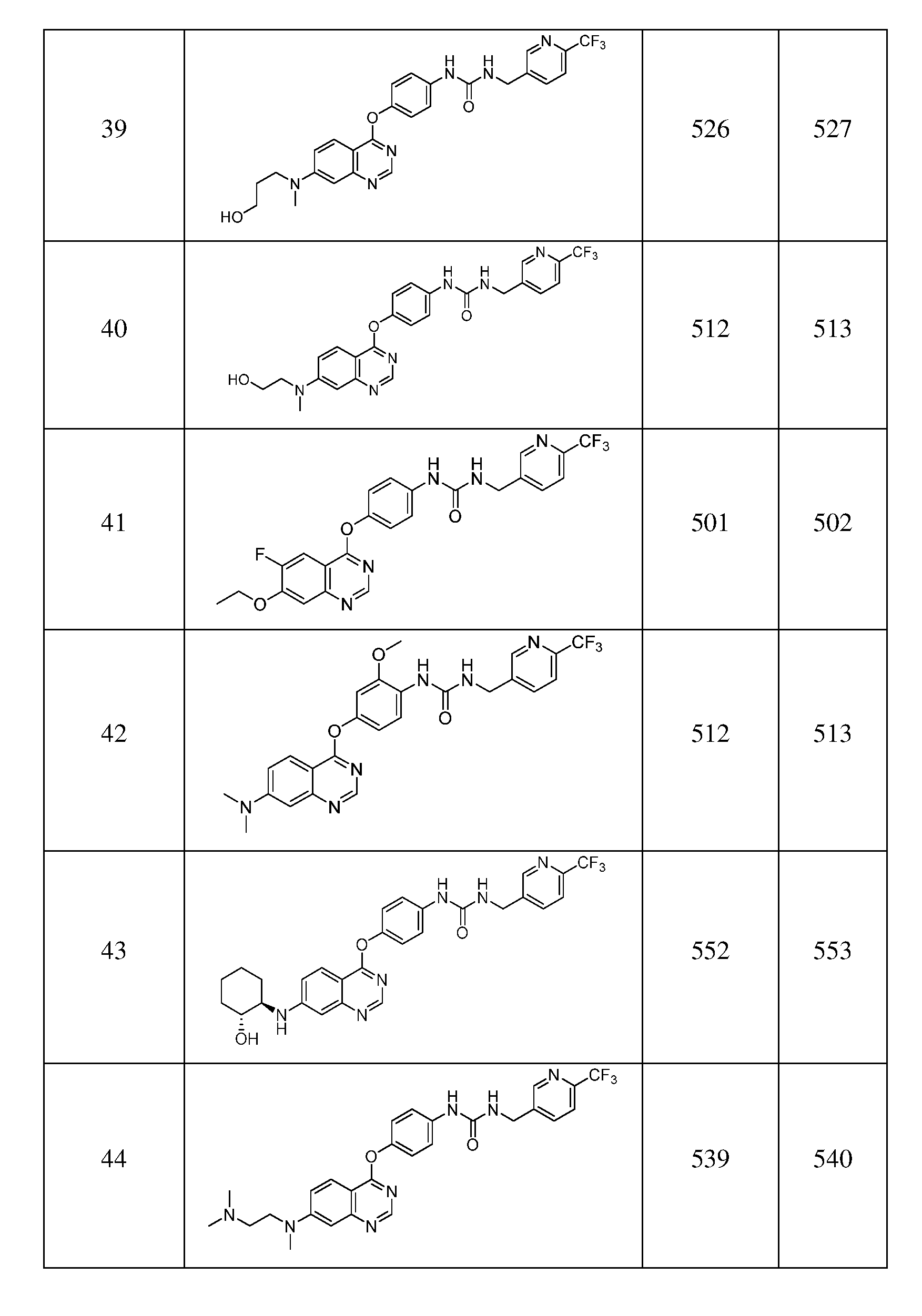
Exemplary compounds of this invention, shown in Table 1 below, were prepared by procedures shown in Scheme 1, Scheme 2, Scheme 3, or Scheme 4. Table 1 includes mass spectral data for the compounds.
All chemicals and solvents were purchased from commercial suppliers and used as received. All reactions were carried out under an atmosphere of dry nitrogen unless specified otherwise. Reactions were monitored by thin layer chromatography using Merck 60 F254 silica gel glass backed plates (5 x 10 cm) and zones were detected visually under ultraviolet irradiation (254 nm) or by spraying with phosphomolybdic acid reagent (Aldrich) followed by heating at 80°C. Microwave reactions were performed in the CEM Discover SP System.
Flash column chromatography was performed by using Merck Kieselgel 60, No. 9385, 230-400 mesh ASTM silica gel as the stationary phase. Proton nuclear magnetic resonance (1H NMR) spectra were measured on a Varian Mercury-300 or Varian Mercury-400 spectrometer. Chemical shifts were recorded in parts per million (ppm) on the delta (d) scale relative to the resonance of the solvent peak. The following abbreviations were used to describe coupling: s = singlet; d = doublet; t = triplet; q = quartet; quin = quintet; ABq = AB quartet; AA’XX’ = second order AA’XX’ pattern; app. = apparent; br = broad; and m = multiplet.
Liquid chromatography mass spectrometry (LCMS) data was obtained with an Agilent MSD-1100 ESI-MS/MS, an Agilent 1200 series LC/MSD VL, or a Waters Acquity UPLC-ESI- MS/MS system.
Figure imgf000014_0001
Scheme 1
Among the listed reagents and solvents in Scheme 1, SOCk is thionylchloride, DMF is dimethylformamide, PhMe is toluene, tBuOK is potassium tert-butoxide, THF is tetrahydrofuran, DMSO is dimethylsulfoxide, and CH2CI2 is methylene chloride.
4-Chloro-7-fluoroquinazoline (B). To a suspension of 7-fluoroquinazolin-4-ol compound A (6.32 g, 38.5 mmol) in dry PhMe (30 mL), SOCk (22 mL, 7.7 eq.) and DMF (2.6 mL) were added. The resulting mixture was refluxed for 10 h. The mixture was then cooled to room temperature, quenched with water (200 mL), and extracted with ethyl acetate (EtOAc; 170 mL). The combined organic extracts were washed with water (300 mL) and brine (30 mL), dried over sodium sulfate (Na2S04), and concentrated to afford compound B (6.08 g, 86%) as a yellow solid. LCMS (ESI) m/z calculated for C8H4CIFN2: 182, 184; found: 183, 185 [M+H]+. 1H-NMR (400 MHz, CDCl3) d 9.04 (s, 1H), 8.33 (dd, J = 9.2 Hz, 4JF,H = 6.0 Hz, 1H), 7.71 (dd, 3JF,H = 9.2 Hz, J= 2.4 Hz, 1H), 7.52 (ddd, J = 9.2, 2.4 Hz, 3JF,H = 8.4 Hz, 1H).
4-((7-fluoroquinazolin-4-yl)oxy)aniline (C). A mixture of 4-aminophenol F (3.05 g, 28.0 mmol) and t-BuOK (3.14 g, 28.0 mmol) in dry THF (100 mL) was stirred for 20 min at 0 °C. Subsequently, compound B (4.44 g, 24.3 mmol) was added slowly in small portions. The reaction mixture was then stirred for 3 h at 0 °C, during which a suspension was formed.
Afterwards, the suspension was filtered through a pad of celite, The pad was rinsed with THF. THF in the filtrate was removed by evaporation to give a crude residue. The residue was suspended in methanol (MeOH) and sonicated to form a solid. The solid was collected via filtration and dried to afford the titled product C (5.47 g, 88%) as an off-white solid. LCMS (ESI) m/z calculated for C14HioBrN3O: 255; found: 256 [M+H]+. 1H-NMR (400 MHz, CDCb) d
8.76 (s, 1H), 8.40 (dd, J = 9.2 Hz, 4JF,H = 6.0 Hz, 1H), 7.61 (dd, 3JF,H = 9.2 Hz, J = 2.4 Hz, 1H), 7.40 (ddd, J= 9.2, 2.4 Hz, 3JF,H = 8.8 Hz, 1H), 7.04 (AA’XX’, JAX = 8.8 Hz, JAX' = 0 Hz, 2H),
6.77 (AA’XX’, JAX = 8.8 Hz, JAX' = 0 Hz, 2H), 3.71 (br, 2H).
4-(4-aminophenoxy)-N,N-dimethylqumazolm-7-amine (D). To a solution of compound C (600 mg, 2.35 mmol) in DMSO (7.1 mL), 2 M dimethlyamine in THF (3 eq.,
3.53 mL) was added. The mixture was then irradiated in microwave for 10 min at 170 °C. After compound C was consumed, the reaction mixture was diluted with EtOAc (30 mL) and 2% sodium carbonate (Na2CO3) solution (80 mL), and extracted with EtOAc (50 mL). The combined organic extracts were sequentially washed with 2% Na2CO3 solution (160 mL), water
(200 mL), and brine (20 mL), dried over Na2S04, and concentrated. The crude residue was suspended in MeOH. Particles in the supension were collected via filtration and dried to afford the titled product D (207 mg, 32%) as a pale yellow solid. LCMS (ESI) m/z calculated for
CI6HI6N40: 280; found: 281 [M+H]+. 1H-NMR (300 MHz, CDCb): d 8.58 (s, 1H), 8.15 (d, J = 9.2 Hz, 1H), 7.12 (dd, J = 9.2 Hz, J = 2.7 Hz, 1H), 7.03 (AA’XX’, JAX = 9.0 Hz, JAX' = 0 Hz,
JAA' = 2.9 Hz, Jxx' = 2.9 Hz, 2H), 6.96 (d, J = 2.7 Hz, 1H), 6.75 (AA’XX’, JAX = 9.0 Hz, /AX· =
0 Hz, JAA' = 2.9 Hz, Jxx' = 2.9 Hz, 2H), 3.67 (br, 2H), 3.15 (s, 6H).
1-(4-((7-(dimethylamino)quinazolin-4-yl)oxy)phenyl)-3-phenylurea (compound 4, E). To a solution of compound D (165 mg, 0.588 mmol) in CH2CI2 (15 mL), compound H (108 mL, 0.883 mmol) was added. The mixture was refluxed for 10 h, during which a suspension was formed. Particles in the suspension were collected via filtration and rinsed with excess CH2CI2 to afford the titled product E (214 mg, 91%) as a white solid. LCMS (ESI) m/z calculated for C23H21N5O2: 399; found: 400 [M+H]+. 1H-NMR (400 MHz, DMSO-d6): d 8.77 (br s, 1H), 8.71 (br s, 1H), 8.45 (s, 1H), 8.11 (d, J = 9.6 Hz, 1H), 7.52 (AA’XX’, JAX = 8.8 Hz, /AX· = 0 Hz, JAA' = 2.6 Hz, Jxx' = 2.6 Hz, 2H), 7.47 (d, J = 5.6 Hz, 2H), 7.32-7.27 (m, 3H), 7.19 (AA’XX’, JAX = 8.8 Hz, JAX' = 0 HZ, JAA' = 2.6 Hz, Jxx' = 2.6 Hz, 2H), 6.97 (t, J = 7.2 Hz, 1H), 6.88 (d, J = 2.4 Hz, 1H), 3.12 (s, 6H).
Compounds 1, 2, 3, 5, 6, 7, 9, 10, 11, 12, 13, 14, 15, 16, 17, 18, 19, 20, 21, 52, and 106 were prepared in a manner similar to compound 4, with appropriate amines G and isocyanates H.
Figure imgf000016_0001
Scheme 2
Among the listed reagents and solvents in Scheme 2, Py is pyridine, and Et3N is triethylamine.
4-nitrophenyl ((6-(trifluoromethyl)pyridin-3-yl)methyl)carbamate (J). To a -30 °C solution of (6-(trifluoromethyl)pyridin-3-yl)methanamine I (2.69 g, 15.3 mmol) and Py
(1.23 mL, 15.3 mmol) in CH2CI2 (50 mL), 4-nitrophenyl chloroformate (3.85 g, 19.1 mmol) was slowly added. The reaction mixture was stirred for 8 h and allowed to slowly warm to 0 °C. Subsequently, water (50 mL) was added to the reaction mixture. The mixture was then stirred for 20 min, during which a suspension was formed. Particles in the suspension were removed by filtering the reaction mixture through a pad of celite. The filtrate was washed with 2% sodium bisulfate solution (20 mL), 2% sodium bicarbonate solution (40 mL), water (20 mL), and brine (3 mL), dried over Na2S04, and concentrated. The crude residue was purified by column chromatography to afford the titled product J (3.33 g, quant.) as a white solid. LCMS (ESI) m/z calculated for C14H10F3N3O4: 341; found: 342 [M+H]+. 1H-NMR (400 MHz, CDCl3): d 8.73 (d, J = 1.4 Hz, 1H), 8.26 (A A’ XX’, JAX = 9.2 Hz, /AX· = 0 HZ, JAA' = 2.6 Hz, Jxx' = 2.6 Hz, 2H), 7.91 (dd, J = 8.0, 1.4 Hz, 1H), 7.71 (d, J= 8.0 Hz, 1H), 7.33 (AA’XX’, JAX = 9.2 Hz, /AX·
= 0 Hz, JAA' = 2.6 Hz, Jxx' = 2.6 Hz, 2H), 5.68 (br t, 1H), 4.58 (d, J = 6.4 Hz, 2H).
l-(4-((7-(dimethylamino)quinazolin-4-yl)oxy)phenyl)-3-((6-(trifluoromethyl)pyridin- 3-yl)methyl)urea (compound 27, K). To a solution of compound J (2.19 g, 6.43 mmol) and compound D (1.06 g, 3.78 mmol) in CH2CI2 (95 mL), Et3N (1.05 mL) was added. The reaction mixture was refluxed for 4 d, during which a suspension was formed. Particles in the suspension were collected via filtration and rinsed with excess CH2CI2 to afford the titled product K (1.33 g, 73%) as a white solid. LCMS (ESI) m/z calculated for C24H21F3N6O2: 482; found: 483 [M+H]+.
1 H NMR (400 MHz, DMSO-d6): d 8.83 (s, 1H), 8.72 (d, J = 1.2 Hz, 1H), 8.43 (s, 1H), 8.10 (d, J = 9.2 Hz, 1H), 8.00 (dd, J = 8.4, 1.2 Hz, 1H), 7.89 (d, J = 8.4 Hz, 1H), 7.47 (AA’XX’,
JAX = 8.8 Hz, /AX· = 0 Hz, JAA' = 2.6 Hz, Jxx' = 2.6 Hz, 2H), 7.29 (d, J = 9.2, 2.4 Hz, 1H), 7.13 (AA’XX’, JAX = 8.8 Hz, /AX· = 0 Hz, JAA' = 2.6 Hz, Jxx' = 2.6 Hz, 2H), 6.87 (d, J = 2.4 Hz, 1H), 6.84 (t, J = 6.0 Hz, 1H), 4.44 (d, J = 6.0 Hz, 2H), 3.12 (s, 6H).
l-(4-((7-(dimethylamino)qumazolm-4-yl)oxy)phenyl)-3-((6-methylpyridin-3- yl)methyl)urea (compound 65, K) LCMS (ESI) m/z calculated for C24H21F3N6O2: 428; found: 429 [M+H]+. 1H-NMR (400 MHz, DMSO-d6) d 8.68 (s, 1H), 8.43 (s, 1H), 8.39 (d, J = 2.4 Hz, 1H), 8.10 (d, J = 9.2 Hz, 1H), 7.61 (dd, J = 8.0, 2.4 Hz, 1H), 7.46 (AA’XX’, JAX = 8.8 Hz, 2H), 7.29 (dd, J = 9.2, 2.4 Hz, 1H), 7.22 (d, J = 8.0 Hz, 1H), 7.13 (AA’XX’, JAX = 8.8 Hz, 2H), 6.87 (d, J = 2.4 Hz, 1H), 6.67 (t, J = 6.0 Hz, 1H), 4.28 (d, J = 6.0 Hz, 1H), 3.12 (s, 6H), 2.44 (s, 3H).
l-(4-((7-(dimethylamino)qumazolin-4-yl)oxy)phenyl)-3-((6-methylpyridin-3- yl)methyl)urea (compound 66, K) LCMS (ESI) m/z calculated for C24H21F3N6O2: 444; found: 445 [M+H]+. 1H NMR (400 MHz, DMSO-d6) d 8.68 (s, 1H), 8.43 (s, 1H), 8.39 (d, J = 2.4 Hz, 1H), 8.10 (d, J = 9.2 Hz, 1H), 7.61 (dd, J = 8.0, 2.4 Hz, 1H), 7.46 (AA’XX’, JAX = 8.8 Hz, 2H), 7.29 (dd, J = 9.2, 2.4 Hz, 1H), 7.22 (d, J = 8.0 Hz, 1H), 7.13 (AA’XX’, JAX = 8.8 Hz, 2H), 6.87 (d, J = 2.4 Hz, 1H), 6.67 (t, J = 6.0 Hz, 1H), 4.28 (d, J = 6.0 Hz, 1H), 3.12 (s, 6H), 2.44 (s, 3H).
Compounds 23, 24, 25, 28, 30, 33, 36, 39, 40, 42, 43, 44, 49, 50, 51, 54, 55, 56, 57, 58, 59, 60, 63, 65, 66, 87, 90, 91, 92, 96, and 101 were prepared in a manner similar to compound 27 with appropriate amines H and anilines D.
Figure imgf000017_0001
Scheme 3 Among the listed reagents, solvents and catalysts in Scheme 3, SOCl2 is thionylchloride, RuPhos Pd G3 is (2-dicyclohexylphosphino-2',6'-diisopropoxy-1, 1' -biphenyl) [2-2,-amino-l,V- biphenyl]] palladium(II) methanesulfonate, RuPhos is 2-dicyclohexylphosphino-2',6'- diisopropoxybiphenyl, and Cs2CO3 is cesium carbonate.
4-Chloro-7-bromoquinazoline (M). To a suspension of 7 -bromoquinazolin-4-ol L (1.17 g, 5.20 mmol) in dry PhMe (6 mL), SOCh (6 mL) and DMF (0.6 mL) were added. The resulting mixture was stirred at 95 °C for 9 h, cooled to room temperature, quenched with water (100 mL), and extracted with EtOAc (70 mL). The combined organic extracts were washed with water (200 mL) and brine (5 mL), dried over Na2S04, and concentrated to afford the titled product M (1.26 g, 99%) as a yellow solid. LCMS (ESI) m/z calculated for C8H4B1CIN2: 242, 244, 246; found: 243, 245, 247 [M+H]+. 1H-NMR (300 MHz, CDCl3): d 9.05 (s, 1H), 8.28 (d, J = 1.8 Hz, 1H), 8.15 (d, J = 9.0 Hz, 1H), 7.84 (dd, J = 9.0, 1.8 Hz, 1H).
4-((7-Bromoquinazolin-4-yl)oxy)aniline (N). A mixture of 4-aminophenol (0.678 g, 6.21 mmol) and t-BuOK (0.668 g, 5.95 mmol) in dry THE (15 mL) at 0 °C was stirred for 20 min. Subsequently, 4-chloro-7-bromoquinazoline M (1.26 g, 5.17 mmol) was added slowly in small portions. The reaction mixture was then stirred for 3 h at 0 °C, during which a suspension was formed. The suspension was filtered through a pad of celite. The pad was rinsed with THF (20 mL), and the resulting filtrate was evaporated to give a crude solid. The crude solid was suspended in MeOH (6 mL) and sonicated. Particles in the suspension were collected via filtration and dried to afford the titled product N (1.461 g, 89%) as an off-white solid. LCMS (ESI) m/z calculated for C14HioBrN3O: 315, 317; found: 316, 318 [M+H]+.
1-(4-((7-Bromoquinazolin-4-yl)oxy)phenyl)-3-((6-(trifluoromethyl)pyridin-3- yl)methyl)urea (O; compound 31). To a solution of 4-((7-Bromoquinazolin-4-yl)oxy)aniline N (305 mg, 0.964 mmol) and compound Q (461 mg, 1.35 mmol) in CH2CI2 (6 mL), Et3N
(0.27 mL) was added. The resulting mixture was refluxed for 1.5 d, during which a suspension was formed. Particles in the suspension was collected via filtration and rinsed with excess CH2CI2 to afford the titled product O (462 mg, 93%) as a white solid. LCMS (ESI) m/z calculated for C22H15BrF3N502: 517, 519; found: 518, 520 [M+H]+. 1H-NMR (400 MHz, DMSO-d6): d 8.87 (s, 1H), 8.74 (s, 1H), 8.72 (br s, 1H), 8.30 (d, J = 8.8 Hz, 1H), 8.24 (d, J = 2.0 Hz, 1H), 8.00 (dd, J = 8.0, 1.6 Hz, 1H), 7.93 (dd, J = 8.8, 2.0 Hz, 1H), 7.90 (d, J = 8.0 Hz, 1H), 7.50 (AA’XX’, JAX = 9.0 Hz, JAX' = 0 HZ, 2H), 7.21 (AA’XX’, JAX = 9.0 Hz, /AX· = 0 HZ, 2H), 6.86 (t, J = 6.0 Hz, 1H), 4.44 (d, J = 6.0 Hz, 2H).
l-(4-((7-(3,5-Dimethylpiperazin-l-yl)quinazolin-4-yl)oxy)phenyl)-3-((6- (trifluoromethyl)pyridin-3-yl)methyl)urea (P; compound 34). Freshly-distilled THF (4 mL) was purged with argon for 20 min, after which compound O (50 mg, 0.097 mmol), CS2CO3 (47 mg, 0.15 mmol), cis-2,6-dimethylpiperazine (17 mg, 0.15 mmol), Ruphos (4.1 mg,
0.009 mmol), and Ruphos Pd G3 (4.1 mg, 0.005 mmol) were added to form a suspension. The resulting mixture was stirred under argon for 5 min. Subsequently, the reaction mixture was refluxed overnight. The resulting pale-yellow solution was filtered through a pad of celite and the filtrate was concentrated to give a residue. The residue was purified by column
chromatography to afford the titled product P (49 mg, 92%) as a white solid. LCMS (ESI) m/z calculated for C28H28F3N7O2: 551; found: 552 [M+H]+. 1H-NMR (400 MHz, DMSO-d6): d 8.85 (s, 1H), 8.72 (d, J = 1.6 Hz, 1H), 8.46 (s, 1H), 8.09 (d, J = 9.2 Hz, 1H), 8.00 (dd, J = 8.0, 1.6 Hz, 1H), 7.90 (d, J = 8.0 Hz, 1H), 7.51 (dd, J = 9.2, 2.4 Hz, 1H), 7.47 (AA’XX’, JAX = 9.2 Hz, JAX' = 0 HZ, 2H), 7.17-7.13 (m, 3H), 6.85 (t, J = 5.6 Hz, 1H), 4.44 (d, J = 5.6 Hz, 2H), 3.91-3.88 (m, 2H), 2.87-2.82 (m, 2H), 2.39-2.33 (m, 2H), 1.06 (d, J = 6.4 Hz, 6H).
l-(4-((7-(4-hydroxypiperidin-l-yl)quinazolin-4-yl)oxy)phenyl)-3-((6- (trifluoromethyl)pyridin-3-yl)methyl)urea (P; compound 30). Similar to compound 34, compound 30 was prepared from compound 31 and was obtained as a white solid. LCMS (ESI) m/z calculated for C28H28F3N7O2: 538; found: 539 [M+H]+. 1H-NMR (400 MHz, DMSO-d6): d 8.82 (br s, 1H), 8.72 (d, J = 1.2 Hz, 1H), 8.45 (s, 1H), 8.08 (d, J = 9.2 Hz, 1H), 8.00 (dd, J = 8.0, 1.2 Hz, 1H), 7.89 (d, J = 8.0 Hz, 1H), 7.51-7.45 (m, 3H), 7.15-7.11 (m, 3H), 6.84 (t, J = 6.0 Hz, 1H), 4.76 (d, J = 4.0 Hz, 2H), 4.44 (d, J = 6.0 Hz, 2H), 3.87-3.81 (m, 2H), 3.77-3.72 (m, 1H), 3.21-3.14 (m, 1H), 1.87-1.83 (m, 2H), 1.51-1.43 (m, 2H).
Compounds 24, 96 ,97, 98 ,99, 100 were prepared analogously to compound 34.
Figure imgf000020_0001
Scheme 4
Among the listed reagents, solvents, and catalysts listed in Scheme 3, POCl3 is phosphoryl chloride, Cul is copper iodide, 1,10-phen is 1,10-phenanthroline, K2CO3 is potassium carbonate, and fBuOH is tert-butanol.
7-(Dimethylamino)quinazolin-4(3H)-one (R). A solution of 7-fluoroquinazolin-4(3H)- one A (1.65 g, 10.1 mmol) and dimethylamine (2M in THE, 20 mL, 40.2 mmol) in 2- methoxyethanol (60 mL) in a 250 mL sealed tube was stirred at 130 °C for 1 d, during which a solid was formed. Subsequently, the reaction mixture was cooled to room temperature and concentrated under reduced pressure. The resulting residue was suspended in MeOH (8 mL) and filtered to afford the titled product R (1.5 g, 79%) as a brown solid. LCMS (ESI) m/z calculated for C10H11N30: 189; found: 190 [M+H]+. 1H-NMR (300 MHz, DMSO-d6): d 11.69 (br, 1H),
7.91 (s, 1H), 7.88 (d, J = 9.0 Hz, 1H), 6.93 (dd, J= 9.0, 2.4 Hz, 1H), 6.98 (d, J = 2.4 Hz, 1H), 3.04 (s, 6H).
4-Chloro-N,N-dimethylqumazolm-7-amme (S). To a suspension of 7- (dimethylamino)quinazolin-4(3H)-one R (910 mg, 4.81 mmol) in dry PhMe (10 mL), POCl3 (4 mL) was added, after which the resulting mixture was stirred at 95 °C for 12 h. The reaction mixture was the cooled to 0 °C, quenched with ice water (100 mL), and neutralized with saturated sodium carbonate solution until the color of the solution turned from bright orange to pale yellow. Subsequently, the reaction mixture was extracted with EtOAc (170 mL), and the organic extract was washed with water (200 mL) and brine (20 mL), dried over Na2S04, and concentrated to afford the titled product S (948 mg, 95%) as a yellow solid. LCMS (ESI) m/z calculated for C10H10CIN3: 207, 209; found: 208, 210 [M+H]+. 1H-NMR (300 MHz, CDCb): d 8.77 (s, 1H), 8.03 (d, J = 9.3 Hz, 1H), 7.20 (dd, 7= 9.3, 2.7 Hz, 1H), 6.96 (d, 7= 2.7 Hz, 1H), 3.18 (s, 1H).
4-((1H-indol-5-yl)oxy)-N,N-dimethylquinazolin-7-amine (T). DMF (4 mL) was purged with argon. Subsequently, 4-Chloro-N,N-dimethylquinazolin-7-amine S (322 mg, 1.55 mmol), 5-hydroxyindole (413 mg, 3.10 mmol), K2CO3 (429 mg, 3.10 mmol), Cul (29.5 mg, 0.155 mmol), and 1,10-phen (27.9 mg, 0.155 mmol) were added to form a reaction mixture, which was stirred at 90 °C for 3 h under argon. The reaction mixture was then diluted with EtOAc (15 mL) and water (15 mL), and filtered through a pad of celite. The filtrate was extracted with EtOAc (60 mL), and the organic extract was washed with water (120 mL) and brine (5 mL), dried over Na2S04, and concentrated. The residue was suspended in MeOH and particles were collected by filtration to afford the titled product T (381 mg, 81%) as a white solid. LCMS (ESI) m/z calculated for C18H16N4O: 304; found: 305 [M+H]+.
5-((7-(dimethylamino)quinazolin-4-yl)oxy)-N-((6-(trifluoromethyl)pyridin-3- yl)methyl)-lH-indole-l-carboxamide (U; compound 67). To a solution of 4-(4-amino-3- methoxyphenoxy)-N,N-dimethylquinazolin-7-amine T (170 mg, 0.95 mmol) in dry THE
(5 mL), NaH (60% in oil, 112 mg, 2.79 mmol) was added. The resulting mixture was stirred at room temperature for 20 min. Subsequently, the mixture was cooled to -60 °C, and
4-nitrophenyl ((6-(trifluoromethyl)pyridin-3-yl)methyl)carbamate V (574 mg, 1.68 mmol) was added in 3 portions. The mixture was then slowly warmed to 0 °C, stirred for 1 h, and quenched with saturated ammonium chloride solution. The solvent was removed under reduced pressure and the resulting residue was diluted with EtOAc (35 mL), washed with water (80 mL) and brine (3 mL), dried over Na2S04, and concentrated. The crude residue was purified by column chromatography to afford the titled product U (171 mg, 65%) as a white solid. LCMS (ESI) m/z calculated for C26H21F3N6O2: 506; found: 507 [M+H]+. 1H-NMR (400 MHz, DMSO-d6): d 8.94 (t, 7 = 5.6 Hz, 1H), 8.82 (d, 7 = 1.6 Hz, 1H), 8.41 (s, 1H), 8.27 (d, 7 = 8.8 Hz, 1H), 8.15 (d, 7 = 9.2 Hz, 1H), 8.10 (dd, 7 = 8.0, 1.6 Hz, 1H), 7.96 (d, 7 = 3.6 Hz, 1H), 7.92 (d, 7 = 8.0 Hz, 1H), 7.50 (d, 7 = 2.4 Hz, 1H), 7.31 (dd, 7 = 9.2, 2.4 Hz, 1H) 7.16 (dd, 7 = 8.8, 2.4 Hz, 1H), 6.88 (d, 7 = 2.4 Hz, 1H), 6.74 (d, 7 = 3.6 Hz, 1H), 4.64 (d, 7 = 5.6 Hz, 2H), 3.13 (s, 6H).
Compounds 29, 35, 38, 64, 68, 69, 83, and 89 were prepared in a manner similar to compound 67. Table 1. Exemplary heterocyclic compounds
Figure imgf000022_0001
Figure imgf000023_0001
Figure imgf000024_0001
Figure imgf000025_0001
Figure imgf000026_0001
Figure imgf000027_0001
Figure imgf000028_0001
Figure imgf000029_0001
Figure imgf000030_0001
Figure imgf000031_0001
Figure imgf000032_0001
Figure imgf000033_0001
Figure imgf000034_0001
Figure imgf000035_0001
Figure imgf000036_0001
Figure imgf000037_0001
Figure imgf000038_0001
EXAMPLE 2: CSF1R kinase assay
A study was conducted to test certain compounds described in EXAMPLE 1 in inhibiting CSF1R kinase activity. Results from this study are shown in Table 2 below (see column 2).
Activity of CSF1R kinase was determined using a CSF1R Kinase-Glo assay.
Recombinant N-terminal GST-CSF1R (CSF1R residues L534-C972) containing the CSFIR kinase domain was expressed in Sf9 insect cells and purified. The kinase assay was carried out in 96-well plates at 30 °C for 180 min with the tested compounds in a final volume of 50 ml including the following components: 25 mM Tris-HCl pH 7.4, 4 mM MnCl2, 10 mM MgCl2, 0.01% BSA, 0.5 mM Na3VO4, 0.02% Triton X-100, 40mM ATP, 2 mM DTT and 20mM poly(Glu.Tyr) 4:1 peptide, and 600 ng recombinant GST-CSF1R. Following incubation, 50 ml Kinase-Glo Plus Reagent (Promega, Madison, WI, USA) was added and the mixture was incubated at 25 °C for 20 min. A 70- mL aliquot of each reaction mixture was transferred to a black microtiter plate and luminescence was measured on Wallac Vector 1420 multilabel counter (PerkinElmer, Shelton, CT, USA). Percentage inhibition values were obtained by comparison of reaction rate with the rates in control wells (i.e., in the absence of test compound). IC50 values were calculated from a series of percentage inhibition values determined at a range of test compound concentrations using GraphPad Prism version 6 software (GraphPad, San Diego, CA, USA).
EXAMPLE 3: Cellular proliferation assays
Studies were conducted to evaluate in vivo anticancer activity of certain compounds described in EXAMPLE 1 using 3-(4,5-dimethylthiazol-2-yl)-5-(3-carboxymethoxyphenyl)-2-(4- sulfophenyl)-2H-tetrazolium) (MTS) cell viability assays. Results from these studies are shown in Table 2 below (see columns 3 and 4).
Cell line and culture:
The cell lines M-NFS-60 (ATOC® CRL-1838™) and BaF3-CSFlR-1600 were obtained from American Type Culture Collection (ATCC, Manassas, VA, USA). The stable BaF3- CSF1R-1600 cell line expresses ETV6-CSF1R fusion protein consisting of N-terminal ETS- variant gene 6 protein (ETV6 residues M1-G337) and CSF1R tyrosine kinase (CSF1R residues L533-C972). The M-NSF-60 and BaF3-CSFlR-1600 cells were cultured in RPMI1640 medium supplemented with 10% fetal bovine serum, 0.05 mM 2-ME, 10 U/ml penicillin, and 10 g/ml streptomycin at 37 °C and 5% CO2.
MTS cell viability assays:
M-NFS-60 and BaF3-CSFlR-1600 cells were seeded in 96-well plates at a density of 10000 cells/100 ml and 8000 cells/100 ml per well, respectively, for 16 h and treated with vehicle or various concentrations of test compounds in medium for 72 h. Viable cells were quantified using the MTS method (Promega, Madison, WI, USA) according to manufacturer’s recommended protocol. The results were determined by measuring absorbance at 490 nm using a plate reader (Victor 2). The GI50 value was defined as the amount of compound that caused 50% reduction in cell viability in comparison with DMSO-treated (vehicle) control and was calculated using Prism GraphPad Prism version 6 software (GraphPad).
Table 2. Inhibitory activity of heterocyclic compounds
in a CSF1R kinase assay and in M-NFS-60 and BaF3-CSFlR cell assays
Figure imgf000040_0001
Figure imgf000041_0001
Figure imgf000042_0001
EXAMPLE 4. Kinase selectivity profile
A study was conducted to determine kinase selectivity of compounds 27 and 67. More specifically, each compound was tested for inhibitory activity of CSF1R kinase, as compared to that of seven other kinases, i.e., Aurora A, Aurora B, tyrosine-protein kinase Kit (c-Kit), fins-like tyrosine kinase 3 (FLT3), platelet-derived growth factor receptor (PDGFR) A, PDGFR B, and discoidin domain receptor tyrosine kinase 1 (DDR1). Results from this study are shown in Table 3 below.
In vitro profiling of the kinase panel was performed at Reaction Biology Corporation (www.reactionbiology.com, Malvern, PA) using the“HotSpot” assay platform. Briefly, specific kinase/substrate pairs along with required cofactors were prepared in a reaction buffer containing 20 mM Hepes pH 7.5, 10 mM MgCl2, 1 mM EGTA, 0.02% Brij35, 0.02 mg/ml BSA, 0.1 mM Na3V04, 2 mM DTT, and 1% DMSO. Compound 27 or 67 was added. 20 minutes later, a mixture of ATP (Sigma, St. Louis MO) and 33P ATP (Perkin Elmer, Waltham MA) was added to the resulting reaction solution to give a final concentration of 10 mM. The reaction was carried out at room temperature for 120 min., followed by spotting the reaction solution onto P81 ion exchange filter paper (Whatman Inc., Piscataway, NJ). Unbound phosphate was removed by extensive washing filters in 0.75% phosphoric acid. After subtracting the background derived from a control reaction containing an inactive enzyme, kinase activity was determined as the percentage of the remaining kinase activity in a test sample compared to a vehicle (DMSO) reaction. An IC50 value and a dose-response curve for each compound against each kinase were obtained using Prism (Graph Pad Software). Selectivity, expressed as an IC50 ratio, was determined by dividing the IC50 value of a kinase, e.g., Aurora A, by that of CSF1R.
Table 3. Kinase selectivity profile
Figure imgf000043_0001
OTHER EMBODIMENTS
All of the features disclosed in this specification may be combined in any combination. Each feature disclosed in this specification may be replaced by an alternative feature serving the same, equivalent, or similar purpose. Thus, unless expressly stated otherwise, each feature disclosed is only an example of a generic series of equivalent or similar features.
Further, from the above description, one skilled in the art can easily ascertain the essential characteristics of the present invention, and without departing from the spirit and scope thereof, can make various changes and modifications of the invention to adapt it to various usages and conditions. Thus, other embodiments are also within the claims.

Claims

WHAT IS CLAIMED IS:
1. A compound of formula I:
Figure imgf000044_0001
wherein
A is H, C1-C6 alkyl, or ORr, Rr being H or C1-6 alkyl;
Y1 is phenyl substituted with (R1)n, 5-membered heteroaryl substituted with (R2)o, 5- membered heterocycloalkenyl substituted with (R2)o, or alkenyl substituted with (R2)o, in which R1 in (R1)n, n being 0-4, is, independently, F, Cl, Br, NO2, CN, amino, C1-C6 alkyl, C1-C6 haloalkyl, C2-C6 alkenyl, C2-C6 alkynyl, C3-C8 cycloalkyl , C5-C15 heterocycloalkyl, aryl, heteroaryl, carbonyl, thionyl, iminyl, or spiroamino; and R2 in (R2)0, o being 0-5, is,
independently, F, Cl, Br, NO2, CN, amino, C1-C6 alkyl, C1-C6 haloalkyl, C2-C6 alkenyl, C2-C6 alkynyl, C3-C8 cycloalkyl, C5-C15 heterocycloalkyl, aryl, heteroaryl, carbonyl, thionyl, iminyl, spiroamino, or C1-C6 alkoxyl;
X1 is N or CR3, R3 being H, F, Cl, Br, CN, C1-C6 alkyl, C1-C6 haloalkyl, or C1-C6 alkoxyl;
X2 is O, S, NH, or CH2;
Figure imgf000044_0002
Figure imgf000044_0003
in which each of Q1, Q2, Q3, Q4, Q5, Q6, Q7, and Q8 is, independently, N or CR4, R4 being H, F, Cl, Br, CN, amino, C1-C6 alkyl, C1-C6 haloalkyl, or C1-C6 alkoxyl; Z1 is O, S, or NRr; Z2 is O, S, or NRr; and G and H are, respectively, C or N and N or C;
X3 is deleted, CH2, (CH2)2, or CH(CºCH);
Y3 is C1-C6 alkyl, aryl, heteroaryl, C3-C8 cycloalkyl, or C5-C6 heterocycloalkyl having one heteroatom, in which the one heteroatom is O or N; and X4 in (X4)m, m being 0-5, is, independently, F, Cl, Br, CN, SO2NH2, amino, C1-C6 alkyl, C1-C6 haloalkyl, or C1-C6 alkoxyl.
2. The compound of claim 1, wherein Y1 is phenyl substituted with (R1)n,
5-membered heteroaryl substituted with (R2)o, or 5-membered heterocycloalkenyl substituted with (R2)o, in which R1 in (R1)n is, independently, F, Cl, Br, NO2, CN, C1-C6 alkyl,
C1-C6 haloalkyl, C2-C6 alkynyl, Cg-Cg cycloalkyl, C5-C15 heterocycloalkyl, aryl, heteroaryl, carbonyl, thionyl, iminyl, or spiroamino; and R2 in (R2)o is, independently, F, Cl, Br, NO2, CN, amino, C1-C6 alkyl, C1-C6 haloalkyl, C2-C6 alkynyl, C3-C8 cycloalkyl, C5-C15 heterocycloalkyl, aryl, heteroaryl, carbonyl, thionyl, iminyl, spiroamino, or C1-C6 alkoxyl.
3. The compound of claim 2, wherein Y2 is Y3 is pyridyl, and R1 is
Figure imgf000045_0001
C5-C15 heterocycloalkyl.
4. The compound of claim 1, wherein Y2 is
Figure imgf000045_0002
in which Z2 is O or NRr.
Figure imgf000045_0003
5. The compound of claim 4, wherein Y2 is Y3 is pyridyl, and R1 is
Figure imgf000045_0004
ammo.
6. The compound of claim 1, wherein the compound is of formula la:
Figure imgf000046_0001
in which R1 is amino or C5-C15 heterocycloalkyl.
7. The compound of claim 6, wherein Y2 is Y3 is pyridyl; X3 is
Figure imgf000046_0002
CH2; X4 is CH3. CH2F, CHF2, CF3, or OCH3; and m is 1.
8. The compound of claim 6, wherein Y2 is
Figure imgf000046_0003
Y3 is phenyl; X3 is CH2; each of X4 is, independently, F, Cl, Br, CN, SO2NH2, CH3, CH2F, CHF2, CF3, OCF3, C1-C6 alkoxyl, or amino; and m is 0-2.
9. The compound of claim 6, wherein Y2 is
Figure imgf000046_0004
Y3 is phenyl; X3 is deleted; each of X4 is, independently, F, Cl, Br, CN, SO2NH2, CH3, CHF2, CHF2, CF3, OCF3, C1-C6 alkoxyl, or amino; and m is 0-2.
10. The compound of claim 7, wherein R1 is amino.
11. The compound of claim 6, wherein Y2 is Y3 is
Figure imgf000046_0005
phenyl or pyridyl; and X3 is CH2.
12. The compound of claim 11, wherein Y2 is
Figure imgf000047_0001
13. The compound of claim 6, wherein Y2 is Y3 is
Figure imgf000047_0002
phenyl or pyridyl; and X3 is CH2.
14. The compound of claim 13, wherein Y2 is
Figure imgf000047_0003
15. The compound of claim 1, wherein the compound is of formula lb:
Figure imgf000047_0004
16. The compound of claim 15, wherein Y1 is
Figure imgf000047_0005
Y3 is phenyl or pyridyl; and X3 is deleted or CH2.
17. The compound of claim 16, wherein each of X4 is, independently, CH3, CH2F, CHF2, CF3, or OCH3 and m is 0-2.
18. The compound of claim 15, wherein Y1 is Y3
Figure imgf000048_0001
is phenyl or pyridyl; and X3 is deleted or CH2, in which Q9 is N or CR5, R5 being H, F, Cl, Br, CN, amino, C1-C6 alkyl, C1-C6 haloalkyl, or C1-C6 alkoxyl.
19. The compound of claim 18, wherein each of X4 is, independently, CH3, CH2F, CHF2, CF3, or OCH3 and m is 0-2.
20. The compound of claim 15, wherein Y1 is Y3 is phenyl or
Figure imgf000048_0002
pyridyl; and X3 is deleted or CH2.
21. The compound of claim 20, wherein each of X4 is, independently, CH3, CH2F, CHF2, CF3, or OCH3 and m is 0-2.
22. The compound of claim 1, wherein the compound is one of the following compounds:
Figure imgf000048_0003
Figure imgf000049_0001
23. The compound of claim 1, wherein the compound is
Figure imgf000049_0002
24. The compound of claim 1, wherein the compound is
Figure imgf000049_0003
25. A pharmaceutical composition comprising a compound of claim 1 and a pharmaceutically acceptable carrier.
26. The pharmaceutical composition of claim 25, further comprising a therapeutic agent selected from an anti-proliferative agent, an anti-inflammatory agent, an
immunomodulatory agent, or an immunosuppressive agent.
27. The pharmaceutical composition of claim 25, further comprising a therapeutic agent, the therapeutic agent being:
an alkylating agent selected from adozelesin, altretamine, bizelesin, busulfan, carboplatin, carboquone, carmustine, chlorambucil, cisplatin, cyclophosphamide, dacarbazine, estramustine, fotemustine, hepsulfam, ifosfamide, improsulfan, irofulven, lomustine, mechlorethamine, melphalan, oxaliplatin, piposulfan, semustine, streptozocin, temozolomide, thiotepa, and treosulfan;
an antibody selected from alemtuzumab, bevacizumab, cetuximab, galiximab,
gemtuzumab, nivolumab, panitumumab, pembrolizumab , pertuzumab, rituximab, tositumomab, trastuzumab, and 90 Y ibritumomab tiuxetan;
a targeted signal transduction inhibitor selected from bortezomib, geldanamycin, and rapamycin;
a kinase inhibitor selected from erlotinib, gefitinib, flavopiridol, imatinib mesylate, lapatinib, sorafenib, sunitinib malate, AEE-788, AG-013736, AMG 706, AMN107, BMS- 354825, BMS-599626, 7-hydroxystaurosporine, vemurafenib, dabrafenib, trametinib, cobimetinib, selumetinib, and vatalanib;
a taxane selected from DJ-927, docetaxel, TPI 287, paclitaxel, and DHA-paclitaxel;
a retinoid selected from alitretinoin, bexarotene, fenretinide, isotretinoin, and tretinoin; an alkaloid selected from etoposide, homoharringtonine, teniposide, vinblastine, vincristine, vindesine, and vinorelbine;
an antibiotic selected from bleomycin, dactinomycin, daunorubicin, doxorubicin, epirubicin, idarubicin, menogaril, mitomycin, mitoxantrone, neocarzinostatin, pentostatin, and plicamycin; an antiangiogenic agent selected from AE-941, ABT-510, 2-methoxyestradiol, lenalidomide, and thalidomide;
a topoisomerase inhibitor selected from amsacrine, edotecarin, exatecan, irinotecan, 7- ethyl-10-hydroxy-camptothecin, rubitecan, topotecan, and 9-aminocamptothecin;
an antimetabolite selected from the group consisting of azacitidine, capecitabine, cladribine, clofarabine, cytarabine, decitabine, floxuridine, fludarabine, 5-fluorouracil, ftorafur, gemcitabine, hydroxyurea, mercaptopurine, methotrexate, nelarabine, pemetrexed, raltitrexed, thioguanine, and trimetrexate;
a hormone or hormone antagonist selected from the group consisting of anastrozole, androgens, buserelin, diethylstilbestrol, exemestane, flutamide, fulvestrant, goserelin, idoxifene, letrozole, leuprolide, magestrol, raloxifene, tamoxifen, and toremifene;
a biological response modifier selected from imiquimod, interferon-a, and interleukin-2; an indoleamine 2,3-dioxygenase inhibitor;
a chemotherapeutic agent selected from 3-amino-2-carboxyaldehyde thiosemicarbazone, altrasentan, aminoglutethimide, anagrelide, asparaginase, bryostatin-1, cilengitide, elesclomol, eribulin mesylate, ixabepilone, lonidamine, masoprocol, mitoguanazone, oblimersen, sulindac, testolactone, and tiazofurin;
a mammalian target of rapamycin inhibitor;
a phosphoinositide 3-kinase inhibitor;
a cyclin-dependent kinase 4 inhibitor;
a protein kinase B inhibitor;
a heat shock protein 90 inhibitor;
a farnesyltransferase inhibitor;
an aromatase inhibitor;
a mitogen-activated protein kinase inhibitor;
a tyrosine kinase inhibitor,
an epidermal growth factor receptor inhibitor,
a programmed cell death protein 1 inhibitor;
a programmed death-ligand 1 inhibitor; or
an interleukin 8 receptor beta inhibitor.
28. A method of treating a CSF1R modulated condition, comprising administering to a subject in need thereof an effective amount of a compound of claim 1, wherein the condition is selected from a cancer, an inflammatory disorder or an autoimmune disease, and a bone disorder.
29. The method of claim 28, wherein the condition is a cancer selected from acute myeloid leukemia, bladder cancer, breast cancer, cervical cancer, colon cancer, gastric cancer, gastrointestinal stromal tumor, glioblastoma multiforme, hepatocellular carcinoma, Hodgkin’s lymphoma, kidney cancer, liver cancer, lung cancer, melanoma, metastatic tumor, ovarian cancer, pancreatic cancer, pigmented villondular synovitis, prostate cancer, tenosynovial giant cell tumors, endometrial cancer, multiple myeloma, myelocytic leukemia, bone cancer, renal cancer, brain cancer, myeloproliferative disorder, esophageal cancer, squamous cell carcinoma, uveal melanoma, follicular lymphoma, colorectal cancer, head and neck cancer, astrocytoma, and pulmonary adenocarcinoma.
30. The method of claim 28, wherein the condition is an inflammatory disorder or an autoimmune disease selected from psoriatic arthritis, arthritis, asthma, thyroiditis,
glomerulamephritis, atherosclerosis, psoriasis, Sjogren's syndrome, rheumatoid arthritis, systemic lupus erythematosus, cutaneous lupus erythematosus, Crohn's disease, ulcerative colitis, type I diabetes, multiple sclerosis, human immunodeficiency virus encephalitis, Alzheimer's disease, amyotrophic lateral sclerosis, and epilepsy.
31. The method of claim 28, wherein the condition is a bone disorder selected from osteoporosis, osteoarthritis, periodontitis, periprosthetic osteolysis, and Paget’s disease.
PCT/US2020/027453 2019-04-12 2020-04-09 Heterocyclic compounds as kinase inhibitors for therapeutic uses Ceased WO2020210481A1 (en)

Priority Applications (7)

Application Number Priority Date Filing Date Title
EP20787959.4A EP3952865A4 (en) 2019-04-12 2020-04-09 HETEROCYCLIC COMPOUNDS AS KINASE INHIBITORS FOR THERAPEUTIC USES
CN202080024676.8A CN114025755B (en) 2019-04-12 2020-04-09 Therapeutic use of heterocyclic compounds as kinase inhibitors
US17/603,273 US20220213064A1 (en) 2019-04-12 2020-04-09 Heterocyclic compounds as kinase inhibitors for therapeutic uses
JP2021560707A JP7568641B2 (en) 2019-04-12 2020-04-09 Heterocyclic Compounds as Kinase Inhibitors for Therapeutic Use - Patent application
KR1020217032764A KR102913995B1 (en) 2019-04-12 2020-04-09 Heterocyclic compounds as kinase inhibitors for therapeutic use
AU2020271855A AU2020271855B2 (en) 2019-04-12 2020-04-09 Heterocyclic compounds as kinase inhibitors for therapeutic uses
CA3132855A CA3132855A1 (en) 2019-04-12 2020-04-09 Heterocyclic compounds as kinase inhibitors for therapeutic uses

Applications Claiming Priority (2)

Application Number Priority Date Filing Date Title
US201962833364P 2019-04-12 2019-04-12
US62/833,364 2019-04-12

Publications (2)

Publication Number Publication Date
WO2020210481A1 true WO2020210481A1 (en) 2020-10-15
WO2020210481A8 WO2020210481A8 (en) 2020-11-19

Family

ID=72751520

Family Applications (1)

Application Number Title Priority Date Filing Date
PCT/US2020/027453 Ceased WO2020210481A1 (en) 2019-04-12 2020-04-09 Heterocyclic compounds as kinase inhibitors for therapeutic uses

Country Status (9)

Country Link
US (1) US20220213064A1 (en)
EP (1) EP3952865A4 (en)
JP (1) JP7568641B2 (en)
KR (1) KR102913995B1 (en)
CN (1) CN114025755B (en)
AU (1) AU2020271855B2 (en)
CA (1) CA3132855A1 (en)
TW (1) TWI757722B (en)
WO (1) WO2020210481A1 (en)

Cited By (9)

* Cited by examiner, † Cited by third party
Publication number Priority date Publication date Assignee Title
CN114031561A (en) * 2021-12-10 2022-02-11 江西科技师范大学 4-phenoxy-containing quinazoline compound and application thereof
US11691963B2 (en) 2020-05-06 2023-07-04 Ajax Therapeutics, Inc. 6-heteroaryloxy benzimidazoles and azabenzimidazoles as JAK2 inhibitors
US11970494B2 (en) 2021-11-09 2024-04-30 Ajax Therapeutics, Inc. 6-heteroaryloxy benzimidazoles and azabenzimidazoles as JAK2 inhibitors
US12043632B2 (en) 2020-12-23 2024-07-23 Ajax Therapeutics, Inc. 6-heteroaryloxy benzimidazoles and azabenzimidazoles as JAK2 inhibitors
US12162881B2 (en) 2021-11-09 2024-12-10 Ajax Therapeutics, Inc. Forms and compositions of inhibitors of JAK2
JP2025507088A (en) * 2022-03-08 2025-03-13 安徽中科拓苒▲薬▼物科学研究有限公司 New uses for quinoline compounds
US12415816B2 (en) 2018-11-07 2025-09-16 Dana-Farber Cancer Institute, Inc. Benzothiazole derivatives and 7-aza-benzothiazole derivatives as janus kinase 2 inhibitors and uses thereof
US12509455B2 (en) 2018-11-07 2025-12-30 Dana-Farber Cancer Institute, Inc. Imidazopyridine derivatives and aza-imidazopyridine derivatives as Janus kinase 2 inhibitors and uses thereof
US12522583B2 (en) 2018-11-07 2026-01-13 Dana-Farber Cancer Institute, Inc. Benzimidazole derivatives and aza-benzimidazole derivatives as Janus kinase 2 inhibitors and uses thereof

Families Citing this family (2)

* Cited by examiner, † Cited by third party
Publication number Priority date Publication date Assignee Title
KR102910577B1 (en) * 2022-02-17 2026-01-08 내셔날 헬스 리서치 인스티튜트 The Method of the Preparation of Fused Multicyclic Compounds
TW202448857A (en) * 2023-05-12 2024-12-16 大陸商正大天晴藥業集團股份有限公司 Compounds containing aromatic dicyclic rings

Citations (3)

* Cited by examiner, † Cited by third party
Publication number Priority date Publication date Assignee Title
US20120053192A1 (en) * 2009-05-05 2012-03-01 Nanjing Luyesike Pharmaceutical Co., Ltd. Heterocyclic Substituted Acardite Derivate and Application Thereof
WO2017161045A1 (en) 2016-03-16 2017-09-21 Plexxikon Inc. Compounds and methods for kinase modulation and indications therefore
US20170355678A1 (en) * 2003-09-26 2017-12-14 Exelixis, Inc. C-Met Modulators and Methods of Use

Family Cites Families (14)

* Cited by examiner, † Cited by third party
Publication number Priority date Publication date Assignee Title
CN100522934C (en) * 1999-01-13 2009-08-05 拜尔有限公司 Omega-carboxyaryl substituted diphenyl ureas as raf kinase inhibitors
ATE538794T1 (en) * 1999-01-13 2012-01-15 Bayer Healthcare Llc GAMMA CARBOXYARYL SUBSTITUTED DIPHENYL UREA COMPOUNDS AS P38 KINASE INHIBITORS
DE60137273D1 (en) * 2000-10-20 2009-02-12 Eisai R&D Man Co Ltd Process for the preparation of 4-phenoxyquinoline derivatives
EA009994B1 (en) * 2003-12-23 2008-06-30 Пфайзер Инк. Novel quinoline derivatives
GB0509224D0 (en) * 2005-05-05 2005-06-15 Chroma Therapeutics Ltd Inhibitors of intracellular enzymatic activity
PE20080359A1 (en) * 2006-04-19 2008-06-06 Novartis Ag BENZOXAZOLE AND BENZOTHIAZOLE 6-0-SUBSTITUTE COMPOUNDS AND METHODS OF INHIBITION OF CSF-1R SIGNALING
ES2452349T3 (en) * 2007-05-21 2014-04-01 Novartis Ag CSF-1R inhibitors, compositions, and methods of use
CN101372475B (en) * 2008-03-19 2012-01-04 南京工业大学 Aromatic heterocyclic substituted diphenyl urea derivative and application thereof
JO3265B1 (en) * 2008-12-09 2018-09-16 Novartis Ag Pyridyloxyindoles Inhibitors of VEGF-R2 and Use Thereof for Treatment of Disease
KR101106050B1 (en) * 2009-03-25 2012-01-18 한국과학기술연구원 Aminoquinoline compound, preparation method thereof and pharmaceutical composition containing same
US9358235B2 (en) * 2012-03-19 2016-06-07 Plexxikon Inc. Kinase modulation, and indications therefor
CN104177346A (en) * 2013-05-21 2014-12-03 苏州科捷生物医药有限公司 Quinazoline compound and use thereof
WO2016161952A1 (en) * 2015-04-07 2016-10-13 广东众生药业股份有限公司 Tyrosine kinase inhibitor and pharmaceutical composition comprising same
CN108137585B (en) * 2015-09-21 2021-10-22 普莱希科公司 Heterocyclic compounds and their applications

Patent Citations (3)

* Cited by examiner, † Cited by third party
Publication number Priority date Publication date Assignee Title
US20170355678A1 (en) * 2003-09-26 2017-12-14 Exelixis, Inc. C-Met Modulators and Methods of Use
US20120053192A1 (en) * 2009-05-05 2012-03-01 Nanjing Luyesike Pharmaceutical Co., Ltd. Heterocyclic Substituted Acardite Derivate and Application Thereof
WO2017161045A1 (en) 2016-03-16 2017-09-21 Plexxikon Inc. Compounds and methods for kinase modulation and indications therefore

Non-Patent Citations (11)

* Cited by examiner, † Cited by third party
Title
"Encyclopedia of Reagents for Organic Synthesis", 2009, JOHN WILEY AND SONS
CANNARILE ET AL., J. IMMUNOTHER. CANCER, vol. 5, 2017, pages 53
DATABASE PubChem compound 19 July 2005 (2005-07-19), "2-[2-({6-[(7-Chloro-4-quinazolinyl)oxy]-3-pyridinyl}amino)-2-oxoethoxy]acetic acid", XP055749486, retrieved from NCBI Database accession no. 2814130 *
DATABASE PubChem compound 30 November 2012 (2012-11-30), "[5-Chloro-6-(6,7-dimethoxyquinolin-4-yl)oxypyridin-3-yl] 2-amino-2-oxoacetate", XP055749483, retrieved from NCBI Database accession no. 67379395 *
EL-GAMAL ET AL., J. MED. CHEM., vol. 61, 2018, pages 5450 - 5466
G. J. YU ET AL., J. MED. CHEM., vol. 51, 2008, pages 6044 - 6054
L. FIESERM. FIESER: "Fieser and Fieser's Reagents for Organic Synthesis", 1994, JOHN WILEY AND SONS
MERCK KIESELGEL, vol. 60, no. 9385, pages 230 - 400
P. G. M. WUTST. W. GREENE: "Greene's Protective Groups in Organic Synthesis", 2007, JOHN WILEY AND SONS
R. LAROCK: "Comprehensive Organic Transformations", 1999, VCH
See also references of EP3952865A4

Cited By (11)

* Cited by examiner, † Cited by third party
Publication number Priority date Publication date Assignee Title
US12415816B2 (en) 2018-11-07 2025-09-16 Dana-Farber Cancer Institute, Inc. Benzothiazole derivatives and 7-aza-benzothiazole derivatives as janus kinase 2 inhibitors and uses thereof
US12509455B2 (en) 2018-11-07 2025-12-30 Dana-Farber Cancer Institute, Inc. Imidazopyridine derivatives and aza-imidazopyridine derivatives as Janus kinase 2 inhibitors and uses thereof
US12522583B2 (en) 2018-11-07 2026-01-13 Dana-Farber Cancer Institute, Inc. Benzimidazole derivatives and aza-benzimidazole derivatives as Janus kinase 2 inhibitors and uses thereof
US11691963B2 (en) 2020-05-06 2023-07-04 Ajax Therapeutics, Inc. 6-heteroaryloxy benzimidazoles and azabenzimidazoles as JAK2 inhibitors
US12275717B2 (en) 2020-05-06 2025-04-15 Ajax Therapeutics, Inc. 6-heteroaryloxy benzimidazoles and azabenzimidazoles as JAK2 inhibitors
US12043632B2 (en) 2020-12-23 2024-07-23 Ajax Therapeutics, Inc. 6-heteroaryloxy benzimidazoles and azabenzimidazoles as JAK2 inhibitors
US11970494B2 (en) 2021-11-09 2024-04-30 Ajax Therapeutics, Inc. 6-heteroaryloxy benzimidazoles and azabenzimidazoles as JAK2 inhibitors
US12162881B2 (en) 2021-11-09 2024-12-10 Ajax Therapeutics, Inc. Forms and compositions of inhibitors of JAK2
CN114031561A (en) * 2021-12-10 2022-02-11 江西科技师范大学 4-phenoxy-containing quinazoline compound and application thereof
JP2025507088A (en) * 2022-03-08 2025-03-13 安徽中科拓苒▲薬▼物科学研究有限公司 New uses for quinoline compounds
EP4491181A4 (en) * 2022-03-08 2026-03-11 Tarapeutics Science Inc NEW USE OF A CHINOLINE COMPOUND

Also Published As

Publication number Publication date
EP3952865A1 (en) 2022-02-16
TWI757722B (en) 2022-03-11
AU2020271855B2 (en) 2025-11-27
CN114025755B (en) 2024-11-29
TW202104212A (en) 2021-02-01
WO2020210481A8 (en) 2020-11-19
EP3952865A4 (en) 2023-05-03
KR102913995B1 (en) 2026-01-16
AU2020271855A1 (en) 2021-11-04
KR20210151818A (en) 2021-12-14
JP7568641B2 (en) 2024-10-16
CA3132855A1 (en) 2020-10-15
JP2022528780A (en) 2022-06-15
US20220213064A1 (en) 2022-07-07
CN114025755A (en) 2022-02-08

Similar Documents

Publication Publication Date Title
AU2020271855B2 (en) Heterocyclic compounds as kinase inhibitors for therapeutic uses
CN104125957B (en) Substituted benzylpyrazoles
US9102631B2 (en) 1-(arylmethyl)-5,6,7,8-tetrahydroquinazoline-2,4-diones and analogs and the use thereof
KR102388312B1 (en) Aminopyrimidine compound, preparation method and use thereof
EP3184521A1 (en) Indazole compounds as fgfr kinase inhibitor, preparation and use thereof
JP2019518059A (en) Azabenzimidazole derivatives as PI3K beta inhibitors
JP2011510010A (en) 3H- [1,2,3] triazolo [4,5-d] pyrimidine compounds, their use as mTOR kinase and PI3 kinase inhibitors, and their synthesis
CN103052627A (en) Pyrimidine derivatives as fak inhibitors
EP3459952B1 (en) Pyrimidine derivative, method for preparing same and use thereof in medicine
KR102372288B1 (en) Aminothiazole compounds as protein kinase inhibitors
AU2004283093A1 (en) Compounds and compositions as protein kinase inhibitors
CN116670134A (en) Substituted imidazo[1,5-b]pyridazine compounds as kinase inhibitors and their use
CN114269742B (en) Derivatives of 4- (imidazo [1,2-a ] pyridin-3-yl) -N- (pyridinyl) pyrimidin-2-amine as therapeutic agents
CN109280048A (en) A kind of pyrimidine compound containing substituted phenylacrylamide structure and its application
CN114502555A (en) Derivatives of 4- (imidazo [1,2-a ] pyridin-3-yl) -N- (pyridin-3-yl) pyrimidin-2-amines for the treatment of proliferative diseases and disorders
CN111499613B (en) N-formamide derivative, its preparation method and its use in medicine
WO2024061554A1 (en) Pharmaceutical compound
HK40061639A (en) Heterocyclic compounds as kinase inhibitors for therapeutic uses
HK40061639B (en) Heterocyclic compounds as kinase inhibitors for therapeutic uses
JP2024540004A (en) Quinazoline derivative compounds and uses thereof
WO2025215187A1 (en) Therapeutic compounds and their use
WO2025215188A1 (en) Therapeutic compounds and their use as inhibitors of pkmyt1
WO2026057598A1 (en) Therapeutic compounds as pkmyt1 inhibitors and their use
HK40066516B (en) Derivatives of 4-(imidazo[1,2-a]pyridin-3-yl)-n-(pyridinyl)pyrimidin-2-amine as therapeutic agents
HK40066516A (en) Derivatives of 4-(imidazo[1,2-a]pyridin-3-yl)-n-(pyridinyl)pyrimidin-2-amine as therapeutic agents

Legal Events

Date Code Title Description
121 Ep: the epo has been informed by wipo that ep was designated in this application

Ref document number: 20787959

Country of ref document: EP

Kind code of ref document: A1

ENP Entry into the national phase

Ref document number: 3132855

Country of ref document: CA

ENP Entry into the national phase

Ref document number: 2021560707

Country of ref document: JP

Kind code of ref document: A

NENP Non-entry into the national phase

Ref country code: DE

ENP Entry into the national phase

Ref document number: 2020271855

Country of ref document: AU

Date of ref document: 20200409

Kind code of ref document: A

ENP Entry into the national phase

Ref document number: 2020787959

Country of ref document: EP

Effective date: 20211112