WO2020251932A1 - Transgenic land plants that express a polyhydroxyalkanoate synthase seed specifically with cytosolic localization - Google Patents
Transgenic land plants that express a polyhydroxyalkanoate synthase seed specifically with cytosolic localization Download PDFInfo
- Publication number
- WO2020251932A1 WO2020251932A1 PCT/US2020/036786 US2020036786W WO2020251932A1 WO 2020251932 A1 WO2020251932 A1 WO 2020251932A1 US 2020036786 W US2020036786 W US 2020036786W WO 2020251932 A1 WO2020251932 A1 WO 2020251932A1
- Authority
- WO
- WIPO (PCT)
- Prior art keywords
- seq
- plant
- residues
- polyhydroxyalkanoate
- phb
- Prior art date
- Legal status (The legal status is an assumption and is not a legal conclusion. Google has not performed a legal analysis and makes no representation as to the accuracy of the status listed.)
- Ceased
Links
Classifications
-
- C—CHEMISTRY; METALLURGY
- C12—BIOCHEMISTRY; BEER; SPIRITS; WINE; VINEGAR; MICROBIOLOGY; ENZYMOLOGY; MUTATION OR GENETIC ENGINEERING
- C12N—MICROORGANISMS OR ENZYMES; COMPOSITIONS THEREOF; PROPAGATING, PRESERVING, OR MAINTAINING MICROORGANISMS; MUTATION OR GENETIC ENGINEERING; CULTURE MEDIA
- C12N15/00—Mutation or genetic engineering; DNA or RNA concerning genetic engineering, vectors, e.g. plasmids, or their isolation, preparation or purification; Use of hosts therefor
- C12N15/09—Recombinant DNA-technology
- C12N15/63—Introduction of foreign genetic material using vectors; Vectors; Use of hosts therefor; Regulation of expression
- C12N15/79—Vectors or expression systems specially adapted for eukaryotic hosts
- C12N15/82—Vectors or expression systems specially adapted for eukaryotic hosts for plant cells, e.g. plant artificial chromosomes (PACs)
- C12N15/8241—Phenotypically and genetically modified plants via recombinant DNA technology
- C12N15/8242—Phenotypically and genetically modified plants via recombinant DNA technology with non-agronomic quality (output) traits, e.g. for industrial processing; Value added, non-agronomic traits
- C12N15/8243—Phenotypically and genetically modified plants via recombinant DNA technology with non-agronomic quality (output) traits, e.g. for industrial processing; Value added, non-agronomic traits involving biosynthetic or metabolic pathways, i.e. metabolic engineering, e.g. nicotine, caffeine
-
- C—CHEMISTRY; METALLURGY
- C12—BIOCHEMISTRY; BEER; SPIRITS; WINE; VINEGAR; MICROBIOLOGY; ENZYMOLOGY; MUTATION OR GENETIC ENGINEERING
- C12N—MICROORGANISMS OR ENZYMES; COMPOSITIONS THEREOF; PROPAGATING, PRESERVING, OR MAINTAINING MICROORGANISMS; MUTATION OR GENETIC ENGINEERING; CULTURE MEDIA
- C12N15/00—Mutation or genetic engineering; DNA or RNA concerning genetic engineering, vectors, e.g. plasmids, or their isolation, preparation or purification; Use of hosts therefor
- C12N15/09—Recombinant DNA-technology
- C12N15/63—Introduction of foreign genetic material using vectors; Vectors; Use of hosts therefor; Regulation of expression
- C12N15/79—Vectors or expression systems specially adapted for eukaryotic hosts
- C12N15/82—Vectors or expression systems specially adapted for eukaryotic hosts for plant cells, e.g. plant artificial chromosomes (PACs)
- C12N15/8241—Phenotypically and genetically modified plants via recombinant DNA technology
- C12N15/8242—Phenotypically and genetically modified plants via recombinant DNA technology with non-agronomic quality (output) traits, e.g. for industrial processing; Value added, non-agronomic traits
- C12N15/8257—Phenotypically and genetically modified plants via recombinant DNA technology with non-agronomic quality (output) traits, e.g. for industrial processing; Value added, non-agronomic traits for the production of primary gene products, e.g. pharmaceutical products, interferon
-
- C—CHEMISTRY; METALLURGY
- C12—BIOCHEMISTRY; BEER; SPIRITS; WINE; VINEGAR; MICROBIOLOGY; ENZYMOLOGY; MUTATION OR GENETIC ENGINEERING
- C12N—MICROORGANISMS OR ENZYMES; COMPOSITIONS THEREOF; PROPAGATING, PRESERVING, OR MAINTAINING MICROORGANISMS; MUTATION OR GENETIC ENGINEERING; CULTURE MEDIA
- C12N15/00—Mutation or genetic engineering; DNA or RNA concerning genetic engineering, vectors, e.g. plasmids, or their isolation, preparation or purification; Use of hosts therefor
- C12N15/09—Recombinant DNA-technology
- C12N15/63—Introduction of foreign genetic material using vectors; Vectors; Use of hosts therefor; Regulation of expression
- C12N15/79—Vectors or expression systems specially adapted for eukaryotic hosts
- C12N15/82—Vectors or expression systems specially adapted for eukaryotic hosts for plant cells, e.g. plant artificial chromosomes (PACs)
- C12N15/8216—Methods for controlling, regulating or enhancing expression of transgenes in plant cells
- C12N15/8222—Developmentally regulated expression systems, tissue, organ specific, temporal or spatial regulation
- C12N15/823—Reproductive tissue-specific promoters
- C12N15/8234—Seed-specific, e.g. embryo, endosperm
-
- C—CHEMISTRY; METALLURGY
- C12—BIOCHEMISTRY; BEER; SPIRITS; WINE; VINEGAR; MICROBIOLOGY; ENZYMOLOGY; MUTATION OR GENETIC ENGINEERING
- C12N—MICROORGANISMS OR ENZYMES; COMPOSITIONS THEREOF; PROPAGATING, PRESERVING, OR MAINTAINING MICROORGANISMS; MUTATION OR GENETIC ENGINEERING; CULTURE MEDIA
- C12N9/00—Enzymes; Proenzymes; Compositions thereof; Processes for preparing, activating, inhibiting, separating or purifying enzymes
- C12N9/10—Transferases (2.)
- C12N9/1025—Acyltransferases (2.3)
- C12N9/1029—Acyltransferases (2.3) transferring groups other than amino-acyl groups (2.3.1)
-
- C—CHEMISTRY; METALLURGY
- C07—ORGANIC CHEMISTRY
- C07K—PEPTIDES
- C07K2319/00—Fusion polypeptide
- C07K2319/01—Fusion polypeptide containing a localisation/targetting motif
- C07K2319/03—Fusion polypeptide containing a localisation/targetting motif containing a transmembrane segment
Definitions
- the invention is generally directed to transgenic land plants that express a polyhydroxyalkanoate synthase seed specifically, with cytosolic localization, and specifically to such transgenic land plants comprising: (a) a nucleic acid encoding the polyhydroxyalkanoate synthase; and (b) a seed-specific promoter operably linked to the nucleic acid, wherein: (i) the seed-specific promoter drives expression of the
- polyhydroxyalkanoate synthase in cytosol of cells of seeds of the transgenic land plant comprises a catalytic domain; and (iii) the
- polyhydroxyalkanoate synthase does not comprise any sequence positioned to mediate translocation of the catalytic domain across any membrane of the cells, thereby resulting in the polyhydroxyalkanoate synthase being expressed seed specifically, with cytosolic localization.
- Polyhydroxyalkanoates are natural microbial carbon and energy storage polymers that can be produced from renewable resources, that accumulate intracellularly in the form of granules, and that are useful in a broad range of industrial, agricultural, and environmental applications.
- Polyhydroxyalkanoates can be produced as homopolymers, such as poly-3 -hydroxybutyrate (also termed
- polyhydroxybutyrate or“PHB”
- P4HB poly-4-hydroxybutyrate
- Polyhydroxyalkanoates also can be produced as copolymers, such as poly(3-hydroxybutyrate- co-4-hydroxybutyrate) (also termed“P(3HB-co-4HB)”), poly(3-hydroxybutyrate-co-3- hydroxyvalerate) (also termed“P(3HB-co-3HV)”), poly(3-hydroxybutyrate-co-3- hydroxyhexanoate) (also termed“P(3HB-co-3HH)” or“PHBH”), and poly(3- hydroxybutyrate-co-5-hydroxyvalerate) (also termed“P(3HB-co-5HV)”).
- P(3HB-co-4HB) poly(3-hydroxybutyrate-co-3HV)”
- P(3HB-co-3HV) poly(3-hydroxybutyrate-co-3HH)” or“PHBH”
- P(3HB-co-5HV) also termed“P(3HB-co-5HV)
- Polyhydroxyalkanoate synthases (also termed“PH A synthases,”“PHB synthases,” and/or“PhaC”) catalyze polymerization of hydroxyacyl-CoAs to produce polyhydroxyalkanoates.
- a typical PHB biosynthetic pathway includes a beta-ketothiolase (also termed“PhaA”) and an acetoacetyl-CoA reductase (also termed“PhaB”), along with the PhaC polyhydroxyalkanoate synthase.
- the PhaA beta- ketothiolase catalyzes the conversion of two molecules of acetyl-CoA to acetoacetyl-CoA.
- the PhaB acetoacetyl-CoA reductase converts acetoacetyl-CoA to R-3-hydroxybutyryl-CoA.
- the PhaC polyhydroxyalkanoate synthase catalyzes enzymatic head to tail polymerization of R-3-hydroxybutyryl-CoA to produce PHB.
- PHB is a high molecular weight polyester that, in purified form, has useful thermoplastic properties and is also biodegradable in a wide range of biologically active environments. Based on these attributes PHB and a range of PHB copolymers have been developed as biobased biodegradable plastics for industrial use. PHB can also be used as a feed supplement and has been shown to have nutritional value and/or prebiotic effects in studies with broiler chicks, sheep, pigs, fish, and prawns. PHB is also a useful growth substrate for denitrifying bacteria in aqueous environments where it is currently used commercially for denitrification in waste water treatment processes.
- PHB polymer is high molecular weight and has a higher density than water means that the polymer acts in a controlled release manner where the denitrifying bacteria degrade the polymer.
- PHB can also be chemically converted to a range of industrial chemical intermediates including crotonic acid, butanol, and propylene.
- Seeds are natural stable storage sites for the large amounts of oil and proteins deposited by plants to nourish their offspring, the future seedling.
- the stability of seeds at ambient temperatures allows them to be stored prior to processing and makes these organs promising sites for production of novel bioproducts.
- Prior work has targeted the production of PHB to seed plastids (Houmiel et ah, 1999; Malik et ah, 2015; Valentin et ah, 1999) to capture a portion of the high flux of acetyl-CoA within this organelle and divert it to polymer production. Up to 7.7% fresh weight (FW) was produced in such seeds of B.
- acetoacetyl-CoA synthase from Streptomyces sp. which converts malonyl-CoA and acetyl-CoA to acetoacetyl-CoA, can be used in PHB biosynthetic pathways as an alternative to the beta-ketothiolase to produce acetoacetyl-CoA (Okamura et al., Proc Natl Acad Sci USA, 2010, 107, 11265-11270).
- NphT7 This enzyme, named NphT7, has been used successfully as a substitute for beta-ketothiolase to produce PHB in plastids of sugarcane producing up to 11.8% dry weight in sampled sugarcane leaves (McQualter et al., 2015, Plant Biotechnol J 13, 700-707).
- sugarcane plants containing the NphT7 protein as part of the PHB biosynthetic pathway produced polymer at levels greater than two times those observed in sugarcane engineered with polymer producing metabolic pathways using the thiolase (McQualter et al., 2015).
- NphT7 has a lower Km for its substrates compared to the thiolase (McQualter et al., 2015; Okamura et al., 2010), likely allowing it to more effectively compete for substrate for polymer synthesis.
- Field trials would need to be conducted, though, to determine the effect of the increased PHB production in plastids associated with NphT7 on agronomic traits (McQualter et al., 2015).
- the negative effect associated with production of PHB at high levels in plastids on seed germination would need to be addressed too.
- PHB production in the cytosol of leaf tissue has been attempted previously too, but only with marginal success.
- targeting polymer production to the cytosol of Arabidopsis resulted in plants exhibiting PHB yields only up to about -0.2 pg/mg dry weight (Xing et al., 2014, Plant J 79, 270-284).
- a strong negative correlation was observed between levels of PHB produced in rosette leaves and growth (Xing et al, 2014).
- Plants producing PHB to -0.15 pg/mg dry weight exhibited a dwarf phenotype with a reduction of nearly 90% in fresh weight compared to wild-type plants (Xing et al, 2014).
- Plants producing PHB to -0.2 pg/mg dry weight exhibited an even more severe impairment in growth (Xing et al, 2014).
- Co-expressing transgenes encoding ATP citrate lyase with the PHB genes alleviated the stunted growth to some degree, and yields of polymer increased slightly, for example from -0.15 pg/mg to -0.165 pg/mg dry weight (Xing et al, 2014). Yet, even with this co-expression yields of polymer were still very low, and the growth of the plants was still significantly impaired (Xing et al, 2014).
- cytosolic PHA The highest reported levels of cytosolic PHA obtained to date are 0.6% dry weight of poly(3- hydroxybutryate-co-3-hydroxyvalerate) containing 0.8 mol% of hydroxyvalerate produced in Arabidopsis (Matusmoto et al., 2005, Biomacromolecules 6, 2126-2130) and 0.34% dry weight PHB produced in cotton fibers (John and Keller, 1996, P Natl Acad Sci USA 93, 12768-12773), well below levels that would be needed for commercial applications.
- polyhydroxyalkanoates such as, for example, PHB
- a transgenic land plant that expresses a polyhydroxyalkanoate synthase seed specifically, with cytosolic localization, is provided.
- the transgenic land plant comprises: (a) a nucleic acid encoding the polyhydroxyalkanoate synthase; and (b) a seed- specific promoter operably linked to the nucleic acid.
- the seed-specific promoter drives expression of the polyhydroxyalkanoate synthase in cytosol of cells of seeds of the transgenic land plant.
- the polyhydroxyalkanoate synthase comprises a catalytic domain.
- polyhydroxyalkanoate synthase does not comprise any sequence positioned to mediate translocation of the catalytic domain across any membrane of the cells. This results in the polyhydroxyalkanoate synthase being expressed seed specifically, with cytosolic localization.
- the seed-specific promoter comprises one or more of a promoter from soybean oleosin isoform A gene or a promoter from soybean glycinin gene. Also in some embodiments, the seed-specific promoter comprises one or more of a promoter from the soybean oleosin isoform A gene of SEQ ID NO: 5 or a promoter from soybean glycinin gene of SEQ ID NO: 4.
- the catalytic domain comprises a G/S-X-C-X-
- G-G (SEQ ID NO: 59) PhaC box consensus sequence at positions 317-322, aspartate at position 480, and histidine at position 508, with numbering of the positions relative to PhaC of Cupriavidus necator of SEQ ID NO: 32.
- the catalytic domain further comprises proline at position 239, aspartate at position 254, serine at position 260, tryptophan at position 425, aspartate at position 428, asparagine at position 448, and glycine at position 507, with numbering of the positions relative to PhaC of Cupriavidus necator of SEQ ID NO: 32; and (b) the catalytic domain has at least 80% or higher sequence identity to one or more of the following: (i) Class I PhaC Cupriavidus necator of SEQ ID NO: 32 residues 201-589, Chromobacterium violaceum of SEQ ID NO: 33 residues 174-568, Delftia acidovorans of SEQ ID NO: 34 residues 204-630, Aeromonas caviae of SEQ ID NO: 35 residues 201-594, Caulobacter vibrioides of SEQ ID NO: 36 residues 203-587, Zoogloea ramigera of SEQ ID NO: 37
- the polyhydroxyalkanoate synthase comprises one or more of the following: (i) Class I PhaC of Cupriavidus necator of SEQ ID NO: 32, Chromobacterium violaceum of SEQ ID NO: 33, Delftia acidovorans of SEQ ID NO: 34, Aeromonas caviae of SEQ ID NO: 35, Caulobacter vibrioides of SEQ ID NO: 36, Zoogloea ramigera of SEQ ID NO: 37, Azohydromonas latus of SEQ ID NO: 38, Acinetobacter sp. RA3849 of SEQ ID NO: 39, Burkholderia sp.
- DSMZ 9242 of SEQ ID NO: 40 Nocardia corallina of SEQ ID NO: 41, Rhodococcus ruber of SEQ ID NO: 42, or Rhodospirillum rubrum of SEQ ID NO: 43; (ii) Class II PhaC of Pseudomonas oleovorans of SEQ ID NO:
- the polyhydroxyalkanoate synthase comprises a hybrid PhaC of Pseudomonas oleovarans/Zoogloea ramigera of SEQ ID NO: 55.
- the polyhydroxyalkanoate synthase further comprises an endoplasmic reticulum targeting signal, the endoplasmic reticulum targeting signal being positioned to anchor the polyhydroxyalkanoate synthase to a membrane of endoplasmic reticulum of the cells with the catalytic domain remaining in the cytosol, thereby maintaining cytosolic localization of the polyhydroxyalkanoate synthase.
- the endoplasmic reticulum targeting signal is positioned C-terminally with respect to the catalytic domain.
- the endoplasmic reticulum targeting signal comprises an endoplasmic reticulum targeting signal of a cytochrome B5 isoform D protein.
- the endoplasmic reticulum targeting signal comprises amino acids 108-140 of cytochrome B5 isoform D protein of Arabidopsis thaliana of SEQ ID NO: 58.
- the transgenic land plant further comprises one or more of a PhaA beta-ketothiolase or an NphT7 acetoacetyl-CoA synthetase.
- the transgenic land plant further comprises a
- PhaB acetoacetyl-CoA reductase
- the transgenic land plant is one or more of a
- Brassica species Brassica napus, Brassica rapa, Brassica carinata , Brassica juncea , Camelina sativa, a Crambe species, a Jatropha species, penny cress, Ricinus communis , a Calendula species, a Cuphea species, Arabidopsis thaliana , maize, soybean, a Gossypium species, sunflower, palm, coconut, safflower, peanut, Sinapis alba , sugarcane, flax, or tobacco.
- the transgenic land plant further comprises seeds, and the seeds comprise the polyhydroxyalkanoate synthase and a polyhydroxyalkanoate polymerized by the polyhydroxyalkanoate synthase.
- polyhydroxyalkanoate synthase expressed in the transgenic land plant is expressed in the seeds of the transgenic land plant. Also in some of these embodiments, greater than 80% of the polyhydroxyalkanoate synthase expressed in the seeds of transgenic land plant is localized in cytosol of the cells of the seeds. Also in some of these embodiments, greater than 80% of the polyhydroxyalkanoate polymerized by the polyhydroxyalkanoate synthase is localized in cytosol of the cells of the seeds. Also in some of these embodiments, the transgenic land plant produces the polyhydroxyalkanoate in the seeds to 2.0 to 20.0% of dry seed weight.
- the polyhydroxyalkanoate comprises one or more of 3-hydroxybutyrate monomers, 4-hydroxybutyrate monomers, 3- hydroxy valerate monomers, 3-hydroxyhexanoate monomers, 5 -hydroxy valerate monomers, or saturated 3-hydroxyacid monomers with even-numbered carbon chains ranging from C6- C16.
- the polyhydroxyalkanoate comprises 3- hydroxybutyrate monomers.
- the polyhydroxyalkanoate comprises one or more of poly-3 -hydroxybutyrate, poly(3-hydroxybutyrate-co-4- hydroxybutyrate), poly(3 -hydroxybutyrate-co-3 -hydroxy valerate), poly(3 -hydroxybutyrate- co-3-hydroxhexanoate) and poly(3-hydroxybutyrate-co-5-hydroxyvalerate).
- the polyhydroxyalkanoate comprises poly-3 -hydroxybutyrate.
- Exemplary embodiments include the following:
- Embodiment 1 A transgenic land plant that expresses a
- polyhydroxyalkanoate synthase seed specifically, with cytosolic localization comprising: (a) a nucleic acid encoding the polyhydroxyalkanoate synthase; and (b) a seed-specific promoter operably linked to the nucleic acid, wherein: (i) the seed-specific promoter drives expression of the polyhydroxyalkanoate synthase in cytosol of cells of seeds of the transgenic land plant; (ii) the polyhydroxyalkanoate synthase comprises a catalytic domain; and (iii) the
- polyhydroxyalkanoate synthase does not comprise any sequence positioned to mediate translocation of the catalytic domain across any membrane of the cells, thereby resulting in the polyhydroxyalkanoate synthase being expressed seed specifically, with cytosolic localization.
- Embodiment 2 The transgenic land plant according to embodiment 1, wherein the seed-specific promoter comprises one or more of a promoter from soybean oleosin isoform A gene or a promoter from soybean glycinin gene.
- Embodiment 3 The transgenic land plant according to embodiment 1, wherein the seed-specific promoter comprises one or more of a promoter from the soybean oleosin isoform A gene of SEQ ID NO: 5 or a promoter from soybean glycinin gene of SEQ ID NO: 4.
- Embodiment 4 The transgenic land plant according to any one of embodiments 1-3, wherein the catalytic domain comprises a G/S-X-C-X-G-G (SEQ ID NO: 59) PhaC box consensus sequence at positions 317-322, aspartate at position 480, and histidine at position 508, with numbering of the positions relative to PhaC of Cupriavidus necator of SEQ ID NO: 32.
- the catalytic domain comprises a G/S-X-C-X-G-G (SEQ ID NO: 59) PhaC box consensus sequence at positions 317-322, aspartate at position 480, and histidine at position 508, with numbering of the positions relative to PhaC of Cupriavidus necator of SEQ ID NO: 32.
- Embodiment 5 The transgenic land plant according to embodiment 4, wherein: (a) the catalytic domain further comprises proline at position 239, aspartate at position 254, serine at position 260, tryptophan at position 425, aspartate at position 428, asparagine at position 448, and glycine at position 507, with numbering of the positions relative to PhaC of Cupriavidus necator of SEQ ID NO: 32; and (b) the catalytic domain has at least 80% or higher sequence identity to one or more of the following: (i) Class I PhaC Cupriavidus necator of SEQ ID NO: 32 residues 201-589, Chromobacterium violaceum of SEQ ID NO: 33 residues 174-568, Delftia acidovorans of SEQ ID NO: 34 residues 204-630, Aeromonas caviae of SEQ ID NO: 35 residues 201-594, Caulobacter vibrioides of SEQ ID NO: 36 residues 203-587,
- Embodiment 6 The transgenic land plant according to any one of embodiments 1-5, wherein the polyhydroxyalkanoate synthase comprises one or more of the following: (i) Class I PhaC of Cupriavidus necator of SEQ ID NO: 32, Chromobacterium violaceum of SEQ ID NO: 33, Delftia acidovorans of SEQ ID NO: 34, Aeromonas caviae of SEQ ID NO: 35, Caulobacter vibrioides of SEQ ID NO: 36, Zoogloea ramigera of SEQ ID NO: 37, Azohydromonas latus of SEQ ID NO: 38, Acinetobacter sp.
- Class I PhaC of Cupriavidus necator of SEQ ID NO: 32 Chromobacterium violaceum of SEQ ID NO: 33, Delftia acidovorans of SEQ ID NO: 34, Aeromonas caviae of SEQ ID NO: 35, Caulobacter vibrioides of SEQ ID NO
- Embodiment 7 The transgenic land plant according to any one of embodiments 1-5, wherein the polyhydroxyalkanoate synthase comprises a hybrid PhaC of Pseudomonas oleovarans! Zoogloea ramigera of SEQ ID NO: 55.
- Embodiment 8 The transgenic land plant according to any one of embodiments 1-7, wherein the polyhydroxyalkanoate synthase further comprises an endoplasmic reticulum targeting signal, the endoplasmic reticulum targeting signal being positioned to anchor the polyhydroxyalkanoate synthase to a membrane of endoplasmic reticulum of the cells with the catalytic domain remaining in the cytosol, thereby maintaining cytosolic localization of the polyhydroxyalkanoate synthase.
- the polyhydroxyalkanoate synthase further comprises an endoplasmic reticulum targeting signal, the endoplasmic reticulum targeting signal being positioned to anchor the polyhydroxyalkanoate synthase to a membrane of endoplasmic reticulum of the cells with the catalytic domain remaining in the cytosol, thereby maintaining cytosolic localization of the polyhydroxyalkanoate synthase.
- Embodiment 9 The transgenic land plant according to embodiment 8, wherein the endoplasmic reticulum targeting signal is positioned C-terminally with respect to the catalytic domain.
- Embodiment 10 The transgenic land plant according to embodiment 8 or 9, wherein the endoplasmic reticulum targeting signal comprises an endoplasmic reticulum targeting signal of a cytochrome B5 isoform D protein.
- Embodiment 11 The transgenic land plant according to embodiment 8 or 9, wherein the endoplasmic reticulum targeting signal comprises amino acids 108-140 of cytochrome B5 isoform D protein of Arabidopsis thaliana of SEQ ID NO: 58.
- Embodiment 12 The transgenic land plant according to any one of claims 1-11, wherein the transgenic land plant further comprises one or more of a PhaA beta- ketothiolase or an NphT7 acetoacetyl-CoA synthetase.
- Embodiment 13 The transgenic land plant according to any one of embodiments 1-12, wherein the transgenic land plant further comprises a PhaB acetoacetyl- CoA reductase.
- Embodiment 14 The transgenic land plant according to any one of embodiments 1-13, wherein the transgenic land plant is one or more of a Brassica species, Brassica napus, Brassica rapa, Brassica carinata , Brassica juncea , Camelina sativa, a Crambe species, a Jatropha species, penny cress, Ricinus communis , a Calendula species, a Cuphea species, Arabidopsis thaliana , maize, soybean, a Gossypium species, sunflower, palm, coconut, safflower, peanut, Sinapis alba , sugarcane, flax, or tobacco.
- Embodiment 15 The transgenic land plant according to any one of embodiments 1-14, wherein the transgenic land plant further comprises seeds, and the seeds comprise the polyhydroxyalkanoate synthase and a polyhydroxyalkanoate polymerized by the polyhydroxyalkanoate synthase.
- Embodiment 16 The transgenic land plant according to embodiment
- Embodiment 17 The transgenic land plant according to embodiment
- Embodiment 18 The transgenic land plant according to any one of embodiments 15-17, wherein greater than 80% of the polyhydroxyalkanoate polymerized by the polyhydroxyalkanoate synthase is localized in cytosol of the cells of the seeds.
- Embodiment 19 The transgenic land plant according to any one of embodiments 15-18, wherein the transgenic land plant produces the polyhydroxyalkanoate in the seeds to 2.0 to 20.0% of dry seed weight.
- Embodiment 20 The transgenic land plant according to any one of embodiments 15-19, wherein the polyhydroxyalkanoate comprises one or more of 3- hydroxybutyrate monomers, 4-hydroxybutyrate monomers, 3 -hydroxy valerate monomers, 3- hydroxyhexanoate monomers, 5 -hydroxy valerate monomers, or saturated 3-hydroxyacid monomers with even-numbered carbon chains ranging from C6-C16.
- the polyhydroxyalkanoate comprises one or more of 3- hydroxybutyrate monomers, 4-hydroxybutyrate monomers, 3 -hydroxy valerate monomers, 3- hydroxyhexanoate monomers, 5 -hydroxy valerate monomers, or saturated 3-hydroxyacid monomers with even-numbered carbon chains ranging from C6-C16.
- Embodiment 21 The transgenic land plant according to any one of embodiments 15-19, wherein the polyhydroxyalkanoate comprises 3-hydroxybutyrate monomers.
- Embodiment 22 The transgenic land plant according to any one of embodiments 15-21, wherein the polyhydroxyalkanoate comprises one or more of poly-3- hy droxybutyrate, poly (3 -hy droxybutyrate-co-4-hy droxybutyrate), poly (3 -hy droxybutyrate- co-3 -hydroxy valerate), poly(3-hydroxybutyrate-co-3-hydroxhexanoate) and poly(3- hy droxybuty rate-co- 5 -hy droxy val erate) .
- the polyhydroxyalkanoate comprises one or more of poly-3- hy droxybutyrate, poly (3 -hy droxybutyrate-co-4-hy droxybutyrate), poly (3 -hy droxybutyrate- co-3 -hydroxy valerate), poly(3-hydroxybutyrate-co-3-hydroxhexanoate) and
- Embodiment 23 The transgenic land plant according to any one of embodiments 15-21, wherein the polyhydroxyalkanoate comprises poly-3 -hy droxybutyrate.
- the transgenic land plant can produce and accumulate polyhydroxyalkanoates, such as PHB and/or copolymers, at concentrations of greater than 2% by weight of the plant, as discrete granular inclusions in the cytosol of plant cells.
- polyhydroxyalkanoates such as PHB and/or copolymers
- FIG. 1 shows an illustration of fatty acid biosynthesis and elongation in developing seeds and strategies for the PHB production of high levels of PHB in the cytosol.
- a portion of the acetyl-CoA in the cytosol that would otherwise be used for fatty acid elongation or synthesis of an array of other diverse phytochemicals (Xing et ah, 2014, The Plant Journal for Cell and Molecular Biology 79:270-284) is captured by the transgene- encoded PHB biosynthesis pathway.
- PHA synthase PhaC
- the enzyme polymerizing substrate R-3-hydroxyacyl-CoA to polymer is targeted to the cytosol or anchored to the ER membrane are shown.
- Acetyl-CoA in the cytosol is diverted to PHB formation by the expression of one or more transgenes encoding polypeptides having the activity of PhaA, a beta-ketothiolase capable of converting two molecules of acetyl-CoA to acetoacetyl-CoA, or alternatively, NphT7, an acetoacetyl-CoA synthase capable of converting acetyl-CoA and malonyl-CoA to acetoacetyl-CoA, and PhaB, an acetoacetyl-CoA reductase capable of converting acetoacetyl-CoA to R-3-hydroxybutyryl-CoA.
- Other abbreviations in the figure are as follows: ER, endoplasmic reticulum.
- FIG. 2A-N shows a Clustal Omega multiple sequence alignment of (i) Class I PhaC Cupriavidus necator (Accession: P23608.1; SEQ ID NO: 32),
- Chromobacterium violaceum (Accession: Q9ZHI2.2; SEQ ID NO: 33), Delftia acidovorans (Accession: BAA33155.1; SEQ ID NO: 34), Aeromonas caviae (Accession: BAA21815.1; SEQ ID NO: 35), Caulobacter vibrioides (Accession: AZH14788.1; SEQ ID NO: 36), Zoogloea ramigera (Accession: AAB06755.1; SEQ ID NO: 37), Azohydromonas latus (Accession: AAC83658.1; SEQ ID NO: 38), Acinetobacter sp.
- RA3849 (Accession: AAA99474.1; SEQ ID NO: 39), Burkholderia sp. DSMZ 9242 (Accession: AAF23364.1; SEQ ID NO: 40), Nocardia corallina (Accession: AAB94058.1; SEQ ID NO: 41),
- Rhodococcus ruber (Accession: CAA47035.1; SEQ ID NO: 42), and Rhodospirillum rubrum (Accession: AAD53179.1; SEQ ID NO: 43); (ii) Class II PhaC of Pseudomonas oleovorans (Accession: P26494.1; SEQ ID NO: 44), Pseudomonas putida (Accession: ADR62347.1;
- Class III PhaC of Allochromatium vinosum (Accession: P45370.2; SEQ ID NO: 47), Thiocapsa pfennigii (Accession: CAA63797.1; SEQ ID NO: 48 ), Arthrospira sp.
- PCC 8005 (Accession: CDM92827.1; SEQ ID NO: 49), Cyanothece sp.
- PCC 7425 (Accession:
- ACL46371.1; SEQ ID NO: 50), and Synechocystis sp. PCC6803 (Accession: P73390.1; SEQ ID NO: 51); and (iv) Class IV PhaC of Bacillus cereus (Accession: AAW84266.2; SEQ ID NO: 52), Bacillus megaterium (Accession: AJI20472.1; SEQ ID NO: 53), and Bacillus bataviensis (Accession: EKN68787.1; SEQ ID NO: 54).
- FIG. 3 shows maps for (A) pMBXS394 (SEQ ID NO: 29) and (B) pMBXS763 (SEQ ID NO: 30), which are transformation vectors designed for
- the pMBXS394 vector is designed to produce PHB in the cytosol of oilseeds and contains the following expression cassettes: an expression cassette containing the promoter from the soybean oleosin isoform A gene (Rowley and Herman, 1997, Biochim Biophys Acta, 1345:1-4) operably linked to the phaC gene, a DNA fragment encoding a hybrid Pseudomonas oleovorans/Zoogloea ramigera PHA synthase (Huisman et al., 2001, U.S. Pat. No.
- Cupriavidus necator (formerly called Ralstonia eutropha , Peoples and Sinskey, 1989, Mol Microbiol 3:349-357) operably linked to the 3’ termination sequence from the soybean oleosin isoform A gene (Rowley and Herman, 1997); an expression cassette containing the promoter from the soybean glycinin (subunit Gl) gene (Iida et al., 1995, Plant Cell Rep 14:539-544) operably linked to the phaA gene, a gene encoding the beta-ketothiolase from C.
- necator (Peoples and Sinskey, 1989) operably linked to the 3’ termination sequence from the soybean glycinin (subunit Gl) gene (Iida et al., 1995); an expression cassette containing the CaMV 35S promoter from the cauliflower mosaic virus (Odell et al., 1985, Nature, 313:810- 812) operably linked to the DsRed2b gene, a 233 amino acid red fluorescent protein from the Discosoma genus of coral (Matz et al., 1999, Nat Biotechnol, 17:969-973) in which the first 225 amino acids are equivalent to Genbank EF451141 and the remaining sequence (amino acids 226-233) is VPMTRVSP (SEQ ID NO: 56), operably linked to the 3’ termination sequence from th Q Agrobacterium tumefaciens nopaline synthase (nos) gene (Bevan et al., 1983, Nucleic Acids Res 11 :369-385).
- the pMBXS763 vector is designed to anchor the PHA synthase gene to the ER membrane.
- the vector is essentially equivalent to pMBXS394 with the exception of the PHA synthase gene which contains the DNA fragment encoding a hybrid Pseudomonas oleovorans/Zoogloea ramigera PHA synthase fused to an amino acid linker fused to a targeting signal to anchor the PhaC protein to the cytosolic face of the ER.
- the linker encodes the amino acid sequence
- VLAVAIDKRGGGGGSGGGGSGGGGSGGGGS (SEQ ID NO: 57), a sequence similar to previously published amino acid linkers for constructing fusion proteins at the C-terminus of a PHA synthase (Jahns and Rehm, 2009, Applied and Environmental Microbiology 75:5461- 5466).
- the ER signal is a DNA fragment encoding a 33 amino acid sequence from the cytochrome B5 isoform D protein from Arabidopsis thaliana corresponding to
- FIG. 4 shows bar graphs of (A) percent PHB content in T2 seeds transformed with pMBXS394, and (B) percent emergence and survival for the seeds transformed with pMBXS394.
- FIG. 5 shows bar graphs of (A) percent PHB content in T2 seeds transformed with pMBXS763, and (B) percent emergence and survival of the seeds transformed with pMBXS763.
- FIG. 6 shows transmission electron micrographs of imbibed seeds of
- FIG. 7 shows transmission electron micrographs of imbibed seeds of
- FIG. 8 shows phenotypes of T 2 seedlings germinated in soil at the fully expanded cotyledon stage with first true leaves emerging (seven day old seedlings) of (A) WT43, (B) pMBXS394 line 12-0415 containing 4.5% PHB in T2 seeds, and (C) pMBXS763 line 12-0939 containing 4.4% PHB in T2 seeds.
- FIG. 10 shows scatter plots for comparison of protein, PHB, and oil content in select T 4 seeds of lines of pMBXS763 grown in (A) a controlled environmental growth chamber or (B) a greenhouse. Chamber growth conditions are described in TABLE 8. Data points show individual lines. Two WT43 control lines with 0% PHB were analyzed each for the chamber and greenhouse growth conditions.
- FIG. 11 shows the three-step PHB pathway.
- Abbreviations are as follows: PhaA, beta-ketothiolase; PhaB, acetoacetyl-CoA reductase; PhaCER, PHA synthase anchored to the endoplasmic reticulum; CoA, coenzyme A; NAD(P)H, reduced nicotinamide adenine dinucleotide (phosphate); NAD(P) + , oxidized nicotinamide adenine dinucleotide (phosphate); 3HB, 3-hydroxybutyrate.
- FIG. 12 shows the PhaG pathway to PHBH.
- Abbreviations are as follows: PhaA, beta-ketothiolase; PhaB, acetoacetyl-CoA reductase; PhaCER, PHA synthase anchored to endoplasmic reticulum; PhaG, hydroxyacyl-ACP thioesterase; AlkK, fatty acid- CoA ligase; CoA, coenzyme A; NAD(P)H, reduced nicotinamide adenine dinucleotide (phosphate); NAD(P) + , oxidized nicotinamide adenine dinucleotide (phosphate); 3HB, 3- hydroxybutyrate; 3HH, 3-hydroxyhexanoate; ATP, adenosine triphosphate; ADP, adenosine diphosphate; Pi, orthophosphate; ACP, acyl carrier protein.
- FIG. 13 shows the PhaJ pathway to PHBH.
- Abbreviations are as follows: PhaA, beta-ketothiolase; PhaB, acetoacetyl-CoA reductase; PhaCER, PHA synthase anchored to endoplasmic reticulum; AlkK, fatty acid-CoA ligase; ACX, acyl-CoA oxidase; PhaJ, R-specific enoyl-CoA hydratase; FatB (C6), thioesterase preferring 6-carbon substrates; CoA, coenzyme A; NAD(P)H, reduced nicotinamide adenine dinucleotide (phosphate);
- NAD(P) + oxidized nicotinamide adenine dinucleotide (phosphate); 3HB, 3-hydroxybutyrate; 3HH, 3-hydroxyhexanoate; ATP, adenosine triphosphate; ADP, adenosine diphosphate; Pi, orthophosphate; ACP, acyl carrier protein.
- FIG. 14 shows the FAS I pathway to PHBH.
- Abbreviations are as follows: PhaA, beta-ketothiolase; PhaB, acetoacetyl-CoA reductase; PhaCER, PHA synthase anchored to endoplasmic reticulum; FAS I (C6), fatty acid synthase complex synthesizing hexanoyl-CoA; ACX, acyl-CoA oxidase; PhaJ, R-specific enoyl-CoA hydratase; CoA, coenzyme A; NAD(P)H, reduced nicotinamide adenine dinucleotide (phosphate); NAD(P) + , oxidized nicotinamide adenine dinucleotide (phosphate); 3HB, 3-hydroxybutyrate; 3HH, 3- hydroxyhexanoate; ATP, adenosine triphosphate; ADP, a
- FIG. 15 shows a pathway for acetyl-CoA production using ATP-citrate lyase.
- CoA coenzyme A
- ATP adenosine triphosphate
- OAA oxaloacetate
- FIG. 16 shows an alternative pathway for acetyl-CoA production using endogenous malic enzyme, pyruvate decarboxylase, aldehyde dehydrogenase, and acetyl- CoA synthetase.
- CoA coenzyme A
- ATP adenosine triphosphate
- OAA oxaloacetate
- NAD(P)H reduced nicotinamide adenine dinucleotide (phosphate).
- a transgenic land plant that expresses a polyhydroxyalkanoate synthase seed specifically, with cytosolic localization, is provided.
- the transgenic land plant comprises: (a) a nucleic acid encoding the polyhydroxyalkanoate synthase; and (b) a seed- specific promoter operably linked to the nucleic acid.
- the seed-specific promoter drives expression of the polyhydroxyalkanoate synthase in cytosol of cells of seeds of the transgenic land plant.
- the polyhydroxyalkanoate synthase comprises a catalytic domain.
- polyhydroxyalkanoate synthase does not comprise any sequence positioned to mediate translocation of the catalytic domain across any membrane of the cells. This results in the polyhydroxyalkanoate synthase being expressed seed specifically, with cytosolic localization.
- transgenic land plants that express a polyhydroxyalkanoate synthase seed specifically, with cytosolic localization, can capture and convert a substantial portion of carbon designated for fatty acid elongation to polyhydroxyalkanoate instead, and can do so without suffering a substantial detriment to growth.
- the transgenic land plants can produce polyhydroxyalkanoates, such as PHB, in the cytosol of cells of their seeds in much higher amounts than had been achieved in previous efforts to accomplish cytosolic production of polyhydroxyalkanoates, and, importantly, can do so in some lines without the substantial impairments in growth that have been observed previously for production of
- the transgenic land plants can transmit this trait to their progeny to at least T2 generation seeds, and thus can stably maintain the trait to at least this extent.
- the transgenic land plants can produce PHB at levels up to 4.5% of the mature seed weight in T2 seeds.
- polyhydroxyalkanoate synthase such that the synthase is anchored to the cytoplasmic face of the endoplasmic reticulum (also termed“ER”) membrane of cells of seeds of the transgenic land plants can allow the transgenic land plants to produce polyhydroxyalkanoates in their seeds to even higher levels, and can increase stability of maintenance of the trait.
- the transgenic land plants including a
- polyhydroxyalkanoate synthase modified to be anchored to the cytoplasmic face of the endoplasmic reticulum can produce PHB in homozygous T4 seeds at levels up to 7.1% of the mature seed weight in a greenhouse and up to 10.2% of the mature seed weight in a controlled environmental chamber.
- the transgenic land plants of the present application can produce polyhydroxyalkanoates in the cytosol of cells of their seeds in substantially higher amounts than had been achieved in previous efforts to accomplish production of polyhydroxyalkanoates in cytosol in leaves, and that the transgenic land plants can transmit this trait to at least T2 generation seeds.
- Camelina seed oil contains multiple fatty acids that have a chain length > 20 carbon units that are formed by elongation of plastid-exported fatty acids using malonyl-CoA as a two carbon donor and an
- An additional construct, pMBXS763, was made to anchor the polyhydroxyalkanoate synthase to the cytosolic face of the endoplasmic reticulum, with the aim of increasing yields of polyhydroxyalkanoates by localizing production of the polyhydroxyalkanoates to this discrete structure within the cytosol.
- An ER targeting signal had previously been used to increase the production of a novel protein, corresponding to human immunodeficiency virus protein Nef (negative factor) modified to include an ER targeting signal at its C-terminal end, in tobacco (Barbante et al., 2008, Plant Biotechnol J 6, 560-575).
- Nef negative factor
- the increase in production was suggested to have been based on increasing the stability of the protein or making the protein less susceptible to proteases.
- polyhydroxyalkanoate synthase it would not have been expected that increasing stability of the protein or making the protein less susceptible to proteases would have been necessary or beneficial to increase polyhydroxyalkanoate yields. This is because previous research suggests that factors other than polyhydroxyalkanoate synthase levels limit polyhydroxyalkanoate yields, and because negative correlations had been observed regarding polyhydroxyalkanoate levels and plant growth (see, e.g., Xing et al., 2014).
- polyhydroxyalkanoates to the cytosolic face of the endoplasmic reticulum by localizing individual molecules of the synthase there over extended periods of time, might decrease potentially detrimental interactions between polyhydroxyalkanoates and other structure of the plant cells, and ultimately stabilize production of polyhydroxyalkanoates in the cells.
- polyhydroxyalkanoates accumulate intracellularly in the form of granules.
- Polyhydroxyalkanoate synthases have been shown to bind granules of PHB (Gerngross et al., 1993, J. Bacteriol. 175, 5289-5293).
- the gene encoding polyhydroxyalkanoate synthase was modified to accomplish fusion of a C-terminal anchoring sequence for the endoplasmic reticulum at the C-terminal end of PHA synthase.
- Camelina plants were then transformed with the modified polyhydroxyalkanoate synthase gene and other genes of the PHB biosynthetic pathway.
- the corresponding ER targeted lines performed similarly to cytosolic lines with respect to yields of PHB. For example, the lines transformed with pMBXS394, in the T 2 generation, produced up to 4.9 % PHB in T 2 seeds.
- the top greenhouse grown line produced up to 7.1% PHB in homozygous T 4 seeds (FIGS. 5A-B).
- transgenic land plants disclosed herein will be useful for producing polyhydroxyalkanoates, including PHB, commercially in a manner that is cost effective.
- transgenic land plants are provided.
- the transgenic land plants are transgenic oilseed plants that synthesize PHB in the cytosol of cells in the seed.
- Host plants, plant tissue, and plant material have been engineered to express genes encoding enzymes in the biosynthetic pathway for PHB production such that polymer precursors are produced and polymerized in the cytosol to form the PHB polymer which accumulates as granular inclusions.
- Genes utilized include genes encoding enzymes for the PHB biosynthetic pathways, PhaA beta-ketothiolase enzyme, PhaB acetoacetyl-CoA reductase, and PhaC polyhydroxyalkanoate synthase.
- a gene encoding NphT7 which is an acetoacetyl-CoA synthetase of the thiolase superfamily, can be used in place of the PhaA beta-ketothiolase enzyme.
- the genes can be introduced in the plant, plant tissue, or plant cell using conventional plant molecular biology techniques.
- Additional genetic modifications to the plants to increase the availability of the starting substrate acetyl-CoA, or cofactors such as NADPH, proteins to stabilize PHB granules, and/or transcription factors or other proteins to enhance carbon fixation, can also be carried out to increase the levels of PHB accumulated.
- the additional genetic modifications can include introducing additional transgenes through transformation and/or altering the activity of genes already present in the plants using genome editing.
- transgenic oilseeds having PHB accumulated in the cytosolic compartment of the cells in the seed for example greater than 2%, 3%, 4%, 5%,
- the corresponding transgenic land plants have good seed germination and form healthy plantlets which grow into mature healthy fertile plants.
- transgenic land plants and transgenic plant material are provided in which the transgene for the PHB synthase enzyme has been modified to add an ER targeting sequence such that the PHB synthase enzyme, when expressed in the seed cytosol, is anchored to the endoplasmic reticulum.
- An exemplary ER signal is a 33 amino acid sequence from the cytochrome B5 isoform D protein from Arabidopsis thaliana corresponding to DF VIKLLQFLVPLLILGL AF GIRYYTKTKAP S S (SEQ ID NO: 58 residues 108-140; amino acids 108-140 of sequence listed in NP 199692.1).
- the disclosed transgenic land plants and transgenic plant materials are provided including transgenes in addition to those encoding the PHB biosynthetic enzymes that increase the availability of acetyl-CoA, the primary metabolite necessary for PHA production, in the cytosol.
- the genes used to increase the availability of acetyl-CoA in the cytosol include genes designed to increase citrate synthase activity in the mitochondria and ATP citrate lyase activity (which catalyzes the conversion of citrate and CoA to acetyl-CoA and oxaloacetate) in the cytosol.
- Hybrid lines can be created by crossing lines containing one or more pathways to produce PHAs, for example a line with PHB genes crossed with a line containing the other gene(s) needed to complete the PHA biosynthetic pathway.
- Use of lines that possess cytoplasmic male sterility with the appropriate maintainer and restorer lines allows these hybrid lines to be produced efficiently.
- Plants that are transformed include dicots or monocots.
- Preferred host plants are oilseed plants, but are not limited to members of the Brassica family including B. napus , B. rapa , B. carinata and B.juncea and other oilseeds including Camelina sativa, flax, Crambe, jatropha, penny cress, castor, Calendula , Cuphea , maize, soybean, cottonseed, sunflower, palm, coconut, safflower, peanut, mustards including Sinapis alba , and tobacco.
- plant materials and plant parts of the transgenic plants are provided.
- the disclosed oilseeds can be used for the extraction of PHB biopolymer or as a source of PHB biopolymer based chemical intermediates.
- the oil can be extracted from the seed and the remaining seed meal containing PHB can be used as a component of animal or aquaculture feed.
- the oil can be extracted from the seed and the remaining seed meal containing PHB can be further processed to produce purified PHB and a protein meal useful in for example animal feed.
- PHB poly-3 -hydroxybutyrate, the homopolymer of 3-hydroxybutyric acid.
- PHB copolymer encompasses copolymers of 3- hydroxybutyrate with other hydroxyacid monomers including, for example, 3- hydroxy valerate, 3-hydroxyhexanoate, 3 -hydroxy octanoate, 4-hydroxybutyrate, 4- hydroxyvalerate, and 5 -hydroxy valerate.
- Such copolymers include, for example, poly-3- hydroxybutyrate-co-3 -hydroxy valerate, poly-3 -hy droxybutyrate-co-3 -hydroxyhexanoate, poly-3 -hy droxybutyrate-co-3 -hydroxy octanoate, poly-3 -hy droxybutyrate-co-4- hydroxybutyrate, poly-3 -hydroxybutyrate-co-4-hydroxy valerate and poly-3 -hydroxybutyrate- co- 5 -hy droxy val erate .
- PHBH refers to the PHB copolymer poly-3 - hy droxybutyrate-co-3 -hy droxyhexanoate .
- PHB polyhydroxyalkanoates
- PHB polyhydroxyalkanoates
- various PHB copolymers noted above, among others homopolymers and copolymers of hydroxyalkanoic acids.
- PHA synthase and“PHA polymerase” are used interchangeably and refer to the enzyme that catalyzes the formation of PHAs.
- PHA synthase and“PHB polymerase” refer to PHA synthases that can catalyze the formation of PHB and/or PHB copolymers in particular.
- a“vector” is a replicon, such as a plasmid, phage, or cosmid, into which another DNA segment may be inserted so as to bring about the replication of the inserted segment.
- the vectors can be expression vectors.
- an“expression vector” is a vector that includes one or more expression control sequences.
- an“expression control sequence” is a DNA sequence that controls and regulates the transcription and/or translation of another DNA sequence.
- Plant cells are known to utilize promoters, polyadenylation signals, and enhancers.
- an“expression cassette” is a DNA sequence that includes a promoter operable in a plant, the gene encoding a protein of interest and a polyadenylation sequence such that when the expression cassette is introduced into a plant cell genome it will express the protein of interest.
- “operably linked” means incorporated into a genetic construct so that expression control sequences effectively control expression of a coding sequence of interest.
- “transformed” and“transfected” encompass the introduction of a nucleic acid into a cell by a number of techniques known in the art.
- “Plasmids” are designated by a lower case“p” preceded and/or followed by capital letters and/or numbers.
- heterologous means from another host.
- the other host can be the same or different species.
- the term“cell” refers to a membrane-bound biological unit capable of replication or division.
- the term“construct” refers to a recombinant genetic molecule including one or more isolated polynucleotide sequences. Genetic constructs used for transgene expression in a host organism comprise, in the 5'-3' direction, the following: a promoter sequence; a nucleic acid sequence encoding the desired transgene product; and a termination sequence.
- the open reading frame may be oriented in either a sense or anti-sense direction.
- the construct may also comprise selectable marker gene(s) and other regulatory elements for expression.
- plant is used in its broadest sense. It includes, but is not limited to, any species of woody, ornamental or decorative, crop or cereal, fruit or vegetable plant. It also refers to a plurality of plant cells that are largely differentiated into a structure that is present at any stage of a plant's development. Such structures include, but are not limited to, a fruit, shoot, stem, leaf, flower petal, seed etc.
- the term“land plant” includes mature plants, seeds, shoots and seedlings, and parts, propagation material, plant organ tissue, protoplasts, callus and other cultures, for example cell cultures, derived from plants belonging to the plant subkingdom Embryophyta, and all other species of groups of plant cells giving functional or structural units, also belonging to the plant subkingdom Embryophyta.
- the term“mature plants” refers to plants at any developmental stage beyond the seedling.
- the term“seedlings” refers to young, immature plants at an early developmental stage.
- Plant tissue refers to a group of plant cells organized into a structural and functional unit. Any tissue of a plant, whether in a plant or in culture, is included. This term includes, but is not limited to, whole plants, plant organs, plant seeds, tissue culture and any groups of plant cells organized into structural and/or functional units. The use of this term in conjunction with, or in the absence of, any specific type of plant tissue as listed above or otherwise embraced by this definition is not intended to be exclusive of any other type of plant tissue.
- plant part refers to a plant structure, a plant organ, or a plant tissue.
- A“non-naturally occurring plant” refers to a plant that does not occur in nature without human intervention.
- Non-naturally occurring plants include transgenic plants and plants produced by non-transgenic means such as plant breeding.
- plant cell refers to a structural and physiological unit of a plant, including a protoplast and a cell wall.
- the plant cell may be in the form of an isolated single cell or a cultured cell, or as a part of higher organized unit such as, for example, a plant tissue, a plant organ, or a whole plant.
- plant cell culture refers to cultures of plant units such as, for example, protoplasts, cell culture cells, cells in plant tissues, pollen, pollen tubes, ovules, embryo sacs, zygotes and embryos at various stages of development.
- plant material refers to leaves, stems, roots, flowers or flower parts, fruits, pollen, egg cells, zygotes, seeds, cuttings, cell or tissue cultures, or any other part or product of a plant.
- A“plant organ” refers to a distinct and visibly structured and differentiated part of a plant such as a root, stem, leaf, flower bud, or embryo.
- Seed germination refers to growth of an embryonic plant contained within a seed resulting in the formation and emergence of a seedling.
- Cotyledon refers to the embryonic first leaves of a seedling.
- Early plantlet development refers to growth of the cotyledon containing seedling to form a plantlet.
- non-transgenic plant refers to a plant that has not been genetically engineered with heterologous nucleic acids. These non-transgenic plants can be the test or control plant when comparisons are made, including wild-type plants.
- A“corresponding non-transgenic plant” refers to the plant prior to the introduction of heterologous nucleic acids. This plant can be the test plant or control plant, including wild type plants.
- A“trait’ refers to morphological, physiological, biochemical and physical characteristics or other distinguishing feature of a plant or a plant part or a cell or plant material.
- the term“trait modification” refers to a detectable change in a characteristic of a plant or a plant part or a plant cell induced by the expression of a polynucleotide or a polypeptide of the invention compared to a plant not expressing them, such as a wild type plant.
- Some trait modifications can be evaluated quantitatively, such as content of different metabolites, proteins, pigments, lignin, vitamins, starch, sucrose, glucose, fatty acids and other storage compounds, seed size and number, organ size and weight, total plant biomass, yield of seed and yield of genetically engineered products.
- the term“with cytosolic localization” as used with reference to production of polyhydroxyalkanoate refers to producing the polyhydroxyalkanoate, preferably PHB, in the cytosol of a cell, such as a seed cell, and not in an organelle of the cell.
- the term“ortholog,” as used herein, means a polynucleotide sequence or polypeptide sequence possessing a high degree of homology, i.e. sequence relatedness, to a subject sequence and being a functional equivalent of the subject sequence, wherein the sequence that is orthologous is from a species that is different than that of the subject sequence. Homology may be quantified by determining the degree of identity and/or similarity between the sequences being compared.
- “percent homology” of two polynucleotide sequences or of two polypeptide sequences is the percent identity over the length of the entire sequence determined using the ALIGNX alignment function of the Vector NTI software package (Vector NTI Advance, Version 11.5.3, ThermoFisher), which uses the Clustal W algorithm. Default parameters of the program were used.
- the percentage of sequence identity between two polypeptides can also be determined by making a pairwise sequence alignment. This can be done using EMBOSS Needle Pairwise Sequence Alignment (PROTEIN) tool using default settings (matrix: BLOSUM62; gap open: 10; gap extend: 0.5; output format: pair; end gap penalty: false; end gap open: 10; end gap extend: 0.5) (website: ebi.ac.uk/Tools/psa/emboss_needle/). This also can be done using other pairwise sequence alignment tools that are analogous.
- PROTEIN EMBOSS Needle Pairwise Sequence Alignment
- non-identical positions are preferably, but not necessarily, conservative substitutions for the reference sequence.
- Conservative substitutions typically include substitutions within the following groups: glycine and alanine; valine, isoleucine, and leucine; aspartic acid and glutamic acid; asparagine and glutamine; serine and threonine; lysine and arginine; and phenylalanine and tyrosine.
- a particular polypeptide is said to have a specific percent identity to a reference polypeptide of a defined length, the percent identity is relative to the reference peptide.
- a peptide that is 50% identical to a reference polypeptide that is 100 amino acids long can be a 50 amino acid polypeptide that is completely identical to a 50 amino acid long portion of the reference polypeptide. It might also be a 100 amino acid long polypeptide that is 50% identical to the reference polypeptide over its entire length. Many other polypeptides will meet the same criteria.
- the transgenic land plant expresses a
- polyhydroxyalkanoate synthase comprises a catalytic domain.
- polyhydroxyalkanoate synthases include common structural features and structure-function correlations that can be used to identify polyhydroxyalkanoate synthases, distinguish them from other enzymes, and confirm their suitability.
- Polyhydroxyalkanoate synthases have been identified from diverse microbial species (Mezzolla et al., 2018, Polymers 10, 910, doi: 10:3390/polyml0080910). Polyhydroxyalkanoate synthases have been grouped into four classes, designated Classes I- IV, based on their primary sequences, subunit compositions, and substrate specificities (Chek et al., 2017, Scientific Reports 7:5312, doi: 10.1038/s41598-017-05509-4). Class I synthases include a single type of PhaC protein, form homodimers, and favor short-chain length monomers corresponding to C3-C5 carbon chain lengths.
- Class II synthases include two types of PhaC proteins, designated PhaCl and PhaC2, form heterodimers, and favor medium- chain-length monomers corresponding to C6-C14 carbon chain lengths.
- Class III and Class IV synthases include two types of PhaC proteins, designated PhaC and PhaE or PhaC and PhaR, respectively, form heterodimers, and favor short-chain length monomers.
- Polyhydroxyalkanoate synthases share a common structural feature corresponding to a catalytic domain (Wittenbom et al., 2016, Journal of Biochemistry 291, 25264-25277).
- the Class I and Class II synthases include an N-terminal domain of unknown function and a C-terminal catalytic domain.
- PhaC of Cupriavidus necator previously termed Alcaligenes eutrophus and Ralstonia eutropha
- SEQ ID NO: 32 which is a well studied Class I synthase
- the N-terminal domain corresponds to amino acid residues 1-200
- the C-terminal catalytic domain corresponds to amino acid residues 201-589.
- the catalytic domain of Cupriavidus necator has an a/b-hydrolase fold including a central mixed b-sheet flanked on both sides by a-helices. This structure is similar to that of lipases and had been predicted based on sequence similarity and threading models.
- the catalytic domains of other Class I and Class II synthases can be identified based on sequence alignments with PhaC of Cupriavidus necator , for example based on multiple sequence alignments using Clustal Omega (website: www.ebi.ac.uk/Tools/msa/clustalo/) with default settings.
- the Class III and Class IV synthases include only a short N-terminal sequence, also of unknown function, followed by a catalytic domain.
- PhaC of Allochromatium vinosum of SEQ ID NO: 47 which is a well studied Class III synthase
- the N-terminal sequence corresponds to amino acid residues 1-32
- the catalytic domain corresponds to amino acid residues 33-355.
- the catalytic domains of other Class III and Class IV synthases can be identified based on sequence alignments with PhaC of Allochromatium vinosum , also for example based on multiple sequence alignments using Clustal Omega.
- Polyhydroxyalkanoate synthases also share common structural features corresponding to a G/S-X-C-X-G-G (SEQ ID NO: 59) PhaC box consensus sequence, a conserved aspartate residue, and a conserved histidine residue within the catalytic domain (Wittenbom et al., 2016; Chek et ah, 2017, Scientific Reports 7, 5312, doi: 10.1038/s41598- 017-05509-4).
- the PhaC box consensus sequence is located at positions 317-322, the conserved aspartate at position 480, and the conserved histidine at position 508 (FIG.
- the positions of the PhaC box consensus sequence, the conserved aspartate, and the conserved histidine in other Class I synthases, and in the Class II, Class III, and Class IV synthases, can be determined based on sequence alignments with PhaC of Cupriavidus necator , again for example based on multiple sequence alignments using Clustal Omega.
- Polyhydroxyalkanoate synthases also share common structural features corresponding to additional conserved residues corresponding, in order from N-terminus to C-terminus, to a conserved proline residue, a conserved aspartate residue, a conserved serine residue, a conserved tryptophan residue, a conserved aspartate residue, a conserved asparagine residue, and a conserved glycine residue, also within the catalytic domain.
- the conserved proline is located at position 239, the conserved aspartate at position 254, the conserved serine at position 260, the conserved tryptophan at position 425, the conserved aspartate at position 428, the conserved asparagine at position 448, and the conserved glycine at position 507.
- the positions of these additional conserved residues in other Class I synthases, and in the Class II, Class III, and Class IV synthases, can be determined based on sequence alignments with PhaC of Cupriavidus necator , again for example based on multiple sequence alignments using Clustal Omega.
- suitable polyhydroxyalkanoate synthases include, for example, polyhydroxyalkanoate synthases that have been identified from natural sources, i.e. the diverse microbial species from which polyhydroxyalkanoate synthases have been identified to date.
- Suitable polyhydroxyalkanoate synthases also include, for example, polyhydroxyalkanoate synthases that have been engineered to include modifications relative to naturally occurring polyhydroxyalkanoate synthases while maintaining the common structural features and structure-function correlations.
- This also includes, for example, polyhydroxyalkanoate synthases that have been modified to include one or more other polypeptides fused at the N- terminus and/or C-terminus of the polyhydroxyalkanoate synthases.
- the catalytic domain comprises a G/S-X- C-X-G-G (SEQ ID NO: 59) PhaC box consensus sequence at positions 317-322, aspartate at position 480, and histidine at position 508, with numbering of the positions relative to PhaC of Cupriavidus necator of SEQ ID NO: 32.
- the catalytic domain further comprises proline at position 239, aspartate at position 254, serine at position 260, tryptophan at position 425, aspartate at position 428, asparagine at position 448, and glycine at position 507, with numbering of the positions relative to PhaC of Cupriavidus necator of SEQ ID NO: 32; and (b) the catalytic domain has at least 80% or higher sequence identity to one or more of the following: (i) Class I PhaC Cupriavidus necator of SEQ ID NO: 32 residues 201-589, Chromobacterium violaceum of SEQ ID NO: 33 residues 174-568, Delftia acidovorans of SEQ ID NO: 34 residues 204-630, Aeromonas caviae of SEQ ID NO: 35 residues 201-594, Caulobacter vibrioides of SEQ ID NO: 36 residues 203-587, Zoogloea ramigera of SEQ
- the polyhydroxyalkanoate synthase comprises one or more of the following: (i) Class I PhaC of Cupriavidus necator of SEQ ID NO: 32, Chromobacterium violaceum of SEQ ID NO: 33, Delftia acidovorans of SEQ ID NO: 34, Aeromonas caviae of SEQ ID NO: 35, Caulobacter vibrioides of SEQ ID NO: 36, Zoogloea ramigera of SEQ ID NO: 37, Azohydromonas latus of SEQ ID NO: 38, Acinetobacter sp. RA3849 of SEQ ID NO: 39, Burkholderia sp.
- DSMZ 9242 of SEQ ID NO: 40 Nocardia corallina of SEQ ID NO: 41, Rhodococcus ruber of SEQ ID NO: 42, or Rhodospirillum rubrum of SEQ ID NO: 43; (ii) Class II PhaC of Pseudomonas oleovorans of SEQ ID NO:
- the polyhydroxyalkanoate synthase comprises a hybrid PhaC of Pseudomonas oleovorans! Zoogloea ramigera of SEQ ID NO: 55.
- the transgenic land plant comprises a nucleic acid encoding the polyhydroxyalkanoate synthase.
- the transgenic land plant also comprises a seed-specific promoter operably linked to the nucleic acid.
- the transgenic land plant can be made based on transformation of a host plant with a genetic construct including the nucleic acid encoding the
- polyhydroxyalkanoate synthase and the seed-specific promoter operably linked to the nucleic acid can be progeny of a host plant so transformed.
- the nucleic acid encoding the polyhydroxyalkanoate synthase is necessarily heterologous with respect to the host plant.
- the nucleic acid includes an open reading frame that encodes the polyhydroxyalkanoate synthase.
- the nucleic acid corresponds to a sequence that occurs naturally in a microbe from which the polyhydroxyalkanoate synthase was identified, e.g. the nucleic acid can be identical to a sequence that occurs naturally in a microbe from which the
- the nucleic acid includes modifications relative to a sequence that occurs naturally in a microbe from which the polyhydroxyalkanoate synthase was identified, e.g. the nucleic acid can be codon- optimized for expression in plants.
- the seed-specific promoter is a promoter that is active during seed development, such as promoters of seed storage proteins (see Thompson et ah, 1989, BioEssays 10, 108-113).
- seed-specific promoters include, but are not limited to, bean b-phaseolin, napin, b-conglycinin, soybean lectin, flax linin, cruciferin, and the like.
- seed-specific promoters include, but are not limited to, maize 15 kDa zein, 22 kDa zein, 27 kDa zein, g-zein, waxy, shrunken 1, shrunken 2, and globulin 1.
- the seed-specific promoter being operably linked to the nucleic acid encoding the polyhydroxyalkanoate synthase, it is meant that the nucleic acid is configured such that transcription of the nucleic acid is initiated from the seed-specific promoter and results in expression of the polyhydroxyalkanoate synthase. Accordingly, in the context of the transgenic land plant, the seed-specific promoter functions as a promoter of transcription of the nucleic acid sequence, and thus of expression of the polyhydroxyalkanoate synthase, such that the polyhydroxyalkanoate synthase is expressed during seed development, specifically in seeds.
- the seed-specific promoter comprises one or more of a promoter from soybean oleosin isoform A gene or a promoter from soybean glycinin gene.
- the seed-specific promoter comprises one or more of a promoter from the soybean oleosin isoform A gene of SEQ ID NO: 5 or a promoter from soybean glycinin gene of SEQ ID NO: 4.
- nucleic acid encoding the amino acid sequence is N-(2-aminoethyl)-2-aminoethyl-N-(2-aminoethyl)-2-aminoethyl-N-(2-aminoethyl)-2-aminoethyl-N-(2-aminoethyl)-2-aminoethyl-N-(2-aminoethyl)-2-aminoethyl-N-(2-aminoethyl)-2-aminoethyl-N-(2-aminoethyl)-2-aminoethyl-N-(2-aminoethyl)-2-aminoethyl-N-(2-aminoethyl)-2-aminoethyl-N-(2-aminoethyl)-2-aminoethyl-N-(2-aminoethyl)-2-aminoethyl
- polyhydroxyalkanoate synthase and the seed-specific promoter operably linked to the nucleic acid are present in nuclear genome of the transgenic land plant. This can be based, for example, on the transgenic land plant having been made based on integration of the nucleic acid encoding the polyhydroxyalkanoate synthase and the seed-specific promoter into nuclear DNA chromosomes of a corresponding host plant. This would be in contrast, for example, to integration into mitochondrial DNA or plastid DNA.
- Suitable genetic constructs for the disclosed transgenic plants include expression cassettes for enzymes for production of the PHB biosynthetic pathway.
- the construct contains an expression cassette where the following DNA sequence elements are operatively linked in the 5' to 3' direction, a seed-specific promoter that directs transcription of a nucleic acid sequence in the nucleus; a nucleic acid sequence encoding one of the PHB biosynthetic enzymes; and a 3' polyadenylation signal that increases levels of expression of transgenes.
- the construct contains multiple expression cassettes for multiple transgenes.
- the PHB synthase enzyme is modified such that it is attached to the endoplasmic reticulum (ER) in the cytosol of seed cells using appropriate ER-targeting signals.
- DNA constructs useful in the methods described herein include transformation vectors capable of introducing transgenes into plants.
- the transgenes in the transgenic organism are preferably stable and inheritable.
- the heterologous nucleic acid fragment is integrated into the host genome.
- Plant transformation vectors generally include one or more coding sequences of interest under the transcriptional control of 5' and 3' regulatory sequences, including a promoter, a transcription termination and/or
- RNA processing signals and ribozyme sequences can be engineered into the construct (U.S. Pat. No. 5,519,164). This approach has the advantage of locating multiple transgenes in a single locus, which is advantageous in subsequent plant breeding efforts.
- a transgene may be constructed to encode a series of enzyme activities separated by intein sequences such that on expression, two or more enzyme activities are expressed from a single promoter as described by Snell in U.S. Pat. No. 7,026,526 to
- CRISPR/Cas9 genome editing has been receiving considerable attention in the scientific community as a way to edit the genomes of complex organisms including plants (Belhaj, K., 2013, Plant Methods 9, 39; Khandagale & Nadal, 2016, Plant Biotechnol Rep 10, 327).
- CRISPR is an acronym for clustered regulatory interspaced short palindromic repeat
- Cas9 is an abbreviation for CRISPR-associated protein.
- This technology is unique amongst genome editing technologies for its simplicity - a Cas9 nuclease and a single guide RNA (sgRNA) with homology to the modification target are the only components necessary for induction of targeted DNA cleavage.
- Other genome editing technologies such as zinc finger nucleases and
- transcriptional activator-like effector nucleases require more complex protein engineering to bind the DNA sequence to enable editing. Examples of simultaneous
- CRISPR/Cas9 gene editing at multiple target sites have been described for both mammalian cells and plants, and can be achieved by expressing one or more single guide RNAs (sgRNAs) to target multiple genome sites within the organism.
- sgRNAs single guide RNAs
- the disclosed engineered plants for increased yield may have stacked input traits that include herbicide resistance and insect tolerance.
- the transgenic plant can be engineered to be tolerant to the herbicide glyphosate and can be engineered to produce the Bacillus thuringiensis (BT) toxin.
- Glyphosate is a herbicide that prevents the production of aromatic amino acids in plants by inhibiting the enzyme 5- enolpyruvylshikimate-3 -phosphate synthase (EPSP synthase).
- EPSP synthase 5- enolpyruvylshikimate-3 -phosphate synthase
- the overexpression of EPSP synthase in a crop of interest allows the application of glyphosate as a weed killer without killing the genetically engineered plant (Suh, et ah, 1993, J. M Plant Mol. Biol. 22, 195-205).
- BT toxin is a protein that is lethal to many insects providing the plant that produces it protection against pests (Barton, et ah, 1987, Plant Physiol. 85, 1103-1109).
- Other useful herbicide tolerance traits include but are not limited to tolerance to Dicamba by expression of the dicamba monoxygenase gene (Behrens et al, 2007, Science 316, 1185), tolerance to 2,4-D and 2,4-D choline by expression of a bacterial aad-1 gene that encodes for an aryloxyalkanoate dioxygenase enzyme (Wright et al., 2010, Proceedings of the National Academy of Sciences 107, 20240), glufosinate tolerance by expression of the bialophos resistance gene (bar) or the pat gene encoding the enzyme phosphinotricin acetyl transferase (Droge et al., 1992, Planta 187, 142), as well as genes encoding a modified 4- hydroxyphenyl
- the seed-specific promoter drives expression of the polyhydroxyalkanoate synthase in cytosol of cells of seeds of the transgenic land plant.
- the polyhydroxyalkanoate synthase does not comprise any sequence positioned to mediate translocation of the catalytic domain across any membrane of the cells. This results in the polyhydroxyalkanoate synthase being expressed, not just seed specifically, but also with cytosolic localization.
- polyhydroxyalkanoate synthases identified from naturally occurring microbes do not appear to include any signal peptides or other sequences that would cause the polyhydroxyalkanoate synthases to be translocated across the endoplasmic reticulum membrane or otherwise to be targeted for delivery internal to plastids, mitochondria, or other organelles. Accordingly, expression of polyhydroxyalkanoate synthases that have not been modified to include any signal peptides or other sequences that would cause the polyhydroxyalkanoate synthases to be translocated across the endoplasmic reticulum membrane or otherwise to be targeted for delivery internal to plastids,
- mitochondria or other organelles, wherein the expression is initiated from a seed-specific promoter present in the nuclear genome, as opposed for example to mitochondrial or plastid DNA, will result in cytosolic localization.
- the polyhydroxyalkanoate synthase is expressed, not just seed specifically, but also with cytosolic localization, based on the polyhydroxyalkanoate synthase not having been modified to include any signal peptides or other sequences that would cause the polyhydroxyalkanoate synthase to be translocated across the endoplasmic reticulum membranes or otherwise to be targeted for delivery internal to plastids, mitochondria, or other organelles.
- polyhydroxyalkanoate synthases can be modified such that, when they are expressed, they become anchored at the cytosolic face of the endoplasmic reticulum membrane of the cells of the seeds of the transgenic land plants.
- the polyhydroxyalkanoate synthases so anchored can be oriented such that the catalytic domain of the polyhydroxyalkanoate synthase remains in the cytosol of the cells.
- polyhydroxyalkanoate synthases so anchored can remain soluble and active despite being attached to the ER membrane.
- ER targeting signals also termed“attachment signals” have been identified that cause proteins to become anchored at the cytosolic face of the ER membrane (Barbante et ah, 2008, Plant Biotechnology Journal 6, 560-575).
- An exemplary ER attachment signal is a 33 amino acid sequence from the cytochrome B5 isoform D protein from Arabidopsis thaliana corresponding to
- the mammalian ER isoform of cytochrome B5 is a type IV transmembrane polypeptide, also termed a TA protein.
- the mammalian ER isoform of cytochrome B5 includes a hydrophobic transmembrane domain near the C-terminus of the protein.
- the 33 amino acid sequence from the cytochrome B5 isoform D protein from Arabidopsis thaliana noted above similarly can function as a transmembrane domain, such that modification of a polyhydroxyalkanoate synthase to include the 33 amino acid sequence at or near the C-terminus of the polyhydroxyalkanoate synthase, and thus at or near the C-terminal end of the catalytic domain of the
- polyhydroxyalkanoate synthase results in anchoring of the polyhydroxyalkanoate synthase at the ER membrane, with the catalytic domain of the polyhydroxyalkanoate synthase remaining in the cytosol.
- Consensus sequences for ER targeting also have been identified by examining the sequences of native soluble ER-resident proteins that are collectively known as reticuloplasmins (Gomord and Faye, 1997, Plant Physiology and Biochemistry 34, 165-181). In plants two consensus tetrapeptides, HDEL (SEQ ID NO: 60) and KDEL (SEQ ID NO: 61), can be used as C-terminal extensions to target polypeptides for retention in the ER.
- HDEL SEQ ID NO: 60
- KDEL SEQ ID NO: 61
- a transmembrane domain and an ER targeting signal of one or more of these other proteins known to be targeted to the ER can similarly be used to anchor the polyhydroxyalkanoate synthase at the ER membrane, with the catalytic domain of the polyhydroxyalkanoate synthase remaining in the cytosol.
- a transmembrane domain and one or more of these ER targeting signals may be operably linked at or near the C-terminus of a polyhydroxyalkanoate synthase to accomplish this.
- the polyhydroxyalkanoate synthase is expressed, not just seed specifically, but also with cytosolic localization, based on the polyhydroxyalkanoate synthase comprising an endoplasmic reticulum targeting signal that causes the polyhydroxyalkanoate synthase to become anchored at the cytosolic face of the endoplasmic reticulum membrane.
- the polyhydroxyalkanoate synthase further comprises an endoplasmic reticulum targeting signal, the endoplasmic reticulum targeting signal being positioned to anchor the polyhydroxyalkanoate synthase to a membrane of endoplasmic reticulum of the cells with the catalytic domain remaining in the cytosol, thereby maintaining cytosolic localization of the polyhydroxyalkanoate synthase.
- the endoplasmic reticulum targeting signal is positioned C- terminally with respect to the catalytic domain.
- the endoplasmic reticulum targeting signal comprises an endoplasmic reticulum targeting signal of a cytochrome B5 isoform D protein. Also in some of these embodiments, the endoplasmic reticulum targeting signal comprises amino acids 108-140 of cytochrome B5 isoform D protein of Arabidopsis thaliana of SEQ ID NO: 58.
- the products of the transgenes are enzymes and other factors required for production of a PHB biopolymer.
- a transgene encoding a protein having the enzymatic activity of a beta-ketothiolase to condense two molecules of acetyl-CoA to produce acetoacetyl-CoA is used.
- an acetoacetyl-CoA synthetase such as the NphT7 from Streptomyces sp. (Okamura et ah, Proc. Natl. Acad. Sci.
- the transgenic land plant further comprises one or more of a PhaA beta-ketothiolase or an NphT7 acetoacetyl-CoA synthetase.
- the transgenic land plant further comprises a PhaB acetoacetyl-CoA reductase.
- the transgene can encode a thiolase.
- Beta-ketothiolase refers to an enzyme that can catalyze the conversion of acetyl CoA and an acyl CoA to a b-ketoacyl CoA, a reaction that is reversible.
- An example of such thiolases are PhaA from Cupriavidus necator (Accession J04987, Peoples, O. P. & Sinskey, A. J., 1989, J. Biol. Chem. 264 15293- 15297), BktB from Cupriavidus necator (Slater et ah, 1998, J Bacteriol.
- Rhizobium meliloti accesion RMU17226
- Z. ramigera accesion P07097
- Paracoccus denitrificans accesion D49362
- Burkholderia sp Burkholderia sp.
- the transgene(s) can encode an enzyme having acetoacetyl-CoA synthase activity.
- An acetoacetyl-CoA synthase activity converts malonyl-CoA plus acetyl- CoA to produce acetoacetyl-CoA (Okamura et ah, 2010, Proc. Natl. Acad. Sci. USA 107,
- PhaA favors thiolysis over synthesis of acetoacetyl-CoA (Davis et ah, 1987, J Biol Chem 262, 82- 89; reviewed in Snell et ah, 2015, Current Opinion in Biotechnology 32C, 68-75), while NphT7-catalyzed acetoacetyl-CoA synthesis is essentially an energy-favored reaction and unidirectional (Okamura et ah, 2010; reviewed in Snell et al., 2015).
- PhaA b-ketothiolase has a published Km value for acetyl-CoA of between 0.39 and 1.1 mM (Haywood et al., 1988, FEMS Microbiol. Lett. 52, 91-96; Oeding and Schlegel, 1973, Biochem J. 134, 239-248) while NphT7 has a published Km value of 0.068 mM for acetyl-CoA and 0.028 mM for malonyl-CoA (Okamura et al., 2010). As such it has a higher affinity for acetyl-CoA and hence would compete more effectively for substrate under limiting conditions.
- Acetoacetyl-CoA synthase may provide a similar advantage in cytosolic based PHB production.
- Homologs of the NphT7 useful for practicing the disclosed invention include: Streptomyces. sp K03988-1 and S. sp K03988-2, NphT7 homologs from
- Streptomyces sp. strain KO-3988 Protein IDs, BAD86806 and BAE78983, respectively; S. anulatus , NphT7 homolog from S. anulatus strain 9663 (CAX48662); A. sp A40644, NphT7 homolog from Actinoplanes sp. strain A40644 (BAD07381); M. ulcerans , NphT7 homolog from Mycobacterium ulcerans Agy99 (YP 907152); andM marinum , NphT7 homolog from M. marinum M (YP_001851502).
- the transgene can encode a reductase.
- a reductase refers to an enzyme that can reduce b-ketoacyl CoAs to R-3-OH-acyl CoAs, such as the NADH dependent reductase from Chromatium vinosum (Liebergesell, M., & Steinbuchel, A., 1992, Eur. J. Biochem. 209, 135-150), the NADPH dependent reductase from Cupriavidus necator (Accession J04987, Peoples, O. P. & Sinskey, A. J., 1989, J. Biol. Chem. 264, 15293-15297), the NADPH reductase from Zoogloea ramigera (Accession P23238; Peoples, O. P. &
- polyhydroxyalkanoate synthases examples include a polyhydroxyalkanoate synthase from Cupriavidus necator with short chain length specificity (Peoples, O. P. & Sinskey, A. J., 1989, J. Biol. Chem. 264, 15298-15303), or a two-subunit polyhydroxyalkanoate synthase such as the synthase from Thiocapsa pfennigii encoded by phaE and phaC (U.S. Pat. No. 6,011,144).
- Other useful PHA synthase genes have been isolated from, for example, Alcaligenes latus (Accession ALU47026), Burkholderia sp.
- PCC 8005 (Accessions ZP 07166315 and ZP_07166316), Cyanothece sp.
- PCC 7425 (Accessions ACL46371 and ACL46370) and Synechocystis sp.
- PCC6803 (Accession BAA17430; Hein et al., 1998, Archives of
- Microbiology 170, 162-170 Polyhydroxyalkanoate synthases with broad substrate specificity useful for producing copolymers of 3-hydroxybutyrate and longer chain length (from 6 to 14 carbon atoms) hydroxyacids have also been isolated from Pseudomonas sp.
- Plants transformed in accordance with the present disclosure may be monocots or dicots.
- the transformation of suitable agronomic plant hosts using vectors for nuclear transformation can be accomplished with a variety of methods and plant tissues.
- Representative tissues for transformation of plants using these vectors described herein include protoplasts, cells, callus tissue, leaf discs, pollen, and meristems. Methods of transformation of some types of plants at the early flowering stage are also available. These methods using Agrobacterium infiltration of plants at early flowering stage, for example “floral dip” methods for Camelina (Lu and Kang, 2008, Plant Cell Reports 27, 273-278).
- oilseed plants where the oil is accumulated in the seed and can account for greater than 5%, greater than 10%, greater than 15%, greater than 18%, greater than 25%, greater than 35%, greater than 50% by weight of the weight of dry seed.
- Oil crops encompass by way of example: Borago officinalis (borage); Camelina (false flax); Brassica species such as B. campestris, B. napus, B. rapa, B. carinata (mustard, oilseed rape or turnip rape);
- Sinapis alba ; Cannabis sativa (hemp); Carthamus tinctorius (safflower); Cocos nucifera (coconut); Crambe abyssinica (crambe); Cuphea species (i uphea species yield fatty acids of medium chain length, in particular for industrial applications); Elaeis guinensis (African oil palm); Elaeis oleifera (American oil palm); Glycine max (soybean); Gossypium hirsutum (American cotton); Gossypium barbadense (Egyptian cotton); Gossypium herbaceum (Asian cotton); Helianthus annuus (sunflower); Jatropha curcas (jatropha); Linum usitatissimum (linseed or flax); Oenothera biennis (evening primrose); Olea europaea (olive); Oryza sativa (rice); Ricinus communis (castor); Sesamum
- oilseed plants include crops used as cover crops, examples of potentially useful cover crops include Brassica carinata , Camelina sativa (both spring and winter varieties), and Thlaspi caerulescens (Penny cress). Cover crops which produce oils comprising higher levels of long chain fatty acids in the oil may be preferred as they are expected to have useful levels of the acetyl-CoA precursor for the PHB polymers.
- the transgenic plant is an oilseed plant.
- the transgenic oilseed plant synthesizes PHB in the cytosol of cells of the seed.
- Host plants, plant tissue, and plant material have been engineered to express genes encoding enzymes in the biosynthetic pathway for PHB production such that polymer precursors are produced and polymerized in the cytosol to form PHB which accumulates as granular inclusions.
- Genes utilized can include genes encoding enzymes for the PHB biosynthetic pathways, including PhaA beta-ketothiolase, PhaB acetoacetyl-CoA reductase, and PhaC PHA synthase.
- a gene encoding NphT7 an acetoacetyl-CoA synthetase of the thiolase superfamily
- the genes can be introduced in the plant, plant tissue, or plant cell using conventional plant molecular biology techniques. Additional genetic modifications to the plants to increase the availability of the starting substrate acetyl- CoA, or cofactors such as NADPH, proteins to stabilize PHB granules, and/or transcription factors or other proteins to enhance carbon fixation, can also be carried out to increase the levels of PHB accumulated.
- the additional genetic modifications can include introducing additional transgenes through transformation and/or altering the activity of genes already present in the plants using genome editing.
- One embodiment provides methods and compositions for producing transgenic oilseeds having PHB accumulated in the cytosolic compartment of the cells in the seed, for example greater than 2%, 3%, 4%, 5%, 7%, 10%, 12%, 15%, 20% or more of the total dry seed weight.
- the transgenic plants have good seed germination and form healthy plantlets which grow into mature healthy fertile plants.
- the transgenic land plant is one or more of a Brassica species, Brassica napus, Brassica rapa, Brassica carinata , Brassica juncea , Camelina sativa, a Crambe species, a Jatropha species, penny cress, Ricinus communis , a Calendula species, a Cuphea species, Arabidopsis thaliana , maize, soybean, a Gossypium species, sunflower, palm, coconut, safflower, peanut, Sinapis alba , sugarcane, flax, or tobacco.
- the transgenic land plant further comprises seeds, and the seeds comprise the polyhydroxyalkanoate synthase and a
- greater than 80% of the polyhydroxyalkanoate synthase expressed in the transgenic land plant is expressed in the seeds of the transgenic land plant. Also in some of these embodiments, greater than 80% of the polyhydroxyalkanoate synthase expressed in the seeds of transgenic land plant is localized in cytosol of the cells of the seeds. Also in some of these embodiments, greater than 80% of the polyhydroxyalkanoate polymerized by the polyhydroxyalkanoate synthase is localized in cytosol of the cells of the seeds. Also in some of these embodiments, the transgenic land plant produces the polyhydroxyalkanoate in the seeds to 2.0 to 20.0% of dry seed weight.
- the polyhydroxyalkanoate comprises one or more of 3-hydroxybutyrate monomers, 4-hydroxybutyrate monomers, 3- hydroxy valerate monomers, 3-hydroxyhexanoate monomers, 5 -hydroxy valerate monomers, or saturated 3-hydroxyacid monomers with even-numbered carbon chains ranging from C6- C16.
- the polyhydroxyalkanoate comprises 3- hydroxybutyrate monomers.
- the polyhydroxyalkanoate comprises one or more of poly-3 -hydroxybutyrate, poly(3-hydroxybutyrate-co-4- hydroxybutyrate), poly(3 -hydroxybutyrate-co-3 -hydroxy valerate), poly(3 -hydroxybutyrate- co-3-hydroxhexanoate) and poly(3-hydroxybutyrate-co-5-hydroxyvalerate).
- the polyhydroxyalkanoate comprises poly-3 -hydroxybutyrate.
- the genes used to increase the availability of acetyl-CoA in the cytosol include genes designed to increase citrate synthase activity in the mitochondria and ATP citrate lyase activity (which catalyzes the conversion of citrate and CoA to acetyl-CoA and oxaloacetate) in the cytosol.
- Hybrid lines can be created by crossing lines containing one or more pathways to produce PHAs, for example a line with PHB genes crossed with a line containing the other gene(s) needed to complete the PHA biosynthetic pathway.
- Use of lines that possess cytoplasmic male sterility with the appropriate maintainer and restorer lines allows these hybrid lines to be produced efficiently.
- oilseeds can be used for the extraction of PHB biopolymer or as a source of PHB biopolymer based chemical intermediates.
- the oil can be extracted from the seed and the remaining seed meal containing PHB can be used as a component of animal or aquaculture feed.
- the oil can be extracted from the seed and the remaining seed meal containing PHB can be further processed to produce purified PHB and a protein meal useful in, for example, animal feed.
- Transformation protocols as well as protocols for introducing nucleotide sequences into plants are known in the art and may vary depending on the type of plant or plant cell targeted for transformation. Suitable methods of introducing nucleotide sequences into plant cells and subsequent insertion into the plant genome include
- Transformation without the use of Agrobacterium tumefaciens circumvents the requirement for T-DNA sequences in the chosen transformation vector and consequently vectors lacking these sequences are utilized in addition to vectors such as the ones described above which contain T-DNA sequences.
- the choice of vector for transformation without the use of Agrobacterium tumefaciens circumvents the requirement for T-DNA sequences in the chosen transformation vector and consequently vectors lacking these sequences are utilized in addition to vectors such as the ones described above which contain T-DNA sequences.
- Typical vectors suitable for non- Agrobacterium transformation include pCIB3064, pSOG 19, and pSOG35. (See, for example, U.S. Pat. No 5,639,949).
- DNA fragments containing the transgene and the necessary regulatory elements for expression of the transgene can be excised from a plasmid and delivered to the plant cell using microprojectile bombardment-mediated methods.
- Nanoparticles or nanotubes capable of delivering biomolecules to plants can also be used (for review see Cunningham, 2018, Trends Biotechnol. 36, 882).
- Methods for transforming plant protoplasts are available including transformation using polyethylene glycol (PEG) , electroporation, and calcium phosphate precipitation (see for example Potrykus et al., 1985, Mol. Gen. Genet. 199, 183-188; Potrykus et al., 1985, Plant Molecular Biology Reporter 3, 117-128), Methods for plant regeneration from protoplasts have also been described (Evans et al., 1983, in Handbook of Plant Cell Culture, Vol 1, (Macmillan Publishing Co., New York); Vasil, IK, 1984, in Cell Culture and Somatic Cell Genetics (Academic, Orlando)).
- PEG polyethylene glycol
- Procedures for in planta transformation can be simple. Tissue culture manipulations and possible somaclonal variations are avoided and only a short time is required to obtain transgenic plants. However, the frequency of transformants in the progeny of such inoculated plants is relatively low and variable. At present, there are very few species that can be routinely transformed in the absence of a tissue culture-based regeneration system. Stable Arabidopsis transformants can be obtained by several in planta methods including vacuum infiltration (Clough & Bent, 1998, The Plant J. 16, 735-743),
- transformed plant expressing the transgenes select the plant cells that have been transformed on a selective medium; regenerate the plant cells that have been transformed to produce differentiated plants; select transformed plants expressing the transgene producing the desired level of desired polypeptide(s) in the desired tissue and cellular location.
- transformed plants may be selected on the basis of the presence of a new product or plant tissue compositional change produced as a result of the expression of the transgene(s).
- the transformed plant expressing the PhbA, PhbB and PhbC genes can be screened for the level of PHB polymer produced in the seeds.
- the cells that have been transformed may be grown into plants in accordance with conventional techniques. See, for example, McCormick et al., 1986, Plant Cell Reports 5, 81-84. These plants may then be grown, and either pollinated with the same transformed variety or different varieties, and the resulting hybrid having constitutive expression of the desired phenotypic characteristic identified. Two or more generations may be grown to ensure that constitutive expression of the desired phenotypic characteristic is stably maintained and inherited and then seeds harvested to ensure constitutive expression of the desired phenotypic characteristic has been achieved.
- Hybrid lines can be created by crossing a line containing one or more genes with a line containing the other gene(s) needed to complete a biosynthetic pathway.
- Use of lines that possess cytoplasmic male sterility (Esser, K. et al., 2006, Progress in Botany, Springer Berlin Heidelberg. 67, 31-52) with the appropriate maintainer and restorer lines allows these hybrid lines to be produced efficiently.
- Cytoplasmic male sterility systems are already available for some Brassicaceae species (Esser, K. et al., 2006, Progress in Botany, Springer Berlin Heidelberg. 67, 31-52). These Brassicaceae species can be used as gene sources to produce cytoplasmic male sterility systems for other oilseeds of interest such as for example Camelina sativa, Brassica carinata and Penny cress. Hybrid plants have significant yield advantages in field production and provide a means to protect the technology as planting of the seed progeny from hybrid plants results in significant yield impairment.
- Plant promoters can be selected to control the expression of the transgene in different plant tissues or organelles or at different times during plant
- promoters are selected from those of eukaryotic or synthetic origin that are known to yield high levels of expression in plants. In a preferred embodiment, promoters are selected from those that are known to provide high levels of expression in monocots. Also in a preferred embodiment a constitutive promoter is used to control the selectable marker gene and seed-preferred promoters and/or cob-preferred promoters are used to control the expression of the genes encoding the PhbA, PhbB and PhbC proteins.
- the seed preferred promoters and/or cob-preferred promoters controlling the expression of the phb genes may be the same or different promoters.
- Representative constitutive promoters are listed in TABLES 1 and 2.
- Representative seed-preferred promoters and cob-preferred promoters are listed in TABLES 3 and 4.
- Gene ID includes sequence information for coding regions as well as associated promoters. 5’ UTRs, and 3’ UTRs and are available at Phytozome (see JGI website phytozome.jgi.doe.gov/pz/portal.html).
- Gene ID includes sequence information for coding regions as well as associated promoters. 5’ UTRs, and 3’ UTRs and are available at Phytozome (see JGI website phytozome.jgi.doe.gov/pz/portal.html).
- Gene ID includes sequence information for coding regions as well as associated promoters. 5’ UTRs, and 3’ UTRs and are available at Phytozome (see JGI website phytozome.jgi.doe.gov/pz/portal.html).
- Gene ID includes sequence information for coding regions as well as associated promoters. 5’ UTRs, and 3’ UTRs and are available at Phytozome (see JGI website phytozome.jgi.doe.gov/pz/portal.html).
- Constitutive promoters include, for example, the core promoter of the Rsyn7 promoter and other constitutive promoters disclosed in WO 99/43838 and U.S. Pat. No. 6,072,050, the core CaMV 35S promoter (Odell et al., 1985, Nature 313, 810-812), rice actin (McElroy et al., 1990, Plant Cell 2, 163-171), ubiquitin (Christensen et al., 1989, Plant Mol. Biol. 12, 619-632; Christensen et al., 1992, Plant Mol. Biol. 18, 675-689), pEMU (Last et al., 1991, Theor. Appl. Genet.
- tissue-preferred promoters can be used to target gene expression within a particular tissue. Tissue-preferred promoters include those described by Van Ex et al., 2009, Plant Cell Rep. 28, 1509-1520; Yamamoto et al., 1997, Plant J. 12, 255-265;
- “Seed-preferred” promoters include both“seed-specific” promoters, as discussed above (those promoters active during seed development such as promoters of seed storage proteins), as well as“seed-germinating” promoters (those promoters active during seed germination). See Thompson et al., 1989, BioEssays 10, 108-113. Seed-specific promoters can be used to target gene expression to seeds in particular. Seed-specific promoters include promoters that are expressed in various tissues within seeds and at various stages of development of seeds. Seed-specific promoters can be absolutely specific to seeds, such that the promoters are only expressed in seeds, or can be expressed preferentially in seeds, e.g.
- Seed- preferred promoters include, for example, Ciml (cytokinin-induced message), cZ19Bl (maize 19 kDa zein), milps (myo-inositol-1 -phosphate synthase), and cel A (cellulose synthase), among others.
- Gamma-zein is a preferred endosperm-specific promoter.
- Glob-1 is a preferred embryo-specific promoter.
- Seed-specific promoters include, for example, seed- specific promoters of dicots and seed-specific promoters of monocots.
- seed-specific promoters include, but are not limited to, bean b-phaseolin, napin, b-conglycinin, soybean oleosin 1, Arabidopsis thaliana sucrose synthase, flax conlinin, soybean lectin, cruciferin, and the like.
- seed-specific promoters include, but are not limited to, maize 15 kDa zein, 22 kDa zein, 27 kDa zein, g-zein, waxy, shrunken 1, shrunken 2, and globulin 1.
- stage specific developmental promoter of the late embryogenesis abundant protein gene LEA has successfully been used to drive a recombination system for excision- mediated expression of a lethal gene at late embryogenesis stages in the seed terminator technology (U.S. Pat. No. 5,723,765 to Oliver et al.).
- Cob-preferred promoters can be used to target gene expression to cob.
- Cob-preferred promoters include cob-specific promoters, such as MADS-Box promoters of soybean, Brassica napus , rice, and maize.
- Certain embodiments use transgenic plants or plant cells having multi gene expression constructs harboring more than one promoter.
- the promoters can be the same or different.
- Any of the described promoters can be used to control the expression of one or more of the genes of the invention, their homologs and/or orthologs as well as any other genes of interest in a defined spatiotemporal manner.
- Nucleic acid sequences intended for expression in transgenic plants are first assembled in expression cassettes behind a suitable promoter active in plants.
- the expression cassettes may also include any further sequences required or selected for the expression of the transgene.
- Such sequences include, but are not restricted to, transcription terminators, extraneous sequences to enhance expression such as introns, vital sequences, and sequences intended for the targeting of the gene product to specific organelles and cell compartments.
- transcriptional terminators are available for use in expression cassettes. These are responsible for the termination of transcription beyond the transgene and the correct polyadenylation of the transcripts. Appropriate transcriptional terminators are those that are known to function in plants and include the CaMV 35S terminator, the tml terminator, the nopaline synthase terminator and the pea rbcS E9 terminator. These are used in both monocotyledonous and dicotyledonous plants.
- the coding sequence of the selected gene may be modified for optimal expression in the crop species of interest.
- Methods for modifying coding sequences to achieve optimal expression in a particular crop species are well known (Perlak et al., 1991, Proc. Natl. Acad. Sci. USA 88, 3324 and Koziel et al., 1993, Biotechnology 11, 194-200).
- Plastid targeting sequences are well known in the art and include, for example, the chloroplast small subunit of ribulose-l,5-bisphosphate carboxylase (Rubisco) (de Castro Silva Filho et al. Plant Mol. Biol. 30:769-780 (1996); Schnell et al. J. Biol. Chem. 266(5):3335-3342 (1991)); 5-(enolpymvyl)shikimate-3-phosphate synthase (EPSPS) (Archer et al. J. Bioenerg. Biomemb. 22(6):789-810 (1990)); tryptophan synthase (Zhao et al. ./. Biol. Chem. 270(11):6081-6087 (1995)); plastocyanin (Lawrence et al. J. Biol. Chem.
- EPSPS 5-(enolpymvyl)shikimate-3-phosphate synthase
- N-terminal plastid targeting sequences to target microbial proteins to plant plastids are disclosed for example by Malik et al., Plant Biotechnol. J., 13:675 (2015) and Petrasovits et al., Plant Biotechnol. J., 5: 162 (2007).
- Signal peptides can be found in public databases such as the "Signal Peptide Website: An Information Platform for Signal Sequences and Signal Peptides.” (website: signalpeptide.de); the “Signal Peptide Database” (website: proline.bic.nus.edu. sg/spdb/index.html) (Choo et al., BMC Bioinformatics 6:249 (2005) (available on website: biomedcentral.com/1471- 2105/6/249/abstract); Predotar (website: urgi.versailles.inra.fr/predotar/predotar.html;
- cbs.dtu.dk/services/SignalP/ predicts the presence and location of signal peptide cleavage sites in amino acid sequences from different organisms: Gram-positive prokaryotes, Gram negative prokaryotes, and eukaryotes).
- the SignalP method incorporates a prediction of cleavage sites and a signal peptide/non-signal peptide prediction based on a combination of several artificial neural networks and hidden Markov models; and TargetP (website:
- cbs.dtu.dk/services/TargetP/ predicts the subcellular location of eukaryotic proteins, the location assignment being based on the predicted presence of any of the N-terminal presequences: chloroplast transit peptide (cTP), mitochondrial targeting peptide (mTP) or secretory pathway signal peptide (SP)).
- cTP chloroplast transit peptide
- mTP mitochondrial targeting peptide
- SP secretory pathway signal peptide
- a phenotype of the transgenic plant may be measured as a percentage of PHB in individual plants within a population.
- the yield of a plant can be measured simply by weighing.
- the yield of seed from a plant can also be determined by weighing.
- the increase in seed weight from a plant can be due to a number of factors, including an increase in the number or size of the seed pods, an increase in the number of seed and/or an increase in the number of seed per plant.
- In the laboratory or greenhouse seed yield is usually reported as the weight of seed produced per plant and in a commercial crop production setting yield is usually expressed as weight per acre or weight per hectare.
- a recombinant DNA construct including a plant-expressible gene or other DNA of interest can be inserted into the genome of a plant by a suitable method.
- suitable methods include, for example, Agrobacterium tumefaciens- mediated DNA transfer, direct DNA transfer, liposome-mediated DNA transfer,
- Suitable plant transformation vectors include those derived from a Ti plasmid of Agrobacterium
- tumefaciens In addition to plant transformation vectors derived from the Ti or root-inducing (Ri) plasmids of Agrobacterium , alternative methods can be used to insert DNA constructs into plant cells.
- a genetically engineered plant can be produced by selection of transformed seeds or by selection of transformed plant cells and subsequent regeneration.
- the present inventors have transformed plants with recombinant DNA molecules that encode heterologous metabolic enzymes in the nuclear genome.
- Transgenic plants and plant cells expressing the recombinant PHB pathway enzymes are selected on the basis of having higher content of PHB compared to wild type plants of the same species not comprising the recombinant metabolic enzymes.
- the transgenic plants are grown (e.g., in soil) and harvested.
- above ground tissue is harvested separately from below ground tissue.
- Suitable above ground tissues include shoots, stems, leaves, flowers, grain, and seed.
- Exemplary below ground tissues include roots and root hairs.
- whole plants are harvested and the above ground tissue is subsequently separated from the below ground tissue.
- Transgenic plants can be selected by using a selectable marker.
- Genetic constructs may encode a selectable marker to enable selection of transformation events. There are many methods that have been described for the selection of transformed plants (for review see Miki et ah, 2004, Journal of Biotechnology 107, 193-232, and references incorporated within). Selectable marker genes that have been used extensively in plants include the neomycin phosphotransferase gene nptll (U.S. Pat. Nos. 5,034,322, U.S. 5,530,196), hygromycin resistance gene (U.S. Pat. No.
- glyphosate tolerant plants U.S. Pat. No. 5,463,175; U.S. Pat. No. 7,045,684
- Other suitable selectable markers include, but are not limited to, genes encoding resistance to chloramphenicol (Herrera Estrella et ah, 1983, EMBO J.
- methotrexate Herrera Estrella et ah, 1983, Nature 303, 209-213; Meijer et al, 1991, Plant Mol Biol 16, 807-820
- streptomycin Jones et al., 1987, Mol Gen Genet 210, 86-91
- bleomycin Haille et al., 1990, Plant Mol Biol 7, 171-176)
- sulfonamide Guerineau et al., 1990, Plant Mol Biol 15, 127-136
- bromoxynil Stalker et al., 1988, Science 242, 419-423
- glyphosate Shaw et al., 1986, Science 233, 478-481
- phosphinothricin DeBlock et al.,
- Screenable marker genes include the beta-glucuronidase gene (Jefferson et al., 1987, EMBO J. 6, 3901- 3907; U.S. Pat. No. 5,268,463) and native or modified green fluorescent protein gene (Cubitt et al., 1995, Trends Biochem. Sci. 20, 448-455; Pan et al., 1996, Plant Physiol. 112, 893- 900).
- Transformation events can also be selected through visualization of fluorescent proteins such as the fluorescent proteins from the nonbioluminescent Anthozoa species which include DsRed, a red fluorescent protein from the Discosoma genus of coral (Matz et al., 1999, Nat Biotechnol 17, 969-73).
- DsRed a red fluorescent protein from the Discosoma genus of coral
- An improved version of the DsRed protein has been developed (Bevis and Glick, 2002, Nat Biotech 20, 83-87) for reducing aggregation of the protein.
- Visual selection can also be performed with the yellow fluorescent proteins (YFP) including the variant with accelerated maturation of the signal (Nagai, T. et al. (2002), Nat Biotech 20: 87-90), the blue fluorescent protein, the cyan fluorescent protein, and the green fluorescent protein (Sheen et al. (1995), Plant J 8: 777-84; Davis and Vierstra (1998), Plant Molecular Biology 36: 521-528).
- YFP yellow fluorescent proteins
- EDD dehydratase
- EDA 2-keto-3-deoxy-6-phosphogluconate aldolase
- Genetic constructs used for plastid- encoded transgene expression in a host organism typically comprise in the 5'-3' direction, a left flank which mediates, together with the right flank, integration of the genetic construct into the target plastome; a promoter sequence; a sequence encoding a 5’ untranslated region (5’ UTR) containing a ribosome binding site; a sequence encoding a gene of interest, such as the genes disclosed herein; a 3’ untranslated region (3’ UTR); and a right flank.
- Plastid gene expression is regulated to a large extent at the post-transcriptional level and 5’ and 3’ UTRs have been shown to impact RNA stability and translation efficiency (Eibl et al, Plant J 19, 333-345 (1999)).
- one or more transgenes may be arranged in an operon such that multiple genes are expressed from the same promoter.
- the promoter driving transcription of the operon may be located within the genetic construct, or alternatively, an endogenous promoter in the host plastome upstream of the transgene insertion site may drive transcription.
- the 3’UTR may be part of the right flank.
- the open reading frame may be oriented in either a sense or anti-sense direction.
- the construct may also comprise selectable marker gene(s) and other regulatory elements for expression.
- Plastid-encoded expression can potentially yield high levels of expression due to the multiple copies of the plastome within a plastid and the presence of multiple plastids within the cell.
- Transgenic proteins have been observed to accumulate to 45% (De Cosa et ah, Nat. Biotechnol. 19:71-74 (2001)) and >70% (Oey et ah, Plant J 57:436-445 (2009)) of the plant’s total soluble protein. Since plastid DNA is maternally inherited in most plants, the presence of plastid-encoded transgenes in pollen is significantly reduced or eliminated, providing some level of gene containment in plants created by plastid transformation.
- the plants modified for producing PHB may have stacked input traits that include herbicide resistance and insect tolerance, for example a plant that is tolerant to the herbicide glyphosate and that produces the Bacillus thuringiensis (BT) toxin.
- Glyphosate is a herbicide that prevents the production of aromatic amino acids in plants by inhibiting the enzyme 5-enolpyruvylshikimate-3-phosphate synthase (EPSP synthase).
- EPSP synthase 5-enolpyruvylshikimate-3-phosphate synthase
- the overexpression of EPSP synthase in a crop of interest allows the application of glyphosate as a weed killer without killing the modified plant (Suh, et ah, 1993, J. M Plant Mol. Biol. 22, 195-205).
- BT toxin is a protein that is lethal to many insects providing the plant that produces it protection against pests (Barton, et ah, 1987, Plant Physiol. 85, 1103- 1109).
- Other useful herbicide tolerance traits include but are not limited to tolerance to Dicamba by expression of the dicamba monoxygenase gene (Behrens et al, 2007, Science, 316, 1185), tolerance to 2,4-D and 2,4-D choline by expression of a bacterial aad-1 gene that encodes for an aryloxyalkanoate dioxygenase enzyme (Wright et al., 2010, Proc. Natl. Acad. Sci.
- glufosinate tolerance by expression of the bialophos resistance gene (bar) or the pat gene encoding the enzyme phosphinotricin acetyl transferase (Droge et al., 1992, Planta 187, 142), as well as genes encoding a modified 4-hydroxyphenylpyruvate dioxygenase (HPPD) that provides tolerance to the herbicides mesotrione, isoxaflutole, and tembotrione (Siehl et al., 2014, Plant Physiol 166, 1162). IV. Methods of Use
- the disclosed genetic constructs can be used to produce industrial oilseed plants for high levels of PHB production.
- PHB is produced in the cytosol of seed cells.
- the transgenic plants can be grown and the seed harvested.
- the oil can be extracted and the residual meal containing PHB can be used as animal feed.
- the PHB can be isolated from the residual meal.
- the isolated PHB can be used in waste water treatment applications to reduce the levels of nitrates.
- the isolated PHB can be used for animal feed.
- the isolated PHB can be used in thermoplastic processing applications to produce renewable biodegradable replacements for petroleum-based plastics.
- the PHB-free meal can be used as a source of protein for animal feed or further processed for food applications.
- transformation vectors pMBXS394 (FIG. 3(A), SEQ ID NO: 29) and pMBXS763 (FIG. 3(B), SEQ ID NO: 30) were constructed. These plasmids are derivatives of pCAMBIA binary vectors (Centre for
- pOle promoter from the Glycine max oleosin isoform A gene
- phaC hybrid Pseudomonas oleovorans/Zoogloea ramigera PHA synthase
- tOle terminator from the Glycine max oleosin isoform A gene
- ER targeting signal to anchor the PhaC protein to the cytosolic face of the ER.
- phaB reductase from C. necator
- pGyl promoter from the soybean glycinin (subunit Gl) gene
- phaA a gene encoding the beta-ketothiolase from C.
- necator necator; tGyl, 3’ termination sequence from the soybean glycinin (subunit Gl) gene; CaMV 35S, promoter from the cauliflower mosaic virus; DsRed2b gene, red fluorescent protein from the Discosoma genus of coral; nos, 3’ termination sequence from the Agrobacterium tumefaciens nopaline synthase gene. See FIG. 3(A)-(B) for additional description of vectors.
- Vector pMBXS394 contains an expression cassette for PHA synthase containing the promoter from the soybean oleosin isoform A gene (Rowley and Herman, 1997, Biochim. Biophys. Acta 1345, 1-4), a DNA fragment encoding a hybrid PHA synthase (US. Pat. No.
- Vector pMBXS763 contains: an expression cassette for an endoplasmic reticulum -targeted PHA synthase (PhaC-ER) containing the promoter from the soybean oleosin isoform A gene (Rowley and Herman, 1997, Biochim. Biophys. Acta 1345, 1-4); a DNA fragment encoding a hybrid PHA synthase (US. Pat. No.
- PhaC-ER endoplasmic reticulum -targeted PHA synthase
- Both pMBXS394 and pMBX763 contain the same expression cassettes for the PhaA and PhaB enzymes.
- PhaB An expression cassette for acetoacetyl-CoA reductase containing the promoter from the soybean oleosin isoform A gene (Rowley and Herman,
- PhaA An expression cassette for thiolase containing the promoter from the soybean glycinin (gyl) gene (Iida et al., 1995, Plant Cell Reports 14, 539-544), the phaA gene encoding a 3-ketothiolase (PhaA) from C. necator (Peoples, O. & A. Sinskey, 1989, J. Biol. Chem. 264, 15293-15297), and a 3' termination sequence from the soybean glycinin gene.
- Dsred2B An expression cassette for DsRed, a protein that can be visualized in seeds by placing them in light of the appropriate wavelength, containing the promoter from the Cauliflower mosaic virus (CaMV), a DNA fragment encoding a 233 amino acid modified red fluorescent protein from Discosoma sp. (DsRed2B) (Matz et al., 1999, Nat Biotechnol 17, 969-73) in which the first 225 amino acids are equivalent to Genbank EF451141 and the remaining sequence (amino acids 226-233) is VPMTRVSP (SEQ ID NO: 56), and a termination sequence from th Q Agrobacterium tumefaciens nopaline synthase gene.
- CaMV Cauliflower mosaic virus
- DsRed2B DNA fragment encoding a 233 amino acid modified red fluorescent protein from Discosoma sp.
- Maps illustrating the genes and plant expression elements for directing their expression in plants in the plasmid vectors pMBXS394 and pMBXS763 are shown in FIGS. 3A-B.
- C. sativa line 10CS0043 (abbreviated WT43) was obtained from Agriculture and Agri-Food Canada and has been reported to have a larger seed size than other lines of Camelina.
- WT43 was grown in 6-inch pots in a greenhouse at 22/18 °C day/night and a photoperiod of 16h under supplemental light intensity of 900 pmol s 1 m 2 during the day time.
- Vectors pMBXS394 and pMBXS763 were transformed into Camelina as follows: Transformation constructs were inserted into Agrobacterium tumefaciem strain GV3101(pMP90) and a single colony of GV3101(pMP90) containing the construct of interest was obtained from a freshly streaked plate and was inoculated into 5 mL LB medium. After overnight growth at 28°C, 2 mL of culture was transferred to a 500-mL flask containing 300 mL of LB and incubated overnight at 28°C.
- Agrobacterium inoculum contained in a 500-ml beaker. A vacuum (85 kPa) was applied and held for 5 min. Plants were removed from the desiccator and were covered with plastic bags in the dark for 24 h at room temperature. Plants were removed from the bags and returned to normal growth conditions within the greenhouse for seed formation.
- Ti seeds of putative transformed lines were identified by visualization of the fluorescent protein DsRed expressed in transgenic seeds as follows: Fully mature seeds were harvested from transformed plants and placed in a desiccator with anhydrous calcium sulfate as desiccant for at least 2 days prior to screening. DsRed seeds were visually identified by fluorescent microscopy using a Nikon AZ100 microscope with a TRITC- HQ(RHOD)2 filter module (HQ545/30X, Q570LP, HQ610/75M). In an attempt to recover all lines and to determine maximum PHB production potential with cytosolic constructs, Ti seeds were sterilized and germinated on half strength MS media (Murashige and Skoog,
- T2 seeds that contained PHB levels of > 2% of the mature seed weight were germinated in soil and the emergence and survival of each line was determined (FIG. 4(B)) as follows:
- Cotyledons were oriented and embedded in paraffin blocks. 7-10 pm thick sections were cut with a Leica RM2125 RTS microtome and placed on glass slides that were air dried overnight at 37°C. Staining with 1% Safranin O and 0.67% Fast Green FCF was performed according to a previously described protocol (Clark and Bartholomew, 1981, Williams & Wilkins, 32-33) with minor modifications. Sections were viewed and digitally photographed with a Zeiss AXIO Scope. A1 compound microscope equipped with an Optronics digital camera.
- the ER-targeted enzyme was employed in an attempt to localize the granules of PHB in a defined region of the cytosol.
- Construct pMBXS763 was transformed into Camelina WT43 and DsRed positive Ti seeds were isolated. Seed from 77 Ti lines were germinated and grown to produce T2 seed. 74 of the 77 Ti lines analyzed produced detectable levels of PHB. The PHB content of the highest producing line was 4.9% of seed weight (TABLE 6, FIG. 5(A)).
- the phenotypes of cotyledons of T2 seedlings of pMBXS763 were narrower than WT43 but green and were similar to those obtained with pMBXS394 (FIG. 8).
- Example 3 Seed-specific cytosolic PHB production in later generations of lines transformed with pMBXS394 and pMBXS763.
- transformations of constructs pMBXS394 and pMBXS763, containing one or two copies of inserts and with good survival were propagated for additional generations to produce homozygous lines and to analyze the stability of polymer production.
- PHB levels dropped from a high of 4.5% PHB in T2 seeds to 2.9% PHB in T3 seeds (TABLE 7).
- Some homozygous lines were isolated which contained up to 2.3% PHB.
- PHB production in lines of pMBXS763 was generally stable and in some instances possessed higher levels of PHB than the previous generation (TABLE 7).
- Homozygous pMBXS763 lines were isolated that produced 9.1% and 6.8% PHB in T3 seeds. Surprisingly, homozygous lines were much easier to isolate from lines transformed with pMBXS763.
- the controlled environmental chamber was set with variable conditions to simulate changes in temperature and day length that seedlings and plants would encounter during their life cycle in fields around Saskatoon, SK, Canada if planted in early May and harvested in late July (TABLE 8).
- the maximum light capability of the controlled environmental chamber 800-900 pmol s 1 m 2 .
- plants were subjected to 22°C during the day (16 h day length) and 18°C during the night under supplemental light intensities of 900 pmol s 1 m 2 during the day time.
- T3 siblings derived from the same T2 lines performed differently when grown in the greenhouse than when in the controlled environmental chamber. In general, higher yields of seed and polymer were obtained in the controlled environmental chamber than in the greenhouse (TABLE 9). Maximum levels of PHB produced in the greenhouse were 7.1% whereas lines grown in the chamber produced PHB at levels up to 10.2% of the mature seed weight.
- Units for PHB content are % mature seed weight. number of T 3 plants grown for analysis. 3 T 4 bulk seed from individual plants. Abbreviations are as follows. AVG, average; GH, greenhouse; CEC, controlled environmental chamber; WT43, wild-type control line.
- PHA synthase can be used for PHBH production.
- PhaC PHA synthase
- ER endoplasmic reticulum
- the C-terminus of the PhaC protein was modified with a sequence designed to“tail-anchor” it to the cytosolic face of the ER.
- the tail-anchor is described in Abell and Mullen, 2011, Plant Cell Reports 30: 137-151, and Barbante et al., 2008, Plant Biotechnol. J. 6:560-575.
- linker was inserted at the C-terminus of the PhaC protein in order to fuse the PHA synthase protein to the ER anchor.
- the linker is described by Jahns and Rehm, 2009, Appl. Environ. Microbiol.
- PhaCER ER-anchored PhaC
- VLAVAIDKRGGGGGSGGGGSGGGGSGGGGS-3’ (SEQ ID NO: 57); then the ER anchor sequence 5’ - DFVIKLLQFLVPLLILGLAFGIRYYTKTKAPSS - 3’ (SEQ ID NO: 58, amino acids 108-140; cytochrome B5 isoform D protein of Arabidopsis thaliana).
- a further characteristic of the PHA synthase to be used for PHBH production is that it must accept 3-hydroxybutyryl-CoA and 3-hydroxyhexanoyl-CoA as substrates.
- a number of known PHA synthases meet this criterion. Among these are PHA synthases from Aeromonas caviae (Fukui et al., 1997, J. Bacteriol. 179:4821-4830; GenBank Accession No. BAA21815; SEQ ID NO: 35) and from Chromobacterium violaceum
- Example 5 PHB production in the cytosol of Camelina seeds for generation of PHBH.
- FIG. 11 shows that PHB is synthesized from acetyl-CoA by a three- step pathway that comprises the beta-ketothiolase (EC 2.3.1.9; PhaA), acetoacetyl-CoA reductase (EC 1.1.1.36; PhaB), and PHA synthase (EC 2.3.1.-; PhaC) proteins.
- PhaA and PhaB enzymes are to be expressed in the cytosol, with PHA synthase anchored to the ER as PhaC ER .
- PhaA and PhaB enzymes There are numerous sources of PhaA and PhaB enzymes, and selected lists of these are given in TABLE 10 and TABLE 11. It is important to note that plants generally already contain genes encoding PhaA proteins, and therefore these genes would not necessarily need to be imported from other organisms but rather could be modulated for suitable expression in the cytosol of the plant of interest by promoter alteration, addition of regulatory sequences, retransformation, etc.
- Example 6 PHBH production in Camelina seed using the PhaG pathway.
- the PHB pathway consists of three enzymatic steps, encoded by the PhaA, PhaB, and PhaC proteins (FIG. 11).
- PHBH can be produced in the cytosol by employing a combination of the cytosolic PHB pathway, a plastidic hydroxyacyl-ACP thioesterase (PhaG) protein, and a cytosolic fatty acid-CoA ligase (AlkK) protein.
- PhaG plastidic hydroxyacyl-ACP thioesterase
- AlkK cytosolic fatty acid-CoA ligase
- Example 7 PHBH production in Camelina seed using the PhaJ pathway.
- a second alternative for generation of the MCL comonomer is to use a medium-chain thioesterase within the plastid followed by fatty acid-CoA ligase (AlkK), acyl- CoA oxidase (ACX), and R-specific enoyl-CoA reductase (PhaJ) in the cytosol.
- AlkK fatty acid-CoA ligase
- ACX acyl- CoA oxidase
- PhaJ R-specific enoyl-CoA reductase
- mutant acyl-ACP thioesterases are reported that have high specificity for MCL acyl-ACPs (Jing et al., 2018, Nature Communications 9:860-869).
- Chimeric derivatives of Cuphea viscosissima FatBl and FatB2 have higher biases toward C6:0 substrates than either FatBl or FatB2 individually. These include chimeras rTE48 (12.2 mol% C6:0, 23.8 mol% C8:0) and rTE52 (17.4 mol% C6:0, 31.0 mol% C8:0).
- FatB2 derivatives with multiple mutations have even higher biases towards C6:0 substrates, the best of which is CvB2MTl (FatB2 V194F, SEQ ID NO: 118). Because the N-terminus of the FatB2 sequence given in Jing et al., 2018 is not complete, the first three amino acid residues from FatBl were added to the partial sequence of FatB2 V194F based on the alignment of the two proteins to produce SEQ ID NO: 118, a likely functional CvB2MTl.
- the native ACX gene in the plant of interest is to be modified by removal of its peroxisomal targeting signal and expressed in the same plant separately from the native form.
- ACX1 will accept long- and medium-chain acyl-CoAs
- ACX2 accepts only C14 and higher.
- ACX3 uses C8 to C14 with a maximum at C12.
- a proteomic study of Arabidopsis thaliana showed that ACX4 is found only in the peroxisome (McBride et al., 2017, Molec.
- the peroxisomal targeting signal of ACX4 is likely the C-terminal three amino acids SRL, and these would be removed to maintain ACX4 in the cytosol.
- the A. thaliana ACX4 protein (GenBank Accession No. NP_190752; SEQ ID NO: 119) can be utilized this way in other plants if the substrate specificity of their ACX proteins is not known. While R-specific enoyl-CoA hydratase (EC 4.2.1.119) appears as part of
- PhaJ multifunctional enzyme complexes in eukaryotes
- some bacteria contain a freestanding version known as PhaJ, generally used by these bacteria to liberate (R)-3-hydroxyacyl-CoAs from fatty acid beta-oxidation for the purpose of MCL PHA synthesis.
- the PhaJ protein PhaJl (GenBank Accession No. BAA92740; SEQ ID NO: 120) from Pseudomonas aeruginosa prefers C4-C6 substrates but will accept C8 to some degree, while PhaJ2 from this organism (GenBank Accession No. BAA92741; SEQ ID NO: 121) also accepts all three but prefers C8 (Tsuge et al., 2000, FEMS Microbiol. Lett.
- the PhaJ from Aeromonas caviae (GenBank Accession No. SQH59475; SEQ ID NO: 122) has a similar substrate profile to Pseudomonas aeruginosa PhaJl (Fukui et al., 1998, J. Bacteriol. 180:667- 673).
- Each of the three variants of PhaJ listed above was subjected to a BLAST search, and in each case a large number of very similar sequences from the same genus was generated. Therefore, each was run again with the provision that the same genus be excluded, and lists of candidate PhaJ proteins from other organisms were generated; selections from these lists are shown in TABLES 15-17.
- Sources of R-specific enoyl-CoA hydratase selected from a BLAST search with Aeromonas caviae PhaJ as the query sequence.
- Example 8 PHBH production in Camelina seed using the cytosolic FAS pathway.
- the hexanoate remains covalently attached to the HexA- HexB complex and is released as hexanoyl-CoA (Yabe and Nakajima, 2004, Appl. Microbiol. Biotechnol. 64:745-755).
- BLAST searches using HexA and HexB as query sequences each generate a list of proteins nearly identical to the query sequence, all from Aspergillus species, followed by a steep dropoff from >90% identity to ⁇ 60% identity, suggesting that hexanoate- specific proteins end at this cutoff.
- FAS I complex consists of the FAS1 (GenBank Accession No. NP_012739; SEQ ID NO: 155) and FAS2 (GenBank Accession No. NP_015093; SEQ ID NO: 156) proteins.
- the FAS1(I306A)-FAS2(G1250S) double mutant of FAS I was shown to produce primarily hexanoyl-CoA as its end product.
- Example 9 Alternative pathway for acetyl-CoA production to take advantage of high flux through malate in seeds.
- FIG. 15 A pathway for increasing acetyl-CoA production in the cytosol is shown in FIG. 15. This pathway overexpresses citrate synthase and/or ATP-citrate lyase (FIG. 15) to increase acetyl -CoA production. Increased expression of citrate synthase is expected to increase the concentration of citrate in the mitochondria, which can get transported to the cytosol through the use of the plant’s native transport machinery. Increased ATP-citrate lyase activity converts the citrate to acetyl-CoA which can be used to increase polymer synthesis.
- FIG. 16 An alternative pathway for increasing acetyl -CoA is shown in FIG. 16 and can take advantage of what should be high flux through malate in many seeds, especially camelina.
- This pathway consists of the endogenous cytosolic enzymes malic enzyme, pyruvate decarboxylase, aldehyde dehydrogenase, and acetyl-CoA synthetase to produce acetyl-CoA.
- This pathway is appealing because A rahidopsis, and probably Camelina , already contain all the genes in the seed to accomplish this conversion.
- Camelina uses an extraordinarily high flux through the oxidative pentose phosphate pathway (Carey et al ., Plant Physiology 182, 493-506 (2020)), it is likely to already have a high cytosolic flux of malate, which would serve the function of delivering electrons to the mitochondrion for respiration or disposal.
- Combinations of the endogenous genes encoding cytosolic malic enzyme, pyruvate decarboxylase, acetaldehyde dehydrogenase, and/or acetyl-CoA synthetase can be upregulated in the plant of interest by promoter alteration, addition of regulatory sequences, retransformation, etc. to increase acetyl-CoA available for PHA production.
Landscapes
- Health & Medical Sciences (AREA)
- Life Sciences & Earth Sciences (AREA)
- Genetics & Genomics (AREA)
- Engineering & Computer Science (AREA)
- Chemical & Material Sciences (AREA)
- Biomedical Technology (AREA)
- Organic Chemistry (AREA)
- Zoology (AREA)
- Wood Science & Technology (AREA)
- Bioinformatics & Cheminformatics (AREA)
- Biotechnology (AREA)
- Molecular Biology (AREA)
- General Engineering & Computer Science (AREA)
- Biochemistry (AREA)
- General Health & Medical Sciences (AREA)
- Microbiology (AREA)
- Cell Biology (AREA)
- Plant Pathology (AREA)
- Biophysics (AREA)
- Physics & Mathematics (AREA)
- Medicinal Chemistry (AREA)
- Pharmacology & Pharmacy (AREA)
- Reproductive Health (AREA)
- Pregnancy & Childbirth (AREA)
- Developmental Biology & Embryology (AREA)
- Nutrition Science (AREA)
- Micro-Organisms Or Cultivation Processes Thereof (AREA)
- Breeding Of Plants And Reproduction By Means Of Culturing (AREA)
- Preparation Of Compounds By Using Micro-Organisms (AREA)
Abstract
Description


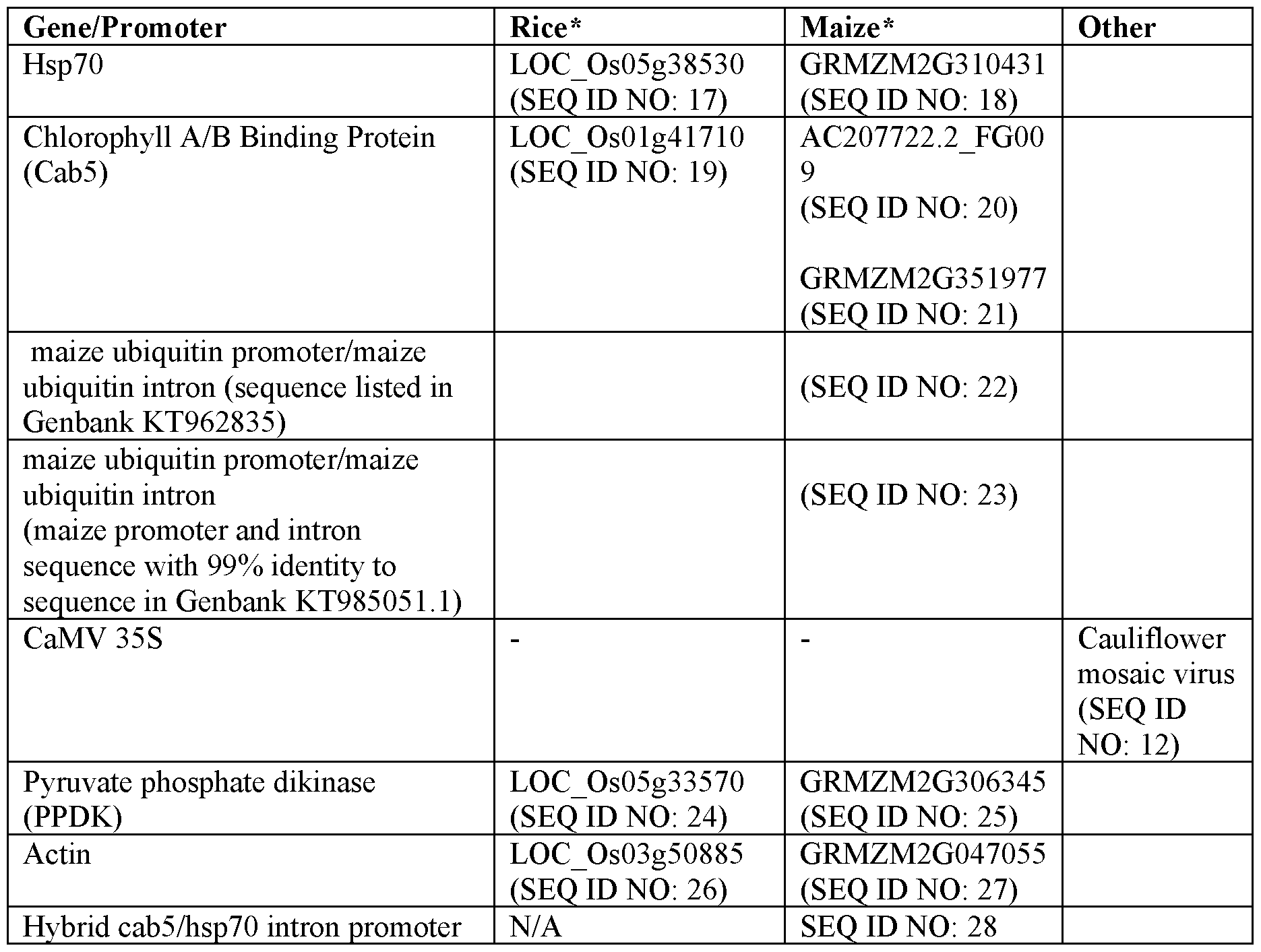


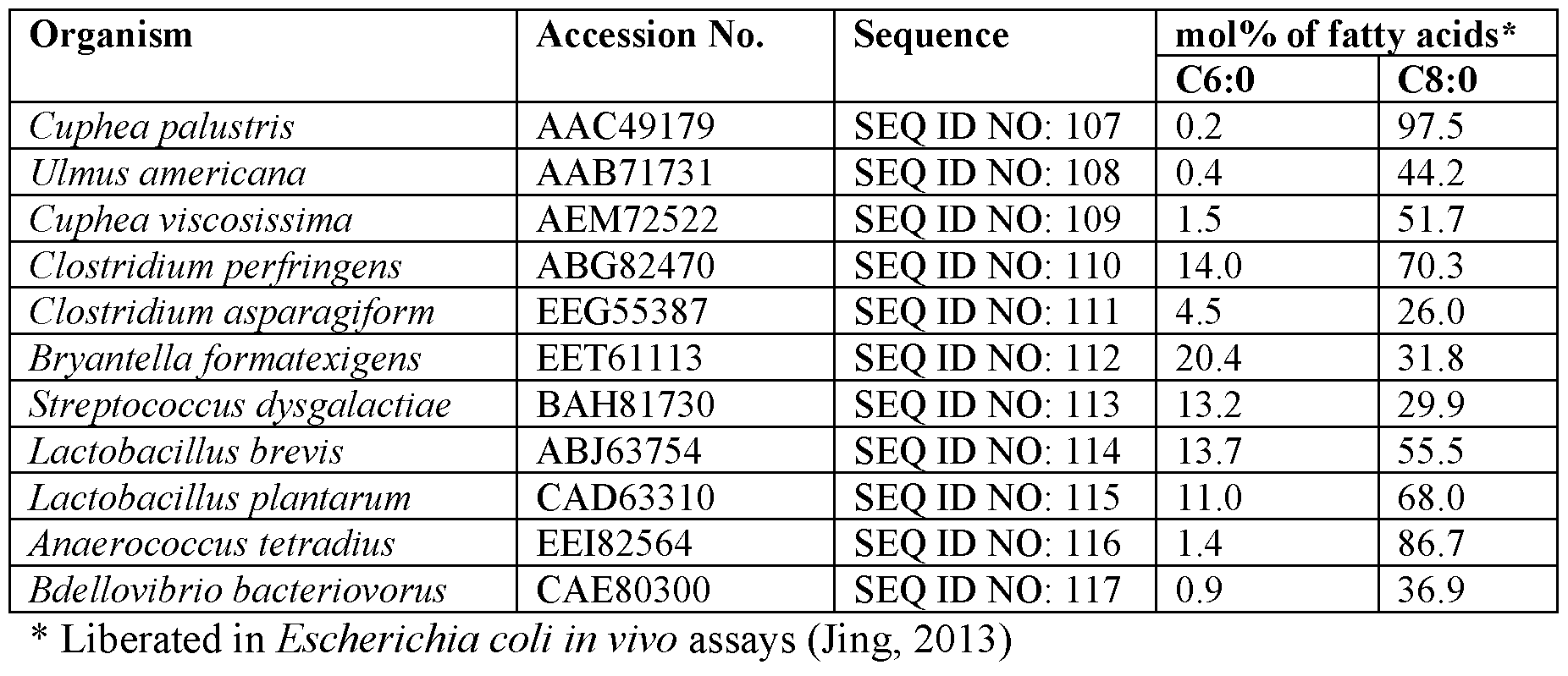


Claims
Priority Applications (4)
| Application Number | Priority Date | Filing Date | Title |
|---|---|---|---|
| CA3141340A CA3141340C (en) | 2019-06-10 | 2020-06-09 | Transgenic land plants that express a polyhydroxyalkanoate synthase seed specifically with cytosolic localization |
| US17/596,110 US12305179B2 (en) | 2019-06-10 | 2020-06-09 | Transgenic land plants that express a polyhydroxyalkanoate synthase seed specifically with cytosolic localization |
| AU2020293986A AU2020293986B2 (en) | 2019-06-10 | 2020-06-09 | Transgenic land plants that express a polyhydroxyalkanoate synthase seed specifically with cytosolic localization |
| EP20822454.3A EP3980546A4 (en) | 2019-06-10 | 2020-06-09 | TRANSGENIC TERRESTRIAL PLANTS EXPRESSING POLYHYDROXYALCANOATE SYNTHASE SEED SPECIFICALLY WITH CYTOSOLIC LOCALIZATION |
Applications Claiming Priority (2)
| Application Number | Priority Date | Filing Date | Title |
|---|---|---|---|
| US201962859244P | 2019-06-10 | 2019-06-10 | |
| US62/859,244 | 2019-06-10 |
Publications (1)
| Publication Number | Publication Date |
|---|---|
| WO2020251932A1 true WO2020251932A1 (en) | 2020-12-17 |
Family
ID=73782093
Family Applications (1)
| Application Number | Title | Priority Date | Filing Date |
|---|---|---|---|
| PCT/US2020/036786 Ceased WO2020251932A1 (en) | 2019-06-10 | 2020-06-09 | Transgenic land plants that express a polyhydroxyalkanoate synthase seed specifically with cytosolic localization |
Country Status (4)
| Country | Link |
|---|---|
| US (1) | US12305179B2 (en) |
| EP (1) | EP3980546A4 (en) |
| AU (1) | AU2020293986B2 (en) |
| WO (1) | WO2020251932A1 (en) |
Cited By (1)
| Publication number | Priority date | Publication date | Assignee | Title |
|---|---|---|---|---|
| CN112712850A (en) * | 2020-12-29 | 2021-04-27 | 中南大学 | Seed sequence positioning method applicable to infectious disease pathogen sequencing read mapping |
Families Citing this family (2)
| Publication number | Priority date | Publication date | Assignee | Title |
|---|---|---|---|---|
| CA3170510A1 (en) * | 2020-02-20 | 2021-08-26 | Yield10 Bioscience, Inc. | Genetically engineered plants that express 6-phosphogluconate dehydratase and/or 2-keto-3-deoxy-6-phosphogluconate aldolase |
| WO2025136960A2 (en) * | 2023-12-18 | 2025-06-26 | Kiverdi, Inc. | Nanocellulose production in microorganisms |
Citations (4)
| Publication number | Priority date | Publication date | Assignee | Title |
|---|---|---|---|---|
| US20030017576A1 (en) * | 2000-11-17 | 2003-01-23 | Stephanie Aquin | Production of medium chain length polyhydroxyalkanoates from fatty acid biosynthetic pathways |
| US20070214517A1 (en) * | 2004-02-13 | 2007-09-13 | Ceres, Inc. | Sequence-determined DNA fragments and corresponding polypeptides encoded thereby |
| JP2010286513A (en) * | 2009-06-09 | 2010-12-24 | Menicon Co Ltd | Care product for ophthalmic lens and method for hydrophilizing resin base material |
| US20120180162A1 (en) * | 2009-09-15 | 2012-07-12 | Metabolix, Inc. | Generation of high polyhydroxybutrate producing oilseeds |
Family Cites Families (8)
| Publication number | Priority date | Publication date | Assignee | Title |
|---|---|---|---|---|
| GB9108756D0 (en) | 1991-04-24 | 1991-06-12 | Ici Plc | Production of polyalkanoate in plants |
| DE4433134A1 (en) | 1994-09-16 | 1996-03-21 | Buck Chem Tech Werke | Process for the preparation of polyhydroxy fatty acids and recombinant bacterial strains for carrying out the process |
| US5849894A (en) | 1995-11-29 | 1998-12-15 | Monsanto Company | Rhodospirillum rubrum poly-β-hydroxyalkanoate synthase |
| US6316262B1 (en) | 1997-09-19 | 2001-11-13 | Metabolix, Inc. | Biological systems for manufacture of polyhydroxyalkanoate polymers containing 4-hydroxyacids |
| US6835820B2 (en) | 1999-01-07 | 2004-12-28 | The University Of Massachusetts | Polyhydroxyalkanoate biosynthesis associated proteins and coding region in bacillus megaterium |
| US20120159672A1 (en) * | 2004-02-06 | 2012-06-21 | Nickolai Alexandrov | Sequence-determined DNA fragments and corresponding polypeptides encoded thereby |
| EP2403949A1 (en) | 2009-03-05 | 2012-01-11 | Metabolix, Inc. | Stable, fertile, high polyhydroxyalkanoate producing plants and methods of producing them |
| WO2014058655A1 (en) * | 2012-10-10 | 2014-04-17 | Metabolix | Polyhydroxyalkanoate copolymer compositions and methods of making the same |
-
2020
- 2020-06-09 WO PCT/US2020/036786 patent/WO2020251932A1/en not_active Ceased
- 2020-06-09 EP EP20822454.3A patent/EP3980546A4/en active Pending
- 2020-06-09 AU AU2020293986A patent/AU2020293986B2/en active Active
- 2020-06-09 US US17/596,110 patent/US12305179B2/en active Active
Patent Citations (4)
| Publication number | Priority date | Publication date | Assignee | Title |
|---|---|---|---|---|
| US20030017576A1 (en) * | 2000-11-17 | 2003-01-23 | Stephanie Aquin | Production of medium chain length polyhydroxyalkanoates from fatty acid biosynthetic pathways |
| US20070214517A1 (en) * | 2004-02-13 | 2007-09-13 | Ceres, Inc. | Sequence-determined DNA fragments and corresponding polypeptides encoded thereby |
| JP2010286513A (en) * | 2009-06-09 | 2010-12-24 | Menicon Co Ltd | Care product for ophthalmic lens and method for hydrophilizing resin base material |
| US20120180162A1 (en) * | 2009-09-15 | 2012-07-12 | Metabolix, Inc. | Generation of high polyhydroxybutrate producing oilseeds |
Non-Patent Citations (2)
| Title |
|---|
| GOU ET AL.: "Cytochrome b5 Is an Obligate Electron Shuttle Protein for Syringyl Lignin Biosynthesis in Arabidopsis", THE PLANT CELL, vol. 31, no. 6, 8 April 2019 (2019-04-08), pages 1344 - 1366, XP055772212 * |
| See also references of EP3980546A4 * |
Cited By (1)
| Publication number | Priority date | Publication date | Assignee | Title |
|---|---|---|---|---|
| CN112712850A (en) * | 2020-12-29 | 2021-04-27 | 中南大学 | Seed sequence positioning method applicable to infectious disease pathogen sequencing read mapping |
Also Published As
| Publication number | Publication date |
|---|---|
| EP3980546A4 (en) | 2023-06-21 |
| CA3141340A1 (en) | 2020-12-17 |
| US20220235365A1 (en) | 2022-07-28 |
| EP3980546A1 (en) | 2022-04-13 |
| AU2020293986B2 (en) | 2026-05-07 |
| AU2020293986A1 (en) | 2022-01-06 |
| US12305179B2 (en) | 2025-05-20 |
Similar Documents
| Publication | Publication Date | Title |
|---|---|---|
| EP2477477A1 (en) | Generation of high polyhydroxybutrate producing oilseeds | |
| US7741530B2 (en) | Multi-gene expression constructs containing modified inteins | |
| US12305179B2 (en) | Transgenic land plants that express a polyhydroxyalkanoate synthase seed specifically with cytosolic localization | |
| AU770120B2 (en) | Plant multi-gene expression constructs | |
| US9796984B2 (en) | Protection against herbivores | |
| US8487159B2 (en) | Production of polyhydroxybutyrate in switchgrass | |
| JP2009291204A (en) | Modification of fatty acid metabolism in plant | |
| CN108699568A (en) | Increased vegetable oil content by altering negative regulators of acetyl-COA carboxylase | |
| US7176349B1 (en) | Production of polyhydroxyalkanoate in plants | |
| AU2015346281A1 (en) | Transgenic plants with engineered redox sensitive modulation of photosynthetic antenna complex pigments and methods for making the same | |
| US20210395763A1 (en) | Improved production of terpenoids using enzymes anchored to lipid droplet surface proteins | |
| US6586658B1 (en) | Modification of fatty acid metabolism in plants | |
| CA3141340C (en) | Transgenic land plants that express a polyhydroxyalkanoate synthase seed specifically with cytosolic localization | |
| WO2000011199A1 (en) | COMPOSITIONS AND METHODS FOR ALTERING AN ACETYL-CoA METABOLIC PATHWAY OF A PLANT | |
| CA2754261A1 (en) | Stable, fertile, high polyhydroxyalkanoate producing plants and methods of producing them | |
| US7341856B2 (en) | Production of polyhydroxyalkanoate in plants | |
| AU2010295638B2 (en) | Generation of high polyhydroxybutrate producing oilseeds | |
| JP2013141421A (en) | Plant having increased content of aromatic amino acid and method for producing the same | |
| KR102737752B1 (en) | WRI1 gene derived from Perilla frutescens increasing TAG content of plant and uses thereof | |
| Ruhlman et al. | Plastid pathways | |
| US20050097636A1 (en) | OAR polynucleotides, polypeptides and their use in PHA production in plants | |
| WO2023076901A2 (en) | Heterodimeric benzaldehyde synthase, methods of producing, and uses thereof | |
| AU2021224206A1 (en) | Genetically engineered plants that express 6-phosphogluconate dehydratase and/or 2-keto-3-deoxy-6-phosphogluconate aldolase |
Legal Events
| Date | Code | Title | Description |
|---|---|---|---|
| 121 | Ep: the epo has been informed by wipo that ep was designated in this application |
Ref document number: 20822454 Country of ref document: EP Kind code of ref document: A1 |
|
| ENP | Entry into the national phase |
Ref document number: 3141340 Country of ref document: CA |
|
| NENP | Non-entry into the national phase |
Ref country code: DE |
|
| ENP | Entry into the national phase |
Ref document number: 2020293986 Country of ref document: AU Date of ref document: 20200609 Kind code of ref document: A |
|
| ENP | Entry into the national phase |
Ref document number: 2020822454 Country of ref document: EP Effective date: 20220110 |
|
| WWG | Wipo information: grant in national office |
Ref document number: 17596110 Country of ref document: US |