WO2021003456A1 - Arthrospira platensis non-parenteral therapeutic delivery platform - Google Patents
Arthrospira platensis non-parenteral therapeutic delivery platform Download PDFInfo
- Publication number
- WO2021003456A1 WO2021003456A1 PCT/US2020/040794 US2020040794W WO2021003456A1 WO 2021003456 A1 WO2021003456 A1 WO 2021003456A1 US 2020040794 W US2020040794 W US 2020040794W WO 2021003456 A1 WO2021003456 A1 WO 2021003456A1
- Authority
- WO
- WIPO (PCT)
- Prior art keywords
- spirulina
- vhh
- virus
- recombinant
- spp
- Prior art date
- Legal status (The legal status is an assumption and is not a legal conclusion. Google has not performed a legal analysis and makes no representation as to the accuracy of the status listed.)
- Ceased
Links
Classifications
-
- C—CHEMISTRY; METALLURGY
- C12—BIOCHEMISTRY; BEER; SPIRITS; WINE; VINEGAR; MICROBIOLOGY; ENZYMOLOGY; MUTATION OR GENETIC ENGINEERING
- C12N—MICROORGANISMS OR ENZYMES; COMPOSITIONS THEREOF; PROPAGATING, PRESERVING, OR MAINTAINING MICROORGANISMS; MUTATION OR GENETIC ENGINEERING; CULTURE MEDIA
- C12N1/00—Microorganisms; Compositions thereof; Processes of propagating, maintaining or preserving microorganisms or compositions thereof; Processes of preparing or isolating a composition containing a microorganism; Culture media therefor
- C12N1/20—Bacteria; Culture media therefor
-
- A—HUMAN NECESSITIES
- A61—MEDICAL OR VETERINARY SCIENCE; HYGIENE
- A61K—PREPARATIONS FOR MEDICAL, DENTAL OR TOILETRY PURPOSES
- A61K35/00—Medicinal preparations containing materials or reaction products thereof with undetermined constitution
- A61K35/66—Microorganisms or materials therefrom
- A61K35/74—Bacteria
- A61K35/741—Probiotics
- A61K35/742—Spore-forming bacteria, e.g. Bacillus coagulans, Bacillus subtilis, clostridium or Lactobacillus sporogenes
-
- A—HUMAN NECESSITIES
- A61—MEDICAL OR VETERINARY SCIENCE; HYGIENE
- A61K—PREPARATIONS FOR MEDICAL, DENTAL OR TOILETRY PURPOSES
- A61K35/00—Medicinal preparations containing materials or reaction products thereof with undetermined constitution
- A61K35/66—Microorganisms or materials therefrom
- A61K35/74—Bacteria
- A61K35/748—Cyanobacteria, i.e. blue-green bacteria or blue-green algae, e.g. spirulina
-
- A—HUMAN NECESSITIES
- A61—MEDICAL OR VETERINARY SCIENCE; HYGIENE
- A61K—PREPARATIONS FOR MEDICAL, DENTAL OR TOILETRY PURPOSES
- A61K39/00—Medicinal preparations containing antigens or antibodies
- A61K39/002—Protozoa antigens
- A61K39/015—Hemosporidia antigens, e.g. Plasmodium antigens
-
- A—HUMAN NECESSITIES
- A61—MEDICAL OR VETERINARY SCIENCE; HYGIENE
- A61P—SPECIFIC THERAPEUTIC ACTIVITY OF CHEMICAL COMPOUNDS OR MEDICINAL PREPARATIONS
- A61P31/00—Antiinfectives, i.e. antibiotics, antiseptics, chemotherapeutics
- A61P31/04—Antibacterial agents
-
- C—CHEMISTRY; METALLURGY
- C07—ORGANIC CHEMISTRY
- C07K—PEPTIDES
- C07K16/00—Immunoglobulins [IG], e.g. monoclonal or polyclonal antibodies
- C07K16/08—Immunoglobulins [IG], e.g. monoclonal or polyclonal antibodies against material from viruses
- C07K16/10—RNA viruses
-
- C—CHEMISTRY; METALLURGY
- C07—ORGANIC CHEMISTRY
- C07K—PEPTIDES
- C07K16/00—Immunoglobulins [IG], e.g. monoclonal or polyclonal antibodies
- C07K16/08—Immunoglobulins [IG], e.g. monoclonal or polyclonal antibodies against material from viruses
- C07K16/10—RNA viruses
- C07K16/102—Coronaviridae (F)
- C07K16/104—Severe acute respiratory syndrome coronavirus 2 [SARS‐CoV‐2]
-
- C—CHEMISTRY; METALLURGY
- C07—ORGANIC CHEMISTRY
- C07K—PEPTIDES
- C07K16/00—Immunoglobulins [IG], e.g. monoclonal or polyclonal antibodies
- C07K16/12—Immunoglobulins [IG], e.g. monoclonal or polyclonal antibodies against material from bacteria
- C07K16/1203—Gram-negative bacteria
- C07K16/121—Helicobacter (G); Campylobacter (G)
-
- C—CHEMISTRY; METALLURGY
- C07—ORGANIC CHEMISTRY
- C07K—PEPTIDES
- C07K16/00—Immunoglobulins [IG], e.g. monoclonal or polyclonal antibodies
- C07K16/12—Immunoglobulins [IG], e.g. monoclonal or polyclonal antibodies against material from bacteria
- C07K16/1267—Gram-positive bacteria
- C07K16/1282—Clostridium (G)
-
- C—CHEMISTRY; METALLURGY
- C12—BIOCHEMISTRY; BEER; SPIRITS; WINE; VINEGAR; MICROBIOLOGY; ENZYMOLOGY; MUTATION OR GENETIC ENGINEERING
- C12N—MICROORGANISMS OR ENZYMES; COMPOSITIONS THEREOF; PROPAGATING, PRESERVING, OR MAINTAINING MICROORGANISMS; MUTATION OR GENETIC ENGINEERING; CULTURE MEDIA
- C12N1/00—Microorganisms; Compositions thereof; Processes of propagating, maintaining or preserving microorganisms or compositions thereof; Processes of preparing or isolating a composition containing a microorganism; Culture media therefor
- C12N1/12—Unicellular algae; Culture media therefor
- C12N1/125—Unicellular algae isolates
-
- C—CHEMISTRY; METALLURGY
- C12—BIOCHEMISTRY; BEER; SPIRITS; WINE; VINEGAR; MICROBIOLOGY; ENZYMOLOGY; MUTATION OR GENETIC ENGINEERING
- C12N—MICROORGANISMS OR ENZYMES; COMPOSITIONS THEREOF; PROPAGATING, PRESERVING, OR MAINTAINING MICROORGANISMS; MUTATION OR GENETIC ENGINEERING; CULTURE MEDIA
- C12N1/00—Microorganisms; Compositions thereof; Processes of propagating, maintaining or preserving microorganisms or compositions thereof; Processes of preparing or isolating a composition containing a microorganism; Culture media therefor
- C12N1/20—Bacteria; Culture media therefor
- C12N1/205—Bacterial isolates
-
- A—HUMAN NECESSITIES
- A61—MEDICAL OR VETERINARY SCIENCE; HYGIENE
- A61K—PREPARATIONS FOR MEDICAL, DENTAL OR TOILETRY PURPOSES
- A61K39/00—Medicinal preparations containing antigens or antibodies
- A61K2039/505—Medicinal preparations containing antigens or antibodies comprising antibodies
-
- A—HUMAN NECESSITIES
- A61—MEDICAL OR VETERINARY SCIENCE; HYGIENE
- A61K—PREPARATIONS FOR MEDICAL, DENTAL OR TOILETRY PURPOSES
- A61K39/00—Medicinal preparations containing antigens or antibodies
- A61K2039/505—Medicinal preparations containing antigens or antibodies comprising antibodies
- A61K2039/507—Comprising a combination of two or more separate antibodies
-
- A—HUMAN NECESSITIES
- A61—MEDICAL OR VETERINARY SCIENCE; HYGIENE
- A61K—PREPARATIONS FOR MEDICAL, DENTAL OR TOILETRY PURPOSES
- A61K39/00—Medicinal preparations containing antigens or antibodies
- A61K2039/51—Medicinal preparations containing antigens or antibodies comprising whole cells, viruses or DNA/RNA
- A61K2039/517—Plant cells
-
- A—HUMAN NECESSITIES
- A61—MEDICAL OR VETERINARY SCIENCE; HYGIENE
- A61K—PREPARATIONS FOR MEDICAL, DENTAL OR TOILETRY PURPOSES
- A61K39/00—Medicinal preparations containing antigens or antibodies
- A61K2039/51—Medicinal preparations containing antigens or antibodies comprising whole cells, viruses or DNA/RNA
- A61K2039/52—Bacterial cells; Fungal cells; Protozoal cells
- A61K2039/523—Bacterial cells; Fungal cells; Protozoal cells expressing foreign proteins
-
- A—HUMAN NECESSITIES
- A61—MEDICAL OR VETERINARY SCIENCE; HYGIENE
- A61K—PREPARATIONS FOR MEDICAL, DENTAL OR TOILETRY PURPOSES
- A61K39/00—Medicinal preparations containing antigens or antibodies
- A61K2039/54—Medicinal preparations containing antigens or antibodies characterised by the route of administration
- A61K2039/541—Mucosal route
- A61K2039/542—Mucosal route oral/gastrointestinal
-
- A—HUMAN NECESSITIES
- A61—MEDICAL OR VETERINARY SCIENCE; HYGIENE
- A61K—PREPARATIONS FOR MEDICAL, DENTAL OR TOILETRY PURPOSES
- A61K39/00—Medicinal preparations containing antigens or antibodies
- A61K2039/54—Medicinal preparations containing antigens or antibodies characterised by the route of administration
- A61K2039/541—Mucosal route
- A61K2039/543—Mucosal route intranasal
-
- C—CHEMISTRY; METALLURGY
- C07—ORGANIC CHEMISTRY
- C07K—PEPTIDES
- C07K2317/00—Immunoglobulins specific features
- C07K2317/20—Immunoglobulins specific features characterized by taxonomic origin
- C07K2317/22—Immunoglobulins specific features characterized by taxonomic origin from camelids, e.g. camel, llama or dromedary
-
- C—CHEMISTRY; METALLURGY
- C07—ORGANIC CHEMISTRY
- C07K—PEPTIDES
- C07K2317/00—Immunoglobulins specific features
- C07K2317/50—Immunoglobulins specific features characterized by immunoglobulin fragments
- C07K2317/56—Immunoglobulins specific features characterized by immunoglobulin fragments variable (Fv) region, i.e. VH and/or VL
- C07K2317/569—Single domain, e.g. dAb, sdAb, VHH, VNAR or nanobody®
-
- C—CHEMISTRY; METALLURGY
- C07—ORGANIC CHEMISTRY
- C07K—PEPTIDES
- C07K2317/00—Immunoglobulins specific features
- C07K2317/60—Immunoglobulins specific features characterized by non-natural combinations of immunoglobulin fragments
- C07K2317/62—Immunoglobulins specific features characterized by non-natural combinations of immunoglobulin fragments comprising only variable region components
-
- C—CHEMISTRY; METALLURGY
- C07—ORGANIC CHEMISTRY
- C07K—PEPTIDES
- C07K2317/00—Immunoglobulins specific features
- C07K2317/90—Immunoglobulins specific features characterized by (pharmaco)kinetic aspects or by stability of the immunoglobulin
- C07K2317/92—Affinity (KD), association rate (Ka), dissociation rate (Kd) or EC50 value
-
- C—CHEMISTRY; METALLURGY
- C07—ORGANIC CHEMISTRY
- C07K—PEPTIDES
- C07K2317/00—Immunoglobulins specific features
- C07K2317/90—Immunoglobulins specific features characterized by (pharmaco)kinetic aspects or by stability of the immunoglobulin
- C07K2317/94—Stability, e.g. half-life, pH, temperature or enzyme-resistance
-
- Y—GENERAL TAGGING OF NEW TECHNOLOGICAL DEVELOPMENTS; GENERAL TAGGING OF CROSS-SECTIONAL TECHNOLOGIES SPANNING OVER SEVERAL SECTIONS OF THE IPC; TECHNICAL SUBJECTS COVERED BY FORMER USPC CROSS-REFERENCE ART COLLECTIONS [XRACs] AND DIGESTS
- Y02—TECHNOLOGIES OR APPLICATIONS FOR MITIGATION OR ADAPTATION AGAINST CLIMATE CHANGE
- Y02A—TECHNOLOGIES FOR ADAPTATION TO CLIMATE CHANGE
- Y02A50/00—TECHNOLOGIES FOR ADAPTATION TO CLIMATE CHANGE in human health protection, e.g. against extreme weather
- Y02A50/30—Against vector-borne diseases, e.g. mosquito-borne, fly-borne, tick-borne or waterborne diseases whose impact is exacerbated by climate change
Definitions
- the disclosure is directed to non-parenteral therapeutic compositions.
- the disclosure provides oral, nasal, and respiratory (inhalation) compositions comprising recombinant Spirulina, wherein the recombinant Spirulim comprises one or more exogenous therapeutics.
- Non-parenteral administration of therapeutics is a convenient, portable, and inexpensive mode of administration.
- Nasal and oral administration of therapeutics is commonly practices, however, oral therapeutics are exposed to harsh conditions in the digestive tract and may be degraded before they can exert their effect. Further, these therapeutics are expensive to make and require purification of the therapeutic along with the development of compositions that will protect the oral therapeutics from the digestive enzymes and low pH the therapeutic is subjected to after administration. More cost-effective and stable compositions are required for non-parenteral administration.
- Spirulina is a cyanobacterium that can last in the digestive, nasal and respiratory tract, thus protecting the encapsulated therapeutic until the Spirulina reaches its destination (e.g. in the gastrointestinal tract).
- Spirulina are easily cultivated and harvested, grows rapidly, can be dried to avoid spoilage, and can be consumed raw. Indeed, Spirulina is approved for human consumption and is commonly consumed as a supplement.
- compositions comprising a recombinant Spirulina, wherein the recombinant Spirulina comprises at least one exogenous therapeutic, prophylactic molecule or combinations of two or more exogenous therapeutics or prophylactic molecules.
- the exogenous therapeutic may be a compound produced by microorganisms or plants.
- the exogenous therapeutic may be anti-microbial compound or a polypeptide.
- the exogenous therapeutic or prophylactic molecule is a VHH and/or a lysin.
- the present disclosure provides non-parenterally delivered compositions comprising a recombinant Spirulina, wherein the recombinant Spirulina comprises at least one therapeutic or prophylactic molecule, or a combination of two or more therapeutics or prophylactic molecules.
- the therapeutic or prophylactic molecule is delivered to the gastrointestinal tract.
- the therapeutic or prophylactic molecule is delivered nasally.
- the therapeutic or prophylactic molecule is delivered by respiration (inhalation).
- the therapeutic or prophylactic molecule is delivered systemically.
- the therapeutic or prophylactic molecule is delivered locally.
- the therapeutic or prophylactic molecule is or combination of two or more therapeutics or prophylactic molecules are endogenous Spirulina molecule.
- the endogenous Spirulina molecule is found in higher concentrations than found in naturally-occurring Spirulina.
- the therapeutic or prophylactic molecule or combination of two or more therapeutics or prophylactic molecules are exogenous to Spriulina.
- the exogenous molecule is produced by a different bacteria, parasite, protozoa, virus, phage, algae, animal, or plant.
- the combination contains two or more therapeutic or prophylactic molecules that are endogenous to Spirulina. In some embodiments, the combination contains two or more therapeutic or prophylactic molecules that are exogenous to Spirulina. In some embodiments, the combination contains two or more therapeutic or prophylactic molecules that are a mixture of endogenous and exogenous to Spriulina. In some embodiments, the combination contains two or mote therapeutic or prophylactic molecules, where at least one of the therapeutic or prophylactic molecules is present in greater copy numbers (e.g. two times, three times, four times, five times, or more) than another therapeutic or prophylactic molecule present in the combination.
- the exogenous molecule is a polypeptide or a fragment thereof.
- the exogenous polypeptide is an antibody or fragment thereof.
- the antibody or fragment thereof is selected from the group consisting: of full length antibody, a monospecific antibody, a bispecific antibody, a trispecific antibody, an antigen-binding region, heavy chain, light chain, VHH, VH, VL, a CDR, a variable domain, scFv, Fc, Fv, Fab, F(ab) 2 , reduced IgG (rlgG), monospecific Fab 2 , bispecific Fabz, trispecific Fabs, diabody, bispecific diabody, trispecific triabody, minibody, nanobody, IgNAR, V-NAR, HcIgG, or a combination thereof.
- the exogenous polypeptide is selected from the group consisting of: insulin, C-peptide, amylin, interferon, a hormone, a receptor, a receptor agonist, a receptor antagonist, an incretin, GLP-1, glucose-dependent insulinotropic peptide (GIP), an immunomodulatory, an immunosuppressor, a peptide chemotherapeutic, an anti-microbial peptide, magainin, NRc-3, NRC-7, buforin lIb, BR2, p16, Tat, TNFalpha, and chlorotoxin.
- the exogenous polypeptide is an antigen or epitope.
- the antigen or epitope is derived from an infectious microorganism, a tumor antigen or a self-antigen associated with an autoimmune disease.
- the exogenous polypeptide is a catalytic enzyme or fragment thereof, such as a lysin, that cleaves the cell wall.
- the recombinant Spirulina contains a combination of one or more different antibodies or antibody fragments. In some embodiments, the recombinant Spirulina contains a combination of one or more different VHHs. In some embodiments, the recombinant Spirulina contains a combination of one or more different antibodies or antibody fragments and one or more polypeptides. In some embodiments, the recombinant Spirulina contains a combination of one or more different VHHs and one or more polypeptides. In some embodiments, the recombinant Spirulina contains a combination of one or more different VHHs and one or more lysin polypeptides.
- administration of the recombinant Spirulina to a subject prevents, treats or ameliorates a disease or disorder.
- the disease or disorder is selected from the group consisting of: Celiac Disease, Type 1 diabetes. Type 2 diabetes, cancer, an inflammatory disorder, a gastrointestinal disease, an autoimmune disease or disorder, an endocrine disorder, gastroesophageal reflux disease (GERD), ulcers, high cholesterol, inflammatory bowel disorder, irritable bowel syndrome, crohn’s disease, ulcerative colitis, constipation, vitamin deficiency, iron deficiency, and diarrhea.
- administration of the recombinant Spirulina to a subject treats, prevents, or ameliorates an infection.
- the infection results in disorders such as acute respiratory distress syndrome (ARDS), pneumonia, pericarditis, stroke, and COVID-19.
- ARDS acute respiratory distress syndrome
- the infection is bacterial, vital, fungal, or parasitical.
- the bacteria causing the infection is selected from the group consisting of: E. coli, Enterotoxigenic E. coli (ETEC), Shigella, Mycobacterium, Streptococcus, Staphylococcus, Shigella, Campylobacter, Salmonella, Clostridium, Corynebacterium, Pseudomonas, Neisseria, Listeria, Vibrio, Bordetella, Helicobacter, Anthrax, . Enterohemmorrhagic E. coli (EHEC), Enteroaggregative E. coli (EAEC), and Legionella.
- ETEC Enterotoxigenic E. coli
- Shigella Mycobacterium
- Streptococcus Staphylococcus
- Shigella Campylobacter
- Salmonella Clostridium
- Corynebacterium Pseudomonas
- Neisseria Listeria
- Vibrio Vibrio
- the virus causing the infection is selected from the group consisting of: bacteriophage, RNA bacteriophage (e.g. MS2, AP205, PP7 and Qb), , Coronavirus, Infectious Haematopoietic Necrosis Virus, Parvovirus, Herpes Simplex Virus, Hepatitis A virus, Hepatitis B virus, Hepatitis C virus, Measles virus, Mumps virus, Rubella virus, HTV, Influenza virus, Rhinovirus, Rotavirus A, Rotavirus B, Rotavirus C, Respiratory Syncytial Virus (RSV), Varicella zoster, Poliovirus, Norovirus, Zika Virus, Denge Virus, Rabies Virus, Newcastle Disease Virus, White Spot Syndrome Virus, a coronavirus, MERS, SARS, and SARS-CoV-2.
- bacteriophage e.g. MS2, AP205, PP7 and Qb
- Coronavirus e.g. MS
- the fungus causing the infection is selected from the group consisting of: Aspergillus, Candida, Blastomyces, Coccidioides, Cryptococats, and Histoplasma.
- the parasite causing the infection is selected from the group consisting of: Plasmodium, P. falciparum, P. malariae, P. ovale, P. vivax , Trypanosoma, Toxoplasma, Giardia, Leishmania Cryptosporidium, helminthic parasites: Trichuris spp., Enterobius spp., Ascaris spp., Ancylostoma spp. and Necatro spp., Strongyloides spp., Dracunculus spp. . Onchocerca spp. and Wuchereria spp., Taenia spp., Echinococcus spp.. and Diphyllobothrium spp., Fasciola spp., and Schistosoma spp..
- the exogenous polypeptide or a fragment thereof is in a fusion protein.
- the recombinant Spirulina comprises a nucleic acid encoding the exogenous polypeptide or fragment thereof. In some embodiments, at least 2, at least 3, at least 4, or at least 5 copies of a nucleic acid sequence encoding the at least one exogenous polypeptide or fragment thereof are present in the recombinant Spirulina. In some embodiments, 2, 3, 4, 5, 6, 8, 10, 15, 20, 25, 30, 40, or 50 copies of a nucleic acid sequence encoding the at least one exogenous polypeptide or fragment thereof are present in the recombinant Spirulina. In some embodiments, at least 2, at least 3, at least 4, or at least 5 copies of the at least one exogenous polypeptide or fragment thereof are present in a single molecule of the exogenous polypeptide expressed in the recombinant Spirulina.
- 2, 3, 4, 5, 6, 8, 10, 15, 20, 25, 30, 40, or 50 copies of the at least one exogenous polypeptide or fragment thereof are present in a single molecule of the exogenous polypeptide expressed in the recombinant Spirulina.
- the copies of the exogenous polypeptide are linked in tandem.
- the copies of the exogenous polypeptide or fragment thereof are separated by a spacer sequence.
- the recombinant Spirulina comprises at least 2, at least 3, at least 4, or at least 5 different exogenous polypeptides or fragments thereof.
- the fusion protein comprises a carrier or a chaperone protein.
- the carrier protein is selected from the group consisting of: maltose binding protein, hedgehog hepatitis virus-like particle, thiorcdoxin, and phycocyanin.
- the fusion protein comprises a scaffold protein.
- the at least one exogenous polypeptide is linked to a scaffold protein at the N-terminus or the C-terminus, or in the body of the scaffold protein.
- the scaffold protein is selected from the oligomerization domain of C4b-binding protein (C4BP), cholera toxin b subunit, or oligomerization domains of extracellular matrix proteins.
- C4BP C4b-binding protein
- the at least one exogenous polypeptide and the scaffold protein are separated by about 1 to about 50 amino adds.
- the fusion protein comprises multiple copies of the at least one exogenous polypeptide or fragment thereof, wherein the at least one exogenous polypeptide or fragment thereof and the scaffold protein are arranged in any one of the following patterns: (E)n-(SP), (SP)-(E)n, (SP)-(E)n-(SP), (E)nl-(SP)-(E)n2, (SP)-(E)nl-(SP)-(E)n2, and (SP)- (E)nl-(SP)-(E)n2-(SP), wherein E is the at least one exogenous polypeptide or fragment thereof, SP is the scaffold protein, n, nl , and n2 represent the number of copies of the at least one exogenous polypeptide or fragment thereof.
- the recombinant Spirulina comprises an anti-Campylobacter VHH.
- the Campylobacter is a C. jejuni.
- the VHH binds to a Campylobacter component.
- the VHH binds flagellin.
- administration increases Campylobacter shedding.
- administration reduces the levels of biomarkers.
- the biomarker is an inflammation biomarker.
- the recombinant Spirulina comprises a VHH that binds to an anti-Clostridium toxin.
- the Clostridium is C. difficile.
- the VHH binds to a Clostridium component, toxin A, or toxin B or both.
- the VHH comprises the amino acid sequence of any of SEQ ID NO:s 5-17 or fragment thereof.
- the recombinant Spirulina comprises a VHH that binds to a norovirus P domain.
- the VHH comprises the amino acid sequence of any of SEQ ID NOs: 40-79 or a fragment thereof.
- the recombinant Spirulina comprises a VHH that binds to a malaria polypeptide.
- the recombinant Spirulina comprises a malaria antigen.
- the malaria antigen is Circumsporozoite protein (CSP).
- the malaria antigen comprises at least one NANP repeat.
- the recombinant Spirulina comprises a nucleotide sequence encoding a malaria antigen.
- the recombinant Spirulina comprises an amino acid sequence comprising a malaria antigen.
- the recombinant Spirulina comprises the molecules of any of SEQ ID NOs: 26-31. In some embodiments, the recombinant Spirulina comprising a malaria antigen or VHH is administered intranasally. In some embodiments, the extract of a recombinant Spirulina comprising a malaria antigen or VHH is administered intranasally.
- the therapeutic or prophylactic molecule is monomeric.
- the therapeutic or prophylactic molecule is multimeric.
- the therapeutic or prophylactic molecule is trimeric. In some embodiments, the therapeutic or prophylactic molecule is pentameric. In some embodiments, the therapeutic or prophylactic molecule is heptameric. In some embodiments, the multimer is heteromeric. In some embodiments, the multimer is homomeric. In some embodiments, the multimer is arranged in a nanoparticle. In some embodiments, the multimer binds to a target or target molecule at a high affinity. In some embodiments, the multimer binding affinity is greater than that of a monomer or a dimer.
- the multimer has an EC 50 of over 5 mg/mL. In some embodiments, the multimer has an EC 50 of over 10 mg/mL. In some embodiments, the multimer has an EC 50 of about 5 mg/mL to about 40 mg/mL. In some embodiments, the multimer has an EC 50 of between about 0.10 to about 100 nM. In some embodiments, the multimer has an EC 50 of between about 0.2 nM to about 55 nM.
- the multimer binding affinity is greater than that of a multimer comprising fewer copies of the exogenous therapeutic or fewer copies of combinations of exogenous therapeutics
- administration of Spirulina comprising multimeric exogenous therapeutics results in a smaller dose of Spirulina for efficacy than administration of a Spirulina comprising a monomer of the same exogenous therapeutic.
- the recombinant Spirulina is selected from the group consisting of: A. amethystine, A. ardissonei, A. argentina, A. balkrishnanii, A. baryana, A. boryana, A. braunii, A. breviarticulata, A. brevis, A. curia, A. desikacharyiensis, A. funiformis, A. fusifbrmis, A. ghannae, A. gigantean, A. gomontiana, A. gomontiana var. crassa, A. indica, A. jenneri var. platensis, A.
- jenneri Stizenberger A. jenneri f. purpurea, A. joshii, A. khannae, A. laxa, A. laxissima, A. laxissima, A. leopoliensis, A. major, A. margaritae, A. massartii, A. massartii var. indica, A. maxima, A. meneghiniana, A. miniata var. constricta, A. miniata, A. miniata f. acutissima, A. neapolitana, A. nordstedtii, A. oceanica, A. okensis, A. pellucida, A.
- the recombinant Spirulina is non-living. In some embodiments, the recombinant Spirulina is dried, spray dried, freeze-dried, or lyophilized.
- the non-parcnteral compositions comprise a pharmaceutically acceptable excipient.
- the composition survives in the gastrointestinal tract or a simulated stomach environment. In some embodiments, the composition survives in the gastrointestinal tract or a simulated stomach environment for at least 5 minutes. In some embodiments, the composition survives in the gastrointestinal tract or a simulated stomach environment overnight.
- the composition survives in the nasal cavity. In some embodiments, the composition survives in the upper respiratory tract. In some embodiments, the composition survives in the airway. In some embodiments, the composition survives in the nasal cavity, upper respiratory tract and/or the airway for at least 5 minutes. In some embodiments, the composition survives in the nasal cavity, upper respiratory tract and/or the airway overnight.
- the present disclosure provides method of treating or preventing a disease or disorder in a subject in need thereof, comprising administering to the subject the non-parenterally delivered composition of the disclosure.
- administration of the non-parenterally delivered composition decreases or prevents development of Campylobacter symptoms.
- administration of the delivered composition decreases or prevents the development of inflammation in the subject.
- the present disclosure provides methods of treating or preventing a C. difficile infection comprising administering to a subject the non-parenterally delivered composition of the instant disclosure.
- administration of the non-parenterally delivered composition decreases or prevents development of C. difficile symptoms.
- the present disclosure provides methods of treating or preventing a malaria infection comprising administering the compositions of the instant disclosure via inhalation or intranasally.
- inhaled or instranasal administration of the composition decreases or prevents development of malaria symptoms.
- the present disclosure provides methods of treating or preventing a coronavirus infection comprising administering the compositions of the instant disclosure via inhalation or intranasally.
- inhaled or instranasal administration of the composition decreases or prevents development of coronavirus symptoms.
- the present disclosure provides methods of treating or preventing a malaria infection comprising administering to a subject the non-parenterally delivered composition of the instant disclosure.
- administration of the non-parenterally delivered composition decreases or prevents development of malaria symptoms.
- the present disclosure provides methods of treating or preventing a coronavirus (e.g. SARS, SARS-CoV-2) infection comprising administering to a subject the non-parenterally delivered composition of the instant disclosure.
- administration of the non-parenterally delivered composition decreases or prevents development of coronavirus infection symptoms (e.g. ARDS, inflammation).
- provided herein are methods of making the non-parenteral compositions described herein, the method comprising introducing at least one exogenous therapeutic into a Spirulina.
- kits for making the non-parenteral compositions described herein comprising introducing a nucleic acid sequence encoding the at least one exogenous therapeutic into a Spirulina.
- non-parenteral antigenic compositions comprising a recombinant Spirulina, wherein the recombinant Spirulina comprises at least one exogenous antigenic epitope, wherein a nucleic acid sequence encoding the at least one exogenous antigenic epitope is integrated into the Spirulina via homologous recombination.
- non-parenteral antigenic compositions prepared by a method comprising: introducing a nucleic acid sequence encoding at least one exogenous antigenic epitope into a Spirulina and integrating the nucleic acid sequence into the Spirulina via homologous recombination.
- Fig. 1A-B shows oral Spirulina monomeric anti-campylobacter VHH provides complete protection against Campylobacter infection in mice.
- Administration of an oral gavage containing 10% Spirulina biomass (425 pg of the monomeric VHH per dose) daily for five days stops incidence of diarrhea in Campylobacter-infected mice (Panel A) and decreases Campylobacter shedding (Panel B) compared to controls.
- Fig. 2A-B demonstrates Spirulina expressing trimeiic anti-campylobacter VHH have an anti-inflammatory effect in Campylobacter-infected mice.
- Fig. 3A-B Weight changes and histology scores for mice pretreated with spirulina and infected with C. jejuni. Mice were pretreated with one dose (left) or three doses (right) of spirulina.
- Figure 3 A Mice were infected with 10 8 CFU C. jejuni at time 0, and treated with PBS (infected), spirulina strain SP651 (anti-C. jejuni), or SP257 (irrelevant VHH). Body weight variation represents weight change 72 hours post-infection.
- Figure 3 B Caeca from animals were examined and scored for histopathology at 72 hours post-infection.
- Fig. 4A-C Weight changes and pathogen shedding in mice pretreated with a single dose of spirulina and infected with C. jejuni. Mice were pretreated with 1.33 mg of spirulina, inoculated with 10 8 CFU C. jejuni at time 0, and treated with PBS (infected), spirulina SP651 (anti-C. jejuni VHH), or SP257 (irrelevant VHH).
- Figure 4A body weight variation at 72 hours post-infection.
- Figure 4B pathogen shedding at 24 and 72 hours post infection.
- Fig. 5A-B Weight changes and pathogen shedding in mice pretreated with a protease- resistant VHH variant in spirulina and infected with C. jejuni. Miie were pretreated with a single dose of varying concentration of spirulina-VHH, and infected with 10 8 CFU of C. jejuni. Each row of data represents a different treatment strain (SP526, SP806, or SP651).
- Figure 5A body weight changes at 72 hours post-infection.
- Figure 5B pathogen shedding at 24 and 72 hours post infection.
- White circles represent uninfected control mice. Mice treated with SP526 and SP806 were treated concurrently and therefore used the same uninfected and infected control groups.
- Fig. 6 Inflammatory markers and lamina limbal leukocyte infiltration in mice pretreated with spirulina and infected with C. jejuni. Mice were pretreated with a single dose of varying concentrations of spirulina-VHH and infected with 10 8 CFU of C. jejuni. Each row of data represents a different treatment strain (SP526, SP806, or SP651). A), stool lipocalin-2 (LCN2) levels 72 hours post-infection. B), Grl+, CDllb+ myeloid cells infiltrating lamina limba (% PMNs) were identified by FACS. White circles represent uninfected control mice. Mice treated with SP526 and SP806 were treated concurrently and therefore used the same uninfected and infected control groups.
- Fig. 7 SP1182 construct both as schematic and ribbon structure.
- Fig. 8 Sequence of SP 1 182 construct.
- the VHH binds to the flagellin protein flaA from C. jejuni.
- the CDR1, CDR2, and CDR3 are noted above the corresponding segment of the VHH sequence.
- Mass spectrometry data of the intact protein indicates that the N-terminal methionine is removed.
- the maltose binding protein serves to increase expression levels and solubility of the fused VHH, while the hexahistidine tae serves as an affinity tag for detection reagents.
- Two short flexible linkers, a G-G and a G-S-G bridge the VHH and MBP and the MBP and hexahistidine tag respectively.
- Fig. 9 Bacterial shedding (CFU/g feces) measured in stool at 40 and 72 hours after infection.
- C. jejuni-only mice received no treatment.
- Two-dose (24 and 48 hours after infection) and three-dose (24, 36, and 48 hours after infection) mice received 1.33 mg of the indicated spirulina-VHH per dose.
- Fig. 10 Lipocalin (LCN2) levels measured in stool at 72 hours after infection. Uninfected and C. jejuni-only mice received no treatment. Two-dose (24 and 48 hours post infection) and three-dose (24, 36, and 48 hours after infection) mice received 1.33 mg of the indicated spirulina-VHH per dose.
- Fig. 11A-B demonstrates that encapsulation of anti-campylobacter VHH in Spirulina protects the polypeptide in a simulated stomach environment.
- the anti-campylobacter VHH in Spirulina can still be detected after overnight exposure (Panel A), and the Spirulina cells themselves remain intact (Panel B).
- Fig. 12 demonstrates that anti-campylobacter expressed in Spirulina are stable longterm at elevated temperatures in dried biomass.
- Each curve represents serial 1:5 dilutions of biomass resuspended in PBS, incubated in ELISA plate wells coated with flagellin antigen, and detected with an anti-His-tag antibody. Results were normalized to the binding activity of the purified VHH assayed at the same.
- Fig. 13 demonstrates post-C. jejuni infection mouse weights. On day 0, mice were weighed, infected with C. jejuni, and treated with the indicated spirulina strain (SP257, SP526, SP742, or SP806). Mice were then weighed every 2 days post-infection, and % weight change was calculated based on initial weight.
- SP257, SP526, SP742, or SP806 the indicated spirulina strain
- Fig. 14 demonstrates C. jejuni shedding.
- Groups of mice were challenged with C. jejuni on day 0 and treated with the indicated spirulina strain (SP257, SP526, SP742, SP806). Every 2 days post-infection, stool samples were collected from each mouse, and the mean C. jejuni colony counts (cfu) per 10 mg stool for was measured.
- Fig. 15 demonstrates Inflammatory biomaikers in C. jejuni-infected mice treated with spirulina.
- SP257, SP526, SP742, or SP806 the indicated spirulina strain
- LN2 lipocalin-2
- MPO myeloperoxidase
- Fig. 16 demonstrates weight changes in mice pretreated with spirulina and infected with C. jejuni. Mice were pretreated with one dose (left) or three doses (right) of spirulina. Mice w'ere infected with 10 8 CFU C. jejuni at time 0, and treated with PBS (infected), spirulina strain SP651 (anti-C. jejuni), or SP257 (irrelevant VHH). Body weight variation represents weight change 72 hours post-infection.
- Fig. 17A-C demonstrates weight changes and pathogen shedding in mice pretreated with a single dose of spirulina and infected with C. jejuni.
- Mice were pretreated with 1.2 mg of spirulina, inoculated with 108 CFU C. jejuni at time 0, and treated with PBS (infected), spirulina SP651 (anti-C. jejuni VHH), or SP257 (irrelevant VHH).
- A body weight variation at 72 hours post-infection.
- B pathogen shedding at 24 and 72 hours post infection.
- C stool lipocalin-2 (LCN2) levels at 72 hours post-infection.
- D Grl+, CDllb+ myeloid cells infiltrating lamina intestinal were identified by FACS.
- Fig. 18A-B demonstrates weight changes and pathogen shedding in mice pretreated with a protease-resistant VHH variant in spirulina and infected with C. jejuni.
- Mice were pretreated with a single dose of varying concentration of Spirulina- VHH, and infected with 10* CFU of C. jejuni.
- Each row of data represents a different treatment strain (SP526, SP806, or SP651).
- A body weight changes at 72 hours post-infection.
- B pathogen shedding at 24 and 72 hours post infection.
- White circles represent uninfected control mice. Mice treated with SP526 and SP806 were treated concurrently and therefore used the same uninfected and infected control groups.
- Fig. 19A-B demonstrates inflammatory markers and lamina intestinal leukocyte infiltration in mice pretreated with spirulina and infected with C. jejuni. Mice were pretreated with a single dose of varying concentrations of Spirulina-VHH and infected with 10 8 CFU of C. jejuni. Each row of data represents a different treatment strain (SP526, SP806, or SP651).
- A stool lipocalin-2 (LCN2) levels 72 hours post-infection.
- B Grl+, CDl lb+ myeloid cells infiltrating lamina intestinal were identified by FACS.
- White circles represent uninfected control mice. Mice treated with SP526 and SP806 were treated concurrently and therefore used the same uninfected and infected control groups
- Fig. 20 demonstrates chick body weight following inoculation with C. jejuni. Birds were treated with therapeutic (SP526, SP651), irrelevant (SP257), or no Spirulina (Campy) prior to inoculation with C. jejuni 81-176, and weights measured at intervals.
- Fig. 21 demonstrates quantitative Campylobacter colonization moderated by Spirulina- expressed VHH. Birds were treated as in Fig. 12. At 72 hours post inoculation with 10 8 CFU Campylobacter birds were euthanized and cecal contents were collected for quantitative bacterial load determination.
- Fig. 22A-C shows Spirulina Expression Constructs.
- FIG. 23A-C shows VHH Expression in Spirulina.
- Fig. 24A-B shows A) ELISA based VHH activity of Spirulina strains binding to the F4+ adhesin tip domain, FaeG. Antibody titration was measured as a dilutions of total protein extracts from starting concentration of 1000 mg/ml. The homo-dimeric and hetero-heptameric constructs bind antigen well. B) ELISA based VHH activity of Spirulina strains binding to the F18+ adhesin tip domain, FedF. Antibody titration was measured as a dilutions of total protein extracts from starting concentration of 1000 mg/ml. The hetero-heptameric constructs bind antigen the antigen well while VHHs that are raised against F4+ adhesin show no binding to F18+ adhesin.
- FIG. 25A-C A) shows Western Blot demonstrating the protein expresseion in dried Spirulina biomass. B)shows that VHH in a Spirulina slurry from spray-dried (SD) and fireeze- dried (FD) powder show comparable ELISA based binding. C) shows the antigen binding efficiency of Spirulina expressing VHHs assessed using BLI-based kinetics measurement; biotin-tagged FaeG was loaded on Strptavidin biosensors, and binding to Spirulina extract was measured.
- Fig. 26A-C Gnobiotic bacterial challenge study.
- AO shows an overview of oral gavage protocol using the gnobiotic piglet model.
- B) shows the effect of administration of SP795 on gut bacterial load.
- C) shows the effect of SP795 and SP-1156 on bacterial shedding in K88- resistant piglets.
- Fig. 27A-C shows anti-Norovirus Spirulina Expression Constructs.
- C) NI-NTA purified protein from strains expressing VHHs are assayed by SDS-PAGE gel and Coomassie staining. Expected full length fragments are indicated with red boxes.
- Fig. 28A-C shows anti-Norovirus VHH Binding Activity.
- Fig. 29A-B shows a Surrogate Neutralization Assay. Plates were coated with Pig Gastric Mucin (PGM) and blocked with skim milk. GII.10 (2ug/ml) or GI.1 VLPs (lug/ml) were pre-incubated with serially diluted samples for lh at RT and added to the plates. Bound VLPs were detected with GI.1 specific biotinylated nanobody NB60 or GII.10 polyclonal sera. Antibodies were detected with corresponding secondary antibodies (strep-HRP or anti-rabbit- HRP).
- A Spirulina expressed and Ni-NTA purified VHHs show HBGA blocking properties a similar range to the controls.
- B Spirulina expressed Ni-NTA purified VHHs show comparable HBGA blocking properties with controls.
- Fig. 30A-B Sequence alignment of Nano85 and K922, anti-human norovirus (HuNoV) protrusion (P) domain antibody. Antibody CDRs are highlighted in blue. Amino acid positions that affect antigen binding are boxed. B) shows structural analysis of framework region amino acid differences between Nano85 and K922 based on the HuNoV GIl.10 P domain bound Nano85 structure (PDB ID 4X7E). The boxed amino acid sidechains indicate mutations incorporated in loop grafted Nano85. Nano85 CDRS that dominate interactions in antigen binding are circled.
- Fig. 31A-C A) shows Western Blot analysis of Spirulina strains transformed with C- terminal MBP fused original Nano 85 (SP1371) and loop grafted nano85 (SP1372) show protein expression. B & C) show bacterial expressed original Nano85 (B), and loop grafted Nano85 (C) show binding to recombinant P domains derived from various HuNoV Gii strains (GII.2, GII.4, and GII 17).
- Fig. 32A-B Binding kinetics and cross-reactivity of bacterial expressed recombinant anti-Human Norovirus (HuNoV) P domain targeting VHHs.
- A shows ELISA based binding and cross-reactivity of various VHHs raised against HuNoV Genotype GII.10 Protrusion (P) domain (Nano85 loop grafted and Nano26) or GII.4 P domain (VHH3.2, VHH4.1, and VHHS .4) expressed recombinantly in a bacterial expression system.
- Nano26 and Nano85 show broad cross-reactivity while VHH3.2, VHH4.1, and VHH5.4 show no binding against the recombinant GII.17 P domain.
- VHH B shows BLI based binding kinetics of various VHHs raised against HuNoV Genotype GII.10 P domain (Nano85 loop grafted and Nano26) or GII.4 P domain (VHH3.2, VHH4.1, and VHH5.4). Biotin tagged recombinant GII.2 P domain at 100 nM was used as an antigen. VHH concentrations used to generate binding kinetics are indicated for each VHH.
- Fig.33A-B ELISA based binding and cross-reactivity of anti-Human Norovirus (HuNoV) P domain targeting VHHs.
- A) shows ELISA based binding of VHHs raised against HuNoV Genotype GI.1 Protrusion (P) domain, Nano94, VHH10.4, VHH6.3, VHH7.3.
- the VHHs tested exhibit binding EC50 ranging from 0.21 nM to 50.07 nM. where spirulina expressed recombinant nano94-TxnA shows the weakest binding.
- B) shows cross-reactivity of VHHs against the recombinant HuNoV GI.3 P domain.
- the VHH7.3 was cross-reactive binding against the GI.3 P domain.
- Fig. 34A-B Spirulina expressed and Ni-NTA purified proteins were stable following freeze -drying by lyophilization.
- A) shows binding activity of recombinant anti-Norovirus VHH expressed in Spirulina exhibit no loss in binding activity against recombinant HuNoV GII.10 P domain following freeze-drying (SP833_lyo, SP834_Lyo, and SP1241_Lyo) when compared to purified protein stored at 4 oC after purification (SP833, SP834, and SP1241 respectively).
- SP833_lyo, SP834_Lyo, and SP1241_Lyo shows binding activity of recombinant anti-Norovirus VHH expressed in Spirulina exhibit no loss in binding activity against recombinant HuNoV GII.10 P domain following freeze-drying (SP833_lyo, SP834_Lyo, and SP1241_Lyo) when compared to purified protein stored at
- Fig. 35 Anti- Norovirus capsid protrusion domain (P) targeting VHHs show varying degrees of protease sensitivity, with the GII genogroup targeting loop grafted Nano85 exhibiting the best resistance against Chymotrypsin and Trypsin.
- Bacterial expressed recombinant VHHs (1mg total protein) were incubated with 20 mL of chymotrypsin (0.1 mg/mL or 0.01 mg/mL) or Trypsin (0.01 mg/mL or 0.001 mg/mL) in digestion buffer (1 mM Tris pH 8.0, 20 mM CaC12). Samples were incubated for 1 hour, 2 hours, or 4 hours.
- Protease sensitivity was assayed using ELISA based binding. High binding ELISA plates were coated with the recombinant GII.2 P domain. The level of active VHH post-protease digestion was determined by assessing VHH binding to antigen. The percentage of active VHH after digestion was calculated as a ratio of activity from VHH incubated with PBS.
- Fig. 36A-C shows anti-TNFa Spirulina Expression Constructs design, expression and activity.
- Fig. 37 shows an overview of the development and testing of anti-toxinB (C. difficile) VHHs.
- Figs. 38A-D Western blot expression analysis of spriulina strains expressing anti-TcdB VHHs 5D and E3 in various hybridization contexts.
- “ssPsbU” and“ssPsbP2” indicate the presence of putative thylakoid targeting signal sequences on the N-terminus of designated proteins, derived from the cyanobacterial photosystem proteins PsbU and PsbP2, respectively.
- pAP205, pMS2, pQb and PP7 are enforced single peptide dimers derived from the capsid protein of RNA phages AP205, MS2, Qb and PP7, respectively.
- CCMk2 denotes the spirulina carboxysome shell protein CCMk2, which was circularly permuted to position N- and C- termini to face outward to allow genetic fusion with denoted VHH.
- Trx denotes thioredoxin.
- Tri and“pent” denote the synthetically designed non-covalent multimers lnaOC3 and DHR5C5_G2, respectively. Single and double VHHs are appended to said multimers in the orientations designated on the blots.
- SP 744, 745, 746, and 747 are thiredoxin fusions with 5D and E3 in both the N- and C-terminal orientations.
- Fig. 39 and Table 1 demonstrates the potency of various anti-tcdB VHH constructs.
- Fig. 40 demonstrates colorimetric assays testing the anti-tcdB VHH constructs.
- Figs. 41 A— O demonstrate morphology and cytotoxicity assays testing the anti-tcdB VHH constructs.
- Figs. 28I-K and Figs. 28M-280 Characterization of anti-TcdB neutralizing potency ofhigh-performin spirulina strains in the Vero cell rounding assay, using both the 027 and 10463 forms of TcdB. Spirulina lysates were normalized to transgene mass and compared in high and low concentration against a titration of toxin.
- Figure 281 SP744: VHH 5D-Trx neutralizing curves
- Figure 28J SP985: VHH 5D-d.PP7
- Figure 28K SP1087: Trx-Trimer-VHH.5D neutralizing curves
- Figure 28M SP1095: VHH.E3-Trx- Trimer-VHH.5D neutralizing curves
- Figure 28N SP977: VHH.5D-dMS2 VLP neutralizing curves
- Fig. 280 SP1091: Trx-Pentamer-VHH.5D.
- Fig. 42 demonstrates the binding strength of various VHH sequences to C. difficile TcdB toxin.
- Fig. 43 demonstrates the binding strength of combinations of different VHH sequences to C. difficile TcdB toxin.
- Fig. 44 demonstrates the binding strength of the combination of the 5D, E3, and 7F VHHs to C. difficile TcdB toxin both alone and in combination.
- Figs. 45A-B demonstrate the effect of VHH concentration on binding to C. difficile TcdB toxin. While concentration increases of any of the single VHH sequences had little effect on efficacy, surprisingly, concentration increases of the combination of VHH sequences showed a large increase in efficacy.
- Fig. 46 shows putative synergistic action of different VHHs on C. difficile infection and signaling.
- Fig. 48 Individual and 2-way synergy combinations of anti-TcdB VHHs, measured in Vero cell rounding assay using TcdB 027.
- Fig. 49 describes a putative cocktail for preventing and/or treating a C. difficile infection.
- Fig. 50 Schema of VHH hybridization with candidate scaffold partners. VHHs were selected based on our evaluation, and published structure/function studies with TcdB.
- Fig. 51 shows constructs for assessment of rigid inter-domain linkers.
- Fig. 52 shows the crystal structure of VHH E3 co-cry stallized with TcdB.
- Fig. 53 shows exemplary sequences engineering VHH.E3-like activity onto other frameworks.
- Fig. 54 shows adherence values for individual VHHs produced in Spirulina.
- Fig. 55 demonstrates that a mixture of three Spirulina-expressed VHHs (5D+E3+7F) is substantially more potent than individual constituents.
- Fig. 56 shows adherence values for mixtures of Spirulina- produced VHHs.
- Fig. 57 shows that mixtures of Spirulina-produced VHHs neutralizes high-doses of TcdB.
- Fig. 58 shows how the present disclosure can be employed to rapidly discover antibodies tailor-made for oral delivery.
- Fig. 59 shows maximized strain cross-reactivity.
- a comparison of the domain in FlaA targeted by LMN-101 from the Navy (NCBIC) C. jejuni database shows that 79% of the sequences share at least 75% homology suggesting that cross-reactivity of this one lead VHH may extend to 79% of Campylobacter strains.
- Fig. 60 shows a proposed model for prevention of C. difficile in mice.
- Fig. 61 shows an exemplary double-blind, placebo-controlled study to evaluate the safety and tolerability of LMN-101.
- Fig. 62 shows an exemplary double-blind, placebo-controlled study to evaluate the safety and prophylactic activity of LMN-101 against C. jejuni CG8421 (human challenge strain.
- Fig. 63 shows cell lysis assay results for both E.coli-expressed and Spirulina-expressed proteins.
- Cell lysis was measured by reduction in optical density over time. Spirulina-expressed lysins are biologically active.
- Fig. 64 the effect of rigid linkers on VHH 5D neutralizing activity.
- the assay has a numeric read out from 1 (totally detached and dying) to 7 (normal).
- Fig. 65 overview of Spirulina stability assay
- Fig. 66 aqueous stability study of SP1308, MBP-5HVZ-VHH 5D. The lysates were incubated in media for four hours.
- Fig. 67 aqueous stability study of SP1312, MBP-5HVZ-VHH E3. The lysates were incubated in media for four hours.
- Fig. 68 aqueous stability study of SP1308 +SP1312 + SP1313. The lysates were incubated in media for four hours.
- Fig. 69A-B VHH aqueous stability.
- the aqueous stability of VHHs was measured at 12 hours using a VERO cell, cell rounding assay.
- FiA shows neutralizing activity.
- B shows the cell rounding assay.
- Fig. 70 Overview of gnotobiotic pig model to assess the effect of anti-TcdB VHH on C. difficile infection.
- Fig. 71A-B Clinical Data: Piglet PI treated with 3-VHH combination +/- lysin.
- A) shows diarrhea burden among animals experimentally infected with 027-strain Clostridium difficile.
- B) shows diarrhea burden among individual animals. Animals were treated from day -1 until end of study with either PBS (negative control), wildtype Spirulina (negative control), or spirulina containing three different anti-TcdB VHHs (Mix 1), or containing the same three VHHs and an anti-clostridium lysin (Mix 2).
- Fig. 72 overview of Monash mouse CDI model study of anti-TcdB VHHs
- Fig. 73A-B Prophylactic activity of anti-TcdB VHHs, with and without a C. difficile specific lysin, in a mouse model of CDI. Mice were treated daily, beginning on day -1 and continuing to day 4, with the indicated spirulina biomass, or with vancomycin as a positive control. Mice were inoculated with pandemic 027 C. difficile on day 0. A) shows the effect on weight loss associated with CDI. B) shows the effect on survival. C) shows the effect on C. difficile spore shedding. (Dashed line is the limit of detection).
- Fig. 74 ELISA titration curves ofSP1182 extracts prepared in various pH buffers. Each binding curve represents 4-fold serial dilutions of protein extracts from spirulina biomass (mg/mL) resuspended in a different pH. Each curve was internally normalized to 1, and results are the mean of two replicates.
- Fig. 75 Western blot gel analysis of SP1182 extracts prepared in various pH buffers. Lanes represent a 600-fold dilution of clarified spirulina extracts from spirulina biomass resuspended at 50 mg/mL and extracted in different pH buffers for 60 min.
- Fig. 76 Western blot of intestinal-phase digestion of dried spirulina-VHH biomass. Spray-dried spirulina-VHH of SP806 was incubated in SIF for the indicated times. All incubation times are shown in minutes or overnight (ON). The experiment was performed twice with different time points (left and right panels). Intact biomass (Pellet) was analyzed alongside released sample (Supernatant). Samples were run on a western blot and detected with an anti- VHH antibody. The arrows indicate expected band size for full-length VHH protein.
- Fig. 77 Westem blot of in vitro intestinal-phase digestion of SP1182 Drag Substance. Dried spirulina biomass was incubated in SIF for the indicated times. Intact biomass (Pellet) was analyzed alongside released sample (Supernatant). Samples were run on a western blot and detected with an anti-VHH antibody. Red box indicates bands of VHH (aa682).
- Fig. 78 Westem blot of in vitro intestinal-phase digestion of aa682. Purified aa682 was incubated in simulated intestinal fluid for the indicated times. Samples were run on a western blot and detected with an anti-VHH antibody.
- Fig. 79 SDS-PAGE analysis of gastric-phase digestion of dried spirulina biomass.
- Spray-dried spirulina biomass of (SP806, containing a trimeric VHH) was incubated in SGF for the indicated time periods or overnight (O/N).
- Intact biomass (Pellet) was analyzed alongside released sample (Supernatant).
- Samples were run on SDS-PAGE gels and analyzed by Coomassie stain (upper gel) and western blot (lower gel). Proteins were detected on the western blot with an anti-VHH antibody. The black box highlights bands corresponding to the VHH.
- Fig. 80 Western blot of gastric-phase digestion of SP1182 drag substance. Dried spirulina was incubated in SGF for the indicated times or overnight (O/N). Intact biomass (Pellet) was analyzed alongside released sample (Supernatant). Samples were run on a western blot and detected with an anti-VHH antibody. Red box indicates bands of VHH (aa682).
- Fig. 87 Survival of vaccinated mice after challenge with P. falciparum.
- exogenous therapeutics or prophylactic molecules are packaged in prokaryotic algae and then administered by non-parcnteral means to a subject.
- the recombinant prokaryotic algae are edible and can serve as an edible composition for the delivery of the payload expressed in the algae.
- polypeptide therapeutics or prophylactic molecules e.g. antibodies, antigens, etc.
- the expression levels of the exogenous polypeptides in the Spirulina delivery systems of the present disclosure are 10 to 100-fold higher compared to other systems.
- non-parenteral compositions comprising a recombinant Spirulina comprising at least one exogenous therapeutic or prophylactic molecule, methods of making, and use thereof.
- “a”,“an”, and“the” refer to “one or more” when used in this application, including the claims, unless clearly indicated otherwise.
- “an antigenic epitope” means one epitope or more than one epitope.
- antigenic composition refers to a preparation which, when administered to a subject will induce a protective immune response that provides immunity to a disease or disorder, or can be used to treat a disease or disorder as described herein.
- antigen refers to a protein or a peptide that binds to a receptor of an immune cell and induces an immune response in a human or an animal.
- the antigen can be from infectious microorganisms including viruses, bacteria, parasite, or fungi or tire antigen can be a tumor antigen or a self-antigen associated with an autoimmune disease.
- antigenic epitope refers to a short amino acid sequence, for example, of about 4 to 1000 amino acids, of an antigen that is recognized by, and binds to, a receptor of an immune cell and induces an immune response in a human or an animal.
- the antigenic epitopes of the present disclosure are from the antigens described above.
- subject refers to a vertebrate or an invertebrate, and includes mammals, birds, fish, reptiles, and amphibians.
- Subjects include humans and other primates, including non-human primates such as chimpanzees and other apes and monkey species.
- Subjects include farm animals such as cattle, sheep, pigs, goats and horses; domestic mammals such as dogs and cats; laboratory animals including rodents such as mice, rats and guinea pigs; birds, including domestic, wild and game birds such as chickens, turkeys and other gallinaceous birds, ducks, geese, and the like; and aquatic animals such as fish, shrimp, and crustaceans.
- non-pendederal compositions comprising a recombinant Spriulina, wherein the Spirulina is engineered to contain at least one exogenous therapeutic or fragment thereof.
- therapeutic refers to any molecule that may be used to treat a disease or disorder and/or have a therapeutic effect in a subject.
- prolactic refers to any molecule that may be used to prevent the development of a disease or disorder in a subject.
- encapsulation in Spirulina protects the therapeutic or prophylactic molecule from the enzymes and conditions of the digestive tract, thereby allowing the therapeutic to be delivered to the portion of the digestive tract that digests the Spirulina cells and releases the therapeutic or prophylactic molecule .
- the orally delivered compositions of the present disclosure survive (e.g. remain substantially intact) at a pH of about 1.3 to about 8.0.
- the orally delivered compositions of the present disclosure survive in the oral cavity. In some embodiments, the orally delivered compositions of the present disclosure survive in the stomach. In some embodiments, the orally delivered compositions survive in the small and/or large intestine. In some embodiments, the orally delivered compositions survive in the colon. In some embodiments, the orally delivered compositions survive in a simulated stomach environment. In some embodiments, the simulated stomach environment has an acidic pH and contains pepsin. In some embodiments, the simulated stomach environment has a pH of about 3.0 and about 2000 U/mL of pepsin. In some embodiments, the orally delivered compositions can survive in the gastrointestinal conditions or simulated stomach environment far about 5 minutes to about 1 day.
- the orally delivered compositions survive in the gastrointestinal conditions or simulated stomach environment for about 5 minutes, about 10 minutes, about 20 minutes, about 30 minutes, about 1 hour, about 2 hours, about 3 hours, about 4 hours, about 5 hours, about 6 hours, about 7 hours, about 8 hours, about 9 hours, about 10 hours, about 12 hours, about 24 hours. In some embodiments, the orally delivered compositions survive in the gastrointestinal conditions or simulated stomach environment overnight [add paragraphs on nasal and respiratory]
- the non-parenterally delivered compositions of the present disclosure survive (e.g. remain substantially intact) at a pH of about 5.0 to about 8.0. In some embodiments, the non-parenterally delivered compositions of the present disclosure survive (e.g. remain substantially intact) at a pH of about 5.5 to about 6.5. In some embodiments, the non-parenterally delivered compositions of the present disclosure survive in the oral cavity. In some embodiments, the non-parenterally delivered compositions of the present disclosure survive in the nose . In some embodiments, the non-parenterally delivered compositions survive in the pharynx. In some embodiments, the non-parenterally delivered compositions survive in the trachea.
- the non-parenterally delivered compositions survive in the bronchi. In some embodiments, the non-parenterally delivered compositions survive in the lungs. In some embodiments, the non-parenterally delivered compositions survive in the alveoli. In some embodiments, the non-parenterally delivered compositions survive in the airway. In some embodiments, the non-parenterally delivered compositions survive in a simulated nasal cavity and/or respiratory tract environment. In some embodiments, the simulated nasal cavity environment has a pH of about 5 to about 7. In some embodiments, the simulated nasal cavity environment has a pH of about 5.5 to about 6.5. In some embodiments, the simulated respiratory tract environment has a pH of about 7 to about 8.
- the simulated respiratory tract environment has a pH of about 7.3 to about 7.5.
- the non-parenterally delivered compositions can survive in nasal cavity conditions, respiratory tract conditions, or a simulated respiratory tract environment for about 5 minutes to about 1 day.
- the non-parenterally delivered compositions can survive in nasal cavity conditions, respiratory tract conditions, or a simulated respiratory tract environment for about 5 minutes, about 10 minutes, about 20 minutes, about 30 minutes, about 1 horn-, about 2 hours, about 3 hours, about 4 hours, about 5 hours, about 6 hours, about 7 hours, about 8 hours, about 9 hours, about 10 hours, about 12 hours, about 24 hours.
- the non-parenterally delivered compositions can survive in nasal cavity conditions, respiratory tract conditions, or a simulated respiratory tract environment overnight.
- the non-parenterally delivered composition is an extract of a recombinant Spriulina biomass.
- Another advantage of the non-parenterally delivered compositions of the present disclosure is their stability in storage.
- the non-parenterally delivered compositions of the present disclosure are stable at elevated temperatures (e.g. greater than room temperature).
- the non-parenterally delivered compositions of the present disclosure are stable at 42°C.
- the non-parenterally delivered compositions of the present disclosure are stable at 42°C for about one day to 5 years.
- the non-parenterally delivered compositions of the present disclosure are stable at 42°C for about one day, two days, three days, four days, five days, six days, seven days, one week, two weeks, three weeks, four weeks, one month, two months, three months, four months, five months, six months, or one year. In some embodiments, the non-parenterally delivered compositions of the present disclosure are stable at 42°C for one month or three months. In some embodiments, the non-parenterally delivered compositions of the present disclosure are stable at room temperature (e.g. about 20° to about 29°C). In some embodiments, the non- parenterally delivered compositions of the present disclosure are stable at 27°C.
- the non-parenterally delivered compositions of the present disclosure are stable at 27°C for about one day to 5 years. In some embodiments, the non-parenterally delivered compositions of the present disclosure are stable at 27°C for about one day, two days, three days, four days, five days, six days, seven days, one week, two weeks, three weeks, four weeks, one month, two months, three months, four months, five months, six months, or one year. In some embodiments, the non-parenterally delivered compositions of the present disclosure are stable at 27°C for one month or three months.
- any exogenous (i.e. non-Spriulina) therapeutic or prophylactic molecule appropriate for non-parenteral administration may be used in the compositions and methods of the present disclosure.
- the therapeutic or prophylactic molecule is a small- molecule.
- the therapeutic or prophylactic molecule is a polypeptide or a fragment thereof.
- the recombinant Spriulina comprises a mixture of therapeutics, including a mixture of polypeptides or fragments thereof, a mixture of small molecules, or prophylactic molecules and/or a mixture of polypeptides or fragments thereof and small molecules.
- the therapeutic or prophylactic molecule is a small molecule is produced by a cell.
- the small molecule is produced by a microorganism such as a bacteria, virus, fungus, or parasite.
- the small molecule is produced by a plant.
- the small molecule has an anti-microbial effect. In some embodiments, the small molecule has an anti-fungal effect. In some embodiments, the small molecule has an anti-viral effect. In some embodiments, the small molecule has an anti-parasite effect.
- the small molecule is selected from the group consisting of, but not limited to, antibiotics, malacidins, penicillin, streptomycin, polymyxin, colistin, circulin, bacillomycin, mycobacillin, fungi statin tannins, terpenoids, saponins, alkaloids, flavonoids, polyphenols, saponins, chloroquine, quinine, amodiaquine, hydroxychloroquine, Metronidazole, tinidazole, iodoquinol, paromomycin, metronidazole and tinidazole, or a combination thereof.
- the exogenous therapeutic or prophylactic molecule is a polypeptide or a fragment thereof.
- the polypeptide or prophylactic molecule is selected from the group consisting of, but not limited to, a receptor, an agonist, a hormone, a neurotransmitter, a secreted polypeptide, an anchored polypeptide, a transcription factor, an antimicrobial peptide, a chemokine, a cytokine, a pro-protein, a pre-pro-protein, an interferon, an antibody, a neuropeptide, an antigen, an epitope from an antigen, a self-antigen, a secretin, a G-protein coupled receptor, an opioid peptide, cell-surface protein, a cytoplasmic protein, a mitochondrial protein, a cell-signalling protein, insulin, C-peptide, amylin, interferon, a hormone, a receptor, a receptor agonist, a receptor antagonist, an in
- the present disclosure does not comprise compositions or methods of Spirulina comprising an antigen, antigenic epitope, or fragment thereof. In some embodiments, the present disclosure does not comprise the subject matter of PCT/US2019/032998 filed May 17, 2019. In some embodiments, the present disclosure does not comprise compositions or methods to elicit or increase an immune response in a subject. In some embodiments, the present disclosure does not comprise compositions or methods to elicit or increase the production of antibodies or fragments thereof against the exogenous polypeptide contained in the Spirulina.
- the polypeptide is an antibody or fragment thereof.
- the antibody or fragment thereof is selected from the group consisting of, but not limited to, full length antibody, a monospecific antibody, a bispecific antibody, a trispecific antibody, an antigen-binding region, heavy chain, light chain, VHH, VH, VL, a CDR, a variable domain, scFv, Fc, Fv, Fab, F(ab)i, reduced IgG (rlgG), monospecific Fabi, bispecific Fabz, trispecific Fabs, diabody, bispecific diabody, trispecific triabody, minibody, nanobody, IgNAR, V-NAR, HcIgG, or a combination thereof.
- the therapeutic peptide is associated with, or derived from, or treats or prevents infection by any microorganism, including, but not limited to, E. coli, Enterotoxigenic E. coli (ETEC), anthrax, EHEQ EAEC, Shigella, Mycobacterium, Streptococcus, Staphylococcus, Shigella, Campylobacter, Salmonella, Clostridium, Corynebacterium, Pseudomonas, Neisseria, Listeria, Vibrio, Bordetella, Legionella, bacteriophage, RNA bacteriophage (e.g.
- MS2, AP205, PP7 and QP Helicobacter pylori, Infectious Haematopoietic Necrosis Virus, Parvovirus, Herpes Simplex Virus, Hepatitis A virus, Hepatitis B virus, Hepatitis C virus, Measles virus, Mumps virus, Rubella virus, HIV, Influenza virus, Rhinovirus, Rotavirus A, Rotavirus B, Rotavirus C, Respiratory Syncytial Virus (RSV), Varicella zoster, Poliovirus, Norovirus, Zika Virus, Denge Virus, Rabies Virus, Newcastle Disease Virus, White Spot Syndrome Virus, a coronavirus, SARS, MERS, SARS- CoV-2, Aspergillus, Candida, Blastomyces, Coccidioides, Cryptococcus, Histoplasma, Plasmodium, P.
- Herpes Simplex Virus Hepatitis A virus, Hepatitis B virus, Hepatitis C virus,
- helminthic parasites Trichuris spp., Enterobius spp.. Ascaris spp., Ancylostoma spp. and Necatro spp., Strongyloides spp., Dracunculus spp. , Onchocerca spp. and Wuchereria spp., Taenia spp., Echinococcus spp., and Diphyllobothrium spp., Fasciola spp., and Schistosoma spp. or a combination thereof.
- the exogenous polypeptide is an antigen or a self-antigen.
- the self-antigen is associated with an autoimmune disease or disorder.
- the self-antigen is a tumor antigen.
- the exogenous polypeptide binds to an antigen or self-antigen.
- compositions of the present disclosure comprise a recombinant Spirulina comprising at least one exogenous polypeptide derived from (e.g. a portion or fragment thereof, or antigenic variant thereof) an infectious microorganism, a tumor antigen or a self-antigen associated with an autoimmune disease.
- compositions comprise a recombinant Spirulina comprising at least one exogenous antigenic epitope derived from an infectious microorganism such as a virus, bacterium, parasite, or fungus.
- infectious microorganism can be a microorganism that causes infections in a human or an animal such as a species of livestock, poultry, and fish.
- compositions of the present disclosure comprise a recombinant Spirulim comprising at least one polypeptide, antigen, or antigenic epitope from a virus including but not limited to, bacteriophage, RNA bacteriophage (e.g. MS2, AP205, PP7 and QP), Helicobacter pylori, infectious haematopoietic necrosis virus (IHNV), parvovirus, Herpes Simplex Virus, Hepatitis A virus, Hepatitis B virus, Hepatitis C virus. Measles virus.
- bacteriophage e.g. MS2, AP205, PP7 and QP
- Helicobacter pylori e.g. MS2, AP205, PP7 and QP
- IHNV infectious haematopoietic necrosis virus
- parvovirus Herpes Simplex Virus
- Hepatitis A virus Hepatitis B virus
- Hepatitis C virus Hepatitis C virus. Me
- compositions of the present disclosure comprise a recombinant Spirulina comprising at least one polypeptide, antigen, or antigenic epitope from IHNV.
- compositions of the present disclosure comprise the recombinant Spirulina SP105 or SP113. In some embodiments, the compositions of the present disclosure comprise a recombinant Spirulina comprising at least one polypeptide, antigen, or antigenic epitope from a coronavirus. In some embodiments, the compositions of the present disclosure comprise a recombinant Spirulina comprising at least one polypeptide, antigen, or antigenic epitope from SARS-CoV-2.
- oral compositions of the present disclosure comprise a recombinant Spirulina comprising at least one polypeptide, antigen, or antigenic epitope from a parvovirus, e.g., canine parvovirus.
- the compositions of the present disclosure comprise the recombinant Spirulina SP673 or SP678.
- compositions of the present disclosure comprise a recombinant Spirulina comprising at least one polypeptide or fragment thereof that binds to a virus or portion thereof, including but not limited to, bacteriophage, RNA bacteriophage (e.g. MS2, AP205, PP7 and QP), Helicobacter pylori, infectious haematopoietic necrosis virus (IHNV), parvovirus, Herpes Simplex Virus, Hepatitis A virus, Hepatitis B virus.
- bacteriophage e.g. MS2, AP205, PP7 and QP
- HNV infectious haematopoietic necrosis virus
- parvovirus Herpes Simplex Virus
- Hepatitis A virus Hepatitis B virus.
- the recombinant Spirulina comprises a polypeptide or fragment thereof that binds to a Norovirus polypeptide or antigen.
- the recombinant Spirulina comprises a polypeptide or fragment thereof that binds to a norovirus P domain.
- the polypeptide or fragment thereof is a VHH.
- the recombinant Spirulina comprises a VHH that binds to a Norovirus polypeptide.
- the recombinant Spirulina comprises a VHH that binds to a norovirus P domain.
- the recombinant Spirulina comprises a polypeptide or fragment thereof that binds to a GII genotype, a G1 genotype, a Gi l.10 genotype.
- the recombinant Spirulina comprises a polypeptide or fragment thereof that binds to a polypeptide from two or more norovirus genotypes.
- the recombinant Spirulina comprises a VHH comprising a Nano85 nanobody, a Nano26 nanobody, aNano94 nanobody, a K922 antibody or a modified sequence or fragment thereof.
- the recombinant Spirulina comprises a VHH comprising Nano85 and/or a loop grafted modification thereof.
- the VHH comprises the amino acid sequence of any of SEQ ID NOs: 40-79 or a fragment thereof.
- the recombinant Spirulina comprises a polypeptide or fragment thereof that binds a Norovirus polypeptide or antigen, or fragment thereof in fusion with a chaperone polypeptide. In some embodiments, the recombinant Spirulina comprises multiple copies of a polypeptide or fragment thereof that binds a Norovirus polypeptide or antigen, or fragment thereof in fusion with a chaperone polypeptide. In some embodiments, the chaperone polypeptide is maltose binding protein (MBP) or Thioredoxin A (TxnA).
- MBP maltose binding protein
- TxnA Thioredoxin A
- the recombinant Spirulina comprises a monomer, dimer, or heptamer of a polypeptide or fragment thereof that binds an anti-Clostridium toxin or fragment thereof.
- the recombinant Spirulina comprises a VHH comprising a Nano85 and/or a loop grafted modification thereof in fusion with a chaperone polypeptide.
- the chaperone polypeptide is maltose binding protein (MBP) or Thioredoxin A (TxnA).
- the recombinant Spirulina comprises multiple copies of VHH comprising a Nano85 and/or a loop grafted modification thereof in fusion with a chaperone polypeptide.
- the recombinant Spirulina is SP833, SP834, SP835, SP864, SP1241, SP1371 or SP1372.
- compositions comprise a recombinant Spirulina comprising at least one antigenic epitope from a bacterium including but not limited to, Mycobacterium, Streptococcus, Staphylococcus, Shigella, Campylobacter, Salmonella, Clostridium, Corynebacterium, Pseudomonas, Neisseria, Listeria, Vibrio, Bordetella, E. coli (including pathogenic E. coli), and Legionella.
- a bacterium including but not limited to, Mycobacterium, Streptococcus, Staphylococcus, Shigella, Campylobacter, Salmonella, Clostridium, Corynebacterium, Pseudomonas, Neisseria, Listeria, Vibrio, Bordetella, E. coli (including pathogenic E. coli), and Legionella.
- the recombinant Spirulina comprises a polypeptide that binds to a ETEC polypeptide or antigen or fragment thereof. In some embodiments, the recombinant Spirulina comprises a polypeptide that binds to a fimbriae polypeptide or fragment thereof In some embodiments, the recombinant Spirulina comprises a VHH that binds to a ETEC polypeptide. In some embodiments, the recombinant Spirulina comprises a VHH that binds to a fimbriae polypeptide or fragment thereof.
- the recombinant Spirulina comprises a VHH that binds to an adhesion or fragment thereof. In some embodiments, the recombinant Spirulina comprises a VHH that binds to a polypeptide from two or more adhesions. In some embodiments, the recombinant Spirulina comprises a polypeptide or fragment thereof that binds to the F4+ adhesin domain FaeG or the F18+ adhesin domain FedF.
- the recombinant Spirulina comprises a polypeptide or fragment thereof that binds one or more of the adhesins K88 (also called F4), K99 (F5), 987P (F6), F41, and F18 or a modification or a fragment thereof. In some embodiments, the recombinant Spirulina comprises a polypeptide or fragment thereof that binds K88. In some embodiments, the recombinant Spirulina comprises a polypeptide or fragment thereof that binds an ETEC polypeptide or antigen or fragment thereof in fusion with a chaperone polypeptide.
- the chaperone polypeptide is maltose binding protein (MBP) or Thioredoxin A (TxnA).
- the recombinant Spirulina comprises multiple copies of a polypeptide or fragment thereof that binds an ETEC polypeptide or antigen or fragment thereof in fusion with a chaperone polypeptide.
- the recombinant Spirulina comprises a monomer, dimer, or heptamer of a polypeptide or fragment thereof that binds an ETEC polypeptide or fragment thereof or of an ETEC polypeptide or antigen or fragment thereof.
- the dimer or heptamer is homodimer or homoheptamer.
- the dimer or heptamer is a heterodimer or heteroheptamer.
- the recombinant Spirulina is SP795 or SP1156.
- the recombinant Spirulina comprises a polypeptide that binds to an anti-Clostridium toxin.
- the Clostridium is C. difficile.
- the recombinant Spirulina comprises a VHH that binds to an anti-Clostridium toxin.
- the polypeptide or fragment thereof binds to a Clostridium component, toxin A, or toxin B, or both.
- the polypeptide is a VHH comprising the amino acid sequence of any of SEQ ID NO:s 5-17 or fragment thereof.
- the recombinant Spirulina comprises a Clostridium antigen or fragment thereof or a polypeptide or fragment thereof that binds an anti-Clostridium toxin or fragment thereof in fusion with a chaperone polypeptide. In some embodiments, the recombinant Spirulina comprises multiple copies of or a Clostridium antigen or fragment thereof or a polypeptide or fragment thereof that binds an anti-Clostridium toxin or fragment thereof in fusion with a chaperone polypeptide. In some embodiments, the chaperone polypeptide is maltose binding protein (MBP) or Thioredoxin A (TxnA).
- MBP maltose binding protein
- TxnA Thioredoxin A
- the recombinant Spirulina comprises a monomer, dimer, or heptamer of or a Clostridium antigen or fragment thereof or a polypeptide or fragment thereof that binds an anti-Clostridium toxin or fragment thereof.
- the dimer or heptamer is homodimer or homoheptamer.
- the dimer or heptamer is a heterodimer or heteroheptamer.
- the recombinant Spirulina is SP744, SP977, SP985, SP1087, SP1091, or SP1095.
- the recombinant Spirulina comprises a polypeptide that binds to a Campylobacter polypeptide or antigen or fragment thereof. In some embodiments, the Campylobacter is C. jejuni. In some embodiments, the recombinant Spirulina comprises a polypeptide that binds to a flagellin component. In some embodiments, the recombinant Spirulina comprises a polypeptide or fiagment thereof that binds to a flagellin polypeptide or fragment thereof. In some embodiments, the recombinant Spirulina comprises a polypeptide or fragment thereof that binds to flaA or a fragment thereof.
- the recombinant Spirulina comprises a VHH that binds to a Campylobacter polypeptide or antigen or fragment thereof. In some embodiments, the recombinant Spirulina comprises a VHH that binds to a flagellin polypeptide. In some embodiments, the recombinant Spirulina comprises a VHH that binds flaA or fragment thereofln some embodiments, the recombinant Spirulina comprises a polypeptide or fragment thereof that binds a Campylobacter or antigen or fragment thereof in fusion with a chaperone polypeptide.
- the chaperone polypeptide is maltose binding protein (MBP) or Thioredoxin A (TxnA).
- the recombinant Spirulina comprises multiple copies of a polypeptide or fragment thereof that binds a Campylobacter polypeptide or antigen or fragment thereof in fusion with a chaperone polypeptide.
- the recombinant Spirulina comprises a monomer, dimer, trimer, pentamer, or heptamer of a polypeptide or fiagment thereof that binds a Campylobacter polypeptide, antigen, or fragment thereof.
- the dimer, trimer, pentamer, or heptamer is homodimer, homotrimer, homopentamber, or homoheptamer.
- the dimer, timer, pentamer, or heptamer is a heterodimer, heterotrimer, heteropentamer, or heteroheptamer.
- the recombinant Spirulina is SP526, SP651, SP742, or SP806.
- the recombinant Spirulina comprises a polypeptide that binds to a malaria polypeptide or antigen or fragment thereof.
- the malaria is P. falciparum.
- the recombinant Spirulina comprises a polypeptide that binds to a Circumsporozoite protein (CSP) or fragment thereof.
- the recombinant Spirulina comprises a polypeptide or fragment thereof that binds to a polypeptide comprising one or more NANP repeats.
- the recombinant Spirulina comprises a VHH that binds to a malaria polypeptide or antigen or fragment thereof.
- the recombinant Spirulina comprises a VHH that binds to a CSP polypeptide. In some embodiments, the recombinant Spirulina comprises a VHH that binds a polypeptide comprising one or more NANP repeats. In some embodiments, the recombinant Spirulina comprises malaria antigen. In some embodiments, the malaria is P. falciparum. In some embodiments, the recombinant Spirulina comprises a Circumsporozoite protein (CSP) or fragment thereof. In some embodiments, the recombinant Spirulina comprises a polypeptide comprising one or more NANP repeats.
- CSP Circumsporozoite protein
- the polypeptide or fragment thereof is a VHH comprising the amino acid sequence of any of SEQ P) NOs: 26-31 or a fragment thereof.
- the recombinant Spirulina comprises a polypeptide or fragment thereof that binds a malaria or antigen or fragment thereof in fusion with a chaperone polypeptide.
- the chaperone polypeptide is maltose binding protein (MBP) or Thioredoxin A (TxnA).
- the recombinant Spirulina comprises multiple copies of a polypeptide or fragment thereof that binds a malarai polypeptide or antigen or fragment thereof in fusion with a chaperone polypeptide.
- the recombinant Spirulina comprises a monomer, dimer, timer, pentamer, or heptamer of a polypeptide or fragment thereof that binds a malaria polypeptide, antigen, or fragment thereof.
- the dimer, timer, pentamer, or heptamer is homodimer, homotrimer, homopentamber, or homoheptamer.
- the dimer, timer, pentamer, or heptamer is a heterodimer, heterotrimer, heteropentamer, or heteroheptamer.
- the recombinant Spirulina is SP648, SP803, or SP856.
- the at least one exogenous polypeptide is expressed in Spirulina by itself, i.e., the polypeptide is not fused to another protein.
- the at least one exogenous polypeptide expressed in Spirulina is comprised in an exogenous antigen.
- the exogenous antigen is a natural antigen.
- a recombinant Spirulina may express the entire circumsporozoite protein containing one or more antigenic epitopes or a portion or a domain of the circumsporozoite protein that contains one or more antigenic epitopes.
- the exogenous antigen is considered a natural antigen.
- natural antigens that can be expressed in Spirulina to prepare oral antigenic compositions include hemagglutinin (HA), neuraminidase (NA), and matrix (Ml) proteins of an influenza virus.
- the present disclosure provides structures and/or ligands to stimulate the innate immune system (e.g. by engineering the epitopes into VLP structures).
- the innate immune system can be activated by adjuvant-like properties inherent in the VLP and/or adjuvants added to vaccine compositions.
- these structures and/or ligands that stimulate the innate immune system include, but are not limited to, fragments of Salmonella flagellin, fliC, human and mouse TNF-alpha, and human and mouse CD40-Ligand.
- the exogenous polypeptide is a fusion protein.
- a recombinant Spirulina may express a fusion protein comprising at least one exogenous polypeptide and a portion of another protein such as a viral protein or a scaffold protein.
- the exogenous polypeptide or fragment thereof is in a fusion protein.
- the fusion protein is a fusion of two or more polypeptides or fragments thereof.
- the fusion protein is one or more polypeptides or fragments thereof attached to one or more scaffolding polypeptides.
- the fusion protein is one or more polypeptides or fragments thereof attached to one or more chaperone polypeptides.
- the fusion protein comprises a tag for separation and/or purification (e.g. a 6x His tag). In some embodiments, the fusion protein comprises one or more targeting signals or polypeptides. In some embodiments, the fusion protein comprises one or more VHH sequences in fusion with one or more chaperone polypeptides. In some embodiments, the fusion protein comprises one or more VHH sequences in fusion with one or more chaperone polypeptides and one or more scaffolding polypeptides.
- the exogenous antigenic epitopes can be from different antigens that activate different types of immunity (e.g. innate, cellular, or humoral).
- the one or more exogenous antigenic epitopes from different antigens are from at least one B-cell antigen and at least one T-cell antigen.
- the one or more exogenous antigenic epitopes are in a fusion protein with a viral protein (e.g. a coronavirus spike protein).
- the one or more exogenous antigenic epitopes are in a fusion protein with a viral protein (e.g. a coronavirus spike protein) with one epitope at either terminus.
- the one or more exogenous antigenic epitopes are a B-cell epitope fused to one terminus of a virus protein and a T-cell epitope fused to the other terminus of the virus protein.
- compositions of the present disclosure comprise a recombinant Spirulina comprising multiple copies of one or more therapeutic and/or prophylactic molecules. In some embodiments, the compositions of the present disclosure comprise a recombinant Spirulina comprising a combination of therapeutic and/or prophylactic molecules. In some embodiments, oral compositions of tire present disclosure comprise a recombinant Spirulina comprising multiple copies of one therapeutic or prophylactic and at least one other therapeutic or prophylactic molecule. In some embodiments, the compositions of the present disclosure comprise a recombinant Spirulina comprising at least one antibody and at least one other therapeutic or prophylactic molecule.
- compositions of the present disclosure comprise at least one VHH and at least one other therapeutic or prophylactic molecule. In some embodiments, the compositions of the present disclosure comprise at least one VHH and a polypeptide. In some embodiments, the compositions of the present disclosure comprise at least one VHH and a lysin polypeptide.
- one or more therapeutic and/or prophylactic molecule is an enzyme.
- the enzyme is a hydrolytic enzyme.
- the hydrolytic enzyme cleaves the wall of a cell.
- the hydrolytic enzyme targets the bonds in peptidoglycan.
- the hydrolytic enzyme includes, but is not limited to, lysin, a phage lysin, a cytolysin, an egg lysin, hemolysin, NK-lysin, streptolysin, an autolysin, a LytC amidase, a LytD glucosaminidase, a N-acetylmuramolyl-L- alanine amidase, a polypeptide comprising or consisting of one or more catalytic domains from a lysin or autolysin, or a combination and/or fragment thereof.
- the therapeutic or prophylactic molecule may reside in the Spimlina as part of a complex.
- the Spirulina comprise multiple copies of the one or more therapeutic and/or prophylactic molecule in a complex.
- the Spirulina comprise a combination of one or more therapeutic and/or prophylactic molecules in a complex.
- the Spirulina comprise one or more therapeutic and/or prophylactic molecules in a fusion protein.
- the Spirulina comprise one or more therapeutic and/or prophylactic molecules in a complex containing a linker.
- the construct inserted into the recombinant Spirulina comprises a linker.
- the polypeptide expressed from the recombinant Spirulina comprises a linker.
- the linker is a rigid linker.
- the linker is a flexible linker.
- the linker attaches two or more VHH sequences.
- the linker attaches one or more VHH sequences with another polypeptide.
- the other polypeptide is selected from, but not limited to, a chaperone protein, a targeting protein, a scaffold, an oligomerization domain, an enzyme, or a lysin.
- the linker is a helix 1 linker (SEQ ID NO: 19), helix 2 linker (SEQ ID NO: 20), helix 4 linker (SEQ ID NO: 21), a PAS linker (SEQ ID NO: 22), a PA10 lin25).
- At least one exogenous polypeptide is expressed in Spirulina as a fusion protein, wherein the fusion protein forms a three-dimensional structure (sometimes referred to herein as“particles”).
- the fusion protein that forms a three- dimensional structure may comprise multiple functional domains and one or more exogenous polypeptide.
- Such fusion proteins can be engineered in a number of ways.
- a fusion protein is a single polypeptide with multiple modular domains. An example of this is the woodchuck hepadnavirus core antigen (WHcAg) engineered with a B cell antigen at the Major Insertion Region/spike position, and aT cell epitope at the C-terminus.
- WHcAg woodchuck hepadnavirus core antigen
- RNA bacteriophage ie, MS2, PP7, AP205 or Qp
- RNA bacteriophage engineered to be a tandem dimer, with an antigen at the N-terminus, and a fragment of Salmonella flagellin at the C-terminus, thus combining an immunogenic epitope with an innate immune system stimulant to act as an intrinsic adjuvant, which self-organizes into a three-dimensional structure with two functional domains displayed on its surface.
- recombinant Spirulina may express two heterologous polypeptides.
- a recombinant Spirulina may express one gene that encodes a tandem RNA bacteriophage capsid protein dimer with an N- terminal antigenic structure, and a second gene that encodes an identical capsid dimer but with an adjuvant like Salmonella flagellin at its C-terminus.
- These two nearly identical polypeptides expressed in Spirulina can cooperatively form a three-dimensional mosaic particle in which the two polypeptides contribute to the“tiling” that forms a VLP capsid.
- Another example of this is to express a gene encoding a viral capsid protein like WHcAg or one of the RNA phage particles with a polypeptide genetically linked, and a second gene with the native viral protein. This allows for the avoidance of stearic conflicts that might arise if every particle had a bulky hybrid partner attached.
- the particles formed in this example can self-oiganize forming further higher-order structures.
- the recombinant Spirulina comprises a fusion protein comprising at least one exogenous polypeptide and a trimerization domain of certain proteins that naturally exist as trimers.
- trimerization domains are described below.
- the HA protein from influenza virus either the whole ectodomain or the minimal stem region
- the fusion protein (F protein) from respiratory syncytial virus (RSV) is an obligate trimer.
- TNFa Tumor Necrosis Factor alpha
- CD40L the ligand for CD40
- a recombinant Spirulina comprising a fusion protein comprising at least one exogenous antigenic epitope and a trimerization domain of any of these proteins is encompassed by the present disclosure.
- the inventors have genetically linked the WHcAg monomer to a number of coiled-coil domains that both facilitate trimer formation and situate bulky domains like influenza HA away from the potential stearic interference by the spike domains of the WHcAg.
- the inventors have used a trimerization derivative of the Saccharomyces cerevisiae transcription factor GCN4, a parallel trimeric- coiled coil, and a related structure based on CGN4 with the addition of mutations informed by the HIV GP41 trimer structure.
- the inventors have genetically linked these two trimers, with varying length tinker sequences, to WHcAg, as well as to a number of RNA bacteriophages.
- the recombinant Spirulina comprises a fusion protein comprising at least one exogenous polypeptide and a viral protein capable of forming a virus- like particle (VLP).
- the exogenous polypeptide is expressed in Spirulina as a protein macromolecular particle, such as virus-like particles (VLPs).
- VLPs mimic the overall structure of a virus particle by retaining the three-dimensional structure of a virus without containing infectious material.
- VLPs have the ability to stimulate B-cell and T-cell mediated responses.
- When viral proteins are expressed in a heterologous system, such as Spirulina they can spontaneously form VLPs.
- the at least one exogenous antigenic epitope is fused to a VLP-forming viral protein.
- this fusion protein When this fusion protein is expressed in Spirulina, it forms a VLP.
- tethering the exogenous polypeptide to a VLP-forming viral protein allows the expression of hundreds of monomer proteins per VLP (e.g. 180-240 monomer proteins per VLP when using the hepatitis VLP). This allows the expression of thousands of millions of VLPs per cell.
- the exogenous polypeptide is tethered to a VLP-forming viral protein.
- the exogenous antigenic epitope is tethered to a VLP-forming viral protein at the C-terminus or the N-terminus of the viral protein. That is, the amino acid sequence for the polypeptide is preceded by (attachment of the viral protein at the N-terminus of the antigen or the epitope), or hallowed by (attachment of the viral protein at the N-terminus of the antigen or the epitope), the amino acid sequence of the viral protein.
- the exogenous antigenic epitope is inserted into a VLP-forming viral protein.
- the at least one exogenous polypeptide can be inserted between two adjacent amino acid residues of the viral protein.
- a region of the viral protein that is not required for the formation of a VLP can be replaced by inserting the at least one exogenous polypeptide in that region.
- the at least one exogenous polypeptide when it is said that the at least one exogenous polypeptide is comprised in a VLP or is present in a VLP, it refers to the fusion protein comprising at least one exogenous polypeptide and a VLP-forming viral protein described herein.
- Viral proteins that can be used to form polypeptide-containing VLPs of the present disclosure include capsid proteins of various viruses.
- Exemplary capsid proteins that can be used in the VLPs of the present disclosure include capsid proteins of viruses from the Hepadnaviridae family, papillomaviruses, picomaviruses, caliciviruses, rotaviruses, and reo viruses.
- viral proteins that can be used to form polypeptide, antigen- or antigenic epitope-expressing VLPs of the present disclosure include the Hepadnaviridae core antigen (HBcAg).
- An exemplary HBcAg that can be used in the present disclosure is Woodchuck Hepadnaviral core antigen (WHcAg) from the Woodchuck Hepadnavirus (also referred to herein as Woodchuck Hepatitis Virus).
- the recombinant Spirulina comprises a fusion protein comprising at least one exogenous therapeutic and a protein that forms a trimer.
- the trimer-forming protein is from an RNA bacteriophage or Helicobacter pylori.
- the trimer-forming protein is the Helicobacter pylori ferritin protein.
- the at least one exogenous polypeptide, antigen, or antigenic epitope can be attached at the C- terminus or the N-terminus, or within the body of the protein that forms a trimer.
- these proteins that form a trimer include but are not limited to, GCN4 polypeptides from S. cerevisiae and/or HIV or fragments, mutants or variants thereof.
- the recombinant Spirulina comprises a fusion protein comprising at least one exogenous polypeptide, antigen, or antigenic epitope and a scaffold protein.
- the term“scaffold protein” as used herein refers to a protein that acts as a docking protein and facilitates the interaction between two or more proteins.
- a fusion protein comprising at least one exogenous polypeptide and a scaffold protein can facilitate the binding of the exogenous polypeptide with a receptor on a cell.
- the exogenous polypeptide is tethered to a scaffold protein at the C-terminus or the N-terminus of the scaffold protein.
- the exogenous polypeptide is inserted into a scaffold protein (e.g. in the body of the scaffold protein).
- the at least one exogenous polypeptide can be inserted between two adjacent amino acid residues of the scaffold protein.
- a region of the scaffold protein that is not required for the scaffolding function can be replaced by inserting the at least one polypeptide in that region.
- the exogenous antigenic epitope and the scaffold protein can be arranged in any one of the following patterns: (E)n-(SP), (SP)-(E)n, (SP)-(E)n-(SP), (E) n1 -(SP)-(E) n2 , (SP)-(E) n1 -(SP)-(E) n2 , and (SP)-(E) n1 -(SP)-(E) n2 -(SP), wherein E is the exogenous polypeptide, SP is the scaffold protein, and n, n 1 , and n 2 represent the number of copies of the exogenous polypeptide.
- the recombinant Spirulina may comprise more than one exogenous polypeptide and one or more scaffold proteins, where the multiple exogenous polypeptide and the scaffold proteins can be arranged
- recombinant Spirulina may comprise a fusion protein comprising at least one exogenous polypeptide, a scaffold protein, a VLP-forming viral protein, and/or a trimer-forming protein.
- the at least one exogenous polypeptide can be tethered to or inserted into one or more scaffold proteins as described above and the fusion protein comprising the scaffold proteins and the at least one exogenous polypeptide is tethered to or inserted into a VLP-forming viral protein and/or the trimer-forming protein.
- Exemplary scaffold proteins include the oligomerization domain of C4b-binding protein (C4BP), a cholera toxin b subunit, or oligomerization domains of extracellular matrix proteins.
- C4BP C4b-binding protein
- a scaffold protein used in the oral antigenic compositions of the present disclosure comprises a sequence from the oligomerization domain of C4BP selected from the group consisting of:
- the exogenous polypeptide binds to a target or target molecule.
- multimers of the exogenous polypeptide bind to the target or target molecule with a higher affinity than monomers or smaller multimers.
- heptameric VHH may bind with higher affinity to atargetthan adimerofthe same exogenous polypeptide.
- multimers are heteromeric.
- the different components of the heteromer bind to different targets or target molecules.
- the recombinant Spirulina present in the non-parenteral compositions of the present disclosure can comprise multiple copies of the at least one exogenous polypeptide.
- the recombinant Spirulina expresses an exogenous polypeptide, or a fusion protein as described above, wherein the exogenous polypeptide comprises at least 1, 2, 3, 4, 5, 6, 7, 8, 9, or 10 copies of the at least one exogenous polypeptide per single molecule of the exogenous antigen.
- the recombinant Spirulina expresses an exogenous polypeptide, wherein the exogenous polypeptide comprises 1-5, 2-5, 2-4, 3-6, 3-8, or 4-5 copies of the at least one exogenous polypeptide per single molecule of the exogenous antigen. In some embodiments, the recombinant Spirulina comprises at least 1, 2, 3, 4, 5, 6, 7, 8, 9, 10, 15, 20, 25, 30, 35, 40, 45, 50, 55, or 60 copies of the at least one exogenous polypeptide per single molecule of the exogenous antigen.
- the recombinant Spirulina expresses an exogenous polypeptide, wherein the exogenous polypeptide comprises 1-10, 1- 15, 1-20, 1-25, 1-30, 1-40, 1-50, 5-10, 5-15, 5-20, 5-25, 5-30, 5-40, 5-50, 10-25, 10-50, 10-60, 15-30, 15-45, 15-60, 20-50, 20-60, 20-70, 25-50, 25-60, 30-60, or 2-100 copies of the at least one exogenous polypeptide epitope per single molecule of the exogenous polypeptide.
- the recombinant Spirulina cell can comprise thousands of copies of the at least one exogenous polypeptide (e.g.
- the recombinant Spirulina present in the non-parenteral compositions of the present disclosure can comprise multiple copies of a nucleic acid sequence encoding the at least one exogenous polypeptide.
- the multiple copies of the nucleic acid sequence encoding the at least one exogenous polypeptide can be integrated into the genome of the Spirulina or can be present on one or more vectors introduced into the Spirulina.
- the recombinant Spirulina comprises between 2 and 100 copies of the nucleic acid sequence encoding the at least one exogenous polypeptide.
- the recombinant Spirulina comprises at least 1, 2, 3, 4, 5, 6, 7, 8, 9, or 10 copies of a nucleic acid sequence encoding the at least one exogenous polypeptide integrated into its genome or present on one or more vectors. In some embodiments, the recombinant Spirulina comprises 1-5, 2-5, 2-4, 3-6, 3-8, or 4-5 copies of a nucleic acid sequence encoding the at least one exogenous polypeptide integrated into its genome or present on one or more vectors.
- the recombinant Spirulina comprises at least 1, 2, 3, 4, 5, 6, 7, 8, 9, 10, 15, 20, 25, 30, 35, 40, 45, 50, 55, or 60 copies of a nucleic acid sequence encoding the at least one exogenous polypeptide integrated into its genome or present on one or more vectors.
- the recombinant Spirulina comprises 1-10, 1-15, 1-20, 1-25, 1-30, 1-40, 1-50, 5-10, 5-15, 5-20, 5-25, 5-30, 5-40, 5-50, 10-25, 10-50, 10-60, 15-30, 15-45, 15-60, 20-50, 20-60, 20-70, 25-50, 25-60, or 30-60 copies of a nucleic acid sequence encoding the at least one exogenous polypeptide integrated into its genome or present on one or more vectors.
- multiple copies of the at least one exogenous polypeptide are linked in tandem, i.e., the first copy is immediately followed by the second copy without being separated by any amino acids, the second copy is immediately followed by the third copy, and so on.
- the individual polypeptide can be similarly linked in tandem to the other antigenic epitope.
- E1 and E2 as exogenous polypeptide
- these two polypeptides can be linked in tandem in the following ways: (E1E2)x, (E2E1)x, (E1)x(E2)y, (E1)x(E2)y(E1)z, (E2)x(E1)y()2)z, where x, y, and z represent the number of copies of the polypeptides. Similar arrangement patterns for more than two exogenous polypeptides are contemplated.
- multiple copies of the at least one exogenous polypeptide present in a protein can be separated by spacer sequences.
- multiple copies of the exogenous polypeptide can be separated by about 1 to about 50 amino acid space sequences.
- multiple copies of the exogenous polypeptide can be separated by about 1, 2, 3, 4, 5, 6, 7, 8, 9, 10, 15, 20, 30, 40, or 50 amino acid spacer sequences. It is understood that in these embodiments, when more than 2 copies of the exogenous polypeptide are present, some copies can be linked in tandem and some copies can be separated by spacer sequences.
- the multiple copies of this epitope can be separated in the following ways: (E1)x-S-(E1)y, (E1)(E1)x-S-(E1)y, (E1)x-S- (E1)y-S-(E1)z, where S represents the spacer sequence and x, y, and z represent the number of copies of the exogenous polypeptide.
- S represents the spacer sequence
- x, y, and z represent the number of copies of the exogenous polypeptide.
- these sequences can be identical or different in length and/or the amino acid sequence.
- the first exogenous polypeptide can be separated from the other polypeptide epitope by spacer sequences of about 1, 2, 3, 4, 5, 6, 7, 8, 9, 10, 15, 20, 30, 40, or 50 amino acids. If multiple copies of each of the exogenous polypeptide are present, some of the copies can be linked in tandem with the other polypeptide while some copies can be separated by spacer sequences; alternatively, all copies of one polypeptide can be linked in tandem followed by a spacer sequence followed by all copies of the second polypeptide, and the like.
- the two polypeptides can be arranged in the following ways: (E1)x-S-(E2)y, (E2)x-S-(E1)y, (E1)x-S-(E2)y-S(E1)z-S-(E2)v, (E1)x-S-(E2)y(E1)z, (E1)x-S-(E2)y-S-(E1)z, (E2)x-S-(E1)y(E2)z, and the like, where v, x, y, and z represent the number of copies of the polypeptide.
- a recombinant Spirulina may comprise one or more exogenous polypeptide and multiple copies thereof in the arrangement patterns described above directly, i.e., without being part of or fused to another protein.
- recombinant Spirulina comprises a fusion protein comprising a VLP-forming viral protein or a trimer-forming protein and one or more exogenous polypeptide, antigen, and/or antigenic epitopes, where the exogenous polypeptide, antigen, and/or antigenic epitopes and multiple copies thereof, if present, can be arranged within the fusion protein in various patterns as described above.
- recombinant Spirulina may comprise a fusion protein comprising a scaffold protein and one or more exogenous polypeptides, antigens, and/or antigenic epitopes, where the exogenous antigenic epitopes and multiple copies thereof, if present, can be arranged within the fusion protein in various patterns as described above.
- recombinant Spirulina may comprise a fusion protein comprising a VLP-forming viral protein, a trimer-forming protein, and/or a scaffold protein, and one or more exogenous polypeptides, antigens, and/or antigenic epitopes, where the exogenous polypeptide, antigens, and/or antigenic epitopes and multiple copies thereof, if present, can be arranged within the fusion protein in various patterns as described above.
- compositions provided by the present disclosure comprise a recombinant Spirulina, wherein the recombinant Spirulina comprises at least one exogenous polypeptide, small molecule, antigen or epitope in any of the ways described above.
- Non-parenteral compositions of the present disclosure comprise recombinant Spirulina in a non-living form. These non-living Spirulina containing an expressed exogenous polypeptide, small molecule, antigen or epitope are then administered to a subject to elicit an immune response in the subject.
- non-living recombinant Spirulina comprising at least one exogenous polypeptide, antigen, or at least one exogenous antigenic epitope is prepared by drying the live culture of the recombinant Spirulina. Methods of drying include heat drying, e.g., drying in an oven; air-drying, spray drying, lyophilizing, or freezedrying.
- non-parenteral compositions of the present disclosure comprise a dried biomass of a recombinant Spirulina comprising at least one exogenous polypeptide, antigen, or at least one exogenous antigenic epitope as described herein.
- compositions of the present disclosure can comprise any one of the following species of Spirulina: A. amethystine, A. ardissonei, A. argentina, A. balkrishnanii, A. baryana, A. boryana, A. braunii, A. breviarticulata, A. brevis, A. curta, A. desikacharyiensis, A. fiiniformis, A. fiisiformis, A. ghannae, A. gigantean, A. gomontiana, A. gomontiana var. crassa, A. indica, A.
- jenneri var. platensis A. jenneri Stizenberger, A. jennerif. purpurea, A. joshii, A. khannae, A. laxa, A. laxissima, A. laxissima, A. leopoliensis, A. major, A. margaritae, A. massartii, A. massartii var. indica, A. maxima, A. meneghiniana, A. miniata var. constricta, A. miniata, A. miniata f. acutissima, A. neapolitana, A. nordstedtii, A. oceanica, A.
- oral composition or“orally delivered composition” comprise compositions administered or delivered to the gastrointestinal tract (e.g. orally, compositions administered to the stomach via a feeding tube, etc.). Any appropriate area of the gastrointestinal tract may be targeted by the compositions of the present disclosure.
- compositions of the present disclosure are administered via the airway.
- the compositions of the present disclosure are administered by inhalation.
- the compositions of the present disclosure are administered intranasaly.
- the compositions of the present disclosure are administered by a nebulizer, an inhaler, or a mist.
- the compositions of the present disclosure are lyophilized and delivered as a powder or a powder resuspended in a liquid.
- compositions of the present disclosure are formulated for administration via the airway. In some embodiments, the compositions of the present disclosure are formulated for administration by inhalation. In some embodiments, the compositions of the present disclosure are formulated for intranasal administration. In some embodiments, the compositions of the present disclosure are formulated for administration by a nebulizer, an inhaler, or a mist.
- compositions of the present disclosure can comprise one or more pharmaceutically acceptable excipients.
- Pharmaceutically acceptable carriers include but are not limited to saline, buffered saline, dextrose, water, glycerol, sterile isotonic aqueous buffer, and combinations thereof.
- a pharmaceutically acceptable excipient is sodium bicarbonate.
- compositions of the present disclosure may comprise an adjuvant.
- an adjuvant As known in the art, the immunogenicity of a particular composition can be enhanced by tire use of non-specific stimulators of the immune response, known as adjuvants.
- exemplary adjuvants include a water-in-oil (W/O) emulsion composed of a mineral oil and a surfactant from the mannide monooleate family (e.g. MONTANIDETM class of adjuvants) and flagellin adjuvants.
- compositions of the present disclosure comprise about 0.1% to about 5% of the total Spirulina biomass. In some embodiments, compositions of the present disclosure comprise about 1 mg to about 50 mg of the exogenous antigenic epitope per gram of dried Spirulina biomass. In some embodiments, compositions of the present disclosure comprise at least about 1 mg, 5 mg, 10 mg, 25 mg, 50 mg, 100 mg, 200 mg, 300 mg, 500 mg, 750 mg, 1 mg, 5 mg, 10 mg, or 50 of the exogenous antigenic epitope per gram of dried Spirulina biomass.
- compositions of the present disclosure can be used to reduce the severity of a disease or disorder in a subject in need thereof.
- compositions can be used to prevent a disease or disorder in a subject.
- compositions can be used to prevent initiation of a disease or disorder in a subject.
- compositions can be used to reduce the severity of a disease or disorder in a subject.
- compositions can be used to prevent or delay recurrence of a disease in a subject.
- compositions can be used to treat, prevent, or delay recurrence of a cancer in a subject.
- compositions of the present disclosure can be used as a vaccine.
- compositions can be used to induce an immune response in a subject.
- compositions can be used to induce an immune response directed to an infectious microorganism, a tumor antigen, or a self-antigen.
- compositions described herein are methods of inducing an immune response in a subject in need thereof comprising administering to the subject any of the compositions described herein.
- the composition of the present disclosure is administered to a subject, the at least one exogenous antigenic epitope is recognized by immune cells of the subject, such as T cells or B cells, thereby activating an immune response against the exogenous antigenic epitope.
- administration of compositions described herein can induce a humoral immune response and/or a cellular immune response.
- compositions of the present disclosure may be administered daily, weekly, biweekly, every other week, monthly, etc.
- the compositions of the present disclosure are administered to a subject for about 1 day to about 1 year.
- the compositions of the present disclosure are administered to a subject for about 1 day, 2 days, 3 days, 4 days, 5 days, 6 days, 7 days, 8 days, 9 days, 10 days, one week, two weeks, three weeks, four weeks, five weeks, six weeks, one month, two months, three months, four months, five months or more.
- the compositions of the present disclosure are administered on consecutive days.
- tire compositions of the present disclosure are administered on non-consecutive days.
- compositions of the present disclosure are administered once a day. In some embodiments, the compositions of the present disclosure are administered multiple times a day. In some embodiments, the compositions of the present disclosure are administered twice a day, three times a day, four times a day, or more. In some embodiments, the compositions of the present disclosure are administered continuously (e.g. via a feeding tube). In some embodiments, the compositions of the present disclosure are administered with meals. In some embodiments, the compositions of the present disclosure are administered when the subject is in a fasting state.
- compositions of the present disclosure can be administered according to a schedule, for example, administering a priming dose of an antigenic composition and subsequently administering one or more booster doses of the antigenic composition.
- a first booster dose of the antigenic composition can be administered anywhere from about two weeks to about 10 years after the priming dose.
- a first booster dose of the antigenic composition can be administered anywhere from about two weeks, 1 month, 2 months, 3 months, 4 months, 6 months, 9 months, 1 year, 2 years, 3 years, or 5 years after the priming dose.
- a second booster dose of the antigenic composition can be administered after the first booster dose and anywhere from about 3 months to about 10 years after the priming dose.
- a second booster dose of the antigenic composition can be administered after the first booster dose and from about 3 months, 4 months, 6 months, 9 months, 1 year, 2 years, 3 years, or 5 years after the priming dose.
- the third booster dose may be optionally administered when no or low levels of specific immunoglobulins are detected in the serum and/or other bodily fluids of the subject after the second booster dose.
- compositions other than the compositions of the present disclosure can be administered prior to the administration of the present compositions to prime the subject’s immune response.
- methods of the present disclosure comprise administering an composition other than the present antigenic composition as a priming dose and subsequently administering one or more booster doses of the present composition.
- compositions of the present disclosure can be used to treat and/or prevent or reduce the severity of a disease or disorder.
- the disease or disorder is selected from the group including, but not limited to, Type 1 diabetes, Type 2 diabetes, cancer, an inflammatory' disorder, a gastrointestinal disease, an autoimmune disease or disorder, an endocrine disorder, gastroesophageal reflux disease (GERD), ulcers, high cholesterol, inflammatory bowel disorder, irritable bowel syndrome, crohn’s disease, ulcerative colitis, constipation, and diarrhea.
- Compositions of the present disclosure can be used as a vaccine or to treat and/or prevent or reduce the severity of a disease or an infection caused by a virus, bacterium, parasite, or fungus.
- compositions can be used as a vaccine or to treat, and/or reduce the severity of an infection such as tetanus, diphtheria, pertussis, pneumonia, meningitis, campylobacteriosis, mumps, measles, rubella, polio, flu, hepatitis, chickenpox, malaria, toxoplasmosis, giardiasis, or leishmaniasis.
- an infection such as tetanus, diphtheria, pertussis, pneumonia, meningitis, campylobacteriosis, mumps, measles, rubella, polio, flu, hepatitis, chickenpox, malaria, toxoplasmosis, giardiasis, or leishmaniasis.
- compositions described herein can be used to induce an immune response to, to treat and/or reduce the severity of an infection caused by a virus including, but not limited to, bacteriophage, RNA bacteriophage (e.g.
- MS2, AP205, PP7 and Qb Helicobacter pylori, infectious haematopoietic necrosis virus (IHNV), parvovirus, Herpes Simplex Virus, Hepatitis A virus, Hepatitis B virus, Hepatitis C virus, Measles virus, Mumps virus, Rubella virus, HIV, Influenza virus, Rhinovirus, Rotavirus A, Rotavirus B, Rotavirus C, Respiratory Syncytial Virus (RSV), Varicella zoster, Poliovirus, Norovirus, Zika Virus, Denge Virus, Rabies Virus, Newcastle Disease Virus, White Spot Syndrome Virus, a coronavirus, SARS, MERS, and SARS-CoV-2.
- HNV infectious haematopoietic necrosis virus
- parvovirus Herpes Simplex Virus
- Hepatitis A virus Hepatitis B virus
- Hepatitis C virus Measles virus
- Mumps virus Rubella virus
- compositions described herein can be used to induce an immune response to, to treat, and/or reduce the severity of an infection caused by IHNV.
- compositions described herein can be used to induce an immune response to and/or reduce the severity of an infection caused by a parvovirus, e.g., canine parvovirus.
- a parvovirus e.g., canine parvovirus.
- compositions described herein can be used to induce an immune response to and/or reduce the severity of an infection caused by a coronavirus, e.g., ARDS, COVID-19.
- a coronavirus e.g., ARDS, COVID-19.
- compositions described herein can be used to induce an immune response to, to treat and/or reduce the severity of an infection caused by a bacterium including, but not limited to, Mycobacterium, Streptococcus, Staphylococcus, Shigella, Campylobacter, Salmonella, Clostridium, Corynebacterium, Pseudomonas, Neisseria, Listeria, Vibrio, Bordetella, and Legionella.
- a bacterium including, but not limited to, Mycobacterium, Streptococcus, Staphylococcus, Shigella, Campylobacter, Salmonella, Clostridium, Corynebacterium, Pseudomonas, Neisseria, Listeria, Vibrio, Bordetella, and Legionella.
- compositions described herein can be used to induce an immune response to and/or reduce the severity of an infection caused by a parasite including, but not limited to, Plasmodium, Trypanosoma, Toxoplasma. Giardia, and Leishmania, , Cryptosporidium, helminthic parasites: Trichuris spp. (whipworms), Enterobius spp. (pinworms), Ascaris spp. (roundworms), Ancylostoma spp. and Necatro spp. (hookworms), Strongyloides spp. (threadworms), Dracunculus spp. (Guinea worms), Onchocerca spp.
- a parasite including, but not limited to, Plasmodium, Trypanosoma, Toxoplasma. Giardia, and Leishmania, , Cryptosporidium, helminthic parasites: Trichuris spp. (whipworms), Enterobius
- compositions described herein can be used to induce an immune response to and/or reduce the severity of an infection caused by Plasmodium.
- compositions of the present disclosure can be used to induce an immune response to and/or reduce the severity of an infection caused by a Plasmodium selected flora the group consisting of: P. falciparum, P. malariae, P. ovale and P vivax.
- compositions described herein can be used to induce an immune response to and/or reduce the severity of an infection caused by a fungus including but not limited to Aspergillus, Candida, Blastomyces, Coccidioides, Cryptococcus, and Histoplasma. In some embodiments, compositions can be used to induce an immune response to and/or reduce the severity of a Candida albicans or a Candida auris infection.
- compositions described herein can be used to induce an immune response to a tumor antigen.
- the compositions can be used to induce an immune response to a tumor antigen expressed on a cancer cell including but not limited to breast cancer cell, colon cancer cell, brain cancer cell, pancreatic cancer cell, lung cancer cell, cervical cancer cell, uterine cancer cell, prostate cancer cell, ovarian cancer cell, melanoma cancer cell, lymphoma cancer cell, myeloma cancer cell, and leukemic cancer cell.
- compositions described herein can be used to induce an immune response to a self-antigen.
- the compositions can be used to induce an immune response to a self-antigen associated with an autoimmune disease including but not limited to ulcerative colitis, rheumatoid arthritis, systemic lupus erythematosus (SLE), celiac disease, inflammatory bowel disease, Hashimoto’s disease, Addison’s disease, Grave’s disease, type I diabetes, autoimmune thrombocytopenic purpura (ATP), idiopathic pulmonary fibrosis, idiopathic thrombocytopenia purpura (ITR), Crohn's disease, multiple sclerosis, and myasthenia gravis.
- autoimmune disease including but not limited to ulcerative colitis, rheumatoid arthritis, systemic lupus erythematosus (SLE), celiac disease, inflammatory bowel disease, Hashimoto’s disease, Addison’s disease, Grave
- compositions of the present disclosure are administered orally. In some embodiments, compositions of the present disclosure are administered via the respiratory tract (e.g. intranasally or via inhalation). In some embodiments, compositions of the present disclosure are administered as Spirulina biomass. In some embodiments, compositions of the present disclosure are administered as lyophilized Spirulina biomass. In some embodiments, compositions of the present disclosure are administered as extracts of Spirulina biomass.
- the dosage of the composition can be determined readily by the skilled artisan, for example, by first identifying doses effective to elicit a prophylactic or therapeutic effect. Said dosages can be determined from animal studies.
- animals used to study the efficacy of vaccines include the guinea pig, hamster, ferrets, chinchilla, mouse and cotton rat. Study animals may not be the natural hosts to infectious agents but can still serve in studies of various aspects of the disease.
- any of the above animals can be dosed with an composition of the present disclosure, e.g. a recombinant Spirulina comprising a VLP comprising a polypeptide.
- administration of the compositions of the present disclosure decreases infectious agent burden. In some embodiments, administration of the compositions of the present disclosure decreases colonization of the infection agent. In some embodiments, administration of the compositions of the present disclosure decrease shedding of the infectious agent (e.g. viral shedding). In some embodiments, administration of the compositions of the present disclosure decrease shedding of the infectious agent. In some embodiments, administration of the compositions of the present disclosure increase shedding for one period (e.g. 24 hours) and then decrease shedding afterward (e.g. at 72 hours). In some embodiments, administration of the compositions decreases expression of a biomarker. In some embodiments, the biomarker is a marker of inflammation.
- administration of the compositions of the present disclosure neutralizes or blocks the activity of a target. In some embodiments, administration of the present disclosure neutralizes or blocks the activity of the target by about 1%, about 2%, about 3%, about 4%, about 5%, about 6%, about 7%, about 8%, about 9%, about 10%, about 15%, about 20%, about 30%, about 40%, about 50%, about 60%, about 70%, about 80%, about 90%, about 95%, about 98%, about 99%, or about 100%.
- Methods of making non-parenteral compositions comprise introducing into a Spirulina a nucleic acid sequence encoding the at least one exogenous polypeptide, antigen, and/or antigenic epitope. In some embodiments, the methods of making non-parenteral compositions comprise introducing into a Spirulina a polypeptide, antigen, and/or antigenic epitope . In some embodiments, methods of making non-parenteral compositions comprise introducing into a Spirulina a small molecule.
- Any appropriate means for transforming Spirulina may be used in the present disclosure. Exemplary methods for transforming Spirulina to express a heterologous protein are described in U.S. Patent No. 10,131,870, which is incorporated by reference herein in its entirety.
- methods of making an non-parenteral composition comprising introducing an expression vector having a nucleic acid sequence encoding the at least one exogenous polypeptide, antigen, and/or antigenic epitope into a Spirulina cell.
- the vector is not integrated into the Spirulina genome.
- the vector is a high copy or a high expression vector.
- the nucleic acid sequence encoding the at least one exogenous polypeptide, antigen, and/or antigenic epitope is under the control of a strong promoter.
- nucleic acid sequence encoding the at least one exogenous polypeptide, antigen, and/or antigenic epitope is under the control of a constitutive promoter. In some embodiments the nucleic acid sequence encoding the at least one exogenous polypeptide, antigen, and/or antigenic epitope is under the control of an inducible promoter.
- methods of making a composition comprise introducing a vector (e.g. via homologous recombination) having homology arms and a nucleic acid sequence encoding the at least one exogenous polypeptide antigen, and/or antigenic epitope into a Spirulina cell.
- a vector having homology arms and a nucleic acid sequence encoding the at least one exogenous polypeptide, antigen, and/or antigenic epitope can be introduced into Spirulina using electroporation.
- the electroporation is preferably carried out in the presence of an appropriate osmotic stabilizer.
- Spirulina Prior to introduction of the vector into Spirulina, Spirulina may be cultured in any suitable media for growth of cyanobacteria such as SOT medium.
- SOT medium includes NaHCO 3 1.68 g, K 2 HPO 4 50 mg, NaNO 3 250 mg, K 2 50 4 100 mg, NaC1 100 mg, MgSO 4 7H 2 O, 20 mg, CaC1 2 .2H 2 O 4 mg, FeSO 4 7H 2 O 1 mg, Na 2 EDTA.2H 2 O 8 mg.
- As solution includes H 3 BO 3 286 mg, MnSO 4 .5H 2 O) 217 mg, ZnSO 4 .
- Cultivation may occur with shaking (e.g., 100-300 rpm) at a temperature higher than room temperature (e.g. 25-37° C.) and under continuous illumination (e.g. 20-2,000, 50-500, or 100- 200 mmol photon m -2 s -1 ).
- the growing cells may be harvested when the optical density at 750 nm reaches a predetermined threshold (e.g., OD 750 of 0.3-2.0, 0.5-1.0, or 0.6-0.8).
- a volume of the harvested cells may be concentrated by centrifugation then resuspended in a solution of pH balancer and salt.
- the pH balancer may be any suitable buffer that maintains viability of Spirulina while keeping pH of the media between 6 and 9 pH, between 6.5 and 8.5 pH, or between 7 and 8 pH. Suitable pH balancers include HEPES, HEPES-NaOH, sodium or potassium phosphate buffer, and TES.
- the salt solution may be NaC1 at a concentration of between 50 mM and 500 mM, between 100 mM and 400 mM, or between 200 mM and 300 mM. In an embodiment between 1-50 mL of 1-100 mM pH balance may be used to neutralize the pH.
- Cells collected by centrifugation may be washed with an osmotic stabilizer and optionally a salt solution (e.g. 1 -50 mL of 0.1-100 mM NaCl). Any amount of the culture may be concentrated by centrifugation. In an embodiment between 5-500 mL of the culture may be centrifuged.
- the osmotic stabilizer may be any type of osmotic balancer that stabilizes cell integrity of Spriulina during electroporation.
- the osmotic stabilizer may be a sugar (e.g. w/v 0.1-25%) such as glucose or sucrose.
- the osmotic stabilizer may be a simple polyol (e.g.
- the osmotic stabilizer may be a polyether including (e.g. w/v 0.1-20%) polyethylene glycol (PEG), poly(oxyethylene), or polyethylene oxide) (PEO).
- PEG polyethylene glycol
- PEO polyethylene oxide
- the PEG or PEG may have any molecular weight from 200 to 10,000, from 1000 to 6000, or from 2000 to 4000.
- the pH balancer or buffer may be used instead of or in addition to the osmotic stabilizer.
- a vector having homology arms and a nucleic acid sequence encoding the at least one exogenous polypeptide, antigen, and/or antigenic epitope can be introduced into Spirulina cells that are cultured and washed with an osmotic stabilizer as described above. E1ectroporation can be used to introduce the vector.
- Electroporation may be performed in a 0.1-, 0.2- or 0.4-cm electroporation cuvette at between 0.6 and 10 kV/cm, between 2.5 and 6.5 kV/cm, or between 4.0 and 5.0 kV/cm; between 1 and 100 mF, between 30 and 70 mF, or between 45 and 55 mF; and between 10 and 500 mW, between 50 and 250 mW, or between 90 and 110 mW. In some embodiments, electroporation may be performed at 4.5 kV/cm, 50 mf, and 100 mW.
- the cells may be grown in the presence of one or more antibiotics selected based on resistance conferred through successful transformation with the plasmid.
- Post-electroporation culturing may be performed at reduced illumination levels (e.g. 5-500, 10-100, or 30-60 pmol photon m -2 s -1 ). The culturing may also be performed with shaking (e.g. 100-300 rpm). The level of antibiotics in the media may be between 5 and 100 mg/mL. Post-electroporation culturing may be continued for 1-5 days or longer.
- Successful transformants identified by antibiotic resistance may be selected over a time course of 1 week to 1 month on plates or in 5-100 mL of SOT medium supplemented with 0.1-2.0 mg of appropriate antibiotics.
- a vector used in the methods can be a plasmid, bacteriophage, or a viral vector into which a nucleic acid sequence encoding the at least one exogenous polypeptide, antigen, and/or antigen can be inserted or cloned.
- a vector may comprise one or more specific sequences that allow recombination into a particular, desired site of the Spirulina's chromosome. These specific sequences may be homologous to sequences present in the wild-type Spirulina.
- a vector system can comprise a single vector or plasmid, two or more vectors or plasmids, some of which increase the efficiency of targeted mutagenesis, or a transposition.
- the choice of the vector will typically depend on the compatibility of the vector with the Spirulina cell into which the vector is to be introduced.
- the vector can include a reporter gene, such as a green fluorescent protein (GFP), which can be either fused in frame to one or more of the encoded antigenic epitopes, or expressed separately.
- GFP green fluorescent protein
- the vector can also include a positive selection marker such as an antibiotic resistance gene that can be used for selection of suitable transformants.
- the vector can also include a negative selection marker such as the type II thioesterase (tesA) gene or the Bacillus subtilis structural gene (sacB). Use of a reporter or marker allows for identification of those cells that have been successfully transformed with the vector.
- tesA type II thioesterase
- sacB Bacillus subtilis structural gene
- the vector includes one or two homology arms that are homologous to DNA sequences of the Spirulina genome that are adjacent to the targeted locus.
- the sequence of the homology arms can be partially or fully complementary to the regions of Spirulina genome adjacent to the targeted locus.
- the homology arms can be of any length that allows for site-specific homologous recombination.
- a homology arm may be any length between about 2000 bp and 500 bp.
- a homology arm may be about 2000 bp, about 1500 bp, about 1000 bp, or about 500 bp.
- the homology arms may be the same or different length.
- each of the two homology arms may be any length between about 2000 bp and 500 bp.
- each of the two homology arms may be about 2000 bp, about 1500 bp, about 1000 bp, or about 500 bp.
- a portion of the vector adjacent to one homology arm or flanked by two homology arms modifies the targeted locus in the Spirulina genome by homologous recombination.
- the modification may change a length of the targeted locus including a deletion of nucleotides or addition of nucleotides.
- the addition or deletion may be of any length.
- the modification may also change a sequence of the nucleotides in the targeted locus without changing the length.
- the targeted locus may be any portion of the Spirulina genome including coding regions, noncoding regions, and regulatory sequences.
- Example 1 Oral Spirulina-VHH provides complete protection against Campylobacter
- mice were inoculated with 10 7 Campylobacter jejuni.
- Spindina were transfected with vectors expressing monomeric VHH antibodies targeting Campylobacter. After growth of the Spindina to allow expression of the monomeric VHH antibodies, the Spindina were dried, and Campylobacter infected mice were administered a daily gavage of 200 m1 of PBS and 10% Spindina biomass (13 mg) for five days. The 13 mg of Spindina contains 425 mg of monomeric VHH per dose.
- mice were administered with daily gavage of either 1) PBS; 2) wild type Spirulina, or 3) Spindina expressing an irrelevant VHH
- Fig. 1 A 100% of campylobacter-infected mice treated with any one of the control treatments presented with diarrhea.
- no mice administered the Spirulina expressing the monomeric anti-campylobacter VHH presented with diarrhea.
- mice treated with the Spirulina expressing the monomeric anti- campylobacter VHH demonstrated a four-log reduction in Campylobacter shedding (Fig. 1B).
- Example 2 Spirulina expressing trimeric VHH
- Oral Spirulina -VHH has anti-inflammatory activity in Campylobacter infection.
- Mice were inoculated with 10 8 Campylobacter jejuni.
- Spirulina were transfected with vectors expressing trimeric VHH antibodies targeting Campylobacter. After growth of the Spirulina to allow expression the trimeric VHH antibodies, the Spirulina were dried, and Campylobacter- infected mice were administered a daily gavage of 400 m1 of PBS + 0.5% Spirulina biomass (1.3 mg) for three days.
- the 1.3 mg of Spirulina contains 19 mg of trimeric VHH per dose.
- mice were administered with a daily gavage of Spirulina expressing an irrelevant VHH.
- FIG. 2A the expression of stool lipocalin, a marker of inflammation, is reduced in mice treated with the Spirulina expressing trimeric anti-campylobacter VHH compared to controls, and indeed stool lipocalin in these treated mice mirror that of uninfected mice.
- Fig. 2B demonstrates that treatment of the infected mice with Spirulina expressing trimeric anti-campylobacter VHH prevents myeloid cell infiltration of gut lamina intestinal.
- Example 3 Prophylactic effect of spirulina-VHH in mice challenged with C. jejuni strain 81-
- a mouse model of C. jejuni infection was used to assess the prophylactic efficacy of an anti-C. jejuni VHH expressed in spirulina [Giallourou et al] Spiralina strains expressing either the VHH FlagV6 (SP526), a protease-resistant form of FlagV6 (FlagV6-F23) ( SP806), or an irrelevant VHH (SP257) were tested. Biomass was prepared by spray drying a 4% spirulina- VHH biomass resuspension in a solution containing 2% trehalose.
- mice were treated with vancomycin 48, 24, and 12 hours prior to treatment. On day 0, mice were given an inoculum of 10 8 C. jejuni strain 81-176 resuspended in PBS. Food and water were provided ad libitum throughout the trial.
- mice were resuspended in PBS, and 400 mL of the slurry was delivered by oral gavage at 90 min before, and 24 and 48 hours after inoculation with C. jejuni. Mice were separated into four different groups:
- mice treated with a spirulina-VHH demonstrated non-specific flushing of C. jejuni in stool at 24 hours, followed by reduced bacterial burden at 48 and 72 hours (data not shown). No adverse events were observed in any mice at this dose.
- mice were tested as below:
- mice 1.5 hours before infection with C. jejuni, mice were given a single 400-mL dose containing 1.33 mg of spirulina-VHH in PBS. Four cohorts, each containing 5 mice, were treated as below:
- mice 1.5 hours prior to infection with C. jejuni, mice were given a single 400-mL dose containing 1.33 mg, 0.399 mg, or 0.133 mg of spirulina-VHH (SP526, SP806, or SP651) in PBS. Measurements of body weight variation showed, as in previous experiments, that Campylobacter caused a weight gain deficit at 72 hours post infection. Treatment with each of the three spirulina-VHH strains suppressed this loss at the 1.33-mg dose (Figure 5A). In this assay the minimal effective dose (MED) for SP526 was 0.133 mg (6.7 mg/kg), for SP806 it was 0.399 mg (20 mg/kg), and for SP651 it was 1.33 mg (67 mg/kg).
- MED minimal effective dose
- Example 4 Effect of post-challenge treatment with anti-campylobacter spindina-VHH in mice challenged with C. jejuni strain CG8421
- the SP1182 construct is described in Figures 7 and 8.
- This fusion protein comprises a camelin VHH FLAGV 6-F23 that binds the flagellin protein flaA from C. jejuni.
- the SP 1182 fusion protein does not contain a targeting protein, it remains in the cytoplasm of the Spirulina cell.
- a mouse Campylobacter challenge experiment was performed to test the efficacy of orally delivered SP1182 administered in a treatment modality.
- Fecal Campylobacter shedding was measured at 40 and 72 hours after infection. At the 40-hour time point there was a significant (p ⁇ 0.05) burst of Campylobacter expulsion only in the 3-dose cohort that received SP1182 at 36 hours ( Figure 9). At 72 hours after infection there was a significant (p ⁇ 0.05) reduction in fecal Campylobacter shedding . Further, there was a significant (p ⁇ 0.05) reduction in stool lipocalin (a metric for inflammation) only in the cohort of mice that received 3 doses of SP1182 ( Figure 10). Overall these results w'ere very similar to the effect of a single pre-inoculation (prophylactic) dose of SP1182.
- Example 5 Encapsulation by Spirulina protects polypeptides in the stomach
- Spirulina were transfected to express an anti-campylobacter VHH. These Spirulina along with the purified anti-campylobacter VHH were subjected to a simulated stomach environment (pH of 3; pepsin at 2,000 U/ml) overnight. Samples were collected at 0 minutes, 5 minutes, 60 minutes, and overnight. As shown in Fig. 11 A, the VHH protein encapsulated in Spirulina could be detected after overnight treatment, while those of purified VHH could not be detected after 5 minutes of exposure to the simulated stomach environment.
- Fig. 1 IB shows microscopic images of the anti-campylobacter VHH expressing Spirulina at times 0 and overnight; the Spirulina maintained their integrity in the simulated stomach environment.
- Spirulina expressing monomeric anti-campylobacter VHH were spray dried and stored: 1) 1 month at 27°C; 2) 3 months at 27°C; 3) 1 month at 42°C; or 4) 3 months at 42°C.
- the VHH was purified from the Spirulina and tested for binding activity. As shown in Fig. 12, no decrease in anti-campylobacter VHH bioactivity was observed with prolonged incubation at elevated temperatures.
- Example 7 Preclinical efficacy of multiple doses in mice challenged with Campylobacter [0274] Test Articles:
- mice were tested: 1) a single 400 mL dose of 5% spirulina powder w/v resuspended in phosphate buffer saline (PBS), gavaged 1.5 h before inoculation (equivalent to 12 mg spirulina per dose), 2) three 400 mL doses of 0.5% spirulina powder w/v resuspended in PBS, gavaged at 1.5 h before and 24 and 48 h after inoculation (equivalent to 1.2 mg spirulina per dose).
- PBS phosphate buffer saline
- infected mice treated with spirulina showed weight gain similar to the uninfected control group (Fig. 16).
- Spirulina was considered well tolerated because no adverse effects were observed in mice treated with the highest dose of 12 mg spirulina.
- a single 1.2 mg dose of spirulina was used to determine the efficacy of an anti-C. jejuni VHH strain (SP651) compared to spirulina expressing an irrelevant VHH (SP257).
- mice 1.5 h before infection with C. jejuni, mice were given a single 400 mL dose containing 1.2 mg of spirulina in PBS.
- mice that received anti-C. jejuni spirulina demonstrated good weight gain, an increase in shedding at 24 h followed by a decrease at 72 h, and reduced levels of biomarkers of inflammation (Fig. 17A-C).
- Spirulina containing an irrelevant VHH had little to no effect on shedding and inflammatory biomarker reduction.
- mice were given a single 400 mL dose containing 1.2 mg, 0.36 mg, or 0.12 mg of spirulina in PBS . All three strains showed good efficacy at the 1.2 mg dose and varying degrees of reduced effectiveness at the 0.36 mg and 0.12 mg doses. Mice treated with SP526 exhibited the best weight gain, while SP806 reduced shedding at 72 h at tire intermediate dose concentration (Fig. 18A-C). All three strains significantly reduced levels of biomarkers of inflammation at a 0.36 mg dose (Fig. 19A-B), but the protease resistant strain (SP806) conferred the greatest reduction in both lipocalin-2 levels and lamina intestinal infiltrating myeloid cells. At the 0.12 mg dose of spirulina, all strains behaved similarly to the C. jejuni- only control, suggesting that this amount was below the effective therapeutic dose.
- Example 8 Effect of spirulina-VHH in chickens challenged with C. jejuni strain 81-176 [0285] Test Article:
- Study animals were 14-day old SPF leghorn mixed-sex chicks.
- a 13.3-mg spirulina- VHH dose (150 mg/kg) was administered in 200 mL PBS by oral gavage 1 hour prior to a challenge inoculum of 10* C. jejuni, strain 81-176.
- Chicks were randomly assigned into negative control, positive control, and treatment groups, housed in isolator units and provided standard feed and water ad libitum. Two days following isolation, chicks were treated with one dose by gavage with PBS or with Spirulina suspended in PBS. One hour later birds were inoculated with 108 CPU of C.
- jejuni 81-176 or sham inoculated with PBS, by gavage.
- Body weights were measured at 24, 48 and 72 hours post-inoculation. At 72 hours, birds were euthanized and cecal contents were aseptically collected for quantitative assessment of C. jejuni colonization.
- Example 9 ETEC therapeutics: Spirulina Expressed anti Adhesion VHHs
- ETEC Enterotoxigenic Escherichia coli
- Enterotoxins are directly responsible for causing diarrhea following bacterial colonization of gut intestinal epithelial cells.
- ETEC CFs allow the organisms to readily colonize the small intestine and subsequently result in the expression of enterotoxins close to mucosal cells causing diarrhea.
- VHH single-domain camelid antibody
- the Inventors have developed single-domain camelid antibody (VHH)-based therapeutics that target ETEC fimbriae tip domain and inhibit bacterial attachment to host intestinal epithelial cells and hence block bacterial colonization.
- the VHHs are derived from either Llama Immunization with the fimbriae tip adhesion protein CfaE or screened against the same antigen from a yeast-based synthetic library.
- VHHs that exhibit higher antigen binding and bacterial inhibition in hemagglutination or cell-based assay were designed for spirulina expression as monomers, dimers, trimers, tetramers, pentamers, heptamers and displayed on nanoparticles.
- Chaperone proteins like Maltose Binding Protein (MBP), Thioredoxin A (TxnA) and Neutrophil Gelatinase-Associated Lipocalin (LCN) were used to increase heterologous protein solubility which can result in higher protein expression levels of therapeutic VHH in Spirulina.
- MBP Maltose Binding Protein
- TxnA Thioredoxin A
- LPN Neutrophil Gelatinase-Associated Lipocalin
- Spirulina strains expressing the anti-CfaE VHHs show good binding activity to the Adhesion domain of CFA/I fimbriae tip.
- An increased multimeric state of VHHs correspond to increased binding activity ELISA.
- Example 10 Pig ETEC therapeutics: Spirulina Expressed anti Adhesion VHHs
- ETEC Porcine Enterotoxigenic Escherichia coli
- the main virulence factor in ETEC strains is the adhesins expressed as part of the fimbriae (pili) structures where the most common in porcine ETEC are adhesins K88 (also called F4), K99 (F5), 987P (F6), F41, and F18 of which K88 and F18 are the most prevalent in the swine industry.
- VHHs multivalent camelid single domain antibodies
- the Inventors have developed a system to cost-effectively produce a multivalent camelid single domain antibodies (VHHs) targeting the virulence factors in K88 and F18 in the Spirulina platform, which enable oral delivery of protein therapeutics to farm animals to protect the gastrointestinal tract through passive immunization without the need for purification or expensive preservatives and delivery methods.
- the therapeutics can be incorporated as part of animal feed.
- VHHs that target the ETEC virulence factor important in the attachment to host cells for spirulina expression as monomers, dimers, and, heptamers.
- chaperone proteins like Maltose Binding Protein (MBP), or Thioredoxin A (TxnA) are used to increase heterologous protein solubility.
- Expression constructs are designed with affinity tags to facilitate downstream protein expression, purification, and ELISA assays.
- the expression level of protein of interest is determined by Western Blotting using anti- tag or anti- VHH primary and appropriate secondary antibody combinations.
- Binding activity of protein expressed in Spirulina strains are assessed using ELISA where the antigen is coated onto high binding plates, and antibody-expressing Spirulina strain erode cell lysate titrated in dilutions.
- VHH binding activity against antigen by ELISA shows that the VHHs are active as spirulina crude lysates.
- the hetero-pentameric construct the express VHHs targeting the F4+and F18+ adhesin bind both the F4+ adhesin domain FaeG and the F18+ adhesin domain FedF. (Fig. 23A-C).
- Example 11 VHHs that target the ETEC fimbrial domain inhibit bacterial attachment in the gnobiotic piglet model
- VHHs were designed that target the fimbrial domain of the ETEC strain K88ac+, an ETEC strain that causes post-weaning diarrhea in piglets.
- This VHH was expressed in Spirulina as a homodimer (SP795) and heteroheptamer (SP1156 ).
- Figure 22A The spirulina biomass was dried, and protein expression confirmed.
- Figure 25A The VHH in spirulina slurry from spray-dried and freeze-dried powder show comparable ELISA based binding.
- Figure 25B The antigen binding efficiency of spirulina expressed VHH was further assessed using BLI based kinetics measurement.
- Figure 25C The antigen binding efficiency of spirulina expressed VHH was further assessed using BLI based kinetics measurement.
- Table 2 shows the total VHH expression per mass of dried spirulina biomass assessed using Western Blot. Binding strength was assessed using ELISA EC50, and KD as measured from BLI based kinetic measurements. The level of active VHH was determined by comparing observed activity from spirulina biomass to binding activity by purified protein.
- the level of active protein in SP1156 was determined to be 0.5 %, while the level of activity in SP795 is determined from 1.4%.
- VHHs that target the fimbrial domain of the ETEC strain K88ac+ (F4+ac), an ETEC strain that causes post-weaning diarrhea in piglets affect bacterial load in gnotobiotic piglets.
- Surgically delivered gnotibiotic piglets were treated with wild type or therapeutic VHH expressing Spirulina powder slurry by oral gavage twice a day from day 0 onward .
- the piglets were then challenged with 10 10 ETEC one day later. (Figure 26A).
- K88 (F4ac)-susceptible piglets were administered the 0.5 g Spirulina biomass in 10 ml of aqueous diluent VH795 Spirulina, SP1156 Spirulina, or wild type Spirulina.
- K88 (F4ac)-resistant piglets were administered Spirulina containing either an SP795 or the SP1156 VHH by oral gavage twice a day, from day 0 onward.
- Example 12 Norovirus therapeutics: Spirulina Expressed anti Norovirus Capsid protrusion domain VHHs
- Human Norovirus is one of the most important causative agents of gastroenteritis with about one-fifth of all acute infections attributed to this virus.
- HuNoV is the primary causative agent of acute gastroenteritis. According to a study that looked at the burden of diarrheal diseases in the US, HuNoV infections result in approximately 2 million outpatient visits, 800 deaths, 70,000 hospitalizations, and nearly 400,000 emergency room visits per year in the US. According to the CDC, HuNoV is the leading cause of food-home illnesses.
- HuNoV is a single strand RNA virus where its genome has genes that encode for the viral capsid protein (VP1).
- Noroviruses are classified into various genogroups (GI-GVII). The genogroups are further divided into genotypes. The most prominent genogroups isolated from recent incidents of human infection are Genogroup GI, GII, and GIV. of which over 25 genotypes have been identified. The most prevalent genotypes in recent HuNoV outbreaks are GI.1, GII.4, and GII.10.
- VHH single domain antibody
- VHHs Multivalent camelid single domain antibodies targeting the viral capsid protein will be developed to enable oral delivery of protein therapeutics against HuNoV to protect the gastrointestinal tract through passive immunization without the need for purification of the therapeutic agent or expensive preservatives and delivery methods.
- VHHs that are designed for spirulina expression as monomers with or without chaperone proteins like Maltose Binding Protein (MBP), or Thioredoxin A (TxnA) to increase heterologous protein solubility.
- Expression constructs are engineered with affinity tags.
- the expression level of protein of interest is determined by Western Blotting using anti- tag or anti- VHH primary and appropriate secondary antibody combinations. Binding activity of protein expressed in Spirulina strains are assessed using ELISA where the antigen is coated onto high binding plates, and antibody-expressing Spirulina strain erode cell lysate is titrated in dilutions.
- an anti-human Norovirus (HuNoV) protrusion (P) domain antibody was modified by grating the binding regions of Nano85 onto the framework of the K922 antibody (SEQ ID NO: 18) which is known to be resistant to gut proteases and allow increased expression in Spirulina.
- Figure 30 Constructs comprising the unmodified Nano85 having a C -terminal maltose binding protein (MPB) (SP1371) and the modified Nano85 having a C-terminal MPB (SP1372) were expressed in Spirulina. ( Figure 31A).
- SP1371 and SP1372 bind to various recombinant P domains derived from different human norovirus Gii strains (GII.2, GII.4, and GII.17). ( Figure 31B and 31C).
- the purified proteins also show measurable binding to irrelevant antigens, including the Campylobacter flagellin protein FlaA, Swine ETEC adhesin protein FaeG, and Human ETEC fimbrial adhesion domain CfaE.
- Table 5 EC50 values from ELISA based binding against HuNoV GI.1 and GI.3
- the protease sensitivity of various anti-human norovirus P domain VHH constructs was assessed by incubating 1 mg bacterial expressed recombinant VHHs with 20 mL of chymotrypsin (0.1 mg/mL or 0.01 mg/mL) or Trypsin (0.01 mg/mL or 0.001 mg/mL) in digestion buffer ( 1 mM Tris pH 8.0, 20 mM CaCh) for one hour, two hours, or 4 hours.
- Protease sensitivity was measured using ELISA-based binding as shown in Figure BB6.
- the loop- grafterd Nano85 exhibits the best protease resistance compared to recombinant Nano85 and the other tested.
- VHH3.2 , VHH4.1 , and VHHS .4 show resistance against chymotrypsin while exhibiting varying sensitivity to Trypsin.
- IBD Inflammatory Bowel Disease Therapeutics: Spirulina Expressed anti TNF alpha VHHs [0316] Inflammatory bowel diseases (IBD) are chronic disorders of the gastrointestinal tracts. IBD, which include Chron's disease and ulcerative colitis, are relapsing diseases with a tendency of being progressive. IBD treatments include anti-inflammatory drugs, immunosuppressive drugs, and anti-TNF a biologies. Tumor Necrosis Factor alpha (TNF-a) is a cytokine involved in inflammation. In chronic IBD, TNF a accumulated in the lamina limba of the gut mucosa. Increased accumulation of TNF a is responsible for chronic inflammation and subsequent damage to the intestinal epithelial cells.
- TNF-a Tumor Necrosis Factor alpha
- VHHs Singe domain Llama antibodies possess properties that make them amenable for oral delivery. VHHs retain antigen binding specificity and potency comparable to traditional IgG antibodies. The small size of VHHs and rigid structural nature, solubility, ease of expression and stability under the GI environment makes VHHs suitable for oral-based therapeutics. Given these properties, VH Squared had developed VHH (V565) that can bind TNF a and can be used for the management of IBD through oral delivery.
- the anti -TNF-a VHH from VH squared as monomer and dimer has been expressed.
- Fig. 36A-C The expression level of anti -TNF-a VHH is determined by Western Blotting using anti-tag or anti-VHH primary and appropriate secondary antibody combinations. Binding activity of protein expressed in Spirulina strains are assessed using ELISA where the antigen is coated onto high binding plates, and antibody-expressing Spirulina strain crude cell lysate is titrated in dilutions. Both monomeric and dimeric forms of the VHH show good binding to recombinant human TNF-a.
- Anti-tcdB VHHs 5D (SEQ ID NO: 5) and E3 (SEQ ID NO: 6) were constructed into various scaffolds and expressed in Spirulina.
- Scaffolds include E. coli- derived thioredoxin (Trx), virus-like particles derived from a number of RNA phages (MS2, Qb, PP7 and AP205), and computationally-designed trimers and pentamers.
- Trx E. coli- derived thioredoxin
- trimers and pentamers e.
- thioredoxin was always used in the scaffold structure; some are designed as homomidtimers (eg.
- Trx-Trimer-VHH some as homo-multivalent structures (eg E3.VHH-Trx-TRIMER-E3.VHH) and some as hetcro-multi valent structures (eg. E3.VHH-Trx-TRIMER-5D.VHH).
- VHH-5E (SEQ ID NO: 7) constructs were also constructed.
- VHH.5E-containing constructs performed more potently than those bearing VHH.E3, though the most potent, on a per-mole basis was a timer containing both VHH.E3 and VHH.5D. Potency generally followed expression level, though the most effective/potent structure was VHH.E3-Trx- Trimer-VHH.5D, which expressed at only -0.1% total protein, and was more potent than Trx- VHH.5D, which expressed at ⁇ 2% total protein and was the next most potent extract. Spirulina extracts with no VHH displayed no inherent neutralizing activity.
- Example 16 - Combinations of VHHs exhibit a synergistic increase in binding to C. difficile toxin
- Fig. 42 shows the binding strength of the VHHs 5D (SEQ ID NO: 5), E3 (SEQ ID NO: 6), 7F (SEQ ID NO: 69), 2D (SEQ ID NO: 65), and 5E (SEQ ID NO: 7) alone to TcdB at various concentrations.
- the 5D VHH shows the greatest binding, with 2D showing the least binding.
- Fig. 43 shows the binding strength of different combinations of the VHHs 5D, E3, 7F, 2D, and 5E. Fig.
- FIG. 44 shows the binding strength of the VHHs 5D, E3, and 7F alone and in combination.
- Figs. 45A-B show the binding strength of the VHHs 5D, E3, and 7F alone and in combination at different concentrations.
- An increase of the concentration of solitary VHHs had little increase in efficacy.
- higher concentrations of the combination VHH i.e. a VHH cocktail
- VHHs may act at different points of the process of the TcdB singalling pathway.
- the VHH E3 blocks the receptor binding
- the VHH 5D blocks the pH-dependent pore formation
- the VHH 7F blocks autocatalysis, and potentially the GTD site. This could explain the synergistic effect of the VHH cocktail over the effect of a single VHH.
- VHHs constructed in fusion with maltose binding protein (MBP) in a MBP-VHH orientation (with the exception of 5D, which was used as Spirulina lysate expressing a PP7 particle decorated with VHH 5d), were used at the concentrations indicated in Figures CC1 and CC2. Individual VHHs were used at 100ng/ml, and 2-way combinations were used at 50ng/ml each, for a total VHH concentration of 100ng/ml. VHHs were tested against 3 concentrations of TcdB 027-type, as indicated.
- MBP maltose binding protein
- Multimerizing single-domain antibodies in a single polypeptide chain increases avidity, and often biologic activity.
- Multi-VHH single polypeptides have been produced in E. coli, though have proven very challenging to express in Spirulina.
- the crystal structure of the TcdB protein in its entirety was solved with three VHHs bound (VHHs 5D, E3, and 7F). See Fig. 52 which shows TcdB bound to E3.
- VHHs 5D, E3, and 7F Three VHHs bound to E3.
- Two of the three domains have had essential biologic activities identified in the intoxication process, and the bound VHHs were shown to dismpt structural changes necessary- for these functions.
- the third bound a domain that in homologous toxins has been linked to localization to the target cell’s membrane.
- Each VHH had previously been shown to have some degree of toxin neutralizing activity on its own.
- a single polypeptide containing the three VHHs will be sterically disfavored to either bind all three epitopes on one toxin, or to bind distinct epitopes on multiple toxin molecules. Given their demonstrated individual neutralizing activities, a simple mixture of the three VHHs will have neutralizing activity in excess of simply additive effects.
- mixtures of two VHHs from a panel of 10 were tested, and it was identified independently that VHHs E3, 5D and 7F were particularly active when mixed in 2-member mixtures with each other, or with a number of other less active VHHs. Following on with 3- fold, 4-fold and 5-fold mixtures of the 10 VHHs, maximal neutralizing activity was found to coincide with any combination containing E3, 5D and 7F, the simplest being those three together.
- Each of the three VHHs were engineered into hybrid structures with known solubility- or folding-optimizing partners (chaperones), to maximize accumulation of biologically active VHHs in Spindina.
- Spirulina lysates containing individual constructs containing E3, 5D or 7F were assayed for TcdB neutralizing activity in isolation (Fig. 54), and in various combinations containing all three VHHs (Figs. 55 and 56).
- lysate combinations containing all three VHHs appeared to have > 1000-fold greater neutralizing activity than any single VHH lysate.
- Complete neutralization of TcdB was seen at toxin concentrations far in excess of that seen in human clinical isolates, by concentrations of VHHs well below that predicted to be available following human administration (Fig. 57).
- a recombinant Spirulina is produced that expresses one or more VHHs that bind to the S-layer of the C. difficile, one or more VHHs that neutralize toxin B, and a polypeptide such as a lysin to attack the cell membrane (see Fig. 50).
- PlyCD and the catalytic domain fragment Ply CD 1-174 have previously been expressed in E. coli and shown to be bacteriocidal in vitro and in vivo.
- the genes for PlyCD and PlyCDl-174 were inserted into spirulina under the control of the cpc600 promoter and expression was confirmed by Western blot.
- concentrations were tested in a standard cell-lysis assay.
- Fig. 63 shows cell lysis assay results for both E.coli- expressed and Spiralina-expre ssed proteins. The Spirulina-expressed lysins are catalytically active.
- the control strain uses a flexible (GGS)x linker between 5D and a computationally designed dimer.
- Fig. 64 demonstrates neutralization data for the strains expressing the array of linkers joining 5D to MBP, as well as a single strains with an IgA-derived linker joining 5D and the PP7 VLP.
- Example 21 Stability of Spirulina constructs in water and potable liquids
- the recombinant Spirulina may be administered orally, and addition of VHHs to drinking water would greatly increase the dose of VHH deliverable to animals.
- VHHs held at room temperature in various buffers palatable to mice, rats, or pigs
- lmg/mL Spirulina lysate was mixed into water, 50 mM phosphate pH 7.4, 5% sucrose, 5% Non-fat milk (NFM), sucrose + phosphate, or sucrose + milk.
- Figure 65 Western Blots were performed at 0, 1, 2, 3, and 4 hours. TcdB neutralization assays were performed at 0 and 4 hours.
- Group 2 (two pigs) - infection, wild-type spirulina treatment
- Group 4 (four pigs) - infection, spirulina mix # 2: 3x VHH + PlyCD lysin.
- Fig. 71A-B shows that after day 4, the animals in both Groups 3 and 4 demonstrated reduced incidence of diarrhea compared to infected animals treated with wild type spirulina or PBS.
- Example 23 Study of the effect of prophylactic administration of anti-TcdB VHHs on C. difficile infection in the Monash mouse CDI model
- mice were administered an antibiotic cocktail in the drinking water from Day -11 to Day -4. From Day -4 to Day 0, the mice were administered cefaclor alone, and on Day 0 infected with C. difficile. From day -1 to day 4, mice were administered Spirulina (3x VHH mix or 3x VHH mix + lysin), PBS, or vancomycin once daily by oral gavage. During this period, the mice were monitored daily for weight diarrhea, activity, and appearance, and feces collected. ( Figure 72). Administration of an anti-TcdB VHH mix reduced weight loss associated with C. difficile infection. ( Figure 73 A).
- Figure 73B mice treated with the VHHs alone had improved survival over those treated with wild type spirulina, and those treated with tire 3x VHH mix + PlyCD lysin achieved 100% survival comparable to vancomycin.
- Figure 73C administration of the 3x VHH mix + lysin reduced fecal C. difficile spore shedding by > 2 logs.
- Example 24 Effect of pH on release of VHH from LMN-101
- VHHs encapsulated in spirulina biomass are not released to gastric-fluid- simulating buffers. Bioencapsulation also prevents enzymatic degradation of VHHs under simulated gastric-digest conditions
- dried spirulina- VHH biomass was resuspended in different pH buffers.
- Spray-dried spirulina- VHH biomass used in LMN-101 was resuspended in citrate phosphate buffers ranging from pH 3 to pH 7, at 50 mg/mL, and incubated with gentle agitation at room temperature for 60 minutes.
- Resuspended biomass was clarified by centrifugation at 14,000 RPM for 1 min in a refrigerated microcentrifuge.
- the clarified extracts were used in an ELISA-based binding assay with recombinant C. jejuni flagellin to determine the amount of aa682 present.
- High-binding ELISA plates were coated with antigen, and SP1182 extracts were assayed as 4-fold serial dilutions in PBS supplemented with 0.05% Tween-20, and 5% non-fat dried milk. Bound aa682 was detected using a mouse anti-His-tag primary antibody and a goat anti-mouse-HRP secondary antibody.
- the relative binding activity of extracts corresponds to the amount of aa682 extracted at each pH.
- Calculated EC50 values indicated a comparable amount of aa682 binding activity when spirulina biomass was resuspended in pH 5, pH 6, and pH 7 buffer solutions ( Figure 74 and Table 7).
- the amount of binding activity decreased by 50% when spirulina biomass was extracted in pH 4 buffer.
- the extract prepared in pH 3 buffer demonstrated a relatively small amount of binding activity.
- the EC50 of extract from biomass resuspended in pH 3 suggested that 40-fold less aa682 was released relative to release in pH 7 buffer.
- LMN- 101 SP1182
- CG8421 C. jejuni
- Part A of the study was an open-label oral administration of a single 3000-mg dose of LMN-101.
- Part B was a randomized, double-blind, placebo-controlled, dose-escalation study of 3 dose levels of LMN-101: 300 mg, 1000 mg, or 3000 mg.
- Fig. 61 & Fig. 62 Wild type Spirulina was used as a control.
- Part B healthy volunteers took LMN-101 or placebo orally at one of these three dose levels three times daily for 28 days. No significant adverse events were reported. In addition, pharmacokinetic data showed that there was no significant systemic absorption, indicating that the Spirulina was able to pass through the stomach and deliver the VHH to the gastrointestinal tract. Orally delivered LMN-101 was safe and well tolerated at doses up to 3000 mg TID for 28 days, and no significant adverse events due to LMN-101 were observed.
- Example 26 In vitro stability of spirulina-VHH biomass in simulated intestinal fluids
- spirulina-VHH biomass was incubated in simulated intestinal fluid (SIF): 50 mM citrate-phosphate buffer, pH 7.0, 164 mM NaC1, 85 mM NaHCO 3 , 3 mM CaC1 2 , and 1 mg/L Pancreatin with 10 mM Porcine Bile Extract, incubated at 37°C. Integrity of the intact anti-campylobacter-binding protein was determined by western blot.
- SIF simulated intestinal fluid
- Example 27 In vitro stability of spirulina-VHH biomass in simulated gastric fluids
- Spirulina biomass protects the campylobacter-binding protein while in transit through the harsh environment of the stomach.
- Dried biomass of an anti -Campylobacter spirulina-VHH was incubated in a simulated gastric fluid (SGF): 10 mM citrate-phosphate buffer, pH 3.5, 94 mM NaCl, 13 mM KC1, and 2,000 units/mL pepsin, incubated at 37°C.
- SGF simulated gastric fluid
- Example 28 Intranasal administration of SP648 elicits production of antibodies in murine model
- mice were tested to determine whether intranasal administration of a Spirulina expressing a malarial antigen, NANP, or Spirulina extract containing the malarial antigen, NANP, demonstrate an IgG response to NANP. The mice were further analyzed for survival of a malaria infection.
- mice were immunized with PfCSP-VLP (SP648 - a malaria vaccine based on the NANP repeat region of P. falciparum CSP fused within a virus-like particle or empty VLP (SP79). Mice were assigned to 6 groups (5 mice/group) and treated as indicated in Table 8.
- Groups 5 and 6 both had a period of re-priming on a day Groups 1-4 may have received a boost. At the time Groups 1-4 received a first boost, Group 5 was not treated. When Groups 1-4 received their second boost, Group 5 was given a “Re-priming” with intranasal administration of PfCSP-VLP extract which was followed by one boost with orally administered PfCSP Spirulina biomass. At the time Groups 1-4 received their first boost, Group 6 was given a“Re-priming” with intranasal administration of PfCSP-VLP extract which was followed by two boosts with orally administered PfCSP Spirulina biomass. This re-priming was done to determine if the number of boosts administered to the mice influenced IgG production. Group 3 received three oral boosts; Group 6 received two; and Group 5 received only one.
- FIG. 81 to 86 show the serum IgG response NANP at various timepoints after administration of the malaria vaccines or controls as outlined above. Measuring IgG response to Maltose Binding Protein (MBP) acted as the control. The Y axis on each is the absorbance value measure from the plate reader. Positive responses are those that approach the amount of IgG found in the positive control, hyperimmune sera. The dilutions for the hyperimmune sera are different from those for the experimental groups since the hyperimmune sera is so potent, and greater amounts are not required to detect IgG.
- MBP Maltose Binding Protein
- Figure 76 The data shown in Figure 76 (day 14) measures serum IgG response against a different substrate (MBP) as a control. Since the NANP protein is fused to MBP, it is important that the sera not be reacting to MBP. Figure 76 shows no IgG response to MBP at Day 14 after vaccination with the malaria vaccines tested here. Similar results were obtained for the other days tested (data not shown).
- mice showed production of IgG in response to NANP by 28 days, but as seen here, not by day 14.
- intranasal administration offers a fairly robust serum IgG response against NANP even by day 14.
- the serum IgG production in the mice of Group 3 was more uniform than that of Group 2 which may reflect the difference between administration of an extract and administration of a resuspended biomass.
- the extract is a homogenous solution, whereas the resuspended biomass may not be, leading mice within a given group to inadvertently receive different amounts of Spirulina.
- mice inoculated with the extract are readily exposed to the vaccine antigen, whereas those administered the Spirulina biomass might not be exposed to the vaccine antigen as efficiently or evenly.
- the encapsulation of the vaccine antigen in the Spirulina may not be an important component of vaccines administered nasally as opposed to orally where protection of the vaccine is important for crossing the stomach.
- nasal administration of extract yields a more robust and uniform response than administration of Spirulina biomass, whether given orally or intranasaly.
- Figure 87 shows the survival rate of the various groups after challenge with P. falciuparum.
- mice appear to be protected from challenge even though they have a lower detectable serum IgG response indicating other elements play a role in the immune response, including other types of antibody response.
- the data shown here looks only at serum IgG - the mice also produce serum IgA and IgM. Further, an analysis of fecal samples will yield information regarding mucosal IgA which is an indicator that there has been a good mucosal response.
- a high serum IgG titer indicates protection from challenge, and indeed the 50% protection observed in Group 2 is quite good as it is hard to protect a mouse from malaria. Thus, the demonstrated protection of up to 80% is surprising.
- Embodiments, of the present subject matter disclosed herein may be beneficial alone or in combination, with one or more other embodiments. Without limiting the foregoing description, certain non-limiting embodiments of the disclosure, are provided below. As will be apparent to those of skill in the art upon reading this disclosure, each of the individually numbered embodiments may be used or combined with any of the preceding or following individually numbered embodiments. This is intended to provide support for all such combinations of embodiments and is not limited to combinations of embodiments explicitly provided below.
- Embodiment 1 A non-parenterally delivered composition comprising a recombinant Spirulina, wherein the recombinant Spirulina comprises at least one therapeutic or prophylactic molecule.
- Embodiment 2 The non-parenterallydelivered composition of embodiment 1, wherein the therapeutic or prophylactic molecule is delivered to the gastrointestinal tract.
- Embodiment 3 The non-parenterally delivered composition of embodiment 1, wherein the therapeutic or prophylactic molecule is delivered systemically.
- Embodiment 4 The non-parenterally delivered composition of any of embodiments 1- 3, wherein the therapeutic or prophylactic molecule is an endogenous Spirulina molecule.
- Embodiment 5 The non-parenterally delivered composition of embodiment 4, wherein the endogenous Spirulina molecule is found in higher concentrations than found in naturally- occurring Spirulina.
- Embodiment 6 The non-parenterally delivered composition of any of embodiments 1- 3 wherein the therapeutic or prophylactic molecule is exogenous to Spriulina.
- Embodiment 7 The non-parenterally delivered composition of embodiment 6, wherein the exogenous molecule is produced by a different bacteria or plant.
- Embodiment 8 The non-parenterally delivered composition of embodiment 7, wherein the exogenous therapeutic is a malacidin.
- Embodiment 9 The non-parenterally delivered composition of embodiment 6, wherein the exogenous molecule is a polypeptide or a fragment thereof.
- Embodiment 10 The non-parenterallydelivered composition of embodiment 9, wherein the exogenous polypeptide is an antibody or fragment thereof.
- Embodiment 11 The non-parenterally delivered 1 composition of embodiment 10, wherein the antibody or fragment thereof is selected from the group consisting: of full length antibody, a monospecific antibody, a bispecific antibody, a trispecific antibody, an antigen- binding region, heavy chain, light chain, VHH, VH, VL, a CDR, a variable domain, scFv, Fc, Fv, Fab, F(ab) 2 , reduced IgG (rlgG), monospecific Fab 2 , bispecific Fab 2 , trispecific Fab 3 , diabody, bispecific diabody, trispecific triabody, minibody, IgNAR, V-NAR, HcIgG, or a combination thereof.
- the antibody or fragment thereof is selected from the group consisting: of full length antibody, a monospecific antibody, a bispecific antibody, a trispecific antibody, an antigen- binding region, heavy chain, light chain, VHH, VH, VL, a CDR, a variable domain, s
- Embodiment 12 The non-parenteially delivered composition of embodiment 9, wherein the exogenous polypeptide is selected from the group consisting of: insulin, C-peptide, amylin, interferon, a hormone, a receptor, a receptor agonist, a receptor antagonist, an incretin, GLP-1, glucose-dependent insulinotropic peptide (GIP), an immunomodulatory, an immunosuppressor, a peptide chemotherapeutic, an anti-microbial peptide, magainin, NRc-3, NRC-7, bufbrin lib, BR2, pl6, Tat, TNFalpha, and chlorotoxin.
- the exogenous polypeptide is selected from the group consisting of: insulin, C-peptide, amylin, interferon, a hormone, a receptor, a receptor agonist, a receptor antagonist, an incretin, GLP-1, glucose-dependent insulinotropic peptide (GIP), an immunomodulatory, an immunosuppressor, a peptid
- Embodiment 13 The delivered composition of embodiment 9, wherein the exogenous polypeptide is an antigen or epitope.
- Embodiment 14 The non-parenterally delivered composition of embodiment 13, wherein the antigen or epitope is derived from an infectious microorganism, a tumor antigen or a self-antigen associated with an autoimmune disease
- Embodiment 15 The non-parenterally delivered composition of any of embodiments 1-14, wherein administration of the recombinant Spirulina to a subject prevents, treats or ameliorates a disease or disorder.
- Embodiment 16 The non-parenterally delivered composition of embodiment 15, wherein the disease or disorder is selected from the group consisting of: Type 1 diabetes, Type 2 diabetes, cancer, an inflammatory disorder, a gastrointestinal disease, an autoimmune disease or disorder, an endocrine disorder, gastroesophageal reflux disease (GERD), ulcers, high cholesterol, inflammatory bowel disorder, irritable bowel syndrome, crohn’s disease, ulcerative colitis, constipation, vitamin deficiency, iron deficiency, and diarrhea.
- the disease or disorder is selected from the group consisting of: Type 1 diabetes, Type 2 diabetes, cancer, an inflammatory disorder, a gastrointestinal disease, an autoimmune disease or disorder, an endocrine disorder, gastroesophageal reflux disease (GERD), ulcers, high cholesterol, inflammatory bowel disorder, irritable bowel syndrome, crohn’s disease, ulcerative colitis, constipation, vitamin deficiency, iron deficiency, and diarrhea.
- GID gastroesophageal reflux disease
- Embodiment 17 The non-parenterally delivered composition of embodiment 15, wherein administration of the recombinant Spirulina to a subject treats, prevents, or ameliorates an infection.
- Embodiment 18 The non-parenterally delivered composition of embodiment 17, wherein the infection is bacterial, viral, fungal, or parasitical.
- Embodiment 19 The non-parcnterallydelivercd composition of embodiment 18, wherein the bacteria causing the infection is selected from the group consisting of: E. coli, Enterotoxigenic E. coli (ETEC), Shigella, Mycobacterium, Streptococcus, Staphylococcus, Shigella, Campylobacter, Salmonella, Clostridium, Corynebacterium, Pseudomonas, Neisseria, Listeria, Vibrio, Bordetella, heliobacteter, anthrax, ETEC, EHEC, EAEC, and Legionella.
- ETEC Enterotoxigenic E. coli
- the non-pendederally delivered composition of embodiment 18, wherein the virus causing the infection is selected from the group consisting of: bacteriophage, RNA bacteriophage (e.g. MS2, AP205, PP7 and Qb), Helicobacter pylori, Infectious Haematopoietic Necrosis Virus, Parvovirus, Herpes Simplex Virus, Hepatitis A virus, Hepatitis B virus, Hepatitis C virus, Measles virus, Mumps virus, Rubella virus, HIV, Influenza virus, Rhinovirus, Rotavirus A, Rotavirus B, Rotavirus C, Respiratory Syncytial Virus (RSV), Varicella zoster, Poliovirus, Norovirus, Zika Virus, Denge Virus, Rabies Virus, Newcastle Disease Virus, White Spot Syndrome Virus, a coronavirus, MERS, SARS, and SARS-CoV-2.
- bacteriophage e.g. MS2, AP205
- Embodiment 21 The non-parenterally delivered composition of embodiment 18, wherein the fungus causing the infection is selected from the group consisting of: Aspergillus, Candida, Blastomyces, Coccidioides, Cryptococcus, and Histoplasma.
- Embodiment 22 The non-parenterally delivered composition of embodiment 18, wherein the parasite causing the infection is selected from the group consisting of: Plasmodium, P. falciparum, P. malariae, P. ovale, P. vivax , Trypanosoma, Toxoplasma, Giardia, Leishmania Cryptosporidium, helminthic parasites: Trichuris spp., Enterobius spp., Ascaris spp.. Ancylostoma spp. and Necatro spp., Strongyloides spp., Dracunculus spp. , Onchocerca spp. and Wuchereria spp., Taenia spp., Echinococcus spp., and Diphyllobothrium spp., Fasciola spp. , and Schistosoma spp..
- Embodiment 23 The non-parenterallydelivered composition of any of embodiments 9- 22, wherein the exogenous polypeptide or a fragment thereof is in a fusion protein.
- Embodiment 24 The non-parenterally delivered composition of any of embodiments 9-22, wherein the recombinant Spirulina comprises a nucleic acid encoding the exogenous polypeptide or fragment thereof.
- Embodiment 25 The non-parenterally delivered composition of embodiment 24, wherein at least 2, at least 3, at least 4, or at least 5 copies of a nucleic acid sequence encoding the at least one exogenous polypeptide or fragment thereof are present in the recombinant Spirulina.
- Embodiment 26 The non-parenterally delivered composition of any of embodiments 24-25, wherein 2, 3, 4, 5, 6, 8, 10, 15, 20, 25, 30, 40, or 50 copies of a nucleic acid sequence encoding the at least one exogenous polypeptide or fragment thereof are present in the recombinant Spirulina.
- Embodiment 27 The non-parenterally delivered composition of embodiment 25, wherein at least 2, at least 3, at least 4, or at least 5 copies of tire at least one exogenous polypeptide or fragment thereof are present in a single molecule of the exogenous polypeptide expressed in the recombinant Spirulina.
- Embodiment 28 The non-parenterally delivered composition of embodiment 25 or 27, wherein 2, 3, 4, 5, 6, 8, 10, 15, 20, 25, 30, 40, or 50 copies of the at least one exogenous polypeptide or fragment thereof are present in a single molecule of the exogenous polypeptide expressed in the recombinant Spirulina.
- Embodiment 29 The non-parenterally delivered composition of any of embodiments 25 or 27-28, wherein, within the molecule of the exogenous polypeptide, the copies of the exogenous polypeptide are linked in tandem.
- Embodiment 30 The non-parenterally delivered composition of any of embodiments 25 or 27-28, wherein, within the molecule of exogenous polypeptide or fragment thereof, the copies of the exogenous polypeptide or fragment thereof are separated by a spacer sequence.
- Embodiment 31 The non-parenterally delivered composition of any of embodiments 25-30, wherein, within the molecule of exogenous polypeptide or fragment thereof, some of the copies of the exogenous polypeptide or fragment thereof are linked in tandem and the remaining copies of the exogenous polypeptide or fragment thereof are separated by a spacer sequence.
- Embodiment 32 The non-parenterally delivered composition of embodiment 30 or 31, wherein the spacer sequence is between about 1 and 50 amino acids long.
- Embodiment 33 The non-parenterally delivered composition of any of embodiments 30-32, wherein more than one spacer sequence is present within the molecule of the exogenous polypeptide or fragment thereof.
- Embodiment 34 The non-parenterally delivered composition of any one of embodiments 9-34, wherein the recombinant Spirulina comprises at least 2, at least 3, at least 4, or at least 5 different exogenous polypeptides or fragments thereof.
- Embodiment 35 The non-parenterallydelivered composition of any one of embodiments 23-34, wherein the fusion protein comprises a carrier protein.
- Embodiment 36 The non-parenterally delivered composition of embodiment 35, wherein the carrier protein is selected from the group consisting of: maltose binding protein, hedgehog hepatitis virus-like particle, thioredoxin, and phycocyanin.
- the carrier protein is selected from the group consisting of: maltose binding protein, hedgehog hepatitis virus-like particle, thioredoxin, and phycocyanin.
- Embodiment 37 The non-parenterally delivered composition of any one of embodiments 23-36, wherein the fusion protein comprises a scaffold protein.
- Embodiment 38 The non-parenterally delivered composition of embodiment 37, wherein the at least one exogenous polypeptide is linked to a scaffold protein at the N -terminus or the C-terminus, or in the body of the scaffold protein.
- Embodiment 39 The non-parenterally delivered composition of embodiment 37 or 38, wherein the scaffold protein is selected from the oligomerization domain of C4b-binding protein (C4BP), cholera toxin b subunit, or oligomerization domains of extracellular matrix proteins.
- C4BP C4b-binding protein
- cholera toxin b subunit C4b-binding protein
- oligomerization domains of extracellular matrix proteins C4b-binding protein
- Embodiment 40 The non-parenterally delivered composition of any of embodiments 37-39, wherein the at least one exogenous polypeptide and the scaffold protein are separated by about 1 to about 50 amino acids.
- Embodiment 41 The non-parenterally delivered composition of any of embodiments 37-40, wherein the fusion protein comprises multiple copies of the at least one exogenous polypeptide or fragment thereof, wherein the at least one exogenous polypeptide or fragment thereof and the scaffold protein are arranged in any one of the following patterns: (E)n-(SP), (SP)-(E)n, (SP)-(E)n-(SP), (E)nl-(SP)-(E)n2, (SP)-(E)nl-(SP)-(E)n2, and (SP)-(E)nl-(SP)- (E)n2-(SP), wherein E is the at least one exogenous polypeptide or fragment thereof, SP is the scaffold protein, n, nl, and n2 represent the number of copies of the at least one exogenous polypeptide or fragment thereof.
- Embodiment 42 The non-parenterally delivered composition of any of embodiments 9-42, wherein the recombinant Spiralina comprises an anti-Campylobacter VHH.
- Embodiment 43 The non-parenterally delivered composition of embodiment 42, wherein the Campylobacter is a C. jejuni.
- Embodiment 44 The non-parenterally delivered composition of any of embodiments 42-43, wherein the VHH binds to a Campylobacter component.
- Embodiment 45 The non-parenterally delivered composition of embodiment44, wherein the VHH binds flagellin.
- Embodiment 46 The non-parenterally delivered composition of any of embodiments 42-45, wherein administration increases Campylobacter shedding.
- Embodiment 47 The non-parenterally delivered composition of any of embodiments 42-46, wherein administration reduces the levels of biomarkers.
- Embodiment 48 The non-parenterally delivered composition of embodiment 47, wherein the biomarker is an inflammation biomarker.
- Embodiment 49 The non-parenterally delivered composition of any of embodiments 9-42 wherein the recombinant Spirulina comprises a VHH that binds to an anti-Clostridium toxin.
- Embodiment 50 The non-parenterally delivered composition of embodiment 49, wherein Clostridium is C. difficile.
- Embodiment 51 The non-parenterally delivered composition of any one of embodiments 48-49, wherein the VHH binds to a Clostridium component, toxin A, or toxin B.
- Embodiment 52 The non-parenterallydelivered composition of any of embodiments 49-51, wherein the VHH comprises the amino acid sequence of any of SEQ ID NO:s 5-10.
- Embodiment 53 The non-parenterally delivered composition of any of embodiments 1-52, wherein the therapeutic or prophylactic molecule is monomeric.
- Embodiment 54 The non-parenterally delivered composition of any of embodiments 1-52, wherein the therapeutic or prophylactic molecule is multimeric.
- Embodiment 55 The non-parenterally delivered composition of embodiment 54, wherein the therapeutic or prophylactic molecule is trimeric.
- Embodiment 56 The non-parenterally delivered composition of any of embodiments 54-55, wherein the multimer is heteromeric.
- Embodiment 57 The non-parenterally delivered composition of any of embodiments 54-55, wherein the multimer is homomeric.
- Embodiment 58 The non-parenterally delivered composition of any of embodiments 54-57, wherein the multimer is arranged in a nanoparticle.
- Embodiment 59 The non-parenterally delivered composition of any of embodiments 54-57, wherein the multimer binds to a target or target molecule at a high affinity.
- Embodiment 60 The non-parenterally delivered composition of embodiment 59, wherein tire multimer binding affinity is greater than that of a monomer or a dimer.
- Embodiment 61 The non-parenterally delivered composition of embodiment 60, wherein the multimer has an EC 50 of over 5 mg/mL.
- Embodiment 62 The non-parenterally delivered composition of embodiment 61, wherein the multimer has an EC 50 of over 10 mg/mL.
- Embodiment 63 The orally delivered composition of embodiment 61, wherein the multimer has an EC 50 of about 5 mg/mL to about 40 mg/mL.
- Embodiment 64 The non-parenterally delivered composition of any of embodiments 59-63, wherein the multimer binding affinity is greater than that of a multimer comprising fewer copies of the exogenous therapeutic or fewer copies of combinations of exogenous therapeutics.
- Embodiment 65 The non-parenterally delivered composition of any of embodiments 59-64, wherein administration of Spirulina comprising multimeric exogenous therapeutics results in a smaller dose of Spirulina for efficacy than administration of a Spirulina comprising a monomer of the same exogenous therapeutic.
- Embodiment 66 The non-parenterally delivered composition of any of embodiments 1-65, wherein the recombinant Spirulina is selected from the group consisting of A. amethystine, A. ardissonei, A. argentina, A. balkrishnanii, A. baryana, A. boryana, A. braunii, A. breviarticulata, A. brevis, A. curta, A. desikacharyiensis, A. funiformis, A. fiisiformis, A. ghannae, A. gigantean, A. gomontiana, A. gomontiana var. crassa, A. indica, A. jenneri var.
- A. jenneri Stizenberger A. jenneri f. purpurea, A. joshii, A. khannae, A. laxa, A. laxissima, A. laxissima, A. leopoliensis, A. major, A. margaritae, A. massartii, A. massartii var. indica, A. maxima, A. meneghiniana, A. miniata var. constricta, A. miniata, A. miniata f. acutissima, A. neapolitana, A. nordstedtii, A. oceanica, A. okensis, A.
- Embodiment 67 The non-parenterally delivered composition of any one of embodiments 1-66, wherein the recombinant Spirulina is non-living.
- Embodiment 68 The non-parenterally delivered composition of any one of embodiments 1-67, wherein the recombinant Spirulina is dried, spray dried, freeze-dried, or lyophilized.
- Embodiment 69 The non-parenterally delivered composition of any one of embodiments 1-68, wherein the oral composition comprises a pharmaceutically acceptable excipient.
- Embodiment 70 The non-parenterally delivered composition of any of embodiments 1-69, wherein the composition survives in the gastrointestinal tract or a simulated stomach environment.
- Embodiment 71 The non-parenterally delivered composition of embodiment 70, wherein the composition survives in the gastrointestinal tract or a simulated stomach environment for at least 5 minutes.
- Embodiment 72 The non-parenterally delivered composition of embodiment 71, wherein the composition survives in the gastrointestinal tract or a simulated stomach environment overnight.
- Embodiment 73 A method of treating or preventing a disease or disorder in a subject in need thereof, comprising administering to the subject the non-parenterally delivered composition of any one of embodiments 1-72 or 87-92.
- Embodiment 74 The method of embodiment 73, wherein the disease or disorder is an infection.
- Embodiment 75 The method of embodiment 74, wherein the infection is bacterial, viral, fungal, or parasitical.
- Embodiment 76 The method of embodiment 75, wherein the bacteria causing the infection is selected from the group consisting of: E. coli. Enterotoxigenic E. coli (ETEC), Shigella, Mycobacterium, Streptococcus, Staphylococcus, Shigella, Campylobacter, Salmonella, Clostridium, Corynebacterium, Pseudomonas, Neisseria, Listeria, Vibrio, Bordetella, and Legionella.
- ETEC Enterotoxigenic E. coli
- Embodiment 77 The method of embodiment 75, wherein the virus causing the infection is selected from the group consisting of: bacteriophage, RNA bacteriophage (e.g. MS2, AP205, PP7 and Qb), Infectious Haematopoietic Necrosis Virus, Parvovirus, Herpes Simplex Virus, Hepatitis A virus, Hepatitis B virus, Hepatitis C virus, Measles virus, Mumps virus, Rubella virus, HIV, Influenza virus, Rhinoviras, Rotavirus A, Rotavirus B, Rotavirus C, Respiratory Syncytial Virus (RSV), Varicella zoster, Poliovirus, Norovirus, Zika Virus, Denge Virus, Rabies Virus, Newcastle Disease Virus, White Spot Syndrome Virus, a coronavirus, MERS, SARS, and SARS-CoV-2.
- bacteriophage e.g. MS2, AP205, PP7 and Qb
- Embodiment 78 The method of embodiment 75, wherein the fungus causing the infection is selected from the group consisting of: Aspergillus, Candida, Blastomyces, Coccidioides, Cryptococcus, and Histoplasma.
- Embodiment 79 The method of embodiment 75, wherein the parasite causing the infection is selected from the group consisting of: Plasmodium, P. falciparum, P. malariae, P. ovale, P. vivax , Trypanosoma, Toxoplasma, Giardia, I sishmania Cryptosporidium, helminthic parasites: Trichuris spp., Enterobius spp., Ascaris spp., Ancylostoma spp. and Necatro spp., Strongyloides spp., Dracunculus spp. , Onchocerca spp.
- Embodiment 80 The method of embodiment 73, wherein the disease or disorder is selected from the list consisting of: Celiac disease, Type 1 diabetes, Type 2 diabetes, cancer, an inflammatory disorder, a gastrointestinal disease, an autoimmune disease or disorder, an endocrine disorder, gastroesophageal reflux disease (GERD), ulcers, high cholesterol, inflammatory bowel disorder, irritable bowel syndrome, crohn’s disease, ulcerative colitis, constipation, and diarrhea
- the disease or disorder is selected from the list consisting of: Celiac disease, Type 1 diabetes, Type 2 diabetes, cancer, an inflammatory disorder, a gastrointestinal disease, an autoimmune disease or disorder, an endocrine disorder, gastroesophageal reflux disease (GERD), ulcers, high cholesterol, inflammatory bowel disorder, irritable bowel syndrome, crohn’s disease, ulcerative colitis, constipation, and diarrhea
- Embodiment 81 A method of treating or preventing a Campylobacter infection comprising administering to a subject the non-parenterally delivered composition of any of embodiments 1-72.
- Embodiment 82 The method of embodiment 81, wherein administration of the non- parenterally delivered composition decreases or prevents development of Campylobacter symptoms.
- Embodiment 83 The method of any of embodiments 81-82, wherein administration of the non-parenterally delivered composition decreases or prevents the development of inflammation in the subject.
- Embodiment 83 A method of treating or preventing a C. difficile infection comprising administering to a subject the non-parenterally delivered composition of any of embodiments 1-72.
- Embodiment 84 The method of embodiment 83, wherein administration of the non- parenterally delivered composition decreases or prevents development of C. difficile symptoms.
- Embodiment 85 The method of any one of embodiments 81 -84, wherein administration of the non-parenterally delivered composition decreases or prevents the development of diarrhea in the subject.
- Embodiment 86 The non-parenterally delivered composition or method of any one of embodiments 1-85 wherein the therapeutic or prophylactic molecule is not an antigen or epitope.
- Embodiment 88 The non-parenterally delivered composition or method of any of the preceding embodiments, wherein the administration of two or more different recombinant Spirulina comprising different exogenous polypeptides or antigens or fragments thereof exert a synergistic effect.
- Embodiment 89 The non-parenterally delivered composition or method of embodiment 88, wherein the different recombinant Spirulina administered each comprise a different VHH.
- Embodiment 90 The non-parenterally delivered composition or method of any of the preceding embodiments, wherein the administration of a recombinant Spirulina comprising different exogenous polypeptides or antigens or fragments thereof exerts a synergistic effect.
- Embodiment 91 The non-parenterally delivered composition or method of embodiment 90, wherein the recombinant Spirulina comprises two or more different VHH sequences.
- Embodiment 92 The non-parenterally delivered composition or method of any of embodiments 88-92, wherein the recombinant Spirulina comprises a lysin.
- Embodiment 93 The non-parenterally delivered composition or method of any of embodiments 88-92, wherein the recombinant Spirulina comprises a lysin and a exogenous polypeptide.
- Embodiment 94 The non-parenterally delivered composition or method of embodiment 94, wherein the recombinant Spirulina comprises a lysin and a VHH.
- Embodiment 95 The non-parenterally delivered composition or method of any of the preceding embodiments, wherein the composition is administered orally.
- Embodiment 96 The non-parenterally delivered composition or method of any of the preceding embodiments, wherein the composition is delivered to the respiratory tract.
- Embodiment 97 The non-parenterally delivered composition or method of embodiment 88, wherein the composition is delivered via inhalation or intranasally.
- Embodiment 98 The non-parenterally delivered composition or method of any of the preceding embodiments, wherein the composition is a Spirulina biomass.
- Embodiment 99 The non-parenterally delivered composition or method of any of the preceding embodiments, wherein the composition is delivered as an extract of a Spirulina biomass.
- Embodiment 100 The non-parenterally delivered composition or method of any of the preceding embodiments, wherein the composition is delivered as a purified composition obtained from a Spirulina biomass.
Landscapes
- Health & Medical Sciences (AREA)
- Life Sciences & Earth Sciences (AREA)
- Chemical & Material Sciences (AREA)
- Organic Chemistry (AREA)
- Engineering & Computer Science (AREA)
- General Health & Medical Sciences (AREA)
- Medicinal Chemistry (AREA)
- Biotechnology (AREA)
- Genetics & Genomics (AREA)
- Zoology (AREA)
- Microbiology (AREA)
- Wood Science & Technology (AREA)
- Bioinformatics & Cheminformatics (AREA)
- Biochemistry (AREA)
- Virology (AREA)
- Molecular Biology (AREA)
- Tropical Medicine & Parasitology (AREA)
- Mycology (AREA)
- Public Health (AREA)
- Animal Behavior & Ethology (AREA)
- Veterinary Medicine (AREA)
- Pharmacology & Pharmacy (AREA)
- Immunology (AREA)
- Biomedical Technology (AREA)
- General Engineering & Computer Science (AREA)
- Epidemiology (AREA)
- Proteomics, Peptides & Aminoacids (AREA)
- Biophysics (AREA)
- Cell Biology (AREA)
- Botany (AREA)
- Communicable Diseases (AREA)
- Oncology (AREA)
- Chemical Kinetics & Catalysis (AREA)
- General Chemical & Material Sciences (AREA)
- Nuclear Medicine, Radiotherapy & Molecular Imaging (AREA)
- Medicines That Contain Protein Lipid Enzymes And Other Medicines (AREA)
- Micro-Organisms Or Cultivation Processes Thereof (AREA)
- Medicines Containing Material From Animals Or Micro-Organisms (AREA)
- Medicines Containing Antibodies Or Antigens For Use As Internal Diagnostic Agents (AREA)
- Peptides Or Proteins (AREA)
Abstract
Description


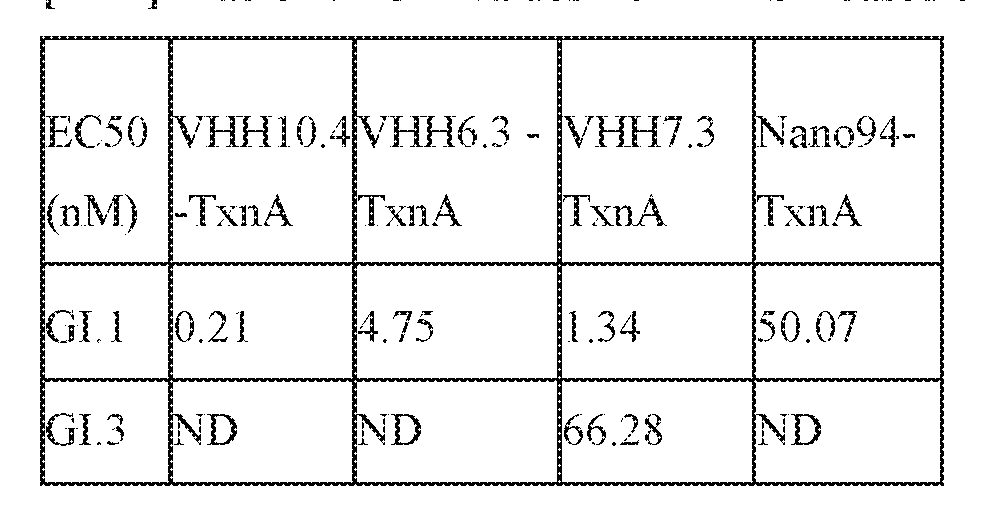


Claims
Priority Applications (9)
| Application Number | Priority Date | Filing Date | Title |
|---|---|---|---|
| CN202080061455.8A CN114341165A (en) | 2019-07-03 | 2020-07-02 | Non-parenteral therapy delivery platform for arthrospira platensis |
| CA3143735A CA3143735A1 (en) | 2019-07-03 | 2020-07-02 | Arthrospira platensis non-parenteral therapeutic delivery platform |
| AU2020298626A AU2020298626A1 (en) | 2019-07-03 | 2020-07-02 | Arthrospira platensis non-parenteral therapeutic delivery platform |
| JP2021578015A JP7770675B2 (en) | 2019-07-03 | 2020-07-02 | An injection-free therapeutic drug delivery platform for Arthrospira platensis |
| EP20834359.0A EP3994152A4 (en) | 2019-07-03 | 2020-07-02 | ARTHROSPIRA PLATENSIS NON-PARENTERAL THERAPEUTIC DELIVERY PLATFORM |
| US17/246,837 US12503682B2 (en) | 2019-07-03 | 2021-05-03 | Arthrospira platensis non-parenteral therapeutic delivery platform |
| IL289420A IL289420A (en) | 2019-07-03 | 2021-12-27 | Non-enteric treatment delivery platform for Arthrospira platensis |
| JP2025031459A JP2025087768A (en) | 2019-07-03 | 2025-02-28 | An injection-free therapeutic drug delivery platform for Arthrospira platensis |
| US19/305,605 US20260109941A1 (en) | 2019-07-03 | 2025-08-20 | Arthrospira platensis non-parenteral therapeutic delivery platform |
Applications Claiming Priority (6)
| Application Number | Priority Date | Filing Date | Title |
|---|---|---|---|
| US201962870478P | 2019-07-03 | 2019-07-03 | |
| US62/870,478 | 2019-07-03 | ||
| US201962937995P | 2019-11-20 | 2019-11-20 | |
| US62/937,995 | 2019-11-20 | ||
| US201962943075P | 2019-12-03 | 2019-12-03 | |
| US62/943,075 | 2019-12-03 |
Related Child Applications (1)
| Application Number | Title | Priority Date | Filing Date |
|---|---|---|---|
| US17/246,837 Continuation US12503682B2 (en) | 2019-07-03 | 2021-05-03 | Arthrospira platensis non-parenteral therapeutic delivery platform |
Publications (1)
| Publication Number | Publication Date |
|---|---|
| WO2021003456A1 true WO2021003456A1 (en) | 2021-01-07 |
Family
ID=74100810
Family Applications (1)
| Application Number | Title | Priority Date | Filing Date |
|---|---|---|---|
| PCT/US2020/040794 Ceased WO2021003456A1 (en) | 2019-07-03 | 2020-07-02 | Arthrospira platensis non-parenteral therapeutic delivery platform |
Country Status (9)
| Country | Link |
|---|---|
| US (2) | US12503682B2 (en) |
| EP (1) | EP3994152A4 (en) |
| JP (2) | JP7770675B2 (en) |
| CN (1) | CN114341165A (en) |
| AU (1) | AU2020298626A1 (en) |
| CA (1) | CA3143735A1 (en) |
| IL (1) | IL289420A (en) |
| MA (1) | MA56463A (en) |
| WO (1) | WO2021003456A1 (en) |
Cited By (4)
| Publication number | Priority date | Publication date | Assignee | Title |
|---|---|---|---|---|
| WO2023112965A1 (en) * | 2021-12-15 | 2023-06-22 | 学校法人帝京平成大学 | Vhh antibody |
| EP4267185A4 (en) * | 2020-12-23 | 2024-10-30 | Lumen Bioscience, Inc. | CONSTRUCTS WITH SINGLE-DOMAIN VHH ANTIBODIES AGAINST SARS-COV-2 |
| WO2025125852A1 (en) * | 2023-12-11 | 2025-06-19 | Abdali Nargess | Oral vaccine for covid-19 |
| US12441783B2 (en) | 2019-01-07 | 2025-10-14 | Bactolife Aps | Pathogen binding proteins |
Families Citing this family (6)
| Publication number | Priority date | Publication date | Assignee | Title |
|---|---|---|---|---|
| EP3794017A4 (en) | 2018-05-17 | 2022-03-09 | Lumen Bioscience, Inc. | ARTHROSPIRA PLATENSIS ORAL VACCINE DELIVERY PLATFORM |
| US12252513B2 (en) | 2018-07-16 | 2025-03-18 | Lumen Bioscience, Inc. | Thermostable phycobiliproteins produced from recombinant arthrospira |
| AU2020298626A1 (en) | 2019-07-03 | 2022-02-24 | Lumen Bioscience, Inc. | Arthrospira platensis non-parenteral therapeutic delivery platform |
| WO2024238678A2 (en) * | 2023-05-15 | 2024-11-21 | Lumen Bioscience, Inc. | Methanolytic agents and methods of using the same |
| WO2025058962A1 (en) * | 2023-09-11 | 2025-03-20 | Absci Corporation | High-throughput methods for kinetic characterization, quantifying and optimizing antibodies and antibody fragments expression in bacteria |
| WO2025240494A1 (en) | 2024-05-13 | 2025-11-20 | Lumen Bioscience, Inc. | Leptin compositions and methods of making and using the same to support weight loss and/or maintenance |
Citations (5)
| Publication number | Priority date | Publication date | Assignee | Title |
|---|---|---|---|---|
| US20050281839A1 (en) * | 2004-06-18 | 2005-12-22 | Amha Belay | Spirulina composition and antiallergic food |
| US20060121468A1 (en) * | 2002-06-26 | 2006-06-08 | Allnutt F C T | Viruses and virus-like particles for multiple antigen and target display |
| US20090220537A1 (en) * | 2005-04-12 | 2009-09-03 | The University Of Queensland | Vaccine delivery system |
| US20180312801A1 (en) * | 2014-09-09 | 2018-11-01 | Lumen Bioscience, Inc. | Targeted mutagenesis in spirulina |
| WO2019222711A1 (en) * | 2018-05-17 | 2019-11-21 | Lumen Bioscience, Inc. | Arthrospira platensis oral vaccine delivery platform |
Family Cites Families (189)
| Publication number | Priority date | Publication date | Assignee | Title |
|---|---|---|---|---|
| US4751180A (en) | 1985-03-28 | 1988-06-14 | Chiron Corporation | Expression using fused genes providing for protein product |
| US4935233A (en) | 1985-12-02 | 1990-06-19 | G. D. Searle And Company | Covalently linked polypeptide cell modulators |
| US4873192A (en) | 1987-02-17 | 1989-10-10 | The United States Of America As Represented By The Department Of Health And Human Services | Process for site specific mutagenesis without phenotypic selection |
| FR2646438B1 (en) | 1989-03-20 | 2007-11-02 | Pasteur Institut | A METHOD FOR SPECIFIC REPLACEMENT OF A COPY OF A GENE PRESENT IN THE RECEIVER GENOME BY INTEGRATION OF A GENE DIFFERENT FROM THAT OR INTEGRATION |
| JP2950888B2 (en) | 1989-04-21 | 1999-09-20 | 麒麟麦酒株式会社 | DNA strands useful for carotenoid synthesis |
| US5429939A (en) | 1989-04-21 | 1995-07-04 | Kirin Beer Kabushiki Kaisha | DNA sequences useful for the synthesis of carotenoids |
| DE69018117T2 (en) | 1989-04-21 | 1995-10-26 | Kirin Brewery | DNA sequences usable for the synthesis of carotenoids. |
| US5684238A (en) | 1990-03-02 | 1997-11-04 | Amoco Corporation | Biosynthesis of zeaxanthin and glycosylated zeaxanthin in genetically engineered hosts |
| JPH06253863A (en) | 1993-02-26 | 1994-09-13 | Agency Of Ind Science & Technol | Genetic transformation of spirulina and its transformant |
| US5661017A (en) | 1993-09-14 | 1997-08-26 | Dunahay; Terri Goodman | Method to transform algae, materials therefor, and products produced thereby |
| ATE274585T1 (en) | 1993-12-27 | 2004-09-15 | Kirin Brewery | DNA CHAIN FOR SYNTHESIS OF XANTHOPHYLL AND PROCESS FOR PRODUCING XANTHOPHYLL |
| US5910433A (en) | 1994-08-23 | 1999-06-08 | Kirin Beer Kabushiki Kaisha | Keto group-introducing enzyme, DNA coding therefor and method for producing ketocarotenoids |
| US6342389B1 (en) | 1995-04-10 | 2002-01-29 | Roger S. Cubicciotti | Modified phycobilisomes and uses therefore |
| DE69631924T2 (en) | 1995-06-09 | 2004-08-12 | Dsm Ip Assets B.V. | Fermentative production of carotenoids |
| ATE242812T1 (en) | 1996-12-02 | 2003-06-15 | Hoffmann La Roche | IMPROVED FERMENTATIVE PRODUCTION OF CAROTENOIDS |
| CA2281953C (en) | 1997-02-19 | 2012-11-27 | Enol Energy Inc. | Genetically modified cyanobacteria for the production of ethanol |
| CN1067719C (en) | 1997-07-10 | 2001-06-27 | 中山大学 | Method for external gene conversion for spirulina |
| JP3874897B2 (en) | 1997-08-07 | 2007-01-31 | 麒麟麦酒株式会社 | β-carotene hydroxylase gene and use thereof |
| JPH1156360A (en) | 1997-08-27 | 1999-03-02 | Iwate Pref Gov | Gene transfer through electroporation |
| JP3032841B2 (en) | 1997-12-02 | 2000-04-17 | 農林水産省果樹試験場長 | β-carotene hydroxylase gene |
| JP2002517187A (en) | 1998-06-02 | 2002-06-18 | ユニバーシティ オフ メリーランド | Carotenoid biosynthesis and metabolism genes and methods of use |
| FR2784688B1 (en) | 1998-10-20 | 2002-12-13 | Univ Grenoble 1 | CDNA SEQUENCE DESCRIBED BY SEQ ID NO: 1 TRANSCRIBING AN mRNA ENCODING FOR TERMINAL OXIDASE ASSOCIATED WITH CAROTENOID BIOSYNTHESIS |
| ATE356213T1 (en) | 1999-04-01 | 2007-03-15 | Basf Plant Science Gmbh | ENZYMES OF THE TRIACYLGLYCEROL BIOSYNTHESIS PATHWAY AND RECOMBINANT DNA MOLECULES ENCODING THEM |
| US7157619B1 (en) | 1999-08-30 | 2007-01-02 | Monsanto Technology, L.L.C. | Plant sterol acyltransferases |
| US6649376B1 (en) | 1999-12-21 | 2003-11-18 | The Regents Of The University Of California | Multifunctional recombinant phycobiliprotein-based fluorescent constructs and phycobilisome display |
| US7033806B2 (en) | 2000-06-08 | 2006-04-25 | The Regents Of The University Of California | HY2 family of bilin reductases |
| US6818424B2 (en) | 2000-09-01 | 2004-11-16 | E. I. Du Pont De Nemours And Company | Production of cyclic terpenoids |
| WO2002041833A2 (en) | 2000-11-22 | 2002-05-30 | Cargill Incorporated | Carotenoid biosynthesis |
| US20040078846A1 (en) | 2002-01-25 | 2004-04-22 | Desouza Mervyn L. | Carotenoid biosynthesis |
| US20050003474A1 (en) | 2001-01-26 | 2005-01-06 | Desouza Mervyn L. | Carotenoid biosynthesis |
| US6887688B2 (en) | 2001-05-29 | 2005-05-03 | The Regents Of The University Of California | Light controlled gene expression utilizing heterologous phytochromes |
| US7252964B2 (en) | 2001-06-12 | 2007-08-07 | Institut De Recherche Pour Le Developpement (I.R.D.) | Isolated carotenoid biosynthesis gene cluster involved in canthaxanthin production and applications thereof |
| US20090215179A1 (en) | 2001-07-20 | 2009-08-27 | Transalgae | Transgenically preventing establishment and spread of transgenic algae in natural ecosystems |
| US20030148319A1 (en) | 2001-08-15 | 2003-08-07 | Brzostowicz Patricia C. | Genes encoding carotenoid compounds |
| US20040077068A1 (en) | 2001-09-04 | 2004-04-22 | Brzostowicz Patricia C. | Carotenoid production from a single carbon substrate |
| CA2463326A1 (en) | 2001-10-23 | 2003-05-01 | Japan Tobacco Inc. | Method of elevating photosynthesis speed of plant by improving pyruvate phosphate dikinase |
| US7314974B2 (en) | 2002-02-21 | 2008-01-01 | Monsanto Technology, Llc | Expression of microbial proteins in plants for production of plants with improved properties |
| DE60329983D1 (en) | 2002-03-01 | 2009-12-24 | Monsanto Technology Llc | WAXESESYNTHASE DNA SEQUENCE, PROTEIN AND USES THEREOF |
| US7223909B2 (en) | 2002-03-21 | 2007-05-29 | Ball Horticultural | 4-ketocarotenoids in flower petals |
| JP4415138B2 (en) | 2002-05-08 | 2010-02-17 | 独立行政法人産業技術総合研究所 | Methods for gene transfer into Escherichia coli that can be used in compulsory education and science experiments |
| SE0201581D0 (en) | 2002-05-29 | 2002-05-29 | Scandinavian Biotechnology Res | New improved acyltransferase |
| AU2003260423A1 (en) | 2002-08-20 | 2004-03-11 | Sungene Gmbh & Co. Kgaa | Method for the production of zeaxanthin and/or the biosynthetic intermediates and/or subsequent products thereof |
| US20060059584A1 (en) | 2002-08-20 | 2006-03-16 | Sungene Gmbh & Co. Kgaa | Method for the production of $g(b)-carotinoids |
| AU2003267384A1 (en) | 2002-09-27 | 2004-04-19 | Dsm Ip Assets B.V. | Bhyd gene |
| ES2286504T3 (en) | 2002-09-27 | 2007-12-01 | Dsm Ip Assets B.V. | ZEAXANTINE PRODUCTION THROUGH PHAFFIA. |
| US20040219629A1 (en) | 2002-12-19 | 2004-11-04 | Qiong Cheng | Increasing carotenoid production in bacteria via chromosomal integration |
| US7232665B2 (en) | 2002-12-19 | 2007-06-19 | E. I. Du Pont De Nemours And Company | Mutations affecting carotenoid production |
| US7291482B2 (en) | 2002-12-20 | 2007-11-06 | E.I. Du Pont De Nemours And Company | Mutations affecting plasmid copy number |
| DE10300649A1 (en) | 2003-01-09 | 2004-07-22 | Basf Ag | Process for the production of ketocarotenoids by cultivating genetically modified organisms |
| WO2004063358A1 (en) | 2003-01-09 | 2004-07-29 | Basf Aktiengesellschaft | Method for the genetic modification of organisms of the genus blakeslea, corresponding organisms, and the use of the same |
| RU2005125072A (en) | 2003-01-09 | 2006-06-10 | БАСФ Акциенгезельшафт (DE) | METHOD FOR PRODUCING CAROTINOIDS OR THEIR PREDECESSORS USING THE BLAKESLEA FAMILY ENGINEERING VARIABLE MICROORGANISMS OBTAINED BY THE INDICATED CAROTINOIDS OR THEIR PRESENTATION |
| JP4753119B2 (en) | 2003-03-14 | 2011-08-24 | セレクティス ソシエテ アノニム | Large volume in vitro electroporation method |
| CA2521075A1 (en) | 2003-03-31 | 2004-10-14 | Algentech | Gene involved in the biosynthesis of carotenoid and marine microorganism, paracoccus haeundaensis, producing the carotenoid |
| AP2005003409A0 (en) | 2003-04-09 | 2005-12-31 | Bayer Bioscience Nv | Methods and means for increasing the tolerance of plants to stress conditions. |
| EP1641930B1 (en) | 2003-04-15 | 2011-06-29 | BASF Plant Science GmbH | Nucleic acid sequences encoding proteins associated with abiotic stress response and plant cells and plants with increased tolerance to environmental stress |
| US7070952B2 (en) | 2003-05-07 | 2006-07-04 | E. I. Du Pont Nemours And Company | Genes encoding carotenoid compounds |
| US7064196B2 (en) | 2003-05-20 | 2006-06-20 | E. I. Du Pont De Nemours And Company | Genes encoding carotenoid compounds |
| US6929928B2 (en) | 2003-06-12 | 2005-08-16 | E. I. Du Pont De Nemours And Company | Genes encoding carotenoid compounds |
| DE602004026747D1 (en) | 2003-09-29 | 2010-06-02 | Nitto Denko Corp | BIODEGRADABLE POLYACETALS FOR THE IN-VIVO DELIVERY OF POLYNUCLEOTIDES |
| CN1528902A (en) * | 2003-10-02 | 2004-09-15 | 广东梅县梅雁蓝藻有限公司 | Method for homologous recombining by using spirulina and expressing human gene |
| DE602004025734D1 (en) | 2003-11-18 | 2010-04-08 | Kirin Holdings Kk | NEW CAROTENOIDHYDROXYLASEGEN, PROCESS FOR THE PREPARATION OF HYDROXYLATED CAROTENOID AND NEW GERANYLGERANYLPYROPHOSPHATE SYNTHESIS |
| US7232666B2 (en) | 2003-12-03 | 2007-06-19 | E. I. Du Pont De Nemours And Company | Optimized bacterial host strains of Methylomonas sp. 16a |
| JP5647758B2 (en) | 2003-12-19 | 2015-01-07 | イー・アイ・デュポン・ドウ・ヌムール・アンド・カンパニーE.I.Du Pont De Nemours And Company | New carotenoid ketolase |
| WO2005062923A2 (en) | 2003-12-24 | 2005-07-14 | Massachusetts Institute Of Technology | Gene targets for enhanced carotenoid production |
| US7741070B2 (en) | 2003-12-24 | 2010-06-22 | Massachusetts Institute Of Technology | Gene targets for enhanced carotenoid production |
| FR2864968B1 (en) | 2004-01-09 | 2007-10-05 | Inst Rech Developpement Ird | PROCESS FOR PRODUCING CAROTENOIDS AND BACTERIA IMPLEMENTED |
| US20060041961A1 (en) | 2004-03-25 | 2006-02-23 | Abad Mark S | Genes and uses for pant improvement |
| US7063957B2 (en) | 2004-03-26 | 2006-06-20 | The University Of Hong Kong | Methods for production of astaxanthin from the green microalgae Chlorella in dark-heterotrophic cultures |
| JP4803739B2 (en) | 2004-06-04 | 2011-10-26 | キリンホールディングス株式会社 | Production of astaxanthin or its metabolites using carotenoid ketolase and carotenoid hydroxylase genes |
| EP1753870A4 (en) | 2004-06-08 | 2009-07-08 | Du Pont | Carotenoid ketolase genes with improved ketocarotenoid yield |
| US7091031B2 (en) | 2004-08-16 | 2006-08-15 | E. I. Du Pont De Nemours And Company | Carotenoid hydroxylase enzymes |
| JP2006075097A (en) | 2004-09-10 | 2006-03-23 | Tadashi Matsunaga | Transformant having carotenoid production ability and method for producing carotenoid |
| AU2005298689A1 (en) | 2004-10-25 | 2006-05-04 | Cytos Biotechnology Ag | Gastric inhibitory polypeptide (GIP) antigen arrays and uses thereof |
| US20060099710A1 (en) | 2004-11-10 | 2006-05-11 | Donnelly Mark I | Vector for improved in vivo production of proteins |
| JP4799895B2 (en) | 2004-12-15 | 2011-10-26 | 電源開発株式会社 | Production method of carotenoid pigment, glycosphingolipid, ubiquinone Q-10 |
| US20080148432A1 (en) | 2005-12-21 | 2008-06-19 | Mark Scott Abad | Transgenic plants with enhanced agronomic traits |
| US7074604B1 (en) | 2004-12-29 | 2006-07-11 | E. I. Du Pont De Nemours And Company | Bioproduction of astaxanthin using mutant carotenoid ketolase and carotenoid hydroxylase genes |
| RU2005101110A (en) | 2005-01-19 | 2006-06-27 | Закрытое акционерное общество "Научно-исследовательский институт Аджиномото-Генетика" (ЗАО АГРИ) (RU) | METHOD FOR PRODUCING L-AMINO ACIDS USING THE BACTERIA OF THE ENTEROBACTERIACEAE FAMILY IN WHICH THE Glycogen biosynthesis pathway has been destroyed |
| WO2006096392A2 (en) | 2005-03-04 | 2006-09-14 | Diversa Corporation | Enzymes involved in astaxanthin, carotenoid and isoprenoid biosynthetic pathways, genes encoding them and methods of making and using them |
| US20080301839A1 (en) | 2005-08-30 | 2008-12-04 | Ravanello Monica P | Transgenic plants with enhanced agronomic traits |
| US7217537B2 (en) | 2005-09-15 | 2007-05-15 | E. I. Du Pont De Nemours And Company | Method to increase carotenoid production in a microbial host cell by down-regulating glycogen synthase |
| US7807427B2 (en) | 2005-09-15 | 2010-10-05 | The Regents Of The University Of California | Methods and compositions for production of methane gas |
| US20070065903A1 (en) | 2005-09-19 | 2007-03-22 | Dicosimo Deana J | Process for chromosomal expression of foreign genes in the hsdM region of a methylotrophic microbial host cell |
| US20070065902A1 (en) | 2005-09-19 | 2007-03-22 | Dicosimo Deana J | Process for chromosomal expression of foreign genes in the fliC region of a methylotrophic microbial host cell |
| US20070065901A1 (en) | 2005-09-19 | 2007-03-22 | Dicosimo Deana J | Process for chromosomal expression of foreign genes in the PAPS reductase (cysH) region of a methylotrophic microbial host cell |
| US20070065900A1 (en) | 2005-09-19 | 2007-03-22 | Dicosimo Deana J | Process for chromosomal expression of foreign genes in the cytochrome-C peroxidase (cytCP) region of a methylotrophic microbial host cell |
| EP1942185A4 (en) | 2005-10-28 | 2009-11-25 | Tosoh Corp | PROCESS FOR PRODUCING CAROTENOID SYNTHESIZING MICROORGANISM AND METHOD FOR PRODUCING CAROTENOID |
| KR100788479B1 (en) | 2005-11-25 | 2007-12-24 | 부경대학교 산학협력단 | Production of Astaxanthin from Escherichia Coli Using Carotenoid Biosynthesis Genes |
| US8030022B2 (en) | 2005-12-06 | 2011-10-04 | Tosoh Corporation | Microorganism and method for producing carotenoid using it |
| GB0524873D0 (en) | 2005-12-06 | 2006-01-11 | New Royal Holloway & Bedford | Bacterial production of carotenoids |
| US7393671B2 (en) | 2006-03-30 | 2008-07-01 | E.I. Du Pont De Nemours And Company | Mutant carotenoid ketolases |
| US7422873B2 (en) | 2006-03-31 | 2008-09-09 | E.I. Du Pont De Nemours And Company | Mutant carotenoid ketolase |
| AR060623A1 (en) | 2006-04-27 | 2008-07-02 | Astrazeneca Ab | COMPOUNDS DERIVED FROM 2-AZETIDINONE AND A PREPARATION METHOD |
| CN1843150A (en) * | 2006-05-08 | 2006-10-11 | 陈晓雁 | Spirulina enzymolysis production process |
| ES2528482T3 (en) | 2006-05-19 | 2015-02-10 | Ls9, Inc. | Production of fatty acids and derivatives thereof |
| US8110670B2 (en) | 2006-05-19 | 2012-02-07 | Ls9, Inc. | Enhanced production of fatty acid derivatives |
| WO2008119082A2 (en) | 2007-03-28 | 2008-10-02 | Ls9, Inc. | Enhanced production of fatty acid derivatives |
| EP2048939A4 (en) | 2006-08-17 | 2010-04-28 | Monsanto Technology Llc | TRANSGENIC PLANTS WITH REINFORCED AGRONOMIC CHARACTERS |
| WO2008027235A1 (en) | 2006-08-25 | 2008-03-06 | University Of New Mexico | Methods and compositions for control of disease in aquaculture |
| US20080124755A1 (en) | 2006-10-12 | 2008-05-29 | Michael Tai-Man Louie | Biosynthesis of beta-cryptoxanthin in microbial hosts using an Arabidopsis thaliana beta-carotene hydroxylase gene |
| US8753840B2 (en) | 2006-10-20 | 2014-06-17 | Arizona Board Of Regents On Behalf Of Arizona State University | Modified cyanobacteria |
| KR100845582B1 (en) | 2006-11-09 | 2008-07-11 | 부경대학교 산학협력단 | E. coli transformed with isoprenoid and carotenoid biosynthesis genes and mass production method of astaxanthin using the same |
| US8846374B2 (en) | 2006-12-12 | 2014-09-30 | E I Du Pont De Nemours And Company | Carotenoid production in a recombinant oleaginous yeast |
| US8349326B2 (en) * | 2007-02-20 | 2013-01-08 | Tufts University | Methods and systems for multi-antibody therapies |
| US9023352B2 (en) * | 2007-02-20 | 2015-05-05 | Tufts University | Methods, compositions and kits for treating a subject using a recombinant heteromultimeric neutralizing binding protein |
| WO2009009391A2 (en) | 2007-07-06 | 2009-01-15 | Ls9, Inc. | Systems and methods for the production of fatty esters |
| WO2009010826A2 (en) | 2007-07-13 | 2009-01-22 | Ocean Nutrition Canada Ltd. | Novel genes and methods of producing carotenoids |
| WO2009036095A1 (en) | 2007-09-10 | 2009-03-19 | Joule Biotechnologies, Inc. | Engineered light-harvesting organisms |
| US8313934B2 (en) | 2007-09-27 | 2012-11-20 | Ls9, Inc. | Reduction of the toxic effect of impurities from raw materials by extractive fermentation |
| CN101173214B (en) | 2007-10-30 | 2010-05-19 | 中国科学院南海海洋研究所 | High Astaxanthin Production Mutant Strain of Haematococcus Pluvialls |
| KR20090046376A (en) | 2007-11-06 | 2009-05-11 | 부경대학교 산학협력단 | Yeast transformed with carotenoid biosynthesis gene and mass production method of astaxanthin using the same |
| MX2010005061A (en) | 2007-11-10 | 2010-09-09 | Joule Unltd Inc | Hyperphotosynthetic organisms. |
| US8815567B2 (en) | 2007-11-30 | 2014-08-26 | E I Du Pont De Nemours And Company | Coenzyme Q10 production in a recombinant oleaginous yeast |
| MX2010006539A (en) | 2007-12-11 | 2011-02-23 | Synthetic Genomics Inc | Secretion of fatty aicds by photosynthetic microorganisms. |
| US20090155864A1 (en) | 2007-12-14 | 2009-06-18 | Alan Joseph Bauer | Systems, methods, and devices for employing solar energy to produce biofuels |
| EP2238231B1 (en) | 2008-01-03 | 2016-03-23 | Proterro, Inc. | Transgenic photosynthetic microorganisms and photobioreactor |
| TW200934872A (en) | 2008-02-05 | 2009-08-16 | Echem Hightech Co Ltd | A strain of genetically reengineered escherichia coli for biosynthesis of high yield carotenoids after mutation screening |
| US9650642B2 (en) | 2008-02-08 | 2017-05-16 | Algenol Biotech LLC | Genetically modified cyanobacteria for the production of ethanol |
| EP2285948B1 (en) | 2008-03-03 | 2014-01-08 | Joule Unlimited Technologies, Inc. | Engineered co2 fixing microorganisms producing carbon-based products of interest |
| SG188846A1 (en) | 2008-03-03 | 2013-04-30 | Abbott Lab | Methods for transforming yeast |
| CA3101888A1 (en) | 2008-05-16 | 2009-11-19 | REG Life Sciences, LLC | Methods and compositions for producing hydrocarbons |
| WO2010019813A2 (en) | 2008-08-13 | 2010-02-18 | Sapphire Energy, Inc. | Production of fatty actds by genetically modified photosynthetic organisms |
| WO2010022090A1 (en) | 2008-08-18 | 2010-02-25 | Ls9, Inc. | Systems and methods for the production of mixed fatty esters |
| EP2384366A4 (en) | 2008-09-05 | 2012-10-24 | Jonathan Gressel | Transgenically preventing establishment and spread of transgenic algae in natural ecosystems |
| WO2010033921A2 (en) | 2008-09-19 | 2010-03-25 | President And Fellows Of Harvard College | Photoautotrophic adipogenesis technology (phat) |
| WO2010035012A1 (en) | 2008-09-26 | 2010-04-01 | Ucb Pharma S.A. | Biological products |
| US8097439B2 (en) | 2008-10-07 | 2012-01-17 | Ls9, Inc. | Methods and compositions for producing fatty aldehydes |
| WO2010048568A1 (en) | 2008-10-23 | 2010-04-29 | Targeted Growth, Inc. | Modified photosynthetic microorganisms for producing triglycerides |
| CN105154380B (en) | 2008-10-28 | 2018-11-09 | Reg生命科学有限责任公司 | Method and composition for generating fatty alcohol |
| WO2010062707A1 (en) | 2008-10-30 | 2010-06-03 | Joule Unlimited, Inc. | Methods and compositions for producing carbon-based products of interest in micro-organisms |
| KR20100051306A (en) | 2008-11-07 | 2010-05-17 | 부경대학교 산학협력단 | Mehtod for increasing astaxanthin production by mutation and stress treatment of paracoccus haeundaensis |
| US8835137B2 (en) | 2008-12-23 | 2014-09-16 | Matrix Genetics, Llc | Modified photosynthetic microorganisms with reduced glycogen and their use in producing carbon-based products |
| CA2747516C (en) | 2008-12-23 | 2019-11-05 | Ls9, Inc. | Methods and compositions related to thioesterase enzymes |
| WO2010078584A1 (en) | 2009-01-05 | 2010-07-08 | Arizona Board Of Regents | Cyanobacterium that produces neutral lipids |
| BRPI1008958A2 (en) | 2009-03-11 | 2015-09-01 | Sapphire Energy Inc | Biofuel production in prokaryotes and eukaryotes |
| WO2010118410A1 (en) | 2009-04-10 | 2010-10-14 | Ls9, Inc. | Production of fatty acid derivatives |
| EP2425007A4 (en) | 2009-04-27 | 2013-01-02 | Ls9 Inc | PRODUCTION OF ESTERS OF FATTY ACIDS |
| US9212371B2 (en) | 2009-05-13 | 2015-12-15 | Basf Plant Science Company Gmbh | Acyltransferases and uses thereof in fatty acid production |
| WO2011008565A1 (en) | 2009-06-29 | 2011-01-20 | Synthetic Genomics, Inc. | Acyl-acp thioesterase genes and uses therefor |
| EP2449124B1 (en) | 2009-06-30 | 2015-05-27 | Codexis, Inc. | Production of fatty alcohols with fatty alcohol forming acyl-coa reductases (far) |
| US7794969B1 (en) | 2009-07-09 | 2010-09-14 | Joule Unlimited, Inc. | Methods and compositions for the recombinant biosynthesis of n-alkanes |
| WO2011011568A2 (en) | 2009-07-24 | 2011-01-27 | The Regenst Of The University Of California | Methods and compositions for the production of fatty acids in photosynthetic prokaryotic microorganisms |
| WO2011018116A1 (en) | 2009-08-13 | 2011-02-17 | Algenol Biofuels Inc. | Metabolically enhanced photoautotrophic ethanol producing host cells, method for producing the host cells, constructs for the transformation of the host cells, and method of producing ethanol using the host cells |
| EP2719757A1 (en) | 2009-09-04 | 2014-04-16 | President and Fellows of Harvard College | Production of secreted bioproducts from photosynthetic microbes |
| MX2012003472A (en) | 2009-09-25 | 2012-05-22 | Ls9 Inc | PRODUCTION OF FATTY ACID DERIVATIVES. |
| JP5660543B2 (en) | 2009-10-27 | 2015-01-28 | 電源開発株式会社 | Novel bacterial strain, culture and production method of carotenoid pigment |
| WO2011059745A1 (en) | 2009-10-28 | 2011-05-19 | The Arizona Board Of Regents For And On Behalf Of Arizona State University | Bacterium for production of fatty acids |
| EP2501796A4 (en) | 2009-11-18 | 2012-12-19 | Murray Goulburn Coop Co Ltd | Recombinant microorganisms |
| US8530221B2 (en) | 2010-01-14 | 2013-09-10 | Ls9, Inc. | Production of branched chain fatty acids and derivatives thereof in recombinant microbial cells |
| WO2011127069A1 (en) | 2010-04-06 | 2011-10-13 | Targeted Growth, Inc. | Modified photosynthetic microorganisms for producing lipids |
| WO2011127118A1 (en) | 2010-04-06 | 2011-10-13 | Algenetix, Inc. | Methods of producing oil in non-plant organisms |
| AR084377A1 (en) | 2010-04-08 | 2013-05-15 | Ls9 Inc | METHODS AND COMPOSITIONS RELATED TO BIOSYNTHETIC ALCOHOL FAT ENZYMES |
| GB201013041D0 (en) | 2010-08-03 | 2010-09-15 | Royal Holloway & New Bedford College | Carotenoids |
| MX350047B (en) | 2010-08-13 | 2017-08-24 | Advanced Bionutrition Corp | COMPOSITION OF DRY STORAGE STABILIZATION FOR BIOLOGICAL MATERIALS. |
| US20130171677A1 (en) | 2010-09-08 | 2013-07-04 | Board Of Supervisors Of The University Of Louisiana System | Recombinant phycobiliproteins with enhanced fluorescence and photochemical properties |
| US9771416B2 (en) | 2010-10-25 | 2017-09-26 | National Research Council Of Canada | Clostridium difficile-specific antibodies and uses thereof |
| CA2756346A1 (en) | 2010-10-26 | 2012-04-26 | The Governors Of The University Of Alberta | Modular method for rapid assembly of dna |
| EP2655605A1 (en) | 2010-12-20 | 2013-10-30 | Matrix Genetics, LLC | Modified photosynthetic microorganisms for producing lipids |
| AU2011349463B2 (en) | 2010-12-20 | 2016-10-27 | Lumen Bioscience, Inc. | Modified photosynthetic microorganisms for producing lipids |
| WO2012135668A1 (en) | 2011-03-31 | 2012-10-04 | Exxonmobil Research And Engineering Company | Metabolic pathway targeting by transcription factor overexpression |
| CN103975070A (en) | 2011-09-27 | 2014-08-06 | 艾克森美孚研究与工程公司 | ACYL-ACP wax ester synthases |
| US20150329868A1 (en) * | 2012-02-03 | 2015-11-19 | Matrix Genetics, Llc | Modified photosynthetic microorganisms for continuous production of carbon-containing compounds |
| US8962299B2 (en) | 2012-02-29 | 2015-02-24 | Exxonmobil Research And Engineering Company | Four-gene pathway for wax ester synthesis |
| US20150024442A1 (en) | 2012-03-09 | 2015-01-22 | Matrix Genetics, Llc | Modified diacylglycerol acyltransferase proteins and methods of use thereof |
| CN103382482A (en) * | 2012-05-03 | 2013-11-06 | 南开大学 | Integrative spirulina high-efficiency expression vector having edible safety and use thereof |
| US9719122B2 (en) | 2012-07-18 | 2017-08-01 | Yeda Research And Development Co. Ltd. | Methods of production of products of metabolic pathways |
| US9382554B2 (en) | 2012-07-27 | 2016-07-05 | Wisys Technology Foundation, Inc. | Methods for isoprene and pinene production in cyanobacteria |
| CN104870472A (en) | 2012-10-24 | 2015-08-26 | 加拿大国家研究委员会 | Anti-Campylobacter jejuni antibodies and uses thereof |
| WO2014164232A1 (en) | 2013-03-13 | 2014-10-09 | Matrix Genetics, Llc | Cyanobacteria that produce lipid packaging proteins |
| WO2014164566A2 (en) | 2013-03-13 | 2014-10-09 | Matrix Genetics, Llc | Cyanobacteria having improved photosynthetic activity |
| US11414695B2 (en) | 2013-05-29 | 2022-08-16 | Agilent Technologies, Inc. | Nucleic acid enrichment using Cas9 |
| CN103820459B (en) * | 2014-01-22 | 2016-05-25 | 深圳大学 | A kind of algae feed and application of energy birds flu-preventing |
| US20180051057A1 (en) | 2014-09-15 | 2018-02-22 | Matrix Genetics, Llc | Cyanobacteria having improved photosynthetic activity |
| CN104311649B (en) | 2014-09-23 | 2018-01-09 | 中国科学院植物研究所 | A kind of Chlamydomonas reinhardtii albumen E6 that can improve plant photosynthesis efficiency and its encoding gene and application |
| US20170240944A1 (en) | 2014-10-14 | 2017-08-24 | Matrix Genetics, Llc | Modified Cyanobacteria for Producing Carotenoids |
| WO2016073562A1 (en) * | 2014-11-04 | 2016-05-12 | Synthetic Biologics, Inc. | Methods and compositions for inhibiting clostridium difficile |
| CN104479010A (en) * | 2014-12-20 | 2015-04-01 | 朱金凤 | Preparation process of wall broken spirulina protein powder |
| CN104480133A (en) * | 2015-01-06 | 2015-04-01 | 厦门大学 | Method for transferring exogenous genes into spiral seaweeds with transposons as medium |
| BR112017022951A2 (en) | 2015-04-24 | 2018-08-28 | Lumen Bioscence, Inc. | microorganisms with increased photosynthetic capacity |
| CN108138120A (en) | 2015-07-10 | 2018-06-08 | 鲁门生物科学股份有限公司 | Microorganisms with expanded light-absorbing capacity and increased photosynthetic activity |
| CN115851471A (en) | 2015-10-13 | 2023-03-28 | 马里兰大学巴尔的摩分校 | Yeast-based immunotherapy against clostridium difficile infection |
| WO2017139687A1 (en) | 2016-02-12 | 2017-08-17 | Matrix Genetics, Llc | Microorganisms with nadph escape valves to provide reduced photodamage and increased growth in high light conditions |
| TWI591180B (en) | 2016-02-18 | 2017-07-11 | 基酵生物科技股份有限公司 | Phytase having improved thermostability |
| WO2017208857A1 (en) | 2016-05-30 | 2017-12-07 | ユニチカ株式会社 | Polymer production method and production device |
| US12252513B2 (en) | 2018-07-16 | 2025-03-18 | Lumen Bioscience, Inc. | Thermostable phycobiliproteins produced from recombinant arthrospira |
| AU2020298626A1 (en) | 2019-07-03 | 2022-02-24 | Lumen Bioscience, Inc. | Arthrospira platensis non-parenteral therapeutic delivery platform |
| CN112094342B (en) | 2020-09-25 | 2022-05-13 | 中国科学技术大学 | Alpaca source nano antibody combined with SARS-CoV-2RBD |
| US20240150440A1 (en) | 2020-12-23 | 2024-05-09 | Lumen Bioscience, Inc. | Constructs comprising single domain vhh antibodies against sars cov-2 |
| WO2022159819A1 (en) | 2021-01-22 | 2022-07-28 | Lumen Bioscience, Inc. | Expression and manufacturing of protein therapeutics in spirulina |
-
2020
- 2020-07-02 AU AU2020298626A patent/AU2020298626A1/en active Pending
- 2020-07-02 CA CA3143735A patent/CA3143735A1/en active Pending
- 2020-07-02 WO PCT/US2020/040794 patent/WO2021003456A1/en not_active Ceased
- 2020-07-02 EP EP20834359.0A patent/EP3994152A4/en active Pending
- 2020-07-02 MA MA056463A patent/MA56463A/en unknown
- 2020-07-02 CN CN202080061455.8A patent/CN114341165A/en active Pending
- 2020-07-02 JP JP2021578015A patent/JP7770675B2/en active Active
-
2021
- 2021-05-03 US US17/246,837 patent/US12503682B2/en active Active
- 2021-12-27 IL IL289420A patent/IL289420A/en unknown
-
2025
- 2025-02-28 JP JP2025031459A patent/JP2025087768A/en active Pending
- 2025-08-20 US US19/305,605 patent/US20260109941A1/en active Pending
Patent Citations (5)
| Publication number | Priority date | Publication date | Assignee | Title |
|---|---|---|---|---|
| US20060121468A1 (en) * | 2002-06-26 | 2006-06-08 | Allnutt F C T | Viruses and virus-like particles for multiple antigen and target display |
| US20050281839A1 (en) * | 2004-06-18 | 2005-12-22 | Amha Belay | Spirulina composition and antiallergic food |
| US20090220537A1 (en) * | 2005-04-12 | 2009-09-03 | The University Of Queensland | Vaccine delivery system |
| US20180312801A1 (en) * | 2014-09-09 | 2018-11-01 | Lumen Bioscience, Inc. | Targeted mutagenesis in spirulina |
| WO2019222711A1 (en) * | 2018-05-17 | 2019-11-21 | Lumen Bioscience, Inc. | Arthrospira platensis oral vaccine delivery platform |
Non-Patent Citations (1)
| Title |
|---|
| See also references of EP3994152A4 * |
Cited By (5)
| Publication number | Priority date | Publication date | Assignee | Title |
|---|---|---|---|---|
| US12441783B2 (en) | 2019-01-07 | 2025-10-14 | Bactolife Aps | Pathogen binding proteins |
| EP4267185A4 (en) * | 2020-12-23 | 2024-10-30 | Lumen Bioscience, Inc. | CONSTRUCTS WITH SINGLE-DOMAIN VHH ANTIBODIES AGAINST SARS-COV-2 |
| WO2023112965A1 (en) * | 2021-12-15 | 2023-06-22 | 学校法人帝京平成大学 | Vhh antibody |
| WO2025125852A1 (en) * | 2023-12-11 | 2025-06-19 | Abdali Nargess | Oral vaccine for covid-19 |
| WO2025125908A1 (en) * | 2023-12-11 | 2025-06-19 | Abdali Nargess | Oral vaccine for hepatitis b |
Also Published As
| Publication number | Publication date |
|---|---|
| JP7770675B2 (en) | 2025-11-17 |
| US20260109941A1 (en) | 2026-04-23 |
| CN114341165A (en) | 2022-04-12 |
| IL289420A (en) | 2022-02-01 |
| AU2020298626A1 (en) | 2022-02-24 |
| JP2022539393A (en) | 2022-09-08 |
| US20210338751A1 (en) | 2021-11-04 |
| EP3994152A1 (en) | 2022-05-11 |
| EP3994152A4 (en) | 2023-08-02 |
| US12503682B2 (en) | 2025-12-23 |
| CA3143735A1 (en) | 2021-01-07 |
| MA56463A (en) | 2022-05-11 |
| JP2025087768A (en) | 2025-06-10 |
Similar Documents
| Publication | Publication Date | Title |
|---|---|---|
| US12503682B2 (en) | Arthrospira platensis non-parenteral therapeutic delivery platform | |
| US8900594B2 (en) | Oral recombinant Helicobacter pylori vaccine and preparing method thereof | |
| US20250262287A1 (en) | Arthrospira platensis oral vaccine delivery platform | |
| CN101646772A (en) | Papaya mosaic virus-based vaccines against salmonella typhi and other enterobacterial pathogens | |
| CN114903986B (en) | Streptococcus suis three-component subunit vaccine and preparation method thereof | |
| KR102000120B1 (en) | The composition of the enterotoxigenic Escherichia coli ghost vaccine candidate by recombinant P22 lysozyme-PMAP36 fusion protein against neonatal piglet colibacillosis | |
| CN101880647B (en) | Recombinant salmonella choleraesuis, bivalent genetic engineering vaccine and application | |
| CN104560780B (en) | Toxin attenuation mutant for epsilon toxin of clostridium perfringens and application of toxin attenuation mutant | |
| CN103554254A (en) | Chicken egg yolk antibody resisting human A rotavirus as well as preparation method and application thereof | |
| US10633639B2 (en) | Chimeras of Brucella lumazine synthase and beta subunit of AB5 toxins | |
| CN101157907A (en) | A recombinant Salmonella choleraesuis strain expressing porcine-derived Bordetella bronchiseptica fhaB and prn gene fragments, vaccine and application thereof | |
| WO2012001004A1 (en) | Fimh vaccine against urinary tract infections (uti) | |
| CN105085625A (en) | Genetically engineered vaccine against both Enterovirus 71 and Coxsackie virus A16 | |
| KR20120129777A (en) | Vaccine composition comprising attenuated and immunopotentiated mutant of Salmonella Enteritidis for preventing salmonellosis | |
| CN119841914B (en) | Clostridium perfringens subunit protein and preparation method and application thereof | |
| CN118955698B (en) | A nanoantibody specifically binding to FAdV-4, a fusion protein and its application | |
| US20250270298A1 (en) | Multivalent anti-campylobacter antibodies and vaccine | |
| CN102286106A (en) | Sandwich outer membrane protein display vector and escherichia coli vaccine prepared by applying same | |
| CN116621953A (en) | Haemophilus parasuis Omp P2 protein genotype specific B cell linear epitope and application thereof | |
| CN116640191A (en) | Universal B cell linear epitope of haemophilus parasuis Omp P2 protein gene type I and type II and application thereof | |
| CN120682324A (en) | Porcine rotavirus VP8 protein dominant B cell neutralizing epitope peptides, multi-epitope fusion proteins and their applications | |
| WO2024121125A1 (en) | Single-domain antibodies to reduce the risk of cholera infection | |
| WO2024125810A1 (en) | Formulations for nasal covid-19 vaccines | |
| CN121401400A (en) | ZIKV nanovaccine based on Mi3 nanoparticles, its construction method and application | |
| Yang et al. | Protective efficacy of a genetic subunit bacterin against edema disease of swine in mice |
Legal Events
| Date | Code | Title | Description |
|---|---|---|---|
| 121 | Ep: the epo has been informed by wipo that ep was designated in this application |
Ref document number: 20834359 Country of ref document: EP Kind code of ref document: A1 |
|
| DPE1 | Request for preliminary examination filed after expiration of 19th month from priority date (pct application filed from 20040101) | ||
| ENP | Entry into the national phase |
Ref document number: 3143735 Country of ref document: CA |
|
| ENP | Entry into the national phase |
Ref document number: 2021578015 Country of ref document: JP Kind code of ref document: A |
|
| NENP | Non-entry into the national phase |
Ref country code: DE |
|
| ENP | Entry into the national phase |
Ref document number: 2020834359 Country of ref document: EP Effective date: 20220203 |
|
| ENP | Entry into the national phase |
Ref document number: 2020298626 Country of ref document: AU Date of ref document: 20200702 Kind code of ref document: A |