WO2021023264A1 - 用于治疗非洲猪瘟的药物组合物及其用途 - Google Patents
用于治疗非洲猪瘟的药物组合物及其用途 Download PDFInfo
- Publication number
- WO2021023264A1 WO2021023264A1 PCT/CN2020/107411 CN2020107411W WO2021023264A1 WO 2021023264 A1 WO2021023264 A1 WO 2021023264A1 CN 2020107411 W CN2020107411 W CN 2020107411W WO 2021023264 A1 WO2021023264 A1 WO 2021023264A1
- Authority
- WO
- WIPO (PCT)
- Prior art keywords
- composition
- group
- methyltetrahydrofolate
- mice
- virus
- Prior art date
- Legal status (The legal status is an assumption and is not a legal conclusion. Google has not performed a legal analysis and makes no representation as to the accuracy of the status listed.)
- Ceased
Links
Images




Classifications
-
- A—HUMAN NECESSITIES
- A61—MEDICAL OR VETERINARY SCIENCE; HYGIENE
- A61P—SPECIFIC THERAPEUTIC ACTIVITY OF CHEMICAL COMPOUNDS OR MEDICINAL PREPARATIONS
- A61P31/00—Antiinfectives, i.e. antibiotics, antiseptics, chemotherapeutics
- A61P31/04—Antibacterial agents
-
- A—HUMAN NECESSITIES
- A61—MEDICAL OR VETERINARY SCIENCE; HYGIENE
- A61K—PREPARATIONS FOR MEDICAL, DENTAL OR TOILETRY PURPOSES
- A61K31/00—Medicinal preparations containing organic active ingredients
- A61K31/70—Carbohydrates; Sugars; Derivatives thereof
- A61K31/7042—Compounds having saccharide radicals and heterocyclic rings
- A61K31/7052—Compounds having saccharide radicals and heterocyclic rings having nitrogen as a ring hetero atom, e.g. nucleosides, nucleotides
- A61K31/706—Compounds having saccharide radicals and heterocyclic rings having nitrogen as a ring hetero atom, e.g. nucleosides, nucleotides containing six-membered rings with nitrogen as a ring hetero atom
-
- A—HUMAN NECESSITIES
- A61—MEDICAL OR VETERINARY SCIENCE; HYGIENE
- A61K—PREPARATIONS FOR MEDICAL, DENTAL OR TOILETRY PURPOSES
- A61K31/00—Medicinal preparations containing organic active ingredients
- A61K31/185—Acids; Anhydrides, halides or salts thereof, e.g. sulfur acids, imidic, hydrazonic or hydroximic acids
- A61K31/19—Carboxylic acids, e.g. valproic acid
- A61K31/195—Carboxylic acids, e.g. valproic acid having an amino group
- A61K31/197—Carboxylic acids, e.g. valproic acid having an amino group the amino and the carboxyl groups being attached to the same acyclic carbon chain, e.g. gamma-aminobutyric acid [GABA], beta-alanine, epsilon-aminocaproic acid or pantothenic acid
- A61K31/198—Alpha-amino acids, e.g. alanine or edetic acid [EDTA]
-
- A—HUMAN NECESSITIES
- A61—MEDICAL OR VETERINARY SCIENCE; HYGIENE
- A61K—PREPARATIONS FOR MEDICAL, DENTAL OR TOILETRY PURPOSES
- A61K31/00—Medicinal preparations containing organic active ingredients
- A61K31/33—Heterocyclic compounds
- A61K31/335—Heterocyclic compounds having oxygen as the only ring hetero atom, e.g. fungichromin
- A61K31/365—Lactones
-
- A—HUMAN NECESSITIES
- A61—MEDICAL OR VETERINARY SCIENCE; HYGIENE
- A61K—PREPARATIONS FOR MEDICAL, DENTAL OR TOILETRY PURPOSES
- A61K31/00—Medicinal preparations containing organic active ingredients
- A61K31/33—Heterocyclic compounds
- A61K31/335—Heterocyclic compounds having oxygen as the only ring hetero atom, e.g. fungichromin
- A61K31/365—Lactones
- A61K31/375—Ascorbic acid, i.e. vitamin C; Salts thereof
-
- A—HUMAN NECESSITIES
- A61—MEDICAL OR VETERINARY SCIENCE; HYGIENE
- A61K—PREPARATIONS FOR MEDICAL, DENTAL OR TOILETRY PURPOSES
- A61K31/00—Medicinal preparations containing organic active ingredients
- A61K31/33—Heterocyclic compounds
- A61K31/395—Heterocyclic compounds having nitrogen as a ring hetero atom, e.g. guanethidine or rifamycins
- A61K31/495—Heterocyclic compounds having nitrogen as a ring hetero atom, e.g. guanethidine or rifamycins having six-membered rings with two or more nitrogen atoms as the only ring heteroatoms, e.g. piperazine or tetrazines
- A61K31/4985—Pyrazines or piperazines ortho- or peri-condensed with heterocyclic ring systems
-
- A—HUMAN NECESSITIES
- A61—MEDICAL OR VETERINARY SCIENCE; HYGIENE
- A61K—PREPARATIONS FOR MEDICAL, DENTAL OR TOILETRY PURPOSES
- A61K31/00—Medicinal preparations containing organic active ingredients
- A61K31/33—Heterocyclic compounds
- A61K31/395—Heterocyclic compounds having nitrogen as a ring hetero atom, e.g. guanethidine or rifamycins
- A61K31/495—Heterocyclic compounds having nitrogen as a ring hetero atom, e.g. guanethidine or rifamycins having six-membered rings with two or more nitrogen atoms as the only ring heteroatoms, e.g. piperazine or tetrazines
- A61K31/505—Pyrimidines; Hydrogenated pyrimidines, e.g. trimethoprim
- A61K31/519—Pyrimidines; Hydrogenated pyrimidines, e.g. trimethoprim ortho- or peri-condensed with heterocyclic rings
-
- A—HUMAN NECESSITIES
- A61—MEDICAL OR VETERINARY SCIENCE; HYGIENE
- A61K—PREPARATIONS FOR MEDICAL, DENTAL OR TOILETRY PURPOSES
- A61K45/00—Medicinal preparations containing active ingredients not provided for in groups A61K31/00 - A61K41/00
- A61K45/06—Mixtures of active ingredients without chemical characterisation, e.g. antiphlogistics and cardiaca
-
- A—HUMAN NECESSITIES
- A61—MEDICAL OR VETERINARY SCIENCE; HYGIENE
- A61P—SPECIFIC THERAPEUTIC ACTIVITY OF CHEMICAL COMPOUNDS OR MEDICINAL PREPARATIONS
- A61P31/00—Antiinfectives, i.e. antibiotics, antiseptics, chemotherapeutics
- A61P31/12—Antivirals
-
- A—HUMAN NECESSITIES
- A61—MEDICAL OR VETERINARY SCIENCE; HYGIENE
- A61P—SPECIFIC THERAPEUTIC ACTIVITY OF CHEMICAL COMPOUNDS OR MEDICINAL PREPARATIONS
- A61P31/00—Antiinfectives, i.e. antibiotics, antiseptics, chemotherapeutics
- A61P31/12—Antivirals
- A61P31/14—Antivirals for RNA viruses
-
- A—HUMAN NECESSITIES
- A61—MEDICAL OR VETERINARY SCIENCE; HYGIENE
- A61P—SPECIFIC THERAPEUTIC ACTIVITY OF CHEMICAL COMPOUNDS OR MEDICINAL PREPARATIONS
- A61P31/00—Antiinfectives, i.e. antibiotics, antiseptics, chemotherapeutics
- A61P31/12—Antivirals
- A61P31/14—Antivirals for RNA viruses
- A61P31/16—Antivirals for RNA viruses for influenza or rhinoviruses
-
- A—HUMAN NECESSITIES
- A61—MEDICAL OR VETERINARY SCIENCE; HYGIENE
- A61P—SPECIFIC THERAPEUTIC ACTIVITY OF CHEMICAL COMPOUNDS OR MEDICINAL PREPARATIONS
- A61P31/00—Antiinfectives, i.e. antibiotics, antiseptics, chemotherapeutics
- A61P31/12—Antivirals
- A61P31/20—Antivirals for DNA viruses
Definitions
- the invention belongs to the field of medicine, and specifically relates to a pharmaceutical composition capable of producing nitric oxide in an animal body, which can provide a safe and sufficient amount of nitric oxide for the prevention and treatment of diseases.
- African swine fever African swine fever
- ASF African swine fever
- the main hosts of ASFV are domestic pigs of various breeds, African and Eurasian wild boars, and Ornithological ticks. Warthogs and bush pigs can be infected, but they do not show clinical symptoms. African wild boars such as warthogs and Ornithological ticks are ASFV. Host. According to the virulence of ASFV, the clinical symptoms and infection process of ASF are significantly different. The mortality rate of the most acute and acute infections is 100%.
- influenza viruses are developing rapidly.
- the selective pressure of antibodies on seasonal influenza viruses promotes the emergence of escape mutants, which can be immune to early strains.
- Epidemics are caused in the community, which is why seasonal flu vaccines need to be updated frequently.
- seasonal flu vaccines need to be updated frequently.
- the specificity of the antibody response also laid the foundation for the emergence of a pandemic.
- influenza virus or coronavirus pandemics including, A(H1N1), A(H2N2), A(H3N2), A(H1N1), SARS new coronavirus and COVID-19, the aforementioned influenza Or coronavirus infections occurred in 1918, 1957, 1968, 2009, 2001 and 2020 respectively.
- T cells can mediate cross-protective immunity.
- T cells cannot prevent viral infections, but they can recognize viral proteins that are complexed with human leukocyte antigen (HLA) molecules on the surface of infected epithelial cells or antigen-presenting cells ( Epitope) fragments to sense infected cells.
- HLA human leukocyte antigen
- Epitope antigen-presenting cells
- the African swine fever virus has unique properties that induce neutralizing antibodies in pigs that will not recover from the infection and further resist the recurrence of the virus.
- the presence of non-neutralizing antibodies leads to the possible ADE (antibody-dependent enhancement) effect of African swine fever, that is, the presence of antibodies not only does not prevent the virus infection, but aggravates the virus infection and the pathological process of related diseases.
- the presence of non-neutralizing antibodies leads to persistent antigen positive in pigs immunized with attenuated vaccines.
- ADE antibody-dependent enhancement
- SFV pA179 L Bcl-2 family proteins bind to and inhibit some BH3 domain-only pro-apoptotic proteins.
- pA224 L IAP family proteins bind and inhibit caspase 3 and activate NF-kB signaling, thereby increasing the expression of anti-apoptotic genes (including cFLIP, cIAP2 and c-rel).
- the existence of the above mechanism causes the African swine fever virus to inhibit the apoptosis of infected cells to ensure the continued replication of the virus, but it induces the apoptosis of uninfected lymphocytes through TNF- ⁇ .
- the main characteristics of acute ASFV disease are lymphatic tissue and blood. A large number of apoptosis of B and T lymphocytes.
- M2 ion channel blockers have an overall virus resistance effect and the side effects of the nervous system make clinical applications not ideal.
- neuraminidase inhibitors can induce viruses, but the effect is relatively weak.
- virus outbreaks such as avian influenza virus, African swine fever virus, and atypical pneumonia virus. The toxicological consequences of these viruses are very serious, and they cannot provide good treatment for patients or sick animal doctors.
- Nitric oxide is colorless and tasteless, soluble in water, alcohols and fats.
- nitric oxide was just an ordinary and useless chemical gas. People only knew that it existed in automobile exhaust and gas pollutants from certain chemical processes.
- endothelial cells produced a substance (called "endothelial relaxing factor”).
- endothelial relaxing factor (EDRF) was Nitric oxide.
- Nitric oxide synthase can be divided into endothelial nitric oxide synthase (eNOS) and inducible nitric oxide Synthase (iNOS), neural nitric oxide synthase (nNOS). They are involved in the regulation of the heart and cerebrovascular system, immune regulation, and nervous system regulation in different tissue cells of the human body.
- eNOS endothelial nitric oxide synthase
- iNOS inducible nitric oxide Synthase
- nNOS neural nitric oxide synthase
- the NO involved in immunity can be produced by a variety of immune cells (dendritic cells, NK cells, macrophages, eosinophils and neutrophils).
- iNOS a large amount of NO can be produced as an active defense of the body Mechanisms.
- NO can inhibit virus replication.
- Related mechanisms include reducing the palmitization of viral spike proteins, inhibiting viral proteases, and hindering viral protein and nucleic acid synthesis.
- Nitric oxide synthase is a dimer, which will uncouple under oxidative conditions, resulting in the conversion of the original NO synthesis reaction pathway to the production of O2-, NO3- (PON) and other reactive oxygen radicals (ROS). NO itself can also react with reactive oxygen radicals (ROS) to generate reactive nitrogen (RNS).
- ROS reactive oxygen radicals
- Oxidation PON itself is a strong oxidant. Under acidic conditions, nitrogen dioxide and hydroxyl radicals are rapidly decomposed. Hydroxyl radicals are stronger oxidants and can oxidatively degrade almost all organic substances. In the living body, PON can react with many enzymes, proteins, cytokines, iron/sulfur centers, sulfhydryl groups, lipids, etc. to cause oxidative damage, causing cell function damage and apoptosis; it can also reduce the ability of glutathione to remove free radicals. The mechanism creates a vicious circle. PON oxidation may cause various diseases, such as acute chronic inflammation, sepsis, traumatic ischemia, arteriosclerosis, nerve regeneration disorders and so on.
- Nitrolation PON can react with the tyrosine in the protein to generate nitrotyrosine, which affects the function of the protein, causing DNA breakage and other consequences.
- Affect energy generation enzyme protein activity decreases under oxidation and nitration. Such as mitochondrial ATP synthase, aconitase activity is inhibited, resulting in a decrease in energy.
- PON is a strong activator of poly ADP-ribose synthase. The activation of the enzyme initiates an ineffective repair cycle, causing the energy pool to quickly deplete. Cell metabolism and membrane integrity are destroyed, leading to cell death.
- the tolerable dose of PON also shows a positive effect, such as resisting the harm of viruses, germs, pathogens, cancer cells, etc. to the human body.
- NO the star molecule of 1992, is actually everywhere in life. It is the messenger of the immune system and plays an important role in regulating blood flow, nerve conduction, and brain development; it can kill germs, viruses, pathogens, and cancer cells, and is a very important part of non-specific immunity.
- the foreign microorganisms or abnormal cells killed by NO can release a large amount of antigen material after autolysis, and initiate specific immunity.
- NO also causes the body to release many cytokines such as interleukin, interferon, tumor necrosis factor TNF, colony stimulating factor CSF, etc., to regulate immune response.
- PON peroxynitrite
- NO is involved in immune regulation.
- Acute inflammatory response is a complex but highly coordinated sequence of events involving molecular, cellular and physiological changes. If the host's response to infection is dysregulated, it will further produce abnormal immune response, resulting in a comprehensive organ dysfunction.
- the sign is sepsis (Sepsis).
- Sepsis research on the treatment of sepsis reflects the progress of our human understanding of pathophysiology and host-microbe interactions. In the early days, people mainly focused on microorganisms and their pathogenicity. In the 1980s, with the implementation of molecular cloning and sequencing of human inflammatory genes, the study of sepsis focused more on the host's response to invading pathogens.
- sepsis is defined as an organ dysfunction that threatens the host’s life due to the imbalance of the host’s response to infection. Its clinical manifestations are fever and rapid breathing , Changes in the level of consciousness and low blood pressure, accompanied by symptoms related to the disease such as pneumonia caused by lung infection, kidney infection, urinary tract infection, etc.
- Inflammation is the host's defense response to pathogen invasion. Therefore, the clinically preferred treatment for removing pathogens is to use antibiotics or antiviral drugs to reduce the external stimulation of pathogen antigens. Viral infectious diseases develop to the stage of immune disorders, and severe inflammation will occur. Some anti-inflammatory or anti-inflammatory treatments reduce the number of macrophages in the inflamed area, and the decision to improve immunity or reduce immune response is often difficult. Common anti-inflammatory drugs include non-steroidal anti-inflammatory drugs and glucocorticoids. When severe inflammation occurs, glucocorticoids are often used clinically, but for sepsis, the use of cortisol has no substantial benefit.
- 5-Methyltetrahydrofolate is the active form of folic acid in the human body, and its direct antiviral effect has not been observed.
- the direct link between folic acid and virus is mainly in the folate receptor alpha (FRalpha), which has been described as mediating Including Ebola and other factors that viruses enter cells.
- FRalpha folate receptor alpha
- 5-Methyltetrahydrofolate has a direct antioxidant effect. It promotes the conversion of BH2 to BH4 through the action of dihydrofolate reductase. It is well known that BH4 is an essential cofactor for eNOS.
- 5-methyltetrahydrofolate is beneficial to the prevention and protection of cardiovascular diseases by promoting eNOS, but few studies have reported that 5-methyltetrahydrofolate can secrete iNOS and macrophages under conditions of innate immune activation. The influence of NO.
- L-arginine is the precursor of the endogenous synthesis of NO. Under the action of nitric oxide synthase, it will react to produce NO and L-citrulline, although only a small part of L-arginine is used in this way. Metabolism in the body, but in the case of acute inflammation, the NO produced by the iNOS of macrophages will greatly exceed the normal dose of the human body.
- L-arginine is a non-essential amino acid, it can be synthesized endogenously (through the process of systemic protein degradation) in the metabolic pathways of proline, glutamine or glutamate. In the kidneys, citrulline passes through arginine.
- the present invention has discovered that 5-methyltetrahydrofolate has a physiological activity different from the low concentration of "nutrition support” at a "pharmacological" concentration, and a composition containing 5-methyltetrahydrofolate has the effect of treating viral infections. It was further discovered that it has therapeutic effects on different pathogens, including bacteria and fungi. The present invention also found that the activity of dehydrocorbic acid and NMN is similar to 5-methyltetrahydrofolate.
- the pharmaceutical composition of the present invention includes a NO attenuator and an optional NO extender, and the NO attenuator is selected from antioxidant substances that scavenges peroxynitrite or its salt (PON) at a dose.
- the attenuating agent does not inhibit the expression of inducible nitric oxide synthase (iNOS) at a concentration of not less than 10 ⁇ mol/L, for example, does not inhibit the expression of iNOS in macrophages induced by LSP.
- iNOS inducible nitric oxide synthase
- the NO attenuator of the present invention is selected from antioxidant substances, which do not affect the activation of iNOS synthase and selectively quench peroxynitrite.
- antioxidant substances which do not affect the activation of iNOS synthase and selectively quench peroxynitrite.
- it is selected from one or more of the following substances: 5-methyltetrahydrofolate or its salt, dehydroascorbic acid, and NMN.
- the NO extender of the present invention is selected from enzyme-producing NO substrates, and the enzyme-producing NO substrate is selected from L-arginine or its salt, citrulline or its salt, or arginine.
- the pharmaceutical composition of the present invention includes 5-methyltetrahydrofolate or its salt and arginine or its salt. Further, phytohemagglutinin may be included.
- the single dose of 5-methyltetrahydrofolate is not less than 15 mg, and the single dose of arginine is not less than 50 mg.
- the present invention also provides the use of the above-mentioned pharmaceutical composition for the preparation of drugs for preventing or treating diseases caused by pathogenic microbial infections.
- the pathogenic microorganism infection is a viral infection.
- the pharmaceutical composition of the present invention can increase the level of T cells of a virus-infected host, especially CD4 and CD8 T cells, and reduce the expression of inflammatory factors, thereby being used for anti-viral infection.
- the virus is influenza virus, herpes virus, African swine fever virus, coronavirus such as COVID-19.
- the present invention provides a pharmaceutical composition for the prevention and treatment of swine fever, which comprises a NO attenuator and a NO booster, and the NO attenuator is selected from 5-methyltetrahydrofolate or its salt.
- Hydroascorbic acid, one or more of NMN, and the NO extender is selected from one or more of arginine, citrulline or arginine.
- composition for treating swine fever includes 5-methyltetrahydrofolate and arginine. Further, it may include phytohemagglutinin, and the mass ratio of the three is 2:8:1.
- the swine fever is African swine fever.
- the composition for treating swine fever of the present invention, can increase the level of T cells of a virus-infected host, especially CD4 and CD8 T cells, reduce the expression of inflammatory factors, and resist viral infection.
- the single dose of the active ingredient of the composition is at least 30 mg/kg, for example 50 mg/kg.
- the composition is used to prepare a medicine for preventing and treating sepsis and systemic inflammatory response syndrome caused by infection.
- the pharmaceutical composition of the present invention includes 5-methyltetrahydrofolate or its salt and vitamin C.
- the mass ratio of 5-methyltetrahydrofolate calcium to vitamin C is 2:1 to 5:1, for example, 3:1, 4:1.
- the present invention also provides the use of the above-mentioned pharmaceutical composition, which is used to prepare and treat systemic inflammatory response syndrome and sepsis caused by non-infectious factors.
- the sepsis is caused by Staphylococcus aureus, Streptococcus pneumoniae, Pseudomonas aeruginosa, and influenza virus infection.
- the pharmaceutical composition according to the present invention can be made of active ingredients and pharmaceutically acceptable auxiliary materials.
- the pharmaceutical preparation is selected from tablets, capsules, granules, injections, topical ointments or sprays.
- the pharmaceutical composition according to the present invention is an immune adjuvant.
- a safe amount of nitric oxide means that the ratio of nitric oxide converted to toxic free radicals and reactive nitrogen represented by peroxynitrous acid is controllable, which can meet the safety of using nitric oxide to prevent and treat diseases. demand.
- These free radicals severely affect the metabolism of substances and energy in the body, affect or even destroy the functions of cells and tissues, and significantly increase the chance of gene mutations. They are also the cause of many diseases.
- composition of the present invention controls toxic free radicals and effectively increases the production of nitric oxide to meet the needs of preventing and treating diseases.
- the pharmaceutical composition that produces a safe amount of nitric oxide has application potential in the treatment of various diseases.
- the composition of the present invention can promote the proliferation and activation of T cells, and increase the CD4 and CD8 of the host during infection. At the cell level, it blocks the apoptosis of CD4 and CD8 T cells, significantly improves the survival rate of the host, and improves the inflammatory response during infection.
- the invention uses a composition containing 5-methyltetrahydrofolate and arginine to mice infected with influenza virus, and obtains a large-scale recovery result, and the disease course is significantly shortened.
- the main function of folic acid is a carbon transmitter, participates in DNA methylation, participates in the synthesis of purine and thymine, and further synthesizes DNA and RNA.
- the virus uses DNA or RNA structure to replicate in host cells in large quantities. Adequate supply of folic acid should be conducive to the replication and spread of the virus. The experimental results are surprising. 5-Methyltetrahydrofolate combined with nitric oxide extender , But suppressed the virus.
- the present invention first proposes the application of 5-methyltetrahydrofolate and arginine in microbial infections, especially viral infections.
- iNOS is a key enzyme for generating NO in the immune system. It is known in the prior art that oxidation of this enzyme will cause the uncoupling of dimers, and the reaction path for generating NO is transformed into a reaction path for generating free radicals and reactive nitrogen.
- 5-Methyltetrahydrofolate is an endogenous antioxidant, which can activate NADPH to achieve a good antioxidant effect and has a direct antioxidant effect.
- the composition of the present invention can make the body produce NO under pathogen infection while avoiding the generation of free radicals that are unfavorable to the body, including reactive oxygen species (ROS) and reactive nitrogen (RNS).
- ROS reactive oxygen species
- RNS reactive nitrogen
- the present invention provides a method for producing sufficient nitric oxide in the body.
- the composition of the present invention inhibits the generation of peroxynitrite, does not inhibit and induce the increase of the activity of nitric oxide synthase, and further increases the way the enzyme produces arginine and its precursor, which is a substrate for nitric oxide, so that Enough nitric oxide is produced in the body.
- the concept of a sufficient amount refers to reaching or exceeding the minimum dose of nitric oxide required to prevent and treat diseases.
- the invention provides a systematic scheme for providing sufficient nitric oxide, which can be selected and optimized according to needs.
- a nitric oxide synthase inducer such as lectin
- Phytohemagglutinin PHA is a kind of mitogen, an efficient and safe inducer of nitric oxide synthase, and the technology extracted from legumes can already be produced on a large scale.
- Another object of the present invention is to provide a variety of uses of the above-mentioned safe nitric oxide compositions.
- the active ingredient in the composition of the present invention includes 5-methyltetrahydrofolate or its salt.
- the salt is selected from but not limited to calcium salt, arginine salt, glucosamine salt, sodium salt.
- the amount of 5-methyltetrahydrofolate or its salt in each single-dose composition of the present invention is 15 mg or more, preferably 25 mg or more, more preferably 50-1000 mg.
- the composition contains 5-methyltetrahydrofolate or its salt or dehydroascorbic acid or NMN, and arginine; each single-dose composition contains the amount of 5-methyltetrahydrofolate or its salt It is 15 mg or more, preferably 25 mg or more; preferably 50-1000 mg; more preferably 50-500 mg.
- the amount of arginine is 50-5000 mg, preferably 100-1000 mg.
- the composition includes 5-methyltetrahydrofolate or its salt and arginine and phytohemagglutinin PHA.
- the amount of 5-methyltetrahydrofolate or its salt contained in each unit dose of the composition is 15 mg or more (equivalent to the amount of 5-methyl tetrahydrofolate), preferably 25 mg or more; preferably 50-1000 mg; more preferably 50-500 Milligrams; the amount of arginine in each unit dose composition is 50-5000 mg, preferably 100-1000 mg; the amount of phytohemagglutinin per unit dose composition is 10-500 mg, preferably 20-100 mg.
- the pharmaceutical preparations can be selected from tablets, capsules, granules, injections, topical ointments or gas preparations.
- Cigarette-smoke-induced oxidative/nitrosative stress impairs VEGF-and fluid-shear -stress-mediated signaling in endothelial cells[retracted in:Rahman I.Antioxid Redox Signal.2013 Apr 2018(12):1535].
- Antioxid RedoxSignal.2010;12(12):1355–1369.] so the NO level and The subsequent downstream signal transduction is regulated by reactive oxygen species, which is also a factor in regulating redox signals.
- NF- ⁇ B acts as the main switch of inflammation and is related to the production of H 2 O 2
- NF- ⁇ B is regulated by redox.
- Most reducing agents or antioxidants have anti-inflammatory effects to some extent. They inhibit the NF- ⁇ B pathway and can inhibit the expression of iNOS.
- the macrophages under the influence of iNOS expression show that 5-methyltetrahydrofolate, dehydroascorbic acid, BH 4 , glutathione, and nicotinamide mononucleotide can almost express iNOS at a concentration of 10 ⁇ mol/L Does not affect.
- the reactivity of the above antioxidants to peroxynitrite was investigated, and the results showed that 5-methyltetrahydrofolate, dehydroascorbic acid, and NMN all have higher ability to eliminate peroxynitrite. It has been proved that under hypoxic conditions, the immune function of lymphocytes is inhibited and the apoptotic rate increases.
- antioxidants Due to the lack of active oxygen, it hinders the synthesis of iNOS, destroys the combination of iNOS and a-actinin4, and prevents iNOS from attaching to the muscles. Protein on the cytoskeleton. Therefore, the presence of antioxidants may cause the down regulation of iNOS.
- the present invention found that the following antioxidants: 5-methyltetrahydrofolate, dehydroascorbic acid, and NMN have unique properties. They will not reduce the expression of iNOS at a certain concentration, but they have a better removal of peroxynitrite. The ability to salt.
- the above-mentioned antioxidants all have the ability to not reduce the immune response after the antigen activates the immunity, especially not to negatively affect the expression of iNOS during infection, and also reduce the production of peroxynitrite.
- NO has the effect of inhibiting cell apoptosis. S-nitrosylation inhibits caspases-8, caspases-9 or caspases-3, while peroxynitrite promotes cell apoptosis through DNA damage and upregulation of p53.
- NO has direct and indirect effects on infecting microorganisms. NO can directly destroy the enzyme structure of pathogenic microorganisms, especially [Fe-S] clusters. In virus infection, expressing NO can inhibit the enzyme activity of the virus and inhibit the replication of the virus. The direct toxicity of NO, especially the extracellular antiviral activity, has been fully proved, but the indirect effect of NO on the regulation of immune function is much more complicated. Studies have shown that iNOS-deficient mice infected with influenza virus have almost no histopathological evidence of pneumonia. Therefore, the scholar believes that host iNOS may contribute more to pneumonia than viral replication [Karupiah G, Chen JH, Mahalingam S, Nathan CF, MacMicking JD.
- exogenous NO inhibits the proliferation of T lymphocytes, and exogenous NO (that is, NO is not produced by T cells itself) inhibits proliferation or even causes the death of T cells [Bogdan C. Regulation of lymphocytes by nitric oxide.[J].Methods Mol Biol,2011,677:375-393.].
- Mice lacking an important antioxidant mechanism ie, GSNOR
- GSNOR a small amount of NO branch T cell subsets, especially the negative regulatory T cell populations of Th1 cells and FoxP3, can effectively inhibit Th17 cell differentiation.
- recent studies have shown that exogenous NO also regulates Th9 and Th17 cells.
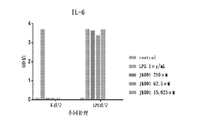
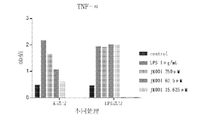
- 5-methyltetrahydrofolate in the cell culture medium at a concentration of 15.625 ⁇ m hardly affects the secretion of NO by macrophages. More interestingly, when LPS stimulation is not added , 5-Methyltetrahydrofolate is found to promote the secretion of NO at low concentrations.
- the combined use of the NO attenuating agent selected in the present invention and the NO increasing agent shows that it can significantly increase the activity of CD4+ T cell proliferation after antigen stimulation.
- Existing studies have shown that virus clearance is mediated by antigen-specific CD8+ effector T cells, and memory CD4+ T cells play an important role in maintaining the memory response of CD8+ T and B cells [Stambas J, Guillonneau C, Kedzierska K,et al.Killer T cells in influenza[J].Pharmacology&therapeutics,2008,120(2):186-196.].
- both CD4+ and CD8+ T cells are involved in the control of pneumonia, and through the production of interleukin-10 to limit excessive tissue damage. Therefore, the pharmaceutical composition of the present invention containing the above-mentioned NO attenuating agent and NO increasing agent can be used in virus elimination and anti-inflammatory treatment.
- arginine is used as an increaser of NO, and when used in combination with 5-methyltetrahydrofolate, it produces unexpected antiviral and sepsis effects.
- the composition of the present invention can significantly stimulate the proliferation of T cells in the thymus and spleen of mice.
- the combination of arginine and 5-methyltetrahydrofolate is administered.
- CD4 The proliferation of the cells was significantly increased, indicating that the composition can increase the proliferation ability of effector CD4+ T cells.
- the number of virus-specific memory CD4 + T cells can predict the severity of human infection with influenza virus, and the number of virus-specific T cells is inversely proportional to the severity of the disease.
- the composition of the present invention has the potential to treat influenza virus infection and can reduce the severity of illness. It has been known before that peroxynitrite affects the immune response of cells. Studies have supported that peroxynitrite prevents the feedback ability of inhibiting inflammation and repairing, and it is easy to make the host immune disorder during infection.
- the used composition can not only improve the host's immunity but also maintain the negative feedback mechanism of inflammation, so that the host can resist infection, especially viral infection.
- the above-mentioned pharmaceutical composition of the present invention has a subversive effect on the treatment of colds: the onset of action is fast. According to the results of more than 40 trial users, the cold symptoms disappeared within 48 hours after taking the composition, although no double-blind control was performed. Clinical trials, but the feedback results of the trial composition also exceeded expectations.
- the present invention verifies the antiviral infection effect of the composition in an animal model, and the result shows that the composition can protect the immune function of mice, reduce the pathological state of influenza virus infection of the lung, and reduce lung tissue damage.
- the combination of 5-methyltetrahydrofolate and arginine can significantly reduce the level of inflammatory factors caused by infection, and significantly reduce the lung virus titer 5 days after infection, indicating that the composition has a certain antiviral effect.
- the use of the composition can significantly increase the levels of CD4 + and CD8 + T cells infecting the spleen and thymus of mice, suggesting that although the composition reduces inflammatory factors, it does not reduce the immunity of the host.
- the results of lung tissue sections show that the composition can reduce lung tissue damage and inflammation, and shows very good efficacy in a host model for cold viruses.
- the composition is applied to the treatment of African swine fever virus infected pigs, and a very good effect is obtained, which significantly improves the survival rate of pigs infected with African swine fever virus, and further proves that the composition is resistant to The potential of the virus.
- the present invention found that the above-mentioned composition of the present invention can significantly protect the survival of the host in a high-dose virus challenge experiment, showing a certain potential for treating sepsis.
- the present invention found that 5-methyltetrahydrofolate can significantly reduce the mortality of LPS-induced sepsis mice, suggesting that 5-methyltetrahydrofolate may be beneficial for the treatment of sepsis caused by severe allergies.
- the present invention found that the combination of 5-methyltetrahydrofolate and arginine can significantly reduce the mortality of septic mice caused by infection with microorganisms (for example, Staphylococcus aureus). Sepsis is a highly fatal disease characterized by extensive apoptosis-induced depletion of immune cells and subsequent immunosuppression.
- the present invention finds that the combination of 5-methyltetrahydrofolate and arginine can significantly increase the survival rate of the host, block the apoptosis of CD4 and CD8 T cells, and the combination is proven in a variety of sepsis models caused by bacteria and viruses The curative effect of the thing.
- the antioxidant selected by the composition of the present invention has unique properties, which can alleviate the symptoms caused by pathogenic microorganism infection, and at the same time increase the level of NO, so that the pathogen killing effect mediated by NO is better than the oxidative stress mechanism triggered by NO.
- T cells do play an important role in cross-protection.
- inactivated virus vaccines often protect against certain viruses by inducing specific antibodies, but have little effect on enhancing the cross-protective T cell response.
- the composition of the present invention has the effect of enhancing the immune response.
- the use of the composition significantly increases the antibody level of the immunized animal after inoculation with rabies vaccine.
- the present invention utilizes the immune system of human and animal body, which is a natural and powerful antiviral tool. African swine fever, a severe infectious disease, is completely powerless in the prior art, with a fatality rate of 95%-100%. However, the use of the present invention shows a clear curative effect, showing that the composition has an ability to resist viral infections beyond expectations. [Oura,CA L.
- the present invention proposes for the first time the concept of safe and sufficient amount of nitric oxide to be applied to anti-viral infections, and the used compositions are synergistic with each other to show good effects.
- There are complex regulatory mechanisms in the immune system multiple signaling pathways or target targets have beneficial or harmful effects, and there are tens of thousands of research papers on nitric oxide, but the conclusions of the research are inconsistent, contradictory and difficult. Sort out.
- Some researchers even introduced the concept of “yin and yang balance” in Eastern civilization, which has expressed the role of a double-edged sword of various target mechanisms [Burke A J, Sullivan F J, Giles F J, et al.
- the composition of the present invention from the overall perspective of immunity constitutes a very significant technical effect: 1. It can significantly increase the level of immune cells in the host, or prevent the apoptosis of immune cells; 2. Effectively reduce inflammatory factors and reduce inflammatory damage; 3 . Using the immune function to regulate the virus can make the host better resist secondary infection; 4. The safety of each component in the composition is better.
- NOS nitric oxide synthase
- SNO safe nitric oxide
- nitric oxide with a controllable content of toxic free radicals such as nitrous acid peroxide which can meet the safety requirements when using nitric oxide to treat and prevent diseases
- NO attenuator It is used to reduce the reducing substances generated by toxic nitrogen-containing free radicals such as peroxide and nitrous acid.
- NO extender a precursor substance that produces NO. It is divided into chemical substances that can release NO in the body, arginine that produces enzymes to produce NO, and arginine biogenic substances.
- NO synthase inducer a substance used to induce the production of NO synthase
- Folic acid calcium 6S-5-methyltetrahydrofolate.
- the salt in the present invention refers to a pharmaceutically acceptable salt.
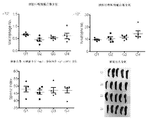
- Figure 1 The body weight change curve of each group in Example 7;
- Figure 8 The effect of the composition in Example 10 on stimulating the proliferation of CD4 T cells for three days;
- Figure 9 The results of the quantitative composition in Example 10 on stimulating the proliferation of CD4 T cells for three days;
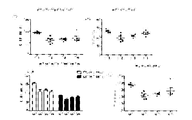
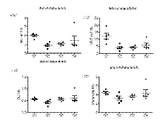
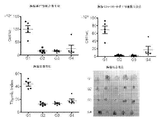
- Fig. 13 The changes in the index of the middle spleen and the total number of immune cells in the spleen in Example 13;
- Figure 14 The changes in the index of the middle spleen and the total number of immune cells in the spleen in Example 13;
- Figure 15 The changes in the index of the middle spleen and the total number of immune cells in the spleen in Example 13;
- Figure 16 The changes in the middle thymus index and the total number of immune cells in the thymus in Example 13;
- Figure 17 is a section of lung tissue in Example 13;
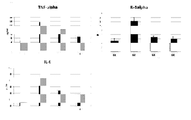
- Figure 18 Changes in the secretion of inflammatory factors in peripheral blood in Example 13;
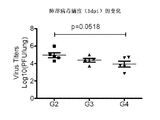
- Figure 21 is a graph of changes in LYMP/NEUP of the composition in Example 24 on the blood routine of pig ear veins.
- mice Balb/c mice, female, 6 weeks old, 15-17g, 25 mice.
- A administration group, infection administration, 10 animals;
- Infection method 150 ⁇ l 5% chloral hydrate was injected intraperitoneally to anesthetize mice, and PR8 influenza virus (1 ⁇ 106pfu/mouse) was used to infect the mice through the nose.
- mice start weighing, body temperature, water intake, and food intake on the day of infection.
- the body weight, food and water intake of mice were measured once a day at a fixed time; body temperature measurement: measured twice a day within 3 days after infection, with an interval of 12 hours, starting from 4 days after infection, and measured once a day at a fixed time. In the experiment until the 15th day after infection, the weight of the mice basically recovered.
- Cell line Macrophage RAW264.7.
- Reagents LPS (Sigma); iNOS detection kit (Stressgen); MTT (Biotopped).
- Mouse macrophages RAW264.7 were cultured in DMEM high glucose medium containing 10% FBS in a 37°C, 5% CO 2 incubator.
- LPS induction add 40 ⁇ L LPS to all wells (to a final concentration of 0.1 ⁇ g/mL);
- Vitamin C group Vitamin C and LPS per well (to a final concentration of 10 ⁇ mol/L Vitamin C, 0.1 ⁇ g/mL LPS);
- Vitamin E group Vitamin E, LPS per well (to a final concentration of 10 ⁇ mol/L Vitamin E, 0.1 ⁇ g/mL LPS);
- Glutathione group glutathione per well, LPS (to a final concentration of 10 ⁇ mol/L glutathione, 0.1 ⁇ g/mL LPS);
- 5-Methyltetrahydrofolate group each well of 5-methyltetrahydrofolate calcium, LPS, 5-methyltetrahydrofolate calcium to a final concentration of 10 ⁇ mol/L, and LPS to a final concentration of 0.1 ⁇ g/mL LPS);
- Dehydroascorbic acid group Dehydroascorbic acid per well, LPS (Dehydroascorbic acid to a final concentration of 10 ⁇ mol/L, LPS 0.1 ⁇ g/mL LPS);
- Anthocyanin group anthocyanin per well, LPS (the final concentration of anthocyanin is 10 ⁇ mol/L, LPS 0.1 ⁇ g/mL);
- Curcumin group curcumin per well, LPS (curcumin to a final concentration of 10 ⁇ mol/L, LPS 0.1 ⁇ g/mL LPS);
- Resveratrol group Resveratrol per hole, LPS (resveratrol to a final concentration of 10 ⁇ mol/L, LPS 0.1 ⁇ g/mL);
- Andrographolide group andrographolide per hole, LPS (andrographolide to a final concentration of 10 ⁇ mol/L, LPS 0.1 ⁇ g/mL);
- Baicalin group Astragaloside per hole, LPS (astragaloside to a final concentration of 10 ⁇ mol/L, LPS 0.1 ⁇ g/mL);
- NMN group NMN, LPS per well (NMN final concentration is 10 ⁇ mol/L, LPS 0.1 ⁇ g/mL);
- Tetrahydrobiopterin group Tetrahydrobiopterin, tetrahydrobiopterin, LPS (tetrahydrobiopterin, to a final concentration of 10 ⁇ mol/L, LPS 0.1 ⁇ g/mL) per well; normal group: add 50 ⁇ L of complete medium to each well.
- the level of iNOS protein in macrophages was determined by ELISA using polyclonal antibody anti-human iNOS (Stressgen). Use an automated flow cytometer to determine the number of macrophages.
- mice were sacrificed by cervical dislocation.
- the mouse spleen and lymph nodes were aseptically separated and placed in Hank's solution.
- CD4 T cells were purified from the mouse spleen and lymph nodes using immune beads (CD4+ cell extraction kit; Miltenyi Biotec, USA).
- CD4+ cell extraction kit Miltenyi Biotec, USA.
- Composition group A add 5-methyltetrahydrofolate calcium to the cell culture solution to a final concentration of 10 ⁇ mol/L, and arginine to a final concentration of 40 ⁇ mol/L;
- composition group B add dehydroascorbic acid to the cell culture solution to the final concentration Concentration 10 ⁇ mol/L, arginine to a final concentration of 40 ⁇ mol/L;
- composition group C add NMN to the cell culture solution to a final concentration of 10 ⁇ mol/L, arginine to a final concentration of 40 ⁇ mol/L;
- arginine group cell culture Add arginine to the final concentration of 40 ⁇ mol/L; blank group: use the initial cell culture medium (without L-arginine).
- the purified T cells were stained with Cell Violet Trace Proliferation kit (Invitrogen) and cultured for three days, and analyzed by flow cytometry to determine the proliferation.
- Cell Violet Trace Proliferation kit Invitrogen
- the results are shown in Figures 8, 9.
- the results show that the selected compositions can improve the proliferation of CD4 cells after stimulation to some extent, and show the ability to improve the cellular immunity of the infected host.
- Tonsillitis and other symptoms other than sore throat are defined as basic rehabilitation; including tonsillitis and sore throat are defined as complete recovery.
- Example 12 The effect of 5-methyltetrahydrofolate on some inflammatory factors and the effect of NO secretion
- Cell line Macrophage RAW264.7.
- Reagents LPS (Sigma); MTT (Biotopped); Folic acid is calcium 5-methyltetrahydrofolate (Lianyungang Jinkang Hexin Pharmaceutical Co., Ltd.); NO detection kit (Biyuntian)
- LPS group 50 ⁇ L LPS (to a final concentration of 0.1 ⁇ g/mL);
- Example 13 Investigating the early protective effect of the composition with different doses of one-time administration on influenza virus infection mice
- mice 20 (5 in each group), female, 6 weeks old, 15-17g, purchased from Weitong Lihua Experimental Animal Company;
- G1 group blank control group
- Group G2 Model Group
- Model group only modeled without administration, given equal volume of deionized water.
- Blank control group give equal volume of deionized water.
- mice were anesthetized by intraperitoneal injection of 150 ⁇ l of 5% chloral hydrate, and PR8 influenza virus (1 ⁇ 10 6 pfu/mouse) was injected intranasally.
- mice were sacrificed 5 days after infection, and lungs, thymus, spleen and peripheral blood were collected.
- Serum Serum is prepared, part of which is tested for cytokines (external test), and the rest is frozen.
- the lung tissue is divided into 2 parts, one part (the right lobe) is used to determine the virus titer; the other part (the upper tip of the left lung lobe) is fixed, embedded in paraffin, sectioned and HE stained.
- Spleen and thymus weighing, photographing, cell counting and immune cell staining.
- Weight changes weigh your body every day. Keep the sample: the serum sample on day 5 is used to detect inflammatory factors (use Biolegend's LEGENDplex Mouse Inflammation Panel detection, external inspection).
- Lungs measure virus titer; make pathological sections of lung tissue; detect changes in inflammatory factors in lung tissue.
- Thymus weighing, photographing, total thymus cell count, lymphocyte staining (CD4+, CD8+ T cells).
- Spleen weighing, photographing, total spleen cell count, splenic lymphocyte staining analysis (surface staining, B cells, CD4+T cells, CD8+T cells, NK cells, NKT cells, monocytes, macrophages, dendrites Like cells, neutrophils).
- mice 60 Kunming mice, male, weighing 14-18g, HSV-1 attacked Hela cells, HSV-1 was cultured in Hela cells for 48 hours, the virus was collected to determine the virus titer, and the mass score was 100TCID 50 10 -5 for virus inoculation Mice.
- mice were divided into control group, model group, saline treatment group, acyclovir treatment group (10mg/kg), composition group (5-methyltetrahydrofolate 14mg/kg, arginine 50mg/kg, plant Hemagglutinin 7mg/kg), the control group was injected with 0.03ml sterile normal saline, the model group and each treatment group were injected with 0.03ml HSV-1 virus solution, and then administered by gavage for 4 consecutive days. Observe the death and Other changes. After 7 days, 0.5ml of blood was taken from the eyeball, stored in a 35°C incubator for 2 hours, centrifuged at 1000r/min for 5min, and the results of detecting NO and 1L-1 ⁇ were as follows:
- composition can significantly reduce the mortality of mice under herpes virus infection, increase the release of NO in mice during the infection process, and reduce the level of inflammatory factors.
- mice Male, 6-8 weeks old, weighing 18-22g, observe the animal's general physiological indicators, body weight and eating status.
- LPS purchased from sigma company, article number: L2880.
- mice 49 male C57 mice were divided into 7 groups, 6 administration groups, 1 model group, 7 mice in each group, intraperitoneal injection of 13mg/kg LPS (dose determined by pre-experiment, because 20mg LPS dose cannot be observed for 120 hours In order to prolong the survival time of the model group, the pre-experiment confirmed that the dose was 13 mg/kg).
- Vitamin C 1:3 (equivalent to human body dosage is 100mg 5-methyltetrahydrofolate calcium, 300mg vitamin C);
- Vitamin C 1:12 (equivalent to human body dosage is 5-methyltetrahydrofolate calcium 50mg, vitamin C 600mg);
- Vitamin C 12:1 (equivalent to human body dosage is 600mg 5-methyltetrahydrofolate calcium, 50mg of vitamin C);
- Vitamin C 3:1 (equivalent to human body dosage is 1200mg 5-methyltetrahydrofolate calcium, 400mg vitamin C
- mice in groups C and D showed signs of trembling and obvious listlessness.
- Groups E and F were in the best condition, followed by groups A and B. No animals died in each group after 144h.
- mice were randomly divided into 5 groups, half male and half male, and grouped as follows:
- the administration was started. According to the above dose, the administration was divided into three doses (0, 2, and 4 days), once every other day.
- mice weighing 18-24g, half male and half male, Staphylococcus aureus and Streptococcus pneumoniae were selected as test bacteria, and randomly divided into normal group, model group, and low-dose composition group (40mg/ kg), the composition dose group (80mg/kg), the composition high dose group (160mg/kg), the amoxicillin group (120mg/kg).
- the above groups were administered intraperitoneally at 20ml/kg once a day. Except for the normal group, mice in each group were intraperitoneally injected with 0.5ml/mouse of Staphylococcus aureus solution (5 ⁇ 10 9 CFU/ml).
- mice pneumoniae infection methods and grouping conditions are the same as those of Staphylococcus aureus. Observe the death of mice in each group within 4 days after the injection of the bacterial solution, compare the differences between the groups, and calculate the survival rate. The experimental results are as follows.
- the composition can significantly improve the survival rate of the host.
- an independent experiment was carried out. ICR mice were taken and injected with 0.5ml of Staphylococcus aureus solution (5 ⁇ 10 9 CFU/ml ), among which 10 model mice were injected intraperitoneally with 20 mg/kg of the composition solution of 5-methyltetrahydrofolate and arginine at the same time, 24 hours after modeling, the mice were sacrificed and the spleens were collected. Spleen total cell count, splenic lymphocyte staining analysis (surface staining, B cells, CD4+T cells, CD8+T cells, NK cells.
- the results are shown in Figure 20.
- the results show that the composition can prevent the apoptosis of CD4 and CD8 T cells in sepsis. After 24 hours of model building in septic mice, sepsis induces apoptosis of all types of immune effector cells.
- BAL B/C male rats Take 50 BAL B/C male rats, weighing 18-22g, and divide them into 6 groups, each with 8 rats, of which the experimental group is 2 groups, and the rest are various control groups, which are the composition low-dose group (40mg/kg ), composition high-dose group (80mg/kg), normal group, model group, penicillin group (450mg/kg), meropenem group (75mg/kg).
- the composition low-dose group 40mg/kg
- composition high-dose group 80mg/kg
- normal group normal group
- model group penicillin group
- meropenem group 75mg/kg
- a lethal dose of Pseudomonas aeruginosa was intraperitoneally injected into BAL B/C male mice in each experimental group and three control groups at a dose of 500 ⁇ L/head. Thirty minutes after the BAL B/C male mice in the experimental group were infected with the bacteria, the dosage group and the high-dose composition group were administered intragastrically, the penicillin group and the meropenem group were also administered intragastrically, and the normal group was intragastrically administered purified water.
- BAL B/C male mice of each experimental group and control group were given a second administration, and the type and dosage of administration were the same as the first administration.
- BAL B/C male rats were observed every 24h after administration, and their survival was recorded. All animals were killed on the 15th day.
- the composition of the present invention can maintain 100% survival of mice infected with a lethal dose of Pseudomonas aeruginosa for 14 days.
- the survival rate of mice in the meropenem group was 100% after 14 days, while the penicillin group all died, and the model group also all died.
- Example 19 The death protection effect of the composition treatment and preventive administration on H1N1 (FM1) influenza virus infection mice
- ICR mice SPF grade, weighing 13-15g, half male and half female. Provided by Beijing Weitonglihua Experimental Animal Co., Ltd., license number: SCXK ( ⁇ )2016-0006, animal certificate: 1100111911082385.
- test substances were all used 1000 times dilution of FM1 strain to carry out nasal infection in mice, and the composition was divided into three dosage groups of high, medium and low.
- a preventive administration group was set up, and a low-dose one-time administration was used, and the vitamin group was set to compare with the middle-dose group.
- the official test concentration is 1000 times FM1 diluent, 45 ⁇ l/head, nasal infection.
- a total of 130 ICR mice were taken, and the animals were randomly divided into 7 groups according to their weight levels, which were a normal control group, a model control group, a high, medium, and low-dose composition group, a composition prevention group, and a composition post-treatment group. Take 10 animals as the normal control group, and the other 20 animals in each group were infected with H1N1 influenza virus at a rate of 45 ul/each. After infection, each administration group was given by gavage, 0.1ml/10g.
- Model control group give the same amount of saline
- the composition (5-methyltetrahydrofolate:arginine:vitamin C 3:12:1) 0.173g/kg body weight, and the two administration times are respectively on the 3rd day and the 6th day after infection.
- the results show that the high-dose composition group has a protective effect on animal death after the first infection and repeated infections.
- the preventive administration group also has a certain protective effect. It is suggested that in addition to reducing the mortality of mice caused by influenza virus, the composition has better therapeutic and death protection effects on animals, and its preventive administration also shows a certain protective effect, which can prolong the survival time of mice.
- Example 20 The inhibitory effect of the composition of formula A on the fever caused by endotoxin
- composition preparation 5-methyltetrahydrofolate calcium and vitamin C are mixed at a mass ratio of 1:1, and after three-dimensional mixing and total mixing, a composition of formula A is prepared.
- Endotoxin preparation According to previous reports, this experiment was reported in the literature. After pre-experiment, the calorific value of endotoxin was determined to be 250ng/ml/kg, and it was prepared with normal saline before the experiment.
- Each rabbit was injected endotoxin from the ear vein.
- the rectal temperature was measured, and the groups were divided into groups according to the changes in body temperature. They were the model group, the positive drug group, and the pharmaceutical composition A of the invention with a large formula (40mg/kg), Medium (20mg/kg) and small (10mg/kg) dose groups.
- Each administration group was given once by gavage, 2ml/kg, and the model group was given distilled water under the same conditions.
- the rectal temperature was measured 0.5h, 1h, 1.5h, 2h after administration.
- the experimental results are shown in Table 13.
- Example 21C formula in vivo anti-Mycoplasma pneumonia test
- the international standard strain of Mycoplasma pneumoniae (ATCCFH15531) was purchased from the American Culture Collection.
- Formula C composition self-made in the laboratory, 5-methyltetrahydrofolate calcium, arginine, and phytohemagglutinin were mixed in a ratio of 2:8:1, and after total mixing, the composition of formula C was obtained.
- mice Fifty BALB/C mice, half male and half male, weighing 16-20 g, were purchased from Guangdong Medical Experimental Animal Center.
- mice were randomly divided into 5 groups, each with half male and female. They were normal control group, model control group, positive drug control group (40mg/kg), and C composition high-dose group ( 80mg/kg), C (40mg/kg) composition low dose group. Except for the normal control group, the mice in the other groups were anesthetized with ether, and infected with 50 ⁇ L of Mycoplasma pneumoniae (MP) bacterial solution with a concentration of 10 6 CCU/ml through the nose for 3 consecutive days. After that, intragastric administration was started, once a day for 10 consecutive days. 4 hours after the last administration, the mice’s eyeballs were taken blood and sacrificed. The lungs, spleen, and thymus were weighed for pathological observation. Another small piece of lung tissue was taken, and the content of MP was quantitatively detected by PCR after grinding. The results are as follows.
- the spleen index of the mice in the blank control group is significantly different, and the spleen index of the mice in each administration group is significantly different, which suggests that MP is killed in the body after administration.
- Example 22 The effect of nitric oxide composition as an immune adjuvant on the effect of rabies virus vaccine
- mice 30 adult Kunming mice, weighing 20-28g, male and female, were obtained from Experimental Animal Center of Xinjiang Medical University, rabies rSRV 9 live attenuated oral freeze-dried vaccine (Beijing Zhongliankang Biotechnology Co., Ltd.), nitric oxide composition B formula preparation: 5-methyltetrahydrofolate calcium and arginine are mixed at a mass ratio of 1:4, which is worthy of the B formula composition.
- the 30 mice were divided into 3 groups, 10 mice in each group. They are the blank control group, the virus oral immunization group, and the formula B + virus oral immunization group.
- the corresponding vaccines were taken orally on the first, 7th, and 14th days of the test, and blood was collected from the orbit at 0, 14, 21, 35, 42, and 70 days after immunization. 300 ⁇ L/mouse was collected from the orbit. After standing for 1 hour, centrifuged at 5000r/min for 5min, and the serum was drawn ; Simultaneously collect mouse feces about 0.05g, put in 500 ⁇ L of PBS (pH value about 7.4), crush to form a turbid liquid, centrifuge to extract the supernatant, and store in the refrigerator at -20°C. Serum IgG antibody is detected by ELISA detection kit, stool IgA The antibody was detected by the mouse serum rabies specific IgA antibody ELISA detection kit. The results are as follows.
- composition B can increase the level of IgG antibodies in the serum.
- composition C After the oral vaccine is combined with composition C, there is a considerable degree of antibodies on the 14th day. After 21 days of immunization, there are significant differences in antibodies between different groups.
- the formula B composition can improve the immune activity of the vaccine.
- the rSRV 9 virus oral attenuated vaccine can significantly increase the expression of antibodies in mice and reduce the immunity The number of vaccinations can improve the immune effect.
- a case of African swine fever was confirmed by the China Center for Animal Health and Epidemiology.
- the positive sample came from a farmer in Ganyu District, Lianyungang, Jiangsu province. This household had 300 live pigs and 130 cases of disease. More than 120 heads died.
- Anatomy of the dead pigs, pathological examination found: pulmonary hemorrhage, interstitial pneumonia and other symptoms, anatomy of the spleen revealed severe spleen enlargement, severe splenomegaly 7 times; stomach anatomy revealed diffuse gastric serosal surface Bleeding; kidney swelling is obvious, in line with the symptoms of African swine fever.
- the blood of 3 pigs with diseased hair and 10 healthy pigs from the household was centrifuged at 3000 r/min, and the serum was taken into Roche with ceramic beads, and PBS buffer was added.
- the DNA was extracted using a viral DNA kit. The detection was determined to be ASFV African pigs. Plague Genotype II, a genus of viruses broadcast in the Russian Far East and Eastern Europe in 2017. Use the formula C composition to intervene in the treatment of African swine fever.
- composition injection 5-methyltetrahydrofolate calcium, L-arginine and phytohemagglutinin are mixed in a ratio of 2:8:1, and after total mixing, a composition of formula C is obtained. After sterilization, the composition of formula C is dissolved in physiological saline, filtered through a microfiltration membrane, activated carbon absorbs the heat source, and then prepared into an injection.
- results show that: it has an unexpected effect on African swine fever pigs, suggesting that the formula C composition has a very good antiviral effect.
- the results showed that only one pig died within 7 days. Afterwards, due to policy requirements, all infected pigs were put to death, and other infected pigs of the farmer died 3 to 4 days after the onset of illness.
- the blood was collected, and after standing for 1 hour, centrifuged at 5000 r/min for 5 min, and the serum was drawn. Detect IgG antibody levels. Add Krebs-HEPES buffer to the blood, keep it at 37°C, let it stand for 30 minutes, add L-NAME (100 ⁇ M), and detect the content of superoxide, nitrite and NO by electrochemical methods.
- the cured pigs were sacrificed and dissected for pathological observation. It was found that the cured pigs had local bleeding in the lungs except for the slightly larger spleen.
- the blood was collected, and after standing for 1 hour, centrifuged at 5000 r/min for 5 min, and the serum was drawn. Detect IgG antibody levels. Krebs-HEPES buffer was added to the blood, maintained at 37°C, and allowed to stand for 30 minutes, then L-NAME (100 ⁇ M) was added, and the content of nitrite and NO was detected by photochemical method.
- composition of the present invention can reduce the death of malignant virus due to immune overexpression by reducing RNS, and maintain the normal operation of the immune system to achieve the purpose of eliminating the virus.
- the implementation effect of the composition of the present invention greatly exceeds expectations.
- Example 24 Effect of composition on pig immune cells
- compositions containing 5-methyltetrahydrofolate Three common domestic pigs, about 3 months old and weighing about 25 kg, were given a composition containing 5-methyltetrahydrofolate.
- the preparation process of the composition is as follows: 5-methyltetrahydrofolate calcium and L- Arginine and phytohemagglutinin are mixed in a ratio of 1:4:0.1 to obtain a pharmaceutical composition.
- the composition Before taking the composition, take blood from the ears and test blood routinely. After that, the composition was taken orally at 30 mg per kilogram of pig body weight every day, and ear blood was taken in the first week and the second week, and the blood was measured routinely.
- the main indicators of routine blood testing are LYMP (lymphocytes) and NEUP (neutrophils).
- the blood routine test indicators are as follows:
Landscapes
- Health & Medical Sciences (AREA)
- Life Sciences & Earth Sciences (AREA)
- Chemical & Material Sciences (AREA)
- Medicinal Chemistry (AREA)
- Pharmacology & Pharmacy (AREA)
- Animal Behavior & Ethology (AREA)
- General Health & Medical Sciences (AREA)
- Public Health (AREA)
- Veterinary Medicine (AREA)
- Epidemiology (AREA)
- Virology (AREA)
- Molecular Biology (AREA)
- Organic Chemistry (AREA)
- General Chemical & Material Sciences (AREA)
- Nuclear Medicine, Radiotherapy & Molecular Imaging (AREA)
- Oncology (AREA)
- Communicable Diseases (AREA)
- Chemical Kinetics & Catalysis (AREA)
- Engineering & Computer Science (AREA)
- Biotechnology (AREA)
- Pulmonology (AREA)
- Acyclic And Carbocyclic Compounds In Medicinal Compositions (AREA)
- Pharmaceuticals Containing Other Organic And Inorganic Compounds (AREA)
- Medicines That Contain Protein Lipid Enzymes And Other Medicines (AREA)
- Medicinal Preparation (AREA)
- Medicines Containing Antibodies Or Antigens For Use As Internal Diagnostic Agents (AREA)
- Medicines Containing Plant Substances (AREA)
- Botany (AREA)
- Gastroenterology & Hepatology (AREA)
- Bioinformatics & Cheminformatics (AREA)
- Immunology (AREA)
- Proteomics, Peptides & Aminoacids (AREA)
Abstract
Description


Claims (8)
- 一种用于预防和治疗猪瘟的药物组合物,其包括NO减毒剂和NO增量剂,所述NO减毒剂选自5-甲基四氢叶酸或其盐,去氢抗坏血酸,NMN中的一种或者几种,所述NO增量剂选自精氨酸、瓜氨酸或精氨酸生素中的一种或几种。
- 根据权利要求1的组合物,其包括5-甲基四氢叶酸和精氨酸。
- 根据权利要求2的组合物,其还包括植物血凝素。
- 根据权利要求3的组合物,5-甲基四氢叶酸:精氨酸:植物血凝素的质量比为2:8:1。
- 根据权利要求1的组合物,所述猪瘟为非洲猪瘟。
- 根据权利要求1的组合物,所述组合物能够提高病毒感染宿主的T细胞水平,特别是CD4以及CD8T细胞,降低炎症因子的表达,抗病毒感染。
- 根据权利要求1或权利要求4的组合物,所述组合物单剂量的活性成分为至少30mg/公斤,例如50mg/公斤。
- 权利要求1-7任一项的组合物在制备预防或治疗猪瘟的药物组合物中的用途。
Priority Applications (4)
| Application Number | Priority Date | Filing Date | Title |
|---|---|---|---|
| BR112022002156A BR112022002156A2 (pt) | 2019-08-06 | 2020-08-06 | Composição farmacêutica para tratamento da febre suína africana e seu uso |
| JP2022506894A JP7681000B2 (ja) | 2019-08-06 | 2020-08-06 | アフリカ豚熱を治療するための薬物組成物及びその使用 |
| US17/631,948 US20220280508A1 (en) | 2019-08-06 | 2020-08-06 | Pharmaceutical composition for treating african swine fever and use thereof |
| EP20850334.2A EP4011372A4 (en) | 2019-08-06 | 2020-08-06 | PHARMACEUTICAL COMPOSITION FOR TREATING AFRICAN SWINE FEVER, AND USE |
Applications Claiming Priority (2)
| Application Number | Priority Date | Filing Date | Title |
|---|---|---|---|
| CN201910719544 | 2019-08-06 | ||
| CN201910719544.6 | 2019-08-06 |
Publications (1)
| Publication Number | Publication Date |
|---|---|
| WO2021023264A1 true WO2021023264A1 (zh) | 2021-02-11 |
Family
ID=73500191
Family Applications (2)
| Application Number | Title | Priority Date | Filing Date |
|---|---|---|---|
| PCT/CN2020/107411 Ceased WO2021023264A1 (zh) | 2019-08-06 | 2020-08-06 | 用于治疗非洲猪瘟的药物组合物及其用途 |
| PCT/CN2020/107409 Ceased WO2021023263A1 (zh) | 2019-08-06 | 2020-08-06 | 产生安全量的一氧化氮的药物组合物及其用途 |
Family Applications After (1)
| Application Number | Title | Priority Date | Filing Date |
|---|---|---|---|
| PCT/CN2020/107409 Ceased WO2021023263A1 (zh) | 2019-08-06 | 2020-08-06 | 产生安全量的一氧化氮的药物组合物及其用途 |
Country Status (7)
| Country | Link |
|---|---|
| US (3) | US20220273686A1 (zh) |
| EP (2) | EP4011372A4 (zh) |
| JP (2) | JP7681000B2 (zh) |
| CN (2) | CN114340609B (zh) |
| AU (1) | AU2020324248A1 (zh) |
| BR (2) | BR112022002156A2 (zh) |
| WO (2) | WO2021023264A1 (zh) |
Families Citing this family (7)
| Publication number | Priority date | Publication date | Assignee | Title |
|---|---|---|---|---|
| US20220273686A1 (en) * | 2019-08-06 | 2022-09-01 | Lianyungang Jinkang Hexin Pharmaceutical Co., Ltd. | Pharmaceutical composition for producing safe amount of nitric oxide and use thereof |
| BR112022021454A2 (pt) * | 2020-04-23 | 2023-01-31 | Thirty Respiratory Ltd | Óxido nítrico ou composições liberadoras de óxido nítrico para uso no tratamento de sars-cov e sars-cov-2 |
| CN113018306A (zh) * | 2021-03-05 | 2021-06-25 | 中国人民解放军军事科学院军事医学研究院 | 烟酰胺单核苷酸在制备抑制SARS-CoV-2病毒易感性药物中的应用 |
| CN113197902A (zh) * | 2021-04-16 | 2021-08-03 | 连云港金康和信药业有限公司 | 6s-5-甲基四氢叶酸及其药学上可接受的盐用于增强免疫力的应用 |
| CN114469913B (zh) * | 2022-02-17 | 2024-03-22 | 中国农业科学院哈尔滨兽医研究所(中国动物卫生与流行病学中心哈尔滨分中心) | Tilorone用于预防/治疗非洲猪瘟病毒感染的应用 |
| CN118490687B (zh) * | 2024-05-11 | 2026-03-27 | 中国农业科学院兰州兽医研究所(中国动物卫生与流行病学中心兰州分中心) | 化合物r-7050用于预防或治疗非洲猪瘟的新用途 |
| CN119174772B (zh) * | 2024-11-26 | 2025-02-28 | 四川省医学科学院·四川省人民医院 | 果糖-1,6-二磷酸在制备防治单纯疱疹病毒1型感染药物中的应用 |
Citations (4)
| Publication number | Priority date | Publication date | Assignee | Title |
|---|---|---|---|---|
| CN1106296A (zh) * | 1993-09-08 | 1995-08-09 | 山道士营养有限公司 | 营养补剂 |
| WO2017123418A1 (en) * | 2016-01-11 | 2017-07-20 | Synlogic, Inc. | Bacteria engineered to treat metabolic diseases |
| CN108865995A (zh) * | 2018-08-16 | 2018-11-23 | 深圳市拓普生物科技有限公司 | 促进脾脏来源的cd8阳性t细胞增殖的诱导培养组合物及其应用 |
| CN109350623A (zh) * | 2018-05-25 | 2019-02-19 | 泓博元生命科技(深圳)有限公司 | 包含nadh和神经酰胺的抗衰老组合物及其制剂和制备方法与应用 |
Family Cites Families (24)
| Publication number | Priority date | Publication date | Assignee | Title |
|---|---|---|---|---|
| US6043268A (en) * | 1994-06-29 | 2000-03-28 | Hiroshi Maeda | Agent for treatment of viral infections |
| EP1671630A3 (en) * | 1999-02-05 | 2007-05-09 | Angiogenix, Inc. | L-Arginine based formulations for treating diseases and methods of using the same |
| US6544994B2 (en) * | 2000-06-07 | 2003-04-08 | Eprov Ag | Pharmaceutical preparation for treating or preventing cardiovascular or neurological disorders by modulating of the activity of nitric oxide synthase |
| US6689810B2 (en) * | 2001-08-21 | 2004-02-10 | Cellular Sciences, Inc. | Method for treating pulmonary disease states in mammals by altering indigenous in vivo levels of nitric oxide |
| US8076373B2 (en) * | 2001-09-11 | 2011-12-13 | North Cell Pharmacetical | Method for treating mammalian diseases and injuries caused by the over-expression of peroxynitrite |
| CH696628A5 (de) * | 2002-02-26 | 2007-08-31 | Eprova Ag | Verwendung von Folaten zur Herstellung einer Zubereitung geeignet zur Vorbeugung und Behandlung von Entzündungen und entzündungsassoziierter Krankheiten, im Speziellen zur Beeinflussung der |
| US20080213403A1 (en) * | 2002-07-25 | 2008-09-04 | Alain Martin | Method for treating pulmonary disease states in mammals by altering indigenous in vivo levels of nitric oxide |
| US20090047340A1 (en) * | 2006-03-29 | 2009-02-19 | Guilford F Timothy | Liposomal reduced glutathione and 1-arginine, including with other ingredient(s), capable of multipath administration for reversal and prevention of obesity and for mitochondrial biogenesis |
| CN101116670B (zh) * | 2006-08-01 | 2010-11-10 | 广州和竺生物科技有限公司 | 可提供活性甲基或参与甲基转移的化合物作为制备治疗病毒性疾病的药的应用 |
| US20080064702A1 (en) * | 2006-09-08 | 2008-03-13 | Charalambos Antoniades | Use of folates for the prevention and treatment of vascular diseases |
| US9359411B2 (en) * | 2008-07-31 | 2016-06-07 | Maw Hsing Biotech Co., Ltd. | Yeast expressed classical swine fever virus glycoprotein E2 and use thereof |
| FI20095550A0 (fi) * | 2009-05-19 | 2009-05-19 | Bayer Schering Pharma Oy | Vaginaalinen antojärjestelmä |
| JP5838969B2 (ja) * | 2010-02-26 | 2016-01-06 | 味の素株式会社 | 低分子化合物とアルギニンとを含有するウイルス不活化用組成物 |
| US9216178B2 (en) * | 2011-11-02 | 2015-12-22 | Biomarin Pharmaceutical Inc. | Dry blend formulation of tetrahydrobiopterin |
| US20130129680A1 (en) * | 2011-11-23 | 2013-05-23 | Thomas Christian Lines | Method for treating hepatitis c virus infection using quercetin-containing compositions |
| EP2805952B1 (en) * | 2012-01-20 | 2019-02-06 | Lianyungang Jinkang Hexin Pharmaceutical Co. Ltd. | Crystal form of (6s)-5-methyltetrahydrofolate salt and method for preparing same |
| CN103053863B (zh) * | 2013-02-06 | 2013-10-02 | 韶关金苹果饲料有限公司 | 一种具有提高免疫力和除臭效果的猪用饲料添加剂 |
| EP2968306B1 (en) * | 2013-03-15 | 2023-06-07 | Washington University | Administration of nicotinamide mononucleotide in the treatment of dry eye |
| WO2015148522A1 (en) * | 2014-03-24 | 2015-10-01 | Seals Douglas R | Methods for treatment of vascular endothelial dysfunction using nicotinamide mononucleotide |
| CN104232564A (zh) * | 2014-05-12 | 2014-12-24 | 杭州国牧生物科技有限公司 | 一种st细胞制备猪瘟疫苗的培养基及其使用方法 |
| CN106135895A (zh) * | 2015-04-21 | 2016-11-23 | 淄博维克勋医药技术有限公司 | 一种营养补充剂 |
| BR112018015927A2 (pt) * | 2016-02-03 | 2018-12-26 | Quercegen Pharmaceuticals Llc | método para o tratamento da infecção pelo vírus zika com composições contendo quercetina |
| JP6641240B2 (ja) | 2016-06-27 | 2020-02-05 | オリエンタル酵母工業株式会社 | ナチュラルキラー細胞の活性化剤 |
| US20220273686A1 (en) * | 2019-08-06 | 2022-09-01 | Lianyungang Jinkang Hexin Pharmaceutical Co., Ltd. | Pharmaceutical composition for producing safe amount of nitric oxide and use thereof |
-
2020
- 2020-08-06 US US17/632,003 patent/US20220273686A1/en not_active Abandoned
- 2020-08-06 JP JP2022506894A patent/JP7681000B2/ja active Active
- 2020-08-06 CN CN202080055716.5A patent/CN114340609B/zh active Active
- 2020-08-06 BR BR112022002156A patent/BR112022002156A2/pt unknown
- 2020-08-06 JP JP2022506932A patent/JP7709427B2/ja active Active
- 2020-08-06 WO PCT/CN2020/107411 patent/WO2021023264A1/zh not_active Ceased
- 2020-08-06 CN CN202010783197.6A patent/CN112007163B/zh active Active
- 2020-08-06 BR BR112022002123A patent/BR112022002123A2/pt unknown
- 2020-08-06 EP EP20850334.2A patent/EP4011372A4/en active Pending
- 2020-08-06 AU AU2020324248A patent/AU2020324248A1/en active Pending
- 2020-08-06 EP EP20850185.8A patent/EP4011371A4/en active Pending
- 2020-08-06 US US17/631,948 patent/US20220280508A1/en active Pending
- 2020-08-06 WO PCT/CN2020/107409 patent/WO2021023263A1/zh not_active Ceased
-
2025
- 2025-04-21 US US19/184,555 patent/US20250249026A1/en active Pending
Patent Citations (4)
| Publication number | Priority date | Publication date | Assignee | Title |
|---|---|---|---|---|
| CN1106296A (zh) * | 1993-09-08 | 1995-08-09 | 山道士营养有限公司 | 营养补剂 |
| WO2017123418A1 (en) * | 2016-01-11 | 2017-07-20 | Synlogic, Inc. | Bacteria engineered to treat metabolic diseases |
| CN109350623A (zh) * | 2018-05-25 | 2019-02-19 | 泓博元生命科技(深圳)有限公司 | 包含nadh和神经酰胺的抗衰老组合物及其制剂和制备方法与应用 |
| CN108865995A (zh) * | 2018-08-16 | 2018-11-23 | 深圳市拓普生物科技有限公司 | 促进脾脏来源的cd8阳性t细胞增殖的诱导培养组合物及其应用 |
Non-Patent Citations (20)
| Title |
|---|
| ANNANE DCARIOU AMAXIME V ET AL.: "Corticosteroid treatment and intensive insulin therapy for septic shock in adults: a randomized controlled trial", JAMA, vol. 303, no. 4, 2010, pages 341 - 348 |
| ARTENSTEIN AWHIGGINS TLOPAL SM: "Sepsis and scientific revolutions", CRIT CARE MED, vol. 41, no. 12, 2013, pages 2770 - 2772 |
| BOGDAN C: "Regulation of lymphocytes by nitric oxide", METHODS MOL BIOL, vol. 677, 2011, pages 375 - 393 |
| BURKE A JSULLIVAN F JGILES F J ET AL.: "The yin and yang of nitric oxide in cancer progression", CARCINOGENESIS, vol. 34, no. 3, 2013, pages 503 - 512 |
| CHANG XUENILI MINZHANG ZHENGXIN ET AL.: "Meta analysis of efficacy of vitamin C in treatment of patients with sepsis and septic shock", CHINESE JOURNAL OF CRITICAL CARE MEDICINE, vol. 012, no. 001, 2019, pages 37 - 41 |
| DIXON L KISLAM MNASH R ET AL.: "African swine fever virus evasion of host defences", VIRUS RESEARCH, 2019 |
| EDIRISINGHE IARUNACHALAM GWONG C ET AL.: "Cigarette-smoke-induced oxidative/nitrosative stress impairs VEGF- and fluid-shear-stress-mediated signaling in endothelial cells", ANTIOXID REDOX SIGNAL, vol. 12, no. 12, 2010, pages 1355 - 1369 |
| GAO, FENG: "Factors Critical for Successful Vaccination Against Classical Swine Fever in Endemic Areas", ANIMAL SCIENCE ABROAD(PIGS AND POULTRY), vol. 29, no. 1, 25 January 2009 (2009-01-25), pages 7 - 11, XP009533214, ISSN: 1001-0769 * |
| GARCIA-ORTIZ AMARTIN-COFRECES N BIBIZA S ET AL.: "eNOS S-nitrosylates β-actin on Cys374 and regulates PKC-Θ at the immune synapse by impairing actin binding to profilin-l", PLOS BIOLOGY, vol. 15, no. 4, 2017, pages e2000653 |
| HAUSER BBRACHT HMATEJOVIC M ET AL.: "Nitric oxide synthase inhibition in sepsis? Lessons learned from large-animal studies", ANESTHESIA & ANALGESIA, vol. 101, no. 2, 2005, pages 488 - 498, XP003010960, DOI: 10.1213/01.ANE.0000177117.80058.4D |
| HOTCHKISS R SMOLDAWER L LOPAL S M ET AL.: "Sepsis and septic shock", NATURE REVIEWS DISEASE PRIMERS, vol. 2, no. 1, 2016, pages 1 - 21, XP037134833, DOI: 10.1038/nrdp.2016.45 |
| KARUPIAH GCHEN JHMAHALINGAM SNATHAN CFMACMICKING JD: "Rapid interferon gamma-dependent clearance of influenza A virus and protection from consolidating pneumonitis in nitric oxide synthase 2-deficient mice", J EXP MED., vol. 188, no. 8, 1998, pages 1541 - 1546, XP002156508, DOI: 10.1084/jem.188.8.1541 |
| KELSO, ANNE: "CD4+ T cells limit the damage in influenza", NATURE MEDICINE, vol. 18, no. 2, 2012, pages 200 - 202, XP037135474, DOI: 10.1038/nm.2654 |
| LIU JUAN, LU XIN-XIN ,MENG HUI: "Progress on Pharmacological Activities and Production Methods of Citrulline", JOURNAL OF PHARMACEUTICAL PRACTICE, vol. 29, no. 3, 25 May 2011 (2011-05-25), pages 173 - 175+216, XP055777985, ISSN: 1006-0111 * |
| OURA, C. A L.: "In vivo depletion of CD8+ T lymphocytes abrogates protective immunity to African swine fever virus", JOURNAL OF GENERAL VIROLOGY, vol. 86, no. 9, 2005, pages 2445 - 2450 |
| See also references of EP4011372A4 |
| STAMBAS JGUILLONNEAU CKEDZIERSKA K ET AL.: "Killer T cells in influenza", PHARMACOLOGY & THERAPEUTICS, vol. 120, no. 2, 2008, pages 186 - 196, XP025545712, DOI: 10.1016/j.pharmthera.2008.08.007 |
| THOMAS DDRIDNOUR LAESPEY MG ET AL.: "Superoxide fluxes limit nitric oxide-induced signaling", J BIOL CHEM., vol. 281, no. 36, 2006, pages 25984 - 25993 |
| WANG CSUN JZHENG J ET AL.: "Low-dose hydrocortisone therapy attenuates septic shock in adult patients but does not reduce 28-day mortality: a meta-analysis of randomized controlled trials", ANESTHESIA & ANALGESIA, vol. 118, no. 2, 2014, pages 346 - 357 |
| ZHANG BZHOU XQIU Y ET AL.: "Clinical characteristics of 82 death cases with COVID-19", MEDRXIV, 2020 |
Also Published As
| Publication number | Publication date |
|---|---|
| JP2022545341A (ja) | 2022-10-27 |
| EP4011371A1 (en) | 2022-06-15 |
| WO2021023263A1 (zh) | 2021-02-11 |
| US20220280508A1 (en) | 2022-09-08 |
| JP7709427B2 (ja) | 2025-07-16 |
| BR112022002156A2 (pt) | 2022-06-07 |
| CN114340609B (zh) | 2024-10-11 |
| CN112007163B (zh) | 2023-07-28 |
| EP4011372A4 (en) | 2023-08-30 |
| BR112022002123A2 (pt) | 2022-04-12 |
| CN112007163A (zh) | 2020-12-01 |
| JP7681000B2 (ja) | 2025-05-21 |
| US20220273686A1 (en) | 2022-09-01 |
| EP4011371A4 (en) | 2024-02-07 |
| JP2022545771A (ja) | 2022-10-31 |
| AU2020324248A1 (en) | 2022-03-10 |
| EP4011372A1 (en) | 2022-06-15 |
| US20250249026A1 (en) | 2025-08-07 |
| CN114340609A (zh) | 2022-04-12 |
Similar Documents
| Publication | Publication Date | Title |
|---|---|---|
| CN114340609B (zh) | 产生安全量的一氧化氮的药物组合物及其用途 | |
| Zheng et al. | Mechanism of COVID-19 causing ARDS: exploring the possibility of preventing and treating SARS-CoV-2 | |
| Wei et al. | Baicalin inhibits influenza A (H1N1)‐induced pyroptosis of lung alveolar epithelial cells via caspase‐3/GSDME pathway | |
| Tang et al. | A narrative review of COVID-19: magnesium isoglycyrrhizinate as a potential adjuvant treatment | |
| Al-Kamel et al. | Glycyrrhizin as a potential treatment for the novel coronavirus (COVID-19) | |
| Wang et al. | Protective effect of eburicoic acid of the chicken of the woods mushroom, Laetiporus sulphureus (higher Basidiomycetes), against gastric ulcers in mice | |
| Wang et al. | The therapeutic promises of Lianhuaqingke in the mice model of coronavirus pneumonia (HCoV-229E and SARS-CoV-2) | |
| Xu et al. | Naringenin inhibits PRV replication by regulating the TLR4/NF-κB pathway mediated inflammatory response | |
| Huang et al. | Synergistic therapeutic effects and immunoregulatory mechanism of Maxing Shigan decoction combined with Sijunzi Decoction on viral Pneumonia in mice | |
| Qin et al. | Effects of Gui Zhi Ma Huang Ge Ban Tang on the TLR7 pathway in influenza virus infected mouse lungs in a cold environment | |
| Zhang et al. | Synergistic effects of Lianhuaqingwen in combination with Oseltamivir and Baloxavir against seasonal influenza virus: In vitro and in vivo assessment | |
| CN105920026A (zh) | 木犀草苷在制备治疗或预防手足口病药物中的应用 | |
| Manna et al. | COVID-19 and its genomic variants: Molecular pathogenesis and therapeutic interventions | |
| Li et al. | Icariside II regulates TLR4/NF-κB signaling pathway to improve septic lung injury. | |
| EP4157333A1 (en) | Method for the treatment of a viral infection with human alpha-1 antitrypsin | |
| Zhou et al. | Experimental study on pharmacodynamics of pudilan xiaoyan oral liquid for preventing and treating respiratory virus infection | |
| Rezghi Rami et al. | Therapeutic potentials and candidates for COVID-19 | |
| WO2007071159A1 (en) | The use of anthraquinone derivatives for preparation of medicaments against influenza and “bird flu” viruse | |
| CN103341026B (zh) | 一种防治流感的组合物及其制剂制备方法和应用 | |
| CN102526086A (zh) | 女贞苷的提取方法及其制备药物用途 | |
| CN105267215B (zh) | 一种用于严重烧伤治疗的免疫调节剂 | |
| Chaudhry et al. | A Review on the Advancements in COVID-19 Treatments and Vaccines Development | |
| CN116036084A (zh) | 千金藤素在制备治疗冠状病毒感染患者的药物中的用途 | |
| ABDEL-WAHAB et al. | Discovery of COVID-19 and VOC 20 2012/01 life cycles and the proposed drugs to treat patients. | |
| CN106728123A (zh) | 炎消迪娜儿药物组合物在制备治疗药源性肝损伤药物中的应用 |
Legal Events
| Date | Code | Title | Description |
|---|---|---|---|
| 121 | Ep: the epo has been informed by wipo that ep was designated in this application |
Ref document number: 20850334 Country of ref document: EP Kind code of ref document: A1 |
|
| ENP | Entry into the national phase |
Ref document number: 2022506894 Country of ref document: JP Kind code of ref document: A |
|
| NENP | Non-entry into the national phase |
Ref country code: DE |
|
| REG | Reference to national code |
Ref country code: BR Ref legal event code: B01A Ref document number: 112022002156 Country of ref document: BR |
|
| ENP | Entry into the national phase |
Ref document number: 2020850334 Country of ref document: EP Effective date: 20220307 |
|
| ENP | Entry into the national phase |
Ref document number: 112022002156 Country of ref document: BR Kind code of ref document: A2 Effective date: 20220204 |