WO2021026150A1 - Methods for the treatment of apoc3-related diseases and disorders - Google Patents
Methods for the treatment of apoc3-related diseases and disorders Download PDFInfo
- Publication number
- WO2021026150A1 WO2021026150A1 PCT/US2020/044879 US2020044879W WO2021026150A1 WO 2021026150 A1 WO2021026150 A1 WO 2021026150A1 US 2020044879 W US2020044879 W US 2020044879W WO 2021026150 A1 WO2021026150 A1 WO 2021026150A1
- Authority
- WO
- WIPO (PCT)
- Prior art keywords
- dose
- pharmaceutical composition
- apoc3
- administered
- apoc3 rnai
- Prior art date
- Legal status (The legal status is an assumption and is not a legal conclusion. Google has not performed a legal analysis and makes no representation as to the accuracy of the status listed.)
- Ceased
Links
Classifications
-
- A—HUMAN NECESSITIES
- A61—MEDICAL OR VETERINARY SCIENCE; HYGIENE
- A61K—PREPARATIONS FOR MEDICAL, DENTAL OR TOILETRY PURPOSES
- A61K48/00—Medicinal preparations containing genetic material which is inserted into cells of the living body to treat genetic diseases; Gene therapy
-
- A—HUMAN NECESSITIES
- A61—MEDICAL OR VETERINARY SCIENCE; HYGIENE
- A61K—PREPARATIONS FOR MEDICAL, DENTAL OR TOILETRY PURPOSES
- A61K31/00—Medicinal preparations containing organic active ingredients
- A61K31/70—Carbohydrates; Sugars; Derivatives thereof
- A61K31/7088—Compounds having three or more nucleosides or nucleotides
- A61K31/712—Nucleic acids or oligonucleotides having modified sugars, i.e. other than ribose or 2'-deoxyribose
-
- A—HUMAN NECESSITIES
- A61—MEDICAL OR VETERINARY SCIENCE; HYGIENE
- A61K—PREPARATIONS FOR MEDICAL, DENTAL OR TOILETRY PURPOSES
- A61K31/00—Medicinal preparations containing organic active ingredients
- A61K31/70—Carbohydrates; Sugars; Derivatives thereof
- A61K31/7088—Compounds having three or more nucleosides or nucleotides
- A61K31/713—Double-stranded nucleic acids or oligonucleotides
-
- A—HUMAN NECESSITIES
- A61—MEDICAL OR VETERINARY SCIENCE; HYGIENE
- A61K—PREPARATIONS FOR MEDICAL, DENTAL OR TOILETRY PURPOSES
- A61K47/00—Medicinal preparations characterised by the non-active ingredients used, e.g. carriers or inert additives; Targeting or modifying agents chemically bound to the active ingredient
- A61K47/02—Inorganic compounds
-
- A—HUMAN NECESSITIES
- A61—MEDICAL OR VETERINARY SCIENCE; HYGIENE
- A61K—PREPARATIONS FOR MEDICAL, DENTAL OR TOILETRY PURPOSES
- A61K9/00—Medicinal preparations characterised by special physical form
- A61K9/0012—Galenical forms characterised by the site of application
- A61K9/0019—Injectable compositions; Intramuscular, intravenous, arterial, subcutaneous administration; Compositions to be administered through the skin in an invasive manner
-
- A—HUMAN NECESSITIES
- A61—MEDICAL OR VETERINARY SCIENCE; HYGIENE
- A61K—PREPARATIONS FOR MEDICAL, DENTAL OR TOILETRY PURPOSES
- A61K9/00—Medicinal preparations characterised by special physical form
- A61K9/0012—Galenical forms characterised by the site of application
- A61K9/0019—Injectable compositions; Intramuscular, intravenous, arterial, subcutaneous administration; Compositions to be administered through the skin in an invasive manner
- A61K9/0021—Intradermal administration, e.g. through microneedle arrays or needleless injectors
-
- A—HUMAN NECESSITIES
- A61—MEDICAL OR VETERINARY SCIENCE; HYGIENE
- A61P—SPECIFIC THERAPEUTIC ACTIVITY OF CHEMICAL COMPOUNDS OR MEDICINAL PREPARATIONS
- A61P3/00—Drugs for disorders of the metabolism
- A61P3/06—Antihyperlipidemics
-
- C—CHEMISTRY; METALLURGY
- C12—BIOCHEMISTRY; BEER; SPIRITS; WINE; VINEGAR; MICROBIOLOGY; ENZYMOLOGY; MUTATION OR GENETIC ENGINEERING
- C12N—MICROORGANISMS OR ENZYMES; COMPOSITIONS THEREOF; PROPAGATING, PRESERVING, OR MAINTAINING MICROORGANISMS; MUTATION OR GENETIC ENGINEERING; CULTURE MEDIA
- C12N15/00—Mutation or genetic engineering; DNA or RNA concerning genetic engineering, vectors, e.g. plasmids, or their isolation, preparation or purification; Use of hosts therefor
- C12N15/09—Recombinant DNA-technology
- C12N15/11—DNA or RNA fragments; Modified forms thereof; Non-coding nucleic acids having a biological activity
- C12N15/113—Non-coding nucleic acids modulating the expression of genes, e.g. antisense oligonucleotides; Antisense DNA or RNA; Triplex- forming oligonucleotides; Catalytic nucleic acids, e.g. ribozymes; Nucleic acids used in co-suppression or gene silencing
-
- C—CHEMISTRY; METALLURGY
- C12—BIOCHEMISTRY; BEER; SPIRITS; WINE; VINEGAR; MICROBIOLOGY; ENZYMOLOGY; MUTATION OR GENETIC ENGINEERING
- C12N—MICROORGANISMS OR ENZYMES; COMPOSITIONS THEREOF; PROPAGATING, PRESERVING, OR MAINTAINING MICROORGANISMS; MUTATION OR GENETIC ENGINEERING; CULTURE MEDIA
- C12N2310/00—Structure or type of the nucleic acid
- C12N2310/10—Type of nucleic acid
- C12N2310/14—Type of nucleic acid interfering nucleic acids [NA]
-
- C—CHEMISTRY; METALLURGY
- C12—BIOCHEMISTRY; BEER; SPIRITS; WINE; VINEGAR; MICROBIOLOGY; ENZYMOLOGY; MUTATION OR GENETIC ENGINEERING
- C12N—MICROORGANISMS OR ENZYMES; COMPOSITIONS THEREOF; PROPAGATING, PRESERVING, OR MAINTAINING MICROORGANISMS; MUTATION OR GENETIC ENGINEERING; CULTURE MEDIA
- C12N2310/00—Structure or type of the nucleic acid
- C12N2310/30—Chemical structure
- C12N2310/31—Chemical structure of the backbone
- C12N2310/315—Phosphorothioates
-
- C—CHEMISTRY; METALLURGY
- C12—BIOCHEMISTRY; BEER; SPIRITS; WINE; VINEGAR; MICROBIOLOGY; ENZYMOLOGY; MUTATION OR GENETIC ENGINEERING
- C12N—MICROORGANISMS OR ENZYMES; COMPOSITIONS THEREOF; PROPAGATING, PRESERVING, OR MAINTAINING MICROORGANISMS; MUTATION OR GENETIC ENGINEERING; CULTURE MEDIA
- C12N2310/00—Structure or type of the nucleic acid
- C12N2310/30—Chemical structure
- C12N2310/31—Chemical structure of the backbone
- C12N2310/317—Chemical structure of the backbone with an inverted bond, e.g. a cap structure
-
- C—CHEMISTRY; METALLURGY
- C12—BIOCHEMISTRY; BEER; SPIRITS; WINE; VINEGAR; MICROBIOLOGY; ENZYMOLOGY; MUTATION OR GENETIC ENGINEERING
- C12N—MICROORGANISMS OR ENZYMES; COMPOSITIONS THEREOF; PROPAGATING, PRESERVING, OR MAINTAINING MICROORGANISMS; MUTATION OR GENETIC ENGINEERING; CULTURE MEDIA
- C12N2310/00—Structure or type of the nucleic acid
- C12N2310/30—Chemical structure
- C12N2310/32—Chemical structure of the sugar
- C12N2310/321—2'-O-R Modification
-
- C—CHEMISTRY; METALLURGY
- C12—BIOCHEMISTRY; BEER; SPIRITS; WINE; VINEGAR; MICROBIOLOGY; ENZYMOLOGY; MUTATION OR GENETIC ENGINEERING
- C12N—MICROORGANISMS OR ENZYMES; COMPOSITIONS THEREOF; PROPAGATING, PRESERVING, OR MAINTAINING MICROORGANISMS; MUTATION OR GENETIC ENGINEERING; CULTURE MEDIA
- C12N2310/00—Structure or type of the nucleic acid
- C12N2310/30—Chemical structure
- C12N2310/32—Chemical structure of the sugar
- C12N2310/322—2'-R Modification
-
- C—CHEMISTRY; METALLURGY
- C12—BIOCHEMISTRY; BEER; SPIRITS; WINE; VINEGAR; MICROBIOLOGY; ENZYMOLOGY; MUTATION OR GENETIC ENGINEERING
- C12N—MICROORGANISMS OR ENZYMES; COMPOSITIONS THEREOF; PROPAGATING, PRESERVING, OR MAINTAINING MICROORGANISMS; MUTATION OR GENETIC ENGINEERING; CULTURE MEDIA
- C12N2310/00—Structure or type of the nucleic acid
- C12N2310/30—Chemical structure
- C12N2310/33—Chemical structure of the base
- C12N2310/332—Abasic residue
-
- C—CHEMISTRY; METALLURGY
- C12—BIOCHEMISTRY; BEER; SPIRITS; WINE; VINEGAR; MICROBIOLOGY; ENZYMOLOGY; MUTATION OR GENETIC ENGINEERING
- C12N—MICROORGANISMS OR ENZYMES; COMPOSITIONS THEREOF; PROPAGATING, PRESERVING, OR MAINTAINING MICROORGANISMS; MUTATION OR GENETIC ENGINEERING; CULTURE MEDIA
- C12N2310/00—Structure or type of the nucleic acid
- C12N2310/30—Chemical structure
- C12N2310/35—Nature of the modification
- C12N2310/351—Conjugate
-
- C—CHEMISTRY; METALLURGY
- C12—BIOCHEMISTRY; BEER; SPIRITS; WINE; VINEGAR; MICROBIOLOGY; ENZYMOLOGY; MUTATION OR GENETIC ENGINEERING
- C12N—MICROORGANISMS OR ENZYMES; COMPOSITIONS THEREOF; PROPAGATING, PRESERVING, OR MAINTAINING MICROORGANISMS; MUTATION OR GENETIC ENGINEERING; CULTURE MEDIA
- C12N2310/00—Structure or type of the nucleic acid
- C12N2310/30—Chemical structure
- C12N2310/35—Nature of the modification
- C12N2310/352—Nature of the modification linked to the nucleic acid via a carbon atom
- C12N2310/3521—Methyl
-
- C—CHEMISTRY; METALLURGY
- C12—BIOCHEMISTRY; BEER; SPIRITS; WINE; VINEGAR; MICROBIOLOGY; ENZYMOLOGY; MUTATION OR GENETIC ENGINEERING
- C12N—MICROORGANISMS OR ENZYMES; COMPOSITIONS THEREOF; PROPAGATING, PRESERVING, OR MAINTAINING MICROORGANISMS; MUTATION OR GENETIC ENGINEERING; CULTURE MEDIA
- C12N2310/00—Structure or type of the nucleic acid
- C12N2310/30—Chemical structure
- C12N2310/35—Nature of the modification
- C12N2310/353—Nature of the modification linked to the nucleic acid via an atom other than carbon
- C12N2310/3533—Halogen
-
- C—CHEMISTRY; METALLURGY
- C12—BIOCHEMISTRY; BEER; SPIRITS; WINE; VINEGAR; MICROBIOLOGY; ENZYMOLOGY; MUTATION OR GENETIC ENGINEERING
- C12N—MICROORGANISMS OR ENZYMES; COMPOSITIONS THEREOF; PROPAGATING, PRESERVING, OR MAINTAINING MICROORGANISMS; MUTATION OR GENETIC ENGINEERING; CULTURE MEDIA
- C12N2320/00—Applications; Uses
- C12N2320/30—Special therapeutic applications
- C12N2320/35—Special therapeutic applications based on a specific dosage / administration regimen
Definitions
- RNA interference RNA interference
- Apolipoprotein C-III (also called APOC3, apoC-III, APOC-III, and APO C-III), encoded by the human Apolipoprotein C-III gene, has recently emerged as a promising target for the treatment of diseases associated with hypertriglyceridemia. Elevated serum triglyceride (TG) levels have been identified as an independent risk factor for cardiovascular disease, and as a contributing factor in the development of atherosclerosis. Individuals with severe hypertriglyceridemia (often > 1000 mg/dL) are also at risk of recurrent pancreatitis.
- TG serum triglyceride
- Triglycerides are primarily transported in the blood as a major component of very low density lipoprotein cholesterol (VLDL-C) and chylomicron particles, which are known as TG-rich lipoproteins.
- VLDL-C very low density lipoprotein cholesterol
- chylomicron particles which are known as TG-rich lipoproteins.
- Lipoproteins are composed of a hydrophobic triacylglycerol and cholesteryl ester core, and a hydrophilic outer layer of phospholipids, cholesterol, and apoproteins.
- APOC3 is one of these apoproteins. [0005]
- APOC3 is primarily synthesized in the liver and plays an important role in the production, metabolism, and clearance of TG-rich lipoproteins from plasma.
- over-abundance of APOC3 inhibits the activity of lipoprotein lipase and hepatic lipase, further increasing serum TG levels by delaying the catabolism of TG-rich lipoproteins. Furthermore, elevated APOC3 also delays the hepatic clearance of TG-rich lipoprotein and their remnant particles by interfering with their binding to hepatic receptors.
- hypertriglyceridemia is often treated with one or more of niacin, fibrates, statins, and fish oil in moderate cases; however, in most cases, the reduction in serum TG is modest.
- available therapeutics are often ineffective in patients with monogenic causes of very severe hypertriglyceridemia (such as patients with familial chylomicronemia syndrome (FCS)) because the majority of disease-causing mutations are in lipoprotein lipase ( LPL ), with mutations in cofactors or LPL interacting proteins apolipoprotein C-II (APOC2), apolipoprotein AV (APOA5), lipase maturation factor 1 ( LMF1 ), and glycosylphosphatidylinositol anchored high density lipoprotein binding protein 1 ( GPIHBP1 ) observed less frequently.
- LPL lipoprotein lipase
- APOC2 apolipoprotein C-II
- APOA5 apolipoprotein AV
- LMF1
- FCS familial chylomicronemia syndrome
- chylomicronemia chylomicronemia
- multifactorial chylomicronemia hypertriglyceridemia induced pancreatitis
- metabolic syndrome type II diabetes mellitus
- lipodystrophy syndromes including familial partial lipodystrophy, obesity, dyslipidemia, non-alcoholic steatohepatitis, non-alcoholic fatty liver disease, hyperlipidemia, hypertriglyceridemia, abnormal lipid and/or cholesterol metabolism, atherosclerosis, cardiovascular disease, coronary artery disease, and other dyslipidemias and metabolic-related disorders and diseases.
- APOC3 RNAi Drug Substance also referred to herein as ADS-005
- the pharmaceutical composition used in the methods disclosed herein comprises, consists of, or consists essentially of the Formulated APOC3 RNAi Drug Substance as described in Table 3 (also referred to herein as ADS-005-1).
- the APOC3 RNAi Drug Substance described herein provided unexpected potency and duration of effect. As shown in the data from the human clinical study presented herein, the APOC3 RNAi Drug Substance embodiment in just a single dose of less than 100 mg provided durable inhibition of APOC3 gene expression that lasted several months and resulted substantial reductions in triglycerides (TG) and other relevant lipid parameters, while maintaining a favorable safety profile. This led to the novel discovery of a low-dose and infrequent dosing regimen for the treatment of APOC3-related diseases and disorders.
- TG triglycerides
- the methods of treatment described herein lead to a reduction in APOC3 expression in the human subject, which thereby results in a reduction of, among other things, serum triglyceride (TG) levels in the subject.
- TG serum triglyceride
- APOC3-related disease or disorder in a human subject in need thereof, the methods comprising administering to the human subject a pharmaceutical composition that includes the APOC3 RNAi Drug Substance as described in Table 2 (i.e., ADS-005) at a dose of between about 1 mg and about 50 mg, wherein the pharmaceutical composition is administered subcutaneously and there is about one month between dose administrations (i.e., monthly dosing).
- a pharmaceutical composition that includes the APOC3 RNAi Drug Substance as described in Table 2 (i.e., ADS-005) at a dose of between about 1 mg and about 50 mg, wherein the pharmaceutical composition is administered subcutaneously and there is about one month between dose administrations (i.e., monthly dosing).
- APOC3-related disease or disorder in a human subject in need thereof, the methods comprising administering to the human subject a pharmaceutical composition that includes the APOC3 RNAi Drug Substance as described in Table 2 at a dose of between about 1 mg and about 100 mg, wherein the pharmaceutical composition is administered subcutaneously and there is about three months between dose administrations (e.g., quarterly dosing or dosing every 12 weeks (q12w)).
- a pharmaceutical composition that includes the APOC3 RNAi Drug Substance as described in Table 2 at a dose of between about 1 mg and about 100 mg, wherein the pharmaceutical composition is administered subcutaneously and there is about three months between dose administrations (e.g., quarterly dosing or dosing every 12 weeks (q12w)).
- a pharmaceutical composition that includes the APOC3 RNAi Drug Substance as described in Table 2 at a dose of between about 1 mg and about 50 mg, wherein the pharmaceutical composition is administered subcutaneously and there is about three months between dose administrations (e.g., quarterly dosing or dosing every 12 weeks (q12w)).
- APOC3 -related disease or disorder in a human subject in need thereof, the methods comprising administering to the human subject a pharmaceutical composition that includes the APOC3 RNAi Drug Substance as described in Table 2 at a dose of between about 1 mg and about 100 mg, wherein the pharmaceutical composition is administered subcutaneously and there is about four months between dose administrations.
- the dose of APOC3 RNAi Drug Substance administered in each dose is between about 10 mg and about 100 mg. In some embodiments, the dose of APOC3 RNAi Drug Substance administered in each dose is between about 10 mg and about 50 mg. In some embodiments, the dose of APOC3 RNAi Drug Substance administered in each dose is between about 25 mg and about 50 mg. In some embodiments, the dose of APOC3 RNAi Drug Substance administered in each dose is about 25 mg. In some embodiments, the dose of APOC3 RNAi Drug Substance administered in each dose is about 50 mg. In some embodiments, the dose of APOC3 RNAi Drug Substance administered in each dose is about 100 mg.
- the dose of APOC3 RNAi Drug Substance administered in each dose is about 10 mg. In some embodiments, the dose of APOC3 RNAi Drug Substance administered in each dose is no greater than 100 mg. In some embodiments, the dose of APOC3 RNAi Drug Substance administered in each dose is no greater than 50 mg. In some embodiments, the dose of APOC3 RNAi Drug Substance administered in each dose is no greater than 25 mg.
- the treatment methods disclosed herein can provide a substantial TG lowering effect for the treatment of APOC3-related diseases and disorders such as hypertriglyceridemia induced pancreatitis, metabolic syndrome, type II diabetes mellitus, familial chylomicronemia syndrome (FCS), chylomicronemia, multifactorial chylomicronemia, lipodystrophy syndromes including familial partial lipodystrophy, obesity, dyslipidemia, non-alcoholic steatohepatitis, non-alcoholic fatty liver disease, hyperlipidemia, hypertriglyceridemia, abnormal lipid and/or cholesterol metabolism, atherosclerosis, cardiovascular disease, coronary artery disease, and other dyslipidemias and metabolic-related disorders and diseases.
- diseases and disorders such as hypertriglyceridemia induced pancreatitis, metabolic syndrome, type II diabetes mellitus, familial chylomicronemia syndrome (FCS), chylomicronemia, multifactorial chylomicronemia, lipodystrophy syndromes including familial partial lipodystrophy, obesity
- the methods disclosed herein can, in some embodiments, treat the APOC3-related diseases or disorders by substantially lower TG levels and thereby reducing the risk of developing hypertriglyceridemia induced pancreatitis, metabolic syndrome, type II diabetes mellitus, familial chylomicronemia syndrome (FCS), chylomicronemia, multifactorial chylomicronemia, lipodystrophy syndromes including familial partial lipodystrophy, obesity, dyslipidemia, non-alcoholic steatohepatitis, non-alcoholic fatty liver disease, hyperlipidemia, hypertriglyceridemia, abnormal lipid and/or cholesterol metabolism, atherosclerosis, cardiovascular disease, coronary artery disease, or other dyslipidemias or metabolic-related disorders and diseases.
- FCS familial chylomicronemia syndrome
- chylomicronemia multifactorial chylomicronemia
- lipodystrophy syndromes including familial partial lipodystrophy, obesity, dyslipidemia, non-alcoholic steatohepatitis, non-alcoholic fatty liver disease
- compositions that include APOC3 RNAi agents disclosed herein can be administered to a human subject to inhibit the expression of an APOC3 gene in the subject.
- the subject is a human that has been previously diagnosed with having elevated triglyceride levels, over-expression of APOC3 protein, or one or more APOC3-related diseases or disorders.
- FIG. 1A to ID Chemical structure representation of APOC3 RNAi Drug Substance described in Table 2 (referred to herein as ADS-005; i.e., APOC3 RNAi agent conjugated to a tridentate N-acetyl-galactosamine targeting group at the 5’ terminal end of the sense strand), shown in a free acid form.
- ADS-005 Chemical structure representation of APOC3 RNAi Drug Substance described in Table 2
- ADS-005 i.e., APOC3 RNAi agent conjugated to a tridentate N-acetyl-galactosamine targeting group at the 5’ terminal end of the sense strand
- FIG. 2A to 2D Chemical structure representation of APOC3 RNAi Drug Substance described in Table 2, shown in a sodium salt form.
- FIG. 3 Schematic diagram of the modified sense and antisense strands of APOC3 RNAi Drug Substance described in Table 2 (referred to herein as ADS-005; i.e., APOC3 RNAi agent conjugated to a tridentate N-acetyl-galactosamine targeting group at the 5’ terminal end of the sense strand).
- a, c, g, i, and u are 2'- O-methyl modified nucleotides (i represents inosine); Af, Cf, Gf, and Uf are 2'-fluoro (also referred to in the art as 2’-deoxy-2’-fluoro) modified nucleotides; o is a phosphodiester linkage; s is a phosphorothioate linkage; invAb is an inverted abasic residue or subunit; and (NAG37)s is a tridentate N-acetyl-galactosamine targeting ligand having the following chemical structure:
- FIG.4 Phase I study design and dose escalation schedule (as amended) for the Phase I clinical study described in Example 2.
- FIG. 5 Summary of Cohorts for the Phase I clinical study (as amended) described in Example 2.
- FIG. 6. Graph showing serum APOC3 protein levels in healthy human volunteers administered with placebo (all Cohorts) or 25 mg of APOC3 RNAi Drug Substance (Cohort 1) from the Phase I clinical study described in Example 2. As shown in Figures 6 through 16, the number of mg shown in the graph for each respective Figure refers to the amount dosed of the APOC3 RNAi Drug Substance described in Table 2 (administered as Formulated APOC3 RNAi Drug Substance as described in Table 3).
- FIG. 7 Graph showing serum APOC3 protein levels in healthy human volunteers administered with placebo (all Cohorts) or a single 50 mg dose of APOC3 RNAi Drug Substance (Cohort 2) from the Phase I clinical study described in Example 2.
- FIG. 8 Graph showing serum APOC3 protein levels in healthy human volunteers administered with placebo (all Cohorts) or a single 100 mg dose of APOC3 RNAi Drug Substance (Cohort 3) from the Phase I clinical study described in Example 2.
- FIG. 9 Graph showing serum APOC3 protein levels in healthy human volunteers administered with placebo (all Cohorts) or a single 10 mg dose of APOC3 RNAi Drug Substance (Cohort 3) from the Phase I clinical study described in Example 2.
- FIG. 10 Graph showing serum triglyceride (TG) levels in healthy human volunteers administered with placebo (all Cohorts) or a single 25 mg dose of APOC3 RNAi Drug Substance (Cohort 1) from the Phase I clinical study described in Example 2.
- FIG. 11 Graph showing serum triglyceride (TG) levels in healthy human volunteers administered with placebo (all Cohorts) or a single 50 mg dose of APOC3 RNAi Drug Substance (Cohort 2) from the Phase I clinical study described in Example 2.
- FIG. 12 Graph showing serum triglyceride (TG) levels in healthy human volunteers administered with placebo (all Cohorts) or a single 100 mg dose of APOC3 RNAi Drug Substance (Cohort 3) from the Phase I clinical study described in Example 2.
- FIG. 13 Graph showing serum triglyceride (TG) levels in healthy human volunteers administered with placebo (all Cohorts) or a single 10 mg dose of APOC3 RNAi Drug Substance (Cohort 4) from the Phase I clinical study described in Example 2.
- FIG. 14 Graph showing serum very low density lipoprotein cholesterol (VLDL-C) levels in healthy human volunteers administered with placebo (all Cohorts) or a single 25 mg dose of APOC3 RNAi Drug Substance (Cohort 1) from the Phase I clinical study described in Example 2.
- VLDL-C very low density lipoprotein cholesterol
- FIG. 15. Graph showing serum VLDL-C levels in healthy human volunteers administered with placebo (all Cohorts) or a single 50 mg dose of APOC3 RNAi Drug Substance (Cohort 2) from the Phase I clinical study described in Example 2.
- FIG. 16. Graph showing serum VLDL-C levels in healthy human volunteers administered with placebo (all Cohorts) or a single 100 mg dose of APOC3 RNAi Drug Substance (Cohort 3) from the Phase I clinical study described in Example 2.
- FIG. 17 Graph showing serum VLDL-C levels in healthy human volunteers administered with placebo (all Cohorts) or a single 10 mg dose of APOC3 RNAi Drug Substance (Cohort 4) from the Phase I clinical study described in Example 2.
- FIG. 18 Graph showing serum very high density lipoprotein cholesterol (HDL-C) levels in healthy human volunteers administered with placebo (all Cohorts) or a single 25 mg dose of APOC3 RNAi Drug Substance (Cohort 1) from the Phase I clinical study described in Example 2.
- HDL-C very high density lipoprotein cholesterol
- FIG. 19 Graph showing serum HDL-C levels in healthy human volunteers administered with placebo (all Cohorts) or a single 50 mg dose of APOC3 RNAi Drug Substance (Cohort 2) from the Phase I clinical study described in Example 2.
- FIG. 20 Graph showing serum HDL-C levels in healthy human volunteers administered with placebo (all Cohorts) or a single 100 mg dose of APOC3 RNAi Drug Substance (Cohort 3) from the Phase I clinical study described in Example 2.
- FIG. 21 Graph showing serum HDL-C levels in healthy human volunteers administered with placebo (all Cohorts) or a single 10 mg dose of APOC3 RNAi Drug Substance (Cohort 4) from the Phase I clinical study described in Example 2.
- FIG. 22 Graph showing serum low density lipoprotein cholesterol (LDL-C) levels in healthy human volunteers administered with placebo (all Cohorts) or a single 25 mg dose of APOC3 RNAi Drug Substance (Cohort 1) from the Phase I clinical study described in Example 2
- FIG. 23 Graph showing serum LDL-C levels in healthy human volunteers administered with placebo (all Cohorts) or a single 50 mg dose of APOC3 RNAi Drug Substance (Cohort 2) from the Phase I clinical study described in Example 2.
- FIG. 24 Graph showing serum LDL-C levels in healthy human volunteers administered with placebo (all Cohorts) or a single 100 mg dose of APOC3 RNAi Drug Substance (Cohort 3) from the Phase I clinical study described in Example 2.
- FIG. 25 Graph showing serum LDL-C levels in healthy human volunteers administered with placebo (all Cohorts) or a single 10 mg dose of APOC3 RNAi Drug Substance (Cohort 4) from the Phase I clinical study described in Example 2.
- FIG. 26 Graph showing serum APOC3 protein levels in chylomicronemia patients administered 50 mg dose of APOC3 RNAi Drug Substance (Cohort 5) from the Phase I clinical study described in Example 2.
- FIG. 27 Graph showing serum triglyceride levels in chylomicronemia patients administered 50 mg dose of APOC3 RNAi Drug Substance (Cohort 5) from the Phase I clinical study described in Example 2.
- the methods described herein include the administration of a pharmaceutical composition to a human subject, wherein the pharmaceutical composition includes a composition that contains an RNA interference (RNAi) agent (referred to herein and in the art as an RNAi agent or an RNAi trigger) capable of inhibiting expression of an APOC3 gene.
- RNAi RNA interference
- the methods described herein include the administration of a pharmaceutical composition to a human subject, wherein the pharmaceutical composition includes the APOC3 RNAi Drug Substance described in Table 2 (also referred to as ADS-005).
- the compositions suitable for use in the methods disclosed herein are comprised of an RNAi agent that inhibits expression of an APOC3 gene in a human subject, and a targeting moiety or targeting group.
- the RNAi agent includes the nucleotide sequences provided in Table lA and IB, and the sense strand of the RNAi agent is further linked or conjugated to a targeting group comprising three N-acetyl-galactosamine targeting moieties (see, e.g., Table B).
- a targeting group comprising three N-acetyl-galactosamine targeting moieties.
- An RNAi agent that inhibits expression of an APOC3 gene in a human subject is referred to as an “APOC3 RNAi agent.”
- APOC3 RNAi agents comprise a sense strand (also referred to as a passenger strand) and an antisense strand (also referred to as a guide strand) that are annealed to form a duplex.
- the APOC3 RNAi agents disclosed herein include an RNA or RNA-like (e.g., chemically modified RNA) oligonucleotide molecule capable of degrading or inhibiting translation of messenger RNA (mRNA) transcripts of APOC3 mRNA in a sequence specific manner.
- mRNA messenger RNA
- the APOC3 RNAi agents disclosed herein may operate through the RNA interference mechanism (i.e., inducing RNA interference through interaction with the RNA interference pathway machinery (RNA-induced silencing complex or RISC) of mammalian cells), or by any alternative mechanism(s) or pathway(s). While it is believed that the APOC3 RNAi agents, as that term is used herein, operate primarily through the RNA interference mechanism, the disclosed RNAi agents are not bound by or limited to any particular pathway or mechanism of action.
- RNA interference mechanism i.e., inducing RNA interference through interaction with the RNA interference pathway machinery (RNA-induced silencing complex or RISC) of mammalian cells
- RISC RNA-induced silencing complex
- RNAi agents in general are comprised of a sense strand and an antisense strand that are each 16 to 49 nucleotides in length, and include, but are not limited to: short or small interfering RNAs (siRNAs), double-strand RNAs (dsRNA), micro RNAs (miRNAs), short hairpin RNAs (shRNA), and dicer substrates.
- siRNAs short or small interfering RNAs
- dsRNA double-strand RNAs
- miRNAs micro RNAs
- shRNA short hairpin RNAs
- the length of an APOC3 RNAi agent sense strand is typically 16 to 49 nucleotides in length, and the length of an APOC3 RNAi agent antisense strand is typically 18 to 49 nucleotides in length.
- the sense and antisense strands are independently 17 to 26 nucleotides in length.
- the sense and antisense strands are independently 21 to 26 nucleotides in length.
- the sense and antisense strands are independently 21 to 24 nucleotides in length.
- the sense and/or antisense strands are independently 16, 17, 18, 19, 20, 21, 22, 23, 24, 25, 26, 27, 28, 29, or 30 nucleotides in length.
- the sense strand and the antisense strand are both 21 nucleotides in length.
- the sense and antisense strands can be either the same length or different lengths.
- the sense and antisense strands can also form overhanging nucleotides on one or both ends of the APOC3 RNAi agent.
- APOC3 RNAi agents inhibit, silence, or knockdown APOC3 gene expression.
- the terms “silence,” “reduce,” “inhibit,” “down-regulate,” or “knockdown,” when referring to expression of APOC3, mean that the expression of the gene, as measured by the level of RNA transcribed from the gene or the level of polypeptide, protein, or protein subunit translated from the mRNA in a cell, group of cells, tissue, organ, or subject in which the gene is transcribed, is reduced when the cell, group of cells, tissue, organ, or subject is treated with the RNAi agent as compared to a second cell, group of cells, tissue, organ, or subject that has not or have not been so treated.
- the reduction in gene expression is measured by comparing the baseline levels of APOC3 mRNA or APOC3 protein in a human subject prior to administration of a composition that comprises an APOC3 RNAi agent, with the APOC3 mRNA or APOC3 protein levels after administration of the therapeutic.
- APOC3 gene inhibition, silencing, or knockdown may be measured by any appropriate assay or method known in the art.
- the non-limiting Examples set forth herein, as well as the examples set forth in International Patent Application Publication No. WO 2019/051402 (Patent Application No. PCT/US2018/050248), which is incorporated by reference herein in its entirety, provide certain examples of appropriate assays for measuring APOC3 gene expression inhibition.
- a reference APOC3 mRNA gene transcript for normal humans (referred to as transcript variant 1; GenBank NM 000040.1) can be found at SEQ ID NO:l.
- APOC3 RNAi agents suitable for use in the methods disclosed herein can be covalently linked or conjugated to a targeting group that includes one or more N-acetyl-galactosamine moieties.
- APOC3 RNAi agents suitable for use in the methods disclosed herein are covalently linked or conjugated to a targeting group that includes one or more N-acetyl-galactosamine moieties thereby forming the APOC3 RNAi Drug Substance described in Table 2.
- the methods described herein include the administration of the APOC3 RNAi Drug Substance described in Table 2.
- the APOC3 RNAi Drug Substance described in Table 2 includes the APOC3 RNAi agent shown in Table 1A (antisense strand) and Table IB (sense strand).
- the N-acetyl-galactosamine moieties facilitate the targeting of the APOC3 RNAi agent to the asialoglycoprotein receptors (ASGPr) readily present on the surface ofhepatocytes, which leads to internalization of the APOC3 RNAi agent by endocytosis or other means.
- ASGPr asialoglycoprotein receptors
- the APOC3 RNAi agents that can be suitable for use in the methods disclosed herein include an antisense strand that has a region of complementarity to at least a portion of an APOC3 mRNA.
- APOC3 RNAi agents and APOC3 RNAi Drug Substances suitable for use in the disclosed methods are described in International Patent Application Publication No. WO 2019/051402 (Patent Application No. PCT/US2018/050248), which as previously noted is incorporated by reference herein in its entirety.
- sequence and “nucleotide sequence” mean a succession or order of nucleobases or nucleotides, described with a succession of letters using standard nomenclature.
- sequence and “nucleotide sequence” have the same meaning as commonly understood in the art.
- the term “complementary,” when used to describe a first nucleotide sequence (e.g., RNAi agent antisense strand) in relation to a second nucleotide sequence (e.g., RNAi agent sense strand or targeted mRNA sequence), means the ability of an oligonucleotide that includes the first nucleotide sequence to hybridize (form base pair hydrogen bonds under mammalian physiological conditions (or otherwise suitable conditions) and form a duplex or double helical structure under certain standard conditions with an oligonucleotide that includes the second nucleotide sequence.
- the person of ordinary skill in the art would be able to select the set of conditions most appropriate for a hybridization test.
- Complementary sequences include Watson-Crick base pairs or non-Watson-Crick base pairs and include natural or modified nucleotides or nucleotide mimics, at least to the extent that the above hybridization requirements are fulfilled. Sequence identity or complementarity is independent of modification. For example, a and Af, as defined herein, are complementary to U (or T) and identical to A for the purposes of determining identity or complementarity.
- perfect complementary or “fully complementary” means that all (100%) of the bases in a contiguous sequence of a first oligonucleotide will hybridize with the same number of nucleotides in a contiguous sequence of a second oligonucleotide.
- the contiguous sequence may comprise all or a part of a first or second nucleotide sequence.
- partially complementary means that in a hybridized pair of nucleotide sequences, at least 70%, but not all, of the bases in a contiguous sequence of a first oligonucleotide will hybridize with the same number of bases in a contiguous sequence of a second polynucleotide.
- substantially complementary means that in a hybridized pair of nucleotide sequences, at least 85%, but not all, of the bases in a contiguous sequence of a first oligonucleotide will hybridize with the same number of bases in a contiguous sequence of a second polynucleotide.
- the terms “complementary,” “fully complementary,” “partially complementary,” and “substantially complementary” herein are used with respect to the nucleotide matching between the sense strand and the antisense strand of an RNAi agent, or between the antisense strand of an RNAi agent and a sequence of an APOC3 mRNA.
- nucleic acid sequence comprises a sequence that has at least about 85% sequence identity or more, e.g., at least 90%, at least 95%, or at least 99% identity, compared to a reference sequence. Percentage of sequence identity is determined by comparing two optimally aligned sequences over a comparison window. The percentage is calculated by determining the number of positions at which the identical nucleic acid base occurs in both sequences to yield the number of matched positions, dividing the number of matched positions by the total number of positions in the window of comparison and multiplying the result by 100 to yield the percentage of sequence identity.
- the inventions disclosed herein encompass nucleotide sequences substantially identical to those disclosed herein.
- the APOC3 RNAi agents disclosed herein can be comprised of modified nucleotides, which can preserve activity of the RNAi agent while at the same time increasing the serum stability, as well as minimize the possibility of activating interferon activity in humans.
- a “modified nucleotide” is a nucleotide other than a ribonucleotide (2'-hydroxyl nucleotide).
- at least 50% e.g., at least 60%, at least 70%, at least 80%, at least 90%, at least 95%, at least 97%, at least 98%, at least 99%, or 100%
- at least 50% e.g., at least 60%, at least 70%, at least 80%, at least 90%, at least 95%, at least 97%, at least 98%, at least 99%, or 100%
- the nucleotides are modified nucleotides.
- modified nucleotides include any known modified nucleotides known in the art, including but not limited to, deoxyribonucleotides, nucleotide mimics, 2'-modified nucleotides, inverted nucleotides, modified nucleobase-comprising nucleotides, bridged nucleotides, peptide nucleic acids (PNAs), 2',3'-seco nucleotide mimics (unlocked nucleobase analogues), locked nucleotides, 3'-O-methoxy (2' intemucleoside linked) nucleotides, 2'-F-arabino nucleotides, 5'-Me, 2'-fluoro nucleotides, morpholino nucleotides, vinyl phosphonate-containing nucleotides, and cyclopropyl phosphonate-containing nucleotides.
- PNAs peptide nucleic acids
- the modified nucleotides of an APOC3 RNAi agent are 2 modified nucleotides (i.e. a nucleotide with a group other than a hydroxyl group at the 2 position of the five-membered sugar ring).
- 2'-modified nucleotides include, but are not limited to, 2'-O-methyl nucleotides, 2'-deoxy-2'-fluoro nucleotides (commonly referred to simply as 2’-Fluoro nucleotides), 2'-deoxy nucleotides, 2'-methoxy ethyl (2'-O-2-methoxy ethyl) nucleotides, 2'-amino nucleotides, and 2'-alkyl nucleotides. Additional 2’-modified nucleotides are known in the art. It is not necessary for all nucleotides in a given RNAi agent to be uniformly modified.
- nucleobase (often referred to as simply the “base”) may be modified.
- natural nucleobases include the primary purine bases adenine and guanine, and the primary pyrimidine bases cytosine, thymine, and uracil.
- a nucleobase may be modified to include, without limitation, universal bases, hydrophobic bases, promiscuous bases, size-expanded bases, and fluorinated bases. (See, e.g., Modified Nucleosides in Biochemistry, Biotechnology and Medicine, Herdewijn, P. ed. Wiley -VCH, 2008). The synthesis of such modified nucleobases (including phosphoramidite compounds that include modified nucleobases) is known in the art.
- Modified nucleobases include, for example, 5 -substituted pyrimidines, 6- azapyrimi dines and N-2, N-6 and 0-6 substituted purines, (e.g., 2-aminopropyladenine, 5- propynyluracil, or 5-propynylcytosine), 5-methylcytosine (5-me-C), 5-hydroxymethyl cytosine, inosine, xanthine, hypoxanthine, 2-aminoadenine, 6-alkyl (e.g., 6-methyl, 6-ethyl, 6- isopropyl, or 6-n-butyl) derivatives of adenine and guanine, 2-alkyl (e.g., 2-methyl, 2-ethyl, 2- isopropyl, or 2-n-butyl) and other alkyl derivatives of adenine and guanine, 2-thiouracil, 2- thiothymine, 2-thiocytosine, 5-hal
- RNAi agent wherein substantially all of the nucleotides present are modified nucleotides is an RNAi agent having four or fewer (i.e., 0, 1, 2, 3, or 4) nucleotides in both the sense strand and the antisense strand being ribonucleotides (i.e., unmodified).
- a sense strand wherein substantially all of the nucleotides present are modified nucleotides is a sense strand having two or fewer (i.e., 0, 1, or 2) nucleotides in the sense strand being ribonucleotides.
- an antisense sense strand wherein substantially all of the nucleotides present are modified nucleotides is an antisense strand having two or fewer (i.e., 0, 1 , or 2) nucleotides in the sense strand being ribonucleotides.
- one or more nucleotides of an APOC3 RNAi agent are linked by non-standard linkages or backbones (i.e., modified intemucleoside linkages or modified backbones).
- Modified intemucleoside linkages or backbones include, but are not limited to, phosphorothioate groups, chiral phosphorothioates, thiophosphates, phosphorodithioates, phosphotriesters, aminoalkyl-phosphotriesters, alkyl phosphonates (e.g., methyl phosphonates or 3'-alkylene phosphonates), chiral phosphonates, phosphinates, phosphoramidates (e.g., 3'- amino phosphoramidate, aminoalkylphosphoramidates, or thionophosphoramidates), thionoalkyl-phosphonates, thionoalkylphosphotriesters, morpholino linkages, boranophosphates
- a modified intemucleoside linkage or backbone lacks a phosphorus atom.
- Modified intemucleoside linkages lacking a phosphorus atom include, but are not limited to, short chain alkyl or cycloalkyl inter-sugar linkages, mixed heteroatom and alkyl or cycloalkyl inter-sugar linkages, or one or more short chain heteroatomic or heterocyclic inter-sugar linkages.
- modified intemucleoside backbones include, but are not limited to, siloxane backbones, sulfide backbones, sulfoxide backbones, sulfone backbones, formacetyl and thioformacetyl backbones, methylene formacetyl and thioformacetyl backbones, alkene-containing backbones, sulfamate backbones, methyleneimino and methylenehydrazino backbones, sulfonate and sulfonamide backbones, amide backbones, and other backbones having mixed N, O, S, and CH2 components.
- a sense strand of an APOC3 RNAi agent can contain 1, 2, 3, 4, 5, or 6 phosphorothioate linkages
- an antisense strand of an APOC3 RNAi agent can contain 1, 2, 3, 4, 5, or 6 phosphorothioate linkages
- both the sense strand and the antisense strand independently can contain 1, 2, 3, 4, 5, or 6 phosphorothioate linkages.
- a sense strand of an APOC3 RNAi agent can contain 1, 2, 3, or 4 phosphorothioate linkages
- an antisense strand of an APOC3 RNAi agent can contain 1, 2, 3, or 4 phosphorothioate linkages
- both the sense strand and the antisense strand independently can contain 1, 2, 3, or 4 phosphorothioate linkages.
- an APOC3 RNAi agent sense strand contains at least two phosphorothioate intemucleoside linkages.
- the at least two phosphorothioate intemucleoside linkages are between the nucleotides at positions 1-3 from the 3' end of the sense strand.
- the at least two phosphorothioate intemucleoside linkages are between the nucleotides at positions 1-3, 2-4, 3-5, 4-6, 4-5, or 6-8 from the 5' end of the sense strand.
- phosphorothioate intemucleoside linkages are used to link the terminal nucleotides in the sense strand to capping residues present at the 5 ’-end, the 3 ’-end, or both the 5’- and 3 ’-ends of the nucleotide sequence. In some embodiments, phosphorothioate intemucleoside linkages are used to link a targeting group to the sense strand.
- an APOC3 RNAi agent antisense strand contains three or four phosphorothioate intemucleoside linkages. In some embodiments, an APOC3 RNAi agent antisense strand contains three phosphorothioate intemucleoside linkages. In some embodiments, the three phosphorothioate intemucleoside linkages are between the nucleotides at positions 1-3 from the 5' end of the antisense strand and between the nucleotides at positions 19-21, 20-22, 21-23, 22-24, 23-25, or 24-26 from the 5' end.
- an APOC3 RNAi agent contains at least two phosphorothioate intemucleoside linkages in the sense strand and three or four phosphorothioate intemucleoside linkages in the antisense strand.
- an APOC3 RNAi agent contains one or more modified nucleotides and one or more modified intemucleoside linkages. In some embodiments, a 2'-modified nucleoside is combined with modified intemucleoside linkage.
- the sense strand may include one or more capping residues or moieties, sometimes referred to in the art as a “cap,” a “terminal cap,” or a “capping residue.”
- a “capping residue” is a non-nucleotide compound or other moiety that can be incorporated at one or more termini of a nucleotide sequence of an RNAi agent disclosed herein.
- a capping residue can provide the RNAi agent, in some instances, with certain beneficial properties, such as, for example, protection against exonuclease degradation.
- inverted abasic residues (also referred to in the art as “inverted abasic sites”) are added as capping residues (see Table A).
- Capping residues are generally known in the art, and include, for example, inverted abasic residues as well as carbon chains such as a terminal C3H7 (propyl), C6H13 (hexyl), or C12H25 (dodecyl) groups.
- a capping residue is present at either the 5' terminal end, the 3' terminal end, or both the 5' and 3' terminal ends of the sense strand.
- the 5’ end and/or the 3' end of the sense strand may include more than one inverted abasic deoxyribose moiety as a capping residue.
- one or more inverted abasic residues are added to the 3' end of the sense strand. In some embodiments, one or more inverted abasic residues (invAb) are added to the 5' end of the sense strand. In some embodiments, one or more inverted abasic residues or inverted abasic sites are inserted between the targeting ligand and the nucleotide sequence of the sense strand of the RNAi agent. In some embodiments, the inclusion of one or more inverted abasic residues or inverted abasic sites at or near the terminal end or terminal ends of the sense strand of an RNAi agent allows for enhanced activity or other desired properties of an RNAi agent.
- one or more inverted abasic residues are added to the 5' end of the sense strand.
- one or more inverted abasic residues can be inserted between the targeting ligand and the nucleotide sequence of the sense strand of the RNAi agent.
- the inverted abasic residues may be linked via phosphate, phosphorothioate (e.g., shown herein as (invAb)s)), or other intemucleoside linkages.
- the chemical structures for inverted abasic deoxyribose residues are shown in Table A below, as well as in the chemical structures shown in Figures 1A to ID and Figures 2A to 2D.
- An APOC3 RNAi agent can be conjugated to one or more non-nucleotide groups including, but not limited to, a targeting moiety or a targeting group.
- a targeting moiety or targeting group can enhance targeting or delivery of the RNAi agent. Examples of targeting moieties and targeting groups are known in the art. Specific examples of the (NAG37)s targeting group used in the APOC3 RNAi Drug Substance described in Table 2 herein, which includes three N-acetyl-galactosamine targeting moieties, is provided in Table B.
- the targeting moiety or targeting group can be covalently linked to the 3' and/or 5' end of either the sense strand and/or the antisense strand.
- an APOC3 RNAi agent contains a targeting group linked to the 3' and/or 5' end of the sense strand.
- a targeting group is linked to the 5' end of an APOC3 RNAi agent sense strand.
- the targeting group comprises, consists essential of, or consists of the structure (NAG37)s, and is linked to the 5' end of an APOC3 RNAi agent sense strand.
- a targeting group can be linked directly or indirectly to the RNAi agent via a linker/linking group.
- a targeting group is linked to the RNAi agent via a labile, cleavable, or reversible bond or linker.
- a targeting group is linked to an inverted abasic residue at the 5’ end of the sense strand.
- Targeting groups or targeting moieties can enhance the pharmacokinetic or biodistribution properties of a conjugate or RNAi agent to which they are attached to improve cell-specific distribution and cell-specific uptake of the conjugate or RNAi agent.
- a targeting group enhances endocytosis of the RNAi agent.
- a targeting group can be monovalent, divalent, trivalent, tetravalent, or have higher valency for the target to which it is directed.
- Representative targeting groups include, without limitation, compounds with affinity to cell surface molecules, cell receptor ligands, haptens, antibodies, monoclonal antibodies, antibody fragments, and antibody mimics with affinity to cell surface molecules.
- a targeting group comprises an asialoglycoprotein receptor ligand.
- an asialoglycoprotein receptor ligand includes or consists of one or more galactose derivatives.
- galactose derivative includes both galactose and derivatives of galactose having affinity for the asialoglycoprotein receptor that is equal to or greater than that of galactose.
- Galactose derivatives include, but are not limited to: galactose, galactosamine, N-formylgalactosamine, N-acetyl-galactosamine, N-propionyl- galactosamine, N-n-butanoyl-galactosamine, and N-iso-butanoyl-galactosamine (see for example: S.T. Iobst and K. Drickamer, J.B.C., 1996, 271, 6686).
- Galactose derivatives, and clusters of galactose derivatives, that are useful for in vivo targeting of oligonucleotides and other molecules to the liver are known in the art (see, for example, Baenziger and Fiete, 1980, Cell, 22, 611-620; Connolly et al, 1982, J. Biol. Chem., 257, 939-945).
- Galactose derivatives have been used to target molecules to hepatocytes in vivo through their binding to the asialoglycoprotein receptor expressed on the surface of hepatocytes. Binding of asialoglycoprotein receptor ligands to the asialoglycoprotein receptor(s) facilitates cell-specific targeting to hepatocytes and endocytosis of the molecule into hepatocytes.
- Asialoglycoprotein receptor ligands can be monomeric (e.g., having a single galactose derivative) or multimeric (e.g., having multiple galactose derivatives).
- the galactose derivative or galactose derivative “cluster” can be attached to the 3' or 5' end of the sense or antisense strand of the RNAi agent using methods known in the art.
- a targeting group comprises a galactose derivative cluster.
- a galactose derivative cluster comprises a molecule having two to four terminal galactose derivatives. A terminal galactose derivative is attached to a molecule through its C- 1 carbon.
- the galactose derivative cluster is a galactose derivative trimer (also referred to as tri-antennary galactose derivative or tri-valent galactose derivative).
- the galactose derivative cluster comprises N-acetyl-galactosamines.
- the galactose derivative cluster comprises three N-acetyl-galactosamines.
- the galactose derivative cluster is a galactose derivative tetramer (also referred to as tetra-antennary galactose derivative or tetra-valent galactose derivative). In some embodiments, the galactose derivative cluster comprises four N-acetyl-galactosamines.
- a galactose derivative trimer contains three galactose derivatives, each linked to a central branch point.
- a galactose derivative tetramer contains four galactose derivatives, each linked to a central branch point.
- the galactose derivatives can be attached to the central branch point through the C-l carbons of the saccharides.
- the galactose derivatives are linked to the branch point via linkers or spacers.
- the linker or spacer is a flexible hydrophilic spacer, such as a PEG group (see, for example, U.S. Patent No. 5,885,968; Biessen et al. J. Med. Chem.
- the branch point can be any small molecule which permits attachment of three galactose derivatives and further permits attachment of the branch point to the RNAi agent.
- An example of branch point group is a di-lysine or di -glutamate.
- Attachment of the branch point to the RNAi agent can occur through a linker or spacer.
- the linker or spacer comprises a flexible hydrophilic spacer, such as, but not limited to, a PEG spacer.
- the linker comprises a rigid linker, such as a cyclic group.
- a galactose derivative comprises or consists of N-acetyl-galactosamine.
- the galactose derivative cluster is comprised of a galactose derivative tetramer, which can be, for example, an N-acetyl-galactosamine tetramer.
- targeting groups such as galactose derivative clusters that include N-acetyl-galactosamine
- WO 2018/044350 Patent Application No. PCT/US2017/021147
- WO 2017/156012 Patent Application No. PCT/US2017/021175
- the targeting ligand conjugated to the APOC3 RNAi agent described in Tables 1A and IB has the chemical structure of (NAG37)s, as shown in the following Table B.
- the APOC3 RNAi agent used in the methods disclosed herein have the nucleotide sequences of the APOC3 RNAi Drug Substance (ADS-005) shown in Table 2.
- the nucleotide sequences of the APOC3 RNAi agent found in APOC3 RNAi Drug Substance include an antisense strand nucleotide sequence as set forth in the following Table 1A, and a sense strand nucleotide sequence as set forth in the following Table IB.
- Table IB APOC3 RNAi Agent Sense Strand Nucleotide Sequence (shown as modified version without inverted abasic residues or NAG targeting group present in APOC3 RNAi Drug Substance)
- A, C, G, I, and U represent adenosine, cytidine, guanosine, inosine, and uridine, respectively; a, c, g, i, and u represent 2'- O-methyl adenosine, cytidine, guanosine, inosine, and uridine, respectively; Af, Cf, Gf, and Uf represent 2'-fluoro adenosine, cytidine, guanosine, and uridine, respectively; s represents a phosphorothioate linkage; (invAb) represents an inverted abasic deoxyribose residue (see Table A); and (NAG37)s represents the structure shown in Table B, above.
- terminal nucleotide at the 3’ end of a given oligonucleotide sequence would typically have a hydroxyl (-OH) group at the respective 3’ position of the given monomer instead of a phosphate moiety ex vivo.
- the inverted abasic residues are inserted such that the 3’ position of the deoxyribose is linked at the 3’ end of the preceding monomer on the respective strand.
- Each sense strand and/or antisense strand can have any targeting groups or linking groups listed above, as well as other targeting or linking groups, conjugated to the 5' and/or 3' end of the sequence.
- the APOC3 RNAi agent antisense strand sequence is designed to target mRNA transcripts from an APOC3 gene in a human subject, thereby silencing translation of APOC3 protein using an RNA interference mechanism for human subjects with APOC3.
- the methods disclosed herein use the APOC3 RNAi Drug Substance set forth in the following Table 2:
- a schematic representation of APOC3 RNAi Drug Substance (ADS-005) is shown in Figure 3, and full chemical structure representations are shown in Figures 1 A to ID (free acid form) and Figures 2 A to 2D (sodium salt form).
- the APOC3 RNAi Drug Substance is prepared or provided as a salt, mixed salt, or a free acid.
- the form is a sodium salt.
- the APOC3 RN Ai agents suitable for use in the methods disclosed herein can be prepared as pharmaceutical compositions or formulations for administration to human subjects.
- the pharmaceutical compositions can be used to treat a subject having a disease or disorder that would benefit from inhibition of expression of APOC3 niRNA or reduction in the level of APOC3 protein, such as human subjects having an APOC3 -related disease or disorder.
- the methods include administering an APOC3 RNAi agent that is linked to a targeting group or targeting ligand as described herein, to a subject in need of treatment.
- one or more pharmaceutically acceptable excipients are added to the pharmaceutical compositions that include an APOC3 RNAi agent, thereby forming a pharmaceutical formulation suitable for in vivo delivery to a human subject.
- compositions that include an APOC3 RNAi agent, when administered to a human subject using the methods disclosed herein, decrease or reduce the level of APOC3 mRNA in the subj ect.
- the described pharmaceutical compositions including an APOC3 RNAi agent are used for treating or managing clinical presentations in a subject with an APOC3 -related disease or disorder.
- a therapeutically or prophylactically effective amount of one or more of pharmaceutical compositions is administered to a subject in need of such treatment.
- administration of any of the disclosed APOC3 RNAi agents can be used to decrease the number, severity, and/or frequency of symptoms of a disease in a subject.
- the described pharmaceutical compositions that include an APOC3 RNAi agent can be used to treat at least one symptom in a subject having a disease or disorder that would benefit from reduction or inhibition in expression of APOC3 protein levels.
- the subject is administered a therapeutically effective amount of one or more pharmaceutical compositions including an APOC3 RNAi agent thereby treating the symptom.
- the subject is administered a prophylactically effective amount of one or more APOC3 RNAi agents, thereby preventing the at least one symptom.
- the APOC3 RNAi agents disclosed herein can be administered via any suitable route in a preparation appropriately tailored to the particular route.
- herein described pharmaceutical compositions can be administered by injection, for example, intravenously or subcutaneously. In some embodiments, the herein described pharmaceutical compositions are administered via subcutaneous injection.
- a pharmaceutical composition or medicament includes a pharmacologically effective amount of at least one APOC3 RNAi agents and one or more pharmaceutically acceptable excipients.
- Pharmaceutically acceptable excipients are substances other than the Active Pharmaceutical Ingredient (API, therapeutic product, e.g., APOC3 RNAi agent) that are intentionally included in the drug delivery system. Excipients do not exert or are not intended to exert a therapeutic effect at the intended dosage.
- Excipients can act to a) aid in processing of the drug delivery system during manufacture, b) protect, support, or enhance stability, bioavailability or patient acceptability of the API, c) assist in product identification, and/or d) enhance any other attribute of the overall safety, effectiveness, of delivery of the API during storage or use.
- a pharmaceutically acceptable excipient may or may not be an inert substance.
- Excipients may include, but are not limited to: absorption enhancers, anti adherents, anti-foaming agents, anti-oxidants, binders, buffering agents, carriers, coating agents, colors, delivery enhancers, delivery polymers, dextran, dextrose, diluents, disintegrants, emulsifiers, extenders, fillers, flavors, glidants, humectants, lubricants, oils, polymers, preservatives, saline, salts, solvents, sugars, suspending agents, sustained release matrices, sweeteners, thickening agents, tonicity agents, vehicles, water-repelling agents, and wetting agents.
- compositions suitable for injectable use include sterile aqueous solutions (where water soluble).
- suitable carriers may include physiological saline, bacteriostatic water, Cremophor® ELTM (BASF, Parsippany, NJ) or phosphate buffered saline (PBS). It should be stable under the conditions of manufacture and storage and should be preserved against the contaminating action of microorganisms such as bacteria and fungi.
- the carrier can be a solvent or dispersion medium containing, for example, water, ethanol, polyol (for example, glycerol, propylene glycol, and liquid polyethylene glycol), and suitable mixtures thereof.
- Sterile injectable solutions can be prepared by incorporating the active compound in the required amount in an appropriate solvent with one or a combination of ingredients enumerated above, as required, followed by filter sterilization.
- dispersions are prepared by incorporating the active compound into a sterile vehicle, which contains a basic dispersion medium and the required other ingredients from those enumerated above.
- a pharmaceutical composition suitable for use in the methods disclosed herein includes the components identified in the Formulated APOC3 RNAi Drug Substance provided in Table 3, below.
- the APOC3 RNAi agents can be formulated in compositions in dosage unit form for ease of administration and uniformity of dosage.
- Dosage unit form refers to physically discrete units suited as unitary dosages for the subject to be treated; each unit containing a predetermined quantity of active compound calculated to produce the desired therapeutic effect in association with the required pharmaceutical carrier.
- the dosage unit is between about 1 mg and about 100 mg of APOC3 RNAi Drug Substance.
- the dosage unit is between about 10 mg and about 100 mg of APOC3 RNAi Drug Substance.
- the dosage unit is between about 10 mg and about 50 mg of APOC3 RNAi Drug Substance.
- the dosage unit is about 10 mg of APOC3 RNAi Drug Substance. In some embodiments, the dosage unit is about 25 mg of APOC3 RNAi Drug Substance. In some embodiments, the dosage unit is about 50 mg of APOC3 RNAi Drug Substance. In some embodiments, the dosage unit is about 100 mg of APOC3 RNAi Drug Substance. In some embodiments, the dosage unit is from about 1, 2, 4, 6, 8, 10, 12, 14, 16, 18, 20, 22, 24, 26, 28, 30, 32, 34, 36, 38, 40, 42, 44,
- a pharmaceutical composition can contain other additional components commonly found in pharmaceutical compositions.
- additional components include, but are not limited to: anti-pruritics, astringents, local anesthetics, or anti-inflammatory agents (e.g., antihistamine, diphenhydramine, etc.).
- pharmacologically effective amount refers to that amount of an RNAi agent to produce a pharmacological, therapeutic or preventive result.
- the described pharmaceutically acceptable formulations can be packaged into kits, containers, packs, or dispensers.
- the pharmaceutical compositions described herein can be packaged in pre-filled syringes or vials.
- the APOC3 RNAi Drug Substance as provided in Table 2 (ADS-005) is formulated with one or more pharmaceutically acceptable excipients to form a pharmaceutical composition suitable for administration to a human subject.
- the APOC3 RNAi Drug Substance described in Table 2 is formulated at 200 mg/mL in an aqueous sodium phosphate buffer (0.5 mM sodium phosphate monobasic, 0.5 mM sodium phosphate dibasic), forming the Formulated APOC3 RNAi Drug Substance (ADS-005-1) shown in Table 3:
- the Formulated APOC3 RNAi Drug Substance according to Table 3 is prepared as a sterile formulation.
- the Formulated APOC3 RNAi Drug Substance is packaged in a container, such as a glass vial.
- the Formulated APOC3 RNAi Drug Substance is packaged in a glass vial with a fill volume of about 1.2 mL, and a desired volume for administration can be calculated based upon the desired dose level to be administered.
- the Formulated APOC3 RNAi Drug Substance set forth in Table 3 is administered to a human subject using the methods disclosed herein.
- the methods disclosed herein include treating diseases, disorders, or other conditions or symptoms that can be ameliorated at least in part by a reduction in or the silencing of APOC3 gene expression in a human subject in need thereof, using pharmaceutical compositions that include the APOC3 RNAi Drug Substance described in Table 2.
- the methods disclosed herein include treating diseases or conditions associated with elevated triglycerides in a human subject in need thereof, using pharmaceutical compositions that include the APOC3 RNAi Drug Substance described in Table 2.
- prior to administration the human subject is diagnosed with an APOC3-releated disease or disorder.
- the human subject has been diagnosed as having cardiovascular disease, coronary artery disease, or atherosclerosis. In some embodiments, the human subject has been diagnosed as having moderate hypertriglyceridemia (TG levels of 150-499 mg/dL according to the 2018 AHA/ACC Guidelines), severe hypertriglyceridemia (TG > 500 mg/dL), and/or chylomicronemia and/or familial chylomicronemia syndrome (FCS) (TG levels often > 1000 mg/dL).
- FCS is a severe rare genetic disease, with a prevalence of 1 in 1,000,000, often caused by various monogenic mutations (e.g.
- APOC3 RNAi Drug Substance described in Table 2 provides for a substantial TG lowering effect suitable for the treatment of diseases and disorders.
- an effective amount of an APOC3 RNAi agent will be in the range of from about 0.1 to about 10 mg/kg of body weight per dose, e.g., from about 0.25 to about 5 mg/kg of body weight per dose. In some embodiments, an effective amount of an APOC3 RNAi agent will be in the range of from about 0.5 to about 4 mg/kg of body weight per dose. In some embodiments, the effective amount is a fixed dose. In some embodiments, a fixed dose of between 1 mg to 100 mg of APOC3 RNAi Drug Substance is an effective dose. In some embodiments, a fixed dose of between 10 mg to 50 mg of APOC3 RNAi Drug Substance is an effective dose.
- a fixed dose of between 20 mg to 50 mg of APOC3 RNAi Drug Substance is an effective dose. In some embodiments, a fixed dose of between 25 mg to 50 mg of APOC3 RNAi Drug Substance is an effective dose.
- the amount administered will likely depend on such variables as the overall age and health status of the patient, the relative biological efficacy of the compound delivered, the formulation of the drug, the presence and types of excipients in the formulation, and the route of administration. In some embodiments, a fixed dose of from about 5, 10, 15, 20, 25, 30, 35, 40, 45, 50, 55, 60, 65, 70, 75, 80, 85, 90, 95, or 100 mg is an effective dose. In some embodiments, a fixed dose of about 10 mg, about 25 mg, about 50 mg, or about 100 mg is an effective dose.
- the initial dosage administered can, in some instances, be increased beyond the above upper level to rapidly achieve the desired blood- level or tissue level, or the initial dosage can, in some instances, be smaller than the optimum.
- an initial dose or a first dose of from about 1 mg to about 100 mg of APOC3 RNAi Drug Substance is administered, followed by a second dose of from about 1 to 100 mg of APOC3 RNAi Drug Substance approximately 1 month later, and thereafter additional doses (a concept similar to “maintenance doses”) are administered once every three months (e.g., once per calendar quarter or once per 12 weeks (q12w)).
- compositions described herein including an APOC3 RNAi agent can be combined with an excipient or with a second therapeutic agent or treatment including, but not limited to: a second or other RNAi agent, a small molecule drug, an antibody, an antibody fragment, peptide and/or aptamer.
- the APOC3 mRNA level of a subject to whom a described APOC3 RNAi agent is administered is reduced in the liver by at least about 5%, 10%, 15%, 20%, 25%, 30%, 35%, 40%, 45%, 50%, 55%, 60%, 65%, 70%, 75%, 80%, 85%, 90%, 95%, 96%, 97%, 98%, 99%, or greater than 99%.
- the APOC3 mRNA level of a subject to whom a described APOC3 RNAi agent is administered is reduced in the entire subject by at least about 5%, 10%, 15%, 20%, 25%, 30%, 35%, 40%, 45%, 50%, 55%, 60%, 65%, 70%, 75%, 80%, or greater than 80% relative to the subject prior to being administered the APOC3 RNAi agent or to a subject not receiving the APOC3 RNAi agent.
- the gene expression level and/or mRNA level in the subject is reduced in a cell, group of cells, and/or tissue of the subject.
- the APOC3 protein levels in a subject to whom a described APOC3 RNAi agent has been administered is reduced in the liver by at least about 5%, 10%, 15%, 20%, 25%, 30%, 35%, 40%, 45%, 50%, 55%, 60%, 65%, 70%, 75%, 80%, 85%, 90%, 95%, 96%, 97%, 98%, 99%, or greater than 99% relative to the subject prior to being administered the APOC3 RNAi agent or to a subject not receiving the APOC3 RNAi agent.
- the APOC3 protein levels in a subject to whom a described APOC3 RNAi agent has been administered is reduced in the entire subject by at least about 5%, 10%, 15%, 20%, 25%, 30%, 35%, 40%, 45%, 50%, 55%, 60%, 65%, 70%, 75%, 80%, or greater than 80% relative to the subject prior to being administered the APOC3 RNAi agent or to a subject not receiving the APOC3 RNAi agent.
- the protein level in the subject can be reduced in a cell, group of cells, tissue, blood, and/or other fluid of the subject.
- a reduction in APOC3 gene expression, APOC3 mRNA, or APOC3 protein levels can be assessed and quantified by general methods known in the art.
- the Examples disclosed herein forth generally known methods for assessing inhibition of APOC3 gene expression and reduction in APOC3 protein levels.
- the reduction or decrease in APOC3 mRNA level and/or protein level are collectively referred to herein as a reduction or decrease in APOC3 or inhibiting or reducing the expression of APOC3.
- the triglyceride level in a subject to whom a described APOC3 RNAi agent is administered is reduced by at least about 5%, 10%, 15%, 20%, 25%, 30%, 35%, 40%, 45%, 50%, 55%, 60%, 65%, 70%, 75%, 80%, 85%, 90%, 95%, or greater than 95% relative to the subject prior to being administered the APOC3 RNAi agent or to a subject not receiving the APOC3 RNAi agent.
- the triglyceride level in the subject is reduced in the blood/serum of the subject.
- the very low density lipoprotein cholesterol (VLDL-C) levels in a subject to whom a described APOC3 RNAi agent has been administered is reduced by at least about 5%, 10%, 15%, 20%, 25%, 30%, 35%, 40%, 45%, 50%, 55%, 60%, 65%, 70%, 75%, 80%, 85%, or greater than 85% relative to the subject prior to being administered the APOC3 RNAi agent or to a subject not receiving the APOC3 RNAi agent.
- the VLDL-C level in the subject is reduced in the blood/serum of the subject.
- the total cholesterol levels in a subject to whom a described APOC3 RNAi agent has been administered is reduced by at least about 5%, 10%, 15%, 20%, 25%, or greater than 25% relative to the subject prior to being administered the APOC3 RNAi agent or to a subject not receiving the APOC3 RNAi agent.
- the total cholesterol levels in the subject is reduced in a cell, group of cells, tissue, blood, and/or other fluid of the subject.
- the high-density lipoprotein cholesterol levels (HDL-C) in a subject to whom a described APOC3 RNAi agent has been administered is increased by at least about 5%, 10%, 15%, 20%, 25%, 30%, 35%, 40%, 45%, 50%, 55%, 60%, 65%, 70%, 75%, 80%, 85%, or greater than 85% relative to the subject prior to being administered the APOC3 RNAi agent or to a subject not receiving the APOC3 RNAi agent.
- the total HDL-C levels in the subject is increased in a cell, group of cells, tissue, blood, and/or other fluid of the subject.
- the apolipoprotein A1 (ApoAl) levels in a subject to whom a described APOC3 RNAi agent has been administered is increased by at least about 5%, 10%, 15%, 20%, 25%, 30%, 35%, 40%, 45%, 50%, 55%, 60%, 65%, 70%, 75%, 80%, 85%, 90%, 95%, or greater than 95% relative to the subject prior to being administered the APOC3 RNAi agent or to a subject not receiving the APOC3 RNAi agent.
- the ApoAl levels in the subject is reduced in a cell, group of cells, tissue, blood, and/or other fluid of the subject.
- the terms “treat,” “treatment,” and the like mean the methods or steps taken to provide relief from or alleviation of the number, severity, and/or frequency of one or more symptoms of a disease in a subject.
- “treat” and “treatment” may include the prevention, management, prophylactic treatment, and/or inhibition of the number, severity, and/or frequency of one or more symptoms of a disease in a subject.
- the phrase “treatment of a disease or disorder” includes the treatment of underlying conditions and/or symptoms of the disease, as would be understood by the person of ordinary skill in the art. Unless otherwise expressly limited herein, such phrases are not intended to be limiting.
- an “APOC3 -related disease or disorder” refers to any disease or disorder that can be treated at least in part by a reduction or inhibition in APOC3 gene expression using the APOC3 RNAi agent, including by the methods of treatment described herein. As discussed herein, the methods of treatment disclosed herein, among other things, result in a reduction in TG levels in a subject to which the APOC3 RNAi Drug Substance is administered.
- APOC3 -related diseases and disorders include, but are not limited to, familial chylomicronemia syndrome (FCS), chy 1 omicronemia, multifactorial chylomicronemia, hypertriglyceridemia induced pancreatitis, metabolic syndrome, type II diabetes mellitus, lipodystrophy syndromes including familial partial lipodystrophy, obesity, dyslipidemia, non-alcoholic steatohepatitis, non-alcoholic fatty liver disease, hyperlipidemia, hypertriglyceridemia, abnormal lipid and/or cholesterol metabolism, atherosclerosis, cardiovascular disease, coronary artery disease, and other dyslipidemias and metabolic-related disorders and diseases.
- FCS familial chylomicronemia syndrome
- chy 1 omicronemia chy 1 omicronemia
- multifactorial chylomicronemia hypertriglyceridemia induced pancreatitis
- metabolic syndrome type II diabetes mellitus
- lipodystrophy syndromes including familial partial lipodystrophy, obesity, dyslipid
- monthly dosing or “monthly” administration means every 28 days.
- quarterly dosing or “quarterly” administration means every 84 days.
- the term “about” when used in connection with monthly dosing means monthly dosing +/- 5 days.
- the term “about” when used in connection with quarterly dosing means quarterly dosing +/- 14 days.
- introducing into a cell when referring to an RNAi agent, means functionally delivering the RNAi agent into a cell.
- functional delivery means that delivering the RNAi agent to the cell in a manner that enables the RNAi agent to have the expected biological activity, e.g., sequence-specific inhibition of gene expression.
- each structure disclosed herein is intended to represent all such possible isomers, including their optically pure and racemic forms.
- the structures disclosed herein are intended to cover mixtures of diastereomers as well as single stereoisomers.
- the phrase “consisting of’ excludes any element, step, or ingredient not specified in the claim.
- the phrase “consisting essentially of’ limits the scope of a claim to the specified materials or steps and those that do not materially affect the basic and novel characteristic(s) of the claimed invention.
- the person of ordinary skill in the art would readily understand and appreciate that the compounds and compositions disclosed herein may have certain atoms (e.g., N, O, or S atoms) in a protonated or deprotonated state, depending upon the environment in which the compound or composition is placed.
- the structures disclosed herein envisage that certain functional groups, such as, for example, OH, SH, or NH, may be protonated or deprotonated.
- the disclosure herein is intended to cover the disclosed compounds and compositions regardless of their state of protonation based on the environment (such as pH), as would be readily understood by the person of ordinary skill in the art.
- APOC3 RNAi Drug Substance (ADS-005)
- ADS-005 APOC3 RNAi Drug Substance suitable for use in the methods disclosed herein
- the APOC3 RNAi Drug Substance suitable for use in the methods disclosed herein can be synthesized using standard phosphoramidite technology on solid phase oligonucleotide synthesis as is known in the art.
- Commercially available oligonucleotide synthesizers e.g., MerMade96E® (Bioautomation) or MerMadel2® (Bioautomation)
- Syntheses can be performed on a solid support made of controlled pore glass (CPG, 500 ⁇ or 600 ⁇ , obtained from Prime Synthesis, Aston, PA, USA).
- CPG controlled pore glass
- the monomer positioned at the 3’ end of the respective strand may be attached to the solid support as a starting point for synthesis.
- All RNA, 2'-modified RNA phosphoramidites, and inverted abasic phosphoramidites can be purchased commercially.
- Targeting group-containing phosphoramidites can be synthesized that are suitable for addition to the 5’ end of the sense strand. Standard cleavage, deprotection, purification, and annealing steps can be utilized as is known in the art. Further description related to the synthesis of APOC3 RNAi agents may be found, for example, in International Patent Application Publication No. WO 2019/051402 (Patent Application No.
- APOC3 RNAi Drug Substance can then be formulated by dissolving in standard pharmaceutically acceptable excipients that are generally known in the art.
- Table 3 shows a Formulated APOC3 RNAi Drug Substance that is suitable for use in the methods disclosed herein.
- Example 2 Phase I Clinical Trial of APOC3 RNAi Drug Substance (ADS-005) In Healthy Human Volunteers and Severely Hypertriglyceridemic Patients and Patients with Familial Chylomicronemia Syndrome (FCS).
- ADS-005 Phase I Clinical Trial of APOC3 RNAi Drug Substance
- FCS Familial Chylomicronemia Syndrome
- the study subject population includes adult males and females 18-65 years old with a BMI between 19.0 and 40.0 kg/m 2 , and:
- Cohorts 1, 2, 3 and 4 All subjects have fasting screening triglycerides > 80 mg/dL (>0.903 mmol/L) and are not on any lipid or triglyceride lowering therapy.
- Each double-blind cohort will enroll ten (10) subjects (6 active: 4 placebo (PBO)) with all cohorts to receive single escalating doses of APOC3 RNAi Drug Substance or PBO at escalating dose levels of 10, 25, 50, and 100 mg as per Figures 4 and 5.
- Cohort lb, 2b, 3b and 4b Cohorts are double blind with 8 active and 2 placebo patients per cohort with fasting serum triglycerides of at least 300 mg/dL (3.38 mmol/L) at screening. All subjects to receive multiple escalating doses of APOC3 RNAi Drug Substance or placebo at dose levels of 10, 25, 50 or 100 mg.
- Cohorts 5 Cohort is open label with up to 8 chylomicronemia patients. Cohort 5 subjects will each receive two 50 mg doses of APOC3 RNAi Drug Substance.
- Cohorts 6, 7, and 8 All subjects have fasting screening triglycerides > 80 mg/dL (>0.903 mmol/L) and are not on any lipid or triglyceride lowering therapy.
- Each double-blind cohort will enroll ten (10) subjects (6 active: 4 placebo (PBO)) with all cohorts to receive single escalating doses of APOC3 RNAi Drug Substance or PBO at escalating dose levels of 10, 25, 50, and 100 mg as per Figures 4 and 5.
- Cohorts 1 through 4 were randomized to receive APOC3 RNAi Drug Substance or placebo (6 active: 4 placebo) at single doses of 25 mg (Cohort 1), 50 mg (Cohort 2), 100 mg (Cohort 3), or 10 mg (Cohort 4), administered as a subcutaneous injection.
- two doses (administered on days 1 and 29) of 10 mg (Cohort lb and Cohort 6), 50 mg (Cohort 2b and Cohort 8), 100 mg (Cohort 3b), or 25 mg (Cohort 4b and Cohort 7) will be administered via subcutaneous injections.
- Serum APOC3 reduction results from the study show that administration of APOC3 RNAi Drug Substance, at least from doses of 10 mg, 25 mg, 50 mg, and 100 mg, resulted in deep and durable reduction of serum APOC3 when compared with placebo.
- APOC3 is primarily synthesized in hepatocytes in the liver, data suggest that as much as 20% of APOC3 protein may be expressed in enterocytes in the gastrointestinal tract.
- the dose level at only 25 mg of APOC3 RNAi Drug Substance produced substantial knockdown of APOC3 gene expression reaching approximately 85% (which was similar knockdown levels observed with the higher 50 mg and 100 mg doses), indicating achievement of near-total suppression of hepatocyte- expressed APOC3.
- the dose level at only 10 mg of APOC3 RNAi Drug Substance produced substantial knockdown, showing a reduction of up to approximately 72% of APOC3 gene expression compared to baseline values.
- APOC3 RNAi Drug Substance at the dose levels disclosed herein has shown increases of approximately 50% to 70% in high density lipoprotein cholesterol (HDL-C) and apolipoprotein A1 (APOA1) levels in the Phase 1 study. It has been observed from the Phase 1 study that HDL-C increases are slightly greater than those seen in APOC3-deficient individuals (homozygous or heterozygous).
- HDL-C high density lipoprotein cholesterol
- APOA1 apolipoprotein A1
- APOC3-related disease or disorder in a human subject in need thereof, the method comprising administering to the subject a pharmaceutical composition that comprises an APOC3 RNAi agent at a first dose of between about 1 mg to about 100 mg of the APOC3 RNAi agent, and administering to the subject a second dose of the pharmaceutical composition comprising between about 1 mg to about 100 mg of the APOC3 RNAi agent about one month after the first dose, wherein the first dose and the second dose are administered by subcutaneous injection.
- APOC3-related disease or disorder in a human subject in need thereof, the method comprising administering to the subject a pharmaceutical composition that comprises an APOC3 RNAi agent at a first dose of between about 1 mg to about 100 mg of the APOC3 RNAi agent, and administering to the subject a second dose of the pharmaceutical composition comprising between about 1 mg to about 100 mg of the APOC3 RNAi agent about three months (e.g., quarterly dosing or dosing every 12 weeks (q12w)) after the first dose, wherein the first dose and the second dose are administered by subcutaneous injection.
- a pharmaceutical composition that comprises an APOC3 RNAi agent at a first dose of between about 1 mg to about 100 mg of the APOC3 RNAi agent
- a second dose of the pharmaceutical composition comprising between about 1 mg to about 100 mg of the APOC3 RNAi agent about three months (e.g., quarterly dosing or dosing every 12 weeks (q12w)) after the first dose, wherein the first
- APOC3-related disease or disorder in a human subj ect in need thereof, the method comprising administering to the subject a pharmaceutical composition that comprises the APOC3 RNAi agent at a first dose of between about 1 mg to about 100 mg of the APOC3 RNAi agent, and administering to the subject a second dose of the pharmaceutical composition comprising between about 1 mg to about 100 mg of the APOC3 RNAi agent about four months after the first dose, wherein the first dose and the second dose are administered by subcutaneous injection.
- APOC3-related disease or disorder in a human subj ect in need thereof, the method comprising administering to the subject a pharmaceutical composition that comprises the APOC3 RNAi agent at a first dose of between about 1 mg to about 100 mg of the APOC3 RNAi agent, and administering to the subject a second dose of the pharmaceutical composition comprising between about 1 mg to about 100 mg of the APOC3 RNAi agent about six months after the first dose, wherein the first dose and the second dose are administered by subcutaneous injection.
- a. administering to the human subject by subcutaneous administration a first dose of a pharmaceutical composition that comprises the APOC3 RNAi agent at a dose of between about 1 mg to about 100 mg of the APOC3 RNAi agent b. administering to the human subject a second dose of the pharmaceutical composition about one month to about six months after the first dose
- c. administering to the human subject a third dose of the pharmaceutical composition about three months (e.g., quarterly do
- each dose is between about 10 mg to about 100 mg of the APOC3 RNAi agent.
- each dose is between about 10 mg to about 50 mg of the APOC3 RNAi agent.
- each dose is between about 25 mg to about 100 mg of the APOC3 RNAi agent.
- each dose is between about 25 mg to about 50 mg of the APOC3 RNAi agent.
- each dose of the APOC3 RNAi agent is about 10 mg.
- each dose of the APOC3 RNAi agent is about 25 mg.
- each dose of the APOC3 RNAi agent is about 50 mg.
- each dose of the APOC3 RNAi agent is about 100 mg.
- the subject is further administered an additional therapeutic for the treatment of an APOC3-related disease or disorder.
- the APOC3-related disease or disorder is a dyslipidemia.
- the APOC3-related disease or disorder is hypertriglyceridemia, obesity, dyslipidemia, non-alcoholic steatohepatitis, non-alcoholic fatty liver disease, hyperlipidemia, abnormal lipid and/or cholesterol metabolism, atherosclerosis, cardiovascular disease, coronary artery disease, hypertriglyceridemia induced pancreatitis, metabolic syndrome, type II diabetes mellitus, familial chylomicronemia syndrome (FCS), chylomicronemia, multifactorial chylomicronemia, or familial partial lipodystrophy.
- the APOC3-related disease or disorder is familial chylomicronemia syndrome (FCS), chylomicronemia, or multifactorial chylomicronemia.
- the APOC3-related disease or disorder is hypertriglyceridemia, either with or without a history of pancreatitis.
- the pharmaceutical composition is packaged in a kit, container, pack, dispenser, pre-filled syringe, or vials.
- methods for treating an APOC3-related disease or disorder in a human subj ect in need thereof comprising administering to the subject a pharmaceutical composition that comprises the APOC3 RNAi Drug Substance described in Table 2 at an initial dose of between about 1 mg to about 100 mg of the APOC3 RNAi Drug Substance, and administering to the subj ect a second dose of the pharmaceutical composition comprising betw een about 1 mg to about 100 mg of the APOC3 RNAi Drug Substance described in Table 2 about one month after the initial dose, wherein the initial dose and the second dose are administered by subcutaneous injection.
- APOC3-related disease or disorder in a human subject in need thereof, the method comprising administering to the subject a pharmaceutical composition that comprises the APOC3 RNAi Drug Substance described in Table 2 at an initial dose of between about 1 mg to about 100 mg of the APOC3 RNAi Drug Substance, and administering to the subject a second dose of the pharmaceutical composition comprising between about 1 mg to about 100 mg of the APOC3 RNAi Drug Substance described in Table 2 about three months (e.g., quarterly dosing or dosing every 12 weeks (q12w)) after the initial dose, wherein the initial dose and the second dose are administered by subcutaneous injection.
- a pharmaceutical composition that comprises the APOC3 RNAi Drug Substance described in Table 2 at an initial dose of between about 1 mg to about 100 mg of the APOC3 RNAi Drug Substance, and administering to the subject a second dose of the pharmaceutical composition comprising between about 1 mg to about 100 mg of the APOC3 RNAi Drug Substance described in Table 2 about three months (
- APOC3-related disease or disorder in a human subj ect in need thereof, the method comprising administering to the subject a pharmaceutical composition that comprises the APOC3 RNAi Drug Substance described in Table 2 at an initial dose of between about 1 mg to about 100 mg of the APOC3 RNAi Drug Substance, and administering to the subject a second dose of the pharmaceutical composition comprising between about 1 mg to about 100 mg of the APOC3 RNAi Drug Substance described in Table 2 about four months after the initial dose, wherein the initial dose and the second dose are administered by subcutaneous injection.
- APOC3-related disease or disorder in a human subj ect in need thereof, the method comprising administering to the subject a pharmaceutical composition that comprises the APOC3 RNAi Drug Substance described in Table 2 at an initial dose of between about 1 mg to about 100 mg of the APOC3 RNAi Drug Substance, and administering to the subject a second dose of the pharmaceutical composition comprising between about 1 mg to about 100 mg of the APOC3 RNAi Drug Substance described in Table 2 about six months after the initial dose, wherein the initial dose and the second dose are administered by subcutaneous injection.
- a. administering to the human subj ect by subcutaneous administration an initial dose of a pharmaceutical composition that comprises the APOC3 RNAi Drug Substance described in Table 2 at a dose of between about 1 mg to about 100 mg of the APOC3 RNAi Drug Substance b. administering to the human subject a second dose of the pharmaceutical composition about one month to about six months after the initial dose
- each dose is between about 10 mg to about 100 mg of the APOC3 RNAi Drug Substance.
- each dose is between about 10 mg to about 50 mg of the APOC3 RNAi Drug Substance.
- each dose is between about 25 mg to about 100 mg of the APOC3 RNAi Drug Substance.
- each dose is between about 25 mg to about 50 mg of the APOC3 RNAi Drug Substance.
- each dose of the APOC3 RNAi Drug Substance is about 10 mg.
- each dose of the APOC3 RNAi Drug Substance is about 25 mg.
- each dose of the APOC3 RNAi Drug Substance is about 50 mg.
- each dose of the APOC3 RNAi Drug Substance is about 100 mg.
- the pharmaceutical composition comprises, consists of, or consists essentially of the Formulated APOC3 RNAi Drug Substance described in Table 3.
- the method further comprises administering additional doses after the first dose, wherein the additional doses are administered about one month apart, about three months apart (such as every 12 weeks apart or once per calendar quarter), about four months apart, or about six months apart.
- the method further comprises administering additional doses after the second dose, wherein the additional doses are administered about one month apart, about three months apart (such as every 12 weeks apart or once per calendar quarter), about four months apart, or about six months apart.
- the method further comprises administering additional doses after the third dose, wherein the additional doses are administered about one month apart, about three months apart (such as every 12 weeks apart or once per calendar quarter), about four months apart, or about six months apart. [0191] In some embodiments, for the methods disclosed herein the method further comprises administering additional doses about three to about six months apart.
- APOC3 RNAi Drug Substance described in Table 2 administering to the subject the APOC3 RNAi Drug Substance described in Table 2, wherein the subject is administered one or more doses in an amount of from about 1 mg to about 100 mg of the APOC3 RNAi Drug Substance described in Table 2 over the course of about one month.
- APOC3 RNAi Drug Substance described in Table 2 administering to the subject the APOC3 RNAi Drug Substance described in Table 2, wherein the subject is administered one or more doses in an amount of from about 1 mg to about 100 mg of the APOC3 RNAi Drug Substance described in Table 2 over the course of about three months.
- the dose is between about 10 mg to about 100 mg of the APOC3 RNAi Drug Substance. [0195] In some embodiments, for the methods disclosed herein, the dose is between about 10 mg to about 50 mg of the APOC3 RNAi Drug Substance.
- the dose is between about 25 mg to about 100 mg of the APOC3 RNAi Drug Substance.
- the dose is between about 25 mg to about 50 mg of the APOC3 RNAi Drug Substance.
- the dose is about 10 mg of the APOC3 RNAi Drug Substance.
- the dose is about 25 mg of the APOC3 RNAi Drug Substance.
- the dose is about 50 mg of the APOC3 RNAi Drug Substance.
- the dose is about 100 mg of the APOC3 RNAi Drug Substance.
- a pharmaceutical composition for use in treating an APOC3-related disease or disorder in a human subject in need thereof comprising the administration of the pharmaceutical composition comprising the APOC3 RNAi Drug Substance described in Table 2 preferably in a pharmaceutically acceptable salt form, the APOC3 RNAi Drug Substance comprising an antisense strand comprising the nucleotide sequence: usCfsasCfuGfagaauAfcUfgUfcCfcGfsu (SEQ ID NO:2), and a sense strand comprising the nucleotide sequence: (NAG37)s(invAb)sacgggacaGfUfAfuucucaguias(invAb) (SEQ ID NO:6), wherein a.
- c, g, i, and u represent 2'-O-methyl adenosine, cytidine, guanosine, inosine, and uridine, respectively;
- Af, Cf, Gf, and Uf represent 2'-fluoro adenosine, cytidine, guanosine, and uridine, respectively;
- s represents a phosphorothioate linkage;
- (invAb) represents an inverted abasic deoxyribose residue;
- (NAG37)s comprises the structure represented by:
- the pharmaceutical composition is administered to the subject at an initial dose of between about 1 mg to about 100 mg of the APOC3 RNAi Drug Substance, and wherein the pharmaceutical composition is administered to the subject at a second dose of between about 1 mg to about 100 mg of the APOC3 RNAi Drug Substance described in Table 2 about one month after the initial dose, wherein the initial dose and the second dose are administered by subcutaneous injection.
- a pharmaceutical composition for use in treating an APOC3-related disease or disorder in a human subject in need thereof comprising the administration of the pharmaceutical composition comprising the APOC3 RNAi Drug Substance described in Table 2 preferably in a pharmaceutically acceptable salt form, the APOC3 RNAi Drug Substance comprising an antisense strand comprising the nucleotide sequence: usCfsasCfuGfagaauAfcUfgUfcCfcGfsu (SEQ ID NO:2), and a sense strand comprising the nucleotide sequence: (NAG37)s(invAb)sacgggacaGfUfAfuucucaguias(invAb) (SEQ ID NO:6), wherein a.
- c, g, i, and u represent 2'-O-methyl adenosine, cytidine, guanosine, inosine, and uridine, respectively;
- Af, Cf, Gf, and Uf represent 2'-fluoro adenosine, cytidine, guanosine, and uridine, respectively;
- s represents a phosphorothioate linkage;
- (invAb) represents an inverted abasic deoxyribose residue;
- (NAG37)s comprises the structure represented by: wherein the pharmaceutical composition is administered to the subject at an initial dose of between about 1 mg to about 100 mg of the APOC3 RNAi Drug Substance, and wherein the pharmaceutical composition is administered to the subject at a second dose of between about 1 mg to about 100 mg of the APOC3 RNAi Drug Substance described in Table 2 about three months after the initial dose, wherein the initial dose and the second dose are administered by subcutaneous injection.
- a pharmaceutical composition for use in treating an APOC3-related disease or disorder in a human subject in need thereof comprising the administration of the pharmaceutical composition comprising the APOC3 RNAi Drug Substance described in Table 2 preferably in a pharmaceutically acceptable salt form, the APOC3 RNAi Drug Substance comprising an antisense strand comprising the nucleotide sequence: usCfsasCfuGfagaauAfcUfgUfcCfcGfsu (SEQ ID NO:2), and a sense strand comprising the nucleotide sequence: (NAG37)s(invAb)sacgggacaGfUfAfuucucaguias(invAb) (SEQ ID NO:6), wherein a.
- c, g, i, and u represent 2'-O-methyl adenosine, cytidine, guanosine, inosine, and uridine, respectively;
- Af, Cf, Gf, and Uf represent 2'-fluoro adenosine, cytidine, guanosine, and uridine, respectively;
- s represents a phosphorothioate linkage;
- (invAb) represents an inverted abasic deoxyribose residue;
- (NAG37)s comprises the structure represented by: wherein the pharmaceutical composition is administered to the subject at an initial dose of between about 1 mg to about 100 mg of the APOC3 RNAi Drug Substance, and wherein the pharmaceutical composition is administered to the subject at a second dose of between about 1 mg to about 100 mg of the APOC3 RNAi Drug Substance described in Table 2 about four months after the initial dose, wherein the initial dose and the second dose are administered by subcutaneous injection.
- a pharmaceutical composition for use in treating an APOC3-related disease or disorder in a human subject in need thereof comprising the administration of the pharmaceutical composition comprising the APOC3 RNAi Drug Substance described in Table 2 preferably in a pharmaceutically acceptable salt form, the APOC3 RNAi Drug Substance comprising an antisense strand comprising the nucleotide sequence: usCfsasCfuGfagaauAfcUfgUfcCfcGfsu (SEQ ID NO:2), and a sense strand comprising the nucleotide sequence: (NAG37)s(invAb)sacgggacaGfUfAfuucucaguias(invAb) (SEQ ID NO:6), wherein a.
- c, g, i, and u represent 2'-O-methyl adenosine, cytidine, guanosine, inosine, and uridine, respectively;
- Af, Cf, Gf, and Uf represent 2'-fluoro adenosine, cytidine, guanosine, and uridine, respectively;
- s represents a phosphorothioate linkage;
- (invAb) represents an inverted abasic deoxyribose residue;
- (NAG37)s comprises the structure represented by:
- the pharmaceutical composition is administered to the subject at an initial dose of between about 1 mg to about 100 mg of the APOC3 RNAi Drug Substance, and wherein the pharmaceutical composition is administered to the subject at a second dose of between about 1 mg to about 100 mg of the APOC3 RNAi Drug Substance described in Table 2 about six months after the initial dose, wherein the initial dose and the second dose are administered by subcutaneous injection.
- a pharmaceutical composition for use in treating an APOC3-related disease or disorder in a human subject in need thereof comprising the administration of the pharmaceutical composition that comprises the APOC3 RNAi Drug Substance described in Table 2, wherein: a. the pharmaceutical composition is administered to the human subject at an initial dose of between about 1 mg to about 100 mg of the APOC3 RNAi Drug Substance, b. the pharmaceutical composition is administered to the human subject at a second dose of between about 1 mg to about 100 mg of the APOC3 RNAi Drug Substance about one month after the initial dose, and c. the pharmaceutical composition is administered to the human subject at a third dose of between about 1 mg to about 100 mg of the APOC3 RNAi Drug Substance about three months to about six months after the second dose.
- a pharmaceutical composition for use in treating an APOC3-related disease or disorder in a human subject in need thereof comprising the administration of the pharmaceutical composition that comprises the APOC3 RNAi Drug Substance described in Table 2, wherein: a. the pharmaceutical composition is administered to the human subject at an initial dose of between about 1 mg to about 100 mg of the APOC3 RNAi Drug Substance, b. the pharmaceutical composition is administered to the human subject at a second dose of between about 1 mg to about 100 mg of the APOC3 RNAi Drug Substance about one month after the initial dose, and c. the pharmaceutical composition is administered to the human subject at a third dose of between about 1 mg to about 100 mg of the APOC3 RNAi Drug Substance about six months after the second dose.
- a pharmaceutical composition for use in treating an APOC3-related disease or disorder in a human subject in need thereof comprising the administration of the pharmaceutical composition that comprises the APOC3 RNAi Drug Substance described in Table 2, wherein: a. the pharmaceutical composition is administered to the human subject at an initial dose of between about 1 mg to about 100 mg of the APOC3 RNAi Drug Substance, b. the pharmaceutical composition is administered to the human subject at a second dose of between about 1 mg to about 100 mg of the APOC3 RNAi Drug Substance about one month to about six months after the initial dose, and c. the pharmaceutical composition is administered to the human subject at a third dose of between about 1 mg to about 100 mg of the APOC3 RNAi Drug Substance about three months to about six months after the second dose.
- a pharmaceutical composition for use in treating an APOC3-related disease or disorder in a human subject in need thereof comprises the administration of the pharmaceutical composition that comprises the APOC3 RNAi Drug Substance described in Table 2, wherein: a. the pharmaceutical composition is administered to the human subject at an initial dose of between about 1 mg to about 100 mg of the APOC3 RNAi Drug Substance, b. the pharmaceutical composition is administered to the human subject at a second dose of between about 1 mg to about 100 mg of the APOC3 RNAi Drug Substance about three months to about six months after the initial dose, and c. the pharmaceutical composition is administered to the human subject at a third dose of between about 1 mg to about 100 mg of the APOC3 RNAi Drug Substance about six months after the second dose.
- each dose of the APOC3 RNAi Drug Substance is between about 10 mg to about 100 mg.
- each dose is between about 10 mg to about 50 mg of the APOC3 RNAi Drug Substance.
- each dose is between about 25 mg to about 100 mg of the APOC3 RNAi Drug Substance.
- each dose is between about 25 mg to about 50 mg of the APOC3 RNAi Drug Substance.
- each dose is about 10 mg of the APOC3 RNAi Drug Substance.
- each dose is about 25 mg of the APOC3 RNAi Drug Substance.
- each dose is about 50 mg of the APOC3 RNAi Drug Substance.
- each dose is about 100 mg of the APOC3 RNAi Drug Substance.
- the pharmaceutical compositions when used as disclosed herein are administered along with an additional therapeutic for the treatment of an APOC3- related disease or disorder to the human subject.
- the pharmaceutical compositions when used as disclosed herein are used to treat a dyslipidemia.
- the pharmaceutical compositions when used as disclosed herein are used to treat hypertriglyceridemia, obesity, dyslipidemia, non-alcoholic steatohepatitis, non-alcoholic fatty liver disease, hyperlipidemia, abnormal lipid and/or cholesterol metabolism, atherosclerosis, cardiovascular disease, coronary artery disease, hypertriglyceridemia induced pancreatitis, metabolic syndrome, type II diabetes mellitus, familial chylomicronemia syndrome (FCS), chylomicronemia, multifactorial chylomicronemia, or familial partial lipodystrophy.
- FCS familial chylomicronemia syndrome
- the pharmaceutical compositions when used as disclosed herein are used to treat familial chylomicronemia syndrome (FCS), chylomicronemia, or multifactorial chylomicronemia.
- FCS familial chylomicronemia syndrome
- chylomicronemia chylomicronemia
- multifactorial chylomicronemia multifactorial chylomicronemia
- the pharmaceutical compositions when used as disclosed herein are used to treat hypertriglyceridemia, either with or without a history of pancreatitis.
- the pharmaceutical compositions when used as disclosed herein are packaged in a kit, container, pack, dispenser, pre-filled syringe, or vials.
- the pharmaceutical compositions when used as disclosed herein comprise, consist of, or consist essentially of the Formulated APOC3 RNAi Drug Substance described in Table 3.
- the pharmaceutical compositions when used as disclosed herein are administered to the subject in additional doses that are administered about one month apart.
- the pharmaceutical compositions when used as disclosed herein are administered to the subject in additional doses that are administered about three months apart.
- the pharmaceutical compositions when used as disclosed herein are administered to the subject in additional doses that are administered about four months apart.
- the pharmaceutical compositions when used as disclosed herein are administered to the subject in additional doses that are administered about six months apart.
- the pharmaceutical compositions when used as disclosed herein are administered to the subject in additional doses that are administered about three to about six months apart.
- the pharmaceutical compositions when used as disclosed herein are self-administered by the subject.
- the pharmaceutical compositions when used as disclosed herein are self-administered by a medical professional.
- the pharmaceutical compositions when used as disclosed herein reduce the serum APOC3 protein levels in the human subject by greater than 60% compared to baseline levels.
- the pharmaceutical compositions when used as disclosed herein reduce the serum triglyceride (TG) levels in the human subject by greater than 50% compared to baseline levels.
- TG serum triglyceride
- the pharmaceutical compositions when used as disclosed herein reduce the serum triglyceride (TG) levels by greater than 75% in the human subject.
- the pharmaceutical compositions when used as disclosed herein reduce very low density lipoprotein cholesterol (VLDL-C) levels, the serum low density lipoprotein cholesterol (LDL-C) levels, or both the serum VLDL-C and LDL-C levels in the human subject compared to baseline levels.
- VLDL-C very low density lipoprotein cholesterol
- LDL-C serum low density lipoprotein cholesterol
- the pharmaceutical compositions when used as disclosed herein are comprised of an APOC3 RNAi Drug Substance that is in the form of a salt, a mixed salt, a free acid, or a combination thereof.
- the pharmaceutical compositions when used as disclosed herein are comprised of an APOC3 RNAi Drug Substance that is in the form of a pharmaceutically acceptable sodium salt.
- APOC3-related disease or disorder in a human subject in need thereof, the method comprising administering to the subject a pharmaceutical composition that comprises the APOC3 RNAi Drug Substance described in Table 2 at a dose of no greater than about 100 mg of the APOC3 RNAi Drug Substance, and administering to the subject subsequent doses, wherein at least one month passes between doses, wherein the doses are administered by subcutaneous injection.
- APOC3-related disease or disorder in a human subject in need thereof, the method comprising administering to the subject a pharmaceutical composition that comprises the APOC3 RNAi Drug Substance described in Table 2 at a dose of no greater than about 100 mg of the APOC3 RNAi Drug Substance, and administering to the subject subsequent doses, wherein at least about twelve weeks passes between doses (q12w dosing), wherein the doses are administered by subcutaneous injection.
- APOC3-related disease or disorder in a human subject in need thereof, the method comprising administering to the subject a pharmaceutical composition that comprises the APOC3 RNAi Drug Substance described in Table 2 at a dose of no greater than about 100 mg of the APOC3 RNAi Drug Substance, and administering to the subject subsequent doses, wherein at least about three months passes between doses, wherein the doses are administered by subcutaneous injection.
- APOC3-related disease or disorder in a human subject in need thereof, the method comprising administering to the subject a pharmaceutical composition that comprises the APOC3 RNAi Drug Substance described in Table 2 at a dose of no greater than about 100 mg of the APOC3 RNAi Drug Substance, and administering to the subject subsequent doses, wherein at least about six months passes between doses, wherein the doses are administered by subcutaneous injection.
- APOC3-related disease or disorder in a human subject in need thereof, the method comprising administering to the subject a pharmaceutical composition that comprises the APOC3 RNAi Drug Substance described in Table 2 at a dose of no greater than about 50 mg of the APOC3 RNAi Drug Substance, and administering to the subject subsequent doses, wherein at least one month passes between doses, wherein the doses are administered by subcutaneous injection.
- APOC3-related disease or disorder in a human subject in need thereof, the method comprising administering to the subject a pharmaceutical composition that comprises the APOC3 RNAi Drug Substance described in Table 2 at a dose of no greater than about 50 mg of the APOC3 RNAi Drug Substance, and administering to the subject subsequent doses, wherein at least about twelve weeks passes between doses (q12w dosing), wherein the doses are administered by subcutaneous injection.
- APOC3-related disease or disorder in a human subject in need thereof, the method comprising administering to the subject a pharmaceutical composition that comprises the APOC3 RNAi Drug Substance described in Table 2 at a dose of no greater than about 50 mg of the APOC3 RNAi Drug Substance, and administering to the subject subsequent doses, wherein at least about three months passes between doses, wherein the doses are administered by subcutaneous injection.
- APOC3-related disease or disorder in a human subject in need thereof, the method comprising administering to the subject a pharmaceutical composition that comprises the APOC3 RNAi Drug Substance described in Table 2 at a dose of no greater than about 50 mg of the APOC3 RNAi Drug Substance, and administering to the subject subsequent doses, wherein at least about six months passes between doses, wherein the doses are administered by subcutaneous injection.
- a. administering to the human subject a dose of a pharmaceutical composition that comprises no greater than about 100 mg of the APOC3 RNAi Drug Substance b. administering to the human subject a second dose of the pharmaceutical composition about one month after the initial dose
- c. administering to the human subject a third dose of the pharmaceutical composition about three months (e.g., dosing every calendar quarter or once every 12 weeks (q12w)) to about six months after the second dose, wherein the doses are administered by subcutaneous
Landscapes
- Health & Medical Sciences (AREA)
- Life Sciences & Earth Sciences (AREA)
- Chemical & Material Sciences (AREA)
- Engineering & Computer Science (AREA)
- General Health & Medical Sciences (AREA)
- Genetics & Genomics (AREA)
- Public Health (AREA)
- Medicinal Chemistry (AREA)
- Animal Behavior & Ethology (AREA)
- Pharmacology & Pharmacy (AREA)
- Veterinary Medicine (AREA)
- Molecular Biology (AREA)
- Epidemiology (AREA)
- Organic Chemistry (AREA)
- Bioinformatics & Cheminformatics (AREA)
- Biomedical Technology (AREA)
- Biotechnology (AREA)
- Biochemistry (AREA)
- Zoology (AREA)
- Wood Science & Technology (AREA)
- General Engineering & Computer Science (AREA)
- Dermatology (AREA)
- Diabetes (AREA)
- Nuclear Medicine, Radiotherapy & Molecular Imaging (AREA)
- General Chemical & Material Sciences (AREA)
- Chemical Kinetics & Catalysis (AREA)
- Physics & Mathematics (AREA)
- Biophysics (AREA)
- Obesity (AREA)
- Plant Pathology (AREA)
- Microbiology (AREA)
- Hematology (AREA)
- Inorganic Chemistry (AREA)
- Pharmaceuticals Containing Other Organic And Inorganic Compounds (AREA)
- Medicinal Preparation (AREA)
- Medicines That Contain Protein Lipid Enzymes And Other Medicines (AREA)
Abstract
Description


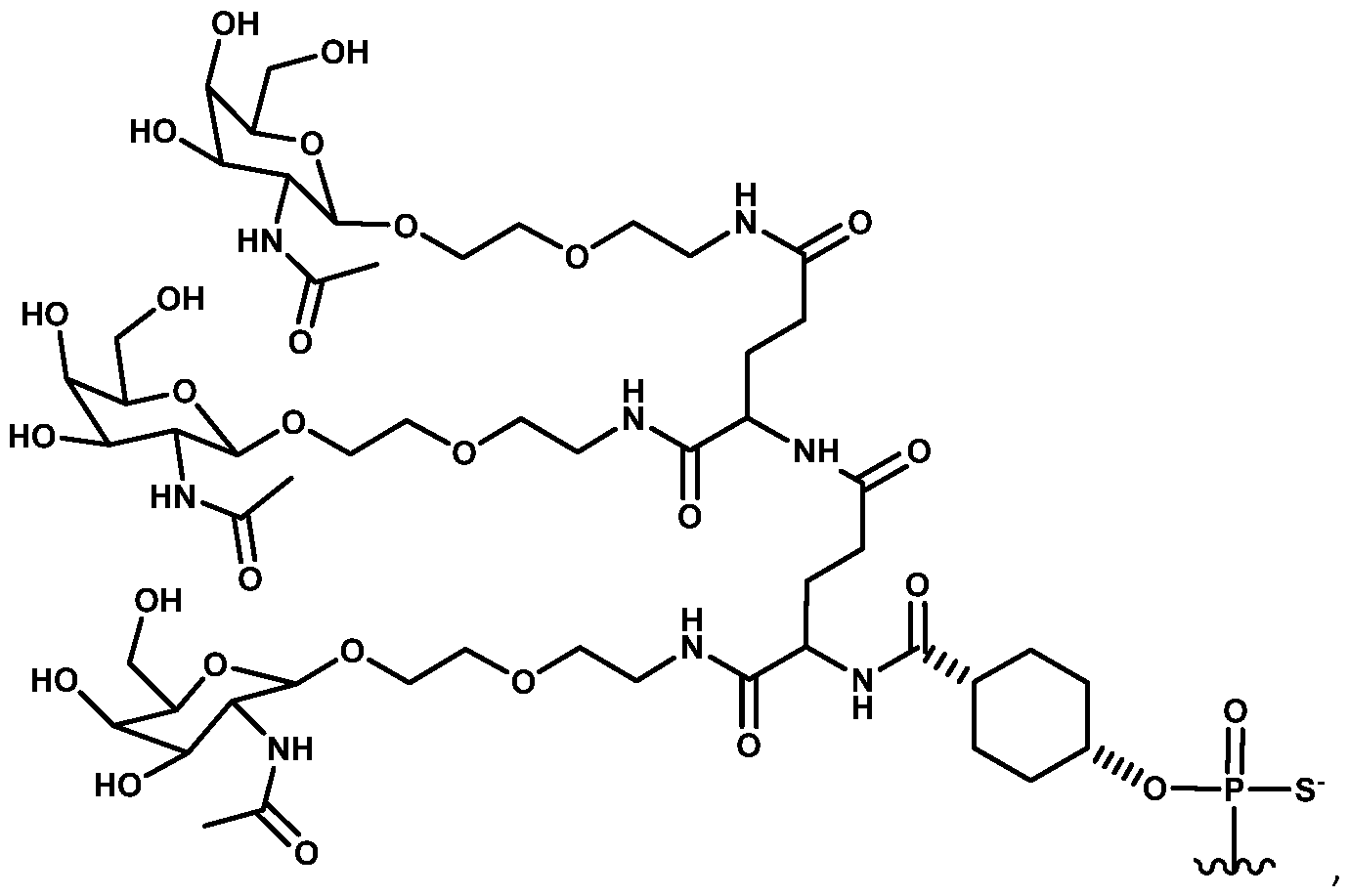


Claims


Priority Applications (9)
| Application Number | Priority Date | Filing Date | Title |
|---|---|---|---|
| KR1020227007372A KR20220044551A (en) | 2019-08-05 | 2020-08-04 | Methods of treating APOC3-related diseases and disorders |
| EP20851025.5A EP4010075A4 (en) | 2019-08-05 | 2020-08-04 | METHODS FOR TREATING APOC3-RELATED DISEASES AND DISORDERS |
| MX2022001460A MX2022001460A (en) | 2019-08-05 | 2020-08-04 | METHODS FOR THE TREATMENT OF DISEASES AND DISORDERS RELATED TO APOC3. |
| JP2022506919A JP7829478B2 (en) | 2019-08-05 | 2020-08-04 | Methods for the treatment of APOC3-related diseases and disorders |
| AU2020324974A AU2020324974B2 (en) | 2019-08-05 | 2020-08-04 | Methods for the treatment of APOC3-related diseases and disorders |
| CA3147725A CA3147725A1 (en) | 2019-08-05 | 2020-08-04 | Methods for the treatment of apoc3-related diseases and disorders |
| CN202080069368.7A CN114555188A (en) | 2019-08-05 | 2020-08-04 | Methods of treating diseases and disorders associated with APOC3 |
| US17/592,182 US20220152079A1 (en) | 2019-08-05 | 2022-02-03 | Methods For The Treatment Of APOC3-Related Diseases And Disorders |
| JP2025012194A JP2025061882A (en) | 2019-08-05 | 2025-01-28 | Methods for the treatment of APOC3-associated diseases and disorders |
Applications Claiming Priority (6)
| Application Number | Priority Date | Filing Date | Title |
|---|---|---|---|
| US201962883046P | 2019-08-05 | 2019-08-05 | |
| US62/883,046 | 2019-08-05 | ||
| US201962936559P | 2019-11-17 | 2019-11-17 | |
| US62/936,559 | 2019-11-17 | ||
| US202062970613P | 2020-02-05 | 2020-02-05 | |
| US62/970,613 | 2020-02-05 |
Related Child Applications (1)
| Application Number | Title | Priority Date | Filing Date |
|---|---|---|---|
| US17/592,182 Continuation US20220152079A1 (en) | 2019-08-05 | 2022-02-03 | Methods For The Treatment Of APOC3-Related Diseases And Disorders |
Publications (1)
| Publication Number | Publication Date |
|---|---|
| WO2021026150A1 true WO2021026150A1 (en) | 2021-02-11 |
Family
ID=74503223
Family Applications (1)
| Application Number | Title | Priority Date | Filing Date |
|---|---|---|---|
| PCT/US2020/044879 Ceased WO2021026150A1 (en) | 2019-08-05 | 2020-08-04 | Methods for the treatment of apoc3-related diseases and disorders |
Country Status (9)
| Country | Link |
|---|---|
| US (1) | US20220152079A1 (en) |
| EP (1) | EP4010075A4 (en) |
| JP (2) | JP7829478B2 (en) |
| KR (1) | KR20220044551A (en) |
| CN (1) | CN114555188A (en) |
| CA (1) | CA3147725A1 (en) |
| MX (1) | MX2022001460A (en) |
| TW (1) | TW202120104A (en) |
| WO (1) | WO2021026150A1 (en) |
Families Citing this family (4)
| Publication number | Priority date | Publication date | Assignee | Title |
|---|---|---|---|---|
| MX2018009853A (en) * | 2016-09-02 | 2018-11-09 | Arrowhead Pharmaceuticals Inc | Targeting ligands. |
| CN114934074A (en) * | 2022-06-01 | 2022-08-23 | 北京大学 | Construction method of ApoC3 gene knockout hamster model |
| EP4706646A1 (en) | 2023-06-01 | 2026-03-11 | Sunshine Lake Pharma Co., Ltd. | Novel double-stranded sirna, conjugate thereof, and use thereof |
| KR20260032888A (en) * | 2024-08-30 | 2026-03-10 | 올릭스 주식회사 | RNAi agents targeting APOC3 gene and use thereof |
Citations (5)
| Publication number | Priority date | Publication date | Assignee | Title |
|---|---|---|---|---|
| US20170260527A1 (en) * | 2014-11-17 | 2017-09-14 | Alnylam Pharmaceuticals, Inc. | APOLIPOPROTEIN C3 (APOC3) iRNA COMPOSITIONS AND METHODS OF USE THEREOF |
| WO2018223073A1 (en) * | 2017-06-02 | 2018-12-06 | Wave Life Sciences Ltd. | Oligonucleotide compositions and methods of use thereof |
| US20180362978A1 (en) * | 2011-06-21 | 2018-12-20 | Alnylam Pharmaceuticals, Inc. | Compositions and Methods for Inhibition of Expression of Apolipoprotein C-III (APOC3) Genes |
| US20190078088A1 (en) * | 2017-09-11 | 2019-03-14 | Arrowhead Pharmaceuticals, Inc. | RNAi Agents And Compositions for Inhibiting Expression of Apolipoprotein C-III (APOC3) |
| WO2019105419A1 (en) * | 2017-12-01 | 2019-06-06 | 苏州瑞博生物技术有限公司 | Nucleic acid, composition and conjugate containing same, preparation method, and use |
Family Cites Families (3)
| Publication number | Priority date | Publication date | Assignee | Title |
|---|---|---|---|---|
| SI2395991T1 (en) * | 2009-02-10 | 2013-12-31 | Amarin Pharmaceuticals Ireland Limited | Use of eicosapentaenoic acid ethyl ester for treating hypertriglyceridemia |
| ES2923573T3 (en) * | 2011-06-21 | 2022-09-28 | Alnylam Pharmaceuticals Inc | Angiopoietin-like protein 3 (ANGPTL3) RNAi compositions and methods of using the same |
| AU2017376950B2 (en) * | 2016-12-16 | 2024-02-22 | Alnylam Pharmaceuticals, Inc. | Methods for treating or preventing TTR-associated diseases using transthyretin (TTR) iRNA compositions |
-
2020
- 2020-08-04 JP JP2022506919A patent/JP7829478B2/en active Active
- 2020-08-04 CA CA3147725A patent/CA3147725A1/en active Pending
- 2020-08-04 KR KR1020227007372A patent/KR20220044551A/en active Pending
- 2020-08-04 MX MX2022001460A patent/MX2022001460A/en unknown
- 2020-08-04 CN CN202080069368.7A patent/CN114555188A/en active Pending
- 2020-08-04 WO PCT/US2020/044879 patent/WO2021026150A1/en not_active Ceased
- 2020-08-04 EP EP20851025.5A patent/EP4010075A4/en active Pending
- 2020-08-05 TW TW109126581A patent/TW202120104A/en unknown
-
2022
- 2022-02-03 US US17/592,182 patent/US20220152079A1/en active Pending
-
2025
- 2025-01-28 JP JP2025012194A patent/JP2025061882A/en active Pending
Patent Citations (5)
| Publication number | Priority date | Publication date | Assignee | Title |
|---|---|---|---|---|
| US20180362978A1 (en) * | 2011-06-21 | 2018-12-20 | Alnylam Pharmaceuticals, Inc. | Compositions and Methods for Inhibition of Expression of Apolipoprotein C-III (APOC3) Genes |
| US20170260527A1 (en) * | 2014-11-17 | 2017-09-14 | Alnylam Pharmaceuticals, Inc. | APOLIPOPROTEIN C3 (APOC3) iRNA COMPOSITIONS AND METHODS OF USE THEREOF |
| WO2018223073A1 (en) * | 2017-06-02 | 2018-12-06 | Wave Life Sciences Ltd. | Oligonucleotide compositions and methods of use thereof |
| US20190078088A1 (en) * | 2017-09-11 | 2019-03-14 | Arrowhead Pharmaceuticals, Inc. | RNAi Agents And Compositions for Inhibiting Expression of Apolipoprotein C-III (APOC3) |
| WO2019105419A1 (en) * | 2017-12-01 | 2019-06-06 | 苏州瑞博生物技术有限公司 | Nucleic acid, composition and conjugate containing same, preparation method, and use |
Non-Patent Citations (1)
| Title |
|---|
| See also references of EP4010075A4 * |
Also Published As
| Publication number | Publication date |
|---|---|
| US20220152079A1 (en) | 2022-05-19 |
| EP4010075A1 (en) | 2022-06-15 |
| JP7829478B2 (en) | 2026-03-13 |
| JP2022543136A (en) | 2022-10-07 |
| EP4010075A4 (en) | 2023-11-15 |
| TW202120104A (en) | 2021-06-01 |
| AU2020324974A1 (en) | 2022-02-24 |
| JP2025061882A (en) | 2025-04-11 |
| MX2022001460A (en) | 2022-02-22 |
| CA3147725A1 (en) | 2021-02-11 |
| CN114555188A (en) | 2022-05-27 |
| KR20220044551A (en) | 2022-04-08 |
Similar Documents
| Publication | Publication Date | Title |
|---|---|---|
| US12365899B2 (en) | RNAi agents and compositions for inhibiting expression of apolipoprotein C-III (APOC3) | |
| US20220152079A1 (en) | Methods For The Treatment Of APOC3-Related Diseases And Disorders | |
| IL273378B2 (en) | Compositions and methods for treating transthyretin-mediated amyloidosis | |
| US20250034577A1 (en) | RNAi Agents for Inhibiting Expression of PNPLA3, Pharmaceutical Compositions Thereof, and Methods of Use | |
| US12582668B2 (en) | Methods for the treatment of alpha-1 antitrypsin deficiency (AATD) | |
| US20250230439A1 (en) | Methods For The Treatment Of ANGPTL3-Related Diseases And Disorders | |
| EP4214316A2 (en) | Methods for the reduction of z-aat protein levels | |
| AU2020324974B2 (en) | Methods for the treatment of APOC3-related diseases and disorders | |
| HK40075141A (en) | Methods for the treatment of apoc3-related diseases and disorders | |
| RU2851259C1 (en) | Ways to reduce z-aat protein levels | |
| HK40128585A (en) | Methods for the treatment of angptl3-related diseases and disorders |
Legal Events
| Date | Code | Title | Description |
|---|---|---|---|
| 121 | Ep: the epo has been informed by wipo that ep was designated in this application |
Ref document number: 20851025 Country of ref document: EP Kind code of ref document: A1 |
|
| ENP | Entry into the national phase |
Ref document number: 3147725 Country of ref document: CA |
|
| ENP | Entry into the national phase |
Ref document number: 2022506919 Country of ref document: JP Kind code of ref document: A |
|
| NENP | Non-entry into the national phase |
Ref country code: DE |
|
| ENP | Entry into the national phase |
Ref document number: 2020324974 Country of ref document: AU Date of ref document: 20200804 Kind code of ref document: A |
|
| ENP | Entry into the national phase |
Ref document number: 20227007372 Country of ref document: KR Kind code of ref document: A |
|
| ENP | Entry into the national phase |
Ref document number: 2020851025 Country of ref document: EP Effective date: 20220307 |