WO2021030358A1 - Macrophage stimulating 1 receptor (mst1r) variants and uses thereof - Google Patents
Macrophage stimulating 1 receptor (mst1r) variants and uses thereof Download PDFInfo
- Publication number
- WO2021030358A1 WO2021030358A1 PCT/US2020/045784 US2020045784W WO2021030358A1 WO 2021030358 A1 WO2021030358 A1 WO 2021030358A1 US 2020045784 W US2020045784 W US 2020045784W WO 2021030358 A1 WO2021030358 A1 WO 2021030358A1
- Authority
- WO
- WIPO (PCT)
- Prior art keywords
- mst1
- mst1r
- nucleic acid
- variant
- acid molecule
- Prior art date
- Legal status (The legal status is an assumption and is not a legal conclusion. Google has not performed a legal analysis and makes no representation as to the accuracy of the status listed.)
- Ceased
Links
Classifications
-
- A—HUMAN NECESSITIES
- A61—MEDICAL OR VETERINARY SCIENCE; HYGIENE
- A61K—PREPARATIONS FOR MEDICAL, DENTAL OR TOILETRY PURPOSES
- A61K38/00—Medicinal preparations containing peptides
- A61K38/16—Peptides having more than 20 amino acids; Gastrins; Somatostatins; Melanotropins; Derivatives thereof
- A61K38/17—Peptides having more than 20 amino acids; Gastrins; Somatostatins; Melanotropins; Derivatives thereof from animals; from humans
- A61K38/18—Growth factors; Growth regulators
-
- A—HUMAN NECESSITIES
- A61—MEDICAL OR VETERINARY SCIENCE; HYGIENE
- A61K—PREPARATIONS FOR MEDICAL, DENTAL OR TOILETRY PURPOSES
- A61K45/00—Medicinal preparations containing active ingredients not provided for in groups A61K31/00 - A61K41/00
-
- A—HUMAN NECESSITIES
- A61—MEDICAL OR VETERINARY SCIENCE; HYGIENE
- A61K—PREPARATIONS FOR MEDICAL, DENTAL OR TOILETRY PURPOSES
- A61K31/00—Medicinal preparations containing organic active ingredients
- A61K31/12—Ketones
-
- A—HUMAN NECESSITIES
- A61—MEDICAL OR VETERINARY SCIENCE; HYGIENE
- A61K—PREPARATIONS FOR MEDICAL, DENTAL OR TOILETRY PURPOSES
- A61K31/00—Medicinal preparations containing organic active ingredients
- A61K31/33—Heterocyclic compounds
- A61K31/395—Heterocyclic compounds having nitrogen as a ring hetero atom, e.g. guanethidine or rifamycins
- A61K31/435—Heterocyclic compounds having nitrogen as a ring hetero atom, e.g. guanethidine or rifamycins having six-membered rings with one nitrogen as the only ring hetero atom
- A61K31/4353—Heterocyclic compounds having nitrogen as a ring hetero atom, e.g. guanethidine or rifamycins having six-membered rings with one nitrogen as the only ring hetero atom ortho- or peri-condensed with heterocyclic ring systems
- A61K31/4355—Heterocyclic compounds having nitrogen as a ring hetero atom, e.g. guanethidine or rifamycins having six-membered rings with one nitrogen as the only ring hetero atom ortho- or peri-condensed with heterocyclic ring systems the heterocyclic ring system containing a five-membered ring having oxygen as a ring hetero atom
-
- A—HUMAN NECESSITIES
- A61—MEDICAL OR VETERINARY SCIENCE; HYGIENE
- A61K—PREPARATIONS FOR MEDICAL, DENTAL OR TOILETRY PURPOSES
- A61K31/00—Medicinal preparations containing organic active ingredients
- A61K31/33—Heterocyclic compounds
- A61K31/395—Heterocyclic compounds having nitrogen as a ring hetero atom, e.g. guanethidine or rifamycins
- A61K31/435—Heterocyclic compounds having nitrogen as a ring hetero atom, e.g. guanethidine or rifamycins having six-membered rings with one nitrogen as the only ring hetero atom
- A61K31/47—Quinolines; Isoquinolines
- A61K31/4738—Quinolines; Isoquinolines ortho- or peri-condensed with heterocyclic ring systems
- A61K31/4741—Quinolines; Isoquinolines ortho- or peri-condensed with heterocyclic ring systems condensed with ring systems having oxygen as a ring hetero atom, e.g. tubocuraran derivatives, noscapine, bicuculline
-
- A—HUMAN NECESSITIES
- A61—MEDICAL OR VETERINARY SCIENCE; HYGIENE
- A61K—PREPARATIONS FOR MEDICAL, DENTAL OR TOILETRY PURPOSES
- A61K31/00—Medicinal preparations containing organic active ingredients
- A61K31/70—Carbohydrates; Sugars; Derivatives thereof
- A61K31/7088—Compounds having three or more nucleosides or nucleotides
-
- A—HUMAN NECESSITIES
- A61—MEDICAL OR VETERINARY SCIENCE; HYGIENE
- A61K—PREPARATIONS FOR MEDICAL, DENTAL OR TOILETRY PURPOSES
- A61K36/00—Medicinal preparations of undetermined constitution containing material from algae, lichens, fungi or plants, or derivatives thereof, e.g. traditional herbal medicines
- A61K36/18—Magnoliophyta (angiosperms)
- A61K36/88—Liliopsida (monocotyledons)
- A61K36/906—Zingiberaceae (Ginger family)
- A61K36/9066—Curcuma, e.g. common turmeric, East Indian arrowroot or mango ginger
-
- A—HUMAN NECESSITIES
- A61—MEDICAL OR VETERINARY SCIENCE; HYGIENE
- A61K—PREPARATIONS FOR MEDICAL, DENTAL OR TOILETRY PURPOSES
- A61K38/00—Medicinal preparations containing peptides
- A61K38/16—Peptides having more than 20 amino acids; Gastrins; Somatostatins; Melanotropins; Derivatives thereof
- A61K38/17—Peptides having more than 20 amino acids; Gastrins; Somatostatins; Melanotropins; Derivatives thereof from animals; from humans
- A61K38/1703—Peptides having more than 20 amino acids; Gastrins; Somatostatins; Melanotropins; Derivatives thereof from animals; from humans from vertebrates
- A61K38/1709—Peptides having more than 20 amino acids; Gastrins; Somatostatins; Melanotropins; Derivatives thereof from animals; from humans from vertebrates from mammals
-
- A—HUMAN NECESSITIES
- A61—MEDICAL OR VETERINARY SCIENCE; HYGIENE
- A61K—PREPARATIONS FOR MEDICAL, DENTAL OR TOILETRY PURPOSES
- A61K38/00—Medicinal preparations containing peptides
- A61K38/16—Peptides having more than 20 amino acids; Gastrins; Somatostatins; Melanotropins; Derivatives thereof
- A61K38/17—Peptides having more than 20 amino acids; Gastrins; Somatostatins; Melanotropins; Derivatives thereof from animals; from humans
- A61K38/177—Receptors; Cell surface antigens; Cell surface determinants
-
- A—HUMAN NECESSITIES
- A61—MEDICAL OR VETERINARY SCIENCE; HYGIENE
- A61K—PREPARATIONS FOR MEDICAL, DENTAL OR TOILETRY PURPOSES
- A61K38/00—Medicinal preparations containing peptides
- A61K38/16—Peptides having more than 20 amino acids; Gastrins; Somatostatins; Melanotropins; Derivatives thereof
- A61K38/17—Peptides having more than 20 amino acids; Gastrins; Somatostatins; Melanotropins; Derivatives thereof from animals; from humans
- A61K38/177—Receptors; Cell surface antigens; Cell surface determinants
- A61K38/1793—Receptors; Cell surface antigens; Cell surface determinants for cytokines; for lymphokines; for interferons
-
- A—HUMAN NECESSITIES
- A61—MEDICAL OR VETERINARY SCIENCE; HYGIENE
- A61K—PREPARATIONS FOR MEDICAL, DENTAL OR TOILETRY PURPOSES
- A61K38/00—Medicinal preparations containing peptides
- A61K38/16—Peptides having more than 20 amino acids; Gastrins; Somatostatins; Melanotropins; Derivatives thereof
- A61K38/17—Peptides having more than 20 amino acids; Gastrins; Somatostatins; Melanotropins; Derivatives thereof from animals; from humans
- A61K38/177—Receptors; Cell surface antigens; Cell surface determinants
- A61K38/1796—Receptors; Cell surface antigens; Cell surface determinants for hormones
-
- A—HUMAN NECESSITIES
- A61—MEDICAL OR VETERINARY SCIENCE; HYGIENE
- A61K—PREPARATIONS FOR MEDICAL, DENTAL OR TOILETRY PURPOSES
- A61K38/00—Medicinal preparations containing peptides
- A61K38/16—Peptides having more than 20 amino acids; Gastrins; Somatostatins; Melanotropins; Derivatives thereof
- A61K38/17—Peptides having more than 20 amino acids; Gastrins; Somatostatins; Melanotropins; Derivatives thereof from animals; from humans
- A61K38/18—Growth factors; Growth regulators
- A61K38/1833—Hepatocyte growth factor; Scatter factor; Tumor cytotoxic factor II
-
- A—HUMAN NECESSITIES
- A61—MEDICAL OR VETERINARY SCIENCE; HYGIENE
- A61K—PREPARATIONS FOR MEDICAL, DENTAL OR TOILETRY PURPOSES
- A61K38/00—Medicinal preparations containing peptides
- A61K38/16—Peptides having more than 20 amino acids; Gastrins; Somatostatins; Melanotropins; Derivatives thereof
- A61K38/43—Enzymes; Proenzymes; Derivatives thereof
- A61K38/46—Hydrolases (3)
- A61K38/48—Hydrolases (3) acting on peptide bonds (3.4)
-
- A—HUMAN NECESSITIES
- A61—MEDICAL OR VETERINARY SCIENCE; HYGIENE
- A61K—PREPARATIONS FOR MEDICAL, DENTAL OR TOILETRY PURPOSES
- A61K38/00—Medicinal preparations containing peptides
- A61K38/16—Peptides having more than 20 amino acids; Gastrins; Somatostatins; Melanotropins; Derivatives thereof
- A61K38/43—Enzymes; Proenzymes; Derivatives thereof
- A61K38/46—Hydrolases (3)
- A61K38/48—Hydrolases (3) acting on peptide bonds (3.4)
- A61K38/482—Serine endopeptidases (3.4.21)
-
- A—HUMAN NECESSITIES
- A61—MEDICAL OR VETERINARY SCIENCE; HYGIENE
- A61K—PREPARATIONS FOR MEDICAL, DENTAL OR TOILETRY PURPOSES
- A61K38/00—Medicinal preparations containing peptides
- A61K38/16—Peptides having more than 20 amino acids; Gastrins; Somatostatins; Melanotropins; Derivatives thereof
- A61K38/43—Enzymes; Proenzymes; Derivatives thereof
- A61K38/46—Hydrolases (3)
- A61K38/48—Hydrolases (3) acting on peptide bonds (3.4)
- A61K38/482—Serine endopeptidases (3.4.21)
- A61K38/4846—Factor VII (3.4.21.21); Factor IX (3.4.21.22); Factor Xa (3.4.21.6); Factor XI (3.4.21.27); Factor XII (3.4.21.38)
-
- A—HUMAN NECESSITIES
- A61—MEDICAL OR VETERINARY SCIENCE; HYGIENE
- A61K—PREPARATIONS FOR MEDICAL, DENTAL OR TOILETRY PURPOSES
- A61K38/00—Medicinal preparations containing peptides
- A61K38/16—Peptides having more than 20 amino acids; Gastrins; Somatostatins; Melanotropins; Derivatives thereof
- A61K38/43—Enzymes; Proenzymes; Derivatives thereof
- A61K38/46—Hydrolases (3)
- A61K38/48—Hydrolases (3) acting on peptide bonds (3.4)
- A61K38/482—Serine endopeptidases (3.4.21)
- A61K38/4853—Kallikrein (3.4.21.34 or 3.4.21.35)
-
- A—HUMAN NECESSITIES
- A61—MEDICAL OR VETERINARY SCIENCE; HYGIENE
- A61P—SPECIFIC THERAPEUTIC ACTIVITY OF CHEMICAL COMPOUNDS OR MEDICINAL PREPARATIONS
- A61P1/00—Drugs for disorders of the alimentary tract or the digestive system
-
- A—HUMAN NECESSITIES
- A61—MEDICAL OR VETERINARY SCIENCE; HYGIENE
- A61P—SPECIFIC THERAPEUTIC ACTIVITY OF CHEMICAL COMPOUNDS OR MEDICINAL PREPARATIONS
- A61P1/00—Drugs for disorders of the alimentary tract or the digestive system
- A61P1/04—Drugs for disorders of the alimentary tract or the digestive system for ulcers, gastritis or reflux esophagitis, e.g. antacids, inhibitors of acid secretion, mucosal protectants
-
- C—CHEMISTRY; METALLURGY
- C07—ORGANIC CHEMISTRY
- C07K—PEPTIDES
- C07K16/00—Immunoglobulins [IG], e.g. monoclonal or polyclonal antibodies
- C07K16/18—Immunoglobulins [IG], e.g. monoclonal or polyclonal antibodies against material from animals or humans
- C07K16/22—Immunoglobulins [IG], e.g. monoclonal or polyclonal antibodies against material from animals or humans against growth factors ; against growth regulators
-
- C—CHEMISTRY; METALLURGY
- C07—ORGANIC CHEMISTRY
- C07K—PEPTIDES
- C07K16/00—Immunoglobulins [IG], e.g. monoclonal or polyclonal antibodies
- C07K16/18—Immunoglobulins [IG], e.g. monoclonal or polyclonal antibodies against material from animals or humans
- C07K16/28—Immunoglobulins [IG], e.g. monoclonal or polyclonal antibodies against material from animals or humans against receptors, cell surface antigens or cell surface determinants
- C07K16/2863—Immunoglobulins [IG], e.g. monoclonal or polyclonal antibodies against material from animals or humans against receptors, cell surface antigens or cell surface determinants against receptors for growth factors, growth regulators
-
- C—CHEMISTRY; METALLURGY
- C12—BIOCHEMISTRY; BEER; SPIRITS; WINE; VINEGAR; MICROBIOLOGY; ENZYMOLOGY; MUTATION OR GENETIC ENGINEERING
- C12Q—MEASURING OR TESTING PROCESSES INVOLVING ENZYMES, NUCLEIC ACIDS OR MICROORGANISMS; COMPOSITIONS OR TEST PAPERS THEREFOR; PROCESSES OF PREPARING SUCH COMPOSITIONS; CONDITION-RESPONSIVE CONTROL IN MICROBIOLOGICAL OR ENZYMOLOGICAL PROCESSES
- C12Q1/00—Measuring or testing processes involving enzymes, nucleic acids or microorganisms; Compositions therefor; Processes of preparing such compositions
- C12Q1/68—Measuring or testing processes involving enzymes, nucleic acids or microorganisms; Compositions therefor; Processes of preparing such compositions involving nucleic acids
- C12Q1/6813—Hybridisation assays
- C12Q1/6827—Hybridisation assays for detection of mutation or polymorphism
-
- C—CHEMISTRY; METALLURGY
- C12—BIOCHEMISTRY; BEER; SPIRITS; WINE; VINEGAR; MICROBIOLOGY; ENZYMOLOGY; MUTATION OR GENETIC ENGINEERING
- C12Q—MEASURING OR TESTING PROCESSES INVOLVING ENZYMES, NUCLEIC ACIDS OR MICROORGANISMS; COMPOSITIONS OR TEST PAPERS THEREFOR; PROCESSES OF PREPARING SUCH COMPOSITIONS; CONDITION-RESPONSIVE CONTROL IN MICROBIOLOGICAL OR ENZYMOLOGICAL PROCESSES
- C12Q1/00—Measuring or testing processes involving enzymes, nucleic acids or microorganisms; Compositions therefor; Processes of preparing such compositions
- C12Q1/68—Measuring or testing processes involving enzymes, nucleic acids or microorganisms; Compositions therefor; Processes of preparing such compositions involving nucleic acids
- C12Q1/6876—Nucleic acid products used in the analysis of nucleic acids, e.g. primers or probes
- C12Q1/6883—Nucleic acid products used in the analysis of nucleic acids, e.g. primers or probes for diseases caused by alterations of genetic material
-
- C—CHEMISTRY; METALLURGY
- C12—BIOCHEMISTRY; BEER; SPIRITS; WINE; VINEGAR; MICROBIOLOGY; ENZYMOLOGY; MUTATION OR GENETIC ENGINEERING
- C12Y—ENZYMES
- C12Y304/00—Hydrolases acting on peptide bonds, i.e. peptidases (3.4)
- C12Y304/21—Serine endopeptidases (3.4.21)
- C12Y304/21109—Matriptase (3.4.21.109)
-
- G—PHYSICS
- G01—MEASURING; TESTING
- G01N—INVESTIGATING OR ANALYSING MATERIALS BY DETERMINING THEIR CHEMICAL OR PHYSICAL PROPERTIES
- G01N33/00—Investigating or analysing materials by specific methods not covered by groups G01N1/00 - G01N31/00
- G01N33/48—Biological material, e.g. blood, urine; Haemocytometers
- G01N33/50—Chemical analysis of biological material, e.g. blood, urine; Testing involving biospecific ligand binding methods; Immunological testing
- G01N33/68—Chemical analysis of biological material, e.g. blood, urine; Testing involving biospecific ligand binding methods; Immunological testing involving proteins, peptides or amino acids
- G01N33/6893—Chemical analysis of biological material, e.g. blood, urine; Testing involving biospecific ligand binding methods; Immunological testing involving proteins, peptides or amino acids related to diseases not provided for elsewhere
-
- A—HUMAN NECESSITIES
- A61—MEDICAL OR VETERINARY SCIENCE; HYGIENE
- A61K—PREPARATIONS FOR MEDICAL, DENTAL OR TOILETRY PURPOSES
- A61K39/00—Medicinal preparations containing antigens or antibodies
- A61K39/395—Antibodies; Immunoglobulins; Immune serum, e.g. antilymphocytic serum
-
- A—HUMAN NECESSITIES
- A61—MEDICAL OR VETERINARY SCIENCE; HYGIENE
- A61K—PREPARATIONS FOR MEDICAL, DENTAL OR TOILETRY PURPOSES
- A61K39/00—Medicinal preparations containing antigens or antibodies
- A61K39/395—Antibodies; Immunoglobulins; Immune serum, e.g. antilymphocytic serum
- A61K39/39533—Antibodies; Immunoglobulins; Immune serum, e.g. antilymphocytic serum against materials from animals
- A61K39/3955—Antibodies; Immunoglobulins; Immune serum, e.g. antilymphocytic serum against materials from animals against proteinaceous materials, e.g. enzymes, hormones, lymphokines
-
- C—CHEMISTRY; METALLURGY
- C12—BIOCHEMISTRY; BEER; SPIRITS; WINE; VINEGAR; MICROBIOLOGY; ENZYMOLOGY; MUTATION OR GENETIC ENGINEERING
- C12Q—MEASURING OR TESTING PROCESSES INVOLVING ENZYMES, NUCLEIC ACIDS OR MICROORGANISMS; COMPOSITIONS OR TEST PAPERS THEREFOR; PROCESSES OF PREPARING SUCH COMPOSITIONS; CONDITION-RESPONSIVE CONTROL IN MICROBIOLOGICAL OR ENZYMOLOGICAL PROCESSES
- C12Q1/00—Measuring or testing processes involving enzymes, nucleic acids or microorganisms; Compositions therefor; Processes of preparing such compositions
- C12Q1/68—Measuring or testing processes involving enzymes, nucleic acids or microorganisms; Compositions therefor; Processes of preparing such compositions involving nucleic acids
-
- C—CHEMISTRY; METALLURGY
- C12—BIOCHEMISTRY; BEER; SPIRITS; WINE; VINEGAR; MICROBIOLOGY; ENZYMOLOGY; MUTATION OR GENETIC ENGINEERING
- C12Q—MEASURING OR TESTING PROCESSES INVOLVING ENZYMES, NUCLEIC ACIDS OR MICROORGANISMS; COMPOSITIONS OR TEST PAPERS THEREFOR; PROCESSES OF PREPARING SUCH COMPOSITIONS; CONDITION-RESPONSIVE CONTROL IN MICROBIOLOGICAL OR ENZYMOLOGICAL PROCESSES
- C12Q2600/00—Oligonucleotides characterized by their use
- C12Q2600/118—Prognosis of disease development
-
- C—CHEMISTRY; METALLURGY
- C12—BIOCHEMISTRY; BEER; SPIRITS; WINE; VINEGAR; MICROBIOLOGY; ENZYMOLOGY; MUTATION OR GENETIC ENGINEERING
- C12Q—MEASURING OR TESTING PROCESSES INVOLVING ENZYMES, NUCLEIC ACIDS OR MICROORGANISMS; COMPOSITIONS OR TEST PAPERS THEREFOR; PROCESSES OF PREPARING SUCH COMPOSITIONS; CONDITION-RESPONSIVE CONTROL IN MICROBIOLOGICAL OR ENZYMOLOGICAL PROCESSES
- C12Q2600/00—Oligonucleotides characterized by their use
- C12Q2600/156—Polymorphic or mutational markers
-
- G—PHYSICS
- G01—MEASURING; TESTING
- G01N—INVESTIGATING OR ANALYSING MATERIALS BY DETERMINING THEIR CHEMICAL OR PHYSICAL PROPERTIES
- G01N2333/00—Assays involving biological materials from specific organisms or of a specific nature
- G01N2333/435—Assays involving biological materials from specific organisms or of a specific nature from animals; from humans
- G01N2333/475—Assays involving growth factors
-
- G—PHYSICS
- G01—MEASURING; TESTING
- G01N—INVESTIGATING OR ANALYSING MATERIALS BY DETERMINING THEIR CHEMICAL OR PHYSICAL PROPERTIES
- G01N2333/00—Assays involving biological materials from specific organisms or of a specific nature
- G01N2333/435—Assays involving biological materials from specific organisms or of a specific nature from animals; from humans
- G01N2333/705—Assays involving receptors, cell surface antigens or cell surface determinants
- G01N2333/71—Assays involving receptors, cell surface antigens or cell surface determinants for growth factors; for growth regulators
-
- G—PHYSICS
- G01—MEASURING; TESTING
- G01N—INVESTIGATING OR ANALYSING MATERIALS BY DETERMINING THEIR CHEMICAL OR PHYSICAL PROPERTIES
- G01N2800/00—Detection or diagnosis of diseases
- G01N2800/06—Gastro-intestinal diseases
- G01N2800/065—Bowel diseases, e.g. Crohn, ulcerative colitis, IBS
-
- G—PHYSICS
- G01—MEASURING; TESTING
- G01N—INVESTIGATING OR ANALYSING MATERIALS BY DETERMINING THEIR CHEMICAL OR PHYSICAL PROPERTIES
- G01N2800/00—Detection or diagnosis of diseases
- G01N2800/08—Hepato-biliairy disorders other than hepatitis
-
- G—PHYSICS
- G01—MEASURING; TESTING
- G01N—INVESTIGATING OR ANALYSING MATERIALS BY DETERMINING THEIR CHEMICAL OR PHYSICAL PROPERTIES
- G01N33/00—Investigating or analysing materials by specific methods not covered by groups G01N1/00 - G01N31/00
- G01N33/48—Biological material, e.g. blood, urine; Haemocytometers
-
- G—PHYSICS
- G01—MEASURING; TESTING
- G01N—INVESTIGATING OR ANALYSING MATERIALS BY DETERMINING THEIR CHEMICAL OR PHYSICAL PROPERTIES
- G01N33/00—Investigating or analysing materials by specific methods not covered by groups G01N1/00 - G01N31/00
- G01N33/48—Biological material, e.g. blood, urine; Haemocytometers
- G01N33/50—Chemical analysis of biological material, e.g. blood, urine; Testing involving biospecific ligand binding methods; Immunological testing
- G01N33/53—Immunoassay; Biospecific binding assay; Materials therefor
Definitions
- MST1R Macrophage Stimulating 1 Receptor
- the present disclosure provides methods of treating patients having inflammatory bowel disease (IBD) or primary sclerosing cholangitis (PSC).
- IBD inflammatory bowel disease
- PSC primary sclerosing cholangitis
- IBD is group of inflammatory conditions of the colon and small intestine that cause over 50,000 deaths annually.
- the causes of IBD are complex, and contributing factors may include diet, genetics, and the composition of an individual's gut microflora. Medical treatment is largely based on factors specific to an individual.
- CD Crohn's disease
- UC ulcerative colitis
- PSC was originally defined as a chronic cholestatic liver disease characterized by fibrosing inflammation of segments of the extrahepatic bile ducts. PSC results in a progressive narrowing or obliteration of bile duct lumens, progression to secondary biliary cirrhosis, with complications of portal hypertension, hepatic failure, and cholangiocarcinoma. It is an idiopathic disorder characterized by inflammation and obliteration of both intra-hepatic and extrahepatic bile ducts. Further, roughly two-thirds or more of all PSC patients have concomitant IBD. However, the relationship between these two diseases remains undefined.
- MST1 encodes macrophage stimulating protein (MSP; alternately designated MST1 protein), a liver-secreted protein that binds to its cognate receptor MST1R (alternately designated Recepteur d'Origine Nantais, or RON), which is expressed on macrophages, Kupffer cells, and epithelial cells of the intestine, among other cell types.
- MST1/MST1R signaling drives macrophage polarization, cellular chemotaxis, and epithelial wound repair.
- MST1R is a cell surface receptor for MST1 with tyrosine kinase activity.
- the mature form of this protein is a heterodimer of disulfide-linked alpha and beta subunits, generated by proteolytic cleavage of a single-chain precursor.
- MST1R functions as a tyrosine kinase that transduces signals from the extracellular matrix into the cytoplasm by binding to MST1 ligand. To date, MST1R has not been independently associated with IBD or PSC in genetic association studies.
- the present disclosure provides methods of treating a patient having IBD, the method comprising administering to the patient an agonist of the MST1/MST1R pathway.
- the present disclosure also provides methods of treating a patient having PSC, the method comprising administering to the patient an agonist of the MST1/MST1R pathway.
- the present disclosure also provides, in some embodiments, such methods wherein the presence or absence of an MST1 and/or MST1R variant nucleic acid molecule or variant polypeptide associated with an increased risk of developing IBD and/or PSC is detected in a biological sample from the patient.
- Figure 1 shows MST1R protein expression in mouse peritoneal macrophages, liver Kuppfer cells, bone marrow macrophages, colon lamina intestinal macrophages, and colon epithelial cells by flow cytometry (Kauder et al., PLoS ONE, 2013, 8, e83958).
- Figure 2 shows MST1R protein domains highlighting loss-of-function and predicted- deleterious missenses associated with IBD and found in Table 1.
- Figure 3 shows results of meta-analysis of association of MST1 Arg651STOP pLoF mutant with PSC (panel A) and IBD (panel B).
- Figure 4 shows MST1 RNA expression (panel A) and MST1R RNA (panel B) in control and DSS-induced model of colitis mice.
- FIG. 5 shows MST1 expression in serum of control and IBD human patients.
- Figure 6 shows MST1 expression (panel A) and MST1R expression (panel B) in intestinal epithelial cells obtained from healthy controls and human patients having UC or a functional gastrointestinal disorder (FGID).
- FGID functional gastrointestinal disorder
- Figure 7 shows results from single cell RNA sequencing in an IBD population (ulcerative colitis, Crohn's disease and functional gastrointestinal disorders) showing MST1R expression in epithelial cells (panel A) and intestinal immune cells (panel B) and MST1 expression in epithelial cells (panel C) and intestinal immune cells (panel D).
- Figure 8 shows consistent MST1-HDD expression in the livers of 3 control-HDD and 3 mMstl-HDD mice.
- Figure 9 shows serum levels of WT and variant MST1 and MST1R in patients with IBD.
- Figure 10 shows meta analysis of MST1R predicted loss of function with gene burden associations to increased odds of IBD and PSC.
- Figure 11 shows expression of a truncated MST1R protein resulting from the G116fs mutation.
- FIG 12 shows that the MST1R G116fs mutant protein is not expressed in H EK cells and does not activate its downstream targets.
- FIG. 13 shows a schematic representation of MST1 constructs used in transfection experiments.
- Figure 14 shows expression and secretion of variant MST1 proteins.
- Figure 15 shows body weight changes in mice expressing the C672A MDT1 mutant protein.
- Figure 16 shows analysis of plasma levels of the C672A MDT1 mutant protein.
- a subject may include any animal, including mammals. Mammals include, but are not limited to, farm animals (such as, for example, horse, cow, pig), companion animals (such as, for example, dog, cat), laboratory animals (such as, for example, mouse, rat, rabbits), and non-human primates.
- farm animals such as, for example, horse, cow, pig
- companion animals such as, for example, dog, cat
- laboratory animals such as, for example, mouse, rat, rabbits
- non-human primates such as, monkey, rat, rabbits.
- a "nucleic acid/' a "nucleic acid molecule/' a “nucleic acid sequence,” a “polynucleotide,” or an “oligonucleotide” can comprise a polymeric form of nucleotides of any length, can comprise DNA and/or RNA, and can be single-stranded, double-stranded, or multiple stranded. One strand of a nucleic acid also refers to its complement.
- the phrase "corresponding to”, or grammatical variations thereof, when used in the context of the numbering of a particular amino acid or nucleotide sequence or position refers to the numbering of a specified reference sequence when the particular amino acid or nucleotide sequence is compared to the reference sequence (e.g., with the reference sequence herein being the nucleic acid molecule or polypeptide of (wild type) MST1R).
- the residue (e.g., amino acid or nucleotide) number or residue (e.g., amino acid or nucleotide) position of a particular polymer is designated with respect to the reference sequence rather than by the actual numerical position of the residue within the particular amino acid or nucleotide sequence.
- a particular amino acid sequence or nucleotide sequence can be aligned to a reference sequence by introducing gaps to optimize residue matches between the two sequences. In these cases, although the gaps are present, the numbering of the residue in the particular amino acid or nucleotide sequence is made with respect to the reference sequence to which it has been aligned.
- sequence alignments may be performed. However, sequences can also be aligned manually.
- any particular human can be categorized as having any combination of the following MST1 and/or MST1R genotypes: i) MST1 and/or MST1R reference; ii) heterozygous for an MST1 and/or MST1R variant nucleic acid molecule associated with an increased risk of developing IBD and/or PSC, and iii) homozygous for an MST1 and/or MST1R variant nucleic acid molecule associated with an increased risk of developing IBD and/or PSC.
- a human is MST1 and/or MST1R reference when the human does not have a copy of an MST1 and/or MST1R variant nucleic acid molecule associated with an increased risk of developing IBD and/or PSC.
- a human is heterozygous for an MST1 and/or MST1R variant nucleic acid molecule associated with an increased risk of developing IBD and/or PSC when the human has a single copy of an MST1 and/or MST1R variant nucleic acid molecule associated with an increased risk of developing IBD and/or PSC.
- a human is homozygous for an MST1 and/or MST1R variant nucleic acid molecule associated with an increased risk of developing IBD and/or PSC when the human has two copies of any of the MST1 and/or MST1R variant nucleic acid molecule associated with an increased risk of developing IBD and/or PSC.
- An MST1 and/or MST1R variant nucleic acid molecule associated with an increased risk of developing IBD and/or PSC is any MST1 and/or MST1R nucleic acid molecule (such as, a genomic nucleic acid molecule, an mRNA molecule, or a cDNA molecule produced from the mRNA molecule) encoding an MST1 and/or MST1R polypeptide having a partial loss-of- function, a complete loss-of-function, a predicted partial loss-of-function, or a predicted complete loss-of-function (collectively, "predicted loss-of-function" variant nucleic acid molecule).
- MST1 and/or MST1R nucleic acid molecule such as, a genomic nucleic acid molecule, an mRNA molecule, or a cDNA molecule produced from the mRNA molecule
- a human who has an MST1 and/or MST1R polypeptide having a partial loss-of- function (or predicted partial loss-of-function) is hypomorphic for MST1 and/or MST1R.
- the MST1 and/or MST1R predicted loss-of-function variant nucleic acid molecule can be any one or more of the variant nucleic acid molecules described herein.
- An MST1 and/or MST1R variant nucleic acid molecule associated with an increased risk of developing IBD and/or PSC is also any MST1 and/or MST1R deleterious missense variant nucleic acid molecule.
- the MST1 and/or MST1R deleterious missense variant nucleic acid molecule can be any one or more of the variant nucleic acid molecules described herein.
- human subjects or patients that are genotyped or determined to be heterozygous or homozygous for an MST1 and/or MST1R variant nucleic acid molecule associated with an increased risk of developing IBD and/or PSC such human subjects or patients are associated with having increased odds of developing IBD and/or PSC.
- the MST1 and/or MST1R variant nucleic acid molecule associated with an increased risk of developing IBD and/or PSC can be any MST1 and/or MST1R nucleic acid molecule (such as, for example, genomic nucleic acid molecule, mRNA molecule, or cDNA molecule produced from the mRNA molecule) encoding an MST1 and/or MST1R polypeptide having a partial loss-of-function, a complete loss-of-function, a predicted partial loss-of-function, or a predicted complete loss-of-function.
- MST1 and/or MST1R variant nucleic acid molecule associated with an increased risk of developing IBD and/or PSC can be any MST1 and/or MST1R nucleic acid molecule (such as, for example, genomic nucleic acid molecule, mRNA molecule, or cDNA molecule produced from the mRNA molecule) encoding an MST1 and/or MST1R polypeptide having a partial loss
- the MST1 and/or MST1R variant nucleic acid molecule associated with an increased risk of developing IBD and/or PSC can also be any MST1 and/or MST1R missense variant nucleic acid molecule (such as, for example, genomic nucleic acid molecule, mRNA molecule, or cDNA molecule produced from the mRNA molecule).
- MST1 and/or MST1R missense variant nucleic acid molecule such as, for example, genomic nucleic acid molecule, mRNA molecule, or cDNA molecule produced from the mRNA molecule.
- SEQ ID NO:l The nucleotide sequence of an MST1R reference genomic nucleic acid molecule is set forth in SEQ ID NO:l, which is 16,636 nucleotides in length.
- the first nucleotide recited in SEQ ID NO:l corresponds to the nucleotide at position 49,903,637 of chromosome 3 (see, hg38_knownGene_ENSG00000164078.12).
- MST1R Numerous variant genomic nucleic acid molecules of MST1R exist, including, but not limited to (using the human genome reference build GRch38): 3:49903264:CG:C, 3:49903084:C:T, 3:49890026:G:T, 3:49902417:A:G, 3:49902560:A:T, and 3:49903387:G:T.
- the first listed variant (3:49903264:CG:C) has a CG dinucleotide replaced with a cytosine (designated the "variant nucleotide") at position 49,903,264, effectively deleting the guanine (designated the "variant position”).
- the second listed variant (3:49903084:C:T) has a cytosine replaced with a thymine (designated the "variant nucleotide”) at position 49,903,084 (designated the "variant position”). Any of these MST1R predicted loss-of-function variant genomic nucleic acid molecules can be detected in any of the methods described herein.
- the nucleotide sequences of MST1R reference mRNA molecules produced through alternative splicing are set forth in SEQ ID NOs:2-10.
- the variant nucleotides at their respective variant positions for the variant genomic nucleic acid molecules described herein also have corresponding variant nucleotides at their respective variant positions for the variant mRNA molecules based upon the MST1R reference mRNA sequences according to SEQ ID NOs:2-10. Any of these MST1R variant mRNA molecules can be detected in any of the methods described herein.
- the nucleotide sequences of MST1R reference cDNA molecules are set forth in SEQ ID NOs:ll-19.
- variant nucleotides at their respective variant positions for the variant genomic nucleic acid molecules described herein also have corresponding variant nucleotides at their respective variant positions for the variant cDNA molecules based upon the MST1R reference cDNA sequence according to SEQ ID NOs:ll-19. Any of these MST1R variant cDNA molecules can be detected in any of the methods described herein.
- MST1R reference polypeptide isoforms are set forth in SEQ ID NOs:20-28.
- the MST1R variant polypeptides have corresponding translated variant amino acids at variant positions (codons). Any of these MST1R variant polypeptides can be detected in any of the methods described herein.
- the nucleotide sequence of an MST1 reference genomic nucleic acid molecule is set forth in SEQ ID NO:29, which is 5,107 nucleotides in length.
- the first nucleotide recited in SEQ ID NO:29 corresponds to the nucleotide at position 49,689,053 of chromosome 3 according to GRCh38/hg38 human genome assembly (see, hg38_knownGene_
- the nucleotide sequence of the rs3197999 variant genomic nucleic acid molecule is set forth in SEQ ID NO:30.
- the nucleotide sequence of the rs3197999 variant genomic nucleic acid molecule (SEQ ID NO:30) comprises a thymine rather than a cytosine at position 4,955.
- the nucleotide sequence of the rs3197999 variant genomic nucleic acid molecule comprises a TGC codon rather than a CGC codon at positions 4,955 to 4,957.
- This MST1 predicted loss-of-function variant genomic nucleic acid molecule can be detected in any of the methods described herein.
- the nucleotide sequence of the rsl42690032 variant genomic nucleic acid molecule is set forth in SEQ ID NO:37.
- the nucleotide sequence of the rsl42690032 variant genomic nucleic acid molecule (SEQ ID NO:37) comprises a thymine rather than a cytosine at position 4,675.
- the nucleotide sequence of the rsl42690032 variant genomic nucleic acid molecule comprises an ACT codon rather than an ACC codon at positions 4,673 to 4,675.
- This MST1 predicted loss-of-function variant genomic nucleic acid molecule can be detected in any of the methods described herein.
- nucleotide sequence of an MST1 reference mRNA molecule is set forth in SEQ ID NO: 1
- the nucleotide sequence of the rs3197999 mRNA molecule is set forth in SEQ ID NO:32.
- the nucleotide sequence of the rs3197999 variant mRNA molecule (SEQ ID NO:32) comprises a uracil rather than a cytosine at position 2,469.
- the nucleotide sequence of the rs3197999 variant mRNA molecule (SEQ ID NO:32) comprises a UGC codon rather than a CGC codon at positions 2,469 to 2,471.
- This MST1 predicted loss-of-function variant mRNA molecule can be detected in any of the methods described herein.
- the nucleotide sequence of the rsl42690032 variant mRNA molecule is set forth in SEQ ID NO:38.
- the nucleotide sequence of the rsl42690032 variant mRNA molecule (SEQ ID NO:38) comprises a uracil rather than a cytosine at position 2,313.
- the nucleotide sequence of the rsl42690032 variant mRNA molecule comprises an ACU codon rather than an ACC codon at positions 2,311 to 2,313.
- This MST1 predicted loss-of-function variant genomic nucleic acid molecule can be detected in any of the methods described herein.
- the nucleotide sequence of an MST1 reference cDNA molecule is set forth in SEQ ID NO: 1
- the nucleotide sequence of the rs3197999 cDNA molecule is set forth in SEQ ID NO:34.
- the nucleotide sequence of the rs3197999 variant cDNA molecule (SEQ ID NO:33) comprises a thymine rather than a cytosine at position 2,469.
- the nucleotide sequence of the rs3197999 variant cDNA molecule (SEQ ID NO:34) comprises a TGC codon rather than a CGC codon at positions 2,469 to 2,471.
- This MST1 predicted loss-of-function variant cDNA molecule can be detected in any of the methods described herein.
- the nucleotide sequence of the rsl42690032 variant cDNA molecule is set forth in SEQ ID NO:39.
- the nucleotide sequence of the rsl42690032 variant cDNA molecule (SEQ ID NO:39) comprises a thymine rather than a cytosine at position 2,313.
- the nucleotide sequence of the rsl42690032 variant cDNA molecule comprises an ACT codon rather than an ACC codon at positions 2,311 to 2,313.
- This MST1 predicted loss-of-function variant cDNA molecule can be detected in any of the methods described herein.
- amino acid sequence of a reference MST1 polypeptide is set forth in SEQ ID NO:35 and is 725 amino acids long.
- the amino acid sequence of the rs3197999 variant MST1 polypeptide is set forth in SEQ ID NO:36 and is 725 amino acids long.
- the SNP in the underlying nucleic acid molecules results in the substitution of the arginine at amino acid position 703 of the reference MST1 polypeptide (SEQ ID NO:35) with a cytosine.
- This rs3197999 variant MST1 polypeptide is referred to herein as Arg703Cys MST1 polypeptide.
- the amino acid sequence of the rsl42690032 variant MST1 polypeptide is set forth in SEQ ID NO:40 and is 650 amino acids long.
- the SNP in the underlying nucleic acid molecules results in a gain of a stop codon at the position corresponding to position 651 according to SEQ ID NO:35 (replacing an arginine).
- This rsl42690032 variant MST1 polypeptide is referred to herein as Arg651STOP MST1 polypeptide.
- This variant MST1 polypeptide does not comprises the amino acids at positions corresponding to positions 651 to 725 of the reference MST1 polypeptide (SEQ ID NO:35).
- the variant MST1 nucleic acid molecule or polypeptide can be or encode Arg703Cys or Arg651STOP. In any of the embodiments described herein, the variant MST1 nucleic acid molecule or polypeptide can be or encode Arg703Cys. In any of the embodiments described herein, the variant MST1 nucleic acid molecule or polypeptide can be or encode Arg651STOP.
- nucleotide and amino acid sequences listed in the accompanying sequence listing are shown using standard letter abbreviations for nucleotide bases, and three-letter code for amino acids.
- the nucleotide sequences follow the standard convention of beginning at the 5' end of the sequence and proceeding forward (i.e., from left to right in each line) to the 3' end. Only one strand of each nucleotide sequence is shown, but the complementary strand is understood to be included by any reference to the displayed strand.
- the amino acid sequence follows the standard convention of beginning at the amino terminus of the sequence and proceeding forward (i.e., from left to right in each line) to the carboxy terminus.
- the present disclosure provides methods of treating a patient having IBD, the method comprising administering to the patient an agonist of the MST1/MST1R pathway.
- the IBD is ulcerative colitis (US) or Crohn's disease (CD).
- the CD is jejunoileitis, ileitis, ileocolitis, or Crohn's colitis, or any combination thereof.
- the UC is ulcerative proctitis, left-sided colitis, or extensive colitis, or any combination thereof.
- Symptoms of Crohn's disease include, but are not limited to, frequent and/or recurring diarrhea, rectal bleeding, unexplained weight loss, fever, abdominal pain, cramping, fatigue, a feeling of low energy, and reduced appetite.
- Symptoms of ulcerative proctitis include, but are not limited to, rectal bleeding, rectal pain, and urgency in bowel movements.
- Symptoms of left sided colitis include, but are not limited to, loss of appetite, weight loss, bloody diarrhea, and pain on the left side of the abdomen.
- Symptoms of extensive colitis include, but are not limited to, loss of appetite, bloody diarrhea, abdominal pain, and weight loss.
- the present disclosure also provides methods of treating a patient having PSC, the method comprising administering to the patient an agonist of the MST1/MST1R pathway.
- the PSC is early stage PSC (e.g., stage 1 according to Ludwig et al., Hepatology, 1981, 1, 632-640).
- the PSC is late stage PSC (e.g., stage 4 according to Ludwig et al., Hepatology, 1981, 1, 632-640).
- the PSC is at any disease stage (e.g., stage 4 according to Ludwig et al., Hepatology, 1981, 1, 632-640).
- the human subject is a female. In some embodiments, the human subject is a male.
- Symptoms of PSC include, but are not limited to, jaundice, non-specific upper abdominal pain, fatigue, pruritus, right upper quadrant, pain yellowing of the skin, mucous membranes, and whites of the eyes (obstructive jaundice). Additional symptoms include a general feeling of ill health (malaise); abdominal pain, especially the upper right portion of the abdomen; nausea; dark urine; light-colored stools; unintended weight loss, and/or abnormal enlargement of the liver (hepatomegaly) and/or spleen (splenomegaly).
- the agonist of the MST1/MST1R pathway is an MST1 agonist or an MST1R agonist.
- the MST1 agonist and/or the MST1R agonist comprises a protein, a nucleic acid molecule, or a small molecule.
- the protein is an antibody to MST1 or MST1R.
- the MST1 agonist is a protein, such as recombinant MST1.
- the recombinant MST1 is a fusion protein comprising MST1 or a fragment thereof fused to a heterologous protein, for example an antibody or a fragment thereof, such as Fc fragment (e.g., Mstl-Fc).
- the MST1 agonist is chelerythrine, recombinant Tumor Necrosis Factor Receptor Associated Factor 2 (TRAF2), or curcumin.
- TRF2 Tumor Necrosis Factor Receptor Associated Factor 2
- the MST1 agonist is a protease chosen from Flepatocyte Growth Factor Activator (FIGFA), matriptase, hepsin, TMPRSS11D (Fluman Airway Prypsin-like protease; HAT), clotting factor Xlla, clotting factor Xia, and kallikrein.
- FOGFA Flepatocyte Growth Factor Activator
- matriptase matriptase
- hepsin hepsin
- TMPRSS11D Flluman Airway Prypsin-like protease
- HAT Hepsin-like protease
- clotting factor Xlla clotting factor Xia
- kallikrein kallikrein
- the MST1R agonist is recombinant Macrophage Scavenger Receptor 1 (MSR1), recombinant Hepatocyte Growth Factor-Like protein (HGFL), or recombinant Androgen Receptor (AR).
- MST1R agonist is an antibody chosen from mAb Zt/g4, mAb Zt/cl, mAb Zt/f2, mAb Zt/64, mAb 3F12, mAb B9, and mAb 1G4.
- the patient having IBD and/or PSC can be treated with additional therapeutic agents.
- therapeutic agents that treat or inhibit IBD include, but are not limited to, aminosalicylates (such as COLAZAL ® (balsalazide), ASACOL ® , APRISO ® , LIALDA ® , and PENTASA ® (mesalamine), DIPENTUM ® (olsalazine), and AZULFIDINE ® (sulfasalazine)); corticosteroids; immune modifying agents (such as IMURAN ® (azathioprine), RHEUMATREX ® (methotrexate), and PURINETHOL ® (6-mercaptopurine (6-MP)); and antibodies (such as REMICADE ® (infliximab), RENFLEXIS ® (infliximab-abda), INFLECTRA ® (infliximab-dyyb), H
- aminosalicylates such
- therapeutic agents that treat or inhibit IBD include, but are not limited to, aminosalicylates (such as balsalazide, mesalamine, olsalazine, and sulfasalazine); corticosteroids; immune modifying agents (such as azathioprine, methotrexate, and 6-mercaptopurine (6-MP)); and antibodies (such as infliximab, infliximab-abda, infliximab-dyyb, dalimumab, adalimumab-atto, certolizumab, natalizumab, vedolizumab, ustekinumab, golimumab), and recombinant MST1, or any combination thereof.
- aminosalicylates such as balsalazide, mesalamine, olsalazine, and sulfasalazine
- corticosteroids such as azathioprin
- therapeutic agents that treat or inhibit PSC include, but are not limited to, medications to reduce itching and jaundice, antibiotics to treat infections, immunosuppressants, cholecystogues, and vitamin supplements, or any combination thereof.
- Administration of the therapeutic agents that treat or inhibit IBD or PSC can be repeated, for example, after one day, two days, three days, five days, one week, two weeks, three weeks, one month, five weeks, six weeks, seven weeks, eight weeks, two months, or three months.
- the repeated administration can be at the same dose or at a different dose.
- the administration can be repeated once, twice, three times, four times, five times, six times, seven times, eight times, nine times, ten times, or more.
- a patient can receive therapy for a prolonged period of time such as, for example, 6 months, 1 year, or more.
- Administration of the therapeutic agents that treat or inhibit IBD or PSC can occur by any suitable route including, but not limited to, parenteral, intravenous, oral, subcutaneous, intra-arterial, intracranial, intrathecal, intraperitoneal, topical, intranasal, or intramuscular.
- Pharmaceutical compositions for administration are desirably sterile and substantially isotonic and manufactured under GMP conditions.
- Pharmaceutical compositions can be provided in unit dosage form (i.e., the dosage for a single administration).
- Pharmaceutical compositions can be formulated using one or more physiologically and pharmaceutically acceptable carriers, diluents, excipients or auxiliaries. The formulation depends on the route of administration chosen.
- pharmaceutically acceptable means that the carrier, diluent, excipient, or auxiliary is compatible with the other ingredients of the formulation and not substantially deleterious to the recipient thereof.
- a therapeutic effect comprises one or more of a decrease/reduction in IBD, PSC, or both, a decrease/reduction in the severity of IBD, PSC, or both (such as, for example, a reduction or inhibition of development of IBD, PSC, or both), a decrease/reduction in symptoms and
- IBD-related effects, PSC-related effects, or both delaying the onset of symptoms and IBD-related effects, PSC-related effects, or both, reducing the severity of symptoms of IBD-related effects, PSC-related effects, or both, reducing the severity of an acute episode, reducing the number of symptoms and IBD-related effects, PSC-related effects, or both, reducing the latency of symptoms and IBD-related effects, PSC-related effects, or both, an amelioration of symptoms and IBD-related effects, PSC-related effects, or both, reducing secondary symptoms, reducing secondary infections, preventing relapse to IBD, PSC, or both, decreasing the number or frequency of relapse episodes, increasing latency between symptomatic episodes, increasing time to sustained progression, speeding recovery, and/or increasing efficacy of or decreasing resistance to alternative therapeutics, following administration of the agent or composition comprising the agent.
- a prophylactic effect may comprise a complete or partial avoidance/inhibition or a delay of IBD, PSC, or both development/progression (such as, for example, a complete or partial avoidance/inhibition or a delay) following administration of a therapeutic protocol.
- Treatment of IBD, PSC, or both encompasses the treatment of patients already diagnosed as having any form of IBD, PSC, or both at any clinical stage or manifestation, the delay of the onset or evolution or aggravation or deterioration of the symptoms or signs of IBD, PSC, or both, and/or preventing and/or reducing the severity of IBD, PSC, or both.
- the methods can further comprise detecting the presence or absence of an MST1 and/or MST1R variant nucleic acid molecule or variant polypeptide associated with an increased risk of developing IBD and/or PSC in a biological sample from the patient.
- gene sequences within a population and mRNA molecules encoded by such genes can vary due to polymorphisms such as single nucleotide polymorphisms.
- the sequences provided herein for the MST1 and/or MST1R variant nucleic acid molecules disclosed herein are only exemplary sequences. Other sequences for the MST1 and/or MST1R variant nucleic acid molecules are also possible.
- the MST1 and/or MST1R variant nucleic acid molecule or variant polypeptide associated with an increased risk of developing IBD and/or PSC can be any MST1 and/or MST1R predicted loss-of-function variant or MST1 and/or MST1R missense variant, such as any of those described herein.
- the MST1 variant nucleic acid molecule associated with an increased risk of developing IBD and/or PSC is Arg703Cys or Arg651STOP.
- the MST1 variant nucleic acid molecule associated with an increased risk of developing IBD and/or PSC is Arg703Cys.
- the MST1 variant nucleic acid molecule associated with an increased risk of developing IBD and/or PSC is Arg651STOP.
- the MST1R variant nucleic acid molecule associated with an increased risk of developing IBD and/or PSC can be 3:49903264:CG:C, 3:49903084:C:T, 3:49890026:G:T, 3:49902417:A:G, 3:49902560:A:T, or 3:49903387:G:T, or an mRNA molecule produced therefrom, or a cDNA molecule produced from the mRNA molecule.
- the MST1R variant nucleic acid molecule associated with an increased risk of developing IBD and/or PSC is 3:49903264:CG:C, or an mRNA molecule produced therefrom, or a cDNA molecule produced from the mRNA molecule.
- the MST1R variant nucleic acid molecule associated with an increased risk of developing IBD and/or PSC is 3:49903084:C:T, or an mRNA molecule produced therefrom, or a cDNA molecule produced from the mRNA molecule.
- the MST1R variant nucleic acid molecule associated with an increased risk of developing IBD and/or PSC is 3:49890026:G:T, or an mRNA molecule produced therefrom, or a cDNA molecule produced from the mRNA molecule.
- the MST1R variant nucleic acid molecule associated with an increased risk of developing IBD and/or PSC is 3:49902417:A:G, or an mRNA molecule produced therefrom, or a cDNA molecule produced from the mRNA molecule.
- the MST1R variant nucleic acid molecule associated with an increased risk of developing IBD and/or PSC is 3:49902560:A:T, or an mRNA molecule produced therefrom, or a cDNA molecule produced from the mRNA molecule.
- the MST1R variant nucleic acid molecule associated with an increased risk of developing IBD and/or PSC can be 3:49903387:G:T, or an mRNA molecule produced therefrom, or a cDNA molecule produced from the mRNA molecule.
- detecting the presence or absence of the MST1 and/or MST1R variant nucleic acid molecule or variant polypeptide associated with an increased risk of developing IBD and/or PSC comprises determining whether the patient has an MST1 and/or MST1R variant genomic nucleic acid molecule associated with an increased risk of developing IBD and/or PSC, an MST1 and/or MST1R variant mRNA molecule associated with an increased risk of developing IBD and/or PSC, an MST1 and/or MST1R variant cDNA molecule produced from the mRNA molecule, and/or an MST1 and/or MST1R variant polypeptide associated with an increased risk of developing IBD and/or PSC.
- such determination is carried out by obtaining or having obtained a biological sample from the patient, and performing or having performed an assay on the biological sample to determine whether the patient has an MST1 and/or MST1R variant nucleic acid molecule or variant polypeptide associated with an increased risk of developing IBD and/or PSC.
- the MST1 variant nucleic acid molecule is Arg703Cys or Arg651STOP.
- the MST1 variant nucleic acid molecule is Arg703Cys.
- the MST1 variant nucleic acid molecule is Arg651STOP.
- the MST1R variant nucleic acid molecule is any of the MST1R variant nucleic acid molecules described herein.
- Determining whether a human has an MST1 and/or MST1R variant nucleic acid molecule or an MST1 and/or MST1R variant polypeptide associated with an increased risk of developing IBD and/or PSC in a biological sample can be carried out by any of the methods described herein.
- the detecting step, determining step, or assay is carried out in vitro. In some embodiments, these methods can be carried out in situ. In some embodiments, these methods can be carried out in vivo.
- the nucleic acid molecule can be present within a cell obtained from the human subject.
- the assay is a genotyping assay for nucleic acid molecules. In some embodiments, the assay is an immunoassay for polypeptides.
- the biological sample can be derived from any cell, tissue, or biological fluid from the subject.
- the sample may comprise any clinically relevant tissue, such as a bone marrow sample, a tumor biopsy, a fine needle aspirate, or a sample of bodily fluid, such as blood, gingival crevicular fluid, plasma, serum, lymph, ascitic fluid, cystic fluid, or urine.
- the sample comprises a buccal swab.
- the biological sample comprises a cell lysate.
- Such methods can further comprise obtaining a biological sample from the subject.
- the sample used in the methods disclosed herein will vary based on the assay format, nature of the detection method, and the tissues, cells, or extracts that are used as the sample.
- a biological sample can be processed differently depending on the assay being employed. For example, when detecting any MST1 and/or MST1R variant nucleic acid molecule, preliminary processing designed to isolate or enrich the sample for the genomic DNA can be employed. A variety of known techniques may be used for this purpose. When detecting the level of any MST1 and/or MST1R variant mRNA, different techniques can be used enrich the biological sample with mRNA. Various methods to detect the presence or level of a mRNA or the presence of a particular variant genomic DNA locus can be used.
- the methods can further comprise determining the patient's aggregate burden of having MST1 and/or MST1R variant genomic nucleic acid molecules associated with an increased risk of developing IBD and/or PSC, MST1 and/or MST1R variant mRNA molecules associated with an increased risk of developing IBD and/or PSC, MST1 and/or MST1R variant cDNA molecules produced from the mRNA molecules, and/or MST1 and/or MST1R variant polypeptides associated with an increased risk of developing IBD and/or PSC.
- the aggregate burden is the sum of all rare variants in the MSTR1 gene, which is run in an association test with IBD.
- the MST1 variant nucleic acid molecule is Arg703Cys or Arg651STOP. In some embodiments, the MST1 variant nucleic acid molecule is Arg703Cys. In some embodiments, the MST1 variant nucleic acid molecule is Arg651STOP. In some embodiments, the MST1R variant nucleic acid molecule is any of the MST1R variant nucleic acid molecules described herein.
- the detecting step, determining step, or assay comprises sequencing at least a portion of the nucleotide sequence of the MST1 and/or MST1R nucleic acid molecule in the biological sample.
- the sequenced portion comprises a position corresponding to a predicted loss-of-function variant position.
- the MST1 and/or MST1R nucleic acid molecule in the biological sample is an MST1 and/or MST1R predicted loss-of-function variant nucleic acid molecule.
- the predicted loss-of-function variant position within any particular MST1 and/or MST1R nucleic acid molecule is the one or more positions of the variant nucleotide sequence that are different compared to the nucleotide sequence of the corresponding reference nucleic acid molecule.
- the MST1 variant nucleic acid molecule is Arg703Cys or Arg651STOP.
- the MST1 variant nucleic acid molecule is Arg703Cys.
- the MST1 variant nucleic acid molecule is Arg651STOP.
- the MST1R variant nucleic acid molecule is any of the MST1R variant nucleic acid molecules described herein.
- the detecting step, determining step, or assay comprises: contacting the biological sample with a primer hybridizing to a portion of the nucleotide sequence of the MST1 and/or MST1R nucleic acid molecule that is proximate to a predicted loss-of-function variant position, extending the primer at least through the predicted loss-of- function variant position, and determining whether the extension product of the primer comprises a variant nucleotide at the predicted loss-of-function variant position.
- the detecting step, determining step, or assay comprises sequencing the entire nucleic acid molecule.
- the MST1 variant nucleic acid molecule is Arg703Cys or Arg651STOP.
- the MST1 variant nucleic acid molecule is Arg703Cys. In some embodiments, the MST1 variant nucleic acid molecule is Arg651STOP. In some embodiments, the MST1R variant nucleic acid molecule is any of the MST1R variant nucleic acid molecules described herein.
- the detecting step, determining step, or assay comprises sequencing at least a portion of the nucleotide sequence of the MST1 and/or MST1R nucleic acid molecule in the biological sample.
- the sequenced portion comprises a position corresponding to a missense variant position.
- the MST1 and/or MST1R nucleic acid molecule in the biological sample is an MST1 and/or MST1R missense variant nucleic acid molecule.
- the missense variant position within any particular MST1 and/or MST1R nucleic acid molecule is the one or more positions of the variant nucleotide sequence that are different compared to the nucleotide sequence of the corresponding reference nucleic acid molecule.
- the MST1 variant nucleic acid molecule is Arg703Cys or Arg651STOP.
- the MST1 variant nucleic acid molecule is Arg703Cys.
- the MST1 variant nucleic acid molecule is Arg651STOP.
- the MST1R variant nucleic acid molecule is any of the MST1R variant nucleic acid molecules described herein.
- the detecting step, determining step, or assay comprises contacting the biological sample with a primer hybridizing to a portion of the nucleotide sequence of the MST1 and/or MST1R nucleic acid molecule that is proximate to a missense variant position, extending the primer at least through the missense variant position, and determining whether the extension product of the primer comprises a variant nucleotide at the missense variant position.
- the detecting step, determining step, or assay comprises sequencing the entire nucleic acid molecule.
- the MST1 variant nucleic acid molecule is Arg703Cys or Arg651STOP.
- the MST1 variant nucleic acid molecule is Arg703Cys. In some embodiments, the MST1 variant nucleic acid molecule is Arg651STOP. In some embodiments, the MST1R variant nucleic acid molecule is any of the MST1R variant nucleic acid molecules described herein.
- the assay comprises contacting the biological sample with a primer, such as an alteration-specific primer, that specifically hybridizes to an MST1 or MST1R variant genomic sequence, variant mRNA sequence, or variant cDNA sequence and not the corresponding MST1 or MST1R reference sequence under stringent conditions.
- a primer such as an alteration-specific primer
- the MST1 variant nucleic acid molecule is Arg703Cys or Arg651STOP.
- the MST1 variant nucleic acid molecule is Arg703Cys.
- the MST1 variant nucleic acid molecule is Arg651STOP.
- the MST1R variant nucleic acid molecule is any of the MST1R variant nucleic acid molecules described herein.
- MST1 and/or MST1R genomic nucleic acid molecule is analyzed. In some embodiments, only an MST1 and/or MST1R mRNA is analyzed. In some embodiments, only an MST1 and/or MST1R cDNA obtained from MST1 and/or MST1R mRNA is analyzed. In some embodiments, the MST1 variant nucleic acid molecule is Arg703Cys or Arg651STOP. In some embodiments, the MST1 variant nucleic acid molecule is Arg703Cys. In some embodiments, the MST1 variant nucleic acid molecule is Arg651STOP. In some embodiments, the MST1R variant nucleic acid molecule is any of the MST1R variant nucleic acid molecules described herein.
- nucleic acid sequencing techniques include, but are not limited to, chain terminator (Sanger) sequencing and dye terminator sequencing.
- the assay comprises RNA sequencing (RNA-Seq).
- the assays also comprise reverse transcribing mRNA into cDNA, such as by the reverse transcriptase polymerase chain reaction (RT-PCR).
- the detecting step, determining step, or assay comprises amplifying at least a portion of the MST1 and/or MST1R nucleic acid molecule, wherein the portion comprises a predicted loss-of-function variant position, labeling the amplified nucleic acid molecule with a detectable label, contacting the labeled nucleic acid molecule with a support comprising an alteration-specific probe, wherein the alteration-specific probe comprises a nucleotide sequence which hybridizes under stringent conditions to the predicted loss-of-function variant position, and detecting the detectable label.
- the nucleic acid molecule in the sample is mRNA and the mRNA is reverse-transcribed into a cDNA prior to the amplifying step.
- the MST1 variant nucleic acid molecule is Arg703Cys or Arg651STOP. In some embodiments, the MST1 variant nucleic acid molecule is Arg703Cys. In some embodiments, the MST1 variant nucleic acid molecule is Arg651STOP. In some embodiments, the MST1R variant nucleic acid molecule is any of the MST1R variant nucleic acid molecules described herein.
- the detecting step, determining step, or assay comprises contacting the nucleic acid molecule in the biological sample with an alteration-specific probe comprising a detectable label, wherein the alteration-specific probe comprises a nucleotide sequence which hybridizes under stringent conditions to a predicted loss-of-function variant position, and detecting the detectable label.
- the MST1 variant nucleic acid molecule is Arg703Cys or Arg651STOP.
- the MST1 variant nucleic acid molecule is Arg703Cys.
- the MST1 variant nucleic acid molecule is Arg651STOP.
- the MST1R variant nucleic acid molecule is any of the MST1R variant nucleic acid molecules described herein.
- the detecting step, determining step, or assay comprises amplifying at least a portion of the MST1 and/or MST1R nucleic acid molecule, wherein the portion comprises a missense variant position, labeling the amplified nucleic acid molecule with a detectable label, contacting the labeled nucleic acid molecule with a support comprising an alteration-specific probe, wherein the alteration-specific probe comprises a nucleotide sequence which hybridizes under stringent conditions to the missense variant position, and detecting the detectable label.
- the nucleic acid molecule in the sample is mRNA and the mRNA is reverse-transcribed into a cDNA prior to the amplifying step.
- the MST1 variant nucleic acid molecule is Arg703Cys or Arg651STOP. In some embodiments, the MST1 variant nucleic acid molecule is Arg703Cys. In some embodiments, the MST1 variant nucleic acid molecule is Arg651STOP. In some embodiments, the MST1R variant nucleic acid molecule is any of the MST1R variant nucleic acid molecules described herein.
- the detecting step, determining step, or assay comprises contacting the nucleic acid molecule in the biological sample with an alteration-specific probe comprising a detectable label, wherein the alteration-specific probe comprises a nucleotide sequence which hybridizes under stringent conditions to a missense variant position, and detecting the detectable label.
- the MST1 variant nucleic acid molecule is Arg703Cys or Arg651STOP. In some embodiments, the MST1 variant nucleic acid molecule is Arg703Cys. In some embodiments, the MST1 variant nucleic acid molecule is Arg651STOP. In some embodiments, the MST1R variant nucleic acid molecule is any of the MST1R variant nucleic acid molecules described herein.
- alteration-specific probes or alteration-specific primers described herein comprise a nucleic acid sequence which is complementary to and/or hybridizes, or specifically hybridizes, to an MST1 or MST1R predicted loss-of-function variant nucleic acid molecule, or an MST1 or MST1R missense variant nucleic acid molecule, or the complement thereof.
- the alteration-specific probes or alteration-specific primers comprise or consist of at least about 5, at least about 8, at least about 10, at least about 11, at least about 12, at least about 13, at least about 14, at least about 15, at least about 16, at least about 17, at least about 18, at least about 19, at least about 20, at least about 21, at least about 22, at least about 23, at least about 24, at least about 25, at least about 30, at least about 35, at least about 40, at least about 45, or at least about 50 nucleotides.
- the alteration-specific probes or alteration-specific primers comprise or consist of at least 15 nucleotides.
- alteration-specific probes or alteration-specific primers comprise or consist of at least 15 nucleotides to at least about 35 nucleotides. In some embodiments, alteration- specific probes or alteration-specific primers hybridize to MST1 or MST1R predicted loss-of- function variant genomic nucleic acid molecules, MST1R predicted loss-of-function variant mRNA molecules, and/or MST1R predicted loss-of-function variant cDNA molecules under stringent conditions.
- alteration-specific probes or alteration-specific primers hybridize to MST1 or MST1R missense variant genomic nucleic acid molecules, MST1R missense variant mRNA molecules, and/or MST1R missense variant cDNA molecules under stringent conditions.
- the MST1 variant nucleic acid molecule is Arg703Cys or Arg651STOP. In some embodiments, the MST1 variant nucleic acid molecule is Arg703Cys. In some embodiments, the MST1 variant nucleic acid molecule is Arg651STOP. In some embodiments, the MST1R variant nucleic acid molecule is any of the MST1R variant nucleic acid molecules described herein.
- Alteration-specific polymerase chain reaction techniques can be used to detect mutations such as SNPs in a nucleic acid sequence. Alteration-specific primers can be used because the DNA polymerase will not extend when a mismatch with the template is present.
- the assay comprises contacting the biological sample with a probe, such as an alteration-specific probe, that specifically hybridizes to an MST1 or MST1R variant genomic sequence, variant mRNA sequence, or variant cDNA sequence and not the corresponding MST1 or MST1R reference sequence under stringent conditions, and determining whether hybridization has occurred.
- a probe such as an alteration-specific probe
- the MST1 variant nucleic acid molecule is Arg703Cys or Arg651STOP.
- the MST1 variant nucleic acid molecule is Arg703Cys.
- the MST1 variant nucleic acid molecule is Arg651STOP.
- the MST1R variant nucleic acid molecule is any of the MST1R variant nucleic acid molecules described herein.
- the methods utilize probes and primers of sufficient nucleotide length to bind to the target nucleotide sequence and specifically detect and/or identify a polynucleotide comprising an MST1 or MST1R variant genomic nucleic acid molecule, variant mRNA molecule, or variant cDNA molecule.
- the hybridization conditions or reaction conditions can be determined by the operator to achieve this result.
- the nucleotide length may be any length that is sufficient for use in a detection method of choice, including any assay described or exemplified herein.
- Such probes and primers can hybridize specifically to a target nucleotide sequence under high stringency hybridization conditions.
- Probes and primers may have complete nucleotide sequence identity of contiguous nucleotides within the target nucleotide sequence, although probes differing from the target nucleotide sequence and that retain the ability to specifically detect and/or identify a target nucleotide sequence may be designed by conventional methods. Probes and primers can have about 80%, about 85%, about 90%, about 91%, about 92%, about 93%, about 94%, about 95%, about 96%, about 97%, about 98%, about 99%, or 100% sequence identity or complementarity with the nucleotide sequence of the target nucleic acid molecule.
- labeled primers or probes directed against purified DNA, amplified DNA, and fixed cell preparations can be used for detection.
- a target nucleic acid molecule may be amplified prior to or simultaneous with detection.
- nucleic acid amplification techniques include, but are not limited to, polymerase chain reaction (PCR), ligase chain reaction (LCR), strand displacement amplification (SDA), and nucleic acid sequence based amplification (NASBA).
- Other methods include, but are not limited to, ligase chain reaction, strand displacement amplification, and thermophilic SDA (tSDA).
- stringent conditions can be employed such that a probe or primer will specifically hybridize to its target.
- a polynucleotide primer or probe under stringent conditions will hybridize to its target sequence to a detectably greater degree than to other non-target sequences, such as, at least 2-fold, at least 3-fold, at least 4- fold, or more over background, including over 10-fold over background.
- Stringent conditions are sequence-dependent and will be different in different circumstances.
- stringent conditions for hybridization and detection will be those in which the salt concentration is less than about 1.5 M Na + ion, typically about 0.01 to 1.0 M Na + ion concentration (or other salts) at pH 7.0 to 8.3 and the temperature is at least about 30°C for short probes (such as, for example, 10 to 50 nucleotides) and at least about 60°C for longer probes (such as, for example, greater than 50 nucleotides).
- Stringent conditions may also be achieved with the addition of destabilizing agents such as formamide.
- wash buffers may comprise about 0.1% to about 1% SDS. Duration of hybridization is generally less than about 24 hours, usually about 4 to about 12 hours. The duration of the wash time will be at least a length of time sufficient to reach equilibrium.
- detecting the presence of a human MST1 and/or MST1R variant polypeptide comprises performing an assay on a sample obtained from a human subject to determine whether an MST1 and/or MST1R polypeptide in the subject contains one or more variations that causes the polypeptide to have a loss-of-function (partial or complete) or predicted loss-of-function (partial or complete), or be produced from a missense variant nucleic acid molecule.
- the assay comprises sequencing at least a portion of the MST1 and/or MST1R polypeptide that comprises a variant position.
- the detecting step comprises sequencing the entire polypeptide.
- the assay comprises an immunoassay for detecting the presence of a variant polypeptide. Detection of a variant amino acid at the variant position of the MST1 or MST1R polypeptide indicates that the MST1 or MST1R polypeptide is a variant MST1 or MST1R polypeptide.
- the MST1 variant nucleic acid molecule is Arg703Cys or Arg651STOP. In some embodiments, the MST1 variant nucleic acid molecule is Arg703Cys. In some embodiments, the MST1 variant nucleic acid molecule is Arg651STOP. In some embodiments, the MST1R variant nucleic acid molecule is any of the MST1R variant nucleic acid molecules described herein.
- the probes and/or primers (including alteration-specific probes and alteration-specific primers) described herein comprise or consist of from about 15 to about 100, from about 15 to about 35 nucleotides.
- the alteration-specific probes and alteration-specific primers comprise DNA.
- the alteration-specific probes and alteration-specific primers comprise RNA.
- the probes and primers described herein (including alteration-specific probes and alteration-specific primers) have a nucleotide sequence that specifically hybridizes to any of the nucleic acid molecules disclosed herein, or the complement thereof.
- the probes and primers specifically hybridize to any of the nucleic acid molecules disclosed herein under stringent conditions.
- specifically hybridizes means that the probe or primer (including alteration-specific probes and alteration-specific primers) does not hybridize to a nucleic acid sequence encoding an MST1R reference genomic nucleic acid molecule, an MST1R reference mRNA molecule, and/or an MST1R reference cDNA molecule.
- the probes (such as, for example, an alteration-specific probe) comprise a label.
- the label is a fluorescent label, a radiolabel, or biotin.
- the present disclosure also provides methods of identifying a human subject having an increased risk of developing IBD.
- the methods comprise determining or having determined whether the subject has any one or more of the MST1R predicted loss-of-function variant nucleic acid molecule or polypeptide produced therefrom described herein.
- the methods can also comprise determining or having determined whether the subject has any one or more of the MST1R missense variant nucleic acid molecule or polypeptide produced therefrom described herein.
- the subject has an MST1R predicted loss-of-function variant nucleic acid molecule, or an MST1R missense variant nucleic acid molecule, or polypeptide produced therefrom, the subject has an increased risk of developing IBD.
- the human subject when a human subject is identified as having an increased risk of developing IBD, the human subject is further treated with a therapeutic agent that treats or inhibits IBD and/or an MST1/MST1R pathway agonist, as described herein.
- the MST1 variant nucleic acid molecule is Arg703Cys or Arg651STOP. In some embodiments, the MST1 variant nucleic acid molecule is Arg703Cys. In some embodiments, the MST1 variant nucleic acid molecule is Arg651STOP. In some embodiments, the MST1R variant nucleic acid molecule is any of the MST1R variant nucleic acid molecules described herein.
- the present disclosure also provides methods of identifying a human subject having an increased risk of developing PSC.
- the methods comprise determining or having determined whether the subject has any one or more of the MST1R predicted loss-of-function variant nucleic acid molecule or polypeptide produced therefrom described herein.
- the methods can also comprise determining or having determined whether the subject has any one or more of the MST1R missense variant nucleic acid molecule or polypeptide produced therefrom described herein.
- the subject has an MST1R predicted loss-of-function variant nucleic acid molecule, or an MST1R missense variant nucleic acid molecule, or polypeptide produced therefrom, the subject has an increased risk of developing PSC.
- the human subject when a human subject is identified as having an increased risk of developing PSC, the human subject is further treated with a therapeutic agent that treats or inhibits PSC and/or an MST1/MST1R pathway agonist, as described herein.
- the MST1 variant nucleic acid molecule is Arg703Cys or Arg651STOP. In some embodiments, the MST1 variant nucleic acid molecule is Arg703Cys. In some embodiments, the MST1 variant nucleic acid molecule is Arg651STOP. In some embodiments, the MST1R variant nucleic acid molecule is any of the MST1R variant nucleic acid molecules described herein.
- the present disclosure also provides methods of diagnosing IBD in a human subject.
- the methods comprise determining or having determined whether the subject has any one or more of the MST1R predicted loss-of-function variant nucleic acid molecule or polypeptide produced therefrom described herein.
- the methods can also comprise determining or having determined whether the subject has any one or more of the MST1R missense variant nucleic acid molecule or polypeptide produced therefrom described herein.
- the subject has an MST1R predicted loss-of-function variant nucleic acid molecule, or an MST1R missense variant nucleic acid molecule, or polypeptide produced therefrom, and has one or more symptoms of IBD, the subject is diagnosed as having IBD.
- the human subject when a human subject is identified as having IBD, the human subject is further treated with a therapeutic agent that treats or inhibits IBD and/or an MST1/MST1R pathway agonist, as described herein.
- the MST1 variant nucleic acid molecule is Arg703Cys or Arg651STOP. In some embodiments, the MST1 variant nucleic acid molecule is Arg703Cys. In some embodiments, the MST1 variant nucleic acid molecule is Arg651STOP. In some embodiments, the MST1R variant nucleic acid molecule is any of the MST1R variant nucleic acid molecules described herein.
- the present disclosure also provides methods of diagnosing PSC in a human subject.
- the methods comprise determining or having determined whether the subject has any one or more of the MST1R predicted loss-of-function variant nucleic acid molecule or polypeptide produced therefrom described herein.
- the methods can also comprise determining or having determined whether the subject has any one or more of the MST1R missense variant nucleic acid molecule or polypeptide produced therefrom described herein.
- the subject has an MST1R predicted loss-of-function variant nucleic acid molecule, or an MST1R missense variant nucleic acid molecule, or polypeptide produced therefrom, and has one or more symptoms of IBD, the subject is diagnosed as having PSC.
- the human subject when a human subject is identified as having PSC, the human subject is further treated with a therapeutic agent that treats or inhibits PSC and/or an MST1/MST1R pathway agonist, as described herein.
- the MST1 variant nucleic acid molecule is Arg703Cys or Arg651STOP. In some embodiments, the MST1 variant nucleic acid molecule is Arg703Cys. In some embodiments, the MST1 variant nucleic acid molecule is Arg651STOP. In some embodiments, the MST1R variant nucleic acid molecule is any of the MST1R variant nucleic acid molecules described herein.
- the present disclosure also provides molecular complexes comprising any of the MST1R variant nucleic acid molecules (genomic nucleic acid molecules, mRNA molecules, or cDNA molecules), or complement thereof, described herein and any of the alteration-specific primers or alteration-specific probes described herein.
- the MST1R variant nucleic acid molecules (genomic nucleic acid molecules, mRNA molecules, or cDNA molecules), or complement thereof, in the molecular complexes are single-stranded.
- the MST1R variant nucleic acid molecule is any of the variant genomic nucleic acid molecules described herein.
- the MST1R variant nucleic acid molecule is any of the variant mRNA molecules described herein. In some embodiments, the MST1R variant nucleic acid molecule is any of the variant cDNA molecules described herein. In some embodiments, the molecular complex comprises any of the MST1R variant nucleic acid molecules (genomic nucleic acid molecules, mRNA molecules, or cDNA molecules), or complement thereof, described herein and any of the alteration-specific primers described herein. In some embodiments, the molecular complex comprises any of the MST1R variant nucleic acid molecules (genomic nucleic acid molecules, mRNA molecules, or cDNA molecules), or complement thereof, described herein and any of the alteration-specific probes described herein.
- the molecular complex comprises a non-human polymerase.
- the MST1 variant nucleic acid molecule is Arg703Cys or Arg651STOP. In some embodiments, the MST1 variant nucleic acid molecule is Arg703Cys. In some embodiments, the MST1 variant nucleic acid molecule is Arg651STOP. In some embodiments, the MST1R variant nucleic acid molecule is any of the MST1R variant nucleic acid molecules described herein.
- Table 1 shows that the aggregate of all rare predicted loss-of-function (pLOF) and predicted missense variants significantly associates with increased odds of IBD among exome- wide analysis of 4,319 IBD cases and 4,388 cases within the University of Kiel IBD cohort (odds ratio 2.99; p-value 1.62E-06). Table 1 also shows that the aggregate of all rare predicted loss-of- function variants associates with increased odds of IBD among exome-wide analysis of 4,319 IBD cases and 4,388 cases within the University of Kiel IBD cohort (odds ratio 3.90; p-value 2.15E-04) (see also, Figure 2). Table 1
- Table 2 shows that the association of the aggregate of all predicted loss-of-function variants replicates in UK Biobank IBD cohort comprised of 396 cases and 137,000 controls at an odds ratio of 2.22 (p-value 0.018) and 3.21 (p-value 0.011), respectively.
- Table 2 also shows that the association of the aggregate of all rare predicted loss-of-function and predicted missense variants and the aggregate of all rare predicted loss-of-function variants replicates in UK Biobank IBD cohort comprised of 494 cases and 30,000 controls at an odds ratio of 2.21 ip- value 0.048).
- MST1R KO mice will be generated, and challenged in mouse models of IBD. It is anticipated that mice lacking MST1R will be more susceptible to mouse models of IBD. In addition, MST1R transgenic mice that have constitutive MST1R signaling will be generated. It is anticipated that these mice will also be protected in mouse models of IBD.
- macrophage cell lines that express MST1R loss-of-function/missense variants will be generated to determine if these mutant proteins can signal by measuring downstream phospho-AKT/PI3K signaling molecules in the presence of exogenous wildtype MST1 ligand.
- MST1 missense variant (rs3197999) has been associated with increased odds of IBD and PSC; MST1 rs3197999/p.Arg703Cys (29% allele frequency) has been associated with reduced serum MST1 protein levels (Table 4).
- Serum levels of MST1 were measured in MST1 variant carriers and controls. Serum was obtained from heterozygous and homozygous carriers of MST1 p.R703C, heterozygous and homozygous MST1 p.651*, and from reference carriers (who carried neither MST1 p.R703C or MST1 p.651* variants). Circulating serum MST1 levels were measured using a Luminex assay. The serum levels of carriers of variant MST1 proteins were analyzed. The results show that both MST1 p.R703C missense carriers and novel p.651* pLoF variant carriers have significantly decreased levels of MST1 in serum relative to control reference carriers ( Figure 9). The assay that was used is disclosed at the world wide web at "rndsystems.com/products/human-magnetic-luminex-assay_lxsahm".
- Example 4 Gastrointestinal Disorders Result in Changes of MST1 and MST1R Expression in Mice and in Human patients.
- MST1 serum levels were assessed in human IBD patients as compared with healthy controls (Figure 5). Serum was obtained from IBD patients and healthy controls (who did not carry MST1 p.R703C, MST1 p.651*, or MST1R pLOF variants), and MST1 was measured using a Luminex cytokine assay (as above). Analysis of these samples show an increase in MST1 serum concentration between IBD patients compared to healthy controls. MST1 and MST1R also increased in Crohn's disease, ulcerative colitis, and functional gastrointestinal disorder (FGID) patients ( Figure 6).
- FGID functional gastrointestinal disorder
- HEK cells were transfected with constructs encoding either WT MST1R cDNA or a cDNA encoding an MST1R carrying the frameshift G116fs mutation.
- Western blot analysis of lysates generated from these cell lines show that while WT MST1R was robustly expressed and activated its downstream signaling targets, including phosphorylated ERK1/2 (pERKl/2), phosphorylated AKT (pAKT), and phosphorylated MST1R (pMSTIR), no expression of mutant MST1R was detected and no activation of downstream targets was observed (Figure 12), demonstrating that the MSTIRfs mutant is a true loss of function mutant.
- Example 1 show that the aggregate of rare pLoFs/missense variants in MST1R associates with increased risk of IBD, suggesting loss of MST1R increases the risk of IBD. It may be that increased MST1 protein levels and/or increased MST1/MST1R signaling is protective and/or promotes tissue repair in IBD and PSC.
- MST1 plasma levels were below the detection level as shown in a Western blot ( Figure 16) for a protein tag that was included as part of the construct.
- the tag was likely cleaved and was not detected.
- the vector was detectable when expressed in a CFIO cell line.
Landscapes
- Health & Medical Sciences (AREA)
- Life Sciences & Earth Sciences (AREA)
- Chemical & Material Sciences (AREA)
- General Health & Medical Sciences (AREA)
- Engineering & Computer Science (AREA)
- Medicinal Chemistry (AREA)
- Proteomics, Peptides & Aminoacids (AREA)
- Veterinary Medicine (AREA)
- Public Health (AREA)
- Animal Behavior & Ethology (AREA)
- Pharmacology & Pharmacy (AREA)
- Immunology (AREA)
- Organic Chemistry (AREA)
- Bioinformatics & Cheminformatics (AREA)
- Epidemiology (AREA)
- Zoology (AREA)
- Gastroenterology & Hepatology (AREA)
- Molecular Biology (AREA)
- Genetics & Genomics (AREA)
- Biochemistry (AREA)
- Analytical Chemistry (AREA)
- Wood Science & Technology (AREA)
- Microbiology (AREA)
- Biotechnology (AREA)
- Biophysics (AREA)
- Physics & Mathematics (AREA)
- Biomedical Technology (AREA)
- Cell Biology (AREA)
- Pathology (AREA)
- General Engineering & Computer Science (AREA)
- Natural Medicines & Medicinal Plants (AREA)
- Hematology (AREA)
- Urology & Nephrology (AREA)
- Chemical Kinetics & Catalysis (AREA)
- General Chemical & Material Sciences (AREA)
- Nuclear Medicine, Radiotherapy & Molecular Imaging (AREA)
- Food Science & Technology (AREA)
- General Physics & Mathematics (AREA)
- Mycology (AREA)
- Neurology (AREA)
Abstract
Description

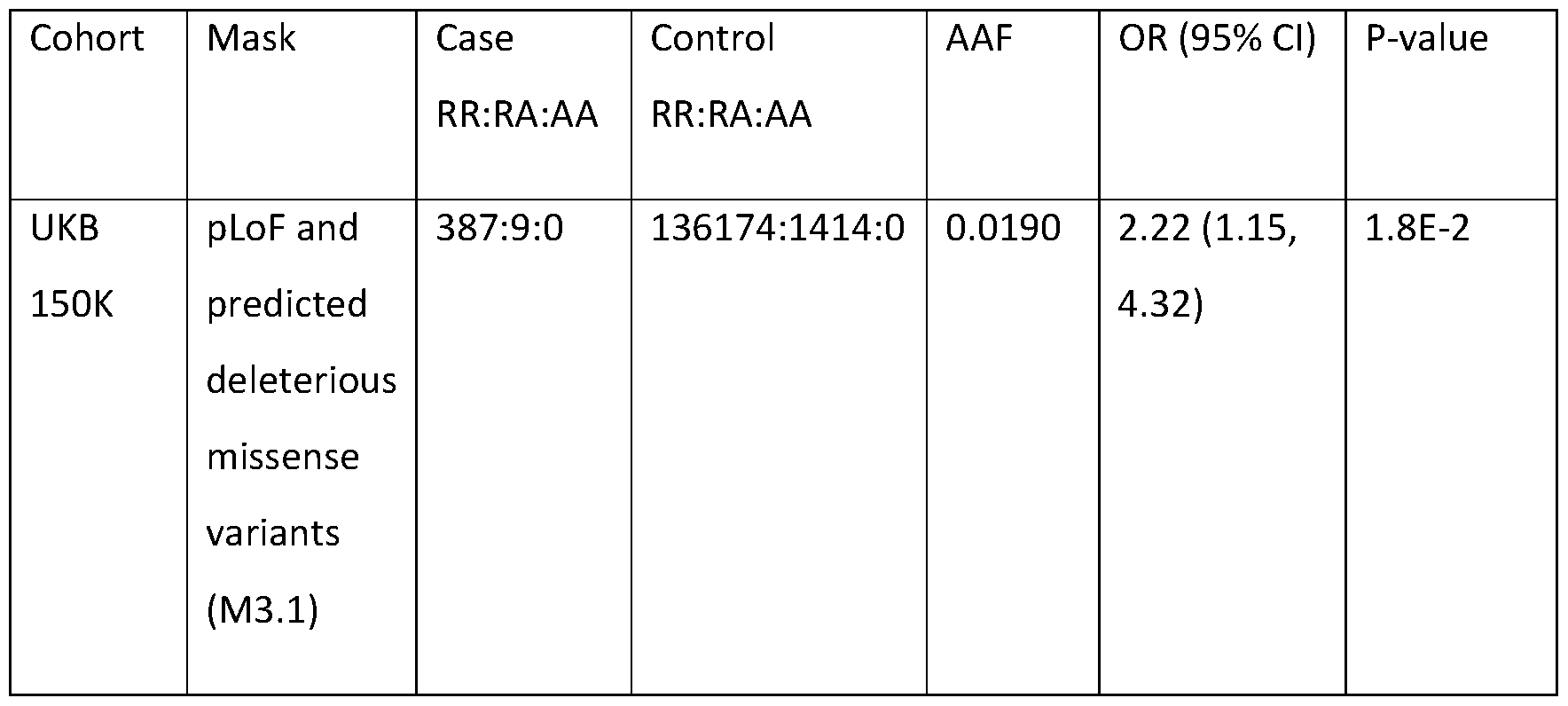


Claims
Priority Applications (8)
| Application Number | Priority Date | Filing Date | Title |
|---|---|---|---|
| EP20761447.0A EP4013494A1 (en) | 2019-08-12 | 2020-08-11 | Macrophage stimulating 1 receptor (mst1r) variants and uses thereof |
| AU2020329191A AU2020329191B2 (en) | 2019-08-12 | 2020-08-11 | Macrophage stimulating 1 receptor (MST1R) variants and uses thereof |
| CN202511033144.1A CN120866510A (en) | 2019-08-12 | 2020-08-11 | Macrophage-stimulating 1 receptor (MST 1R) variants and uses thereof |
| MX2022001812A MX2022001812A (en) | 2019-08-12 | 2020-08-11 | VARIANTS OF THE MACROPHAGE STIMULATING RECEPTOR 1 (MST1R) AND THEIR USES. |
| JP2022508916A JP2022544393A (en) | 2019-08-12 | 2020-08-11 | Macrophage stimulating 1 receptor (MST1R) variants and uses thereof |
| CN202080057217.XA CN114222588A (en) | 2019-08-12 | 2020-08-11 | Macrophage stimulating 1 receptor (MST1R) variants and uses thereof |
| CA3148611A CA3148611A1 (en) | 2019-08-12 | 2020-08-11 | Macrophage stimulating 1 receptor (mst1r) variants and uses thereof |
| JP2025028876A JP2025098004A (en) | 2019-08-12 | 2025-02-26 | Macrophage stimulating 1 receptor (mst1r) variants and uses thereof |
Applications Claiming Priority (2)
| Application Number | Priority Date | Filing Date | Title |
|---|---|---|---|
| US201962885402P | 2019-08-12 | 2019-08-12 | |
| US62/885,402 | 2019-08-12 |
Publications (1)
| Publication Number | Publication Date |
|---|---|
| WO2021030358A1 true WO2021030358A1 (en) | 2021-02-18 |
Family
ID=72234991
Family Applications (1)
| Application Number | Title | Priority Date | Filing Date |
|---|---|---|---|
| PCT/US2020/045784 Ceased WO2021030358A1 (en) | 2019-08-12 | 2020-08-11 | Macrophage stimulating 1 receptor (mst1r) variants and uses thereof |
Country Status (8)
| Country | Link |
|---|---|
| US (2) | US11752197B2 (en) |
| EP (1) | EP4013494A1 (en) |
| JP (2) | JP2022544393A (en) |
| CN (2) | CN114222588A (en) |
| AU (1) | AU2020329191B2 (en) |
| CA (1) | CA3148611A1 (en) |
| MX (1) | MX2022001812A (en) |
| WO (1) | WO2021030358A1 (en) |
Cited By (1)
| Publication number | Priority date | Publication date | Assignee | Title |
|---|---|---|---|---|
| WO2024129886A3 (en) * | 2022-12-15 | 2024-08-15 | Empirico Inc. | Treatment of mst1 related diseases and disorders |
Citations (5)
| Publication number | Priority date | Publication date | Assignee | Title |
|---|---|---|---|---|
| KR20100011620A (en) * | 2008-07-25 | 2010-02-03 | 국립암센터 | A composition for transglutaminase inhibitor comprising curcumin |
| CN102228666A (en) * | 2011-06-29 | 2011-11-02 | 烟台新时代健康产业有限公司 | Composition prepared from pine pollen and curcuma, preparation method thereof, and application of composition in preparing medicament for treating inflammatory bowel disease |
| WO2015087259A1 (en) * | 2013-12-11 | 2015-06-18 | Mogon Pharmaceuticals Sagl | Modified-release therapeutic systems for oral administration of curcumin in the treatment of intestinal disorders |
| WO2015085351A1 (en) * | 2013-12-12 | 2015-06-18 | Newsouth Innovations Pty Limited | Pharmaconutrient composition |
| US20180064821A1 (en) * | 2016-09-02 | 2018-03-08 | South Dakota Board Of Regents | Site specific curcumin-polymer molecular complexes and methods of treating colon diseases and inflammation |
Family Cites Families (101)
| Publication number | Priority date | Publication date | Assignee | Title |
|---|---|---|---|---|
| CA2362670A1 (en) * | 1999-03-12 | 2000-09-14 | Georgetown University | Matriptase, a serine protease and its applications |
| US7195759B2 (en) * | 2001-06-06 | 2007-03-27 | The University Of Manitoba | Therapeutic uses of glandular kallikrein |
| US7919084B2 (en) * | 2002-06-17 | 2011-04-05 | St. Vincent's Hospital Sydney Limited | Methods of diagnosis, prognosis and treatment of cardiovascular disease |
| EP2305812A3 (en) | 2002-11-14 | 2012-06-06 | Dharmacon, Inc. | Fuctional and hyperfunctional sirna |
| US20070037186A1 (en) | 2005-05-20 | 2007-02-15 | Yuqiu Jiang | Thyroid fine needle aspiration molecular assay |
| SI1981519T1 (en) * | 2005-12-29 | 2018-05-31 | Dyax Corp. | Protease inhibition |
| EP1921149A1 (en) | 2006-11-13 | 2008-05-14 | AEterna Zentaris GmbH | Microorganisms as carriers of nucleotide sequences coding for antigens and protein toxins, process of manufacturing and uses thereof |
| WO2008079269A2 (en) | 2006-12-19 | 2008-07-03 | Genego, Inc. | Novel methods for functional analysis of high-throughput experimental data and gene groups identified therfrom |
| EP2993473A1 (en) | 2007-01-30 | 2016-03-09 | Pharmacyclics, Inc. | Methods for determining cancer resistance to histone deacetylase inhibitors |
| MX2010008025A (en) | 2008-01-22 | 2010-08-04 | Biogen Idec Inc | Ron antibodies and uses thereof. |
| TW200946677A (en) | 2008-02-05 | 2009-11-16 | Aeterna Zentaris Gmbh | Recombinant bacteria with E. coli hemolysin secretion system and increased expression and/or secretion of H1yA, process of manufacturing and uses thereof |
| WO2010036629A2 (en) | 2008-09-26 | 2010-04-01 | National Health Research Institutes | Fused multicyclic compounds as protein kinase inhibitors |
| TWI480050B (en) | 2009-02-10 | 2015-04-11 | Daiichi Sankyo Co Ltd | Anti-mst1r antibodies and uses thereof |
| WO2010101916A1 (en) | 2009-03-02 | 2010-09-10 | Trackfive Diagnostics Inc | Methods for predicting cancer response to egfr inhibitors |
| CA2754392A1 (en) | 2009-03-11 | 2010-09-16 | Nestec S.A. | Tissue-specific aging biomarkers |
| US20120171672A1 (en) * | 2009-04-14 | 2012-07-05 | Prometheus Laboratories Inc. | Inflammatory bowel disease prognostics |
| CA2758531C (en) * | 2009-04-14 | 2018-11-13 | Derren Barken | Inflammatory bowel disease prognostics |
| WO2012122302A2 (en) | 2011-03-07 | 2012-09-13 | Oregon Health & Science University | Methods, apparatuses, and systems for detecting and quantifying phosphoproteins |
| WO2011078778A1 (en) | 2009-12-22 | 2011-06-30 | Biovator Technologies Ab | Method for assessing the sensitisation capability of a compound |
| CN102958942A (en) | 2009-12-29 | 2013-03-06 | 新兴产品开发西雅图有限公司 | Heterodimer binding proteins and uses thereof |
| US20130129723A1 (en) | 2009-12-29 | 2013-05-23 | Emergent Product Development Seattle, Llc | Heterodimer Binding Proteins and Uses Thereof |
| KR101378919B1 (en) | 2010-01-28 | 2014-04-14 | 포항공과대학교 산학협력단 | System biological method of biomarker selection for diagnosis of lung cancer, subtype of lung cancer, and biomarker selected by the same |
| PH12016502073B1 (en) * | 2010-11-17 | 2024-04-05 | Chugai Pharmaceutical Co Ltd | Multi-specific antigen-binding molecule having alternative function to function of blood coagulation factor viii |
| CN102093421B (en) | 2011-01-28 | 2014-07-02 | 北京康辰药业有限公司 | Phosphorus substituent group-containing quinoline compound and preparation method of quinoline compound as well as pharmaceutical composition containing quinoline compound and application of pharmaceutical composition |
| US20130064901A1 (en) | 2011-04-18 | 2013-03-14 | Agency For Science, Technology And Research | Gene expression profiling for classifying and treating gastric cancer |
| US8790651B2 (en) * | 2011-07-21 | 2014-07-29 | Zoetis Llc | Interleukin-31 monoclonal antibody |
| CN102408411B (en) | 2011-09-19 | 2014-10-22 | 北京康辰药业股份有限公司 | Hydroximic acid compound containing quinolyl and preparation method thereof, and drug composition containing the compound and use thereof |
| KR20140100938A (en) | 2011-11-30 | 2014-08-18 | 도쿠리츠교세이호진 고쿠리츠간켄큐센터 | Induced malignant stem cells |
| US8725426B2 (en) | 2012-01-31 | 2014-05-13 | Genomic Health, Inc. | Gene expression profile algorithm and test for determining prognosis of prostate cancer |
| US9429565B2 (en) | 2012-05-08 | 2016-08-30 | Cellecta, Inc. | Clonal analysis of functional genomic assays and compositions for practicing same |
| MX2014014356A (en) | 2012-05-24 | 2015-07-06 | Fundació Inst D Investigació Biomédica De Bellvitge Idibell | Method for the identification of the origin of a cancer of unknown primary origin by methylation analysis. |
| SI2906252T1 (en) | 2012-10-12 | 2017-10-30 | Adc Therapeutics Sa | Pyrrolobenzodiazepine-anti-her2 antibody conjugates |
| WO2014057118A1 (en) | 2012-10-12 | 2014-04-17 | Adc Therapeutics Sarl | Pyrrolobenzodiazepine-anti-cd22 antibody conjugates |
| AU2013328674B2 (en) | 2012-10-12 | 2017-06-22 | Medimmune Limited | Pyrrolobenzodiazepines and conjugates thereof |
| CN104837502B (en) | 2012-10-12 | 2018-08-10 | 麦迪穆有限责任公司 | Pyrrolobenzodiazepines and their conjugates |
| DK2906298T3 (en) | 2012-10-12 | 2018-12-17 | Adc Therapeutics Sa | Pyrrolobenzodiazepine-antibody conjugates |
| US10751346B2 (en) | 2012-10-12 | 2020-08-25 | Medimmune Limited | Pyrrolobenzodiazepine—anti-PSMA antibody conjugates |
| AU2013328625B2 (en) | 2012-10-12 | 2016-12-15 | Adc Therapeutics Sa | Pyrrolobenzodiazepine-antibody conjugates |
| EP2906250B1 (en) | 2012-10-12 | 2018-05-30 | ADC Therapeutics SA | Pyrrolobenzodiazepine-anti-psma antibody conjugates |
| ES2649990T3 (en) | 2012-10-12 | 2018-01-16 | Medimmune Limited | Anti-CD22-pyrrolobenzodiazepine antibody conjugates |
| US10695433B2 (en) | 2012-10-12 | 2020-06-30 | Medimmune Limited | Pyrrolobenzodiazepine-antibody conjugates |
| WO2014071218A2 (en) | 2012-11-02 | 2014-05-08 | University Of Utah Research Foundation | Biomarkers for breast cancer and methods of using same |
| WO2014074682A1 (en) | 2012-11-07 | 2014-05-15 | Somalogic, Inc. | Chronic obstructive pulmonary disease (copd) biomarkers and uses thereof |
| CN104822706A (en) * | 2012-11-30 | 2015-08-05 | 弗·哈夫曼-拉罗切有限公司 | RON compositions and methods of use thereof |
| CA2905181C (en) | 2013-03-13 | 2020-06-02 | Medimmune Limited | Pyrrolobenzodiazepines and conjugates thereof for providing targeted therapy |
| JP6464395B2 (en) | 2013-06-06 | 2019-02-06 | リード ディスカヴァリー センター ゲーエムベーハーLead Discovery Center GmbH | Quinoline inhibitor of 1 receptor MSTR1 that stimulates macrophages |
| WO2015050875A1 (en) | 2013-10-01 | 2015-04-09 | The Regents Of The University Of California | Endometriosis classifier |
| GB201317981D0 (en) | 2013-10-11 | 2013-11-27 | Spirogen Sarl | Pyrrolobenzodiazepines and conjugates thereof |
| US10010624B2 (en) | 2013-10-11 | 2018-07-03 | Medimmune Limited | Pyrrolobenzodiazepine-antibody conjugates |
| EP3054985B1 (en) | 2013-10-11 | 2018-12-26 | Medimmune Limited | Pyrrolobenzodiazepine-antibody conjugates |
| EP3054986B1 (en) | 2013-10-11 | 2019-03-20 | Medimmune Limited | Pyrrolobenzodiazepine-antibody conjugates |
| WO2015052533A1 (en) | 2013-10-11 | 2015-04-16 | Spirogen Sàrl | Pyrrolobenzodiazepine-antibody conjugates |
| GB201317982D0 (en) | 2013-10-11 | 2013-11-27 | Spirogen Sarl | Pyrrolobenzodiazepines and conjugates thereof |
| US10607717B2 (en) | 2013-11-06 | 2020-03-31 | The United States Of America, As Represented By The Secretary, Department Of Health And Human Services | Method for subtyping lymphoma types by means of expression profiling |
| WO2015120382A1 (en) | 2014-02-07 | 2015-08-13 | The Johns Hopkins University | Predicting response to epigenetic drug therapy |
| US20150259751A1 (en) | 2014-03-17 | 2015-09-17 | Washington University | Molecular signature for aggressive squamous cell carcinomas of the head and neck |
| US9089580B1 (en) | 2015-02-04 | 2015-07-28 | Juan Paz Garcia | Formulation for regeneration of bone, cartilage, teeth, and periodontium and treatment of tumors and cysts |
| CA2949814C (en) | 2014-05-23 | 2022-10-11 | Juan PAZ GARCIA | Formulation for regeneration of bone, cartilage, teeth, and periodontium and treatment of tumors and cysts |
| US9433629B2 (en) | 2014-05-23 | 2016-09-06 | Juan Paz Garcia | Formulation for regeneration of bone, cartilage, teeth, and periodontium and treatment of tumors and cysts |
| US9669074B2 (en) | 2014-05-23 | 2017-06-06 | Juan Paz Garcia | Formulation for regeneration of bone, cartilage, teeth, and periodontium and treatment of tumors and cysts |
| ES2686549T3 (en) | 2014-06-16 | 2018-10-18 | Worldwide Innovative Network | Method to select a personalized tritherapy for cancer treatment |
| JP6531166B2 (en) | 2014-09-10 | 2019-06-12 | メドイミューン・リミテッドMedImmune Limited | Pyrrolobenzodiazepine and its conjugate |
| GB201416112D0 (en) | 2014-09-12 | 2014-10-29 | Medimmune Ltd | Pyrrolobenzodiazepines and conjugates thereof |
| WO2016049276A1 (en) | 2014-09-25 | 2016-03-31 | Moffitt Genetics Corporation | Prognostic tumor biomarkers |
| EP3029149B1 (en) | 2014-12-03 | 2020-02-12 | Fundació Centre de Regulació Genòmica | Method of the identification of targets for alternative splicing |
| US9694084B2 (en) | 2014-12-23 | 2017-07-04 | Dana-Farber Cancer Institute, Inc. | Methods to induce targeted protein degradation through bifunctional molecules |
| JP6815318B2 (en) | 2014-12-23 | 2021-01-20 | ダナ−ファーバー キャンサー インスティテュート,インコーポレイテッド | How to Induce Targeted Proteolysis by Bifunctional Molecules |
| WO2016141169A1 (en) | 2015-03-03 | 2016-09-09 | Caris Mpi, Inc. | Molecular profiling for cancer |
| GB201506389D0 (en) | 2015-04-15 | 2015-05-27 | Berkel Patricius H C Van And Howard Philip W | Site-specific antibody-drug conjugates |
| TW202523682A (en) | 2015-05-20 | 2025-06-16 | 美商博德研究所有限公司 | Shared gata3-related tumor-specific neoantigens |
| WO2017007612A1 (en) | 2015-07-07 | 2017-01-12 | Dana-Farber Cancer Institute, Inc. | Methods to induce targeted protein degradation through bifunctional molecules |
| FR3039832A1 (en) | 2015-08-04 | 2017-02-10 | Univ Francois Rabelais De Tours | IGG1 AND THEIR THERAPEUTIC USE |
| GB201602356D0 (en) | 2016-02-10 | 2016-03-23 | Medimmune Ltd | Pyrrolobenzodiazepine Conjugates |
| GB201602359D0 (en) | 2016-02-10 | 2016-03-23 | Medimmune Ltd | Pyrrolobenzodiazepine Conjugates |
| GB201607478D0 (en) | 2016-04-29 | 2016-06-15 | Medimmune Ltd | Pyrrolobenzodiazepine Conjugates |
| EP3452101A2 (en) | 2016-05-04 | 2019-03-13 | CureVac AG | Rna encoding a therapeutic protein |
| CN109641874A (en) | 2016-05-10 | 2019-04-16 | C4医药公司 | C for target protein degradation3The glutarimide degron body of carbon connection |
| ES2921257T3 (en) | 2016-06-20 | 2022-08-22 | Daegu Gyeongbuk Medical Innovation Found | New imidazopyridine derivative, process for preparing it and pharmaceutical composition containing it as an active ingredient to prevent or treat cancer |
| WO2018053142A2 (en) | 2016-09-14 | 2018-03-22 | President And Fellows Of Harvard College | Methods and compositions for modulating erythropoiesis |
| GB201617466D0 (en) | 2016-10-14 | 2016-11-30 | Medimmune Ltd | Pyrrolobenzodiazepine conjugates |
| GB201619490D0 (en) | 2016-11-17 | 2017-01-04 | Medimmune Ltd | Pyrrolobenzodiazepine conjugates |
| US11384150B2 (en) | 2016-12-14 | 2022-07-12 | Development Center For Biotechnology | Antibody-drug conjugates and uses thereof |
| AU2017258901A1 (en) | 2016-12-30 | 2018-07-19 | Allarity Therapeutics Europe ApS | Methods for predicting drug responsiveness in cancer patients |
| KR102775647B1 (en) | 2017-03-31 | 2025-03-06 | 브리스톨-마이어스 스큅 컴퍼니 | How to treat tumors |
| PT3612537T (en) | 2017-04-18 | 2022-08-29 | Medimmune Ltd | Pyrrolobenzodiazepine conjugates |
| EP3634401A1 (en) | 2017-06-07 | 2020-04-15 | Silverback Therapeutics, Inc. | Antibody construct conjugates |
| US11041208B2 (en) | 2017-06-08 | 2021-06-22 | The Cleveland Clinic Foundation | Urine biomarkers for detecting graft rejection |
| US20180356402A1 (en) | 2017-06-08 | 2018-12-13 | The Cleveland Clinic Foundation | Urine biomarkers for detecting graft rejection |
| EP3654993A4 (en) | 2017-07-17 | 2021-08-25 | The Broad Institute, Inc. | HUMAN COLON CELL ATLAS IN GOOD HEALTH WITH HEMORRHAGIC RECTO-COLITIS |
| US20230152257A1 (en) | 2017-09-25 | 2023-05-18 | Skyhawk Therapeutics, Inc. | Methods and compositions for screening and identification of splicing |
| KR20200071740A (en) | 2017-09-28 | 2020-06-19 | 임팩트-바이오 리미티드. | Universal platform for the production of inhibitory chimeric antigen receptors (ICAR) |
| WO2019140380A1 (en) | 2018-01-12 | 2019-07-18 | Kymera Therapeutics, Inc. | Protein degraders and uses thereof |
| AU2019200325A1 (en) | 2018-01-31 | 2019-08-15 | Liplasome Pharma Aps | Methods for treating cancer and predicting drug responsiveness in cancer patients |
| US10883992B2 (en) | 2018-02-22 | 2021-01-05 | Regents Of The University Of Minnesota | Universal kinase substrates and methods of use thereof |
| GB201806022D0 (en) | 2018-04-12 | 2018-05-30 | Medimmune Ltd | Pyrrolobenzodiazepines and conjugates thereof |
| WO2019232485A1 (en) | 2018-05-31 | 2019-12-05 | Nvigen, Inc. | Accurate blood test to predict cancer incidence, recurrence, guide and monitor treatment intervention |
| WO2020007234A1 (en) | 2018-07-02 | 2020-01-09 | 深圳市塔吉瑞生物医药有限公司 | Alkynyl(hetero)aromatic compound for inhibiting protein kinase activity |
| US12559721B2 (en) | 2018-07-16 | 2026-02-24 | Agency For Science, Technology And Research | Method for isolating a cardiomyocyte population |
| US11746110B2 (en) | 2018-07-17 | 2023-09-05 | Shenzhen Targetrx, Inc. | Alkynyl (hetero) aromatic ring compounds used for inhibiting protein kinase activity |
| WO2020036437A1 (en) | 2018-08-16 | 2020-02-20 | 재단법인 대구경북첨단의료산업진흥재단 | Substituted heteroaryl derivative, method for producing same, and pharmaceutical composition for preventing or treating protein kinase-related diseases which contains same as active ingredient |
| US20200316120A1 (en) | 2018-09-28 | 2020-10-08 | Immpact-Bio Ltd. | METHODS FOR IDENTIFYING ACTIVATING ANTIGEN RECEPTOR (aCAR)/INHIBITORY CHIMERIC ANTIGEN RECEPTOR (iCAR) PAIRS FOR USE IN CANCER THERAPIES |
-
2020
- 2020-08-11 MX MX2022001812A patent/MX2022001812A/en unknown
- 2020-08-11 US US16/990,744 patent/US11752197B2/en active Active
- 2020-08-11 CN CN202080057217.XA patent/CN114222588A/en active Pending
- 2020-08-11 EP EP20761447.0A patent/EP4013494A1/en active Pending
- 2020-08-11 CA CA3148611A patent/CA3148611A1/en active Pending
- 2020-08-11 CN CN202511033144.1A patent/CN120866510A/en active Pending
- 2020-08-11 JP JP2022508916A patent/JP2022544393A/en active Pending
- 2020-08-11 WO PCT/US2020/045784 patent/WO2021030358A1/en not_active Ceased
- 2020-08-11 AU AU2020329191A patent/AU2020329191B2/en active Active
-
2023
- 2023-07-19 US US18/355,108 patent/US20240075102A1/en active Pending
-
2025
- 2025-02-26 JP JP2025028876A patent/JP2025098004A/en active Pending
Patent Citations (5)
| Publication number | Priority date | Publication date | Assignee | Title |
|---|---|---|---|---|
| KR20100011620A (en) * | 2008-07-25 | 2010-02-03 | 국립암센터 | A composition for transglutaminase inhibitor comprising curcumin |
| CN102228666A (en) * | 2011-06-29 | 2011-11-02 | 烟台新时代健康产业有限公司 | Composition prepared from pine pollen and curcuma, preparation method thereof, and application of composition in preparing medicament for treating inflammatory bowel disease |
| WO2015087259A1 (en) * | 2013-12-11 | 2015-06-18 | Mogon Pharmaceuticals Sagl | Modified-release therapeutic systems for oral administration of curcumin in the treatment of intestinal disorders |
| WO2015085351A1 (en) * | 2013-12-12 | 2015-06-18 | Newsouth Innovations Pty Limited | Pharmaconutrient composition |
| US20180064821A1 (en) * | 2016-09-02 | 2018-03-08 | South Dakota Board Of Regents | Site specific curcumin-polymer molecular complexes and methods of treating colon diseases and inflammation |
Non-Patent Citations (8)
| Title |
|---|
| "Current Protocols in Molecular Biology", vol. 6.3.1-6.3.6, 1989, JOHN WILEY & SONS |
| ALTSCHUL ET AL., NUCLEIC ACIDS RES., vol. 25, 1997, pages 3389 - 3402 |
| DATABASE WPI Week 201050, Derwent World Patents Index; AN 2010-B67730, XP002800522 * |
| DATABASE WPI Week 201230, Derwent World Patents Index; AN 2011-P81732, XP002800521 * |
| KAUDER ET AL., PLOS ONE, vol. 8, 2013, pages e83958 |
| LUDWIG ET AL., HEPATOLOGY, vol. 1, 1981, pages 632 - 640 |
| See also references of EP4013494A1 |
| SIEVERSHIGGINS, METHODS MOL. BIOL., vol. 1079, 2014, pages 105 - 116 |
Cited By (2)
| Publication number | Priority date | Publication date | Assignee | Title |
|---|---|---|---|---|
| WO2024129886A3 (en) * | 2022-12-15 | 2024-08-15 | Empirico Inc. | Treatment of mst1 related diseases and disorders |
| US12312586B2 (en) | 2022-12-15 | 2025-05-27 | Empirico Inc. | Treatment of MST1 related diseases and disorders |
Also Published As
| Publication number | Publication date |
|---|---|
| JP2025098004A (en) | 2025-07-01 |
| CA3148611A1 (en) | 2021-02-18 |
| US20210046157A1 (en) | 2021-02-18 |
| JP2022544393A (en) | 2022-10-18 |
| CN120866510A (en) | 2025-10-31 |
| EP4013494A1 (en) | 2022-06-22 |
| US11752197B2 (en) | 2023-09-12 |
| US20240075102A1 (en) | 2024-03-07 |
| AU2020329191A1 (en) | 2022-03-31 |
| MX2022001812A (en) | 2022-03-11 |
| AU2020329191B2 (en) | 2025-12-04 |
| CN114222588A (en) | 2022-03-22 |
Similar Documents
| Publication | Publication Date | Title |
|---|---|---|
| JP2020536560A (en) | Inhibition of HSD17B13 in the treatment of liver disease in patients expressing the PNPLA3 I148M mutation | |
| AU2025252523A1 (en) | Compositions and methods for the diagnosis and treatment of lymphatic system disorders | |
| JP2025098004A (en) | Macrophage stimulating 1 receptor (mst1r) variants and uses thereof | |
| US20230000897A1 (en) | Treatment Of Cerebrovascular Disease With Neurogenic Locus Notch Homolog Protein 3 (NOTCH3) Agents | |
| AU2022356375B2 (en) | Reticulocalbin-3 (rcn3) variants and treatment of asthma with interleukin-4 receptor alpha (il4r) antagonists | |
| US20230151426A1 (en) | Reticulocalbin-3 (RCN3) Variants And Treatment Of Asthma With Interleukin-4 Receptor Alpha (IL4R) Antagonists | |
| US12215322B2 (en) | Treatment of liver disease with mitochondrial glycerol-3-phosphate acyltransferase (GPAM) inhibitors | |
| US20240401136A1 (en) | Proprotein Convertase Subtilisin/Kexin Type 1 (PCSK1) Variants And Uses Thereof | |
| CN118265529A (en) | Treatment of liver diseases using cAMP response element binding protein 3-like 3 (CREB3L3) inhibitors | |
| CN117940565A (en) | Treatment of reduced bone mineral density with Wnt family member 5B (Wnt 5B) inhibitors | |
| CN117597132A (en) | Treating liver disease with RNF213 inhibitors | |
| CN121175436A (en) | Treatment of varicose veins with piezoelectric mechanosensitive ion channel component 1 (PIEZO 1) agonists | |
| JP2024509157A (en) | Treatment of liver diseases with ring finger protein 213 (RNF213) inhibitors | |
| KR20230025094A (en) | SNP for drug hypersensitivity and diagnosis method using the same | |
| HK40064127A (en) | Compositions and methods for the diagnosis and treatment of lymphatic system disorders |
Legal Events
| Date | Code | Title | Description |
|---|---|---|---|
| 121 | Ep: the epo has been informed by wipo that ep was designated in this application |
Ref document number: 20761447 Country of ref document: EP Kind code of ref document: A1 |
|
| ENP | Entry into the national phase |
Ref document number: 3148611 Country of ref document: CA |
|
| ENP | Entry into the national phase |
Ref document number: 2022508916 Country of ref document: JP Kind code of ref document: A |
|
| NENP | Non-entry into the national phase |
Ref country code: DE |
|
| ENP | Entry into the national phase |
Ref document number: 2020761447 Country of ref document: EP Effective date: 20220314 |
|
| ENP | Entry into the national phase |
Ref document number: 2020329191 Country of ref document: AU Date of ref document: 20200811 Kind code of ref document: A |
|
| WWD | Wipo information: divisional of initial pct application |
Ref document number: 824076 Country of ref document: NZ |